Come, Follow Me—For Home and Church: Old Testament 2026
Come, Follow Me is a resource designed for anyone who wants to study the scriptures individually, with family, or in Church classes. It helps beginners start regular scripture study and helps those with existing habits find more meaningful experiences. This podcast presents the audio version of the Come, Follow Me manual for the Old Testament in 2026.
Episodes
The Future of the Church: Preparing the World for the Savior’s Second Coming
By President Russell M. NelsonThe Church of Jesus Christ of Latter-day Saints is preparing the world for the day when “the earth shall be full of the knowledge of the Lord” (Isaiah 11:9).

That They May See
By Bonnie H. CordonYoung Women General PresidentLook and pray for opportunities to let your light shine that others may see the way to Jesus Christ.
Jesus Declares He Is the Messiah
Jesus announces that He is the Messiah prophesied by Isaiah, but is rejected by His neighbors in Nazareth.
The Sabbath Is a Delight
By Elder Russell M. NelsonOf the Quorum of the Twelve ApostlesHow can you ensure that your behavior on the Sabbath will lead to joy and rejoicing?

Is Not This the Fast That I Have Chosen?
Elder Ulisses Soares explains how all God’s children can be blessed through the law of the fast.
“Is Not This the Fast That I Have Chosen?”
By President Henry B. EyringFirst Counselor in the First PresidencyYour fast offering will do more than help feed and clothe bodies. It will heal and change hearts.
Isaiah 66
At the Second Coming, Israel, as a nation, will be born in a day; the wicked will be destroyed; and the Gentiles will hear the gospel.
Isaiah 65
Ancient Israel was rejected for rejecting the Lord—The Lord’s people will rejoice and triumph during the Millennium.
Isaiah 64
The people of the Lord pray for the Second Coming and for the salvation that will then be theirs.
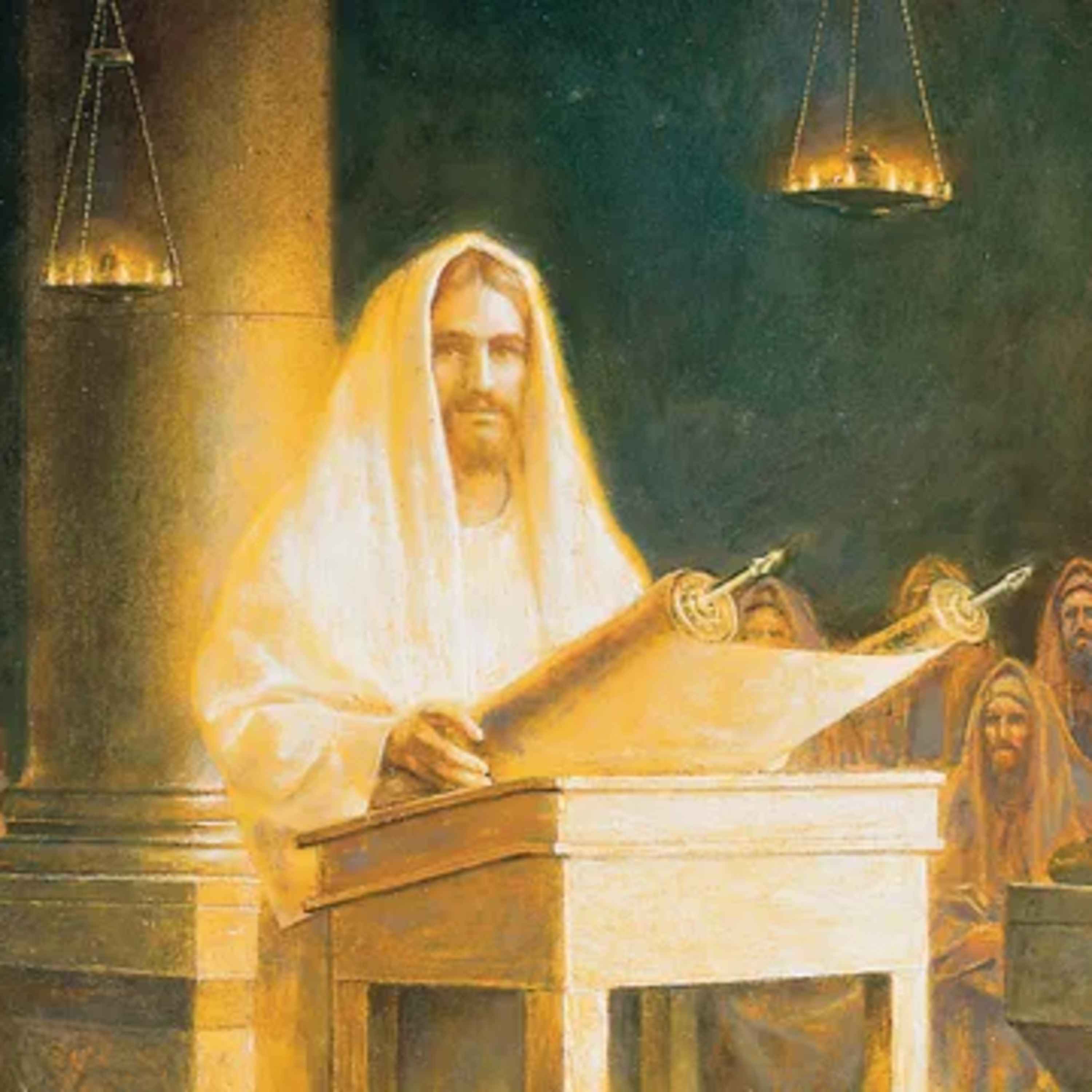
Isaiah 63
The Second Coming will be a day of vengeance and also the year of the redeemed of the Lord—Then the Saints will praise the Lord and acknowledge Him as their father.
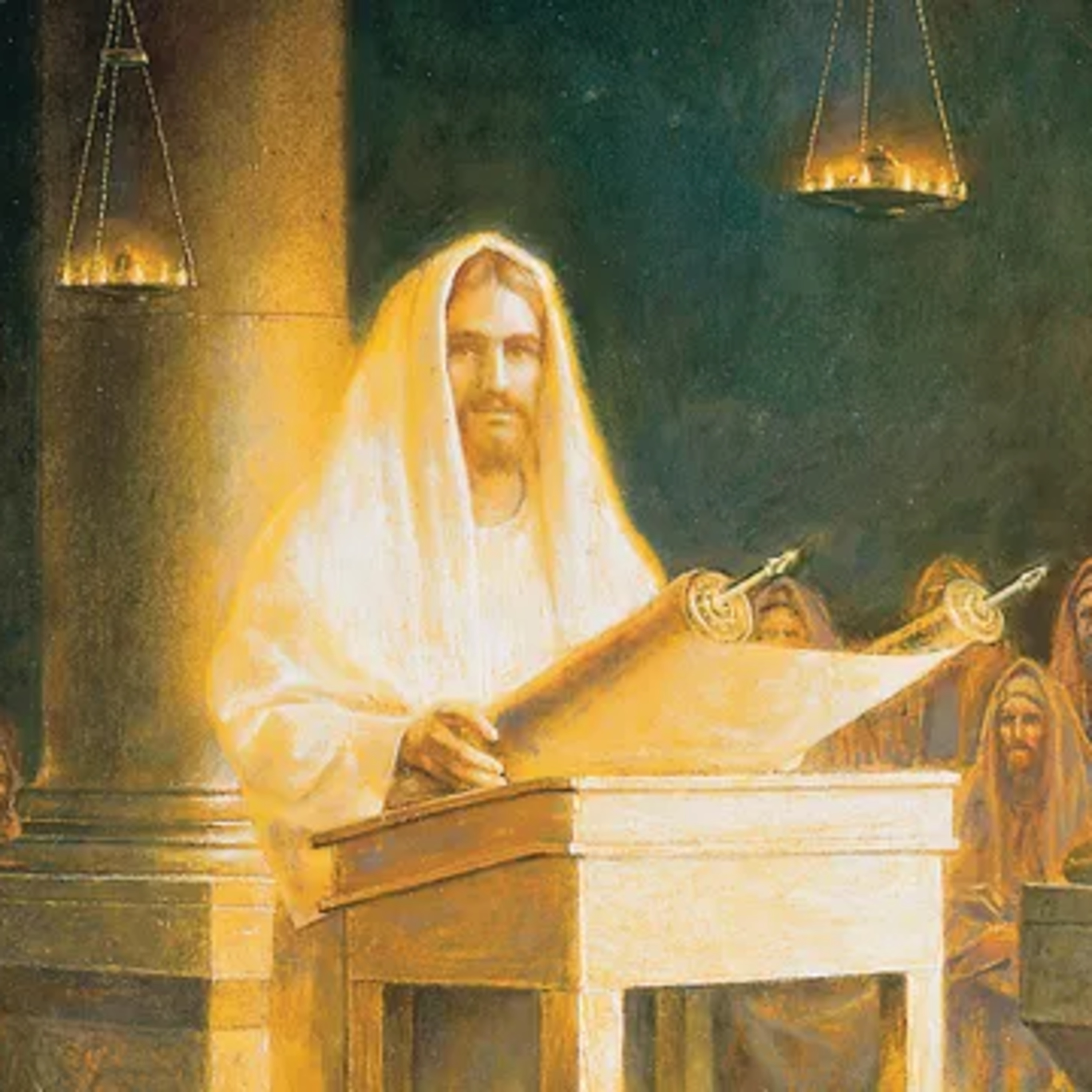
Isaiah 62
In the last days, Israel will be gathered—Zion will be established—Her watchmen will teach about the Lord—The gospel standard will be lifted up—The people will be called holy, the redeemed of the Lord.
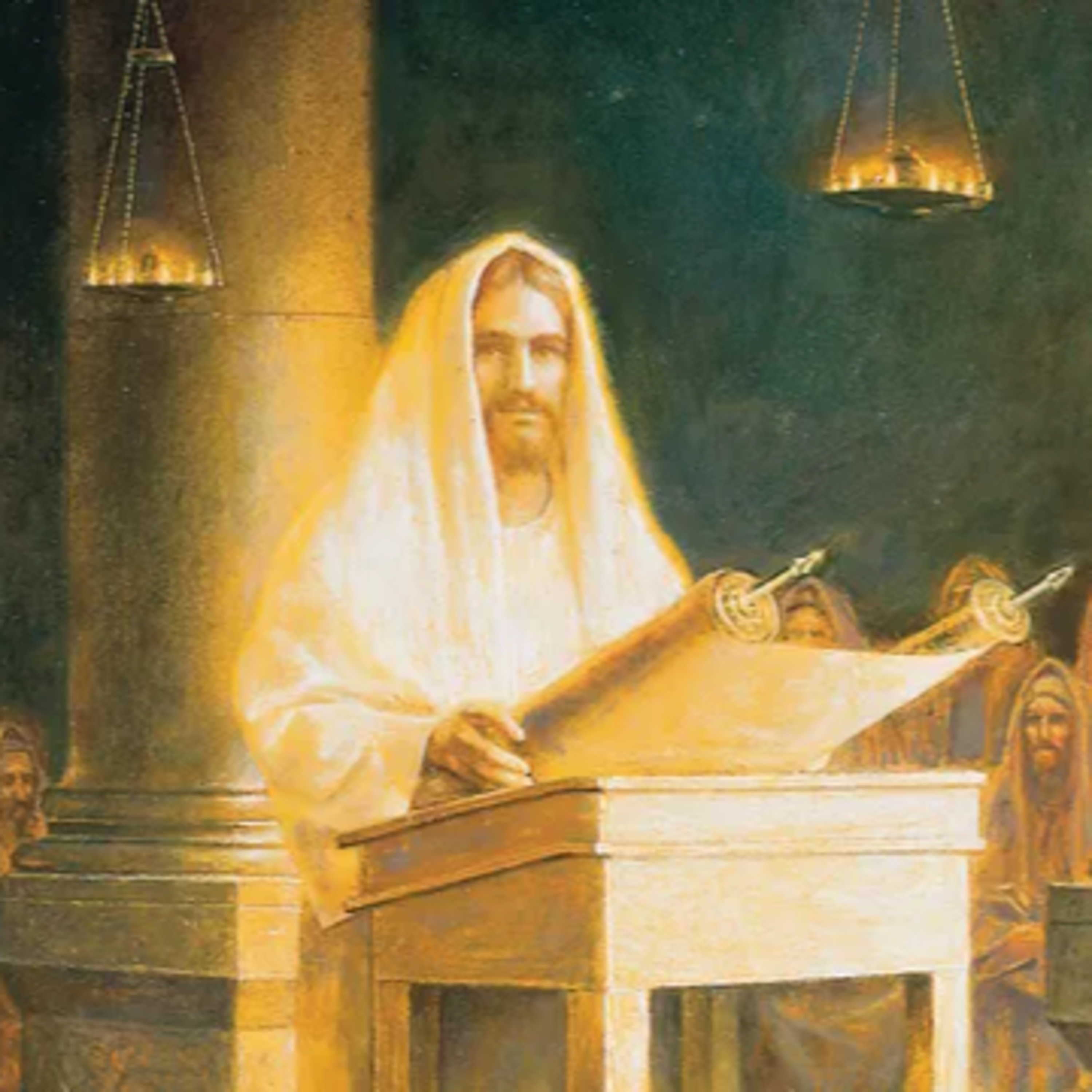
Isaiah 61
Isaiah speaks about the Messiah—The Messiah will have the Spirit, preach the gospel, and proclaim liberty—In the last days, the Lord will call His ministers and make an everlasting covenant with the people.
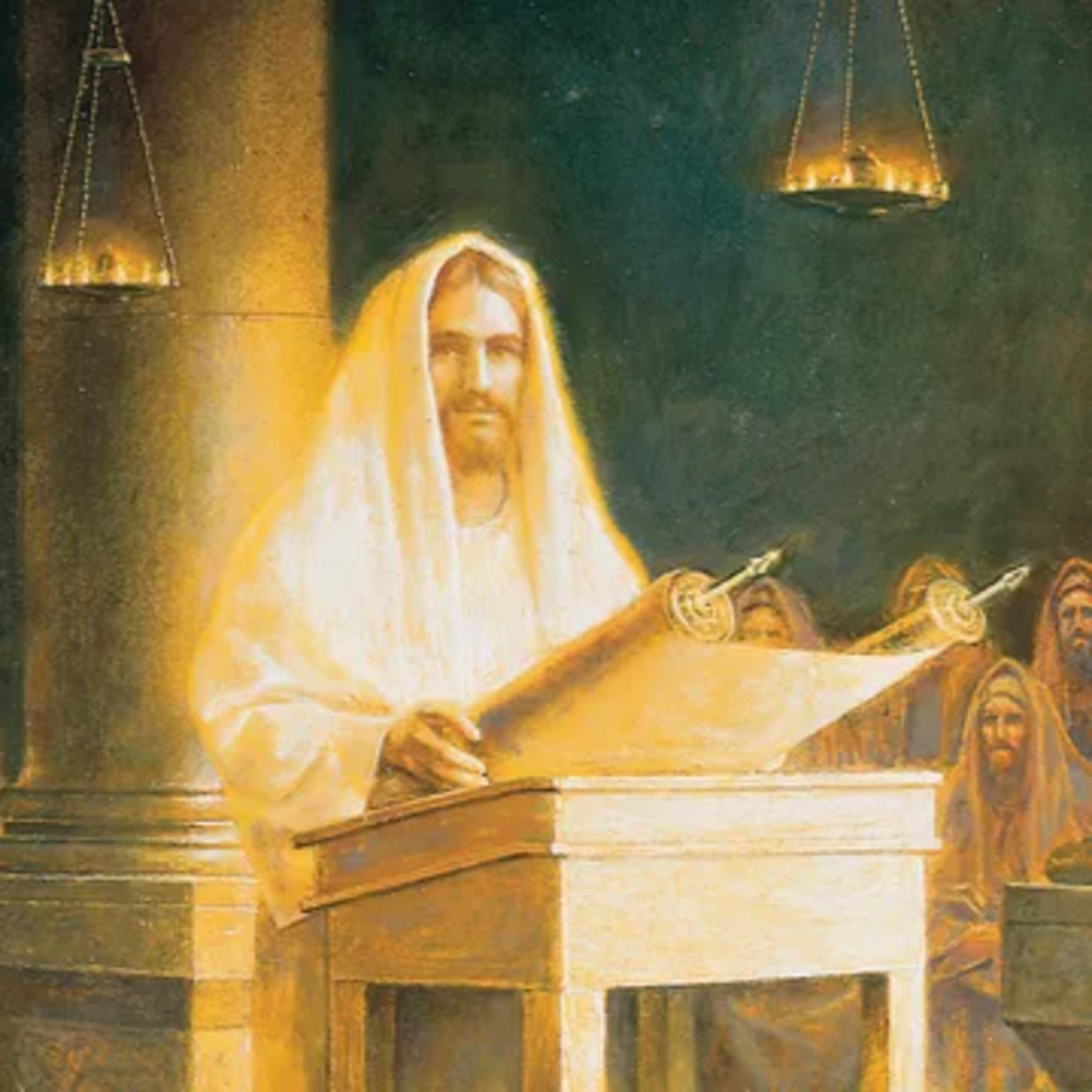
Isaiah 60
In the last days, Israel will rise again as a mighty nation—The gentile peoples will join with and serve Israel—Zion will be established—Finally, Israel will dwell in celestial splendor.
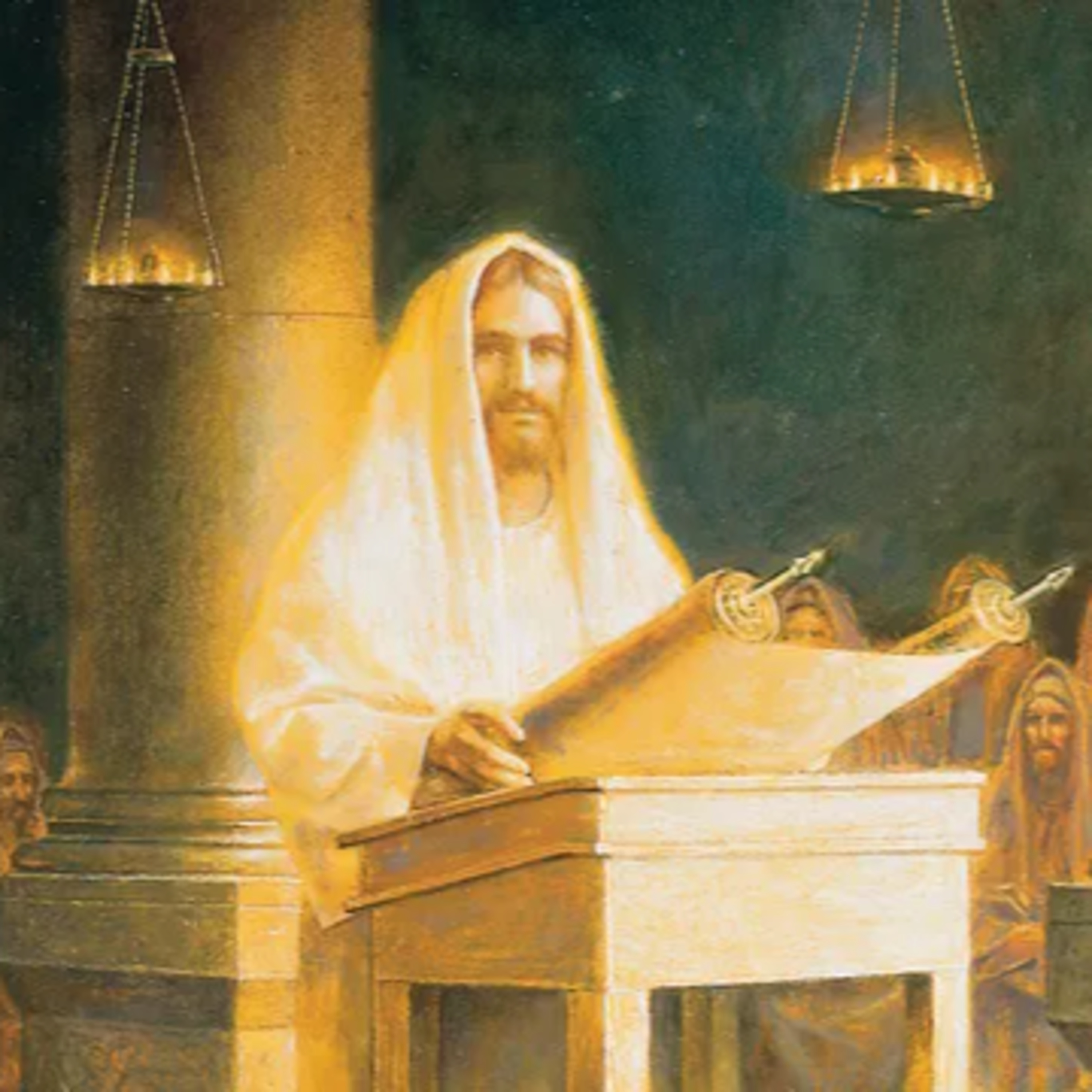
Isaiah 59
The people of Israel are separated from their God by iniquity—Their sins testify against them—The Messiah will intercede, come to Zion, and redeem the repentant.
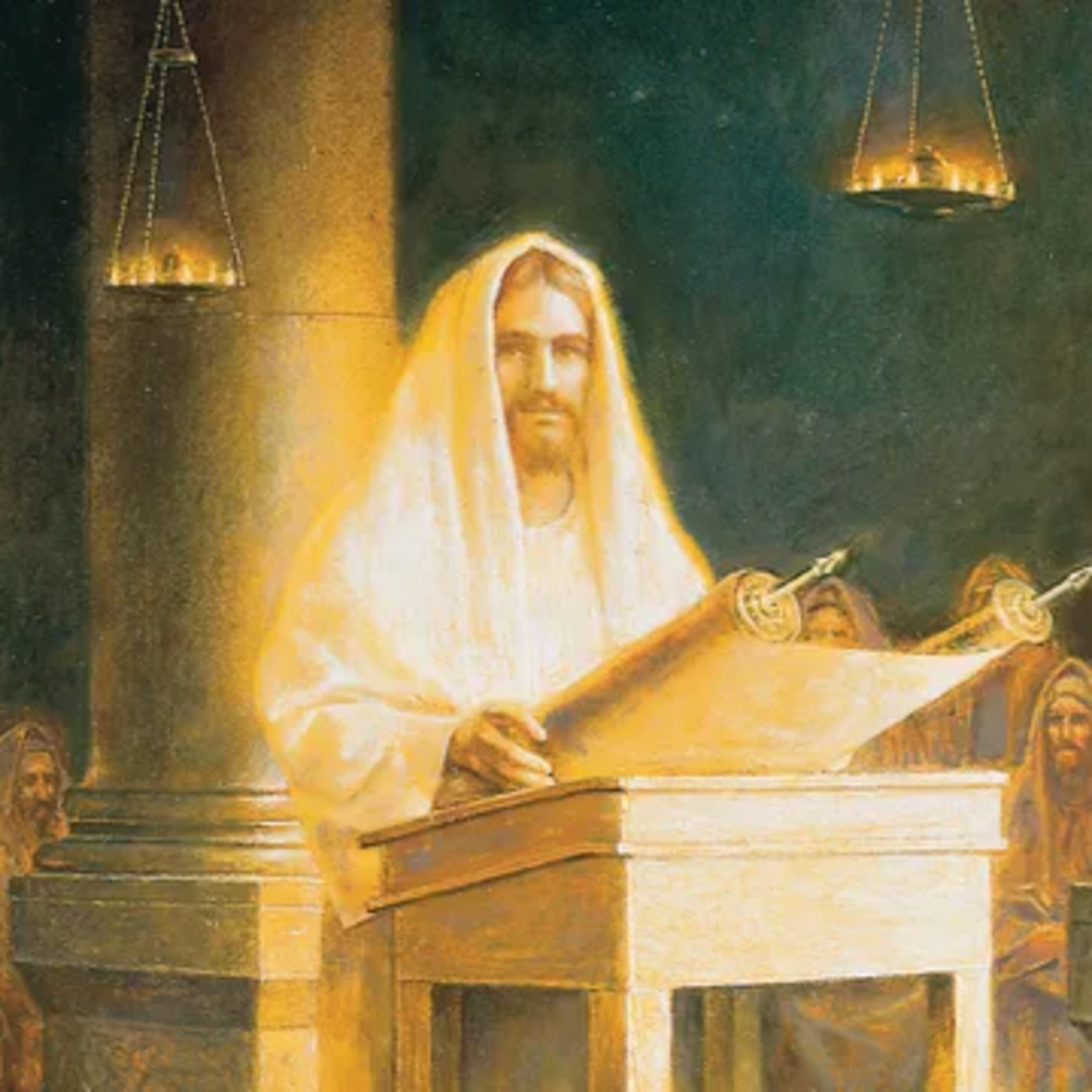
Isaiah 58
The true law of the fast, with its purposes and attendant blessings, is set forth—The commandment to keep the Sabbath is given.
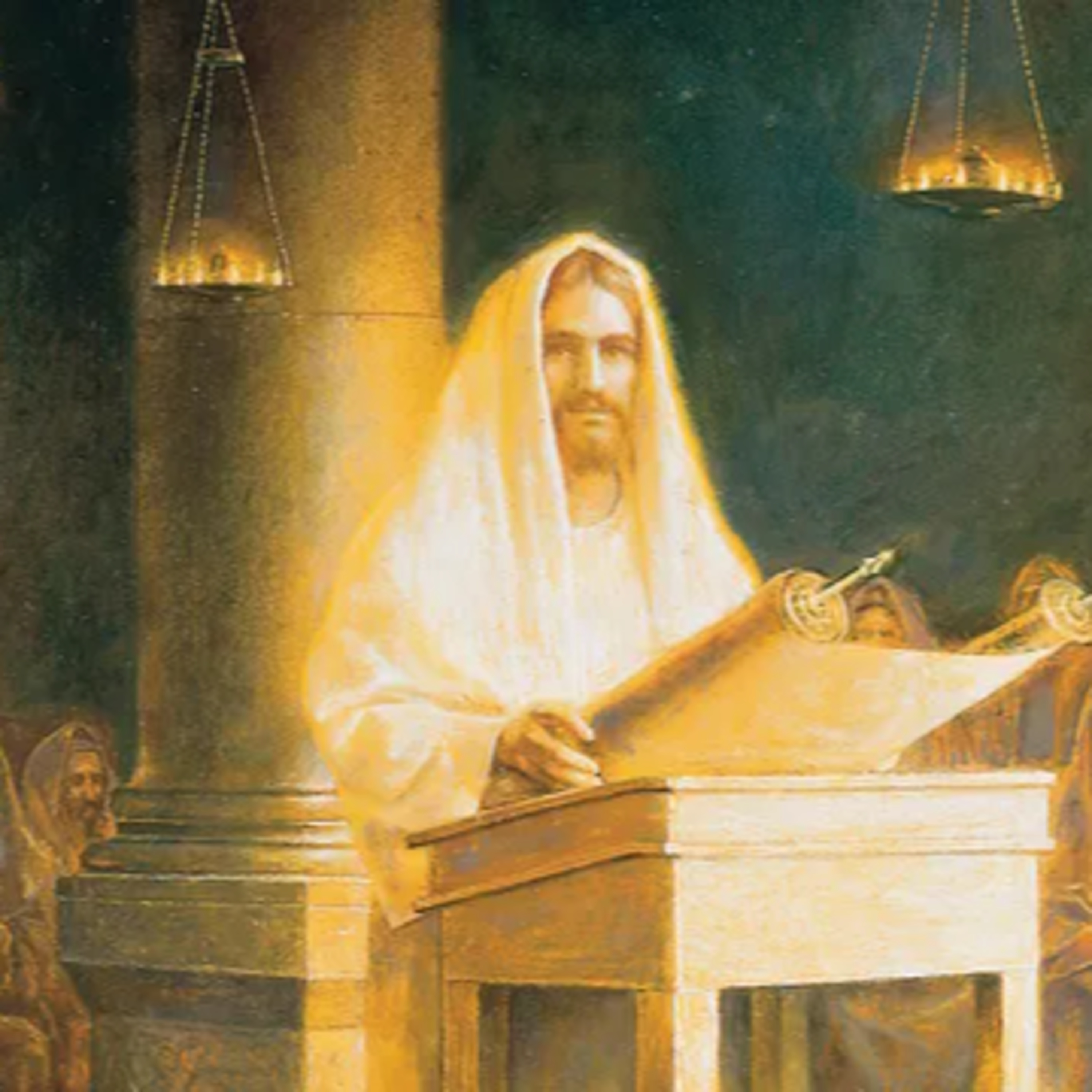
October 12–18: “The Redeemer Shall Come to Zion” Isaiah 58–66
Early in His ministry, Jesus Christ visited a synagogue in Nazareth, where He was raised. He stood there to read from the scriptures, opened the book of Isaiah, and read what we now know as Isaiah 61:1–2. He then announced, “This day is this scripture fulfilled in your ears.” This was one of the Savior’s most straightforward declarations that He was the Anointed One, who would “heal the brokenhear

God’s Intent Is to Bring You Home
By Elder Patrick KearonOf the Quorum of the Twelve ApostlesEverything about the Father’s plan for His beloved children is designed to bring everyone home.
He Will Place You on His Shoulders and Carry You Home
By President Dieter F. UchtdorfSecond Counselor in the First PresidencyJust as the Good Shepherd finds His lost sheep, if you will only lift up your heart to the Savior of the world, He will find you.
He Hath Borne Our Griefs, and Carried Our Sorrows
Elder Clark G. Gilbert shares insights on how the Savior’s suffering can help us through life’s difficult situations.
My Kingdom Is Not of This World
Jesus is persecuted, mocked, and crucified. His followers mourn and find the tomb empty on the third day. The Son of God breaks the bands of death and ascends to His Father in Heaven. —Easter Part 2
Embrace the Future with Faith
By President Russell M. NelsonPresident of The Church of Jesus Christ of Latter-day SaintsThe future will be glorious for those who are prepared and who continue to prepare to be instruments in the Lord’s hands.
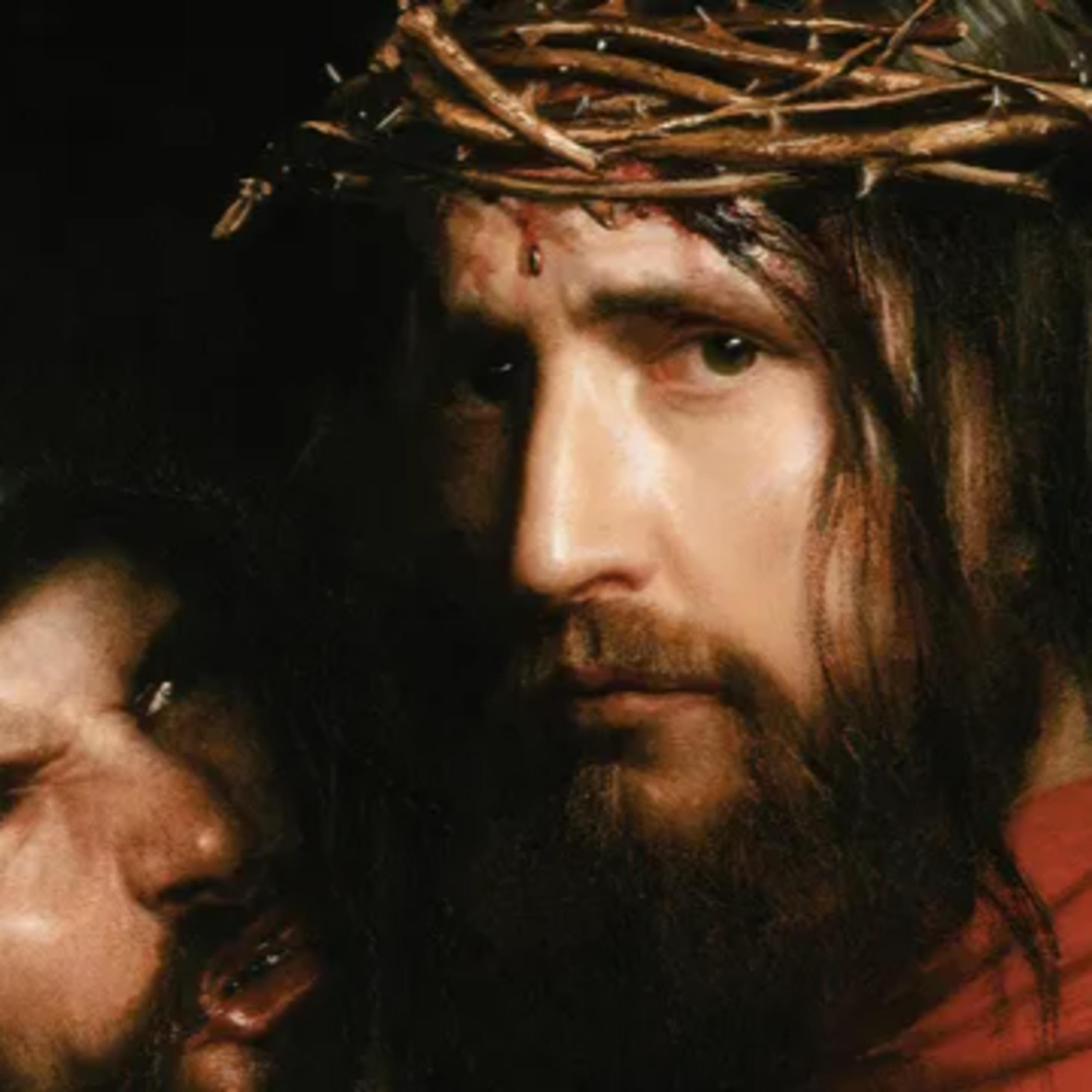
Isaiah 57
When the righteous die, they enter into peace—Mercy is promised to the penitent—There is no peace for the wicked.
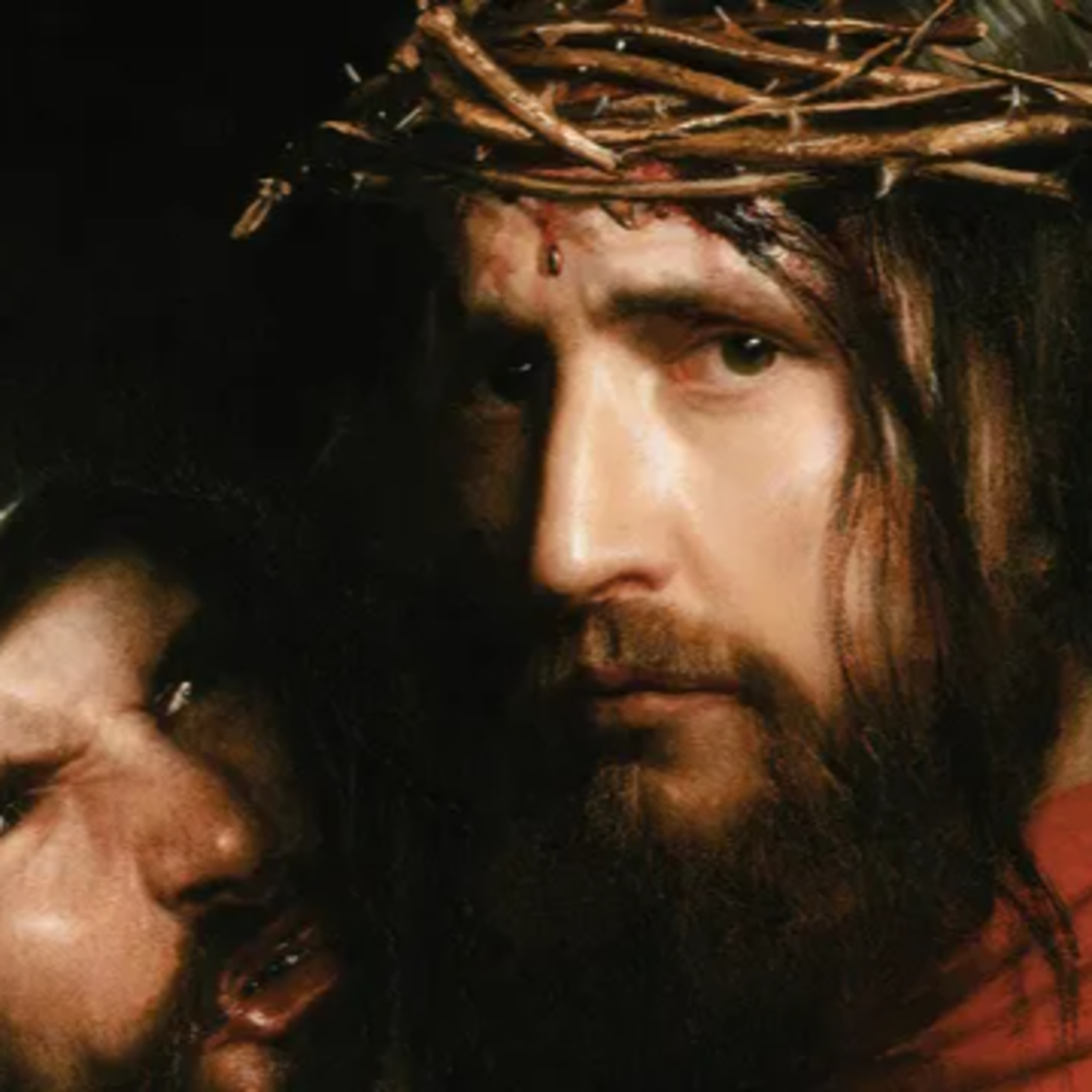
Isaiah 56
All who keep the commandments will be exalted—Other people will join Israel—The Lord will gather others to the house of Israel.
Isaiah 55
Come and drink; salvation is free—The Lord will make an everlasting covenant with Israel—Seek the Lord while He is near.
Isaiah 54
In the last days, Zion and her stakes will be established, and Israel will be gathered in mercy and tenderness—Israel will triumph—Compare 3 Nephi 22.
Isaiah 53
Isaiah speaks about the Messiah—His humiliation and sufferings are described—He makes His soul an offering for sin and makes intercession for the transgressors—Compare Mosiah 14.
Isaiah 52
In the last days, Zion will return, and Israel will be redeemed—The Messiah will deal prudently and be exalted.
Isaiah 51
In the last days, the Lord will comfort Zion and gather Israel—The redeemed will come to Zion amid great joy—Compare 2 Nephi 8.
Isaiah 50
Isaiah speaks as the Messiah—He will have the tongue of the learned—He will give His back to the smiters—He will not be confounded—Compare 2 Nephi 7.
October 5–11: “He Hath Borne Our Griefs, and Carried Our Sorrows” Isaiah 50–57
Throughout his ministry, Isaiah spoke of a mighty deliverer. These prophecies would have been especially precious to the Israelites centuries later when they were in captivity in Babylon. Someone who could tear down the walls of Babylon would be a mighty conqueror indeed. But that isn’t the kind of Messiah that Isaiah described in chapters 52–53: “He is despised and rejected of men; a man of sorro
The Refiner's Fire
The refiner’s fire is not a comfortable place to be. It involves intense heat and repeated hammering. But it is in the refiner’s fire we are purified and prepared to meet God.

He Is Risen with Healing in His Wings: We Can Be More Than Conquerors
By Elder Patrick KearonOf the Presidency of the SeventyJesus has overcome the abuses of this world to give you power to not only survive but one day, through Him, to overcome and even conquer.
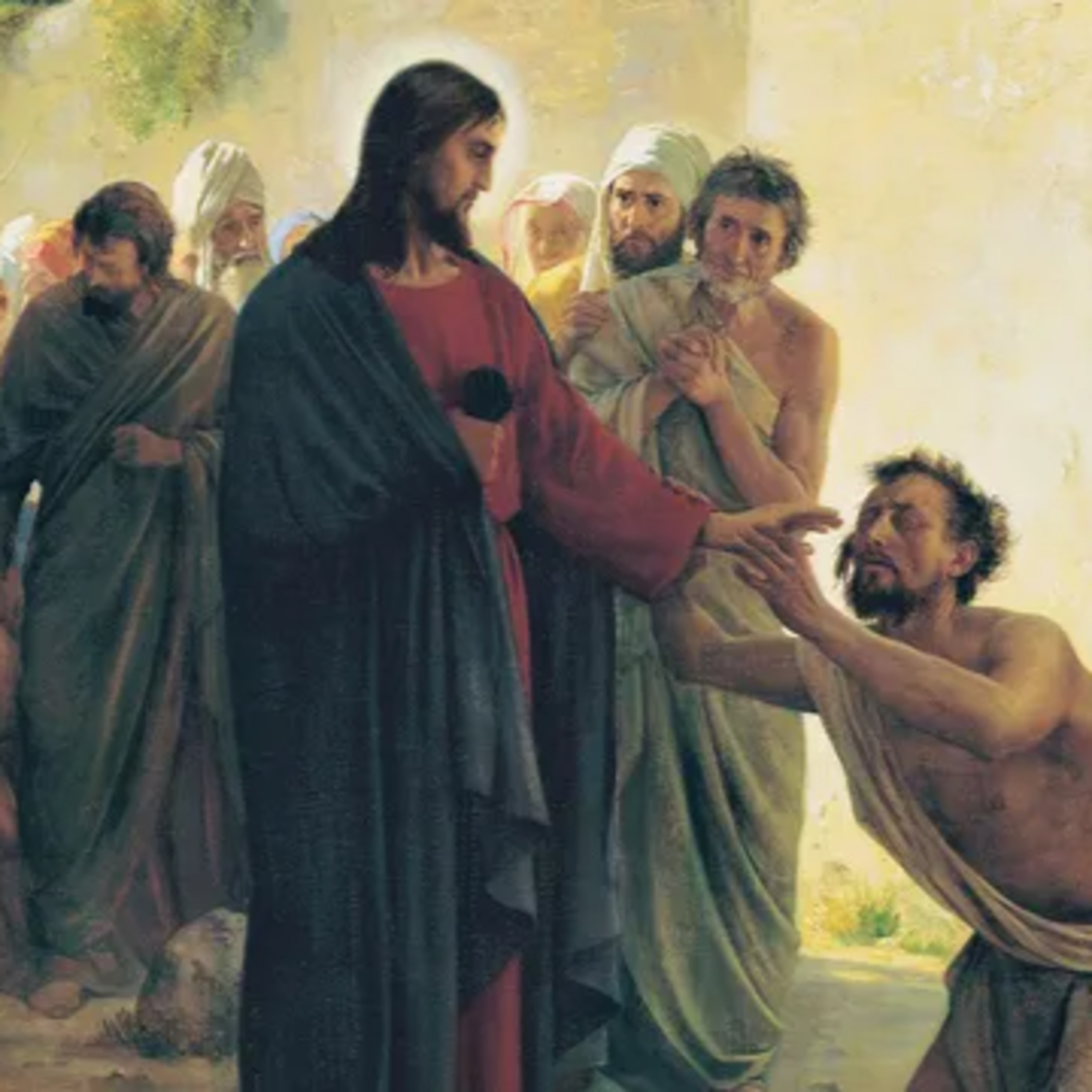
Isaiah 49
The Messiah will be a light to the Gentiles and will free the prisoners—Israel will be gathered with power in the last days—Kings will be the nursing fathers of Israel—Compare 1 Nephi 21.
Isaiah 48
The Lord reveals His purposes to Israel—Israel has been chosen in the furnace of affliction and is to depart from Babylon—Compare 1 Nephi 20.
Isaiah 47
Babylon and Chaldea will be destroyed for their iniquities—No one will save them.
Isaiah 46
Idols are not to be compared with the Lord—He alone is God and will save Israel.
Isaiah 45
Cyrus will free the captives of Israel from Babylon—Come unto Jehovah (Christ) and be saved—To Him every knee will bow and every tongue will take an oath.
Isaiah 44
The Lord’s Spirit will be poured out on the descendants of Israel—Idols of wood are as fuel for a fire—The Lord will gather, bless, and redeem Israel and rebuild Jerusalem.
Isaiah 43
To Israel the Lord says, I am your God; I will gather your descendants; beside me there is no Savior; you are my witnesses.
Isaiah 42
Isaiah speaks about the Messiah—The Lord will bring His law and His justice, be a light to the Gentiles, and free the prisoners—Praise the Lord.
Isaiah 41
To Israel the Lord says, Ye are my servants; I will preserve you—Idols are nothing—One will bring good tidings to Jerusalem.
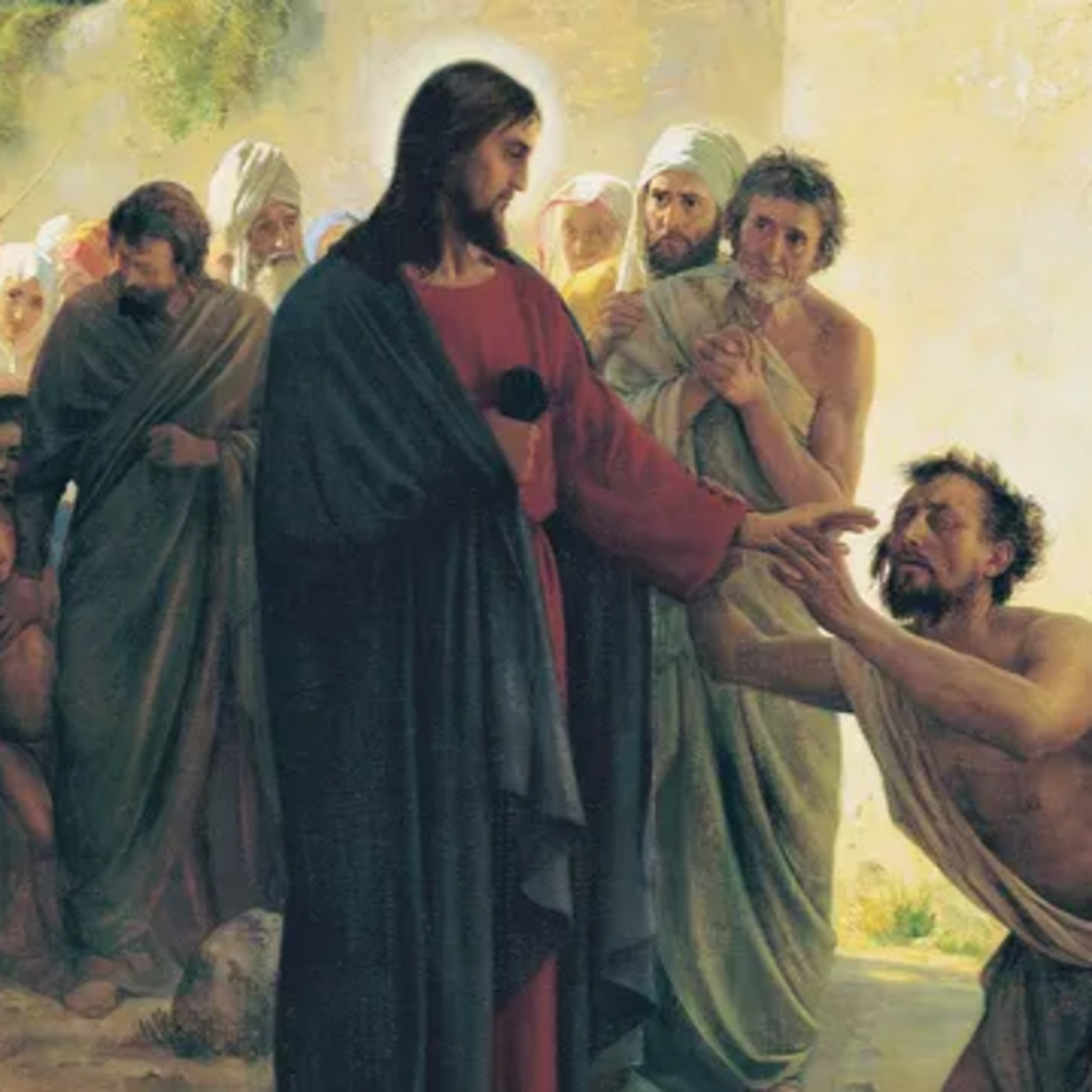
Isaiah 40
Isaiah speaks about the Messiah—Prepare ye the way of the Lord—He will feed His flock like a shepherd—Israel’s God is incomparably great.
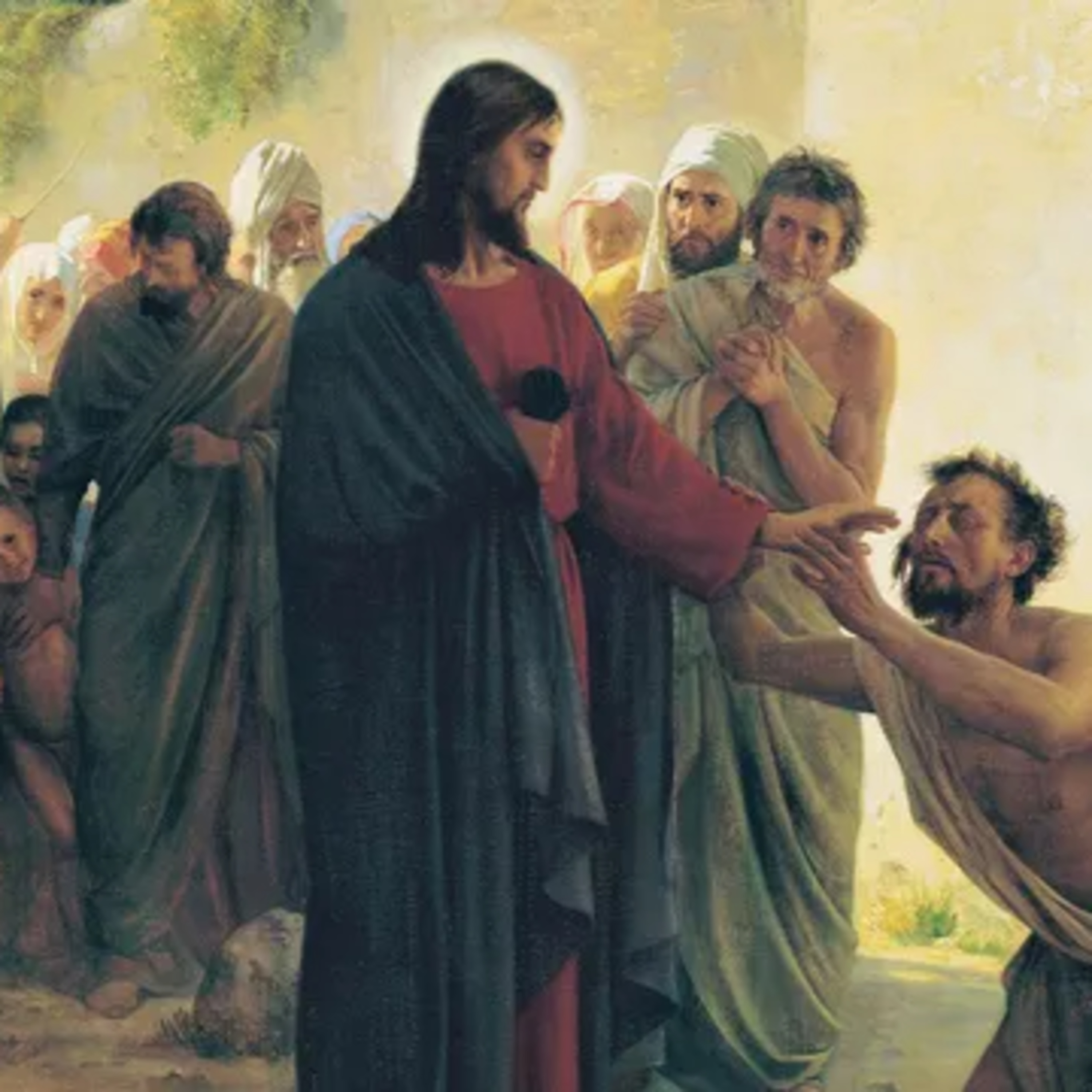
September 28–October 4: “Comfort Ye My People” Isaiah 40–49
“Comfort” is the first word of Isaiah chapter 40. It marks the beginning of a different tone, a different emphasis in the prophet’s message. Isaiah’s earlier writings warned Israel and Judah about destruction and captivity that would come because of their sins. But these later prophecies were meant to comfort the Jewish people over 150 years in the future—after Jerusalem and the temple were destro
The Restoration of the Fulness of the Gospel of Jesus Christ: A Bicentennial Proclamation to the World
The First Presidency and Council of the Twelve Apostles of The Church of Jesus Christ of Latter-day Saints

All Nations, Kindreds, and Tongues
By Elder Gerrit W. GongOf the Quorum of the Twelve ApostlesWe can become, in our own way, part of the fulfillment of the Lord’s prophecies and promises—part of the gospel blessing the world.

Christ Heals That Which Is Broken
By Amy A. WrightSecond Counselor in the Primary General PresidencyHe can heal broken relationships with God, broken relationships with others, and broken parts of ourselves.
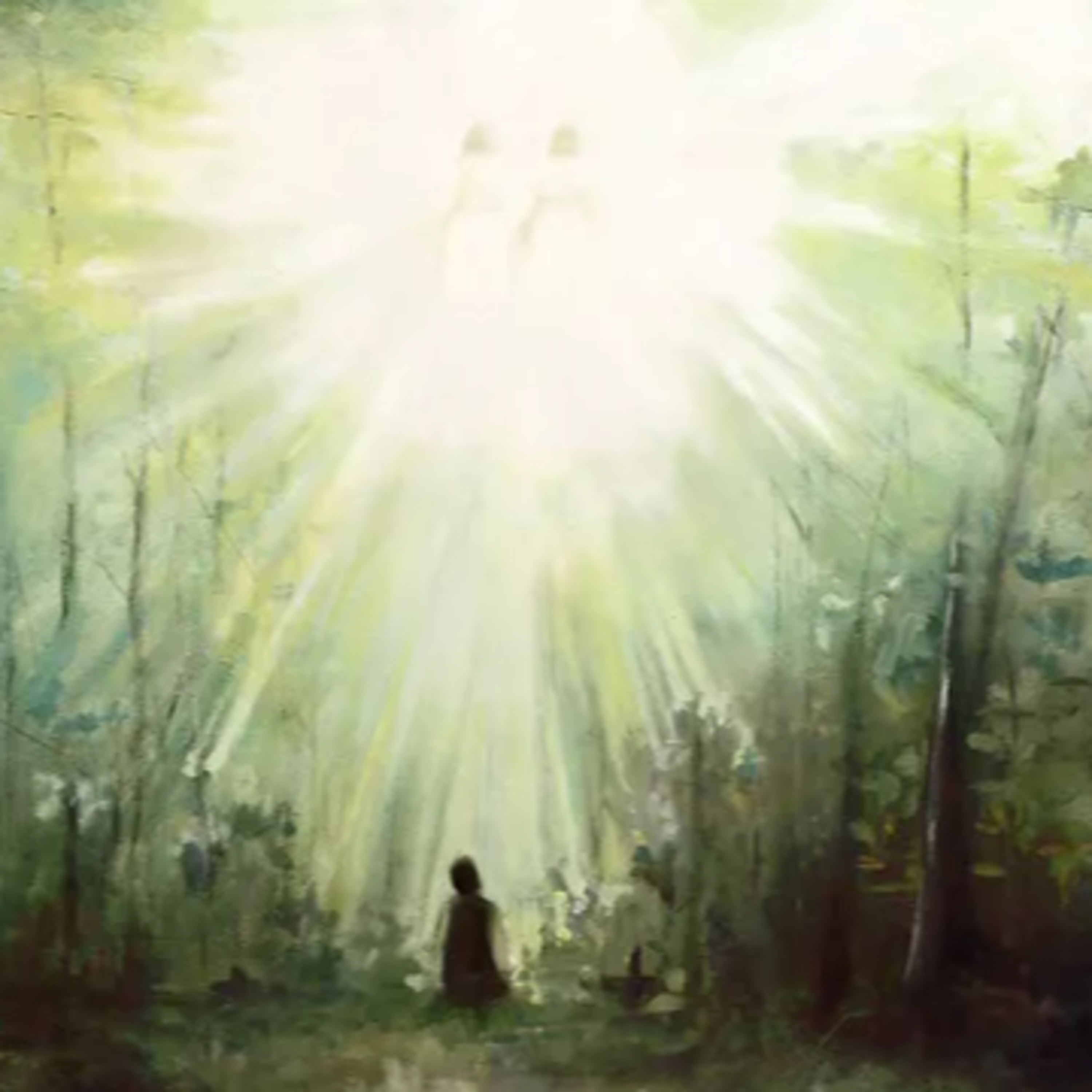
Isaih 35
In the day of restoration, the desert will blossom, the Lord will come, Israel will be gathered, and Zion will be built up.
Isaiah 30
Israel is scattered for rejecting the seers and prophets—Israel’s people will be gathered and blessed temporally and spiritually—The Lord will come in a day of apostasy to judge and destroy the wicked.
Isaiah 29
A people (the Nephites) will speak as a voice from the dust—The Apostasy, restoration of the gospel, and coming forth of a sealed book (the Book of Mormon) are foretold—Compare 2 Nephi 27.
Isaiah 28
Woe to the drunkards of Ephraim!—Revelation comes line upon line and precept upon precept—Christ, the sure foundation, is promised.
Isaiah 27
The people of Israel will blossom and bud and fill the earth with fruit—They will be gathered one by one and will worship the Lord.
Isaiah 26
Trust in the Lord forever—Jehovah will die and be resurrected—All men will rise in the Resurrection.
Isaiah 25
In Mount Zion the Lord will prepare a gospel feast of rich food—He will swallow up death in victory—It will be said, Lo, this is our God.
Isaiah 24
Men will transgress the law and break the everlasting covenant—At the Second Coming, they will be burned, the earth will reel, and the sun will be ashamed—Then the Lord will reign in Zion and in Jerusalem.
Isaiah 22
Jerusalem will be attacked and scourged—The people will be carried captive—The Messiah will hold the key of the house of David, inherit glory, and be fastened as a nail in a sure place.
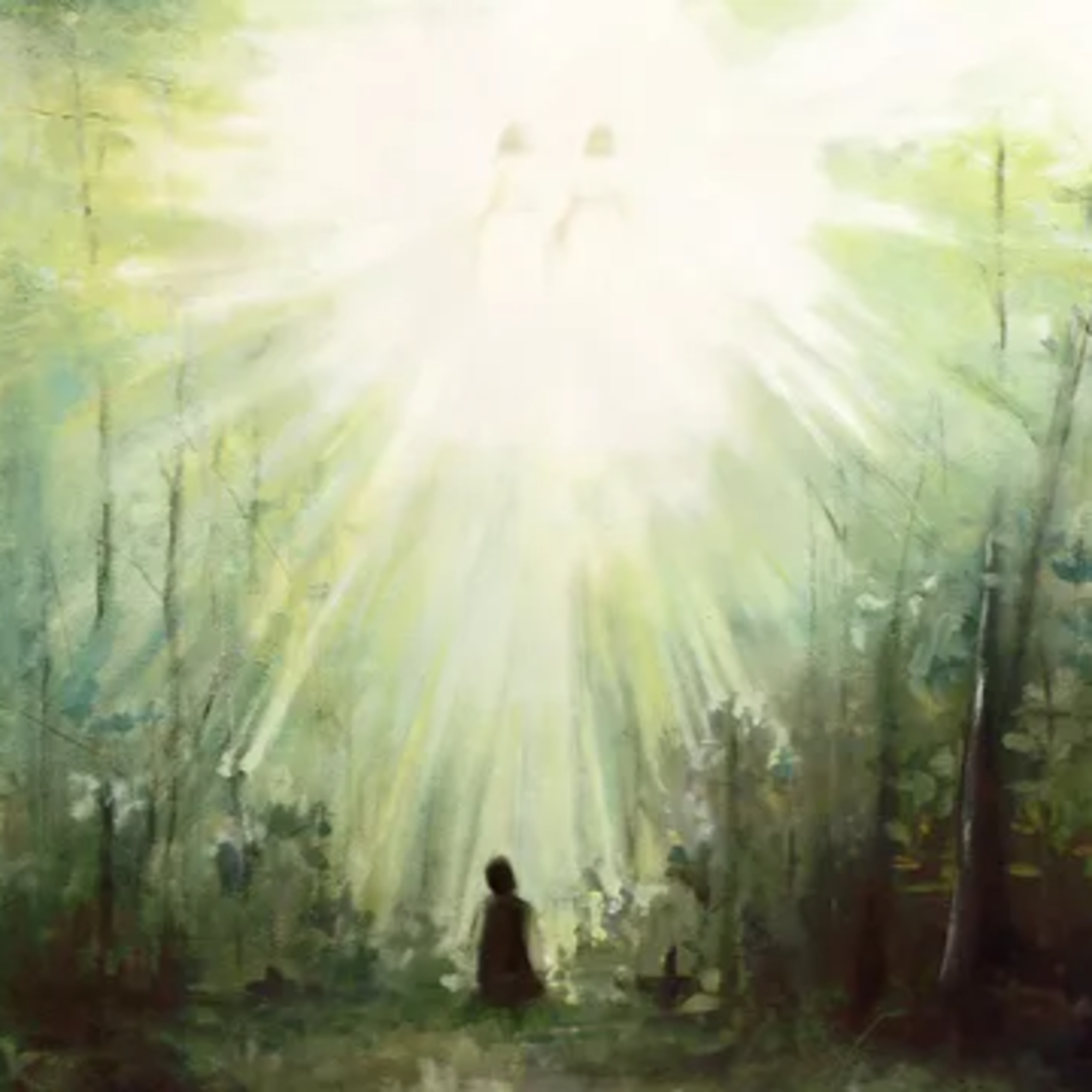
Isaiah 14
Israel will be gathered and enjoy millennial rest—Lucifer was cast out of heaven for rebellion—Israel will triumph over Babylon (the world)—Compare 2 Nephi 24.
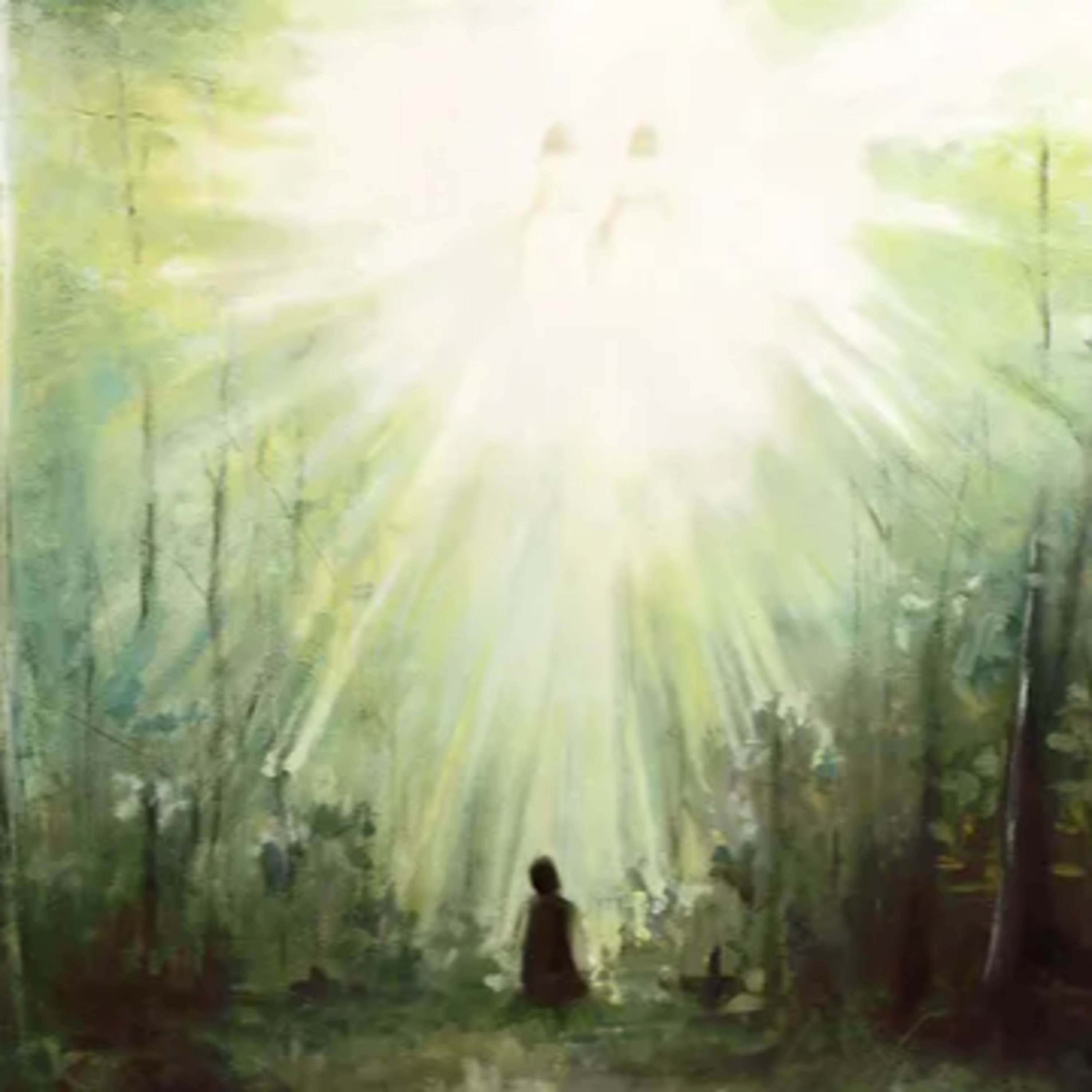
Isaiah 13
The destruction of Babylon is a type of the destruction at the Second Coming—It will be a day of wrath and vengeance—Babylon (the world) will fall forever—Compare 2 Nephi 23.
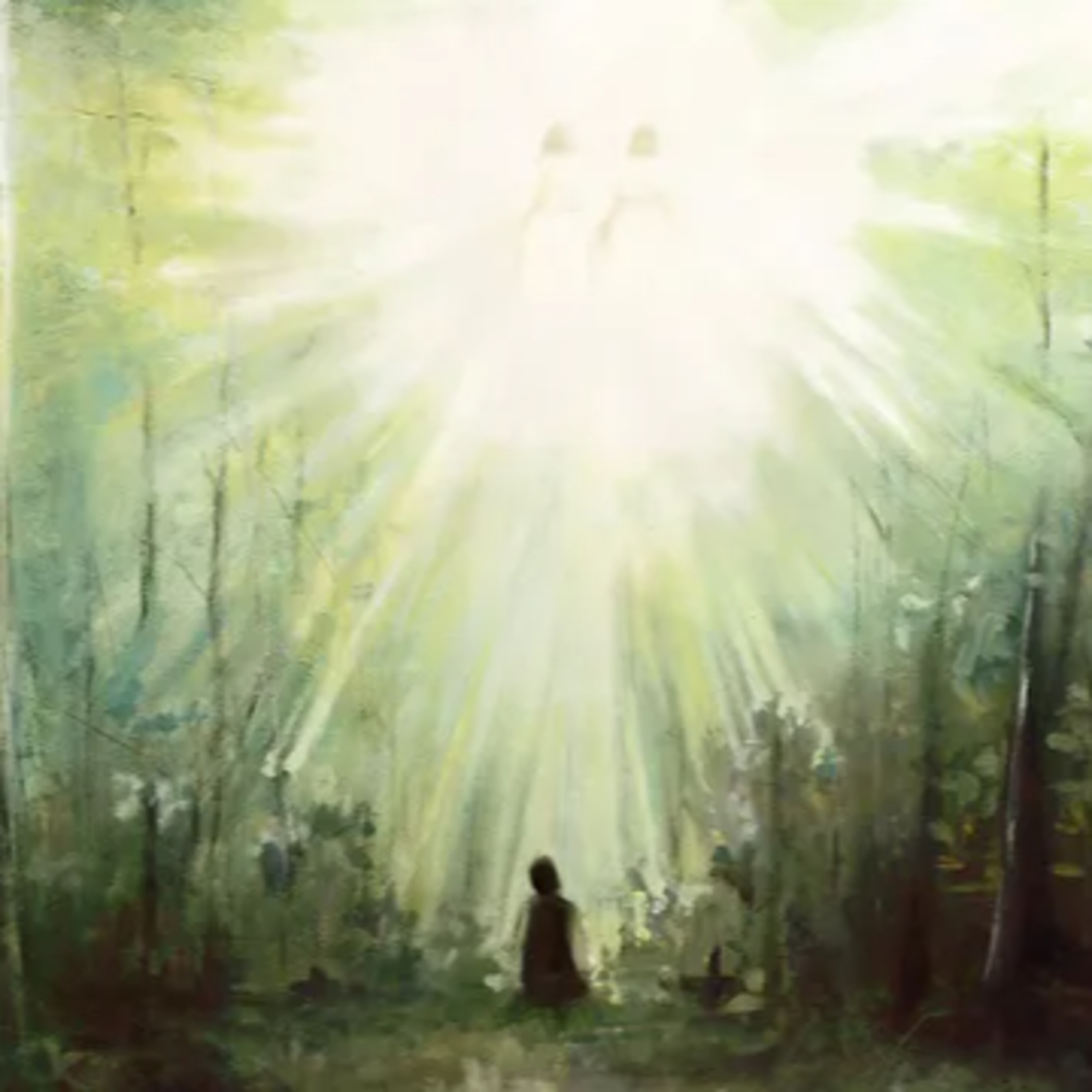
September 21–27: “A Marvellous Work and a Wonder” Isaiah 13–14; 22; 24–30; 35
One thing that the Lord asks prophets to do is to warn about the consequences of sin. For Old Testament prophets, this often meant telling the rulers of mighty kingdoms that they needed to repent. It was a dangerous task, but Isaiah was fearless, and his warnings to the kingdoms of his day—including Israel, Judah, and surrounding nations—were bold (see Isaiah 13–23).However, Isaiah also had a mess
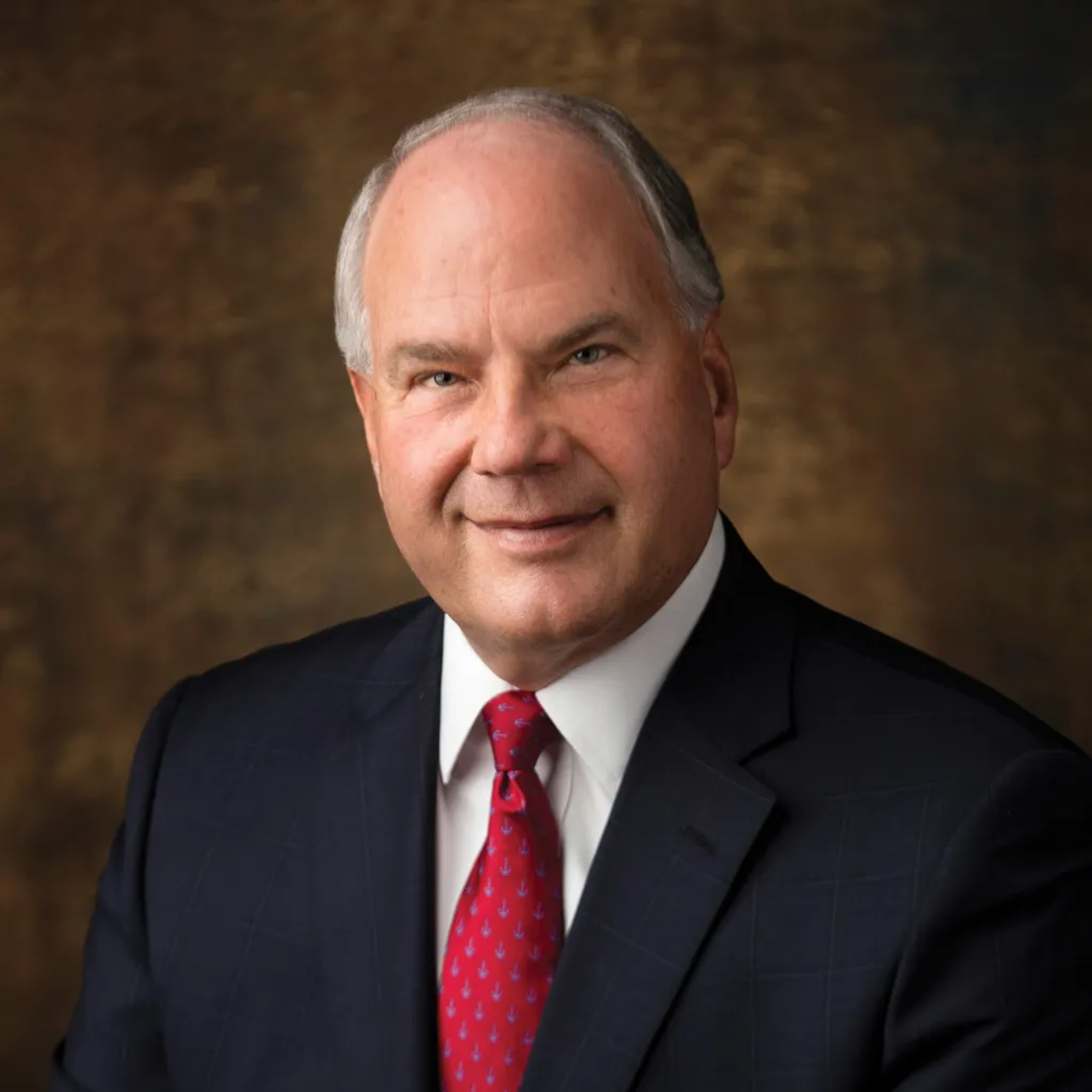
All Nations Shall Flow unto It
Elder Ronald A. Rasband shares insights about Isaiah’s prophecy regarding “the mountain of the Lord’s house.”
Isaiah 12
In the millennial day, all men will praise the Lord—He will dwell among them—Compare 2 Nephi 22.
Isaiah 11
The stem of Jesse (Christ) will judge in righteousness—The knowledge about God will cover the earth in the Millennium—The Lord will raise an ensign and gather Israel—Compare 2 Nephi 21.
Isaiah 10
The destruction of Assyria is a type of the destruction of the wicked at the Second Coming—Few people will be left after the Lord comes again—The remnant of Jacob will return in that day—Compare 2 Nephi 20.
Isaiah 9
Isaiah speaks about the Messiah—The people in darkness will see a great Light—Unto us a Child is born—He will be the Prince of Peace and reign on David’s throne—Compare 2 Nephi 19.
Isaiah 8
Christ will be as a stone of stumbling and a rock of offense—Seek the Lord, not muttering wizards—Turn to the law and to the testimony for guidance—Compare 2 Nephi 18.
Isaiah 7
Ephraim and Syria wage war against Judah—Christ will be born of a virgin—Compare 2 Nephi 17.
Isaiah 6
Isaiah sees the Lord—His sins are forgiven—He is called to prophesy—He prophesies of the Jews’ rejection of Christ’s teachings—A remnant will return—Compare 2 Nephi 16.
Isaiah 5
The Lord’s vineyard (Israel) will become desolate, and His people will be scattered—Woes will come upon them in their apostate and scattered state—The Lord will lift an ensign and gather Israel—Compare 2 Nephi 15.
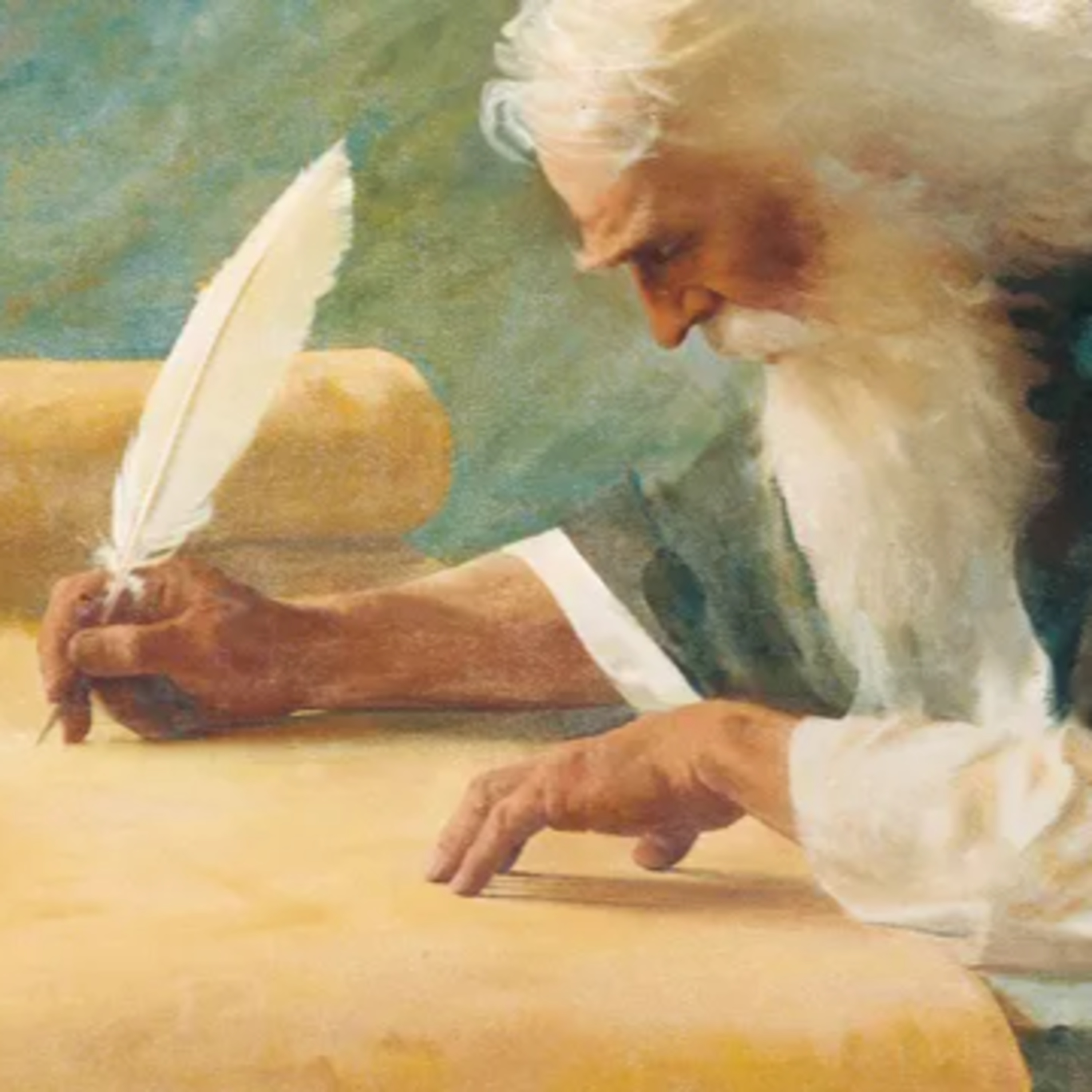
Isaiah 4
Zion and her daughters will be redeemed and cleansed in the millennial day—Compare 2 Nephi 14.
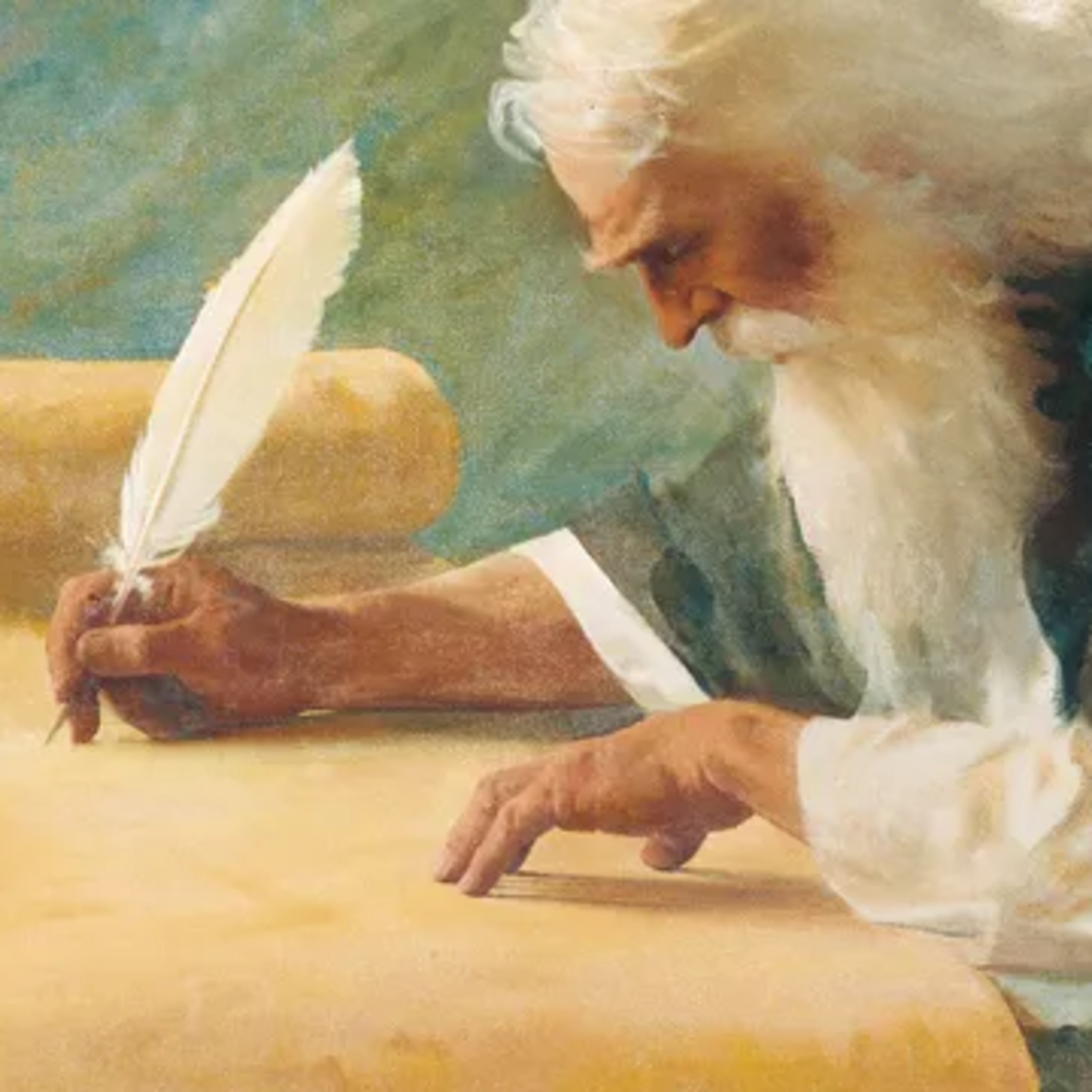
Isaiah 3
Judah and Jerusalem will be punished for their disobedience—The Lord pleads for and judges His people—The daughters of Zion are cursed and tormented for their worldliness—Compare 2 Nephi 13.
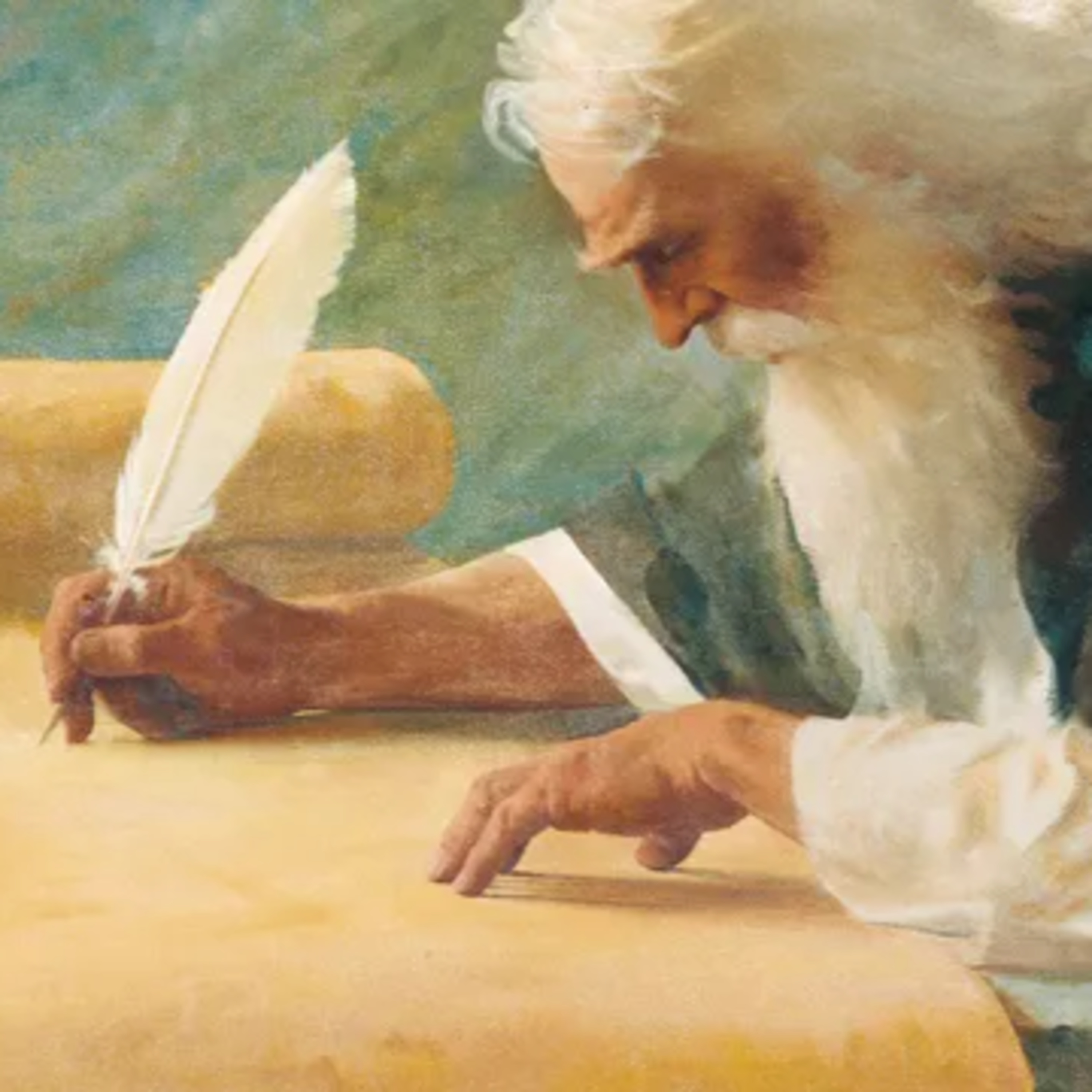
Isaiah 2
Isaiah sees the latter-day temple, gathering of Israel, and millennial judgment and peace—The proud and wicked will be brought low at the Second Coming—Compare 2 Nephi 12.
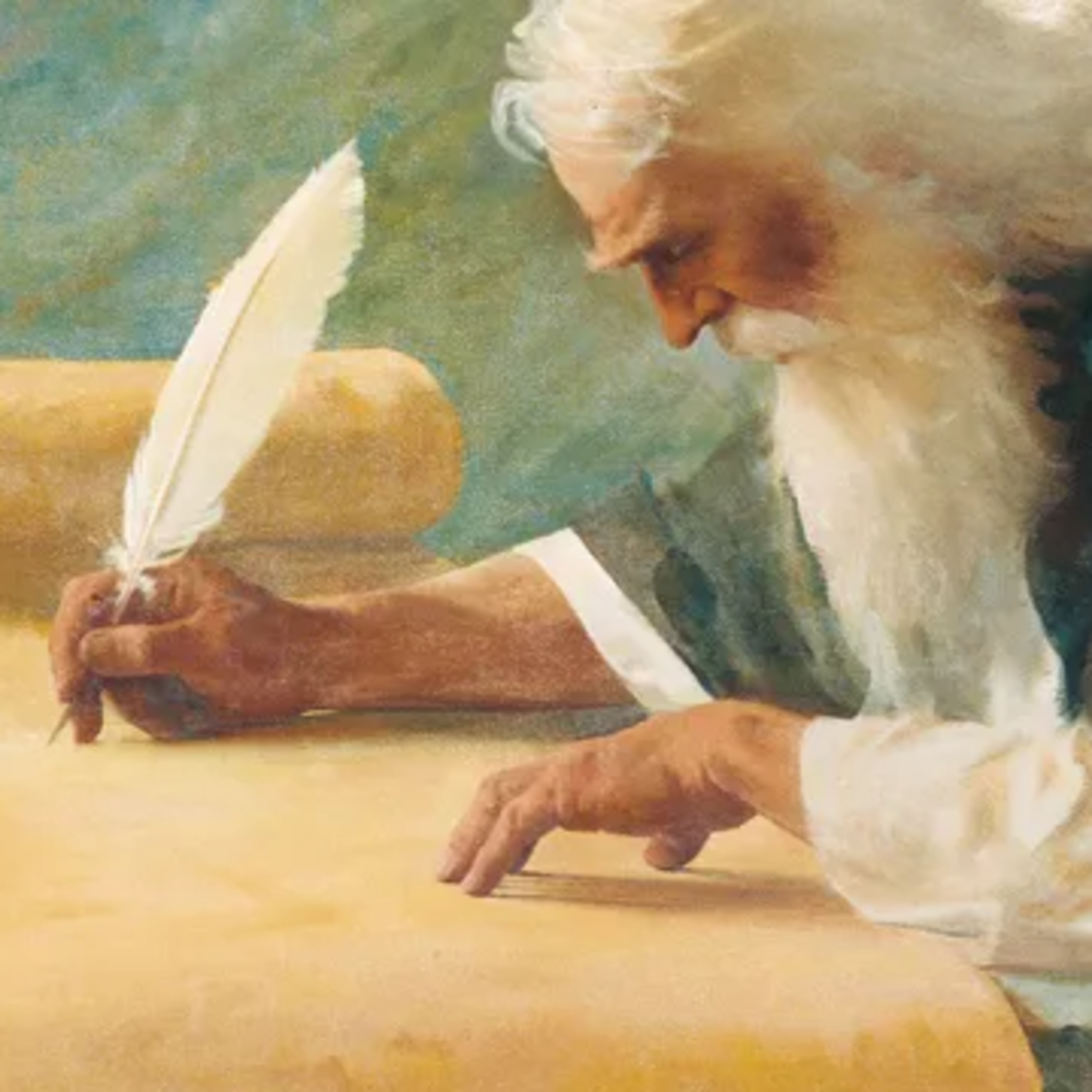
Isaiah 1
The people of Israel are apostate, rebellious, and corrupt; only a few remain faithful—The people’s sacrifices and feasts are rejected—They are called upon to repent and work righteousness—Zion will be redeemed in the day of restoration.
September 14–20: “God Is My Salvation” Isaiah 1–12
Even if this is your first time reading the book of Isaiah, you might find passages that sound familiar. That’s because, of all the Old Testament prophets, Isaiah is the one most often quoted in other books of scripture, including by the Savior Himself. Isaiah’s words also appear often in hymns and other sacred music.Why is Isaiah quoted so often? Surely one reason is that Isaiah had a gift for ex

Thoughts to Keep in Mind: Prophets and Prophecy
In the traditional Christian division of the Old Testament, the last section (Isaiah through Malachi) is called the Prophets. This section, about one-fourth of the Old Testament, contains the words of God’s authorized servants, who spoke with the Lord and then spoke for Him, sharing His message with the people between about 900 and 500 BC.

Words Matter
By Elder Ronald A. RasbandOf the Quorum of the Twelve ApostlesWords set a tone. They voice our thoughts, feelings, and experiences, for good or bad.

Following Jesus: Being a Peacemaker
By Elder Neil L. AndersenOf the Quorum of the Twelve ApostlesPeacemakers are not passive; they are persuasive in the Savior’s way.

Trust Again
By Elder Gerrit W. GongOf the Quorum of the Twelve ApostlesTrust in God and each other brings heaven’s blessings.

Therefore They Hushed Their Fears
By Elder David A. BednarOf the Quorum of the Twelve ApostlesUnlike worldly fear that creates alarm and anxiety, godly fear is a source of peace, assurance, and confidence.

Ecclesiastes 12
At death the spirit will return to God who gave it—The words of the wise are as goads—The whole duty of man is to fear God and keep His commandments.

Ecclesiastes 11
Do good and give to them who need—God will bring all men to judgment.

Ecclesiastes 3
To every thing there is a season—Whatever God does, it will be forever—God will judge the righteous and the wicked.
Recommended

True Crime Classics

The Healer Revolution

Becoming: HER with Nikki Spoelstra

Booked, Blonde & Busy w/ Olivia Ponton

McKinsey on Consumer and Retail

megahired.com

Hard Knocks Podcast

Effective Weight Loss for Moms | High protein, Strength Training, Lose Weight, Meal Planning, Fat Loss, Healthy Habits

The Human-Animal Connection - Pet Life Radio Original

The Daily

World News Tonight with David Muir

English Vocabulary Help
