The Sikh Cast
Hosted by the Sikh Research Institute, this podcast features members of the Sikh community discussing issues relevant to Sikhs around the world. Each episode brings diverse perspectives on faith, culture, and community life. Listeners are also directed to SikhRI's YouTube and Facebook pages, as well as sikhri.org, for additional articles, blogs, and videos.
Episodes
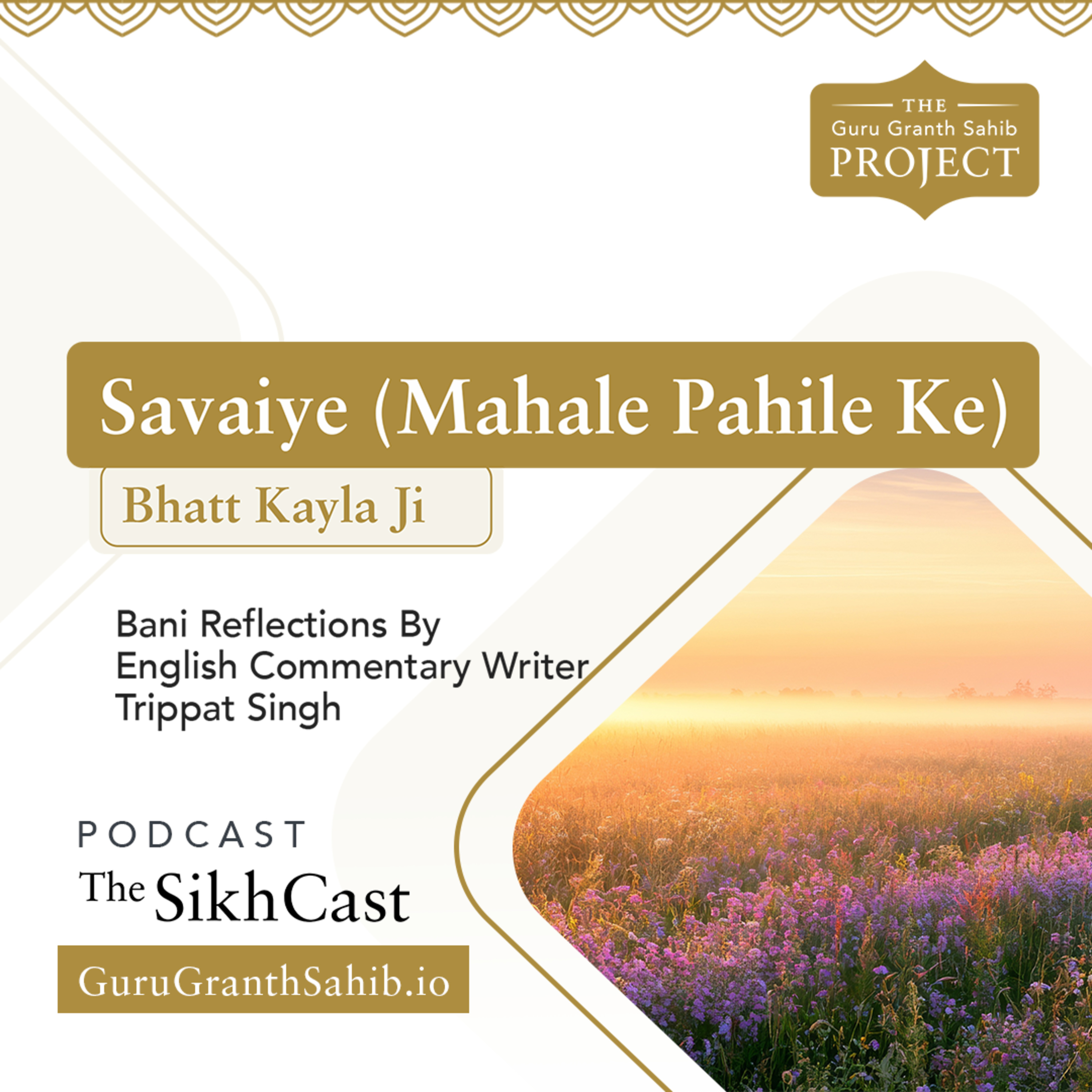
Explore Savaiye (Mahale Pahile Ke)
Explore Savaiye (Mahale Pahile Ke): https://bit.ly/smpk-1-podcastIn these savaiyas, Bhatt Kalya Ji draws us into a praise that transcends time, social status, caste, and religious identity. The virtues and persona of Guru Nanak Sahib are described as ever-new and eternal—worthy of remembrance in every age and by all across traditions and ways of life.Featuring:Trippat Singh (https://sikhri.org/peo
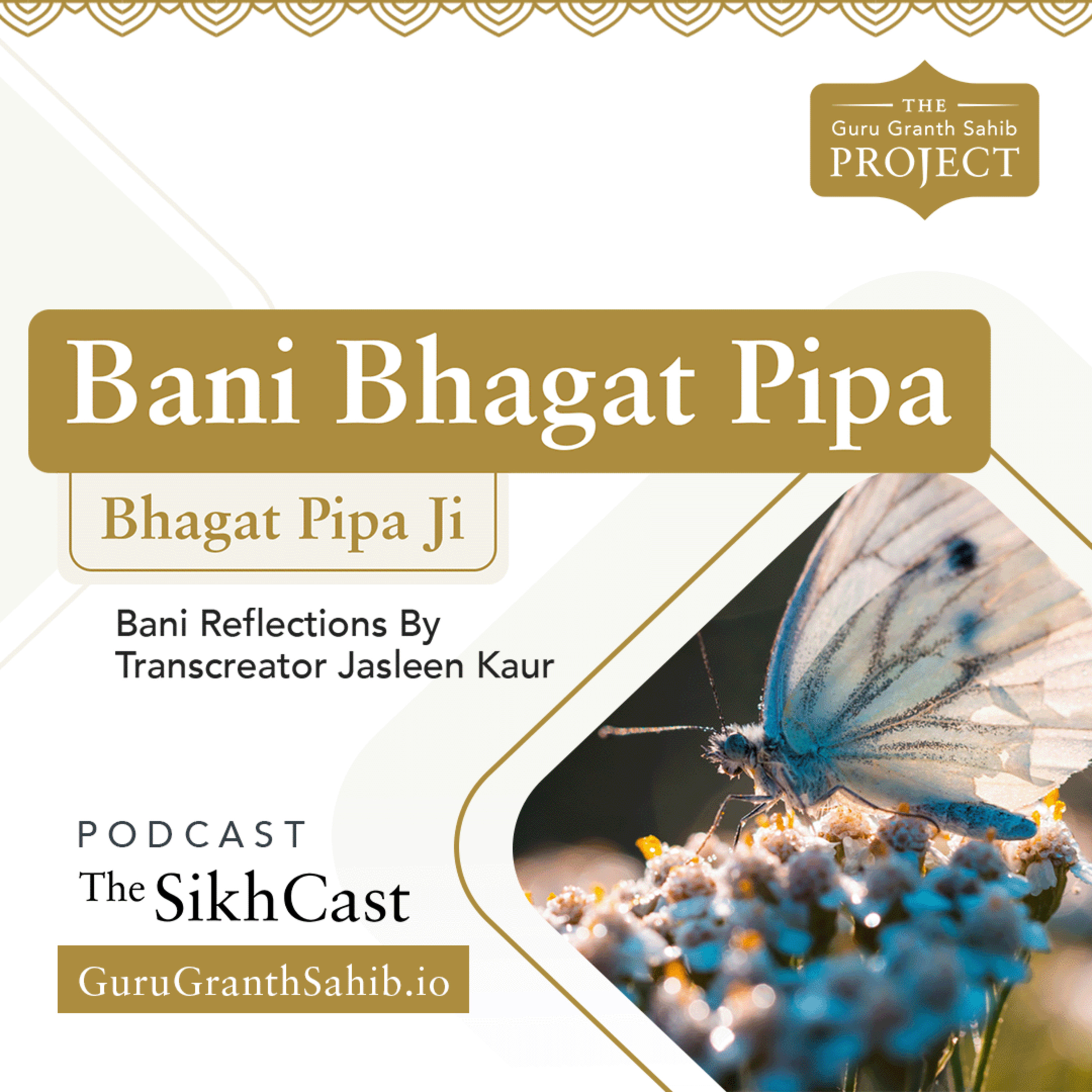
Explore Bani Bhagat Pipa
Explore Bani Bhagat Pipa: https://bit.ly/bbpj-podcastIn this Sabad, Bhagat Pipa inspires the seeker to experience the all-pervading IkOankar within oneself rather than searching for IkOankar outside in physical spaces. He states that he has experienced IkOankar within his own body, and thus, all blessings have been received. The all-Pervading IkOankar is the supreme essence. IkOankar, by Own-Self,
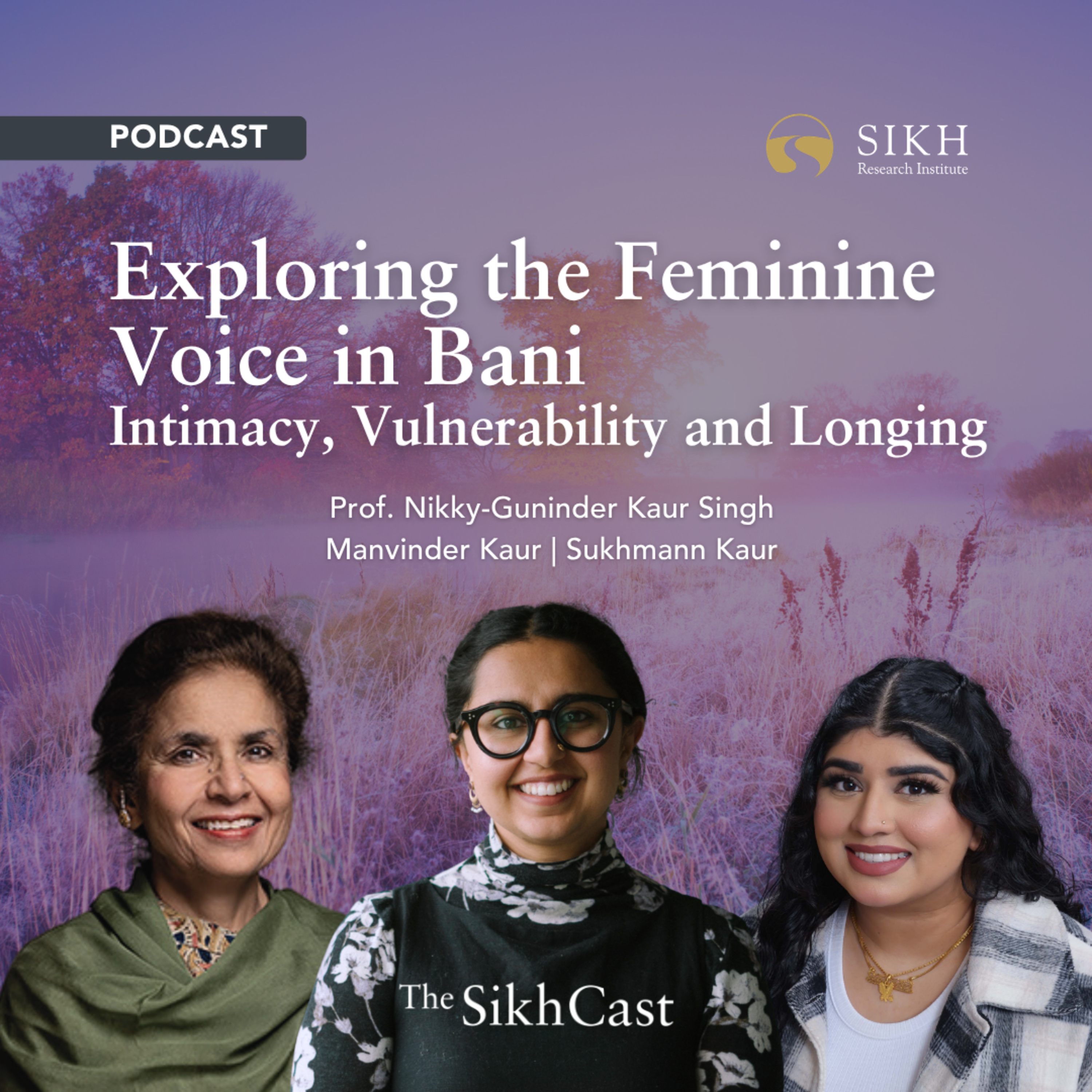
Exploring the Feminine Voice In Bani — Intimacy, Vulnerability, and Longing
In Bani, the seeker often speaks in the voice of the human-bride longing for union with the Divine-Husband, IkOankar—a profound metaphor that transcends gender and invites all seekers into intimacy, humility, vulnerability, and love.Through this imagery, we are encouraged to enter a relationship with the Divine grounded in devotion and trust. But what might it mean that this longing is so often ex
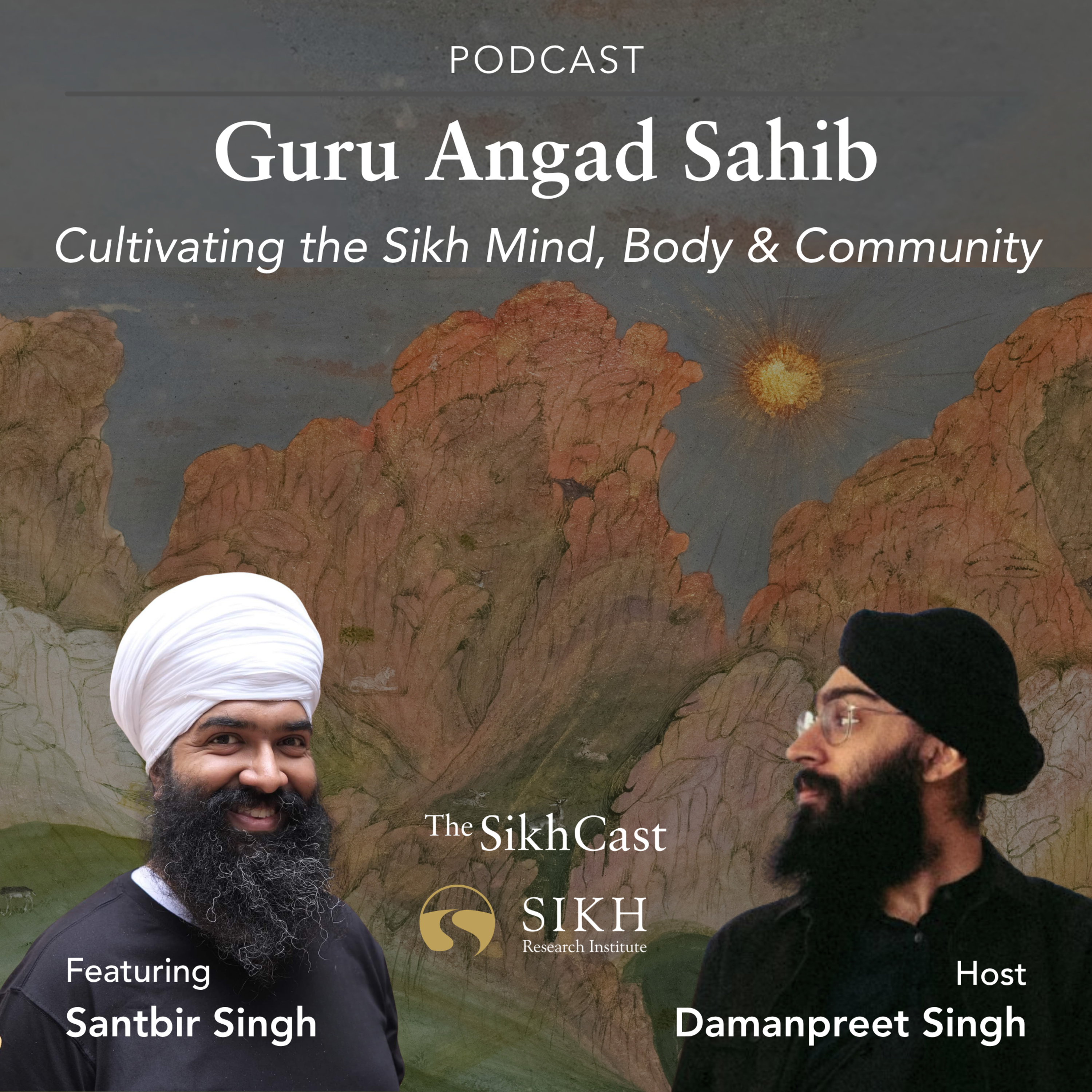
Guru Angad Sahib: Cultivating the Sikh Mind, Body & Community
Join Researchers Santbir Singh and Damanpreet Singh as they reflect on Vaisakhi and the principle of sovereignty. The two discuss Santbir Singh’s article, titled: “Guru Angad Sahib: Cultivating the Sikh Mind, Body & Community” Listen in as they explore Guru Angad Sahib's vision of developing the early Sikh community through institutions that nurtured the whole person. Read more: https://si
Explore Savaiye Sri Mukhbakya II | The Guru Granth Sahib Project
Explore Savaiye Sri Mukhbakya: https://bit.ly/ssmii-podcastIn the second set of savaiays, Guru Arjan Sahib gently awakens us to a difficult truth: our own forgetfulness. Caught in the waves of worldly attachments, we lose sight of our true purpose: the remembrance of the Nam of IkOankar. Distracted by fleeting pleasures and temporary gains, we drift away from this path of connection and ultimatel
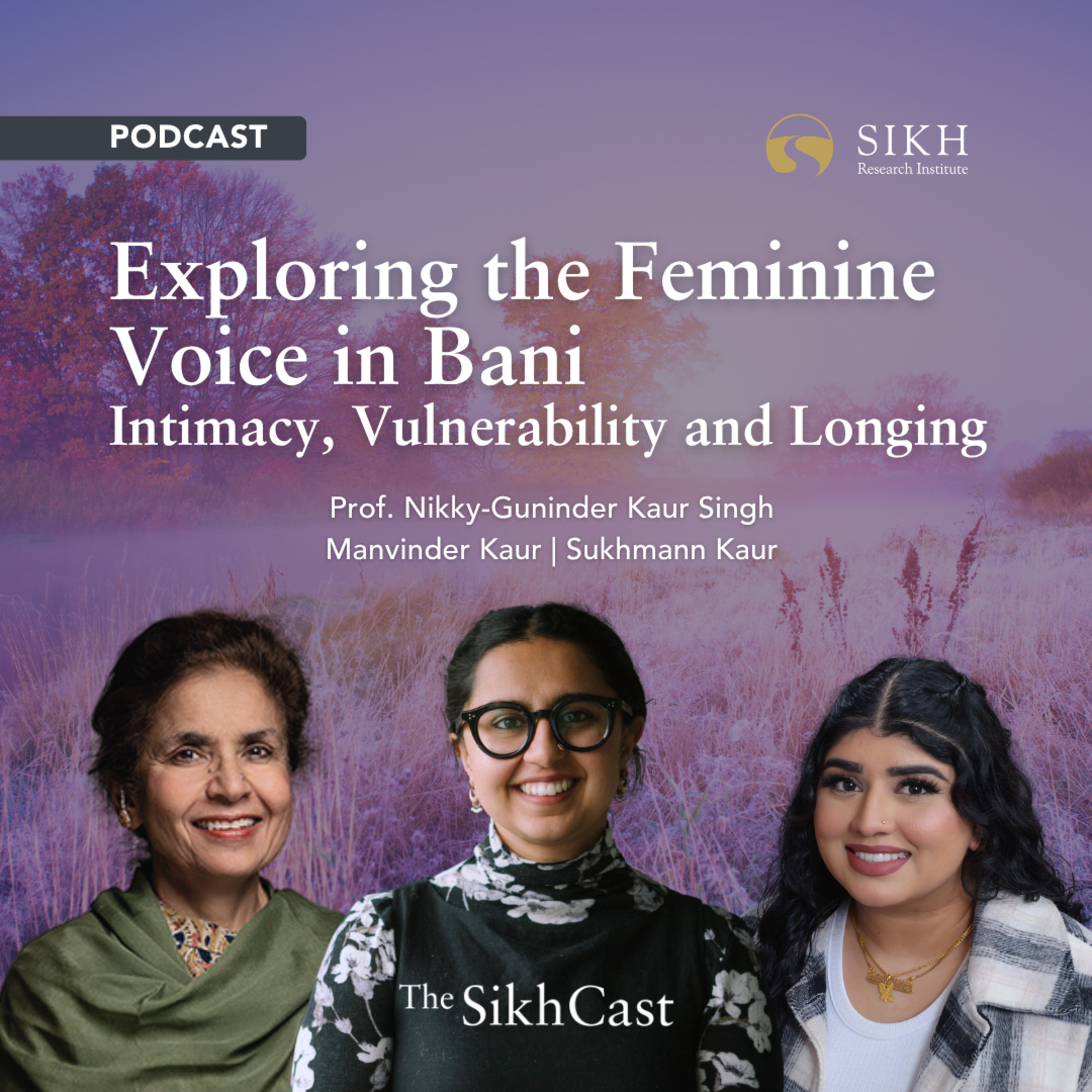
Exploring the Feminine Voice In Bani
In Bani, the seeker often speaks in the voice of the human-bride longing for union with the Divine-Husband, IkOankar—a profound metaphor that transcends gender and invites all seekers into intimacy, humility, vulnerability, and love.Through this imagery, we are encouraged to enter a relationship with the Divine grounded in devotion and trust. But what might it mean that this longing is so often ex
Explore Savaiye Sri Mukhbakya I | The Guru Granth Sahib Project
Explore Savaiye Sri Mukhbakya: https://bit.ly/savaiye-mukhbakya-i-podcastHow do we cultivate devotion to IkOankar? Saviye Sri Mukhbakya (Mahala 5) I explores a kind of devotion that arises intuitively from love, awe, and lived experience—not from rigid intellectualism or empty ritualisms. In this composition, we are invited to move beyond merely knowing or hearing about IkOankar (the Divine) towar
Explore Din Raini | The Guru Granth Sahib Project
Explore Din Raini: https://bit.ly/din-raini-podcastIn the Guru Granth Sahib, Din Raini is a poetic form, like Barah Maha, Ruti, Thiti, and Var Sat, structured around traditional Indic units of time. While Barah Maha draws on the months, Ruti on the seasons, Thiti on lunar dates, and Var Sat on the days of the week, Din Raini draws on the four quarters of the day and night to teach that every momen
Kirpan: Panthic Accountability & Developing Inner Grace
On December 3, 2025, twenty-two year old Vickrum Singh Digwa stabbed eighteen year old Henry Nowak four times on Belmont Road in Southampton in the UK. Nowak died. Digwa, an Amritdhari Sikh and member of the Nihang order, was convicted of murder and sentenced to life with a minimum of 21 years.In this episode, join Jasleen Kaur, Harinder Singh, and Santbir Singh for a reflective and nuanced conver
Explore Thiti (Kabir Ji)
Explore Thiti (Kabir Ji): https://bit.ly/thiti-kj-podcastAs a poetic form, Thiti is based on the fifteen lunar days of the Indic calendar months. A ‘thiti’ refers to a lunar calendar day—a count from the first to the fifteenth day based on the moon's phases. The Guru Granth Sahib contains three such compositions, one each by Guru Nanak Sahib, Guru Arjan Sahib, and Bhagat Kabir Ji.Speaker: Trip
Sacrilege & Sovereignty: The Guru, the Panth & the State
Beadbi is back in the news, and this time, the Panjab government has passed a new law. But is a state-legislated solution what the Panth needs?What are the implications of a law written without the input or consent of the Akal Takht Sahib, the political seat of authority for Sikhs? Join Harinder Singh and Jasleen Kaur as they return to the question of ‘sacrilege,’ Sikh governance, and what it mean
Explore Bani Bhagat Jaidev Ji | The Guru Granth Sahib Project
Explore Bani Bhagat Jaidev JiThe Guru Granth Sahib Project is pleased to announce the annotation of two Sabads by Bhagat Jaidev Ji, one of the fifteen Bhagat contributors to the Guru Granth Sahib.The first Sabad is under Rag Gujari, a devotional musical mode associated with the aesthetics of compassion. The second Sabad is under Rag Maru, which evokes a spirit of enthusiasm and zeal.Featuring: Suk
Guru Gobind Singh Sahib: Life, Vision & Wisdom | Wisdom for Uncertain Times | Vancouver
Recorded in Vancouver, the dialogue features Harinder Singh — author of the book, educator, and co-founder of SikhRI — alongside author, psychiatrist, and advocate Dr. Shimi Kaur Kang. Together, they invite seekers, thinkers, and readers to reflect on how the Guru’s sovereign spirit calls us to stand for universal justice and human dignity. The conversation explores what it means to remain grounde
The Sidak Impact: Jasleen Kaur & Navnit Kaur
Sidak alum Navnit Kaur chats with Sidak facilitator Jasleen Kaur, reflecting on her past Sidak experience—becoming more open-minded, meeting a diverse sangat from around the world, discovering the beauty of taking a Hukamnama for the first time, and ultimately becoming softer with herself and with others.Sidak seeks to provide young Sikh adults with a gift of Gurmat-centered leadership learning ex
Guru Gobind Singh Sahib: Life, Vision & Wisdom | In Reverence & Reflection | Tampa
Join Harinder Singh for a thoughtful and reflective conversation exploring Guru Gobind Singh Sahib: Life, Vision & Wisdom. Moderated by Dr. Sukhbir Kaur Nijher, this episode delves into the life, vision, and enduring wisdom of Guru Gobind Singh Sahib, offering insights through the lens of this powerful publication.Featuring: Harinder Singh (https://sikhri.org/people/harinder-singh)Dr. Sukhbi
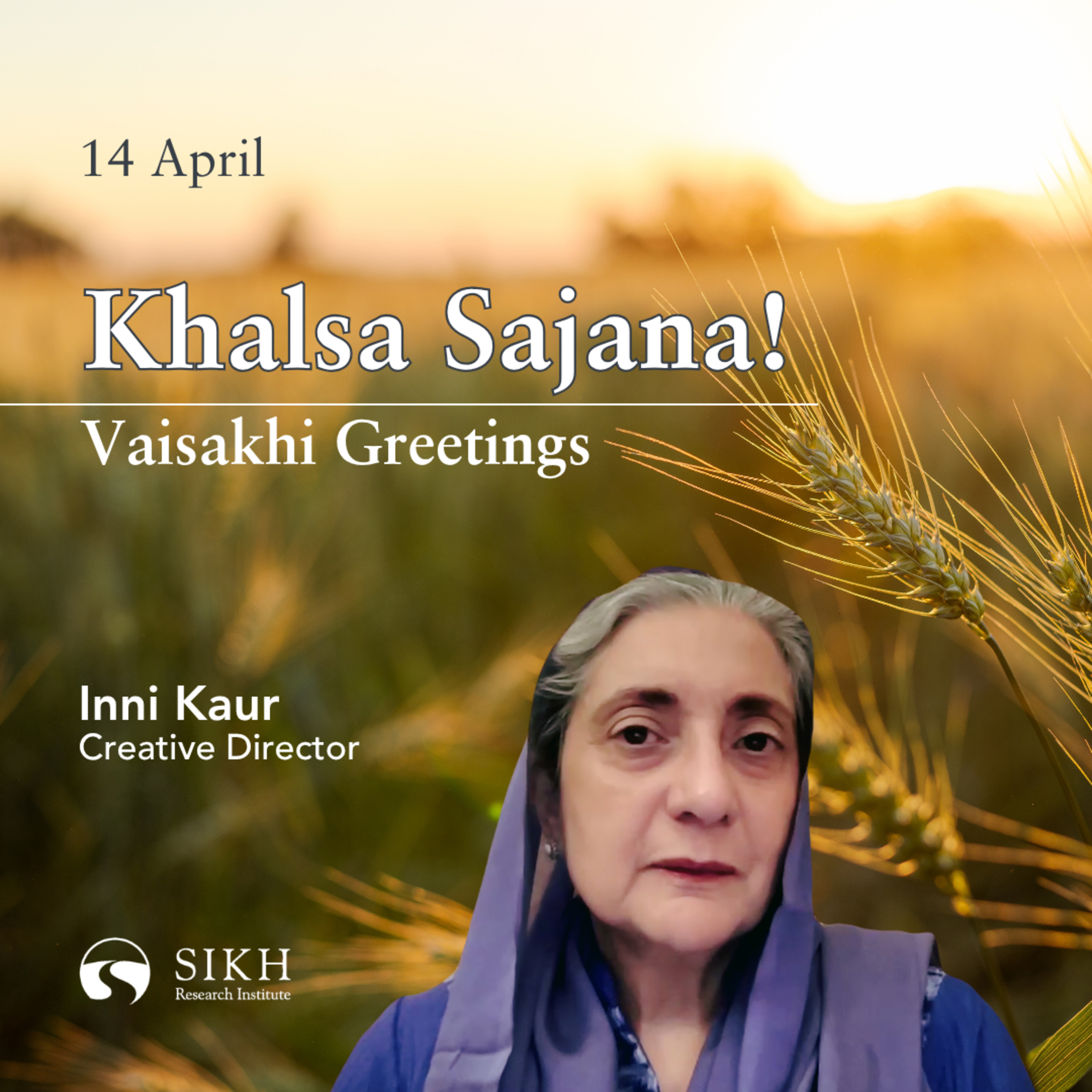
Vaisakhi: What Does It Mean to Truly Receive?
Inni Kaur is the Creative Director at the Sikh Research Institute, where she leads content, branding, and communications. A longtime contributor since 2009, she is also an author, poet, and artist whose work brings Sikh teachings into meaningful, accessible dialogue, rooted in reflection, creativity, and lived experience across diverse communities.Vaisakhi invites us to reflect on what was given i
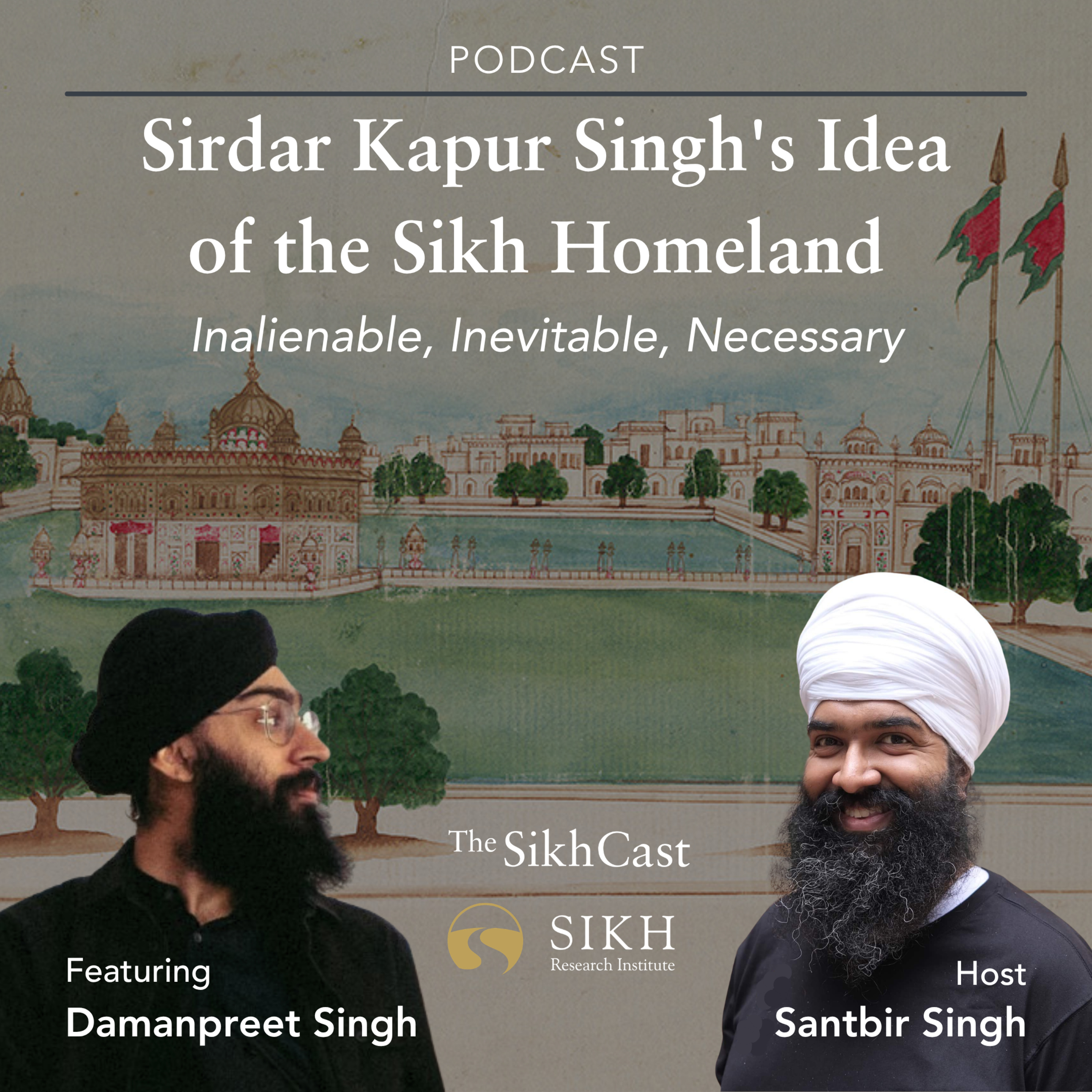
Sirdar Kapur Singh's Idea of the Sikh Homeland
Sirdar Kapur Singh, one of the leading Sikh thinkers of the twentieth century, developed one of the clearest arguments for a Sikh homeland within postcolonial India. Across speeches, interviews, and essays, he argued that such a homeland was inalienable from the Sikhs, historically inevitable, and politically necessary. His theory emerged from the violence and dislocations of the 1947 Partition an
Explore Sabads by Guru Arjan Sahib under the titles Anjuli & Anjulia | The Guru Granth Sahib Project
Explore Anjuli: https://gurugranthsahib.io/bani/ANJLExplore Anjulia: https://gurugranthsahib.io/bani/ANJThe word ‘anjuli’ refers to the gesture of cupping or folding the hands. It can signify prayer, supplication, seeking blessings, acceptance of the Divine will, or a gesture of salutation. In the Hindu tradition, a palmful of water offered to ancestors or deities is also called anjuli. The wo
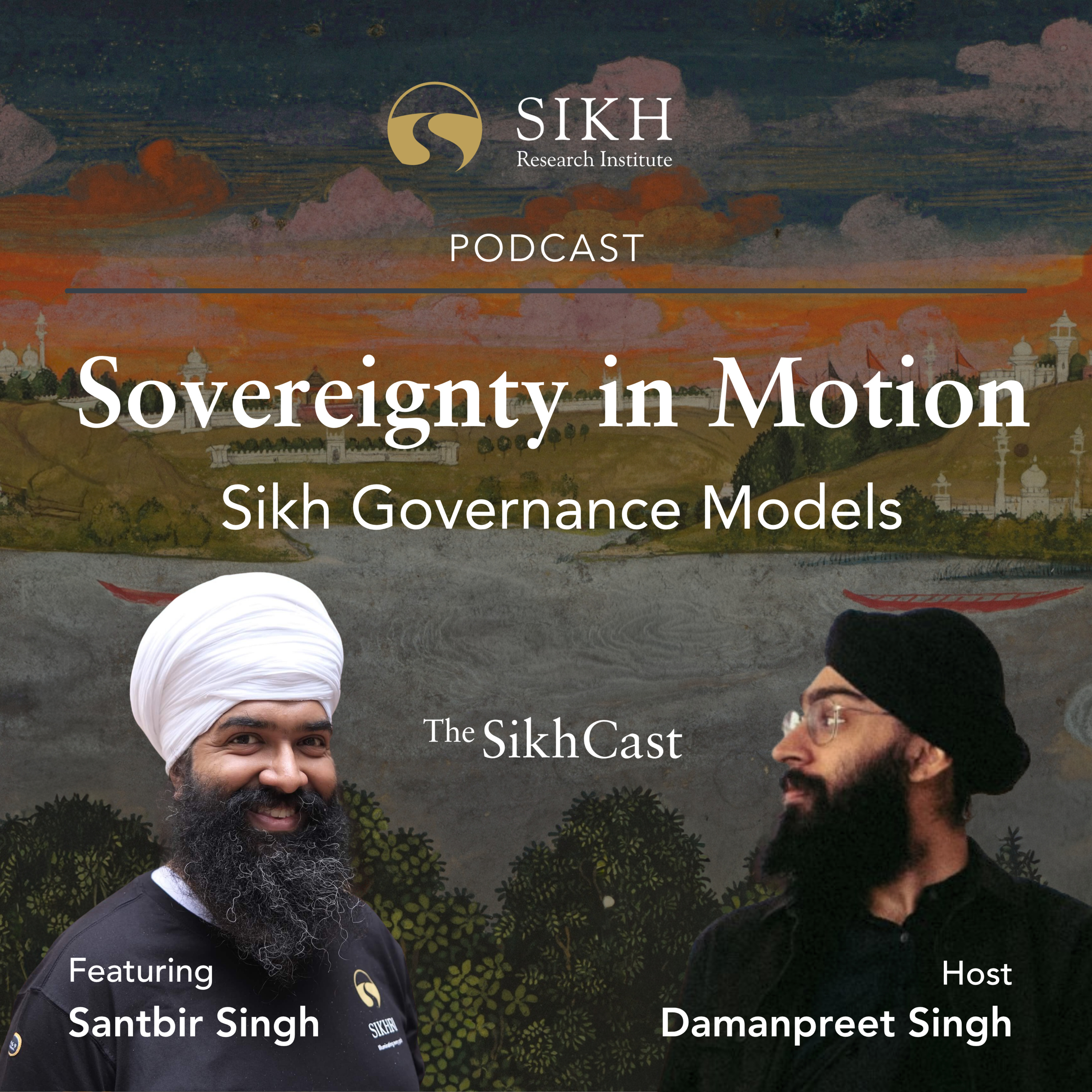
Sovereignty in Motion: Sikh Governance Models
In this episode of the Sikh Cast, join Researchers Santbir Singh and Damanpreet Singh as they reflect on Vaisakhi and the principle of sovereignty. The two discuss Santbir Singh’s article, titled: Sovereignty in Motion: Sikh Governance Models. Listen in as they explore Sikh sovereignty as it manifests in four political forms across the eighteenth and early nineteenth centuries, and reflect on the
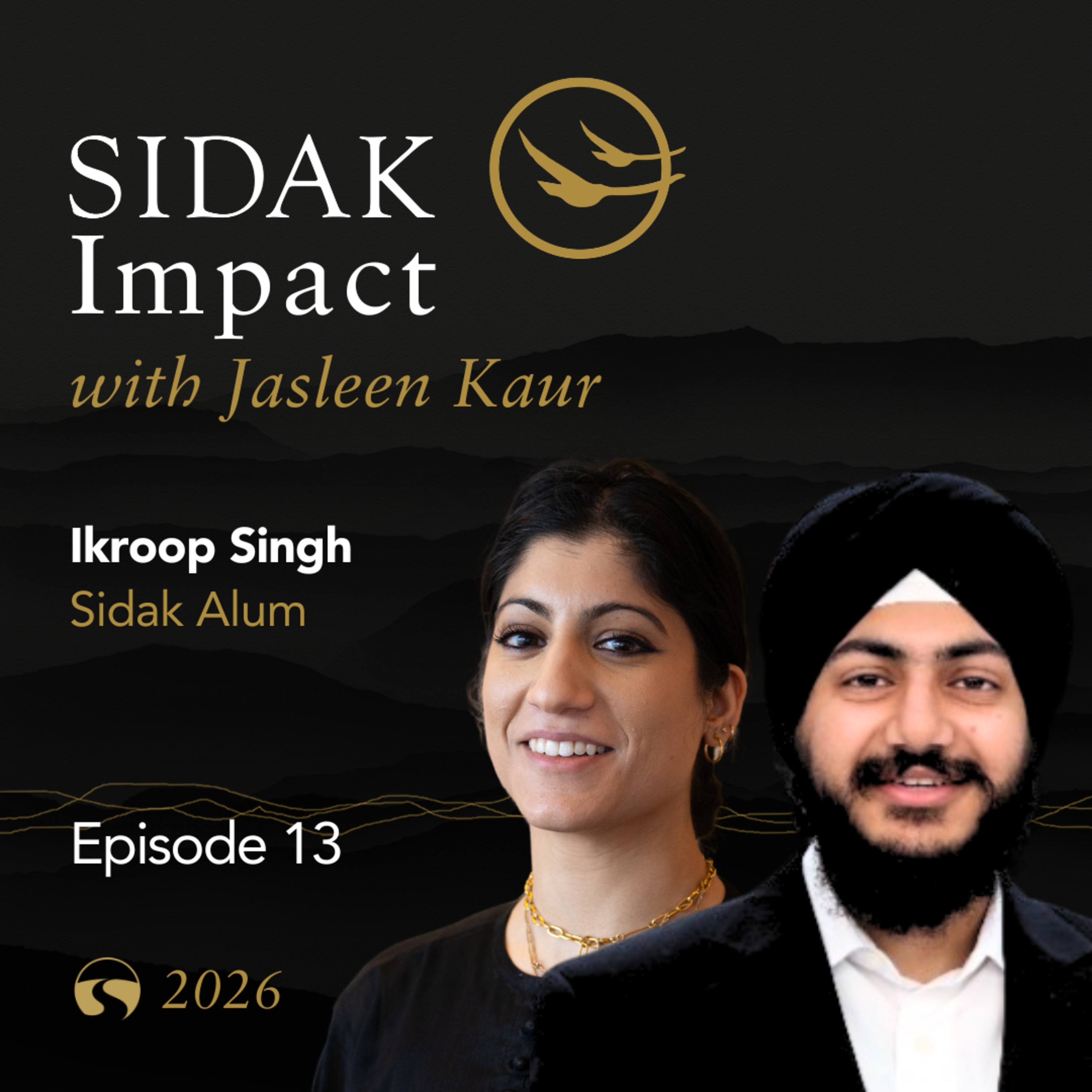
The Sidak Impact: Jasleen Kaur & Ikroop Singh
Sidak alum Ikroop Singh chats with Sidak Facilitator, Jasleen Kaur and reflects on his past Sidak experience—from moving through initial discomfort to having deep conversations, forming meaningful bonds, and becoming more compassionate.Sidak seeks to provide young Sikh adults with a gift of Gurmat-centered leadership learning experience to secure—and transform—the Sikh future.Learn more about Sida
Explore Birhare | The Guru Granth Sahib Project
Explore Birhare: https://bit.ly/birhare-podcastThe word ‘birhare’ comes from ‘birha,’ meaning separation, or the pain of separation. ‘Birhare,’ meaning ‘songs of separation,’ is a poetic form that gives voice to this pain of separation. These three Sabads powerfully convey the experience of separation and express a yearning for union with IkOankar (the Divine).Featuring: Sukhmann Kaur
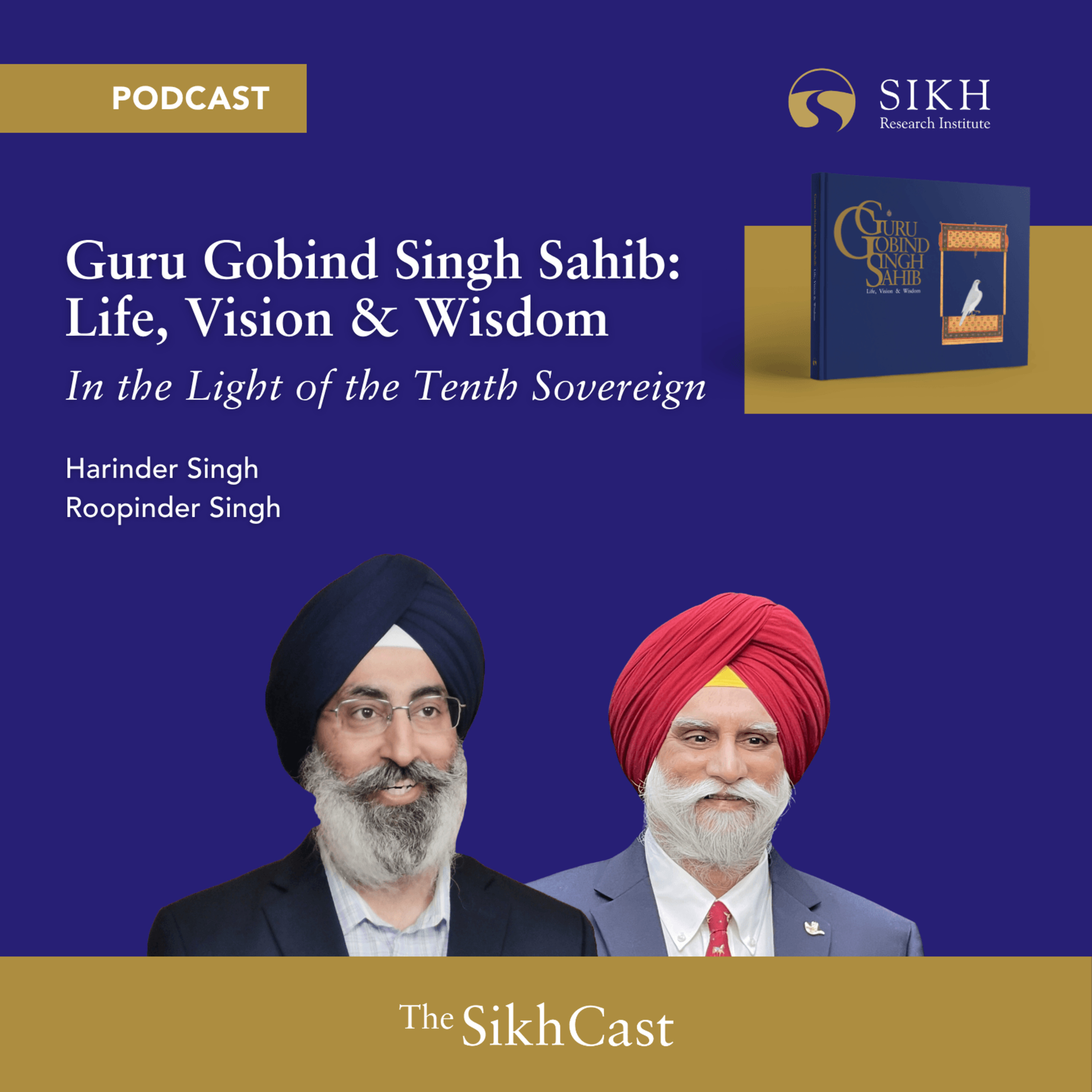
Guru Gobind Singh Sahib: Life, Vision & Wisdom | In the Light of the Tenth Sovereign | Chandigarh
Recorded in Chandigarh, the dialogue, featuring Harinder Singh — author, educator, and co-founder of SikhRI — and Journalist & Author Roopinder Singh, invites viewers to engage deeply with the life, vision, and the eternal wisdom of the Tenth Sovereign. Through history, poetry, Gurmat-centered reflection, and lived experience, the conversation explores Guru Gobind Singh Sahib not only as a his
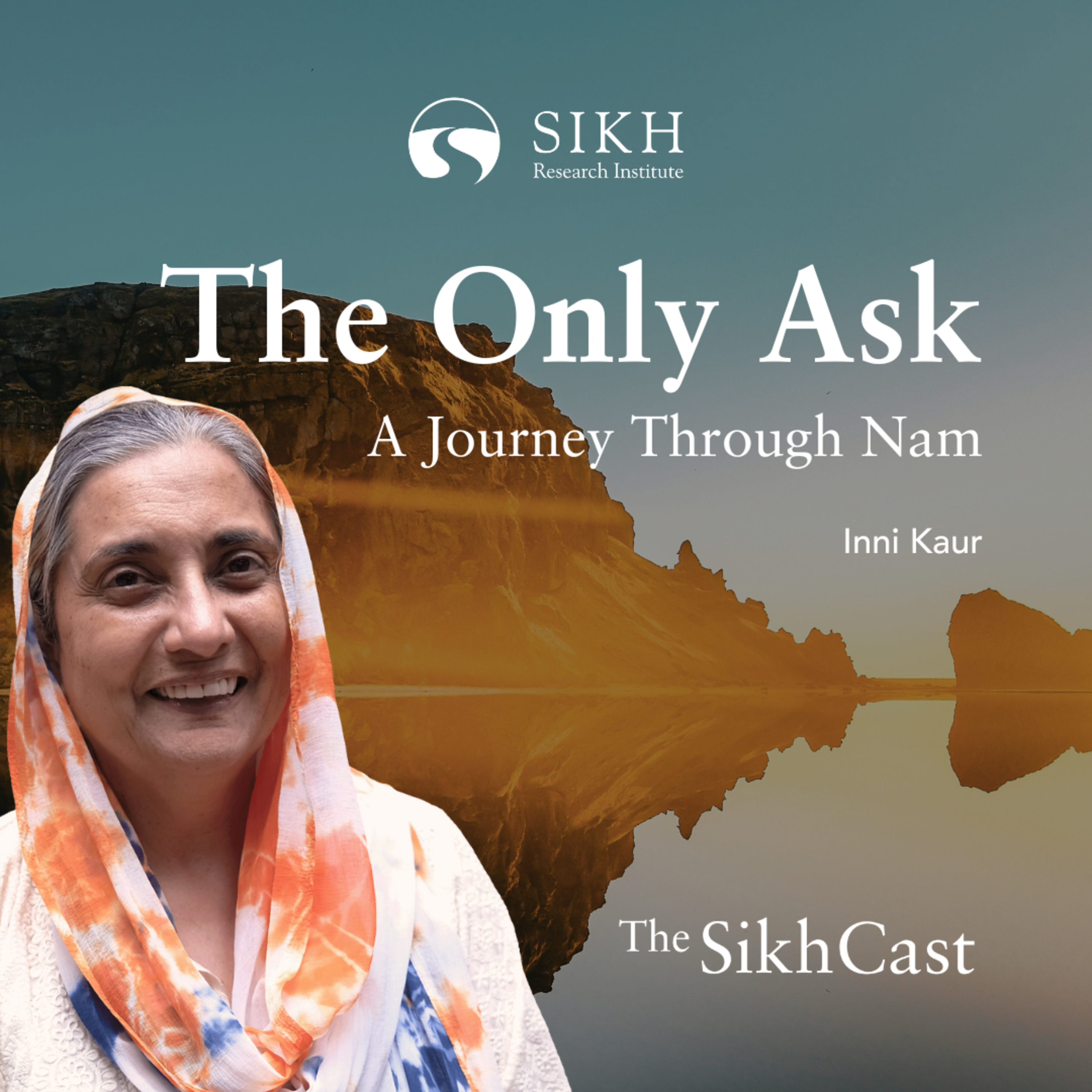
The Only Ask: A Journey Through Nam
A meditative journey into the meaning of Nam, drawn from Guru Arjan Sahib’s Hukam, the sakhi of Murari, and inherited wisdom. Inni Kaur reflects on longing, purification, and the timeless prayer: “Grant me the gift of Nam.”Read moreFeaturing: Inni Kaur (https://sikhri.org/people/inni-kaur)
Explore Babarvani | The Guru Granth Sahib Project
Explore Babarvani: https://bit.ly/babarvani-podcastGuru Nanak Sahib (1469-1539 CE) witnessed the destruction caused by Babur with his own eyes and vividly depicted the scenes of destruction in his Bani. These revolutionary Sabads revealed by the Guru that depict pain and empathy are known as ‘Babarvani’ in Sikh tradition.Featuring: Param Singh
Explore Mundavani | The Guru Granth Sahib Project
Explore Mundavani: Within the Guru Granth Sahib, the term 'mudavani' or 'mundavani' appears in two saloks: one by Guru Amardas Sahib and one by Guru Arjan Sahib. Collectively, these saloks serve as a key to understanding the core message of the Guru Granth Sahib.Featuring: Sukhmann Kaur (https://sikhri.org/people/sukhmann-kaur)#GuruGranthSahib #Sikhi #Sikhism
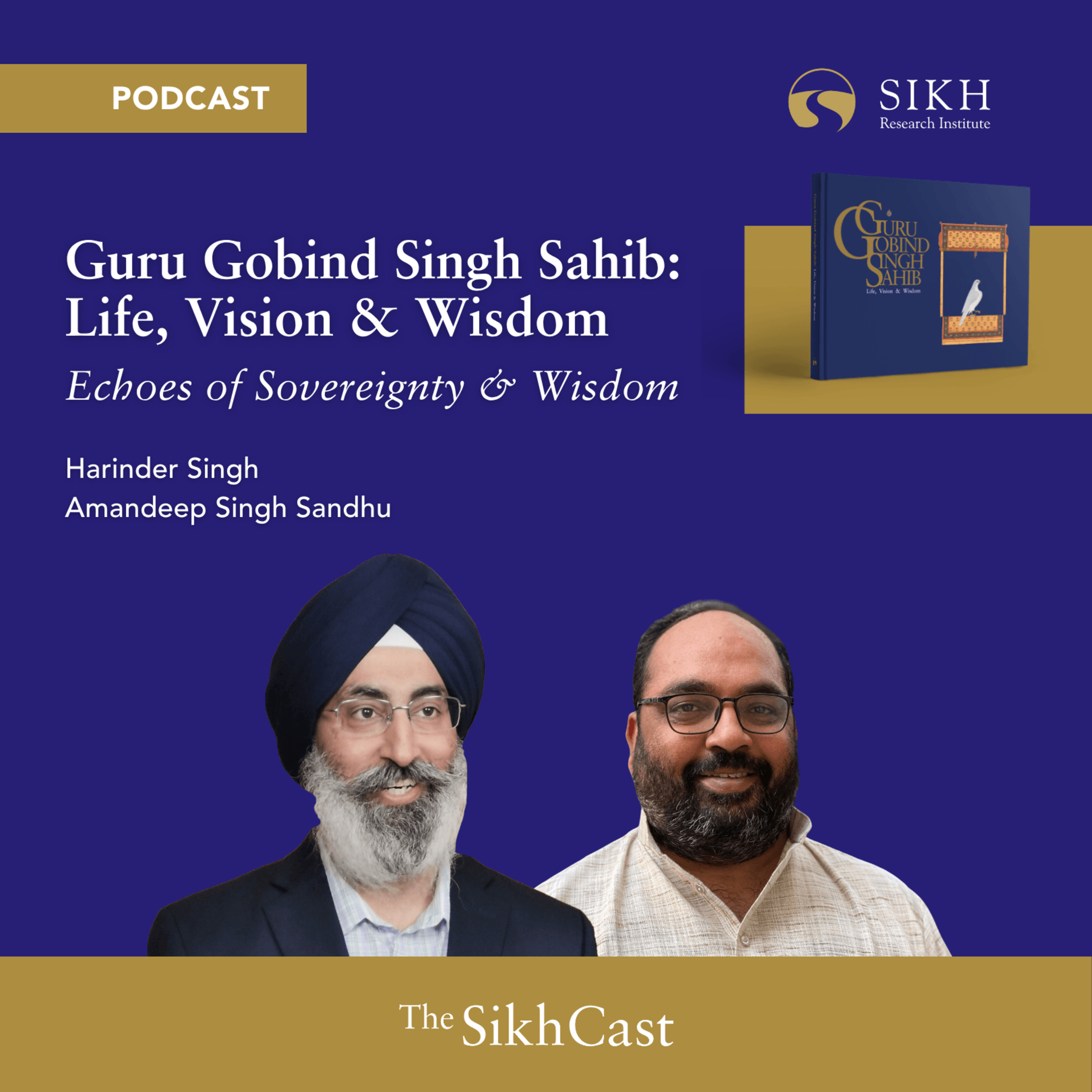
Guru Gobind Singh Sahib: Life, Vision & Wisdom | Echoes of Sovereignty & Wisdom | Bengaluru
A reflective book conversation on Guru Gobind Singh Sahib: Life, Vision & Wisdom, marking 350 years of Gurgaddi.In dialogue with author Harinder Singh and Amandeep Singh Sandhu, this session explores oneness (Ik), unity of the Ten Gurus, justice, freedom, and Guru Sahib’s relevance today.An invitation to reflect, reconnect, and listen deeply.Watch the full video: https://youtu.be/M5bAKN1PPaw
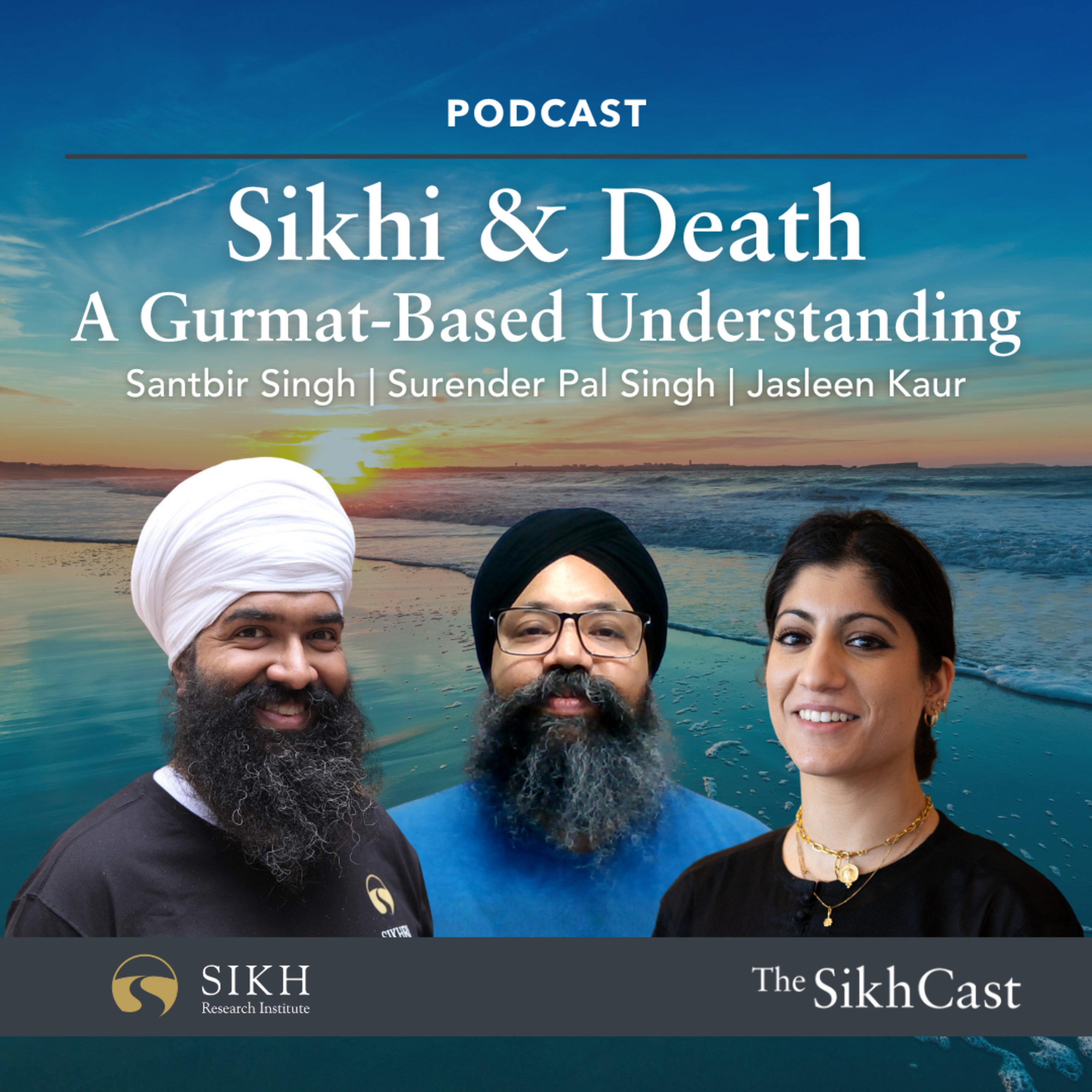
Sikhi & Death: A Gurmat-Based Understanding
In this podcast, we are invited to pause and reflect: What does Sikhi actually say about death? How are we meant to face it, understand it, and live in its awareness? Drawing on translations, commentaries, and insights from The Guru Granth Sahib Project, as well as Sikh history and tradition, listen as we explore how Gurmat offers a distinct perspective—one that transforms not only our understandi
Explore Salok Sheikh Farid Ji (Salok 93-130) | The Guru Granth Sahib Project
Explore Salok Sheikh Farid Ji: https://bit.ly/ssfj-pIn saloks ninety-three through one hundred thirty, Sheikh Farid Ji reminds us that the entire world remains under the sway of death. Even the most well-nourished bodies cannot escape it; when old age arrives, even the once strong become weak. Despite this, people remain self-absorbed, accumulating possessions and seeking comfort
Explore Salok Sheikh Farid Ji (Salok 66-92) | The Guru Granth Sahib Project
Explore Salok Sheikh Farid Ji: https://bit.ly/ssfj-pIn saloks sixty-six through ninety-two, Sheikh Farid Ji reminds us that with each day comes someone’s time to depart this world. All those here are like guests; yet they spend their lives oblivious, forgetting to prepare for the journey ahead.Featuring: Jasleen Kaur (https://sikhri.org/people/jasleen-kaur)#GuruGranthSah
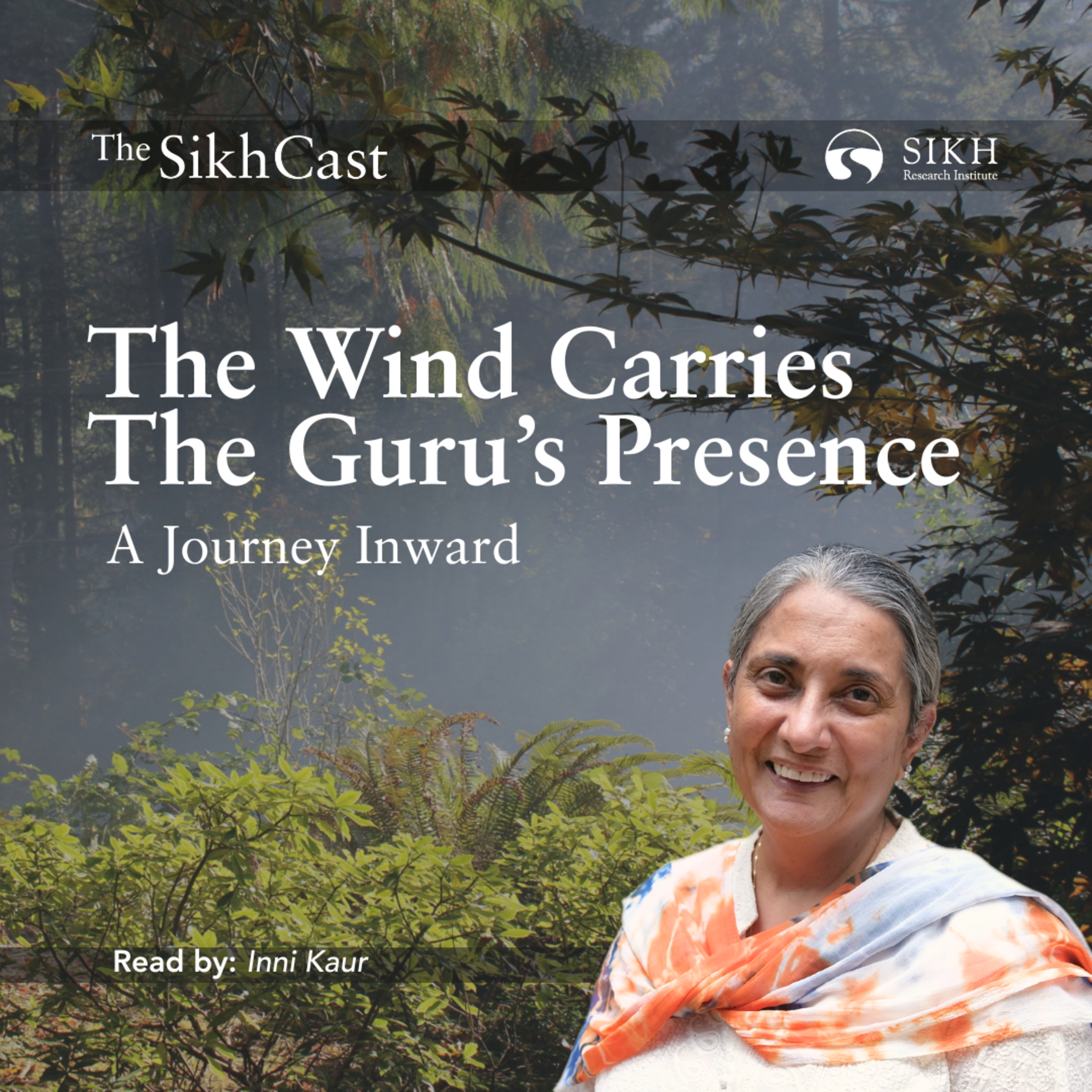
The Wind Carries The Guru’s Presence: A Journey Inward
Inni Kaur reflects on how wind, rivers, and skies reveal Guru Nanak Sahib’s Presence. Through poetic narration, this inward journey explores Hukam, grace, and the jewel of Nam, guiding us closer to Divine love.https://sikhri.org/people/inni-kaur
Explore Salok Sheikh Farid Ji (Salok 37-65) | The Guru Granth Sahib Project
Explore Salok Sheikh Farid Ji: https://bit.ly/ssfj-pIn saloks thirty-seven through sixty-five, Sheikh Farid Ji describes the typical human life, where beings are drawn to glittery yet ultimately harmful transient things and relationships, spending their entire lives in pursuit of them.Featuring: Jasleen Kaur (https://sikhri.org/people/jasleen-kaur)#GuruGranthSahib #Sikhi #Sikhis
Explore Salok Sheikh Farid Ji (Salok 16-36) | The Guru Granth Sahib Project
Explore Salok Sheikh Farid Ji: https://bit.ly/ssfj-pIn saloks sixteen to thirty-six, Sheikh Farid Ji reminds us that humility is a noble virtue essential for life. A seeker in love with IkOankar (the Divine) perceives the Divine in all and remains ever humble. Even in the face of trials and hardships, they remain oriented toward the Divine, for their love is selfless.Featuring: Jasleen Kaur
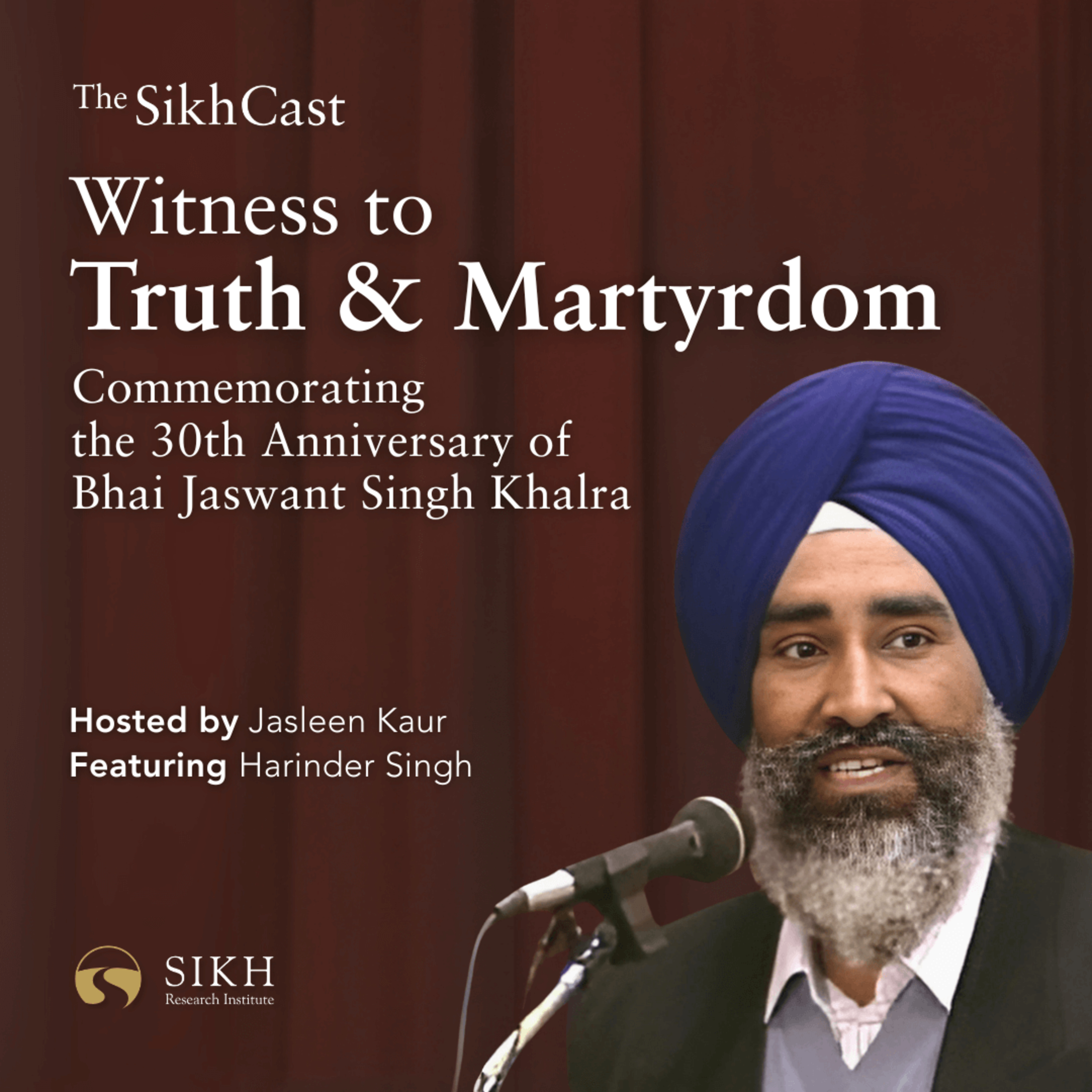
Witness to Truth & Martyrdom: Commemorating the 30th Anniversary of Bhai Jaswant Singh Khalra
Thirty years ago, famed human rights activist Jaswant Singh Khalra was abducted, tortured, and murdered by the Punjab Police, killed for his work exposing the Police’s crimes of extrajudicial killings and illegal cremations. Three decades after his death, what can we learn from his example? Join Harinder Singh and Jasleen Kaur as they reflect on the life and legacy of Jaswant Singh Khalra, popular
Explore Salok Sheikh Farid Ji (Saloks 1-15) | The Guru Granth Sahib Project
Explore Salok Sheikh Farid Ji: https://bit.ly/ssfj-pThe first fifteen saloks by Sheikh Farid Ji convey that the span of every being’s life is predetermined and finite. The being has come into this world to engage in devotion of IkOankar (the Divine) and to live a life of humility and non-attachment. Yet, burdened by the attachment to transient things and relationships, they wander, unaware of th
The Rivers Speak: Echoes of Devotion & Eternal Flow
Read the article: https://social.sikhri.org/the-rivers-speak-podIn this evocative audio essay, Inni Kaur takes us on a contemplative journey along the sacred rivers that have borne witness to the lives and legacies of the Sikh Gurus. Through lyrical prose and deep spiritual insight, she explores how these flowing waters carry stories of devotion, resilience, and remembrance. Their currents speak a
Explore Bani Bhagat Sadhna | The Guru Granth Sahib Project
Explore Bhagat Sadhna: https://bit.ly/bani-bhagat-sadhna-pBhagat Sadhna is one of the fifteen Bhagat contributors to the Guru Granth Sahib and one of the saint-poets of the Medieval period in South Asia. He was a butcher by profession whose life and behavior changed when he became a devotee after realizing IkOankar (the Divine).Featuring: Sukhmann Kaur (https://sikhri.org/people/sukhmann-kaur)#Gu
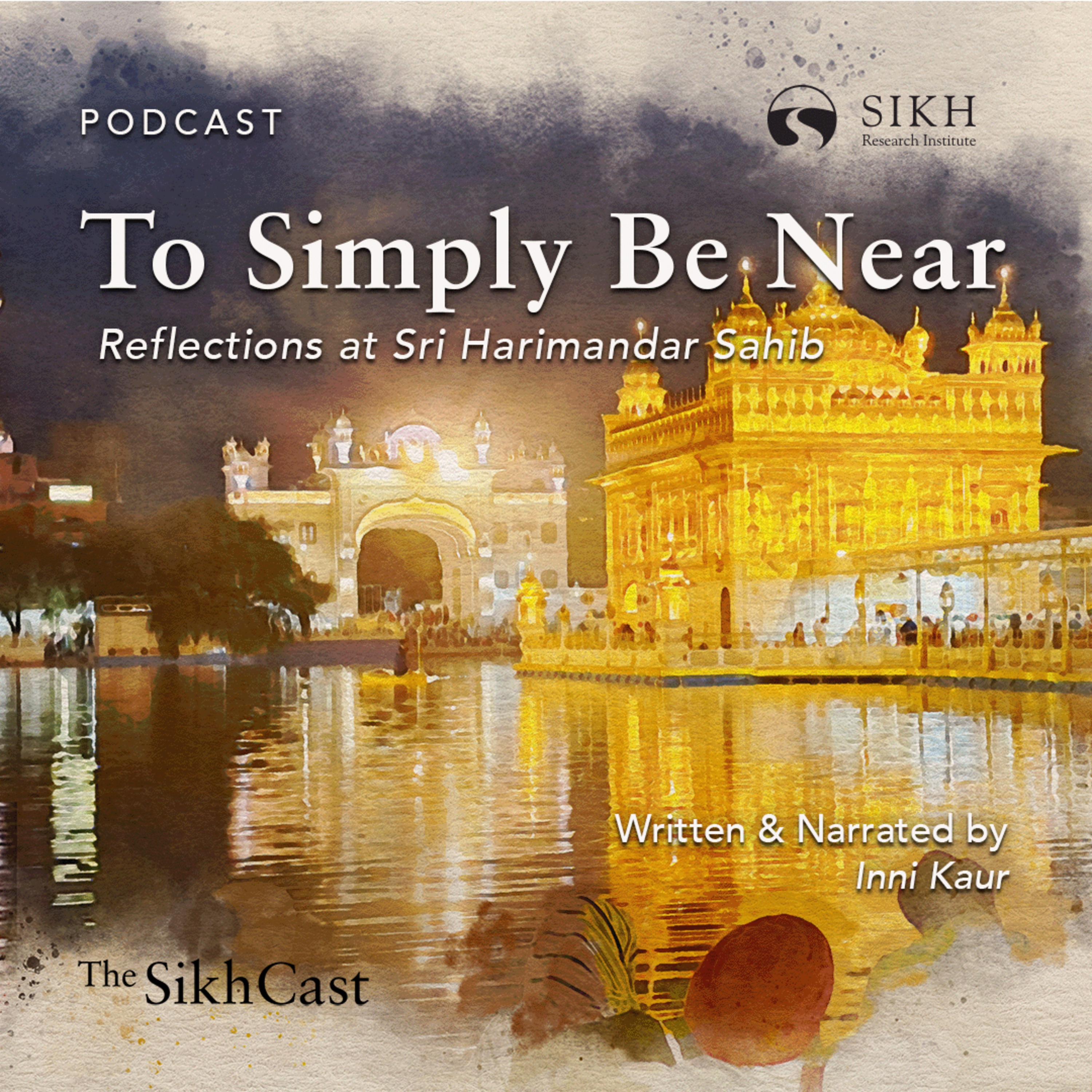
To Simply Be Near: Reflections at Sri Harimandar Sahib
In this poetic reflection, writer and narrator Inni Kaur invites us into three quiet evenings she spent in 2025 at Harimandar Sahib—sitting in the parikrama, watching the sunset, listening to Rehras Sahib, and simply being.What unfolded was not just an experience of presence, but of transformation.This is not a historical account—it is a remembering.Read the article: https://sikhri.org/articles/to
Explore Bani Sheikh Farid Ji | The Guru Granth Sahib Project
Explore Explore Bani Sheikh Farid Ji: https://bit.ly/bani-sheikh-farid-ji-pSheikh Farid Ji is one of the fifteen Bhagat contributors to the Guru Granth Sahib. The Guru Granth Sahib contains four Sabads and one hundred and twelve saloks by him.Featuring: Muktnoor Kaur#GuruGranthSahib #Sikhi #Sikhism #Wisdom #Waheguru #TGGSPNewRelease25 #GuruGranthSahibJi
Explore Rag Asa | The Guru Granth Sahib Project
Explore Rag Asa: https://bit.ly/rag-asaRag Asa is a musical mode that evokes hope, yearning, and the desire to move from darkness toward light. In this composition, our attention is turned inwards, and we are offered not just a moment for reflection but the possibility of transcendence.Featuring: Jasleen Kaur (https://sikhri.org/people/jasleen-kaur)#GuruGranthSahib #Sikhi #Sikhism #Wisdom #Wahegu
Explore Bani Bhagat Beni Ji | The Guru Granth Sahib Project
Explore Bani Bhagat Beni Ji: https://bit.ly/bani-bhagat-beni-jiThe Guru Granth Sahib Project has released annotations on all three Sabads (compositions) by Bhagat Beni Ji, one each set in Rags Srirag, Ramkali, and Prabhati. Each composition reflects unique emotions—serious reflection, compassion, and deep devotion. Featuring: Muktnoor Kaur#GuruGranthSahib #Sikhi #Sikhism #Wisdom #Waheguru #TGGSPNe
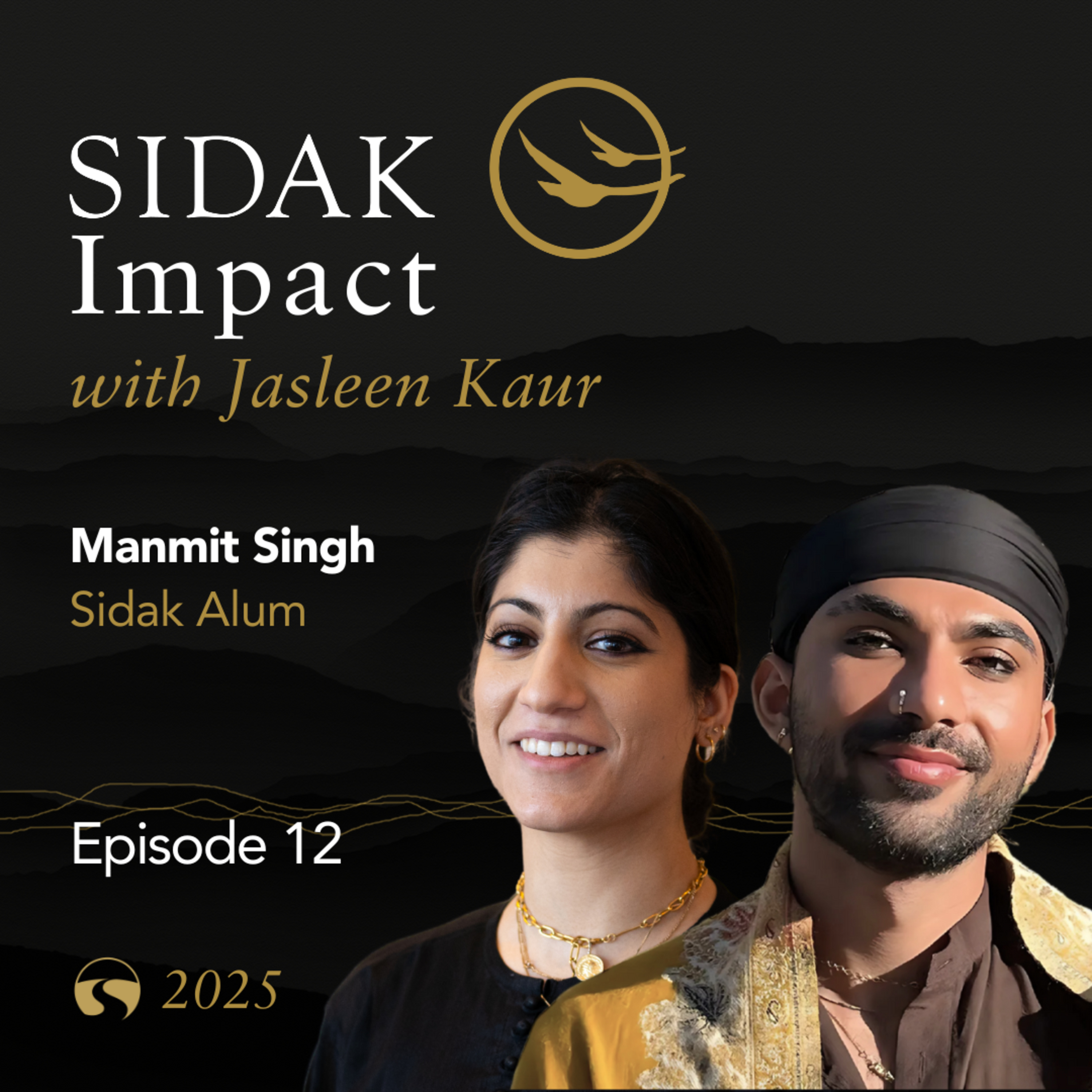
The Sidak Impact: Jasleen Kaur & Manmit Singh
2-time Sidaker Manmit Singh joins Jasleen Kaur to reflect on connection, community, and their deepening relationship with Asa ki Var, a guiding light through threads of hope and hopelessness. Sidak is a really beautiful experience, not to say that you won’t be challenged. But that’s the beauty of Sidak; it becomes a place that is insistent on the Sangat.“If you are wanting to cultivate that insist
1984 Lives in Me: 41 Years of Fire & Grace
“1984 Lives in Me: 41 Years of Fire & Grace” is a poetic reflection on the enduring impact of the 1984 Ghallughara on Sikh spirit and memory. Blending mysticism, remembrance, and quiet resistance, the piece honors those who preserved sovereignty through silence, devotion, and truth. It does not dwell in sorrow—it rises in presence. It is not a commemoration of loss, but a sacred reawakening to
Explore Rag Ramkali & Rag Maru | The Guru Granth Sahib Project
Explore Rag Ramkali: https://bit.ly/rag-ramkaliExplore Rag Maru: https://bit.ly/rag-maruRag Ramkali evokes compassion, and Rag Maru is associated with enthusiasm and zeal. Rag Ramkali advises the mind to take the support of IkOankar through reflection on Nam (Divine-Identification) to gain freedom from flawed thinking. Rag Maru emphasizes the comfort and liberation found in Nam. Guru Teghbahadar S

The Question That Went Viral: A Conversation on the Sikhs, 1984 & Rahul Gandhi
In April, Indian National Congress (INC) party member Rahul Gandhi stopped at Brown University for a speaking engagement. During the Q&A, Sidak Alumni Gurpartap Singh asked him what the INC is doing to reconcile with the Sikhs, and their interaction went viral. Join Gurpartap Singh, Harinder Singh, and Jasleen Kaur as they discuss Gurpartap’s reflections on his interaction with Gandhi. How can
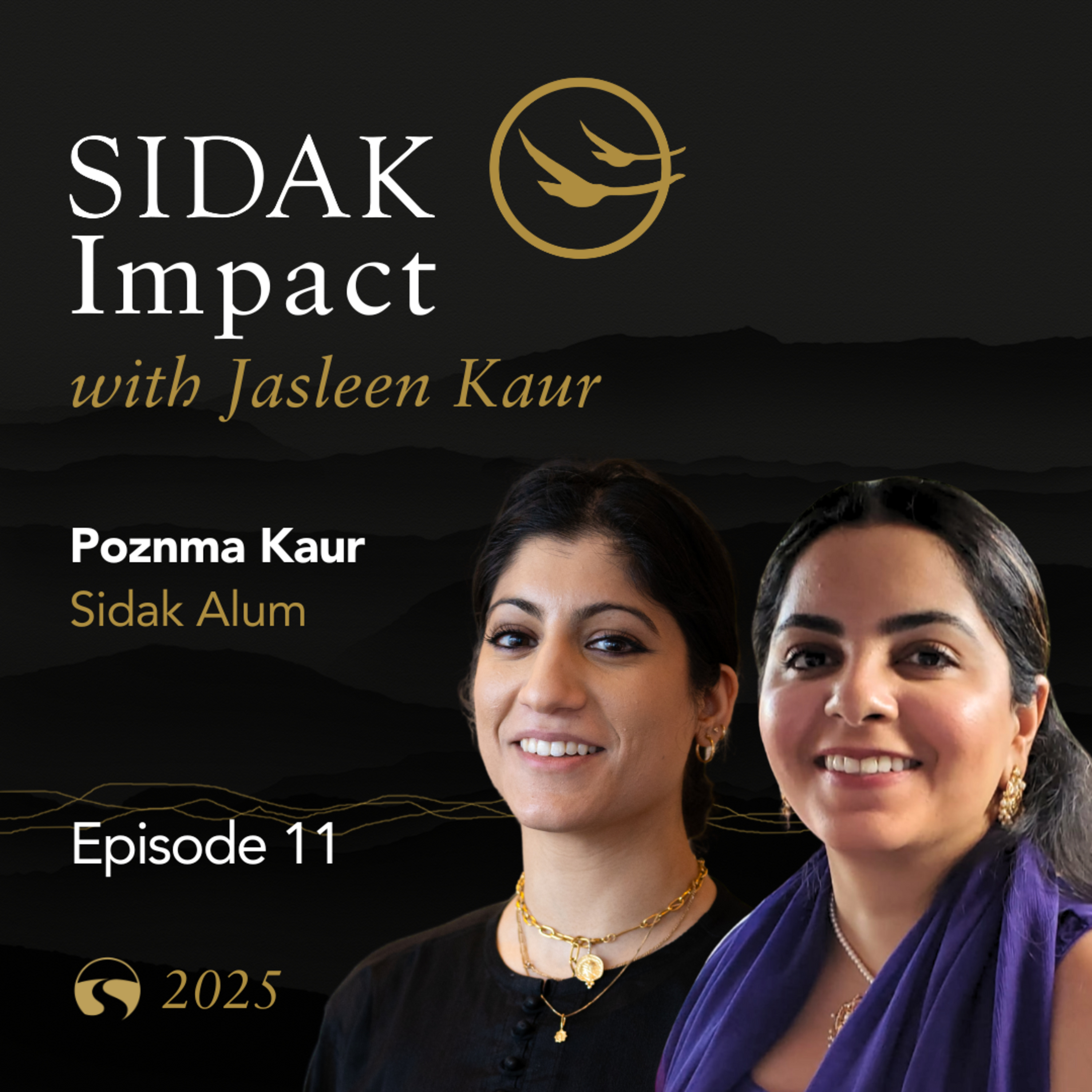
The Sidak Impact: Jasleen Kaur & Poznma Kaur
SikhRI researcher, Jasleen Kaur discusses the value of Sidak with alumni, Poznma Kaur.Sidak seeks to provide young Sikh adults with a gift of Gurmat-centered leadership learning experience to secure—and transform—the Sikh future.Learn more about Sidak: https://social.sikhri.org/tsi-sidakFeaturing:Jasleen Kaur (https://sikhri.org/people/jasleen-kaur)
Explore Var Sat (Mahala 3) 2/2 | The Guru Granth Sahib Project
Explore Var Sat (Mahala 3) 2/2: https://bit.ly/var-sat-m3-2In this composition, Guru Amardas Sahib highlights that IkOankar (the Divine) is the Creator of all existence. It portrays how individuals who cling to temporary possessions and relationships remain trapped in the cycle of birth and death. In contrast, those who remember and internalize the eternal Wisdom (Guru) come to recognize IkOankar
When Gratitude Becomes Remembrance: Where Nam Awakens
In this contemplative reflection, Inni Kaur shares a deeply personal response to a Hukam from Guru Arjan Sahib. Interweaving the presence of Bhai Vir Singh Ji and the voice of a giani, she explores how shukrana (gratitude), simran (remembrance), and quiet presence awaken something within. This is a gentle invitation to return—to breath, to grace, to the Nam that stirs from within.
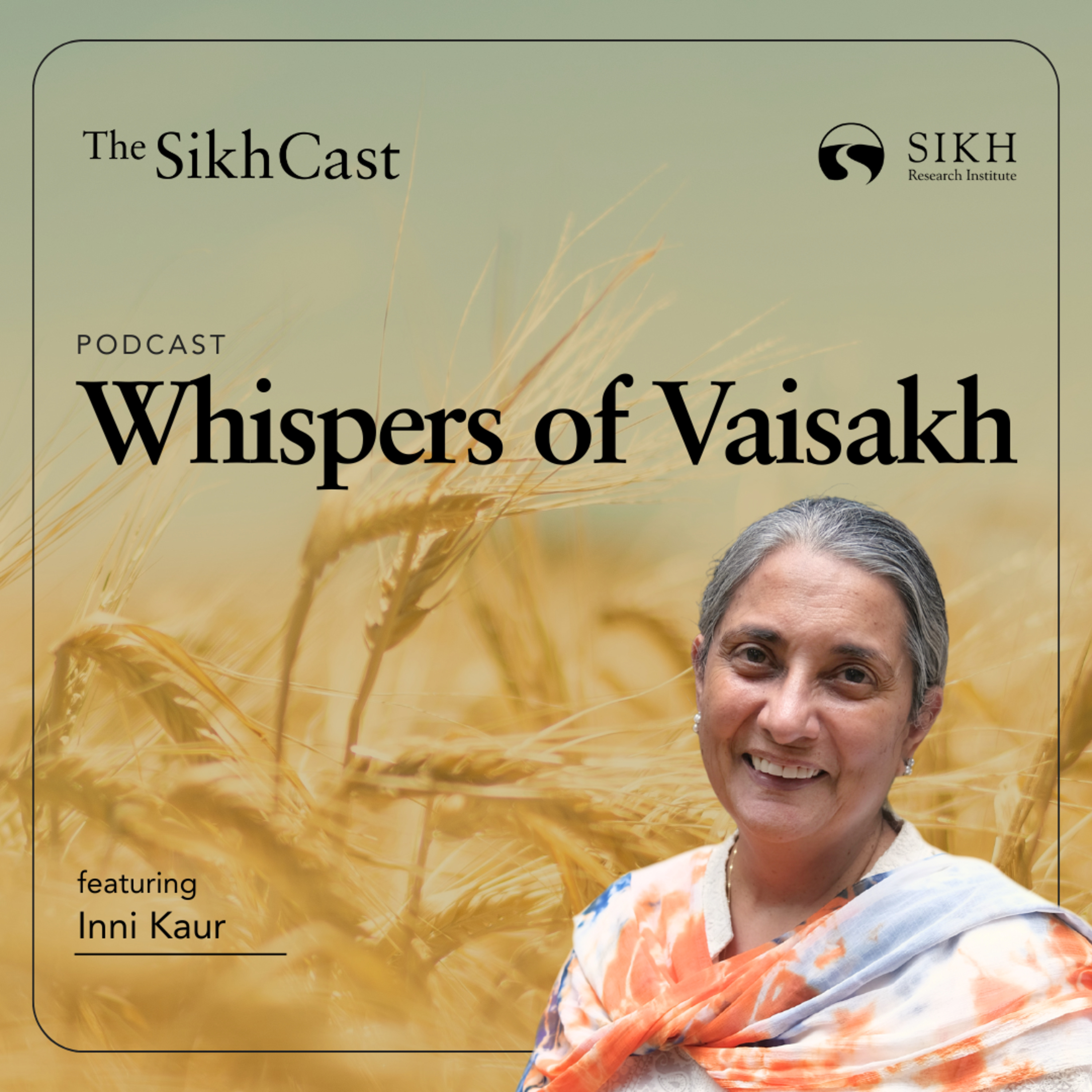
Whispers of Vaisakh: A Season of Longing
Listen as Inni Kaur takes you on a contemplative journey through the month of Vaisakh—a time of renewal, abundance, and quiet yearning.Amid blooming fields and vibrant celebrations, the seeker feels the ache of separation and the slipping away of remembrance. Guided by the voices of Guru Nanak Sahib and Guru Arjan Sahib, this reflection explores a longing and awakening and the call of the Beloved—
Explore So Purakhu | The Guru Granth Sahib Project
Explore So Purakhu: https://bit.ly/so-purakhu-podcastSo Purakhu is a collection of four Sabads, the source of Infinite-Wisdom, out of which Guru Ramdas Sahib has revealed two Sabads, and one each by Guru Nanak Sahib and Guru Arjan Sahib. “So Purakhu” means “That Being,” “That Supreme Being,” refers to IkOankar who is formless, all-pervasive, beyond gender, existing in all and beyond.Featuring: Jas
The Sidak Impact: Jasleen Kaur & Phera Singh
In this podcast, SikhRI Research Associate Jasleen Kaur explores the impact of the Sidak leadership program with alum, Phera Singh. Learn more about Sidak: https://social.sikhri.org/tsi-sidakFeaturing:Jasleen Kaur (https://sikhri.org/people/jasleen-kaur)
Explore Var Sat (Mahala 3) 1/2 | The Guru Granth Sahib Project
Explore Var Sat (Mahala 3) 1/2: https://bit.ly/var-sat-m3-1‘Var Sat’ (seven days) is commonly known as ‘Satvar’ or ‘Satvara.’ Satvara is a classical and popular poetic form based on the seven days of the week. In this poetic form, each stanza begins with a particular day of the week and describes an idea, sentiment, or superstitious belief associated with that day.Featuring: Jasleen Kaur (http
The Sidak Impact: Jasleen Kaur & Radhika Kaur
In this podcast, SikhRI Research Associate Jasleen Kaur explores the impact of the Sidak leadership program with alum, Radhika Kaur. Learn more about Sidak: https://social.sikhri.org/tsi-sidakFeaturing:Jasleen Kaur (https://sikhri.org/people/jasleen-kaur)
The Sidak Impact: Jasleen Kaur & Gurpartap Singh
SikhRI Research Associate, Jasleen Kaur discusses the value of Sidak with alumni, Gurpartap Singh.Sidak offers young Sikh adults a Gurmat-centered leadership learning experience, empowering them to strengthen and shape the Sikh future.Learn more about Sidak: https://social.sikhri.org/tsi-sidakFeaturing:Jasleen Kaur (https://sikhri.org/people/jasleen-kaur)
On Performing Piety
In this podcast, Jasleen Kaur reflects on Guru Nanak Sahib’s sabad, exploring the question of what is genuine within us, and what elements of ego we must navigate. Featuring: Jasleen Kaur (https://sikhri.org/people/jasleen-kaur)Read the article: https://sikhri.org/articles/on-performing-piety#SikhCommunity #Sikhs #GuruNanakSahib #GuruNanak #GuruNanakDevJi #GuruGranthSahib #GuruGranthSahibJi #Readi
Explore Barah Maha (Mahala 5) | The Guru Granth Sahib Project
Explore Barah Maha (Mahala 5): https://bit.ly/barah-maha-m5-podcastOn 14 March, in celebration of the Nanakshahi Sikh New Year, The Guru Granth Sahib Project released the annotation of Barah Maha, a powerful composition revealed by Guru Arjan Sahib in Rag Majh. This musical mode beautifully captures the emotions of separation, longing, and the deep yearning for union with IkOankar (the Divine).As
Explore Bani Bhagat Ramanand | The Guru Granth Sahib Project
Explore Bhagat Ramanand: https://bit.ly/bhagat-ramanandIn this Sabad, Bhagat Ramanand Ji highlights the significance of remembering the all-pervading IkOankar (the Divine) rather than worshipping the idol of any deity. He asserts that since IkOankar is omnipresent, there is no need to visit specific pilgrimage sites to show devotion to IkOankar.Featuring: Jasleen Kaur (https://sikhri.org/people/
Explore Thiti (Mahala 1) | The Guru Granth Sahib Project
Explore Thiti (Mahala 1): https://bit.ly/thiti-m1Thiti refers to a lunar calendar day, counted from the first to the fifteenth day based on the moon's phases. As a poetic form, Thiti is structured around the fifteen lunar days of the Indic calendar months. The Guru Granth Sahib includes three such compositions by Guru Nanak Sahib, Guru Arjan Sahib, and Bhagat Kabir Ji. In his Thiti, Guru Nanak
Explore Janam & Nam Sanskar | The Guru Granth Sahib Project
Explore the Sabads at:http://bit.ly/birth-naming-ceremoniesIn Sikh tradition, the Birth & Naming Ceremony compositions nurture a sense of connection, love, and gratitude with IkOankar (the Divine). These ceremonies create a deep sense of belonging within both the family and the larger Sikh community, reflecting the lasting power of love and compassion. Through these compositions, gratitude is
Explore Bani Bhagat Surdas Ji | The Guru Granth Sahib Project
Bhagat Surdas Ji, one of the fifteen Bhagat contributors to the Guru Granth Sahib, has a composition recorded on page 1253. This line encourages the mind to abandon the company of those who have turned away from IkOankar (the Divine).
Explore Bani Bhagat Surdas Ji: https://bit.ly/bani-bhagat-surdas-ji
Featuring: Muktnoor Kaur
#SikhCommunity #Sikhs #GuruGranthSahib #GuruGranthSahibJi #Sikhi #Wisd
Explore Var Sat (Kabir Ji) | The Guru Granth Sahib Project
‘Var Sat,’ commonly called 'Satvar' or 'Satvara,' is a poetic form based on the seven days of the week. It is a unique literary style that connects each day of the week with a specific idea, emotion, teaching, or reflection. In the Guru Granth Sahib, compositions revealed in the Var Sat poetic form include those by Bhagat Kabir Ji and Guru Amardas Sahib.
Explore Var Sat (Kabir Ji): https://bit.ly
Explore Mahala 5 Gatha | The Guru Granth Sahib Project
Gatha refers to a song or verse, rooted in the word gai, to speak, sing, or recite. It can also refer to a profound discourse with the self beyond simple praise or devotion. Within its short saloks, this Bani explores how to overcome the five thieves-vices through praise and companionship.
Explore Mahala 5 Gatha: https://bit.ly/mahala-5-gatha
Featuring: Jasleen Kaur (https://sikhri.org/people/
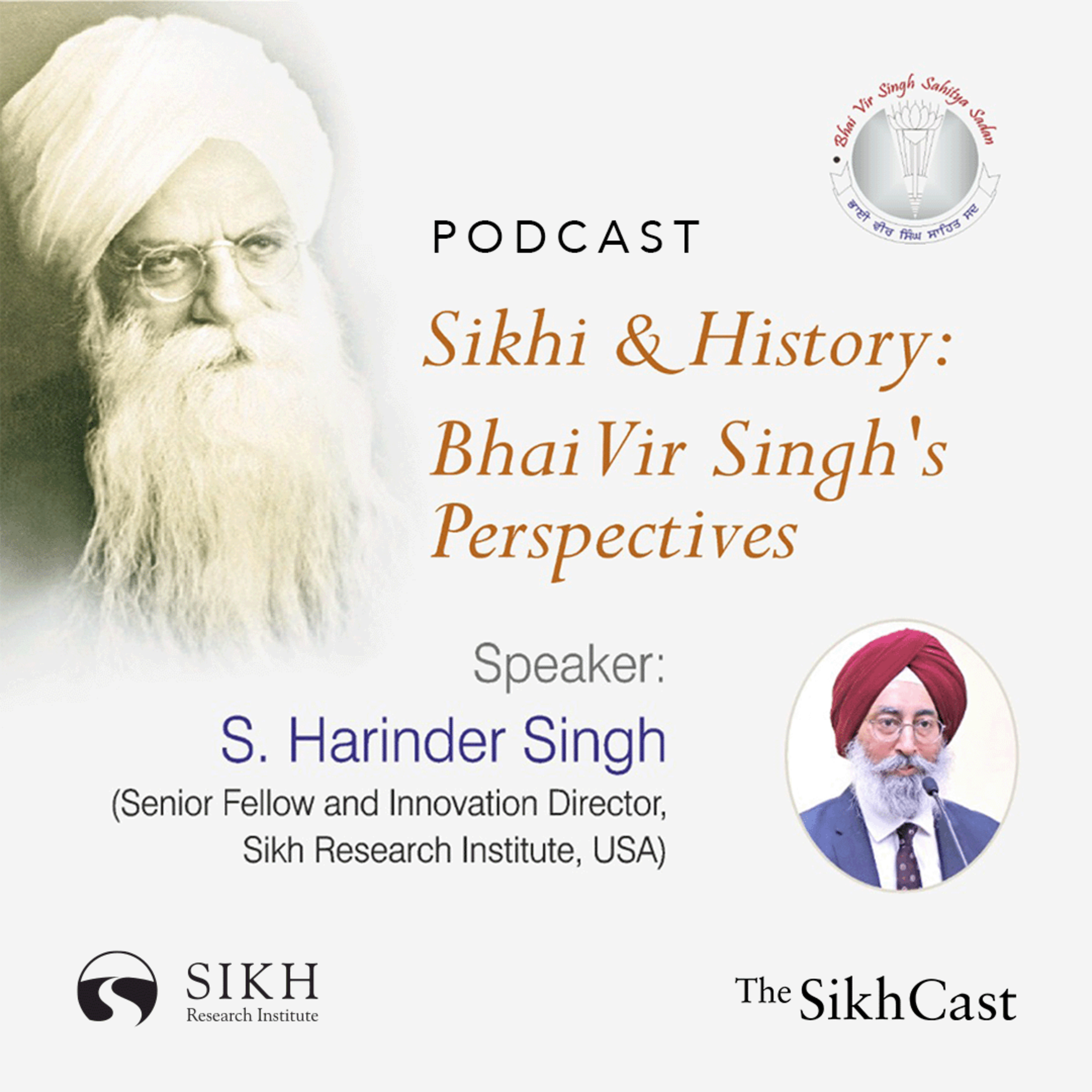
Sikhi & History: Bhai Vir Singh's Perspectives
Harinder Singh explores Bhai Vir Singh's unique framing of Sikh history at Bhai Vir Singh Sahitya Sadan, Delhi.
• How did Bhai Vir Singh perceive and narrate Sikh history?• What lens did he use to contextualize Sikh history within Indic and Western frameworks?• How does his understanding inspire contemporary interpretations of Sikh history?
Dive into the wisdom of Bhai Vir Singh and discover how
Explore Patti (Mahala 3) | The Guru Granth Sahib Project
The essence of this composition is revealed in the stanza of rahau (Pause). In it, worldly accounting (entanglements) is described as useless. In the rest of the stanzas, the being is inspired to engage in true devotion to IkOankar instead of getting caught up in meaningless wordplay. Only by singing the praises of IkOankar can one be freed from worldly entanglements and gain honor in the court of
![Explore Thiti (Mahala 5) [Part 1] | The Guru Granth Sahib Project](https://d3t3ozftmdmh3i.cloudfront.net/staging/podcast_uploaded_episode/2526561/2526561-1732155733611-b05b15ddb3795.jpg)
Explore Thiti (Mahala 5) [Part 1] | The Guru Granth Sahib Project
This composition, aligned with the fifteen lunar days, follows Sukhmani Sahib in the Guru Granth Sahib. Though brief, it shares Sukhmani Sahib's simplicity and depth of message, making it a customary recitation after Sukhmani Sahib.
The term ‘thiti’ is a variant of ‘tithi,’ a Sanskrit word that appears in the Guru Granth Sahib as ‘thiti,’ ‘thīti,’ or ‘thitī.’ Poetry inspired by the lunar calendar

1984: Witness, Document, Justice
Since 1984, in the aftermath of “Operation Blue Star” and the Sikh Genocide, many narratives have surfaced—graphic, heartbreaking, and deeply emotional. Yet, one crucial perspective often remains overlooked: the voices of the first responders. These brave individuals saved lives, offered aid in relief camps, and documented the earliest accounts of the atrocities.
Join SikhRI as we pay tribute to

Heartbeats of ‘84
Join host Santbir Singh as he delves into the profound impact of 1984 through the personal reflections of guest Pritpal Singh. In this intimate and moving conversation, Pritpal offers a rare, firsthand perspective on how the events of that year shaped the lives of countless Sikhs.
Moving beyond historical accounts, this episode brings listeners into the raw realities of 1984, offering younger dia
Explore Patti (Mahala 1) | The Guru Granth Sahib Project
Patti is a poetic form rooted in the Gurmukhi alphabet. Traditionally, students in Punjabi culture used a wooden tablet, called a patti, to practice writing letters.
The Guru Granth Sahib contains several compositions structured around the alphabet, including the Patti revealed by Guru Nanak Sahib. This particular Patti consists of thirty-five two-line stanzas, along with a stanza of rahau, or P

1984 & Its Afterlives
To mark the 40th year of the violence of 1984, we reflect on the events that unfolded in India and make connections with the ongoing and durable violence against Sikhs, Muslims, and other minority groups in India and the diaspora.
Featuring:
Uma Chakravarti (https://sikhri.org/people/uma-chakravarti)
Shruti Devgan (https://sikhri.org/people/shruti-devgan)
Sukhman Singh Dhami (https://sikhri.org/pe
Explore Maru Kaphi | The Guru Granth Sahib Project
In Maru Kaphi, Guru Nanak Sahib reflects on the grief caused by separation from IkOankar, showing that even with worldly comforts, one remains unhappy without this connection. It emphasizes that the transient nature of worldly relationships and explains that eternal union with IkOankar can be achieved through the Guru’s wisdom.
Explore Maru Kaphi: https://bit.ly/maru-kaphi
Featuring: Jasleen Kaur
Explore Bani Bhagat Sain Ji | The Guru Granth Sahib Project
In this Sabad, Bhagat Sain Ji sings the ‘Arti’ of the transcendent Supreme Being, IkOankar (the Divine). He emphasizes that the true 'Arti' of IkOankar is not a ritualistic act of adorning a platter with incense, lamps, and ghee. Instead, it lies in adoring and singing the praises of IkOankar. Through this, a seeker experiences bliss and fulfillment in life.
Explore Bani Bhagat Sain Ji: h

None Compares to You!
In this episode, we embark on a deeply personal and spiritual journey to Sri Harimandar Sahib, the Golden Temple, through the evocative words of Inni Kaur. With her vivid storytelling, Inni shares the emotional and transformative experience of her pilgrimage, where reflection, connection, and self-discovery come to life.
Immerse yourself in this moving narrative that invites you to feel the sacred
Explore Pahare | The Guru Granth Sahib Project
‘Pahare’ is considered to be a form of folk poetry in Panjabi. This poetic genre is based on the consciousness of time.
Examples of this poetic genre are found only in the Guru Granth Sahib. Dividing day and night into four quarters each and expressing one’s feelings through them is the classical basis of this poetic genre.
To liberate the commoner from the superstition of believing in the auspic
Explore Chaubole | The Guru Granth Sahib Project
Guru Arjan Sahib’s Chaubole focuses on love, teaching that true devotion to IkOankar (the Divine) brings constant joy. A lover fully immersed in this love is ready to sacrifice everything for the Beloved. Their mind remains absorbed in the Divine, while those attached to worldly possessions and relationships remain unhappy, despite material comforts.
Explore Chaubole: https://bit.ly/chaubole
Speak
Explore Lava | The Guru Granth Sahib Project
These four stanzas are four stages of a seeker’s union with IkOankar (the Divine).
They depict the seeker’s spiritual journey. These four stanzas are also sung when the Sikh bride and groom circumambulate four times around the Guru Granth Sahib to solemnize their wedding.
Featuring: Jaswant Singh (https://sikhri.org/people/jaswant-singh)
Explore Lava: https://bit.ly/tggsp-lava-youtube
#GuruGra
Explore Anand Sanskar 2/2 | The Guru Granth Sahib Project
The ceremony of ‘Anand Karaj’ (blissful task) is very important in ‘Anand Sanskar’ (blissful ceremony). ‘Anand Sanskar’ is considered complete only with the ceremony of ‘Anand Karaj.’
Before the Anand Karaj, there are many other ceremonies in which Gurbani is recited and sung. These ceremonies and the Sabads recited in them have been discussed in detail in the earlier part. Here, we are discussi
Explore Karhale | The Guru Granth Sahib Project
The term 'karhale' is derived from the Rajasthani and Sindhi word 'karhal,' which means camel.
Historically, traders loaded their goods on camels to sell in distant lands, enduring long, arduous journeys. To relieve fatigue and express their emotions, they sang songs called 'karhale' about the harsh desert climate and their separation from loved ones.
Over time, these son
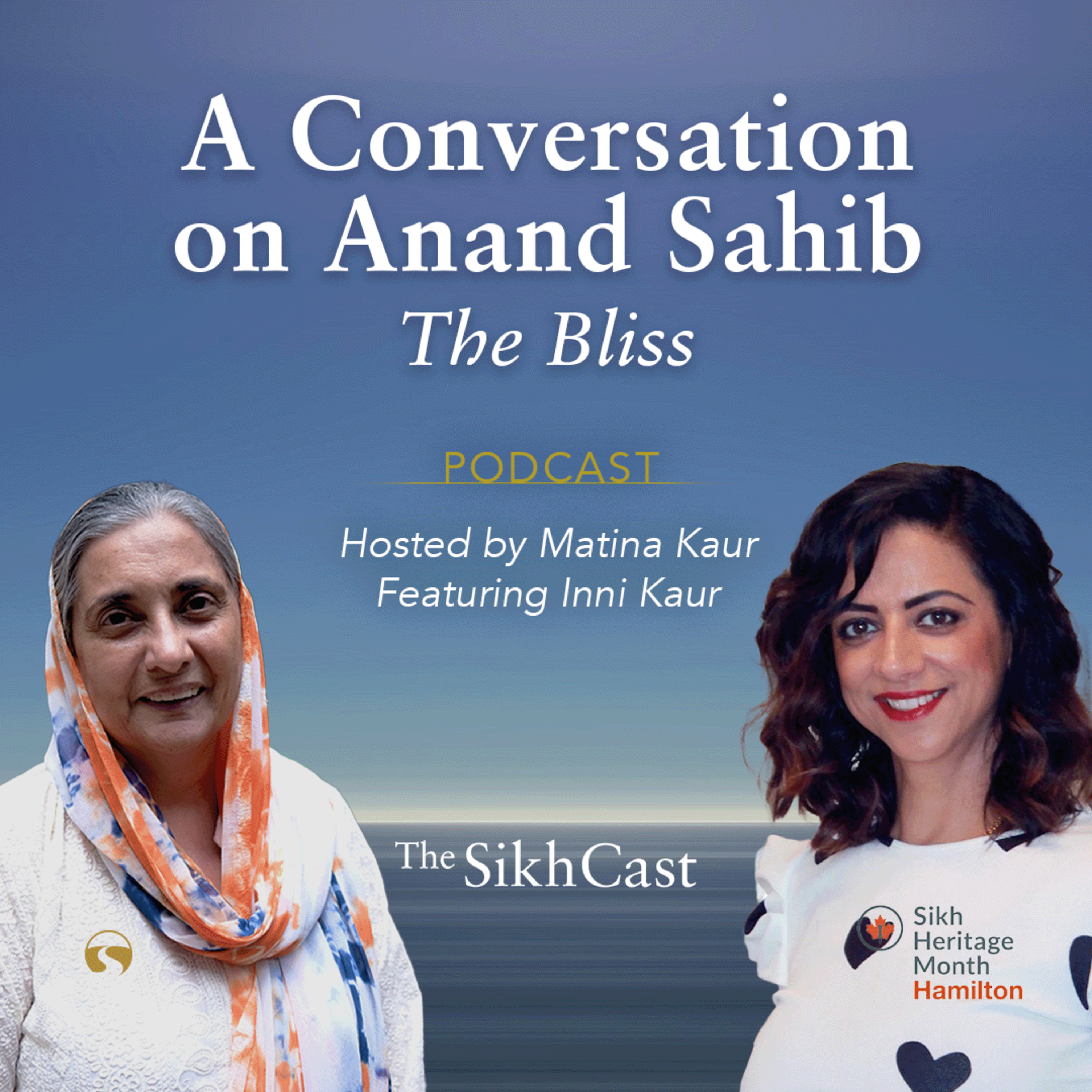
A Conversation on Anand Sahib: The Bliss
Inni Kaur joins Sikh Heritage Month to discuss the deeper meaning of Anand Sahib by Guru Amardas Sahib.
While 'anand' translates to happiness and joy, its true meaning is more profound. The composition highlights that the eternal Wisdom (Guru) is the source of bliss, which can only be experienced through this Wisdom. It brings steadiness and discipline to the seeker's entire being, le
Explore Anand Sanskar 1/2 | The Guru Granth Sahib Project
The Guru Granth Sahib contains many Sabads related to the wedding ceremony, in which themes of happiness, blessings, and teachings are conveyed through vocabulary related to the wedding.
Some Sabads are read before the wedding ceremony and some during. Although no fixed protocol exists, these three Sabads are typically read or recited before the wedding ceremony.
Featuring: Jasleen Kaur (https:
Explore Sabads On the Theme of Amrit (Initiation) Ceremony | The Guru Granth Sahib Project
Amrit Ceremony is a fundamental and an essential rite for a seeker to join the Khalsa Panth. Through this the seeker is given ‘amrit’ and the core principles and values of Sikhi are explained to them. It is a unique and meaningful life-changing experience for the seeker.
Featuring:
Jasleen Kaur (https://sikhri.org/people/jasleen-kaur)
#GuruGranthSahib #Amrit #Sikhism #Sikhi #Wisdom #SikhCommun

The Attack on Political Sikhi
Manvinder Kaur and Santbir Singh explore the events of 1984 that forever transformed the landscape of Sikh history and politics in India. They look at the June attack on the Harimandar Sahib Complex, followed by the devastating November pogroms, and then further examine the significance of these events in the broader context of Sikh-India relations.
Featuring:
Manvinder Kaur (https://sikhri.org/
Recommended

Deadline: White House

Crickets Corner

History of the Earthquake and Fire in San Francisco

Fox news

K-Drama Obsessed Mamas | Beyond “Just One More Episode!”

True Crime Classics

The Healer Revolution

Becoming: HER with Nikki Spoelstra

Booked, Blonde & Busy w/ Olivia Ponton

McKinsey on Consumer and Retail

megahired.com

Hard Knocks Podcast
