Asia Centric by Bloomberg Intelligence
Some of the world's largest and fastest-growing markets, economies and companies are in Asia. Every Thursday, John Lee from Bloomberg Intelligence speaks with experts and newsmakers about the big ideas and trends moving money across the region.
Episodes

Inside Quantedge's 49% Surge and 20-Year Run
Surviving the cutthroat world of hedge funds is notoriously difficult, with firms facing an average lifespan of just five years. Yet Singapore-based systematic quantitative fund Quantedge has defied those odds, recently celebrating its 20th anniversary and growing its assets under management from less than $3 million to $7.6 billion. Boasting an annualized return of 20.8% over two decades and a ma

Goldman Pushes Back on ‘Short-AI’ India Narrative
While global equities have surged on the AI boom, India's stock markets have languished. With concerns that the nation's large IT services sector is vulnerable to automation and job losses, critics have increasingly labeled India an "anti-AI" or "short-AI" trade. Santanu Sengupta, chief India economist at Goldman Sachs, joins John Lee on the Asia Centric podcast to challenge this bearish narrative
Private Wealth Boom Defies China's Capital Curbs
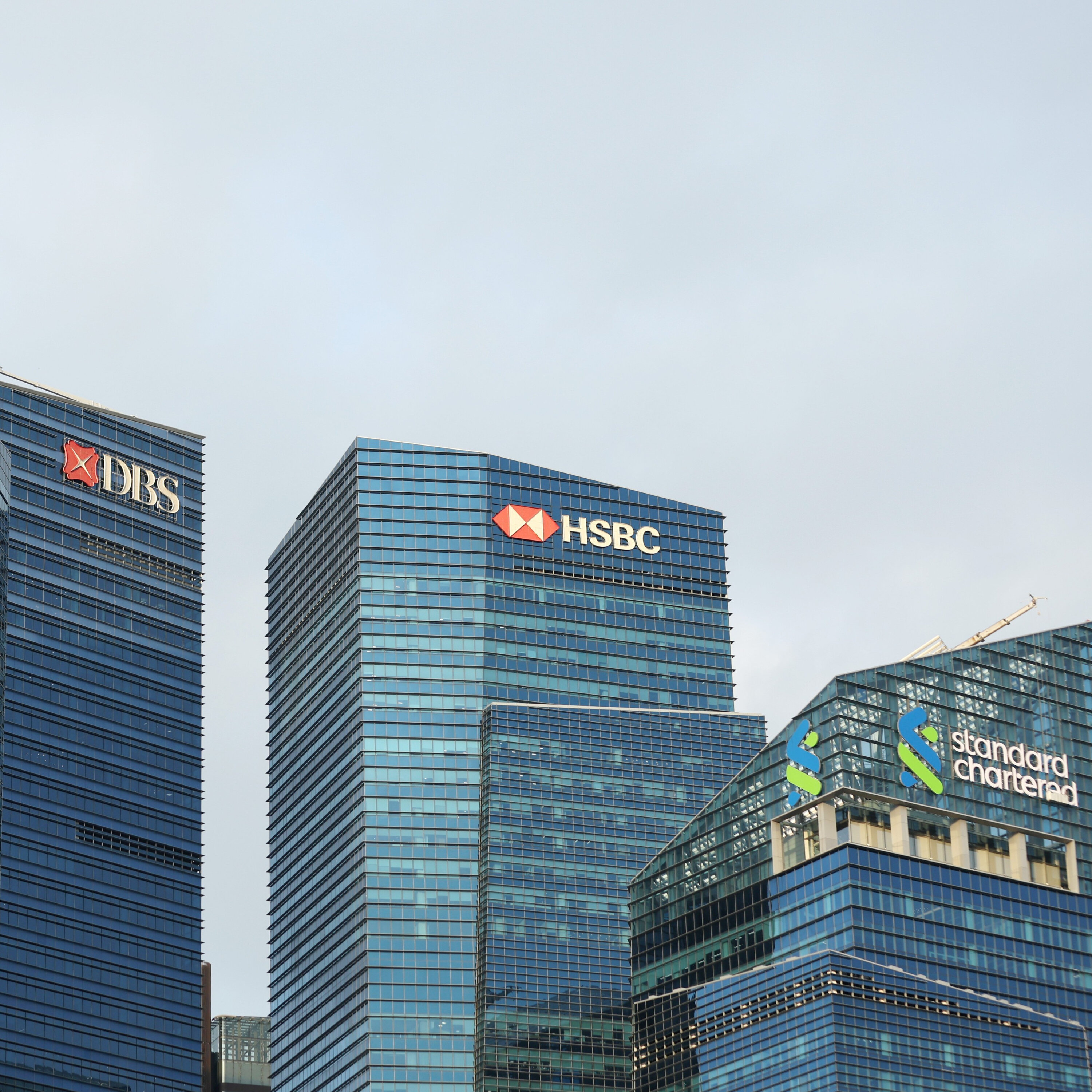
Asia's private wealth industry continues to flourish. A Bloomberg Intelligence survey of 100 senior private bankers reveals widespread optimism for double-digit net new money growth, supported by mainland investors seeking diversification and emerging wealth from Southeast Asia and the Middle East. This comes despite new regulatory headwinds from Beijing, including tighter capital outflows and tax
Why Investors Are Mispricing China in a G2 World
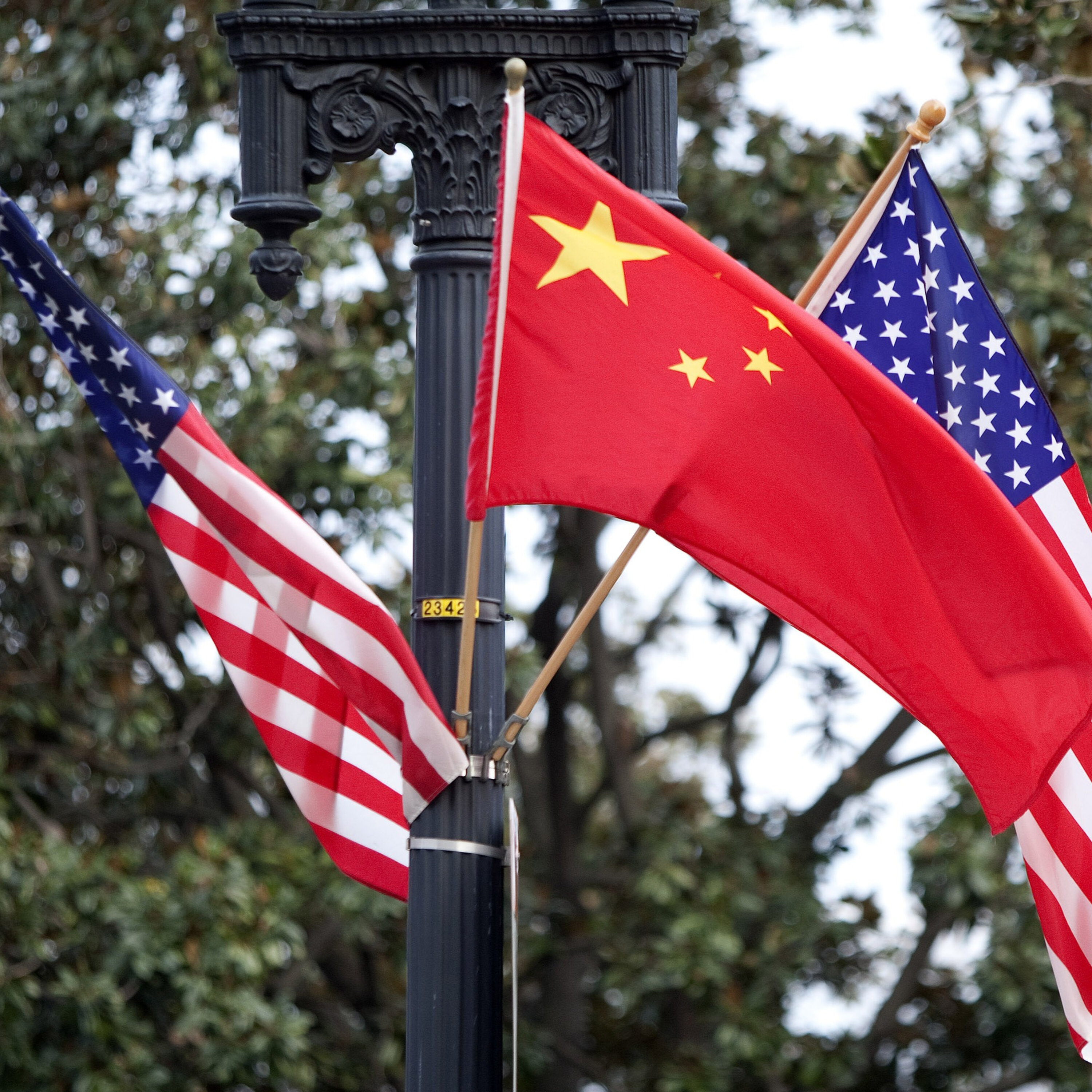
The global economy is structurally shifting from G7 dominance toward a G2 dynamic led by the US and China, yet international investors continue to shun Chinese risk assets. Even as China dominates global manufacturing output and expands its trade surplus toward $1.2 trillion, global capital remains heavily allocated toward developed markets. Are markets mispricing China's role in this new order? B

Japan's Activism Boom Shifts to Small Caps
Shareholder activism is surging in Japan, with 120 campaigns launched in the first half of the year, making the country the second most active market globally after the US. With a record number of companies going private and M&A takeover battles on the rise, activist investors are increasingly becoming kingmakers in securing maximum value for minority shareholders. Jamie Halse, chief investmen
Cheap North Asian Currencies Reach Turning Point
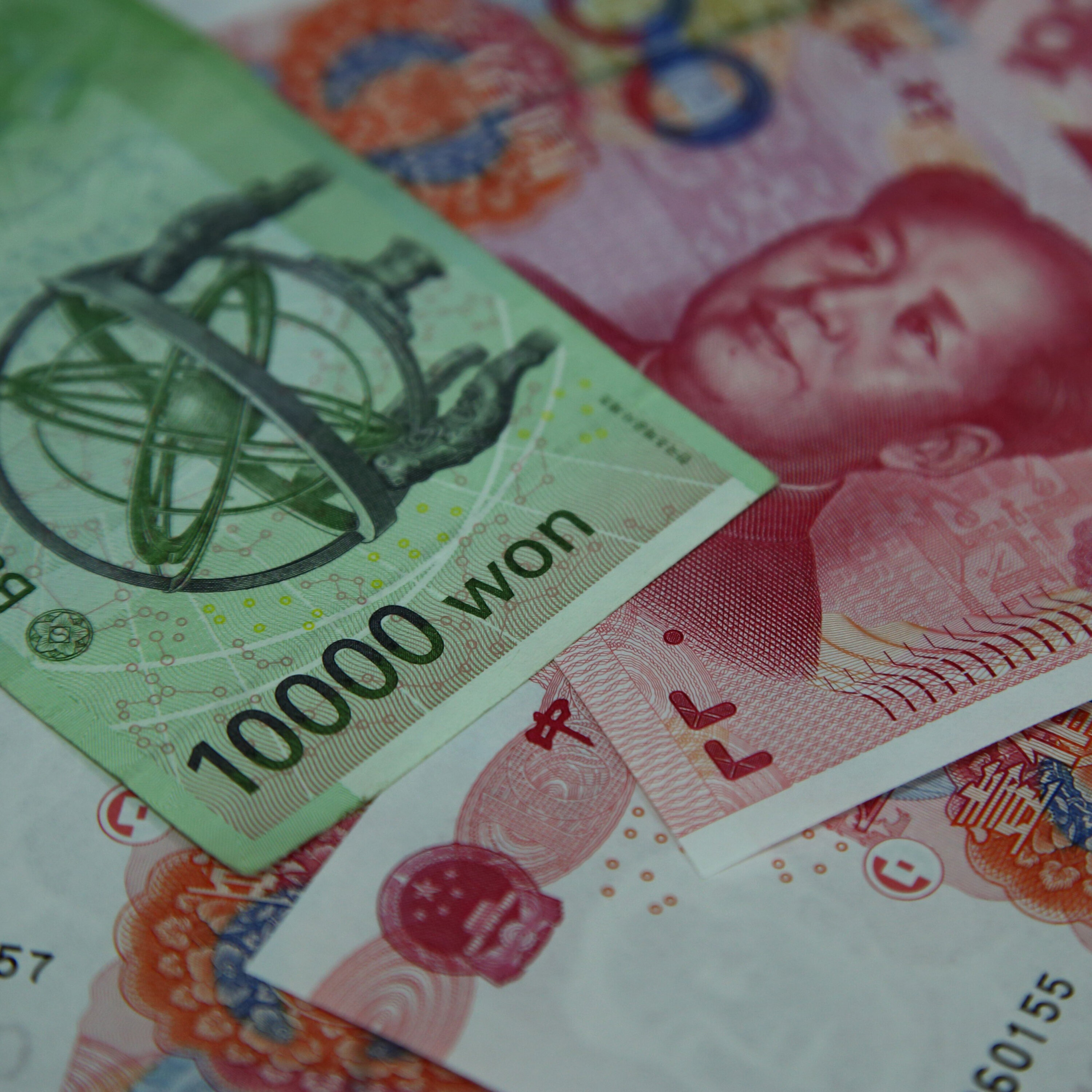
North Asian currencies – including the Japanese yen, South Korean won, Taiwan dollar and Chinese yuan – are trading at some of their deepest discounts on record, dropping up to 56% below purchasing power parity. These depressed valuations persist despite strong macro fundamentals, backed by massive foreign exchange reserves and their status as top global creditors. However, this valuat

Europe Needs €14 Trillion to Catch US, China
After decades of lagging behind the US and China in economic growth and innovation, Europe faces a stark reality: the era of cheap Russian energy, low-cost Chinese goods and US-backed security is over. Achieving strategic self-sufficiency will cost an estimated €14 trillion through 2035, according to Bloomberg Intelligence, requiring massive capital deployment across defense, energy, technolo

China's AI Firms Locked in Race to the Bottom
While US tech giants such as Anthropic and OpenAI are monetizing at an unprecedented scale, Chinese developers are struggling to turn their technical progress into revenue growth. Despite narrowing the performance gap with US frontier models to just 5%, they face a domestic market flooded with nearly 1,000 competing large language models. This massive oversupply has triggered a brutal price war, w
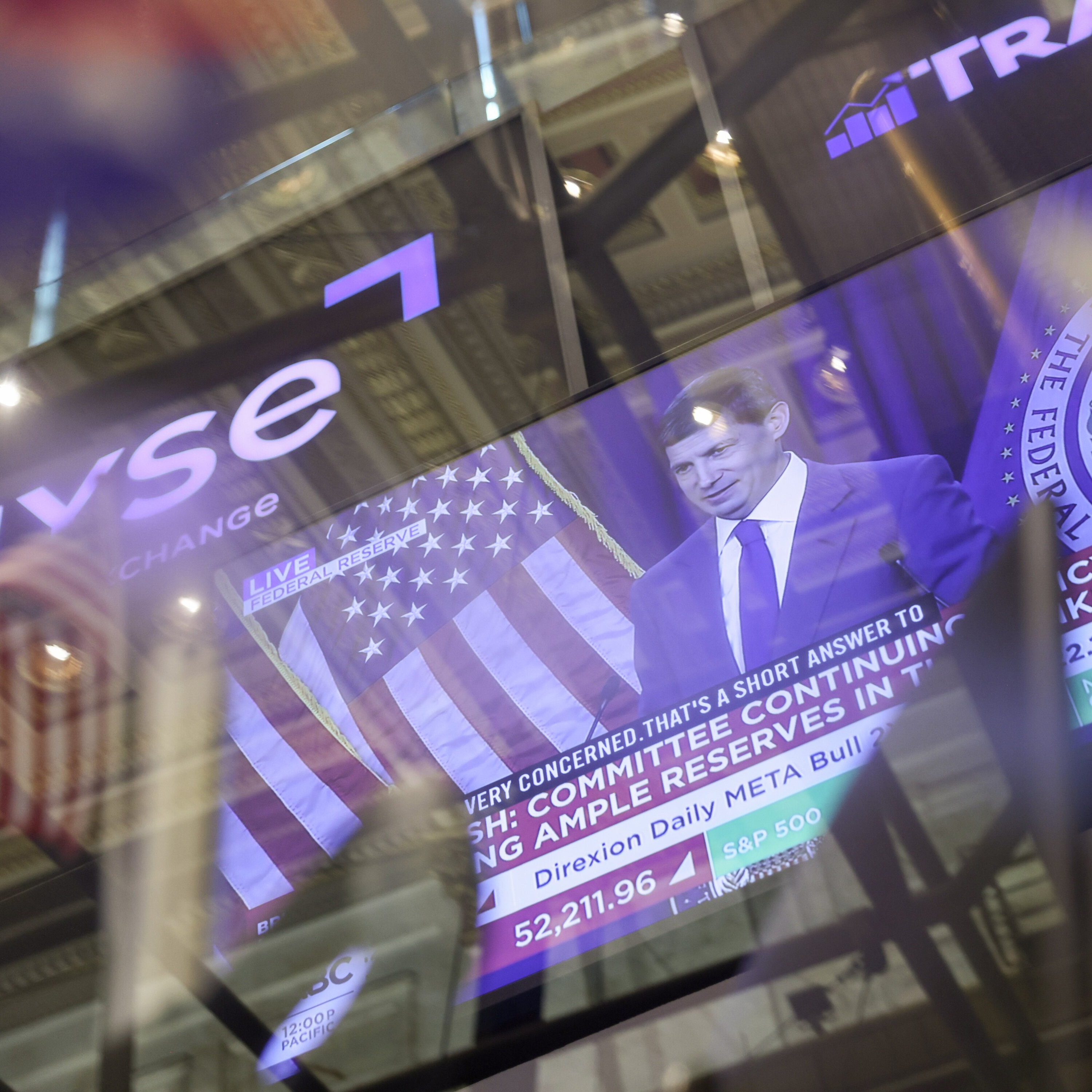
Navigating US Treasury Selloff and Yen Intervention
Global fixed income markets are facing fresh turbulence as 30-year US Treasury yields spike to 5.2% – their highest level since before the global financial crisis – amid policy uncertainty under Fed Chairman Kevin Warsh. At the same time, FX markets are on high alert following coordinated intervention by US and Japanese authorities to support the yen after it breached 162. With rate vo
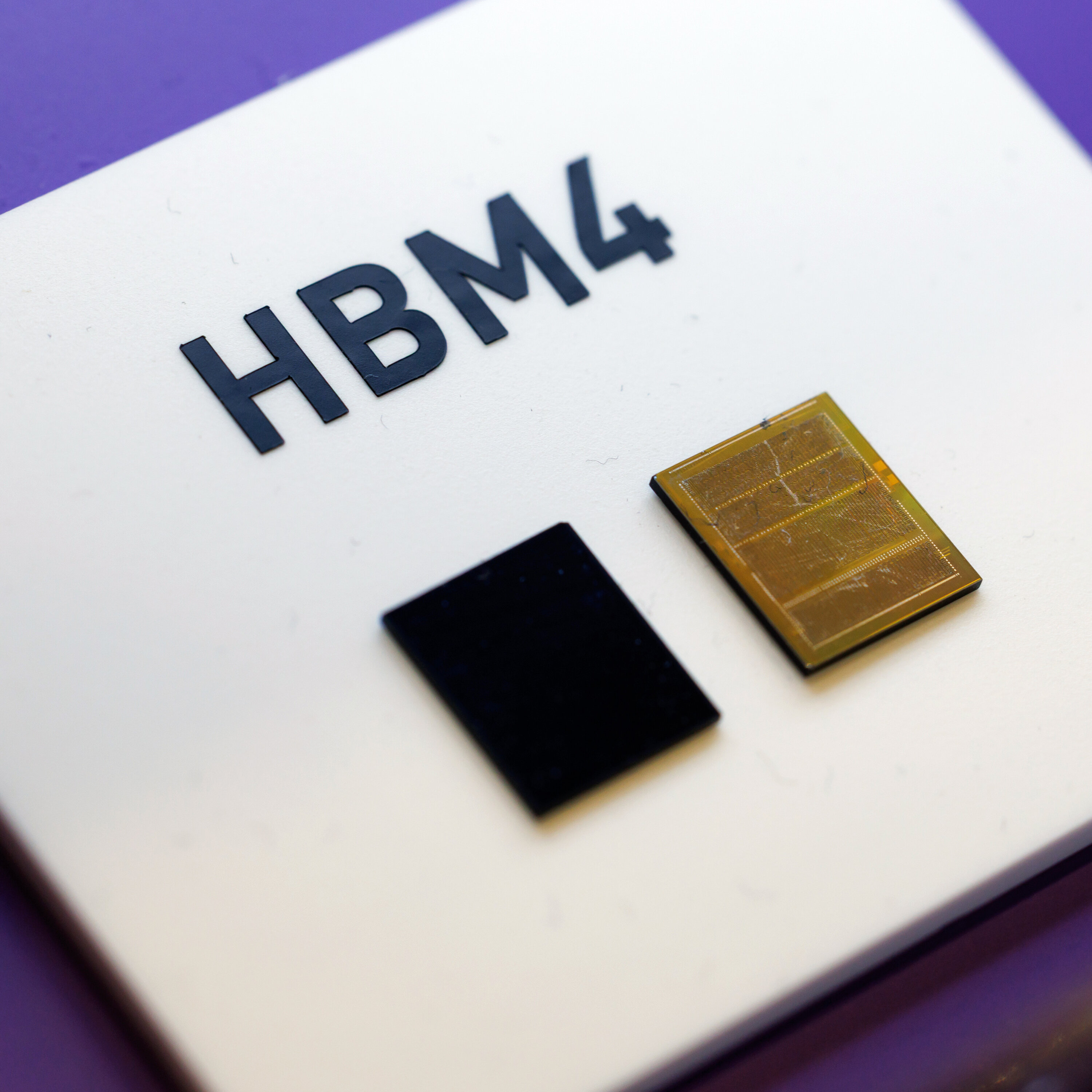
Can CXMT and Kimi K3 Break the Memory Supercycle?
Memory chips have been the standout trade of the AI boom, but July brought a sharp reality check. Global semiconductor stocks whipsawed as investors began questioning the return on hundreds of billions in data-center spending. Market jitters deepened after Chinese startup Moonshot released its open-source Kimi K3 model at a fraction of the cost of US frontier AI architectures. Compounding these co

Rise of the $300 Billion Prediction Market
Prediction markets are rapidly emerging as one of the fastest-growing asset classes in global finance. Driven by market leaders such as Kalshi and Polymarket, annual trading volume on real-world outcomes — from political elections to major sporting events — is projected to surge to $300 billion this year, with the potential to reach $1 trillion by 2030. But a high-stakes regulatory bat

Peak Hormuz and the New Oil Order
The disruption in the Strait of Hormuz upended global energy markets, but the feared catastrophic oil shock never materialized. Prior to the Middle East conflict, about 20 million barrels of oil and products flowed through the maritime chokepoint every day. Due to regional bypass pipelines, strategic reserve releases and voluntary demand reductions from China, the global system absorbed the impact

China's Shoppers Still Buy Luxury, But Selectively
Chinese consumer sentiment isn't collapsing across the board, but retail sales growth is projected to hit a four-year low. While big-ticket categories like home appliances and autos crumble under subsidy fatigue, highly resilient segments are holding ground, particularly cosmetics, luxury, and premium sportswear. In e-commerce, Alibaba and rival giants are locked in a margin-crushing battle over a
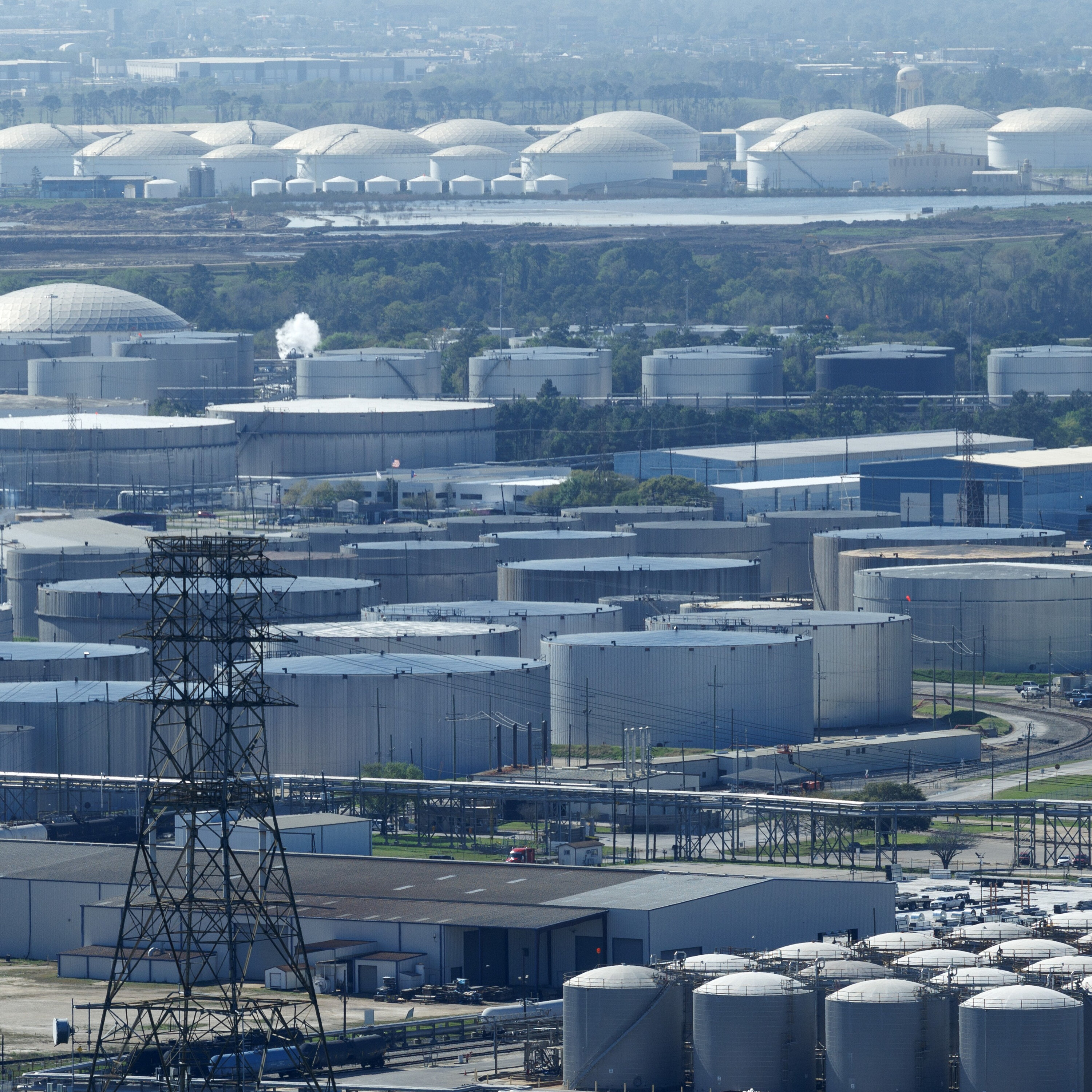
How AI and Energy Security Fuel a New Supercycle
A massive convergence of artificial intelligence, energy and security is sparking what is likely to be the largest and longest energy investment cycle in history, according to Morgan Stanley. Driven by the demands of AI data centers and a strategic shift from "just-in-time" cost efficiency to "just-in-case" resilience, more than $5 trillion in new-energy investments is projected for Asia over the
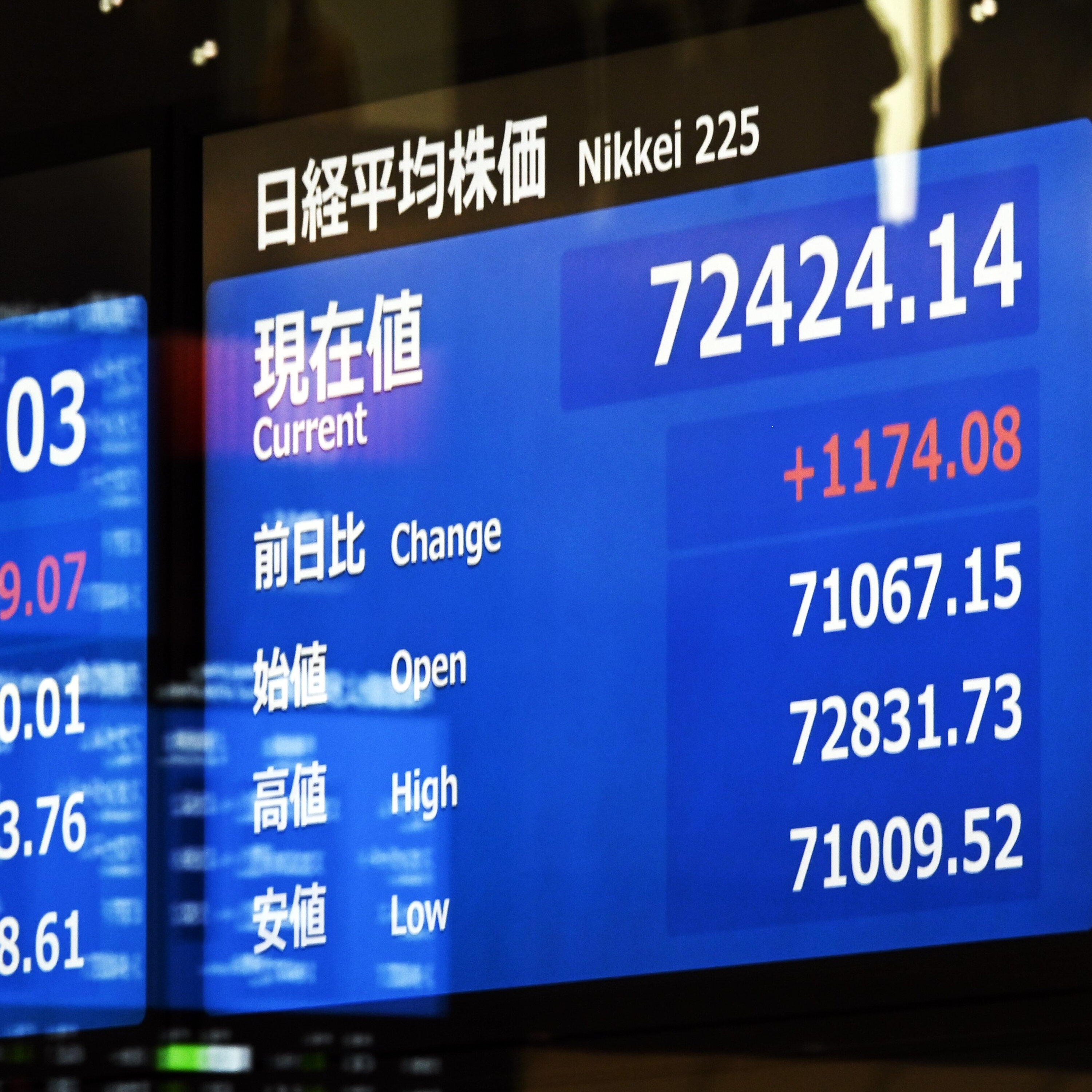
Why Global Capital Is Pouring Into Japan Stocks
What's driving Japan's historic bull market? And why are global investors finally returning to Tokyo after years on the sidelines? According to Goldman Sachs, it’s a rare convergence of factors including the global AI trade, inflation, corporate governance reform and an evolving macroeconomic landscape. The firm also believes a regime shift is underway in the market, moving focus away from t
How Leverage ETFs Are Shaking Up Asian Markets
The rise of single-stock ETFs, especially CSOP's 2x leveraged SK Hynix ETF listed in Hong Kong, is reshaping market dynamics. The daily rebalancing of these massive funds is contributing to higher volatility in equity markets, creating new challenges for investors. At the same time, high concentration risk and narrow market leadership are fundamentally changing how investors think about hedging. I
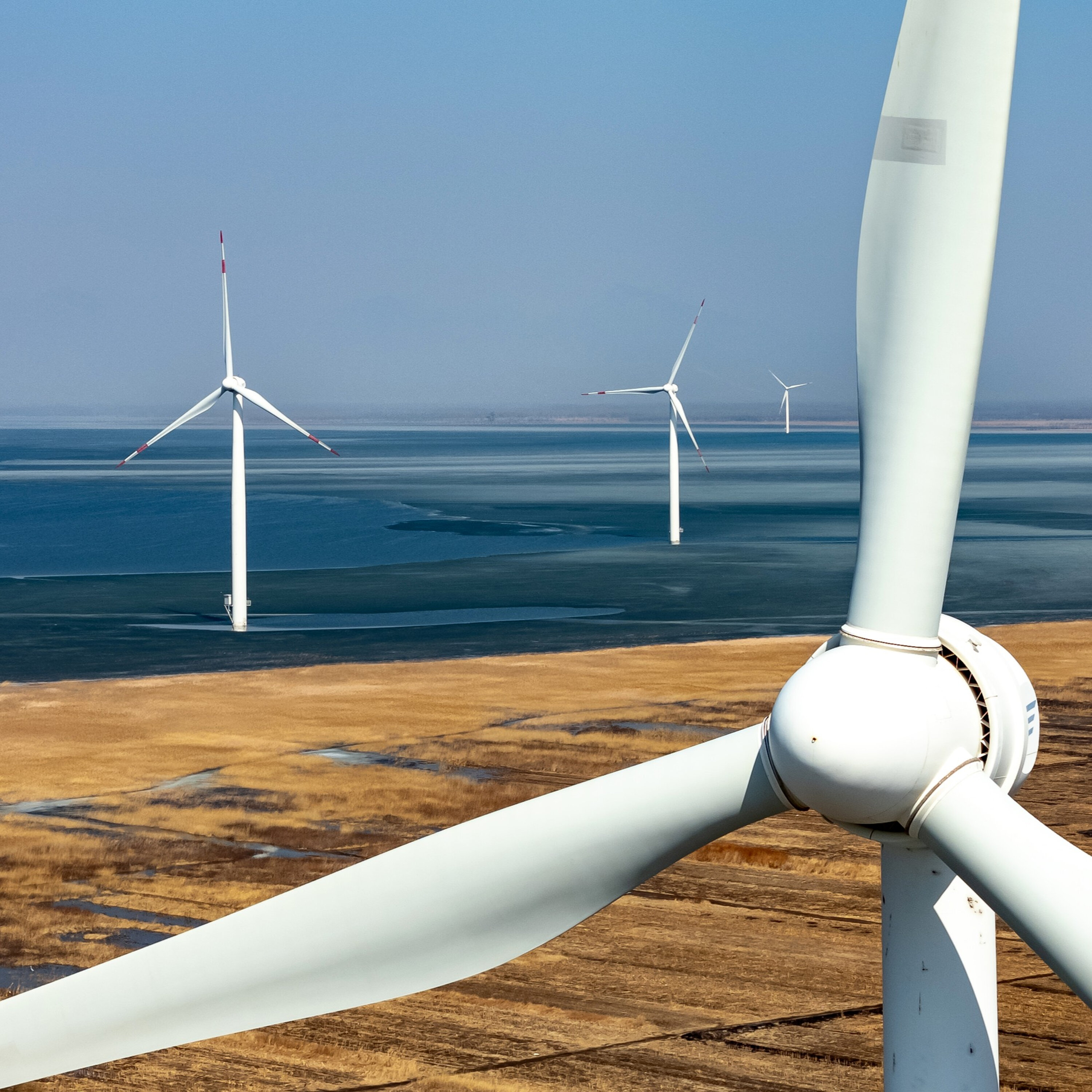
China’s Rise as the World’s First Electrostate
China is rewriting the global energy playbook, rapidly transforming into a clean energy powerhouse and emerging as the world's first "electrostate". While the Iran war has rattled global commodity markets, Beijing has successfully absorbed the shock due to a decade-long pivot toward domestic renewable energy. Now, it's positioning itself to reap economic rewards by exporting its green infrastructu

Is China's Property Market Finally Recovering?
China's property market is showing signs of life after a five-year slump, prompting some analysts to call for a long-awaited rebound. Price declines for newly built homes are narrowing, while transaction volumes are finally ticking up, particularly in top-tier cities. But is this a significant turnaround or just a dead cat bounce? Leonid Mironov, a fund manager at Gavekal Capital, joins host John
AI to Make Australia the Lucky Country Once Again
Australia is emerging as a surprising beneficiary of new technological shifts, even as the country faces a growth hit from the Middle East war. Rapidly accelerating data construction is driving an unprecedented demand for copper, while battery solutions are fueling a massive consumption of lithium. Escalating geopolitical tension is also providing a powerful tailwind for rare earths as Western nat
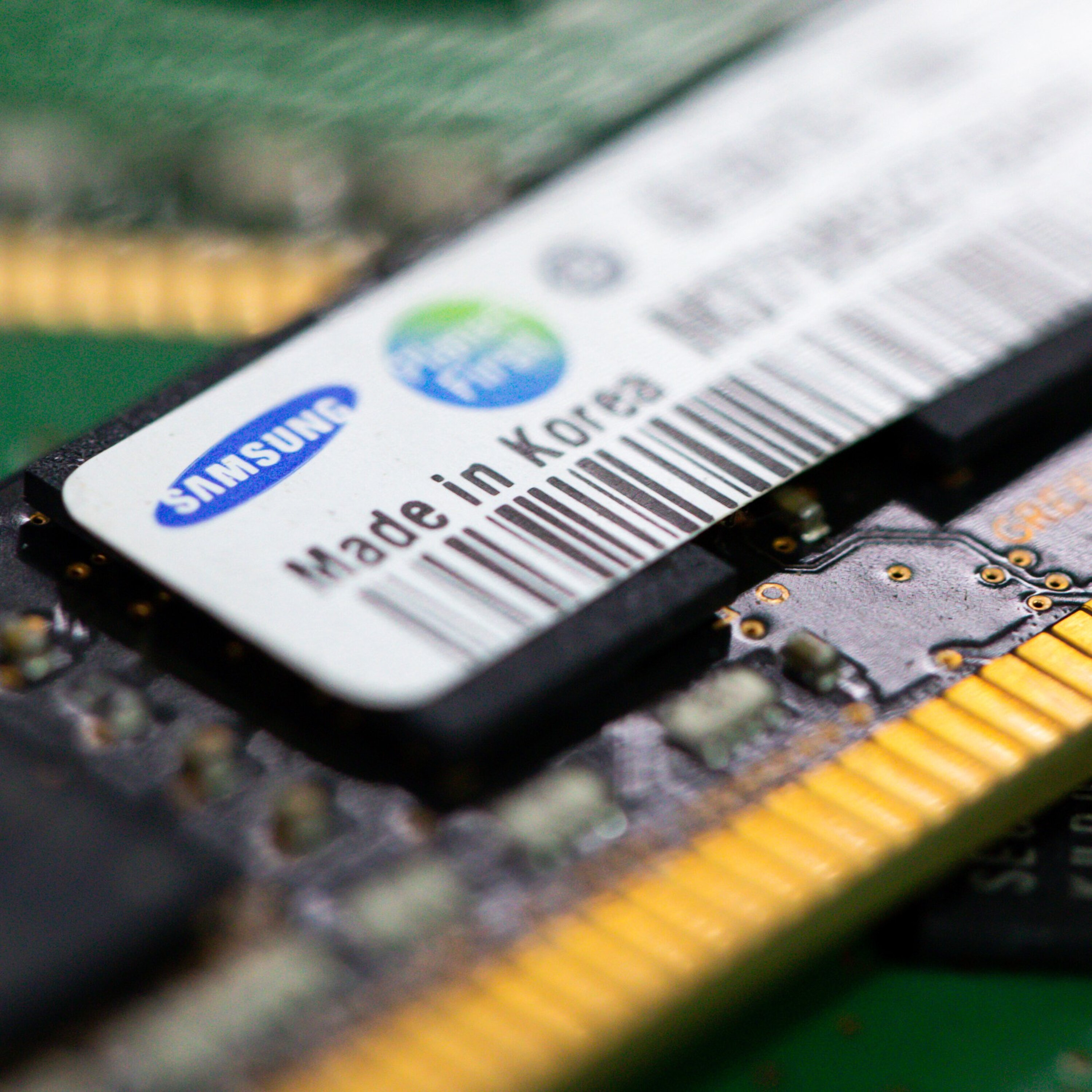
Korea's AI Boom and the Rise of Leveraged Trading
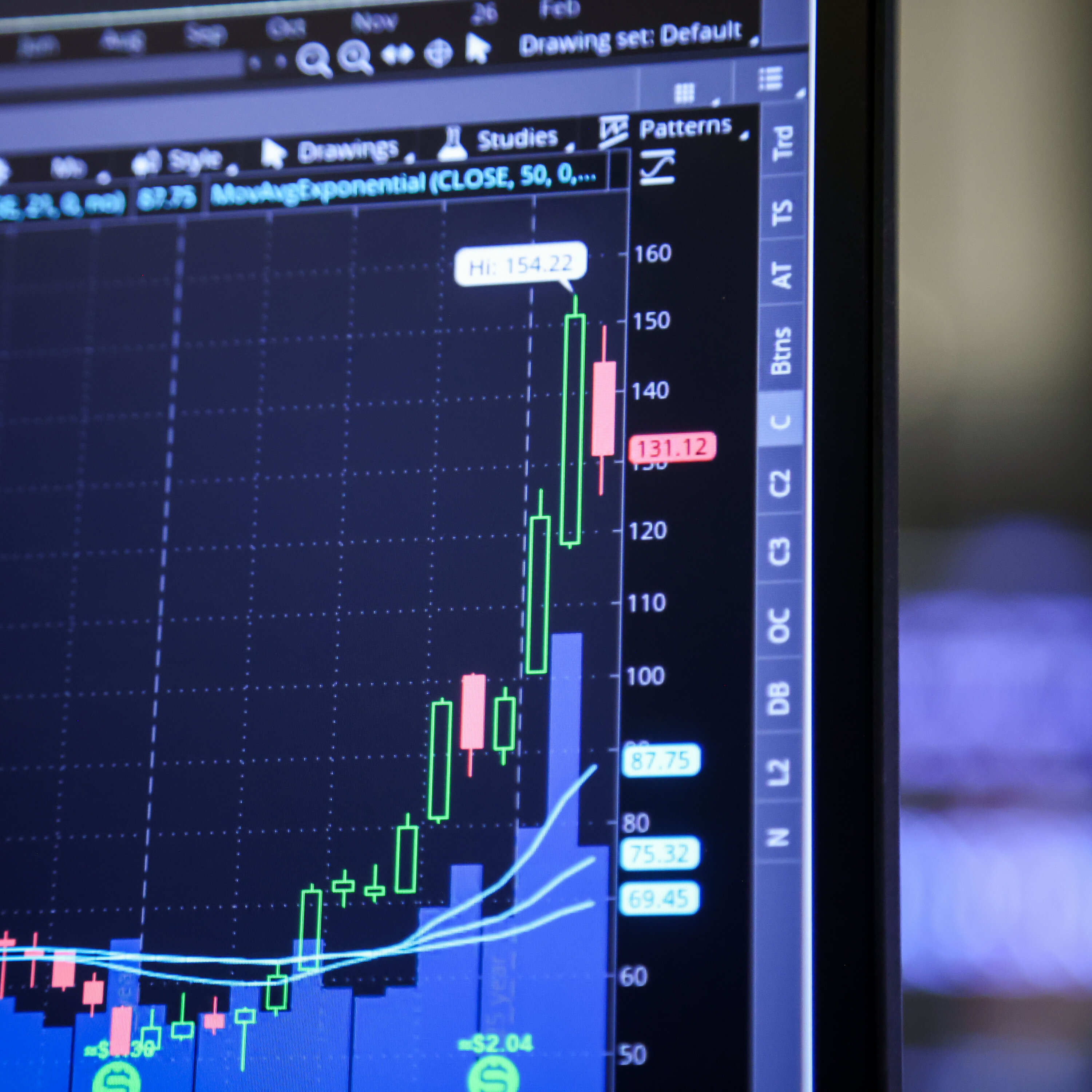
South Korea remains the world's hottest stock market, surging more than 250% over the past 18 months led by semiconductor giants Samsung Electronics and SK Hynix, which together account for over half of the entire Kospi index. Fueled by the global AI infrastructure buildout, retail investors have poured close to $40 billion into the local market, sparking concerns about rising leverage and market
BlackRock on Crypto, Tokenization and Future ETFs
Exchange-traded funds are fundamentally reshaping how capital is allocated, skyrocketing to a $22 trillion global industry that Bloomberg Intelligence estimates will surpass $50 trillion by 2035. Investors no longer view them simply as vehicles for broad passive exposure. Instead, ETFs have evolved into portfolio "Lego blocks" used to manage cash yields, seek downside protection and access previou

A Veteran's Warning on Asia's Private Credit Risks
The post-pandemic era transformed private credit into one of the hottest areas in finance as investors chased double-digit returns, creating a multi-trillion-dollar industry. Now, the narrative is quickly shifting as default rates climb, high-profile bankruptcies expose hidden leverage, and some major funds suddenly freeze withdrawals. So just how worried should we be, and what about Asian private

Beijing Auto Show Heralds a Brutal EV War
The war in Iran and high oil prices are driving a surge in demand for China's electric vehicles abroad, with sales in March jumping more than 50% in countries such as Australia, Brazil and Germany. However, the domestic market paints a bleaker picture. Total domestic auto sales slumped 17% in the first quarter amid a brutal price war, subsidy pullbacks and a new 5% EV tax. Adding to the pressure,
Asia's Tech Giants Are Now Challenging the Mag 7
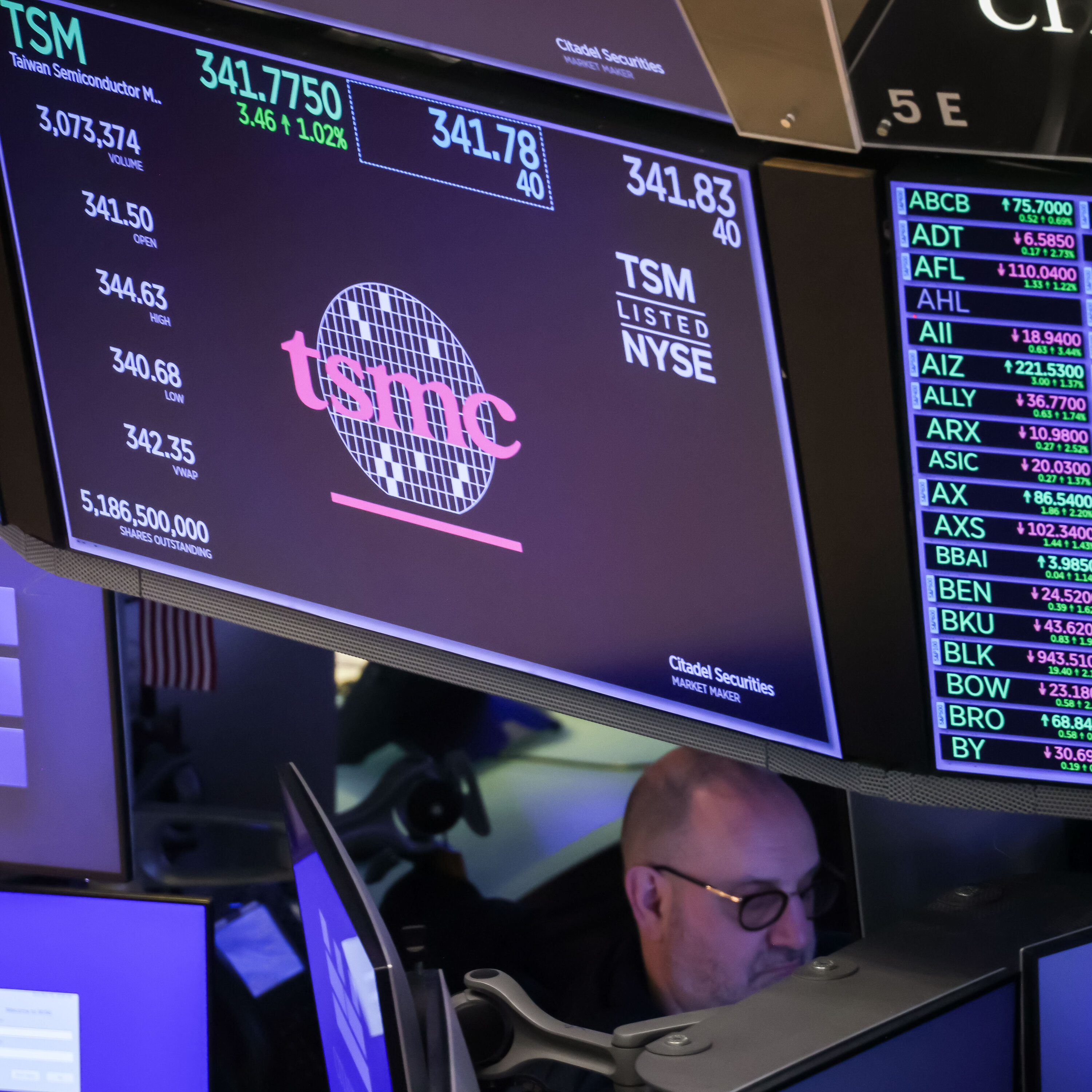
Earnings season is officially underway and Asia's technology giants are setting the early pace. TSMC, Samsung Electronics and SK Hynix have all delivered strong numbers, prompting analysts to significantly raise earnings expectations for South Korea and Taiwan – two of the world's best-performing stock markets. These three tech behemoths are now challenging the "Magnificent Seven" as some of

Singapore Bets Big on AI, Equity Market Reforms
Singapore's stability and business-friendly environment have long made it the regional hub of choice for tech giants such as Amazon, Google and ByteDance. However, the city-state's traditional role as a bridge between East and West is under pressure. Rising protectionism, technological decoupling and a global retreat from free trade now threaten the open flows of capital that built its wealth. To

An Activist Investor’s Playbook for Southeast Asia
Corporate governance reform has acted as a major catalyst for stock markets in Japan and South Korea. Now, Southeast Asia is eager to get in on the action, with countries from Vietnam to Indonesia rolling out new measures to entice foreign capital back to the region. But is Southeast Asia – a market historically saddled with a perception of poor corporate governance – truly ready to em

How TSMC Powered Taiwan's Remarkable GDP Growth
Taiwan's economy defied all expectations to post a staggering 8.7% real GDP growth in 2025. This unprecedented expansion was driven by a boom in semiconductor sales, with Taiwan Semiconductor Manufacturing Co. (TSMC) fueling a current account surplus of nearly 20% of GDP. The tech giant is so dominant that it now accounts for more than 44% of Taiwan's stock exchange weighted index. But can this ex

Iran War Drives New Global Urgency for Rare Earths
The Iran war is refocusing global attention on the critical supply chains that power modern military arsenals. Rare earths are essential components in advanced weaponry, from fighter jets to interceptor missiles such as THAAD and Patriot. However, with Chinese export restrictions increasingly targeting equipment with military end-uses, Western nations are facing a critical shortage of the material
Energy Threats Expose Korea and Taiwan Chip Hubs
Manufacturing the world's most advanced semiconductors demands a massive, uninterrupted supply of electricity. In Taiwan, the technology sector alone accounts for a staggering one-quarter of the economy's total power consumption. However, the war in the Middle East is exposing deep vulnerabilities for both South Korea and Taiwan, as these vital chipmaking hubs rely heavily on oil, LNG and chemical

Central Banks Face a $100 Oil Dilemma
The Iran war and the effective closure of the Strait of Hormuz have triggered one of the largest energy supply shocks in modern history, sending Brent crude surging past $100 a barrel. With nearly 80% of the trapped crude and LNG destined for Asia, the region is exceptionally vulnerable to these bottlenecks. But the crisis extends well beyond energy – crippled supplies of critical inputs suc

Can China Pivot to Consumption-Led Growth?
China has long relied on massive infrastructure spending and an unstoppable export engine, leading to a record $1.2 trillion trade surplus last year. However, this investment-heavy strategy is testing its limits as global trading partners increasingly push back, making Beijing's transition toward a consumption-based economy more critical than ever. But how achievable is this transition, and how lo
Fixed Income Enters A Golden Age, Says BlackRock
Opportunities in fixed income are the best in over a decade, according to BlackRock. Investors can now build a 6% yielding portfolio without taking on the substantial credit or long-duration risks required in the past. Meanwhile, central bank policies have become desynchronized globally, creating a unique environment where Asian local bonds are negatively correlated to US debt. This wide dispersio
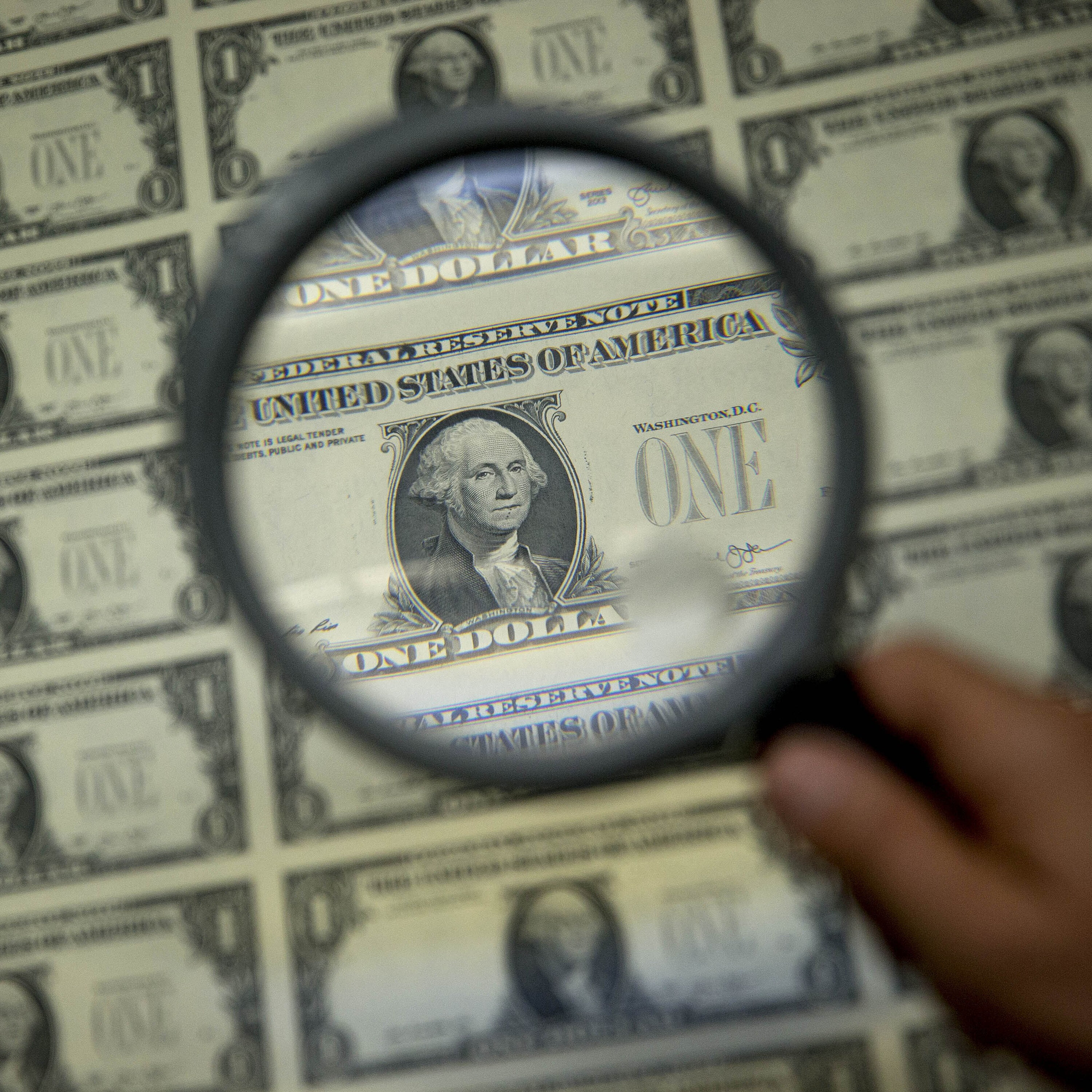
Geopolitical Risks Are Sinking The Dollar Again
The US dollar is under pressure again as shifting geopolitical risks – from uncertain tariff policies to the Greenland controversy – drive a renewed case for currency diversification and weigh heavily on the greenback. This is being compounded by a widening global policy rift: the Federal Reserve remains on track for multiple rate cuts this year, while other central banks, including Au
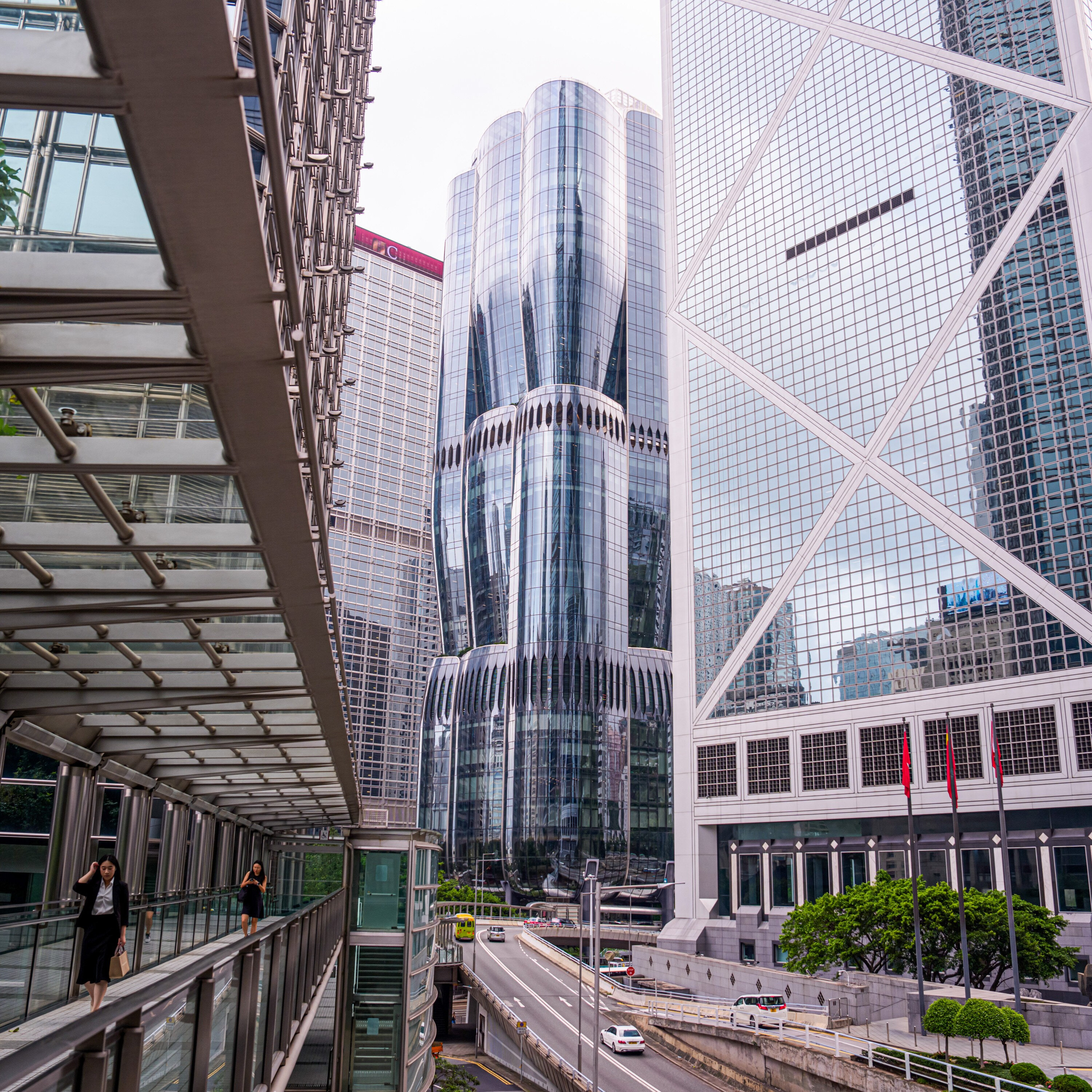
Hong Kong's Property Market Roars Back to Life
After hitting a nine-year low in early 2025, Hong Kong's residential property market is showing concrete signs of a turnaround. Home prices have rebounded 9% from their recent trough, fueled by the removal of all property cooling measures and a surge in transaction volumes. Even the commercial sector - still beset by high office vacancy rates - is seeing green shoots, driven by a resurgence in fin
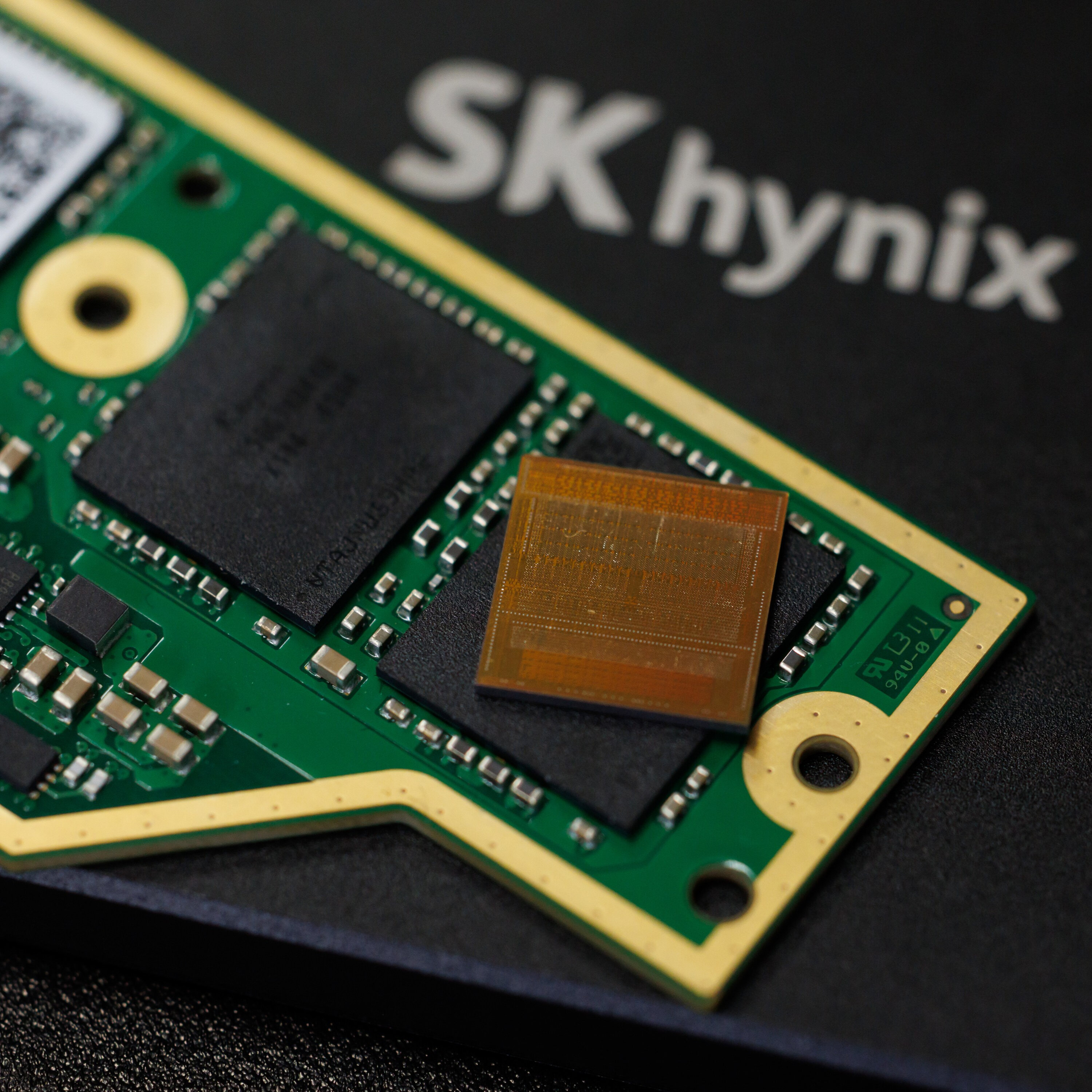
How AI Created an Unprecedented Memory Chip Crisis
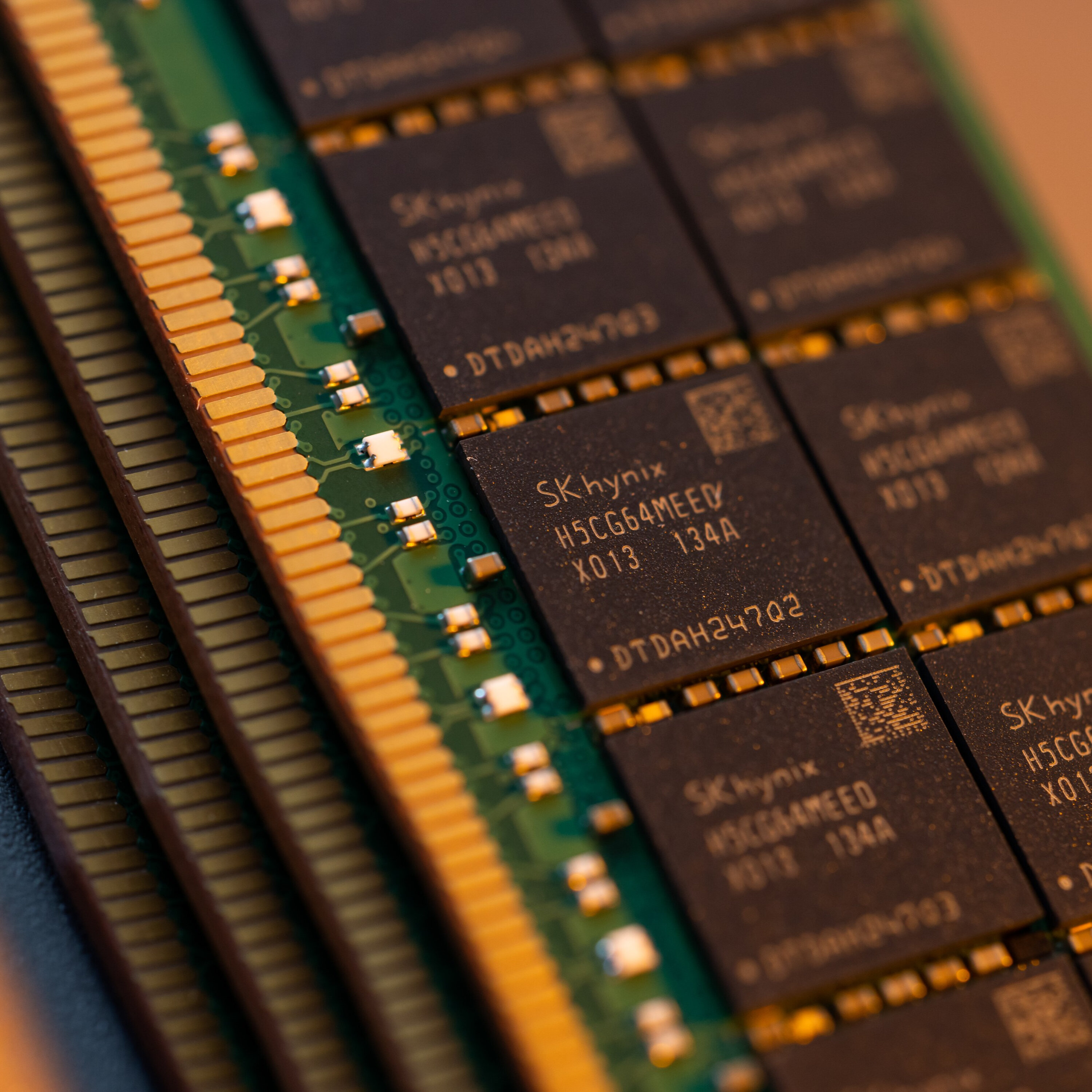
A surprising new bottleneck has emerged in the global AI infrastructure build-out: memory chips. Major manufacturers including SK Hynix, Micron and Samsung Electronics have effectively run out of capacity, sparking a scramble among customers to secure supply. Contract prices for certain DRAM chips surged 78% in the fourth quarter alone, with another 50% jump forecast by March. This price shock is
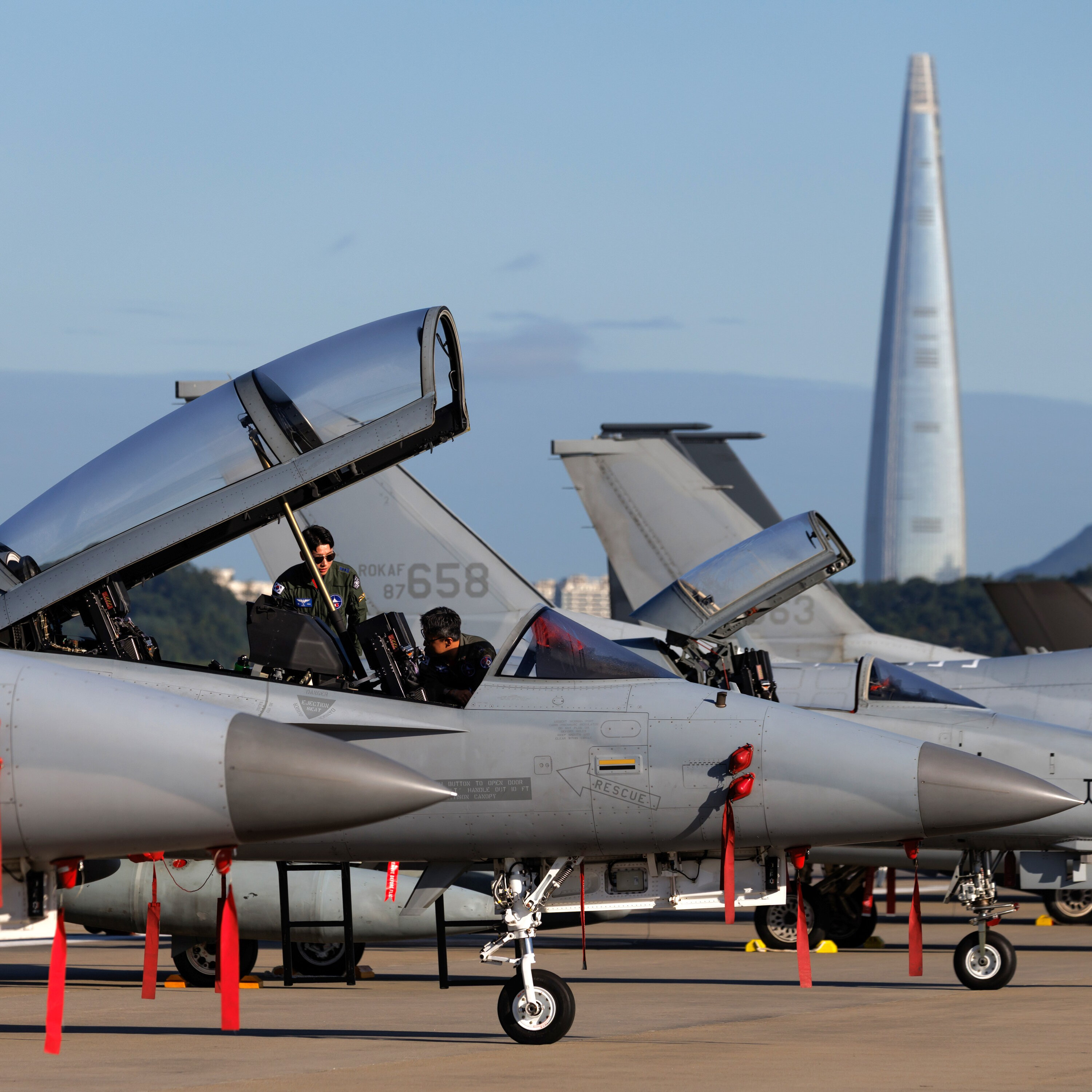
Is the Global Defense Supercycle Sustainable?
Global military budgets are surging at a pace unseen since the Cold War, fueling a defense-spending supercycle. NATO allies are aiming to spend up to 5% of GDP on defense by 2035, while Asian powers such as Japan and South Korea are also boosting spending. This environment has been a boon for defense stocks, with South Korea's Hanwha Aerospace rising a spectacular 2,600% since the start of the Rus
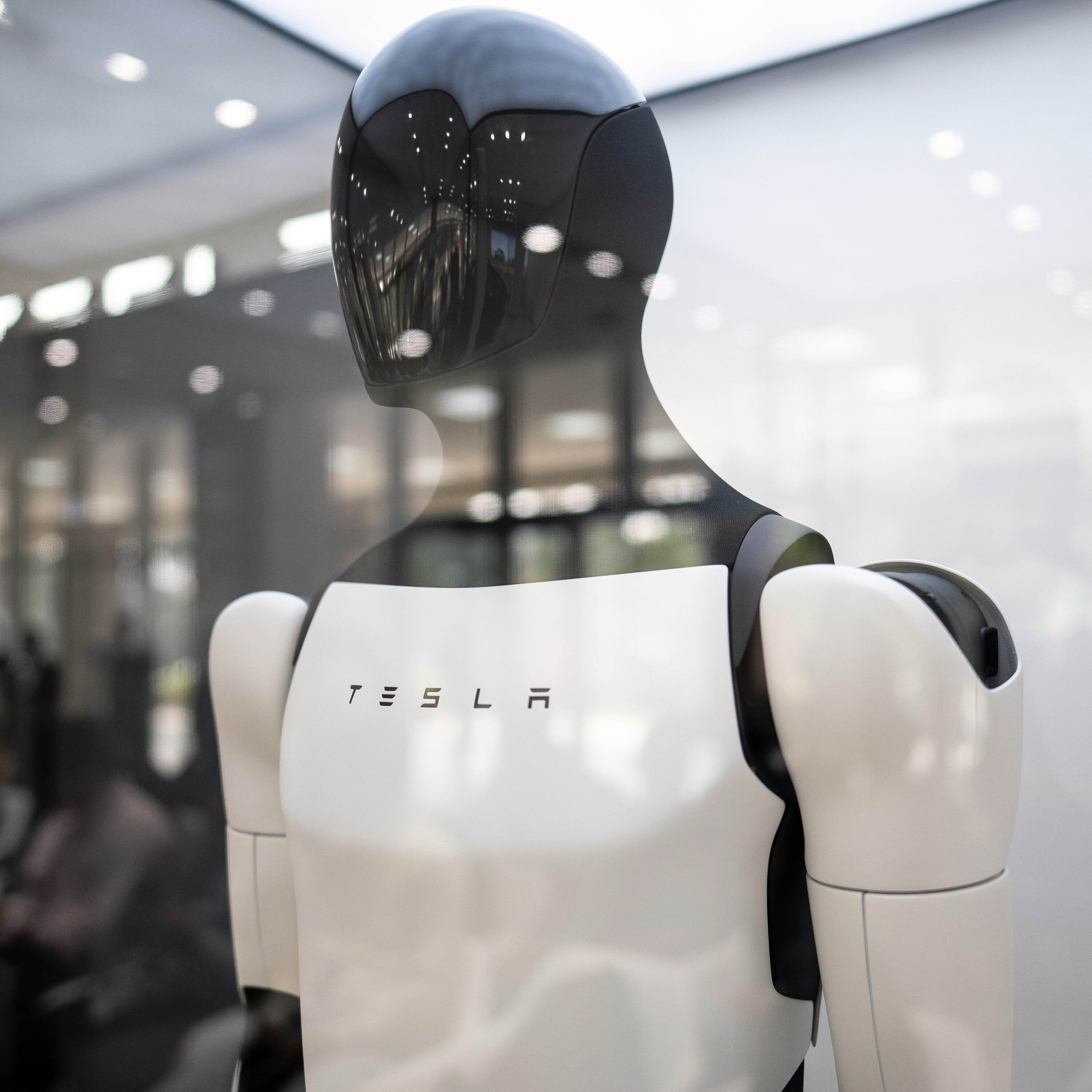
Decoding the Multi-Billion Dollar Humanoid Market
Humanoid robots have become one of the hottest investment themes, with a basket of Asian-related stocks rising more than 70% over the past year. The technology stole the show at CES 2026 with eye-opening demos from Boston Dynamics and Unitree, while expectations for Tesla's Optimus are increasing as the company races toward production this year. Yet, expectations may be outpacing commercial realit

Gen Z, Women and Rural India Drive Trading Boom
India's stock market has seen an explosion in retail participation, skyrocketing to more than 125 million registered investors from 20 million pre-pandemic. While 70% of these new investors are under 30, the boom is broad based: female participation has surged to nearly a quarter of the market, and half of all accounts now hail from rural areas. However, this new cohort's desire for "instant grati

Does the World Need Another Multi-Strategy Fund?
Launching a multi-strategy hedge fund has never been tougher. Giants such as Millennium, Point72 and Citadel dominate the space, while spiraling pay and a fierce "war for talent" have pushed entry barriers higher than ever. So why leave a top role at one of the world’s biggest funds to start a rival? Jonathan Xiong, CEO & CIO of Arrowpoint Investment Partners and former co-CEO of Millenn
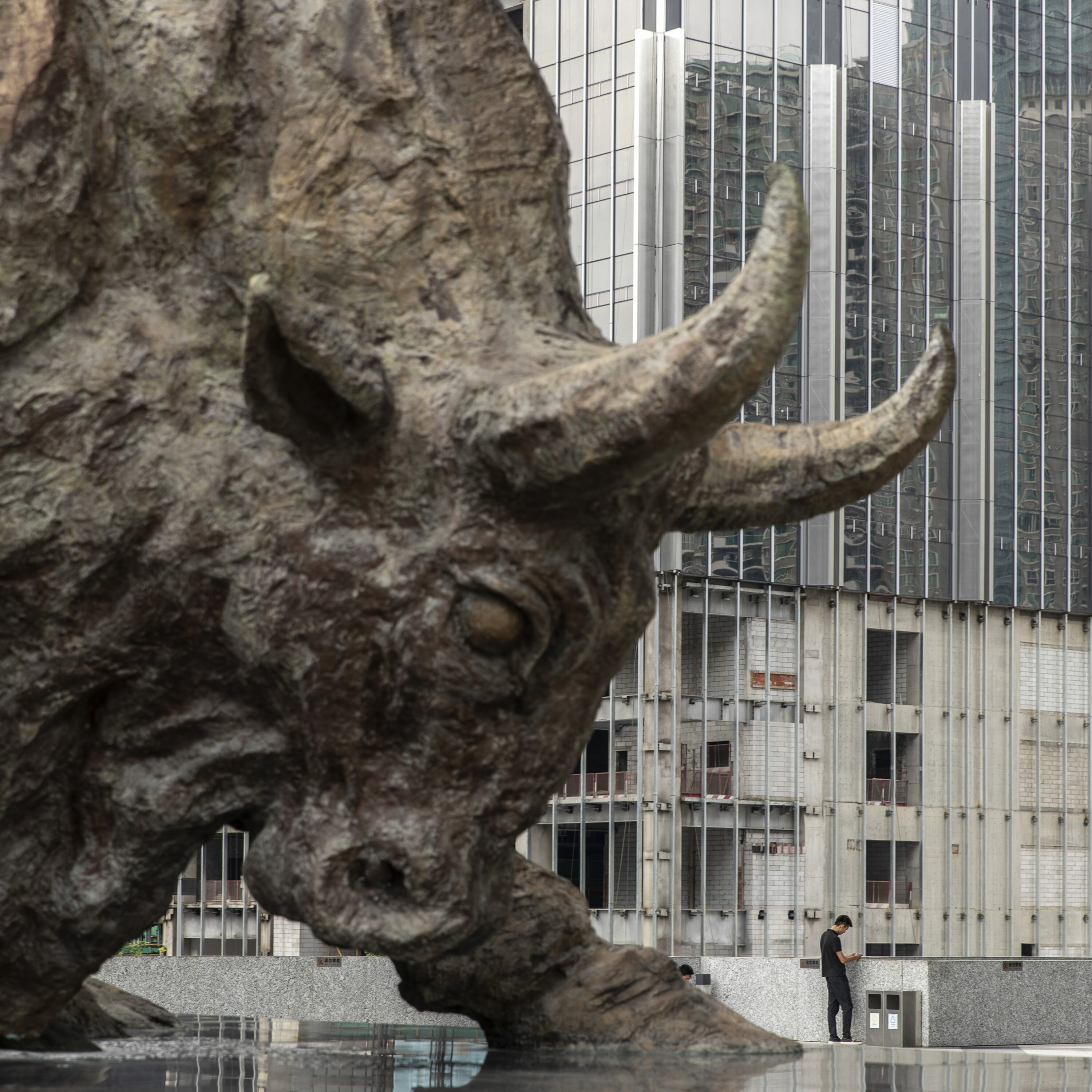
Goldman Tips Asia To Outpace The US Again In 2026
Geopolitical risk is often seen as a market threat, yet the rivalry between Washington and Beijing is driving a wave of investment opportunities. The US push for re-industrialization is boosting demand for Asian exports in sectors such as shipbuilding, power generation and semiconductors while China’s investment in "new productive forces" accelerates its high-end manufacturing upgrade. Timot
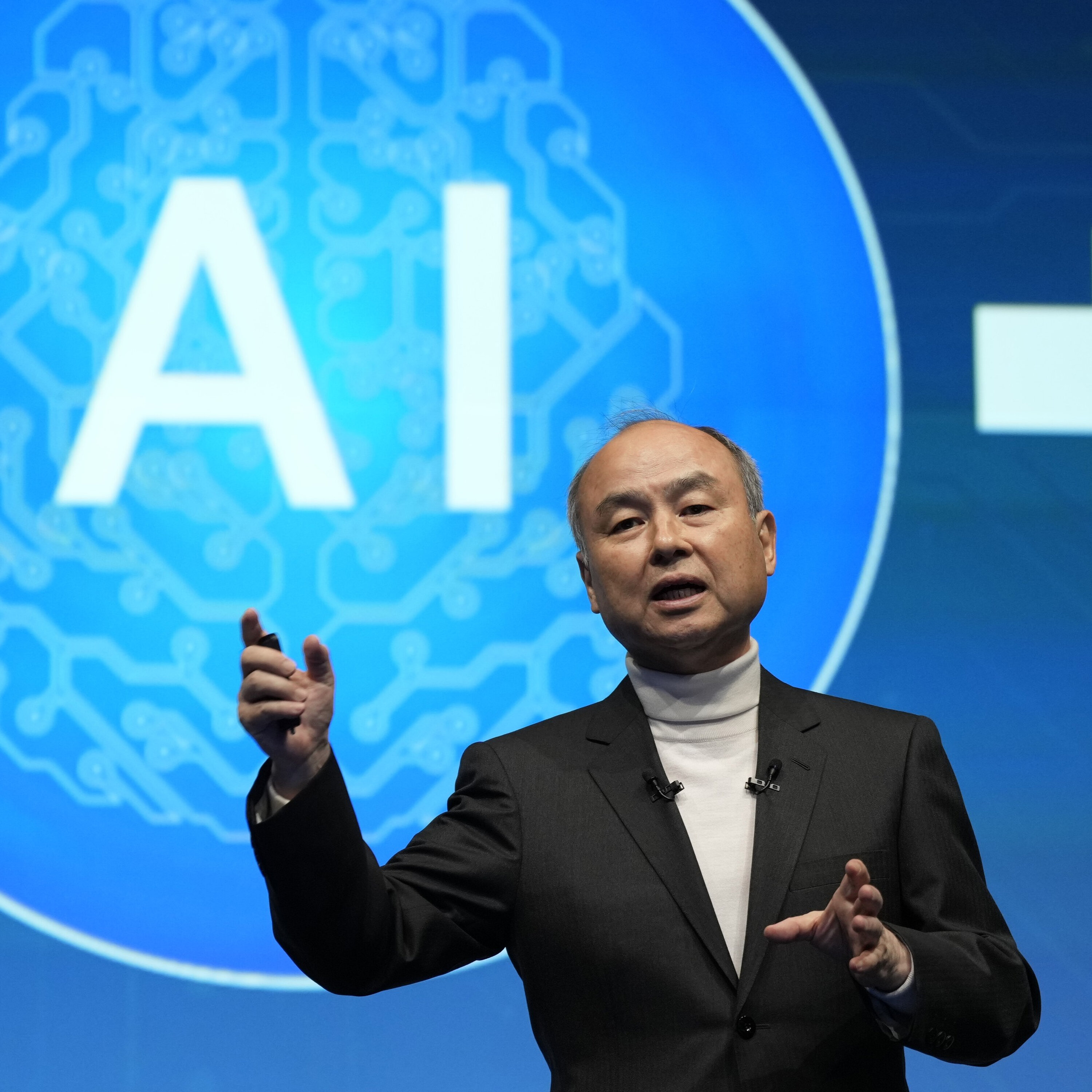
SoftBank's AI Gamble – Bold Vision or Risky Bet?
SoftBank is doubling down on artificial intelligence with a $30 billion commitment to OpenAI and ambitious plans for Stargate – even as risks mount. After a 200% surge earlier this year, shares tumbled 40% in November when Google’s Gemini 3.0 gained traction, threatening ChatGPT’s dominant position in the AI race. Credit stress is rising, with CDS widening to nearly 300 basis poi
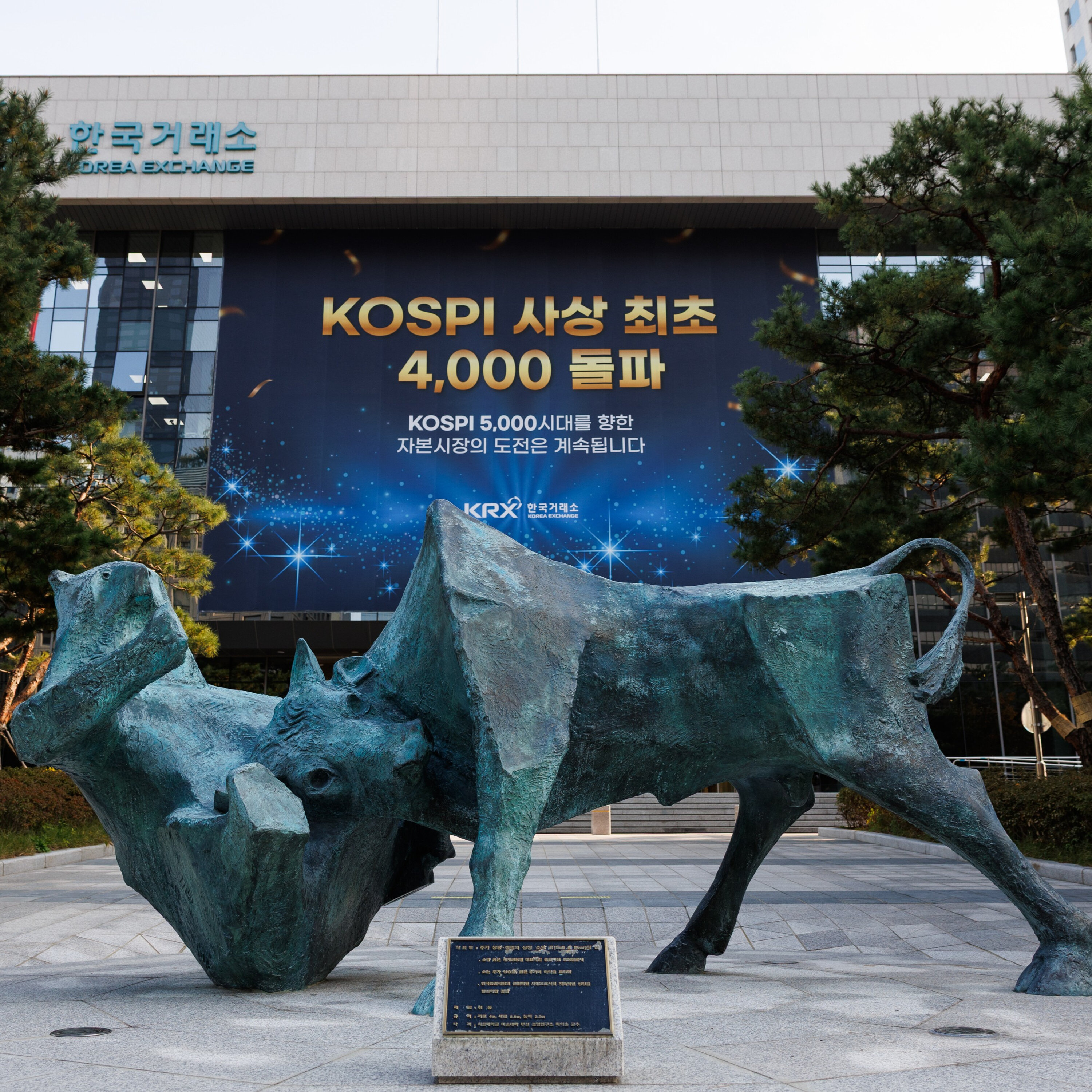
2026 Lookahead for Stocks, Bonds and Currencies
It’s time to look ahead and make bold predictions for Asia in 2026. After a standout year, Asian equities are on track to beat the S&P 500 by the widest margin in eight years. Can the rally continue, and which markets will lead? Are investors overlooking US funding stress, potential QE, and the risks behind multi-decade tight credit spreads? And what’s next for Asian currencies and
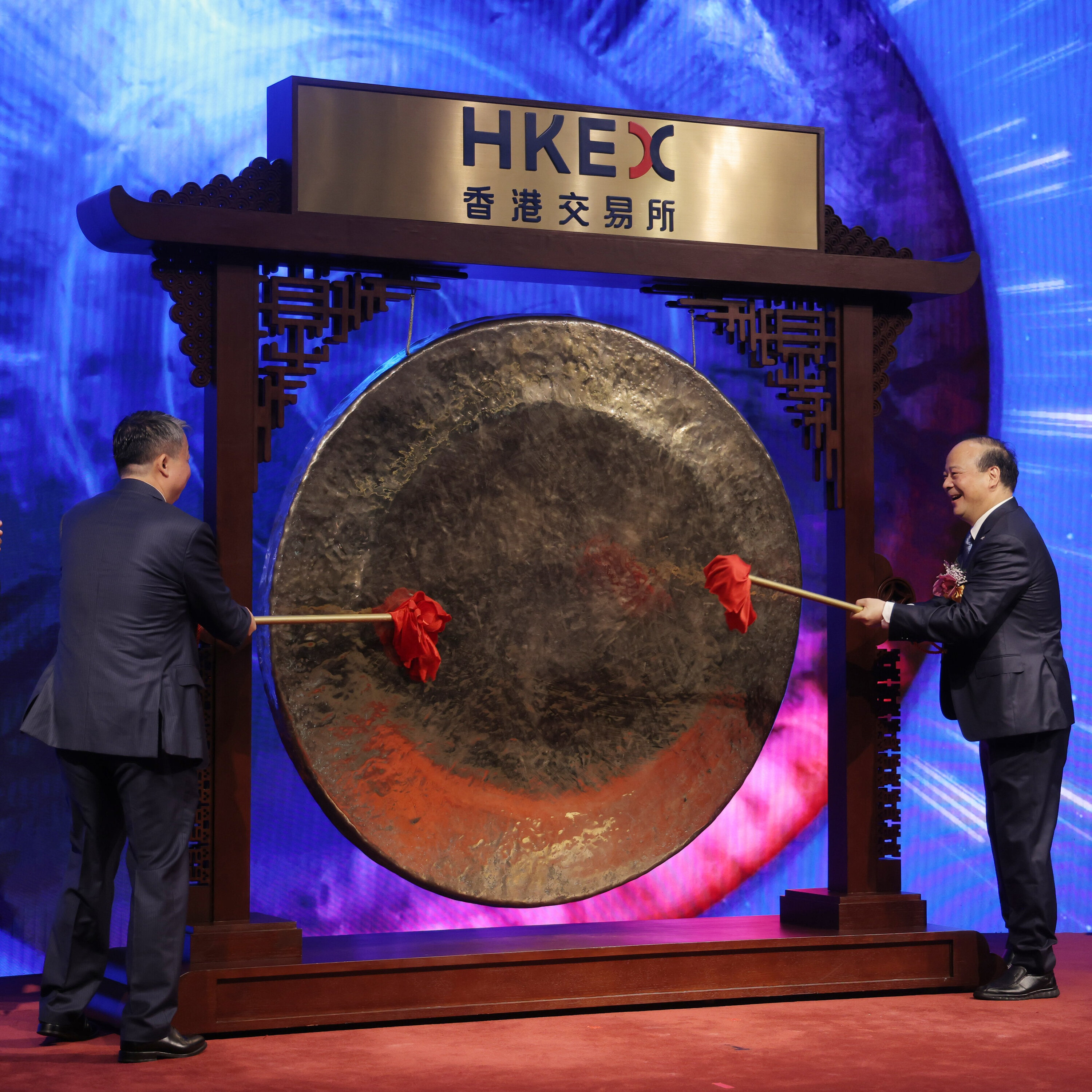
Hong Kong Defies Global IPO Slump
Regulators around the world, from the US to Singapore and Australia, are trying to revive initial public offerings. The London Stock Exchange raised less than $2 billion since the beginning of 2024, its worst drought since 1998, while the number of publicly listed companies in the US has halved from 8,000 in 1996. Regulatory burdens, litigation risks and abundant private capital have pushed compan

Takaichi's Growth Agenda Collides With BOJ Policy
Inflation has returned to Japan after decades of near-zero price growth, with consumer prices rising close to 3% – the fastest since the 1980s. The cost-of-living squeeze, driven by food prices, helped topple the previous administration and propel Sanae Takaichi to power as Japan's first female prime minister. Her pro-growth, big government stance promises fiscal stimulus, but risks complica

Can Korea's World-Beating Bull Market Continue?
South Korea's Kospi Index has surged about 70% this year, driven by AI-linked tech stocks such as Samsung Electronics and SK Hynix. Retail investors, who poured more than $100 billion into US equities since the pandemic, are now turning their attention homeward. President Lee Jae Myung's pro-market and corporate governance reforms, including dividend tax cuts from 49% to a proposed 25%, are reshap

China's Pragmatic AI Strategy vs US Spending Surge
China's AI rollout diverges sharply from the US, favoring open-source models and broad adoption over high-cost infrastructure. China's top tech firms including Tencent, Baidu and Alibaba will invest less than 10% of the $370 billion that US hyperscalers plan to spend on AI capex this year. This cost-conscious approach aligns with Beijing's AI Plus strategy, aiming to embed AI across all sectors by
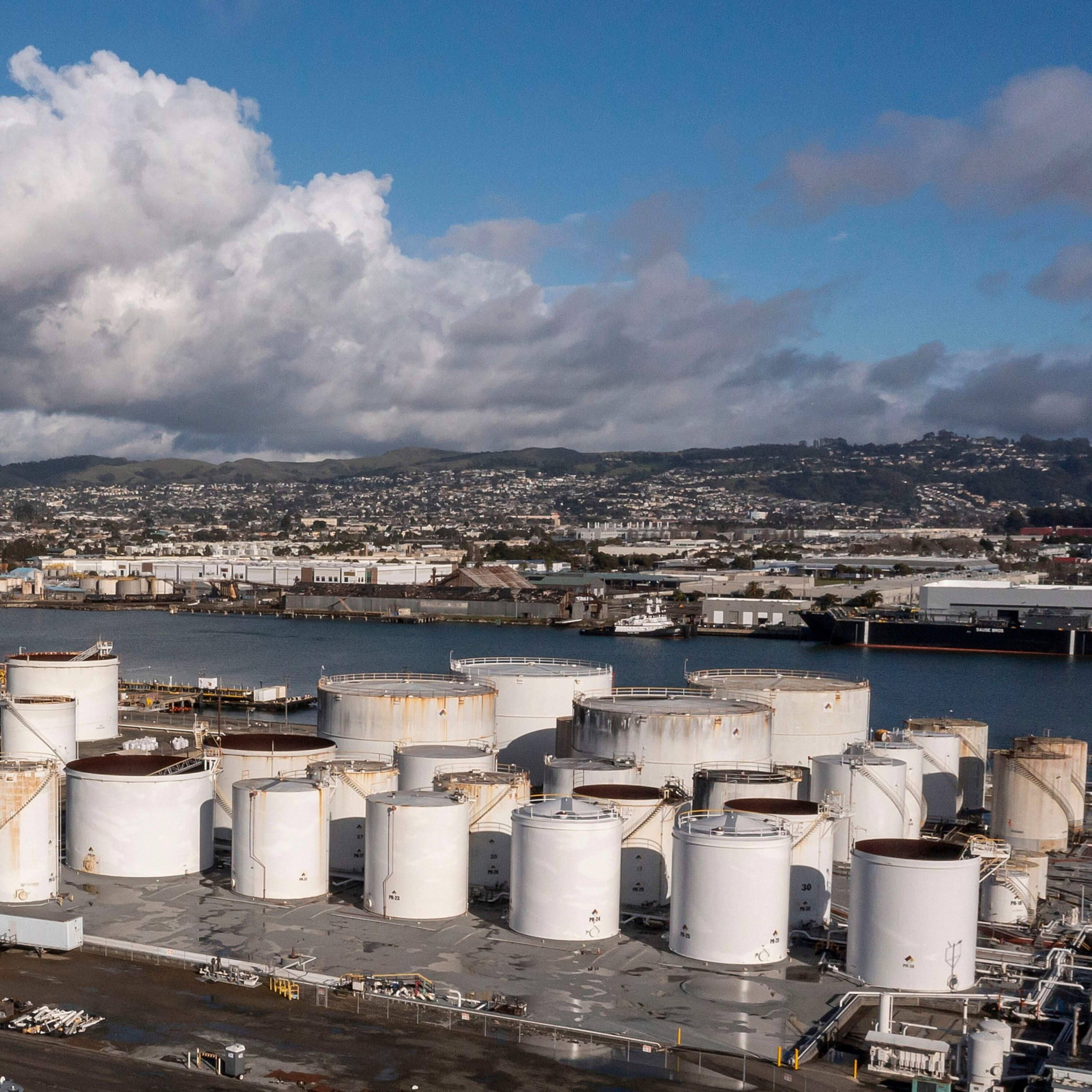
Inside the High-Stakes World of Commodity Trading
Some of the world’s largest companies by revenue – such as Vitol, Trafigura, and Cargill – operate outside the public eye, trading oil, metals and grains at scale. These private firms have quietly become central to global supply chains, recording substantial profits since 2022 as wars and sanctions re-routed flows. Giovanni Serio, former global head of research at Vitol, joi

Goldman on Aging’s Upside and Why 70 Is the New 53
The world's demographic shift is often framed as a looming crisis, but new data suggests a more nuanced outlook. Hong Kong leads the longevity frontier with an average life expectancy of 86 years, having steadily increased by 0.25 years annually for over 150 years. Meanwhile, a landmark IMF study finds that today's 70-year-olds have the same cognitive ability as 53-year-olds in 2000, underscoring
Special Live Recording With Apollo's Michelini
In this live episode, recorded at Bloomberg's Investment Management Summit in Singapore, we sit down with Matthew Michelini, head of Asia-Pacific business for Apollo Global Management. We explore his optimism about Japan, driven by its corporate governance reform and the vast $7.5 trillion in consumer deposits. We also discuss how private capital is shaping asset allocation and the challenges pose

Grading Singapore’s Goal to Be No.1 Global Hub
Singapore’s government is investing heavily to become a global hub for finance, commodities and transportation. The spending includes $3 billion for Changi airport’s terminals and infrastructure and equity market reform to attract more capital. Singapore’s household assets could nearly double to $4 trillion by 2030 and the MSCI stock index is set to double in the next five years,
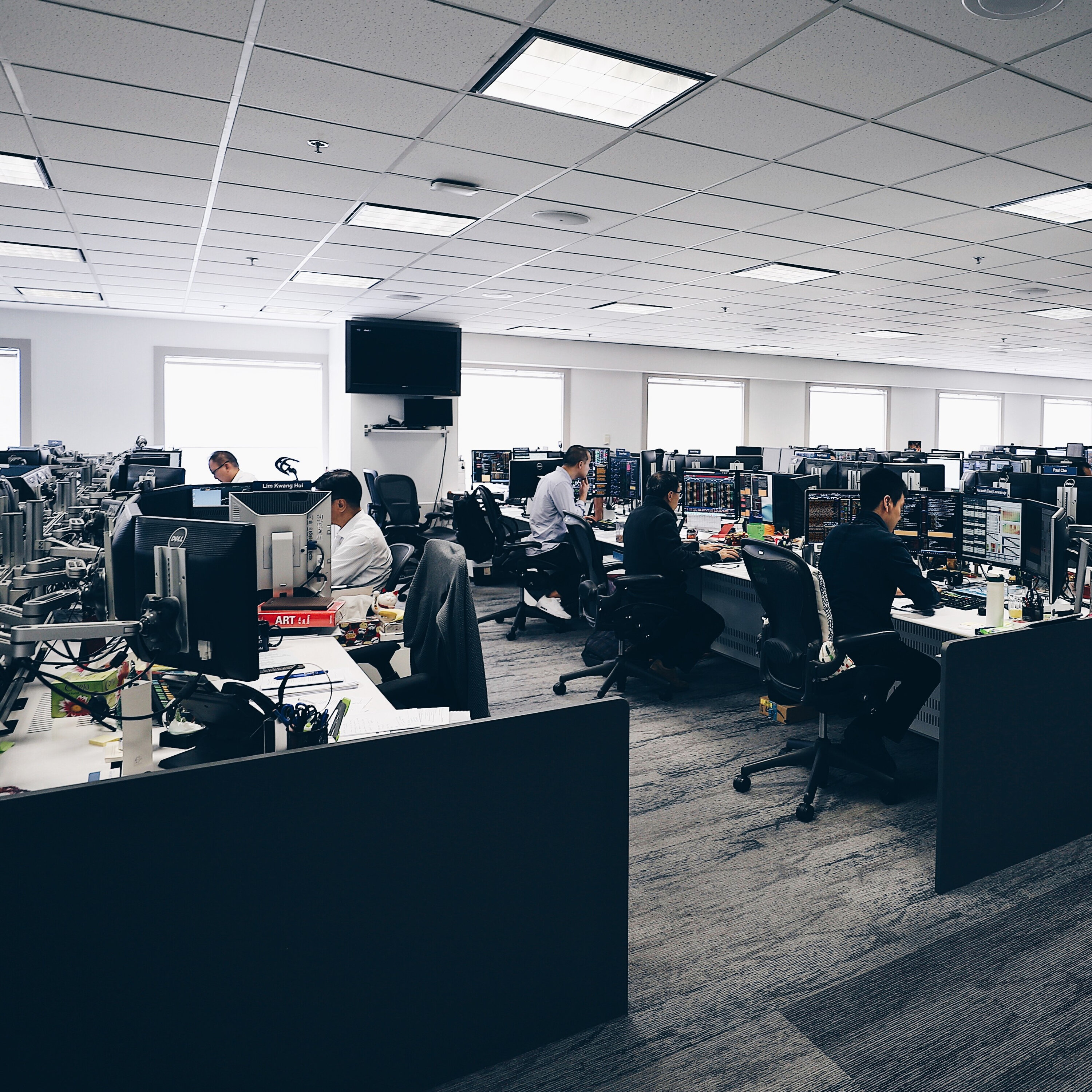
Dymon Digs Into the Hedge Fund Talent War
The competition is intensifying among global hedge funds giants to attract top traders and analysts. There's particularly high demand for talent at "pod shops", which allow portfolio managers to run their own strategies and manage allocated capital. High-profile managers with strong track records can command pay packages in the tens of millions of dollars. "The type of manager we're trying to hire

Hong Kong’s Wealth Boom and Digital Future
Hong Kong's financial sector is roaring back, with IPOs surging and the city's exchange leading the world in public fundraising. The Hang Seng Index is up more than 30% this year, driven by biotech and tech stocks, while new stablecoin regulations are positioning Hong Kong as a digital-assets hub. Billions in untapped funds from mainland China are flowing in, fueling a wave of new family offices a
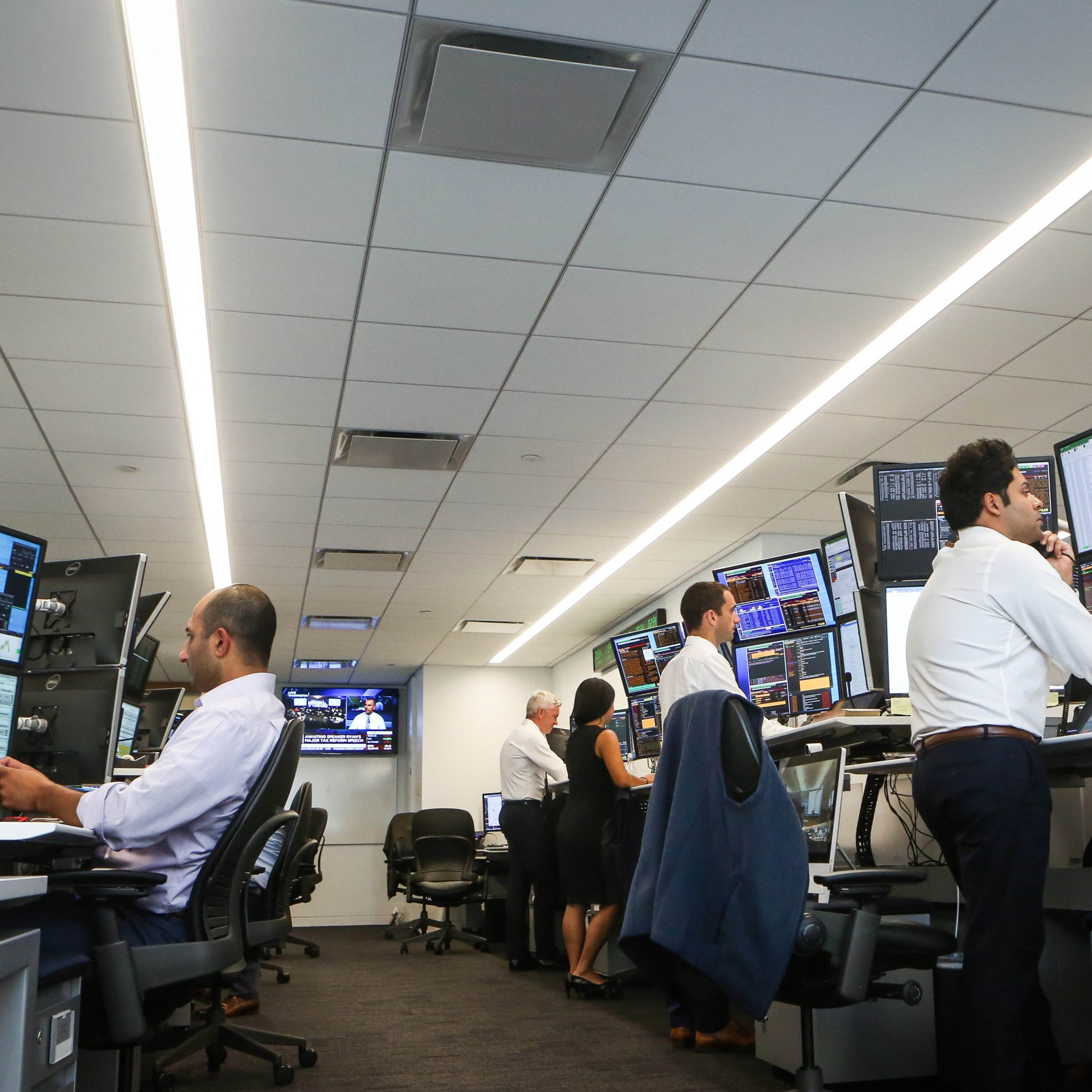
How Jane Street, CitSec Are Usurping Wall Street
A seismic shift is underway in global finance, led by a new breed of trading firms. Electronic market makers such as Jane Street and Citadel Securities are outpacing traditional Wall Street banks with cutting-edge technology, aggressive hiring strategies and lower regulatory burdens. In 2Q alone, Jane Street generated more than $10 billion in net trading revenue, eclipsing all of Wall Street's ban

US Market, Economy Hit From Trump Era Still Looms
For all the doomsaying about US President Donald Trump's trade and economic policies, the world's biggest economy has held up relatively well, at least on the surface. Markets are up, trade demand remains firm and the Federal Reserve is moving toward interest rate cuts, which could spur more activity. But Steven Okun, founder and CEO of APAC Advisors, warns that the worst is yet to come. Global ex
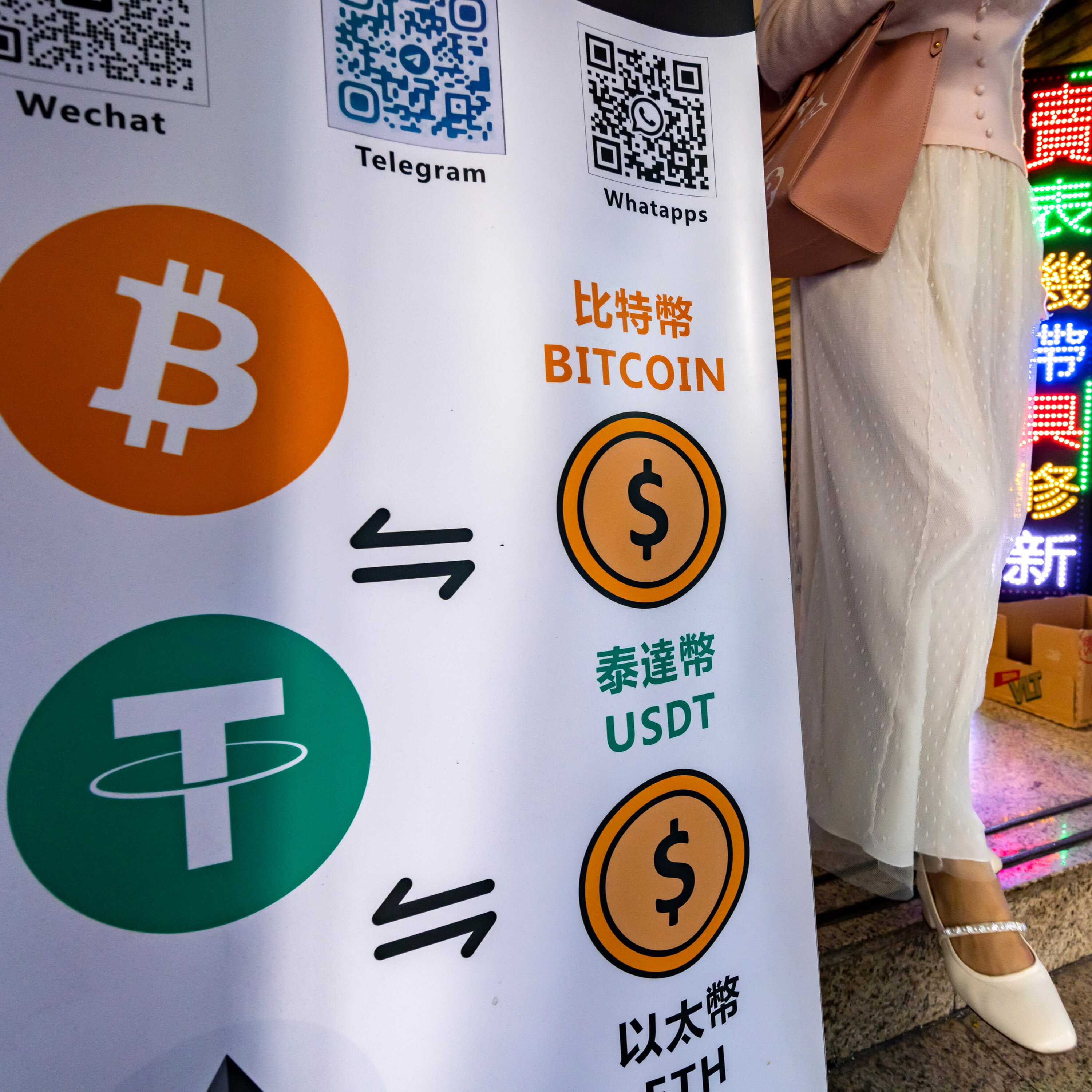
Why Stablecoins Matter for Banks and the Dollar
The Genius Act in the US and a new regulatory framework in Hong Kong have helped legitimize stablecoins, potentially setting the stage for increased usage. The two largest issuers of dollar-backed stablecoins, Tether and Circle, hold more than $270 billion in US treasuries. At least one person – US Treasury Secretary Scott Bessent – sees that rising to $2 trillion. This should reinforc

China Consumers Are Back, Just in a Different Way
China's consumers are a powerful force – the world's second-biggest spenders after the US. Officials want to harness this to transform the nation into a "mega-sized consumer powerhouse," and there are some initial signs of success with increased spending on home appliances, toys and jewelry. But how sustainable is this uptick in conspicuous consumption, and how much should investors worry ab

Regional Inflation Update Amid Price Wars, Tariffs
US tariffs are seen as broadly inflationary at home and disinflationary abroad, so countries across Asia – where central banks have already begun a cycle of easing – face increased pressure on economic growth and prices. The levies loom at a time when China is mired in deflation, and Japan is trying to reinflate prices that are also weak in other Asian economies. Should investors be wo
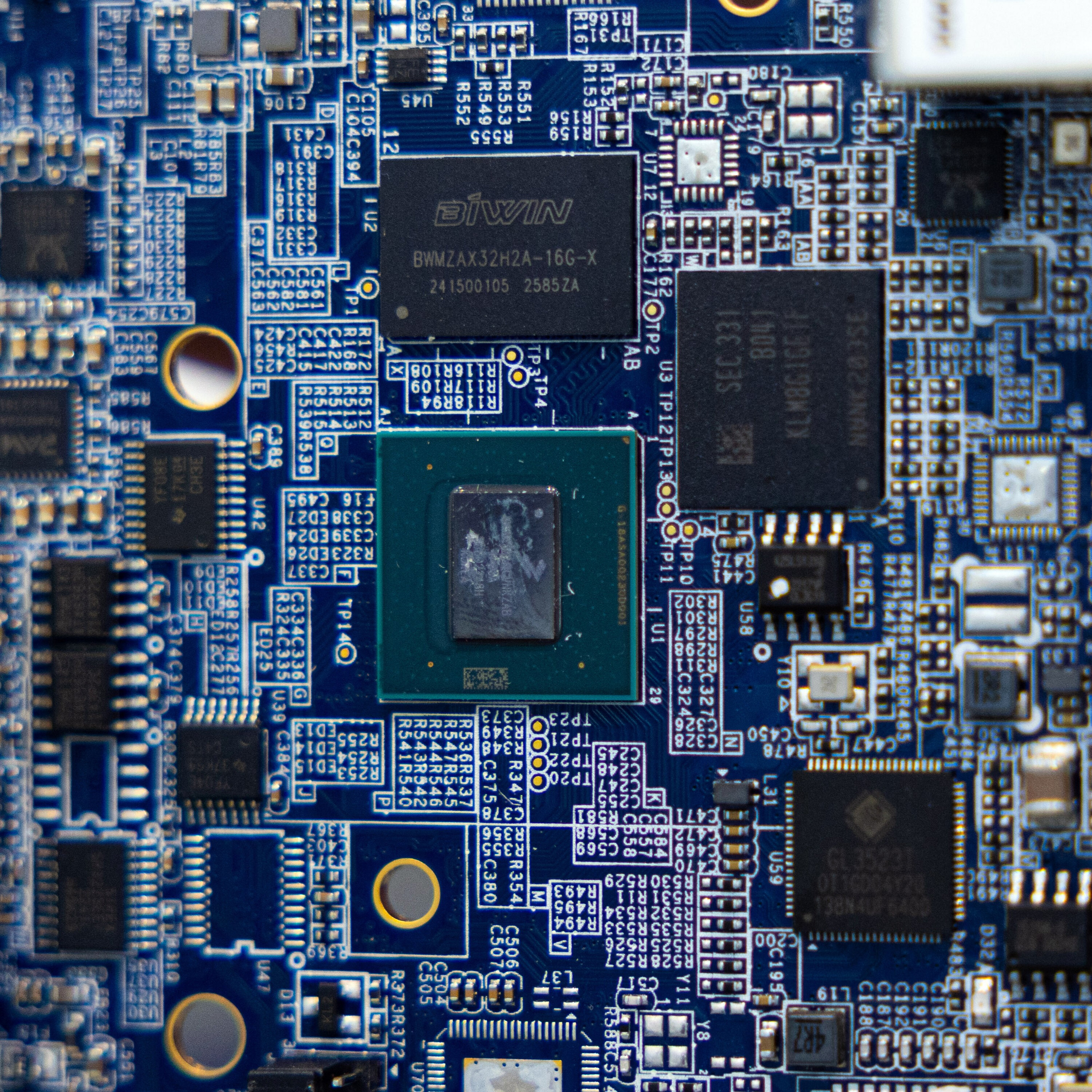
Chip War Author on Global Fight for Tech Supremacy
Advanced semiconductors, the tiny components crucial for everything from smartphones to national defense, are at the heart of US-China geopolitical rivalry. It's no wonder, then, that the US has increasingly restricted China's access to these chips, while Beijing fights back with its own trade barriers. So where are we in the great chip war? Why are they so important and difficult to make? And wha

China Dominates Rare Earths – Can It Be Copied?
China has a near monopoly on rare earths due to decades of government foresight. The country controls 70% of mining and nearly all processing of the vital minerals used in cars, data centers and defense equipment. It's one of the biggest cards China can play in trade talks with the US. When China restricted its flow of rare earths to the US earlier this year, companies shuddered. Ford had to stop
First Eagle Looks Outside the US for Returns
US President Donald Trump's trade war on the world and the Federal Reserve has increased investment risk. But it's only the latest overhang for the US, with ongoing concerns about high fiscal debt exacerbated by the passage of Trump's $3.4 trillion tax and spending package. That's prompted Idanna Appio, portfolio manager and economist at First Eagle -- a $161 billion investment manager -- to look
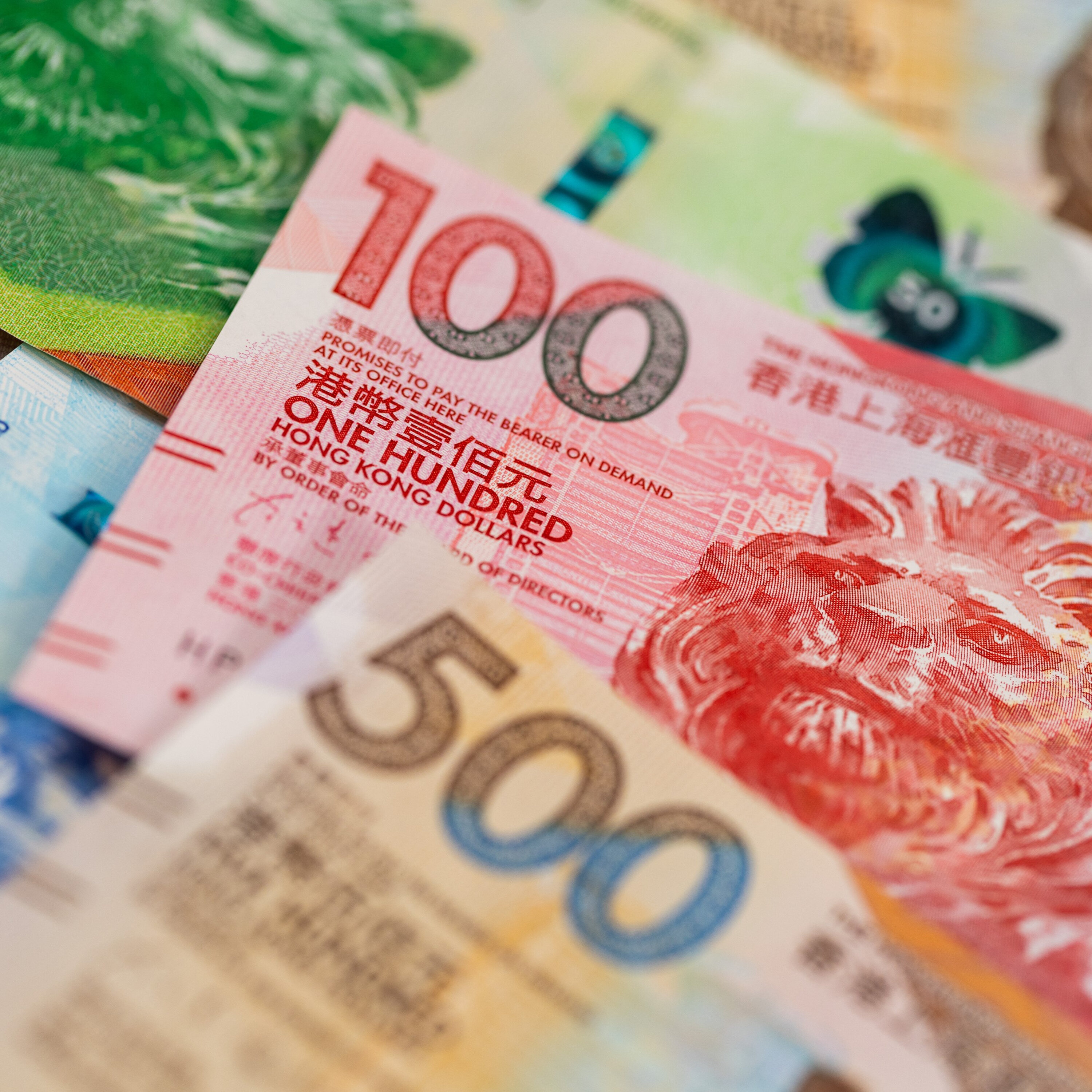
Hong Kong Dollar and Why Hedge Funds Target It
Investors are once again questioning the sustainability of Hong Kong's foreign exchange regime. Critics argue the Hong Kong currency's peg to the dollar, dating to 1983, no longer makes sense as the city's links with China strengthen. Authorities have already intervened at least five times this year to defend the Hong Kong dollar, spending over $11 billion. Does a peg linking the Hong Kong dollar
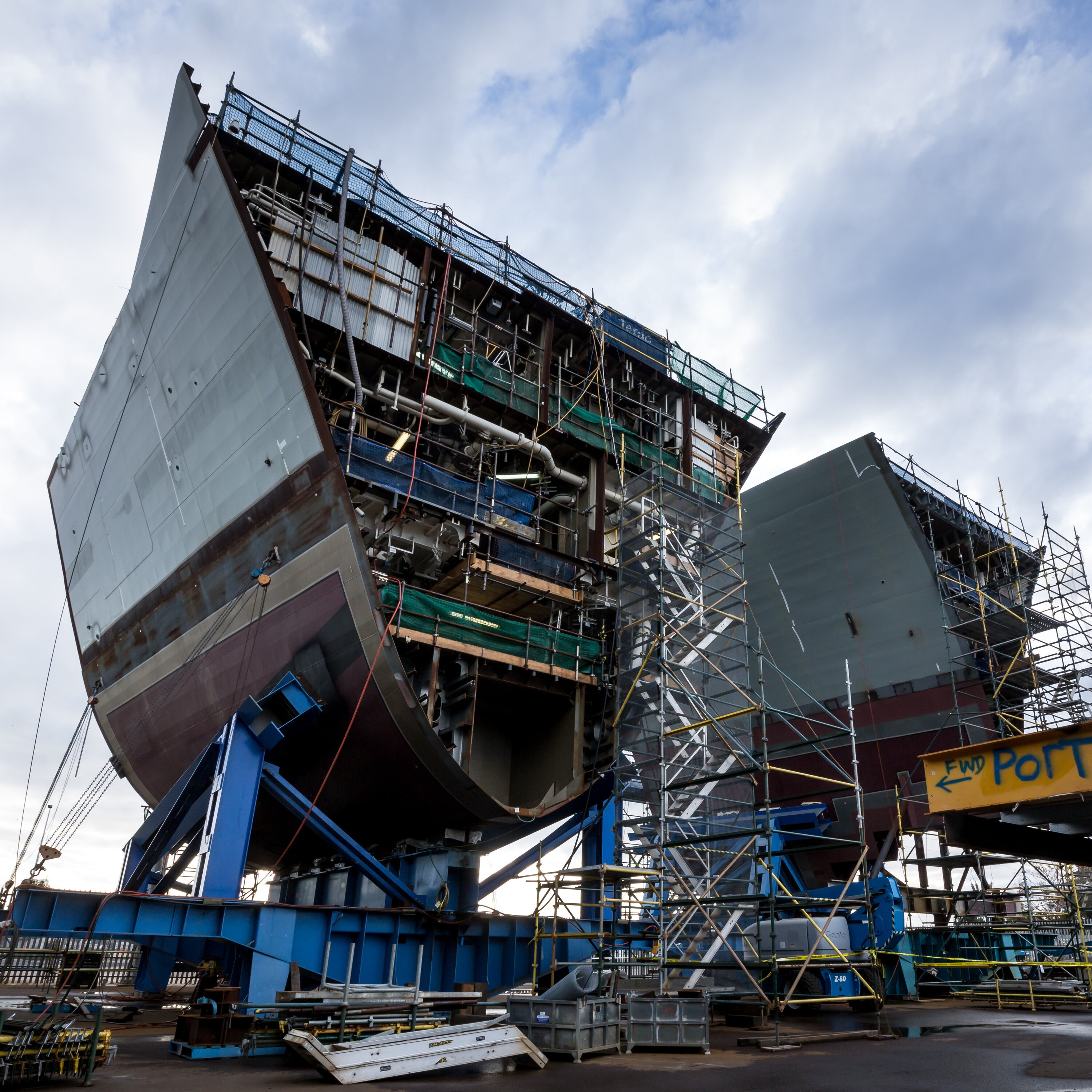
Trump's Plan To Make US Shipbuilding Great Again
The decline in US shipbuilding and China's global dominance has Washington worried. Last year, the US built just seven commercial vessels, compared to more than 1,000 for China. This has also become a national security issue, with US shipyards struggling to meet the demands of the navy, facing production delays of up to 36 months. In response, President Donald Trump has proposed levying fees on Ch
Credit Hedge Fund on How Low Spreads Can Go
Credit spreads, or the difference between yields on corporate debt and government notes, have tightened worldwide. This would usually indicate investors are more confident in the prospects for the private sector but contradicts what's an increasingly risky economic and investment outlook amid erratic US trade policies. Meanwhile, liquidity remains a constraint and defaults – while low &ndash

Investing in the Future of Humanoid Robots
Once the preserve of science fiction, humanoid robotics is now in the realm of reality. From Elon Musk's Optimus to Boston Dynamics, companies are pouring money and time into developing these robots for business and commercial use. We take an in-depth look into this emerging industry with Sean Darby, equity strategist at Mizuho Securities, who compares it to the rise of EVs – what started sm

Soaring Stocks Backed by Consumer, Tech Strength
Stock markets have been surprisingly resilient this year. Despite global trade chaos, war in the Middle East, Russia's extended invasion of Ukraine and domestic political strife, major equity markets around the world have rallied near record levels. Investors are finding a lot to like from India to South Korea, where domestic growth stories, technology and AI investment, and diversified supply cha

How to Invest in the New Geopolitical Era
The huge political and economic shifts taking place amid US President Donald Trump's global trade war, turmoil in the Middle East and the ongoing Russia-Ukraine conflict is putting geopolitical risk front and center of investment decisions. JPMorgan, for instance, has just launched a Center for Geopolitics, as companies become more reluctant to simply rely on business models and financial experien

South Korea Enters a Post-Election Bull Market
South Korea's June presidential election ended six months of political uncertainty and policy paralysis in the country. Investors are optimistic that President Lee Jae-myung, with the support of the legislative assembly, can boost the economy with fiscal stimulus and corporate governance reform. The Kospi Index has surged more than 20% this year, surprising many global investors who have until now
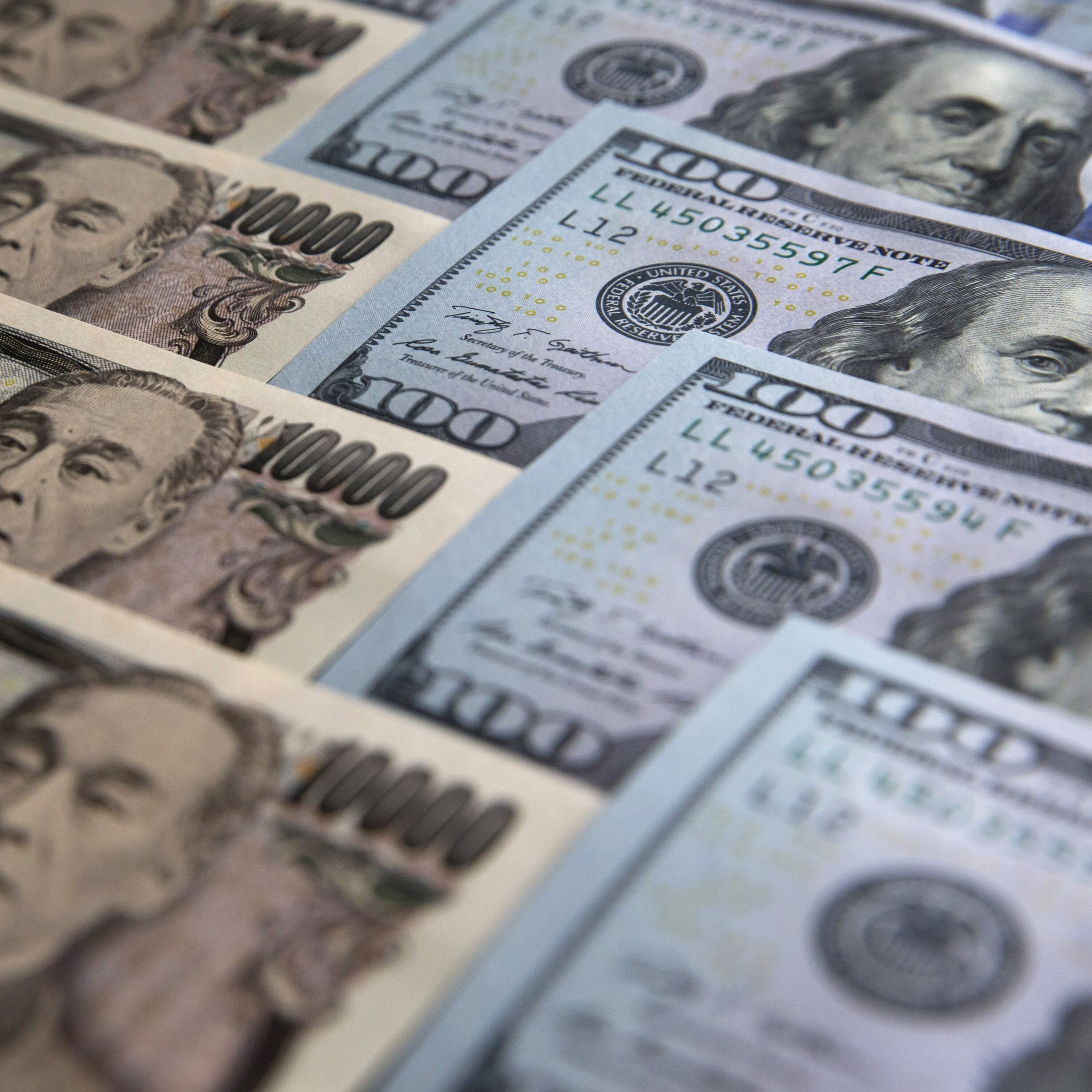
De-Dollarization – What It Means for the Region
The economic impact of US President Donald Trump’s tariffs has led to a rethink over the US dollar. After the “Liberation Day” tariffs were announced on April 2, global investors sold both US equities and the dollar, a rare event that raises concerns about the credibility of US Treasuries and the dollar itself. Moody’s downgrade of the US credit rating and the sharp appreci

US-China Trade Truce Spurs Rush to Beat Tariffs
A big shift in regional trade is underway following US President Donald Trump's announcement – and temporary pause – of the so called "Liberation Day" tariffs. Exports from Southeast Asia are surging, as companies around the world frontload and reroute shipments of parts and final goods such as toys and smartphones. Which countries are benefiting the most from this demand and the inten
Private Market Investing Goes Mainstream
Investing in alternative assets such as infrastructure and private equity was once the preserve of large institutions and the uber rich with access to private bankers. But technological advances and product innovation have opened these markets to wealthy retail investors, creating one of the fastest-growing segments in wealth management. Many experts, including BlackRock CEO Larry Fink, refer to t

Xiaomi Made a Big Bet on Electric Vehicles and Won
In early 2021, smartphone and electronics maker Xiaomi was blacklisted by Washington, restricting its access to US technology and investors. Although this decision was later reversed, it motivated CEO and founder Lei Jun to enter China's ultra-competitive electric vehicle market, pledging to invest $10 billion over a decade. The bold move has paid off: in China, buyers are waiting up to 10 months
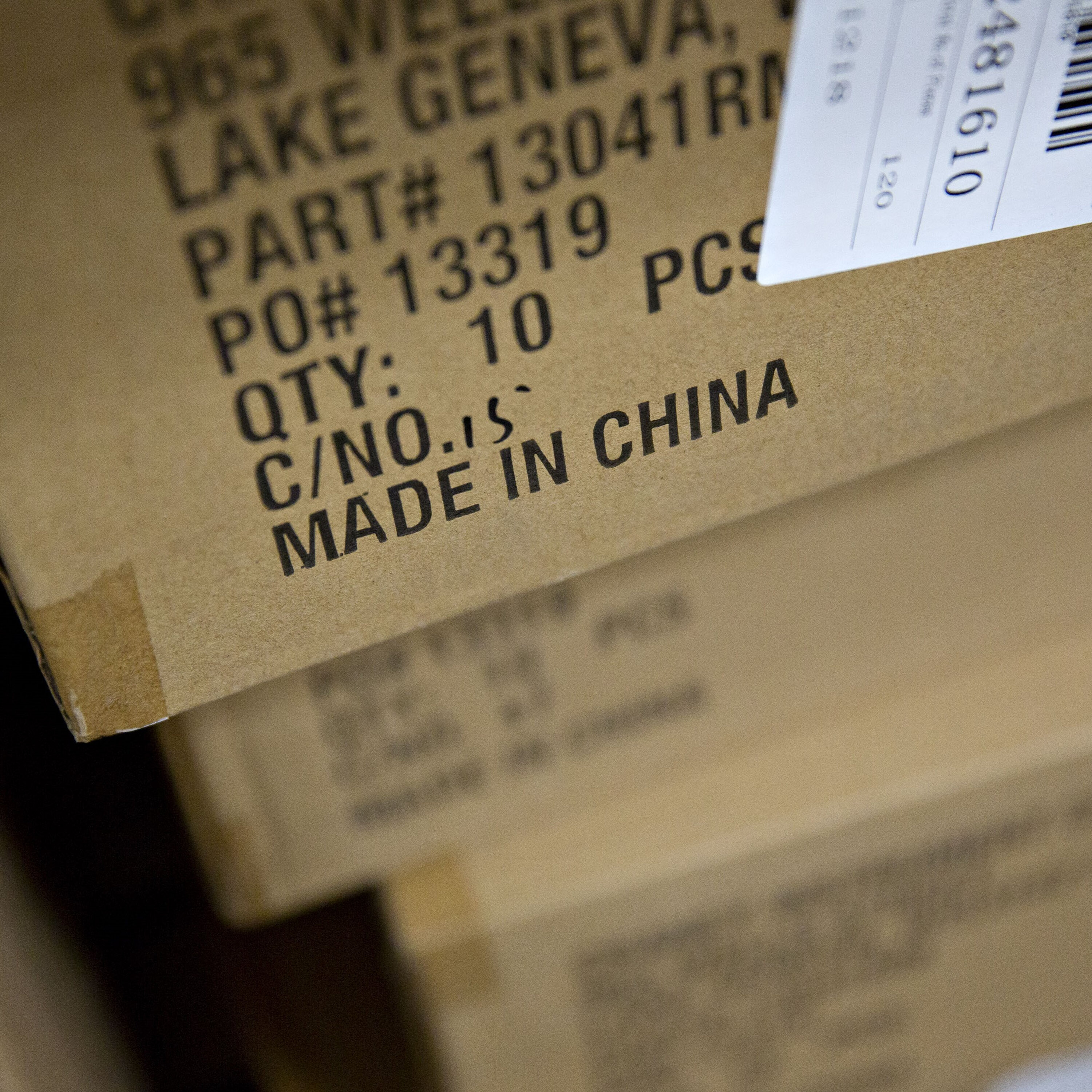
Evading US Tariffs Becomes a Game of Whack-a-Mole
Southeast Asian countries such as Vietnam, Thailand and Malaysia benefited from US President Donald Trump's first administration, as Chinese companies re-routed shipments to these regions to avoid US tariffs. In his current term, President Trump's reciprocal tariffs aim to eliminate this arbitrage, but the significant tariff rate differentials between countries are creating an even greater incenti
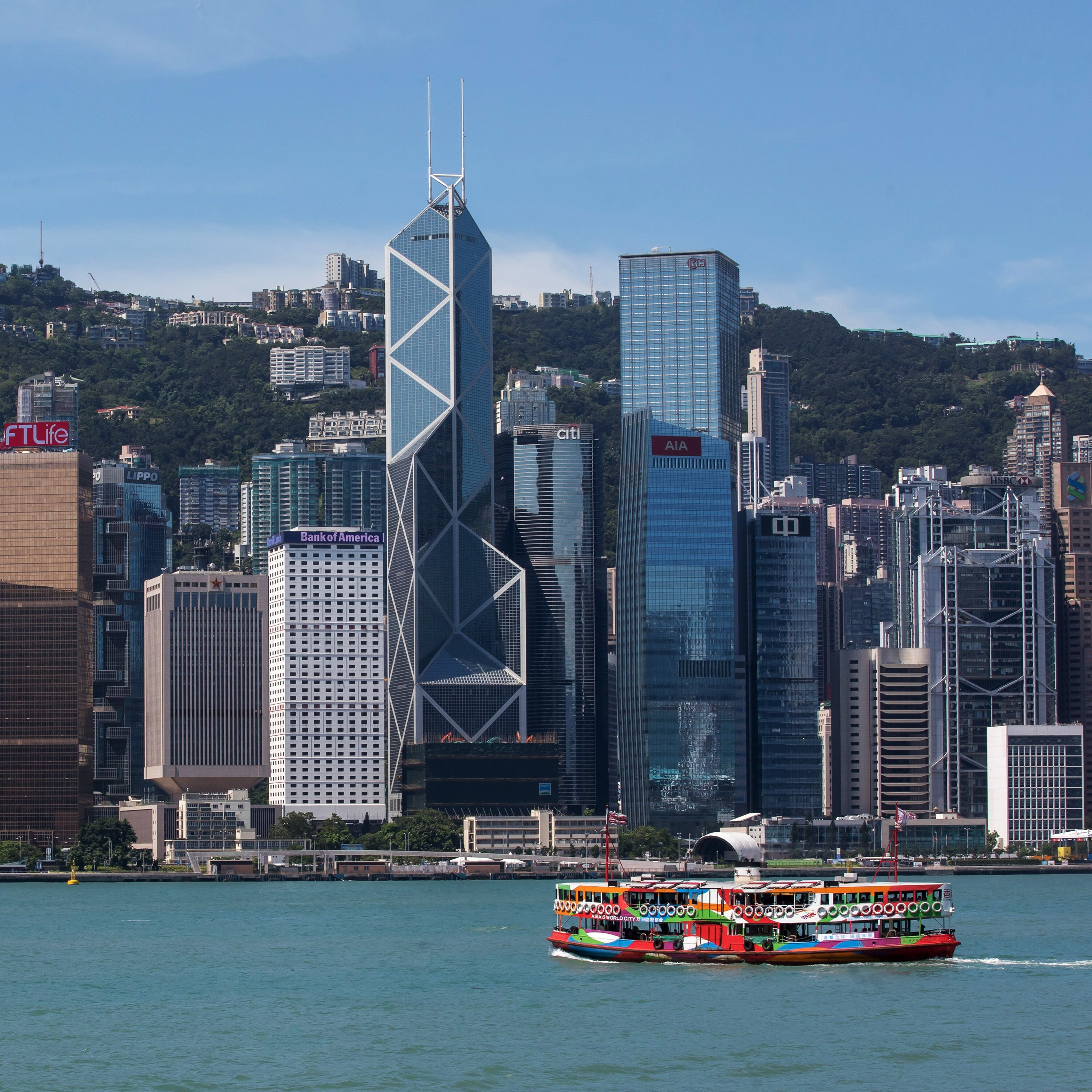
Rebuilding Hong Kong's Image as Asia's World City
Hong Kong is starting to look up. The Hang Seng Index has rebounded from last year’s lows and tourists are flocking to major musical and sporting events in the city's new stadium. Even expats – many of whom left for Singapore, London and elsewhere during the pandemic – appear to be returning. But structural challenges remain. The commercial property market is beset by record-high
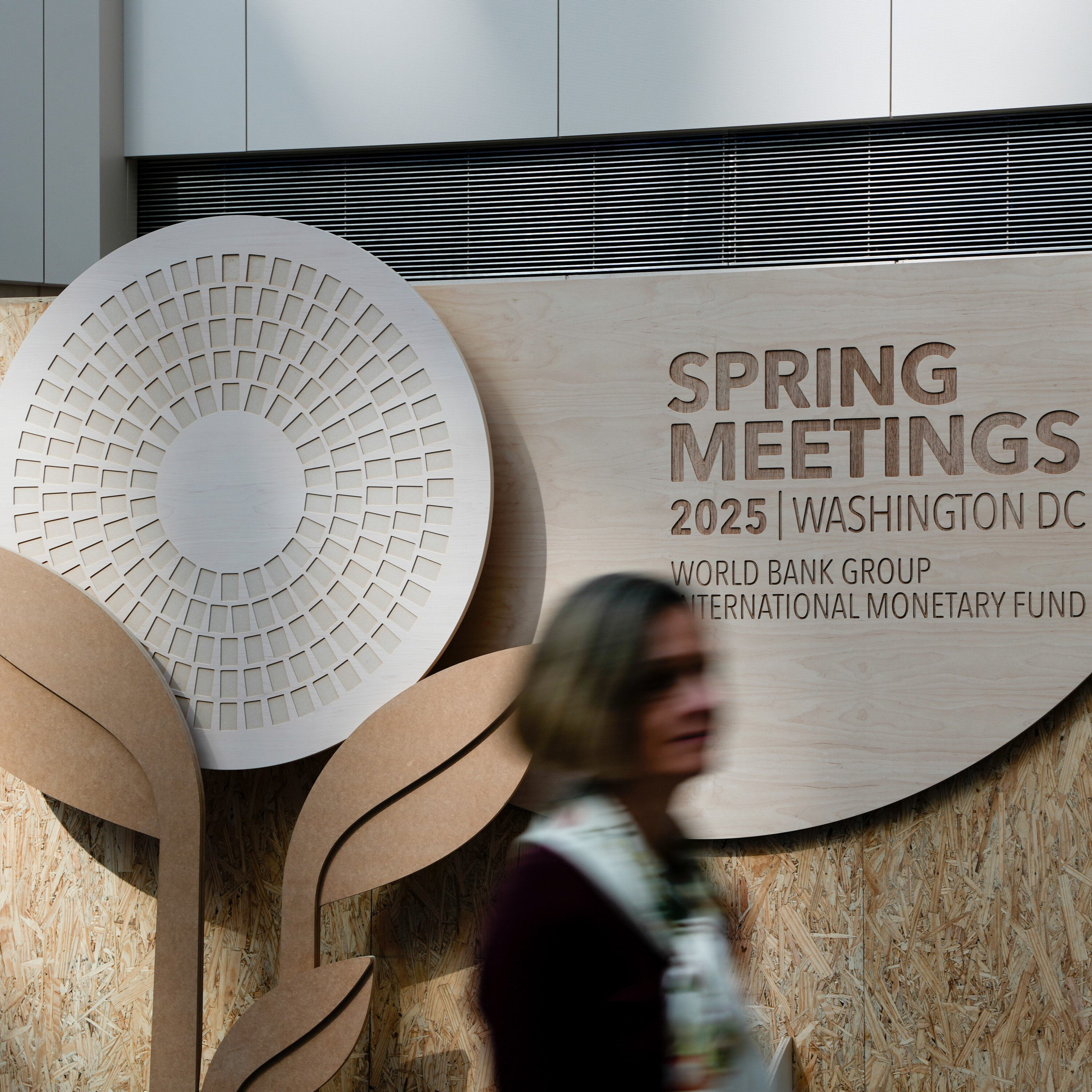
World Economy Meeting Casts Spotlight on Trade War
The world's top economic and financial authorities descend on Washington this week for the IMF/World Bank Spring Meetings. The focus this year is overwhelmingly on trade, as US President Donald Trump's reciprocal tariffs hang over the event. And nowhere are levies more painful than in China, where the highest rates threaten economic growth. Arthur Kroeber, founding partner of research consultancy
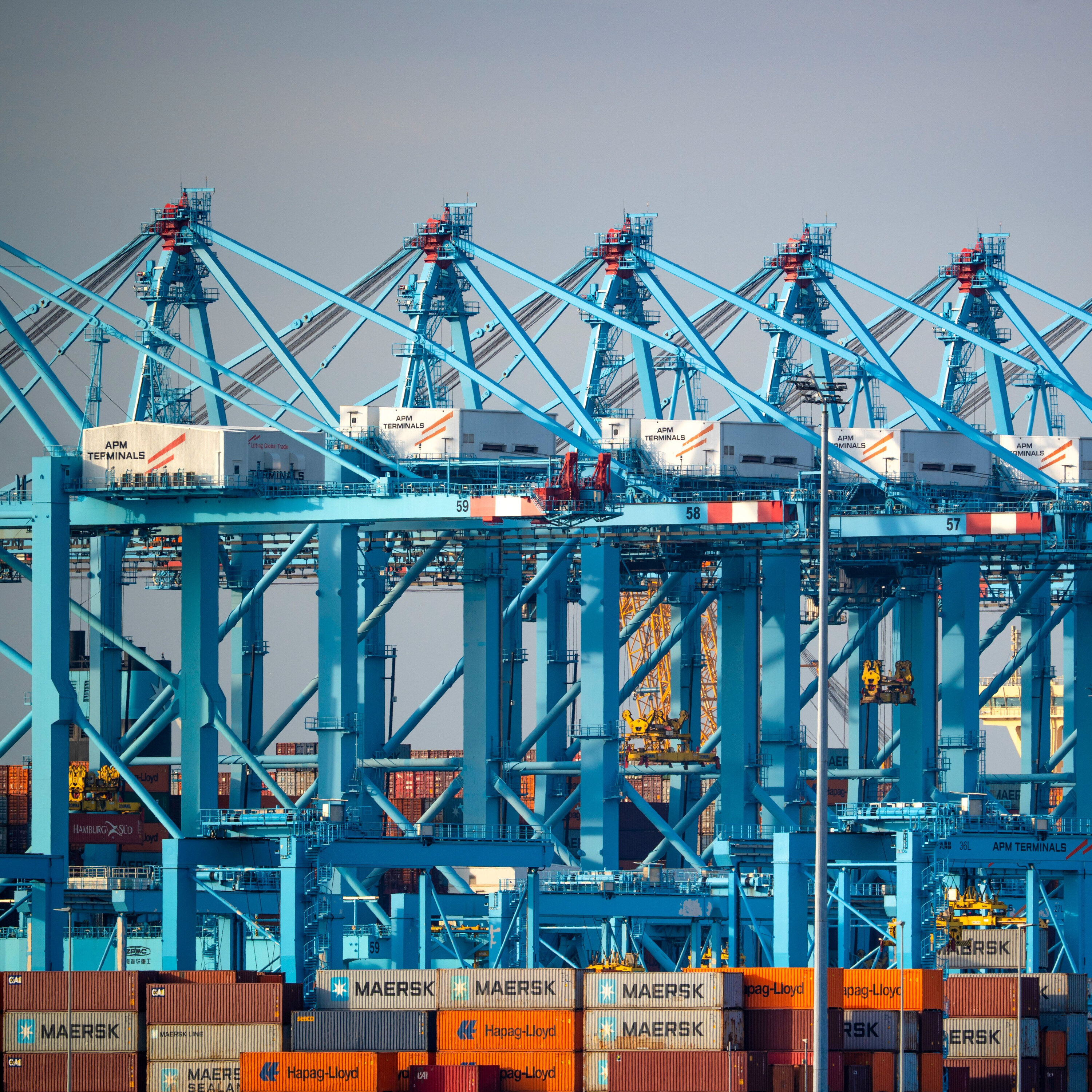
Trump Tariffs Paused, But Economies Still on Edge
It's been a wild few weeks in trade and markets. After unleashing reciprocal tariffs on the world, US President Donald Trump then walked them back, pausing the additional levies for every nation except China. Some exemptions were also carved out, including for iPhones. Negotiations have since ramped up with countries including Vietnam, which hope to scale down or remove the threat of tariffs altog
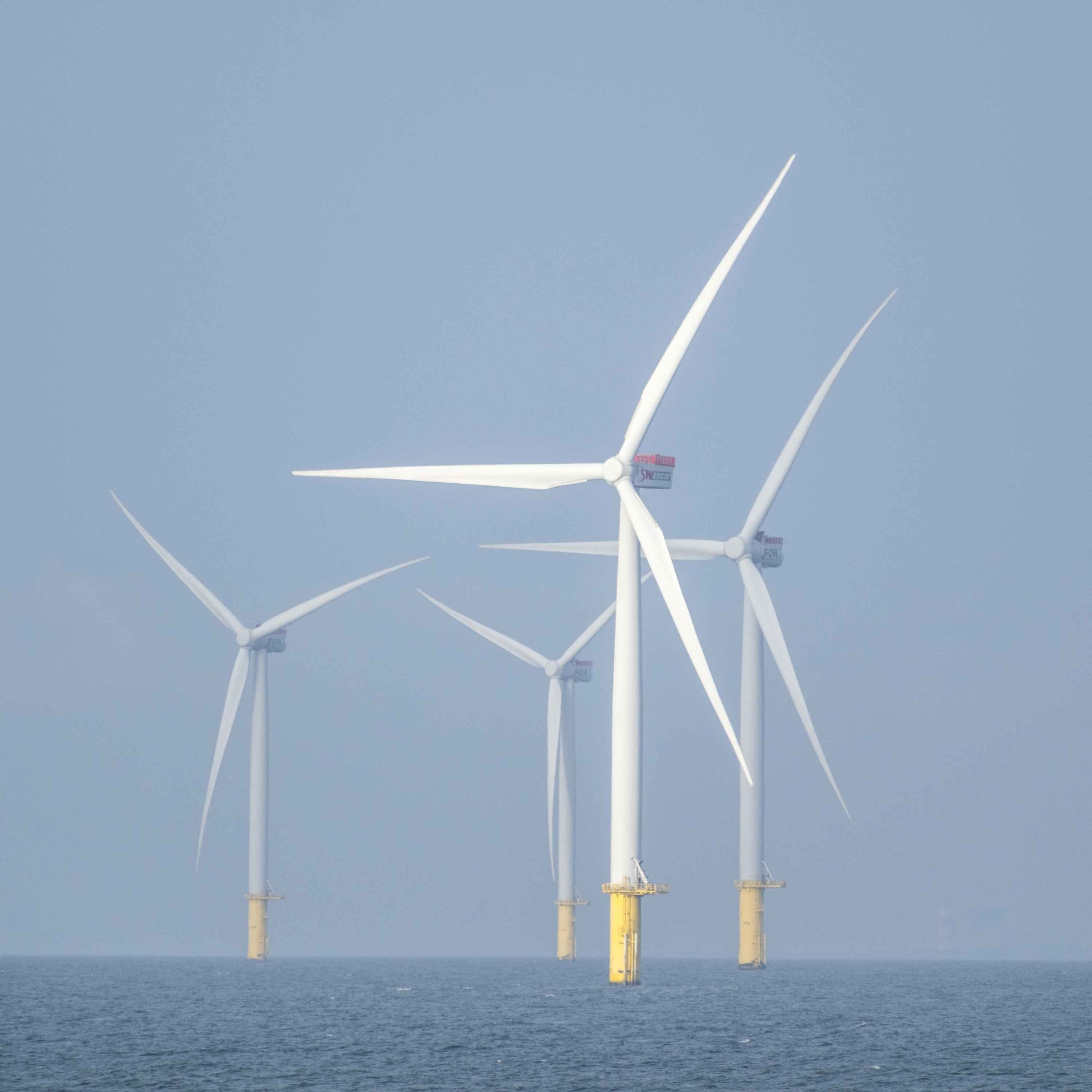
Green Energy Boom Driven by Trade War Supply Shift
Global supply chains have reconfigured since the 2018-19 trade war, leading to a surge in renewable-energy demand in countries such as Vietnam, Indonesia and Malaysia as Nike and Samsung set up operations. This trend, coupled with population growth and the proliferation of AI-driven data centers, is projected to triple the demand for power in the next five years, according to Gavin Adda, CEO of Pe

Navigating Art Market Pitfalls With a Citi Adviser
A duct-taped banana, a glass-encased tiger shark, a three-meter balloon dog – all selling for millions of dollars. For centuries, people have invested in art and their creators, with modern investors adding these “alternative assets” to portfolios. But global art auction turnover fell by about a third to $9.9 billion last year, according to Artmarket. It's also an increasingly tr

China Stock Rally Calls for Caution, Says BofA
After underperforming for years, Chinese stocks are on a tear, rising more than 16% so far this year and outpacing many regional and global markets. The advance is led by growing optimism that technological breakthroughs like DeepSeek and a sustained pivot to consumption by Chinese officials will help boost demand. But there are questions about the sustainability of the rally. Have fundament

Trump Tariffs Could Break Global Auto Industry
Looming US auto tariffs are forcing tough decisions for the world’s biggest automakers, with firms already reeling from high borrowing costs and slower sales. Tesla’s been rocked by a political backlash and plunging sales, while Chinese EV manufacturers gain global market share and make big strides in autonomous driving. The levies – which could raise costs for companies and cust
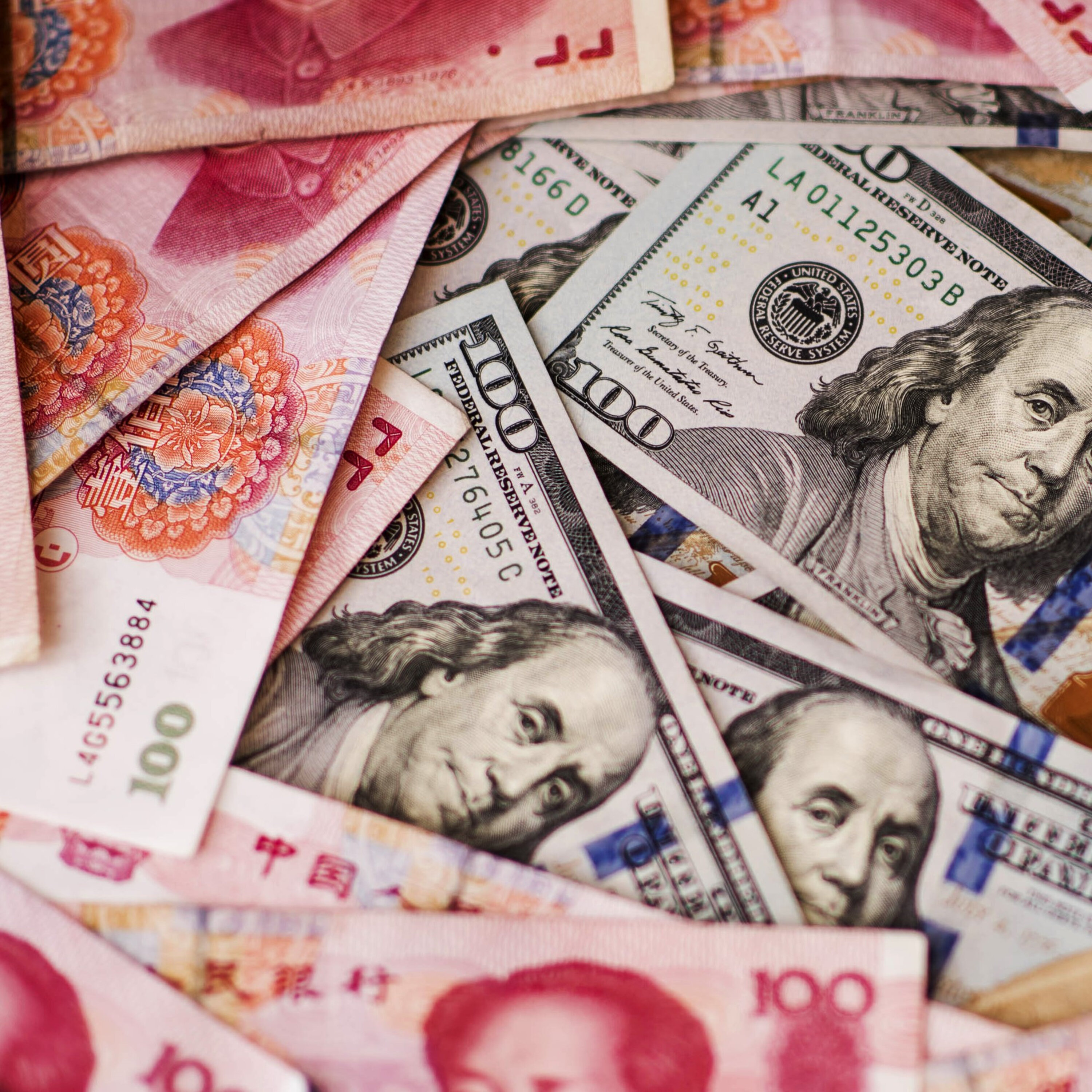
Fund With 76% Gain Says Market Wrong on Fed, China
Investors are pricing in several interest rate cuts from the Federal Reserve this year as growth slows and risks of a recession rise, but Gao Bin says they may be getting ahead of themselves. The CEO of Kaifeng Investment Management says the cuts will likely come -- but not until 2026. He's also taking a counter-narrative view on China, believing that consumer and tech companies will drive growth
Recommended

Talk About Talk - Executive & Leadership Communication Skills

English with Olivia | Slow Conversations & Vocabulary

Stand In The Circle

SLOW ENGLISH PODCAST (A1-A2) With Subtitles | Daily Videos | English With Us Podcast

Learn English A2 with Daily News | Simple English Listening Practice

پلی لیست | PlayList

Conspiracy Files with Paige Carter

Bad Friends

Learn 50 English Phrases While You Sleep | Everyday English Phrases & Vocabulary

This Past Weekend w/ Theo Von

Dateline NBC

Back to the 80s Radio
