
The Living Philosophy
The Living Philosophy is a podcast dedicated to exploring philosophy's major ideas and influential thinkers, spanning from ancient to postmodern eras. The show also integrates elements of psychology and adds an integral perspective to deepen the discussion. Each episode aims to make complex philosophical concepts accessible and engaging by focusing on both the ideas themselves and the characters behind them.
Episodes
🎙️#18 Prof. Peter Tse: How Imagination Made Us Human
Peter Ulric Tse is a Professor of Cognitive Neuroscience in the Department of Psychological and Brain Sciences at Dartmouth College, currently on sabbatical as a visiting professor at Cambridge and a Visiting Fellow at Clare Hall. A Guggenheim and Humboldt Fellow, he studies attention, visual consciousness and volition, and has spent over fifteen years building a naturalistic case for libertarian
🎙️#17 Dr. Sharon Blackie: Can We Re-enchant a Disenchanted World?
Dr. Sharon Blackie is an award-winning writer, psychologist and mythologist whose work sits at the junction of depth psychology, mythology and ecology. Coming from a background in behavioural psychology and neuroscience, she has spent over two decades reinstating imagination and intuition as ways of knowing. She is the author of seven books, including the internationally bestselling If Women Rose
🎙️#16 Benjamin Studebaker: Why the Revolution Isn't Coming
Benjamin Studebaker is a political theorist with a PhD from Cambridge whose work cuts against the grain of almost every revolutionary and reformist story on offer. He is the author of The Chronic Crisis of American Democracy: The Way Is Shut (2023) and Legitimacy in Liberal Democracies (2024).His central claim is that the Western democracies have become "embedded democracies" — systems in which ci
🎙️#15 Prof. Georg Northoff: Can AI Be Conscious? Self, Time and the World-Brain Problem
Georg Northoff is Canada Research Chair in Mind, Brain, Imaging, and Neuroethics at the University of Ottawa's Institute of Mental Health Research, a practising psychiatrist, neuroscientist, and philosopher, and one of the founders of neurophilosophy. Over two decades his work has reframed the brain's resting spontaneous activity — the Default Mode Network — as the primary architect of consciousne
🎙️#14 essentialsalts (The Nietzsche Podcast): Übermodernism and Nietzsche's Philosophy of the Future
Keegan Kjeldsen hosts The Nietzsche Podcast and the Untimely Reflections (essentialsalts) YouTube channel — a deep four-year project working through Nietzsche, his forerunners back to the ancient world, and his afterlives in 20th- and 21st-century thought. He’s also a doom metal guitarist with Destroyer of Light and Slumbering Sun, and the author of The Ritual Madness of Rock & Roll, a memoir-

🎙️#13 Dr. Aldrich Chan: Taoism, Neuroscience and Our Disconnection from Nature
Dr. Aldrich Chan is a neuropsychologist, psychotherapist and founder of the Center for Neuropsychology and Consciousness. An adjunct professor at Pepperdine University, Aldrich's research on the default mode network, mindfulness and trauma bridges neuroscience with ancient Taoist philosophy. He is the author of Reassembling Models of Reality (2021) and Seven Principles of Nature: How We Strayed an
🎙️#12 Dr. Erik Goodwyn: Who Creates the Dream? The Invisible Storyteller
Dr. Erik Goodwyn is a practising psychiatrist with a background in neurobiology who bridges the worlds of neuroscience, Jungian psychology, and fantasy. Erik is co-editor-in-chief of the International Journal of Jungian Studies and has written dozens of academic papers along with books on the neurobiology of the gods, dreams, and archetypes. Last year he published his first fantasy novel, King of
🎙️#11 Adriana Forte: Menstrual Futurism
Adriana Forte is a Brazilian-born writer, facilitator, and developmental thinker currently based in a rural intentional community in Bellingen, New South Wales, Australia. Originally trained as a journalist, Adriana has spent years investigating the intersection of women's cyclical biology, embodied knowing, and the structures of modern life. She runs retreats and workshops through her Substac
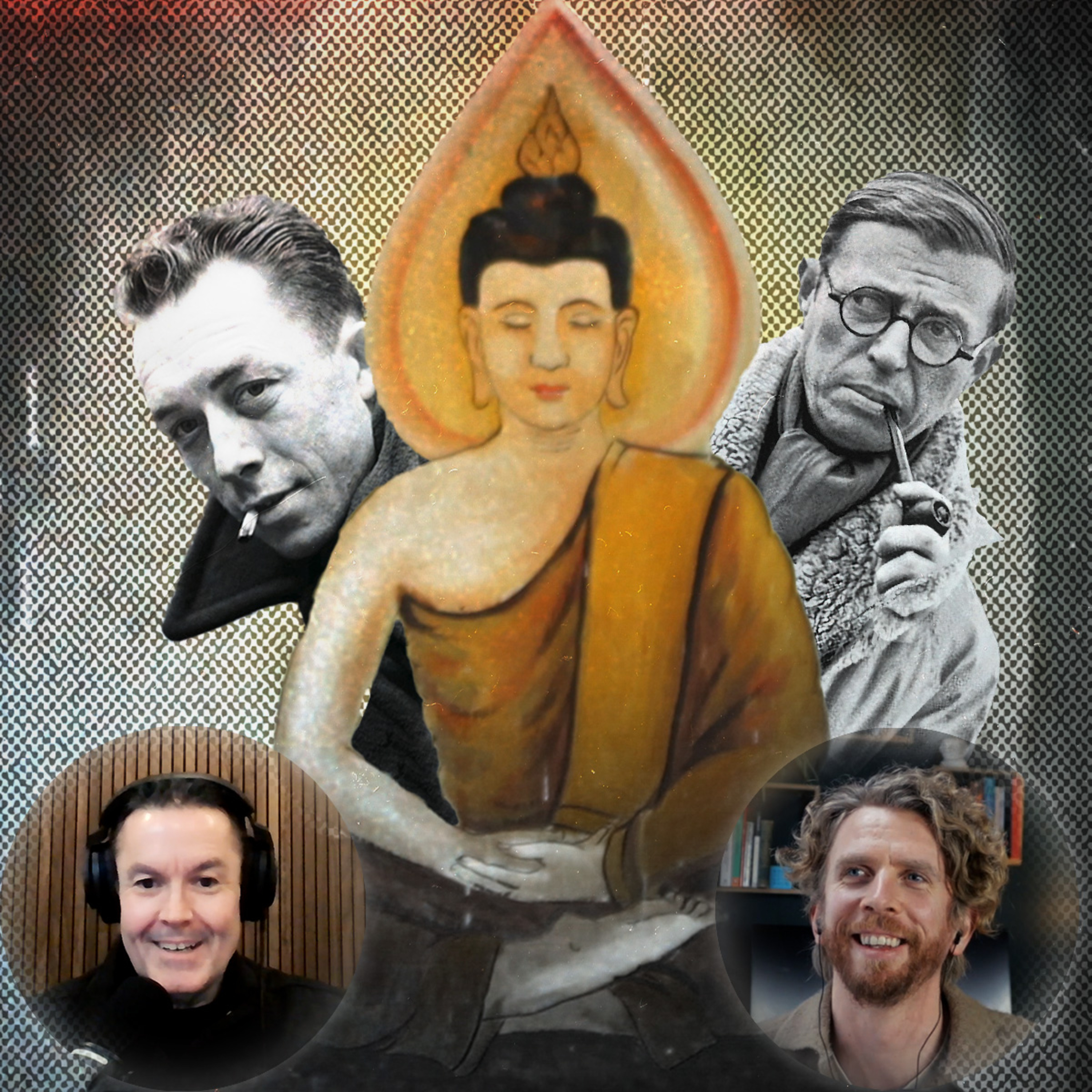
🎙️#10 Michael Montgomery: Psychophobia and Bridging East and West in Therapy
Dr. Michael R. Montgomery (PhD, MA, MSc, MSW, LCSW) is an existential psychoanalyst who represents a radical wing of contemporary depth psychology—one deeply influenced by R.D. Laing's anti-psychiatry tradition, phenomenology, and a fierce commitment to humanising extreme mental states. Based between Boston, Massachusetts and having deep roots in post-conflict Belfast, Montgomery positions him
#9 Layman Pascal - Metashamanic Nietzsche
Layman Pascal is a Canadian "feral philosopher" and host of The Integral Stage podcast who has become a central connector and theorist in the overlapping worlds of metamodernism, integral theory, and Game B. His signature contributions—the Metaphysics of Adjacency, the Integration Surplus Model of spirituality, and Metashamanics—offer a sophisticated yet playful bridge between abstract p
#8 Stefano Carpani: Jungians vs. Post-Jungians vs. Neo-Jungians
Dr Stefano Carpani is an Italian Jungian psychoanalyst, lecturer at the C.G. Jung Institute Zürich, and scientific consultant at Pacifica Graduate Institute. At 46, he has emerged as a leading voice amongst a new generation of Jungian thinkers, bridging depth psychology with sociology, critical theory, and contemporary political questions. In this conversation, Stefano and I explore the landscape
#7Jon Mills: The Psychology Behind Our Self-Destructive Civilisation
Get Jon's book "End of the World: Civilization and Its Fate": https://www.bloomsbury.com/uk/end-of-the-world-9781538189016/_______________ Dr Jon Mills is a philosopher-psychoanalyst and Honorary Professor at the University of Essex, whose work bridges Hegelian philosophy, psychoanalytic theory, and contemporary existential threats facing civilisation. With over 35 books to his name—
#6 PF Jung: What is Enlightened Centrism
PF Jung is a YouTube content creator renowned for making the meme of "Enlightened Centrism" great again. He's a self-styled "memetic feudal lord" and "applied sociologist" who has gotten himself in trouble for his attempts to bridge the polarities in society and seeking to bring the far right and far left together. He creates philosophical and political commentary
#5 Brendan Graham Dempsey: Can We Scientifically Measure Worldviews?
Brendan Graham Dempsey is a metatheory researcher at the Institute of Applied Metatheory and host of the Metamodern Meaning podcast. His work bridges evolutionary theory, developmental psychology, and worldview studies, bringing empirical rigour to questions about how human consciousness and culture evolve. His latest book, Psyche and Symbolic Learning, is the second in a planned ten-volume series
#4 Greg Dember: Metamodernism and the Defence of Interiority
"The protection of interiority is the central motivation of Metamodernism." So says Greg Dember, a Seattle-based musician, songwriter and independent researcher in Metamodernism. As the co-founder of the What Is Metamodern? website with Linda Ceriello, PhD, Greg’s writing and podcast appearances speaking on metamodernism have helped popularize the terminology outside of academic discours
Erik Goodwyn: Dreams, Metaphor and Fantasy Writing
Dr. Erik Goodwyn is a practising psychiatrist with a background in neurobiology who bridges the worlds of neuroscience, Jungian psychology, and fantasy. Erik is co-editor-in-chief of the International Journal of Jungian Studies and as well as dozens of academic papers he has written books on the neurobiology of the gods, dreams, and archetypes, and this year published his first fantasy novel, King
CJ the X: Play, Pragmatism and Jordan Peterson
https://cjthex.com/subscribe → subscribe to CJ's mailing list for all things CJ the X https://tinyurl.com/asdi708uo → buy tickets to CJ's show in San Francisco, CA on the 10th OctoberI sat down with CJ the X recently to discuss the creative process, pragmatism, their recent world tour and later in the weird world of dreams. We also talk about the topic that first brought us together many m
Gary Clark: 'Jung Was 100 Years Ahead!' How Psychedelics Are Proving the Collective Unconscious is Real
"Jung was essentially an evolutionary theorist". These are the words of Gary Clark, a Visiting Research Fellow in the School of Medical Sciences at the University of Adelaide in Australia, who has written a book on the intersection of Jungian Analytical Psychology and evolutionary neuroscience. If you want to learn more about Gary you can check out his book "Carl Jung and the Evolutionary Sciences
Carl Jung Was Racist.
This episode is an exploration of the allegations of racism against Jung and looks at some possible defences of Jung.
Since Dalal published Jung: A Racist in 1988 there has been something of an open crisis in Jungian circles regarding the extent of the issue and what is to be done about it. This episode is about laying out the issue in as clear a way as possible. To learn more about the schism
Jung on Americans: the Illusion of Freedom
Jung describes Americans as having an “astonishingly feeble resistance to collective influences” which he found “positively terrifying”. His 1931 article on the uniquely American psychology is filled with novel insights into American psychology: its herdlike nature, the Heroic Ideal driving it as well as showcasing some of Jung’s more unsavoury Shadow elements — his racism which we’ll talk more ab

Carl Jung’s Synchronicity: Meaningful Patterns in Life
Synchronicity was coined by psychological pioneer Carl Jung. Its meaning is simple: a Synchronicity is a “meaningful coincidence”. But it seems that there has been a lot of misreading of Jung going on. In this episode we are going back to Jung’s original definition of Synchronicity in his 1952 work “Synchronicity: An Acausal Principle” to see what he really meant by the term.
___________________
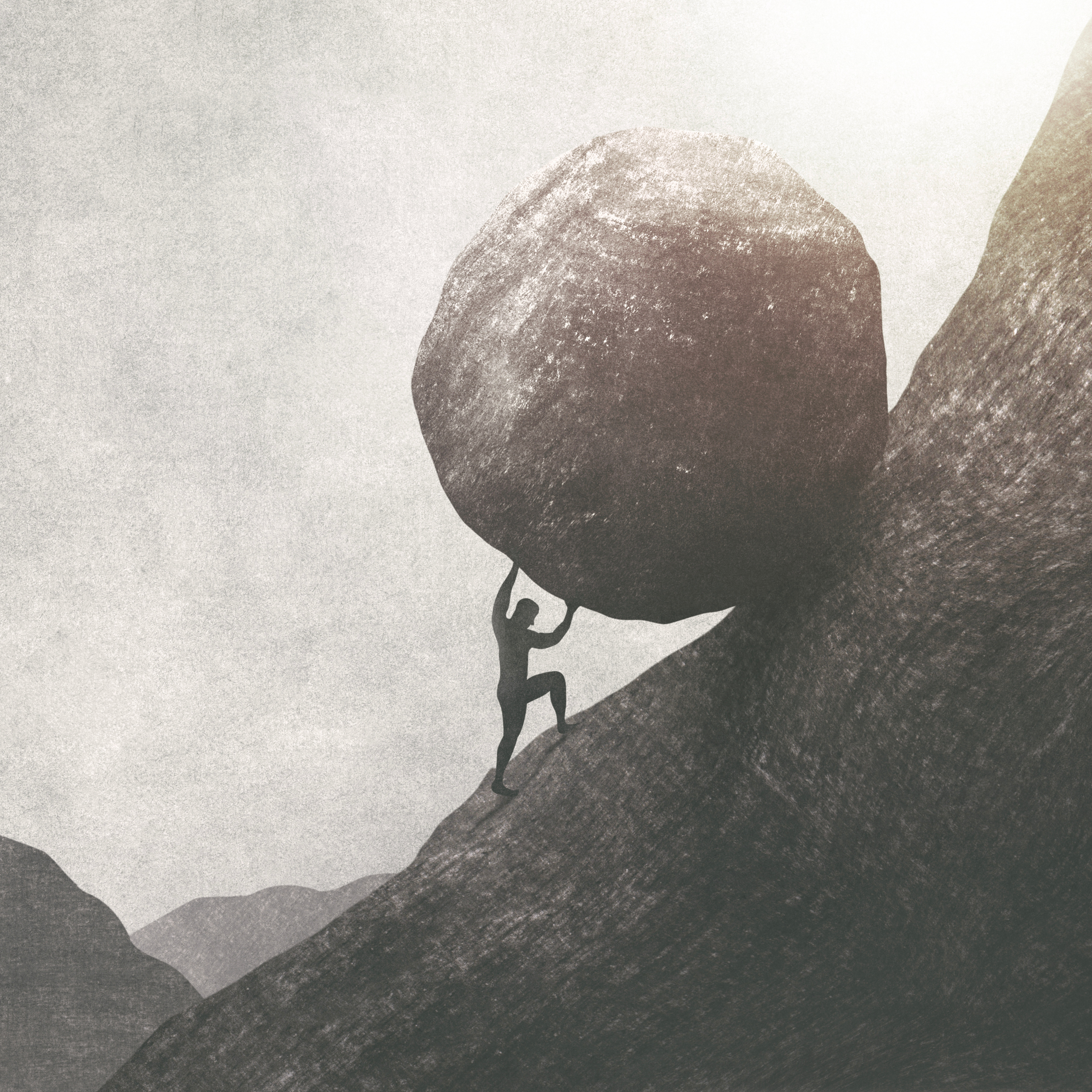
One must imagine Sisyphus happy
________________
📚 Further Reading:
- Camus, Albert, *The Myth of Sisyphus*
- Camus, Albert, *The Outsider*
- Camus, Albert, *The Rebel*
- Camus, Albert, *Caligula*
________________
⭐ Support the channel (thank you!)
▶ Patreon: https://patreon.com/thelivingphilosophy
▶ Ko-fi: https://ko-fi.com/thelivingphilosophy
_________________
💬 More from The Living Philosophy
▶ 📨 Subscribe with email:
Can Neuralink Destroy What Makes Us Human?
Could Neuralink accidentally turn all its users into a hive mind? That’s what we’re going to be exploring in this episode where we take a look inside the brain and at the possibility for Neuralink’s high bandwidth and low latency to transform the nature of consciousness.
_________________
📚 Further Reading:
Peter Watts' talk "Conscious Ants and Human Hives": https://www.youtube.com
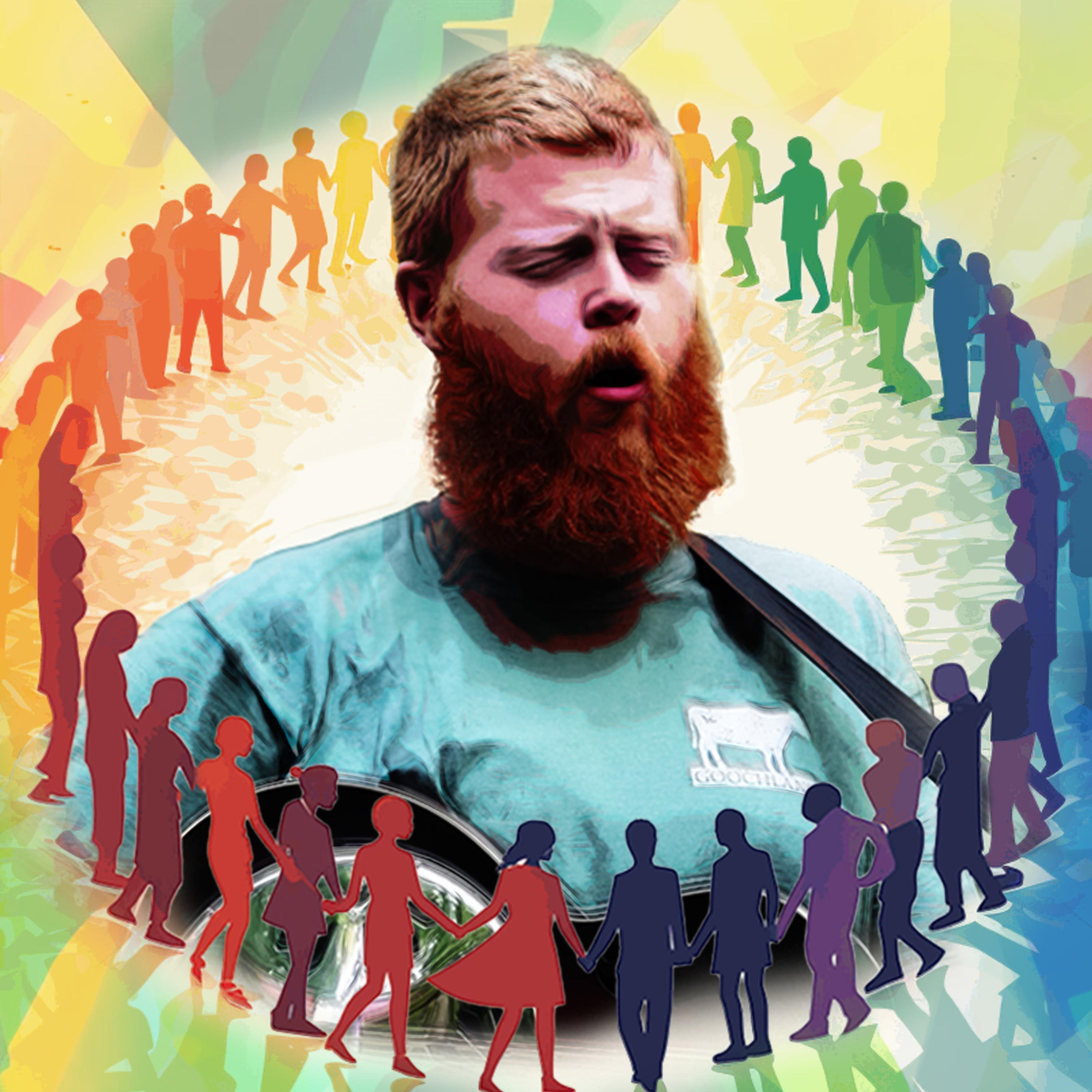
Why Leftists Should Have Loved Rich Men North of Richmond (But Didn't)
If an alien arrived on this planet having read only the writings of Marx, Proudhon and other great leftist socialist thinkers, they would be very surprised by the reaction to Rich Men North of Richmond. Oliver Anthony's song was loved by some and hated by others with the usual weird subtextual energies of the Culture Wars infusing both. This episode looks at why, from a historical theoretica
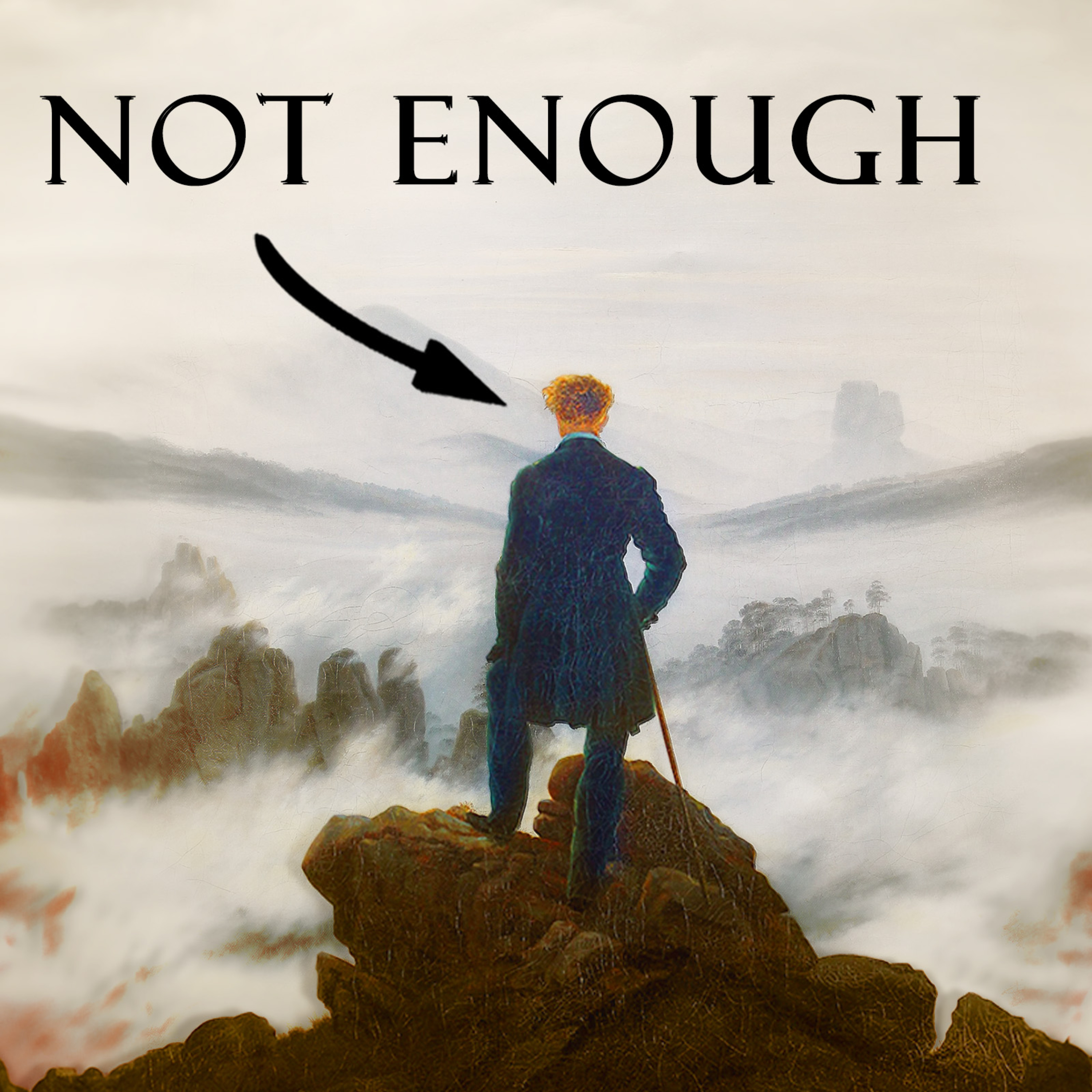
Self-Actualisation is Not Enough
In this video we are going to tackle a challenging question: what is self-actualisation isn't what we should be doing; what if instead it is a big cope — a way of burying our head in the sand (rearranging deck chairs on the Titanic; playing our fiddle while Rome burns — choose your preferred analogy) while the world burns.
-------------------
📚 Further Reading:
Penny, L. (2016). I'm W
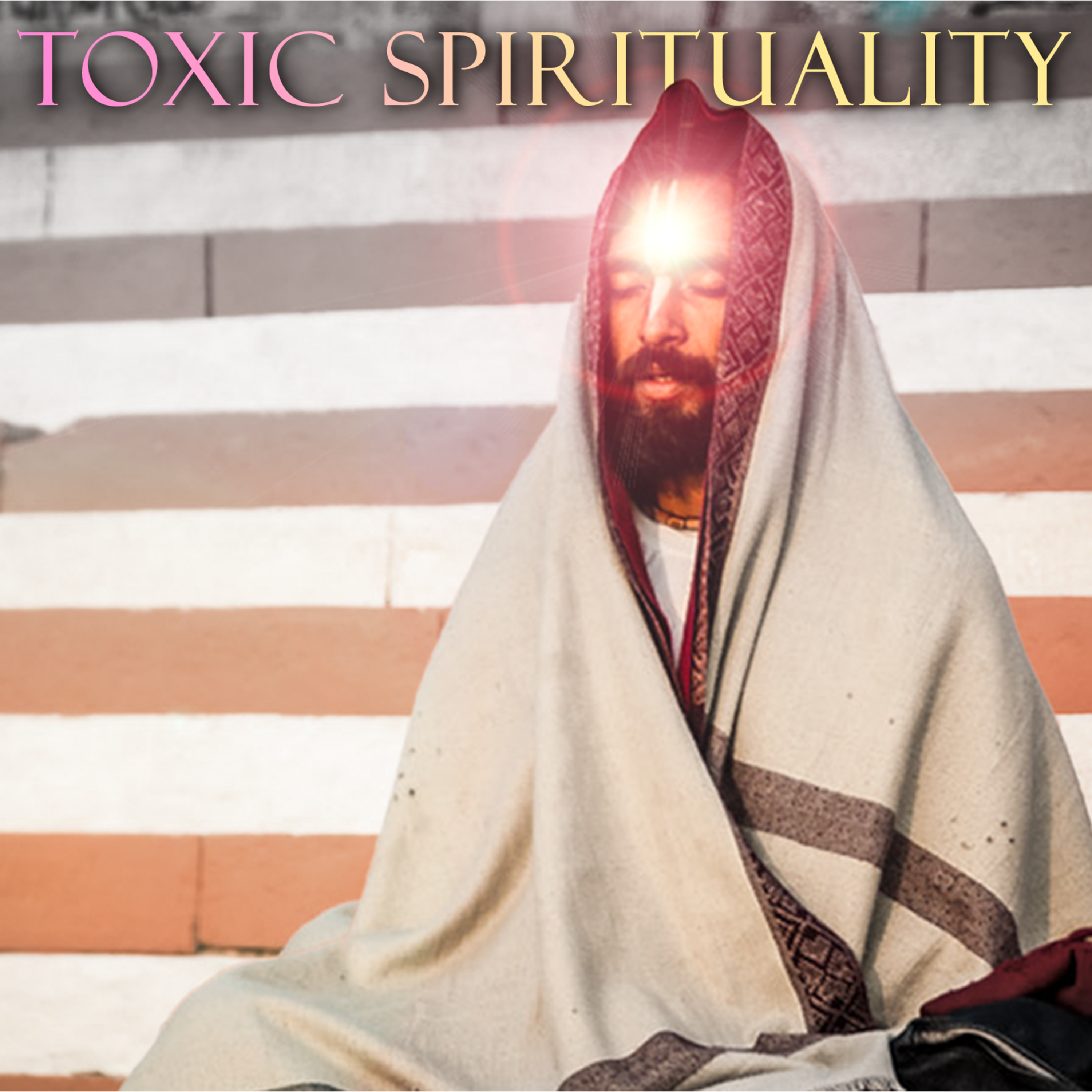
Enlightenment, Non-Attachment and Other Toxic Spiritual Con Jobs
In this episode, we look at why you should listen to South Park's Butters over modern Buddhist gurus. We talk about the sales pitch used by spiritual gurudom to get people hungry for Enlightenment while hiding the truth about the awful reality of that path. Fun fun fun.
____________________
📚 Further Reading:
- Mingyur, R.Y. and Swanson, E., 2010. _Joyful wisdom_. Random House.
______________
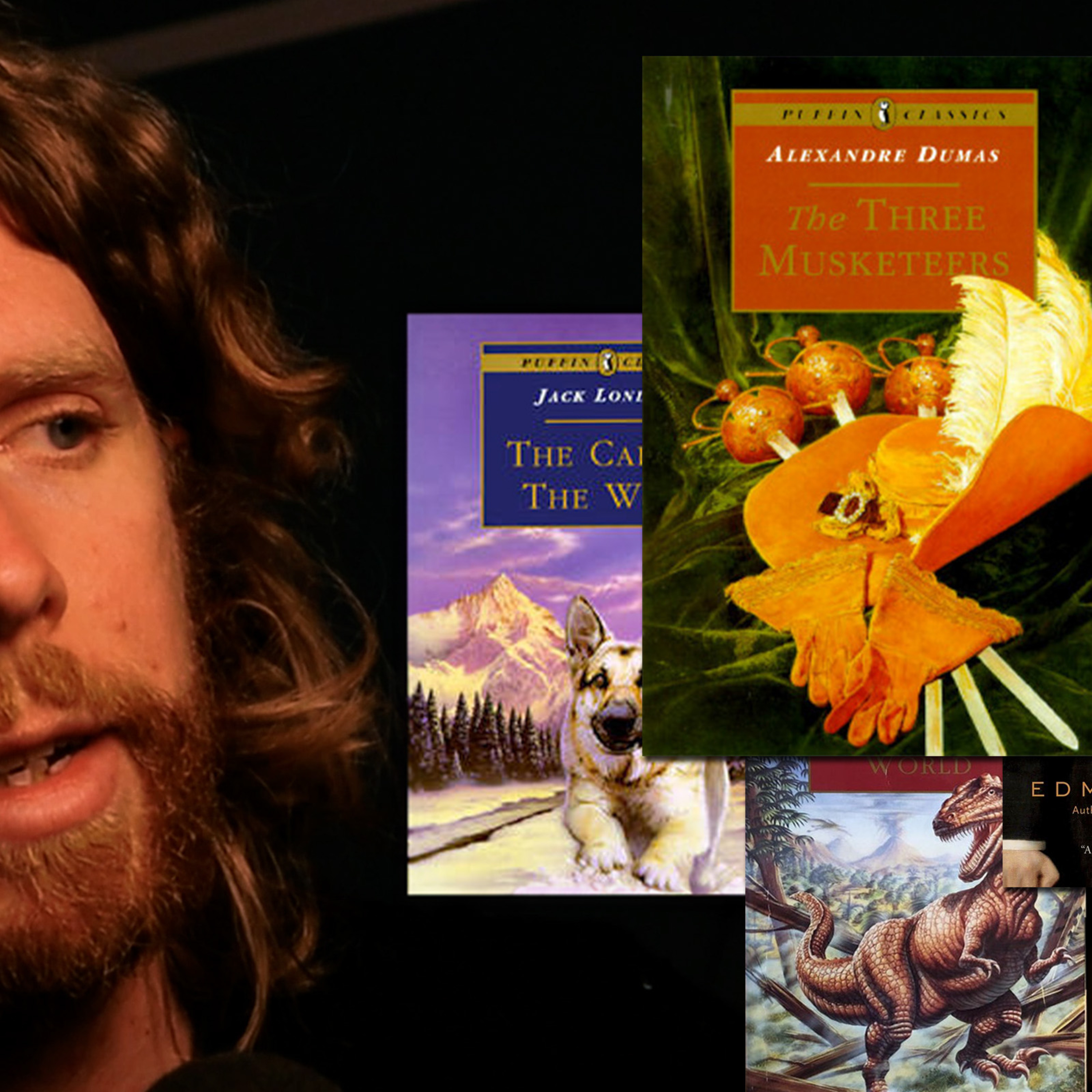
Books Saved My Life
In this episode I talk about the books that rescued me in my darkest times by giving me the breath of heroic inspiration I needed to get moving out of the dark pit I'd found myself in. I talk about what these books had in common and why we need them.
____________________
📚 Further Reading:
- _I’m Not There_. (2008). [Movie].
- Dumas, A., *The Three Musketeers*
- London, J., *The Call of the W
How to Think Like Nietzsche
The aphoristic style of Friedrich Nietzsche is a wellspring of inspiration. In this episode, we explore the connection between this style and Nietzsche's hiking (10 hours of hiking a day, if he is to be believed). It is Nietzsche's walking that gave birth to the aphorisms in a passive form of thinking that stands in stark contrast to the thorough linear thinking of philosophers like Kant a
Karl Marx: Capitalism's Weirdest Fanboy
Karl Marx is the most (in)famous critic of Capitalism. Or is he? As with all stories, it's not so simple. Marx isn't a reactionary dreaming of a tribal communal paradise but more of a sci-fi visionary looking to the society that will transcend Capitalism using its foundation as a jumping off point to a much more interesting, much better world.
____________________
📚 Further Reading:
- Th
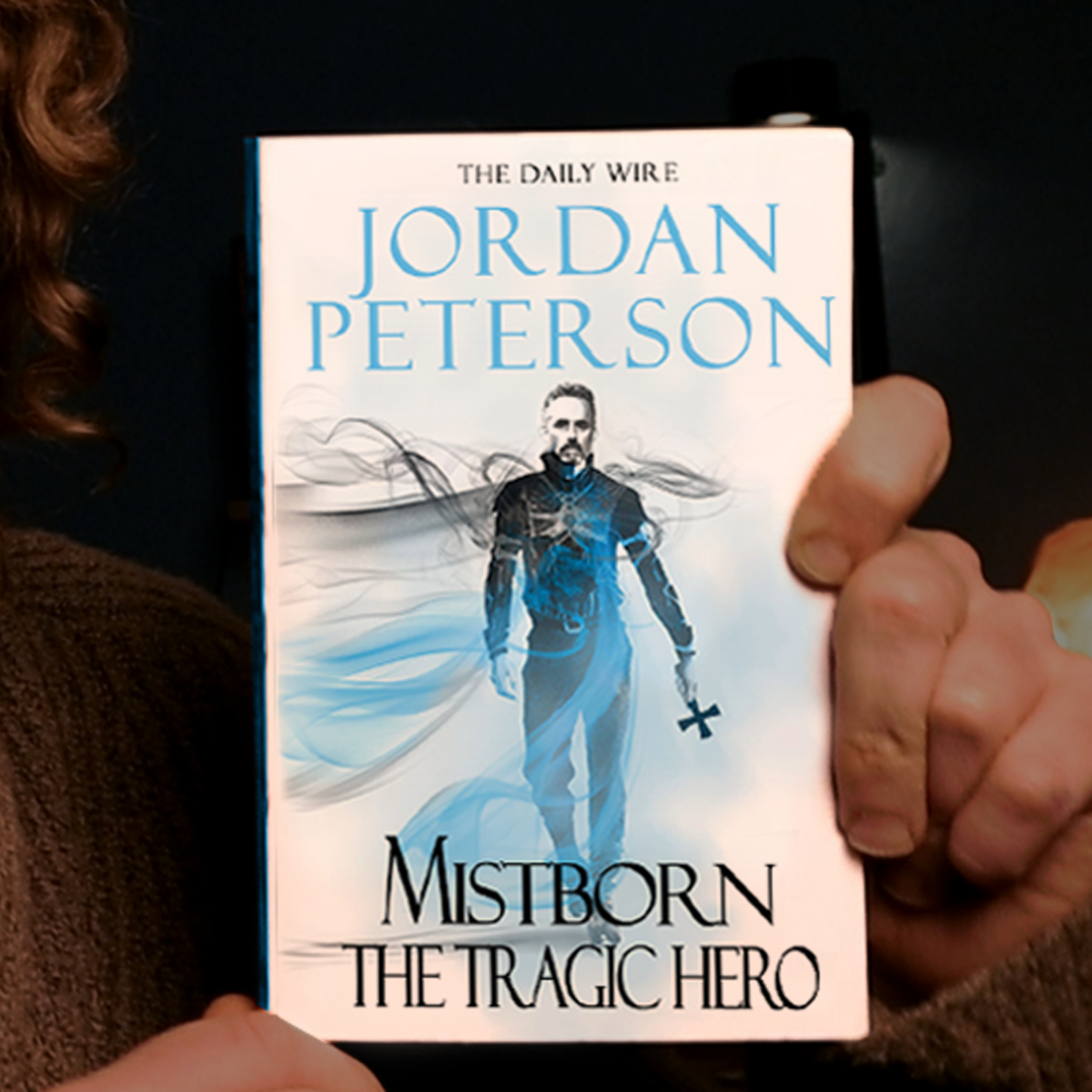
Our Tragic Hero - the Mistborn Jordan Peterson
Following on from the last episode on Jordan Peterson's brilliant 2005 essay on "Peacemaking" this time we look at what went wrong and at JBP's arc as that of the classical tragic hero. And having a bit of fun with this we compare him to the villain in one of my favourite fantasy series Mistborn by Brandon Sanderson.
We look at Aristotle's definition of tragedy, and at mapo
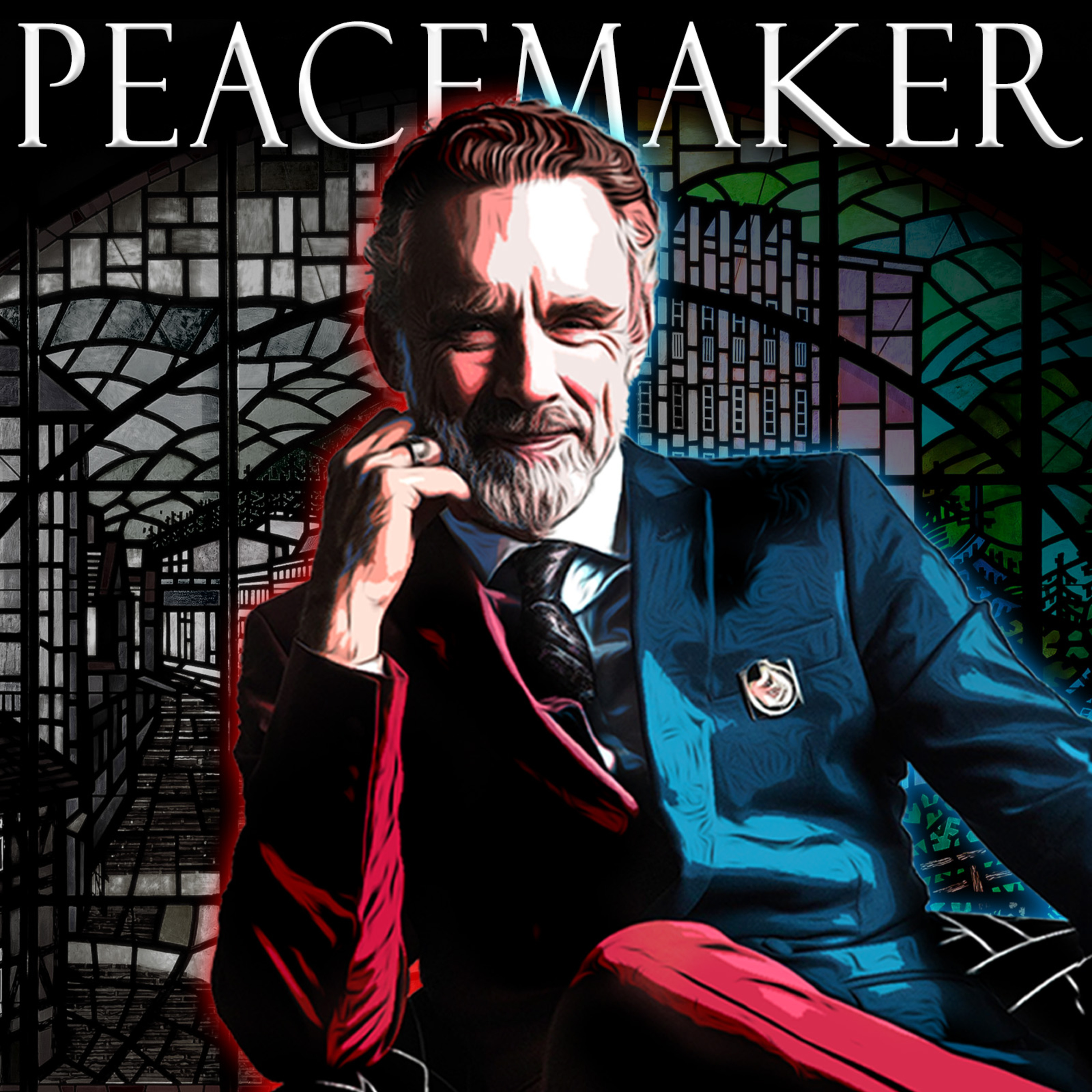
Jordan Peterson's Bizarre (and Brilliant) Manifesto
In 2005, long before he became a household name, Jordan Peterson wrote an article with the title "Peacemaking Among Higher Order Primates" and it is amazing — partly for its own beauty and pathos and partly for the contract it provides with The Daily Wire Peterson we have today. It is a brilliant ode to what peace looks like and how it might be achieved and a stark reminder of the poten
The Edge of the Inside — How to Change the Superstructure
Why it Matters is back (kind of). This video revisits the Prophet archetype with a bit more passion and a little less bookishness. It is great to have the previous video as a foundation but as with the old Why it Matters videos the point of this video is to get into why I care so much about this topic and why I think you should as well.
We're going to be looking at the Prophet through the le
Subconscious vs. Unconscious
In approaching the underworld there are a couple of terms that people use. Sometimes it can get a bit confusing who's using what and what we should be using. In this episode we look at the term subconscious vs unconscious and what the meaning and background is of each. As we'll see it wasn't always so clear cut — the French psychological heritage from Pierre Janet started with one term
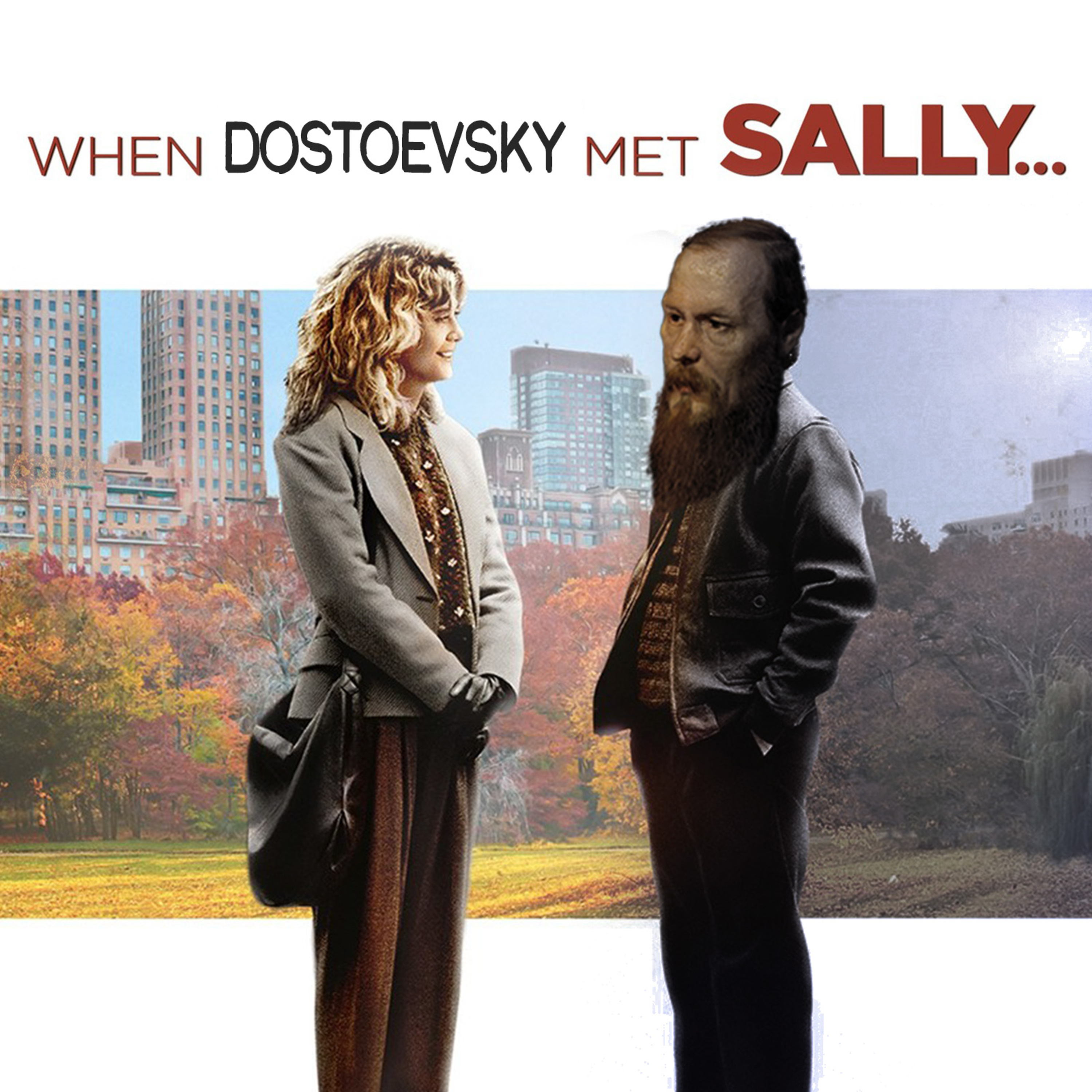
Reality vs Archetype — The Two Types of Romcom
In this palette cleanser we are going to talk about the philosophy of romcoms for a change. I reckon this should remove any accusations of important work being done on The Living Philosophy. We'll be looking at two romcoms — the classic Norah Ephron When Harry Met Sally and the lesser known Just Like Heaven starring Reese Wetherspoon and Mark Ruffalo.
One is reflective of a type of art that st
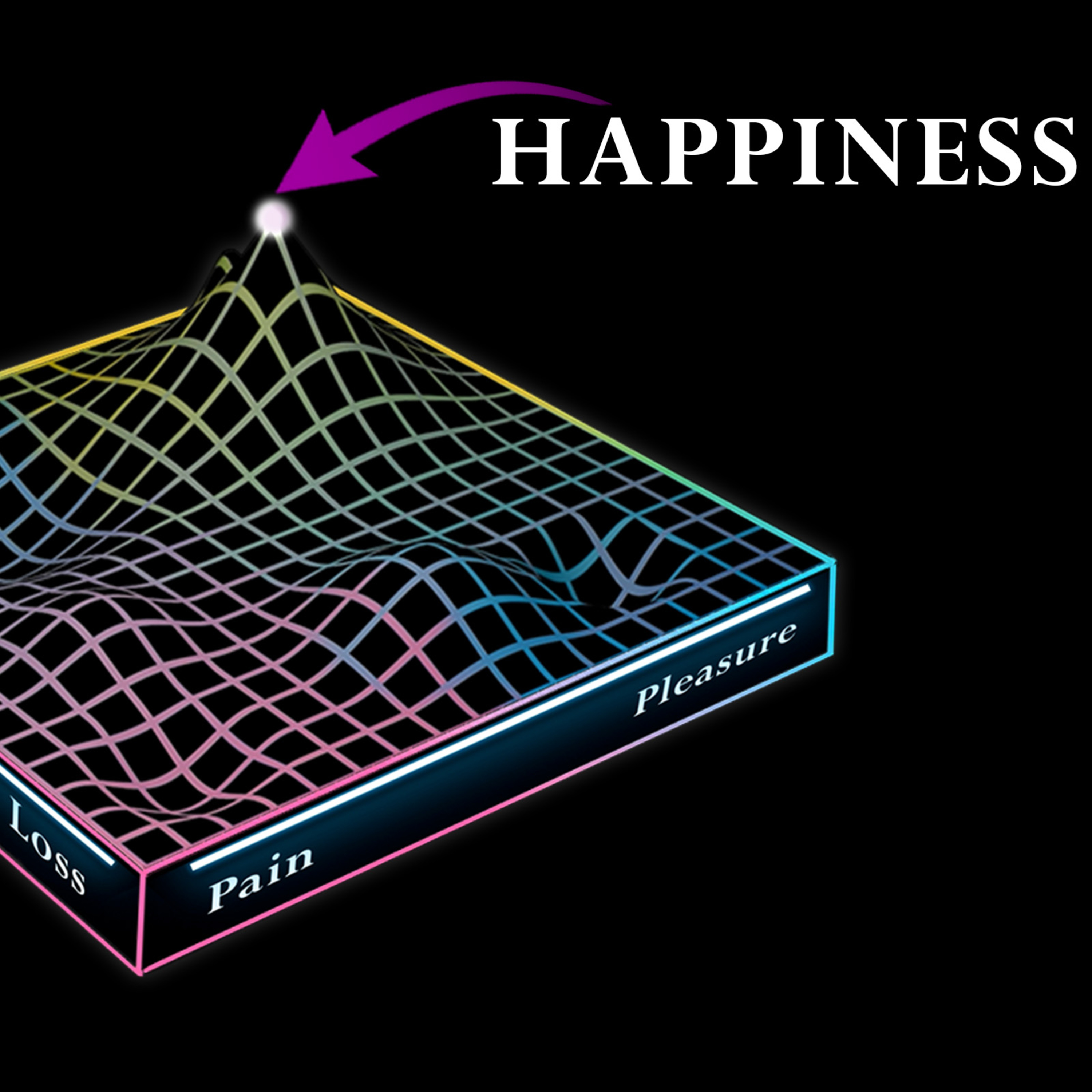
An (Ancient) New Theory of Happiness
You can get "Become Who You Are" here: http://designingthemind.org/becoming
It's rare that you encounter a fresh take on a path as well-trodden as happiness. I've read a lot of books on the topic and I have to say that Ryan Bush's take is fresh and yet simultaneously ancient. I think this is part of the reason I'm so enthusiastic about it: it integrates a trend in acade
The Lost Art of Leisure
We modern serfs have forgotten something: we've forgotten how to live. You don't question the meaning of life when leisure is the heart of life rather than work. But with the rise of modern urban life, the intrinsic mode of living has died at the hands of the instrumental mode of life. Our entire lives have been colonised by "utility". We don't relax or rest for their own sak
The Prophet — the Archetype of Societal Renaissance
Before the Axial Age the religious archetypes were those of the Priest and the Magician. But with the increased complexity and evolution of society a new archetype emerged: that of the Prophet. This is the archetype of liminal transformation in the midst of a society paralysed by its own success. The Prophet comes in from the edge of inside and shows the society where it has lost its way.
______
Justice vs. Vengeance — Is There a Difference?
Philosopher and anthropologist Rene Girard once described justice and public vengeance. Nietzsche expressed the same in his Genealogy of Morals. Why then do we value justice so highly and look down so judgingly on revenge? And what, if this is true, is the purpose of justice? How is it in any way different from vengeance? The answer is that it is profoundly different and in this video we explore w
Is Equality the Enemy?
Would you rather live in a better world or a happier one? In this video we are going to explore how equality has made the world a better place but also how, like the Edenic apple of knowledge, it has come with a cost. The world looks better from the outside but seen from the subjective side it seems that things have only gotten worse.
This is following up on the recent episode on Nietzsche's
Liminality and the Values of the Left
In The Ritual Process the anthropologist who put Liminality on the map Victor Turner gave a list of contrasts between Liminality and Structure. There is an uncanny resemblance between these values and the values of Leftism. That is what we are going to explore in this episode which in the final episode in our exploration of Victor Turner's work in this field. ____________________📚 Further Rea
The Homelessness Crisis — Where Individualism Breaks Down
"When all you have is a hammer every problem begins to look like a nail." Good philosophy is always trying to break up and recreate its map of the world. In this episode we are going to break up the Individualist model of the world a little and broaden our map to include the Collectivist perspectives. We talk a lot about Nihilism and the Meaning Crisis as if they are only to be understoo
Liminality X Nihlism — The Real Cause of the Meaning Crisis
Is Liminality the real root of the crisis of Nihilism? In this episode we are going to explore this question and whether Liminality is a better diagnosis of the Meaning Crisis than Nietzsche's Death of God. When looking at Turner's qualities of Liminality the relations between it and Nihilism are striking; if nothing else if provides us an alternative angle on the crisis — a different pe
The Last Man — Nietzsche
For Nietzsche The Last Man stood as the opposite of the Ubermensch and the great danger of the "levelling" tendency of modernity. In this episode we are going to look at what Nietzsche meant by the Last Man and how his prophecy has come through. We look at The Last Man in 21st century society and what Nietzsche got right even while we should be cautious of fully embracing his ideal. ____
Liminality — Our World in One Word
We live in an age of Liminality. It's at the roots of the Meaning Crisis of Nihilism and Leftist value structures. Coming from the same Latin word as subliminal (*limin* meaning "threshold") it is a term that has entered the mainstream from its roots in Anthropology with the work of Victor Turner. Victor Turner developed the concept in his work The Ritual Process. In this episode we
Addicted to Apocalypse: Our Psychological Need for the End
Apocalypse is traditionally a religious idea but the secular age has been more alight with an Apocalyptic fervour than any preceding age. In this episode we explore why by looking at predictions through the ages and across cultures in an attempt to triangulate on what it is about the end of the world that is so sticky to the human psyche. We are going to explore the archetypal phenomenon of the en
Why Jung Hated Philosophers
Jung once described himself as a failed philosopher. Instead he chose the path of science with psychology. It is surprising then to see what Walter Kaufmann calls Jung's "wildly emotional overreaction" to thinkers like Heidegger and Kierkegaard. Is philosophy Jung's Shadow? In this episode we explore what Jung said about the philosophers and why. For this we'll draw on let
Camino de Santiago: Why I Hiked and What I Learned
A summary of my Camino experience: what I hiked, why I hiked and what I learned. ________________⭐ Support the channel (thank you!)▶ Patreon: https://patreon.com/thelivingphilosophy▶ Ko-fi: https://ko-fi.com/thelivingphilosophy_________________ 💬 Discord ▶ https://discord.gg/XNd4gTpfu9_________________⌛Timestamps:0:00 Intro: What the Camino is02:15 What I Hiked08:18 Why I Hiked10:29 Liminality and
The Rural vs the Far Left — from Marx to AOC
83% of America's counties voted for Trump in the 2020 but these counties account for only 29% of America's GDP. Why aren't this lesser off rural/exurban population voting for the party who theoretically are most aligned with their interests i.e. the Democratic Socialists? The answer might lie with Karl Marx who saw this population as "rural idiots" representing "barba
Structure vs. Communitas — the Two Modes of Human Society
Anthropologist Victor Turner, who popularised the term Liminality, found that human society has two modes of interrelatedness that function like a yin and yang — mutually dependant and without which human life would be impossible. Structure is the mode of status and hierarchy in society; Communitas of love, compassion and myth. These two modes show up in very interesting ways in our current societ
Reactionary: Not Just a Right Wing Phenomenon
The term "reactionary" is associated with the right-wing but like the term radical this term is a concept that transcends the one-dimensional left/right model. That being said it is almost exclusively applied to the right and these days it is used almost exclusively as an insult rather than a self-identifier. It was originally synonymous with right-wing, but it doesn't have to be a
What is a Radical? — the Political Archetype of Our Time
Radical is a word that's thrown around a lot these days but whose meaning is left a bit vague. This episode explores the meaning of the term radical and why it is such an accurate finger on the pulse of the Culture Wars. From Trump and Bernie to Marx, Antifa and the Proud Boys our age embodies the spirit of radicalism. This is the first in a new theme on the channel where we're going to
God is Dead: What Nietzsche REALLY Meant
God is dead - Nietzsche's most notorious line and also one of his most commonly misunderstood. The Nietzsche God is dead statement is a New Atheist sentiment but the warning of a Postmodernist. It is commonly mistaken for a modernist sentiment proclaiming the death of Christianity’s God. But that is not what Nietzsche intended. It was not a declaration of atheism; atheism was already a trivia
A Cure for Nihilism? | Everything Everywhere All At Once
Spoiler Alert - this look at the philosophy of the Metamodern masterpiece Everything Everywhere All At Once deals with the whole movie so there will be spoilers. The Nihilism of the internet age's apology Everything Everywhere All At Once is an amazing movie. It is one of those rare movies that is not only unbelievably entertaining but also incredibly profound. Not only does it give a brillia
Vegans vs Carnivores: the Culture War's Strangest Frontier
It's become common to appeal to our evolutionary past to justify present ideologies. In this episode we are honing in on a vegan account of human diet and contrasting it with a less ideologically motivated piece published by The Atlantic. There's a few interesting discoveries to be had. For one it's always interesting to see how subtle warpings of facts can lead to very different pe
Ego: A Defence
This episode is an attempted revaluation of the much maligned Ego. Drawing on Jung, Freud, New Age thinking and the myth of Icarus and Daedalus we pick apart the many meanings of Ego as we try to unearth the infamous reputation of Ego in the culture and to restore to it some of its lost dignity. ____________________Further Reading:- Basic Writings of Nietzsche edited by Walter Kaufmann- The Freud
Nietzschean Spirituality — Dionysus vs. The Buddha
In this episode we are going to explore Nietzschean spirituality in contrast to Buddhist spirituality (and other Ascetic Ideal spiritualities and religions). This topic was prompted by a question from Kevin Sherman on Patreon so thanks to Kevin for the interesting spark. This script kind of poured out of me and it was only afterwards that as I was listening to it again and again in editing that I
Why it Matters: Nietzsche
Why it matters is back! And this time we're talking about why Nietzsche matters. We're going to look at why I find Nietzsche so important and why you should too. ___________________⭐ Support the channel (thank you!)▶ Patreon: https://patreon.com/thelivingphilosophy▶ Ko-fi: https://ko-fi.com/thelivingphilosophy_________________ 💬 Discord ▶ https://discord.gg/XNd4gTpfu9_________________ #t
Friedrich Nietzsche | The Long Version
In this deeper dive into philosopher Friedrich Nietzsche we are going to look at his big ideas and his overall philosophy through the orienting generalisation of his thought as being health vs. decadence. Through this lens we can fruitfully place Nietzsche's "no-saying" work where he critiques Christianity, science and philosophy as well as his "yes-saying" work in Thus Sp
Friedrich Nietzsche
Friedrich Nietzsche is commonly known as the Father of Existentialism but he could just as well be called the Father of Psychoanalysis or the Father of Postmodernism. Along with Marx and Freud, Nietzsche is one of the most influential thinkers in the past 200 years. Nietzsche's ideas are famous (and due to much manipulation of his work, infamous) — the Will to Power, the Ubermensch/Overman an
The Living Philosophy is 2!
The Living Philosophy is two years old! Two years ago the 100 videos in 100 days began. But before there was the Living Philosophy, there was The Living Myth — an Irish mythology podcast with my friend Barry that gave me my first taste of YouTube and podcasting. I thought it'd be nice to mark this second anniversary by looking back at the origins of this channel. It's also an auspicious
Soren Kierkegaard - Introduction to the Father of Existentialism
This is a deeper dive into the Father of Existentialism Soren Kierkegaard. Following on the 5-minute introduction to Kierkegaard, this episode looks in more depth at the philosophy and life of Soren Kierkegaard and why he is one of the greatest philosophers ever.In this episode we look at the three phases of Kierkegaard's work: the First Authorship (and its masterpieces Either/Or and Fear and
Soren Kierkegaard in 5 Minutes - The Father of Existentialism
Soren Kierkegaard is commonly known as the "Father of Existentialism". This brief introduction to Kierkegaard looks at why you should care about the Danish philosopher and why his work is still relevant today. Kierkegaard was one of the most prodigious philosophers. In 1843 he published three books in a single day (one of which Fear and Trembling is commonly placed in the canon of great
A Psychological Mirror — Jordan Peterson and Olivia Wilde
Immature heroic complexes and us and them dynamics — after reading The Cut's article "Did Olivia Wilde Just Make Jordan Peterson Cry?" something stirred in me that seems quite obvious in hindsight: the two sides of the culture wars are psychological mirrors of each other. Both sides partake of the same ingroup and outgroup signalling. They show a lot of compassion for a certain grou
Martin Heidegger: His Life and Philosophy
Martin Heidegger is the greatest philosopher of the 20th century for many — from Giles Deleuze to the alt-right and undoubtedly one of the most controversial characters in the history of philosophy. In this episode we are going to look at the life and philosophy of Martin Heidegger and his masterpiece Being and Time. We also explore his lesser-known later philosophy after going through what schola
Why Humanity is Special - de Chardin and the Birth of the Noosphere
Pierre Teilhard de Chardin's theory of evolution posits that with the emergence of the Noosphere (the thinking or mind sphere which transcended the Biosphere and in turn the Physiosphere) the Omega Point was now being converged upon. With the Noosphere Life has penetrated a new ceiling unlike any since the birth of life itself. Now evolution wasn't limited to chromosomes but we saw the e
A Conflict of Visions: Thomas Sowell's Constrained vs Unconstrained Vision
In A Conflict of Visions Sowell distinguishes between the two visions that have shaped the landscape of the modern era (and beyond): the Constrained Vision and the Unconstrained vision. From Hobbes's "bloody war of each against all" to Rousseau's "man is born free but is everywhere in chains" we see these visions develop and grow in the modern era, shaping the world w
How to Become an Übermensch — Nietzsche's Three Metamorphoses
The Three Metamorphoses is Nietzsche's map of the development of Re-Valuers of Values — the Übermensch. At the beginning of Thus Spoke Zarathustra, Nietzsche's Zarathustra delivers his first discourse — The Three Metamorphoses.In the first 100 days of the channel I made a video exploring this topic. Recently I sat down to transcribe the video and release it in article format on the websi
Nietzsche: The Many Uses of the Gods
In the episode on Foucault we touched briefly on the question of what might happen if we combined Jung's analysis of the gods with Foucault's analysis of power. There is a precedent for this question in the work of the philosopher loved by both thinkers: Friedrich Nietzsche. In his book, On the Genealogy of Morals, Nietzsche talks about how the gods can have very different effects on the
The Philosopher's Philosopher | Heraclitus of Ephesus | Presocratic Philosophy
The Presocratic Heraclitus of Ephesus is a philosopher's philosopher. His work was beloved by Socrates, Plato, Hegel, Nietzsche and Heidegger. The philosopher from Ephesus is commonly known as the philosopher of fire (thanks to Aristotle) or, for those with a little more nuance, he is known as the philosopher of panta rei or flux — of constant never-ending change. But there is another side of
Power | Michel Foucault's Groundbreaking Theory of Power
For Michel Foucault Power is critical to understanding the world we live in. Foucault's theory of power revolutionised the way we look at power from being a top-down domination to being an omnipresent force of nature. This episode is an introduction to the Foucault theory of power. We'll be explaining Foucault's theory in simple terms using examples from everyday life to show how re
Feminism vs. Womanism — A Revaluation of All Values
In this episode we explore a potential Nietzschean revaluation of all values in the form of a distinction. If we separate the ideas of femininity and masculinity from females and males, we are left with two possible revaluations. There is the fight over the respective value of men and women in society; this is the classical struggle of historical Feminism. In this episode we are going to call this
The Four Quadrants: A Map of All Knowledge and Human Experience
The Four Quadrants model developed by Ken Wilber is an exceptional map of knowledge and of the human experience. It gives us a language for understanding differing fields of knowledge and why they are approaching the problems that they are and in the way that they are.The Four Quadrants model was developed by Ken Wilber in his book Sex, Ecology, Spirituality and for him it is a map of the Kosmos (
Postmodern Neo-Marxism — Jordan Peterson’s Shadow
Jordan Peterson’s idea of Postmodern Neo-Marxism is a conspiracy theory. It is also the Shadow in the Jungian sense of Jordan Peterson. Nothing whips Peterson into a more passionate frenzy than the Postmodern Neo-Marxist idea. And to hear the way he talks about the “main villains” of the Postmodern Neo-Marxist movement — Michel Foucault and Jacques Derrida — this diagnosis becomes all the more obv
Buddhism Isn't a Philosophy (It's a Religion)
Is Buddhism a religion or philosophy? I have debated many times over the years with people who are fond of Buddhism but tend to dislike religion. Of course anybody who has studied Buddhism in any depth knows that Buddhism is a religion first and foremost. Is Buddhism a philosophy? Yes but in the way that Christianity is a philosophy that is to say that there is a philosophy within it but that is n
What is Metamodernism?
Metamodernism might be the most important idea you come this year. According to Hanzi Freinacht, the pioneer of political metamodernism, metamodernism is a new cultural phase that transcends and includes (to use Ken Wilber’s Integral Philosophy language) the previous phase of Postmodernism (which is turn transcended and included the previous phase of Modernity). Hanzi Freinacht is one of a number
Humanity is NOT a Cancer; We're Bacterial
Is humanity a cancer? It’s a perspective that’s growing increasingly popular. It tells us a lot about humanity’s self-perception in the 21st century that this view is gaining traction. But it’s completely false.In this episode we are going to explore why it is false. The analogy to cancer is a poor one as we’ll see. A much more fruitful comparison can be made with bacteria but even this comparison
Modernism vs. Postmodernism
Modernism and Postmodernism are two cultural stages with their own worldviews. In this episode we talk about the emergence and differences between these ages and look at the contrast between postmodern philosophy and the Modern philosophy of the Enlightenment that preceded it. This episode is an exploration of the two worldviews whose conflict is so prominent in our world today. __________________
Why Baudrillard HATED The Matrix (And Why He Was Wrong)
Ahead of the release of the Matrix 4 I thought a second run into the world of postmodernism’s high priest was due and so today we look at Jean Baudrillard on The Matrix. Simulation and Simulacra, Baudrillard’s famous book from 1981 was required reading for the entire cast of The Matrix and the Wachowskis even asked Baudrillard to work on the second and third movies. He declined. As it turns out he
Self-Reliance | Ralph Waldo Emerson
Self Reliance, Emerson’s classic essay is one of the gems of philosophical literature. Ralph Waldo Emerson was the leading light of the American Transcendentalism tradition and Self Reliance Emerson’s most famous spark. I have been a fan of Ralph Waldo Emerson’s since my early days of philosophical exploration as a teenager and it’s interesting to read Emerson Self Reliance now in light of the pas
Do We Live in a Simulation? Baudrillard's Simulation and Simulacra
In his 1981 book Simulation and Simulacra, Jean Baudrillard makes the claim that we are all living in a simulation. Baudrillard’s conception of simulation is extremely complex, going beyond The Matrix’s conception of the simulation (a movie that was inspired by Baudrillard’s Simulation and Simulacra) as a virtual reality world in which we all live.Baudrillard says that with the emergence of the po












