Thinkers & Ideas
Thinkers & Ideas features inspiring conversations with leading thinkers on influential topics in business, technology, economics, and science. Hosted by Nikolaus Lang and Adam Job, the podcast offers deep insights from BCG's Institute. Listeners can also subscribe to the BCG Institute Insights newsletter for more ideas and inspiration.
Episodes
AI Native with Kai-Fu Lee
In AI Native: The Mandate to Transform Your Company, Kai-Fu Lee argues that real competitive advantage from AI does not come from buying access to the most powerful model, but from rebuilding the company itself around AI. Lee is the chairman and CEO of Sinovation Ventures, the founder and CEO of 01.AI, the former president of Google China, and the bestselling author of AI Superpowers. In his new b
The CEO with Nitin Nohria
In The CEO: The Role, the Reality, the Responsibility, Nitin Nohria argues that the CEO’s real work is not making the big decisions personally but building the conditions under which thousands of good decisions get made by everyone else. Nohria is the former dean of Harvard Business School, where he is currently the George F. Baker Professor of Administration, and for nearly 30 years he has run th
How Great Things Happen with George Newman
In How Great Ideas Happen: The Hidden Steps Behind Breakthrough Success, George Newman argues that great ideas are not conjured from within but discovered outside of us, already present in the world, and that finding them is a methodical search anyone can run rather than a flash of genius reserved for a gifted few.Newman is a cognitive scientist and psychologist, and an associate professor of orga
Manage the Machine with Paula Goldman
In Manage the Machine: How to Harness Human-AI Collaboration at Work, Paula Goldman argues that AI has crossed over from being a tool to being a partner, and that the companies that win will not be the ones automating the most or the fastest, but the ones that deliberately design around where humans still need to lead.Goldman is the first-ever chief ethical and humane use officer at Salesforce, wh
Global by Design with Vijay Govindarajan
In Global by Design: How to Create Innovations That Scale, Travel, and Transform, Vijay Govindarajan argues that the most powerful innovations are designed from the ground up for emerging markets like rural China or India, and then travel back to disrupt wealthy ones. Govindarajan is the Coxe Distinguished Professor at Dartmouth College’s Tuck School of Business and one of the world’s foremost exp
Blue Ocean Strategy with Renée Mauborgne
In Blue Ocean Strategy: How to Create Uncontested Market Space and Make the Competition Irrelevant, Renée Mauborgne argues that lasting growth does not come from winning market share in crowded existing industries, but from creating entirely new market space that no one is competing in yet. Mauborgne is a professor of strategy at INSEAD and co-director of the INSEAD Blue Ocean Strategy Institute.
From the Archive: Making Sense of Chaos with Doyne Farmer
As uncertainty continues to define the business landscape, we’re revisiting our conversation with economist and complexity scientist Doyne Farmer on why conventional forecasting often falls short in a world shaped by interconnected, dynamic systems. Drawing on decades of research, he explains how complexity science offers a more realistic way to think about prediction, risk, and decision-making—an
Crisis Engineering with Matthew Weaver and Mikey Dickerson
In Crisis Engineering: Time-Tested Tools for Turning Chaos Into Clarity, Matthew Weaver and Mikey Dickerson argue that organizational crises are not problems to be survived but are rare windows in which rapid, directed transformation becomes possible within days rather than years.Weaver was a founding Site Reliability Engineer (SRE) at Google and later established the Defense Digital Service at th
The Irrational Decision with Ben Recht
In The Irrational Decision: How We Gave Computers the Power to Choose for Us, Benjamin Recht argues that the optimization and mathematical rationality we apply to every corner of modern life—from dieting to hiring to strategy—often fails when encountering the messy realities of life.Recht is a professor of electrical engineering and computer science at UC Berkeley. In his new book, he traces how a
AI Needs You with Verity Harding
In AI Needs You: How We Can Change AI’s Future and Save Our Own, Verity Harding argues that AI governance is too important to be left to technologists alone—and that the rest of us need to join the conversation to shape this technology’s future.Harding is the director of the AI and Geopolitics Project at the Bennett School of Public Policy at the University of Cambridge and the founder of Formatio
Incorruptible with Eric Ries
In Incorruptible: Why Good Companies Go Bad and How Great Companies Stay Great, Eric Ries argues that mission-driven companies face an invisible pressure that pushes them toward short-termism and conformity, no matter the intentions of their stakeholders.Ries is the best-selling author of The Lean Startup, founder of the Long-Term Stock Exchange, and advisor to startups around the globe. In his ne
Inside the Box with David Epstein
In Inside the Box: How Constraints Make Us Better, David Epstein argues that constraints—not freedom—are what drive creativity, clarity, and focus.Epstein is a number one New York Times–best-selling author, known for Range and The Sports Gene. In his new book, he draws on psychology, economics, and case studies from NASA to Pixar to Dr. Seuss to show that our brains default to the path of least re
Genius at Scale with Linda A. Hill
In Genius at Scale: How Great Leaders Drive Innovation, Linda A. Hill argues that innovation fails not because companies lack ideas, but because they struggle to scale those ideas across the enterprise—and that the solution lies not in structure or processes, but in leadership.Hill is the Wallace Brett Donham Professor of Business Administration at Harvard Business School, faculty chair of the Lea
Design Love In, with Marcus Buckingham
In Design Love In: How to Unleash the Most Powerful Force in Business, Marcus Buckingham argues that love—not engagement, satisfaction, or motivation—is the only feeling that reliably changes the behavior of employees and customers, and that it can be deliberately designed into business.Buckingham is one of the world’s foremost researchers on human performance. He is a former senior vice president
BHI Presents: Winning the Rest of the 20s
In this special episode, Rich Lesser, BCG’s global chair, and Martin Reeves, former chairman of the BCG Henderson Institute, reflect on the shocks and surprises that shaped the first half of the decade and what they reveal about the future. They explore the traits leaders need today: building trust, staying geopolitically aware, and adopting AI in a people-centered way.
The Transformation Economy with B. Joseph Pine II
In The Transformation Economy: Guiding Customers to Achieve Their Aspirations, B. Joseph Pine II argues that an economic shift is underway, in which transformations—not commodities, goods, services, or experiences—will become the highest form of value creation.Pine is an internationally acclaimed author, known for having coined the term “experience economy” in the 1990s. He works as a speaker and
The Doom Loop with Eswar Prasad
In The Doom Loop: Why the World Economic Order Is Spiraling into Disorder, Eswar Prasad argues that we are caught in a destructive feedback loop between economics, domestic politics, and geopolitics.Prasad is a professor of Trade Policy and Economics at Cornell University, as well as a Senior Fellow at the Brookings Institution. In his new book, he explores how globalization, international institu
The New Geography of Innovation with Mehran Gul
In The New Geography of Innovation: The Global Contest for Breakthrough Technologies, Mehran Gul examines how innovation works in different countries around the globe—diving deep into the ecosystems that produce great technology companies.Gul is a writer and leading technology thinker, having served as the Lead for the Digital Transformation of Industries at the World Economic Forum. His book, whi
Flourish with Daniel Coyle
In Flourish: The Transformative Power of Creating Community, Daniel Coyle investigates the ecosystems in which humans do their best work—from sports teams, to the boardroom, and our daily lives.Daniel Coyle is the author of multiple New York Times bestsellers, in which he explores how people and groups grow, perform, and flourish. He combines immersive field reporting with behavioral science to cr
Shared Prosperity in a Fractured World with Dani Rodrik
In Shared Prosperity in a Fractured World: A New Economics for the Middle Class, the Global Poor, and Our Climate, Dani Rodrik proposes new modes of cooperation and policy experimentation to address our greatest global challenges.Rodrik is the Ford Foundation Professor of International Political Economy at Harvard Kennedy School. He codirects both the Reimagining the Economy Program at Harvard and
The Seven Rules of Trust with Jimmy Wales
In The Seven Rules of Trust: A Blueprint for Building Things that Last, Jimmy Wales explains how he turned an impossible idea—creating an online encyclopedia that anyone can edit—into a global institution.Wales is the founder of Wikipedia. In his new book, he distills two decades of lessons from building one of the world’s most trusted collaborative projects. He argues that trust isn’t a soft virt
How to Be Bold with Ranjay Gulati
In How to Be Bold: The Surprising Science of Everyday Courage, Ranjay Gulati argues that being bold is something you can learn—not a trait you have to be born with.Gulati, a professor at Harvard Business School, is a leading organizational sociologist and management scholar. In his new book, he explores the science and psychology of courage—showing that bravery is not the absence of fear, but the
The Land Trap with Mike Bird
In The Land Trap: A New History of the World’s Oldest Asset, Mike Bird shows why land remains the ultimate currency of power.Bird is the Wall Street editor at The Economist, where he leads coverage across the American financial industry and cohosts the magazine’s flagship podcast Money Talks. In his new book, he presents a bold new framework explaining how land exerts influence over the modern wor
SuperAdaptability with Max McKeown
In SuperAdaptability: How to Transcend in an Age of Overwhelm, Max McKeown argues that the key to thriving under uncertainty is adaptability—being able to change with your environment, again and again, getting better each time.McKeown is a leading strategy thinker, coach to Fortune 100 companies, and an award-winning author. In his new book, he reveals how figures as different as Frida Kahlo, Leon
Capitalism and its Critics with John Cassidy
In Capitalism and Its Critics: A Battle of Ideas in the Modern World, John Cassidy offers a multi-century history of global capitalism, told through the eyes of its dissenters.Cassidy is a staff writer at The New Yorker and a Pulitzer Prize finalist. His new book blends biography, history, and economic analysis to reveal the roots of urgent debates the business world and society face today, as AI,
Warhead with Dr. Nicholas Wright
In Warhead: How the Brain Shapes War and War Shapes the Brain, Nicholas Wright argues that war and competition are rooted in human biology—in our drives for survival, fairness, territory, and belonging.Wright is a neuroscientist who researches the brain, technology, and security at University College London; Georgetown University; and the Center for Strategic and International Studies in Washingto
After the Spike with Dean Spears and Michael Geruso
In After the Spike: Population, Progress, and the Case for People, Dean Spears and Michael Geruso argue that the defining demographic risk of this century is global depopulation.Spears and Geruso are both professors at the University of Texas at Austin, focusing on economic demography and development economics. In their new book, they explore the trend of falling birth rates, how it threatens huma
How Progress Ends with Carl Benedikt Frey
In How Progress Ends: Technology, Innovation, and the Fate of Nations, Carl Benedikt Frey argues that progress, throughout history, has not just depended on technological innovations but also on the flexibility of our institutions.Frey is the associate professor of AI & Work at the University of Oxford, where he directs the Future of Work program. In his new book, he explores how technological
Anointed with Toby Stuart
In Anointed: The Extraordinary Effects of Social Status in A Winner-Take-Most World, Toby Stuart dives deeply into the power that social status holds over us.Stuart is the Leo Helzel Chair in Entrepreneurship and Innovation at UC Berkeley’s Haas School of Business. In his new book, he explores how social status shapes everything—from who we trust and what we value, to which ideas and innovations c
Reshuffle with Sangeet Paul Choudary
In Reshuffle: Who Wins When AI Restacks the Knowledge Economy, Sangeet Paul Choudary explores common misconceptions about how AI will change work, organizations, and business ecosystems.Choudary is the founder and CEO of Platformation Labs and a senior fellow at UC Berkeley’s Haas School of Business. An expert on AI, platforms, and the economics of big tech, he has sold more than half a million bo
The Eurasian Century with Hal Brands
In The Eurasian Century: Hot Wars, Cold Wars, and the Making of the Modern World, Hal Brands illuminates the historical patterns we must understand in order to better navigate the geopolitical rivalries of the present.Hal Brands is the Henry A. Kissinger Distinguished Professor of Global Affairs at the Johns Hopkins School of Advanced International Studies (SAIS). He is also a senior fellow at the
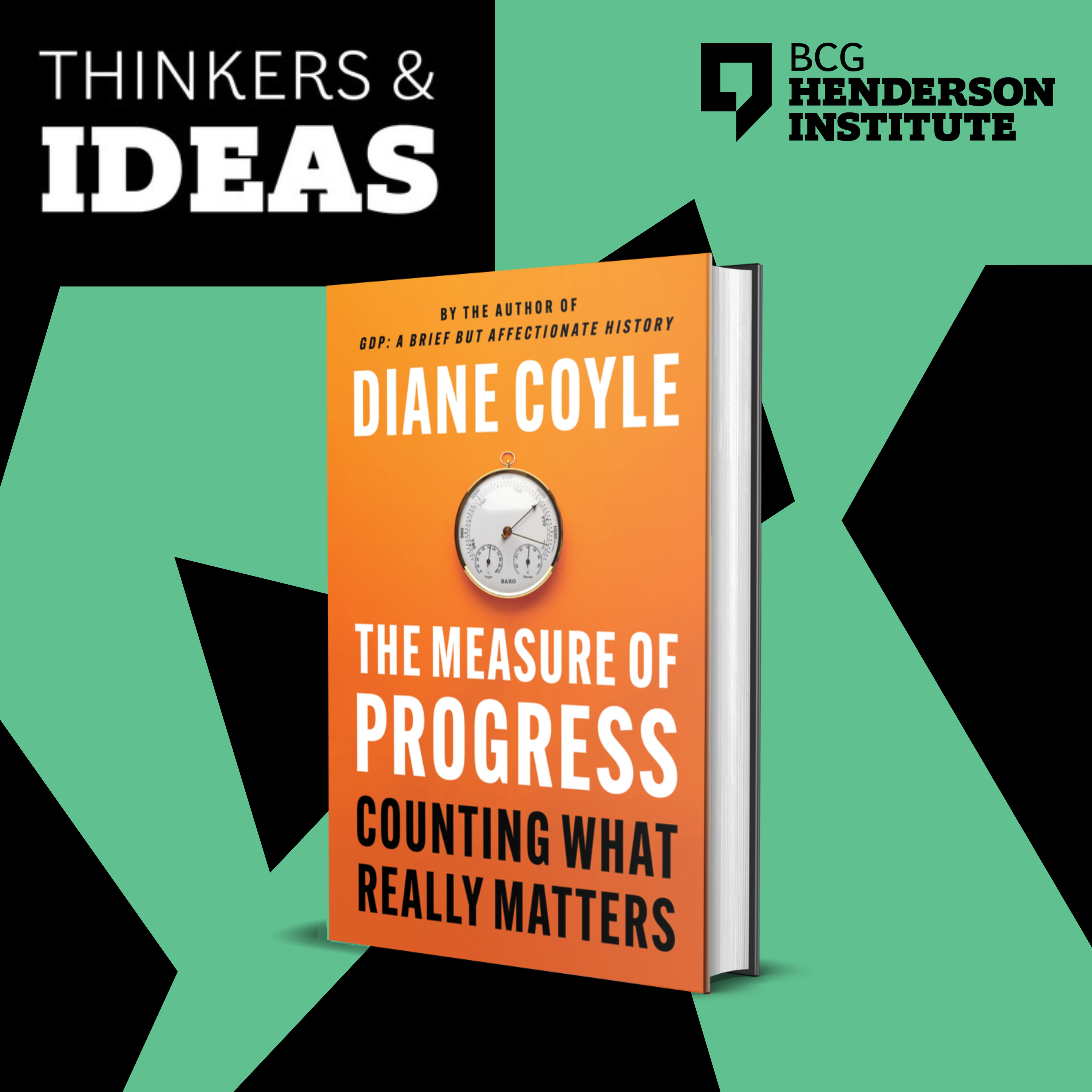
The Measure of Progress with Diane Coyle
In The Measure of Progress: Counting What Really Matters, Dame Diane Coyle argues that traditional measures like GDP no longer capture economic realities.Coyle is the Bennett Professor of Public Policy at the University of Cambridge. She is also the director of the Productivity Institute, a fellow of the Office for National Statistics, and a member of the UK’s Competition Commission. Drawing on he
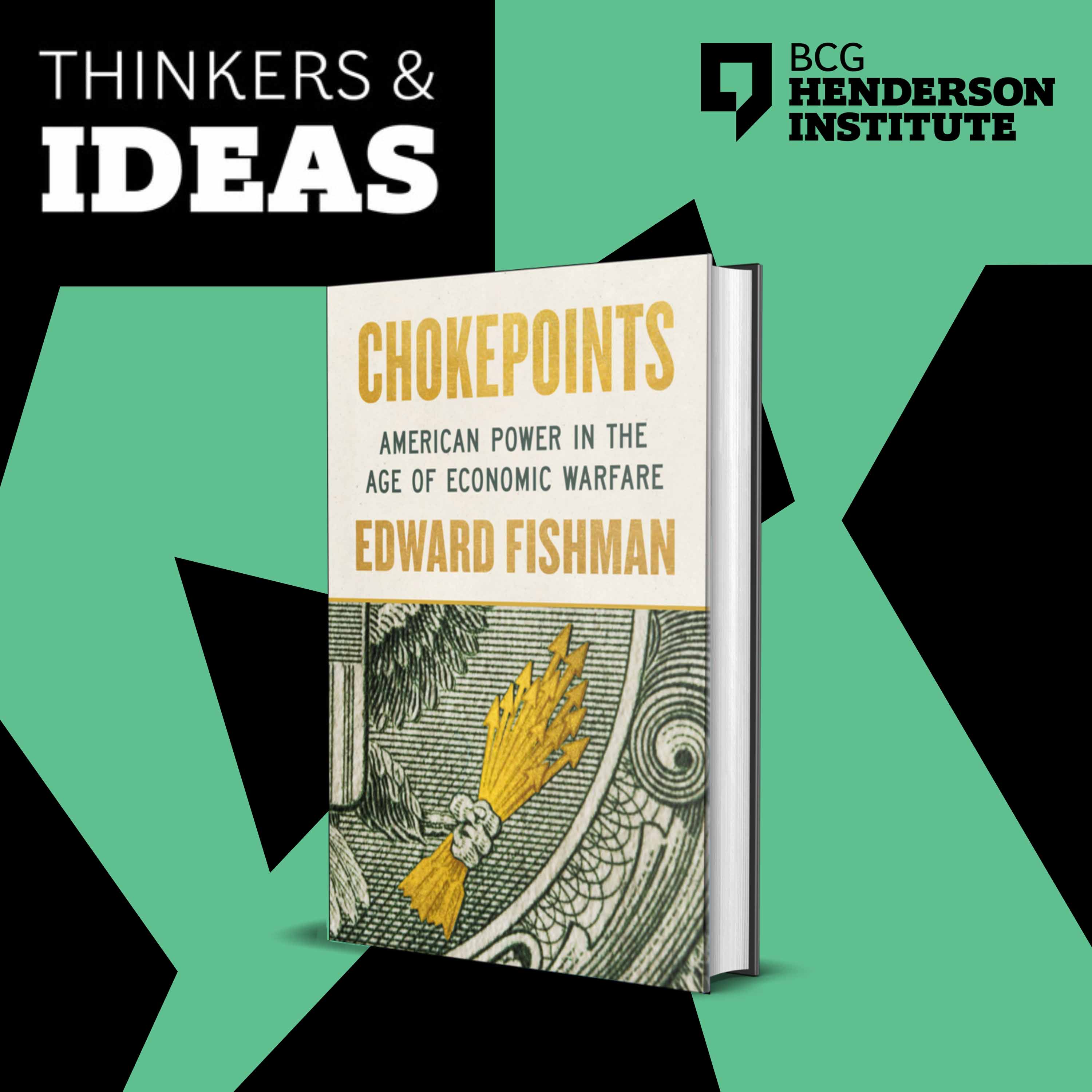
Chokepoints with Eddie Fishman
In Chokepoints: American Power in the Age of Economic Warfare, Edward Fishman argues that the nature of international power has fundamentally shifted from military might to economic statecraft.Fishman is a senior research scholar at Columbia University’s Center on Global Energy Policy and an adjunct professor of International and Public Affairs at Columbia. Previously, he served at the US State De
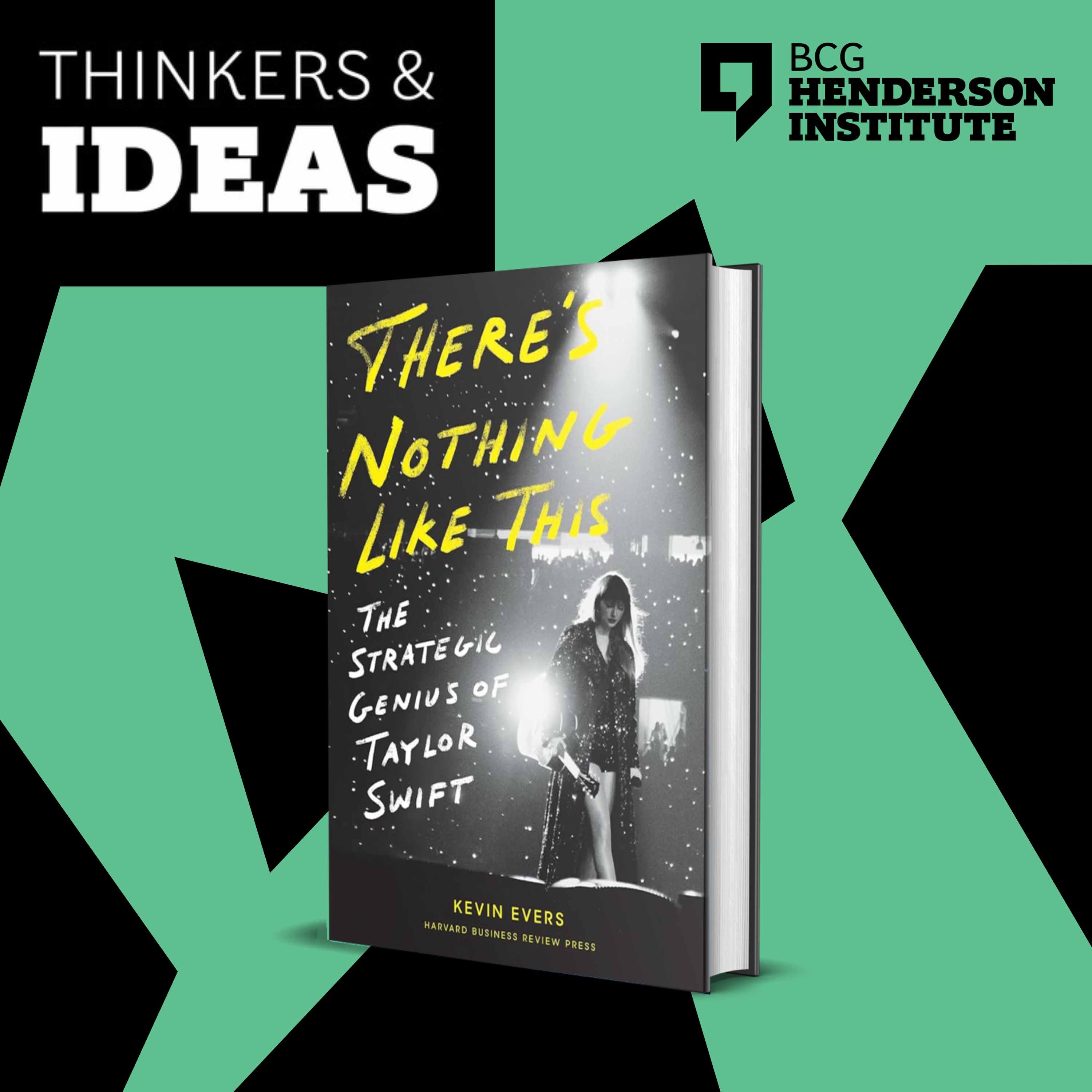
There's Nothing Like This with Kevin Evers
In There's Nothing Like This: The Strategic Genius of Taylor Swift, Kevin Evers examines the singer-songwriter's remarkable career success from a business strategy perspective.Evers is a senior editor at Harvard Business Review, where he has edited bestselling and award-winning books on high performance, creativity, innovation, digital disruption, marketing, and strategy.In discussion with Martin

Space to Grow with Matthew Weinzierl and Brendan Rosseau
In Space to Grow: Unlocking the Final Economic Frontier, Matthew C. Weinzierl and Brendan Rosseau discuss the discuss the history, the present, and the future of the space economy.Weinzierl is the Joseph and Jacqueline Elbling professor of Business Administration at Harvard Business School and founder of the Economics of Space project at HBS. Rosseau is an Orbital Launch strategy manager at the Am

The Corporation in the Twenty-First Century with John Kay
In The Corporation in the Twenty-First Century: Why (Almost) Everything We Are Told About Business Is Wrong, John Kay provides a novel perspective on the evolution of the contemporary corporation.One of the UK’s leading economists, Kay is a fellow of St John’s College, Oxford. He was the first dean of Oxford’s Saïd Business School and has held chairs at London Business School, the University of Ox
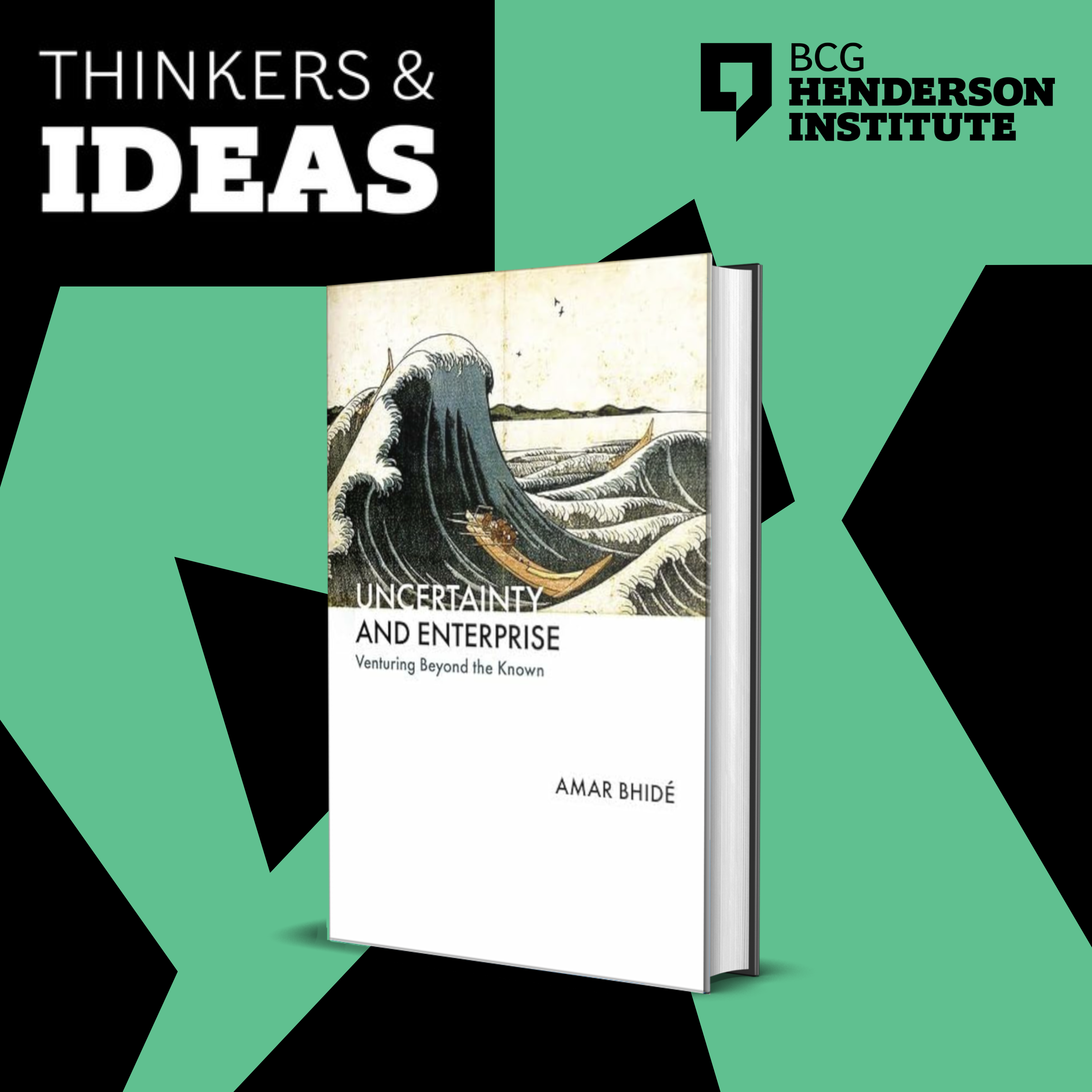
Uncertainty and Enterprise with Amar Bhidé
In Uncertainty and Enterprise: Venturing Beyond the Known, Amar Bhidé revisits and modernizes the concept of Knightian uncertainty. Introduced more than 100 years ago, the concept offers great potential for better understanding corporate decision-making.A renowned expert on innovation, entrepreneurship, and finance, Bhidé is a professor of Health Policy at the Mailman School of Public Health at Co

The M&A Failure Trap with Baruch Lev and Feng Gu
In The M&A Failure Trap: Why Most Mergers and Acquisitions Fail and How the Few Succeed, Baruch Lev and Feng Gu provide a wealth of evidence on the success and failure factors of acquisitions.Lev, professor emeritus of Accounting and Finance at NYU’s Stern School of Business and Gu, professor of Accounting and Law at the State University of New York, have analyzed more than 40,000 acquisitions

Mindmasters with Sandra Matz
In Mindmasters: The Data-Driven Science of Predicting and Changing Human Behavior, Sandra Matz explores what our digital footprints reveal about us and how these insights are used to influence our daily decisions.Matz is the David W. Zalaznick Associate Professor of Business at Columbia Business School, where she also serves as co-director of the Center for Advanced Technology and Human Performanc
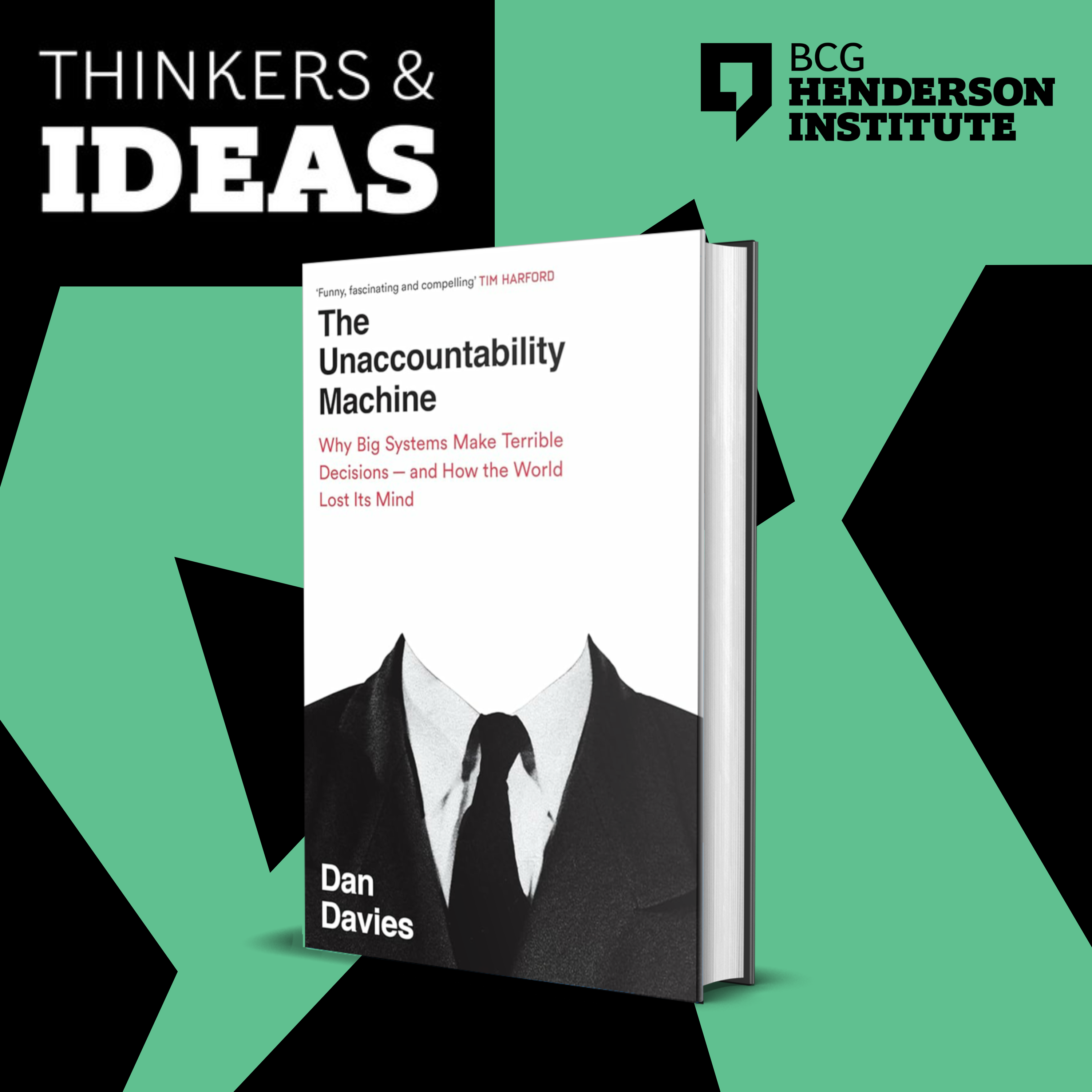
The Unaccountability Machine with Dan Davies
In The Unaccountability Machine: Why Big Systems Make Terrible Decisions and How the World Lost Its Mind, Dan Davies examines why companies and governments systematically generate outcomes that everyone involved claims they do not want.Davies is an economist, writer, and former investment banker known for his insightful analysis of finance, corporate governance, and decision-making systems. He has
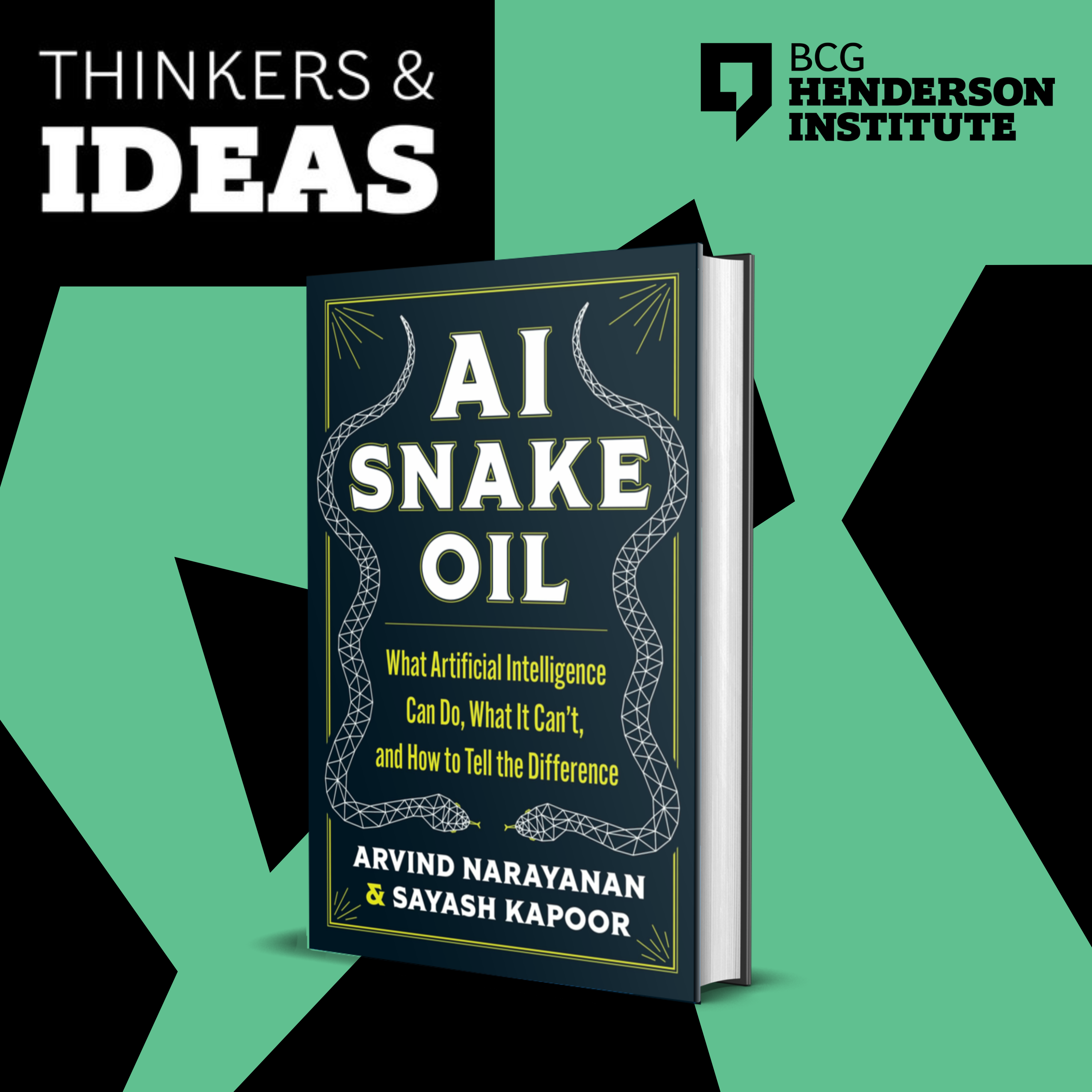
AI Snake Oil with Sayash Kapoor
In AI Snake Oil: What AI Can Do, What It Can’t, and How to Tell the Difference, Sayash Kapoor and his co-author Arvind Narayanan provide an essential understanding of how AI works and why some applications remain fundamentally beyond its capabilities.Kapoor was included in TIME’s inaugural list of the 100 most influential people in AI. As a researcher at Princeton University’s Center for Informati
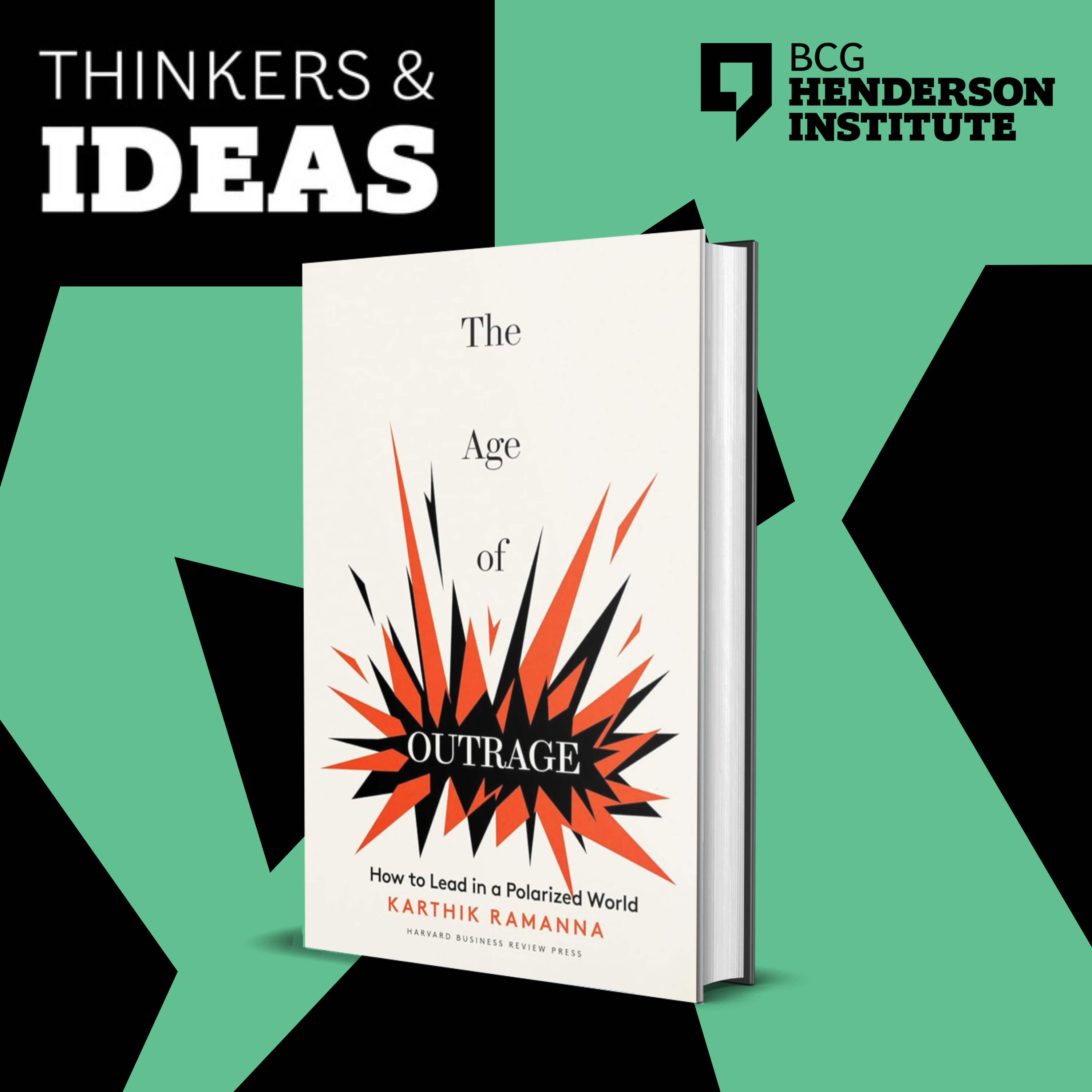
The Age of Outrage with Karthik Ramanna
In The Age of Outrage: How to Lead in a Polarized World, Karthik Ramanna provides a framework for leaders to navigate outrage—the intense, polarized reactions to perceived social injustices, political stances, and misaligned corporate actions—by addressing root causes, engaging stakeholders, and building resilience.Ramanna, a professor of Business and Public Policy at the University of Oxford’s Bl
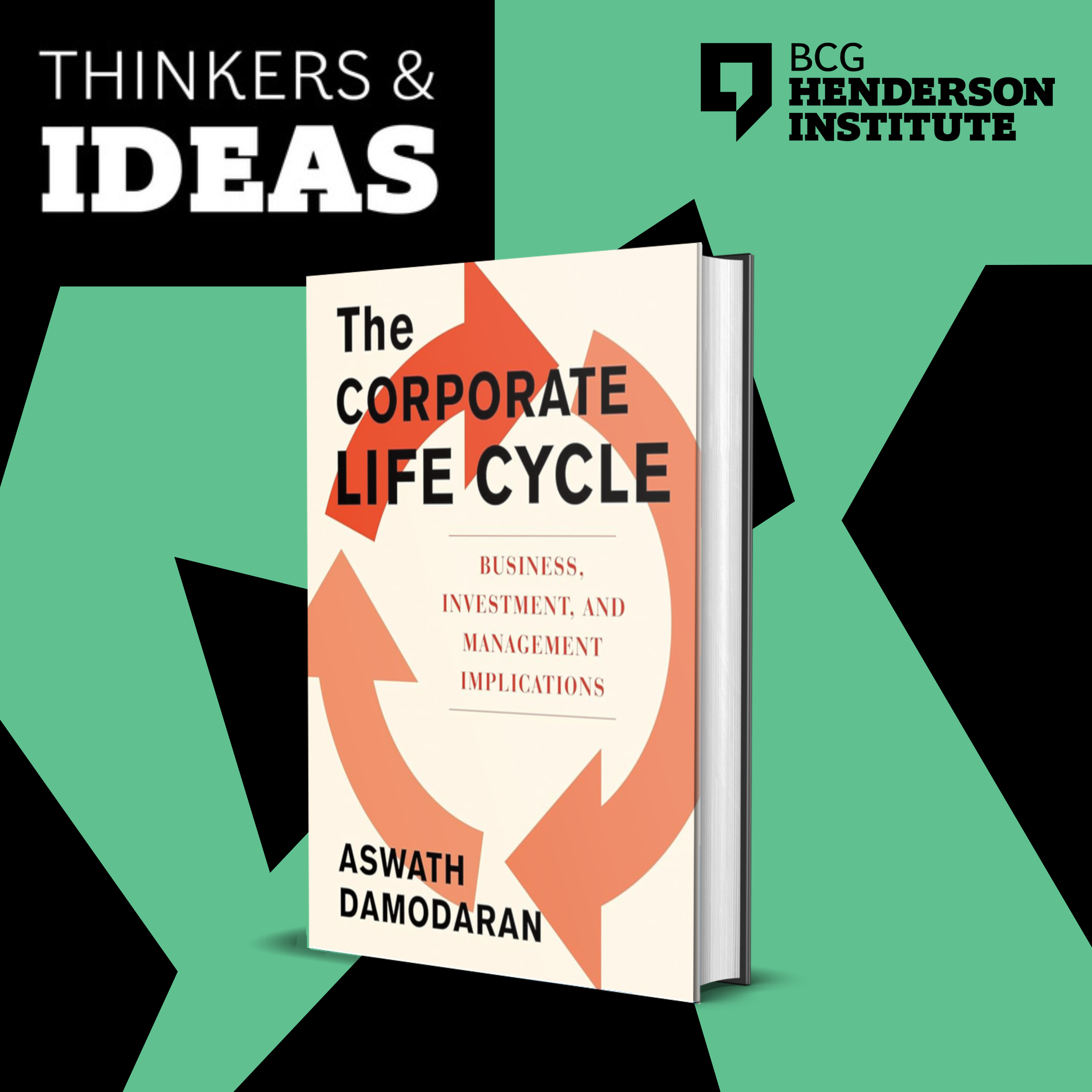
The Corporate Life Cycle with Aswath Damodaran
In The Corporate Life Cycle: Business, Investment, and Management Implications, Aswath Damodaran presents the corporate life cycle as a universal key for demystifying business finance, strategy and company valuation.Damodaran is a professor of Finance at the Stern School of Business at New York University. Known as “the Dean of Valuation,” he has published extensively in academic journals, written

Big Bet Leadership with John Rossman
In Big Bet Leadership: Your Transformation Playbook for Winning in the Hyper-Digital Era, John Rossman provides a playbook for becoming an innovation and transformation winner.Rossman was previously an executive at Amazon, responsible for launching their Marketplace business. Now, he is the managing partner of Rossman Partners, advising leading enterprises on large-scale change, and author of the
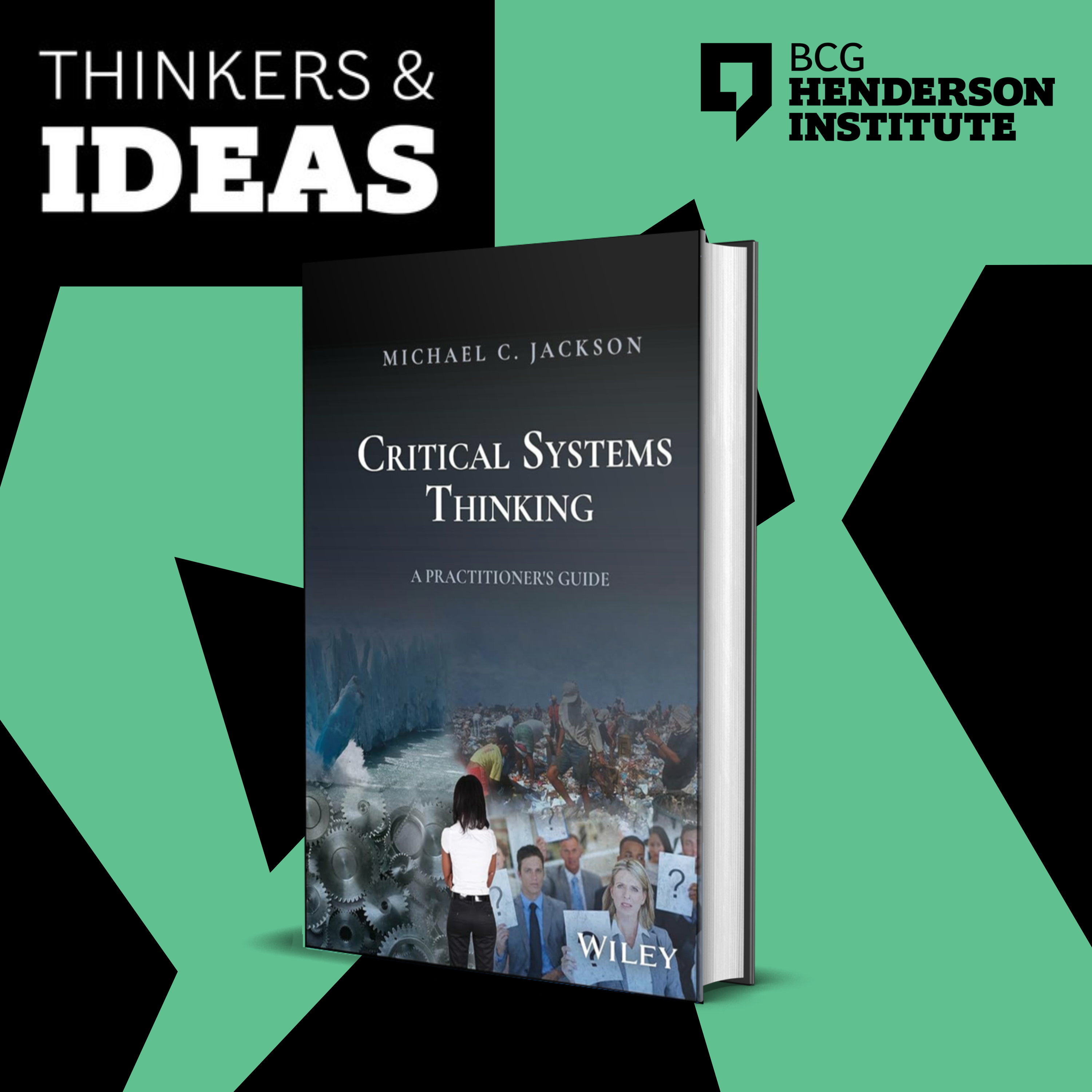
Critical Systems Thinking with Michael C. Jackson
In Critical Systems Thinking: A Practitioner's Guide, Michael C. Jackson emphasizes the need for integrating diverse systems methodologies to navigate complexity and uncertainty.Jackson, an emeritus professor of management systems and former dean of the University of Hull Business School, has also served as president of several prominent systems thinking organizations, including the 

Deep Utopia with Nick Bostrom
There is no shortage of technologists touting the promise of AI, but the frontier of AI fervor is a noted philosopher who thinks the economy could double every few months—and that space colonization by self-replicating machines may not be hundreds of years away.Enter Nick Bostrom, who previously authored the 2014 bestseller Superintelligence about the dangers of AI, and now considers what can go r
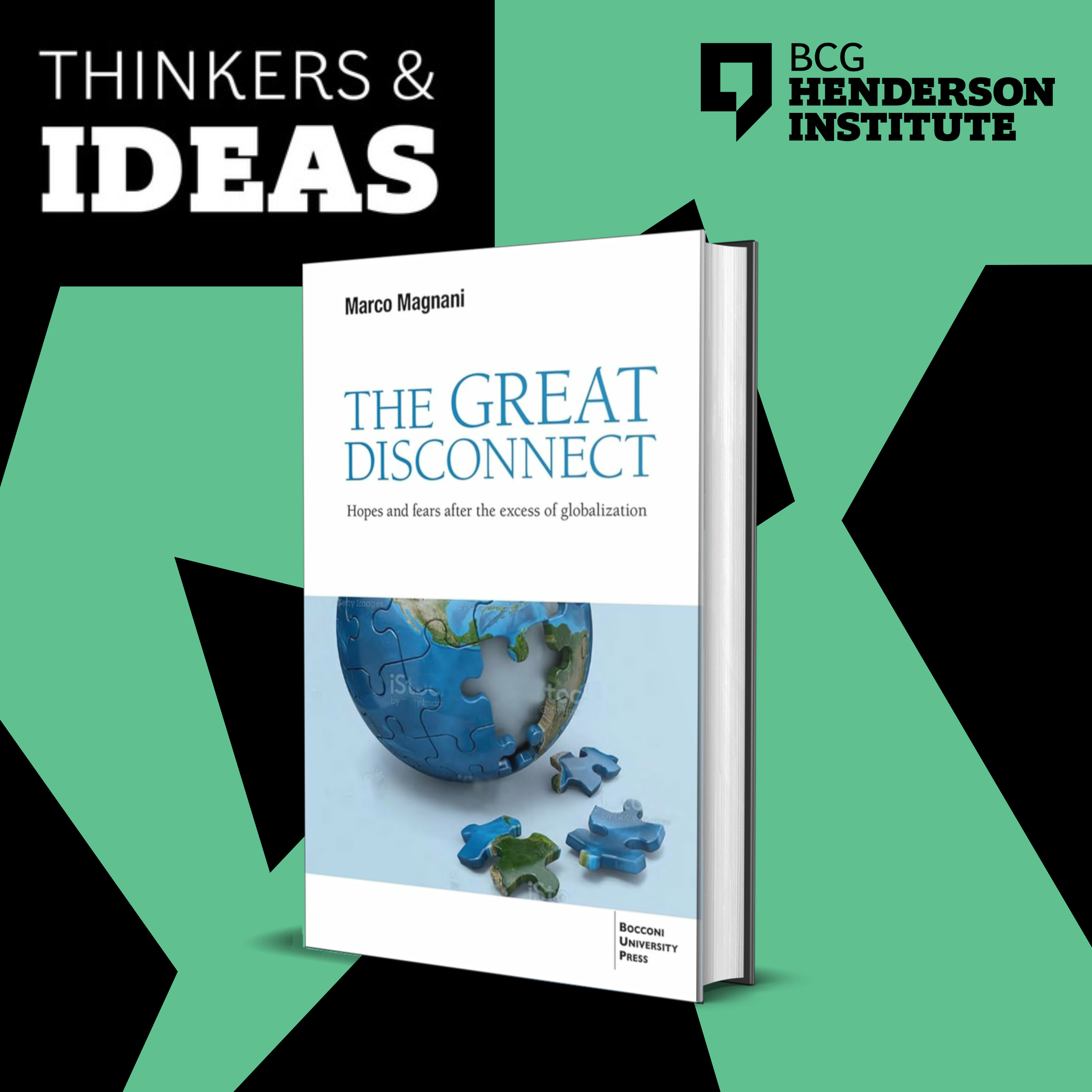
The Great Disconnect with Marco Magnani
In The Great Disconnect: Hopes and Fears After the Excess of Globalization, Marco Magnani explores the factors that are driving the crisis of globalization we are currently experiencing.Magnani teaches international economics at LUISS University in Rome and Università Cattolica in Milan. Previously, he was a senior research fellow at the Harvard Kennedy School of Government and worked in investmen

Assembling Tomorrow with Scott Doorley and Carissa Carter
In Assembling Tomorrow: A Guide to Designing a Thriving Future, Carissa Carter and Scott Doorley explore the intangible forces that make it hard to anticipate how new technologies create impact and what we can do about this challenge during the design process for new applications.Carter is the Director of Teaching and Learning at the Hasso Plattner Institute of Design at Stanford – also known as t

How to Become Famous with Cass Sunstein
In How to Become Famous: Lost Einsteins, Forgotten Superstars, and How the Beatles Came to Be, Cass Sunstein reveals why some individuals become celebrities—and others don’t.Sunstein has long been at the forefront of behavioral economics. He is the Robert Walmsley University Professor at Harvard Law School and served as the administrator of the White House Office of Information and Regulatory Affa

The Ritual Effect with Michael Norton
In The Ritual Effect: From Habit to Ritual, Harness the Surprising Power of Everyday Actions, Michael Norton explores how the little things we do can create big impact.Norton is the Harold M. Brierley Professor of Business Administration at Harvard Business School, where he also leads the unit for negotiation, organization, and markets. A well known and respected researcher on behavioral economics

Survive, Reset, Thrive with Rebecca Homkes
In Survive, Reset, Thrive: Leading Breakthrough Growth Strategy in Volatile Times, Rebecca Homkes guides leaders on how to turn uncertainty into opportunity.Homkes teaches business strategy at the London Business School, is on the faculty of Duke Corporate Education, and consults major companies on strategy. She has developed a framework for leading through uncertainty based on three principles: s

Perspectives on the Future with Esther Dyson, Rita McGrath, and Gary Shteyngart
At the BCG Henderson Institute, we aim to bring forward-looking leaders the ideas and inspirations that will shape their next game. To honor this mission—and celebrate the 100th episode of our Thinkers & Ideas podcast—we welcomed three leading futurists to discuss the evolution of business and society.Rita McGrath is a professor of management at Columbia Business School, and has been ranked am

Look Again with Cass Sunstein
In Look Again: The Power of Noticing What Was Always There, Cass Sunstein, together with his co-author Tali Sharot, discusses the importance of reevaluating the familiar to discover new insights.Sunstein has long been at the forefront of behavioral economics. He is the Robert Walmsley University Professor at Harvard Law School and served as the administrator of the White House Office of Informatio

Why We Die with Venki Ramakrishnan
In Why We Die: The New Science of Ageing and the Quest for Immortality, Venki Ramakrishnan explores the current research on and prospects for human longevity.Ramakrishnan leads a group at the MRC Laboratory of Molecular Biology in Cambridge, England. For his research on the structure and function of ribosomes, he won the 2009 Nobel Prize in Chemistry. From 2015 to 2020, he served as president of t

Making Sense of Chaos with Doyne Farmer
In Making Sense of Chaos: A better economics for a better world, J. Doyne Farmer challenges traditional economic models, which rely on simplistic assumptions and fail to provide accurate predictions.Farmer, a complex systems scientist at the University of Oxford and the Santa Fe Institute, argues that with technological advances in data science and computing, we are now able to appl

Co-Intelligence with Ethan Mollick
In Co-Intelligence: Living and Working with AI, Ethan Mollick explains how to engage with AI as a co-worker, a co-teacher, and a coach.Mollick is a professor of management at the Wharton School of Business at the University of Pennsylvania, where he studies and teaches innovation and entrepreneurship. In his new book, he discusses the profound impacts AI will have on business and education, using

The Intelligence of Intuition with Gerd Gigerenzer
In The Intelligence of Intuition, Gerd Gigerenzer challenges a commonly held view of intuition—namely, that it is somehow inferior to logical rationality.Gigerenzer is director of the Harding Center for Risk Literacy at the University of Potsdam, director emeritus of the Center for Adaptive Behavior and Cognition at the Max Planck Institute for Human Development, and an expert on human decision-ma

Climate Capitalism with Akshat Rathi
In Climate Capitalism: Winning the Global Race to Zero Emissions, Akshat Rathi tells the stories of people around the world who are building impactful solutions to tackle climate change.Rathi is a senior reporter for Bloomberg News, focusing on climate and energy. He also hosts the weekly Zero podcast, in which he talks to the people leading the fight for a zero-emissions future. In his new book,

Slow Down with Kohei Saito
In Slow Down: The Degrowth Manifesto, Kohei Saito explores the relationship between capitalism and the climate crisis. He argues, controversially, that to have any chance of achieving true sustainability, we must move to a system which deemphasizes growth, adopts different metrics of progress, expands the commons, and places value on goods and services which are not currently considered as part of

Higher Ground with Alison Taylor
In Higher Ground: How Businesses Can Do the Right Thing in a Turbulent World, Alison Taylor explores how companies can navigate the complexity of modern business ethics.Taylor, a clinical associate professor at NYU Stern, has spent decades advising large multinational companies on risk, corruption, sustainability, and organizational culture. In her new book, she combines her experience with vivid
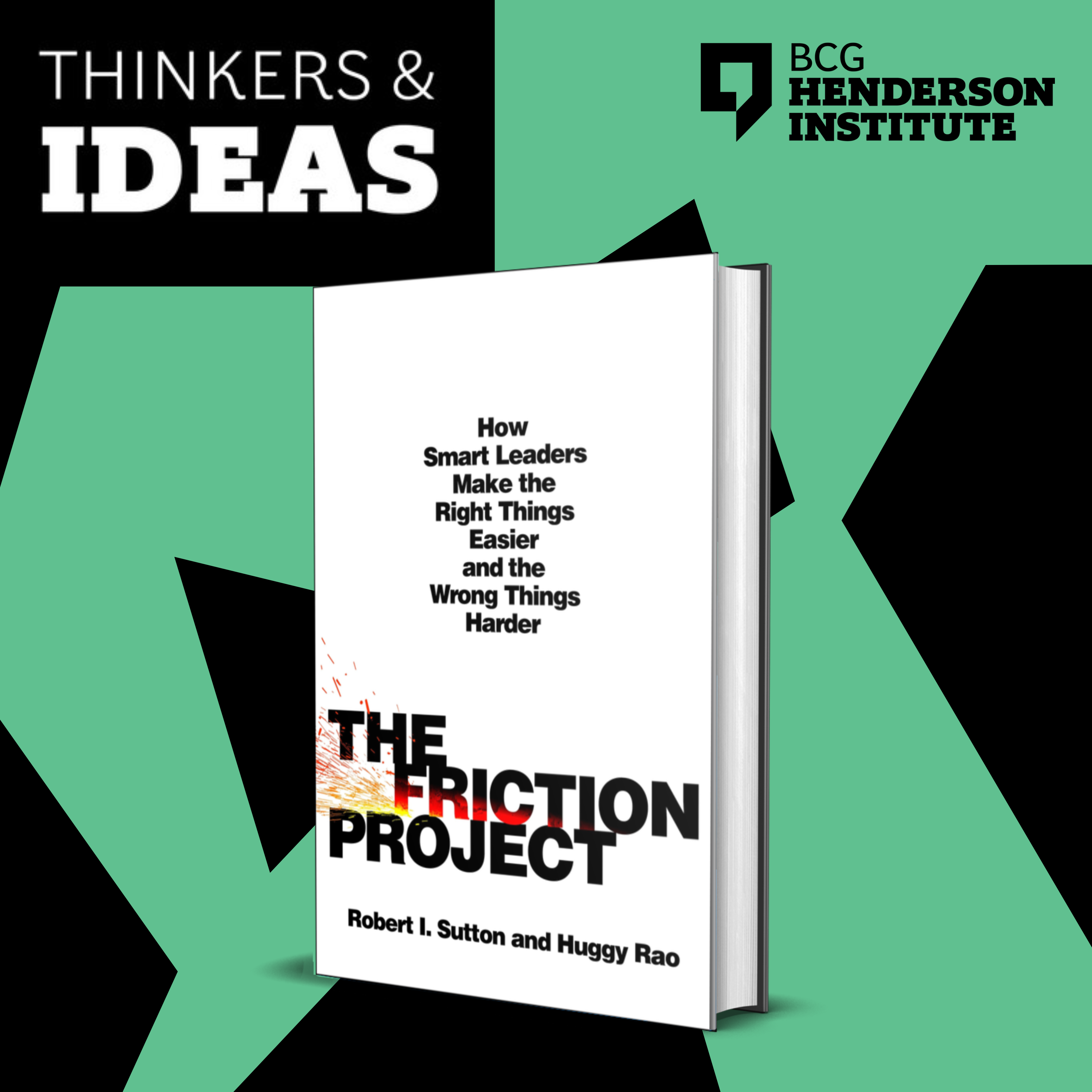
The Friction Project with Bob Sutton
In The Friction Project: How Smart Leaders Make the Right Things Easier and the Wrong Things Harder, Bob Sutton and Huggy Rao share insights on friction—the forces that make it harder, slower, more complicated, or even impossible to get things done in organizations.Sutton is an expert on organizational psychology at Stanford University and a best-selling author. His latest book is a culmination of

Permacrisis with Mohamed El-Erian and Michael Spence
In Permacrisis: A Plan to Fix a Fractured World, Mohamed El-Erian and Michael Spence, along with their coauthors, Gordon Brown and Reid Lidow, consider how we’ve arrived at this state of constant instability and insecurity—and suggest concrete ways to break the cycle.Mohamed El-Erian, president of Queens’ College Cambridge University, was previously the chair of President Obama’s Global Devel

The Worlds I See with Dr. Fei-Fei Li
In The Worlds I See, Dr. Fei-Fei Li provides a personal and deeply insightful depiction of two convergent journeys. One describes her own life and career; Li immigrated to the U.S. from China at age 15, and within a few years had launched into research in computer vision and AI. The other is a history of AI, which has involved many breakthroughs over the past 70 years, culminating in a technology

The Secret of Culture Change with Jay Barney
In his new book The Secret of Culture Change: How To Build Authentic Stories That Transform Your Organization, Jay Bryan Barney discusses why changing company culture is sometimes necessary but always challenging—and how the power of stories can help leaders mobilize their employees around a new strategy.Jay Barney, a professor of strategic management and the Pierre Lassonde Chair of Social Entrep
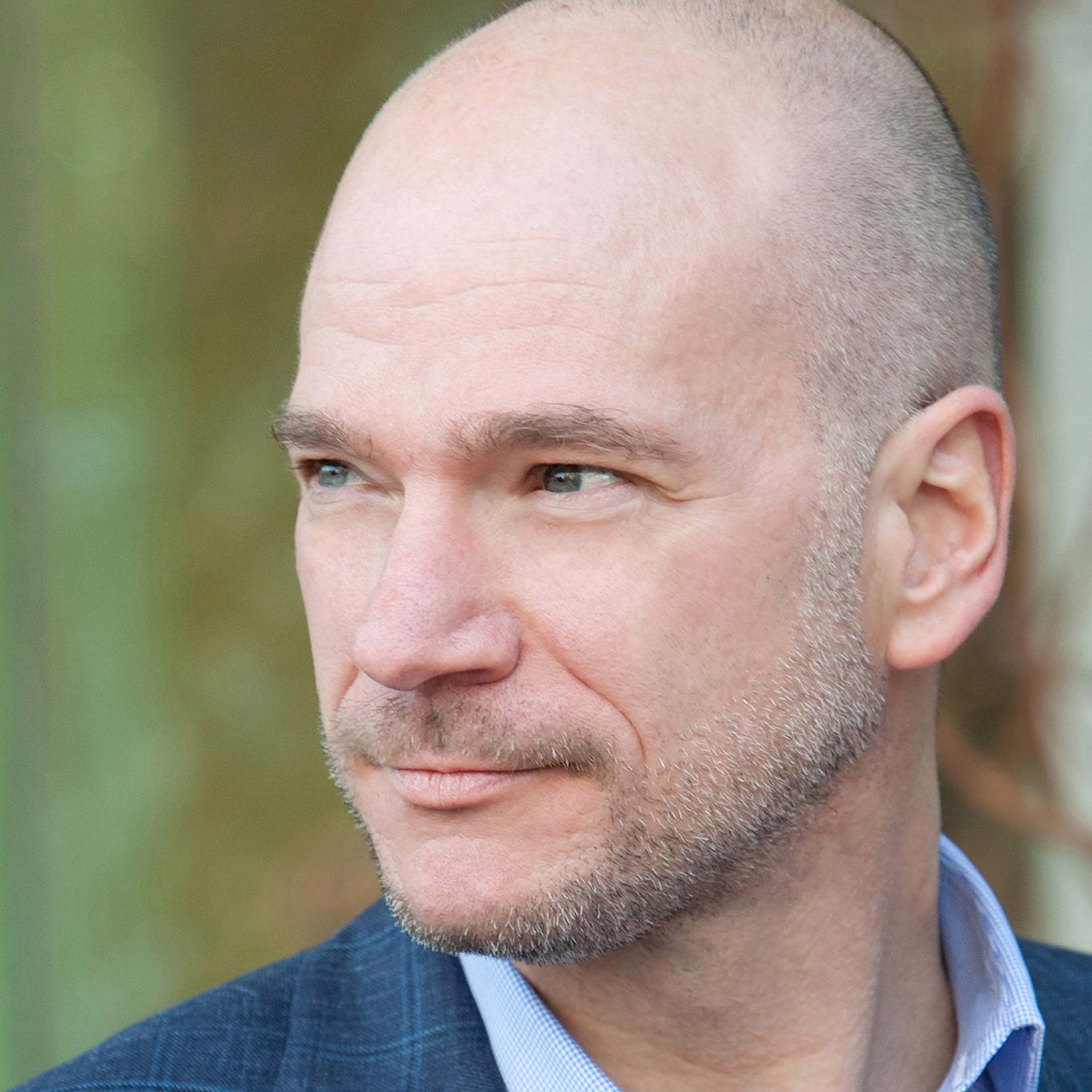
The Geek Way with Andrew McAfee
In The Geek Way: The Radical Mindset that Drives Extraordinary Results, Andrew McAfee describes how a new approach to corporate culture based on science, ownership, speed, and openness, is driving value creation in the 21st century.McAfee is an expert on how technological progress changes the world, being named to both the Thinkers50 list of top management thinkers and the Politico 50 group of peo

Head & Heart with Dr. Kirstin Ferguson
In Head & Heart: The Art of Modern Leadership, Dr. Kirstin Ferguson provides a practical guide to balancing the rational and emotional components of leadership.Ferguson is an expert on leadership, an experienced leader in the private and public sectors, and a longtime advocate of gender equity. In her new book, she identifies the key attributes of a “head and heart” leader, providing people wi

How to Work with (Almost) Anyone with Michael Bungay Stanier
In How to Work with (Almost) Anyone, Michael Bungay Stanier outlines how to set up working relationships for the best chance of success—by following a process of thorough preparation, a keystone conversation, and regular maintenance.Bungay Stanier, founder of coaching firm Box of Crayons, is a world-renowned thought leader on coaching and author of the best-selling coaching book, The Coaching Habi
Big Bets with Rajiv Shah
In his new book, Big Bets: How Large-Scale Change Really Happens, Rajiv Shah, President of the Rockefeller Foundation recounts his experiences and lessons learned over decades of effecting large-scale social change. He shares how addressing humanity’s thorniest challenges requires a big bets mindset – pushing to solve, rather than merely improve, problems; and going for “big enough”, rather than s
Mixed Signals with Uri Gneezy
In his new book, Mixed Signals: How Incentives Really Work, Uri Gneezy explains why leaders often create incentives that are misaligned with their organization’s goals.Gneezy, the Epstein/Atkinson Chair in Management Leadership at UC San Diego’s Rady School of Management, is one of the world’s leading experts in behavioral economics, and his insights have become a staple in courses around the wo
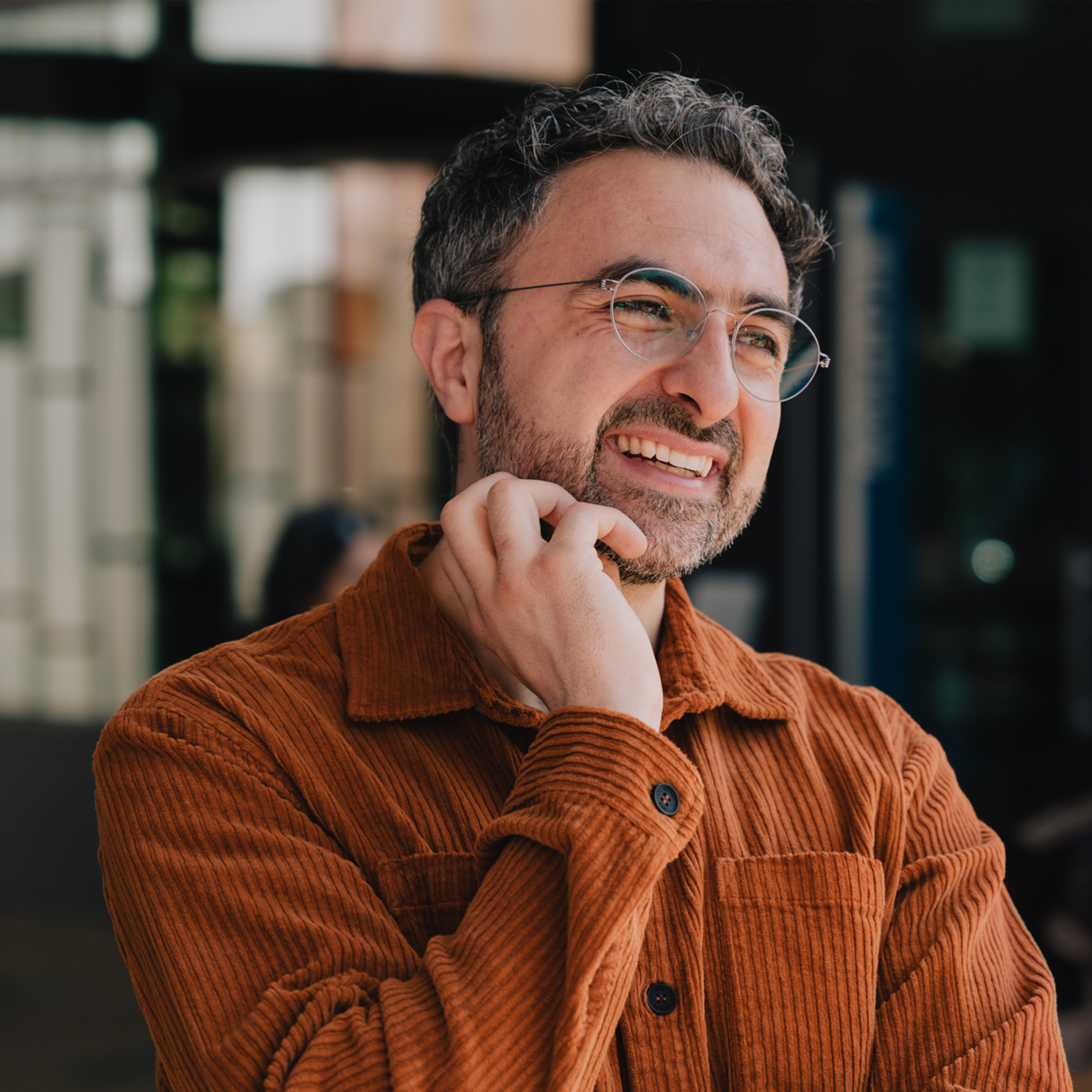
The Coming Wave with Mustafa Suleyman
In his new book, The Coming Wave: Technology, Power, and The Twenty-First Century’s Greatest Dilemma, Mustafa Suleyman discusses the new technologies that will transform society—chief among them AI and synthetic biology.Suleyman is a renowned thought leader on this topic, having co-founded Inflection AI and DeepMind, and having served as VP of AI product management and AI policy at Google.Together
Right Kind of Wrong with Amy Edmondson
In her forthcoming book, Right Kind of Wrong: The Science of Failing Well, Amy Edmondson offers a new framework to think about, discuss, and practice failure wisely, using human fallibility as a tool for making ourselves and our organizations smarter.Amy Edmondson is the Novartis Professor of Leadership and Management at the Harvard Business School and the author of seven books, including The Fear
The Perennials with Mauro Guillén
In The Perennials: The Megatrends Creating a Postgenerational Society, Mauro Guillén argues that the traditional, sequential model of life—childhood, education, career, and retirement—is being rendered obsolete.Guillén, a professor of management at the Wharton School of the University of Pennsylvania, is one of the world’s foremost experts on global megatrends. In his most recent book, he focuses
Power and Progress with Simon Johnson
In his new book Power and Progress, Simon Johnson, along with his co-author Daron Acemoglu, challenges the techno-optimistic narrative that technological progress will automatically lead to shared prosperity.Johnson, a professor at the MIT Sloan School of Management, takes us through a millennium of technological progress to show how the gains from advancements such as the agricultural and early i
LOOK with Christian Madsbjerg
In his new book, LOOK: How to Pay Attention in a Distracted World, Christian Madsbjerg explores the importance of observational skills. Drawing on various fields—science, philosophy, and the arts—as well as his personal experiences, Madsbjerg offers tools and insights to help us better pay attention and extract insights.Madsbjerg was co-founder and senior partner of consulting firm, ReD Associates
Magic Words with Jonah Berger
In his latest book, Magic Words: What to Say to Get Your Way, Jonah Berger breaks down the science of language. The right words can influence actions and happiness, and reveal insights about those who say or write them.Berger, an associate professor of marketing at the Wharton School, is an expert on change, social influence, and word-of-mouth communication. Together with Martin Reeves, Chairman o
The Case for Good Jobs with Zeynep Ton
In her new book The Case for Good Jobs, Zeynep Ton explains why creating good jobs, particularly for frontline workers, will help companies thrive.Ton, a professor at the MIT Sloan School of Management and president and co-founder of the Good Jobs Institute, has long been an advocate of investing in employees. Traditional bad jobs systems—characterized by low pay, high turnover, and poor operation
Economic Factors Underlying Biodiversity Loss with Partha Dasgupta, Simon Levin and Georg Kell
In this special episode of the Thinkers & Ideas podcast, we invited Sir Partha Dasgupta and Simon Levin – co-authors of the forthcoming report "Economic Factors Underlying Biodiversity Loss" – and Georg Kell to discuss a topic often overlooked in sustainability discussions: biodiversity. They discuss gaps in our current thinking, a potential path forward, how to measure our progress along it –
How Big Things Get Done with Bent Flyvbjerg
Bent Flyvbjerg has a sobering statistic to share: 99.5% of major projects fail to deliver their targeted results on time and on budget. His new book How Big Things Get Done, coauthored with Dan Gardner, explores this phenomenon—from infrastructure projects to major sporting events to corporate transformations.Flyvbjerg, the first BT Professor of Major Programme Management at Oxford’
Beyond Disruption with Renée Mauborgne
In a new book with longtime collaborator W. Chan Kim, Beyond Disruption, Renée Mauborgne describes an alternative path to pursue innovation and growth. Non-disruptive creation taps into a new market outside or beyond the boundaries of existing industries, to not only drive economic growth but also have a positive impact on society by avoiding the negative aspects of disruption, like job displaceme
The Microstress Effect with Rob Cross and Karen Dillon
A “microstress,” as defined by Rob Cross and Karen Dillon in their new book of the same name, is a small amount pressure from our everyday interactions that is hardly perceived in the moment. But when many microstesses pile up, they become debilitating.Cross, the Edward A. Madden Professor of Global Leadership at Babson College in Wellesley, Mass., has studied the underlying networks of effective
Recommended

Talk About Talk - Executive & Leadership Communication Skills

English with Olivia | Slow Conversations & Vocabulary

Stand In The Circle

SLOW ENGLISH PODCAST (A1-A2) With Subtitles | Daily Videos | English With Us Podcast

Learn English A2 with Daily News | Simple English Listening Practice

پلی لیست | PlayList

Conspiracy Files with Paige Carter

Bad Friends

Learn 50 English Phrases While You Sleep | Everyday English Phrases & Vocabulary

This Past Weekend w/ Theo Von

Dateline NBC

Back to the 80s Radio
