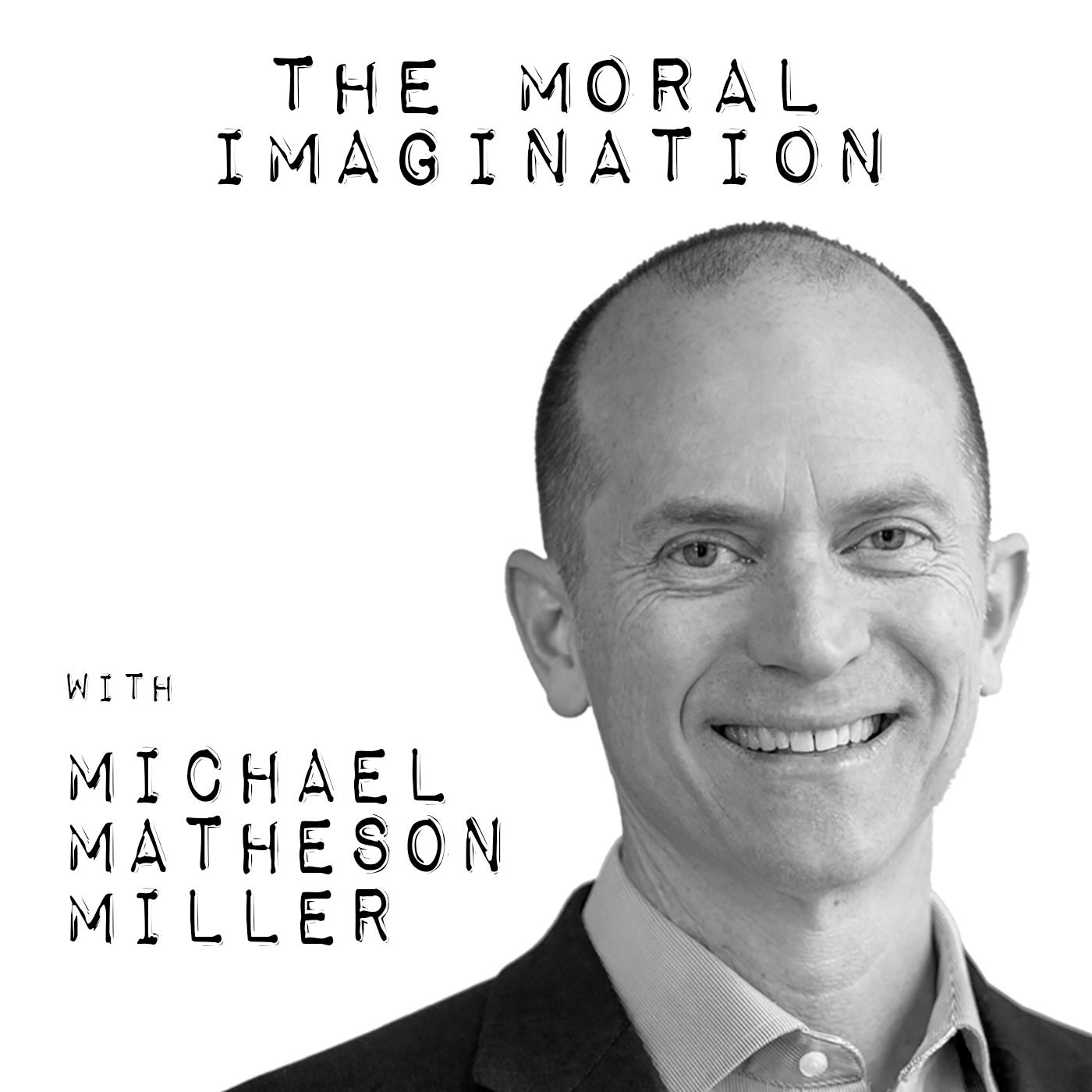
The Moral Imagination
The Moral Imagination Podcast explores what it means to be a human person and what makes for a meaningful and good life. Host Michael Matheson Miller discusses philosophy of the human person, culture, religion, social philosophy, and related topics such as education, economics, food, technology, artificial intelligence, and intellectual history. The show aims to engage with ideas and people that are intellectually and socially important.
Episodes

Episode 63: Escaping the Technocratic Paradigm
This episode of The Moral Imagination Podcast is a lecture I gave on Escaping the Technocratic Paradigm at a conference on Social Engineering the Poor.My main argument is that the dominant way that we have addressed poverty and other social problems throughout the world has been based on a mechanistic vision of the person and society – a “technocratic paradigm.” This technocratic vision has led to
Episode 62: John Johnson on Artificial Intelligence, Human Intelligence, Theology, and Freedom
In this episode of the Moral Imagination Podcast I speak with John Johnson, founder and CEO of Patmos Technologies. We discuss some of the philosophical and theological dimensions of AI, the error of reducing the person to consciousness, the nature of personhood, the problem of commodification, and possible implications of artificial intelligence on human identity freedom, and morality. One Not
"It is Good that You Are" The Human Person in the Age of AI and The Digital Revolution
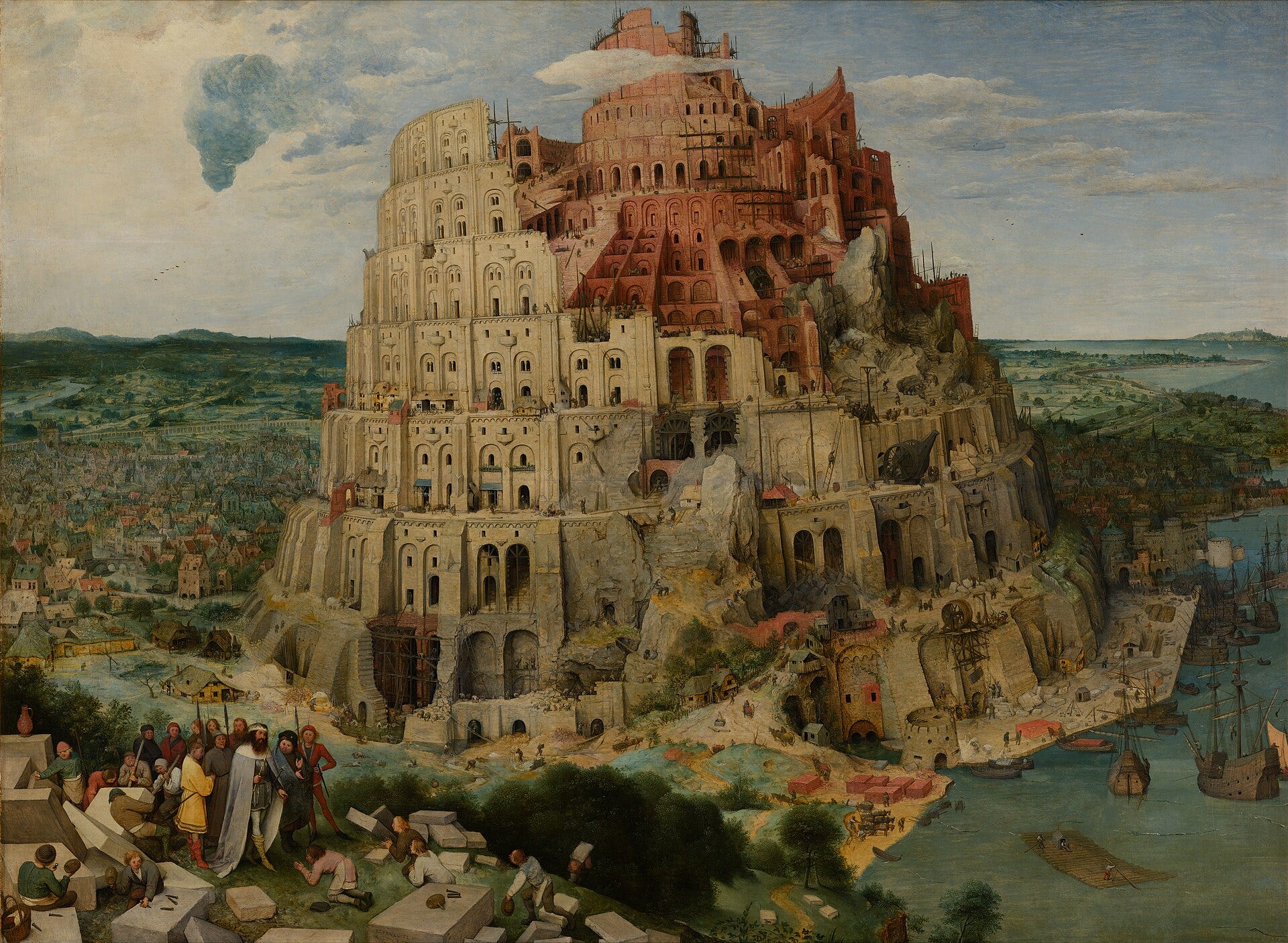
This is a talk I gave at an Acton Institute conference in Rome on the Human Person, AI, and the Digital Revolution in December 2025. The talk focuses on the impact of artificial intelligence and the digital revolution on the human person and and specifically how we understand ourselves. Photo Credit: Chat GPT — Prompt - MMM While there are many benefits to digital technology, artificial intellig

Episode 61: Magatte Wade on Rethinking Poverty, Prosperity, and What Africa needs to Flourish
In this episode of the Moral Imagination Podcast I speak with Magatte Wade about her book, The Heart of Cheetah, her personal journey, entrepreneurial ventures, and her vision for a free and prosperous Africa. Magatte was key voice and important influence in the film I directed, Poverty, Inc. She is a force for promoting freedom, the dignity of the person, and entrepreneurial solutions to poverty
Episode 60: Augustine Wetta, O.S.B. St. Benedict's 12-Step Guide to Genuine Self-Esteem
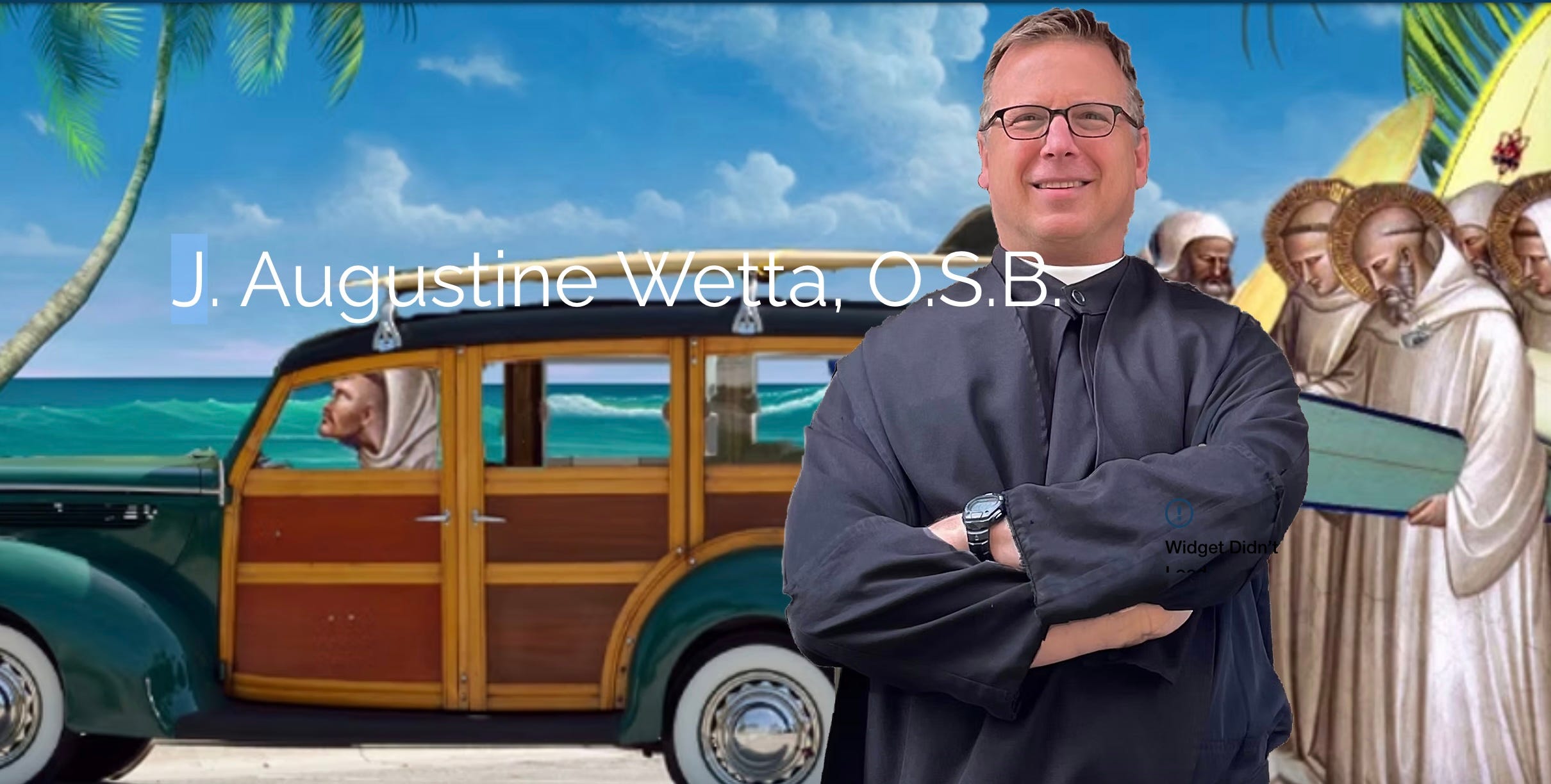
In this episode of the Moral Imagination Podcast I speak with Fr. J. Augustine Wetta about his book Humility Rules: Saint Benedict's Twelve-Step Guide to Genuine Self-Esteem. The world teaches us to assert ourselves, to follow our passions, to speak up, talk back, “get yours,” don’t let anyone stand in your way. But it doesn’t really work. As Tyler Durden proclaims in Fight Club: “We've all been
Episode 59: Catherine Pakaluk, Ph.D - A Life Marathon: On having a large family in a consumerist culture amidst declining marriage and birth rates
In this episode of the Moral Imagination Podcast I speak with Catherine Pakaluk about her book Hannah’s Children: The Women Quietly Defying the Birth DearthOver the last 200 years, we have seen a decline in birth rates in the United States and abroad, especially in Western countries. Most European countries are no longer at replacement rates and face serious population decline. Reuters reported t
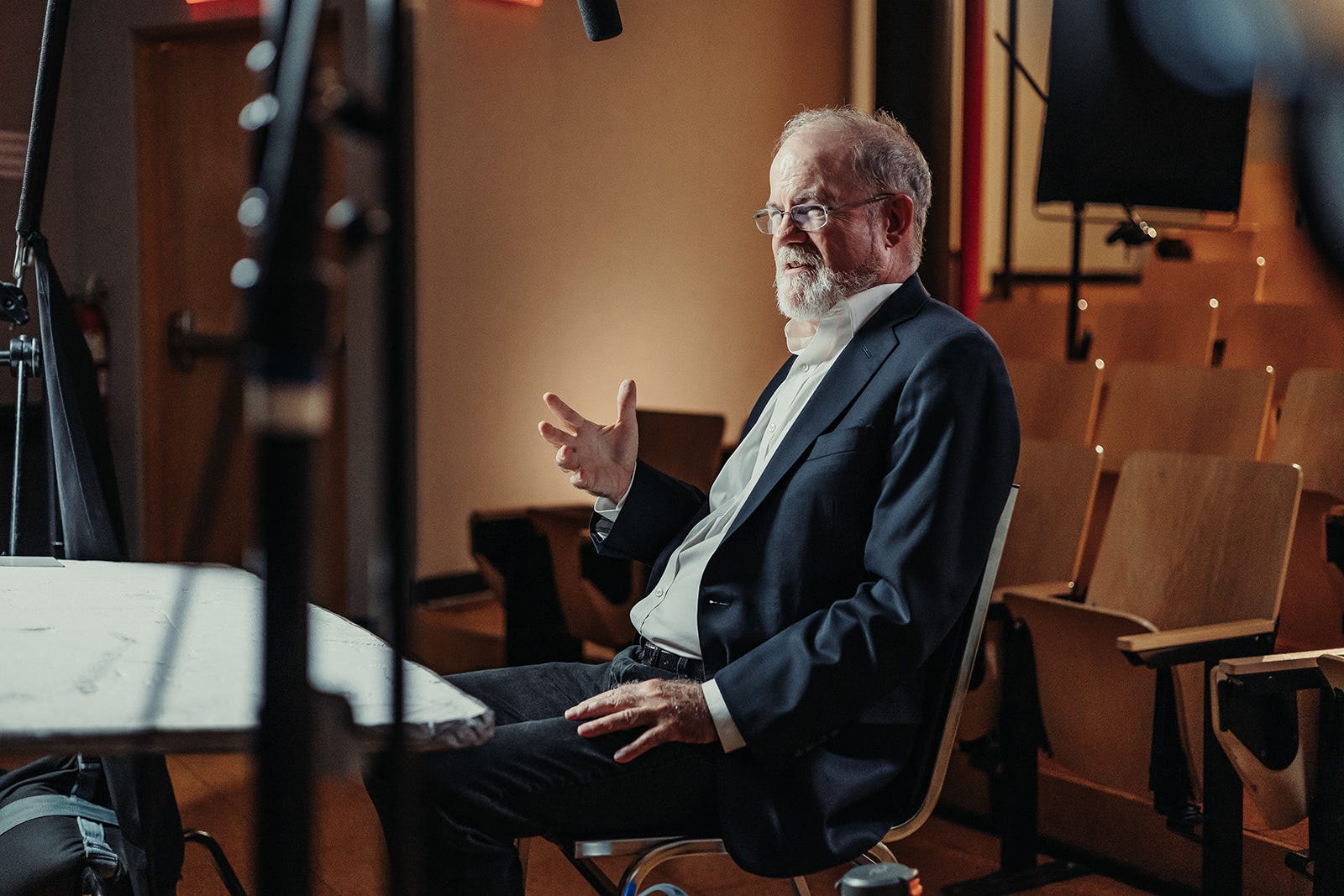
Ep. 58 William Easterly Ph.D. : Poverty, Technocracy, and the Tyranny of Experts
Photo Credit: Tyler Follon - Wingman VisualsIn this episode of the Moral Imagination Podcast, I speak with Professor William Easterly of New York University about his work in development economics, and the problems of technocracy and social engineering of the poor. Easterly worked at the World Bank from 1985-2001 and began to be troubled by a number of things, incl
Ep.57 The Decline of Christianity, the Rise of the “Nones” and Philosophies of the Person that Shape Unbelief
This episode of the Moral Imagination Podcast is a talk I gave at AmPhil’s Center for Civil Society conference in November, 2023 on the “Rise of the Nones.” According to Pew Research, those who declare no religious affiliation - None - are now the largest religious category in the United States. In this talk I address several overarching reasons for the decline of Christianity and address
Ep.56 Ambassador Eduard Habsburg: Building a Family Legacy — The Habsburg Way: 7 Tools for Turbulent Times
In this episode of the Moral Imagination Podcast I speak with Hungarian Ambassador to the Holy See and the Sovereign Order of Malta, Ambassador Eduard Habsburg, about his book The Habsburg Way: Seven Rules for Turbulent Times. We discuss a number of themes including some history of the Habsburg Dynasty, the life and death of Blessed Charles of Austria, the last Austro-Hungarian emperor, inclu
Ep.55 Seth Kapan on Fragile Neighborhoods — Relationships and Place-Based Solutions to Social and Material Poverty
In this episode of the Moral Imagination Podcast I speak with Seth Kaplan about his book Fragile Neighborhoods: Repairing American Society One Zip Code at a Time. Seth has spent his career working in fragile states around the world — countries that are unstable and prone to violence, war, and political problems. About 10 years ago Seth was increasingly asked if the US was becoming frag
Ep.54 Cajetan Cuddy O.P on The Psychology of St. Thomas Aquinas
In this episode I speak with Fr. Cajetan Cuddy O.P. about Thomistic Psychology: A Philosophic Analysis of the Nature of Man, by Fr. Robert Edward Brennan, O.P., edited and with an introduction by Fr. Cuddy. Aristotle wrote that “to attain any assured knowledge about the soul is one of the most difficult things in the world.” We often read psychology because we want to understand ourselves
Vigen Guroian: Fairy Tales, Classical Learning, and The Moral Imagination
In this episode I speak with Professor Vigen Gurioan about the revised and expanded edition of his book Tending the Heart of Virtue: How Classic Stories Awaken a Child’s Imagination. We discuss the power of stories, how they help can us develop self-knowledge, and how fairy tales and classic stories are essential for education and moral formation for children — and for adults. Fairy tales and clas
Ep. 52 Philip Ovadia MD Metabolic Health, Diet, Cholesterol, Heart Disease, and Modern Medicine
In this episode I speak with heart surgeon, Dr. Philip Ovadia MD, about metabolic health, diet, science, cholesterol, insulin resistance, the US government food pyramid, Ancel Keys and the cholesterol - saturated fat -heart disease hypothesis. We discuss medical education, health insurance, scientism, and some of the obstacles doctors and scientists face with “group think.” Dr Ovadia tells his sto
Ep. 51 Titus Techera: Dune and Bladerunner Science Fiction, Dystopia and Humanity in American Life
In this episode I speak with Titus Techera about Dune, Bladerunner, science fiction, dystopian film, technocratic view of humanity, and the formative power of science fiction on the imagination. We discuss contemporary technological society, social breakdown, loneliness, men and women and decline in marriage, technology and trans-humanism/ transgenderism, and the predictive power of dystopian film
Ep.50 On Benedict XVI -Reason, Freedom, Beauty, and the Intellectual Sources of Secularism and the New Evangelization
Pope Benedict XVI / Joseph Ratzinger passed away on December 31 at the age of 95 years old. His writing and teaching have been a major influence on my thinking. So in honor of his memory and gratitude for his example, this episode is a talk I gave on Pope Benedict XVI on Five Crises of Culture and the Intellectual sources of Secularism and the New Evangelization. I go through five intellectual t
Ep. 49 Flagg Taylor, Ph.D: The Parallel Polis
In this episode I speak with Flagg Taylor about the life and writing of Vaclav Benda, and his idea of the parallel polis, decentralization, and creating space in society for culture, the family, charity, education, and human flourishing. Though he was writing under communist regimes, Benda’s writings are very relevant today in light democratic pressures to conformity, de-platforming, and especia
Ep. 48 Jonathan Bi: Rene Girard - Social Pressure, True and False Desires, Sacrifice, and Belief
In this episode I speak with Jonathan Bi about the ideas of Rene Girard, social pressure, authentic and false desires, victims and scapegoats, persecution, and Girardian theories on imitation and violence. We also discuss how Girard’s work sheds light on woke capitalism, right and left totalitarianism, Max Scheler, Hannah Arendt, Alexis de Tocqueville, and more. We discuss many themes including:
Ep. 47 Rachel Ferguson, Ph.D: Exclusion & Opportunity - Black Liberation Through the Marketplace
In this episode I speak with Rachel Ferguson about her book Black Liberation Through the Marketplace: Hope, Heartbreak, and the Promise of America, co-authored with Marcus Witcher. The book address issues of social justice, exclusion, opportunity, race and discrimination, classical liberalism, and the economic history of African Americans since the civil war. Themes we discuss include Racism and
Ep. 46 Bill Rivers: Last Summer Boys A Novel about Family, Honor, and the Power of Community
peak with Bill Rivers about this novel, Last Summer Boys. The novel is about a rural Pennsylvania family and the adventures of three boys and a cousin and set in the tumultuous summer of 1968 with the Vietnam war, the assignations of Robert Kennedy and Martin Luther King. “Summer 1968. When thirteen-year-old Jack Elliot overhears the barbershop men grousing, he devises a secret plan to keep his
Ep. 45 Paul McLaughlin PsyD, Mark R. McMinn PhD: Can Wisdom be Cultivated?
In this episode I speak with two psychologists, Paul McLaughlin PsyD and Mark R. McMinn PhD, about their book A Time for Wisdom. The provide a unique perspective by examining wisdom from a psychological viewpoint. They divide it into 4 categories, both to explain and provide a guide to develop wisdom in our lives. Knowledge Factual Knowledge,Know-How, self-knowledge and what they call “Enriched
Ep. 44 Deion Kathawa: Technology, Religion, and Humanity in a Post-Human Age
In this episode of The Moral Imagination Podcast I speak with Deion Kathawa about his essays at Public Discourse Technology and Dignity. We discuss a number of topics including digital technology social media biotech genetic engineering CRISPR post and trans-humanism transgenderism technology and power how tech effects the rich and the poor and middle class Kathawa argues that the new digital
Ep. 43: Orthodox Judaism, Leo Strauss, and Baruch Spinoza’s Critique of Religion
In this episode I speak with Jeffrey Bloom and Rabbi Jeremy Kagan about the book Spinoza, Strauss, and Sinai: Orthodox Judaism and Modern Questions of Faith published by Kodesh Press . The book is a collection of essays edited by Jeffrey Bloom, Alec Goldstein, and Gil Student. Jeffrey Bloom grew up secular, Jewish family and the idea of actually practicing Orthodox Judaism was outside of the realm
Ep. 42: Jeremy Tate: Whoever Owns the Test Owns the Curriculum: Classic Learning v. Industrial Model
In this episode, I speak with Jeremy Tate, the founder of the Classic Learning Test about school testing, curriculum, and the classical versus industrial models of education. Jeremy argues that the current testing regime of the SAT and ACT have a tremendous influence on the curriculum taught in public and private schools. They promote a utilitarian vision of learning and drive students away from t
Podcast Episode 41: Michael Ward: A Guide to C.S. Lewis’ The Abolition of Man
In this episode, I speak with Michael Ward about his book, After Humanity: A Guide to C.S. Lewis The Abolition of Man. I think The Abolition of Man is of the most important books in the twentieth century. It addresses important issues that are relevant today — from what it means to be human, reason, passion, and the emotions, to how to think about technology, power, and beauty. It’s a short book
Podcast Ep. 40 Mary Eberstadt: Who are You? Family, Politics, and the Hunger for Identity
In the episode I speak with Mary Eberstadt about her latest book Primal Screams: How the Sexual Revolution Created Identity Politics. She argues that the revolutionary changes to family structure across the western world: fatherlessness, divorce, abortion, single parent homes, the shrinking of the family –have caused deep hurt in people and that many of the social problems we face today are manife
Ep. 39 Marcel Guarnizo: What is Justice
What is Justice? What do we owe to each other? The theme of justice is core issue of all human societies and pervades myth and philosophy. Plato’s Republic and Gorgias are reflections on justice and the right ordering of the soul and society. So is Aristotle’s Politics. The Hebrew Bible, the Tao Te Ching, the Analects of Confucius, the writings of Buddhism, and the Stoics all contain reflection
Ep. 38: Dr. Margarita Mooney Nicaraguan Journey: From Technocracy to Solidarity through Small Acts of Love
In the episode, I speak with Professor Margarita Mooney about her time in Nicaragua and how these experiences shaped her scholarly work and teaching at the intersection of sociology and philosophy. Margarita tells a story of her time in Nicaragua and how a weekend trip to a political rally in a small community where she almost was kidnapped challenged her assumptions about elite education in the
Ep. 37: James Poulos: Digital Politics & Spiritual War
In this episode, I speak with James Poulos about his book, Human, Forever: The Digital Politics of Spiritual War. We discuss a wide variety of themes including technology, human memory, what it means to be an embodied person. James argues that instead of worrying about an impending crisis, we need to realize that it has already happened — Digital entities have taken over. We need to recognize thi
Ep. 36: Carter Snead: Law, Power, and Bioethics: What it Means to Be Human,
In this episode, I speak with Professor Carter Snead about his book, What it Means to be Human: The Case for the Body in Public Bioethics. We discuss how the dominant view of the human person forgets the body and ignores our social nature, and how this plays out in law which further shapes our moral lives and cultural attitudes. Snead argues that contemporary law in bioethics around issues like ab
Ep. 35: Jessica Hooten Wilson, Ph.D.: Literature and Totalitarianism
In this episode, I speak with Professor Jessica Hooten Wilson about her writing and research on literature and totalitarianism. We discuss how both violence and entertainment and distraction are used a tools of state control. We discuss Fahrenheit 451 by Ray Bradbury, some of the writings of Alexander Solzhenitsyn, and Julia Alvarez's novel, In the Time of Butterflies, about life under the Trujill
Ep. 34: Heidi White: What is Classical Education?
What is education for? In the episode, I speak with Heidi White about classical education and human flourishing. We discuss why classical education is important to pass down a cultural memory and why reading good literature and classic texts matters on multiple levels. We discuss the difference between a modern, contemporary education and a classical vision of education, the relationship between c
Ep. 33: Elizabeth Corey, Ph.D.: Life Beyond Politics
In this episode, I speak with Elizabeth Corey about life beyond politics, friendship, learning, and the work of Michael Oakeshott. We discuss a wide range of issues, including rationalism and politics, the value of the reading of classic texts, and Oakeshott's idea of different modes of engaging with the world: the practical, scientific, historical, and poetic. We discuss Eric Voegelin, Russell Ki
Ep. 32: James Madden, Ph.D.: The Recovery of the Self: Embodied and Embedded Persons
In this episode, I speak with James Madden about his book, "Mind, Matter, and Nature", about philosophy of mind, and what it means to be an embodied and an embedded person. We discuss how the loss of a sense of ourselves as embodied and embedded leads to a loss of contact with the world and ultimately to nihilism. We discuss competing visions of the person—materialism, dualism and Aristotle's and
Ep. 31: Titus Techera and Flagg Taylor: Communism and Film: Deceit, Privacy, Art, and the Effects of Tyranny on the Soul
In this episode, I speak with Titus Techera and Flagg Taylor about several films that address communism and the effects of tyranny and deceit on the human soul. We discuss themes of courage, freedom, privacy, shame, the purpose and role of art, and how we can become comprised over time by assenting to falsehood. We discuss how these films portray the challenges for regular people and how the exper
Ep. 30: Jay Richards: Fasting, Prayer, and Ketosis: How Modern Science and Ancient Christian Tradition Support a Fasting Lifestyle & Help Us Put Food in its Proper Place
In this episode, I speak with Jay Richards about his book "Eat, Fast, Feast: Heal Your Body While Feeding your Soul". We discuss how modern science and ancient Christian tradition support a fasting lifestyle for healthy living and help us put food in its proper place. We discuss a number of issues including fasting, prayer, the ketogenic diet, and metabolic flexibility. We discuss the benefits of
Ep. 29: Noelle Mering: Awake Not Woke: A Personalist Alternative to Thinking About Social Justice
In this episode, I speak with Noelle Mering about her new book, Awake Not Woke: A Christian Response to the Cult of Progressive Ideology. Noelle analyzes the concept of "woke" and identifies four characteristics of the contemporary social justice movement and how they influence the way we think about justice and society: 1. Group over Person 2. Will over Reason 3. Power over Authority 4. The Crowd
Ep. 28: George Gilder: Crypto vs Google: Blockchain, Cryptocurrency, Decentralized Computing, and Life After Google and Big Data
In this episode, I talk with George Gilder about "Life After Google: The Fall of Big Data & The Rise of the Blockchain Economy" and his newest book on Gaming AI. We discuss blockchain technologies, cryptocurrency, Bitcoin, and decentralized computing. We also discuss artificial intelligence, information theory, neuroscience, and the problems of materialism and closed systems. Gilder argues that th
Ep. 27: Decentralization, Localism, and Mutual Aid: The Thought of Robert Nisbet
This episode features a lecture of mine from 2011 on the thought of Robert Nisbet. Nisbet is an important figure and his thought is very relevant to our time. I discuss the main themes of his work on community, authority, social change, and more. Visit https://www.themoralimagination.com/episodes/michael-matheson-miller-2-nisbet for show notes and resources. Get full access to The Moral Imaginati
Ep. 26: David Deavel Ph.D: What Happiness are We Pursuing? Solzhenitsyn and American Culture
A British journalist asked Alexander Solzhenitsyn: can free people desire to be slaves? He answered Yes. The West is "full of such people". In this episode, I speak with David Deavel about the book he co-edited with Jessica Hooten Wilson, "Solzhensityn and American Culture: The Russian soul in the West". We discuss how some of the key themes of Solzhenitsyn apply to our contemporary life, includin
Ep. 25: David Clayton: Beauty and the Cosmos
What is beauty? Does it have an objective character, or is it merely subjective and in the eye of the beholder? How do we experience beauty, and how do we communicate it to others. In this episode, I discuss the nature of beauty with David Clayton, a painter, iconographer, and author. We discuss the role of consensus and tradition, classical art, contemporary gallery art, popular and folk art, and
Ep. 24: Andreas Widmer: Principled Entrepreneurship: Why Business is Always Personal
In the episode, I speak with Andreas Widmer about his work on principled entrepreneurship. Andreas argues that many of the challenges we are seeing in business and commerce today can be addressed by seeing business and entrepreneurship as a moral enterprise focused on the human person. We discuss Widmer's five principles for how businesses should be run, as well as a path to become not just succes
Ep. 23: Flagg Taylor Ph.D: Living in Truth: Vaclav Havel on Existential Dissent & the Re-discovery of Conscience
In this episode, I speak with Flagg Taylor about the writing and life of Vaclav Havel. We discuss his essays, plays, and other works. We also discuss Havel's idea of dissent as living in the truth. Dissent for Havel is not primarily political, but existential dissent from ideology, politicization of life, and consumerism. Visit https://www.themoralimagination.com/episodes/flagg-taylor for show not
Ep. 22: Luke Sheahan: Suppressing Dissent: Why Freedom of Association and Decentralization Matter for Liberty, Community, Innovation, and Human Flourishing
Alexis de Tocqueville wrote that the tyrant doesn't care if you love him, as long as you don't love one another. In this episode, I speak with Luke Sheahan about his book, "Why Associations Matter: The case for First Amendment Pluralism". Free associations are essential for political liberty, human flourishing, and for genuine community; but Sheahan argues that recent judicial decisions are increa

Ep. 21: Luke Burgis: The Economy of Desire: Rene Girard on Commerce and our Everyday Life
In this episode, I speak with Luke Burgis about Rene Girard, the mimetic cycle, imitation, desire, and scapegoating, and how these things play out in business, commerce and everyday life. We discuss his forthcoming book, Wanting: The Power of Mimetic Desire in Everyday Life. Themes include how are desires our shaped by others, the leveling of desire through social media, the problem of scapegoatin
Ep. 20: What is the Moral Imagination? + 15 Ways to Build it and Recover Our Humanity
What is the moral imagination? Why is it important? In this episode, I discuss the concept of the moral imagination and 15 ways to develop it. I discuss the origin of the term in Edmund Burke's critique of the French Revolution and his worry that the reductionist Enlightenment view of reason would lead to what C.S. Lewis called "the abolition of man." It would diminish our fundamental human experi
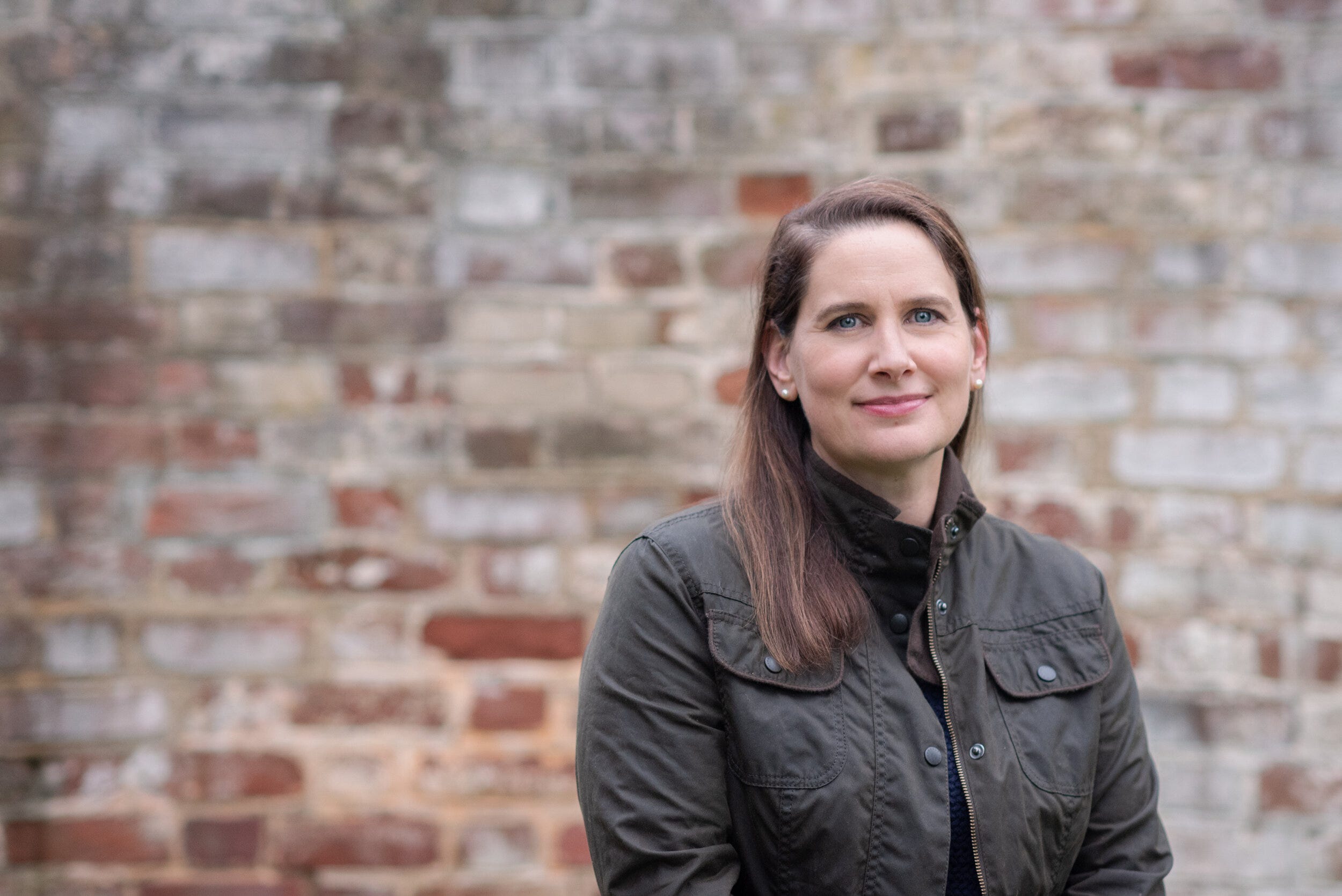
Ep. 19: Carrie Gress, Ph.D: Theology of Home: Family, Motherhood and the Alternative to Dominant Feminism
In this episode, I speak with the Carrie Gress about her book "Theology of Home". We discuss themes of the value of homemaking, the hearth, family, motherhood, and some of her critiques of dominant feminism. Carrie is a philosopher, an entrepreneur, a prolific writer, and the mother of five children that she homeschools. She is the online editor of the woman's magazine "Theology of Home". She has
Ep. 18: Chris Arnade: Dignity, Poverty, Faith, & Seeking Respect in Back Row America
In this episode, I speak with Chris Arnade about his book "Dignity: Seeking Respect in Back Row America". We discuss themes from his book including poverty, addiction, racism, and the value of home and place, the role of faith, and the role of McDonalds as a respite and community center. Visit https://www.themoralimagination.com/episodes/chris-arnade for show notes and resources. Get full access t
Ep. 17: Obianuju Ekeocha: Ideological Colonialism and Resisting the Cultural Annexation of Africa
In this episode, I speak with Obianuju Ekeocha about the problem of ideological colonialism in Africa in the 21st Century. We discuss how Western governments, international aid agencies, and NGOs impose western, secularist ideas about life, family, and marriage on Africa. Obianuju argues that what we are seeing is a type of cultural annexation of Africa by Western elites that is a new type of colo
Ep. 16: Dr. Michael Egnor: Does Neuroscience Refute Free Will?
Does neuroscience prove there is no free will? Is consciousness reducible to a neural network? Are we determined by our brains? In this episode, I speak again with neurosurgeon, Dr. Michael Egnor. We discuss Sam Harris arguments against free will, and examine not only the philosophical problems with Harris' argument, but Dr. Egnor also argues that Harris incorrectly interprets the work of Benjamin
Ep. 15: Gary Saul Morson Ph.D: Thinking Like Lenin
In this episode, I speak with Professor Gary Saul Morson about the thought of Vladamir Lenin and how Lenin's ideas and way of seeing the world influences us today. We discuss his New Criterion essay, "Leninthink" and some of the key aspects of Lenin's thought, including Who-Whom: adherence to all politics and life as a win-lose, zero-sum game, the rejection of truth, Party-ness and ideological com
The Triumph of the Yuppie: Carlo Lancellotti on Augusto del Noce, Secularization, Revolution, and the Crisis of Modernity
In this episode, I speak with Professor Carlo Lancellotti about the late Italian philosopher Augusto Del Noce and the Crisis of Modernity. Del Noce died in 1989, but his writings are very relevant and help explains much of our contemporary situation. In this wide ranging conversation, we talk about totalitarianism, the religious nature of revolution, consumerism, the hybrid of Marxist anthropology
Ep. 13: Dr. Michael Egnor, M.D: Are We our Brains? Philosophy and the Foundations of Neuroscience
Does your brain think? Does your frontal lobe decide? Or do you think and you decide? What is the relationship between the brain and and the mind; between the brain and the person? Neuroscience has entered our everyday speech and increasingly shapes the way we think about ourselves and the world--including some serious conceptual errors. In this episode, I speak with Dr. Michael Egnor, a neurosurg
Ep. 12: Jaron Lanier: Behavior Modification, Virtual Reality, and Re-inventing the Internet
In this episode, I speak with technologist, musician, and author, Jaron Lanier about technology, behavior modification, artificial intelligence and virtual reality and consciousness. We discuss the internet economics, his critique of free services, and how to re-think the internet, data collection, privacy, and paying people for their data. We also discuss the human rights and the nature of person
Ep. 11: Bradley Birzer, Ph.D: Leviathan Inc.: Robert Nisbet, Decentralization, & Localism
In this episode, I speak with Brad Birzer about the American Sociologist Robert Nisbet and his critique of the Modern Nation State. Nisbet was a strong proponent of decentralization and a multiplicity of associations. We discuss some of his ideas, including developmentalism, the quest for community, and authority. We also discuss Nisbet's influences—Alexis de Tocqueville, Edmund Burke, Proudhon, a
Ep. 10: Diana Rodgers: Kale vs Cow: Nutrition, Land Regeneration, and the Case for Better Meat
In this episode, I speak with Diana Rodgers about nutrition, factory farming, subsidies, antibiotics, and why animals are good for the land. Diana is a Registered Nutritionist, a farmer, author, and the host of The Sustainable Dish Podcast. We also discuss why meat is good for you, why fat is healthy, cholesterol, and the Ancel Keys study, diabetes, vegan diets many of the themes in her book "Sacr
Ep. 9: Anthony Bradley, Ph.D: Personalism as a Response to Over-Criminalization and Mass Incarceration
In this episode, I speak with Dr. Anthony Bradley about his book, "Ending Overcriminalization and Mass Incarceration: Hope from Civil Society". Dr. Anthony Bradley is professor of religious studies and director of the Center for the Study of Human Flourishing at The King's College, Theologian-In-Residence at Redeemer Presbyterian Church—Lincoln Square, and a research fellow at The Acton Institute.

Ep. 8: Glen Weyl, Ph.D: Alternatives to Technocracy & the Ideology of Artificial Intelligence
In this episode, I speak with Glen Weyl about the ideology of artificial of intelligence, central planning, Communist China, and the problem of technocracy. In a wide-ranging conversation we also talk about collaboration, knowledge and experience, decentralization, individualism, and the Ukranian Genocide—and a number of thinkers including James Scott, Alexis de Tocqueville, Georg Simmel, Joseph R
Ep. 7: Joel Salatin: Simple Truths About Man, Nature, Stewardship, & Farming
Michael welcomes to the show Joel Salatin, prolific writer, renowned public speaker, and self-described "Christian libertarian environmentalist capitalist lunatic farmer" to discuss his unique approach to agriculture, animal husbandry, work, and mankind's relationship with nature. Get full access to The Moral Imagination - Michael Matheson Miller at www.themoralimagination.com/subscribe
Ep. 6: Dr. Patrick Lee: What Does it Really Mean to be a Human Being?
Michael welcomes Dr. Patrick Lee, director of the Center for Bio-Ethics at Franciscan University in Steubenville, Ohio, to discuss his book, "Body-Self Dualism in Contemporary Ethics and Politics", which examines the key questions surrounding the very complex topic of what it means to be a human being. In their discussion, Michael and Dr. Lee touch on issues such as abortion, euthanasia, gender, a
Ep. 5: Jay Richards, Ph.D: Philosophical Materialism
Professor Jay Richards returns to discuss the second half his book, The Human Advantage: The Future of Work in an Age of Smart Machines. This half of the book focuses on philosophical materialism and its impact on human flourishing. Get full access to The Moral Imagination - Michael Matheson Miller at www.themoralimagination.com/subscribe
Ep. 4: Dr. Gregory Thornbury: Rene Girard and the Mimetic Cycle
Dr. Gregory Thornbury, Vice President for Development at the New York Academy of Art and former President of King's College in New York, joins Michael to discuss the thought of Rene Girard, specifically the concept of mimesis and the mimetic cycle, which can be traced throughout human history. Get full access to The Moral Imagination - Michael Matheson Miller at www.themoralimagination.com/subsc
Ep. 3: Jay Richards Ph.D: The Future of Work in an Age of Smart Machines
Professor Jay Richards of the Catholic University of America's Busch School of Business and the Discovery Institute joins Michael to discuss his book, The Human Advantage: The Future of Work in an Age of Smart Machines, which deals with the rise of artificial intelligence and it's impact on economies, culture, and human life. Get full access to The Moral Imagination - Michael Matheson Miller at
Ep. 2: Dan Mahoney: Solzhenitsyn and the Gulag Archipelago Dan Mahoney
Professor Dan Mahoney of Assumption College joins Michael to discuss Aleksandr Solzhenitsyn and his seminal work, the Gulag Archipelago. Get full access to The Moral Imagination - Michael Matheson Miller at www.themoralimagination.com/subscribe
Ep. 1: James Otteson Ph.D: Aristotle and the Good Life
Professor James Otteson of Wake Forest University and the Eudaimonia Institute joins Michael to discuss Aristotle, Eudaimonia, human flourishing, and what it means to lead a good life. Get full access to The Moral Imagination - Michael Matheson Miller at www.themoralimagination.com/subscribe
Recommended
SLOW ENGLISH PODCAST (A1-A2) With Subtitles | Daily Videos | English With Us Podcast

Learn English A2 with Daily News | Simple English Listening Practice

پلی لیست | PlayList

Conspiracy Files with Paige Carter

Bad Friends

Learn 50 English Phrases While You Sleep | Everyday English Phrases & Vocabulary
This Past Weekend w/ Theo Von
Dateline NBC

Back to the 80s Radio

Crime Stories with Nancy Grace

Bible Tea

این نقطه
