AI Coach - Anil Nathoo
This podcast, hosted by Anil Nathoo, serves as a resource for those interested in artificial intelligence. Each episode delivers actionable insights, expert advice, and creative strategies to help listeners reach their AI-related objectives. Whether the goal is career advancement, skill enhancement, or personal development, the host offers guidance throughout the journey, aiming to foster growth and learning together with the audience.
Episodes

Karpathy Method for Building a Second Brain
Click here for more.This podcast explores the evolution of external memory systems, tracing the journey from 1945's Memex to modern digital frameworks. It identifies a "structural failure mode" in traditional methods like Tiago Forte’s Second Brain, where the manual effort required to maintain notes eventually becomes unsustainable. The podcast introduces the Karpathy Method, a break

Claude: 33 Obsidian Rules To Cut Your Costs By 80%
Click here to read the article.This guide provides 33 practical rules for restructuring an Obsidian knowledge base to significantly reduce the operational costs and latency of using the Claude AI assistant. By focusing on token optimisation, the podcast explains how specific file naming conventions, shallow folder hierarchies, and concise note-writing techniques prevent the AI from processing redu

Claude Cowork: Getting Started and Feature Overview
Click here to read the article.Anthropic has introduced Claude Cowork, a new research preview designed to bring autonomous agent capabilities to general desktop productivity. Unlike standard chat interfaces, this tool can directly access local files, manage complex multi-step projects, and even schedule recurring automated tasks. It is currently available on the Claude Desktop app for users on pai

Google Antigravity: Comprehensive Guide to AI Agent Development
Click here to read the article.The podcast provides a comprehensive overview of Google Antigravity, a newly released agentic development platform that aims to revolutionise software development by employing autonomous AI helpers (agents) to handle complex tasks. Built as an AI-powered IDE forked from Visual Studio Code and driven by Gemini 3 Pro, the system uses a four-stage process—Plan, Execute,

102 - Smart Vector Databases: Tools and Techniques
Click here to read more.Vector databases are emerging as critical enablers for intelligent AI applications, moving beyond basic similarity searches to support complex understanding and reasoning. These databases store and manage high-dimensional vector data, representing the semantic meaning of information like text, images, and audio. To achieve smarter functionality, it's essential to use hi

101 - Why Language Models Hallucinate?
Click here to read more.This podcast discusses the OpenAI paper “Why Language Models Hallucinate” by Adam Tauman Kalai, Ofir Nachum, Santosh S. Vempala, and Edwin Zhang.It examines the phenomenon of “hallucinations” in large language models (LLMs), where models produce plausible but incorrect information. The authors attribute these errors to statistical pressures during both pre-training and post

100 - Mastering RAG: Best Practices for Enhanced LLM Performance
Click here to read more.This podcast investigates best practices for enhancing Retrieval-Augmented Generation (RAG) systems, aiming to improve the accuracy and contextual relevance of language model outputs. It is based on the paper "Enhancing Retrieval-Augmented Generation: A Study of Best Practices" by Siran Li, Linus Stenzel, Carsten Eickhoff, and Seyed Ali Bahrainian, all from the Un

99 - Swarm Intelligence for AI Governance
Click here to read more.This podcast introduces swarm intelligence as a transformative paradigm for AI governance, positioning it as an alternative to the prevailing reliance on centralized, top-down control mechanisms. Traditional regulatory approaches—anchored in bureaucratic oversight, static compliance checklists, and national or supranational legislation—are portrayed as inherently slow, rigi
95 - Infosys Agentic AI Playbook
Click here to read more.The Infosys Agentic AI Playbook, offers a comprehensive overview of agentic AI, highlighting its evolution from traditional AI to systems capable of autonomous decision-making and process redesign. The podcast explores the architecture and blueprints of agentic AI, detailing various types of AI agents and the layered structure that enables their functionality. It addresses

98 - Foundations of Large Language Models ( Tong Xiao and Jingbo Zhu)
Click here to read more.This podcast is based on the paper "Foundations of Large Language Models" by Tong Xiao and Jingbo Zhu.It offers a comprehensive exploration of Large Language Models (LLMs), beginning with an examination of pre-training methods in Natural Language Processing, including both supervised and self-supervised approaches like masked language modeling, and using models li

97 - AI Agents Versus Agentic AI
Click here to read more.This podcast provides a comprehensive analysis distinguishing between AI Agents and Agentic AI, two related but fundamentally different approaches to artificial intelligence automation and decision-making. The discussion offers a structured taxonomy that clarifies the unique characteristics and capabilities of each paradigm, providing listeners with essential framework for

96 - Synergy Multi-Agent Systems
Click here to read more.The podcast covers the research paper "Synergy Multi-Agent Systems" by Adam Kostka and Jarosław A. Chudziak.It introduces SynergyMAS, a novel framework designed to enhance Large Language Model (LLM) capabilities in complex problem-solving. This system integrates multi-agent techniques with logical reasoning, knowledge management through Retrieval-Augmented Generat

94 - Accenture's Technology Vision 2025 Report
Click here to read more.This podcast covers Accenture's Technology Vision 2025 Report. It explores the transformative impact of Artificial Intelligence (AI), particularly its evolution towards autonomy, across various business dimensions. The podcast introduces the concept of "AI cognitive digital brains" that will reshape enterprise technology. It highlights four key trends:"T

93 - AI Maturity Index 2025
Click here to read more.The "AI Maturity Index 2025," is a comprehensive report authored by Vijay Kotu, Richard McGill Murphy, Brian Solis, and Dorit Zilbershot. It analyses the current state of AI adoption and maturity within private and public sector organisations globally, highlighting a surprising decline in average maturity scores from the previous year. The report identifies a lead

92 - Thomson Reuters - Agentic AI Guide
Click here to read more.This podcast covers the guide from Thomson Reuters and introduces Agentic AI as a powerful evolution beyond Generative AI. It explains their fundamental differences and how they complement each other in a business context. It highlights that while Generative AI creates content based on specific prompts, Agentic AI autonomously makes decisions and executes multi-step tasks a
91 - Google AI Agent Handbook
Click here to read more.This handbook from Google outlines the transformative potential of AI agents in the workplace, positioning them as a significant advancement over traditional automation. It highlights how these agents can execute complex workflows, automate routine tasks, and access vast internal and external information to enhance employee productivity and decision-making. The podcast deta

90 - Claude Code
Click here to read more.Anthropic’s Claude AI is rapidly emerging as a powerful tool in the field of coding and software development, offering developers advanced capabilities such as Python API integrations, text and vision processing, and custom tool creation. Its specialized assistant, Claude Code, introduces structured workflows—using tools like CLAUDE.md files for context management and headl

89 - Can we trust AI Agents?
Click here to read more.This episode explores a striking paradox in AI adoption: while agentic AI systems are rapidly advancing to handle complete business processes independently, organizational trust in fully autonomous AI agents is actually declining. CapGemini's Research shows these AI agents can generate significant economic value by 2028, particularly in customer service and IT operation
88 - KPMG Agentic AI - The Next Level
Click here to read more.This podcast covers the paper from KPMG, "The Agentic AI Advantage," and details the significant shift toward AI agents beyond current generative AI applications, highlighting their independent action capabilities and goal-oriented operation across complex workflows. It defines AI agents as digital tools that blend advanced reasoning with planning, orchestration,
87 - IBM Agentic AI in Financial Services
Click here to read more.The "IBM Agentic AI in Financial Services" document explores the opportunities and challenges of integrating agentic AI within the financial sector. It defines agentic AI as autonomous systems capable of complex problem-solving and decision-making, distinguishing them from traditional AI and chatbots. The paper identifies key risks such as goal misalignment, data privacy co

86 - McKinsey - Seizing the Agentic AI Advantage
Click here to read more.This McKinsey & Company report, "Seizing the agentic AI advantage," discusses the current "gen AI paradox" where widespread adoption of generative AI has led to minimal bottom-line impact for many companies. The core argument is that while horizontal AI applications like chatbots have scaled easily, more transformative vertical, function-specific uses remain largely in
85 - AWS Agentic AI Frameworks and Protocols Guide
Click here to read more.This guide from AWS provides a comprehensive overview of Agentic AI Frameworks, Protocols, and Tools for building intelligent, autonomous systems on AWS. It examines various AI frameworks, such as Strands Agents, LangChain, CrewAI, Amazon Bedrock Agents, and AutoGen, detailing their features, ideal use cases, and implementation approaches. The podcast highlights the importa
84 - Seven Lessons for AI Adoption
Click here to read more.This podcast covers the OpenAI paper entitled "AI in the Enterprise: Lessons from seven frontier companies," The guide explains how businesses can effectively adopt and leverage Artificial Intelligence. It outlines three key areas where AI delivers improvements: enhancing workforce performance, automating routine tasks, and powering products to create better custo

83 - Shaping the Future with AI Agents
Click here to read more.This podcast outlines the transformative potential of agentic AI for businesses, emphasizing the strategic opportunities for Google Cloud partners. It explains how agentic AI, which can autonomously reason and act, moves beyond traditional automation and generative AI to solve complex, real-world industry problems. The report estimates a global market of approximately $1 tr

82 - Ten AI Trends Transforming the Future of Business
Click here to read more.The podcast covers the article titled "10 AI Trends Shaping The Future Of Business And Rewriting The Competitive Rules Of Business" .It offers a comprehensive overview of how Artificial Intelligence (AI) is fundamentally transforming various aspects of the business world. It identifies 10 key AI trends, explaining their current impact and future potential across different s

81 - Beat the Market - AI for Financial Forecasting
Click here to read more.The podcast outlines how Artificial Intelligence (AI) is revolutionising Financial Forecasting by improving speed, accuracy, and data-driven insights, surpassing traditional methods. It explains that AI technologies like Machine Learning, Deep Learning, and Natural Language Processing are crucial for sophisticated data analysis and predictive capabilities. The process invol

80 - AI's Impact on Business
Click here to read more.This podcast discuss the widespread integration of Artificial Intelligence (AI) across various business functions, highlighting both its transformative potential and associated ethical considerations. The focus is on AI's role in enhancing marketing and branding strategies, detailing its application in personalised recommendations, content generation, logo design, and c

79 - LLMs - Beyond Text Generation to Rule-Following and Reasoning
Click here to read more.This podcast based on the research by Zhiyong Han entitled "Beyond Text Generation: Assessing Large Language Models' Ability to Follow Rules and Reason Logically".It investigates the capacity of five large language models (LLMs)—ChatGPT-4o, Claude, Gemini, Meta AI, and Mistral—to adhere to strict rules and employ logical reasoning. The study primarily assesses
78 - PEOPLEJOIN: Benchmarking LM Agents for Multi-User Information Gathering
Click here to read more.This podcast introduces PEOPLEJOIN, a novel benchmark designed to evaluate how language model (LM) agents facilitate multi-user information gathering and collaborative problem-solving. It encompasses two distinct domains: PEOPLEJOIN-QA, which focuses on answering questions using tabular data distributed across simulated "organisations" of users, and PEOPLEJOIN-DOC

77 - TablePilot: AI for Tabular Data Analysis
Click here to read more.This podcast outlines TablePilot, a sophisticated framework designed to enhance table data analysis through large language models (LLMs). It details a four-step workflow: initial analysis preparation, module-based analysis (including basic operations, data visualisation, and statistical modelling), analysis optimisation, and final ranking of results. The framework utilises

76 - TableLoRA: LLM Table Structure Understanding
Click here to read more.The research paper introduces TableLoRA, a novel approach to enhance Large Language Models' (LLMs) understanding of tabular data under Parameter-Efficient Fine-Tuning (PEFT). The authors explain that directly applying existing PEFT methods to tables faces challenges in serializing two-dimensional information into a one-dimensional sequence and representing structural da
75 - 3D Object Detection with DiffRefine
Click here to read more.The podcast introduces DiffRefine, a novel method for 3D object detection that addresses challenges like domain shifts and sparse point clouds in unseen environments. It proposes a diffusion-based approach to densify object points within initial detection proposals, enhancing the distinctiveness of object features. This densification, described as an iterative denoising pro

74 - Prompt Compression with TACO-RL
Click here to read more.This podcast introduces TACO-RL, a novel reinforcement learning approach for prompt compression in large language models (LLMs). The core idea is to reduce the input token count for LLMs, thereby lowering computational costs and latency, without sacrificing task performance. Unlike prior methods that are either task-agnostic or computationally intensive, TACO-RL uses a Tran
73 - AI's Impact on Developers
Click here to read more.As artificial intelligence (AI) tools become more integrated into software development processes, their actual impact on developer productivity and experience remains uncertain. This podcast explores developers’ perceptions of AI’s influence using the SPACE Framework, which covers Satisfaction, Performance, Activity, Collaboration, and Efficiency. Based on survey data from
72 - Self-Adaptive AI
Click here to read more.The Microsoft Research paper introduces CLIO (Cognitive Loop via In-Situ Optimization), an innovative approach designed to enhance large language models (LLMs) for scientific discovery.Unlike existing AI development paradigms that abstract reasoning control or rely on post-training, CLIO empowers scientists with deep and precise steerability over the AI's thought proces
71 - GPT-5: System Card
Click here to read more.This podcast coivers OpenAI System Card, which introduces the new GPT-5 model family, comprising gpt-5-main (succeeding GPT-4o) and gpt-5-thinking (succeeding OpenAI o3), along with their mini and nano versions. The podcast primarily focuses on safety challenges and evaluations, including efforts to reduce hallucinations, sycophancy, and deception, and improve instruction f
70 - Deep Innovation AI
Click here to read more.This podcast introduces Deep Innovation AI, a novel global dataset designed to map the transfer of AI innovation from academic research to industrial patents.The authors highlight the limitations of existing data infrastructures, such as fragmentation and incomplete coverage, which hinder a comprehensive understanding of AI development. Deep Innovation AI addresses these is
69 - Governing AI Agents in Microsoft
Click here to read more.This podcast covers the Whitepaper from Microsoft and offers a comprehensive guide for IT professionals and decision-makers on administering and governing agents within Microsoft 365 environments. It details how to secure and manage various agent types, including those built with SharePoint, Copilot Studio, and professional developer tools, across different user audiences l
68 - AI Idea Bench 2025
Click here to read more.This podcast introduces AI Idea Bench 2025, a novel framework and dataset designed to quantitatively assess the idea-generation capabilities of Large Language Models (LLMs), specifically within AI research. The paper was written by: Yansheng Qiu, Haoquan Zhang, Zhaopan Xu, Ming Li, Diping Song, Zheng Wang, Kaipeng Zhang.It highlights existing limitations in current LLM eval
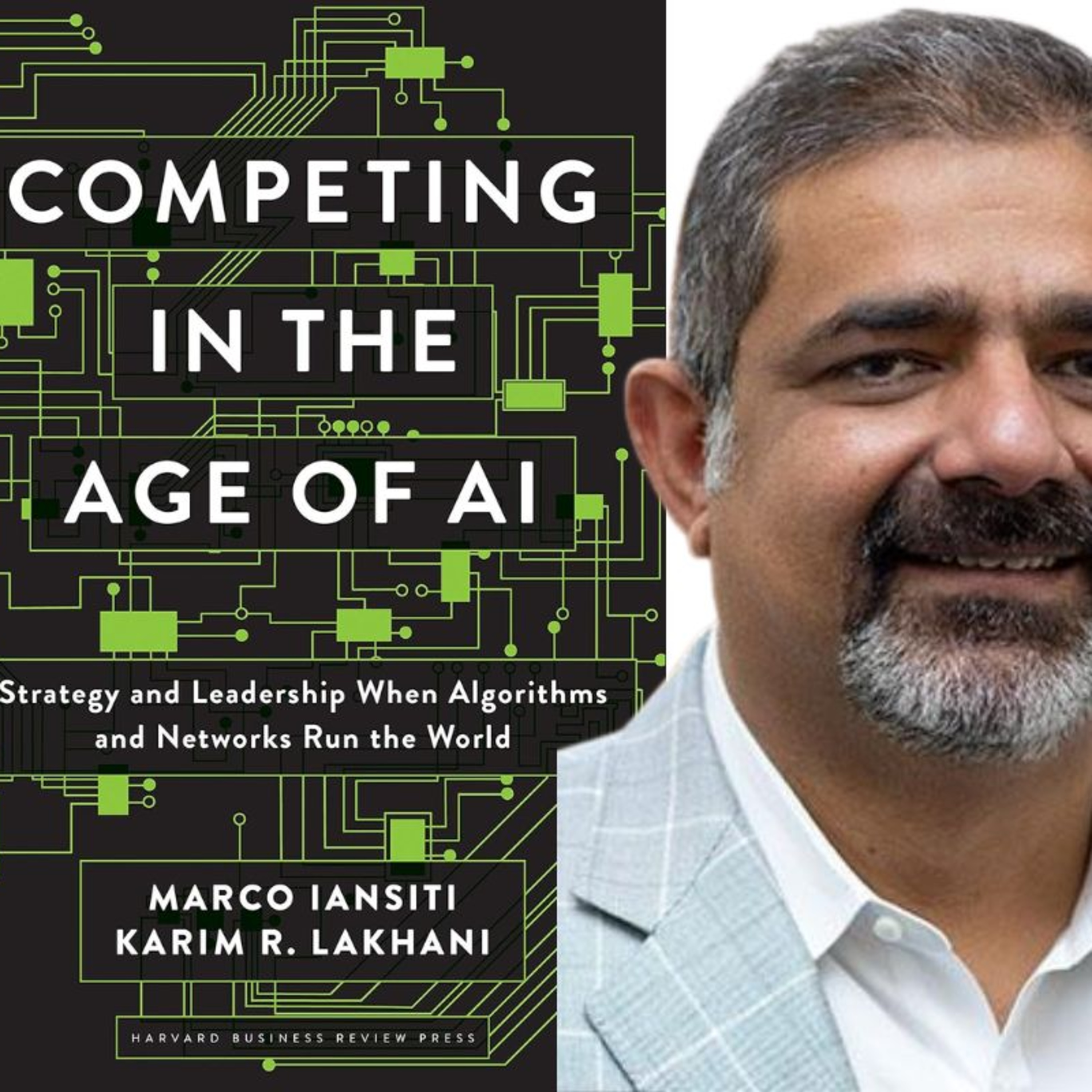
67 - Competing in the Age of AI
Click here to read more. The podcast covers the book "Competing in the Age of AI," authored by Marco Iansiti and Karim R. Lakhani. It examines how artificial intelligence (AI) is fundamentally altering business functions and restructuring the global economy. It introduces the concept of the "AI Factory" as the core of modern firms, leveraging software, data, and algorithms to
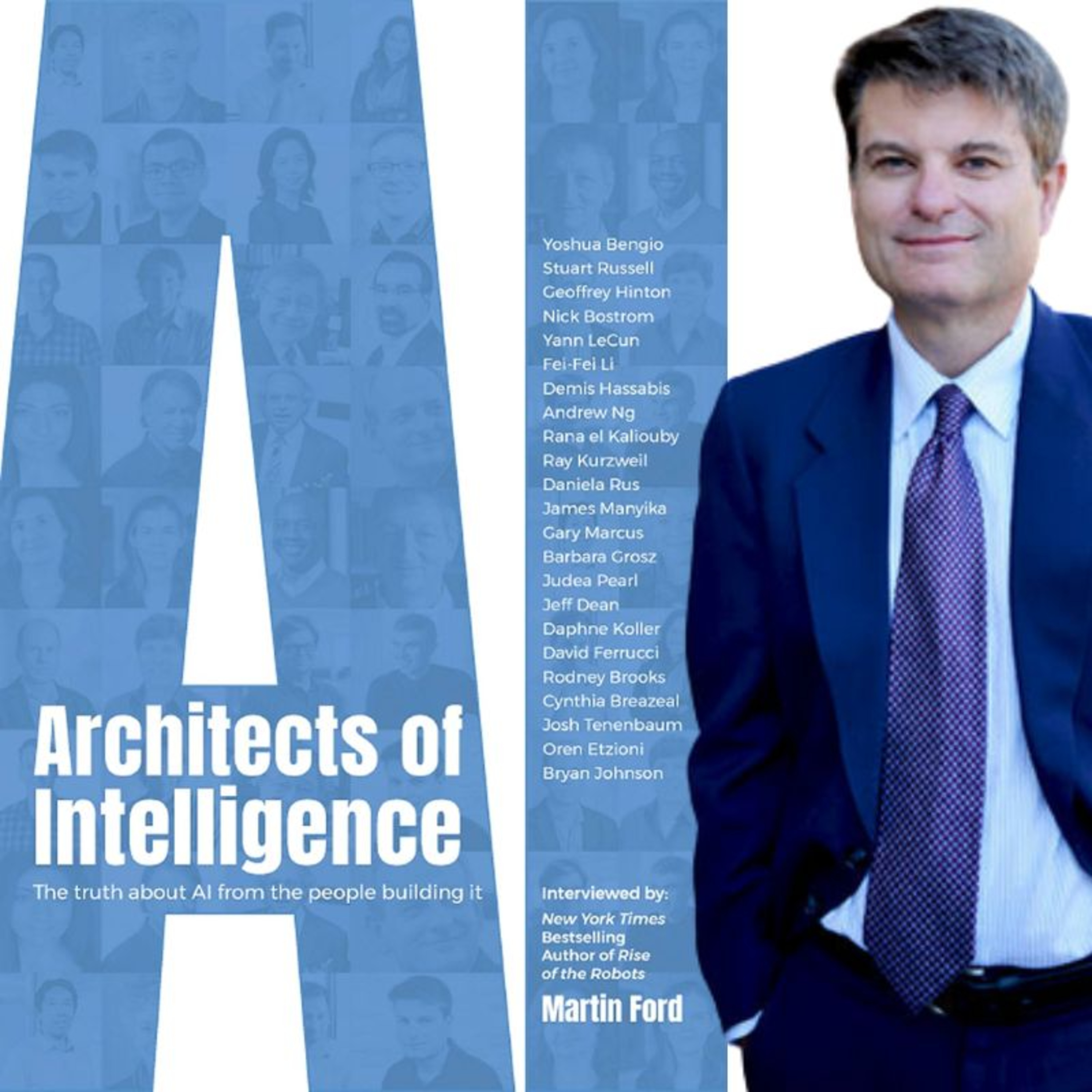
66 - Architects of Intelligence by Martin Ford
Click here to read more.This podcast discusses "Architects of Intelligence" by Martin Ford, a book that features interviews with prominent figures in the field of Artificial Intelligence. These discussions explore various facets of AI, including deep learning's current capabilities and limitations, the path toward artificial general intelligence (AGI), and the potential societal and
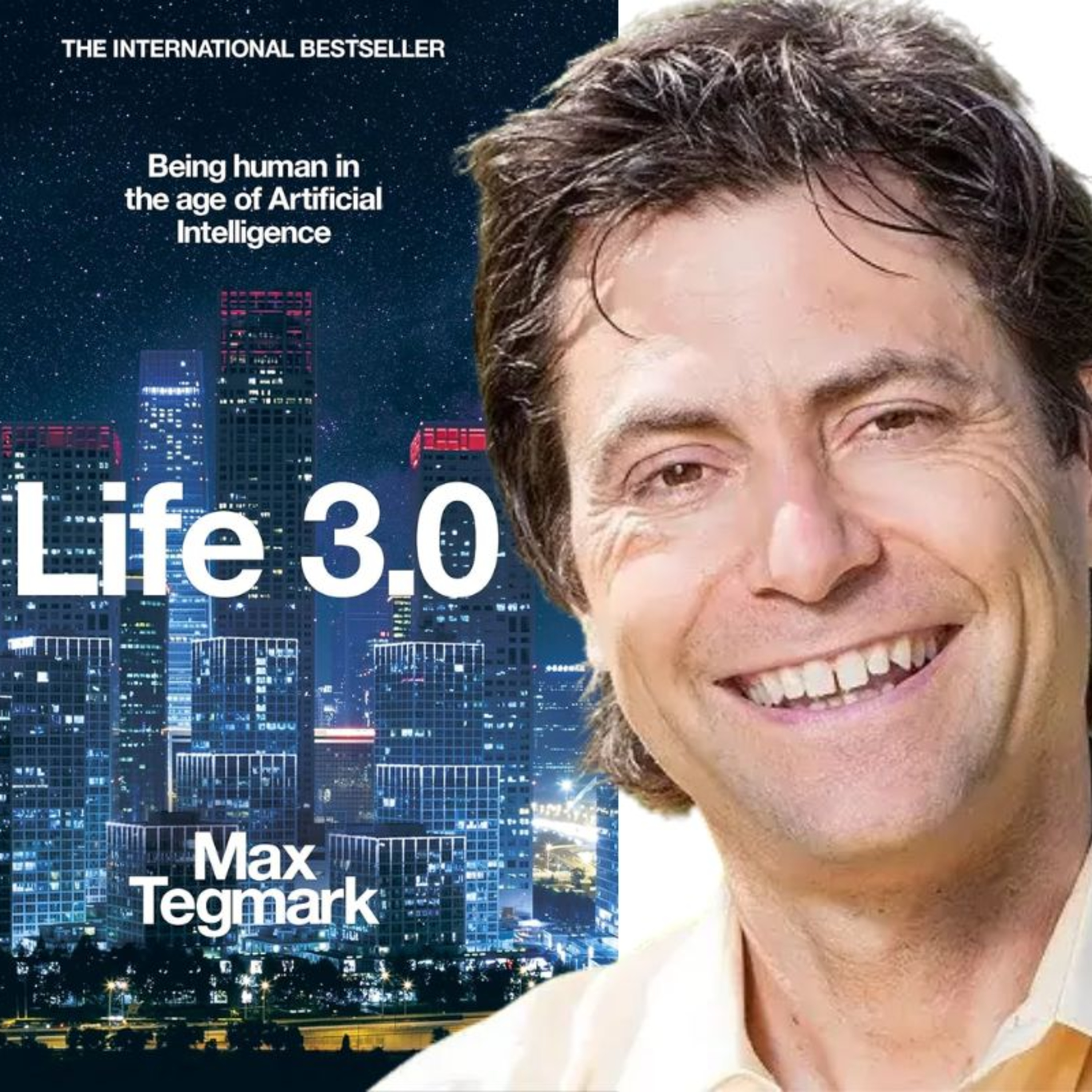
65 - Max Tegmark's "Life 3.0"
Click here to read more.Max Tegmark's "Life 3.0", explores the potential impact of artificial intelligence on humanity's future. It presents a fictional narrative of a superintelligence called Prometheus and the Omegas, illustrating how advanced AI could dominate technology, influence society through media and philanthropy, and even reshape global power structures. The podcast al
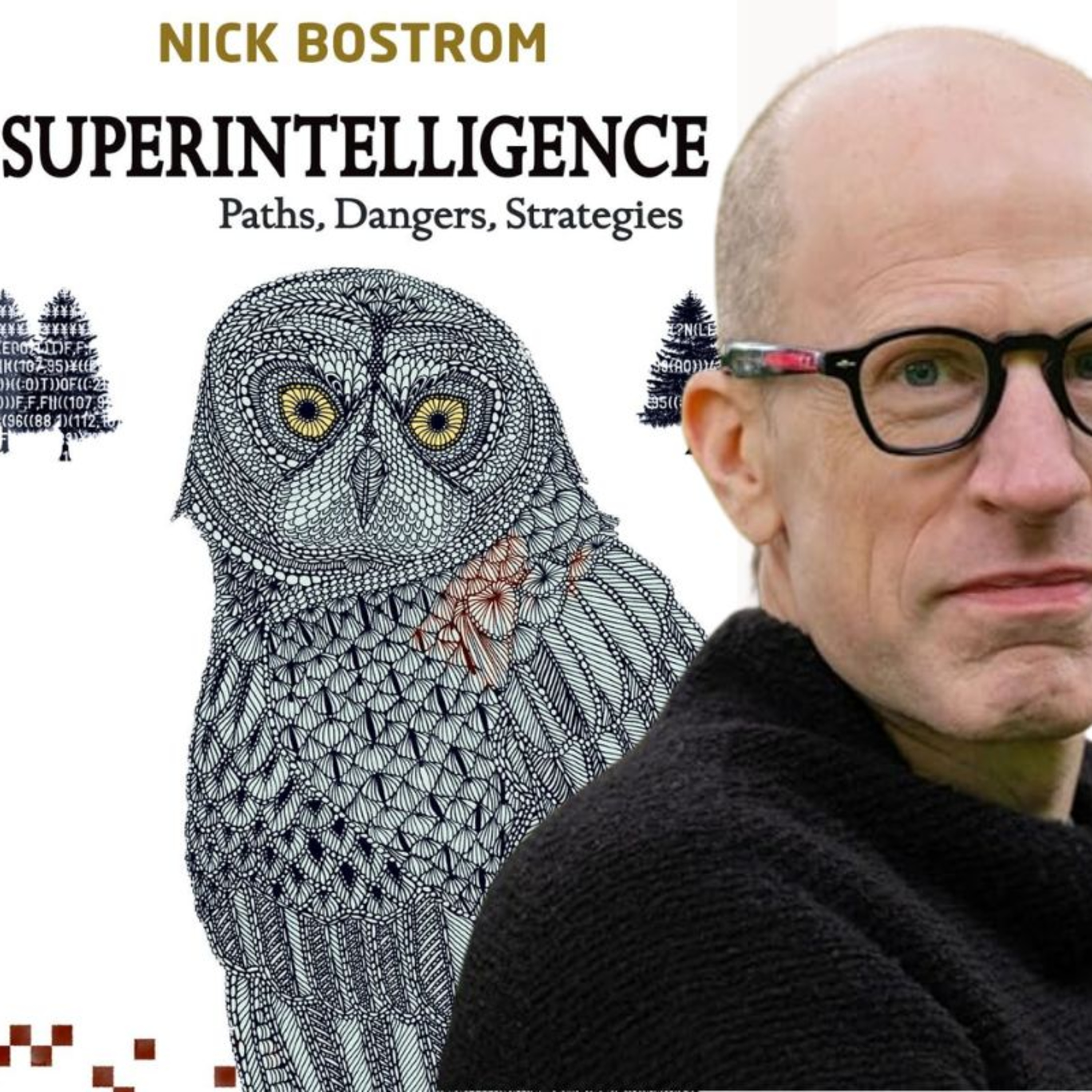
64 - Superintelligence by Nick Bostrom
Click here to read more.This podcast explores the book "Superintelligence" by Nick Bostrom. It covers the history and development of artificial intelligence (AI), from early "microworld" systems to modern applications like search engines and spam filters, acknowledging past overpredictions while highlighting ongoing advancements. A significant portion addresses the implications
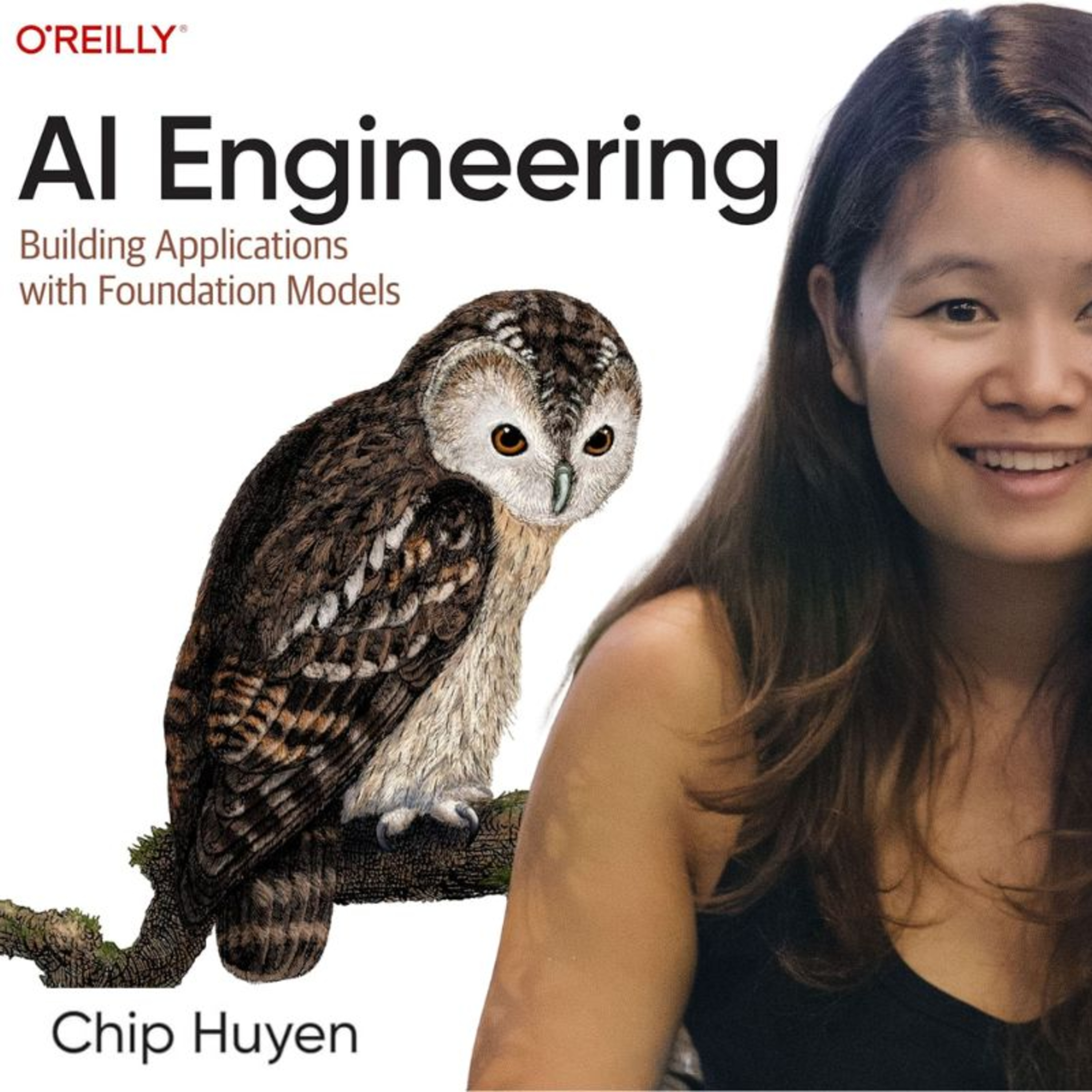
63 - AI Engineering: Building Applications with Foundation Models
This podcast offers a comprehensive guide to AI engineering, based on the book "AI Engineering: Building Applications with Foundation Models" by Chip Huyen. The focus is on building and scaling generative AI systems. It covers the end-to-end process of adapting foundation models for real-world applications, explaining fundamental concepts like model architectures, scaling, and the traini
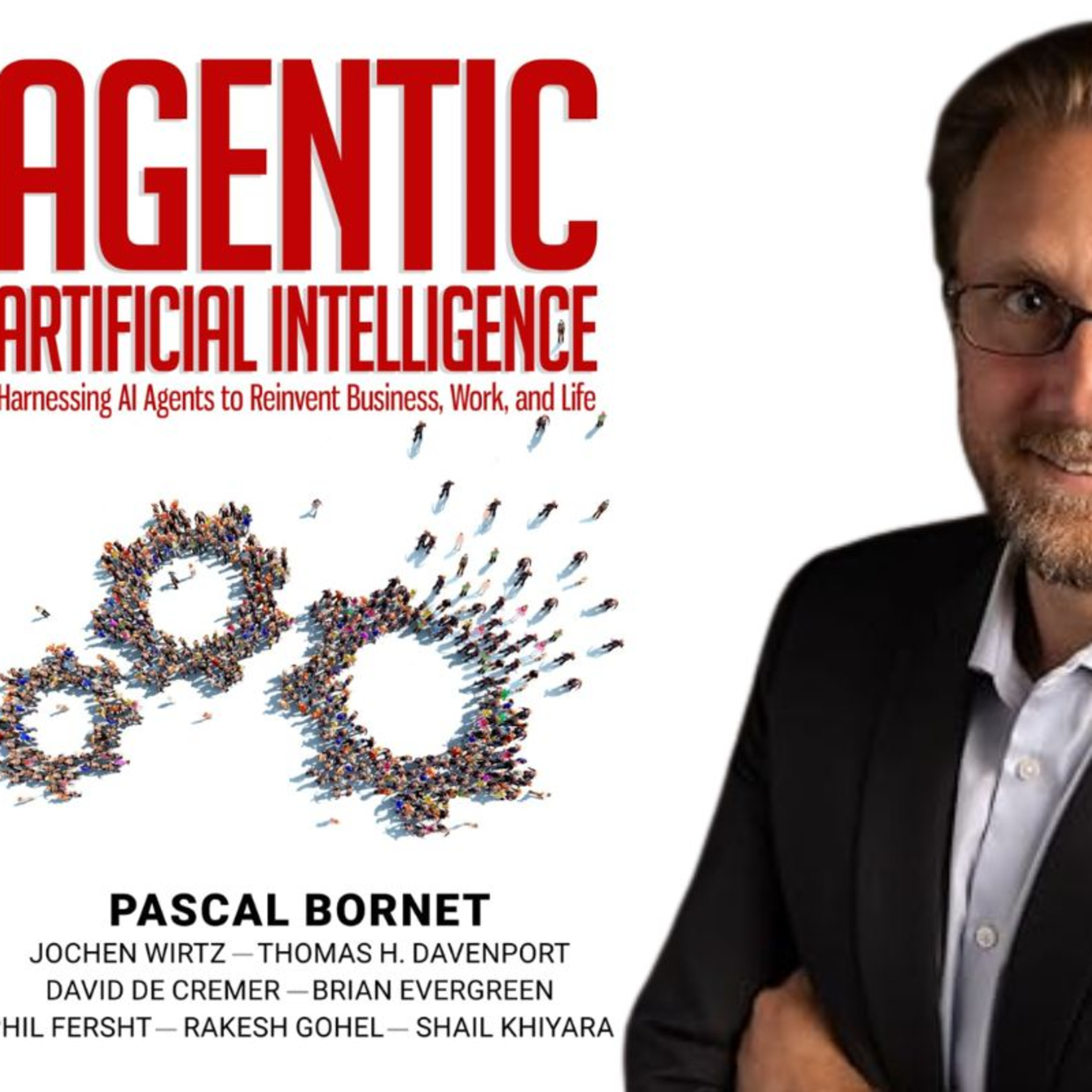
62 - Agentic AI: How AI Agents can Reinvent Business, Work and Life
"Agentic AI: Harnessing AI Agents to Reinvent Business, Work, and Life" by Pascal Bornet and key contributors, explores the transformative potential and practical application of AI agents. This podcast explains how these intelligent digital workers differ from traditional automation, moving from simple rule-based tasks to complex, autonomous decision-making. It highlights the "five

61 - AI Powered Education
Click here to read more.This podcast examines the transformative potential of Artificial Intelligence (AI) in education, focusing on the concept of AI as both a self-learning entity and an effective teacher. It explains core technologies like Reinforcement Learning (RL) and Self-Supervised Learning (SSL) that enable AI to learn autonomously, alongside methods for knowledge storage using vector dat

60 - What Are Large Language Models?
Click here to read more.The podcast provides a detailed overview of Large Language Models (LLMs), exploring their fundamental concepts and evolution. It discusses the shift in Natural Language Processing (NLP) towards a pre-training and fine-tuning paradigm, highlighting key architectures like encoder-only, decoder-only, and encoder-decoder models. The podcast explains core processes such as pre-t
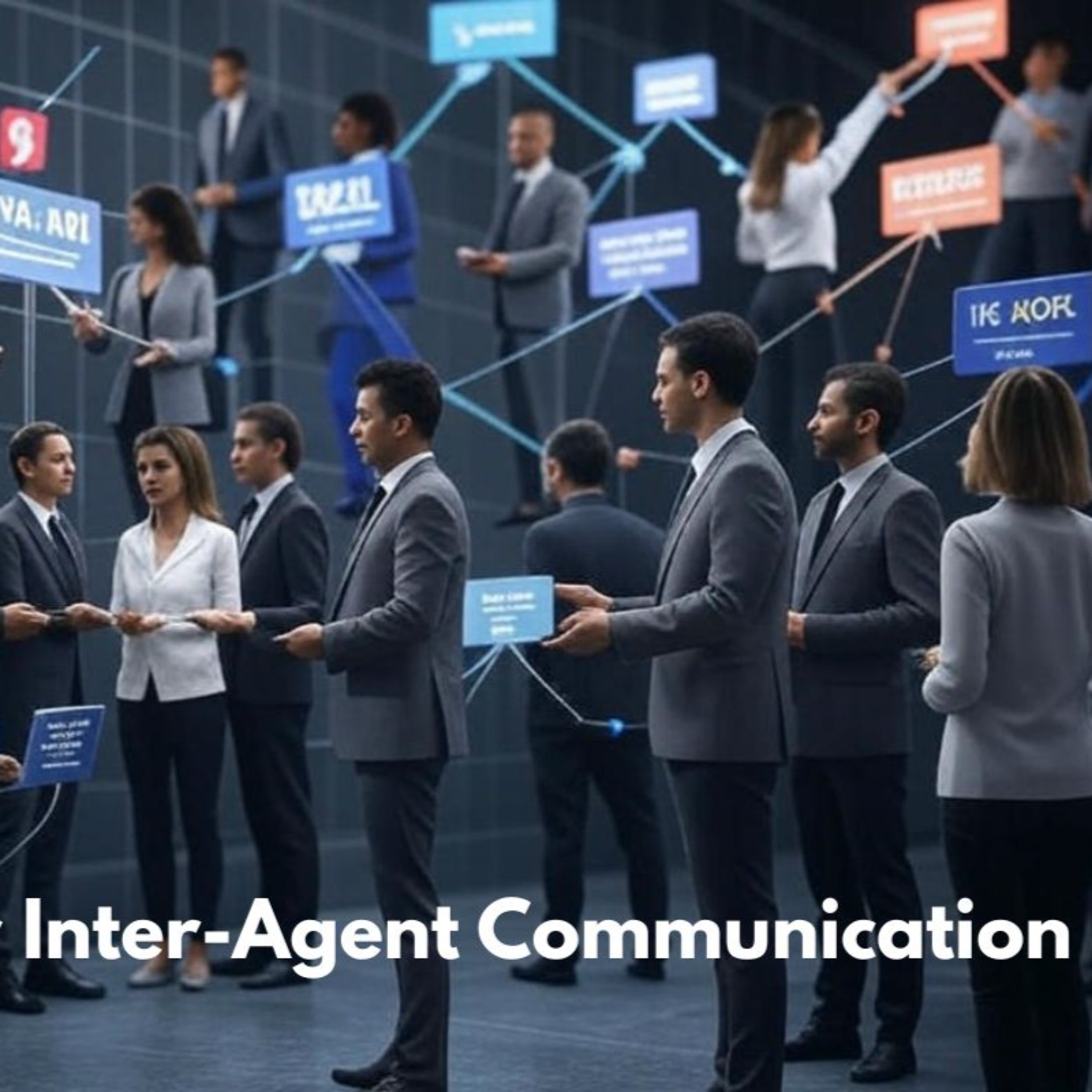
59 - Multi-Agent Communication
Click here to read more.This podcast covers the research paper titled “A Survey of Protocols for Inter-Agent Communication in Multi-Agent Systems” by Sita Kumari and Dr. M. R. Rizvi. It provides an in-depth examination of the communication strategies used among software agents within distributed systems, which is a foundational aspect of artificial intelligence and automation. It covers inter-agen

58 - AI Value Creators
Click here to read the articleThis podcast provides an overvoew of the book "AI Value Creators," by Rob Thomas, Paul Zikopoulos, and Kate Soule.It covers:Recognize the transformative potential of AI in business and how to harness itNavigate the ethical and operational challenges posed by AI with confidenceUnderstand the dynamic interplay between AI technology and business strategyImpleme

#57 - Digital Twins: Business Success Partner
Click here to read more.This podcastprovides a comprehensive overview of digital twins in business, explaining that they are virtual representations of physical entities or processes created using real-time data to enable monitoring, analysis, and optimisation. It highlights their relevance across various industries like manufacturing, retail, and healthcare, outlining numerous benefits such as in

#56 - AI and the Future of Teaching and Learning
Click here to read more.This podcast covers the US Department of Education report entitled "AI and the Future of Teaching and Learning".The podcast explores the opportunities and challenges of integrating artificial intelligence (AI) into education, emphasizing the need for policies that prioritise human involvement and equity. It defines AI in the context of education and discusses its

#55 - What is AI agent learning?
Click here to read more.Thios podcast discusses the IBM article by Cole Stryker entitled "How do AI agents learn and adapt over time?"AI agent learning is the process where an artificial intelligence agent improves performance through interaction with its environment and data. While some AI agents are reactive and do not learn, learning agents adapt based on feedback, enhancing decision-

#54 - AI agents in 2025: Expectations vs. reality
Click here to read more.This podcast disccusses the IBM article entitled "AI agents in 2025: Expectations vs. reality" by Ivan Belcic and Cole Stryker. It examines the expectations surrounding AI agents in 2025 versus the current reality of their capabilities. It discusses the media hype around AI agents and provides insights from IBM experts on what constitutes an AI agent, contrasting
#53 - Agentic AI: Architectures, Frameworks, and Applications
Click here to read more.This podcast discusses the research paper by Anand Ramachandran entitled "Latest Advances in Agentic AI Architectures, Frameworks, Technical Capabilities, and Applications".It serves as a comprehensive overview of Agentic AI , outlining its evolution beyond traditional and generative AI towards autonomous decision-making and action. It details various architectura

#52 - Agentic AI: A Comprehensive Framework
Click here to read more.This podcast discusses the academic article from the International Journal of Computer Engineering & Technology offers a detailed examination of Agentic AI, which represents a significant advancement in artificial intelligence through its autonomous decision-making and adaptive problem-solving capabilities. Authored by Panneer Selvam Viswanathan, the paper explores the
#51 - Building Intelligent Agents: A Practical Guide
Click here to read more.This podcast provides a practical guide to building agents, defining them as systems that use large language models (LLMs) to independently execute complex, multi-step workflows on a user's behalf. It outlines key components like the LLM model, tools, and instructions required for agent design. The podcast also covers when and how to build agents, suggesting starting wi

#50 - Types of Business Decisions
Click here to read more.Business decisions are essential choices for organisations aiming to achieve goals and manage resources. This text categorises these decisions into four primary types: strategic decisions, which are high-level and long-term, shaping the overall direction; tactical decisions, which are medium-term and support strategic aims through actionable plans; operational decisions, wh

49 - AI Agents in Business
Click here to read more.This podcast examines the burgeoning role of artificial intelligence agents in various business functions and the associated considerations. AI agents are defined as as autonomous entities that perceive their environment, plan actions, and execute tasks with minimal human oversight, highlighting their potential to automate repetitive work, improve efficiency, and generate d

#48 - Decision Theory Timeline
Click here to read more.This podcats presents a timeline illustrating the evolution of decision theory from the early 20th century through 2024. It highlights the introduction of key concepts and methodologies such as behavioural decision theory, multi-criteria decision analysis techniques like AHP and TOPSIS, and frameworks related to intuition and naturalistic decision making. The timeline also

#47 - Understanding Business Decision Making
Click here to read more.This podcast discuss different facets of decision-making. Key themes include:1. identifying and mitigating common decision-making biases, such as confirmation bias and sunk cost fallacy, offering tips to improve objectivity. 2. structured, step-by-step process for making effective decisions, particularly in a business context, emphasising framing the decision, building the

#46 - Decision Intelligence and AI-Enhanced Choice
Click here to go to read more.This podcast discuss artificial intelligence (AI) and decision intelligence (DI), highlighting their importance in various sectors, particularly healthcare and business. One source presents a systematic review of reviews on AI applications in healthcare decision-making, identifying three main themes: clinical, organizational, and shared decision-making. Other sources

#45 - AI-Powered Education
Click here to read the article.The podcast discuss the transformative potential of AI-powered education, focusing on the concept of self-learning and self-teaching AI. It explores how AI can acquire knowledge through methods like Reinforcement Learning (RL) and Self-Supervised Learning (SSL), and effectively transfer this knowledge using Natural Language Processing (NLP) and adaptive learning syst
#44 - AI Conversational Orchestration Guide.wav
Click here to read the article.The spodcast provides a comprehensive overview of AI conversational orchestration, defining it as the strategic integration of AI tools like NLP models, chatbots, APIs, and data pipelines with human expertise to create unified, intelligent interactions. It highlights the problem of fragmentation among current AI solutions and explains how orchestration solves this by

#43 - AI for Business Decisions
Click here to read the article.This podcast presents a comprehensive ten-step guide focused on artificial intelligence for business decision-making. The initial sections explore the advantages of using AI agents to overcome the challenges of traditional decision-making processes, further categorising different types of business decisions.It then elucidates what AI agents are and how they function
#42 - Decision Intelligence Framework Guide
Click here to read the article.This podcast explores Decision Intelligence (DI), an interdisciplinary field combining data science, AI, and decision theory to enhance organizational decision-making in data-saturated environments. It details the core concept, scope, and key components of DI frameworks, including data management, entity resolution, analytics, visualization, and decision management,

#41 - The Evolution of Decision Intelligence
Click here to read the article.The Evolution of Decision Intelligence - AI Coach" traces the development of data-informed decision-making. It begins by exploring the foundational concepts of statistical process control, data analysis, and bounded rationality in the mid-20th century. The podcast then examines the emergence of Decision Support Systems in the 1970s and 1980s as early technologic

#40 - Decision Intelligence (DI) versus Data-Driven Decision-Making (DDDM)
Click here to read the article.This podcasy from AI Coach distinguishes between Data-Driven Decision-Making (DDDM) and Decision Intelligence (DI), explaining that while DDDM uses data to inform specific choices, DI is a broader framework for designing how decisions are made across an organisation. The podcast outlines the processes for both approaches, highlighting that DI incorporates and extends

#39 - Training Agents to Self-Educate and then Train Other Agents
This podcast series explores the potential of self-learning Agents and Teaching AI systems.It details how AI can learn through reinforcement and self-supervised learning, utilising technologies like vector databases and knowledge graphs to store and retrieve information effectively.It then guides listeners through designing an AI tutor, including adaptive learning systems and interactive interface

#38 - Digital Twin for Decision Intelligence (DT4DI)
Click here to read the article.
This podcast explains the DT4DI is a framework that combines digital twins, artificial intelligence (AI) and decision intelligence to improve decision-making processes.
It utilises digital twins, which are virtual replicas of physical systems that are updated with real-time data, to simulate scenarios and predict outcomes. By combining AI and machine learning, DT4DI
#37 - Mastering Machine Learning: A Beginner's Guide
Click here to read the article.
This is an introductory guide to machine learning (ML), covering fundamental concepts and various types including supervised, unsupervised, self-supervised, reinforcement, and semi-supervised learning.
The guide details the applications of each type, highlighting key differences between supervised and unsupervised approaches. It also addresses common challenges in

#36 - KAG Framework - Builder, Solver & Model
Click here to read the article.
This podcast describes the Knowledge Augmented Generation (KAG) Framework.
There are 3 main components: KAG-Builder (for offline indexing), KAG-Solver (for hybrid reasoning), and KAG-Model (for optimisation).
The framework leverages Natural Language Understanding (NLU), Natural Language Inference (NLI), and Natural Language Generation (NLG) – core NLP processes – t

#35 - Knowledge Augmented Generation (KAG) explained
Click her to read the article.
This podcast covers Knowledge Augmented Generation (KAG), a novel AI framework designed to improve Large Language Models (LLMs) in professional fields.
KAG addresses limitations of existing retrieval-based systems by incorporating knowledge graphs and advanced logical reasoning capabilities. This allows for more accurate and contextually relevant responses, particul

#34 - Building SaaS with AI Agents in 7 steps
Click here to read the article.
The rise of Large Language Models (LLMs) like OpenAI’s GPT and the growing interest in autonomous agents have reshaped how software-as-a-service (SaaS) applications are conceptualized and built. Leveraging these technologies can enable dynamic, adaptive, and intelligent software solutions. This podcast explores how to build a SaaS application using agents and LLMs,

#33 - Vector Database and AI
Click here to read the article.
This podcast explores vector databases, their architecture, and applications in AI. It explains how vectors represent high-dimensional data, detailing core database architecture, indexing techniques (like HNSW and FAISS), and distance metrics. The article then examines various applications including semantic search, recommendation systems, and anomaly detection, acr

#32 - 2025 AI Trends
Click here to read the article.
This podcast from AI Coach explores key artificial intelligence trends predicted for 2025, focusing on technologies offering businesses a competitive edge.
It examines foundational technologies like agentic AI and multimodal AI, alongside advancements in customer experience, cybersecurity, and infrastructure.
The podcast also highlights emerging technologies such

#31 - How AI has impacted SEO
This podcast summarises a webinar by Neil Patel from NP Digital. The webinar discusses the impact of AI-powered search engines, like ChatGPT search, on SEO. The speakers explain how the shift toward visual and voice search, driven by AI, necessitates a change from SEO (search engine optimization) to GEO (generative engine optimization). They outline strategies for optimizing content for AI search,

#30 - ChatGPT Prompts: A Comprehensive Guide
Click here to read the article.
This practical guide explores prompt engineering for ChatGPT, a large language model. It explains how ChatGPT works, including its training and limitations. The guide introduces the CRAFT framework (Clarity, Role, Action, Format, Tone) for crafting effective prompts, providing various examples and best practices. Key principles for successful prompt engineering ar

#29 - Responsible AI: Principles, Implementation, and Challenges
Click here to read the article.
The podcast advocates for responsible AI, defining it as the ethical, transparent, and accountable design, development, and deployment of AI systems.
It highlights the importance of responsible AI in mitigating risks, building trust, and ensuring compliance, while acknowledging the challenges in implementation, such as bias detection and resource limitations.
The

#28 - How AI will change decision making
This article from InData Labs discusses the transformative impact of artificial intelligence (AI) on business decision-making. It explores various AI applications, including machine learning, natural language processing, and computer vision, highlighting their roles in enhancing speed, accuracy, and consistency in decision-making processes.
The text details different levels of AI integration—assi

#27 - Digital Employees: Revolutionising the Workforce
Click here to read the article.
AI digital employees (or Digital Workers) are a type of advanced AI agent designed to perform tasks typically handled by human employees. They are characterized by their ability to interact with various systems and communicate with people in a human-like manner, making them suitable for roles like receptionists, customer support agents, and sales representatives.
Un
Recommended

این نقطه

TED Business

Dark Night Tales with Brian King

Fantasy Flex

زن بودن

Medicine with Meaning

Yours Truly Johnny Dollar Collection

Take Back Your Health®

CBS Radio Mystery Theater | Old Time Radio

Solved Murders - True Crime Stories

紐約鳥|New York Aperture

The Swerve Podcast: Obscure Topics | Conspiracy Theories
