Paper Podcast
This podcast features interviews with scientists about their favorite research papers. The show aims to give research a direct and honest voice by having scientists discuss the work they find most compelling. Each episode highlights a specific paper through the eyes of an expert. The tone is informal and enthusiastic, designed to make academic research accessible and personal.
Episodes
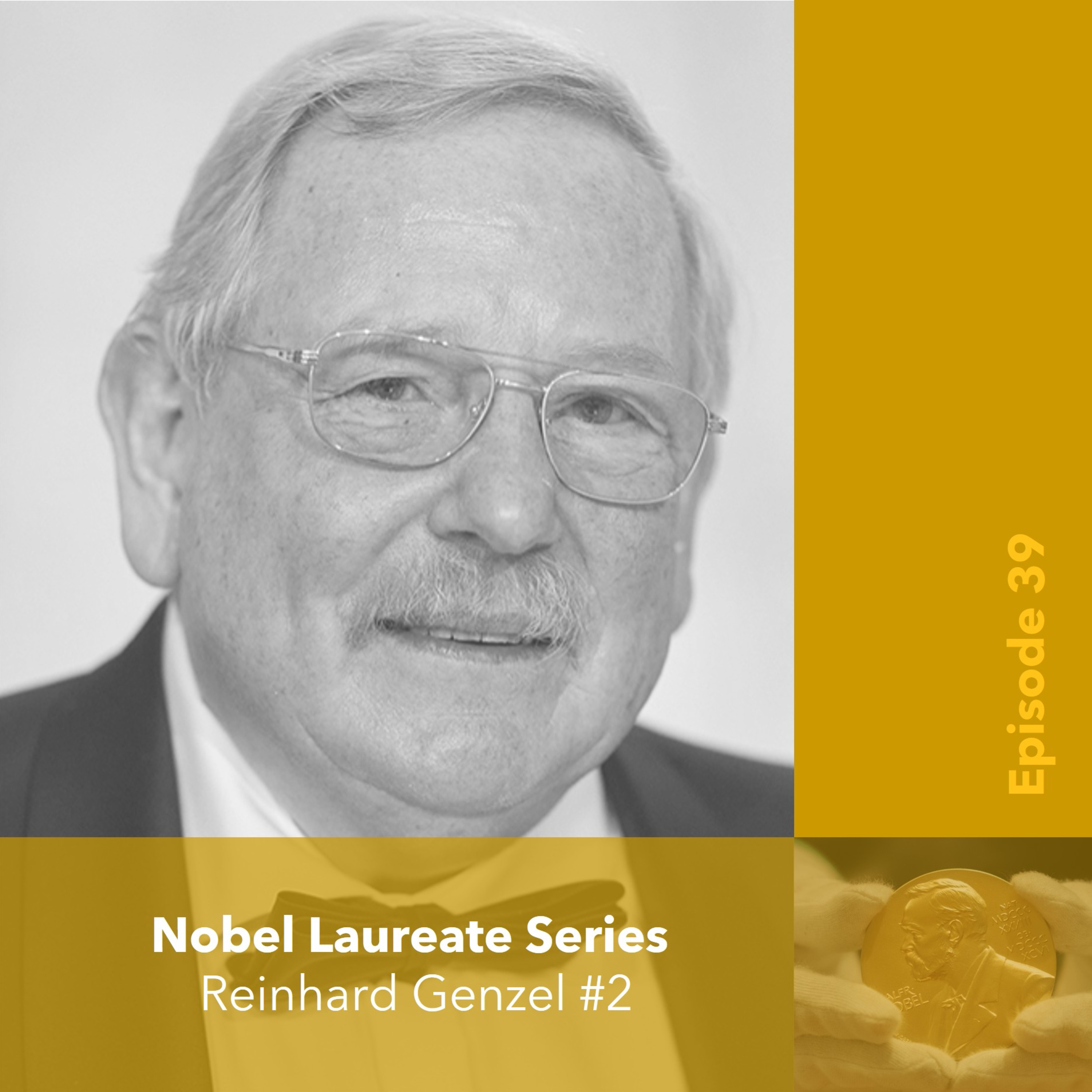
Episode 39: Reinhard Genzel (Nobel Prize in Physics): Radiointerferometry, large telescopes, and measuring the universe
(German episode) In this second part with Reinhard Genzel (Nobel Prize winner in Physics 2020), the central topics are astronomy method engineering and physics. Reinhard Genzel explains about radiointerferometry, quantum noise, and the largest telescopes on Earth with bendable mirror optics. How to reach 10,000x in sensitivity in science? On the side, we discuss funding and team leadership for suc
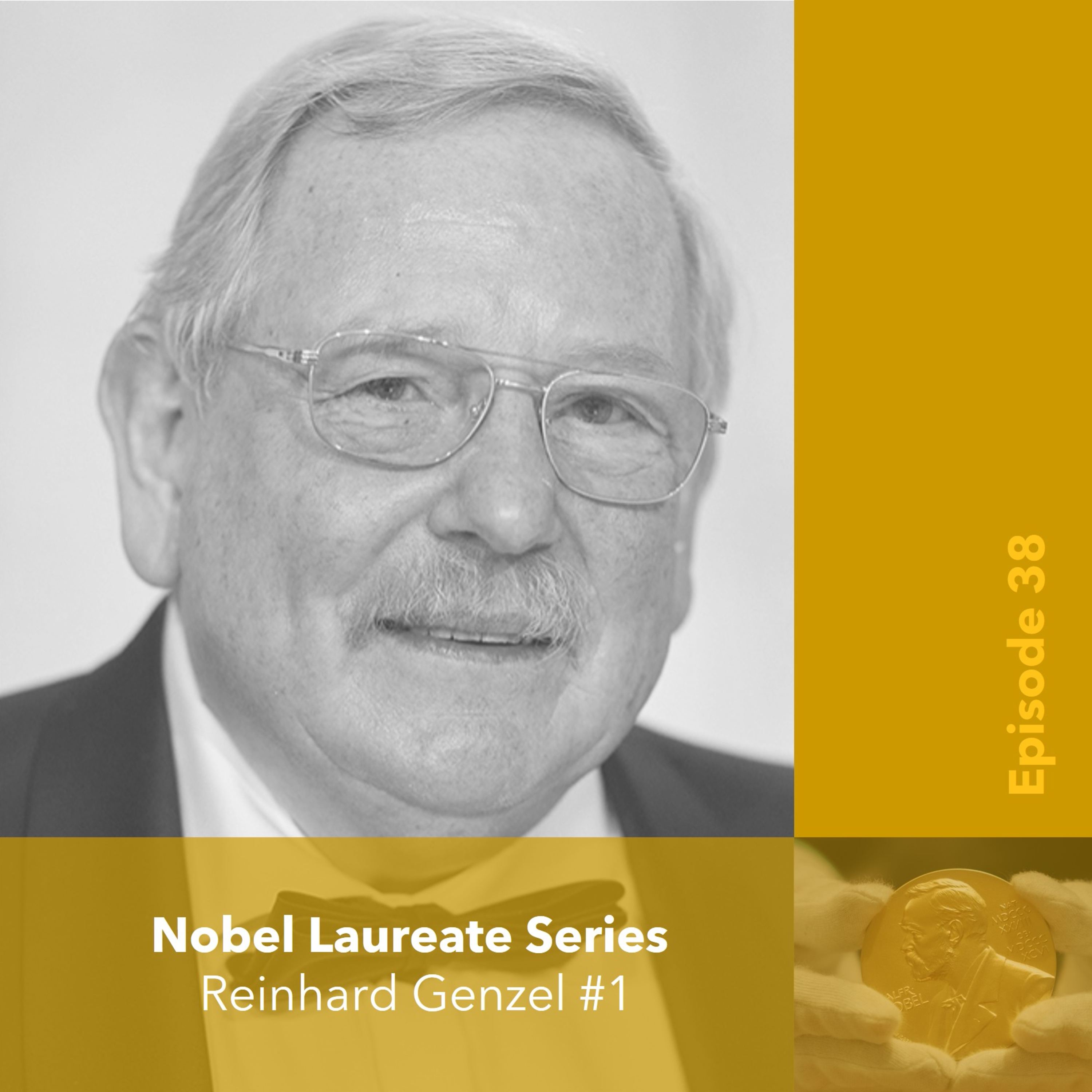
Episode 38: Reinhard Genzel (Nobel Prize in Physics): Measuring molecules, the universe, and our place in this world
(German episode) Reinhard Genzel won the Nobel Prize in 2020 for the discovery of Sagittarius A*, the black hole in the center of our galaxy. Reinhard shares a story of becoming scientist and his work Charles Towns, the godfather of lasers and masers. The first laser is now still exhibited at the Max Planck Institutes in Garching (by Munich, Germany). Reinhard is one group leader there and uses in
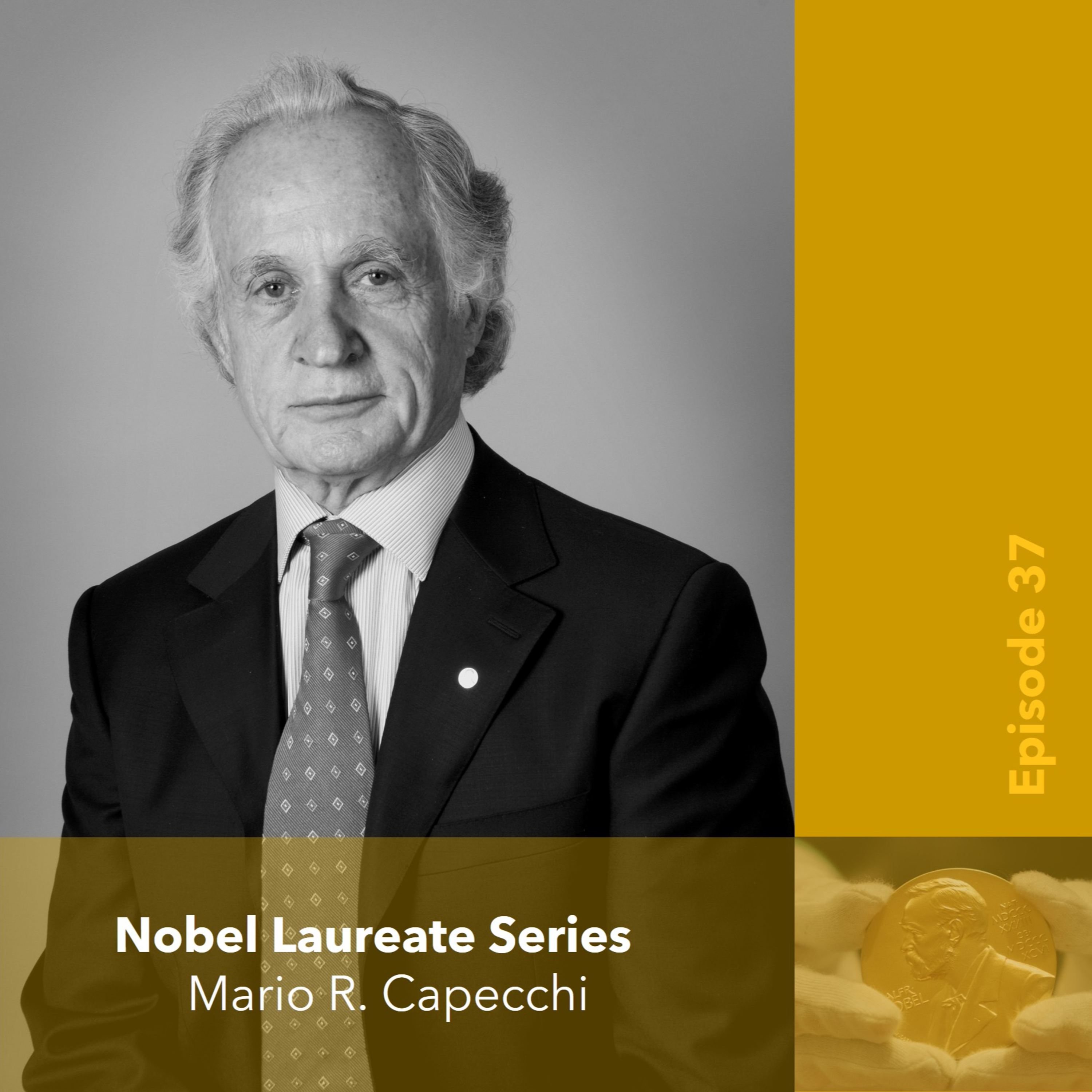
Episode 37: Mario R. Capecchi (Nobel Prize in Medicine and Physiology): The first knockout-mice and anxiety in pigs
Mario R. Capecchi won the Nobel Prize in 2007 for his work on the first knockout mice. Today, we widely take knockout mice and his methods for gene targeting for granted. They have become the standard for functional genetics and preclinical assessments. In this episode, Mario shares his view on giving the brain something to do. We talk about his early work on protein translation of viruses, about
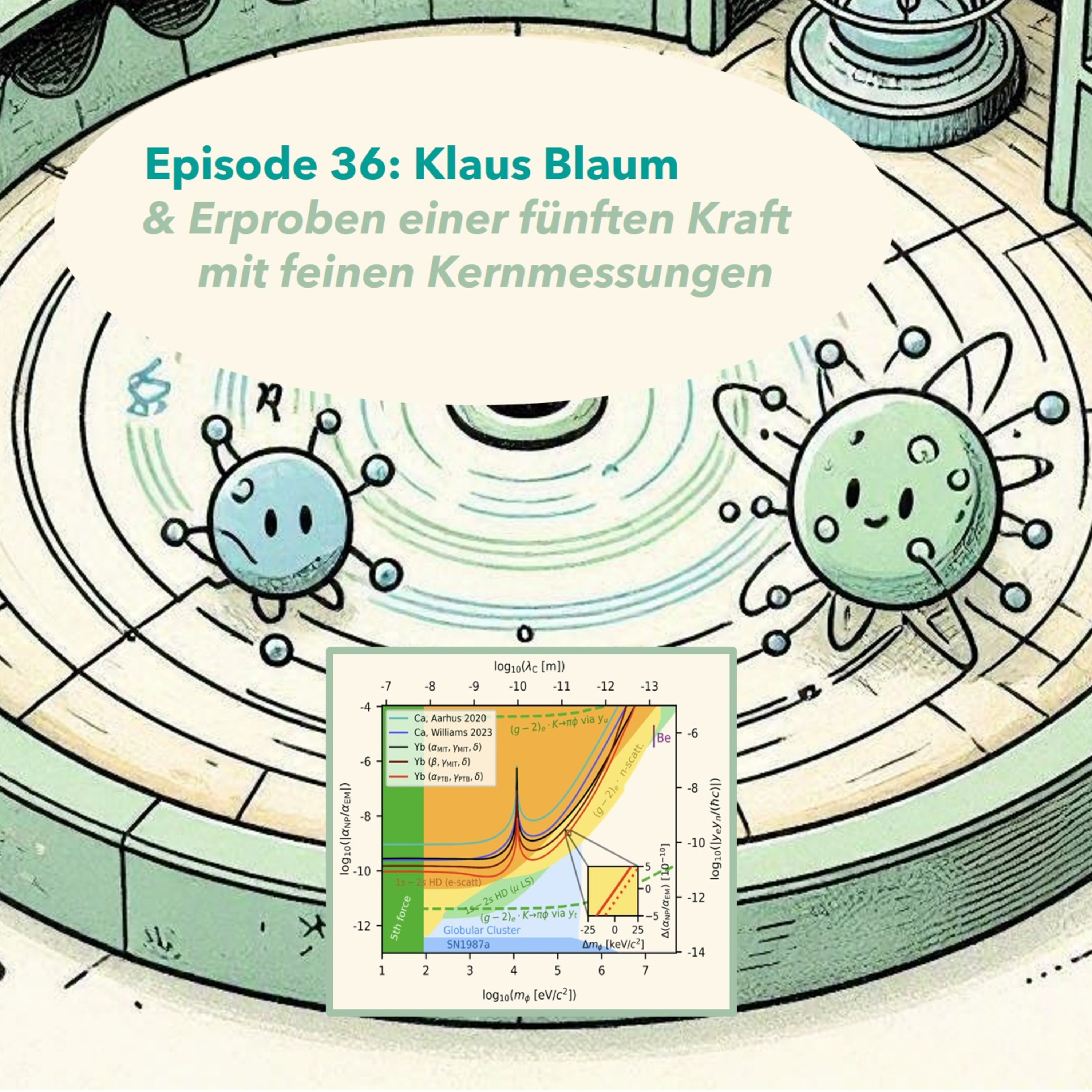
Episode 36: Klaus Blaum & Erproben einer fünften Kraft mit feinen Kernmessungen
Klaus Blaum ist Direktor am Max-Planck-Institut für Kernphysik in Heidelberg. Seine Arbeitsgruppe hält Rekorde in den präzisesten Messungen von Kernmassen und der Elektronenmasse. In dieser Episode stellt uns Klaus zwei Publikationen vor, welche die Grenzen des Standardmodells austesten. Kombiniert man präzise bekannte Isotopenmassen mit genau gemessenen Frequenzverschiebungen eines bestimmten ele
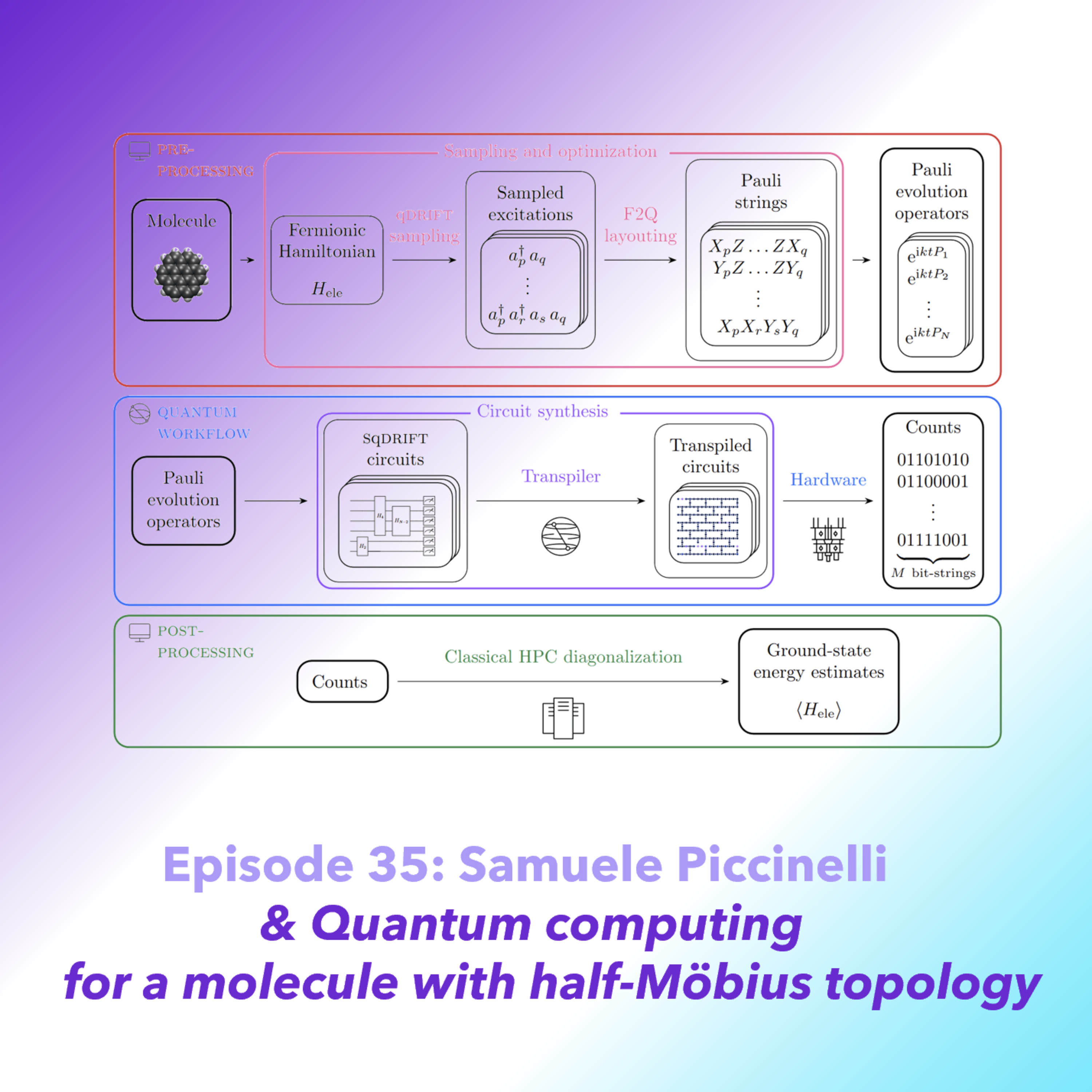
Episode 35: Samuele Piccinelli & Quantum computing for a molecule with half-Möbius topology
Today, we talk about the algorithm and quantum chemical calculations behind the molecule with half-Möbius topology as Part 2 (for Part 1, see last episode). Samuele Piccinelli - PhD student at EPFL and IBM Zurich - discusses with us his path into physics and his intuition on quantum algorithmic design. He introduced SqDRIFT, the algorithm used to probe the unique electronic structure of the half-M
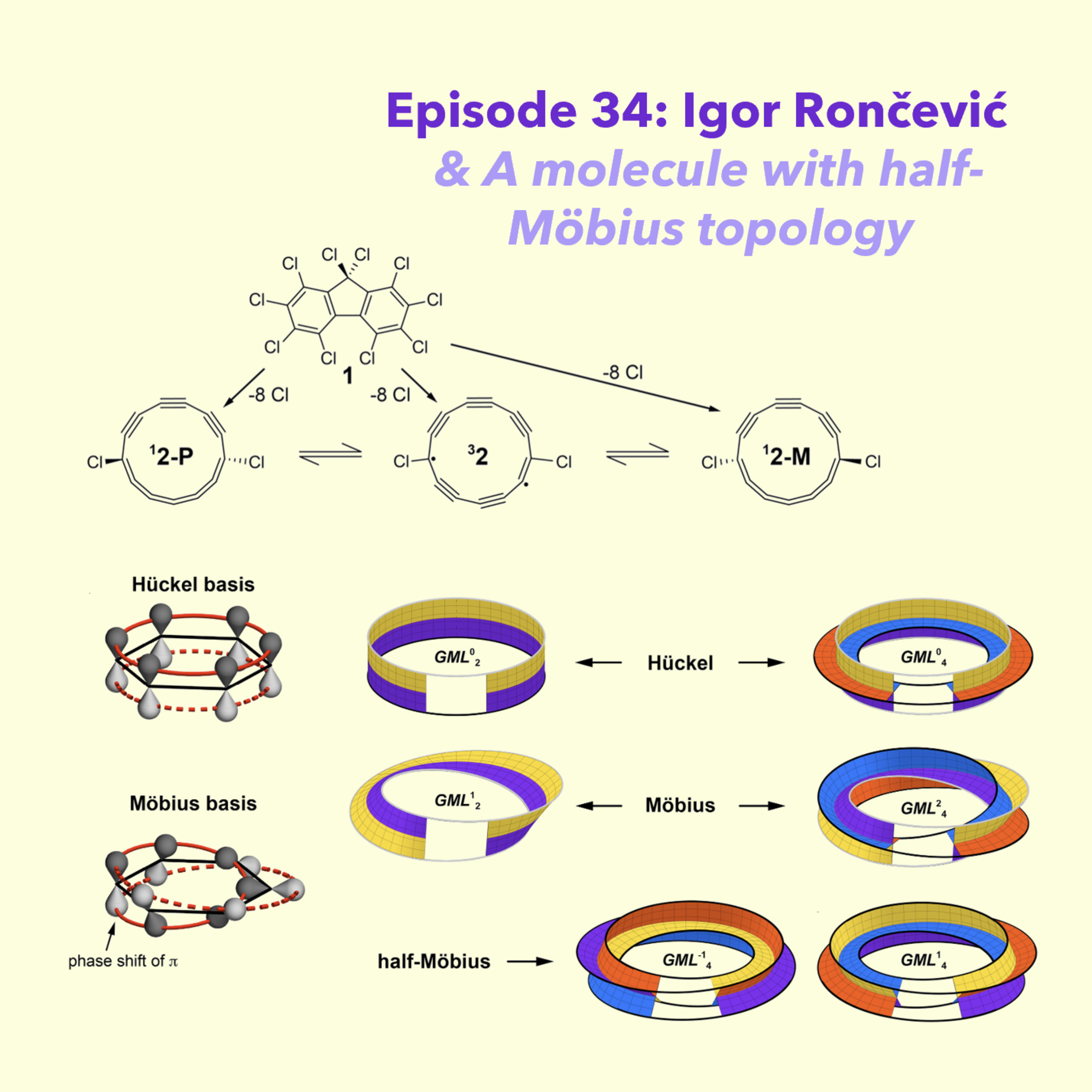
Episode 34: Igor Rončević & A molecule with half-Möbius topology
Recently, a molecule with new electronic structure was constructed, atom-by-atom using atomic force methodology. Igor Rončević is the first author behind this recent Science paper and shares with us how the molecule's electronic properties can be understood, what Möbius and half-Möbius topology mean, why the molecule bends, and how he can actually flip between topologies of the molecule. It is
Episode 33: Stephen Giovannoni & Cheeto-shaped and ubiquitous proteobacteria
Do we know what is in the ocean? In 2002, Stephen Giovannoni with his team discovered and cultured an extremely abundant and small proteobacterium, Candidatus pelagibacter, and with this we knew: We previously did not know about a quarter of the plankton in our oceans. Candidatus pelagibacter constitutes 25% of the global plankton population, is cheeto-shaped, and is hunted by an army of specializ
Episode 32 (70th Birthday): Bill DeGrado & Protein Design
This episode was recorded on 12th Sept. 2025. This marks Bill DeGrado's 70th birthday. Many thanks for what you did from the whole field! :)Bill DeGrado is one of the early protein designers who defined the field and coined the terms. His papers describe the first de novo designs, starting from helices to ion channels to catalytic centers. This episode is a kind mix of experiences shared as ch
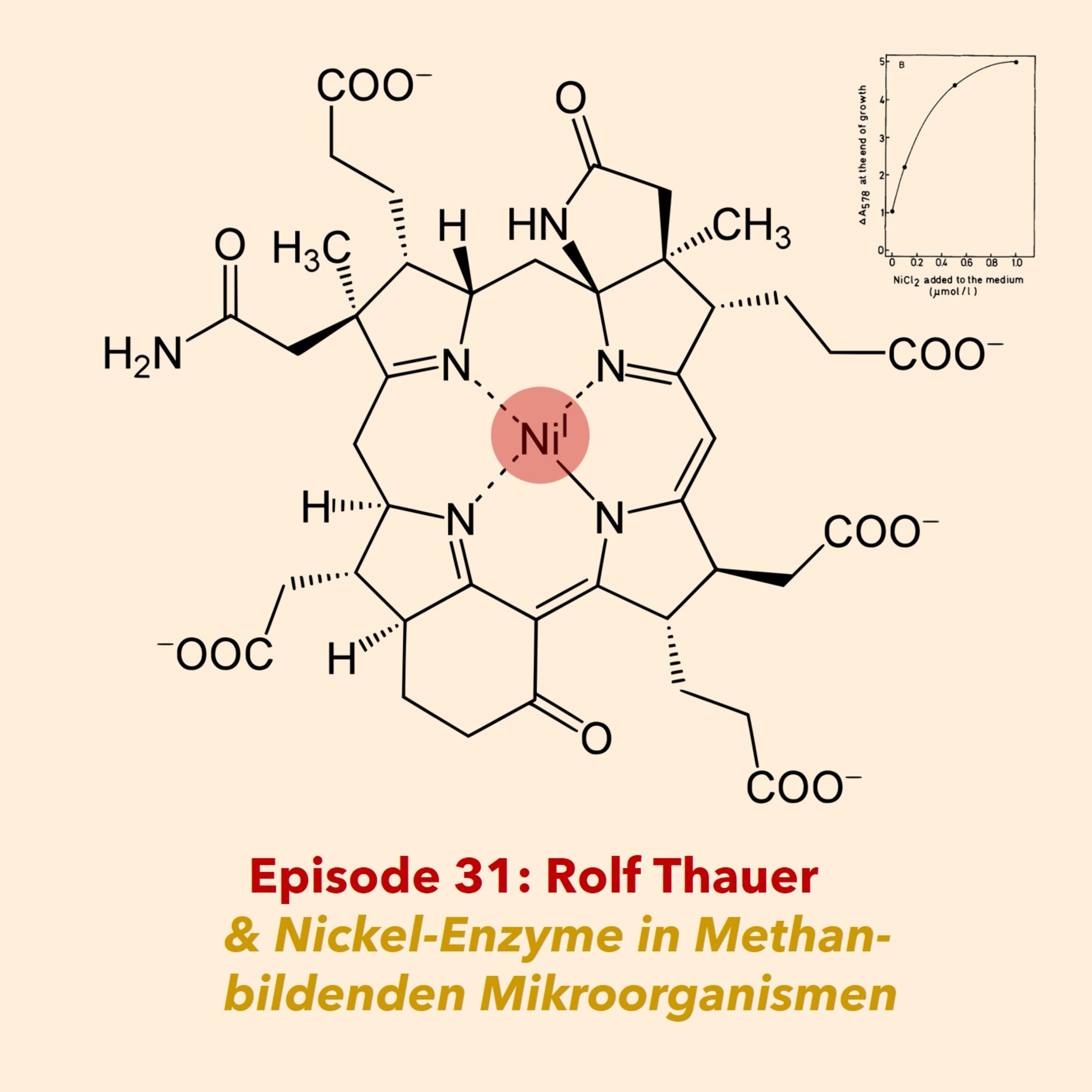
Episode 31: Rolf Thauer & Nickel-Enzyme in Methan-bildenden Mikroorganismen
Rolf Thauer ist Gründungsdirektor des Max-Planck Instituts für terrestrische Mikrobiologie. Über seine Karriere klärte er zahlreiche Stoffwechselwege in anaeroben Bakterien und Archaeen (die damals noch nicht einmal so hießen) auf. Er erzählt uns über die Zufallsentdeckung das Feld der Nickelbiochemie, und Enzymen für Methanproduktion aus Wasserstoff. Dieses können wir dann in die normalen Erdgasp
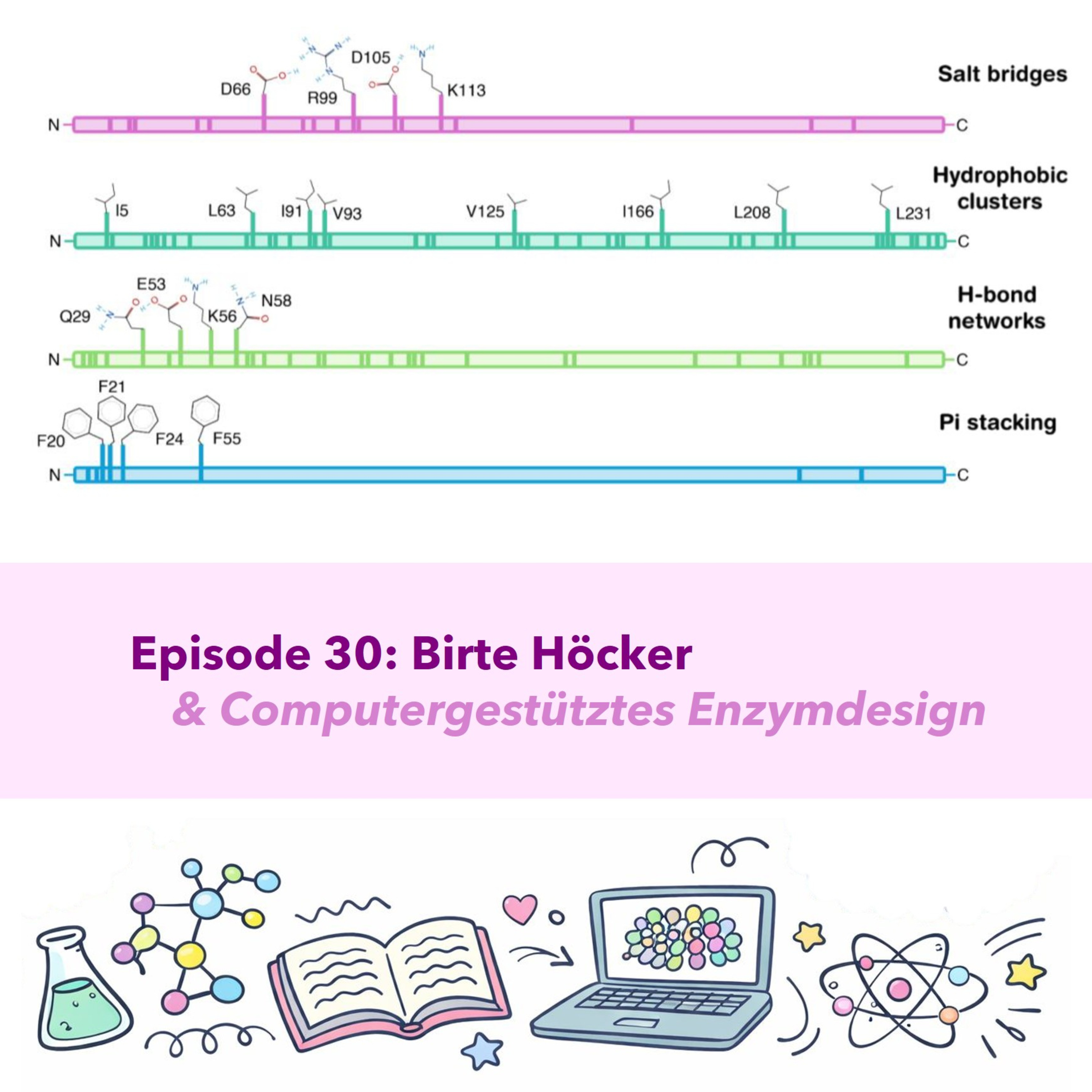
Episode 30: Birte Höcker & Computergestütztes Proteindesign
Birte Höcker forscht daran, neue Enzyme herzustellen. Dabei kombiniert sie das Feld der Biochemie mit den computergestützten Informationswissenschaften. Anhand einer ihrer Lieblingsreaktionen, der Triosephosphate Isomerase Reaktion (TIM), zeigt Birte uns, wie man zwei verschiedene Computermodell verwenden und verglichen kann, um solche Enzyme neu zu designen und loss-of-function Bakterienstämme da
Episode 29: Renko de Vries & Ice-binding proteins
Some organisms survive cold temperatures and need protection against ice crystals in their bloodstream. Renko de Vries and his students embarked on a journey to elucidate such mechanisms and design novel antifreeze proteins. How can a biological protein recognize an inorganic ice surface? Why are threonines important, and what has the winter flounder to do with it? A podcast on the fascination for
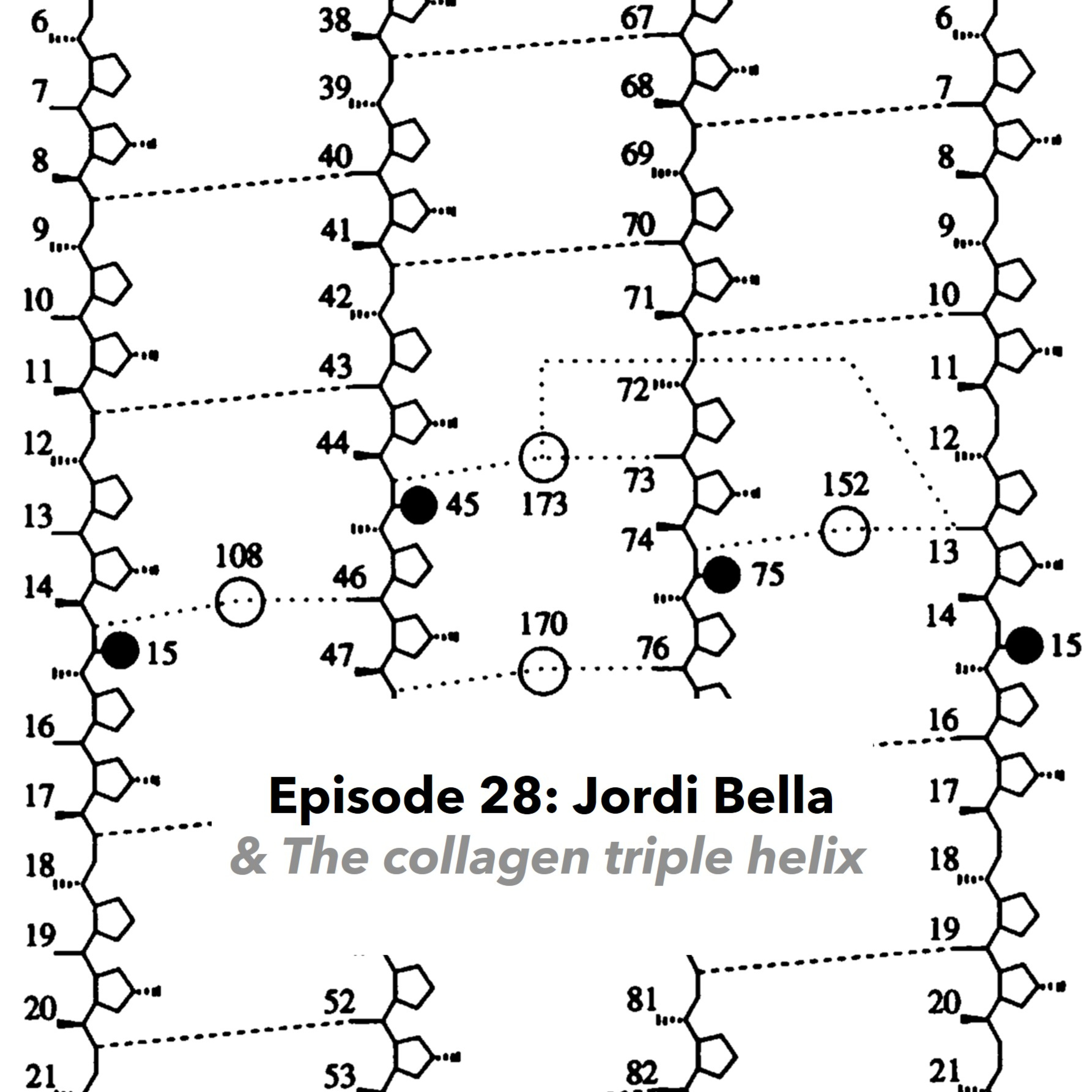
Episode 28: Jordi Bella & The collagen triple helix
Jordi Bella was the first scientist to look at the structure of collagen, an amazing triple helix that creates our cartilage, intervertebral disks, and other connective tissues. A special amino acid, hydroxyproline, is part of the story, together with different collagen application types to talk about. Where does our collagen come from, and can tobacco plants produce it?Link to the paper: https:/
Episode 27: Véronique Mayeux & Safety at Synchrotrons and EMBL
Véronique Mayeux is the leading safety officer at EMBL Grenoble. She is the daily contact point for scientists who design new experiments and equipment, and was previously a neuroscientist herself. She shares how she came to work for safety on the medical beamline of the brightest X-ray synchrotron in Europe, her love for neuroscience, supporting scientists, and animals: Her mice in the lab, and h
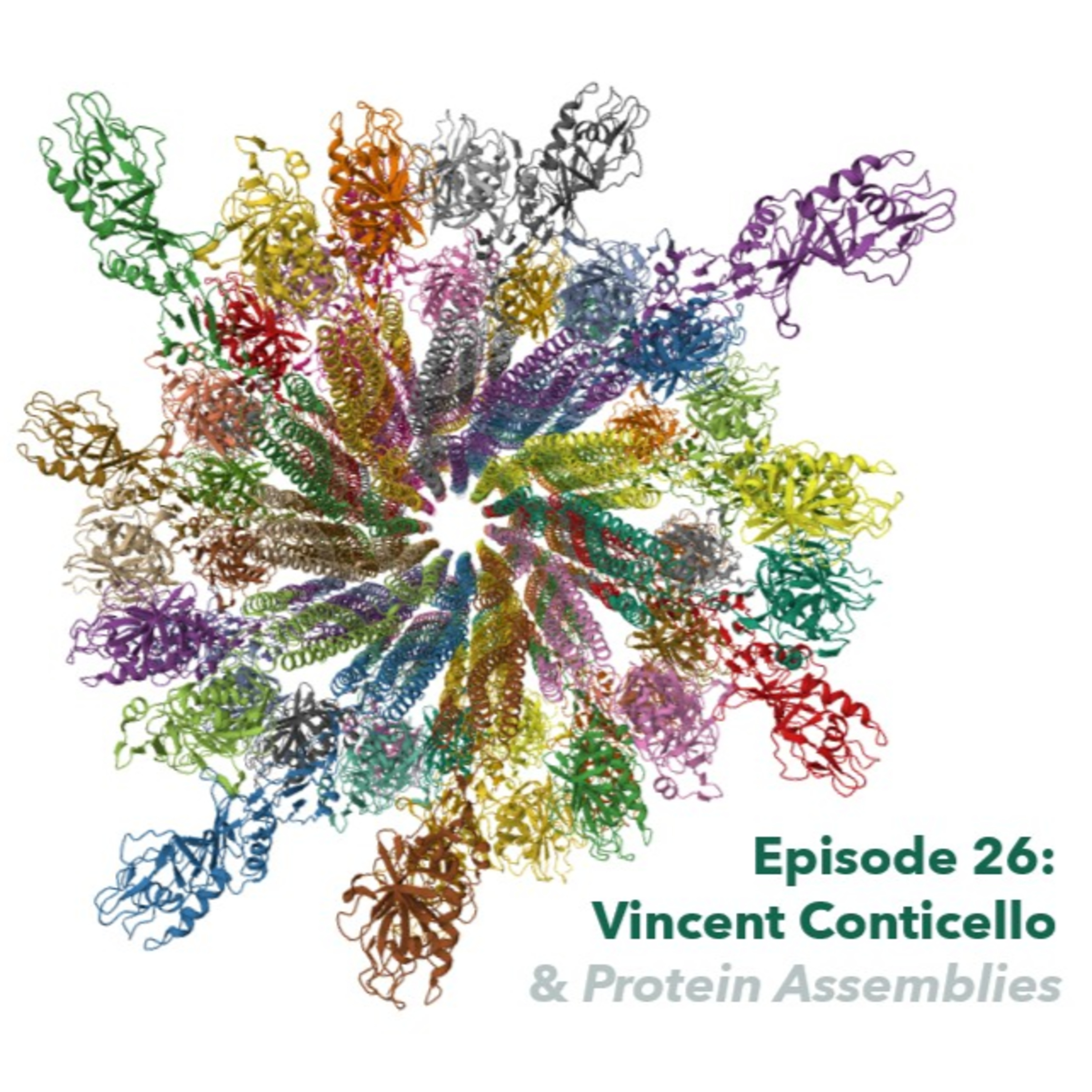
Episode 26: Vincent Conticello & Protein Assemblies
Single proteins work together in teams! Vincent Conticello is investigating and designing large assemblies of protein units. How do they form, how can new shapes be formed, how can we make biomaterials and (block-)polymers with programmable assembly properties? This episode is also very interesting from a scientist’s personal view on the impact of one’s own science worldwide.Link to the paper: htt
Episode 25: Ed Egelman & An Expert's Stories on Electron Microscopy
Ed Egelman is professor of biochemistry at the University of Virginia and shares his stoy of muscle actin filaments, helical proteins and the first discovery of “dehydrated” A-type DNA in active viruses. This episode is a fine combination of early day methods to modern day developments in the field of cryo-electron microscopy, a key technique in the study of proteins and elucidation of mechanics b

Episode 24: Helga Kromp-Kolb, Medizin & Klima in Teil 2
Nach Episode 23, folgt hier der zweite Gesprächsabschnitt mit Prof. Kromp-Kolb. Es ist ein tiefgründiges Gespräch von beheizten Klobrillen zu Lernfähigkeit des menschlichen Gehirns, mit philosophischen und politischen Fragen: Sollen Klimawissenschaftler:innen expressiv handeln? Wann reicht es nicht mehr, in einem Journal zu publizieren? Steht jemand täglich auf und möchte die Welt kaputt machen? P
Episode 23: Helga Kromp-Kolb & Medizin und Klima in Teil 1
Ein Einblick in den APCC (Austrian Panel on Climate Change) Special Report zu der Schnittstelle zwischen Medizin, Gesundheit, Demografie und Klima. Wie beinflusst das Gesundheitssystem das Klima? Wie beinflusst das Klima den Menschen? Wir sprechen in diesem ersten Teil über den Menschen als Wärmekraftmaschine, Erdölförderung und Plastik, Dachdecker und Kernkraftwerke. Eine zentrale Frage, welche w
Episode 22: Panagiotis Papatheodorou & Drug Repurposing als
Anti-Toxin-Strategie
Was macht Bakterien so toxisch? Krankheitserreger kommen oft mit Miniaturwaffen,
Toxinen, welche in unsere Zellen eindringen, Poren bauen, das Zytoskelett zerstören und
Symptome von Durchfall zu Tod auslösen können. Anstatt nun mit Antibiotika gesamte
Bakterien zu töten - viele Darmbakterien würden die meisten Menschen gerne behalten, was
bei Antibiotikagabe nicht gut möglich ist - forscht Panagio
Episode 21: Kurt Matzler & Hochleistung im Sport und im Leben
Kurt Matzler ist Strategieprofessor der Universität Innsbruck und gleichzeitig Solo-Finisher der Race Across America. Als Hochleistungssportler hat er unter anderem in 11 Tagen Amerika von Westküste nach Ostküste mit dem Rad durchquert, und mehr als 4 Mio. USD für die Ausrottung der Kinderlähmung gesammelt. Er zählt zu den besten strategischen Denkern der Welt und denkt mit uns über Hochleistung i
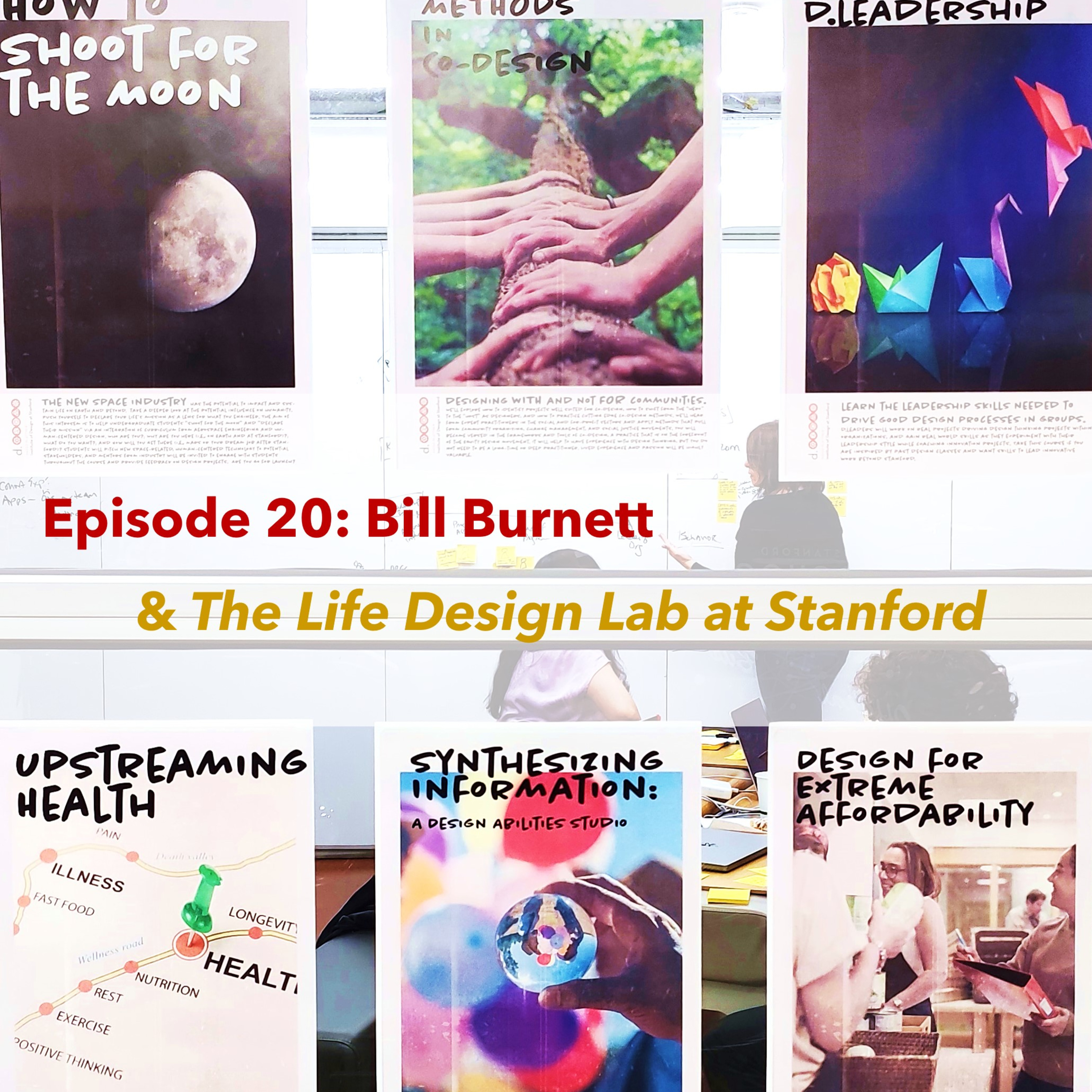
Episode 20: Bill Burnett & The Life Design Lab at Stanford
We will all not live forever. So what does a good life take? How to design a good life? Bill Burnett investigates this question among students and together with students. Like building the next Apple product, our lives are equally shaped by a process called “design thinking”. Bill Burnett explains the concrete steps of good design processes, what finding, mapping and prototyping personal values lo
Episode 19: Anna Weiss & Bakterielle Gemeinschaften
Wir kennen Knockout-Organismen, ein Gen wird entfernt, man sieht am Lebewesen, für welche Funktion es wichtig war. Was passiert nun, wenn wir uns Bakterien nehmen und "Knockout" bzw. "Dropout"-Communities herstellen? Anna Weiss hat 12 Bakterienspezies aus dem menschlichen Darm in deren Interaktion untersucht. Spannenderweise gibt es kein absolut “gutes” Darmbakterium oder ein “
Episode 18: Claudia Zoller, Friederike Sahling & Gesundheitskompetenz von 9- bis 13-Jährigen in Tirol
Was ist Gesundheitskompetenz und warum betrifft diese Kinder und Jugendliche? Wie kann man Gesundheitskompetenz messen und wobei hilft sie? Diese Fragen beantworten Claudia Zoller und Friederike Sahling vom Center für Social & Health and Innovation des MCI in dieser Folge.
Gesundheitskompetenz, auch unter dem englischen Begriff „health literacy“ bekannt, gibt Auskunft über das Können einer Per
Episode 17: Stephan Rosshart & Das erstaunliche Immunsystem von Wildlingen
Was ist ein Wildling? Oder besser gefragt, was macht eine Horde “Wildlings” im Labor? Antwort: Wissenschaftliche Fragestellungen von Grund auf neu beantworten. Medikamentenentwicklung beruht auf der Tatsache, dass Daten von Labortieren auf den Menschen übertragen werden können. Und das scheitert manchmal. Wir forschen mit fast zu perfekt sauberen Labormäusen. Können wir Mäuse wilder, mit einem ges
Episode 16: Nadia Andreani & Microbe evolution during illness
Bacteria influence our health and sickness. But does disease, for example an inflammed bowel, also influence bacteria? Nadia set out to study whether our own bacteria in the gut, specifically E.coli in a mouse model of IBS (inflammed bowel syndrome), mutate to fit the new disease environment. Does this bacterial evolution come with a trade-off? Can we target specific mutations, and might we be abl
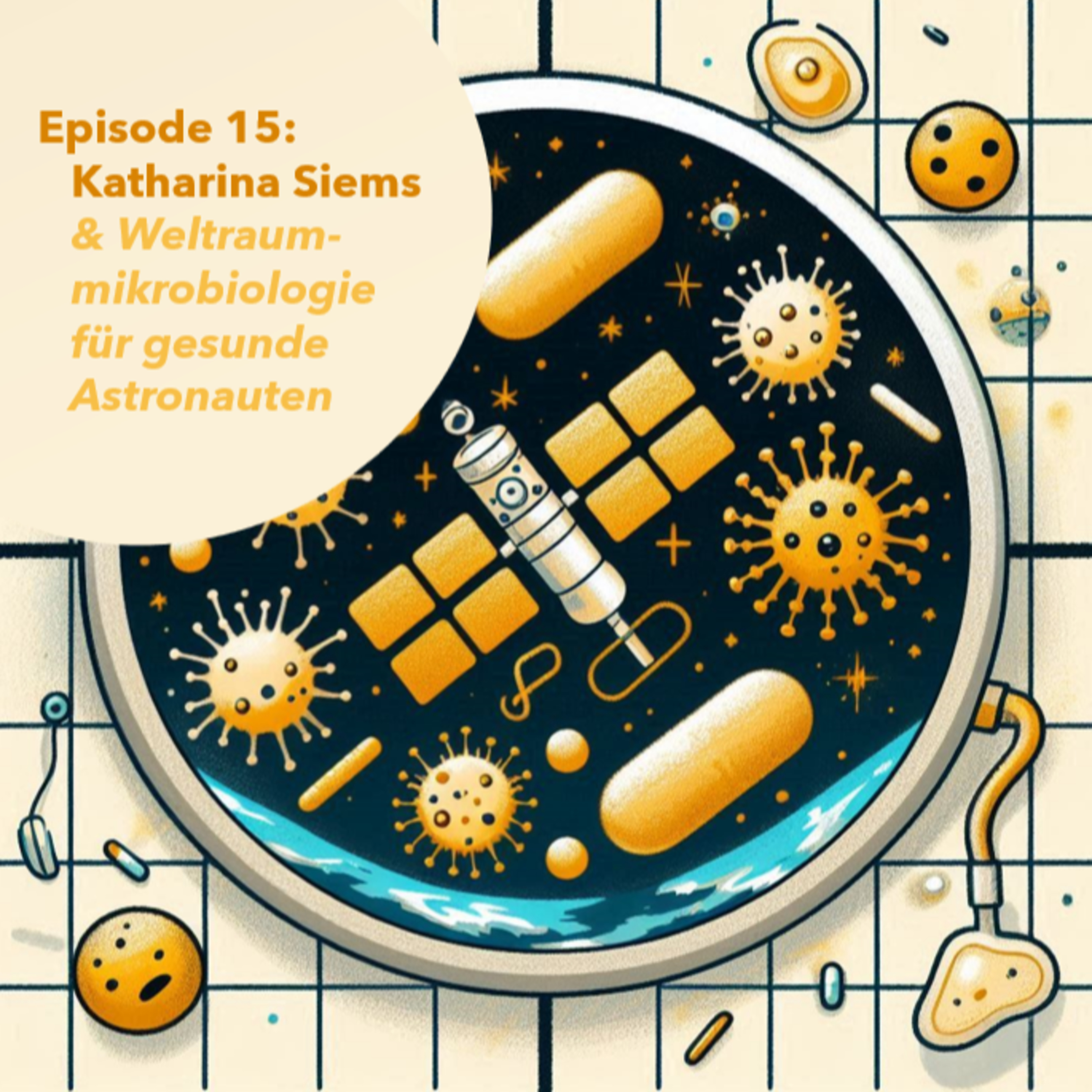
Episode 15: Katharina Siems & Weltraummikrobiologie für gesunde Astronaut:innen
Das :envihab des Deutschen Luft- und Raumfahrtzentrum beherbergt Zentrifugen, Bettruhestudien und viele Wissenschaftler:innen, welche sich fragen, wie Astronaut:innen im All gesund bleiben. Ein Teil der Weltraummedizin ist Weltraummikrobiologie. Katharina Siems nimmt uns mit in die Welt der “Miniaturastronauten” und erklärt uns, wie man anhand von Genom und Aussehen Bakterien besser verstehen kann
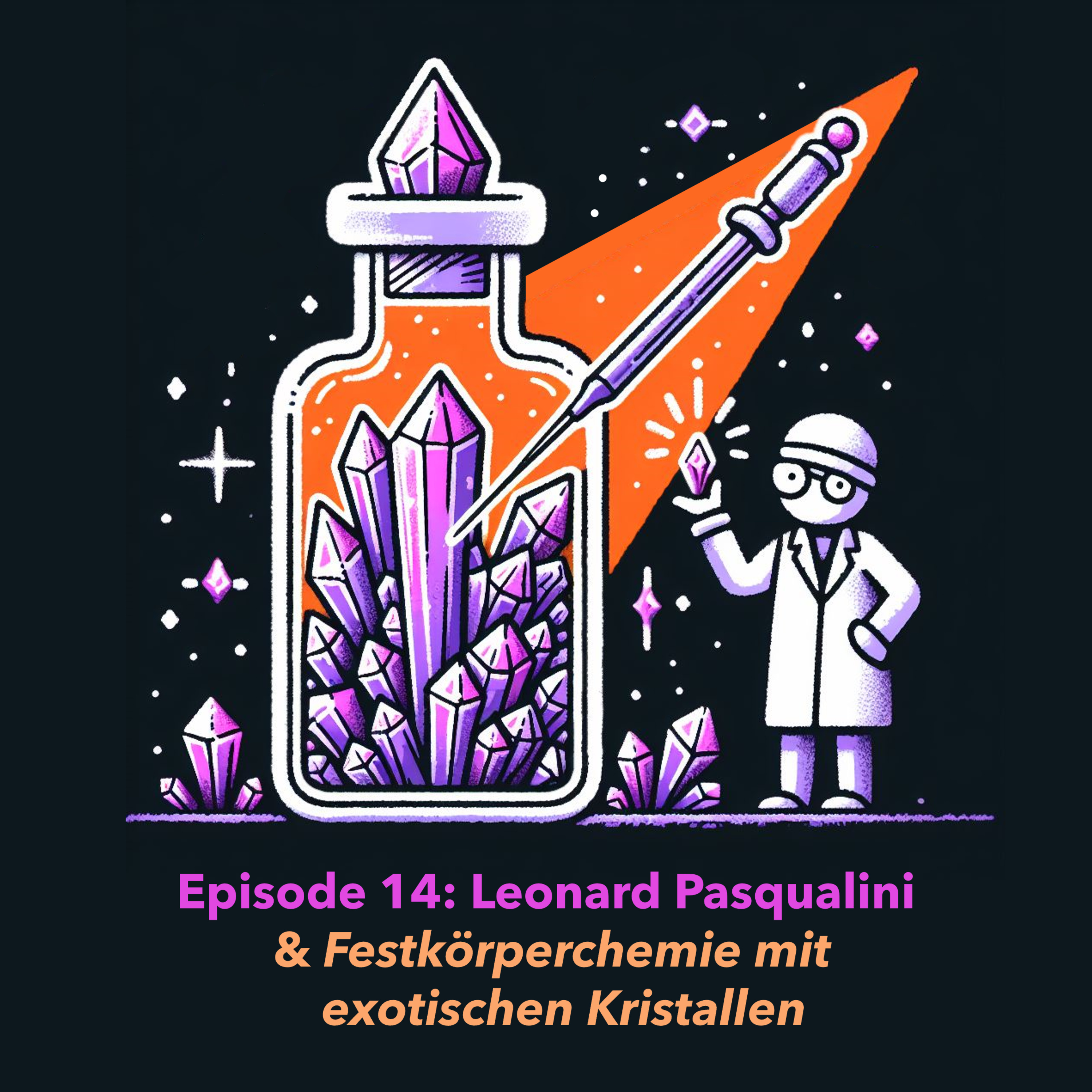
Episode 14: Leonard Pasqualini & Festkörperchemie mit exotischen Kristallen
Gibt es eigentlich Abenteuer in der Festkörperchemie?
Leonard Pasqualini synthetisiert und
charakterisiert ganze Klassen an neuartigen Substanzen. Dabei kann man an eine
unerforschte Landkarte denken: Von einem Terrain führt ein unerwarteter Weg zu einem
neuen Gebiet. Leonard erklärt uns, wie er Hochdruckchemie dabei nutzt, diese unerforschten
Substanzen erstmalig herzustellen und wie Borosul
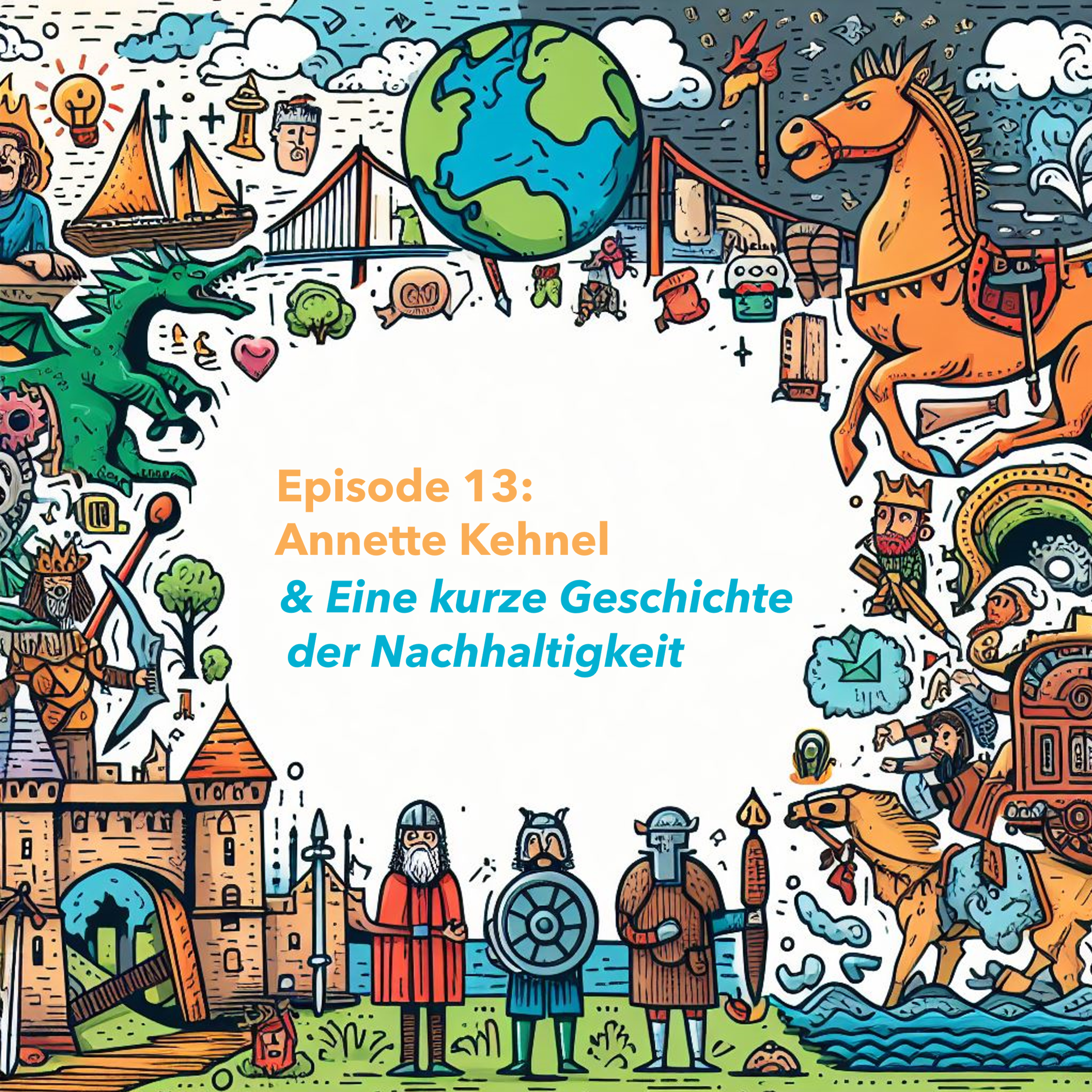
Episode 13: Annette Kehnel & Eine kurze Geschichte der Nachhaltigkeit
Wie düster wird die Zukunft? Vielleicht heller als wir denken! Annette Kehnel forscht an Mittelaltergeschichte, ebenfalls ein düsteres Zeitalter in den Köpfen vieler von uns. Allerdings bauten Teenager bereits damals Brücken, große Crowdfundingaktionen und soziale Wohnbauten wurden finanziert, eine analoge Blockchain existierte. Solche Anekdoten stellt Prof. Kehnel lebendig im Podcast aus ihrem Bu

Episode 12: Barbara Darimont & Die Qualitätssicherung chinesischer Krankenhäuser
Über das chinesische Gesundheitssystem erfährt man kaum etwas - außer man fährt hin! Prof. Darimont ist Ostasienforscherin und hat monatelang in China den Alltag von Patient:innen, Ärzt:innen und die Qualitätssicherung im gesamten System erforscht. Auf welche Hürden stößt man, wenn man sich auf Datensuche in China begibt? Wie werden in China Ärzte bezahlt? Wie gestaltet sich ein Forschungsaustausc
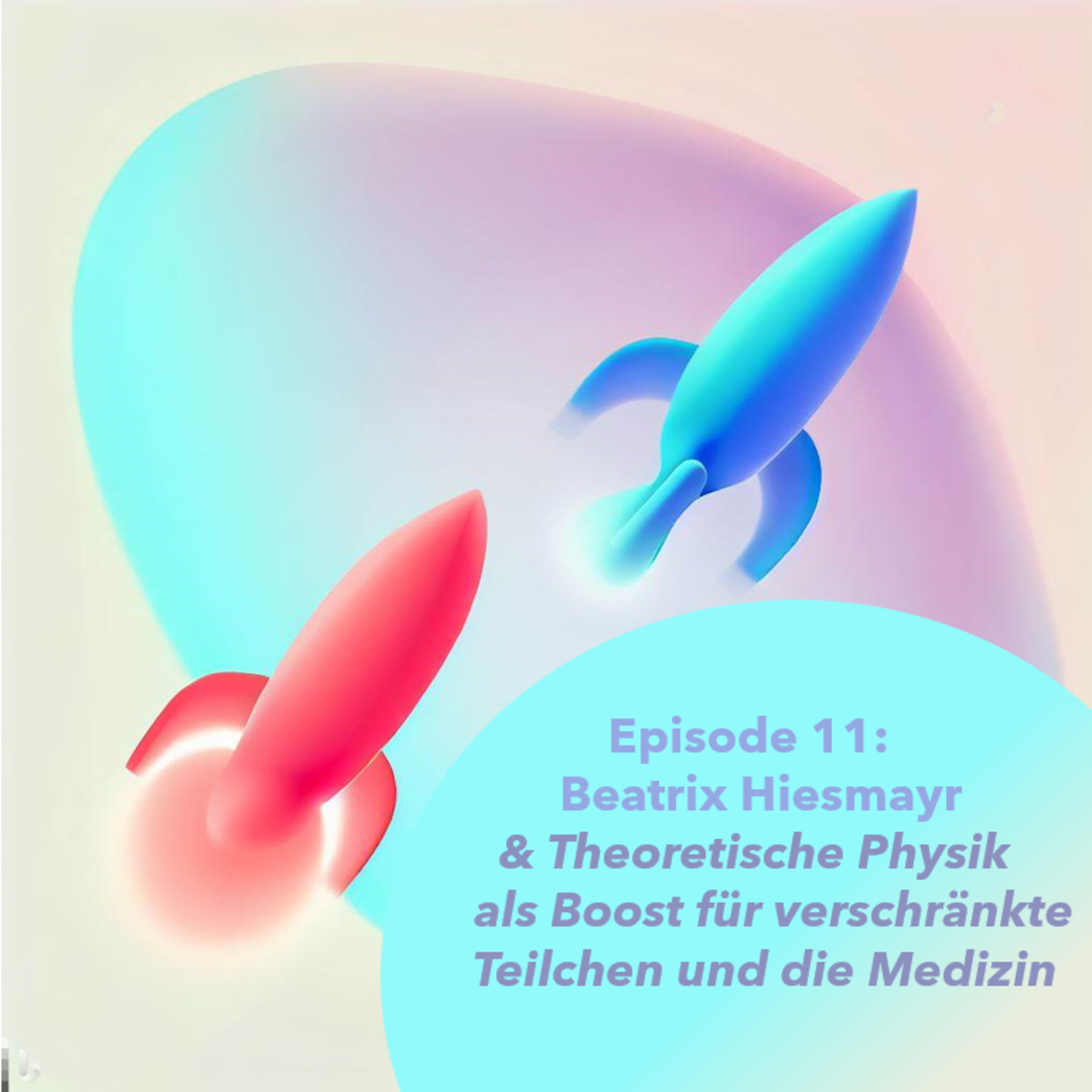
Episode 11: Beatrix Hiesmayr & Theoretische Physik als Boost für verschränkte Teilchen und die Medizin
Verschränkte Teilchen? “Spooky action at a distance” nach Einstein. Was passiert mathematisch, wenn diese verschränkten Teilchen von einem “geboosteten” (= beschleunigten) Beobachter betrachtet werden? Man könnte an eine Rakete denken … und Prof. Beatrix Hiesmayr erklärt uns, wie man solch ein Szenario berechnet. Dann denkt sie weiter: Wo können wir Entanglement noch erforschen, beispielsweise in
Episode 10: Siegfried Walch & The Nursing Strategy for the Region of Tyrol
According to current forecasts, the region of Tyrol will face a substantial surge in demand for nursing personnel in the coming years. To address this topic, a study was conducted by FH-Prof. Dr. Siegfried Walch and his research team at the Management Center Innsbruck, focusing on Social & Health Innovation. This study provides valuable insights into how the training for nursing staff and the
Episode 9: Peter Schildberg & Statische Vergleichsdrücke für Detonationen in Rohrleitungen
Dr. Peter Schildberg war langjährig bei BASF SE für Sicherheitstechnik zu Gasphasenexplosionen zuständig. Ein Beruf in der Industrie hinderte ihn allerdings nicht, aktiv zu forschen und eine Vielzahl an Papers zu veröffentlichen. Eine Paperreihe schaut sich detonative Explosionen in Rohrleitungen an, welche dadurch erstmalig in 8 Szenarien klassifiziert werden konnten. Peter nimmt uns in dieser Ep
Episode 8: Sabine Fürtinger & Patente für Biosimilars
Wie machen wir Medikamente für die breitere Öffentlichkeit verfügbar? Sabine Fürtinger arbeitet an Biosimilars - größeren biologischen Molekülen, wie Hormonen oder Antikörpern - but with a twist! Biosimilars, ähnlich zu Generika, bauen bereits zugelassene Medikamente nach und benötigen dafür besonders präzise analytische Methoden. Sabine war bei der Zulassung des ersten Biosimilars, Omnitrope, bet
Episode 7: Andrew Purcell & Communication, CERN, Concrete Data
Andrew Purcell, CCO of CERN openlab, shares his manifesto for good science communication. Starting from Tim Radford’s Manifesto for the Simple Scribe, he shares 6 best practices for every scientist, what curiosity has to do with concrete data and a memorable experience from explaining grid computing.
Link to Tim Radford’s Manifesto: https://amp.theguardian.com/science/blog/2011/jan/19/manifesto-
Episode 6: Judith Ascher-Jenull & Mikroorangismen als "Game-Changer" in Kunst und Architektur
Mikroorganismen sind die Größten unter uns, in vielerlei Hinsicht. Dies mag paradox klingen, jedoch sind sie die größten lebenden und ältesten Organismen der Erde. Sie ermöglichen uns das tägliche Leben, einerseits durch deren Beitrag zur Entstehung der Erdatmosphäre, andererseits durch deren Einsatz bei der Herstellung von Lebensmitteln. Auch in der Architektur und Kunst finden Mikroorganismen im

Episode 5: Judith Ascher-Jenull & Ein Orchester aus Bodenmikroben
Bodenmikrobiologie heißt, das verstehen zu lernen worauf wir jeden Tag “stehen”. Hierfür kann man metabolische oder genetische Fingerabdrücke als Untersuchungsmethoden verwenden. Wie richtet man ein Bodenmikrobiolgie-Labor aber eigentlich ein? Wie hat sich dieser Forschungsbereich eigentlich entwickelt? Dr. Judith Ascher-Jenull erzählt uns aus ihrer Zeit in Italien und Österreich und warum das “Kl
Episode 4: Cornelia Lass-Flörl & Toleranztests für tödliche Schimmelpilze
Was ist A. terreus? Warum finden wir ihn nur in Tirol und drei anderen Orten auf dem gesamten Planeten? Prof. Cornelia Lass-Flörl beschäftigt sich mit diesem besonderen Schimmelpilz in Forschung und Klinik. Unter dem Mikroskop bildet er wunderschöne Strukturen, in Patienten tödliche Resistenzen bzw. Toleranzen. Was ist genau der Unterschied zwischen Resistenz und Toleranz? Wie können wir darauf te
Episode 3: A Journal Journey - The Living Journal of Computational Molecular Sciences
LiveCoMS: After having shared a researcher's view in the last episode, Prof. Chris Oostenbrink, as editor, takes us "behind the scenes" of The Living Journal of Computational Molecular Sciences. This journal is fully open-source and focuses on a very novel approach: Not only publishing papers but keeping them regularly updated = "alive".
In a dynamic world, it might be goo
Episode 2: Chris Oostenbrink & A neural network which evaluates "buffer regions" for molecules
BuRNN: In this episode Prof. Chris Ooostenbrink explains how a neural network approach can help to bridge quantum mechanic and molecular mechanic simulations. Both are necessary to understand molecules better. The costly quantum mechanic calculations need to be used for an interesting core part, the molecular mechanics for the outer shell ... with a buffer region both can be stitched better togeth
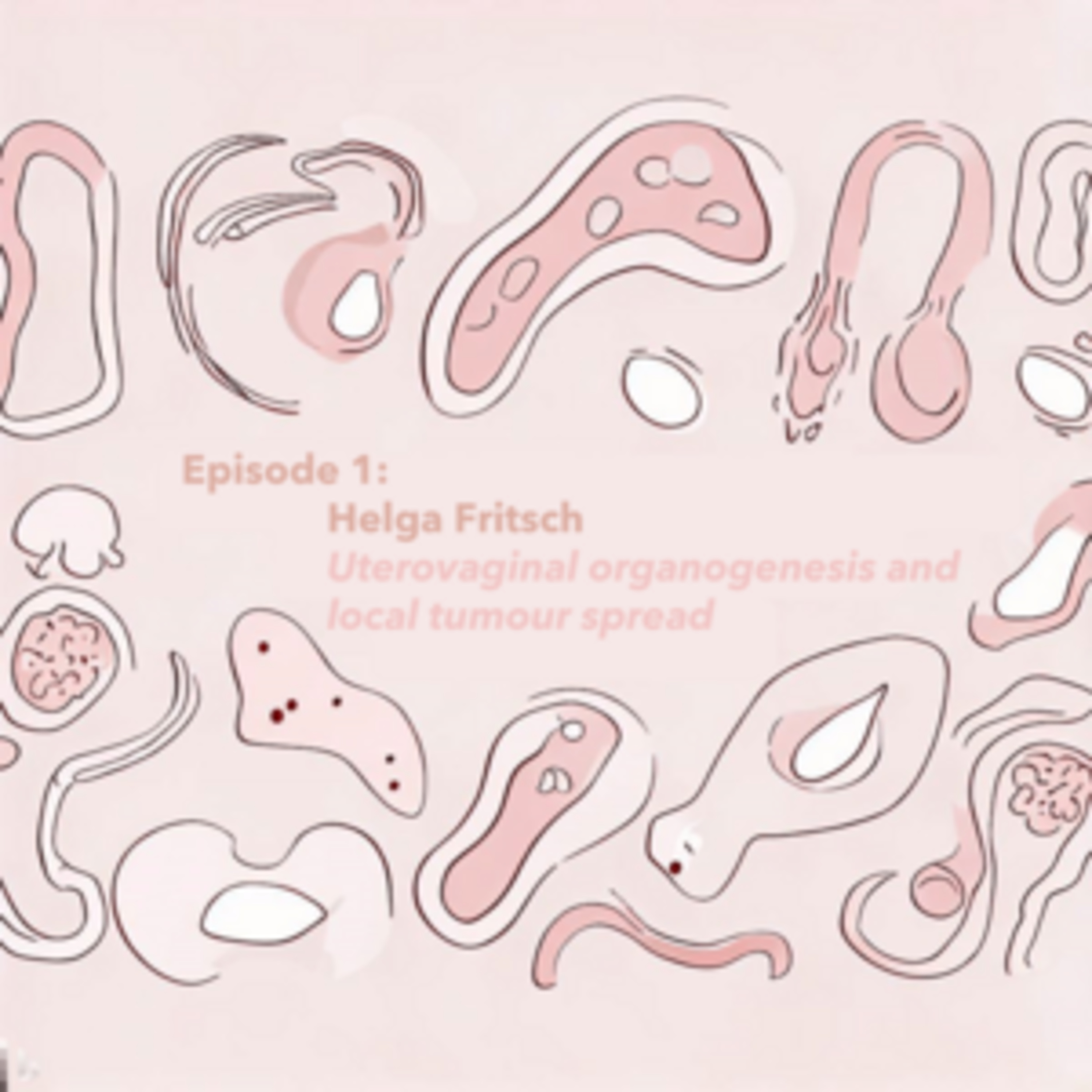
Episode 1: Helga Fritsch & Die Entwicklung uterovaginaler Kompartimente
Wie hängen die Entwicklung unserer Organe während der Zeit als Embryo mit den Erfolgschancen bei Krebstherapie zusammen? Anhand von Gebärmutterhalskrebs erklärt Univ. Prof. Dr. Helga Fritsch, wie sich Zelltypen in ihren spezifischen anatomischen Kompartimenten „zu Hause“ fühlen und wir daher operativ anhand dieser Strukturen vorgehen sollten.
Link zum Paper: https://doi.org/10.1016/S1470-2045(05)7
Recommended

McKinsey on Consumer and Retail

megahired.com

Hard Knocks Podcast
Effective Weight Loss for Moms | High protein, Strength Training, Lose Weight, Meal Planning, Fat Loss, Healthy Habits

The Human-Animal Connection - Pet Life Radio Original

Infinite Health with Dr. Arasi Maran

The Daily

World News Tonight with David Muir

English Vocabulary Help

The Joe Rogan Experience
TED Talks Daily

Learn English B1 with Daily News | English Listening Practice
