The Way the World Works: A Tuttle Twins Podcast for Families
The Way the World Works is a family-oriented podcast from the team behind the Tuttle Twins books. Host Connor Boyack and guests discuss current events, popular topics, and big ideas through an educational and liberty-minded lens. Episodes are designed to help parents and children make sense of complex issues together. The show emphasizes clear thinking and family conversation about the world.
Episodes

731. How Does A Case Get to The Supreme Court?
Ever heard someone threaten to take a fight all the way to the Supreme Court — and wondered what that actually means? Today on The Way the World Works, Brittany walks through exactly how a case climbs to the highest court in the land. She starts with a playground dispute, because courts exist for the same reason recess monitors do: to hear both sides and decide who was at fault. From there the jou

730. How The Ice Trade Changed The World
Getting ice for your drink takes about four seconds and zero thought — but for most of human history it was a luxury you could not buy at any price. Today on The Way the World Works, Brittany tells the story of how ice went from something only the very wealthy could get their hands on to something sitting in every kitchen in America. It starts with George Washington's servants sawing blocks out of

729. Samuel Gorton: The Radical Defender of Liberty Before America Existed
What if the man who fought hardest for liberty in early America is one you've never heard of? Today on The Way the World Works, Brittany shares the story of Samuel Gorton, one of the earliest and boldest pro-liberty activists in America, and a man who was banished, jailed, and whipped for refusing to give up on freedom. With America 250 in full swing, Brittany has been working her way through Murr

728. What Can Wikipedia Teach Us about Decentralization of Knowledge?
What if the internet's biggest experiment in trusting ordinary people with knowledge actually solved a problem economists once said could never be solved? As Wikipedia turns 25 years old, let's take a minute to appreciate what the website did for decentralizing information. In this solo episode, Brittany revisits one of her favorite ideas from economist F.A. Hayek: the "knowledge problem," the arg

727. What Is The Backfire Effect?
Have you ever shown someone the facts, expected them to change their mind, and watched them dig in even harder instead? Today on The Way the World Works, Brittany continues the show's ongoing series on "beware our biases" by tackling one of the sneakiest ones yet: the backfire effect. It's the reason a well-reasoned argument can sometimes make someone believe something even more strongly, not less

726. Why You Should Learn to Love Rejection
Nobody likes hearing "no." But what if learning to actually enjoy rejection is the real secret to success? No one likes being told no. But if you want to be successful in life, you better learn how to hear it — and keep pressing forward anyway. In this solo episode, Brittany opens up about a lifelong love of singing, acting, and performing, and how a paralyzing fear of rejection kept her from audi

725. What Did Henry Ford Teach Us about Minimum Wages?
What if the free market could raise wages faster and more effectively than any government mandate ever could? We hear it constantly: the government should raise the minimum wage, or states should set their own higher floors on pay. It's a debate that never really goes away, and there's a real tension in it — forcing companies to pay more can be devastating for smaller businesses, and entry-level j

724. What Is Shrinkflation?
Ever noticed your favorite candy bar or bag of chips seems smaller than it used to be? You're not imagining it - that's shrinkflation, and it's happening all around you. We've all heard of inflation, but what do you call it when the price tag stays the same while the product inside keeps getting smaller? In this episode of The Way the World Works, Brittany breaks down "shrinkflation," the sneaky c

723. What Is Castle Law?
There's a 400-year-old legal doctrine that still decides what happens if someone breaks into your house tonight — and most people have never heard its actual name. Brittany is back with another dive into property rights, this time tracing the doctrine known as castle law all the way back to Sir Edward Coke, the same 1600s English jurist behind the "just compensation" ruling she covered a few episo

722. What Do You Call A War That Isn't Called A War?
If bombs are dropping and troops are being sent overseas, does it matter what the president decides to call it? Today's episode continues a conversation about war powers: who actually has the constitutional authority to declare war? The answer is simple — only Congress does, not the president, who is commander in chief but was never given the power to start a war on his own. But as Brittany explai

721. Is Capitalism Fair and Just?
If you built something with your own hands and your own time, who should get to keep it — and does the answer to that question tell you everything you need to know about capitalism? Today's episode tackles a big question: is free-market capitalism just efficient, or is it actually fair? Brittany was inspired by a recent speech at the World Economic Forum — of all places, given how much that stage

720. What Is The Bystander Effect?
*Would you actually call for help if you saw someone in trouble — or would you quietly assume someone else already had it covered?* Today's episode digs into one of the most eye-opening psychological biases from The Tuttle Twins Guide to Beware Your Bias: the bystander effect. It's the counterintuitive reason that being surrounded by more people when something goes wrong often makes it LESS likely

719. What If Birthday Parties Were Centrally Planned?
You already know exactly what you'd want at your own birthday party — so what happens when a total stranger on the other side of the world tries to plan it for you? Brittany uses birthday parties to explain one of economics' biggest ideas: the knowledge problem. She starts personal, admitting she never lets anyone else plan her own birthday, because nobody knows her favorite food, cake flavor, mus

718. Why Group Projects Go Wrong — And What That Teaches Us About Running a Country
If your group project grade ever got wrecked by one teammate who did nothing, you already understand why entire economies collapse. Group projects rarely go well — someone always ends up doing all the work while everyone gets the same grade. Brittany breaks down why that frustration isn't just a school problem: it's the exact same flaw that sank one of America's first colonies and that still shows

717. Who Was Madam C.J. Walker?
She was born in a Louisiana cotton field to parents who had been enslaved, orphaned by age seven, and married at fourteen to escape an abusive home — yet Madam C.J. Walker became the first self-made female millionaire in American history. What if the problem everyone complained about became the business idea that changed your life? Brittany tells the story of Madam C.J. Walker, born Sarah Breedlov

716. How The King's Search for Gun Powder Strengthened Property Rights
In 1606, King James's men were tearing up English homes with crowbars searching for a gunpowder ingredient — and the court ruling that finally reined them in is still being cited in property rights cases four centuries later. In 1606, the Crown's search for gunpowder resulted in one of the most important court rulings that shaped American property rights over a century later. Brittany traces the s

715. The Man Who Saved Thomas Jefferson's Life
In the dead of night, a 26-year-old Virginian heard hoofbeats on the road to Charlottesville and made a split-second choice that may have saved Thomas Jefferson's life. When British troops launched a surprise raid aimed at Virginia's leaders, one young Virginian recognized the danger and took action. Brittany tells the story of Jack Jouett, a militia captain who, on the night of June 3, 1781, over

714. Why NYC's Socialist Mayor Can't Create More Housing
New York City just elected a democratic socialist mayor, and his plan to fix the housing crisis starts with getting rid of the very thing that builds houses: private ownership. Brittany dives into the real-world experiment now playing out in New York City, where Mayor Zohran Mamdani and his housing secretary, Cea Weaver, are pushing policies built on the idea that housing should be owned collectiv

713. What Can Legos Teach Us about Innovation?
A struggling Danish carpenter lost his business in the Great Depression, watched his workshop burn to the ground twice, and still built one of the most beloved brands on the planet out of tiny plastic bricks. Legos aren't just the toy you're constantly stepping on in bare feet, they're also one of the best case studies in entrepreneurship you'll ever find. In this episode of The Way the World Work

712. The Baker Who Fed The Continental Army
He never fired a shot in battle, but George Washington called him "the general baker" — and without his bread, the Continental Army might have starved before it ever won independence. Christopher Ludwick was a German immigrant, a trained soldier, and one of Philadelphia's most successful bakers when the Revolution began. As a German-born businessman, he could have easily sat the war out like many

711. How Did Two People From Massachusetts Advance Religious Liberty?
Two colonists broke every rule of Puritan Massachusetts—and accidentally invented American religious liberty. The Puritans and Pilgrims sailed to America seeking freedom to worship as they pleased. But once they had power, they didn't extend that freedom to anyone else. In 1630s Massachusetts Bay Colony, only church members could vote, starting a new church required government permission, and crit

710. John Adams, Free Speech, and the First Constitutional Crisis
John Adams helped write America's promise of free speech, then signed a law that made criticizing him a crime. The Revolution was won and the Constitution was ratified. But then what happened? Did the Constitution actually stop the new American government from becoming the very thing the Revolution was fought against? Brittany picks up right where the last Tuttle Twins history book left off, traci

709. Benedict Arnold: The Hero Who Became a Villain
Benedict Arnold saved America at its most desperate hour, then became its most infamous traitor. This is the story of how wounded pride turned a war hero into a villain. Before he became America's most famous traitor, Benedict Arnold was one of its most valuable heroes. In this episode, Brittany traces Arnold's path from successful Connecticut merchant to battlefield legend, and asks the question

708. Seeing America Through Fresh Eyes
A German tourist's viral videos about hotel rooms and gas stations reminded millions of Americans just how extraordinary their everyday life really is. During the 2026 World Cup, visitors from around the globe are experiencing America for the first time, and their reactions are going viral. Brittany starts with the story of Freddie, a tourist from Germany whose posts about oversized hotel rooms, h

707. America: An Idea Worth Believing In
A place can be captured. An idea cannot — and that idea is what makes America, America. Historian Gordon S. Wood spent his entire career explaining something most countries never have to explain: why they exist. Wood, who passed away this year at 92 — just months before he could have celebrated America's 250th birthday — became one of the most influential voices on the American founding, the Revol

706. Why Did The Framers Hate Excessive Fines?
The Eighth Amendment says the government can't impose "excessive fines" — but that single clause has a wild, 800-year-old backstory involving a tyrant king, a murder accusation, and a family that paid the ultimate price for speaking up. In this episode, Rachel digs into the medieval origin of the excessive fines clause, tracing it all the way back to King John of England — yes, the same King John

705. Who Was Mercy Otis Warren?
She grew up in a house with twelve brothers and sisters, snuck into her uncle's library to devour books she wasn't supposed to read, and became one of the sharpest political writers of the American Revolution — armed with nothing but wit, satire, and a pen. Mercy Otis Warren doesn't get nearly the attention she deserves, but she's one of the most important Founding Mothers in American history. Bor

704. The Marquis de Lafayette and the Fight for Liberty on Two Continents
A 19-year-old French nobleman heard about a group of scrappy colonists fighting for liberty on the other side of the ocean — and decided to risk everything to join them. He wasn't asked. He wasn't paid. He bought a boat, defied his own government, and crossed a dangerous ocean because he believed in an idea. Most people know the Marquis de Lafayette as a character from the Broadway musical Hamilto

703. John Hancock: More Than a Big Signature
John Hancock's name was famous long before he signed the Declaration of Independence — and the story of how he became one of Boston's most powerful merchants reveals exactly why the British crown feared him. Most of us picture John Hancock as the man with the boldest signature on the Declaration of Independence. But before he put pen to parchment, he was one of colonial Boston's most successful en

702. The Acts That Sparked the American Revolution
One law that actually made sugar cheaper ended up setting off a ten-year chain reaction that cost Britain its American colonies. Before the American Revolution, Britain passed a series of laws that slowly pushed the colonies toward rebellion. In this episode of The Way the World Works, we explain why the Revolution wasn't sparked by one dramatic event — it was the result of ten years of escalating

701. How Americans Learned to Celebrate Independence
Did the Founders really imagine fireworks, parades, and hot dogs — or did they expect us to celebrate the 4th of July a different way? John Adams made one very specific prediction in 1776, and he was only two days off. Why do Americans celebrate the Fourth of July with fireworks, parades, and barbecues? In this episode of The Way the World Works, we travel back to 1776 to discover how the Founders

700. The Liberty Tree: One of America's First Symbol of Freedom
In 1775, before he wrote Common Sense, Thomas Paine wrote a poem about a tree — and that tree was already shaping the American Revolution. The story of the American Revolution is usually told through famous documents and famous men, but some of the earliest and most powerful symbols of colonial resistance weren't speeches or armies at all. One of the first was a real elm tree on Boston Common — an

699. Who Was Joseph Plumb Martin?
Joseph Plumb Martin was just a 15-year-old farm boy when he signed up to fight in the American Revolution — and the memoir he wrote at age 70 gives us one of the only firsthand glimpses of what war was actually like for an ordinary Continental soldier. The story of the American Revolution is usually told through its most famous figures — George Washington, Thomas Jefferson, the Declaration, the Co

698. The Civilian Spies Who Helped America Win the Revolution
Two ordinary civilians — a New York tailor and an enslaved man from Virginia — used their everyday roles to outsmart the British and change the course of the American Revolution. In this episode of The Way the World Works, we tell the stories of two civilian spies who helped America win independence without ever joining the army. Hercules Mulligan, a tailor in British-occupied New York, used the g

697. Why Was Moral Character So Important to the Founding Fathers?
America's founders believed a free society could only survive if its people practiced self-control, integrity, personal responsibility, and virtue. The Founding Fathers didn't believe freedom meant doing whatever you wanted without consequences. Leaders like George Washington, John Adams, Benjamin Franklin, and Thomas Jefferson understood that liberty requires strong moral character — because if i

696. Who Was Deborah Sampson? The Girl Who Disguised Herself to Fight in the Revolution
When women weren't allowed to serve in the army, Deborah Sampson risked everything to fight for American independence anyway. Deborah Sampson was one of the most remarkable unsung heroes of the American Revolution. Born in Massachusetts and raised through hardship, she grew up strong, determined, and deeply committed to the cause of liberty. But because women were not allowed to serve as soldiers,

695. Who Was Stephen Langton? The Man Who Told a King "No" and Helped Shape Magna Carta
One courageous scholar helped remind the world that even kings must live under the rule of law. Stephen Langton may not be a household name, but his courage and conviction helped change the limits of power forever. As Archbishop of Canterbury, Langton refused to become a pawn of King John and later helped give the barons the language, ideas, and moral clarity they needed to stand against the king'

694. Who Was Frédéric Bastiat? The Law, Liberty, and the Proper Role of Government
When government stops protecting our rights and starts violating them, the law becomes a weapon instead of a shield. Frédéric Bastiat was a French economist and writer whose timeless essay The Law remains one of the clearest defenses of liberty, property rights, and limited government. His central question was simple but powerful: What is the law actually supposed to do? In this episode of The Way

693. Why Was Lexington and Concord So Important? The Shot Heard Around the World
The Revolutionary War didn't begin with the Declaration of Independence. It began more than a year earlier when ordinary colonists stood up to the most powerful army in the world. In April 1775, tensions between the American colonies and the British Crown finally erupted in Massachusetts at Lexington and Concord. Long before the Declaration was signed, colonists had already been resisting British

692. Who Was Salem Poor? The Forgotten Revolutionary War Hero Who Fought for Liberty
The American Revolution was shaped not only by famous founders, but also by brave, often-overlooked heroes who risked everything for the cause of freedom. You've probably never heard of Salem Poor, but his courage at the Battle of Bunker Hill made him one of the most remarkable unsung heroes of the Revolutionary War. Born into slavery in Massachusetts in 1747, Salem worked hard, saved money, and p

691. How to Write a Letter to the Editor and Enter the Tuttle Twins America 250 Contest
Kids can use persuasive writing, local newspapers, and their own ideas to help celebrate America's 250th birthday in a meaningful way. Did you know kids can get published in real newspapers? A letter to the editor is a short opinion piece submitted to a local newspaper or news outlet, giving readers the chance to share their thoughts on important issues in their community or country. In this episo

690. Why Did It Take 50 Years to Go Back to the Moon? Artemis II, NASA, and Government Bureaucracy
America landed on the Moon in 1969, but politics, bureaucracy, incentives, and shifting priorities help explain why it took more than 50 years to send astronauts back around it. NASA's Artemis II mission marked the first crewed lunar flight in over five decades, sending four astronauts around the Moon and farther from Earth than humans have traveled in generations. But if America had already reach

689. Why Your Mom Might Be the Best Central Planner: The Knowledge Problem Explained
Planning works well at home when someone knows everyone's needs — but falls apart when governments try to plan for millions of people they don't understand. Central planning often fails because no single person or government agency can possibly know what every individual needs, wants, values, or prefers. But there may be one exception: your mom. Inside a household, moms often know who likes which
688. Are Smartphones and Social Media Making Gen Z and Gen Alpha More Anxious?
While technology can help us learn, connect, and create, constant access to smartphones and social media may also be changing childhood in ways we don't fully understand. Author Jonathan Haidt recently wrote The Anxious Generation, a book arguing that smartphones, social media, and reduced free play are contributing to rising anxiety and mental health struggles among younger generations. For Gen Z

687. May Day vs. Market Day: Why We Should Celebrate Free Markets Instead of Socialism
Instead of celebrating force, unions, and collectivism, May 1st is a perfect opportunity to celebrate work, entrepreneurship, voluntary exchange, and the free market. May Day is often known as International Workers' Day, a holiday rooted in labor movements and socialist ideas about class struggle, unions, and government control over working conditions. But what if we used May 1st to celebrate some

686. Why Do Lemonade Stands Need Protecting? The Fight for Kids' First Businesses
Something as simple as a lemonade stand teaches entrepreneurship, responsibility, and creativity, yet in some places, excessive rules are putting those lessons at risk. For generations, lemonade stands have been a classic symbol of childhood entrepreneurship. But in recent years, kids across the country have faced surprising obstacles — from permits and fines to neighborhood restrictions — just fo

685. How Can You Be Entrepreneurial in Everything You Do? The Mindset That Changes Your Life
Entrepreneurship isn't just about starting a business; it's about taking initiative, solving problems, and constantly improving everything you do. When most people hear the word "entrepreneur," they think of startups, billionaires, or building a company. But the truth is, entrepreneurial thinking goes far beyond business — it's a mindset that can transform your work, your habits, your education, a

684. Why Should We Be Concerned About Censorship in Other Countries?
When governments restrict speech abroad — even for jokes, opinions, or "offensive" posts — it sets a precedent that could threaten freedom at home. Across parts of Europe and Canada, governments are increasingly policing speech in ways that would shock many Americans. From fines for insulting politicians to investigations over social media posts, these policies raise serious questions about where

683. What Is the Deal with Taxes? Where Do Taxes Come From and Are They Really Necessary?
While taxes are often described as the "price we pay for society," their history, purpose, and impact raise deeper questions about freedom, property, and government power. From ancient civilizations to modern governments, taxation has always been a central part of political systems. Many people accept taxes as unavoidable — even necessary — but few stop to ask where taxes come from or whether they
682. Can Free Markets and Environmentalism Go Hand in Hand? Here's the Real Answer
Protecting the environment doesn't require government control — it can thrive through personal responsibility, property rights, and free market innovation. Every year around Earth Day, there's a growing narrative that if you support free markets or limited government, you must not care about the environment. But is that really true? Or are there better, more effective ways to protect nature withou

681. Why Were the Nuremberg Trials So Important? The Birth of "Crimes Against Humanity"
After the horrors of World War II, the world had to answer a difficult question: should individuals be held responsible for evil actions, even if they were "just following orders"? The Nuremberg Trials marked a turning point in global justice. For the first time, leaders and participants of a regime were held personally accountable for war crimes, genocide, and crimes against humanity — setting a
680. Why Should We Protect Gifted and Talented Programs? The Case for Merit in Education
When education systems stop rewarding effort, ability, and achievement, they risk holding back the very students they're meant to help. Across the country, merit-based education is increasingly under attack — and one of the biggest targets is gifted and talented programs. In cities like New York, policymakers are pushing to eliminate advanced programs in the name of "fairness," raising important q
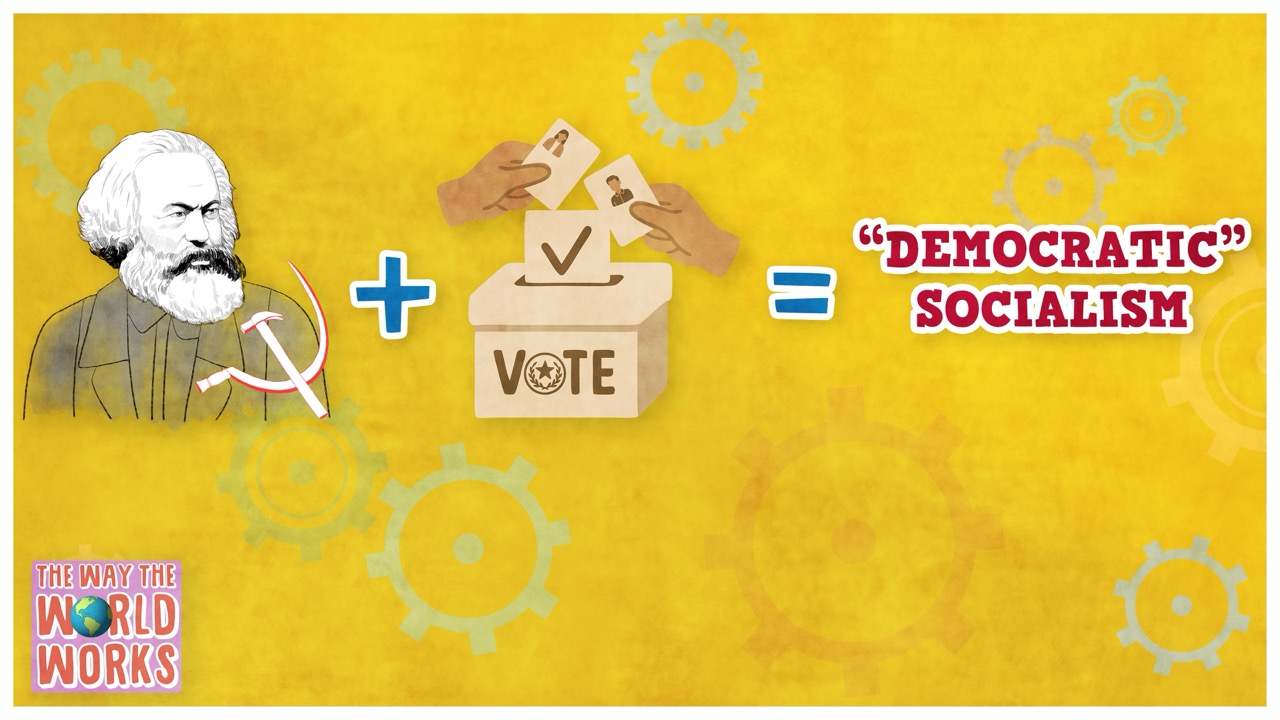
679. What Is Democratic Socialism? And Is It Really Different From Socialism?
Adding the word "democratic" may make socialism sound more appealing — but it doesn't change the core ideas or outcomes behind it. With more politicians identifying as "democratic socialists," many people are asking what that actually means. Is it a new system? A softer version of socialism? Or just a rebranding of an old idea? In this episode of The Way the World Works, we break down what sociali

678. Why Did Patrick Henry Say "Give Me Liberty or Give Me Death?" The Speech That Sparked a Revolution
At a moment when American colonists were hesitant to confront British rule, one speech helped transform fear into courage — and words into action. In March 1775, more than a year before the Declaration of Independence was signed, Patrick Henry delivered one of the most powerful speeches in American history. Speaking at the Virginia Convention, Henry urged his fellow colonists to stop debating and
677. Should We Care When Billionaires Go to Space? Here's Why It Actually Matters
What looks like a frivolous luxury today — like billionaire space travel — could become the innovation that improves everyday life tomorrow. When celebrities and billionaires take short trips to space aboard companies like Blue Origin, it sparks outrage and debate. Critics argue the money could be better spent solving problems on Earth. But history suggests something different: many of tod

676. What Is the Difference Between Equity and Equality? And Why It Matters
How we define fairness — equal treatment versus equal outcomes — shapes laws, education, hiring, and the future of opportunity in society. The terms "equity" and "equality" are often used interchangeably, but they represent fundamentally different ideas. Equality means treating everyone the same under the law, regardless of race, gender, or background. Equity, on the other hand, focuses on

675. Can the Government Force You to Serve in the Military? Understanding the Draft and Your Rights
While most Americans assume military service is voluntary, history shows that the government has — and still can — require citizens to serve through the draft. The military draft, also known as conscription, is one of the most controversial powers a government can exercise. It allows the government to require individuals — often young men — to serve in the military, regardless of their personal be

674. Why Congressman Thomas Massie Matters Now More Than Ever
In a political system where many leaders follow party pressure, lobbyists, and public opinion polls, it's rare to find someone willing to stand alone for constitutional principles. Congressman Thomas Massie has become one of the few politicians in Washington known for consistently voting according to his principles — even when it means standing against both parties. Inspired by the example of form

673. How Can Struggle Lead to Joy? The Powerful Lesson From Olympic Champion Alysa Liu
The greatest achievements in life often come from embracing difficulty, learning through failure, and finding meaning in the struggle. Olympic figure skating champion Alysa Liu has inspired millions not just with her incredible talent on the ice, but with her joyful attitude toward challenge and perseverance. Her journey shows that success isn't just about winning — it's about choosing a meaningfu

672. What Was Operation Ajax? How U.S. Intervention in Iran Still Affects Us Today
The tensions between the United States and Iran didn't begin yesterday — they trace back to a covert operation in 1953 that reshaped the Middle East and changed history. When you hear about conflict involving Iran, it can seem sudden and confusing. But today's tensions are rooted in decades-old decisions — especially a secret CIA-backed mission known as Operation Ajax. In this episode of The Way t

671. What Does It Mean to Have a Bias? And How Do Biases Shape the Way We See the World?
Whether we realize it or not, our personal experiences, emotions, and assumptions influence how we interpret events — often before we even know all the facts. We've talked about specific biases before, but today we zoom out and ask a bigger question: What is a bias, really? A bias is like wearing sunglasses — it doesn't change reality, but it changes how you see it. And when news spreads instantly

670. Why Do Bureaucrats and the Mainstream Media Fear Nick Shirley?
When a 23-year-old independent journalist uncovers alleged government fraud that officials and legacy media overlooked, it exposes deeper problems with bureaucracy, accountability, and media bias. Independent journalist Nick Shirley recently made headlines after investigating questionable taxpayer-funded daycare centers in Minnesota. Armed with little more than public records, curiosity, and a cam
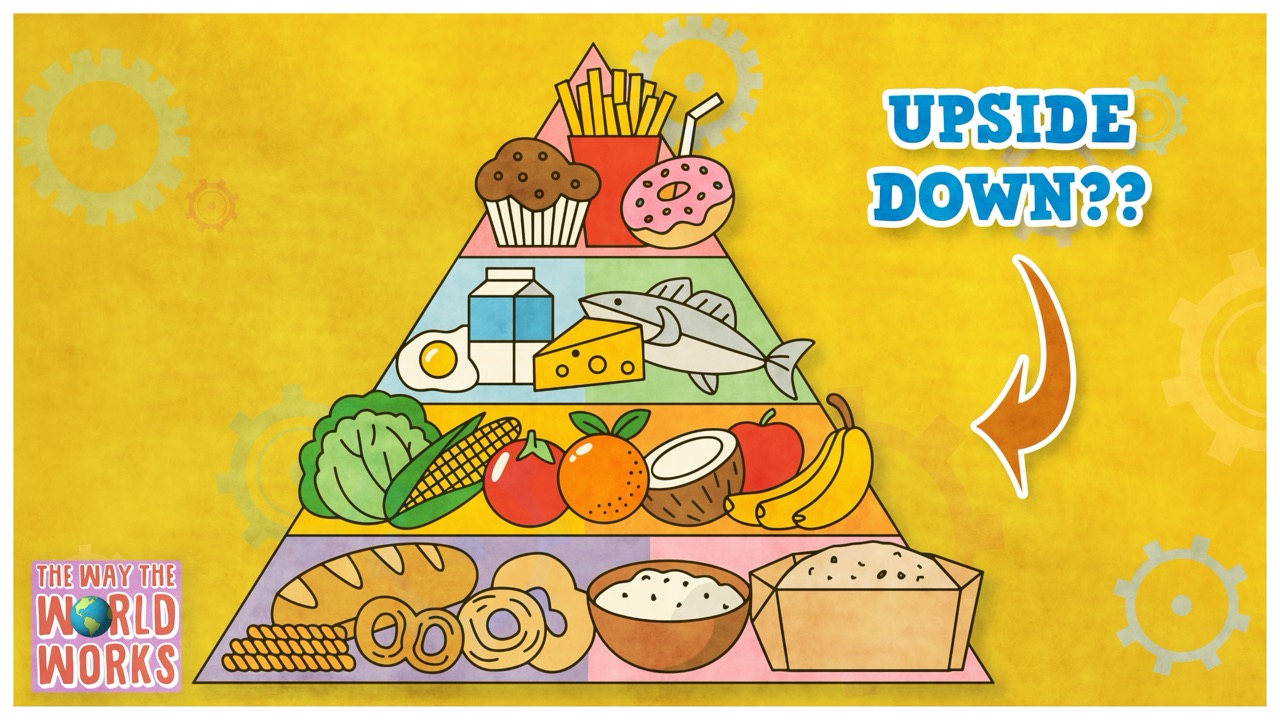
669. Who Gets to Shape the Food Pyramid? And Should the Government Decide What You Eat?
When government agencies shape national nutrition guidelines, subsidies, politics, and industry influence can affect what ends up on your plate — not just science. With a newly updated food pyramid released to the public, many people are asking an important question: Who decides what "healthy eating" looks like? For decades, Americans were told to fear fat, avoid eggs and butter, and embrace highl
668. What Is Nation-Building? And Why Ron Paul Warned It Makes Us Less Safe
when governments try to "build" other nations through military force and political control, the result is often instability, resentment, and blowback — not freedom. Nation-building is the practice of one country intervening in another nation's political system, often by military force, in an attempt to install new leadership or reshape its government. Supporters claim it spreads democracy and prot
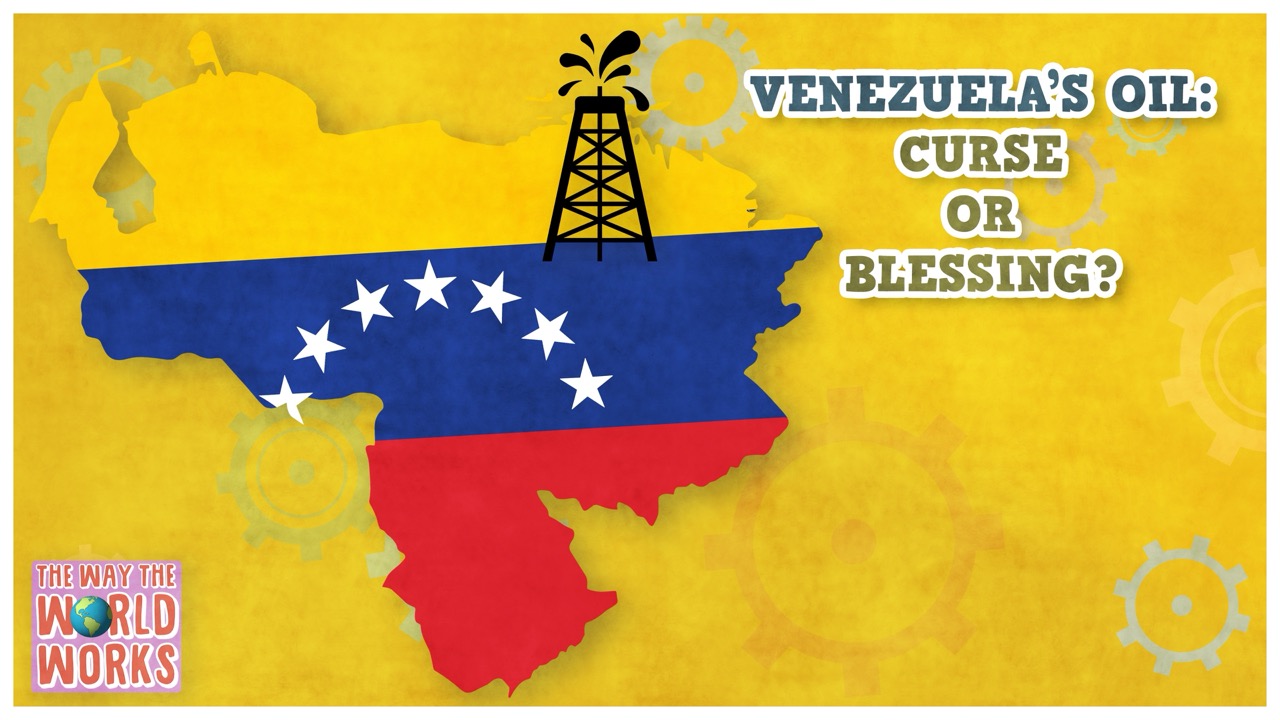
667. How Did Venezuela Mismanage Its Oil Reserves? A Lesson in Socialism's Failure
Having vast natural resources doesn't guarantee prosperity — especially when government control, corruption, and socialist policies destroy incentives and efficiency. Venezuela sits on some of the largest oil reserves in the world, a resource that should have made it one of the wealthiest nations on Earth. Instead, decades of government interference, nationalization, and socialist economic policie
666. Why Does the World Economic Forum Think They Know More Than You?
When unelected global elites claim they know what's best for everyone, individual freedom and personal responsibility are often the first things sacrificed. Once a year, the world's most powerful politicians, CEOs, and global influencers gather at the World Economic Forum in Davos, Switzerland, to discuss economic policies that affect billions of people — despite having no democratic mandate to do
665. Should The Government Tell You Who You Can Sell Your Home To?
Attempts to "fix" the housing crisis by restricting who can buy homes may actually violate property rights and make housing problems worse — not better. There's growing political pressure to ban large corporations and investment firms from buying single-family homes, based on the idea that investors are pricing families out of homeownership. While this argument sounds appealing, it overlooks basic
664. Why Is Capping Credit Card Interest Is A Bad Idea?
Because what sounds like "consumer protection" can actually limit opportunity, reduce access to credit, and harm the very people it's meant to help. President Trump has proposed capping credit card interest rates at 10% to help Americans struggling with debt. At first glance, this idea seems compassionate and practical — but when you look closer, it reveals serious economic consequences that could
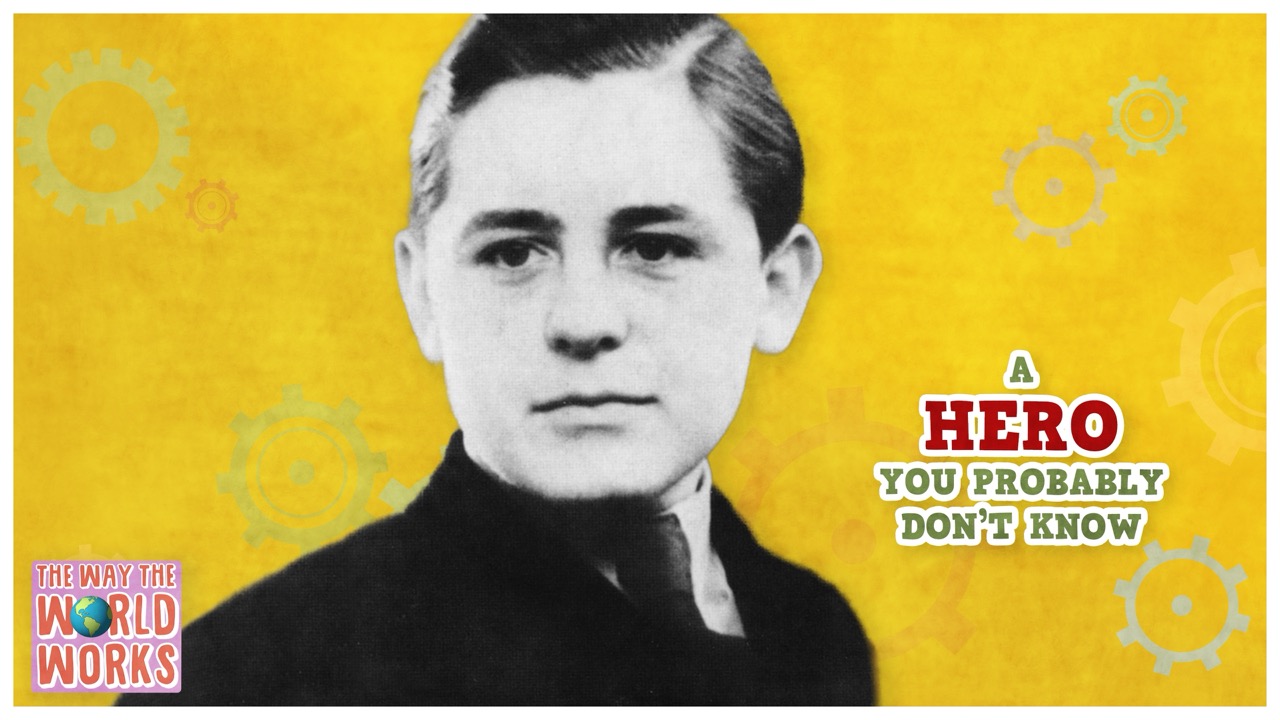
663. Who Was Helmuth Hubener?
Who Was Helmuth Hübener? The Teen Who Defied Nazi Propaganda and Paid With His Life Because even in the darkest moments of history, truth survives only when someone is brave enough to speak it — no matter the cost. As a teenager living in Nazi Germany, Helmuth Hübener refused to stay silent while government lies spread and authoritarian power tightened its grip. At just 16 years old, Helmuth riske
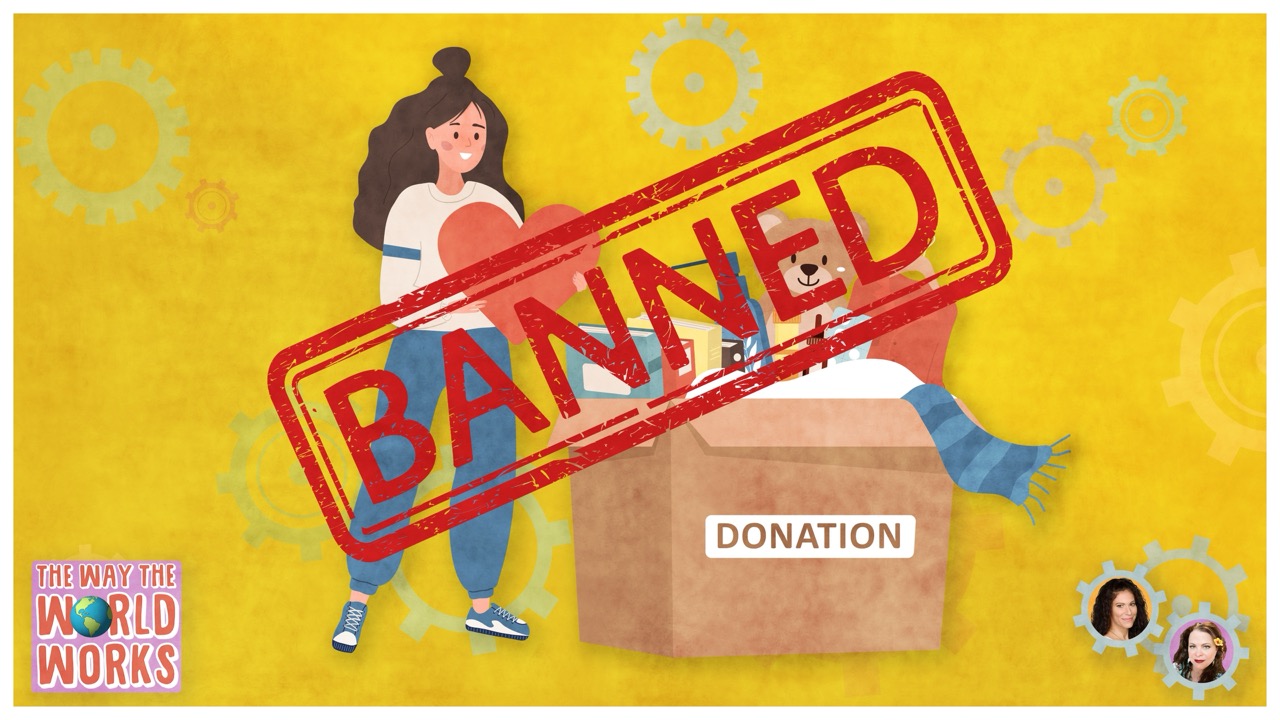
662. Should charity be illegal? Do capitalists really hate the poor?
Should charity be illegal? Do capitalists really hate the poor? Because behind that shocking question is a deeper debate about freedom, compassion, government power, and who should be allowed to help people in need. Charity is supposed to be one of the most universally praised human actions — voluntary, generous, and rooted in compassion. Yet across the country, individuals, churches, and small co
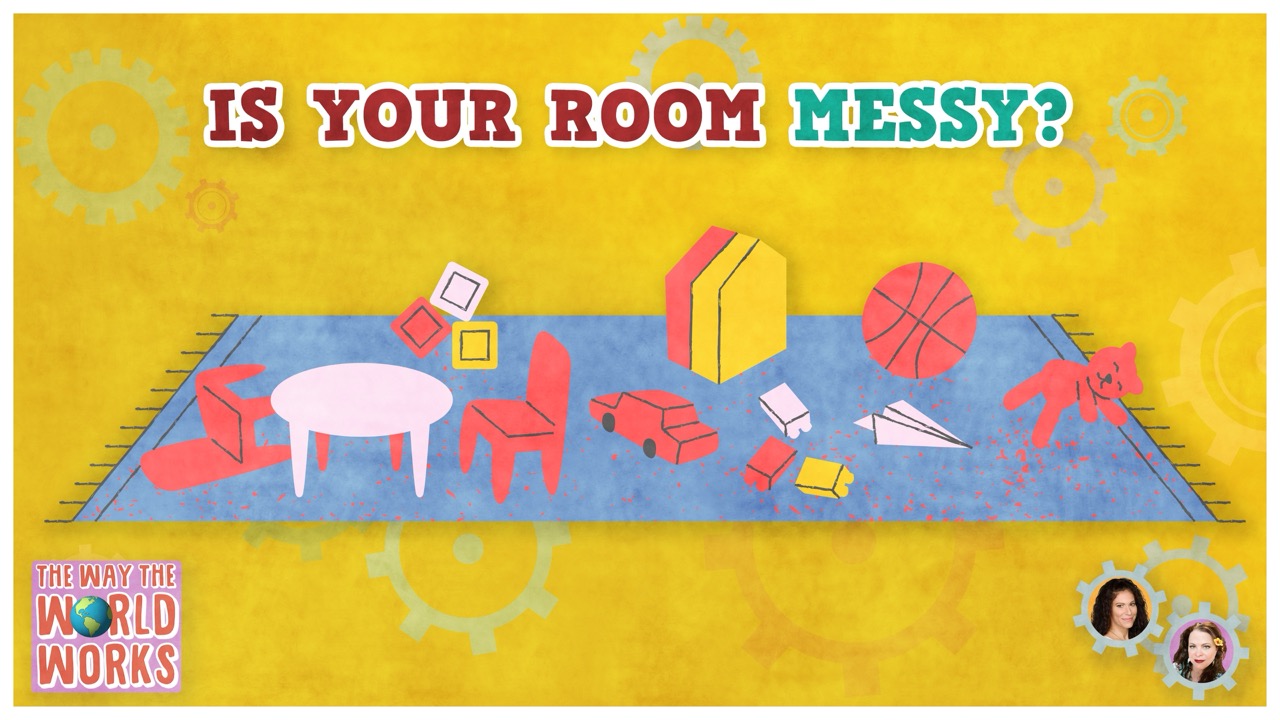
661. Why Cleaning Your Room Matters: The Life-Changing Power of Personal Responsibility
Why should you clean your room? Because it's about far more than chores — it's about personal responsibility, discipline, humility, and building a meaningful life. Cleaning your room may feel like a small, ordinary task, but it teaches one of the most powerful life lessons: take responsibility for what's within your control. When you care for your own space, you practice self-discipline, develop r
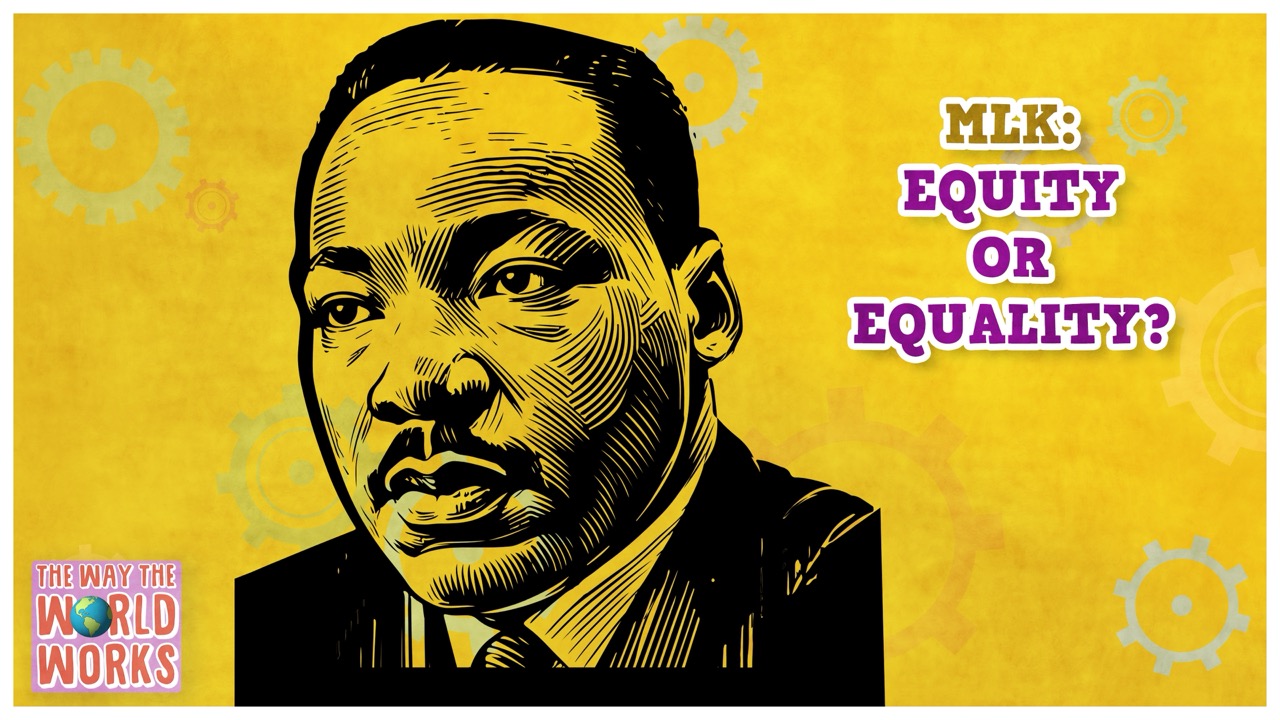
660. MLK's Equality vs Modern Equity: I Have a Dream Speech Explained
Teaching kids MLK equality vs equity: Discover Martin Luther King Jr.'s true meaning of equality in his iconic 'I Have a Dream' speech—judging people by the content of their character, not the color of their skin. In this episode of The Way the World Works podcast, we explore how MLK's vision of colorblind equality (equal opportunity, merit-based justice, and critical thinking) contrasts with mode
659. Do kids have first amendment rights?
Can you say anything you want and hang out with who ever you want as a kid? Brittany and Rachel dive in to a case that went to the Supreme Court about this!
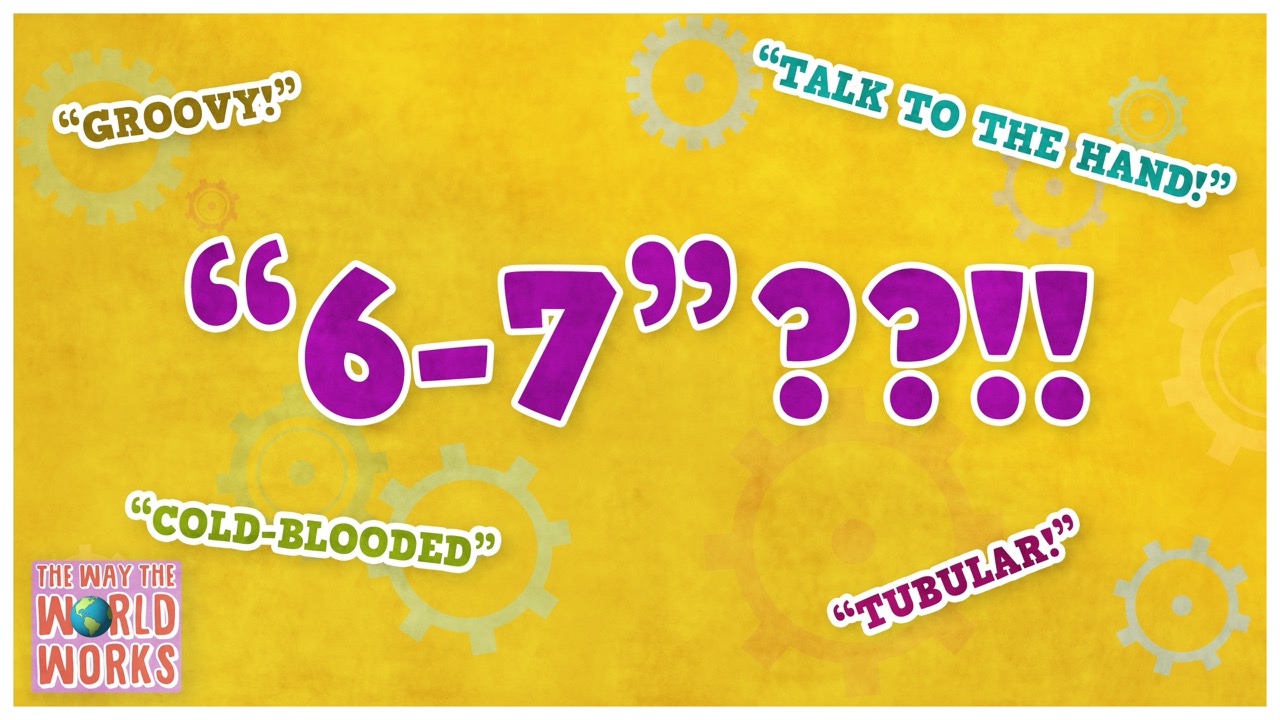
658. What Can "6-7" Can Teach Us about Spontaneous Order?
All the kids are saying "6-7" and while it might drive adults crazy, there is an important lesson this kind of slang language teaches us about spontaneous order.
657. What Do Snowballs and Regulatory Creep Have In Common?
Sometimes the worst regulations start with one tiny rule that keeps growing and growing until it's out of control.
656. Why Do We Make New Year's Resolutions?
Every January, people make resolutions. But where did this tradition come from and how do self-improvement goals help us to live in a free society?
655. How Can You Turn Winter Boredom Into Creative Opportunity?
Being stuck inside all winter can be boring, but it also presents new opportunities for creativity and innovation!
654. What Do Snowstorm Shortages Teach Us About Market Signals?
Just before snowstorms, empty shelves line grocery store aisles. But why does this always happen and what lessons does it teach us?
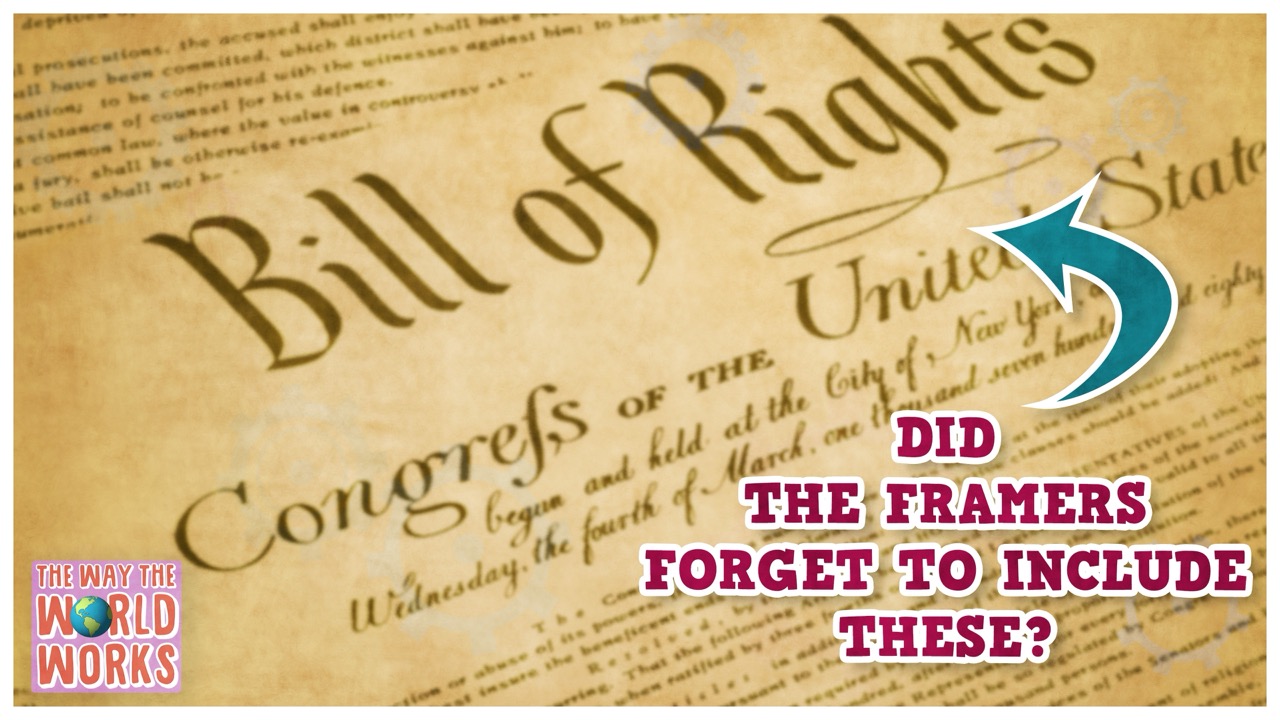
653. Why Was The Bill of Rights Added to The Constitution?
The Bill of Rights contain some of the most important of our civil liberties, but these first ten amendments came close to not being included at all.
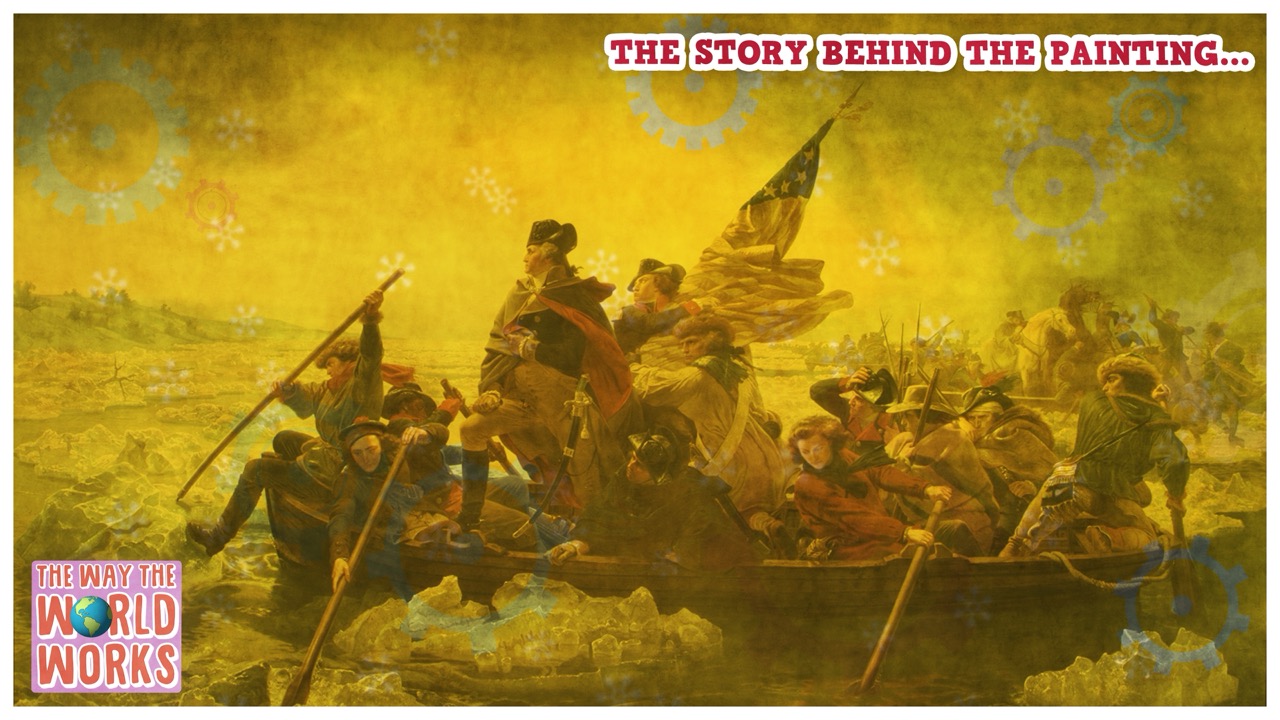
652. Why Was Washington Crossing the Delaware So Important?
One cold and dark Christmas night, George Washington made a decision that helped the Continental Army start winning the war.
Recommended
English with Olivia | Slow Conversations & Vocabulary
Stand In The Circle
SLOW ENGLISH PODCAST (A1-A2) With Subtitles | Daily Videos | English With Us Podcast

Learn English A2 with Daily News | Simple English Listening Practice

پلی لیست | PlayList
Conspiracy Files with Paige Carter
Bad Friends

Learn 50 English Phrases While You Sleep | Everyday English Phrases & Vocabulary
This Past Weekend w/ Theo Von
Dateline NBC
Back to the 80s Radio
Crime Stories with Nancy Grace
