
SETA DC
SETA DC is a podcast from the SETA Foundation's Washington, D.C. office. It features conversations with prominent experts on U.S. foreign policy, U.S.-Turkey relations, and Middle East affairs. Each episode examines key policy debates and regional developments. The show provides analysis and context on Turkish-American relations and broader transatlantic issues.
Episodes

Syria at a Turning Point: Integration, Stability, and State Authority
Since the fall of the Assad regime in December 2024, Damascus has rapidly emerged as an internationally recognized actor. By providing internal security and through high-level diplomatic engagements, the Al-Sharaa government has marked Syria’s return to the international arena. At the same time, stability at home has remained fragile, with unresolved challenges related to territorial integrity, so

Iran-Israel Tensions and Potential for Regional Escalation
As tensions rise between Iran and Israel, the broader Middle East is once again at a critical juncture. Following Israel’s renewed threats against Iran’s nuclear capabilities and the U.S. strike on Houthi targets in Yemen, regional dynamics have grown increasingly volatile. While the United States has reached a ceasefire agreement with the Houthis, Israel signaled its intention to continue militar
Forging Peace in Ukraine: U.S. Strategy, Russian Calculus, and Türkiye’s Role
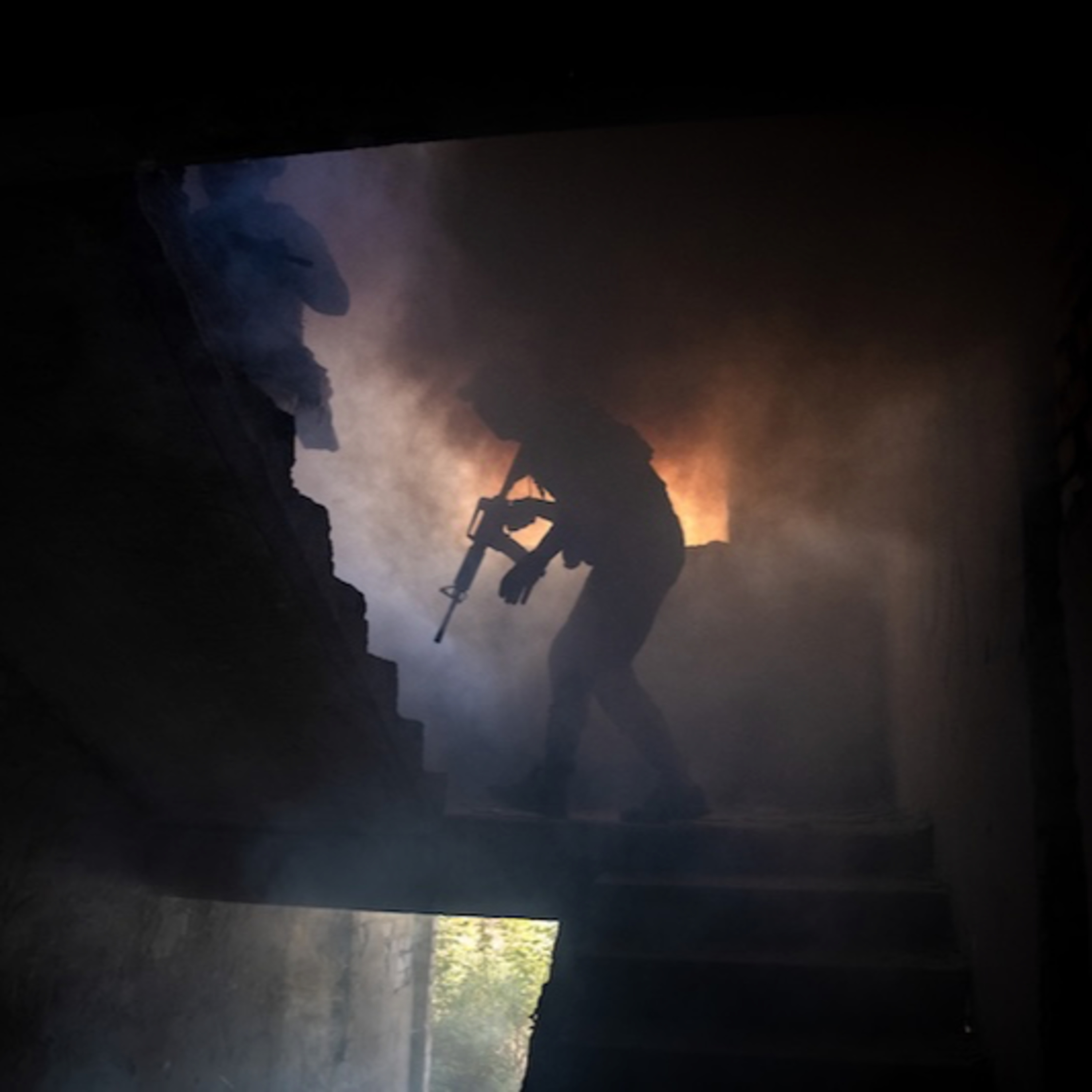
The war in Ukraine entered its fourth year in February. Despite intense efforts by the Trump administration to reach a peace deal soon, there is no clear end in sight. While President Trump is advocating for an immediate peace settlement with Russia to end the bloodshed, Türkiye has emerged as a credible intermediary between the warring parties. The U.S. recently signed an economic agreement with
U.S. Withdrawal from Syria and What Comes Next
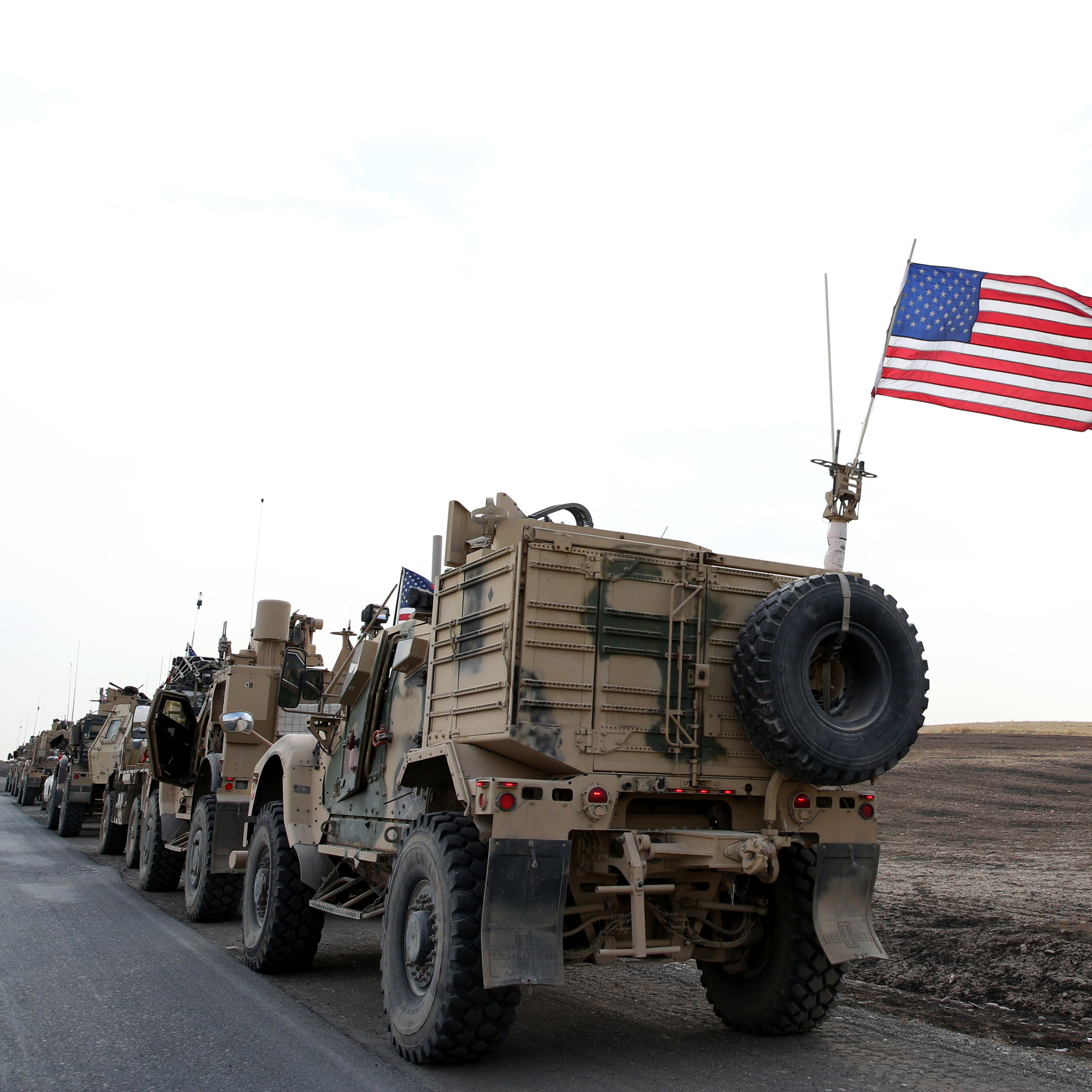
The Trump administration has begun a substantial drawdown of its military footprint in Syria, shuttering three of its eight operational bases and reducing troop levels. This development follows the emergence of a post-Assad administration in Damascus. The move represents partial progress toward a long-held goal of President Trump to scale back U.S. involvement in Syria, underscoring his ongoing ef
Turkish-American Relations in the Second Trump Administration
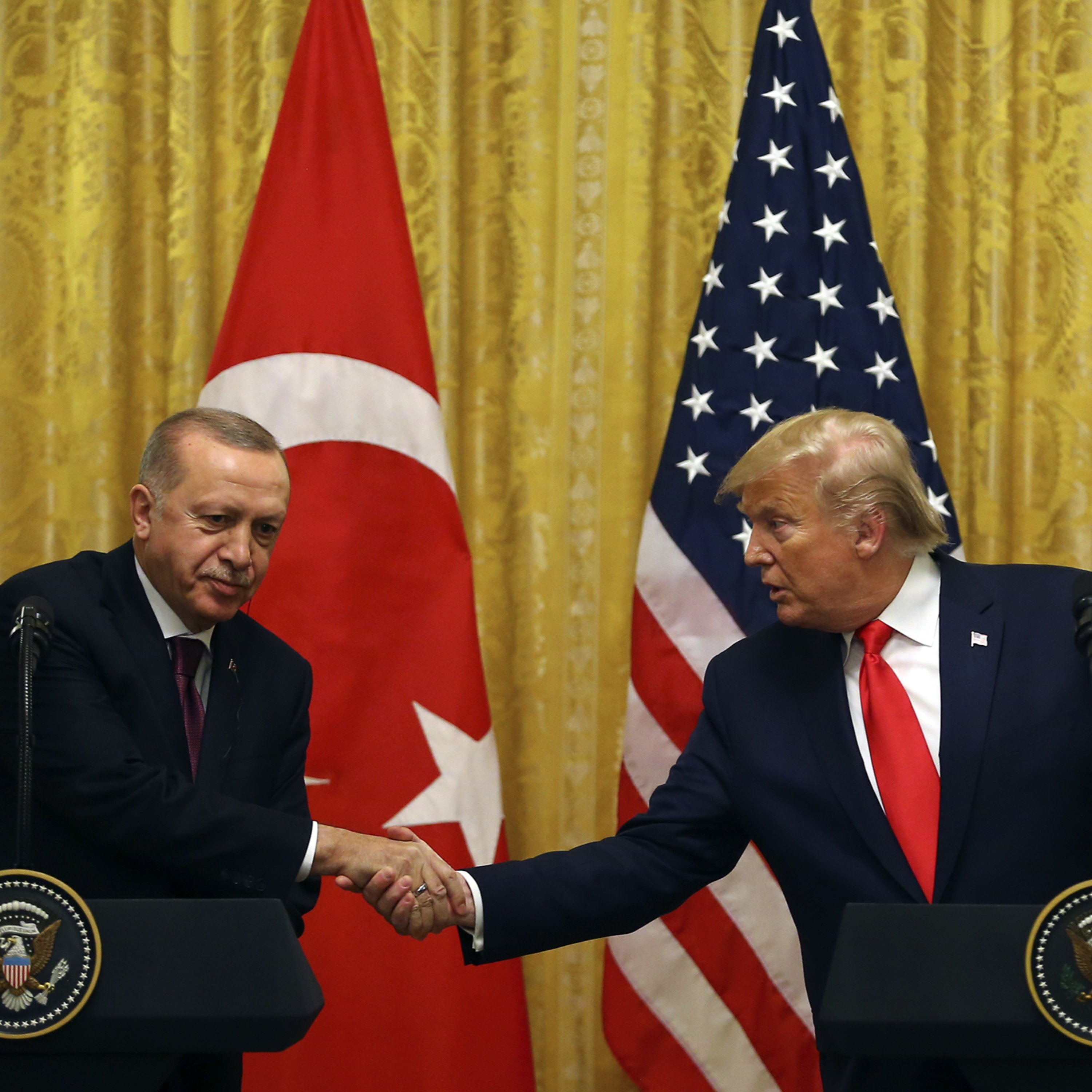
As the second Trump administration’s national security and foreign policy policy shapes up, critical strategic issues are expected to define the future of Turkish-American relations. Bilateral defense cooperation, the ongoing war in Ukraine, the U.S. strategy in northern Syria, instability in the Middle East, and the U.S. competition with China will be central to discussions between the Türkiye an
Artificial Intelligence ‘Arms Dynamics’: The Case Of The U.S. And China Rivalry
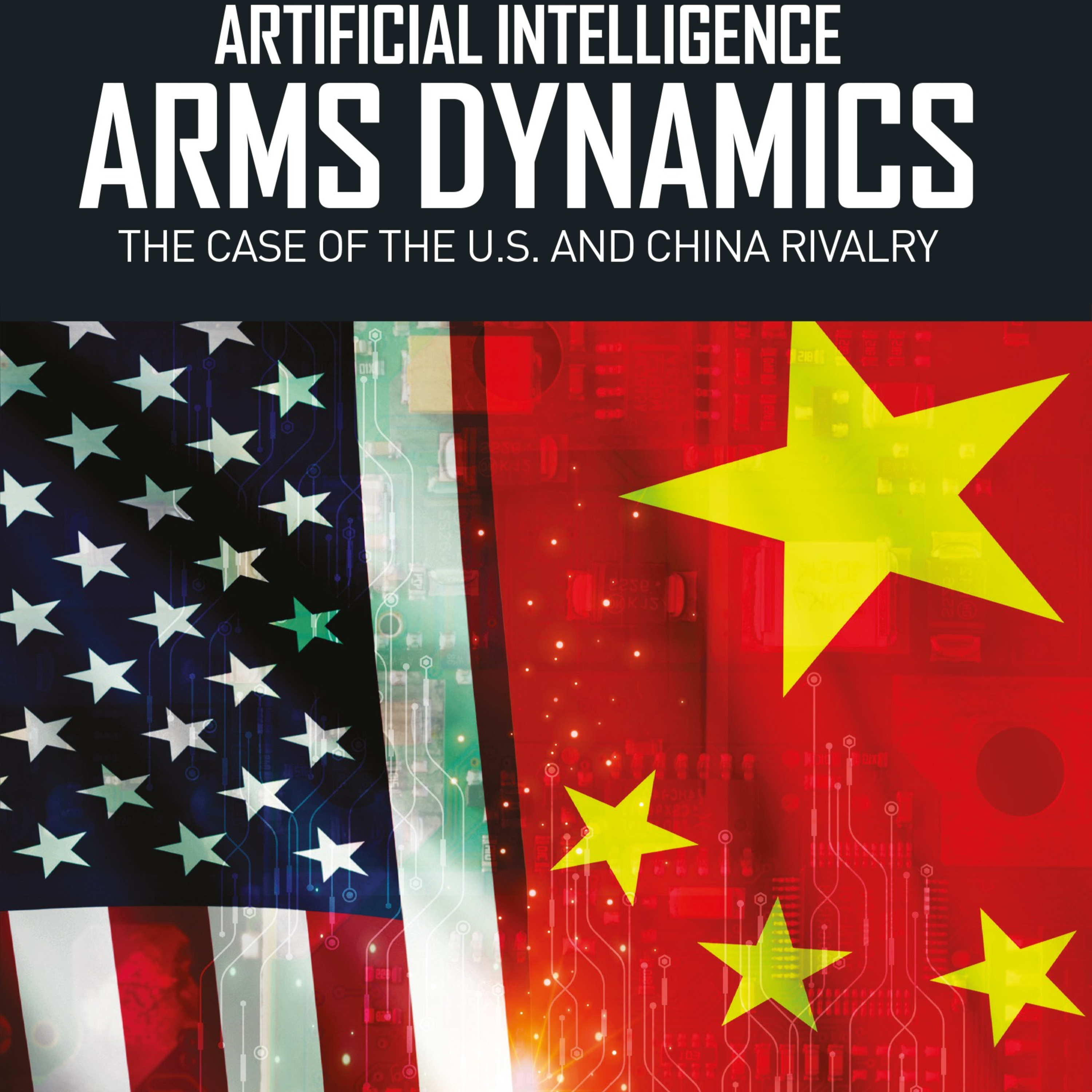
The SETA Foundation at Washington, DC is pleased to host a book event to discuss Gloria Shkurti Özdemir’s new book, Artificial Intelligence ‘Arms Dynamics’: The Case Of The U.S. And China Rivalry.
Speaker: Gloria Shkurti Ozdemir, Researcher in the Foreign Policy Directorate, The SETA Foundation
Moderator: Kadir Ustun, Executive Director, The SETA Foundation at Washington, DC
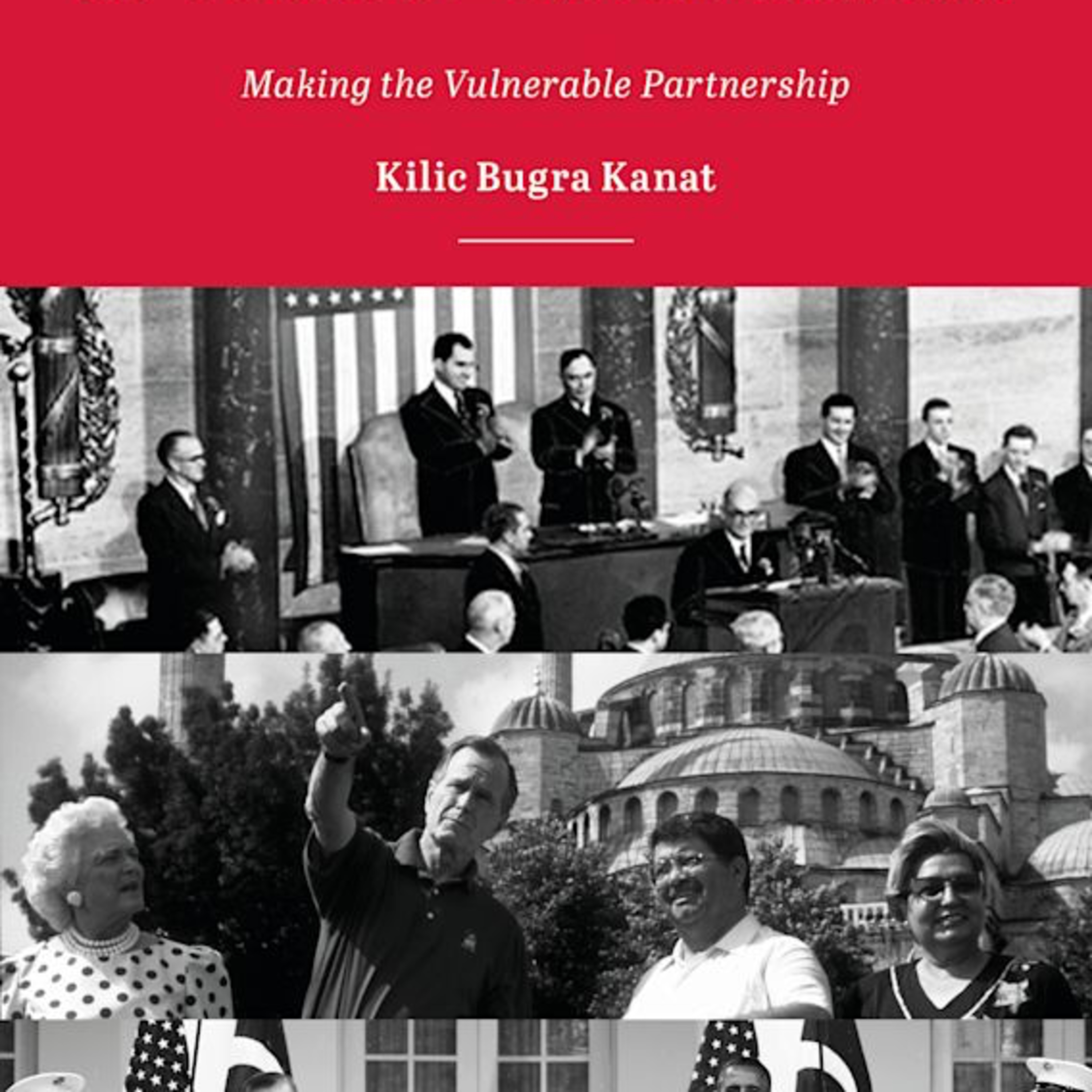
Mapping the Fault Lines in Turkey-US Relations
For the last seventy years, experts have tried to define the nature of Turkey’s partnership with the US. While Turkish-US relations have always been susceptible to different crises, they enjoyed a brief “golden era” in the 1950s. This book argues that a false nostalgia about that period – when the strategic interests of two countries fully converged – has distorted analyses by scholars and policym
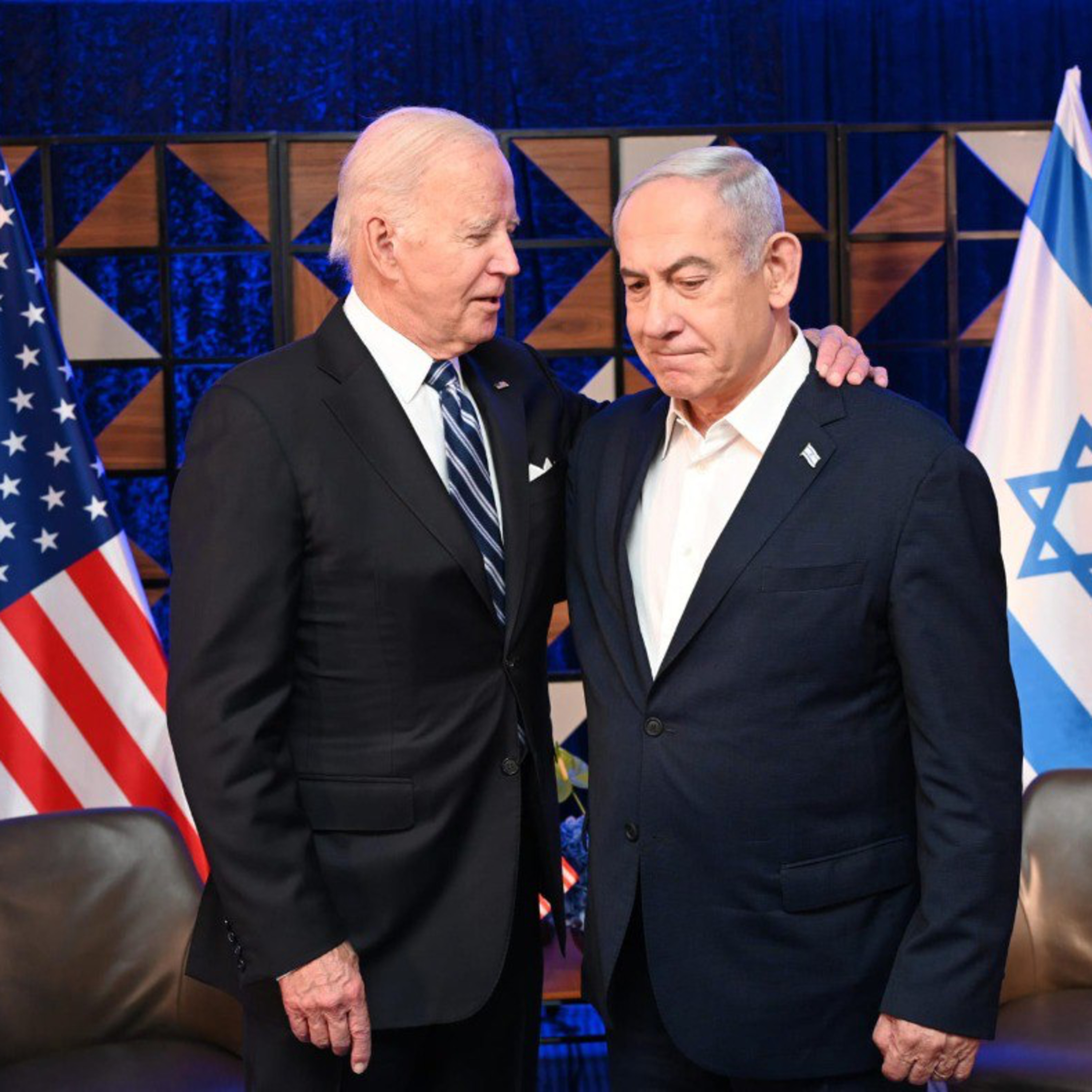
The US Policy on Israel in an Election Year
The Biden administration’s unwavering support for Israel’s operations in Gaza has created intense criticism domestically and abroad. Democratic Party’s primary results from key states like Michigan and Minnesota indicated a substantial number of “uncommitted” votes against administration’s refusal to call for an immediate ceasefire. Recent statements from US leaders signaled a growing discomfort w
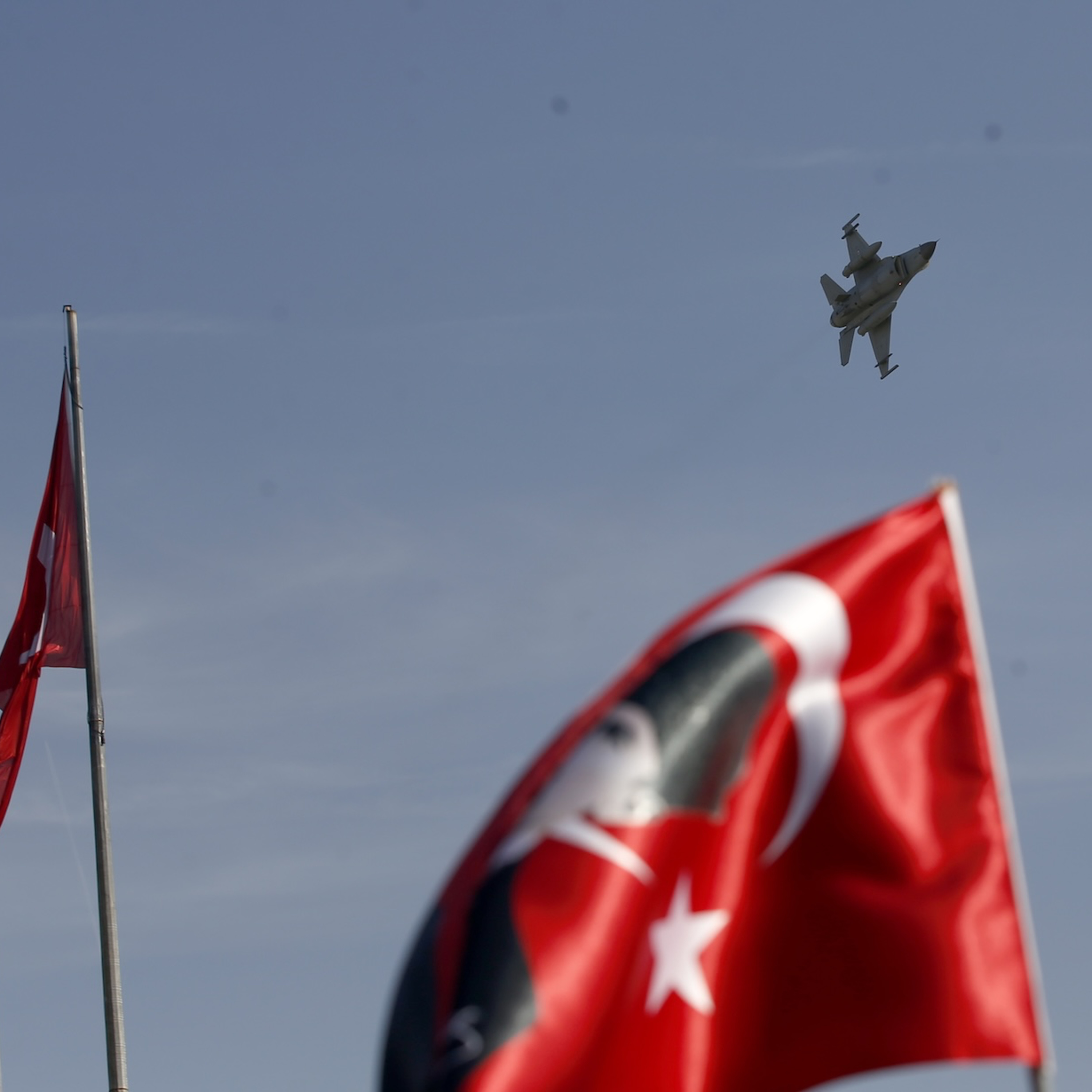
The F-16 Deal’s Implications for US-Türkiye Relations
The United States has approved the sale of F-16 fighter jets to Türkiye after Turkish Grand National Assembly ratified Sweden’s NATO membership. The State Department notified U.S. Congress of the $23bn agreement to sell the aircraft, modernization kits, and other equipment. These developments indicate that we are nearing the conclusion of the long-debated F-16 issue which should have been a rather
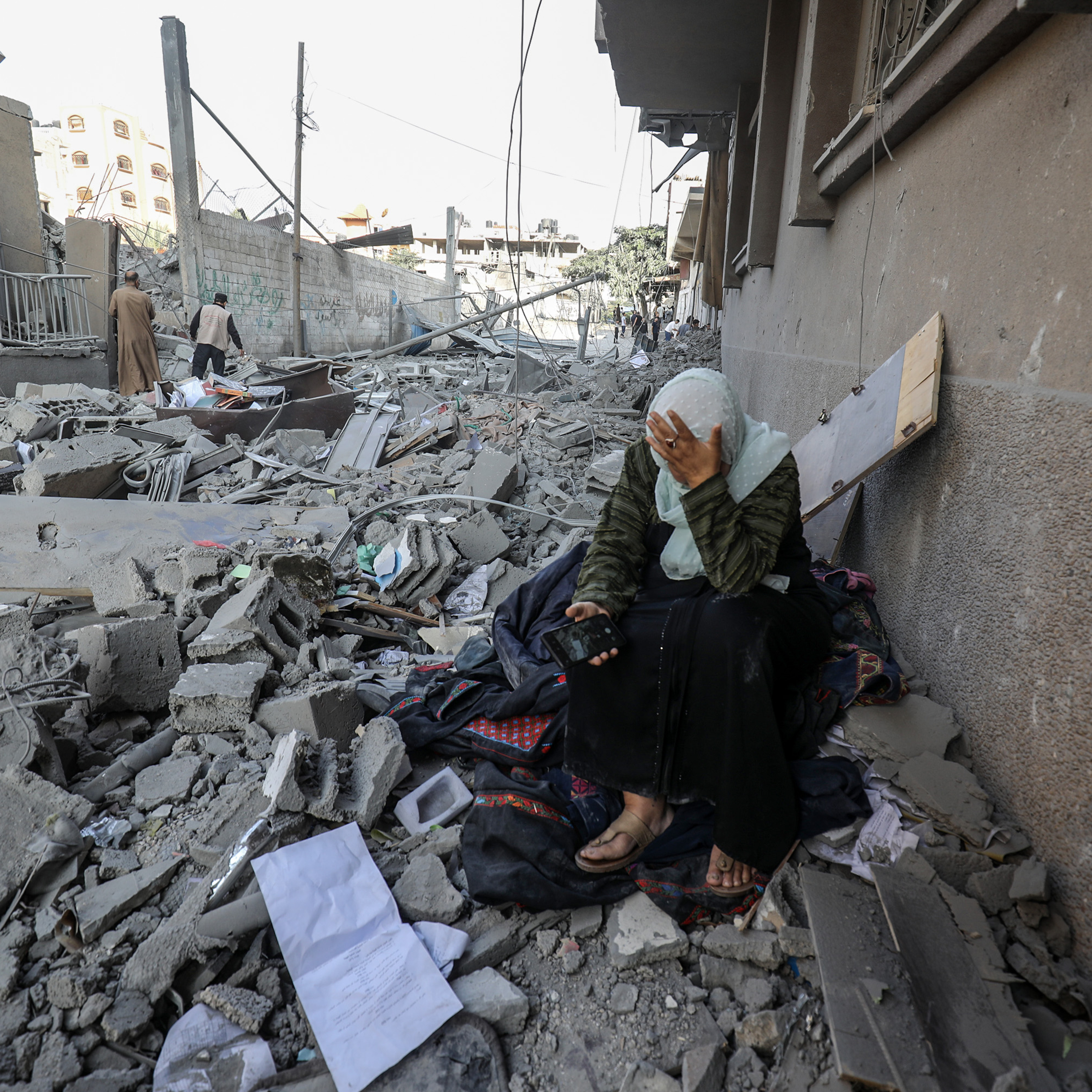
Israel’s War in Gaza: The Humanitarian Crisis and Prospects for Peace
Weeks of an intense Israeli bombardment campaign following Hamas’s October 7 attack have created unprecedented devastation in Gaza, resulting in the tragic loss of more than 13,000 civilian lives, most of whom are women and children. Survivors grapple with acute scarcity and a dearth of essential commodities, including potable water and medicinal supplies. Alarmingly, the international community&#

US-Türkiye Relations after Vilnius Summit
Last week, a critical NATO summit took place in Vilnius, Lithuania, featuring leaders from member states. Turkish President Erdogan set a positive tone by clearing the way for Sweden’s NATO membership. A cordial meeting between Presidents Erdogan and Biden echoed a mutual intention to foster a favorable future for Turkish-American relations. This positive tone peaked with a critical understanding
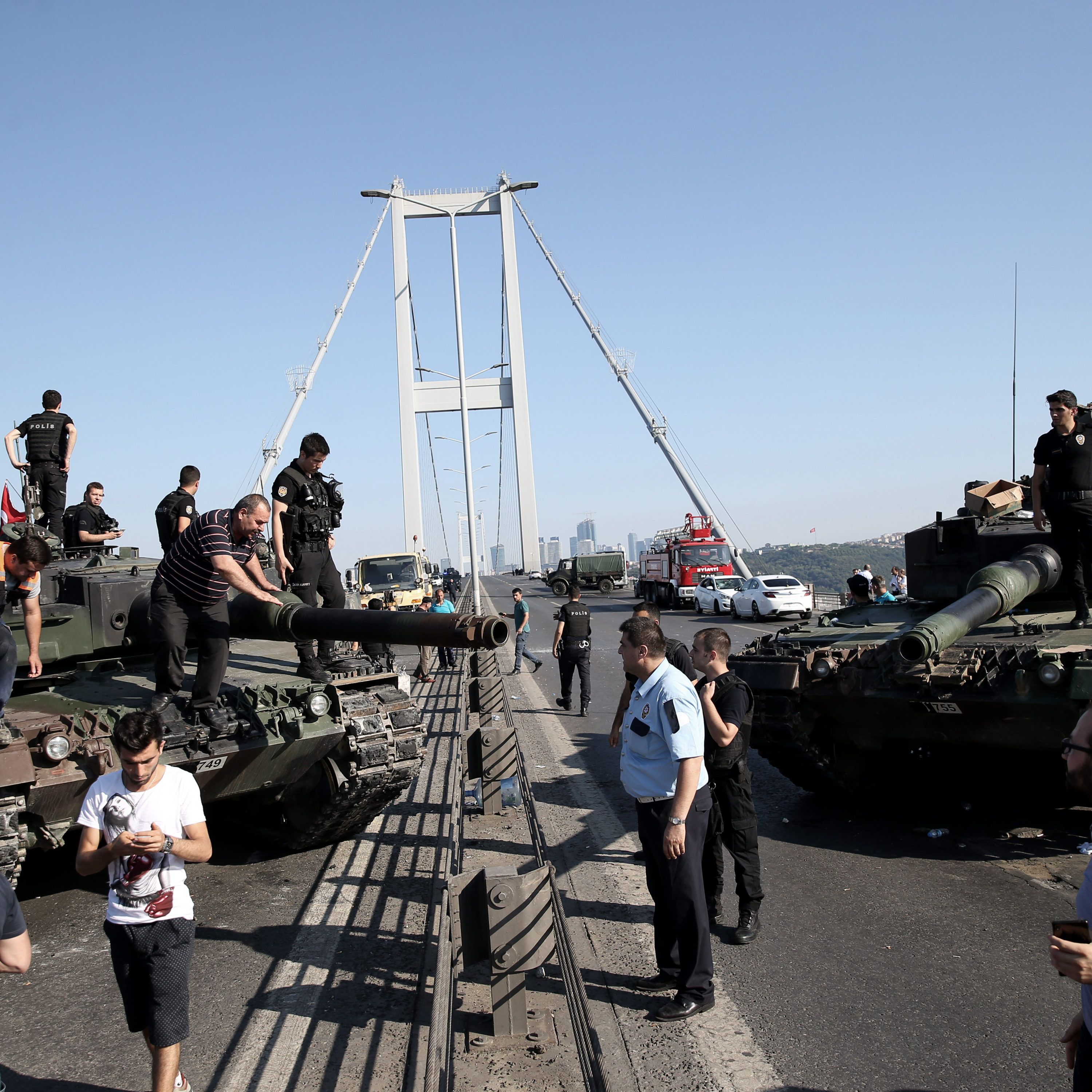
July 15 Coup Attempt's Impact on Turkish Foreign Policy
This year marks the seventh anniversary of the July 15 coup attempt. Standing as a testament to the Turkish people's unwavering commitment to democracy, the failure of the coup attempt constituted a critical turning point in Türkiye’s recent history. This pivotal event has left a strong imprint on the nation's foreign policy trajectory with far-reaching implications. Türkiye found itself g
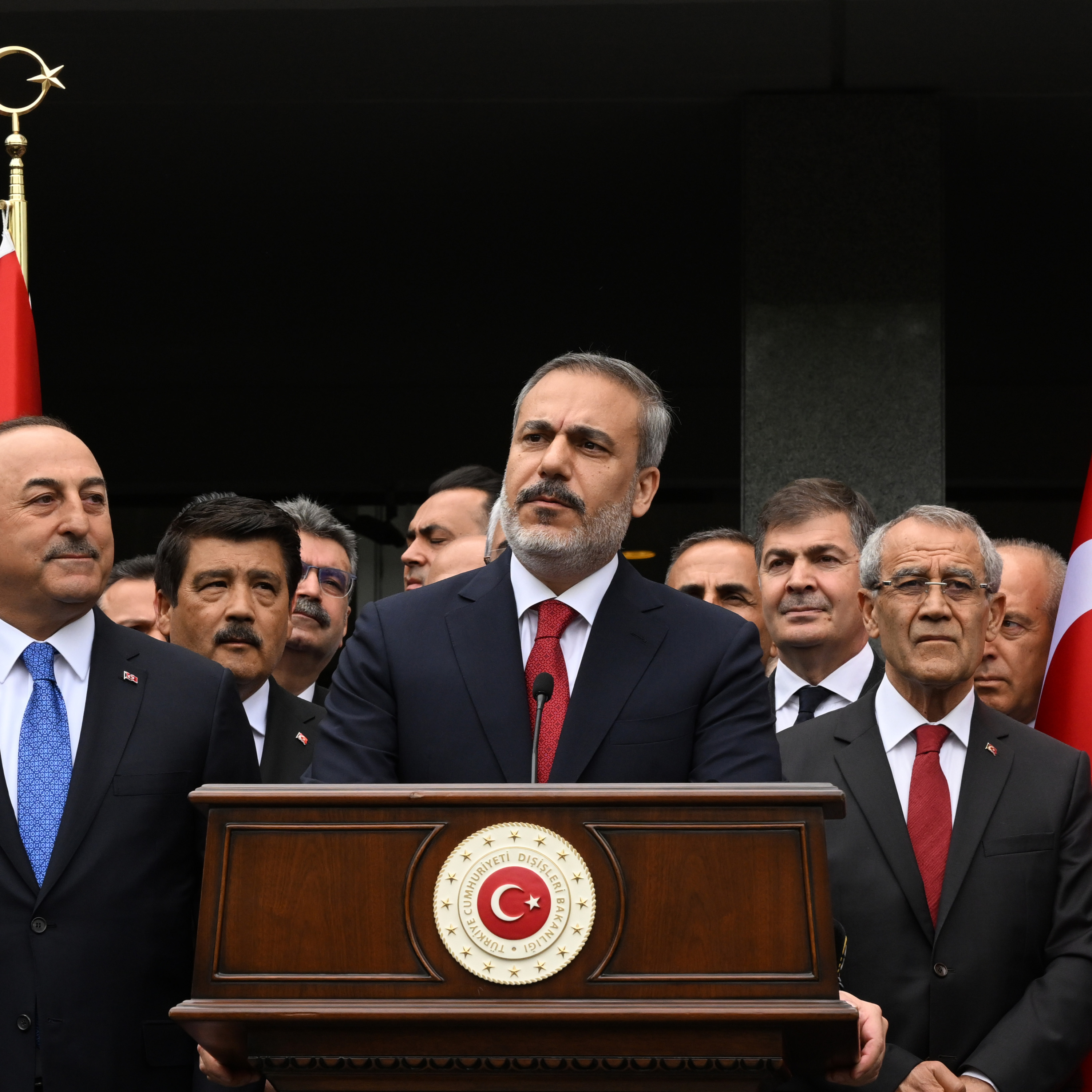
Turkish Foreign Policy after the Elections
The SETA Foundation at Washington DC is pleased to convene a panel of experts to shed light on Turkish foreign policy after the elections.
Speakers
Burhanettin Duran, General Coordinator at The SETA Foundation
Kilic Kanat, Research Director, The SETA Foundation at Washington DC
Moderator
Kadir Ustun, Executive Director, The SETA Foundation at Washington DC
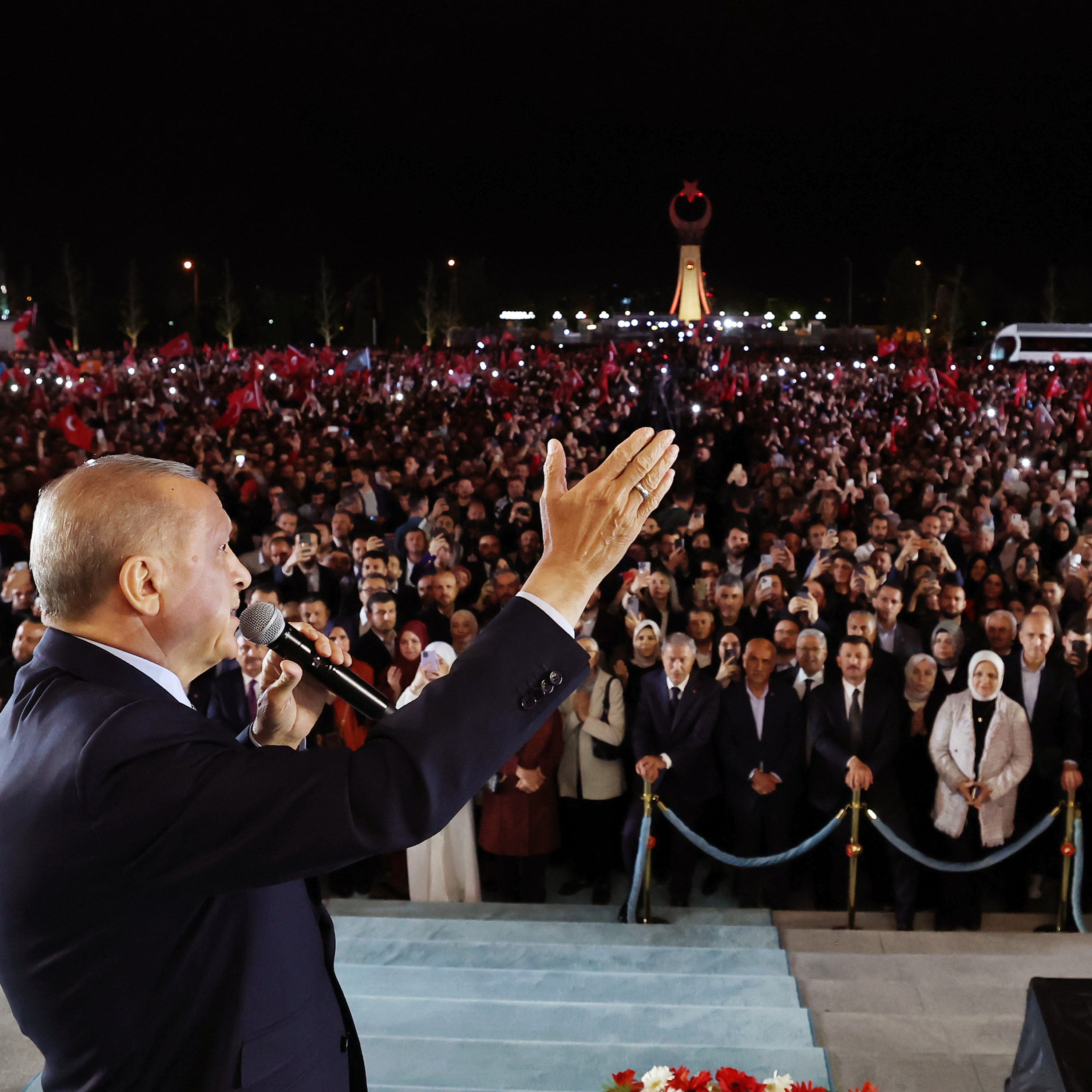
Türkiye’s Presidential Election Results
Türkiye has completed its pivotal presidential elections, with nearly 54 million individuals casting their votes. Erdogan secured 52% of the votes, earning him another presidential term. The question that stands at the forefront is: what were the key factors behind Erdogan's success? What are the messages that the Turkish electorate sought to convey through their votes? Going forward, what wil
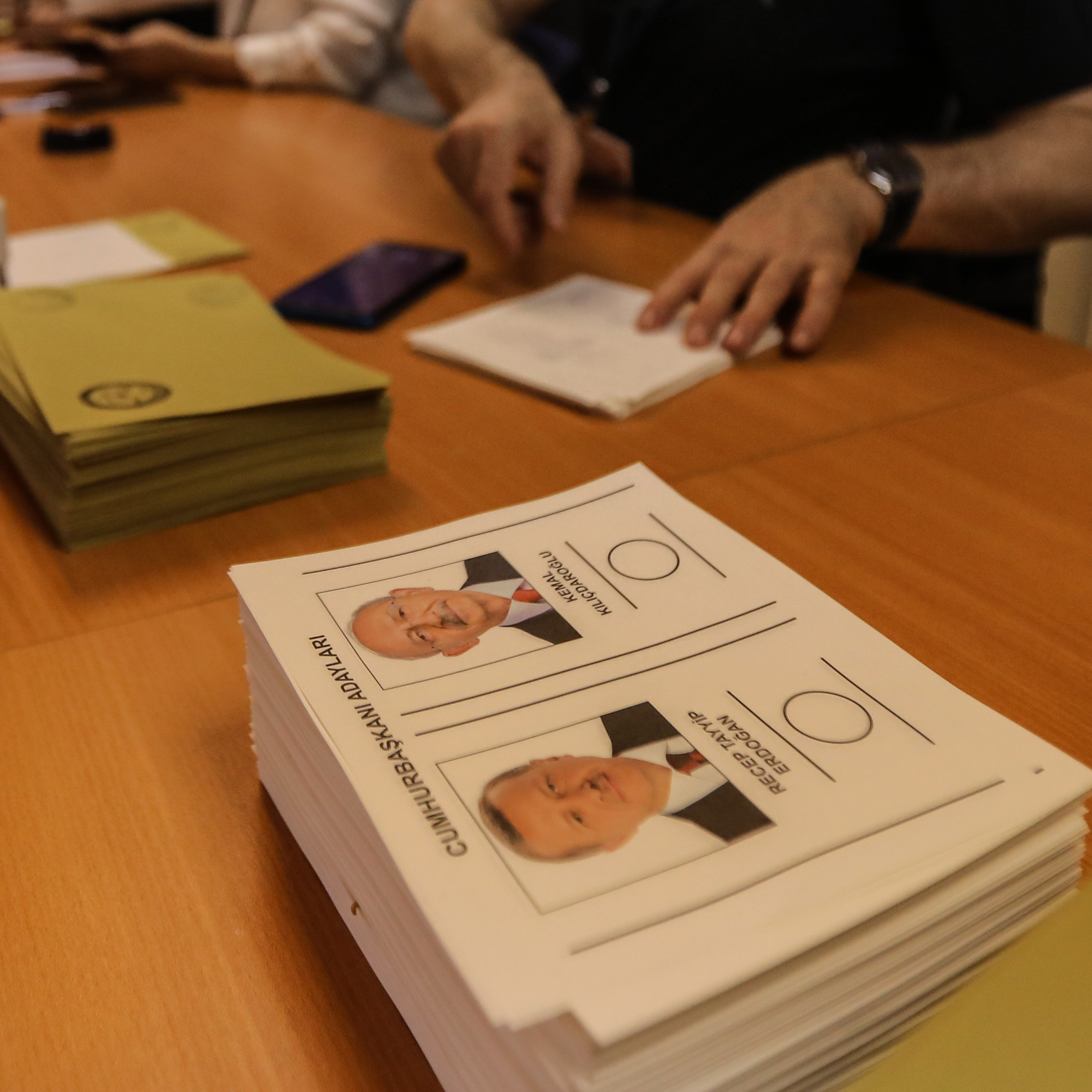
Türkiye's Presidential Runoff Election
Turkish citizens are going to polls this Sunday for the second round of Turkish presidential elections. The race is a contest between the incumbent President Recep Tayyip Erdogan and the opposition candidate Kemal Kilicdaroglu. Having registered a 5-point lead in the first round, Erdogan approaches this critical phase with robust support while the opposition has been trying to recalibrate their me
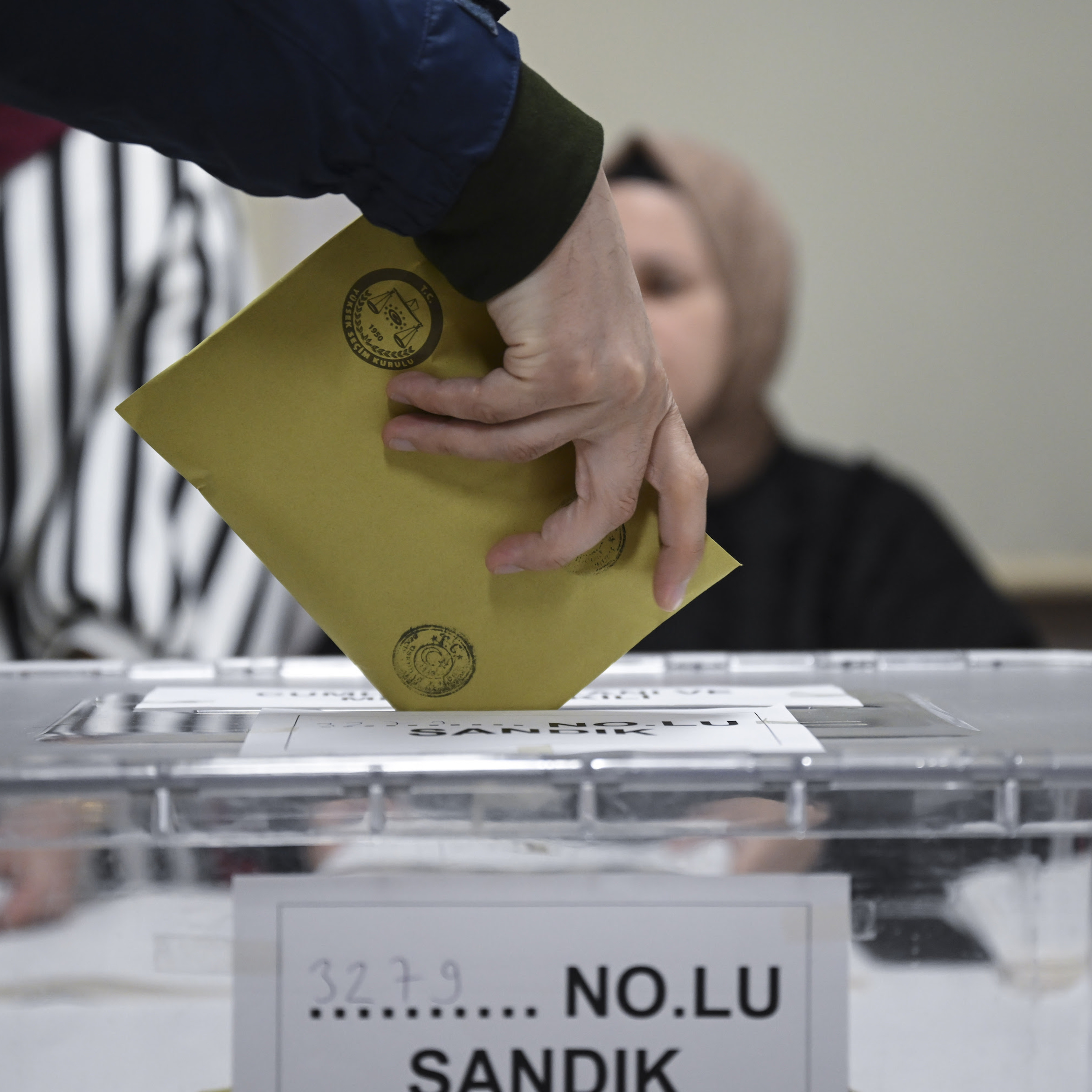
Türkiye’s Election Results
Turkish citizens cast their votes in one of the most significant elections in the country’s recent history. Over 54 million people exercised their democratic rights during this critical juncture. The People’s Alliance claimed victory in the parliamentary elections, securing a substantial majority. Meanwhile, President Erdogan maintained a lead of at least four points against his main rival, Kilicd
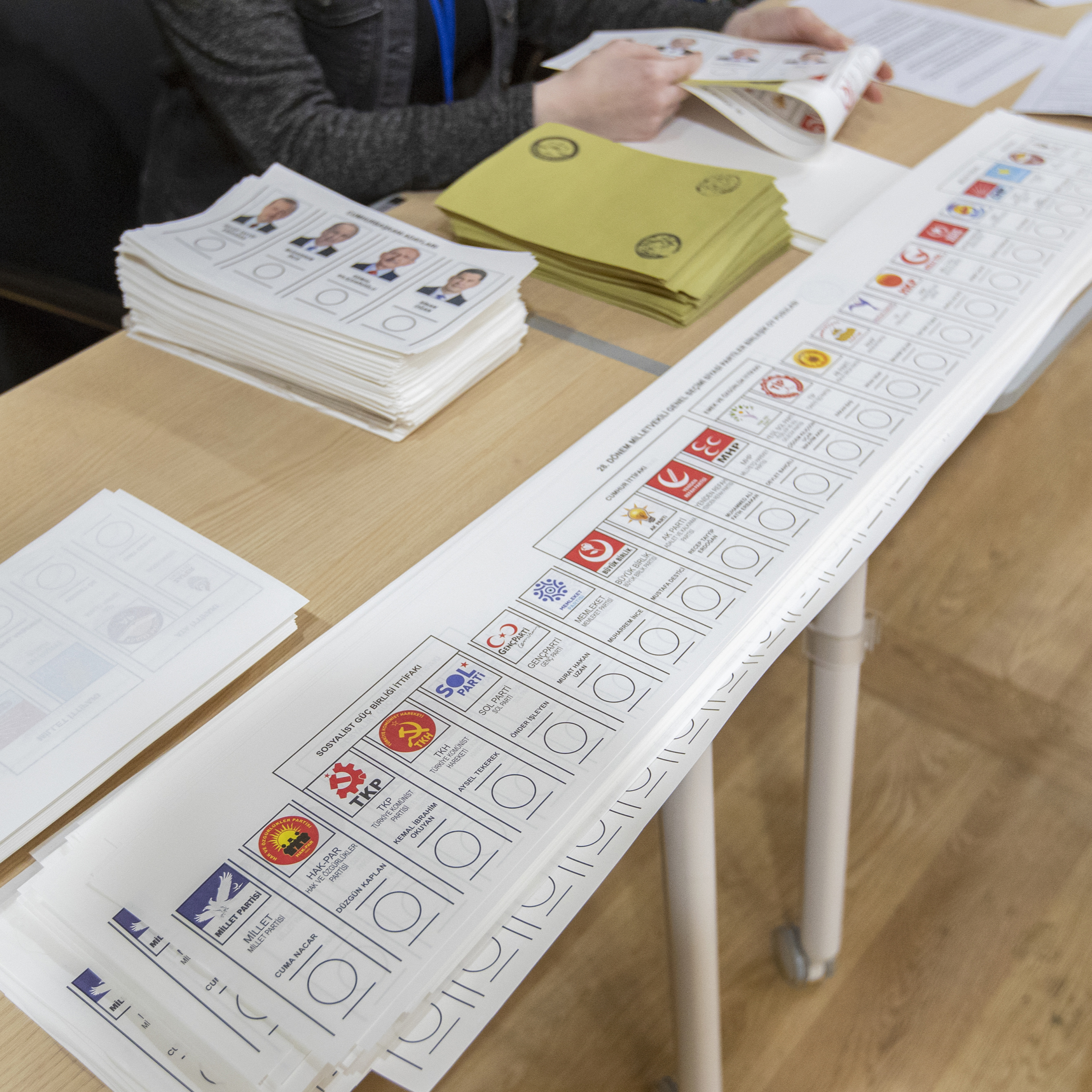
Türkiye’s Pivotal Elections
With the pivotal presidential and parliamentary elections in Türkiye only a few days away, the political climate is intensifying. The People’s Alliance and the Nation Alliance are embroiled in a stiff competition, each striving to secure a majority in the Turkish Parliament. Adding to the high stakes, incumbent President Erdogan faces a challenge from the main opposition’s Kilicdaroglu and ATA’s O
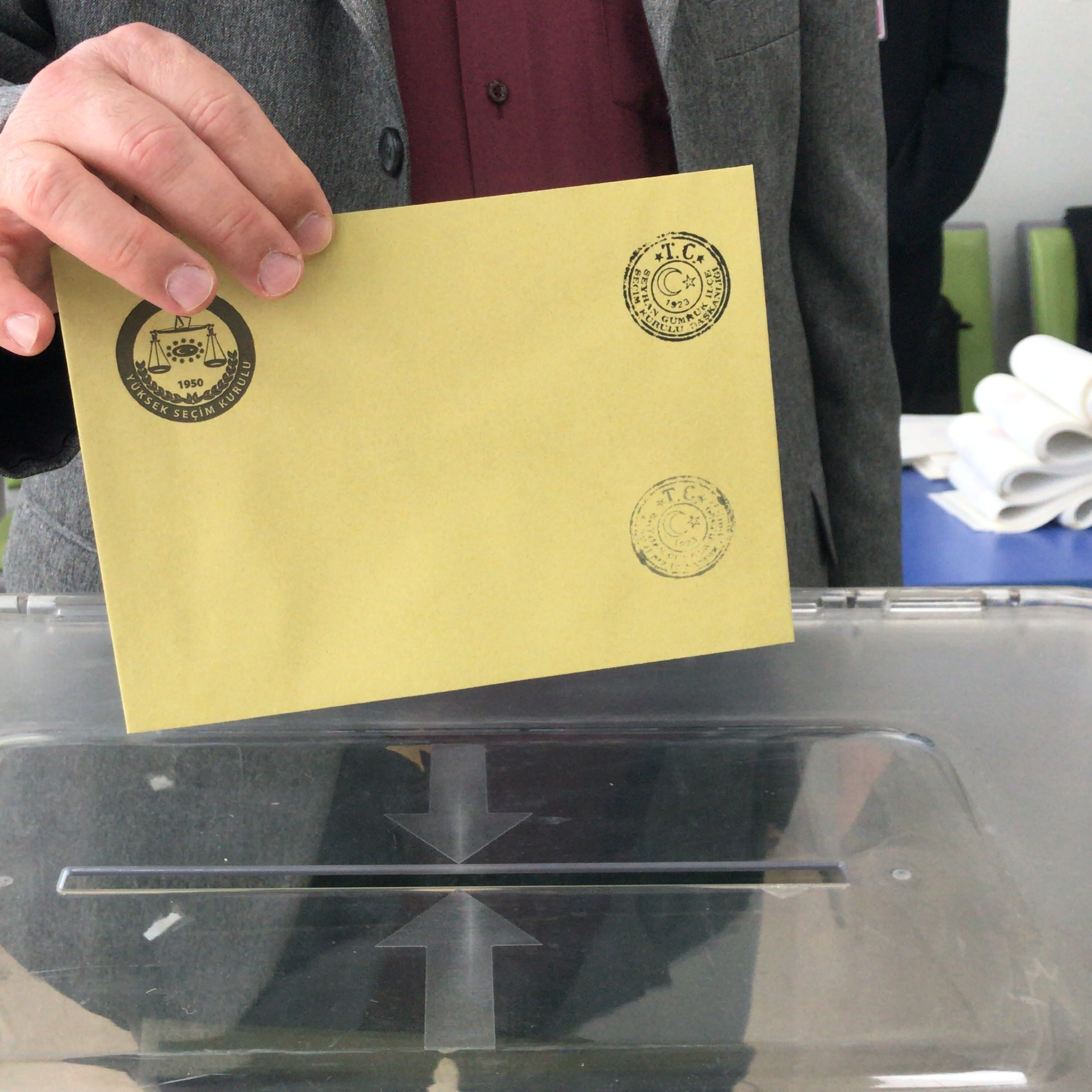
Türkiye’s Upcoming Elections
Türkiye approaches its pivotal presidential and parliamentary elections as the nation's political landscape becomes increasingly more competitive with the People's Alliance and the Nation Alliance vying for majority in the Turkish Parliament. President Recep Tayyip Erdoğan is being challenged by three candidates including the main opposition's Kemal Kılıçdaroğlu, Memleket Party’s Muhar
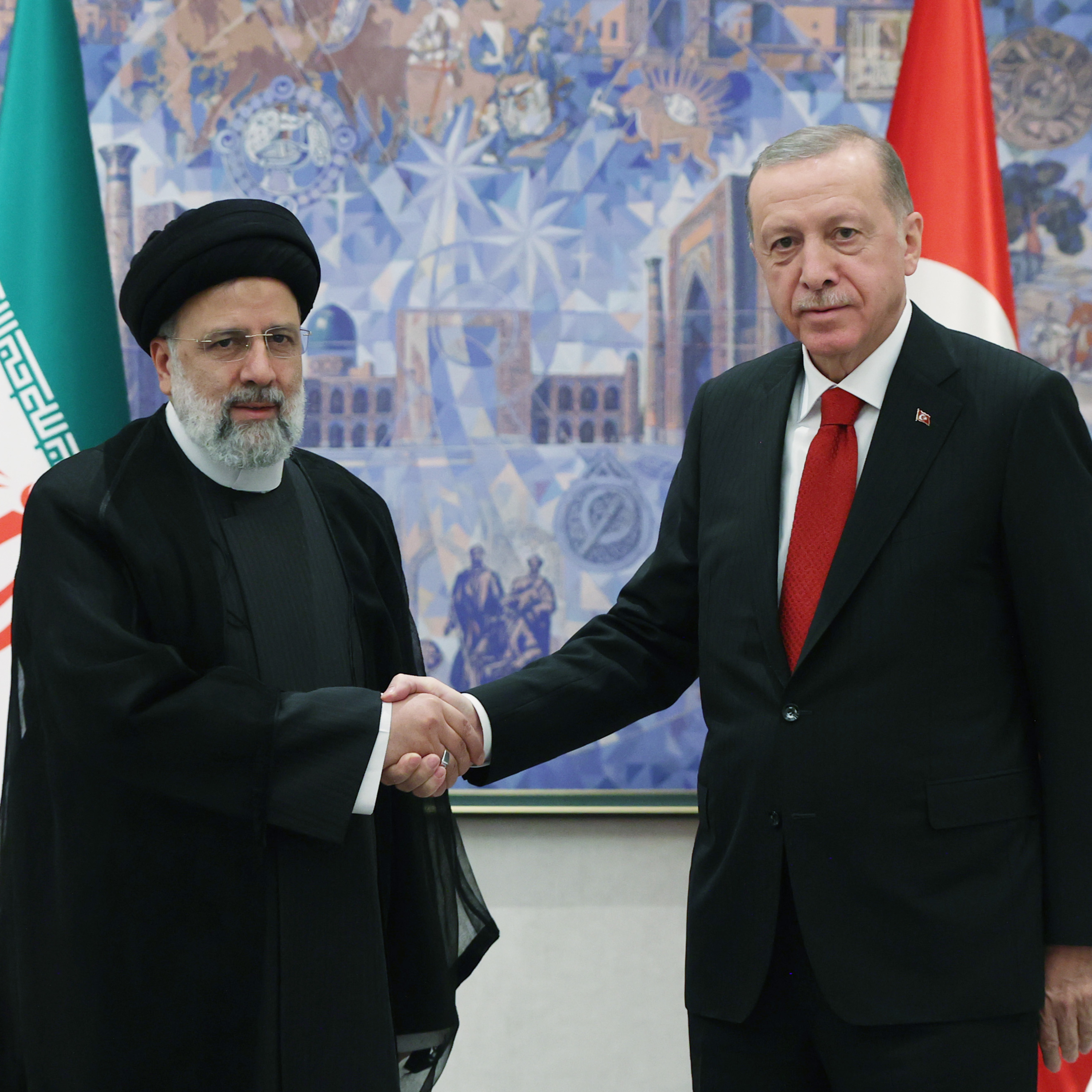
Türkiye-Iran Relations and the Regional Dynamics
As the geopolitical landscape of the Middle East continues to evolve, several key developments have introduced new dynamics in Turkish-Iranian bilateral ties. The shifting dynamics in Syria have placed Tehran at odds with Ankara during the crisis, but the two regional powers have managed to engage in dialogue through the Astana process, alongside Russia. As Turkish-Syrian relations have shown sign
NATO’s Enlargement: Assessing the Cases of Finland, Sweden and Ukraine
With the start of the war in Ukraine, NATO has been faced with numerous challenges including reassuring allies, reinforcing common defense, and considering the alliance’s enlargement to the north. Finland and Sweden’s requests for a fast-track NATO membership emerged as a significant focus for the alliance, as these countries decided to abandon their historically neutral position toward Russia. Tü
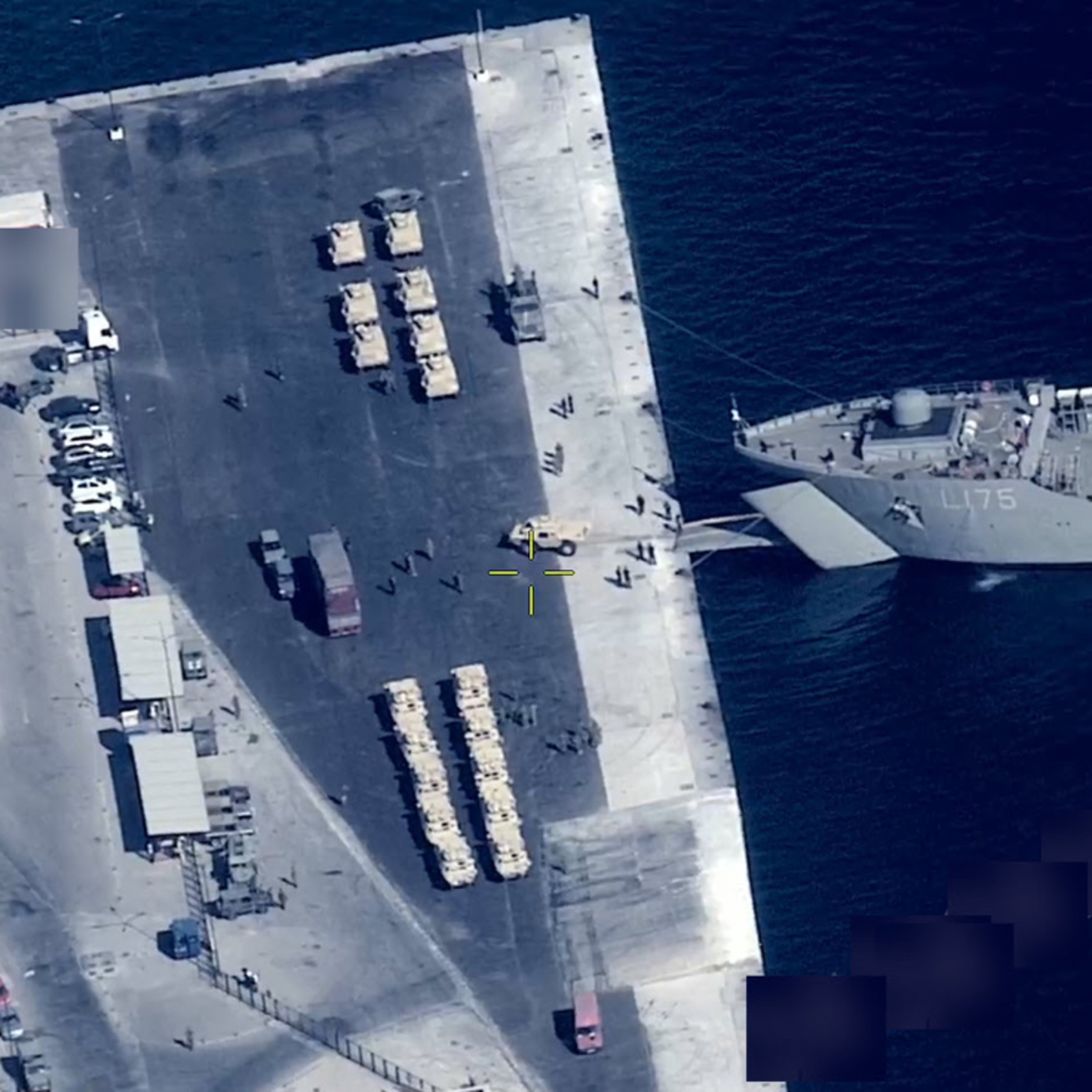
Türkiye-Greece Tensions: Implications for NATO and Turkish-American Relations
In recent months, tensions in the Eastern Mediterranean reached new heights amidst war of words between Greek and Turkish leadership. Türkiye has accused Greece of militarizing the Aegean islands in contravention of international agreements while the Greek leadership leveled accused Turkey of threatening Greek sovereignty. Türkiye has also expressed its discomfort with American military hardware t

Türkiye’s Policy of Balance in the Ukraine War
Türkiye has pursued a policy of support for Ukraine while maintaining relations with Russia since the outbreak of the war more than six months ago. The Russian invasion has met unprecedented Western sanctions while Türkiye focused on bringing Ukrainian and Russian sides to the table for negotiations to end the conflict. Even though the initial attempts at a ceasefire ultimately failed, Türkiye con

U.S.-Türkiye Relations after the July 15 Coup Attempt
The July 15 failed coup attempt of 2016 has served as a major turning point in Turkish political history. The event came as a major shock to most observers of Türkiye, leaving a legacy that has continued to impact Turkish politics in even the most fundamental ways. As Türkiye was already grappling with tectonic shifts in the Middle East, the country was faced with an unprecedented challenge of roo

Turkish Foreign Policy after the July 15 Coup Attempt
The July 15 failed coup attempt of 2016 has served as a major turning point in Turkish political history. The event came as a major shock to most observers of Türkiye, leaving a legacy that has continued to impact Turkish politics in even the most fundamental ways. As Türkiye was already grappling with tectonic shifts in the Middle East, the country was faced with an unprecedented challenge of roo

Political Trends in Turkish Politics after the July 15 Coup Attempt
The July 15 failed coup attempt of 2016 has served as a major turning point in Turkish political history. The event came as a major shock to most observers of Türkiye, leaving a legacy that has continued to impact Turkish politics in even the most fundamental ways. As Türkiye was already grappling with tectonic shifts in the Middle East, the country was faced with an unprecedented challenge of roo
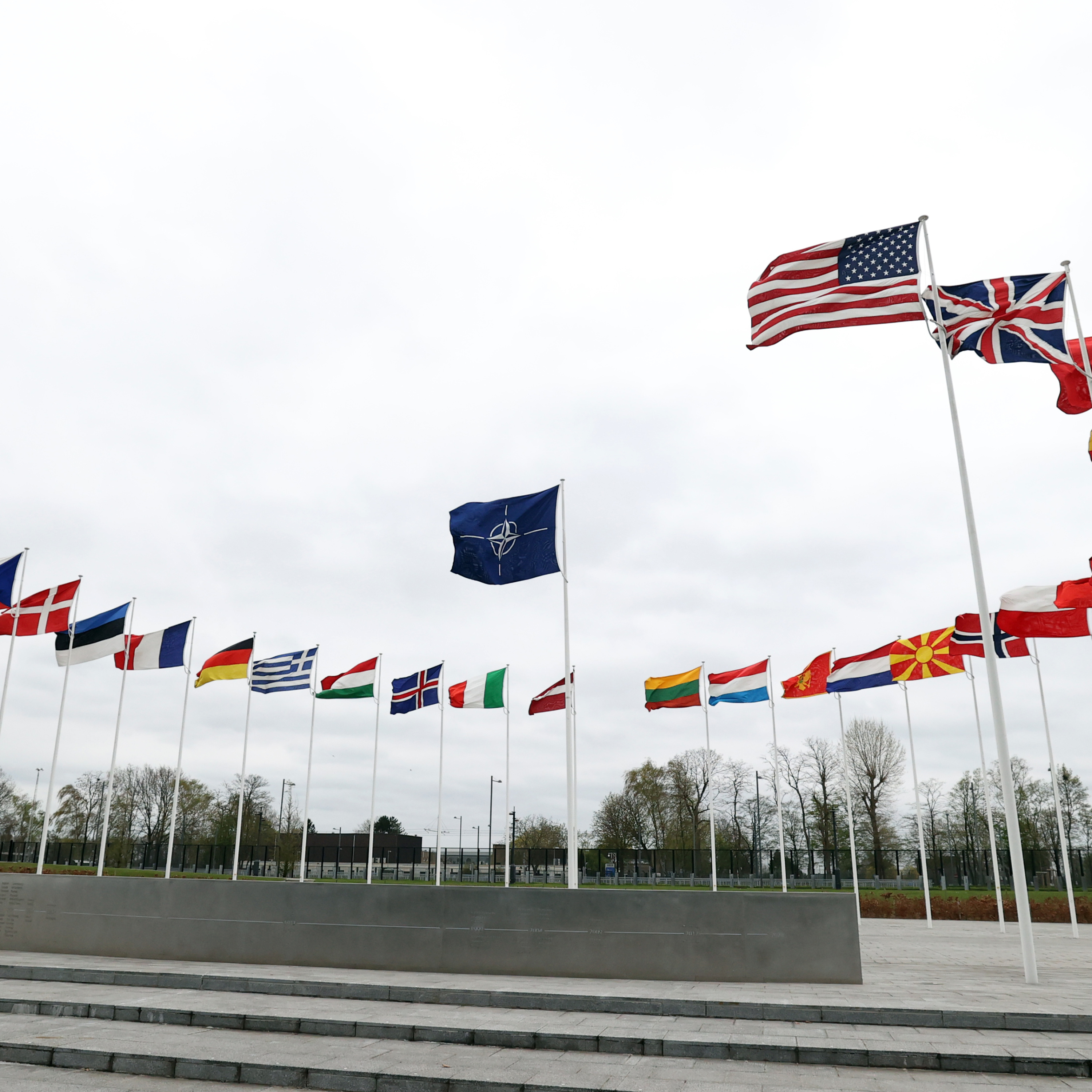
The Madrid Summit: NATO’s New Strategic Concept
NATO will adopt its new Strategic Concept at the 2022 Madrid Summit. As part of the preparations for the new document, an official report titled “NATO 2030: United for a New Era” shared the new priorities of the Alliance with the public in November 2020. The report recommends to the allies to update the Concept regarding the emerging challenge of China, terrorism in all its forms, and increasing r
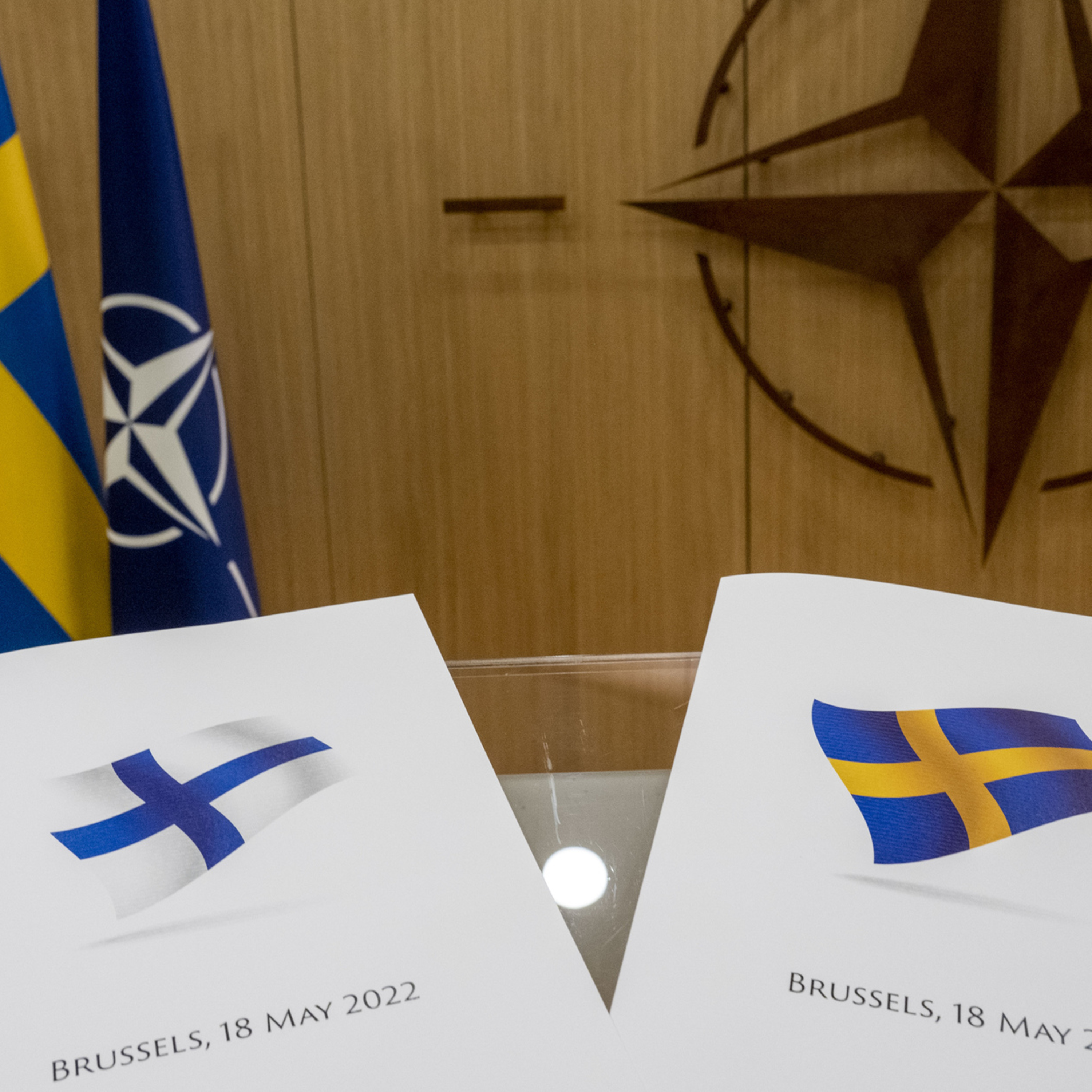
The Prospects of NATO Enlargement: Türkiye’s Stance on Finland and Sweden’s Membership
Sweden and Finland applied to join NATO last month, breaking their long-standing neutral status following Russia’s invasion of Ukraine. As fears about potential Russian military actions in Eastern Europe and the Baltic region reached their highest levels in years, Türkiye has voiced its reservations about Finland and Sweden’s membership applications. Citing the two Nordic countries’ stances on ter
Empires of Eurasia: How Imperial Legacies Shape International Security
Eurasia’s major powers—China, Iran, Russia, and Turkey—increasingly intervene across their borders while seeking to pull their smaller neighbors more firmly into their respective orbits. While analysts have focused on the role of leaders such as Vladimir Putin and Recep Tayyip Erdoğan in explaining this drive to dominate neighbors and pull away from the Western-dominated international system, they
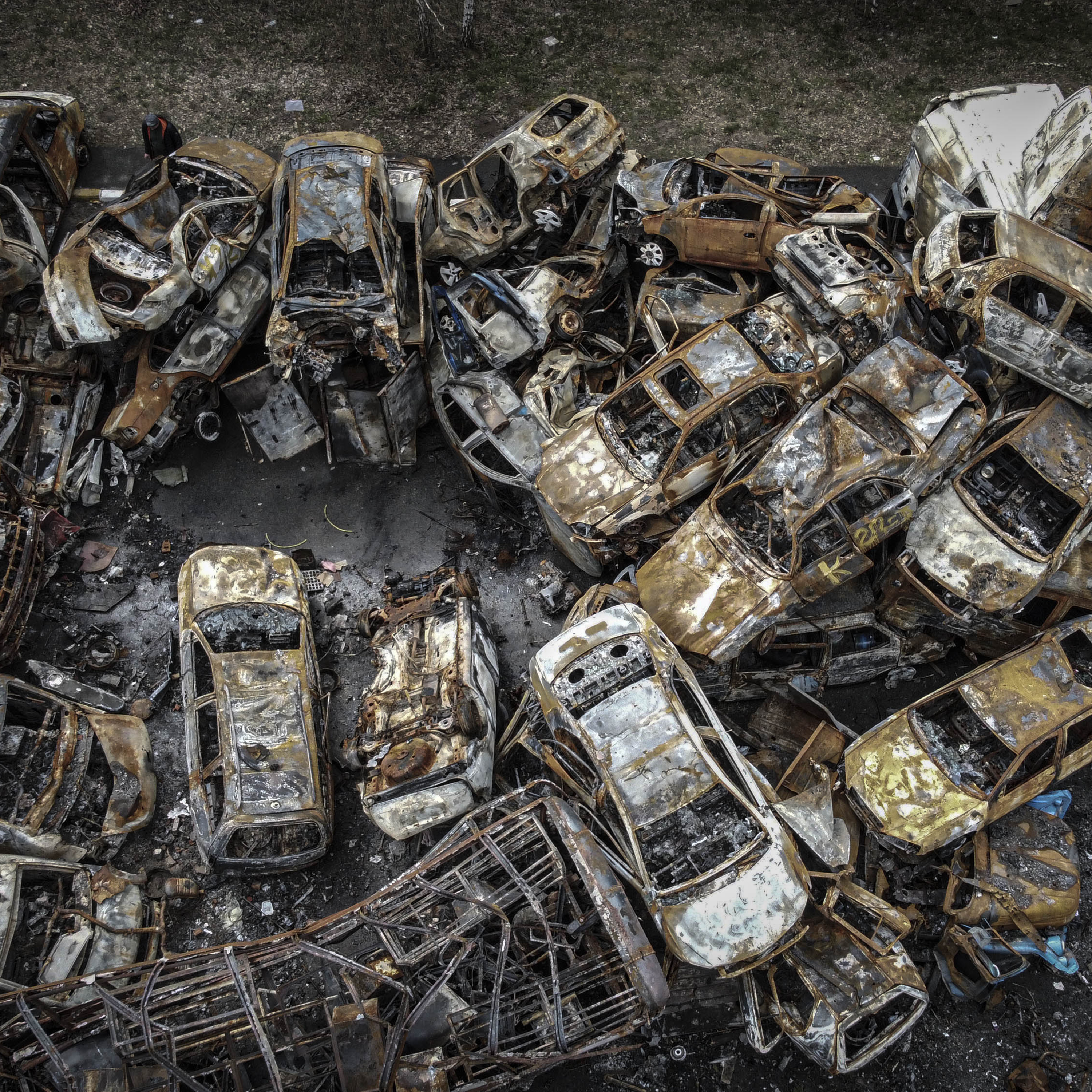
Can the Western Policy Help Ukraine Achieve Victory?
U.S. Secretary of State Antony Blinken and Defense Secretary Lloyd Austin met with Volodymyr Zelensky in Kyiv during the highest-level visit by U.S. officials to Ukraine since the start of the war. The priority of the US and Western countries in the current phase of the invasion has turned to quickly arming Ukraine against Russia in addition to sanctions. As the West seeks to bolster Ukraine’s mil

NATO's Response and the US Policy on Ukraine
The ongoing Russian invasion of Ukraine has triggered a strong and a somewhat surprisingly unified NATO response. The US policy has focused on supporting Ukraine through economic and military aid foreclosing any direct confrontation with Russia. Despite different interests and diplomatic relations of member countries within NATO, the alliance has been able to sustain its cohesion although this may
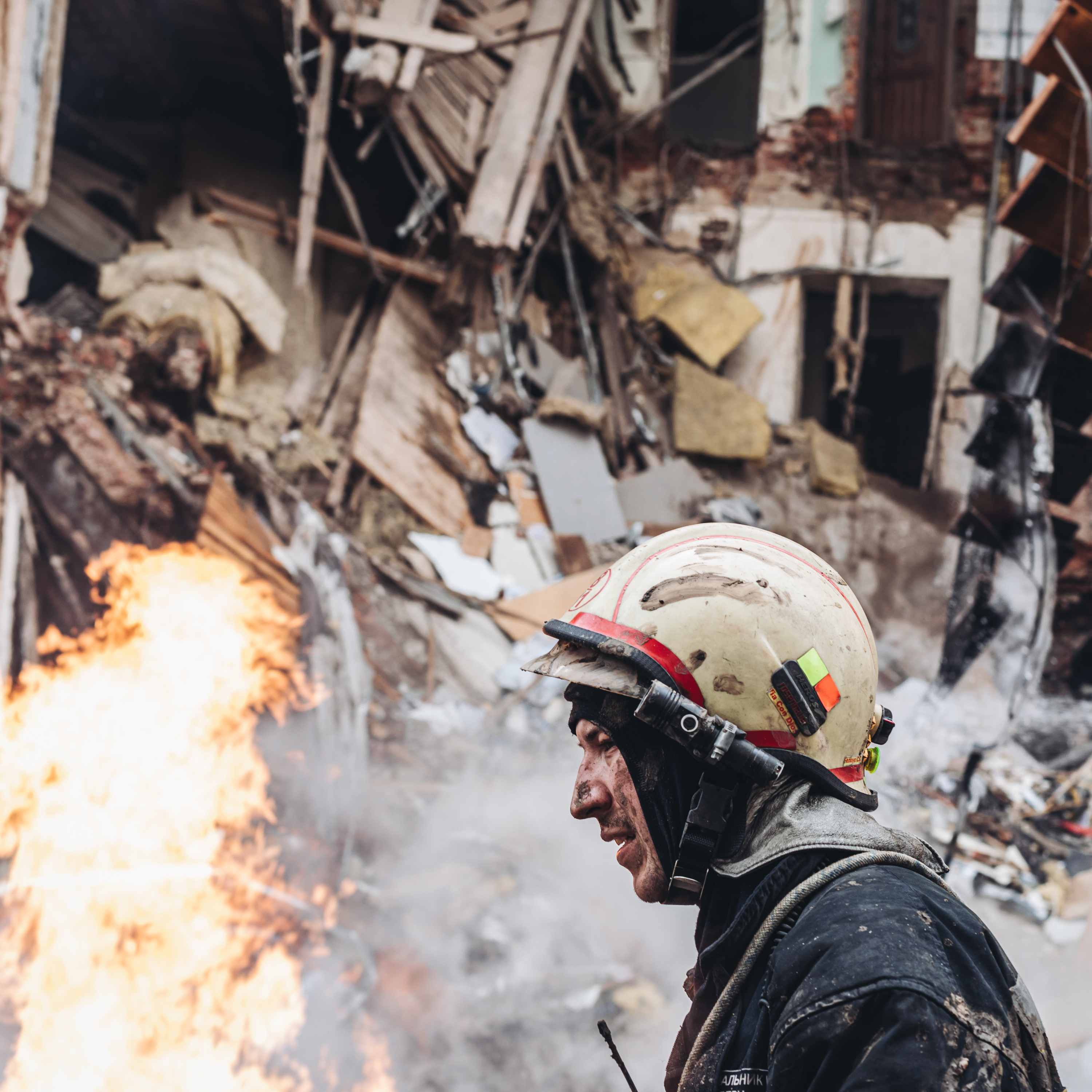
The War in Ukraine: Turkey’s Policy and Geopolitical Implications for NATO
The ongoing Russian invasion of Ukraine has already triggered fears for a new world war with far-reaching geopolitical implications. The war is likely to define the European security structure in the years to come. While NATO and European allies have been united in opposition to the invasion and exacting serious costs on Russia, they have yet to deter Russian leader Putin. Individual NATO allies s

Turkey’s Policy on the Ukraine Crisis
During his visit to Kyiv last week, Turkish President Recep Tayyip Erdoğan reiterated Turkey’s support for Ukraine’s territorial integrity as he repeated his offer to mediate between Russia and Ukraine to resolve the current crisis. Having inked a series of agreements aimed at deepening economic ties and defense cooperation between Turkey and Ukraine, President Erdogan highlighted the importance o
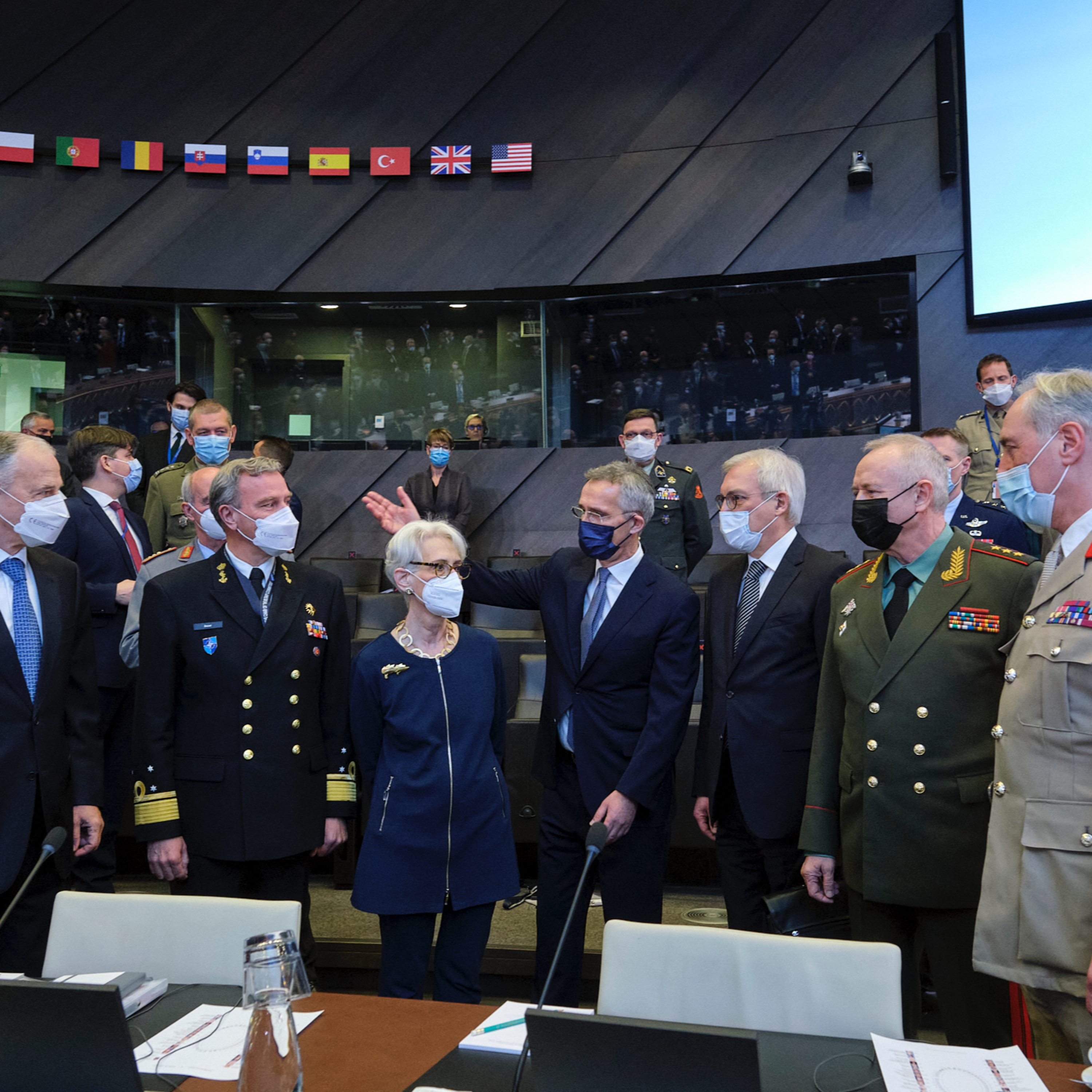
Ukraine Crisis: Implications for the International System and U.S. Leadership
The ongoing Russian military buildup along the Ukrainian border, military exercises in Belarus, US military support to Ukraine and NATO’s asset deployments to Eastern Europe all point to increased likelihood of war in Europe. Following the annexation of Crimea in 2014, the seemingly impending invasion of further Ukrainian territory by Russia has serious implications for regional security. Russian

A Year after the Second Karabakh War: The Future of Peace in South Caucasus
Last year, Armenia and Azerbaijan fought for six weeks over Nagorno-Karabakh and the surrounding regions in a conflict that took more than 6,500 lives. On November 9, 2020, the two sides signed an agreement brokered by Russia to end the fighting and work towards a comprehensive solution. The 2nd Karabakh War ended a decades-old frozen conflict by reversing the Armenian occupation of Azerbaijani te
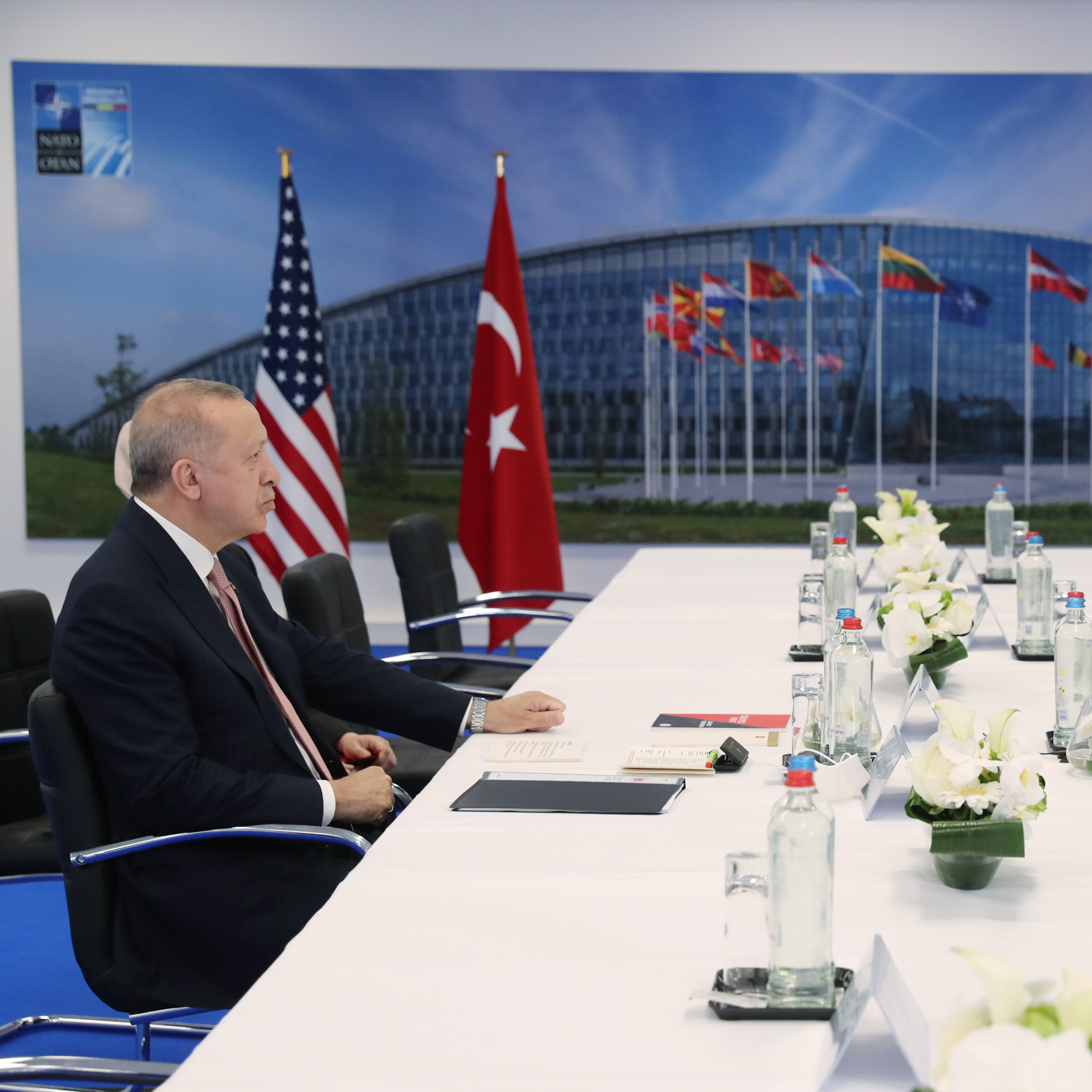
20 Years On: Turkish-American Relations under the AK Party
Since the foundation of the AK Party on August 14, 2001, Turkish-American relations have gone through major regional and global challenges. The relationship has ebbed and flowed over the past two decades of AK Party governments under the leadership of President Erdoğan and different administrations in Washington. The Middle East has undergone major geopolitical transformations that the US and Turk
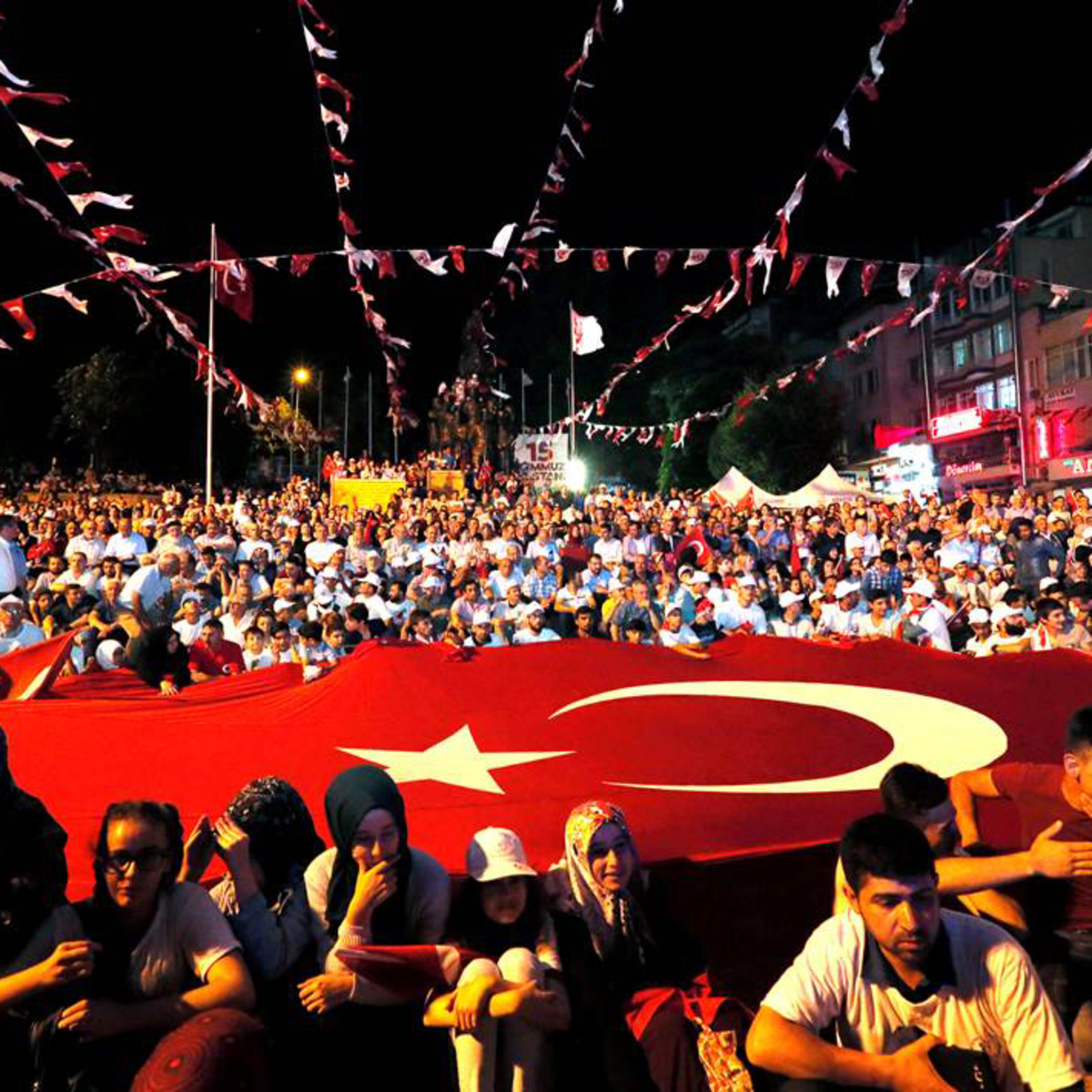
Turkish Foreign Policy 5 Years after the July 15 Coup Attempt
Since the failed coup attempt on July 15th, 2016, Turkey’s foreign policy has changed dramatically. Turkey intervened militarily in multiple countries such as Syria and Libya to protect its security and geopolitical interests. Having proven to be a stabilizing actor in these countries and beyond, Turkey has also made major investments in its national defense. Turkey’s acquisition of air defense sy
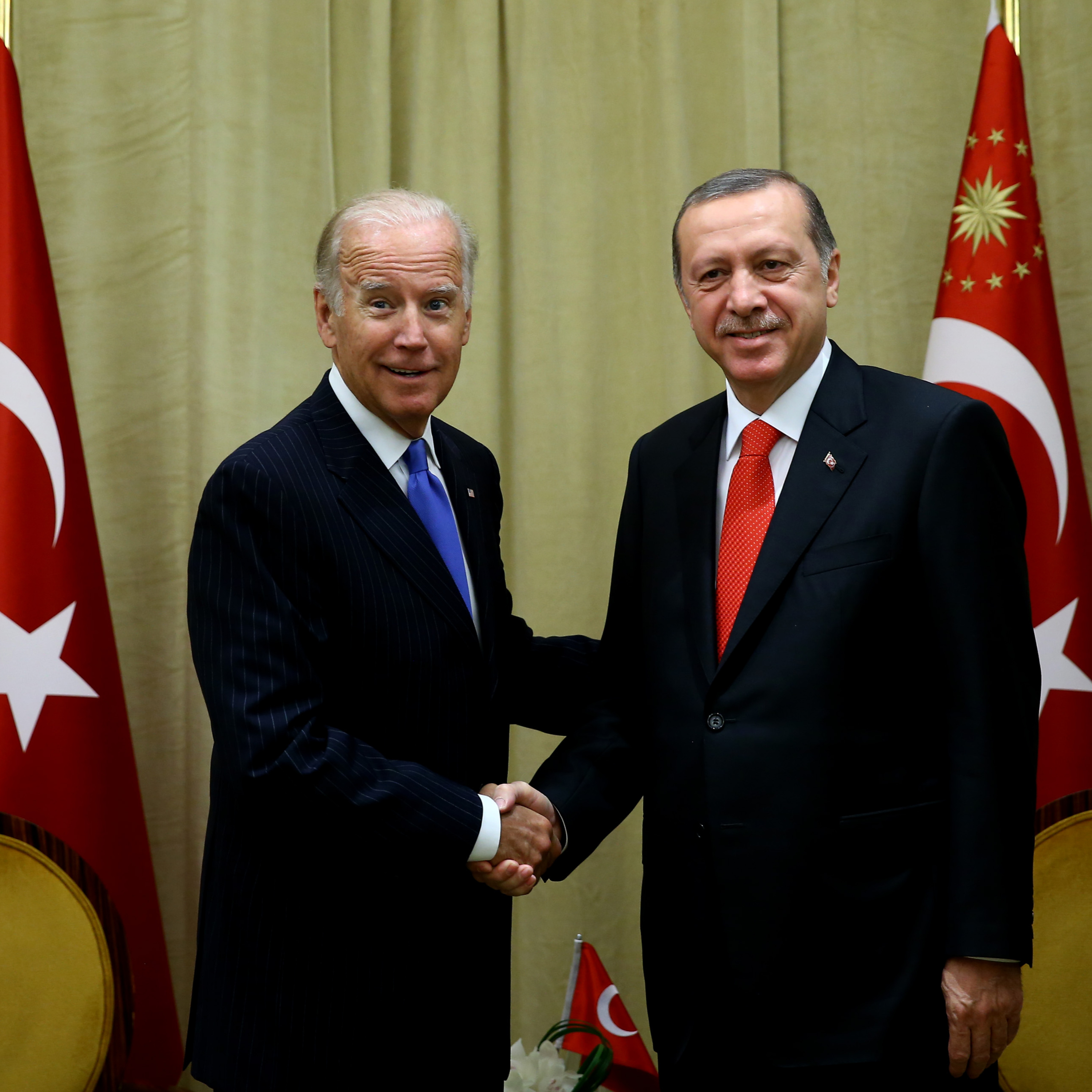
U.S.-Turkey Relations: Previewing The Biden-Erdogan Meeting at NATO
U.S.-Turkey relations have gone through a rocky period over the past few years and there continue to be areas of disagreement between the two NATO allies. Issues such as Ankara’s purchase of the S-400 air defense systems and Washington’s Syria policy remain critical points of tension. At the same time, the two allies cooperate on a number of strategic matters within the NATO framework. The US-Turk
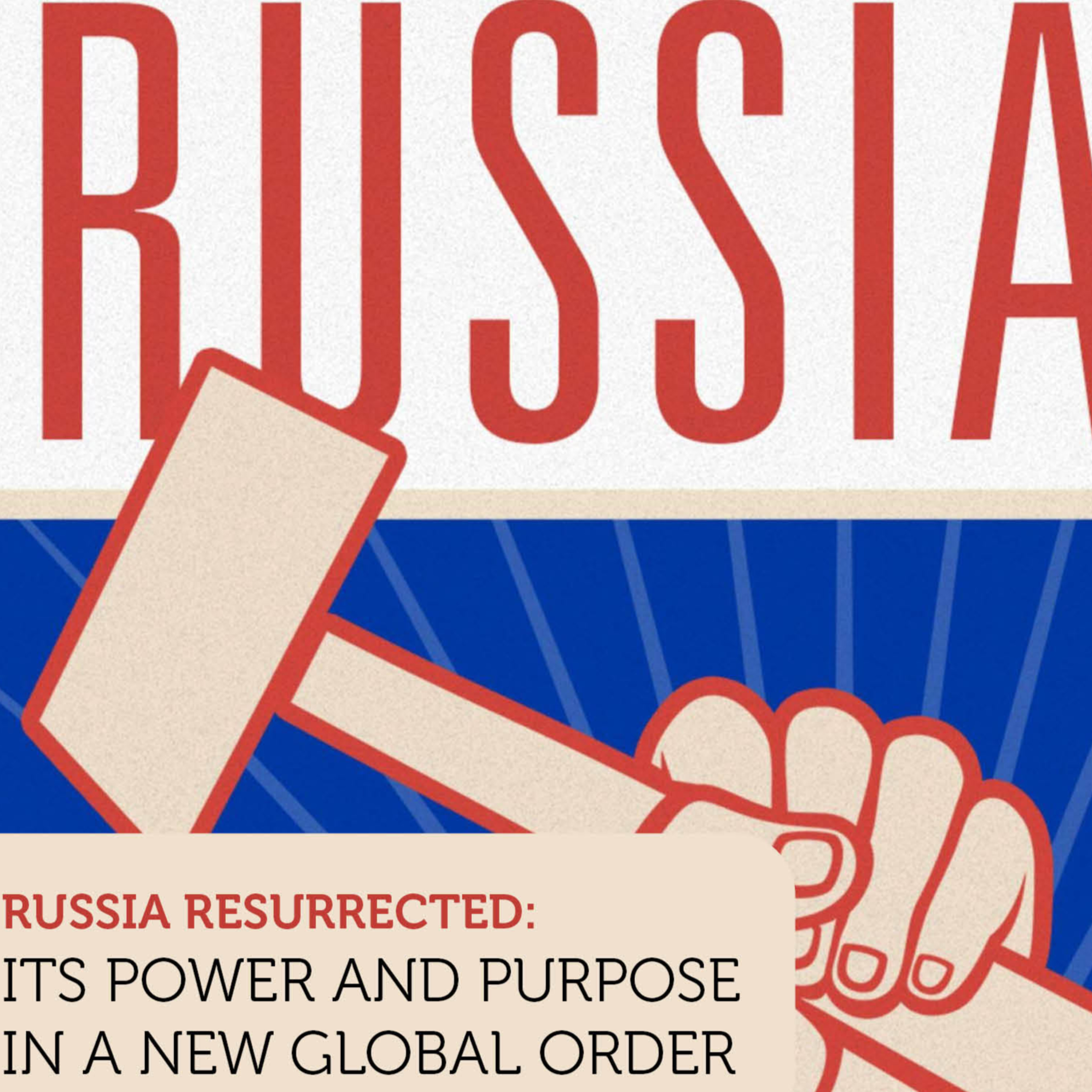
Russia Resurrected: Its Power and Purpose in a New Global Order
The SETA Foundation at Washington DC is pleased to host a book talk with Author Kathryn Stoner on “Russia Resurrected: Its Power and Purpose in a New Global Order.”
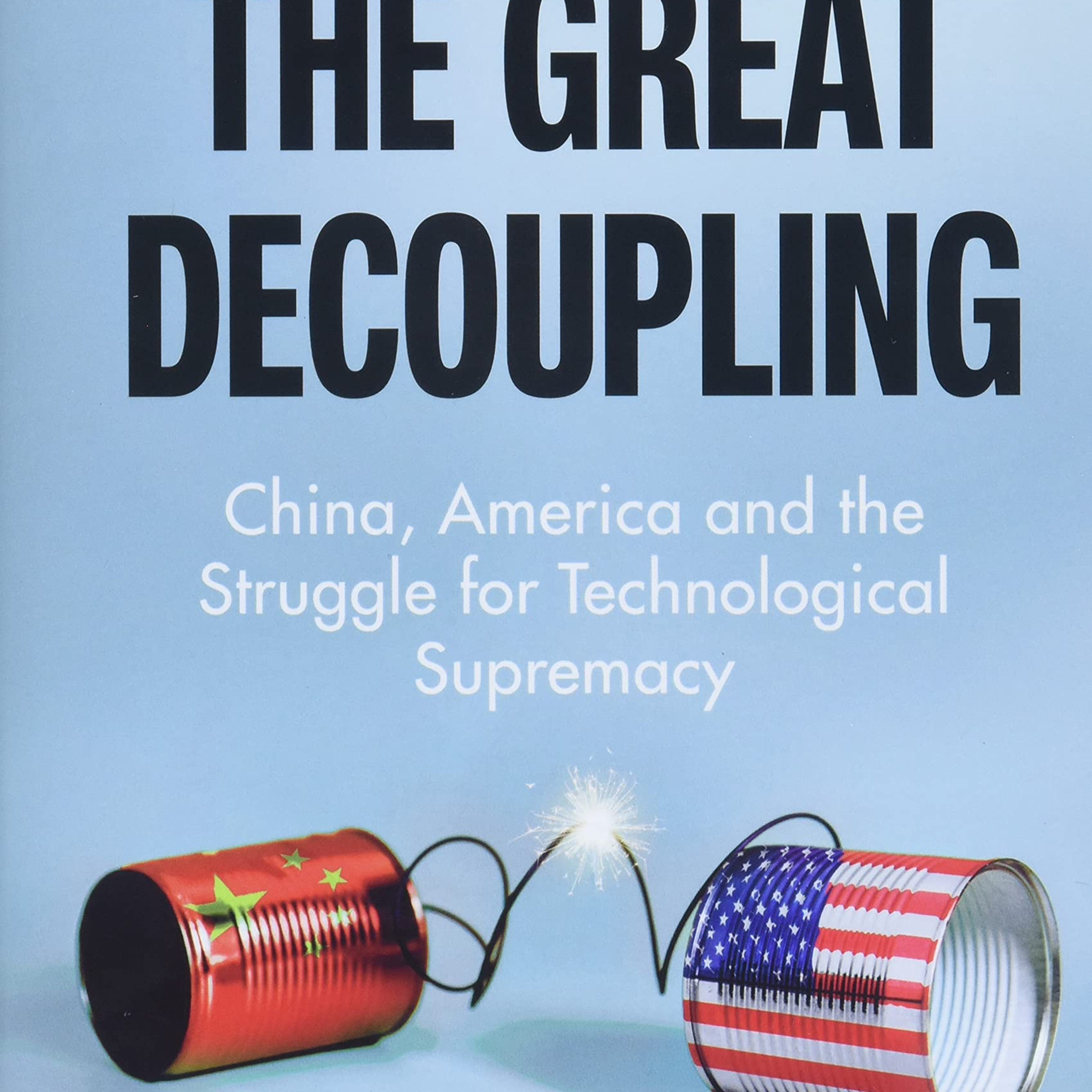
The Great Decoupling: China, America and the Struggle for Technological Supremacy
For much of recorded history, China was a leading science and technology power. But just as the West rose, China turned in on itself, and missed the Industrial Revolution. The result was the 'Hundred Years of Humiliation', and a long struggle for a modern, yet distinctly Chinese, civilisational identity. Today, technological innovation has returned to the core of national pride and ambition. Since
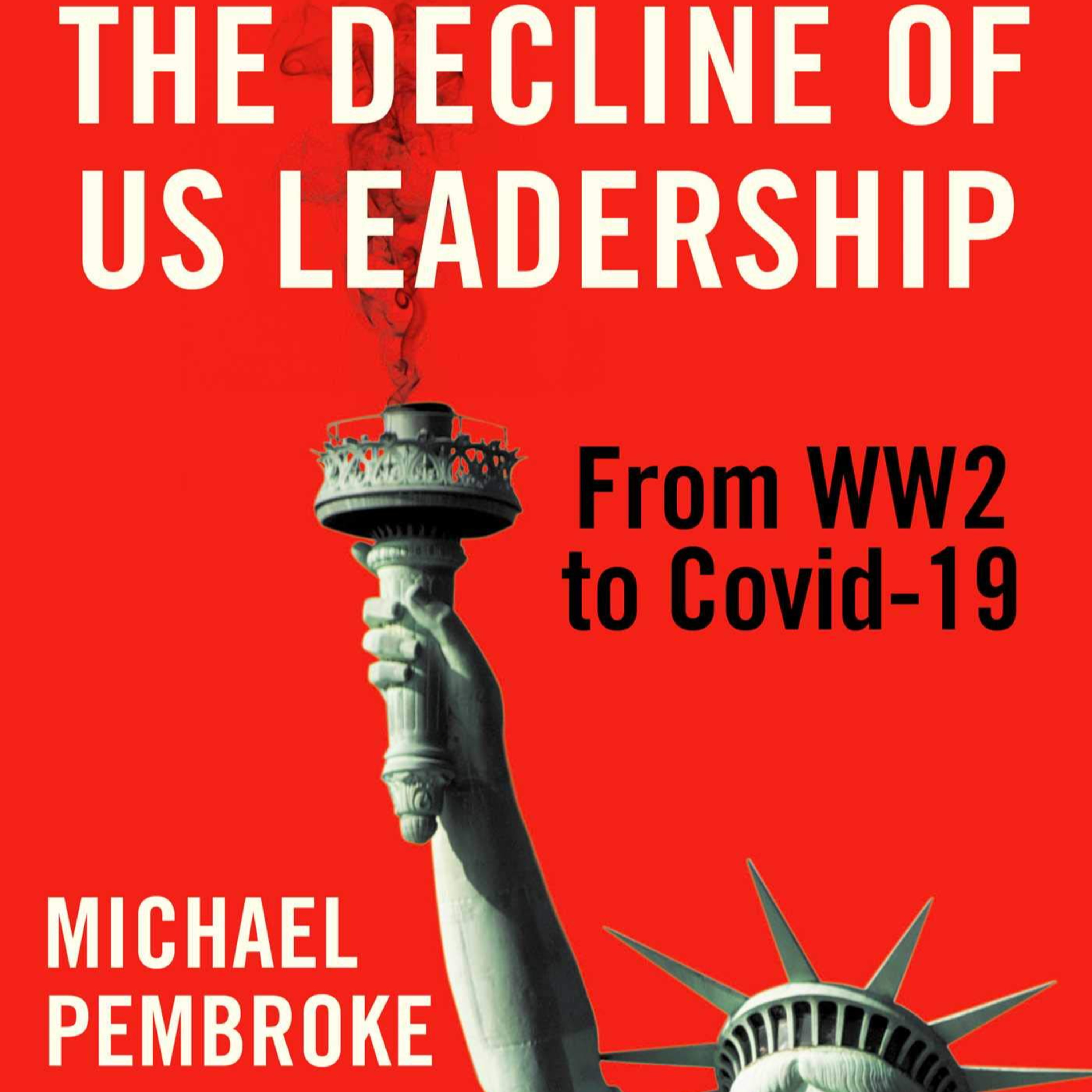
America in Retreat: The Decline of US Leadership from WW2 to Covid-19
SETA Foundation at Washington DC's Research Director Kilic Bugra Kanat speaks with Michael Pembroke, the author of "America in Retreat: The Decline of US Leadership from WW2 to Covid-19".

Continuity and Change: The Biden Administration’s Syria Policy
President Biden inherits a strategy from the Trump administration, which was largely a continuation of the Obama policy on Syria. Both Obama and Trump justified U.S. involvement in Syria on countering ISIS, and U.S. policy appears in need of a new framework in the post-ISIS era. In the past, some of the current Biden administration officials have criticized “deployment of troops in endless and unw
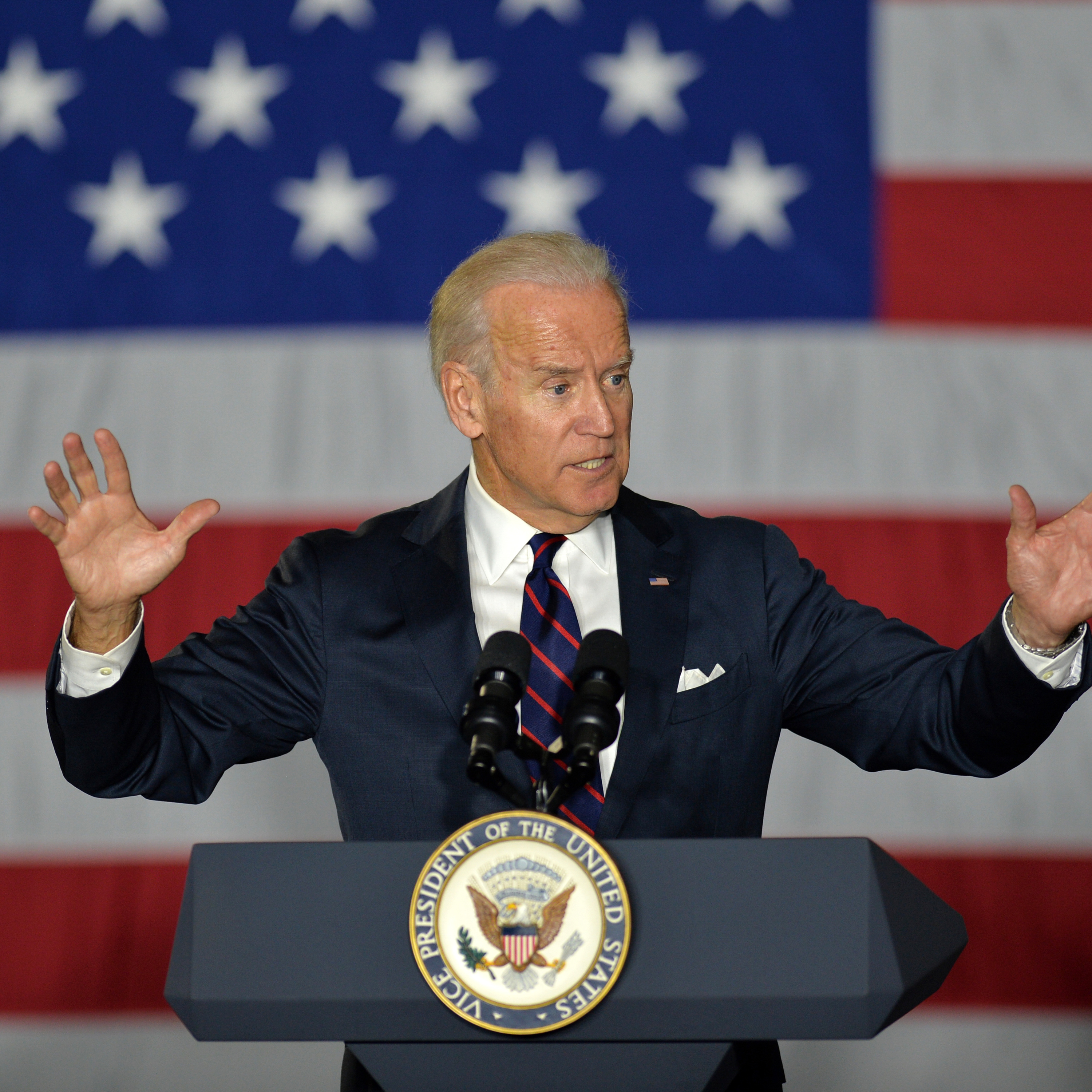
The Biden Administration’s Foreign Policy Priorities
As the new Biden administration enters Washington, the President-elect is poised to employ a different tone toward the rest of the world. The Trump administration has defined its foreign policy in “America First” terms, but Joe Biden has made it clear that he will work to foster relationships with allies and bring the US back to a leading role in global affairs. Biden’s cabinet nominees are lookin
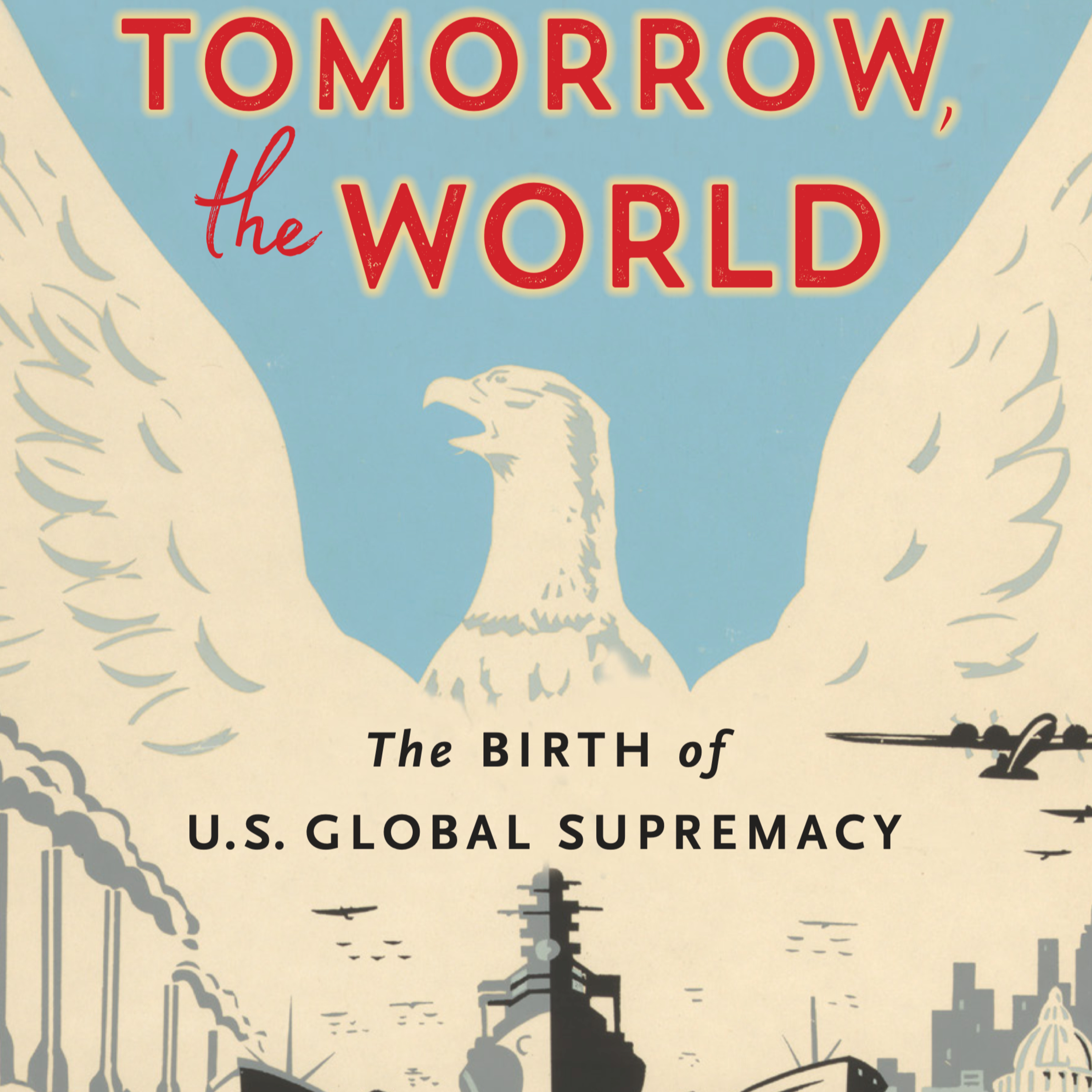
Tomorrow, the World: The Birth of U.S. Global Supremacy
For most of its history, the United States avoided making political and military commitments that would entangle it in European-style power politics. Then, suddenly, it conceived a new role for itself as the world’s armed superpower—and never looked back. In Tomorrow, the World, Stephen Wertheim traces America’s transformation to the crucible of World War II, especially in the months prior to the
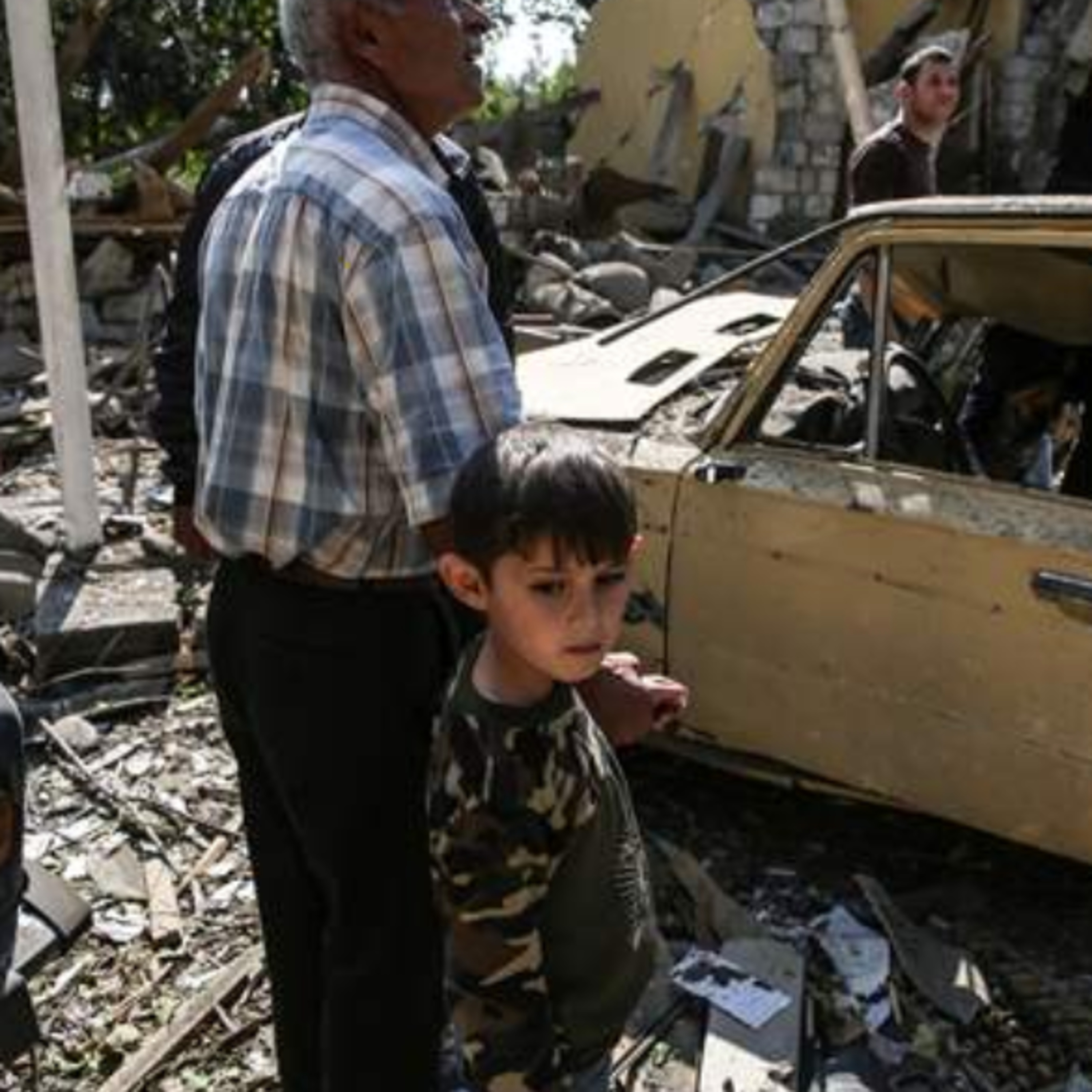
The Conflict in the Caucasus: Geopolitical Implications
In late September 2020, the twenty-six-year-old frozen conflict over Nagorno-Karabakh heated back up. Beyond the battlefield, the conflict has been punctuated by attacks on non-military targets. For example, the ballistic missile attacks on the Azerbaijani city of Ganja resulted in civilian casualties. Seven weeks into the current conflict, Azerbaijan made some gains in capturing its occupied land
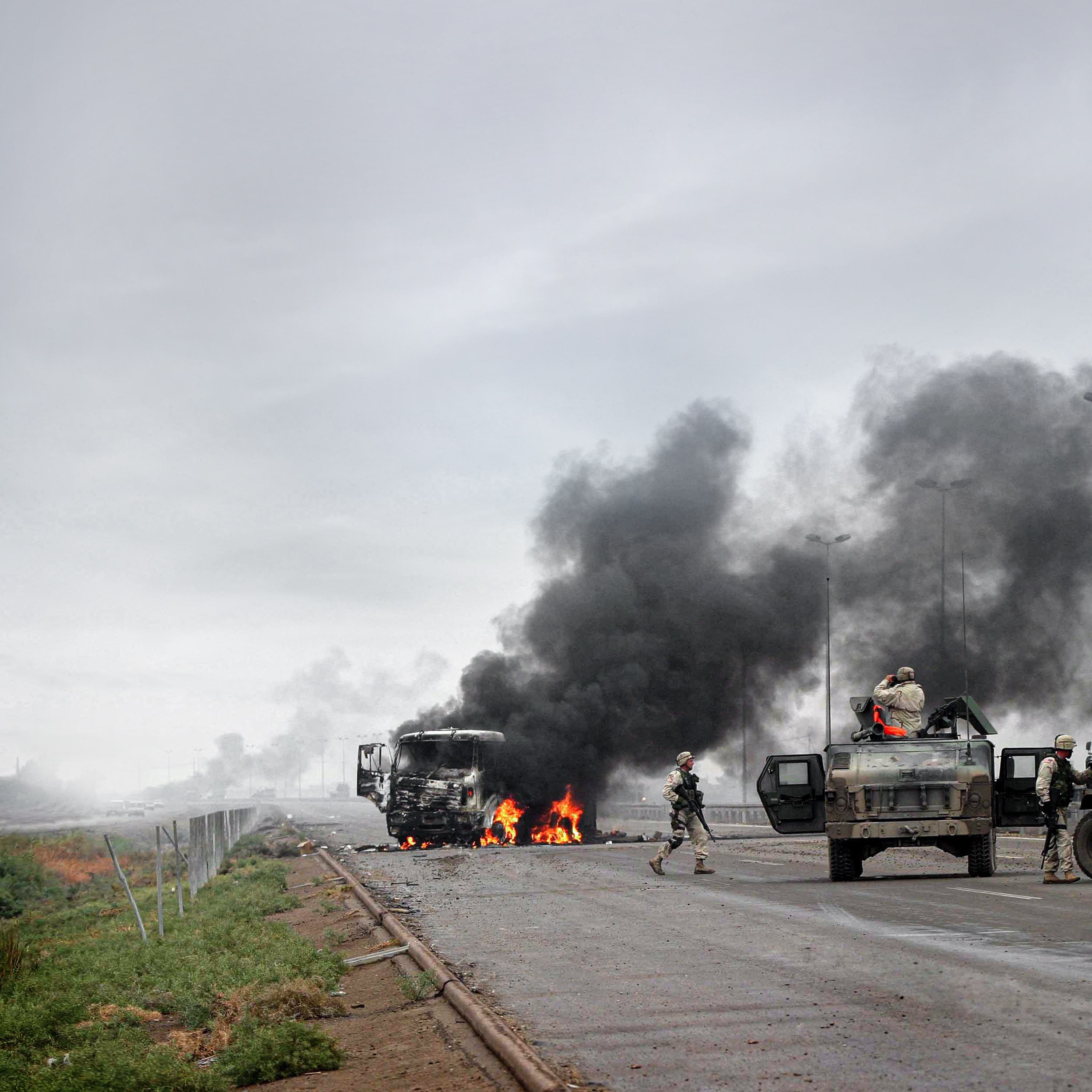
Losing the Long Game: The False Promise of Regime Change in the Middle East
Since the end of World War II, the United States has set out to oust governments in the Middle East on an average of once per decade―in places as diverse as Iran, Iraq, Afghanistan (twice), Egypt, Libya, and Syria. The reasons for these interventions have also been extremely diverse, and the methods by which the United States pursued regime change have likewise been highly varied, ranging from dip
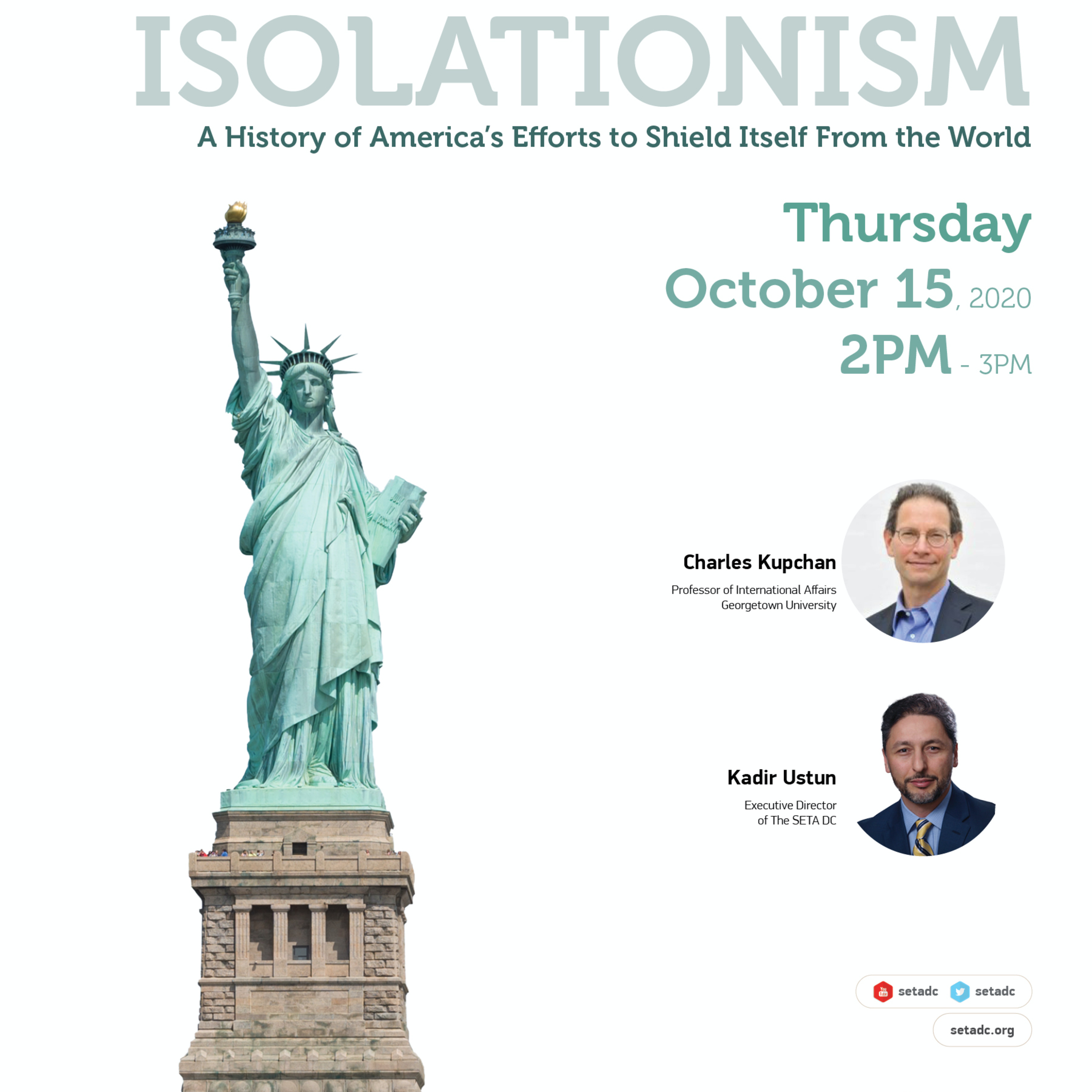
Isolationism: A History of America’s Efforts to Shield Itself From the World
In his Farewell Address of 1796, President George Washington admonished the young nation "to steer clear of permanent alliances with any portion of the foreign world." Isolationism thereafter became one of the most influential political trends in American history. From the founding era until the Japanese attack on Pearl Harbor, the United States shunned strategic commitments abroad, making only br
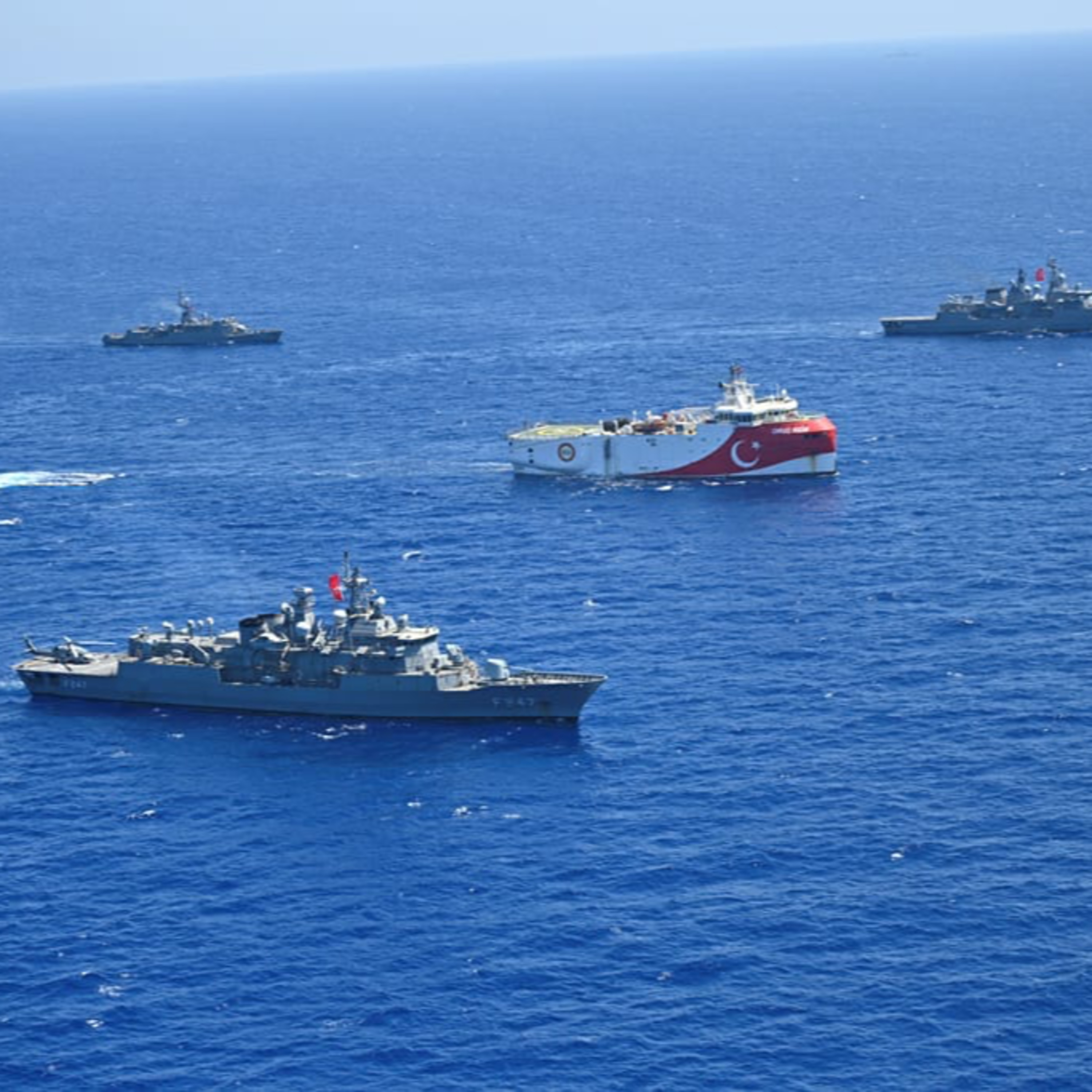
Maritime Disputes in the Eastern Mediterranean and International Law
Long simmering tensions between powers in the Eastern Mediterranean have recently escalated to crisis levels. Competition between Turkey, Cyprus and Greece over gas discoveries, long-standing maritime border disputes, and regional rivalries have led to heightened tensions in the region. With bilateral attempts at negotiation remaining stalled, efforts to reduce tensions within NATO and the Europea
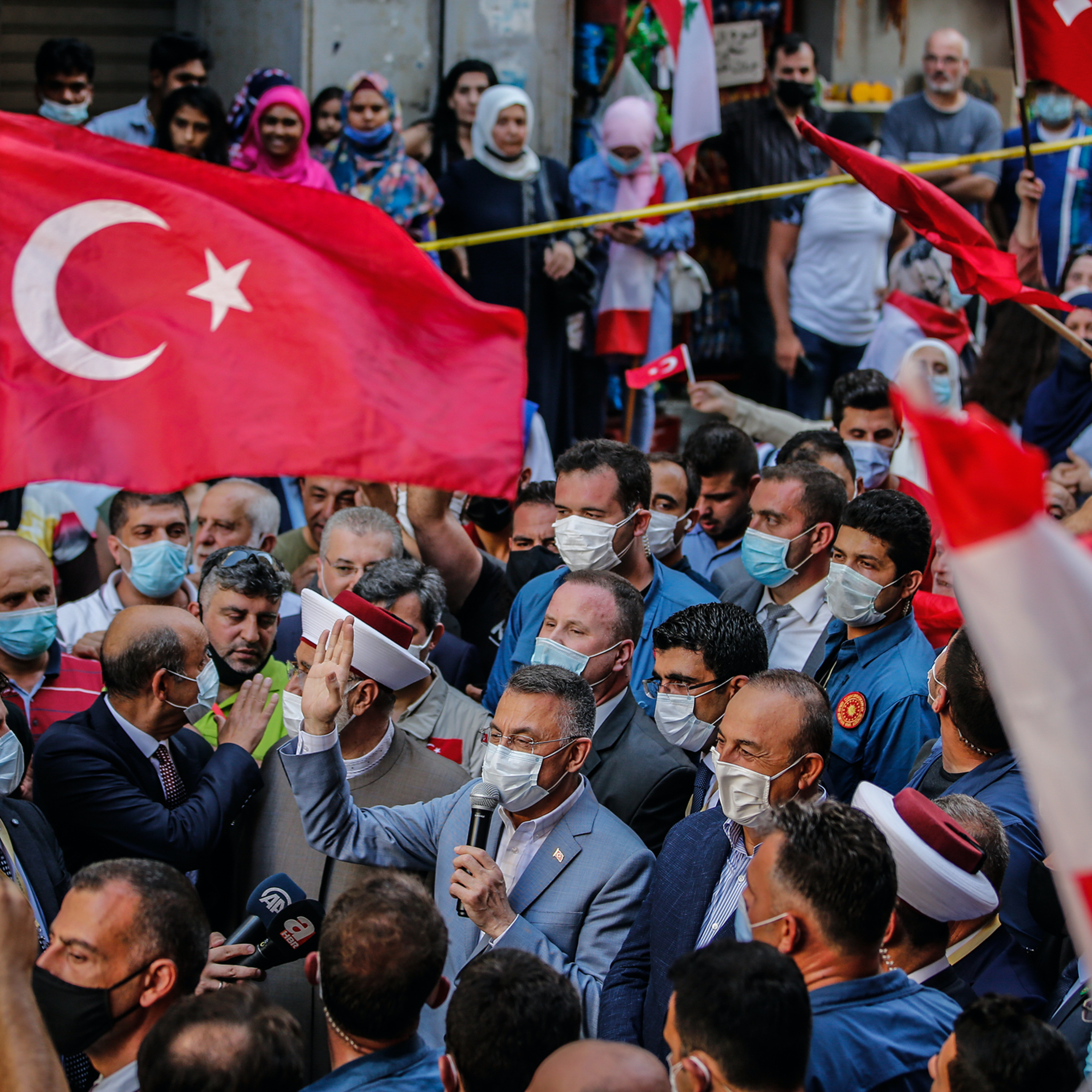
A Conversation with His Excellency Fuat Oktay, Vice President of Turkey
Turkey’s role in regional and global affairs has generated much debate in recent years. Turkish foreign policy initiatives as well as the country’s humanitarian diplomacy in the wake of the Covid-19 pandemic continue to shape regional dynamics. Turkey’s continued presence in northern Syria, for instance, has provided stability in the aftermath of the US (partial) withdrawal. Turkish support for th
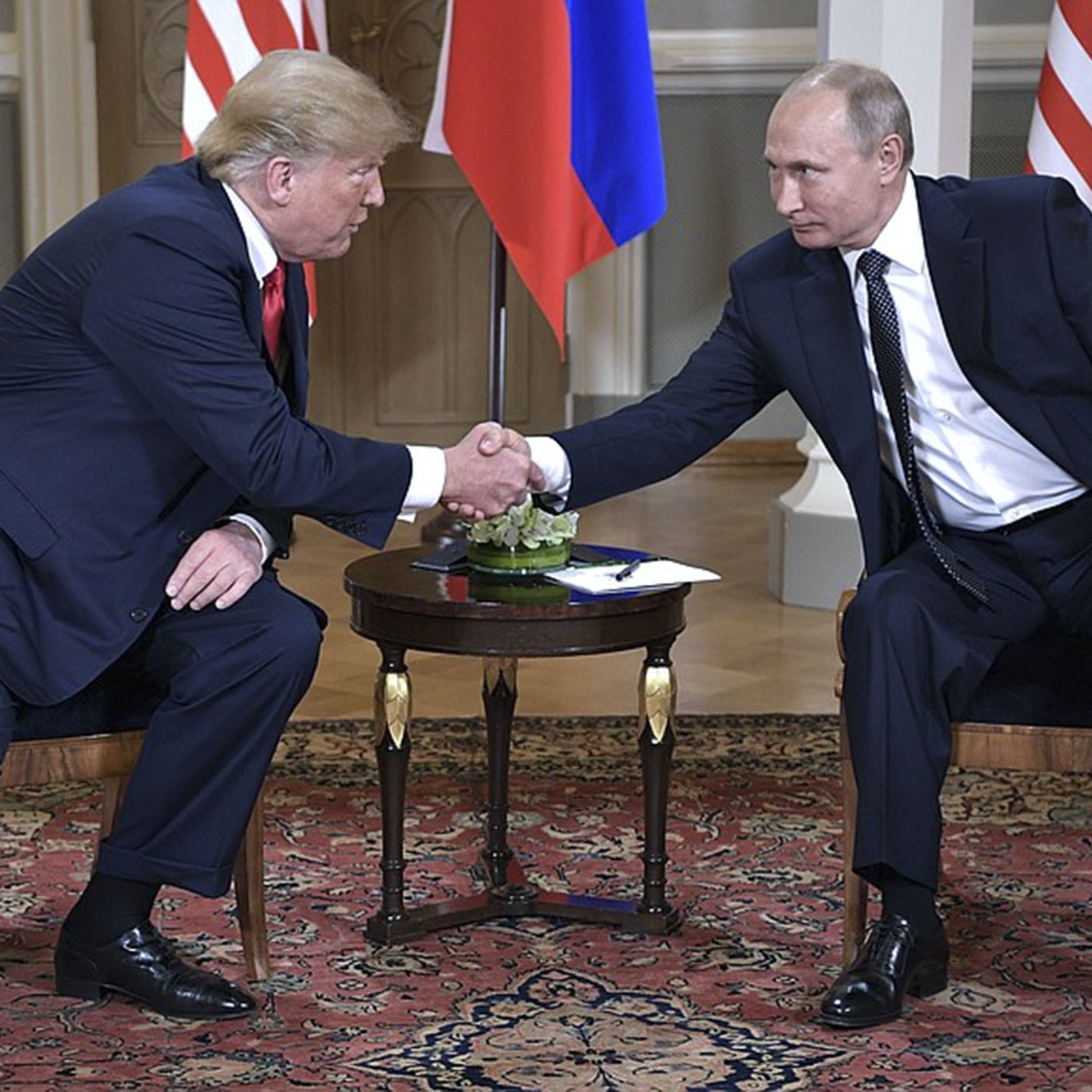
The Future of US-Russia Relations: Implications for the Middle East
Since the end of the Cold War, American-Russian relations have waxed and waned, depending on the administration in Washington, following a pattern of a ‘reset’ and then decline with each successive presidency. Although President Trump sought better relations with Russia, the bilateral relationship has been difficult due to a number of security and geopolitical issues. Strategic competition has bee
Taking Stock of 19 Years under the AK Party
Since its establishment 19 years ago, Turkey’s ruling Justice and Development Party (AK Party) has transformed the country’s politics, economy, and culture in many different ways. As a result of its consistent electoral and referenda successes for nearly two decades, the party has become the dominant party in Turkish politics in unprecedented ways. As the party sets out to tackle long-standing eth
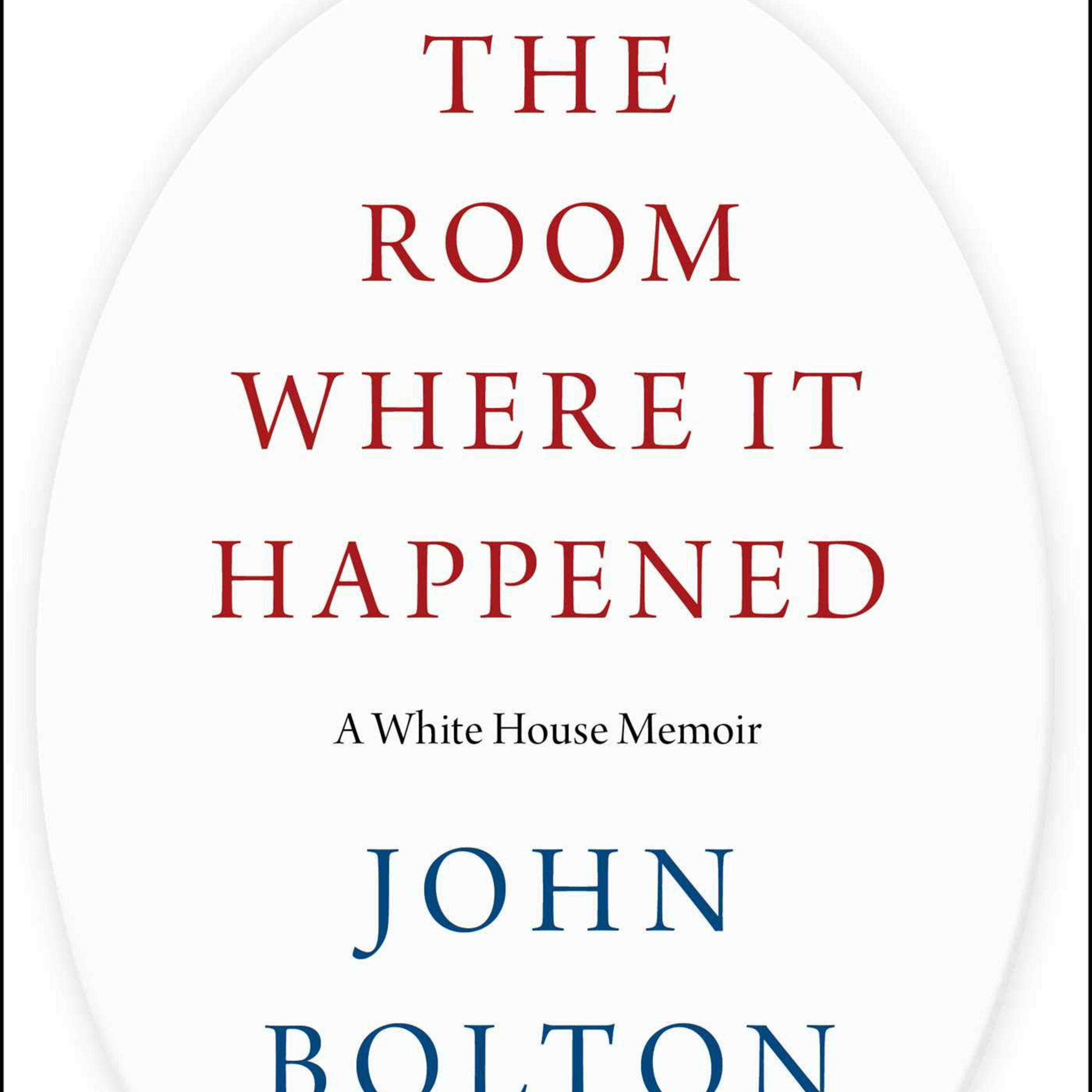
Bolton’s Book: Trump Administration’s Foreign Policymaking
Before entering Trump’s personal orbit, John R. Bolton was most famous for his stint as United States Ambassador to the United Nations, where his views contra the multilateral institution, and promoting American unilateralism were espoused in full view of a global audience. Twelve years after his resignation from the position in 2006, he once again caught the eye of a Republican President eager to
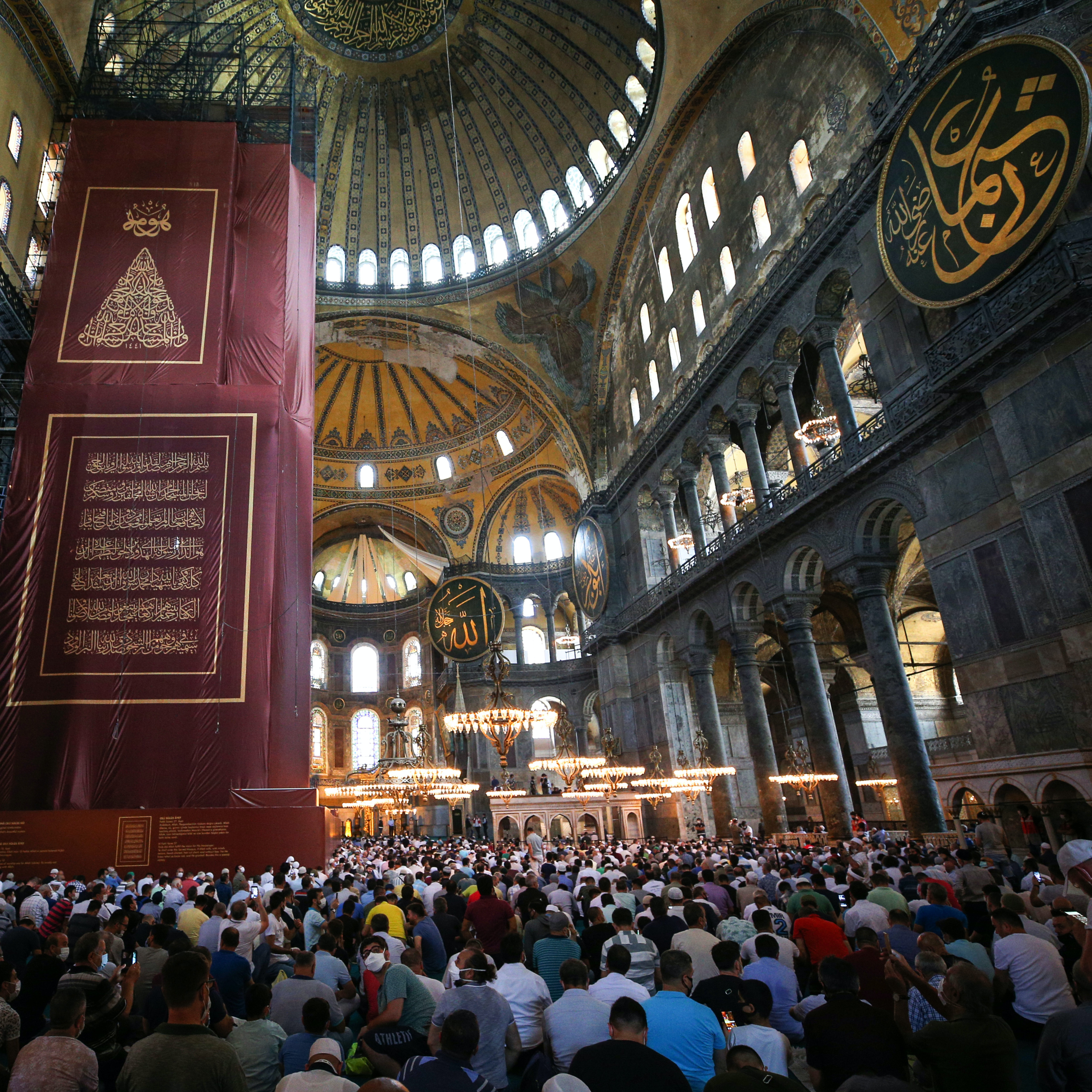
The Restoration of Ayasofya’s (Hagia Sophia) Mosque Status
On July 24, Turkish President Erdoğan joined hundreds of fellow worshipers for the first Friday prayers in 86 years inside Hagia Sophia. Built in the 6th century as a Byzantine cathedral, the magnificent structure remained the largest church in the Eastern Roman Empire until the conquest of Istanbul in 1453. After serving as a mosque for centuries under the Ottomans, the Turkish government decided
Qatar and the Gulf Crisis
In 2017, Saudi Arabia, Bahrain, the UAE and Egypt severed diplomatic ties with Qatar, launching an economic blockade by land, air and sea. The self-proclaimed 'Anti-Terror Quartet' offered maximalist demands: thirteen 'conditions' recalling Austria-Hungary's 1914 ultimatum to Serbia. They may even have intended military action. Well into its second year, the standoff in the Gulf has no realistic e

Superpower Showdown: How the Battle Between Trump and Xi Threatens a New Cold War
The trade battle between China and the U.S. didn’t start with Trump and won’t end with him, argue Bob Davis and Lingling Wei. The two countries have a long and fraught political and economic history which has become more contentious over the past three years―an escalation that has negatively impacted both countries' economies and the world at large―and holds the potential for even more uncertainty
The Future of US-Turkey Defense Relationship
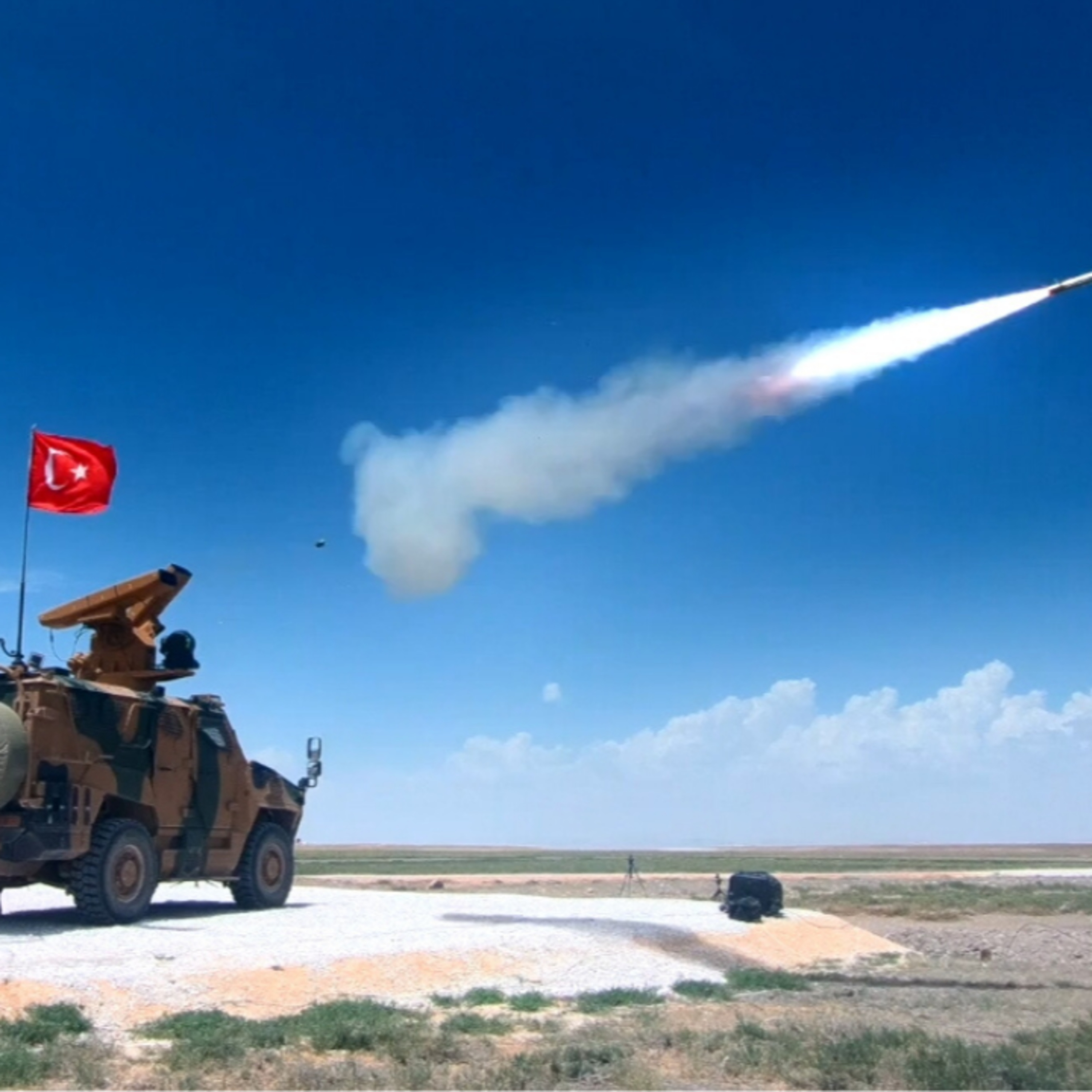
US-Turkey defense relationship has become more complicated in recent years and served as a source of tension at times. The two NATO allies have long-standing security ties and an overall robust defense partnership, as they make up some of the most capable forces within the alliance. In recent years, Turkey has ramped up its defense capabilities against regional threats and proceeded to acquire mis
Turkish Foreign Policy Priorities
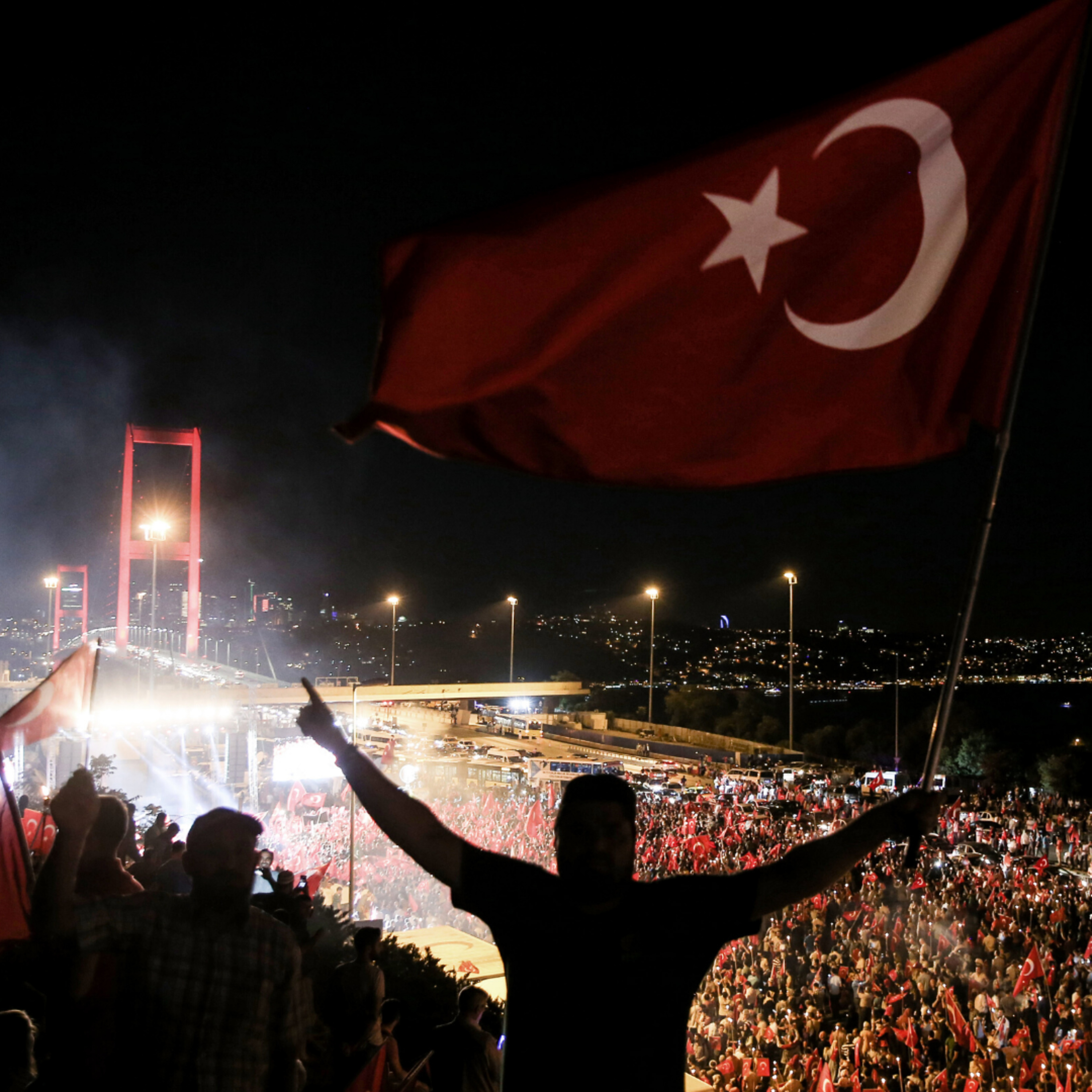
Four years after the July 15 failed coup attempt, Turkey finds itself at a significantly changed geopolitical environment. Since that fateful day, Turkish security and foreign policies have been transformed in unprecedented ways so as to render the country a major player in the region including in Syria, Iraq, Libya among others. As it adopted a new counterterrorism doctrine going after the PKK/YP
Evolution of Turkey’s Security Policies and Its Position in NATO
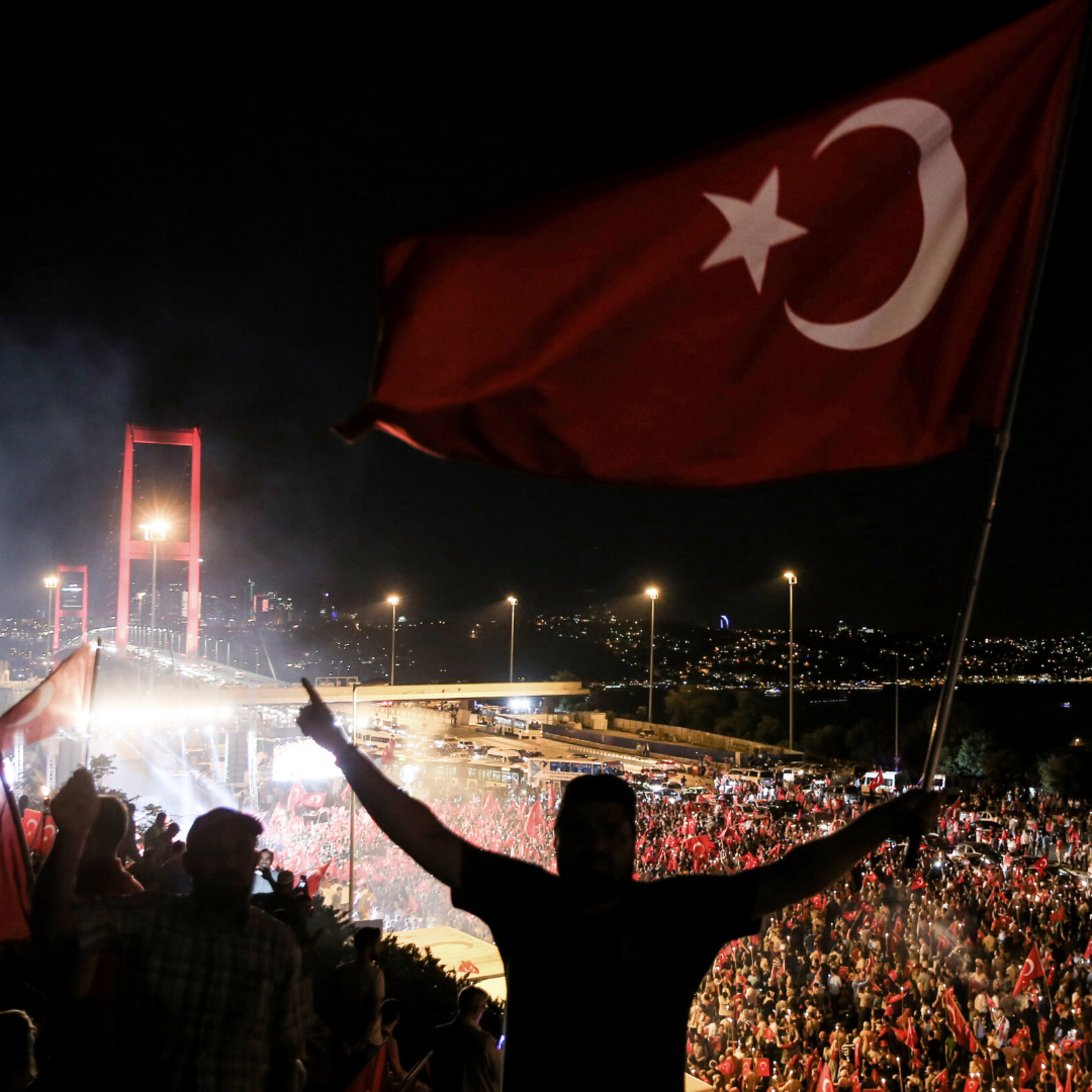
Four years after the July 15 failed coup attempt, Turkey finds itself at a significantly changed geopolitical environment. Since that fateful day, Turkish security and foreign policies have been transformed in unprecedented ways so as to render the country a major player in the region including in Syria, Iraq, Libya among others. As it adopted a new counterterrorism doctrine going after the PKK/YP
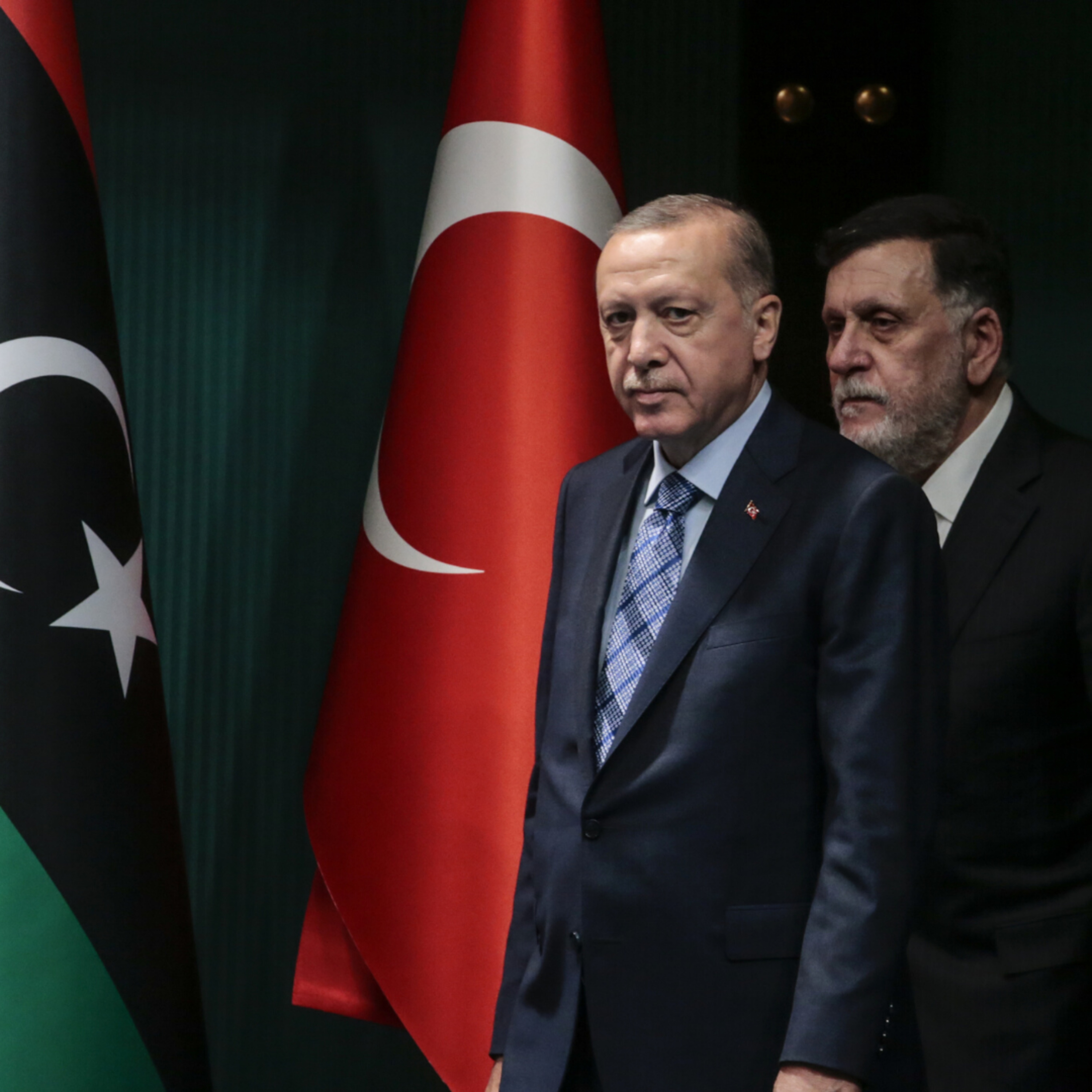
What’s at Stake for Turkey in Libya?
Turkey’s involvement in Libya over the past several months has been decisive in changing the balance of power on the ground. While a potential takeover of the Government of National Accord by Haftar’s forces happened toward the end of 2019, Turkish support to the UN-recognized government in Tripoli dramatically changed the course of the conflict. As a proxy struggle plays out between regional powe
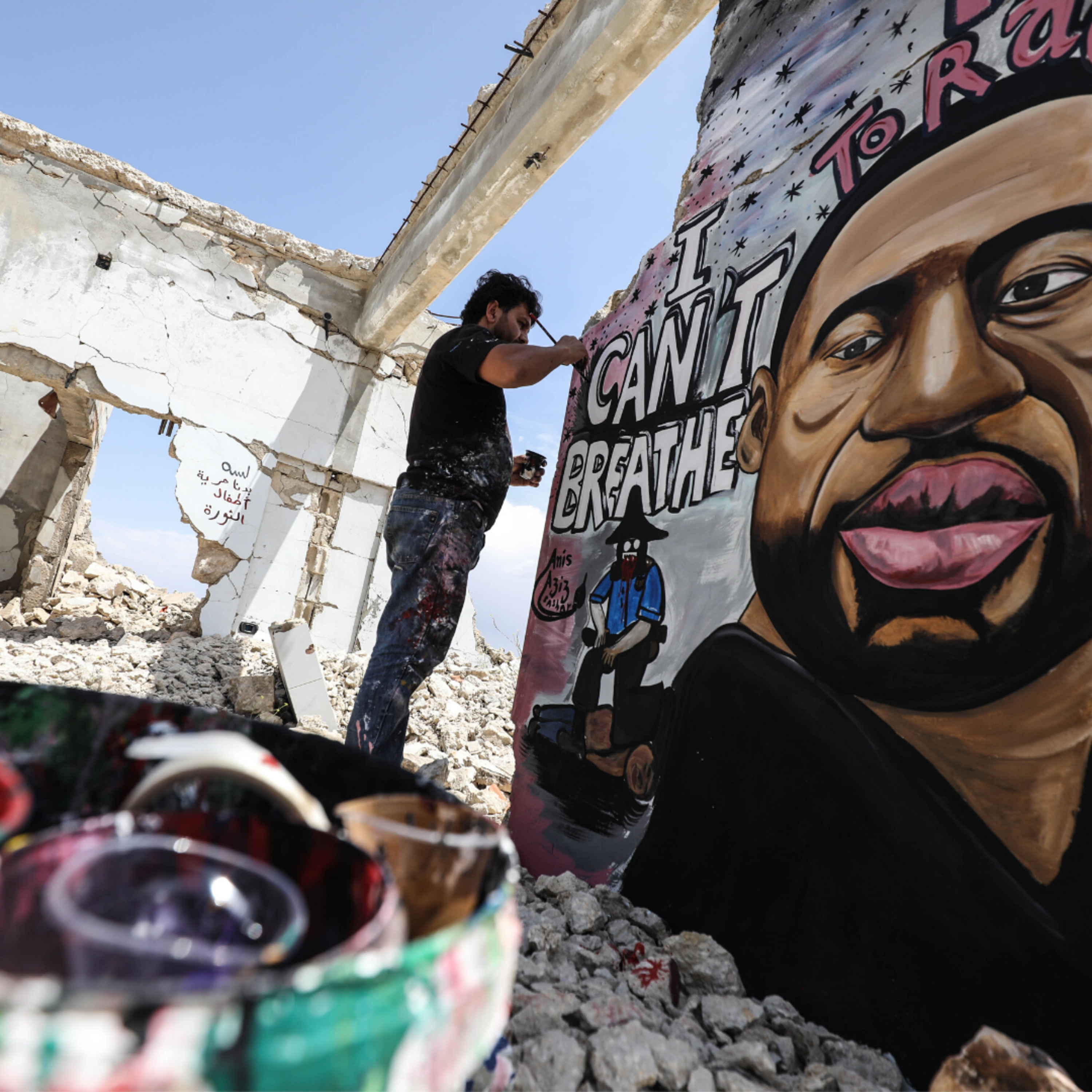
World’s Reaction to the Floyd Protests
The world came to a screeching halt after George Floyd, a black man from Minneapolis, was murdered by a police officer. For 8 minutes and 46 seconds, Derek Chauvin put his knee on the back of Floyd’s neck, causing him to die by asphyxiation. This horrific incident caused unprecedented protests not only across the US but around the world on nearly every continent in support of George Floyd and cond
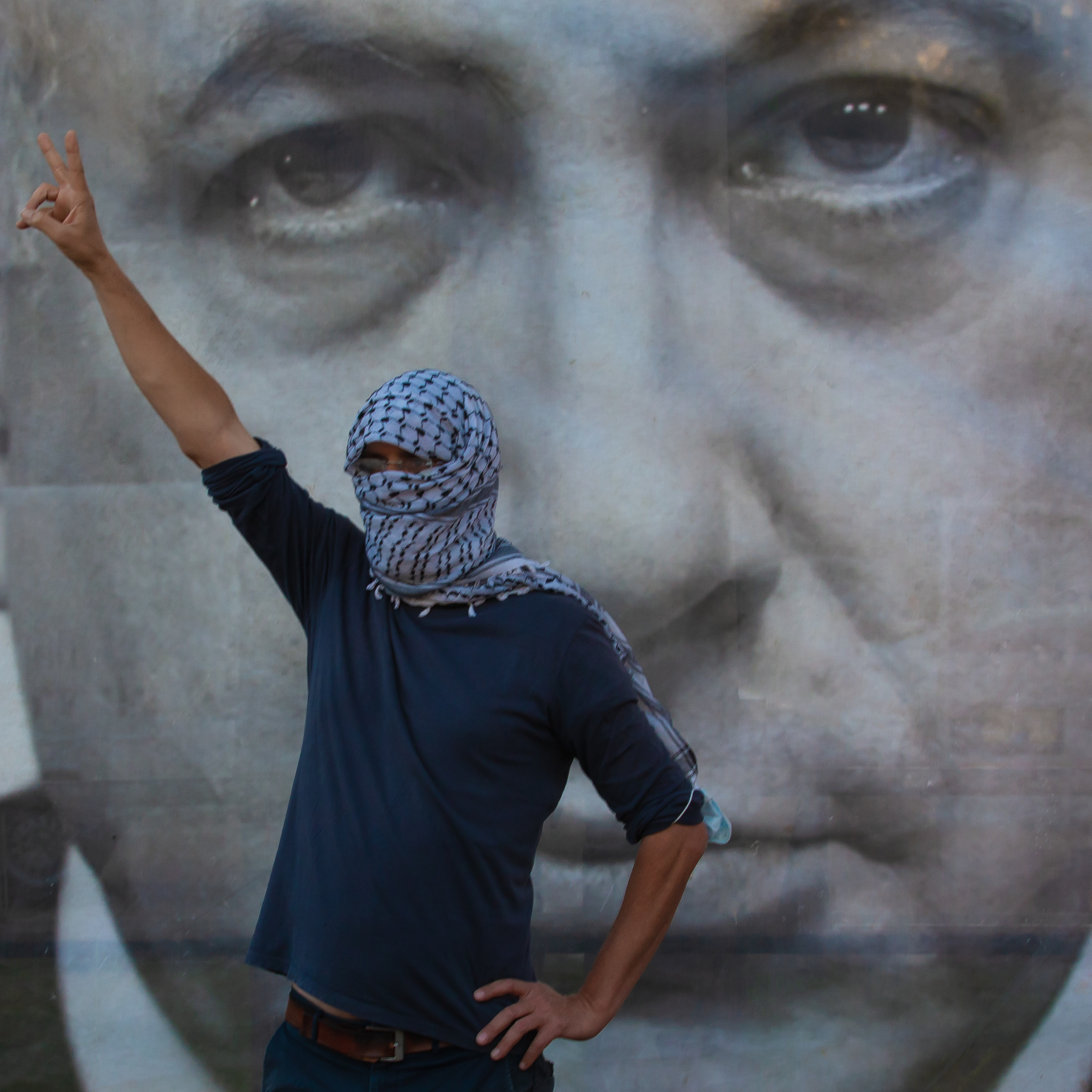
Israeli-Palestinian Conflict: From Peace Process to Annexation?
Since the announcement of Trump peace plan in January as the “solution” to the decades-old Israeli-Palestinian conflict, the expectation for Israel to annex parts of the West Bank has become an increasing likelihood. The recently established unity government in Israel is preparing to present a plan to extend Israeli sovereignty to West Bank at the beginning of July. It remains unclear how far Isra

Shifting Dynamics: Toward a New Era in Libya?
The SETA Foundation at Washington, DC is pleased to host an expert panel discussion on the ongoing conflict in Libya with Muhittin Ataman, Director of Foreign Policy Program at the SETA Foundation and Silvia Colombo, Head of Italy's Foreign Policy Program at Istituto Affari Internazionali. The discussion is moderated by Kadir Ustun, Executive Director at the SETA Foundation at Washington DC.
US Elections and Foreign Policy in the Age of Coronavirus
As the United States moves ever closer to the November elections, the competition begins to heat up. For the Democrats, former Vice President Joe Biden is set to be the presumptive nominee to take on the Republican’s President Trump at the ballot box. As in 2016, the candidates are clearly differentiated from one another, not only in terms of policy, but also in form. President Trump is clearly co
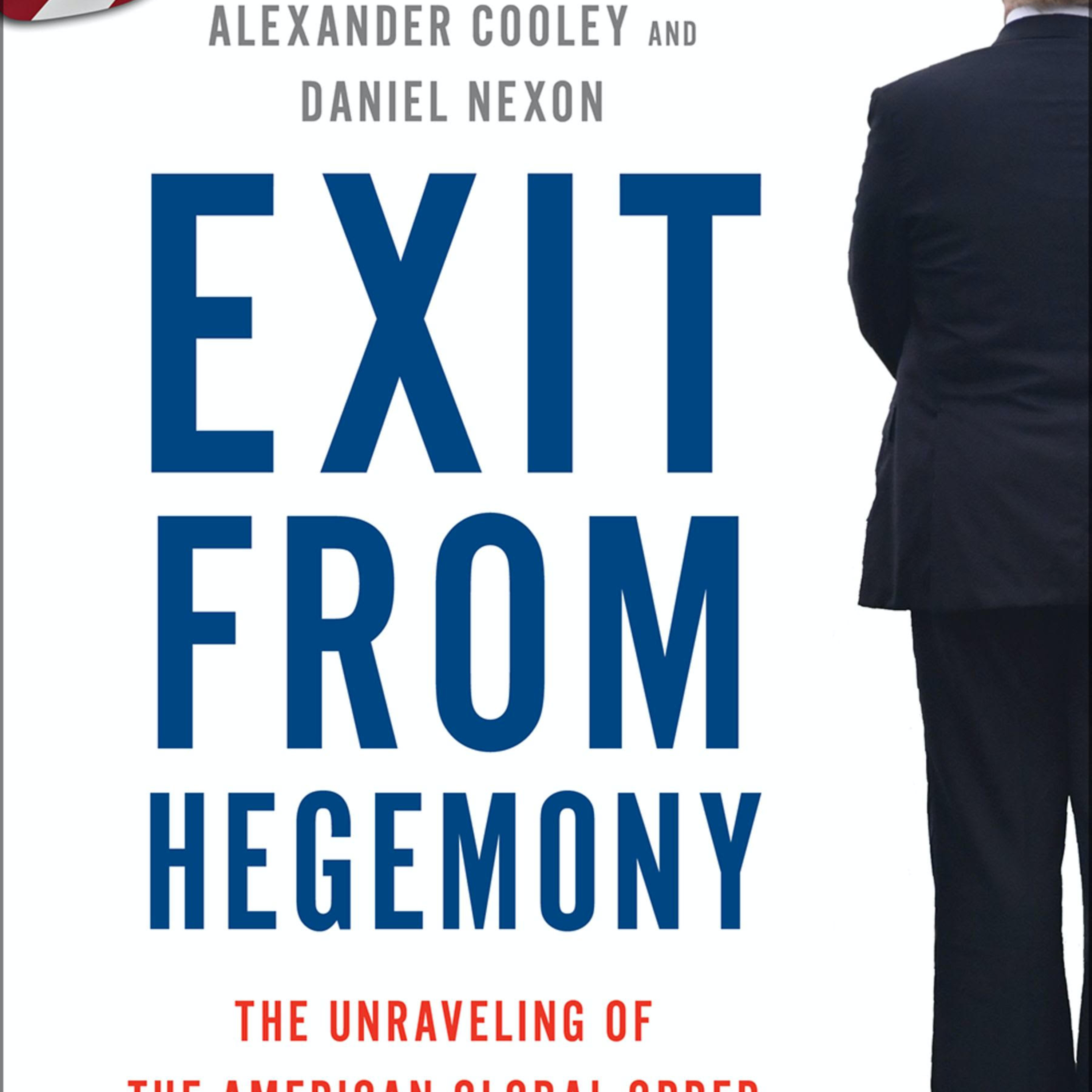
Exit from Hegemony: The Unraveling of the American Global Order
We live in a period of great uncertainty about the fate of America’s global leadership. Many believe that Donald Trump’s presidency marks the end of liberal international order-the very system of global institutions, rules, and values that shaped the American international system since the end of World War II. Trump’s repeated rejection of liberal order, criticisms of long-term allies of the US, a
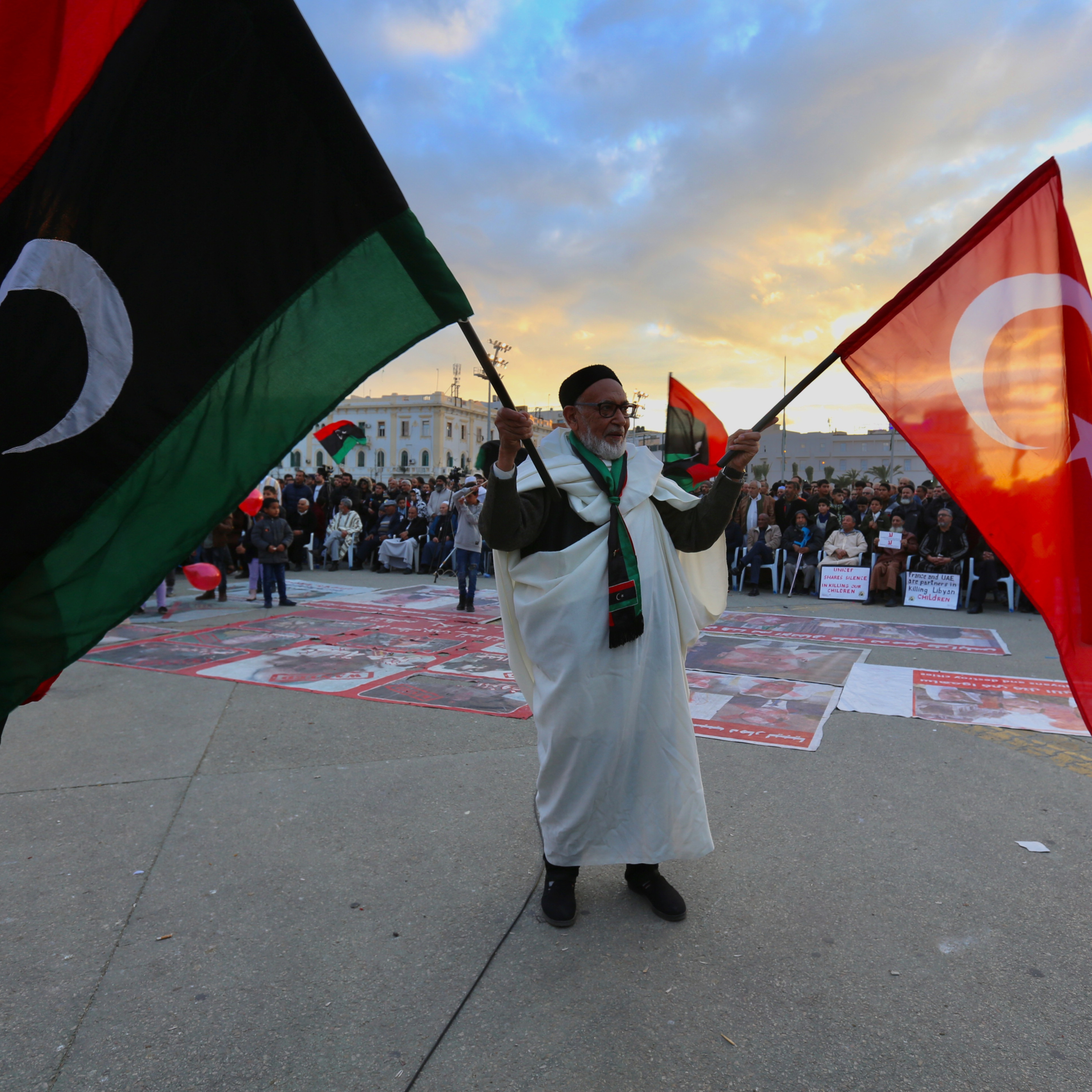
The Libyan Conflict: Implications of the Regional Geopolitical Competition
As the world has turned its focus to the global pandemic, the conflict between the UN-recognized Government of National Accord (GNA) and General Haftar’s Libyan National Army (LNA) has continued unabated. Despite multiple calls for ceasefires, Haftar’s forces have continued to advance against Tripoli, bombing hospitals, shelling areas, killing civilians. Turkey’s support for the internationally re
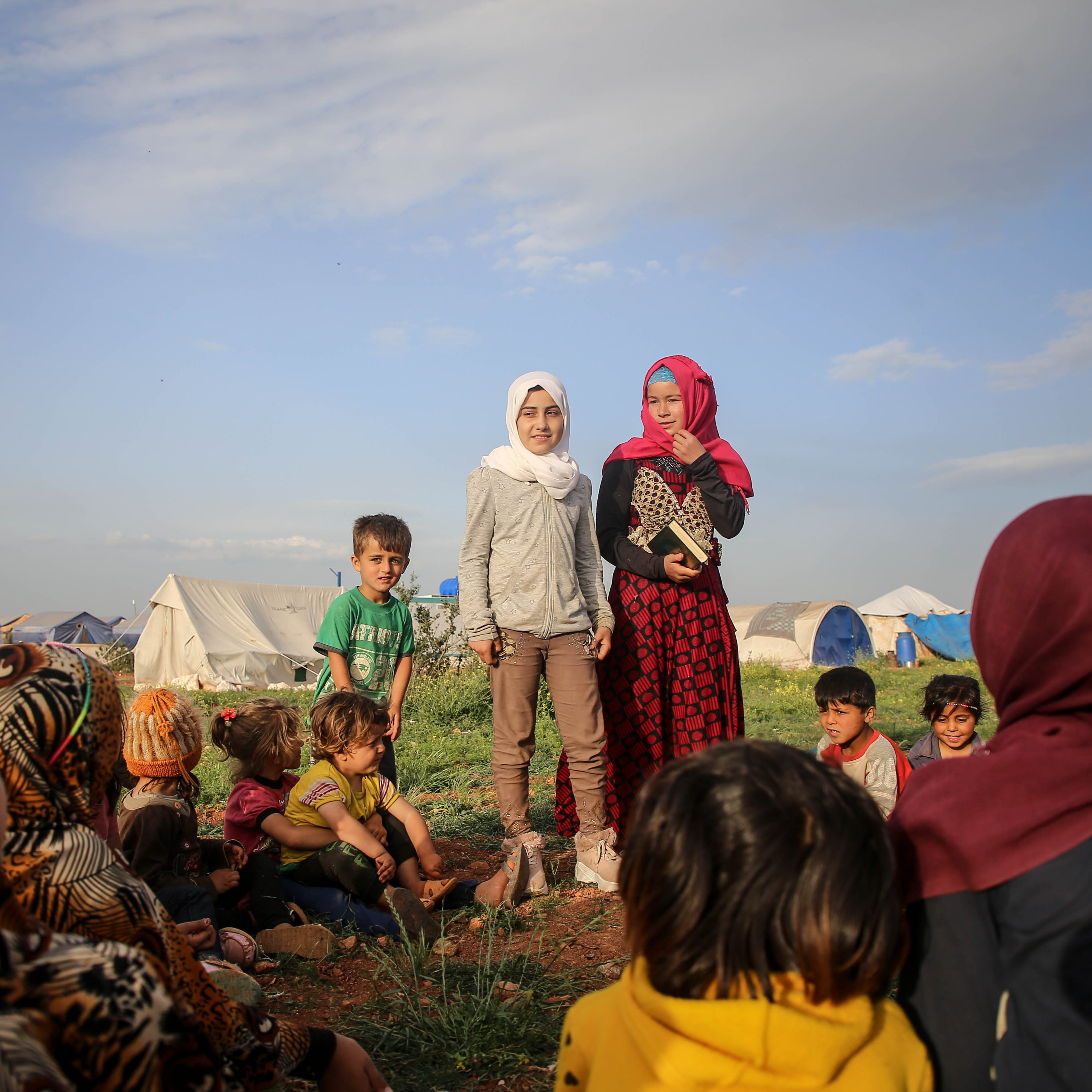
The US Policy on Syria in the Age of Coronavirus
The recent outbreak of COVID-19 has disproportionately impacted vulnerable populations around the world. With a fundamentally ill-equipped healthcare system, continuous bombing of hospitals and the use of humanitarian aid as a weapon of war by the Assad regime, the Syrian population is suffering greatly. While the health risks posed by the coronavirus pandemic remain real, the civil war dynamics a
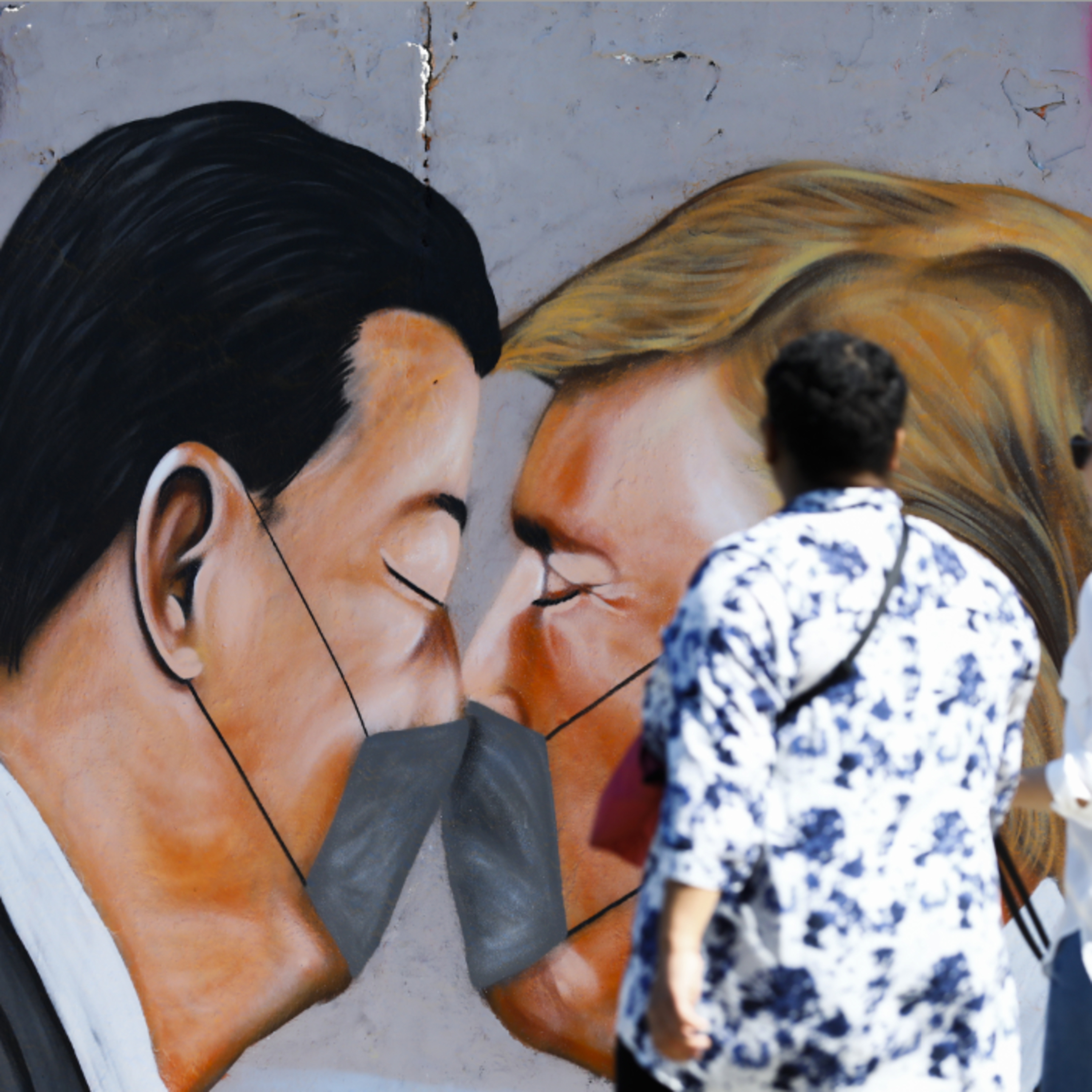
US-China Relations in the Age of Coronavirus
The coronavirus pandemic is likely to redefine the US-China relationship in the months and years ahead. President Trump as well as the Democratic presidential hopeful Joe Biden have both leveled heavy criticism against China, charging that the country exacerbated the problem by misleading the world about the origins and the nature of the threat. The US wariness over the increasing economic and mil
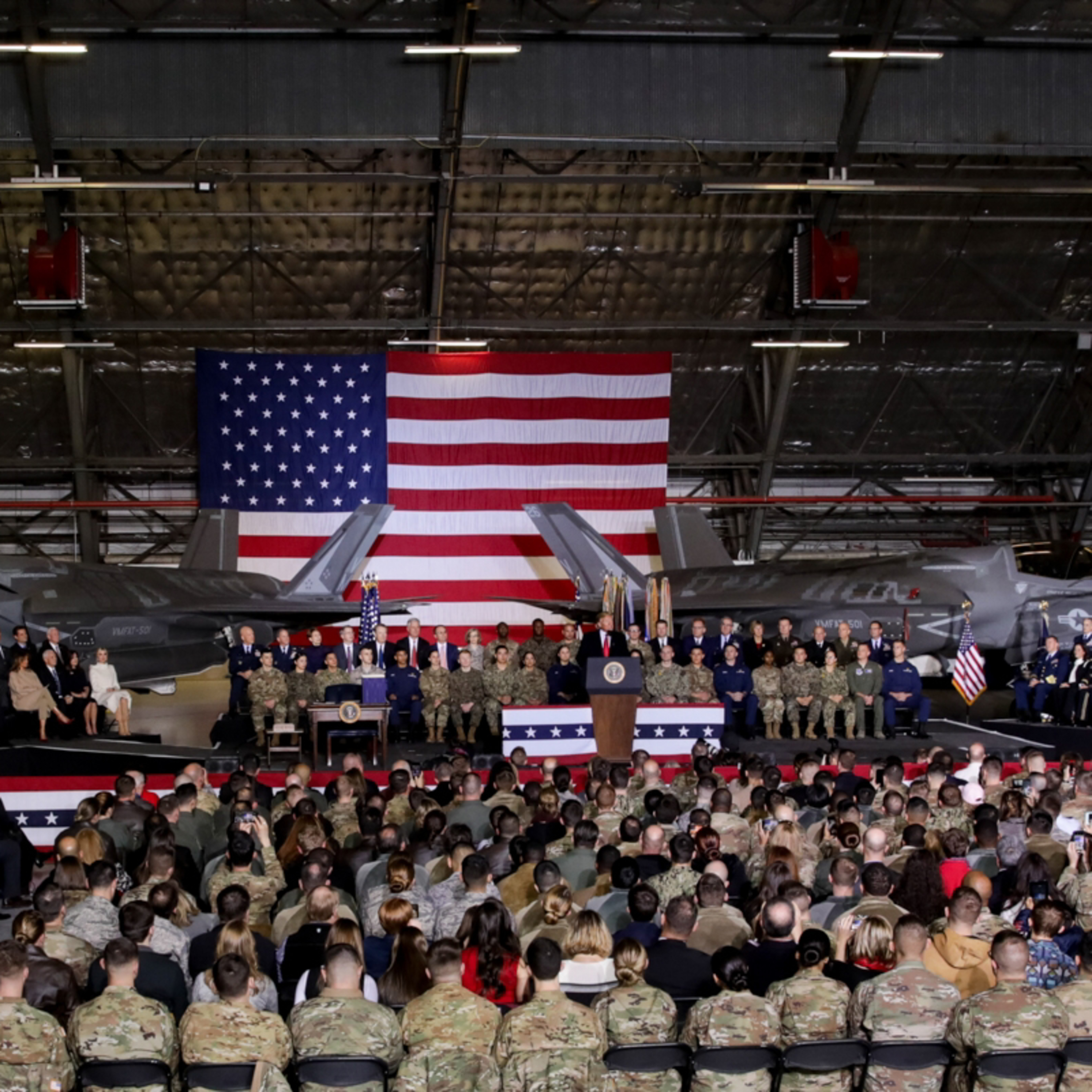
US Role in International Security in the Age of Coronavirus
From various military missions around the world to membership in multilateral organizations such as the NATO alliance, the US remains deeply involved in international security despite the Trump administration’s preference for bilateral relationships. Questions and the debate over America’s role in international security have become even more relevant in the wake of the Covid-19 pandemic. The globa
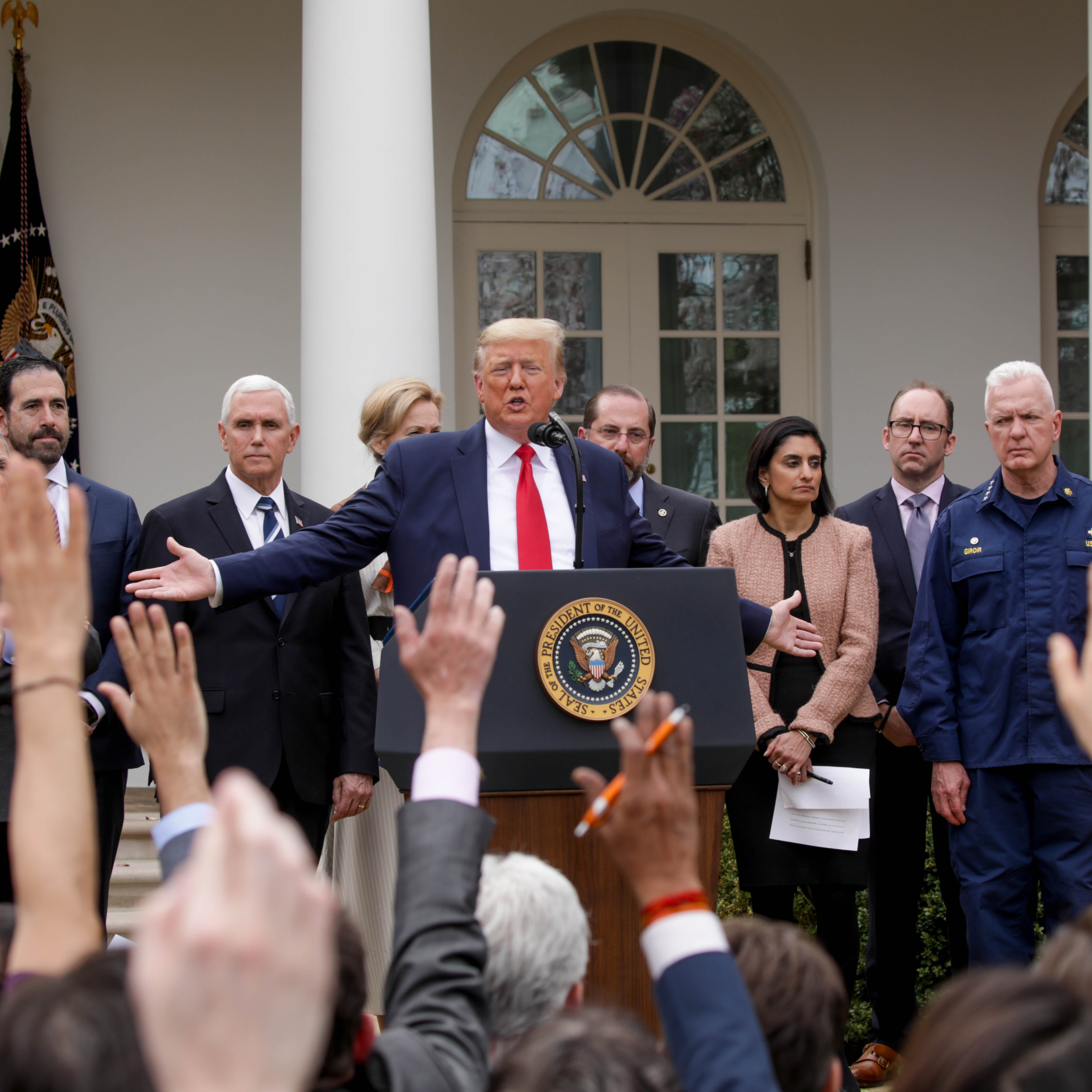
Whither US Leadership in the Age of Coronavirus?
The US leadership, or lack thereof, on a host of global issues has been debated for some time now. The global financial crisis of 2008, international sanctions, Arab Spring, climate change, China’s increasing assertiveness in the Asia-Pacific among other issues all have raised questions about various aspects of US leadership. Whether and to what extent the US should lead has become a recurring the
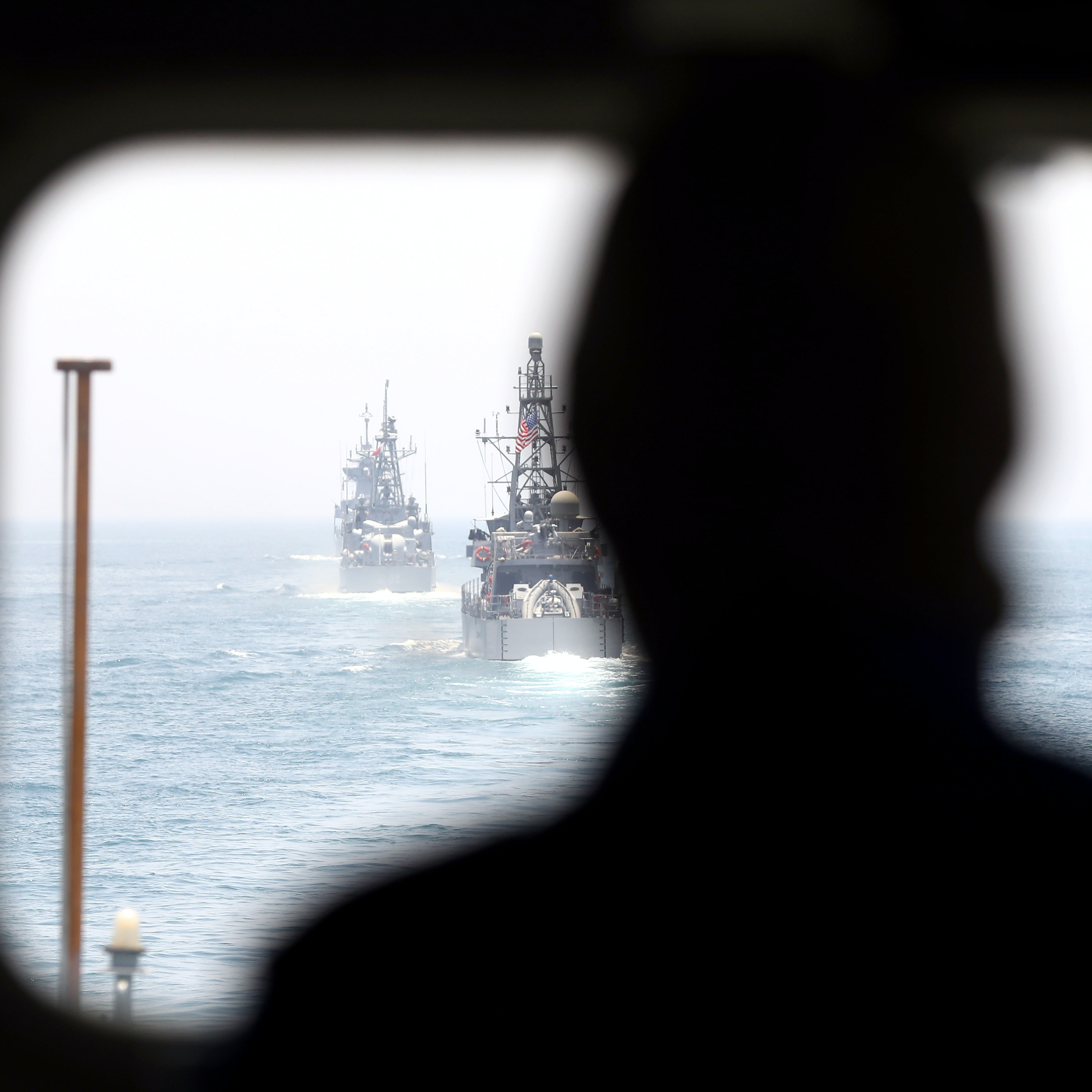
US Role in the Middle East in the Age of the Coronavirus
Coronavirus has disrupted the world in immeasurable ways, slowing global trade to a trickle, causing mass capital flight from emerging markets, and cratering the price of oil. As nations start to recover from this calamity, new questions emerge about the U.S.’s relations with the states in the Middle East. For instance, will the economic impact of the pandemic lead to a more urgent push to withdra
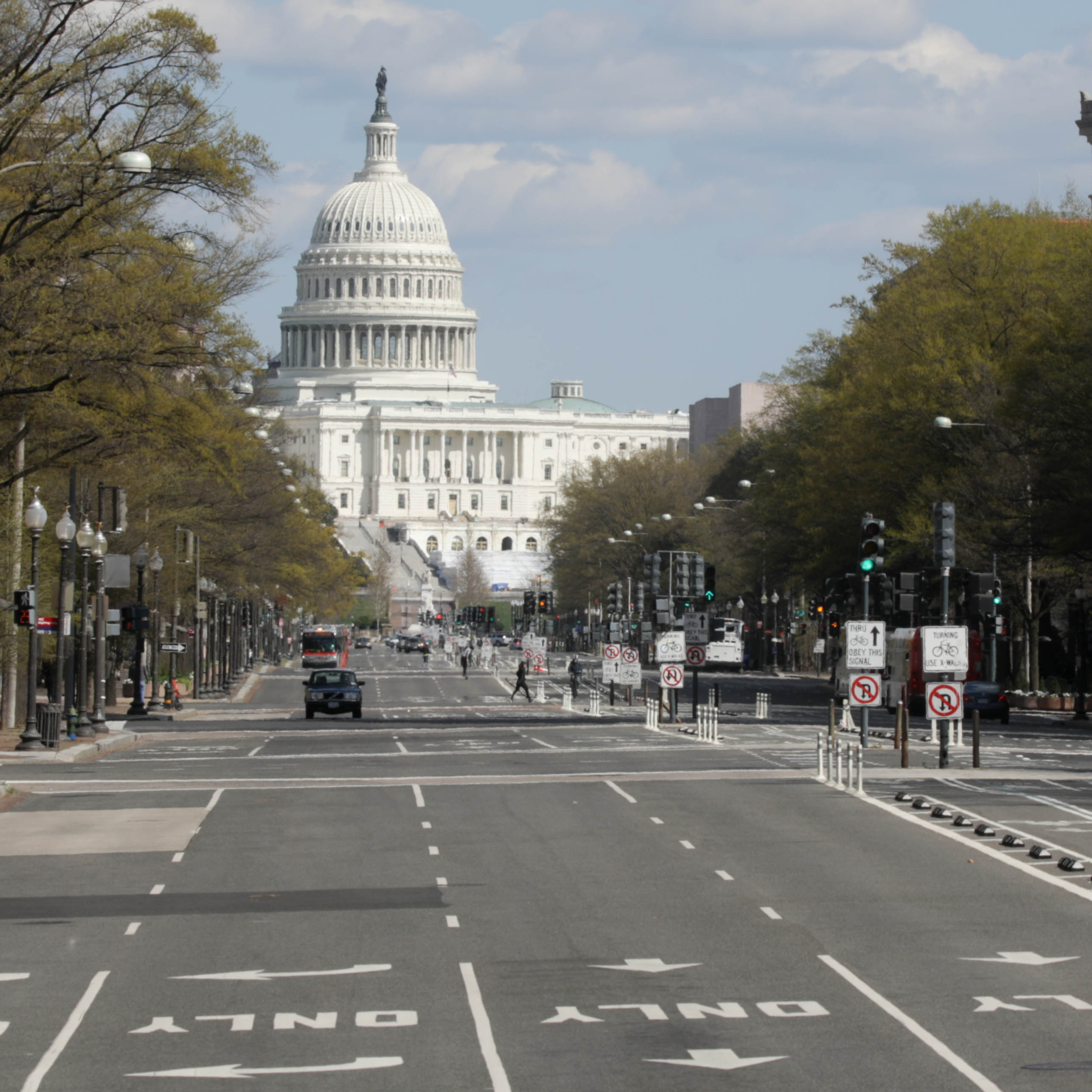
U.S. Global Leadership in the Age of Coronavirus
As the world struggles to manage the coronavirus pandemic, debates about US leadership and the global order have come to the fore. The rapid spread of the virus has placed an unprecedented pressure on healthcare systems around the world, exposing the shortcomings of the national and global public health policies. The pandemic not only magnified the shortcomings of the American healthcare system bu
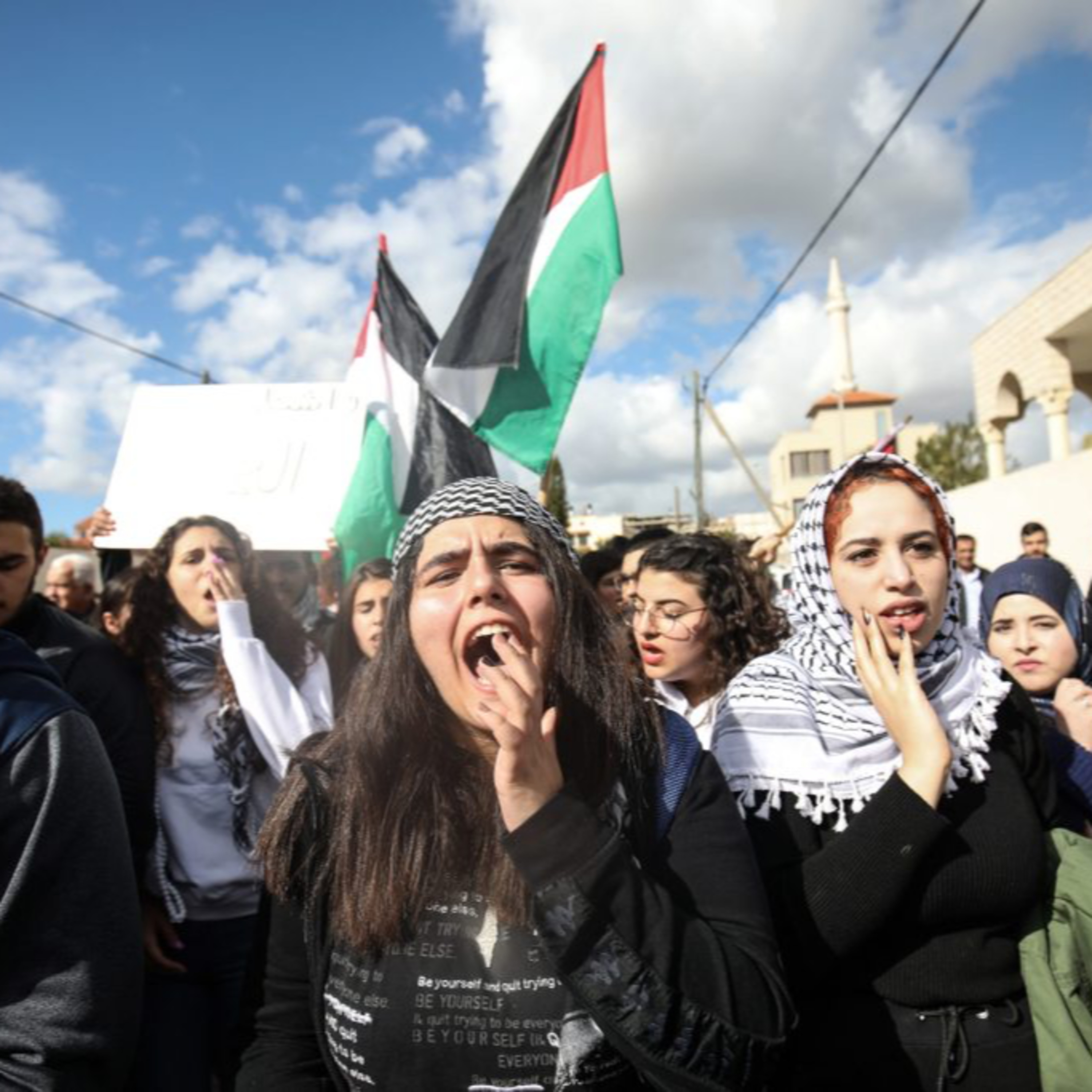
Trump’s “Deal of the Century”
The Trump administration’s recently proposed Israeli-Palestinian peace deal, dubbed “the Deal of the Century,” offers a plan to resolve the decades-old conflict all the while declaring Jerusalem as the undivided capital of Israel. Although it calls for an eventual Palestinian state, the Palestinian leadership expectedly rejected the plan. This peace plan has sparked controversy from global leaders
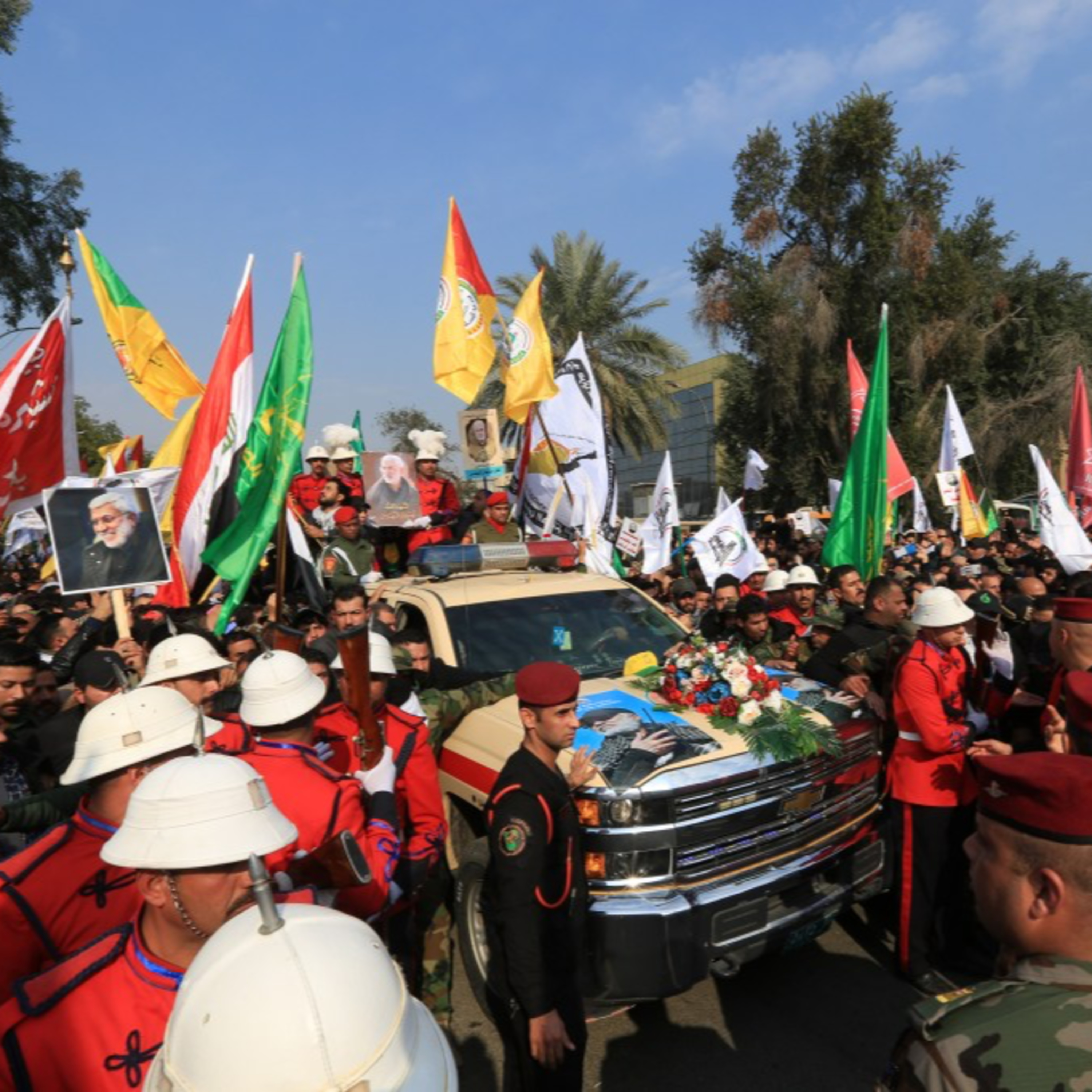
The Day after Soleimani: Are the U.S. and Iran Headed to War?
Qassem Soleimani, the head of Iran’s elite IRGC Quds military force and one of the most powerful figures in the Islamic Republic, was killed last Friday in an airstrike in Baghdad conducted by the U.S. While many argue that the tensions will rise and lead to war, the Trump administration has said that the operation was to prevent imminent threat posed to U.S. citizens in the region. The U.S. pullo
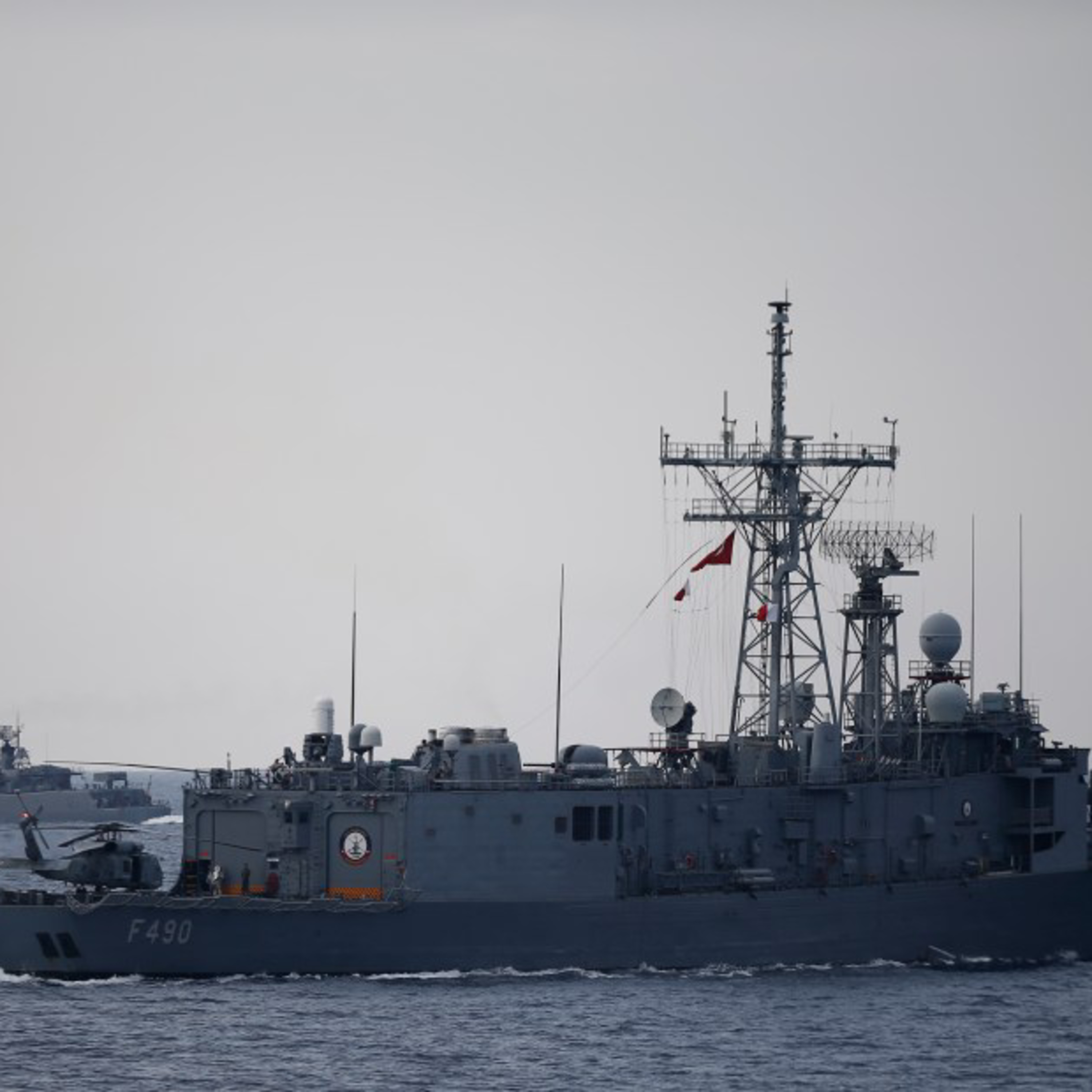
Turkey’s Mediterranean Policy
Early in December of 2019, Turkey signed a series of agreements with the Government of National Accord in Libya regarding maritime delimitations in the Mediterranean, mutual security assistance, and military relations. The agreement generated much discussion in the international media as it would have implications for Turkey’s exclusive economic zones. The U.S. Congress recently passed legislation
Recommended

Conspiracy Files with Paige Carter

Bad Friends

Learn 50 English Phrases While You Sleep | Everyday English Phrases & Vocabulary

This Past Weekend w/ Theo Von

Dateline NBC

Back to the 80s Radio

Crime Stories with Nancy Grace

Bible Tea

این نقطه

TED Business

Dark Night Tales with Brian King

Fantasy Flex
