Babel: Translating the Middle East
Babel: Translating the Middle East is a podcast from the Center for Strategic and International Studies (CSIS) that goes beyond the headlines to examine what is really happening across the Middle East and North Africa. Hosted by Jon Alterman, holder of the Zbigniew Brzezinski Chair in Global Security and Geostrategy, it features regional experts who add context to pivotal developments and flag trends that often go unnoticed. Episodes combine interviews and analysis of politics, security, economics and society across the region. The show is produced with support from the Embassy of the United Arab Emirates, and the views expressed are those of the individual speakers.
Episodes

Babel Special: Jon Alterman's Next Chapter
This week on a special edition of Babel, Will Todman speaks with Jon Alterman, the creator of Babel and the show’s host since it began in 2019. They discuss Jon’s reflections on 22 years directing the CSIS Middle East Program, his analysis of how the Middle East policy ecosystem has changed during that time, and his advice to those entering the field. Jon and Will cap off the conversation by discu

Mohanad Hage Ali: Hezbollah and the Captagon Trade
This week on Babel, Jon Alterman speaks with Dr. Mohanad Hage Ali, deputy director for research at the Carnegie Middle East Center in Beirut. Mohanad's latest paper for Carnegie investigates the rise of a new form of drug smuggling in Lebanon. Together, they discuss Hezbollah’s involvement in these drug networks, as well as the opportunities to bolster Lebanese sovereignty and state institutions a

Analysis: Will Trump’s Houthi Deal Stick?
On Tuesday, May 6, President Trump declared that the United States would immediately halt its bombing of Houthi targets, bringing an end to months of intensified U.S. strikes across Yemen. The president linked the policy reversal to what he described as the Iran-backed Houthis’ capitulation to U.S. demands, stating that the group had agreed to cease its assaults on U.S. and commercial vessels in t

Dina Esfandiary: Will Iran Make a Deal with Trump?
This week on Babel, Jon Alterman speaks with Dina Esfandiary, the Middle East Geoeconomics Lead at Bloomberg. Previously, Dr. Esfandiary served as a senior adviser for the Middle East and North Africa at the International Crisis Group and was a fellow at The Century Foundation. Her research focuses on security in the Persian Gulf and Iran’s foreign relations. Together, they discuss why the United
Analysis: Trump’s Novel Middle East Diplomacy
The United States is currently engaged in several high-stakes negotiations across the Middle East and around the world. President Trump has departed from traditional diplomatic norms, opting instead for unconventional negotiating strategies to address the crisis in Gaza, the war in Ukraine, Iran’s nuclear program, Venezuela, and trade. His approach has emphasized compressed timelines and the appoi

Craig Larkin: The Politics of Memory, From Mosul to Beirut to Gaza
This week on Babel, Jon Alterman speaks with Dr. Craig Larkin, director of the Center for the Study of Divided Societies at King’s College London. Dr. Larkin is also a research lead on Memory and Conflict for XCEPT, a research consortium studying cross-border conflict. There, he focuses on the relationship between communal memory and violence. Together, Jon and Dr. Larkin unpack different approach
Analysis: Iran, Deal or No Deal?
While seated beside Israeli Prime Minister Benjamin Netanyahu on April 7, President Trump announced that the United States will imminently initiate talks with Iran over its nuclear program. The announcement comes amid a rise in U.S. military activity in the Persian Gulf and a string of threats directed at Iran by President Trump, citing Tehran's nuclear program and support for regional armed group

Dahlia Scheindlin: Israel’s Political Turmoil
This week on Babel, Jon Alterman speaks with Dr. Dahlia Scheindlin, a Tel Aviv-based political analyst and Haaretz columnist. Scheindlin also serves as a fellow at Century International and has advised on eight national Israeli election campaigns over a twenty-year period. Together, they discuss the sources of Israeli Prime Minister Benjamin Netanyahu’s staying power, as well as his ongoing effort
Analysis: Trump Takes on the Houthis
On March 15, the United States launched a wave of attacks on Houthi targets in Yemen. The Trump administration had pledged to step up efforts initiated by President Biden to combat Houthi assaults on commercial shipping and U.S. regional assets. As reports swirl of new U.S. strikes, the U.S. government has also been clearer in blaming Iran for Houthi actions, and it has promised to hold Tehran acc
Nicolas Pelham: Ahmed al-Sharaa and Syria’s Future
This week on Babel, Jon Alterman speaks with Nicolas Pelham, the Middle East correspondent for The Economist. Nicolas has worked in the Middle East and North Africa for more than 30 years and has reported from every state in the region. Together, they discuss his latest article, “The Great Pretender: How Ahmed al-Sharaa Won Syria,” an in-depth profile of the Syrian leader based in part on a mid-Fe
Renad Mansour and Sanam Vakil: Iranian Networks in the Middle East
On March 4, Jon Alterman spoke with Renad Mansour, senior research fellow and director of the Iraq Initiative at Chatham House, and Sanam Vakil, director of the Middle East and North Africa program at Chatham House, about the resilience of Iranian networks in the Middle East. Their discussion builds upon a recent Chatham House report Renad co-wrote on the topic. The following episode is a slightly
Analysis: Trump’s Middle East Strategy
On Tuesday night, President Trump delivered the first broadcast address of his second term to Congress. Though his remarks on the Middle East were sparing and largely expected, U.S. policy in the region has largely been the opposite. Trump’s pronouncements on Gaza have sent especially powerful shockwaves throughout the Middle East, and hints of a new approach to Iran have also elicited attention.
Max Bergmann: Does Europe Matter in the Middle East?
This week on Babel, Jon Alterman speaks with Max Bergmann, head of the Europe, Russia, and Eurasia Program at CSIS. Previously, Max held a variety of positions at the State Department, including senior adviser to the assistant secretary of state for political-military affairs. He later went on to serve as a senior fellow at the Center for American Progress, where he researched security cooperation

Analysis: Are U.S.-Russia Talks a Win for the Saudis?
On Tuesday this week, Saudi Arabia hosted the first set of high-level talks between the United States and Russia since Moscow’s invasion of Ukraine. Saudi Arabia’s role in facilitating the negotiations has drawn attention to Riyadh’s pursuit of an increasingly elevated status on the world stage. It also comes amid intensive U.S. efforts to win Saudi Arabia’s support for a normalization deal with I

Alessandro Accorsi: Disinformation Warfare in the Middle East
This week on Babel, Jon Alterman speaks with Alessandro Accorsi, a senior analyst for social media and conflict at the International Crisis Group. Prior to joining ICG, he worked for five years at the European External Action Service, where he led a taskforce countering foreign interference and information manipulation in the Middle East. He also worked for five years as a freelance journalist in

Analysis: Netanyahu Comes to Washington
Israeli Prime Minister Benjamin Netanyahu is President Trump’s first foreign visitor since he re-entered the White House in January. The two men will meet Tuesday night, and Netanyahu will also meet key members of the new administration and allies on Capitol Hill. There is much on the potential agenda: the Gaza ceasefire and hostage deal, the Iranian nuclear program, Iran’s regional proxies, the f
Sinem Adar: Turkey's Syria Challenge
This week on Babel, Jon Alterman speaks with Sinem Adar, a researcher at the German Institute for International and Security Affairs (SWP), where she works at the Centre for Applied Turkey Studies. Together, they discuss Turkey's evolving interests in Syria and their connection to Turkey’s wider foreign policy agenda. Then, Jon continues the conversation with Martin Pimentel and Will Todman to dis

Analysis: Gaza Peace?
Last Sunday, Hamas released three female Israeli hostages that it had kidnapped on October 7, in exchange for 90 Palestinian prisoners in Israeli custody. The deal was the first step in the first phase of a three-phase agreement between Israel and Hamas that the Biden and Trump administrations brokered together, alongside the governments of Egypt and Qatar. Asher Grant-Sasson speaks with Jon Alte
eL Seed: Arabic Calligraffiti
This week on Babel, Jon Alterman speaks with eL Seed, an award-winning French-Tunisian artist whose monumental artwork blending the styles of Arabic calligraphy and graffiti is spreading in the Arab world and far beyond. His smaller works are in some of the most important museum collections around the world, but he takes special pride in his process of working with communities to select meaningful

Analysis: Syria’s Bid for Sanctions Relief
Just a month after Bashar al-Assad fell in Syria, the country is in the midst of a swirl of regional diplomacy. The new Syrian foreign minister is on another regional swing, and the foreign ministers of Germany and France visited Damascus. A central question is when and how the comprehensive sanctions placed on Syria during a half-century of Assad family rule will be lifted. Asher Grant-Sasson spe
Special: Syria's Post-Assad Scramble
This week on Babel, Jon Alterman speaks with Will Todman and Natasha Hall, senior fellows at the CSIS Middle East Program, for a special episode on the sudden collapse of the Assad regime and what will replace it. Together, they discuss the promise and peril of this historic moment, and the domestic and regional forces moving aggressively to shape Syria’s new direction.

Max Gallien: Black Markets of the Maghreb
This week on Babel, Jon Alterman speaks with Max Gallien, a political scientist specializing in informal and illegal economies and North African politics. He is a research fellow at the Institute of Development Studies and the International Centre for Tax and Development at the University of Sussex. Together, they discuss the political, social, and economic functions of smuggling economies in Nort
Analysis: The Regional Fallout of Syria's Unrest
Last weekend, Hay'at Tahrir al-Sham (HTS), a former al Qaeda affiliate with a base in northwest Syria, launched a surprise offensive. The rebels captured Syria’s second-largest city, Aleppo, and headed toward Homs and Hama, two major population centers. The weekend’s battles mark the first significant shift of battle lines in Syria since 2020. With Russian and Syrian airstrikes on rebel stronghold

Arwa Damon: Gaza's Wounds
This week on Babel, Jon Alterman speaks with Arwa Damon, a former CNN international correspondent and founder of the International Network for Aid, Relief, and Assistance (INARA). She talks with Jon from Gaza. Together, they discuss her two decades of work in war zones and the effects of war on the young children her charity supports. Then, Jon continues the conversation with Martin Pimentel and N
Analysis: Saudi Arabia's Economic Plans Stumble
One pillar of Saudi Arabia’s ambitious Vision 2030 development plan is NEOM, a land development, tourism, and model city project that is projected to cost at least a half a trillion dollars. Last week, NEOM’s CEO left suddenly. Asher Grant-Sasson speaks with Jon Alterman, director of the CSIS Middle East Program, about NEOM, its challenges, and Saudi Arabia’s economic future.

Mohammad Ali Shabani: Iran After October 7
This week on Babel, Jon Alterman speaks with Mohammad Ali Shabani, editor of Amwaj.media, a London-based news site focusing on Iran, Iraq, and the Arabian Peninsula countries. Together, they discuss Iran’s regional strategy and the choices Iran has after a year of rising regional tensions. Then, Jon continues the conversation with Martin Pimentel and Will Todman to discuss what the new U.S. admini

Analysis: Israel Hits Iran
Just over a week ago, Israel conducted multiple waves of airstrikes against military sites in Iran. These strikes were in response to Iran launching a barrage of ballistic missiles against Israel a few weeks prior, which marked the second direct Iranian missile attack on Israel this year. Asher Grant-Sasson speaks with Jon Alterman, director of the CSIS Middle East Program, about the unprecedented

Amjad Iraqi: The Future of Palestinians in Israel
This week on Babel, Jon Alterman speaks with Amjad Iraqi, a senior editor at +972 Magazine and an associate fellow with Chatham House. He is also affiliated with Al-Shabaka, an online Palestinian policy network. Together, they discuss how Palestinian citizens of Israel have been experiencing the Gaza war, and the future of Palestinian communities in Israel, Gaza, and the West Bank. Then, Jon conti

Analysis: Israel's Trajectory
Last week, Israeli forces killed Yahya Sinwar, the leader of Hamas and one of the main architects of the October 7th attack. Less than a month earlier, Israel assassinated Hassan Nasrallah, the leader of Hezbollah for the last three decades. Leah Hickert speaks with Jon Alterman, director of the CSIS Middle East Program, about how recent events have impacted Israel’s trajectory.
Jon Alterman, "

Lina Khatib: War Spreads to Lebanon
This week on Babel, Jon Alterman speaks with Dr. Lina Khatib, an associate fellow in the Middle East and North Africa Programme at Chatham House, which she led for seven years and where they first met. Together, they discuss the escalation between Israel and Hezbollah, its regional impacts, and the emerging vacuum in Lebanese politics. Then, Jon continues the conversation with Will Todman and Leah

Analysis: Israel's Ground Invasion into Lebanon
One year after the tragedy of October 7th, Israel has launched a ground invasion into southern Lebanon to counter Hezbollah. Although it remains unclear how far Israel intends to send troops into Lebanon, Israel has issued a new evacuation order that reaches farther north than previous orders. Leah Hickert speaks with Jon Alterman, director of the CSIS Middle East Program, about the invasion and t

Peter Schwartzstein: Climate Violence in the Middle East
This week on Babel, Jon Alterman speaks with Peter Schwartzstein, an environmental journalist who reports on water, food security, and the conflict-climate nexus in around 30 countries, mainly in the Middle East and Africa. Together, they discuss Mr. Schwartzstein's new book, The Heat and the Fury: On the Frontlines of Climate Violence, as well as the outlook for climate adaptation in the Middle E

Analysis: Israel-Hezbollah Escalation
On September 23rd, Israeli airstrikes killed more than 180 Lebanese in the country’s deadliest day of conflict since the 2006 Israel-Hezbollah war. This is one of the most recent developments in the ongoing escalation between Israel and Hezbollah. Leah Hickert speaks with Jon Alterman, director of the CSIS Middle East Program, about why this escalation is occurring and possible off-ramps for the v

Hussein Ibish: Popular Mobilization Since October 7
This week on Babel, Jon Alterman speaks with Hussein Ibish, a senior resident scholar at the Arab Gulf States Institute in Washington, a columnist for The National, and a regular contributor to The Atlantic. Together, they discuss popular mobilization across the Middle East since October 7th and what it indicates about regional politics. Then, Jon continues the conversation with Natasha Hall and L

Analysis: The Hostage Crisis in Gaza
Last week, the Israeli military recovered the bodies of six hostages from a tunnel in Gaza. According to Israeli authorities, more than 60 living hostages, and the bodies of approximately 35 others taken captive during the Hamas-led attack on October 7th, are still in Gaza. Leah Hickert speaks with Jon Alterman, director of the CSIS Middle East Program and executive director of the CSIS Commission

Isabelle Werenfels: North Africa's Relationship with Europe
This week on Babel, Jon Alterman speaks with Dr. Isabelle Werenfels, a senior fellow in the Middle East and Africa Division of the German Institute for International and Security Affairs in Berlin. Together, they discuss how North African states are asserting their newly found leverage over European states, and how European states are changing the ways they approach North Africa. Then, Jon continu

A Mezze: A Fishy Business in Port Said
Egyptians traditionally celebrate Sham Enessim, the country’s pharaonic spring holiday, by eating faseekh, a fermented mullet. But in the weeks prior to this year’s holiday, which fell on May 6, the price of seafood shot up 180 percent. In Port Said, where seafood is generally an affordable staple protein, the price hikes hit especially hard.
Salmah Elmasry, "A Fishy Business in Port Said," CSIS,

Michelle Nunn: The Challenges of Gaza's Humanitarian Crisis
This week on Babel, Jon Alterman speaks with Michelle Nunn, the president and CEO of CARE. Michelle leads more than 8,000 people working around the world in crisis response, health and education access, gender equality, and climate change. Together, they discuss the unique challenges of Gaza's humanitarian crisis by contextualizing it among other global crises. Then, Jon continues the conversation

Analysis: The Aftermath of Haniyeh's Assassination
On July 31, Ismail Haniyeh, a senior leader of Hamas, was killed in Tehran. Just a day earlier, an Israeli airstrike killed a Hezbollah commander in the suburbs of Beirut. Leah Hickert speaks with Jon Alterman, director of the CSIS Middle East Program, about how these events may continue to escalate, and their potential impact on the Israel-Hamas war. A new Analysis from the CSIS Middle East Progr

Analysis: Netanyahu's U.S. Visit
Last week, Israeli prime minister Benjamin Netanyahu visited Washington D.C. to deliver a speech to a joint meeting of Congress. Leah Hickert speaks with Jon Alterman, director of the CSIS Middle East Program, about the implications of Netanyahu’s visit on U.S. foreign policy in the region. A new Analysis from the CSIS Middle East Program.

Hasan Alhasan: The Strategies of Gulf States
This week on Babel, Jon Alterman speaks with Dr. Hasan Alhasan, a research fellow at the International Institute for Strategic Studies (IISS) based in Manama, Bahrain. Prior to joining IISS, he served for five years on the staff of the Crown Prince of Bahrain as a senior analyst on foreign policy and national security. Together, they compare Gulf states’ foreign policies and their underlying strat

Analysis: Iran's Presidential Election
Masoud Pezeshkian recently won the runoff election to replace Iran's late president, Ebrahim Raisi. This week, Leah Hickert speaks with Jon Alterman, director of the Middle East Program at CSIS, about Pezeshkian and the election's impact on regional politics. A new Analysis from the CSIS Middle East Program.
Jon Alterman, "The Impacts of Raisi's Death," CSIS, May 20, 2024.

Karim Haggag: Egypt's Balancing Act
This week on Babel, Jon Alterman speaks with Ambassador Karim Haggag. After an Egyptian diplomatic career that spanned more than 25 years, Amb. Haggag is now a professor of practice at the American University in Cairo's School of Global Affairs and Public Policy, the director of the university’s Middle East Studies Center, and a non-resident visiting scholar with Harvard University’s Kennedy Schoo

A Mezze: The Voice Inside AI's Head Speaks English
On March 20, Saudi Arabia announced that it planned to invest $40 billion into AI development. This move comes on the heels of the UAE's creation of two large language models developed within the last year. However, as these Arabic-speaking nations race for AI supremacy, they are starting behind the pack.
Josh Phillips, "The Voice Inside AI's Head Speaks English," CSIS, June 18, 2024.

Karim Elgendy: Climate Diplomacy in the Middle East
This week on Babel, Jon Alterman speaks with Karim Elgendy, an expert on climate and energy policy in the Middle East and North Africa. Elgendy is the associate director at Buro Happold, an associate fellow at Chatham House, and a senior non-resident scholar at the Middle East Institute. They talk about the geopolitics of climate change, the challenges hindering climate diplomacy, and the factors

Analysis: Lebanon's Dangerous Campaign against Refugees
Recently, the Lebanese government developed a plan to deport Syrian refugees who were not registered with the United Nations, which accounts for almost half of all refugees in Lebanon. Although Lebanon’s sovereignty is important, so are its humanitarian obligations and its role in regional security. A new Analysis from the CSIS Middle East Program.
Natasha Hall and Will Todman, “Lebanon’s Dangerou

Jonathan Rynhold: Israel's Divided Politics
This week on Babel, Jon Alterman speaks with Professor Jonathan Rynhold, the head of the Department of Political Studies at Bar Ilan University and a senior researcher at the Begin-Sadat Center for Strategic Studies. Together, they talk about how Israeli public opinion has evolved since October 7th, the divisions within Israeli politics, and Israeli attitudes towards President Biden. Then, Jon con

Analysis: Environmental Politics in Postrevolutionary Tunisia
Since the revolution, Tunisia has had 12 different governments. Amid chronic political instability, Tunisian institutions lack the legitimacy necessary to implement policies. Environmental policies have taken a particularly hard hit. A new Analysis from the CSIS Middle East Program.
Mohamed Omar Kardous, "Political Instability and Environmental Politics in Postrevolutionary Tunisia, CSIS, April 9,

Sanam Vakil: Iran's Trajectory after Raisi
This week on Babel, Jon Alterman speaks with Dr. Sanam Vakil, director of the Middle East and North Africa program at Chatham House and a lecturer at Johns Hopkins University School of Advanced International Studies for almost 20 years. They talk about the fallout from President Raisi’s death, how Gulf states are likely to react, and the feasibility of U.S. policy options going forward. Then, Jon

Analysis: The Impacts of Raisi's Death
This week, Leah Hickert speaks with Jon Alterman, director of the Middle East Program at CSIS, about the impacts of Iranian president Ebrahim Raisi's death in a helicopter crash, and how it will affect Iran's foreign and domestic policy. A new Analysis from the CSIS Middle East Program.
Jon Alterman, "The Impacts of Raisi's Death," CSIS, May 20, 2024.

Nicholas Blanford: Hezbollah’s Struggle Against Israel
This week on Babel, Jon Alterman speaks with Nicholas Blanford, a Beirut-based security consultant, the author of two books on Lebanon, and a non-resident senior fellow at the Atlantic Council. They talk about Hezbollah’s evolution, its ties to other actors in the region, and the role the group is playing in the current Israeli-Palestinian conflict. Then, Jon continues the conversation with Will T

A Mezze: The Bonds of Marriage between Syria and Iraq
Desperate for stability and lured by promises of a life of luxury, a Syrian widow accepted a marriage proposal from a member of an Iraqi militia. She did not know that she would become one of dozens of Syrian women to fall victim to Iraqi marriage exploitation in the past year alone. A new Mezze from the CSIS Middle East Program.
Josh Phillips, "The Bonds of Marriage between Syria and Iraq," CSIS,
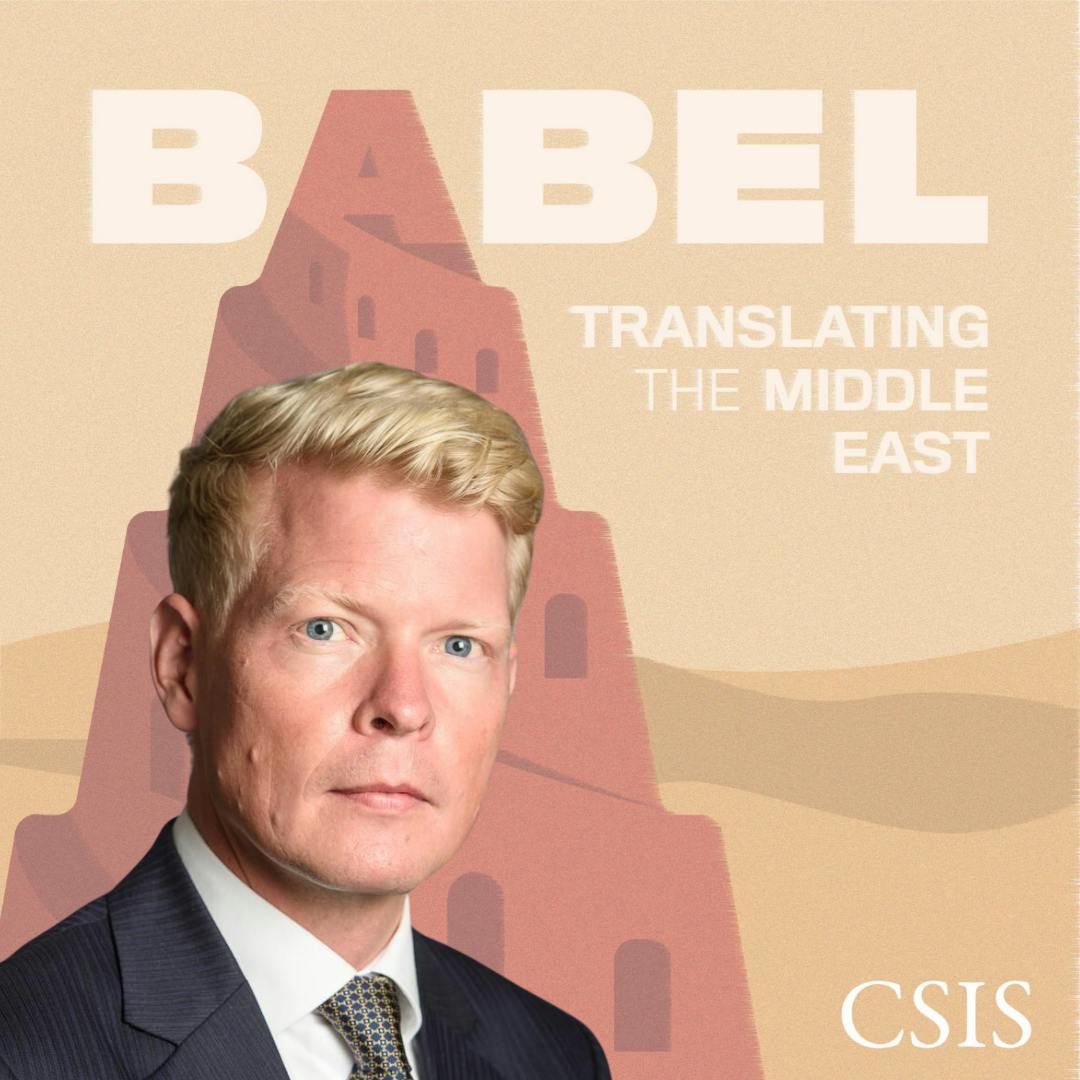
Hans Grundberg: Mediation in Yemen
This week on Babel, Jon Alterman speaks with Hans Grundberg, the United Nations' special envoy of the secretary-general for Yemen. They discuss what a UN mediator does, why successful mediation is about more than just reaching a peace agreement, and how the internationalization of conflicts complicates mediation. Then, Jon continues the conversation with Natasha Hall and Leah Hickert to discuss th

Analysis: Iran and Israel's Cycle of Retaliation
Leah Hickert speaks with Jon Alterman, director of the Middle East Program at CSIS, about the tensions rising between Iran and Israel, as well as the potential for regional escalation. A new Analysis from the CSIS Middle East Program.
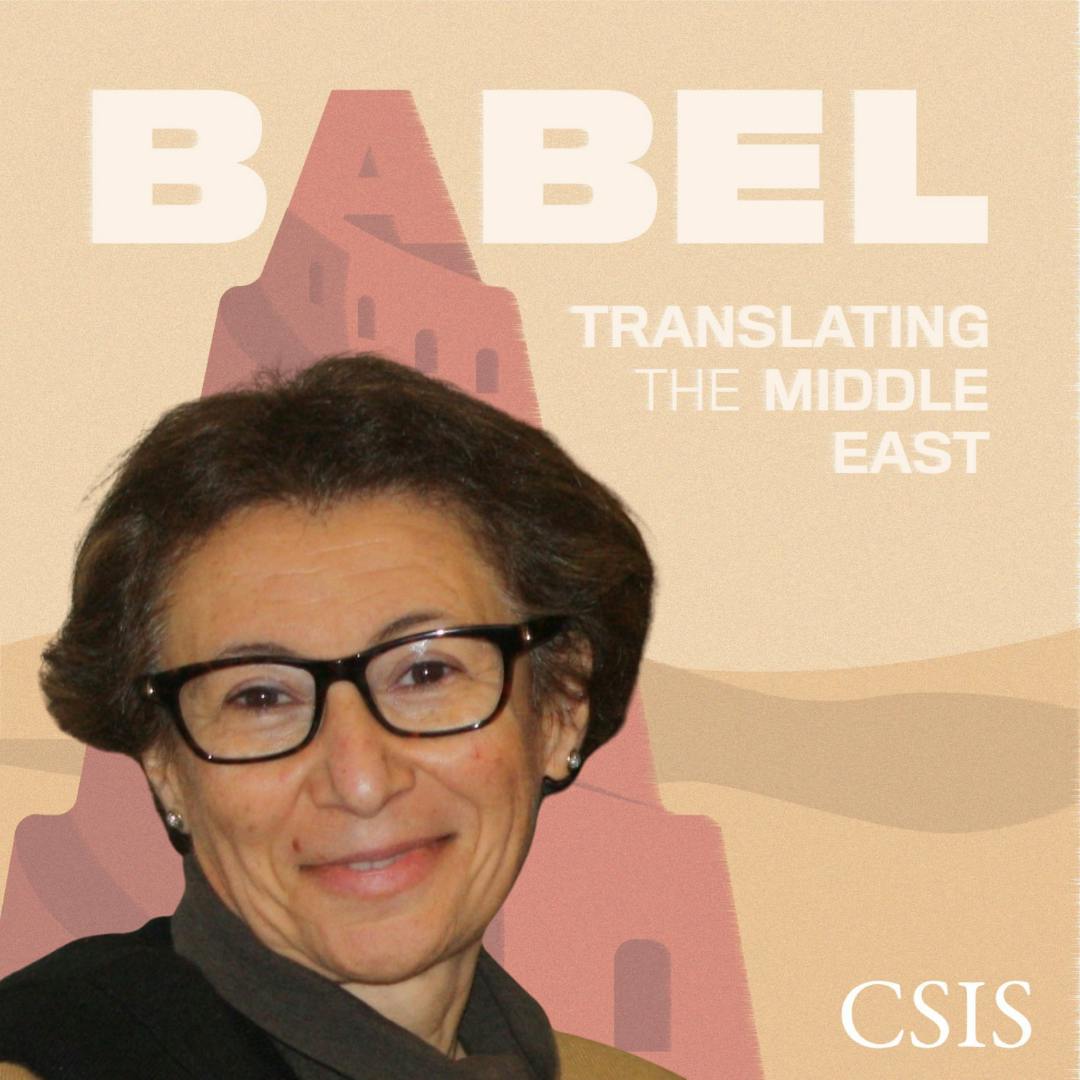
Hiba Husseini: Peacemaking After Oslo
This week on Babel, Jon Alterman speaks with Hiba Husseini, a Palestinian lawyer and a legal adviser to Israeli-Palestinian peace negotiations for 30 years. They discuss the state of pro-peace communities after October 7th and the war in Gaza's effect on future peacemaking efforts. Then, Jon continues the conversation with Will Todman and Leah Hickert to discuss why youth are increasingly supporti

Analysis: Support for Refugees Erodes in the Middle East
This week, Leah Hickert speaks with Will Todman, deputy director and senior fellow with the CSIS Middle East Program, about how displacement has become a flashpoint across the region and the innovative solutions necessary to mitigate these crises. A new Analysis from the CSIS Middle East Program.
Will Todman, "Support for Refugees Erodes in the Middle East," CSIS, June 5, 2023.
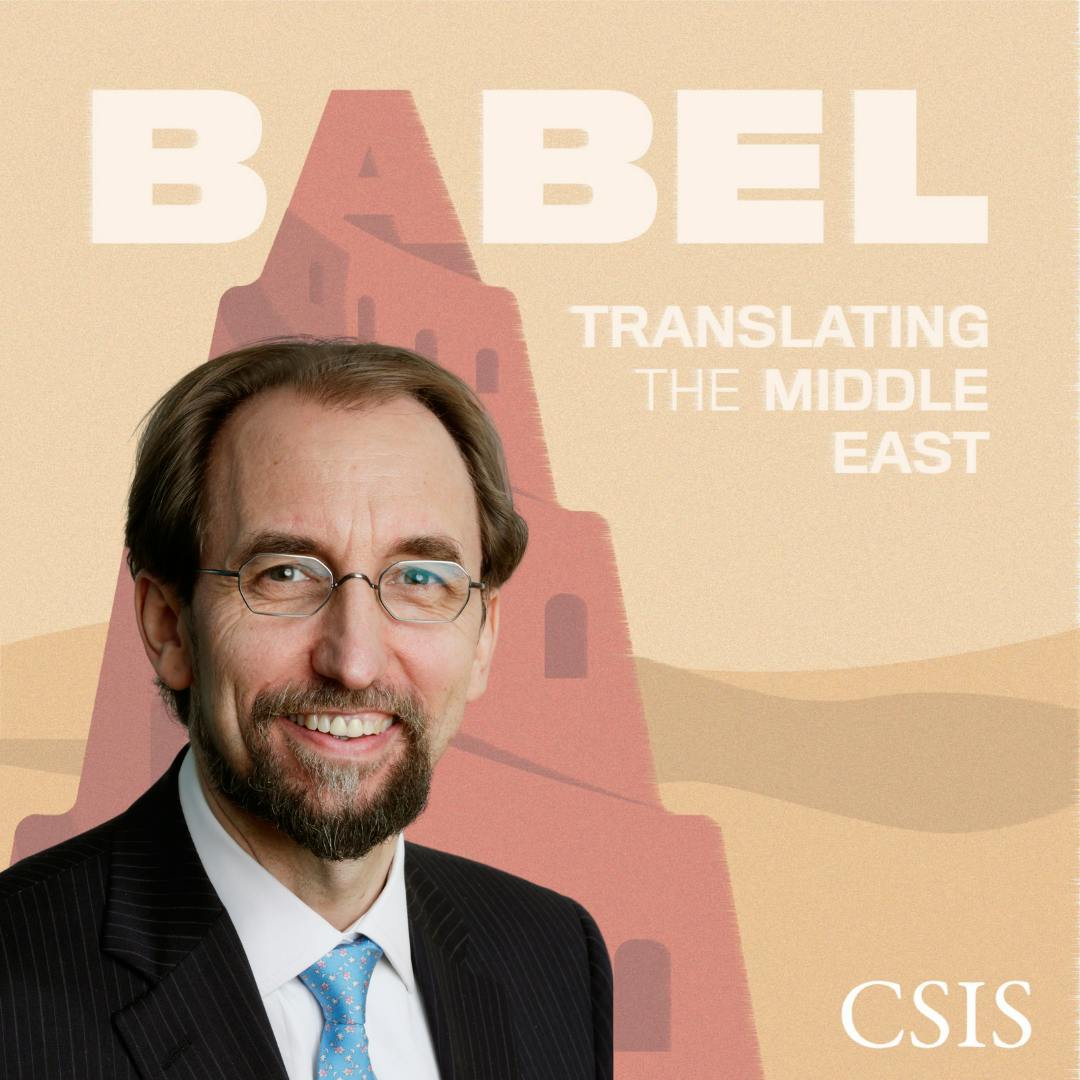
Zeid Ra’ad Al Hussein: Human Rights in a Messy World
This week on Babel, Jon Alterman speaks with Zeid Ra’ad Al Hussein, the former UN High Commissioner for Human Rights, a former Jordanian diplomat, and the current president and CEO of the International Peace Institute. They discuss the pursuit of human rights in a multipolar world and the role that the United Nations can play in Gaza. Then, Jon continues the conversation with Natasha Hall and Leah
Analysis: The New Forever Wars
This week, Leah Hickert speaks with Natasha Hall, senior fellow with the CSIS Middle East Program, about the U.S. strategy toward protracted conflicts, which can serve as forums for great power competition. A new Analysis from the CSIS Middle East Program.
Natasha Hall, "The New Forever Wars," CSIS, January 25, 2024.
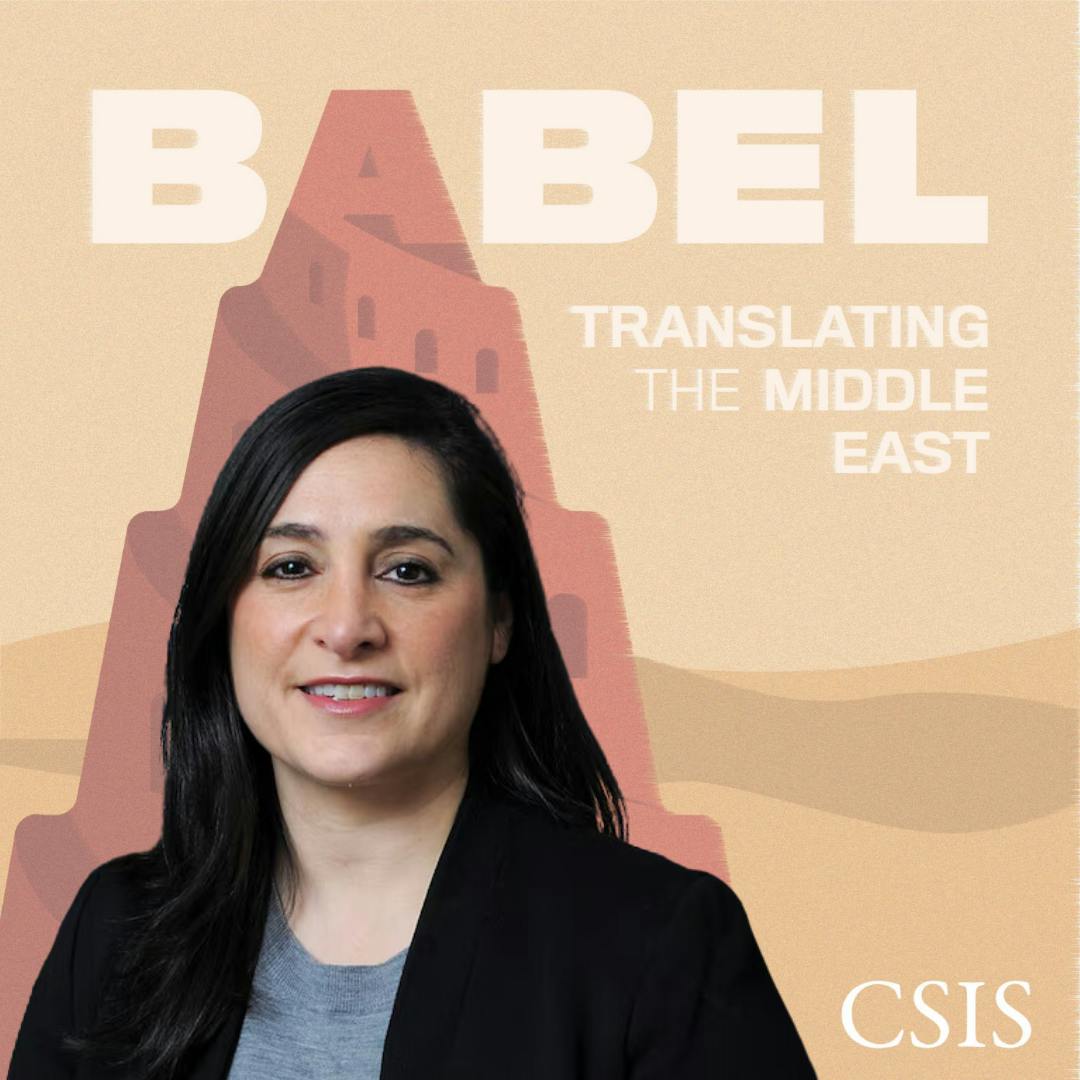
Dana Stroul: The U.S. Defense Strategy in the Middle East
This week on Babel, Jon Alterman speaks with Dana Stroul, the former deputy assistant secretary of defense for the Middle East. They talk about the U.S. defense strategy in the Middle East before and after the war in Gaza, how the conflict has changed U.S. security partnerships with Arab states, and the lessons Israel should learn from U.S. military experience in the region. Then, Jon continues th

Analysis: Redefining Climate Finance for a Troubled World
This week, Leah Hickert speaks with Natasha Hall, senior fellow with the CSIS Middle East Program, about the challenges of mitigating climate change through humanitarian interventions in conflict-affected countries. A new Analysis from the CSIS Middle East Program.
Natasha Hall, "Redefining Climate Finance for a Troubled World," CSIS, March 12, 2024.
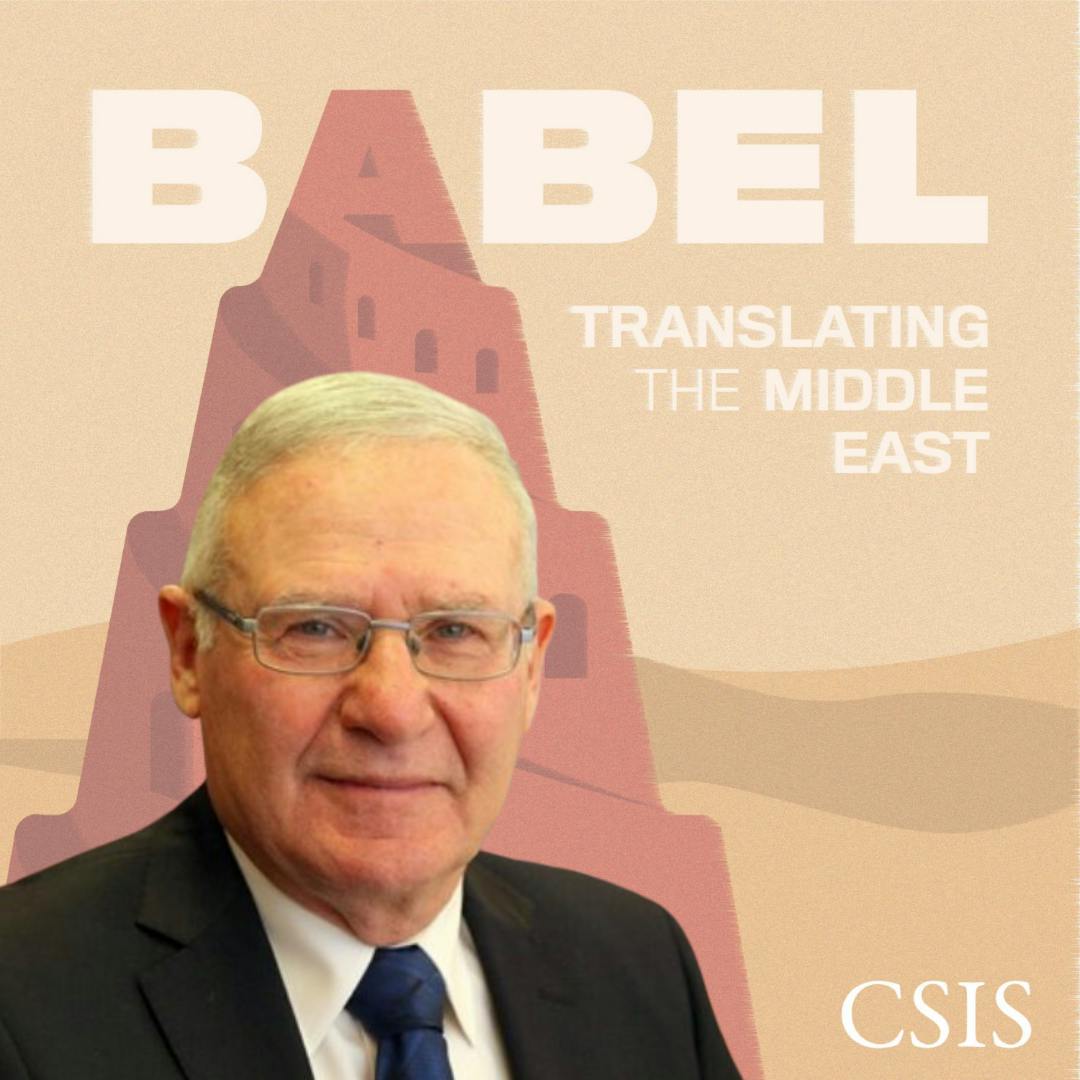
Amos Yadlin: A New Type of Israeli War
This week on Babel, Jon Alterman speaks with Amos Yadlin, a former head of the Military Intelligence Directorate of the Israel Defense Forces. They discuss Israeli strategy in Gaza, the impacts of the war on Israel’s global relationships, and how this war differs from Israel’s previous conflicts. Then, Jon continues the conversation with Will Todman and Leah Hickert to discuss how Israelis weigh t
Audio Brief: What Will the United States Do after the Drone Strike in Jordan?
On January 28, a drone reportedly piloted by forces connected to Iran killed three U.S. troops at a base in northeast Jordan and wounded more than two dozen more. The strike is the highest casualty event the United States has had in the Middle East in more than a decade, prompting questions about how the United States will respond. A new audio brief from the CSIS Middle East Program.
Jon Alterman
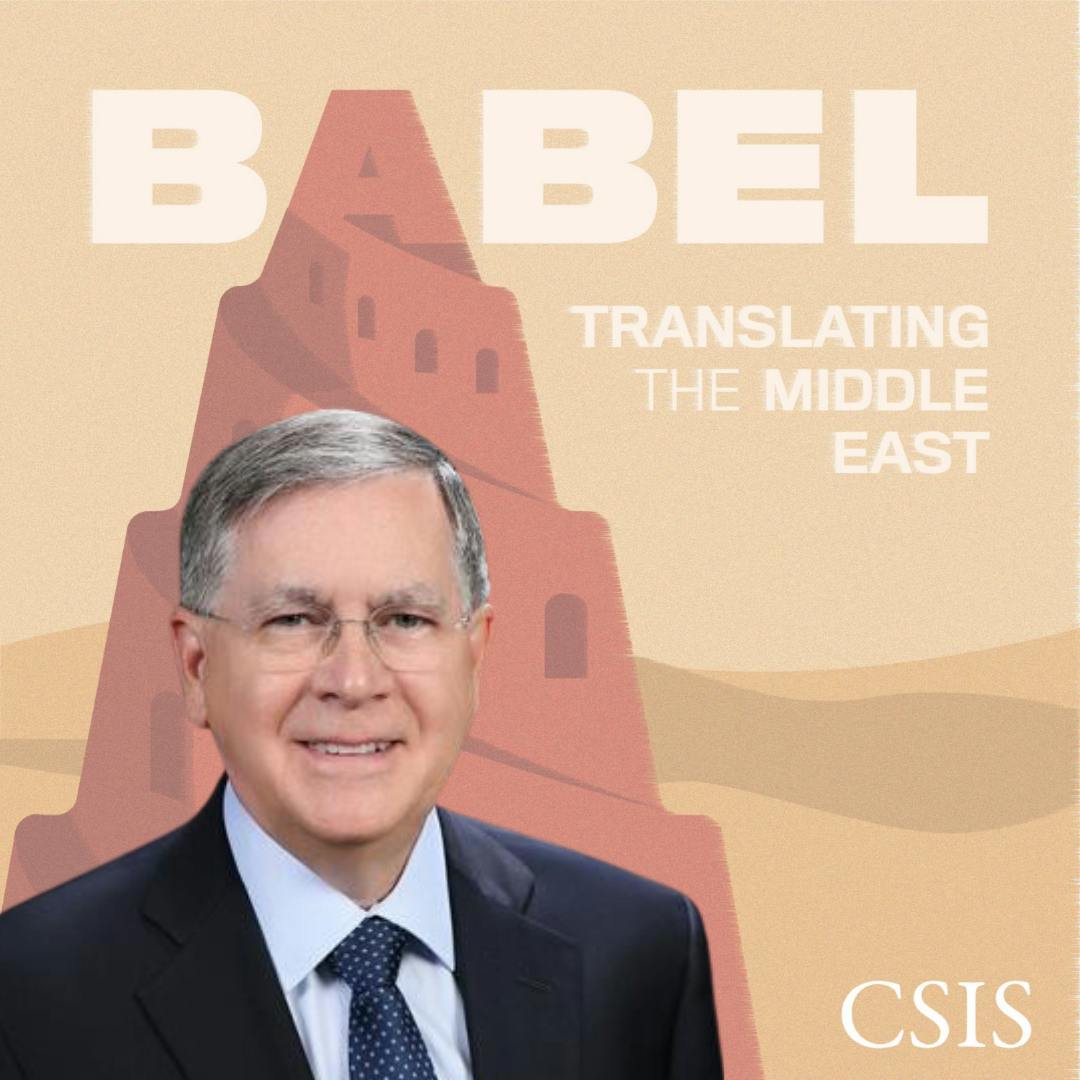
Amb. David Satterfield: Humanitarian Aid in Gaza
This week on Babel, Jon Alterman speaks with Amb. David Satterfield, the U.S. special envoy for Middle East humanitarian issues. They discuss the crisis in Gaza, the challenges of getting aid to civilians, and the role of humanitarian assistance in ending the conflict. Then, Jon continues the conversation with Will Todman and Leah Hickert to discuss other humanitarian crises in the region and the
Audio Brief: A Different Two-State Solution
With violence between Palestinians and Israelis at its highest levels in decades, voices have risen again in favor of a two-state solution. Reviving the idea will require redefining some terms, including "two," "state," and "solution." A new audio brief from the CSIS Middle East Program.
Jon Alterman, "A Different Two-State Solution," CSIS, January 10, 2024.
Jon Alterman, "Audio Brief: A Differe
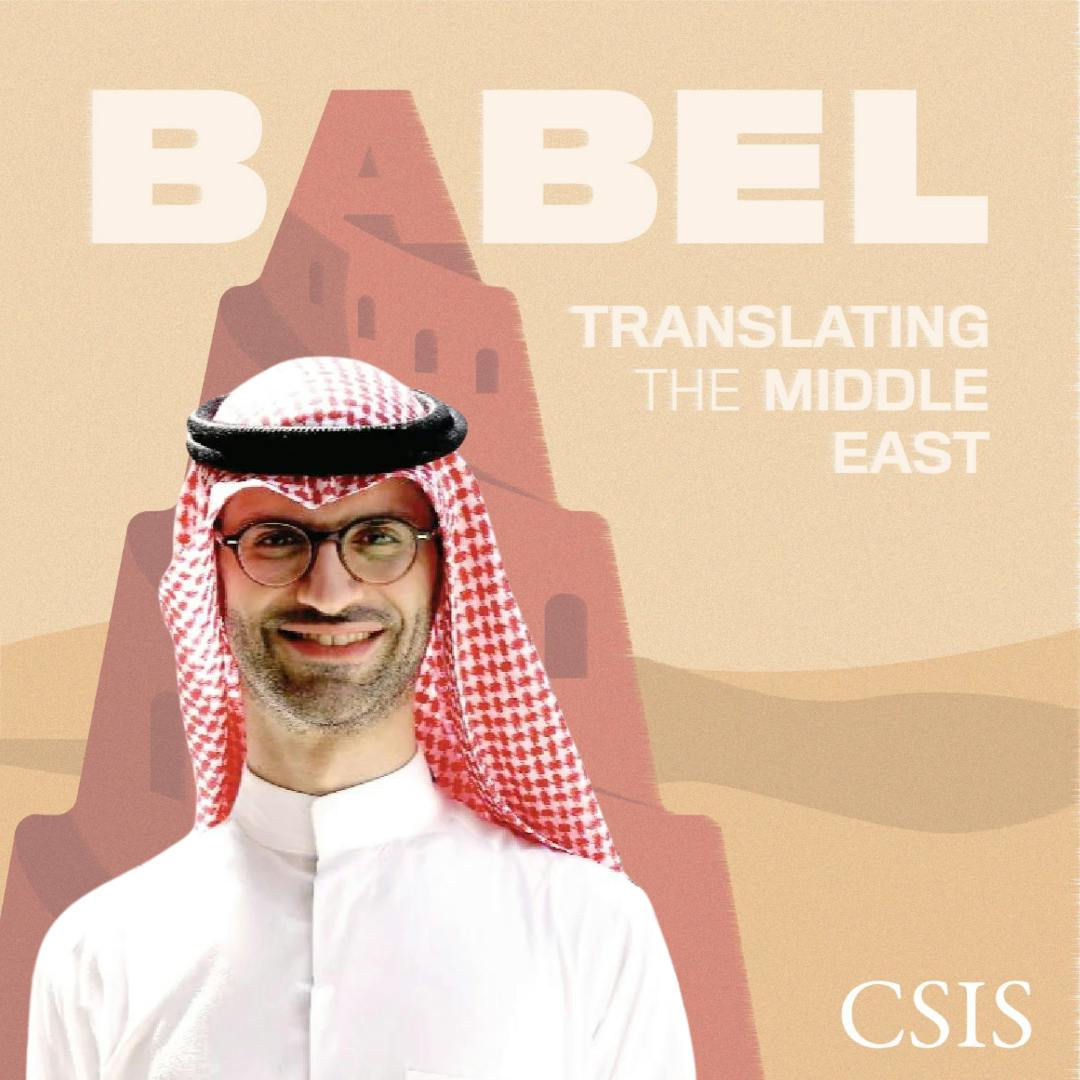
Bader Al-Saif: Kuwait's Perceptions, People, and Progress
This week on Babel, Jon Alterman speaks with Bader Al-Saif, a U.S.-trained Kuwaiti academic. Together, they discuss Kuwaitis’ perceptions of the Israel-Hamas war, U.S. geostrategy, and where Kuwait itself is headed almost 35 years after Iraq’s invasion of the country. Then, Jon continues the conversation with Will Todman and Leah Hickert to explore the perceptions and use of the Israeli-Palestinia
Analysis: Environmental Action in Tunisia
This week, Leah Hickert speaks with Will Todman, deputy director and senior fellow with the CSIS Middle East Program, about Manish Msab, the first environmental movement to defeat the Tunisian government in court. A new Analysis from the CSIS Middle East Program.
Will Todman, "I Am Not a Dump: Mobilization and Environmental Action in Tunisia," CSIS, January 3, 2024.
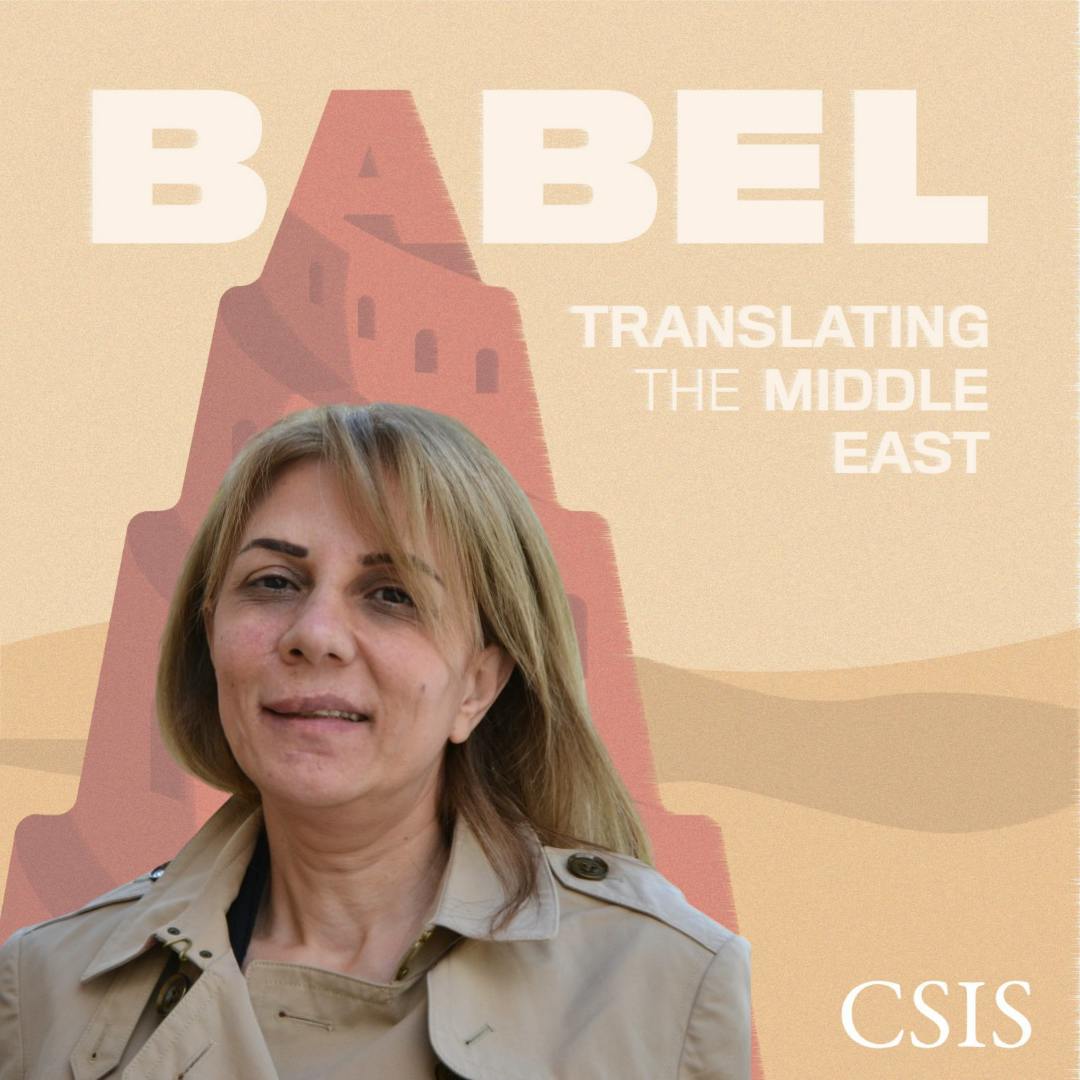
Yana Abu Taleb: Environmental Peacebuilding in Jordan
This week on Babel, Jon Alterman speaks with Yana Abu Taleb, the Jordanian director of EcoPeace Middle East, a trilateral peacebuilding organization that seeks shared solutions to environmental issues affecting Jordan, Israel, and Palestine. Together, they discuss EcoPeace’s development over the past 30 years and the unique challenges it faces today. Then, he continues the conversation with Natash
Analysis: Climate Entrepreneurs in the Middle East
This week, Leah Hickert speaks with Will Todman, deputy director and senior fellow with the CSIS Middle East Program, about how entrepreneurs can help regional governments adapt to climate change. A new Analysis from the CSIS Middle East Program.
Will Todman, "Entrepreneurs Can Help the Middle East Adapt to Climate Change," CSIS, January 3, 2024.
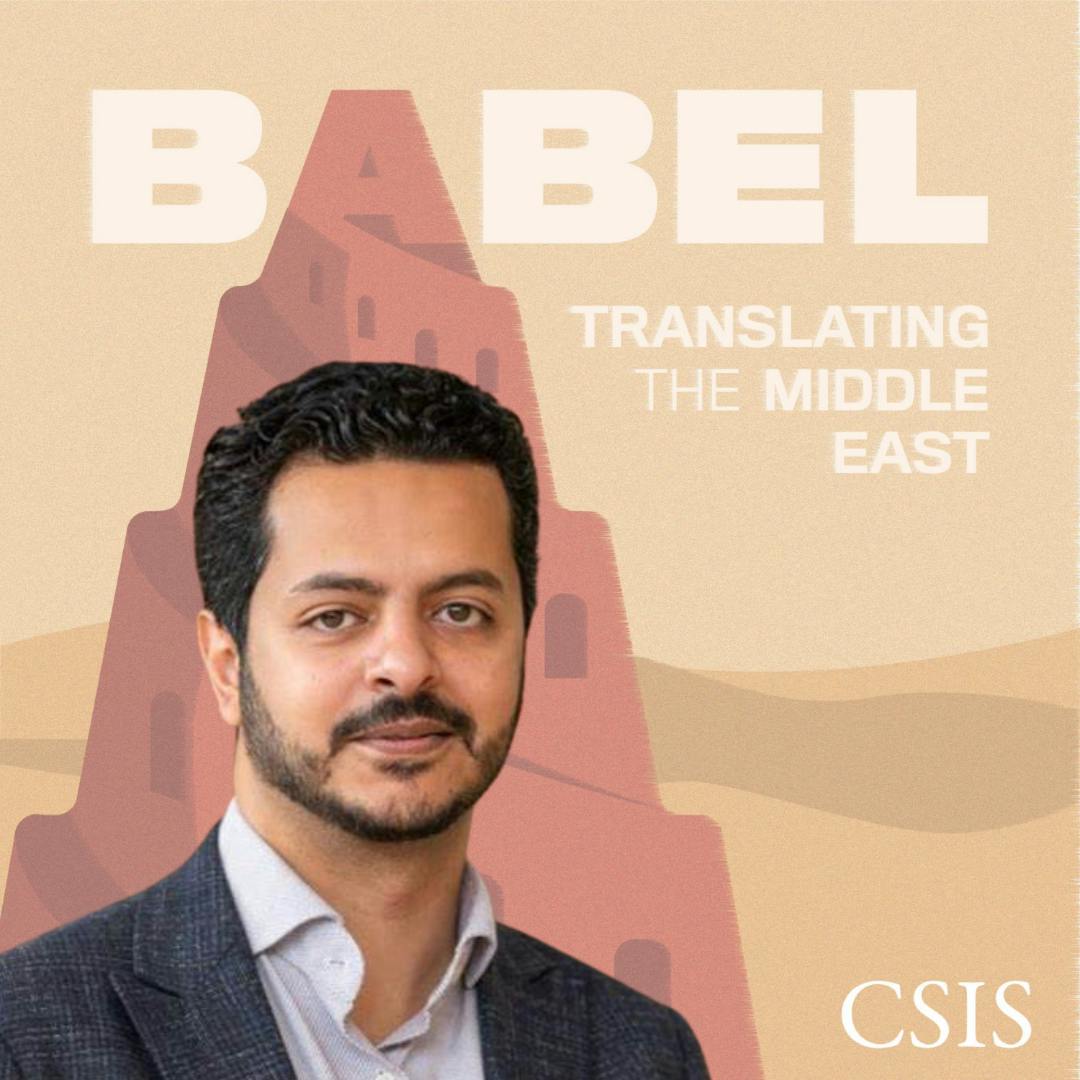
Rafat Al-Akhali: Yemen on the Brink
This week on Babel, Jon Alterman speaks with Rafat Al-Akhali, a Yemeni who went from being an exchange student in Canada to being a youth activist, a government minister, and then a development consultant. Together, they discuss youth activism in Yemen, the international community's responses to protracted conflicts, and the outlook for Yemen's future. Then, Jon continues the conversation with Wil
Audio Brief: China's Essential Role in the Gulf States' Energy Transitions
China has established itself as an essential partner in Gulf states' energy transitions. However, Western governments have been reluctant to compete head-to-head with Chinese enterprises in the renewables sector in the Gulf. A new audio brief from the CSIS Middle East Program.
Faris Al-Sulayman and Jon Alterman, "China's Essential Role in the Gulf States' Energy Transitions," CSIS, December 11, 2
Danny Hajjar: Today's Arab Music
This week on Babel, Jon Alterman speaks with music journalist Danny Hajjar about the changing Arab music scene. They talk about the rise of Arab hip-hop, how increasing connectivity influences the way Arab artists produce and distribute music, and what the next big thing will be. Then, Jon continues the conversation with Natasha Hall and Leah Hickert, discussing soft power, censorship, and music.

Analysis: Human Rights in a Multipolar World
This week, Zeid Qiblawi speaks with Natasha Hall, senior fellow with the Middle East Program at CSIS, about the reversal of human rights norms in an increasingly multipolar world. A new Analysis from the CSIS Middle East Program.
Natasha Hall, "Breaking Point: Human Rights in a Multipolar World," CSIS, November 30, 2023.

Renad Mansour and Farea Al-Muslimi: The Cost of Political Settlements in the MENA Region
This week on Babel, you will hear excerpts from Jon Alterman's recent discussion with Chatham House experts Renad Mansour and Farea al-Muslimi, alongside the CSIS Middle East Program's Natasha Hall. They discuss a recent Chatham House report, which argues that although political settlements have been resolving more conflicts in the region, these elite bargains are actually prioritizing stability o

Analysis: The Ripple Effect of Water Insecurity
The Middle East is experiencing a water crisis exacerbated by climate change, inefficient water use, and decades of resource mismanagement. Water insecurity not only aggravates pre-existing vulnerabilities; it also drives instability, conflict, and displacement. In this short episode of Babel, Leah Hickert speaks with Natasha Hall about why the region's business-as-usual approach to water is becom

Rula Hardal: Life as a Palestinian Citizen of Israel
This week on Babel, Jon Alterman speaks with Palestinian-Israeli scholar and activist Rula Hardal about her life in both Israel and the West Bank, what reconciliation between Israelis and Palestinians would look like, and the concessions that each side needs to make for a sustainable path forward. Then, Jon continues the conversation with Will Todman and Leah Hickert, discussing past moments of cr

Audio Brief: Israel Could Lose
The Israeli military is the most formidable fighting force in the Middle East. And yet it is quite possible that the war in Gaza will be the first war in Israel’s history that the army has fought and lost. A new audio brief from the CSIS Middle East Program.
Jon Alterman, "Israel Could Lose," CSIS, November 7, 2023.
Jon Alterman, "'Israel Could Lose': Audio Brief with Jon Alterman," CSIS, Novemb

Khalil Sayegh: What We Get Wrong About Gaza
This week on Babel, Jon Alterman speaks with Palestinian political analyst Khalil Sayegh about what people get wrong about Gaza, the spread of misinformation, and why grassroots peace efforts need to change in the aftermath of the conflict. Then, Jon continues the conversation with Natasha Hall and Leah Hickert, discussing the war's information landscape and the challenges of grassroots peacebuild

A Mezze: Chat GPMufti
A recent flurry of Islamic experimentation with artificial intelligence has been met with mixed results. A new Mezze from the CSIS Middle East Program.

Neri Zilber: Inside Israeli Politics During Wartime
This week on Babel, Jon Alterman speaks with Tel Aviv-based journalist and analyst Neri Zilber about the war in Gaza, how Israelis are thinking about what comes next, and what it means for the region. Then, Jon continues the conversation with Natasha Hall and Leah Hickert, discussing Arab states' reactions to the conflict and the circumstances in which they might assist in managing post-war Gaza.

Analysis: Developments in the Israel-Hamas War
Just over two weeks after Hamas invaded Israel, Leah Hickert speaks with Jon Alterman, director of the Middle East Program at CSIS, about the latest developments in the Israel-Hamas war. A new Analysis from the CSIS Middle East Program.
Transcript, "The Outlook for Israel's Military Campaign against Hamas," CSIS, October 23, 2023.
Jon Alterman, "President Biden Heads to Israel," CSIS, October 17
Recommended

English with Olivia | Slow Conversations & Vocabulary

Stand In The Circle

SLOW ENGLISH PODCAST (A1-A2) With Subtitles | Daily Videos | English With Us Podcast

Learn English A2 with Daily News | Simple English Listening Practice

پلی لیست | PlayList
Conspiracy Files with Paige Carter

Bad Friends

Learn 50 English Phrases While You Sleep | Everyday English Phrases & Vocabulary

This Past Weekend w/ Theo Von
Dateline NBC

Back to the 80s Radio

Crime Stories with Nancy Grace
