
The Creative Nonfiction Podcast with Brendan O'Meara
The Creative Nonfiction Podcast is a weekly interview show hosted by Brendan O'Meara that explores the art and craft of telling true stories. Each episode features conversations with leaders in narrative journalism, essay writing, memoir, documentary film, radio, and podcasting. Guests discuss how they report, structure, and write nonfiction, sharing practical lessons from their own work. The show is aimed at writers and storytellers who want to improve their craft and understand the creative process behind memorable true narratives.
Episodes
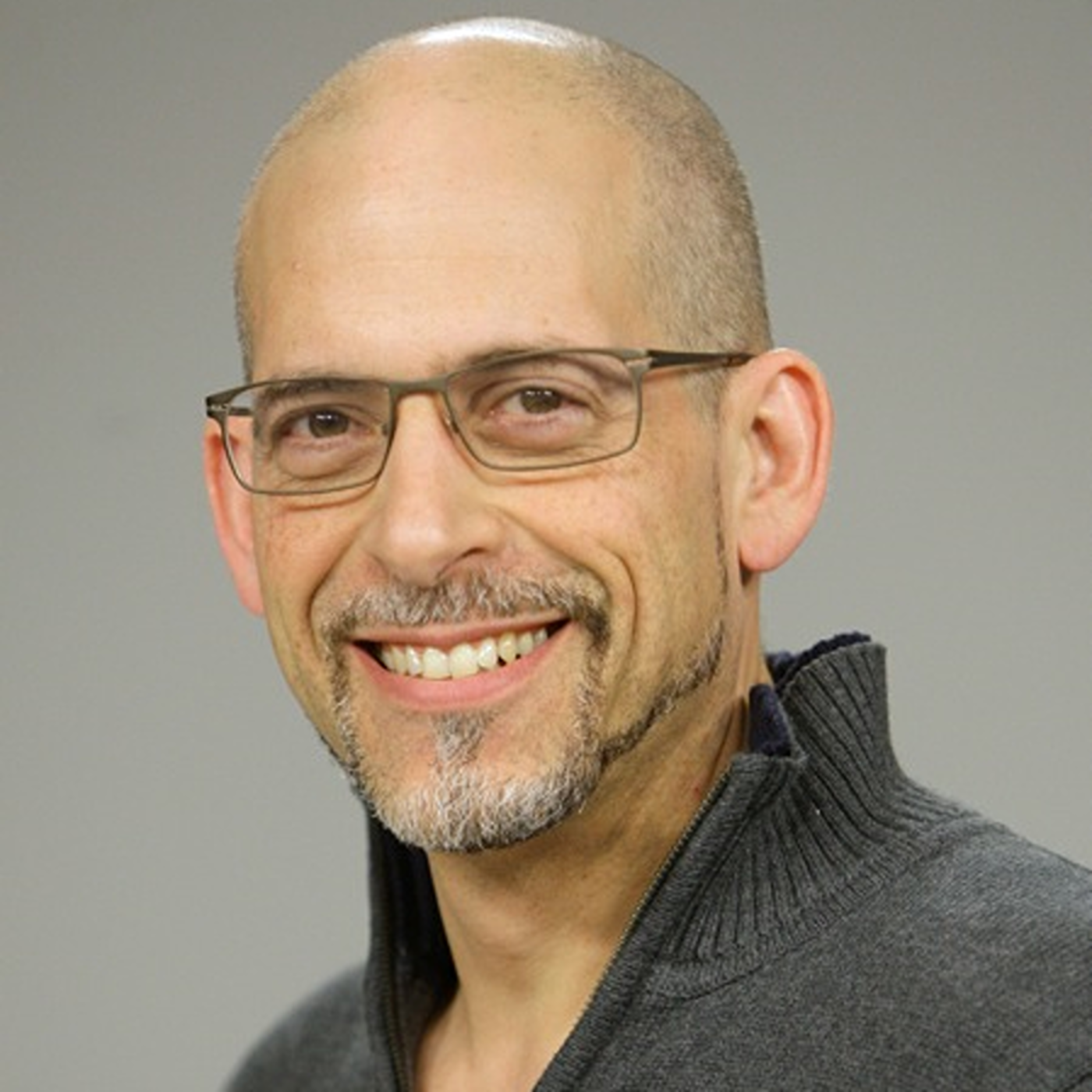
Episode 549: Writing Early, Interview Prep, and 'Reward' Scenes with Pulitzer Prize—Winner Mark Johnson
“What I tend to do is, if I write this really difficult explanatory section that is going through a lot of technical information and trying to boil it down, once I'm finished with that, then I get to write this other scene that I really want to write. I think of it as dessert. If I finish my broccoli, I get my ice cream sundae,” says Mark Johnson, author of The Family Plan for The Atavist Magazine
Issue 4: Codes
It was a few years ago at this point when I came up with the idea of a themed issue of the audio magazine called CODES. I was watching The Mandalorian and these bounty hunters never remove their helmets. They often punctuate an encounter with each other saying, “This is the way.” Staying in the Star Wars world, you could extend the code to Jedis, whose objective is a monk-like devotion to order an
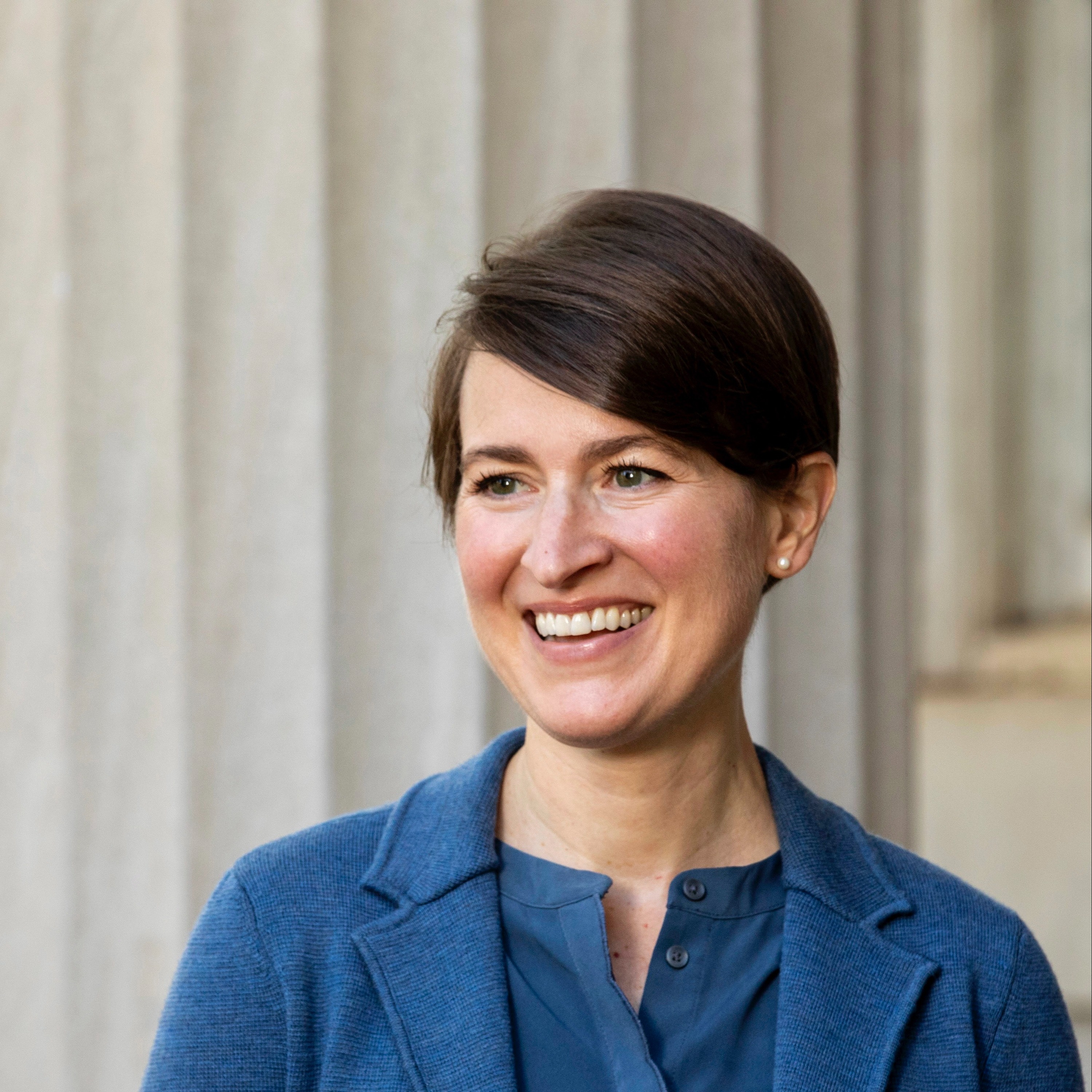
Episode 548: It's Easy for Elizabeth Chamblee Burch to Get Lost in Detective Mode
"In terms of the research, I can get lost in detective mode. Sometimes it's good if I know, okay, I only have an hour. I'm going to see what what can I learn about this one person in an hour. Then take it in those little pieces, and when I have time, I can get some writing done," says Elizabeth Chamblee Burch, author of The Pain Brokers.Today we have Elizabeth Chamblee Burch, a professor at the Un
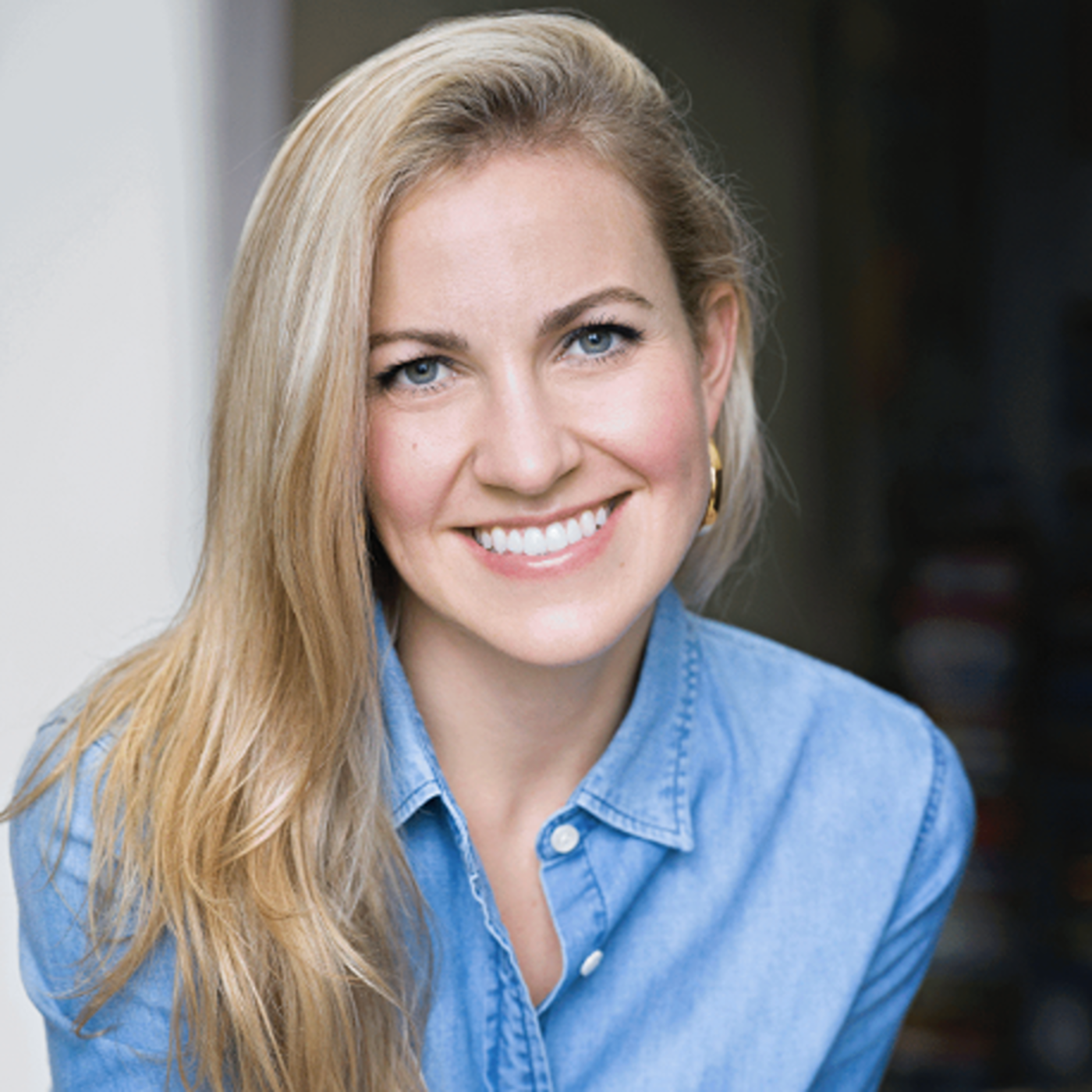
Episode 547: Catherine Grace Katz Needs a Portable Murder Wall and PB&J to Write
"I had a really interesting conversation with a publisher for my first book, and the publisher asked me, 'How are you going to get out of the story?' And I think that's the thing that people often go into it having a great idea of two thirds of a really good story, how it goes up through the climactic action of your narrative. But then there can be this like long trail off where people can't

Episode 546: Seth Wickersham is On That Hill
"Writing is such a lonely job, and I feel bad for people who don't have a crew. I think you really have to have a crew. I had a college crew my first couple years at ESPN. There was a bunch of us who were young writers and very ambitious. That was a crew. And then we have our group now of people who are on various text threads, you need a band to always know where your head is at any given time, s
Episode 545: Stories Can Sit in the Notebook for Years. Just Ask Matthew Wolfe.
"There are a lot of stories that I come across that almost work or that don't quite work. And early in my career, I think I'd try and chase stories or force them to fit or force them to be a story when they don't actually work as a story," says Matthew Wolfe, author of the book Fires in the Night and the Atavist story "The Bleeding Hearts."Today we welcome back Matthew Wolfe for the third time in
Episode 544: Writing a Book is Like Driving a Bus, says Joshua Robinson
"Sometimes you swing and a miss on a story, or you get scooped by someone, and I think there's a constant feeling of like you're only as good as your last story, as the last thing you published, and it's hard to shake that," says Joshua Robinson, co-author of The Playbook: The Hidden Forces Shaping Winners and Losers in the Modern NFL (Mariner Books).Joshua Robinson is here. Now, it was SUPPOSED t
Episode 543: Doubt, Vulnerability, Confidence. Is Chris Bennett Talking About Writing or Running?
"I think it's a great point with writing. You know early on you realize like putting pen to paper or starting to type early on was a massive achievement. There were huge gains, and now you're still grinding to figure out like 'I don't know how to end this chapter. How do I not know how to end a chapter? I've been writing for 20 years. What's wrong with me?' And you realize like this is the gig. Th
Episode 542: Earl Swift and the Battle to Get the Reader to the Last Word
"Our our first job, job one, for anybody writing a book, for anybody writing a story of any kind, any length, is to get the reader to that last word. If you don't do that, it doesn't matter what pretty words you drop in the middle of the story. Doesn't matter how brilliantly conceived it is. The story has failed because you have failed to get the reader to the end," says Earl Swift, author of Up o

Episode 541: 'Touch the Work Every Day' says Shanda McManus
"I applaud anyone out there who's done the book circuit and trying to reach readers, because I'm not in this to make a lot of money, not at all. I just want people to read the story. I kind of felt like I owed it to the book to do my end of this effort. That's kind of fueled me to keep going too," says Shanda McManus, MD, author of Brother Epistles: A Sister's Memoir.Today we have Shanda McManus.

Episode 540: Holbrook Mohr and Mitch Weiss Tackle the Atomic City for The Atavist
"You have to remember to slow things down. In this world where there's this fast-paced news cycle, and everybody wants to get it out first, this is a different genre, so to speak. You have to slow down. You have to build that trust. You can't expect to get these details on the first interview. More importantly, you have to show you care," says Mitch Weiss, a Pulitzer Prize-winner and co-author of

Episode 539: How Jennifer Keishin Armstrong Writes Biographies of TV Shows
"We probably have some sense of what narrative is. So when your brain starts turning into the little movie camera because this is a juicy scene, then it's like, well, what would I want to show? What what would I want to know here?" says Jennifer Keishin Armstrong, author of Parks and Rec: The Underdog TV Show That Lit'rally Inspired a Vision for a Better America.Dude, we have Jennifer Keishin Arms
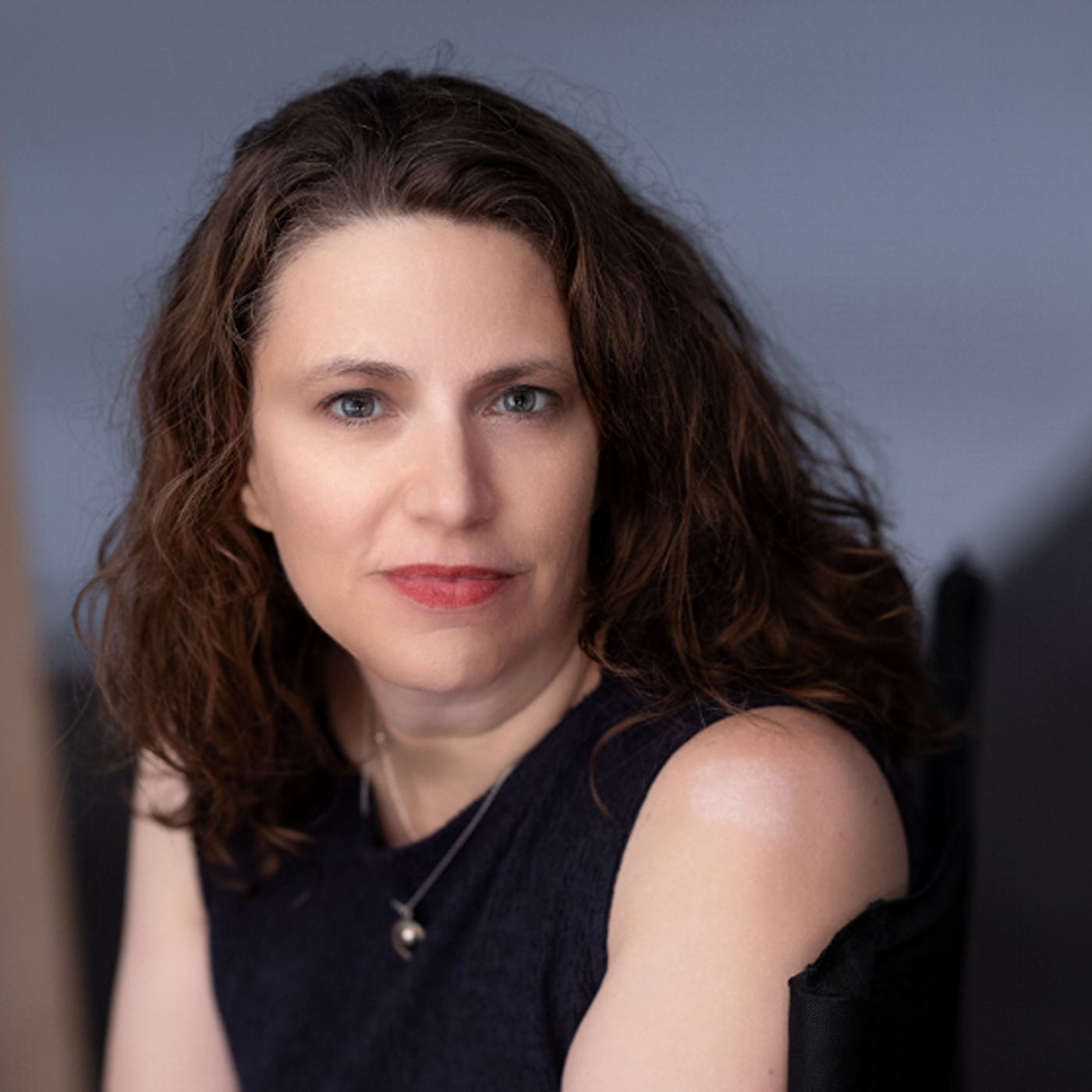
Episode 538: The Enduring Mystery of Amelia Earhart with Rachel Hartigan
"My career is not a straight path; it's a lot of happenstance where I just sort of somehow get a job and then figure out how to do it once I'm there," says Rachel Hartigan, author of Lost: Amelia Earhart's Three Mysterious Deaths and One Extraordinary Life.Today we have Rachel Hartigan, who, yes, is dignified and reputable. She’s the author of Lost: Amelia Earhart’s Three Mysterious Deaths and One
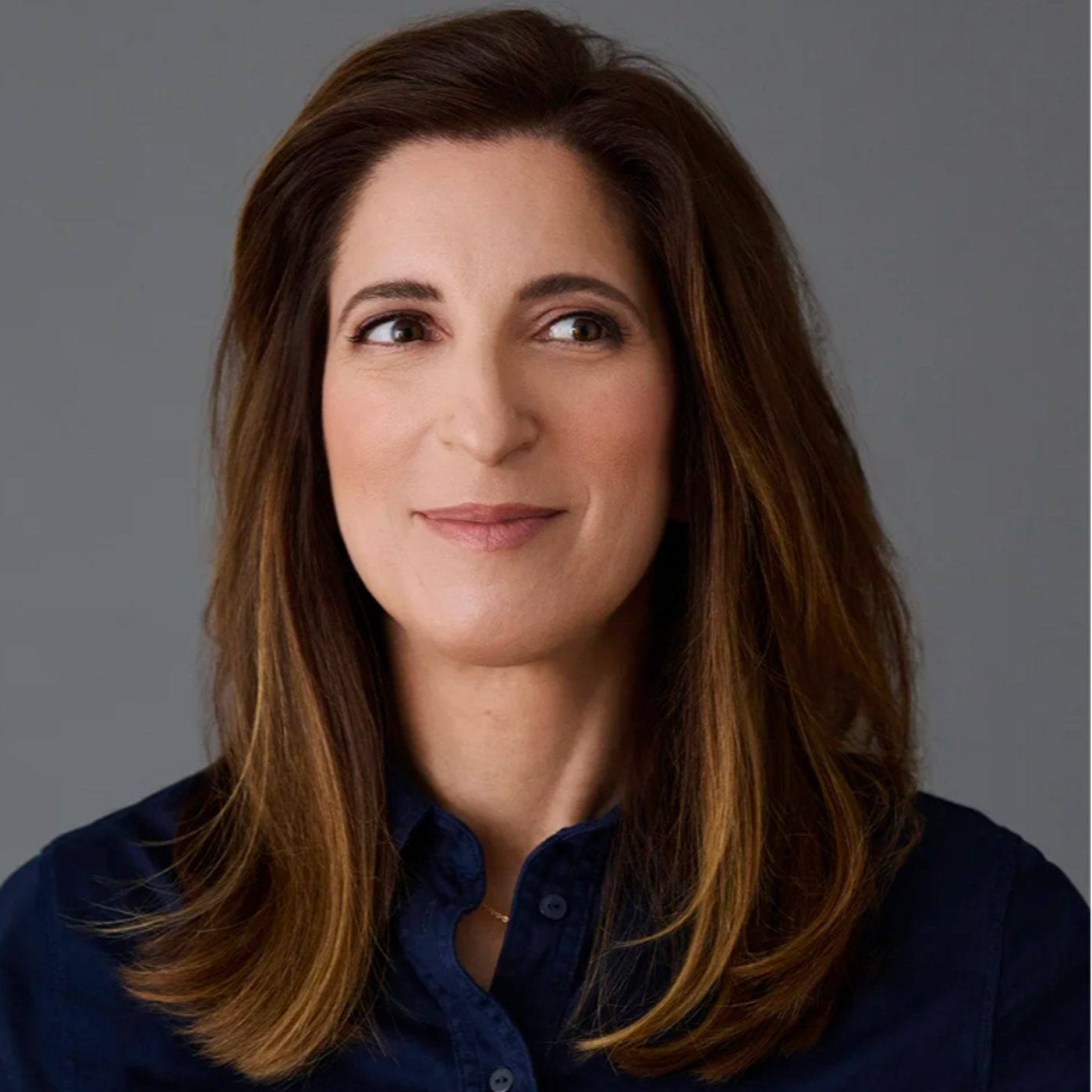
Episode 537: Pamela Colloff's Now-or-Never Moment with 'Catch the Devil'
"I feel like before I have the confidence to write in the way that I want to write, where I really own the material, I have to spend so much time with people. I will say at the outset, once I walk someone through what it's going to involve after they say yes to talking to me, I'll say I'm going to be around a lot and you're going to get sick of me," says Pamela Colloff, author of Catch the Devil.T
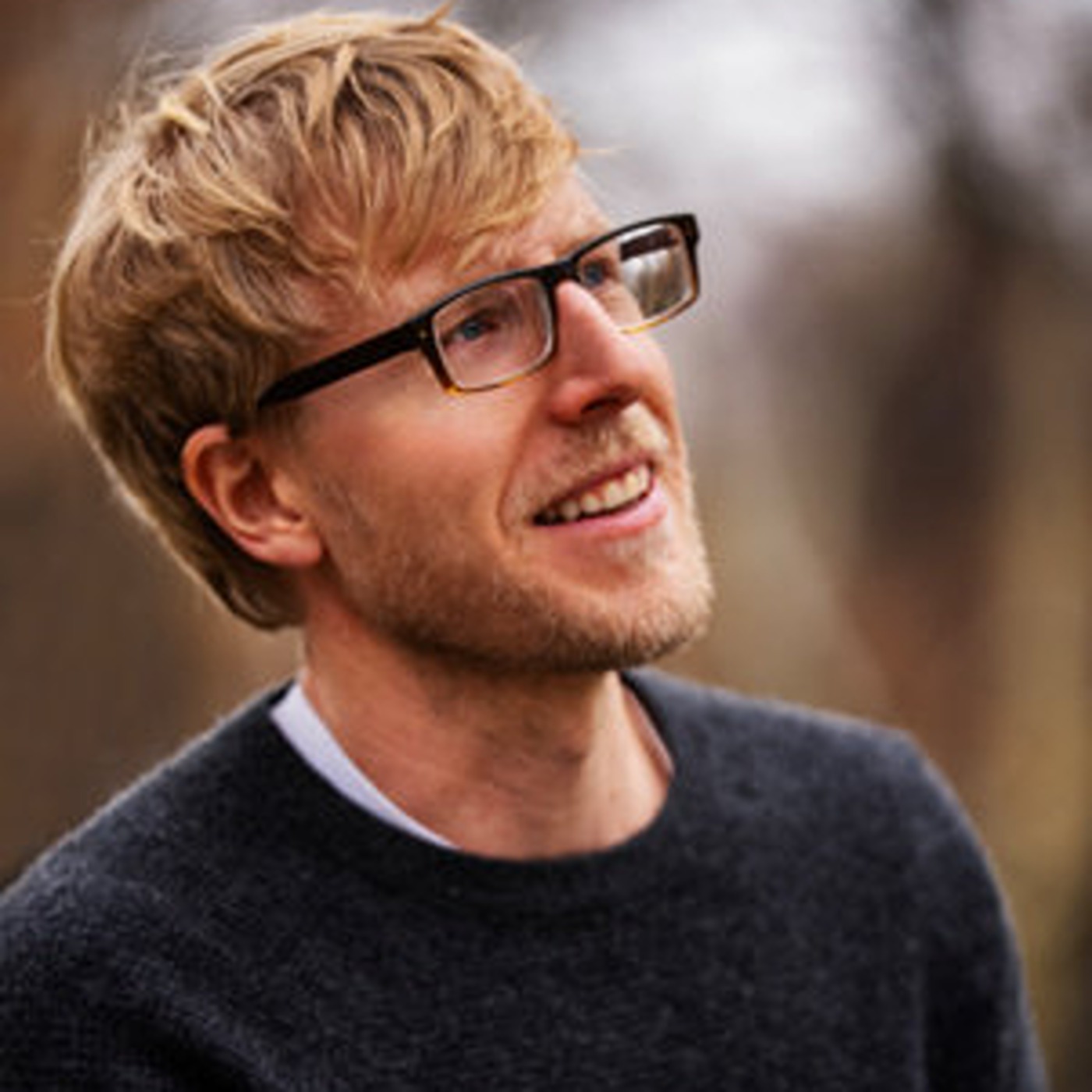
Episode 536: The Blood, Flesh, and Messiness of Human Existence with Matthew Wolfe
"I love talking with people. I also like that process of trying to shape messy reality into some kind of story, or that moment when you're alone with your notes, and you're trying to figure out how to organize it, and how to bend it into something that works as a story that will carry readers. That's the probably that's the kind of calmest moment for me," says Matthew Wolfe, author of Fires in the
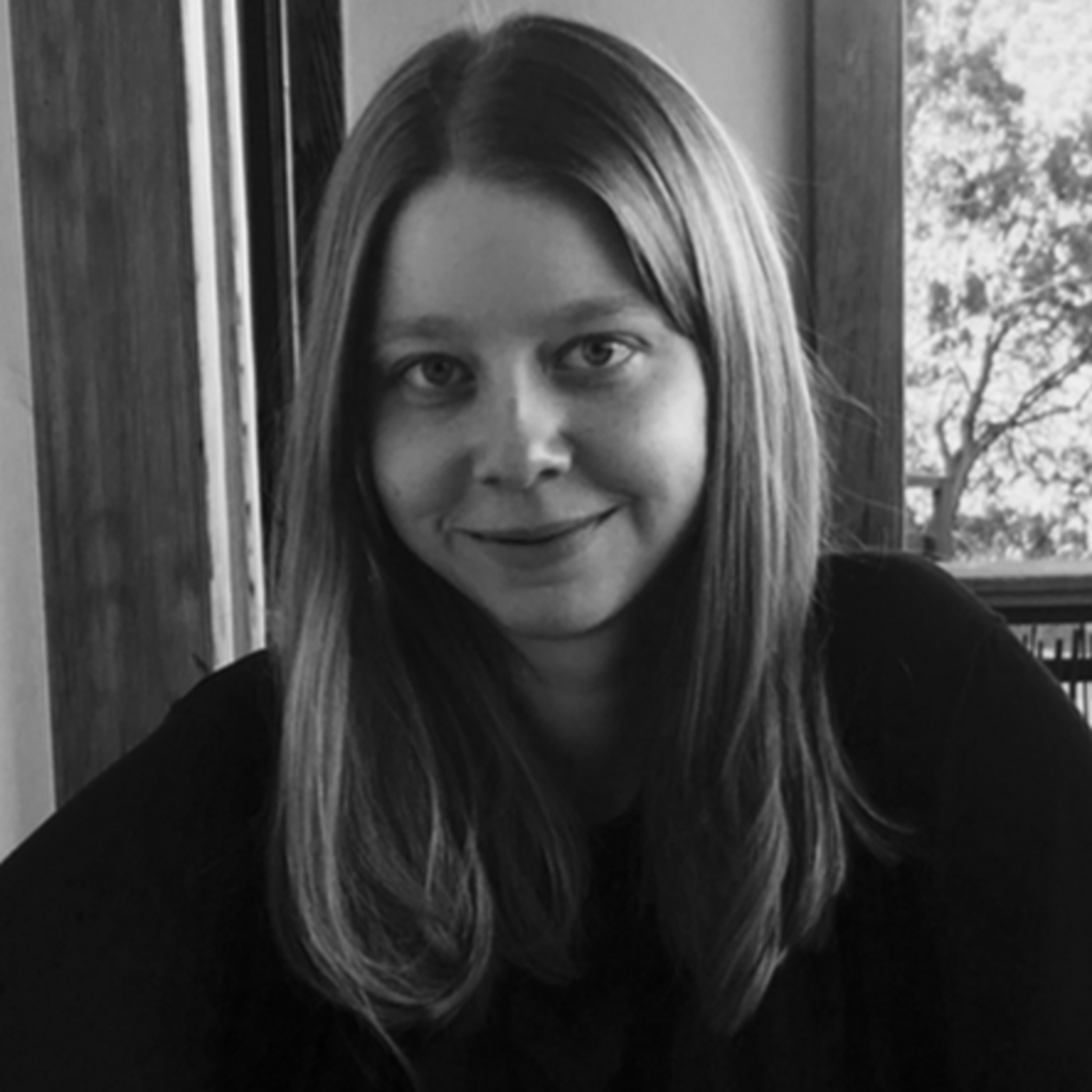
Episode 535: Alex Ronan's Masterclass in the Depth of Reporting
"One of the things that Patrick Radden Keefe told me was, when I'm doing interviews, I'm always thinking about the anecdote that I will tell someone later at a bar, this is the thing I talk about. That's helpful because there's so much to work with even in one interview or one scene, and the those little gems that you pull out instinctively when you're talking to other people have value, and so I'
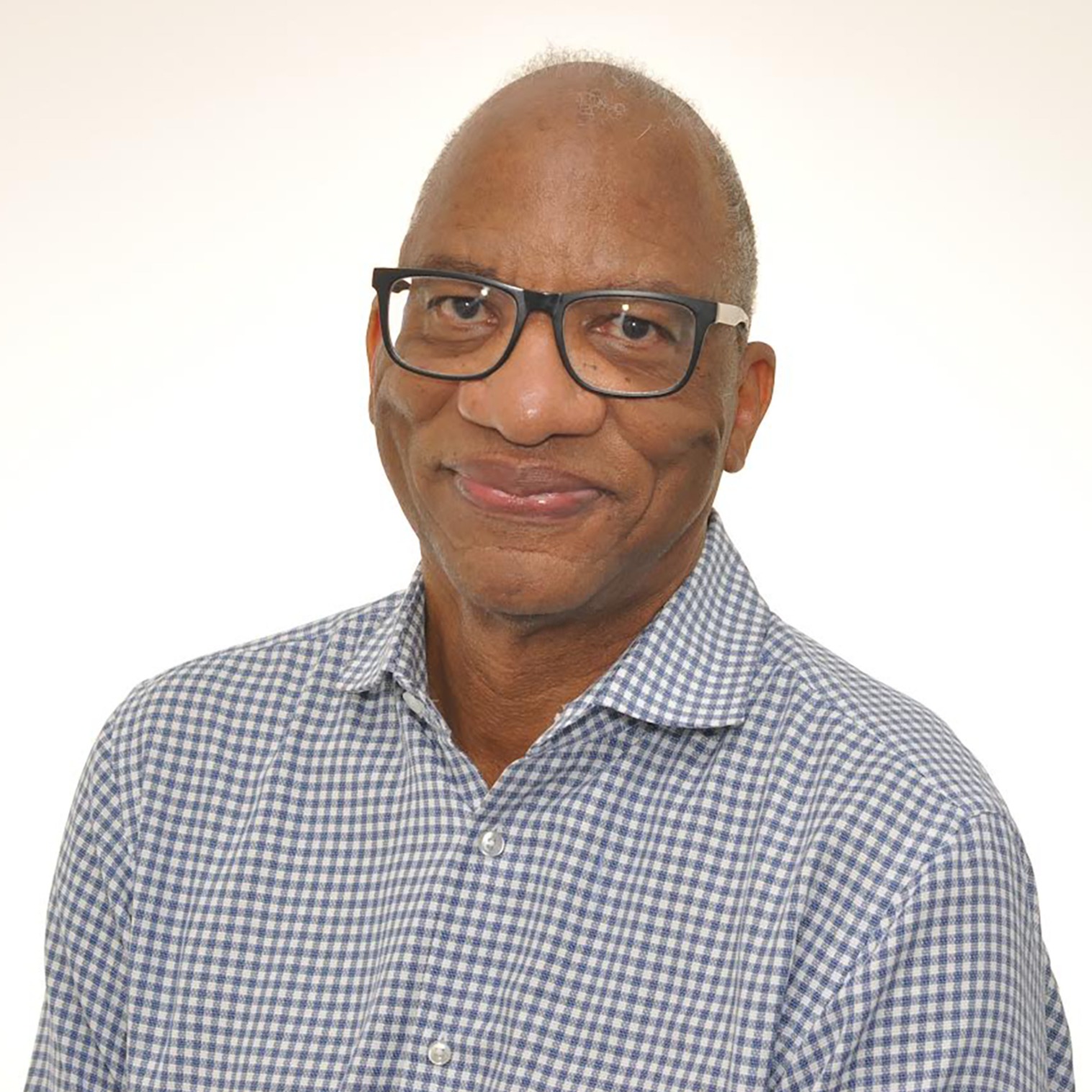
Episode 534: Shoeleather Reporting and Exploring the Riddles of America with Wil Haygood
"The mission of a nonfiction writer is to get the damn thing done," says Wil Haygood, author of several books, including his latest The War Within A War: The Black Struggle in Vietnam and at Home.I’m so thrilled to welcome back Wil Haygood to the show to talk about and celebrate his latest book The War Within a War: The Black Struggle in Vietnam and at Home. It’s published by Knopf.Wil is one of t
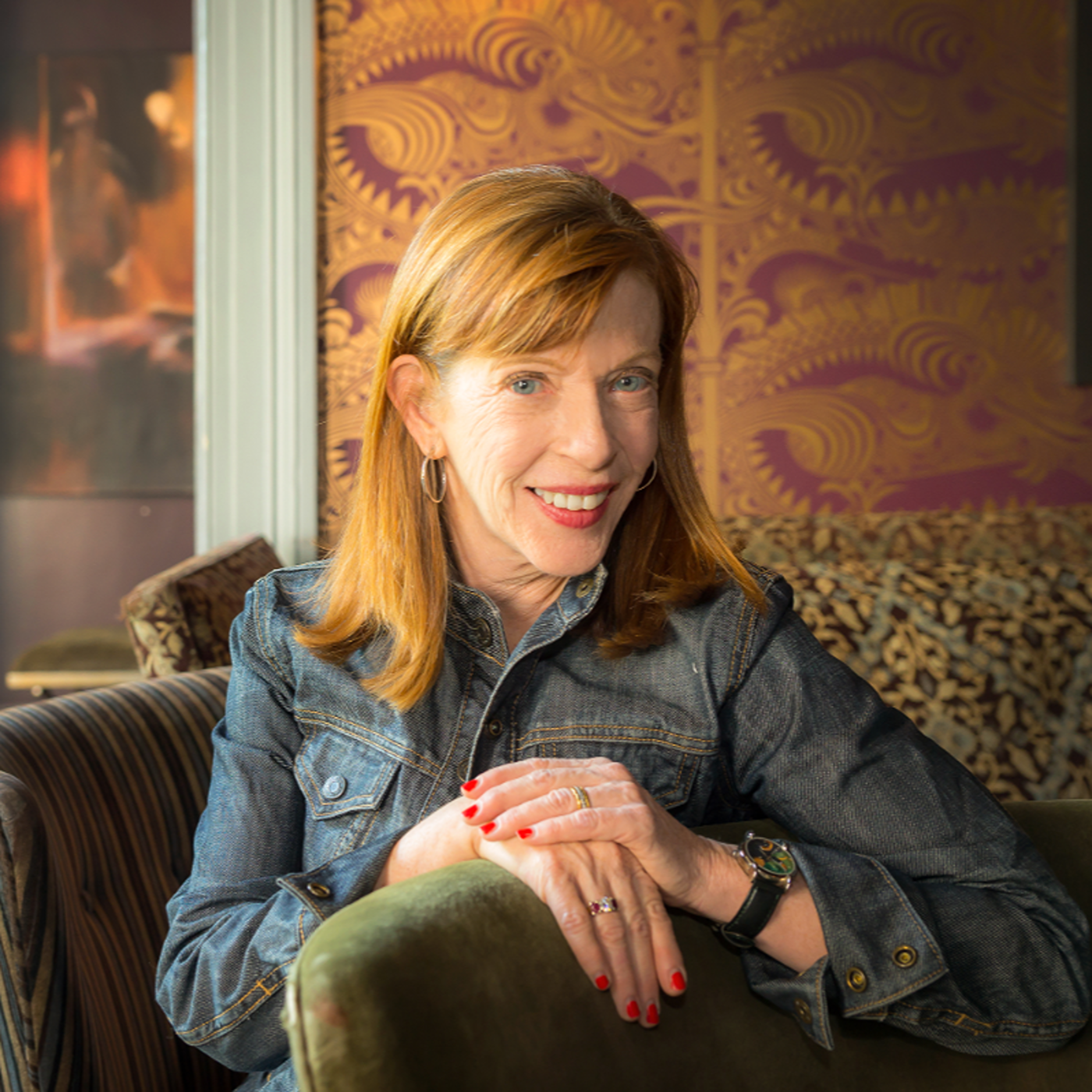
Episode 533: Susan Orlean on Her 'Best' Rejection, Coming Up with Ideas, and Letting the Reporting Meander
"You don't have to go to the far ends of the earth, but I'm willing to do that for you, and tell you what I found," says Susan Orlean, bestselling author of several books, including her latest, Joyride: A Memoir.Look who’s back! It’s Susan Orlean, author of the memoir Joyride about her roller coaster career as a writer and journalist spanning decades from her time at Willamette Weekly here in Oreg
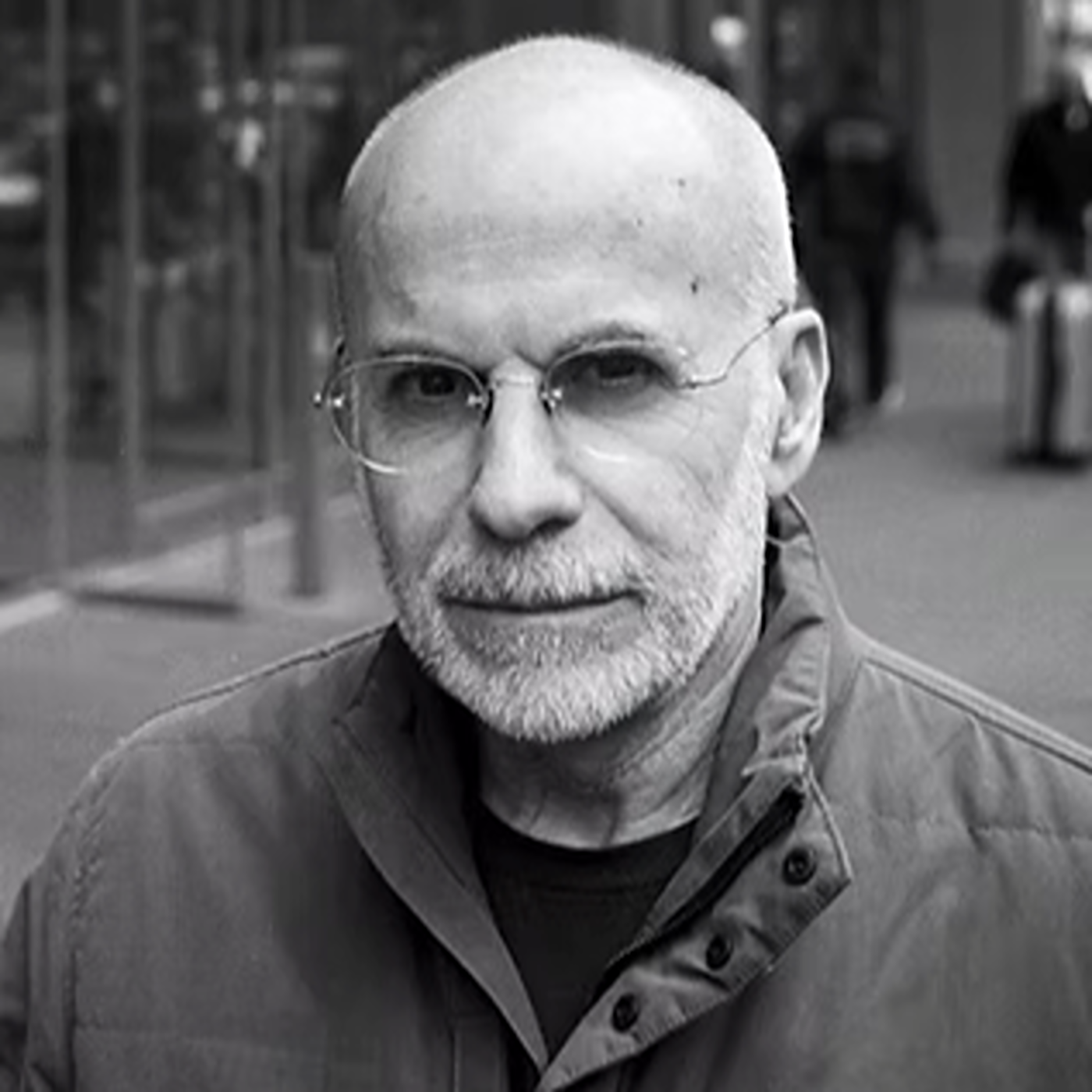
Episode 532: Barry Meier Likes to be Open to Surprises
"You never know what insight or information you're going to glean from someone, and so I want to be open to surprises. And not have any preconceived notions of what, who this person is, what they're going to tell me, imposing my own values, beliefs, whatever on them, because it's all a discovery," says Pulitzer Prize-winner Barry Meier, whose piece "You Can Run" appears in The Atavist Magazine.Bar
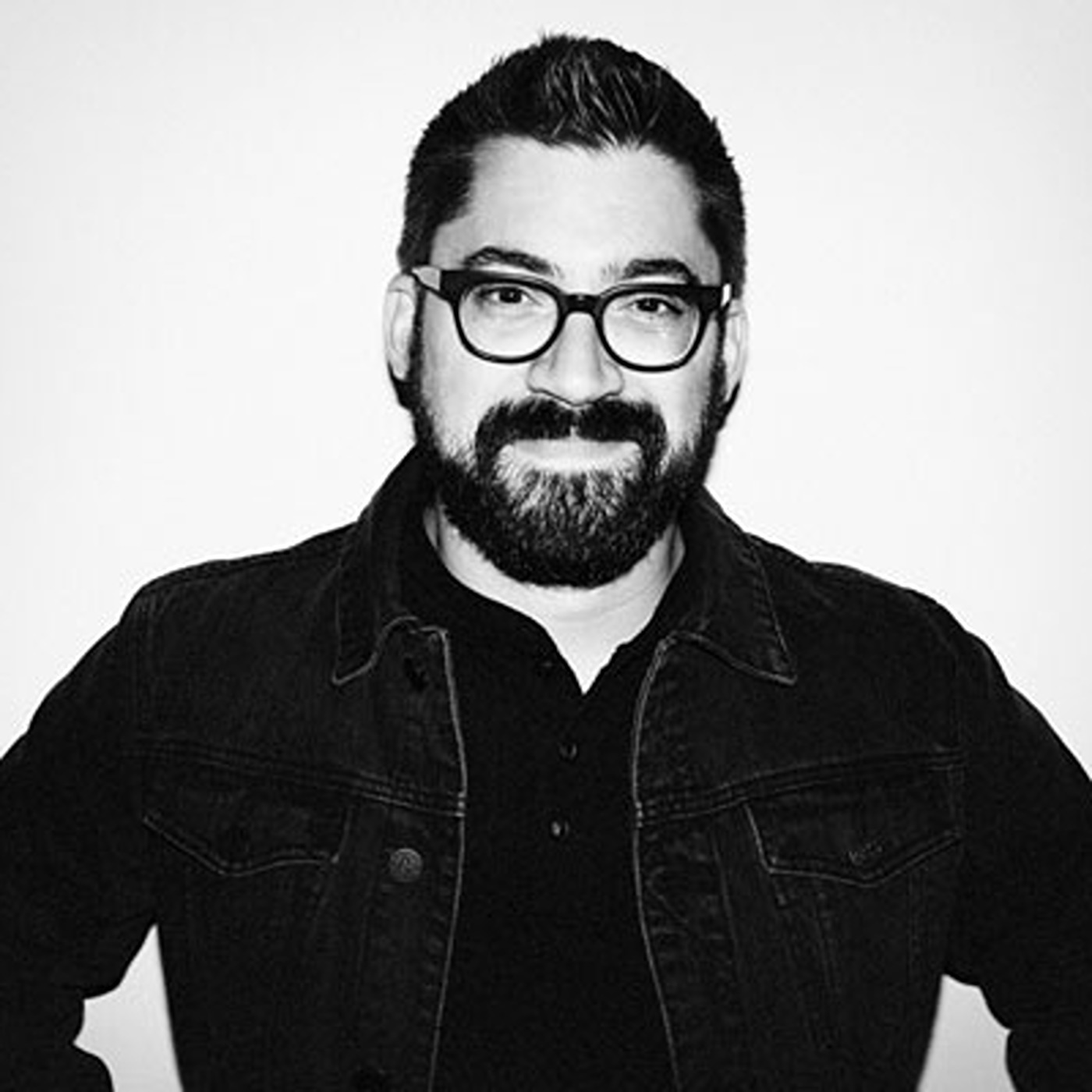
Episode 531: Austin Kleon Goes Beast Mode in 'Don't Call It Art'
"I always think, 'Jesus, this person could be reading War and Peace, and they picked up this dopey little book.' You know what I mean? So the best thing I could do is be interesting or helpful. I can't be boring, and I've got to try to be helpful," says Austin Kleon, author of Don't Call It Art: 10 Ways to Create Like a Kid Again.What a pleasure to welcome back Austin Kleon to the show to chat up
Episode 530: Finding that 'Sinewy Strength' in the Prose with Maccabee Montandon
"Maybe your first images are some bulked up organism, or whatever. Then there's that kind of like sinewy strength that you see in like middleweight fighters. Roberto Duran comes to mind as the epiphany, like a super powerful, sinewy guy, right? And so I think that's what we're talking about too, is just those different forms of power, economy is really seductive to me now," says Maccabee Montandon
Episode 529: Dan John says, 'Inspiration is for Amateurs' … and He's Correct
"They want the secret, and the secret is little and often over the long haul," says Dan John, author of several books on strength and fitness, most recently The Fitness Forge: Master Coaching Tools that Build Real Strength.Today we’ve got a bit of a curve ball, a backdoor slider, but not really. It’s Dan John, who is something of a Swiss army knife of wisdom and kindness and strength and condition
Episode 528: Stuck? Ramona Ausubel Will 'Unstuck' You!
"It all has to come from within. So we each have to be in conversation with ourselves and with the work. It's really a relationship, not a project," says Ramona Ausubel, author of Unstuck: A Writer's Guide.Today we have Ramona Ausubel, author of Unstuck: A Writer’s Guide. It’s published by Tin House.Ramona’s curriculum vitae is pretty dope. She’s the author of the novels The Last Animal, Sons and
Episode 527: Isaac Fitzgerald says the Truth is a Block of Wood
"I say this all the time, and I'll say it again: the truth is a block of wood, and I know the sculpture I carve out of that block of wood looks different than the sculpture my mother carves out of that block of wood, right? But the truth — the block of wood — is what what happens, but the art we make out of that is up to us," says Isaac Fitzgerald, author of American Rambler: Walking the Trail of
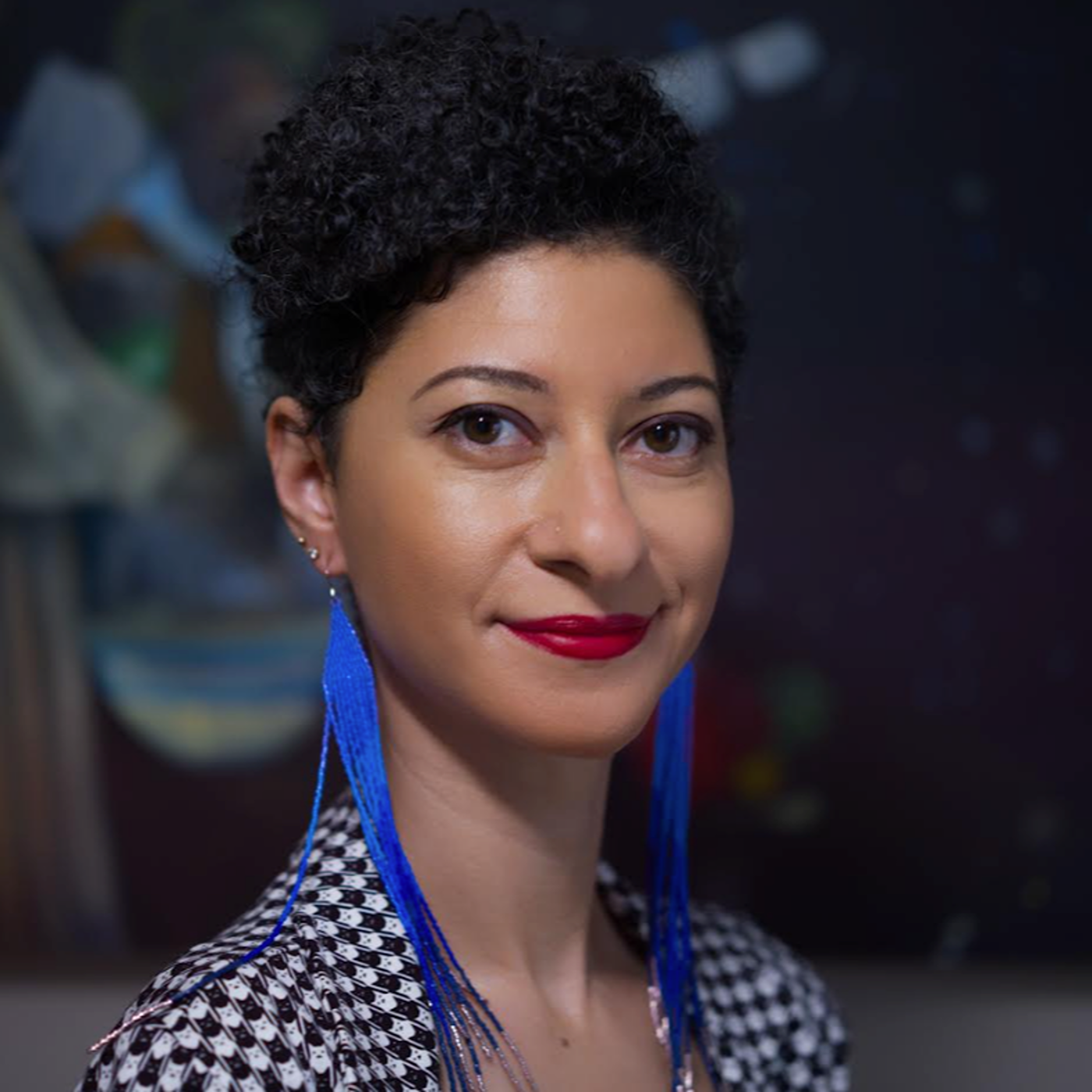
Episode 526: Chanda Prescod-Weinstein's Literary Reading of the Universe
"This is also me saying here's a literary reading of the universe through physics. There's a way you can read The Edge of Space-Time as me doing close-reading for a few 100 pages. I'm close-reading equations. I'm close-reading Dirac. I'm close-reading Hawking and Ellis, but it's all different versions of a literary practice," says Chanda Prescod-Weinstein, author of The Edge of Space-Time: P
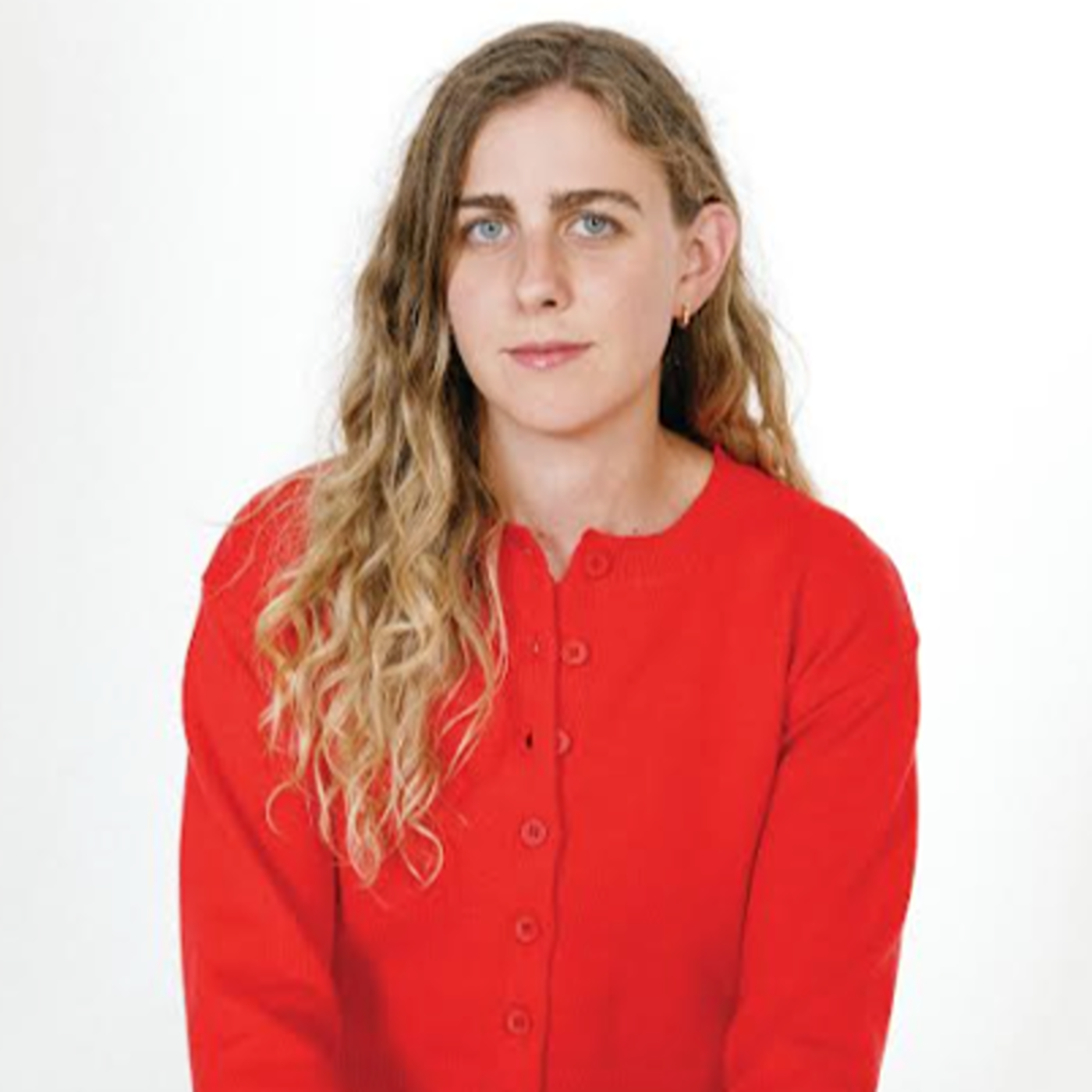
Episode 525: Mary Cain Started with Pure Anger in 'This Is Not About Running'
"I'm very comfortable not writing perfectly. I think a lot of writers have difficulty writing because they can be such good editors that there's almost this like, inherent need of sometimes rereading the same chapter over and over again and trying to make it perfect. And so I think, for me, I'm very comfortable with the idea of, like, let me just get stuff on paper," says Mary Cain, author o
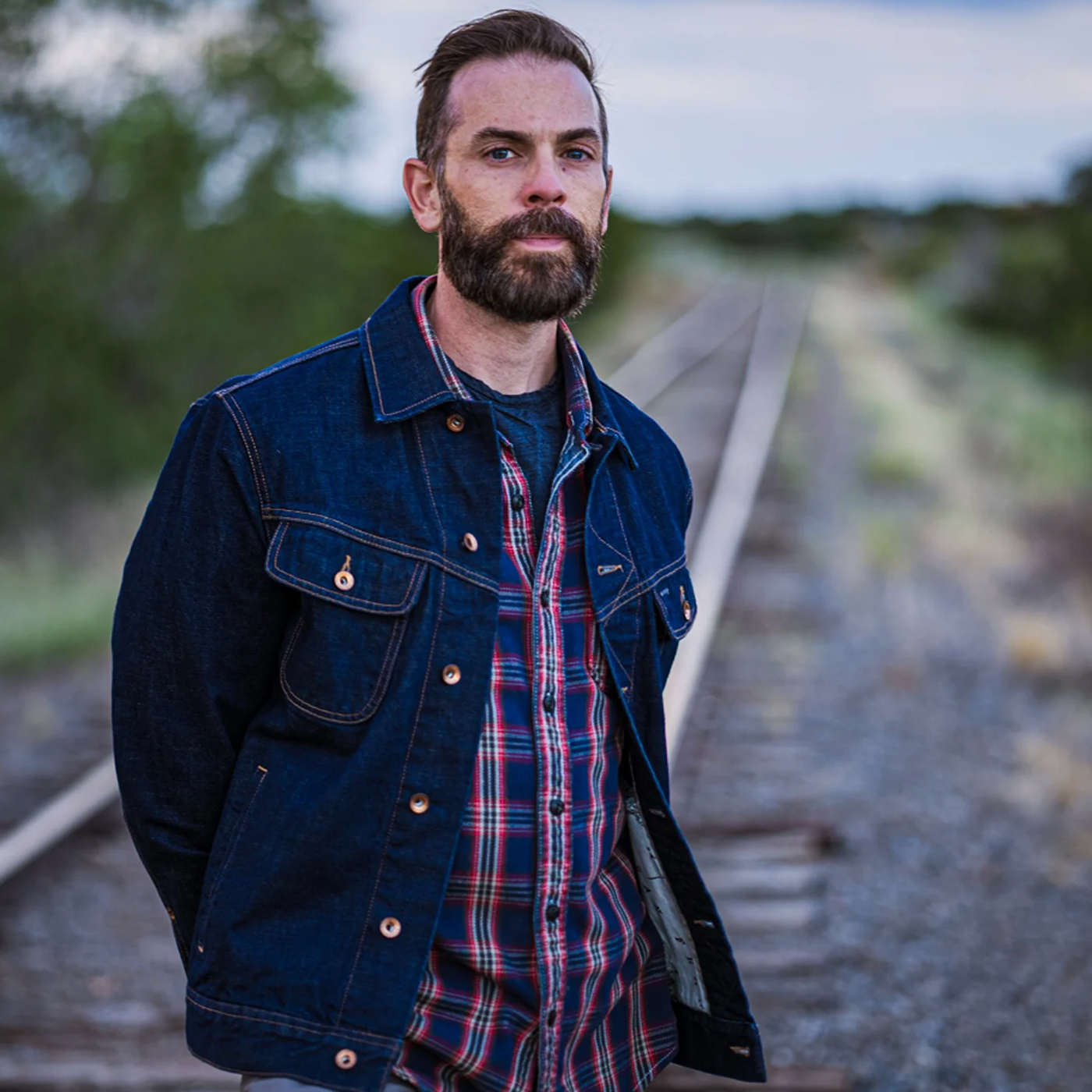
Episode 524: Nick Davidson Was Writing an Atavist Story All Along
"In the case of being a storyteller, I keep a document that I call my nonfiction compost pile. I keep little snippets of things that I've heard but it didn't really dive deeper into it. When you have other things to fall back on, it's easier to to pivot and say, 'Okay, this one didn't work out.' If you really believe in a story, you're going to find somebody else who believes in it too," says Nick
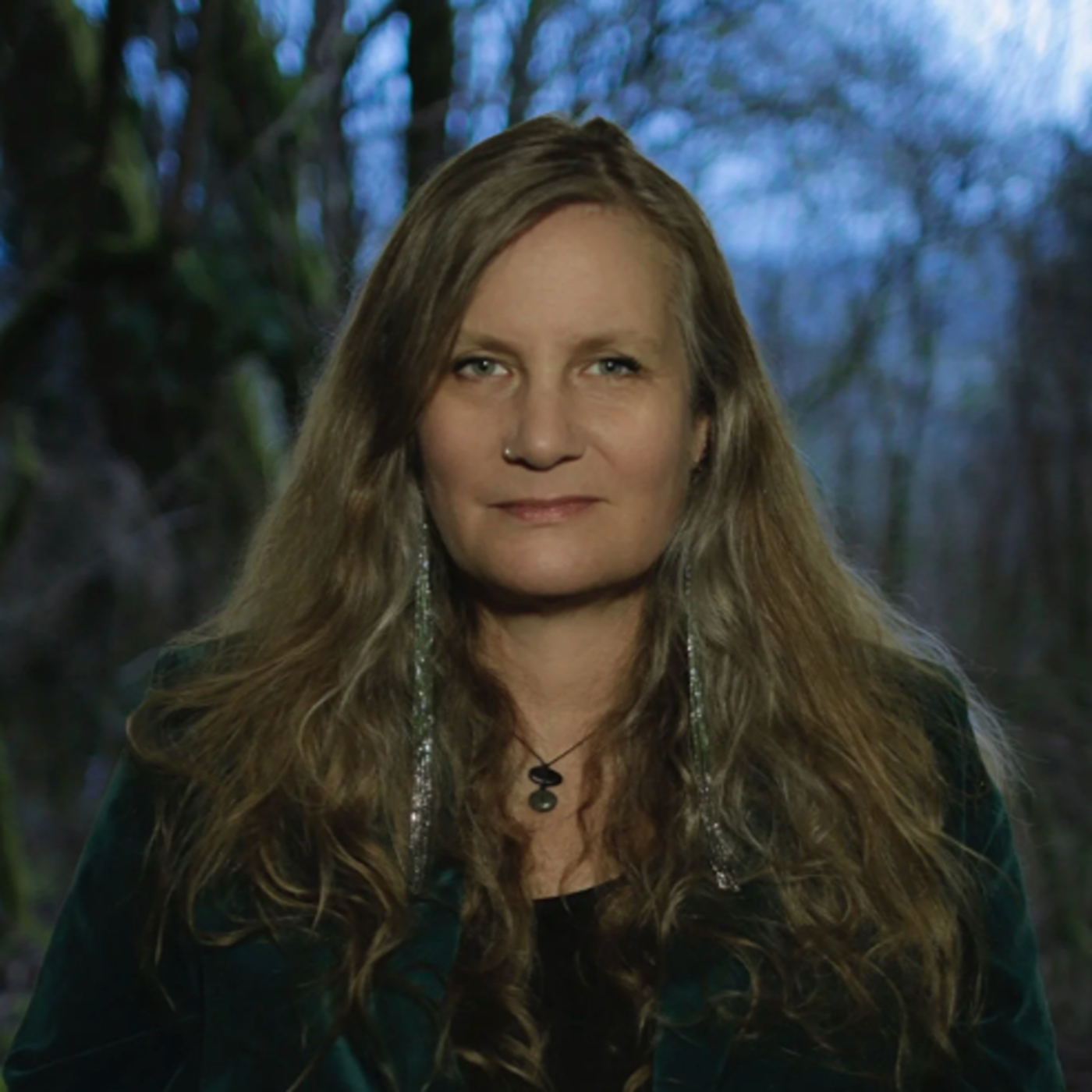
Episode 523: Lidia Yuknavitch Troubles the Edges
"The Chronology of Water story was an 11-page story written in tiny fragments. And the MFA program I was in, they told me, that's not a story. It's a poem or something. It's a list of fragments. I'm like, 'Fuck you!' My whole enterprise has been to trouble the edges," says Lidia Yuknavitch, bestselling author of several books, most recently a memoir titled Reading the Waves.Lidia Yuknavitch makes
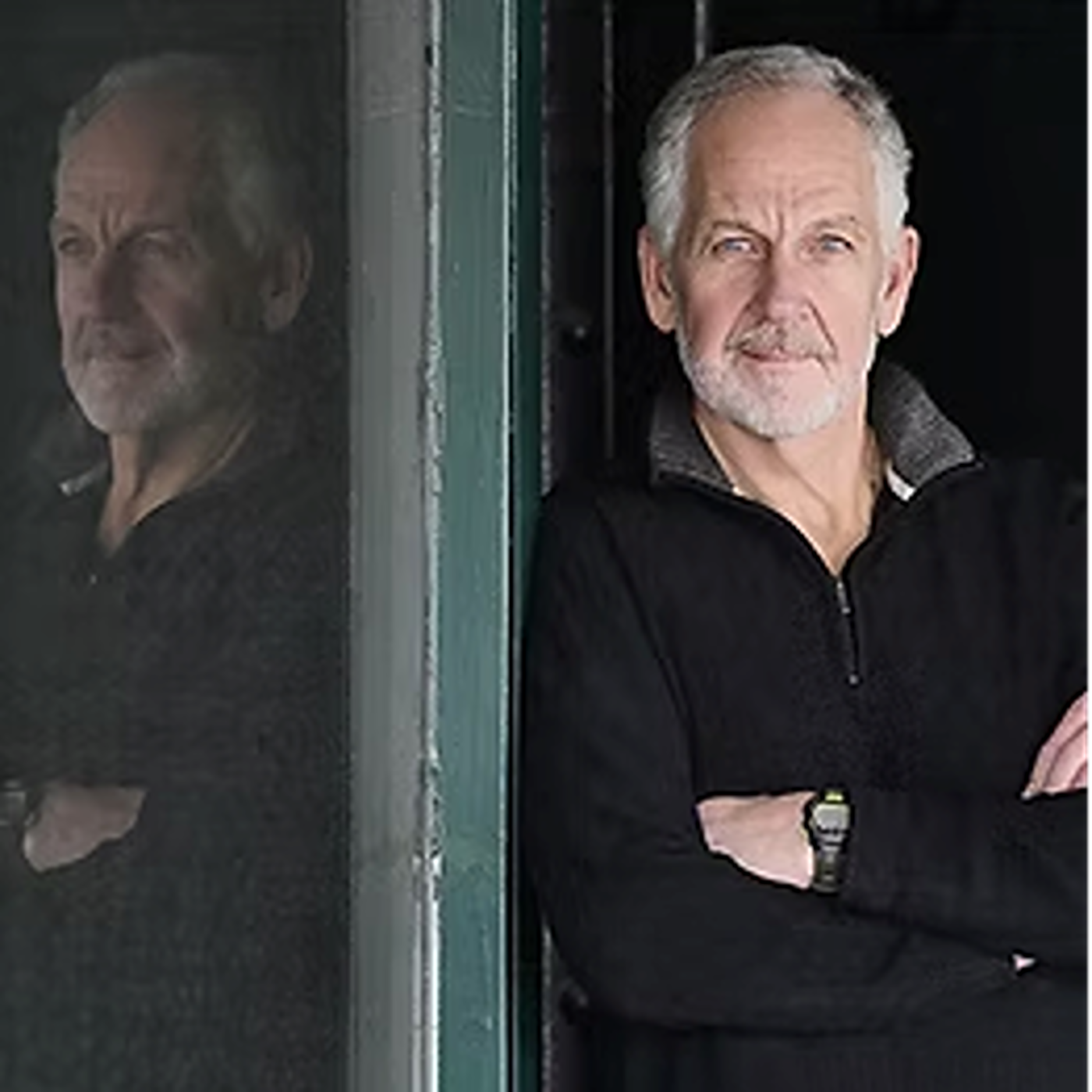
Episode 522: Anthony DePalma Won't Wear Headphones on a Walk
“Not to confuse journalism with newspapers. Newspapers are one set of communication methods. But it's certainly not the only one. If they have the right mindset, and that's what I try to get them to do, there are so many more opportunities. You can go out and do a podcast, or you can do a newsletter. You can't think of it as I need to work at The New York Times. You have to think of it as I need —

Episode 521: Giri Nathan Takes the Insider-Outsider Perspective
"When I was writing the book, I used a lot of my interest in art criticism and nature writing to get cross pollinate into my sports writing. And I really try not to fall into a rut and just read only adjacent to my own subject or my own field," says Giri Nathan, author of Changeover: A Young Rivalry and a New Era of Men’s Tennis.Today we have Giri Nathan (@giricube on IG), he is a staff writer/cof
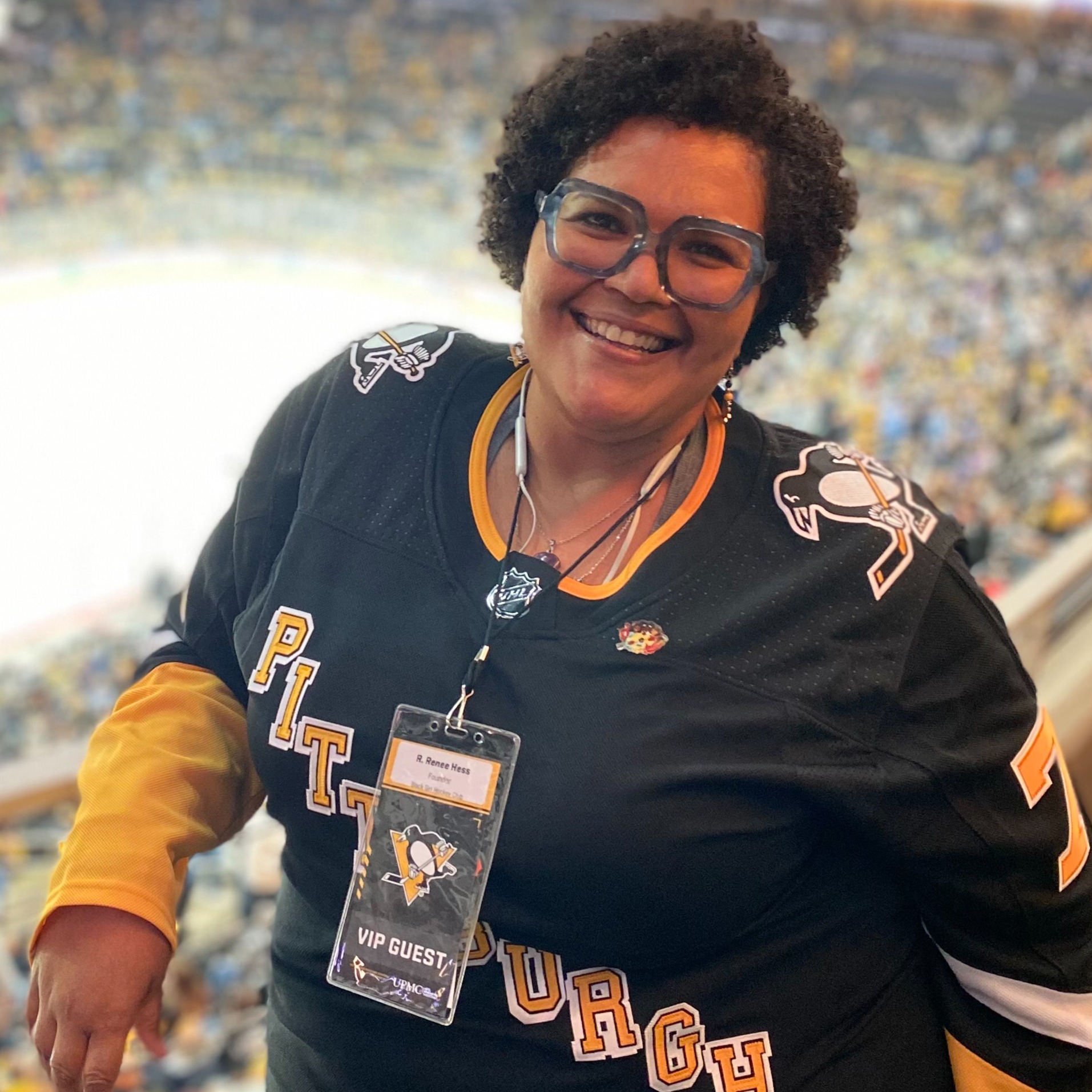
Episode 520: R. Renee Hess on the Work that Inspires her and the Founding of Black Girl Hockey Club
"I think, like all writers, I will feel an itch that I have to scratch. There will be an idea in my head that I've got to get down on paper, whether I follow through with it or not," says R. Renee Hess, author of Blackness is a Gift I Can Give Her: On Race, Community, and Black Women in Hockey.Who do we have this week? It’s R. Renee Hess, but you can all her Renee, of Black Girl Hockey Club. She w
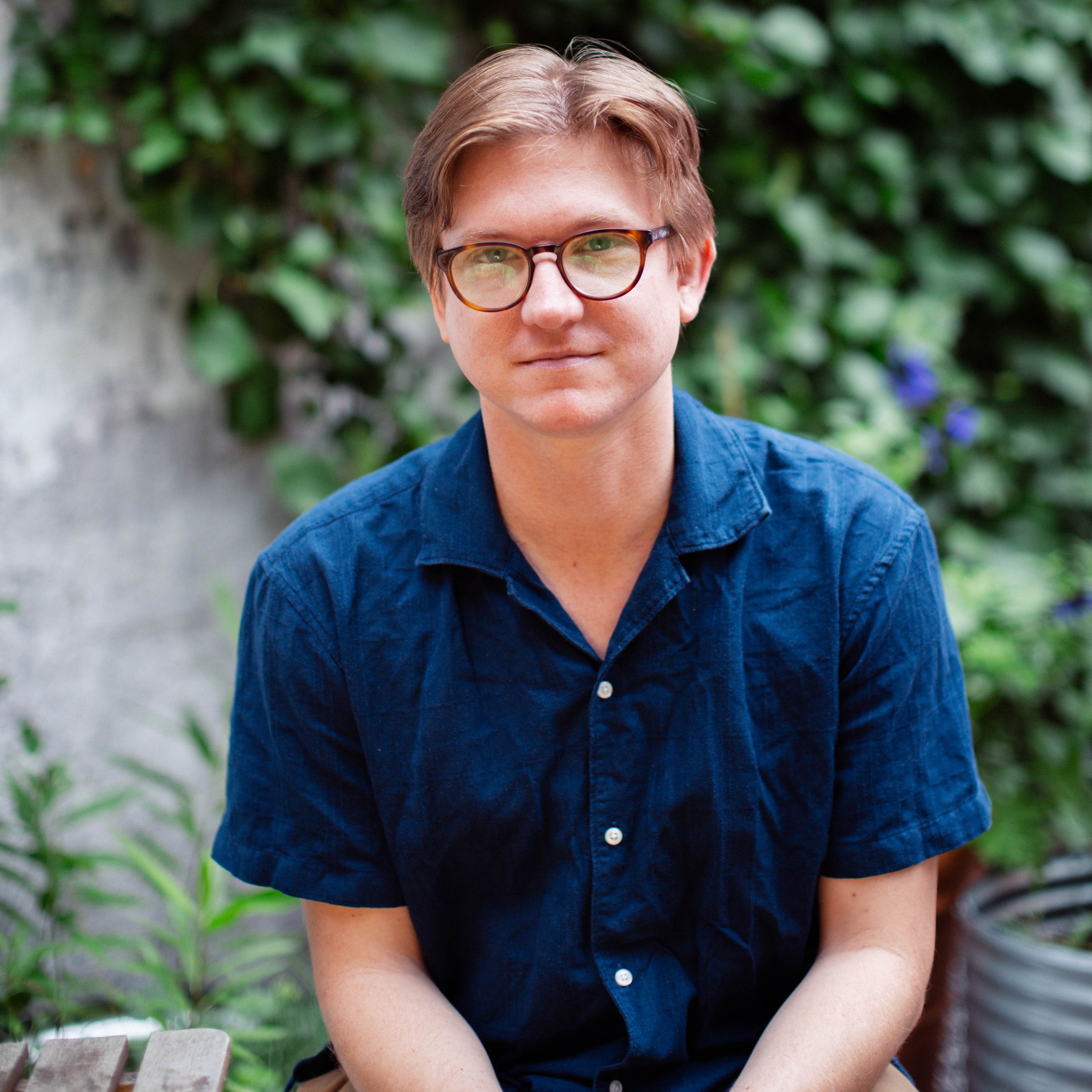
Episode 519: Stephen Wood's 'Ocean's 11' Anti-Government Caper
"I'm always calibrating when I'm interviewing somebody, like, how much of a prompt are they going to need, and what is what is going to get something out of them?" — Stephen Wood, whose Buffalo Raiders piece appears in The Atavist Magazine.What is the meaning of this Wednesday podcast! Middle of the week! It’s hump day, this holy day! It’s April 1st, is this some kind of joke! NO! Point being, it’
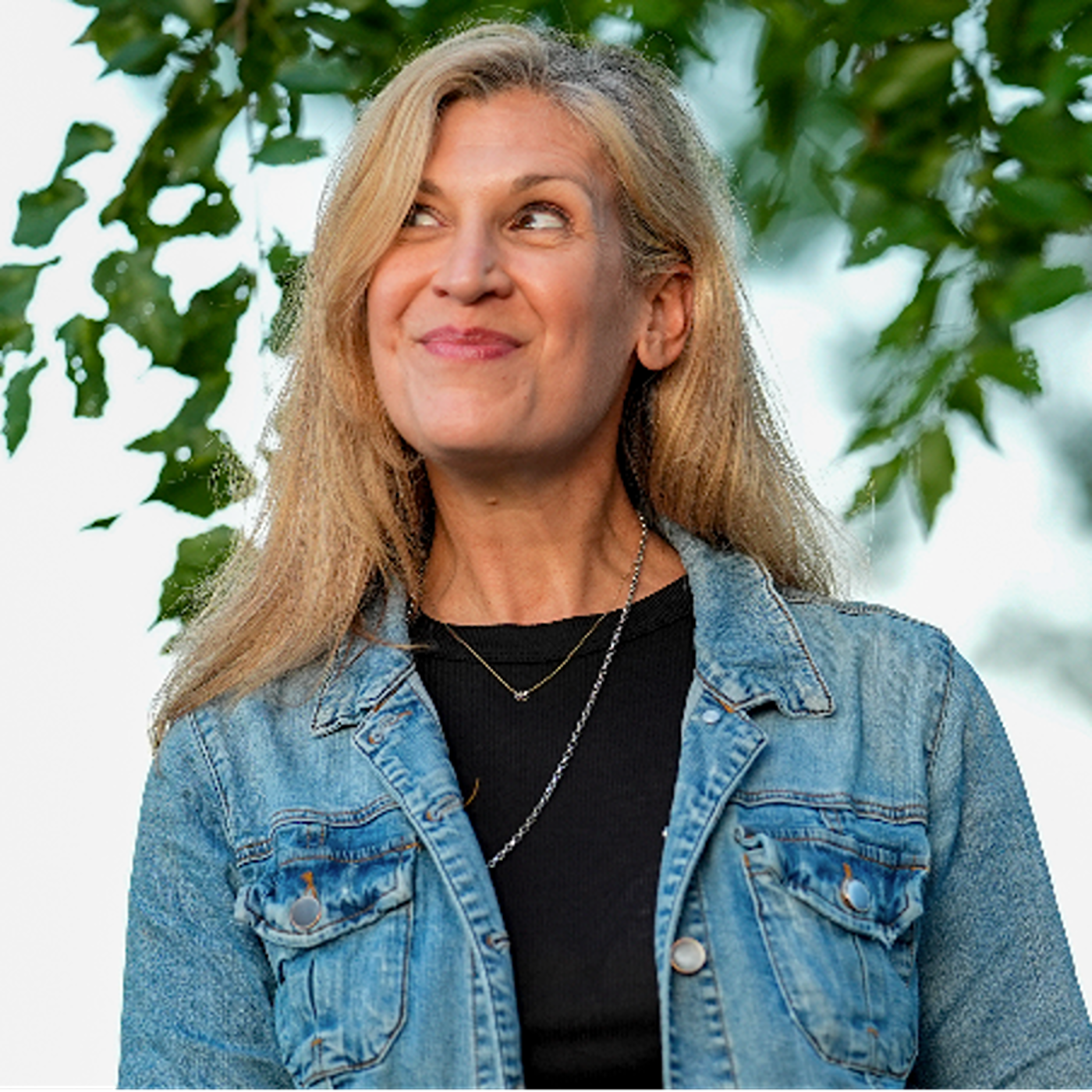
Episode 518: All Hail Gen-X with Geezer Magazine!
"You can't go and find all of our stories. You can't just click a button and and be served up. You really have to appreciate them in person by holding the magazine in your hands, and that, to me, makes it more special," says Laura LeBleu, co-founder of Geezer Magazine.It’s Laura LeBleu and Paul von Zielbauer, the founders of Geezer Magazine, a new, print-only magazine exploring the Gen-X aging exp
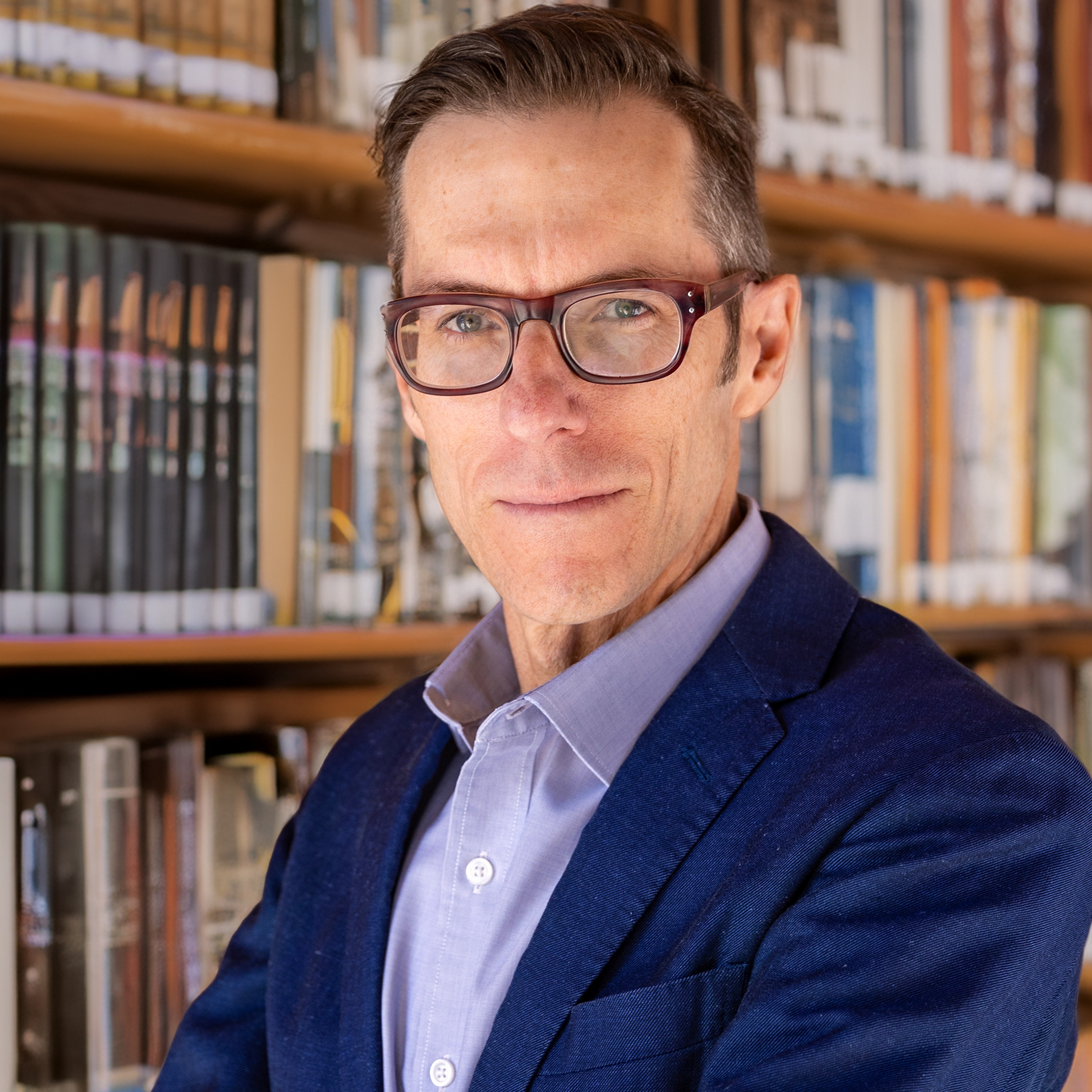
Episode 517: The Miracle of Writing a Book with Keith O'Brien
"Those people who shaped the people are often more important than the subject, because they have insight into this young person that they were working with. It's crucial," says Keith O'Brien, bestselling author of Heartland: A Forgotten Place, an Impossible Dream, and the Miracle of Larry Bird.Today we have Keith O’Brien, author of five books, including his latest book Heartland: A forgotten Place
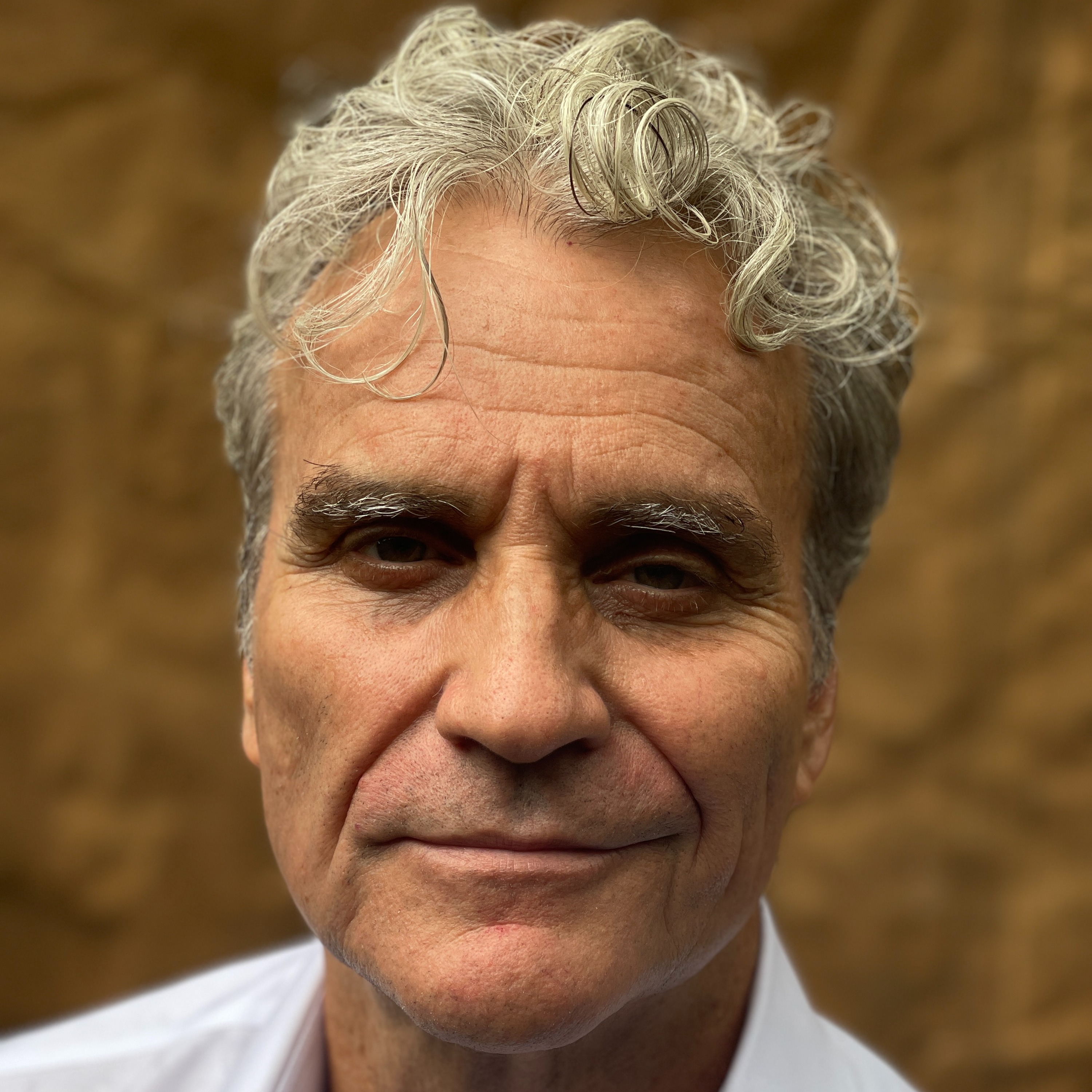
Episode 516: Tom Junod Wrote One of the Best Memoirs You'll Ever Read
"A book is not a long magazine article, and it took me a long, long time to understand that, to even understand what it means. It's something that you can say, but you have to live it to understand it," says Tom Junod, author of the memoir In the Days of My Youth I Was Told What It Means to be a Man.Wow, look who visited the digital CNF Pod HQ: It’s Tom Junod.Listen, I don’t have all day to sing t
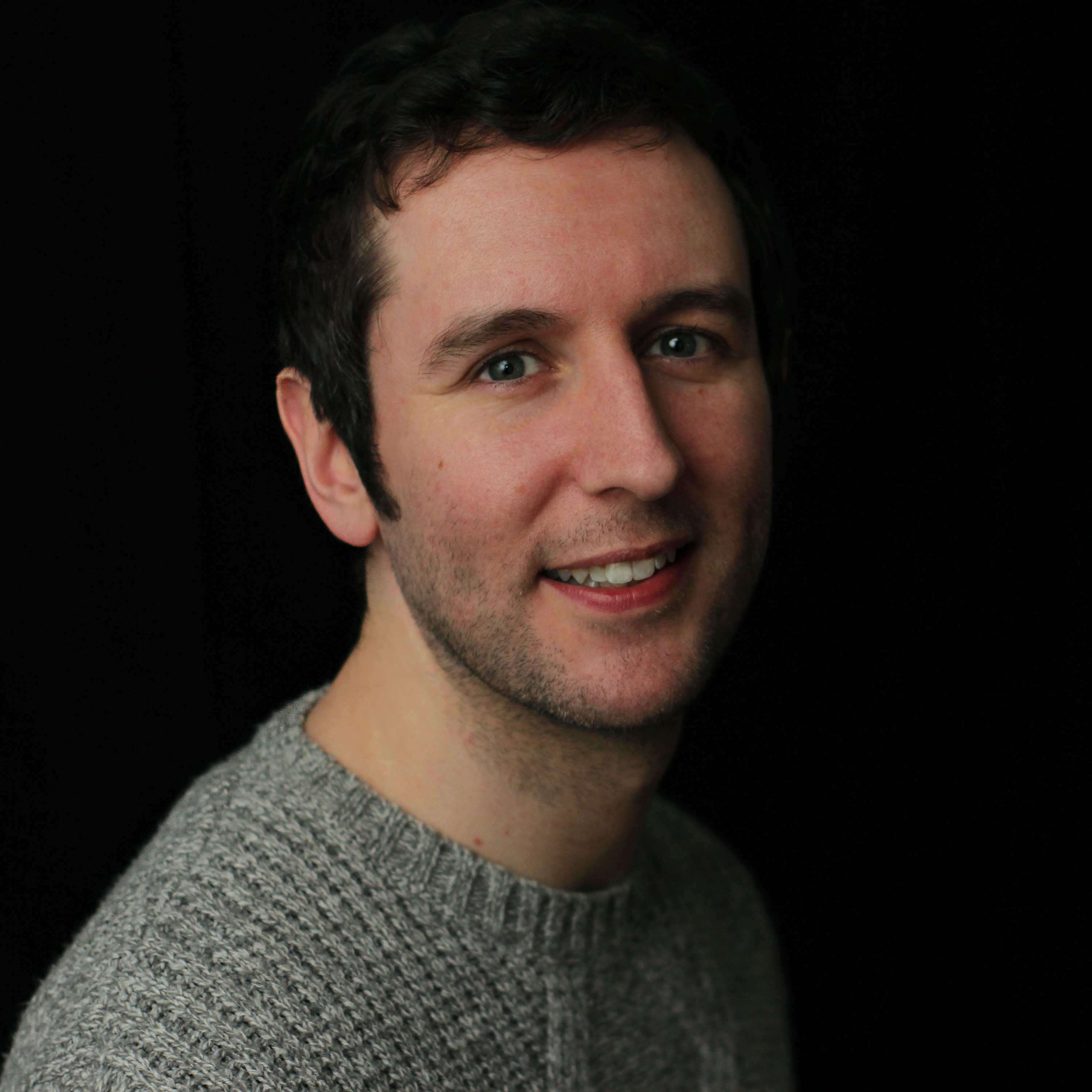
Episode 515: Pitching Stories and Not Topics with Atavist Writer Peter Ward
"The worst thing you can do is pitch a topic, not a story. You start with a topic. I like to talk to a few people before I write a pitch, which can be difficult because people you're asking to talk to don't know where it's going. I just look for topics that interest me first, and I dig down to an expert, and then from the expert, I try and find individual stories within that," says Peter Ward, who

Episode 514: Tony Rehagen is Never and Always on the Clock
"Come to editors with solutions, not with problems. A lot of young freelance writers will be like, 'Hey, hook me up with this editor. Do this and do that.' And I'm like, 'I can connect you, but you better have pitches. If you don't come with the idea you're just a problem,'" says Tony Rehagen, a long-time freelance writer.Seth Wickersham put me in touch with a colleague of his, someone he went to
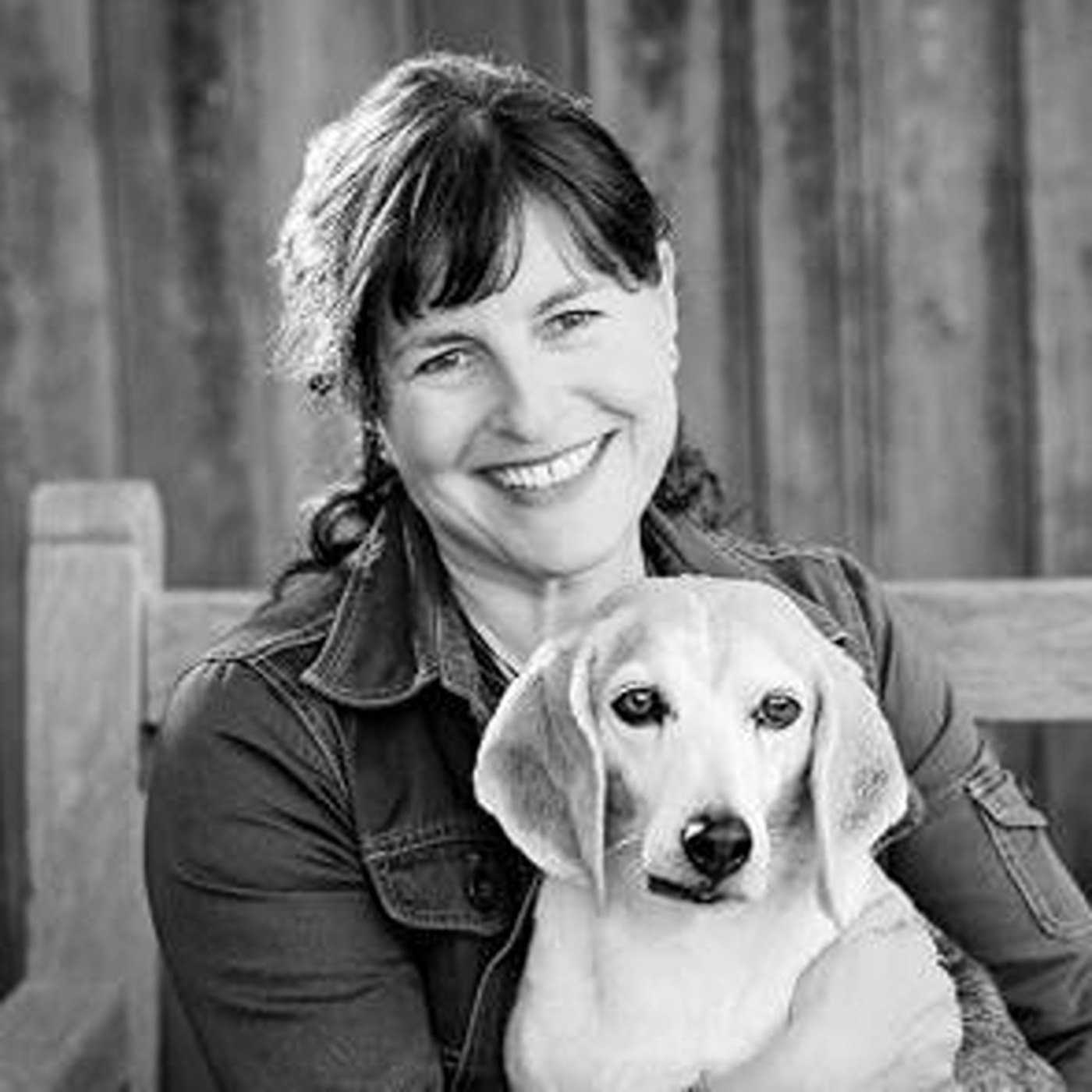
Episode 513: Cutting the Toothbrush in Half with Melanie D.G. Kaplan
"I wanted to keep reporting, and I'm like, it's not ready yet. And [a friend] reminded me over and over that this is a sales pitch. It's a proposal. The agents and publishers just want to know you can put a story together and tell a story that's longer than 2,000 words, and that there's some narrative arc to it," says Melanie D.G. Kaplan, author of Lab Dog: A Beagle and His Human Investigate the S
Episode 512: Mary Margaret Alvarado Likes Her Drafts Ice Cold
"A certain sort of dogged obsessiveness seems to help. I remember hearing Tobias Wolfe speak once that talent is wonderful and widely distributed on Earth, but sitting down and putting in the hours is where it's at," says Mary Margaret Alvarado, who wrote "That's Somebody's Son" for The Atavist.It’s a little later than planned, but here we feature Mary Margaret Alvarado’s piece for The Atavi

Episode 511: Writing to Leave the Past in the Past with Jane Marie Chen
"To be a good writer, you have to really get into the visceral parts of the experience, right? You have to bring someone into that experience with you, which requires you to go back and understand every detail, every memory, all the visceral aspects of the experience, the sounds, the smells, everything that was happening," says Jane Marie Chen, author of Like a Wave We Break.Today we have Jane Mar
Episode 510: Daniel Pollack-Pelzner's Doesn't Waste His Shot in Lin-Manuel Miranda Biography
"My teenage daughter looked at me. She said, 'Oh, Dad, you should put that in a folder called nobody cares.' Okay, not everything I learn will be in this book. And then the question became, 'What is Lin-Manuel learning from this story?' And if he's not learning anything from it, even if it's fun, it's got to go in the deleted scenes," says Daniel Pollack-Pelzner, author of Lin-Manuel Miranda: The
Episode 509: Howard Bryant Masterfully Braids History in 'Kings and Pawns'
"Characters make books. Why are these guys in opposition? And were they actually really? How can you be in opposition with someone you never met? How can you be in opposition with somebody who's essentially sharing the same plight you're sharing in the country? And that brings in the other character. It's Branch Rickey. Branch Rickey is the puppet master of this entire book. Branch Rickey is the p
Episode 508: Motivated by Slights and Play Fighting in Our Underwear with Alison Lyn Miller
"I spent several months trying to narrow down the cast. I had access to so many people with interesting stories. But what [my agent] said to me over and over again was, 'narrative arc, narrative arc,' all the time. What he needed to know in order to sell the book was like, 'Where does this book start? And if you can't tell me where it ends, at least tell me what are the ups and downs? What's
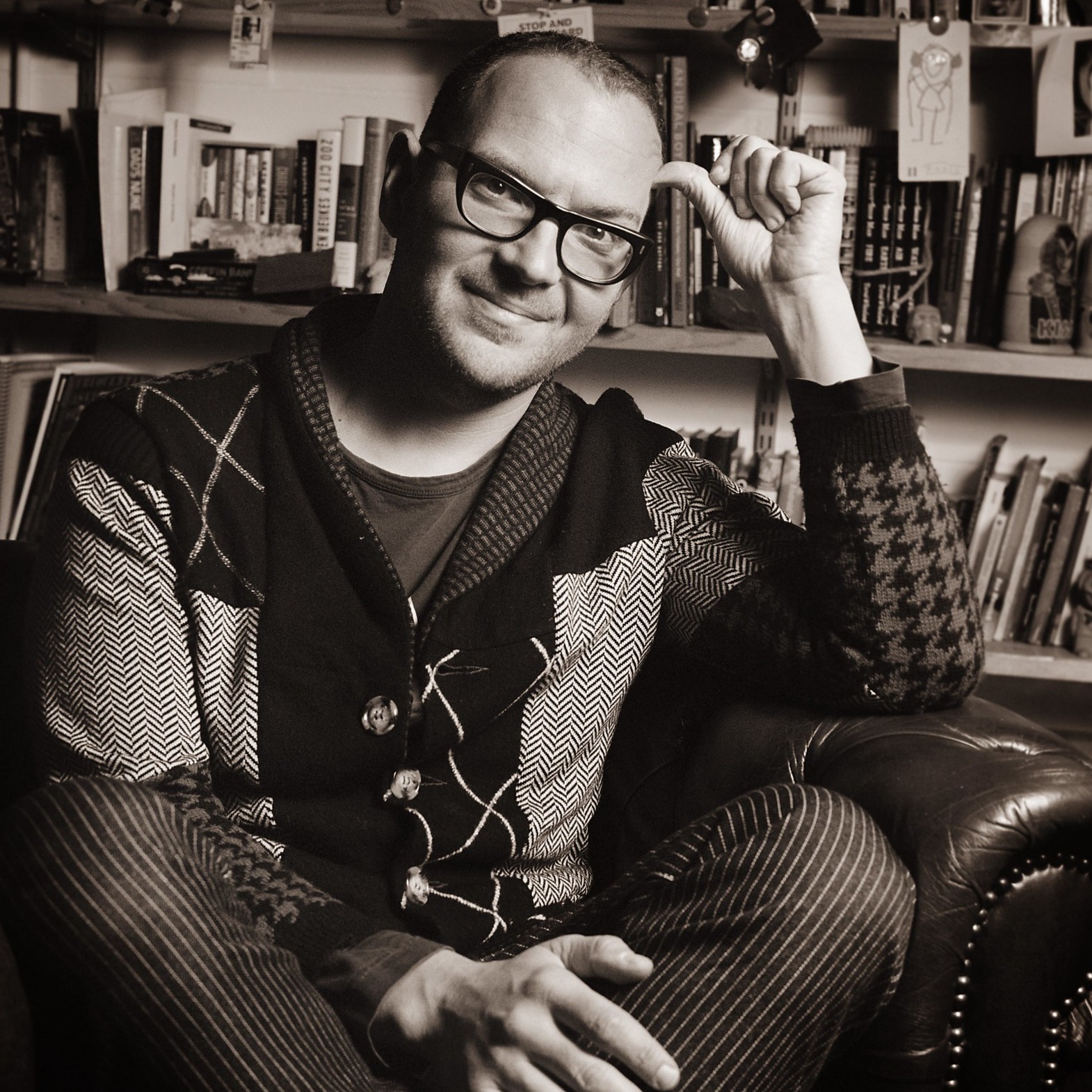
Episode 507: 'Enshittification' Author Cory Doctorow Believes in a New, Good Internet
"Practically speaking, mostly what I'm doing is I'm writing in a hotel room and then writing in the taxi, and then if the TSA queue is long, I might whip my laptop out and balance it on the stanchion and do some more writing, and then get on the other side and write in the lounge and then write on the plane, and whether that means that the laptop's nearly vertical because I'm on a discount a
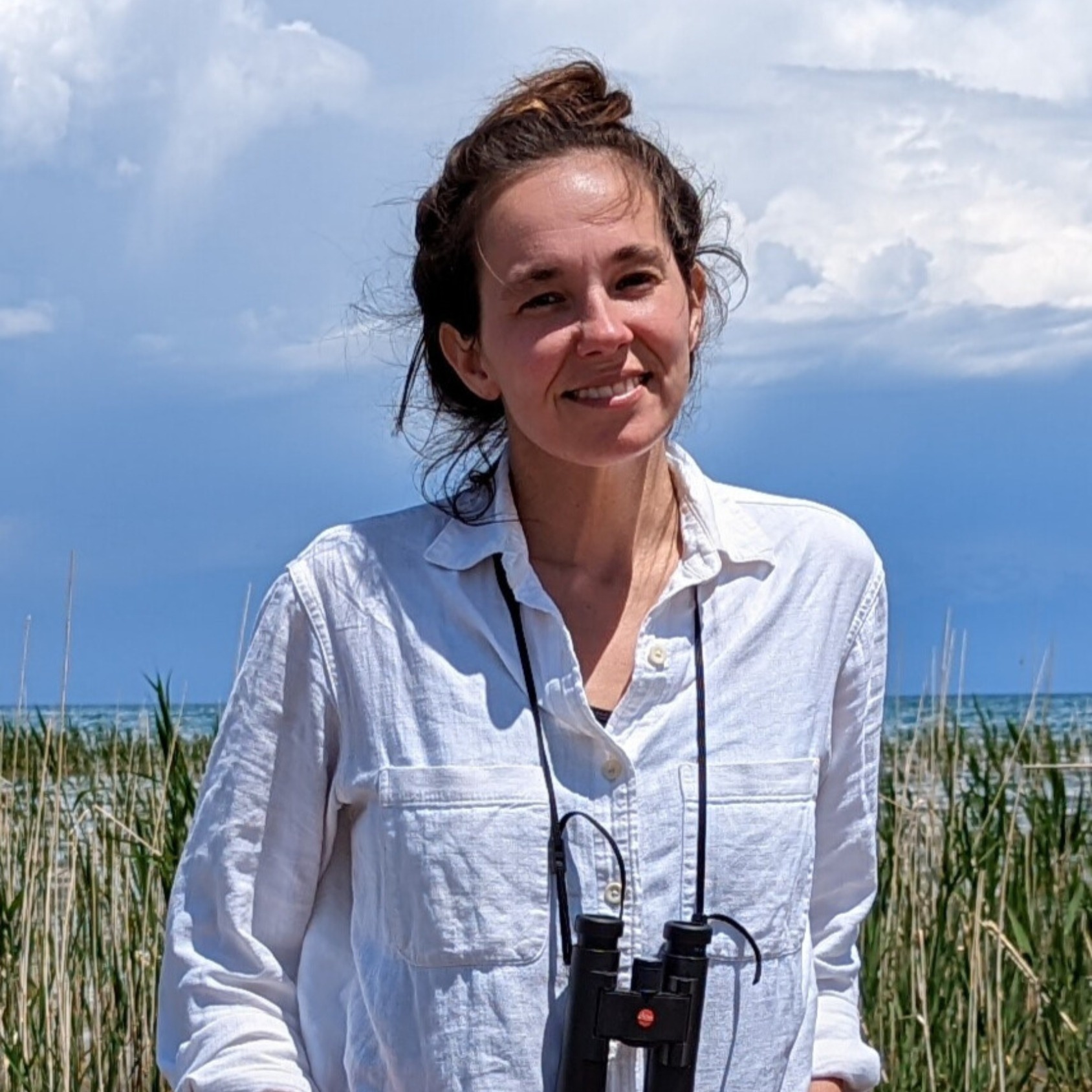
Episode 506: Alexandra Marvar and the Trough of Despair, the Wall of Regret
"I feel like many of us can relate to that, like, that's the trough of despair, right? Like, that moment where you're energetic optimism, diving in, and then, like, that's the wall of regret, where you're like, 'What was I thinking? This is not a story,'" says Alexandra Marvar, whose piece on Lummie Jenkins was revived by The Atavist.Today we Alex Marvar, this month’s featured Atavist writer, but
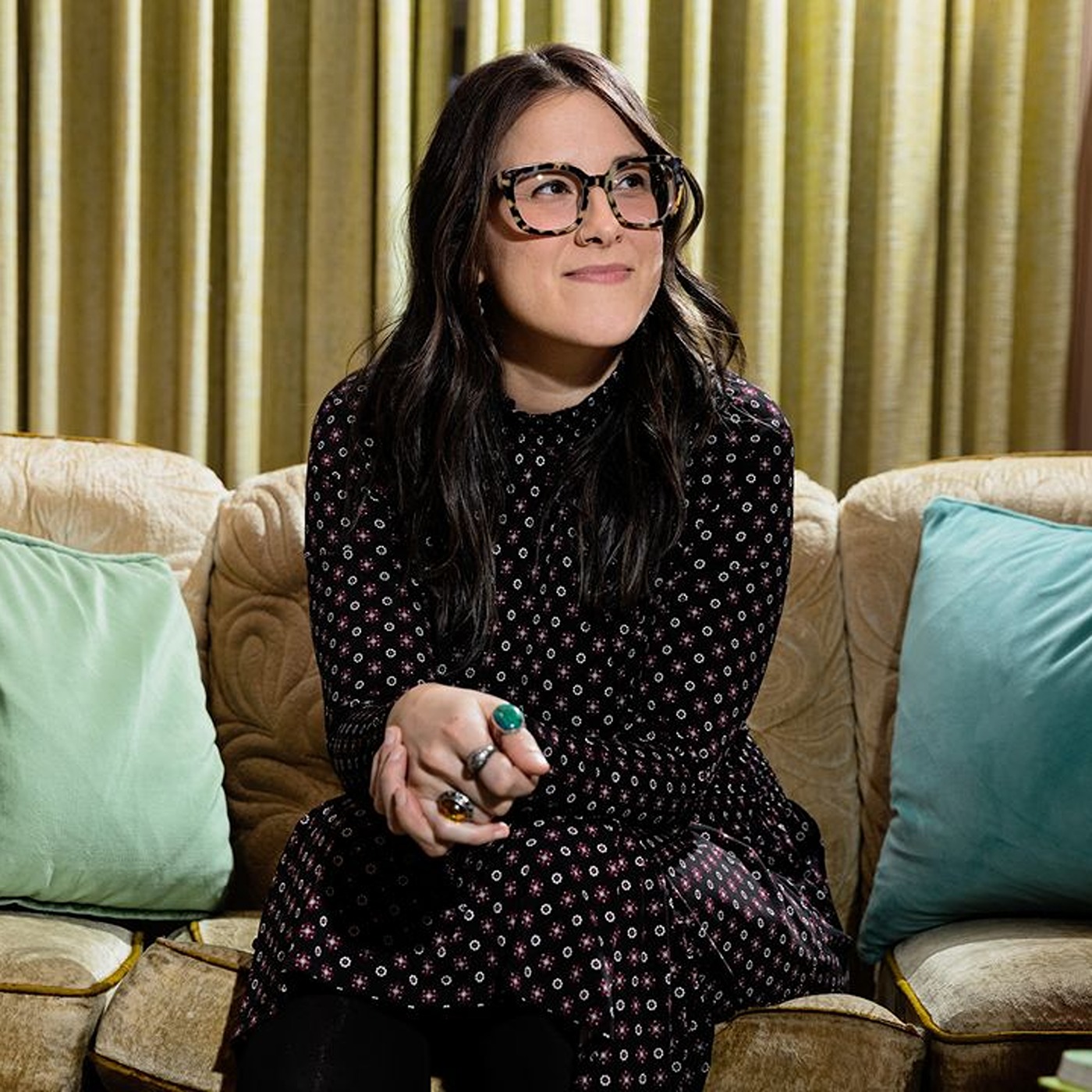
Episode 505: Leah Sottile and Ryan Haas Talk 'Hush', Investigative Reporting, and Breaking New Trail in Their Careers
"We always were having conversations about, if we can't solve it, what then? What is this about? Why isn't it solved? And what is our job? Is the job of a journalist to solve crimes? No, it's to document. So what are we documenting? We're documenting what had to happen for there to be no answer in a situation where there should be an answer," says Leah Sottile, reporter, writer, Hush."Sometimes ma
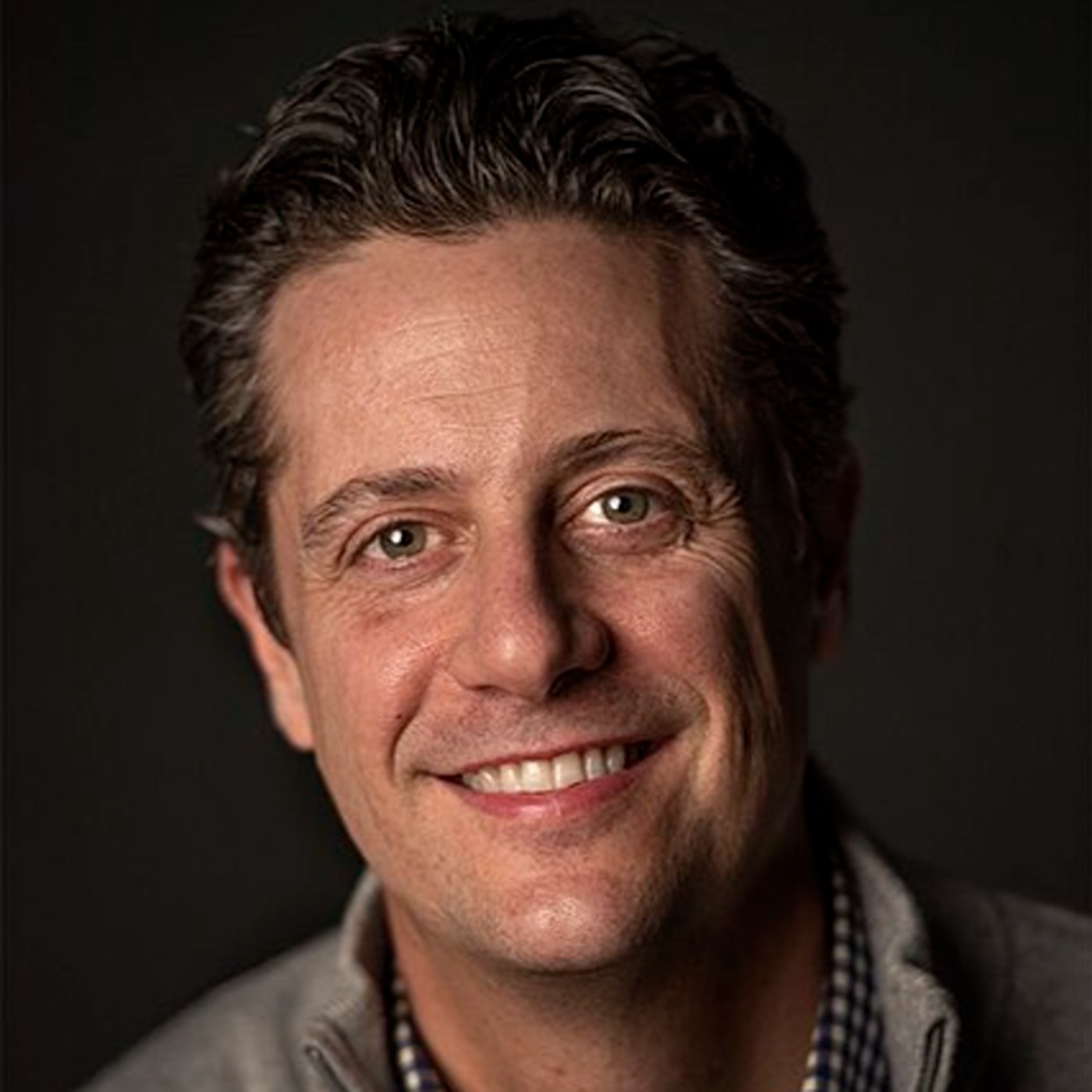
Episode 504: Seth Wickersham and the Macbethian Tragedy of the American Quarterback
"You're constantly asking lean, open, neutral questions that start broad and then narrow, and you're asking more lean, open, neutral questions based on their answers. When you do that, it tells the subjects that you're actually listening to them very intensely, and you're asking questions based on the things that they say. And that accelerates trust and intimacy, I think, in a better way than kind

Episode 503: An Atmospheric River of Rejection with Jason Brown
"I will always go back to the well, and I will write until I die," says Jason Brown, author of Character Witness.Jason Brown is here. He is a brilliant short story writer and the author of the memoir Character Witness (University of Nebraska Press). It’s an incredible book and we recorded this conversation at the end of October as the fourth and final LIVE podcast of the year at Gratitude Brewing
Episode 502: Christa Hillstrom Takes Pride in Her Rejections
"Take pride in your rejections. It's a tough industry for putting yourself out there. You're like, doing a ton of work up front, not knowing if anyone will be interested in it. It's very easy to feel deflated about it. Your rejections are reaching for things that maybe aren't easy reaches," says Christa Hillstrom, writer of 14,445 and Counting for The Atavist.It’s that Atavistian time of the month

Episode 501: Julian Brave NoiseCat Aimed for a Woven Text
"It's not actually about the questions you ask. It's about shutting up," says Julian Brave NoiseCat, author of We Survived the Night.It’s episode 501 with Julian Brave NoiseCat, author of the memoir We Survived the Night. It’s published by Knopf. It’s a pretty spectacular debut and we have a lively chat about it and the writing and structuring of it. Julian is a writer, filmmaker, powwow dancer, a
Episode 500: Structure, Spec, and Panic with John McPhee
"Anything beats writing. Writing is tough," says John McPhee, staff writer for The New Yorker and author of more than thirty books of nonfiction.Hey CNFers, this is Episode 500 of The Creative Nonfiction Podcast, the show where I speak to tellers of true tales about the true tales they tell. There are kilometer stones like 100, 200, 300, and 400, but this one, this is a milestone and it features t
Episode 499: The Post-Book Malaise is Real with Maggie Mertens
"You start to wonder was it all worth it? Or what's the point in trying to do it again? You know, if there's going to be more disappointment in the future. I think it is something that you know probably just changes as you go on, regardless, right? I want to get that second book under my belt so it's not all just on this one, this one baby, you know?" says Maggie Mertens.Maggie is the author of Be

Episode 498: Sasha Bonét on Not Holding Back
"I have this desire to write as a novelist might write but write nonfiction," says Sasha Bonét, the author of The Waterbearers: A Memoir of Mothers and Daughters (Knopf).Today we have the brilliant writer, the brilliant mind, Sasha Bonét, author of The Waterbearers: A Memoir of Mothers and Daughters. This book is a masterpiece that chronicles the matriarchal lineage of Sasha’s family, and the pain
Episode 497: The Seduction of Art Thievery with Jack Rodolico
"I kinda hate it when people say writing is fun," says Jack Rodolico, author The Atavist original "The Blue Book Burglar."Today we feature Jack Rodolico, who is a bit of an audio maven, but he comes to us hot off the Atavist presses to talk about "The Blue Book Burglar: The Social Register was a who’s who of America’s rich and powerful— the heirs of robber barons, scions of political dynasties, an
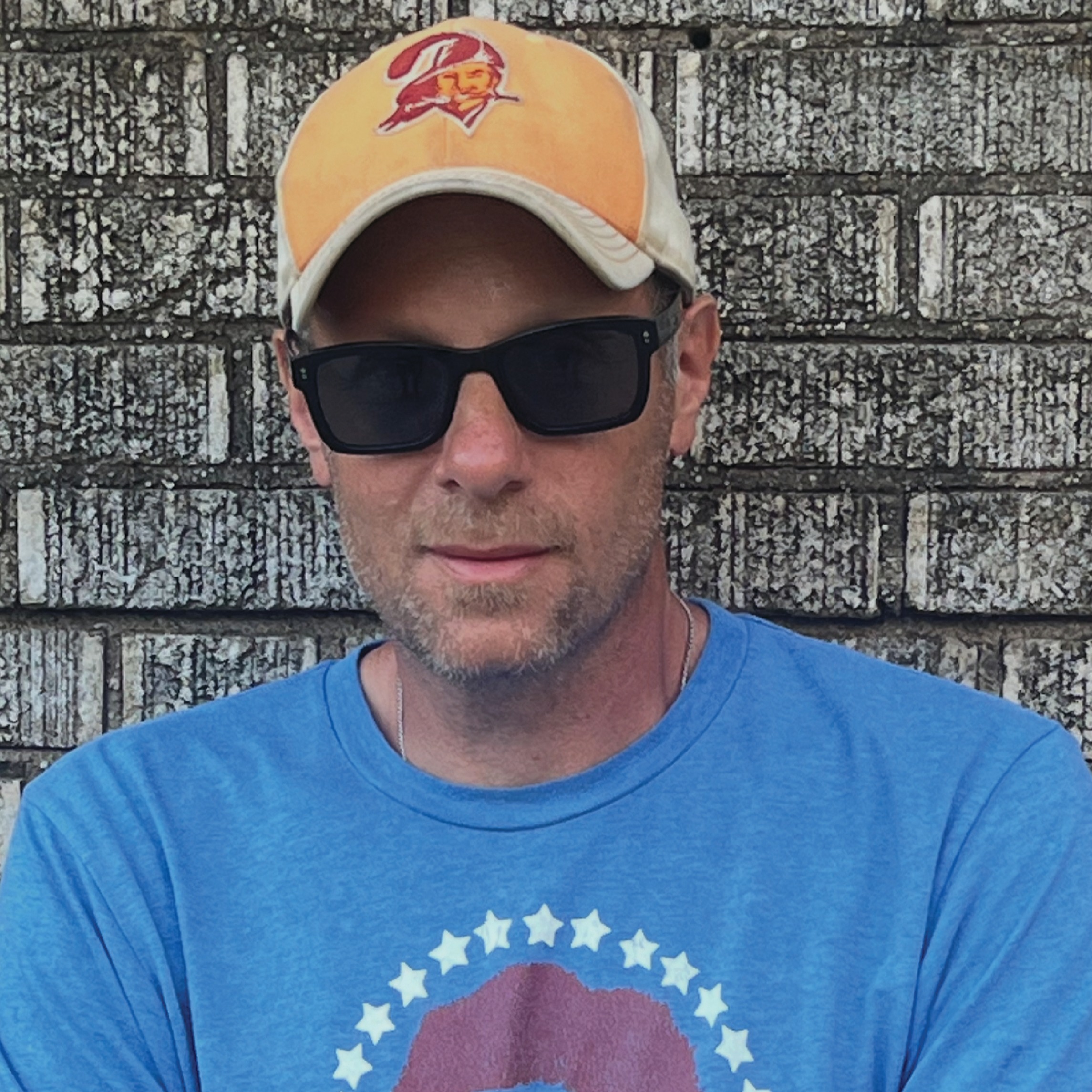
Episode 496: Jeff Pearlman Finds the Little Guys
“So much misery. It is so much misery. It is so hard. It's not natural, locking yourself in your room for three years to focus on one person is not mentally healthy. Leigh Montville, great, great writer, said to me years ago, he's like, ‘It's an unnatural thing. You spend two years in a hole to come out for two weeks, you know?’” — Jeff Pearlman, author of Only God Can Judge Me.Today we have Jeff
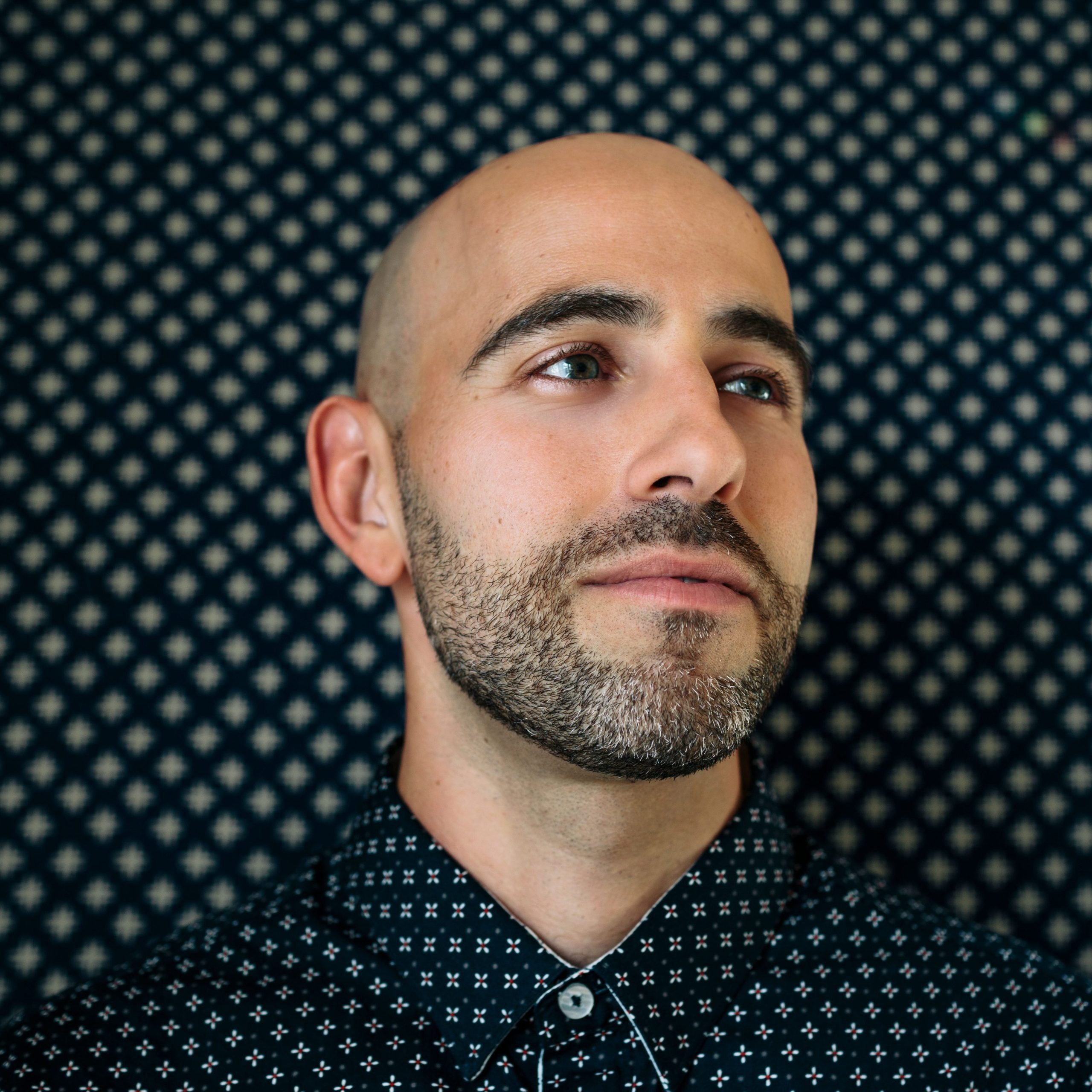
Episode 495: On Being Merciless with Peter Rubin of Longreads
"When I came in [to Longreads], I didn't come in and say, I think we need to grow aggressively. I said, 'Let's figure out who we are. Let's figure out what other people aren't doing, that we do , and that we can do better.' And so the only real thing that changed when I first came in was to try to make the editors known quantities," says Peter Rubin, head of publishing at Automattic, where h
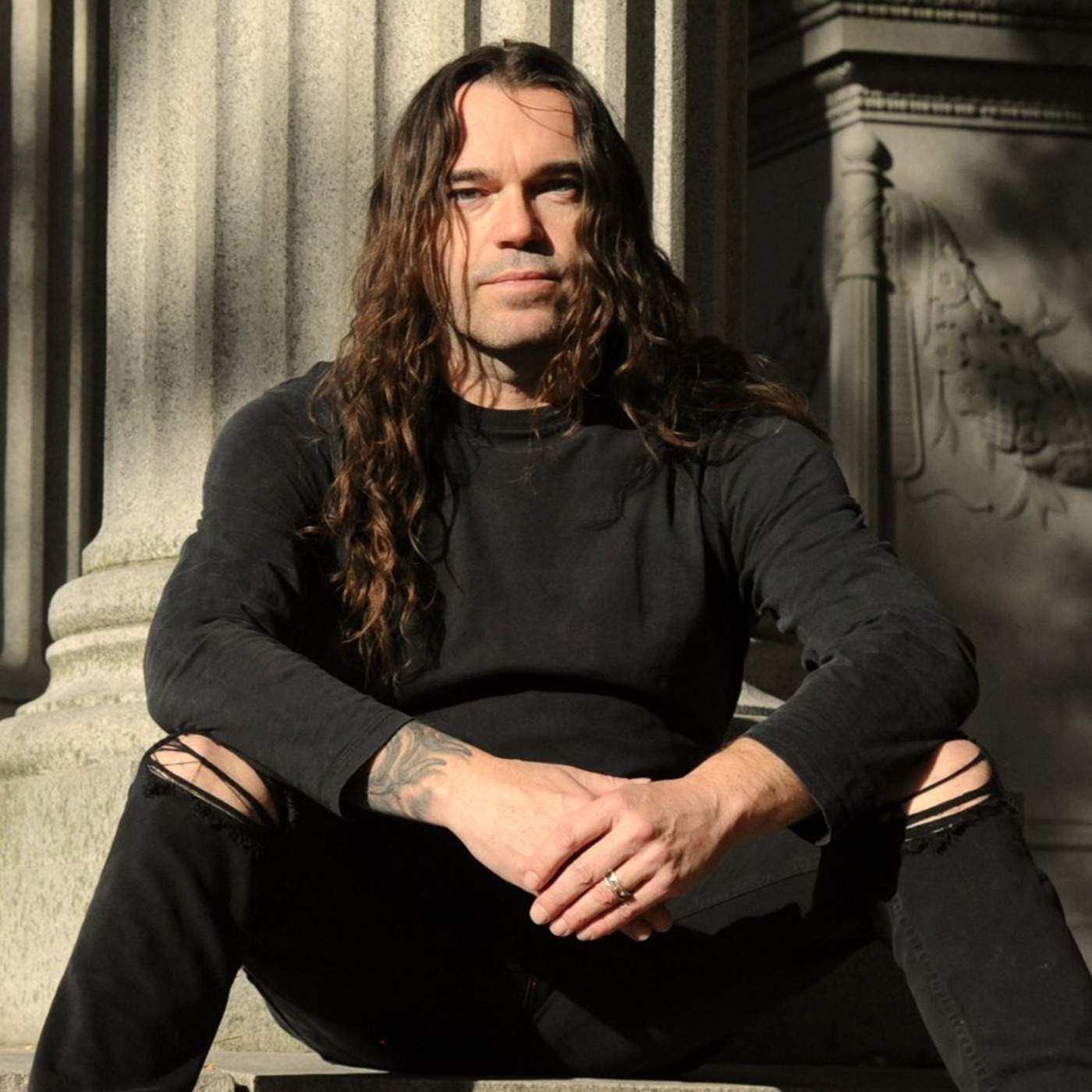
Episode 494: Co-Writing a Memoir, Becoming a Publisher, and Finding the Passion with Jeremy X. Wagner
"As a reader, if I were a fan reading this book, I want the good, the bad and the ugly. I want you to rip the band aid off and tell the truth. Because, from my from my experience, I've read a lot of memoirs that are super boring and just fluff," says Jeremy X. Wagner, co-author of Curtis Duffy's Fireproof: Memoir of a Chef (Dead Sky Publishing).We have Jeremy X. Wagner on the show today. This dude
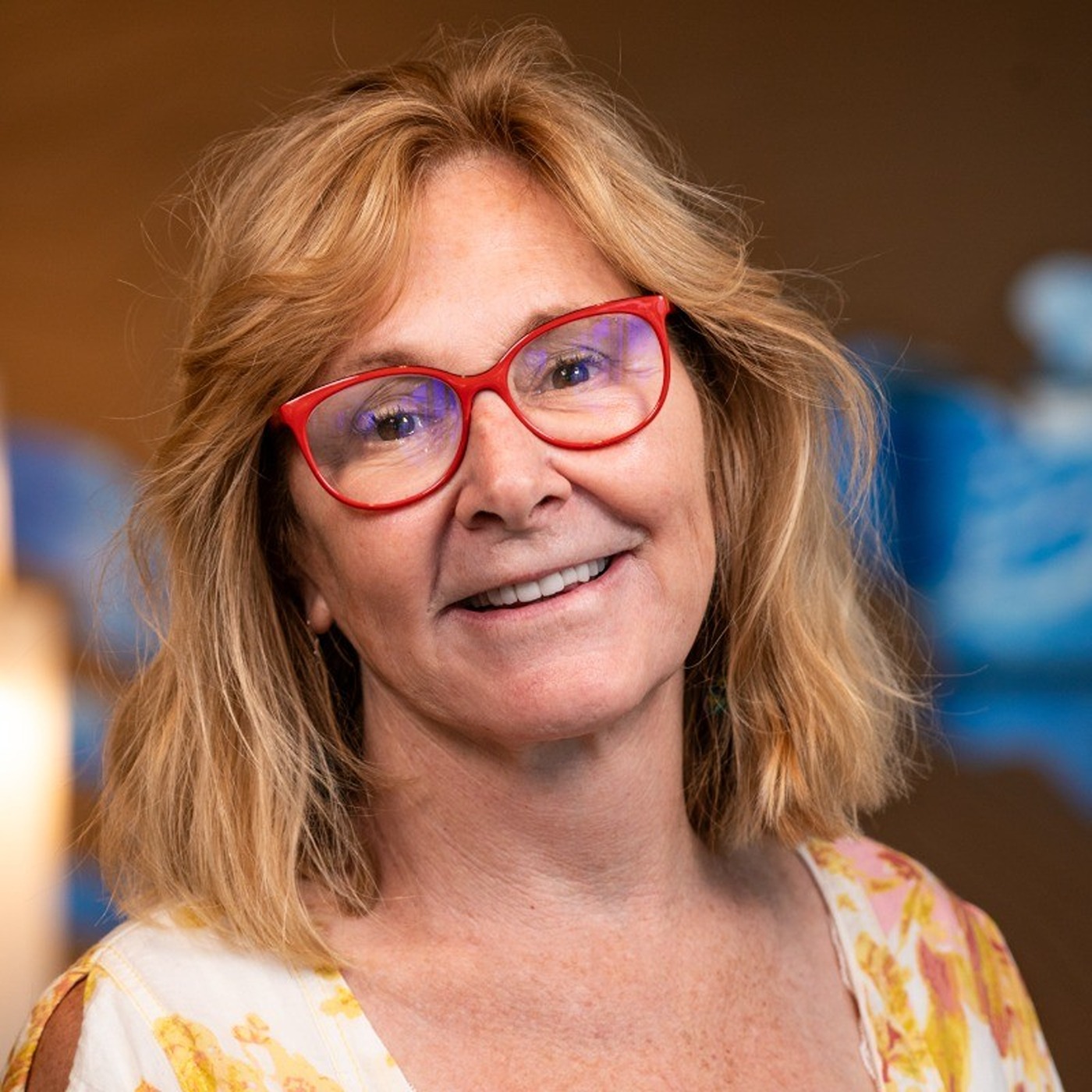
Episode 493: Masha Hamilton Asks Is the Writing Worth Rearranging Your Calendar For?
"This has to be meaningful to you. It has to be a story that won't leave you alone, a story that you're willing to rearrange your calendar for," says Masha Hamilton, whose Atavist Magazine story is titled "I've Gone to Look for America."Today we have Masha Hamilton, a journalist, a novelist, a fan of the show, a fan of Pitch Club. You’ll want to visit mashahamilton.com to l
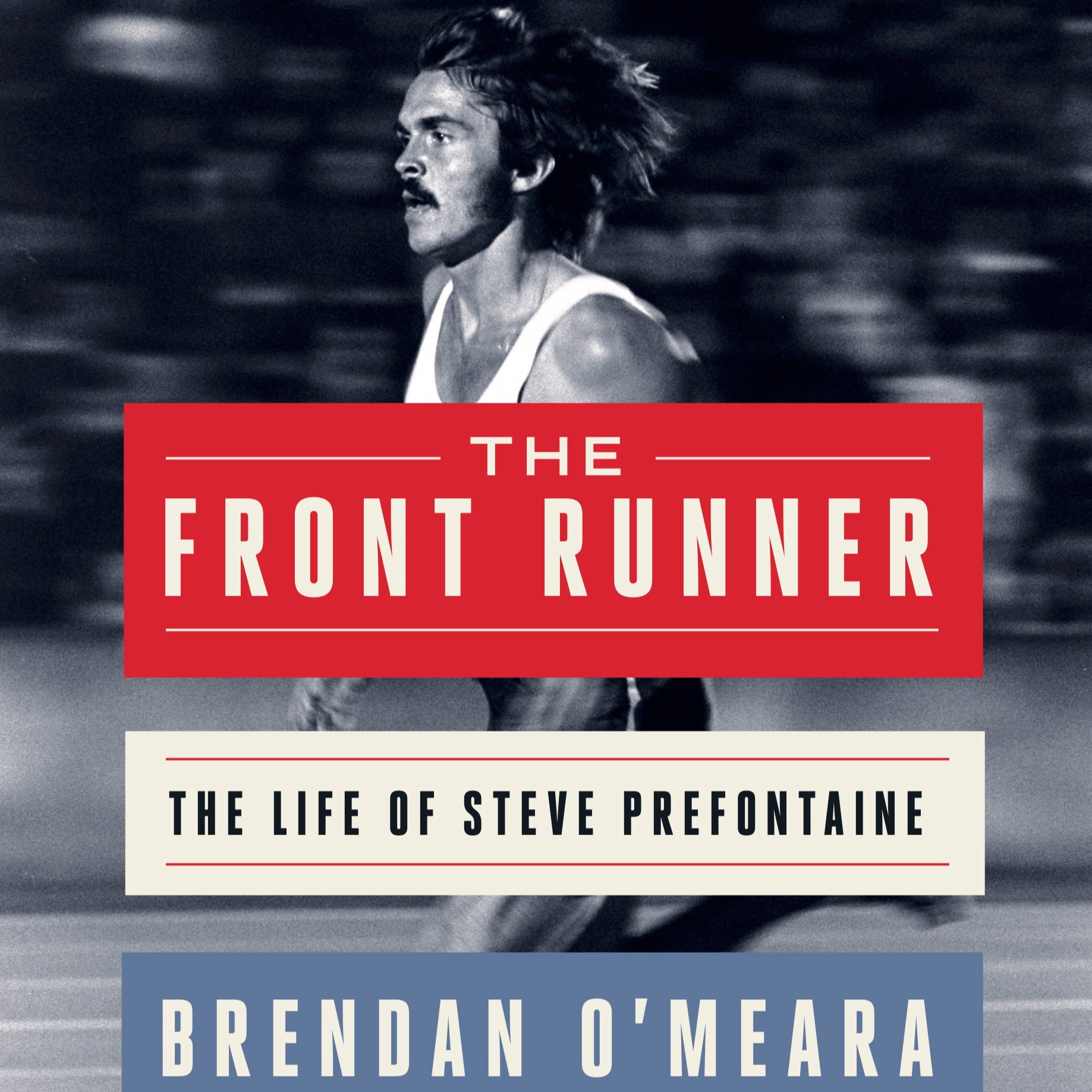
Episode 492: The Host Becomes the Hosted — Brendan O'Meara in conversation with Daniel Littlewood
"My editor was like, hold on, you need to put your thumb on the scale of why this matters. Now, there's no first person in this, but you have your thumb on the scale, you need to assert your own point of view. Like, this matters, why? says Brendan O'Meara, author of The Front Runner: The Life of Steve Prefontaine Mariner Books.Who the heck does this host think he is being a guest on his own podcas
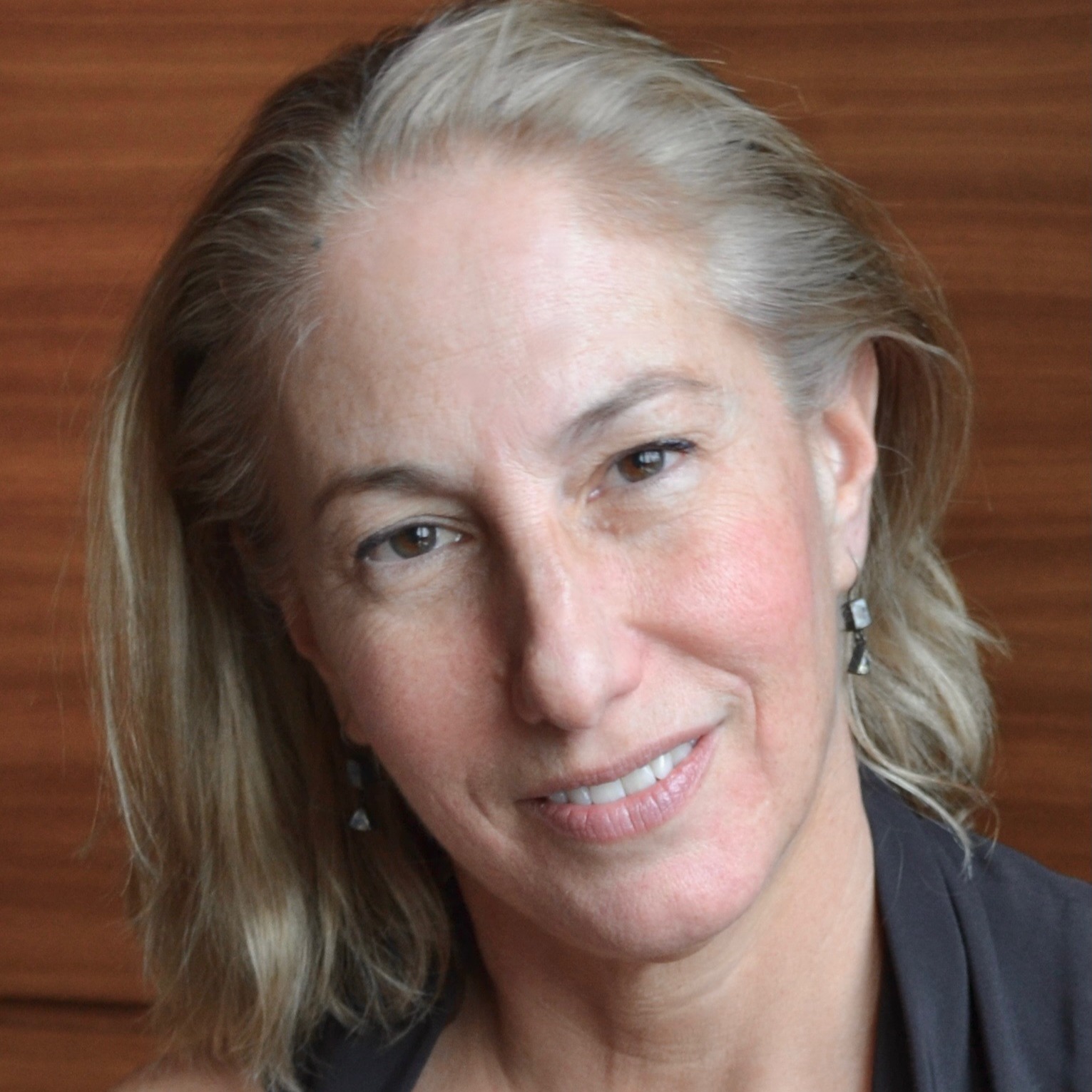
Episode 491: How Tracy Slater Broke Her Book into Steps
"Writing a book is so overwhelming. I need to have a book that's like so many steps in between. So what I do to manage my own anxiety and overwhelm about that is I'm really, really obsessed with breaking everything into little steps so that all I need to do is the next step and then I don't get overwhelmed," says Tracy Slater, author of Together in Manzanar.It’s another Super Size Me CNFin’ Double

Episode 490: Seeing the Fish and the Tank with Jeff Chang
"When I got back to [writing], it was like an athlete or a martial artist coming back to the practice, and the endorphins start running back. And you remember the joy that you had in it, also the struggles of it, but you're back in it, and then I couldn't be stopped," says Jeff Chang, author of Water, Mirror, Echo.Today we have Jeff Chang, and what a great conversation this was. He’s the aut
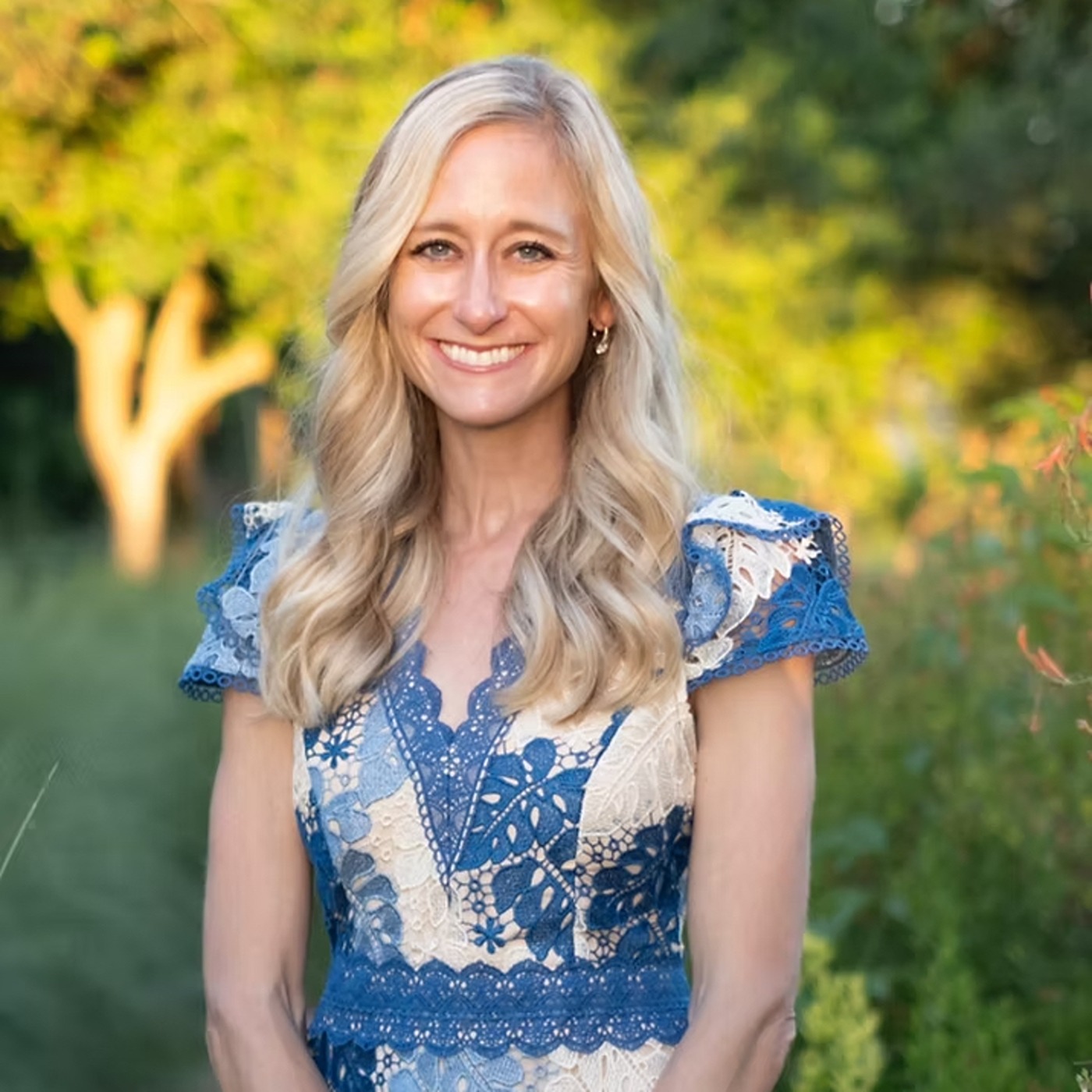
Episode 489: Staying Power, Book Promotion, Platform, and 'Slip,' a Memoir-Plus with Mallary Tenore Tarpley
"For many of us, myself included, it's easy to want to be on the New York Times bestseller list, or the USA Today bestseller list, and to try to get an amazing number of week-one sales, but it's important to remember that those lists are really hard to get on, and there can be this nice long tail in terms of the impact of a book where maybe it doesn't necessarily get a ton of sales in that first w
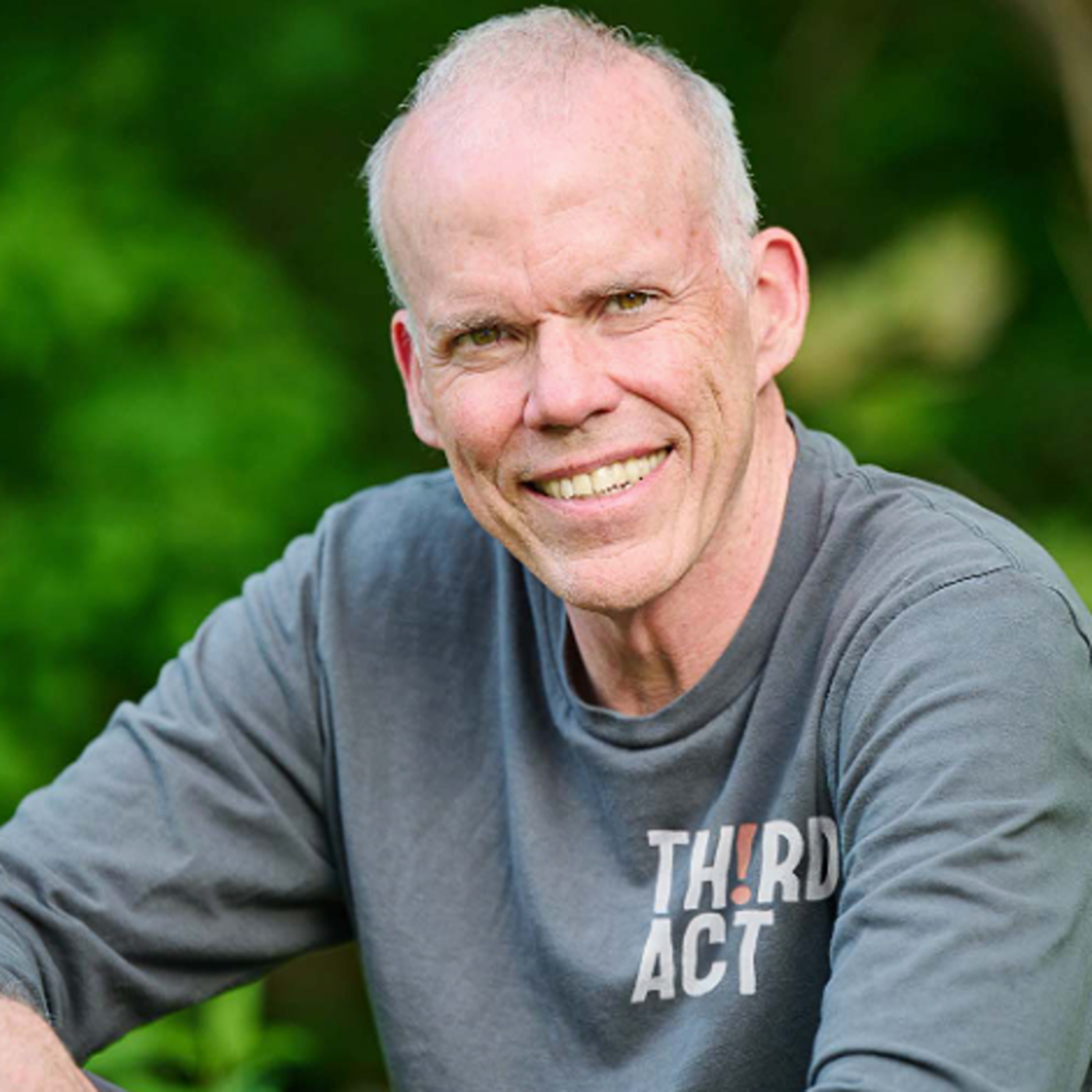
Episode 488: Bill McKibben, the Dark Realist, Faces the Light
"The point of my book and the point of this big day of action that we're doing across the country is to drive that notion away that this isn't alternative energy, that it's the obvious, straightforward, common sense and very beautiful way to power the world going forward. To use the analogy I've been using, it's not any longer the Whole Foods of energy: nice, but pricey. It is now the Costco of en

Episode 487: Robert Weintraub and the 'American Hindenburg'
Robert Weintraub is a best selling author and, most recently, wrote "American Hindenburg" for The Atavist Magazine..We’re going to hear from lead editor Jonah Ogles about his side of the table and how he advises people to model their stories after previously published ones and how there’s never really a wasted moment by doing as much research as possible. Either you find out there’s nothing there,
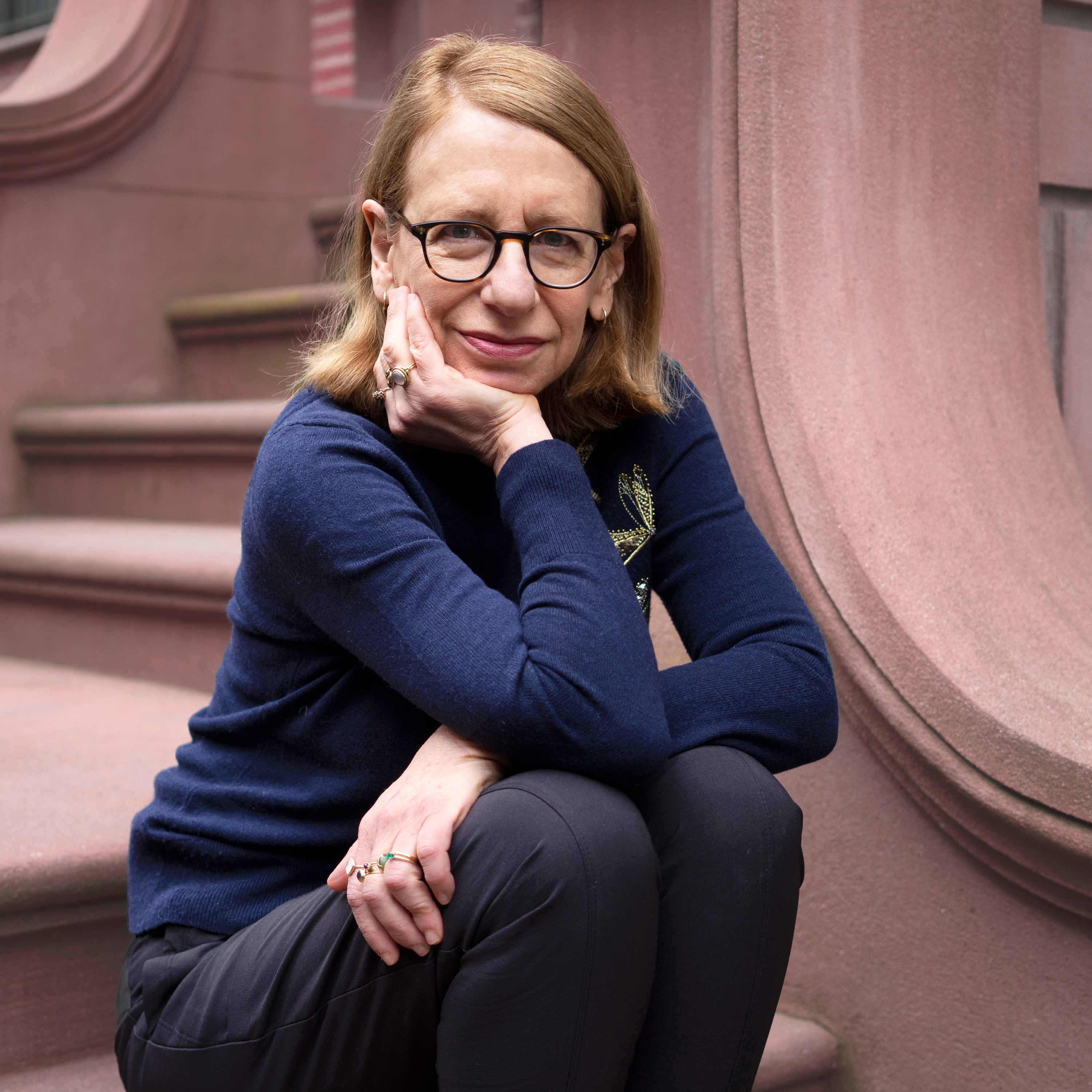
Episode 486: Cartooning is the Children's Table of Art, says Roz Chast
"I really love this medium. I think cartooning is an incredible medium. There aren't a lot of rules. You can, if you can, really make it up. You can make it suit you," says Roz Chast a cartoonist and artist whose work routinely appears in The New Yorker.So today we have Roz Chast. You know Roz Chast, and if you don’t, quite frankly I hope we never meet. She’s a long time cartoonist for The New Yor

Episode 485: Tensions and Textures with Poet Patrycja Humienik
"God, I feel like I'm still enduring that, like it's this sort of ongoing thing where I'm not sure I ever if I'll ever get to a place where I feel like my work and ambitions for the work and daydreams about writing and art-making ever meet my taste," says Patrycja Humienik.For Ep. 485 we've got Patrycja Humienik. She’s a poet and her debut collection is We Contain Landscapes and it is published by
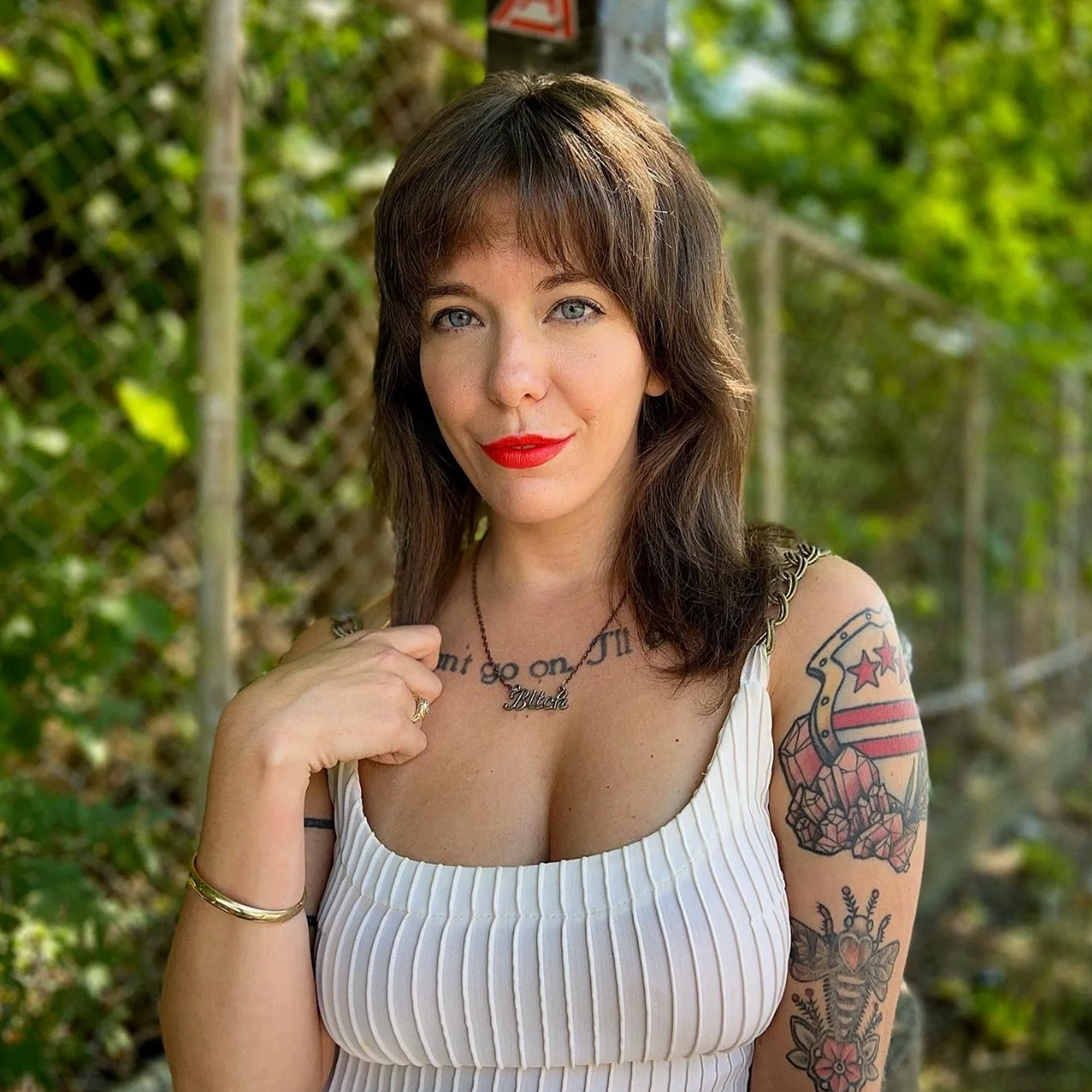
Episode 484: Rax King is Sloppy
"I am tyrannical about noise and about quiet. I don't feel that I can control the amount of mess I make. I mean, I know I can, but I kind of can't. And there's just so many things about my character that are really detrimental to having a writing process, which I need, and it's just so opposed to everything that's going on in my disgustoid little spirit," says Rax King, author of Sloppy.As I tell
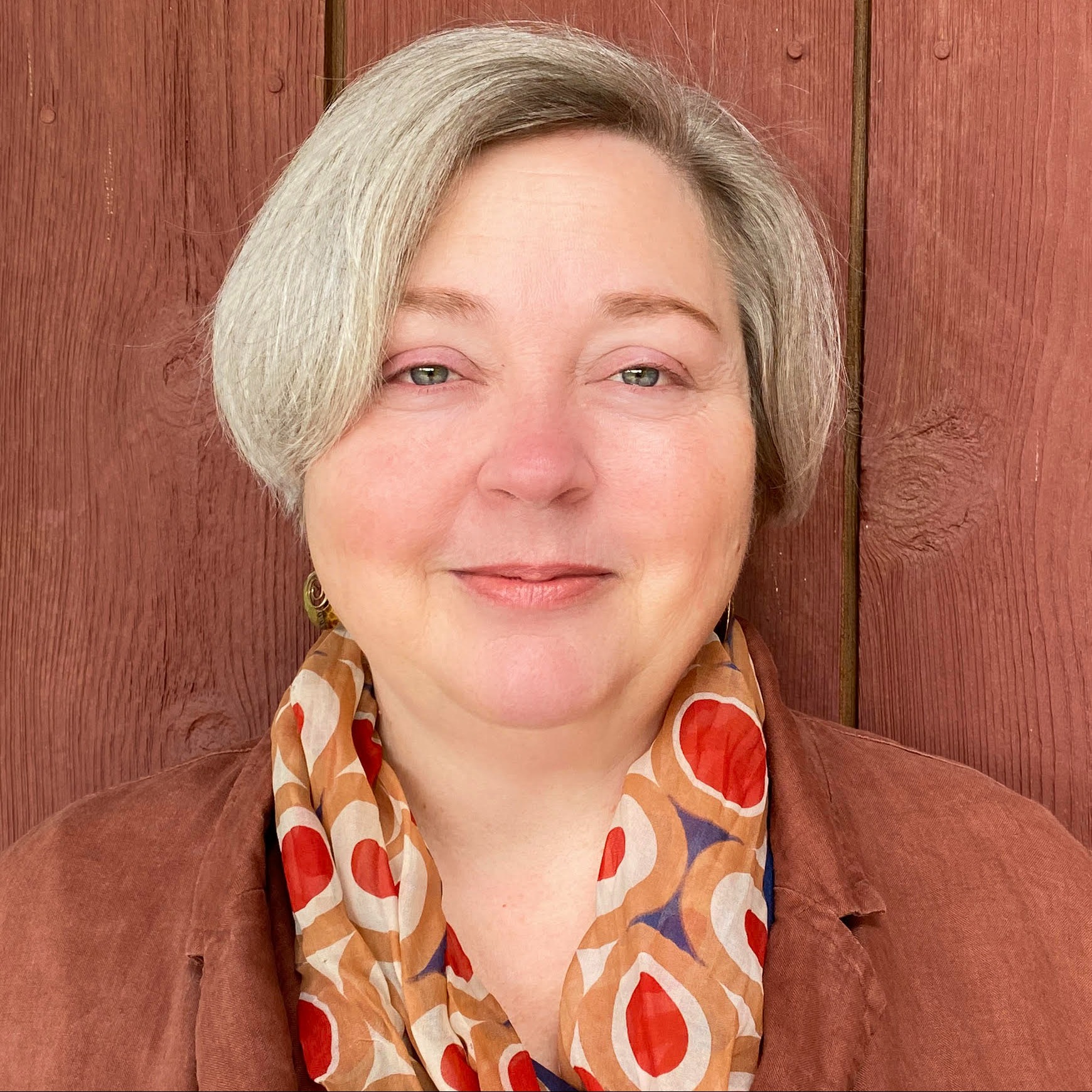
Episode 483: Off the Page and Into the Ears with Julia Barton
"That is the main difference between storytelling for the ear and writing, is that the cost of revisions is so much higher," says Julia Barton.We have Julia Barton. Julia was the third hire, I think I have that right, with Pushkin Industries, the podcast giant founded by Malcolm Gladwell. She was the executive editor of Pushkin and helped develop Revisionist History and Against the Rules, the latt
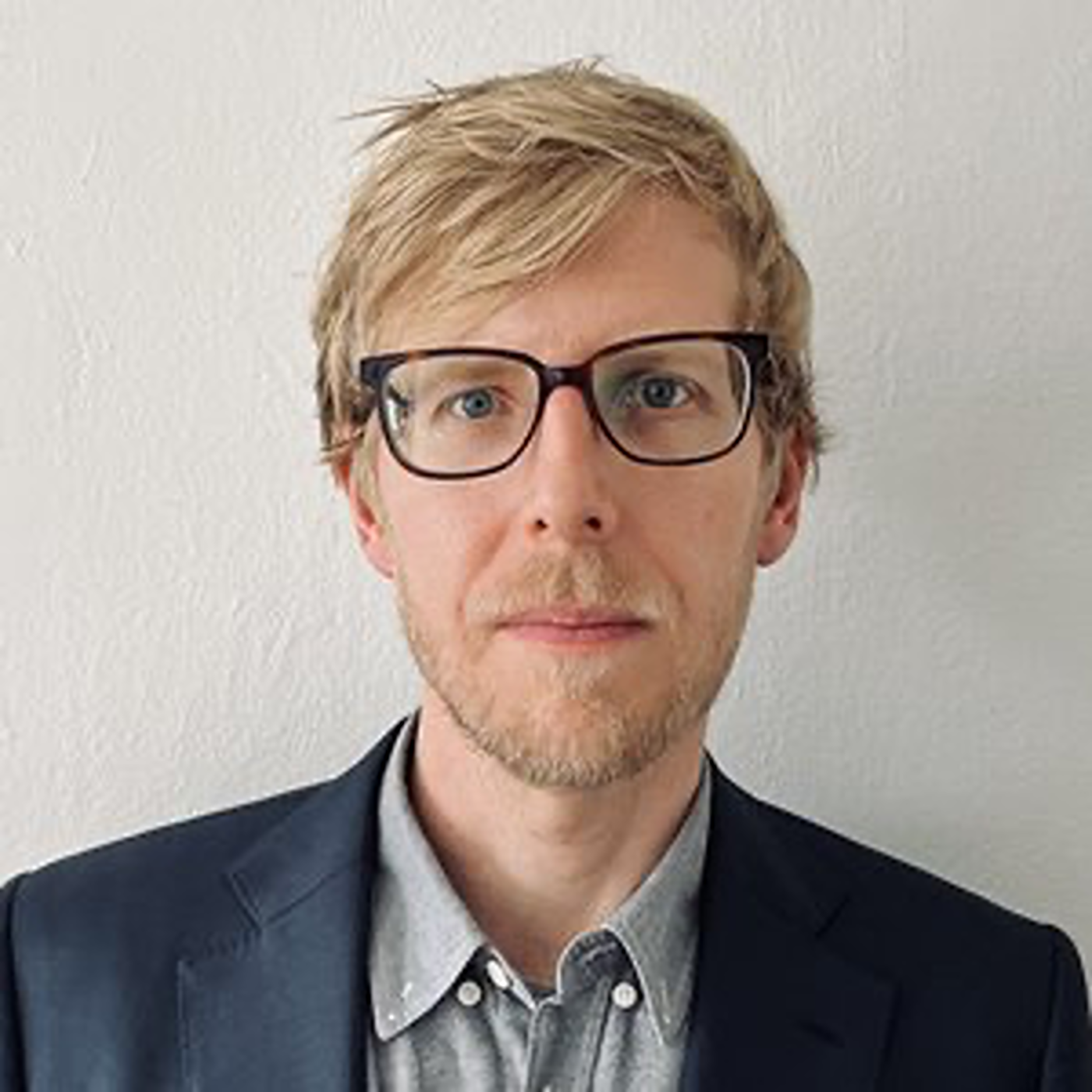
Episode 482: Matthew Wolfe and the Grammar of Delight
"You have to finish it out. You have to report it, even if it's financially a terrible idea," says Matthew Wolfe.OK, it’s that Atavistian time of the month so we’re here to talk about Matthew Wolfe’s “The Talented Mr. Bruseaux: He made his name in Chicago investigating racial violence, solving crimes, and exposing corruption. But American’s first Black private detective was hiding secrets of his o

Episode 481: Nieman Storyboard's Mark Armstrong Believes in the Beginners' Mindset
"Listening to podcasts, it's like, how do I start making them? That's been my approach, essentially try and take that beginner mindset into anything and try to teach myself new skills," says Mark Armstrong.Who do we have today? It’s Mark Armstrong! He is a producer, a writer, a singer, working at the intersection of storytelling and digital media. Does that make him intersectional? Hell, yes
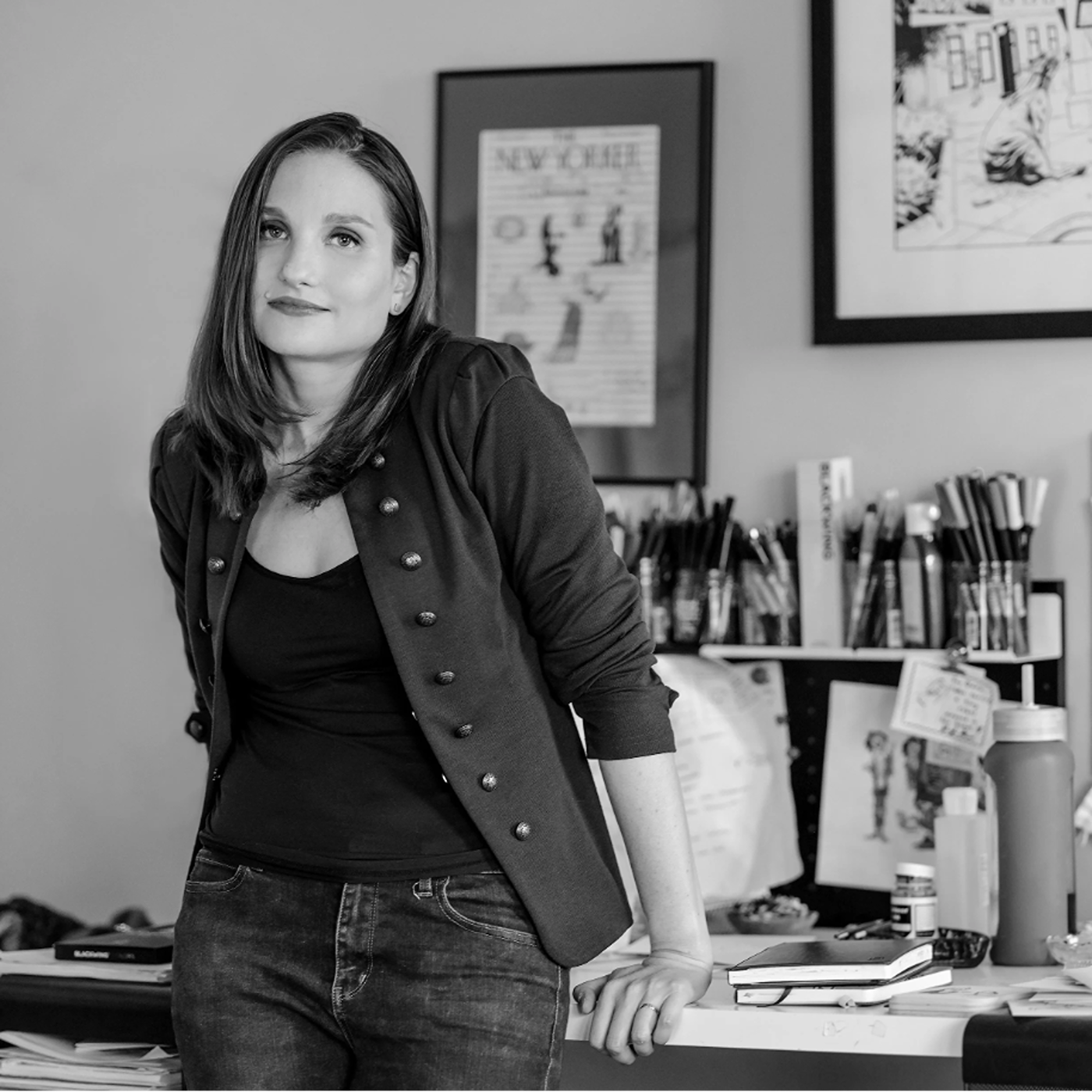
Episode 480: Dana Jeri Maier Doesn't Trust Anyone with a Neat Desk
"Yeah, join the club of people who feel inadequate," says Dana Jeri Maier, a cartoonist and author of the graphic book on creativity Skip to the Fun Parts.This incredible artist is the author of Skip to the Fun Parts: Cartoons and Complaints About the Creative Process. It’s one of the best books on creativity because it deals with doubt, it deals with jealousy, it deals with ideas, it deals with p
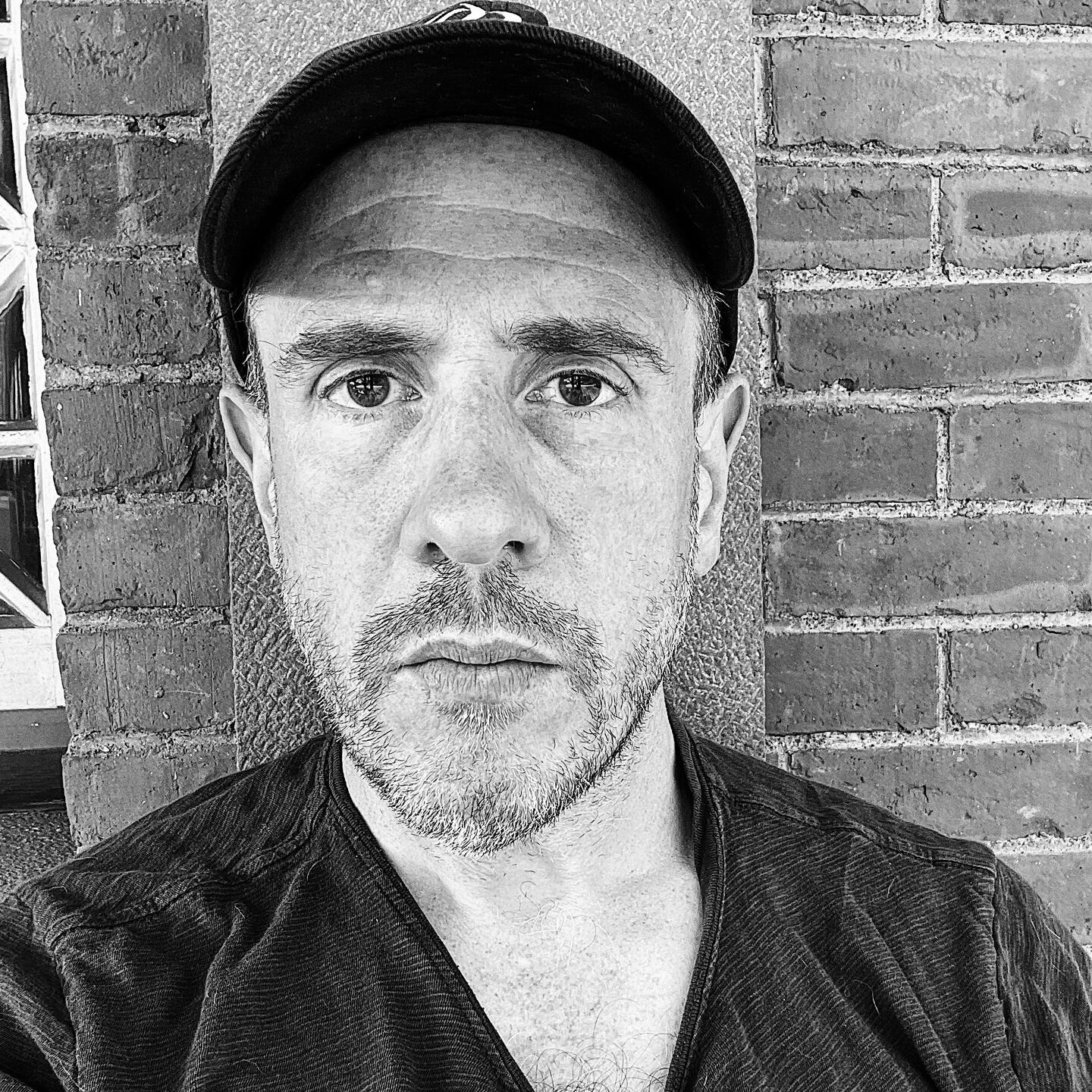
Episode 479: Jeff Sharlet and Finding Real Toads in Imaginary Gardens
"You're an outsider. And as you linger in that space, you start to become an insider ... but you're still an outsider. Don't forget that, even though you know more about it, you're an insider and an outsider," says Jeff Sharlet about when he's reporting on, say, far-right religious groups.OK, we’ve got Jeff Sharlet, which is pretty stunning when you think about it. I mean, this guy is the au
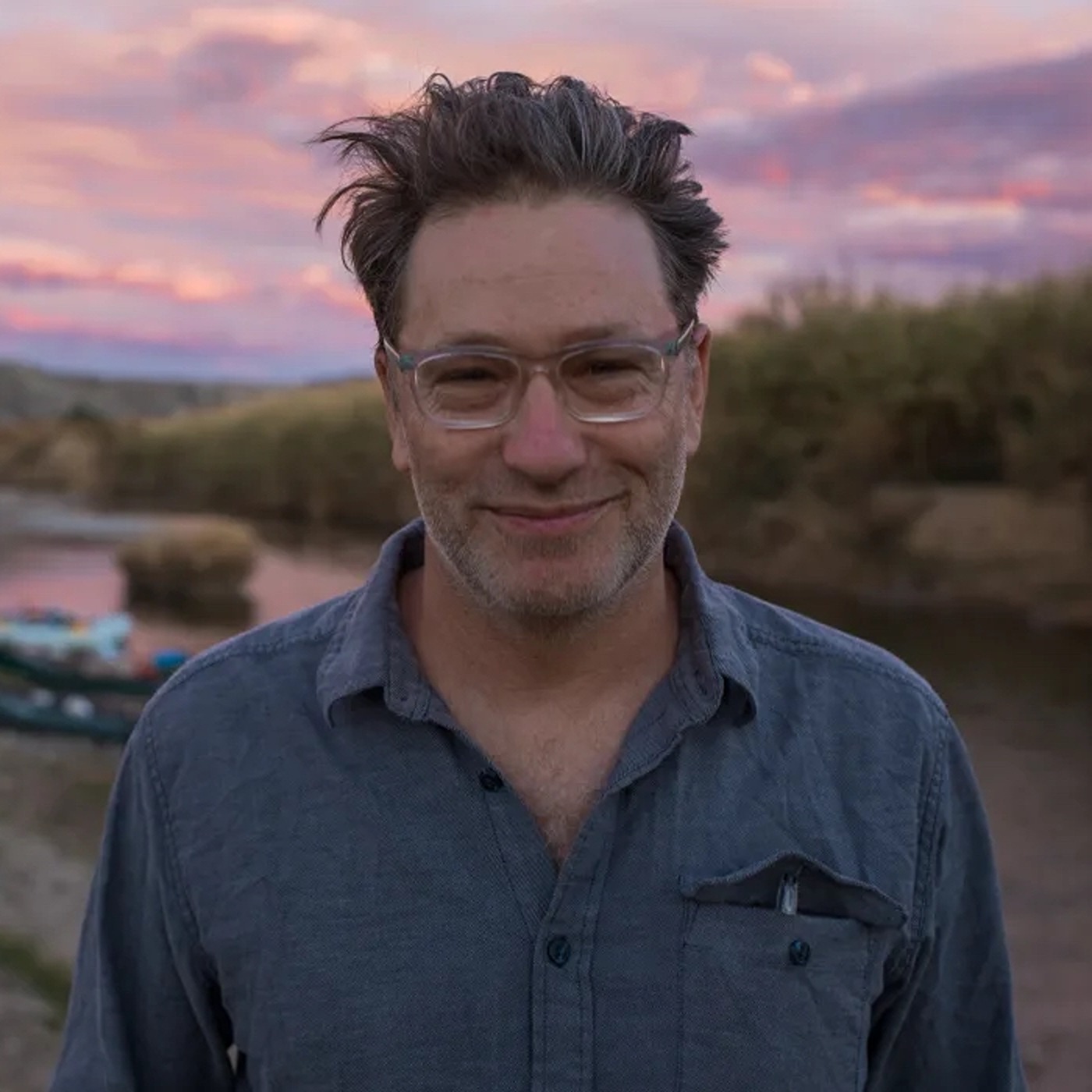
Episode 478: Nick Paumgarten says, 'The Reporting Suggests the Root System'
"I'm a guy who needs a lede. I need the lede to work. I need it to be compelling. And it doesn't have to be the best place to begin. It just has to be a place to begin that works and that amuses and sucks you in. I. So once I have a lede, then that will lead to another place," says Nick Paumgarten.Wow, so today we have Nick Paumgarten and can I tell you something? Nick has long been my favorite Ne
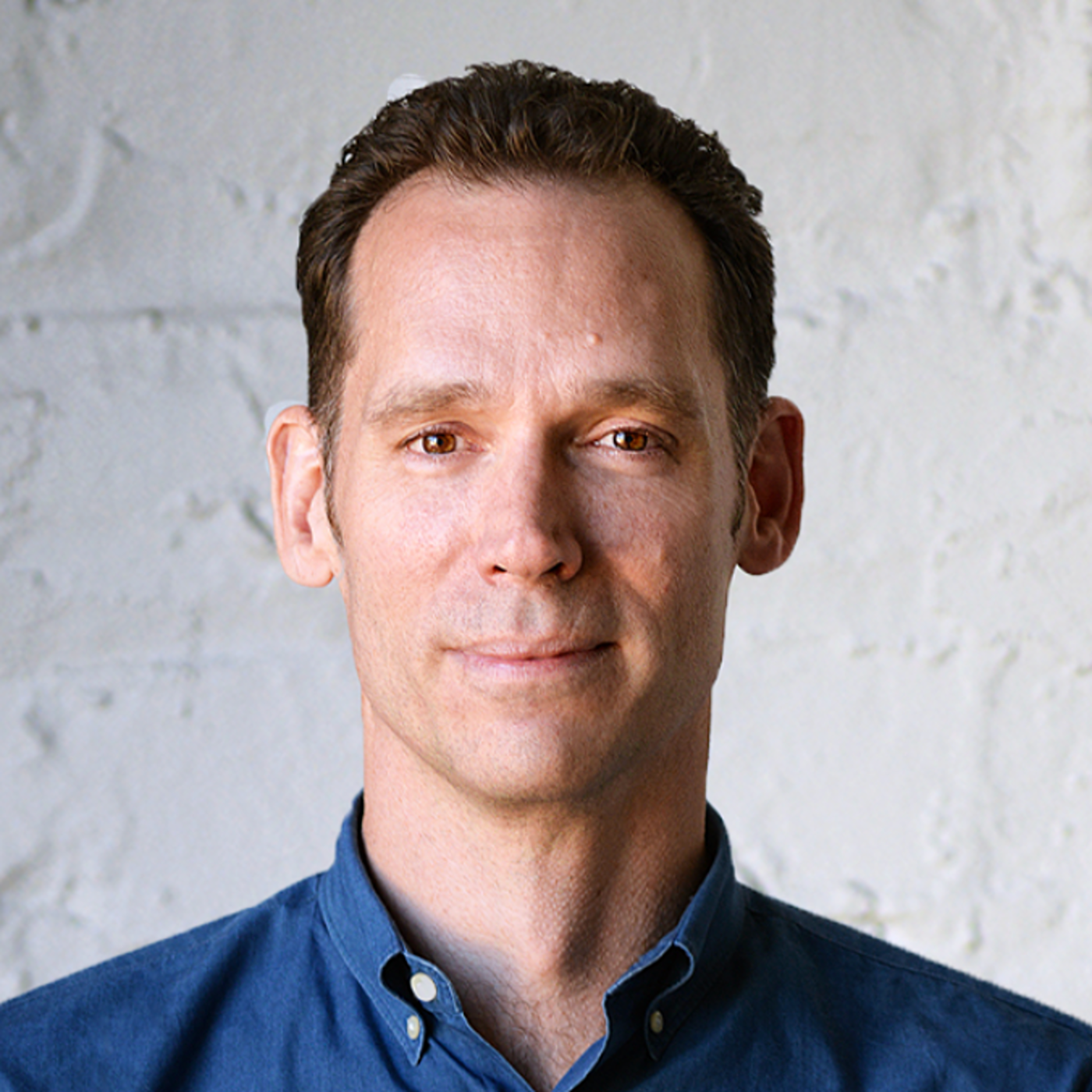
Episode 477: David Howard and the Search for Stories He Believes In
"It's honestly one of the biggest gambles I've taken in my career," says David Howard, the journalist behind "Conversations with a Hit Man," this for the Atavist Magazine.David is a journalist and author, and in this conversation we talk about: Nonverbal stuff, so the importance of doing this stuff in person The grand puzzle of a piece Looking for stories to believe in Keeping his mind as clea

Episde 476: Amanda Heckert Helps the Rider Stay on the Horse
"The story is the horse, and the writer is the rider of the horse, and you as the editor, need to help guide them along. And if the rider starts to fall off, you put them back on, and it's your job to lead them safely into the barn. At no point should you shove the rider off the horse, get on yourself and ride it into the distance," says Amanda Heckert, executive editor of Garden & Gun.Amanda
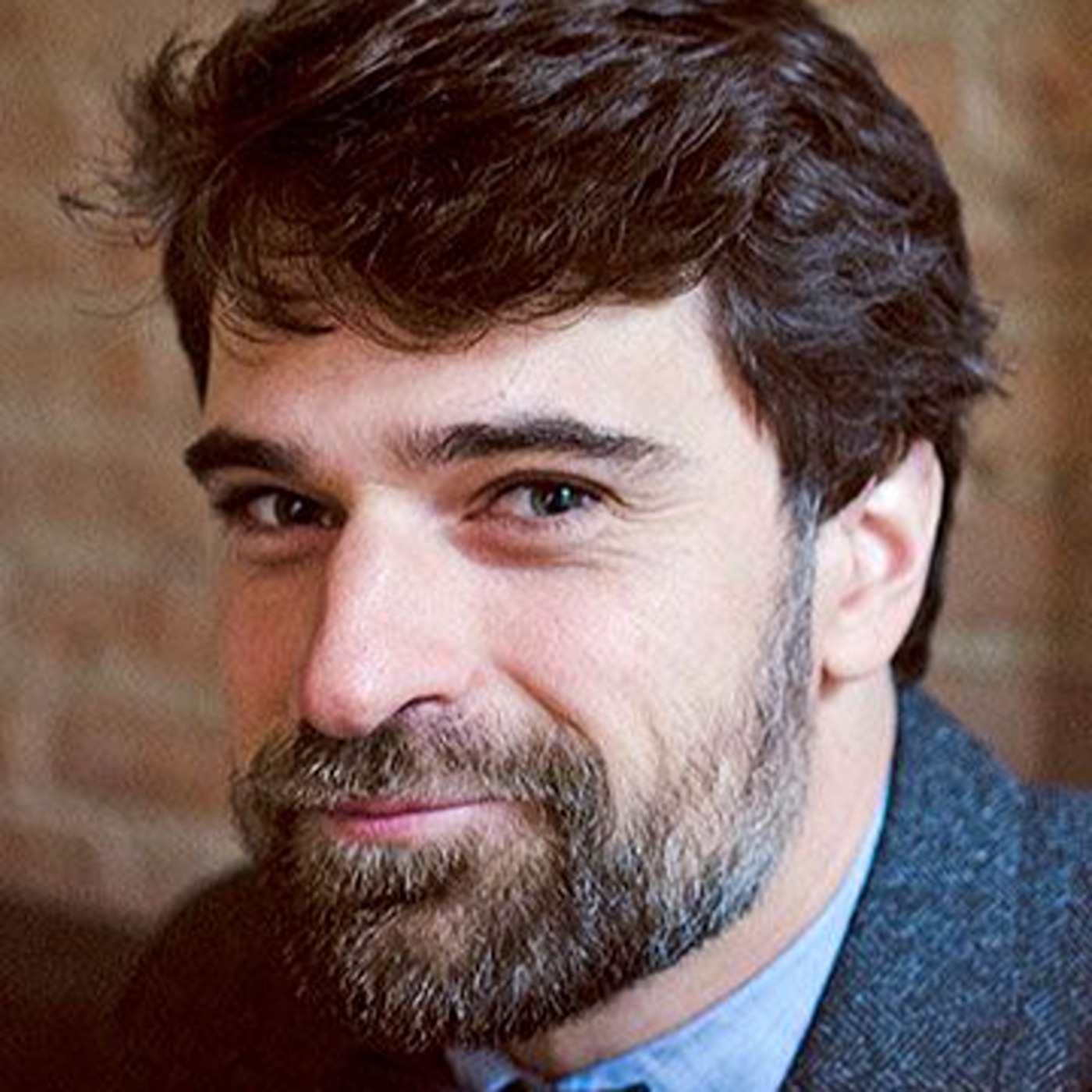
Episode 475: For Dane Huckelbridge, Spacing Out is Part of the Process
"If you don't cultivate other interests or travel or spend time with friends, this and that, you don't have anything to write about," says Dane Huckelbridge, author of Queen of All Mayhem (William Morrow).Dane returns to the show to talk about his latest book, but also a smattering of other juicy writer topics such as: Procrastination Writing around the uncertainty Not having much of a routine
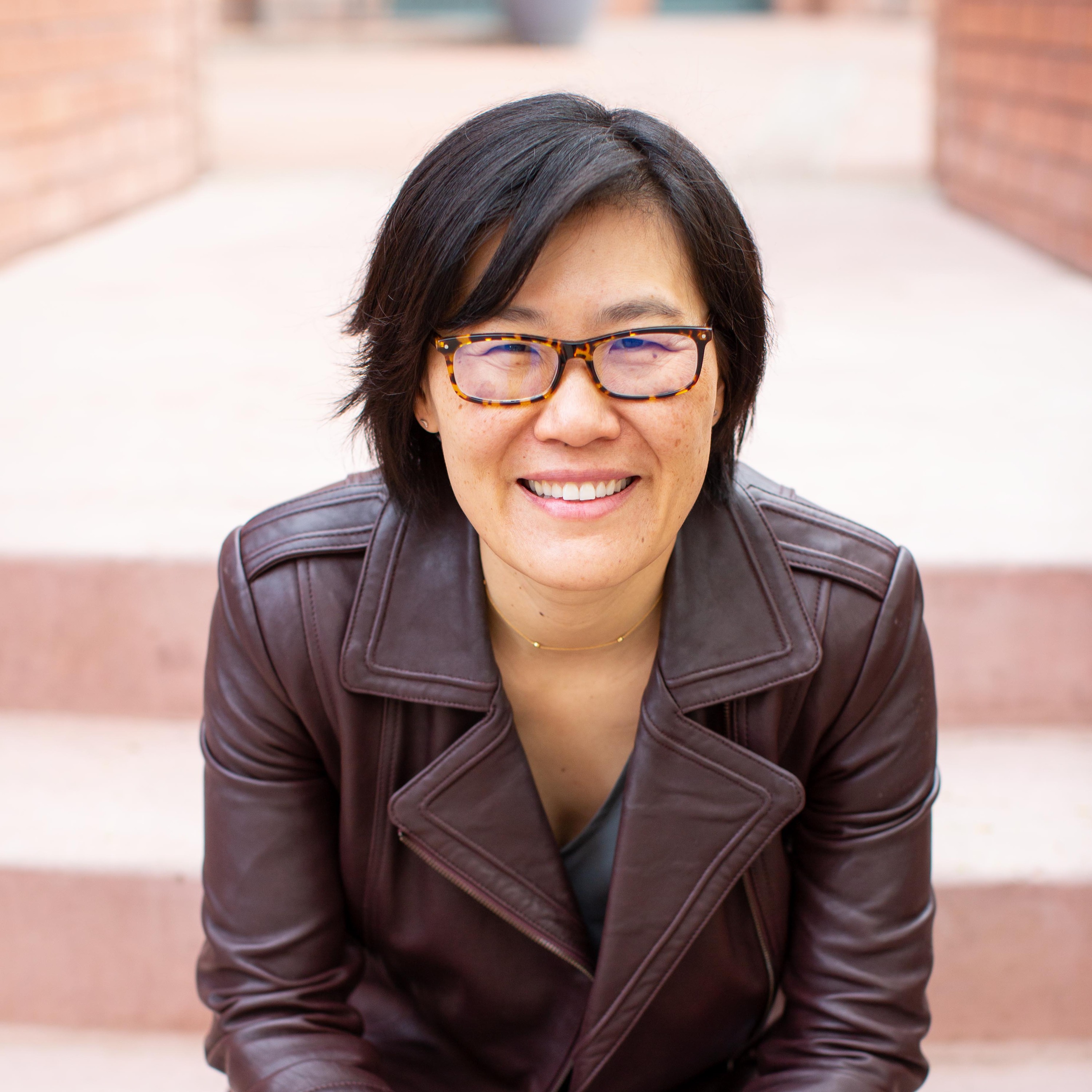
Episode 474: How to Reconfigure the Fireworks with Yi Shun Lai
"One of the things I've done is to reconfigure the fireworks. The fireworks for me now are getting to have this thing off my desk so I get to work on something new. That's the firework," says Yi Shun Lai, an author, writer, and instructor.Our occasion for this show was an essay she wrote for Writer Magazine about "arrival fallacy," this notion that once we get "there," wherever "there" is, we will

Episode 473: Finding the Frame with Hampton Sides
"I would say my books are about three quarters research and sort of mining my research, and then one quarter writing," says Hampton Sides, author of several New York Times bestselling works of narrative history, including his latest, now in paperback, The Wide Wide Sea. It's published by Doubleday.So Hampton was great. There was a moment halfway through where my dogs got to barking, then howling,
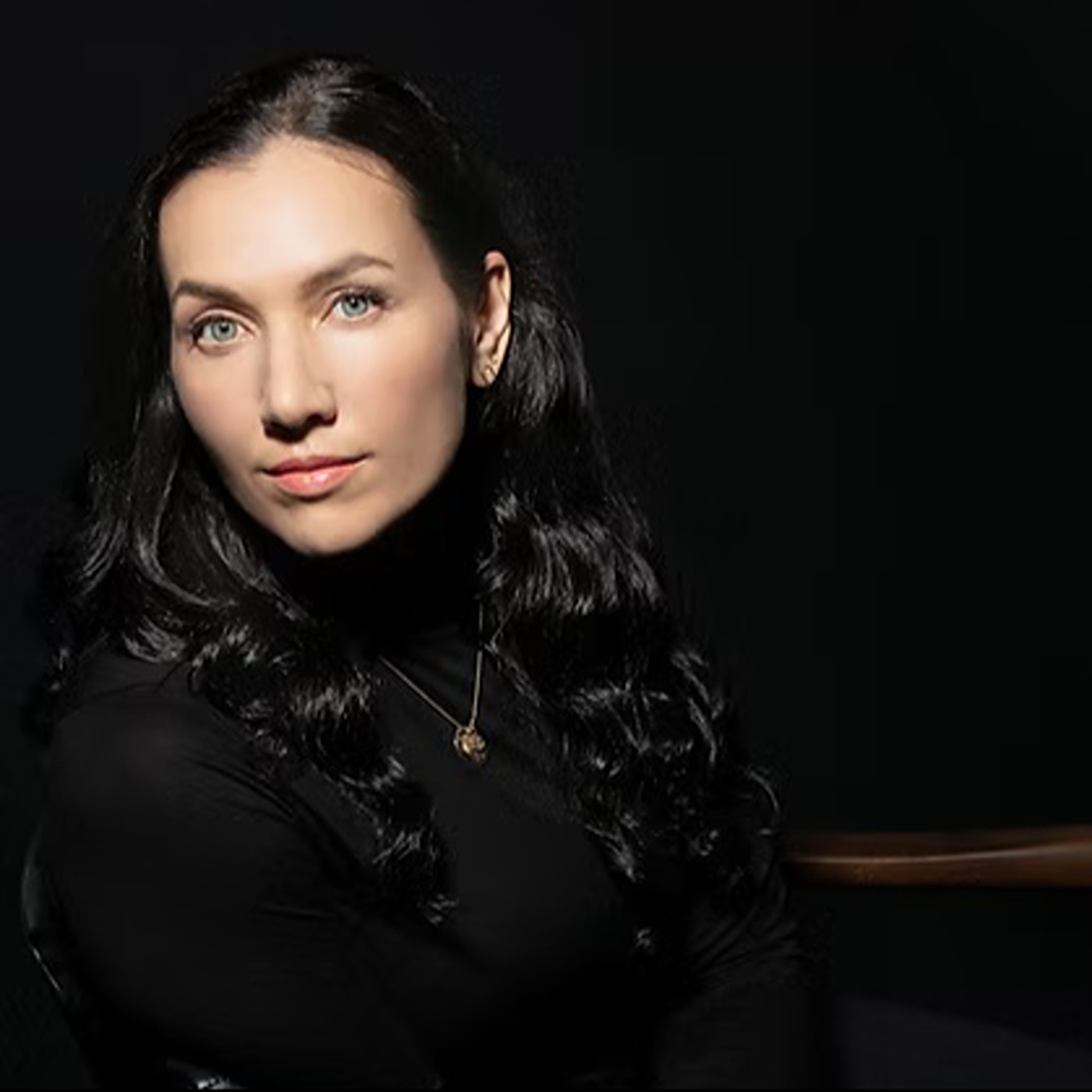
Episode 472: Melissa Febos and the Art of Personal Exploration with 'The Dry Season'
"I talked to my wife, and she was like, 'You're probably tired. You've been writing this book non stop for six months, and you probably just need a break. Like, go get a gelato and chill out.' And I was like, 'I can't,' then I was like, 'All right, fine, I will.' And then I ate a bunch of ice cream and watched the Pam Anderson documentary on Netflix in the middle of the day. And after, I don
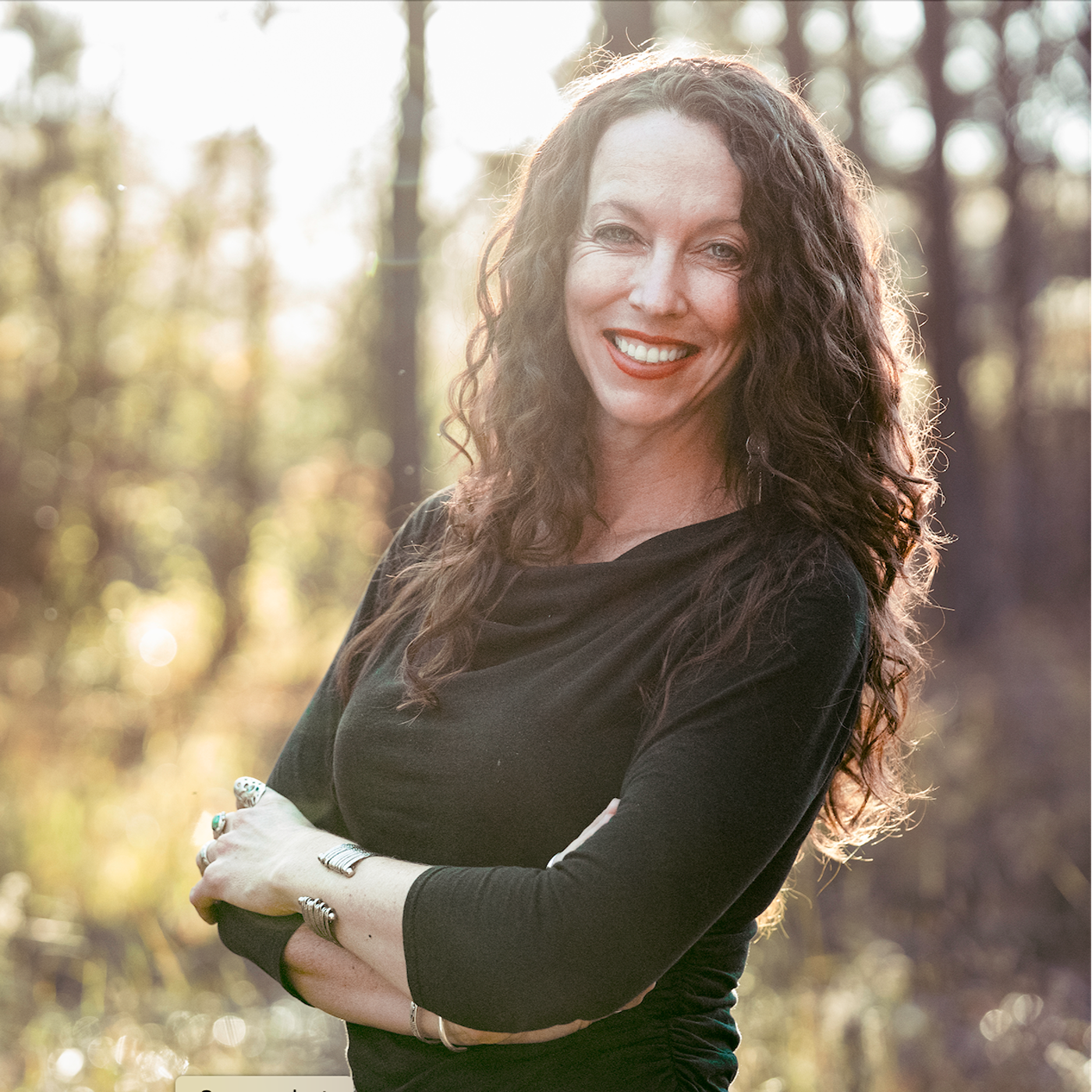
Episode 471: The Cassidy Randall Residency at CNF Pod Continues!
"We are sort of drinking from a fire hose of content right now. And it makes me wonder, because I feel like I'm stuck on this wheel that I have to produce all the time. Do I even want to write for money anymore? I don't know," says Cassidy Randall, author of the book Thirty Below, and back for her second Atavist story "The Longest Journey."Writing is in her bones, so she's not quitting, but the fr
Recommended

Solved Murders - True Crime Stories

紐約鳥|New York Aperture

The Swerve Podcast: Obscure Topics | Conspiracy Theories

The Bread and Banter Podcast

The Church of What's Happening Now: The New Testament

Busted Open

Deadline: White House

Crickets Corner

History of the Earthquake and Fire in San Francisco

Fox news

K-Drama Obsessed Mamas | Beyond “Just One More Episode!”

True Crime Classics
