
University of Minnesota Press
The University of Minnesota Press podcast features conversations between authors and their peers, scholars, and friends about the ideas behind their books. Episodes cover a wide range of subjects, including environment, humanities, race, social justice, cultural studies, art, literature and literary criticism, and media studies. Listeners also hear discussions of sociology, anthropology, grief and loss, and mental health. The show serves as an extension of the press's publishing program, giving readers deeper context on its titles and the people who write them.
Episodes
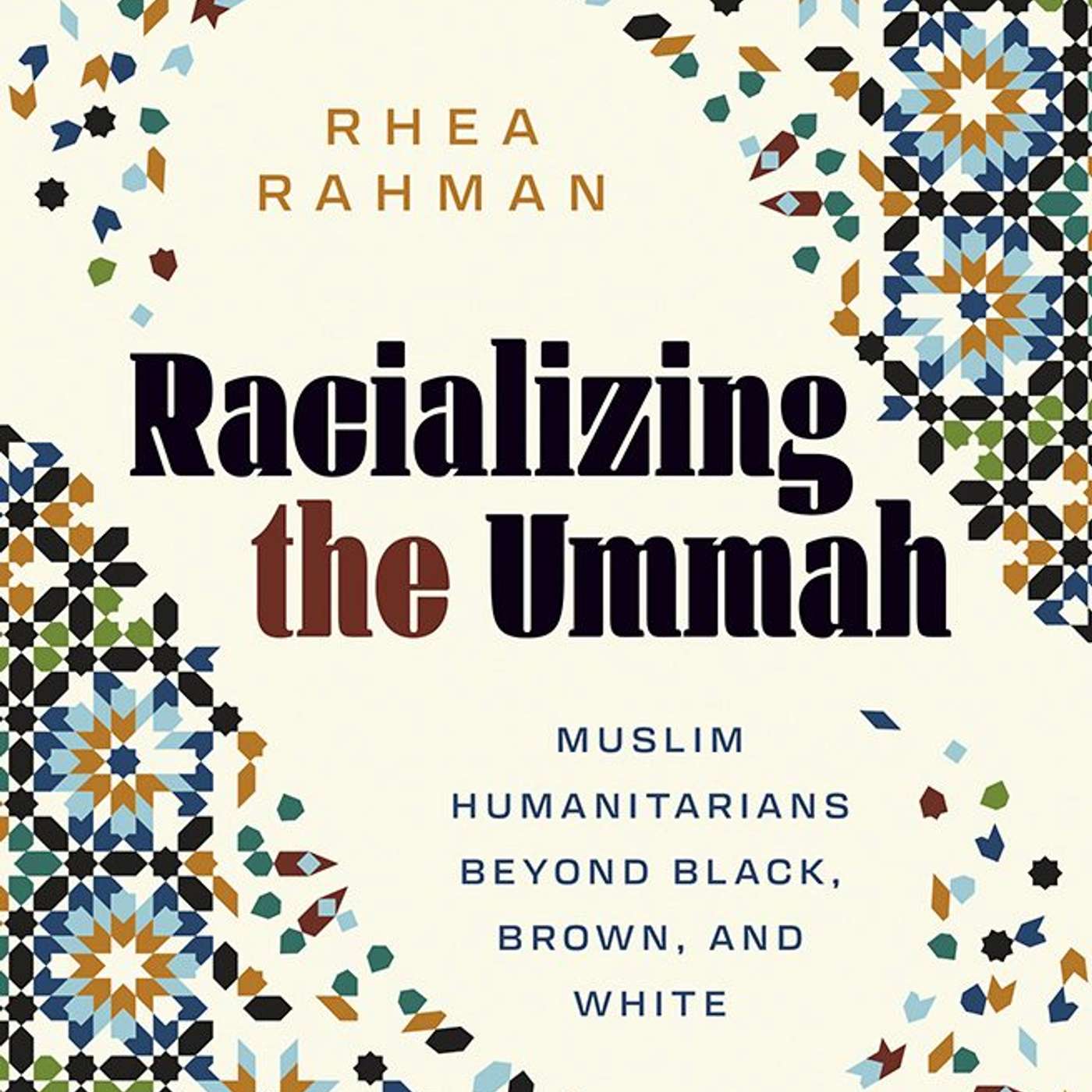
Humanitarianism and “doing good”
An ethnography of Islamic Relief (IR), the largest Islamic NGO based in the West, Racializing the Ummah: Muslim Humanitarians beyond Black, Brown, and White explores how a Muslim organization can do good in a world where racial capitalism permeates all aspects of humanitarianism. Author Rhea Rahman paints a frank, nuanced portrait of the constraints Islamic aid entities face in the effort
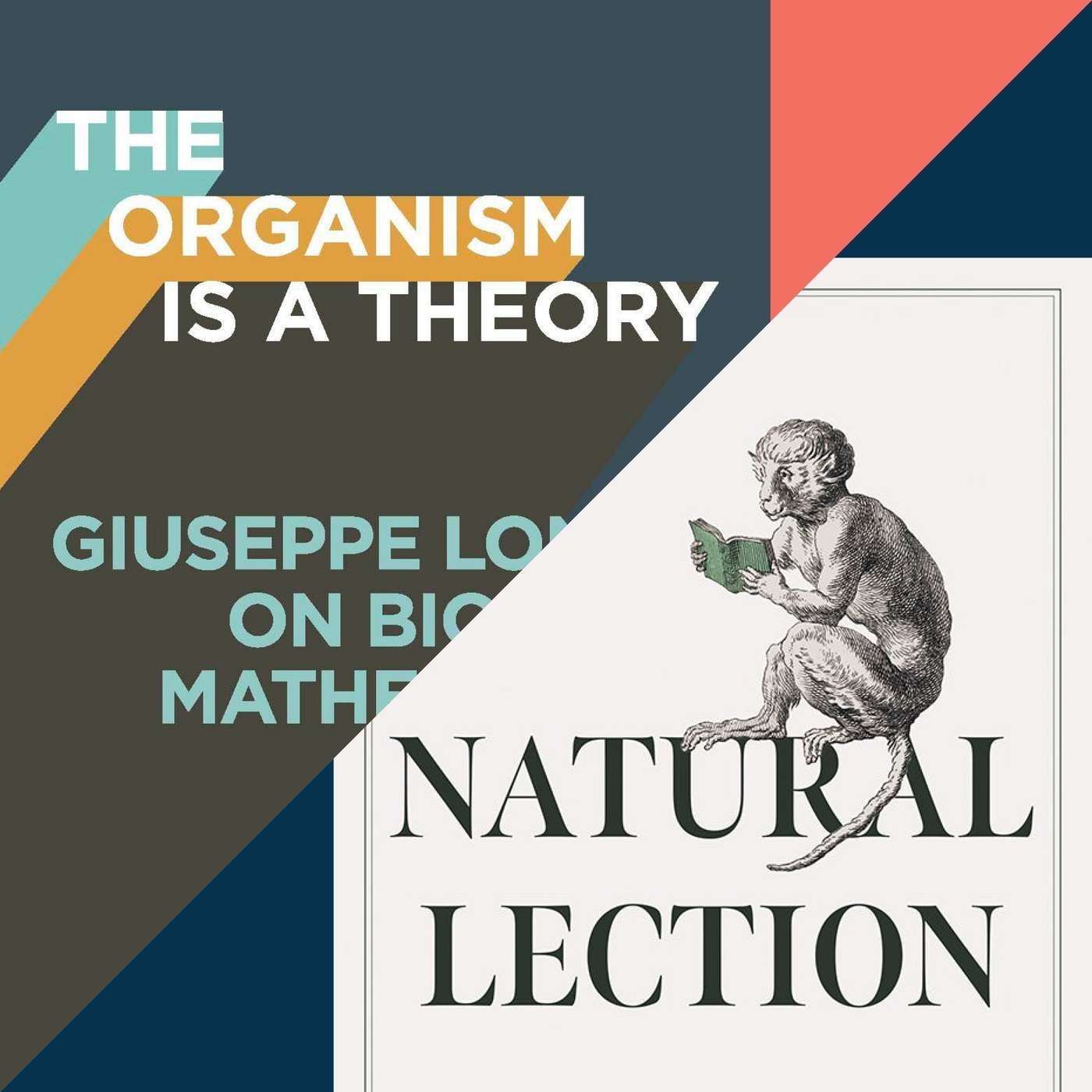
Biological existence and its theoretical complexities.
Evolutionary biologist Richard Lewontin argued that organisms do not adapt to their environments, but rather that organisms and environments co-evolve and construct one another. Two new books in the University of Minnesota Press’s Posthumanities series take up this decree in bold, imaginative ways: The Organism Is a Theory: Giuseppe Longo on Biology, Mathematics, and AI by Giuseppe Longo
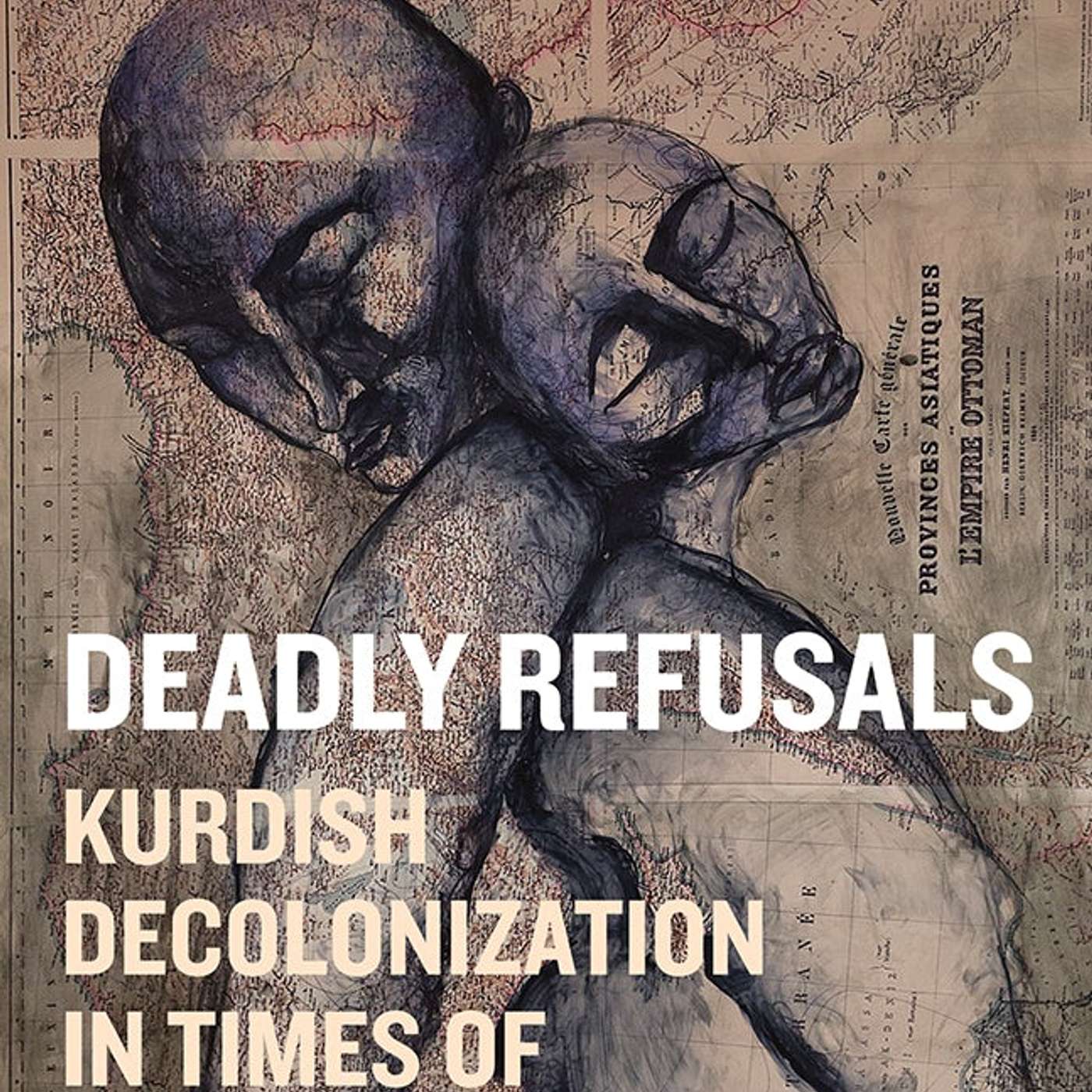
On revolutionary desire and decolonial struggle
Set in the counterterrorism courts and maximum-security prisons of Northern Kurdistan, Serra M. Hakyemez’s ethnography Deadly Refusals: Kurdish Decolonization in Times of Counterterrorism examines how prosecuted and imprisoned Kurds from different socioeconomic backgrounds organize in refusal of the criminalization and colonization of their political demands and desires. Based on more tha
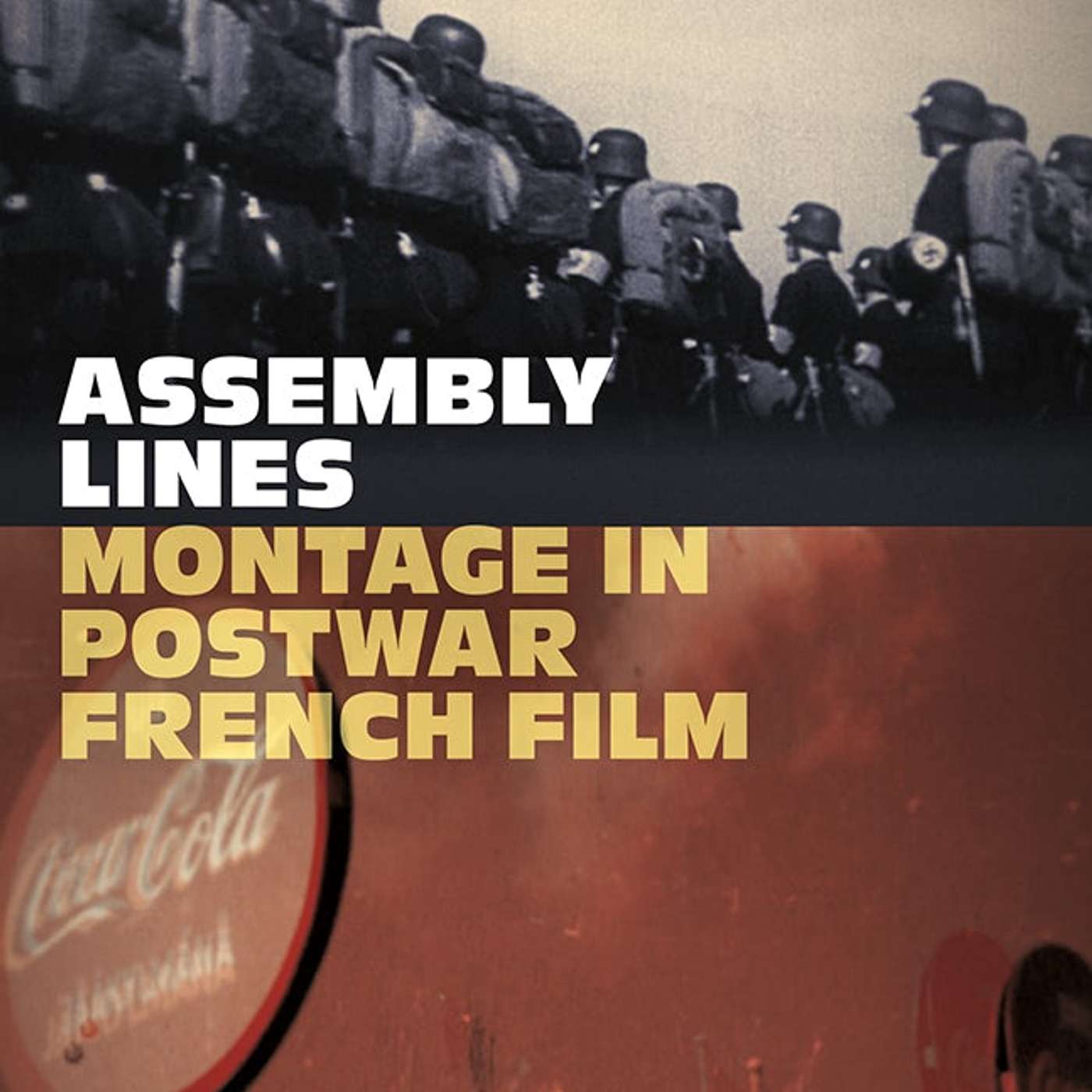
Montage and French cinematic history
Amid the tumult of change that swept through French society in the wake of World War II, a trio of visionary filmmakers sought to make meaning of the chaos by revitalizing a common method: montage. Revealing Nicole Védrès, Alain Resnais, and Chris Marker as more than just groundbreaking auteurs, Ivan Cerecina shows how their collective infusion of montage with avant-garde aesthetics renew

Walter Benjamin, reimagined through the forgotten power of radio
Between 1927 and 1933, philosopher Walter Benjamin produced dozens of radio broadcasts that became a testing ground for his developing ideas and experimental pedagogy. Initially cast off as inconsequential, they are, as Dominic Smith reveals in Bridging Benjamin, a fruitful site for an original interpretation of Benjamin’s larger body of work. Here, Smith is in conversation with Esther Le
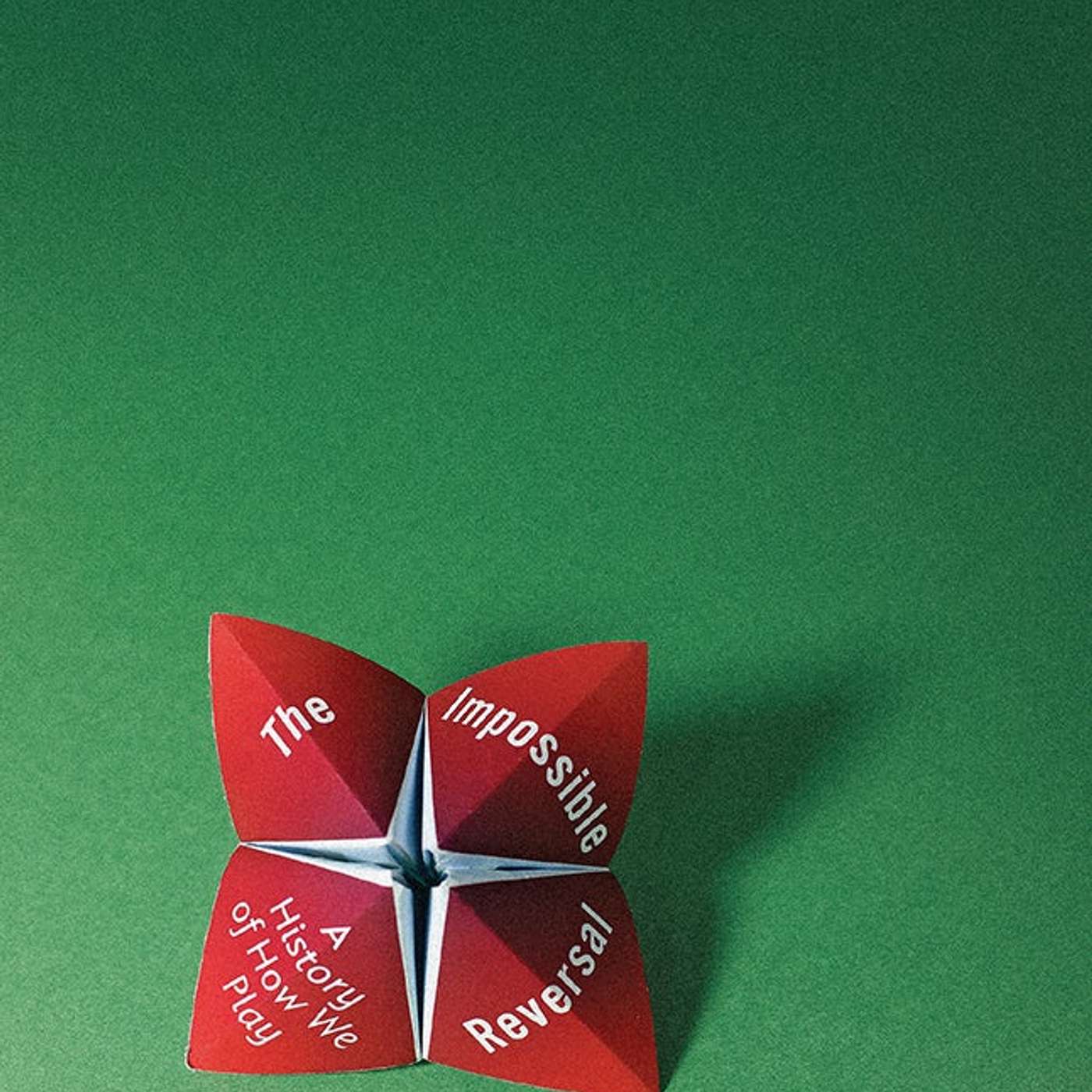
George Brecht to Game Boy: A history of play and playfulness
In his study of how a new and messy set of codes about playfulness took shape in the postwar US, Peter D. McDonald illuminates how playfulness became essential for understanding cultural, technical, and economic production. From Fluxus to the Easy-Bake Oven to Tetris to SimCity, The Impossible Reversal: A History of How We Play charts the transformation of our understanding of what it mea
Scent and scentsibility: How smell shapes present and possible worlds.
How does smell attune us to possibility? Hsuan L. Hsu studies smell’s capacity to shape our worlds, our futures, and our modes of being and relating—noting that olfactory worldmaking is going on around us all the time. Hsu is joined here in conversation with Ally Louks.Hsuan L. Hsu is professor of English at the University of California, Davis. He is author of Olfactory Worldmaking; Geogr
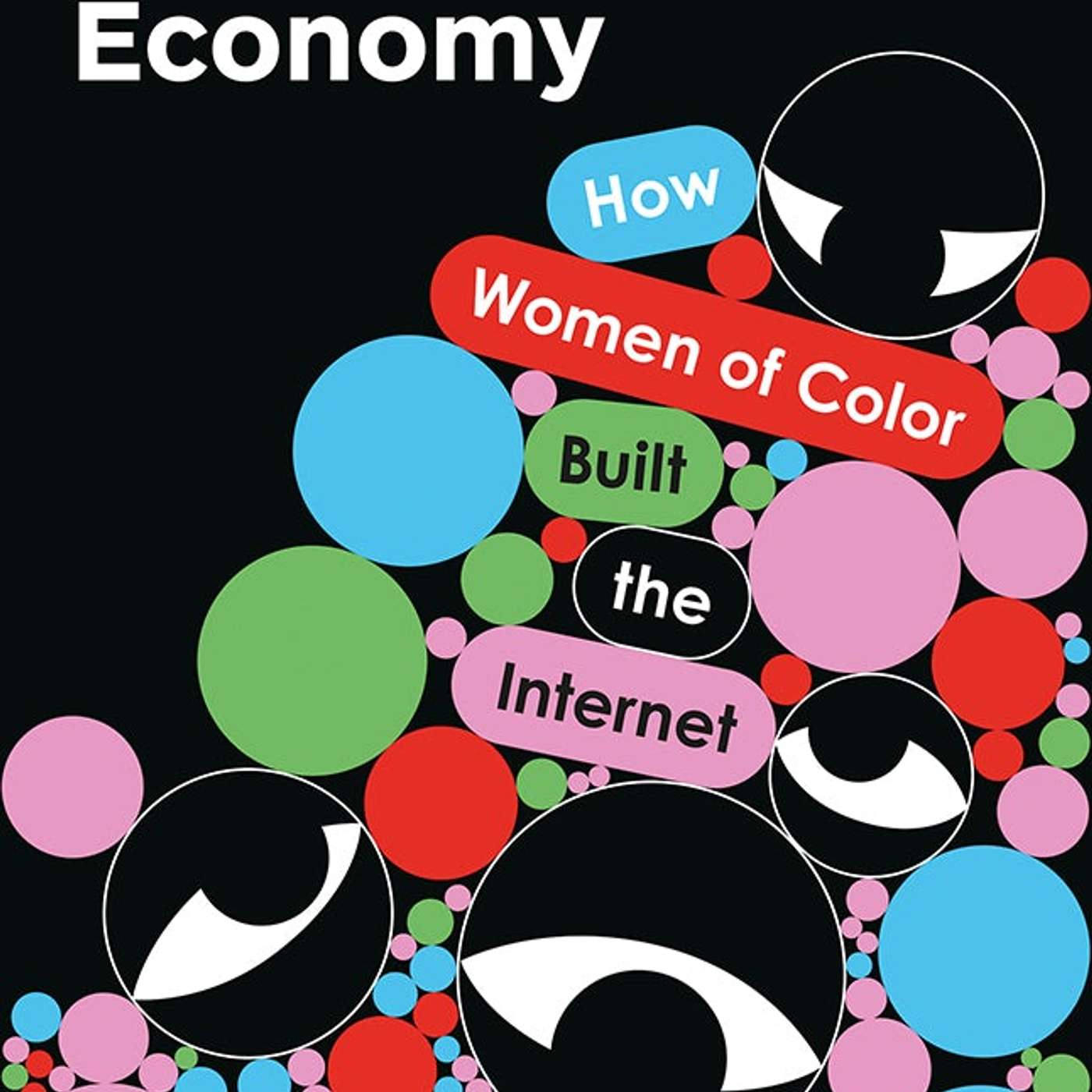
Material labor and the digital economy.
Lisa Nakamura offers a powerful counterhistory of Silicon Valley in The Inattention Economy, which argues for both recognition and material compensation for the labor of the women of color who built the internet. Nakamura exposes how these women—including Tila Tequila, the first true internet influencer of the MySpace era—have been structurally excluded from racial capitalism’s benefits a
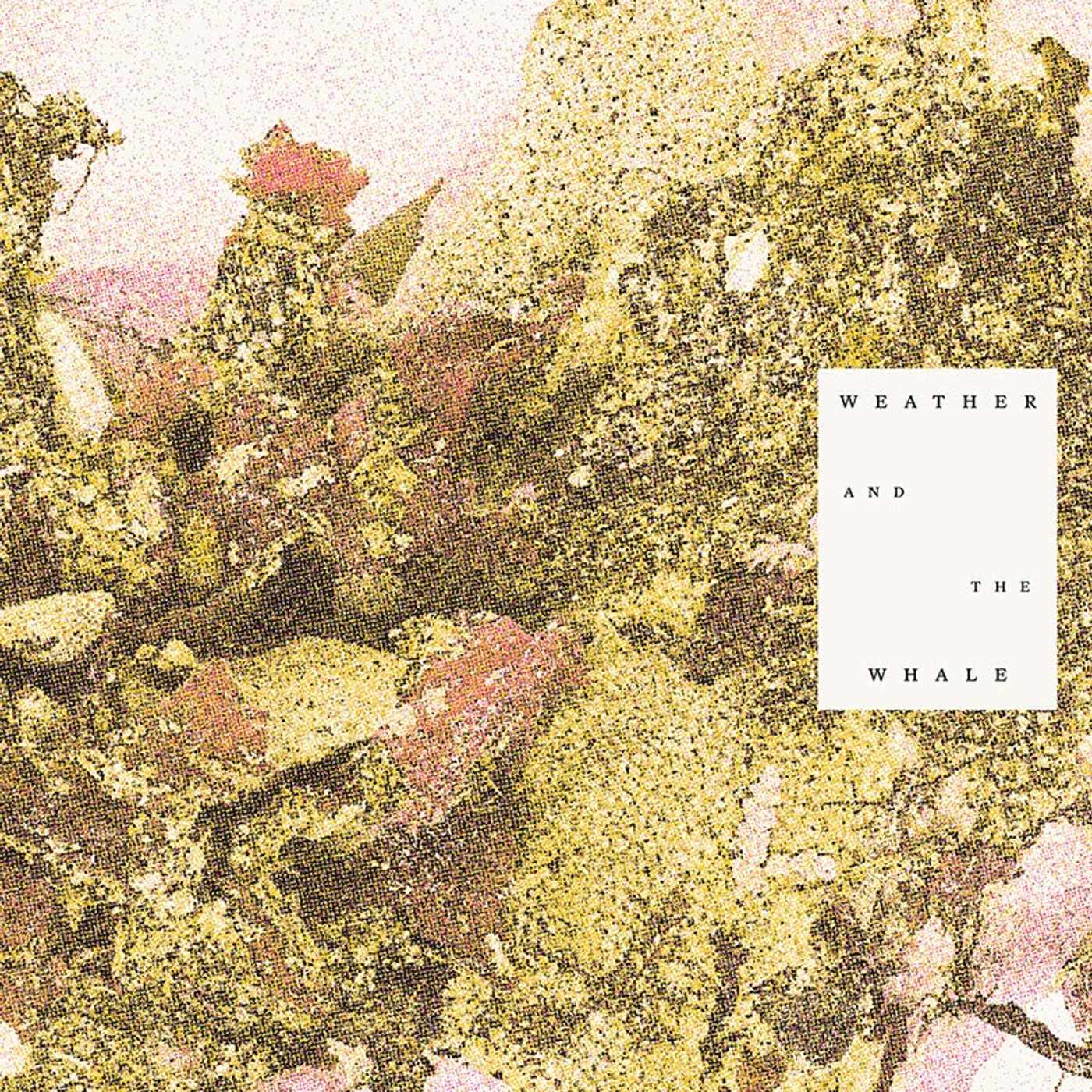
Art, science, and the whale.
Remember ‘Save the Whales’? Can we apply that same fervor to saving other species, or humans, or the planet? Weather and the Whale gets into these questions. A project collaboratively organized by the Institute of the Arts and Sciences and the Friedlaender Bio-Telemetry and Behavioral Ecology Lab at UC Santa Cruz, this exhibition catalog combines artworks, critical and creative texts, and
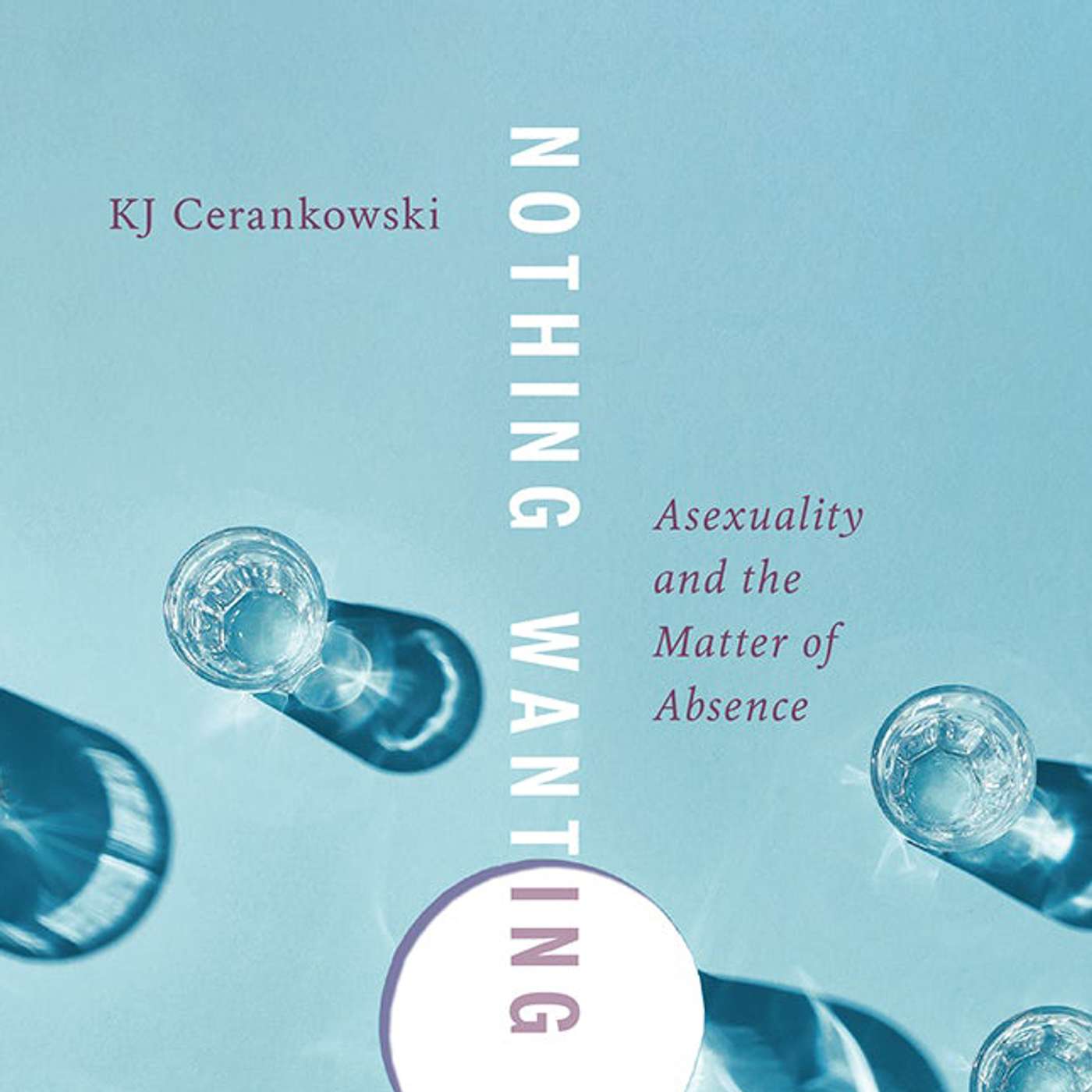
Absence and asexuality.
We’ve seen the page that states “this page intentionally left blank” or heard an authority figure declare “nothing to see here, folks”—and yet the so-called blank page has writing on it, and folks definitely have something to see. From the entry point of these and other paradoxical declarations of absence, KJ Cerankowski applies the aesthetics of asexuality to theorize silences, nothings,

Translating the near and far worlds
Welcome to worlds where cunning foxes outsmart bears and humans, where people are turned into wolves, where ogres (stállus) terrorize communities until outwitted, where undead creatures of the sea (rávgas) lure others to their demise. These worlds are illuminated in more than 300 folktales and legends that make up the most extensive compilation of Sámi narratives recorded from Sámi storyt
Political solidarity and state power
The thwarted Central American revolutions during the latter half of the twentieth century marked a watershed in what had become a global anti-imperialist movement striving for a more egalitarian future. Examining a range of documentary, literary, and artistic works, including Roxanne Dunbar-Ortiz, Héctor Tobar, Jennifer Harbury, and Horacio Castellanos Moya, States of Defeat looks at how
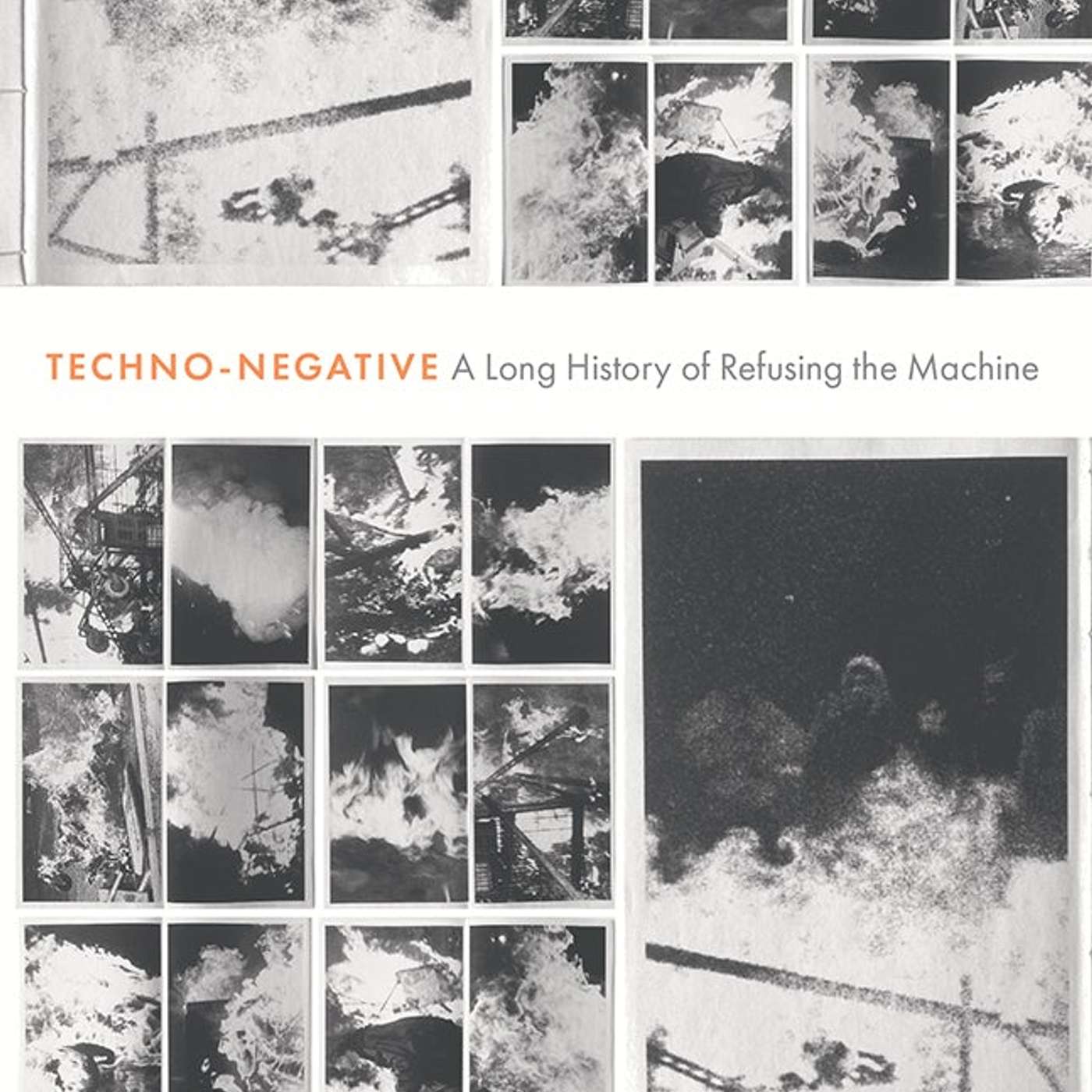
Refusing the machine.
The history of technology is often told as a history of progress. Thomas Dekeyser turns this story on its head, leading a journey to the critical junctures where people have rejected and tried to undo, rather than adopt, new technologies. In Techno-Negative: A Long History of Refusing the Machine, Dekeyser challenges readers to rethink the terms of our technological present and future. He
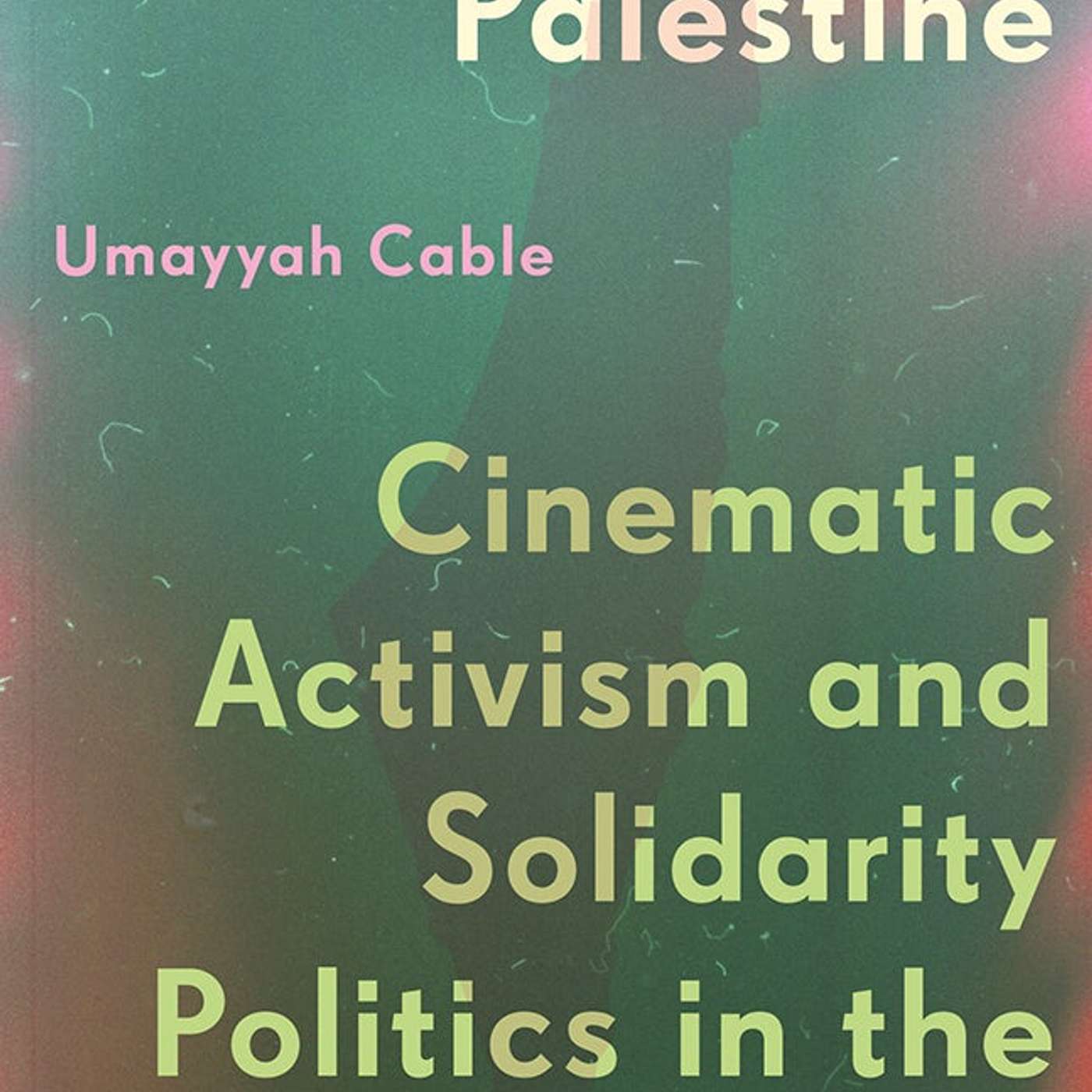
Cinematic activism and solidarity politics in the US
For decades, Arab American activists and allies have used film, video, and multimedia to mobilize support for the Palestinian cause in the United States. In Mainstreaming Palestine: Cinematic Activism and Solidarity Politics in the United States, a detailed history of cinema’s role within the broader solidarity movement, Umayyah Cable analyzes the various strands of cinematic activism tha
Cybercultural revolution in the 1960s.
In the 1960s, artists, writers, and activists prefigured the wider discourse around automation and made it a central concern of their politics. Drawing upon James and Grace Lee Boggs’s notion of the cybercultural era, and examining the works of Martin Luther King Jr., Noah Purifoy, and the Black Panthers, Brian Bartell provides a crucial key to understanding the historical dynamics respon
Abolitionist thinking, practical realities, and radical change
Far from being unrealistic, abolition is an indispensable part of a realist politics. In the book Prison Abolition for Realists, Anna Terwiel examines the work of abolitionist thinkers and activists since the 1960s—Michel Foucault, Liat Ben-Moshe, Angela Y. Davis, and more—to argue that prison abolition is a realist political project. Terwiel is joined here in conversation with Kirstine T
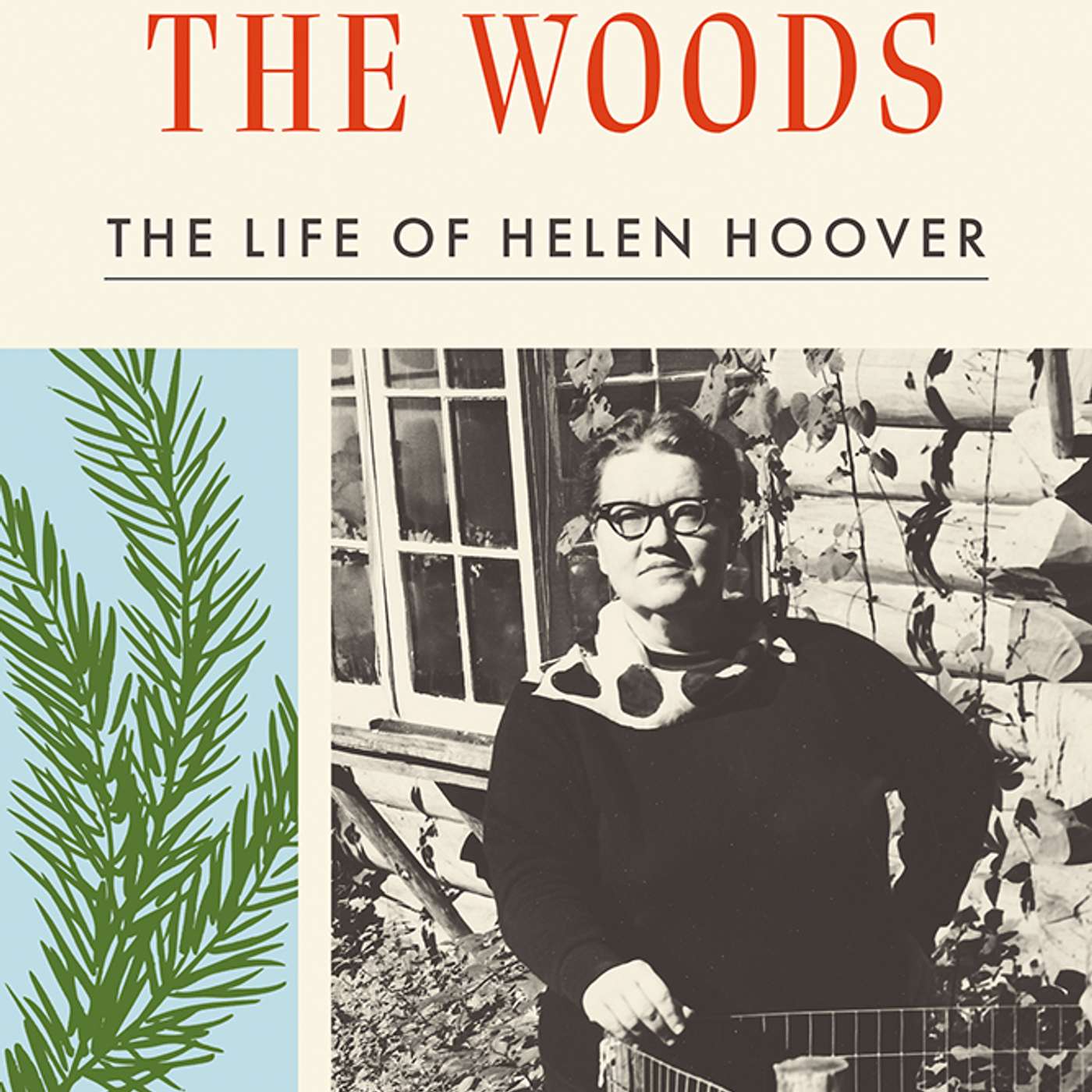
Helen Hoover's Place in the Woods
During the late 1950s through the early 1970s, Helen Hoover’s stories and essays of life in the wilderness on northern Minnesota’s Gunflint Lake, published in popular magazines and several bestselling books (including The Gift of the Deer in 1966 and A Place in the Woods in 1969), found millions of fans and earned her accolades alongside nature writers like Sigurd Olson, Rachel Carson, Sa
On gender and sport
At age 60, Erica Rand decided to take up pairs figure skating. As two white queer adult skaters, Rand and her partner have come into direct contact with the interconnected binarisms that shape athletic participation, from oversimplified distinctions between cis and trans to the artificial division between athletic and artistic. Rand’s book Skating Away from the Binary is a call to transfo
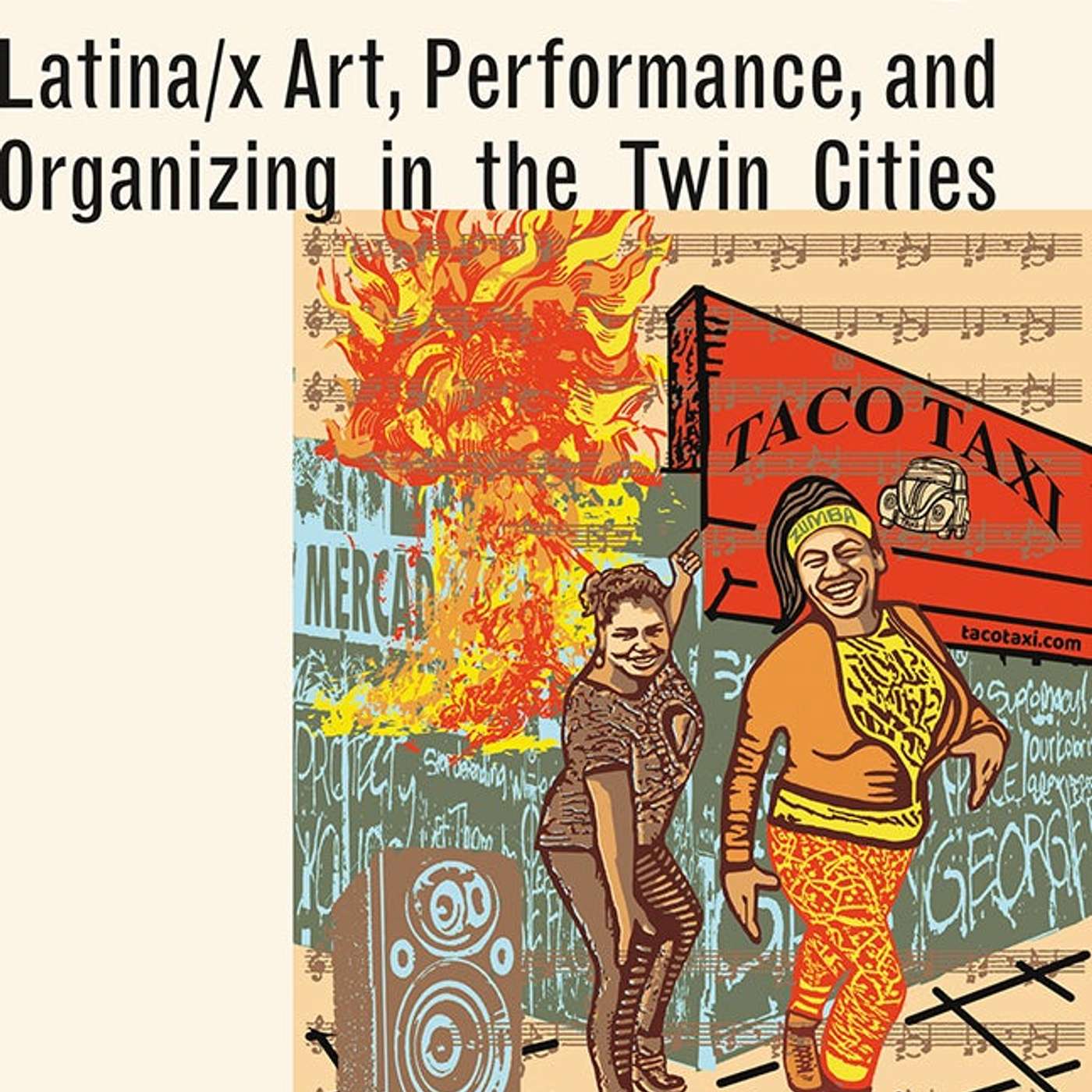
Navigating and challenging deep-seated racial injustices in the Midwest.
Movidas are subtle yet strategic actions through which Latina/x artists forge solidarities, mobilize for justice, and reclaim space. In Place-Keepers, Jessica Lopez Lyman centers Latina/x women and gender nonconforming artists from Chicana/Mexicana, US Central American, and Caribbean backgrounds and examines how these artists respond to systemic oppression through public performances and

The perilous edge between patriotism and fascism
The work of Maria Janion, one of Eastern Europe’s most profound intellectuals, who witnessed the rise of authoritarian nationalism in Poland, German occupation during World War II, Soviet control, and Poland’s uneasy integration into the West, explores this fine line. Janion’s writings have been gathered by Marta Figlerowicz into the recently published volume The Bad Child: A Maria Janion
Anti-mafia organizing and solidarity movements in Italy
For more than 150 years, Italy has been home to a resilient and evolving resistance against the pervasive influence of mafias. While these criminal organizations are renowned for their vast international business enterprises, the collective actions taken to oppose them are less known. Drawing on ethnographic fieldwork among anti-mafia alliances in Campania, Sicily, and other parts of Ital

Retirement special: Publishing leaders look back at decades of transformation and tenacity in the industry.
Douglas Armato, the fifth director in the University of Minnesota Press's 100-year history, will soon retire after 27 years of leadership at the Press—following an almost-50-year career in book publishing. On the occasion of this milestone event, he unites several titans of university publishing in a tremendous conversation about change and comradeship, past progress and future speculatio
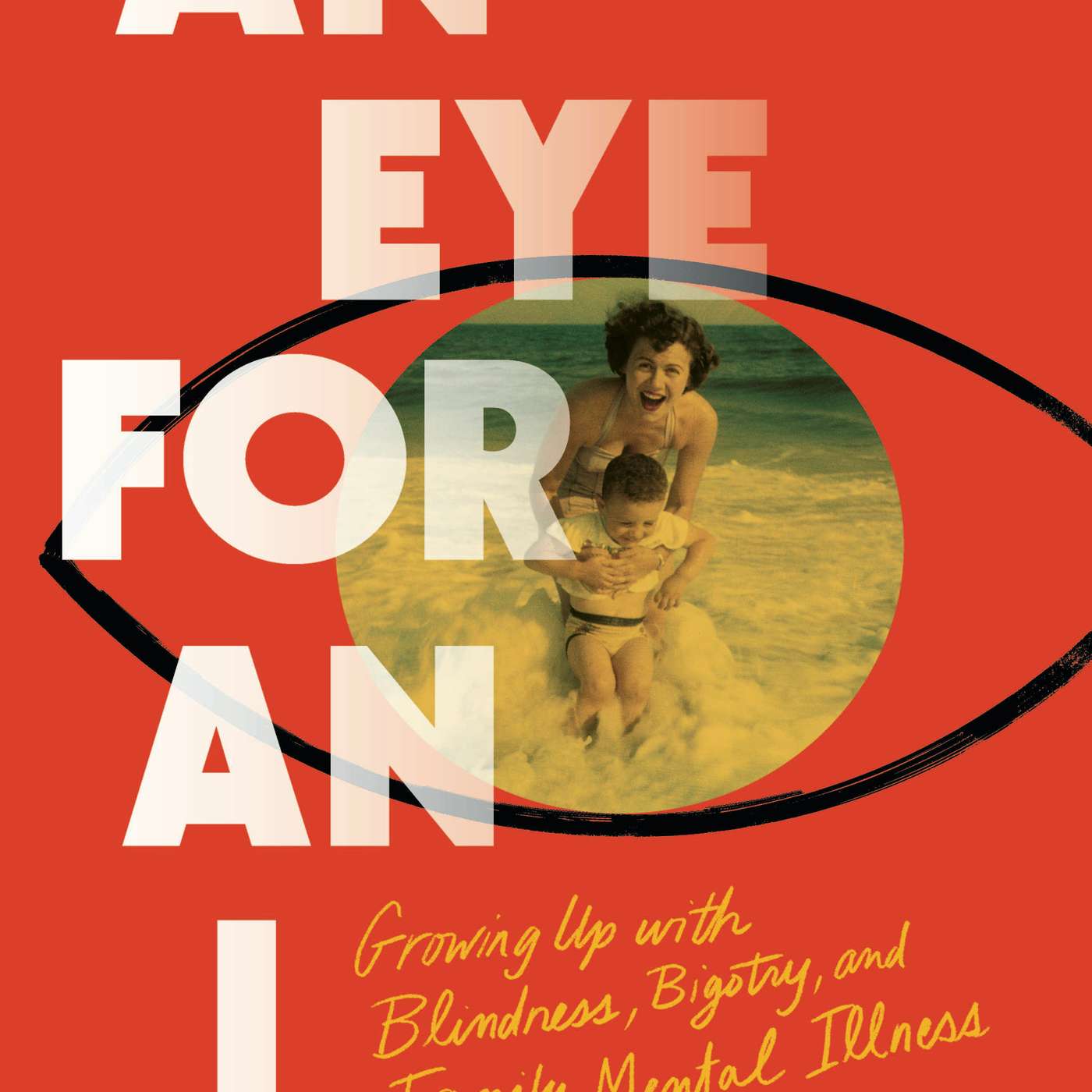
Blindness and blind spots.
“Jovencito, it’s going to be lonely being different and yet strong in this world,” James Francisco Bonilla’s grandmother told him when he was ten. Born with congenital cataracts, James had limited vision in his right eye and none in his left. At age nine, after a classmate hurled a horseshoe at his face in a racially motivated assault, James’s right eye was injured and he became legally b

Medical technology and bodily authority
As medical advancements continue to shape the detection, diagnosis, and treatment of disability and illness, technology is often presented as a path to autonomy. Rebecca Monteleone shows how such technologies contribute to a cruel double bind, forcing disabled people to be accountable for adapting to a world built by and for nondisabled people while dismissing their lived experiences in f
The digitized afterlives of cultural objects.
What is the opposite of “big” data? In a society where households commonly store personal archives of photos, financial records, and other documents, the “little” database—the personal data collection that is stored and backed up and not accessed frequently—deserves a category of its own. In The Little Database: A Poetics of Media Formats, Daniel Scott Snelson examines globally accessible
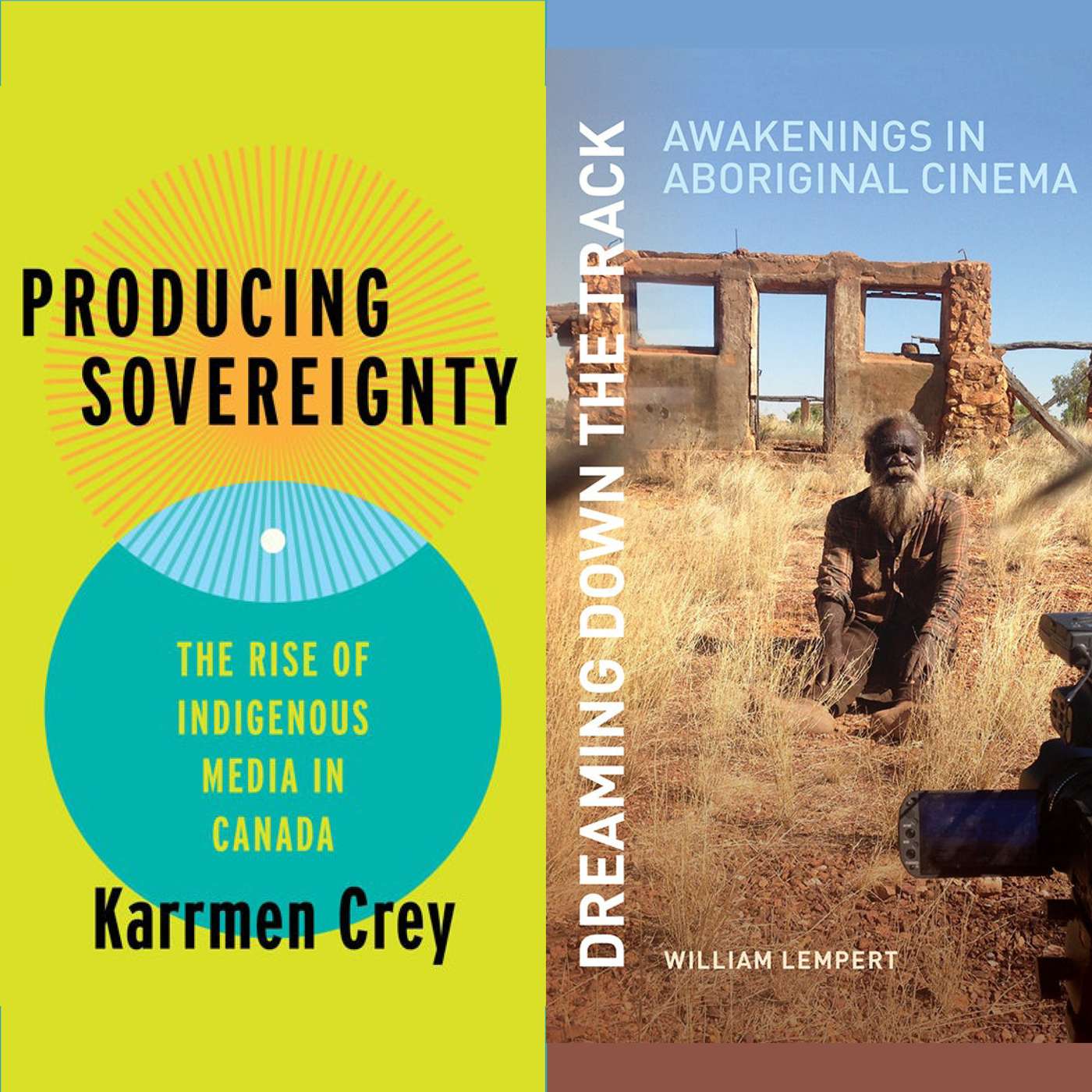
Indigenous filmmaking and futures
What lives in the spaces between dreams and apocalypse? Two authors discuss their books on Indigenous media: Karrmen Crey, whose Producing Sovereignty: The Rise of Indigenous Media in Canada considers the political and cultural conditions that enabled the proliferation of Indigenous media across Canada in the early 1990s. The product of years of embedded fieldwork within Indigenous film c
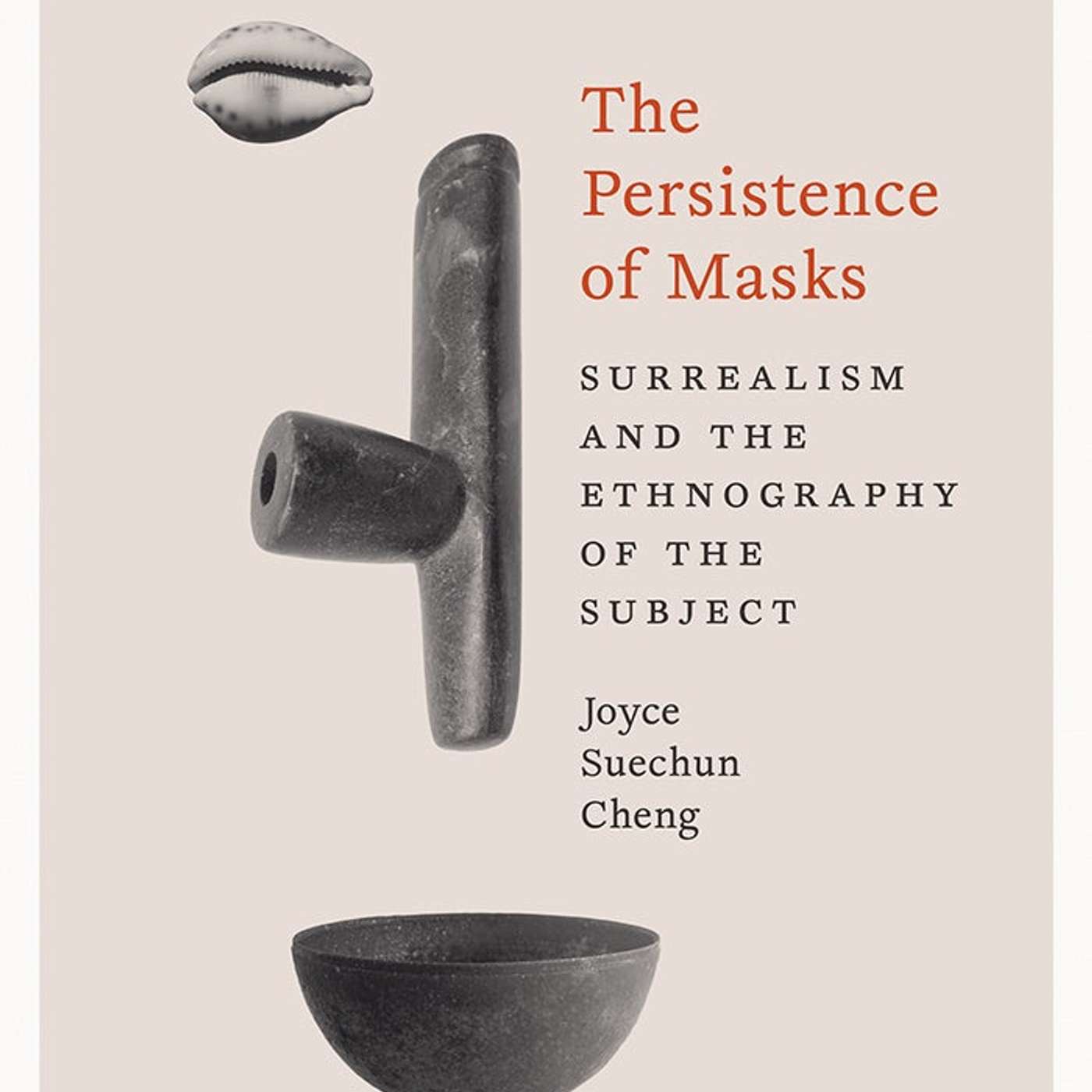
Surrealism and selfhood
In interwar Paris, the encounter between surrealism and the nascent discipline of ethnology led to an intellectual project now known as “ethnographic surrealism.” Joyce Suechun Cheng considers the ethnographic dimension of the surrealist movement in its formative years in her new book The Persistence of Masks: Surrealism and the Ethnography of the Subject, the inaugural volume in the Univ
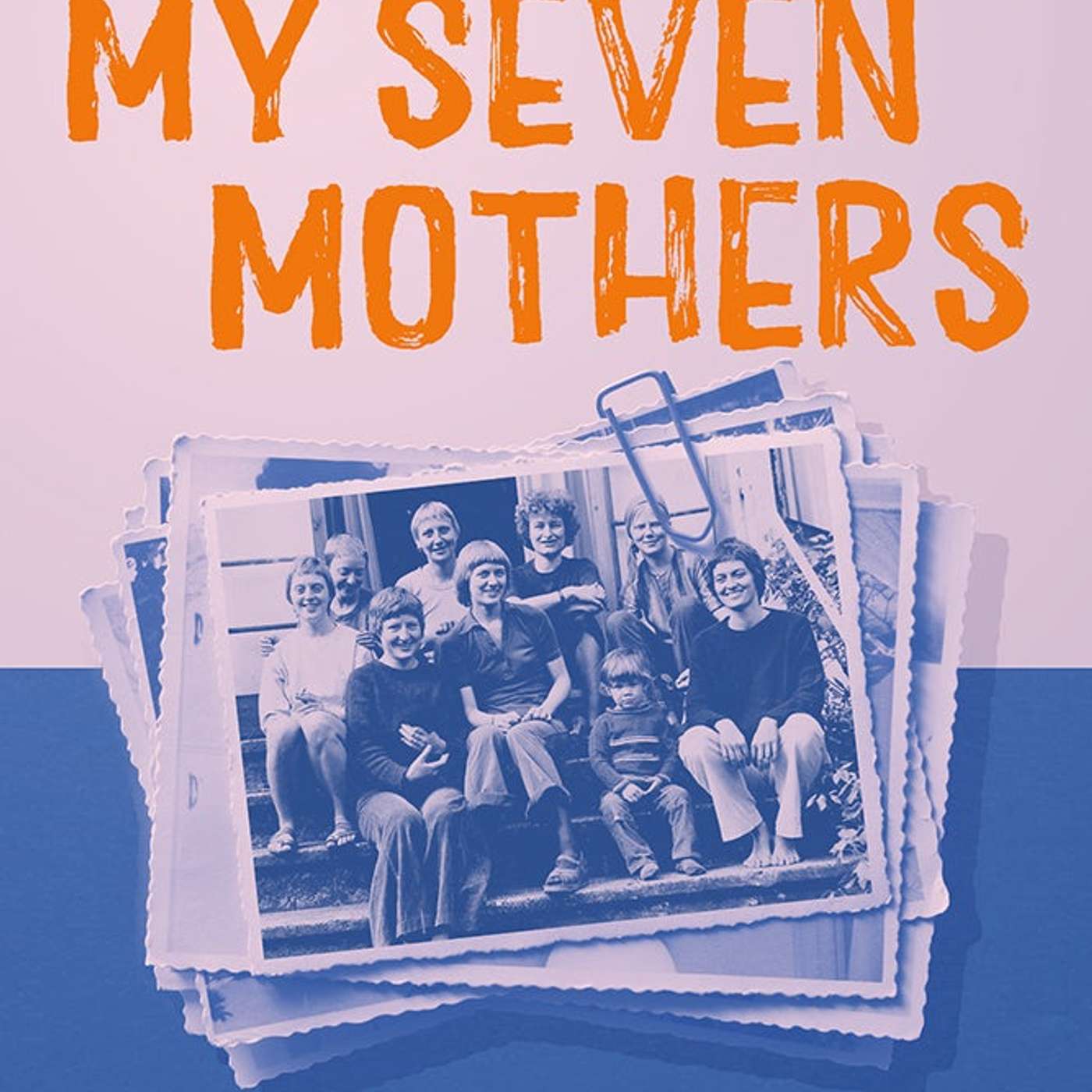
“Not everybody has seven mothers.”
In Copenhagen in 1972, during the exhilarating early days of women’s liberation in Scandinavia and dramatic social change around the world, seven women had a child together. Recounting her mothers’ history—from the passions and beliefs they shared to the political divisions over sexual identity that ultimately split them apart—Pernille Ipsen’s chronicle of gender, sexuality, and feminism
Nonbinary Jane Austen
Chris Washington reads Jane Austen differently from how she is classically understood; rather than the doyen of the cisheteronormative marriage plot, Washington argues that Austen leverages the generic restraints of the novel and envisions a nonbinary future that traverses the two-sex model of gender that supposedly solidifies in the eighteenth century. Here, Washington discusses a politi
Three economies of transcendence
“Lack of political will and corruption of the ruling class are certainly enormous obstacles but do not (fully) explain the widespread inaction against our current multidimensional crisis (ecological catastrophe, failing democracies, permanent and more destructive wars, etc.).” So opens Andrea Righi’s Three Economies of Transcendence, which takes a deep philosophical dive into the fundamen
Star Trek and the franchise era.
In his book Late Star Trek, Adam Kotsko analyzes the wealth of content set within Star Trek’s sprawling continuity, beginning with the prequel series Enterprise, highlighting creative triumphs and the tendency for franchise faithfulness to get in the way of new ideas. Arguing against the consensus that franchises are a sign of cultural decay, Kotsko zeroes in on their status as modern myt
Pseudoscientific phenomena and cultural thought
Some attributes of the paranormal mind are dismissed as nonsense, but what can an exploration of pseudoscientific phenomena tell us about accepted scientific and cultural thought? In Parascientific Revolutions: The Science and Culture of the Paranormal, Derek Lee traces the evolution of psi epistemologies and uncovers how these ideas have migrated into scientific fields such as quantum ph
Replacing the state.
Sasha Davis, an activist and scholar of radical environmental advocacy, brings new hope for social justice movements by looking to progressive campaigns that have found success by unconventional means. From contesting environmental abuse to reasserting Indigenous sovereignty, these movements demonstrate how people can collectively wrest control over their communities from oppressive gover
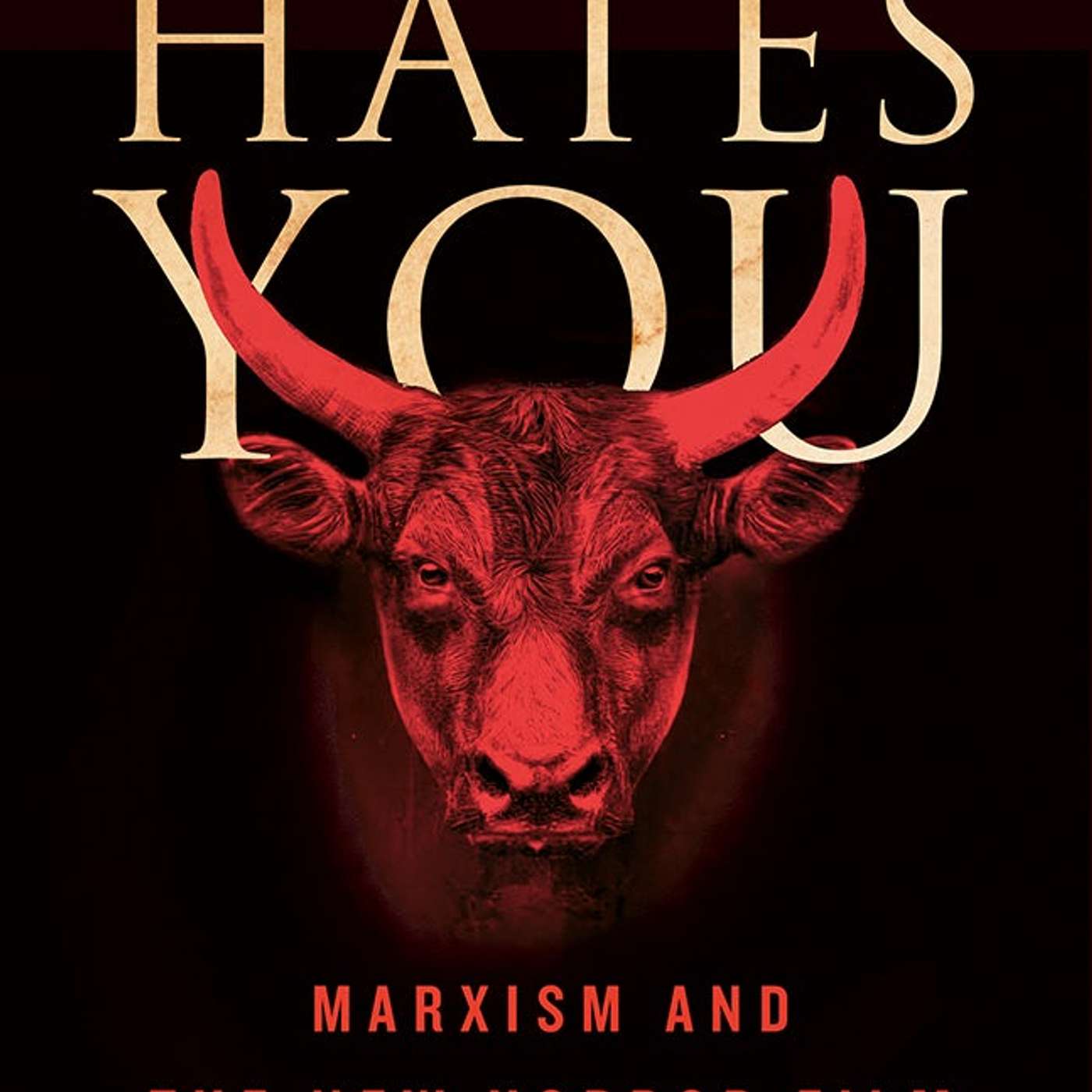
Capitalism Hates You: Horror film and Marxist theory.
From Get Out to The Babadook to Saint Maud: In his new book, Josh Gooch uses the horror film genre to expose the hostile conditions of life under capitalism, drawing connections between Marxist theory and contemporary narratives of psychological unease. Here, Gooch is joined in conversation with Jo Isaacson. This episode contains spoilers for multiple films (list below). Access a transcri
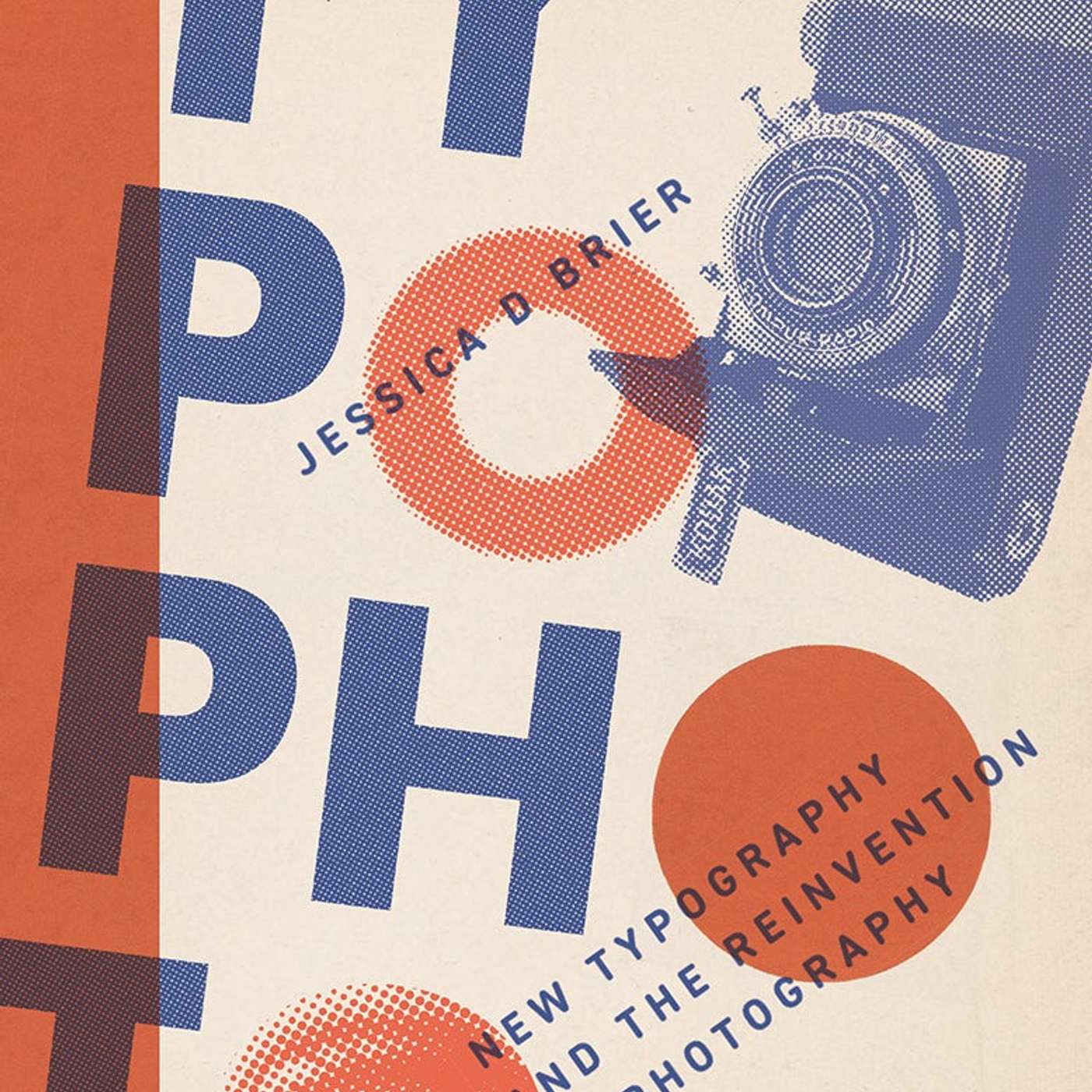
Typophoto and graphic design’s early years.
Between the World Wars, ideas about meaning, truth, and the ethics of persuasion informed newly articulated principles for combining word and image. The young field of graphic design developed quickly during this period, and photography played a central role as a visual language of modern life. The concept Typophoto was coined by Bauhaus artist László Moholy-Nagy and played a foundational
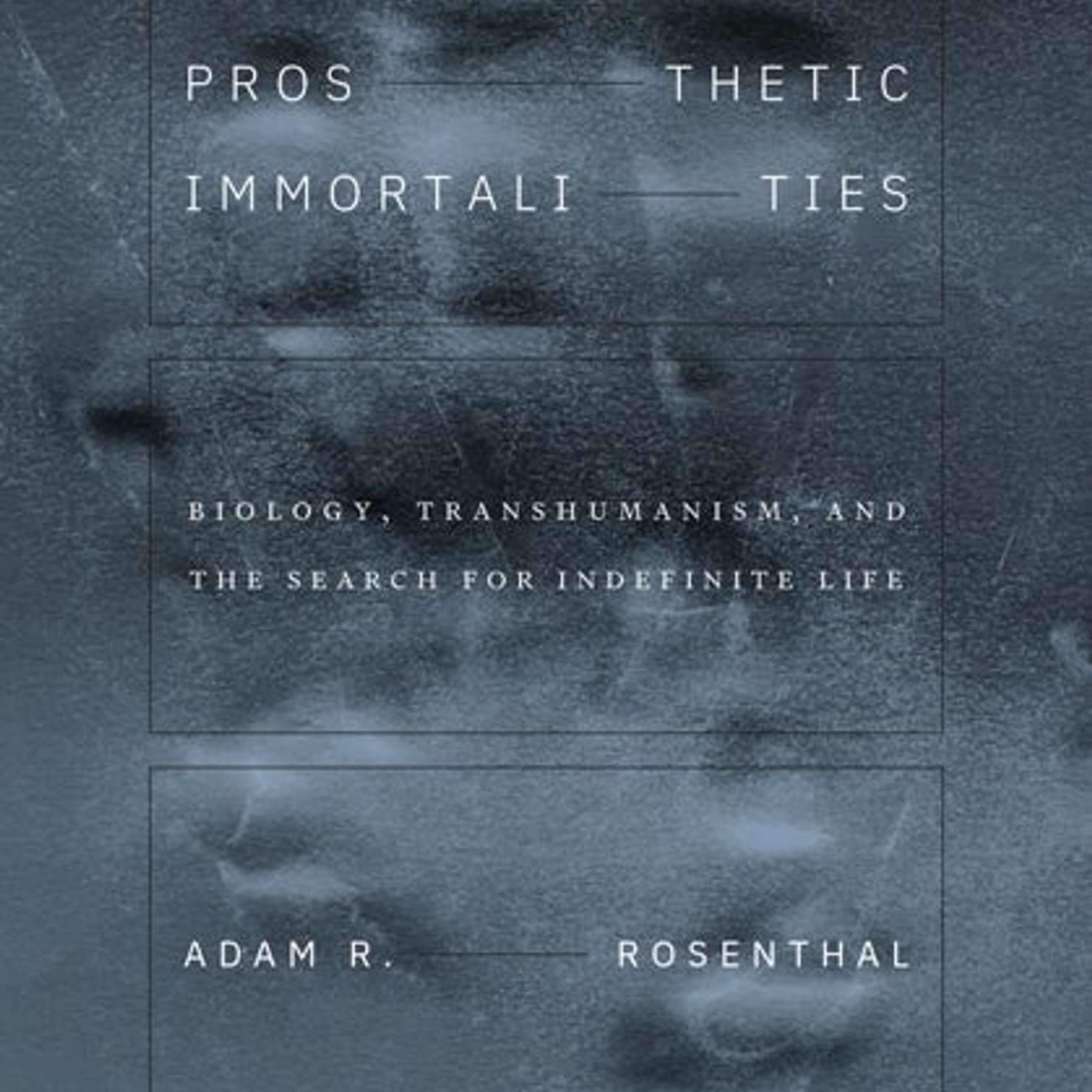
The dream of indefinite life.
From Plato and Derrida to anti-aging treatments, cryogenics, cloning, and whole-brain uploads, the dream of indefinite life is technological and, as Adam Rosenthal shows in Prosthetic Immortalities: a matter of prosthesis, the transformation of the original being. There can be no certainty of immortality and yet, the problem of immortality continues to haunt the soul. Rosenthal engages Da
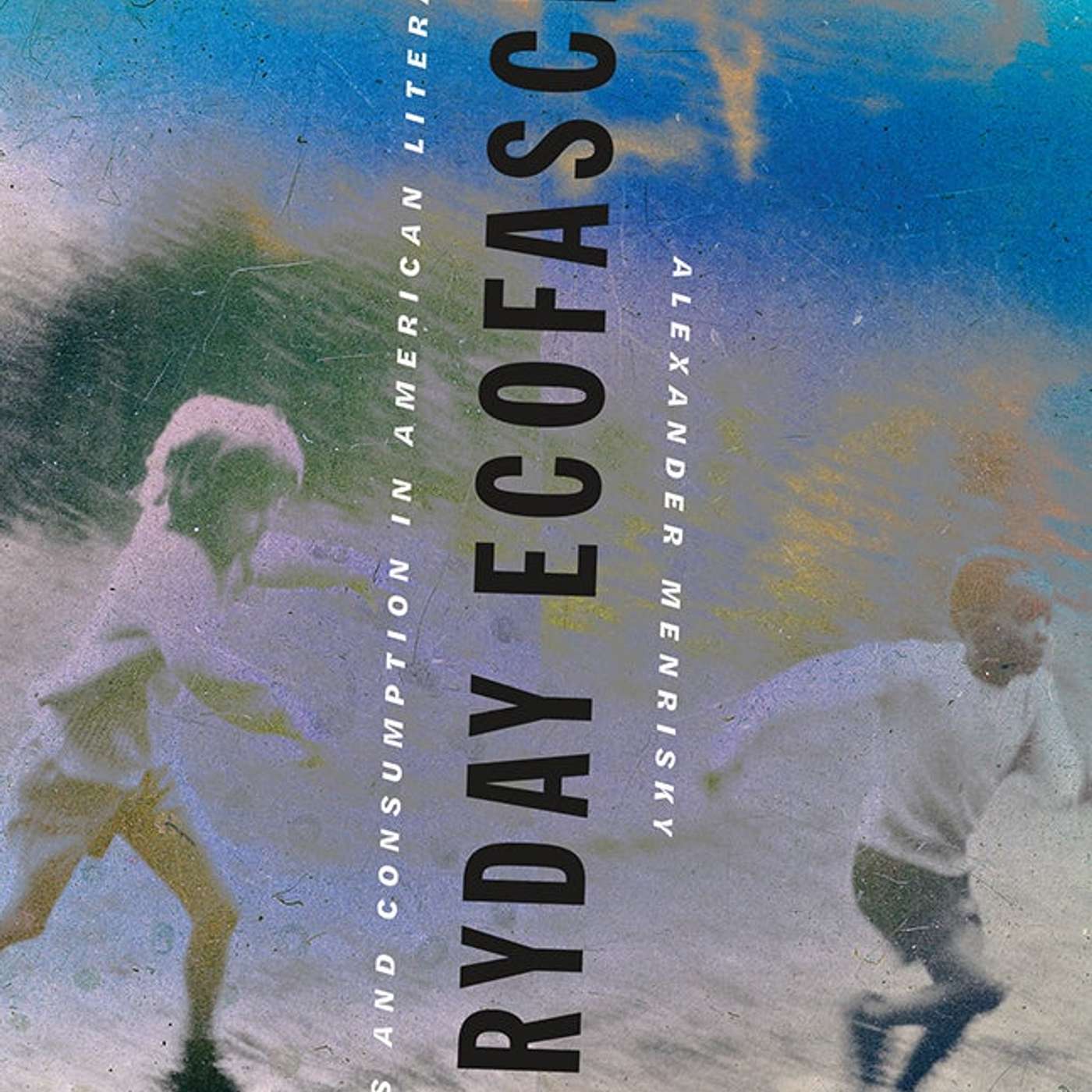
How fascist ideas permeate contemporary culture.
Presenting a view of fascism as a complex power network that plays out on scales both large and small, Alexander Menrisky, author of Everyday Ecofascism, shows how extremist sentiments have crept into everyday language, stories, and ideas. He illuminates ecofascism’s narrative patterns and their easy permeation of environmentalist discourses, from back-to-the-land movements to the resurge
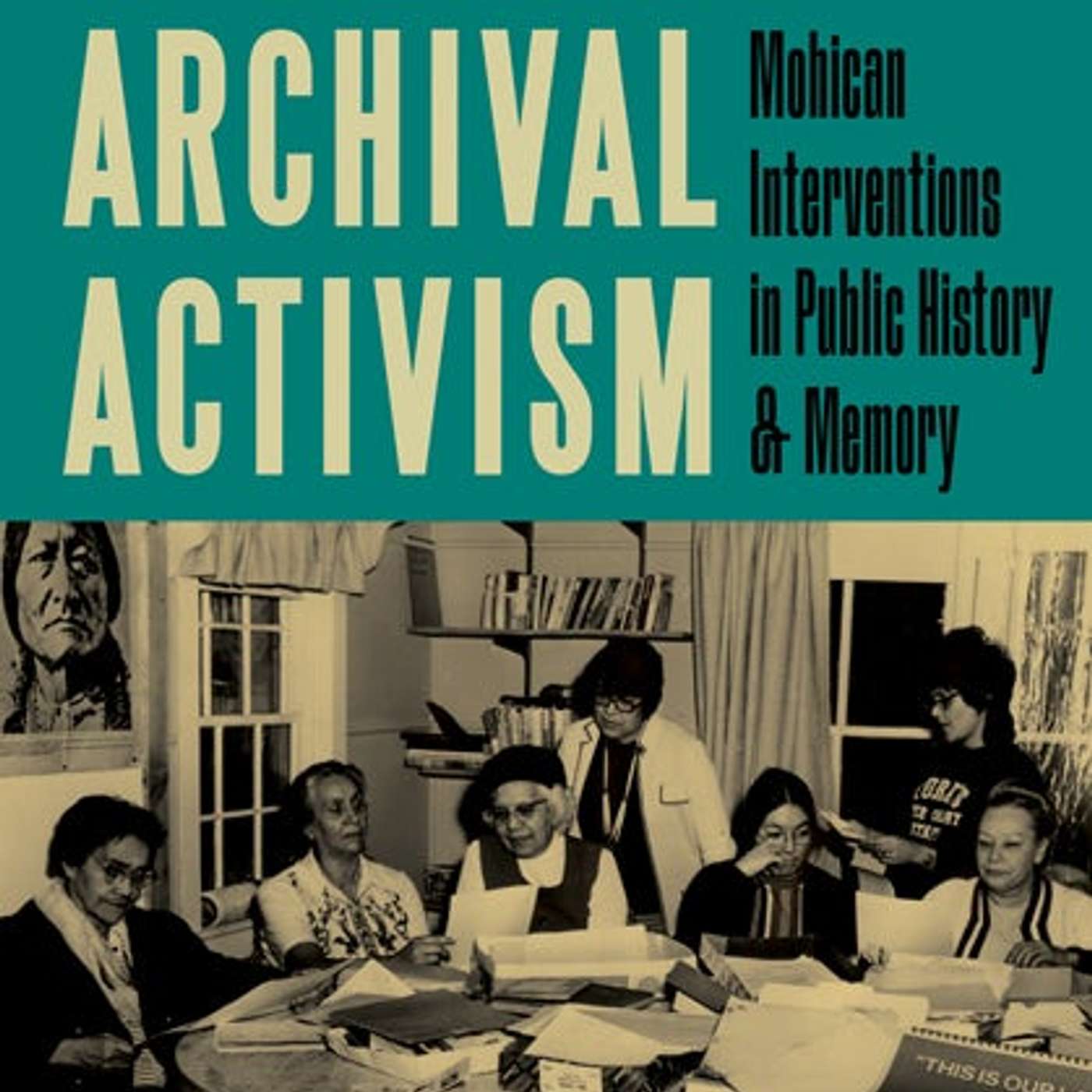
Public history, memory, and building a tribal archive.
The story of the Stockbridge-Munsee Mohican Nation and its Historical Committee—and its fifty-year fight to recover and rewrite its history—is the focus of Rose Miron’s award-winning book Indigenous Archival Activism. Miron’s research and writing are shaped by materials found in the tribal archive and ongoing conversations as part of her more-than-a-decade-long reciprocal relationship wit
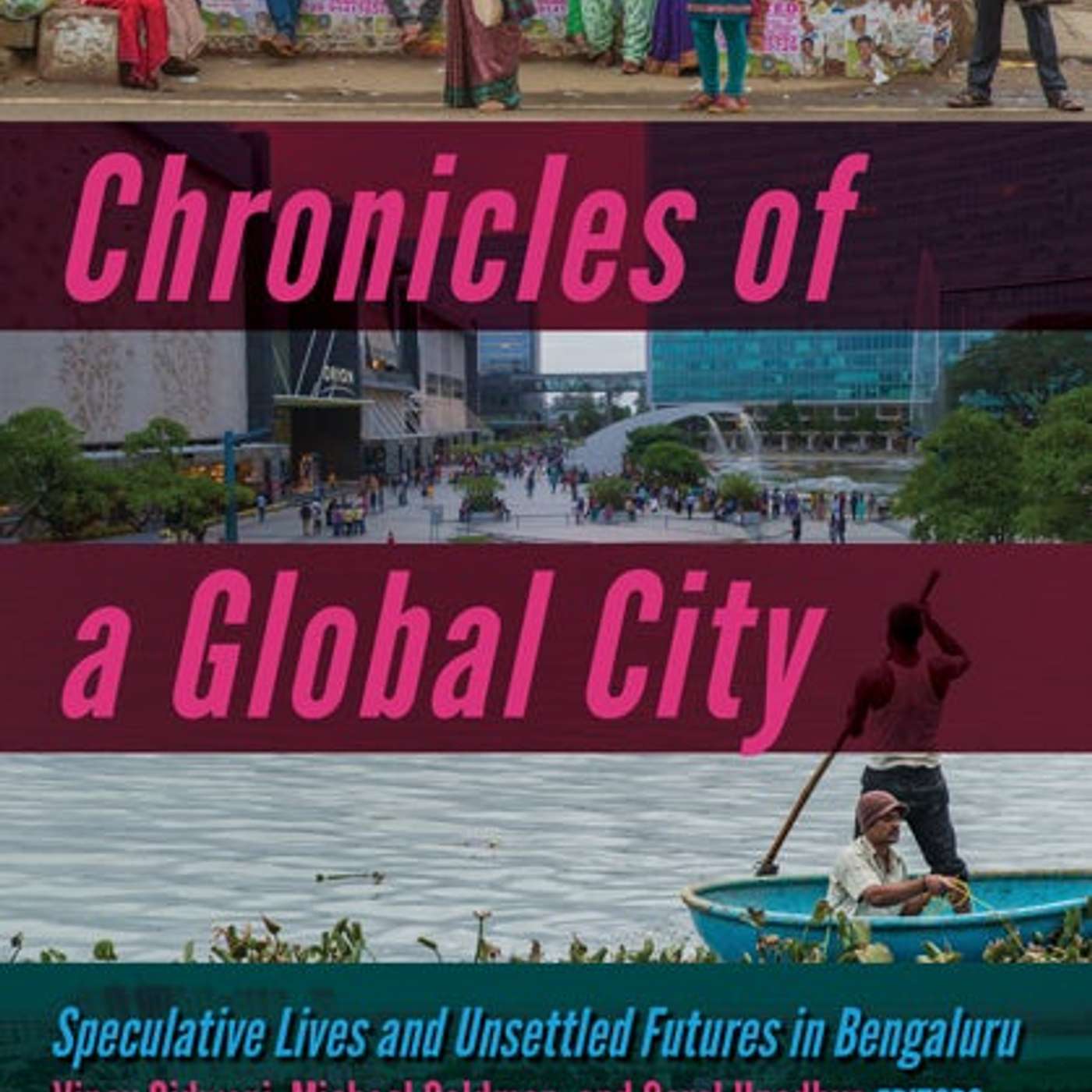
Has the city become history?
Society has yet to fully grapple with the administrative chaos that has ensued from the growth of the urban. One such city allows tremendous insight into the process of urbanization in the new millennium: Bengaluru. During the past two decades, Bengaluru’s real estate sector and infrastructure investments have exploded in a massive transformation that stimulated rapid urbanization and unb
To live lightly on the planet.
Tamara Dean's quest to live lightly on the planet in the midst of the environmental crises of our time led her to a landscape unlike any other: the Driftless area of Wisconsin, a region untouched by glaciers, marked by steep hills and deeply carved valleys, capped with forests and laced with cold, spring-fed streams. There she confronted, in ways large and small, the challenges of meeting
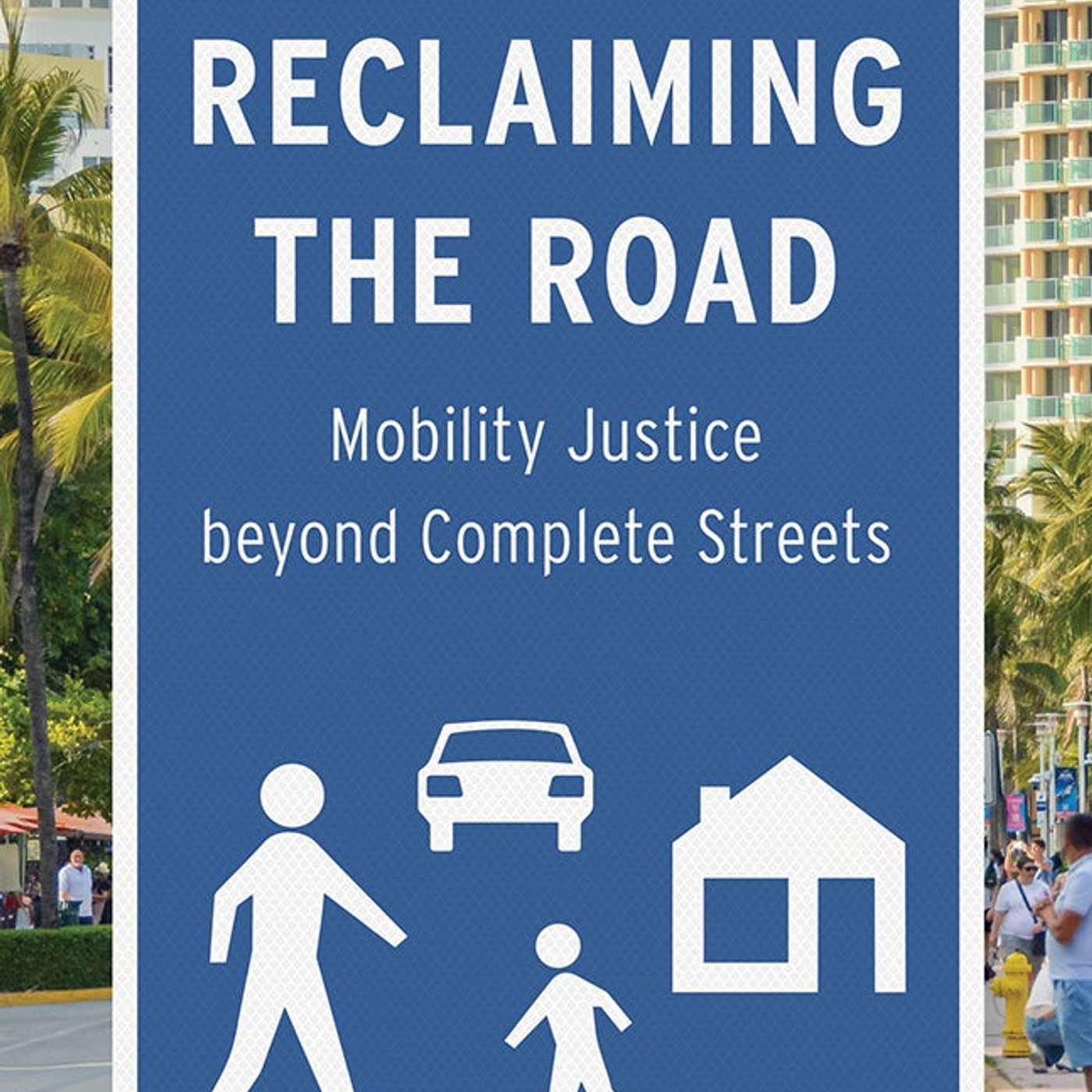
Can we design better public streets?
Cities across the US are rethinking streets, going beyond sidewalks and bike lanes to welcome nonmotorists to share the roadway. David L. Prytherch, author of Reclaiming the Road: Mobility Justice beyond Complete Streets, traces the historical evolution of America’s streets and explores contemporary movements to retake them from cars for diverse forms of mobility and community life. Can w
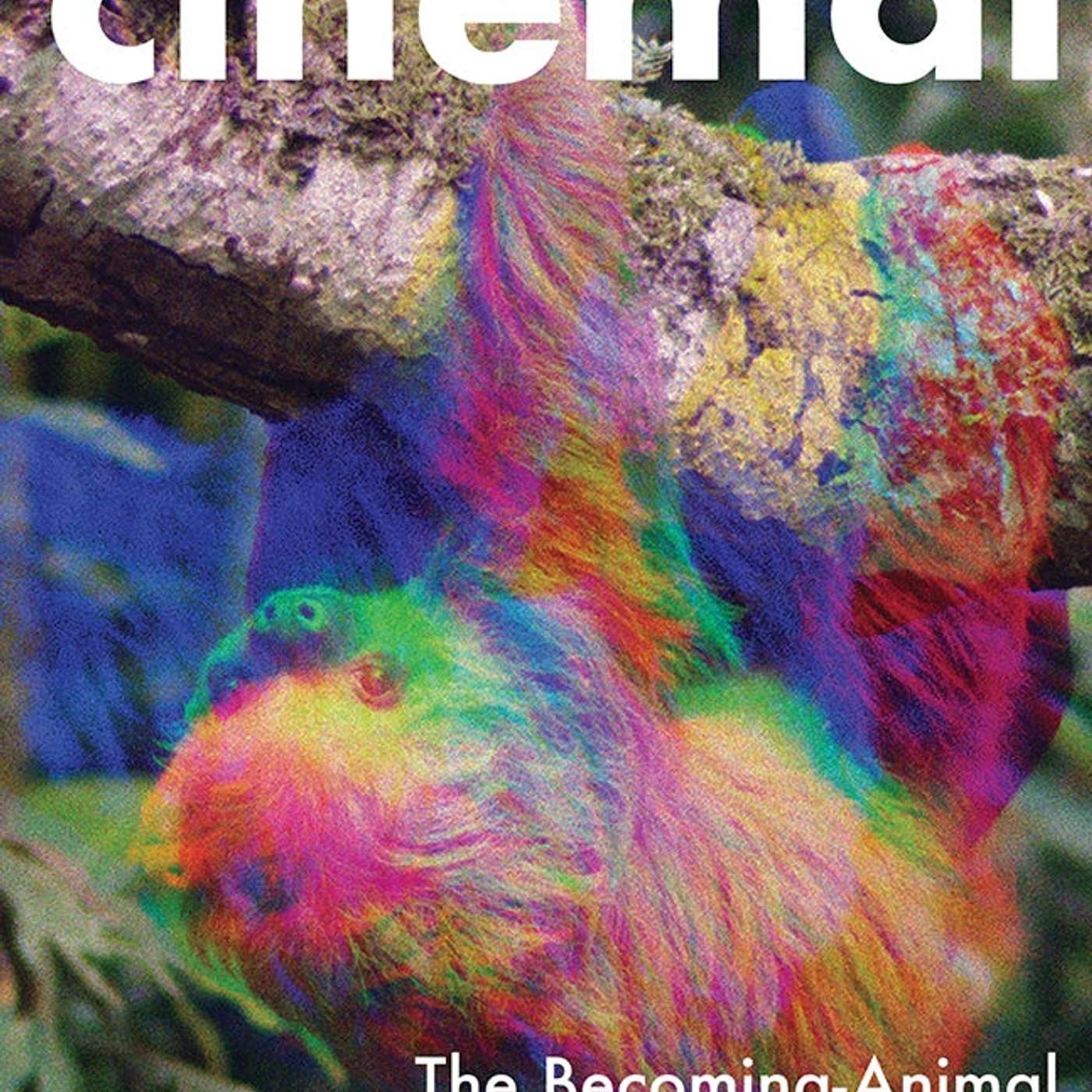
Cinemal: Films and animals, majesty and mystery
Cinema can be furtive and intensely beautiful—and it can leave a viewer craving more. Cinemal is Tessa Laird’s passionate inquiry into the desire to write about animals and to write about art, juxtaposing the two and burrowing into the ways that films mimic the majesty, mystery, and movements of animals. Here, Laird is joined in conversation with Giovanni Aloi and Caroline Picard, editors
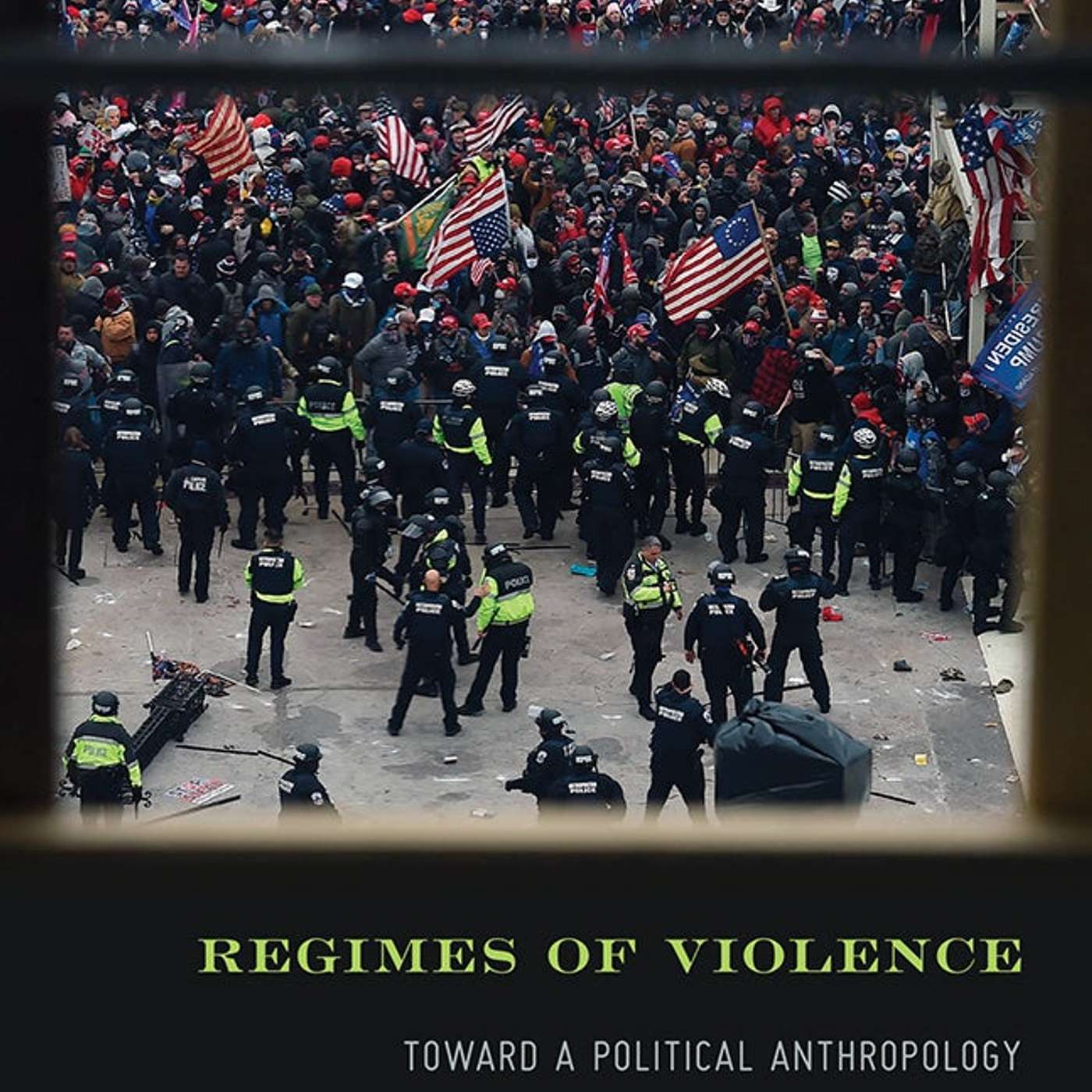
Is aggression inevitable?
“There is no such thing as a raw, natural, aggressive urge that underlies human violence. While we inherit defense mechanisms, they work only when triggered culturally.” So opens John Protevi’s Regimes of Violence: Toward a Political Anthropology, which takes as its biocultural basis that social practices shape our bodies and minds, and analyzes human aggression throughout history: early
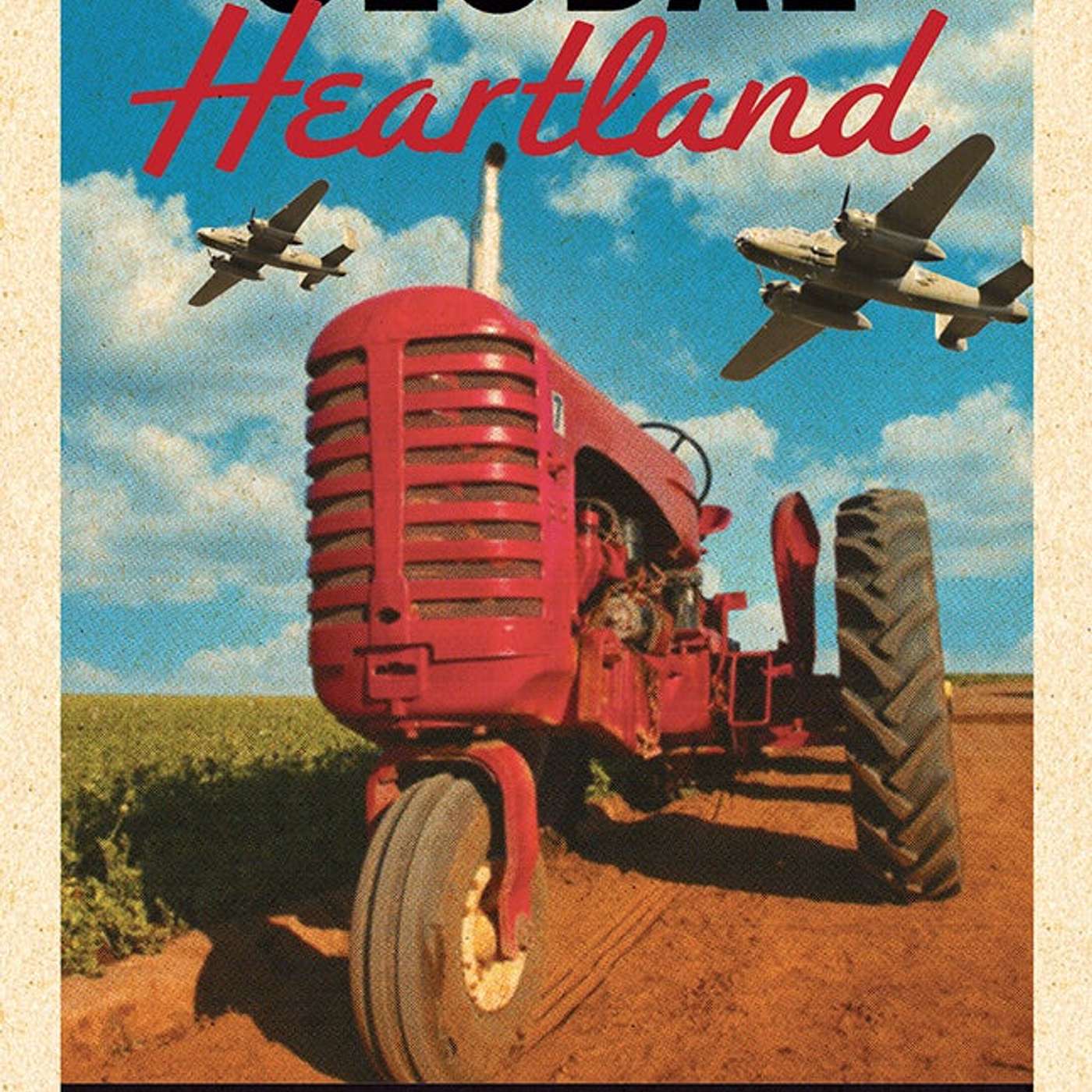
The rural Midwest, foreign policy, and the ways we do history
Scholars have long challenged the common assumption of midwestern isolationism. In Global Heartland, historian Peter Simons reorients the way we look at the critical period in US history from the 1930s through 1950s, showing how farmers across the Midwest understood their work as contributing to an era of international upheaval, geographical reimagination, and global ecological thinking.
Judith Butler and Talia Mae Bettcher talk philosophy, personhood, resistance
Talia Mae Bettcher’s Beyond Personhood provides an entirely new philosophical approach to trans experience, trans oppression, gender dysphoria, and the relationship between gender and identity. Arguing that the tense relation between trans oppression and resistance is mediated through the complex social phenomenon of gender make-believe, Bettcher introduces the groundbreaking theory of in
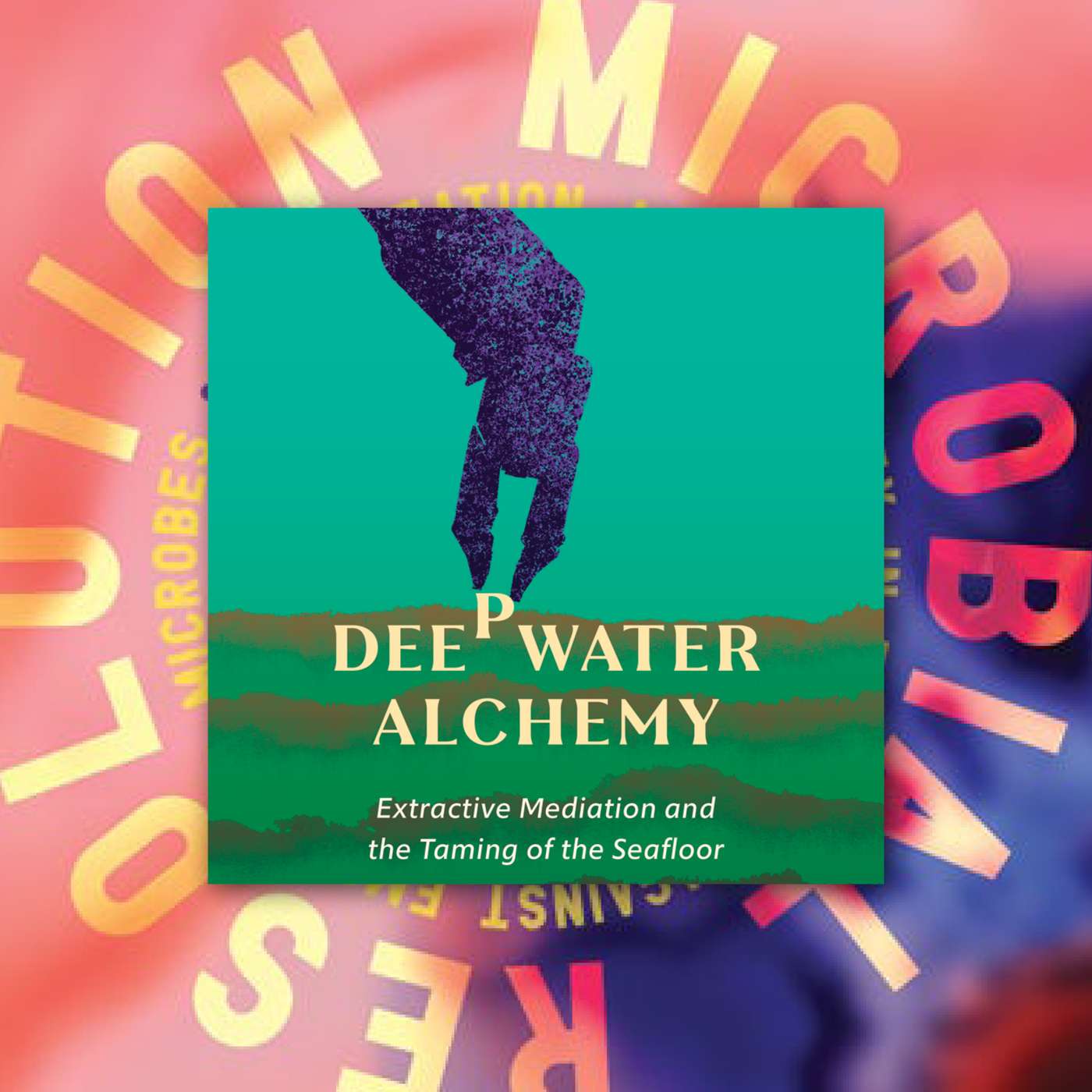
Thinking elementally, from the microbe to the vast seafloor
"Infrastructure is invisible until it breaks." How do we visualize something that cannot be physically seen? What limitations do existing knowledge structures impose that reverberate through planetary problem-solving processes, including public health and environmental crises? This episode brings together two scholars who think elementally: Lisa Yin Han, who operates in the blue humaniti
Coral and coralations with Melody Jue and Ann Elias
There's living coral, and then there's Coral—the iconicity and imaginary of living coral. As Melody Jue writes in Coralations, coral alternates between signifying an organism and signifying an environment, all too often imagined as a tourist destination. In rethinking the limitations of Coral, Jue opens up possibilities for a more expansive sense of environmental media, more inclusive goa

Super 100th Spectacular!
University of Minnesota Press, est. 1925, turns 100 this year. Yes, we are twice as old as Saturday Night Live. And just as old as The New Yorker and The Great Gatsby. The Press has had only five directors in its history, and many current staff have been on for more than a few decades.How about another serendipitous milestone: this podcast, est. 2020, is releasing its 100th episode right

Playhouses and the architecture of childhood.
Between the 1850s and 1930s, before playhouses for children reached the mainstream, they were often fully functional cottages designed by well-known architects for British royalty, American industrialists, and Hollywood stars. Recognizing the playhouse in this era as a stage for the purposeful performance of upper-class identity, Abigail A. Van Slyck illuminates their role as carefully pl
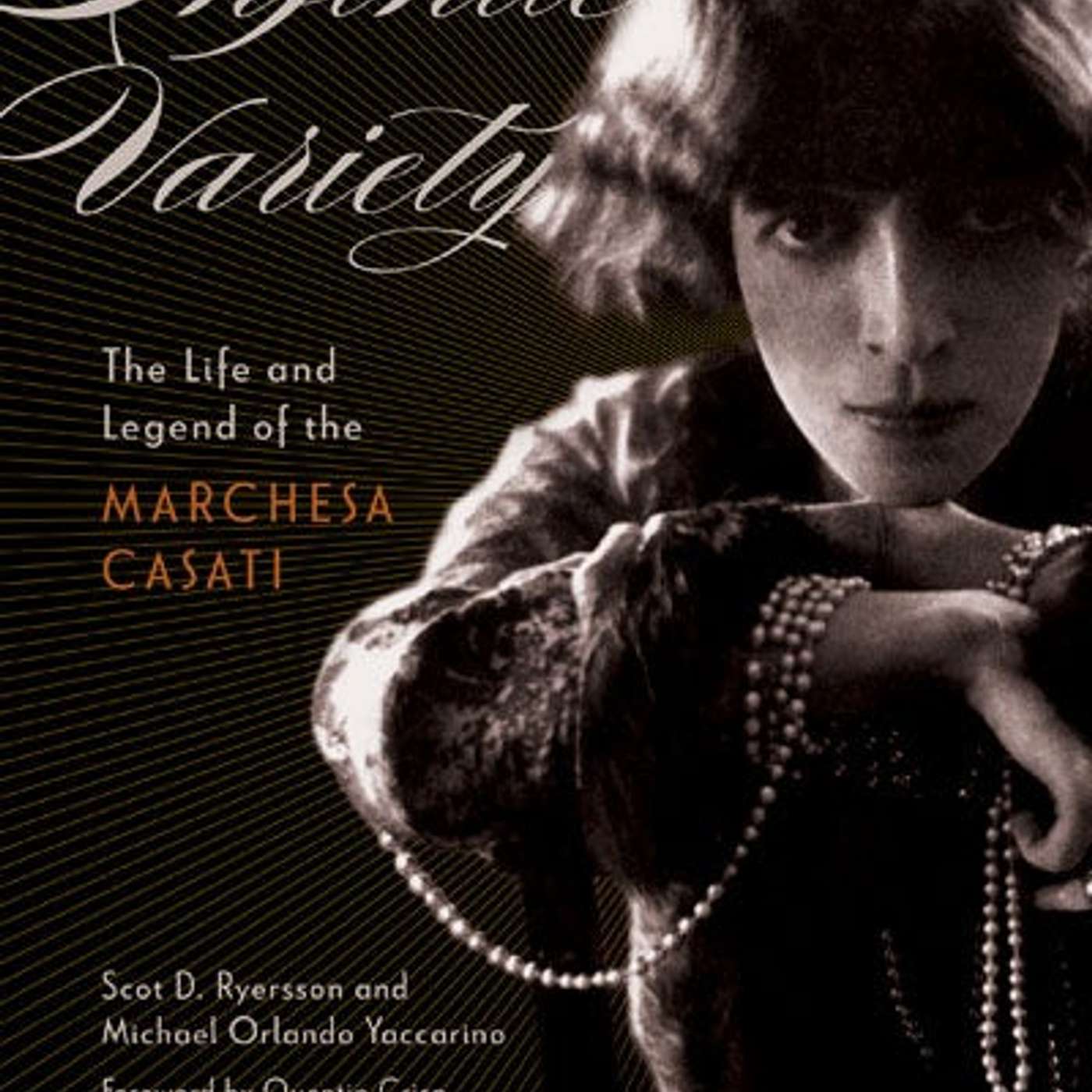
“I want to be a living work of art”: On the Marchesa Luisa Casati
“If the public can predict you, it starts to like you. But the Marchesa didn’t want to be liked.” For the first three decades of the twentieth century, the Marchesa Luisa Casati astounded Europe. Artists such as Man Ray painted, sculpted, and photographed her; writers such as Ezra Pound and Jack Kerouac praised her strange beauty. An Italian woman of means who questioned the traditional g

It’s a microbe’s world. We just live in it.
Microbes: We can’t see them, but we have no choice but to live with them. Microbes have significant, enduring impacts on human health and remind us to resist the abstraction of crucial forces in our everyday lives. Welcome to a multidisciplinary conversation about microbes, featuring Amber Benezra (Gut Anthro), Gloria Chan-Sook Kim (Microbial Resolution), and Matthew J. Wolf-Meyer (Americ
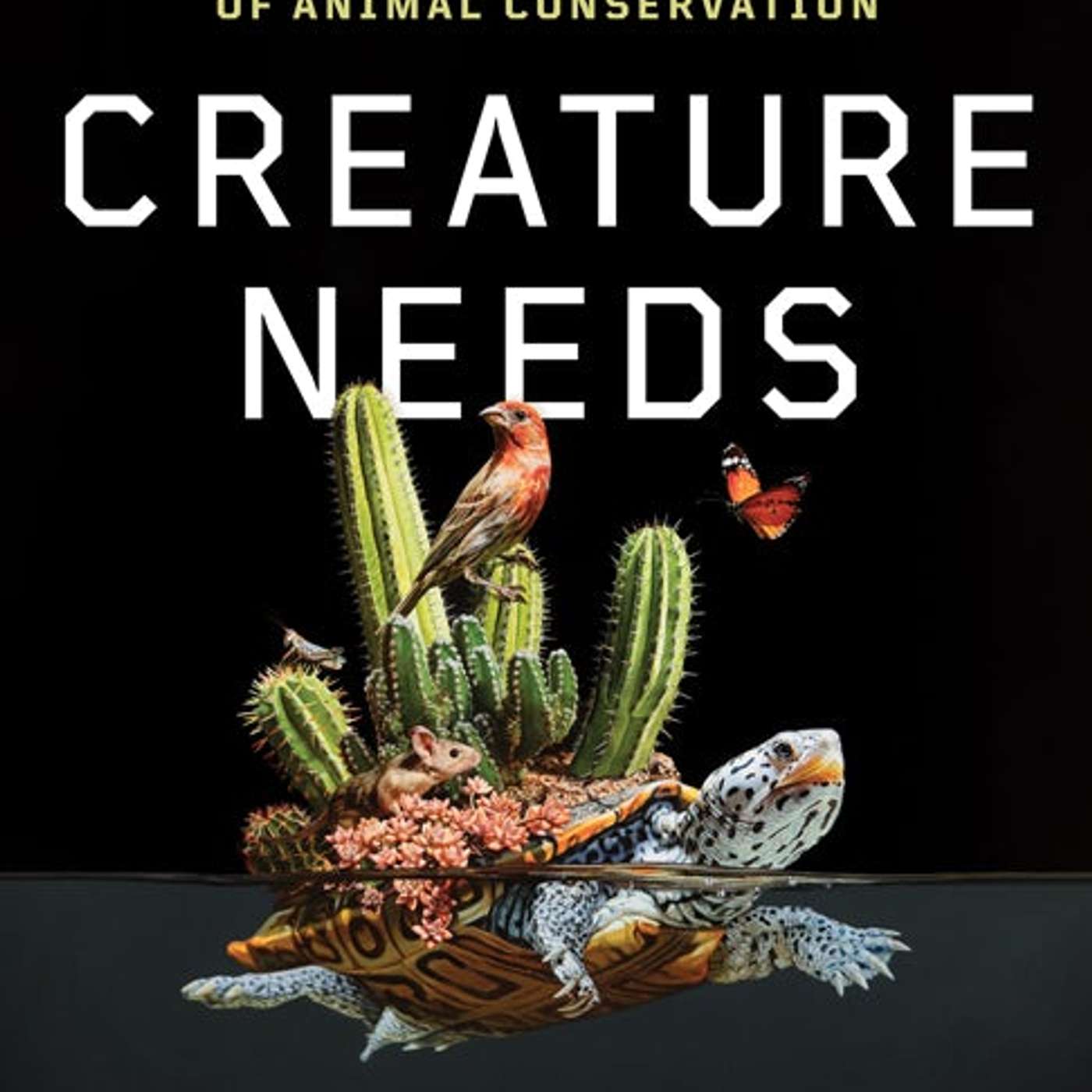
Our shared needs connect us: Writers respond to the science of animal conservation.
Humans are one species on a planet of millions of species. The literary collection Creature Needs is a project that grew out of a need to do something with grievous, anxious energy—an attempt to nourish the soul in a meaningful way, and an attempt to start somewhere specific in the face of big, earthly challenges and changes, to create a polyvocal call to arms about animal extinction and
The partitioning of public education
Public schools are one of the last remaining universal public goods in the United States—and are also some of our most unequal institutions. In Unsettling Choice, Ujju Aggarwal explores how the expansion of choice-based programs led to greater inequality and segregation in a gentrifying New York City neighborhood during the years following the Great Recession, mobilizing mechanisms rooted
Science Fiction and the Alt-Right
The first major neo-Nazi party in the US was led by a science fiction fan. So opens Jordan S. Carroll’s Speculative Whiteness, a book that traces ideas about white nationalism through the entangled histories of science fiction culture and white supremacist politics, showing that debates about representation in science fiction films and literature are struggles over who has the right to im

Public policy and the room where it happens.
Policy expert and climate scientist Anna Farro Henderson explores how science is done, discussed, legislated, and imagined in her new book, Core Samples: A Climate Scientist’s Experiments in Politics and Motherhood. Grounded in her experience as an environmental policy advisor to Minnesota Senator Al Franken and Governor Mark Dayton, Henderson brings readers behind the closed doors of dis
Cyberlibertarianism and the fraught politics of the internet
In a timely challenge to the potent political role of digital technology, Cyberlibertarianism: The Right-Wing Politics of Digital Technology argues that right-wing ideology was built into both the technical and social construction of the digital world from the start. Leveraging more than a decade of research, David Golumbia, who passed away in 2023, traced how digital evangelism has drive
Futures of the Sun
Energy transition is crucial to the struggle against climate change. Imre Szman is concerned with who is trying to lay claim to the narratives guiding our transition from fossil fuels to renewable energy, how they are doing it, and why and to what ends. Mark Simpson joins Szeman in conversation about Szeman’s new book, Futures of the Sun: The Struggle over Renewable Life. Access the trans
I know you are, but what am I? The cultural legacy of Pee-wee Herman.
"We aren't done with Pee-wee's Playhouse because there's much to learn from sticking with it." So opens Cait McKinney's I Know You Are, but What Am I?, a book that thinks across the ways we remember and misremember Pee-wee. McKinney explores the expansive, mediated landscape of the television show; engages a reparative retelling of the actor Paul Reubens's 1991 arrest in a suburban adult
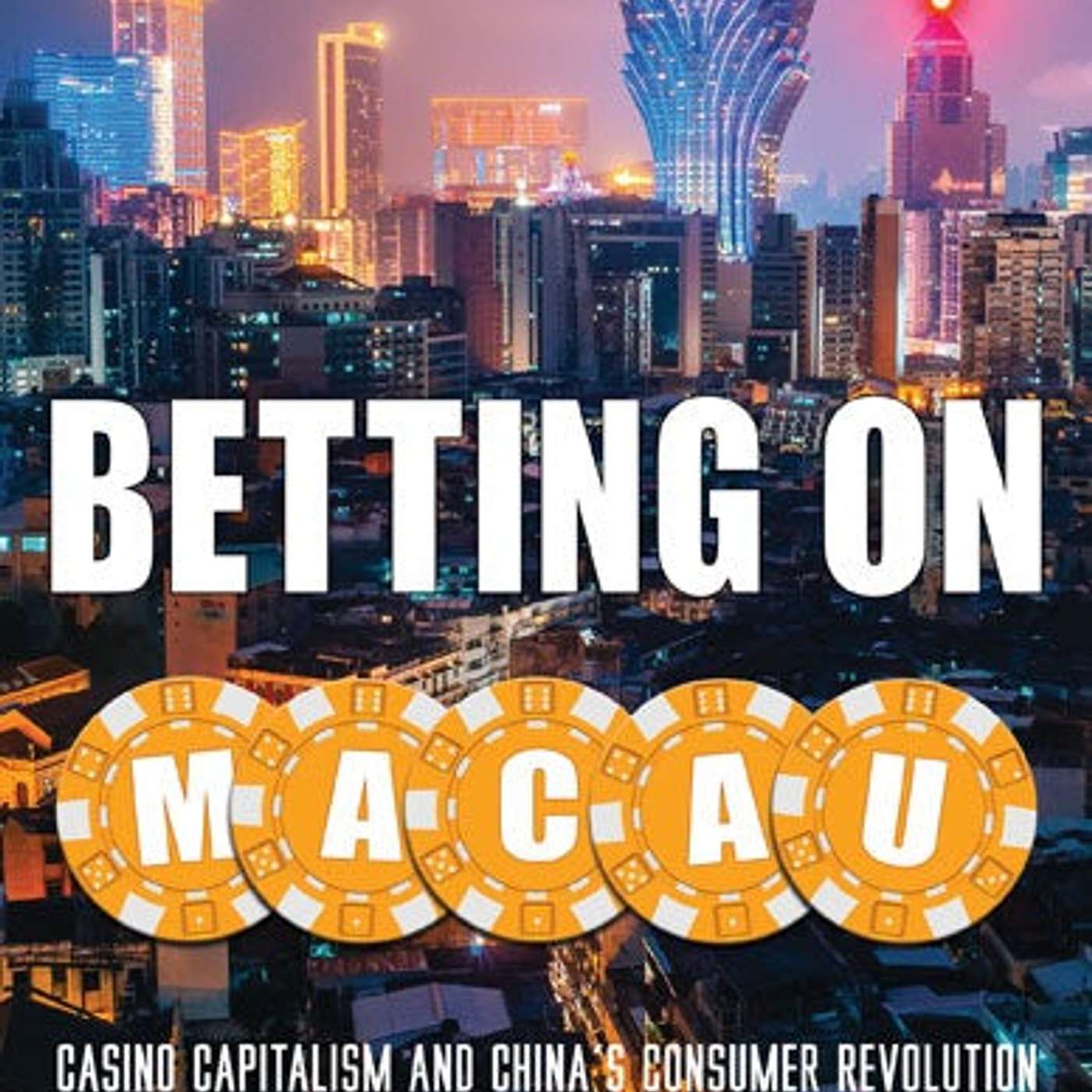
Casino gaming in Macau
Identified as a UNESCO World Heritage Site, contemporary Macau has metamorphosed into a surreal, hypermodern urban landscape augmented by massive casino megaresorts, including two of the world’s largest buildings. In Betting on Macau: Casino Capitalism and China’s Consumer Revolution, Tim Simpson uncovers various roots of the region’s radical transformation. Here, Simpson is joined in con
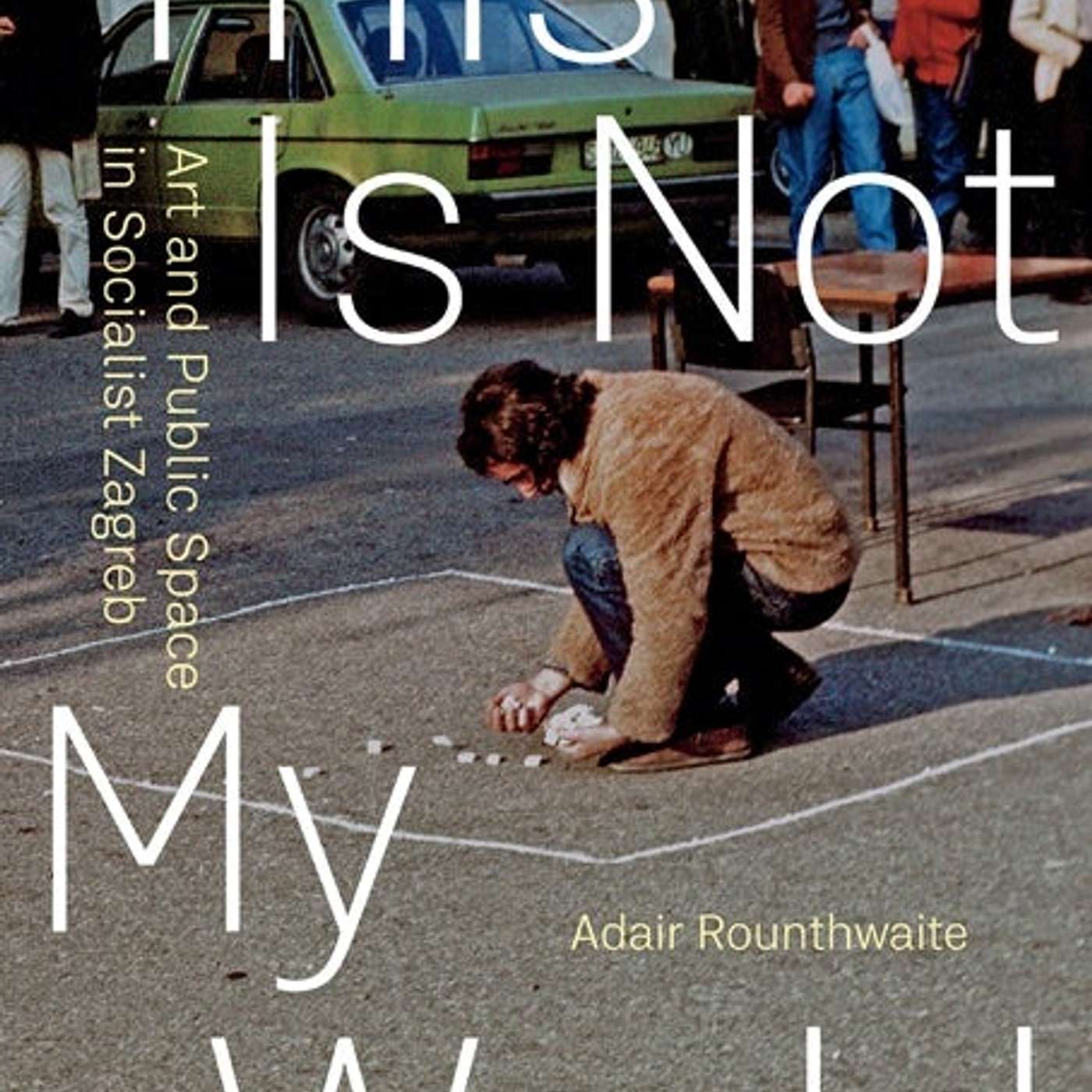
Art and public space in socialist Zagreb
In the decades leading up to the dissolution of socialist Yugoslavia, a collective of young artists based in Zagreb used the city’s public spaces as a platform for radical individual expression. The Group of Six Authors and their circle in the period from 1975 to 1985 are the focus of Adair Rounthwaite’s book This Is Not My World: Art and Public Space in Socialist Zagreb, which highlights
On Trans Philosophy and troubling a Western-dominant sense of trans.
Across language and politics, feminism and phenomenology, and decolonial theory, Trans Philosophy addresses trans worldmaking in all its beauty and mundanity. The volume’s four editors, Perry Zurn, Andrea J. Pitts, Talia Mae Bettcher, and PJ DiPietro focus on the contributions of trans and gender-nonconforming philosophers from around the globe. Showcasing writing from a range of emerging
Resilience and writing history: The first woman lieutenant governor of Minnesota
Marlene M. Johnson’s memoir is an essential record of the ascension of women in American politics. In Rise to the Challenge: A Memoir of Politics, Leadership, and Love, Johnson chronicles her life of learning and leadership in activism, entrepreneurship, politics, and public service, weaving professional play-by-plays with candidness about navigating personal loss. Here, Johnson is joined
Extractive mediation, from the deep sea to oil culture
How are spaces once imagined to be empty, vast, and mysterious transformed into something with material and cultural value? Two authors tackle this same question, one from the perspective of the seafloor, and one from Canada’s oil sands: key spaces where the meaning of sustainability is actively negotiated. Deepwater Alchemy: Extractive Mediation and the Taming of the Seafloor by Lisa Yin
The early film writings of Chris Marker
For Chris Marker, writing came before filmmaking. A decade after Marker’s death, critics continue to rediscover his remarkable oeuvre, which comprised writing, photography, film, video, radio, and digital media. Associated with the Left Bank subset of the French New Wave, Marker is perhaps best recognized for directing La Jetée (1962). To celebrate the publication of the first English tra
Deconstructing deep time.
Has the idea of the end of the world captured your imagination? Ted Toadvine’s book The Memory of the World: Deep Time, Animality, and Eschatology contends that a preoccupation with the world’s precarity relies on a flawed understanding of time that neglects the past and present with the goal of managing the future. Toadvine integrates insights from phenomenology, deconstruction, critical
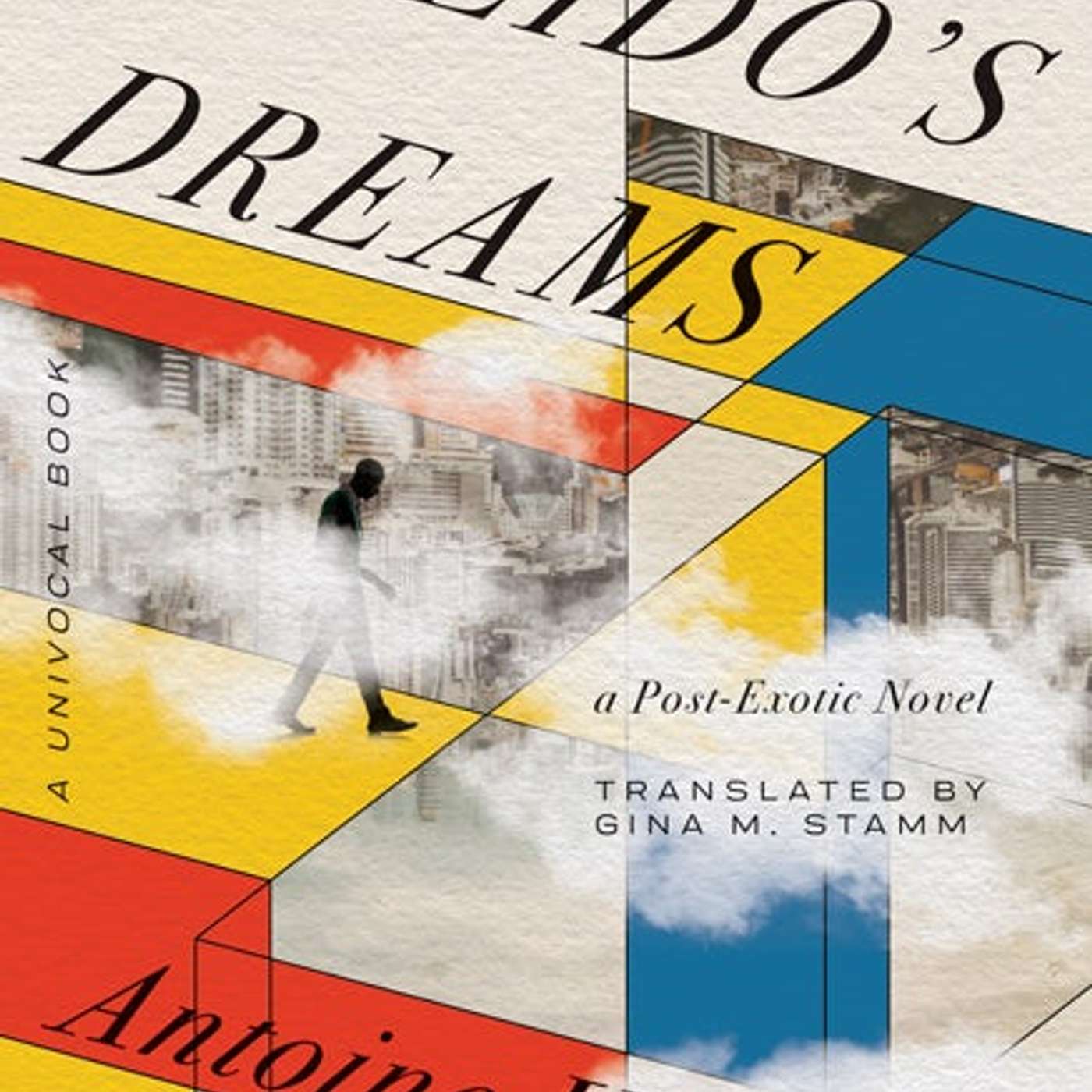
Translating the post-exotic writer Antoine Volodine
Antoine Volodine is the primary pseudonym of a French-Russian writer of many books. The meditative, postapocalyptic noir Mevlido’s Dreams, translated by Gina M. Stamm, is an urgent communiqué from a far-future reality of irreversible environmental damage and civilizational collapse that asks what it means to love and care for others at the end of the world. Here, Stamm is joined in conver
Untold stories of America’s earliest immigrants.
Joanna Brooks’s ancestors were among the early waves of emigrants to leave England for North America. Her book Why We Left: Untold Stories and Songs of America’s First Immigrants reveals the violence and dislocation that propelled seventeenth- and eighteenth-century working-class English emigration, and follows American folk ballads back across the Atlantic to find histories of economic d
Policing and worldmaking.
Everything Is Police is a new book by Tia Trafford, who argues that institutional and interpersonal policing have been central to colonial modernity, the result of which is a situation where we cannot practically experience or even imagine worlds free from policing. Trafford is joined here in conversation with Melayna Lamb. Access the transcript: https://share.transistor.fm/s/cd9b98b3Tia

Meaning and livestreaming: On technical encounter’s aesthetics and ethics.
EL Putnam’s new book Livestreaming: An Aesthetics and Ethics of Technical Encounter considers how livestreaming constitutes new patterns of being together that are complex, ambivalent, and transformative. Digging into how humans and technology co-evolve, Putnam and Noel Fitzpatrick engage in conversation about relation and hyper-individualism, glitch and switchtasking, activism and hidden
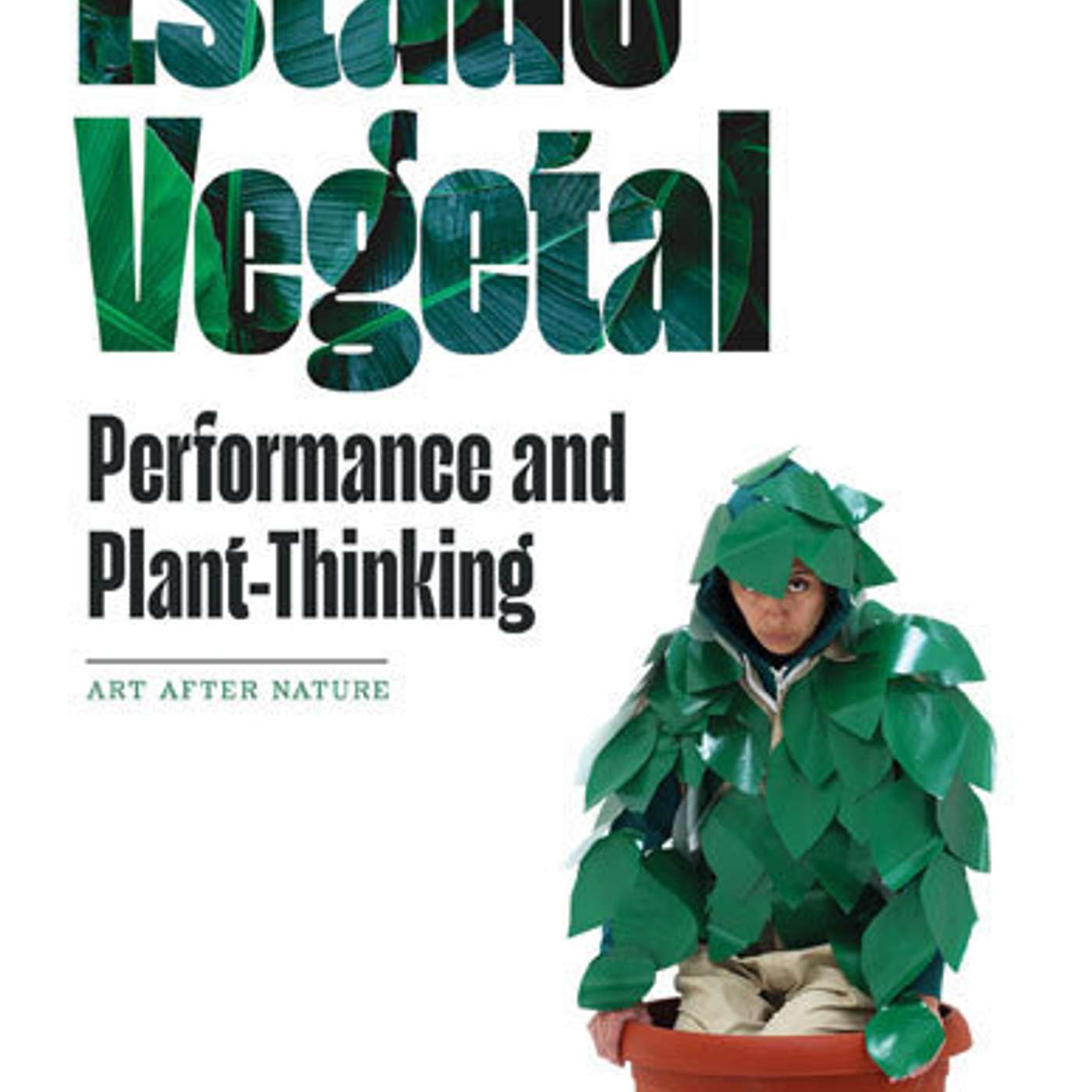
Art, time, nonlinearity with Manuela Infante and Mandy-Suzanne Wong (Art after Nature 5)
Estado Vegetal is Manuela Infante’s riveting experimental performance art through which plants are charged with an agency capable of uprooting culturally grounded conceptions of the world. The book Estado Vegetal: Performance and Plant-Thinking, edited by Giovanni Aloi, is the first book dedicated to this performance and features essays from scholars and artists, including a fictional con
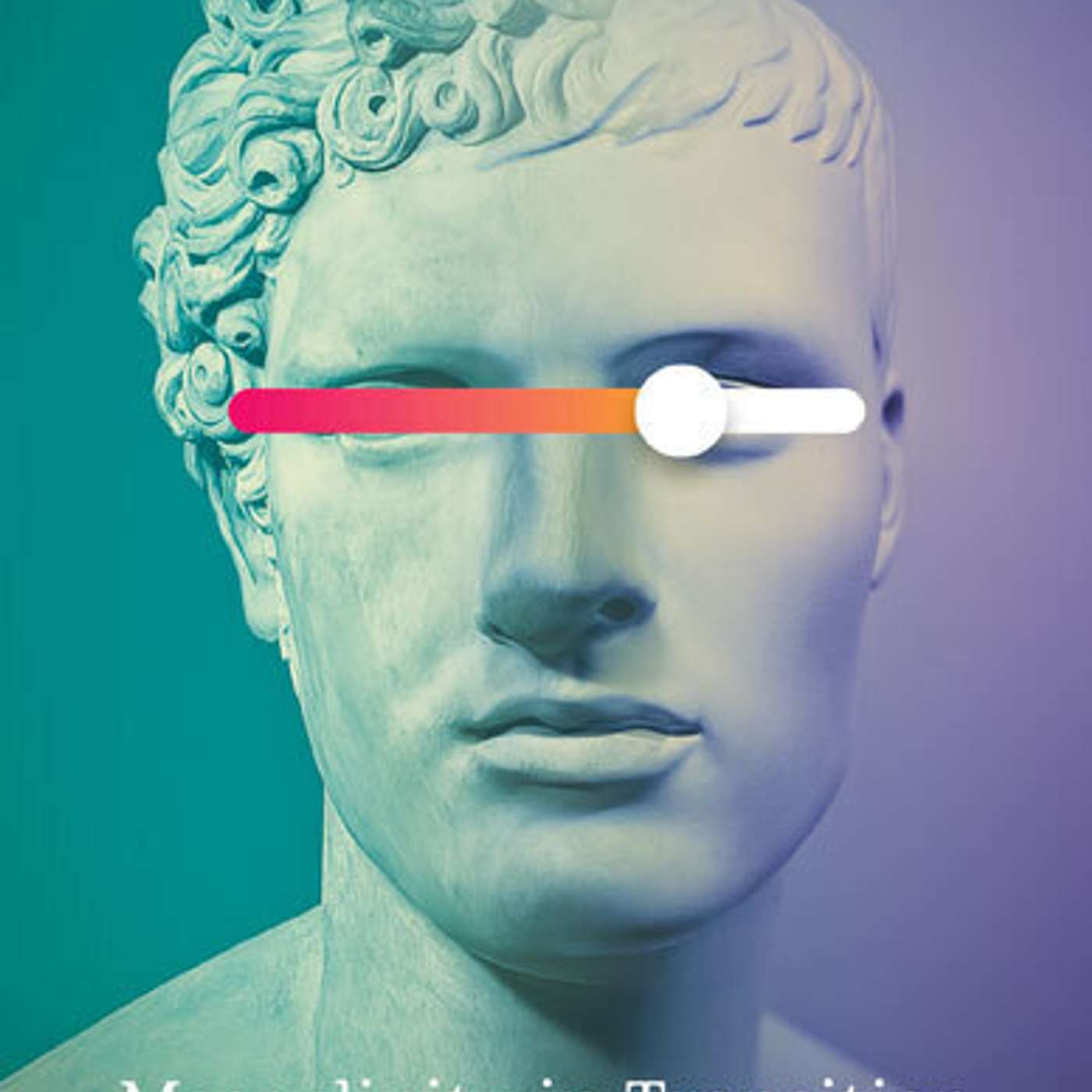
Tracing the roots of toxic masculinity.
Masculinity in Transition is a book that moves the study of masculinity away from an overriding preoccupation with cisnormativity, whiteness, and heteronormativity, and toward a wider and more generative range of embodiments, identifications, and ideologies. Author K. Allison Hammer’s bold rethinking of masculinity and its potentially toxic effects lays bare the underlying fragility of no
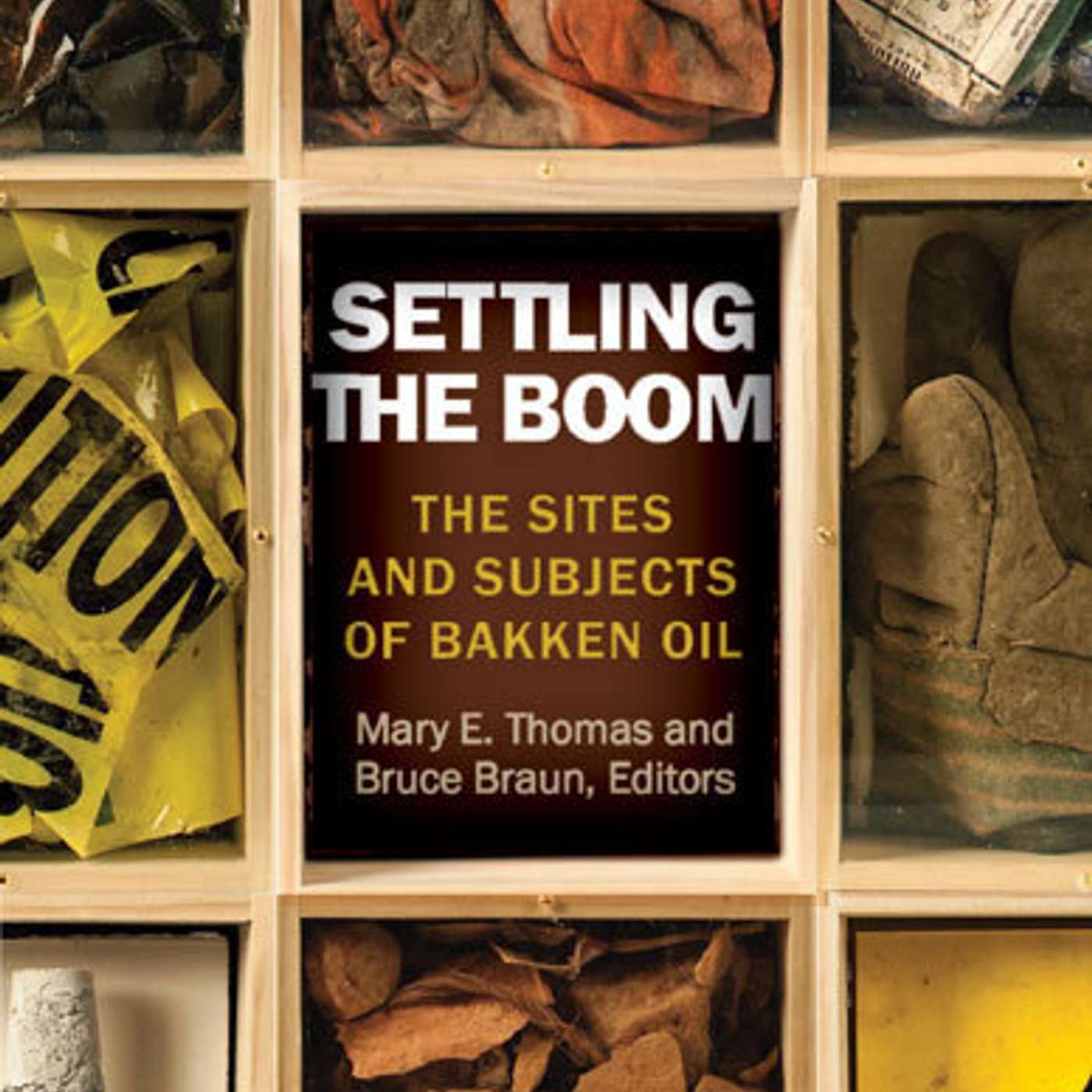
The disruptive forces of an oil boom
During the past decade, new oil plays have unsettled energy landscapes and imaginaries in the US. Settling the Boom, a volume of essays, studies how the disruptive forces of an oil boom in the northern Great Plains of Williston, North Dakota, are contained through the extension of settler temporalities, reassertions of heteropatriarchy, and the tethering of life to the volatility of oil a
Expelling public schools: Antiracist politics and school privatization.
John Arena examines the more than two-decade struggle to privatize public schools in Newark, New Jersey—a conflict that is raging in cities across the country. Arena’s book Expelling Public Schools reveals the political rise of Cory Booker and Ras Baraka and what this particular case study illuminates about contemporary post-civil rights Black politics. Here, Arena is joined in conversati
Blowdown in the Boundary Waters
More than twenty years ago, a bizarre confluence of meteorological events resulted in the most damaging blowdown in Minnesota’s Boundary Waters Canoe Area Wilderness’s history. It traveled 1,300 miles and lasted 22 hours, flattening nearly 500,000 acres of the Superior National Forest. Hundreds of campers and paddlers were stranded and dozens injured; amazingly, no one died. The historic
Sugar, coal, oil: No more fossils.
What is fossil civilization? In the book No More Fossils, Dominic Boyer tells the story of how we came to rationalize fossil fuel use through successive phases of sucropolitics (plantation sugar), carbopolitics (industrial coal), and petropolitics (oil and plastics), showing what tethers us to petroculture today and what it will take to overcome the forces that mire us in place. What can
Comics, visual culture, and feminism in the 1980s
In Visible Archives is a book that explores a number of feminist and cultural touchstones of the 1980s and examines how visual culture interacts with these pivotal moments. Author Margaret Galvan goes deep into the archives to bring together a decade’s worth of research that includes comics, collages, photographs, drawings, and other media produced by women including Nan Goldin, Alison Be
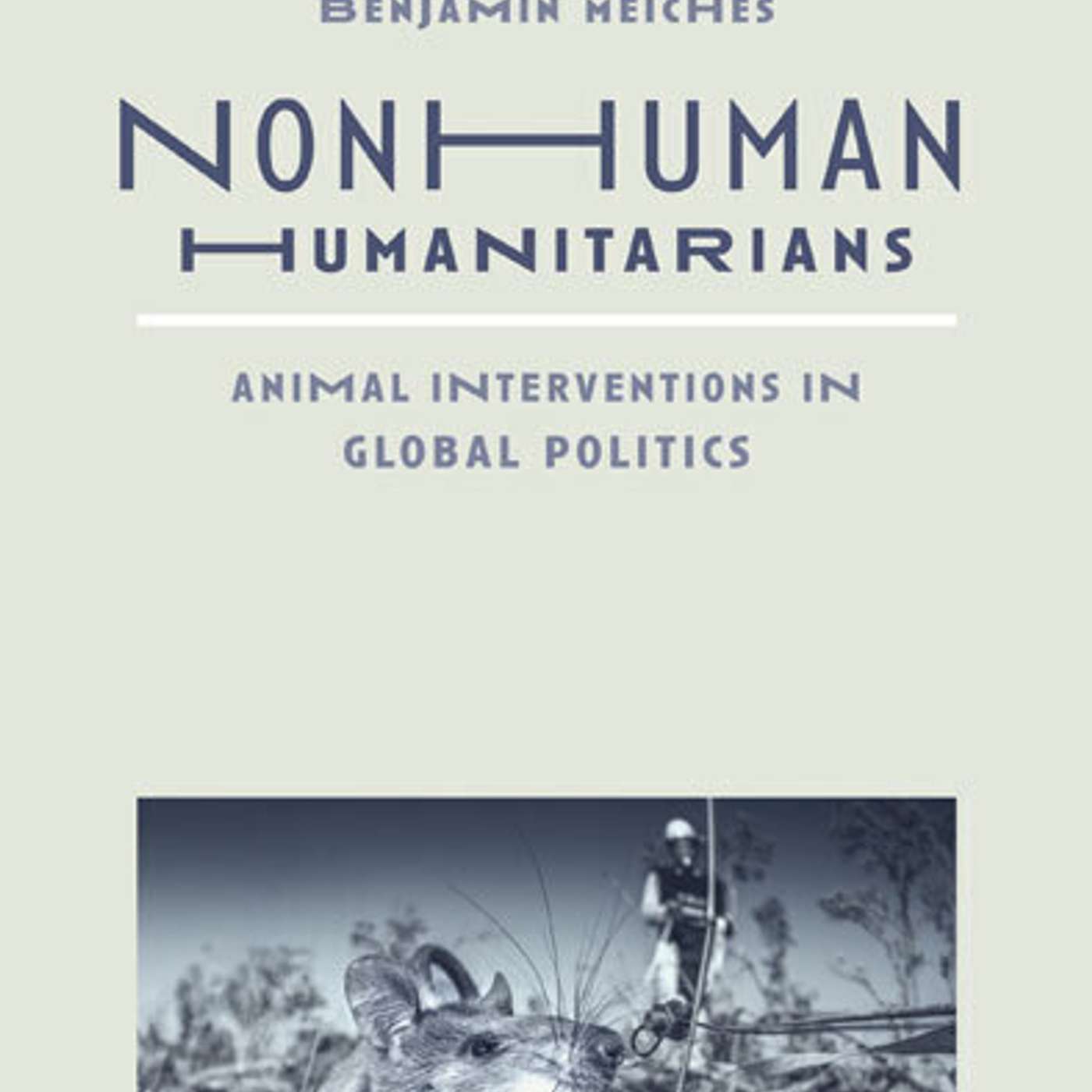
Care is more than human—it's creaturely.
Benjamin Meiches explores the role of animals laboring alongside humans (mine-clearance dogs, milk-producing cows and goats, disease-identifying rats) in humanitarian operations, generating new ethical possibilities of care in humanitarian practice—and opening up new ethical ways to think about being human in terms of how we interact with nonhuman animals. Meiches, author of Nonhuman Huma
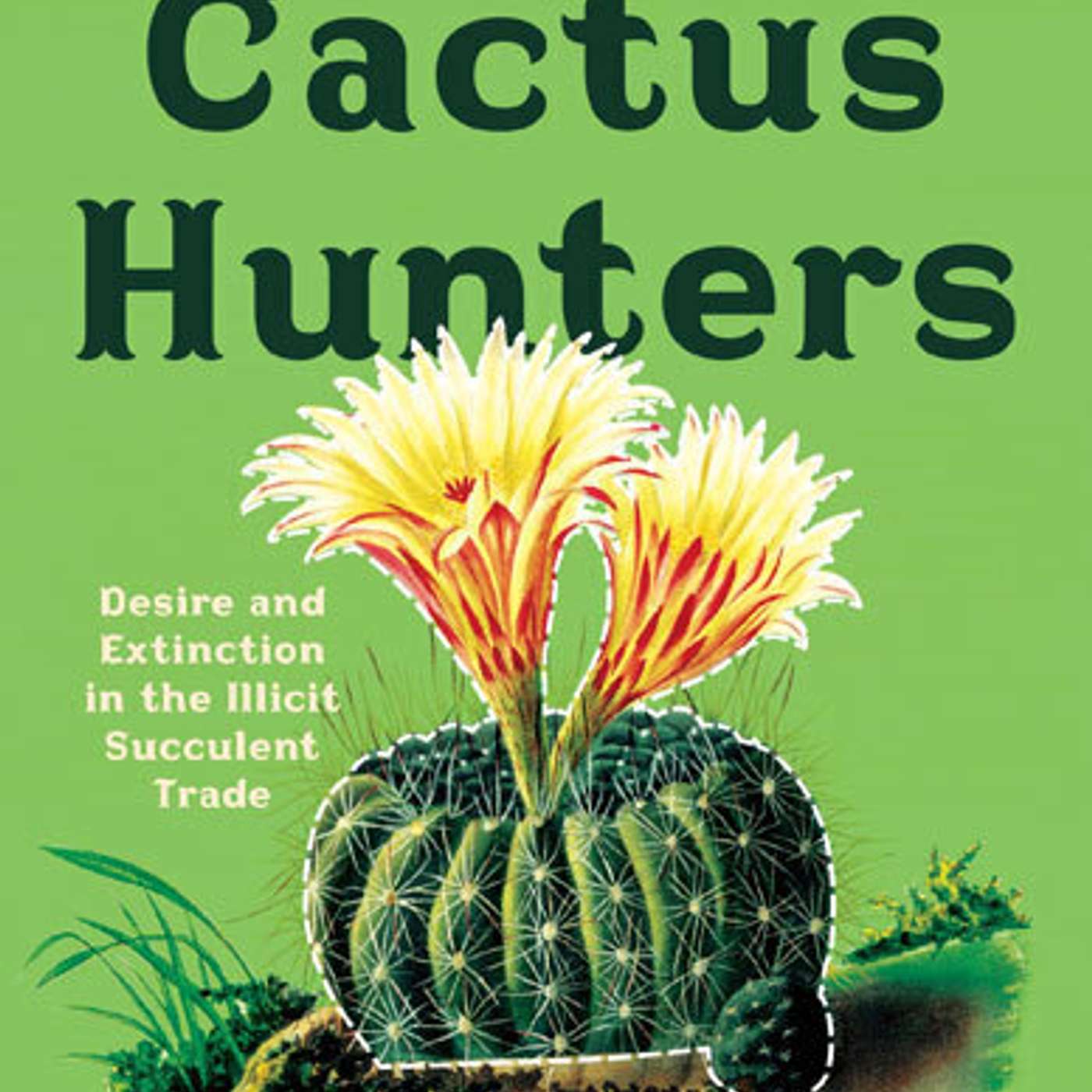
Cactus hunters and the illicit succulent trade.
What inspires desire for plants? In The Cactus Hunters, Jared Margulies takes readers through the intriguing world of succulent collecting, where collectors and conservationists alike are animated by passions that sometimes exceed the limits of the law. His globe-spanning journey offers complex insight into the fields of botany and criminology, political ecology and human geography, and p
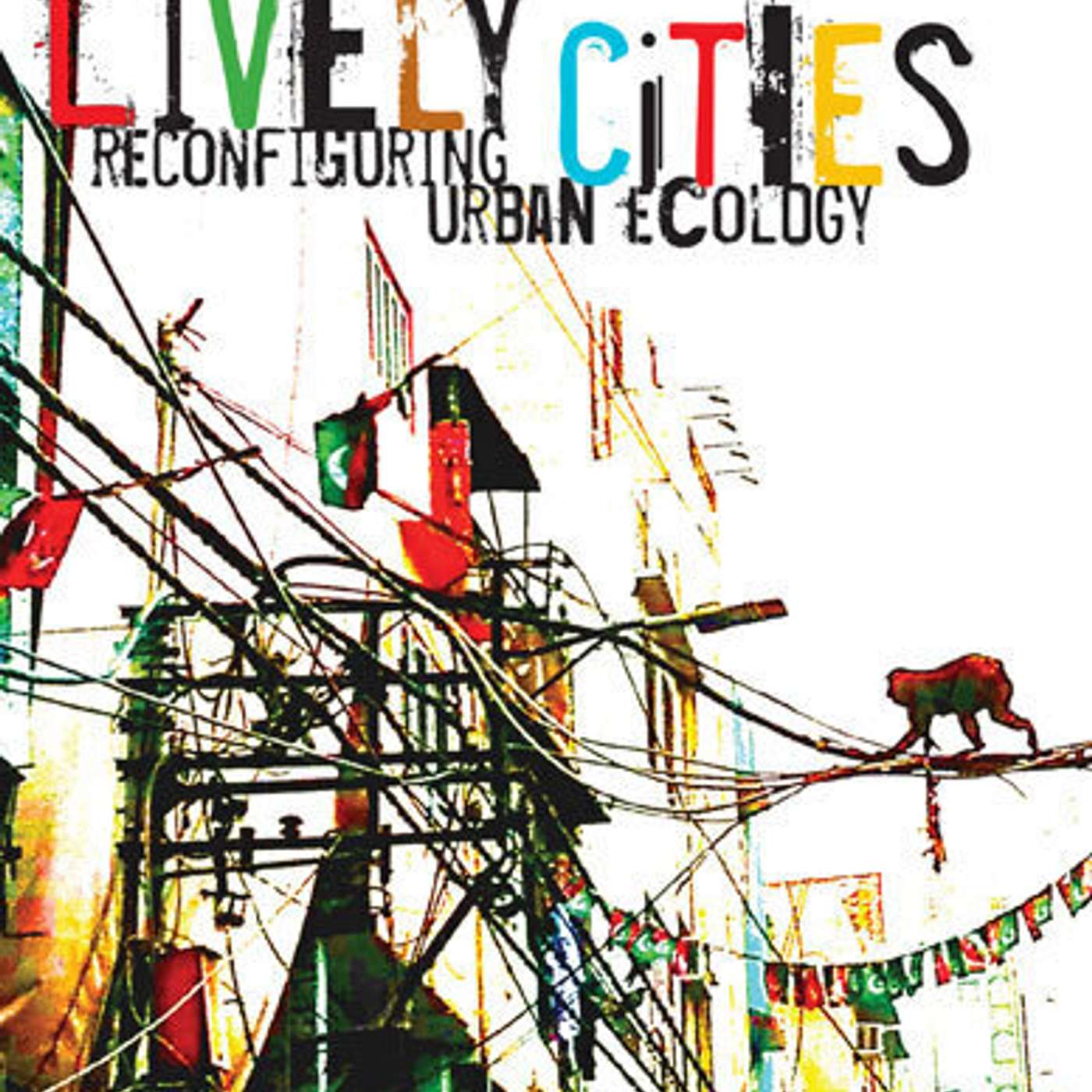
Imagining a new—human and nonhuman—grammar of urban life.
“There is always some moment when other-than-human life bursts into presence amid the clamor of urban routine.” —Maan Barua, Lively CitiesOne of the fundamental dimensions of urbanization is its radical transformation of nature. The book Lively Cities: Reconfiguring Urban Ecology departs from conventions of urban studies to argue that cities are lived achievements forged by a multitude of

Political violence and abolitionist futures.
Terrorism on Trial examines the contemporary role U.S. domestic courts play in the global war on terror. Author Nicole Nguyen advocates for a rethinking of popular understandings of political violence and its root causes, and exposes how dominant academic discourses, geographical imaginations, and social processes have shaped terrorism prosecutions—and disempower communities of color.Auth
Recommended

Busted Open

Deadline: White House

Crickets Corner

History of the Earthquake and Fire in San Francisco

Fox news

K-Drama Obsessed Mamas | Beyond “Just One More Episode!”

True Crime Classics

The Healer Revolution

Becoming: HER with Nikki Spoelstra

Booked, Blonde & Busy w/ Olivia Ponton

McKinsey on Consumer and Retail

megahired.com
