
Sausage of Science
The Sausage of Science is a podcast produced by the Human Biology Association, a nonprofit scientific organization dedicated to supporting and disseminating innovative research and teaching on human biological variation. The show explores topics in evolutionary, social, historical, and environmental contexts. It likely features interviews with researchers and discussions about recent findings in human biology. Episodes aim to make complex scientific ideas accessible to a broad audience.
Episodes
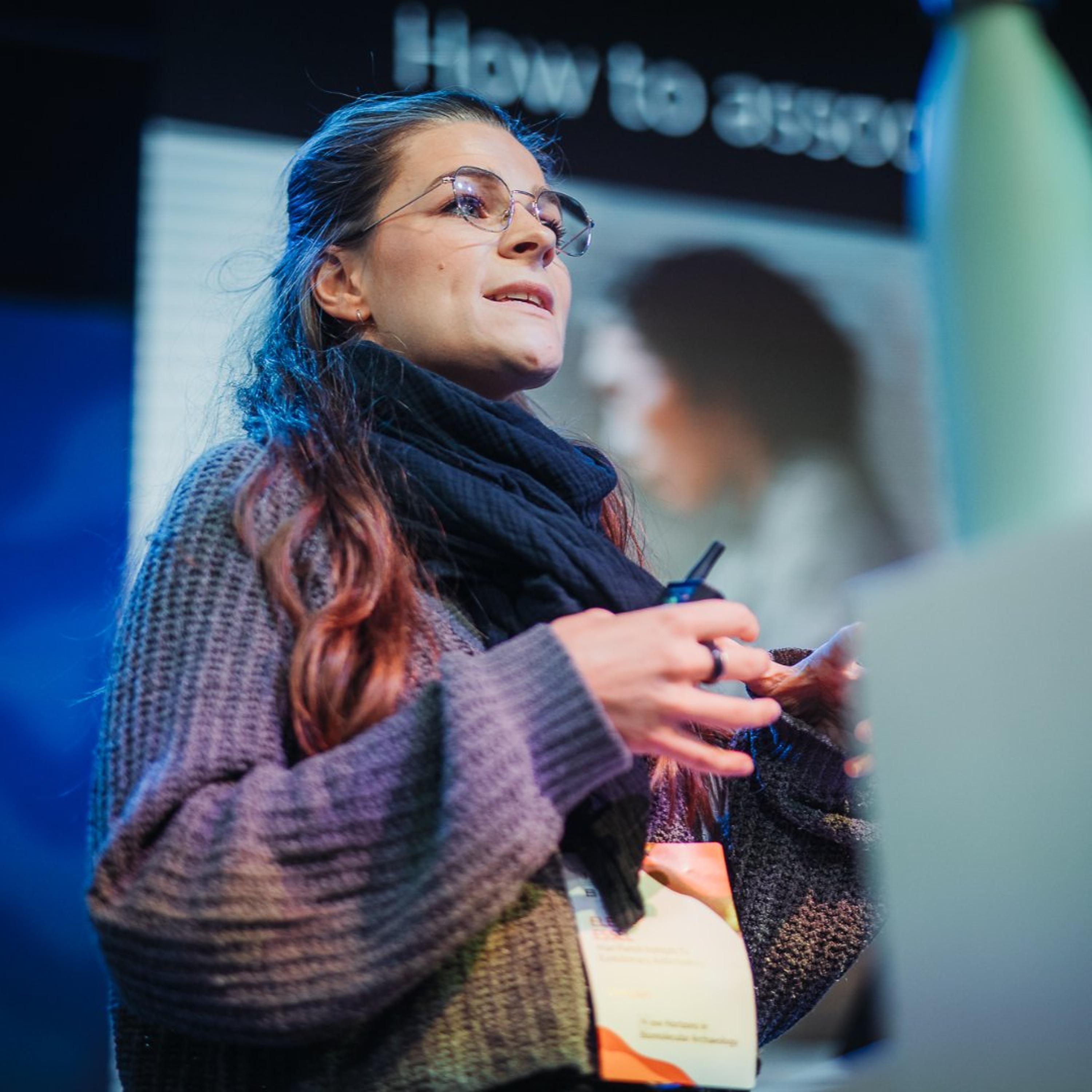
SoS 286: Time Traveling & Ancient DNA with Elena Essel
Chris dives into the world of ancient DNA methods with Elena Essel, a molecular geneticist and ancient-DNA researcher at the Max Planck Institute for Evolutionary Anthropology in Leipzig, Germany. Her work focuses on developing methods to recover ancient DNA from archaeological materials while preserving valuable specimens. In the 2023 Nature study, she co-designed the research, helped develop and
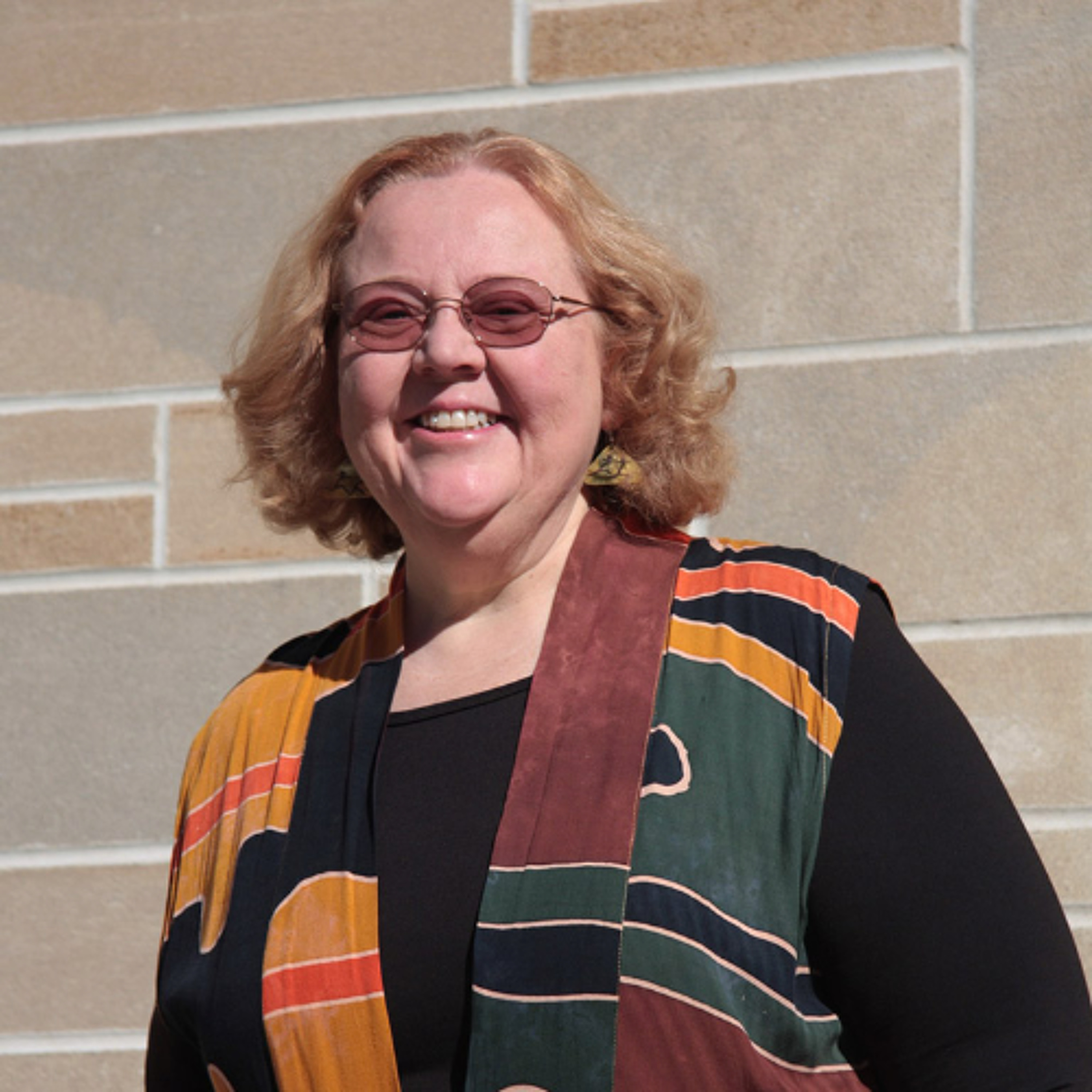
SoS 285: Female Reproductive Function and Fieldwork Adventures with Dr. Virginia Vitzthum
In this episode, hosts Cara and Anna talk with Dr. Virginia Vitzthum about novel findings in female reproductive functioning across populations, tell exciting fieldwork stories, and reflect on the changing nature of the field of Anthropology.
Dr. Virginia Vitzthum is a professor emeritus in the Department of Anthropology at Indiana University. Currently, she is an Honorary Professor in the Schoo
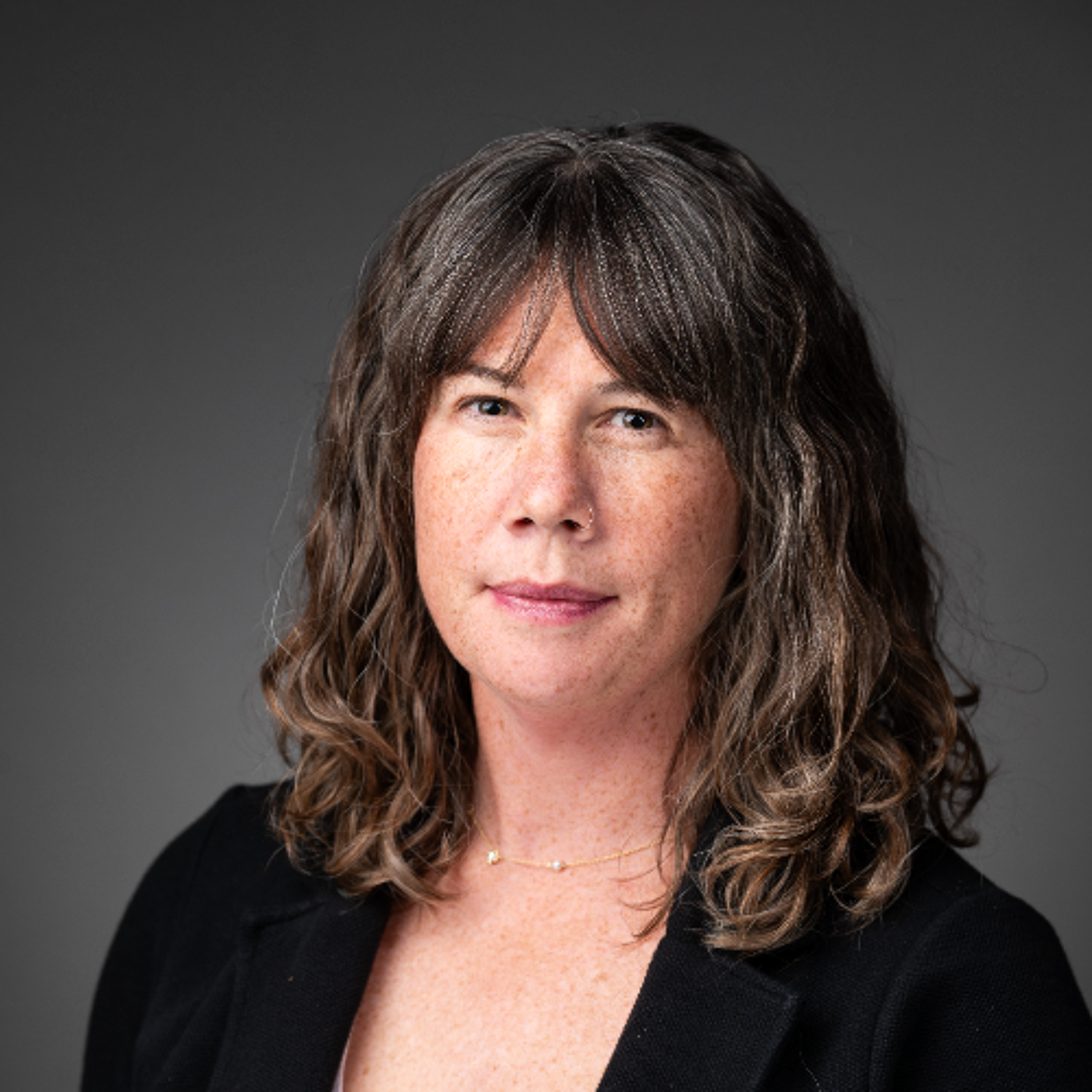
SoS 284: Dr. Amy Boddy Explains Microchimerism: How Much of You Is Actually You?
Join us for a conversation with Dr. Amy Boddy, Professor of Anthropology at UC Santa Barbara and head of the Boddy Lab, a human evolutionary biologist whose work asks why cancer varies across the animal kingdom, how pregnancy reshapes the body, and what it means that nearly all of us carry living cells that originated in someone else. In this episode, Amy explains microchimerism, the phenomenon in
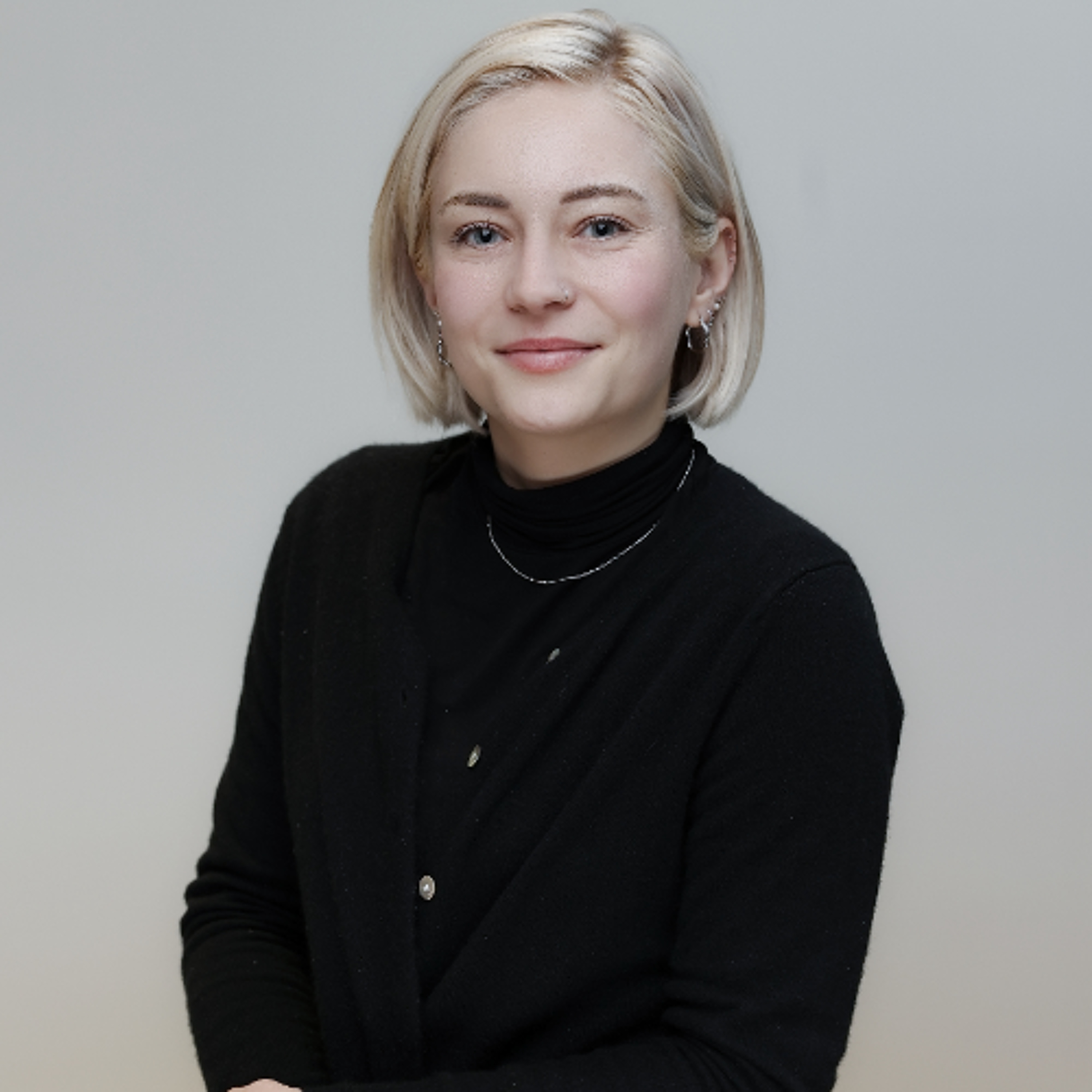
SoS 283: Non-academic Career Paths, Inflammation, and Ovarian Function with Dr. Anneliese Long
In this episode, Chris and Mecca discuss the non-academic job search and career experience with Dr. Anneliese Long, as well as her work assessing the connections among inflammation and ovarian reserve biomarkers.
Anneliese Long is an applied anthropologist with a background in studying the biological and sociocultural aspects of reproductive health and fertility. She completed her B.A. in anthro
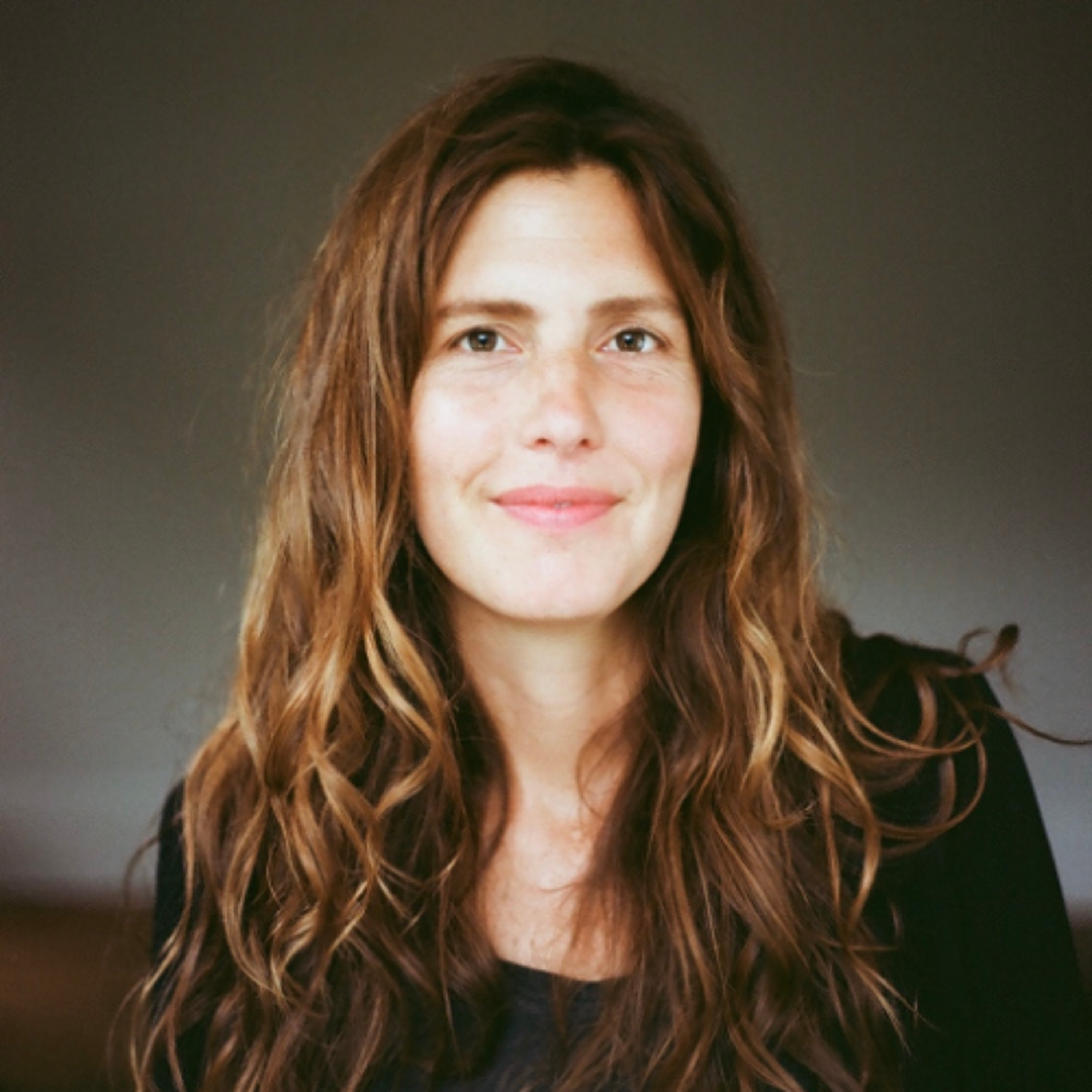
SoS 282: Interrogating Human Exceptionalism in Primate Research with Dr. Christine Webb
In this episode, host Chris speaks with Dr. Christine Webb about primate behavior, cognition and consciousness, and dismantling the myth of human exceptionalism.
Dr. Christine Webb is an assistant professor in the department of Environmental Studies at NYU, where she is part of the animal studies program. Her work seeks to elucidate the complex dynamics of animal social life and to apply this k
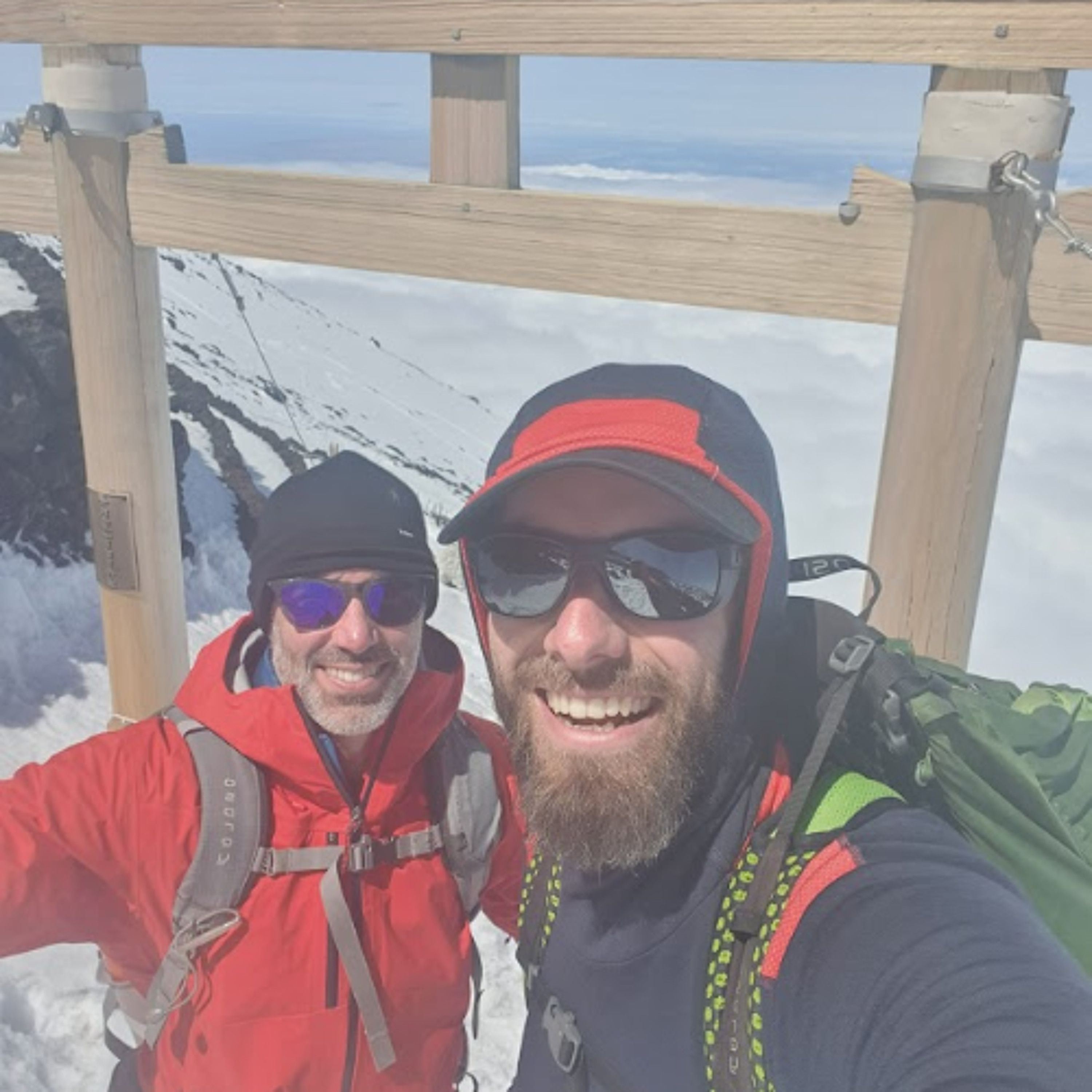
SoS 281: Industrialization and the Environmental Mismatch: The Case for Returning to Nature with Dr. Danny Longman and Dr. Colin Shaw
In this episode, hosts Chris and Mecca speak with Dr. Danny Longman and Dr. Colin Shaw about the mismatch between humans and modern built environments, exploring both the negative biological impacts of living in industrialized cities and the positive effects of spending time in nature.
Dr Danny Longman graduated from the University of Cambridge with a BA (Hons) in Natural Sciences (2005–08), fol
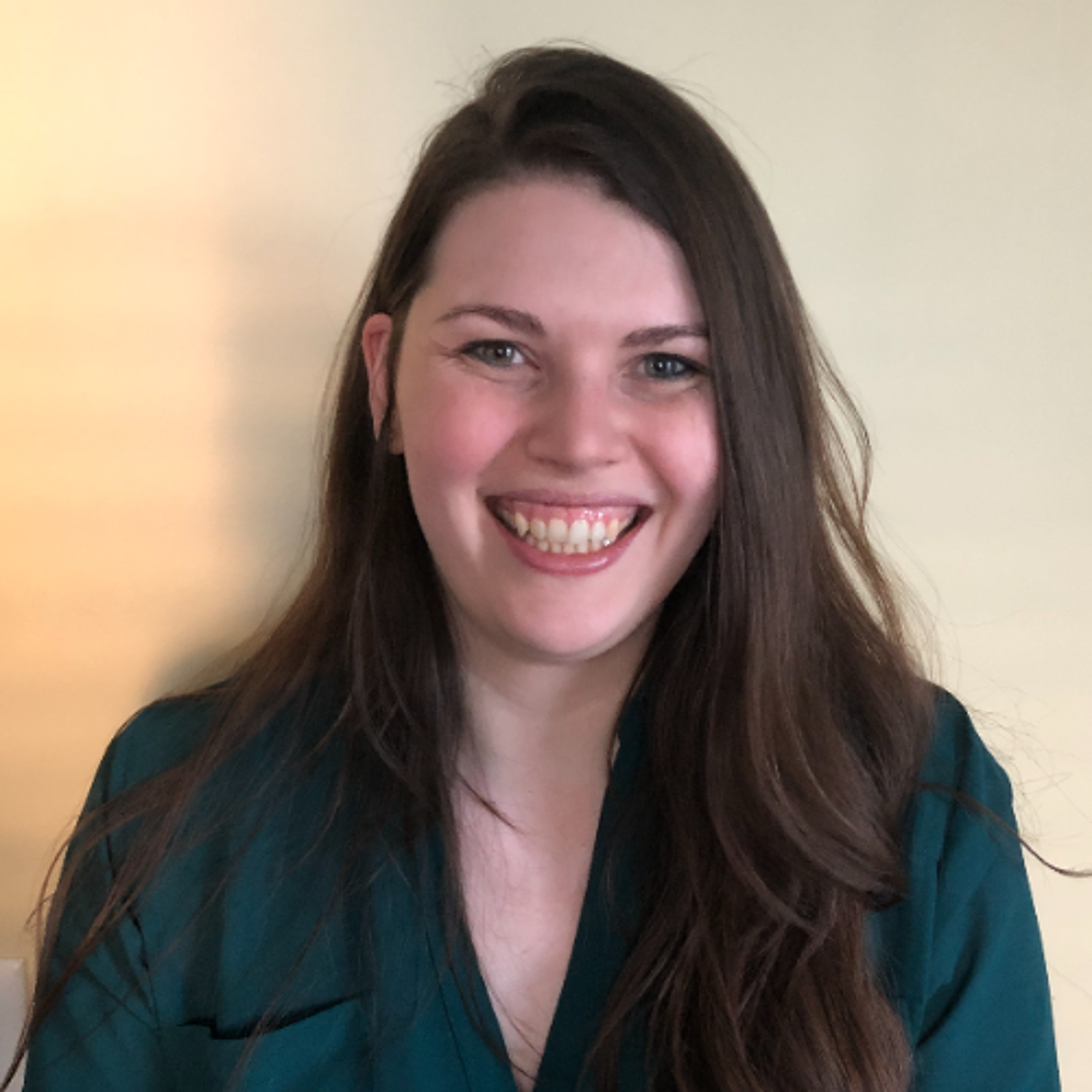
SoS 280: The Measure of Motion with Dr. Christine Harper
Chris and Cristina sit down with Dr. Christine Harper, a biological anthropologist and Assistant Professor in the Department of Anthropology at the University of Washington, whose research focuses on the functional morphology and biomechanics of the human and nonhuman primate postcranial skeleton, with the goal of understanding how musculoskeletal form relates to locomotor behavior. She uses these
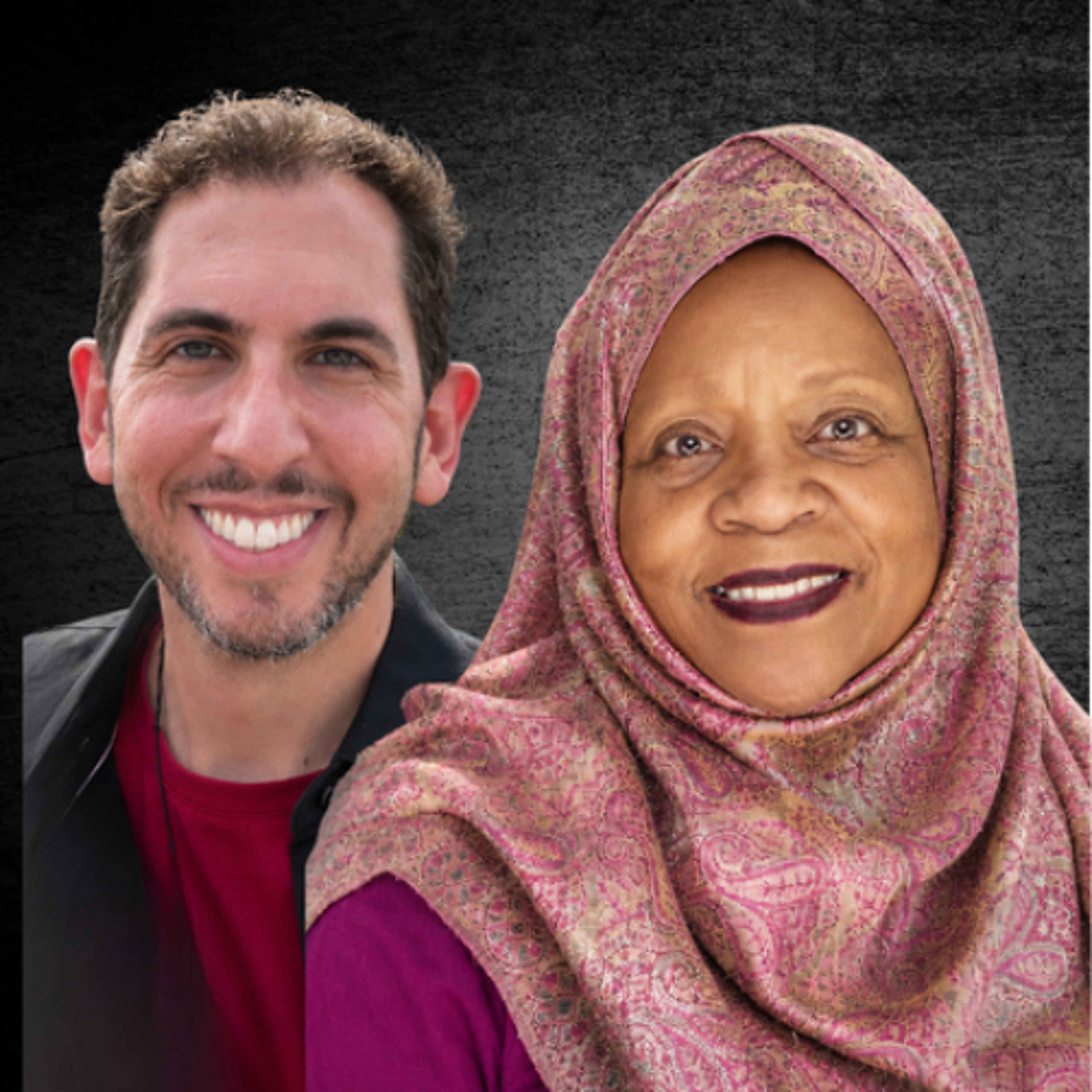
SoS 279: The AABA Task Force Recommendations for the Ethical Study of Human Remains with Dr. Fatimah Jackson and Dr. Ben Auerbach
In this episode, hosts Cara and Chris speak with Dr. Fatimah Jackson and Dr. Ben Auerbach about the American Association of Biological Anthropologists Task Force on the ethical study of human remains and their recommendations for the management and oversight of community partnership and ethical stewardship of human remains.
Dr. Fatimah Jackson is a professor Emeritus of the Biology Department at
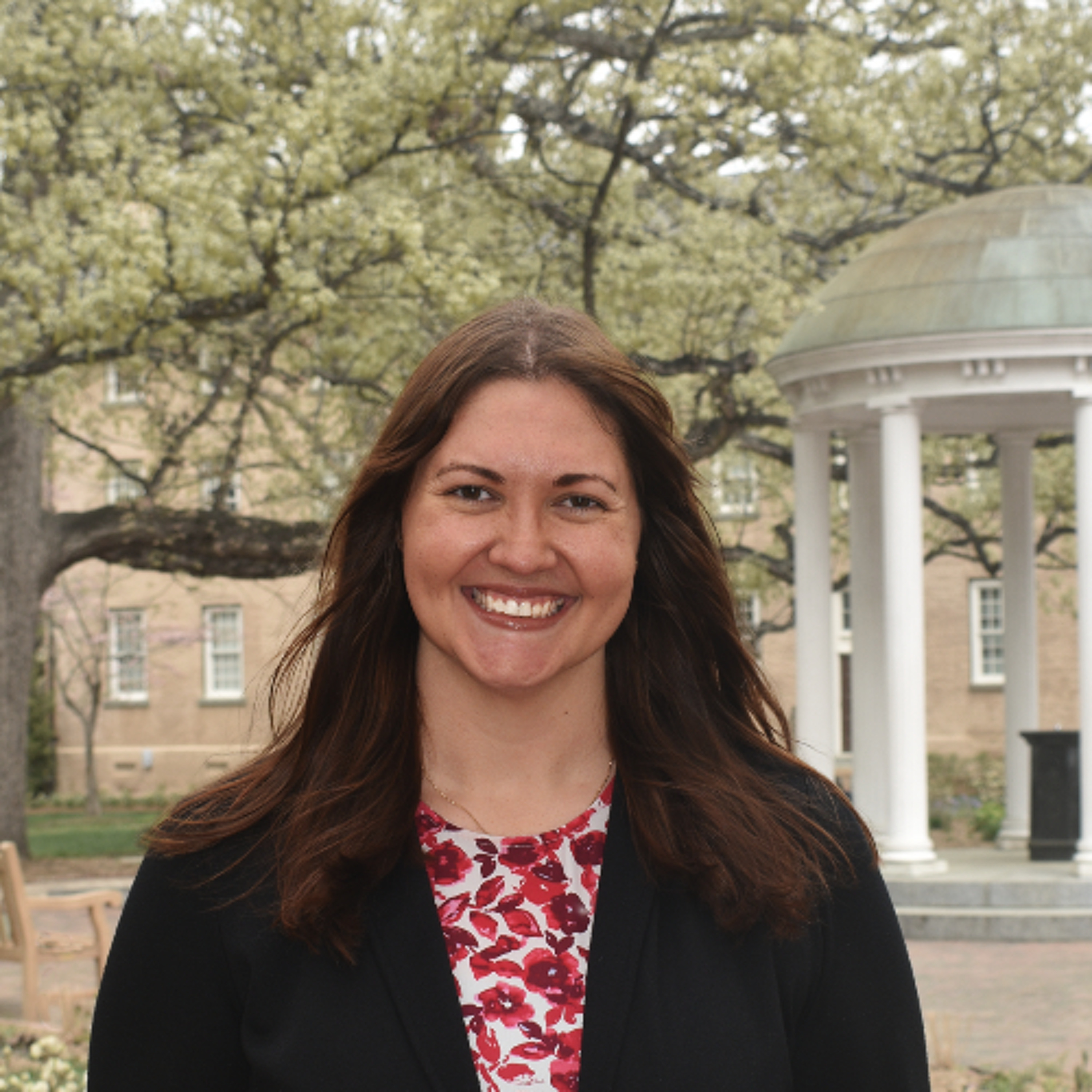
SoS 278: Using a biocultural approach to understand food allergies, consumption patterns, and guidelines with Erin Maxwell (Hosein)
In this episode, Mecca chats with Erin Maxwell (Hosein) about her research on food allergen consumption patterns in the U.S. using NHANES data, gaps in current research, and the value of anthropological approaches for contributing to a more holistic understanding and informing policy/guidelines. They also discuss the evolutionary dual-allergen exposure hypothesis and new, exciting methods for test
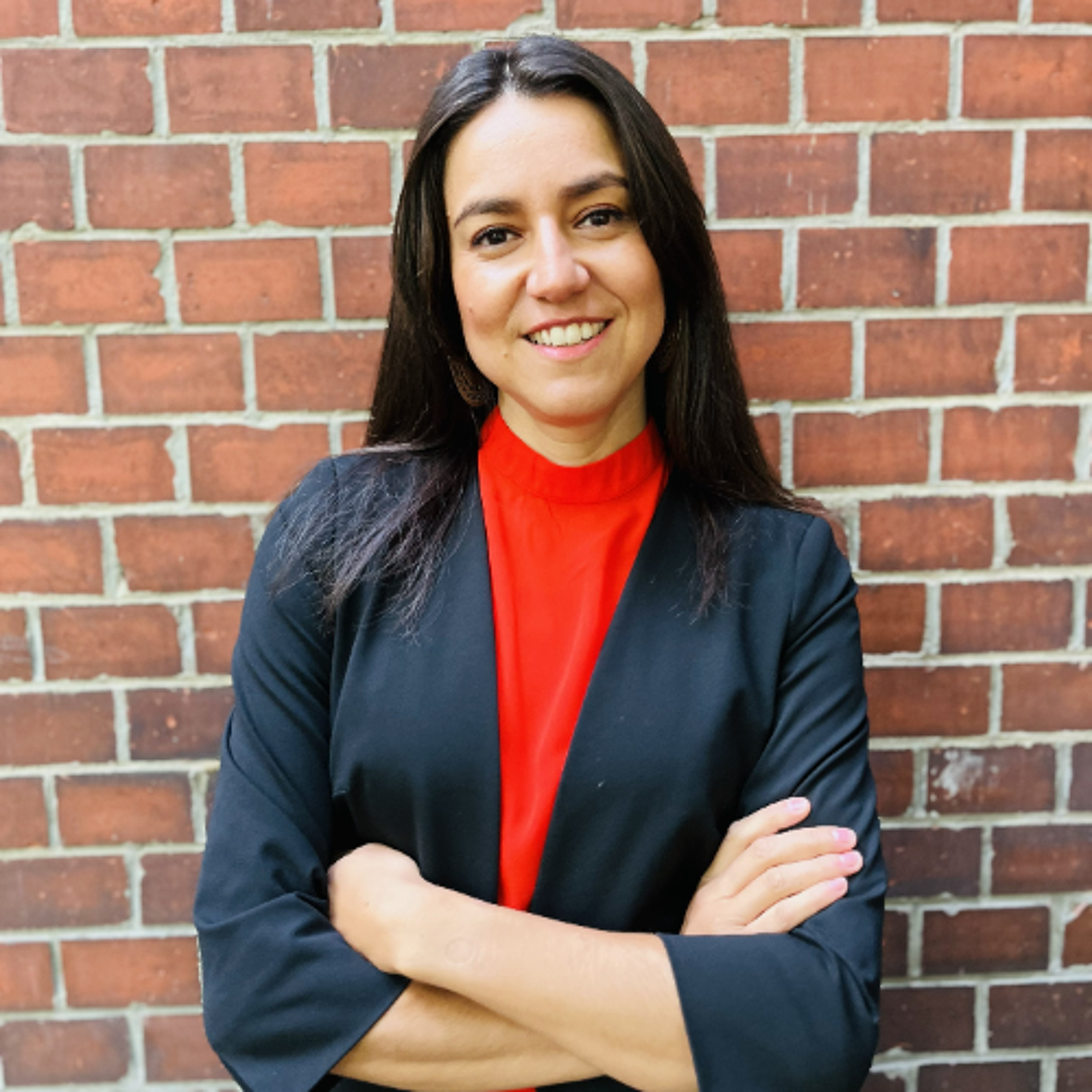
SoS 277: Catalina Fernández discusses a new causal model of human growth using temporally sparse data
In this episode, Dr. Catalina Fernández explains a new theoretical model of human growth and its opportunities for cross-sectional and diverse samples. Dr. Catalina Fernández is an Assistant Professor in the Department of Anthropology at Florida Atlantic University (United States). Her research focuses on the role of food and diet in human adaptation and evolution among contemporary populations. D
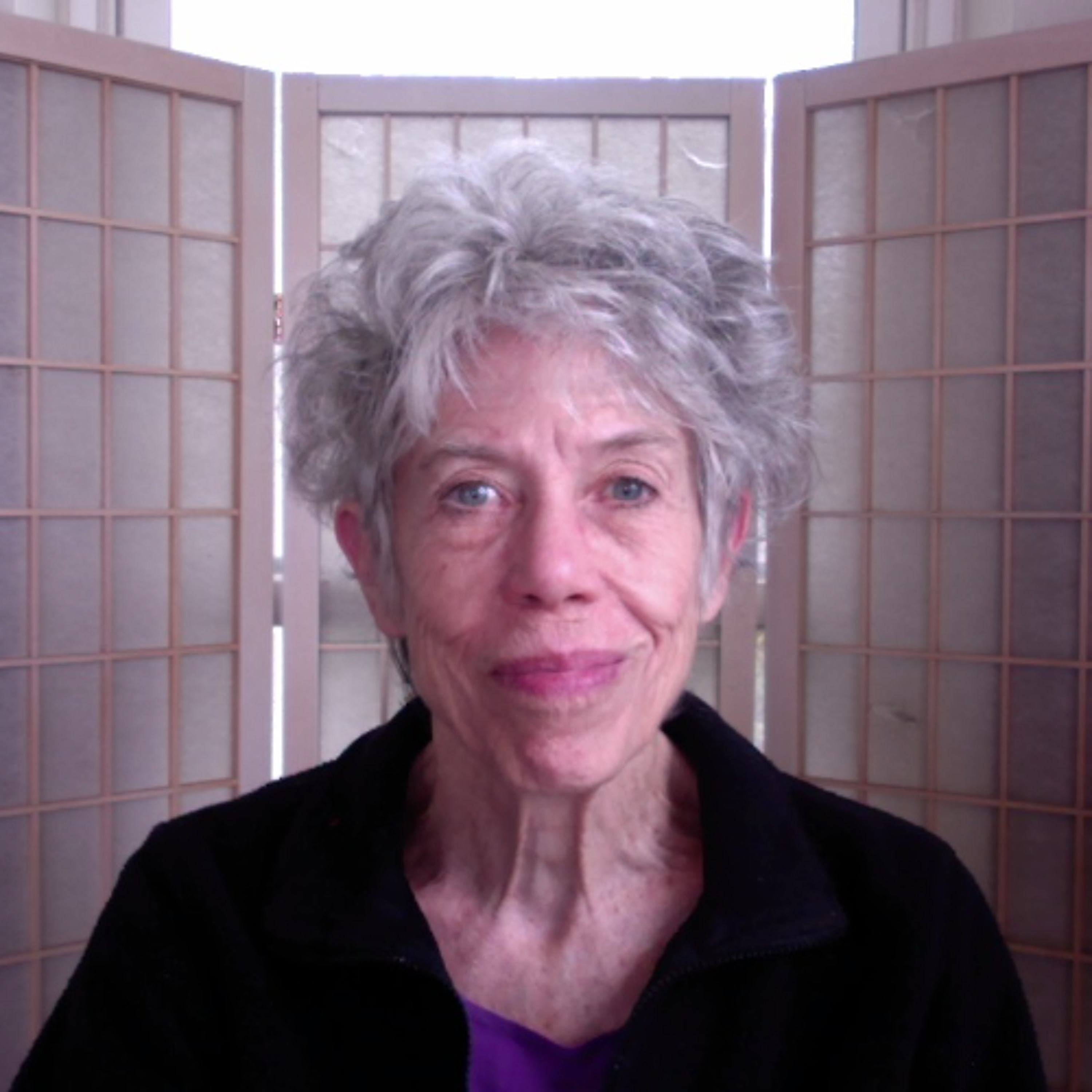
SoS 276: When the Grandmother Hypothesis Speaks, Part Two
In part two of our conversation with Dr. Kristen Hawkes, Professor of Anthropology at the University of Utah, we pick up where we left off and turn to the broader evolutionary story that grandmothering helps tell. Building on her original grandmother hypothesis, this episode focuses on her paper "Life History Evolution Explains Features of Humanity," in which she argues that post-menopausal longev
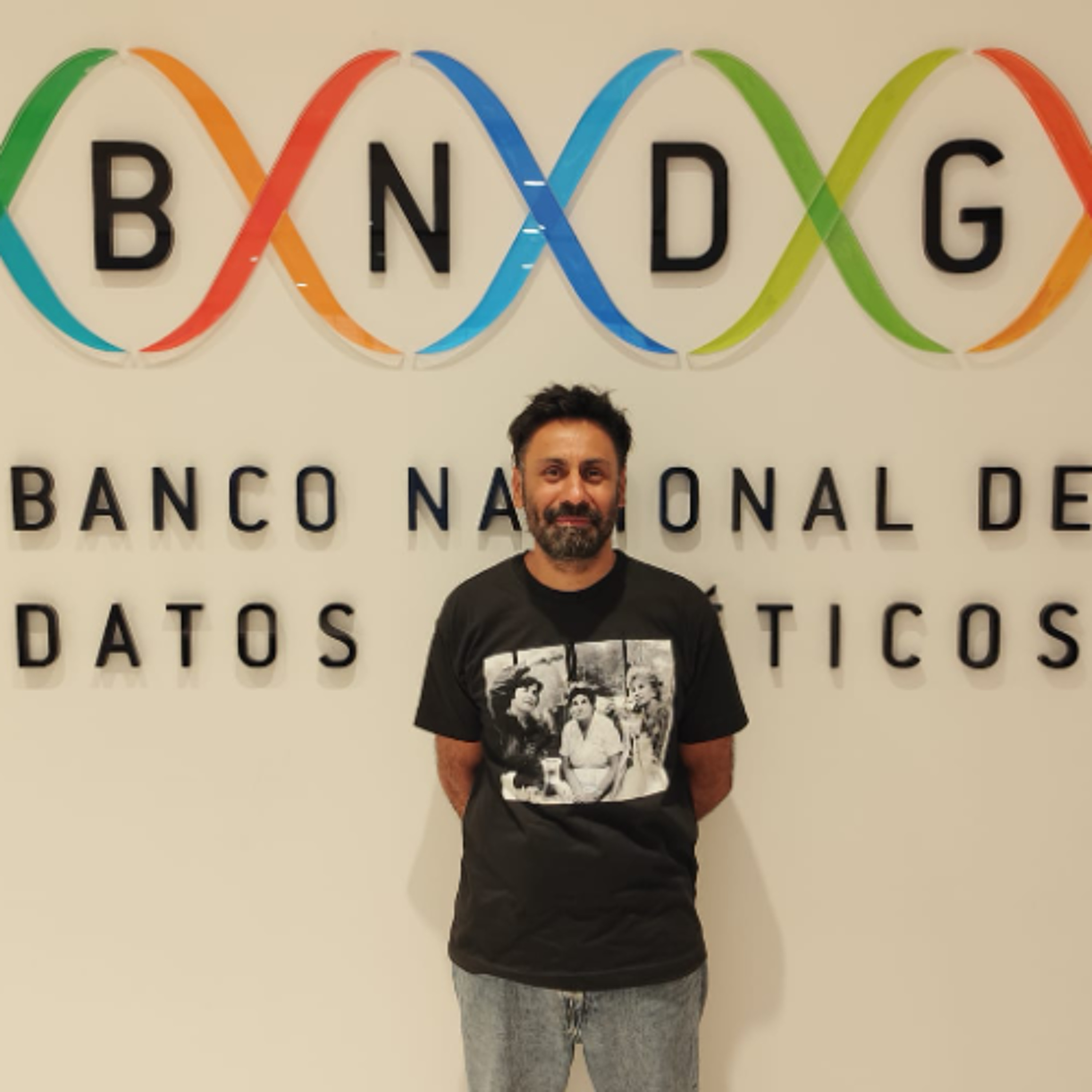
SoS 275: La historia de Abuelas de Plaza de Mayo y el índice de abuelidad con Darío Pacha Cardozo
Darío Cardozo es Licenciado en Biología Molecular, egresado de la Facultad de Química, Bioquímica y Farmacia de la Universidad Nacional de San Luis (Argentina), y doctor en Arqueología de la Facultad de Filosofía y Letras de la Universidad Nacional de Buenos Aires. Sus investigaciones se han centrado en Arqueología Histórica, uniendo el análisis de los documentos históricos, la información genétic
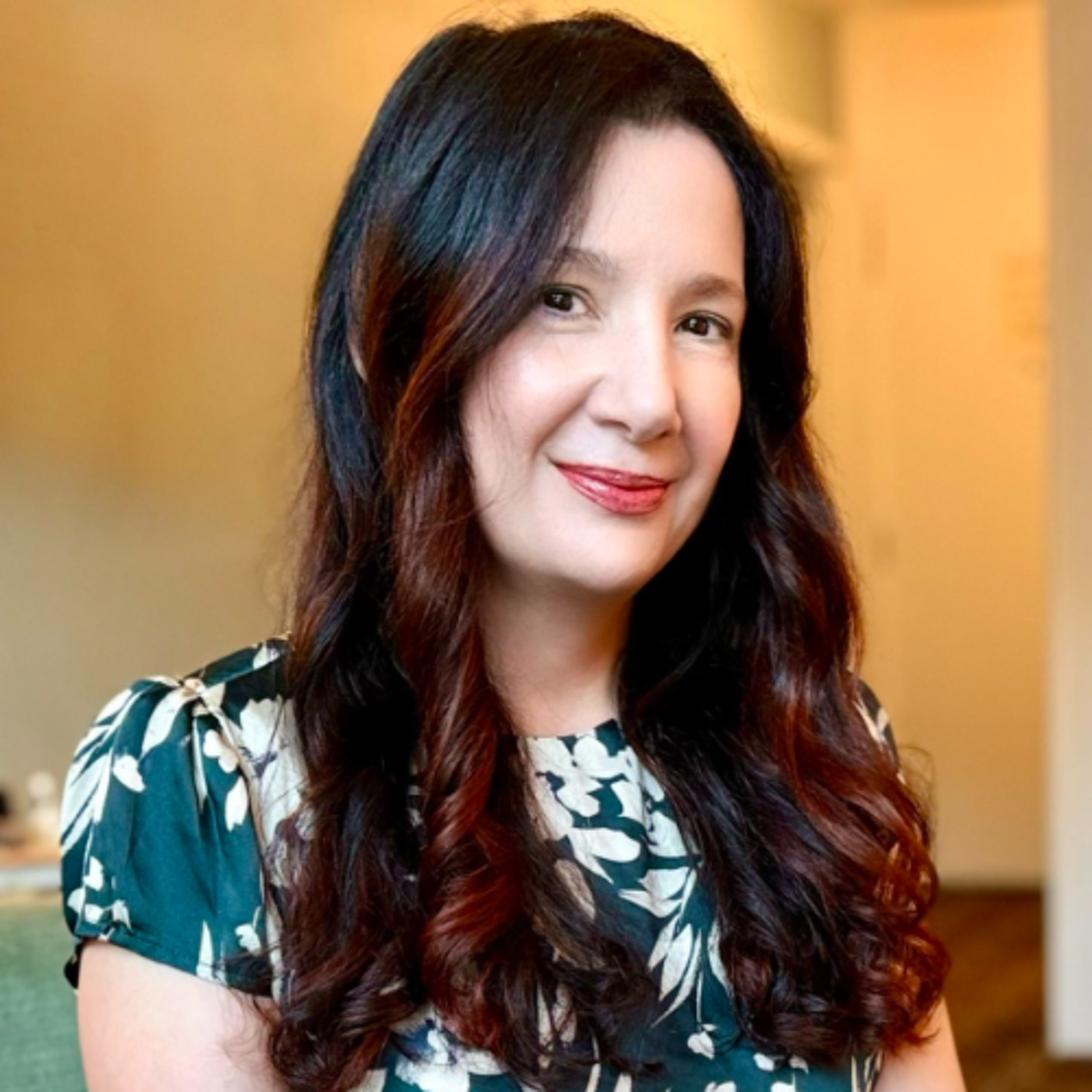
SoS 274: Female competition and the power of gossip: from sororities to small-scale societies with Dr. Nicole Hess
In this episode, Chris interviews Dr. Nicole Hess about her research on female competition, indirect aggression, gossip, and “Informational Warfare” theory in U.S. sororities and small-scale societies in the Central African Republic. They also discuss the various challenges of field work, including personal and sociopolitical risks.
Dr. Hess is a scholarly associate professor in the Department
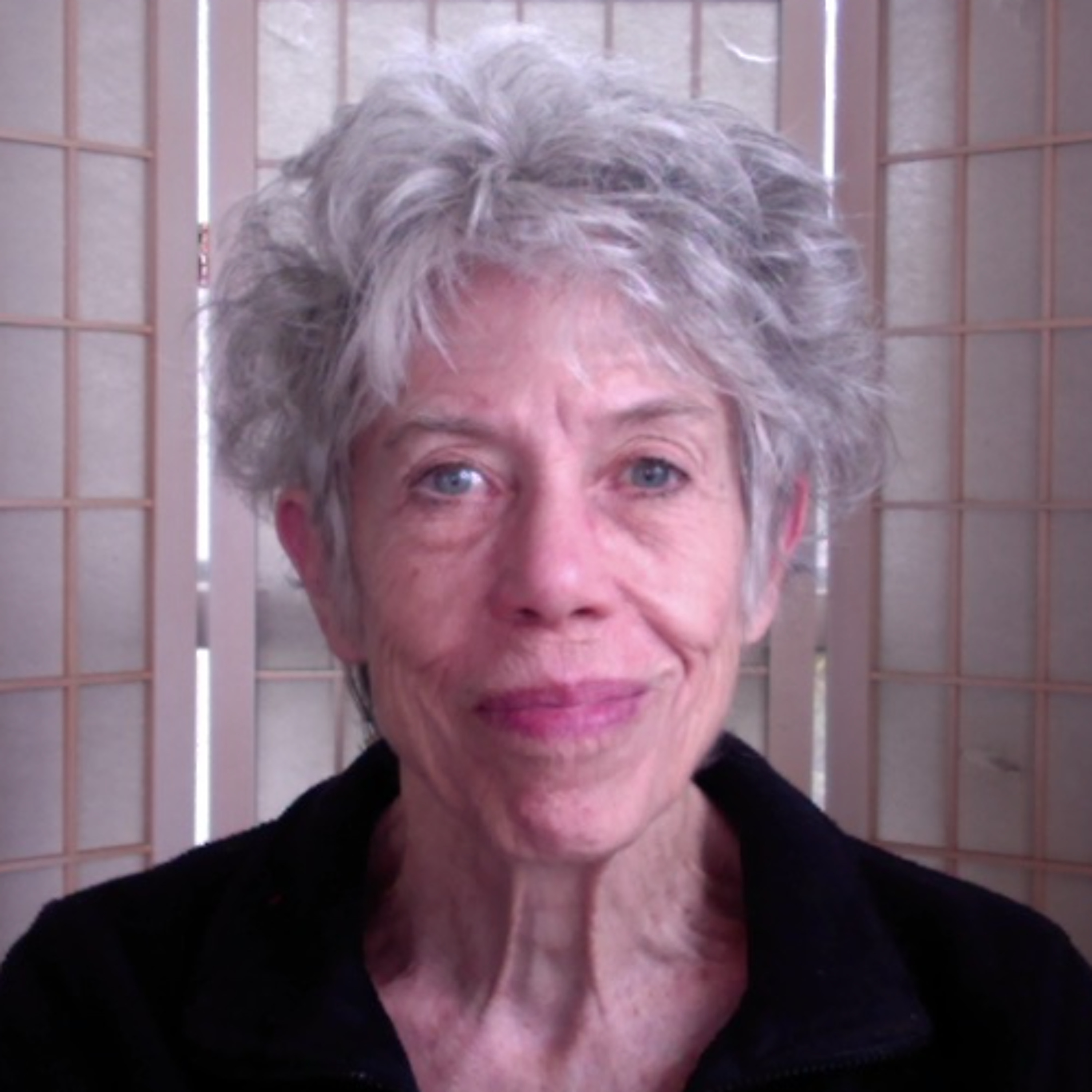
SoS 273: When the Grandmother Hypothesis Speaks w/ Dr. Kristen Hawkes (Part 1)
In Part 1 of this two-part conversation, Chris and Cristina are joined by Dr. Kristen Hawkes, Professor of Anthropology at the University of Utah and one of the most influential evolutionary anthropologists in the field. Drawing on decades of fieldwork with the Ache of eastern Paraguay and the Hadza of northern Tanzania, her work challenged long-standing assumptions about hunting, showing that men
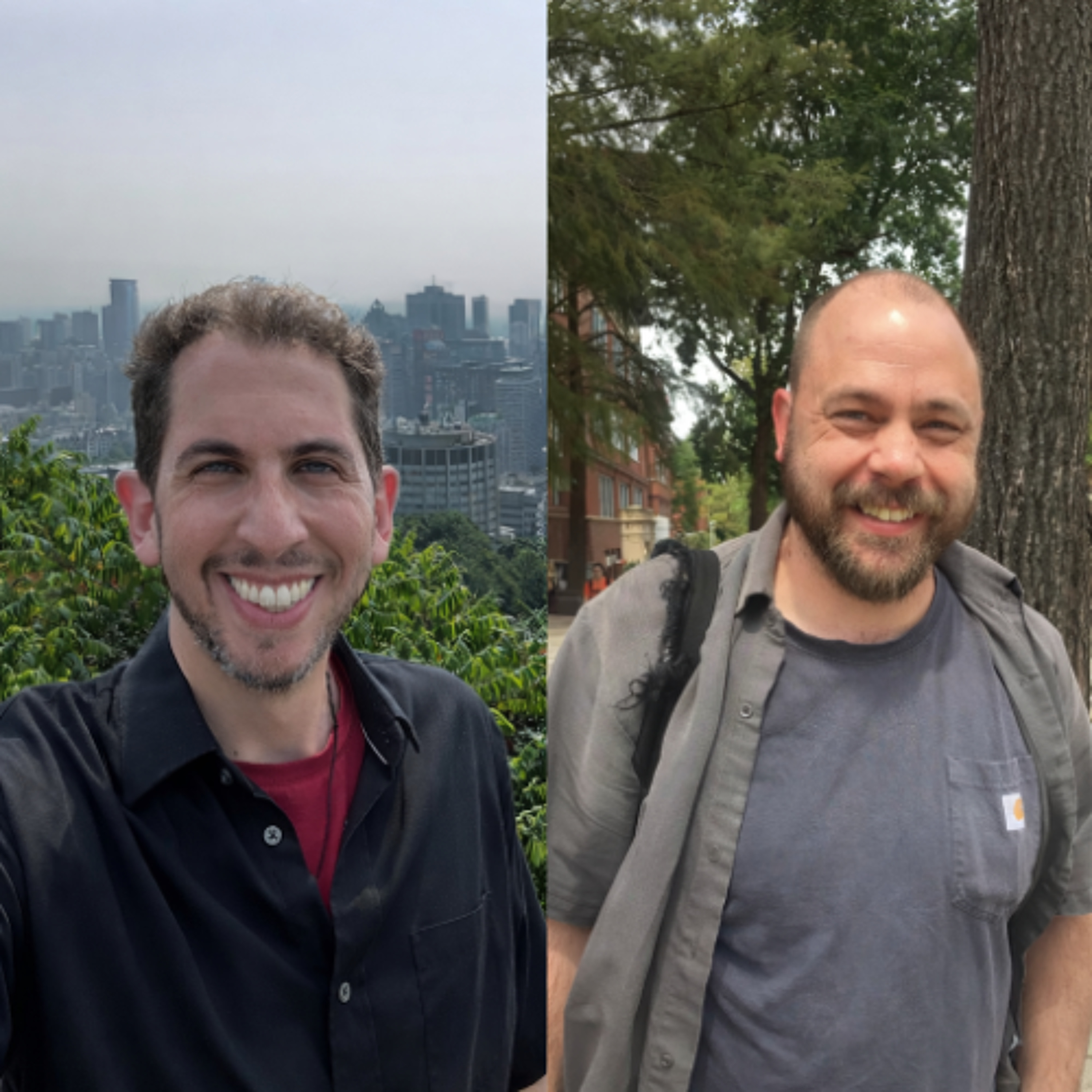
SoS 272: Dr. Charles Roseman and Dr. Ben Auerbach on the Extended Evolutionary Synthesis and the Ongoing Synthesis of Evolutionary Theory
In this episode, hosts Cara and Chris discuss various models of evolution, adaptation, and returning to the fundamentals, including, yes, math (!), with Dr. Charles Roseman and Dr. Benjamin Auerbach.
Dr. Auerbach is a Professor in the Departments of Ecology & Evolutionary Biology and Anthropology at the University of Tennessee, Knoxville. His research examines variation and evolution through the
SoS 271: Learning about the evolution of the human microbiome with Tanvi Honap
Tanvi is an evolutionary biologist who studies how pathogens and microbial communities evolve in response to human ecological, environmental, and cultural changes. Employing a One Health framework, her work integrates genomic/metagenomic datasets derived from animals, contemporary human populations living diverse lifestyles, and ancient individuals recovered using innovative paleogenomics techniqu
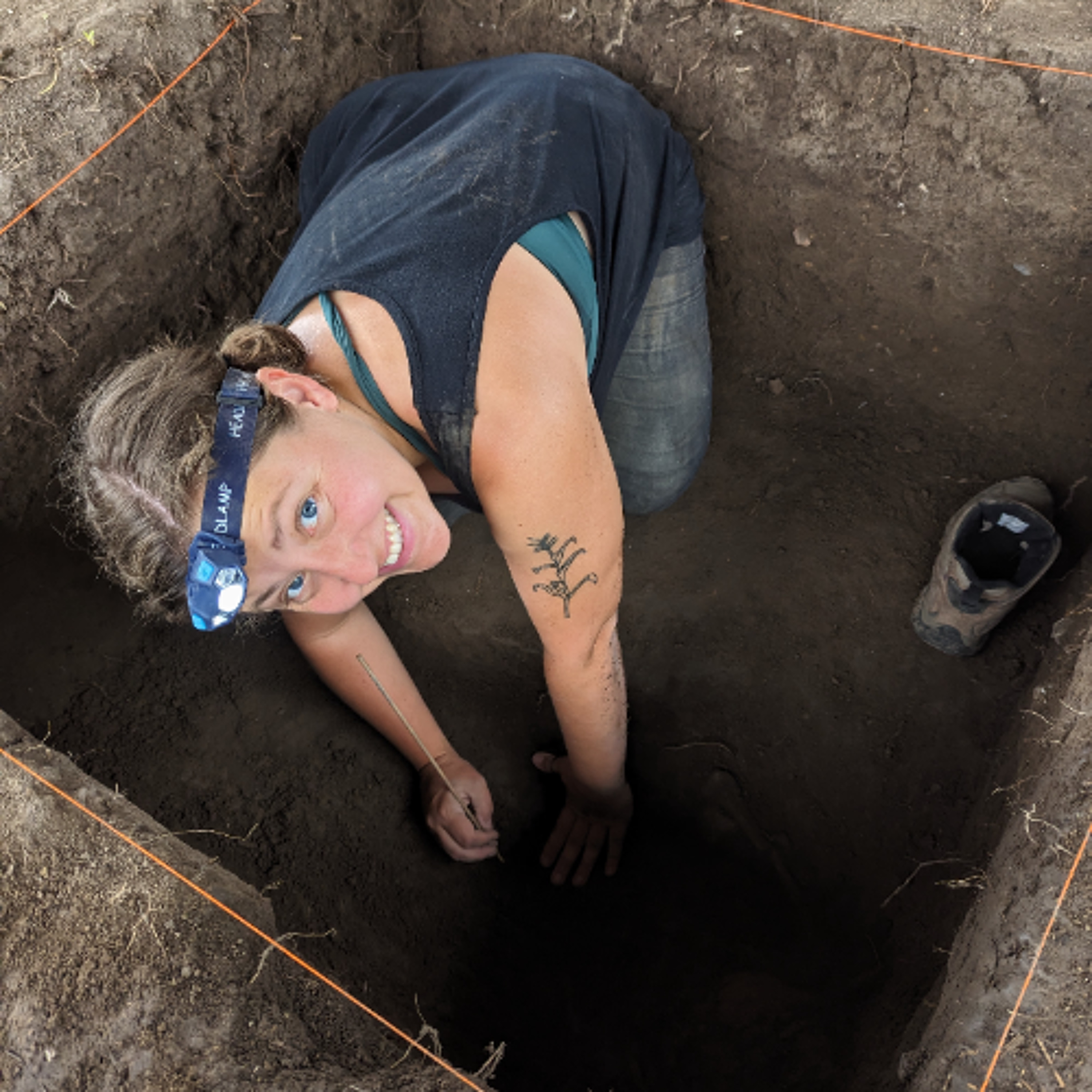
SoS 270: Dr. Sara Juengst on using mixed methods to understand lived experiences of the past and ideologies of the body in coastal Ecuador
In this episode, hosts Courtney and Mecca talk with Dr. Sara Juengst about her bioarchaeological work in coastal Ecuador among the very early and early Gangala, including differing ideas of what it means to be a “body”, the sociocultural and subsistence roles of the ocean, and the benefits of combining paleopathological, mortuary, and stable isotopic analyses.
Dr. Juengst is an associate professo
SoS 269: The Whole Organism Imperative with Dr. Ben Auerbach
In this episode, Cara and Chris sit down with Dr. Ben Auerbach, a Professor in the Departments of Ecology & Evolutionary Biology and Anthropology at the University of Tennessee, Knoxville. His research examines variation and evolution through the skeletons of primates and other mammals, applying quantitative genetics and functional anatomy to understand how traits evolve, especially in primates an
SoS 268: Dra. Sofía Olmedo sobre la investigación participativa para comprender mejor la diabetes tipo 2 entre los Qom
En este episodio, Anahí y Mecca conversan con la Dra. Sofía Olmedo sobre su nuevo proyecto sobre diabetes tipo 2 en la comunidad Qom de Argentina y los beneficios de utilizar la investigación acción participativa.
Dra. Sofía Olmedo es Licenciada en Nutrición por la Universidad Cuenca del Plata de Formosa y Doctora en Ciencias de la Salud (FCM-UNC). Actualmente es Investigadora asistente de CONICE
SoS 267: From Field Notes to Dean’s Notes: Decolonizing Research & Education with Alyssa Crittenden
Join us for a conversation about decolonizing research, rethinking education, and building institutions that actually serve the communities at their center.
Chris sits down with Dr. Alyssa Crittenden, who returns to the show, this time as Vice Provost for Graduate Education and Dean of the Graduate College at UNLV. Since we last talked about community-based participatory research with the Hadza, h
SoS 266: Beyond the Checklist: Systematic Reviews and the SCRIBE Toolkit w/ Dr. Varela-Silva
We’re long overdue for this conversation. In this episode, Chris and Courtney sit down with Dr. Inês Varela-Silva, Reader in Biocultural Studies and Community Health at Loughborough University, to talk about methods and why evidence synthesis matters for equity in science. We trace her path into anthropology and human biology before diving into the SCRIBE (SystematiC Reviews In Biocultural rEsearc
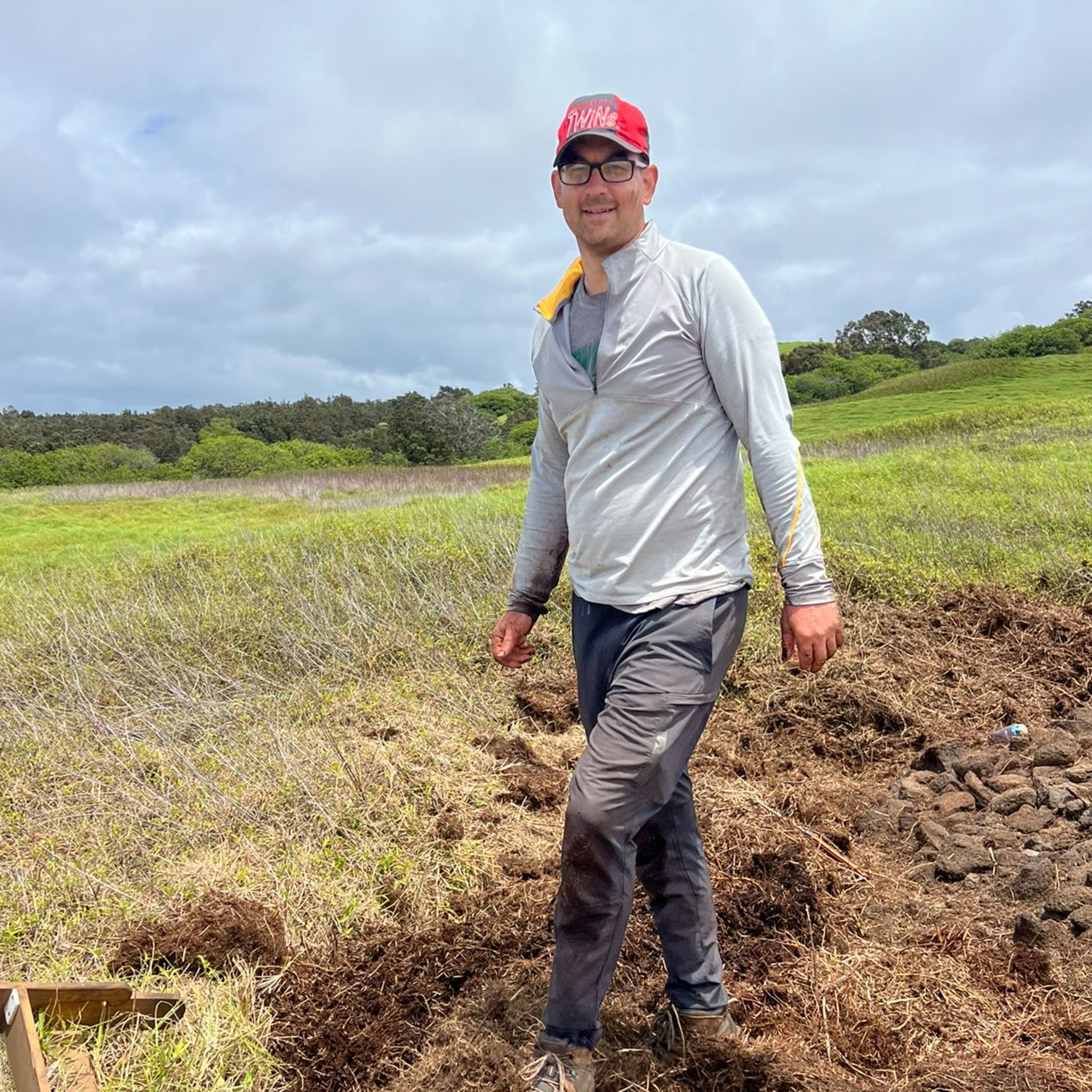
SoS 265: Dr. Seth Quintus on Settlement Diversity and Ideology in Polynesia
In this episode, hosts Chris and Courtney talk with Dr. Seth Quintus about his work in Sāmoa and Hawaiʻi, blending Polynesian archaeology, ethnohistory, and social theory. They discuss the value of four-field anthropology and collaboration, variation across Polynesian histories and ideologies, and common misconceptions about ancient Hawaiian political systems.
Dr. Seth Quintus is a Pacific Island
SoS 264: Dr Steve McGarvey chats about his career of studying cardio- & metabolic health in the Samoan islands
Stephen McGarvey is Professor Emeritus of Epidemiology at Brown University School of Public Health and Professor of Anthropology (Courtesy) at Brown University. He is an elected Fellow of the American Association for the Advancement of Science, and on the editorial board of the American Journal of Human Biology. He was the recipient of the 2025 Franz Boas Distinguished Achievement Award from the H
SoS 263: Dr. Theodore Schurr on molecular anthropology & the evolution of genetic research
In this episode, Dr. Theodore Schurr shares insights from his career researching genetic prehistories, linkages, and identities within transforming geopolitical landscapes of the past as well as contemporary sociopolitical shifts, including post-Soviet Russia and Georgia. Next, Dr. Schurr and hosts Cara and Chris reflect on the evolution of anthropology and genetic research, including breakthrough
SoS 262: Pregnancy Under Pressure with Dr. Kyle Wiley
In this episode, we talk with Dr. Kyle Wiley, Assistant Professor of Sociology & Anthropology at the University of Texas at El Paso, about how social and traumatic stressors during pregnancy become biologically embedded and shape maternal and infant health.
Kyle shares his path into biological anthropology and discusses his biosocial research on perinatal health disparities in the United States an
SoS 261: Inclusive language for improving our science with Cindi SturtzSreetharan
In this episode, hosts Chris and Mecca interview Dr. Cindi SturtzSreetharan about language decoding, why inclusive language matters for better science, the importance of clearly defining the terms we use, and how ethnographic methods help contextualize research. Dr. SturtzSreetharan is a President’s Professor at the School of Human Evolution & Social Change at Arizona State University. She has a b
SoS 260: From Collections to Care: Ethics in Bioarchaeology with Molly Zuckerman
In this episode, we talk with Dr. Molly Zuckerman, Professor of Biological Anthropology at Mississippi State University, about ethics, care, and responsibility in bioarchaeology. We discuss her recent article, “Exercises in ethically engaged work in biological anthropology,” and explore how human remains can be dehumanized in research and teaching collections, and how approaches such as osteobiogr
SoS 259: A Culturally Adapted Health Intervention in Samoa with Nicola Hawley
Dr. Nicola Hawley is an Associate Professor of Epidemiology at the Yale School of Public Health, where she also holds a secondary appointment in Anthropology. She serves as Associate Director for Dissemination and Implementation Science at the Yale Center for Clinical Investigation. Trained as a human biologist, Dr. Hawley is an internationally recognized expert in maternal and child health, with
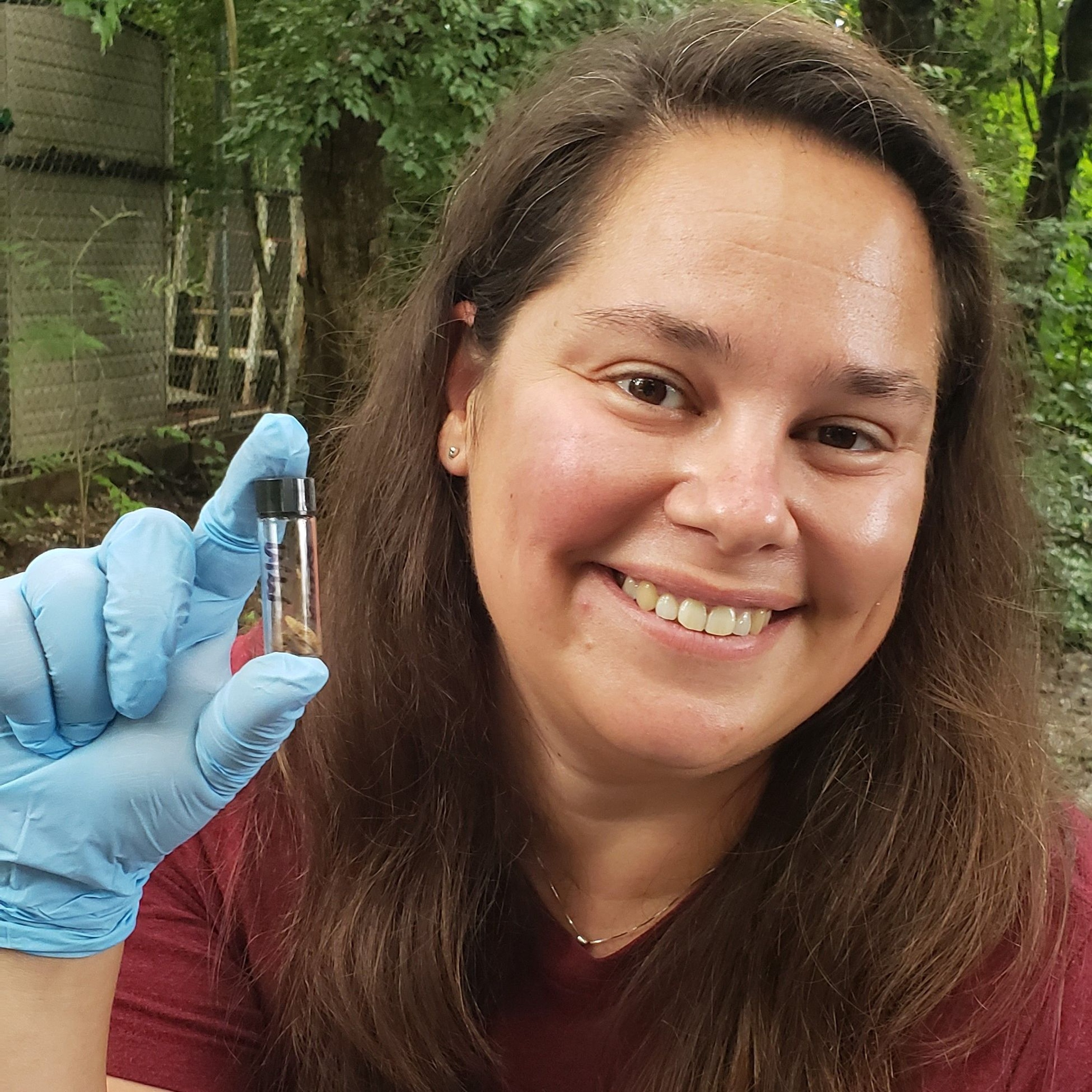
SoS 258: Maggots on the Menu: Rethinking Hominin Diet with Melanie Beasley
In this fun and “soupy” episode, hosts Cara and Chris chat with Dr. Melanie Beasley about putrefied meat, maggots, stable isotopes, and media attention at the most inconvenient times. Dr. Beasley directs the BioAnth Isotope Ecology Research Laboratory (BIER Lab) at Purdue University. Her work focuses broadly on human-environment interactions throughout the hominin lineage when the environment is i
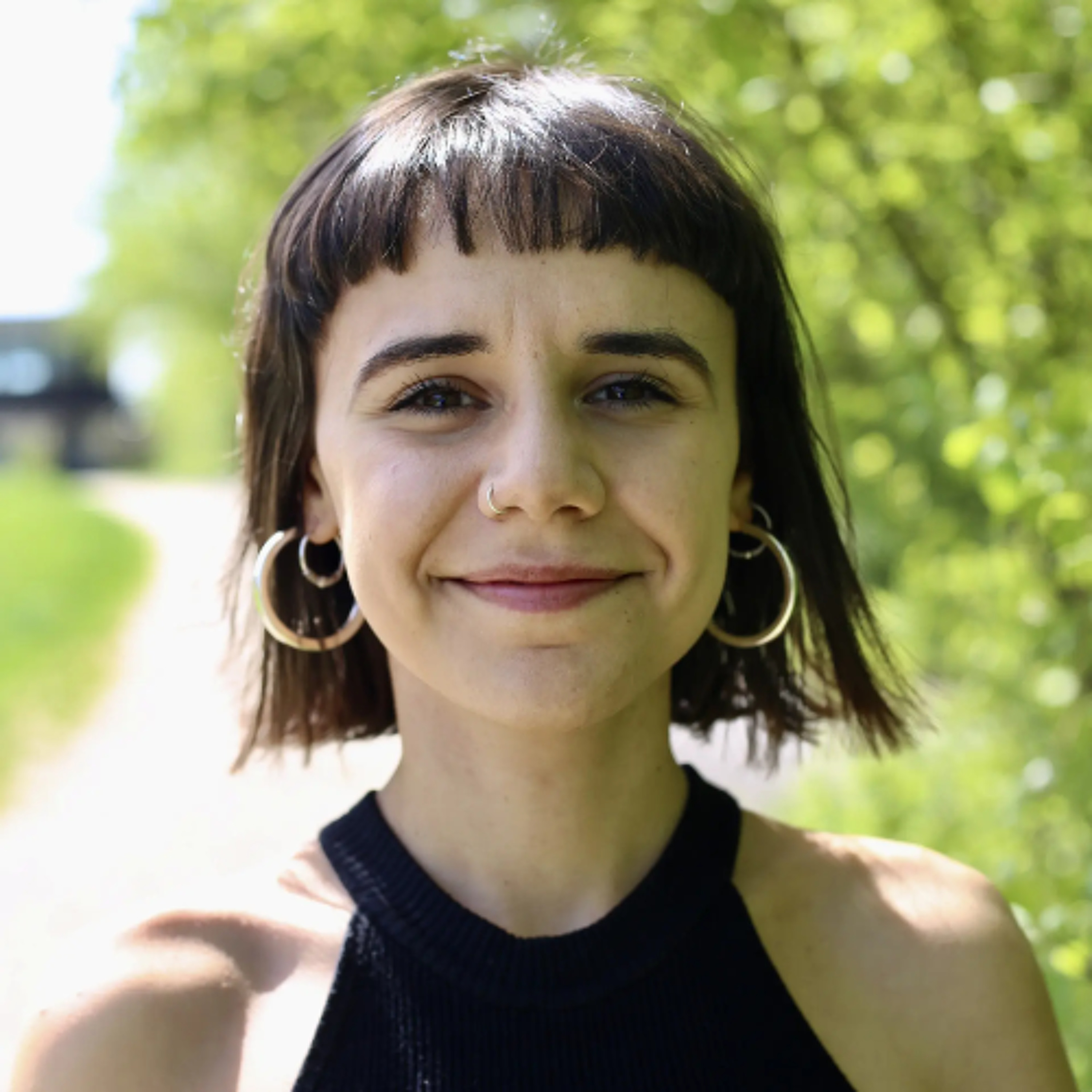
SoS 257: Repensando los primeros pasos de nuestra especie con Cecilia Padilla Iglesias
Cecilia Padilla Iglesias estudió Ciencias Humanas y de la Evolución en University College de Londres, donde empezó a interesarse por cómo surgió y cambió la diversidad cultural y biológica en nuestra especie. Hizo un máster en Antropología Evolutiva en Cambridge y luego un doctorado en la Universidad de Zúrich sobre cómo los cambios ecológicos y sociales han moldeado la dinámica de las poblaciones
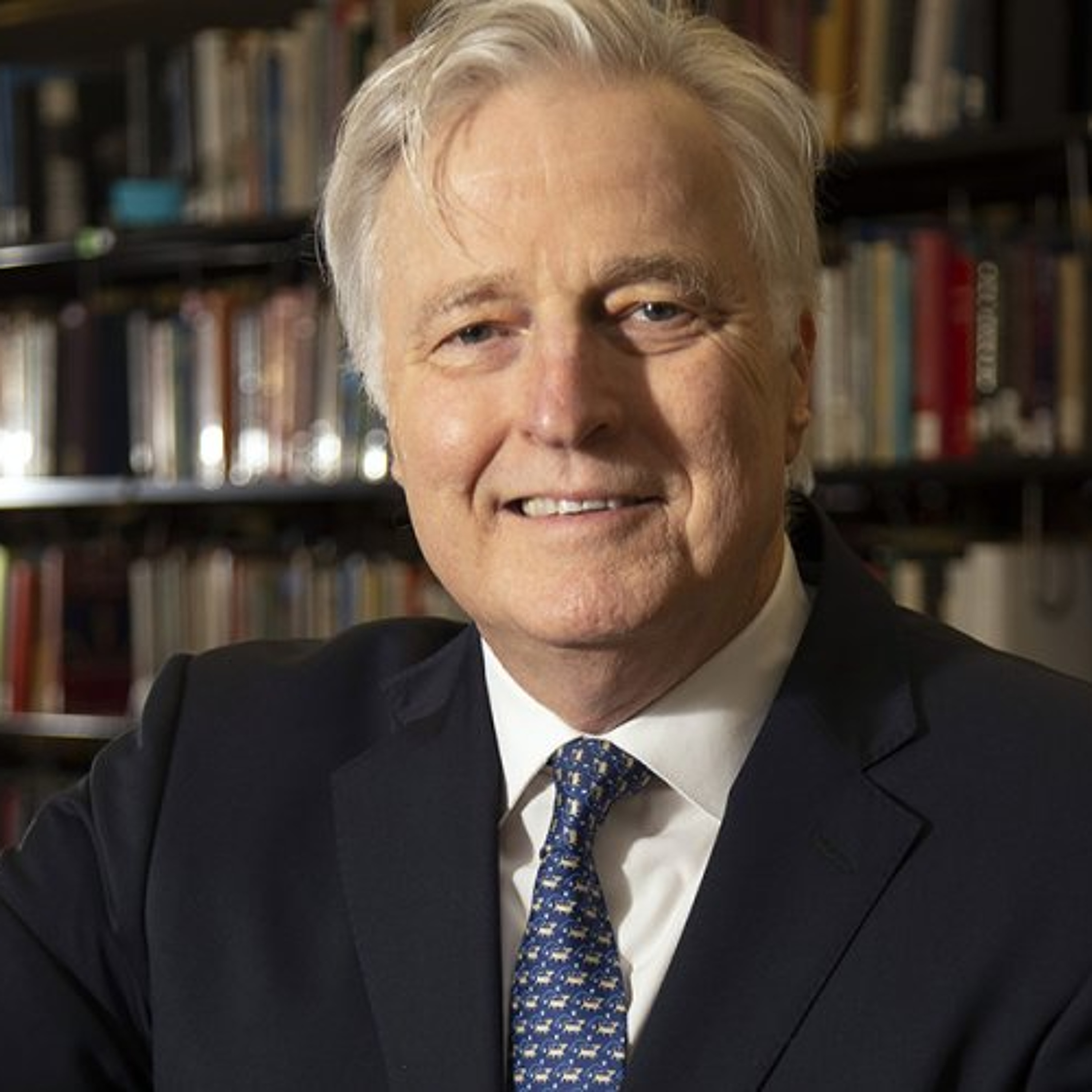
SoS 256: Beyond the Savanna: Human Adaptation in the Age of Cities with Larry Schell
Lawrence M. Schell is a Distinguished Professor in the Department of Anthropology and the College of Integrated Health Sciences at the University at Albany, SUNY, with a joint appointment in the Department of Epidemiology and Biostatistics. His research explores the interrelationship between biology and culture, with a particular focus on how contemporary urban environments shape human health and
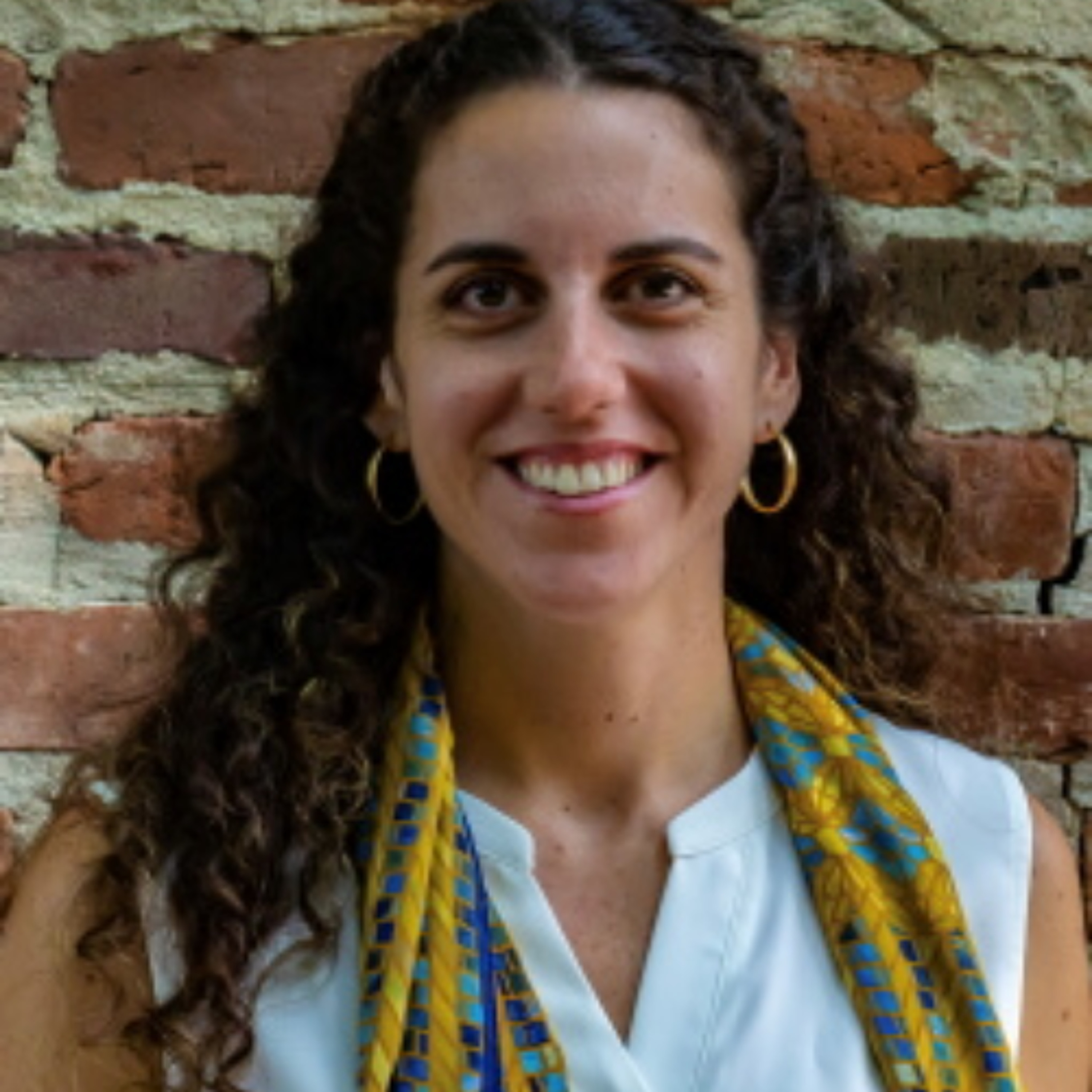
SoS 255: Craving Earth: Pica, Pregnancy, and Nutrition in Malawi with Dr. Leila Larson
This week on The Sausage of Science, Chris and Cristina explore pica (the craving and consumption of nonfood items like earth or clay) through the lens of maternal health and nutrition. Our guest, Dr. Leila Larson of the University of South Carolina, shares insights from her study on pica among pregnant women in Malawi, part of the REVAMP iron supplementation trial.
She discusses how iron status,
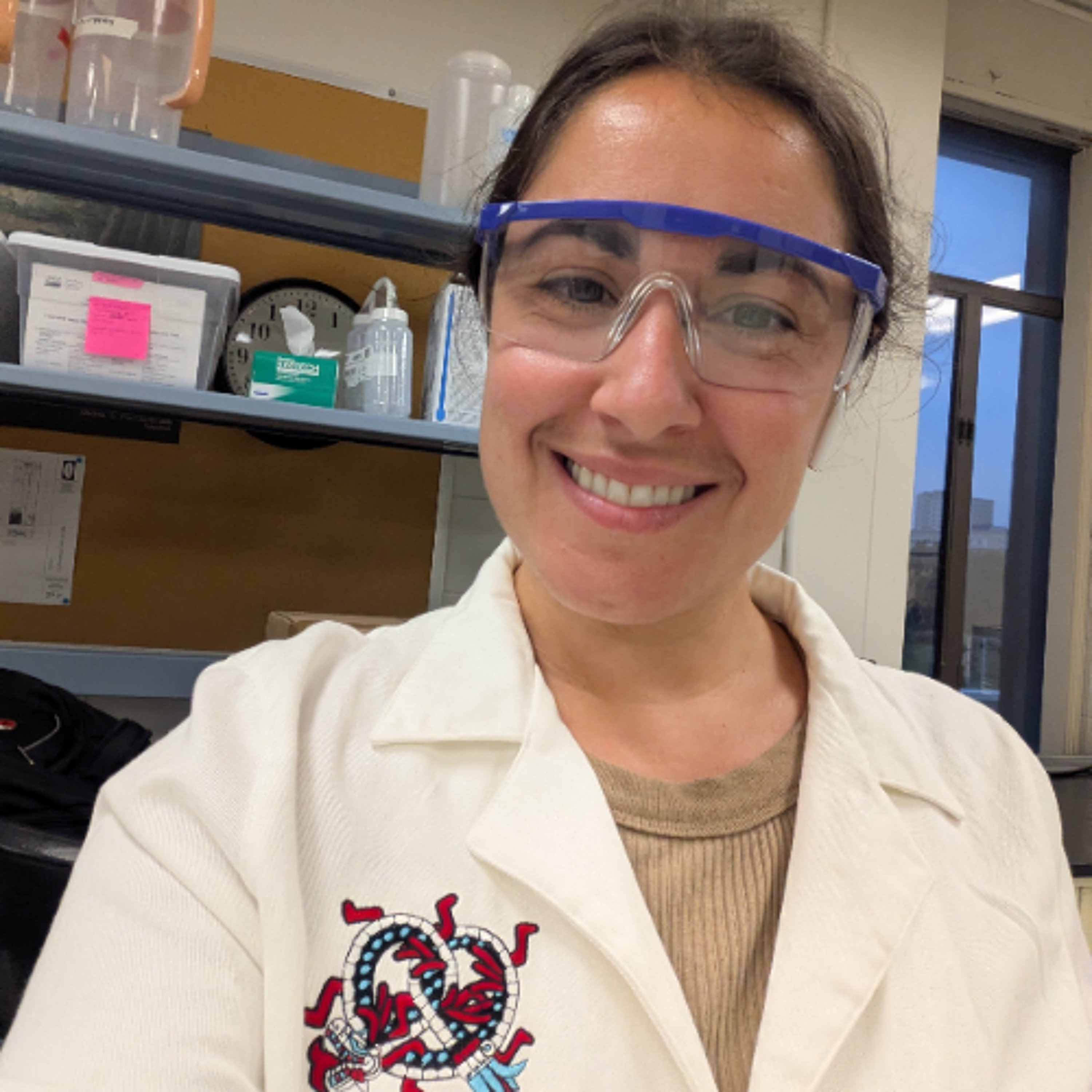
SoS 254: A biogeochemical approach to migration and violence with Sofía Pacheco-Fores
Dr. Sofía Pacheco-Fores is a bioarchaeologist whose research focuses on migration in ancient Mexico. Using a range of methods including archaeological biogeochemistry and phenotypic variation in human skeletal and dental morphology, she reconstructs migration patterns to understand the experiences of past migrants and their recipient communities. She examines the role migration played in social an
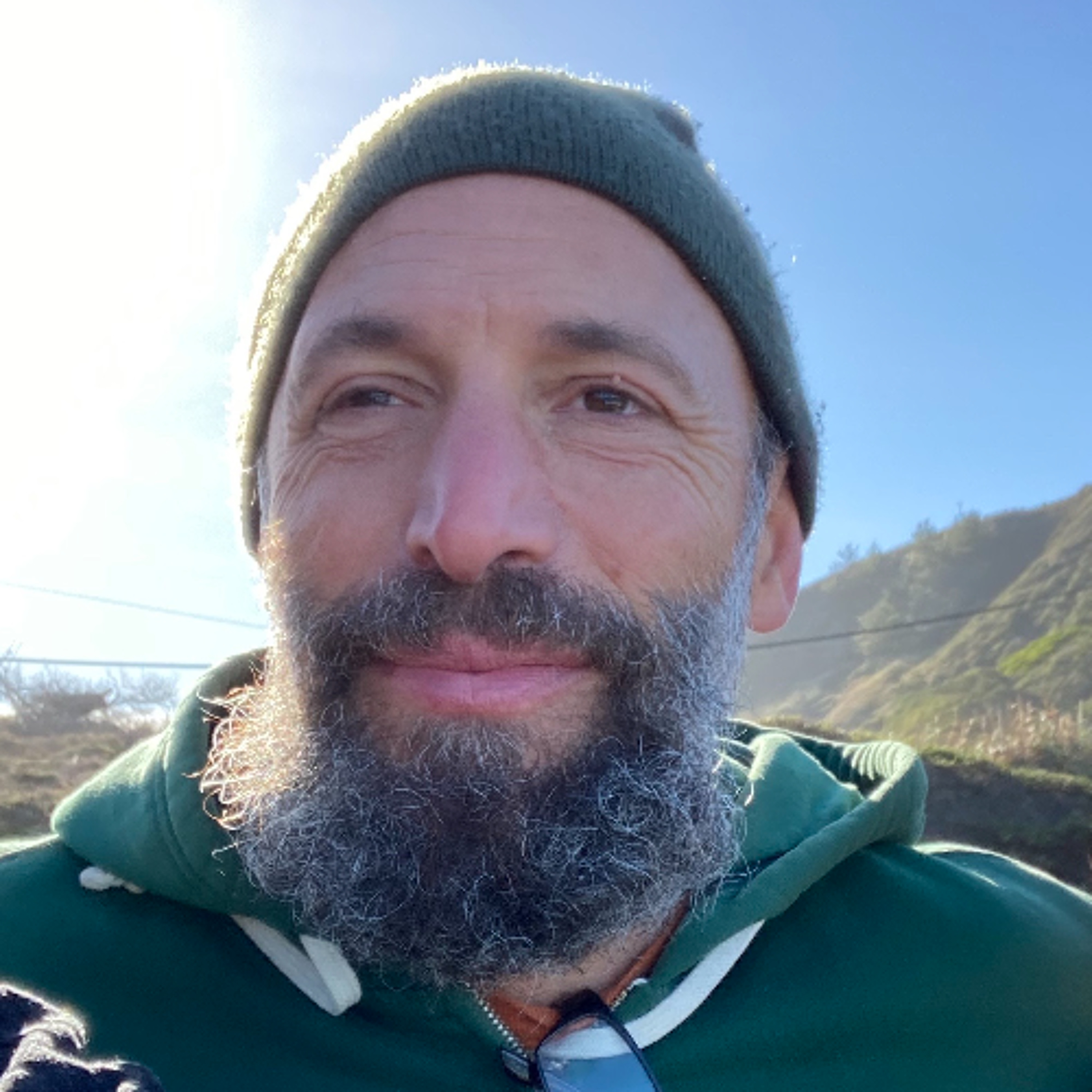
SoS 253: Josh Brahinsky and The Neuroscience of the Divine
This week on The Sausage of Science, Chris and Cara talk with Dr. Josh Brahinsky, a researcher in the Transcultural Psychiatry Department at McGill University and the Department of Religious Studies at Stanford University, whose work sits at the intersection of anthropology, psychology, and neuroscience. Josh explores how contemplative practices like prayer and meditation shape sensory experience,
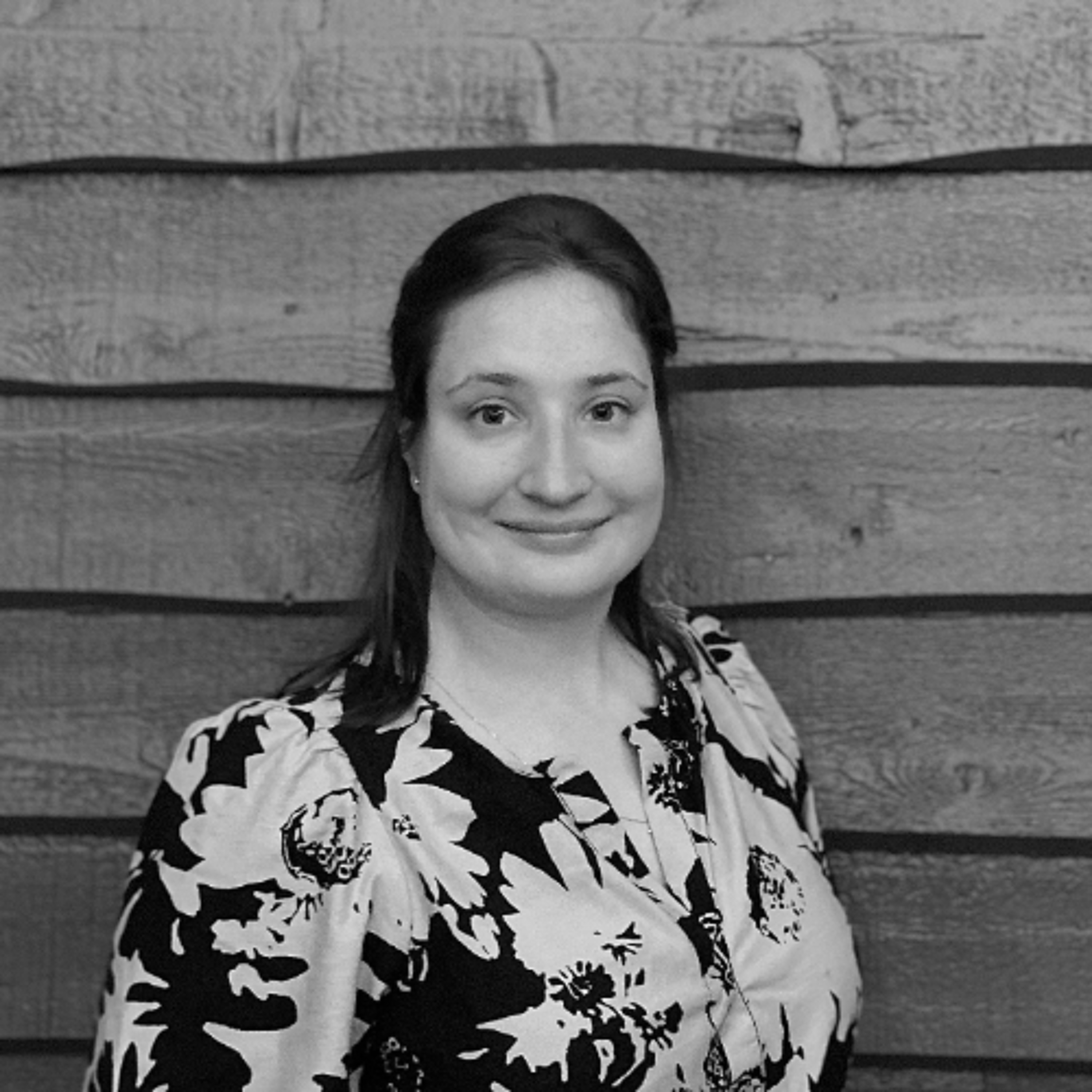
SoS 252: Alex Niclou and her contributions to clinical and military-focused research
Alex got her degree from the University of Notre Dame in 2022 after finishing her dissertation on the variation in brown adipose tissue thermogenesis and its effects on metabolic health markers in adults from Samoa. She is currently a postdoctoral fellow at Pennington Biomedical Research Center working on the Military Health and Nutrition Examinations Study (MHANES) (PI: Dr. Claire Berryman). In c
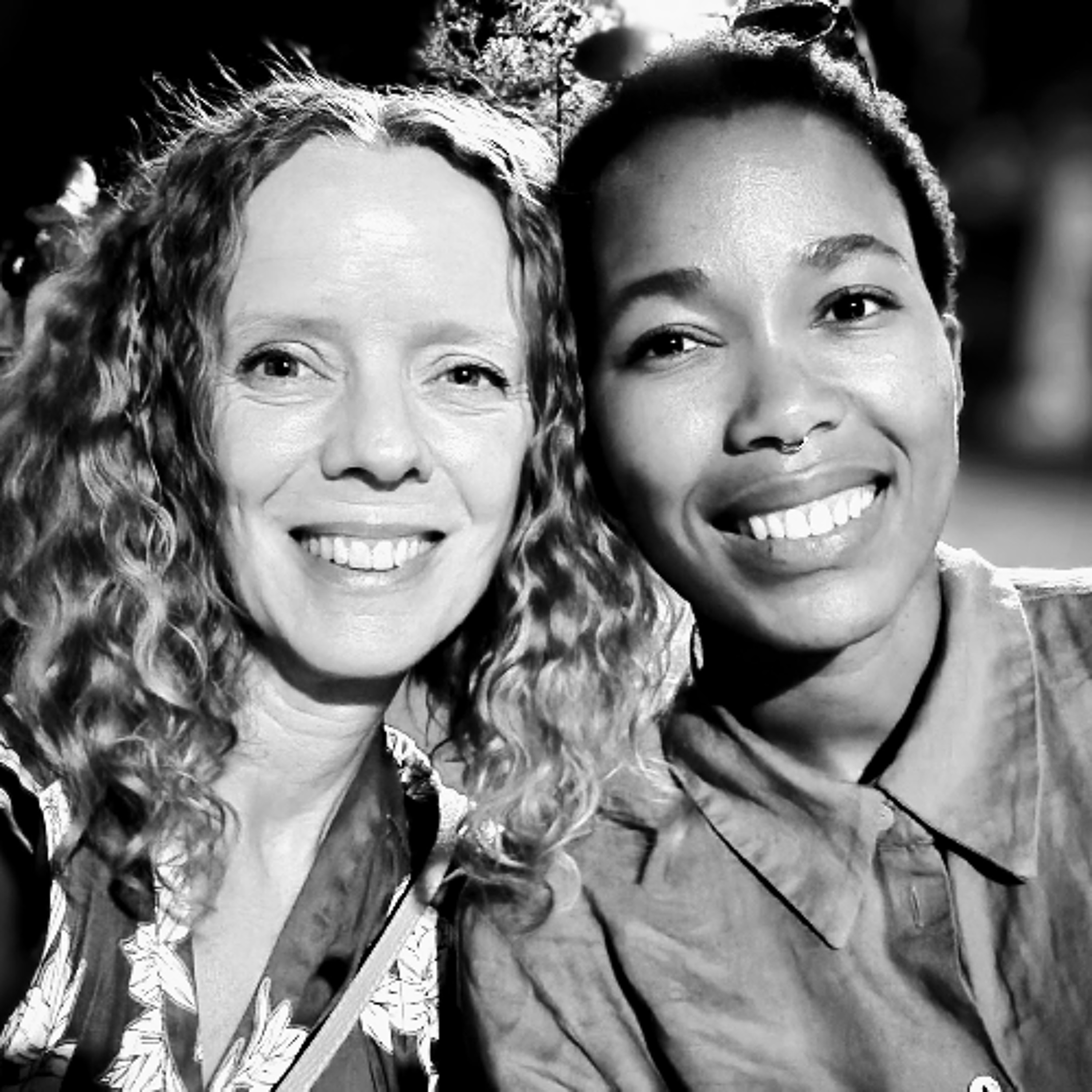
SoS 251: Proteomics and Human Origins: Reconstructing the Past with Palesa Madupe & Becky Ackermann
This week on the Sausage of Science, Cara sits down with two trailblazing scholars shaping the future of paleoanthropology from the African continent outward. Dr. Palesa Madupe, postdoctoral researcher at the University of Copenhagen’s Globe Institute, shares her pioneering work on enamel proteomics—reconstructing protein sequences from Paranthropus robustus and other South African hominins to unr
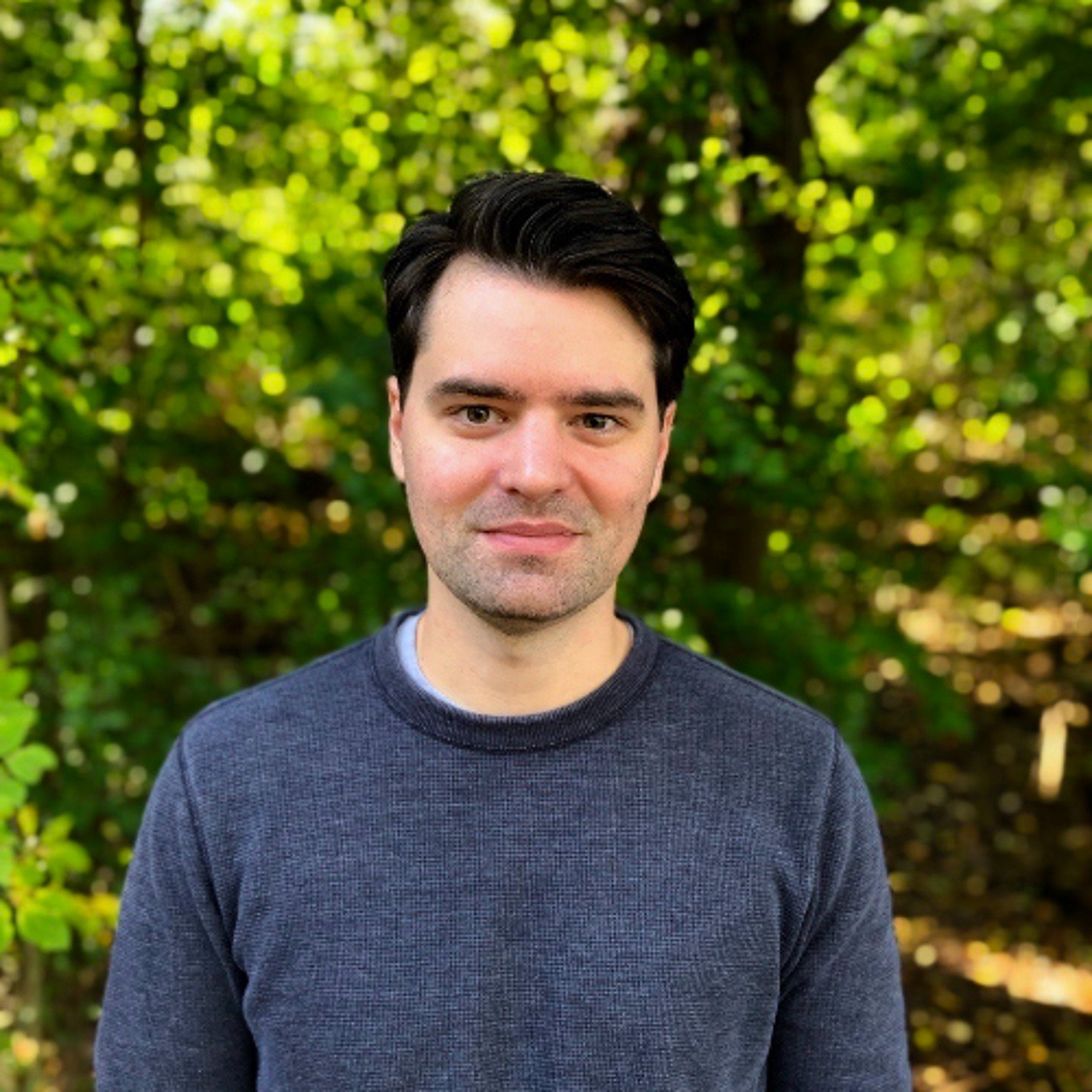
SoS 250: Jake Aronoff's incredible journey into aging (of immune cells)
Jake Aronoff is a human biologist studying immune function and aging from an evolutionary and ecological perspective. During his PhD, he studied how stress and social inequality impacts inflammation and immunosenescence in the Philippines and US. He is currently a postdoctoral researcher at ASU studying inflammation and aging with Ben Trumble and the Tsimane Health and Life History Project. These
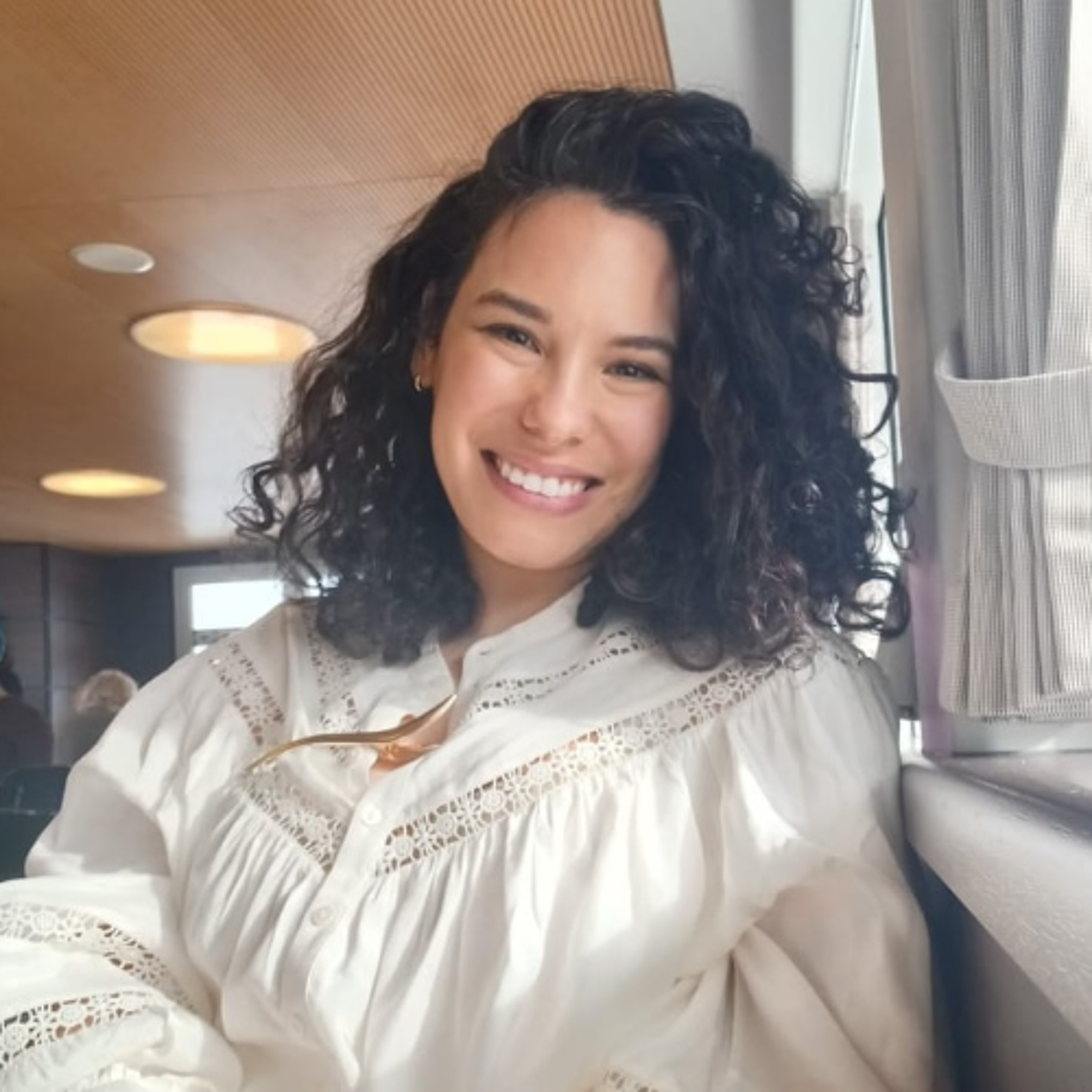
SoS 249: Cup, Swab, or Pad? How Collection Shapes Menstrual Biomarkers
Dr. Luisa María Rivera is a critical biocultural anthropologist whose work examines how social inequality, trauma, and structural violence shape reproductive and maternal–infant health. She integrates ethnographic research with epigenomic and other molecular approaches to trace how stress during development can reverberate across generations and to understand the implications of these findings for
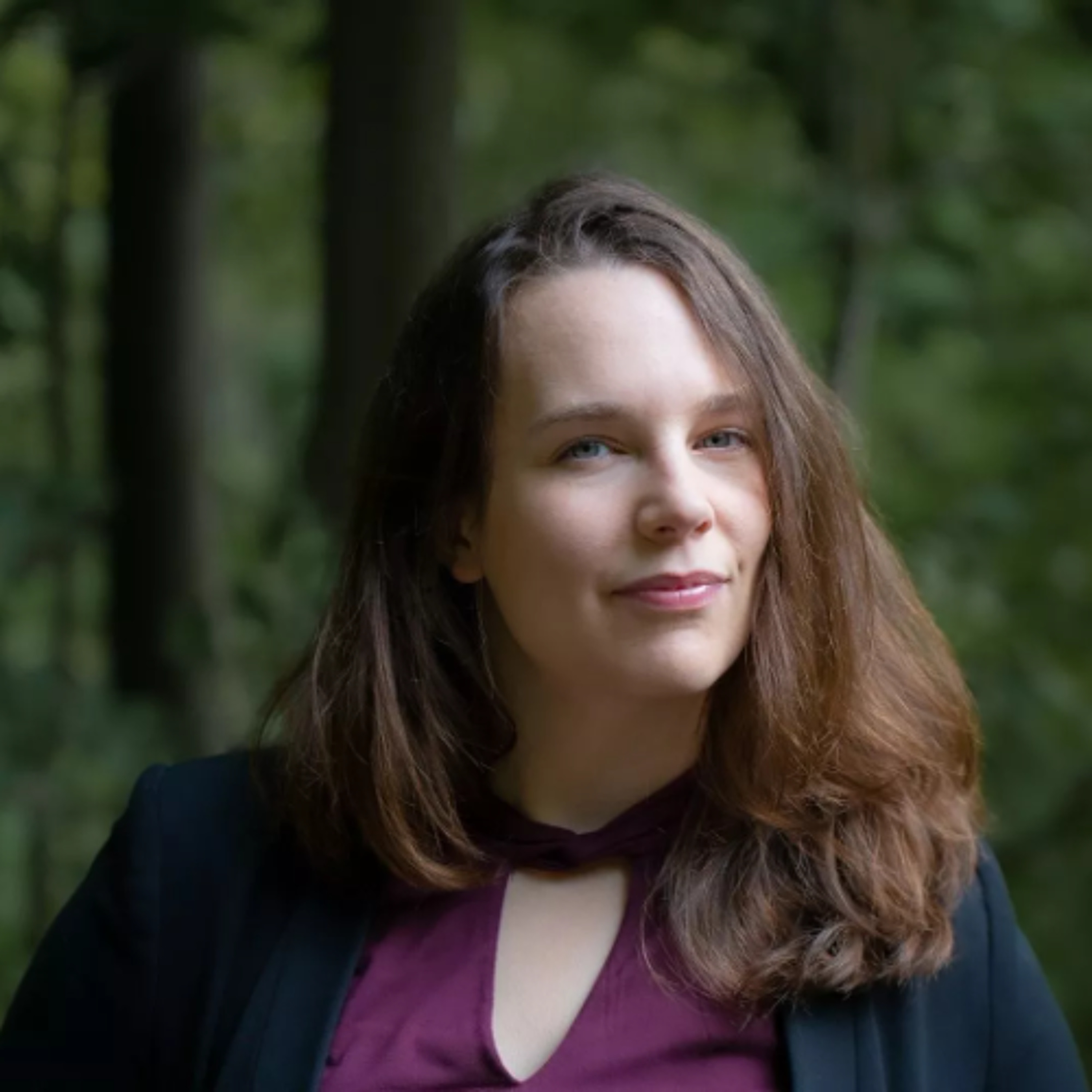
SoS 248: Leela McKinnon explains how our environment affects our sleep
Leela McKinnon is a PhD Candidate in Evolutionary Anthropology at the University of Toronto and holds a Bachelor of Arts in Anthropology from Penn State University. Her PhD research examines sleep health in Indigenous Wixárika communities in Jalisco, Mexico, with a particular focus on the effects of rural-to-urban migration on sleep and circadian rhythms. Leela explores the environmental and socia
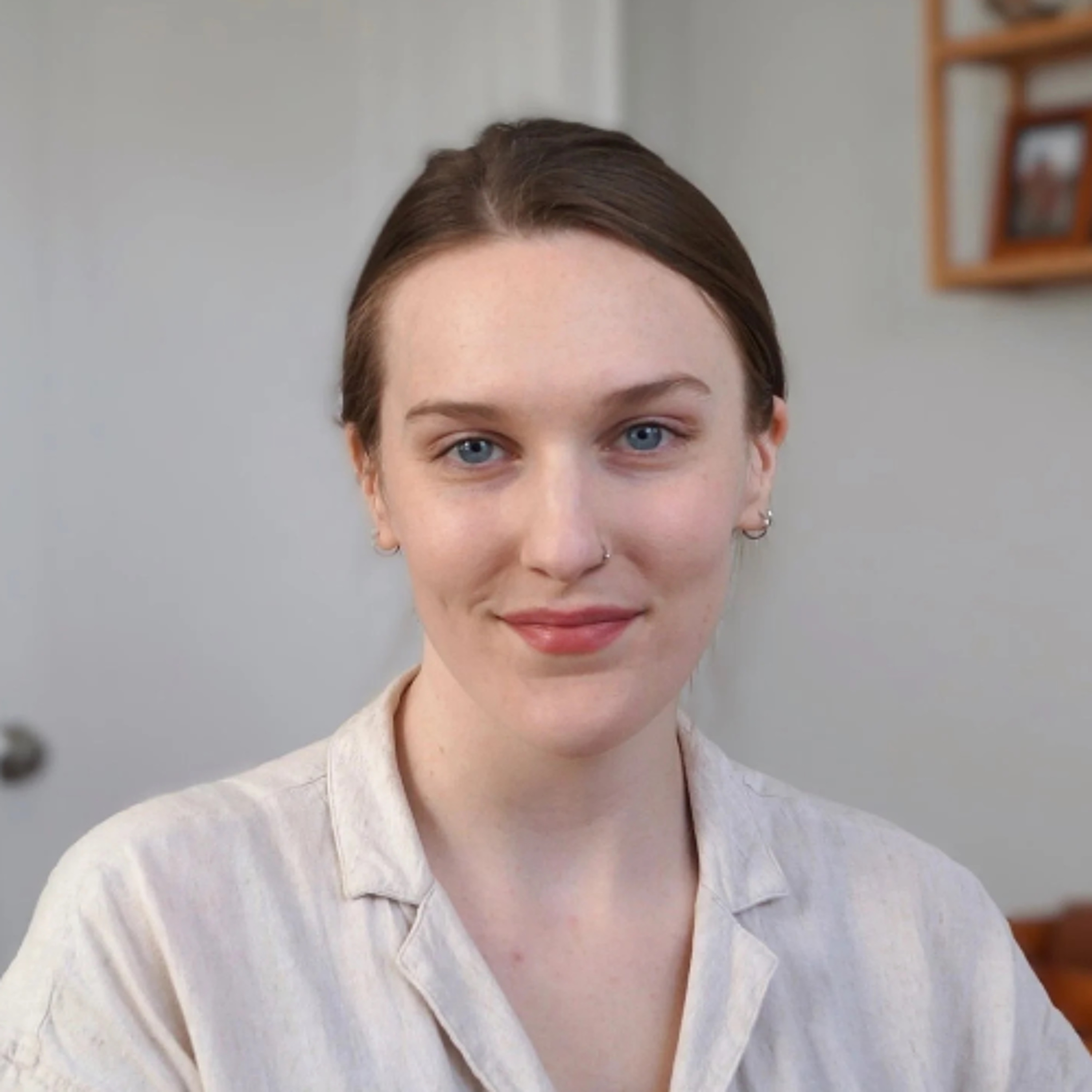
SoS 247: Intergenerational Signals w/ Dr. Haley Ragsdale: A DOHaD Lens on Human Reproduction
Chris and Courtney sit down with Dr. Haley Ragsdale to discuss intergenerational signals of matrilineal experience. Haley completed her dissertation in Anthropology at Northwestern University in 2023 under the guidance of Dr. Chris Kuzawa. She is now a postdoctoral researcher in the Anthropology Department at the University of Illinois Chicago, collaborating with Dr. Katie Starkweather on fascinat
SoS 246: Discriminación, estrés y salud en población migrante: un estudio multinacional con Isaura Cruz
La doctora Isaura Cruz es bio-antropóloga y sus intereses de investigación se centran en la amplia contribución del medio ambiente a la salud y el bienestar humanos. Ha examinado el desarrollo de las condiciones cardiovasculares y metabólicas entre los indígenas mexicanos P'urépecha en sus comunidades de origen en Michoacán, México y las comunidades de acogida en Carolina del Norte, EE.UU. Isaura
SoS 245: Anamika Nanda - From Pool Laps to Brain Maps
In this episode, Chris and Cristina talk with Anamika Nanda, a PhD student in the Department of Biological Sciences and a Women in Science and Engineering (WiSE) Fellow at the University of Southern California. Anamika’s research, conducted under the guidance of Dr. David Raichlen, examines how physical activity affects neurological health across various genotypes.
Before beginning her doctoral wo
SoS 244: Emily Barron discusses early life stress and its impact on brain development from an evolutionary perspective
Emily is a PhD student and biological anthropologist at Northwestern University and a Student Representative for the Human Biology Association. She studies brain development from an evolutionary perspective, focusing on how early life stress shapes cognitive, behavioral, social, and physiological development. Her dissertation examines how early adversity and parenting influence executive function,
SoS 243: Finding Home and Well-Being: Perspectives on Aging and Identity with Seth Dornisch
Chris and Cristina sit down with anthropologist and clinical speech-language pathologist Seth Dornisch, whose work bridges evolutionary theory, biocultural analysis, and clinical practice. Seth's dissertation research examines how to improve the quality of life and well-being for individuals experiencing neurological decline, with a focus on reducing suffering and promoting meaningful, positive ex
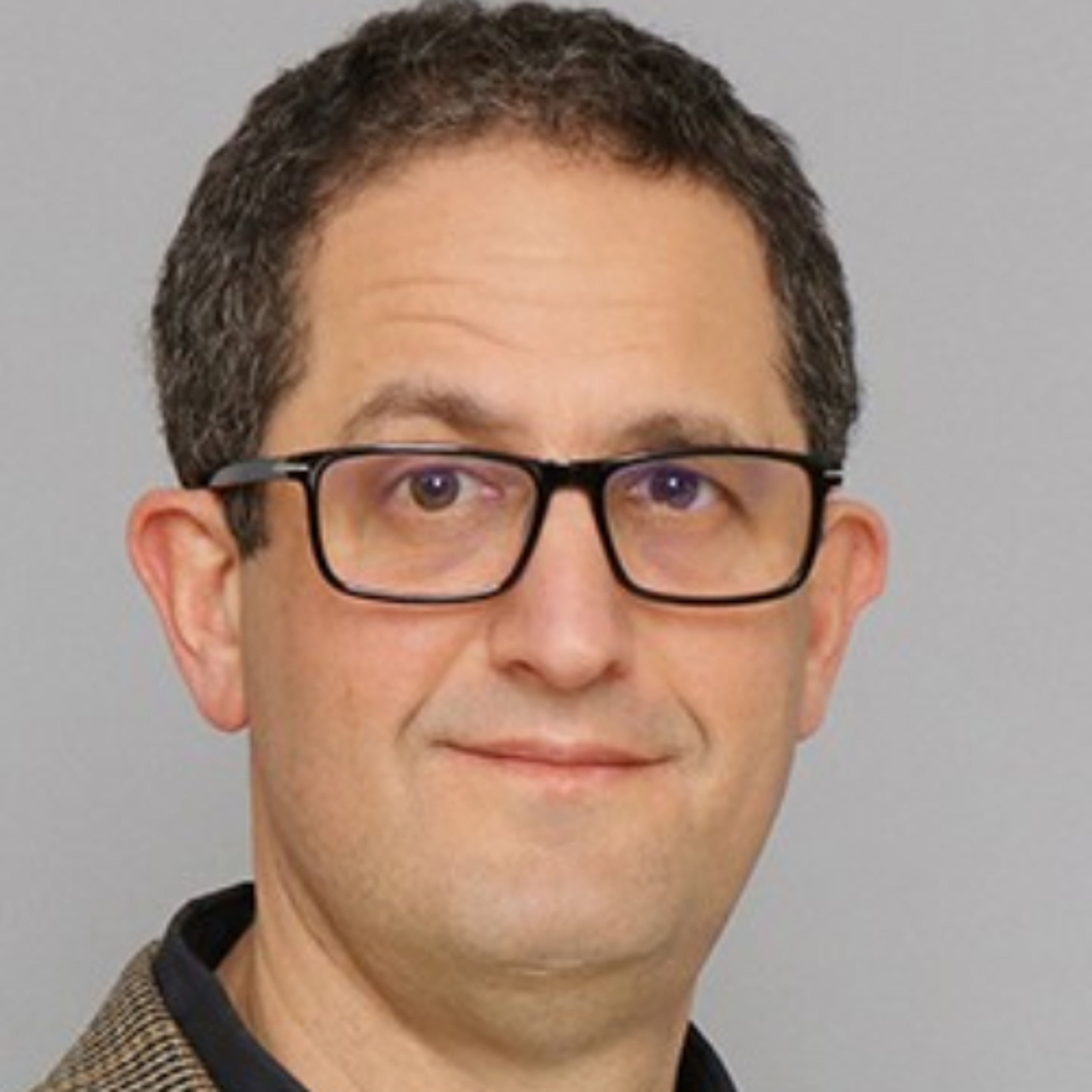
SoS 242: Pablo Nepomnaschy on Equity in Maternal Health Research
Chris and Cristina interview Dr. Pablo Nepomnaschy, a professor in the Faculty of Health Sciences at Simon Fraser University and a Michael Smith Foundation for Health Research Scholar. Originally from Argentina, Dr. Nepomnaschy began his academic journey with a degree in Biology from the University of Patagonia. He went on to earn his Ph.D. in Biological Anthropology and Ecology from the Universit
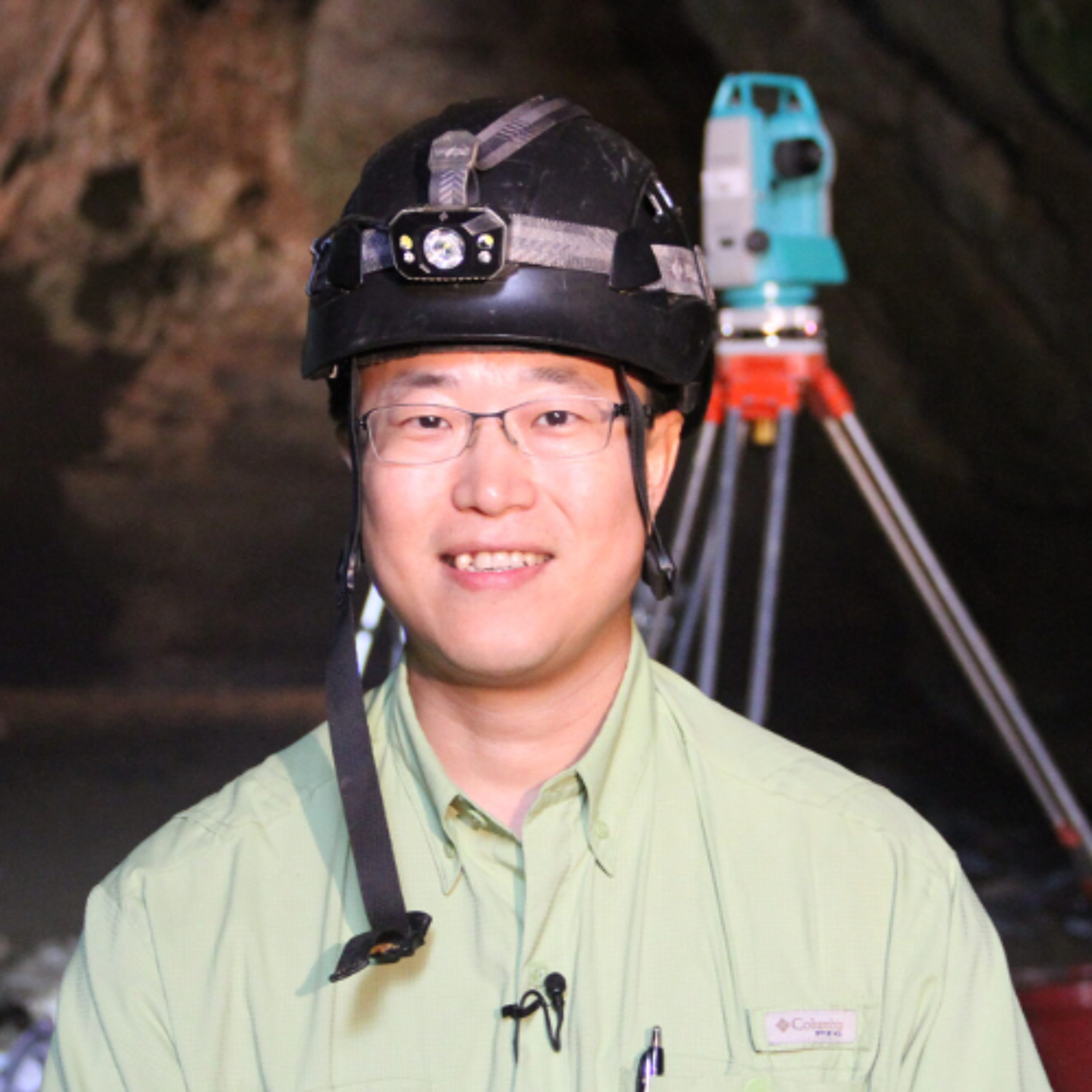
SoS 241: Navigating hominin variability in Asia with Christopher Bae
Christopher Bae is taking us on a journey to meet the hominids of Asia's past. Dr. Bae is a distinguished paleoanthropologist from the University of Hawai’i at Mānoa whose research focuses on human evolution in East Asia. Born in Korea and adopted by an American family, his unique personal journey sparked an early interest in race, human variation, and the deep history of our species. What began a
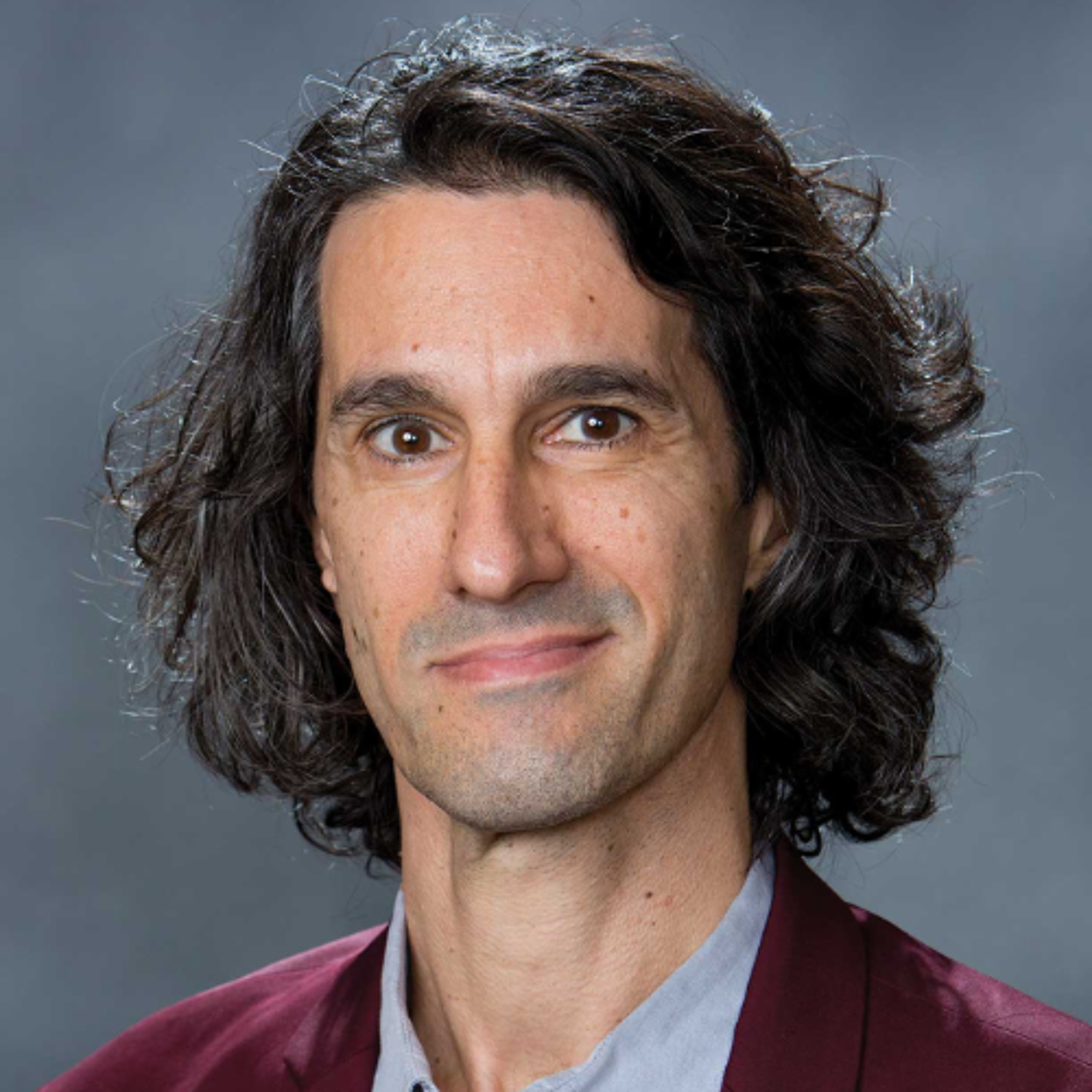
SoS 240: Agustín Fuentes on his new book, Sex is a Spectrum: The Biological Limits of the Binary
Bio
Chris and Cristina interview Agustín Fuentes about his new book, Sex Is a Spectrum: The Biological Limits of the Binary (now available). Prof. Fuentes is an anthropologist whose research focuses on the biosocial, delving into the entanglement of biological systems with the social and cultural lives of humans, our ancestors, and a few of the other animals with whom humanity shares close relati
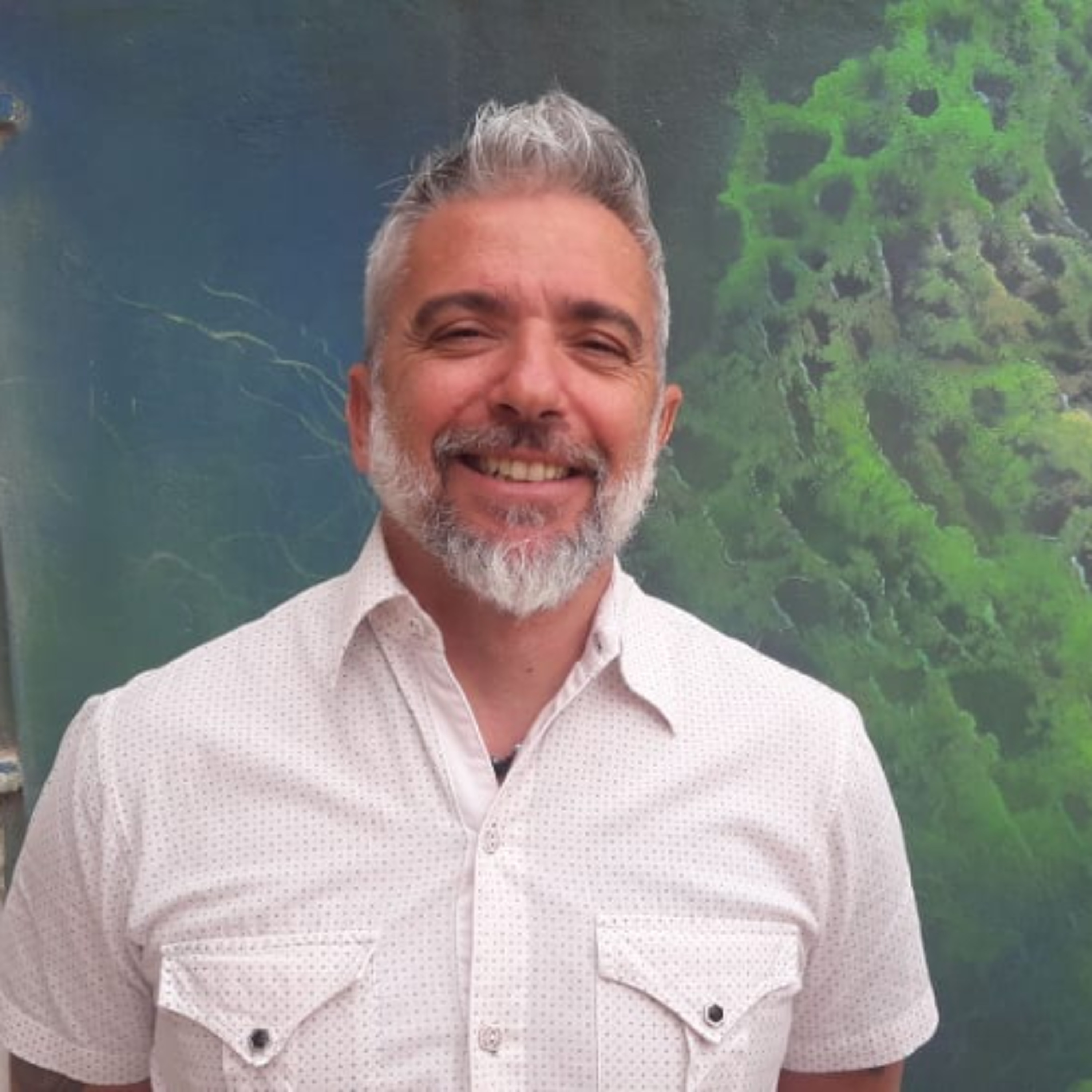
SoS 239: Discutiendo la insitucionalidad de la Antropología Biológica con Rolando González-José
Es este episodio especial conversamos con Rolando González-José sobre la institucionalidad de la Antropología Biológica (y de la ciencia) en distintos contextos, en especial en la América Latina del presente. Rolando González José es Investigador Principal del CONICET (Argentina) y Coordinador del Programa de Referencia y Biobanco Genómico de la Población Argentina.
Se graduó de Biólogo en la Uni
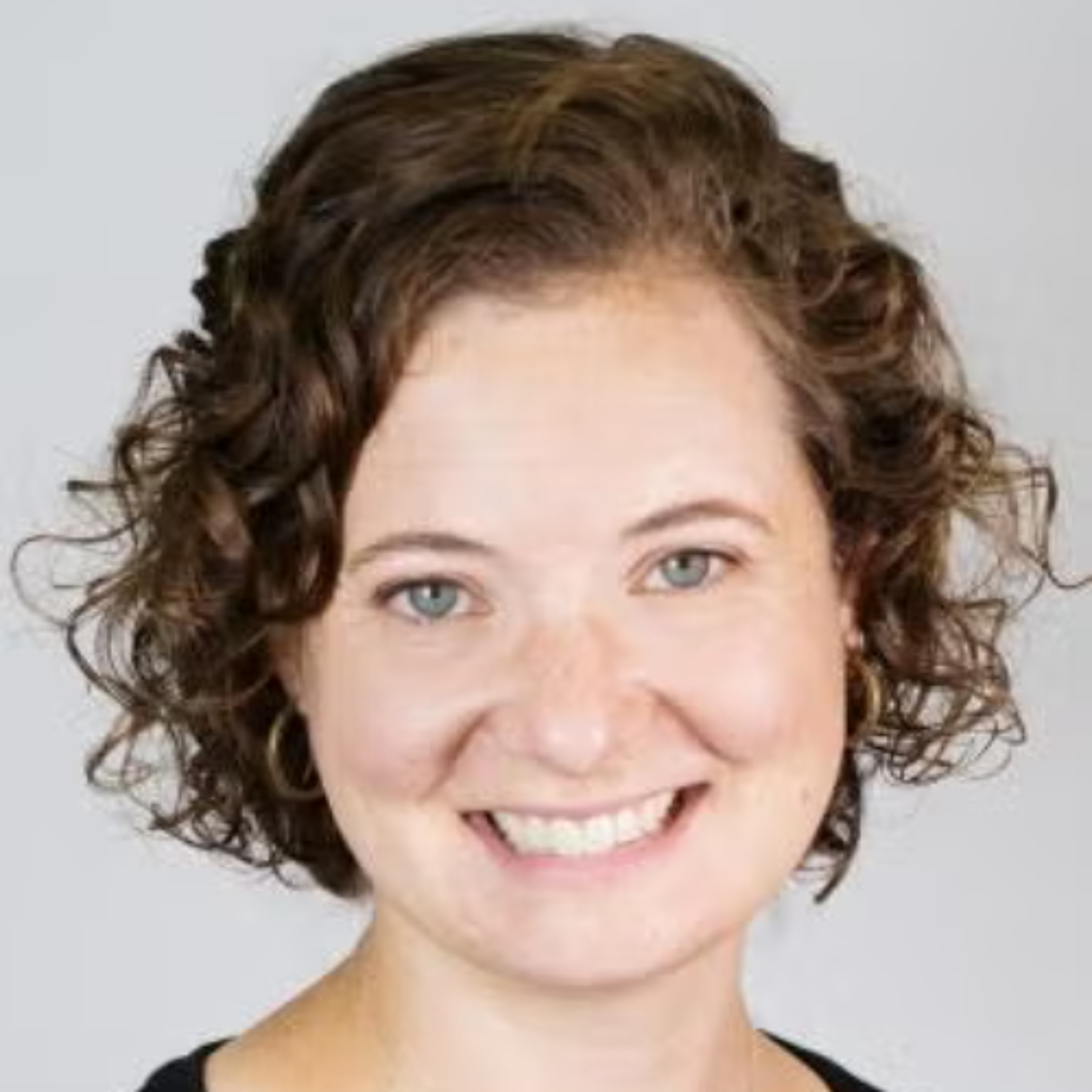
SoS 238: Rethinking the obstetric dilemma with Anna Warrener
Host Courtney Manthey unpack the obstetric dilemma with Dr. Anna G. Warrener. Dr. Anna G. Warrener earned her PhD from Washington University in St. Louis in 2012. She is now an assistant professor of anthropology at the University of Colorado Denver. She specializes in human evolutionary biology, biomechanics, and the evolution of locomotion. Her research explores how skeletal morphology influence
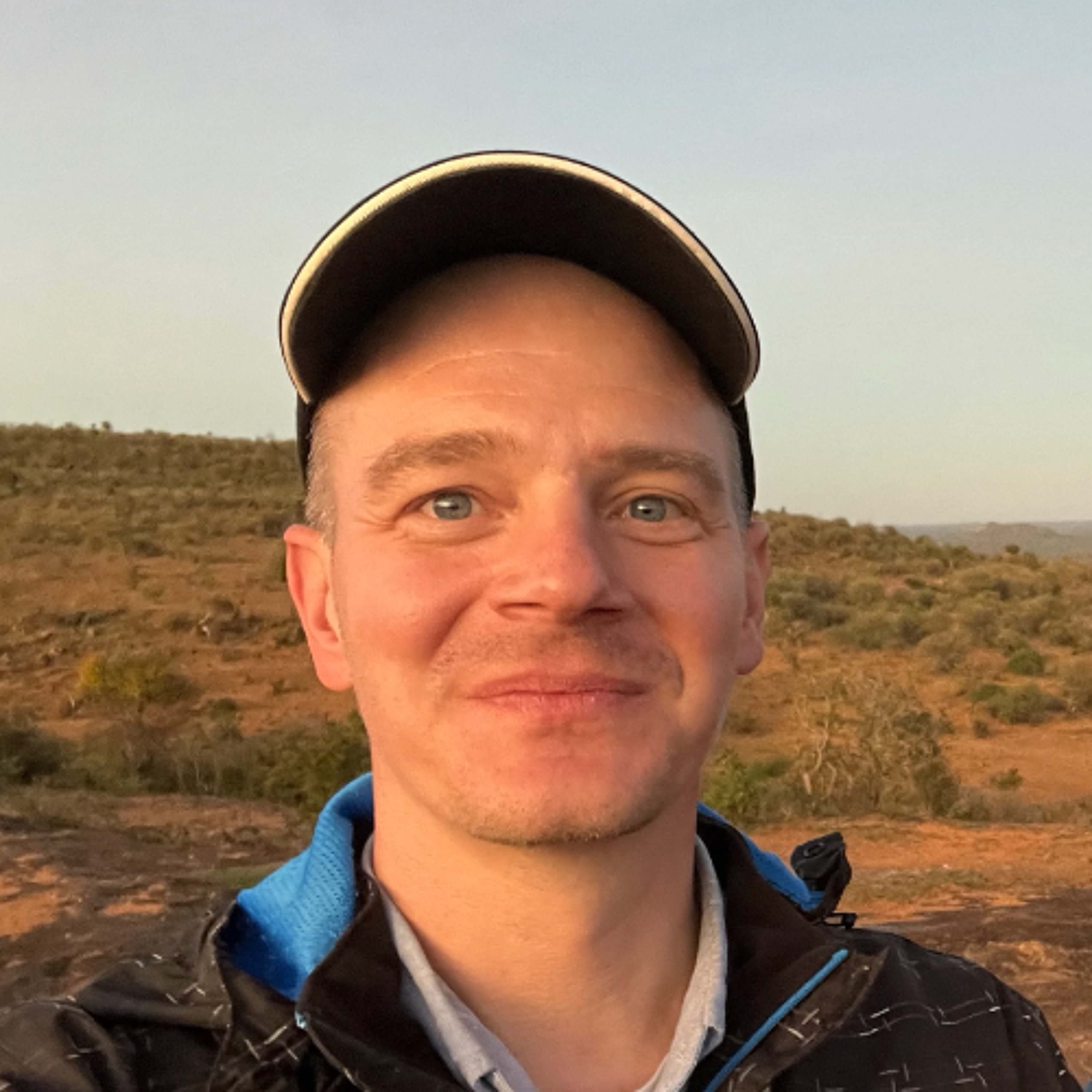
SoS 237: Dr. Ian Wallace talks Osteoarthritis and Other Insights from Shiny Bones
Chris and Cristina chat with Dr. Ian Wallace, an Assistant Professor of Anthropology at the University of New Mexico, where he is the director of the Human Physical Activity Lab. As an Evolutionary Anthropologist, Ian's work focuses on how humans evolved to use their bodies and explores the costs and benefits of modern physical activity patterns for our health. He is particularly interested in pop
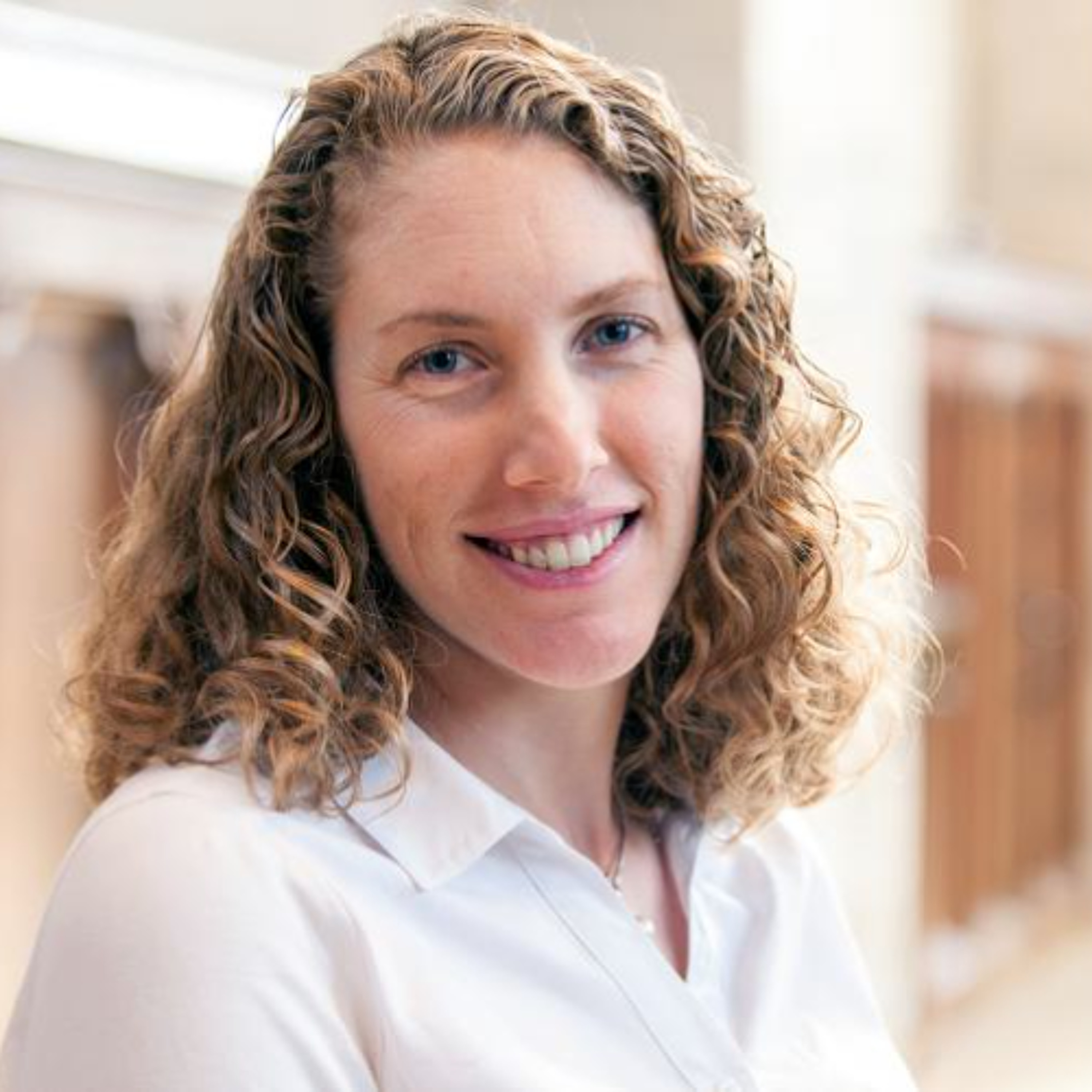
SoS 236: Katie Amato describes findings on the evolutionary impact of the microbiome in primates
Dr. Amato is a biological anthropologist studying the influence of gut microbes on host ecology and evolution. Her research examines how changes in the gut microbiota impact host nutrition, energetics, and health. She uses non-human primates as models for studying host-gut microbe interactions in selective environments and for providing comparative insight into the evolution of the human gut micro
SoS 235: Michael Muehlenbein on his discoveries in COVID-19 and the importance of student training
Dr. Michael Muehlenbein is a prominent figure in anthropology and biology, currently serving as a professor at Baylor University. His academic journey has been marked by a deep commitment to understanding human evolution, behavior, and health through an interdisciplinary lens. Michael earned an MsPH in both Tropical Medicine and Biostatistics from Tulane University, and an MPhil and PhD in Biologi
SoS 234: Anna Prentiss reflects on the origin of inequality in hunter-gatherer societies
Dr Anna Marie Prentiss joins Host Chris Lynn to discuss the origins of institutionalised inequality. Anna is an archaeologist specializing in the ancient history of the Great Plains, Pacific Northwest, and Arctic regions of North America. She has a methodological specialty in lithic technology and theoretical interests in the archaeology of villages and towns, social inequality, hunter-gatherer m
SoS 233: Gonzalo Figueiro on Ancient DNA, Kinship, and Population Genetics
Cristina and Anahi chat with Dr. Gonzalo Figueiro about his groundbreaking research in ancient DNA, kinship, and population genetics. Dr. Figueiro is a Professor of Biological Anthropology at the University of the Republic, Uruguay, and holds a PhD in Biological Sciences from the Basic Sciences Development Programme (PEDECIBA), Uruguay. His main research interests are the genetics of ancient and m
SoS 232: Marina Watowich on the link between environmental changes, aging, and your health
Cristina guest hosts her first episode with special guest Dr. Marina Watowich: an Evolutionary Biologist and current NIH F32 Postdoctoral Research Fellow in the Department of Biological Sciences at Vanderbilt University. Dr. Watowich earned her Ph.D. in Biology in 2022 from the University of Washington, where she specialized in Data Science. Her research focuses on how environmental perturbations
SoS 231: Diferencias en crecimiento en la Argentina y España del siglo XX con Flor Cesani
Maria Florencia Cesani es Licenciada en Antropología y Dra. en Ciencias Naturales por la Universidad Nacional de La Plata. Es investigadora independiente de CONICET y se desempeña como directora del Laboratorio de Investigaciones en Ontogenia y Adaptación (LINOA) de la Facultad de Ciencias Naturales y Museo, de la Universidad Nacional de la Plata, donde también es Profesora de Antropología Biológi
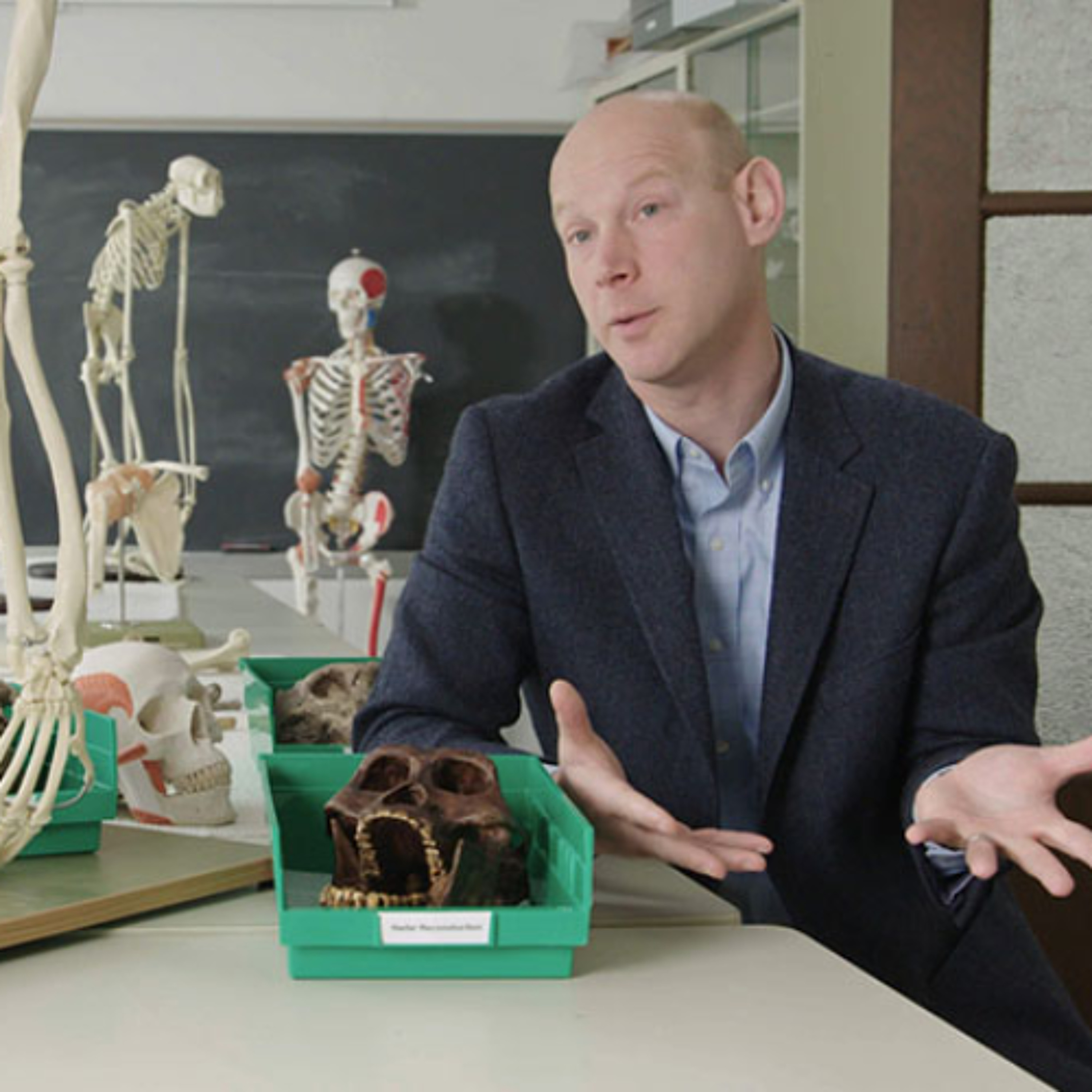
SoS 230: Nate Dominy discuss the role of monkey bars in human development
Chris Lynn and Courtney Manthey discuss about the role of monkey bars in human development with Dr. Nathaniel J Dominy, an evolutionary biologist and Professor of Anthropology at Dartmouth. He study the behavior, ecology, and functional morphology of humans and nonhuman primates. His research philosophy is to integrate tropical fieldwork with mechanical, molecular, and isotopic analyses in order t
SoS 229: Meredith Aulds: midwifery integration and home-to-hospital transfer during childbirth
Meredith Aulds is a practicing birth doula, community health worker, and medical anthropologist at Purdue University. As a public health worker and anthropologist, she have had the pleasure to work with both governmental and nonprofit organizations that provide free community resources to pregnant people and their families in Indiana. She is also a senior researcher in the Laboratory for Behavior,
SoS 228: Dr. Thomas Wynn talks Neanderthal Cognition, Nightmares, and How to Make Glue
Chris and Courtney sit down with Dr. Thomas Wynn, the Hand Axe Man, AKA: CU Distinguished Professor Emeritus of Anthropology at the University of Colorado. Colorado Springs, where he taught from 1977 until his retirement. Dr. Wynn specializes in the archaeology of the Lower Palaeolithic, led pioneering research in Tanzania, and introduced psychological theory—specifically Piagetian concepts—into P
SoS 227: Courtney Manthey educates us about PCOS and evolutionary mismatches
Listeners, please welcome Courtney Manthey to the show ...as a guest! In this episode, Courtney takes a break from running the HBA social media accounts and being on the elected student committee to talk about her research regarding Polycystic Ovarian Syndrome. Also, the human biology word of the day is: hirsutism.
Find the publication discussed in today’s episode via this citation:
Manthey, C.,
SoS 226: Sabrina Sholts on The Human Disease: How We Create Pandemics...
Chris and Cristina share a bookclub favorite: "The Human Disease
How We Create Pandemics, from Our Bodies to Our Beliefs" with author Dr. Sabrina Sholts. Dr. Sholts is a Curator of Biological Anthropology in the Department of Anthropology at the Smithsonian’s National Museum of Natural History (NMNH), received her PhD in Anthropology at UC Santa Barbara, and was a postdoctoral researcher at UC Ber
SoS 225: Dr. Tom Brutsaert dive deep into the role of the spleen during intense physical activity
Co-host Chris Lynn joins Tom Brutsaert to dive deep into spleen variability and how it relates to intense exercise in high altitude populations. Dr. Tom Brutsaert is a professor at the Syracuse University. He has broad interests in how gene and environment interact to produce variation in human athletic ability and health and disease. He conducts field research on high altitude natives in the Ande
SoS 224: Dr. John Shaver navigates religiosity, fertility, and family support
Co-Hosts Chris Lynn and Anahí Ruderman talk abot how religion impacts fertility and maternal and child health with Dr. John Shaver, a biocultural and evolutionary anthropologist in the Department of Anthropology at Baylor University. Most of his work to date has focused on understanding cultural variation in solutions to collective action and collective resource problems, and how these solutions m
SoS 223: Dr. Taylor Van Doren and pandemic population health impacts
Chris and Cristina talk pandemics and welcome back Dr. Taylor Van Doren, a biocultural pandemic researcher investigating social inequalities, demography, and population health during and after pandemic events. As an NSF OPP Postdoctoral Fellow at the University of Alaska Anchorage in the Institute of Circumpolar Health Studies, her focus is the demographic, epidemiological, and social consequences
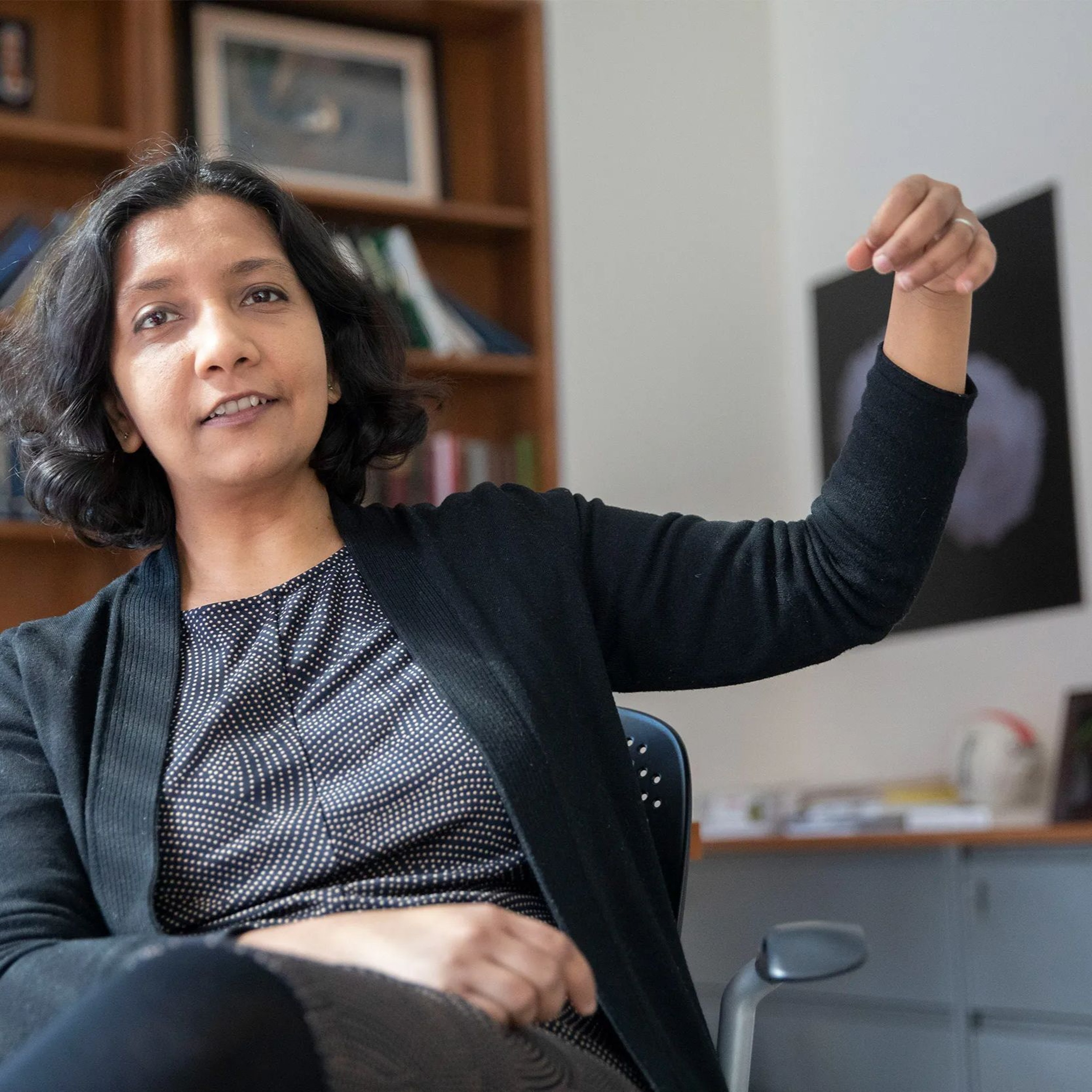
SoS 222: Dr. Srivastava discusses the evolutionary processes behind regeneration
Dr Mansi Srivastava of Harvard University joins Chris and Courtney to talk about her research on regeneration throughout evolution.
-----------------------------------------------------------------
Dr. Srivastava's research focuses on understanding the evolution of animal development and regeneration. Her group utilizes the three-banded panther worm, Hofstenia miamia, which Dr. Srivastava has deve
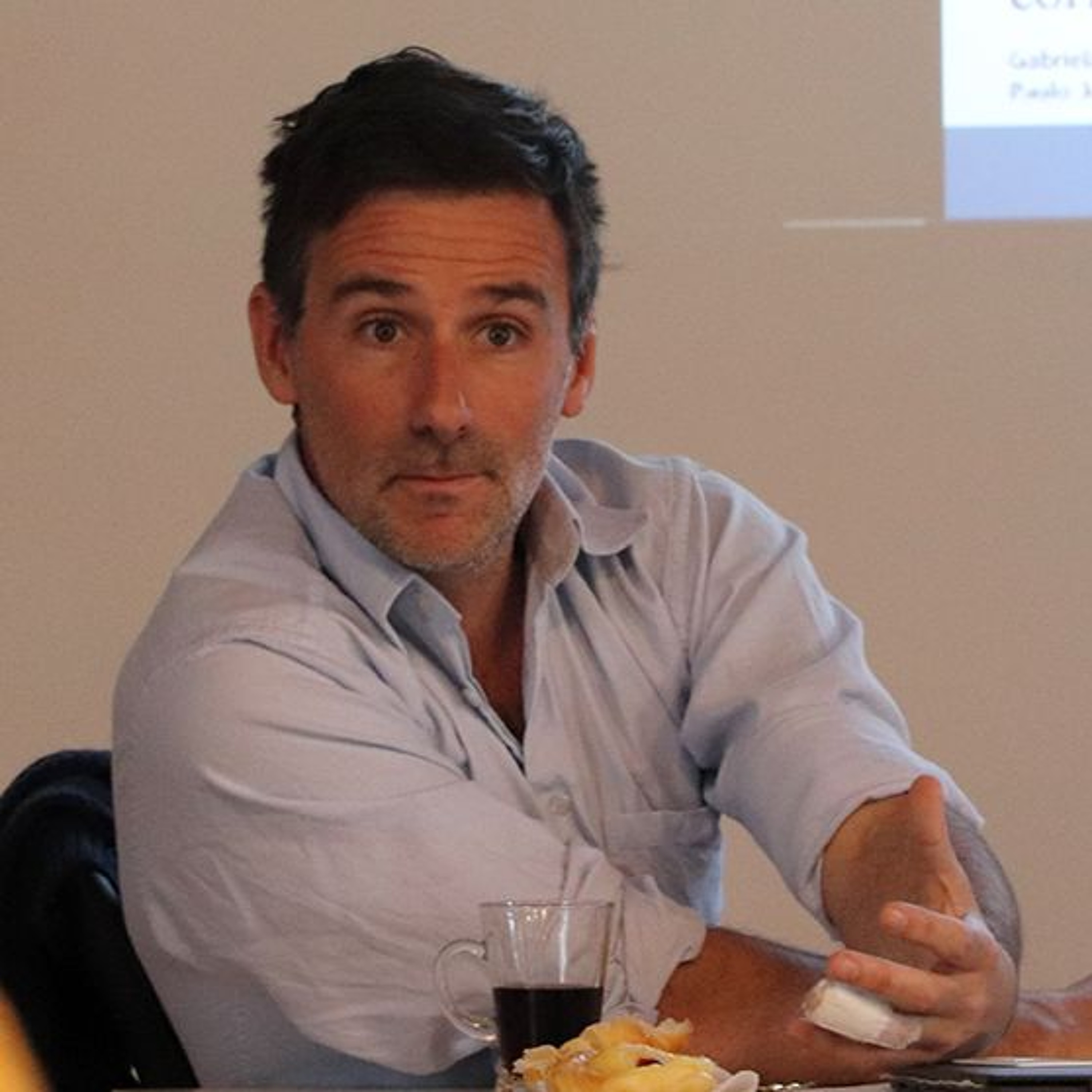
SoS 221: Dr. Valenzuela explains the forensic applications of stable isotope analysis
Our new Co-producer, Anahí Ruderman, is joined by Christopher to co-host this episode with Dr. Luciano Valenzuela. He is a researcher at the National Council for Scientific and Technical Research of Argentina (CONICET). He specializes in the use of stable isotopes in Anthropology, Ecology, and Forensic Science in his research at the School of Social Sciences of the National University of the Cente
SoS 220: Dr. Johnson and Javelina-Human interactions
Chris checks in with Dr. Adam Johnson to discuss javelinas and their impact on humans. Dr. Johnson is an environmental anthropologist whose current work engages human-animal relations. His current project explores human-javelina relations in Texas, including affective relationships between javelinas and property owners, tourist-javelina encounters at Big Bend National Park, and the intimacy and ca
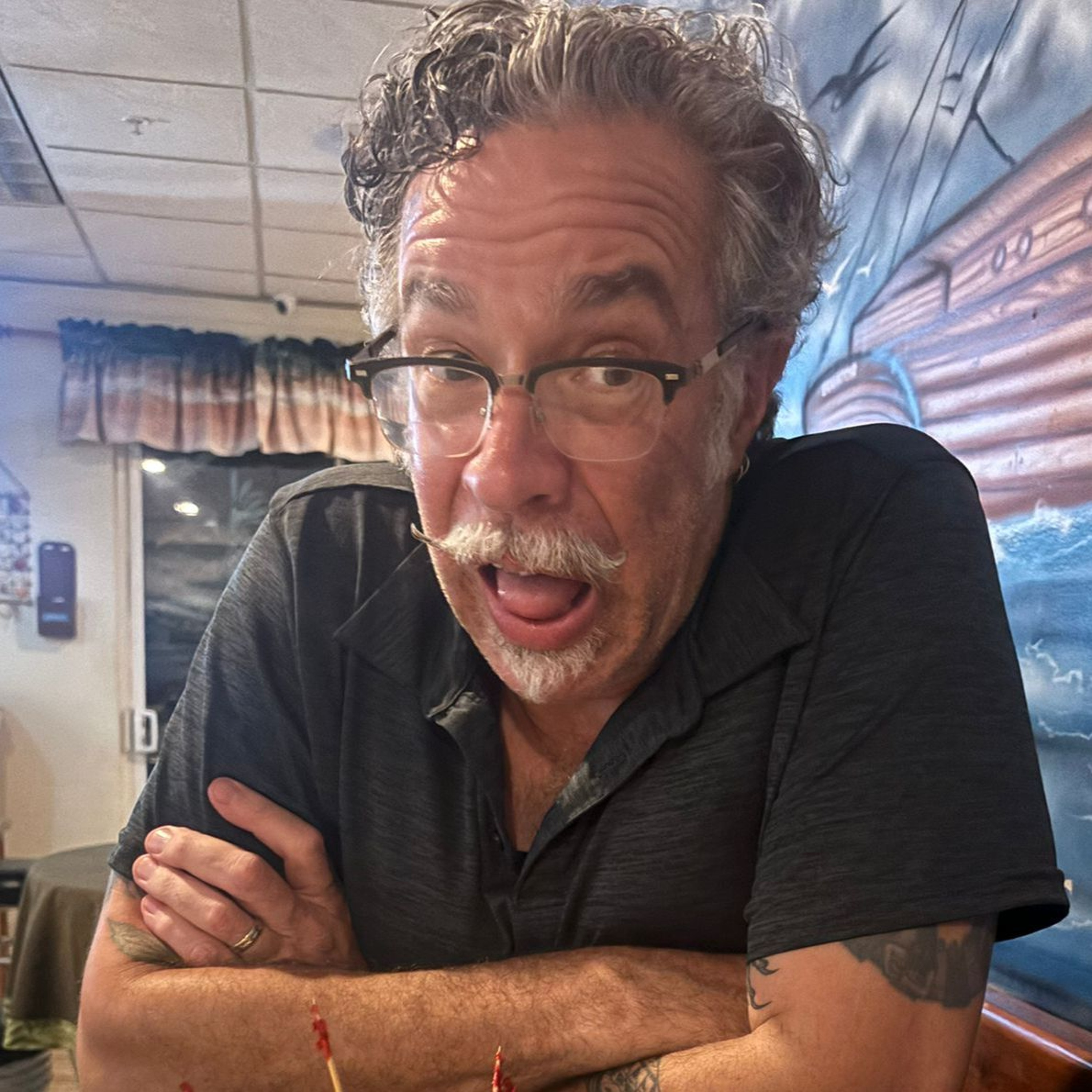
SoS 219: Dr. Christopher Lynn, Transcendental Medication, and Coping with Awareness
The SoS Team puts one of their own in the hot seat as Courtney and Cristina interview Dr. Christopher Lynn about his book Transcendental Medication: The Evolution of Mind, Culture, and Healing. His book offers a unique perspective on why human brains evolved to have consciousness, yet we spend much of our time trying to reduce our awareness. It outlines how limiting consciousness—rather than expan
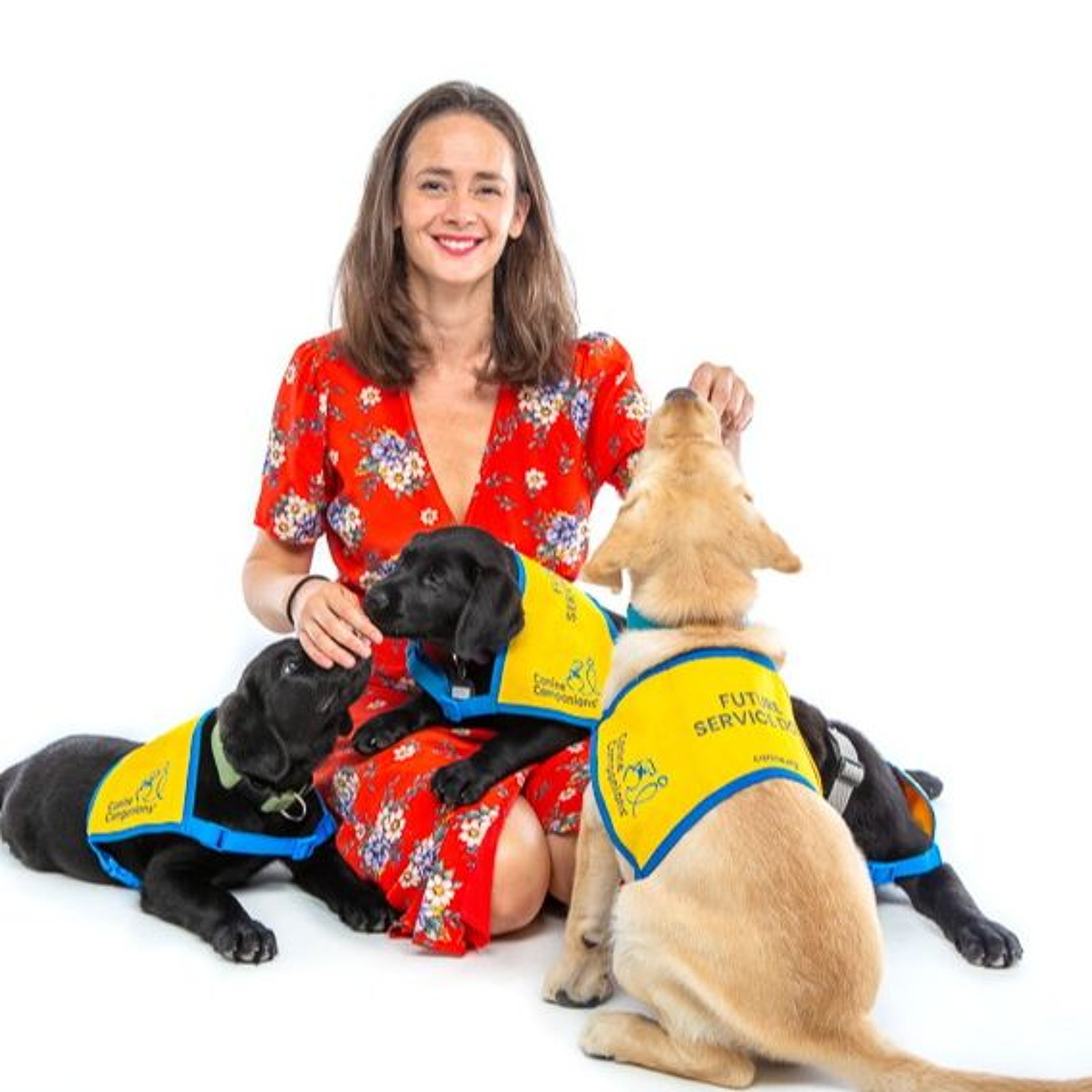
SoS 218: Puppy Kindergarten is Now is Session with Vanessa Woods
From the New York Times Best Selling Authors of “The Genius of Dogs,” Vannessa Woods and Brian Hare, comes “Puppy Kindergarten: The New Science of Raising a Great Dog.”
Chris and his trusty co-host Eric unpack “dognition” with Vanessa, a research scientist who runs a “Puppy Kindergarten” at Duke University. She also happens to be an award-winning journalist and author of Bonobo Handshake. Brian is
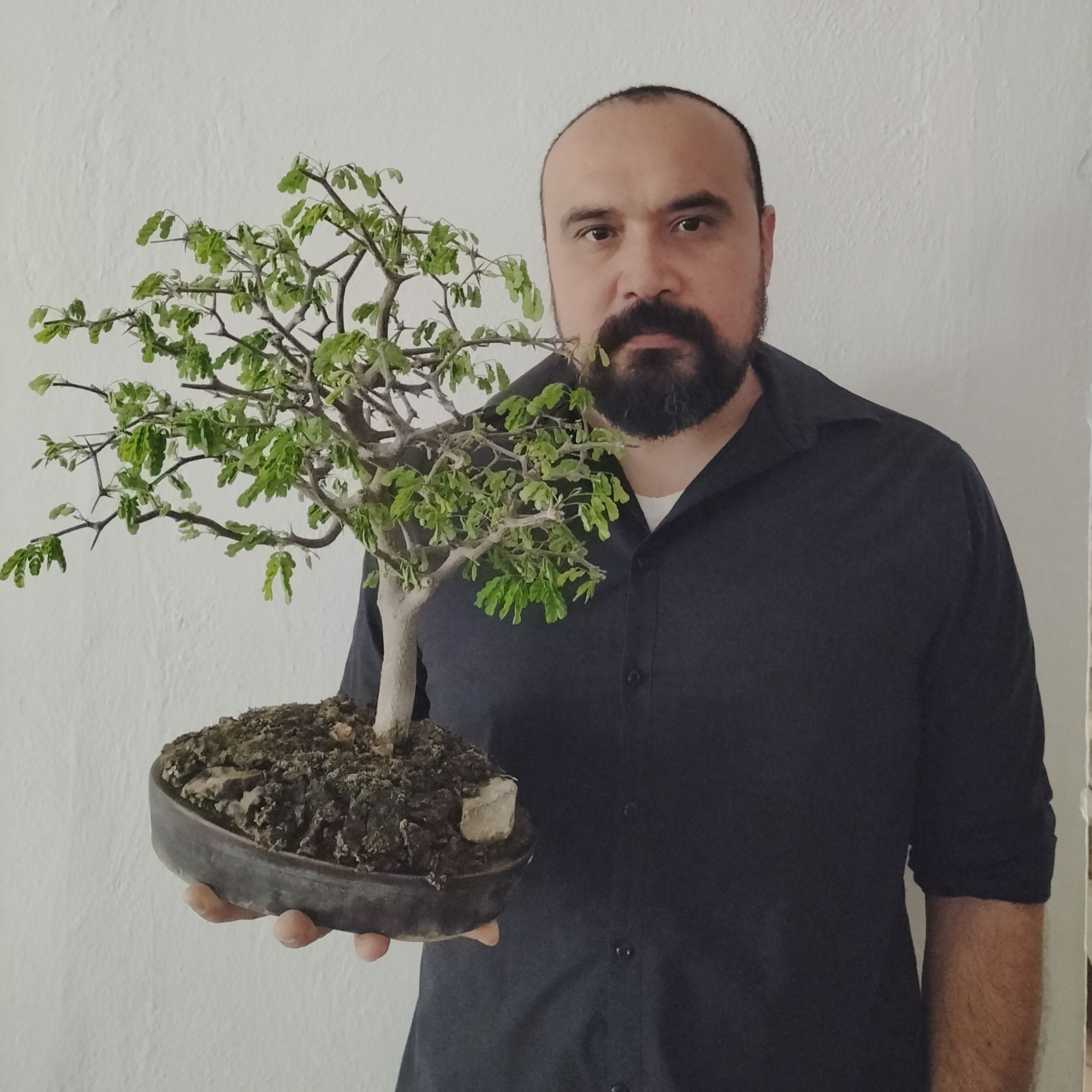
SoS 217: Dr. Azcorra Pérez Shares Insights on Nutritional Ecology and Bonsai Farming
Special guest hosts Cristina and Miguel Ochoa unpack the nutritional ecology with Dr. Hugo Azcorra-Pérez, a human biologist at Centro de Investigaciones Silvio Zavala, Universidad Modelo, Mérida, Yucatán, Mexico. He is interested in the biology of populations during the early stages of growth and development and how environmental factors and intergenerational influences shape biological conditions
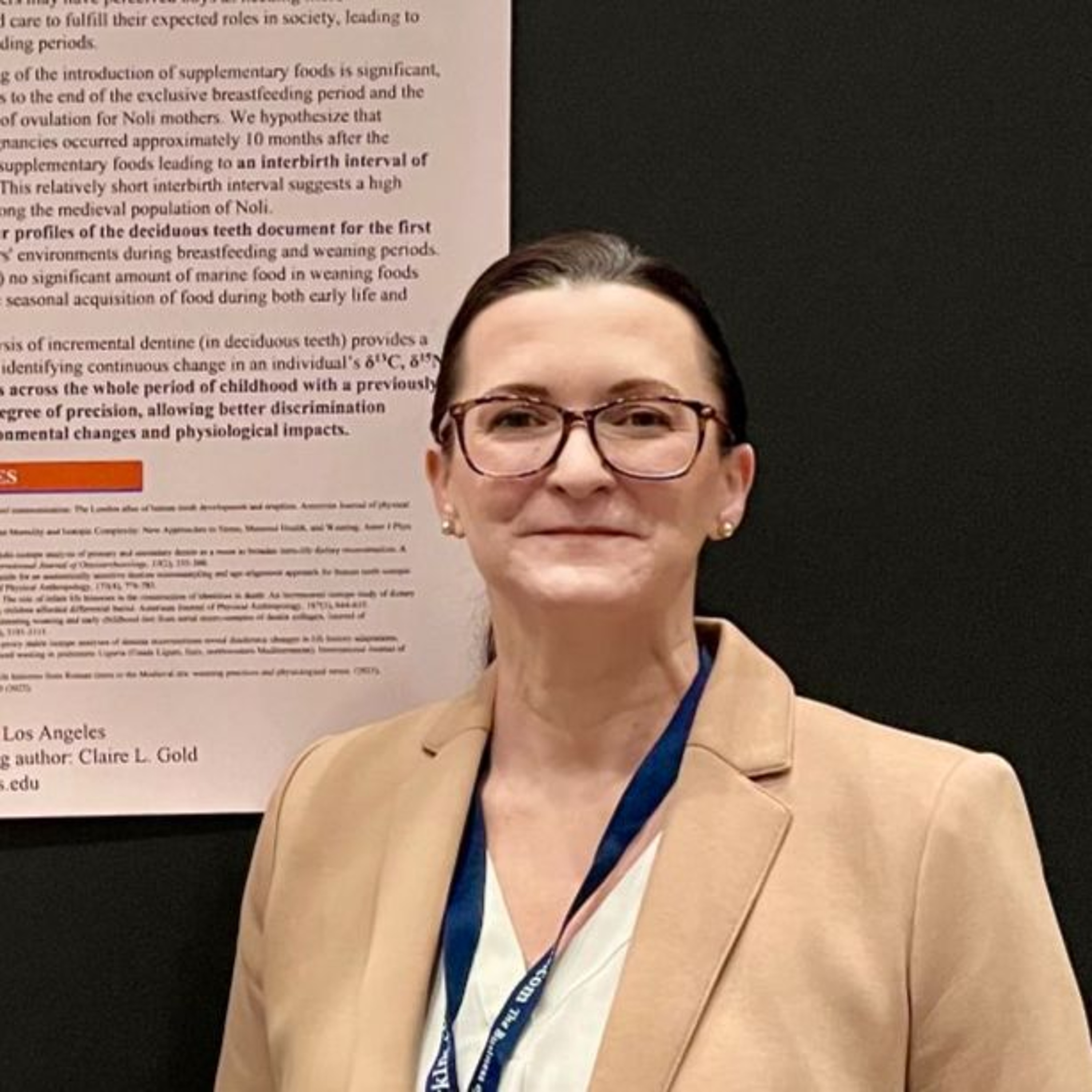
SoS 216: Claire Gold - Breastfeeding, Menarche, and Consequences
Chris and Courtney host Claire Gold, a Ph.D. candidate in the Department of Anthropology at The University of Massachusetts, Amherst, where she studies the life histories and diet of the women and children from a Medieval Italian population. Claire received her MA in Biological Anthropology from the State University of New York, Binghamton, where she focused on the reproductive correlates of repro
SoS 215: Taiye Winful Investigates the Embodiment of Stress in Nigeria
Chris and Cristina interview Taiye Winful, a PhD Candidate at Vanderbilt University, who studies stress and embodiment in African and other Black populations. Taiye completed her bachelor's degree in Molecular Biology from Loyola University Chicago and MA degree in Anthropology from The University of North Carolina at Charlotte. Taiye’s Master’s thesis was titled “Reconstructing Africa’s Evolution
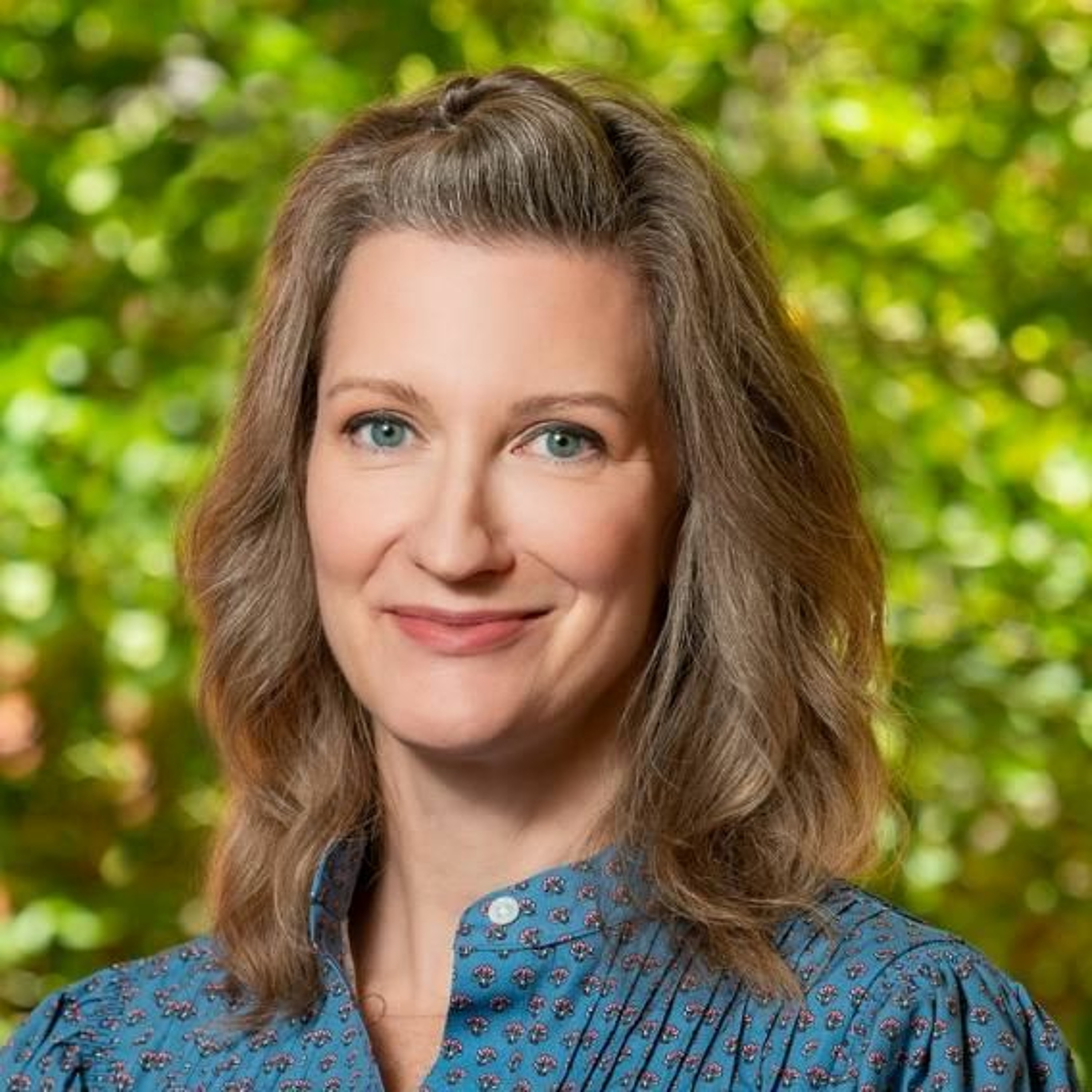
SoS 214: Prof. Julienne Rutherford talks about marmoset births and human pelvises
How can marmosets inform human birth experiences? Are there really four types of human pelvises? What happens when primates birth litters?
Prof. Julienne Rutherford joins Chris and Eric to answer these questions and more!
Find the articles discussed on this episode via the following citations:
Rutherford, J.N., Ross, C.N., Ziegler, T., Burke, L.A., Steffen, A.D., Sills, A., Layne Colon, D., Dem
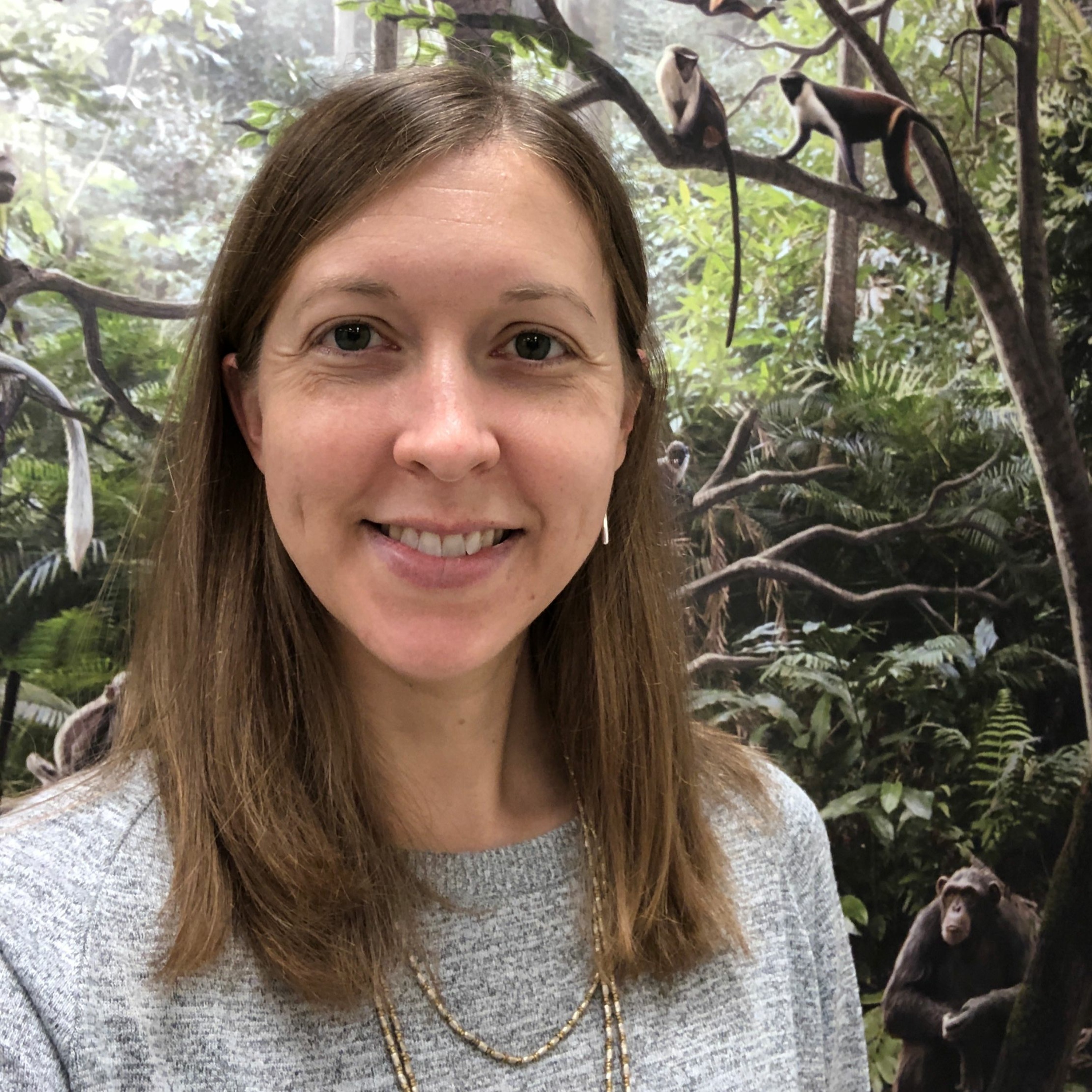
SoS 213: Prof. Gregoricka Discusses the Ethics of Legacy Collections and Other Bioarch. Topics
Prof. Lesley Gregoricka joins Chris and Eric to explain her work in the field of bioarchaeology. Topics include everything from strontium isotope analysis to the ethics of legacy collections of human remains. Stick around for a diversion to King Cakes and Mardis Gras.
The article discussed on this episode can be found via this citation:
Gregoricka, L. A. (2023). The ethics of excavating: bioarch
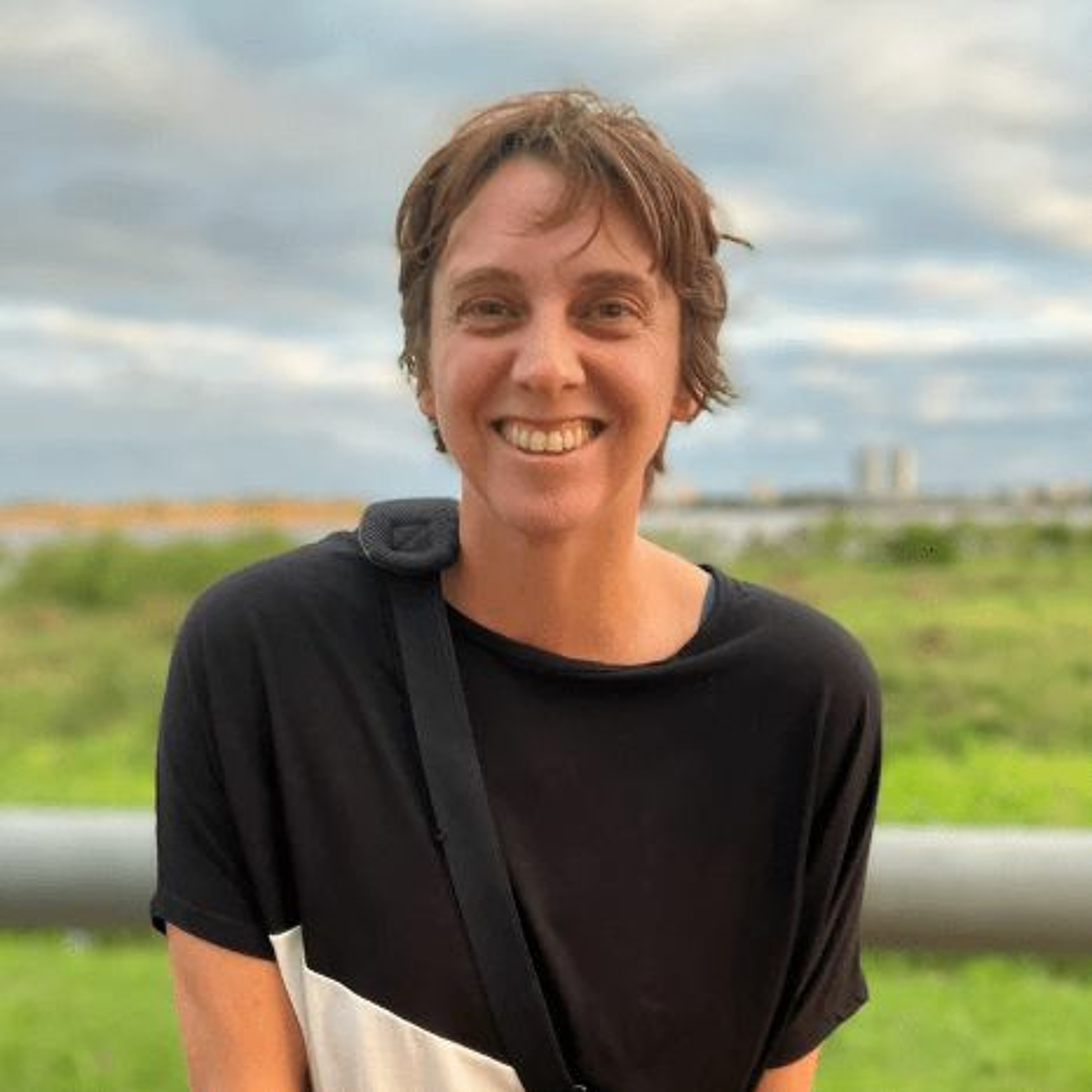
SoS 212: Melanie Martin talks mother-infant COVID-19 transmission and social jetlag
Chris and Eric catch up with Dr. Melanie Martin, an Associate Professor in the University of Washington Department of Anthropology, whose research examines biocultural influences on health, growth, and development across the life course. In addition to being the Co-PI of the Biodemography Lab at the University of Washington Center for Studies in Demography and Ecology, she conducts field research
SOS 211: Prof. Ben Trumble Explains the Connection Between Oral Health and Cognitive Aging
Listeners, please welcome Prof. Ben Trumble to the show! Prof. Trumble joins us to talk about his fascinating research on how oral health can affect cardiovascular disease risk and cognitive health later in life.
Find the publication discussed in today’s episode via this citation:
Benjamin C Trumble, Matthew Schwartz, Andrew T Ozga, Gary T Schwartz, Christopher M Stojanowski, Carrie L Jenkins, T
SoS 210: Dr. Chris Kuzawa on the Developmental Origins of Health and Disease (DOHaD)
Cara and guest co-host Cristina sit down with Dr. Chris Kuzawa, the John D. MacArthur Professor & Faculty Fellow at the Institute for Policy Research at Northwestern University. He uses principles from anthropology and evolutionary biology to gain insights into the biological and health impacts of human developmental plasticity. His primary field research is conducted in Cebu, the Philippines, whe
SoS 209: Anthropological perspectives on dementia with Dr. Eric Griffith
Listeners, please welcome Dr. Eric Griffith to the show ...as a guest! In this episode, Eric takes a break from producing to talk about his research regarding human variation in dementia.
Find the publication discussed in today’s episode via this citation:
Griffith EE. (2023). “Recruiting Participants for Dementia Research Without Saying ‘Dementia’: A Site Study in Central Mexico.” In: Anthropo
SoS 208: Prof. Lew-Levy explains the evolutionary relevance of peer learning in children
Listeners, please welcome Dr. Sheina Lew-Levy to the show! In this episode Prof. Lew-Levy discusses the importance of social learning among children to the study of evolution. Stick around for some gardening tips!
Find the publication discussed in today’s episode via these citations:
Pretelli, Ilaria, Alyssa N. Crittenden, Edmond Dounias, Sagan Friant, Jeremy Koster, Karen L. Kramer, Shani M. Ma
SoS 207: Dr. Meradeth Snow: aDNA in Paquimé (Casas Grandes)
Special Edition HBA Fellow take-over! HBA Junior Fellows Eric Griffith and Courtney Manthey-Pierce co-host this season's final episode with Dr. Meradeth Snow. Dr. Snow is an Associate Professor and Co-Chair of Anthropology at the University of Montana. There, she and her research team analyze ancient and degraded DNA for anthropological and forensic purposes. Her lab focuses primarily on the north












