Qué Pasa, Raúl: Spanish Thru Songs
Qué Pasa, Raúl: Spanish Thru Songs is a music podcast for intermediate to advanced Spanish learners (B1-C1) and music lovers. In each episode, host Raúl G. shares stories and curiosities about songs from across the Spanish-speaking world, from iconic hits to lesser-known gems. Raúl is a language teacher with a background in Fine Arts, and he uses music to explore language and culture. The podcast helps listeners improve their Spanish while enjoying great music.
Episodes
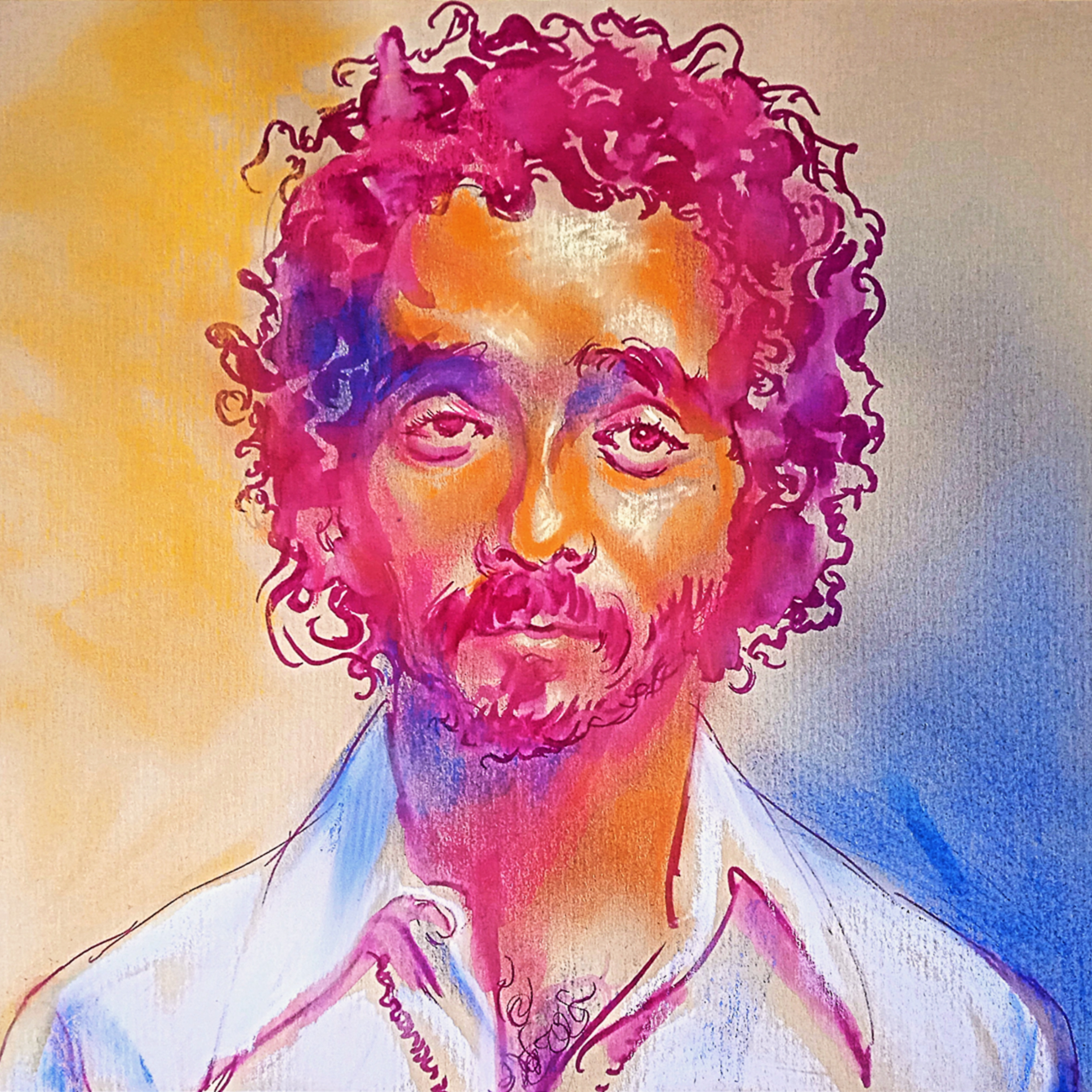
49 - Historias del barrio latino: Willie Colón
Hoy hablamos de “El Gran Varón” (1989), tema escrito por el músico panameño Omar Alfanno y popularizada por Willie Colón, el mítico trombonista, productor y cantante estadounidense, fallecido en marzo de este año en su Nueva York natal. Y en el episodio, además...¿Por qué decía Willie Colón que “los reyes de la salsa no sólo tocan canciones de amor”?¿Qué es la “salsa consciente”?Héctor Lavoe, Rubé
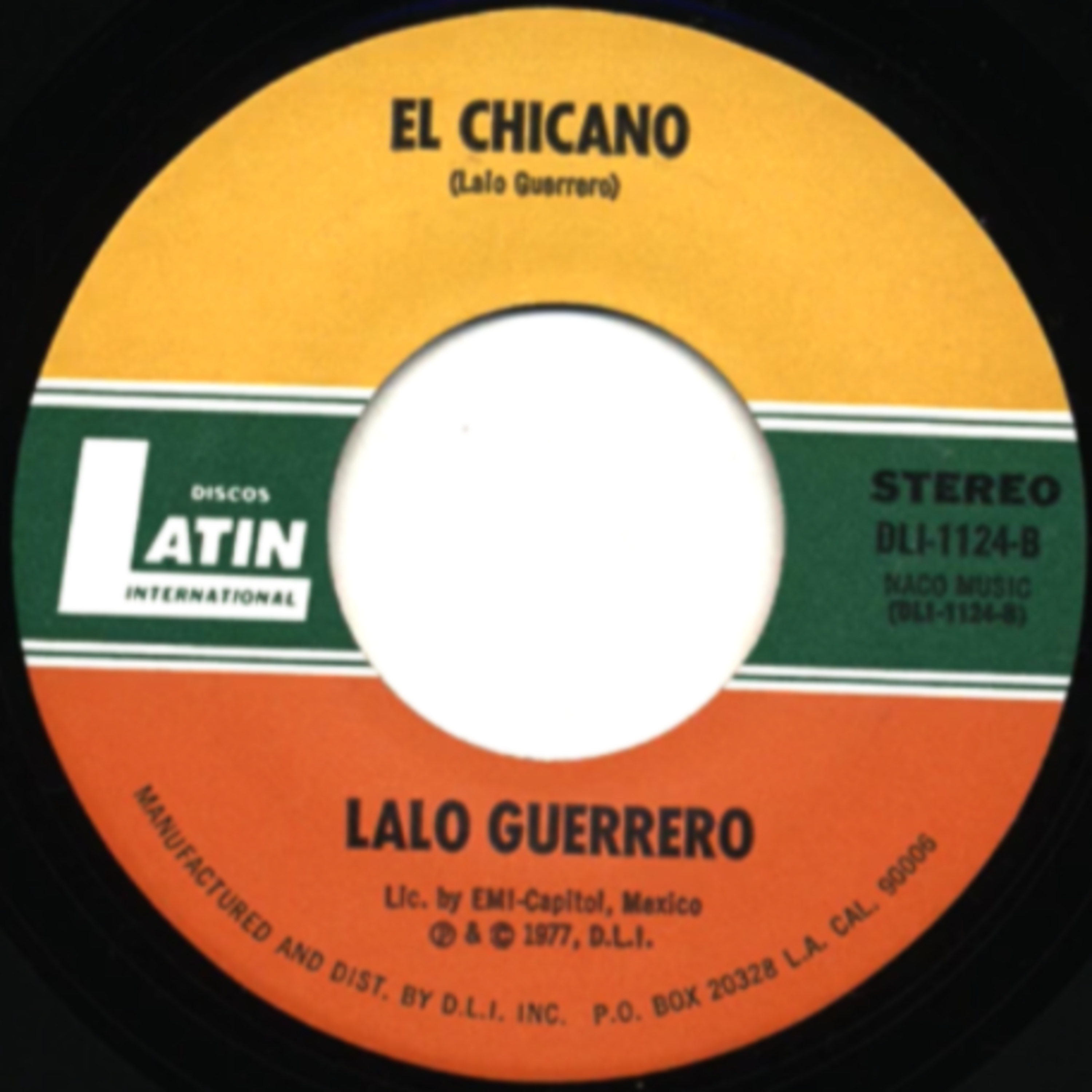
48 - Lalo Guerrero y el viejo espíritu chicano
Hoy hablamos de “El chicano” (1977) del artista mexicano-estadounidense Lalo Guerrero. Y además...El sentimiento de identidad nacional: ¿puede una persona “ser de” dos países a la vez?¿Quiénes eran los “pachucos”?El bilingüismo mezclado del habla chicanaLalo Guerrero: artista multigénero y todoterrenoHéroes de la historia mexicana: Juárez, Villa, ZapataCésar Chávez y su legado Nota: el grupo Ronst
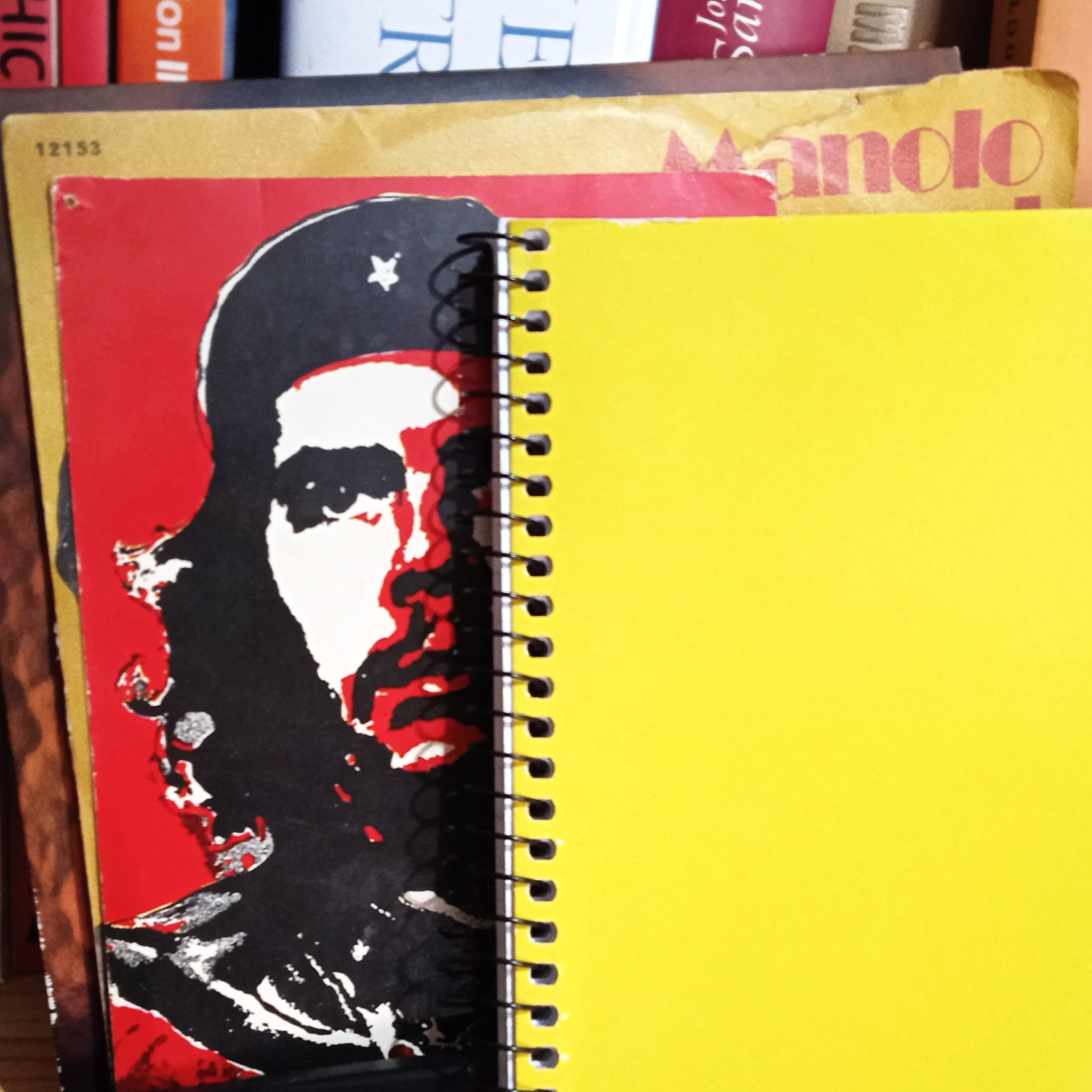
47 - Carlos Puebla le canta al Ché
Hoy hablamos de “Hasta siempre, Comandante” (1965) del grupo cubano Carlos Puebla y los Tradicionales. Y además...Ernesto Ché Guevara: ¿héroe o villano? La famosa foto del Ché: de mártir de la revolución a icono popLa música de Carlos Puebla: crónicas de la nueva Cuba¿Qué es un cantante y qué es un “cantor”? La canción “Hasta siempre, Comandante”: ¿homenaje póstumo a un mártir de la revolución? (

46 - Marta Sánchez y la llamada nocturna
Hoy hablamos de “Sola (con un desconocido)” del grupo madrileño Olé Olé. Y además...El uso de los pretéritos imperfecto e indefinido para narrar una historiaMarta Sánchez: la Marilyn española de los 80 La letra de “Sola”: ¿Creepy? ¿Sexy? ¿Ambas cosas?¿Hemos perdido la capacidad de disfrutar de canciones “problemáticas”?🎧Escucha “Sola (con un desconocido)” en nuestra playlist de Spotify “Qué Pasa,

45 - Un cuervo llamado Krahe
Hoy hablamos de “Cuervo Ingenuo” (1986) del artista musical madrileño Javier Krahe. Y además…¿Qué lenguas hablaban los “indios” en las antiguas películas del oeste?El referéndum de 1986 en España: ¿OTAN sí u OTAN no?¿Había “cultura de la cancelación” en la España de los 80?🎧Escucha “Cuervo Ingenuo” en nuestra playlist de Spotify “Qué Pasa, Raúl: La Playlist” **********Sign up here
44 - Dyango, Pimpinela y el tercer hombre
Hoy hablamos de “Por ese hombre” (1985) del cantante español Dyango y el dúo argentino Pimpinela. Y además...Lucía y Joaquín: el arte de la telenovela musical en 3 minutos ¿Existen todavía solistas de canción melódica del estilo de Dyango? ¿O es un género obsoleto?¿Son los artistas pop de hoy “eternamente jóvenes”? De los “carrozas” a los “boomers”: le mediana edad según la jerga juvenil🎧 Escucha

43 - Karol G & Peso Pluma: oda a la mujer culona
Hoy hablamos de “Qlona” (2023), un dueto entre la artista de Medellín Karol G y el mexicano Peso Pluma. También analizamos otras cuestiones importantes, tales como:Reguetón Spanish: el guayeteo, el perro, el gateo, el goteoIvonny Bonita y la culona: arquetipos de la mujer latinaEl sexo en la música hispana, antes y ahora El término “hijueputa” como adjetivo intensificador🎧 Escucha “Qlona” en nuest
42 - Rosalía y los bad hombres
Hoy hablamos de “La perla” (2025) de la artista española Rosalía. También analizamos otras cuestiones importantes, tales como: ¿Qué es “una perla” en el argot coloquial? ¿Existen otras palabras con un significado similar?¿Qué es la “canción despecho”? + ejemplos famosos¿Cuántas maneras hay de engañar a una persona en el vocabulario español? ¿Qué piensan los hombres malos de las canciones que les d
41 - En territorio bolero con Bad Bunny
Hoy hablamos de “TURiSTA” (2025), del músico puertorriqueño Bad Bunny. También analizamos otras cuestiones importantes, tales como: ¿Por qué te da Bad Bunny cuatro meses para aprender español?El español de Puerto Rico y el español de España¿Cómo suena un bolero clásico sobre la gentrificación?¿Cómo se le ocurrió el tema al artista?Las propiedades mágicas del verbo “llevar”¿“Pasarlo” bien o “pasarl

Cumplimos 40 y lo celebramos con Kiko Veneno
Hoy hablamos del tema “Si tú, si yo” (1984) del músico español Kiko Veneno. También analizamos otras cuestiones importantes, tales como:La larga travesía en el desierto de Kiko Veneno¿Puede una canción sobre violencia doméstica ser divertida?¿Puede un mueble cama ser un arma arrojadiza? ¿Y un armario? ¿Y un frigorífico?Pretérito pluscuamperfecto de subjuntivo con condicional compuesto: ¿es tan com
39 - Glutamato Ye-Yé y el abominable hombre de la nevera
Hoy hablamos de “Hay un hombre en mi nevera” (1982) del grupo madrileño Glutamato Ye-Yé. También analizamos otras cuestiones importantes, tales como:¿Por qué en la Movida estaba prohibido ser normal?¿Qué fueron las “hornadas irritantes”? ¿Y quiénes eran los “babosos”?¿Es lo mismo estar acalorado que estar caliente?¿Por qué aparecen tantos electrodomésticos en las canciones de la Movida?¿”Nevera” o

38 - Este SÍ es un episodio sobre Los Planetas
Desde el principio, Los Planetas estuvieron influidos por un cierto tipo de sonido, denso y rico en texturas, inspirado por grupos como My Bloody Valentine or Sonic Youth. Atmósferas pesadas, cargadas de electricidad guitarrera, y melodías susurrantes - whispering melodies - que a veces eran inteligibles para el oyente, y otras no tanto.Un buen día es uno de los momentos más “popis” del grupo gran
37 - Astrud y la minusvalía emocional
He vuelto es el tema #6 del álbum Performance de Astrud, un dúo barcelonés formado a mediados de los años 90 y en activo hasta 2011. Astrud eran Manolo Martínez (cantante y autor principal de las letras) y Genís Segarra (teclista y programador de ritmos y efectos).Tal como sugiere el título del disco, Performance presenta al oyente una especie de catálogo de relaciones interpersonales más o menos

36 - Aquí, en la isla de Gilligan
Gilligan’s Island fue una comedia de situación que se emitió por primera vez en Estados Unidos durante los años sesenta.With multiple reruns throughout the subsequent decades, the series has become a well-loved show for a few generations of viewers and something of a pop culture icon.But not only in the US: la serie se emitió también en México y varios otros países del mundo hispanohablante, inclu
35 - Dimensiones insondables: Franco Battiato
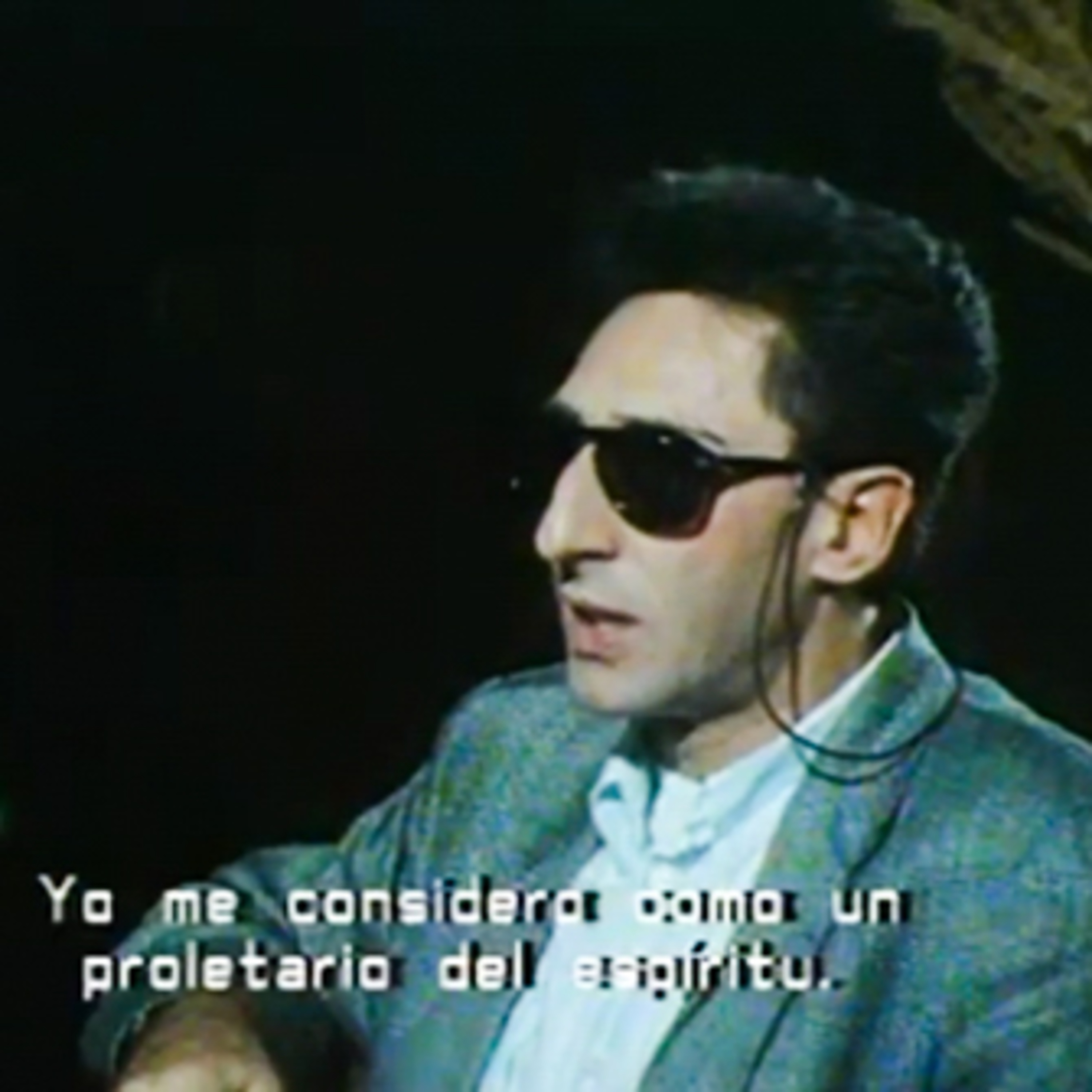
Franco Battiato fue muchas cosas: un nómada, un explorador, un estudioso de las culturas antiguas o, como él mismo se definió: un “viajero profesional” y un “proletario del espíritu”.
El amor por las culturas y tradiciones antiguas es una presencia constante en las letras de Battiato, un italiano de Sicilia que cantó también en español, entre otros idiomas. Este hecho le permitiría alcanzar una gr
34 - Magneto y su rola más pegajosa
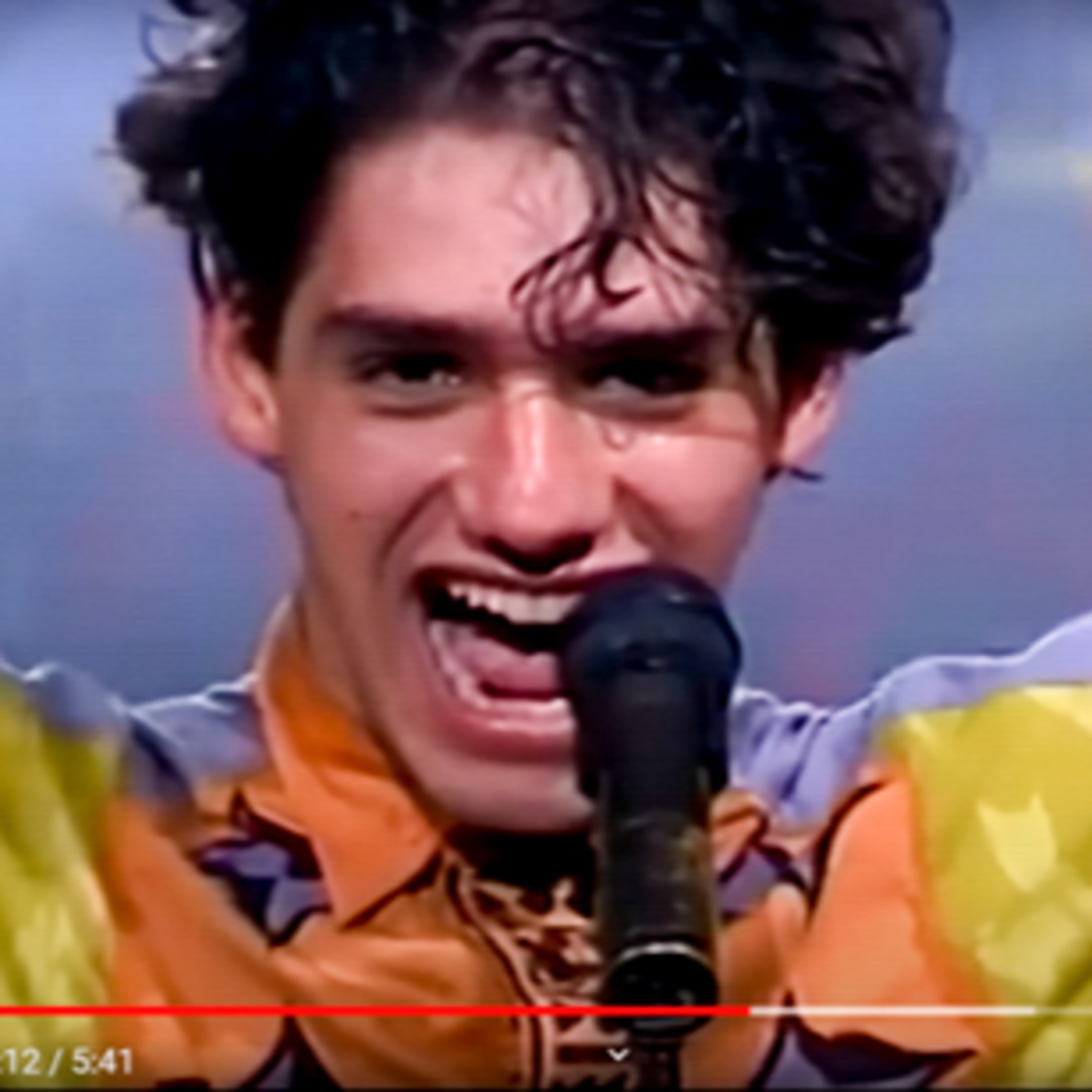
The song Vuela, vuela was released by Mexican boy band Magneto in 1991. It’s still the group’s most remembered song, and the one that propelled them, rocket-like, into international stardom.
The song was a version of the French original Voyage, voyage, by the singer Desireless. The French lyrics were loosely translated into Spanish (‘loosely’ is to put it mildly, but the new words worked nicely en
33 - El Señor Chinarro recuerda su Comunión
Hoy hablamos del tema Comunión de Señor Chinarro, la banda de rock indie del sevillano Antonio Luque. La canción pertenece a su disco Cal Viva, publicado en abril de este año.
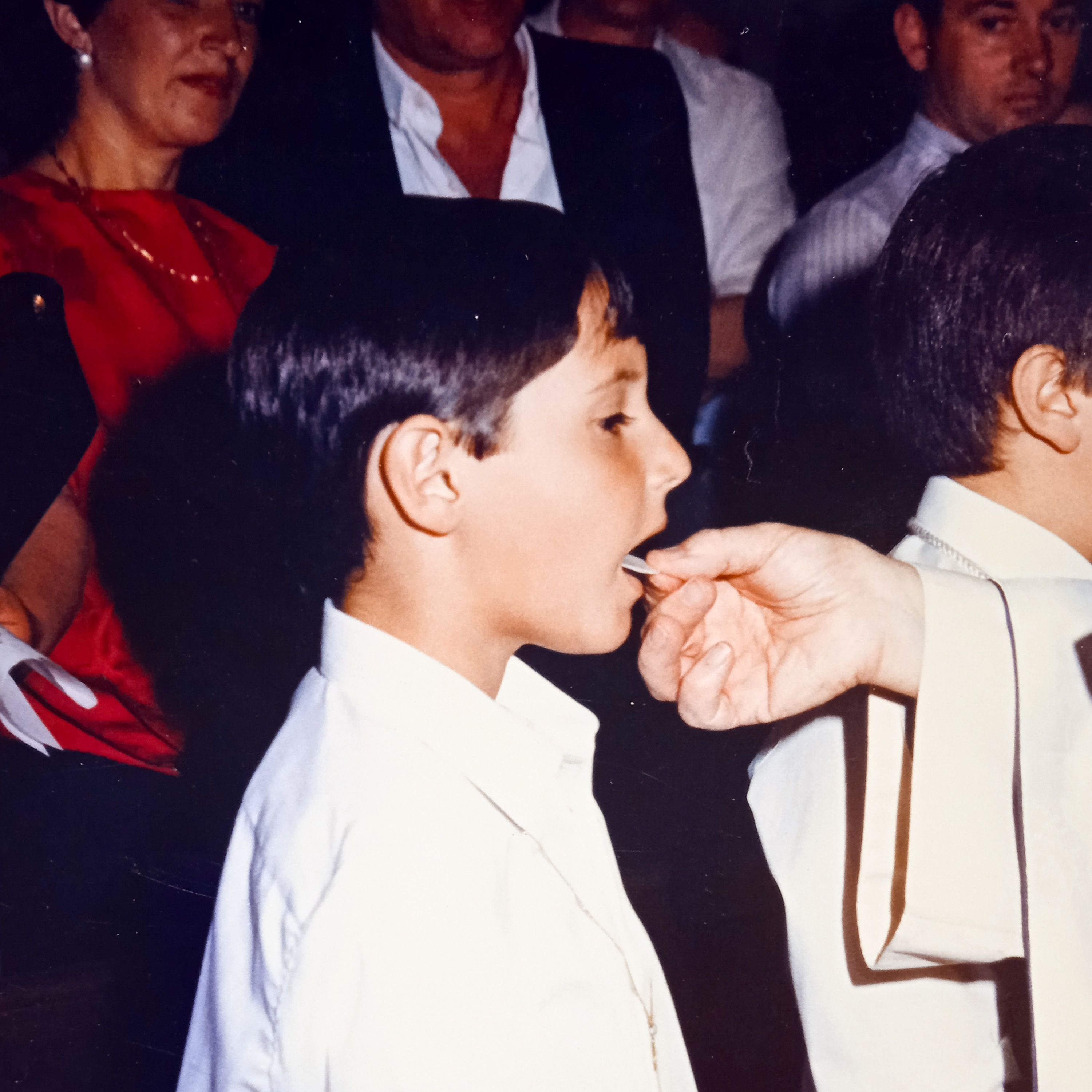
As the story goes, Antonio was one day looking at some old family photos and he came across a picture of his First Communion. The sacrament of la Primera Comunión is a ceremony often carried out collectively, so in the phot

32 - A la chica del Pingüino le gustan los malotes
Las letras de la formación madrileña Un pingüino en mi ascensor (A Penguin in my Lift) exploran temas y elementos de la vida cotidiana con un tono satírico, mordaz y (como sugiere el nombre de la banda) a menudo con un marcado punto surrealista.
Nuestra canción para este episodio es Los malos te gustan más (You Like the Baddies Better). En ella, el cantante se lamenta de que su chica siempre le
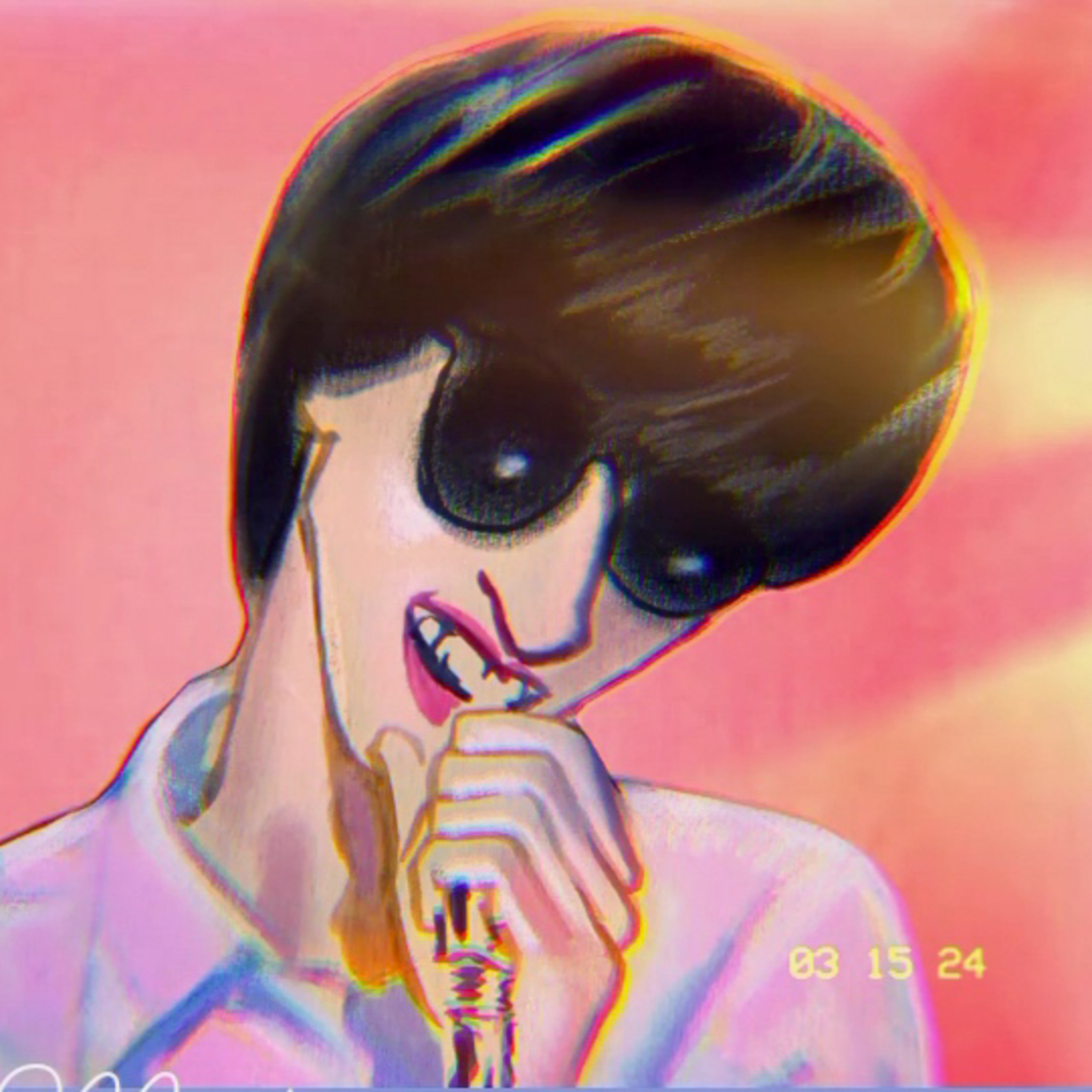
31 - El Paraíso Roxy de La Mode
With Fernando Márquez “el Zurdo” as vocalist, the Spanish band La Mode made only two albums. The first one came out in 1982 and is a masterpiece called El eterno femenino. The album’s title was apparently a quote from Goethe’s Faust. Lofty art references abound in La Mode’s lyrics.
El tema número 3 de El eterno femenino lleva por título Aquella canción de Roxy. That Roxy song.
En la canción se n
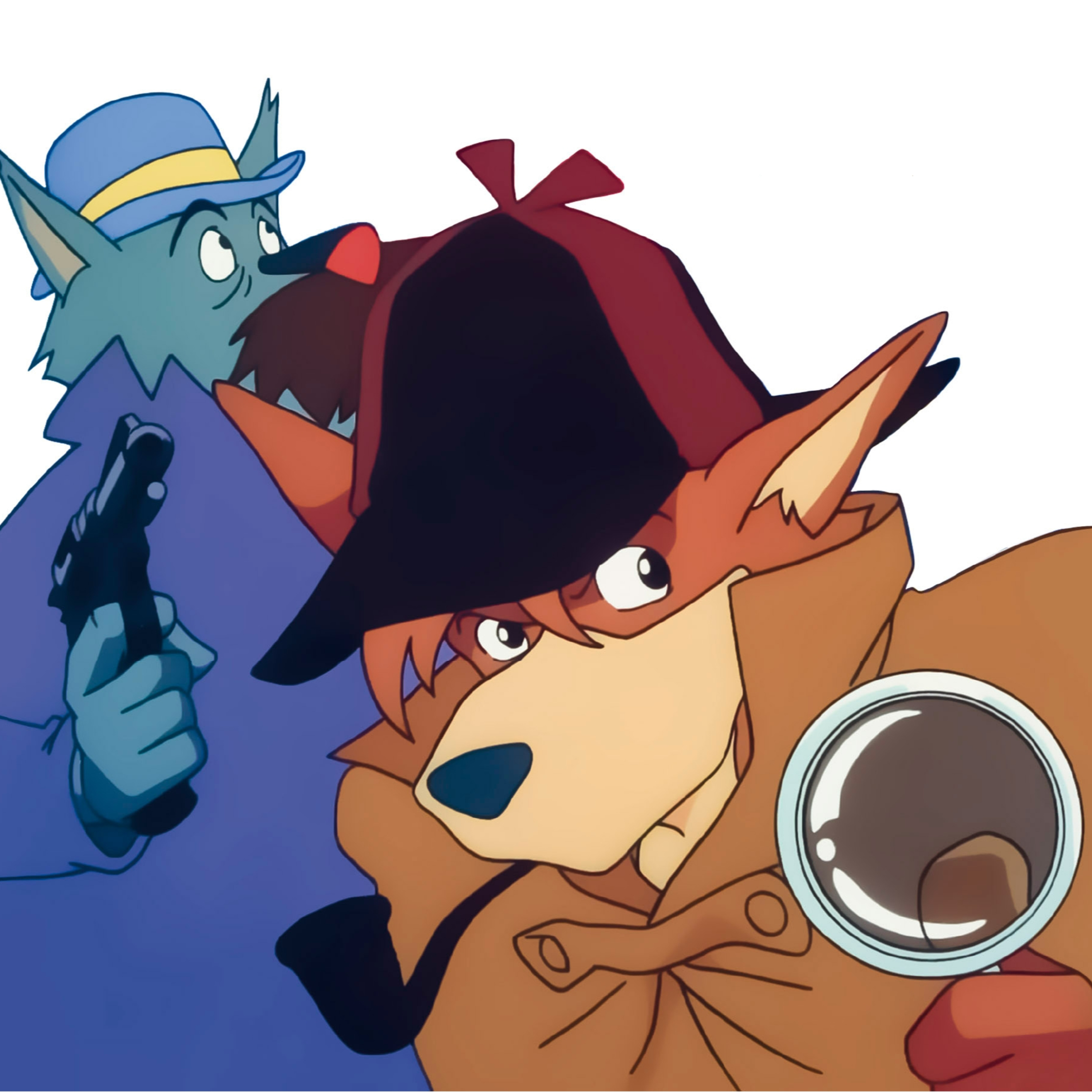
30 - Elemental, queridos Nins
Nins fue uno de varios grupos infantiles que tuvieron una gran popularidad en España entre finales de los años 70 y principios de los 80. Otros grupos de este estilo fueron Regaliz, (Liquorice), Botones (Buttons) and, most popular of them all, Parchís (Ludo).Today many probably remember Nins for performing the opening theme song of the animated series Sherlock Holmes, which aired in Spain in the m
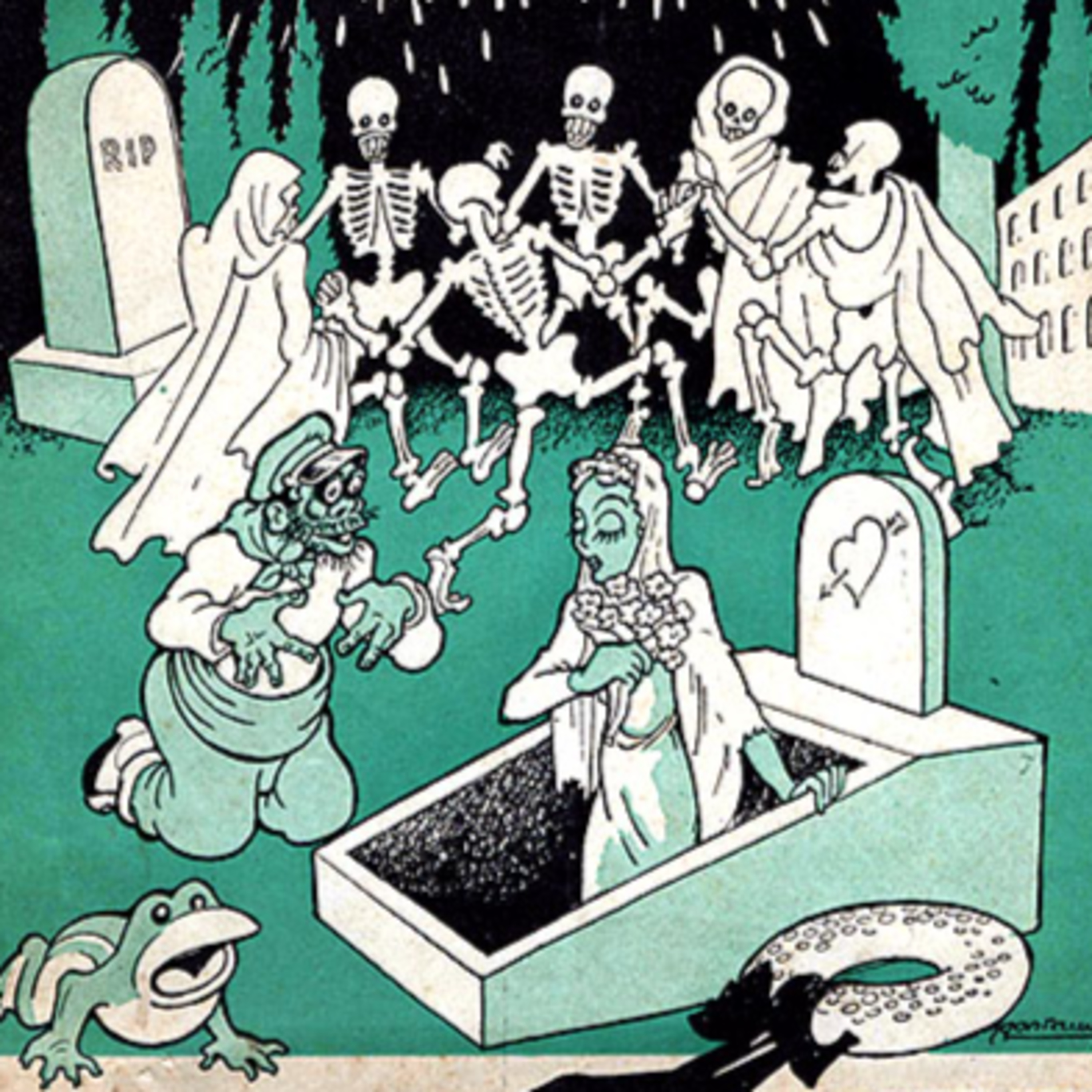
29 - Halloween y Día de Muertos: la escalofriante historia de Rascayú
It’s 1942 and it’s a grim time in Spain. An atrocious civil war has ended just three years ago and the country is mired in poverty and misery.
En un país en tal situación, una canción sobre cadáveres y esqueletos no parecía tan lejos de la realidad de cada día como nos podría parecer hoy.
Aun así, nuestro tema musical para este episodio pronto se hizo tremendamente popular en España, un país donde
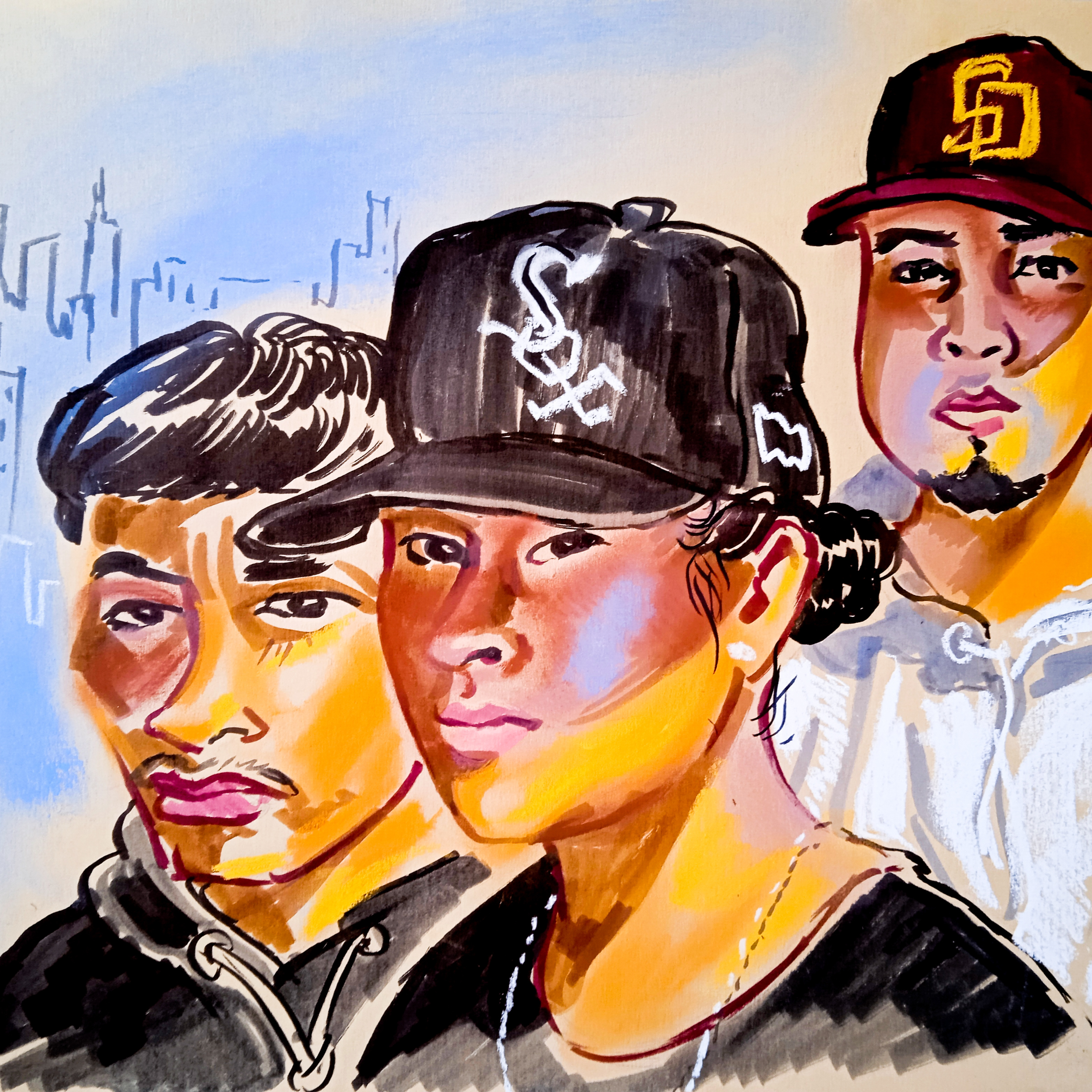
28 - Smells like field spirit: Yahritza Y Su Esencia
Entre la numerosa población mexicana de Yakima Valley en el estado de Washington (EEUU), hay una gran afición general a la música tradicional de su país, lo que se denomina hoy el género regional mexicano. You could say that music is in the air there, a fundamental part of life in the community. Two young siblings, Mando and Jairo Martínez, inspired by some of their musician relatives, got good at
27 - En el límite de La Frontera
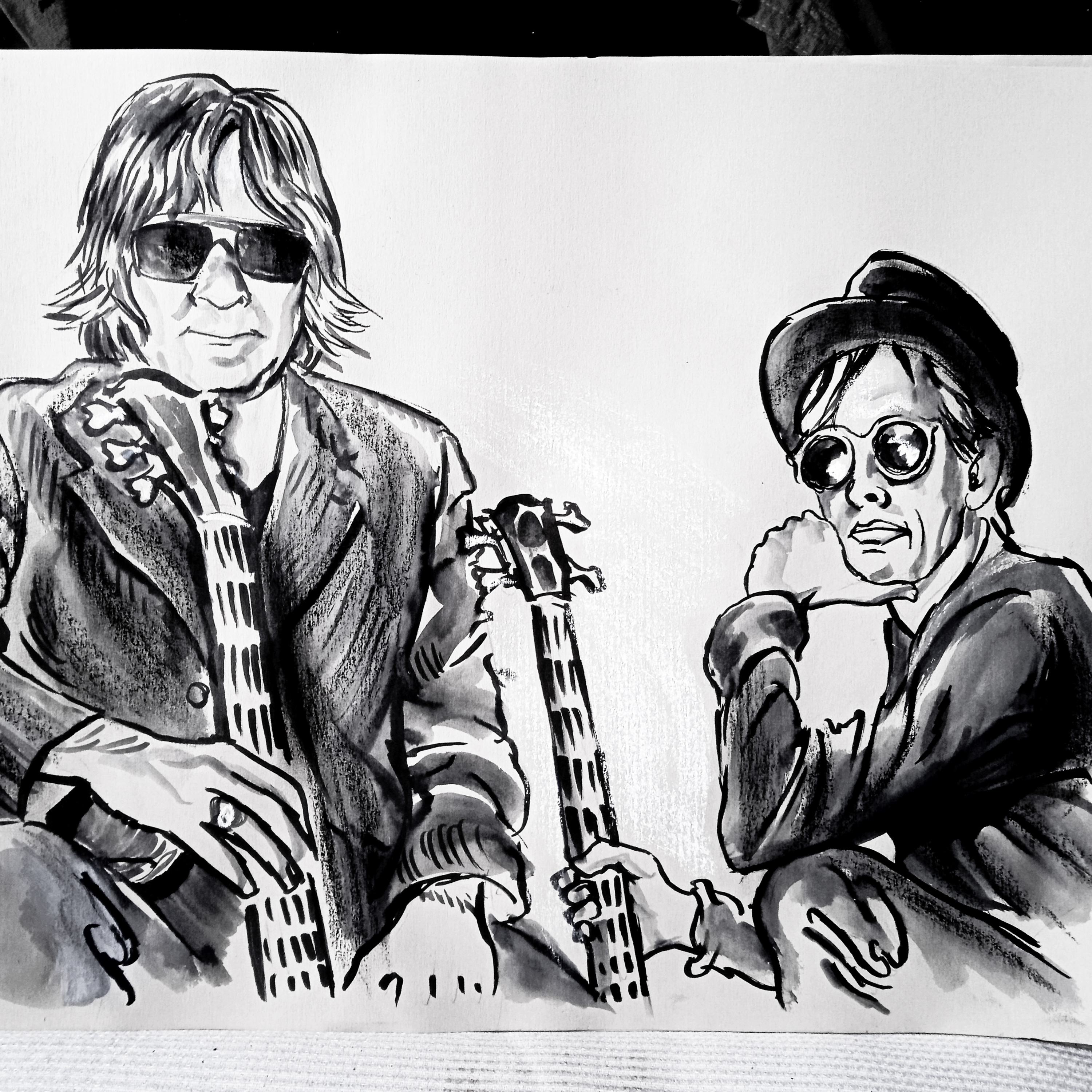
Nuestra canción para este episodio es del año 1989 y se titula El límite. Es un tema de La frontera, un grupo de rock madrileño de gran éxito en España durante los años noventa. Javier Andreu, Tony Marmota y los otros miembros integrantes del grupo se conocieron a principios de los 80 en la Facultad de Ciencias de la Información - Media Studies - mientras Andreu estudiaba publicidad (advertising)

26 - Rocío Dúrcal, la española más mexicana
Two strangers meet each other by chance and have a passionate affair. At some point the man has to move on, leaving his lover feeling abandoned and wounded, like ‘a cat under the rain’… But she accepts her fate with grace and dignity: both of them knew that it was never meant to last.
So goes the story told in La gata bajo la lluvia, Cat Under the Rain, an enduring classic from 1981 which was pop
25 - ¡Dame un café con leche, mami!
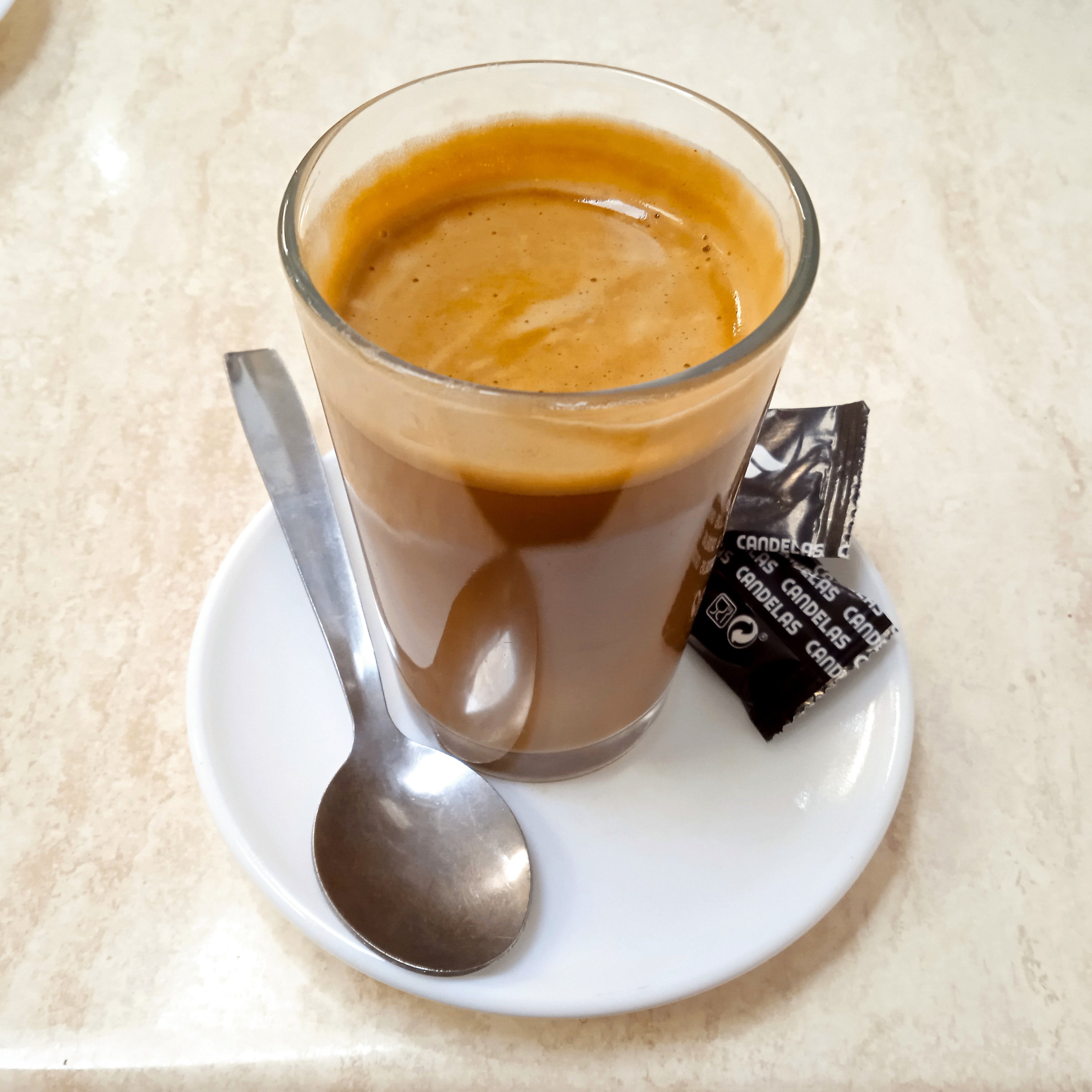
Today it's all about coffee. How to order it (formally and informally), ways to have it... Plus two epic Cuban smash hits featuring this greatest of all beverages.
Just as importantly, in this episode I get to ask you to buy me a coffee. ¡Invítame a un café!
I have just opened an account at buymeacoffee.com that will allow listeners of Qué Pasa Raúl to make one-off small donations to support
24 - Susana Estrada se destapa
In this episode we talk about actions that involve parts of the body and clothes. Putting on clothes, taking off clothes… Especially the latter.
Taking off one's clothes became a big trend in mid-to-late 70’s Spain. With dictator Franco finally dead, it was a turbulent time of change as a heady sense of liberation descended upon Spanish society. It’s the period that we know as la transición –
23 - La experiencia religiosa de Enrique Iglesias
Every once in a while, a pop song comes up that plays around with religious imagery and metaphors. Think Like a Prayer or There Must Be an Angel (Playing with my Heart). In this episode we will learn about one such song: Experiencia religiosa from Enrique Iglesias' eponymous debut album from 1997.The lyric of Enrique's ballad is really a collection of romantic cliches, sprinkled with some
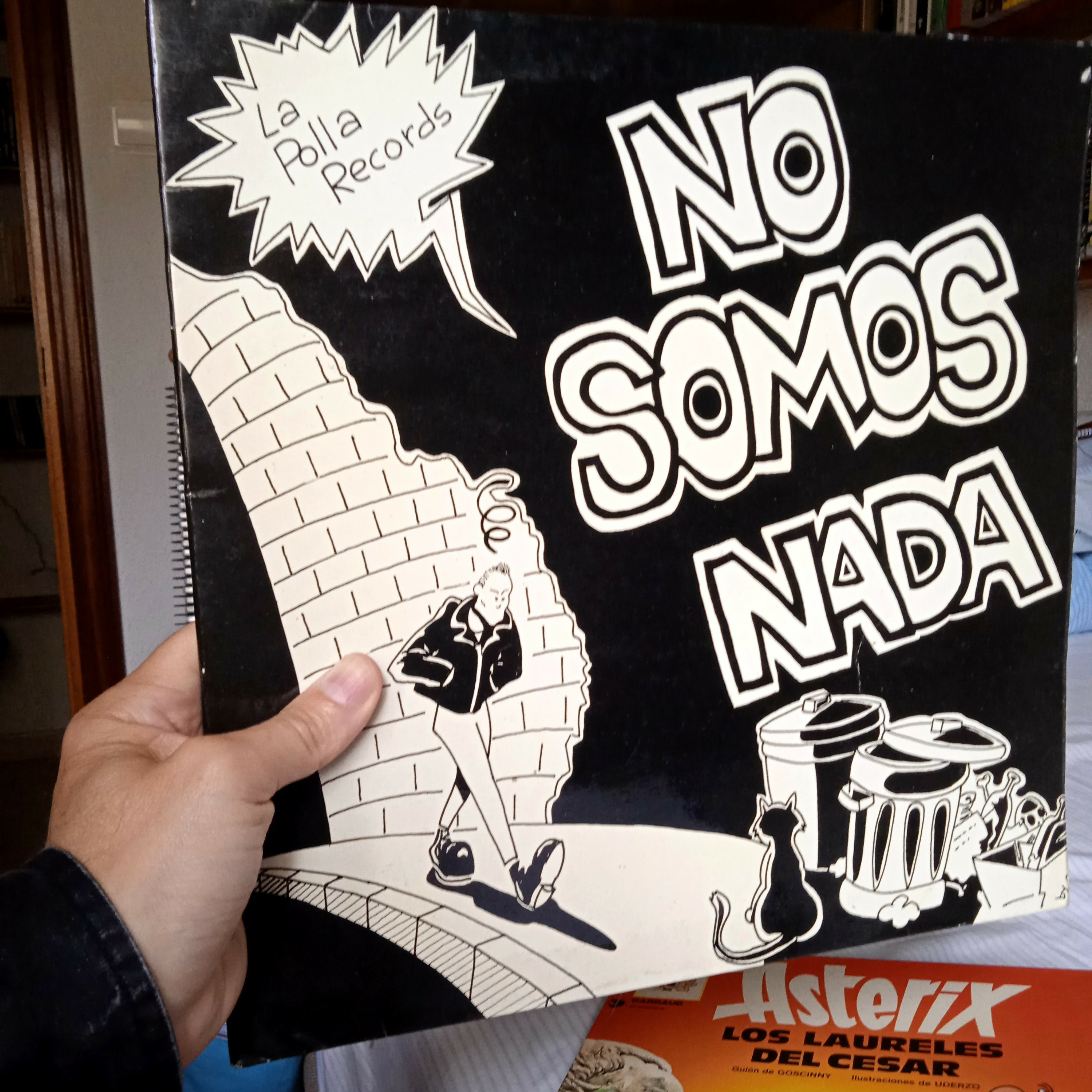
22 - Muy punk indeed: el extraño y maravilloso mundo de La Polla Records
La Polla Records, known by fans simply as La Polla, emerged from Álava, in el País Vasco (the Basque Country) right at the end of the 70’s. In a strictly punk sense, the group were to Spain what the Sex Pistols were to England.
The song No somos nada, their 1986 eponymous record's opening track, is a sort of manifesto for the group: 'so this is who are are'. And what is that? Well: so

21 - Dalida: En brazos de la mujer madura
During the 60’s and 70’s, pop artists would often record their most popular songs in multiple languages. Such was the case with Dalida, an Egypt-born Italian-French singer who became a huge star in France and much of the Middle East throughout the second half of the 20th century.
For this type of artist it was - it still is - common practice to have songs written for them that echo real events fr
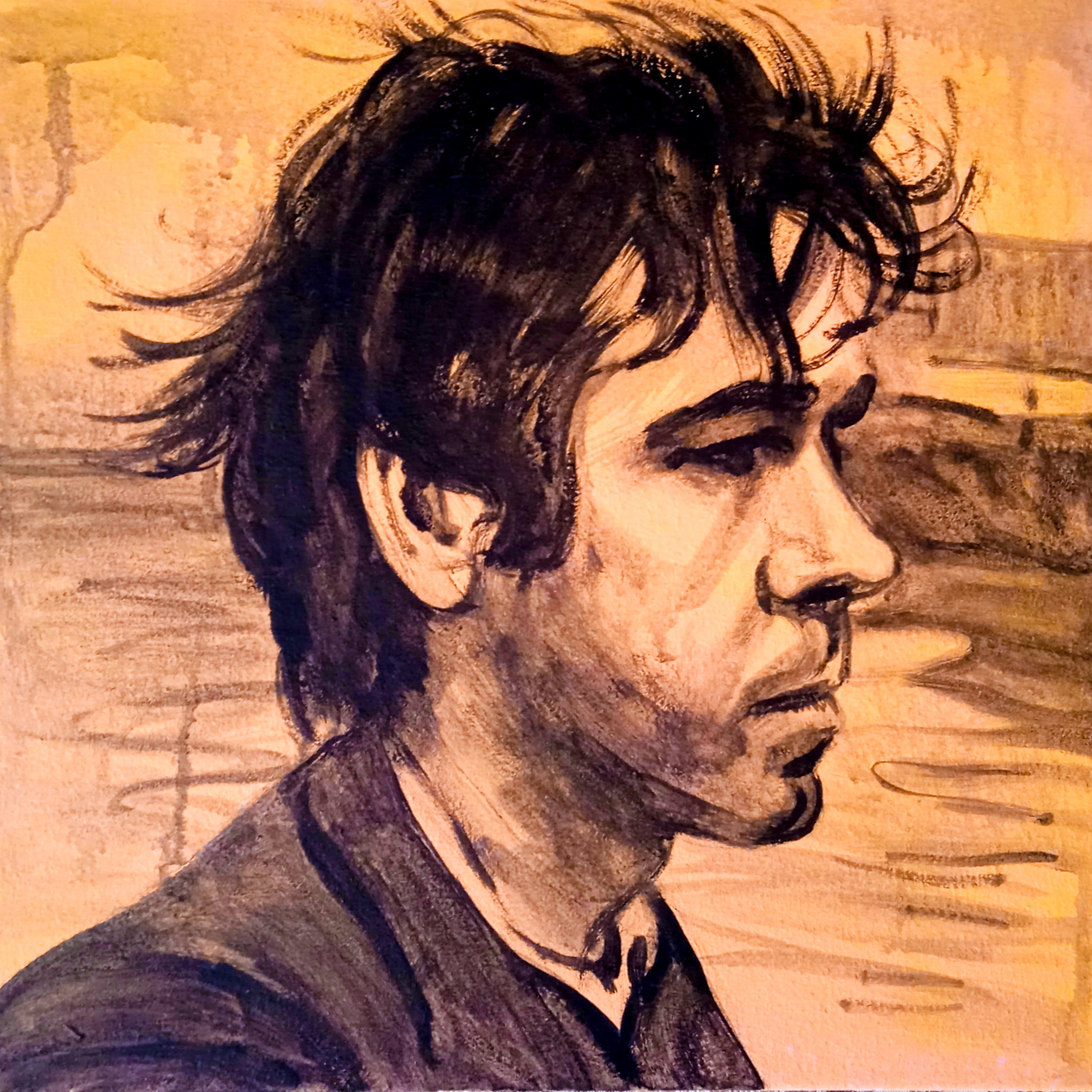
20 - Paco Ibáñez: Ingeniería de versos y cantares
Paco Ibáñez en el Olympia was a double album recorded live at the famous Parisian theatre in 1969. It has since become one of Spain’s great classic albums, and a window into a very particular time and place in the country’s recent history.
Ibáñez (b. Valencia, 1934), had been banned from performing in public in his country of birth, due to his openly oppositional stance to the Franco regime. The g

19 - Paloma San Basilio: Dos cabalgan juntos
Juntos is an uplifting, life-affirming love song. In recent years, the 1982 hit from Madrileña singer Paloma San Basilio has come to be seen as something of a gay anthem, and this has helped to keep the song alive and relevant for new, younger audiences.
It is very much a ‘gay’ song in the old sense of the word as well. There’s also something slightly subversive in the tune, as we’ll find out, tho

18 - Alizzz: Si te acercas, caigo
Chico conoce a chica. Boy meets girl. Boy and girl stop seeing each other. Boy and girl bump into each other in a club after one year. Timidly, they start chatting and… Well, you guessed. What had to happen, happened. The song is called El encuentro (The encounter), and is track #4 from Tiene que haber algo más, the 2021 debut album by Alizzz.
Alizzz’s Wikipedia entry describes him as músico, comp

17 - La rapsodia bohemia de Facundo Cabral
Argentinian singer-songwriter Facundo Cabral was a true bohemian. He was taught to read at fourteen by a Jesuit teacher and met his father at forty-six. These and other experiences - his wife and daughter died on a plane crash - came to shape his outlook on life and his music.
His signature song, No soy de aquí, ni soy de allá (I'm neither from here nor there) has become something of an anthe
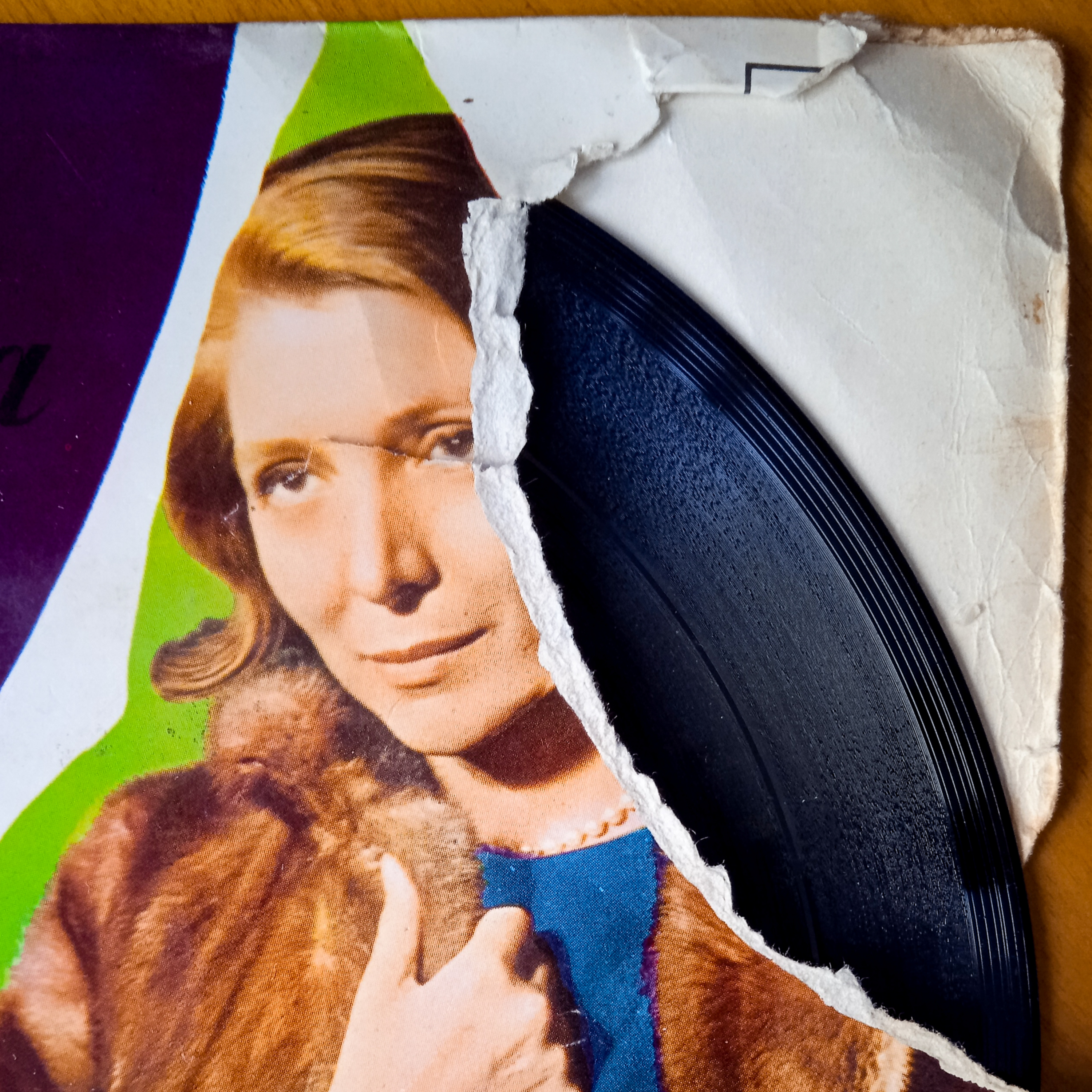
16 - María Dolores Pradera, Ferrusquilla y la playa de Mazatlán
José Ángel Espinoza, better known as Ferrusquilla, was a Mexican songwriter and actor. Early in his career he became known as El Hombre de las Mil Voces, for his ability to play multiple characters for radio drama productions and for (allegedly) being able to impersonate God himself!
One of Ferrusquilla's most recorded songs was El tiempo que te quede libre. The version to top all others would be
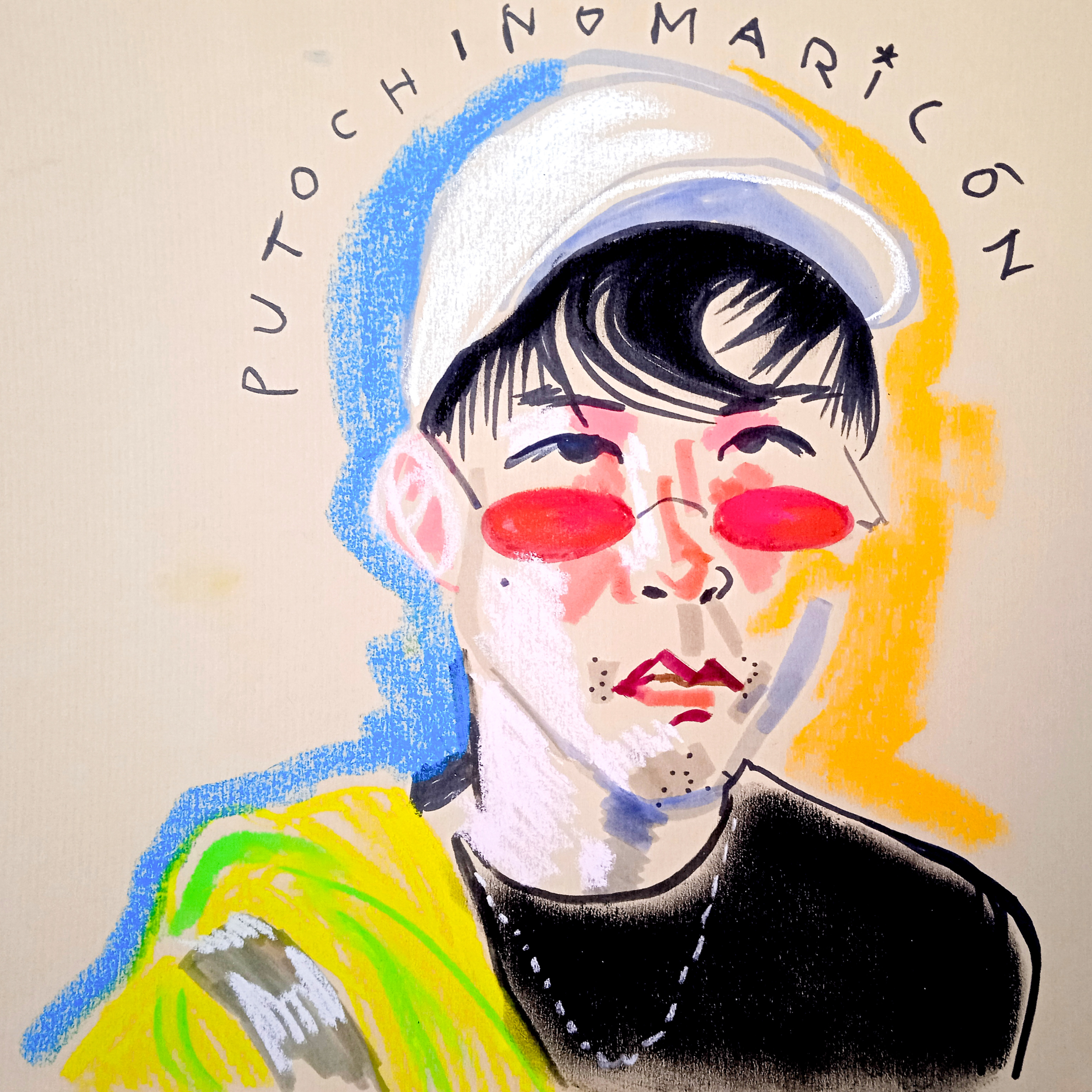
15 - Putochinomaricón: El cabreo es una energía
Brace yourself: it’s Putochinomaricón! And he’s not amused! And he’s using the subjunctive!!
“Yo creo que la buena música surge de los intestinos y del odio extremo”, says Chenta Tsai, born in 1990 of Taiwanese parents. ‘I think Good music springs from the guts and from extreme hatred’. Here's one of the key tenets of the punk ethos: anger is an energy.
Chenta, aka Putochinomaricón, makes ‘the
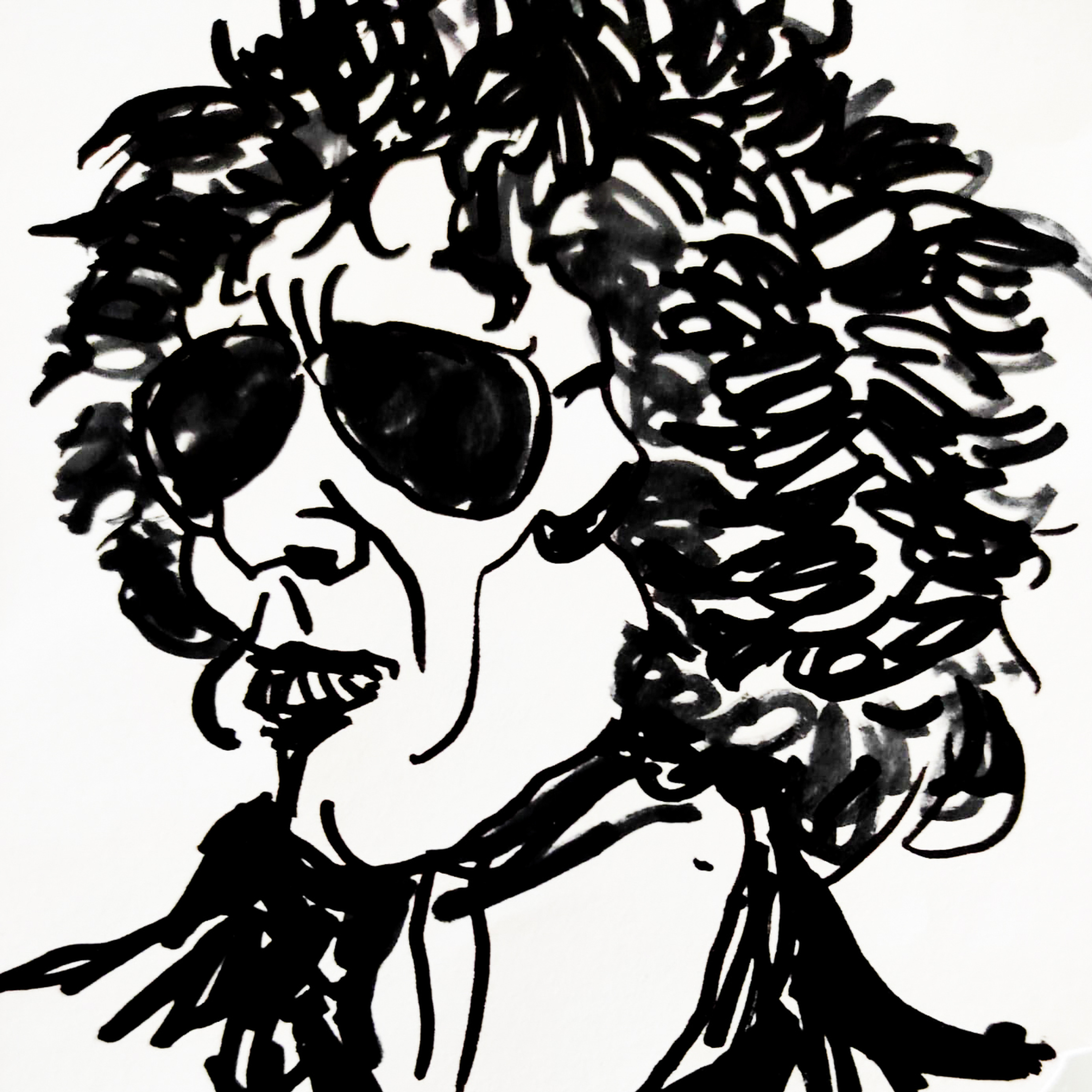
14 - Bunbury: Miénteme, dime que me quieres
“Yo quería hacer un disco que le gustara a mi madre y a mi padre”, said Bunbury in 1999 while discussing Pequeño, his second solo álbum, released later that year.
‘I wanted to make a record that my mum and my dad would like’. Sure enough, the album became a major departure for Bunbury in that for the first time he embraced traditional sounds and rhythms from the Latin American and Mediterranean wo

13 - Gabinete Caligari: Todos los caminos llevan a Soria
“Todo el mundo sabe que es difícil encontrar en la vida un lugar…” Thus goes the opening line of Camino Soria by Spanish band Gabinete Caligari, the song we’re discussing in this episode.
By the river Duero, the town of Soria (North of Madrid, in Castilla la Mancha) becomes here an almost mystical place where one is to find peace and healing from the pains of heartbreak, betrayal and the restless
12 - Walt Disney canta en español
We’re on a trip to Disneylandia!
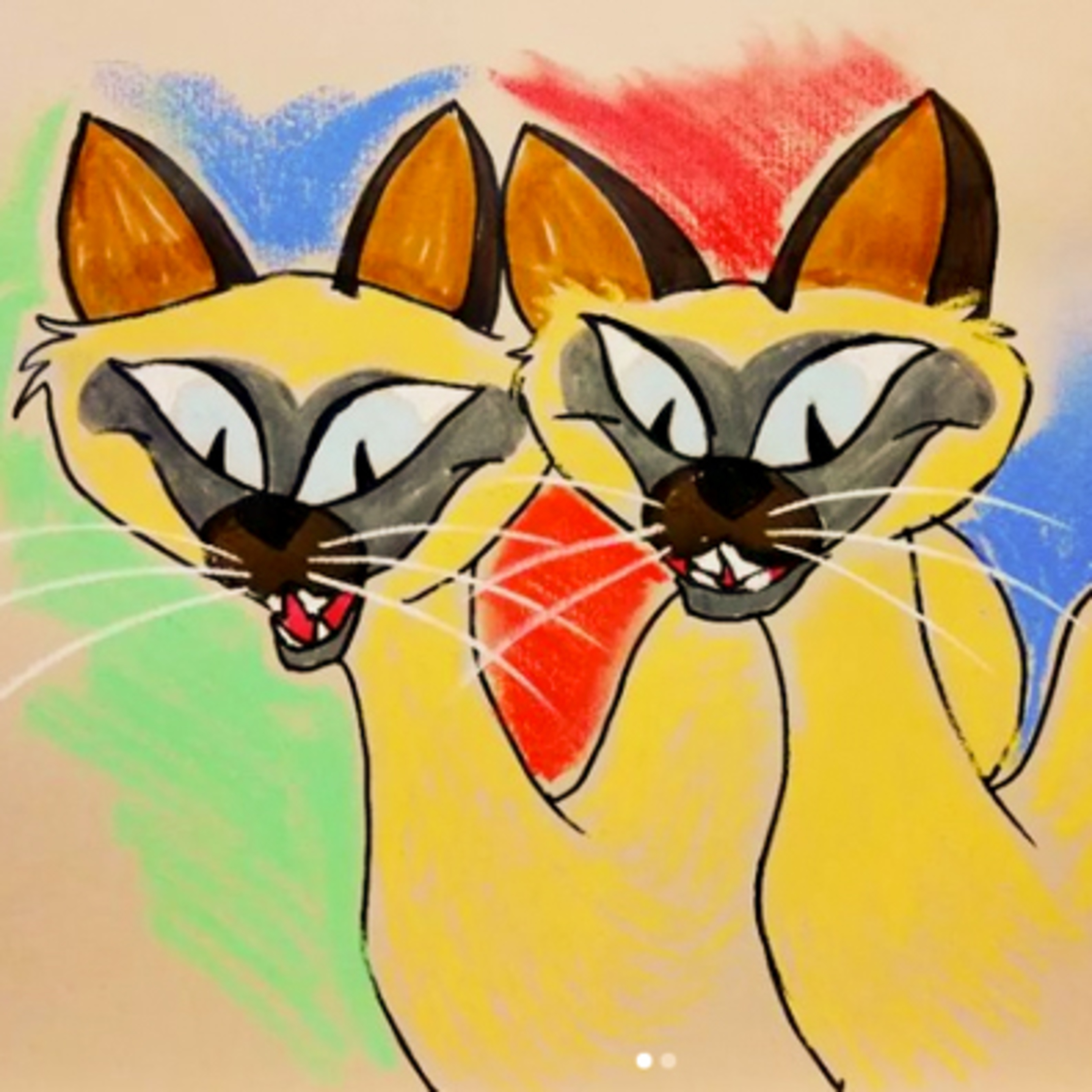
Today we learn about the dubbings of Disney films for Spanish and Latin American audiences. We then go on to study Lady and the Tramp’s infamous Siamese Cats Song.
Listen to Si and Am singing in a suspicious Thai accent, with a genuine Mexican flavour and a touch of Yodish for good measure. Through their song we get to explore reflexive verbs, demonym adjectives an

11 - El amor según Raphael
So you still don’t know what being in love is like? Stress no more: Spanish crooner Raphael gives you no less than twelve different definitions of such a state in Estar enamorado (To be in love), a song from 1981 written by the singer’s habitual partner in crime, Manuel Alejandro.
Together, Raphael and Alejandro have formed one of the great partnerships in music, bringing scores of brilliant roman
10 - Los Nikis: Balada triste de Sing Sing
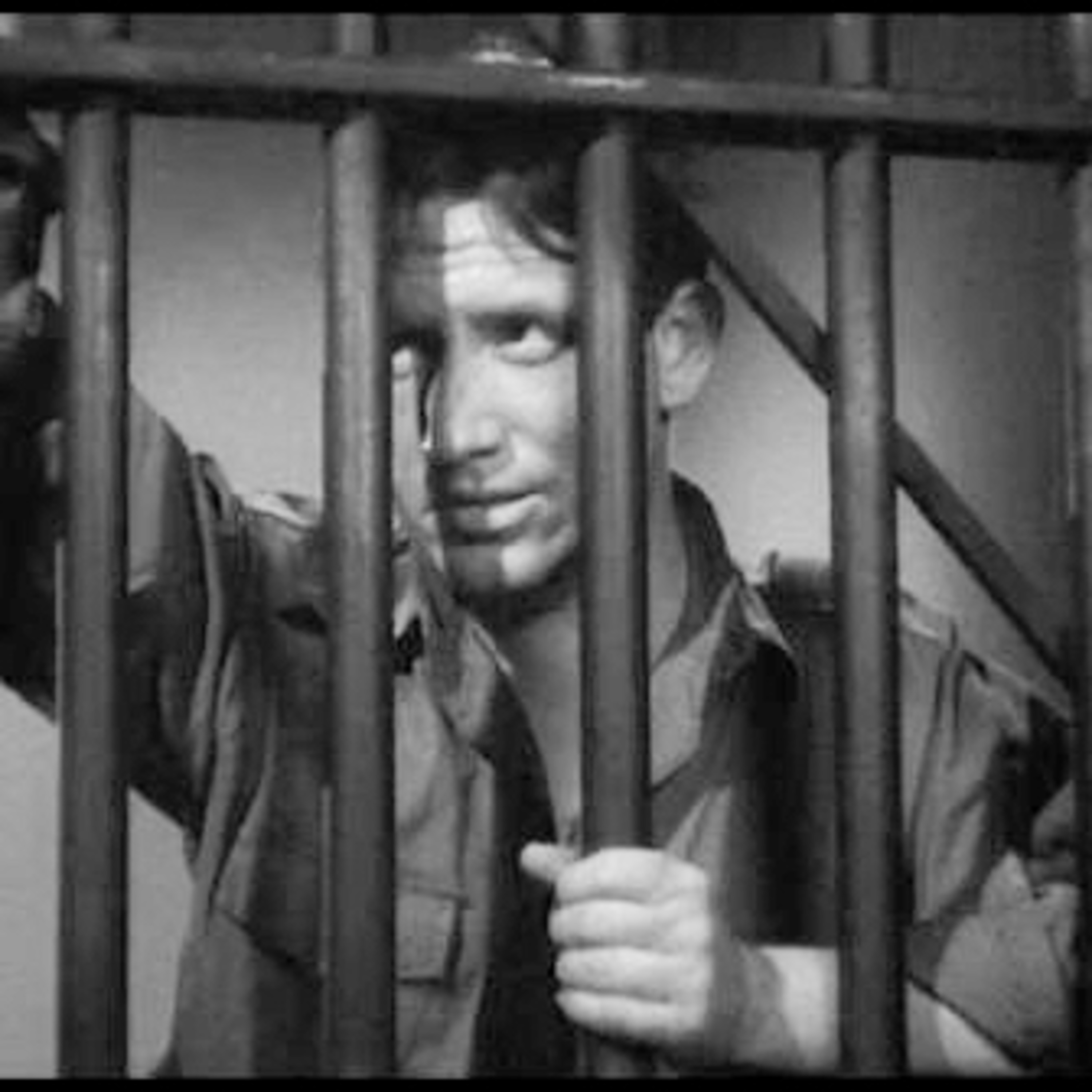
In this episode we learn about Los Nikis, an 80’s band from Madrid, and their song from 1986 Diez años en Sing Sing.
The song title and chorus reference a classic prison drama from 1932, 20000 Years in Sing Sing, starring Spencer Tracy and Bette Davis. It was not unusual for Spanish bands of that period to quote old books and movies in their lyrics or even in their album covers.
In a letter to his
9 - Los Ronaldos: La soledad del astronauta
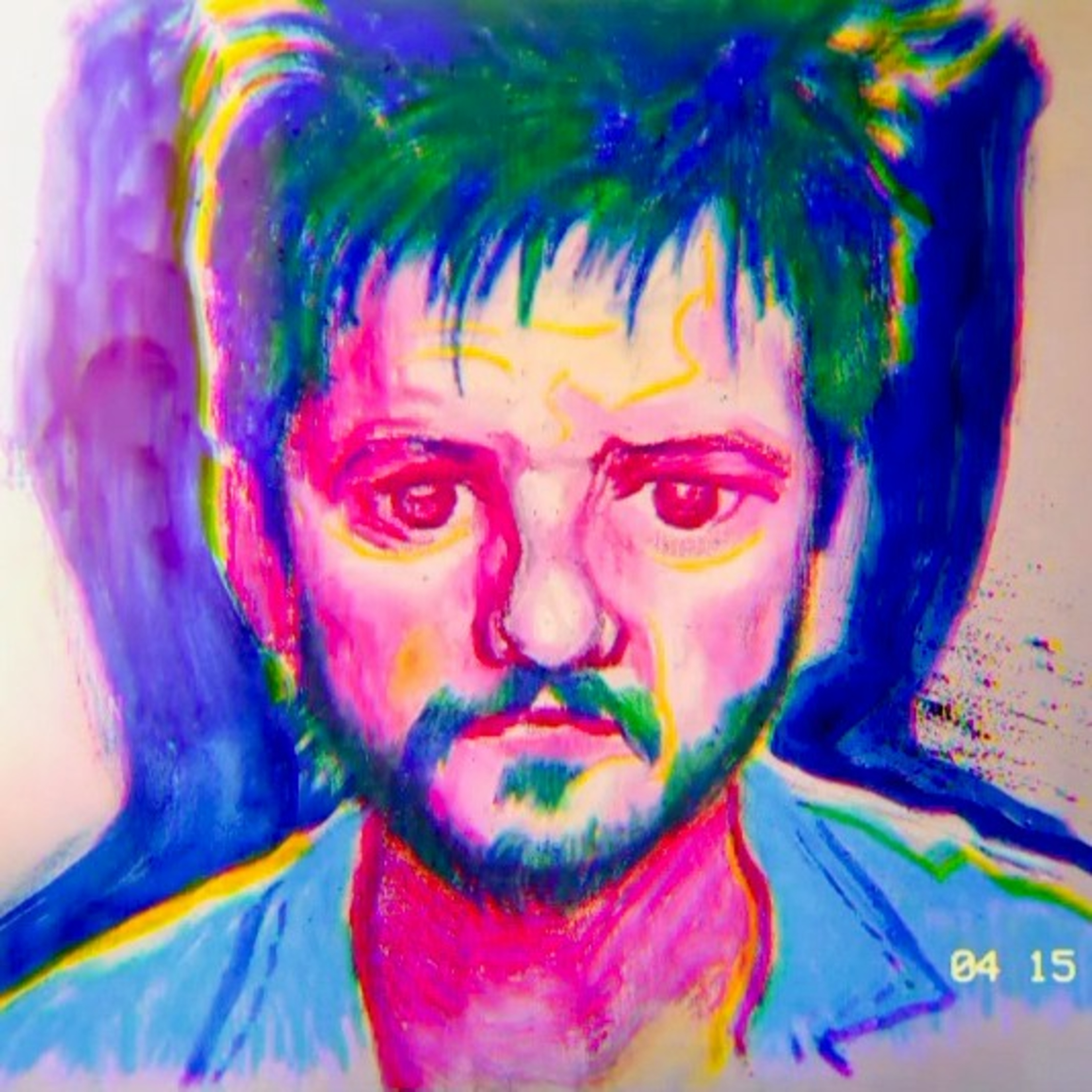
In this episode we explore the song Así no se vive bien by Los Ronaldos, one of the most loved rock bands that came out of Spain in the 80’s. Their vocalist Coque Malla is still going strong today as a solo artist. In 2021 he released Soy un astronauta gigante (I am a giant astronaut), a 5-disc compilation spanning his whole career both with Los Ronaldos and solo.
The narrator in our song is a Bow
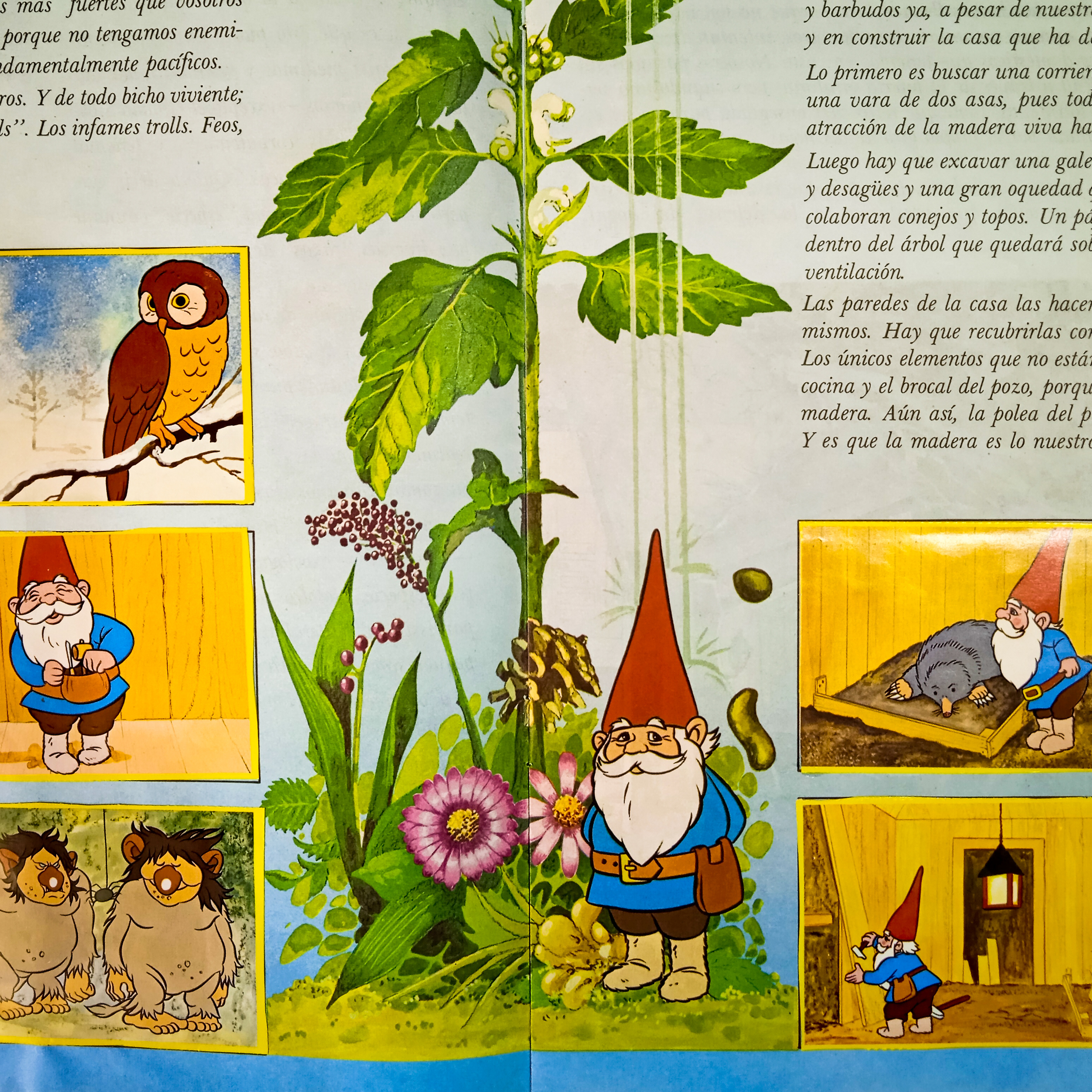
8 - David el Gnomo: En el corazón del bosque
In this episode we explore the opening theme song of David el Gnomo, an animated television series that was hugely popular in Spain during the mid-1980’s.
Throughout the episode we learn about David’s domestic life and the wider gnome world. Did you know that gnomes live for several centuries, and that Spaniards – both of the gnome and human variety - don’t mind aging? We will also find out the di

7 - Derribos Arias: Amor subacuático
In this episode we discuss Branquias bajo el agua (Gills underwater), a song by the Spanish group Derribos Arias.
Ignacio Gasca, better known as simply Poch, was the leader of this band which helped to define the spirit of the Spanish movida in the early 1980's. Poch was by all accounts a colourful figure, with a taste for the surreal and the odd, much of which he brought to the music of Derr

6 - La dama y el canalla: José Alfredo Jiménez y Chavela Vargas
In this episode we discuss Vámonos, a Mexican ranchera written by José Alfredo Jiménez, one of the greatest and most prolific songwriters of the 20th Century.
One of many singers who helped to popularise the song was Chavela Vargas. She was close friends with Jiménez - it is well-known that they shared many a tequila together. On stage, Chavela had a truly iconic presence. Always clad in her ponch
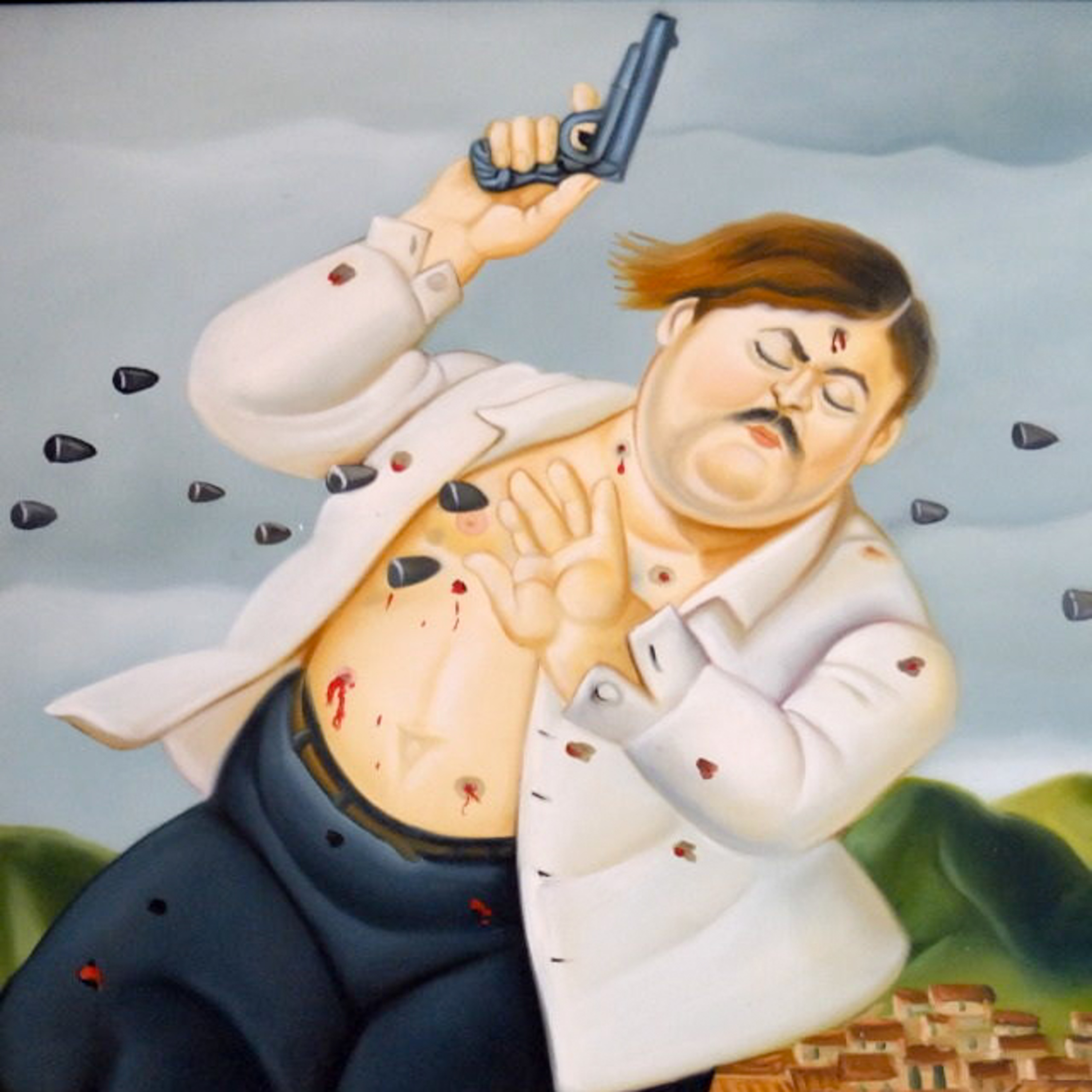
5 - Rodrigo Amarante: Vida de Pablo
Today we're discussing Tuyo, the opening theme of the television series Narcos, which tells the story of Colombian drug lord Pablo Escobar.
The song, commissioned specifically for the show, was written and performed by Rodrigo Amarante, a Brazilian singer-songwriter, multi-instrumentalist, composer and arranger.
Amarante was inspired by the type of music that Escobar’s mother would have been

4 - Almodóvar y McNamara: Los chicos quieren ser mamás
In this episode we learn about la Movida, an exciting time of countercultural creativity that took place in Spain during the late 1970's and early 1980's, after nearly forty years of fascist dictatorship.
One of the many punk-influenced acts to come out at this time was the duo Almodóvar y McNamara. The former would soon become Spain's most international film director, whilst Fabio McN
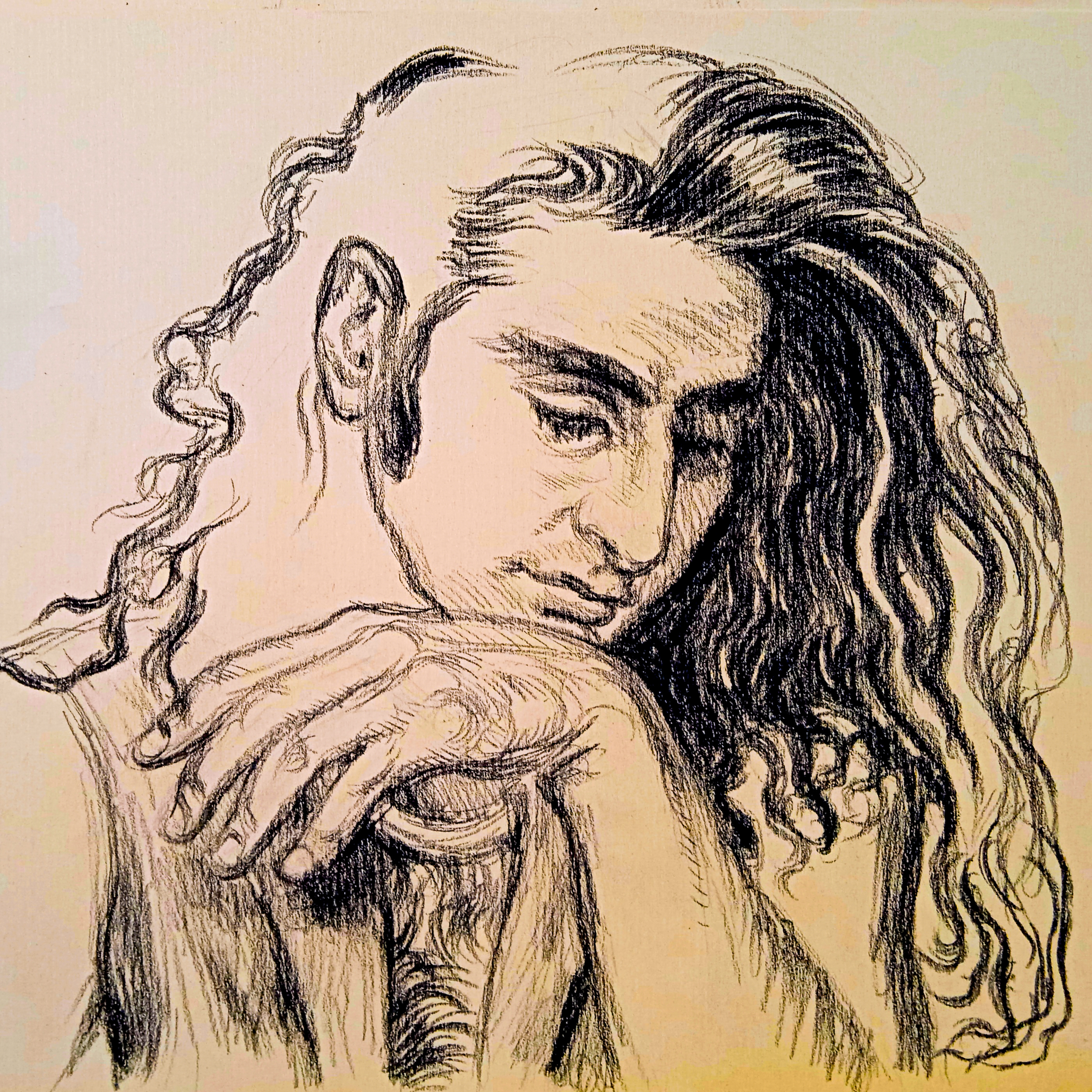
3 - La habitación de Antonio Flores
In this episode we learn about Spanish singer-songwriter Antonio Flores, who achieved commercial success in the mid 90's with his album Cosas Mías ('Stuff of Mine'). Sadly, this masterful work would also be his last: shortly after the album release, Flores went into deep depression, following the death of his mother, the legendary singer, dancer and actress Lola Flores. Only two weeks
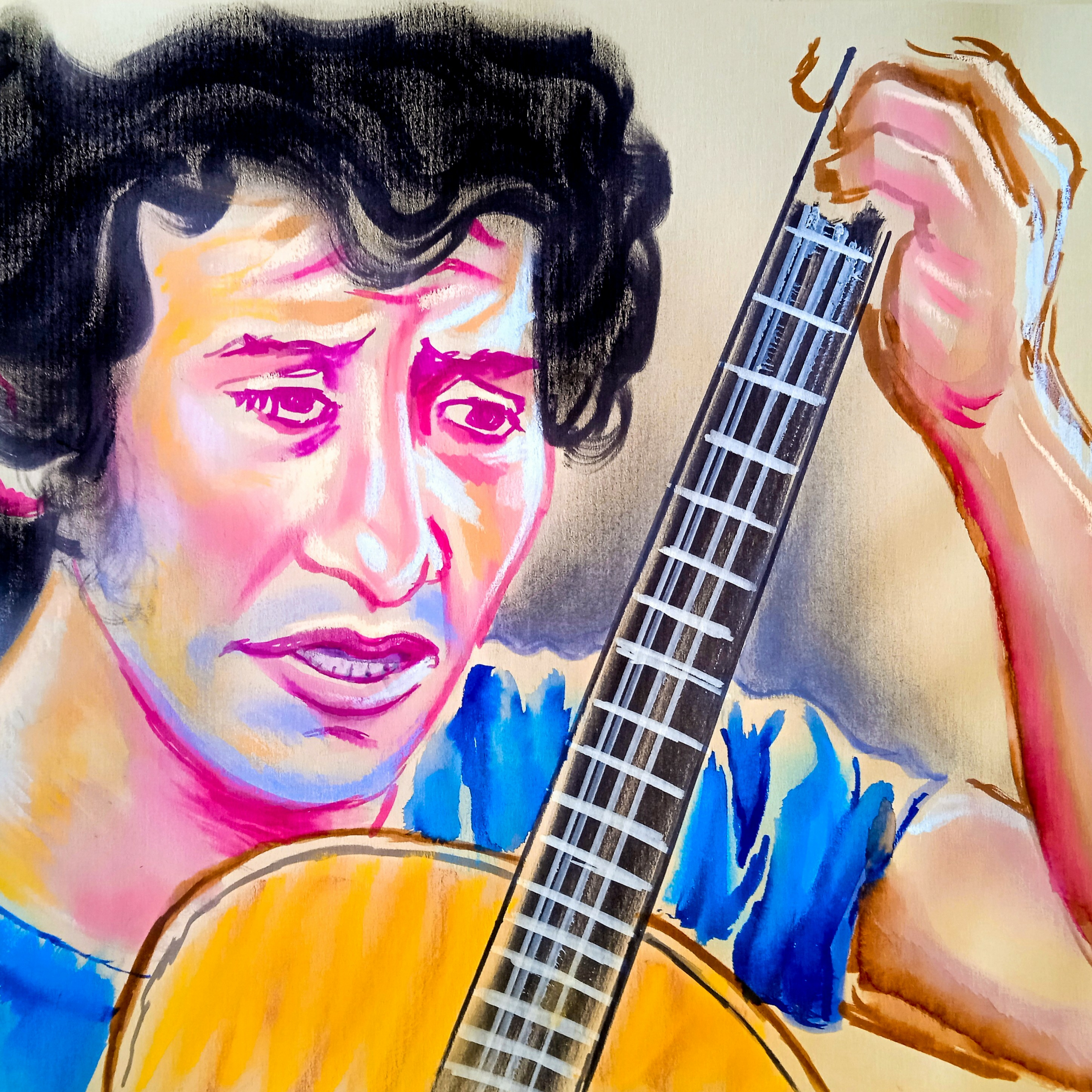
2 - Víctor Jara: El amor y el trabajo
In this episode we discuss a song by Chilean songwriter Víctor Jara, 'Cuando voy al trabajo'. In the 1960's and 1970's, Jara - admired by Joan Baez, Bob Dylan and others - became a powerful voice for social change and hope throughout Chile and beyond. His life was to end tragically under the bullets of a new, brutal military regime.
In the song, narrated in the first person, we fol

1 - Kiko Veneno no encuentra el cenicero
In our first episode we learn about Spanish singer-songwriter Kiko Veneno, and explore the language used in his song Me siento en la cama. We will hear some vocabulary related to daily routines and simple sentences in the first person of the present tense. So, a perfect song for beginners!
*****
Sign up here for the show's free Newsletter.
You can give us some love with a one-off donation
Recommended

CBS Radio Mystery Theater | Old Time Radio

Solved Murders - True Crime Stories

紐約鳥|New York Aperture

The Swerve Podcast: Obscure Topics | Conspiracy Theories

The Bread and Banter Podcast

The Church of What's Happening Now: The New Testament

Busted Open

Deadline: White House

Crickets Corner

History of the Earthquake and Fire in San Francisco

Fox news

K-Drama Obsessed Mamas | Beyond “Just One More Episode!”
