Neuroscience Perspectives
Neuroscience Perspectives is a podcast from the Del Monte Institute for Neuroscience at the University of Rochester Medicine, hosted by its director, John Foxe, PhD. In each episode he talks with leading scientists about how the brain shapes behavior, the role of genetics in health, and how early life experiences influence brain development. Guests also discuss their own paths into neuroscience research and the lessons they have learned in the lab. Topics range across neurodevelopmental conditions such as autism and Rett syndrome to neurodegenerative diseases like Alzheimer's and Parkinson's.
Episodes
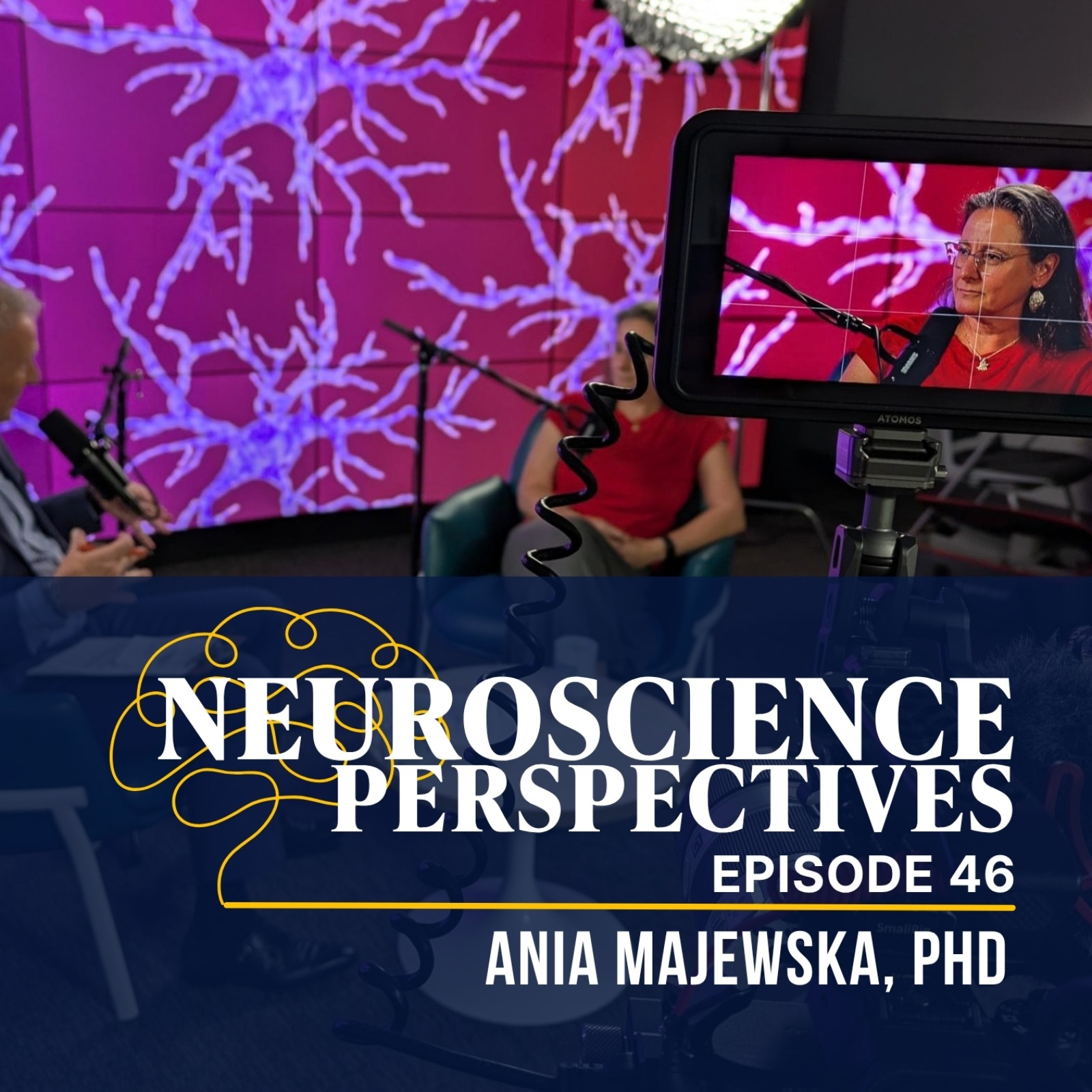
How Microglia Influence Brain Development and Disease | Ania Majewska
On this episode of Neuroscience Perspectives, John Foxe, PhD, talks with Ania Majewska, PhD, professor of neuroscience and co-director of the Intellectual and Developmental Disabilities Research Center at the University of Rochester. Majewska studies microglia—immune cells in the brain—and how they interact with synapses during development, learning, and disease. Using advanced two-photon microsc
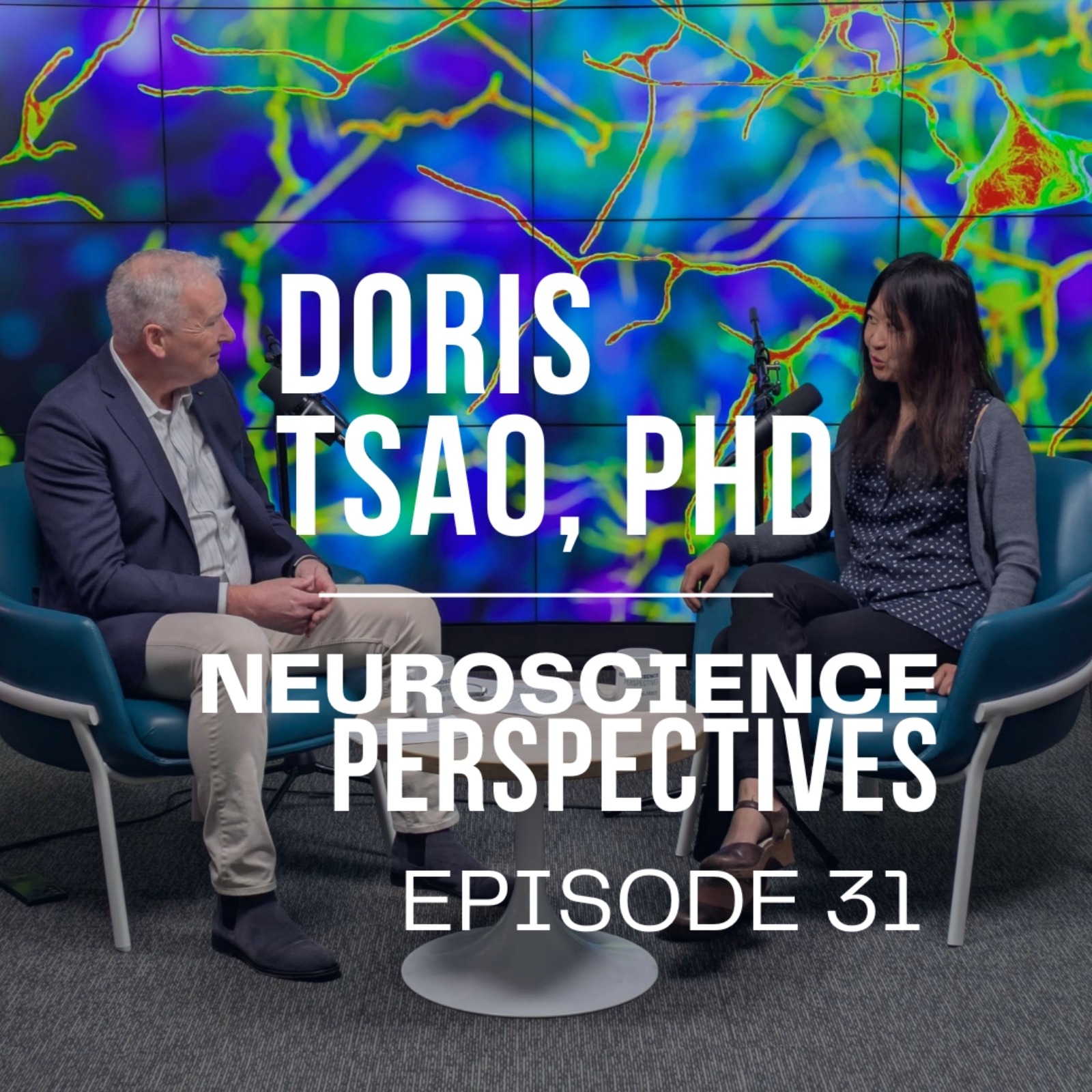
RE-RELEASE: Why the Brain is Smarter than AI
Dr. Doris Tsao shares how her pioneering research has transformed our understanding of how the brain processes visual information. Her lab helped discover that it only takes a few hundred neurons to encode any face – for reference, there are more than a few billion neurons in the brain. This conversation explores the intersection of neuroscience, math, and AI. We also discuss her academic journey—
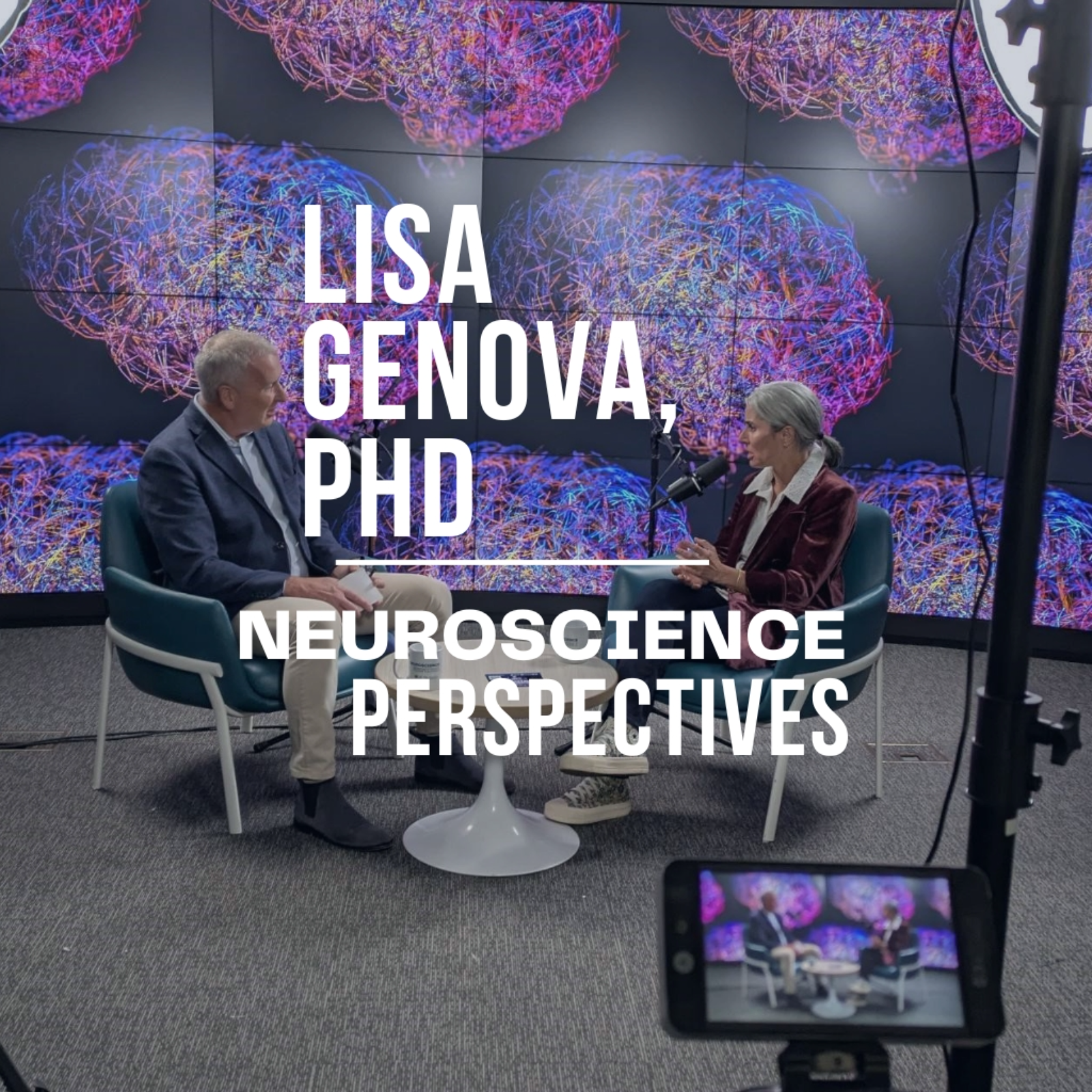
RE-RELEASE: Lisa Genova Novels and Neuroscience
Revisit the fascinating conversation with best-selling author and neuroscientist Lisa Genova, PhD. Her groundbreaking novel, Still Alice, coupled powerful storytelling with the reality of Alzheimer's disease. It launched Lisa Genova into the spotlight and Hollywood, but most importantly, it deepened the public’s understanding of the neurological condition. Lisa Genova continues to bridge science a
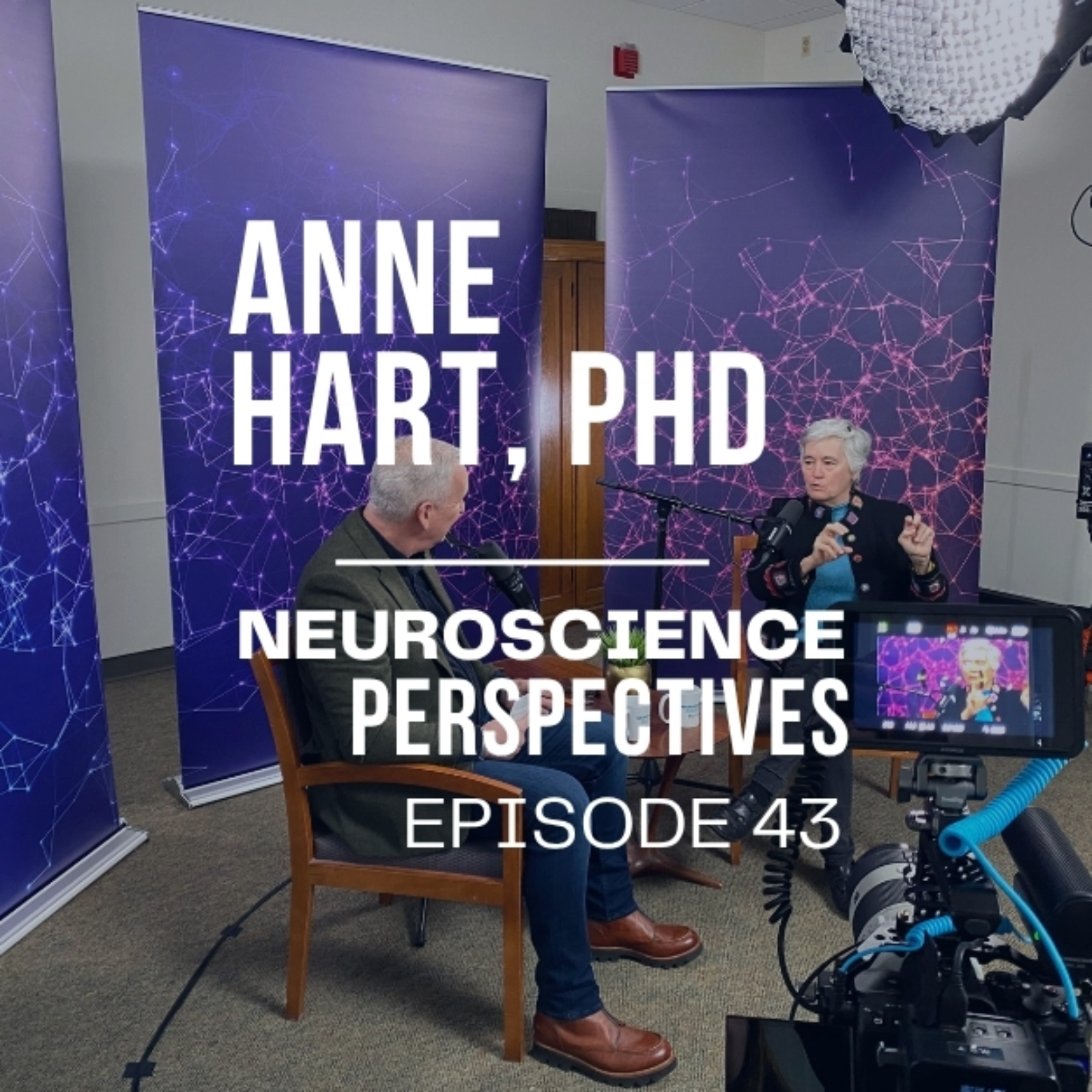
How can a microscopic roundworm help researchers understand the brain?
Anne Hart, PhD, professor and Chair of Neuroscience at Brown University, uses C elegans to study genetics, disease, and sleep. In this episode of Neuroscience Perspectives, she tells Dr. John Foxe about the bold move she made early in her career and how it paid off. She also shares the importance of using these simple animal models to ask complex questions.
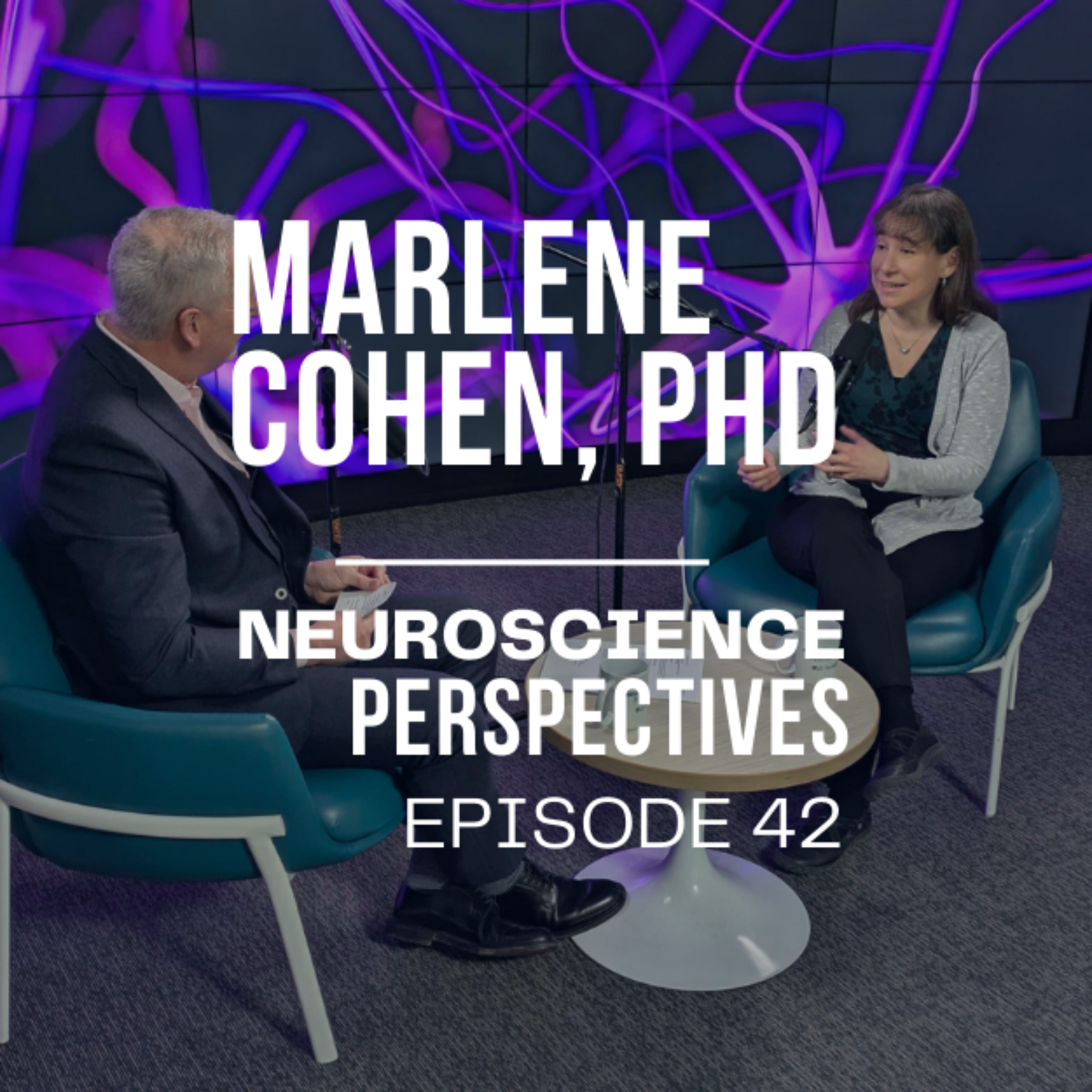
Why Can't You 'See' Everything? The Neuroscience Behind Selective Attention
Dr. Marlene Cohen, professor of Neurobiology at the University of Chicago's Neuroscience Institute, discusses how selective attention helps us pick out what is important in the world around us. Our eyes are constantly bombarded with information, which then enters the brain for processing. This highlights the intricate work of neuroscience in understanding brain function and how we perceive our env
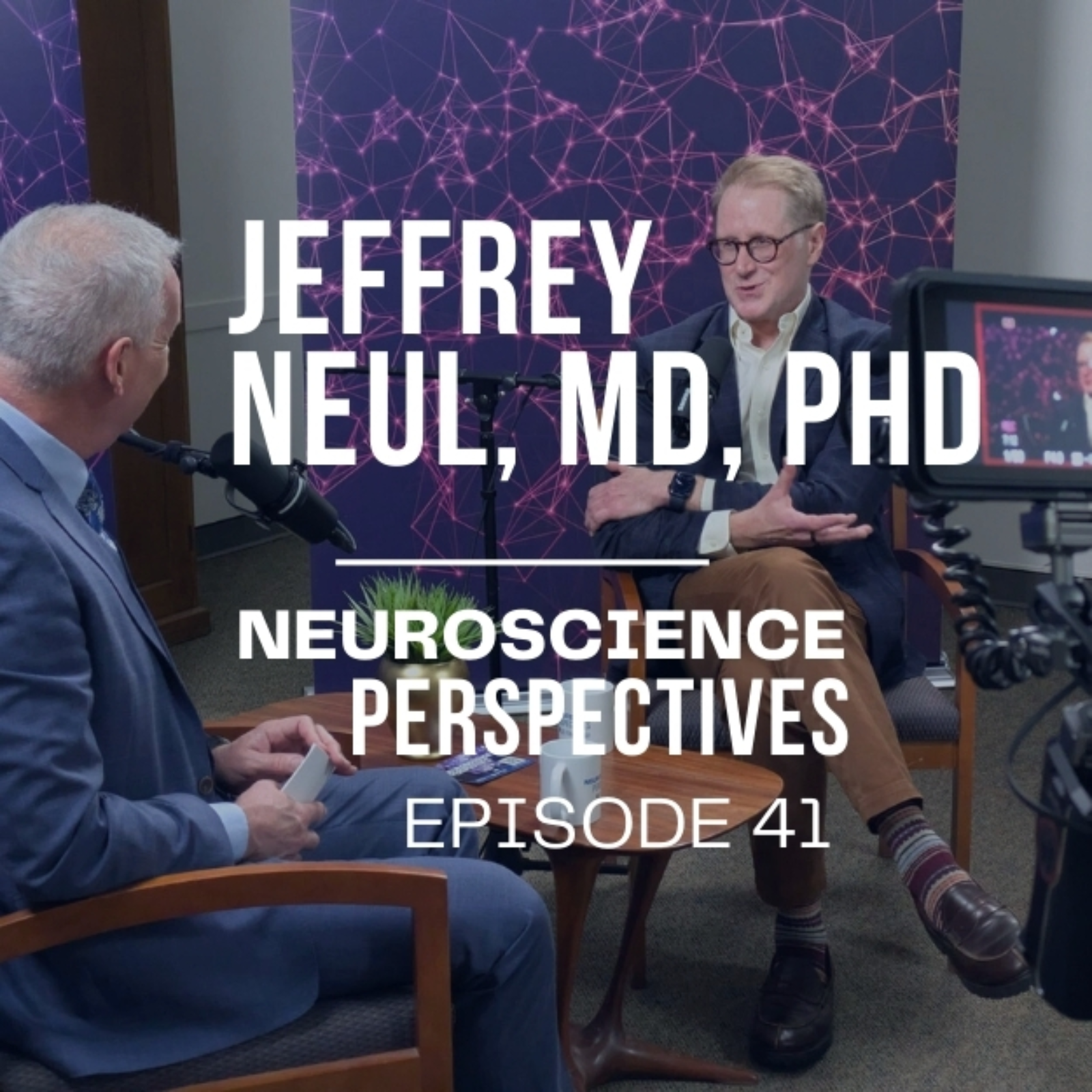
Rett Syndrome: Symptoms, Genetics, Science, and Clinical Trials
What is Rett syndrome—and how close are we to effective treatments? In this episode of Neuroscience Perspectives, Dr. John Foxe, director of the Del Monte Institute for Neuroscience at University of Rochester Medicine, sits down with Dr. Jeffrey Neul, a leading expert in pediatric neurology and neurodevelopmental disorders, to explore the latest breakthroughs in Rett syndrome research, clinical tr
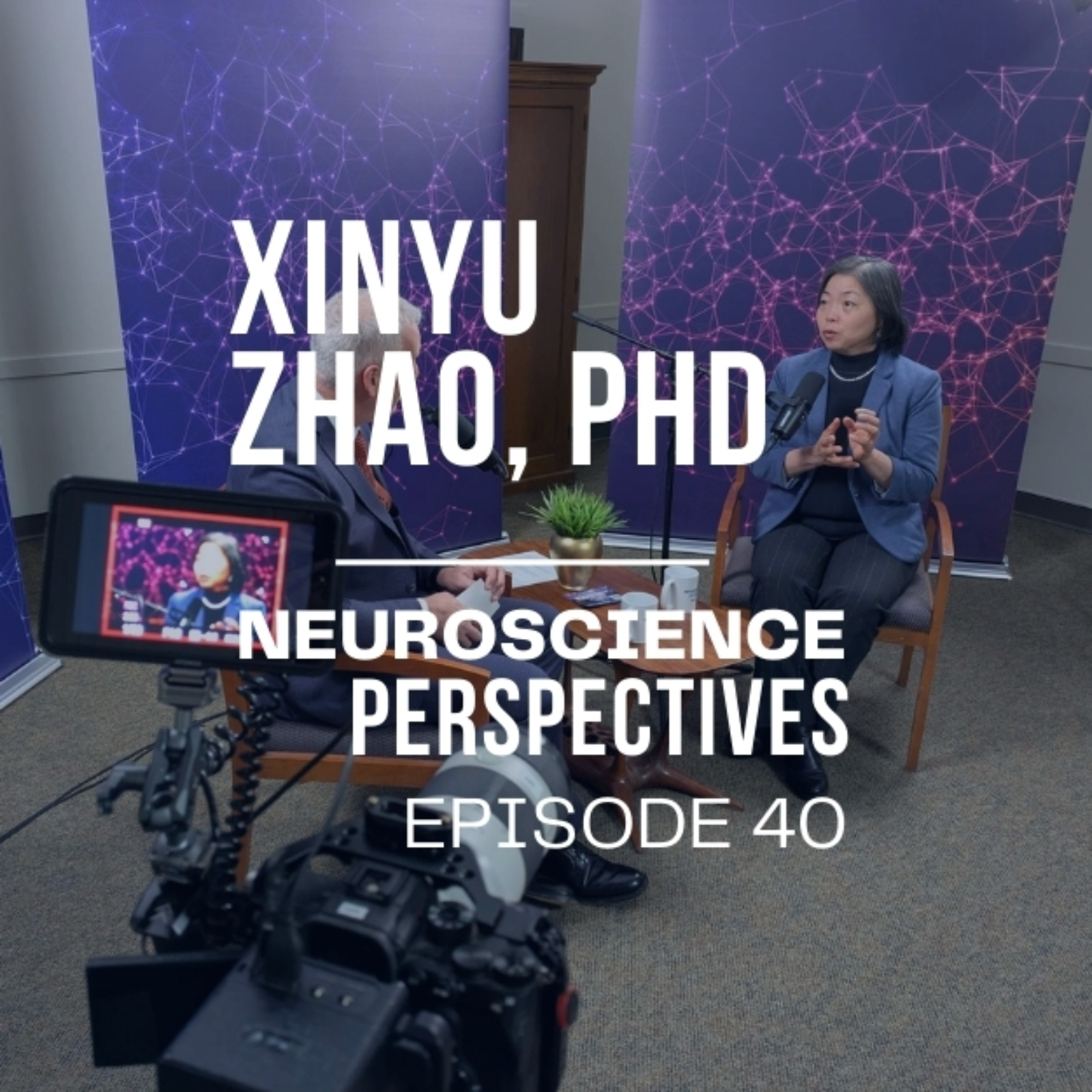
Brain Organoids Unlock New Understanding of Developmental Disorders
What the hippocampus tells us about exercise, learning, and memory. How organoids are being used in neurodevelopmental research. And the future of medicine and stem cell therapy. In this episode, Dr. Xinyu Zhao, Distinguished Professor of Neuroscience at the University of Wisconsin–Madison, and investigator at the Waisman Center, joins John Foxe, PhD, director of the Del Monte Institute for Neuros
What the Developing Brain Could Reveal About Autism
In this episode of Neuroscience Perspectives, we speak with Dr. Shafali Jeste, an internationally recognized child neurologist whose research has advanced the identification of early biomarkers that predict autism spectrum disorder and epilepsy in infants with Tuberous Sclerosis Complex. Dr. Jeste shares how brain imaging and EEG are advancing our understanding of infant brain development. Dr. Jes
Neurons Don't Work Alone: What Neuroscientists Know About Memory Formation
🧠How do memories form in the brain? How do individual neurons create memories? In this episode of Neuroscience Perspectives, Ueli Rutishauser, PhD, professor of Neurosurgery, Neurology & Biomedical Sciences, and director of Human Neurophysiology Research and the Center for Neural Science and Medicine at Cedars-Sinai, explores groundbreaking neuroscience research on memory formation, learning,
The Role of Neurons in Our Decisions & Behavior
In this episode of Neuroscience Perspectives, Dr. Anne Churchland, professor of Neurobiology at the David Geffen School of Medicine and the Brain Research Institute at the University of California, Los Angeles, explores how the brain transforms sensory information into decisions. Through the use of neuroscience, mouse models, and data analysis, she examines the neural circuits in the cortex that c
The Future of Memory: Single Neurons, Consciousness & Cognitive Decline
Join this conversation with the world-renowned neurosurgeon and neuroscientist, Dr. Itzhak Fried. In this episode of Neuroscience Perspectives, Dr. Fried, professor of neurosurgery, psychiatry, and biobehavioral sciences, and co-director of the UCLA Seizure Disorder Center at the UCLA School of Medicine he is a pioneering researcher and recipient of major international awards, including the Ramon
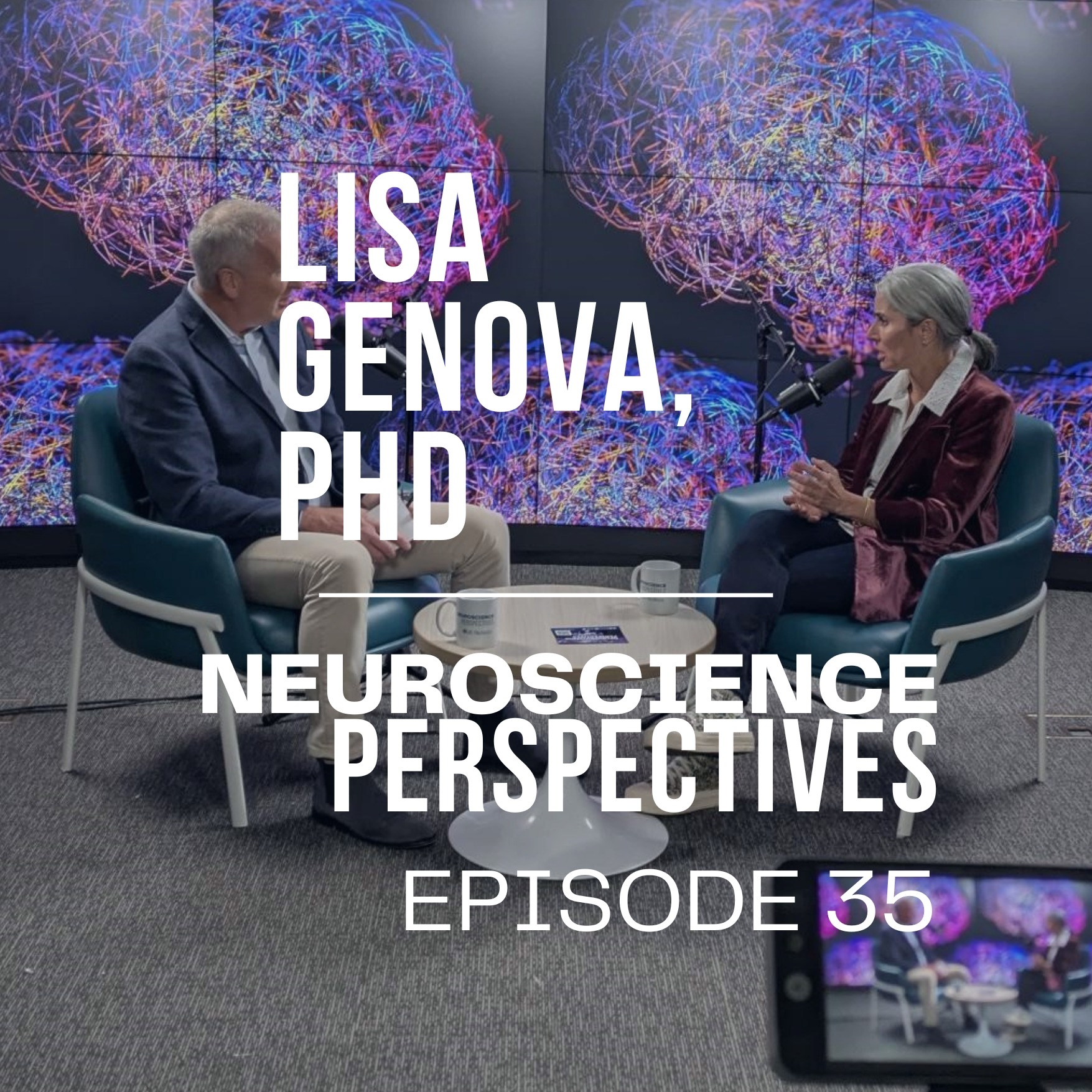
What Happens When Science Meets Storytelling? With Best-Selling Author & Neuroscientist Lisa Genova
In this episode of Neuroscience Perspectives, host John Foxe, PhD, sits down with neuroscientist and New York Times bestselling author Dr. Lisa Genova — acclaimed for her groundbreaking novel Still Alice and her powerful storytelling that brings neurological diseases to life. Dr. Genova bridges science and storytelling to deepen public understanding of conditions such as Alzheimer’s, Huntington’s,
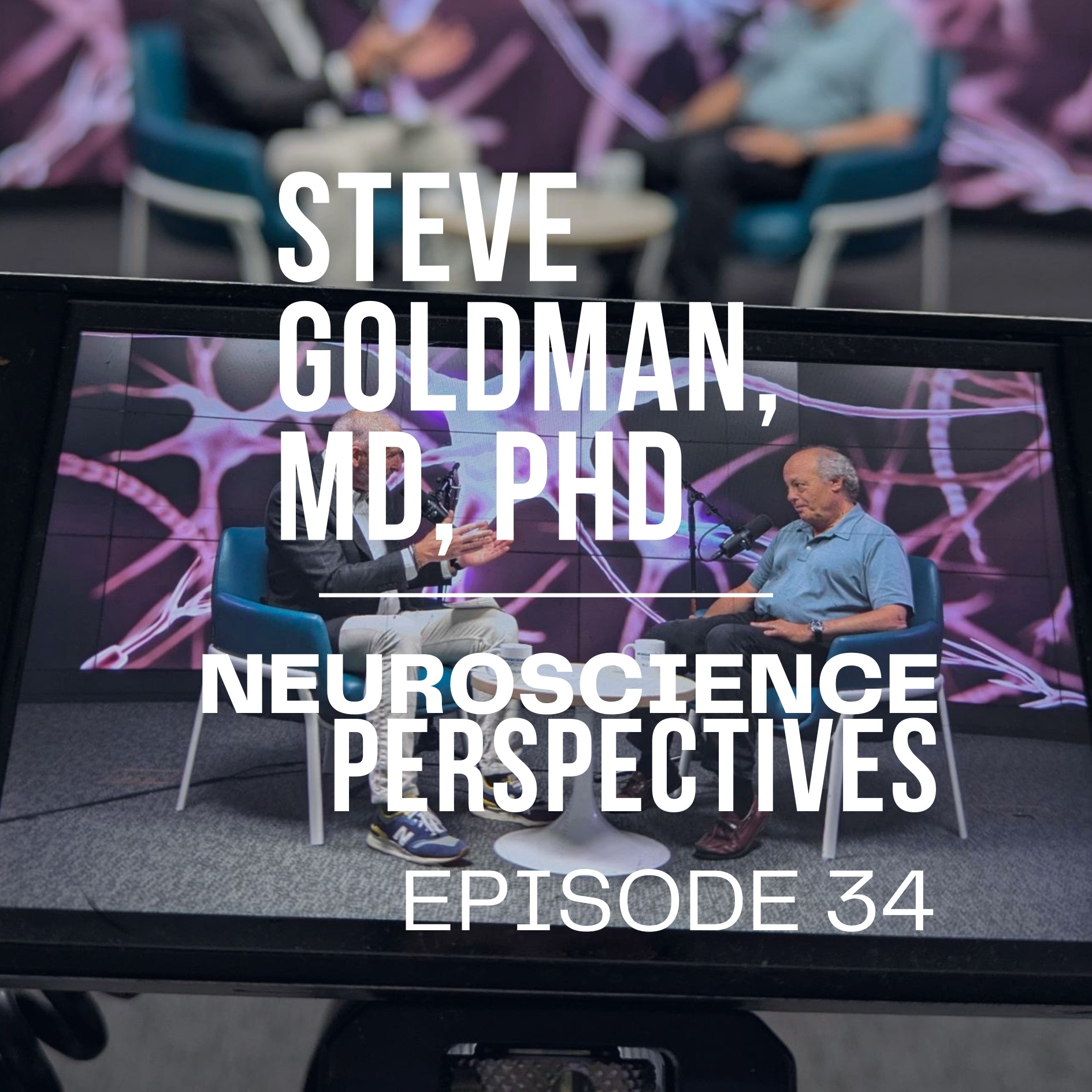
Can the Brain Be Repaired by Replacing Its Cells?
In this episode of Neuroscience Perspectives, Steven Goldman, MD, PhD, URMC Distinguished Professor in Neurosciences at the University of Rochester Medical Center, discusses groundbreaking neuroscience research on brain cell repair, stem cell therapy, and regenerative medicine. Learn how his early research in birds has led to research that shows the adult brain can generate new neurons that integr
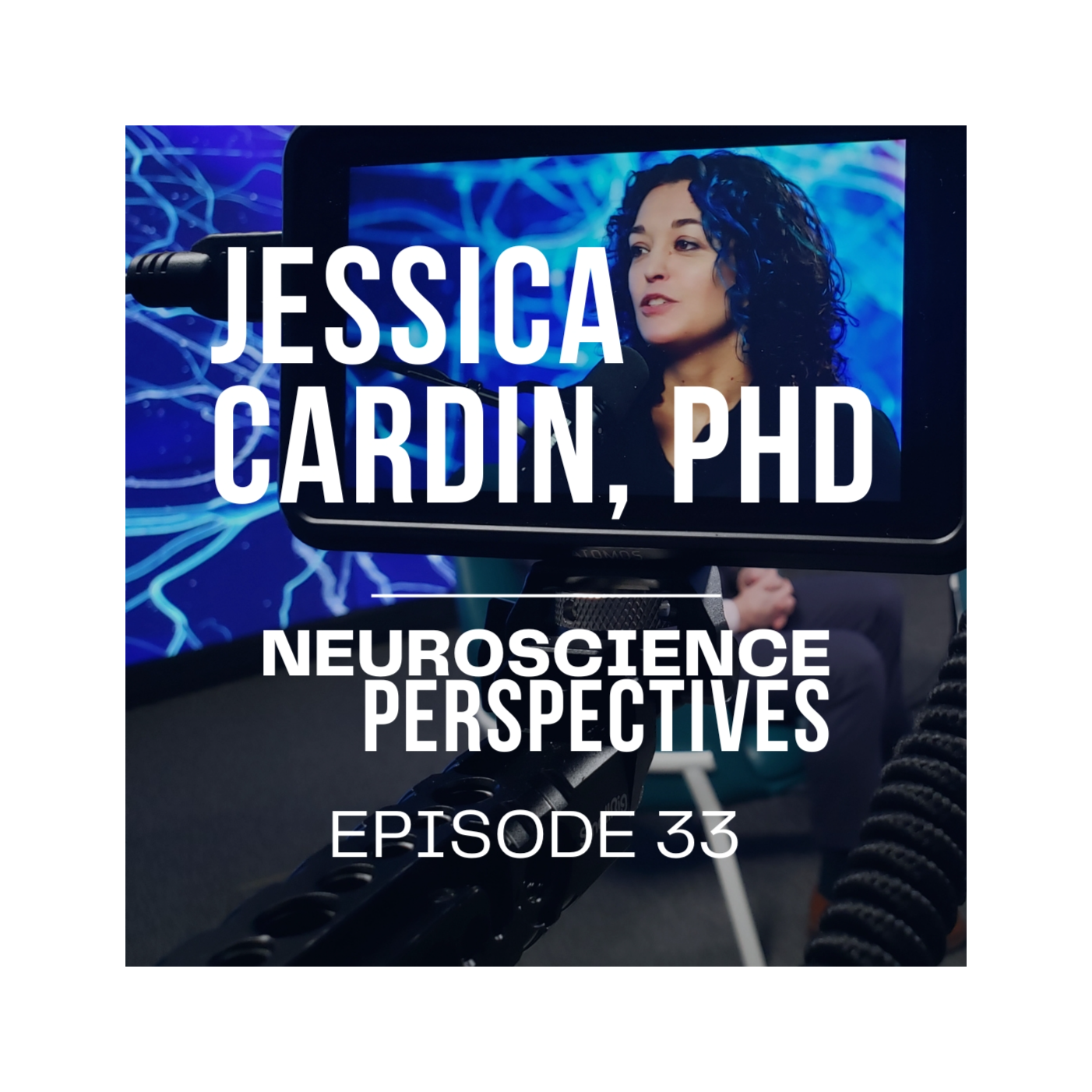
RE-RELEASE: Jessica Cardin, PhD - From Daydreaming To Laser Focus How Your Brain Changes
In this episode of Neuroscience Perspectives, take on the complex circuits of the brain with Jessica Cardin, PhD, professor of neuroscience at Yale University School of Medicine. Join host John Foxe, PhD, director of the Del Monte Institute for Neuroscience at the University of Rochester, as he and Dr. Cardin discuss how brain states shift—from zoning out to laser focus—and the chemical signals an
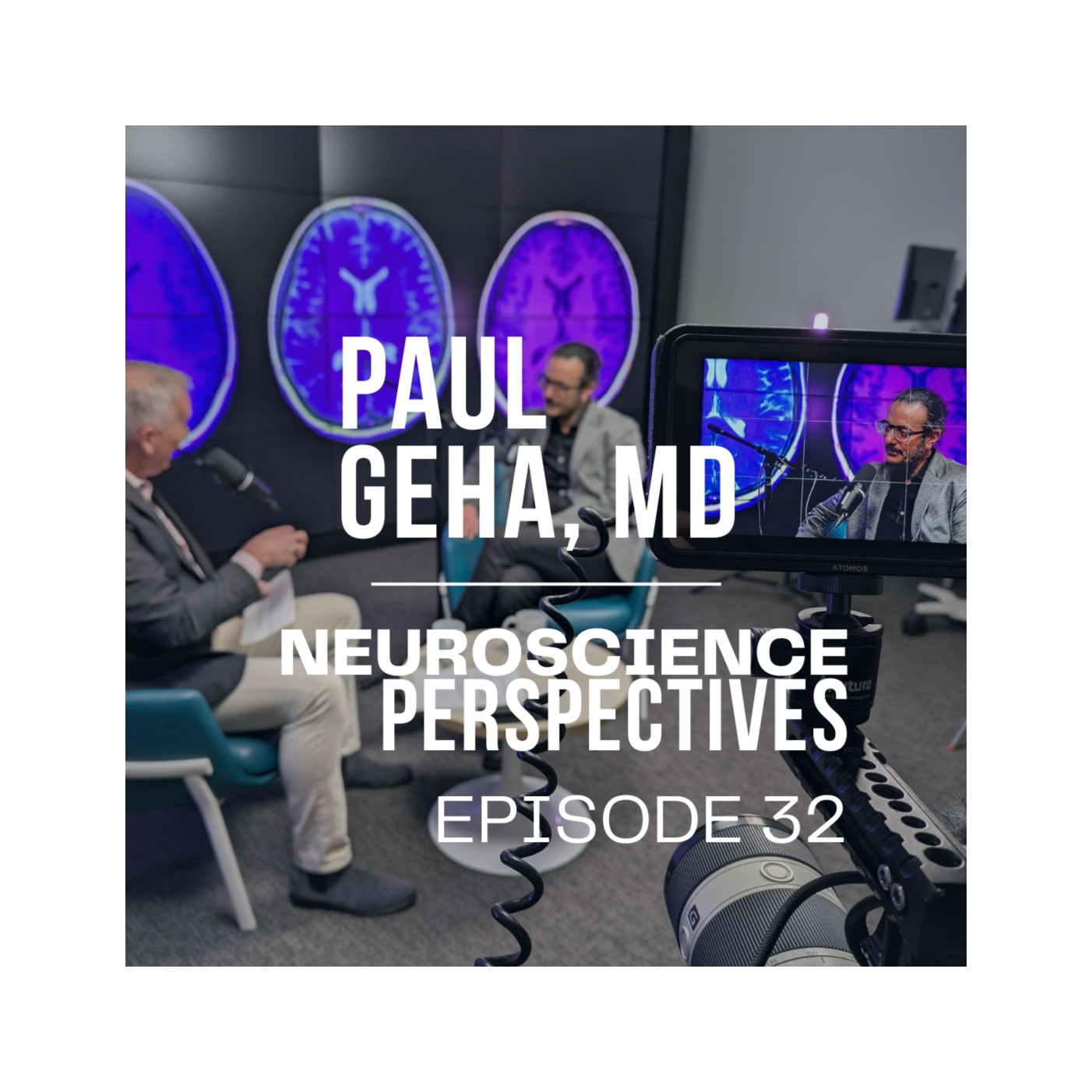
Can the Brain Help Predict Chronic Pain Risk
In this episode of Neuroscience Perspectives, we explore one of medicine’s most complex and pervasive challenges—chronic pain. Host John Foxe, PhD, director of the Del Monte Institute for Neuroscience at the University of Rochester, sits down with Paul Geha, MD, associate professor of Psychiatry, Neuroscience, Neurology, and Dentistry at the University of Rochester Medical Center. Together, they u
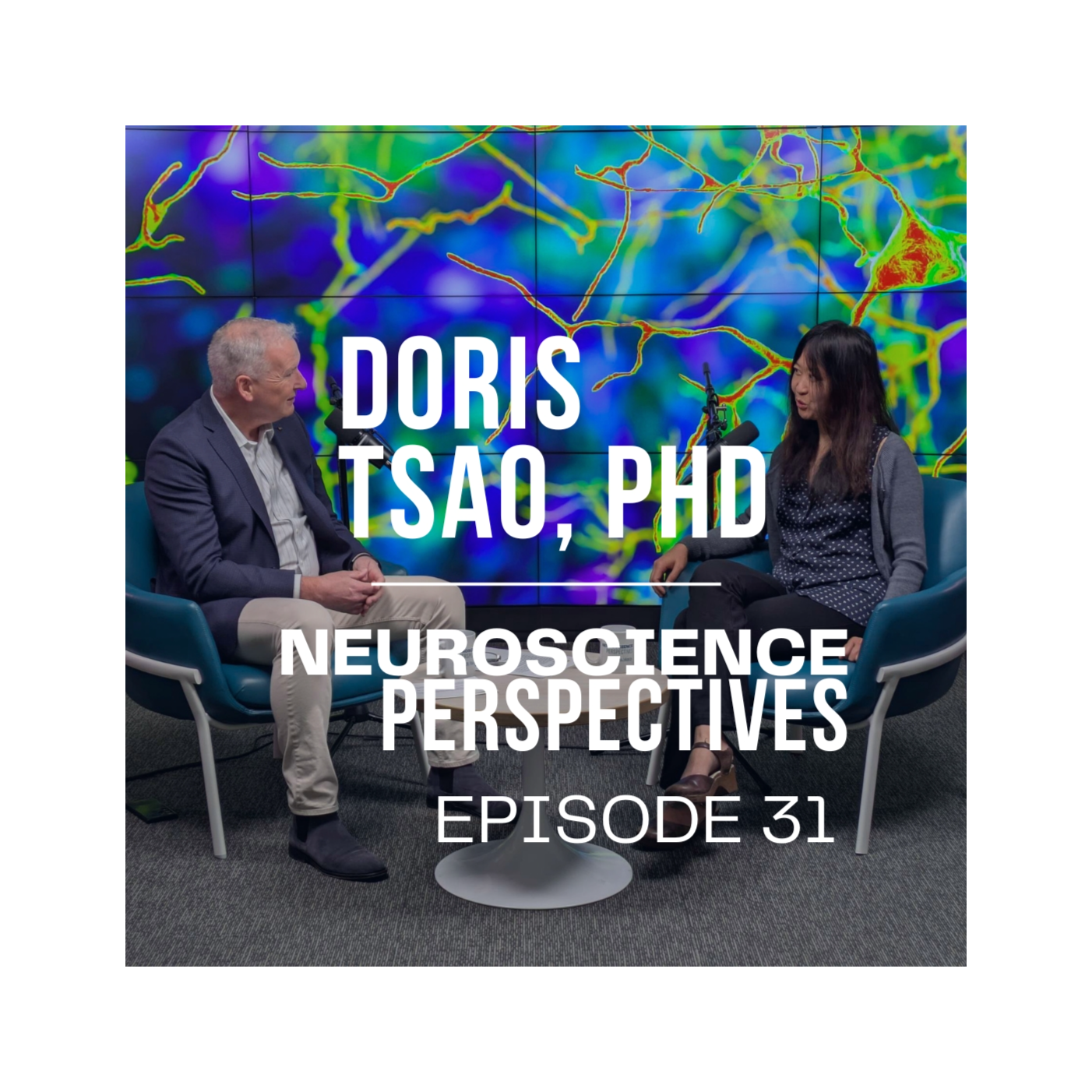
The Brain vs AI: Dr. Doris Tsao & Why the Brain is More Efficient than AI
Join Dr. John Foxe, Director of the Del Monte Institute for Neuroscience at the University of Rochester, as he welcomes renowned neuroscientist Dr. Doris Tsao to Neuroscience Perspectives. Dr. Tsao shares how her pioneering research has transformed our understanding of how the brain processes visual information. Her lab helped discover that it only takes a few hundred neurons to encode any face –
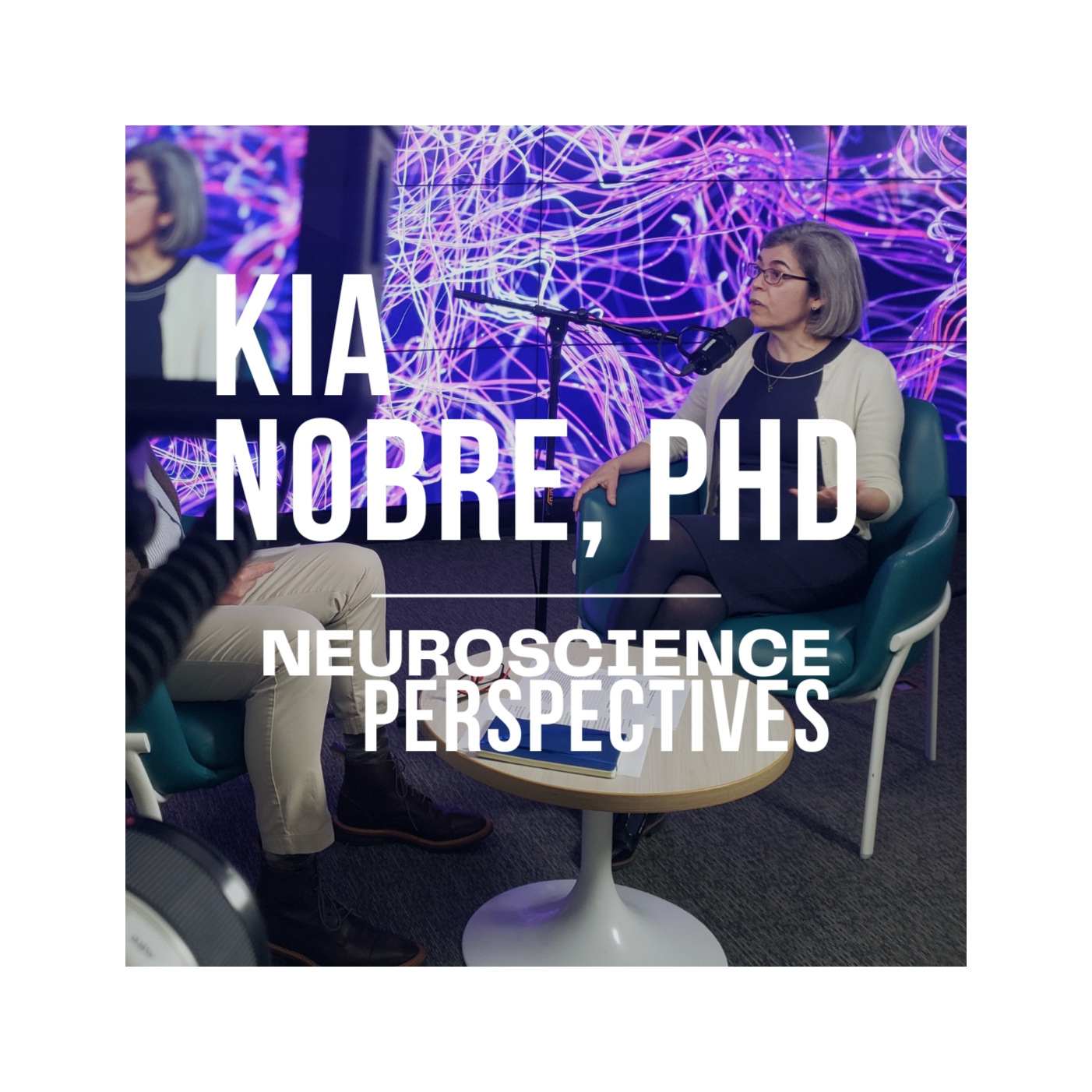
RE-RELEASE: Kia Nobre, PhD - How Is the Brain Organized for Adaptive Thinking and Behavior?
Kia Nobre, PhD, is the director of the Center for Neurocognition and Behavior at the Wu Tsai Institute at Yale University. Her discoveries have revolutionized our scientific understanding of the human mind and brain. This episode was originally released on 6/20/2024. She tells John Foxe, PhD, director of the Del Monte Institute for Neuroscience, about the great gift she acquired as a child that le
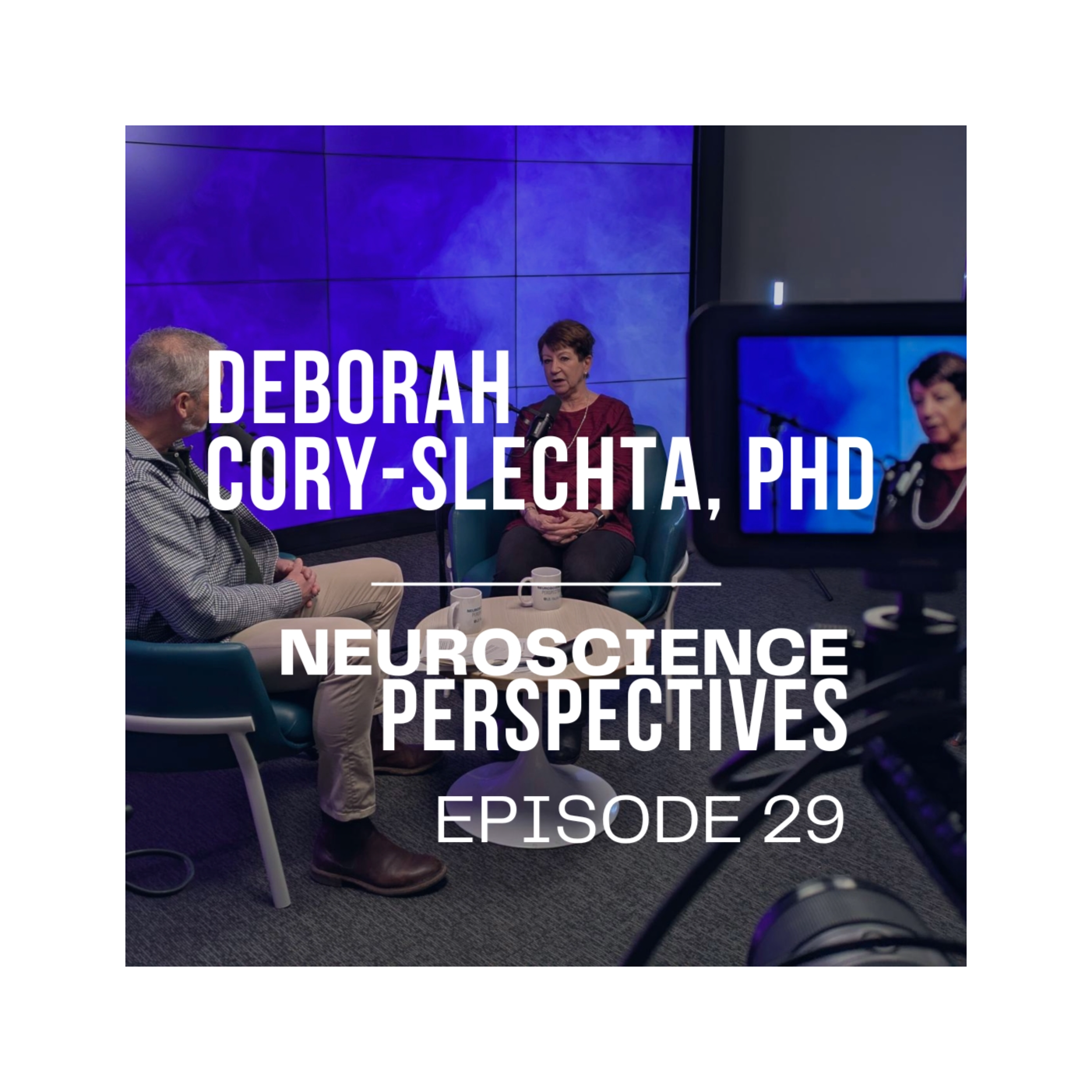
Exploring the Impact of Environmental Chemicals on Brain Health
Dr. Deborah Cory-Slechta is a leading researcher at the University of Rochester. She is a professor with appointments in Environmental Medicine, Neuroscience, and Public Health Sciences. She co-leads the University’s Intellectual and Developmental Disabilities Research Center Animal Behavior and Neurophysiology Core. She has chaired the Department of Environmental Medicine and led its National Ins
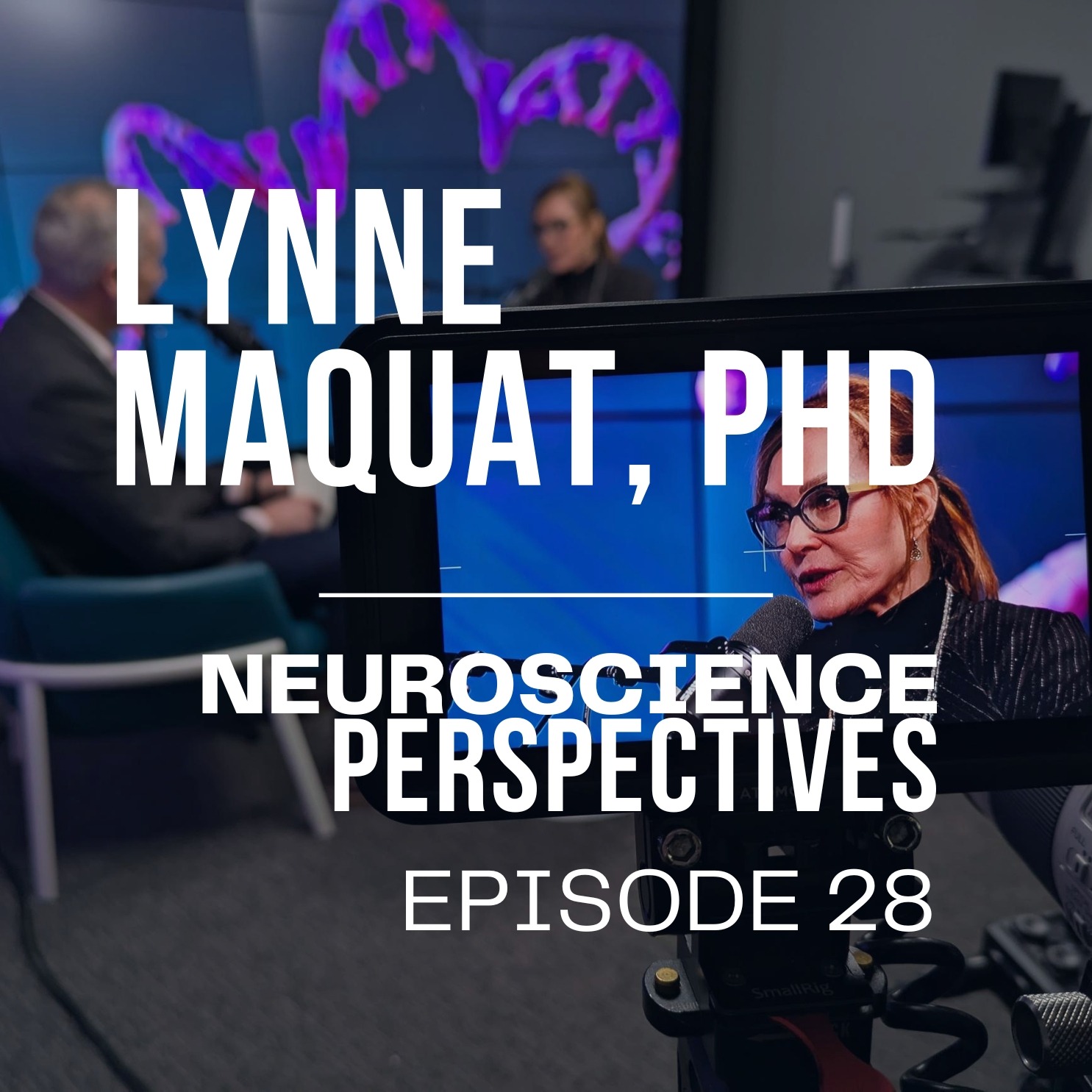
Neuroscience & RNA Biology: How mRNA Decay Shapes Health & Disease
How does RNA biology influence cell function, gene expression, and disease mechanisms? In this episode of Neuroscience Perspectives, host John Foxe, PhD, director of the Del Monte Institute for Neuroscience at the University of Rochester (UR), sits down with Lynne Maquat, PhD, director of the Center for RNA Biology at UR, and J. Lowell Orbison Endowed Chair and Professor of Biochemistry & Biop
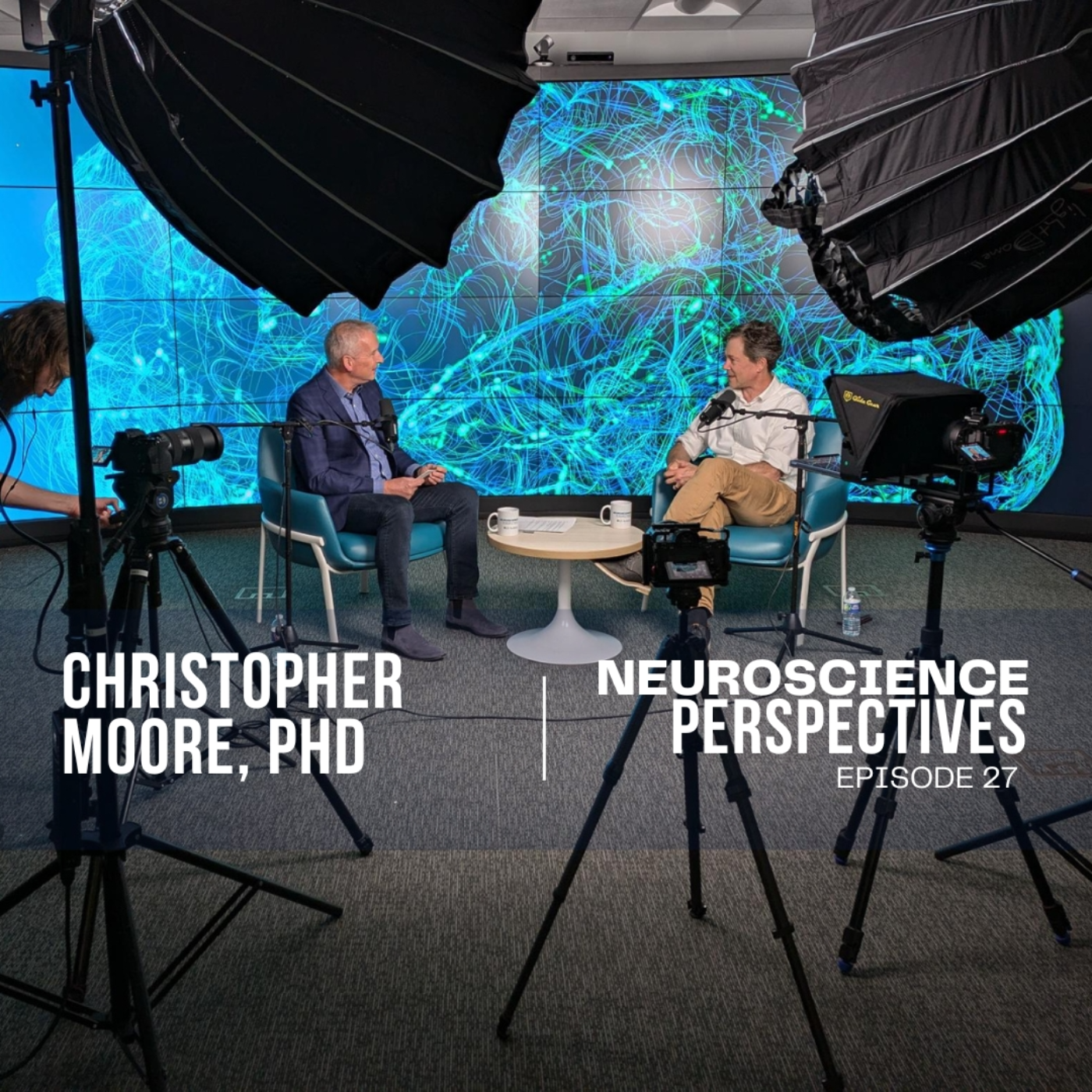
Your Brain & Perception: Using Science to Understand How We See the World
How brain dynamics, perception, and neural processing offer a deeper understanding of how brain activity shapes our understanding of the world. Christopher Moore, PhD, associate director of the Carnegie Institute of Brain Science and professor of Neuroscience at Brown University, joins Neuroscience Perspectives host John Foxe, PhD, director of the Del Monte Institute for Neuroscience at the Univer
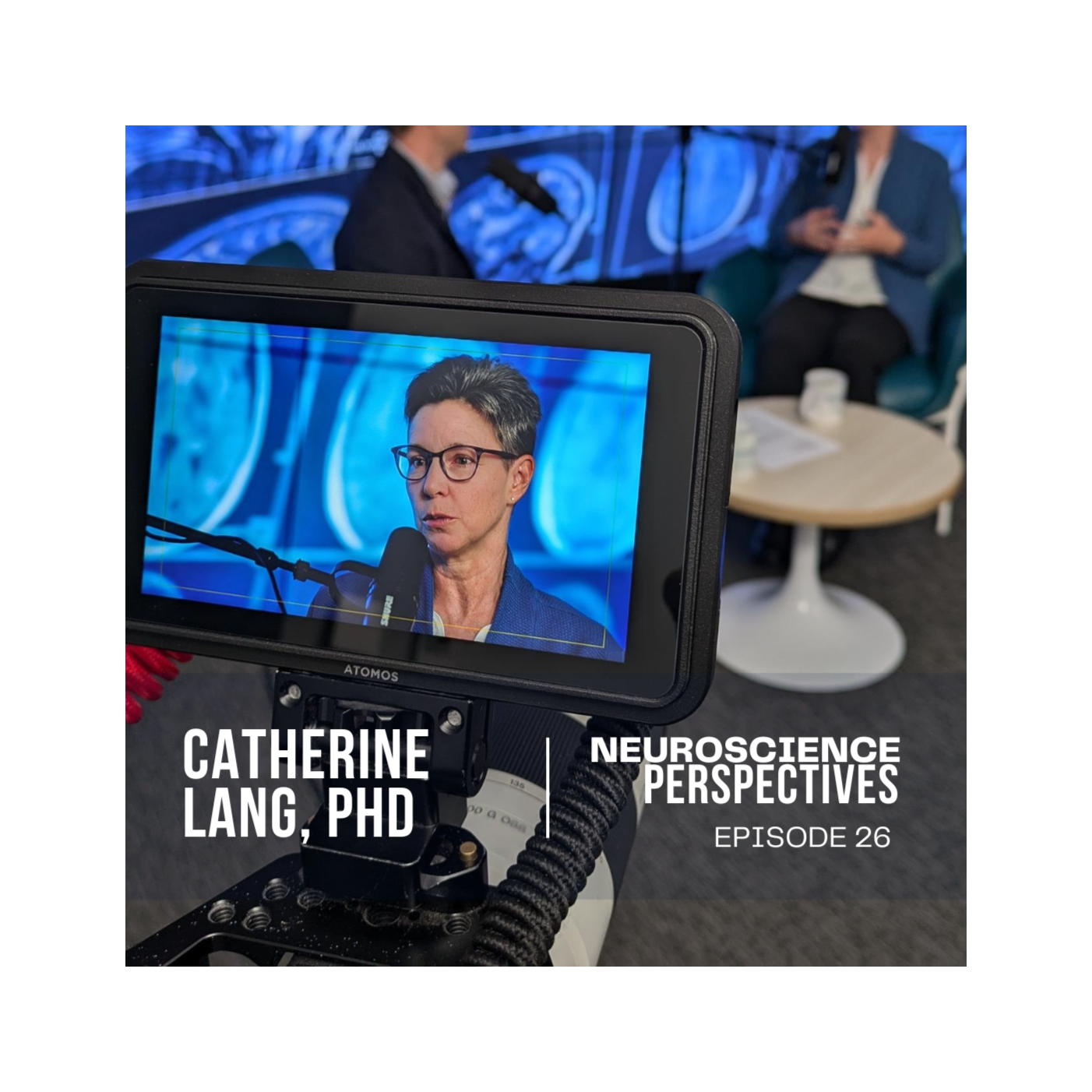
Recovering From Stroke - How Physical Therapy & Neuroscience are Advancing Care
The intersection of stroke rehabilitation & neuroscience research is transforming our understanding of the brain and recovery after a stroke. Catherine Lang, PT, PhD, Barbara J Norton Professor of Physical Therapy, Professor of Neurology and Occupational Therapy, and Associate Director of the Movement Science Program at the University of Washington in St. Louis, shares expert insights into str
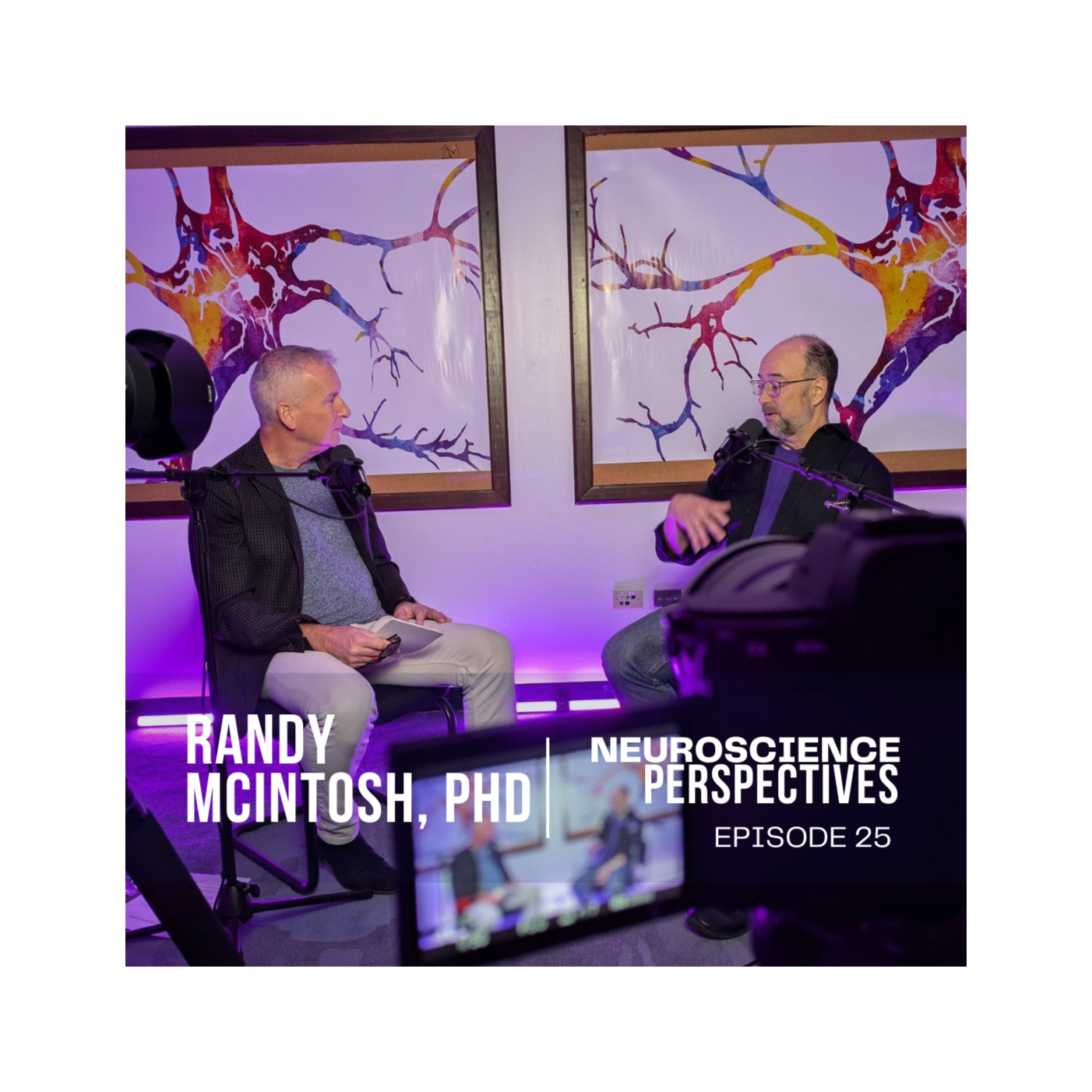
What Happens When You Combine AI and Neuroscience?
Can we predict brain health across a lifetime? Just as a knee injury at 20 might cause problems later, researchers are exploring how early brain experiences shape future brain health. In this episode of Neuroscience Perspectives, Dr. Randy McIntosh, Professor and Director at the Institute for Neuroscience and Neurotechnology at Simon Fraser University, discusses groundbreaking insights into brain
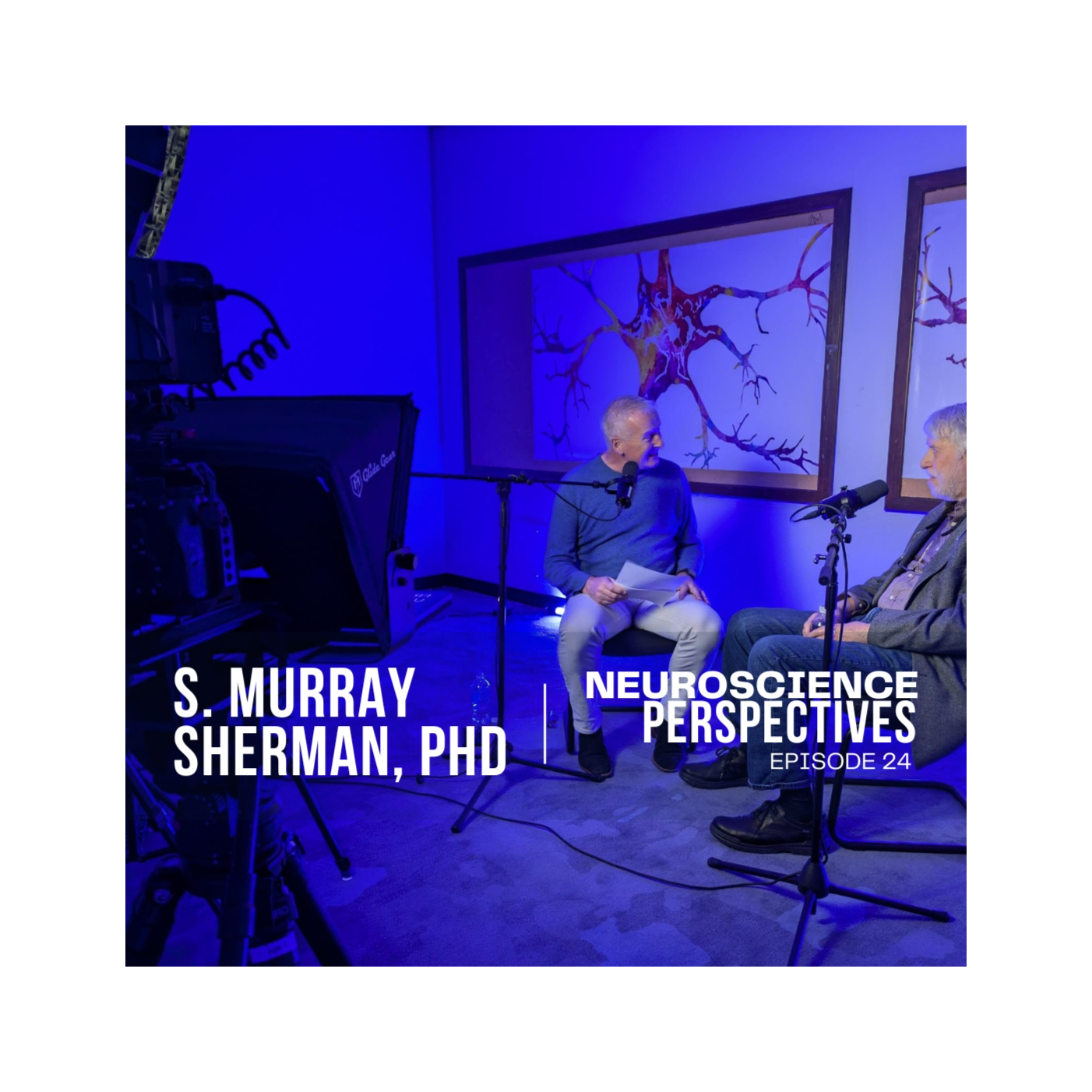
Unlocking the Brain's Communication Hub: The Power of the Thalamus with Dr. S. Murray Sherman
In this special episode of Neuroscience Perspectives, host John Foxe, PhD, director of the Del Monte Institute for Neuroscience at the University of Rochester, sits down with S. Murray Sherman, PhD, Maurice Goldblatt Professor of Neurobiology at the University of Chicago, in Chicago at the annual Society for Neuroscience (SfN) conference. Sherman is a neuroscientist known for his groundbreaking wo
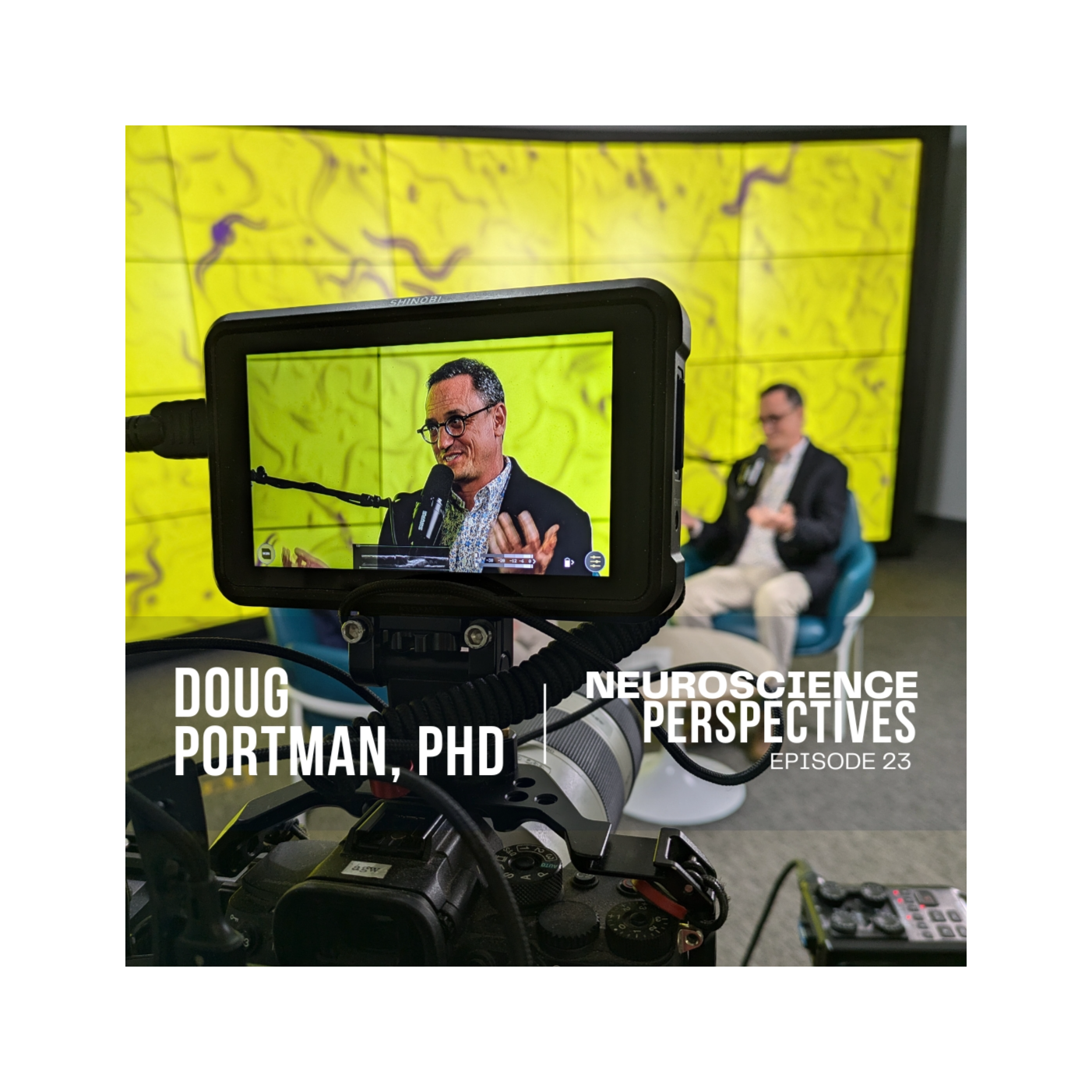
Exploring the Genetic Dance of Neurons: What Roundworms Reveal About Behavior
In this episode of Neuroscience Perspectives, we dive into the microscopic world of C. elegans—tiny roundworms that are revolutionizing our understanding of genetics and behavior. Join host John Foxe, PhD, director of the Del Monte Institute for Neuroscience at the University of Rochester as he chats with Doug Portman, PhD, the Donald M. Foster Professor of Biomedical Genetics, Biology, and Neuros
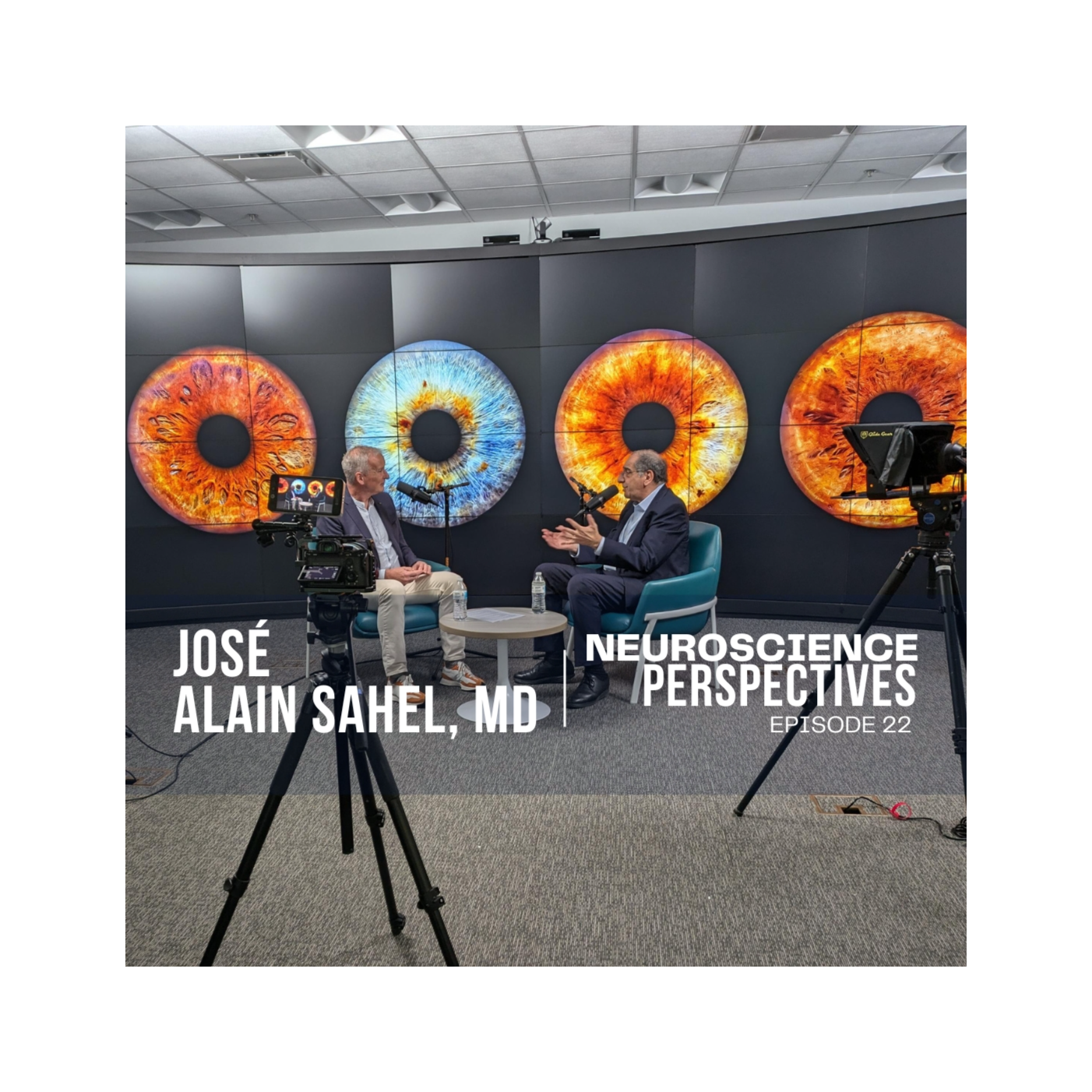
How a quest to find solutions for vision loss- turned a clinician into a scientist
José Alain Sahel, MD, is a distinguished professor, eye and ear foundation professor, and chair of the Department of Ophthalmology at the University of Pittsburgh School of Medicine. He is also the director of the UPMC Vision Institute. Dr. Sahel is a leading expert in retinal diseases and vision restoration research and is a pioneer in optogenetic vision restoration. This therapeutic technique us
What helped launch leaders in neuroscience into a lifetime of learning
Is there a defining moment that set you on your current path? In this episode of Neuroscience Perspectives, we’re revisiting origin stories – what launched leading neuroscientists into a lifetime of learning and interest in the brain. Host: John Foxe, PhD, director of the Del Monte Institute for Neuroscience Guests (in order of appearance): Nathan A. Smith, PhD, associate dean for Equity & Inc
Neuroscience insights: How to steer toward success in science
How often do you think about science fits into your life
and how you fit into the field? For our 20th episode we are looking back at some of the advice that’s been shared by our guests on Neuroscience Perspectives.
Host: John Foxe, PhD, director of the Del Monte
Institute for Neuroscience
Guests (in order of appearance):
Katalin Gothard, PhD, professor of Physiology and
Neuroscience at the Unive
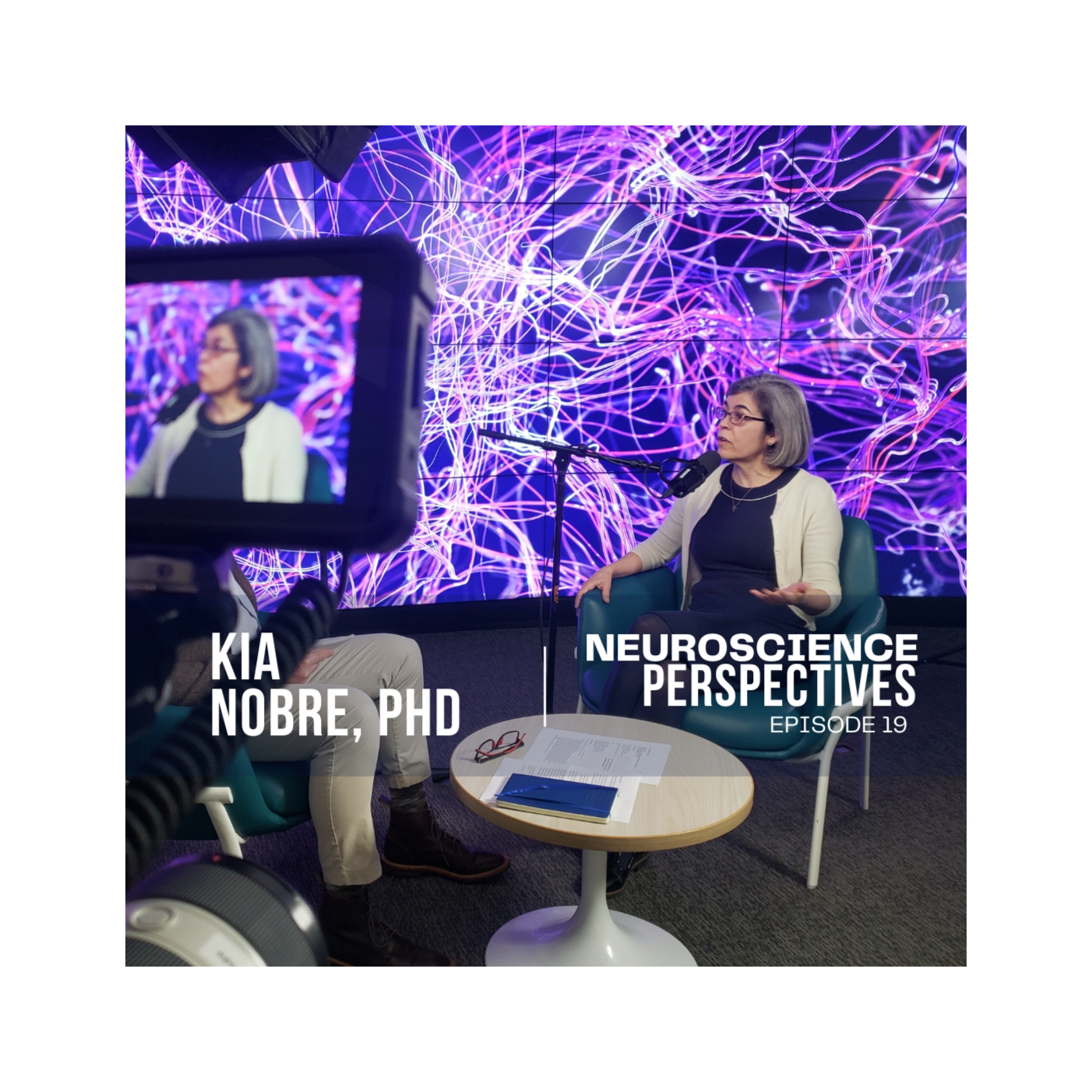
How are the brain systems that support adaptive human cognition and behavior organized?
Kia Nobre, PhD, is the director of the Center for Neurocognition and Behavior at the Wu Tsai Institute at Yale University. Her discoveries have revolutionized our scientific understanding of the human mind and #brain. She tells John Foxe, PhD, director of the Del Monte Institute for Neuroscience, about the great gift she acquired as a child that leveraged her education at an early age. Nobre recen
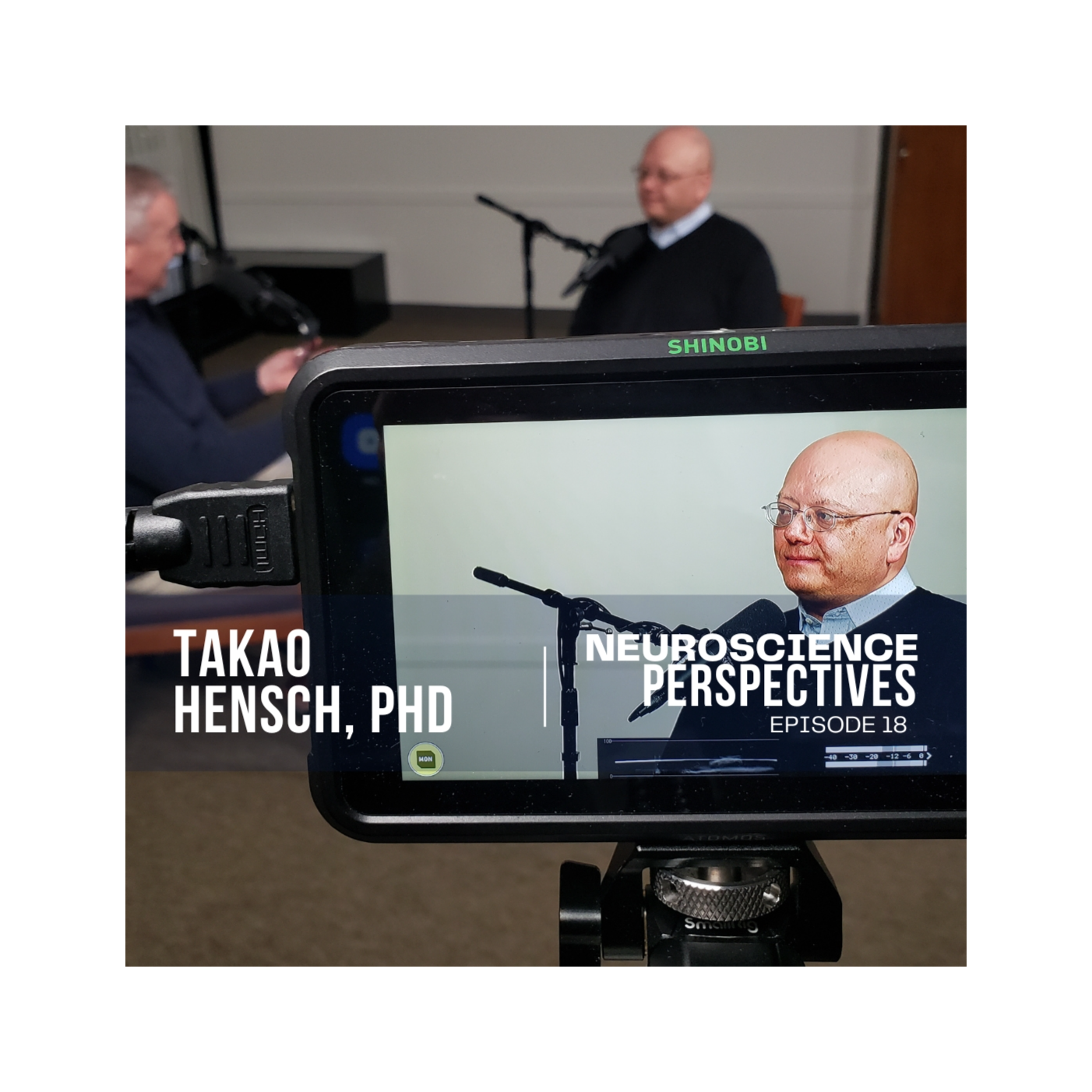
How do early life experiences shape brain function and critical periods of brain development?
Takao Hensch, PhD, is a professor of Neurology at Harvard Medical School at Boston Children’s Hospital and a professor of Molecular and Cellular Biology at Harvard’s Center for Brain Science. He leads the National Institute of Mental Health Silvio Conte Center on Mental Health Research at Harvard and the International Research Center for Neurointelligence. Dr. Hensch joins John Foxe, PhD, directo
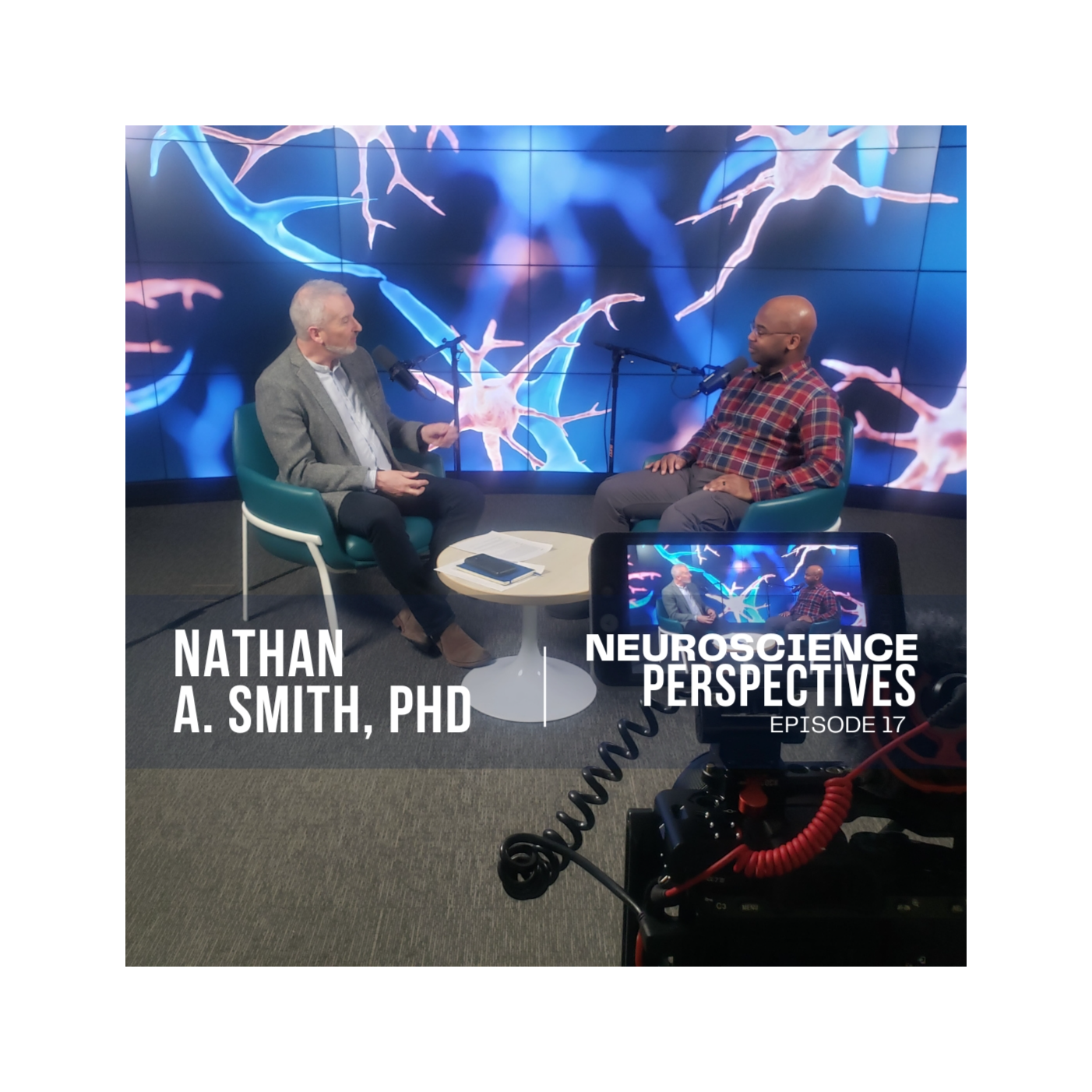
How are injury and illness monitored in the brain? And how can scientists diversify the bench?
How are injury and illness monitored in the brain? Once thought of as the glue of the brain, glia cells have been proven to play a key role in brain health with astrocytes acting as important messengers. These star-like cells are at the center of the research of Nathan A. Smith, PhD, associate dean for Equity & Inclusion for Research and Research Education and associate professor of Neuroscien
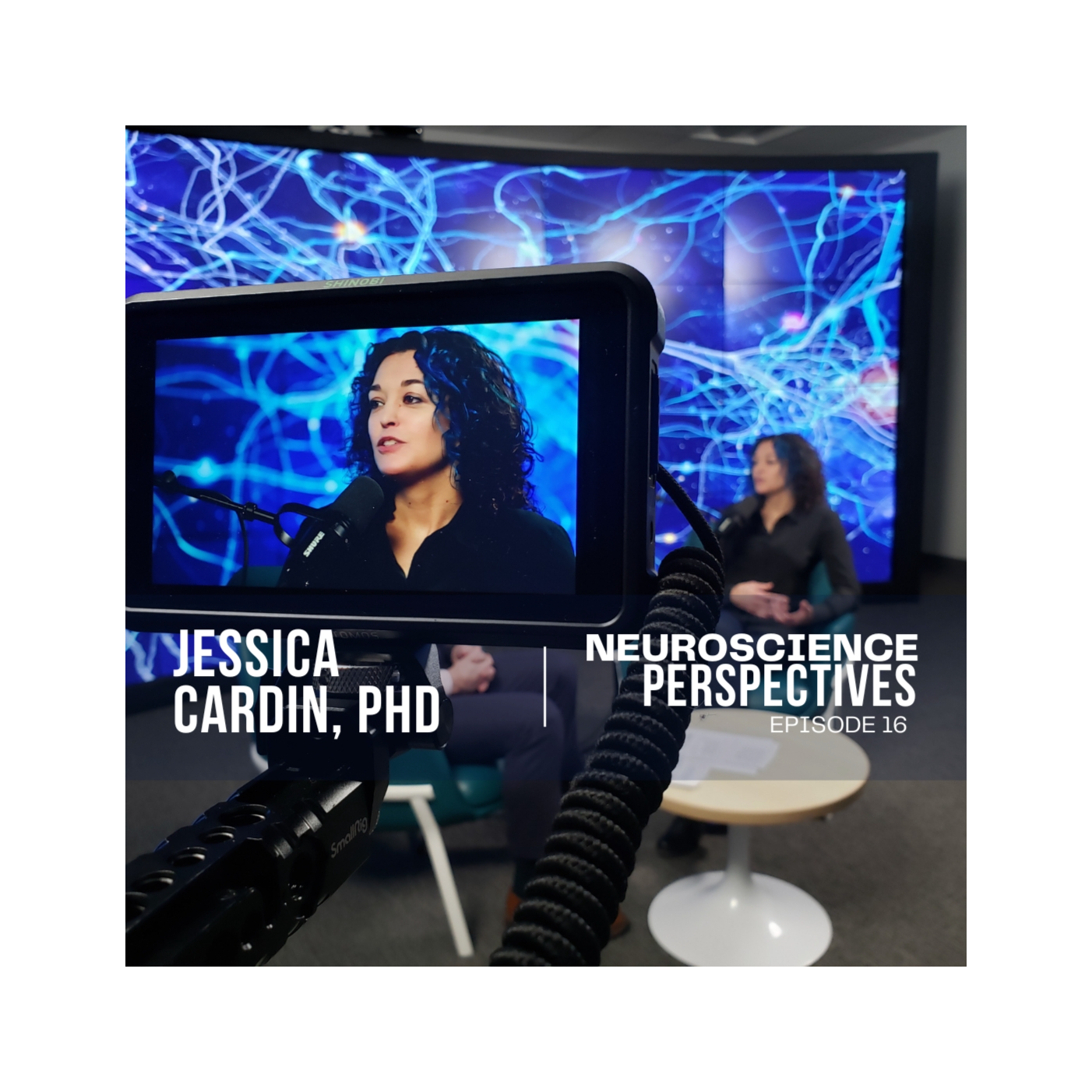
How do we learn? How does our brain change between different mental states?
What changes happen at the cellular level in the cerebral cortex between concentration and daydreaming?
Jessica Cardin, PhD, associate professor and vice chair of the Neuroscience Department at Yale School of Medicine, joins John Foxe, PhD, director of the Del Monte Institute for Neuroscience at the University of Rochester, on NeURoscience Perspectives. They explore her interest in understanding
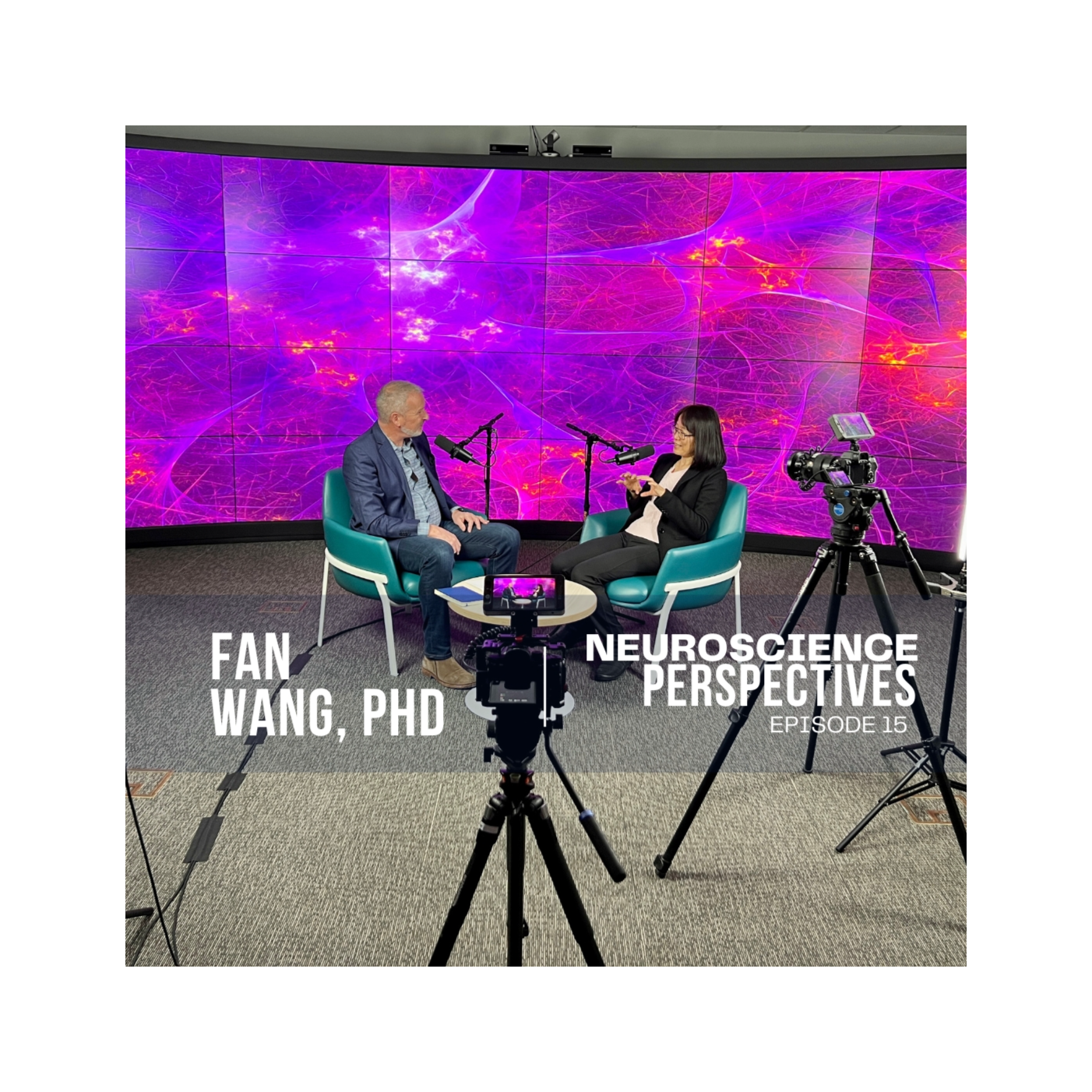
How does the brain perceive touch? How does it process pain?
How does the brain perceive touch? How does it process pain?
Could what we know about pain better inform treatments for addiction? Fan Wang, PhD, professor in the Brain and Cognitive Sciences department at the McGovern Institute for Brain Research at MIT, joins John Foxe, PhD, director of the Del
Monte Institute for Neuroscience at the University of Rochester for this engaging discussion in NeURos
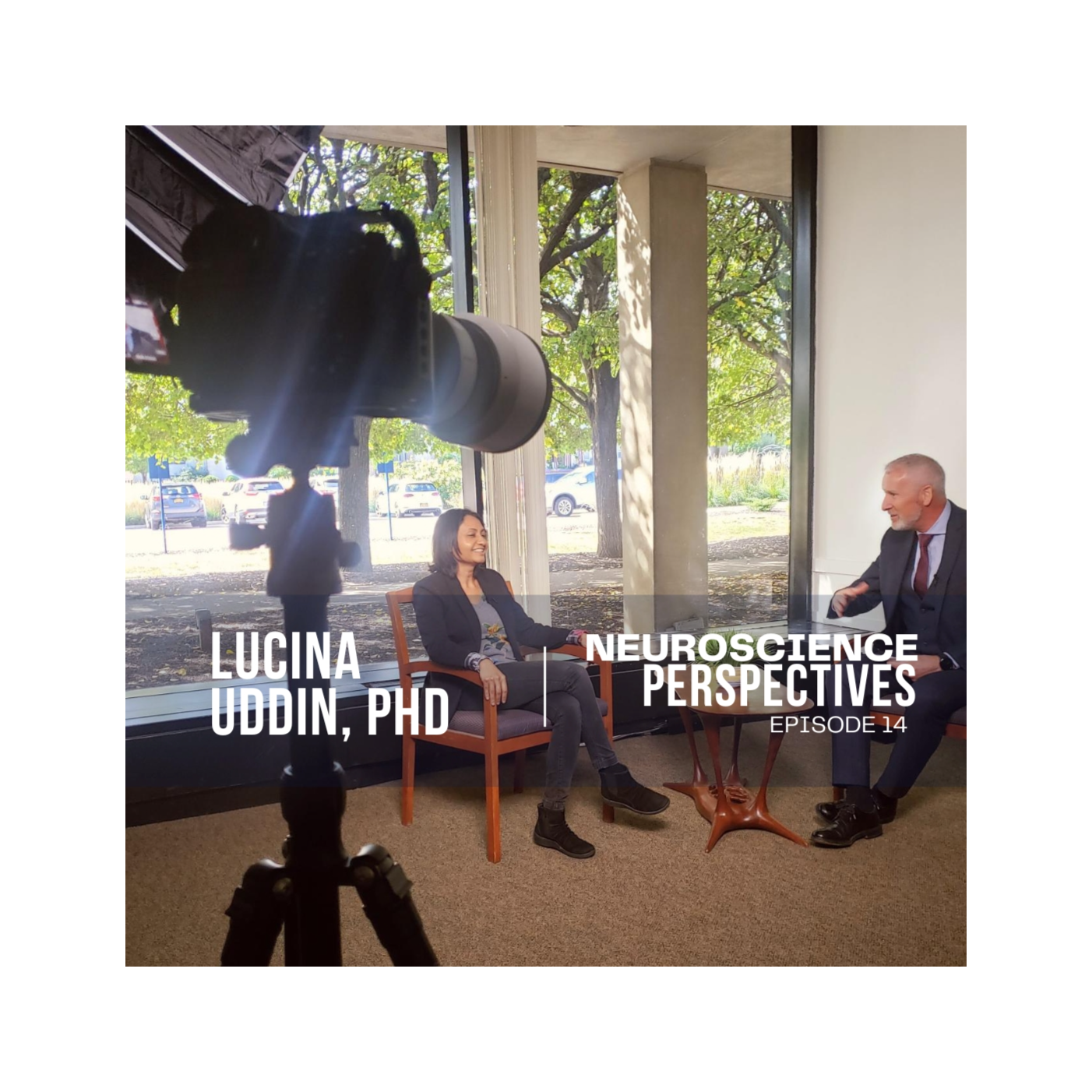
What does the spontaneous activity in the brain tell us?
Lucina Uddin, PhD, professor-in-residence of Psychiatry and Biobehavioral Sciences at University of California, Los Angeles, joins John Foxe, PhD, director of the Del Monte Institute for Neuroscience at the University of Rochester for this engaging discussion in NeURoscience Perspectives. Hear her journey to research, how she’s taking on diversity and inclusion in the NIH funded largest long-term
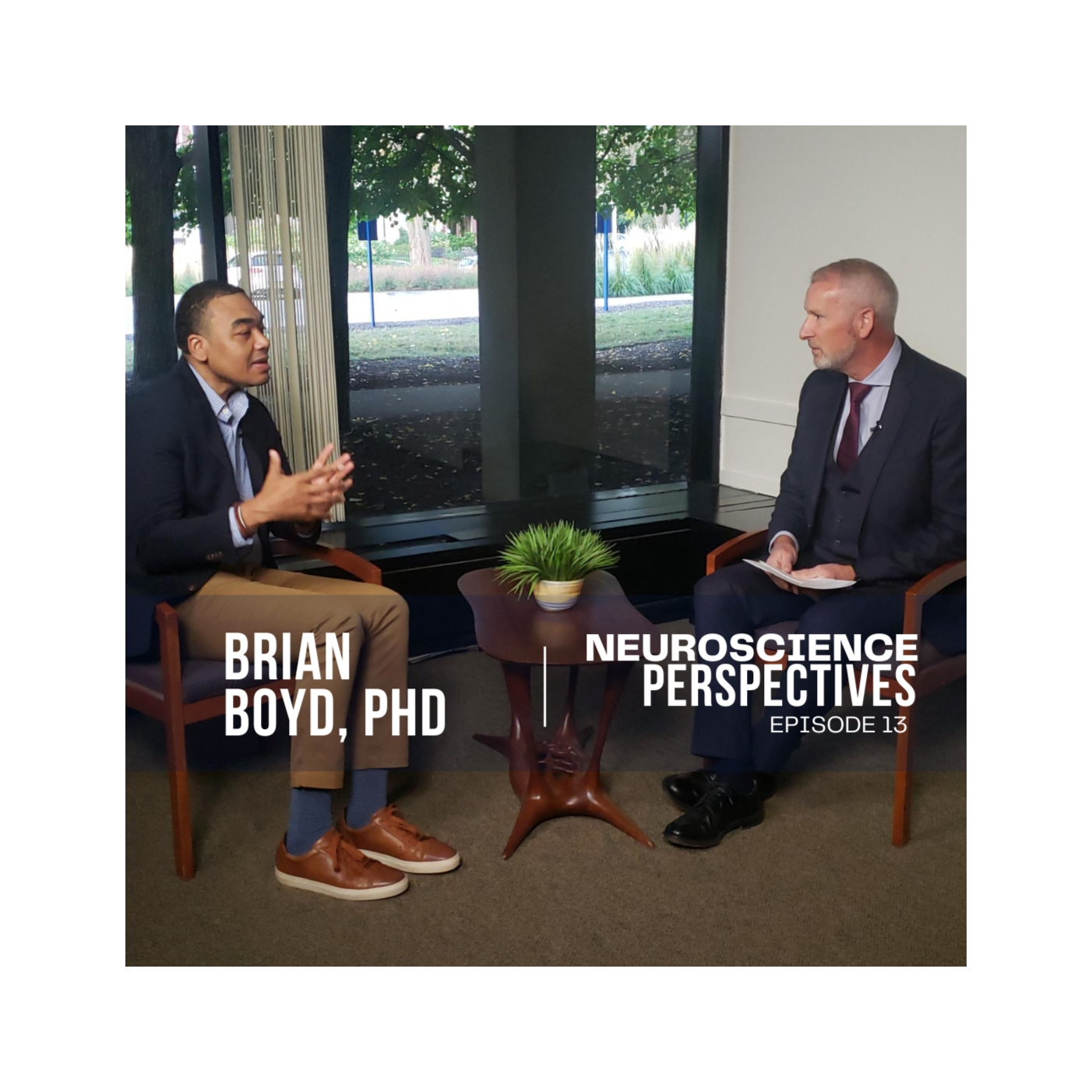
NeURoscience Perspectives: Brian Boyd, PhD
How a paragraph in a textbook and a summer camp were pivotal to the career of Brian Boyd, PhD, William C. Friday Distinguished Professor of Education Interim Director of the Frank Porter Graham Child Development Institute at the University of North Carolina (UNC). Boyd has dedicated his career to autism spectrum disorder (ASD). He trained in special education, and much of his research has involved
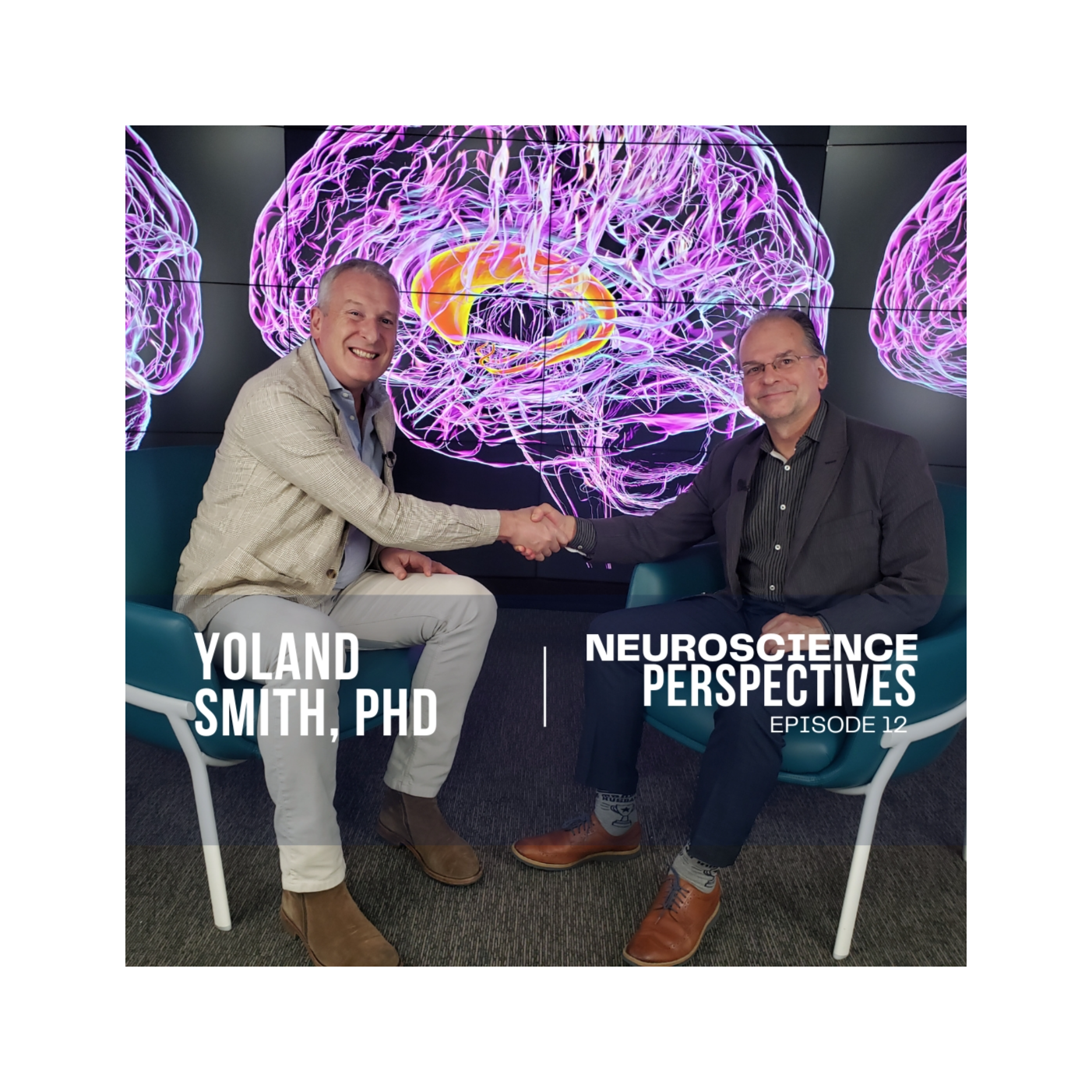
NeURoscience Perspectives: Yoland Smith, PhD
In this episode of NeURoscience Perspectives, John J. Foxe, PhD, the director of the Del Monte Institute for Neuroscience at the University of Rochester, is joined by Yoland Smith, PhD, Division Chief, Neuropharmacology and Neurologic Diseases, Emory National Primate Research Center. Dr. Smith [https://bit.ly/43TGPwG] seeks to understand the pathophysiology of Parkinson's Disease and characterize
NeURoscience Perspective: Dean Salisbury, PhD
In this episode of NeURoscience Perspectives, John J. Foxe, PhD, the director of the Del Monte Institute for Neuroscience at the University of Rochester, is joined by Dean Salisbury, PhD, a professor of Psychiatry at the University of Pittsburgh. Dr. Salisbury [https://www.cnrl.pitt.edu/] helped to change the
conceptualization of schizophrenia as a static, perinatal encephalopathy by pioneering th
NeURoscience Perspectives: Katalin Gothard, MD, PhD
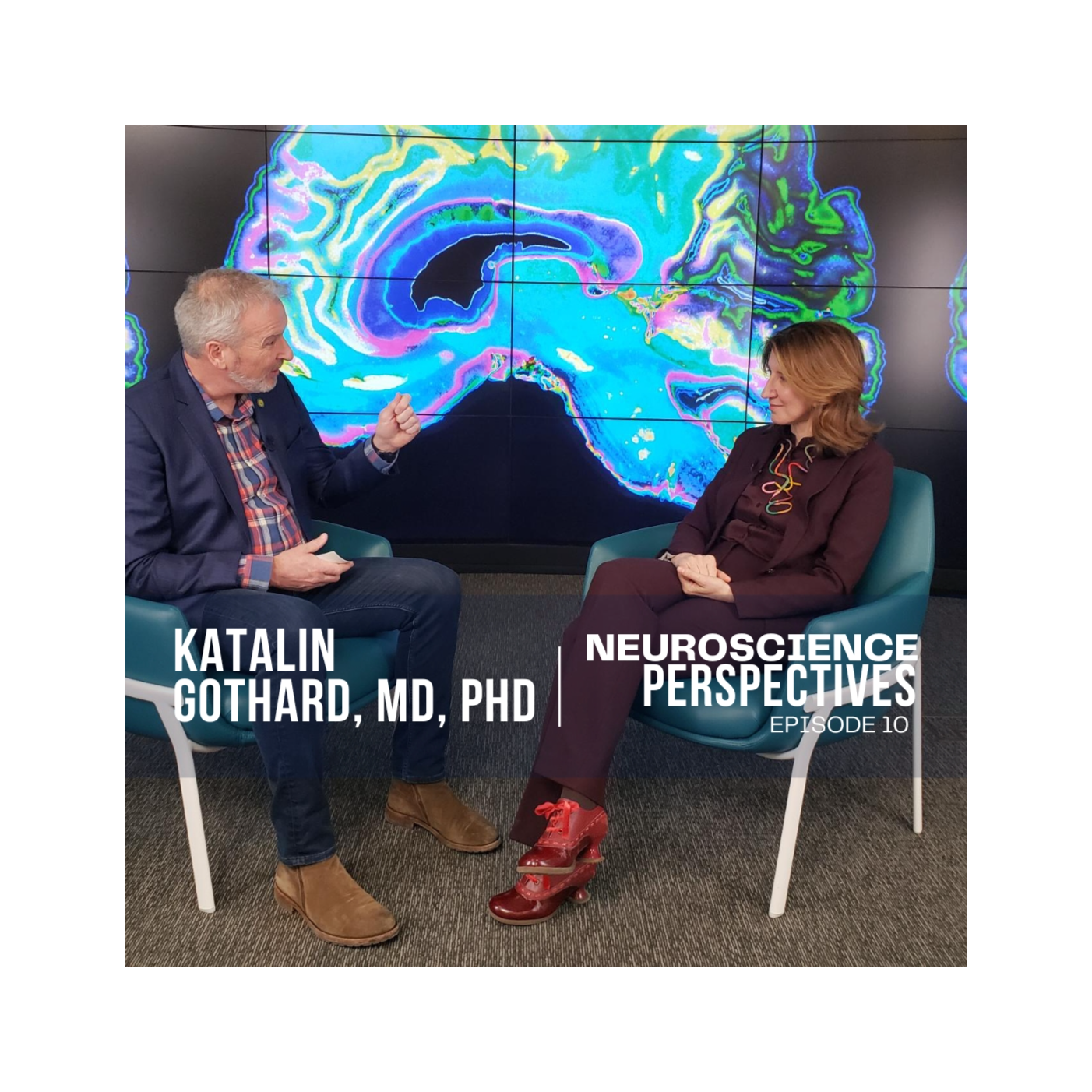
In this episode of NeURoscience Perspectives, John J. Foxe, PhD, the Director of the Del Monte Institute for Neuroscience at the University of Rochester, is joined by Katalin Gothard, MD, PhD, a professor of Physiology and Neuroscience at the University of Arizona. Dr. Gothard's lab [https://gothardlab.org/] studies the neural basis of emotion and social behavior. Originally, from Romania Dr. Goth
NeURoscience Perspectives: Qiang Chang, PhD
In this episode of NeURoscience Perspectives with John Foxe, PhD, the Director of the Del Monte Institute for Neuroscience at the University of Rochester, he is joined by Qiang Chang, PhD, a professor of Medical Genetics & Neurology at University of Wisconsin-Madison. Dr. Chang's lab studies Rett syndrome, a developmental disorder caused by mutations that deform an essential protein called MeCP2.
NeURoscience Perspectives: Helen Barbas, PhD
In this episode of NeURoscience Perspectives with John Foxe, PhD, the Director of the Del Monte Institute for Neuroscience at the University of Rochester, he sits down with Helen Barbas, PhD, a professor of Anatomy & Neurobiology at Boston University School of Medicine. Dr. Barbas started her lab, Neural Systems Laboratory [https://www.bu.edu/neural/], at BU in the 1980s and has made numerous cont
NeURoscience Perspectives: Bea Luna, PhD
In this episode of NeURoscience Perspectives with John J. Foxe, PhD, the Director of the Del Monte Institute for Neuroscience at the University of Rochester, he sits down with Bea Luna, PhD, a professor of Psychiatry at the University of Pittsburgh. Dr. Luna is a developmental neuroscientist known for conducting neuroimaging research on the development of cognitive control, reward, and reinforceme
NeURoscience Perspectives: Tatiana Pasternak, PhD
In this episode of NeURoscience Perspectives, John Foxe, PhD, the Director of the Del Monte Institute for Neuroscience at the University of Rochester sits down with Tatiana Pasternak, PhD, a Scientific Review Officer at the National Institute of Neurological Disorders and Stroke. Dr. Pasternak spent more than 40-years as a Professor of Neuroscience and researcher at the University of Rochester. Wa
NeURoscience Perspectives: Ed Callaway, PhD
In this episode of NeURoscience Perspectives, John J. Foxe, PhD, the Director of the Del Monte Institute at the University of Rochester, sits down with Ed Callaway, PhD, professor and Audrey Geisel chair in the systems neurobiology laboratories at the Salk Institute for Biological Studies in La Jolla, California.
A transcript version is available on YouTube: https://youtu.be/om3zkpm0AEE
NeURoscience Perspectives: Jeffrey Macklis, MD
In NeURoscience Perspectives, John Foxe, PhD, the Director of the Del Monte Institute for Neuroscience at the University of Rochester, picks the brains of world-renowned neuroscientists.
In this episode, Foxe sits down with Jeffrey Macklis, MD, is the Max and Anne Wien Professor of Life Sciences in the Department of Stem Cell and Regenerative Biology, and Center for Brain Science at Harvard Univ
NeURoscience Perspectives: David Amaral, PhD
In NeURoscience Perspectives with John Foxe, PhD, the director of the Del Monte Institute at the University of Rochester, picks the brains of world-renowned neuroscientists.
In this episode, Dr. Foxe sits down with David Amaral, PhD, a Distinguished Professor in the Department of Psychiatry and Behavioral Sciences at University of California, Davis. He is also the Beneto Foundation Chair and Re
NeURoscience Perspectives: Helen Tager-Flusberg, PhD
In this episode of NeURoscience Perspectives John J. Foxe, PhD, the Director of the Del Monte Institute at the University of Rochester, sits down with Helen Tager-Flusberg, PhD. Dr. Tager-Flusberg is the director and principal investigator at the Center for Autism Research Excellence - CARE at Boston University. She is also a professor in the Department of Psychological & Brain Sciences at the uni
NeURoscience Perspectives: Steve Petersen, PhD
In this episode of NeURoscience Perspectives with John Foxe, PhD, director of the Del Monte Institute at the University of Rochester, he is joined by Steven Petersen, PhD, Professor of Radiology, Psychological & Brain Sciences, Biomedical Engineering, and Neuroscience at Washington University in St. Louis
Professor Petersen’s lab uses behavioral, functional neuroimaging (fMRI) and functional con
Recommended

The Church of What's Happening Now: The New Testament

Busted Open

Deadline: White House

Crickets Corner

History of the Earthquake and Fire in San Francisco

Fox news

K-Drama Obsessed Mamas | Beyond “Just One More Episode!”

True Crime Classics

The Healer Revolution

Becoming: HER with Nikki Spoelstra

Booked, Blonde & Busy w/ Olivia Ponton

McKinsey on Consumer and Retail
