
Nursing School - Audio Review
Nursing School - Audio Review is a podcast that provides concise audio summaries and reviews of key nursing school topics. It is designed to help nursing students study on the go by reinforcing important concepts through listening. The show is hosted by Vanessa and covers material relevant to nursing coursework and exam preparation. Episodes are delivered in English and are likely produced for a U.S. audience.
Episodes

CKD
Understand the etiology and pathophysiology of ChronicKidney Disease (CKD) • What is CKD?• High risk groups• Stages of CKD9. Recognize the clinical manifestations associated with CKD • Clinical manifestations of chronic uremia affecting bodily systems. 10. Describe the diagnostic studies related to CKD.• Renal ult
AKI
1. Review the structures and functions of thekidney. • Functionsof the nephron• Functionsof the kidneys2. Understand the etiology and pathophysiology ofAcute Kidney Injury (AKI). Common causes of AKI• Prerenal• Intrarenal• Postrenal3. Describethe clinical manifestati
Endocrine 1
1. Understand the function of the Pituitary gland &adrenal system. AnteriorPituitary:• Thyroidstimulating hormone. • Adrenocorticotropichormone (ACTH)Posterior Pituitary:• Antidiuretichormone (ADH)Adrenals:• Adrenalmedulla• AdrenalcortexRegulation of hormone secretion:• Negativefeedback• Positive
Chest Tubes
1. Understand the mechanism of breathing. Pressure relationships in the thoracic cavity:• intrapulmonarypressure• intrapleuralpressure• importanceof negative pressure in intrapleural space 2. Understand the rationale for insertion of chesttubes in specific medical-surgical conditions.• Thoracotomy• Lobectomy•
Chest Trauma
1. Define chest trauma. 2. Identify the causes of chest injury. • Planned-Surgical• Unplanned accidents3. Identify the common types of planned chest surgery. • Thoracotomy• Pneumonectomy• Lobectomy• Wide resection• Segmental resection4. Describe classifications of chest trauma.
Tracheostomy Care and Management
1. Describe airway obstruction. a. Complete airway obstruction b. Partial airway obstruction c. Symptoms of airway obstructiond. Interventions to re-establish apatent airway 2. Understand the relevantterminologies.a. Tracheotomy b. Tracheostomy c. Cuffed and uncuffed tubes 3. Recognize the purposes and advantagesof a tracheostomy. a. Bypass airway obstruction. b.
Advanced Wound Care Assessment and Management
Learning Outcomes:1. Reviewand distinguish between the different ulcer types - pressure, diabetic, andvascular (venous, arterial) including assessments and assessment tools.2. WoundBed Preparation Algorithm3. Identifyfactors that affect the ability to heal and explain what needs to be consideredwhen correcting or modifying treatable causes of tissue damage (ulcer specific)4. Masterassessin

Dementia Medication
Outline the nursing role in medication therapy for a patient with Dementia.Classifications:· Cholinergico Aricept, Reminyl, Exelon· NMDA Antagonistso Memantine· Otherso SSRIso Benzodiazepineso Antipsychoticso Antiepileptics 1. Administration practices: Conditions for drug administration 2. Assessment: Baseline Patient Status 3. Monitoring/Evaluation: Therapeutic an

Delirium and Dementia
1. Describe pathophysiology of Delirium and Alzheimer’s Dementia (AD).Neuritic plaques, neurofibrillary tanglesDeposits of B-amyloid proteinNeuronal degeneration/lossVascular Dementia2. Describe diagnostic testing and nursing assessment required for the patient with Delirium and AD.Medical history, cognitive status, physical exam.Lab tests, CT, Pet Scans3. Assess and differentiate betw
Palliative and End of Life Care
1. Describe relevant terminology.Hospice, Palliative care, Integrated hospice palliative care approach, End-of-life (EOL) care, Continuous palliative sedation.2. Contrast the approach of palliative care with disease modification therapy.Illness trajectory, Goals, Focus of care, Presentation/Diagnosis.3. Recognize physical manifestations of the end of life and determine patient priority

Cataracts, Glaucoma and Hearing Loss
Cataracts1. Describe the pathophysiology of cataracts. Stages Opacity of the lens 2. Describe the signs and symptoms of persons experiencing cataracts Blurred vision Decreased color perception Photophobia Glare in bright light Cloudy lens 3. Describe the causes of cataracts. Aging Trauma Toxic substance exposure including ultraviolet light Diabetes Smoking 4. Describe common medical interventions

Loss and Bereavement
1. Understand the concepts related to loss, death, and grief/bereavementLoss, Death, Grief, Bereavement, Mourning2. Understand and recognize the grieving process and the types of grief and lossTypes of loss (objects, environment, etc.)Types of grief Factors influencing the grieving process 3.Recognize the common needs of the elderly person and the family experiencing bereavement or loss.The 6 Cs A

Parkinson's Disease: Pharmacotherapy
1. Outline the nursing role in drug therapy for a patient with Parkinson’s Disease. Administration practices: Conditions for drug administration Assessment: Baseline patient status Monitoring/Evaluation: Therapeutic and adverse effects Patient and Caregiver Teaching 2. Describe the drug classification, mechanism of action, precautions, therapeutic and adverse effects of drug therapy in the managem
Parkinson's Disease: Pathophysiology and Nursing Care
1. Define Parkinson’s disease.Chronic, slow, progressive neurodegenerative disorder caused by loss of dopaminergic neurons in the substantia nigra of the basal ganglia characterized by tremors at rest, rigidity, bradykinesia, and postural instability.2. Describe the pathophysiology of Parkinson’s disease.Role of DA producing neurons in the substantia nigra.Imbalance of two neurotransmitters dopa
Seizures 3
1. Identify and describe nursing care related to seizures.Obtaining history from patient/family - Type of seizure - Manifestations - Duration - Management Maintaining safety - Seizure precautions - Ensuring compliance with drug therapy Observations and nursing care during a seizure Health promotion for families 2. Define “status epilepticus” and describe related probl
Seizures 2
1. Describe classification of seizures.Focal, generalized, and unknown onset 2. Describe how seizures are diagnosed.Patient/family historyComplete physical and neurological examinationElectroencephalogram (EEG)Laboratory and neuroimaging tests 3. Describe the treatment of seizures. Holistic approach Medications Ketogenic diet Vagal nerve stimulation Surgery
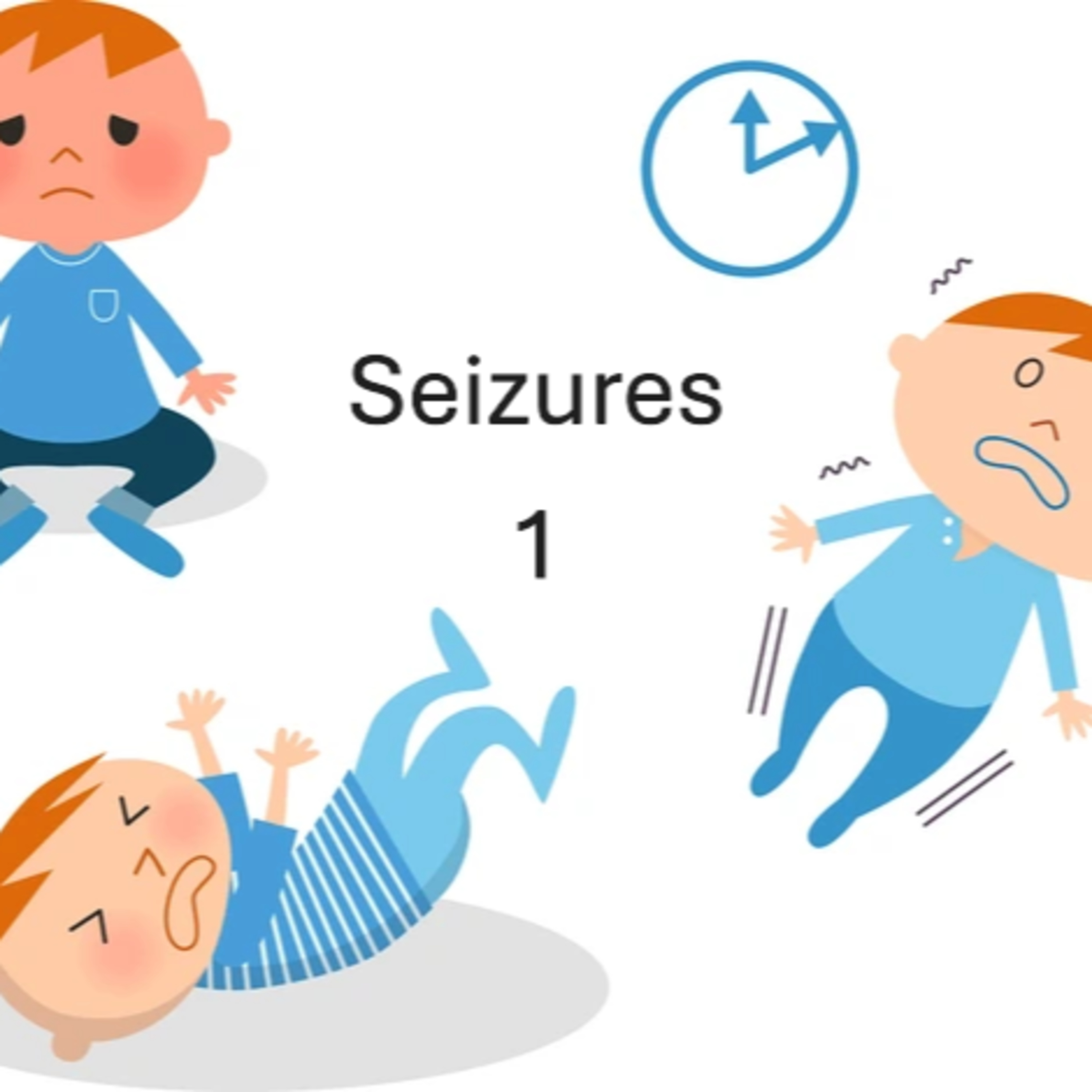
Seizures 1
1. Differentiate between the terms “seizure” and “epilepsy”.Paroxysmal behavior caused by abnormal dischargeof neurons. Relation to acute illness 2. Describe the etiology and pathophysiology of seizures. Genetic Structural/metabolic Neuronal discharges Unknown Phases of seizure 3. Identify contributing factors to febrile and neonatal seizures. Illness Infection Asphyxia Electrolyte imb

Autism 3
4. Identify nursing interventions relative to the child with ASD and his/her family.Offering family supportIdentifying signs of anxiety or depression in family membersEncourage family to seek assistance or servicesrelated to respite care or support groupsInterdisciplinary approach and collaborationInvolve family in care planning during hospitalization Individualize care Adapt physical environment

Autism 2
1. Identify treatment goals for ASD.Reducing disruptive behaviorsTeaching the child how to accomplish purposeful activitiesImproving communication skillsProviding opportunities for socializationImproving self-care skillsAlleviating family distress

Autism 1
1. Describe the etiology of autism spectrum disorder (ASD). Developmental disorder Risk factors Diagnosis 2. Identify signs and symptoms associated with ASD. Impaired social functioning Impaired language development Stereotypical behaviorsSelf-mutilation Increased aggression in adolescence

Dehydration in Children 3
3/3 7. Describe the nursing interventions for dehydration. Rehydration (oral & IV) Strict monitoring of intake & output Accurate weight of child Health teaching to prevent gastroenteritis

Dehydration in Children 2
2/34. Describe how to determine the severity of dehydration.Weight change (in % or in mL/kg) Signs and symptoms 5. Relate the extent of dehydration to thetherapy.Fluid and electrolyte replacement 6. Describe the nursing problems most oftenseen in dehydrated children.Fluid and Electrolytes: -Fluid Volume Deficit -Fluid and electrolytes imbalances Nutrition: less than

Dehydration in Children 1
1/21. Describe the pathophysiology of dehydration in a child. Risk factors for dehydrationConsequences of dehydrationCompensatory mechanismTypes of dehydration2. Compare and contrast the fluid and electrolyte requirements of children in various age groups.Pediatric differencesFluid requirements and minimum output 3. Identify common tests related to GI dysfunctionand dehydrationUrine specific

Nutritional Problems in Children and Adolescents
1. Identify how nutritional challenges are related to certain health conditions in children and adolescents. Inflammatory bowel disease (IBD) • Ulcerative colitis (UC) • Crohn’s disease (CD) Malabsorption disorders • Celiac diseaseDiabetes mellitus type 2 (DM II)ObesityFailure to thrive (FTT)Anorexia nervosa and bulimia nervosa2. Identify h

Nutrition in Children and Adolescents
1. Recall the nutritional requirements of children and adolescents. toddler and preschoolschool ageadolescent2. Identify factors that can influence nutritional intake for children and adolescents.Weight and height progressionGrowth and developmental stageIllness and diseasePhysical activity levelMedia influences
Injury Prevention in Infants and Children 6
6/66. Describe the nurse’s role in preventing childhood injuries.Model safety practices • Educate parents and children •Support legislative efforts that advocate prevention • Collaborate with other health care providers to promote safety and injury prevention
Injury Prevention in Infants and Children 5
5/6 5. Define Sudden Infant Death Syndrome (SIDS) and list the possible risk factors related to its occurrence. Risk factors related to sleeping position • Parental smoking, avoiding overheating, encouraging breastfeeding, etc.
Injury Prevention in Infants and Children 4
4/64. Define Shaken Baby Syndrome (SBS) and list the possible signs associated with SBS.Definition, signs of SBS and strategies to prevent SBS •Strategies to reduce incidences of SBS (e.g. Period of Purple Crying program)
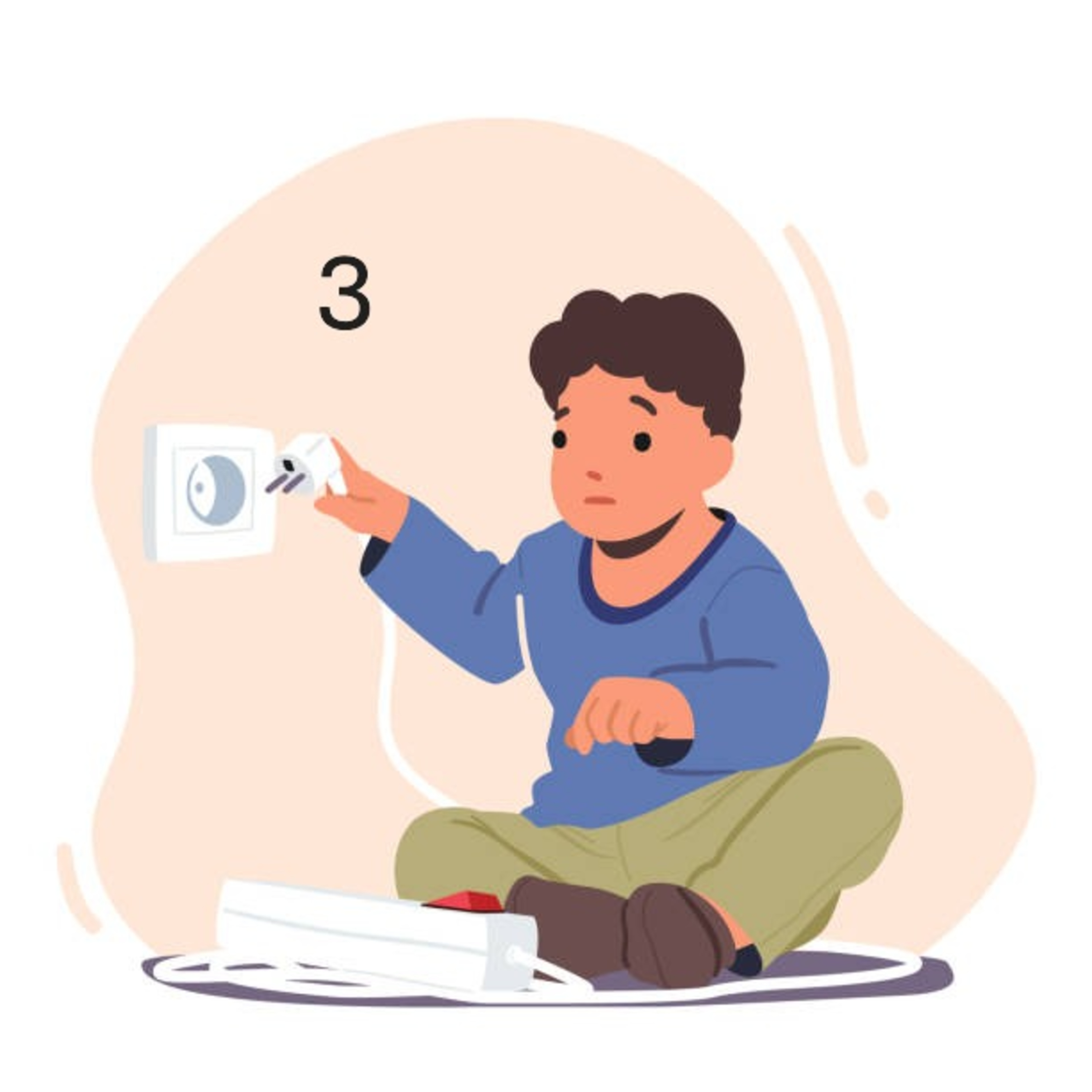
Injury Prevention in Infants and Children 3
3/6 3. Apply strategies that can be applied to prevent childhood injuries and identify the teaching needs for children and/or their families that promote safety. •Anticipatory safety guidance • Passive vs. active strategies • Three Es: • Education • Engineering • Enforcement (legislation)
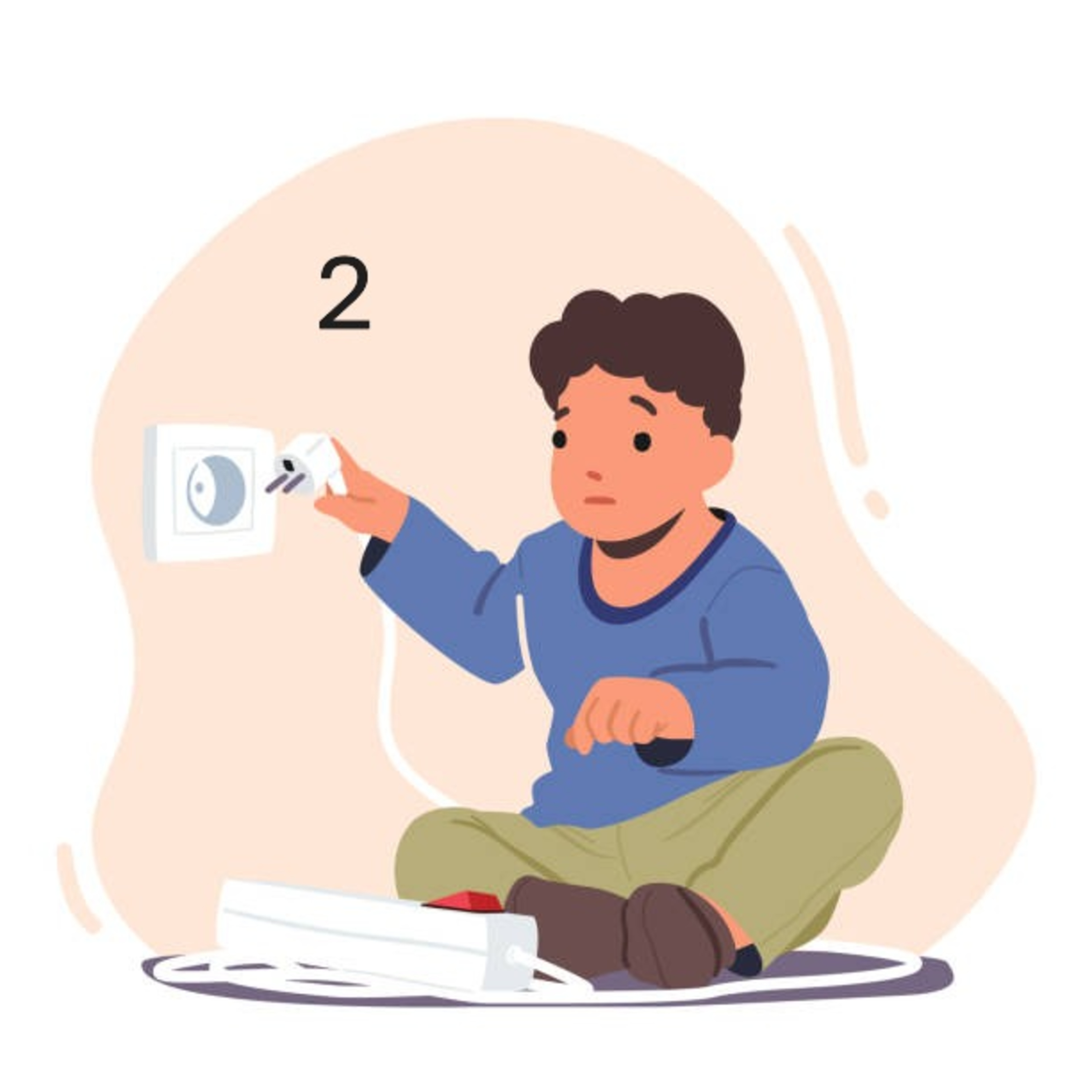
Injury Prevention in Infants and Children 2
2/62. Identify the leading causes or trends associated with unintentional pediatric injuries.Epidemiological approach to unintentional injuries. • Injury trends and causes related to growth & development (host), season, environment and physical and social agents (e.g. may include choking & suffocation, falls (I.e. crib safety), accidental poisoning, motor vehicle incidents (I.e. pedestrian
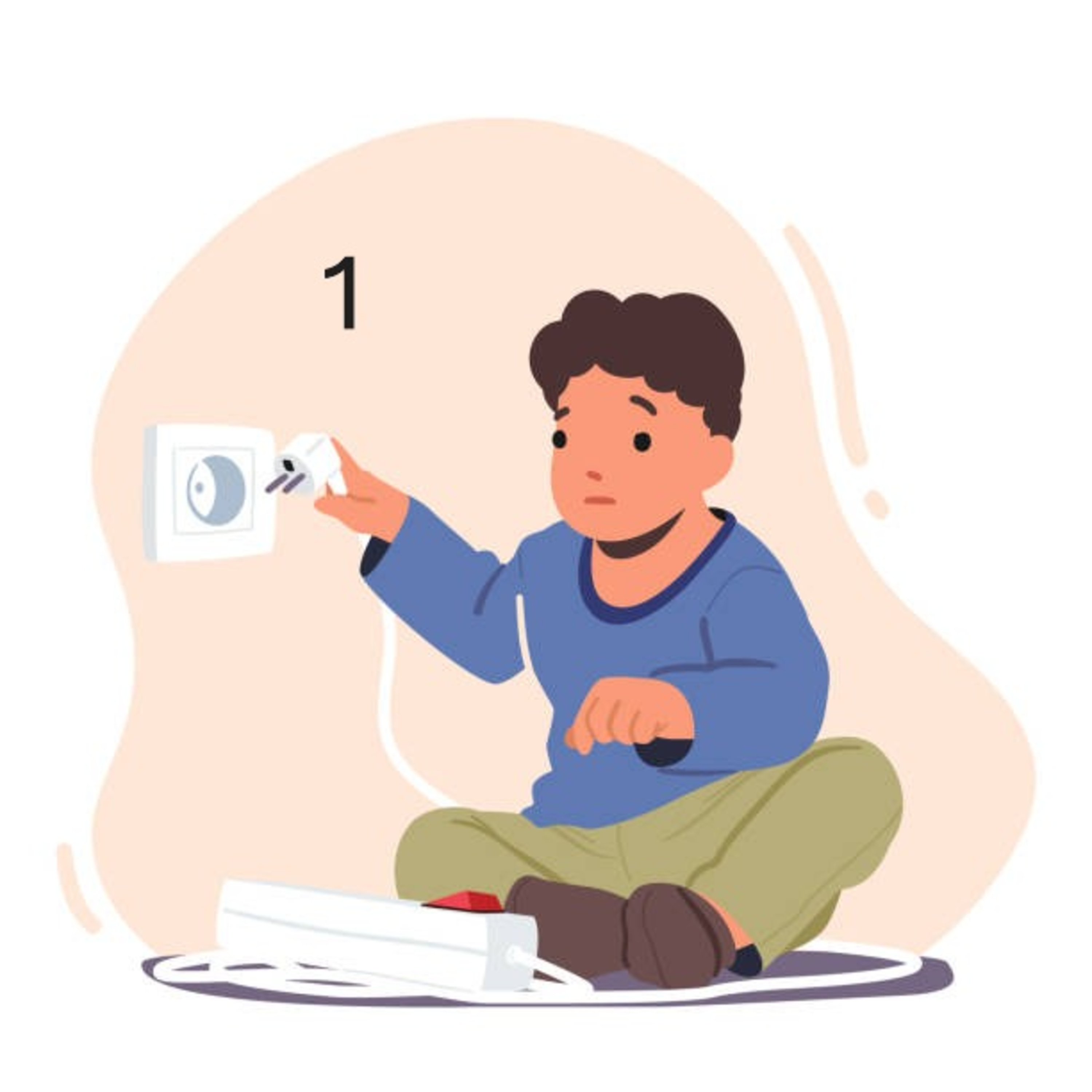
Injury Prevention in Infants and Children 1
1/6Understand the connection between the developmental stage of a child and the type of injury they have.
Pediatric Pain Assessment and Management 2
2/21. Describe age-appropriate non- pharmacological interventions for controlling pain in children.a. Trusting relationship • Distraction-Play • Massage • Application of heat/cold • Music •Visualization • Positive self-talk • Role of Child Life Therapist in hospitals2. Describe documentation of nursing assessments and interventions for pain.a. Document nursing assessment and pain m
Pediatric Pain Assessment and Management 1
1/21. Describe pain assessment for pain in children (the 5th vital sign)a. Pediatric pain assessment tools • Obtain a pain experience history • 2. Describe pharmacologic interventions, management modalities and administration routes (and/or delivery devices) for controlling pain in children.a. • Opioids/patient-controlled analgesia • NSAIDS • Non-opioids • Adjuvants
High-Risk Pregnancy 4
4/43. Identify the therapeutic and adverse effects of medications used in high-risk pregnancies.Medications: -Antihypertensives in pregnancy -IV Magnesium Sulfate (drug of choice, the monitoring & the antidote) Other medications(Hyperemesis Gravidarum): -Ginger (non-pharmacological)-Diclectin™ -Gravol™ -Maxeran™ -Zofran™
High-Risk Pregnancy 3
3/41. Describe the pathophysiology, clinical manifestations and nursing care of gestational problems.Pre-eclampsia/Eclampsia ♦ HELLP syndrome ♦ Gestational Diabetes ♦ Hyperemesis Gravidarum ♦ Hemorrhagic conditions2. Describe the care of the pregnant woman with a pre-existing condition. Obesity ♦ Diabetes ♦ Thyroid disorder ♦Cardiovascular/Pulmonary
High-Risk Pregnancy 2
2/4 4. Describe diagnostic tests used to assess maternal and fetal well-being. Antepartum/Prenatal testing: • 1st trimester • 2nd trimester • 3rd trimester 5. Describe the care of the pregnant woman with a pre-existing condition. RH/ABO Incompatibility - RhoGAM/WinRho Group B streptococcal (GBS) - Penicillin 6. Discuss the role of the nurse in a pregnancy at risk.Antenatal risk assessment ♦ Educa
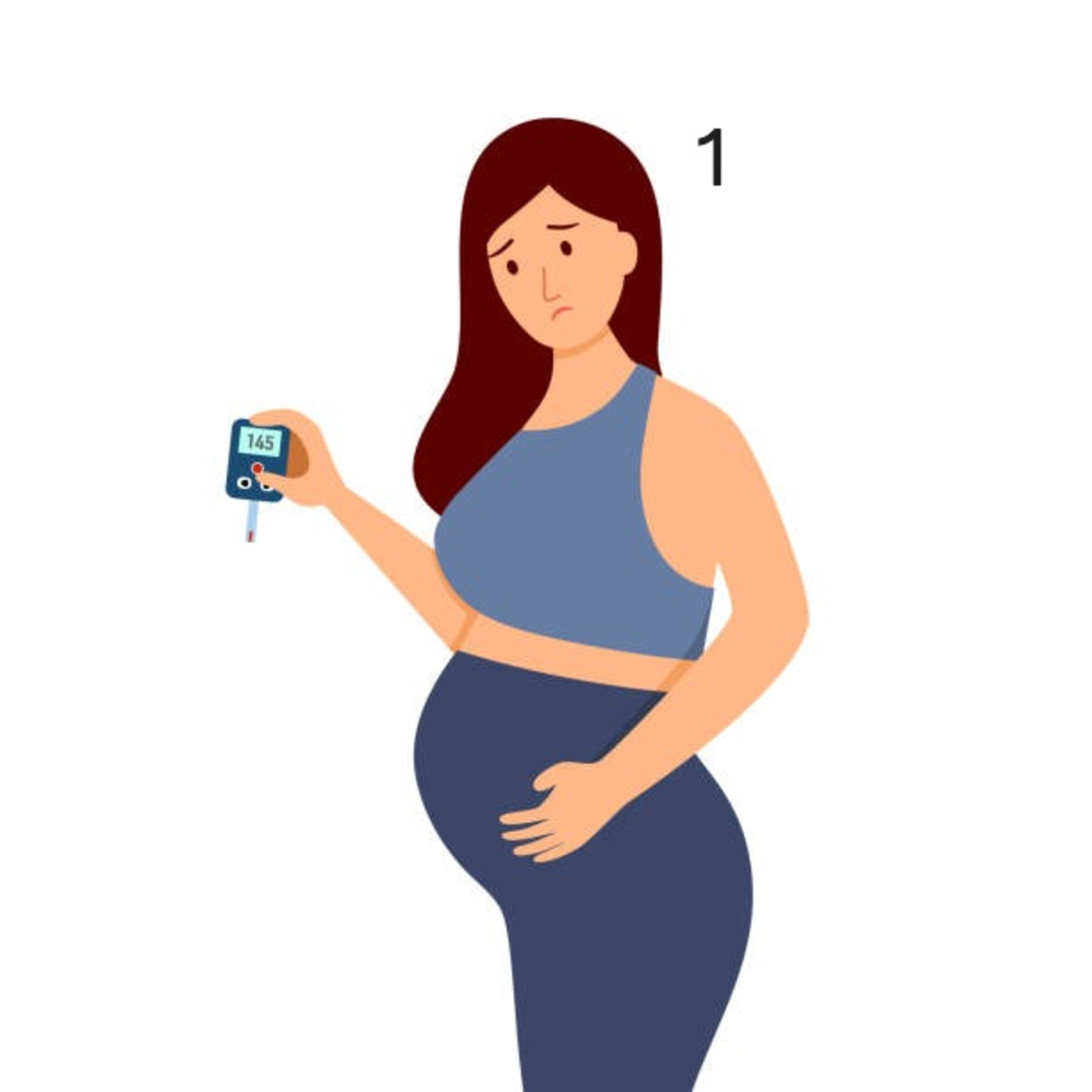
High-Risk Pregnancy 1
1/4 2. Discuss determinants of health as risk factors and their implications for pregnancy. • Biology & Genetic Factors • Demographic Characteristics • Personal Health Practices & Coping Skills3. Explore Canadian maternal health problems.• Causes of maternal death • Mental health issue •Intimate partner violence
Pregnancy 6
6/69. Identify danger signs during pregnancyTable 11-2 Signs of Potential Complications during the 1st, 2nd & 3rd Trimesters • vaginal bleeding /vaginal discharge • rupture of membranes (ROM and PROM) • uterine contractions • swelling of fingers or face •continuous headache • visual disturbances • persistent or severe abdominal pain• chills/fever • painful urination • diarrhea • persistent vom
Pregnancy 5
5/6 7. Describe health teaching to promote adaptation during pregnancyTeaching Health Behaviors: • recognizing potential complications • breast care • exercise, Kegel exercises • rest and sleep • employment • exposure to teratogens • travel• over-the-counter drugs, herbal preparations • tobacco, alcohol, caffeine • immunizations• transition to the parenting role – prenatal classes
Pregnancy 4
4/6Identify factors that will influence the process of maternal role transition. Psychosocial and Cultural Assessment:· psychological response to pregnancy · availability of resources · communication style · health beliefs · language · culture 6. Describe common discomforts of pregnancy, causes and measures that prevent or give relief.Table 11-4Discomforts Related t
Pregnancy 3
3/6Describe the psychological responses to pregnancy. - maternal responses during pregnancy: • 1st trimester • 2nd trimester • 3rd trimester - maternal adaptation - accepting the pregnancy - identifying with the mother role - reordering personal relationships - establishing a relationship with the fetus - preparing for childbirth - paternal adaptation - sibling adaptation
Pregnancy 2
2/6Common Lab Tests · Blood grouping · CBC, Hemoglobin (Hgb) · RH factor and antibody screen · Rubella · Hepatitis B screen · STD’s· Urinalysis · Maternal blood glucose · GBS (Group B Strep) - Ongoing Assessment · vital signs · weight· urinalysis – protein, glucose, ketones · fundal height · Leopold’s maneuvers · fet
Pregnancy 1
1/61. Describe maternal physiological and psychosocial changes that occurduring pregnancy.2. Identify signs of pregnancy a. Presumptive b. Probable c. Positive3. Describe antepartum assessment.Initial Assessment - History: · calculate (GPAL = gravida, para, abortions, living children) and length of gestation · any maternal or infant complications/multiple gestation
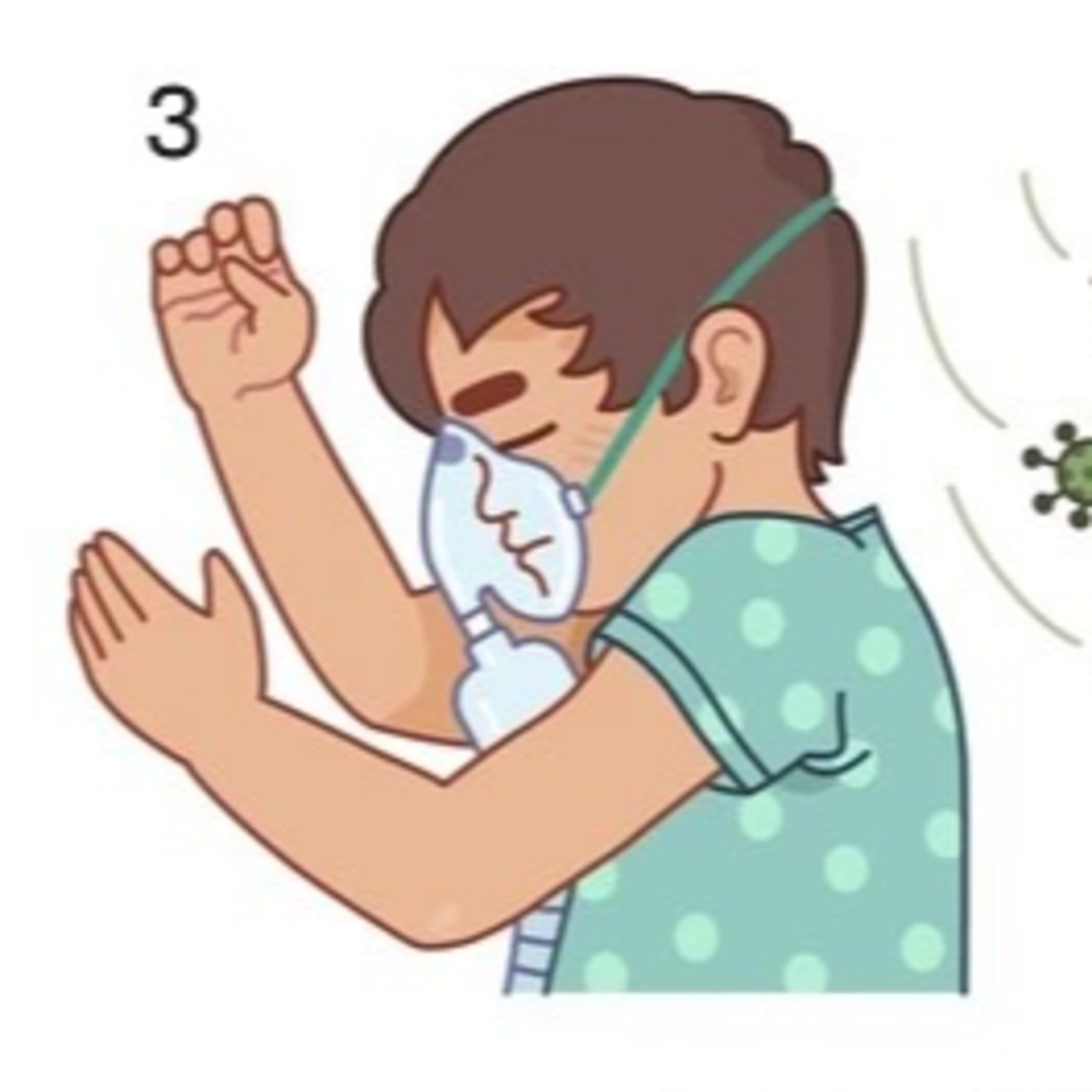
Pediatric Respiratory Illnesses 3
3/31. Relate the pathology to therapy; describe pharmacological and nursing interventions associated with an acute respiratory illness in the pediatric population.a. Epinephrine, dexamethasone, bronchodilators, corticosteroids, nebulized normal or hypertonic saline, etc. b. Oxygen therapy, cold humidity, corticosteroid therapy, inhalation therapy, positioning, maintaining a calm environmen
Pediatric Respiratory Illnesses 2
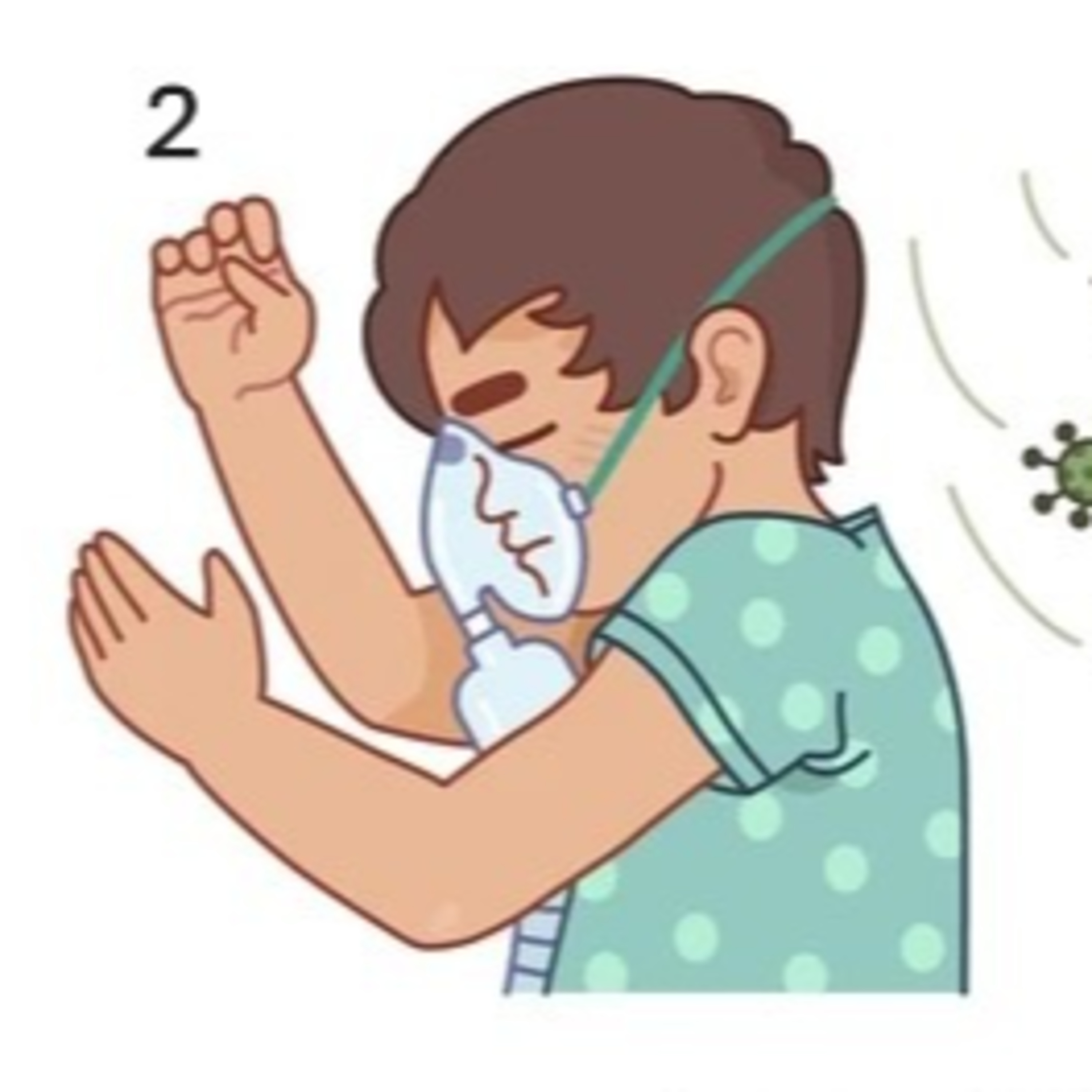
2/31. Describe the diagnostic tests used in respiratory illnesses.a. Arterial blood gasesb. Nasopharyngeal aspirations and culturesc. Chest x-raysd. Bronchoscopy2. Describe the signs and symptoms indicating a potential respiratory emergency.a. Respiratory assessment, chest auscultation, changes in mental status b. Maintain a patent airway, manage infection, manage infl
Pediatric Respiratory Illnesses 1
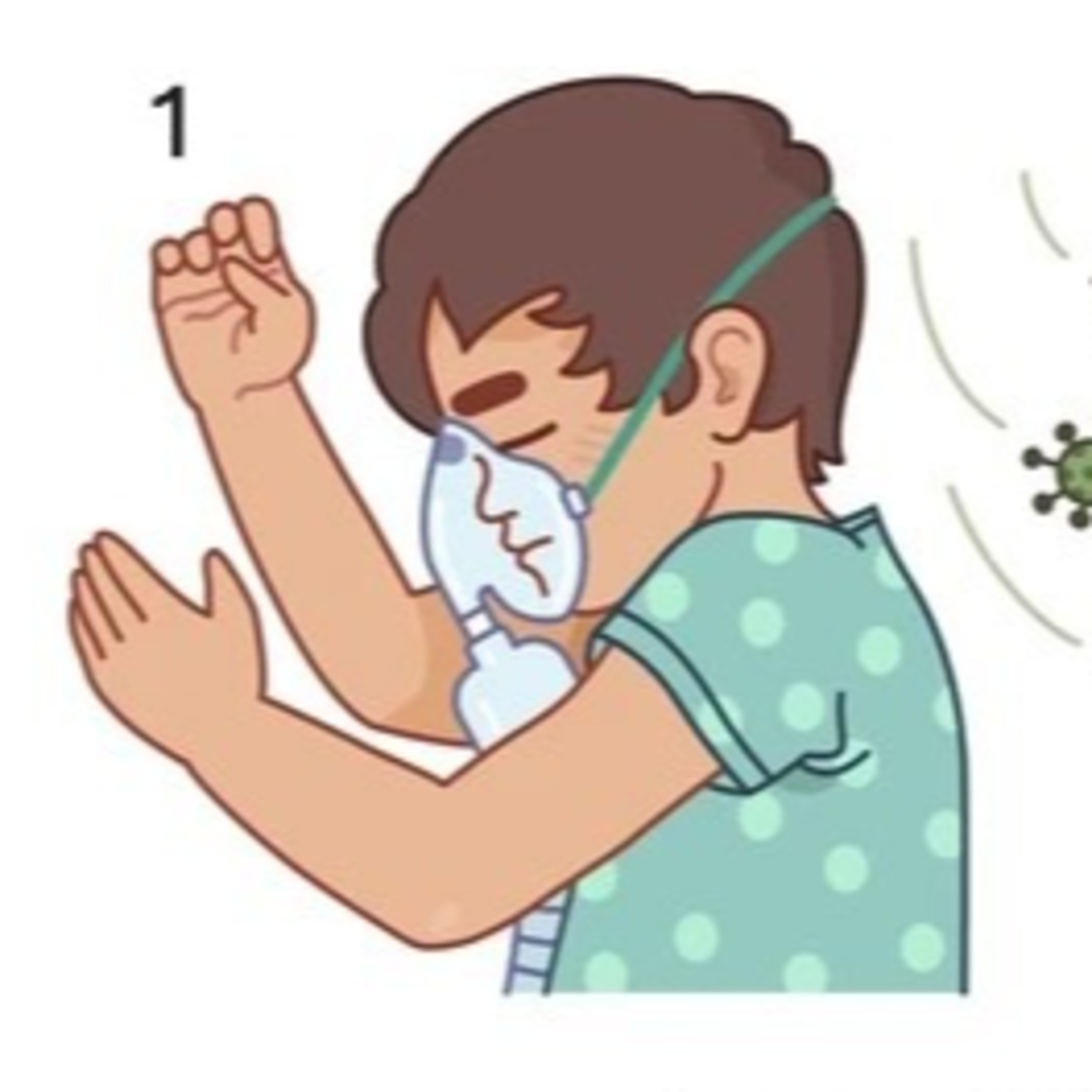
1/31. Describe the differences in the anatomy and physiology of the pediatric respiratory system that increase the risk for respiratory illness.2. Assess signs and symptoms, analyze causative and contributing factors, formulate nursing diagnoses, set goals, determine nursing interventions and evaluate interventions in the different respiratory challenges for children and adolescents. • Upper

Intrapartum and Postpartum Complications 3
3/31. Describe the use of various medications in the management of intrapartum and postpartum complications.a. Tocolyticsb. Glucocorticoids c. Anti-inflammatories d. Electrolytes e. Anticoagulants f. Uterine stimulants

Intrapartum and Postpartum Complications 2
2/31. Describe the etiology, nursing care and therapeutic management of various postpartum complications.a. Rupture of uterus b. Amniotic fluid embolism (anaphylactoid syndrome) c. Inversion of uterus d. Abnormal adherence of placenta (placenta accreta) e. Trauma (injuries) f. Postpartum hemorrhage g. Venous thromboembolic disorders

Intrapartum and Postpartum Complications 1
1/31. Describe the etiology, nursing care and therapeutic management of various intrapartum complications.a. Spontaneous preterm labor b. Premature rupture of membranes (PROM) c. Chorioamnionitis •Dystocia d. Precipitous labor e. Prolapsed umbilical cord
Communicating with children 3
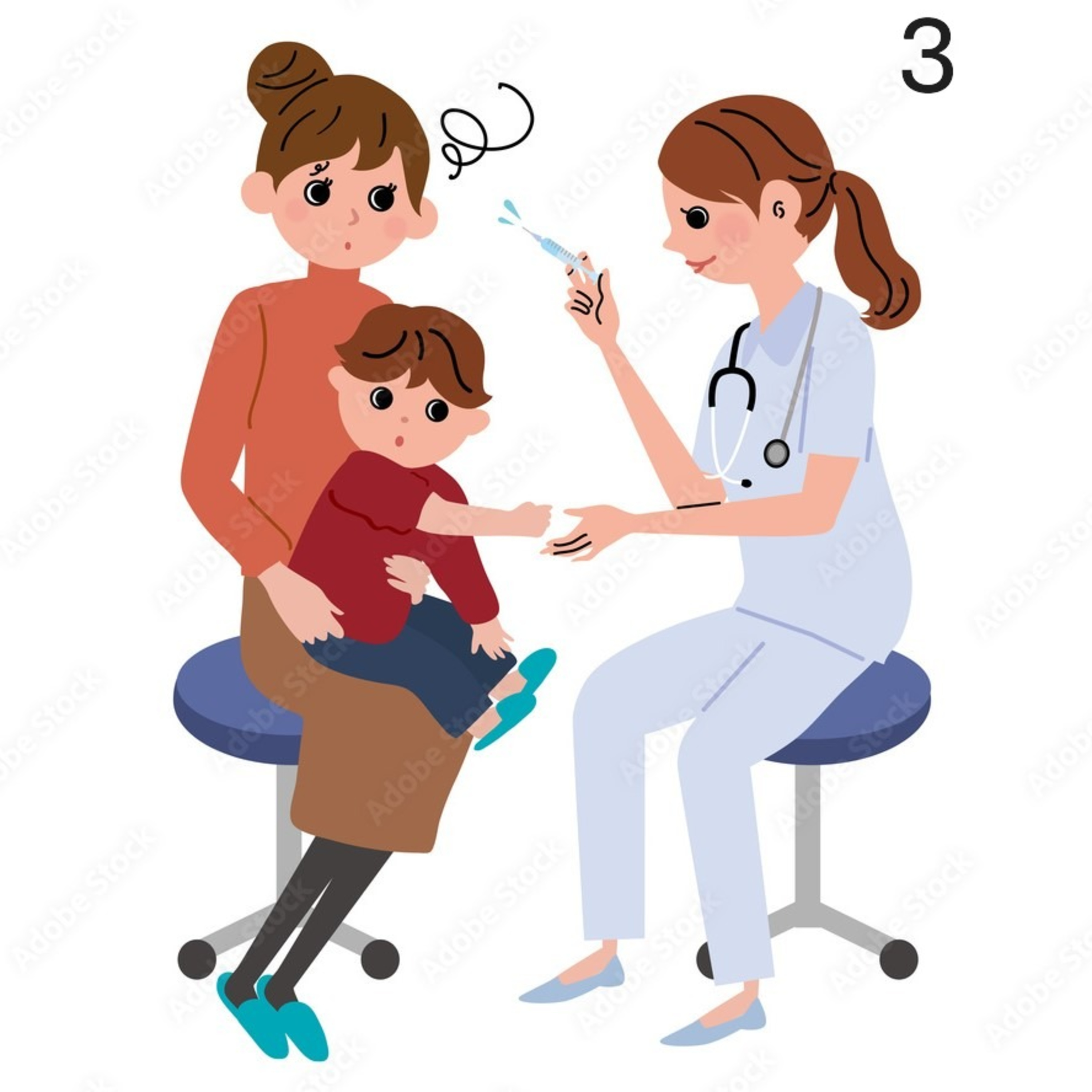
3/31. Formulate guidelines for preparing children of different age groups for procedures.a. Before the procedure b. During the procedurec. After the procedure
Communicating with Children 2
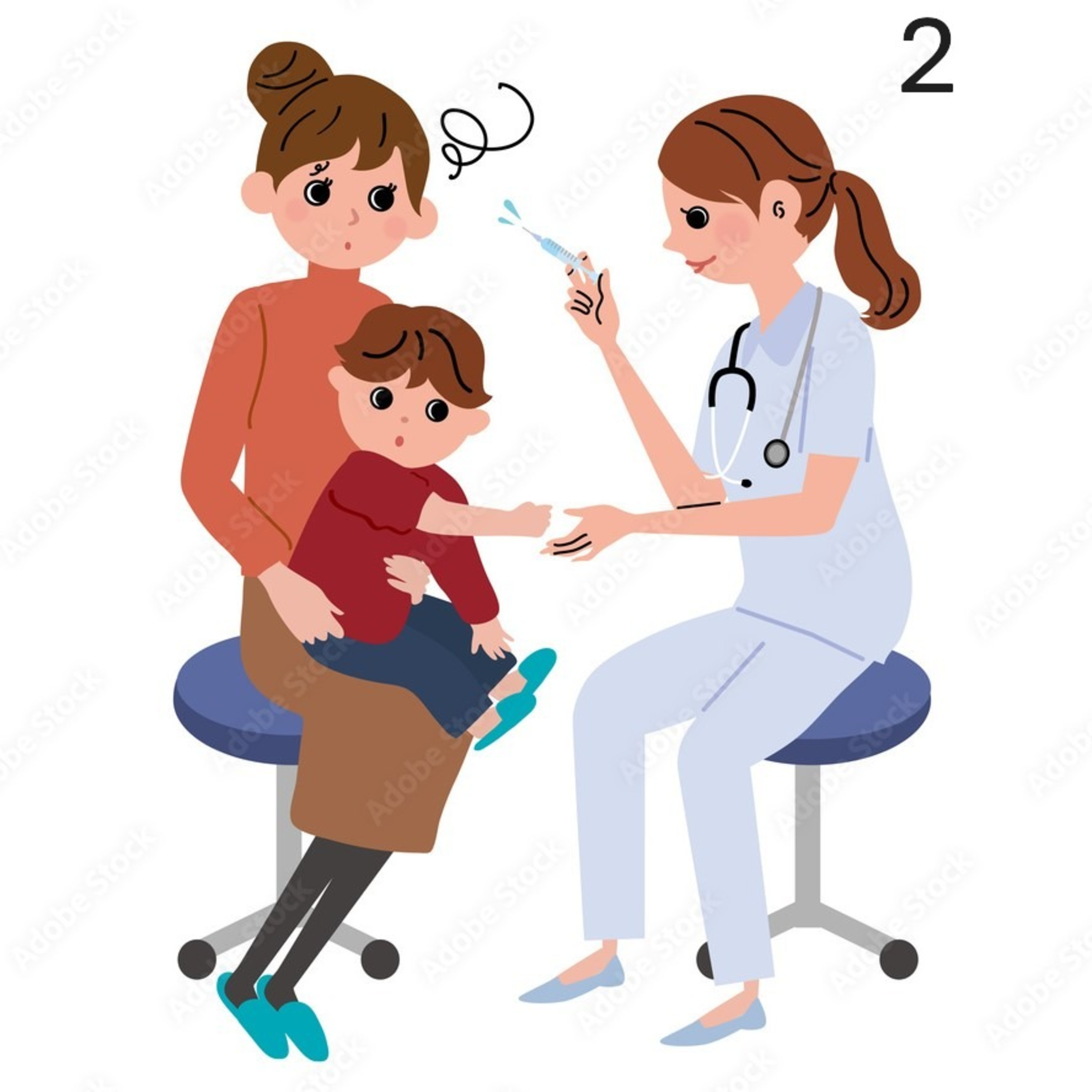
2/31. Identify communication strategies for communicating with children of different age groups.a. Infant b. Toddlerc. Pre-schoolerd. School-age e. Adolescent2. Identify and discuss communication approaches to use when caring for a child with a cognitive impairment.a. Autism Spectrum Disorders- special considerations b. Cerebral palsyc. Brain injury d. Senso
Communicating with Children 1
1/31. Describe challenges nurses face related to communicating with children and families.a. Establishing a setting for communication b. Communicating with parents c. Blocks to communication (nurse and patient)2. Identify developmental factors that influences communicationa. Infancyb. Early childhood c. School-age years d. Adolescence
Burn Nursing Management
3/3

Emergency Trauma and Poisoning Management
2/3
Emergency and Acute Care: A Clinical Guide
1/3
Shock: Pathophysiology, Clinical Manifestations, and Management
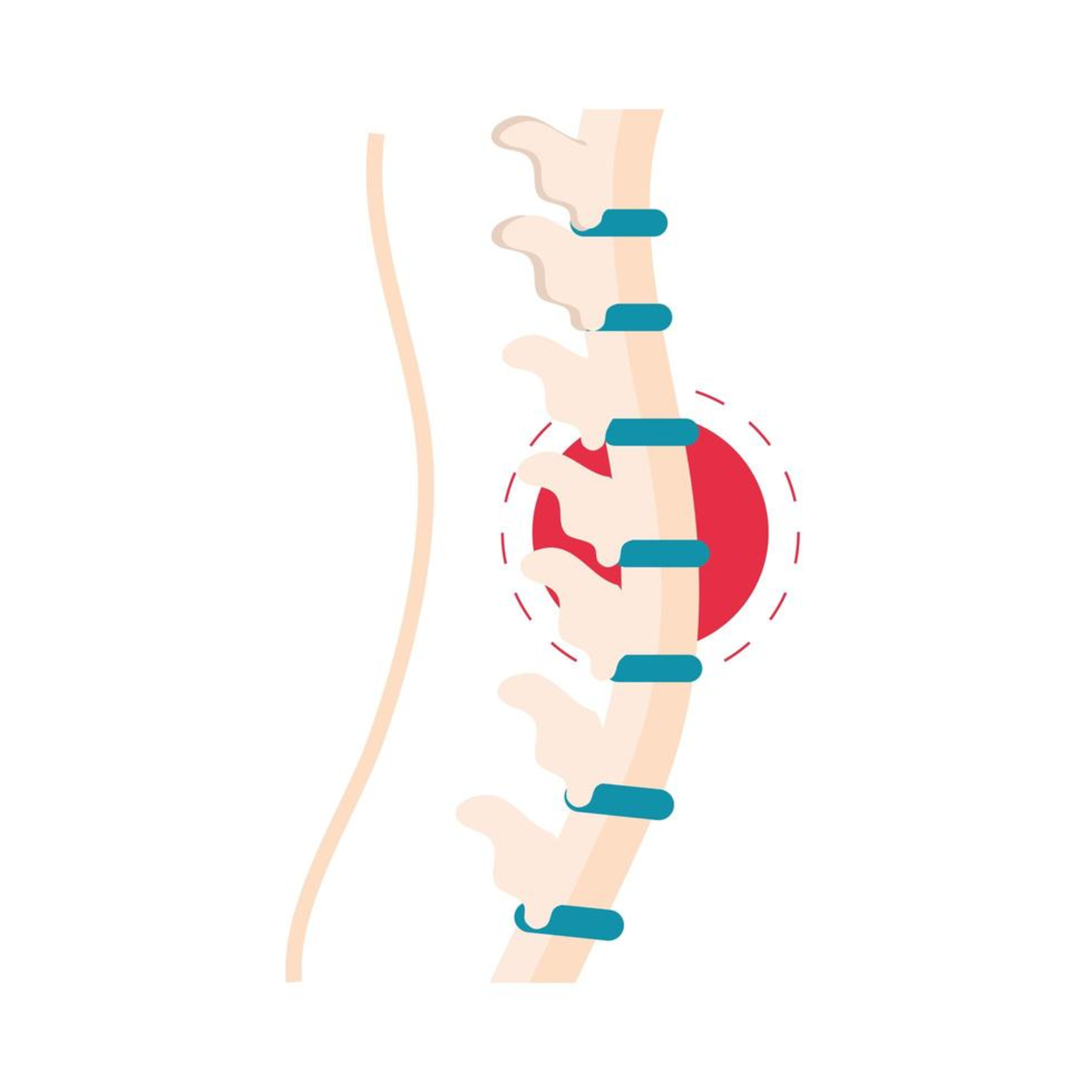
Spinal Cord Injury: Etiology, Pathophysiology, and Management
Increased Intracranial Pressure: Pathophysiology, Assessment, and Management

Fractures: Assessment, Treatment, and Management

Men's Health - Part 4: Testicular Cancer: Etiology, Diagnosis, and Management
4/4

Men's Health - Part 3: Erectile Dysfunction: Etiology, Diagnosis, and Treatment
3/4
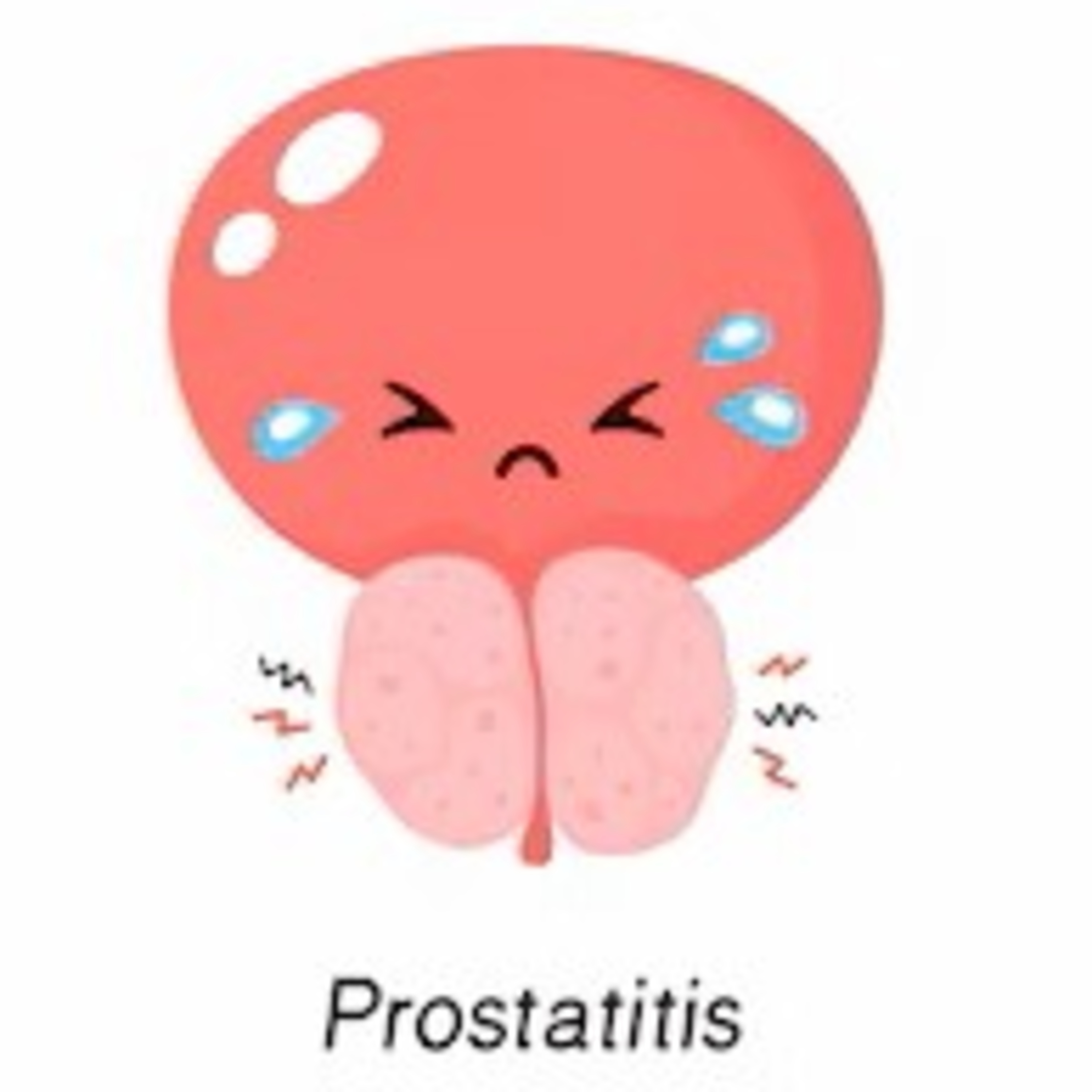
Men's Health - Part 2: Prostate Cancer and Prostitis: Etiology, Diagnosis, and Treatment
2/4
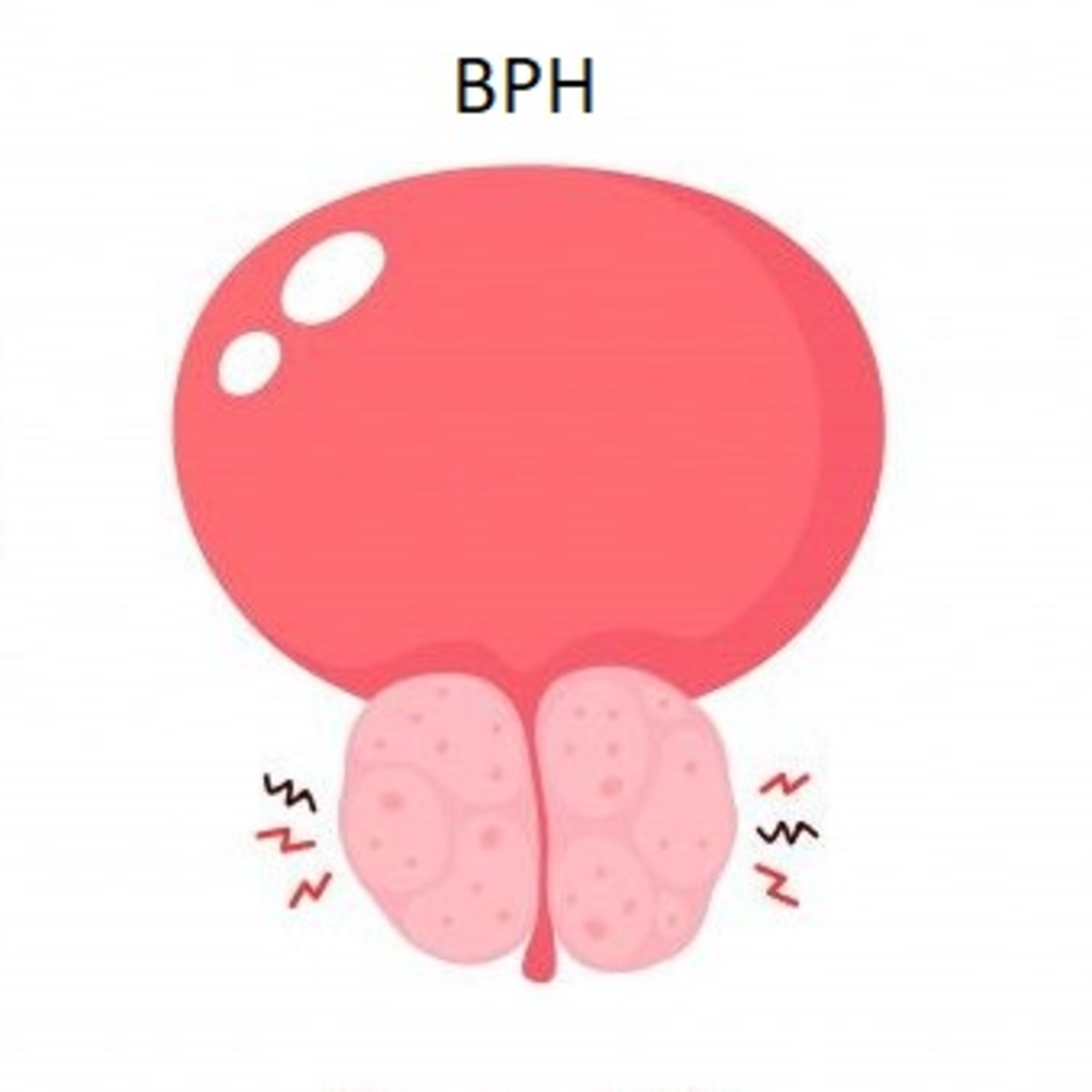
Men's Health - Part 1: Benign Prostatic Hyperplasia
1/4
Women's Health - Part 4: Musculoskeletal System Assessment and Osteoporosis
4/4
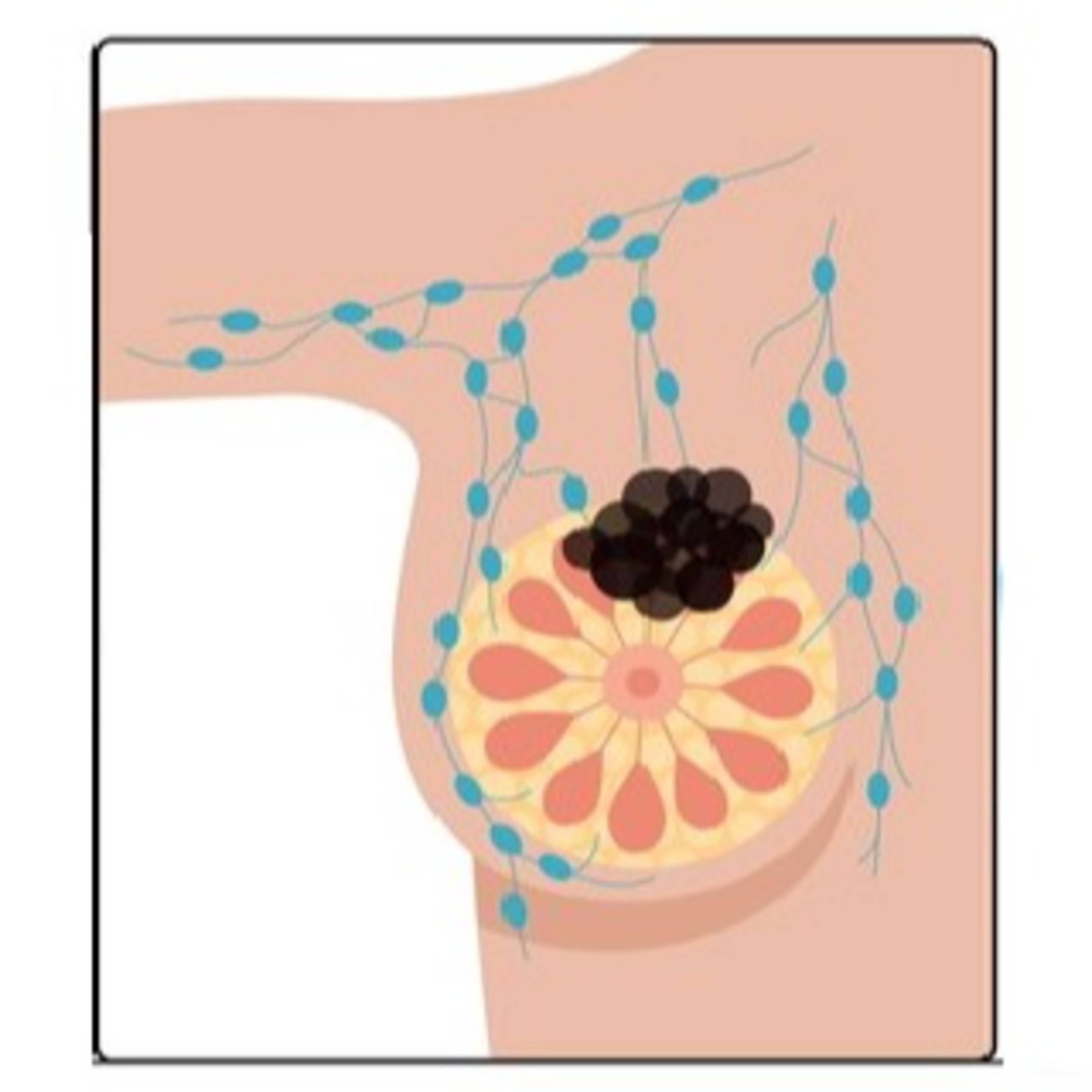
Women's Health - Part 3: Breast Cancer: Screening, Diagnosis, and Treatment
3/4

Women's Health - Part 2: Cervical Cancer Screening in Quebec
2/4

Women's Health - Part 1: Perimenopause and Postmenopause: A Clinical Guide
1/4
Sexually Transmitted Infections in Canada
Antidiabetic Drugs: A Clinical Guide
3/3
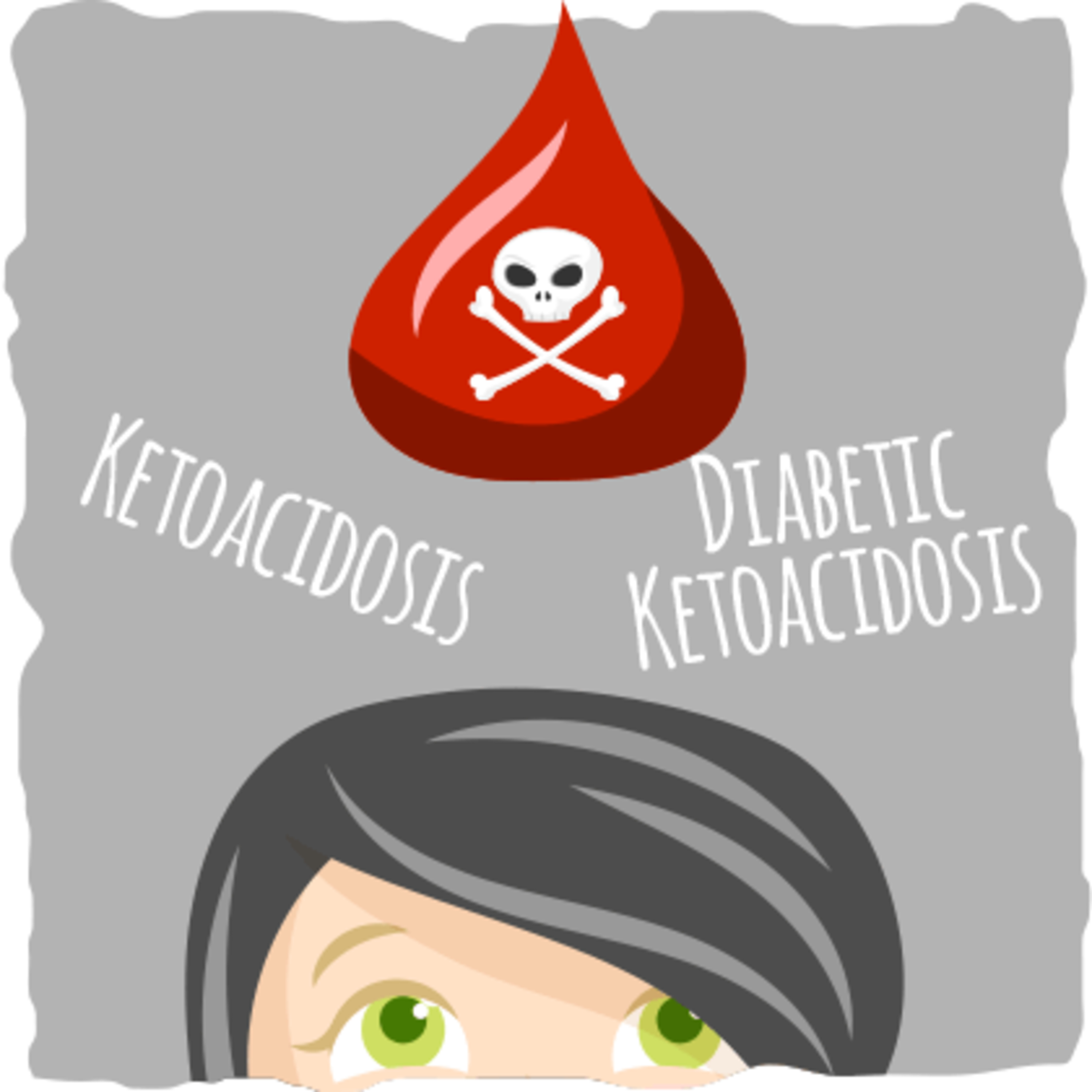
Diabetic Ketoacidosis, Hyperosmolar Hyperglycemic State, and Hypoglycemia
2/3
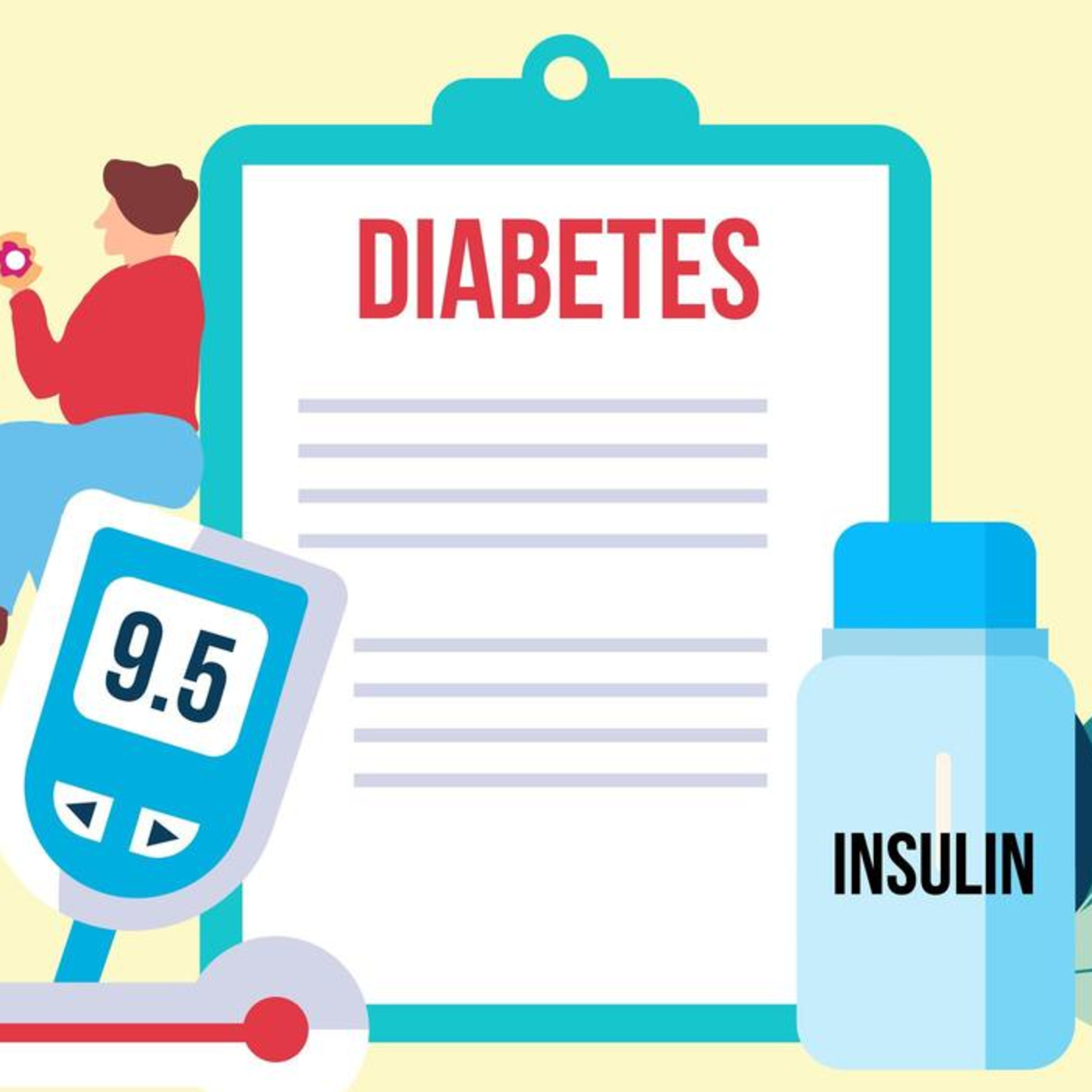
Diabetes Mellitus: Pathophysiology, Diagnosis, and Management
1/3
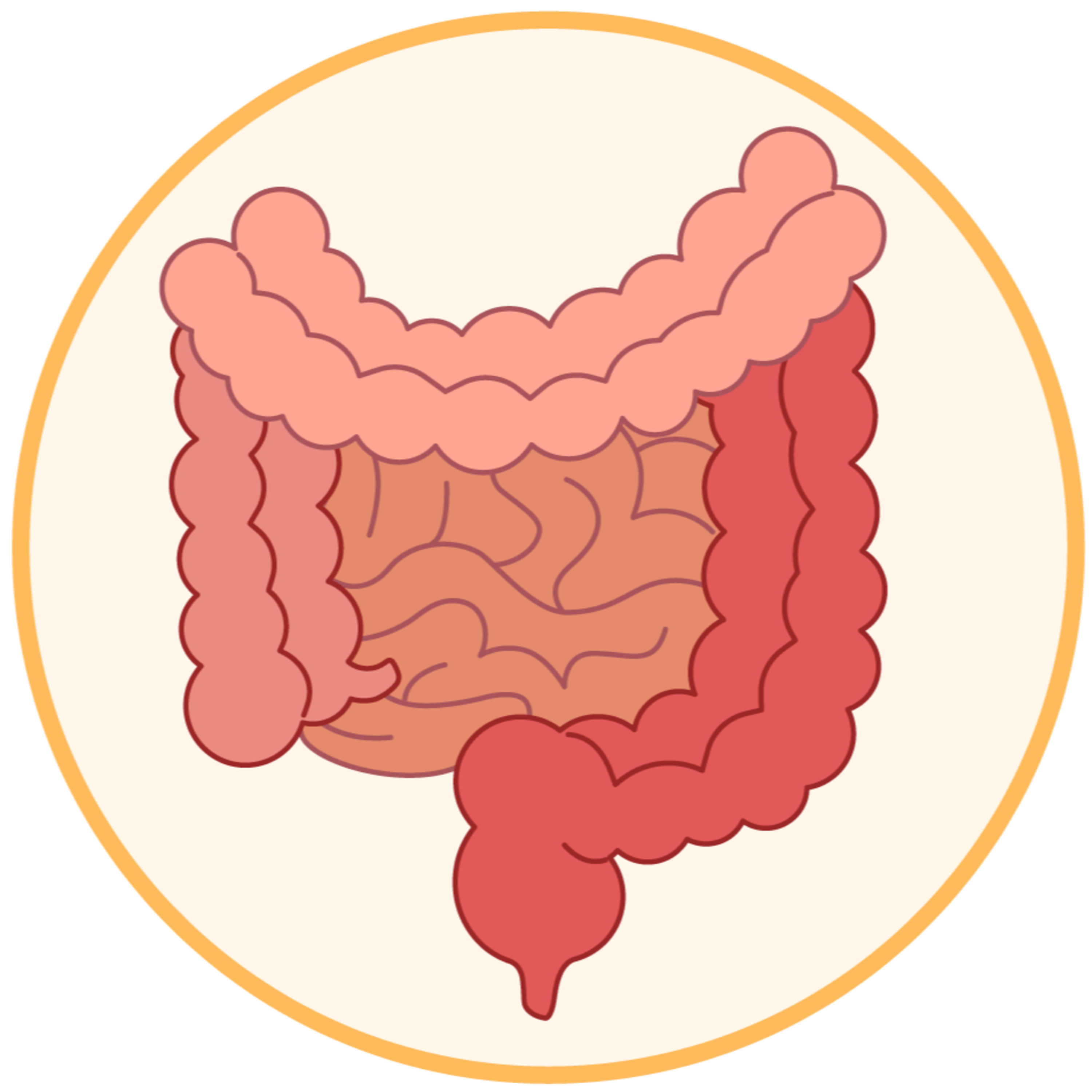
GI Issues - Part 2: Inflammatory Bowel Disease: Ulcerative Colitis and Crohn's Disease
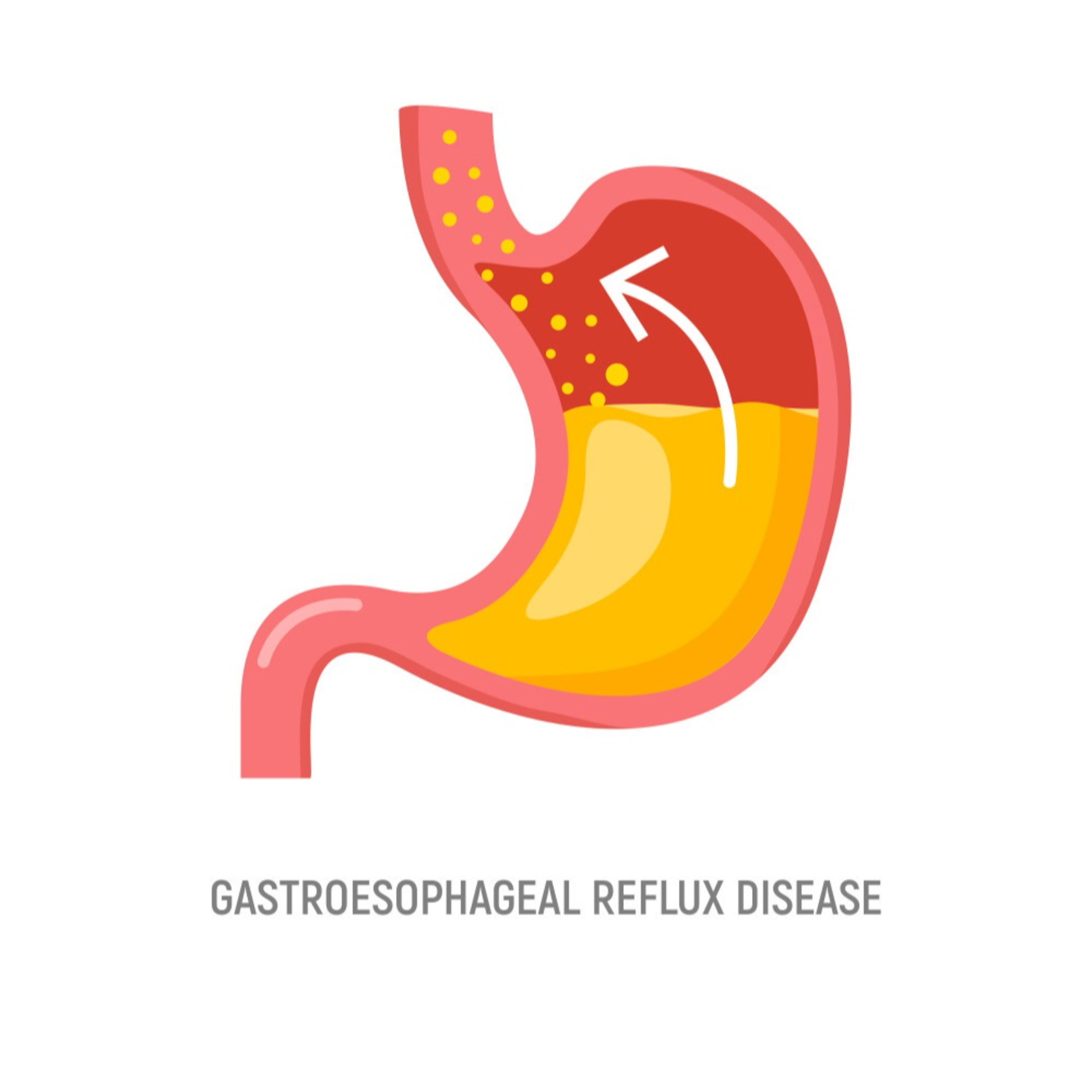
GI Issues - Part 1: Gastroesophageal Reflux Disease and Gastritis
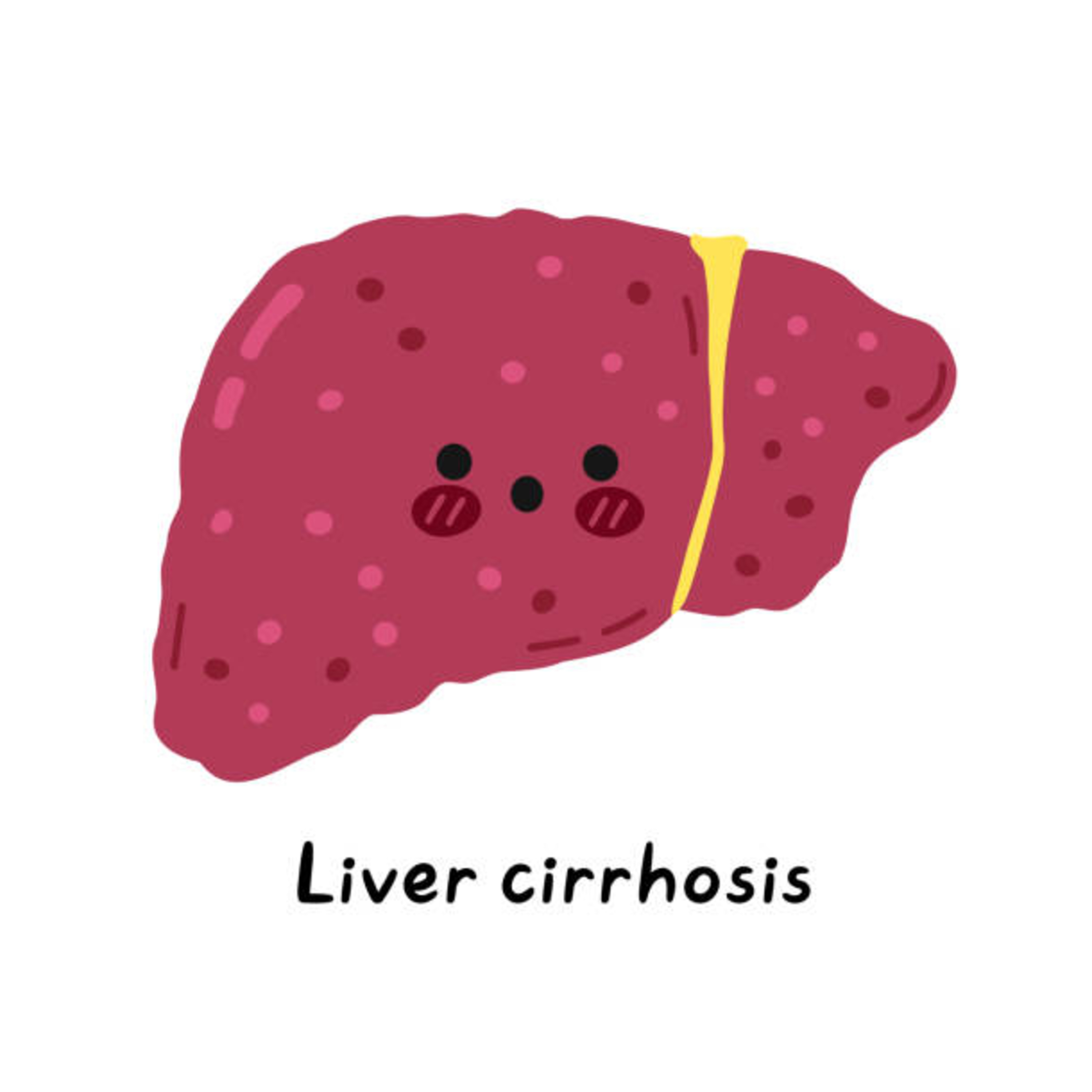
Cirrhosis of the Liver: Pathophysiology, Clinical Manifestations, and Management
Viral Hepatitis: Nursing Management - Part 2
Viral Hepatitis: Pathophysiology, Clinical Manifestations, and Nursing Management - Part 1
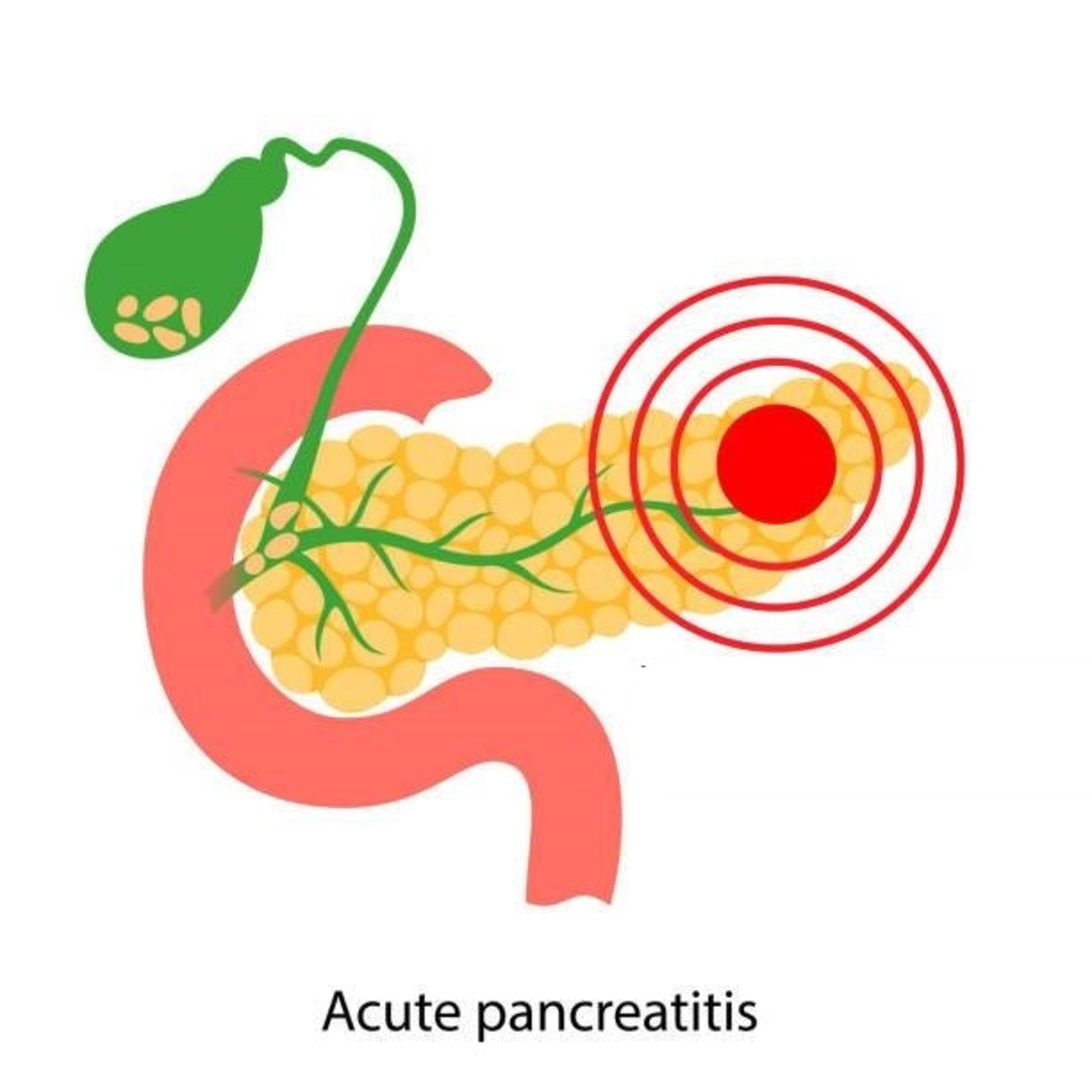
Pancreatitis

Cholelithiasis and Cholecystitis

Hematological System Assessment and Disorders
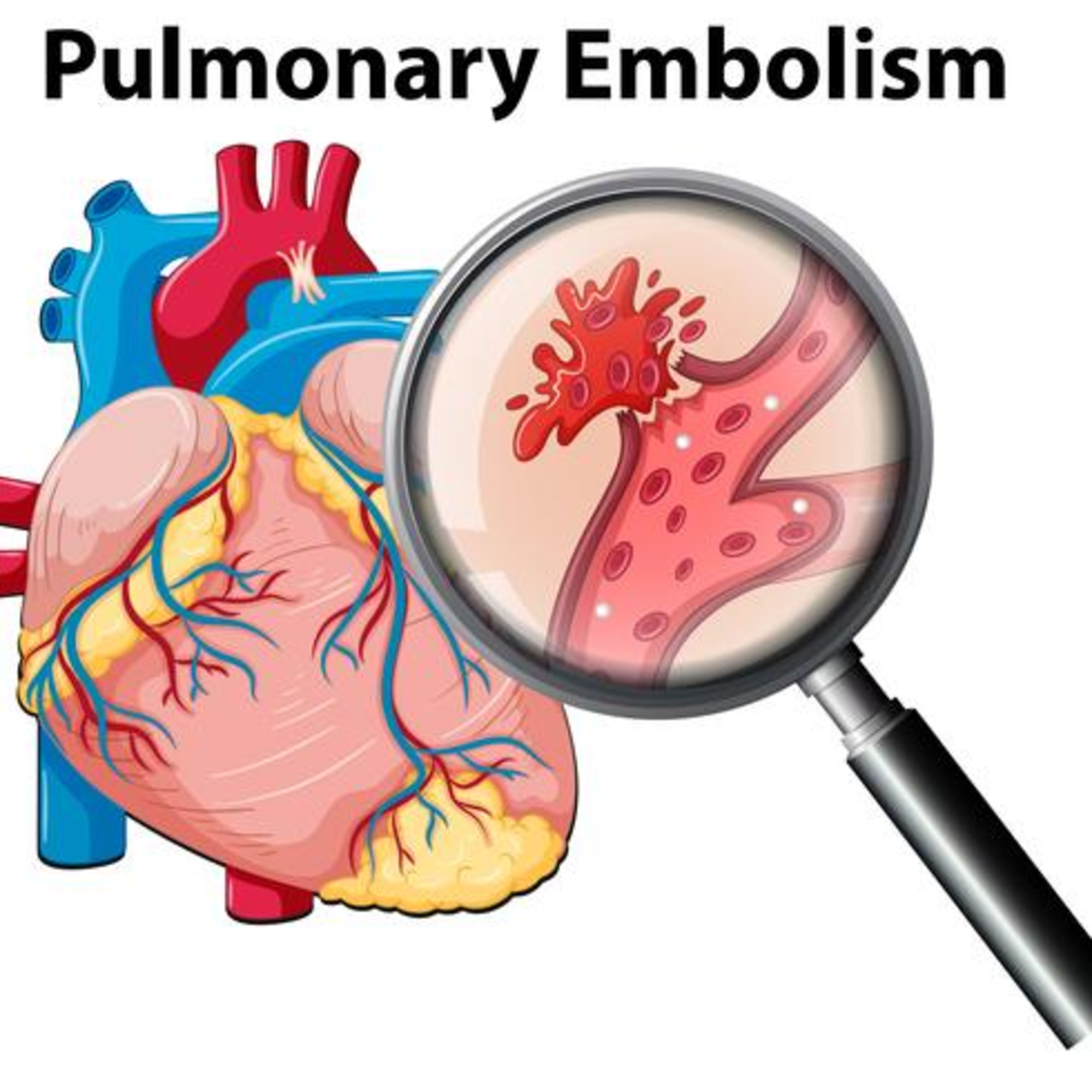
Anticoagulation Therapy and Venous Thromboembolism
Recommended

TED Talks Daily

Learn English B1 with Daily News | English Listening Practice

Talk About Talk - Executive & Leadership Communication Skills

English with Olivia | Slow Conversations & Vocabulary

Stand In The Circle

SLOW ENGLISH PODCAST (A1-A2) With Subtitles | Daily Videos | English With Us Podcast

Learn English A2 with Daily News | Simple English Listening Practice

پلی لیست | PlayList

Conspiracy Files with Paige Carter

Bad Friends

Learn 50 English Phrases While You Sleep | Everyday English Phrases & Vocabulary

This Past Weekend w/ Theo Von
