Counterpoint
Counterpoint is a debate-style podcast from Foreign Policy, produced in partnership with the Doha Forum. Each episode features two experts arguing opposing sides of a single key global question. Topics include whether the United Kingdom should rejoin the European Union, whether tariffs are the right approach, and whether Western aid helps or harms Africa. The show brings together diplomats, journalists, academics, and activists to test arguments under pressure. It aims to present a wide range of opinions side by side rather than settle on one easy answer.
Episodes

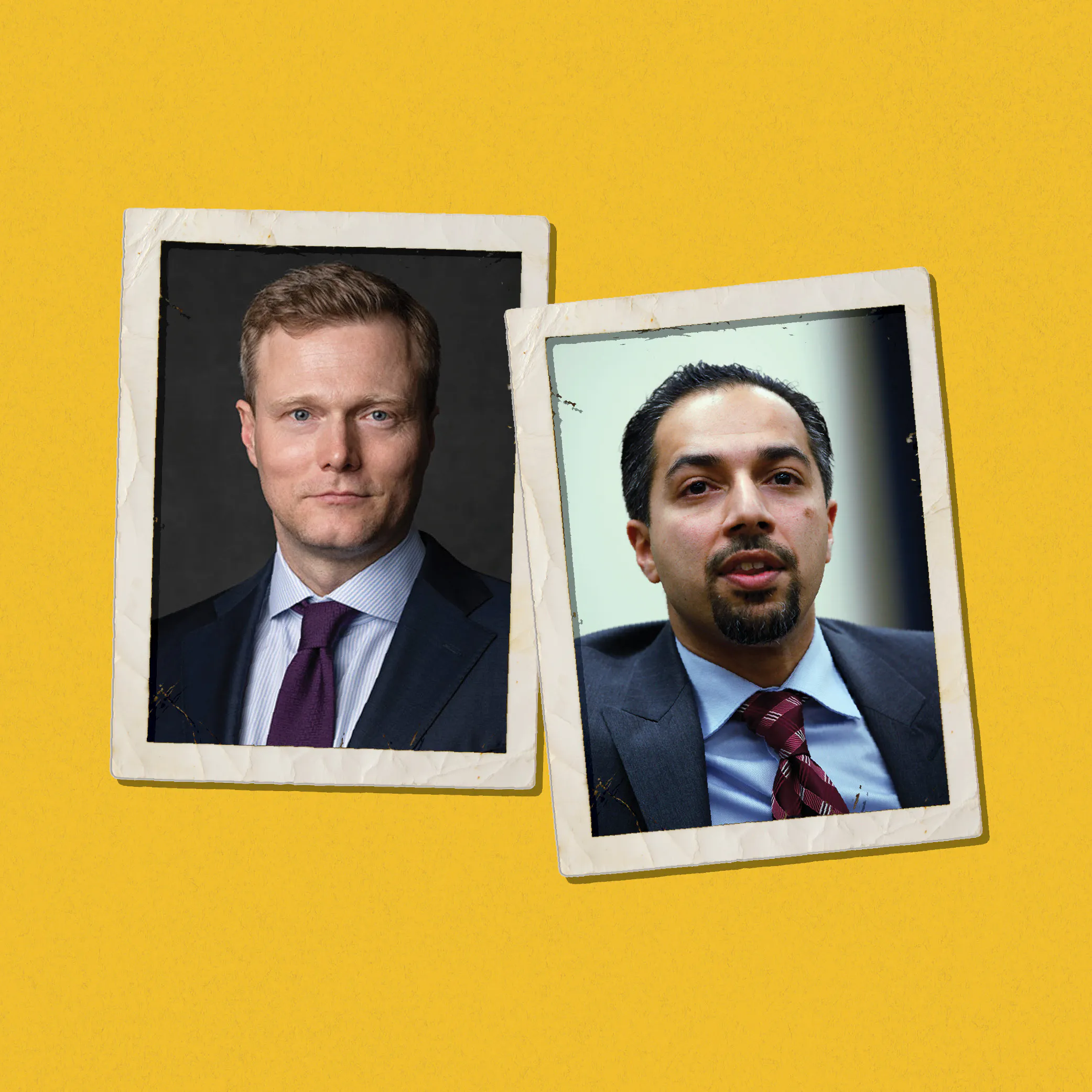
Has the Middle East Benefited From the Abraham Accords?
It’s been six years since the Abraham Accords were signed, and like so much in the Middle East, their impact and future are very much an open question. The agreements were originally aimed at normalizing relations between Israel and several Arab states. But analysts debate whether they have strengthened regional cooperation and security or contributed to greater instability in the Middle East.
We
Is a Confrontational Approach With Iran Necessary?
Last week at the United Nations, U.S. President Donald Trump made clear that another round of war with Iran was on the table. But after more than 200 days of conflict, what else can the United States do to force the Iranian leadership to reopen the Strait of Hormuz and abandon nuclear enrichment?
Welcome to Counterpoint, where we take one big question facing world leaders and look at it from oppo
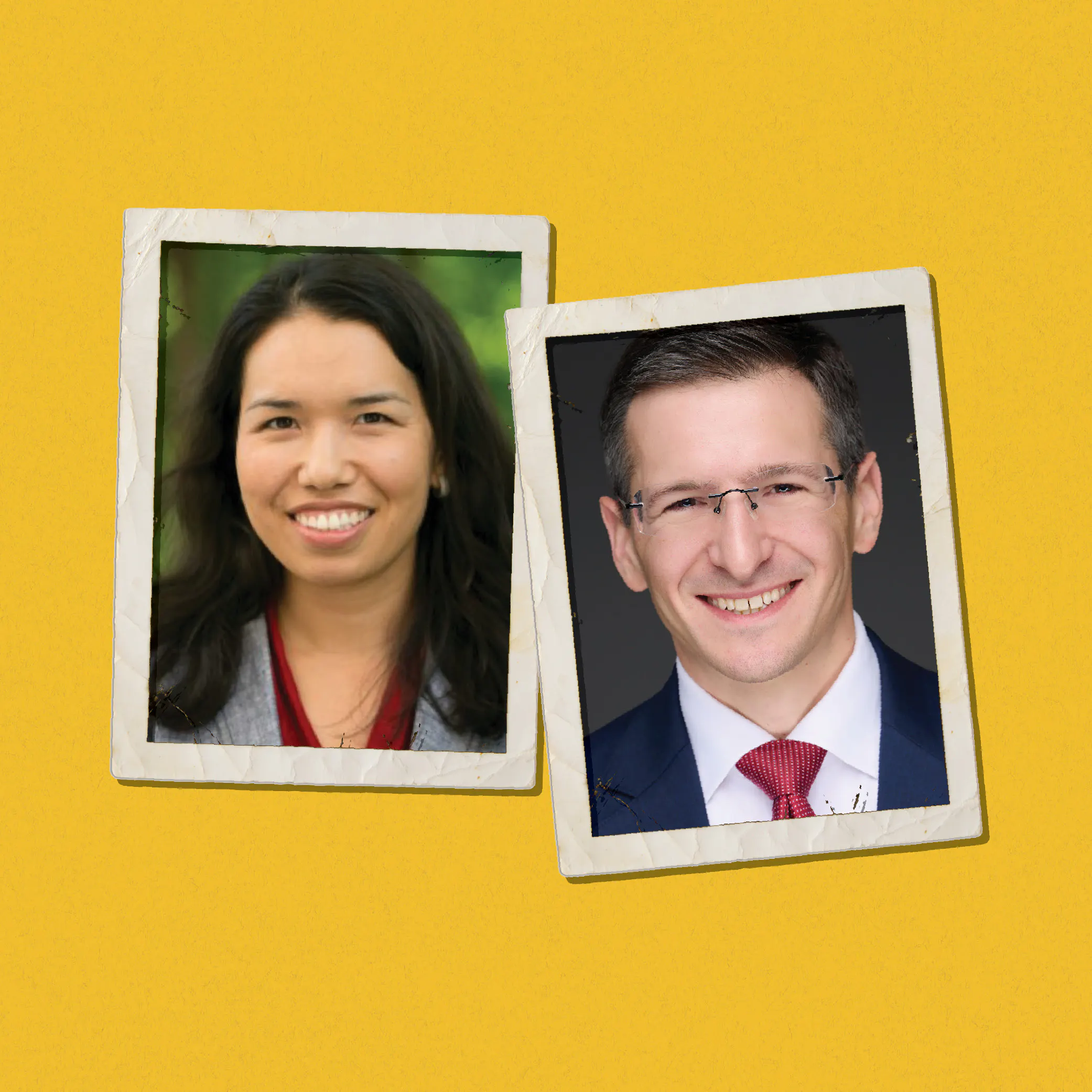
Can the U.S. and China Build a Stable Relationship?
This week, Chinese President Xi Jinping is in Washington to meet with U.S. President Donald Trump. Trade, technology, and Taiwan are all expected to be on the agenda. It’s the two leaders’ second meeting in less than six months, as they try to stabilize the future of U.S.-China relations. Many fear tensions are brewing, but with their tariff war in the past, could it be possible for the world's tw
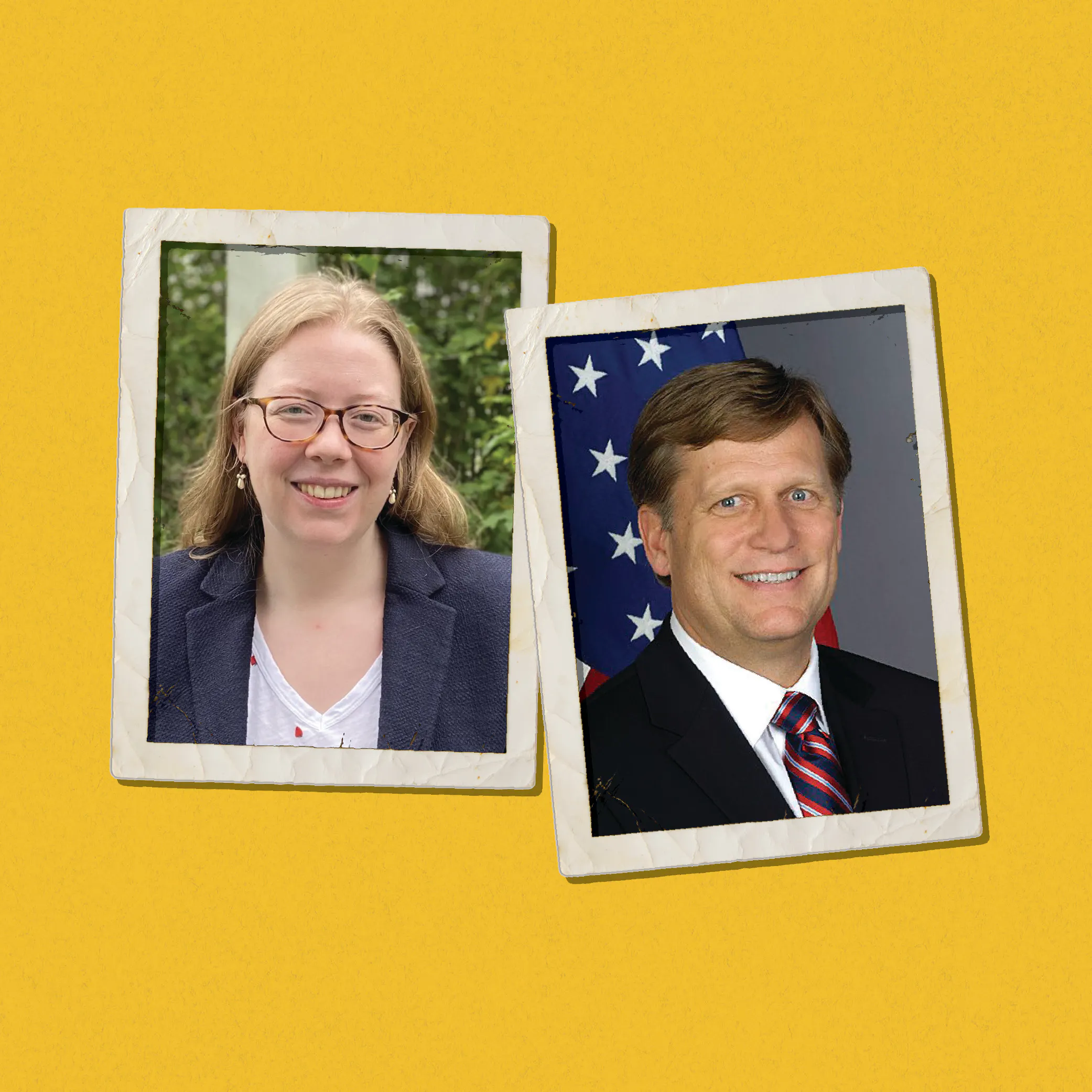
Has NATO Expansion Made Europe Safer?
NATO was created after World War II to deter the Soviet Union and protect Western Europe. But the trans-Atlantic organization did not disband after the collapse of the Soviet Union in 1991. In fact, in the years since, its membership has doubled to include countries in Eastern Europe and eventually Finland and Sweden. Supporters say the expansion helps protect countries from Russian aggression and
Counterpoint Season 3: Trailer
The world at this moment is more fractured than it’s been in decades: more wars, more extremism, and deeper disagreements on a range of issues. On season 3 of Counterpoint, we get to the heart of those disagreements with a series of debates—hosted by Nick Danforth, a deputy editor at Foreign Policy magazine. Nick brings together two of the smartest people in their field on each episode, to face of

Live from Doha with Hillary Clinton
On a special bonus episode of Counterpoint, FP editor in chief Ravi Agrawal sits down with former U.S. secretary of state Hilary Clinton on the main stage of this year’s Doha Forum to discuss the Trump administration’s newly released National Security Strategy, what Congress needs to do better, the ongoing conflicts in Gaza and Ukraine, and more.
Counterpoint is a production of Foreign Policy, in

Live from UNGA80 with Kaja Kallas
On a special bonus episode of Counterpoint, FP editor in chief Ravi Agrawal sits down with Kaja Kallas, the European Union’s top diplomat, on the sidelines of the United Nations’ annual meetings to discuss relations with Washington, Russia’s war in Ukraine, recognizing Palestine, and dealing with China.
Counterpoint is a production of Foreign Policy, in partnership with the Doha Forum.
Learn more

Did the Dayton Accords Set Bosnia Up for Failure?
The Bosnian War in the early 1990s was at the time the bloodiest conflict on European soil since World War II. Some 100,000 people were killed and more than 2 million displaced amid widespread ethnic cleansing and massacres.
In 1995, the warring parties struck a power-sharing deal in negotiations just outside Dayton, Ohio, in what came to be known as the Dayton Accords. But the deal didn’t really

Should the U.S. Completely Decouple From China?
The United States and China took a step back this week from their trade war, announcing that tariffs imposed just a few weeks ago would be slashed significantly—at least for now. But even as the tension seems to be ebbing, some people in the United States are questioning whether it’s beneficial for the two economies to be intertwined at all.
Welcome to Counterpoint. On each episode, we look at on

Is Western Aid Helping or Harming Africa?
The Trump administration has moved quickly to dismantle the U.S. Agency for International Development (USAID), which oversees U.S. aid around the world, with major repercussions for food supplies, child poverty, pandemic prevention, and much more. The decision has hit Africa particularly hard. African countries were getting about about 30 percent of U.S. foreign aid annually.
While many peop

Should South Korea Develop Nuclear Weapons?
South Korea has long relied on the United States for deterrence against its nuclear-armed neighbor, North Korea. But since his reelection, U.S. President Donald Trump has raised questions about Washington’s core commitments around the world.
He and members of his cabinet have suggested Washington might withdraw from the Korean Peninsula altogether, or make Seoul pay billions for the defense the

Is Syria on the Right Path?
Late last year, Syrian opposition forces captured Damascus and put an end to the regime of Bashar al-Assad. The Syrian dictator, whose family had ruled the country for more than 50 years, fled to Moscow. Across the country, Syrians celebrated.
Assad’s fall exposed the brutality of his regime, including gruesome discoveries in government prisons, tens of thousands of disappeared people, and mass d

Are Tariffs the Right Approach?
U.S. President Donald Trump’s tariffs have roiled markets around the world and triggered a full-blown trade war with China. Even after he suspended his so-called reciprocal tariffs, the measures he kept in place are still more dramatic than anything the world has seen in decades. Most economists believe free trade—not tariffs—is the best way to increase global prosperity. But Trump says other cou

Can the Turkish-Kurdish Peace Process Succeed?
The Kurdistan Workers’ Party (PKK) declared a cease-fire last month in its war with Turkey, opening the door to a possible peace agreement between the two sides. Some 40,000 people have been killed in the conflict, which has gone on for decades.
A deal would be a major win for Turkish President Recep Tayyip Erdogan—but it’s not at all clear he can pull it off. In fact, he seems to have undermined

Can Europe Fully Replace the U.S. as Ukraine’s Chief Protector?
The Trump administration has upended the U.S. approach to the war in Ukraine, largely siding with Russia as it tries to broker an end to the fighting. With Washington no longer interested in acting as Ukraine’s chief protector, the burden is shifting to Europe. But can it bear the load?
To launch Season 2 of Counterpoint, we put that question to Nathalie Tocci and Stephen M. Walt.
Tocci is the d

Counterpoint, Season 2: Trailer
The world has changed dramatically since we released the first season of Counterpoint just a few months ago. Old alliances are collapsing and core assumptions are being questioned. On this second season of the show, FP deputy editor Sasha Polakow-Suransky is back with eight new debates that help capture the complexities of the moment. Listen in as an international cast of diplomats, journalists, a

Should the U.S. Confront China More Forcefully Over Taiwan?
Over the past few weeks, Taiwan’s military has been on high alert after China deployed warships and fighter jets around the island to conduct unannounced maritime drills. And some are now questioning whether China could be gearing up for a military attack. Foreign Policy Deputy Editor Sasha Polakow-Suransky is joined by Jessica Chen Weiss, a professor of China studies at Johns Hopkins University a
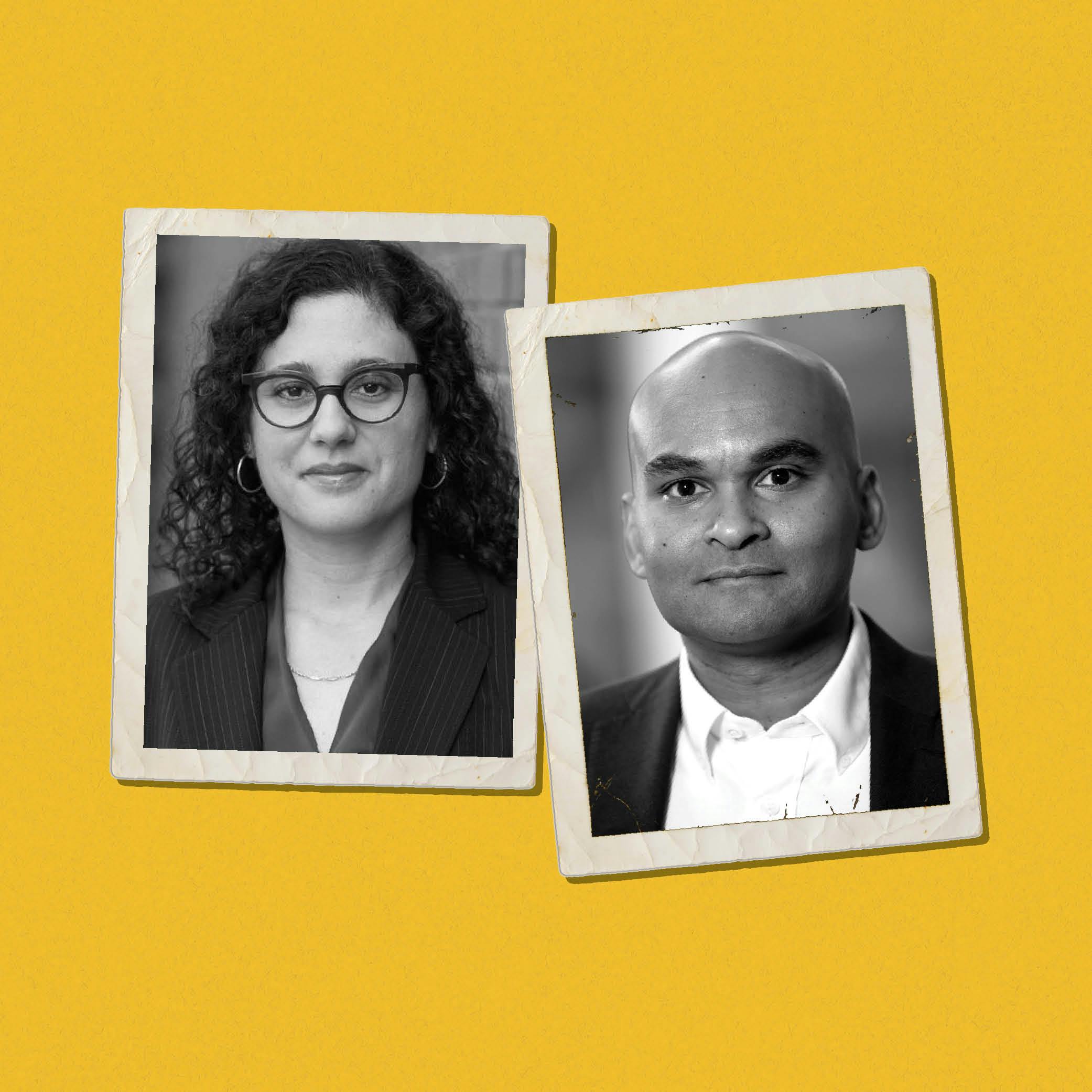
How Should Trump Tackle the U.S. Immigration Crisis?
U.S. President-elect Donald Trump made immigration a cornerstone of his campaign. The question now is what will he actually do? Will he seek to round up and kick 10 million people out of the country on Jan. 21? Will he reconfigure U.S. policy to focus on admitting skilled workers and reducing the number of unskilled migrants?
Foreign Policy deputy editor Sasha Polakow-Suransky is joined by Leah Bo

Should the Global South Denounce Russia’s War in Ukraine as an Act of Imperialism?
When Russia invaded Ukraine in 2022, many countries in Africa, Asia, and Latin America didn’t join the United States and Europe in jumping to Kyiv’s defense. Their leaders wondered why they should oppose Russia’s aggression after watching Washington get away with decades of military interventions from Iraq to Libya, raising the question of whether opposing the use of force somewhere necessitates o

Should the U.K. Rejoin the EU?
Back in 2016, under a Conservative-led government, Britain shocked the world by voting narrowly to leave the European Union. Fast-forward to today, and the political sands have shifted dramatically. In July, for the first time in 14 years, British voters elected a Labour government. Two weeks later, the new British prime minister, Keir Starmer, signaled his desire for the country to once again gro

Can South Africa Be a Moral Example to the World?
For many years, South Africa was seen as a poster child for peaceful reconciliation and the triumph of good over evil. The “Rainbow Nation” image brought tourism, international investment, and major global events such as the 2010 World Cup. But beneath the glitz, there was a darker side: grinding poverty, widespread corruption, violent xenophobia, and close ties with authoritarian regimes. These d

Should the West Pressure Ukraine to Negotiate an End to the War?
In the past few months, the war in Ukraine has taken some dramatic turns. Ukraine launched a surprise incursion into Russian territory, seizing chunks of Kursk province and embarrassing President Vladimir Putin. Russia retaliated with a number of devastating attacks on Ukrainian cities and military facilities and continued to seize more territory in Donetsk. Rather than moving toward a negotiated

Should Israel and the United States Attack Iran’s Nuclear Program Now?
On the night of Oct. 1, Iran launched nearly 200 missiles at Israel. It was the latest in a deadly tit for tat between the two countries. The regionwide war that the Biden administration doesn’t want now seems to be happening. And for that reason, the idea of taking out Iran’s nuclear program with military strikes seems less theoretical and more like a real possibility.
Foreign Policy deputy edito

Should the U.S. Withhold Military Aid From Israel?
This week marks the one-year anniversary of the Oct. 7 Hamas attack on Israel and the start of a war in Gaza that has killed upwards of 40,000 people, many of them civilians. Throughout this conflict, Israeli Prime Minister Benjamin Netanyahu has pursued his own political and military agenda at odds with Washington’s calls for negotiations and de-escalation. Yet the flow of U.S. arms has continued

Introducing Counterpoint
Each week, FP deputy editor Sasha Polakow-Suransky and his guests will tackle one pressing question from two opposing points of view.
Listen in as an international cast of diplomats, journalists, academics and activists from around the globe debate controversial issues that get to the heart of the world’s biggest dilemmas.
This season’s debates include, “Should the United States withhold militar

Remaking the World Order
Global cooperation can often seem broken. On our final episode of Global Reboot, we look at how to reboot international relations for a multipolar era. Multilateral institutions seem increasingly ineffective, and even outdated, as emerging economies demand more of a role and countries form alliances and blocs outside of these institutions. In such a scenario, what can be done to improve cooperatio

Engaging With the Global South
The “global south” encompasses countries with such varied interests and ideologies that the term may no longer be a useful tool. Yet, if the Western world hopes to counter Russia’s and China’s increasing aggression, rebuilding strong relationships with these countries is more important than ever.
C. Raja Mohan is a senior fellow with the Asia Society Policy Institute in New Delhi. He joins Ravi Ag

A New Approach to Preserving Ocean Biodiversity
The global community has set a goal of preserving thirty percent of our oceans by 2030. How will we reach that goal? And what’s at stake for ocean biodiversity if that target is missed?
Monica Medina is the president and CEO of Wildlife Conservation Society, and the former United States' Special Envoy for Biodiversity and Water Resources.
Global Reboot is produced in partnership with the Doha For

What Would It Take to Solve the World’s Refugee Crisis?
2023 is on track to be the worst year on record for refugees. And the figures for internally displaced people—communities forced to move within their own countries to escape conflict or natural disaster—are even worse. How do we fix this?
Kelly T. Clements, the deputy high commissioner at the U.N. agency tasked with responding to this crisis, joins Global Reboot to discuss solutions to this growin

How to Regulate Artificial Intelligence
The world’s first comprehensive piece of legislation regulating artificial intelligence could be on the cusp of being approved. The European Union’s AI Act would set guardrails for the technology without curbing innovation. Eva Maydell, a member of the European Parliament, is one of the act’s key drivers and joins host Ravi Agrawal to share her insights.
Learn more about your ad choices. Visit meg

How to Fix America’s China Policy
The trajectory of the U.S.-China relationship has global implications, with most Democrats and Republicans in Congress calling for a more hawkish approach. Rep. Andy Kim disagrees, calling instead for a foreign policy focused more on coalition building.
Kim sits on the House Select Committee on the Chinese Communist Party. He’s one of the few members of Congress who has visited China. And when sp

Rebooting the Patriarchy
In her latest book, The Patriarchs: The Origins of Inequality, science journalist Angela Saini argues that it’s not biology alone that formed the basis for the patriarchy. The history of the patriarchal state is much more complex. For example, one of the most radical attempts to overhaul gender inequality came from an unlikely actor: the Soviet Union.
Saini joins host Ravi Agrawal to discuss how

How to Rethink Poverty
Rory Stewart is a longtime administrator of foreign aid, from working as a diplomat in the field to the highest levels of government. He now heads GiveDirectly, one of the world’s fastest-growing nonprofits, which is popularizing direct cash transfers as an effective way to alleviate poverty. He joins Global Reboot host Ravi Agrawal to share his insights.
Rory Stewart previously served as a cabine
A New Season of Global Reboot
Global Reboot returns for a new season. Join host and Foreign Policy editor in chief Ravi Agrawal as he talks with top policymakers and thinkers focused on solving the world’s biggest problems. New episodes drop every week starting on Oct. 27.
Global Reboot is produced in partnership with the Doha Forum.
Learn more about your ad choices. Visit megaphone.fm/adchoices

Doha Debates Podcast
BONUS EPISODE: The Doha Debates Podcast —“Financial Future: Is it time to cancel Africa's debts?”
Learn more about your ad choices. Visit megaphone.fm/adchoices

Should the United States Step Up or Back Off?
For much of the 20th century, the United States has toggled between two foreign policy impulses: to actively insert itself in the affairs of the world or to hang back and focus on its own domestic issues. Advocates of the two approaches to international relations have had various designations, including liberals and realists, or interventionists and isolationists.
But these days, the world is shi

Is the IMF Still Relevant?
As countries grappled with the economic fallout from the COVID-19 pandemic in recent years, many turned to global financial agencies for support, including the International Monetary Fund and the World Bank. But in some cases, at least, the agencies’ playbook of reforms and austerity in exchange for loans, no longer seemed suitable.
The IMF and the World Bank—along with the United Nations and the
Human Rights are in Decline Around the World. What can be Done About it?
In large parts of the world, economic and technological progress has made people’s lives significantly better over the past few decades. From China to Africa to Latin America, large swaths of the population are healthier and more prosperous than ever.
But even as humanity has achieved so much, human rights have regressed in many countries—including some of the wealthier ones. Why is that and wh

The Democracy Deficit
Analysts who study governance around the world have been warning for years that democracy is in decline, both in quality and quantity. Fewer countries can legitimately claim to be democracies. Among those that can, many are less democratic than they were just a few years ago.
This week on Global Reboot, Foreign Policy’s editor in chief, Ravi Agrawal, discusses the issue with Hélène Landemore, a

There is a Fix For Climate Change. But Can We Afford It?
The climate and deficit reduction package that Democratic lawmakers agreed on last week earmarks some $370 billion dollars for much-needed energy and climate spending. That figure marks a victory for President Joe Biden and his climate initiative.
But in the broader battle against climate change, the spending is just a tiny fraction of what’s needed. In fact, many experts now believe that finding

Fixing the Food Crisis
Six months ago, the food crisis around the world was dire. A combination of the coronavirus pandemic, supply chain issues, and extreme weather had compounded an already difficult problem. Then Russia invaded Ukraine and the situation became a whole lot worse. On this episode of Global Reboot, Foreign Policy’s editor in chief, Ravi Agrawal, discusses ways to address global food insecurity with Erth

Disinformation, Intimidation, and Other Threats to Press Freedom
Philippine authorities have arrested journalist Maria Ressa 10 times in the past two years. They’ve been threatening for years to shut down the media organization she runs, Rappler. And yet, even as the government in Manila becomes more repressive, Ressa has managed to produce some of the most probing and engaging journalism coming out of the Philippines. Last year, she received the Nobel Peace Pr

The Crisis Trifecta
Hello, listeners! Welcome back to Global Reboot, where we look at some of the world’s biggest problems and discuss new ways to address them. Our host, Foreign Policy editor in chief Ravi Agrawal, begins the season by sitting down with Ian Bremmer, a political risk analyst and host of GZERO World, to discuss not one but three major global crises facing humanity in the 21st century. Bremmer’s new bo

COMING SOON: Global Reboot
A new season of Global Reboot is coming to you on July 12. Foreign Policy magazine’s Editor in Chief Ravi Agrawal is joined by some of the smartest thinkers and policy makers of our time to identify solutions to the world’s biggest challenges. The show is produced in partnership with the Doha Forum. Listen to season two of Global Reboot wherever you get your podcasts.
Learn more about your ad cho

Dr. Bernice King on Racial Justice
Last year’s Black Lives Matter protests seemed to be an awakening for some, but for many black and brown communities it exposed a truth that has always been painfully clear.
On this episode of Global Reboot, Foreign Policy Editor in Chief Ravi Agrawal interviews Dr. Bernice King on how to ensure racial justice in a post-COVID world.
Global Reboot is a FP Partner Podcast with the Doha Forum.
We w

Rachel Vogelstein on Gender Equity
On this episode of Global Reboot, FP Editor in Chief Ravi Agrawal interviews author Rachel Vogelstein on how to ensure gender equity in a post-COVID world.
Global Reboot is a FP Partner Podcast with the Doha Forum.
We want to hear from you! To fill out our 2021 listener survey, go to survey.fan/foreignpolicy.com
Learn more about your ad choices. Visit megaphone.fm/adchoices

Irshad Manji and Shadi Hamid on Preventing Islamophobia Around the World
On this episode of Global Reboot, FP Editor in Chief Ravi Agrawal interviews authors and scholars Irshad Manji and Shadi Hamid on how to prevent Islamophobia around the world.
Global Reboot is a FP Partner Podcast with the Doha Forum.
We want to hear from you! To fill out our 2021 listener survey, go to survey.fan/foreignpolicy.com
Learn more about your ad choices. Visit megaphone.fm/adchoices

US China Relations with Former Prime Minister of Australia Kevin Rudd
How the Biden administration steers the relationship between Washington and Beijing could have more impact on the rest of the world than just about any other American policy in the coming years.
On this episode of Global Reboot, FP Editor in Chief Ravi Agrawal interviews former Prime Minister of Australia Kevin Rudd on the U.S. - China relationship. Rudd is also a fluent mandarin speaker, and one

Mariana Mazzucato and Raghuram Rajan on Building Back Post-Pandemic
Behind every protest, and every election debate around the world, an underlying theme seems to be rising anger about inequality, and a sense that capitalism itself is broken. But what can be done to fix it? What can societies do to reverse some of its inherent problems? And how should this inform governments and policymakers as they shape the recovery from the pandemic.
On this episode of Global

Marietje Schaake and Vivian Schiller on Big Tech
On this episode of Global Reboot, FP Editor in Chief Ravi Agrawal interviews Marietje Schaake, former Member of the EU Parliament, and Vivian Schiller, former President and CEO of NPR as well as the former Head of News at Twitter, on Big Tech's expansive role in our civic lives. Is high-tech a tool to further democratization or for greater oppression? And what solutions should be considered as gov
Dr. Ashish Jha and Dr. Hanan Abdul Rahim on COVID-19 and Global Health
On this episode of Global Reboot, FP Editor-in-Chief Ravi Agrawal interviews Dr. Ashish Jha and Dr. Hanan Abdul Rahim on how COVID-19 will shape health care systems in the future. What lessons have we learned on how to respond to global health challenges and what can we do to prepare for the next pandemic?
Global Reboot is a FP Partner Podcast with the Doha Forum.
Learn more about your ad choices

U.S. Special Presidential Envoy for Climate John Kerry
On this episode of Global Reboot, FP's Editor-in-Chief Ravi Agrawal interviews U.S. Special Presidential Envoy for Climate John Kerry about how the new Biden Administration is addressing climate change.
Global Reboot is a FP Partner Podcast with the Doha Forum.
Learn more about your ad choices. Visit megaphone.fm/adchoices
Recommended

Talk About Talk - Executive & Leadership Communication Skills

English with Olivia | Slow Conversations & Vocabulary

Stand In The Circle

SLOW ENGLISH PODCAST (A1-A2) With Subtitles | Daily Videos | English With Us Podcast

Learn English A2 with Daily News | Simple English Listening Practice

پلی لیست | PlayList

Conspiracy Files with Paige Carter

Bad Friends

Learn 50 English Phrases While You Sleep | Everyday English Phrases & Vocabulary

This Past Weekend w/ Theo Von

Dateline NBC

Back to the 80s Radio
