Poetry For All
Poetry For All is a podcast for both longtime poetry lovers and newcomers. Each episode features a single poem that hosts Joanne Diaz and Abram Van Engen read aloud, discuss, and unpack to see how it works. They explore what makes the poem tick and what listeners can learn from it, then read the poem once more. The show also has a companion website with guest information, thematic episode guides, and a newsletter.
Episodes
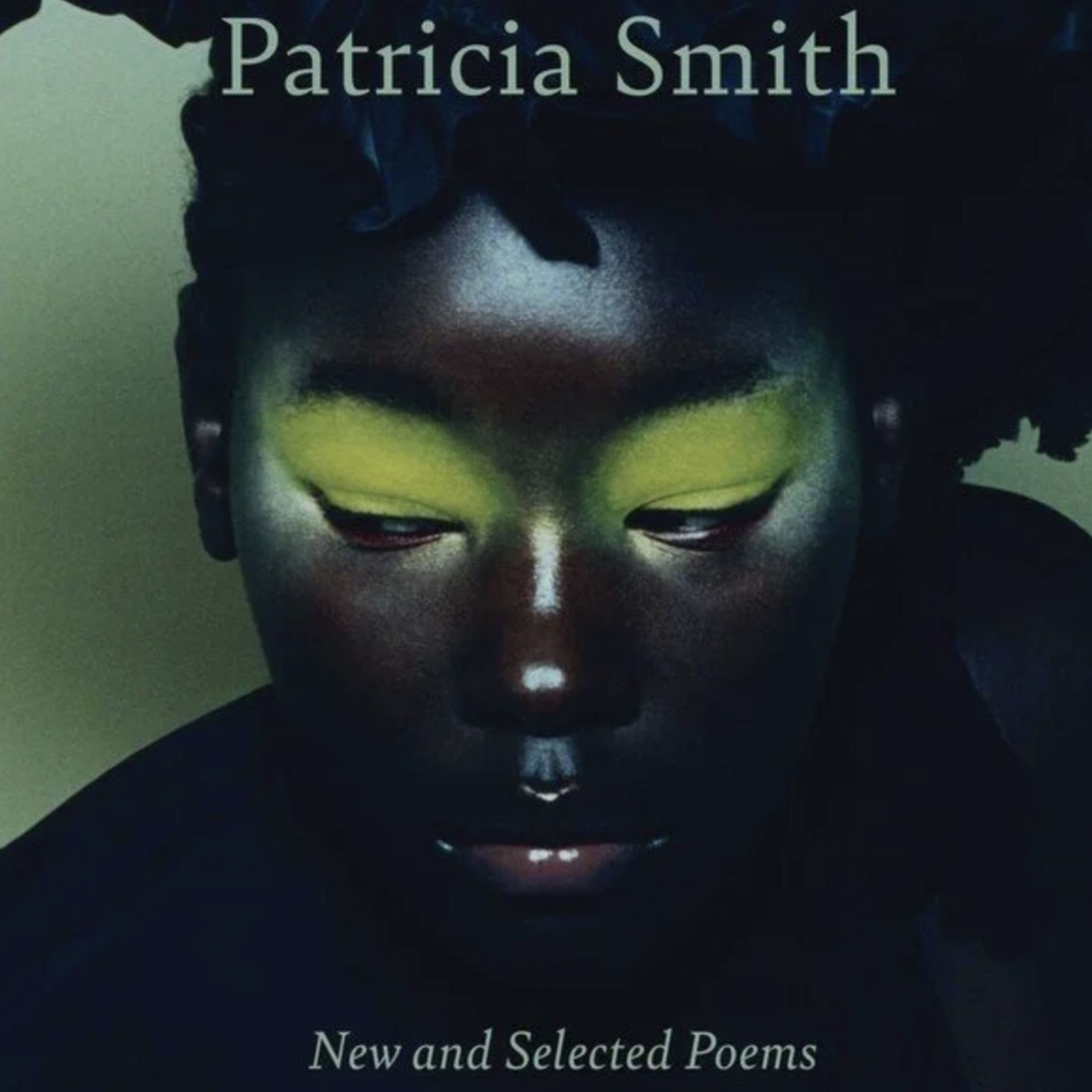
Episode 116: Patricia Smith, "XXXL"
In this episode, we continue our series on the villanelle with Patricia Smith's "XXXL." In this poem, Smith uses the constraints of the villanelle form to create a powerful portrait of familial love.
Patricia Smith is the author of numerous collections of poetry, a winner of the National Book Award for The Intentions of Thunder: New and Selected Poems (Scribner, 2025), and a recipient o
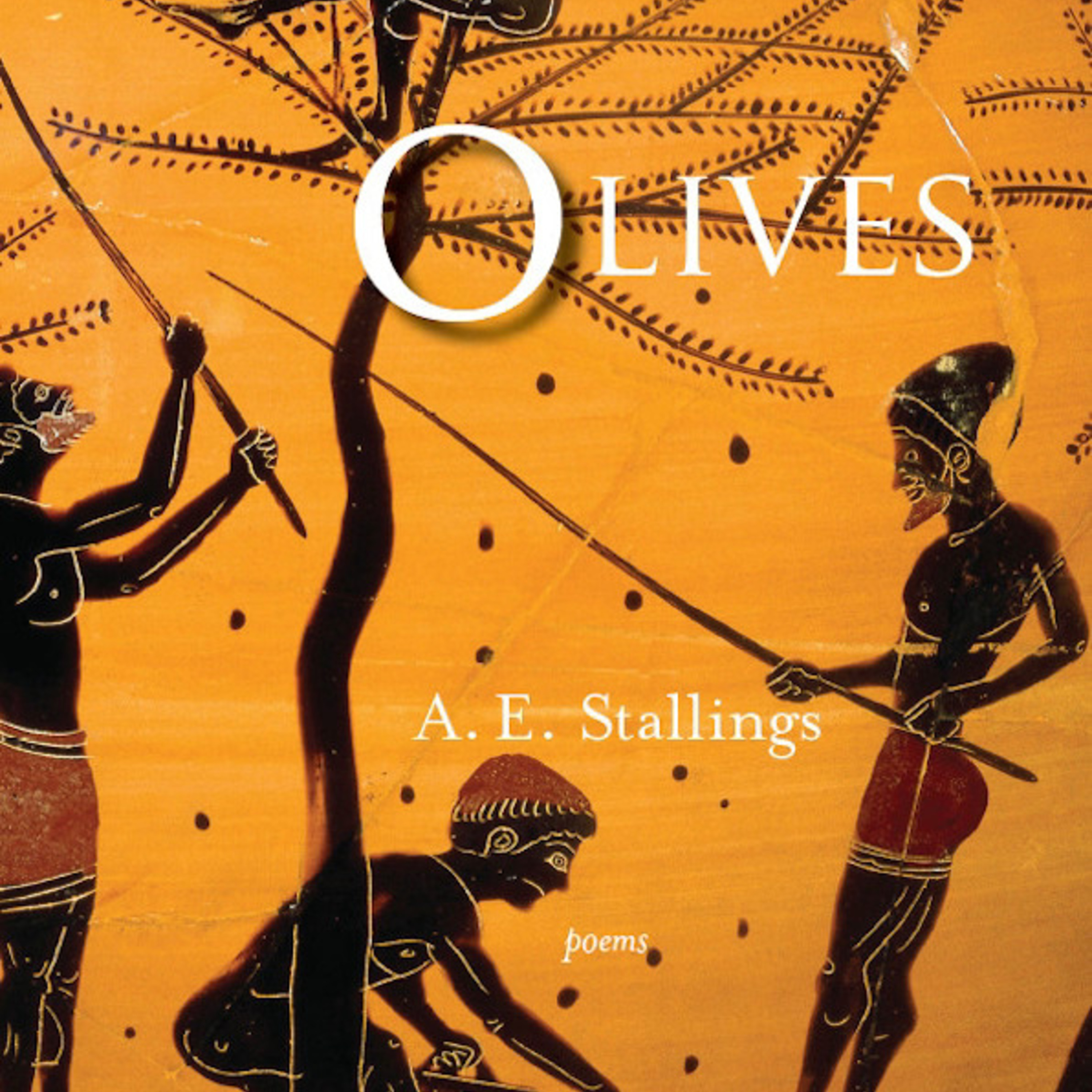
Episode 115: A.E. Stallings, Burned
In this episode, we continue our villanelle series with the incredible formalist poet A.E. Stallings. Every form begs for a bending of the rules, sometimes in small ways, sometimes in big ways. We look here at how slight bends in the rules bring home the poem.
For more on A.E. Stallings, see her biography at The Poetry Foundation.
Thank you to Northwestern University Press for permissi
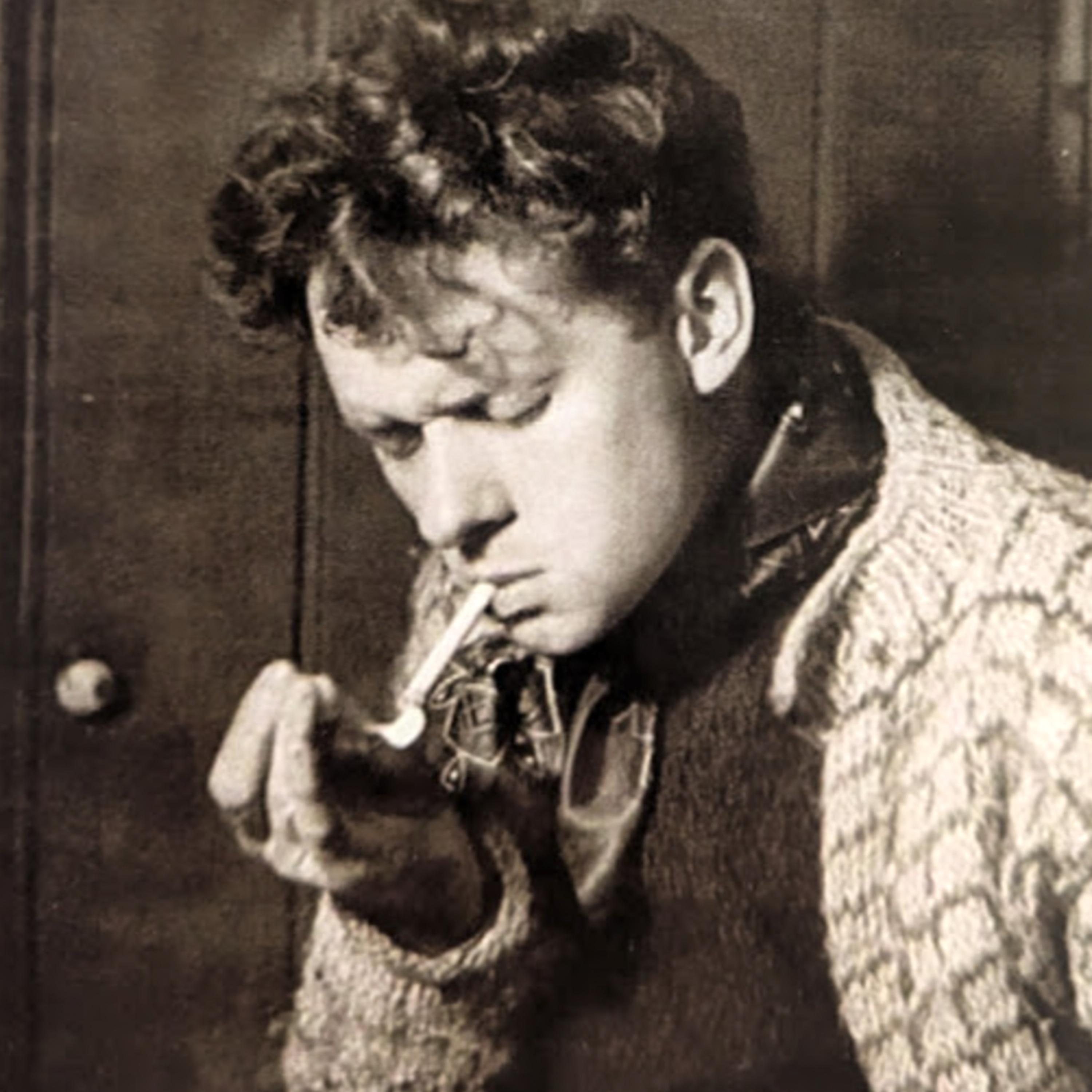
Episode 114: Dylan Thomas, Do Not Go Gentle Into That Good Night
In this episode, we introduce the first villanelle in our three-part series on that poetic form. We begin with Dylan Thomas's "Do Not Go Gentle Into That Good Night," a poem that attempts to stave off the inevitability of mortality.
To learn more about Dylan Thomas, visit the Poetry Foundation.
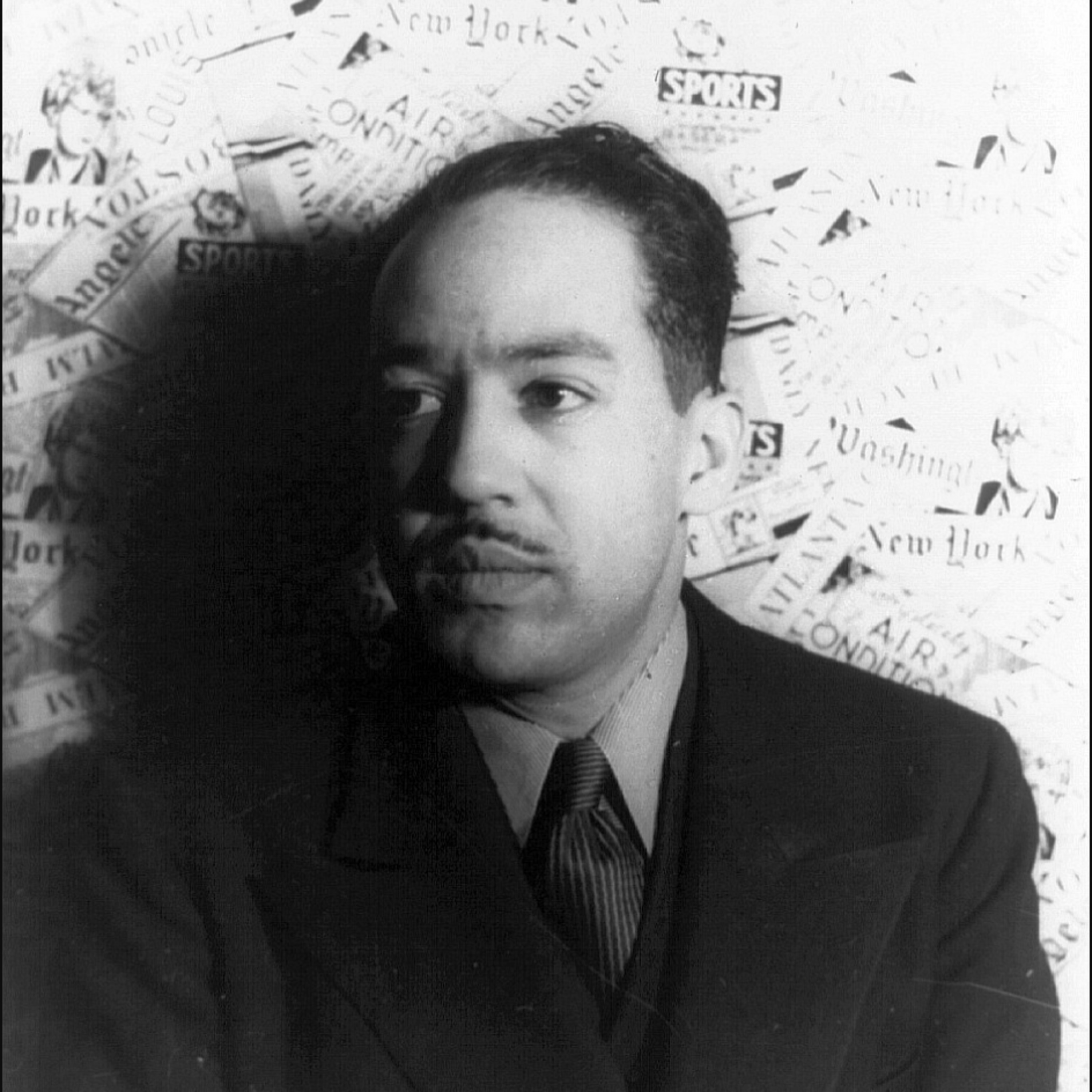
Episode 113: Langston Hughes, Theme for English B
In this episode, we read one of Langston Hughes's most famous poems. We discuss Hughes's conversational style, how he evokes the topography of Harlem, and the way the poetic speaker addresses the complexity of the power dynamics in the classroom.
You can read the text of this poem here.
To learn more about Langston Hughes, visit the Poetry Foundation website.
Thanks to Harold Ober Ass
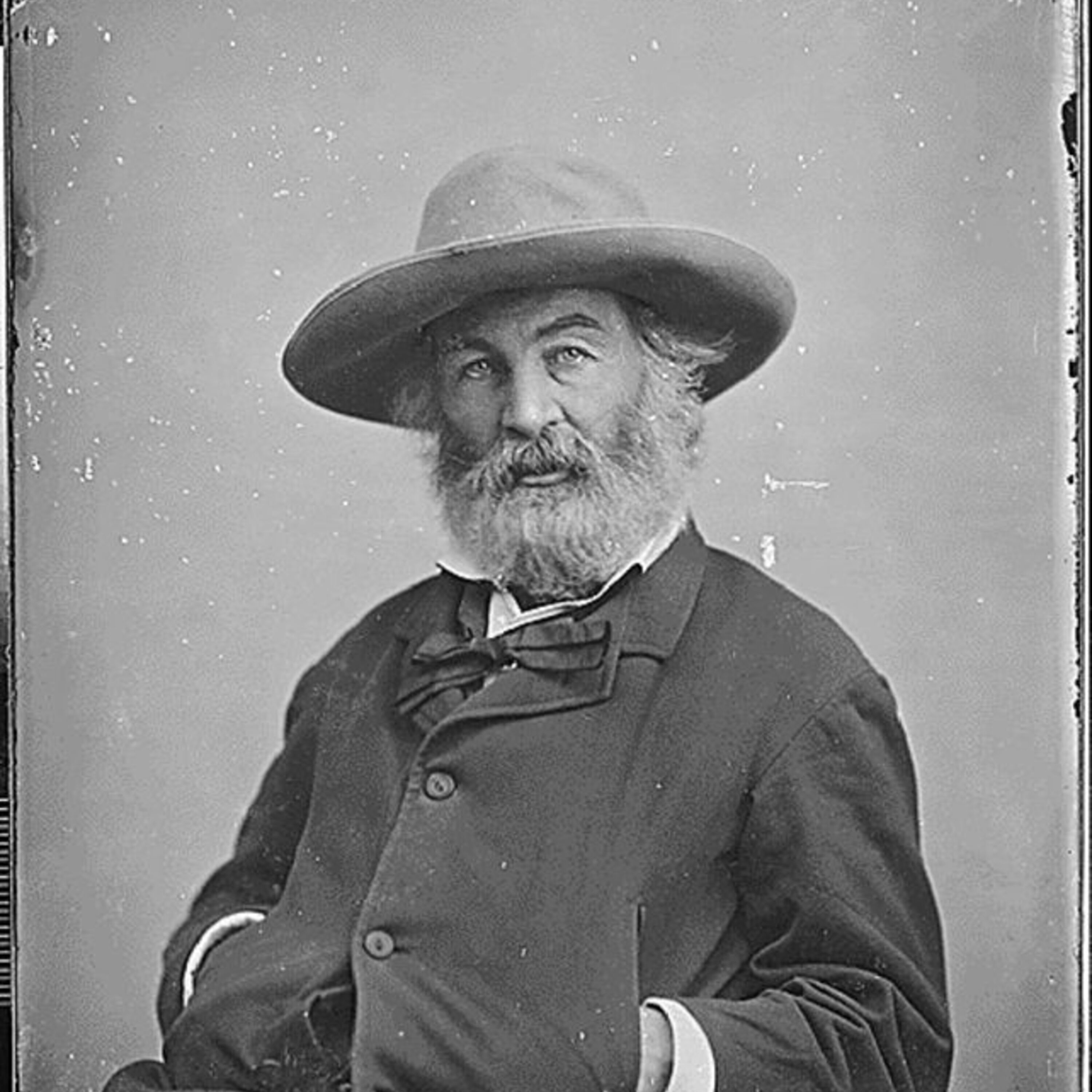
Episode 112: Walt Whitman, When I Heard the Learn'd Astronomer
As we prepare for the new school year, we turn to Walt Whitman's poem "When I Heard the Learned Astronomer." We discuss Whitman's influence, the effects of war, the role of poetry as Whitman saw it, and the importance of experiencing the world both in and beyond the classroom.
When I Heard the Learn'd Astronomer
When I heard the learn’d astronomer,
When the proofs, the figures, were ran
Episode 111: Katie Ford, The Shroud of Turin
In this episode, Laura Evers (who has done so much work for this podcast), joins us to discuss the poem that drew her into poetry. We explore Katie Ford's haunting poem of longing, absence, and the desire to know, and we examine how her grammatical choices (including the absence of punctuation or breath marks) enhance the experience of reading and rereading the poem.
"The Shroud of Turin
Episode 110: Tarfia Faizullah, Aubade Ending with the Death of a Mosquito
In this third installment of our series on the aubade, we feature a contrapuntal poem that explores various states of grief and loss.
Tarfia Faizullah is the author of two poetry collections: Registers of Illuminated Villages (Graywolf, 2018) and Seam (Southern Illinois University Press, 2014). She is the recipient of numerous awards and fellowships. To learn more about her work, visit
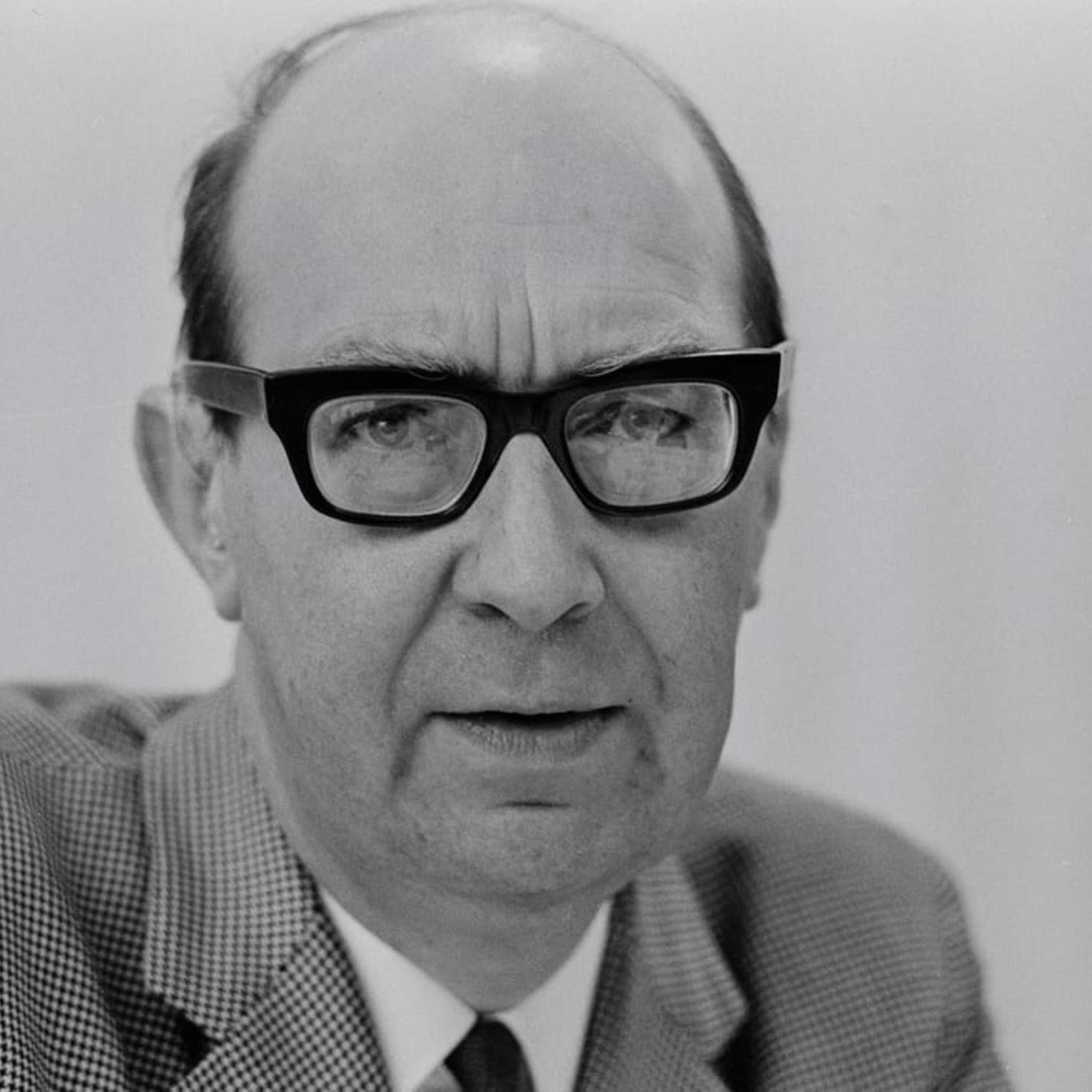
Episode 109: Philip Larkin, Aubade
This episode continues our series on the aubade (a morning love song) with a dramatic turn. Larkin reinvents the tradition as waking to the fact that every new day brings a person one day closer to death.
To see the tradition that Larkin reimagines, see our previous episode on John Donne, "The Sun Rising."
For the text of Larkin's "Aubade" see the Poetry Foundation.
For more on Larkin,
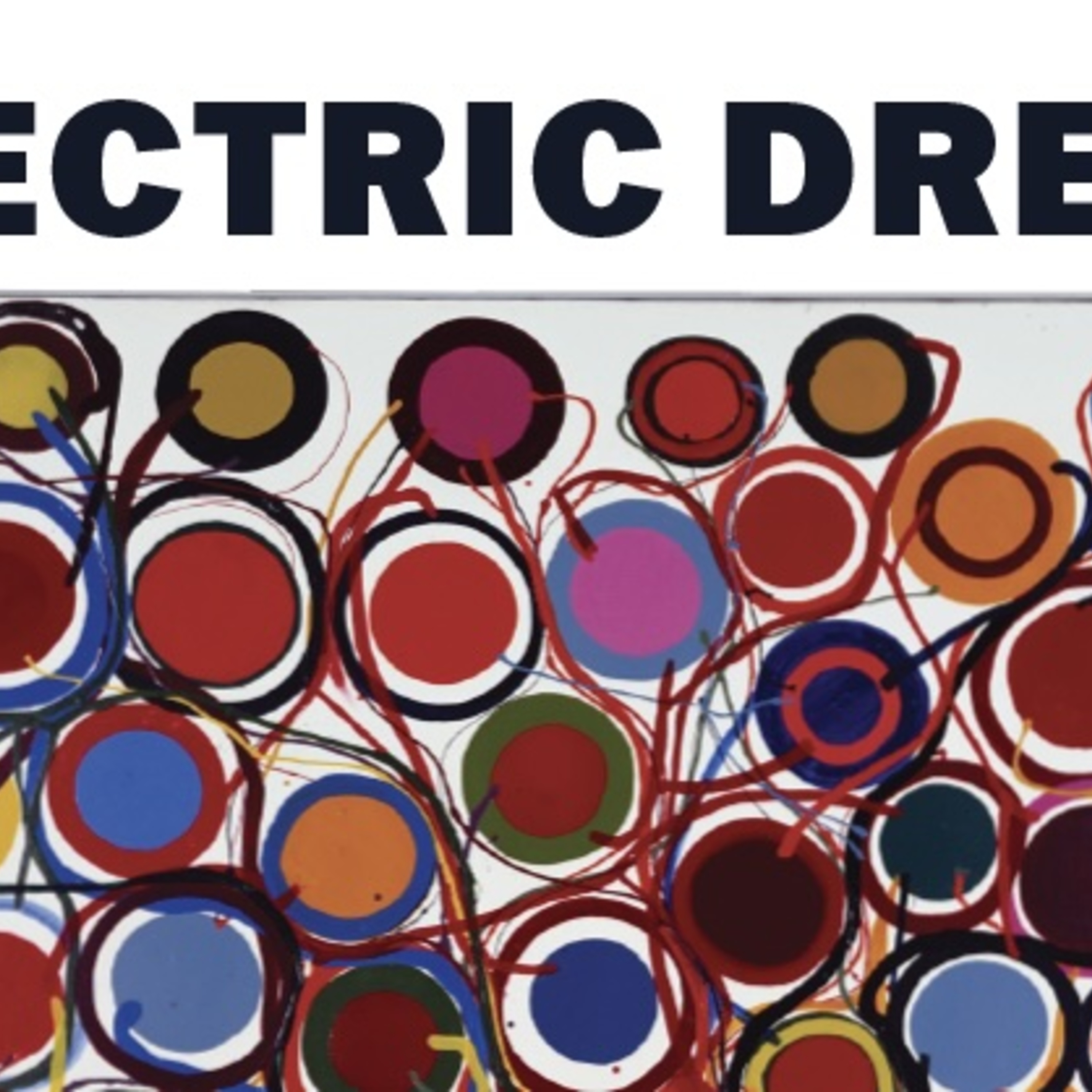
Episode 108: Joanne Diaz, The Face
In a special episode, we celebrate the release of Joanne Diaz's latest book, Electric Dress, by reading "The Face," a poem of double ekphrasis that reflects on the hope of tomorrow in the losses of today.
To order the book Electric Dress, see Barrow Street Press here:
https://barrowstreet.org/press/product/electric-dress-joanne-diaz/
For more on Joanne Diaz, see her faculty homepage:
ht
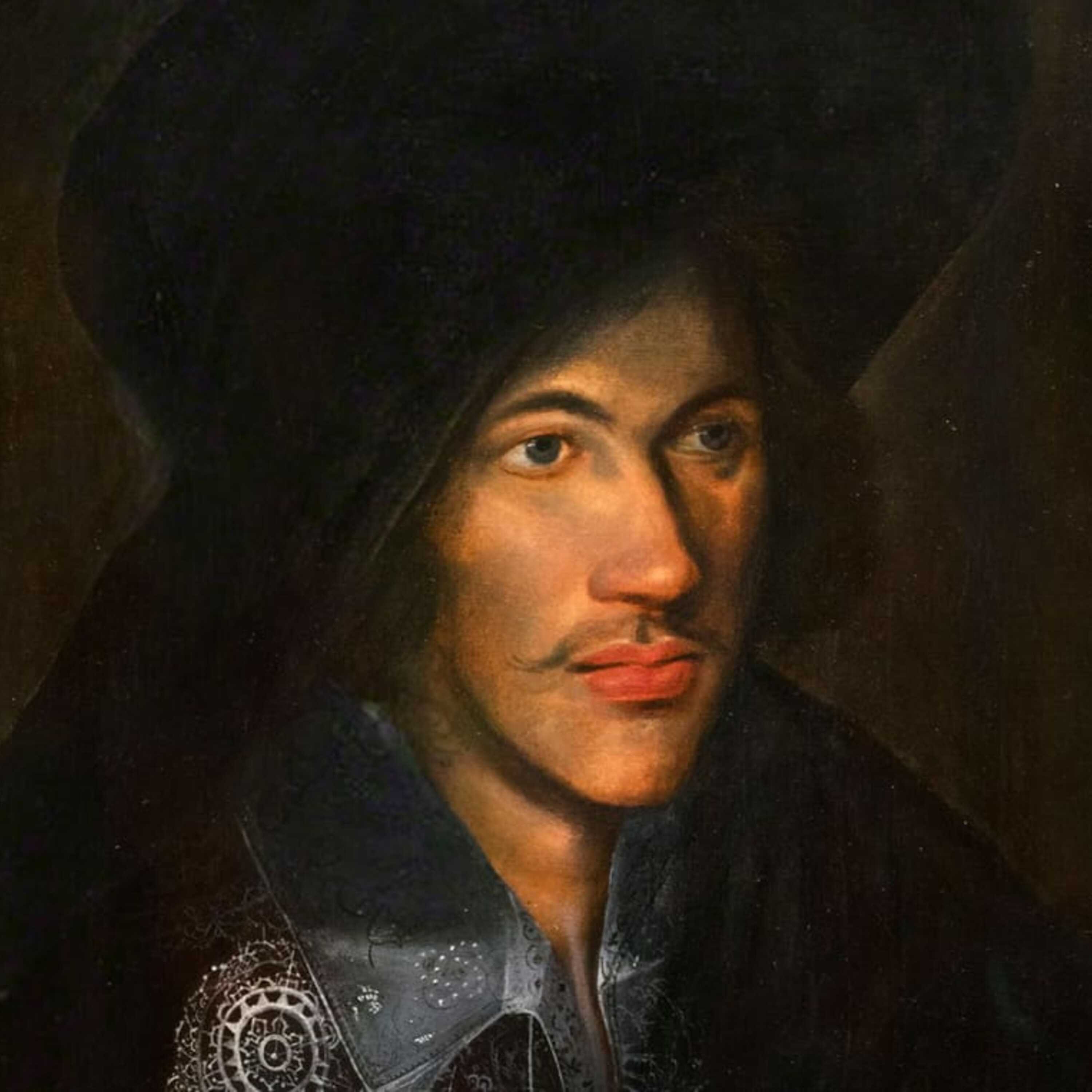
Episode 107: John Donne, The Sun Rising
This episode begins a three-part series on the "aubade," a poem to greet the morning (often by wishing the morning away). We discuss Donne's many wonderful techniques and even recite a little Romeo and Juliet.
Here is the poem:
The Sun Rising
By John Donne
Busy old fool, unruly sun,
Why dost thou thus,
Through windows, and through curtains call on us?
Must to th
Episode 106: Jane Mead, I wonder if I will miss the moss
This poem offers a humble love of the world and a leave-taking of it. It was found in the papers of Jane Mead (1958-2019), which were left to her great friend Kathleen Finneran (1957-2026), and it was published in the New Yorker in 2021 through Kathleen's efforts. The poem was read at the memorial for Mead in 2021 and then again at the funeral for Finneran in 2026.
Here is the poem:
I W
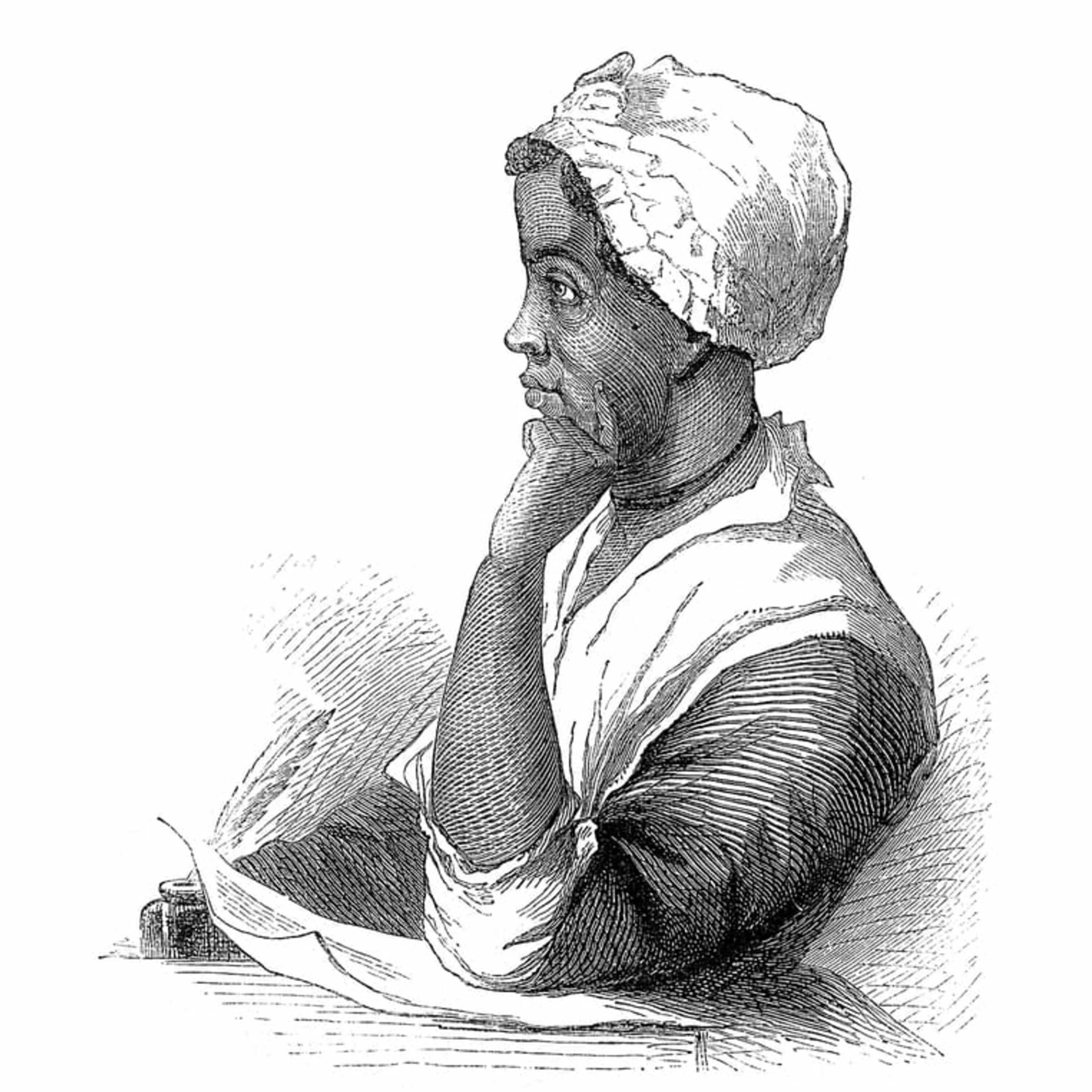
Episode 105: Phillis Wheatley Peters, "To the Earl of Dartmouth"
Today, joined by Professor Kirsten Lee, we read a poem about freedom written on the eve of the American Revolution by Phillis Wheatley, the first African American to publish a book of poetry. In praise to the new British Secretary of State, she guides him how to rule while tying an American love of Freedom to her own personal experience of enslavement.
To the Right Honorable William, Ear
Episode 104: Jane Zwart, I read that the moon is rusting
This episode brings together a collage of images to explore the meaning of time, the emergence of events from one to another, and the wonder of the unknown.
For the full text of the poem, see here:
https://mail.readwildness.com/25/zwart-rusting
For more on the poet Jane Zwart, see her personal website:
https://www.janezwart.com/
To see her new book and purchase a copy, see "Oddest &
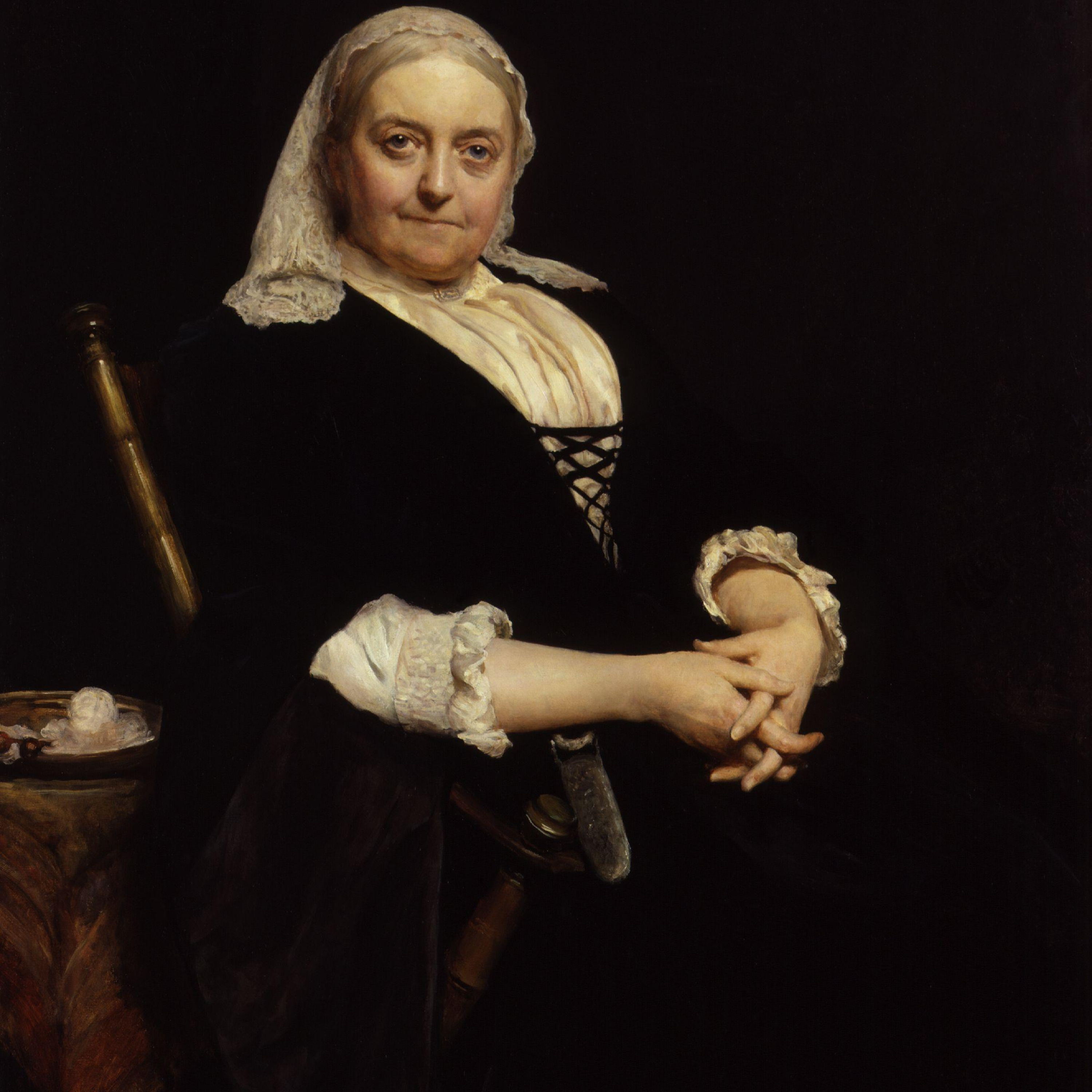
Episode 103: Dinah Maria Craik, Friendship
In a short, simple, well-loved poem, Dinah Maria Craik names one aspect of friendship that many have found true. A great way to start the new year and launch the season. Find a friend and listen in.
Friendship
Oh, the comfort—
the inexpressible comfort of feeling safe with a person—
having neither to weigh thoughts nor measure words,
but pouring them all right out,
just as they are,
cha
Episode 102: Phillis Levin, An Anthology of Rain
In this episode, Phillis Levin reads "An Anthology of Rain," the title poem of her newest poetry collection. She guides us through the philosophical underpinnings of her poem, how it informs the book as a whole, and how the surfaces of things can tell us so much about their substance.
Phillis Levin is the author of six poetry collections, including An Anthology of Rain. She is also the
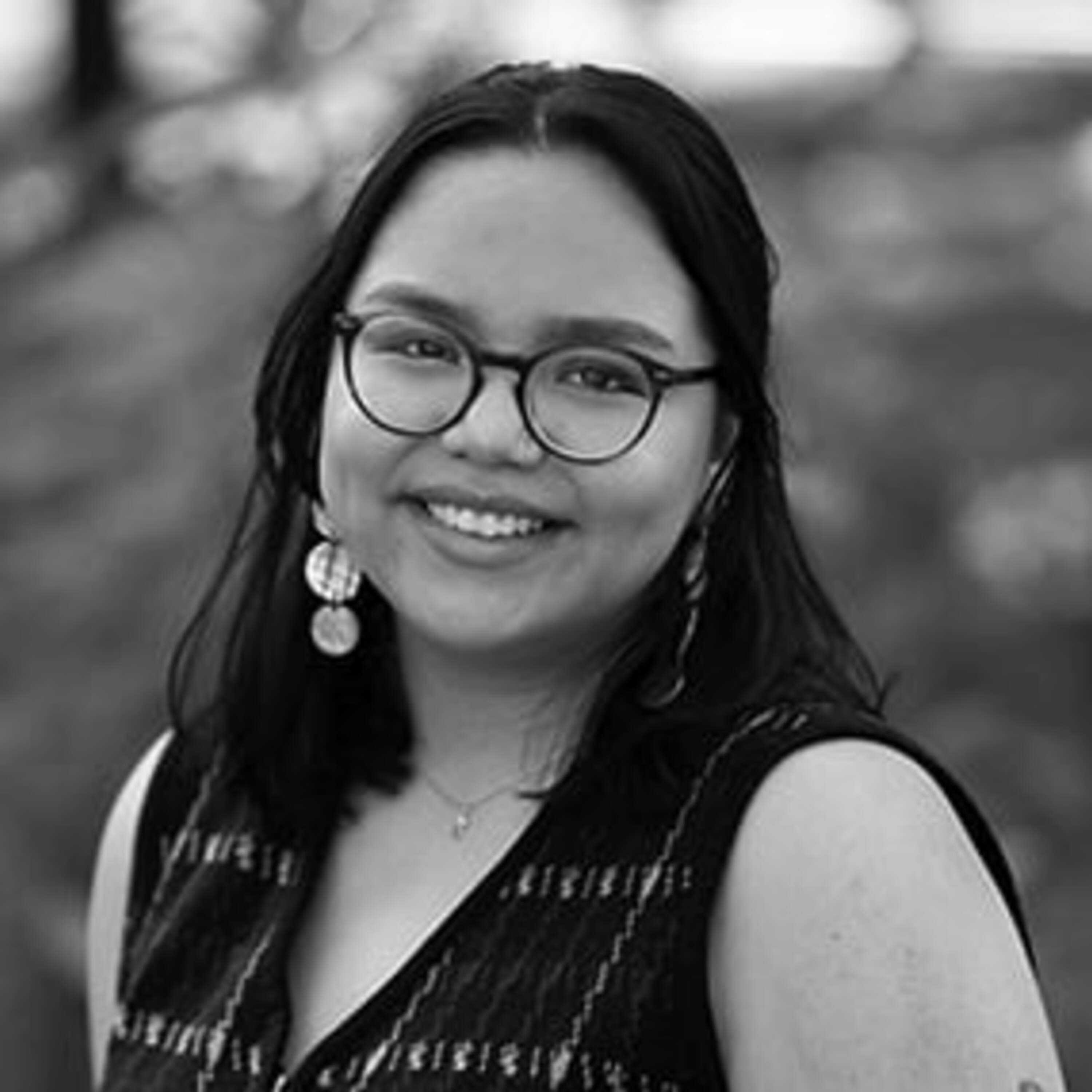
Episode 101: Emerald GoingSnake, Someday I'll Love--
This episode opens "Someday I'll Love" poems through the vivid imagery of a young poet's connection with their grandmother, remembering in love as memory begins to slip.
Emerald ᏃᏈᏏ GoingSnake is an Indigenous poet from the United Keetoowah Band of Cherokee Indians and the Muscogee (Creek) Nation in Oklahoma. Winner of the 2024 Maureen Egen Writers Exchange Award for poetry and the recip
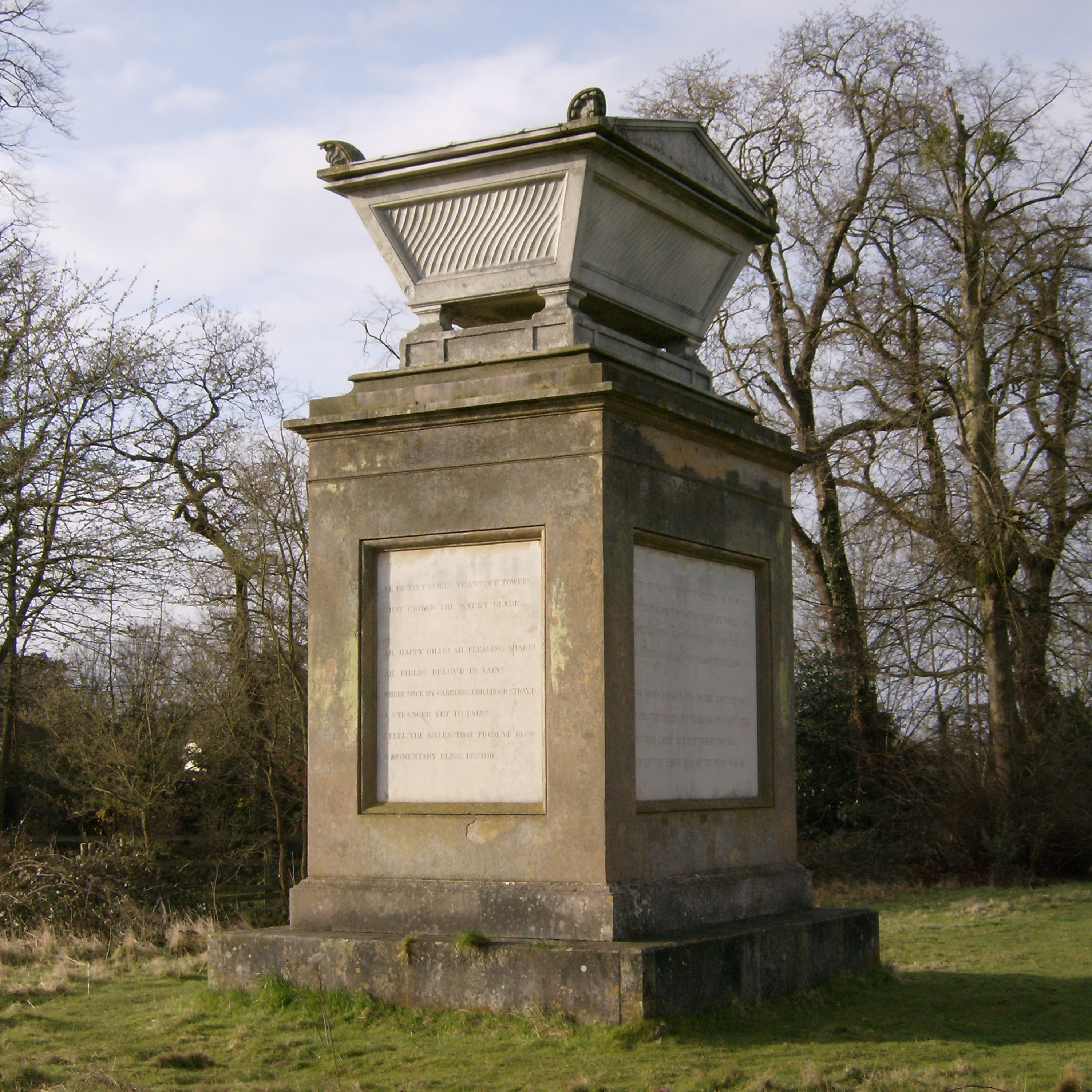
Episode 100: Thomas Gray, Elegy Written in a Country Churchyard
This episode takes us to a graveyard for Halloween and explores one of the most canonical poems in the English language, poised between two huge eras of poetry as it meditates on how "the paths of glory lead but to the grave."
The whole poem can be found below.
The image is of Thomas Gray's monument in Stoke Poges, inscribed with his elegy. Photo by UKgeofan at English Wikipedia, CC B
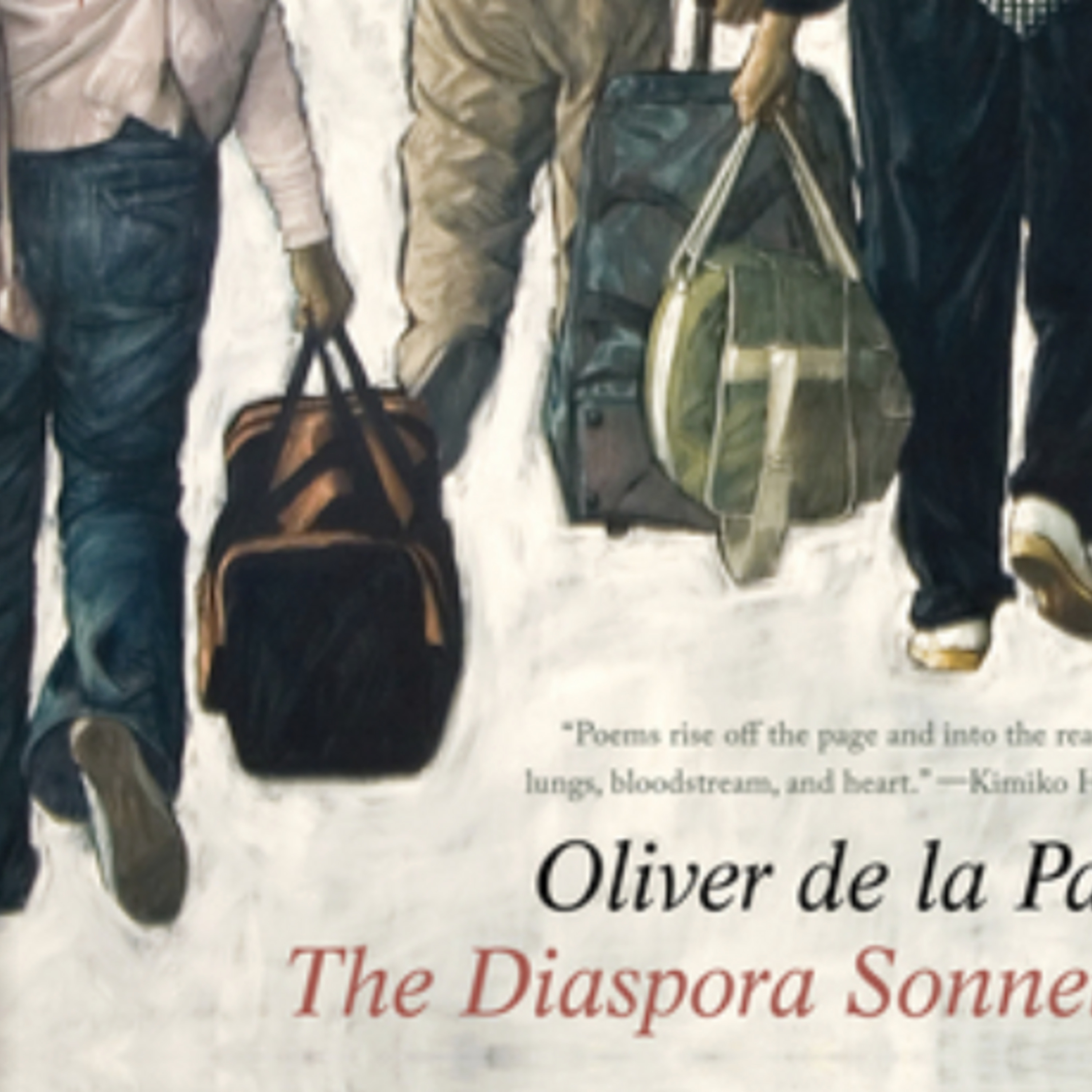
Episode 99: Oliver de la Paz, Pantoum Beginning and Ending with Thorns
In this third episode in our series on the pantoum, we read and discuss Oliver de la Paz's "Pantoum Beginning and Ending with Thorns," a poem that draws its inspiration from a visual art object as well as the story of migration that shapes the poetic speaker's lived experience.
To learn more about Oliver de la Paz, visit his website.
If you love this poem as much as we do, please purch
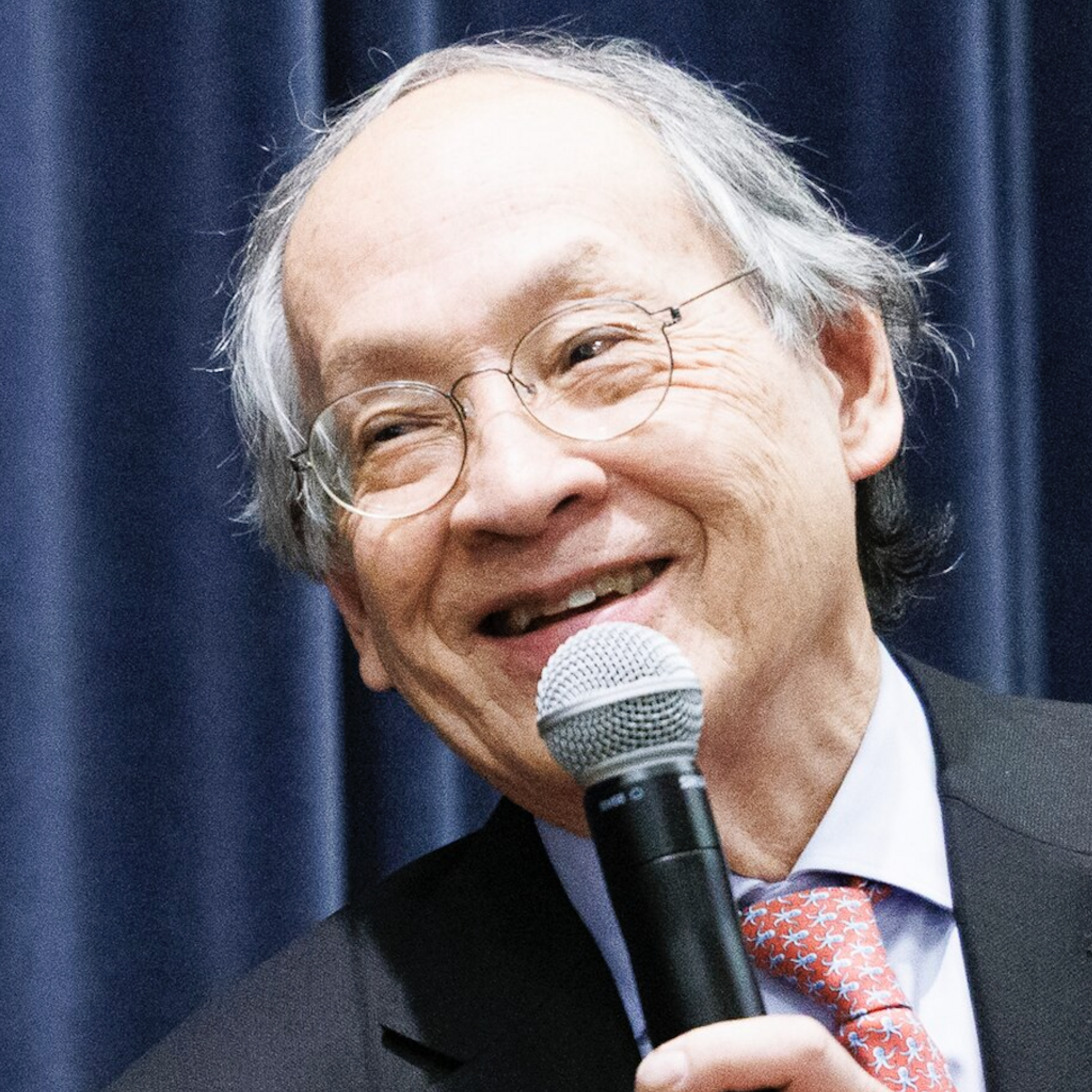
Episode 98: Arthur Sze, Papyrus Pantoum
In this episode, we continue our three-part series on the pantoum, this time focusing on Arthur Sze's "Papyrus Pantoum." We consider the poem's collage-like qualities, Sze's ability to juxtapose abundance and scarcity, and the way he attends to both beauty and danger in the natural world.
Arthur Sze is the 25th Poet Laureate of the United States. To learn more about Arthur Sze and his am
Episode 97: Donald Justice, Pantoum of the Great Depression
This episode begins a three-part series on the pantoum and looks at how the repetitions work especially well for a poem that dwells incessantly in memories of the past, trying to recover, trying to move forward.
For the text of the poem, see The Poetry Foundation:
https://www.poetryfoundation.org/poems/58080/pantoum-of-the-great-depression
For more on Donald Justice, see The Poetry Fou
Episode 96: Gerard Manley Hopkins, God's Grandeur
Today we look at a sonnet by Gerard Manley Hopkins that dwells equally in the grandeur of God and the wreck made of earth. Hopkins wonders how these two aspects of our world could possibly relate, and he holds out hope for the dearest freshness deep down things.
God's Grandeur
By Gerard Manley Hopkins
The world is charged with the grandeur of God.
It will flame out, like shining fro
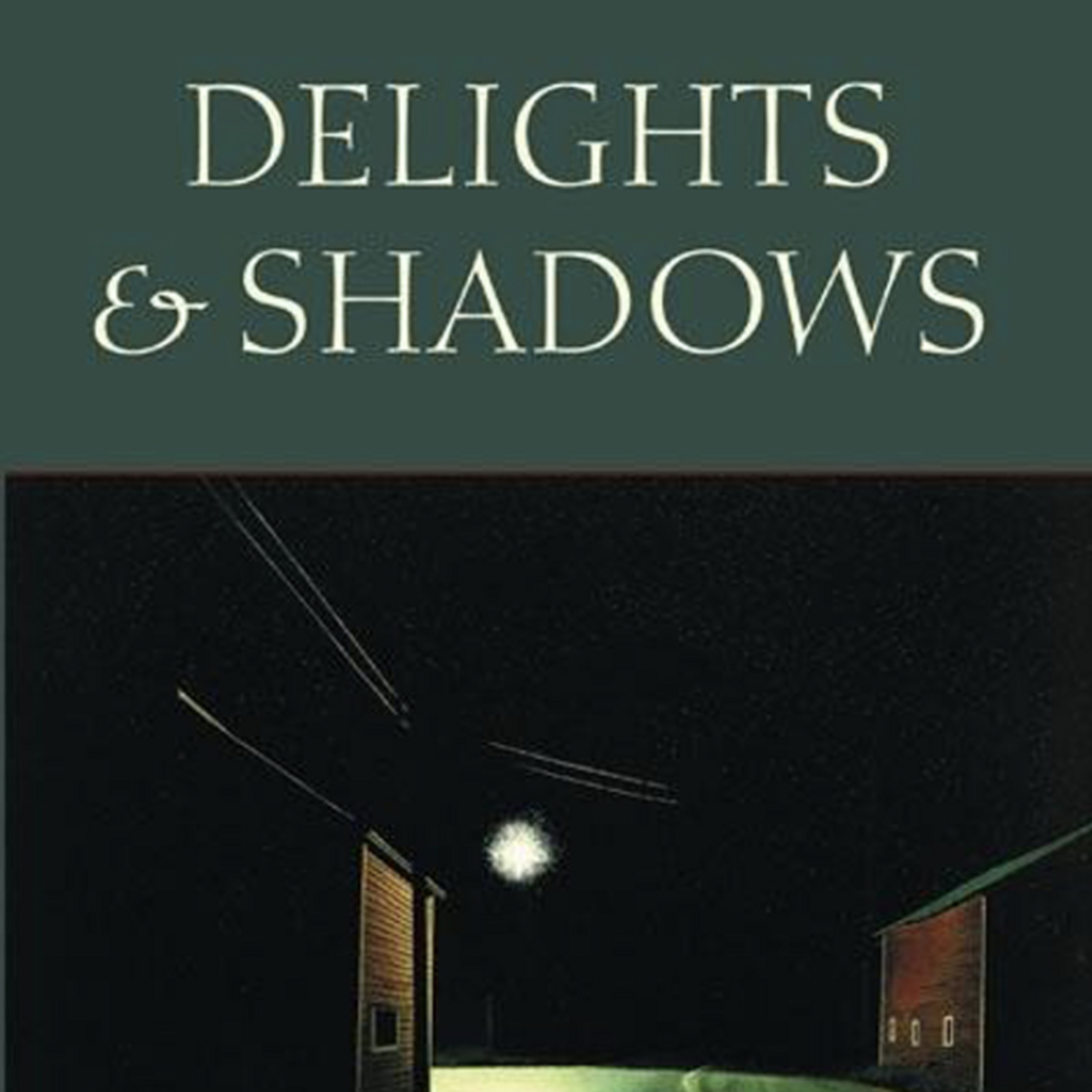
Episode 95: Ted Kooser, Student
It's back to school time, and we're back at Poetry For All, heavy with hope for another season. Today we look at a poem unified by an extended metaphor describing a student who makes his heroic way to the library. Short and simple--and so much to love.
This poem comes from Ted Kooser's Pulitzer-Prize winning book, Delights and Shadows, published by Copper Canyon Press in 2004. Thank you
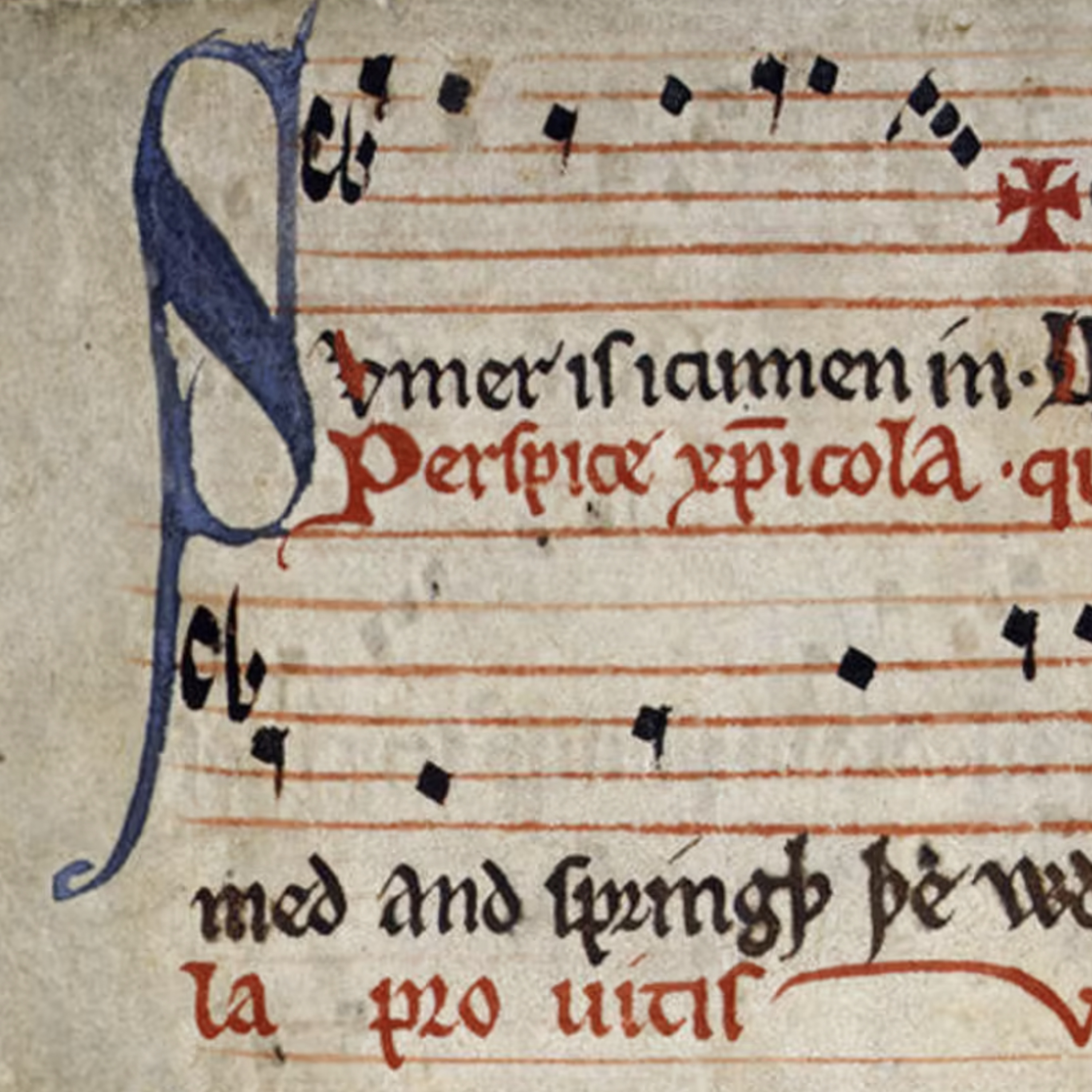
Episode 94: Sumer is icumen in
In this episode, we offer a close reading of "Sumer is icumen in," a Middle English song that anticipates the abundant joys of summer.
Thanks to the Pias Group for granting us permission to share the Hilliard Ensemble's rendition of this song. You can find the manuscript that includes the lyrics and music at the British Library.
Episode 92: Dorianne Laux, Singer
In this episode, we read and discuss "Singer," a narrative poem that celebrates the poetic speaker's mother in all of her complexity.
Dorianne Laux is the author of numerous books of poetry, including Life on Earth, which was a finalist for the National Book Award, and Only As the Day is Long: New and Selected Poems which was a finalist for the Pulitzer Prize. She is also the author of
Episode 91: Joanne Diaz, Two Emergencies
In this episode, Katy Didden and Abram Van Engen discuss the extraordinary leaps, narrative disjunctions, and temporal frames that fill Diaz's extraordinary ekphrastic poem, a reflection on Bruegel's painting, "Landscape with the Fall of Icarus" written in conversation with W.H. Auden's poem "Musée des Beaux Arts."
"Two Emergencies," appears in My Favorite Tyrants (University of Wisconsi
Episode 90: N. Scott Momaday, The Delight Song of Tsoai-talee
This episode explores the incantation and mystic union of Momaday's famous delight poem, ending with a recorded recitation in his own rich voice. We explain anaphora and explore its power, and we trace the links and connections from one thought to the next throughout the poem.
Special thanks to Universty of California Television (UCTV) for permission to share the audio of Momaday's readi
Episode 89: Pádraig Ó Tuama, excerpts from Kitchen Hymns
This episode was recorded on March 2, 2025 at the Phillis Wheatley Heritage Center in St. Louis., Missouri. In this conversation, Pádraig Ó Tuama reads several poems from Kitchen Hymns (Copper Canyon Press, 2024), his newest collection. We discuss subversive speech, belief and doubt, lyrical poetry, the psychology of poetic forms, and the power of ancient myths.
Pádraig Ó Tuama is a poe
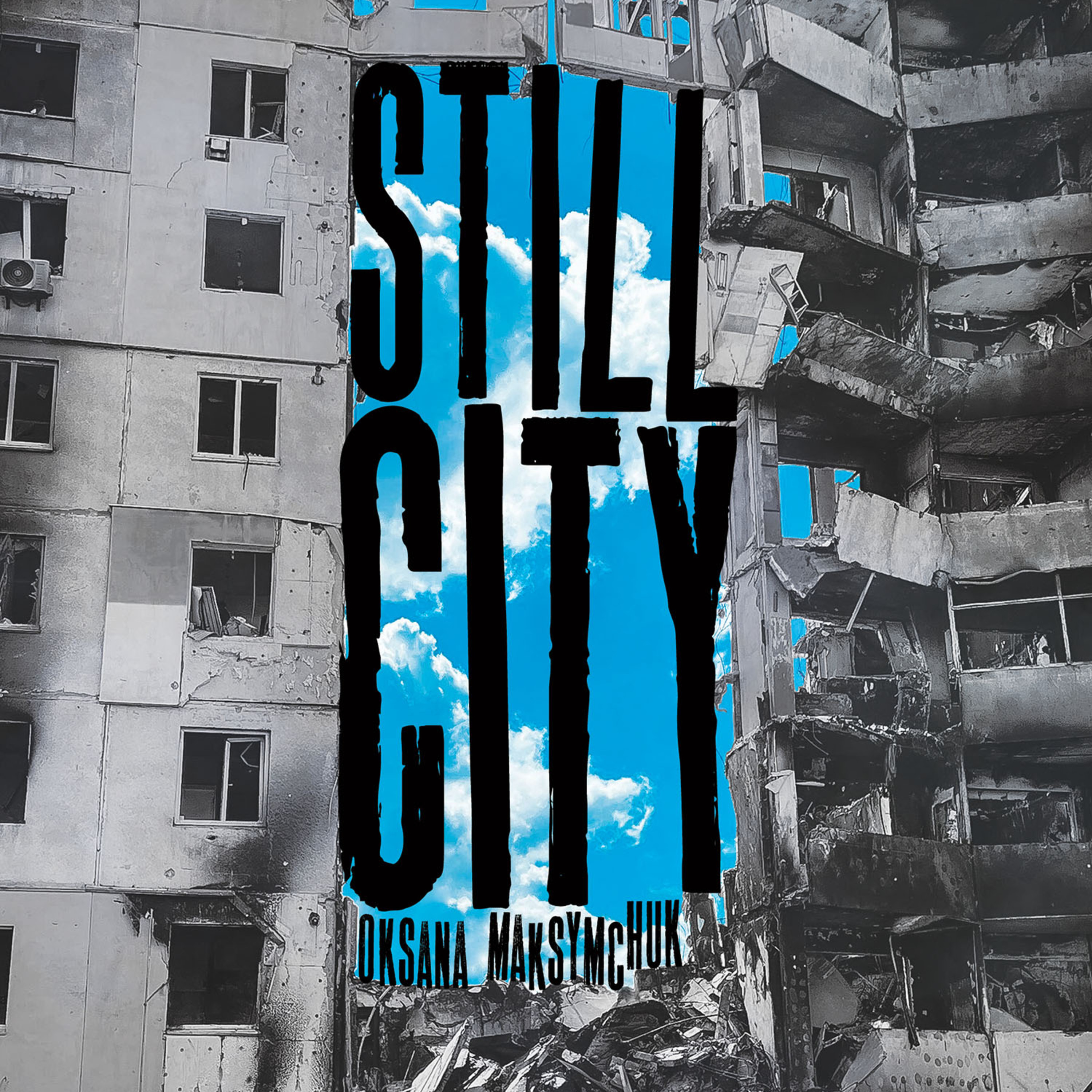
Episode 88: Oksana Maksymchuk, Tempo
Oksana Maksymchuk joins us for a reading and discussion of "Tempo," a poem that explores the how war causes us to "whirl with / planets and stars that coil / around our fragile core."
Oksana Maksymchuk is a bilingual Ukrainian-American poet, scholar, and literary translator. Her debut English-language poetry collection Still City is the 2024 Pitt Poetry Series selection, published by Un
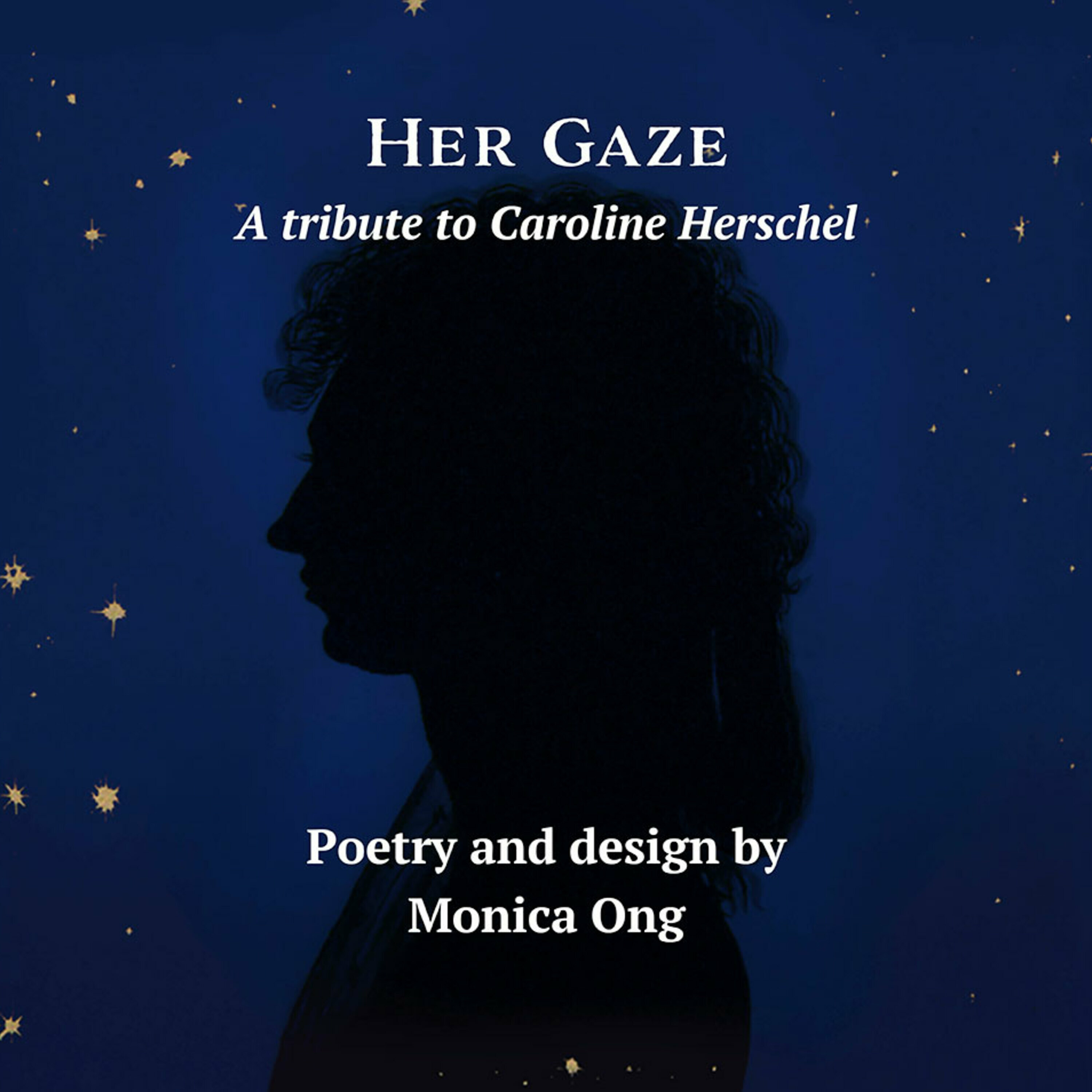
Episode 87: Monica Ong, Her Gaze
In this episode, Monica Ong joins us to discuss "Her Gaze," a visual poem that celebrates the achievements of astronomer Caroline Herschel. "Her Gaze" appears in Planetaria, Ong's new collection that merges archival materials with striking lyric poems.
Monica Ong is the author of two books: Silent Anatomies, which was the winner of the Kore Press First Book Award in 2015; and Planetaria
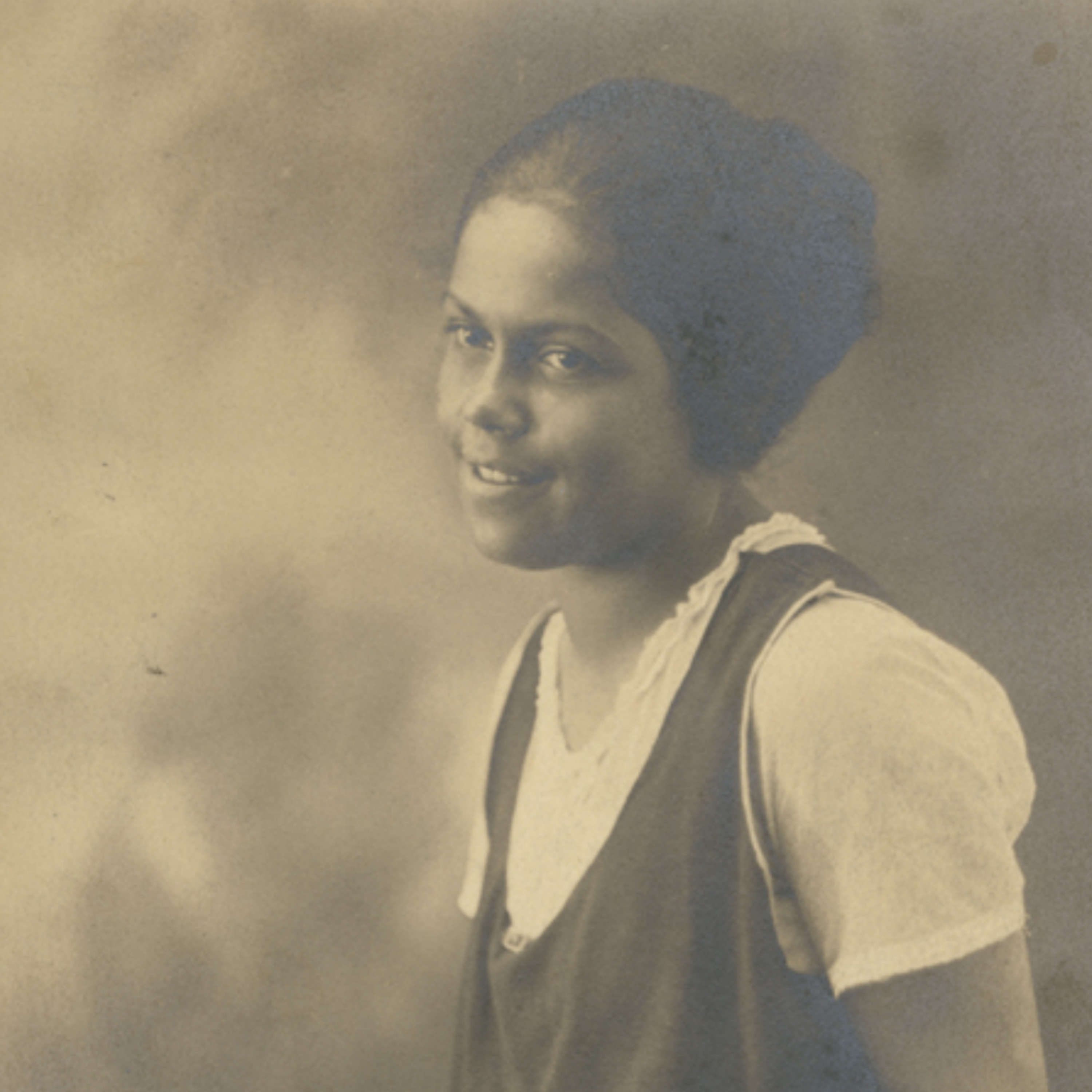
Episode 86: Gwendolyn Bennett, I Build America
Gwendolyn Bennett was a poet, journalist, editor, and activist whose contributions helped to fuel the Harlem Renaissance. In this episode, we read "I Build America," a poem that exposes and critiques the exploitation and suffering of ordinary workers.
To learn more about Gwendolyn Bennett, see Heroine of the Harlem Renaissance and Beyond: Gwendolyn Bennett's Selected Writings, edited by
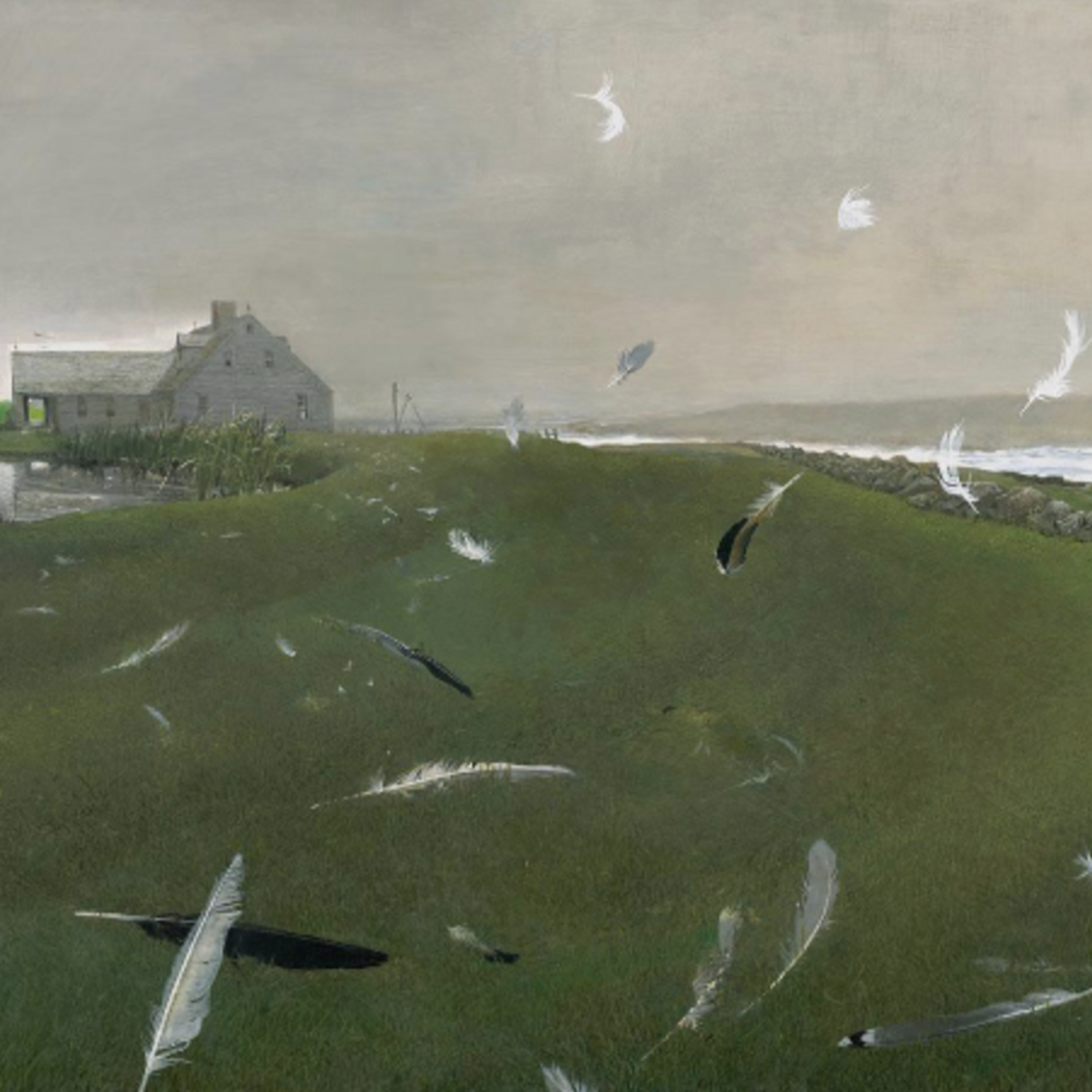
Episode 85: Jacob Stratman, To Momento Mori
In this episode, we read and discuss a poem that takes its inspiration from a painting by Andrew Wyeth. The poem provides a meditation on what we perceive and interpret when we look at a painting, and at one another.
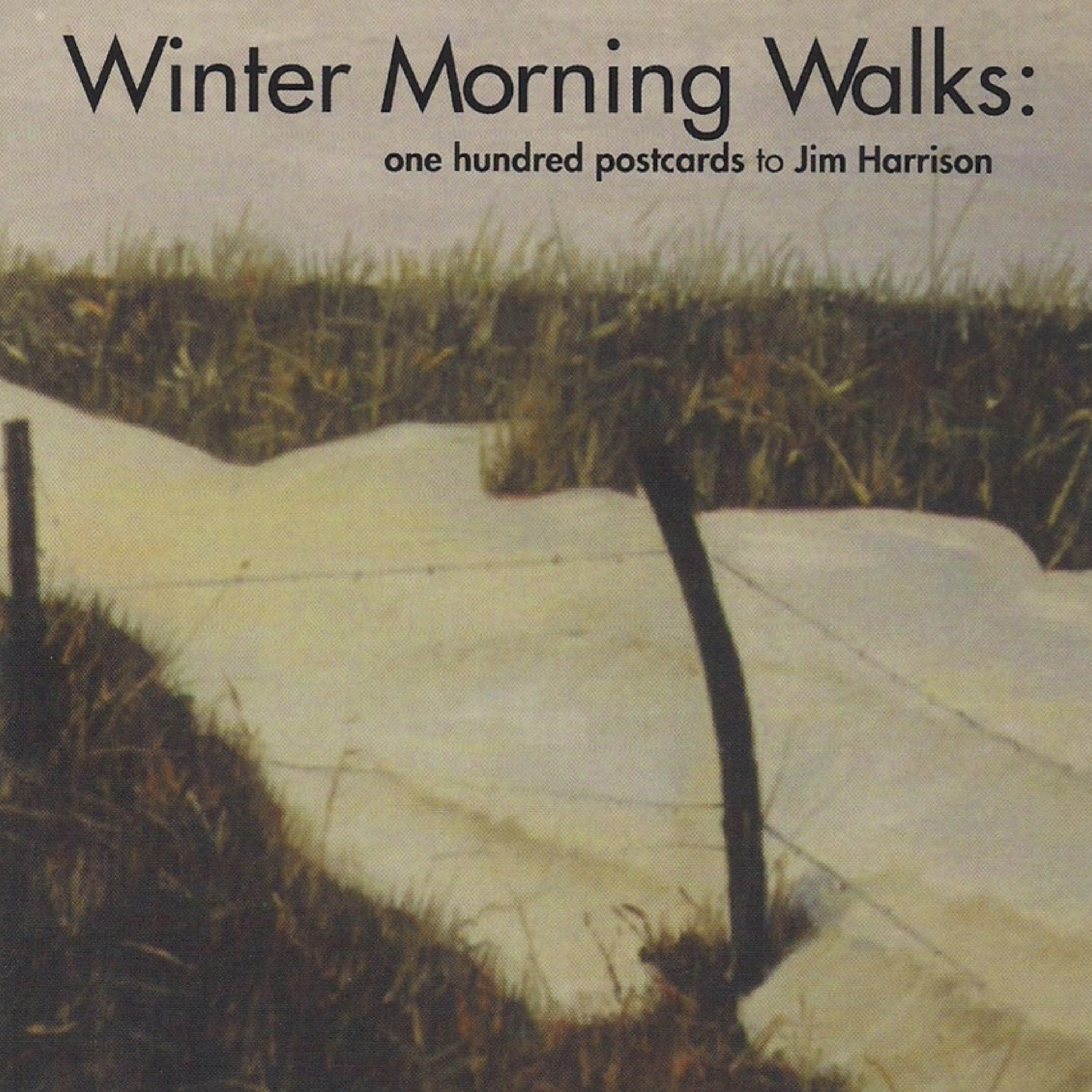
Episode 84: Ted Kooser, excerpts from Winter Morning Walks
In this episode, we offer close readings of poems from Ted Kooser's_ Winter Morning Walks: 100 Postcards to Jim Harrison_. Kooser's poems allow us to think about the poem as a social act, as a form of healing, and as a kind of meditation.
To learn more about Ted Kooser, visit his website.
If you like these poems that we discussed in this episode, please read Ted Kooser's Winter Morning
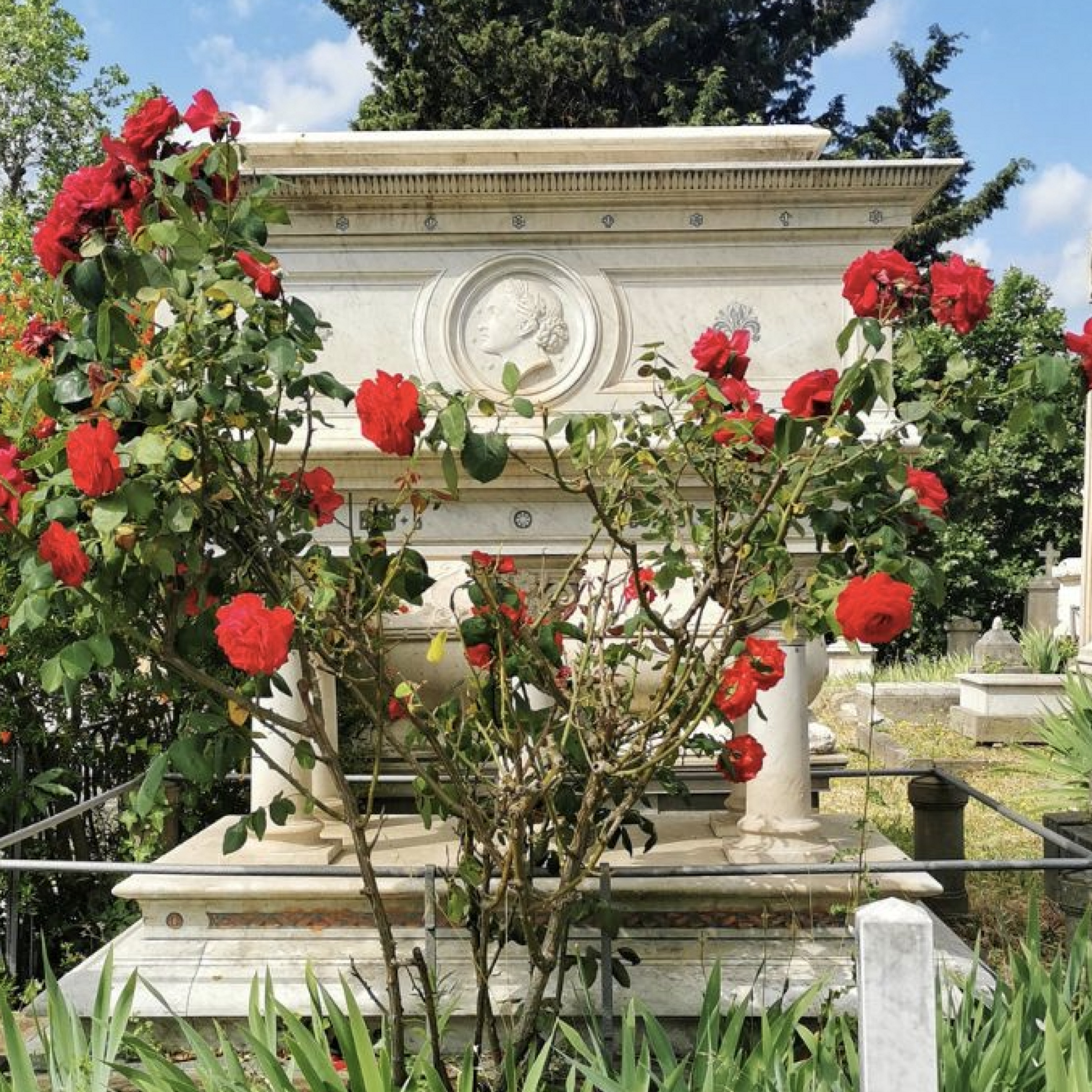
Episode 83: Emily Dickinson, "I went to thank Her–"
In this episode, we read and discuss Emily Dickinson's poem about the death of Elizabeth Barrett Browning. We discuss Dickinson's innovative syntax, her use of deep pauses, and her meditations on death and grief that create surprising effects in this short lyric.
I went to thank Her
I went to thank Her—
But She Slept—
Her Bed—a funneled Stone—
With Nosegays at the Head and Foot—
That Tr
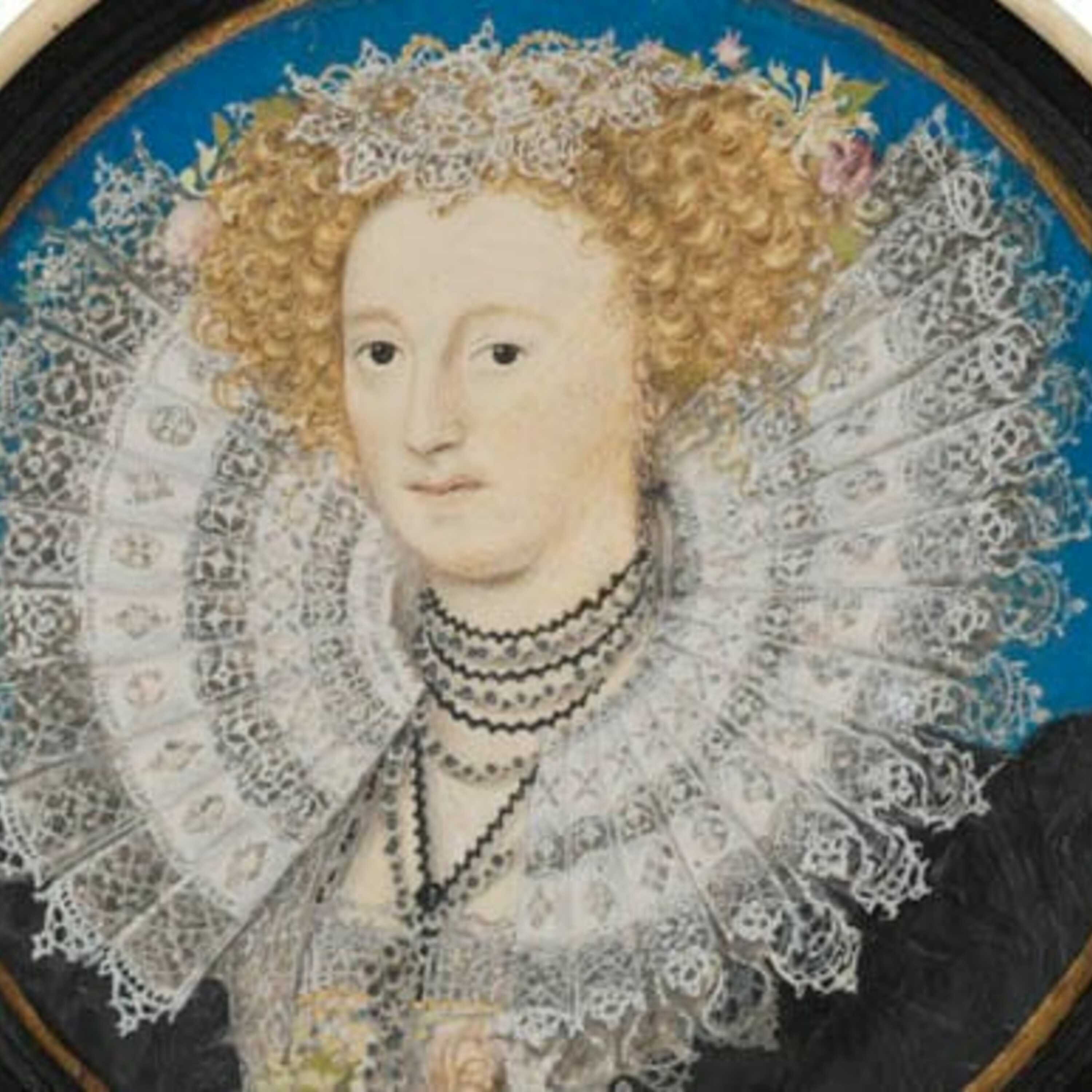
Episode 82: Sidney, Translation of Psalm 52
Psalm 52 concerns a lying tyrant and God's impending judgment. Mary Sidney, who lived 1561-1621, was an extraordinary writer, editor, and literary patron. Like many talented writers of her time, she translated all the psalms. Here we talk about translation, early modern women's writing, religious engagements with politics, and the power of Psalm 52.
For more on Mary Sidney, see The Poet
Episode 81: Niki Herd, The Stuff of Hollywood
In this episode, Niki Herd joins us to read and discuss an excerpt from The Stuff of Hollywood, a collection in which Herd experiments with a range of forms and procedures to examine the history of violence in America.
To learn more about Niki Herd, you can visit her website.
The Stuff of Hollywood was just published by Copper Canyon Website. Please visit their website to purchase a cop
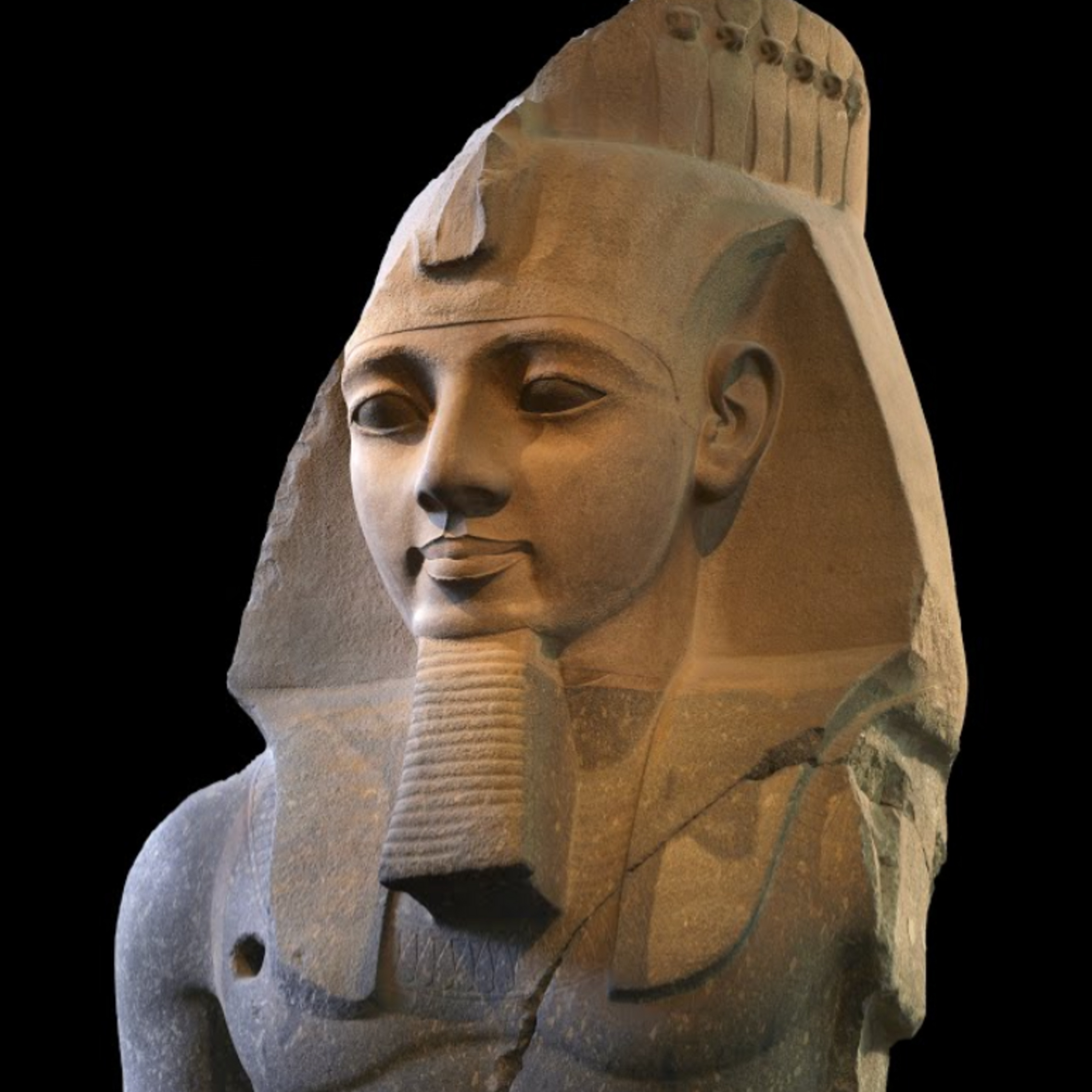
Episode 80: Percy Bysshe Shelley, Ozymandias
In this episode, we closely read Shelley's "Ozymandias," a poem written in a time of revolution and social protest. We focus on the poem's sonnet structure, its engagement with--and critique of--empire, its meditation on the bust of Ramses II, and its afterlife in an episode of _Breaking Bad. _
To learn more about Percy Bysshe Shelley, click here.
Here is the text of the poem:
I met a
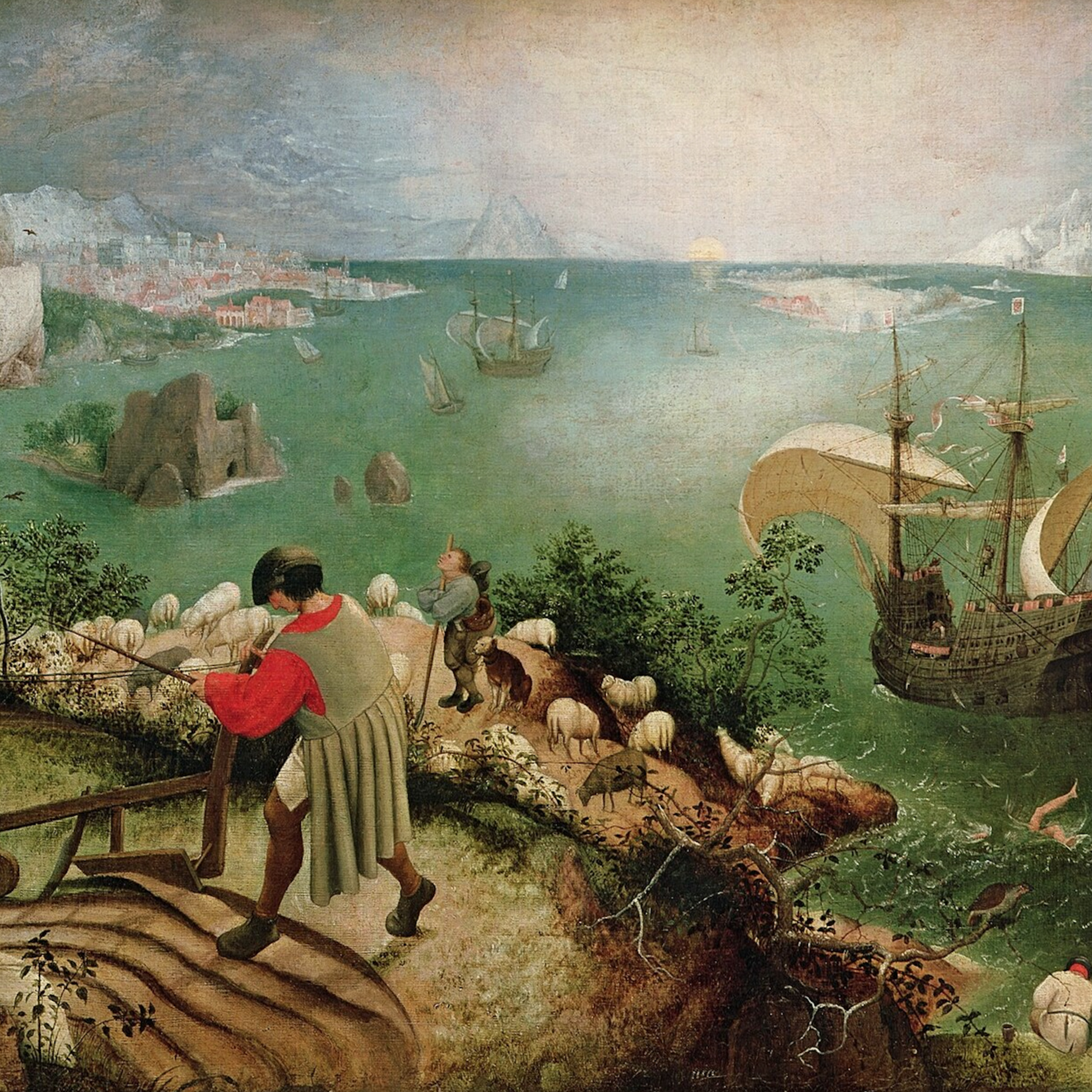
Episode 79: W.H. Auden, Musée des Beaux Arts
In this episode, Shankar Vendantam joins us to read and discuss "Musee des Beaux Arts," a poem that explores the ways in which humans become indifferent to the suffering of others.
To learn more about Shankar Vendantam and the Hidden Brain podcast, visit his website.
To read Auden's poem, click here.
Thanks to Curtis Brown Ltd. for granting us permission to read this poem.
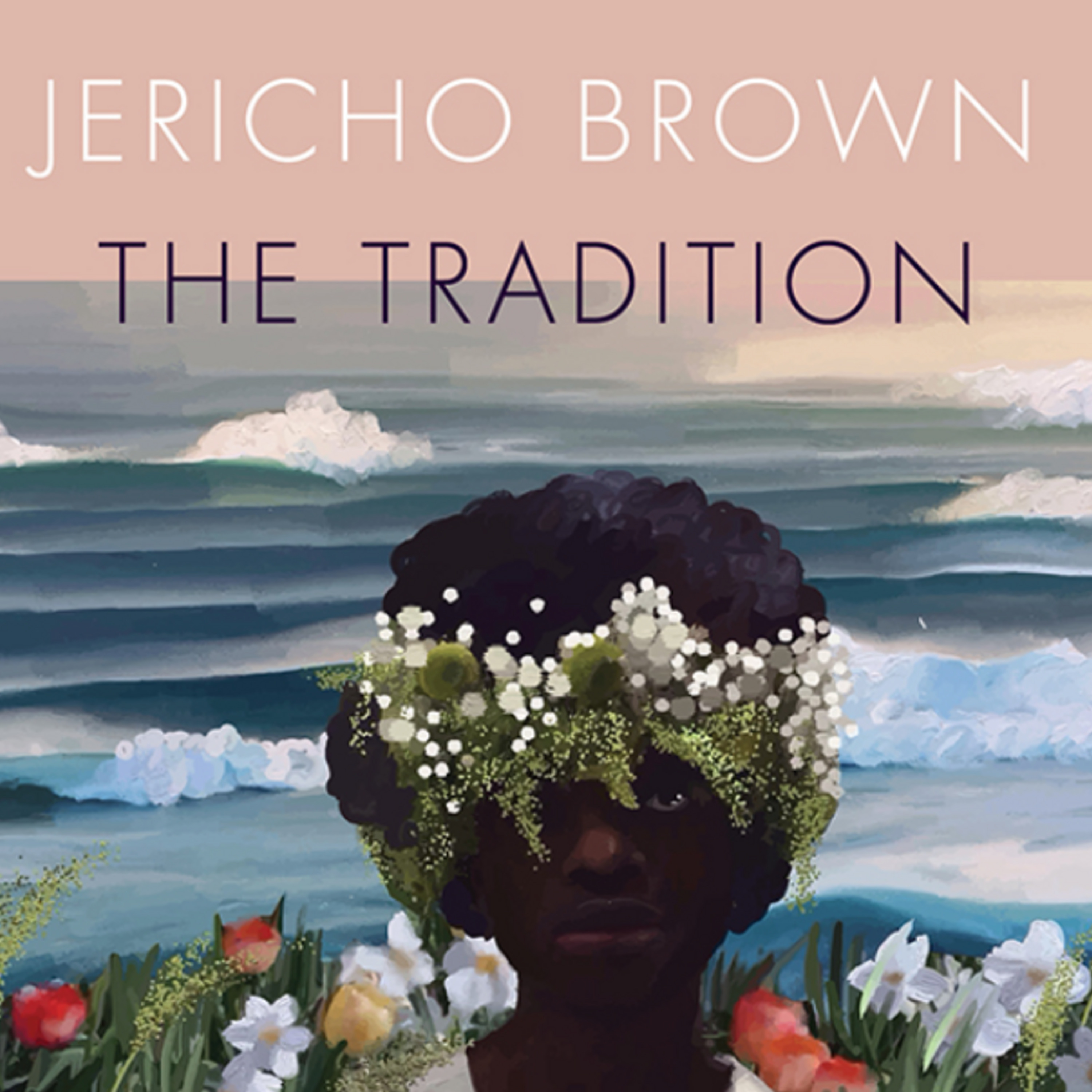
Episode 78: Jericho Brown, Duplex
In this episode, we read and discuss Jericho Brown's "Duplex," a poetic form that he created in order to explore the complexities of family, violence, and desire.
This is one of several duplex poems that you can find in The Tradition (Copper Canyon Press, 2020), the winner of the 2020 Pulitzer Prize. Thanks to Copper Canyon Press for granting us permission to read this poem.
To learn
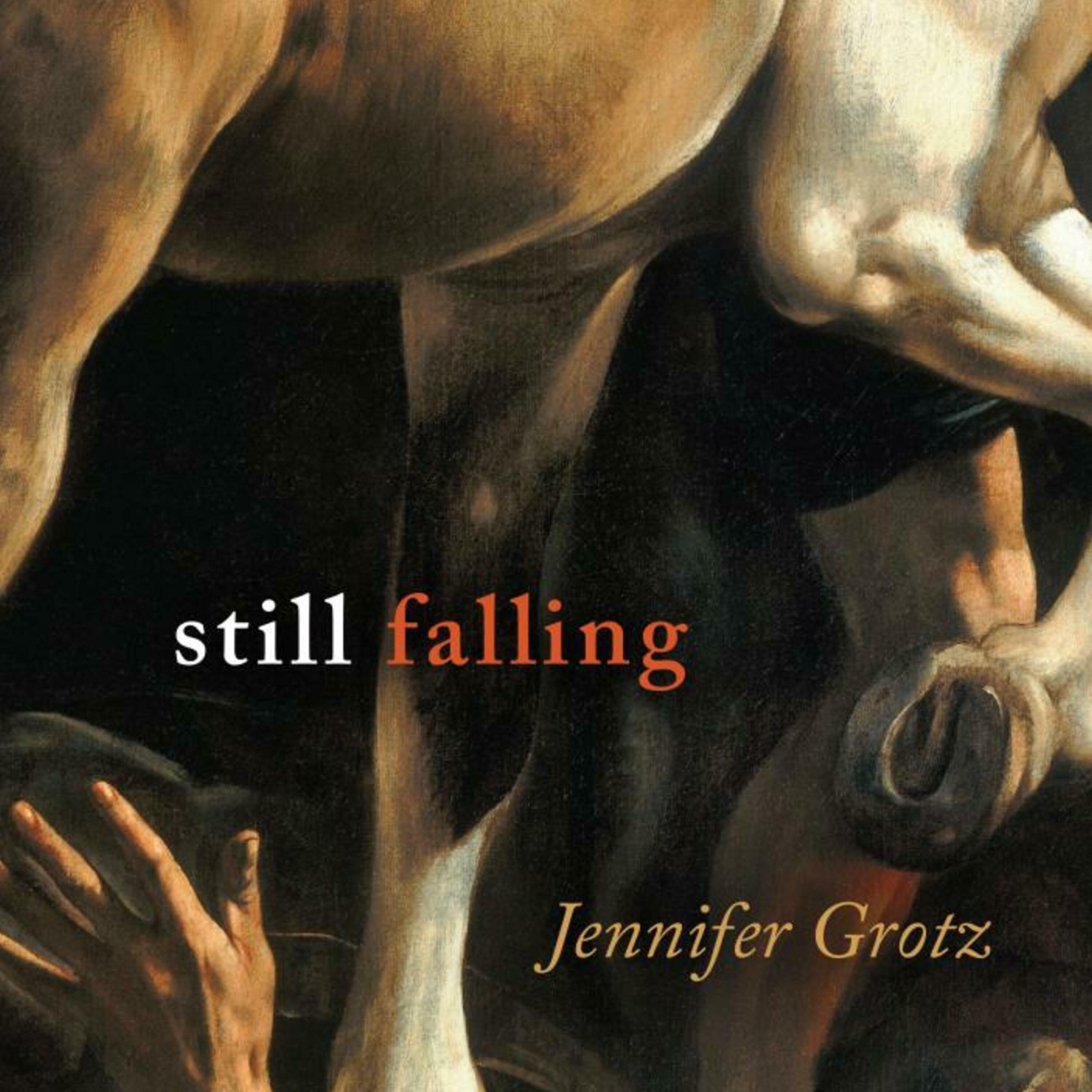
Episode 77: Jennifer Grotz, The Conversion of Paul
Poetry engages in conversation. Today, we explore a long, beautiful, narrative poem weaving together the work of fellow poets while looking carefully at a Caravaggio painting, all reflecting on illness, death, and friendship.
For the poem, see here: https://www.nereview.com/vol-40-no-1-2019/the-conversion-of-paul/
For Grotz's incredible book, Still Falling, see Graywolf Press here: http
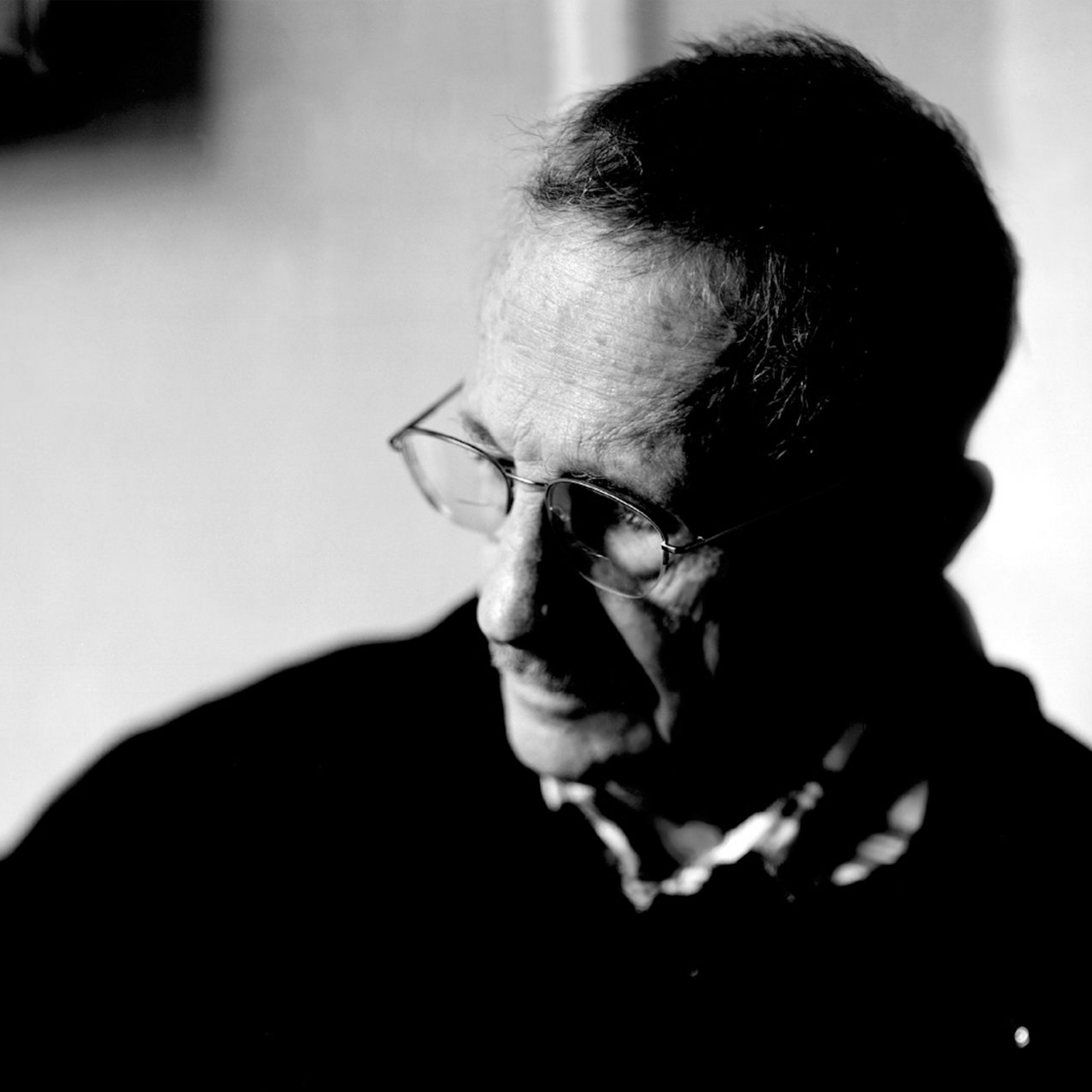
Episode 76: Philip Levine, What Work Is
In this episode, we read and discuss Philip Levine's most famous poem, "What Work Is." We consider his deft use of the second-person perspective, the sociability and narrative energy of his poetry, and his deep concern for the insecurity that defines the lives of so working-class laborers.
Click here to read "What Work Is": https://www.poetryfoundation.org/poems/52173/what-work-is
Photo
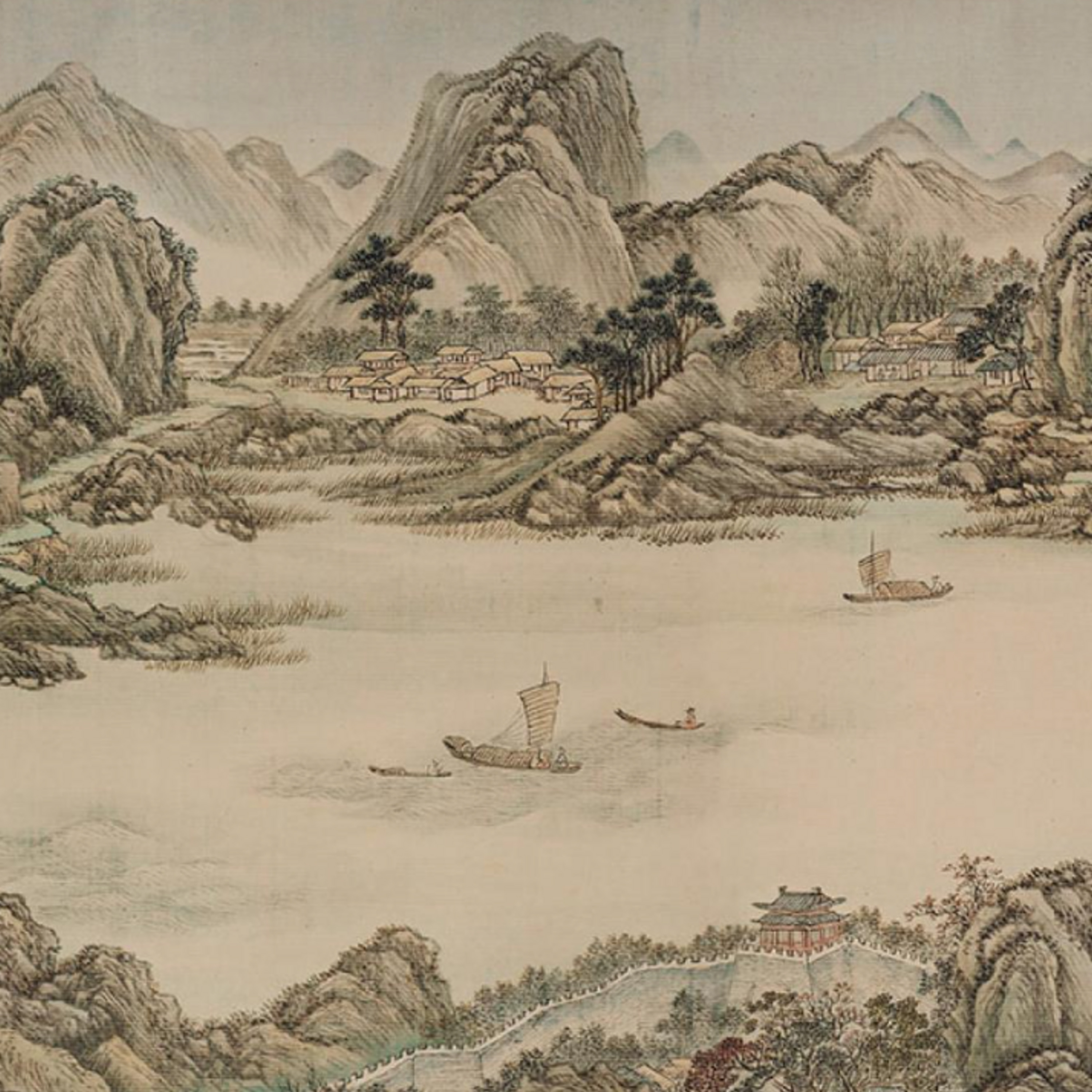
Episode 75: Du Fu, Passing the Night by White Sands Post Station
What is a good life, and how do we make sense of the world when it seems like society is collapsing? In this episode, Lucas Bender joins us once again to discuss the work of Du Fu (712-770 C.E.), the great Chinese poet of the Tang Dynasty. Luke helps us to see how Du Fu’s “Passing the Night by White Sands Post Station” can be read in multiple ways depending on how one translates each word
![Episode 74: Diane Seuss, [The sonnet, like poverty]](https://assets.fireside.fm/file/fireside-images-2024/podcasts/images/d/d55a3bfc-6538-4214-882b-a389e71b4bf6/episodes/e/e3804c86-d429-4836-b0b9-43424ca325a4/cover.jpg?v=1)
Episode 74: Diane Seuss, [The sonnet, like poverty]
This remarkable sonnet dives into issues of poverty, poetry, and grief. We talk about the pedagogy of constraint, while exploring the achievements, including the hardbitten gratitude, embedded in this poem.
Thank you to Graywolf Press for permission to read and discuss the poem. Diane Seuss's "[The sonnet, like poverty, teaches you what you can do]" was published in her collection titled
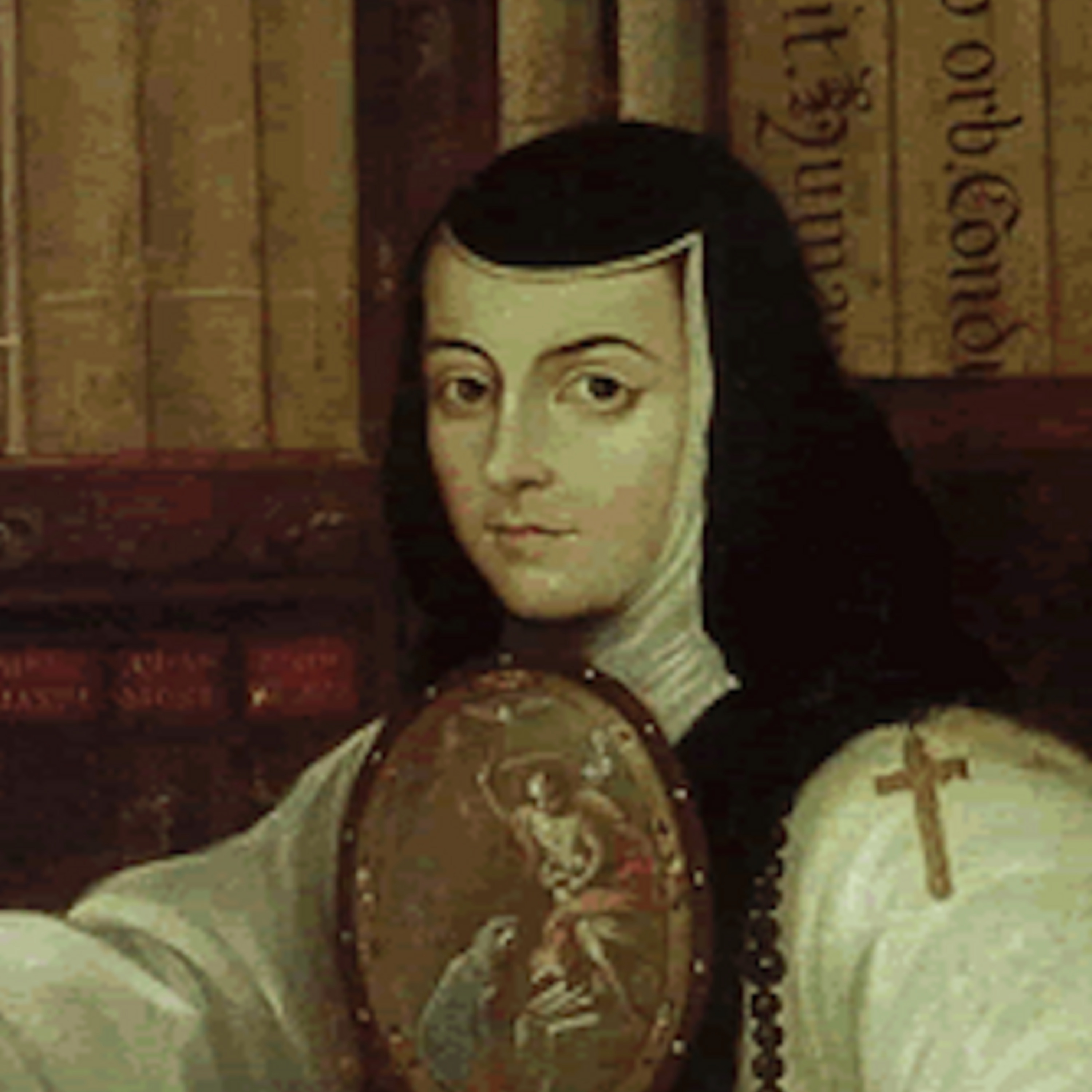
Episode 73: Sor Juana Inez de la Cruz, Sonnet 189
In this episode, Professor Stephanie Kirk guides our reading of Sor Juana Inez de la Cruz’s “Sonnet 189.” Her scholarly insights help us to appreciate the nuances of Sor Juana’s poetry and her importance in her own lifetime and beyond.
Professor Kirk read Edith Grossman's translation of "Sonnet 189" from Sor Juana Inés de la Cruz: Selected Works. Copyright (c) 2014 by Edith Grossman. Wit
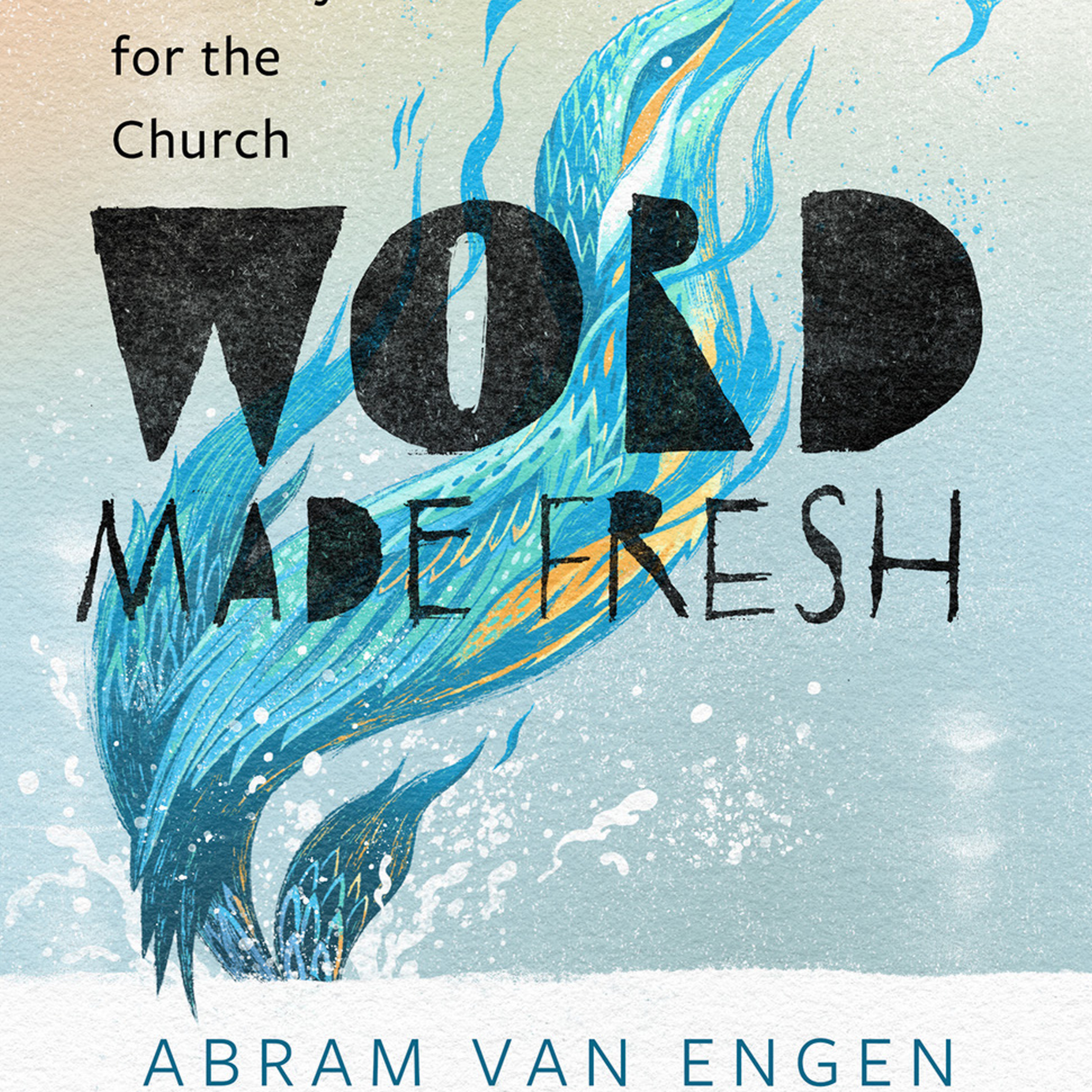
Word Made Fresh (and Exciting Updates)
We're interrupting your summer this week with a few exciting updates about Poetry For All and an excerpt from Abram Van Engen's newly released book, Word Made Fresh.
If you want to join Abram for a book launch online on July 9 at 4pm Eastern, register for free by clicking this link.
And if you want a free subscription to Image Journal, which is an incredible faith and arts magazine, che
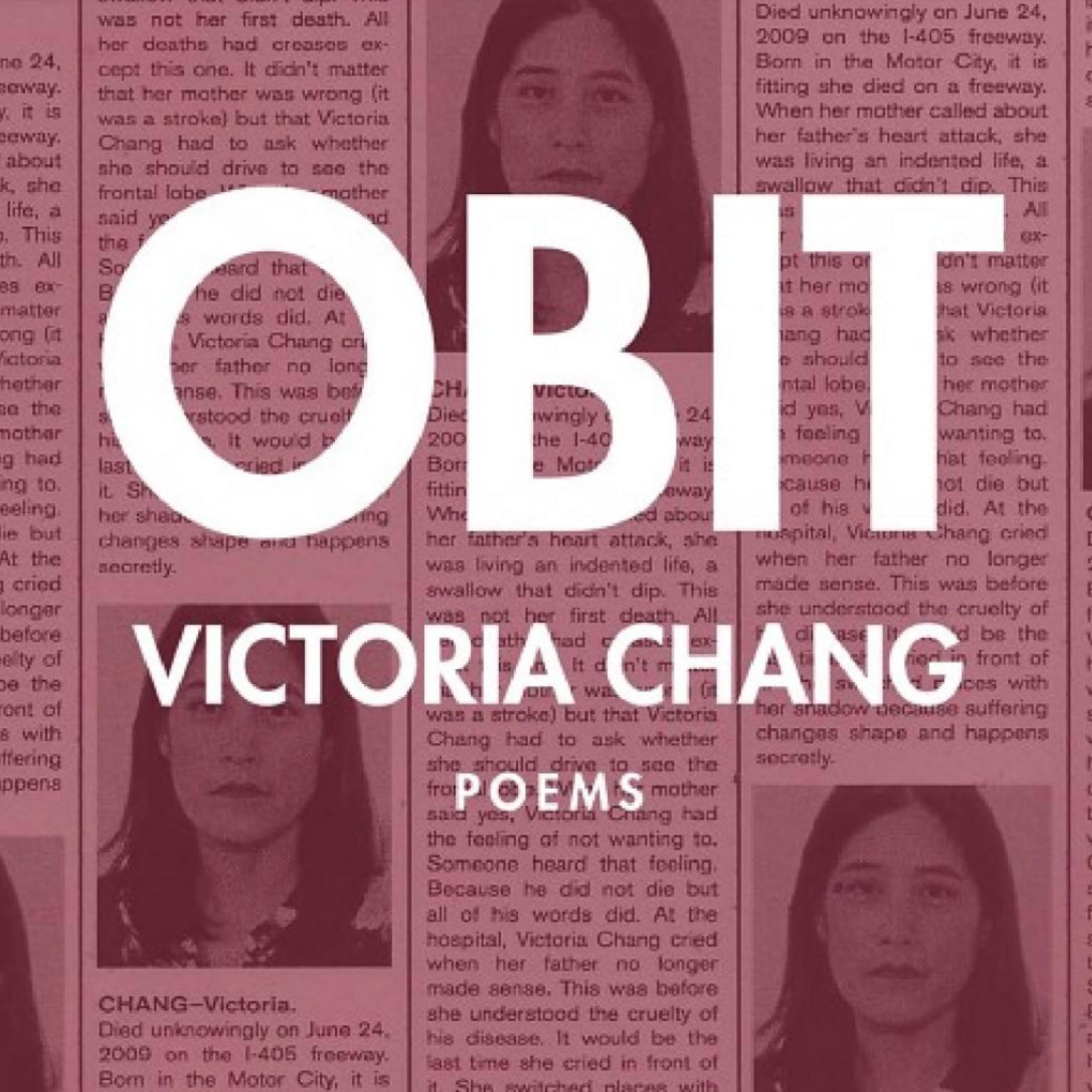
Episode 72: Victoria Chang, My Mother--died unpeacefully...
In this episode, we read one of Victoria Chang’s moving poems from her collection OBIT, and discuss how the poem explores the interplay between life, death, grieving, and memory as the poet tries to process her mother’s passing.
Thanks to Copper Canyon Press for granting us permission to read this poem, which was originally published in OBIT.
Victoria’s newest collection of poems, With
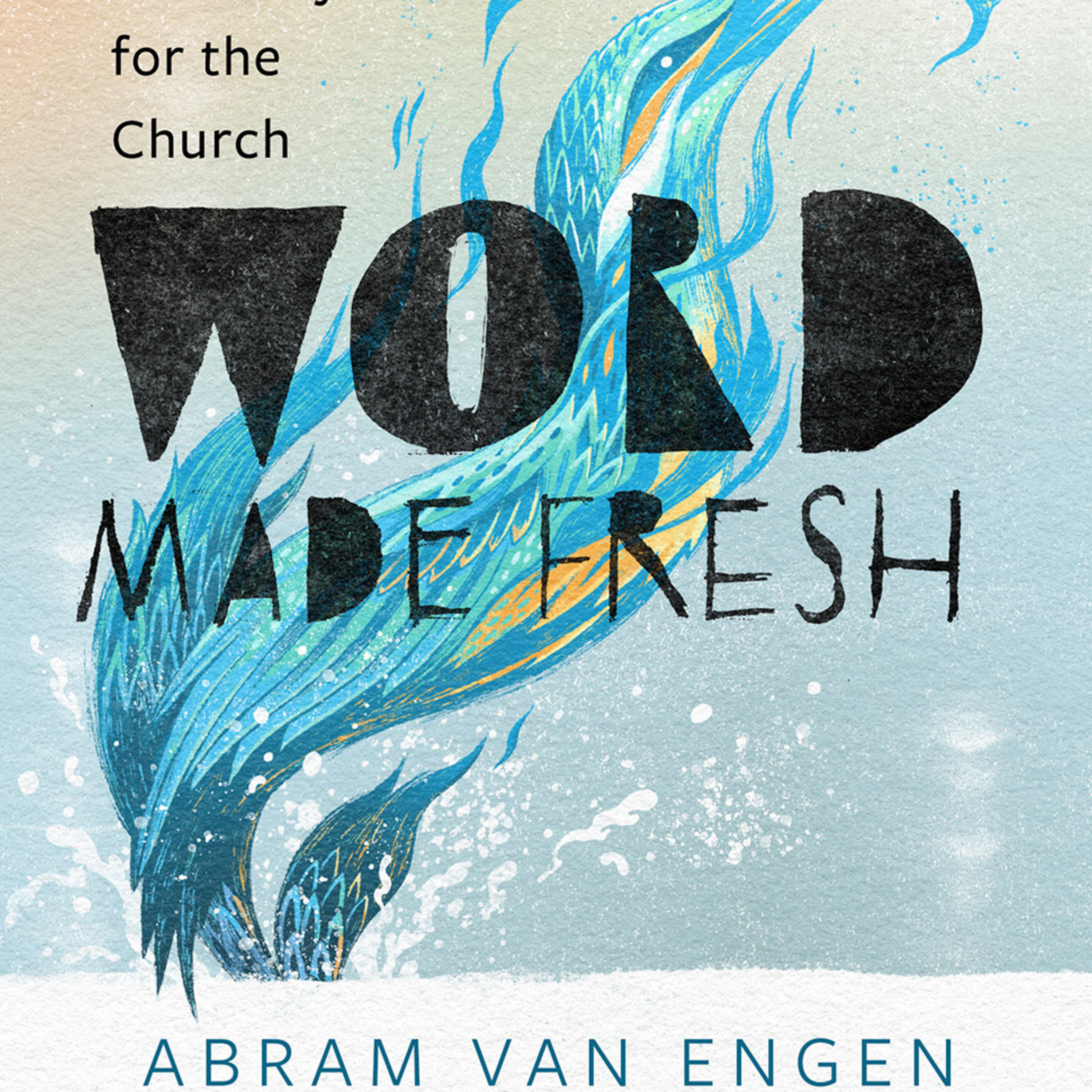
Episode 71: Hopkins, As Kingfishers Catch Fire
This episode dives into the wonderful world of Gerard Manley Hopkins, the musicality of his language, and the vision he has of becoming what we already are.
This poem illustrates the cover of Abram Van Engen's new book, Word Made Fresh. The book explores connections between poetry and faith, and it serves as an invitation to reading poetry of all kinds--with tools and tips for how to get
Episode 70: Lauren Camp, Inner Planets
In this episode, Lauren Camp joins us to read and discuss "Inner Planets," a poem that she wrote during her time as the astronomer in residence at Grand Canyon National Park. She describes her poetic process and the value of solitude in a place full of wonderment.
To learn more about the Grand Canyon Astronomer in Residence program, click here.
To learn more about Lauren Camp, visit he
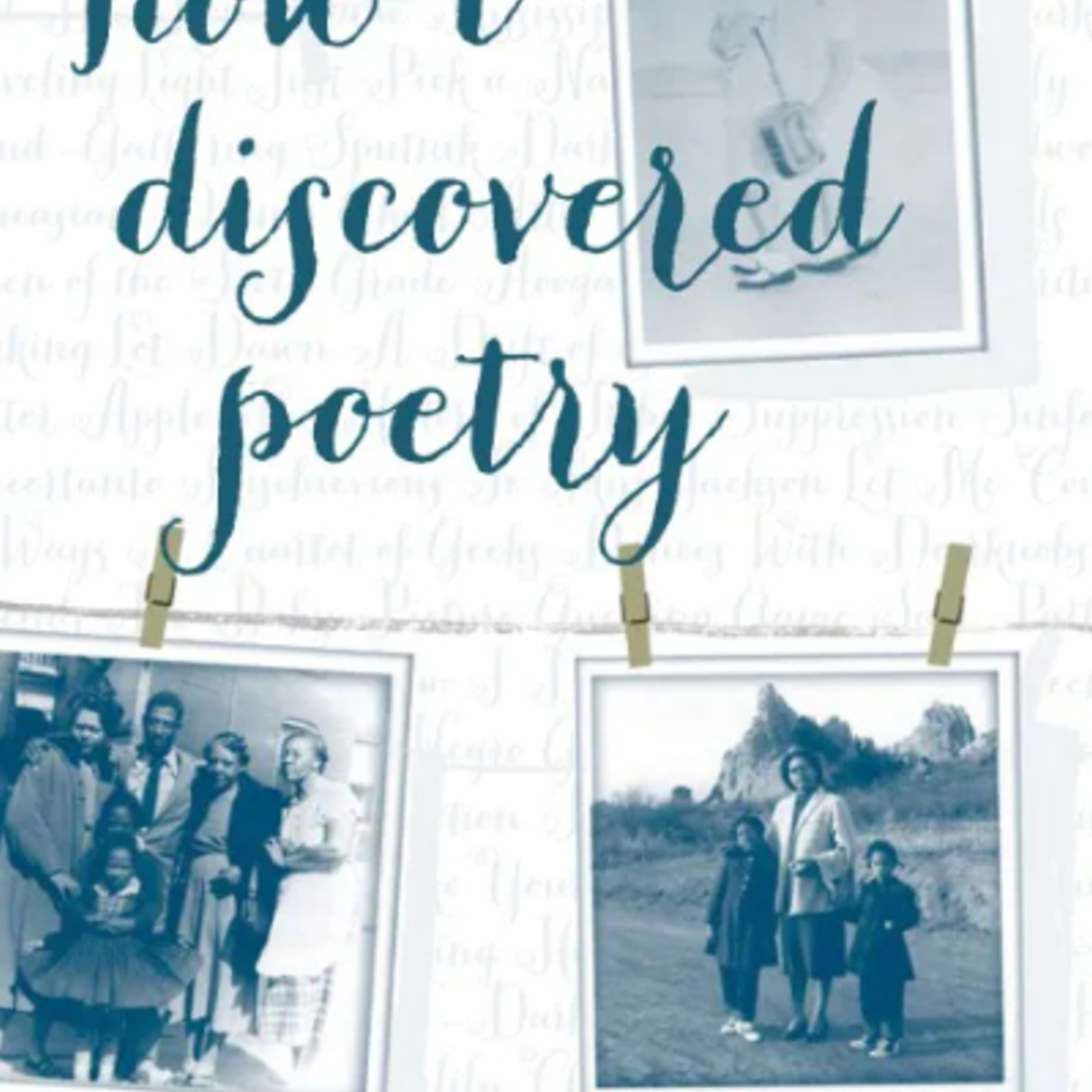
Episode 69: Live with Marilyn Nelson!
Our first live performance of the podcast, featuring Marilyn Nelson and a discussion or her amazing poem "How I Discovered Poetry."
On January 31, we met at Calvin University for its January Series and spoke with Marilyn Nelson about poetry and her work for a live audience.
For more on Marilyn Nelson, visit her website or The Poetry Foundation.
This poem is the title poem of an extraor
Announcement
We share some news about a new website at poetryforallpod.com and a live event next week!
https://poetryforallpod.com/
Episode 68: W.S. Merwin, To the New Year
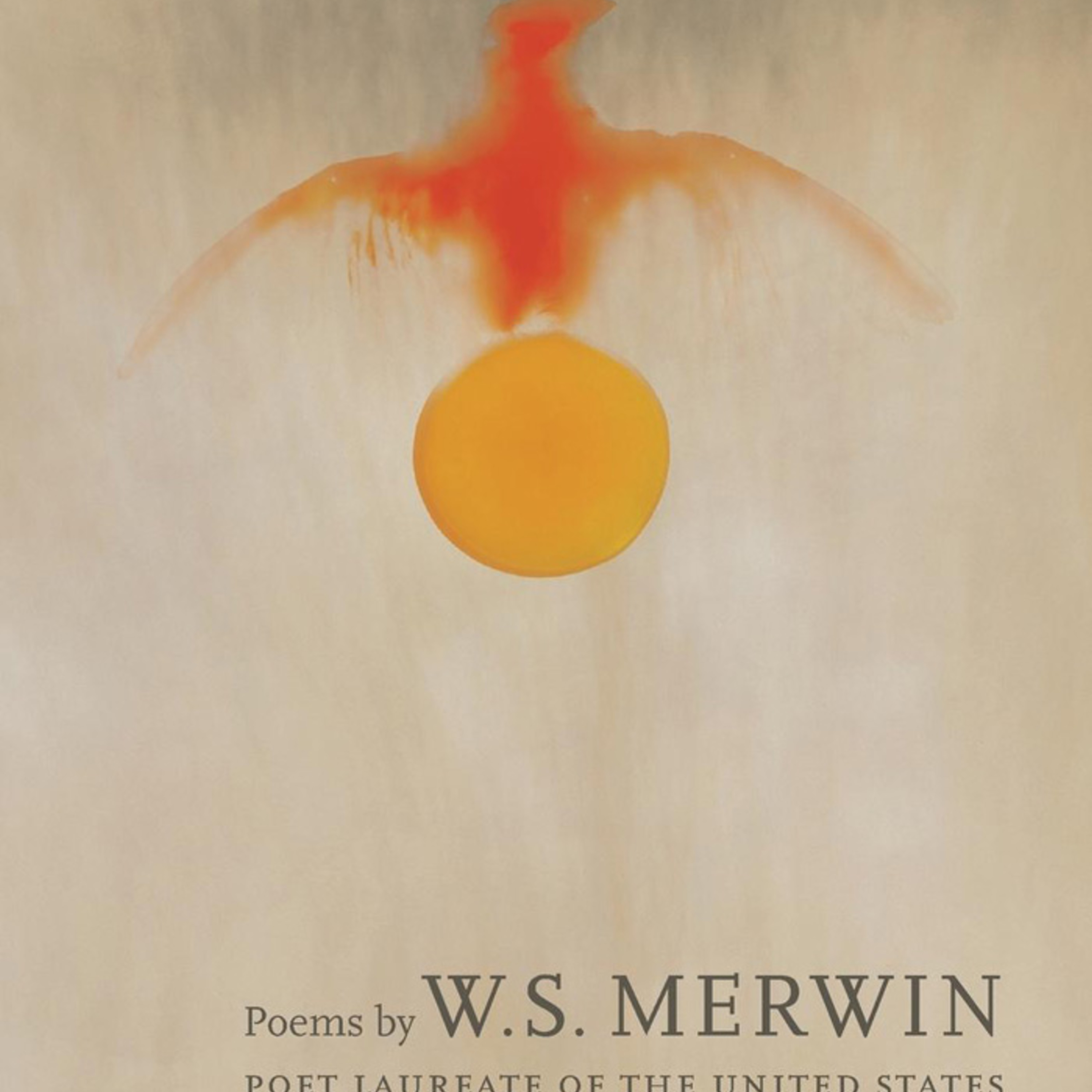
In the first episode of 2024, we read one of the great poets of the past century, W.S. Merwin, and his address to the new year, considering his attentiveness, his style, and his wondrous mood and mode of contemplation and surprise. Picking up on the "radical hope" we discussed in Dimitrov's "Winter Solstice," we turn to Merwin's sense of what is untouched but still possible as he greets t
Episode 67: Alex Dimitrov, Winter Solstice
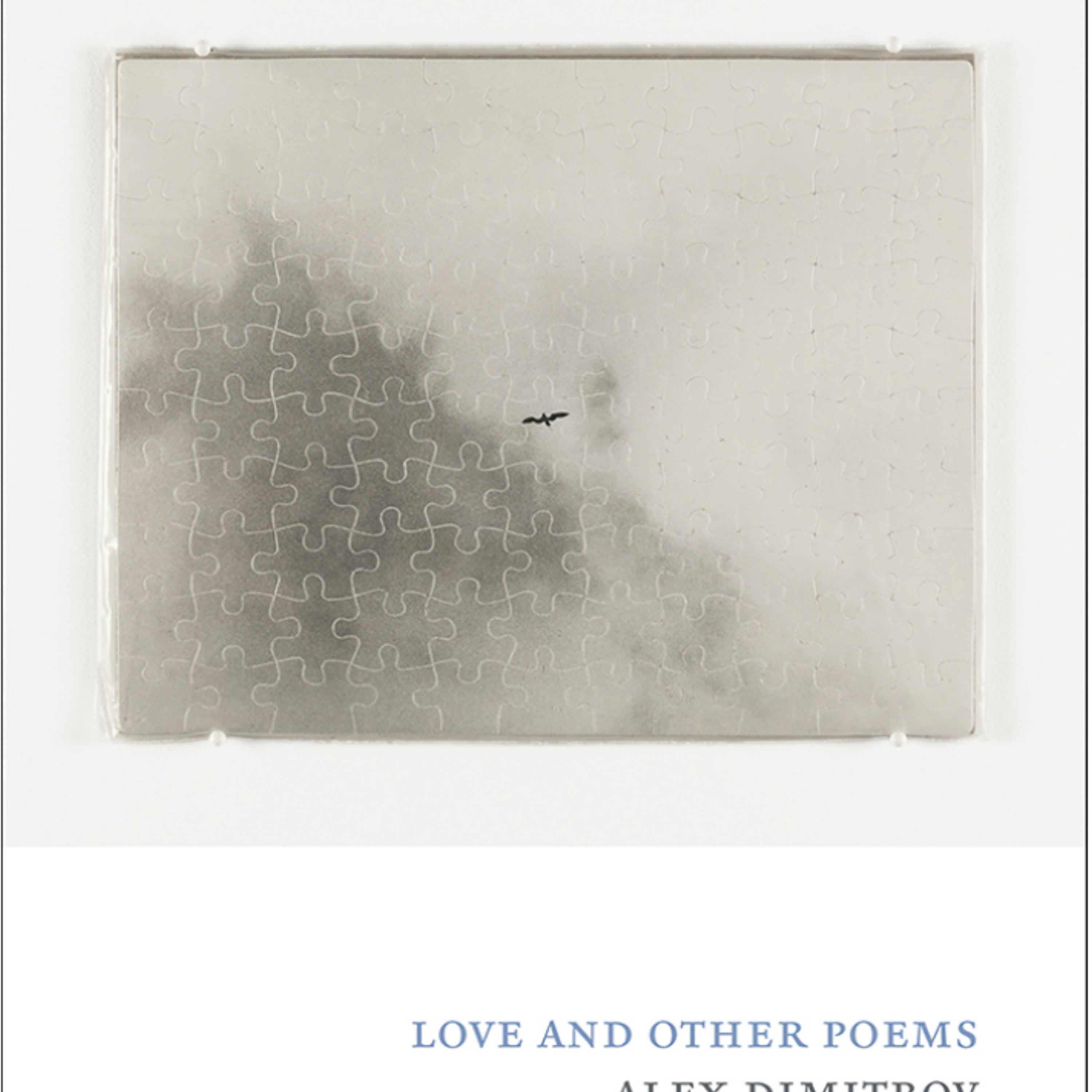
In this episode, we read and discuss a poem that provides a powerful meditation on the longest night of the year.
To learn more about Alex Dimitrov, please visit his website.
Thanks to Copper Canyon Press for granting us permission to read this poem from Love and Other Poems.
During our conversation, we briefly allude to "Love," Dimitrov's wonderful poem that he continues to write eac
Episode 66: Katy Didden, The Priest Questions the Lava
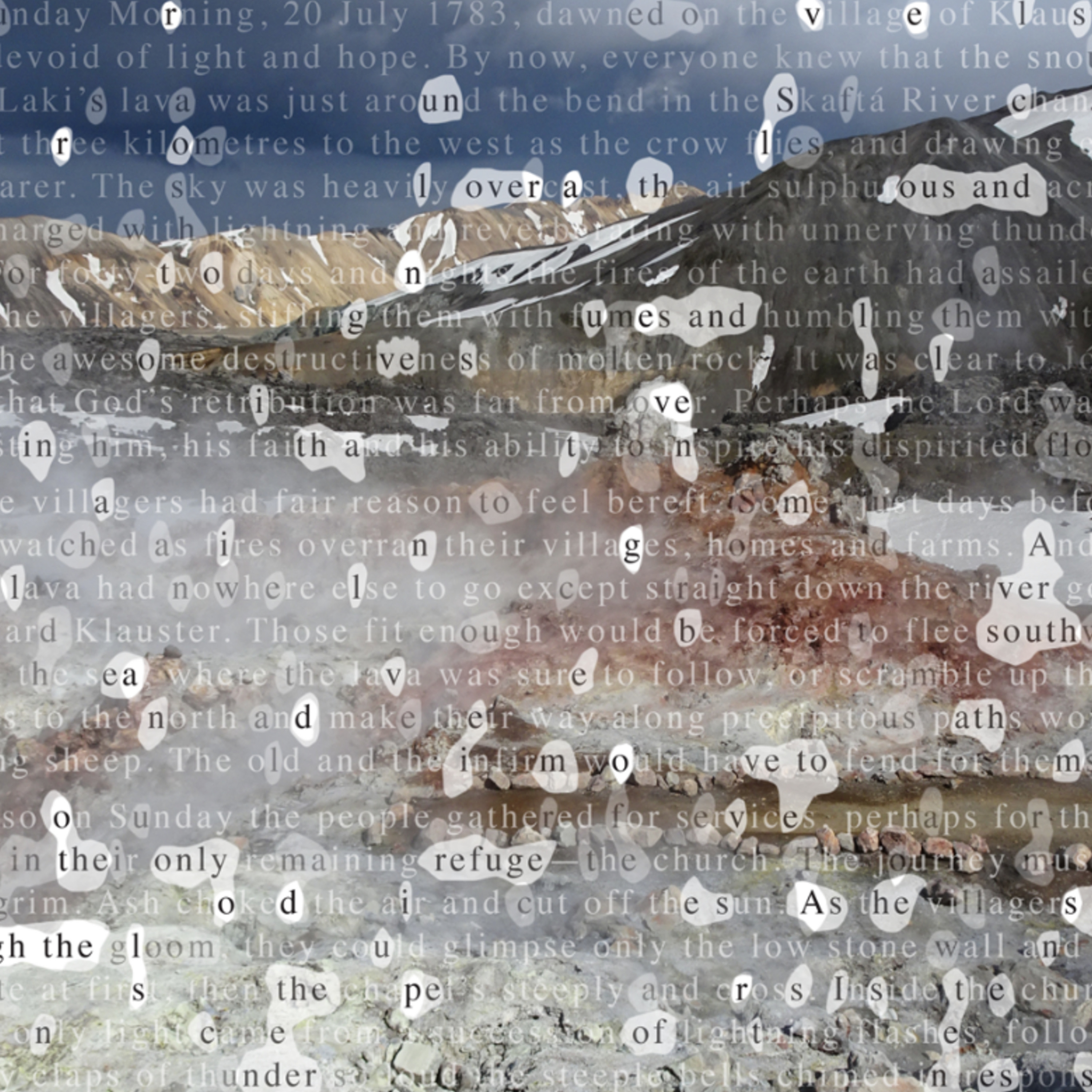
In our discussion of "The Priest Questions the Lava," Katy describes the sentience of the natural world, her erasure of documentary texts, her interest in visual poetry, and the importance of poems that examine ethical and spiritual questions in an era of climate change.
To see Katy's erasure, click on the Academy of American Poets Poem-a-Day feature.
Visit the Tupelo Press website to
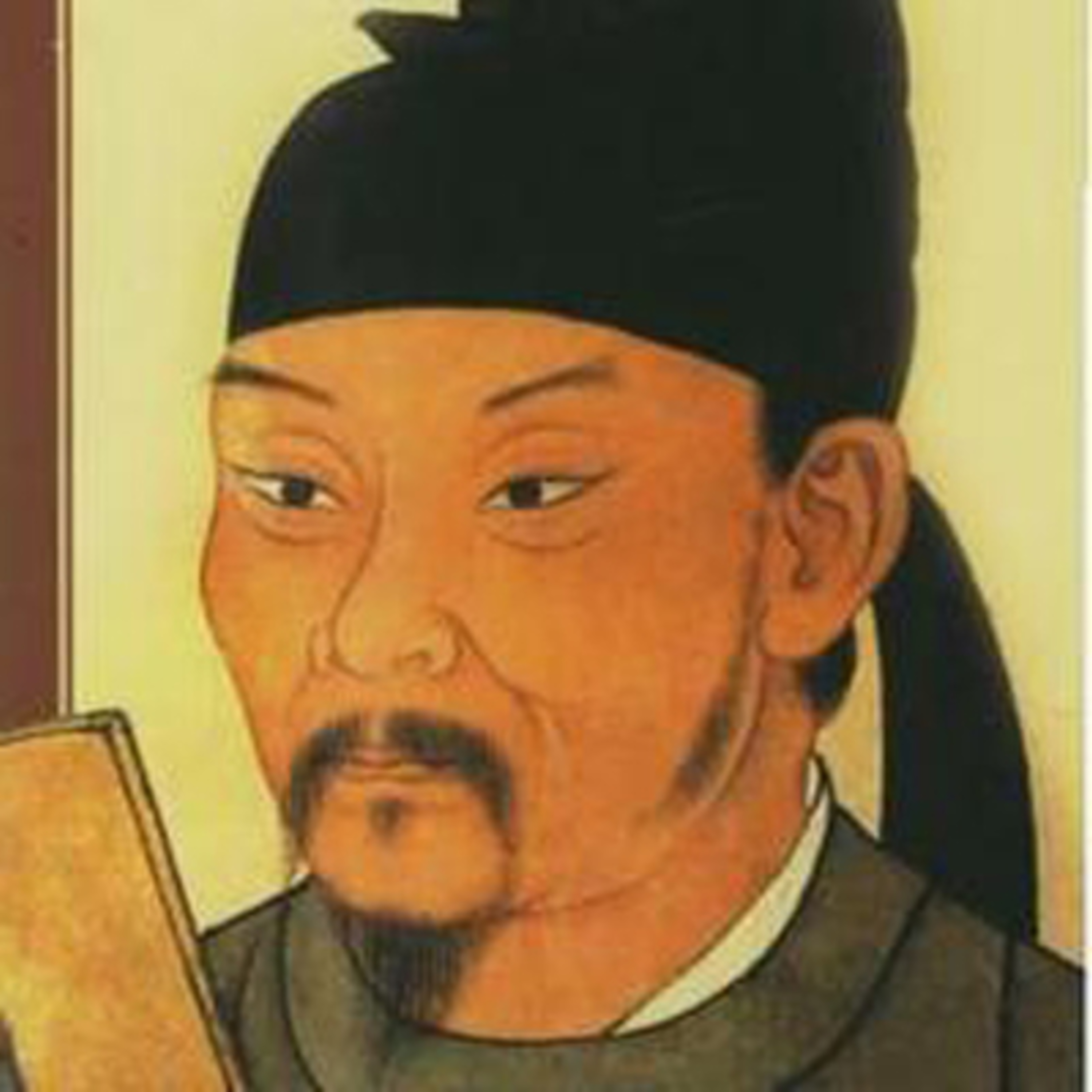
Episode 65: Du Fu, Facing Snow
In this episode, Lucas Bender guides us through his translation of Du Fu's "Facing Snow," one of the most famous poems in the Chinese language.
To learn more about Du Fu's life, work, and cultural significance, please see Lucas Bender's Du Fu Transforms: Tradition and Ethics amid Societal Collapse (Harvard University Press, 2021).
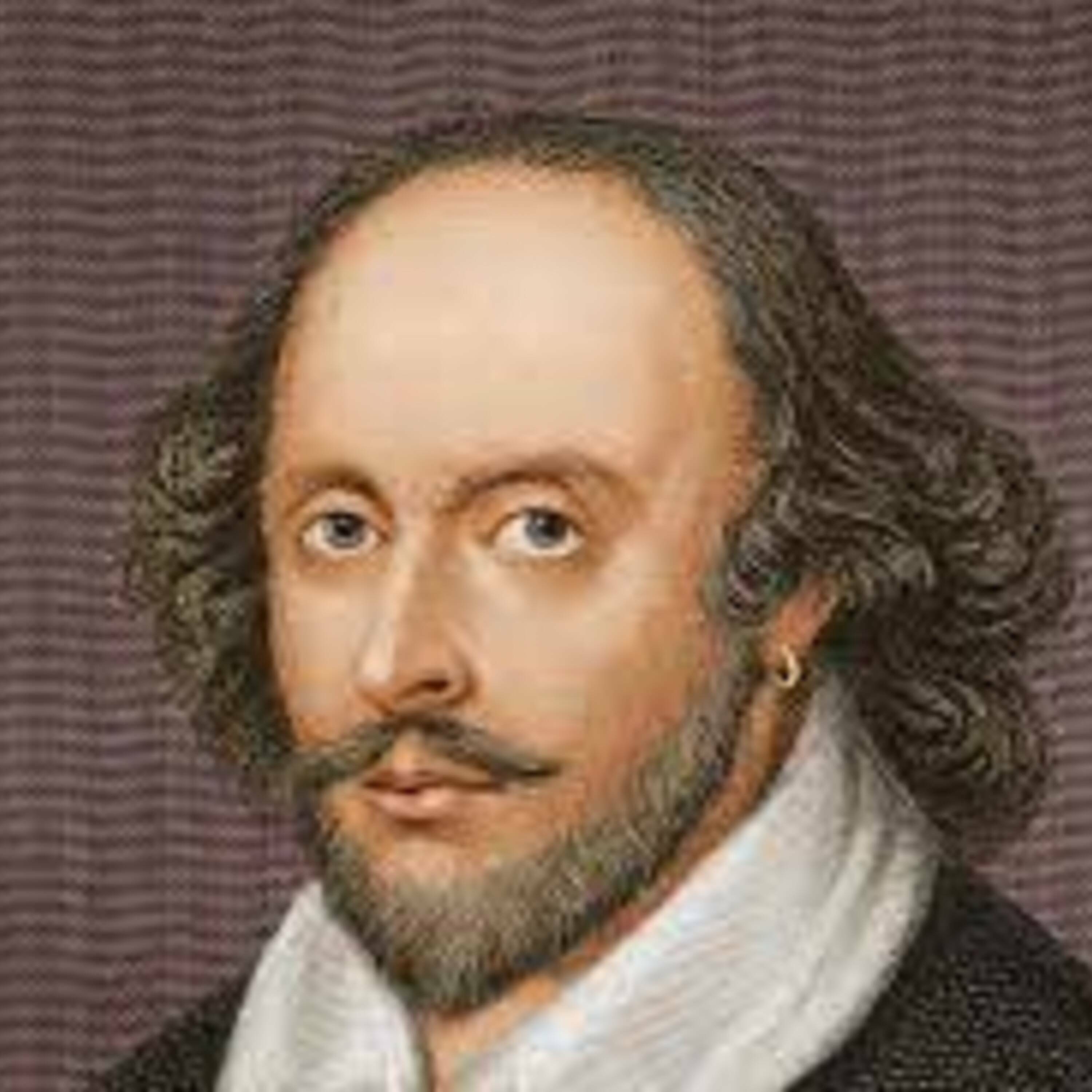
Episode 64: Shakespeare, Sonnet 29
In episode 64, we talk about Shakespeare's sonnet 29, a poem about comparison and competition, leading the poet almost to despise himself before, by chance, he remembers his dear friend and is lifted by the deep joy of that relationship.
We link our discussion to present-day concerns about social media, the Surgeon General's warning about an epidemic of loneliness in this country, and a
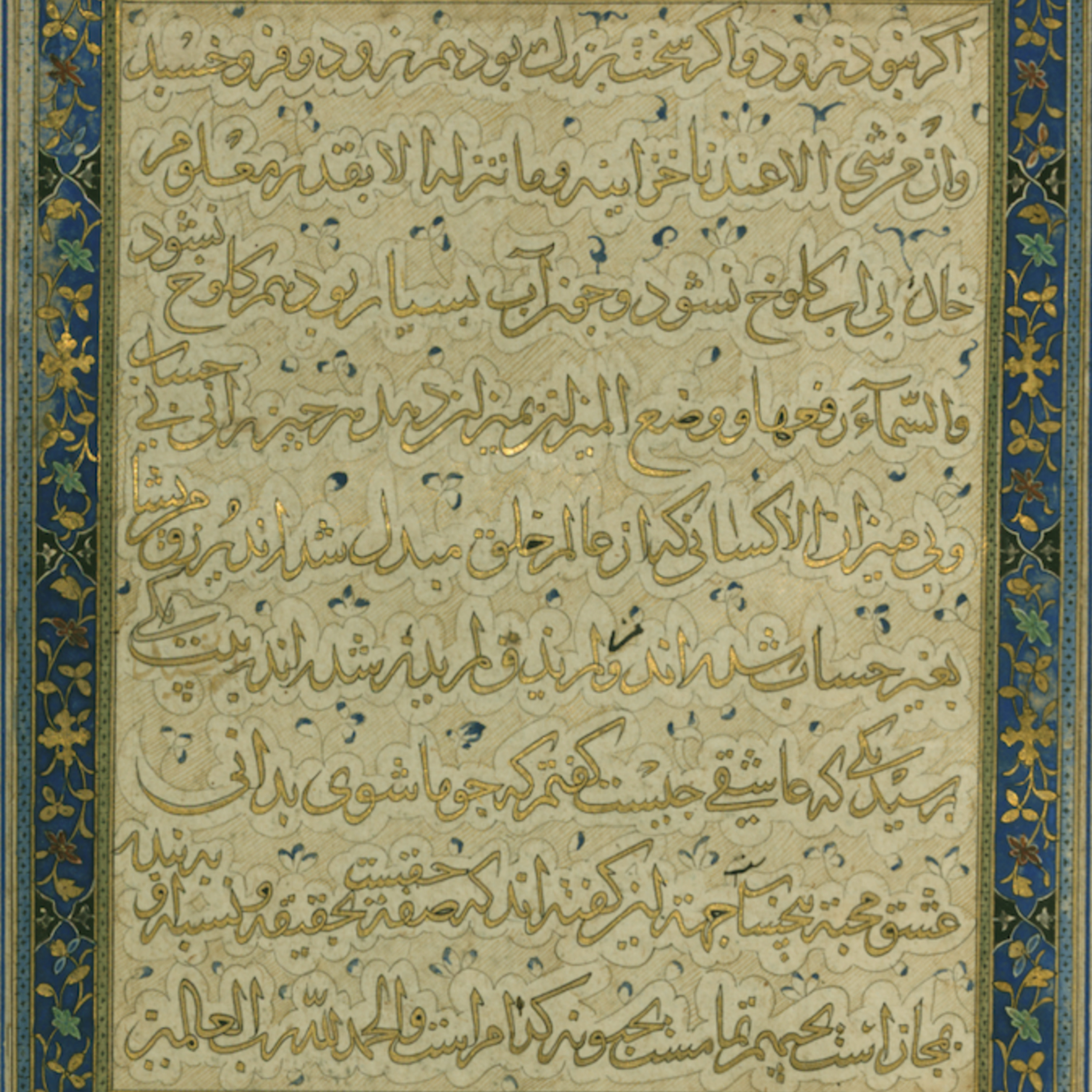
Episode 63: Rumi, Colorless, Nameless, Free
Poet and translator Haleh Liza Gafori joins us to closely read and discuss a poem by Jalāl al-Dīn Muḥammad Rūmī (1207-1273 CE), one of the greatest of all Sufi poets. We discuss the poetic constraints of the ghazal form, Rumi's encounters with the divine, and the significance of his friendship with Shams, a man who transformed his life and poetic practice.
Haleh Liza Gafori's translatio
Episode 62: Kobayashi Issa, Haiku
What makes haiku "the perfect poetic form"? This episode reads three wonderful haiku by Kobayashi Issa and explores what makes them so moving and fun.
We use the beautiful translations of award-winning poet Robert Haas in The Essential Haiku: Versions of Basho, Buson, and Issa. To see these haiku and others online, visit The Poetry Foundation here.
To see (and purchase) the book, see Ha
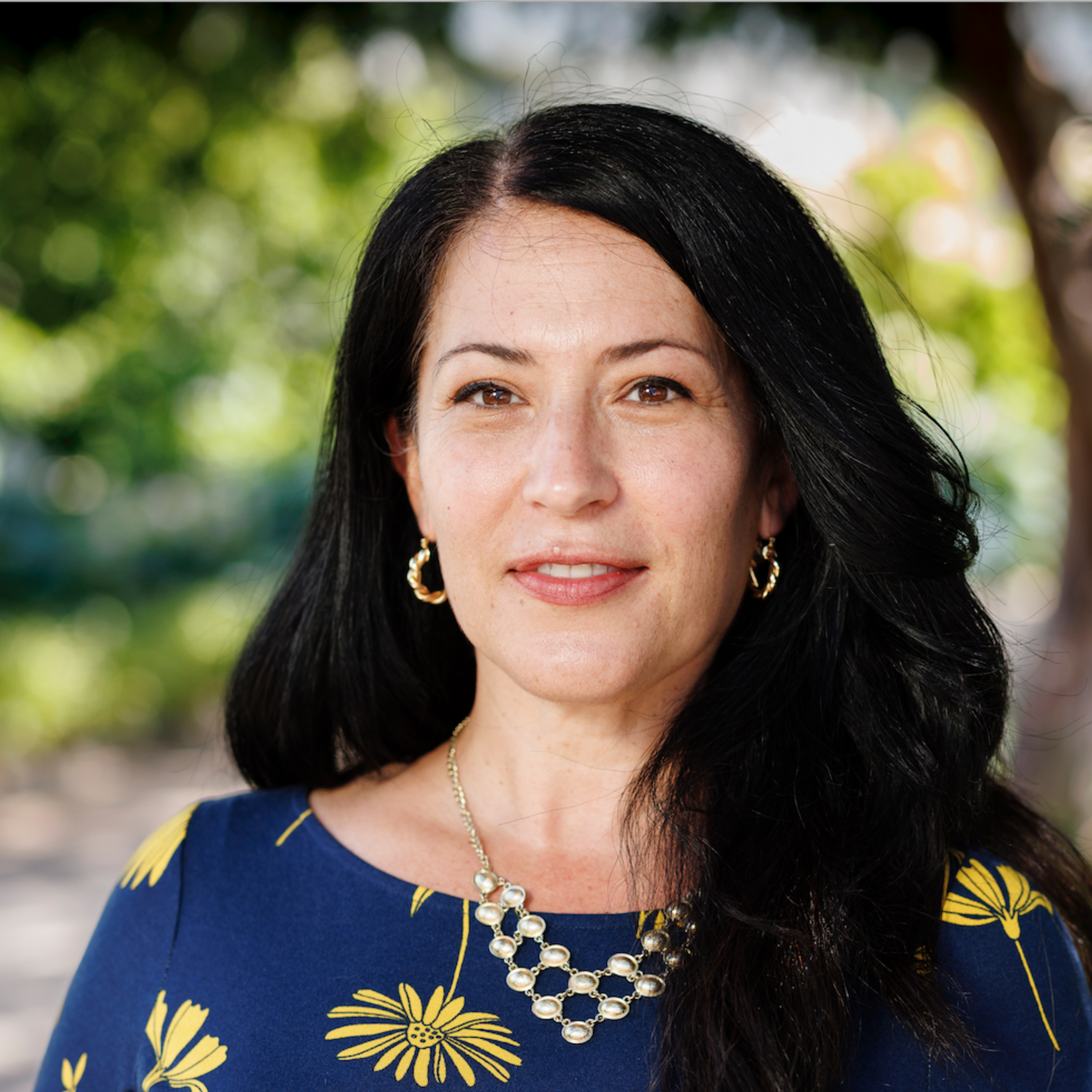
Episode 61: Ada Limón, "The Raincoat"
With her quality of attention and focus on vivid, specific images, Ada Limón brings us to a moment of surprising insight in "The Raincoat."
"The Raincoat" appears in Ada Limón's book The Carrying by Milkweed Editions. Thank you to Milkweed Editions for permission to read the poem on this podcast.
You can find the "The Raincoat" on the Poetry Foundation website.
To learn more about Ada
Episode 60: Li-Young Lee, From Blossoms
In this episode, we explore the poetry of joy in a world of shade and death, looking to sounds and repetitions while examining how "From Blossoms" speaks back to the poem that immediately precedes it in Lee's great book Rose.
For more on Li-Young Lee, see The Poetry Foundation here.
Thanks to BOA Editions for granting us permission to read Li-Young Lee's work on our podcast. "From Bloss

Episode 59: Tichborne's Elegy
In this episode, we read the elegy of Chidiock Tichborne, written the night before his execution, and contemplate the power of repetitions, the balanced precision of a man facing his end, and the drumbeat of monosyllables that takes his imagination beyond the moment of his death.
Tichborne's Elegy
My feast of joy is but a dish of pain,
My crop of corn is but a field of tares,
And all my
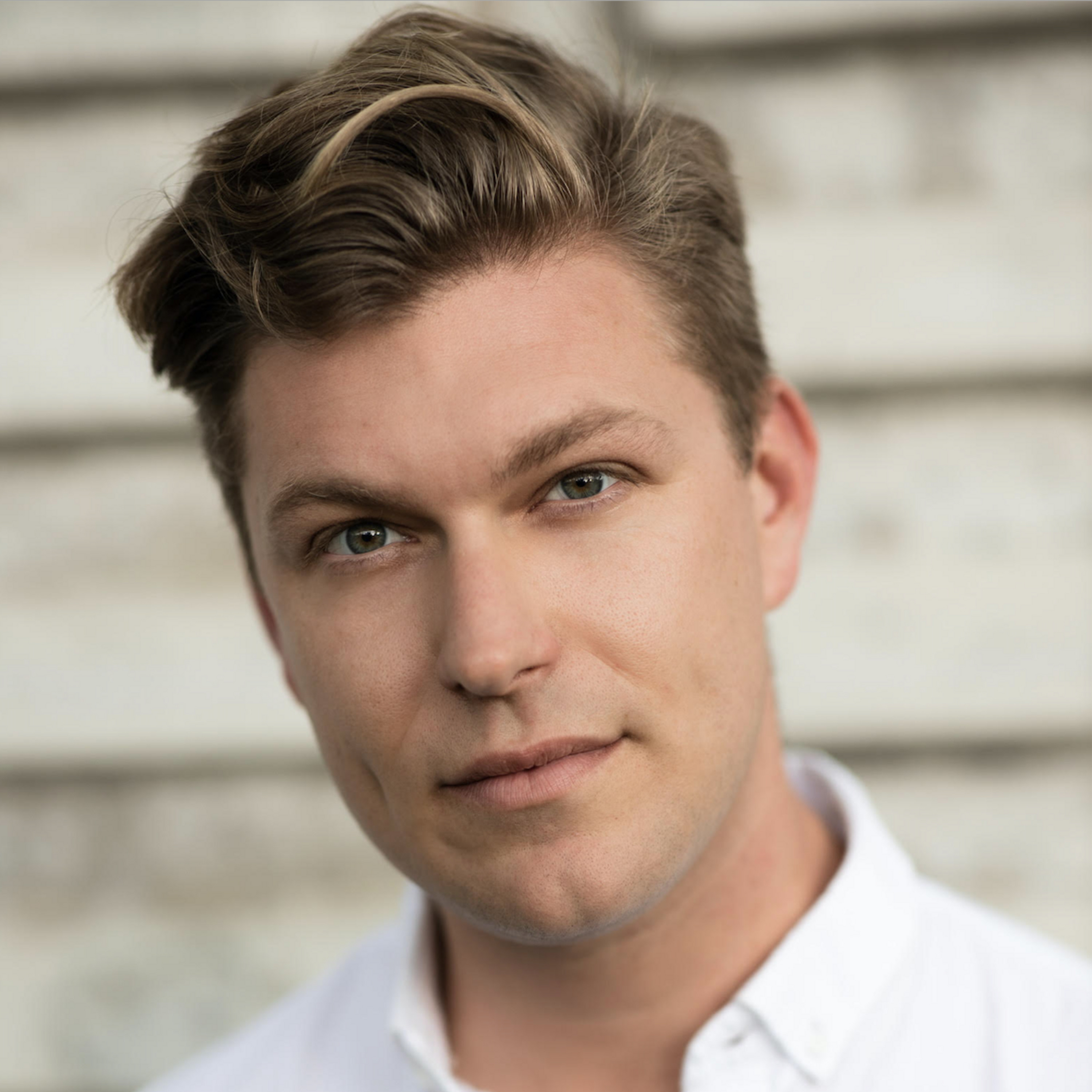
Episode 58: Richie Hofmann, Things That Are Rare
In this episode, we are delighted to have Richie Hofmann as our guest. Richie Hofmann is the author of two collections: Second Empire and A Hundred Lovers. His poetry has appeared in The New Yorker, The Atlantic, The Yale Review, and many other literary magazines, and he is the recipient of Ruth Lilly and Wallace Stegner fellowships.
To learn more about Richie, visit his website.
To le
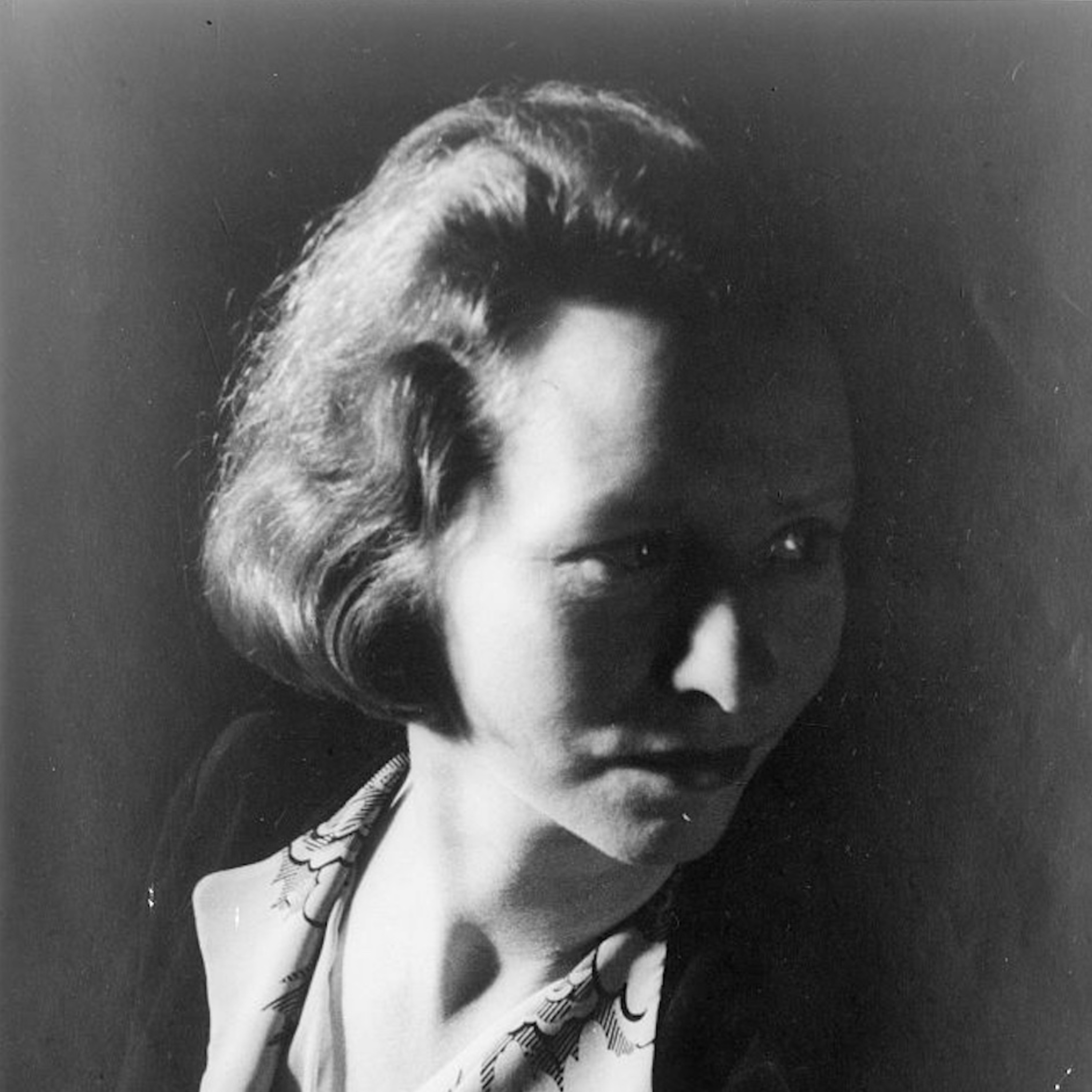
Episode 57: Edna St. Vincent Millay, She had forgotten how the August night
She called herself Vincent, she smoked cigarettes, and she wore shimmery golden evening gowns when she read her poetry to sold-out crowds. Edna St. Vincent Millay was the emblem of the "New Woman" and one of the most important American poets of the twentieth century...but in years after her death, her literary reputation suffered, and only recently have critics and historians revisited an
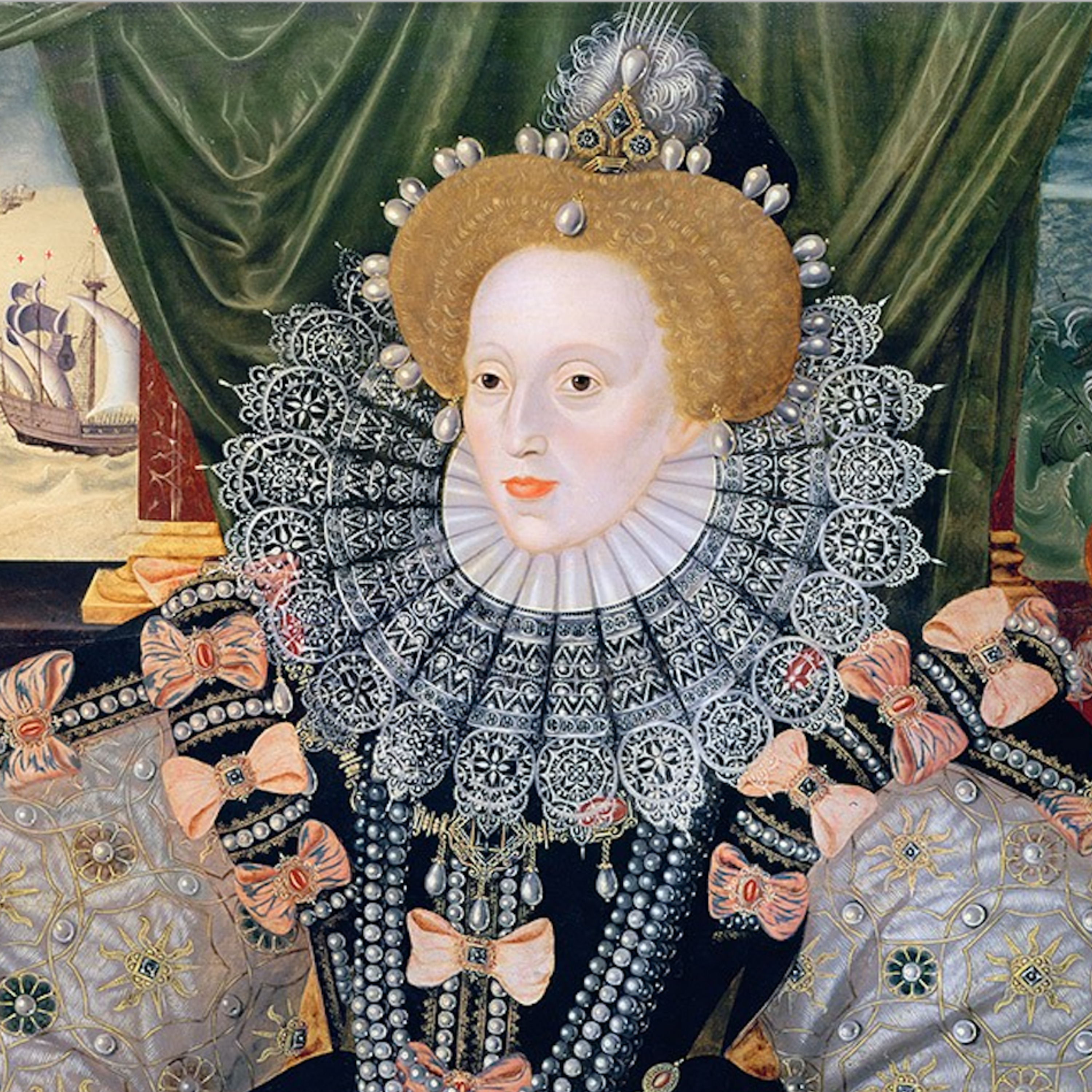
Episode 56: Queen Elizabeth, On Monsieur's Departure
Queen Elizabeth I (1533-1603) was one of the longest-reigning monarchs in all of British history, but she was also a gifted poet. In this episode, we discuss "On Monsieur's Departure," a poem that is inspired by Petrarchan conventions and gives insight into the public and private selves of a powerful queen.
(For the text of the poem, scroll to the bottom.)
In this episode, we attempt t
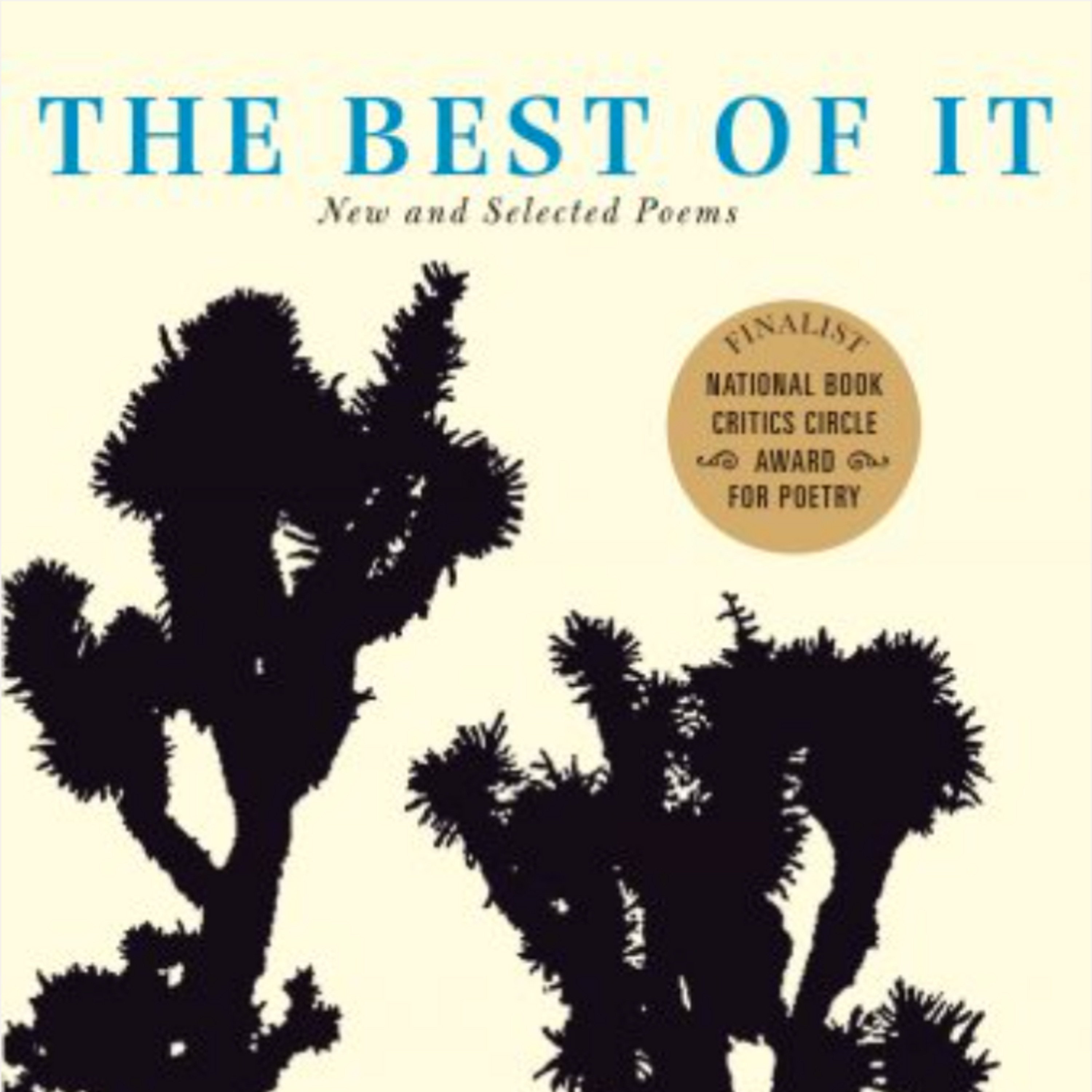
Episode 55: Kay Ryan, Crib
In this episode, we discuss Kay Ryan's "Crib," a brief poem that begins with an interest in the deep archaeology of language and shifts to a powerful meditation on theft, innocence, and guilt.
"Crib" appears in The Best of It © 2010 by Kay Ryan. Used by permissions of Grove/Atlantic, Inc.
For more on Kay Ryan and her work, you can visit the Poetry Foundation website.
Our favorite in
Grant Writing Break
This week, Joanne and Abram take a break to write a grant for the podcast. We very much hope you enjoy Poetry For All. And if you do, please leave us a review, share it with a friend, and let us know! Thank you all for listening.
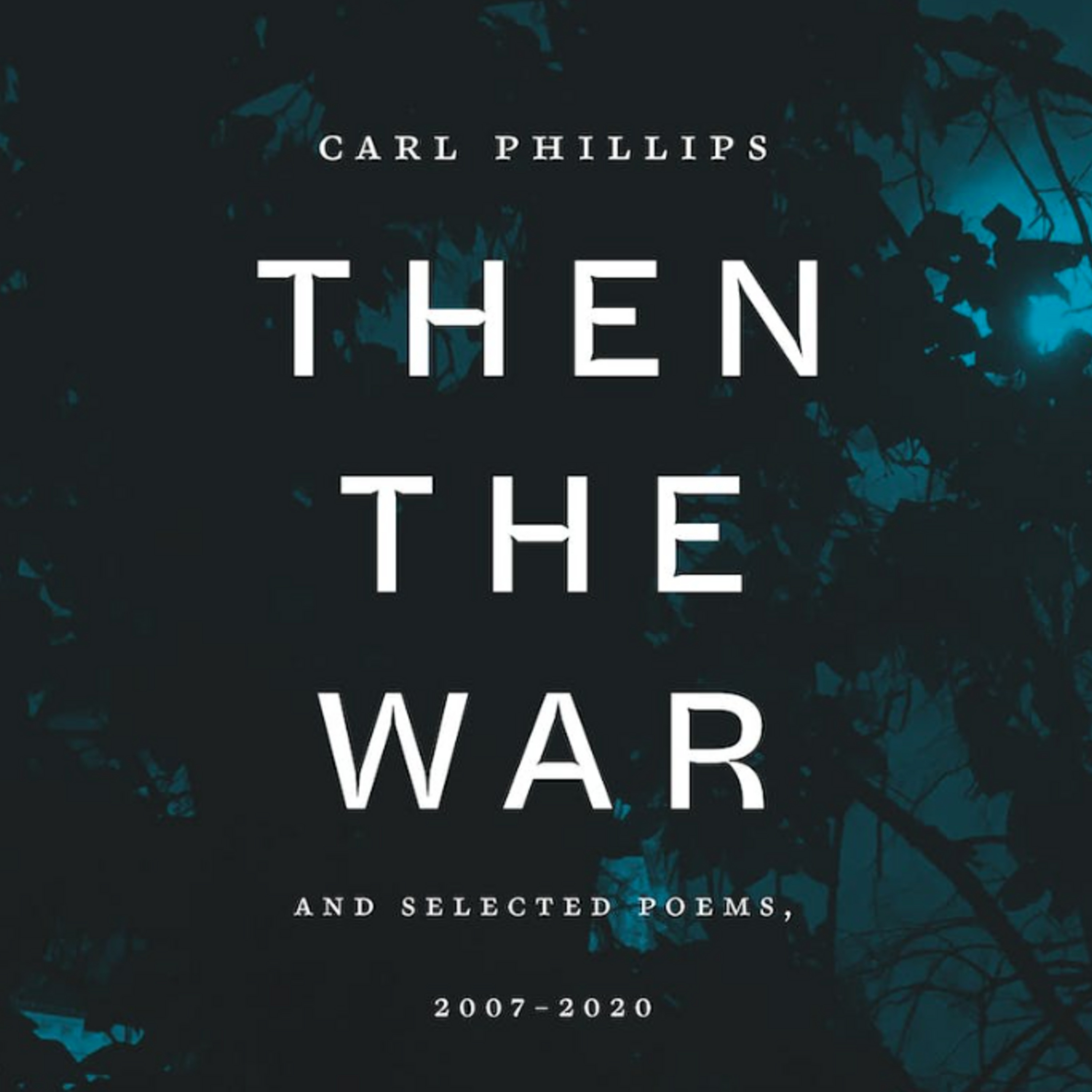
Episode 54: Carl Phillips, To Autumn
In this episode, we talk with David Baker about "To Autumn" by Carl Phillips, exploring the way Phillips masterfully achieves a sense of intimacy and restlessness in a lyric ode that tosses between two parts while incorporating the sonnet tradition.
For more on Carl Phillips, please visit the Poetry Foundation.
For more on David Baker, please visit the Poetry Foundation.
"To Autumn" ha
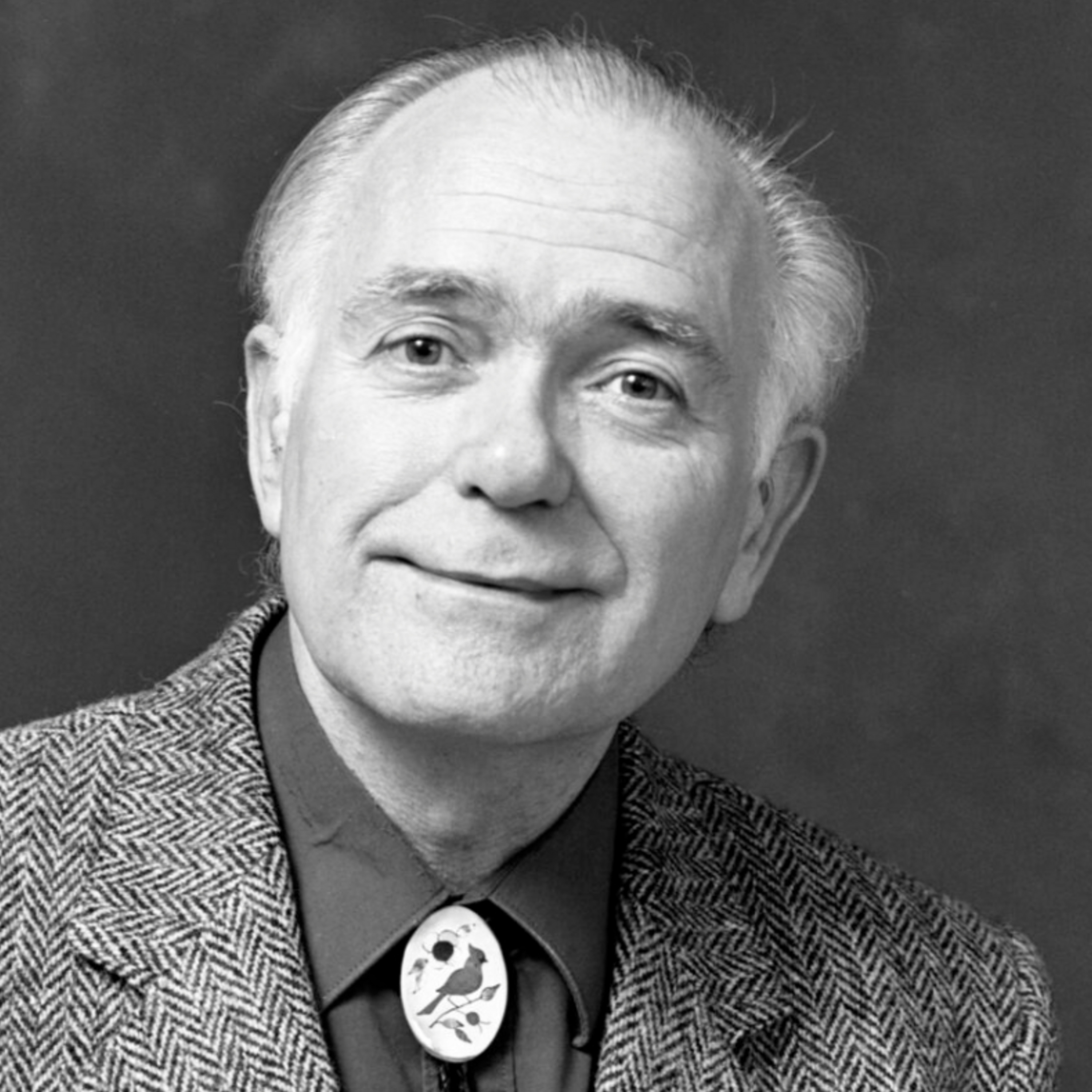
Episode 53: Carter Revard, What the Eagle Fan Says
In this episode, we focus on the life and work of Carter Revard, an Osage poet whose medieval scholarship informs the structure of "What the Eagle Fan Says." Jessica Rosenfeld, a professor of medieval literature at Washington University in St. Louis, joins us for this discussion.
Carter Revard was a prolific poet and scholar. To learn more about his work, click here.
"What the Eagle Fa

Episode 52: Shakespeare, Sonnet 73
This sonnet reflects on the autumn of life and an intimate love, and it turns on that love growing stronger in and through its age, even as the body decays.
To learn more about Shakespeare's sonnets, visit Folger Shakespeare page.
Our favorite editions of Shakespeare's sonnets are edited by Colin Burrow and Stephen Booth.
Sir Patrick Stewart's reading of Sonnet 73 is one of our favorit
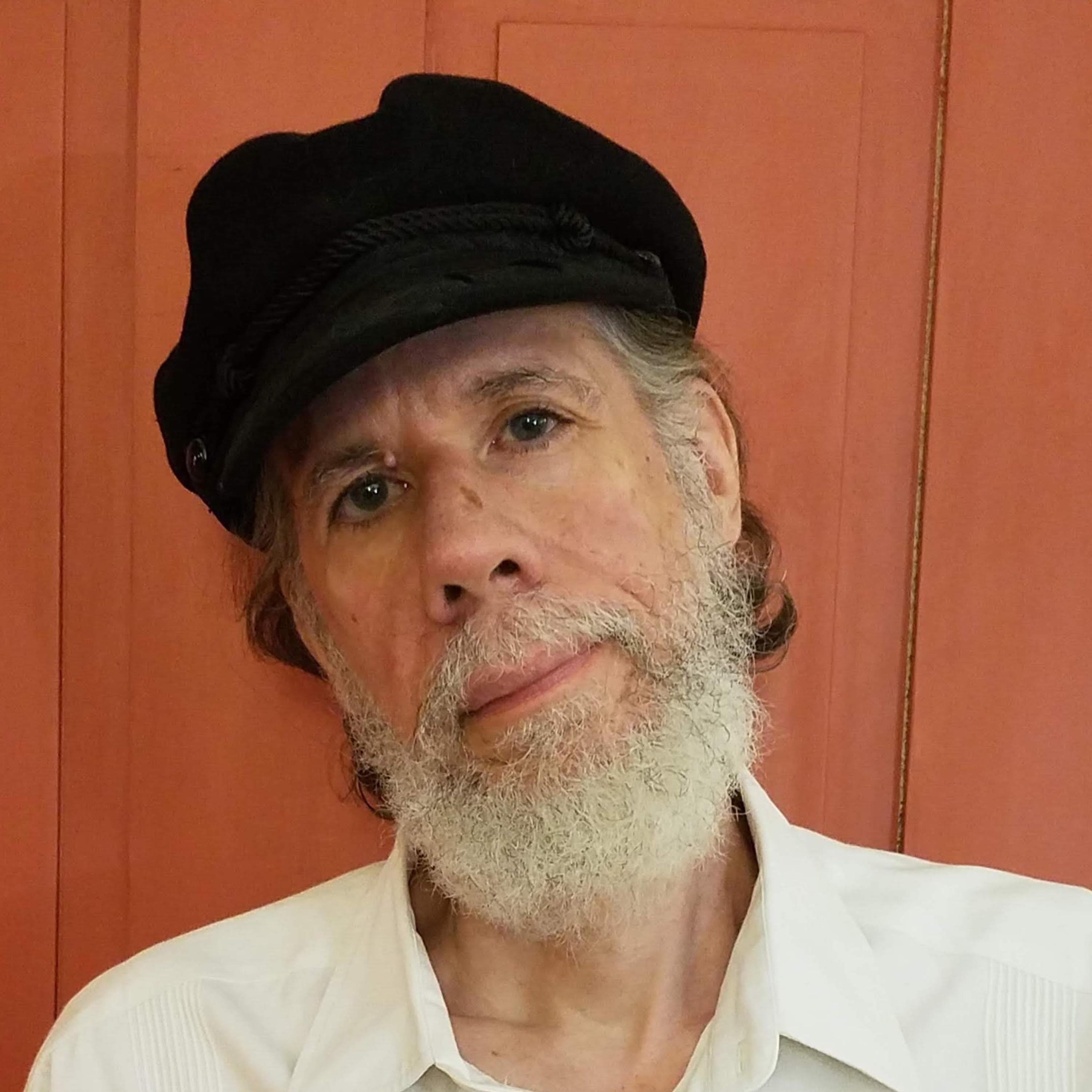
Episode 51: Martín Espada, Jumping Off the Mystic Tobin Bridge
To learn more about Martín Espada, click here.
To read the poem, click here.
This is the first poem that appears in Floaters, the winner of the 2021 National Book Award. To purchase a copy of the book, click here.
Photo credit: Lauren Marie Schmidt (cropped to fit dimensions)
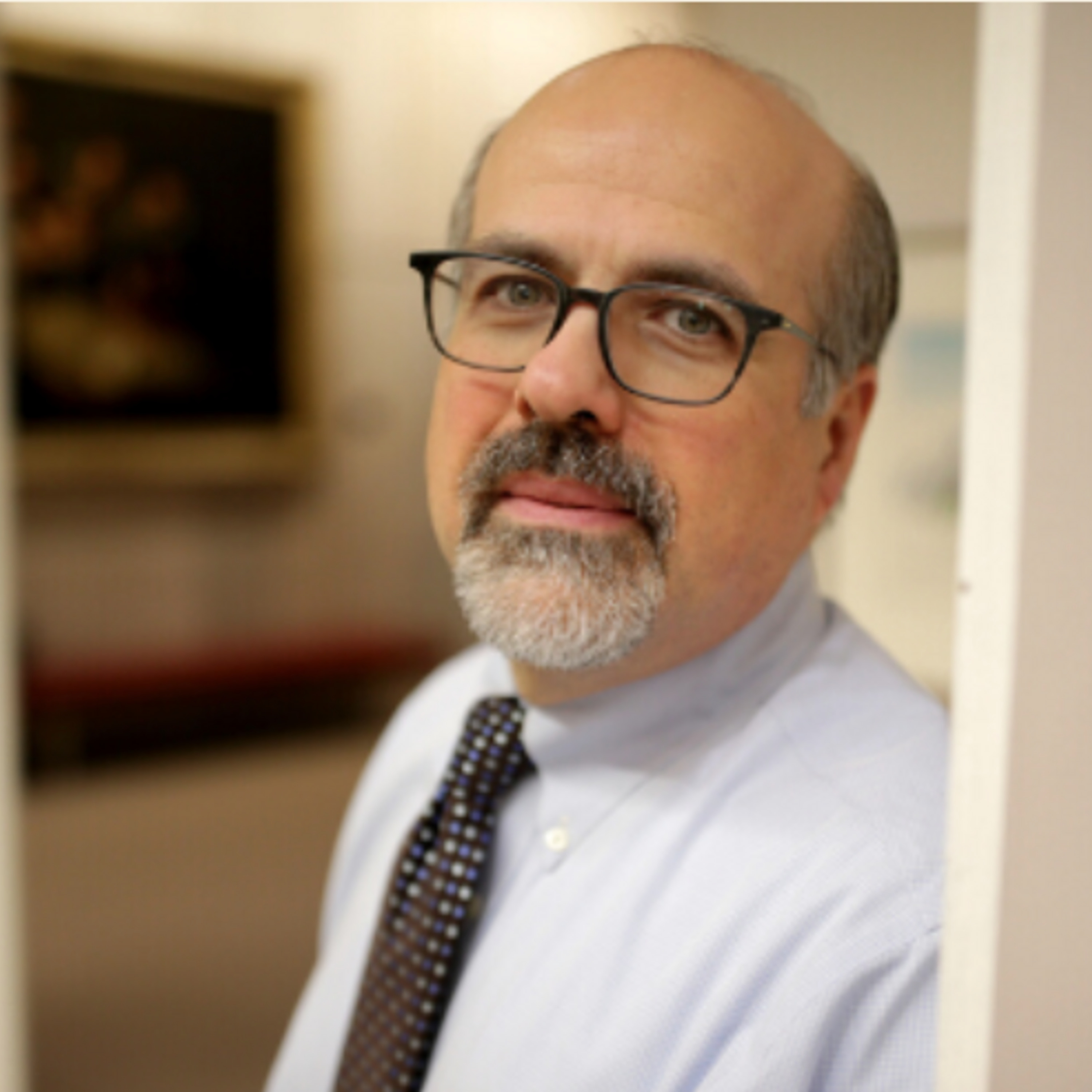
Episode 50: Rafael Campo, Primary Care
In this episode, we discuss how Rafael Campo, a practicing physician, uses blank verse to explore the experience of illness and suffering.
Thanks to the Georges Borchardt, Inc. for granting us permission to read this poem. You can find "Primary Care" in Alternative Medicine (Duke University Press, 2013).
Episode 49: Lisel Mueller, When I am Asked
In this episode, we closely read Lisel Mueller's "When I am Asked" in order to better understand grief as a deep source of artistic expression. We look at language as a source of connection and hope, even in the midst of sorrow and solitude. With this poem about the making of poetry (an_ ars poetica_), we come to see how one artist turned to the intricacies of language in the face of a na
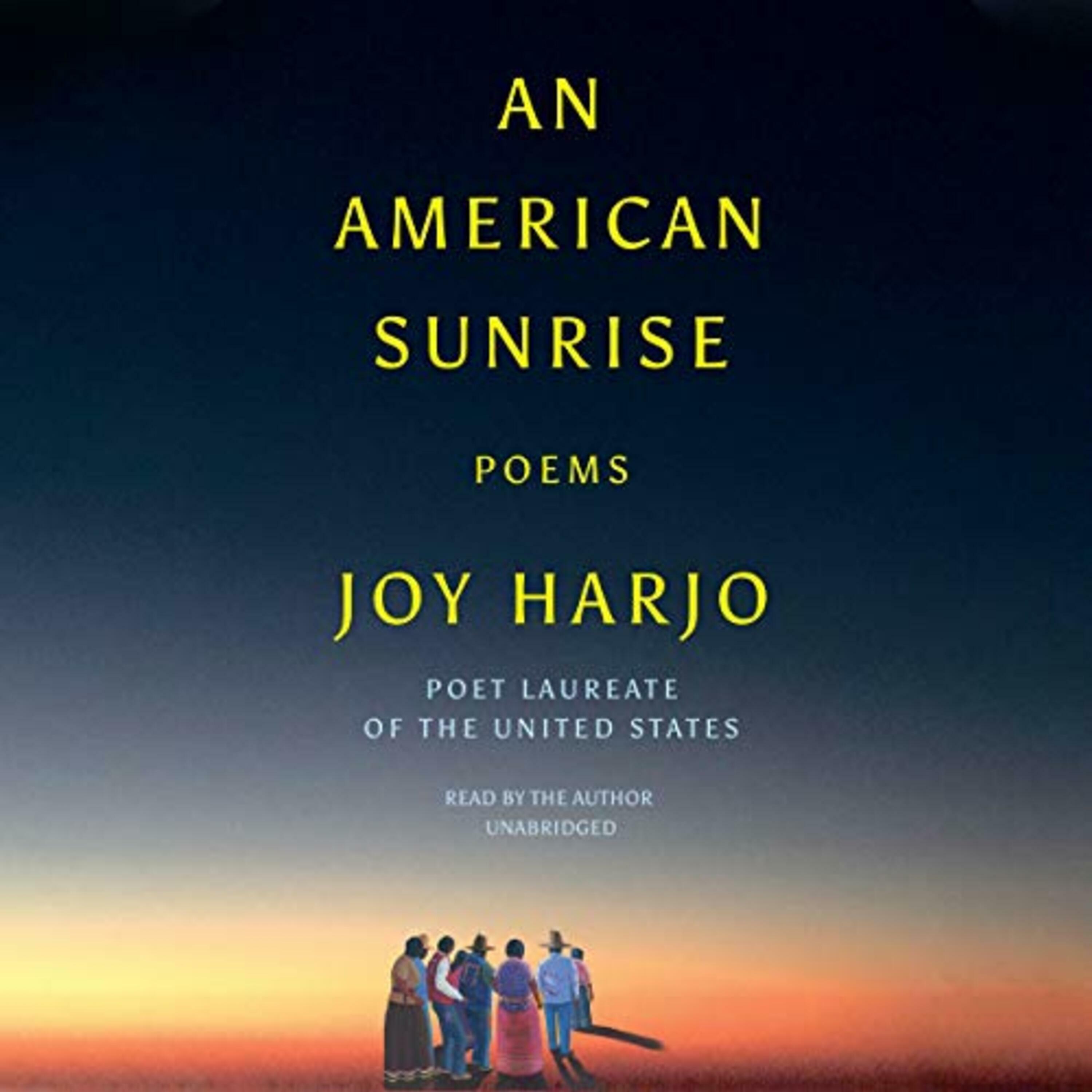
Episode 48: Joy Harjo, An American Sunrise
In this episode, we examine The Golden Shovel form and discuss the idea of "survivance" through the work of Muscogee (Creek) poet Joy Harjo, the 23rd Poet Laureate of the United States.
You can find the text of "An American Sunrise" here, though this is an earlier version of the poem. The final version appears in her finished book of the same title, which you can find here.
For an intro
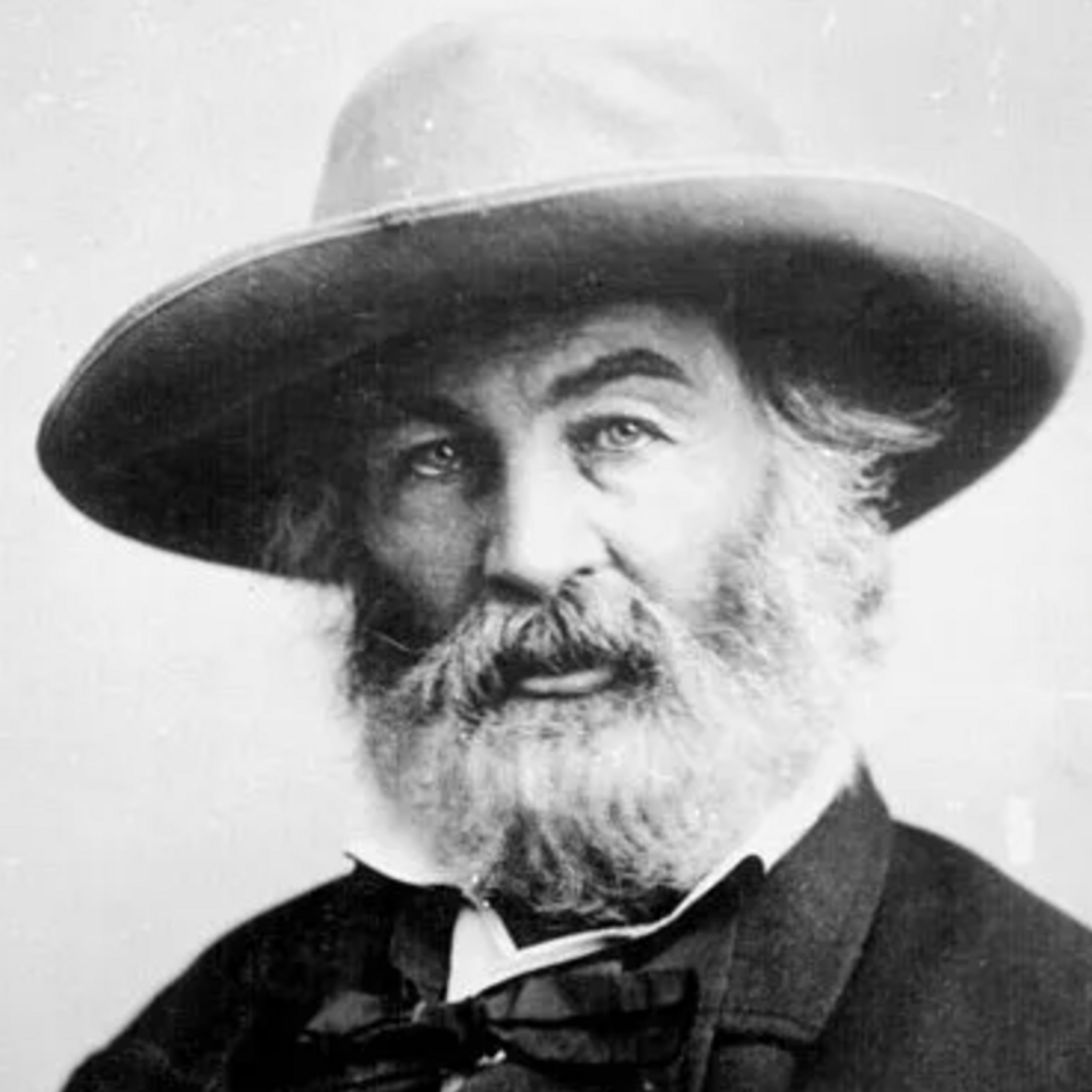
Episode 47: Walt Whitman, Leaves of Grass
In this episode, Christopher Hanlon joins us to discuss an excerpt from Walt Whitman's Leaves of Grass. We discuss the poem's prophetic voice, its patterns of repetition, the connective tissue that binds his ideas and invites readers in, and the cultural context in which Whitman produced his work.
To read the text of this poem, click here or see below:
To learn more about Walt Whitman a
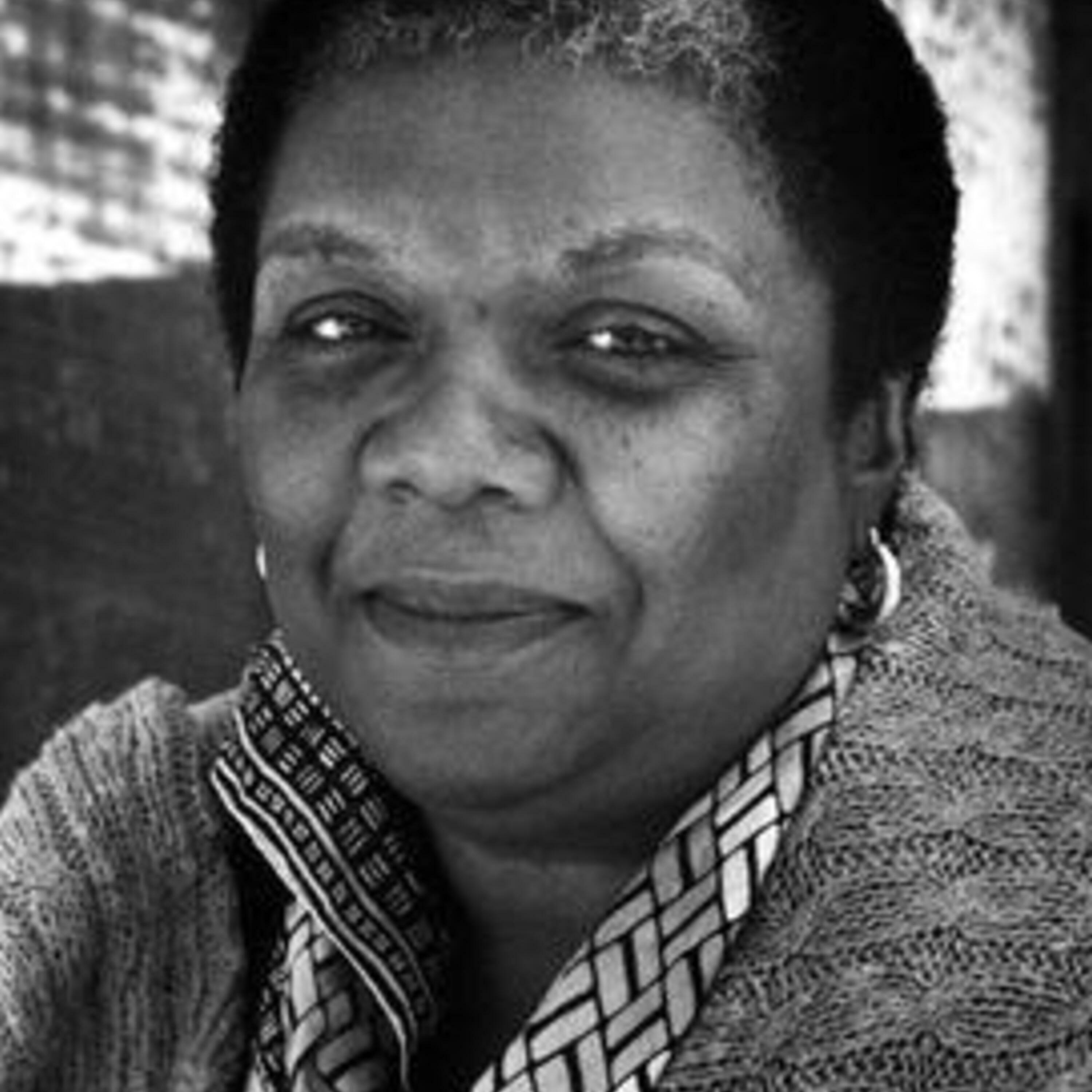
Episode 46: Lucille Clifton, spring song
Lucille Clifton (1936-2010) was one of the most powerful poets of the twentieth century. This joyful poem caps a sequence of sixteen poems called "some jesus," which walks through biblical characters (beginning with Adam and Eve) and ends on four poems for Holy Week and Easter. She wrote other poems on the Bible as well, including "john" and "my dream about the second coming," which reima
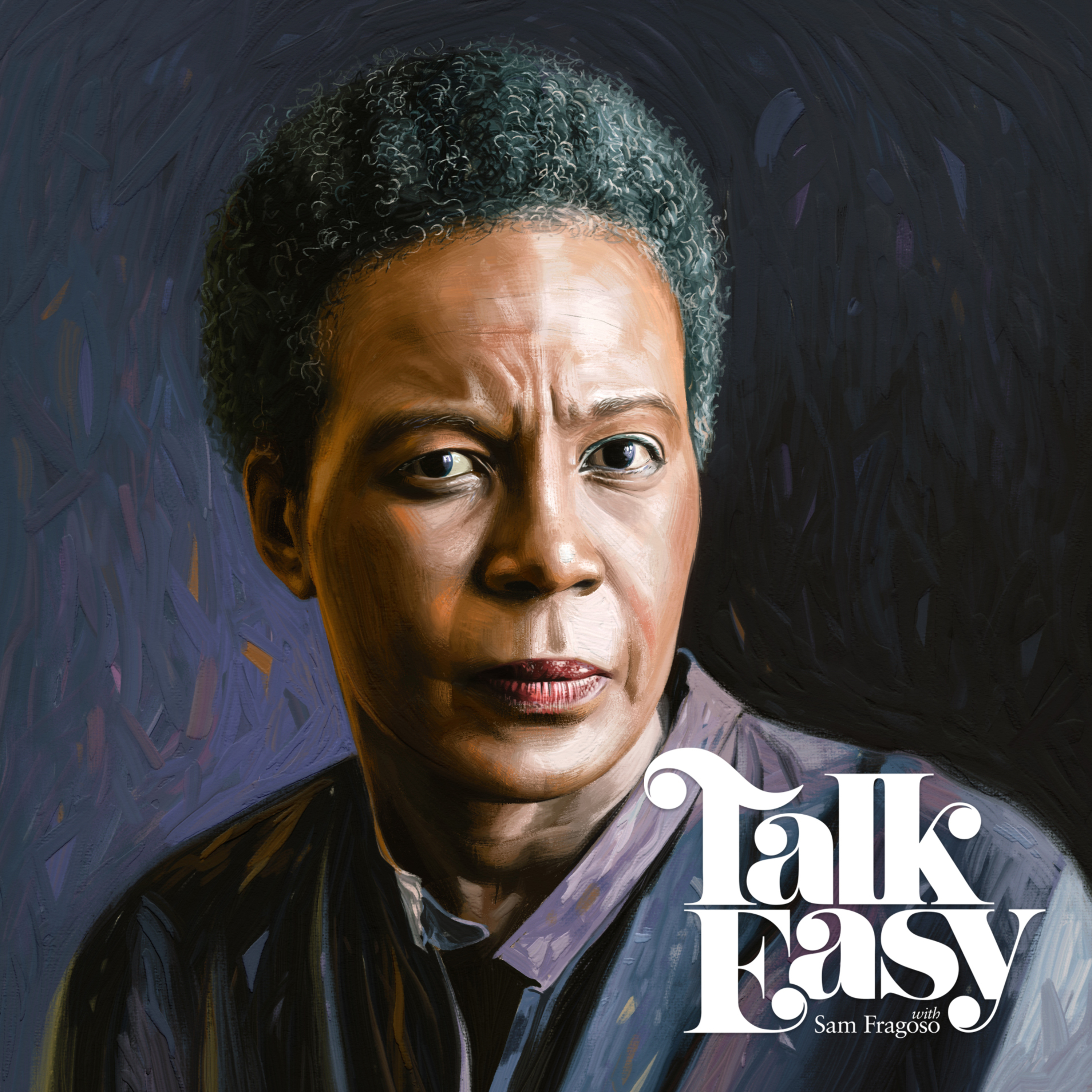
From Talk Easy: Claudia Rankine’s Just Us: An American Conversation
We’re sharing a special preview of a podcast we’ve been enjoying, Talk Easy with Sam Fragoso, from Pushkin Industries. Talk Easy is a weekly interview podcast, where writer Sam Fragoso invites actors, writers, activists, and musicians to come to the table and speak from the heart in ways you probably haven't heard from them before. Driven by curiosity, he’s had revealing conversations wit
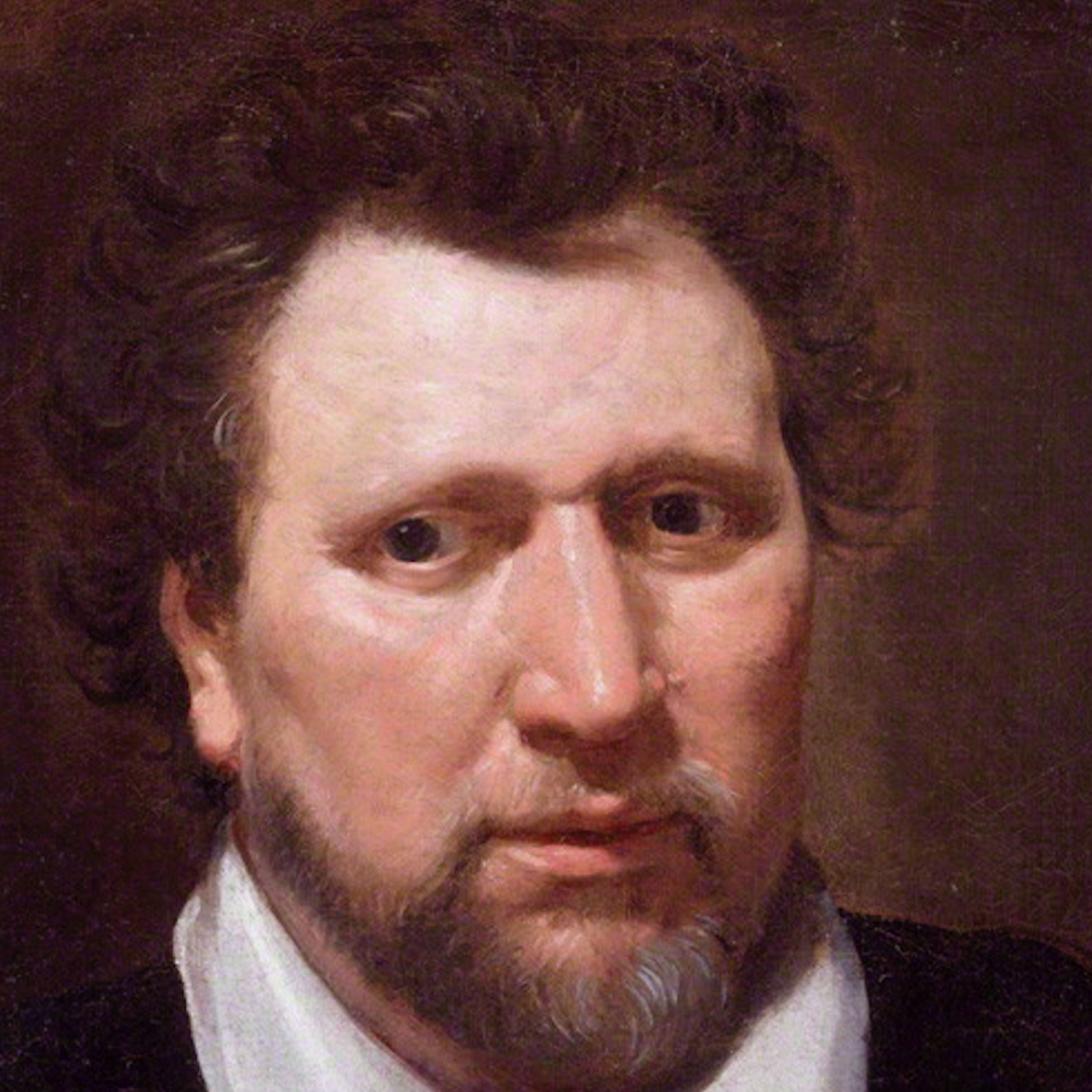
Episode 45: Ben Jonson, On My First Son
In this episode, we look at Ben Jonson's elegy for his son who died of the plague at the age of 7. This poem is so brief, and yet, it manages to cross a lot of emotional terrain as Jonson struggles to understand the profundity of his loss.
Here is the poem:
On my First Son
Farewell, thou child of my right hand, and joy;
My sin was too much hope of thee, lov'd boy.
Seven years tho' wer

Episode 44: Ann Hudson, Soap
In this episode, Ann Hudson joins us to read her poem “Soap” and discuss how its narrative structure allows her to explore the history of science, technology, and our notions of progress and beauty, even when those notions do great harm to ordinary workers.
Ann is the author of two collections of poetry: The Armillary Sphere, which was selected by Mary Kinzie as the winner of the Hollis
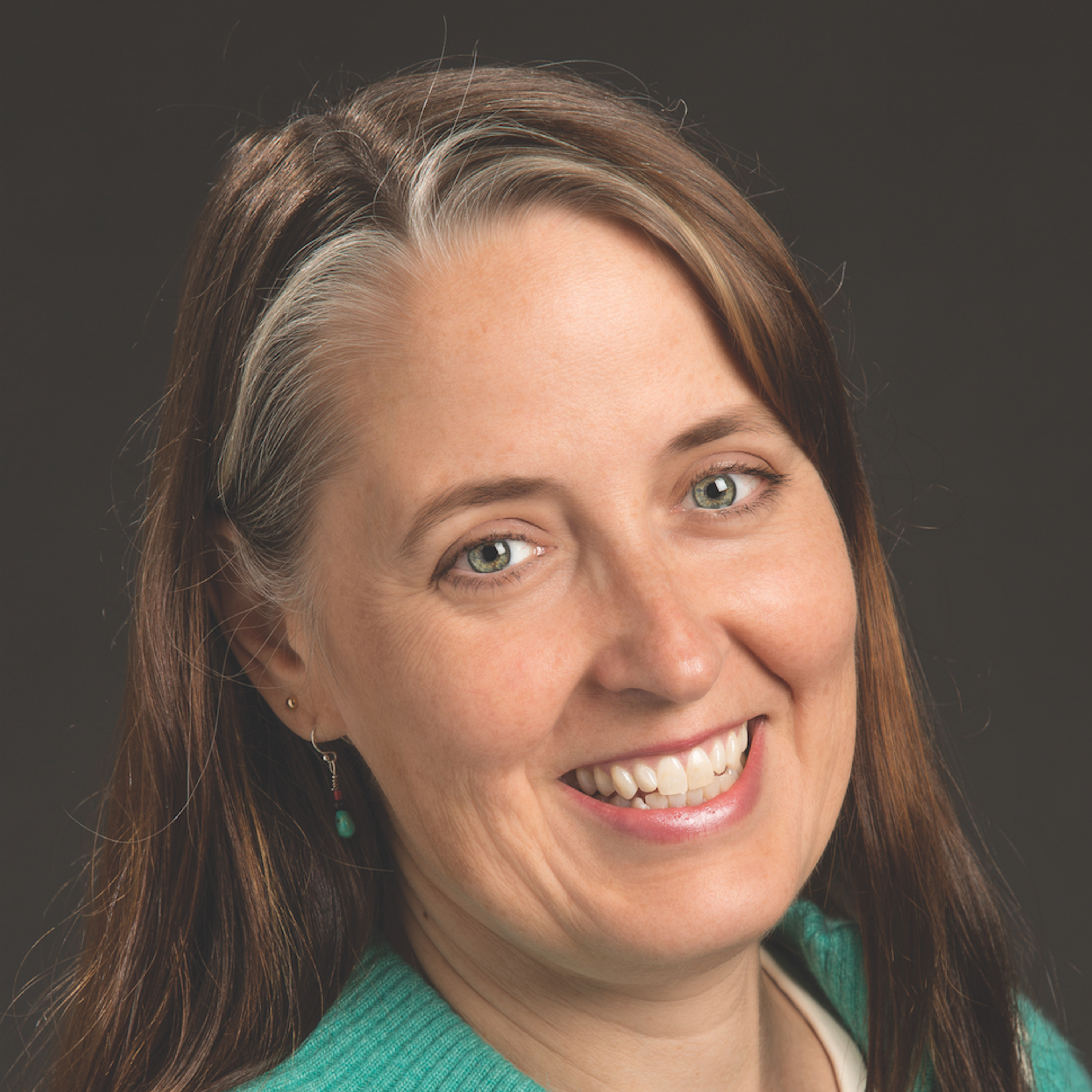
Episode 43: Margaret Noodin, What the Peepers Say
In this episode, Margaret Noodin joins us to discuss her poem "What the Peepers Say." In our conversation, we talk about Margaret's writing in both Anishinaabemowin and English, her attention to sounds and rhythms, and what the peeper--a tiny springtime frog--can teach us about presence and listening.
Margaret Noodin is the author of two bilingual collections of poetry in both Anishinaab
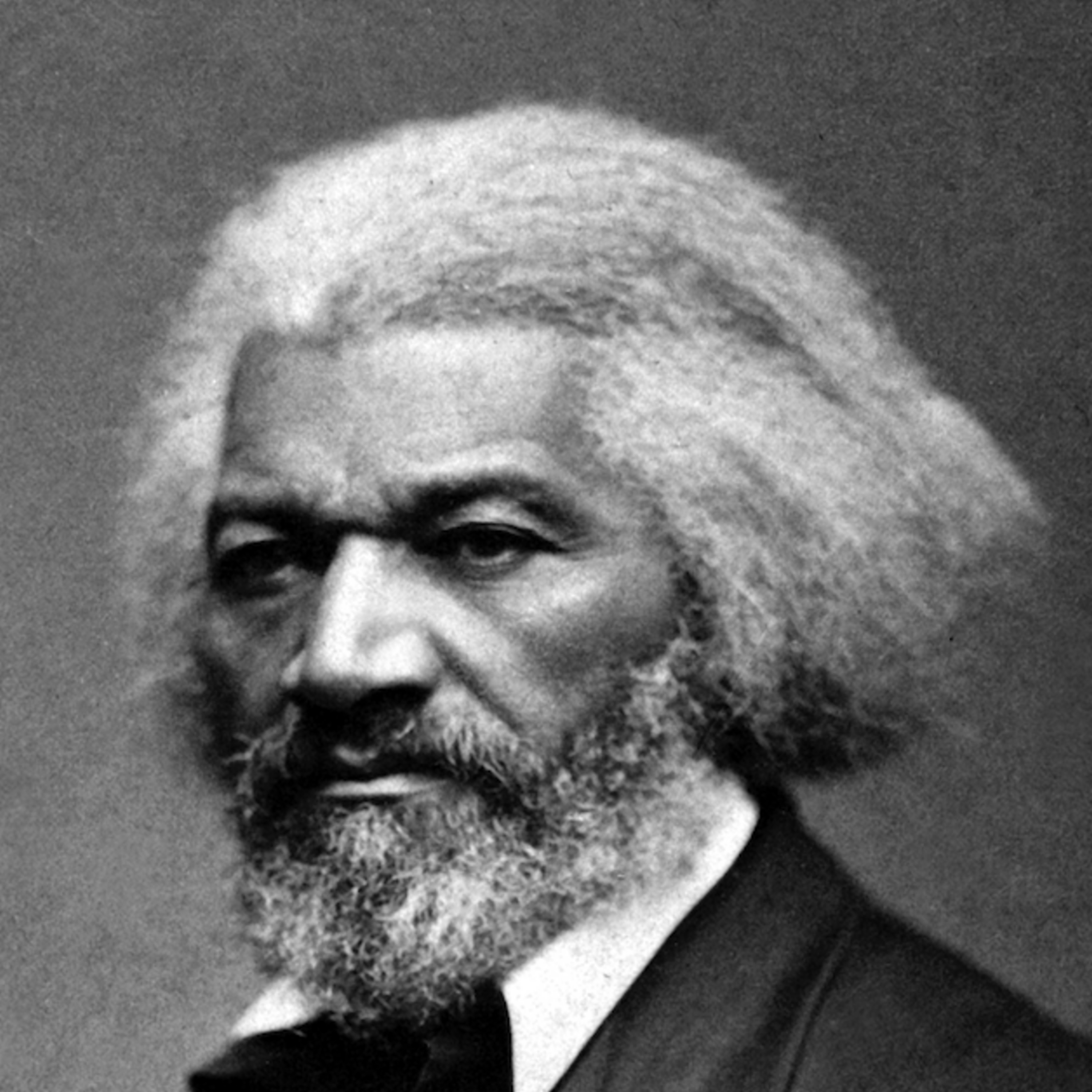
Episode 42: Robert Hayden, Frederick Douglass
To read Hayden's poem, click here.
Thanks to W.W. Norton & Company for granting us permission to read this poem. Reginald Dwayne Betts's introduction to the Collected Poems of Robert Hayden is very moving, as is the afterword by Arnold Rampersad.
For a series of insightful observations about Hayden's sonnet, see Ross Gay, Aracelis Girmay, Aimee Nezhukumatathil, Patrick Rosal, and Ir
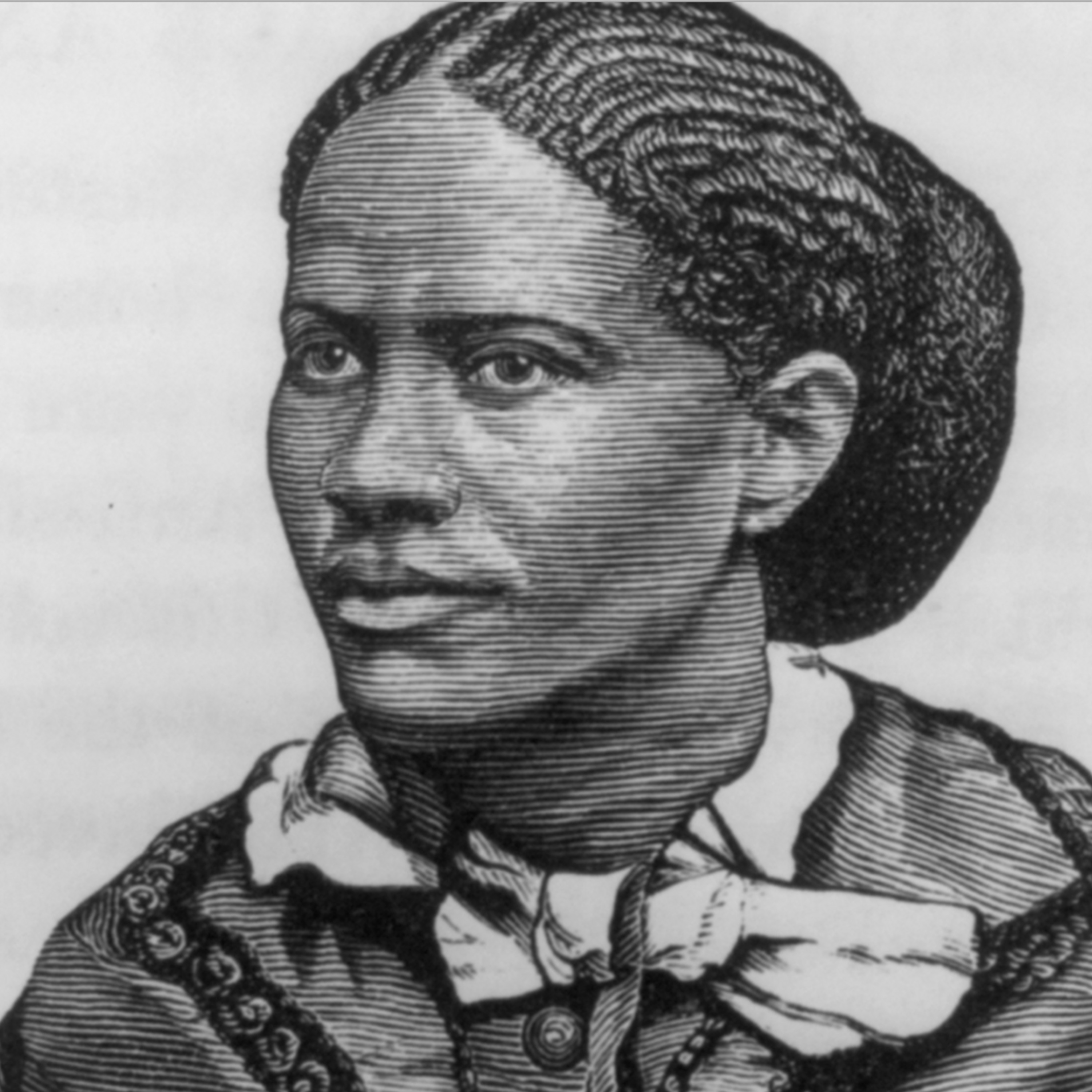
Episode 41: F.E.W. Harper, Learning to Read
Frances Ellen Watkins Harper was a prolific writer and activist of the nineteenth century. In this episode, Professor Janaka Bowman Lewis joins us to discuss her power, influence, voice, and work. "Learning to Read" foregrounds the ballad style in a narrative poem designed to keep alive the memories of fighting for both literacy and liberation.
For the full text of the poem, see here: "L
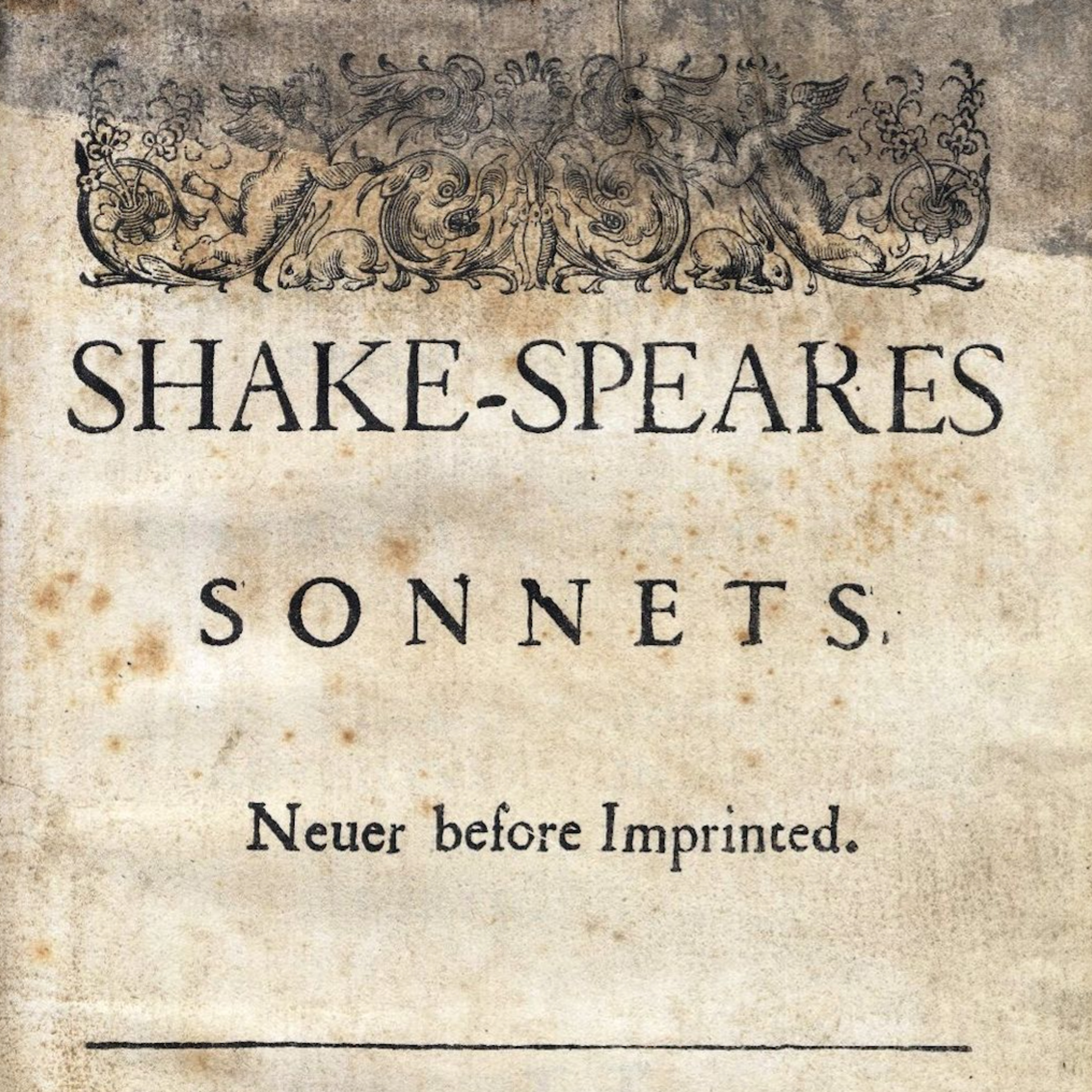
Episode 40: William Shakespeare, Sonnet 116
In this episode, we provide a close reading of William Shakespeare's Sonnet 116, which allows us to consider the poem's definition of a love that is enduring. In addition, though, we consider a reading of the poem which foregrounds a disappointed poetic speaker who can see the love's transience, too.
For the text of this poem, click here.
Colin Burrow and Stephen Booth's editions of Sh
Recommended

History of the Earthquake and Fire in San Francisco

Fox news

K-Drama Obsessed Mamas | Beyond “Just One More Episode!”

True Crime Classics

The Healer Revolution

Becoming: HER with Nikki Spoelstra

Booked, Blonde & Busy w/ Olivia Ponton

McKinsey on Consumer and Retail

megahired.com

Hard Knocks Podcast

Effective Weight Loss for Moms | High protein, Strength Training, Lose Weight, Meal Planning, Fat Loss, Healthy Habits

The Human-Animal Connection - Pet Life Radio Original
