The Eurasian Knot
The Eurasian Knot is a podcast that explores the complexities of Russia and the wider Eurasia region, aiming to dispel stereotypes and myths through lively interviews. It covers a diverse range of topics from punk rock to Putin, offering insights into the region's past, present, and future. New episodes are released weekly.
Episodes
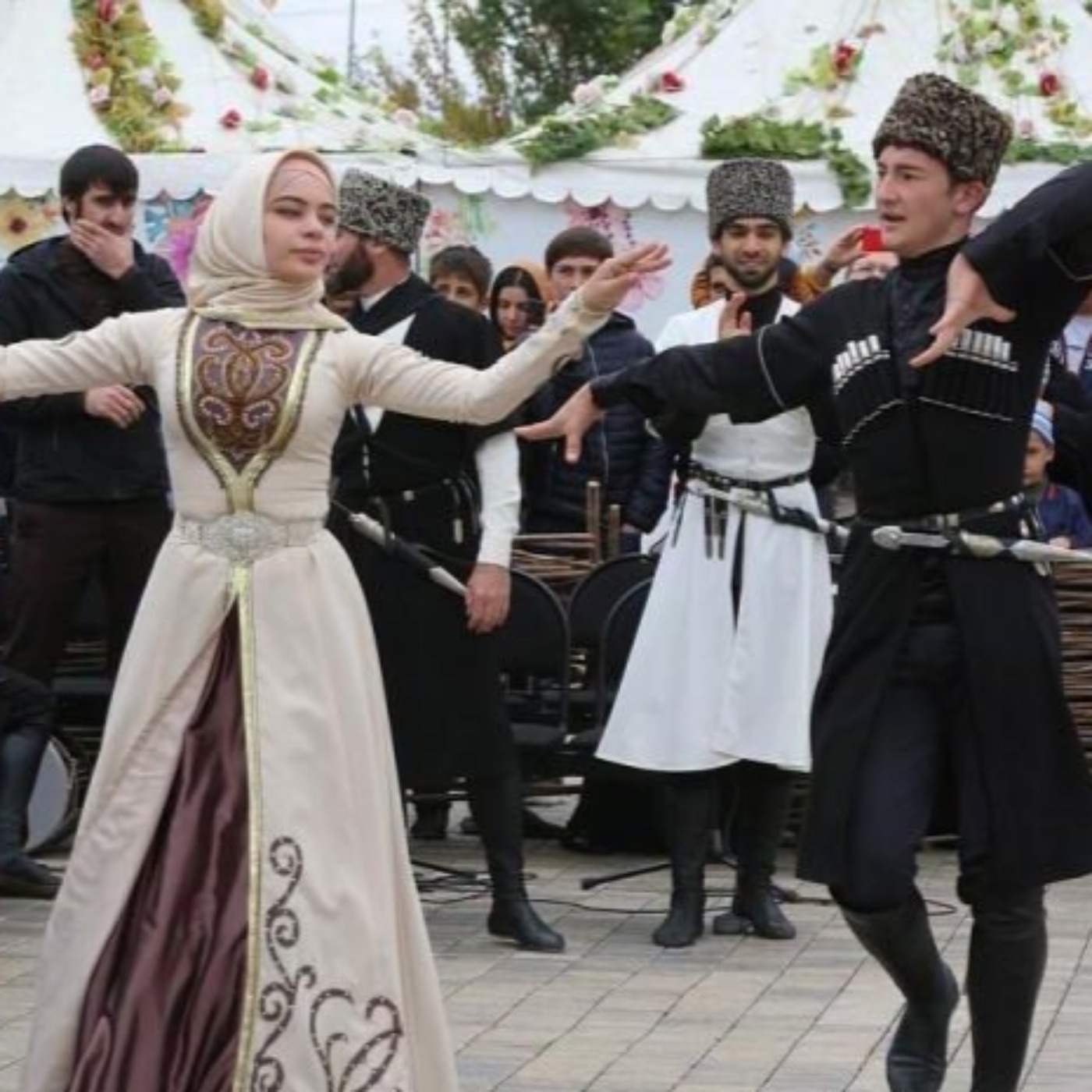
Marriage and Family in Chechnya
The history of Chechens, or Nokhchi, is defined by war, occupation, and ethnic cleansing. Yet despite these repeated traumas, the Nokhchi have persisted, resisted and survived. But how? Chechens comprise such a relatively small population, almost 2 million today. This is the question Marat Iliyasov asked himself as he entered adulthood. Given this history of violence, and uncertain future, what ha
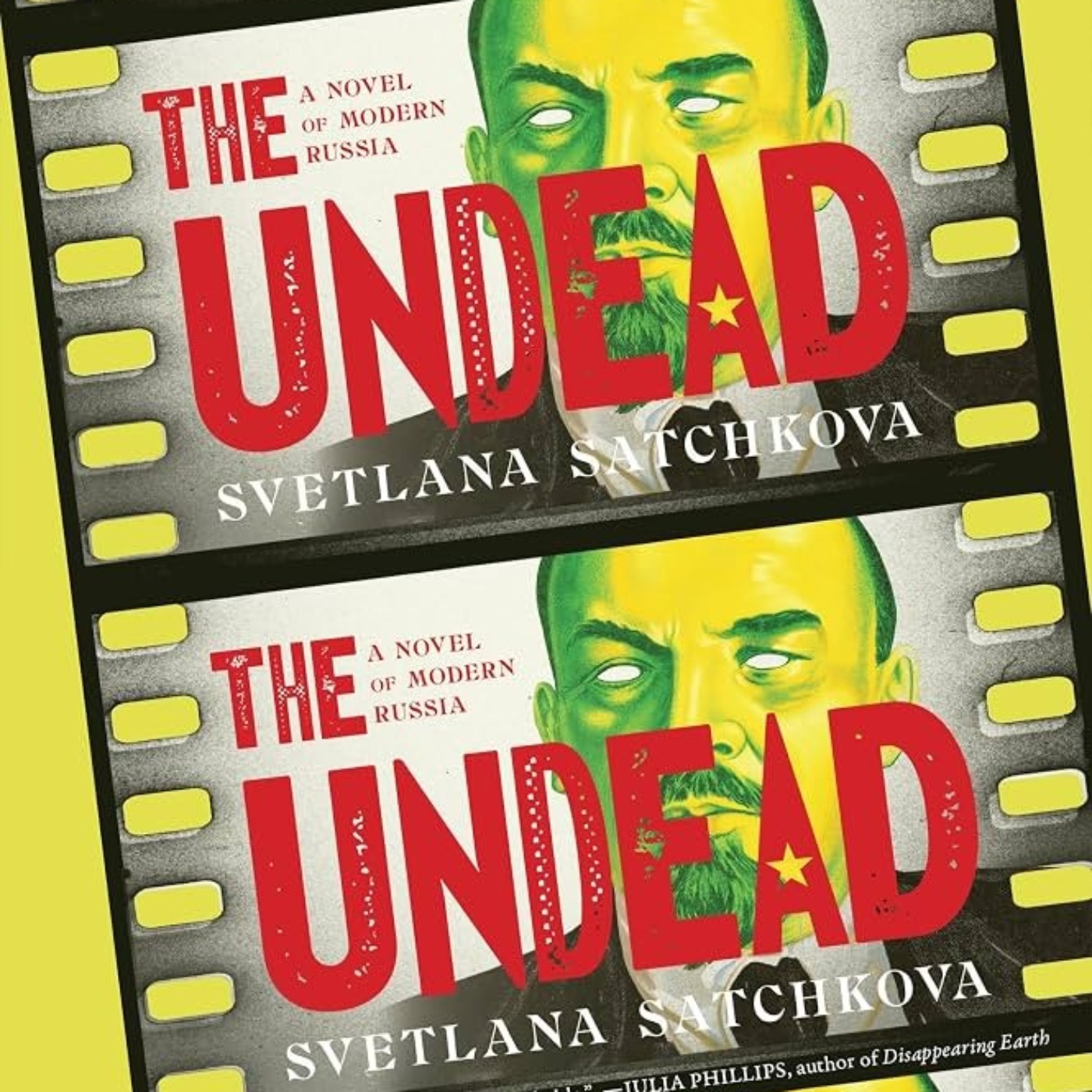
A Novel of Modern Russia
Maya, the heroine of Svetlana Satchkova’s The Undead: A Novel of Modern Russia, is an aspiring Russian filmmaker. And after fits and starts she finally gets a break when the producer Belov greenlights her project. Maya’s film is an art-house horror flick about a resurrected Lenin who seeks to take control of Moscow with an army of zombies at his back. Maya has no political intent with the movie. T
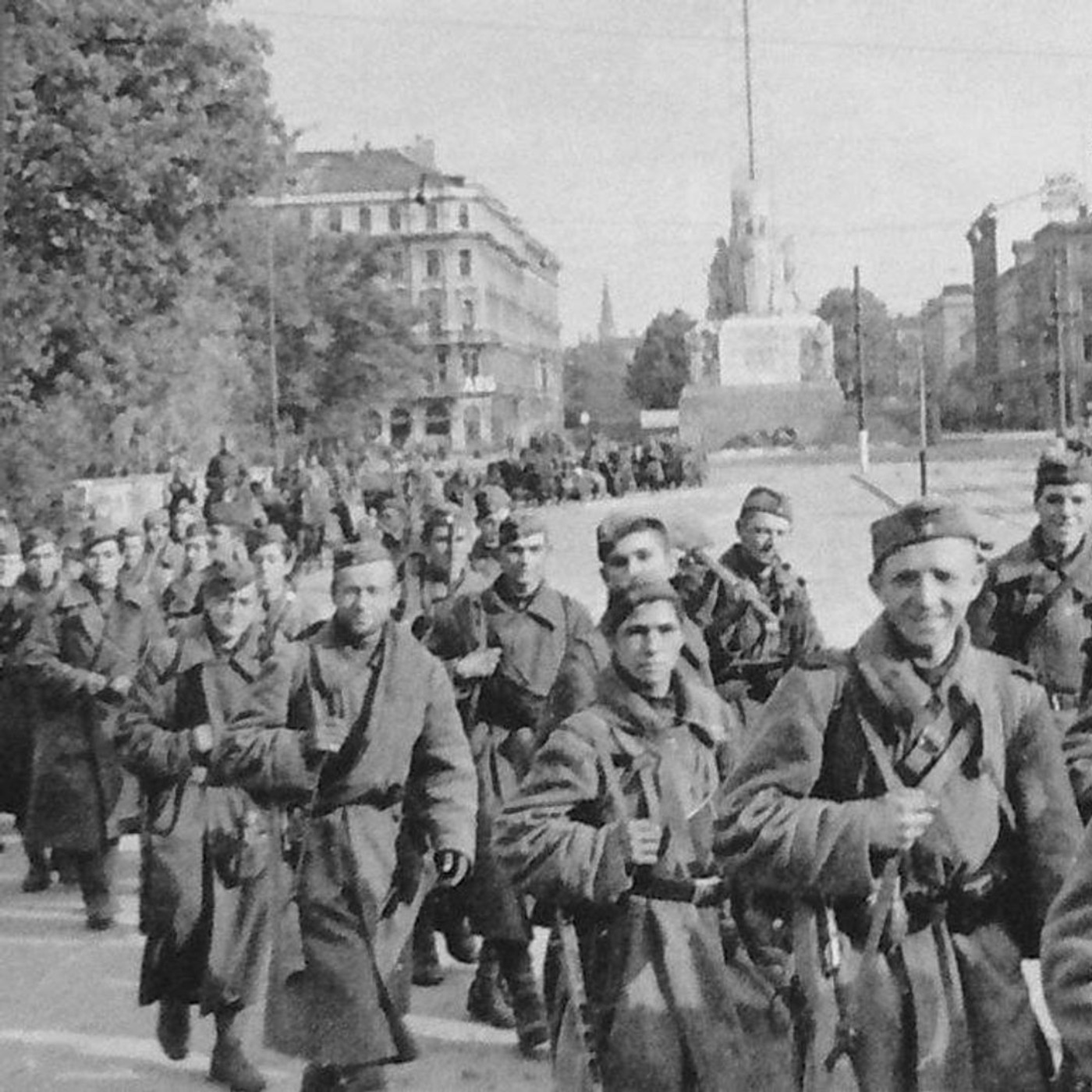
Latvian Soldiers in WWII
World War II casts a long, dark shadow over eastern Europe. Especially in those nations caught between the Wehrmacht and Red Army. Some locals joined the Nazis, others served in the Red Army, and some others fought against both. Many more simply fled or hunkered down hoping just to survive. Regardless, the memory of the war doesn’t tolerate nuance. If you fought, you were either on the Nazi or Sov
Los Rusos
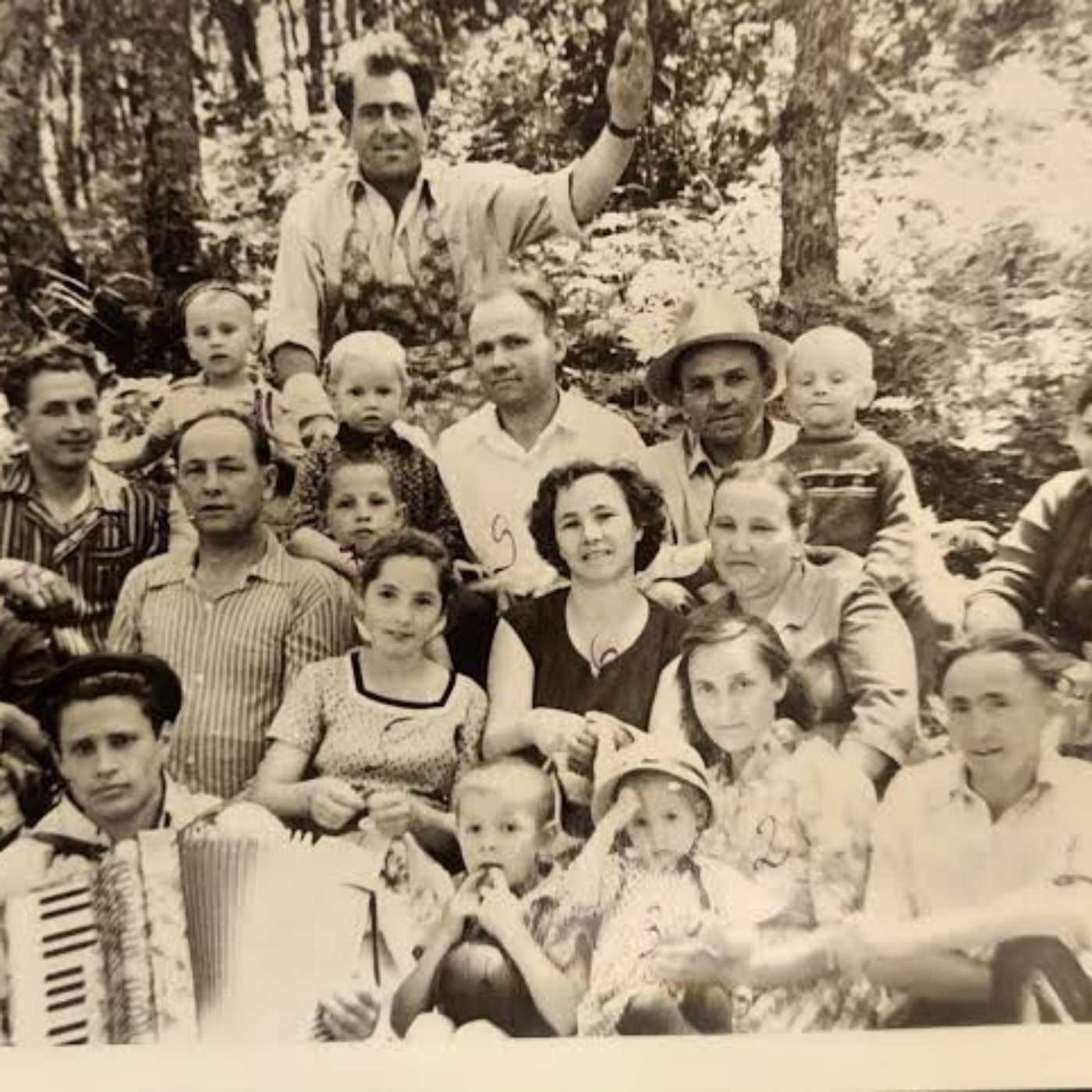
An overlooked destination for thousands immigrating out of the Russian Empire and Soviet Union was Mexico. The reasons were many. Jews fled anti-semitic violence. Religious groups like the Molokans left because of persecution. Many more left in the wake of war, revolution, famine, and political repression. Regardless, Mexico was a viable alternative with the US borders closed to immigration in the
The Origins of the Ukraine War
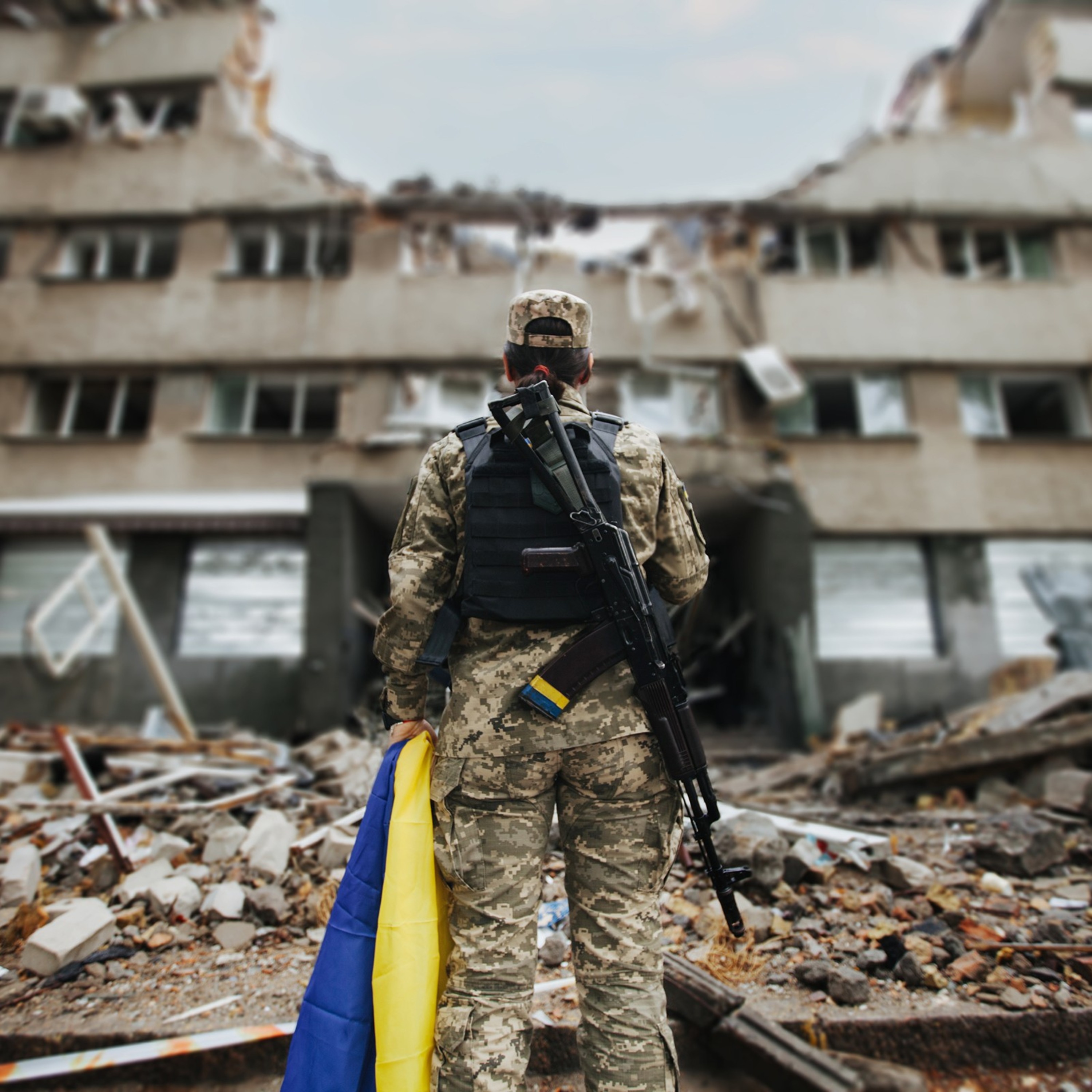
When did Putin decide to invade Ukraine? Was it shortly after 2012 when he returned as President? In 2014, after the seizure of Crimea and clashes in the Donbas? Or was it when Russian forces began massing at the Ukraine-Russia-Belarus borders for a full-scale assault? The answer to when, Michael Kimmage says, is important because that would tell us what drove Putin and what might be necessary to
The Soviet Death Penalty
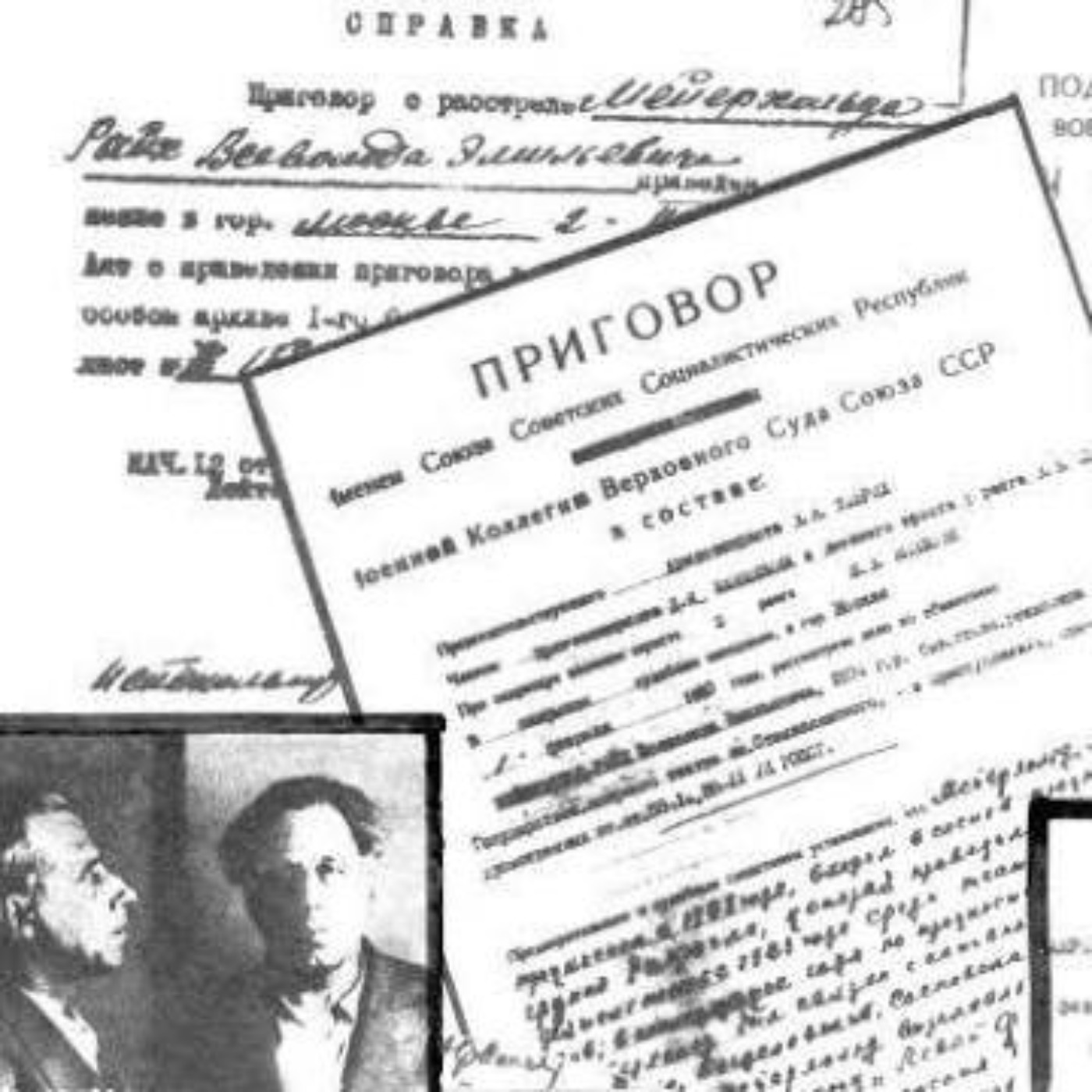
The fact that the USSR executed its citizens with little jurisprudence is well known. The word “troika” is synonymous with Stalinist repressions of the 1930s. What is less known is that the Soviet Union’s death penalty regime changed significantly in the postwar period. After a brief moratorium adopted by Stalin(!) in 1947, Khrushchev revived capital punishment in 1954 as part of his war on crime.
Soviet Protestants
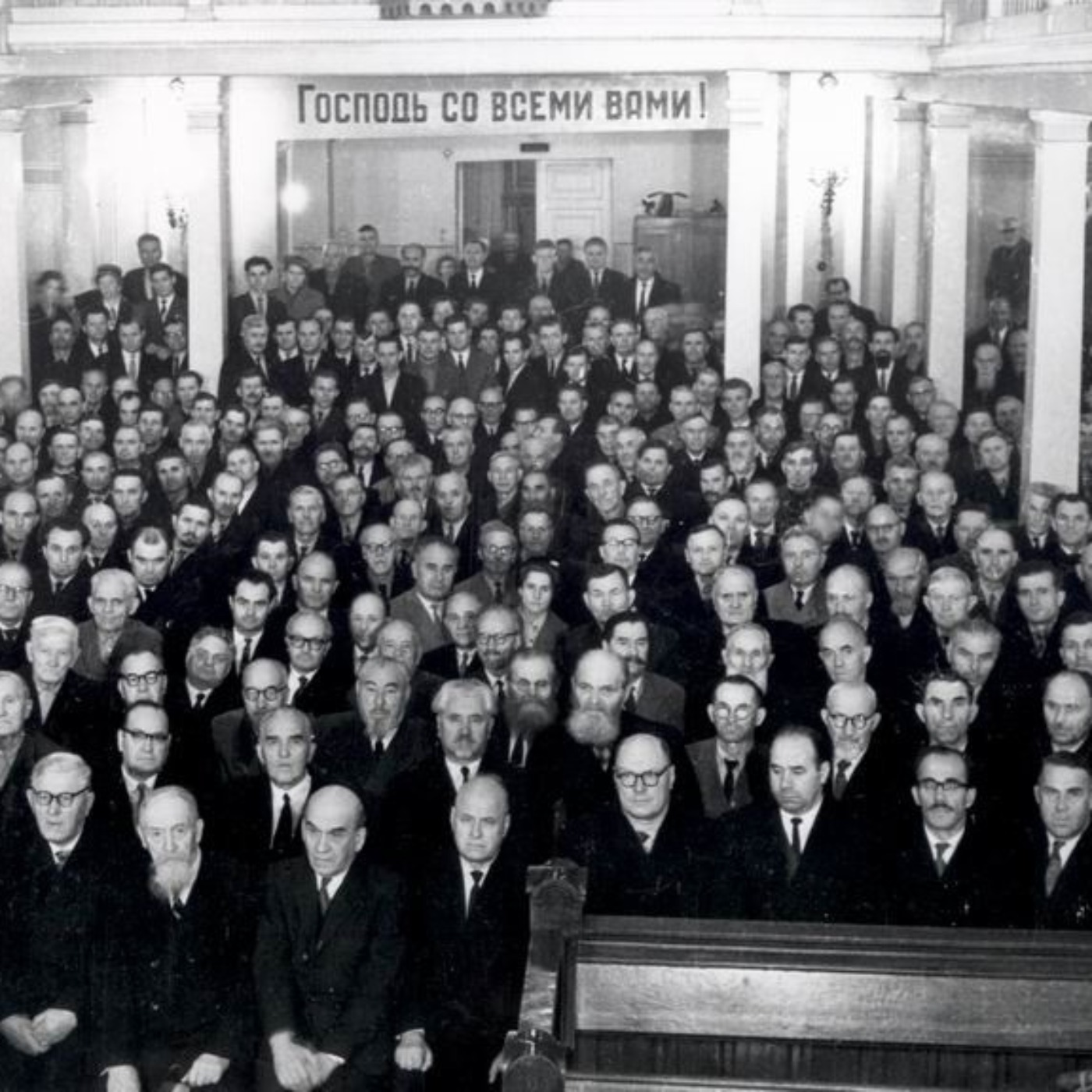
We tend to think of the 1990s when it comes to Protestantism in Russia. It was then that evangelicals descended on Russia to shine Jesus’ light into the post-Soviet void. Yet, the Soviet Union, despite its best efforts, was a multiconfessional state. And though officially atheist, religious belief persisted, including among the Union’s small pockets of Protestants. Like with other faiths, the stat
Thresholds Part 7: Olga
Over the last century, tens of millions of people quit Eastern Europe for the United States. The push-pull factors were many—war, poverty, instability, persecution at home and opportunity, refuge, and liberty abroad. But manna didn’t simply fall from the sky in America. Immigrants from Eastern Europe confronted many of the same challenges migrants do everywhere—exploitation, hardship, and discrimi
Thresholds Part 6: Yelena
Over the last century, tens of millions of people quit Eastern Europe for the United States. The push-pull factors were many—war, poverty, instability, persecution at home and opportunity, refuge, and liberty abroad. But manna didn’t simply fall from the sky in America. Immigrants from Eastern Europe confronted many of the same challenges migrants do everywhere—exploitation, hardship, and discrimi
Thresholds Part 5: Julia
Over the last century, tens of millions of people quit Eastern Europe for the United States. The push-pull factors were many—war, poverty, instability, persecution at home and opportunity, refuge, and liberty abroad. But manna didn’t simply fall from the sky in America. Immigrants from Eastern Europe confronted many of the same challenges migrants do everywhere—exploitation, hardship, and discrimi
Thresholds Part 4: New Immigrants
Over the last century, tens of millions of people quit Eastern Europe for the United States. The push-pull factors were many—war, poverty, instability, persecution at home and opportunity, refuge, and liberty abroad. But manna didn’t simply fall from the sky in America. Immigrants from Eastern Europe confronted many of the same challenges migrants do everywhere—exploitation, hardship, and discrimi
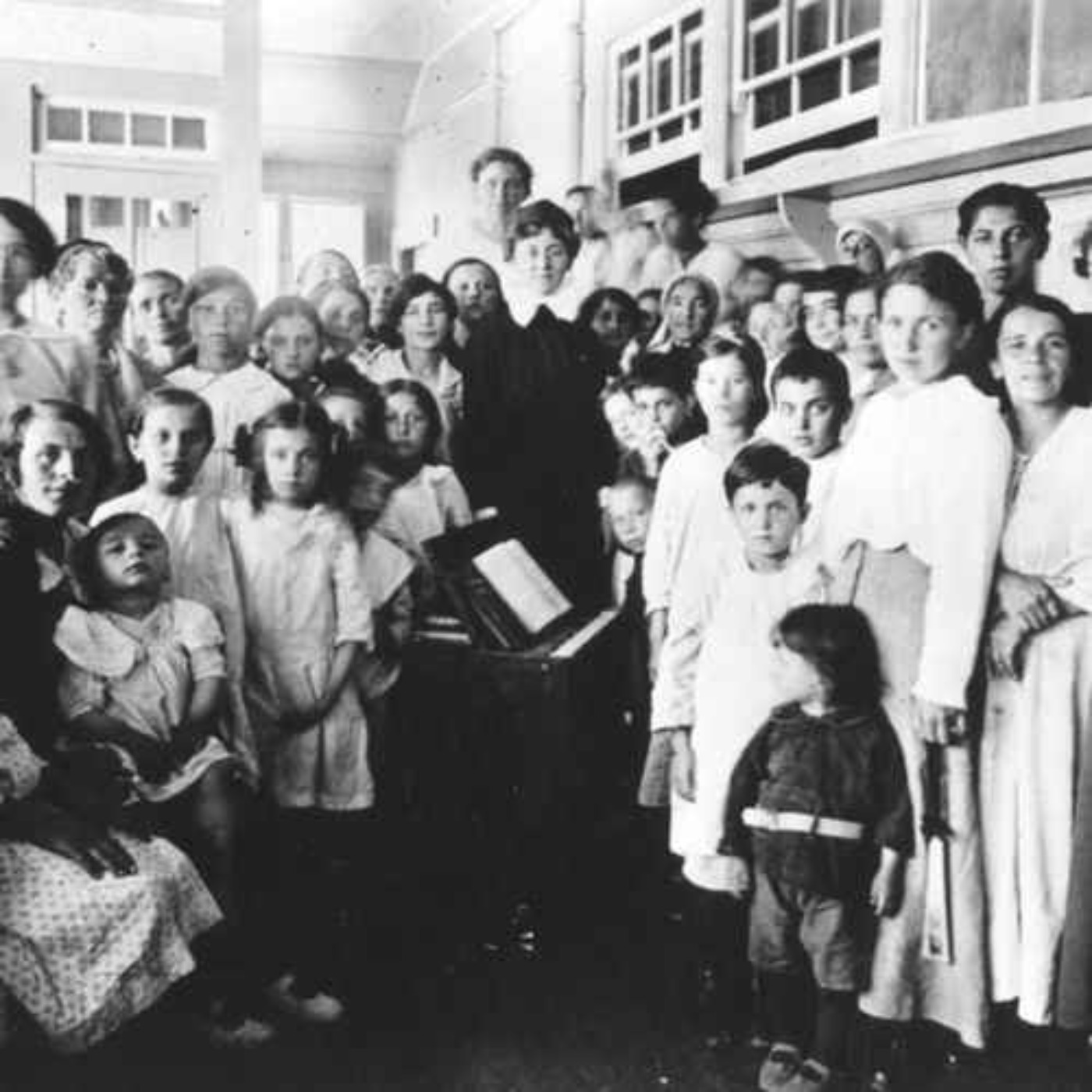
Thresholds Part 3: Russians in San Francisco
Over the last century, tens of millions of people quit Eastern Europe for the United States. The push-pull factors were many—war, poverty, instability, persecution at home and opportunity, refuge, and liberty abroad. But manna didn’t simply fall from the sky in America. Immigrants from Eastern Europe confronted many of the same challenges migrants do everywhere—exploitation, hardship, and discrimi
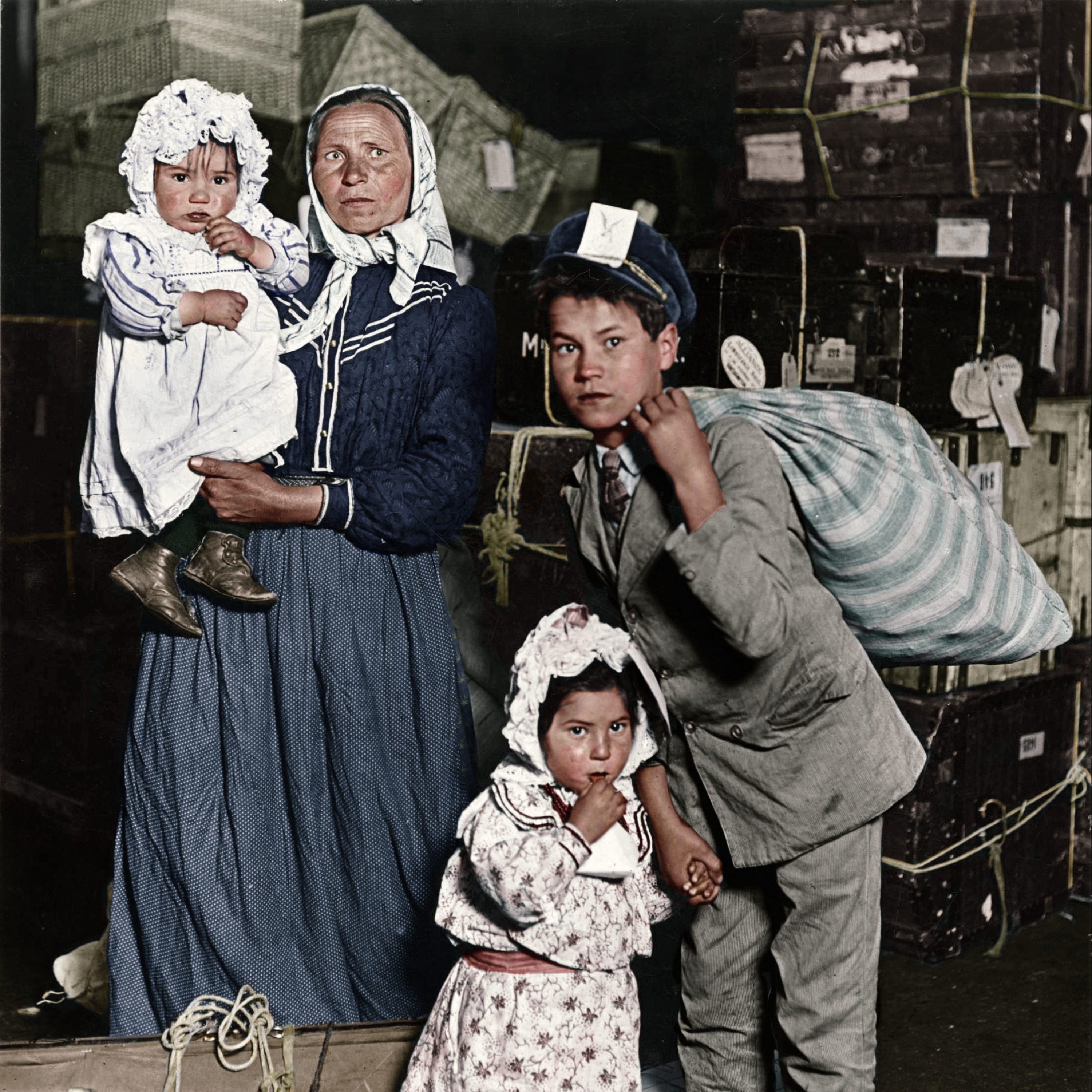
Thresholds Part 2: Becoming White
Over the last century, tens of millions of people quit Eastern Europe for the United States. The push-pull factors were many—war, poverty, instability, persecution at home and opportunity, refuge, and liberty abroad. But manna didn’t simply fall from the sky in America. Immigrants from Eastern Europe confronted many of the same challenges migrants do everywhere—exploitation, hardship, and discrimi
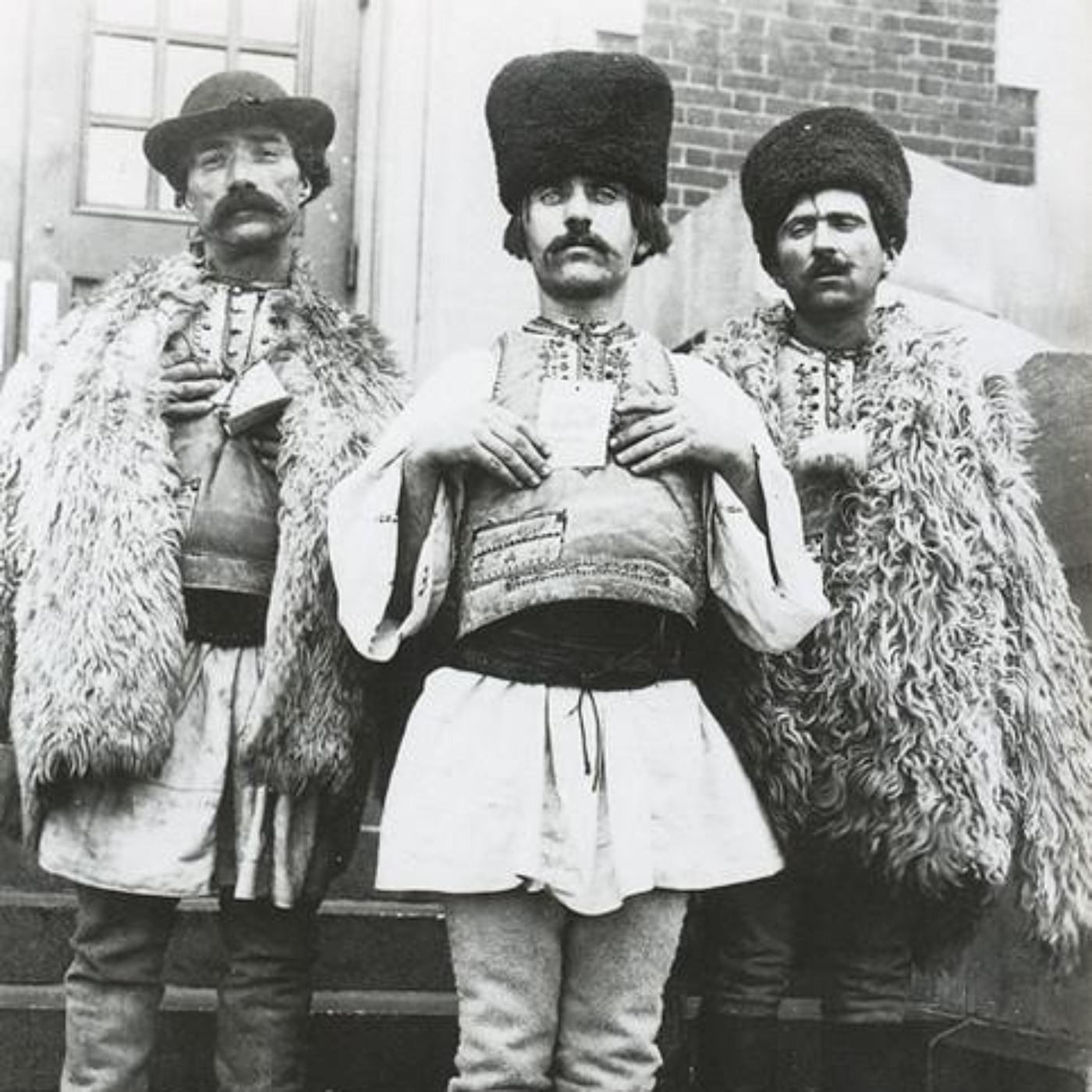
Thresholds Part 1: Leaving the Old Country
Over the last century, tens of millions of people quit Eastern Europe for the United States. The push-pull factors were many—war, poverty, instability, persecution at home and opportunity, refuge, and liberty abroad. But manna didn’t simply fall from the sky in America. Immigrants from Eastern Europe confronted many of the same challenges migrants do everywhere—exploitation, hardship, and discrimi
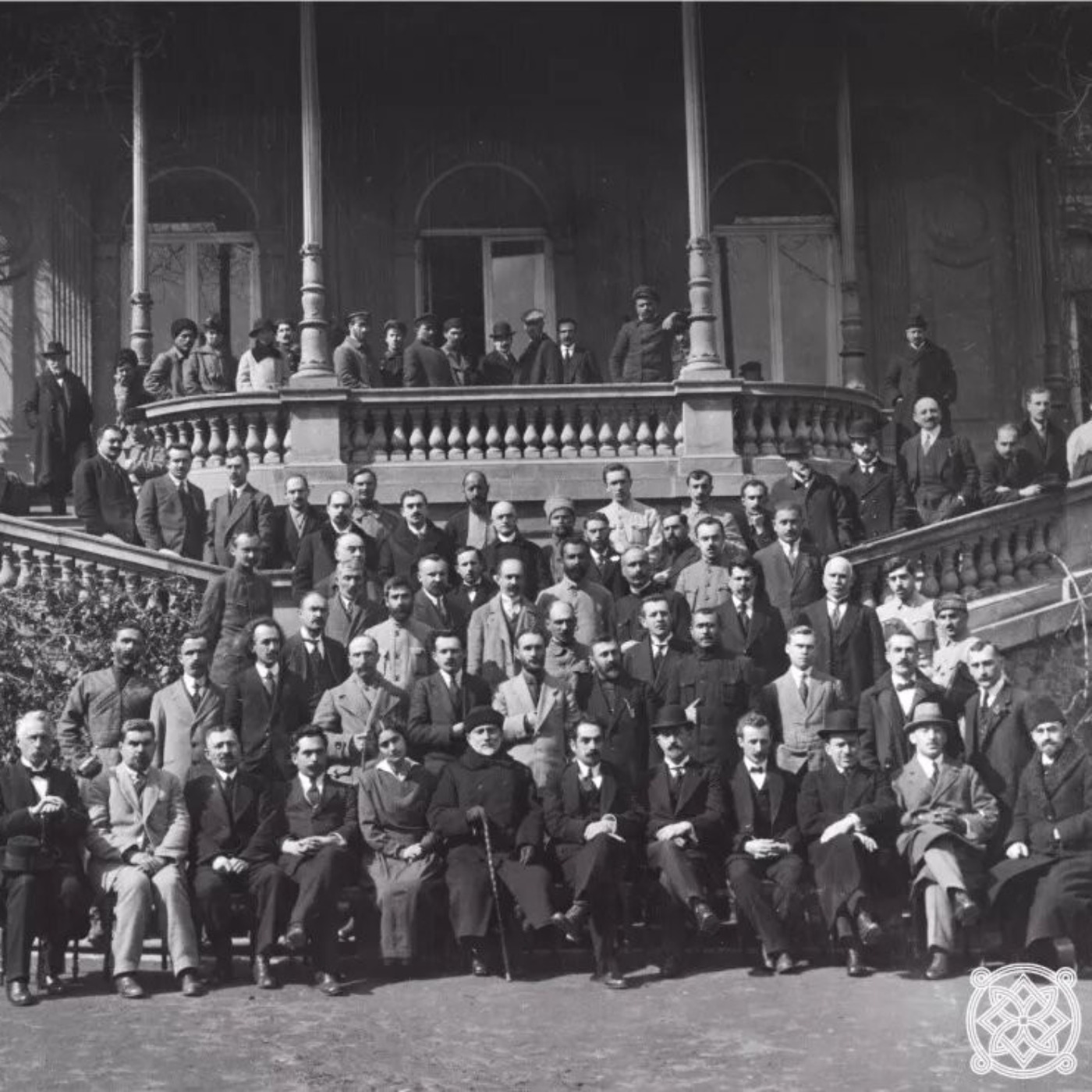
The Rise and Fall of the Georgian Democratic Republic
The Georgian Democratic Republic lasted a mere three years, from 1918-1921. And though it was viewed as an oddity at the time, many European social democrats marveled at its possibilities. Here was a state committed to social democracy in a mostly backward peasant and multiethnic country. What promises did it hold for the future? Unfortunately, the world never learned because the Bolsheviks crushe
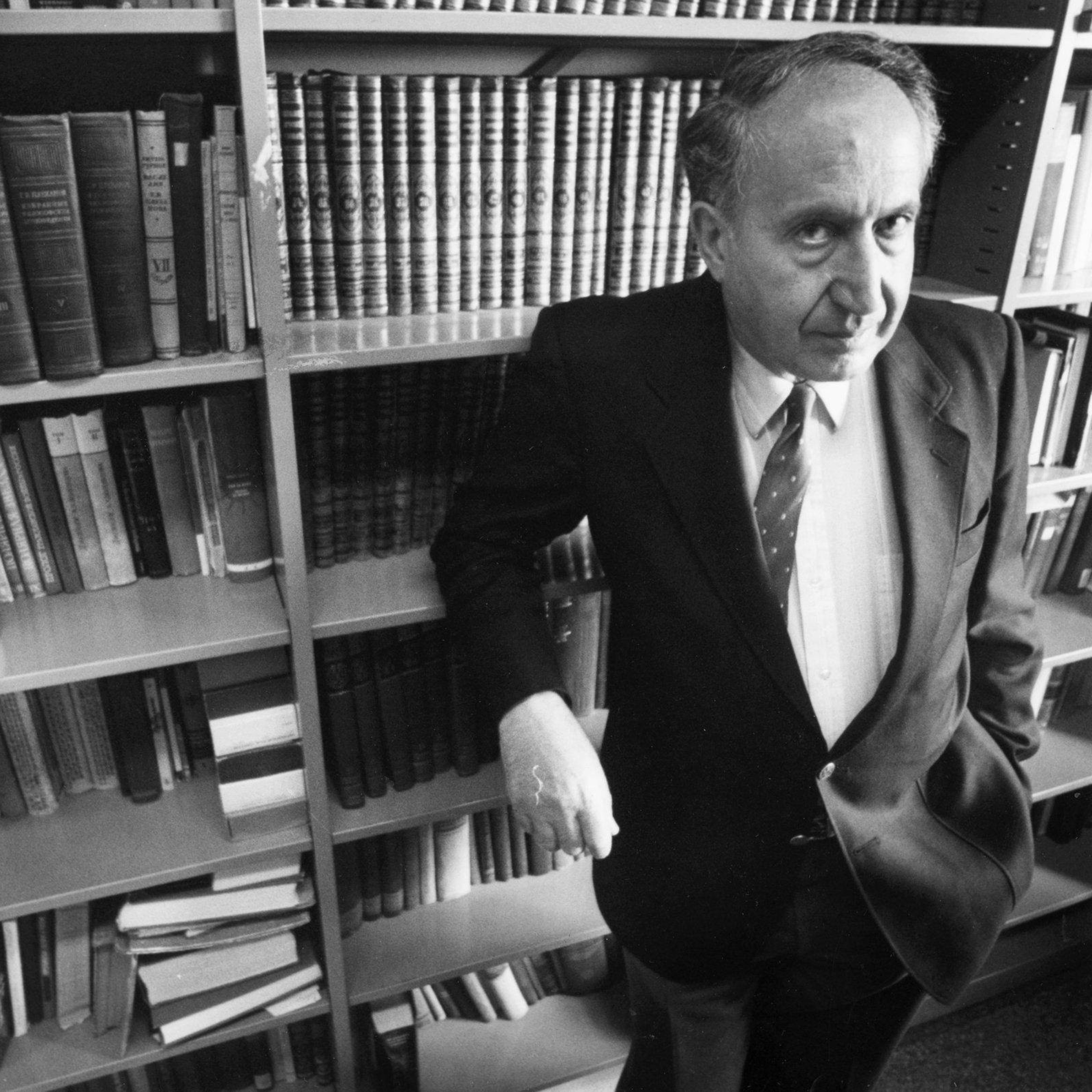
The Man Who Knew Russia
Everyone has an opinion about the late Russian historian Richard Pipes. Some loved him. Many hated him. He was a conservative and anti-communist. A hardliner on American policy toward the Soviet Union. Some would even say he was a Russophobe and cultural essentialist. But Pipes was a far more complicated figure. A Polish Jew whose family fled before the Nazis arrived, Pipes possessed a strong mora
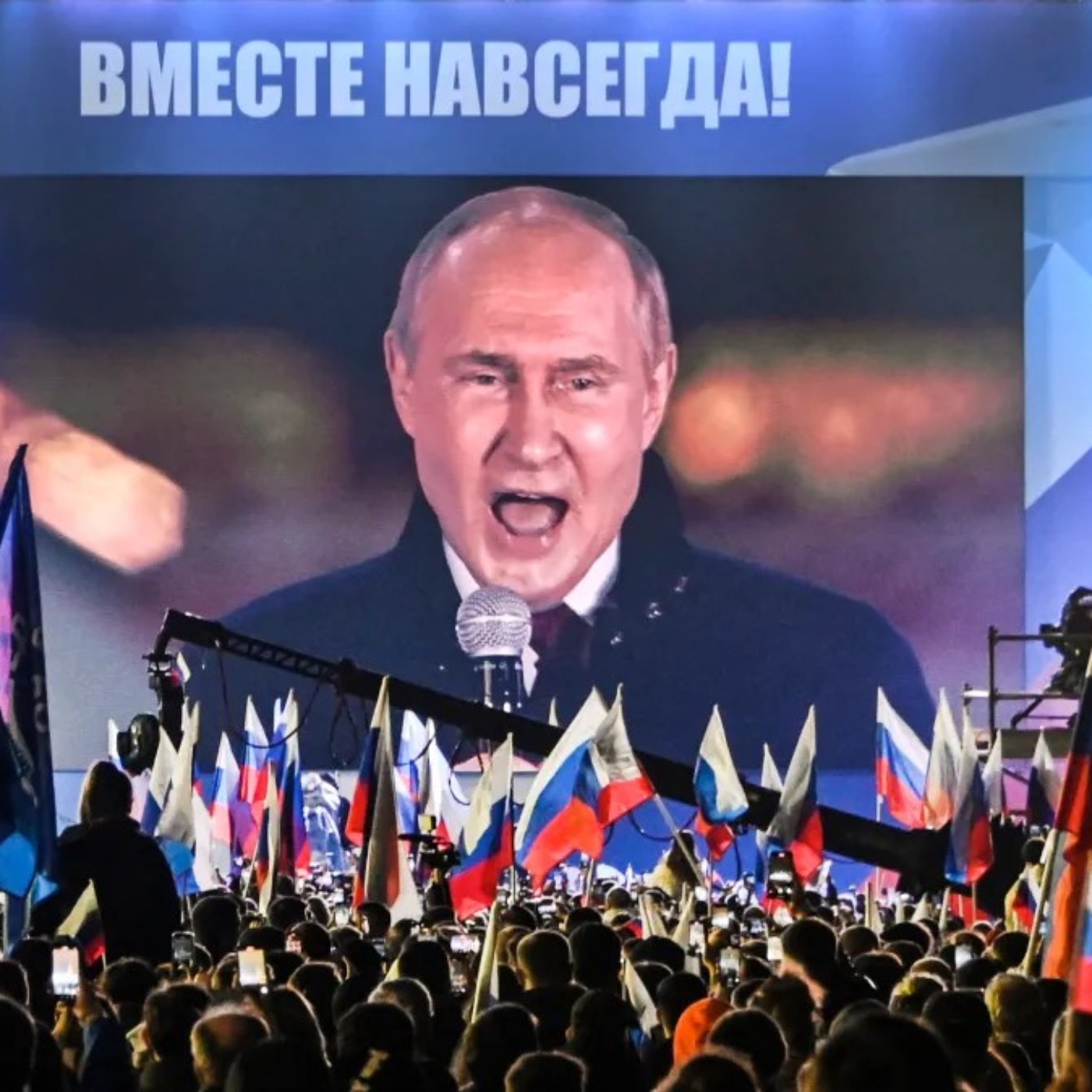
Reporting Russia's Descent
Marc Bennets has been reporting from Russia for over two decades. He’s covered Putin’s rise and consolidation of power, assassinations of oppositionists, mass protests, daily life, and even Russian football. It’s a storied career filled with zipping back and forth between Moscow and its regions. Marc also planted roots. He got married and became a dad. But then everything changed in February 2022
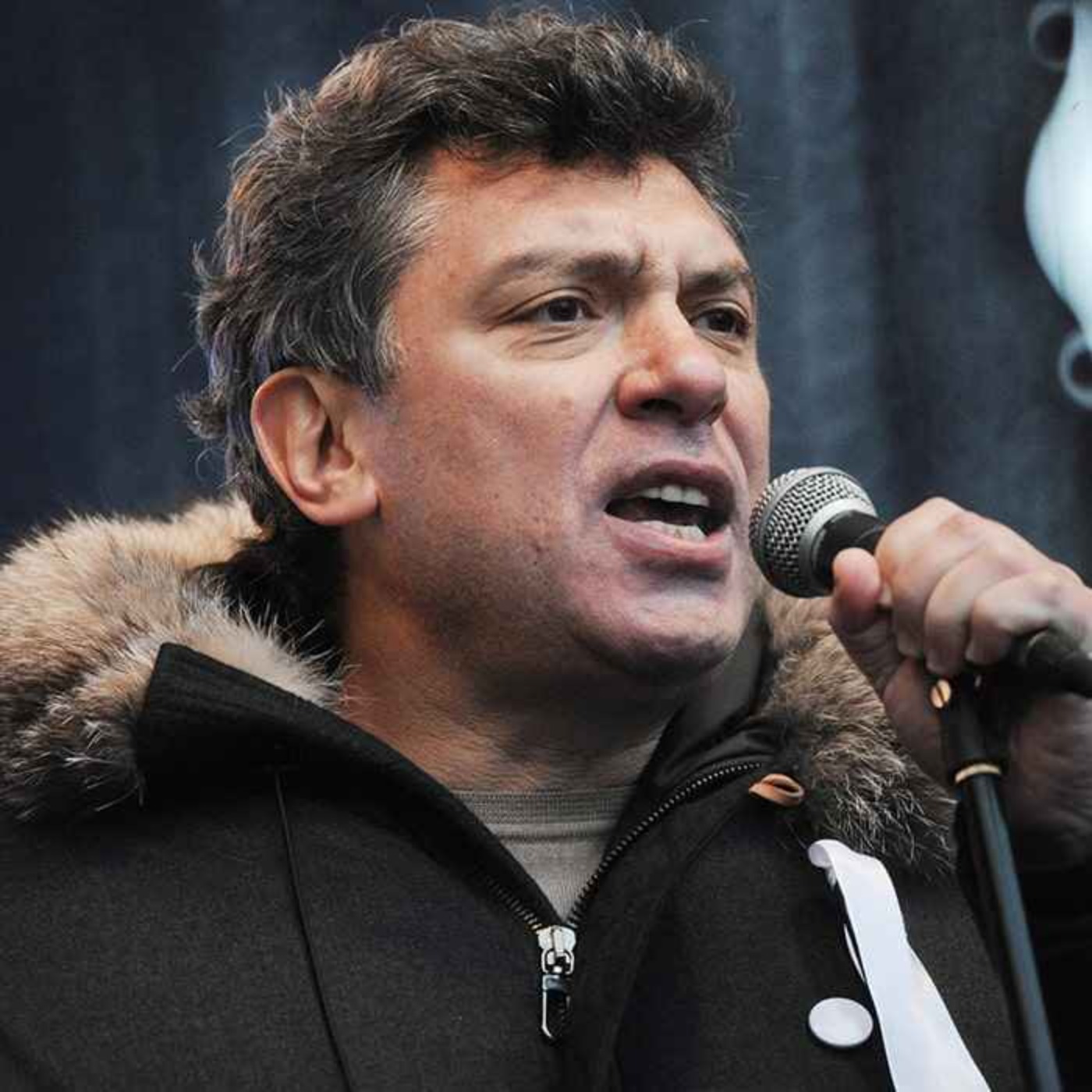
Boris Nemtsov
On the night of 27 February 2015, assassins gunned down Boris Nemtsov as he crossed the Bolshoi Moskvoretskii Bridge. Shock quickly spread throughout Russia, particularly among its political opposition. Not because Nemtsov was so brazenly gunned down. Such are the risks of being politically active in Putin’s Russia. Nemtsov had been a fixture in the movement since its earliest days, and in many wa
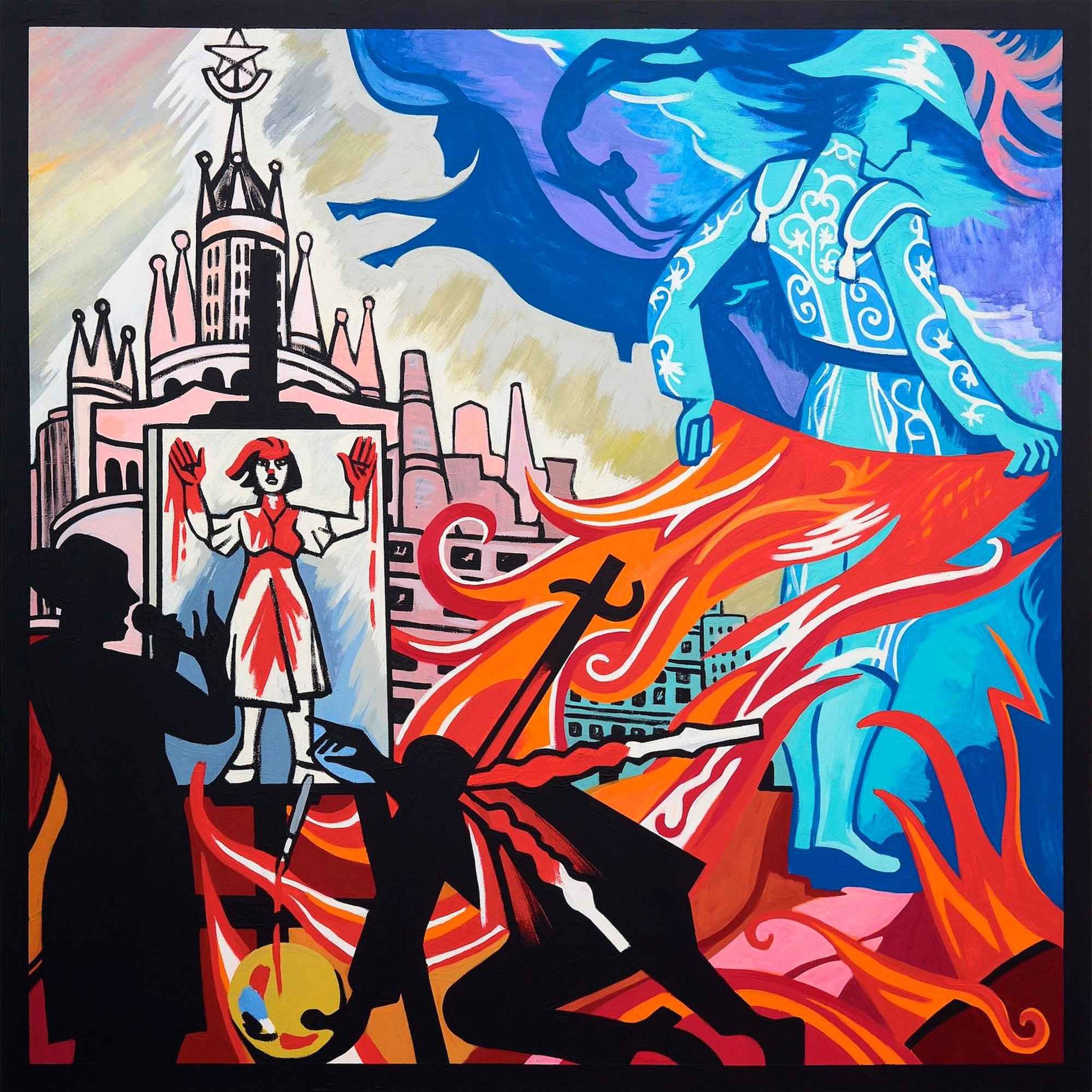
The Last Soviet Artist
I met the graphic artist, Victoria Lomasko, about 10 years ago when she was a resident at the City of Asylum in Pittsburgh. I emceed an event with her back then. So I was happy when Victoria recently returned to the city to give a few talks at the University of Pittsburgh. Of course, the Eurasian Knot dragged her into a studio for an interview. A lot has changed for Victoria over the decade. Her g
Remembering Alexander Rabinowitch
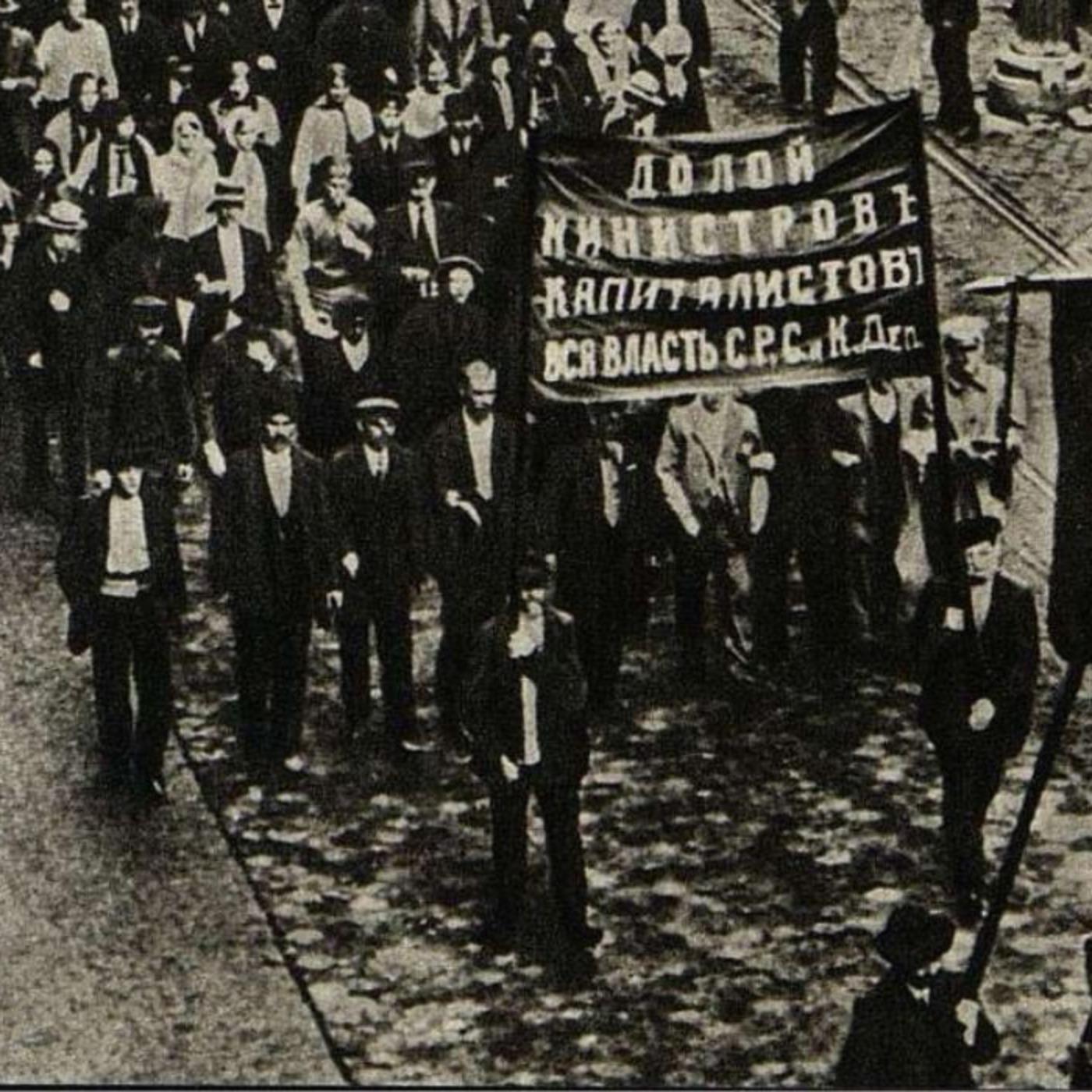
When I opened Facebook this morning, as I do every morning, I learned that Alexander Rabinowitch died at 91 years old. Rabinowitch was arguably one of the most important historians of the Russian Revolution. It's hard to state how much Rabinowitch's work influence our understanding of 1917. Before him, it was assumed that the Bolsheviks were a highly disciplined, unpopular political party that cam
Anastas Mikoyan
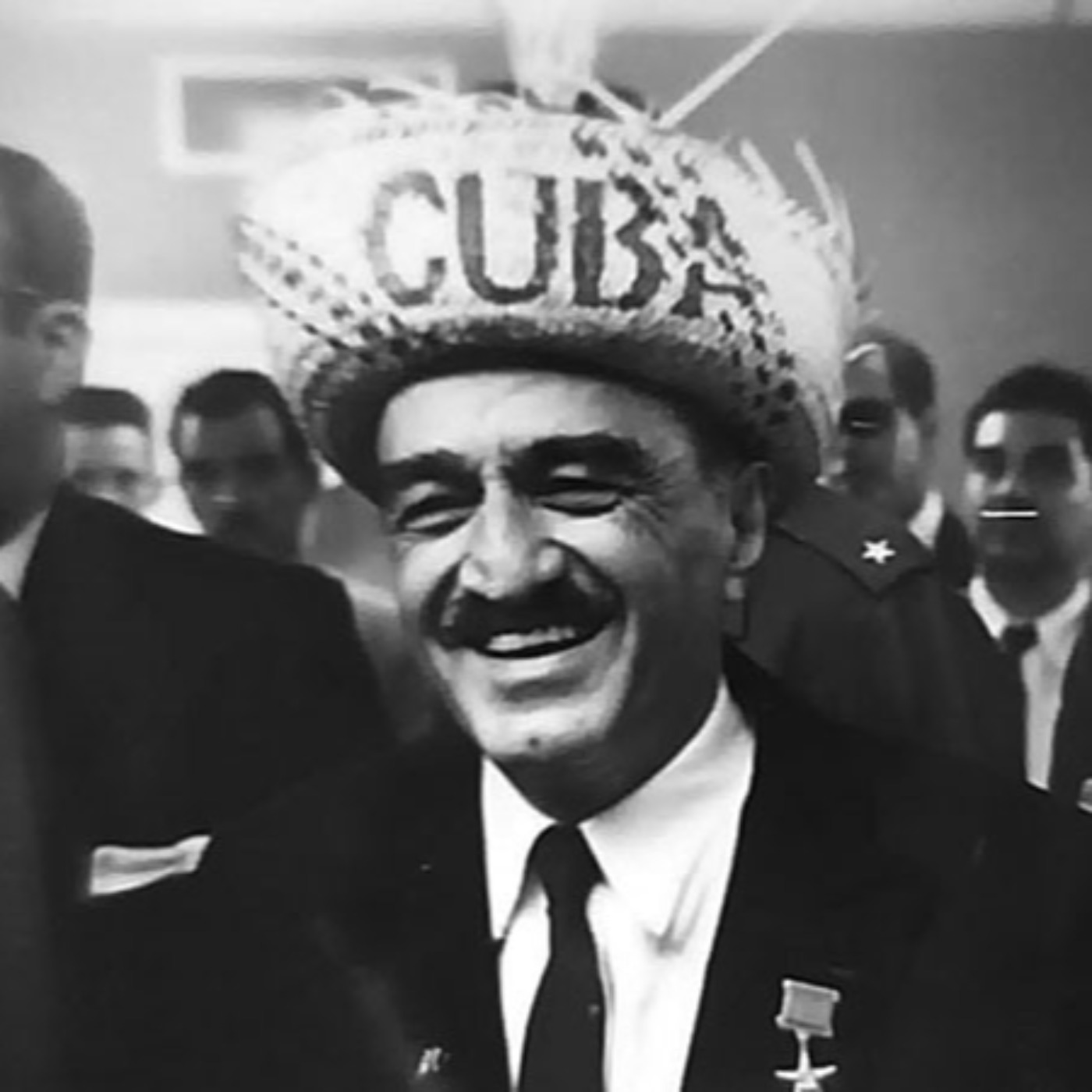
How Stalin personally ran the Soviet Union has rightly received much attention. Less discussed is the small group of men that served as his top lieutenants. They carried out his orders, and after his death, were instrumental in establishing the post-Stalin order. This week, the Eurasian Knot features a discussion with Pietro Shakarian about his new book Anastas Mikoyan: An Armenian Reformer
Soviet Holocaust Literature
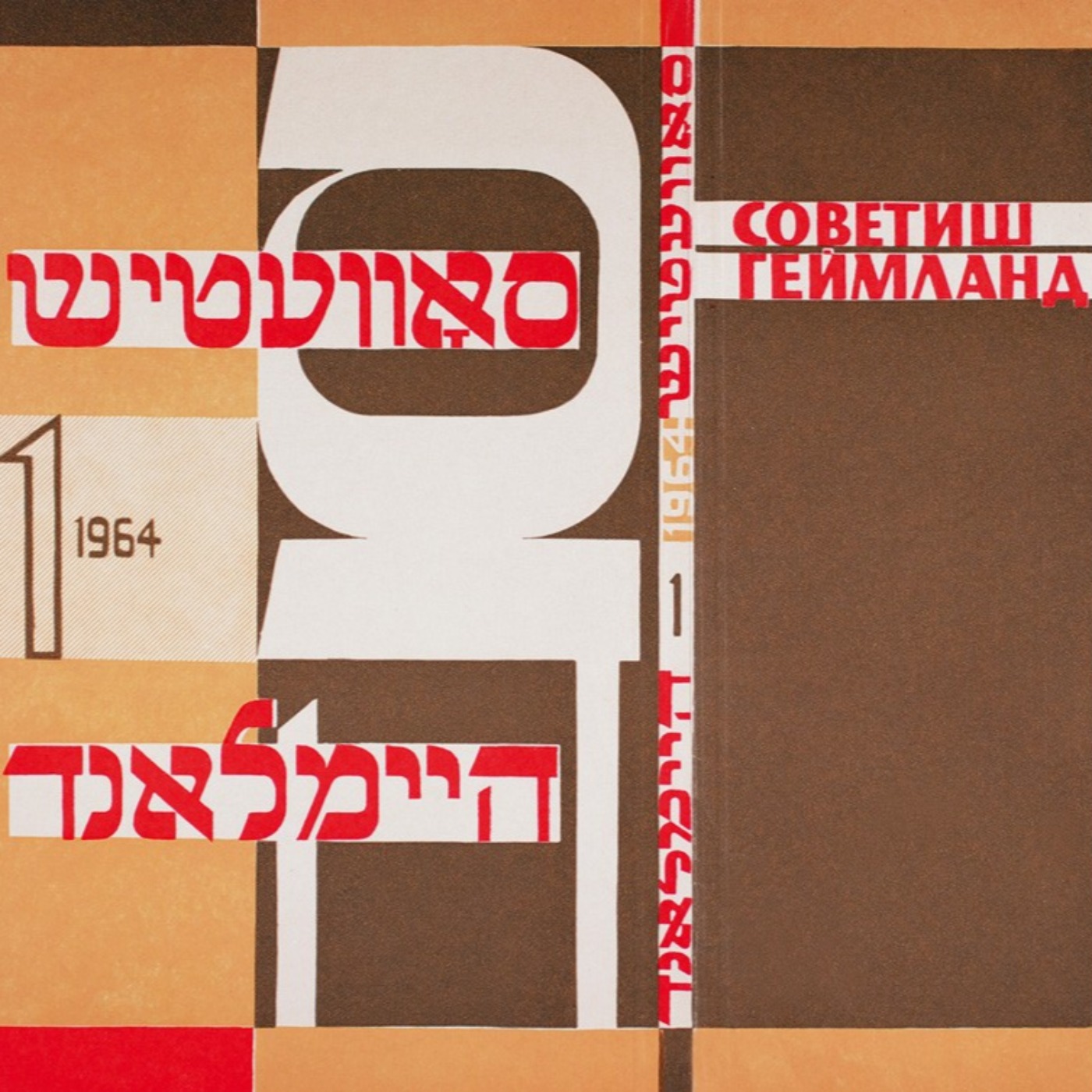
It has long been assumed that there was no Holocaust memory in the Soviet Union. Official Soviet ideology lumped the 1.5 million Soviet Jews exterminated by the Nazis into the 26 million Soviet war deaths. So, the little Holocaust memory that existed was hidden away in families and communities. Recent scholarship, however, has painted a more complicated picture. Yes, official Holocaust memory was
The Russian Paradox
Many studies focus on how Russia doesn’t work and why. There’s a laundry list of reasons. Corruption. Autocracy. Imperialism. Exceptionalism. But, how, then, does Russia work? Because there are people, a state, and society. What greases the wheels? Alena Ledeneva has made this question the focus of her career. For her, it’s the informal networks and practices that allow the system, with all its de
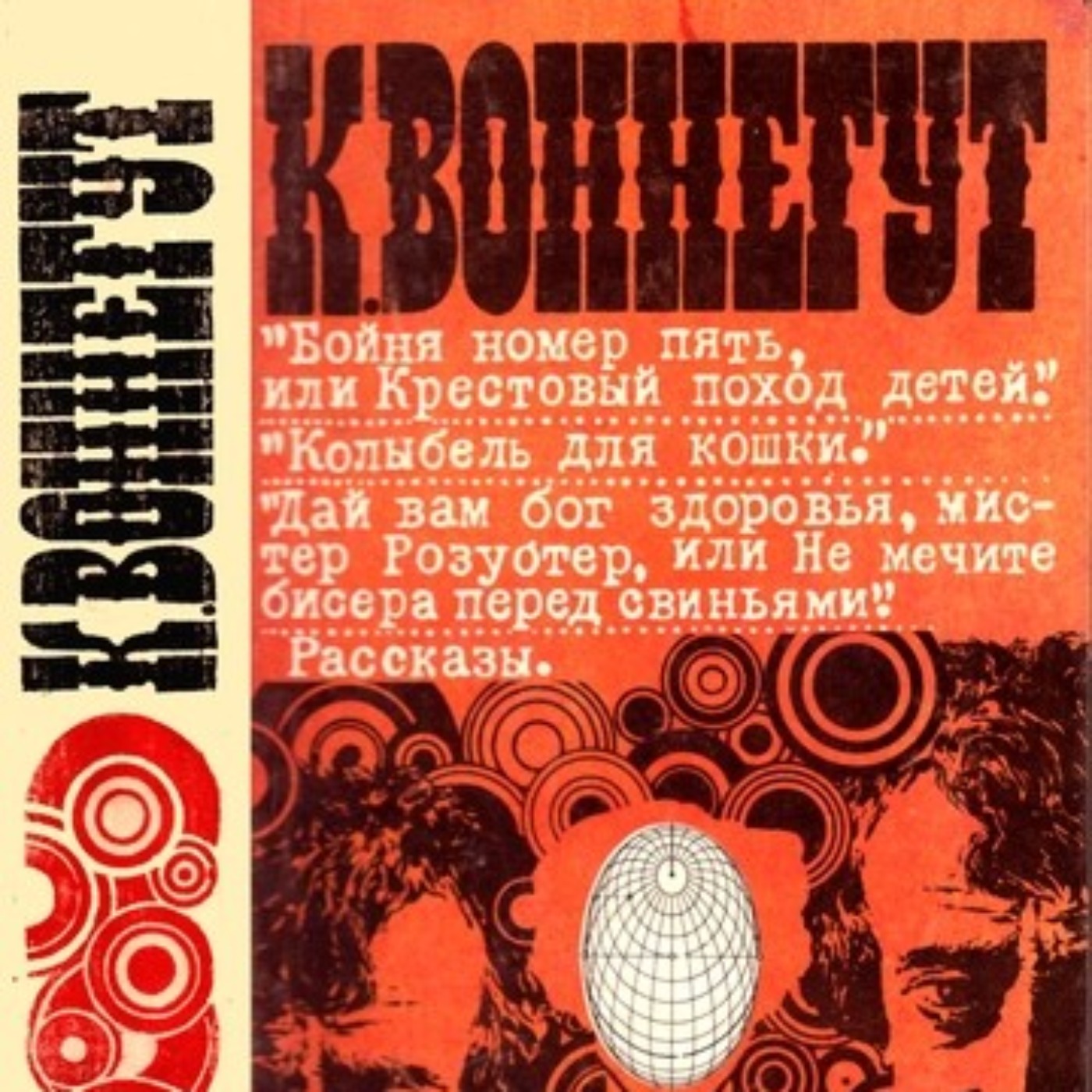
Kurt Vonnegut in the USSR
I went through my Kurt Vonnegut phase in my late teens. I read Player Piano, Cat’s Cradle, I think, Deadeye Dick, and of course, Slaughterhouse Five. I can’t say I remember much from those novels. Nor can I recall why Vonnegut connected with me. Perhaps now is a good time to revisit them. Little did I know that Vonnegut had a large readership in the Soviet Union. His books were translated by Rita
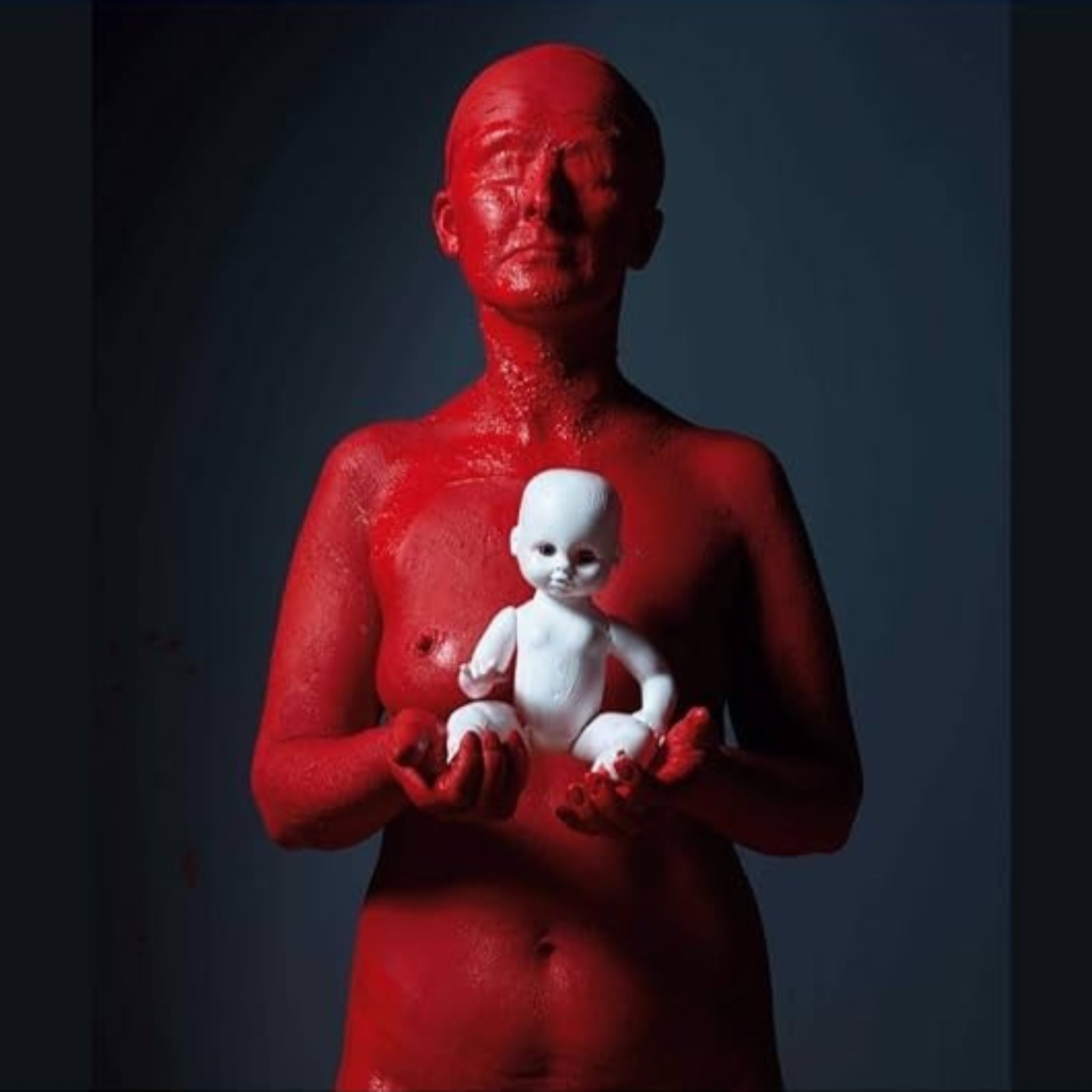
The Post-Soviet Human Condition
The Eurasian Knot hasn’t featured many philosophers. So, when Ukrainian political philosopher, Mikhail Minakov, came to the University of Pittsburgh to give a talk, I eagerly pulled him into a studio. The result was a wide-ranging conversation on the collapse of communism, the post-Soviet human, Kantian philosophy, our current global political conjecture, and the crisis of liberalism. What is a po
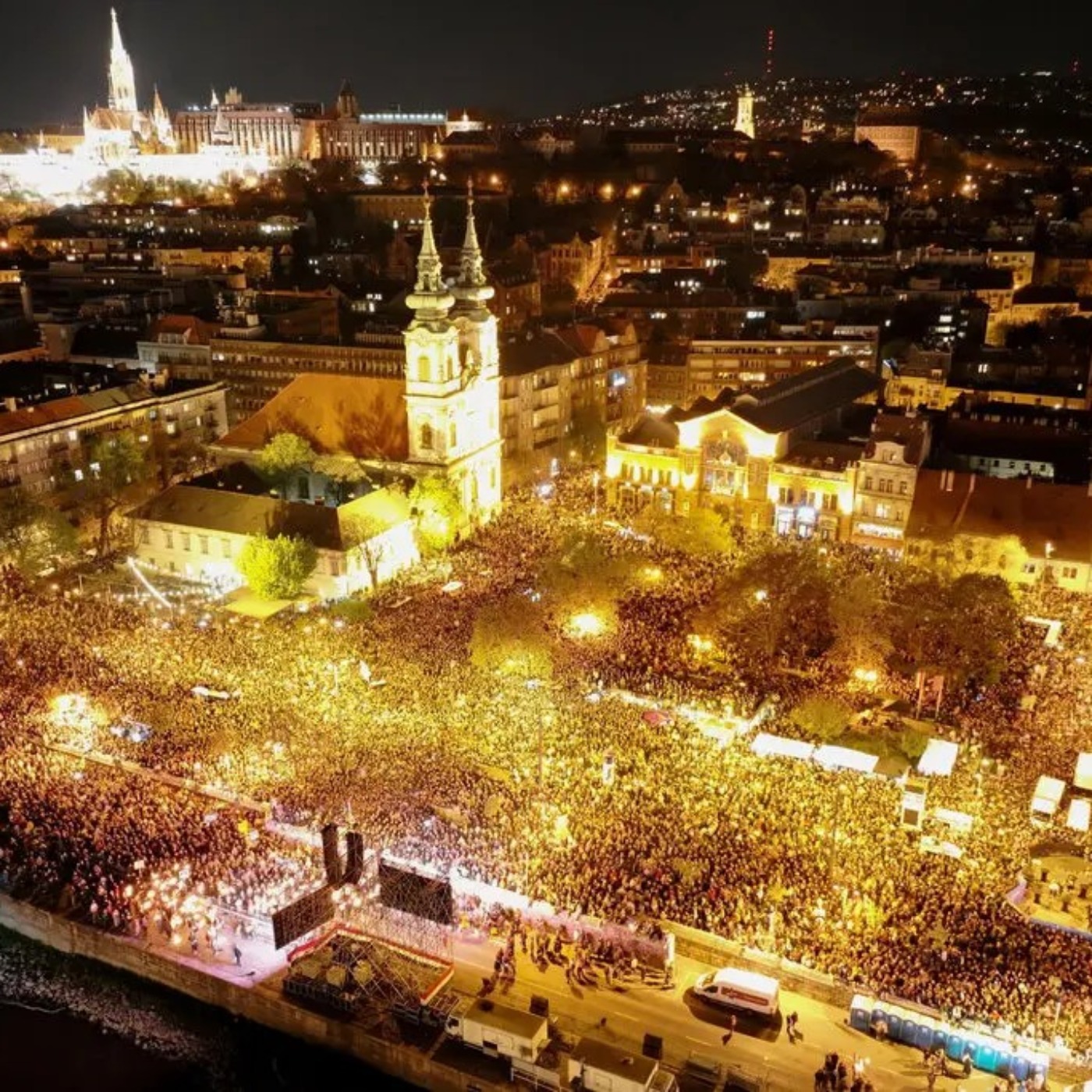
Bye, Bye Orban
On April 12, 2026, Hungarians overwhelmingly voted Peter Magyar into office ending the sixteen-year rule of Viktor Orban. It was a stunning victory that sent voters into the streets to celebrate. Now, observers are looking to see whether Magyar will roll back Orban’s illiberal system and even prosecute Orban and his clients for corruption. Commentators will also watch now how the strongman’s defea
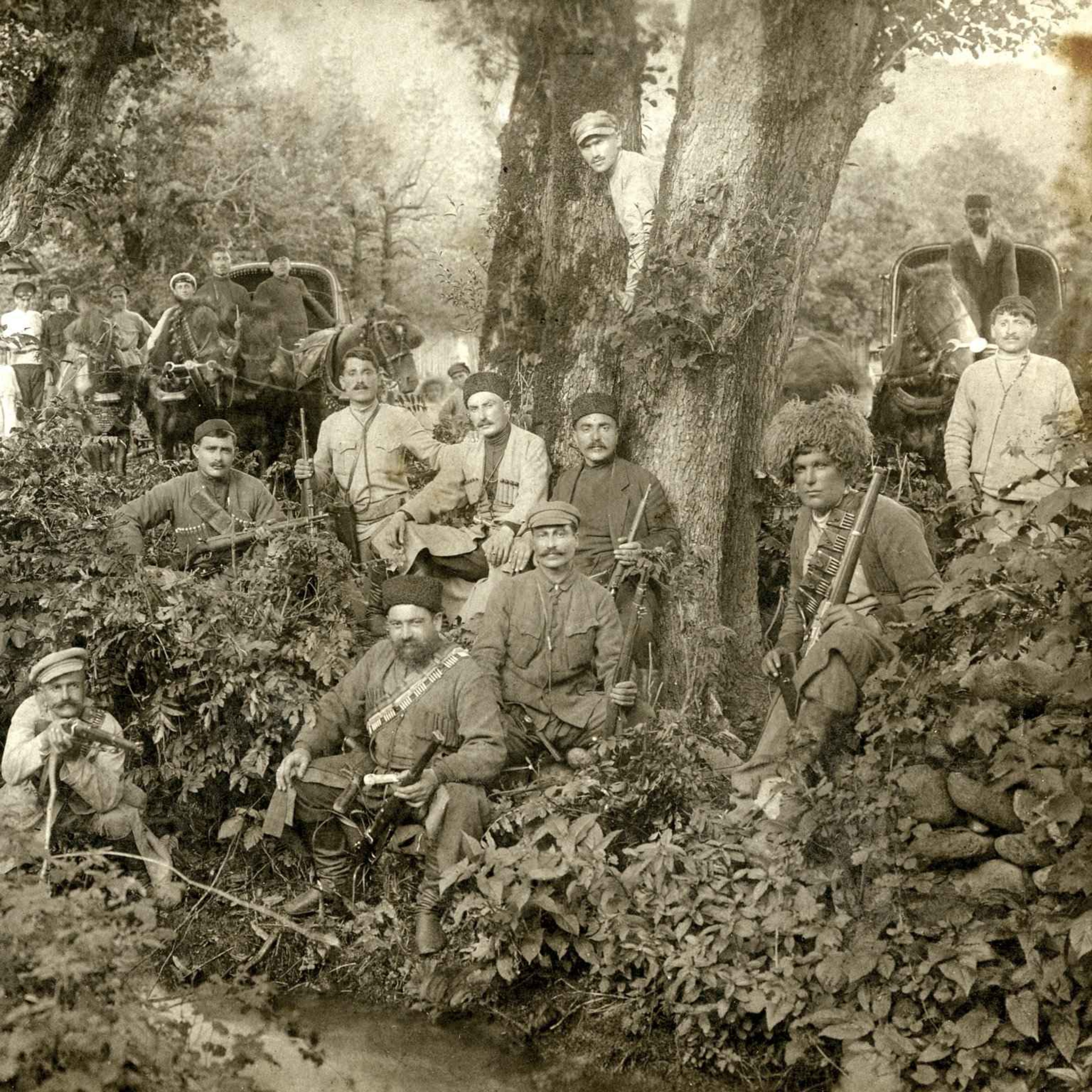
The Georgian August 1924 Uprising
In August 1924, a group of rebels organized by the anti-Bolshevik Committee for the Independence of Georgia and led by the Georgian Social Democratic Party, rose up against Soviet forces in the mining town of Chiatura. The Bolshevik reaction was swift and harsh. The fear of another "Kronstadt” still haunted the Bolsheviks, especially since their control over Georgia was tenuous. The uprising faile
The Edge of Sports
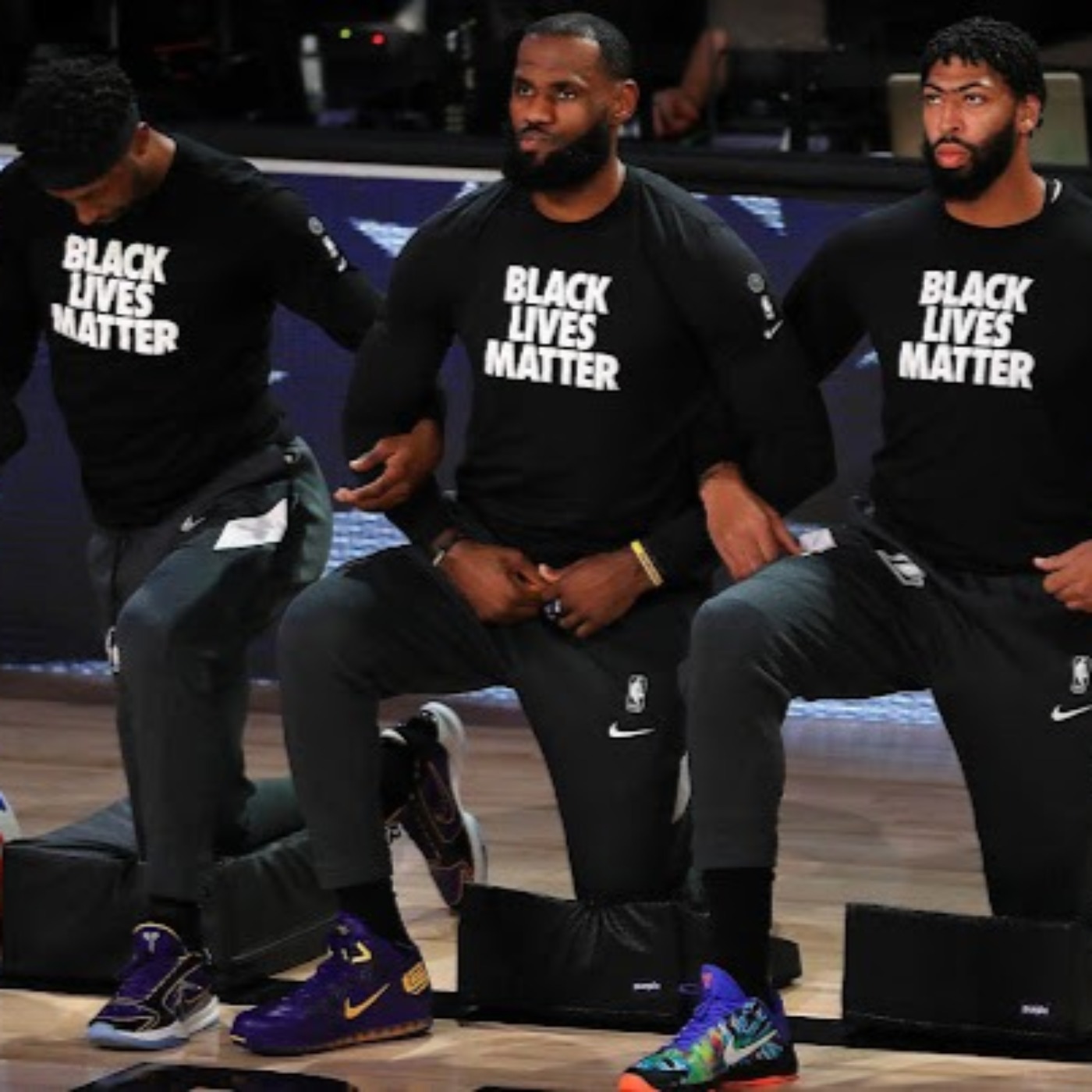
Spoiler alert. This episode has nothing to do with the Eurasian Knot’s usual fare. Dave Zirin was speaking at the University of Pittsburgh. Zirin is one of the few sports journalists on the political left. I’ve been a long-time fan. I’m also a sports fan, especially basketball. So, when I was offered an interview, I grabbed my digital recorder. And Dave, though exhausted, was gracious enough to ta
Russian and American Internal Colonization
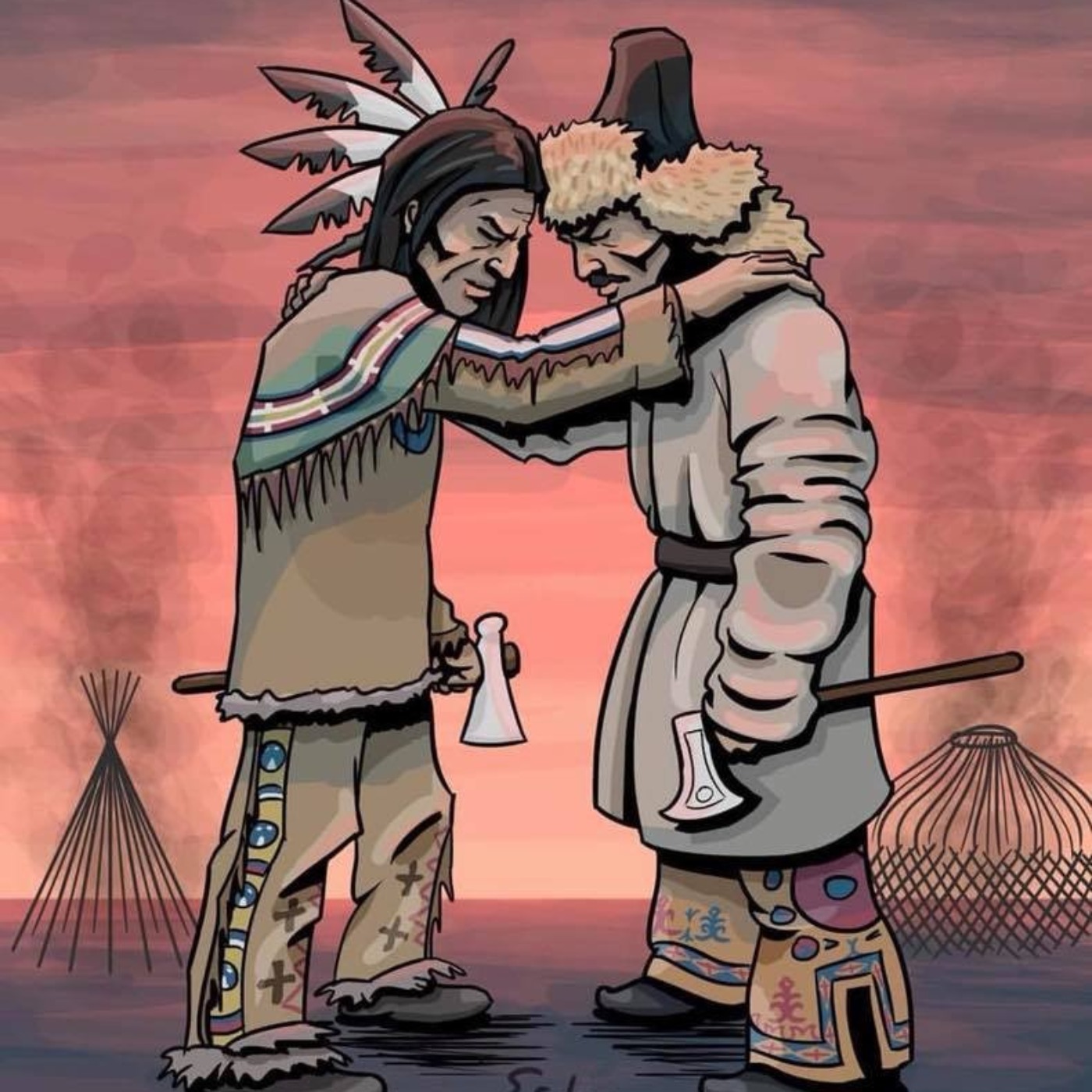
About eight years ago, I interviewed Steven Sabol about his book, The Touch of Civilization. It was the first book I was aware of that compared the US’ and Russia’s efforts to civilize its colonized people, specifically the Sioux and Kazakhs. Here were two continental empires with two vastly different political systems that spread across a vast landmass to encounter, subjugate, remove, or outright
Everyday Politics in Russia
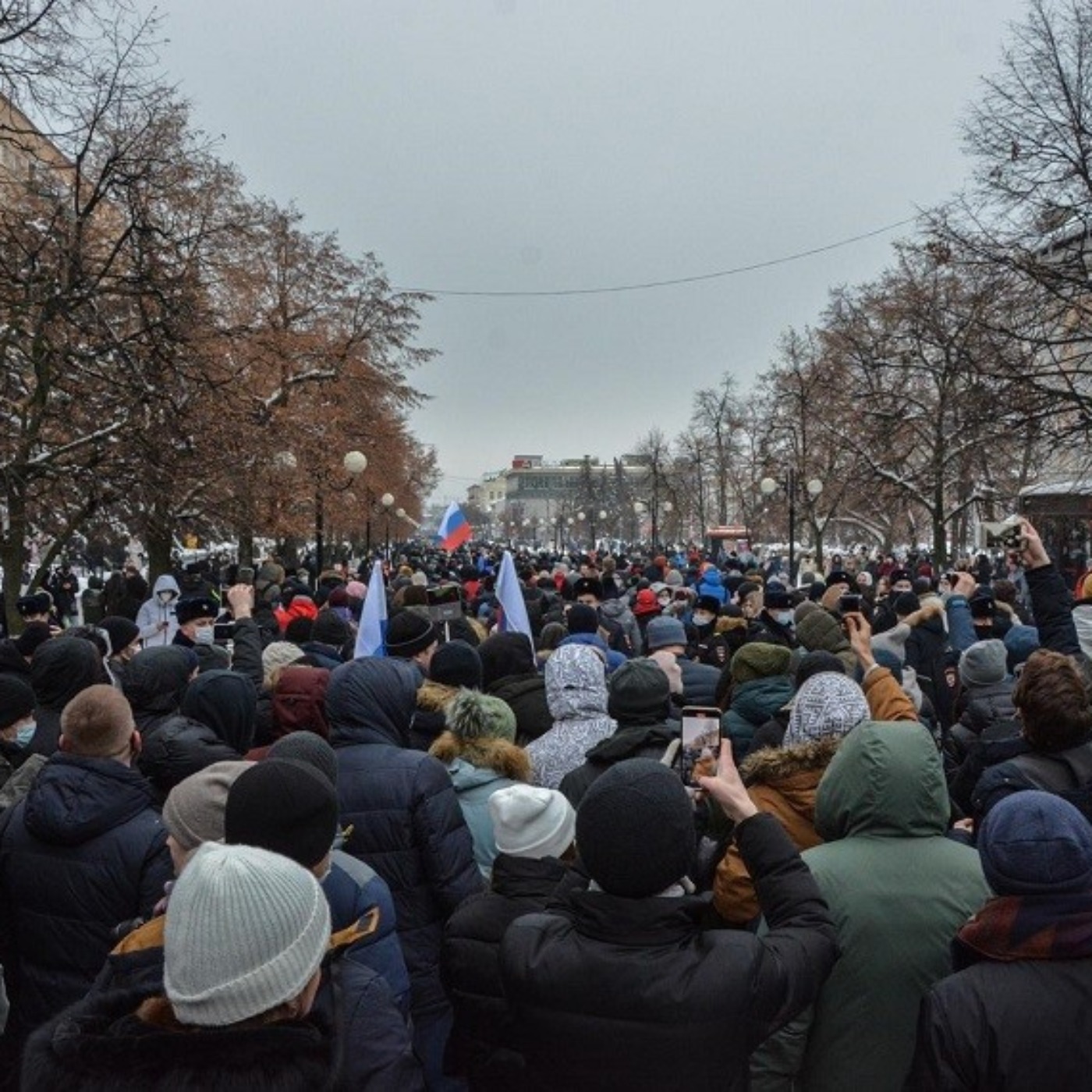
What do Russians really think? The question is old and elusive. It is also somewhat of a tell–to pose it is to suggest there’s a coherent answer, and more so, that Russians’ collective opinions matter. For the most part, scholars have turned to history, media, opinion polls, and assumptions to untie this knot. Jeremy Morris is no different in this regard, except that he approaches his subjects wit
Ukraine's Euromaidan
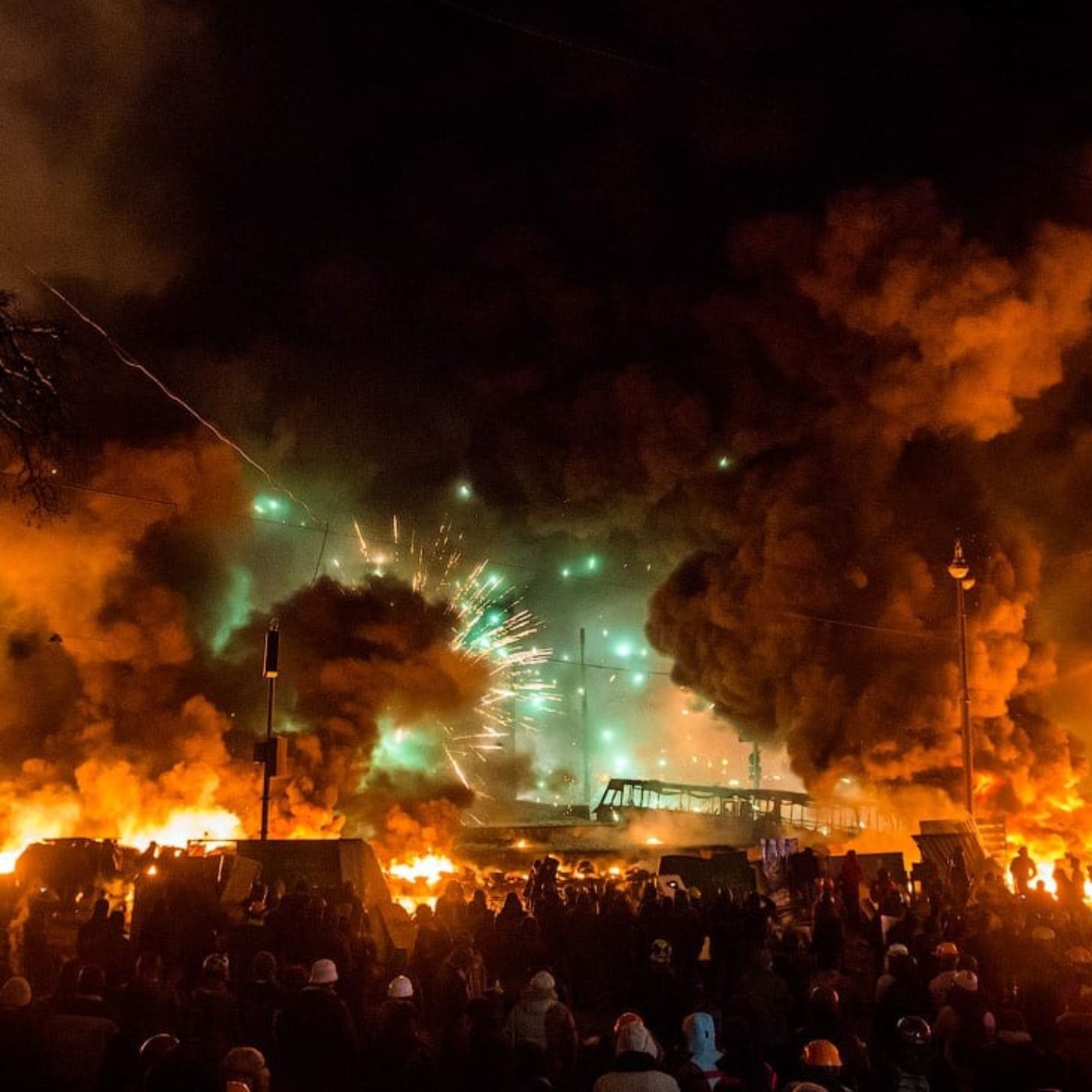
In the winter of 2013-14, protests erupted in Kyiv, Ukraine. Their goal was to oppose President Viktor Yanukovich’s rejection of the EU Association Agreement. Many protesters saw the Agreement as a meaningful step for Ukraine to enter the European orbit. And the protests might have fizzled. But the massacre of over 120 people by police snipers on 20 February, 2014, inspired hundreds of thousands m
KGB Same-Sex Honey Traps
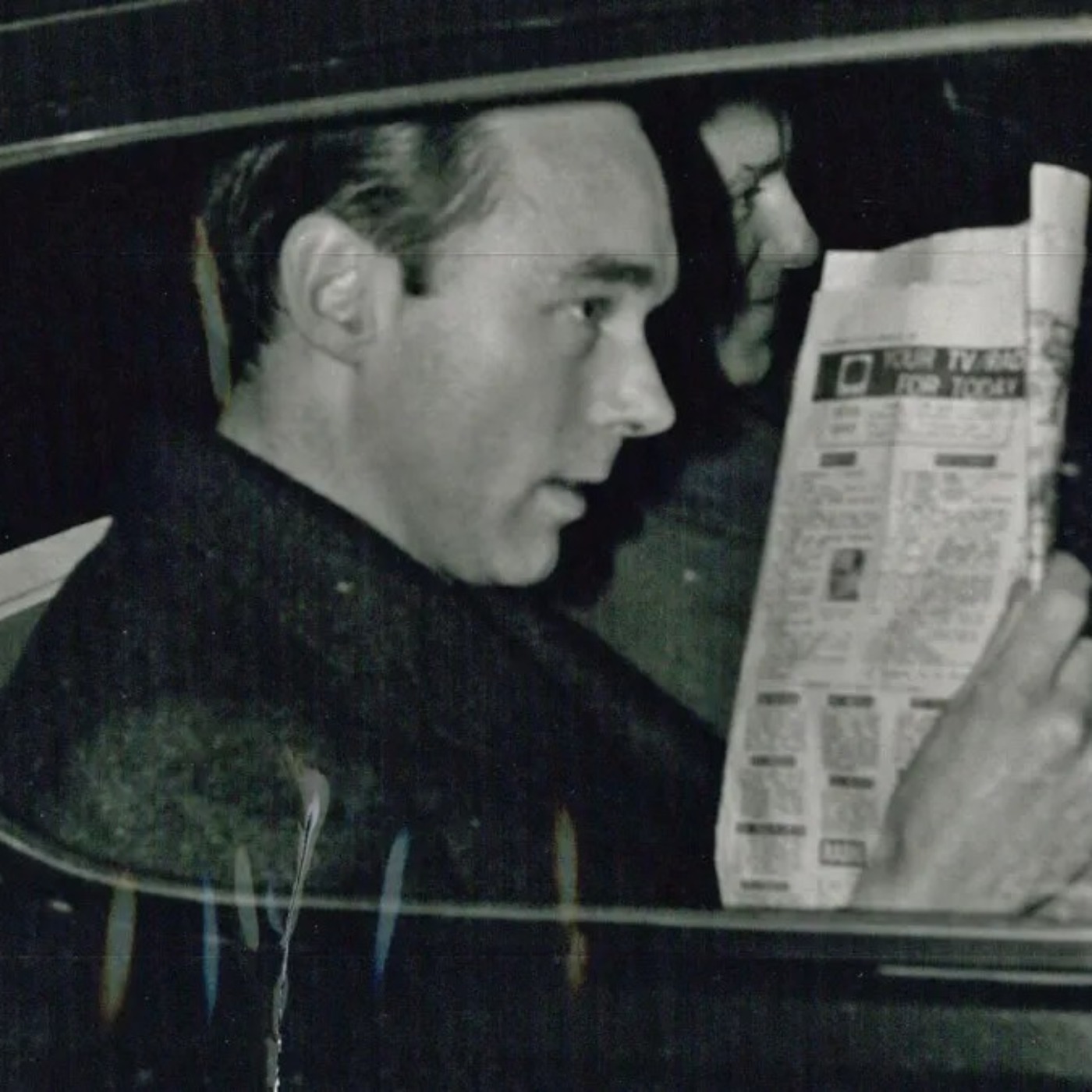
One of the most salacious and storied methods of KGB spycraft during the Cold War was the honey trap. Agents would get an informant to seduce a target, usually a Westerner deemed important. Then use that encounter as blackmail. We’re all aware of this thanks to movies and television. What we know nothing about are same-sex honey traps. The KGB’s use of homosexual men to seduce other men, whether s
The Bolshevik Rank and File
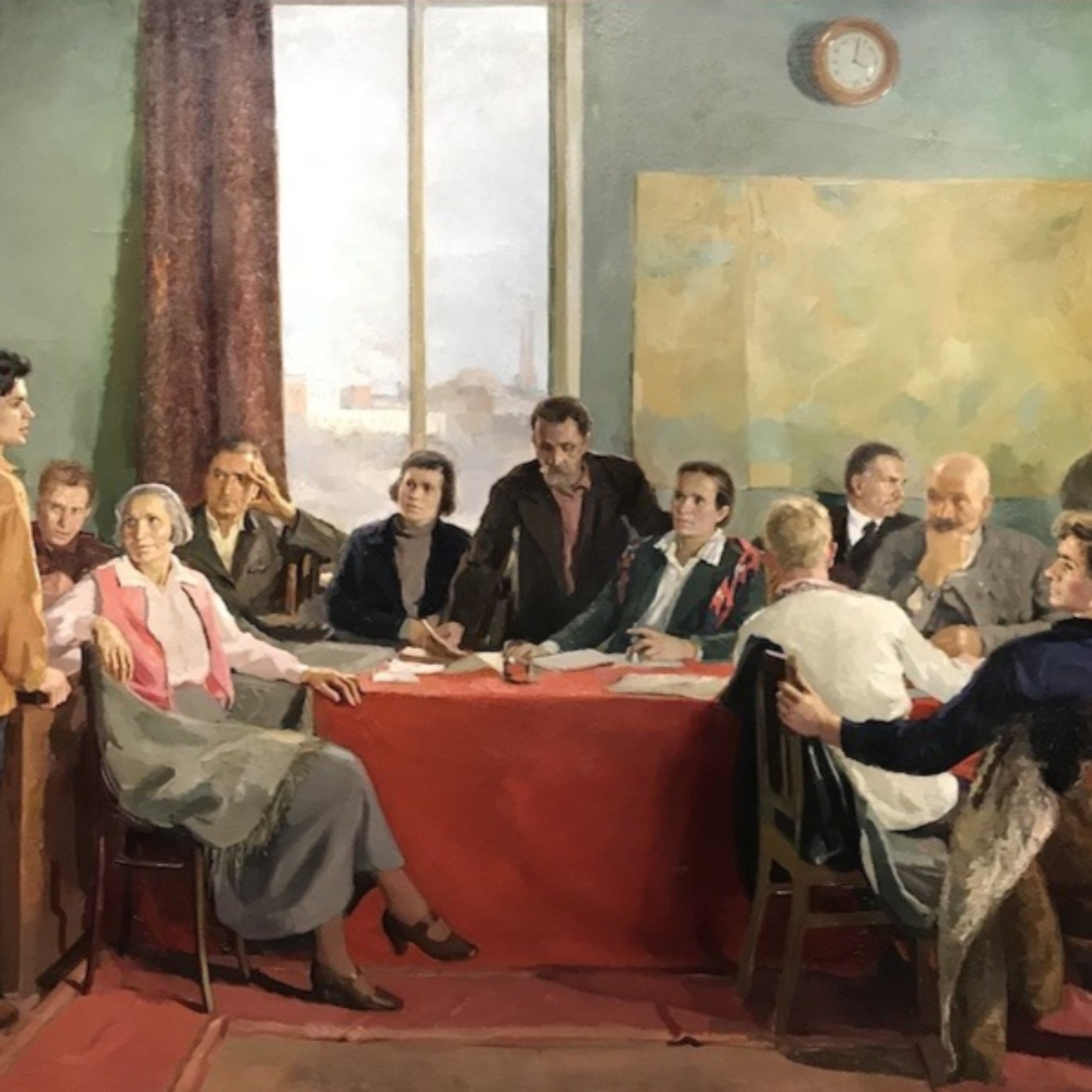
In 1917, the Bolshevik Party had roughly 24,000 members. A decade later, it boasted about 1.2 million. Recruitment came in waves and so did the purges. Still, Party members were found at the top and bottom of the system. In the Kremlin and in the factories. The Party rank and file were vital to the establishment of the Soviet system, its day-to-day functioning, and the human material for campaigns
Stalin's Last Days
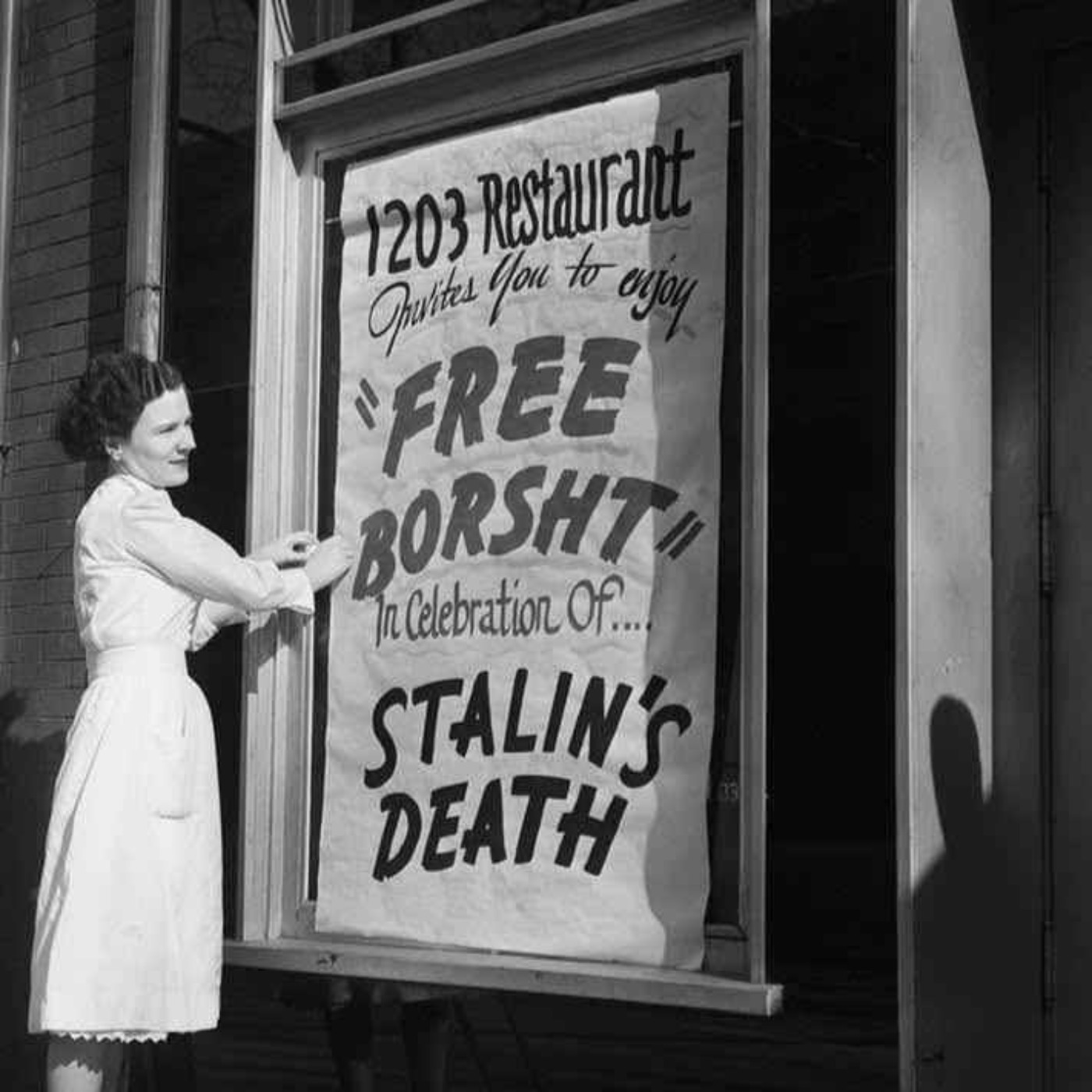
Joseph Stalin died today, March 5, seventy-three years ago. So, I thought it would be a good idea to dig out, re-edit and remaster, the interview I did with Joshua Rubenstein back in 2018 about the dictator’s final days. What did Stalin focus on in the final years of his life? How did Soviet leadership react to his death? Soviet society? And internationally? Let’s revisit what Rubenstein had to te
Searching for Belief during the Soviet End Times
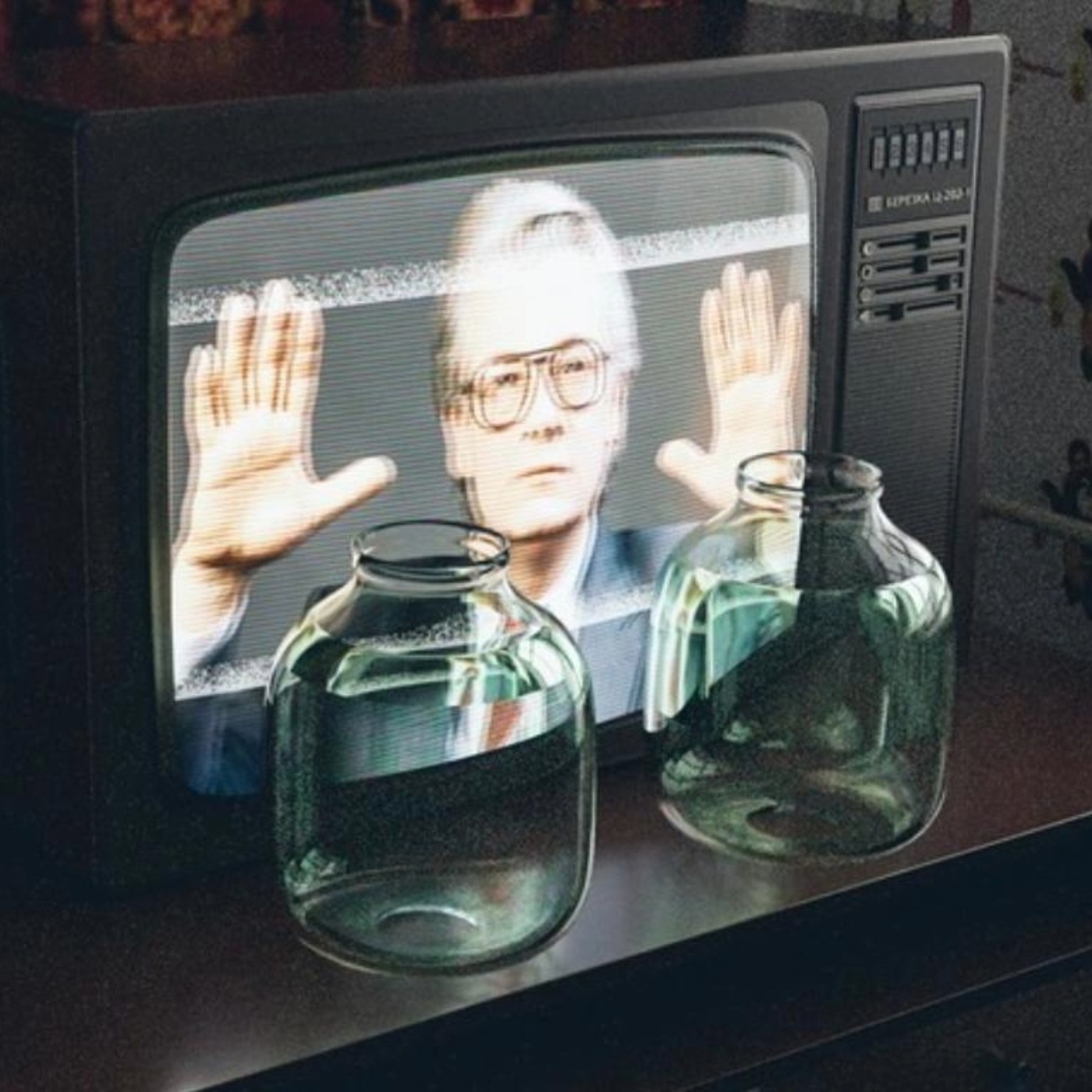
When societies are in crisis, people tend to seek alternative belief systems to give them comfort, explain a complex world, or fill a space left vacant by discredited ideologies and faiths. Like the embrace of spiritualism after the mass death during the American Civil War. The growth of millenarian movements and cults for fear of the end times. Or even the embrace of conspiracy theories to explai
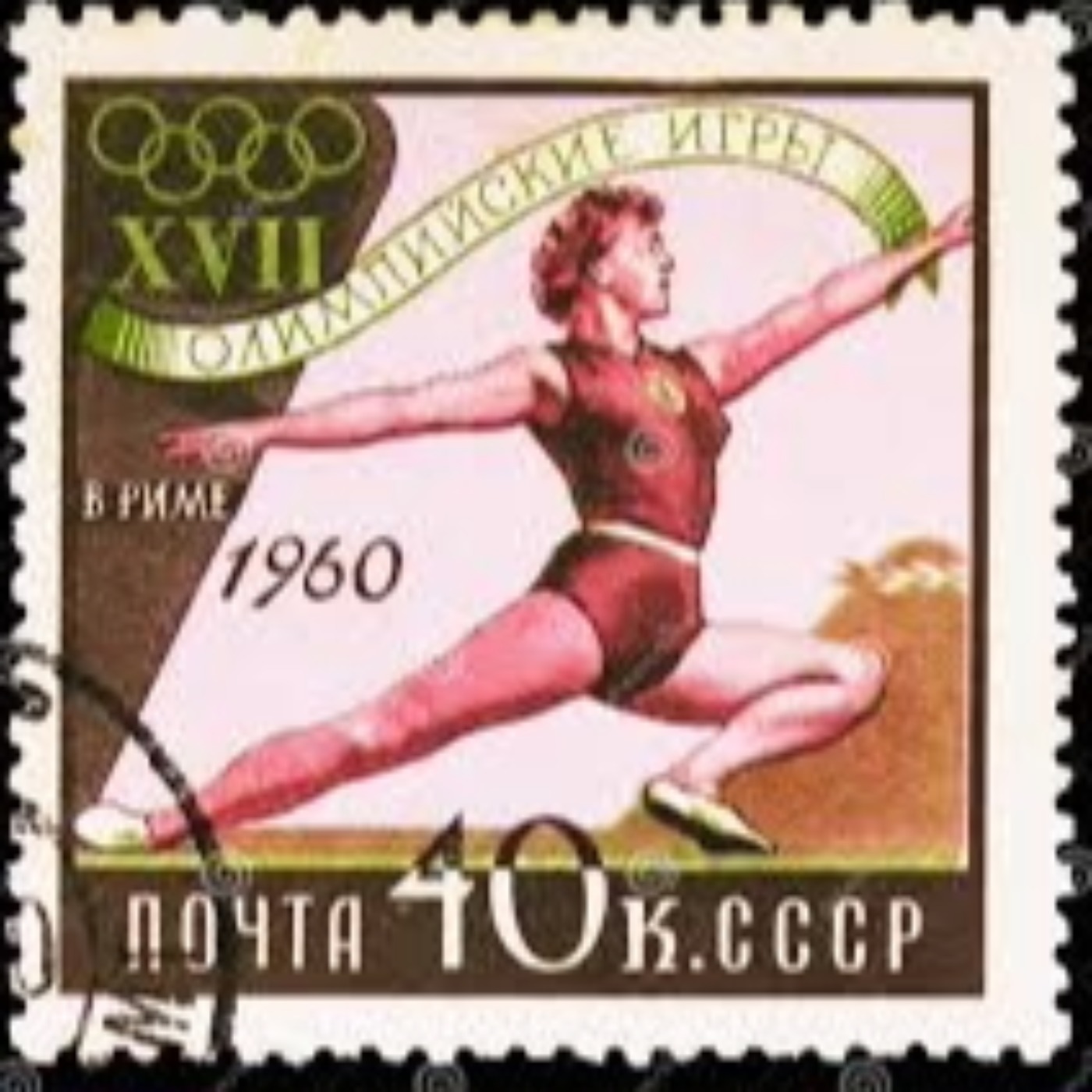
Moscow's Hunt for Olympic Gold
As a Cold War kid, I remember the intense rivalry between the United States and USSR during the Olympics. Of course, we remember the US’ boycott in 1980 because of the Soviet invasion of Afghanistan. And the Soviet boycott in 1984 in response to the American boycott. Who bested who was not just about national pride. It was a testament as to who had the better system: communism or capitalism. What
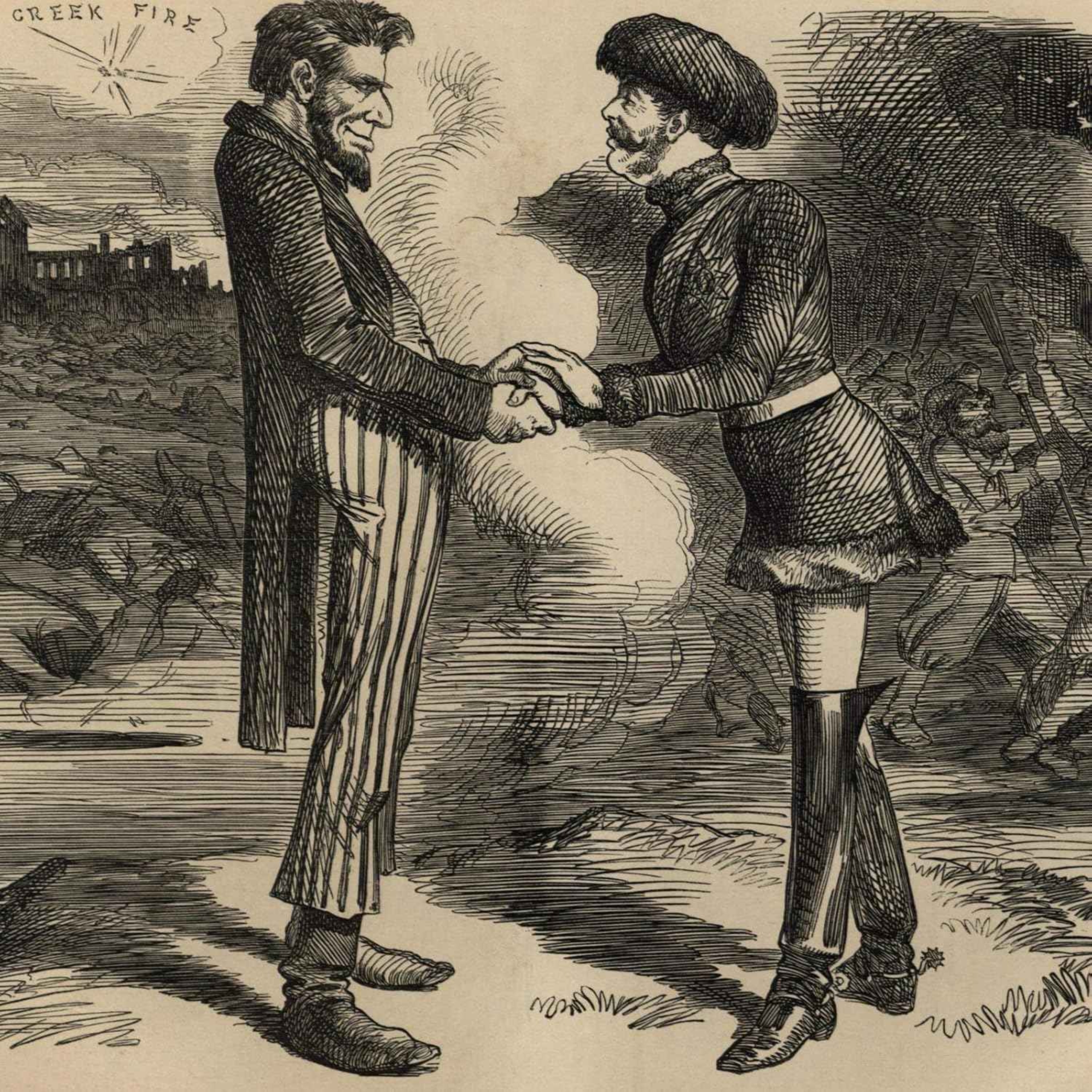
The Long History of American-Russian Relations
A quick scan of the hundreds of books on US-Russia relations gives the impression that the two countries only met in the 20th century. But relations go back to the early days of the American republic. And, surprisingly, throughout most of the 19th century, the United States and Russia were amicable powers joined in their mutual suspicion of Britain. Relations only began to deteriorate as the US in
REEES Faculty Spotlight: Gregor Thum
The history of borders and nations in Eastern Europe is fraught. What we even call the region is a site of contestation. Is it “Eastern Europe,” “Central Europe,” or “East Central Europe”? For Pitt historian Gregor Thum, space and how it’s delineated matters. This is especially the case for Germany and its eastern borderlands and people. Empire, war, ethnic cleansing, and shifting borders ha
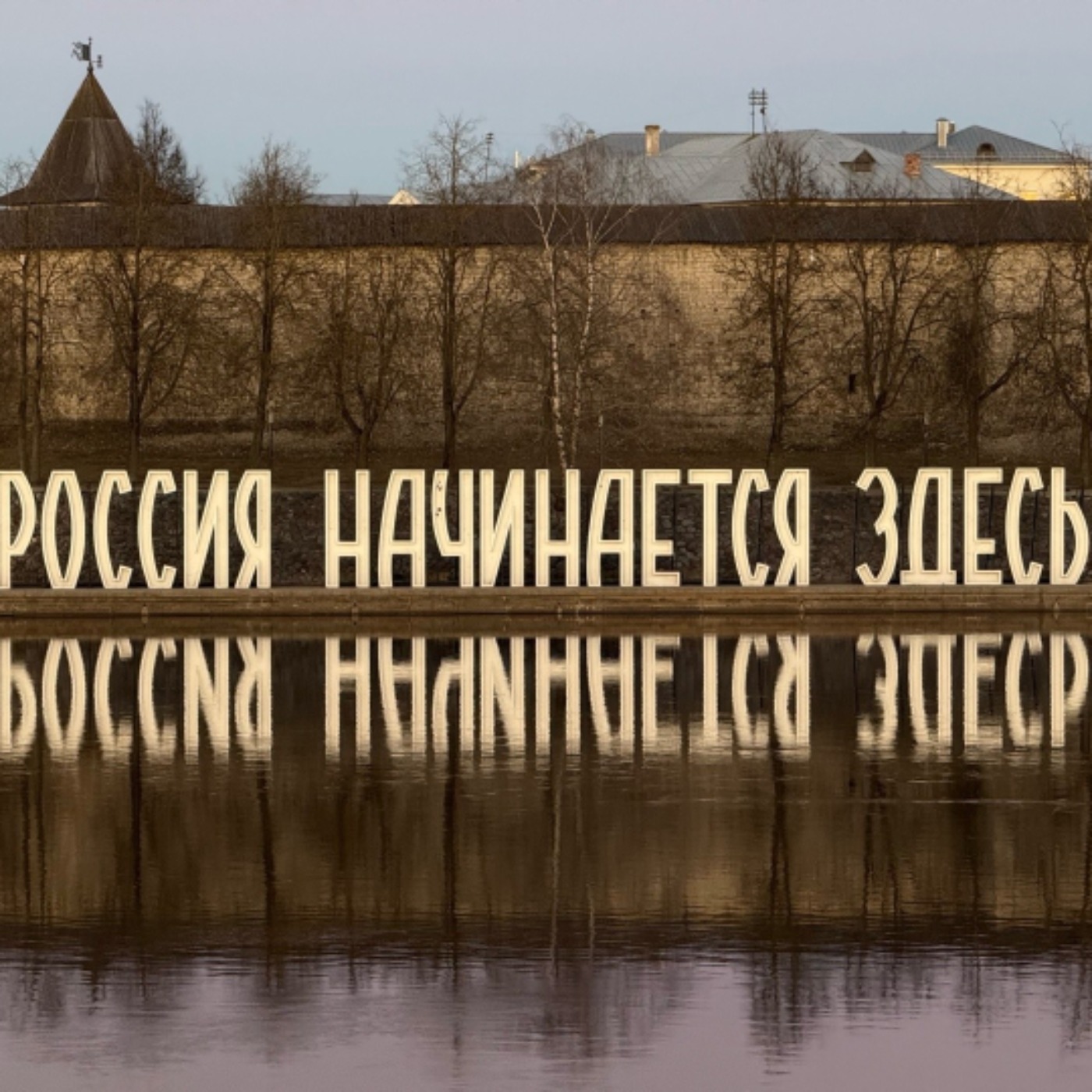
Russia Starts Here
What is Russia? There’s no easy answer. Travelers, scholars, philosophers, and journalists have pondered the question for centuries. And though answers vary, there is one point of consensus–whatever Russia is, you won’t find it in large cities. “Russia” exists out there, deep in the countryside, in the small towns and villages. For journalist Howard Amos, Russia begins in the provincial city of Ps
The Further Adventures of the Black Russian
A decade ago, Vladimir Alexandrov published an excellent biography, The Black Russian, about an unknown historical figure–Fredrick Bruce Thomas. Thomas was a Black Mississippian who moved to Imperial Russia and became a successful Moscow nightclub owner until Revolution forced him to flee. Thomas’ life is a window into post-emancipation Black American aspiration, struggle and cosmopolitanism. Alex
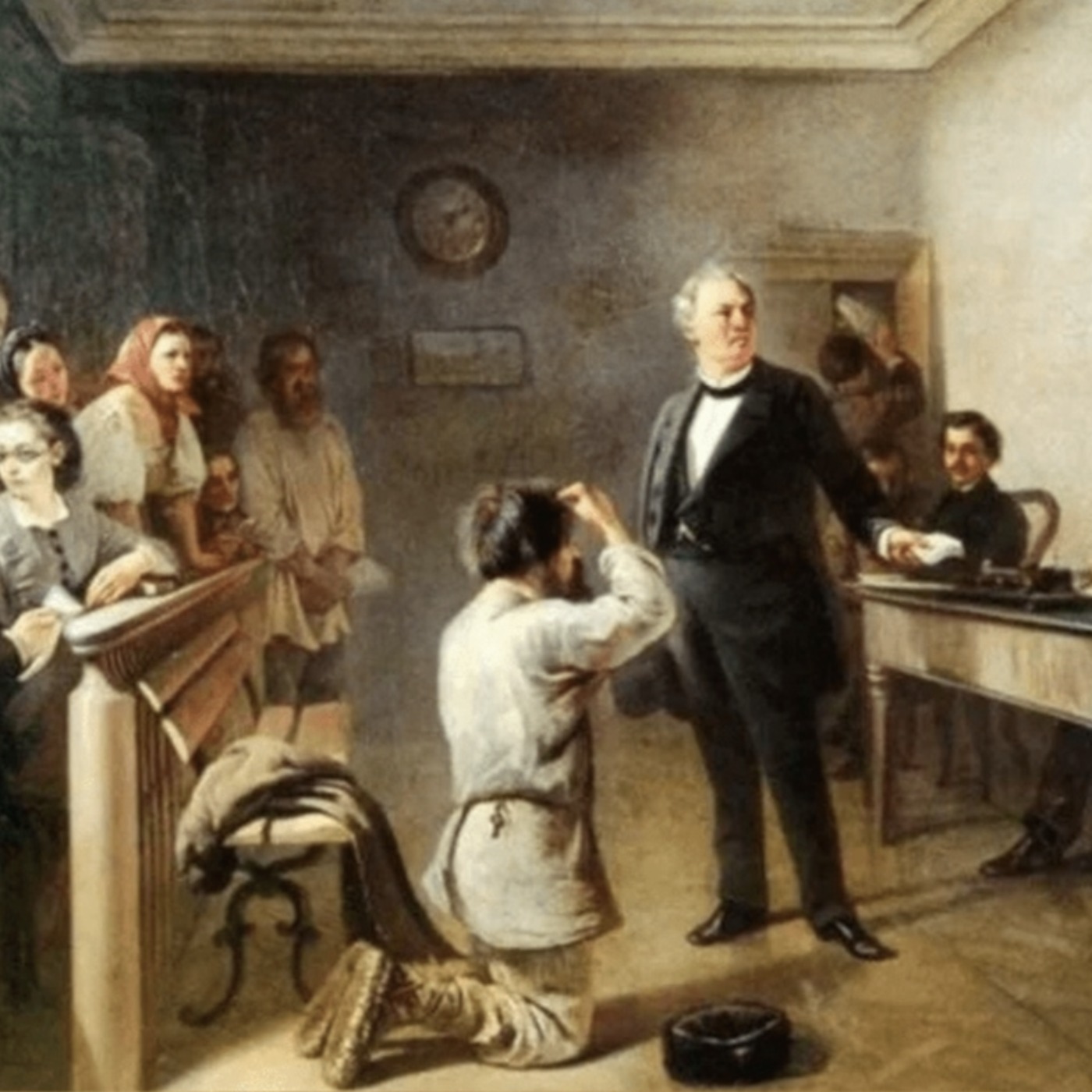
The Great Reforms
Alexander II’s Great Reforms were sweeping. They freed over 22 million serfs, overhauled the judicial, university, and municipal systems, and loosened censorship, among others. It was one of those pivot points in Russian history. If successful, Russia would have charted a more liberal path or stay on the autocratic road if a failure. Most historians have ruled them a failure. But what were the ref
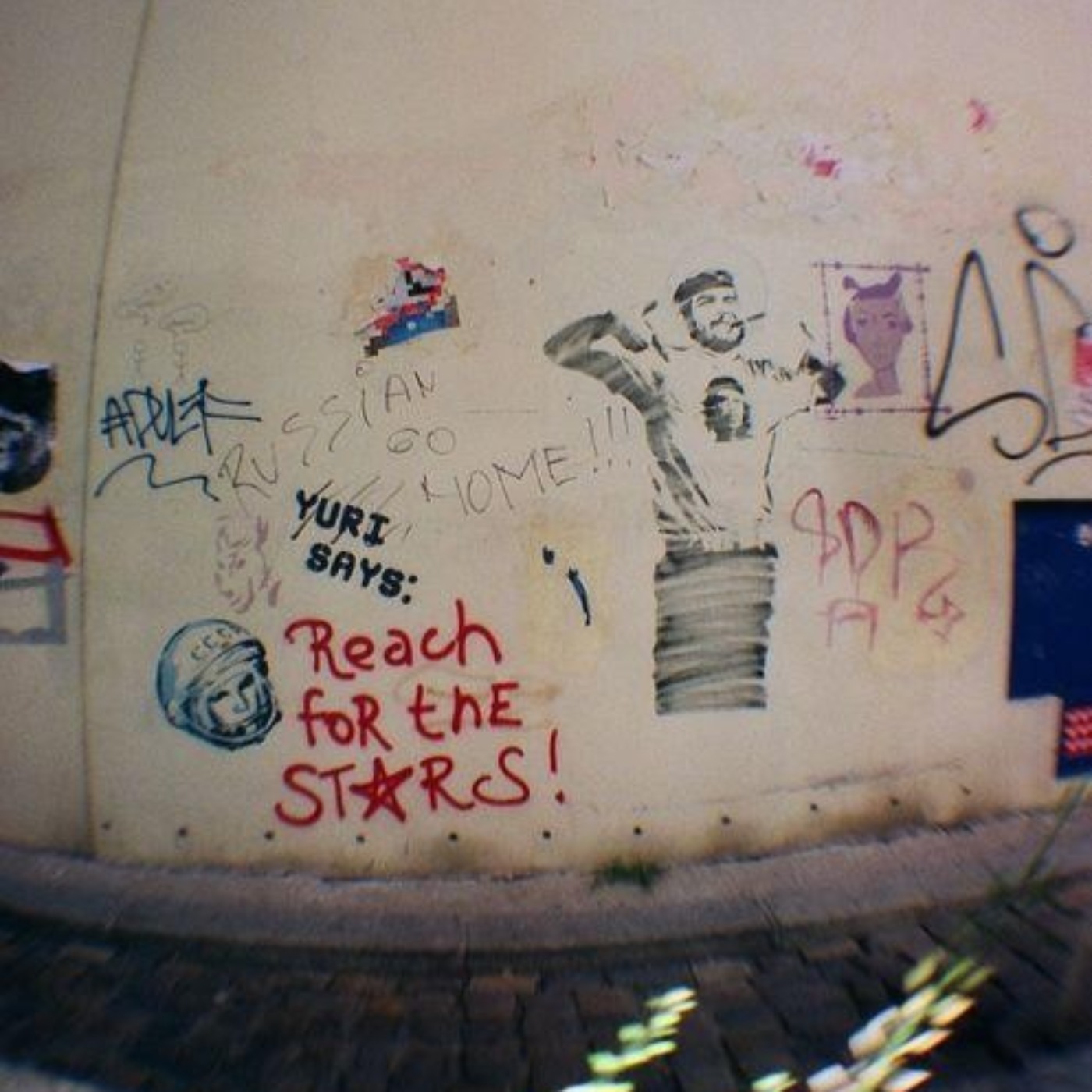
Post-Soviet Graffiti
I love street art. And I don’t care in what form. Beautifully crafted murals. Spraypainted gang tags. Scrawls on bathroom stalls. Even guerilla sticker mosaics on streetlights. I especially like how street art alters the narrative of a space. So, I was excited when I received a copy of Alexis Lerner’s book, Post-Soviet Graffiti. Post-Soviet street art has gotten little scholarly attention making t
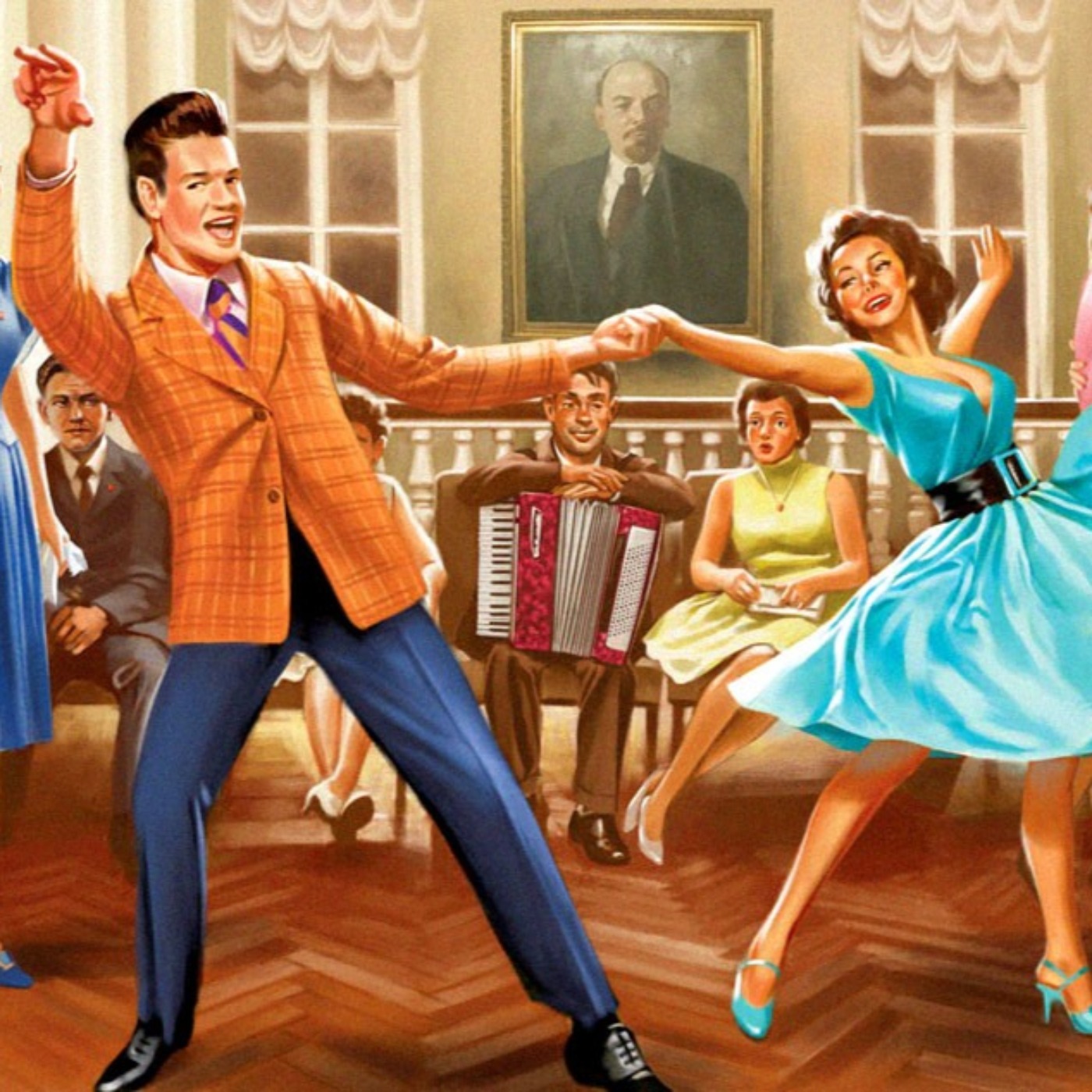
The Stiliagi
A new youth subculture emerged in the Soviet Union in the late 1940s and early 1950s–the Stiliagi. Roughly translated as “the stylish,” these youths, the majority of whom were men, wore flashy hairstyles and bright colored clothes, danced to jazz, and were obsessed with Western aesthetics. And of course, this style broke Soviet conventions, challenged social norms, and expanded gender performance.
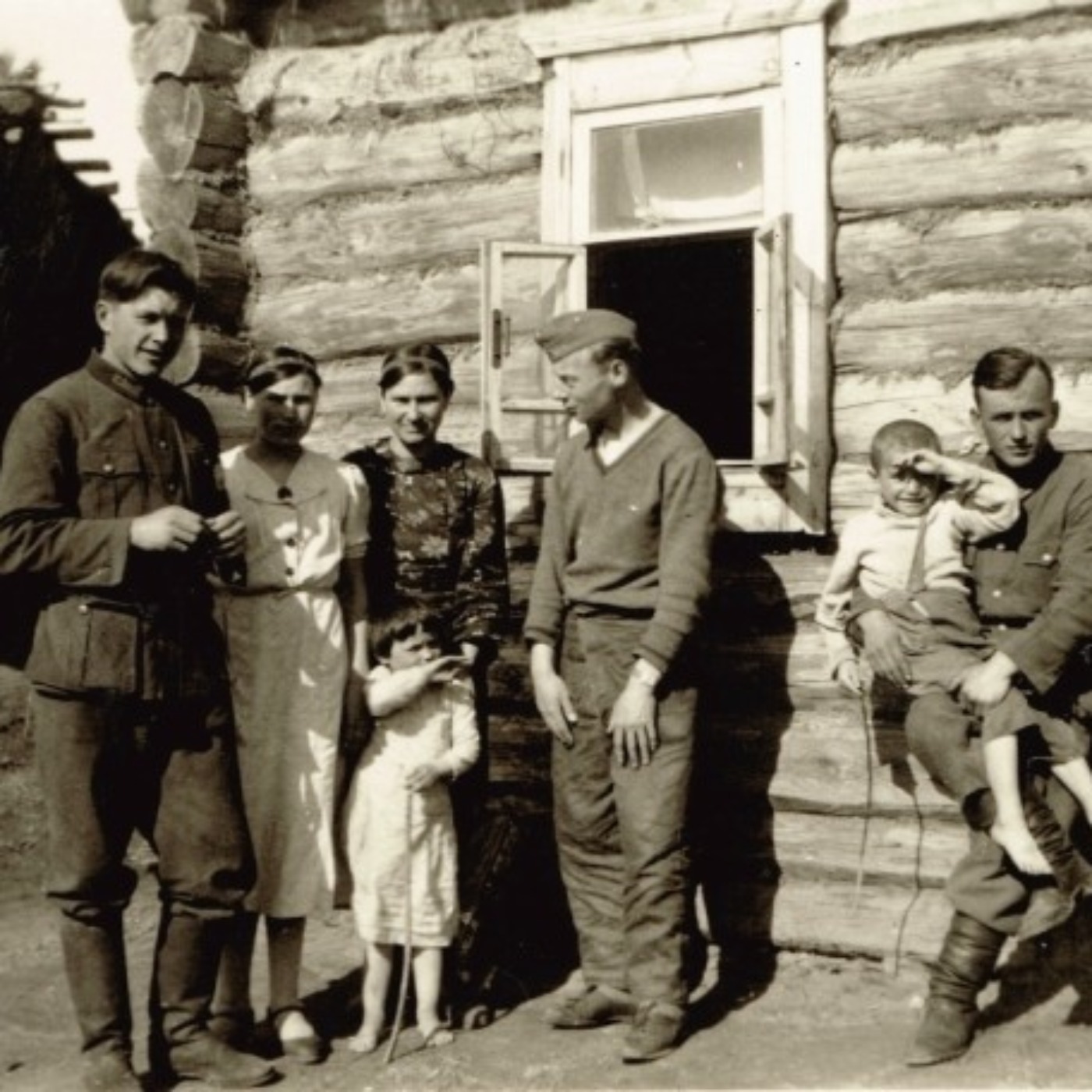
Fraternization and Survival During WWII
Soviet ideology called for the emancipation of women. Soviet women would be active participants in public life, unburdened by the home, children, and husbands, and serve equally in the building and defense of the Soviet state. Reality, however, was different, especially during WWII. Soviet women did serve in the Red Army and partisans. But life at war was more than the heroic tales we know today.
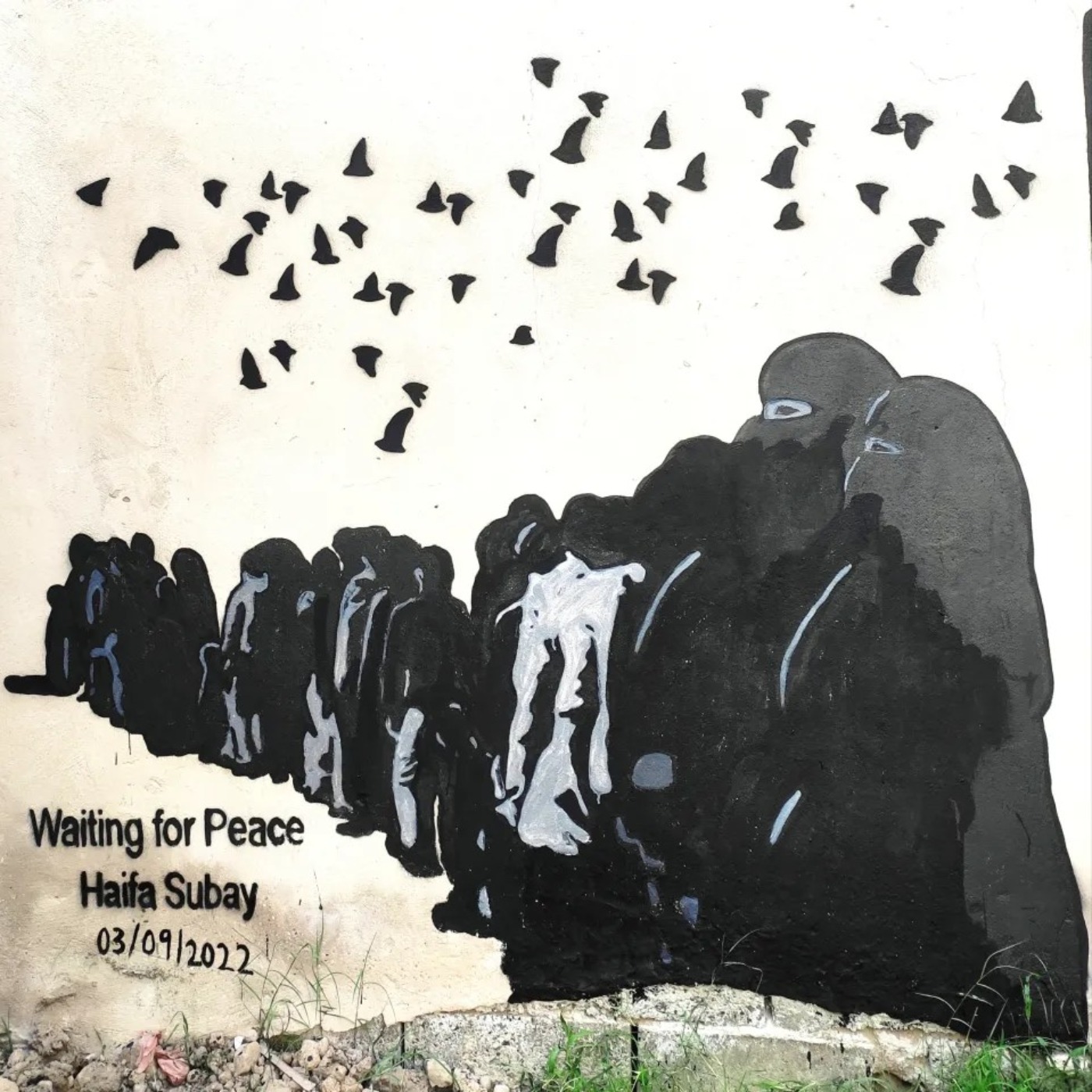
The Art of War
About two years ago, I was brought on to a podcast project started by the Global Studies Center at the University of Pittsburgh. The initial pitch was to produce a student-led podcast featuring two threatened artists that are part of the Pittsburgh Network for Threatened Scholars (PiNTS). I’m proud to feature the end result, The Art of War. It features two artists, the Yemeni street artist, Haifa
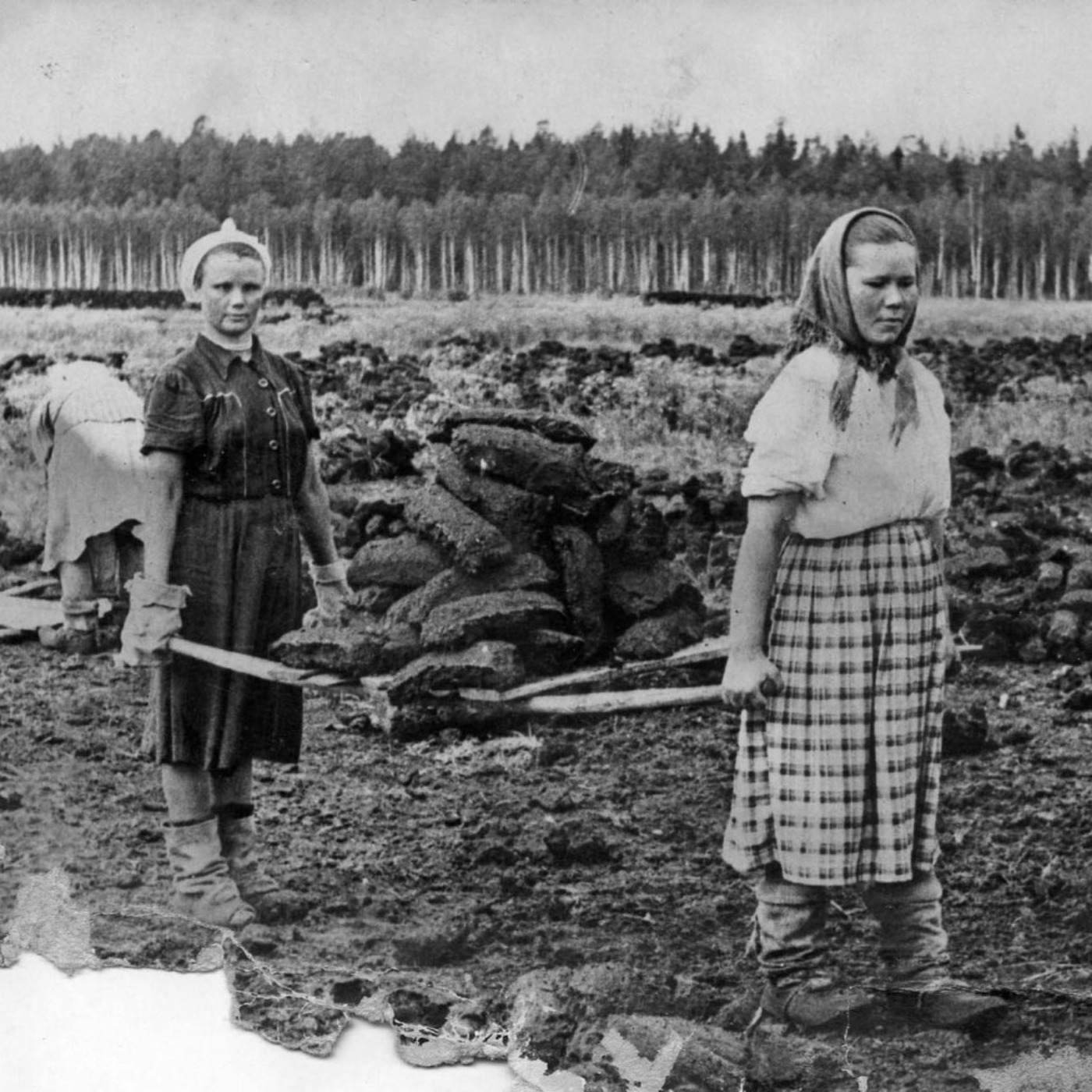
How Peat Electrified the USSR
What is peat? We had no idea until the Eurasian Knot spoke to Katja Bruisch about how this coal-like soil was an energy source in Russia and the Soviet Union. Found in wetlands, peat is the extracted top soil that is dried and burned for fuel. It was a marginal, but important, energy source in industrialization. Peat was also used as a localized source to produce electricity for Lenin’s Electrific
Murder Mystery in Moscow
I’ve grown to admire historians like Catherine Merridale. You know, those historians who buck academic conventions to write for a non-academic audience. This was quite a change for me since I used to hold such work in contempt (or was it jealousy) when I was a snot-nosed, snobby grad student. So I jumped at the chance to interview Merridale and talk about the historical craft and its relationship
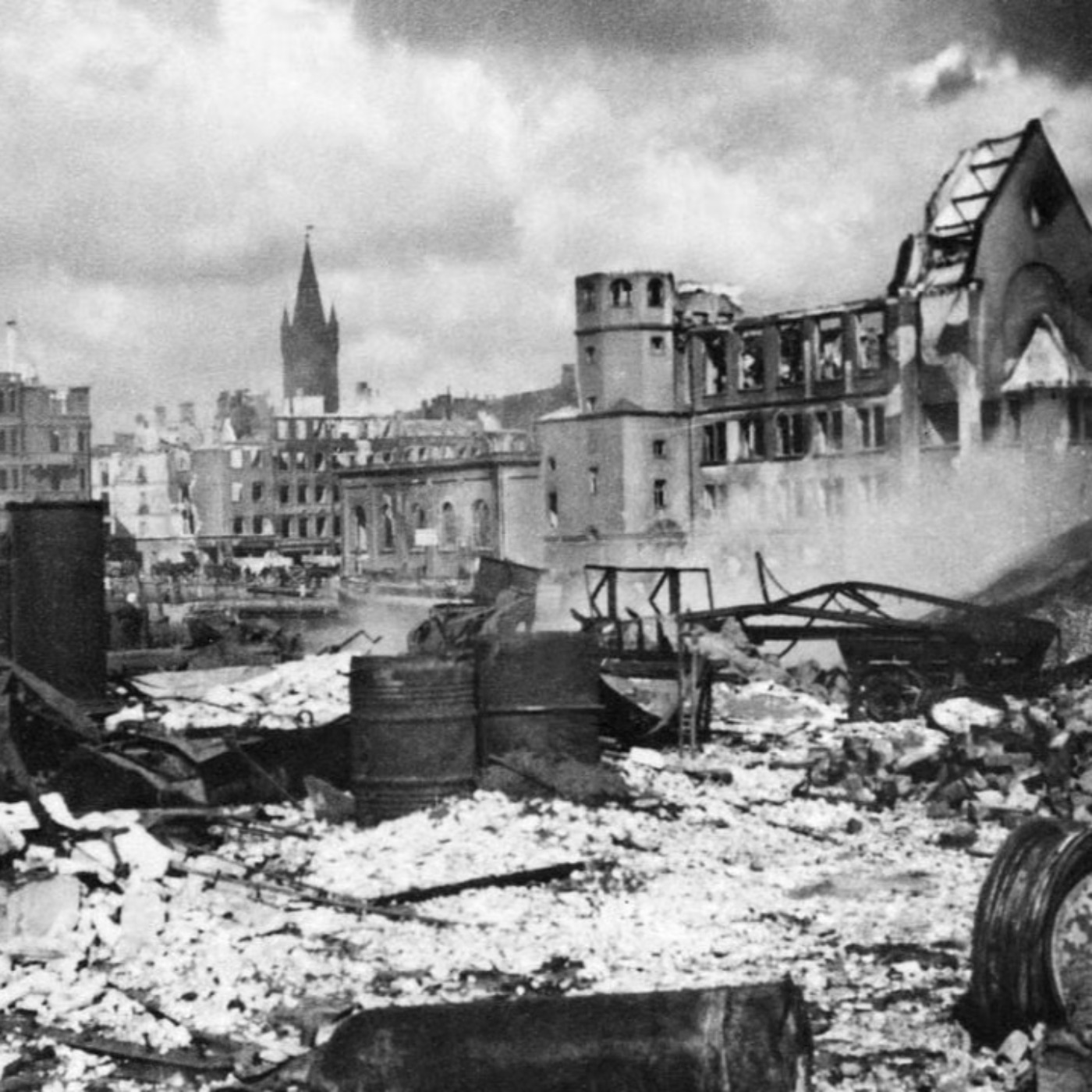
How Konigsberg Became Kaliningrad
The Prussian city of Konigsberg is well-known as the birthplace of Immanuel Kant. But in many ways it’s also a microcosm for the twentieth century. Founded in the 13th century by Teutonic knights, the city served as a key trading center for the Prussian Empire until the Polish corridor severed it from Germany after WWI. It is then that the history of Konigsberg takes an even more dramatic turn. It
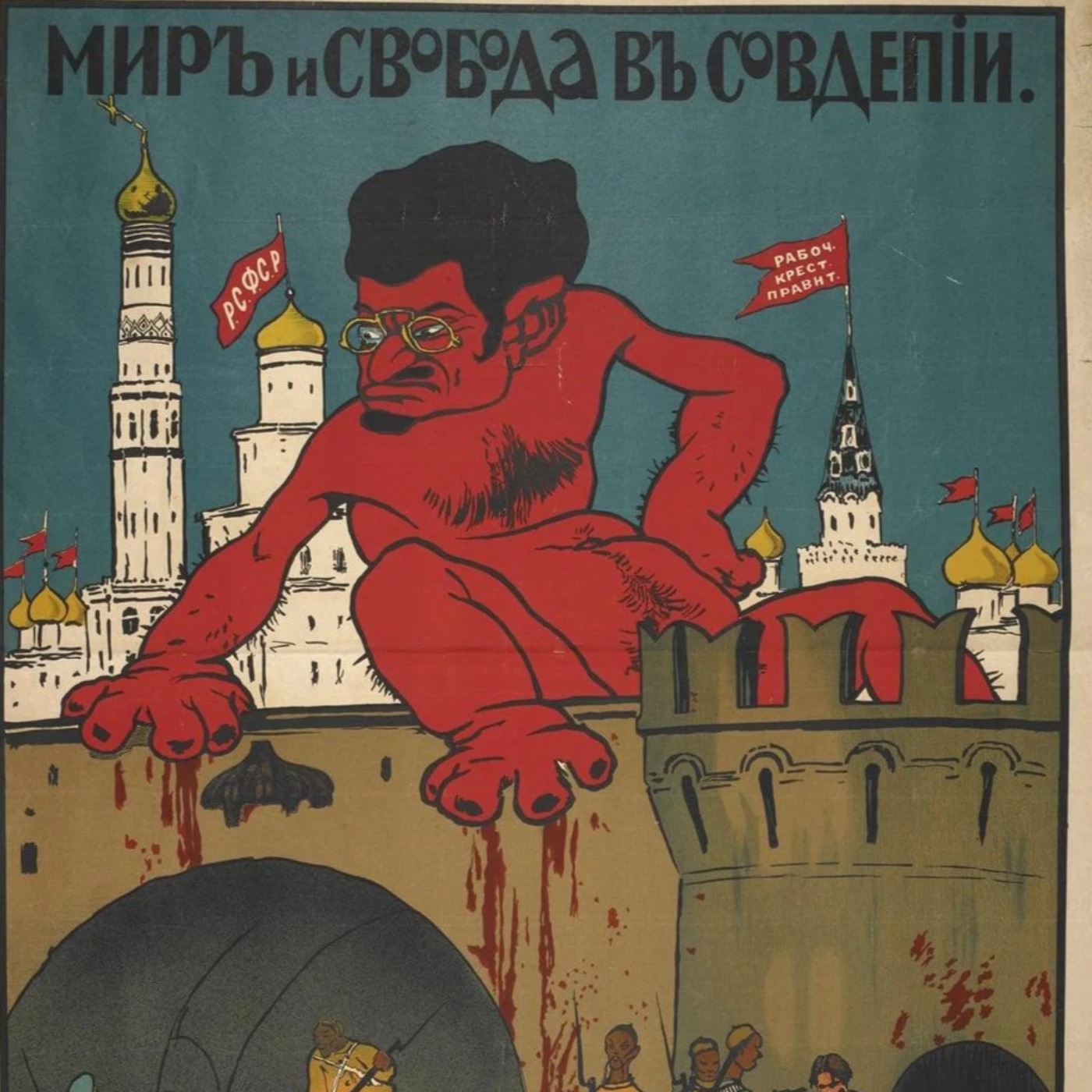
The Judeo-Bolshevik Myth
I’ve been thinking about the use of “they” in our political rhetoric. In some respects, this third-person plural pronoun is indicative of politics. The “they” in politics often refers specifically to an entity–political party, a group of politicians, etc. But what if the “they” refers to another nebulous entity? For example, here’s a clip from a recent NYT Daily episode on Charlie Kirk’s memorial:
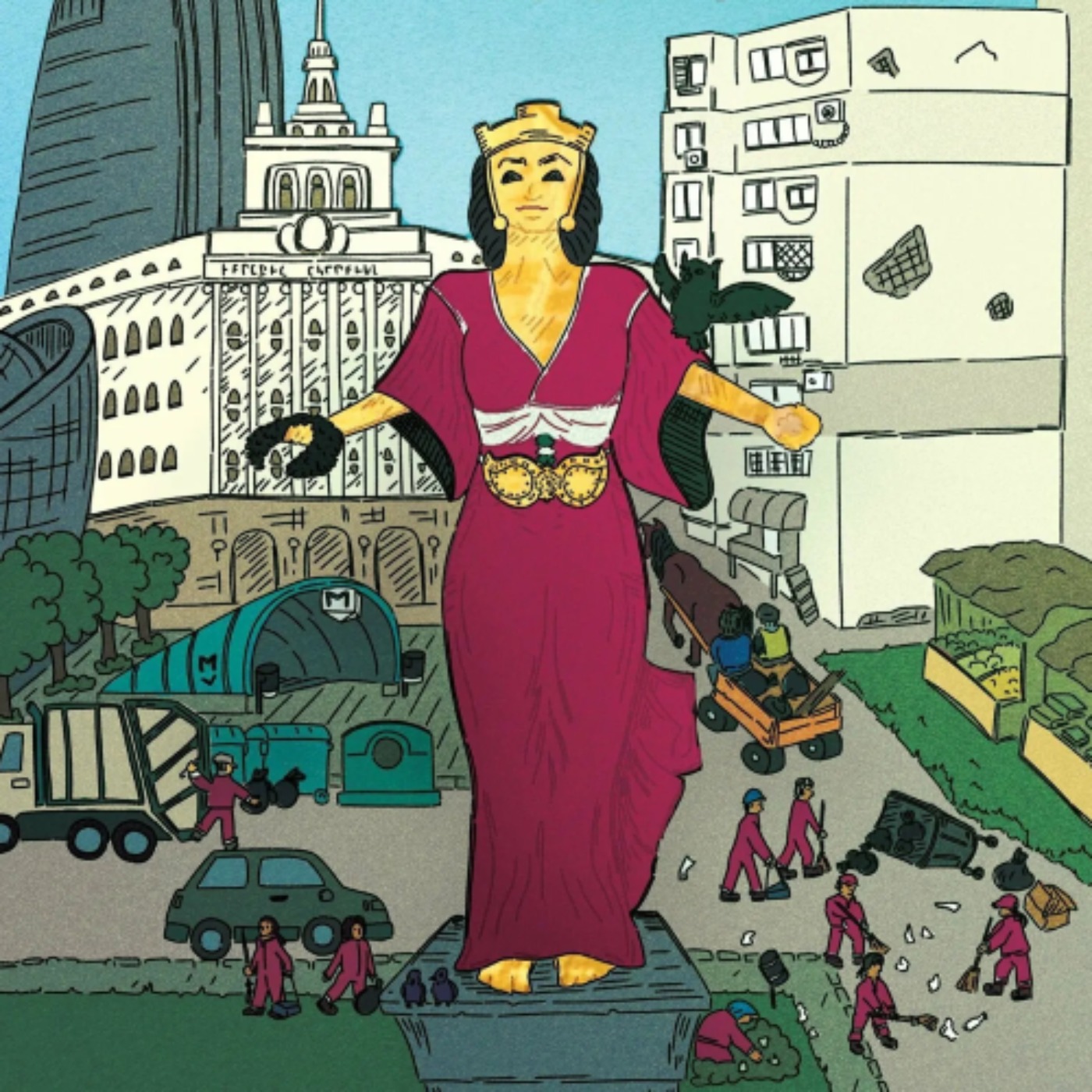
Romani, Waste, and Race in Bulgaria
There’s a paradox at the center of Elana Resnick’s book, Refusing Sustainability: Race and Environmentalism in a Changing Europe. EU policies of environmental sustainability in Bulgaria require the racialization of Romani into a permanent low-skilled and impoverished workforce. Waste management required teams of Romani streetsweepers and trash collectors to sort trash into waste, recyclables and c
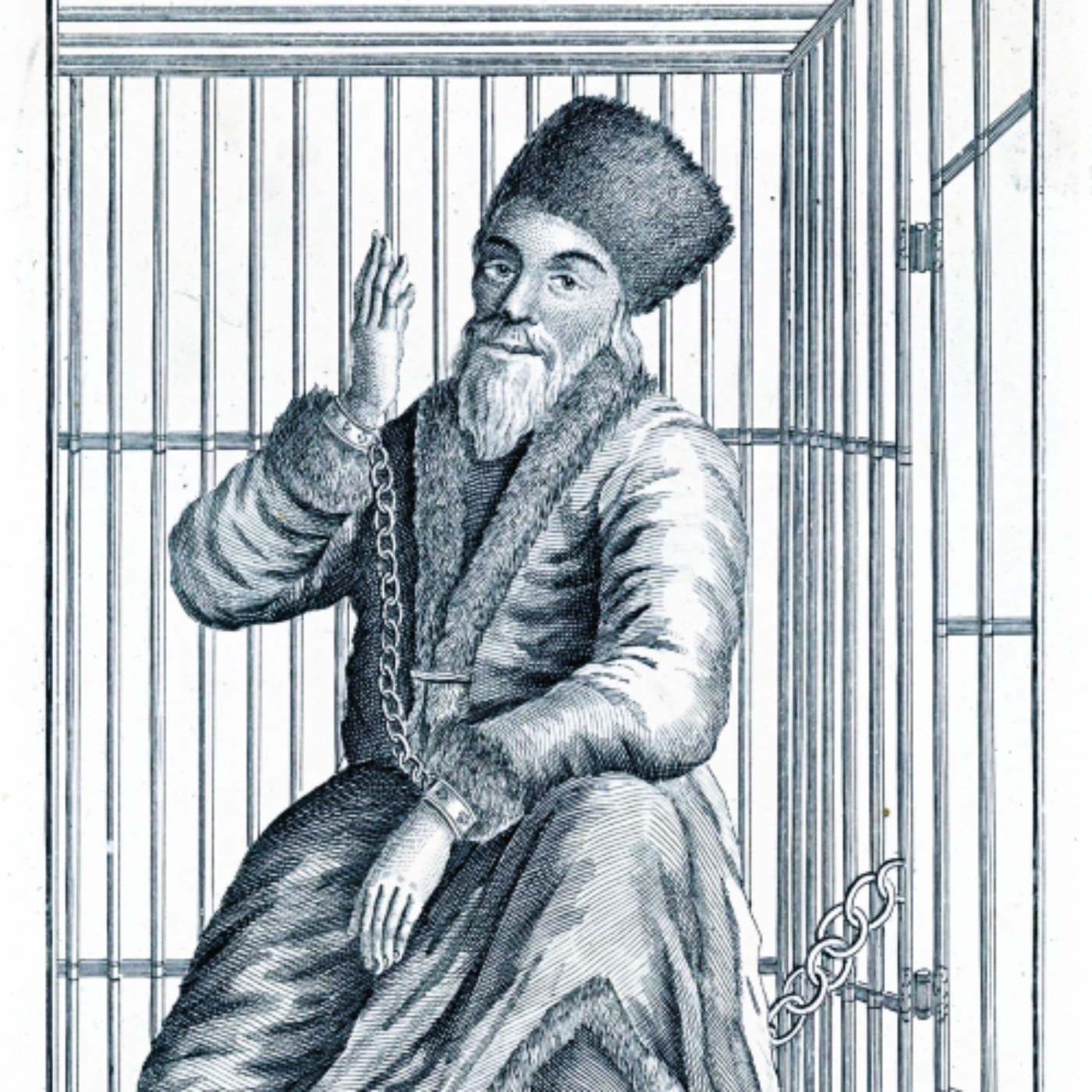
Rebel Russia
There are many stereotypes about Russia. But perhaps one of the strangest is that Russians prefer a strong hand, are politically passive, even apolitical, and rebellion just isn’t in their DNA. This belief requires a hefty dose of historical amnesia. Many of Russia’s most memorable historical figures–Stenka Razin, Pugachev, the Decembrists, the People’s Will, Lenin, Sakharov, Alexei Navalny, to na
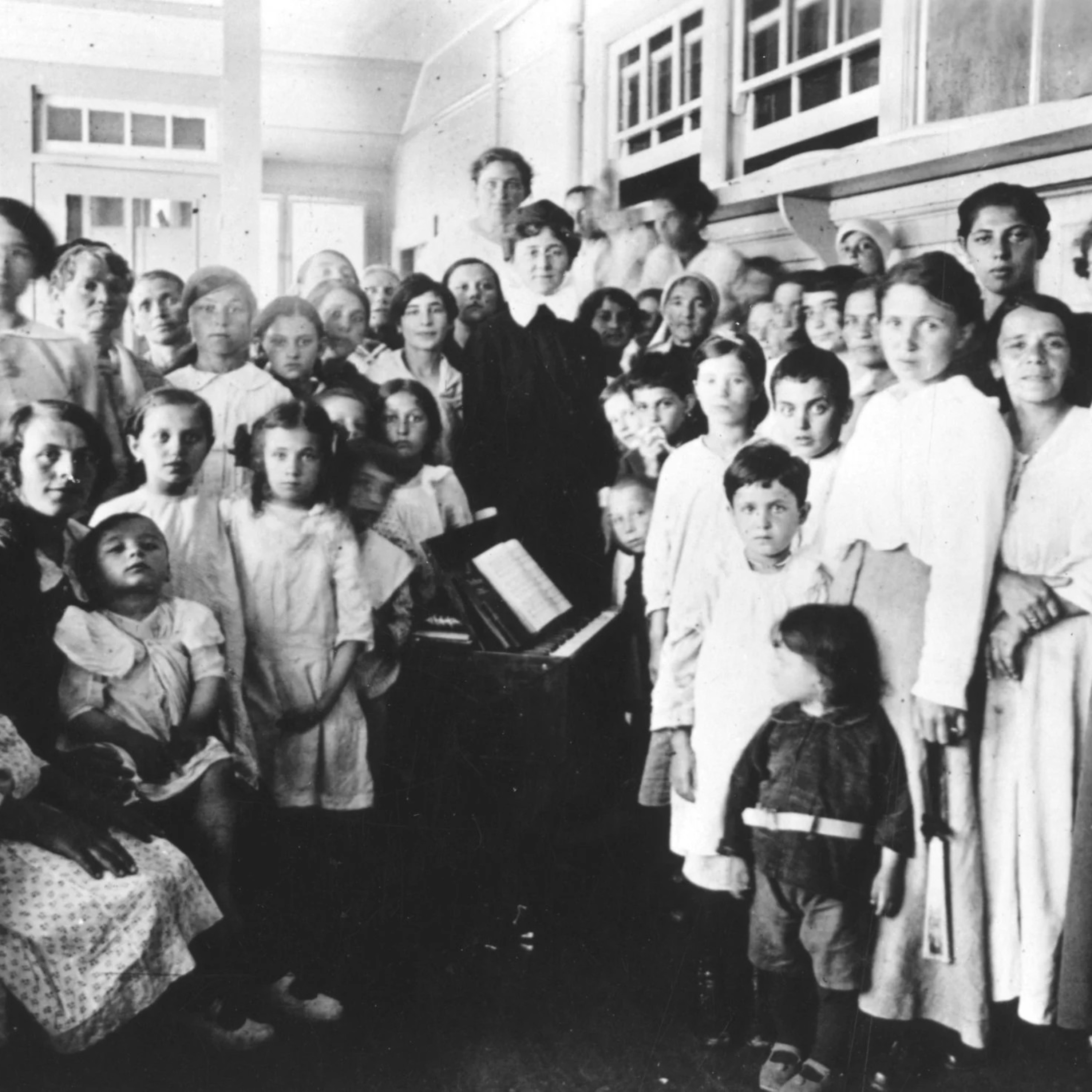
Russians in San Francisco
After 1917, San Francisco’s small Russian community exploded with new arrivals. Over the next decade, thousands quit Soviet Russia, often via the Far East or China, to escape revolution and civil war. Arrival in America, however, was only the beginning of new trials. In the 1920s and 1930s, American nativists saw Slavic people as low in the racial hierarchy–people who were visually white, but cult
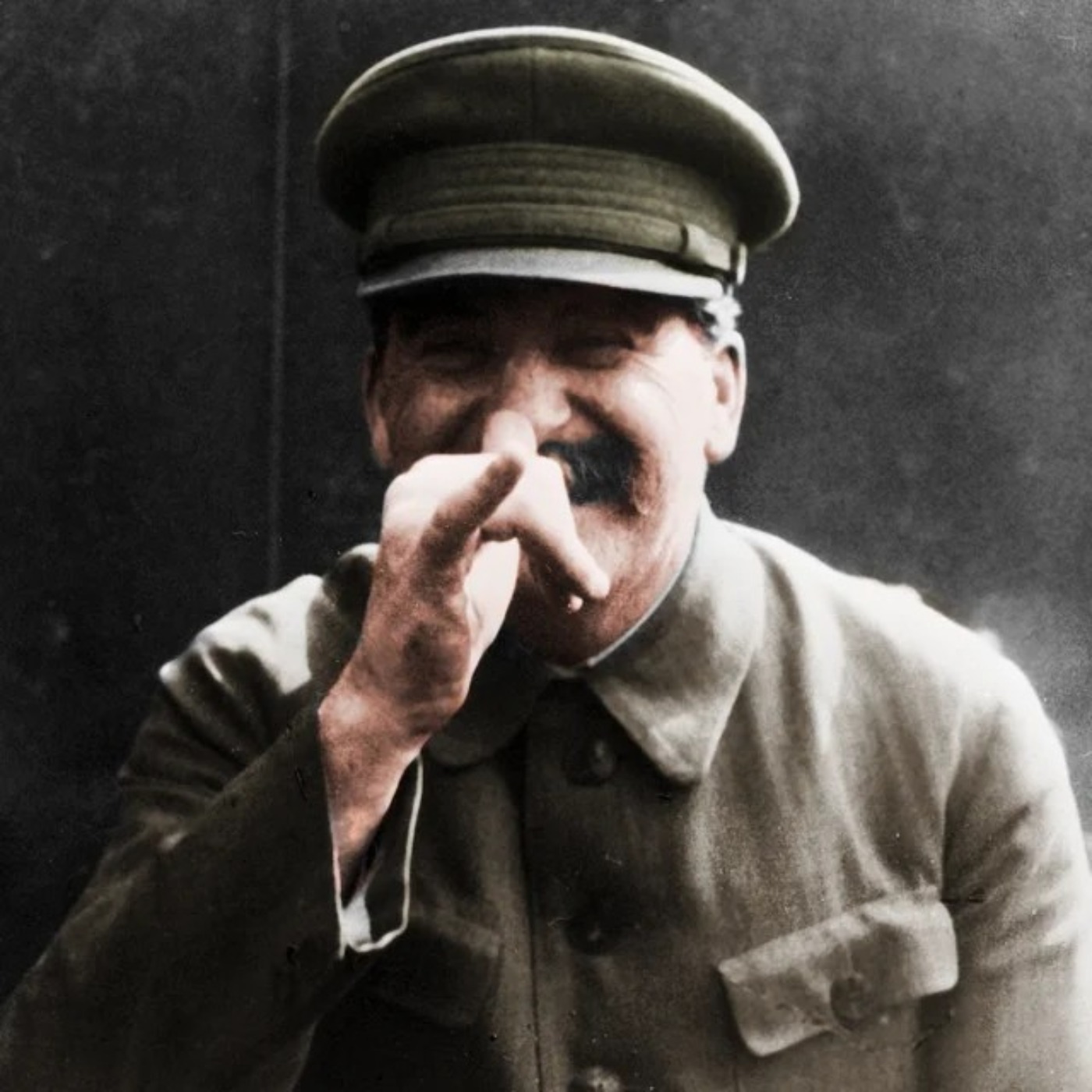
Soviet Jokes Under Stalin
What power do jokes have in authoritarian societies? I’ve been thinking about this recently as Trump further consolidates power. Turn on any American late night show and it’s one joke about Trump after another. It’s easy for comedians. The Trump jokes write themselves. Soviet Russia didn’t have late night, and openly poking fun at the authorities was highly circumscribed. This continues to a large
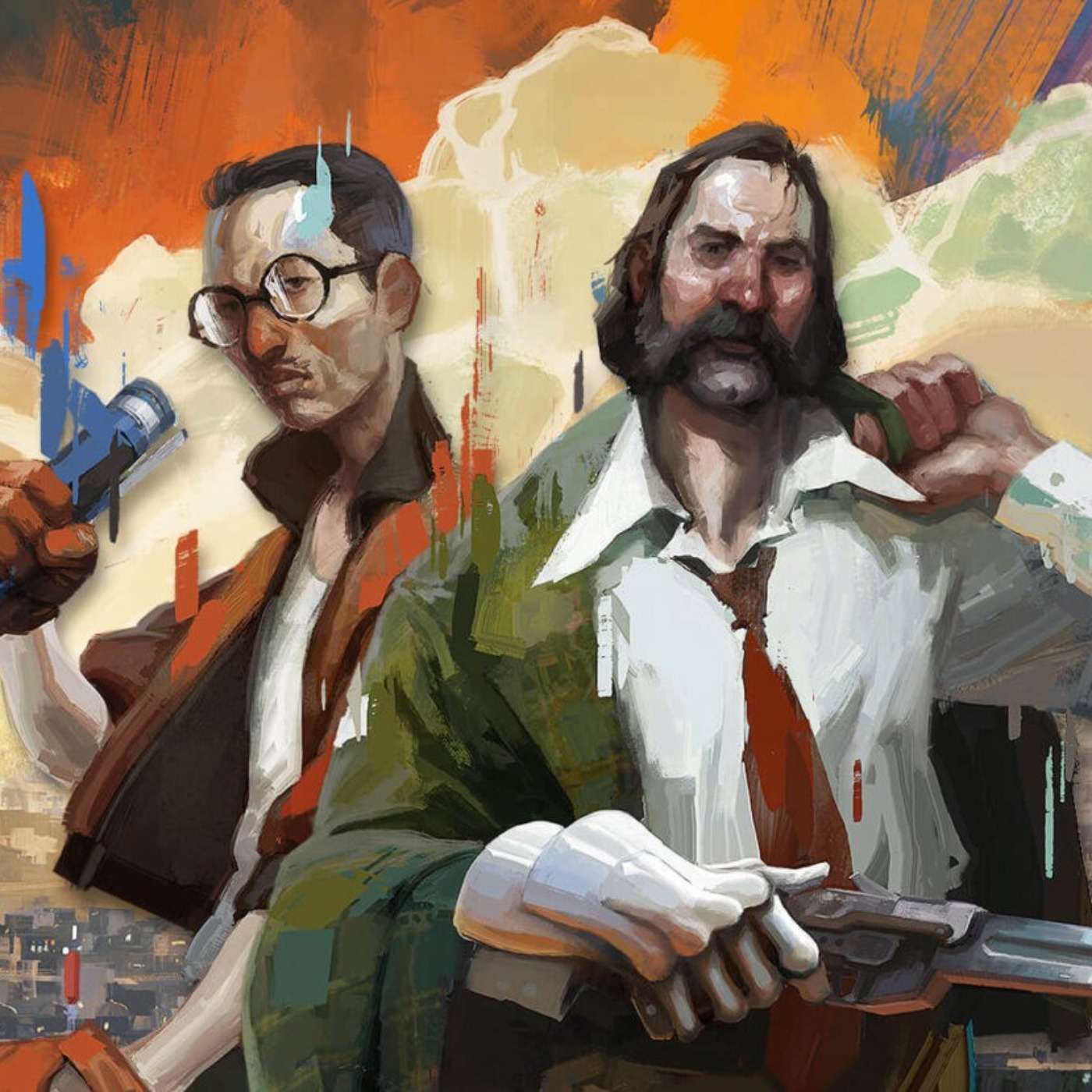
Video Games of Eastern Europe
Games have a long history. Several are centuries old. But a new crop of games has emerged over the last century. Elaborate board games, role playing games, and of course, video games. Today, video games are one of the most consumed forms of media entertainment. They inspire communities, live-action role playing, movies and other media. All of these have fostered new identities and ethics. And East
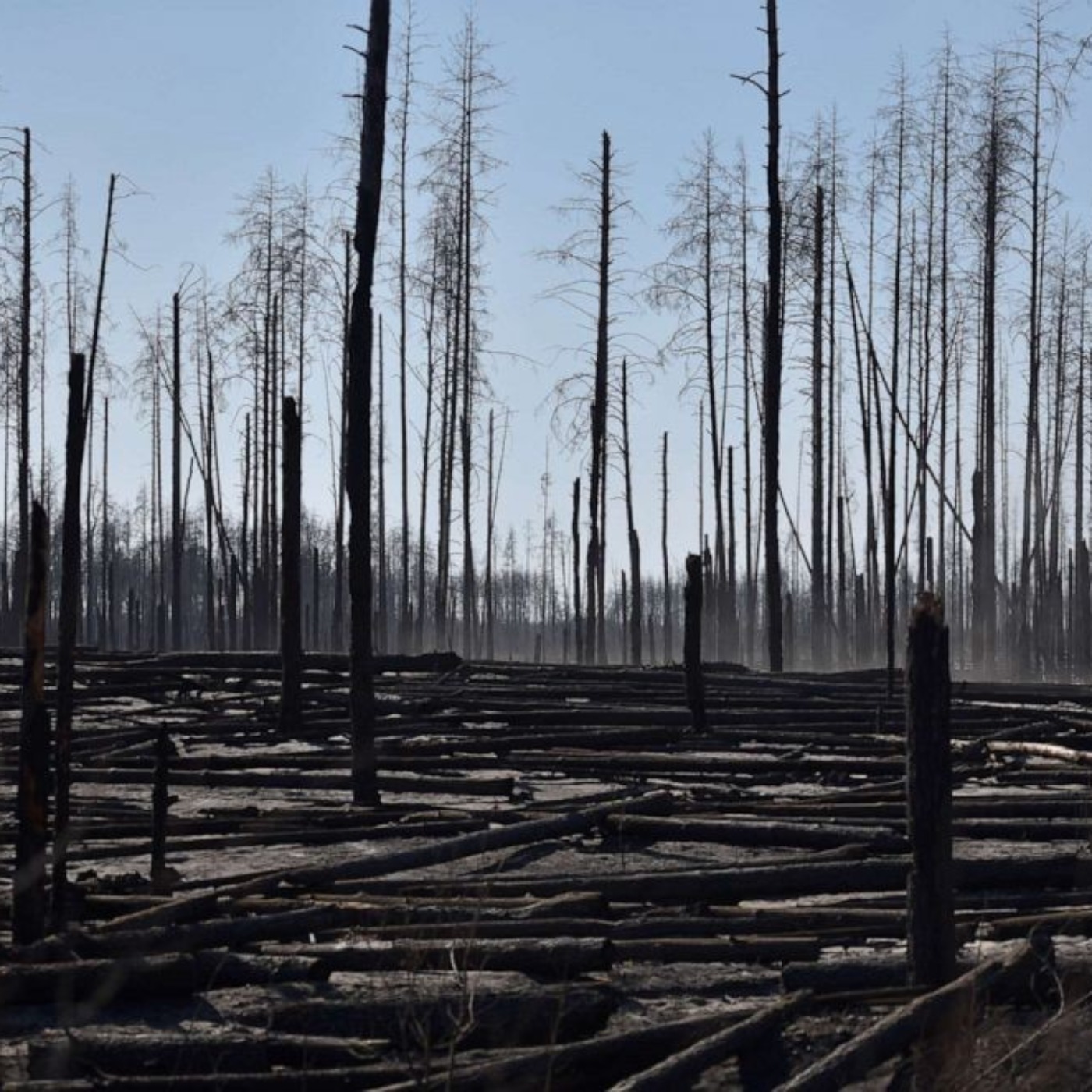
The Deforestation of Eastern Ukraine
This week we check-in with frequent EK guest Brian Milakovsky to learn about the destruction of forests in Ukraine. Since Russia’s invasion of Ukraine in 2014, and its full-scale assault in 2022, war has destroyed much of the forests of the Seversky Donets Basin. These trees serve as a place of leisure, pride, identity, and economy for nearby residents. But Russian artillery, mines, and other ordn
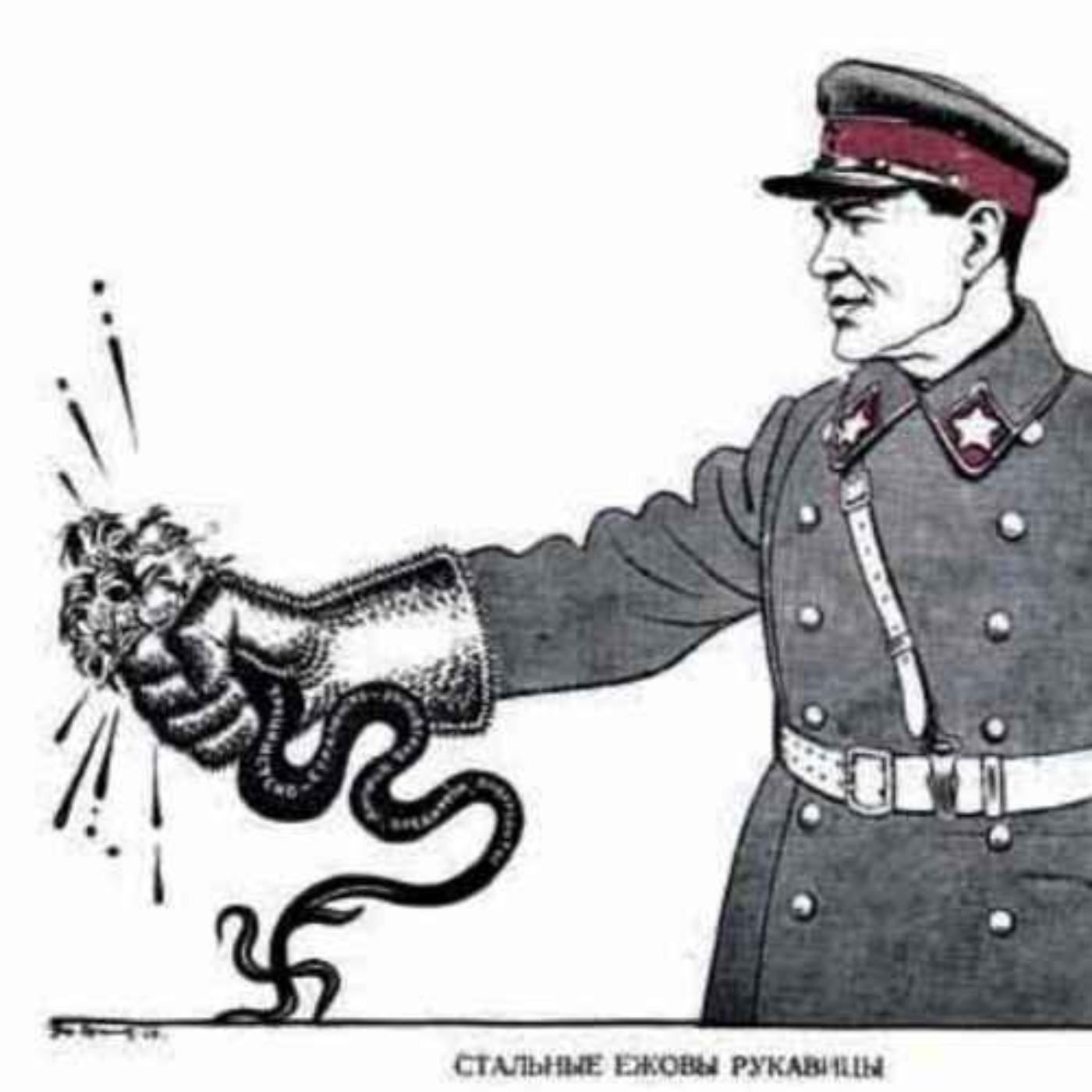
From Great Fear to the Great Terror
As frequent listeners know, my advisor and friend Arch Getty passed away from cancer a few months ago. I was recently in Los Angeles to attend his memorial. I got to catch up with fellow grad students and friends. One was James Harris, a close friend and collaborator with Arch. James is also one of the best Soviet historians around. After chatting with James, I was reminded that I interviewed him
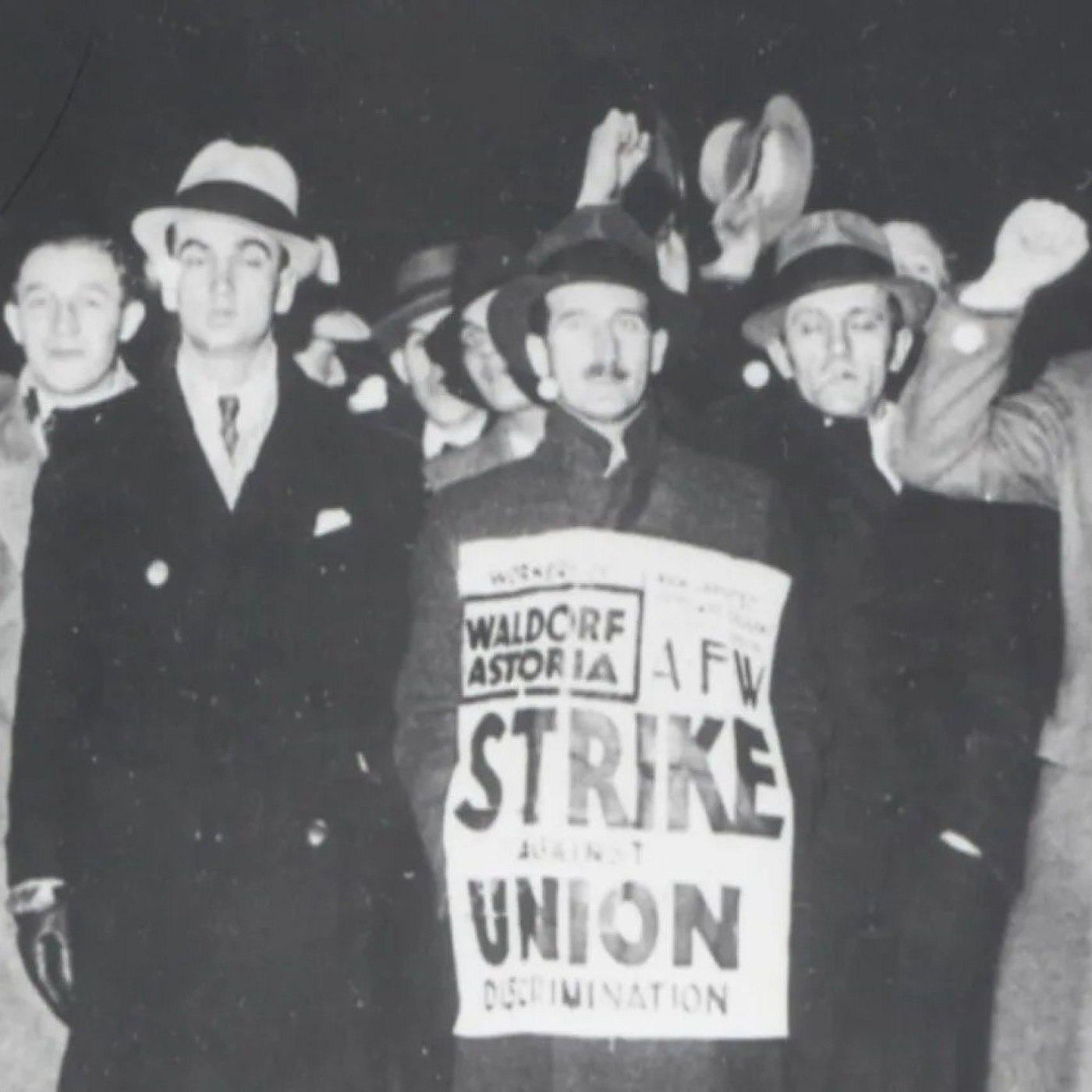
Communists and NY's Hotel Workers Union
In 1912, a strike of 18,000 restaurant and hotel workers in New York City birthed the Hotel and Restaurant Employees International, a union representing tens of thousands of Manhattan’s service workers. The union still exists today as Local 6 of the Hotel and Gaming Trades Council, AFL-CIO and remains one of the NYC strongest unions. But why is the Eurasian Knot featuring a story about an American
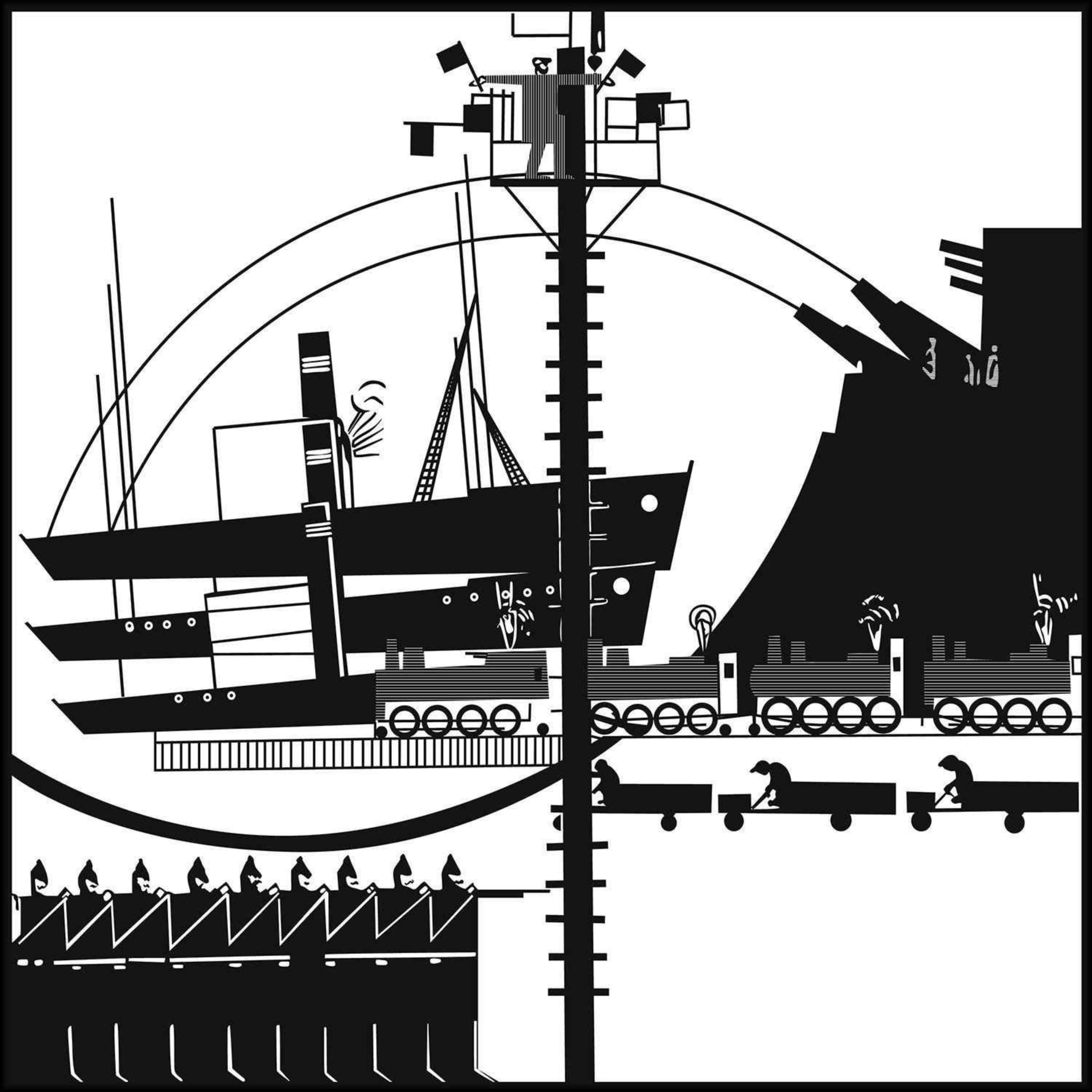
City Symphonies
What does it mean for the city to be a symphony? True, city symphonies are a silent film genre best represented by Dziga Vertov and Walter Ruttmann. These early silent films tried to capture the “sound” of the city by editing images symphonically–to give the viewer a sense of the urban soundscape. But, as Daniel Schwartz explains, early 20th century avant-garde artists broadened the city symphony
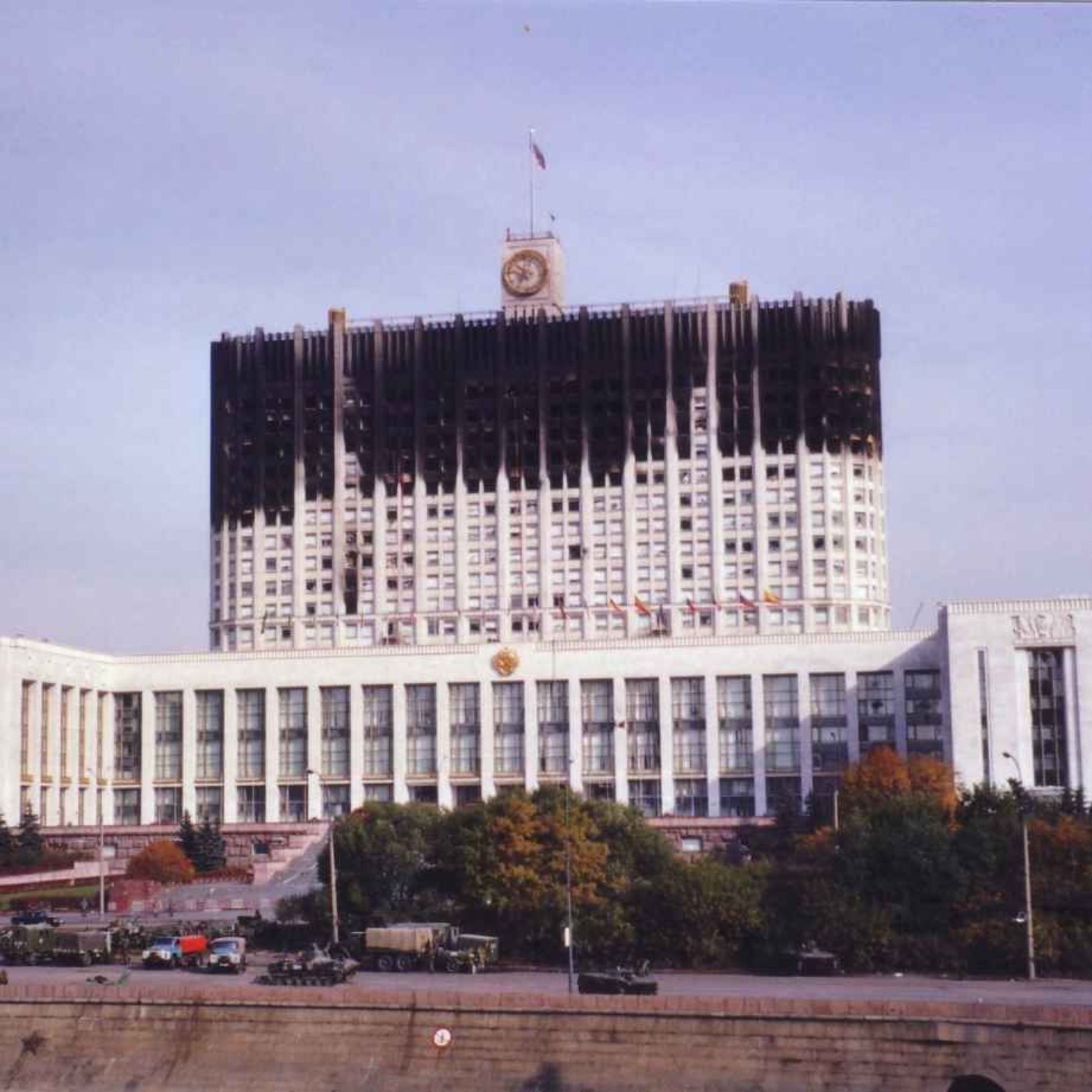
Russia's 1993 Constitutional Crisis
In early October 1993, tanks pummeled the Russian Duma in central Moscow. It was a dark mirror of just two years prior when Boris Yeltsin definitely climbed atop a tank and made history. Now, tanks were again Yeltsin’s historical instrument. Only this time, they were his. The 1993 Russian Constitutional Crisis was a turning point in the country’s post-Soviet transformation. The popular narrative w
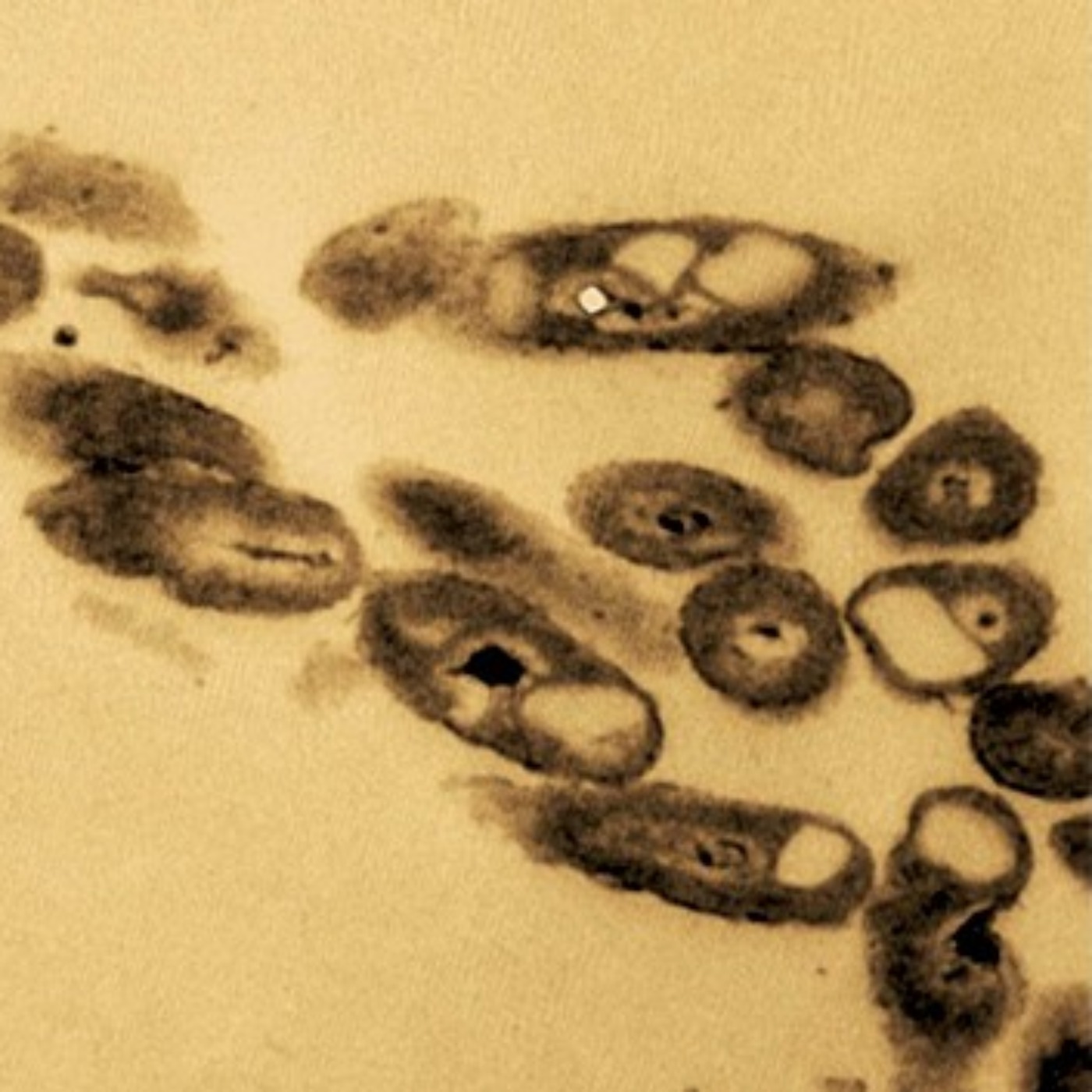
Anthropology of Oil
Yale anthropologist Doug Rogers visited Pitt back in April. The Eurasian Knot couldn’t resist pulling him into the studio. Doug was one of the earliest guests on the show. So it was about time to reconnect and have a wide ranging conversation about his work on oil and corporations in Russia. Now he’s looking into experiments with hydrocarbonoclastic bacteria–germs that eat oil. We survey Doug’s ca
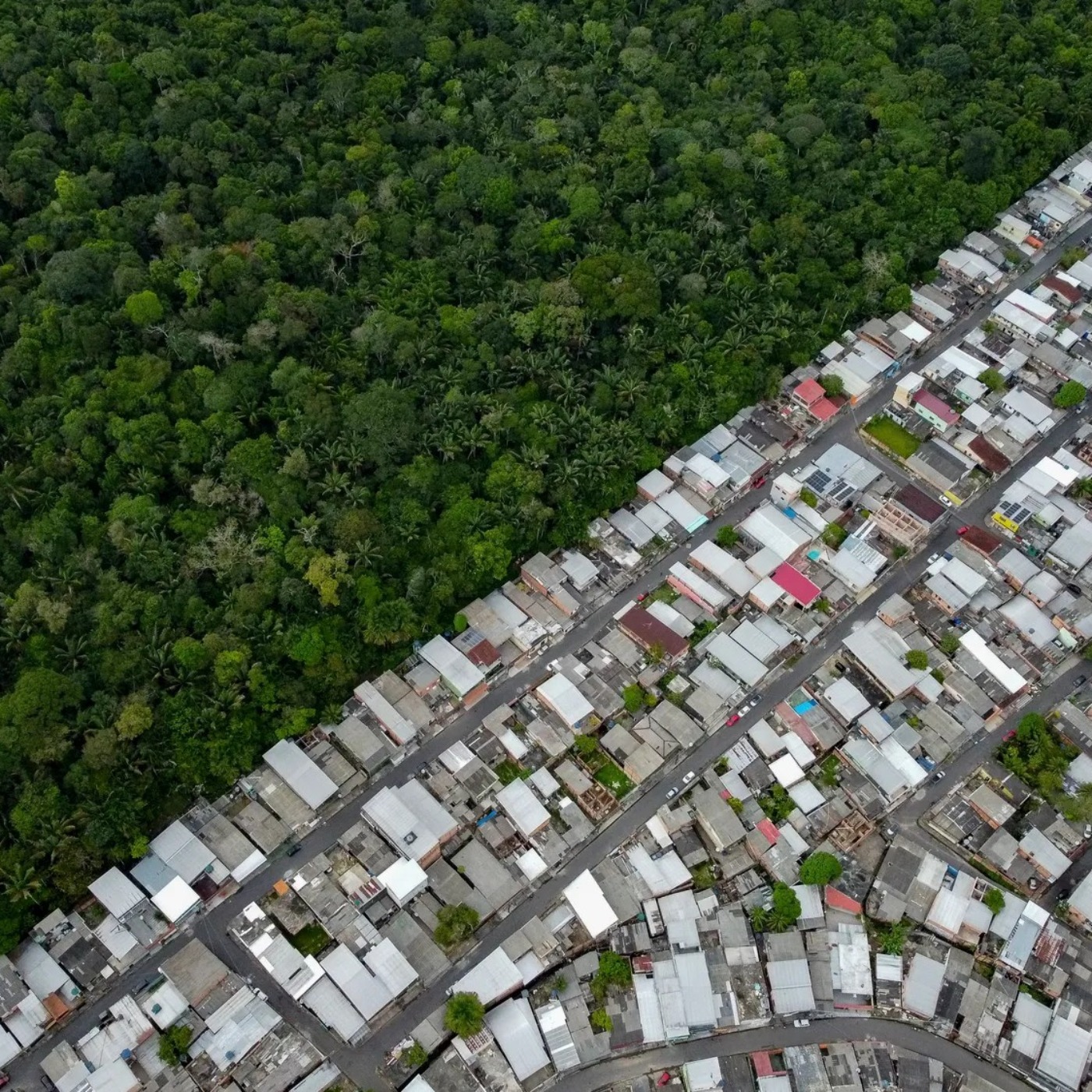
Green Cities in the USSR and Brazil
What makes a happy city? That is, what makes a city livable and responsive to humans’ physical, emotional and cultural needs? Over the last century, city planners have turned to the maintenance of green spaces within urban jungles to address these issues. In this final event for Pitt REEES’ Eurasian Environments series, the Eurasian Knot paired Maria Taylor and Roberta Mendonca De Carvalho to disc
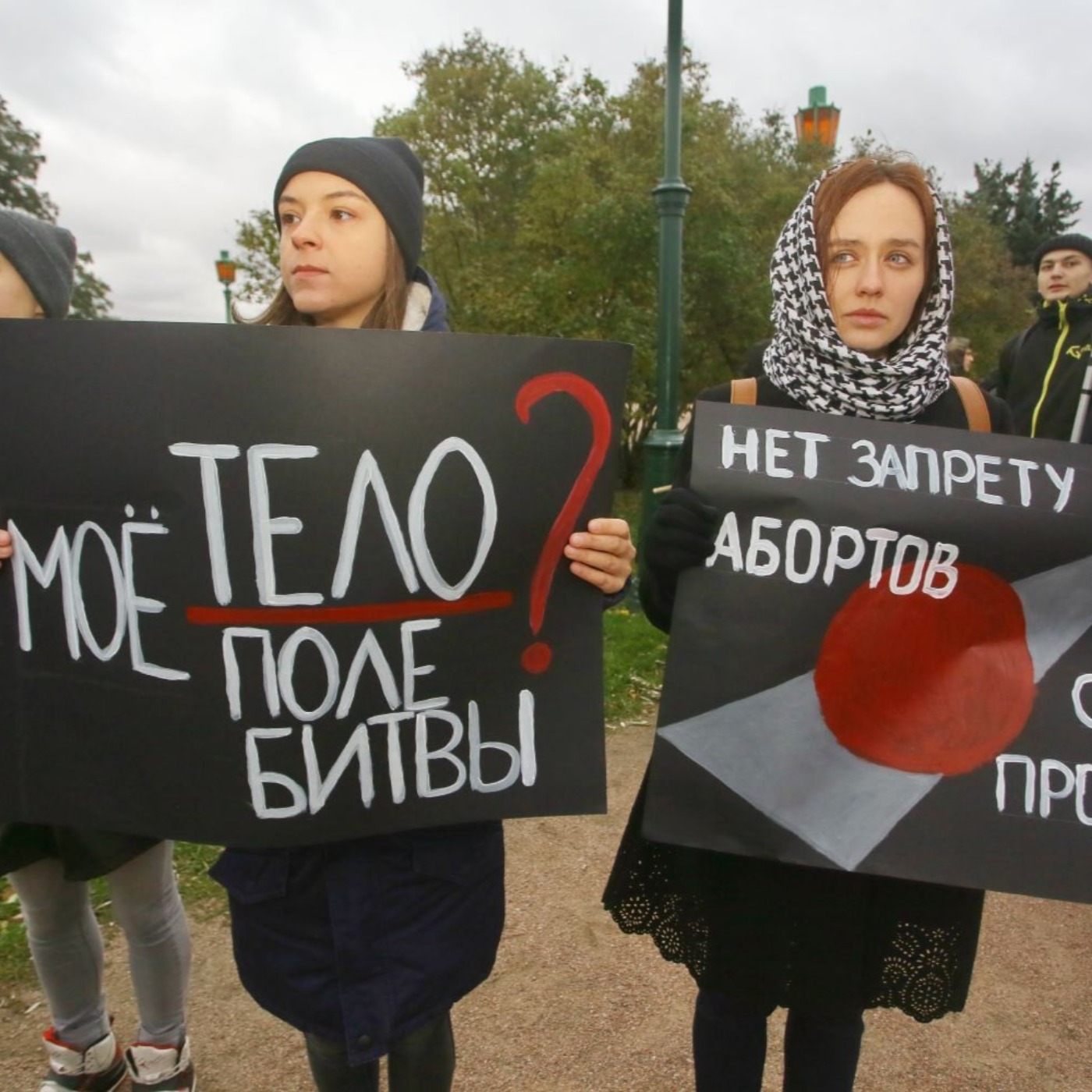
Abortion (Bio)politics in Russia
In the waning decades of the Soviet Union, abortion was the main form of birth control. For example, official statistics from the late 1970s report that there were 250-270 abortions per 100 live births. It’s an astounding number. It points to a key paradox of state socialism and reproductive health: Abortion in the USSR was widely available, but mainly because the state couldn’t provide basic cont
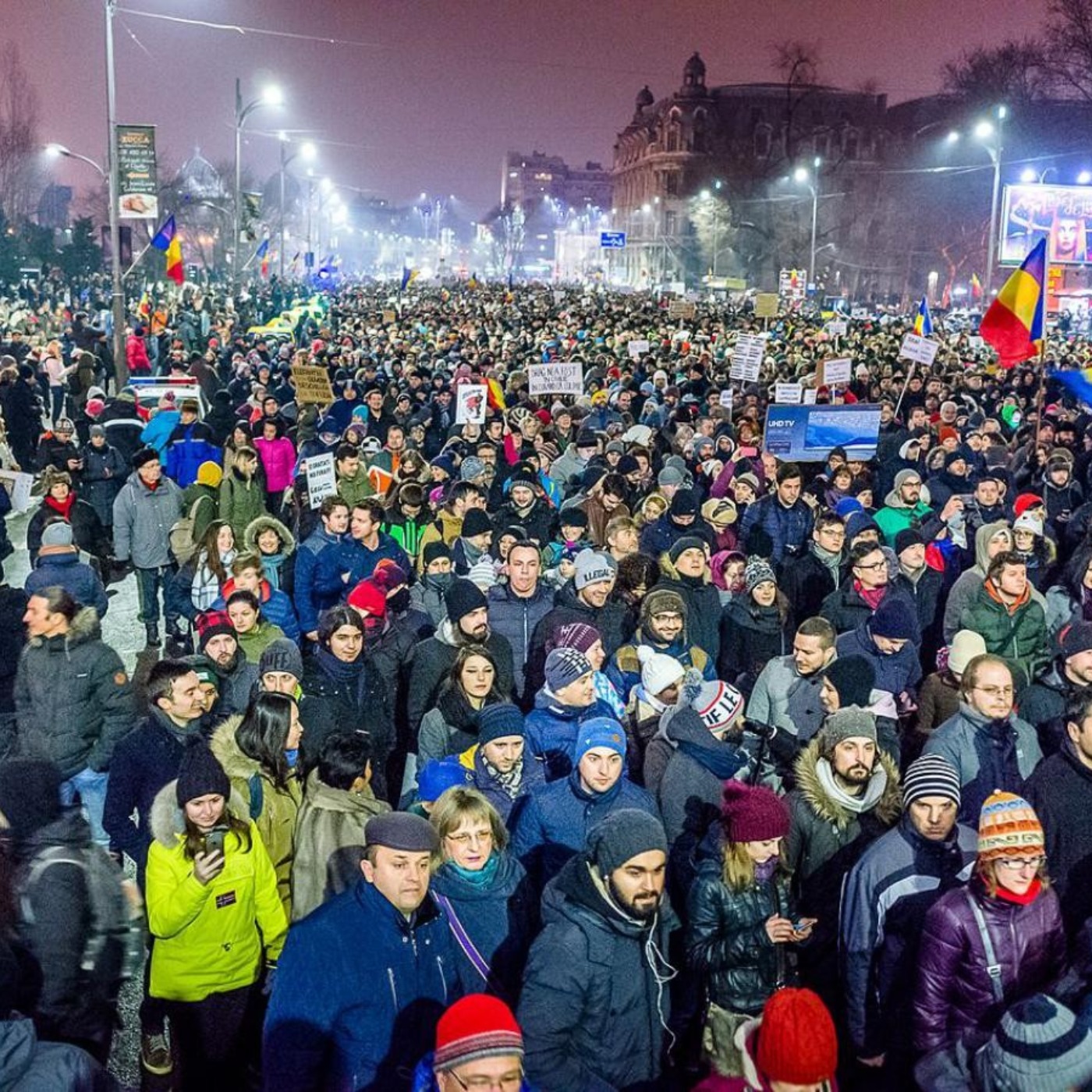
Romanian Presidential Elections
On May 17, the centrist, pro-EU Nicusor Dan narrowly defeated George Simion, a far-right populist, in Romania’s Presidential Election. The bout was the latest in a string of contests that stoked fears for European liberal democracy, the rise of right-wing populism, and Russian meddling. Media inside and outside Romania leaned into the danger a Simion victory posed, and with Dan’s victory, how Roma
Remembering J. Arch Getty
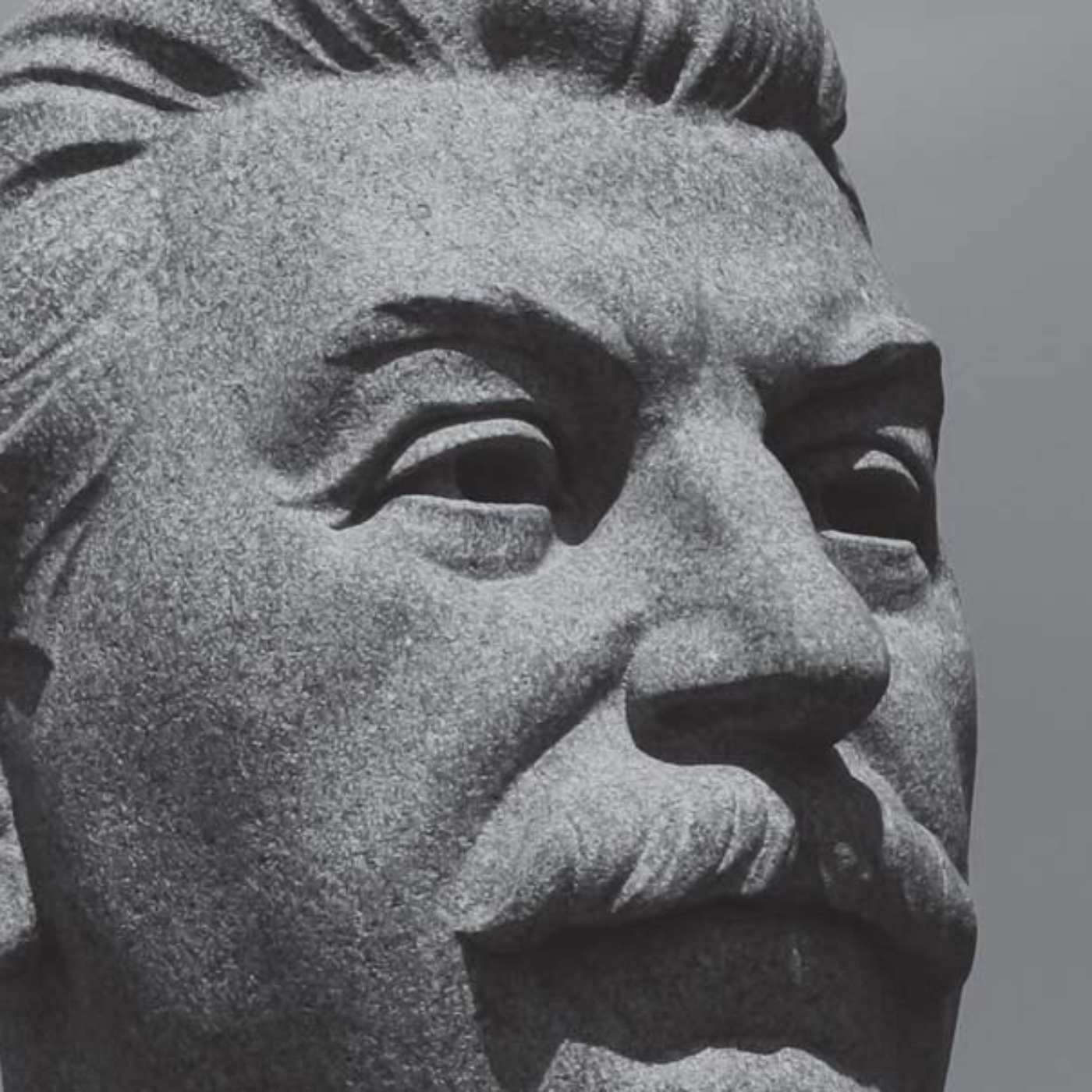
Last week, our friend, mentor, teacher, and comrade, J. Arch Getty, died from his battle with lung cancer. As a way to remember him, here’s an interview I did with Arch in 2017 about his career and scholarship.Guest:J. Arch Getty was a Professor Emeritus of History at the University of California, Los Angeles. Books discussed in this interview:Origins of the Great Purges: The Soviet Communist
Muslim Refugees in the Ottoman Empire
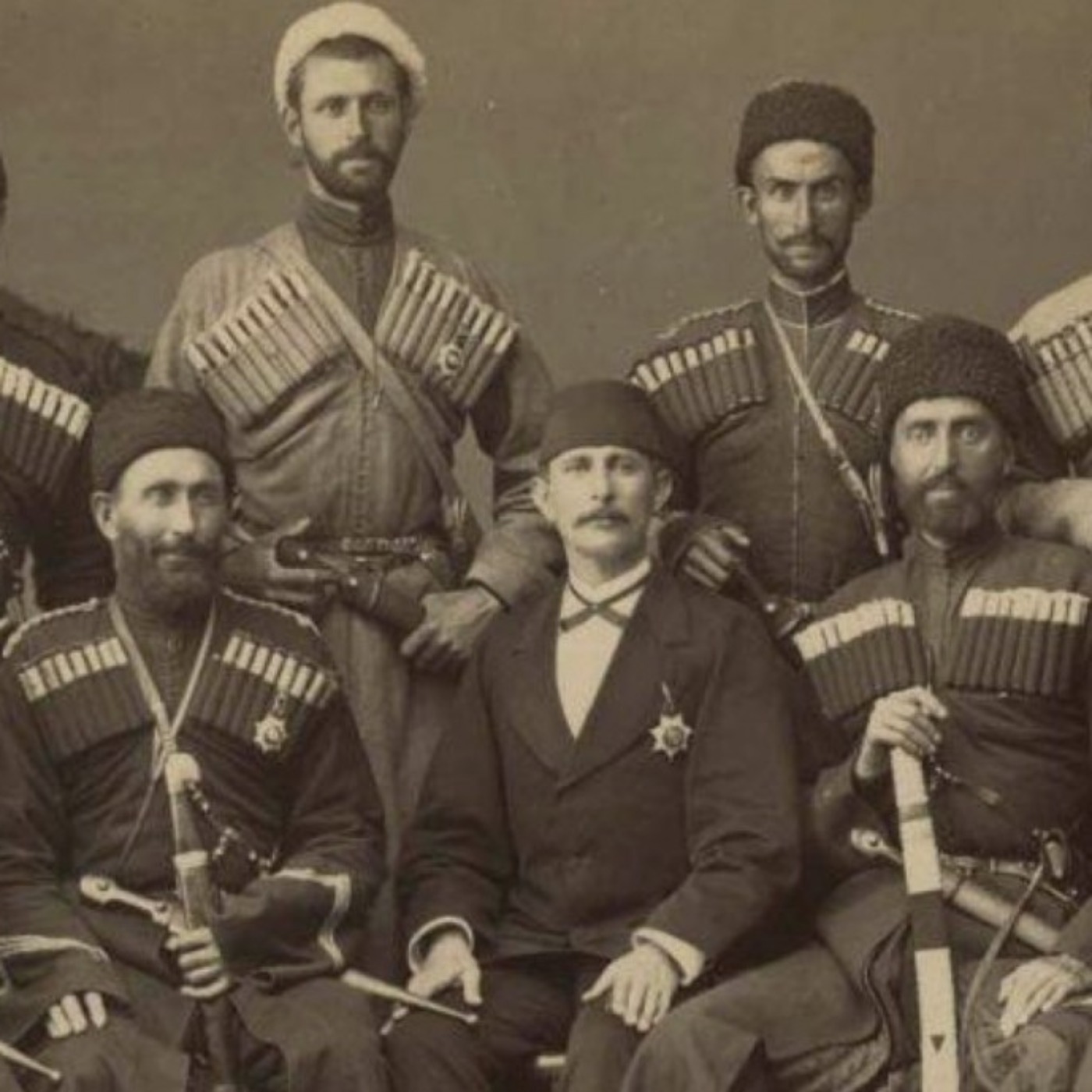
Between the 1850s and World War I, about one million North Caucasian Muslims fled to the Ottoman Empire. Some, like the Circassians, ran from a Russian perpetrated genocide. Others, like Chechens, Dagestanis, and others the violence of Russian colonization. Obligated by faith to take these refugees, the Ottoman Empire scattered them throughout the Ottoman Balkans, Anatolia, and the Levant, in many
Migration and Climate Change
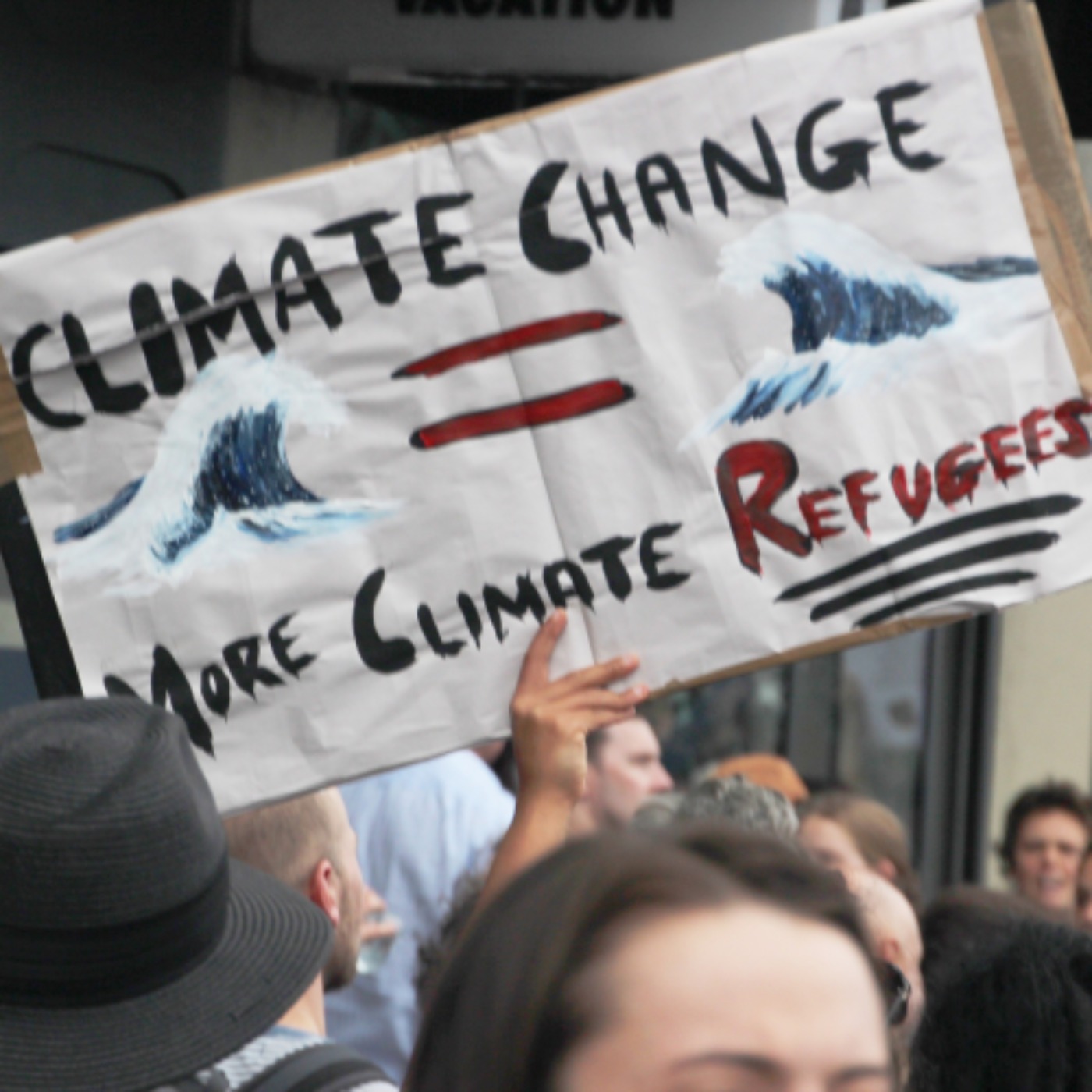
Few migrants report climate change as a specific push to leave their home. Climate change is more an extra add-on to existing precarity. According to the World Bank, extreme weather, rising sea levels, violence, and resource scarcity will drive 216 million people to seek refuge by 2050. There’s even a buzzword for it: “climigration.” How and why do people move? To what extent is “migration” a busi
Birobidzhan
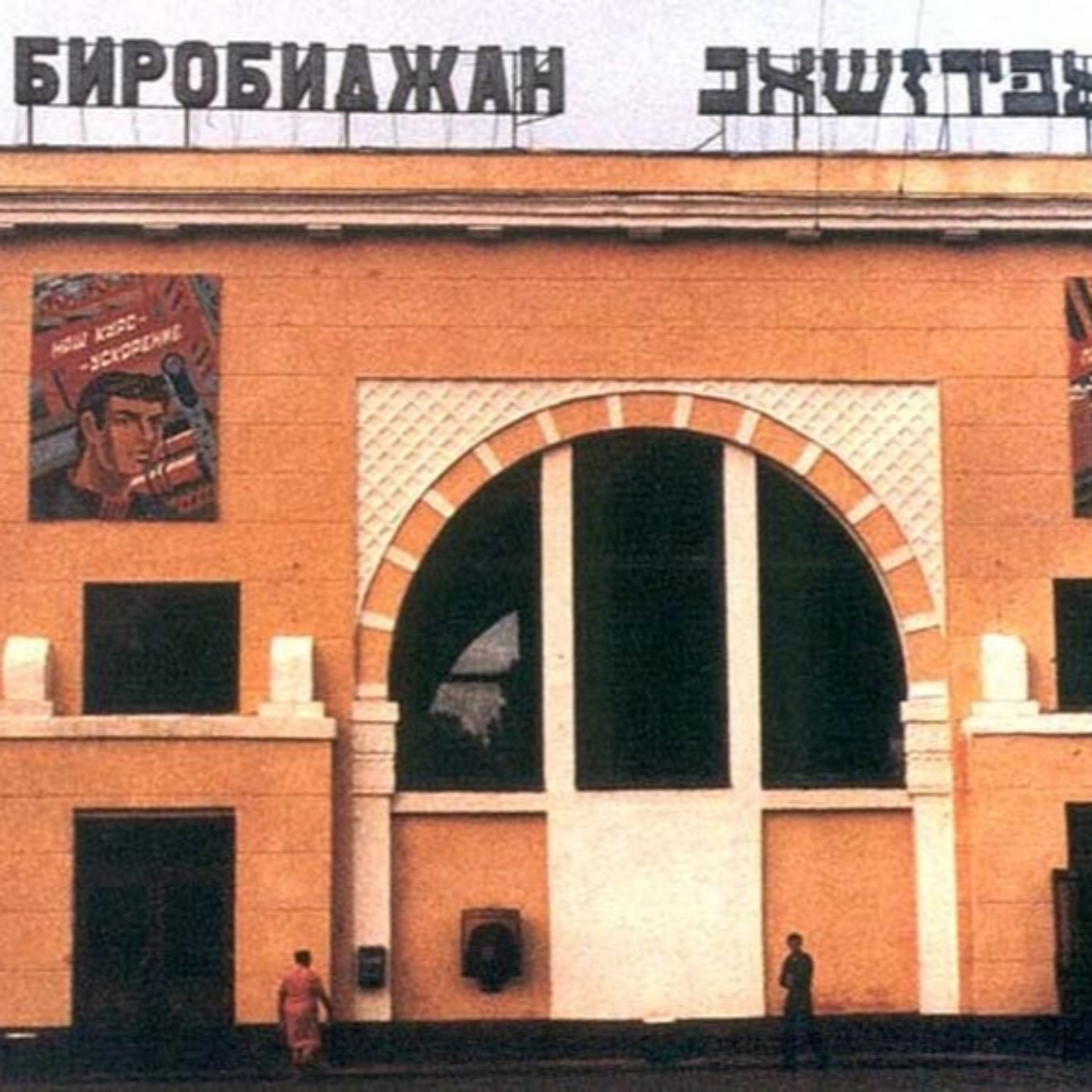
Jews presented a particular national problem in the Soviet Union. Though seen as one of the many oppressed minorities in the Russian Empire, there were also a people without a national territory. The lack of Jewish “homeland” in the Soviet Union posed a theoretical problem as well. As Stalin declared, “a common territory is one of the characteristic features of a nation.” How then can Jews be a na
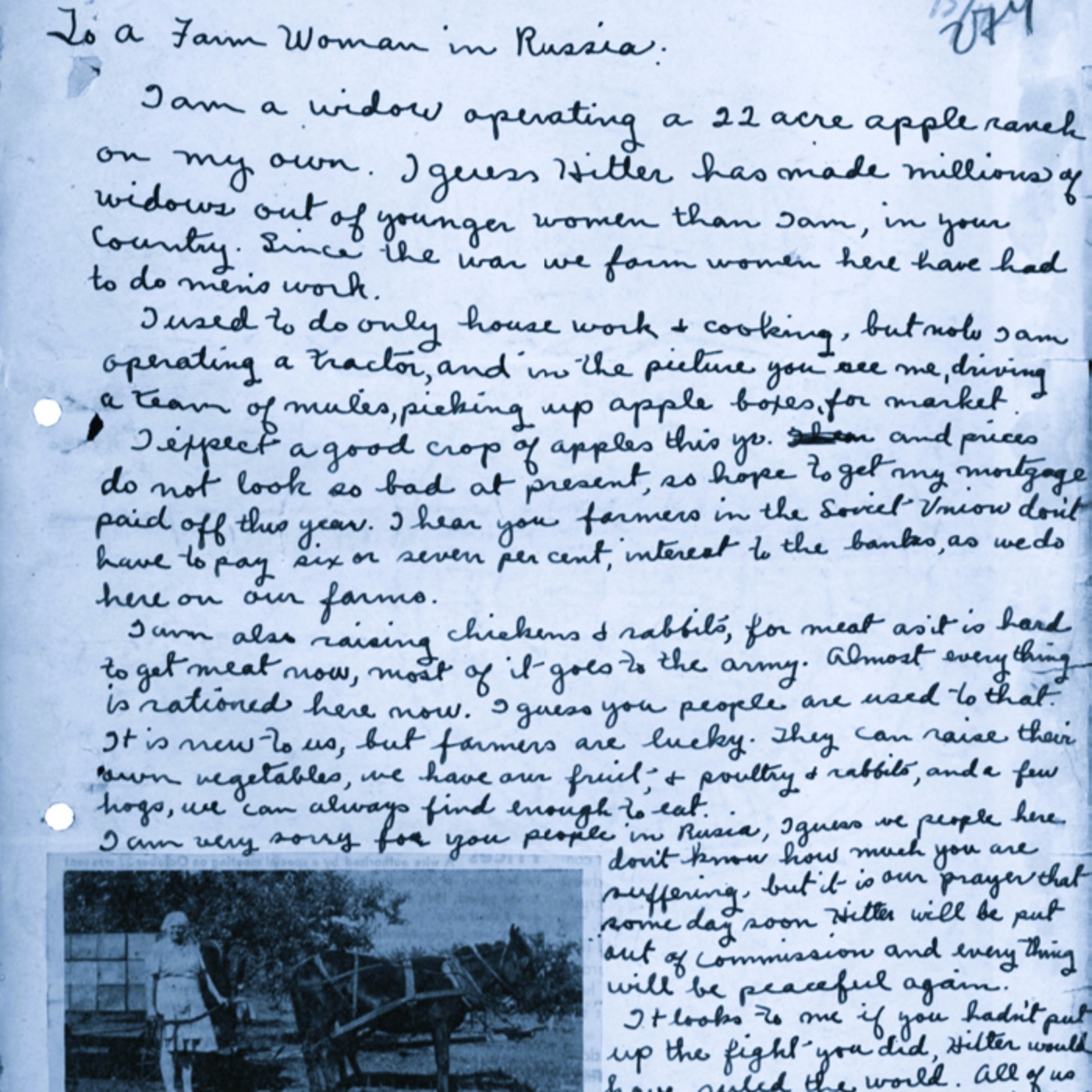
Cold War Pen Pals
During WWII, the Soviet Women’s Antifascist Committee started an experiment–a pen pal campaign with American women to promote the friendship between the United States and the USSR. The program began with fits and starts but eventually gained traction. So much so it continued into the early Cold War even as relations between the two countries quickly soured. Authorities on both sides considered the

Ukraine in the Global Food System
Did you know that Ukraine is the fourth largest corn exporter globally? This is not the beginning of a Soviet joke. . . Ukraine plays a crucial role on the world food market. About sixty percent of its exports are agricultural products with destinations in Europe, Asia, and Africa. Ukraine also accounts for around one-sixth of the world wheat and barley markets and a staggering half of the world’s
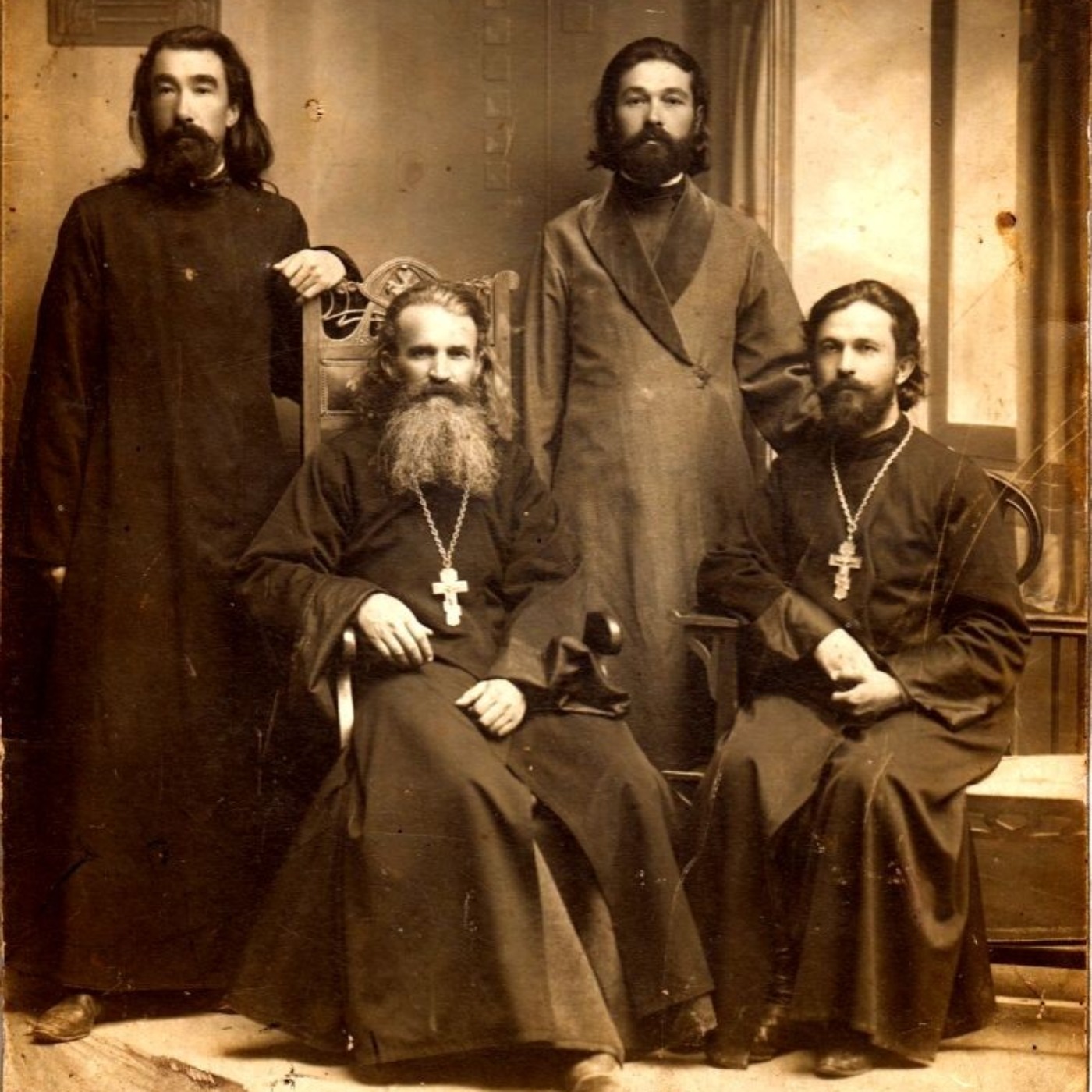
Orthodoxy's Social Gospel
In his memoir of life as a parish Orthodox priest in the 19th century, I. S. Belliustin wrote that the clergy was “humiliated, oppressed, downtrodden, they themselves have already lost consciousness of their own significance.” This is just one of several damning portraits Belliustin paints of his fellow holymen and the flock they tended. It’s an image that stuck, even among historians. But Da
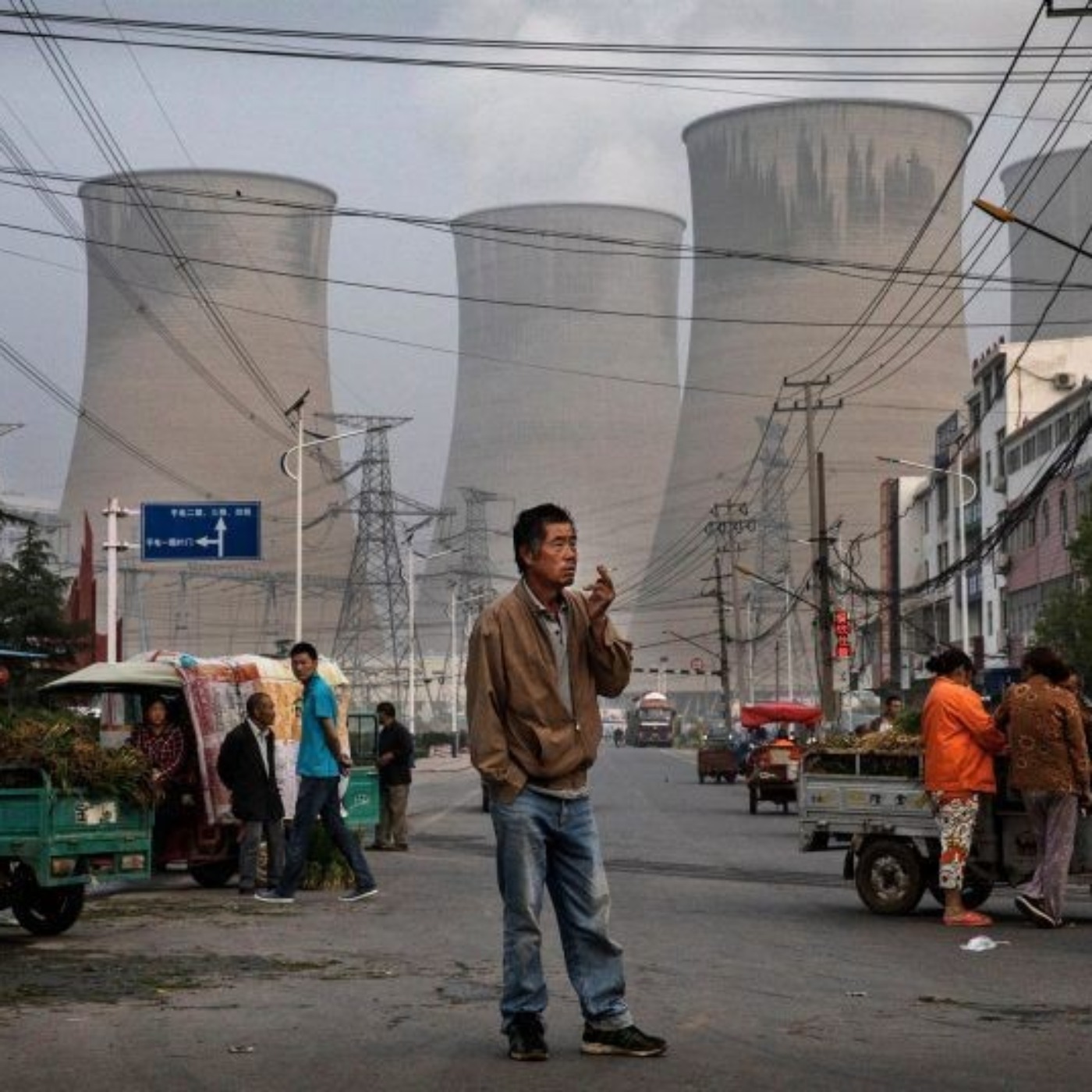
Kicking the Hydrocarbon Habit
One daunting challenge to addressing climate change is to kick our addiction to hydrocarbons. But this is easier said than done. Hydrocarbons remain the fuel of modernity. And a transition to renewable energy requires massive state intervention. How do we get from our carbon-based present to a green future? Especially in regions like Eastern Europe and Chin, that still rely heavily on oil, gas and
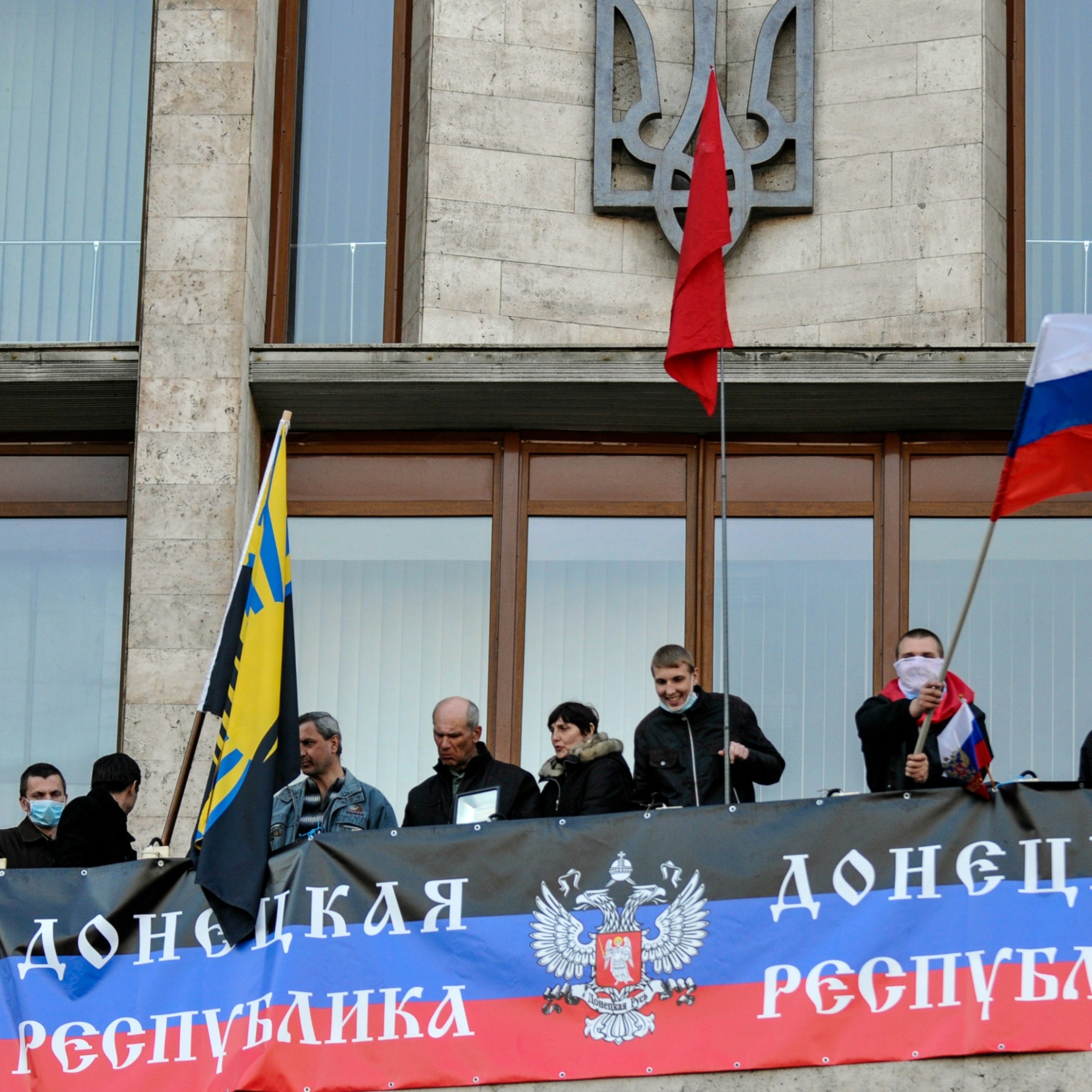
Seizing the Donbas
In 2014, in the wake of the Maidan in Kyiv and Russia’s annexation of Crimea, small groups of Russian-backed militias began seizing towns in the Donbas. The militias quickly declared the creation of two independent republics, the Donbas People’s Republic (DNR) and the Luhansk People’s Republic (LNR). How did this happen? And so quickly? Was it all the work of Russian agents? Or was there some loca
Soviet Modernity
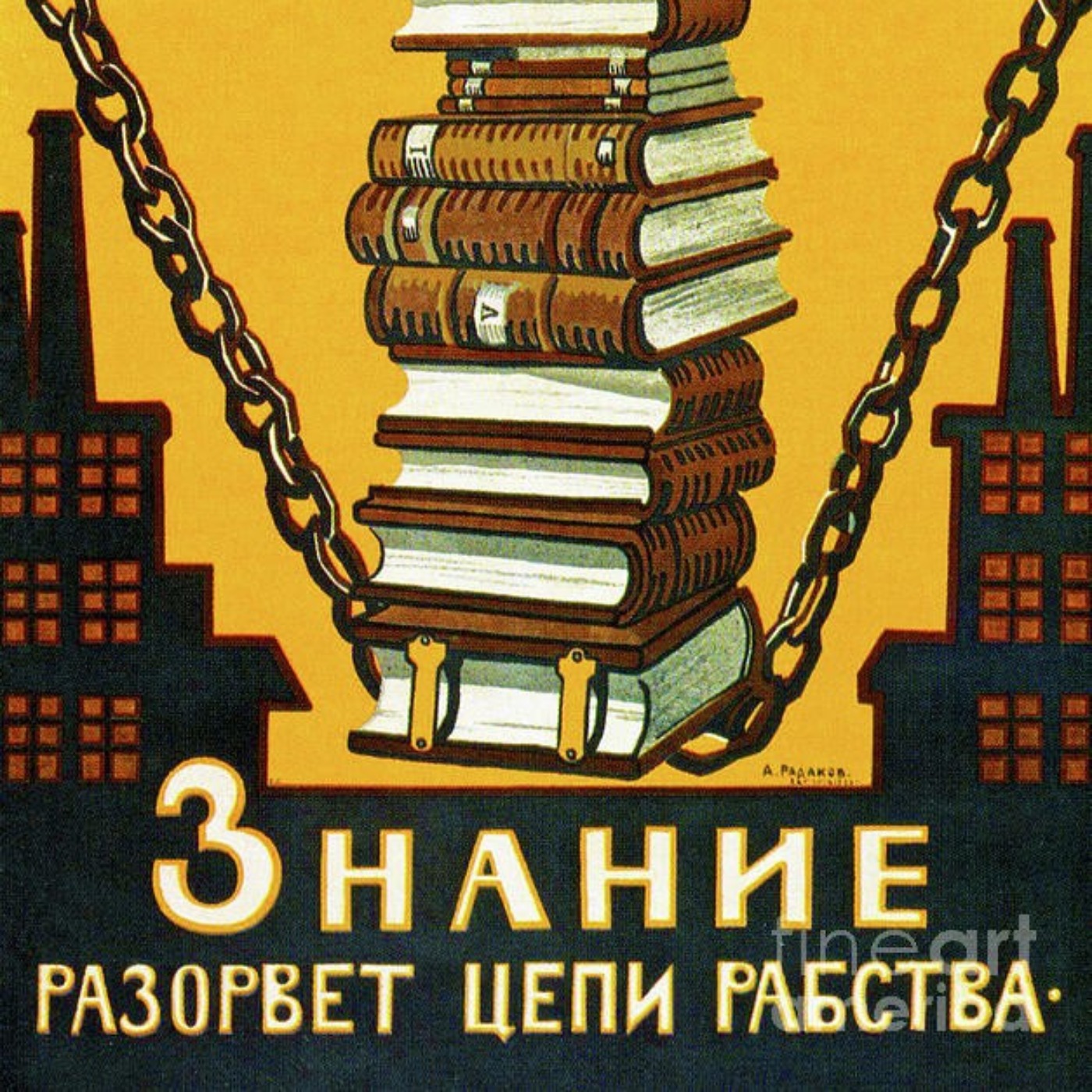
Crucibles of Power: Smolensk under Stalinist and Nazi Rule Showcasing the Great Experiment: Cultural Diplomacy and Western Visitors to the Soviet Union, 1921-1941Crossing Borders: Modernity, Ideology, and Culture in Russia and the Soviet UnionMichael David-Fox began writing Soviet history in a dynamic period. The Soviet Union had just collapsed, archives were flung wide open, and scholars beg
Terror and Democracy in the Soviet Union
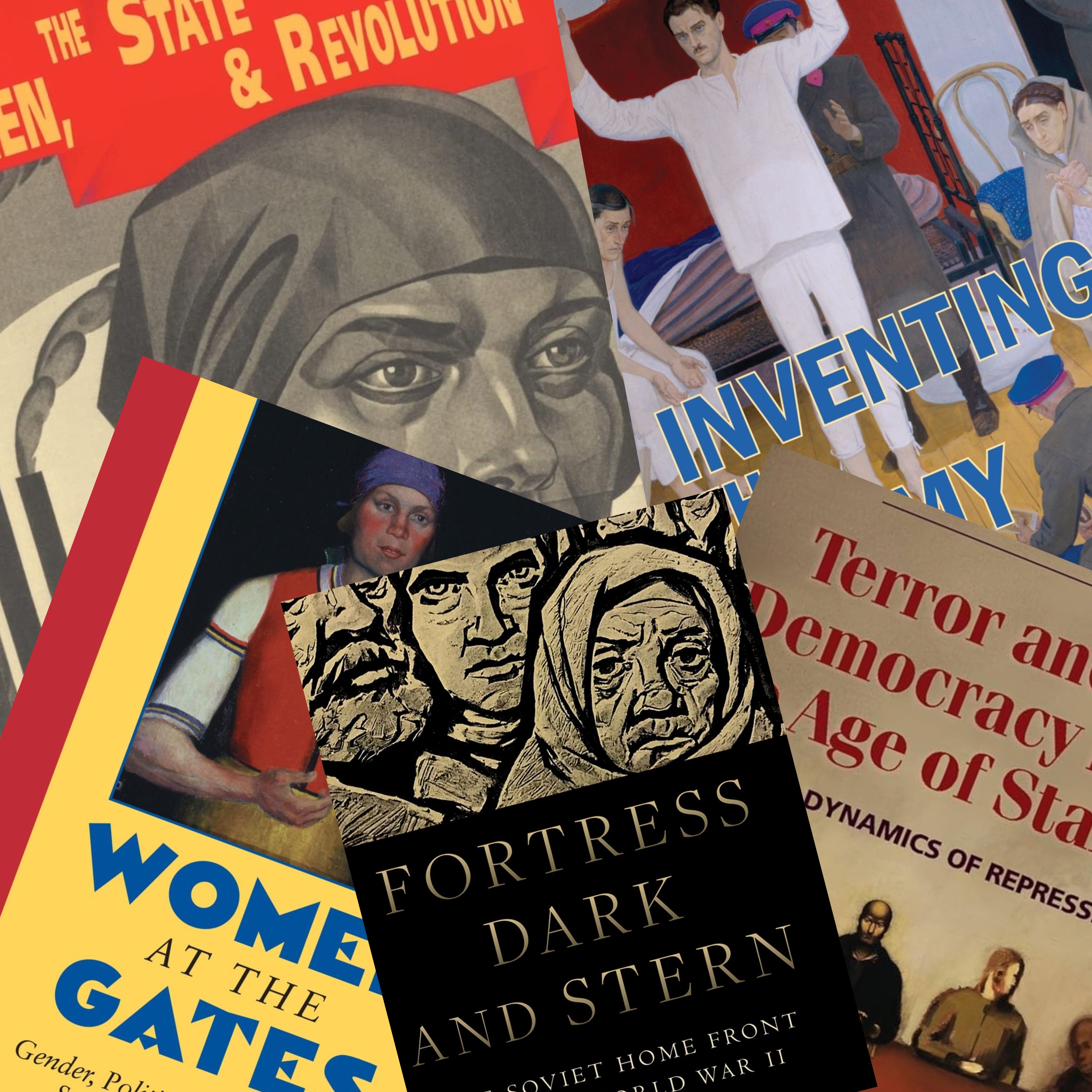
Wendy Goldman has researched and written about the Soviet Union for almost 40 years. And her topics have been wide ranging– women, feminism, revolution, labor, political violence, war and survival. But if there is one throughline in her work, it is social history. Goldman is primarily concerned with the experience of working people. Their life worlds. Their trials and tribulations. Their agency in
Withering Water in Central Asia and East Africa
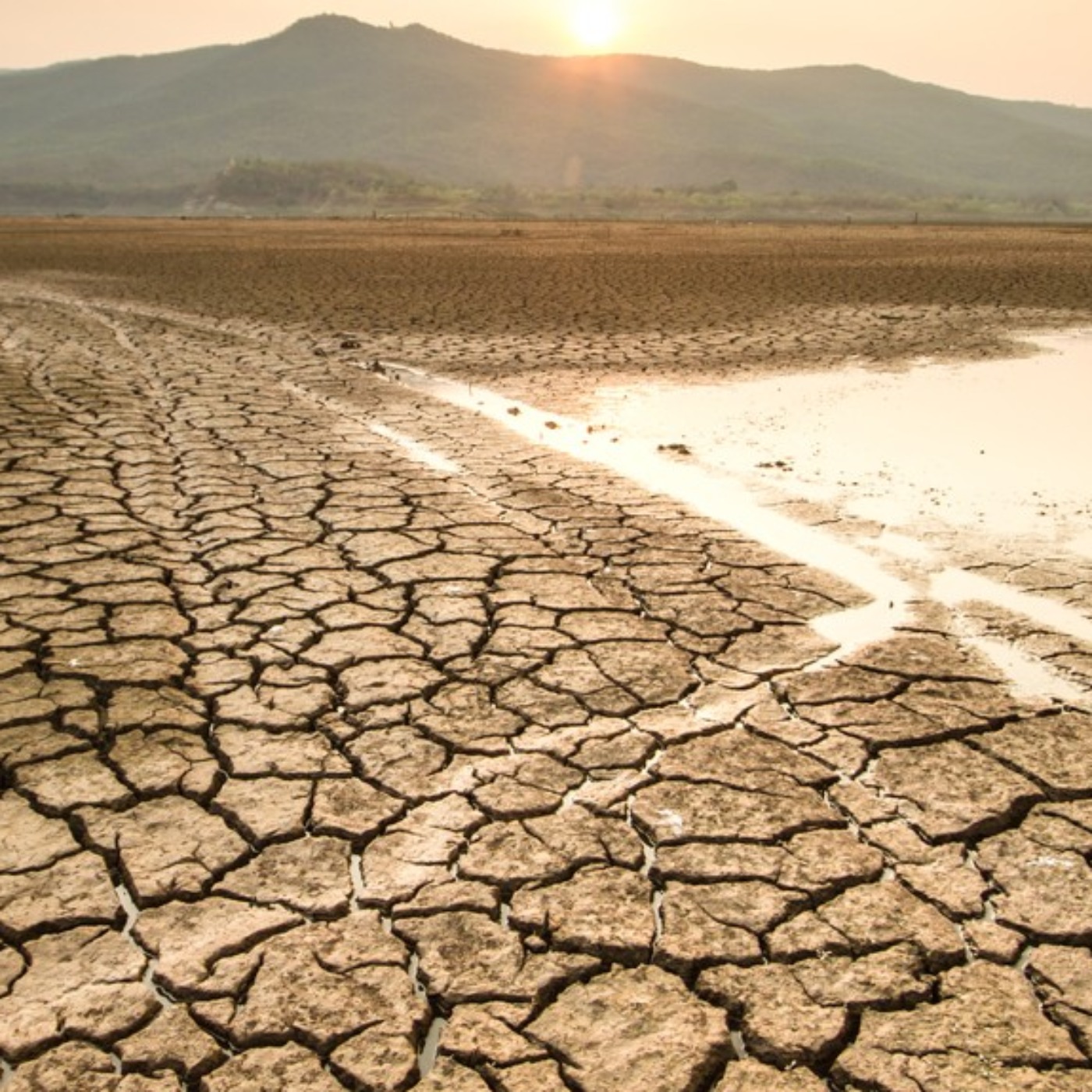
Water is life. A cliché and undeniable reality. So, what happens when climate change imperils water access? This episode, the second in our Eurasian Environments series, features a discussion with Sarah Cameron and Enda Wangui on water in two far flung regions—the Aral Sea and East Africa. How does the increasing scarcity of water impact these two arid climates? Cameron and Wangui address the envi
Climate Change and Authoritarianism
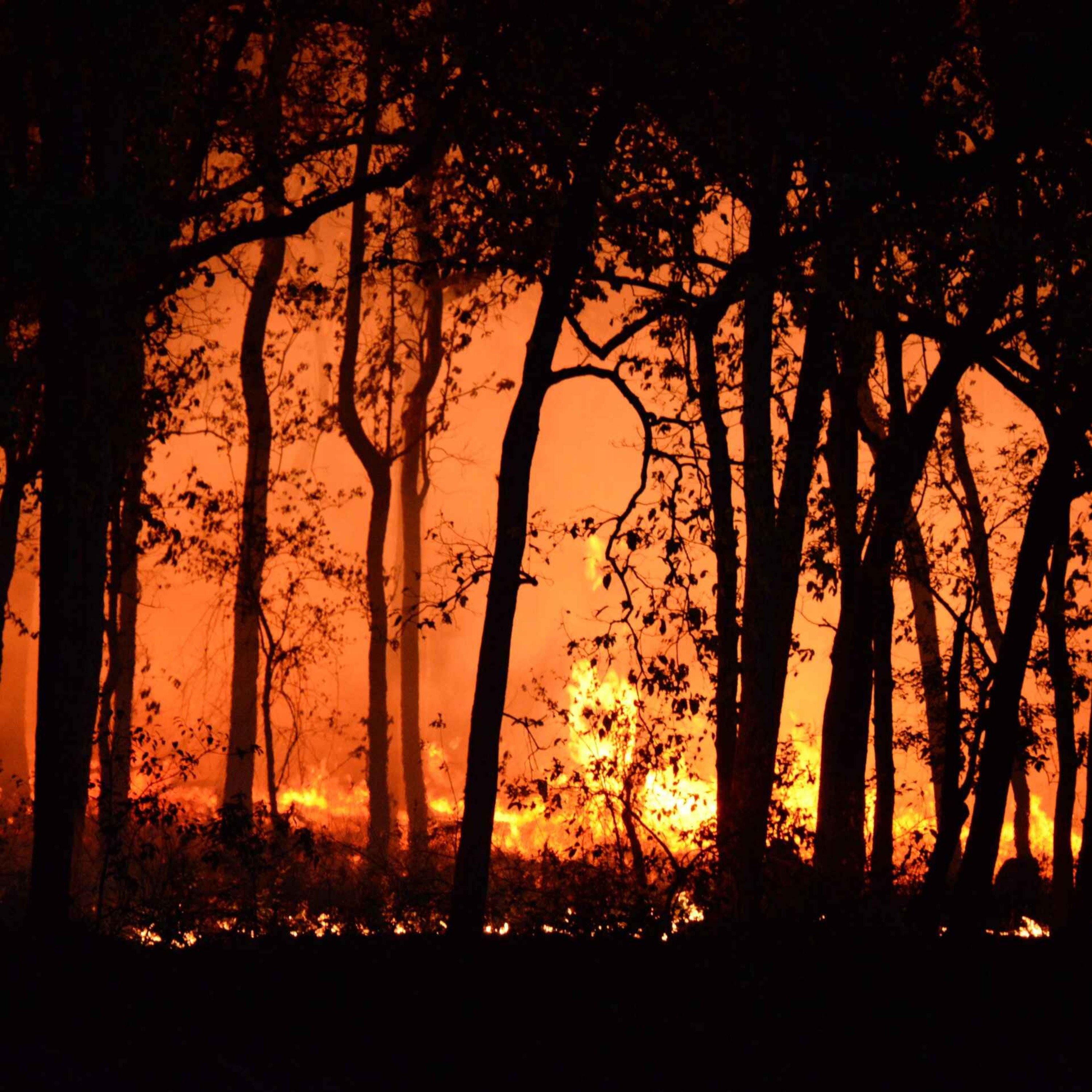
Debates about climate change and what to do about it occur a perilous political climate. It’s a problem that requires international cooperation. But elected politicians increasingly deny climate change, break global agreements, turn inward, and embrace authoritarianism. It’s a situation that both Eve Darian-Smith and Boris Schneider know well. Darian-Smith has written about the right-wing politica
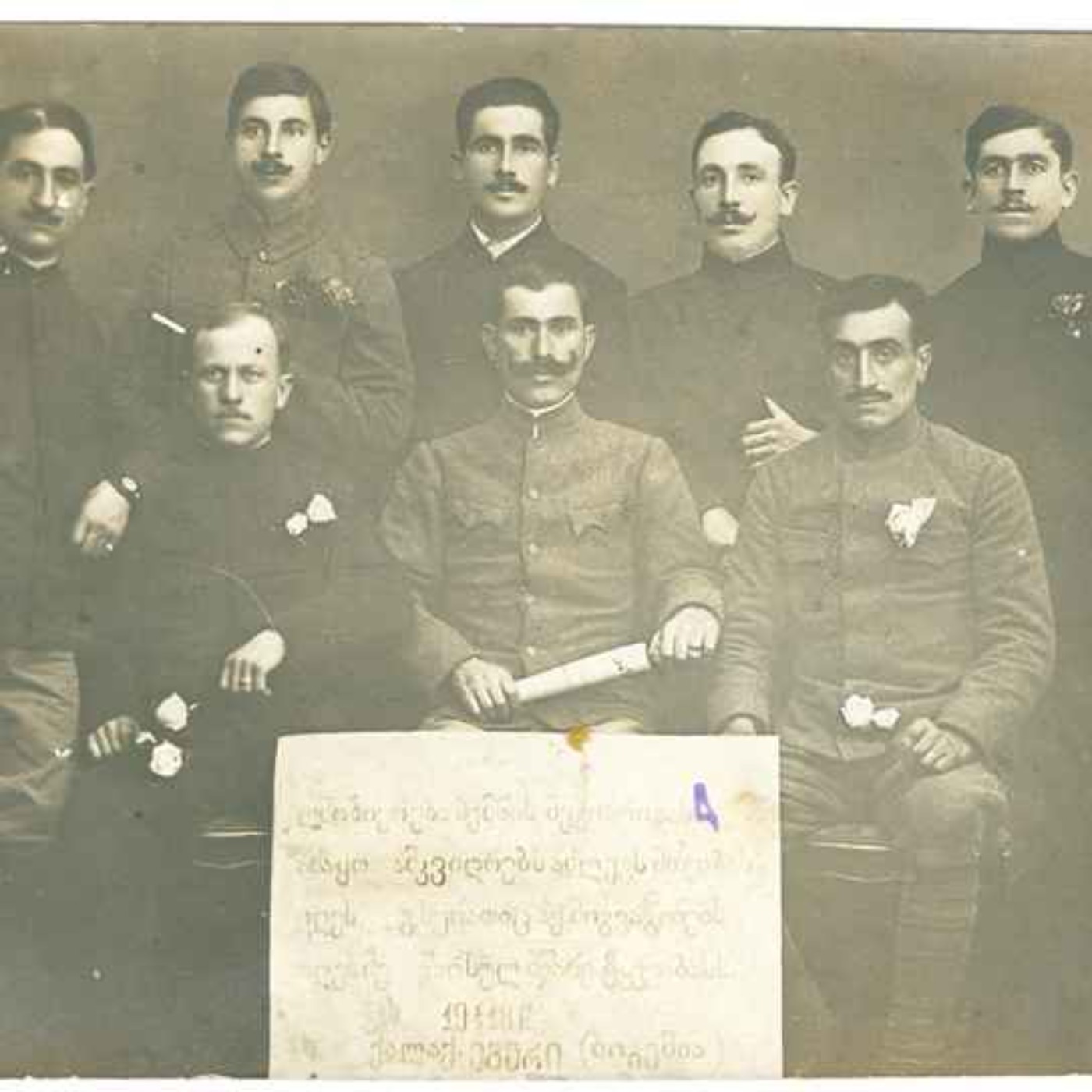
Recording Georgians in WWI POW Camps
In 1916, the German anthropologist Rudolf Pöch and musicologist Robert Lach set out to the Eger prisoner of war camp with a unique research agenda: to record the language and folk songs of Georgian prisoners from the Russian Empire. The recording equipment was clunky and its recordings scratchy and faint. Nevertheless, Pöch and Lach were doing some innovative recordings, not just in terms of their
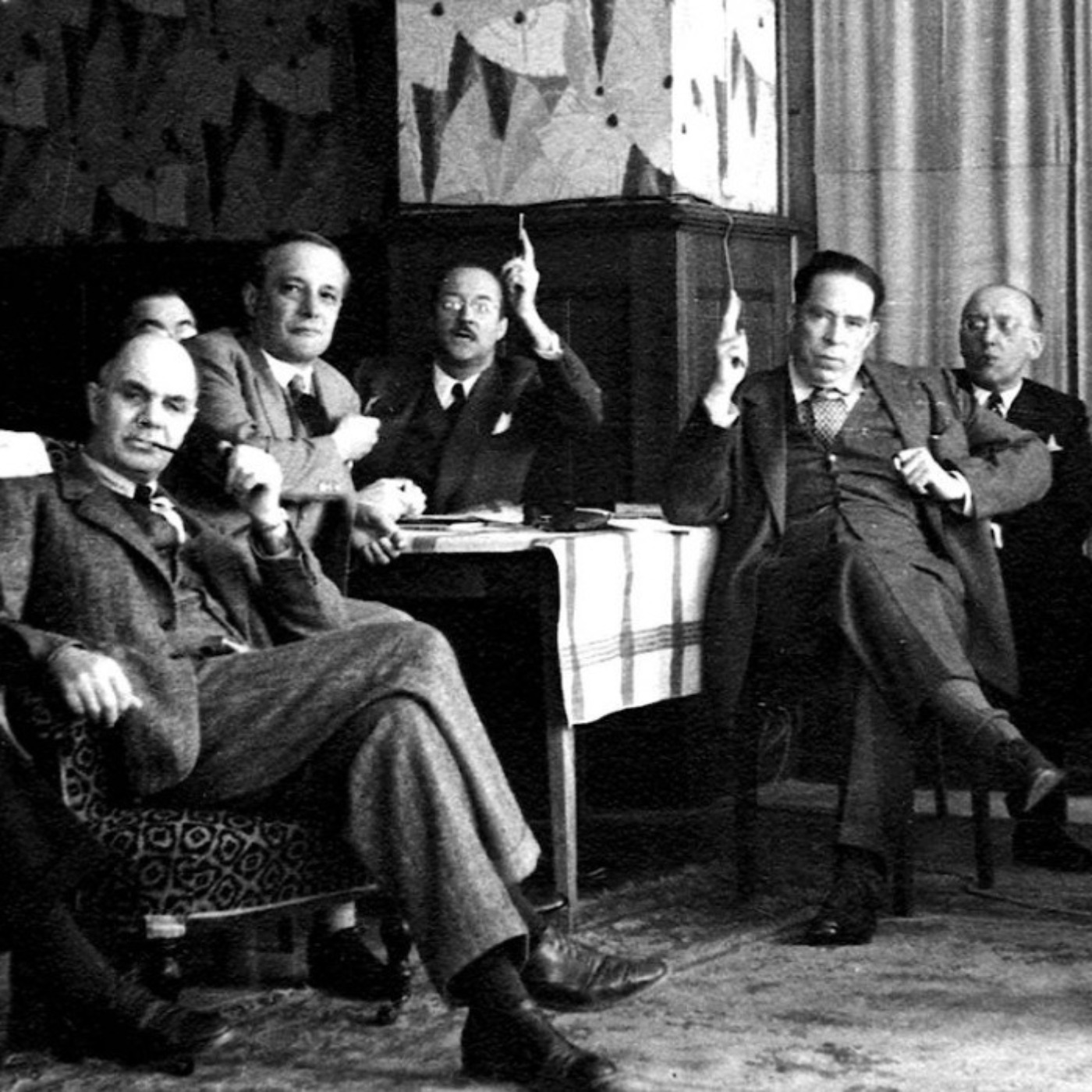
Intellectual Roots of Neoliberalism
Neoliberalism has so many meanings that some say it has no meaning. Nailing down a consensus is also hampered by the fact that no one calls themselves a “neoliberal.” There’s even calls to abandon the term altogether since it’s become more a slur than doctrine needing analysis. Enter Max Trecker. He took the debate over neoliberalism as an opportunity to investigate its intellectual origins in the
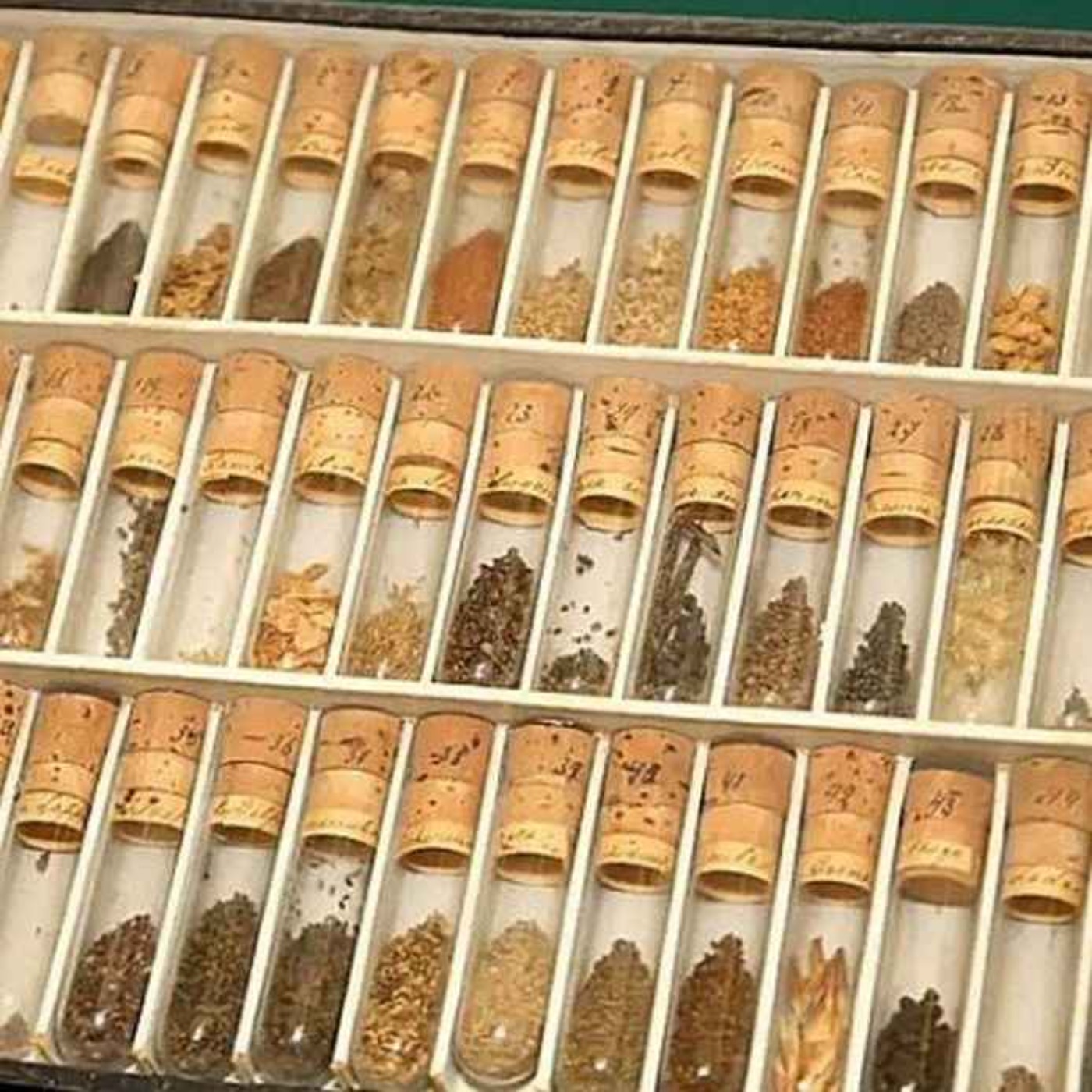
Saving Seeds During the Siege of Leningrad
In 1941, as Nazi forces laid siege to Leningrad, a group of Soviet botanists faced an unthinkable choice: eat their life’s work, a rare seed bank, or starve to death. This is the dilemma at the heart of Simon Parkin’s story about the world's first seed bank and its dedicated botanists. At the heart of this tale is Nikolai Vavilov, a brilliant botanist who traveled five continents collecting specim
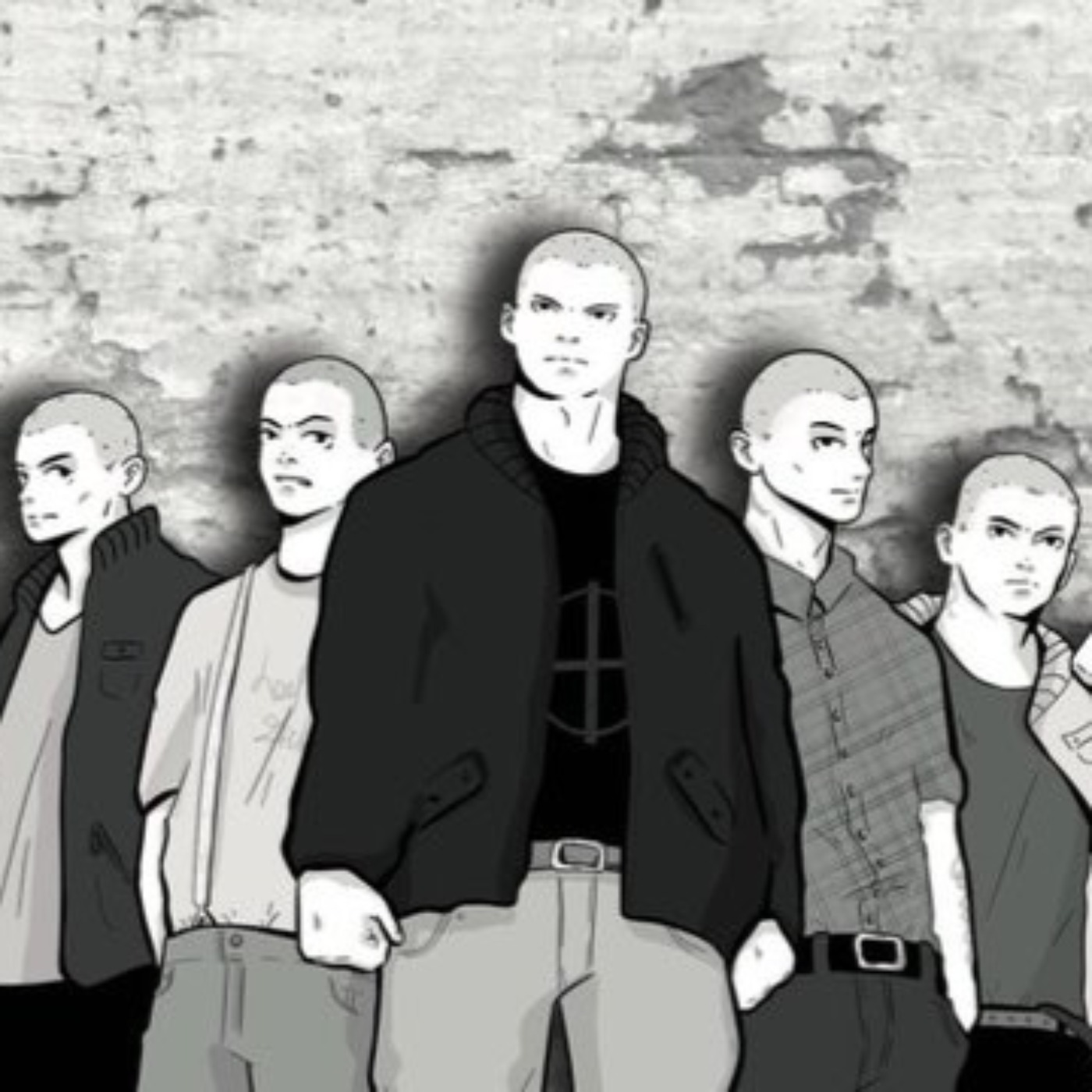
Russian Antifa vs Neo-Nazis
Vladimir Kozlov’s new book Shramy (Scars) explores street battles between anti-fascists and neo-Nazi skinheads in Moscow during the late 2000s. Kozlov is no stranger to these subcultures. He’s long been involved in Russian punk. And though he never participated in these street battles himself, his failed attempt to make a documentary about Antifa for Russian television gave him an inside look at t
Recommended
Dark Night Tales with Brian King

Fantasy Flex

زن بودن

Medicine with Meaning

Yours Truly Johnny Dollar Collection

Take Back Your Health®
CBS Radio Mystery Theater | Old Time Radio
Solved Murders - True Crime Stories
紐約鳥|New York Aperture
The Swerve Podcast: Obscure Topics | Conspiracy Theories

The Bread and Banter Podcast
The Church of What's Happening Now: The New Testament
