The New Biology
The New Biology features long-form discussions with historians, technologists, and scientists who are working on some of the biggest ideas in biotechnology, from magnet-controlled medicines to virtual cells. Supported by Astera Institute.
Episodes
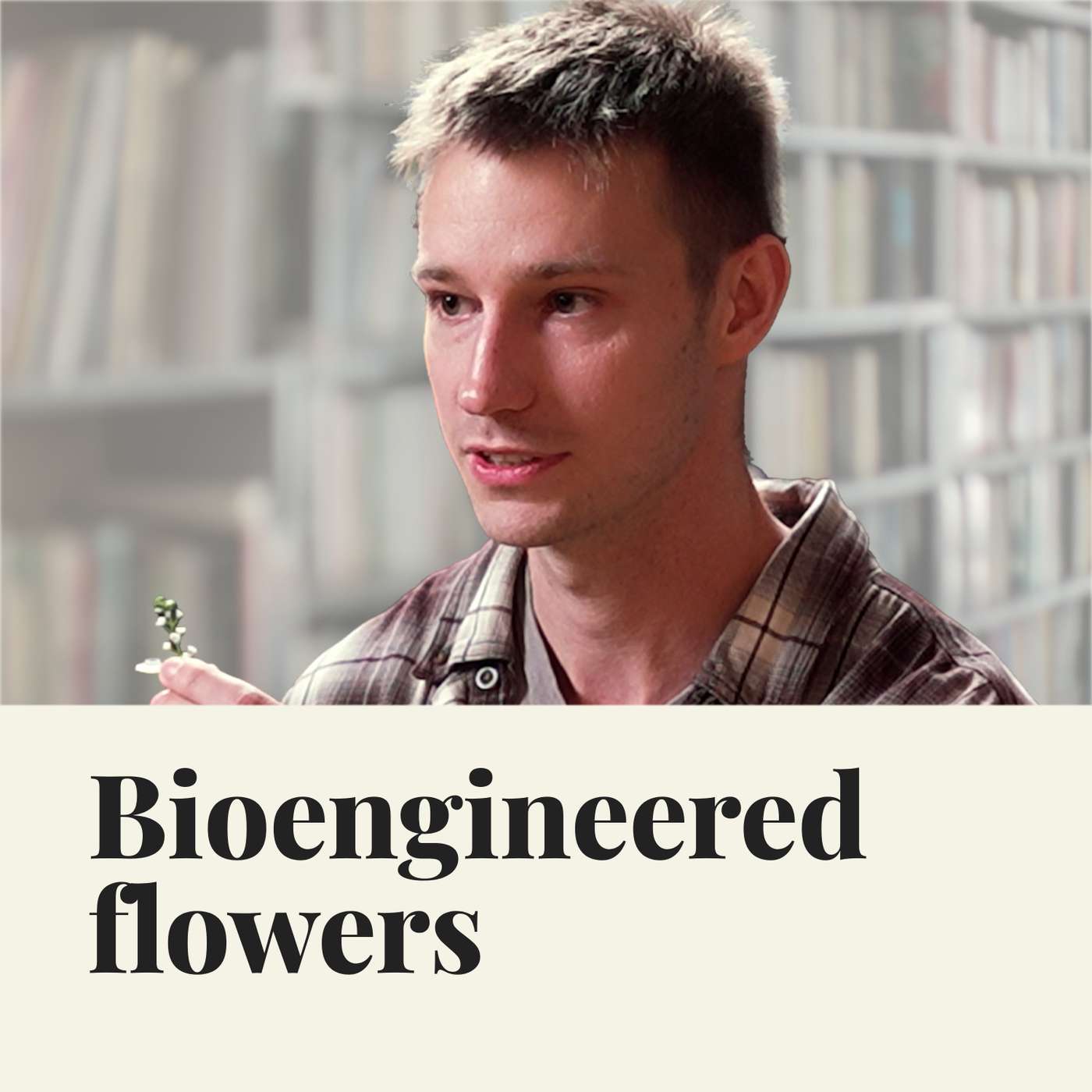
How to Design Flowers — Nick Desnoyer
Nick Desnoyer, a plant biologist in Norwich, England, is designing and creating flowers that don’t exist anywhere in nature. In this interview, he reveals his next project: Paintunia, a petunia that acts as a living canvas. These petunias have an inducible gene; when you lightly touch a bud (before it opens) with a clear molecule, called dexamethasone, that molecules seeps into cells, swi
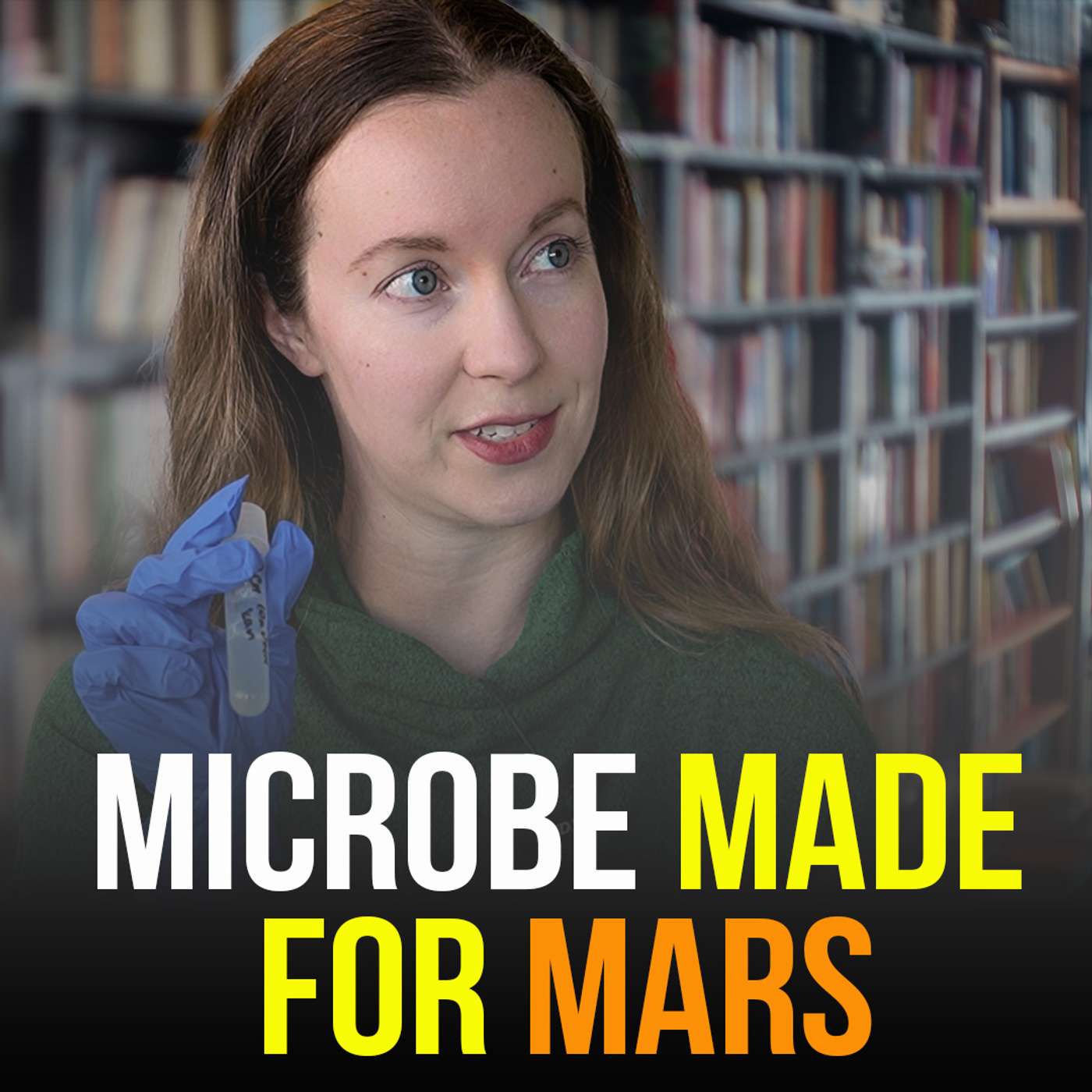
How to Terraform Mars – Erika DeBenedictis
Pioneer Labs, a nonprofit research group, has engineered a microbe that eats Martian dirt and excretes bioplastic. It is the first step of their "five organism" plan to terraform Mars and make the planet habitable. This interview is with Erika DeBenedictis, the co-founder and CEO of Pioneer Labs.Subscribe to Asimov Press: https://press.asimov.com0:00 A first microbe engineered for Mars5:0
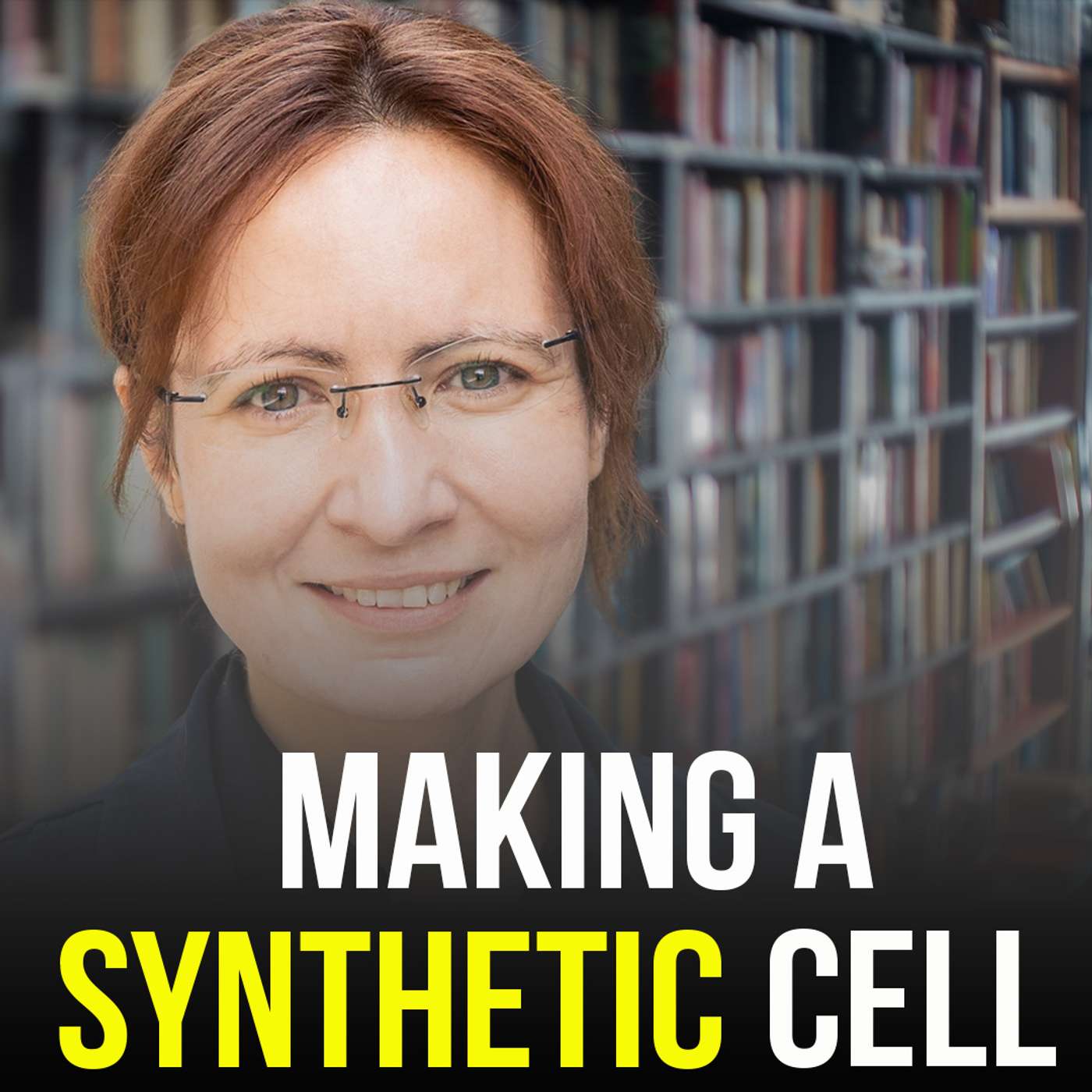
SpudCell will replicate continuously by 2030 | Kate Adamala
Chemists at the University of Minnesota, led by Kate Adamala, recently built a synthetic cell that eats, grows, and divides; purely by putting together molecules in the laboratory. Their creation, called SpudCell, can only divide for five generations. What will it take to make it grow for longer? And why bother making a synthetic cell in the first place?Subscribe to Asimov Press: https://
Biotech for Chickens — Robert Yaman
A dairy cow is worth $1,000 to $2,000 to a farmer, whereas a broiler chicken, raised for meat, generates just $4 of profit. Quantifying animals this way may feel uncomfortable, but those $4 are all a farmer can spend to keep a chicken healthy. And this places some really interesting constraints on how biotechnology must be scaled (in terms of vaccines and other interventions) in the anima
Engineered Microbes Seen from the Sky — Yonatan Chemla on Hyperspectral Biology
Scientists have studied bacteria under microscopes for 400 years. But Yonatan Chemla, a postdoctoral fellow at MIT, has developed a technology that lets us see microbes from a drone 100 meters in the air.In this episode, we discuss the emerging field of "hyperspectral biology," which uses hyperspectral cameras (first built by NASA in the 1980s) to detect molecules with unique light-absorp
The Bitter Lesson for Biology — Adam Green on Virtual Cells and Scaling Laws
Markov Biosciences, a startup in San Francisco, is betting that biology is about to have its GPT moment. In this episode, founder Adam Green explains the "bitter lesson" for biology, the idea borrowed from Richard Sutton that large unbiased datasets and the right training objective tend to outcompete models with hard-coded rules and human priors. Adam thinks, in particular, that the virtu
Magnet-Controlled Medicines — Andrew York & Maria Ingaramo
Nonfiction Laboratories is building a technology called “magnetogenetics” that promises to control proteins inside the body — such as antibodies or enzymes — using small magnets. In this episode, co-founder Maria Ingaramo and scientific advisor Andrew York explain how they engineered a protein, MagLOV, that responds strongly to magnetic fields, why most prior attempts have failed to repli
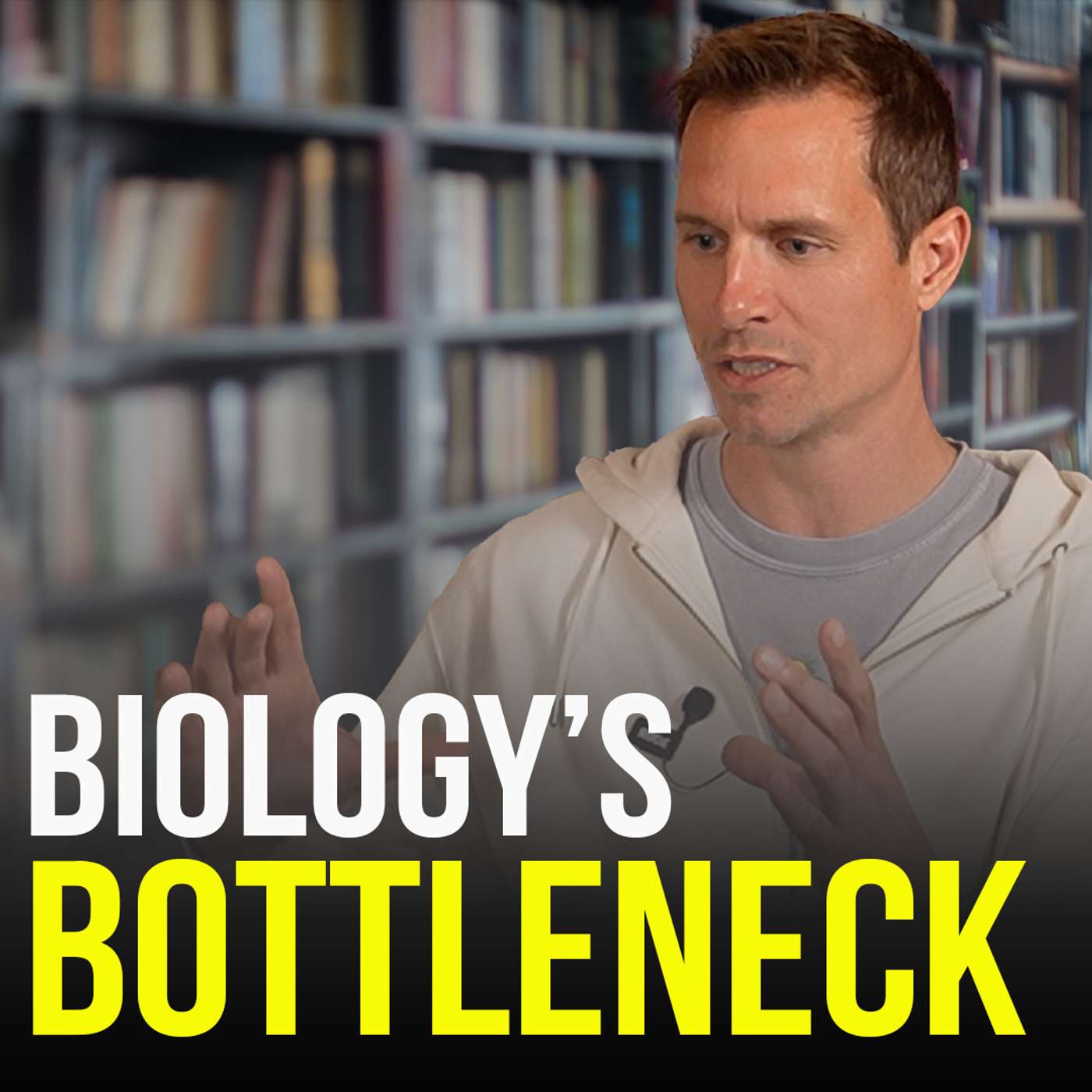
Mark Budde - How to speed up wet-lab biology
Plasmidsaurus took plasmid sequencing from $600 to $15 and turned a "boring" service company idea into a hugely successful company serving 70,000+ scientists. In this episode, CEO Mark Budde and Niko McCarty get into the bigger question: what does it take for companies to automate and scale wet-lab biology methods in the same way that Plasmidsaurus did for sequencing? They cover the early
Recommended

World News Tonight with David Muir
The Joe Rogan Experience

English Vocabulary Help
TED Talks Daily

Learn English B1 with Daily News | English Listening Practice
Talk About Talk - Executive & Leadership Communication Skills
English with Olivia | Slow Conversations & Vocabulary
Stand In The Circle
SLOW ENGLISH PODCAST (A1-A2) With Subtitles | Daily Videos | English With Us Podcast

Learn English A2 with Daily News | Simple English Listening Practice

پلی لیست | PlayList

Conspiracy Files with Paige Carter
