This Week in Business
This Week in Business brings together top leaders, innovators and renowned faculty from the Wharton School of the University of Pennsylvania to discuss topics that matter to consumers and the business world. The podcast features insightful conversations on current business trends, leadership, and innovation. It is hosted on Acast.
Episodes
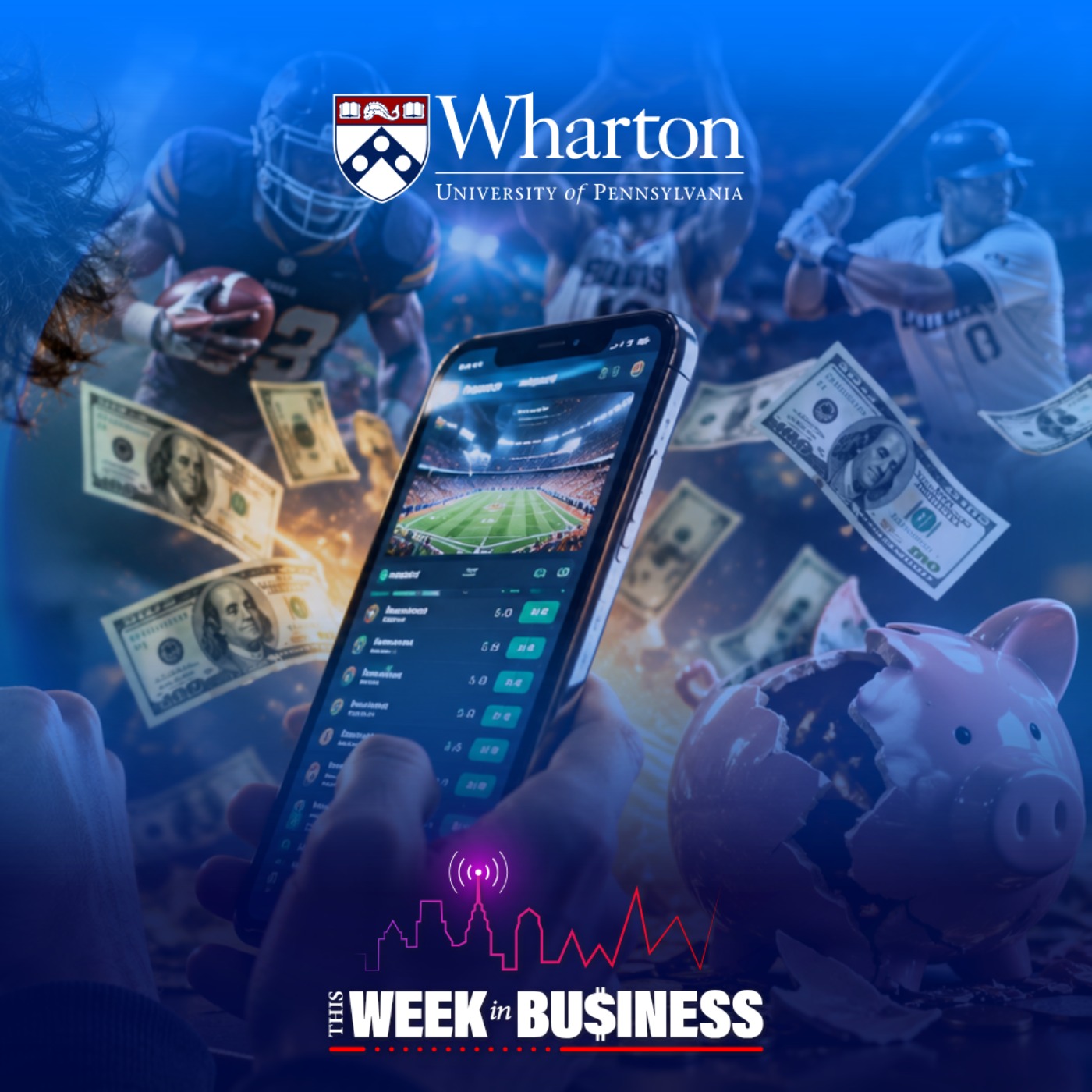
Why Gen Z Is Choosing Sports Betting Over Retirement Savings
Why are young people putting money meant for retirement into sports betting? The answer may lie in how our brains respond to risk, excitement, and the promise of a big win.Michael Platt, Professor of Marketing, Psychology & Neuroscience at The Wharton School, explains the psychology behind the sports betting boom. He explores how dopamine, social influence, and the illusion of control draw peo
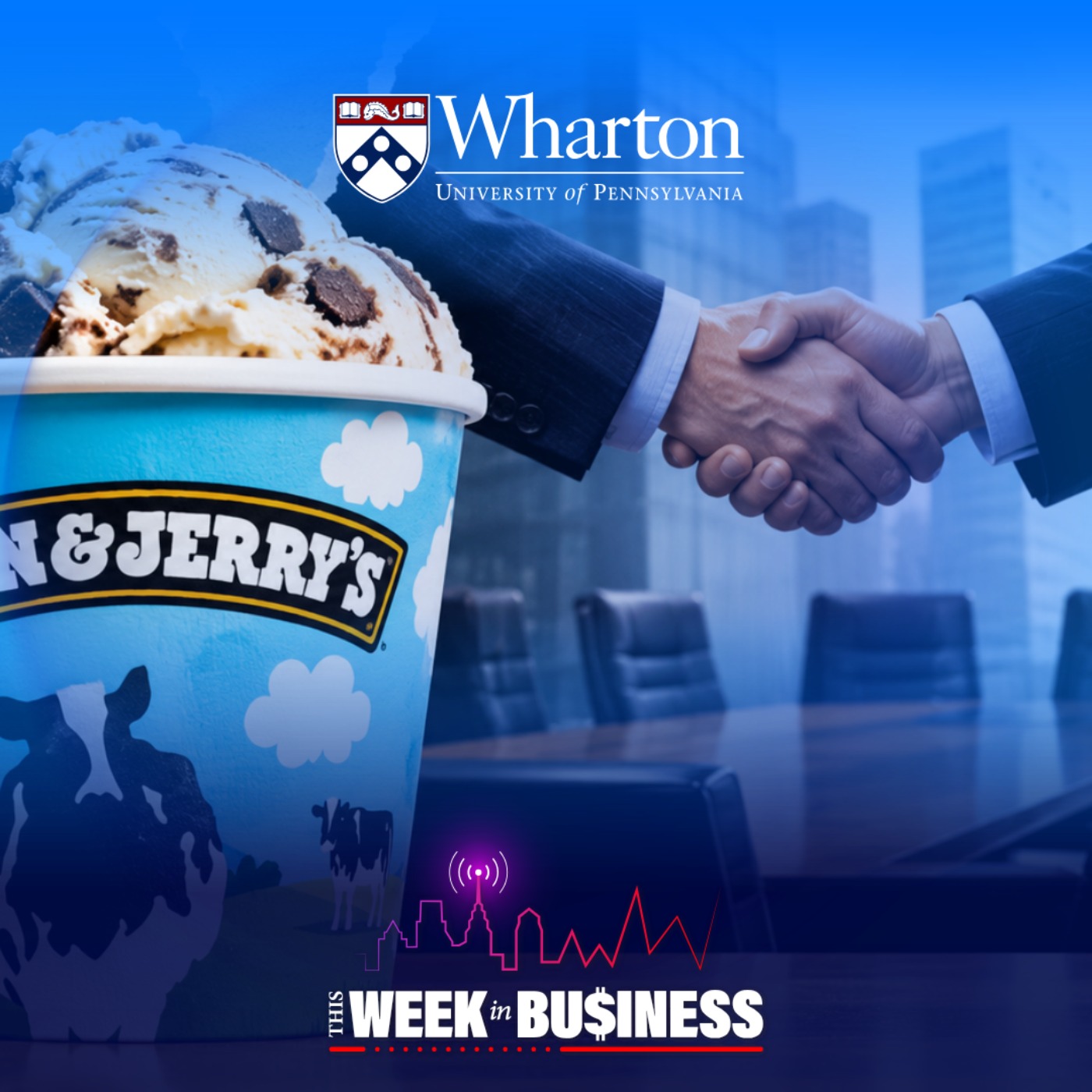
Who Controls a Company’s Values After It Is Sold?
What happens when a company’s social mission clashes with the priorities of its corporate owner? The legal battle involving Ben and Jerry’s raises important questions about who gets to control a brand’s values after a sale.Maurice Schweitzer, Wharton Professor of Operations, Information and Decisions, joins the conversation to examine the dispute between Ben and Jerry’s and its parent companies. S
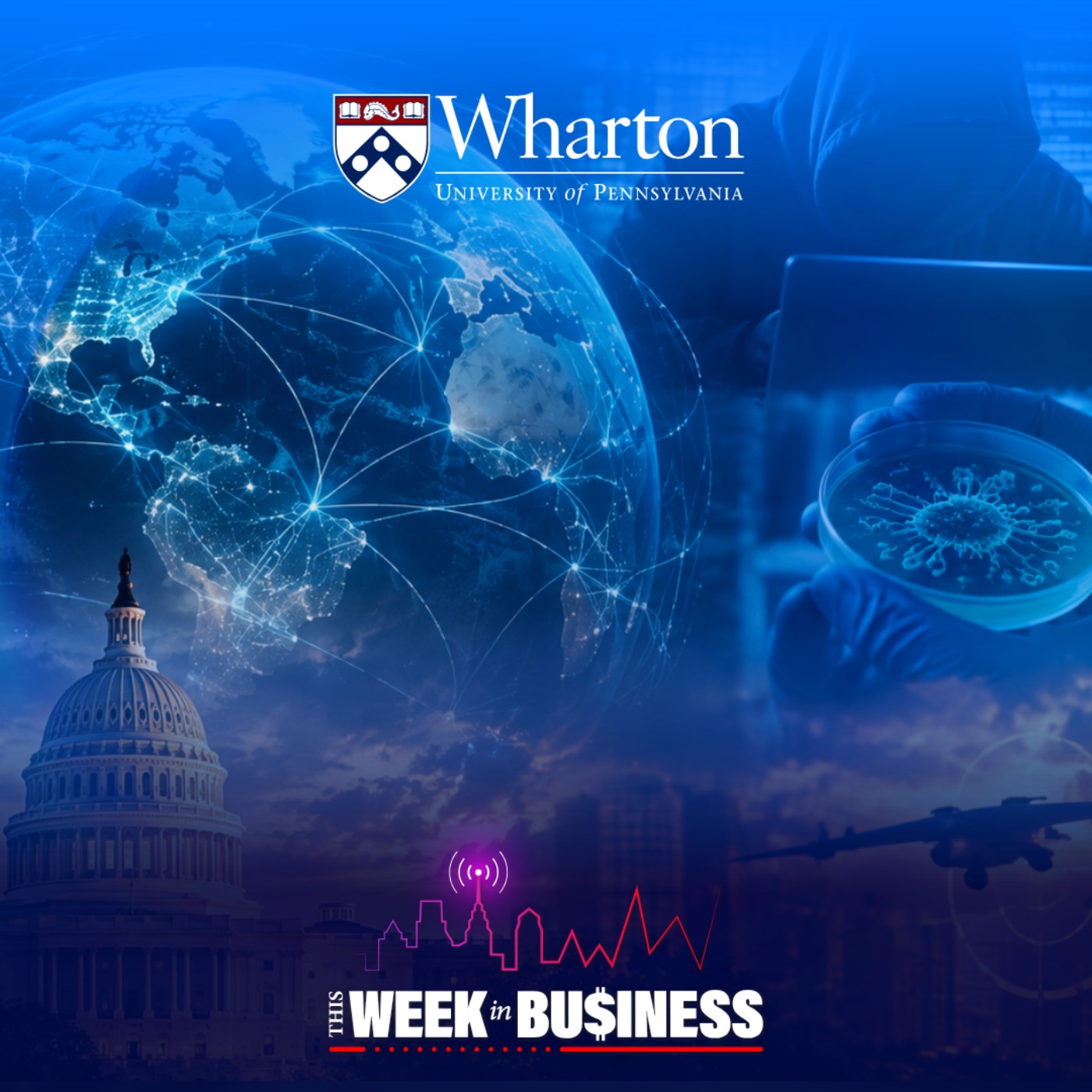
AI Safety Has Reached a Critical Point
AI safety concerns are no longer just hypothetical. As AI systems become increasingly capable, the risks involving cybersecurity, biosecurity and unintended behavior are becoming harder to ignore.Kevin Werbach, Professor of Legal Studies and Business Ethics at the Wharton School, explains the different categories of AI risk and why companies alone may not be able to manage them. Werbach argues tha
The Hidden Cost of Competition in the Workplace
Competition can bring out the best in individuals, but can it actually make an entire team worse? New research suggests that rivalry may come with an unexpected cost.Henning Piezunka, Associate Professor of Management at the Wharton School, joins the show to discuss his research examining rivalry and performance through the lens of professional basketball.Using examples like Larry Bird versus Magi
The Surveillance Challenge Facing Prediction Markets
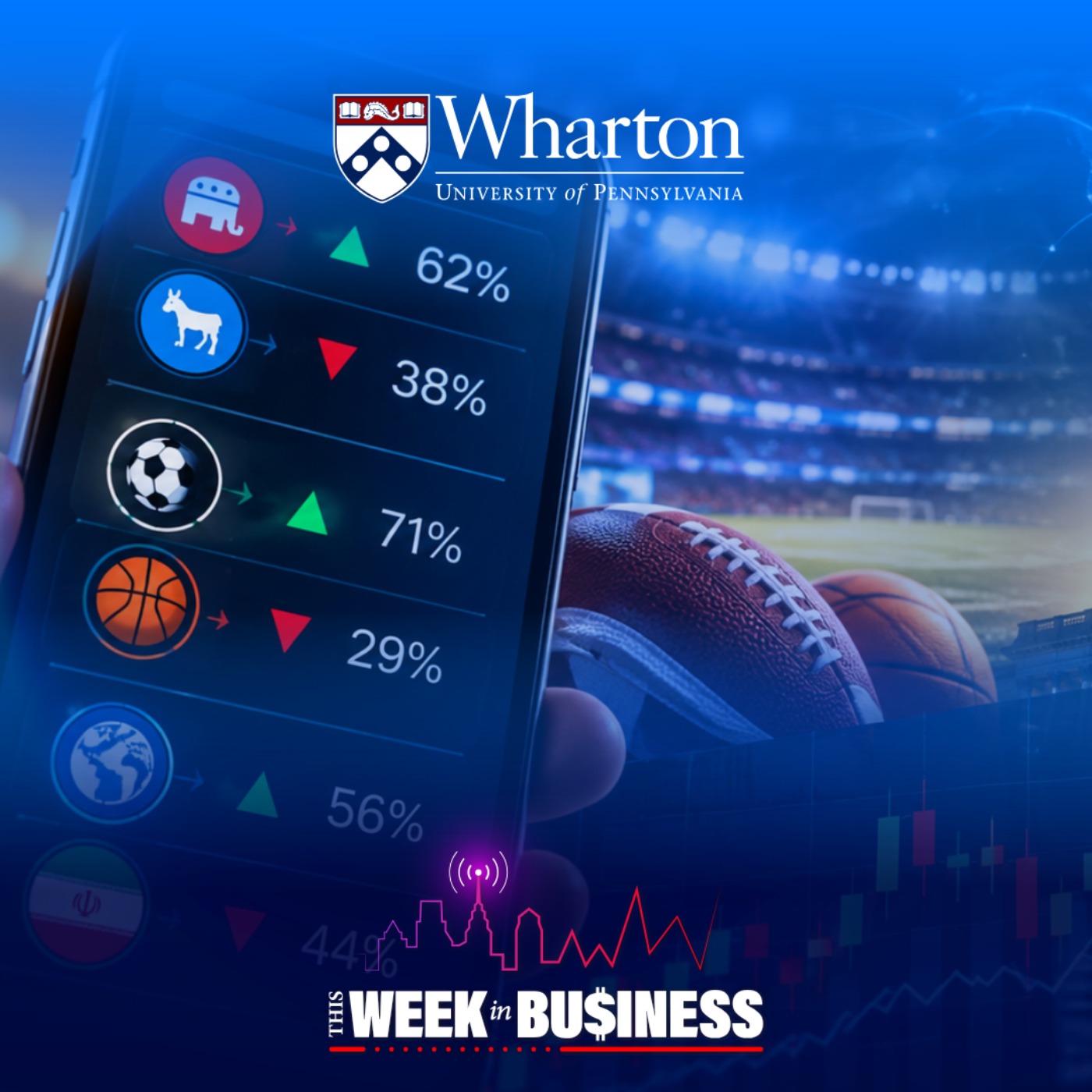
Prediction markets are exploding beyond elections into sports, geopolitics and major cultural events. But as these markets grow, so does the challenge of detecting insider trading and manipulation.Daniel Taylor, Wharton Finance Professor and Director of the Forensic Analytics Lab, explains how prediction markets have evolved and why their different types of contracts require different approaches t
What Strong Growth Means for the Fed and Markets
The economy remains strong, but inflation and higher energy prices could keep the Federal Reserve on alert.Jeremy Siegel, Wharton Emeritus Professor of Finance, discusses the Fed's latest rate increase and why additional hikes may still be ahead. He explores strong GDP and wage data, the effect of rising oil and diesel prices on inflation, and what the bond market is signaling about monetary p

Why Retailers Are Rethinking Risk
Retailers face a fundamental problem: they often have to bet on what consumers will want before they actually buy it. Could changing who takes that risk transform the industry?John Zhang, Professor of Marketing at the Wharton School, explains why the traditional merchant model puts so much risk on retailers and how the store in store model changes that equation.Zhang discusses how manufacturers ca
AI Is Changing Jobs Not Eliminating Them
AI was supposed to eliminate huge numbers of jobs. So far, the reality looks much more complicated.Peter Cappelli, Wharton Professor of Management, discusses new research on how AI is actually affecting the workplace and why the technology is changing tasks more than eliminating entire jobs.The conversation explores AI agents, workplace management, programmers, organizational change, data ma
Why More Americans Are Filing for Bankruptcy
Consumer bankruptcies are rising, but does that mean Americans are facing a worsening economy? The answer is more complicated than you might think.Sasha Indarte, Wharton Associate Professor, joins the show to explain what is driving the increase in personal bankruptcies and why today's numbers may actually represent a return toward more normal levels.She discusses the stigma and misconceptions sur

The FDNY's Transformation After 9/11
What happens when one of the world’s busiest fire departments faces a catastrophe unlike anything it has experienced before?Gregory P. Shea, Wharton Adjunct Professor of Management, and Author of Rising from Ground Zero, examines how the FDNY responded to the unprecedented challenges of 9/11.Shea explains how the department transformed its psychological support, leadership training, incident manag

The Business of Shared Scooters
Shared bikes and scooters have transformed how people move through cities, but can the business model actually work?Gad Allon, Wharton Professor of Operations, Information and Decisions, explores the economics behind companies like Lime, including subscriptions, pay per trip models, utilization, and the challenges of operating across different cities.Allon also explains why cities have embraced an
The Hidden Financial Risks of the AI Boom
The AI boom could transform the economy, but who is financing it and where the risks are building may matter just as much as the technology itself.Joao Gomes, Wharton Professor of Finance and Senior Vice Dean of Research, Centers, and Academic Initiatives, argues that the Federal Reserve is too focused on inflation and not focused enough on financial stability.Gomes discusses the opaque role of pr
When Teammates Become Competitors
We often think of competition and collaboration as opposites. But in reality, we frequently do both at the same time. Henning Piezunka, Wharton Associate Professor of Management, explains why competing with someone can fundamentally change how we view and work with them.Piezunka uses World Cup soccer to examine what happens when teammates become opponents, finding that players collaborated less af
Why Bond Yields Are Warning Washington
What do rising bond yields, new tariffs and soaring AI investment mean for the U.S. economy and financial markets?Wharton Emeritus Professor of Finance and WisdomTree Senior Economist Jeremy Siegel joins the conversation to assess the latest economic and market developments.Siegel discusses the impact of higher tariffs on Canada and Mexico, why rising Treasury yields are signaling concern about U.
The Bond Market Is Losing Confidence in the Fed
The bond market is sending a warning to the Federal Reserve. With long-term yields climbing to levels not seen in decades, questions are mounting about the Fed’s ability to control inflation while maintaining market confidence.Wharton Finance Professor Nikolai Roussanov explains why Kevin Warsh’s recent messaging has unsettled investors and why the Fed’s reaction function may matter more than

When Food Safety Becomes the Family’s Responsibility
What happens when the systems designed to keep our food safe start to break down?Corinne Low, Wharton Associate Professor of Business Economics and Public Policy, argues that food safety is a public good—one that individuals and families simply can't provide for themselves.She explains how reduced staffing, weakened inspections and changes to disease surveillance can leave consumers more vulnerabl
Should AI Companies Be Supervised Like Banks?
AI is advancing rapidly—but who is responsible when the risks become too big to ignore?Peter Conti-Brown, Professor at the Wharton School, explores whether the banking system offers a useful model for supervising powerful AI companies.Rather than relying solely on rules written years in advance, bank supervision involves ongoing conversations between public officials and private institutions to id
Why Gen Z Is Choosing Entrepreneurship Over Traditional Careers
Why are more young Americans turning to entrepreneurship, and what role will AI play?Lori Rosenkopf, Vice Dean of Entrepreneurship at the Wharton School, explores how Gen Z’s shifting expectations, a tougher entry-level job market, and the desire for flexibility are reshaping career paths. She also examines how AI tools are making it easier to turn ideas into products while intensifying competitio
Can AI Companies Regulate Themselves?
As AI becomes more powerful, who should be responsible for governing it?Kevin Werbach, Wharton Professor and Chair of Legal Studies and Business Ethics, explores the growing challenges of AI governance, from accountability and safety to the difficulty of creating effective regulations across countries. He explains why AI companies can't be expected to regulate themselves and why governments need t
Will the Government Bail Out Your 401(k) in a Market Crash?
What happens to your 401(k) if the stock market drops 25%, and would the government step in to help?Nikolai Roussanov, finance professor at the Wharton School, explains the real risks behind modern retirement investing and why volatility is built into the system.From the 1987 crash to COVID-19, he breaks down how markets recover, why long term investors tend to win, and why bailouts are more likel
Why AI Makes Collective Intelligence More Valuable Than Ever
Artificial intelligence is reshaping work, but human ideas remain essential. Henning Piezunka, Associate Professor of Management at the Wharton School, explains how organizations can combine AI with collective intelligence to accelerate innovation, improve learning, and help employees turn ideas into action.He also explores AI’s role as a substitute, collaborator, and training tool, along with the
Oil, AI, and the Fed: What's Next for Markets?
Could rising oil prices, interest-rate uncertainty, and massive AI spending change the market outlook?Jeremy Siegel, Wharton Emeritus Professor of Finance, examines how energy supply disruptions could affect inflation and growth, what the Federal Reserve may do next on interest rates, why Wall Street is scrutinizing AI infrastructure spending, and how tariffs and demographic change could shape the
Why Prediction Markets Are More Than a Passing Trend
Prediction markets are becoming an increasingly visible part of sports, politics, business, and culture. But what makes them different from traditional betting?Abraham Wyner, Wharton Professor of Statistics and Data Science and Co-Director of the Wharton Sports Analytics and Business Initiative, explains the wisdom-of-crowds theory behind prediction markets, how these platforms make money, and why
The New Strategy Behind Revenue Growth
The chief revenue officer is no longer just a sales leader.Raghu Iyengar, Wharton Marketing Professor and Academic Director of Wharton’s Chief Revenue Officer Program, explains why companies are turning to CROs to align sales, marketing, product, finance, and growth around a single revenue strategy.He also discusses how AI is raising the stakes for revenue leaders, why a holistic view of the organ
What the World Cup Teaches Brands About Cultural Marketing
The biggest marketing wins at the World Cup did not always come from official sponsors.Americus Reed, The Whitney M. Young Jr. Professor of Marketing at Wharton and co-host of Marketing Matters, examines how brands connected with fans during one of the world’s largest cultural events.He discusses the power of iconic brands, social sharing, earned media, culturally relevant advertising, and creativ
Social Security’s Funding Crisis and the Future of Retirement
Social Security’s main trust fund could be depleted by early 2033, leaving incoming payroll taxes sufficient to cover only about 86% of scheduled benefits.Kent Smetters, Wharton Professor of Business Economics and Public Policy and Faculty Director of the Penn Wharton Budget Model, explains why the program is approaching a critical funding deadline and what it could mean for current and future ret
Why Companies Are Rethinking the Rush to Implement AI
What happens when companies move AI from a promising experiment into everyday operations and the technology starts making costly mistakes?Santiago Gallino, Associate Professor of Operations, Information and Decisions and Associate Professor of Marketing at the Wharton School, examines why companies such as Starbucks and Ford have reconsidered AI-driven processes after accuracy and quality problems
Why Big Companies Are Rethinking How They Work With Startups
Big companies need innovation, while startups need capital, customers and opportunities to prove their ideas work.Wharton Professor of Operations, Information and Decisions and Senior Vice Dean of Innovation Serguei Netessine explains how corporate venturing is evolving beyond traditional investment models. He explores the rise of venture building and venture clienting, why becoming a startup’s cu

Can Congress Fix America’s Housing Affordability Crisis?
A new bipartisan housing bill promises to tackle America’s affordability crisis, but will it actually make housing more accessible?Wharton Professor of Real Estate Ben Keys examines the Road to Housing bill and its potential to address the rising cost of buying and renting a home. He discusses proposals to streamline permitting and environmental reviews, expand manufactured housing and small dolla
Why America Leads the World in Innovation
Innovation isn’t just about breakthrough technologies. It’s about building the institutions that allow those breakthroughs to scale.David Hsu, Wharton Professor of Management, explores how the United States has repeatedly reinvented the way innovation works, from the patent system and Bell Labs to venture capital and today’s AI ecosystem. He explains why commercialization, institutional design, an
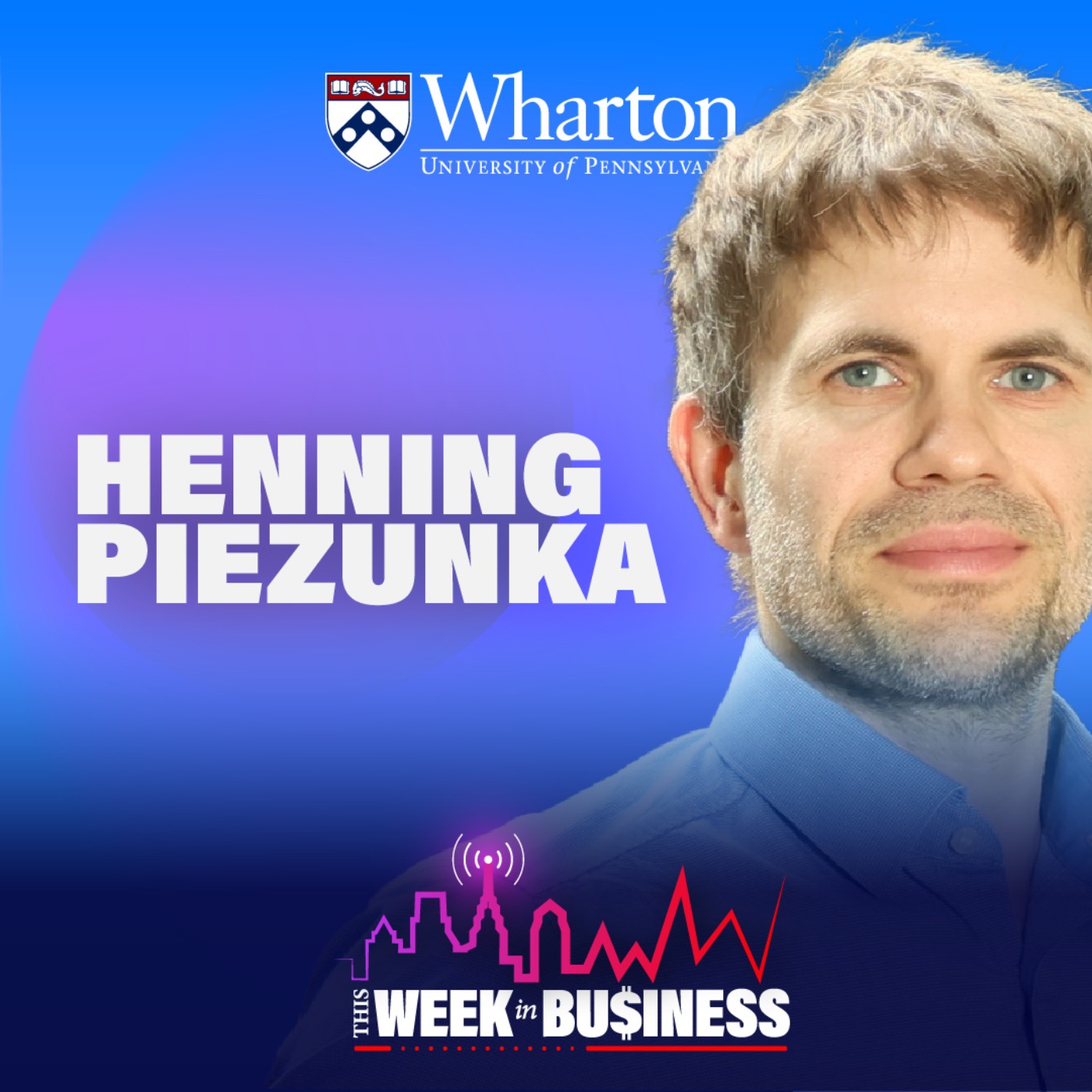
Navigating Competition and Collaboration in the AI Race
Henning Piezunka, Associate Professor of Management at the Wharton School, explores how competition in the AI industry can shift from healthy rivalry to destructive behavior, discusses the psychology behind executive decision-making, explains why successful organizations balance competition with collaboration, and shares insights from research spanning business, sports, and innovation ecosystems.
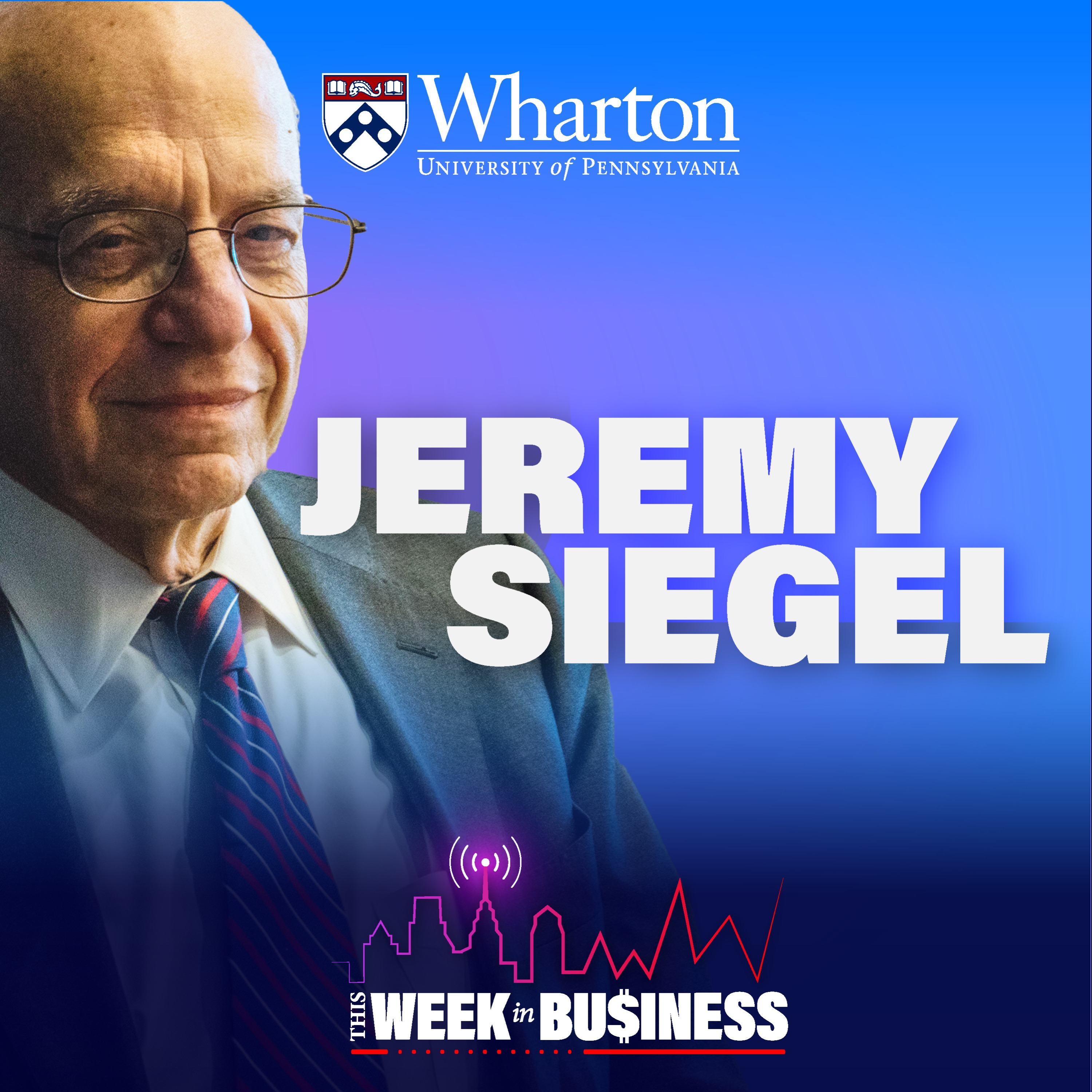
Evaluating Greenspan's Legacy and the Evolution of Monetary Policy
Jeremy Siegel, Wharton Emeritus Professor and Senior Economist at WisdomTree, discusses Alan Greenspan's lasting impact on monetary policy, reflects on the lessons of the 2008 financial crisis, analyzes Federal Reserve Chair Kevin Warsh's early leadership, and explains why more forward-looking economic data could shape future interest rate decisions while also revisiting the long-term economic eff

Private Credit Risks and the Threat of Market Contagion
Itay Goldstein, Professor of Finance at the Wharton School, discusses the growing concerns surrounding private credit markets, including liquidity mismatches, valuation uncertainty, investor redemptions, AI-driven pressures on software borrowers, and the potential systemic risks posed by connections to banks and insurance companies. Hosted on Acast. See acast.com/privacy for more information.
Peanut Butter Raises and the Pay Equity Debate
Peter Cappelli, Professor of Management at the Wharton School, examines the resurgence of "peanut butter" raises, exploring how companies distribute limited pay increases, the impact of inflation on employee compensation, and the tradeoffs between rewarding top performers and maintaining workforce morale. Hosted on Acast. See acast.com/privacy for more information.
SpaceX’s Historic IPO and the Future of Space
David Hsu, Wharton Management Professor, discusses SpaceX’s $2 trillion valuation, the role of Starlink, launch services, and AI in driving investor enthusiasm, the influence of Elon Musk’s leadership, and what the company’s success means for the future of the global space economy. Hosted on Acast. See acast.com/privacy for more information.
Understanding Congress’s Impact on Financial Markets
Courtney Wiegand, Wharton Assistant Professor of Finance, explains her research on how fiscal policy shocks and shifting deficit expectations affect bond markets, inflation, monetary policy interactions, and the long-term implications of congressional budget decisions for financial markets. Hosted on Acast. See acast.com/privacy for more information.
The Science Behind Elite Athletic Performance
Michael Platt, Wharton Professor of Marketing, Psychology & Neuroscience, discusses his research on brain-based performance metrics, explaining how focus, confidence, and mental fatigue can be measured to improve athlete selection, training, and development, while also revealing applications for business leadership, cybersecurity, and other high-pressure professions. Hosted on Acast. See acast
Examining Equity and Opportunity in NFL Coaching Searches
Ken Shropshire, Wharton Emeritus Prof. of Legal Studies & Business Ethics and Strategic Advisor to 76 Capital, examines the NFL’s history of racial equity in hiring, assess the successes and shortcomings of the Rooney Rule, and explore how Brian Flores’ discrimination lawsuit could influence the future of coaching opportunities and hiring practices across the league. Hosted on Acast. See acast
How Artificial Intelligence Is Reshaping Business and Society
Stefano Puntoni, Wharton Marketing Professor, discusses the biggest AI developments of the past year, including advances in model capabilities, the emergence of AI agents, growing enterprise investment, regulatory considerations, and the technology’s potential impact on business, consumers, and society. Hosted on Acast. See acast.com/privacy for more information.
AI Stocks, Oil Prices, and the Fed’s Next Move
Jeremy Siegel, Wharton Emeritus Professor of Finance and Chief Economist at WisdomTree, examines the market rally fueled by AI stocks, the economic impact of rising oil prices and tensions with Iran, the outlook for Federal Reserve policy under Kevin Warsh, and the mixed legacy of Fed Chair Jerome Powell. Hosted on Acast. See acast.com/privacy for more information.
Federal Reserve Leadership Transition Amid Economic and Political Pressures
Patrick Harker, Wharton Professor of Operations, Information, and Decisions, and former President of the Philadelphia Federal Reserve Bank, reflects on Jerome Powell’s tenure leading the Federal Reserve through the pandemic, inflation concerns, and political pressure, while also examining what Kevin Warsh’s leadership could mean for monetary policy, Fed independence, and the U.S. economy moving fo

Brands and Identity in the Age of Social Media
Dr. Americus Reed, II, Wharton Marketing Professor, discusses the principles of identity marketing, explaining how brands can navigate aspiration, authenticity, generational differences, and consumer self-expression in a culture increasingly influenced by social media, wearable technology, and evolving personal identities. Hosted on Acast. See acast.com/privacy for more information.
Preparing American Cities for the Global World Cup Stage
Kevin Kaiser, Wharton Adjunct Full Professor of Finance, explores how cities like Philadelphia are preparing for the influx of global soccer fans during the World Cup, examining transportation, hospitality, public safety, sports culture, and the long-term branding impact for the United States and its host cities. Hosted on Acast. See acast.com/privacy for more information.
AI’s Real Impact on Jobs and Productivity
Peter Cappelli, Wharton Professor of Management, discusses why artificial intelligence has yet to significantly replace jobs, how companies are navigating AI investments and organizational change, and what new graduates should understand about the evolving workforce and productivity landscape. Hosted on Acast. See acast.com/privacy for more information.
Career Growth, Job Mobility, and the Modern Workforce
Matthew Bidwell, Professor of Management at the Wharton School, explores the realities of job hopping, the importance of adaptability and skill-building early in a career, and how economic conditions and AI may shape career decisions for new graduates entering the workforce. Hosted on Acast. See acast.com/privacy for more information.

Rethinking Urban Tax Policy Through Land Value Taxation
Robert Inman, Wharton Professor Emeritus of Finance, discusses how land value taxation, inspired by economist Henry George and successfully implemented in cities like Pittsburgh, could provide New York City with a more sustainable way to raise revenue without discouraging investment, housing development, or business growth. Hosted on Acast. See acast.com/privacy for more information.

How Economic Strain and AI Are Reshaping Family Roles
Corinne Low, Wharton Associate Professor of Business Economics and Public Policy, discusses how rising costs, persistent gender inequalities, and emerging AI-driven labor shifts are intensifying pressures on working mothers and reshaping economic and household roles. Hosted on Acast. See acast.com/privacy for more information.
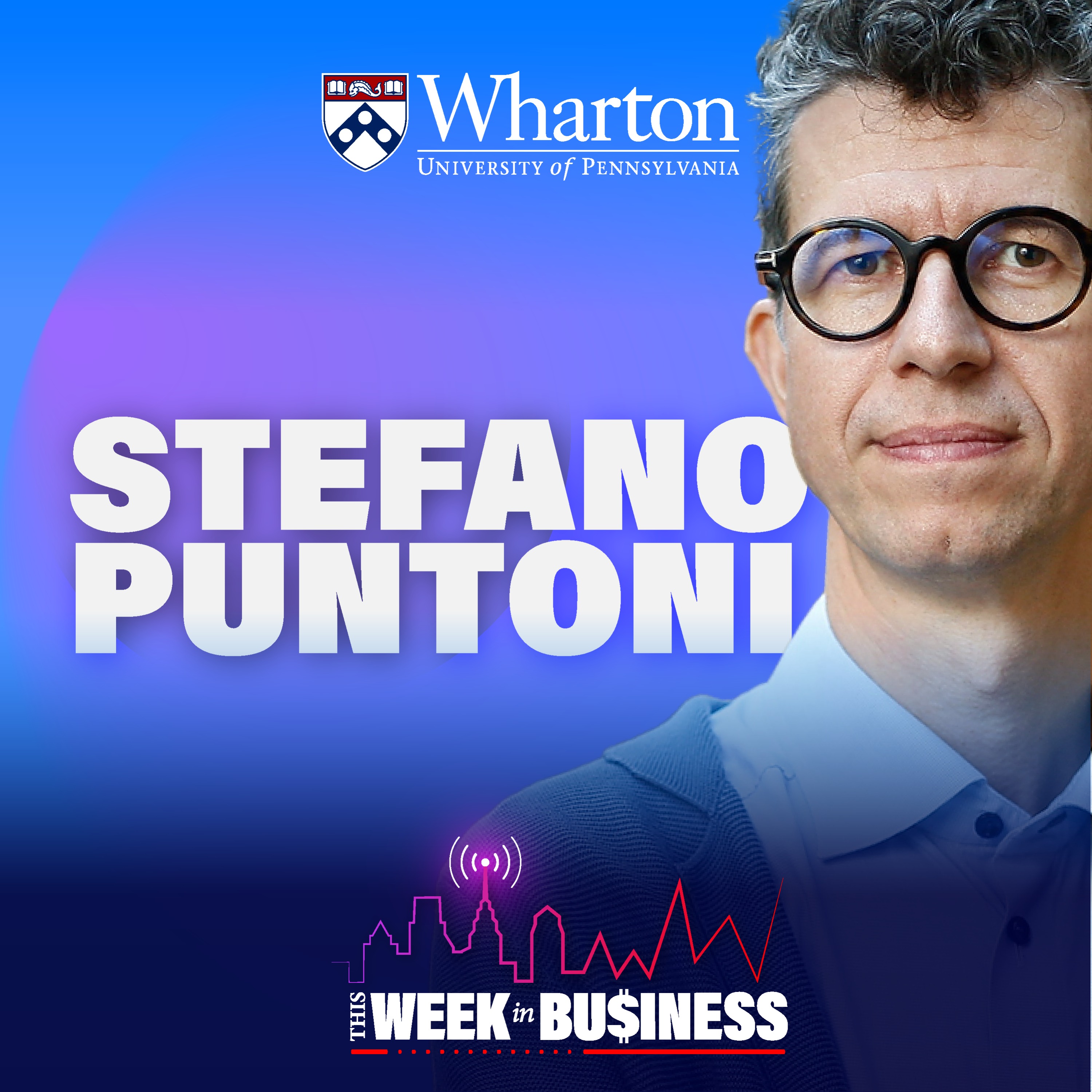
How AI Agents Are Transforming Modern Marketing Strategy
Stefano Puntoni, Wharton Marketing Professor and co-director of the Wharton Human-AI Research Program, discusses how AI-driven search, discovery, and autonomous agents are transforming marketing, consumer behavior, and the balance between human and machine decision-making. Hosted on Acast. See acast.com/privacy for more information.
Climate Regulation Rollbacks and the Rise of Nuisance Lawsuits
Sarah Light, Wharton Professor of Legal Studies and Business Ethics, examines how efforts to repeal the EPA’s endangerment finding under the Clean Air Act could limit federal regulatory authority while opening the door to expanded state-level nuisance lawsuits against power plants and fossil fuel companies. Hosted on Acast. See acast.com/privacy for more information.
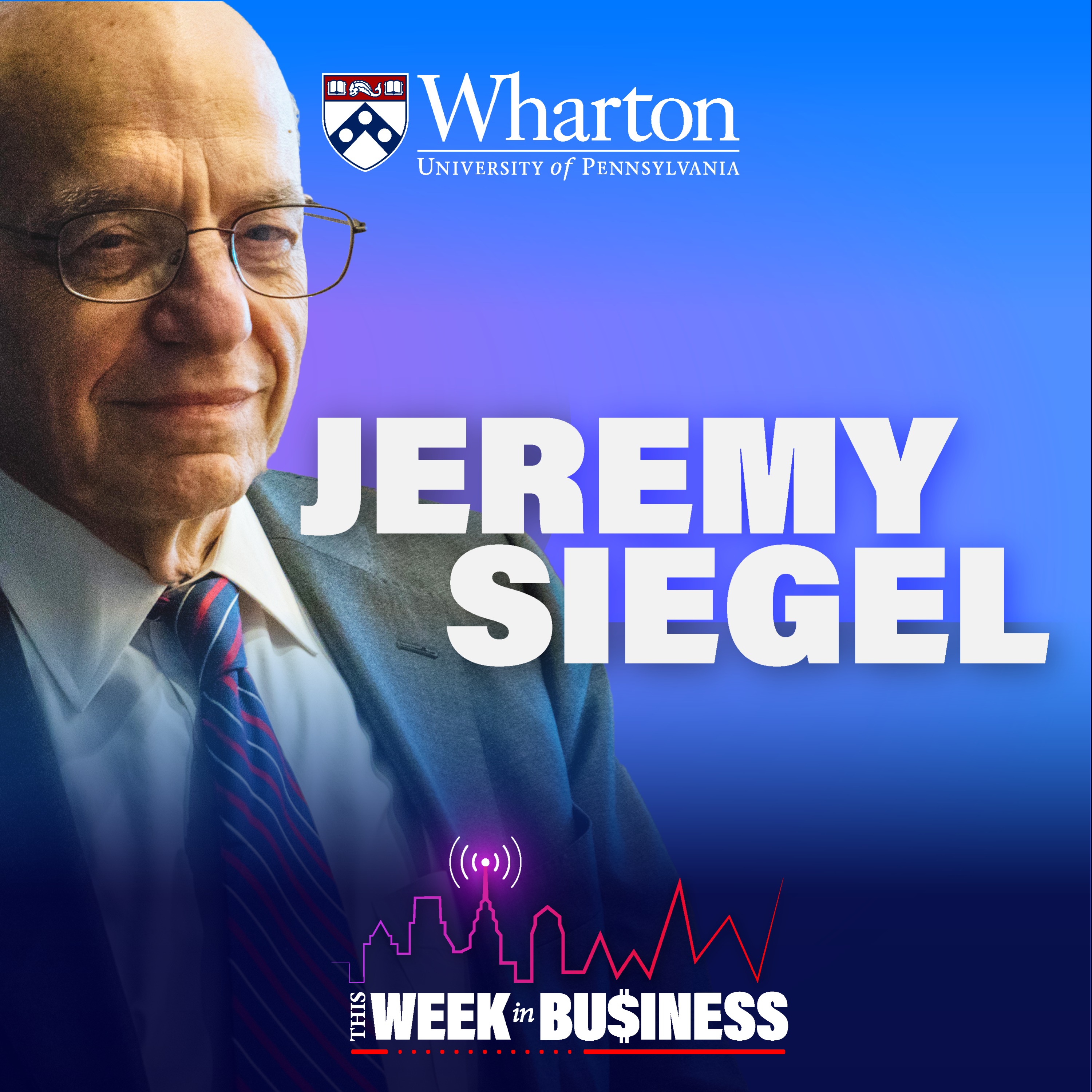
Markets React to Iran Tensions and Rate Uncertainty
Jeremy Siegel, Wharton Emeritus Professor of Finance and Senior Economist at WisdomTree, explains how Iran-related tensions, Federal Reserve uncertainty, and continued AI sector expansion are influencing market resilience, investor sentiment, and the outlook for interest rates and equities. Hosted on Acast. See acast.com/privacy for more information.
Measuring the Impact of Europe’s Conservation Targets and Policies
Arthur van Benthem, Wharton Professor of Business, Economics and Public Policy examines how European Union land protection policies—despite meeting ambitious coverage targets—may fall short in delivering meaningful biodiversity and ecosystem restoration impacts. Hosted on Acast. See acast.com/privacy for more information.
Why Reverse Morris Trust Deals Demand Strategic Discipline
Emilie Feldman, Wharton Professor of Management, discusses how reverse Morris Trust transactions influence merger strategy, tax efficiency, and value creation through scale-driven synergies. Hosted on Acast. See acast.com/privacy for more information.
How AI Is Reshaping Blue-Collar Work and Skills
Lynn Wu, Associate Professor of Operations, Information and Decisions at the Wharton School, discusses how AI is driving a shift in blue-collar work, reshaping job responsibilities, and creating new opportunities for human judgment, adaptability, and problem-solving in an evolving workforce. Hosted on Acast. See acast.com/privacy for more information.
How Credit Scores Shape Homeowners Insurance Costs Nationwide
Ben Keys, Wharton Professor of Real Estate, discusses new research revealing how credit scores can impact homeowners insurance premiums more than climate risk, raising important questions about fairness, policy, and financial inequality. Hosted on Acast. See acast.com/privacy for more information.

Scaling a Local Favorite: The Strategy Behind Wawa’s Growth
Z. John Zhang, Wharton Professor of Marketing, discusses how brands like Wawa scale beyond their regional roots by leveraging innovation, customer loyalty, and strategic expansion into competitive new markets. Hosted on Acast. See acast.com/privacy for more information.
How School Cell Phone Bans Are Changing Student Behavior
Angela Duckworth, Wharton Professor of Operations, Information and Decisions and Co-Director of the Behavior Change for Good Initiative, discusses new findings from the Phones in Focus study on how school phone restrictions influence academic engagement, teacher satisfaction, and student wellbeing. Hosted on Acast. See acast.com/privacy for more information.
Inside the Business Models of Today’s Top AI Platforms
Stefano Puntoni, Wharton Professor of Marketing, analyzes how OpenAI, Google, and Anthropic are pursuing distinct business models and growth strategies to compete in the rapidly evolving artificial intelligence market. Hosted on Acast. See acast.com/privacy for more information.
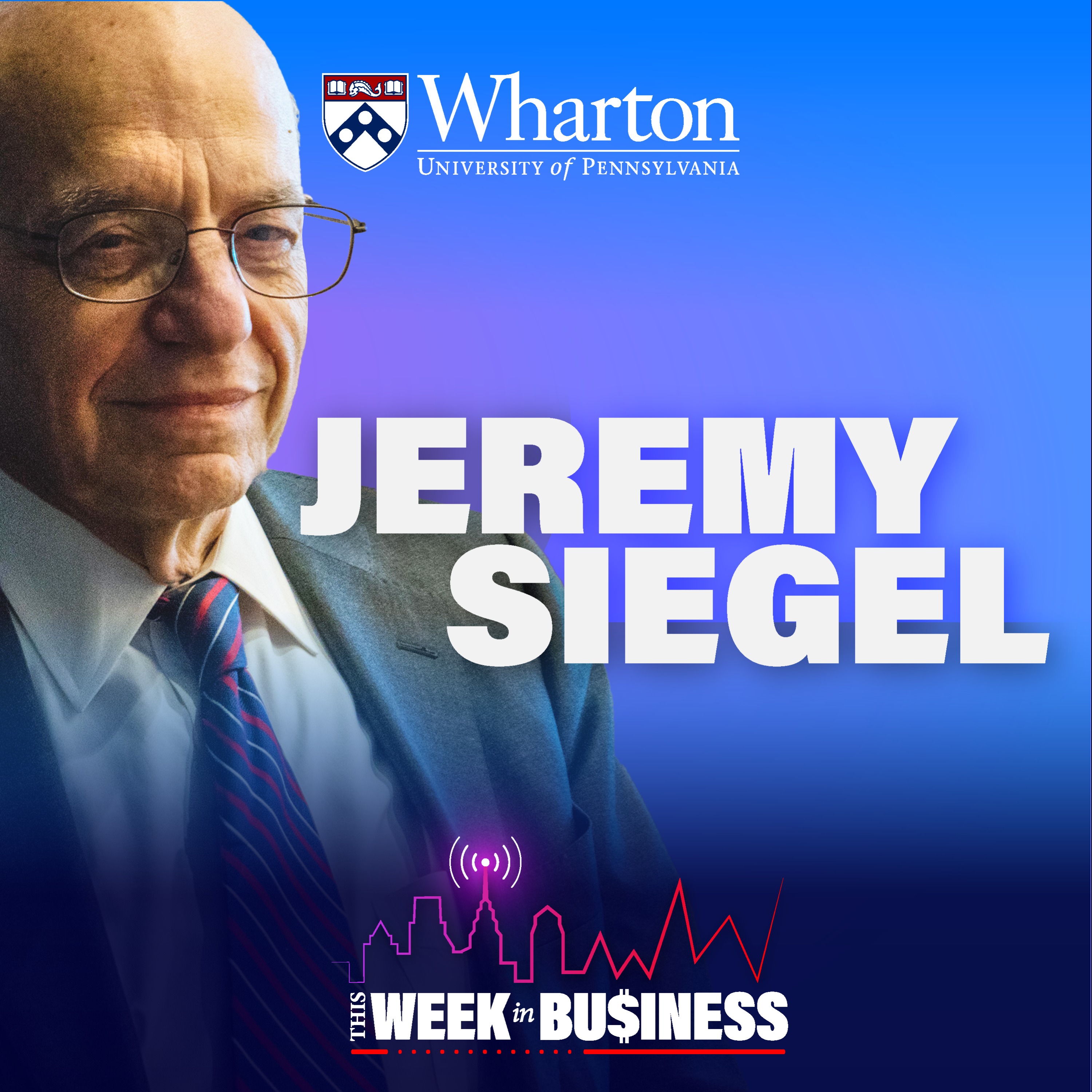
How Geopolitics and AI Are Influencing Today’s Financial Markets
Jeremy Siegel, Emeritus Professor of Finance at the Wharton School and Senior Economist at WisdomTree, discusses how the Iran conflict, Federal Reserve decisions, and artificial intelligence are shaping market performance and long-term economic expectations. Hosted on Acast. See acast.com/privacy for more information.
Inside Iran’s Payment Network and Global Sanctions Strategy
Philip Nichols, Wharton Professor of Legal Studies & Business Ethics, explains how Iran has built a complex and adaptive banking and payments infrastructure under decades of sanctions while exploring its future in an evolving global financial system. Hosted on Acast. See acast.com/privacy for more information.

The Business Impact of Leadership Under Pressure
Nancy Rothbard, Deputy Dean and Professor of Management at the Wharton School, joins the show to examine how leaders respond to intensifying workplace disruption. The conversation covers decision bottlenecks, delegation, emotional regulation, and sustaining performance under pressure. Rothbard also discusses Wharton’s Owner/President and CEO Program, which helps executives strengthen strategy and
The Fed’s Payment Rails and Fintech Access
David Zaring, Professor of Legal Studies and Business Ethics at the Wharton School, joins the show to explain the Federal Reserve’s consideration of a “skinny” master account for nonbank financial firms. The conversation covers payment rails, regulatory oversight, competition with traditional banks, and the implications for community lenders and financial stability. They also examine potential lit

Zeke Emanuel on Medicare Payment and Innovation Reform
Zeke Emanuel, Vice Provost for Global Initiatives at the Wharton School, joins the show to discuss recent reforms at the Centers for Medicare and Medicaid Services. The conversation covers site-neutral payments, strengthening primary care compensation, innovation models, and efforts to address waste and Medicare Advantage risk adjustment. They also examine the broader fiscal and policy implication
The Economic Cost of Conflict with Iran
Kent Smetters, Faculty Director of the Penn Wharton Budget Model and Professor of Business Economics and Public Policy at the Wharton School, breaks down the projected budgetary costs of conflict with Iran, estimates potential GDP losses driven by higher oil prices, and explains how supply shocks could influence inflation and Federal Reserve decision-making. Hosted on Acast. See acast.com/privacy
The Decline of the Cover Letter in the AI Era
Judd Kessler, Professor of Business Economics and Public Policy at the Wharton School and author of Lucky by Design, explains how artificial intelligence is eroding the signaling power of cover letters and elevating the importance of recommendations, networking, and real-world connections in the labor market. Hosted on Acast. See acast.com/privacy for more information.
From Hype to Impact: AI Reshapes Enterprise Software
Stefano Puntoni, Marketing Professor at the Wharton School and Co-Director of the Wharton Human-AI Research Program, explains how artificial intelligence is pressuring SaaS margins, lowering barriers to entry, reshaping pricing models, and marking a potential inflection point for enterprise software markets. Hosted on Acast. See acast.com/privacy for more information.
Fed Leadership, Rate Cuts, and Geopolitical Risks Ahead
Jeremy Siegel, Professor Emeritus of Finance at the Wharton School and Senior Economist at Wisdom Tree, analyzes the Supreme Court’s ruling on tariffs, the market’s resilience amid policy uncertainty, the potential impact of Kevin Warsh as Fed chair, and how geopolitical tensions with Iran could influence interest rates and economic growth. Hosted on Acast. See acast.com/privacy for more informati
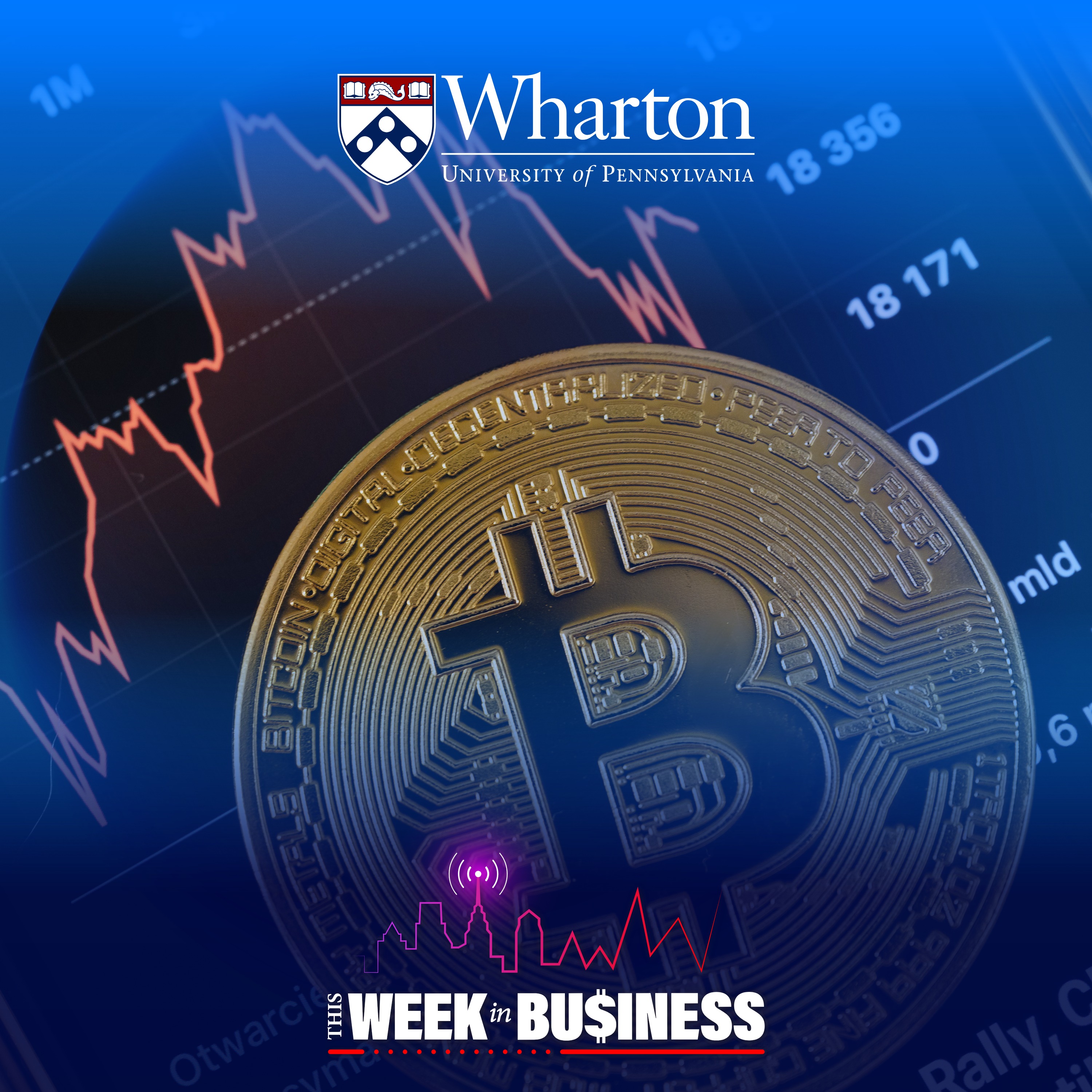
Understanding Crypto Sentiment and Market Signals
Dave Reibstein, Professor of Marketing at the Wharton School, explains how the school’s Cryptocurrency Confidence Index tracks U.S. consumer sentiment, explores links between confidence and price volatility, and examines the role of regulation and public perception in shaping the future of digital assets. Hosted on Acast. See acast.com/privacy for more information.
How Geopolitics Is Hitting Local Gas Stations
Serguei Netessine, Wharton Professor of Operations, Information and Decisions, discusses how U.S. sanctions on Lukoil are disrupting franchise agreements, banking relationships, and customer perceptions for locally operated gas stations in New York, New Jersey, and Pennsylvania. Hosted on Acast. See acast.com/privacy for more information.
Why Hiring Has Slowed Without Mass Layoffs
Peter Cappelli, Professor of Management and Director of the Center for Human Resources at The Wharton School, examines the cooling in white-collar job openings, the impact of investor-driven cost cutting, the concept of “AI washing,” and why economic uncertainty is keeping companies cautious about expanding their workforce. Hosted on Acast. See acast.com/privacy for more information.
Stablecoins Explained: Bridging Digital Assets and Traditional Finance
Kevin Werbach, Wharton Professor of Legal Studies and Business Ethics, discusses the Stablecoin Toolkit and how clearer definitions, regulatory frameworks, and emerging use cases could position stablecoins as a bridge between digital assets and the traditional financial system. Hosted on Acast. See acast.com/privacy for more information.
Super Bowl Advertising Trends, Creative Strategy, and Brand Competition
Dr. Americus Reed, II, Wharton Professor of Marketing, breaks down the strengths, themes, and competitive dynamics of this year’s Super Bowl ads, including the role of nostalgia, humor, artificial intelligence, and long-term brand storytelling. Hosted on Acast. See acast.com/privacy for more information.
The Economic Reality Behind Billionaires Taxes and State Budgets
Kent Smetters, Faculty Director of the Penn Wharton Budget Model and Professor of Business Economics and Public Policy at the Wharton School, analyzes the origins of billionaire and wealth taxes, explains why they consistently underperform revenue expectations, and explores their economic distortions at both the state and national level. Hosted on Acast. See acast.com/privacy for more information.
How Advertising Could Reshape ChatGPT and Digital Marketing
Stefano Puntoni, Wharton Professor of Marketing and Co-Director of the Wharton Human-AI Research Program, discusses OpenAI’s move toward advertising, its implications for monetization, consumer experience, and the future of digital advertising. Hosted on Acast. See acast.com/privacy for more information.
What the Fed’s Pause Signals for Economy and Markets
Jeremy Siegel, Wharton Emeritus Professor of Finance and Senior Economist at WisdomTree, analyzes the Federal Reserve’s decision to hold rates, the significance of dissenting votes, the outlook for future cuts, shifting market leadership, and how AI-driven productivity may shape the economy and labor markets heading into 2026. Hosted on Acast. See acast.com/privacy for more information.
Why Interest Rates Can’t Fix Deeper Economic Problems
Patrick T. Harker, former President of the Federal Reserve Bank of Philadelphia and current Wharton Professor of Operations, Information, and Decisions, draws on his experience to discuss why monetary policy has clear limits, the need for political follow-through on fiscal and workforce issues, and how investments in education, skilled trades, and digital innovation are essential for securing the
Affordable Care Act Subsidies, Coverage Losses, and What Comes Next
Professor Emeritus of Healthcare Management at the Wharton School, Mark Vincent Pauly, analyzes the consequences of the Affordable Care Act’s enhanced subsidy expiration, its effects on insurance coverage and costs, and the potential implications of proposed reforms allowing individuals to choose plans using direct government funding. Hosted on Acast. See acast.com/privacy for more information.

The Unintended Consequences of Affordable Housing Lotteries
Judd Kessler, Wharton Professor of Business Economics and Public Policy and author of Lucky by Design, tells how affordable housing lotteries function, why they generate hidden markets, and how better design could improve outcomes for renters. Hosted on Acast. See acast.com/privacy for more information.
Inside Saks Global’s Bankruptcy and the Future of Luxury Retail
Barbara Kahn, Wharton Professor of Marketing, discusses Saks Global’s bankruptcy, the strategic missteps behind it, and how luxury department stores can rebuild through experiential retail, omnichannel integration, and elite customer relationships. Hosted on Acast. See acast.com/privacy for more information.
How AI Is Reshaping Skills, Hiring, and Education
Eric Bradlow, Vice Dean of AI and Analytics and Professor and Chair of the Marketing Department at the Wharton School, discusses new research with Accenture that empirically measures the skills gap and explores how AI is redefining education, hiring, and the future labor market. Hosted on Acast. See acast.com/privacy for more information.
The Fed Chair Transition and the Future of Central Bank Independence
Wharton Associate Professor of Financial Regulation, Peter Conti-Brown, analyzes the end of Jerome Powell’s term, the potential next chair, and why Federal Reserve independence is central to monetary policy, regulation, and the U.S. economy heading into 2026. Hosted on Acast. See acast.com/privacy for more information.
Recommended
The Bread and Banter Podcast

The Church of What's Happening Now: The New Testament
Busted Open
Deadline: White House

Crickets Corner

History of the Earthquake and Fire in San Francisco

Fox news

K-Drama Obsessed Mamas | Beyond “Just One More Episode!”

True Crime Classics

The Healer Revolution

Becoming: HER with Nikki Spoelstra

Booked, Blonde & Busy w/ Olivia Ponton
