
Cellular and Molecular Biology for Research
Cellular and Molecular Biology for Research is a podcast that breaks down complex topics in cellular and molecular biology into clear, understandable explanations. It covers DNA, signaling pathways, protein folding, and experimental techniques, making dense textbook material accessible for students and early-career researchers. The podcast aims to help listeners truly understand the science rather than just memorize it, acting as a study companion that translates jargon and highlights key concepts.
Episodes

Where Memories Live: Synapses, Snails, and the Biology of Learning
Memory isn’t stored in a single place or a single cell—it’s embedded in subtle, widely distributed changes at synapses. In this episode, we explore how neuroscientists moved from abstract theories of memory to concrete biological mechanisms. We follow the trail from Hebb’s insight about synaptic modification to Eric Kandel’s landmark experiments in the sea snail Aplysia, where learning could be tr
Wiring the Brain: How Neurons Find Their Targets
The human brain contains roughly 85 billion neurons, and somehow each one makes the right connections at the right place, in the right order. In this episode, we explore how such astonishing precision emerges during brain development, using the visual system as our guide—from retina to LGN to primary visual cortex. We unpack how genetic programs lay down most of the neural wiring, how axons naviga
When Brain Meets Mind: Neurology, Psychiatry, and What Goes Wrong
Neurology treats disorders of the nervous system. Psychiatry treats disorders of the mind. For a long time, these worlds were kept politely separate—one dealing with myelin, axons, and lesions, the other with mood, fear, and thought. In this episode, we tear down that artificial wall. By examining anxiety disorders, affective disorders, and schizophrenia, we explore how studying breakdowns in brai

The Restless Brain: Attention, Awareness, and the Illusion of Calm
You think your brain is idle while you’re daydreaming on the beach. It isn’t. In this episode, we use a fake shark fin to expose three deeply intertwined brain functions: the brain at rest, selective attention, and consciousness. We explore how the so-called “resting” brain is anything but quiet, how attention filters a sensory flood into something manageable (and occasionally life-saving), and wh
How the Brain Invented Language: From Sound to Meaning
This episode dives into one of the brain’s most audacious tricks: turning vibrations in the air and symbols on a page into ideas, emotions, jokes, and entire cultures. We explore how language travels through our sensory systems, gets sculpted by specialized neural circuits, and emerges as speech, writing, and meaning. From classic lesion studies to modern fMRI maps, we trace the pathways that let
Rhythms of the Brain: Sleep, Cycles, and the Clocks That Keep Us Alive
This episode uncovers the brain’s deep relationship with Earth’s natural rhythms—daily light cycles, seasonal shifts, and the steady beat of biological oscillations inside every one of us. We move from fast cortical electrical patterns to the slow drifts of sleep stages, touching the mysterious logic behind why brains bother to pulse at all. The EEG makes its appearance as our window into these hi
Emotion: The Brain’s Most Human Signal
An exploration of how the brain generates the rich inner world we call emotion. This episode separates feeling from expression, looks at how scientists decode something animals can’t verbalize, and traces the shift from old “emotion centers” to modern network-based models. From lesion studies to human imaging, we follow the evidence that shapes affective neuroscience—and why emotions remain both s
Sex, the Brain, and the Biology of Desire
A dive into the neural machinery that makes reproduction possible—far beyond the “birds and bees.” This episode unpacks how the hypothalamus, hormones, sensory circuits, and evolution shape sexual behavior, gender differences, and identity. No fluff, no taboos—just the neuroscience of why reproduction works, why it matters, and why human sexuality is far more complex than instinct alone.
Why We Do Anything: The Neuroscience of Motivation
A tour through the machinery that pushes behavior into motion. Reflexes twitch on their own, voluntary actions spark from the frontal lobe, and somewhere in between sits the mysterious force called motivation. This episode explores how needs—ranging from a full bladder to a craving for a summer sail—shape the probability of action, how the brain gates competing urges, and why behavior is never as
When the Brain Switches to Broadcast Mode: Hypothalamus, Autonomics, and the Modulatory Mind
This episode zooms out from the tight, point-to-point wiring of classic synapses and steps into the brain’s larger communication networks—the ones that don’t whisper to a neighbor but shout across the whole city. You’ll see why precision synapses are fast, tiny, and brutally efficient, keeping sensations sharp and movements coordinated. Then everything changes: we meet the systems that broadcast a
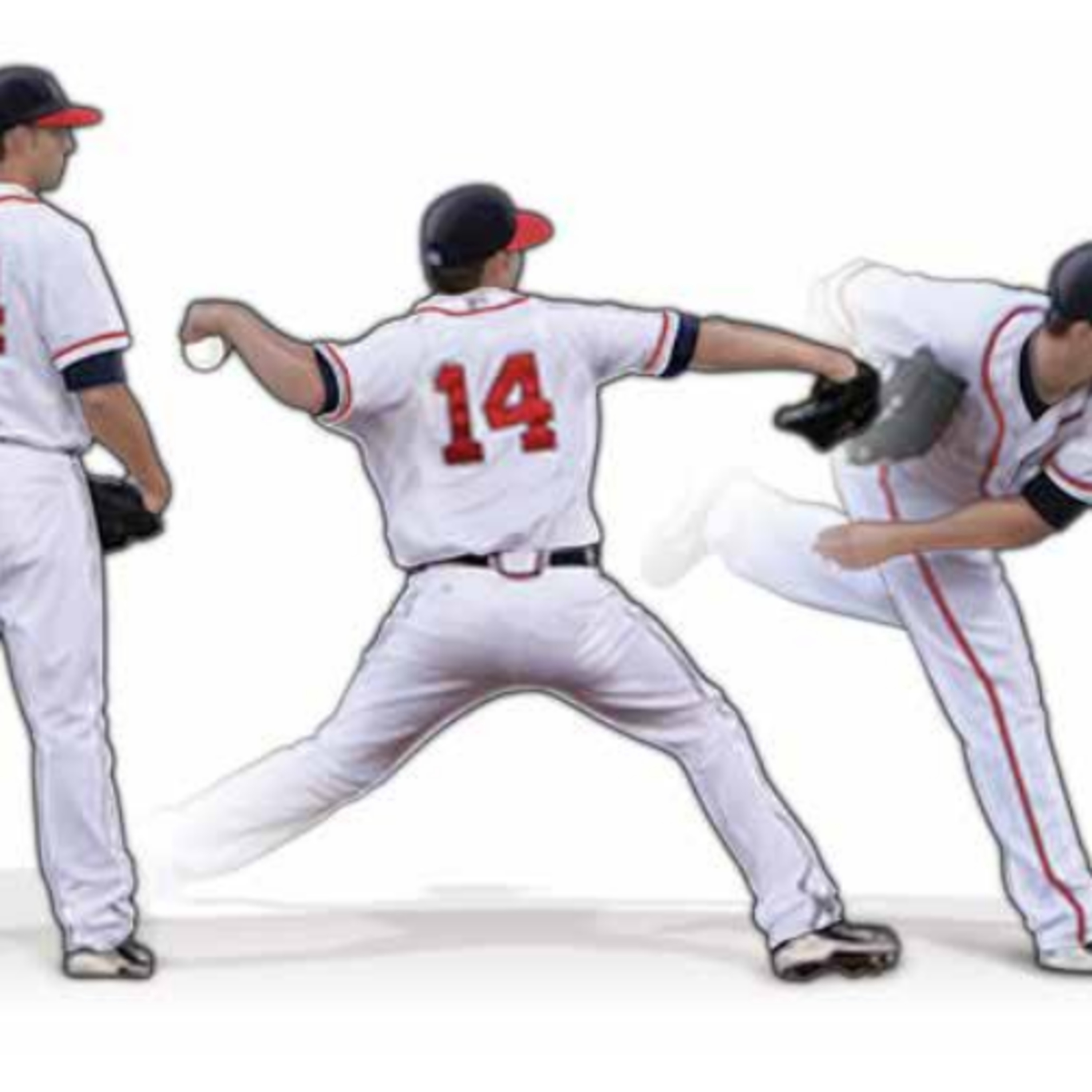
The Brain at the Helm: How Strategy, Tactics, and Execution Shape Movement
This episode takes you inside the brain’s command center for voluntary movement. We break down the motor hierarchy into its three layers: strategy in the association cortex and basal ganglia, tactics in the motor cortex and cerebellum, and execution in the brainstem and spinal cord. Using the example of a baseball pitcher preparing a throw, we trace how the brain evaluates sensory information, sel
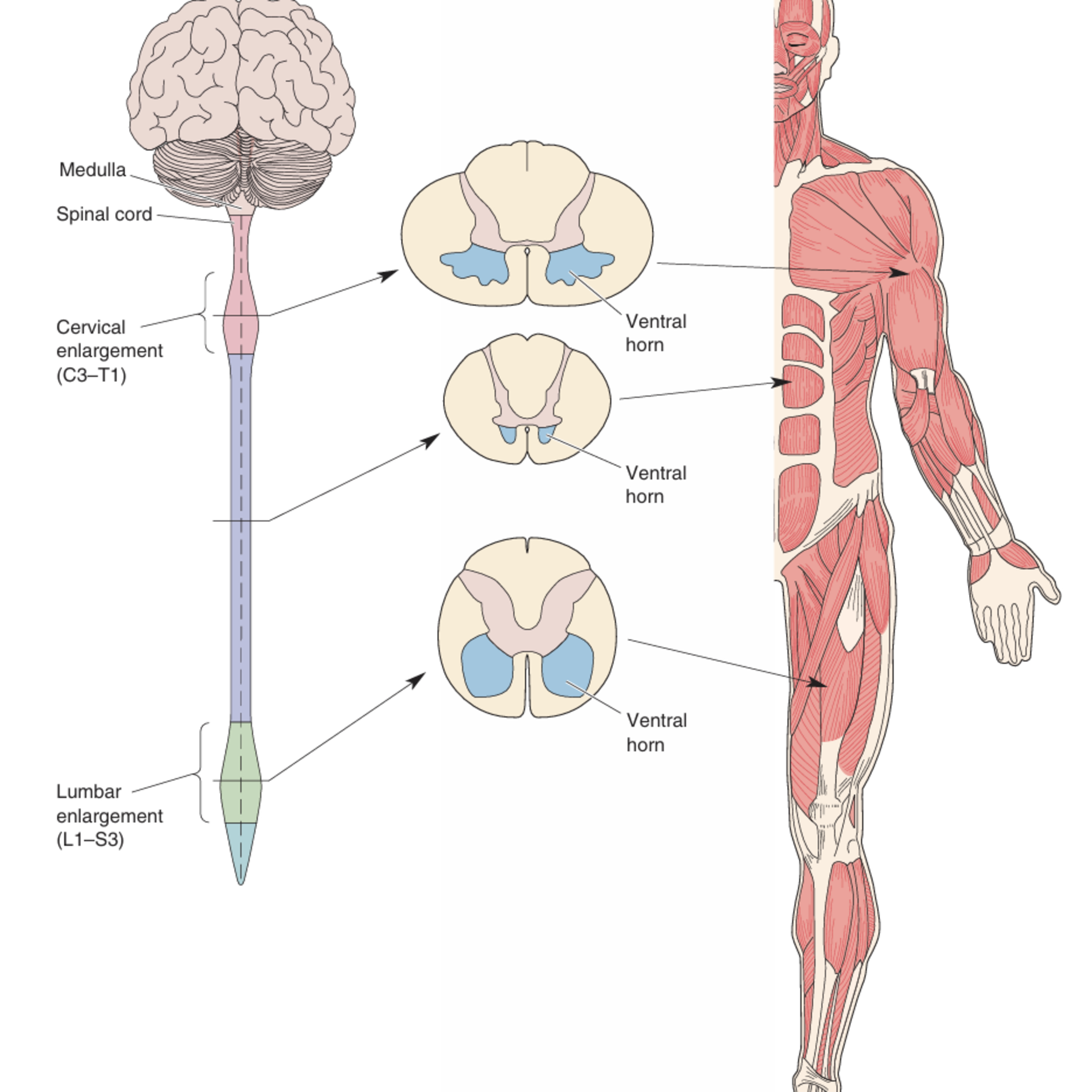
The Machinery of Motion — Inside the Motor System
Every action, from whispering a word to swinging an axe, begins with the motor system — the grand conductor of movement that turns thought into motion. In this episode, we explore the intricate world of muscles, motor neurons, and spinal circuits, the biological machinery that transforms neural signals into behavior.We’ll unpack how your spinal cord can generate complex, rhythmic patterns of movem
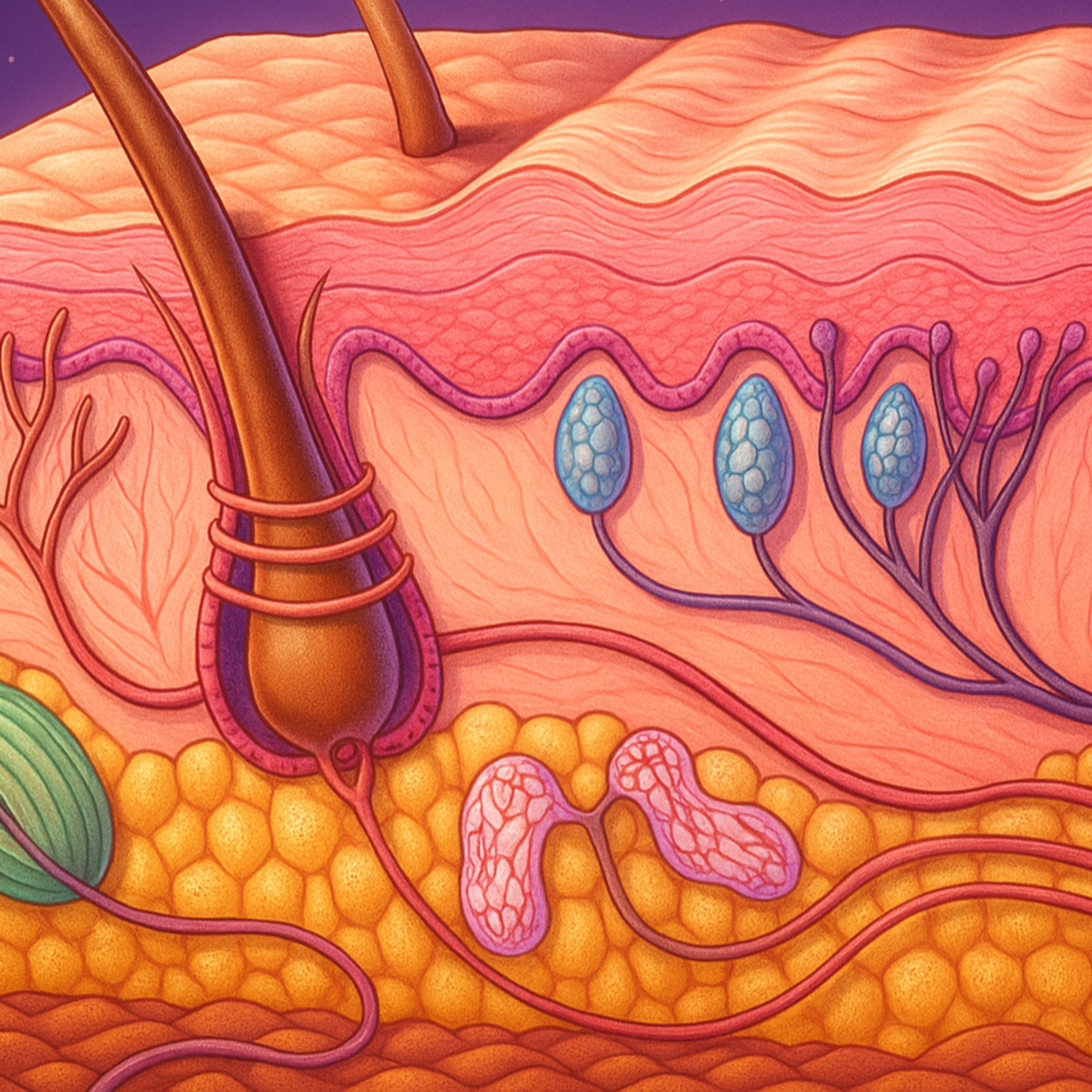
The Body’s Storyteller — The Somatic Sensory System
Your skin, muscles, and joints are constantly talking — and your brain is always listening. In this episode, we dive into the somatic sensory system, the network that lets you feel a soft breeze, a burning flame, or the sharp sting of a pinprick.Unlike sight or hearing, this system isn’t confined to one organ — it’s everywhere. It’s how you sense touch, temperature, pain, and body position, workin
The Symphony of Sound and Balance
In this episode, we dive into the twin marvels of the auditory and vestibular systems — the senses that let us hear the world and stay upright in it. From the crash of a wave to the whisper of a friend, your brain turns invisible vibrations into vivid perception. Meanwhile, your inner ear quietly works overtime, keeping you balanced and your vision steady even as your head moves.We’ll break down h
Photon to Perception: Reverse Engineering Vision, the Blind Spot
Vision is our window to both the microscopic and the cosmic — from spotting a mosquito on your nose to glimpsing galaxies millions of light-years away. Yet for all its apparent simplicity, seeing is one of the most complex feats biology has ever pulled off.In this episode, we peel back the layers of how the brain turns light — mere electromagnetic waves bouncing through space — into meaning. You’l
The Chemistry of Perception — Taste, Smell, and the Origins of Sensation (Section 2)
Long before brains existed, life was already listening — not to sounds or sights, but to chemicals. From single-celled bacteria to humans, survival has always depended on detecting the molecules that mean food, danger, or love. In this episode, we dive into the most ancient and universal senses of all: taste and smell.We’ll explore how evolution shaped our ability to sense the world through chemis
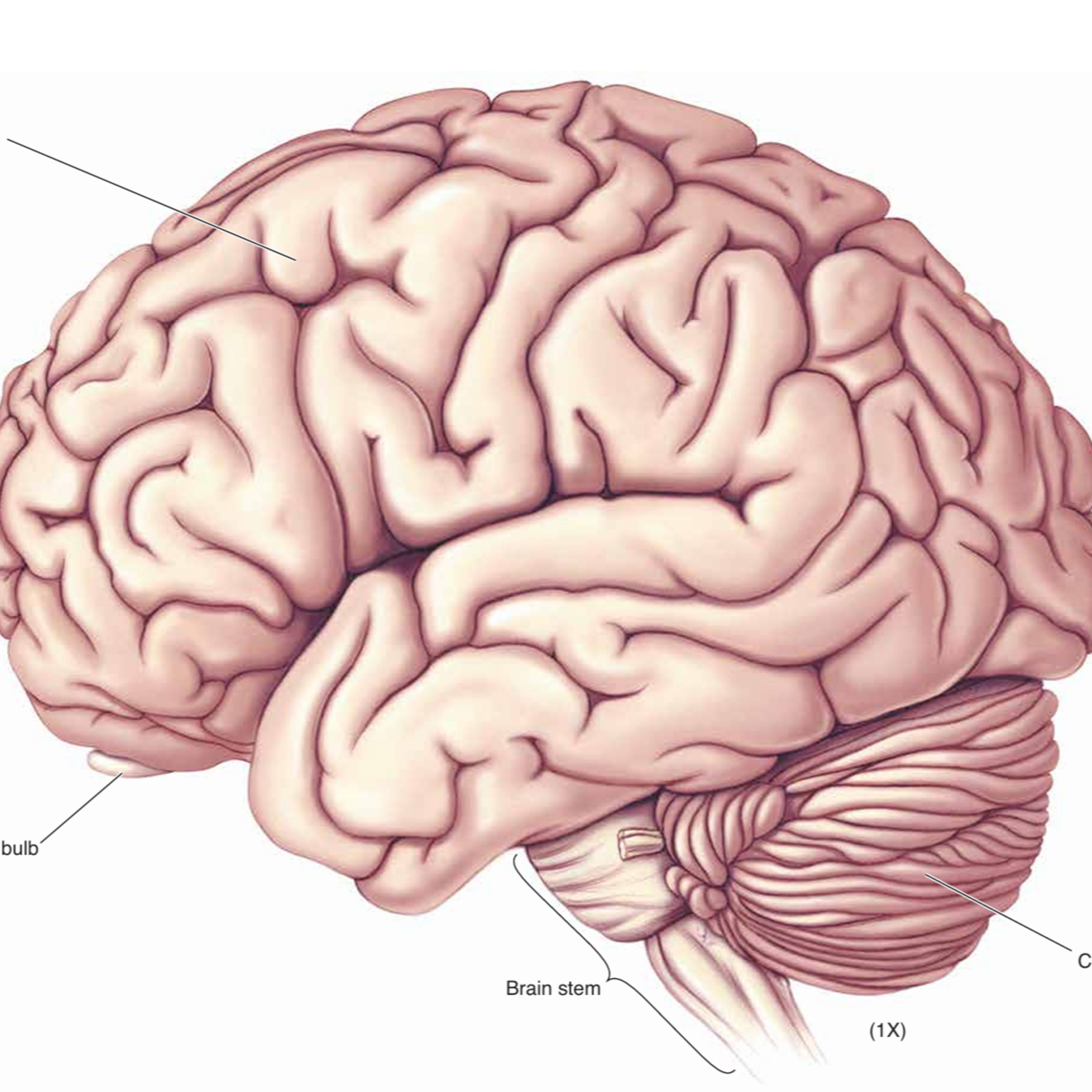
Inside the Brain: A Guided Tour of Neuroanatomy (Section 1)
Before we dive into how the brain works, we need to know how it’s built. In this episode, we open the Illustrated Guide to the Brain — your map to the physical landscape of the nervous system.We’ll explore the brain not just as a concept, but as a real, three-dimensional structure with surfaces, sections, and systems that all fit together inside the skull. From the folds of the cerebral cortex to
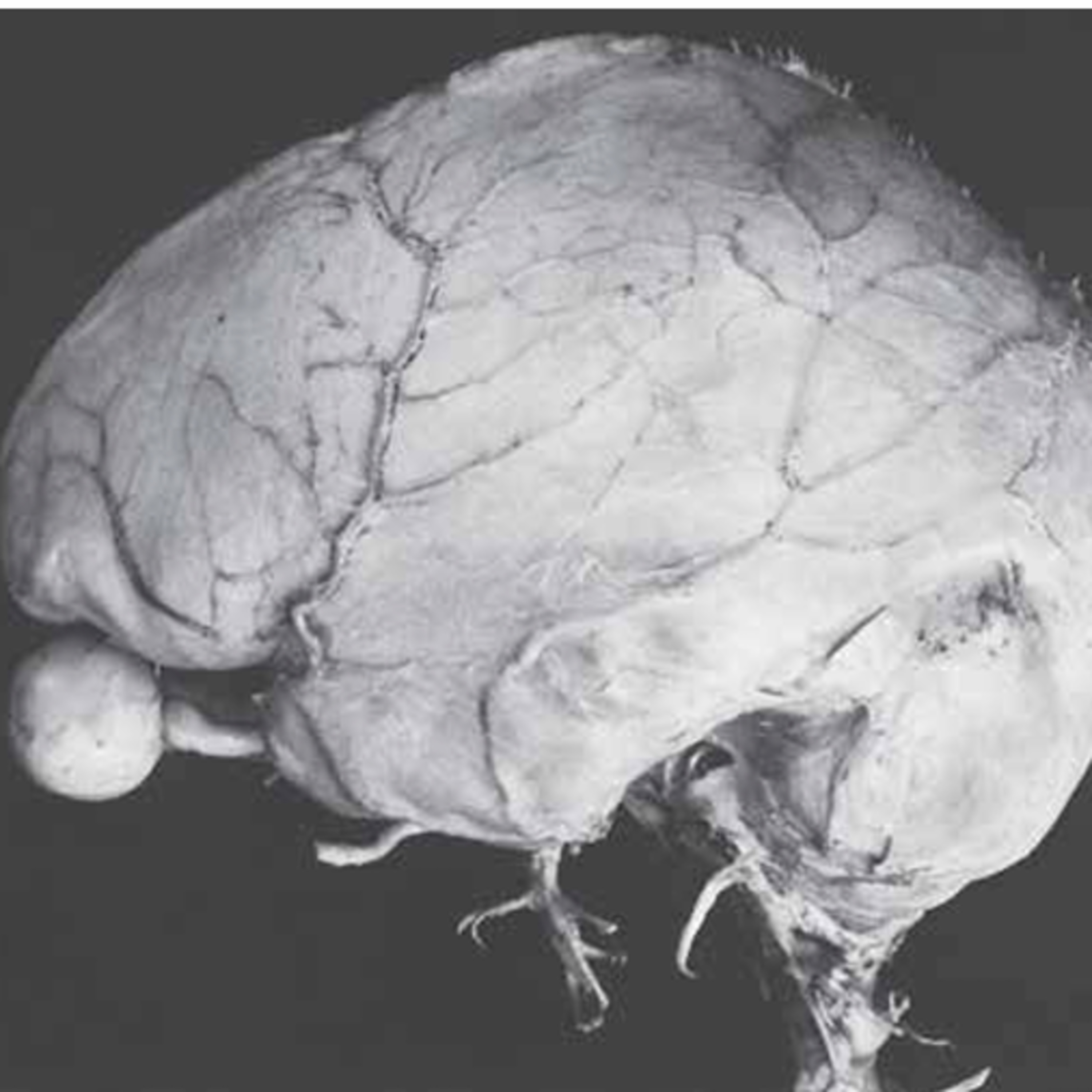
The Brain's Blueprint: From Simple Tube to Conscious Cortex (Section 1)
Your thoughts, movements, and moods all depend on chemistry — specifically, the brain’s breathtakingly precise neurotransmitter systems. In this episode, we dive into the molecules that make neurons talk, and the elegant machinery that keeps those conversations going.We’ll revisit the pioneers of neurochemistry, from Otto Loewi, who discovered acetylcholine and proved that neurons communicate with
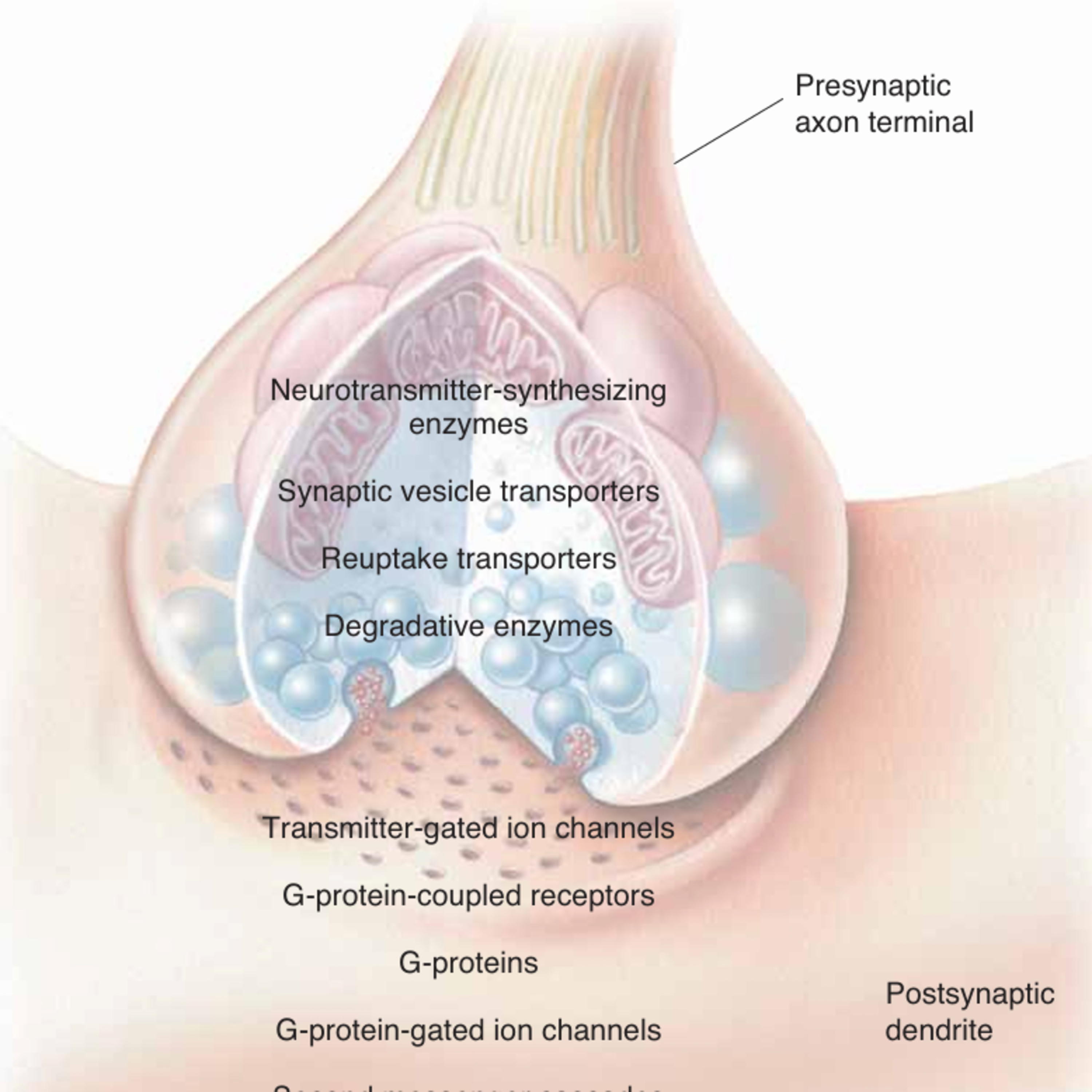
Inside the Chemical Machine: How Neurotransmitters and Receptor (Section 1)
Your thoughts, movements, and moods all depend on chemistry — specifically, the brain’s breathtakingly precise neurotransmitter systems. In this episode, we dive into the molecules that make neurons talk, and the elegant machinery that keeps those conversations going.We’ll revisit the pioneers of neurochemistry, from Otto Loewi, who discovered acetylcholine and proved that neurons communicate with
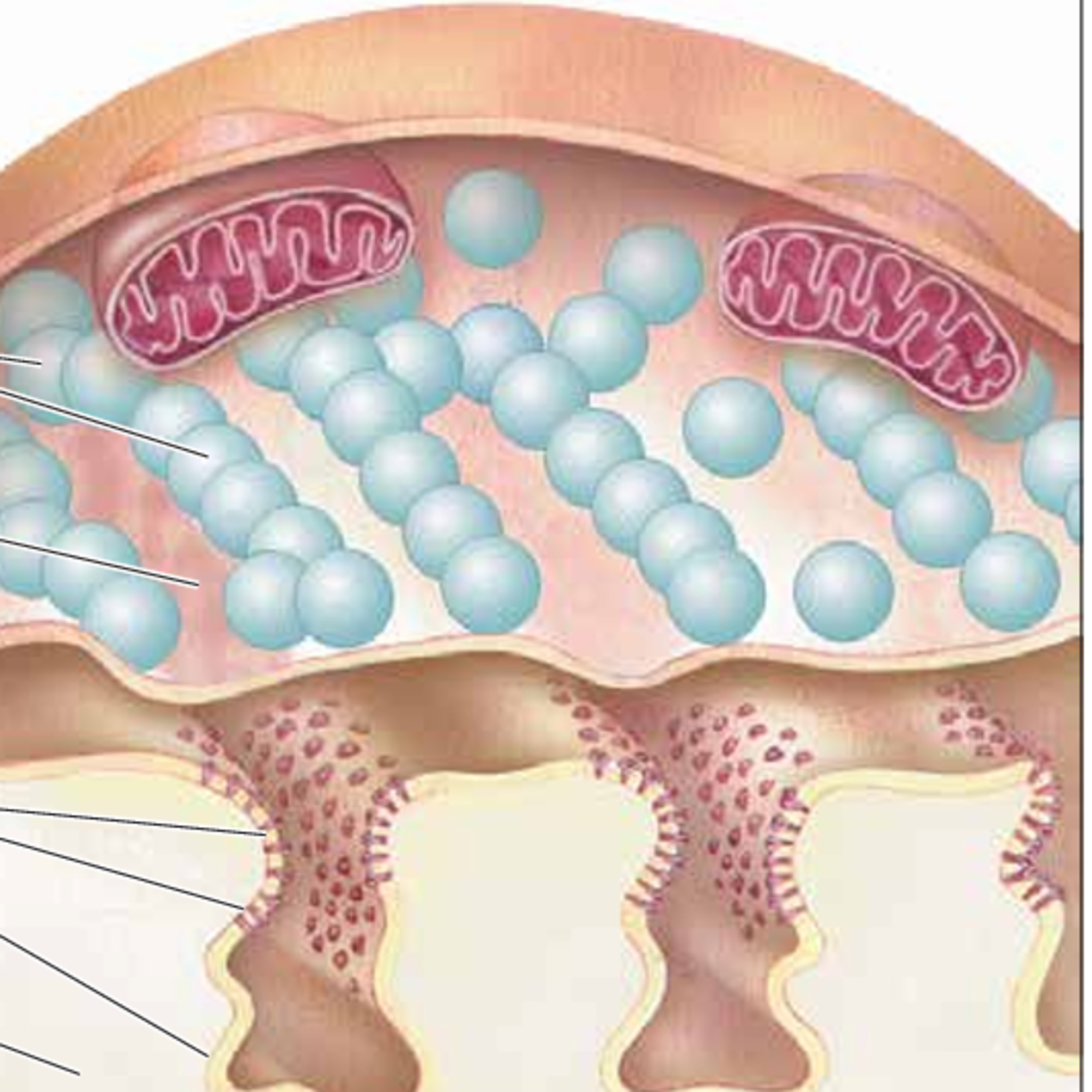
The Synapse Unlocked: From Thumbtacks to Thought: The Electrical Pathway (Section 1)
We’ve seen how a thumbtack to the foot can trigger an electrical storm in your nerves — but how does that signal jump from one neuron to the next? Welcome to the synapse, the tiny but mighty junction where information changes hands.In this episode, we trace the story from the late 1800s, when scientists first realized neurons don’t just touch — they communicate. Early researchers like Charles Sher
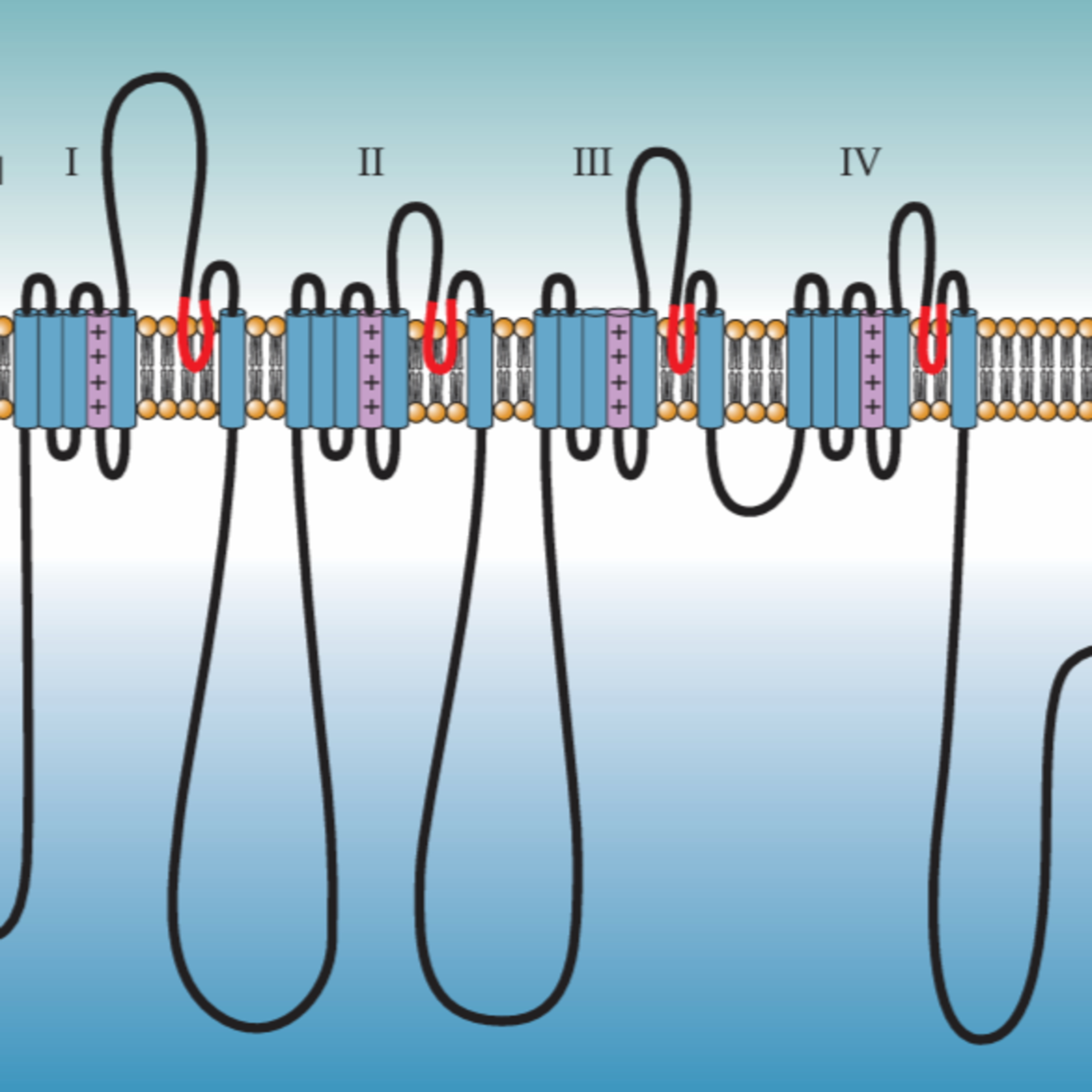
None Switch: Unpacking the Action Potential (Section 1)
Your brain speaks in electricity — tiny, rapid bursts called action potentials. In this episode, we break down the signal that carries information through your nervous system at lightning speed. Normally, a neuron’s interior is slightly negative compared to the outside — but when an action potential hits, that balance flips in a split second, and the inside becomes positive.This brief electrical s
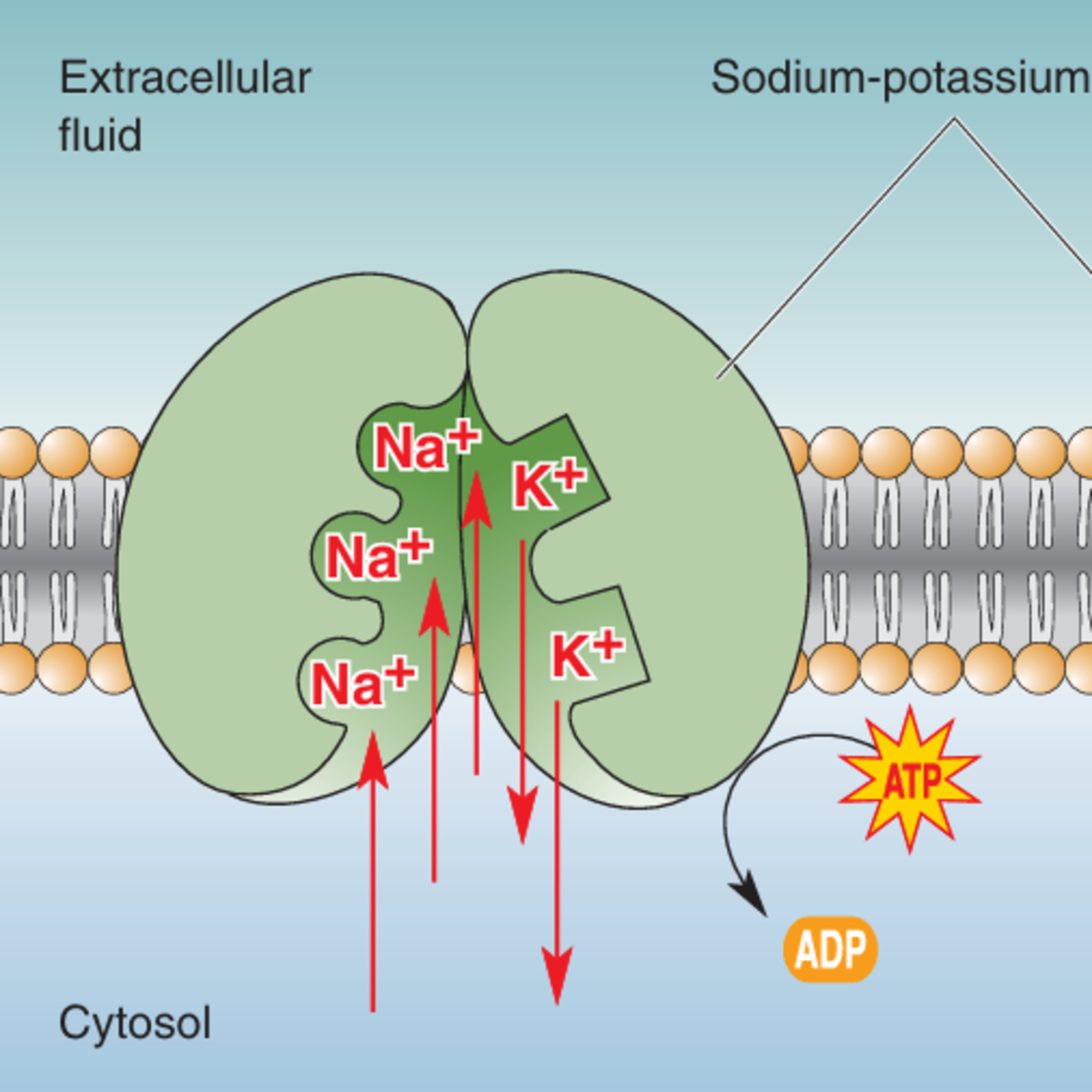
The Biological Battery: How Your Brain's Pumps and Channels Created (Section 1)
Ever wonder what’s happening inside your body when you step on a thumbtack and instantly yank your foot away? In this episode, we dive into the electrifying world of your nervous system — literally. From the first spark of pain at your skin to the lightning-fast signals racing up your spinal cord, we unpack how neurons collect, process, and transmit information.You’ll learn how the brain’s communi
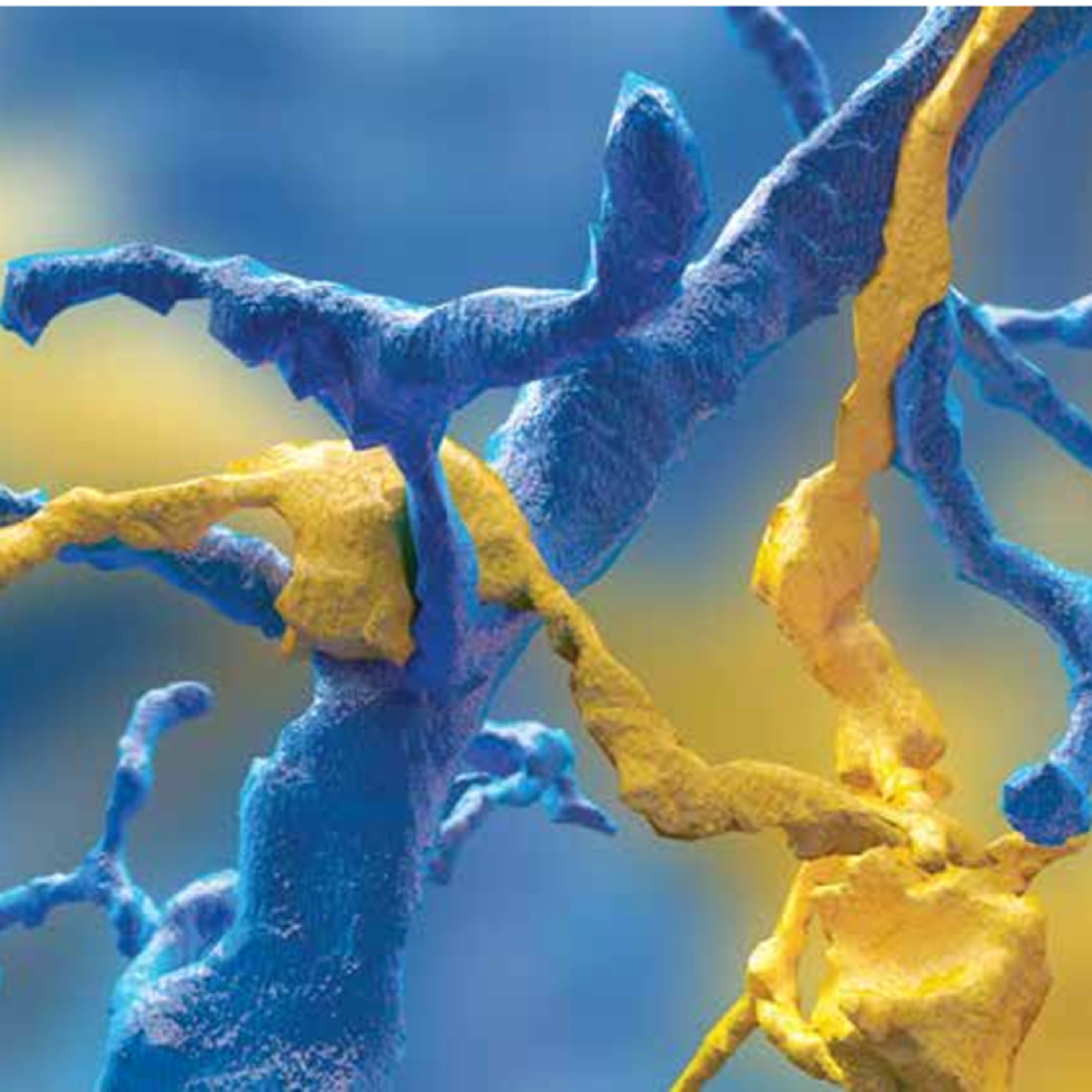
From Skull Guesswork to Synaptic Gaps: The Epic History of Neuron (Section 1)
The historical foundations of neuroscience were laid by numerous individuals over many generations. Today, researchers at various levels of analysis and employing diverse technologies are making significant strides in uncovering the brain's functions. The results of these endeavors form the basis of this textbook. The primary aim of neuroscience is to comprehend how nervous systems operate. Valuab
Genomics II: Functional Genomics, Proteomics, and Bioinformatics (CMB final part)
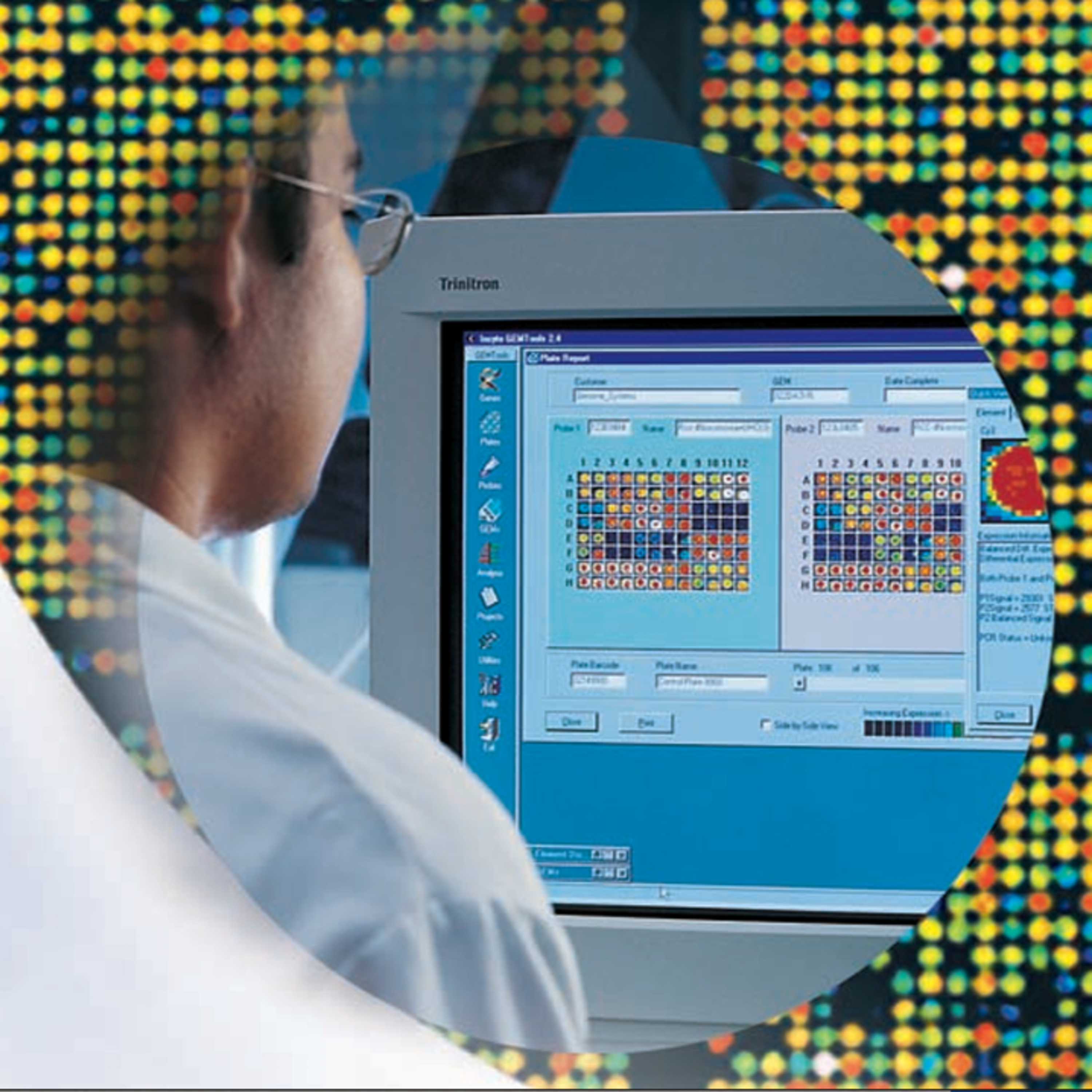
Functional genomics focuses on analyzing the expression of numerous genes. One branch of this field is transcriptomics, which examines transcriptomes—all the RNA transcripts produced by an organism at a specific time. A common approach in transcriptomics involves the creation of DNA microarrays or microchips containing thousands of cDNAs or oligonucleotides. These arrays are hybridized with labele
Introduction to Genomics: DNA Sequencing on a Genomic Scale (CMB part 22)
Several approaches are available for identifying genes within a large, unsequenced DNA region. One method is the exon trap, which employs a specialized vector to selectively clone exons. Another involves using methylation-sensitive restriction enzymes to locate CpG islands—DNA regions containing unmethylated CpG sequences. Prior to the genomics era, geneticists mapped the Huntington disease gene (

Transposition (CMB part 21)
Transposable elements, also known as transposons, are DNA segments capable of moving from one location to another within the genome. Some transposable elements replicate during the process, leaving one copy in the original position and inserting a new copy at a different site, while others move without replication, vacating the original site entirely. Bacterial transposons can be categorized as fo
Homologous Recombination (CMB part 20)
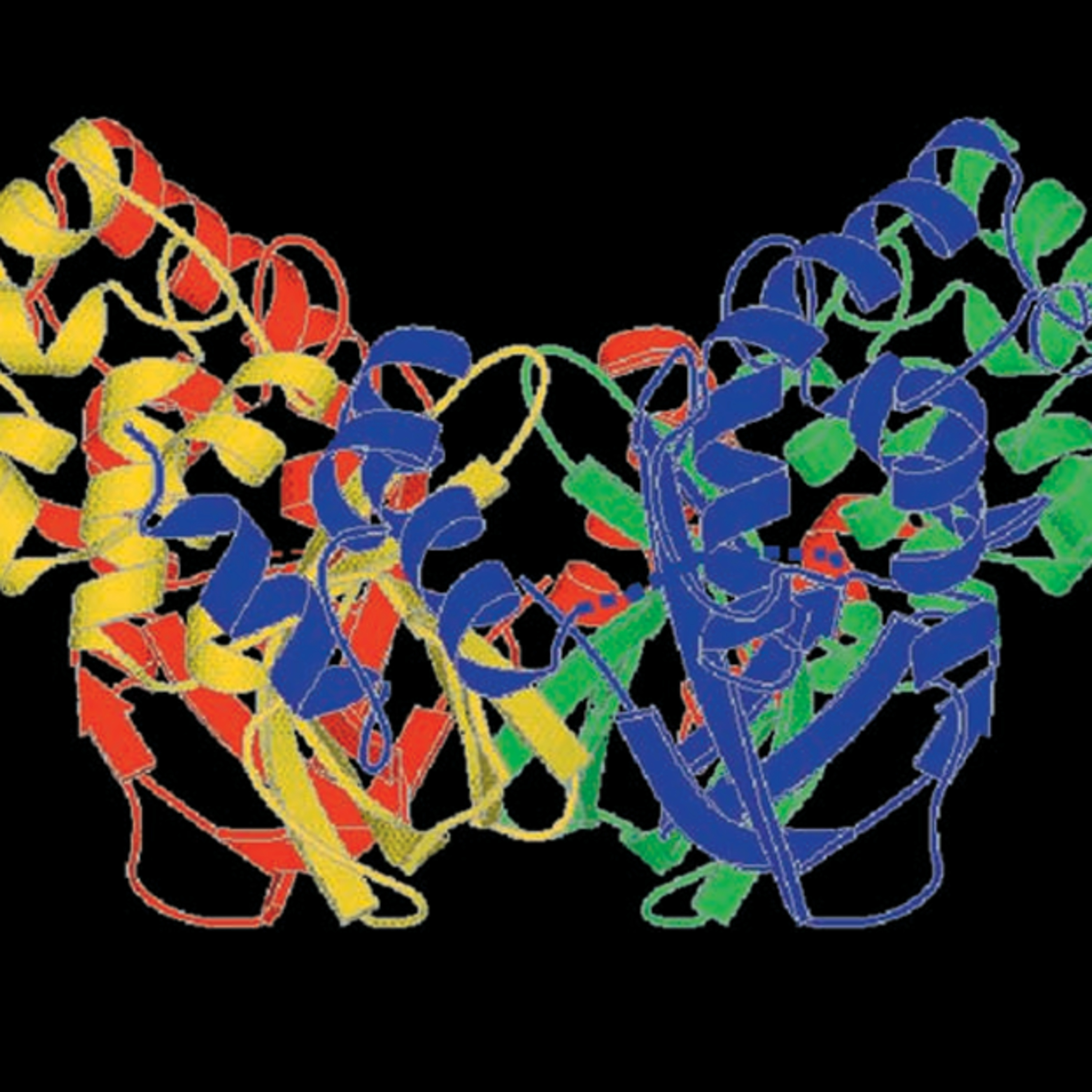
Homologous recombination is vital for life. In eukaryotic meiosis, it ensures proper separation of homologous chromosomes by locking them together and promotes genetic diversity in offspring by scrambling parental genes. In all life forms, it plays a crucial role in managing DNA damage. In E. coli, homologous recombination via the RecBCD pathway starts with the invasion of duplex DNA by single-str
DNA Replication II: Detailed Mechanism (CMB part 19)
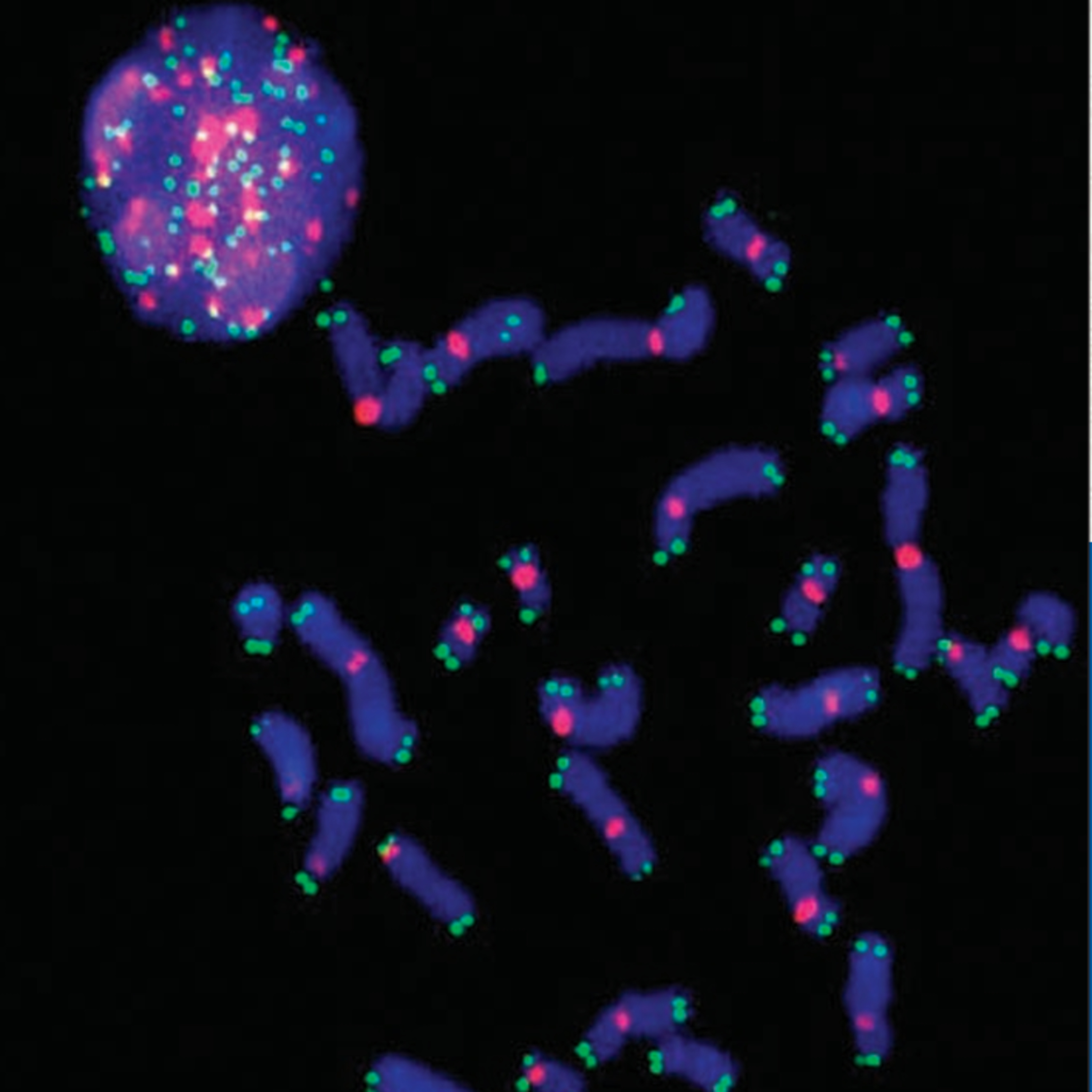
Primer synthesis in E. coli involves the primosome, which consists of the DNA helicase DnaB and the primase DnaG. The assembly of the primosome at the origin of replication, oriC, proceeds as follows: DnaA binds to oriC at specific sites known as dnaA boxes and collaborates with RNA polymerase and HU protein to melt a DNA region adjacent to the leftmost dnaA box. Subsequently, DnaB associates with
DNA Replication, Damage, and Repair (CMB part 18)
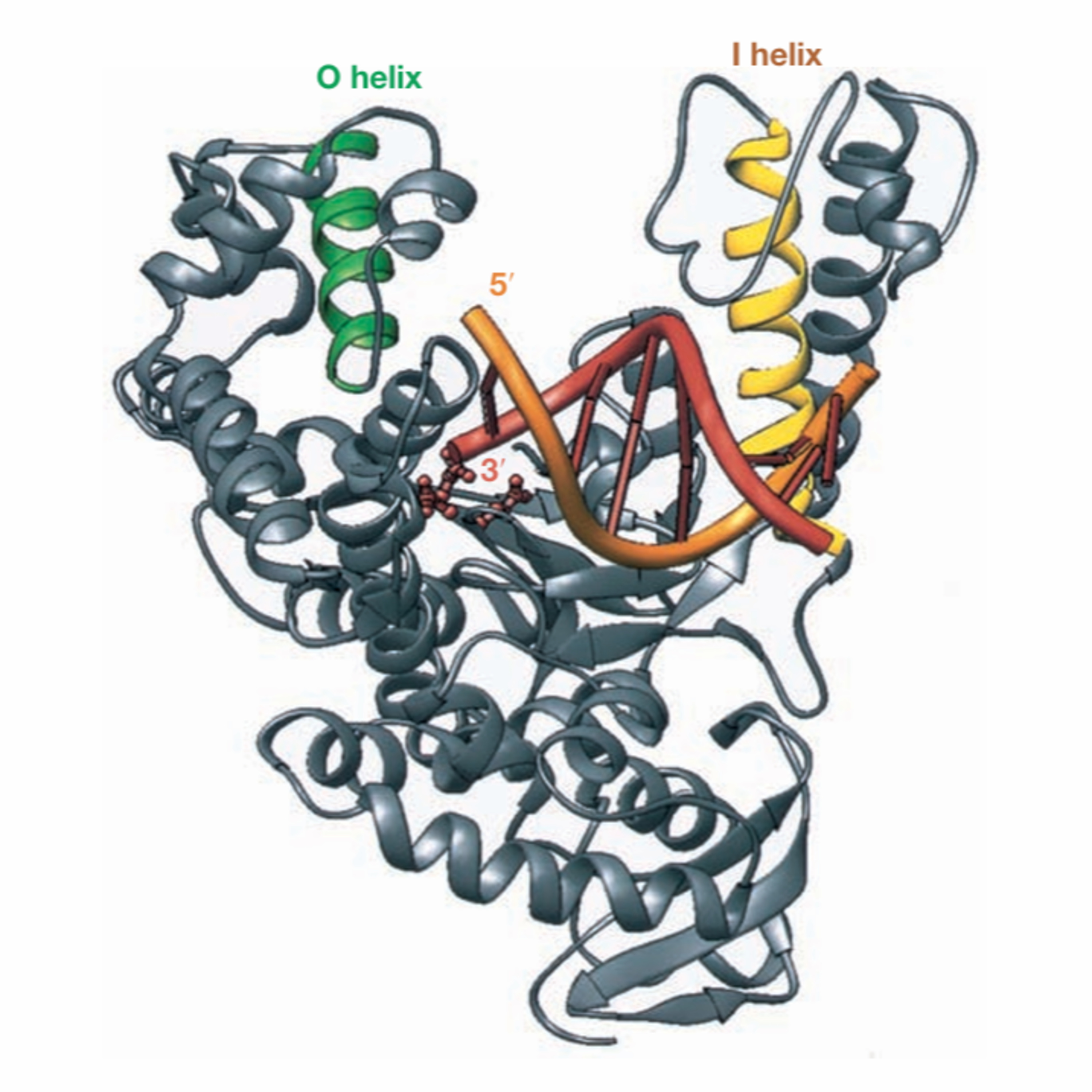
Several principles govern DNA replication across most organisms: (1) Double-stranded DNA replicates in a semiconservative manner, where the parental strands separate and serve as templates for the synthesis of new, complementary strands. (2) DNA replication in E. coli and other organisms is at least semidiscontinuous. One strand, often considered to replicate continuously in the direction of the r
Ribosomes and Transfer RNA (CMB part 17)
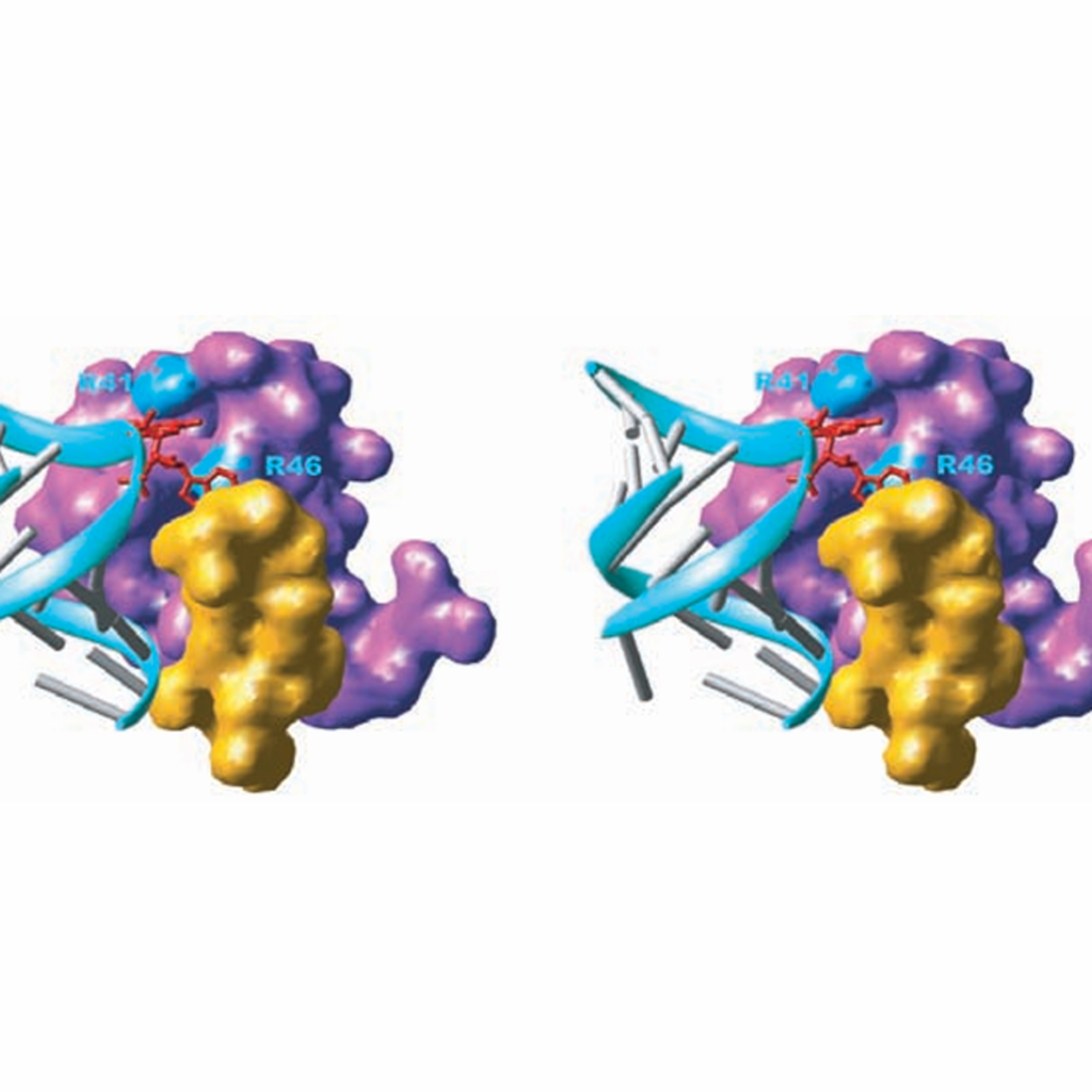
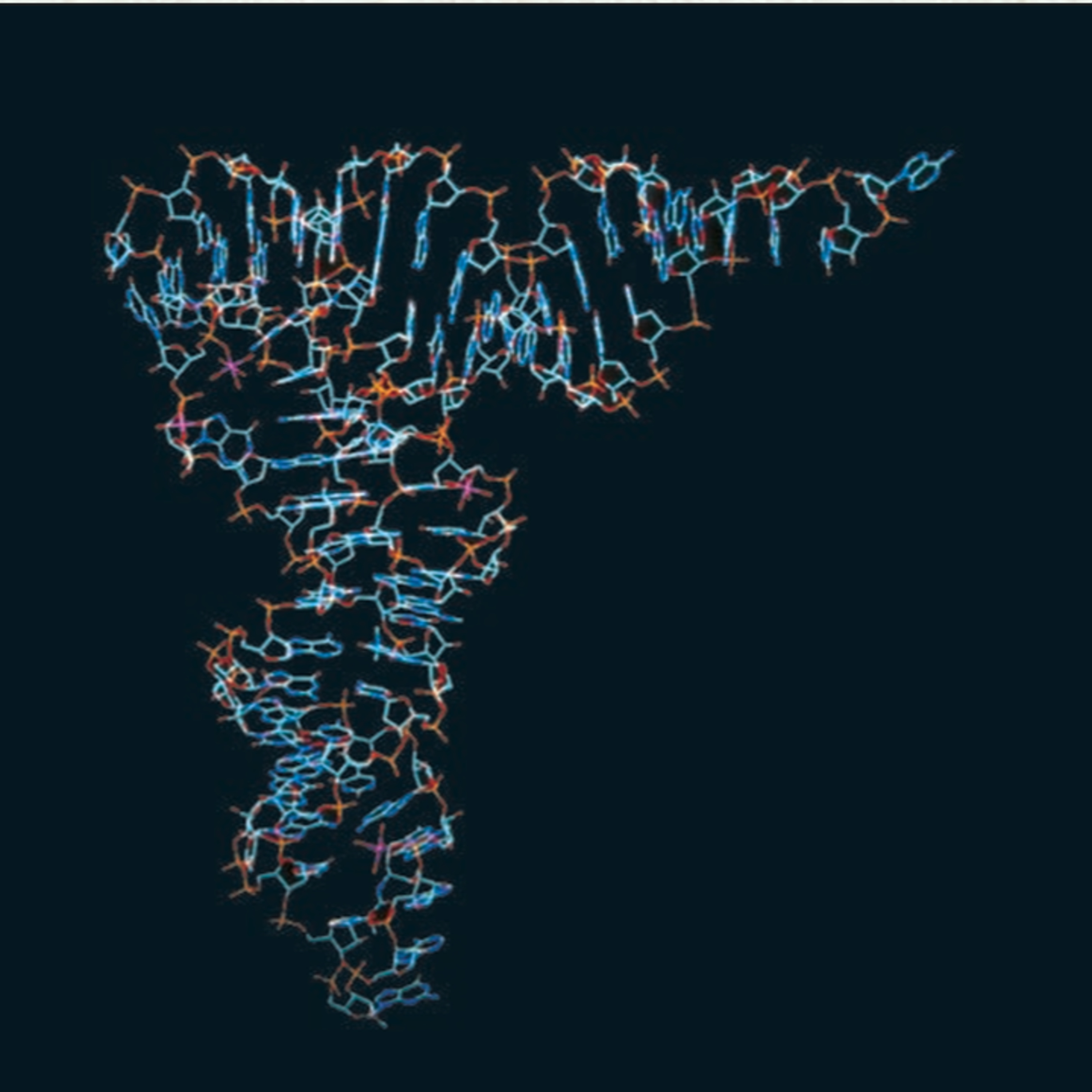
X-ray crystallography studies on bacterial ribosomes with and without tRNAs have revealed that tRNAs occupy the cleft between the two subunits. They interact with the 30S subunit through their anticodon ends and with the 50S subunit through their acceptor stems. The binding sites for tRNAs primarily consist of rRNA. The anticodons of tRNAs in the A and P sites come into close proximity, allowing b
The Mechanism of Translation II (CMB part 16)
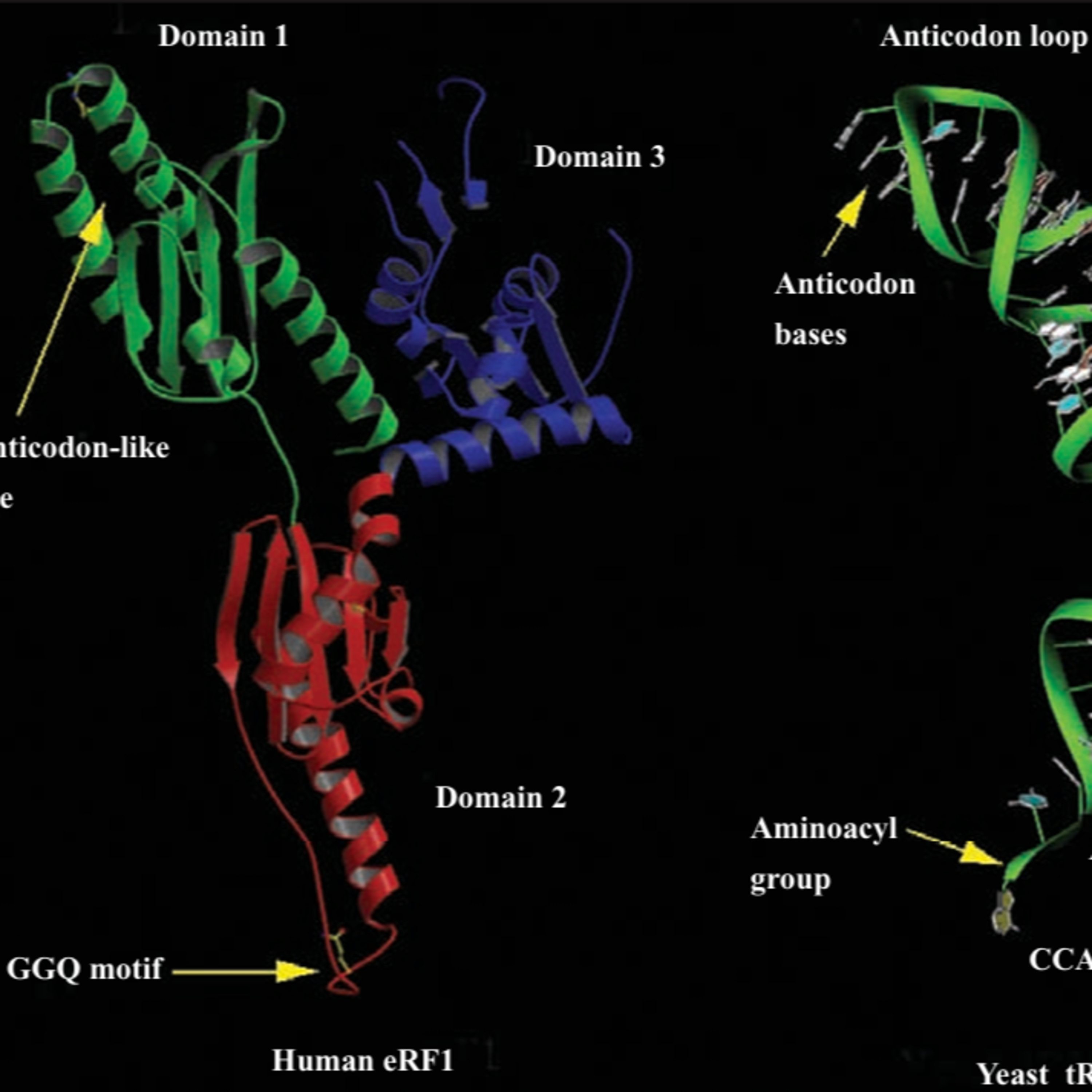
Messenger RNAs are read in the 5' to 3' direction, which is the same direction in which are synthesized. Proteins are synthesized from the amino terminus to the carboxyl terminus, meaning the amino-terminal amino acid is added first. The genetic code consists of three-base sequences called codons in mRNA, which instruct the ribosome to incorporate specific amino acids into a polypeptide. The code
The Mechanism of Translation I: Initiation (CMB part 15)
Two critical events precede protein synthesis. First, aminoacyl-tRNA synthetases attach amino acids to their respective tRNAs with high specificity through a two-step reaction that begins with the activation of the amino acid using AMP, derived from ATP. Second, ribosomes must dissociate into their subunits at the conclusion of each translation cycle. In bacteria, this dissociation is actively fac
Other RNA Processing Events and Post-Transcriptional Control of Gene Expression (CMB part 14)
Ribosomal RNAs are synthesized in the nucleoli of eukaryotic cells as precursors that require processing to yield mature rRNAs. The sequence of RNAs in the precursor is universally 18S, 5.8S, and 28S across all eukaryotes, although the precise sizes of the mature rRNAs differ among species. In human cells, the precursor is 45S, which undergoes a processing scheme that produces 41S, 32S, and 20S in
RNA Processing II: Capping and Polyadenylation (CMB part 13)
Capping occurs in several steps: initially, RNA triphosphatase removes the terminal phosphate from pre-mRNA. Subsequently, guanylyl transferase adds the capping GMP derived from GTP, followed by two methyl transferases that methylate the N7 position of the capping guanosine and the 2'-O-methyl group of the penultimate nucleotide. These processes take place early in transcription, before the RNA ch
RNA Processing I: Splicing (CMB part 12)
Nuclear mRNA precursors undergo splicing through a lariat-shaped or branched intermediate. In addition to the consensus sequences at the 5′ and 3′ ends of nuclear introns, branchpoint consensus sequences are also present. In yeast, this sequence is almost invariant as UACUAAC, whereas in higher eukaryotes, the consensus sequence is more variable, represented as YNCURAC. In all cases, the branched
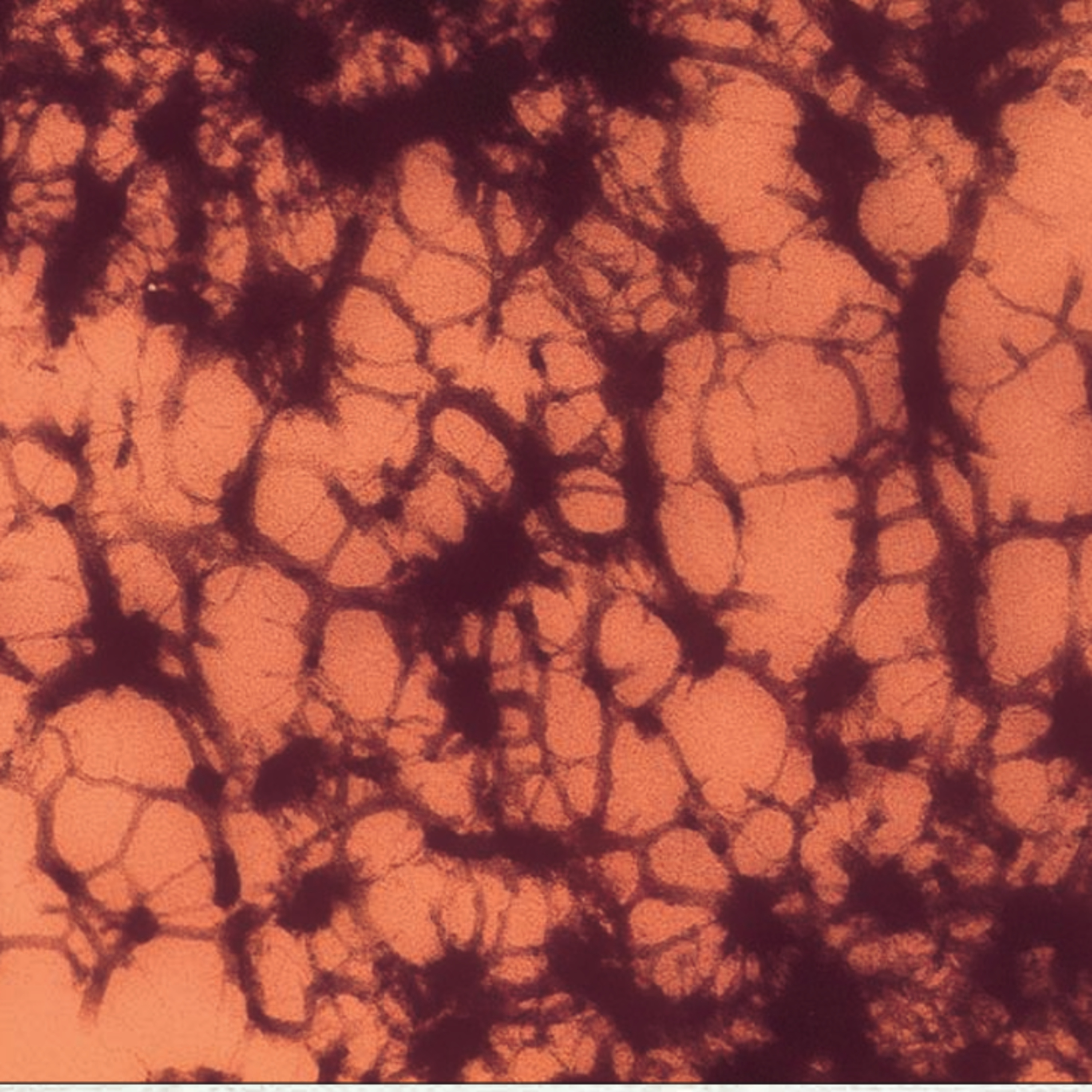
Chromatin Structure and Its Effects on Transcription( CMB part 11)
Eukaryotic DNA associates with basic protein molecules called histones to form nucleosomes. Each nucleosome consists of four pairs of histones (H2A, H2B, H3, and H4) arranged in a wedge-shaped disc, around which 146 base pairs (bp) of DNA are wrapped. Histone H1, which is not part of the core nucleosome, is more easily removed from chromatin than the core histones. In the second level of chromatin
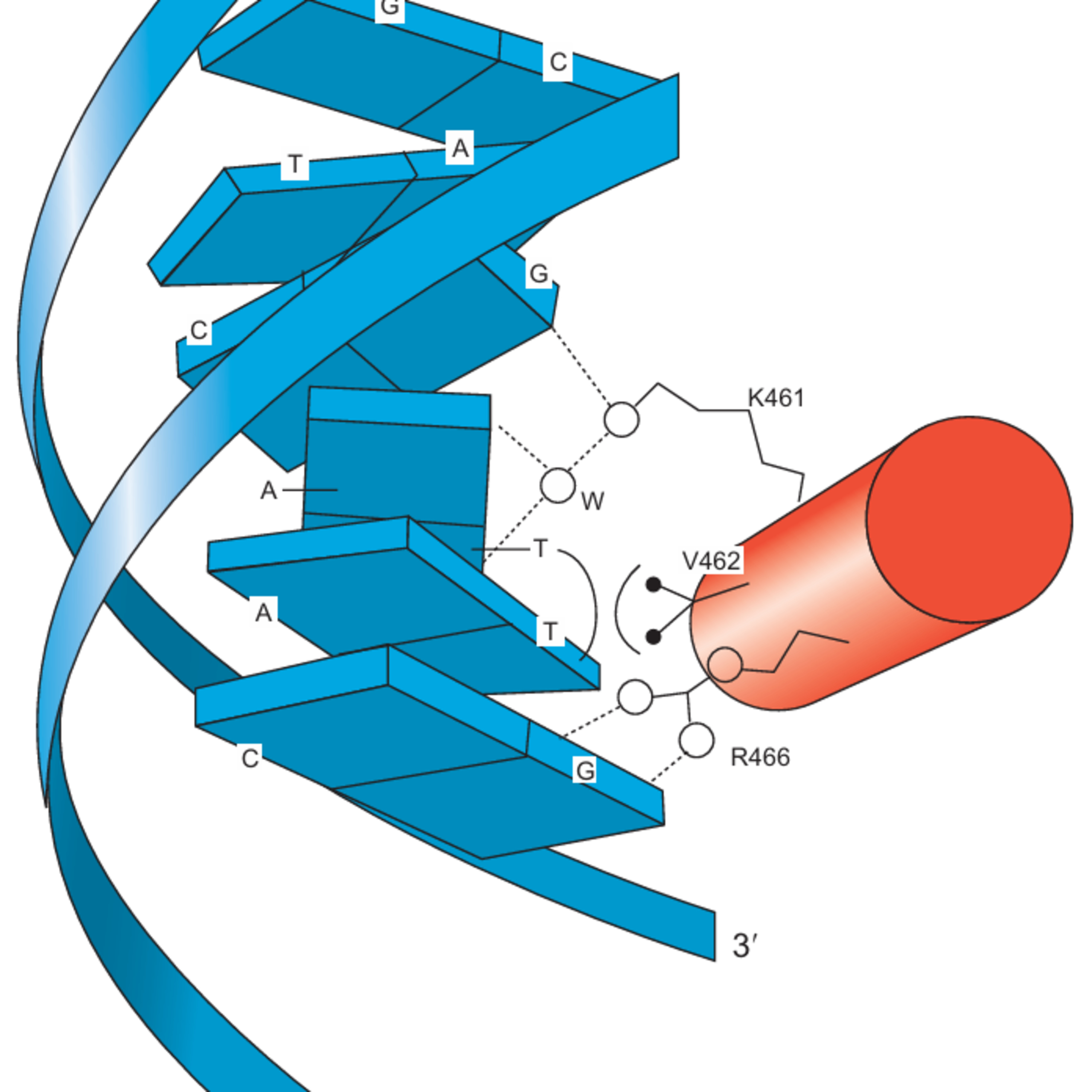
Transcription Activators in Eukaryotes( CMB part 10)
Eukaryotic activators consist of at least two domains: a DNA-binding domain and a transcription-activating domain. DNA-binding domains include motifs such as zinc modules, homeodomains, bZIP, or bHLH motifs. Transcription-activating domains can be acidic, glutamine-rich, or proline-rich. Zinc fingers are characterized by an antiparallel β-sheet followed by an α-helix. The β-sheet contains two cyst
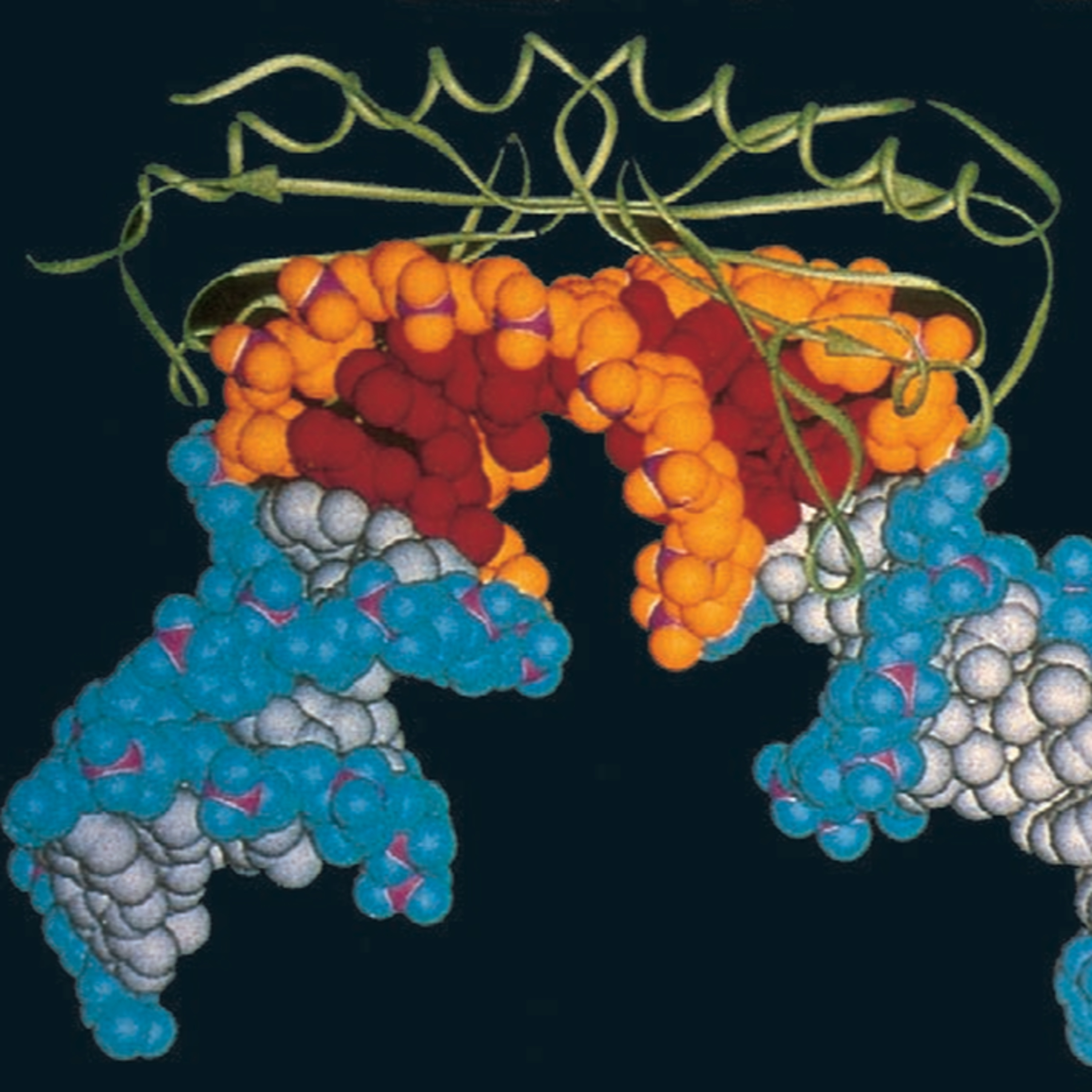
General Transcription Factors in Eukaryotes (CMB part 9)
Transcription factors bind to class II promoters in vitro in the following sequence: (1) TFIID, with assistance from TFIIA, attaches to the TATA box. (2) TFIIB binds subsequently. (3) TFIIF facilitates the binding of RNA polymerase II. The remaining factors bind in this order:IIE and TFIIH, creating the DABPolFEH preinitiation complex. Notably, TFIIA's involvement appears to be optional in vitro.T
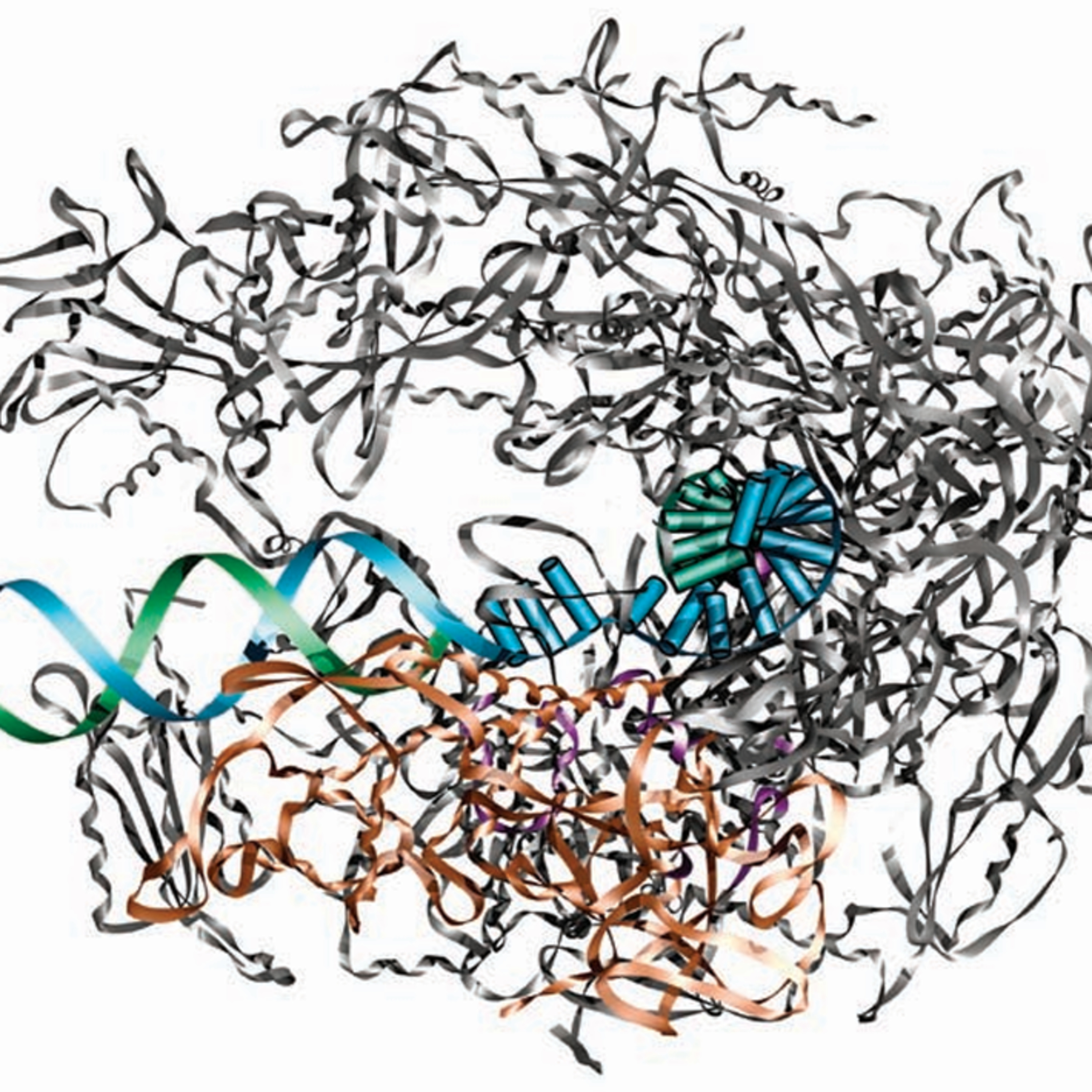
Eukaryotic RNA Polymerases and Their Promoters (CMB part 8)
Eukaryotic nuclei house three distinct RNA polymerases, which can be separated using ion-exchange chromatography. RNA polymerase I resides in the nucleolus, while other two are located in the nucleoplasm. Each of these polymerases performs specific transcriptional roles. Polymerase I synthesizes a large precursor to the major rRNAs (5.8S, 18S, and 28S in vertebrates). Polymerase II generates hnRNA
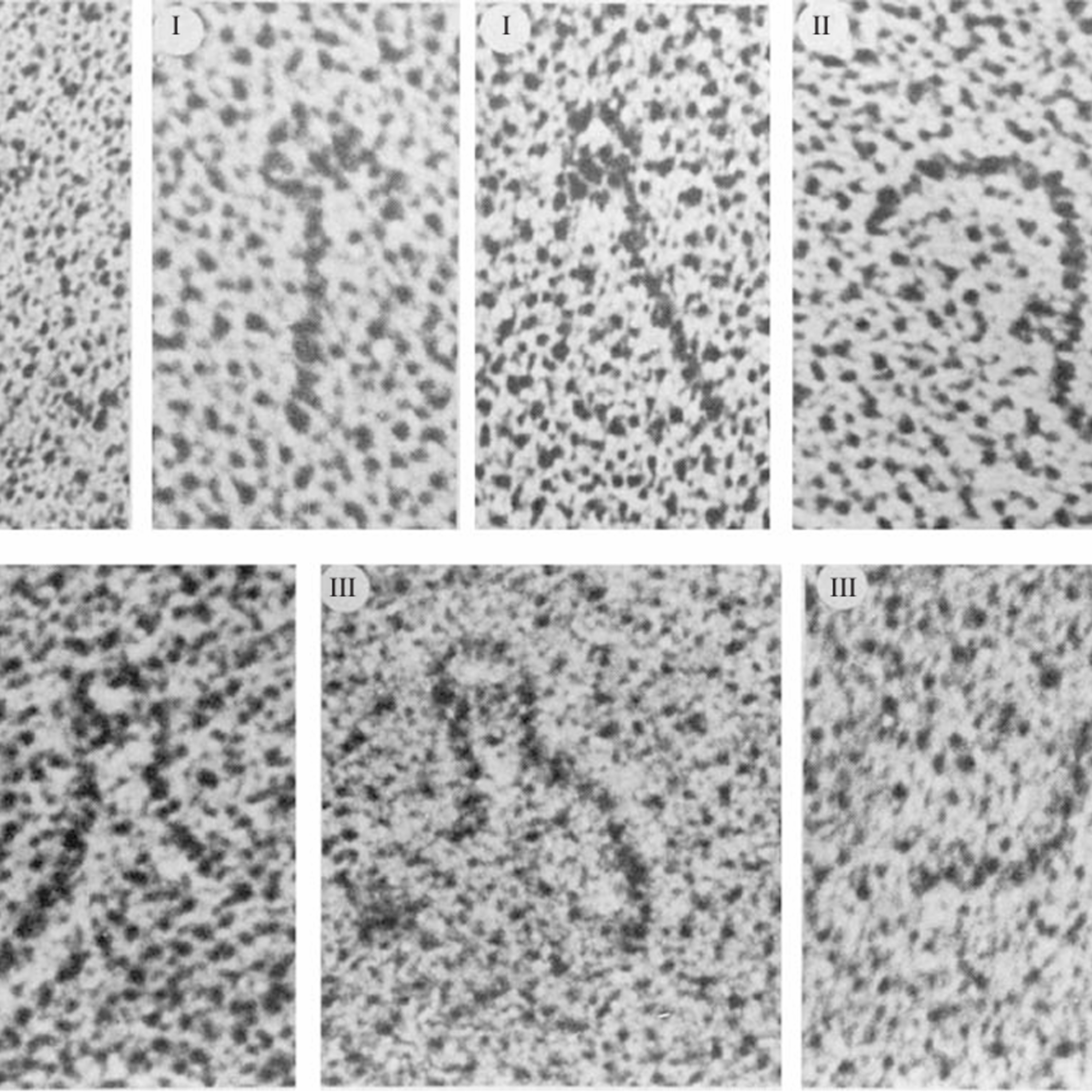
DNA–Protein Interactions in Bacteria(CMB part 7)
The repressors of the λ-like phages possess recognition helices that fit sideways into the major groove of the operator DNA. Specific amino acids on the DNA-facing side of the recognition helix establish precise contacts with bases in the operator, and these interactions determine the specificity of the protein-DNA binding. Altering these amino acids can modify the specificity of the repressor. Bo
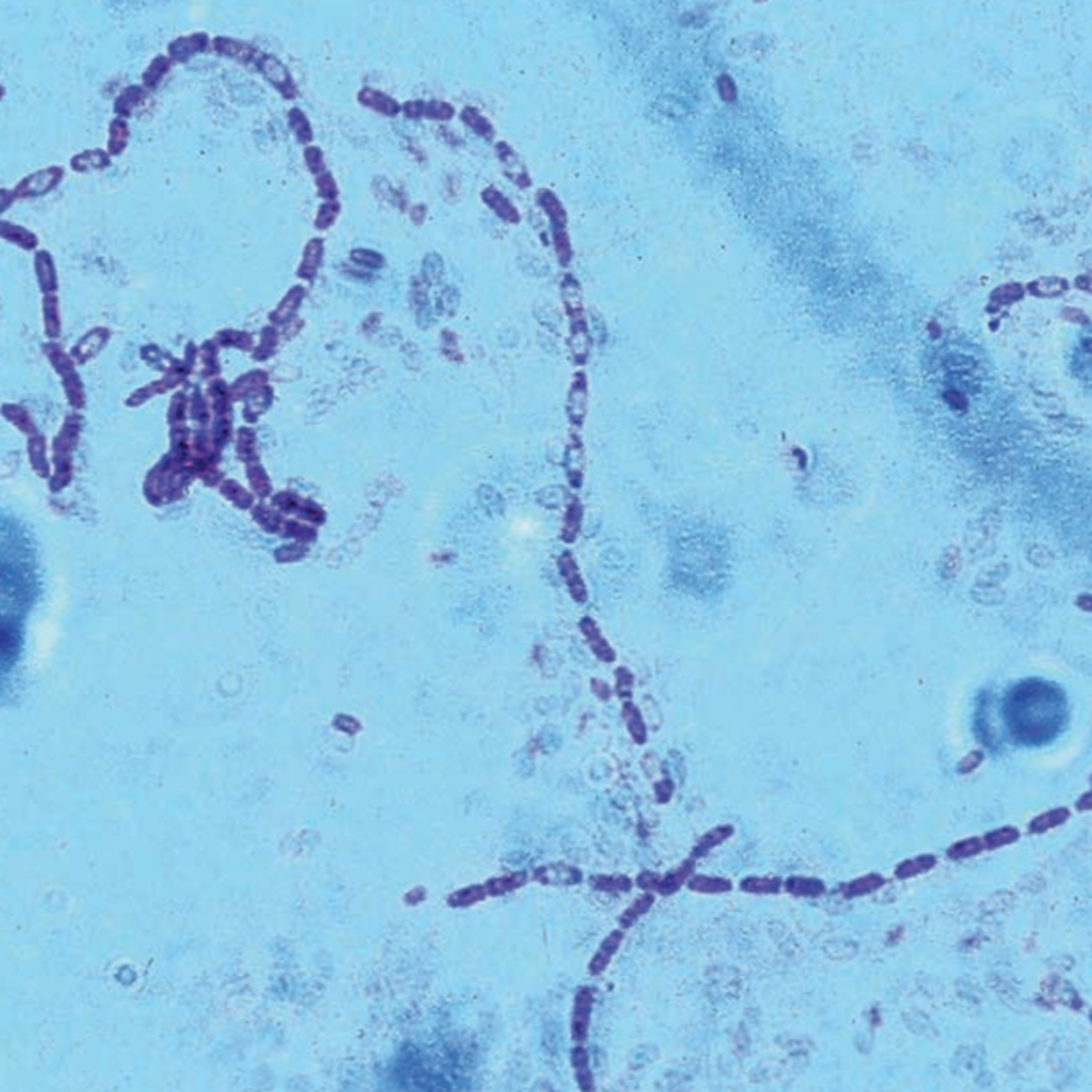
Major Shifts in Bacterial Transcription (CMB part 6)
Bacteria undergo significant shifts in transcription patterns during various processes, such as phage infection or sporulation, and have evolved multiple mechanisms to facilitate these changes. For instance, the transcription of phage SPO1 genes in infected B. subtilis cells follows a temporal sequence, where early genes are transcribed first, followed by middle genes, and finally late genes. Thi
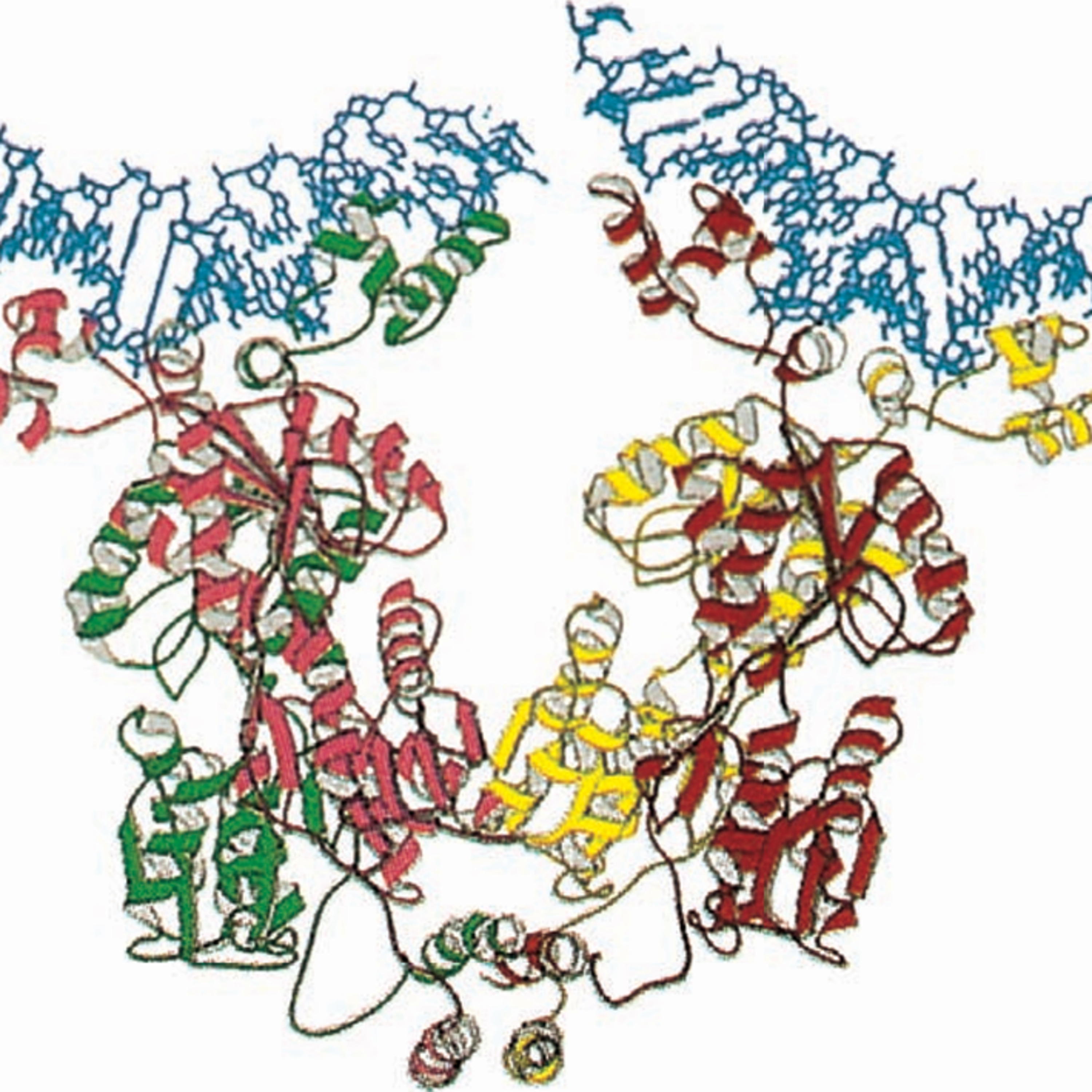
Operons: Fine Control of Bacterial Transcription (CMB part 5 )
Lactose metabolism in E. coli is facilitated by two essential proteins, β-galactosidase and galactoside permease. The genes encoding these proteins, along with another enzyme, are organized into a cluster and transcribed together from a single promoter, producing a polycistronic mRNA. These functionally related genes are therefore regulated collectively. The lac operon is controlled through both p
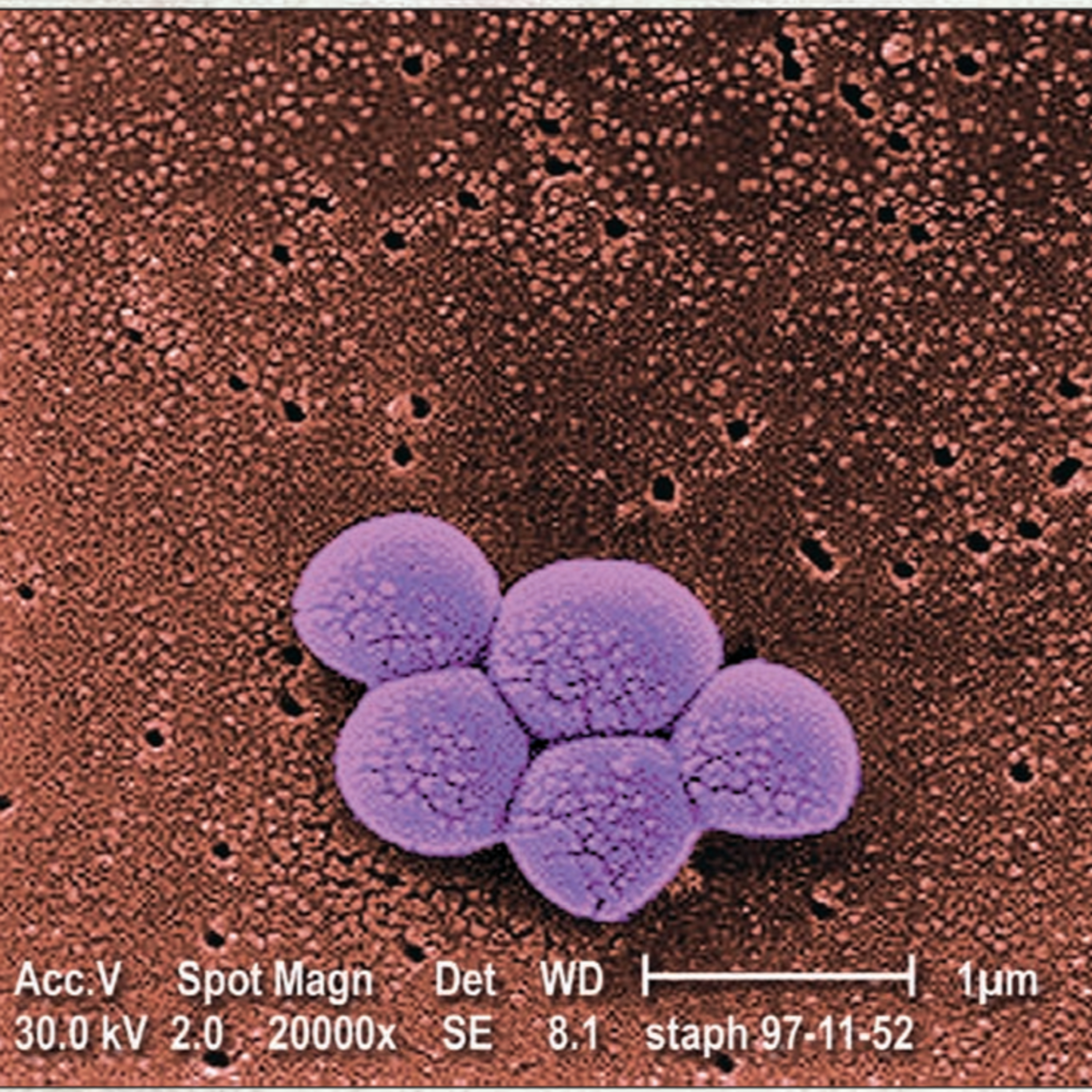
The Mechanism of Transcription in Bacteria (CMB part 4 )
The catalytic agent in the transcription process is RNA polymerase. In E. coli, this enzyme consists of a core, which houses the fundamental transcription machinery, and a sigma factor (σ-factor), which guides the core to transcribe specific genes. The σ-factor facilitates the initiation of transcription by enabling the RNA polymerase holoenzyme to bind tightly to a promoter. This σ-dependent bind
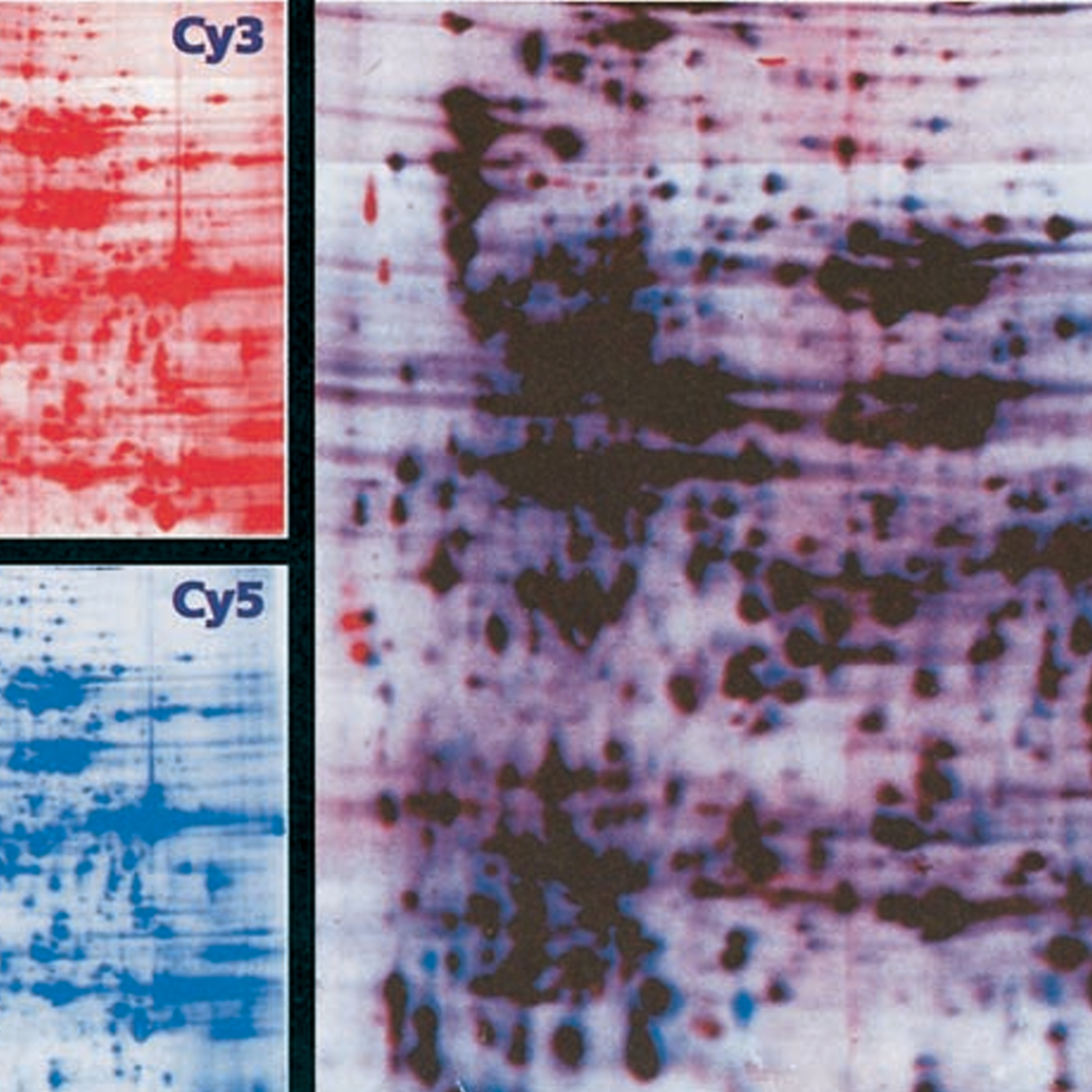
Molecular Tools for Studying Genes and Gene Activity (CMB part 3)
Methods for purifying proteins and nucleic acids are fundamental in molecular biology. DNA, RNA, and proteins of varying sizes can be effectively separated using gel electrophoresis. Agarose is the most commonly used gel for nucleic acid electrophoresis, while polyacrylamide is typically employed for protein electrophoresis. Sodium dodecyl sulfate polyacrylamide gel electrophoresis (SDS-PAGE) sepa
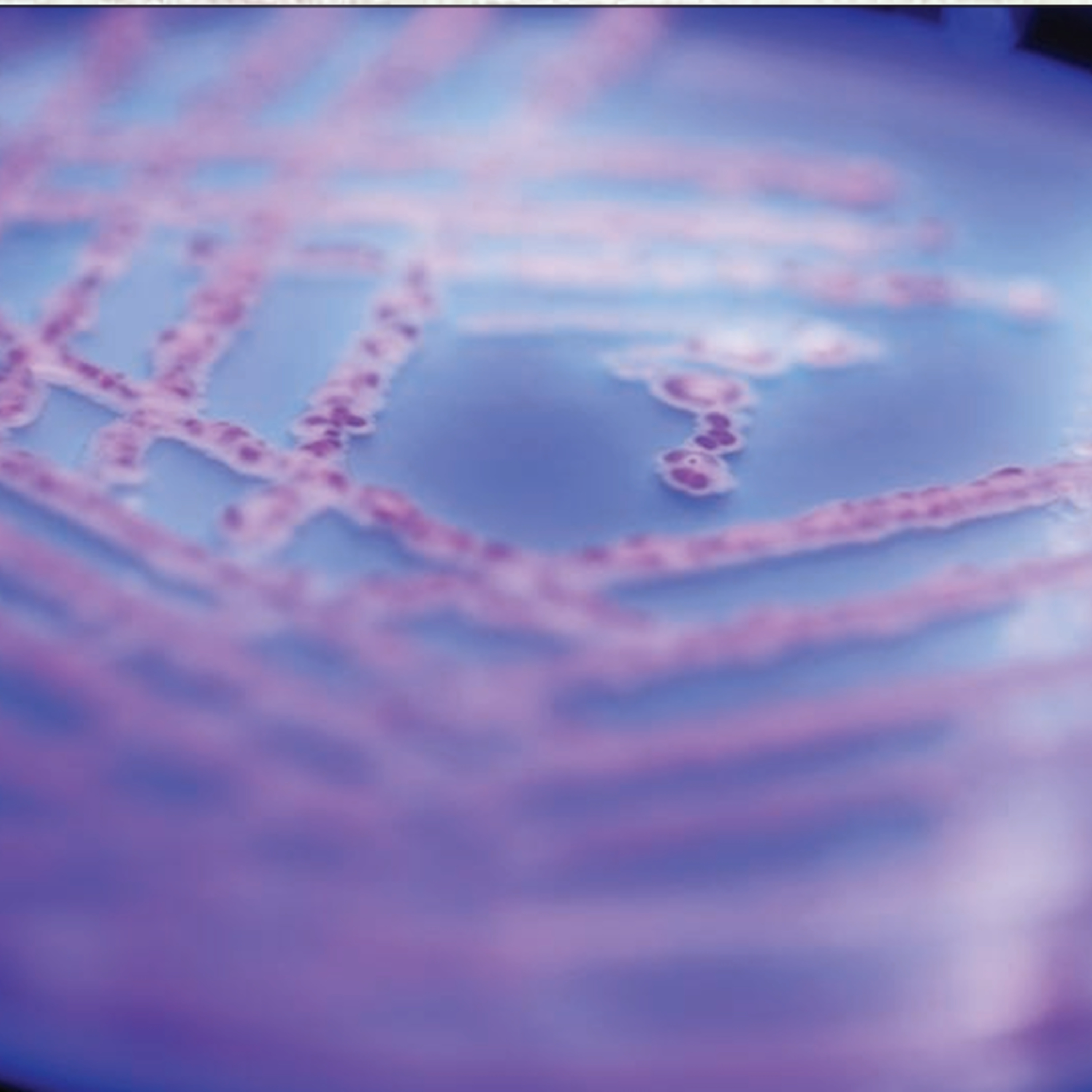
Molecular Cloning Methods (CMB part 2)
To clone a gene, it must be inserted into a vector capable of carrying the gene into a host cell and ensuring its replication. This insertion is typically achieved by cutting both the vector and the target DNA with the same restriction endonucleases to create matching “sticky ends.” Cloning vectors in bacteria are primarily categorized as plasmids or phages. Plasmid cloning vectors include pBR322

An intro to Molecular and Functional Properties of gene and it's history (CMB part 1)
The three primary functions of genes are storing information, replication, and the accumulation of mutations. Proteins, also known as polypeptides, are polymers of amino acids linked by peptide bonds. Most genes carry the instructions for producing a single polypeptide and are expressed through a two-step process: transcription, which synthesizes an mRNA copy of the gene, followed by translation,
Cancer and the Immune System ( Immunology final part )
Cancer is characterized as a malignant tumor, defined by its ability to grow progressively, invade surrounding healthy tissues, and spread to distant sites through a process known as metastasis. These malignant cells are essentially altered versions of the body’s own cells, having escaped normal growth-regulating mechanisms and apoptotic signals, which leads to unchecked proliferation.From an immu
Immunodeficiency Diseases( immunology part 18)
Immunodeficiency diseases underscore the critical role of the immune system's cells and molecules in maintaining overall protection against disease. Primary immunodeficiency diseases, stemming from over 300 distinct inherited genetic defects, encompass a spectrum from severe SCID conditions affecting T cells and B cells to milder defects impacting the production of specific immunoglobulin classes

Infectious Diseases and Vaccines( Immunology part 17)
Infectious agents are incredibly diverse and resilient. These predominantly free-living organisms possess several advantages over their human hosts, including significantly more evolutionary time, shorter generational cycles, and extraordinary adaptability. As their hosts, humans also have notable strengths, such as a highly advanced system—comprising both innate and adaptive components—that has e
Tolerance, Autoimmunity, and Transplantation (Immunology Part 16)
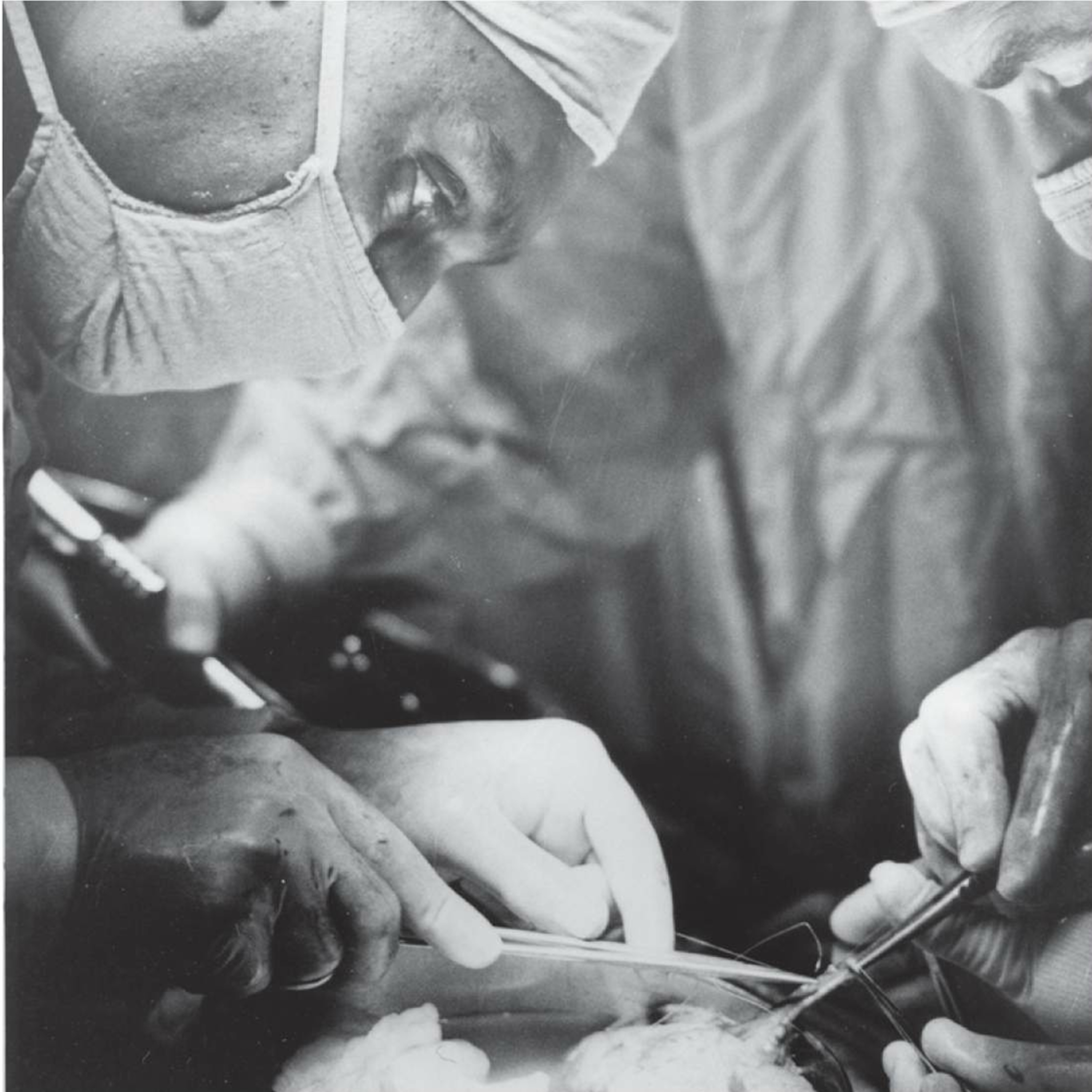
Significant progress has been made in understanding the principles of immune tolerance over the past decade. Previously, tolerance was primarily perceived as the complete elimination of autoreactive cells, adhering to the “ignorance is bliss” model. However, current insights reveal a more intricate understanding of tolerance. Scientists now recognize that while certain structures remain hidden fro

Allergy, Hypersensitivities, and Chronic Inflammation( immunology part 15)
Immune responses are often a double-edged sword. Their essential role in protecting against infections is critical for survival, as shown by the fatal consequences of untreated immunodeficiency diseases (to be discussed in Chapter 18). To ensure effective protection, a broad range of innate and adaptive immune mechanisms has evolved, typically enabling responses tailored to the specific pathogen e
The Adaptive Immune Response in Space and Time( immunology part 14)
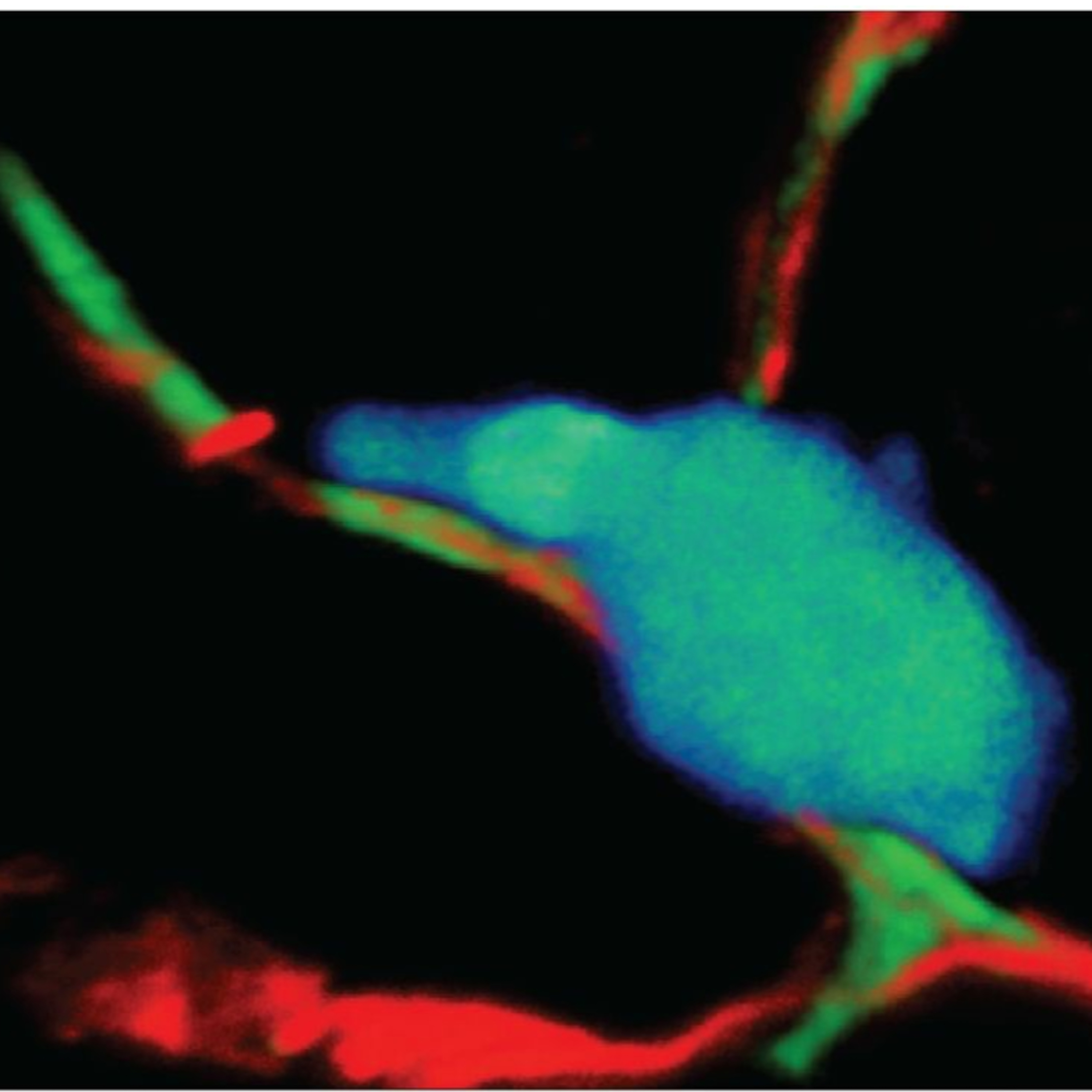
We conclude our extensive exploration of the cellular and molecular biology of the immune response by emphasizing studies that unveil the dynamic choreography of immune cells within living tissues. These images and videos have not only validated predictions made by immunologists who previously lacked the tools to visualize the cells they studied but have also uncovered unexpected characteristics o
Barrier Immunity: The Immunology of Mucosa and Skin( immunology part 13)
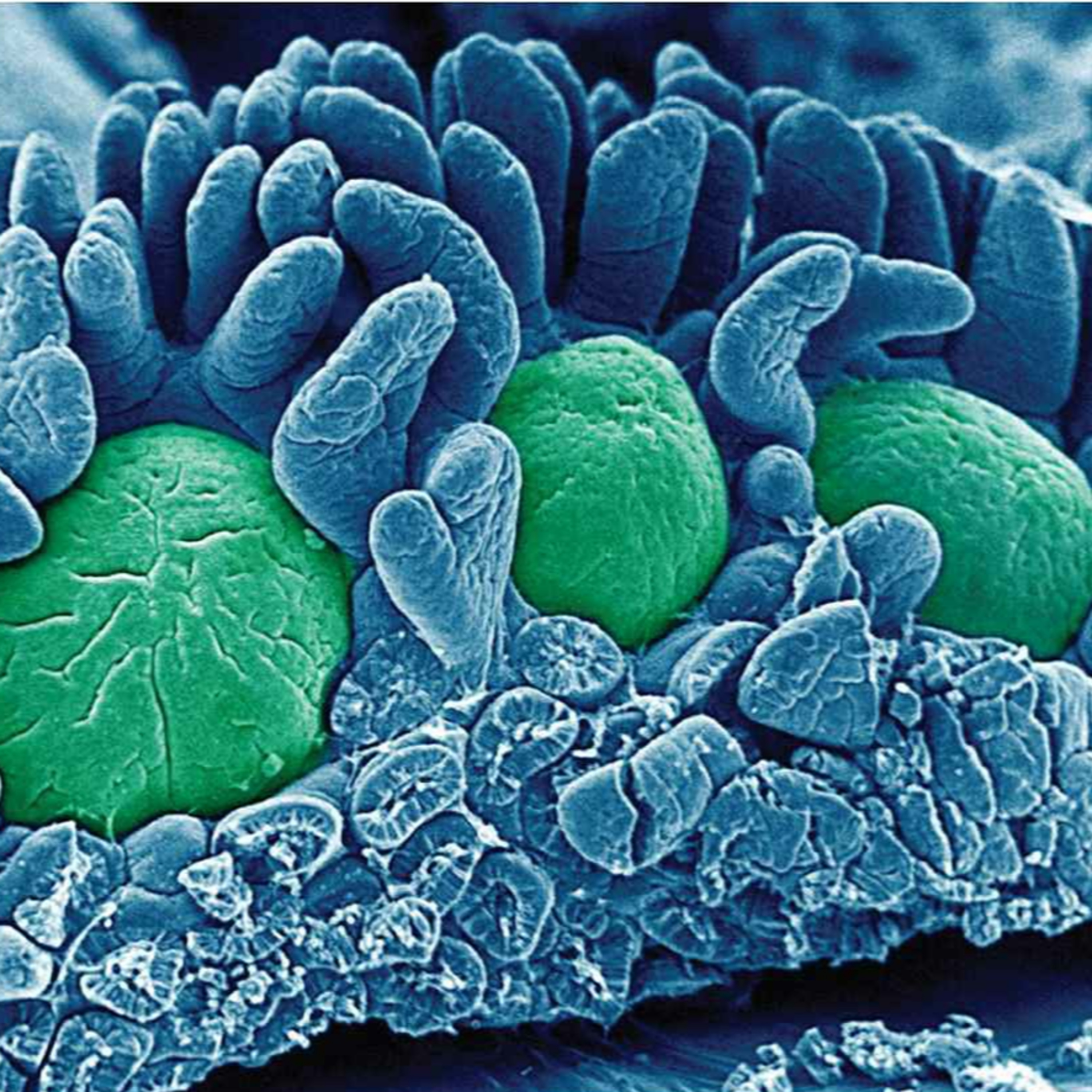
The barrier immune systems, comprising tissues and cells in the intestinal, respiratory, reproductive, and urinary tracts (mucosal-associated lymphoid tissue or MALT), as well as in the skin, play a crucial role in monitoring and protecting areas of the body exposed to the external environment. Epithelial cells form the first line of innate immunity, with each barrier tissue covered by one or more
Effector Responses: Antibody- and Cell Mediated Immunity( immunology part 12)
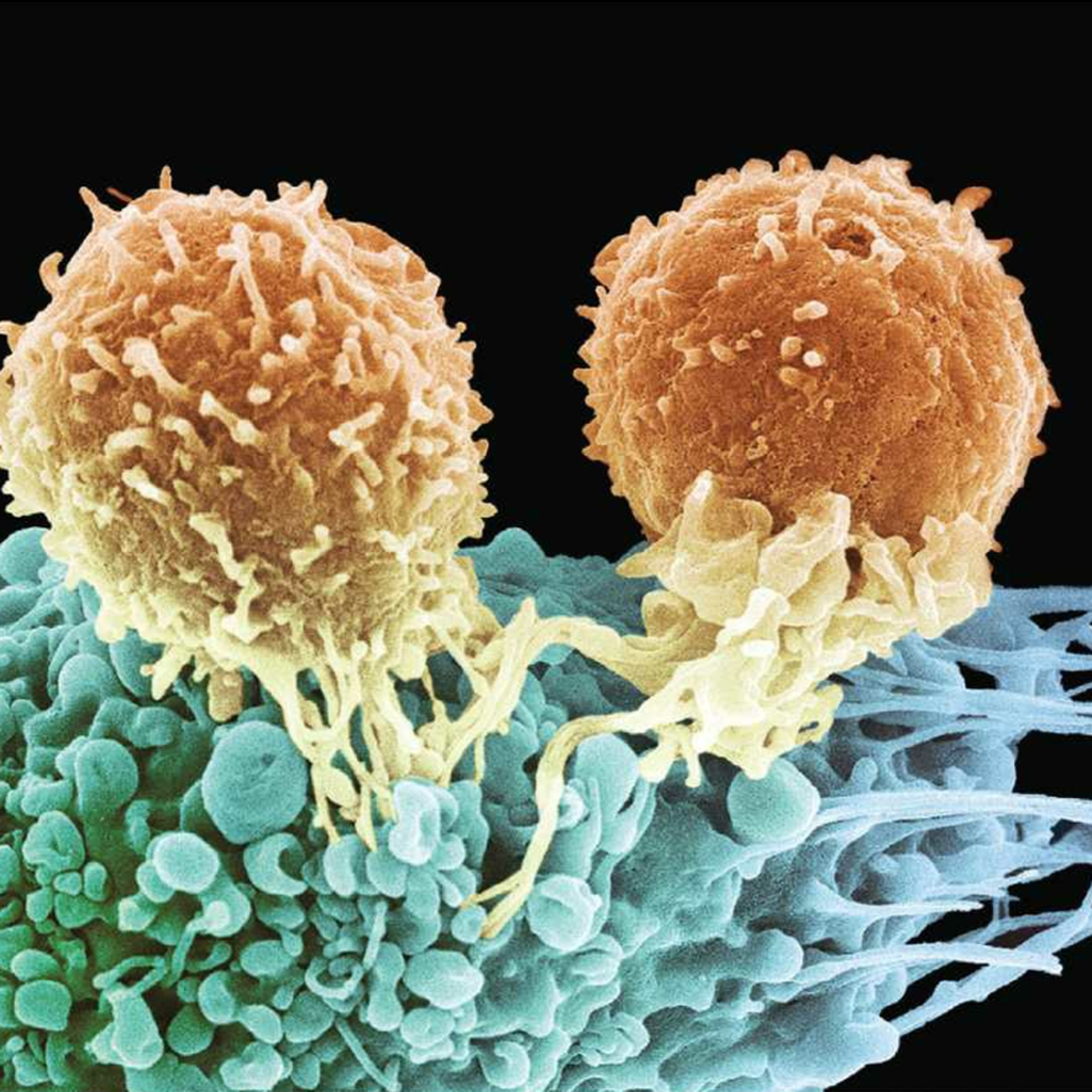
The adaptive immune system is renowned for its vast diversity of antibody and T-cell receptor specificities. The mechanisms generating this diversity—V(D)J recombination and somatic hypermutation—are unique and highly regarded by scientists in various biological fields. However, another crucial aspect of diversity often overlooked by those outside immunology is the extensive range of immune effect
B-Cell Activation, Differentiation, and Memory Generation( immunology part 11)
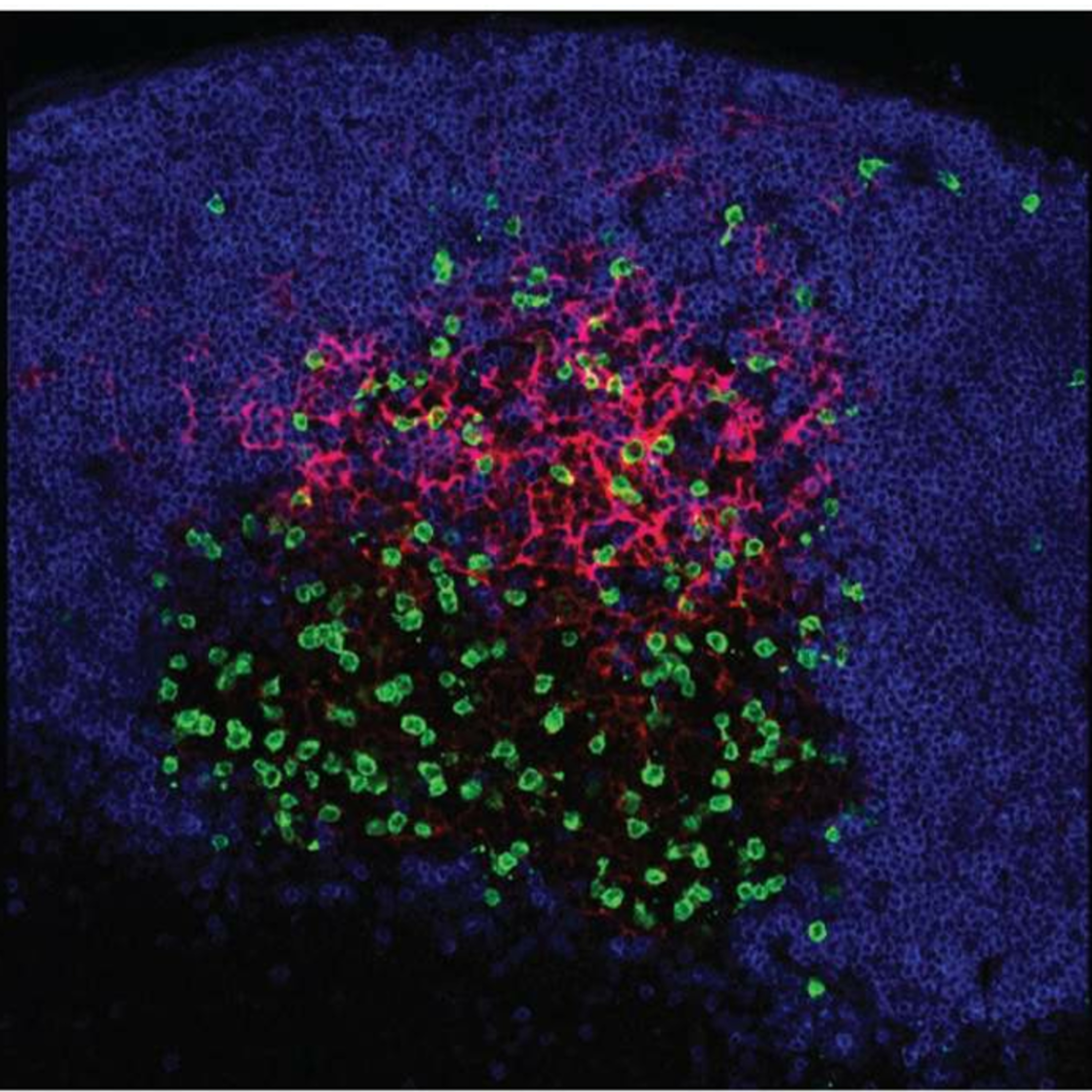
B cells are defined by the presence of a membrane-bound immunoglobulin receptor, which binds antigens. Upon antigen binding and receiving auxiliary signals, B cells are directed to secrete soluble antibody molecules. There are four main subsets of B cells—B-1a, B-1b, B-2 (follicular), and marginal zone (MZ) B cells—distinguished by their anatomical locations, the antigens they recognize, and their
b-cell development ( Immunology part 10
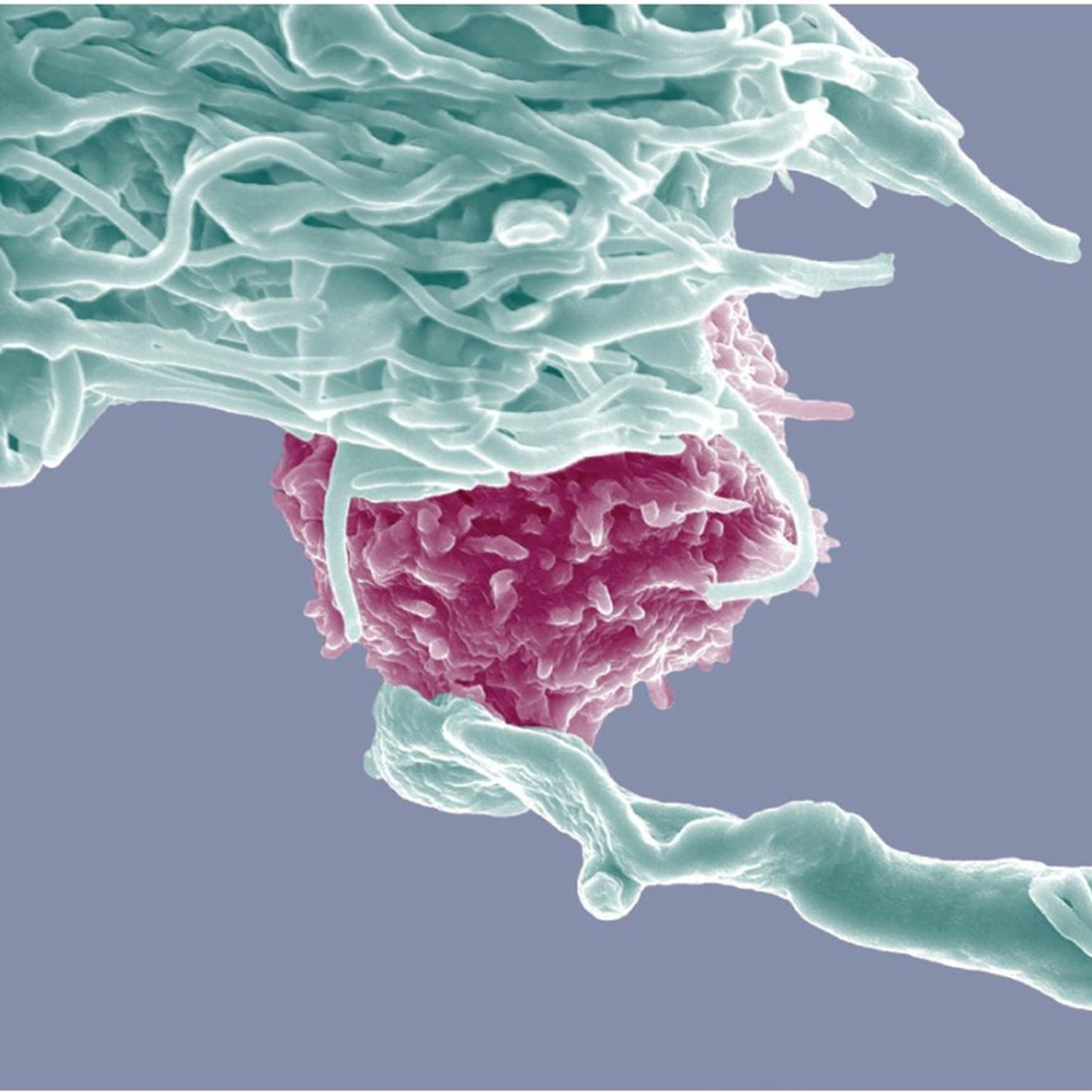
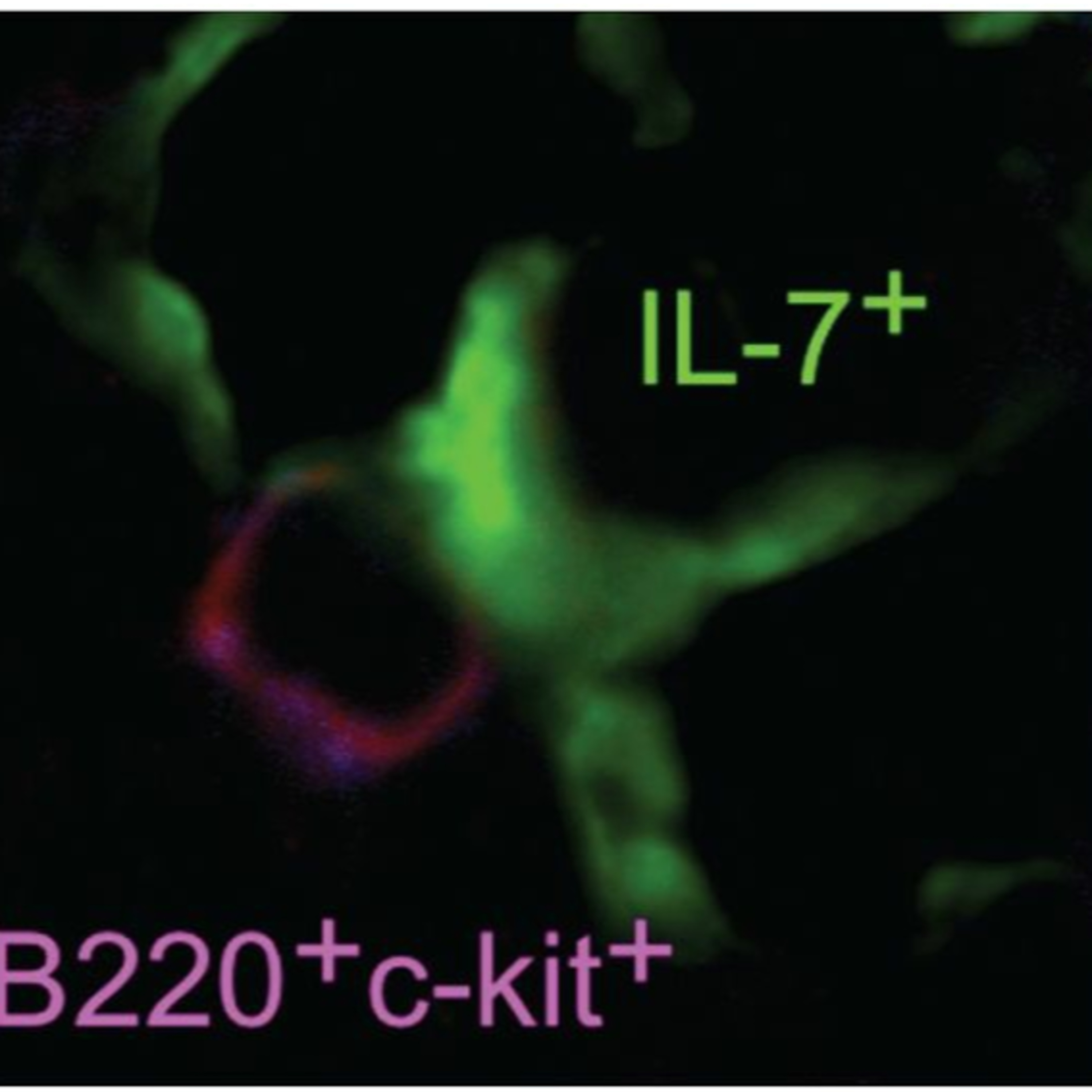
The initial critical challenge in B-cell development is the creation of B cells with an extensive repertoire—billions of B-cell receptor specificities—capable of responding to virtually any foreign element entering the body. The diversity of antibodies, arising from gene rearrangements, junctional diversification, and various combinations of heavy and light chains, is further enhanced by the daily
T-Cell Activation, Helper Subset Differentiation, and Memory (immunology part 10)
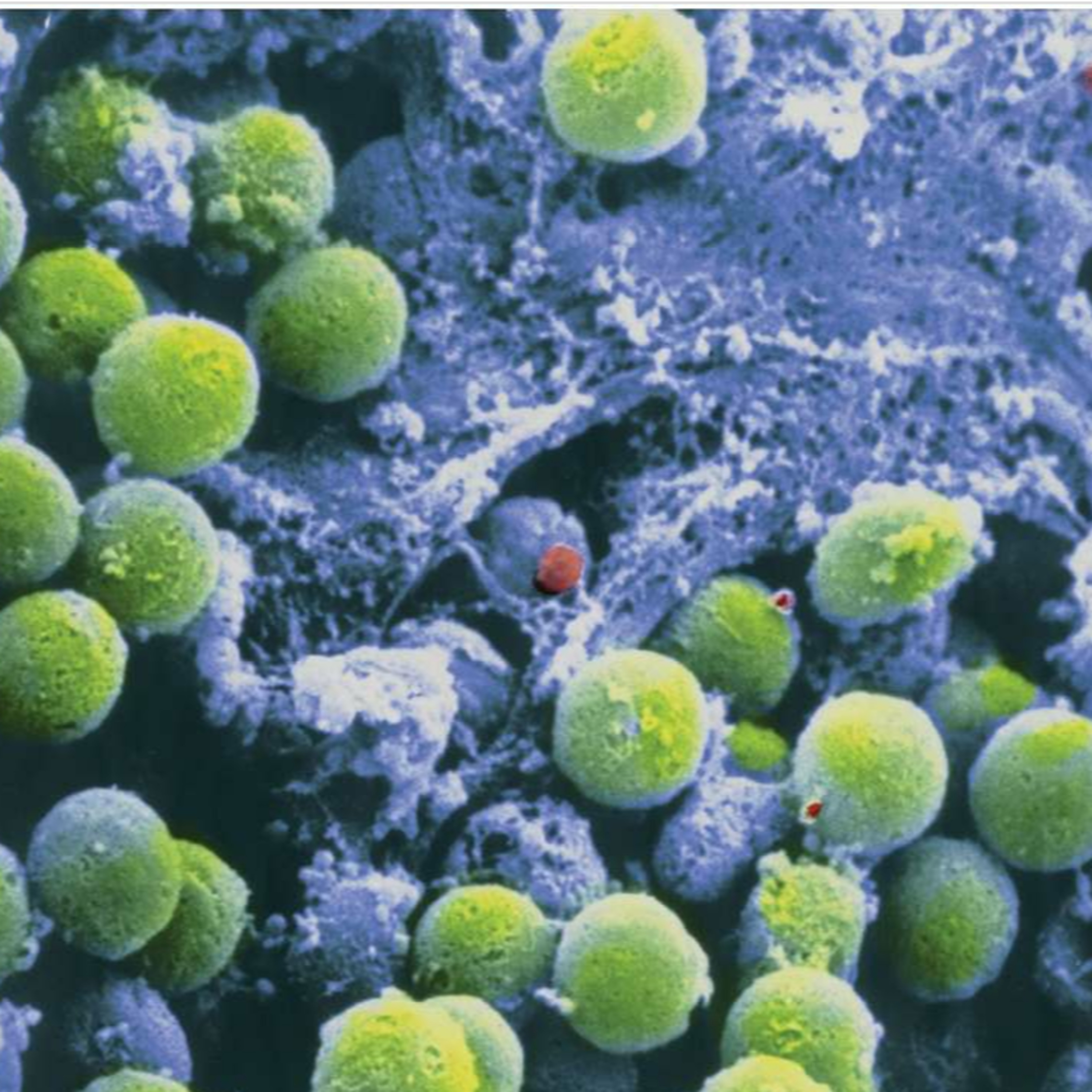
The fate of a mature, naïve T cell depends on the signals it encounters. Most naïve T cells perish within days or weeks after exiting the thymus, as they fail to bind to MHC-peptide complexes while scanning the surface of antigen-presenting cells (APCs) during their circulation through lymphoid tissues. To survive and differentiate into effector cells, T cells require two signals from activated de
T-Cell Development (Immunology part 8)
Mature T lymphocytes possess a diverse T-cell receptor (TCR) repertoire that is self-tolerant while being restricted to self-MHC. This delicate balance is achieved through a series of stringent selection processes in the thymus, akin to natural selection in evolution. T cells, or thymocytes, originate from multipotent CD4-CD8- precursors that migrate from the bone marrow to the thymus, where Notch
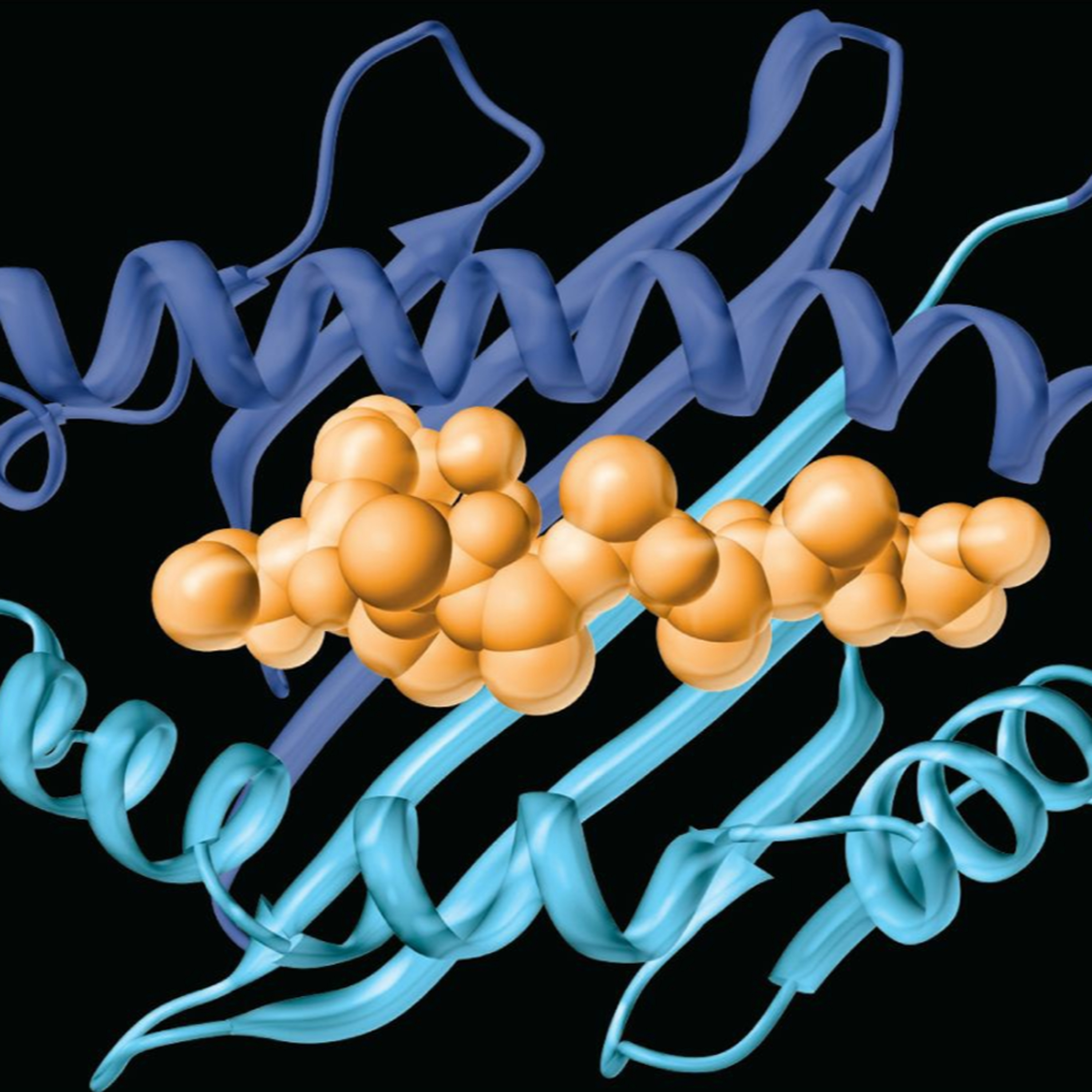
The Major Histocompatibility Complex and Antigen Presentation (Immunology Part 7)
If antigen-presenting cells serve as the bridge between innate and adaptive immunity, then MHC molecules act as the essential tools enabling this connection. These molecules hold antigenic fragments and present them to T-cell receptors, activating the corresponding T cell and initiating the adaptive immune response. As transmembrane proteins, MHC molecules are expressed on the surface of cells and
The Organization and Expression of Lymphocyte Receptor Genes (Immunology part 6)
Since the early twentieth century, when it was first recognized that antibody molecules could specifically identify and bind to a vast array of antigens, immunologists have sought to understand how a limited amount of genetic information could encode such a broad range of specific receptor molecules in lymphocytes of the adaptive immune response. It is now known that B- and T-cell receptor molecul
The Complement System (Immunology part 5)
The complement system is a collection of serum proteins, many of which circulate in inactive forms and require cleavage or conformational changes for activation. These proteins include initiator molecules, enzymatic mediators, membrane-binding components (opsonins), inflammatory mediators, membrane attack proteins, complement receptor proteins, and regulatory components. Although complement protei
Innate Immunity (immunology part 4)
It is fitting that an introduction to the nature and mechanisms of immune responses begins with innate immunity, as the cells, tissues, and molecules of this system play a crucial role in providing early protection against infection. The first line of defense is formed by the epithelial layers, which prevent the majority of environmental pathogens from entering the body. The tightly connected epit
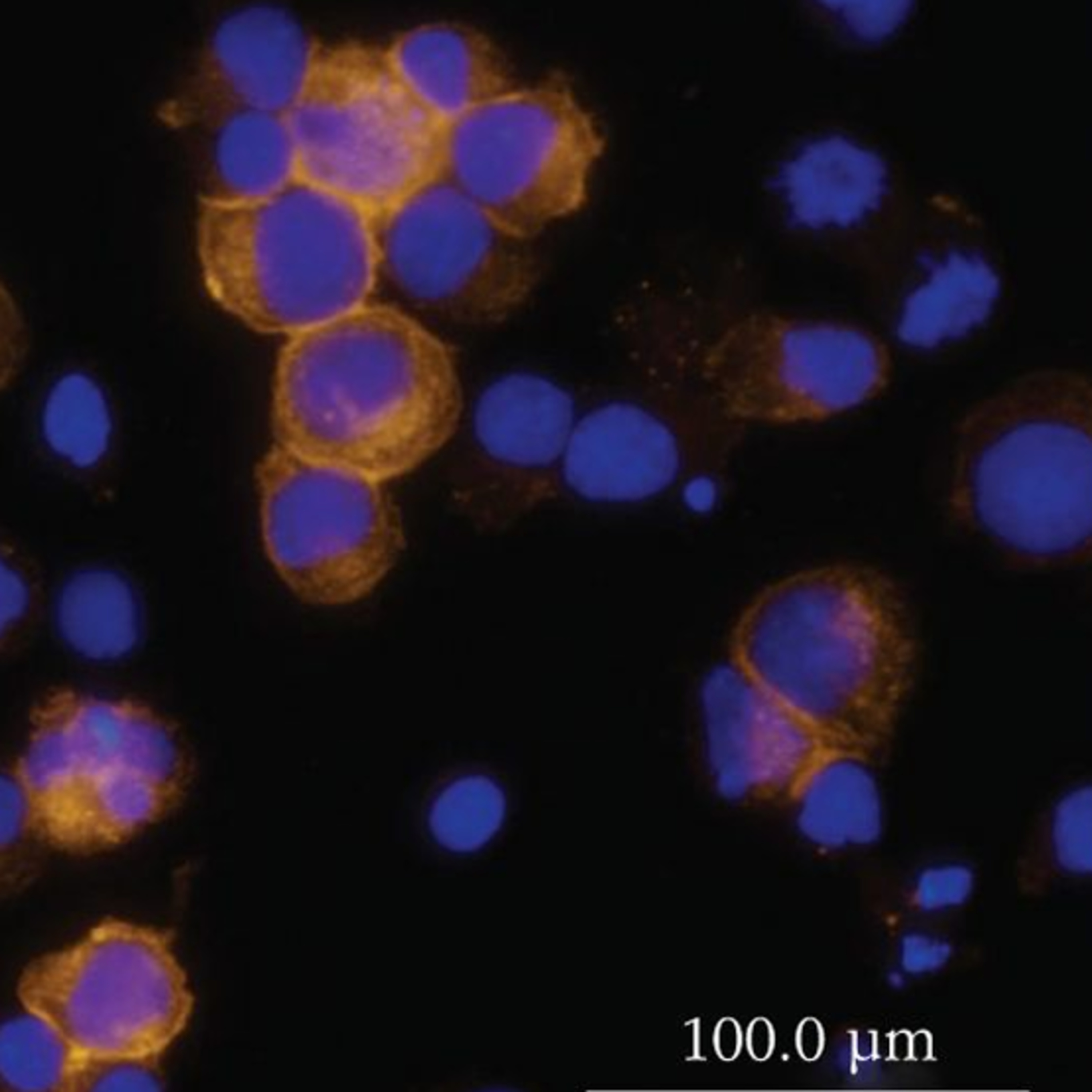
Recognition and Response (Immunology part 3)
One of the primary challenges in initiating an immune response is coordinating cells distributed across different areas, often separated by physical barriers like endothelial cell layers. This communication relies on small molecules such as chemokines, which attract cells to specific locations, and cytokines, which assist in the differentiation of appropriate cells to generate a targeted immune re
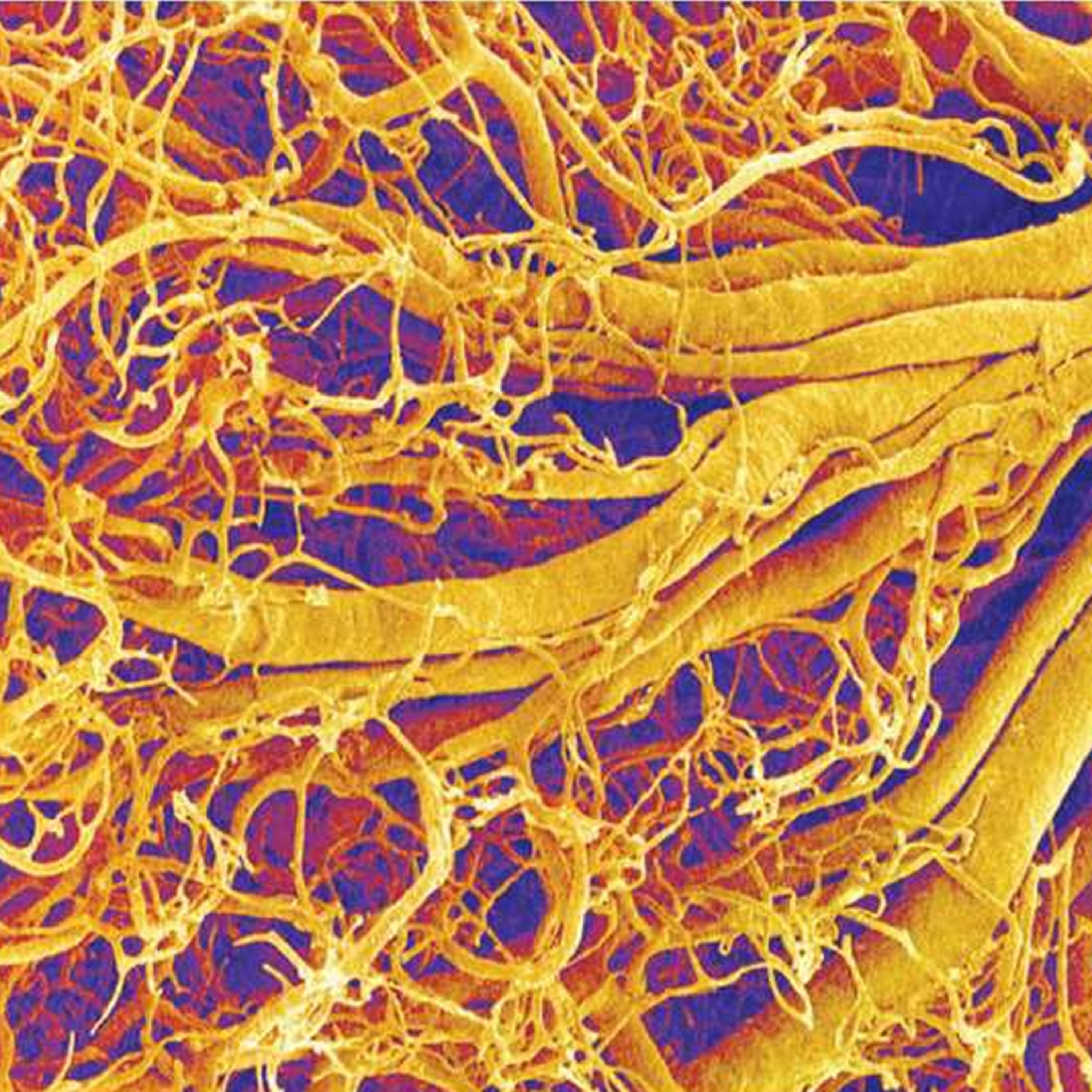
Cells, Organs, and Microenvironments of the Immune System (Immunology Part 2)
All blood cells arise from hematopoietic stem cells, which reside primarily in the adult bone marrow. Immune cells differentiate in primary lymphoid organs, which include the bone marrow and, in the case of T lymphocytes, the thymus. Immune cells differentiate in the bone marrow and thymus (primary lymphoid organs), and then travel through the blood and lymphatics to lymph nodes and the spleen (s
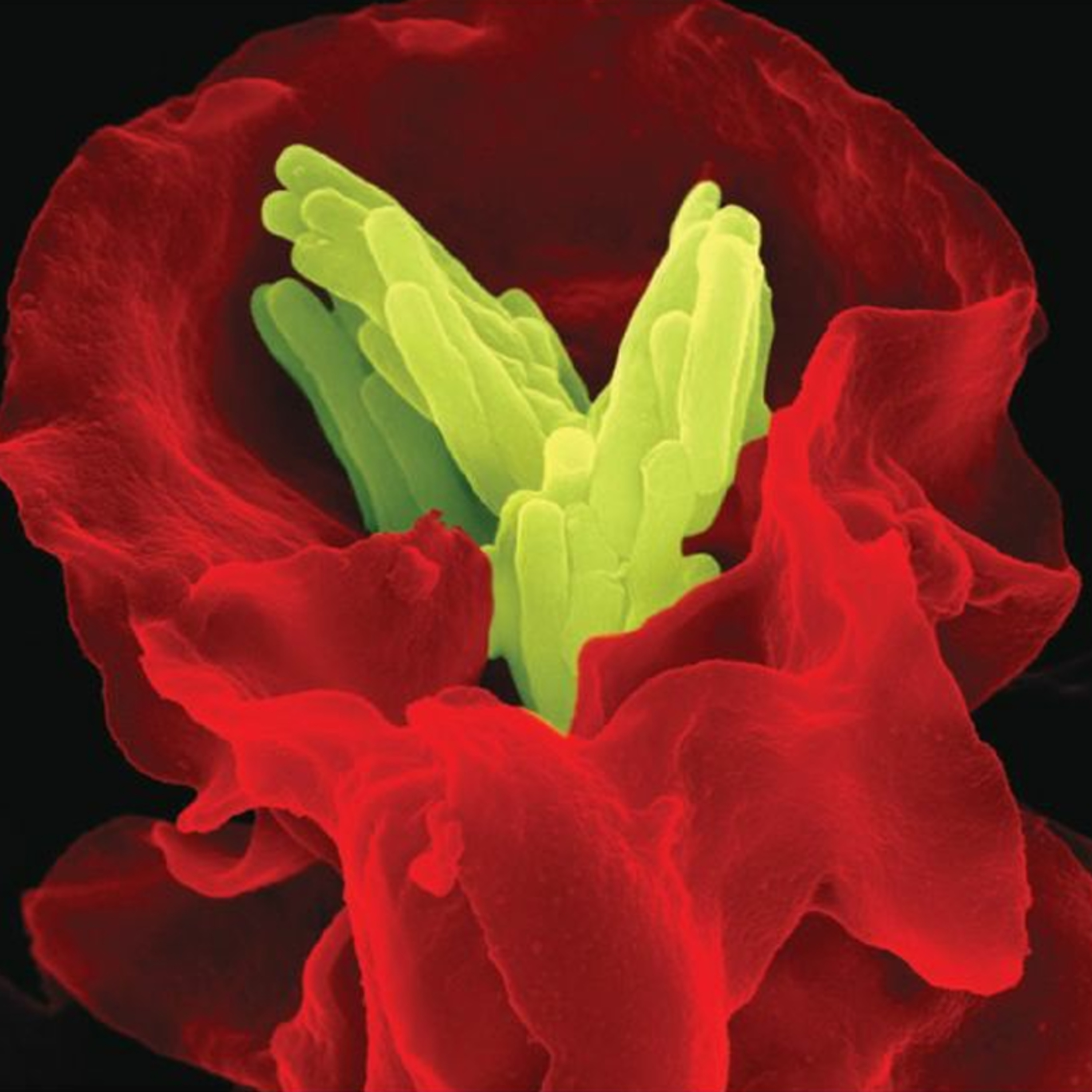
Diving into immunology
Diving into Immunology takes you beneath the surface of one of biology’s most intricate defense systems. From the frontline soldiers of innate immunity to the specialized strategies of adaptive immunity, this episode unpacks the core textbook concepts in plain language—without watering down the science. Perfect for students, researchers, or anyone curious about how our cells wage microscopic wars
Genetic Engineering
Starting with the basics and important stuff.
Recommended

Conspiracy Files with Paige Carter

Bad Friends

Learn 50 English Phrases While You Sleep | Everyday English Phrases & Vocabulary
This Past Weekend w/ Theo Von

Dateline NBC

Back to the 80s Radio

Crime Stories with Nancy Grace

Bible Tea

این نقطه
TED Business
Dark Night Tales with Brian King

Fantasy Flex
