The Thomistic Institute
The Thomistic Institute promotes Catholic truth by strengthening the intellectual formation of Christians at universities, in the Church, and in the wider public square, with the thought of St. Thomas Aquinas as its touchstone. The podcast features lectures and talks from conferences, campus chapters events, intellectual retreats, livestream events, and more. Founded in 2009, it is part of the Pontifical Faculty of the Immaculate Conception at the Dominican House of Studies in Washington, DC.
Episodes
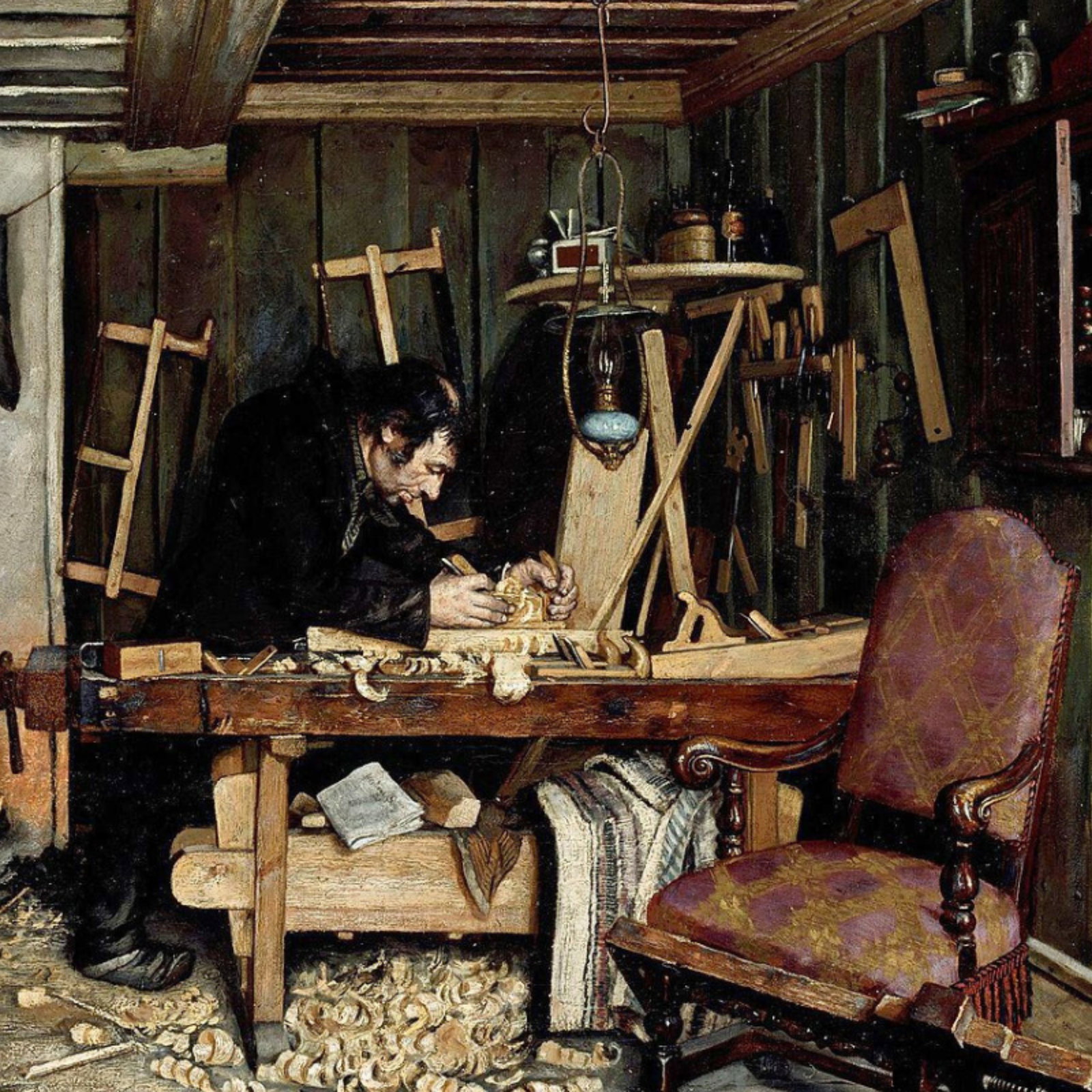
The Use of Tools in a Technocratic Age: the Death of Wisdom? - Sr. Anna Wray, O.P.
Sr. Anna Wray, O.P. explores whether our reliance on efficiency-driven technology is hastening the death of wisdom by taking the place of human deliberation and agency.This lecture was given on February 20th, 2025, at Carnegie Mellon/University of Pittsburgh.For more information on upcoming events, visit us at thomisticinstitute.org/upcoming-eventsAbout the Speaker:Sister Anna Wray is a native of
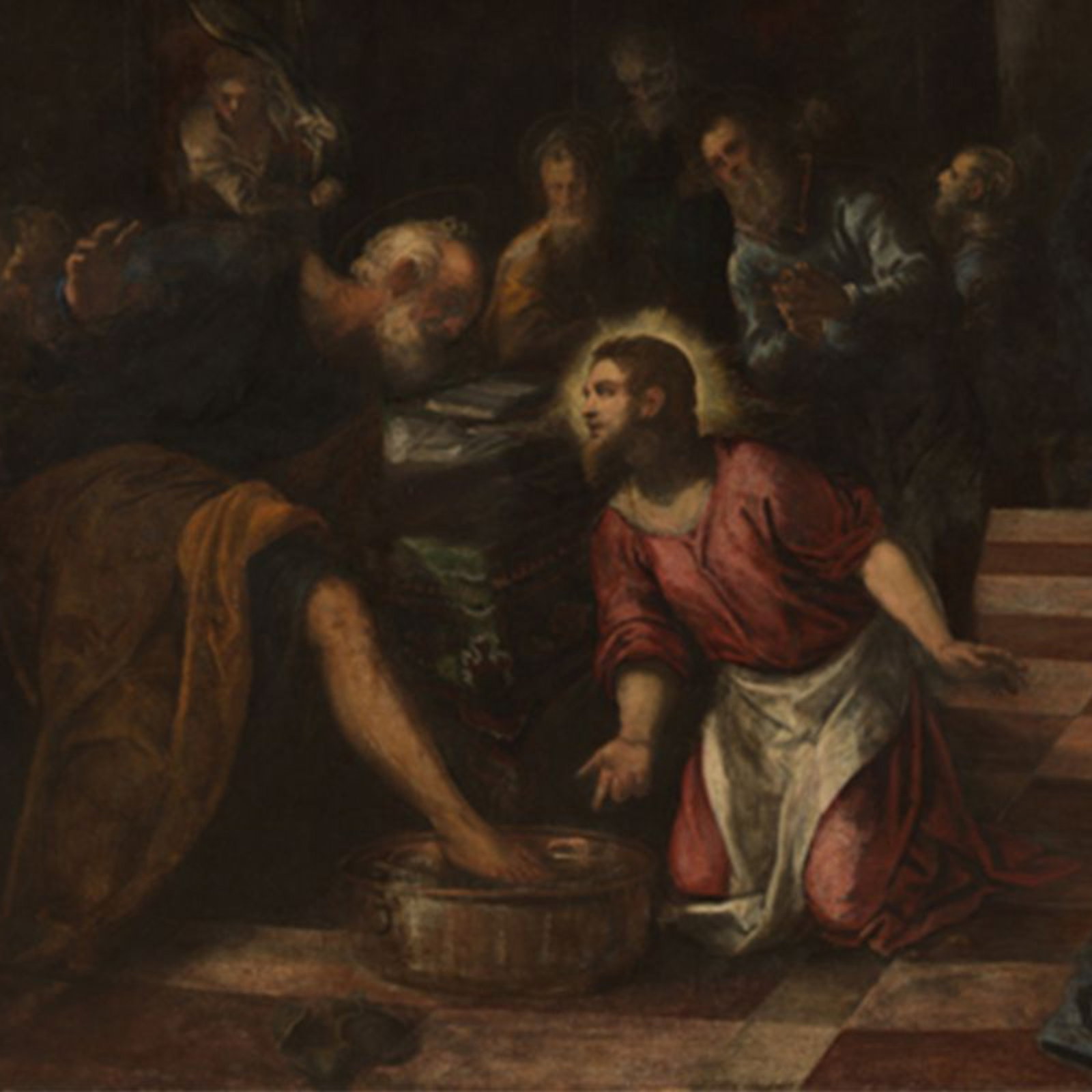
The Priesthood of Christ and Our Baptismal Priesthood - Prof. Bruce Marshall
Prof. Bruce Marshall explains that through the indelible mark of baptismal character, the faithful are uniquely deputized to participate in Christ's once-for-all sacrifice through the celebration of the Eucharist.This lecture was given on March 28th, 2026, at St. Albert's Priory.For more information on upcoming events, visit us at thomisticinstitute.org/upcoming-eventsAbout the Speaker:Bruce D. Ma
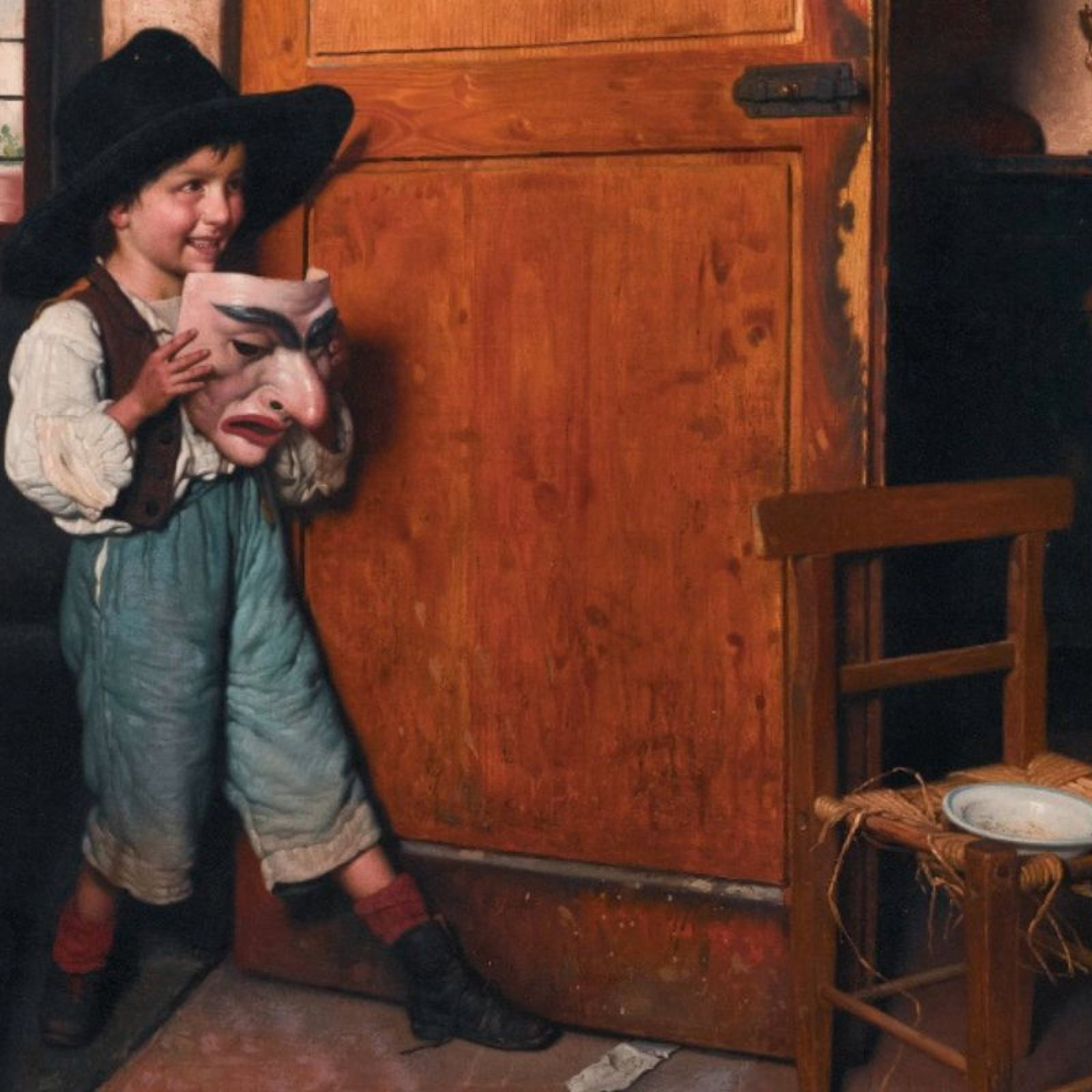
Can I Ever Tell A Lie? - Fr. Gregory Pine, O.P.
Fr. Gregory Pine, O.P. examines the Catholic teaching on truthfulness as an exercise of justice, defining lying as a sin that perverts the faculty of speech and undermines the common good.This lecture was given on September 10th, 2026, at The Catholic University of America.For more information on upcoming events, visit us at thomisticinstitute.org/upcoming-eventsAbout the Speaker:Fr. Gregory Pine,
Truth, Goodness, and Beauty as Responses to Human Desire - Sr. Mary Angelica Neenan, O.P.
Sr. Mary Angelica Neenan, O.P. explores how the human soul’s powers of intellect and will are designed to find their ultimate fulfillment in the transcendentals of truth, goodness, and beauty.This lecture was given on September 11th, 2026, at University of Sydney.For more information on upcoming events, visit us at thomisticinstitute.org/upcoming-eventsAbout the Speaker:Sister Mary Angelica Neenan
The Fittingness of the Incarnation - Mr. Chris Wolter
Mr. Chris Wolter examines the fittingness of the Incarnation within the structural framework of Aquinas' Summa Theologiae, with the Incarnation serving as the restorative apex of history.This lecture was given on April 16th, 2026, at University of Sydney.For more information on upcoming events, visit us at thomisticinstitute.org/upcoming-eventsAbout the Speaker:Chris Wolter grew up in Adelaide, So
Drawing Knowledge from Scientific Instruments - Dr. Marvin Bolt
Dr. Marvin Bolt explores the history and epistemology of scientific instruments, arguing that they are not merely passive tools but active embodiments of knowledge that require hands-on engagement to fully understand.This lecture was given on July 16th, 2026, at Dominican House of Studies.For more information on upcoming events, visit us at thomisticinstitute.org/upcoming-eventsAbout the Speaker:M
Why You Need St. Thomas Aquinas in your Life - Fr. Chris Gault, O.P.
Fr. Chris Gault, O.P. explores why St. Thomas Aquinas remains a vital guide for contemporary students, emphasizing that his systematic approach to theology fosters both intellectual clarity and a deeper interior life.This lecture was given on April 16th, 2026, at Maynooth University.For more information on upcoming events, visit us at thomisticinstitute.org/upcoming-eventsAbout the Speaker:Fr. Chr
The Atomic Force Microscope:Truth, Guesses, Puzzles, and Personal Experiences - Prof. Santiago Solares
Prof. Santiago Solares explores the technical challenges and philosophical implications of Atomic Force Microscopy, arguing that rigorous scientific practice requires both technical precision and a commitment to intellectual formation.This lecture was given on July 17th, 2026, at Dominican House of Studies.For more information on upcoming events, visit us at thomisticinstitute.org/upcoming-eventsA
Natural and Artificial Instruments for Investigating the Cosmos - Prof. John Brungardt
Prof. John Brungardt explores the Aristotelian-Thomistic necessity of scientific instruments as essential tools for the human mind to investigate the cosmos and overcome the limitations of natural sensation.This lecture was given on July 17th, 2026, at Dominican House of Studies.For more information on upcoming events, visit us at thomisticinstitute.org/upcoming-eventsAbout the Speaker:Dr. John G.
Telescopes and Our Understanding of the Cosmos - Prof. Karin Oberg
Prof. Karin Öberg examines how the vocation of the scientist aligns with the Thomistic view that studying the material order is a necessary component of faith, arguing that the scientific study of the cosmos serves as a profound path to understanding God's wisdom, power, and goodness.This lecture was given on July 18th, 2026, at Dominican House of Studies.For more information on upcoming events, v
The Seven Deadly Sins - Prof. David Elliot
Prof. David Elliot draws on Aquinas, Gregory the Great, and the desert monastic tradition to present the seven capital vices — pride (their queen and root), vainglory, envy, wrath, avarice, sloth, lust, and gluttony — as "gateway vices" whose strategic targeting, through their opposite virtues and spiritual training, uproots dozens of further sins in the Christian's journey toward the heavenly hom
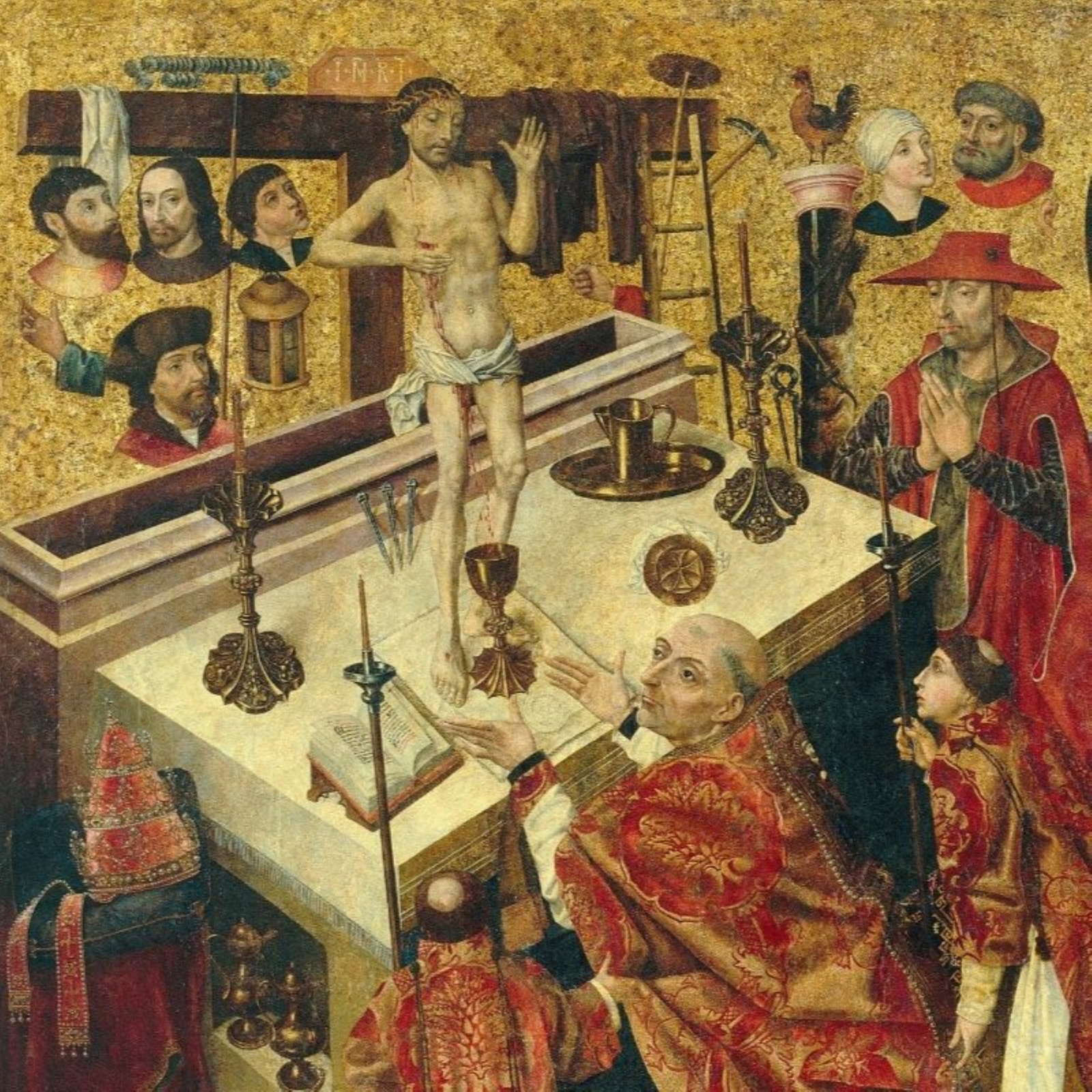
St .Thomas Aquinas’ Spiritual Exegesis of the Mass - Fr. John Saward
Fr. John Saward presents Aquinas's Summa III, q.83 as a "spiritual exegesis" of the Mass, showing how the Angelic Doctor reads the rites, words, and ceremonies of the Mass as signs that both signify and make present the saving mysteries of Christ's passion, grounded in the real presence and in the priest's acting in persona Christi.This lecture was given on May 18th, 2026, at University of Oxford.
The Seven Gifts in Christ and the Saints - Fr. John Mark Solitario
This lecture was given on April 25th, 2026, at Dominican House of Studies.For more information on upcoming events, visit us at thomisticinstitute.org/upcoming-eventsAbout the Speaker:Fr. John Mark Solitario is from St. Thomas the Apostle Parish in West Springfield, MA and the eldest of four children. After attending Catholic schools through high school, he earned his bachelor of arts from Christe
Gifts of the Holy Spirit, Suited to Human Perfection - Fr. John Mark Solitario, O.P.
Fr. John Mark Solitario explains the seven gifts of the Holy Spirit as stable infused dispositions that render the soul responsive to the Holy Spirit's promptings, completing the virtues by introducing a divine mode of acting, and shows that they are necessary for salvation and Christian perfection because human reason, even healed by grace, remains susceptible to folly and ignorance.This lecture
Living Your Best Priesthood: Charity and Religion - Fr. Thomas Aquinas Pickett
Fr. Thomas Aquinas Pickett argues that "living your best priesthood" consists not in natural self-improvement but in the exercise of two infused virtues: charity, the friendship with God by which he communicates his beatitude to us and the fire of Christ's own priestly self-offering, and religion, the virtue of reverencing God and rendering him the worship that is his due.This lecture was given on
The Work of our Redemption: Taking Part in the Sacrifice of Christ - Prof. Bruce Marshall
Prof. Bruce Marshall argues that the Mass is a truly propitiatory sacrifice in which Christ's once-for-all offering on the cross is made present (not repeated) and given into the hands of the Church to be offered by priest and people together, so that by their active participation, the lay faithful share in Christ's eternal priesthood and the work of our redemption.This lecture was given on March
'Experimentum' in Aquinas: How all Knowledge of Nature Begins in the Interior Senses - Fr. Thomas Davenport, O.P.
Fr. Thomas Davenport corrects two misunderstandings of Aristotelian-Thomistic epistemology — the caricature that Aquinas relies on an intuition of essences and the oversimplification that the agent intellect automatically abstracts universals from phantasms — by recovering Aquinas's notion of experimentum, an ordered, pre-universal knowledge produced by the cogitative power's active collatio of pa
An Introduction to Thomistic Philosophy of Nature - Prof. Ryan Miller
Prof. Ryan Miller offers an introductory overview of the foundational terminology of Thomistic philosophy of nature — potency and act, the four causes, per se versus per accidens, the categories of substance, accident, and relation, and nature versus instrument — illustrating each distinction with modern scientific analogies and everyday examples like the conductor, combustion, phonemes, ionizatio
Art that reveals Nature: A Thomistic Account of Scientific Experiments and Instruments - Fr. Thomas Davenport, O.P.
Fr. Thomas Davenport argues against the Thomist intuition that artifice obscures nature, showing from Aquinas's account of art and artifacts that artificial forms are accidental forms rooted in the natural active and passive powers of substances, so that scientific instruments and experiments reveal rather than distort the natures they investigate.This lecture was given on July 18th, 2026, at Domi
The Mystery of Beauty - Dr. Sarah E. Maple
Dr. Sarah E. Maple asks how we acquire an organic vision of beauty that is not merely material or visual, arguing from Aquinas's formal criteria of beauty (proportion, integrity, clarity) and Hans Urs von Balthasar's theological aesthetics (form and splendor, beholding and enrapture) that beauty belongs first to the human person, and that the artist's vocation is grounded in wonder, self-gift, and
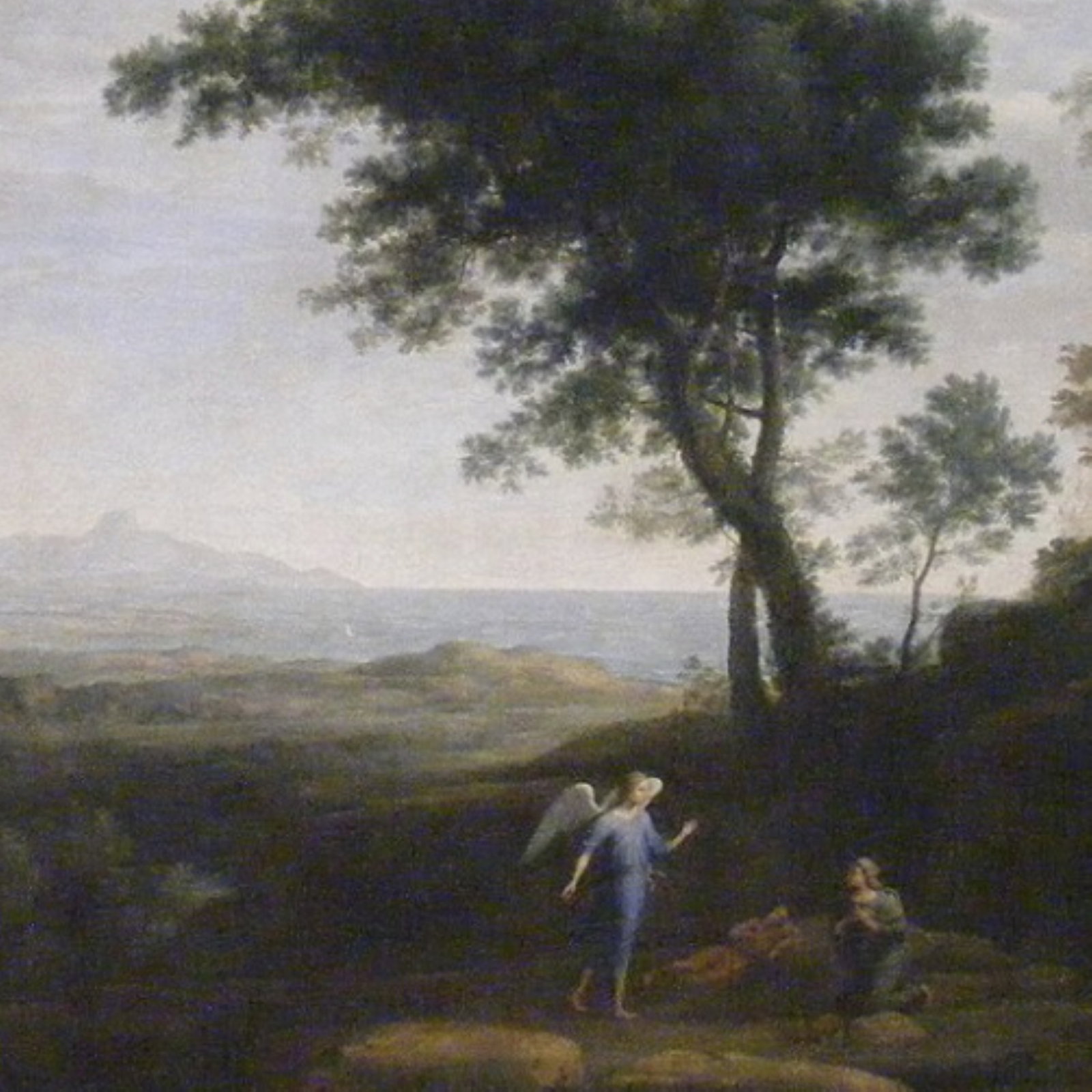
The War on Beauty - Fr. Gabriel Torretta, O.P.
Fr. Gabriel Torretta argues that beauty has become a "forbidden word" for our age due to the effects of German Idealism and Modernism; as a remedy, he proposes a recovery grounded in the Christian metaphysical tradition (Eriugena, Aquinas, Augustine), in which beauty is the attractive power by which God draws all things to himself and which requires an asceticism of the gaze.This lecture was given
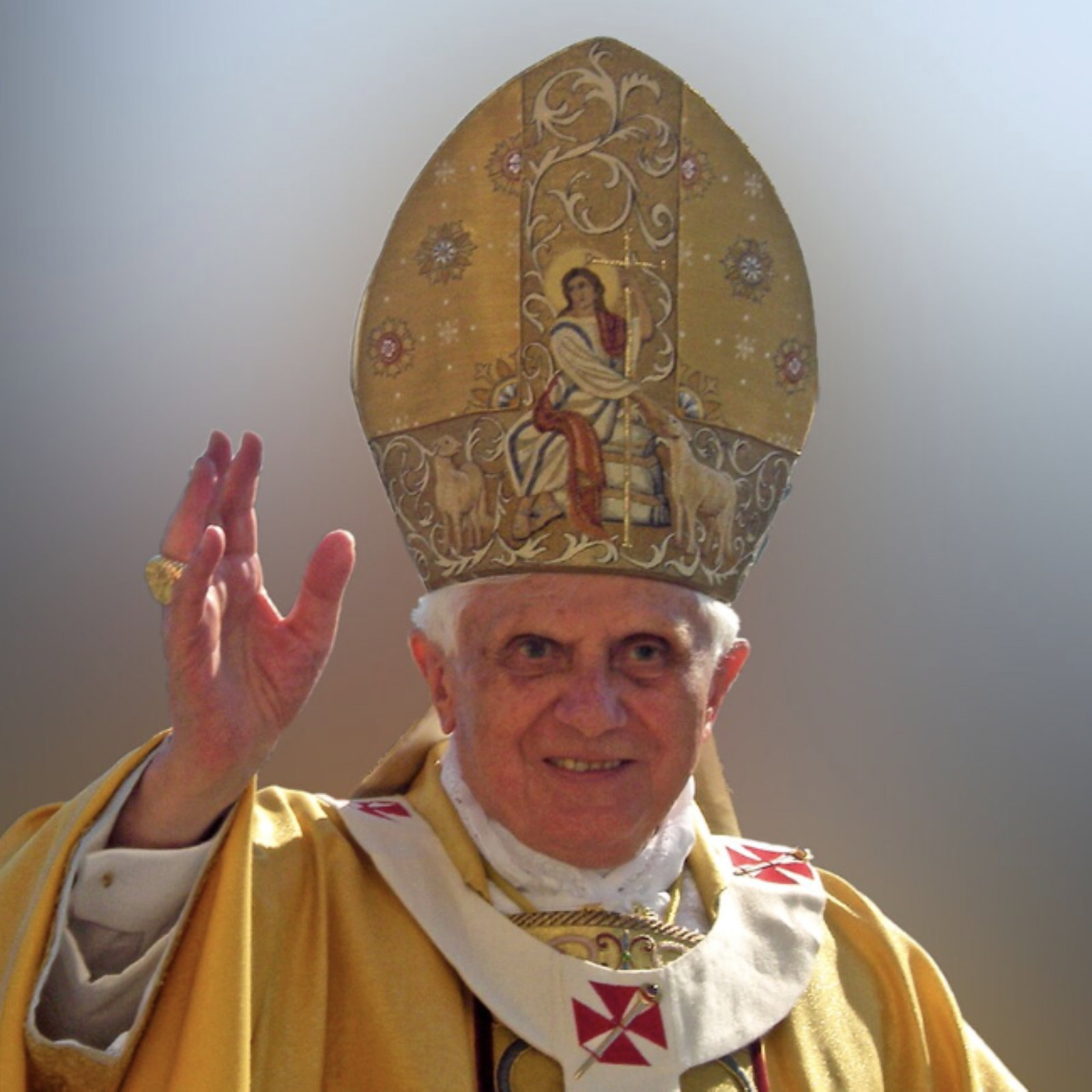
On the Via Pulchritudinis: Pope Benedict XVI’s Meditations on Art and Prayer - Fr. Alan O'Sullivan, O.P.
Fr. Alan O'Sullivan provides an introduction to Pope Benedict XVI's thought on the "via pulchritudinis" — the way of beauty — arguing that authentic beauty wounds the heart and draws it toward the transcendent Logos, is inseparable from truth, goodness, and prayer, and is indispensable for the Church's liturgy and evangelization against a false, self-absorbing beauty.This lecture was given on July
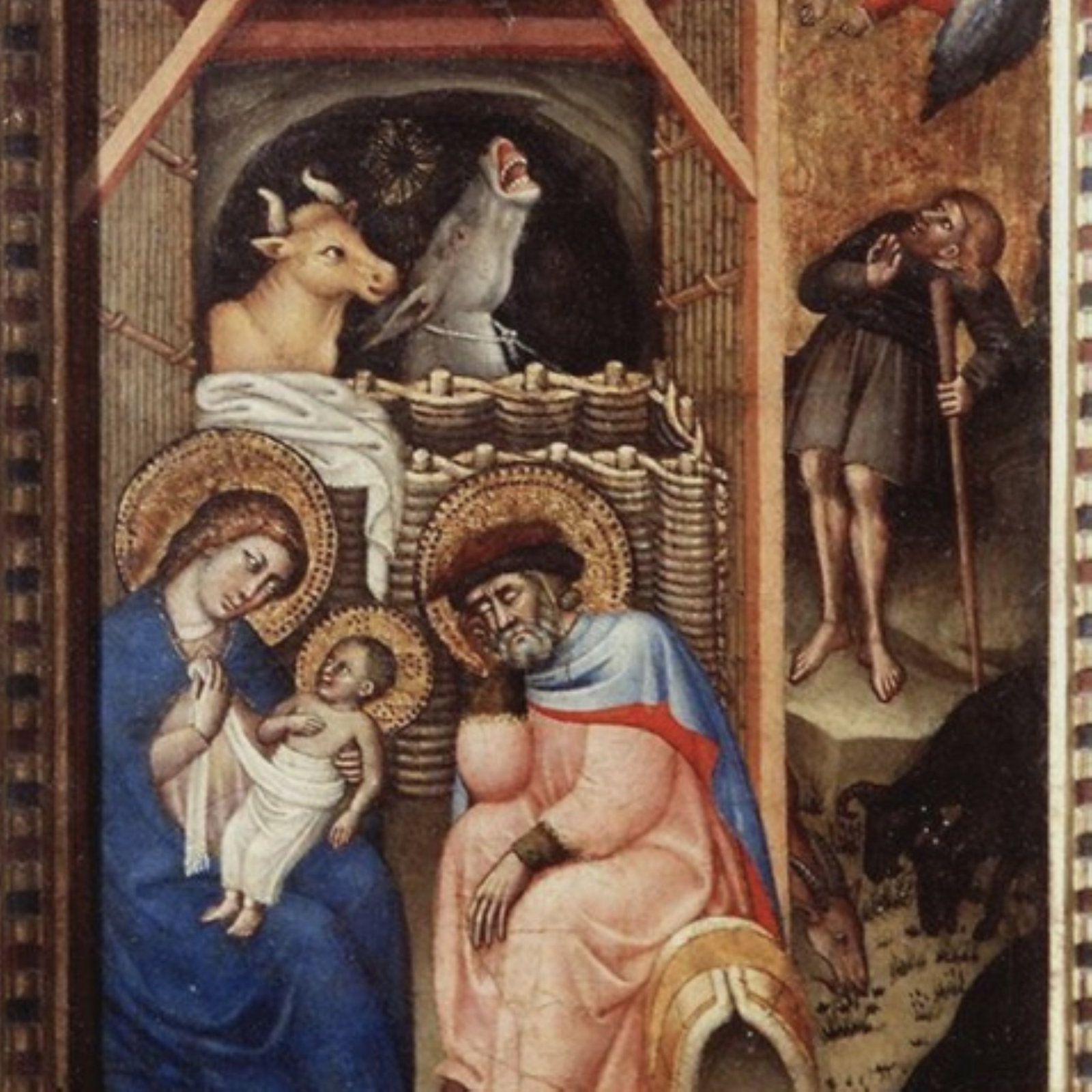
Purifying the Imagination: Iconoclasm and the Incarnation - Fr. Irenaeus Dunlevy, O.P.
Fr. Irenaeus Dunlevy argues that the Exodus prohibition on graven images was a purification of Israel's imagination from false imaginings of the invisible God, and that the Incarnation opens a new, positive use of sacred images — the face of Christ and the icons of his saints — by which the imagination is fed and purified for contemplation, a truth vindicated by Saint John Damascene and the Second

Iconoclastic and Incarnational Church Architecture - Fr. Irenaeus Dunlevy, O.P.
Fr. Irenaeus Dunlevy argues that church architecture is "incarnational" when it corresponds to a true cosmological vision of reality ordered through and toward the Logos and embodies the principles revealed to Moses on Sinai, and "iconoclastic" when, in its modernist self-referentiality, it rejects that order and fails to communicate the body and head of Christ made present in the liturgy.This lec
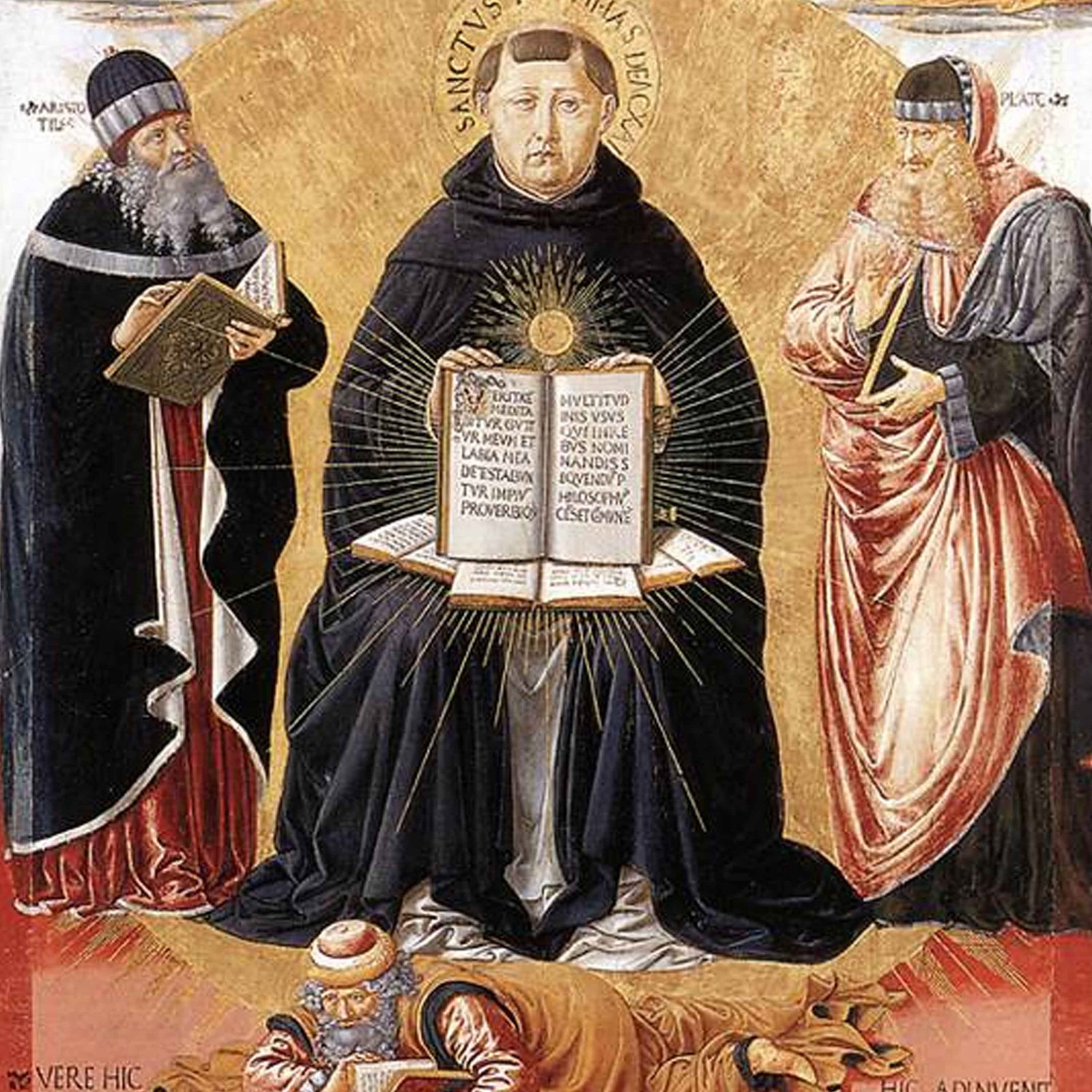
Aquinas on Conscience as the Application of Knowledge to Practice - Fr. David Goodill, O.P.
Fr. David Goodill explains that, for Aquinas, conscience is not a power of the soul but an act of the intellect rooted in the natural habit of synderesis and formed by the virtues, above all prudence, so that it reflects the deepest interiority of the person.This lecture was given on July 24th, 2026, at Stonyhurst College.Support the Thomistic Institute Campus Chapter Program here: truth.thomistic
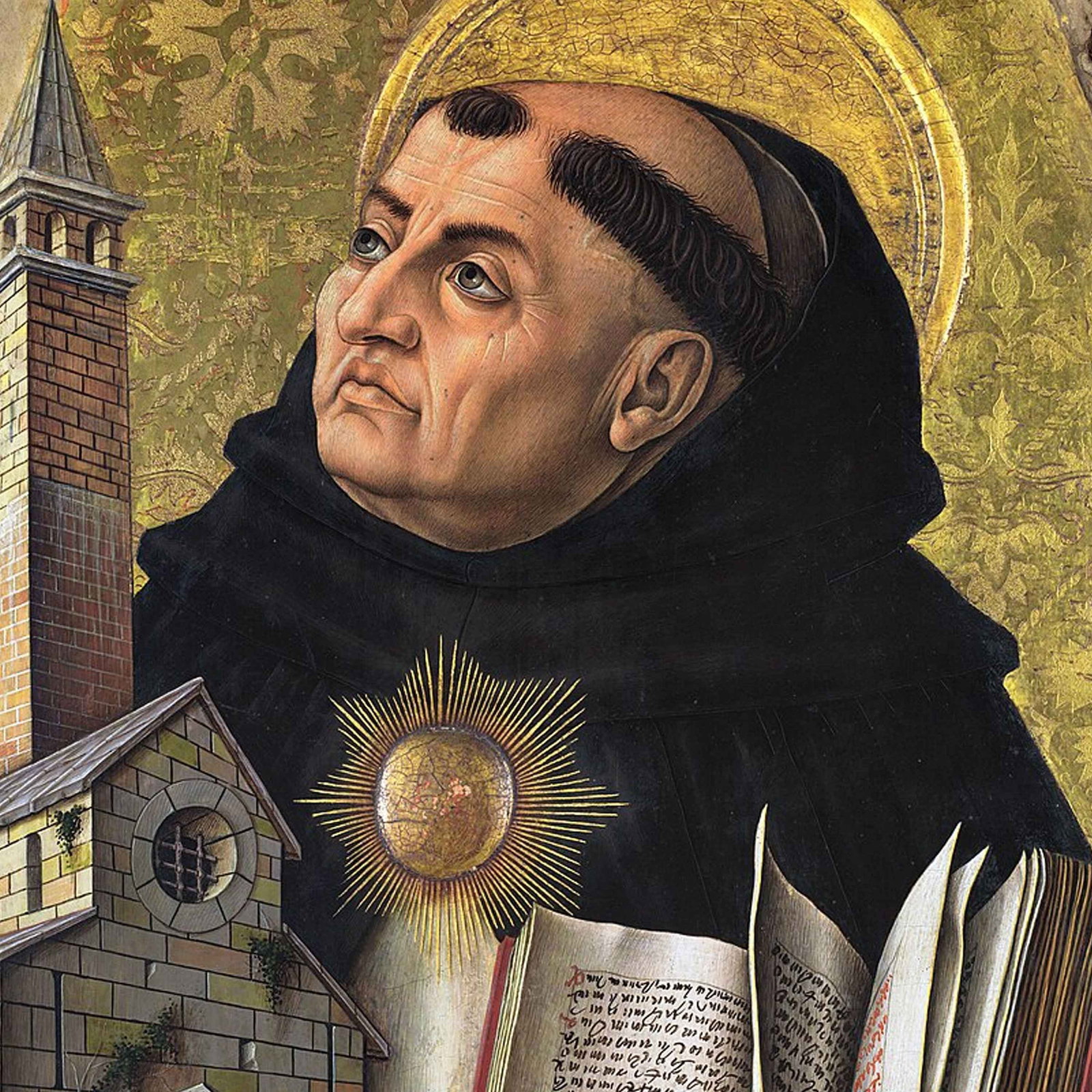
Aquinas on Conscience and the Inner Act of the Will - Fr. David Goodill, O.P.
Fr. David Goodill expounds Aquinas's treatment of conscience in Summa theologiae I-II, q.19, arguing that conscience is the inner act of the will and that, even when erring, it binds the agent, such that right formation of conscience through virtue, law, and grace is essential.This lecture was given on July 24th, 2026, at Stonyhurst College.Support the Thomistic Institute Campus Chapter Program he
Conscience First, and to the Pope Afterwards - Prof. Lewis Ayres
Prof. Lewis Ayres presents Newman's account of conscience as, not a private inner voice, but the echo of God's voice within the human being, that although refracted by sin and therefore requiring long formation in humility and obedience, is an entry into true fraternity.This lecture was given on July 24th, 2026, at Stonyhurst College.Support the Thomistic Institute Campus Chapter Program here: tru
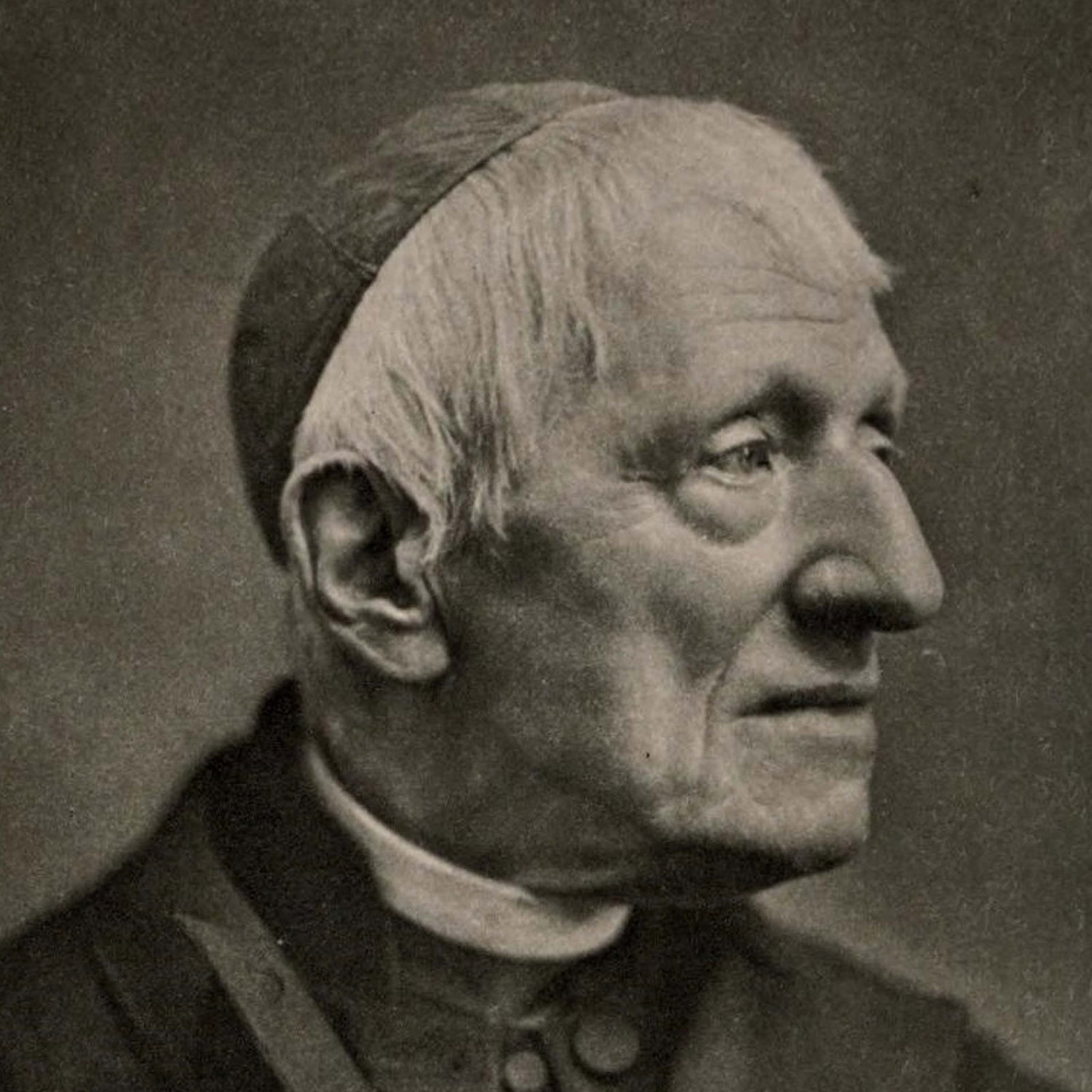
Newman Against Hitler: Reflections on Ratzinger - Prof. Lewis Ayres
Prof. Lewis Ayres draws on Newman's Essay in Aid of a Grammar of Assent and Essay on the Development of Doctrine to argue that conscience must be educated through a long process of moral and doctrinal formation, and that the young Ratzinger draws the same connections between consceince and the community and worship of the Church.This lecture was given on July 25th, 2026, at Stonyhurst College.Supp
Imagination and Conscience - Prof. Medi Volpe
Prof. Medi Volpe argues that conscience is formed through the imagination, which is nurtured and filled by stories, so that discerning right action is less a matter of weighing propositions than of recognizing one's part in a larger story.This lecture was given on July 25th, 2026, at Stonyhurst College.Support the Thomistic Institute Campus Chapter Program here: truth.thomisticinstitute.org/podAbo
Conscience in Everyday Life - Prof. Medi Volpe
Prof. Medi Volpe argues that conscience is not an abstract faculty but an everyday moral sense that must be awakened and nurtured, and that grace works through ordinary channels — stories, scripture, friends, and even our failures — to form us, little by little, into people who listen and obey.This lecture was given on July 26th, 2026, at Stonyhurst College.Support the Thomistic Institute Campus C
Aquinas' Epistemology with Reflections from a Friar-Medical Doctor - Fr. Chris Gault, O.P.
Fr. Chris Gault, O.P. lays out Aquinas's epistemology of moderate realism, in which all knowledge begins with the senses and the agent intellect abstracts universal forms from phantasms, and defends it against skepticism, ancient and modern, including the claim that artificial intelligence cannot truly know.This lecture was given on July 18th, 2026, at Glencomeragh House.Support the Thomistic Inst
Sanctity and the Discipline of Study - Fr. Ambrose Little, O.P.
Fr. Ambrose Little, O.P. argues that the natural human desire to know, though it draws the mind toward the contemplation of God, can only reach its fulfillment when purified and redirected by grace and the theological virtues, so that every discipline of study becomes a path of sanctity.This lecture was given on June 26th, 2026, at Dominican House of Studies.Support the Thomistic Institute Campus
Justification According to St. Thomas - Prof. Erik Dempsey
Prof. Erik Dempsey explains St. Thomas Aquinas’s account of justification as God’s free gift of grace, which heals sin, moves human freedom, and forms believers in faith working through charity.This lecture was given on March 21st, 2026, at Dominican House of Studies.For more information on upcoming events, visit us at thomisticinstitute.org/upcoming-eventsAbout the Speaker:Professor Erik Dempsey
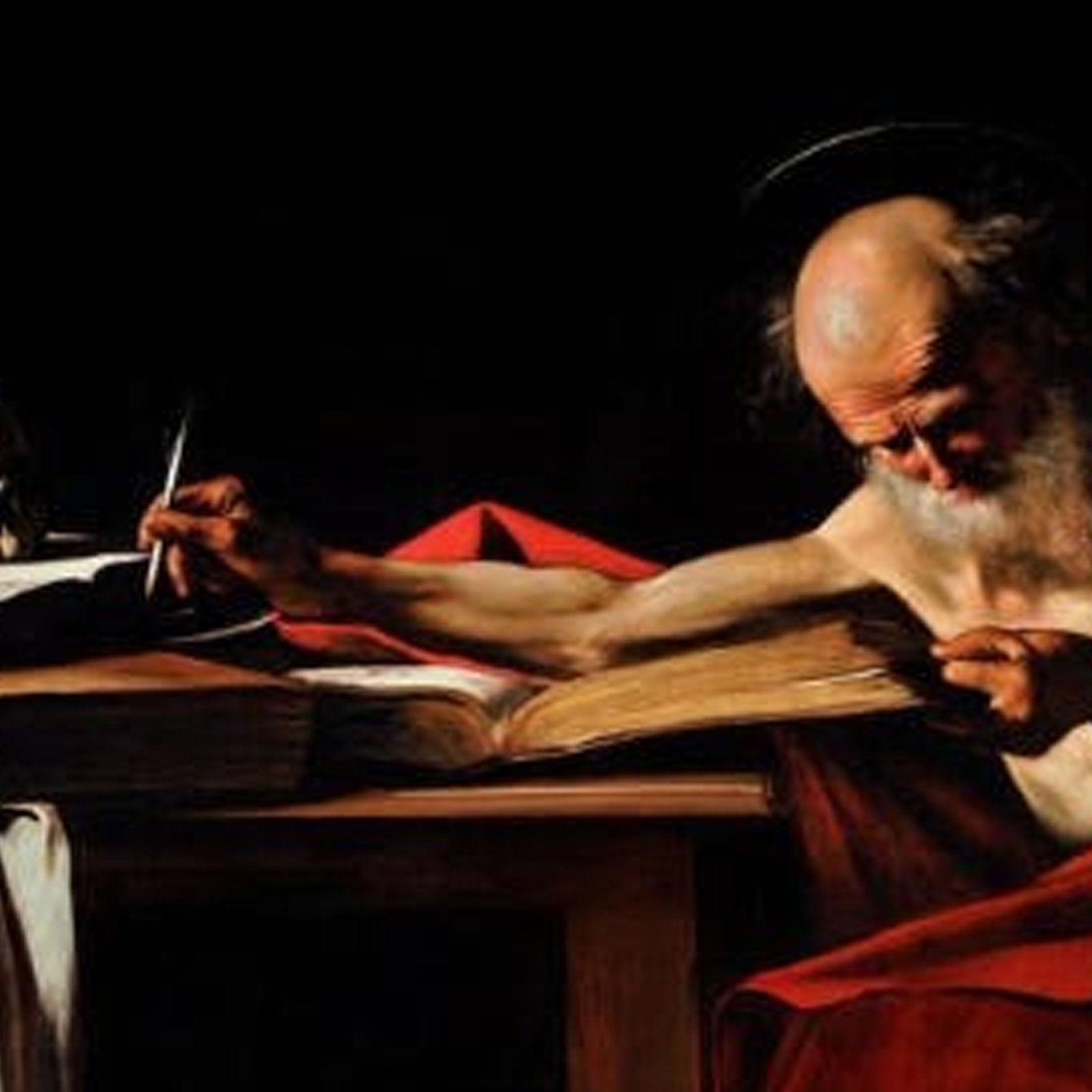
Shakespeare and Aquinas on Kinds of Knowing - Sr. Maria Frassati Jakupcak, O.P.
Sr. Maria Frassati Jakupcak shows how Shakespeare’s Measure for Measure exposes the limits of abstract knowledge and reveals why some truths can only be known through love, experience, and particular relationship.This lecture was given on April 11th, 2026, at Dominican House of Studies.For more information on upcoming events, visit us at thomisticinstitute.org/upcoming-eventsAbout the Speaker:Sr.
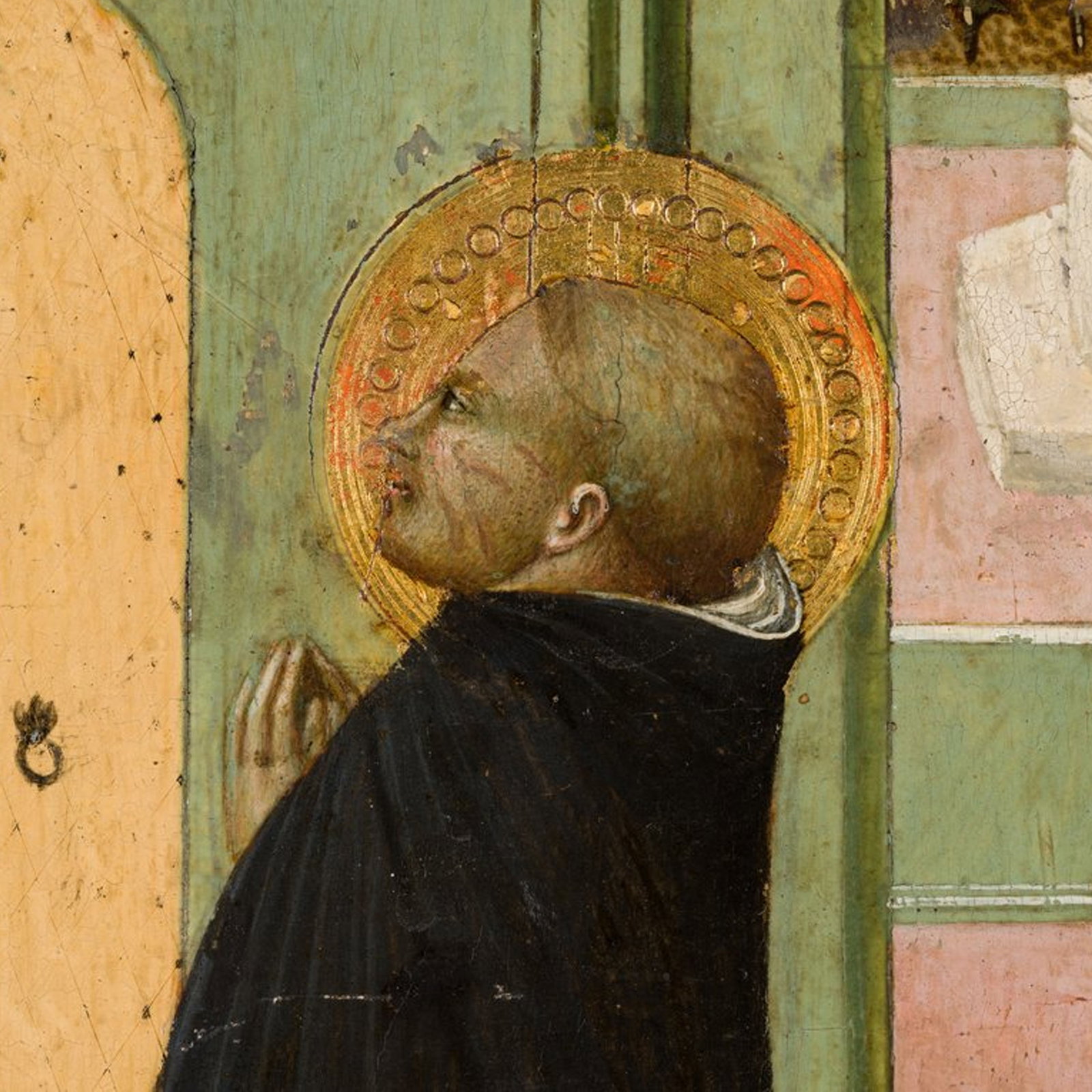
Shakespeare and Aquinas on Prudence, Part Two - Fr. Jordan Zajac
Fr. Jordan Zajac takes Shakespeare’s most morally charged characters and Aquinas’s deepest insights on love, hatred, and prudence to show why holiness sometimes means not just loving the good, but fiercely refusing what corrupts it.This lecture was given on April 10th, 2026, at Dominican House of Studies.For more information on upcoming events, visit us at thomisticinstitute.org/upcoming-eventsAbo
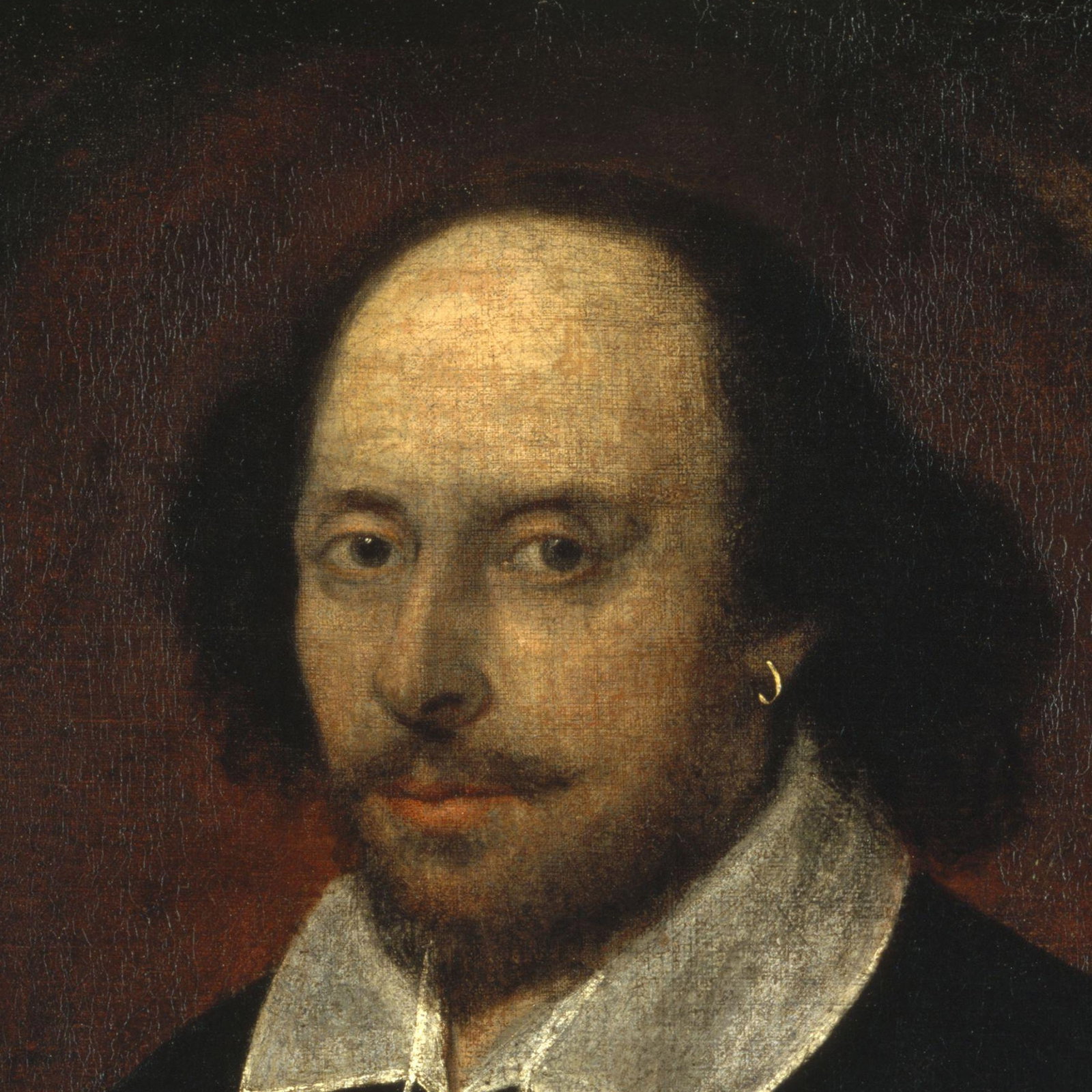
Shakespeare and Aquinas on Prudence, Part One - Fr. Jordan Zajac
Fr. Jordan Zajac uses Shakespeare’s Macbeth and Aquinas’s account of prudence to show how a person can know the good, reject it in imagination, and still fall into action through an inner collapse of judgment and will.This lecture was given on April 10th, 2026, at Dominican House of Studies.For more information on upcoming events, visit us at thomisticinstitute.org/upcoming-eventsAbout the Speaker
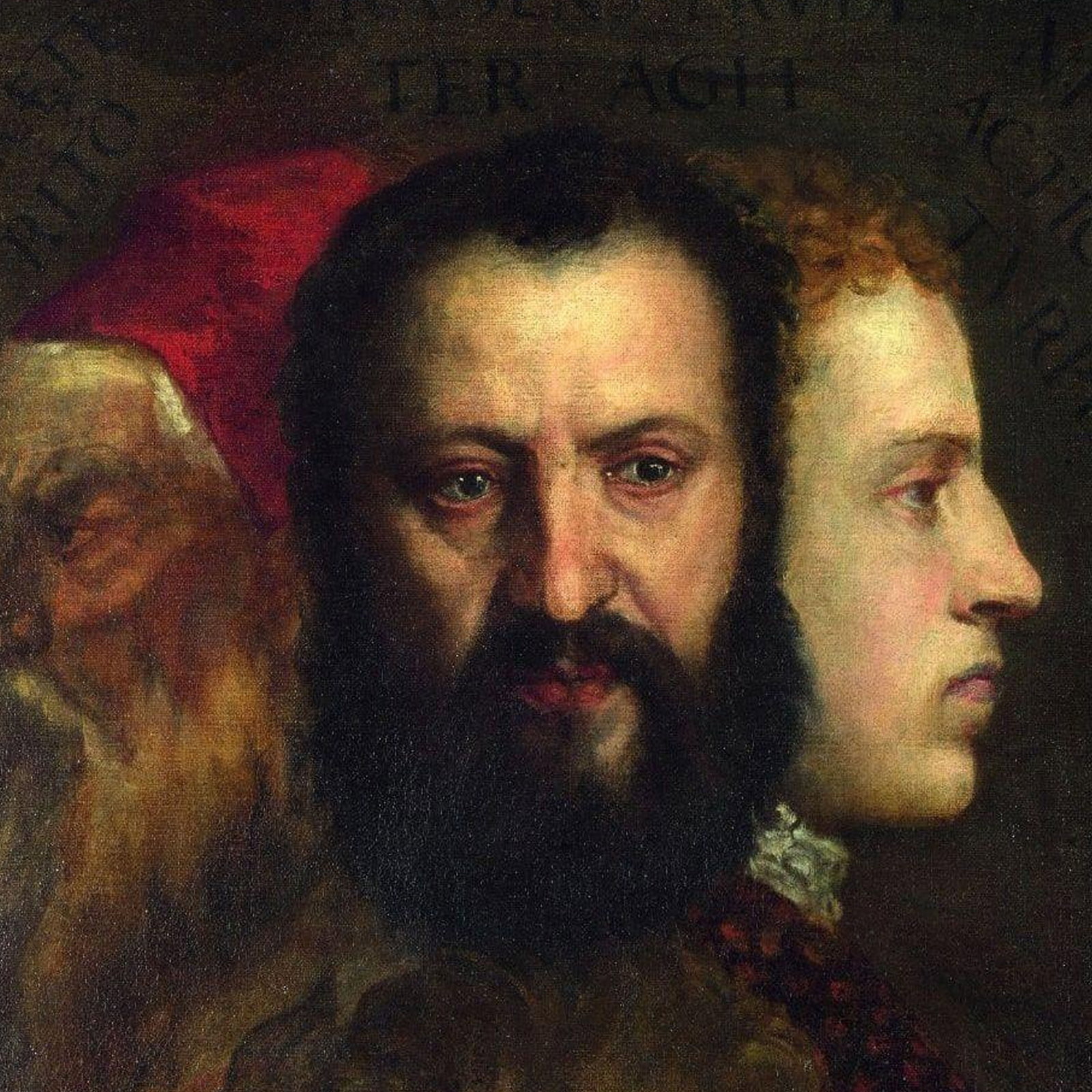
The Priesthood of Christ and Your Beatitude - Fr. Thomas Aquinas Pickett, O.P.
Fr. Thomas Aquinas Pickett, O.P., explains how Christ’s eternal priesthood fulfills the human desire for beatitude by reconciling humanity to God through his self-offering and drawing believers into the life of heaven.This lecture was given on March 28th, 2026, at St. Albert's Priory.For more information on upcoming events, visit us at thomisticinstitute.org/upcoming-eventsAbout the Speaker:Fr. Th
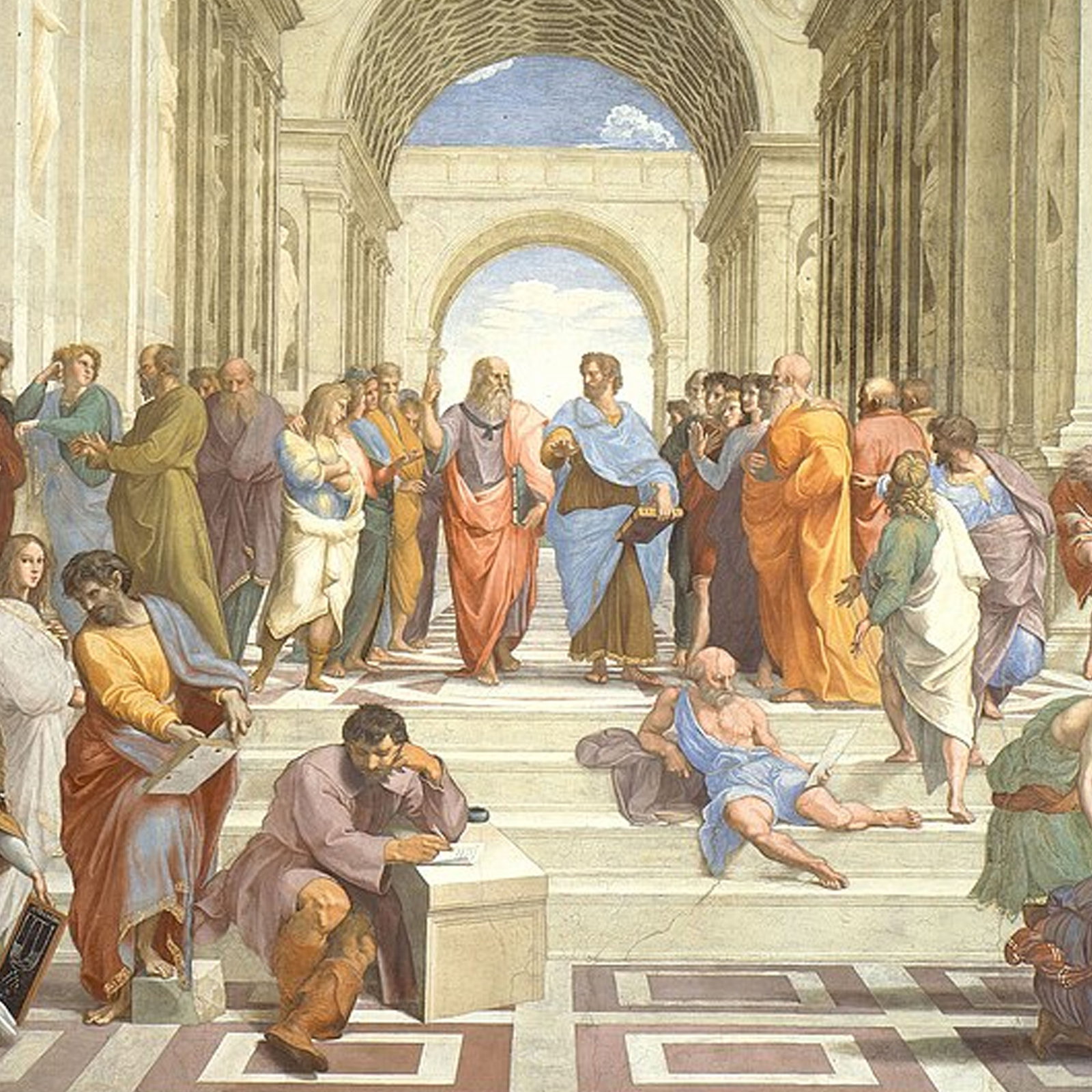
St. Leo the Great on Love of the Poor and the Weak - Fr. Andrew Hofer, O.P.
Fr. Andrew Hofer, O.P., presents St. Leo the Great’s theology of mercy, showing how love for the poor and weak flows from Christ’s Incarnation, affirms the dignity of every human person, and calls Christians to become merciful as God is merciful.This lecture was given on May 3rd, 2026, at Massachusetts Institute of Technology.For more information on upcoming events, visit us at thomisticinstitute.
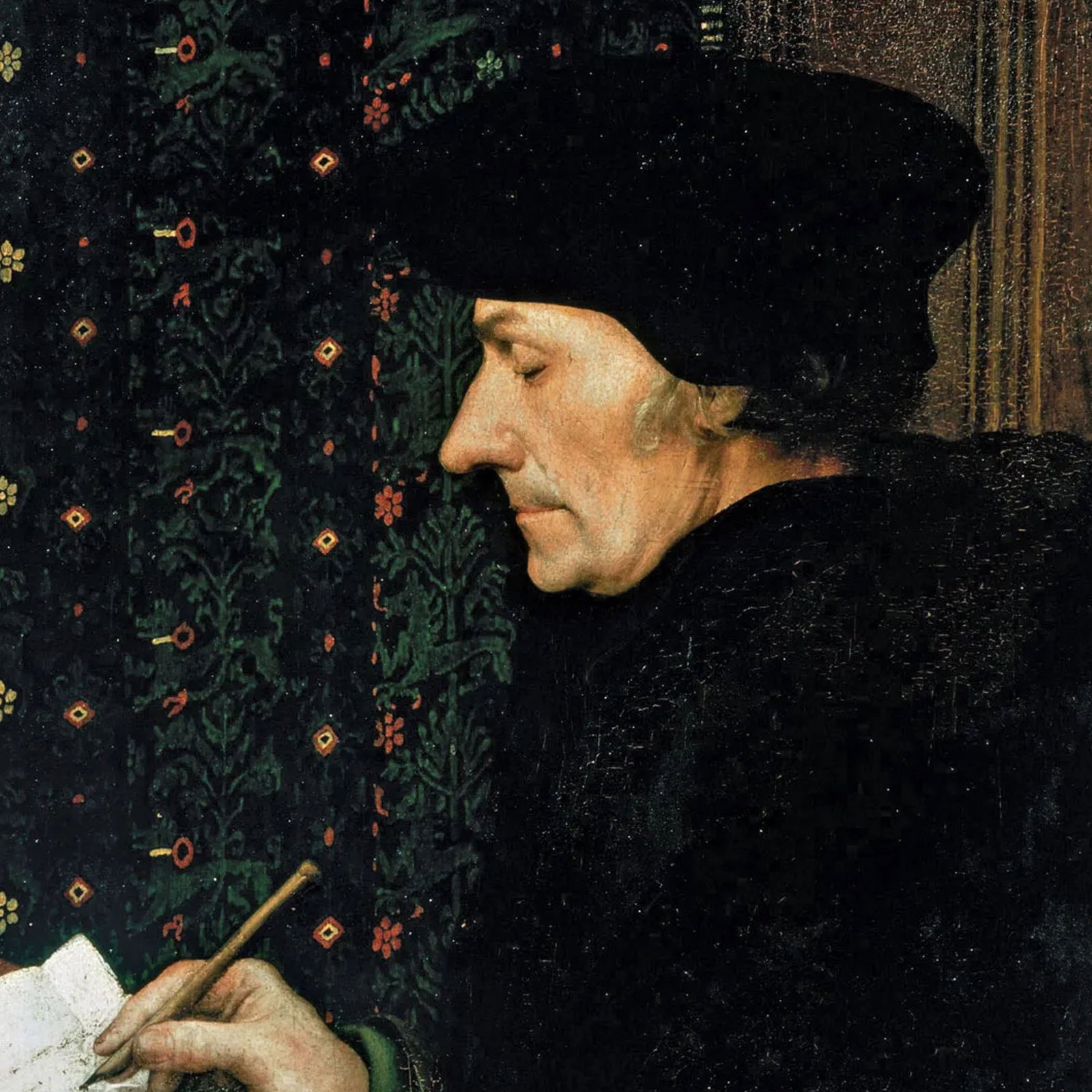
Words Matter: Thomas Aquinas on the Philosophy of Language - Prof. Catherine Peters
Prof. Catherine Peters unpacks Thomas Aquinas’s philosophy of language and reveals how the words we use do more than describe reality: they shape what we understand, how we judge, and how we act.This lecture was given on April 1st, 2026, at University of California, Los Angeles.For more information on upcoming events, visit us at thomisticinstitute.org/upcoming-eventsAbout the Speaker:Catherine Pe
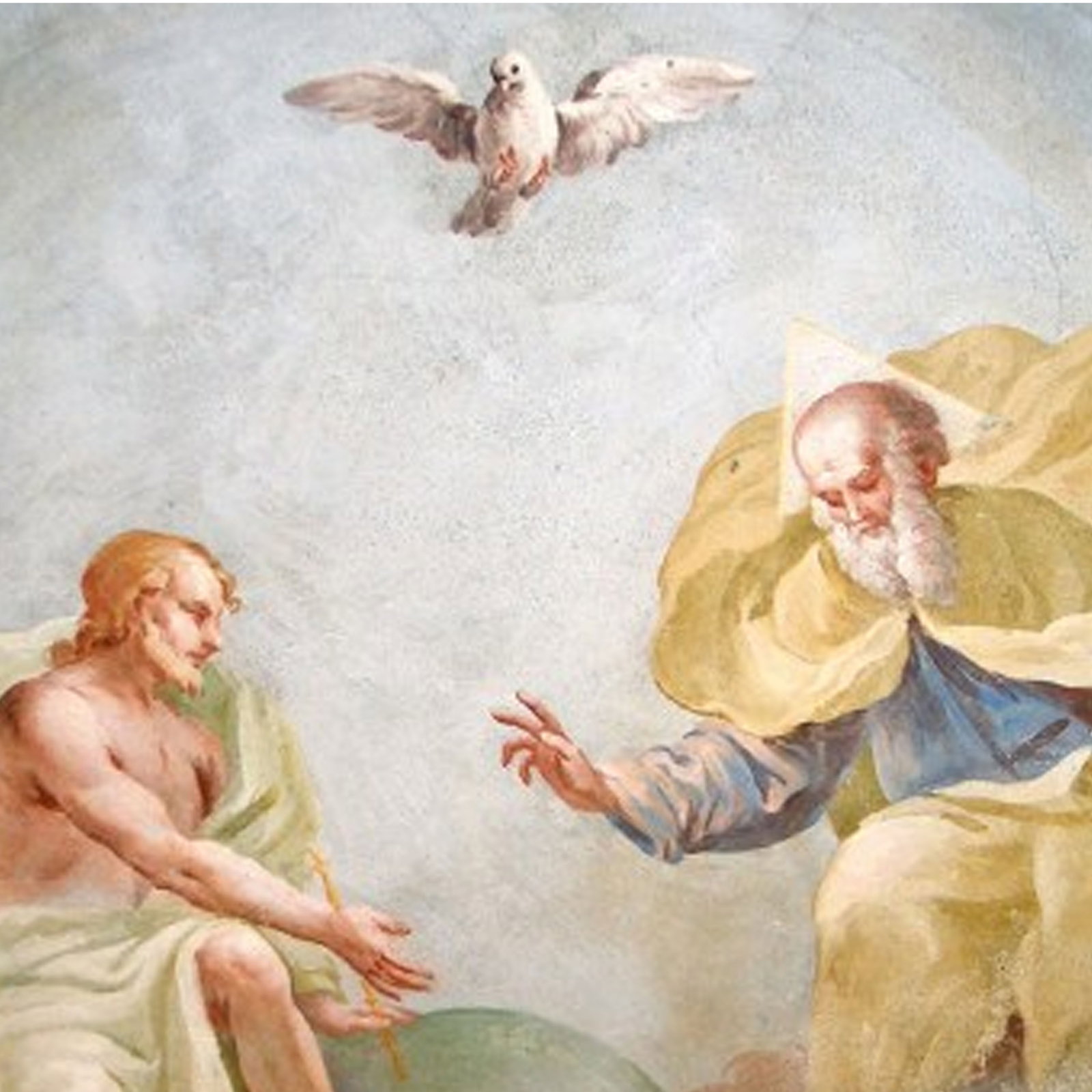
If God Doesn’t Exist, Science is Impossible - Dr. Wes Siscoe
Dr. Wes Siscoe tackles a big question in science and philosophy, arguing that the very fact that nature follows stable, intelligible laws points beyond brute fact and toward God as the deeper explanation.This lecture was given on April 14th, 2026, at University of Wisconsin-Madison.For more information on upcoming events, visit us at thomisticinstitute.org/upcoming-eventsAbout the Speaker:Wes Sisc
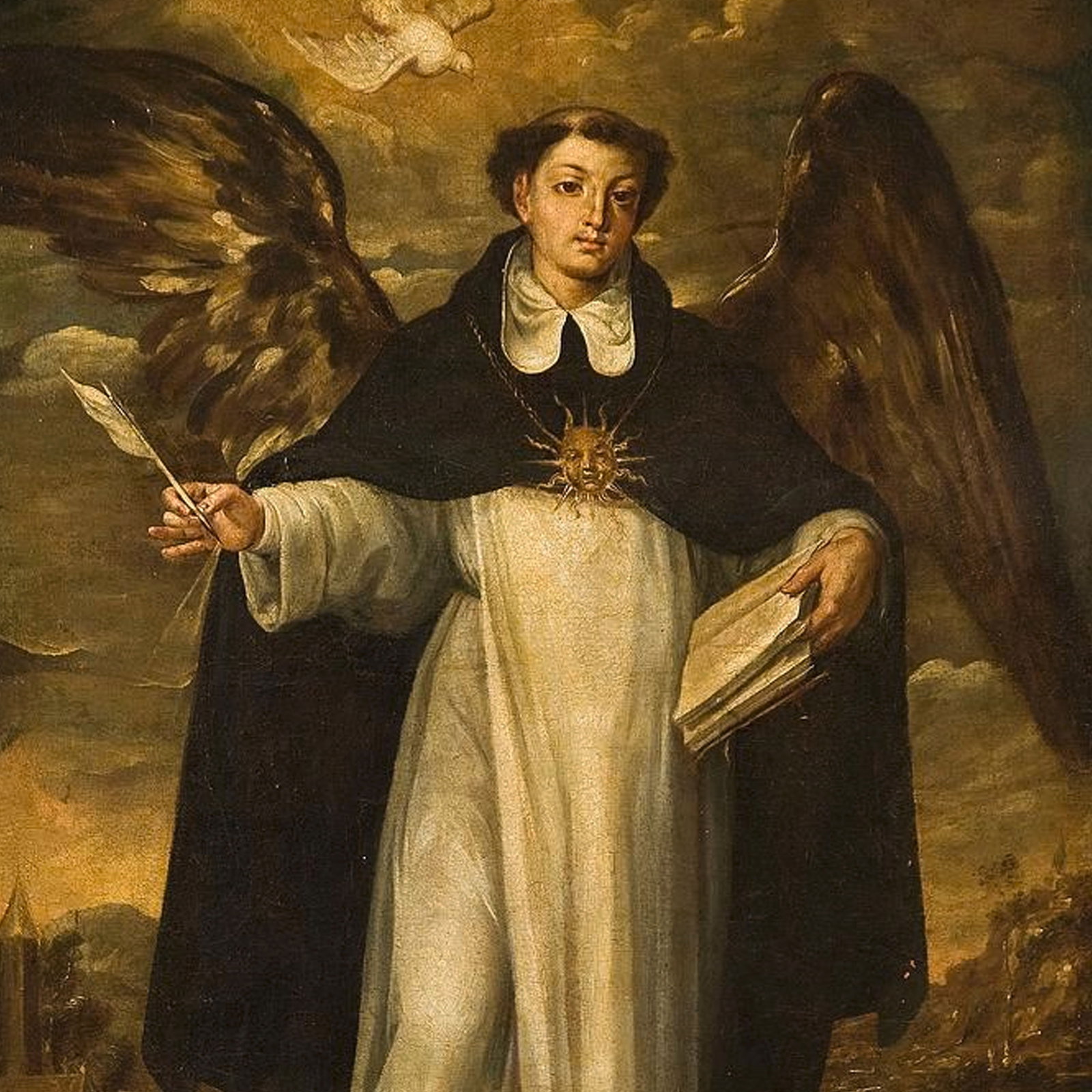
Thomas Aquinas on Vocational Discernment - Fr. Irenaeus Dunlevy, O.P.
Fr. Irenaeus Dunlevy brings Aquinas into the urgent modern conversation about vocation, showing why the path to a call is not endless hesitation but a grace-filled, courageous movement toward charity and the life God is asking of us.This lecture was given on April 15th, 2026, at University of South Florida.For more information on upcoming events, visit us at thomisticinstitute.org/upcoming-eventsA
Can Computers Think? - Prof. Steven Jensen
Prof. Steven Jensen asks whether computers can really think, and he argues that while machines can imitate reasoning and behavior associated with thought, they lack the awareness that makes genuine thinking possible.This lecture was given on April 16th, 2026, at Southern Methodist University.For more information on upcoming events, visit us at thomisticinstitute.org/upcoming-eventsAbout the Speake
What is Truth? - Prof. Paige Hochschild
Prof. Paige Hochschild explores what truth is and shows, through Tolkien, how truth arises from the mind’s encounter with reality, how myth can reveal historical meaning, and how truthful storytelling can shape moral vision.This lecture was given on April 16th, 2026, at Williams College.For more information on upcoming events, visit us at thomisticinstitute.org/upcoming-eventsAbout the Speaker:Dr.
The Catholic Faith and Golf - Prof. Michael Pakaluk
Prof. Michael Pakaluk compares Catholicism and golf in order to show how a game often dismissed as “useless” can become a surprisingly rich school of virtue, shaping humility, patience, prudence, honesty, and love of tradition.This lecture was given on April 17th, 2026, at Ohio State University.For more information on upcoming events, visit us at thomisticinstitute.org/upcoming-eventsAbout the Spe
Do You Need to be Smart to be Holy? - Fr. Gregory Pine, O.P.
Fr. Gregory Pine, O.P., explains why holiness does not require exceptional intelligence but does call every person to grow in the distinctly human capacities to know truth, choose the good, and love God.This lecture was given on June 27th, 2026, at Dominican House of Studies.For more information on upcoming events, visit us at thomisticinstitute.org/upcoming-eventsAbout the Speaker:Fr. Gregory Pin
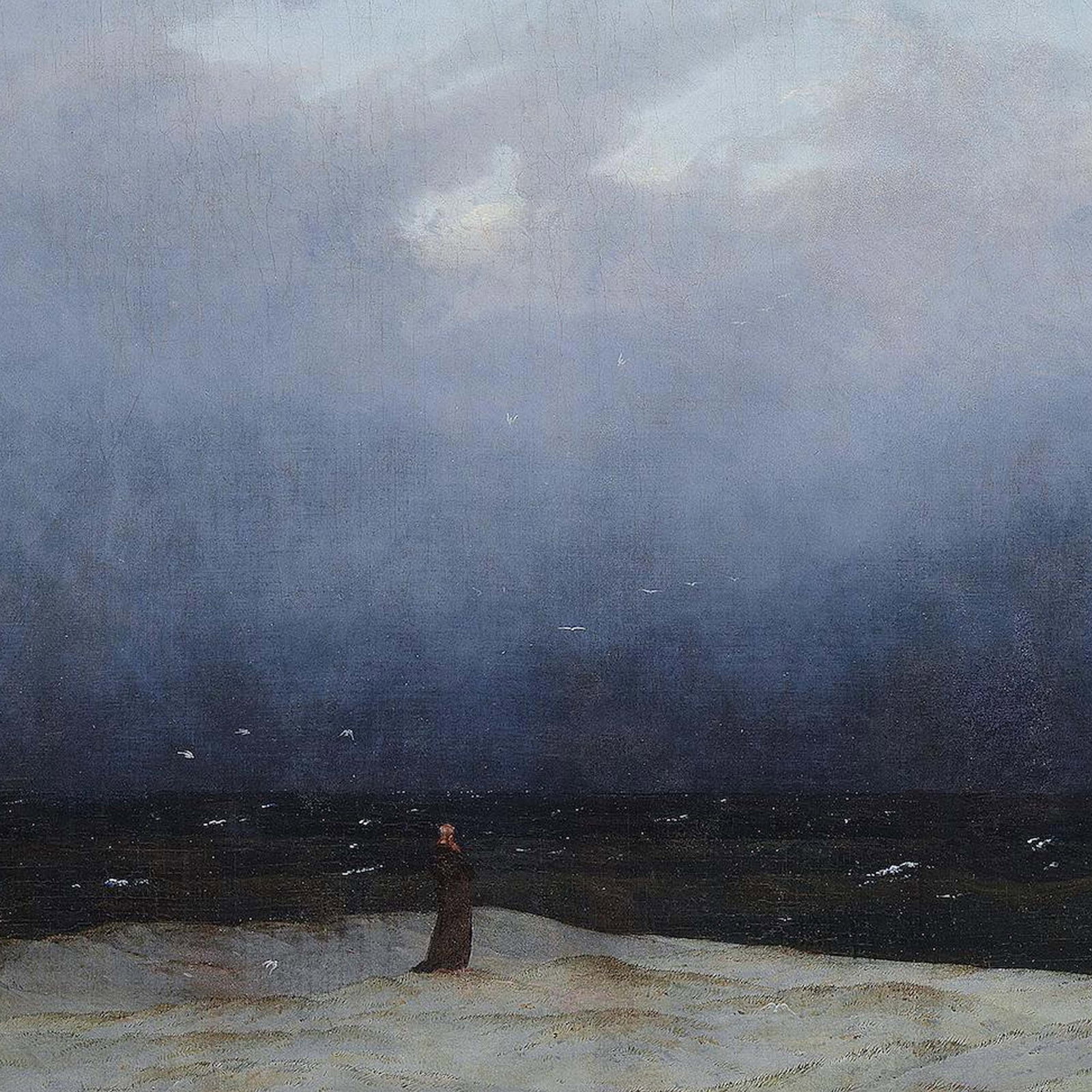
Contemplating the Presence of God - Fr. Irenaeus Dunlevy, O.P.
Fr. Irenaeus Dunlevy shows how Thomas Aquinas helps Catholics contemplate the presence of God in nature, grace, and the Incarnation, so that ordinary prayer and daily life become occasions for deeper awareness of divine closeness.This lecture was given on April 17th, 2026, at Vanderbilt University.For more information on upcoming events, visit us at thomisticinstitute.org/upcoming-eventsAbout the
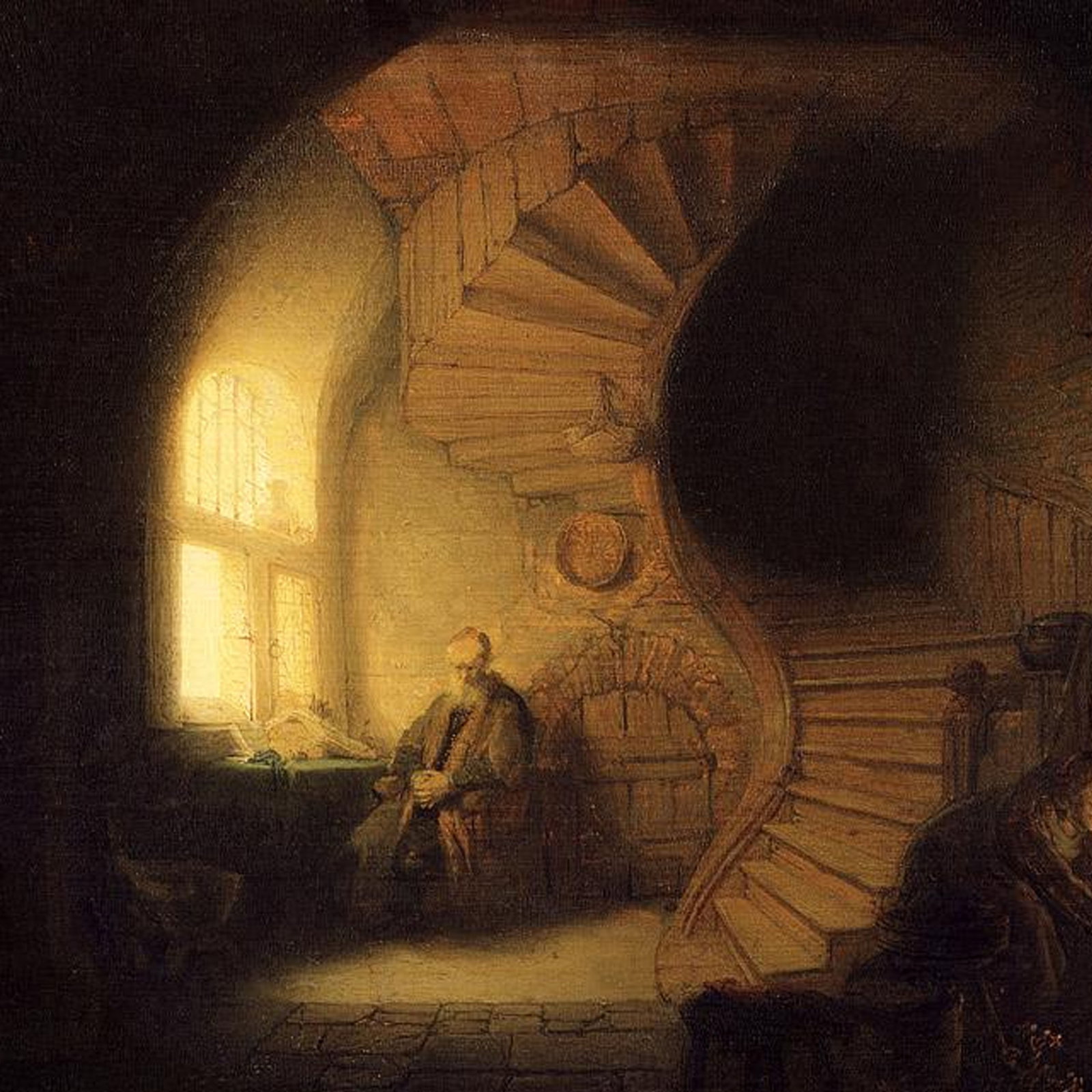
Action, Thought, and Decision-Making - Dr. Joshua Hochschild
Dr. Joshua Hochschild asks how action, thought, and decision-making fit together, and he shows that prudent choice is the uniquely human act that unites intellect, desire, and moral formation under the guidance of the gifts of the Holy Spirit.This lecture was given on June 25th, 2026, at Dominican House of Studies.For more information on upcoming events, visit us at thomisticinstitute.org/upcoming
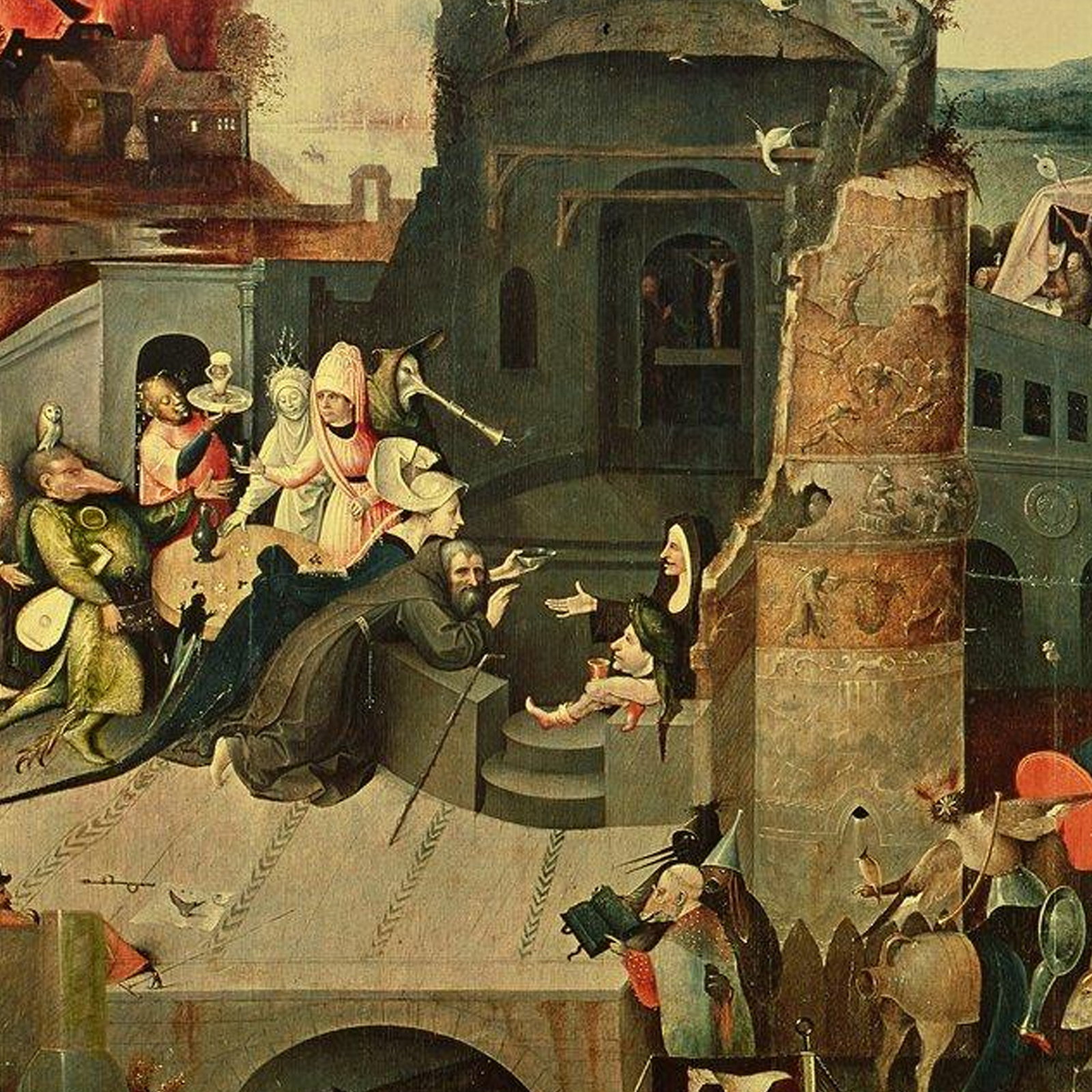
The Work of Our Redemption Is Accomplished: Thomas Aquinas and the Sacrifice of the Mass - Fr. Innocent Smith, O.P.
Fr. Innocent Smith, O.P., examines Thomas Aquinas’s teaching on the Mass as the sacramental representation of Christ’s once-for-all sacrifice, drawing on medieval liturgical texts, sacred images, and Eucharistic prayer to show how believers share in the fruits of redemption.This lecture was given on March 6th, 2026, at University of California, Berkeley.For more information on upcoming events, vis
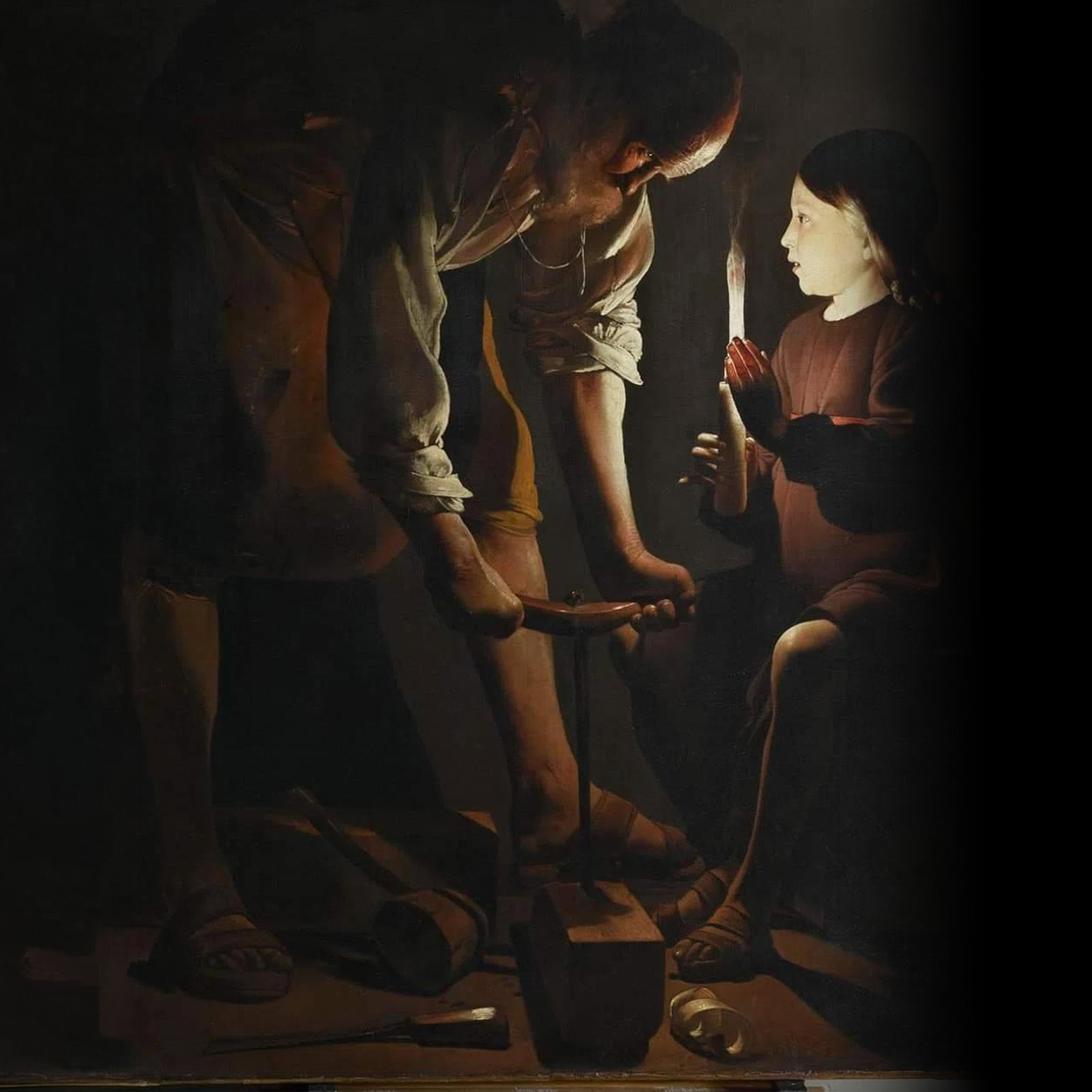
How Can I be a Holy Scientist? - Dr. Karin Öberg & Dr. Paul LaPenna
Dr. Karin Öberg and Dr. Paul LaPenna take up a deceptively simple question—how can a scientist be holy?—and show how the pursuit of truth in creation can become a path to humility, charity, and wonder before God.This lecture was given on June 27th, 2026, at Dominican House of Studies.For more information on upcoming events, visit us at thomisticinstitute.org/upcoming-eventsAbout the Speaker:Profes
How Did Study Sanctify St. Thomas Aquinas? / How Does Study Sanctify Me? - Fr. Thomas Aquinas Pickett, O.P. & Sr. Anna Wray, O.P.
Fr. Thomas Aquinas Pickett and Sr. Anna Wray ask the question "How did study sanctify St. Thomas Aquinas?" St. Thomas serves as an exemplar of how study becomes holy when it is ordered by charity, tempered by right desire, and lived as a way of being with God.This lecture was given on June 27th, 2026, at Dominican House of Studies.For more information on upcoming events, visit us at thomisticinsti
God from God: Understanding the Trinity - Prof. Bruce Marshall
Prof. Bruce Marshall explores the Christian doctrine of the Trinity through the Nicene Creed, describing how the Father, Son, and Holy Spirit are distinct persons who share the one divine nature and showing how this confession grounds baptism, prayer, and the Eucharist.This lecture was given on April 23rd, 2026, at University of Louisiana at Lafayette.For more information on upcoming events, visit
Why be Philosophical? - Prof. Marshall Bierson
Prof. Marshall Bierson asks what it really means to be philosophical, and he takes listeners through the subtle ways our love of truth gets derailed—by winning, by approval, by self-justification, and even by mistaking the feeling of insight for insight itself.This lecture was given on June 27th, 2026, at Dominican House of Studies.For more information on upcoming events, visit us at thomisticinst
Why be Theological? - Prof. Joshua Benson
Prof. Joshua Benson asks why we should be theological, and he answers with a vivid case for studying the faith: to think more deeply, speak more clearly to others, and let theology shape both mind and life.This lecture was given on June 27th, 2026, at Dominican House of Studies.For more information on upcoming events, visit us at thomisticinstitute.org/upcoming-eventsAbout the Speaker:Joshua Benso
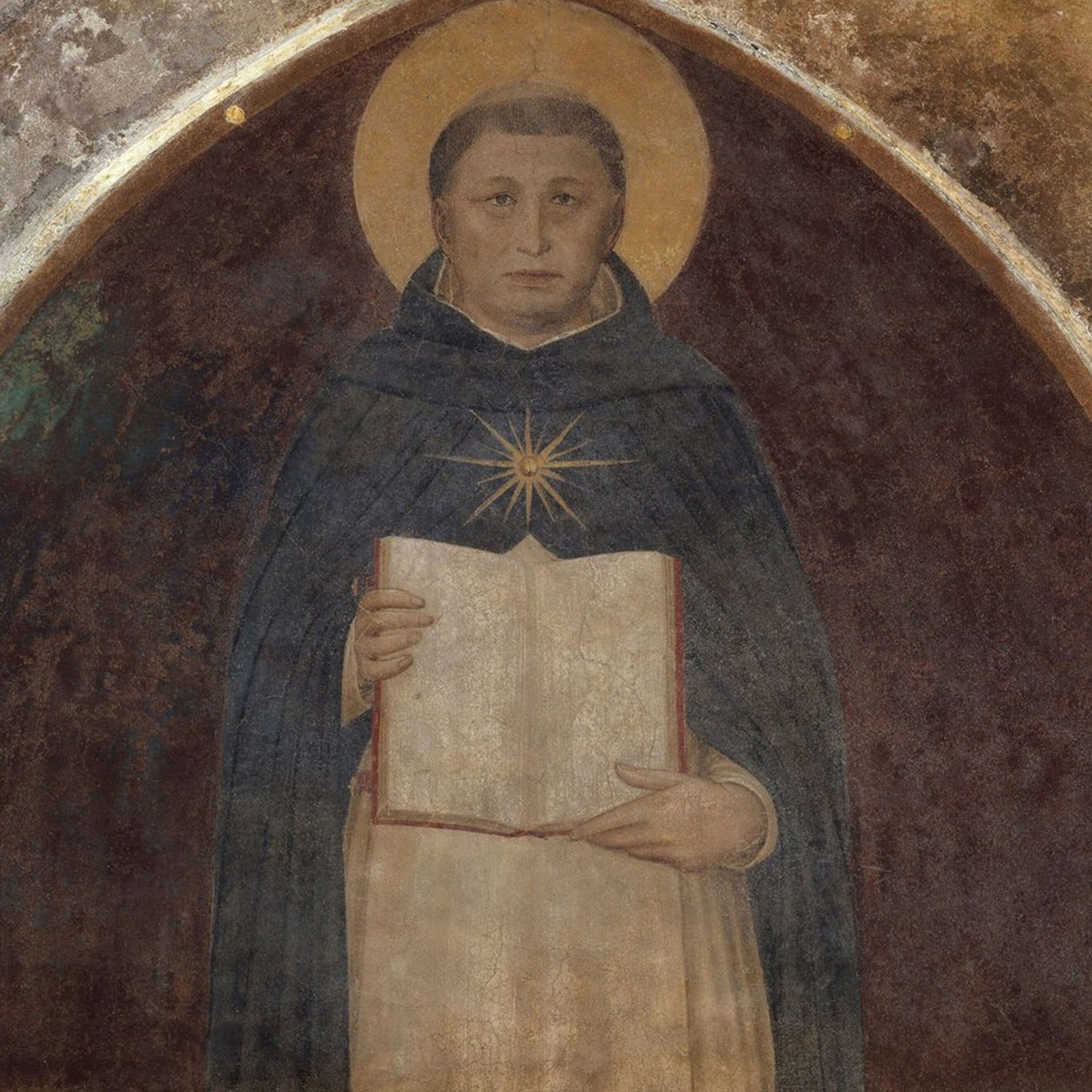
The Summa Illuminated: A Guide to St. Thomas Aquinas’s Masterpiece - Fr. Cajetan Cuddy, O.P.
Fr. Cajetan Cuddy shows why Aquinas’s Summa Theologiae still matters today, presenting it as a clear, enduring roadmap for understanding Catholic truth, teaching beginners, and thinking more carefully about God, the world, and the human person.This lecture was given on April 13th, 2026, at Dominican House of Studies.Apply for the Thomistic Institute Study Abroad program by August 1, 2026. To learn
The AI Apocalypse Already Happened (And What You Can Do About It) - Mahon McCann
Mahon McCann argues that the real AI apocalypse already happened when social media and platform algorithms took over human judgment, reshaping what we see, think, and do through an attention economy that quietly downgrades our humanity.This lecture was given on April 11th, 2026, at University of Maynooth.Apply for the Thomistic Institute Study Abroad program by August 1, 2026. To learn more, visit
Artificial Intelligence: A Theological Investigation - Fr. Ezra Sullivan, O.P.
Fr. Ezra Sullivan examines artificial intelligence through a theological lens, showing why AI may imitate personhood and judgment, but cannot replace the human capacity for truth, freedom, and communion with God.This lecture was given on April 11th, 2026, at University of Maynooth.Apply for the Thomistic Institute Study Abroad program by August 1, 2026. To learn more, visit https://thomisticinstit
I Compute, Therefore I Am: The Distinctively Human in the Age of AI - Dr. Robert McNamara
Dr. Robert McNamara examines what remains distinctively human in the age of AI, arguing that while artificial intelligence can process and predict with remarkable speed, it cannot replace human understanding, freedom, or wisdom.This lecture was given on April 11th, 2026, at University of Maynooth.Apply for the Thomistic Institute Study Abroad program by August 1, 2026. To learn more, visit https:/
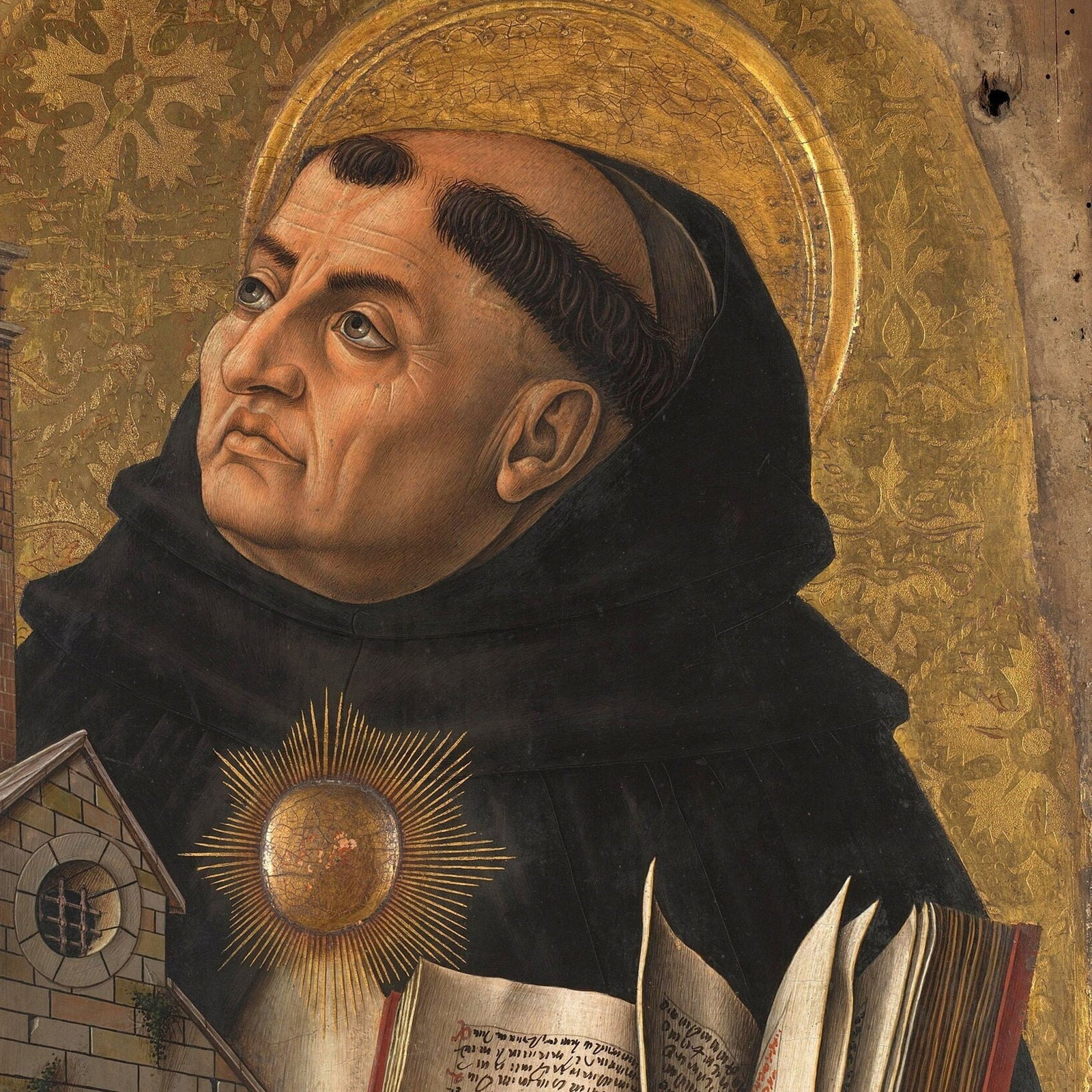
The Efficient Cause of Evangelization: The Spirit Empowering the Blessed Virgin's Word - Fr. Andrew Hofer, O.P.
Fr. Andrew Hofer, O.P. argues that the Holy Spirit is the real power behind evangelization, showing how Mary, the apostles, and every Christian become instruments of God’s mission through grace, witness, and prayer.This lecture was given on December 13th, 2026, at Dominican House of Studies.Apply for the Thomistic Institute Study Abroad program by August 1, 2026. To learn more, visit https://thomi
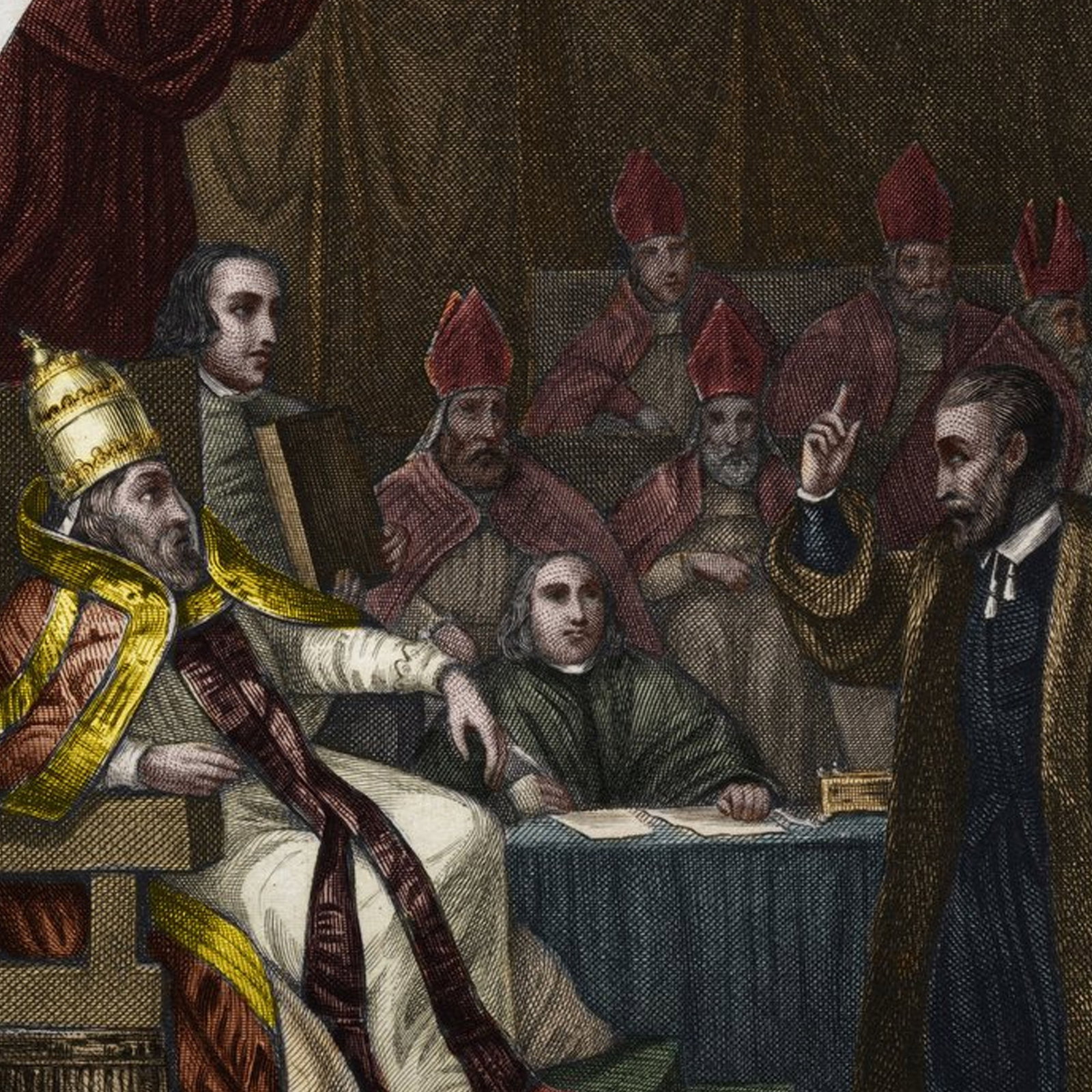
The Formal Cause of Evangelization: The Grace of the Blessed Virgin's Word - Fr. Irenaeus Dunlevy, O.P.
Fr. Irenaeus Dunlevy shows how evangelization works by grace from the inside out, arguing that its deepest “form” is the contemplative, witness-filled communication of Christ that moves others to faith.This lecture was given on December 13th, 2025, at Dominican House of Studies.Apply for the Thomistic Institute Study Abroad program by August 1, 2026. To learn more, visit https://thomisticinstitute
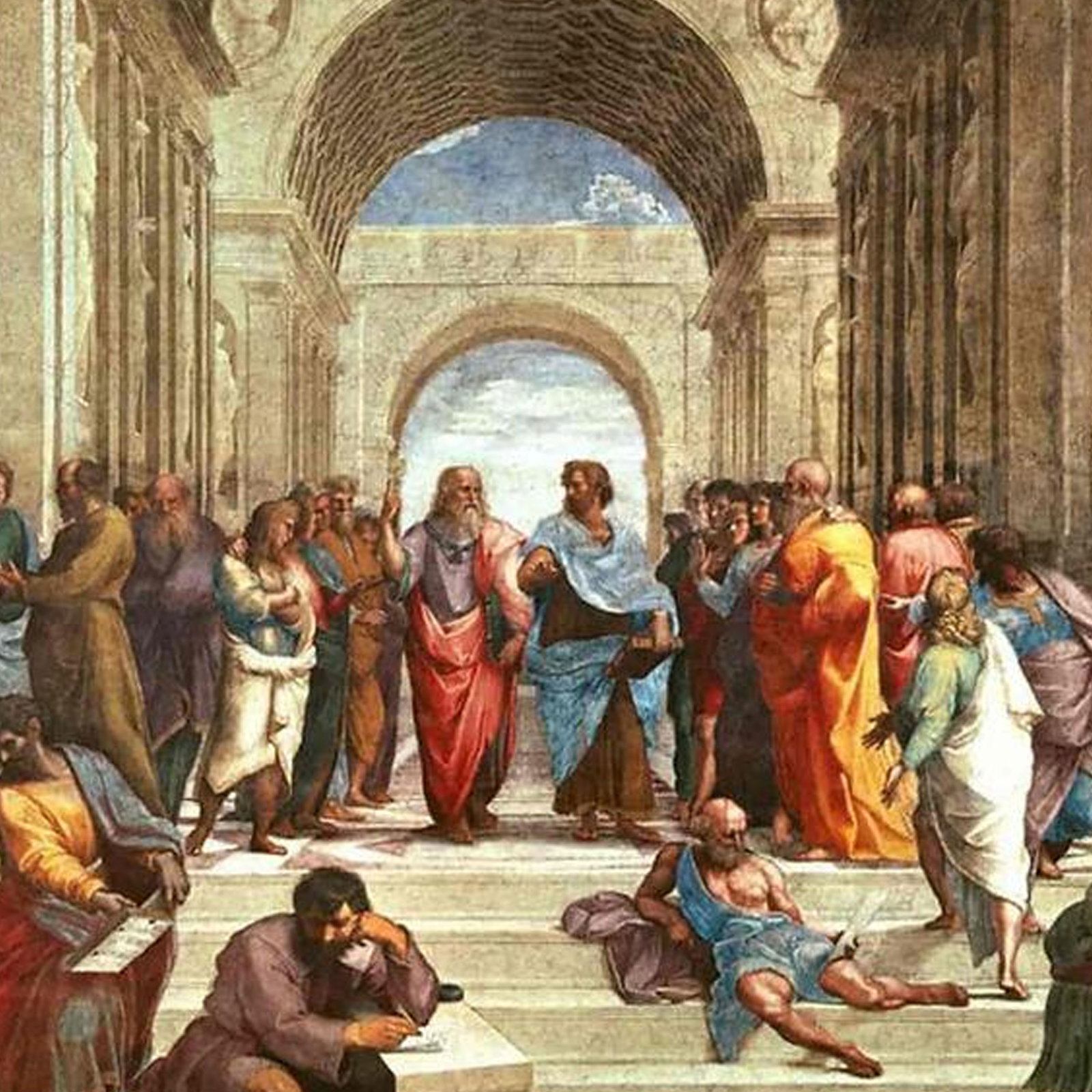
Does Nature Make Laws? An Introduction to the Natural Law Tradition - Prof. Paige Hochschild
Prof. Paige Hochschild introduces natural law by exploring what nature is, how we know it, and why the classical tradition treats the world as an intelligible order to which human beings are truly fitted.This lecture was given on April 6th, 2026, at University of California, San Diego.Apply for the Thomistic Institute Study Abroad program by August 1, 2026. To learn more, visit https://thomisticin
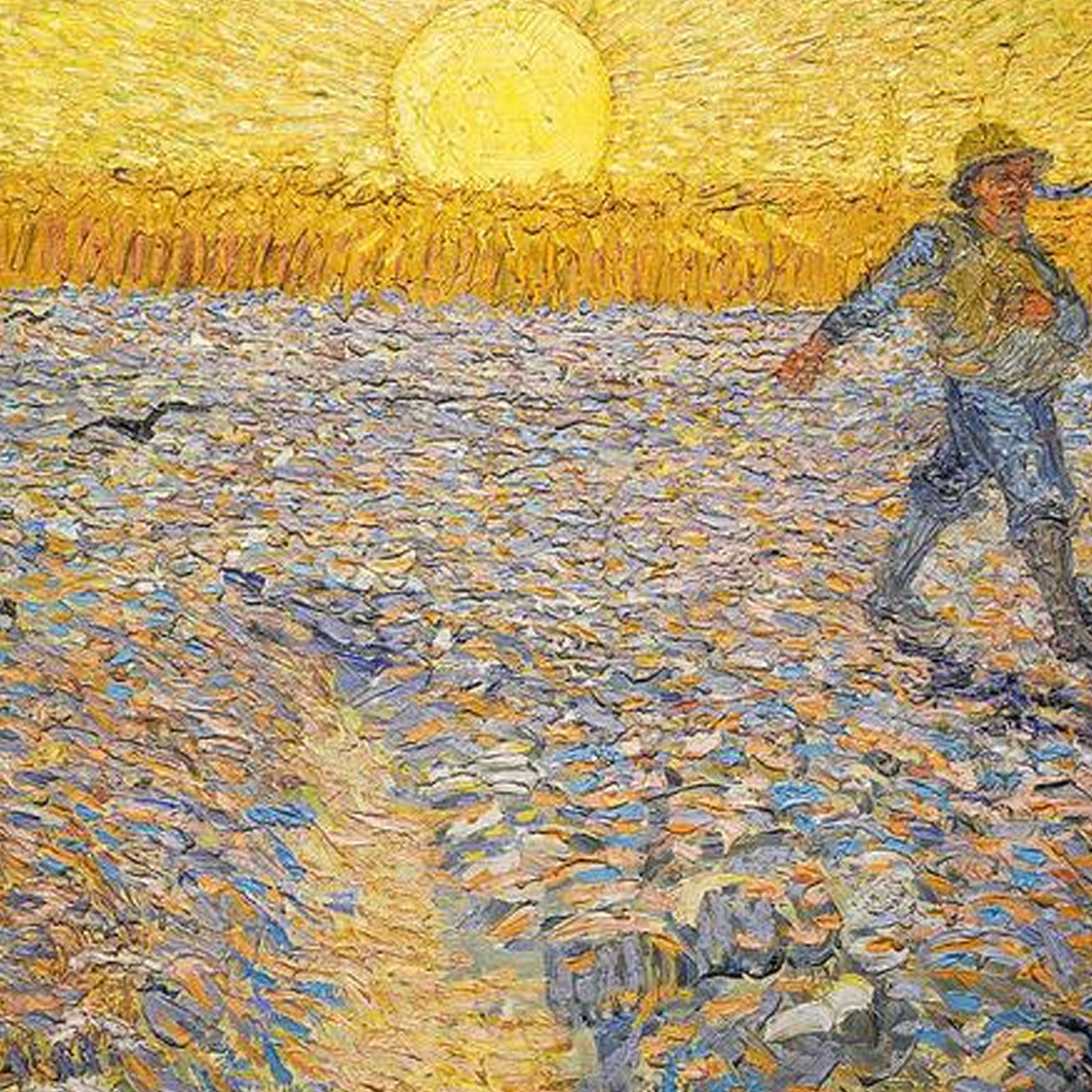
Why Stories Matter for Transmitting the Faith – Prof. Michael Dauphinais
Prof. Michael Dauphinais argues that stories are not just useful for faith—they are how human beings understand reality, and the Christian story of creation, redemption, and resurrection is the true narrative that reorders the imagination.This lecture was given on March 27th, 2026, at Florida State University.Apply for the Thomistic Institute Study Abroad program by August 1, 2026. To learn more,
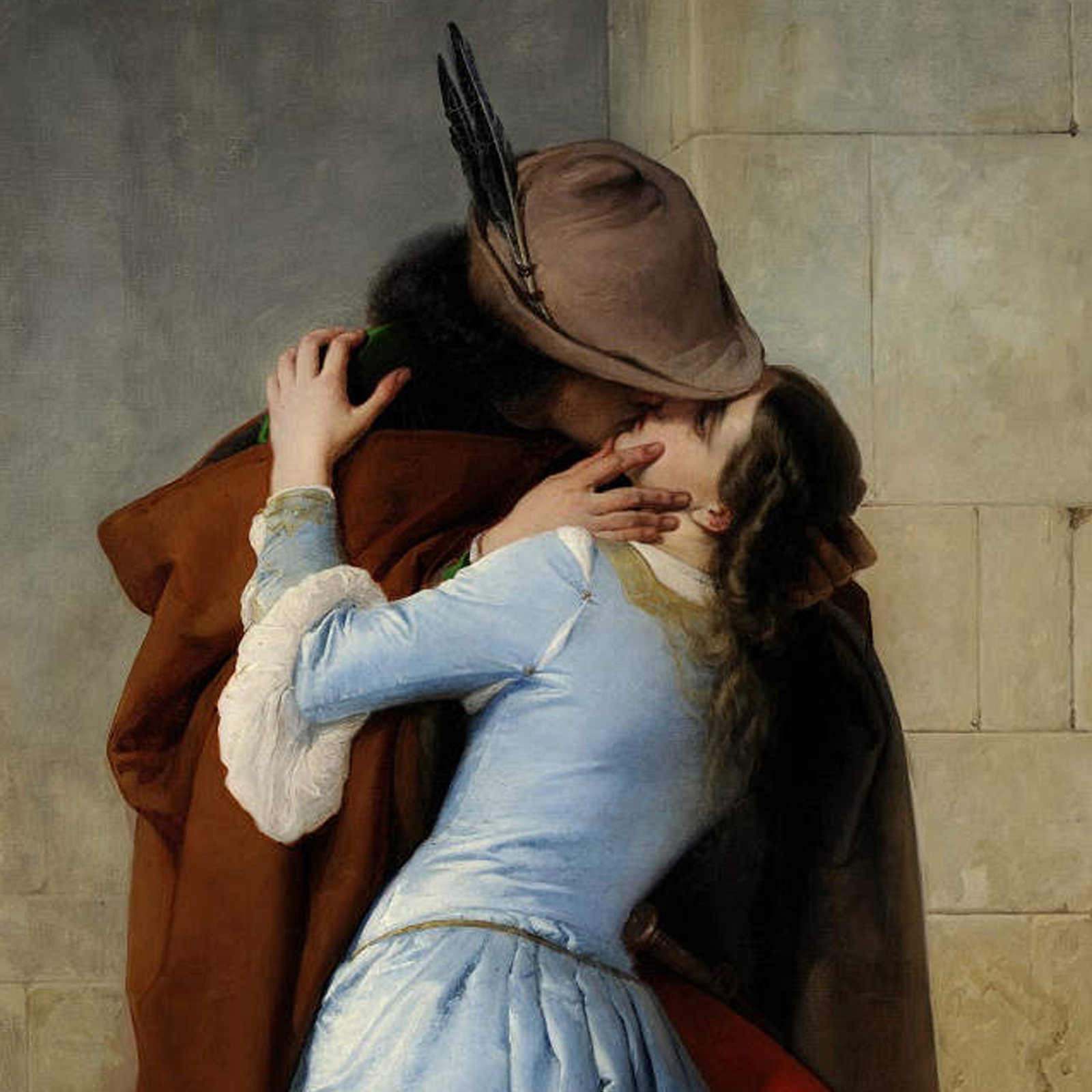
The Mystery of Love - Prof. Maria Fedoryka
Prof. Maria Fedoryka explains love as more than a feeling, showing how it begins with recognizing another person’s goodness, leads to self-gift and communion, and ultimately reveals why love is the source of meaning in human life.This lecture was given on March 16th, 2026, at University of Georgia.Apply for the Thomistic Institute Study Abroad program by August 1, 2026. To learn more, visit https:
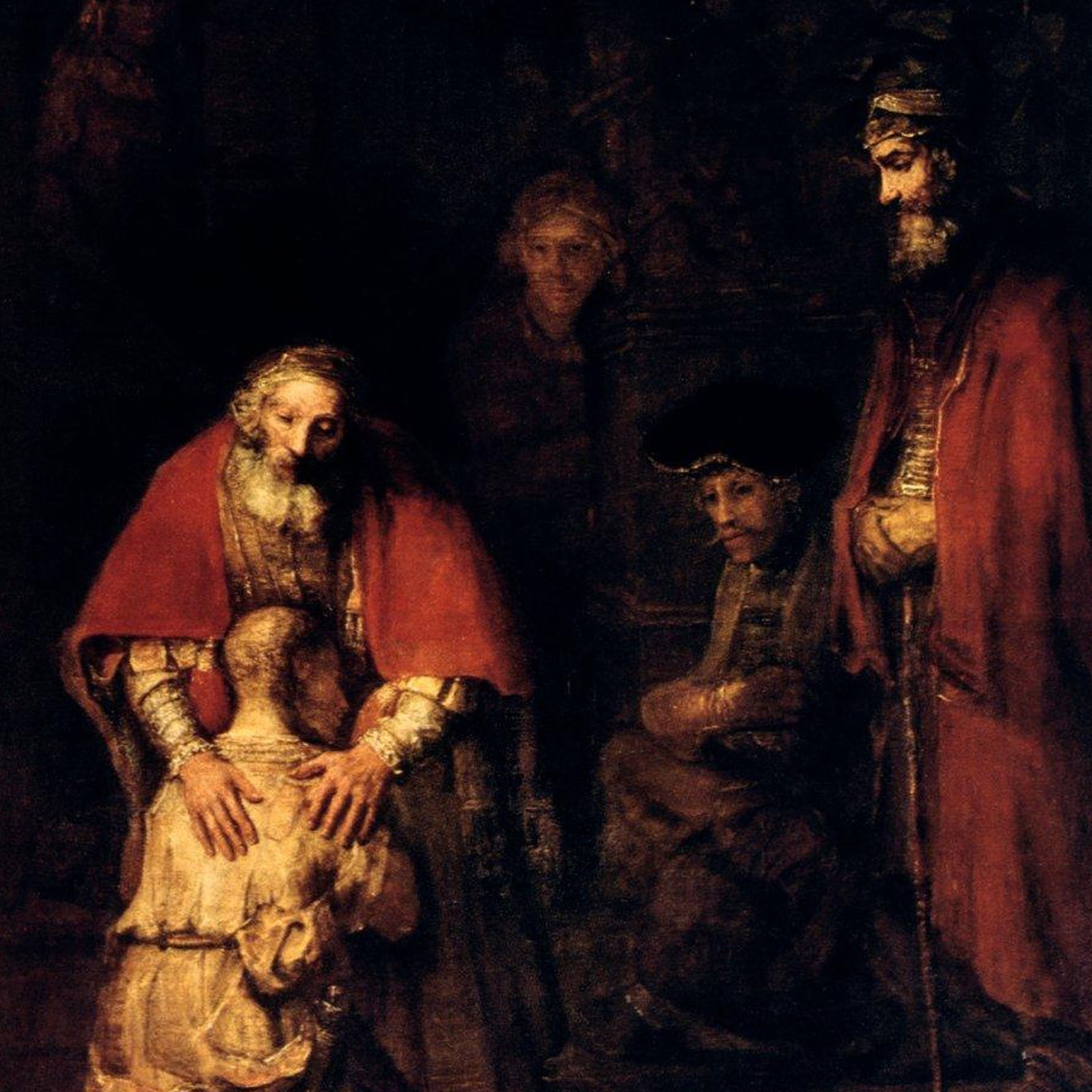
Why Forgive: Accepting the Good News of Forgiving Others - Fr. Andrew Hofer, O.P.
Fr. Andrew Hofer explains why Christian forgiveness is not the same as excusing harm, and shows how forgiving others is a deliberate act of mercy that frees us, heals our hearts, and reflects God’s own forgiveness.This lecture was given on March 7th, 2026, at University of Pittsburgh.Apply for the Thomistic Institute Study Abroad program by August 1, 2026. To learn more, visit https://thomisticins
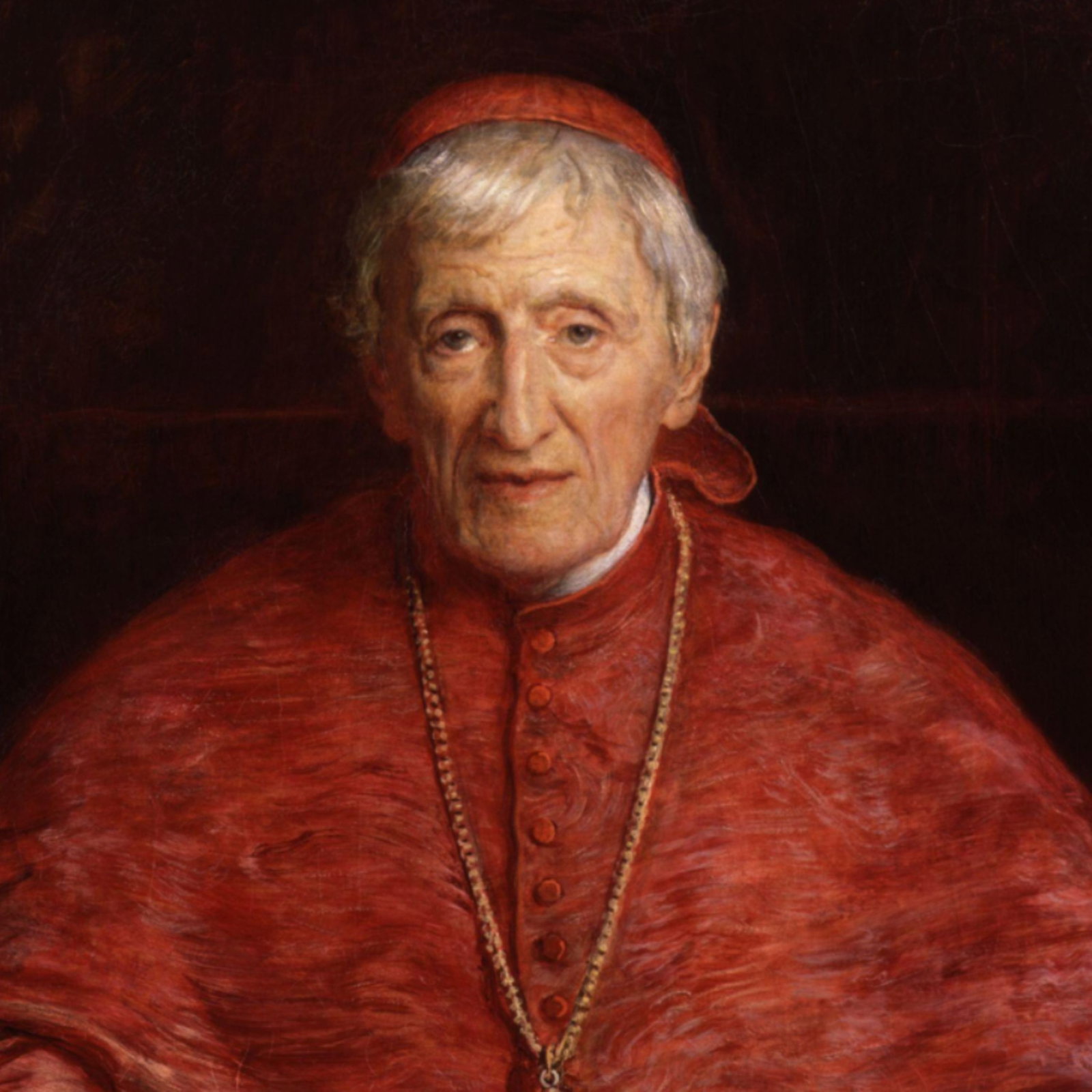
St. John Henry Newman and the Failure of the University - Prof. Lewis Ayres
Prof. Lewis Ayres examines St. John Henry Newman’s critique of the university and argues that higher education often succeeds at training skills while failing to form the Christian imagination toward truth, wisdom, and God.This lecture was given on April 13th, 2026, at University of Aberdeen.Apply for the Thomistic Institute Study Abroad program by August 1, 2026. To learn more, visit https://thom
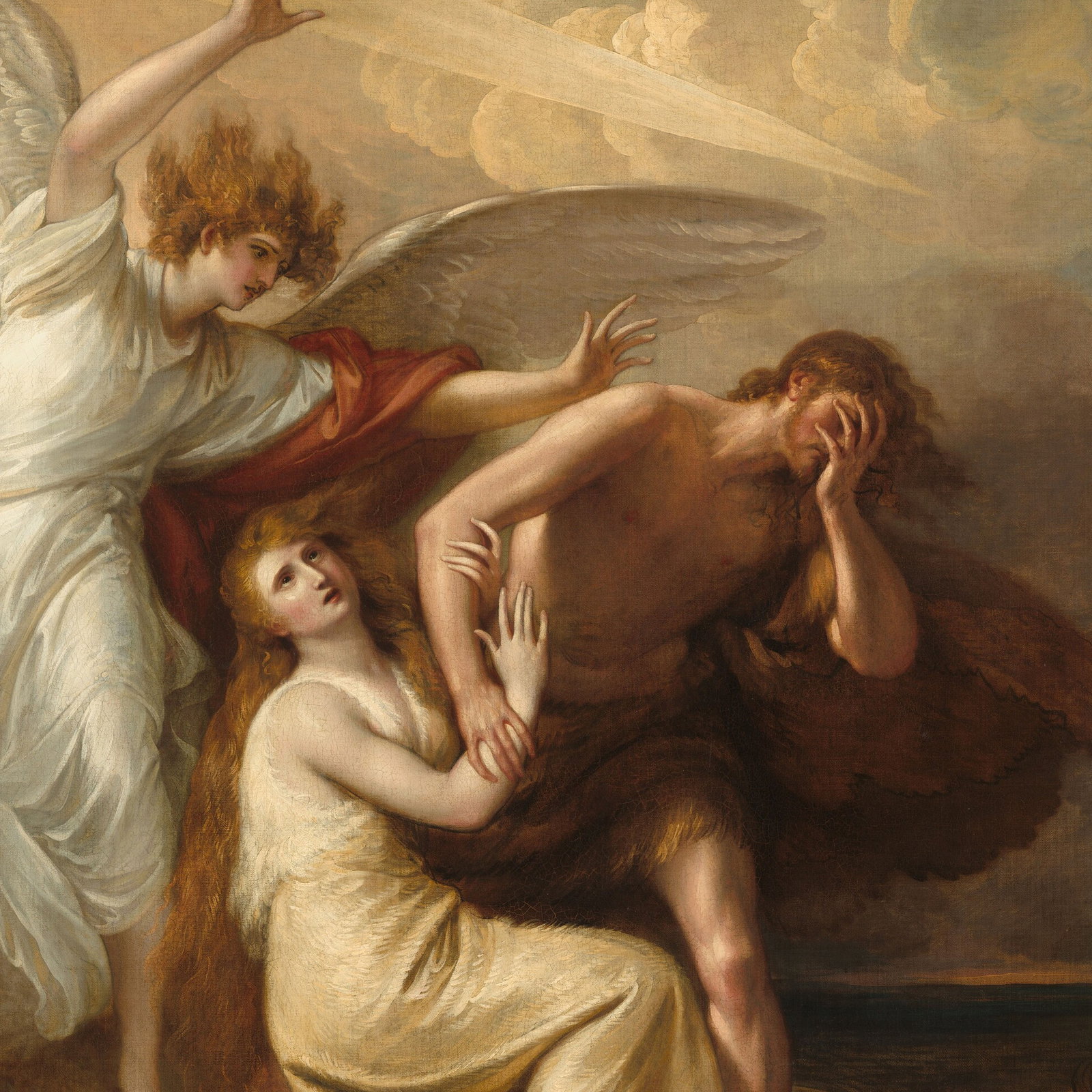
Why Is There Evil In The World? - Prof. Ross McCullough
Prof. Ross McCullough explores why evil and suffering exist, surveys the main Christian answers—especially free will and greater goods—and shows how suffering can be united to Christ rather than treated as meaningless.This lecture was given on November 17th, 2025, at University of Oregon.Apply for the Thomistic Institute Study Abroad program by August 1, 2026. To learn more, visit https://thomisti
Deo Gratias: A Theology of Gratitude - Fr. Andrew Hofer, O.P.
Fr. Andrew Hofer explains gratitude as a theological virtue rooted in God’s gifts, showing how thanksgiving begins in the heart, becomes visible in words and worship, and ultimately orders us toward God.This lecture was given on November 11th, 2025, at University of Colorado Boulder.Apply for the Thomistic Institute Study Abroad program by August 1, 2026. To learn more, visit https://thomisticinst
To What End? Reclaiming Meaning with Saint Thomas Aquinas - Fr. Irenaeus Dunlevy, O.P.
Fr. Irenaeus Dunlevy uses Aquinas to argue that the search for meaning is really the search for an ultimate end, and that human happiness is found not in success, pleasure, or status, but in God.This lecture was given on November 4th, 2025, at University of California, San Diego.To make a gift this June, visit https://truth.thomisticinstitute.org/pod.About the Speaker:Fr. Irenaeus Dunlevy, OP
Why Get Married: The Catholic View of the Meaning and Purpose of Marriage - Prof. Paul Gondreau
This lecture was given on October 23rd, 2025, at Indiana University.To make a gift this June, visit https://truth.thomisticinstitute.org/pod.About the Speaker:Paul Gondreau is professor of theology at Providence College, where he has taught for 28 years. He received his doctorate in theology from the University of Fribourg, Switzerland, doing his dissertation on Christ's full humanity (Christ
What do you seek? Study and the Moral Life in St Thomas Aquinas - Fr. Thomas Aquinas Pickett
Fr. Thomas Pickett explores what Aquinas means by study and argues that study is not just academic work but a morally formative pursuit that shapes charity, virtue, and the Christian path to happiness.This lecture was given on August 29th, 2025, at University of California Berkeley.To make a gift this June, visit https://truth.thomisticinstitute.org/pod.About the Speaker:Fr Thomas Aquinas Pic
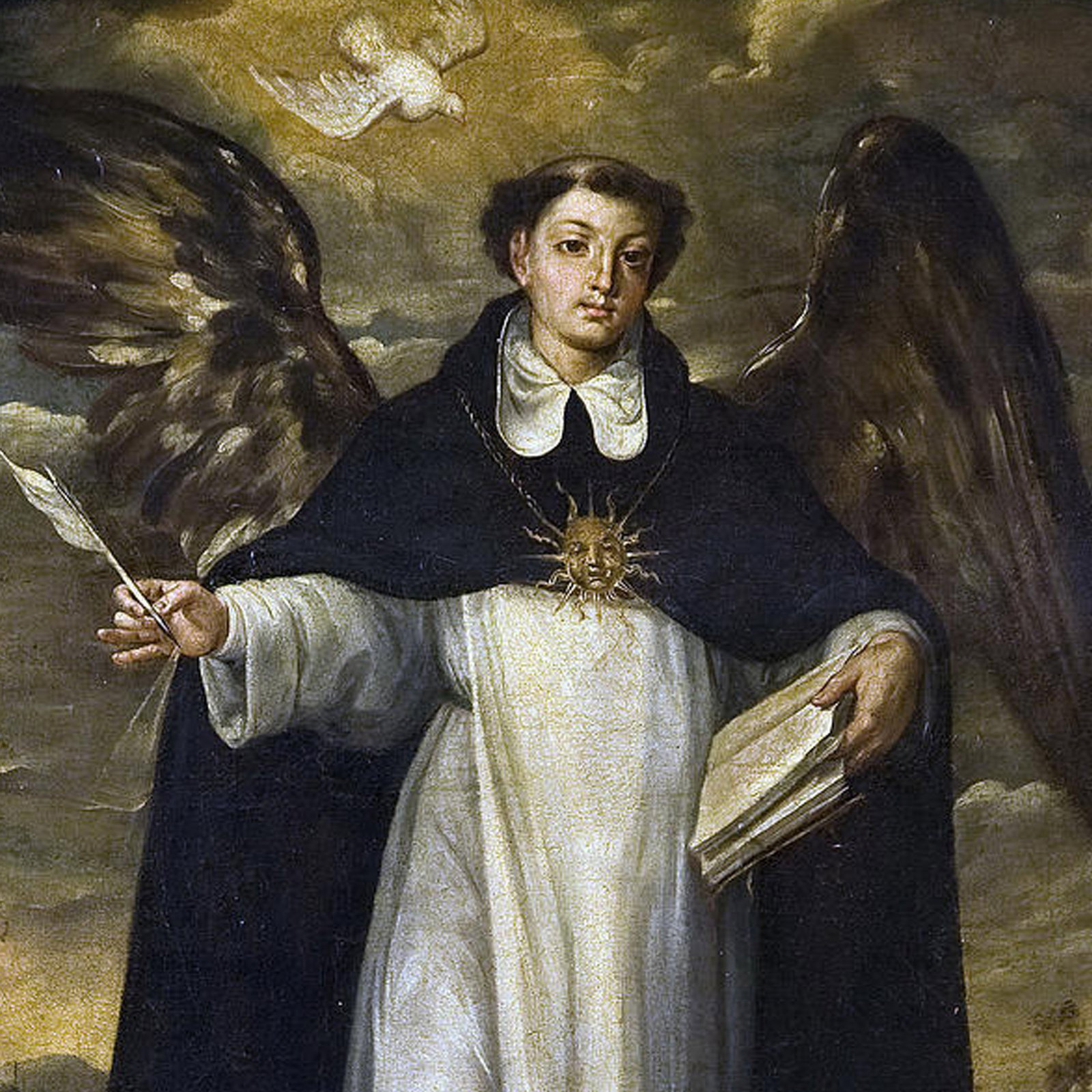
Love the Sinner, Hate the Sin: Aquinas on the Limits of Charity - Prof. Michael Krom
Prof. Michael Krom presents Aquinas’s account of charity and asks what it really means to love the sinner without affirming the sin, showing how true Christian love can require both mercy and moral clarity.This lecture was given on August 18th, 2025, at Universidad Panamericana.To make a gift this June, visit https://truth.thomisticinstitute.org/pod.About the Speaker:Michael Krom started read
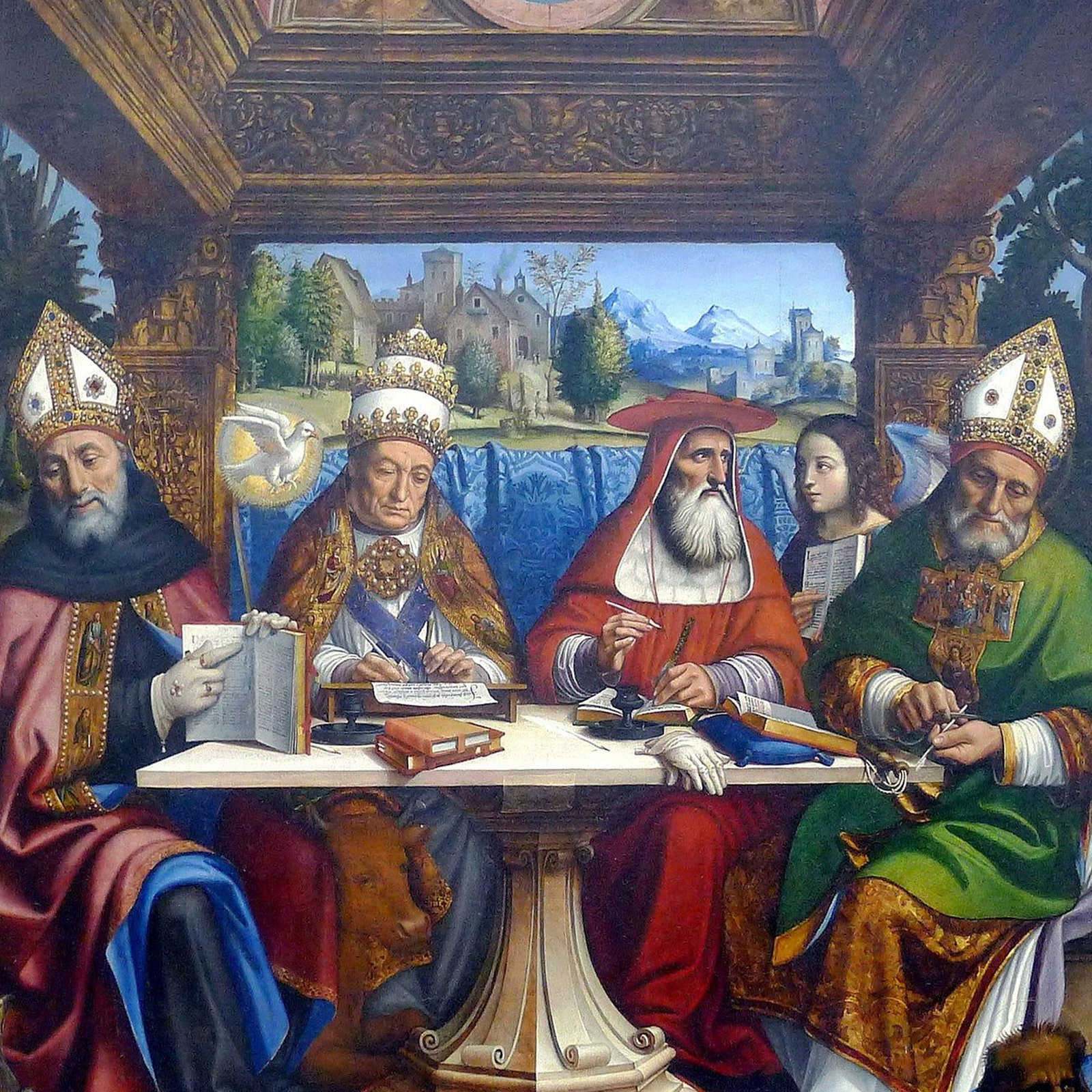
The First Theologians: Who Were the Church Fathers and Why Do They Matter? - Prof. Mathew Thomas
Prof. Mathew Thomas introduces the Church Fathers as the first theologians and explains how their witness to Scripture, Christian discipleship, and early worship can still help readers understand the faith and its unity today.This lecture was given on June 9th, 2025, at University of Oregon.To make a gift this June, visit https://truth.thomisticinstitute.org/pod.About the Speaker:Dr. Matthew
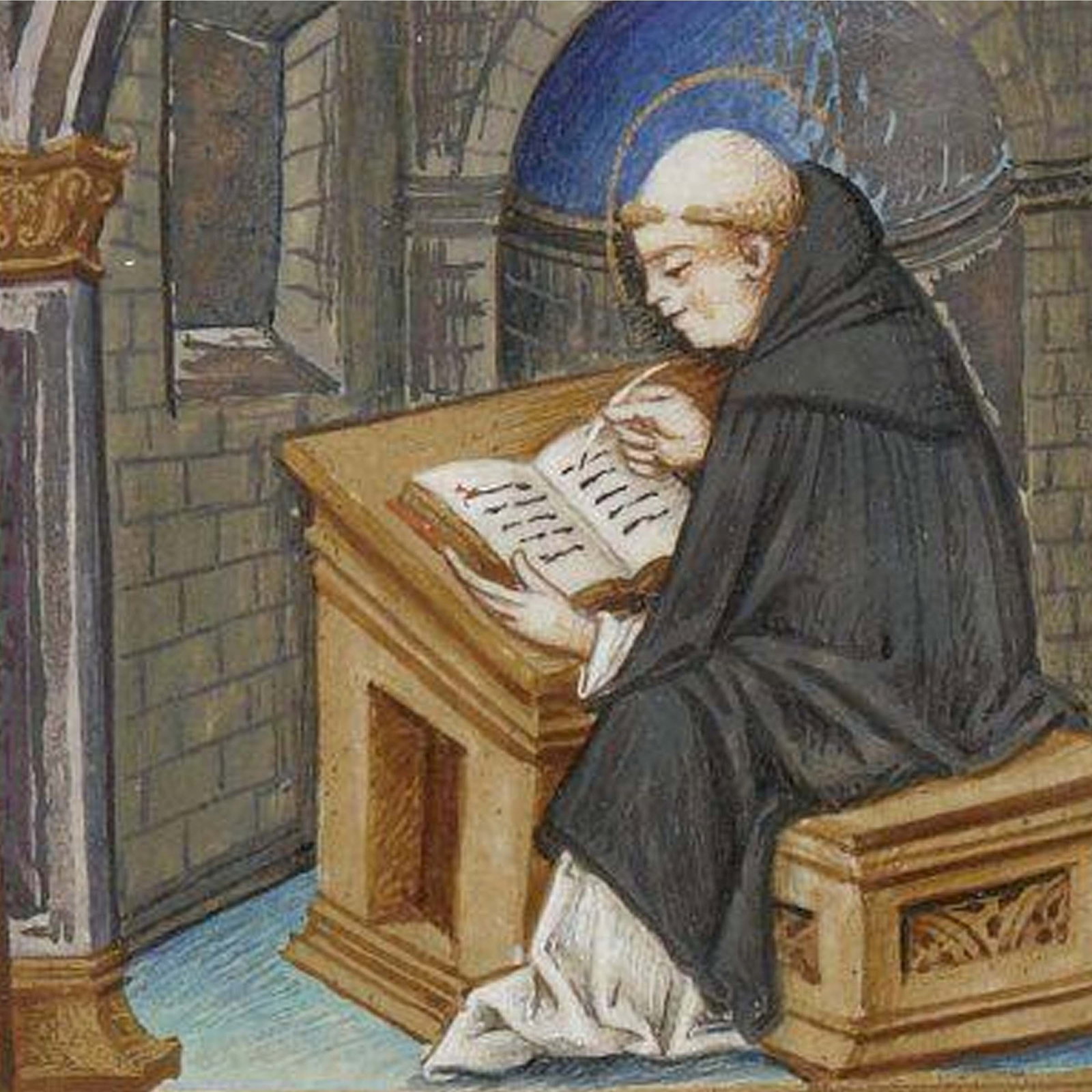
Historical Arguments for God's Existence: Anselm, Aquinas, and Scotus - Prof. Thomas Ward
Prof. Thomas Ward examines medieval arguments for God’s existence in Anselm, Aquinas, and Scotus, showing how each thinker approaches the question from a different starting point and why their arguments still matter for faith and reason.This lecture was given on April 21st, 2025, at Saint Vincent College.To make a gift this June, visit https://truth.thomisticinstitute.org/pod.About the Speake
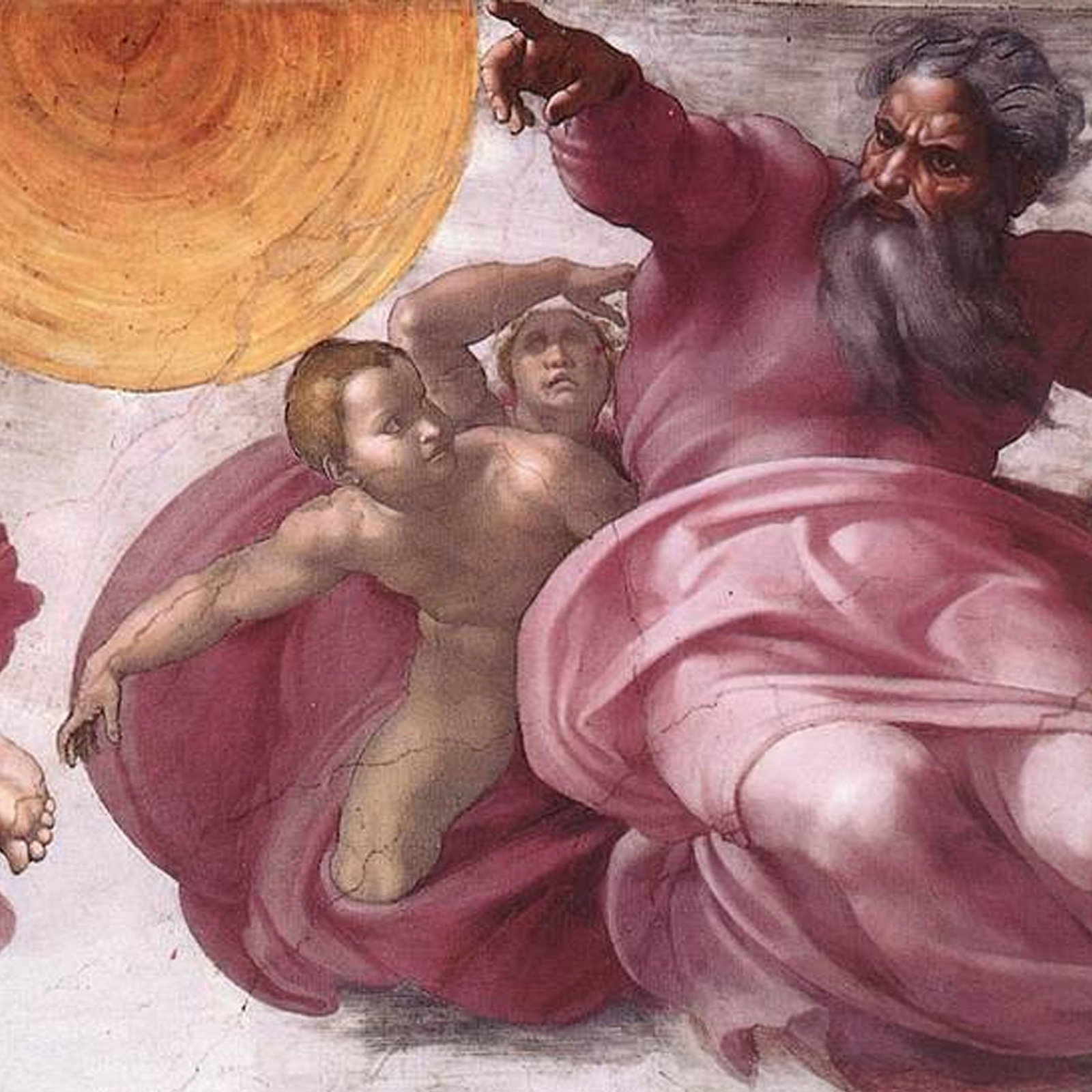
Creation and the Big Bang: What's the Big Deal? - Prof. John O'Callaghan
Prof. John O’Callaghan examines the Big Bang in relation to the Christian doctrine of creation ex nihilo and argues that cosmology and belief in God as creator address different kinds of explanation.This lecture was given on February 27th, 2025, at University of South Carolina.To make a gift this June, visit https://truth.thomisticinstitute.org/pod.About the Speaker:Prof. John O'Callaghan is
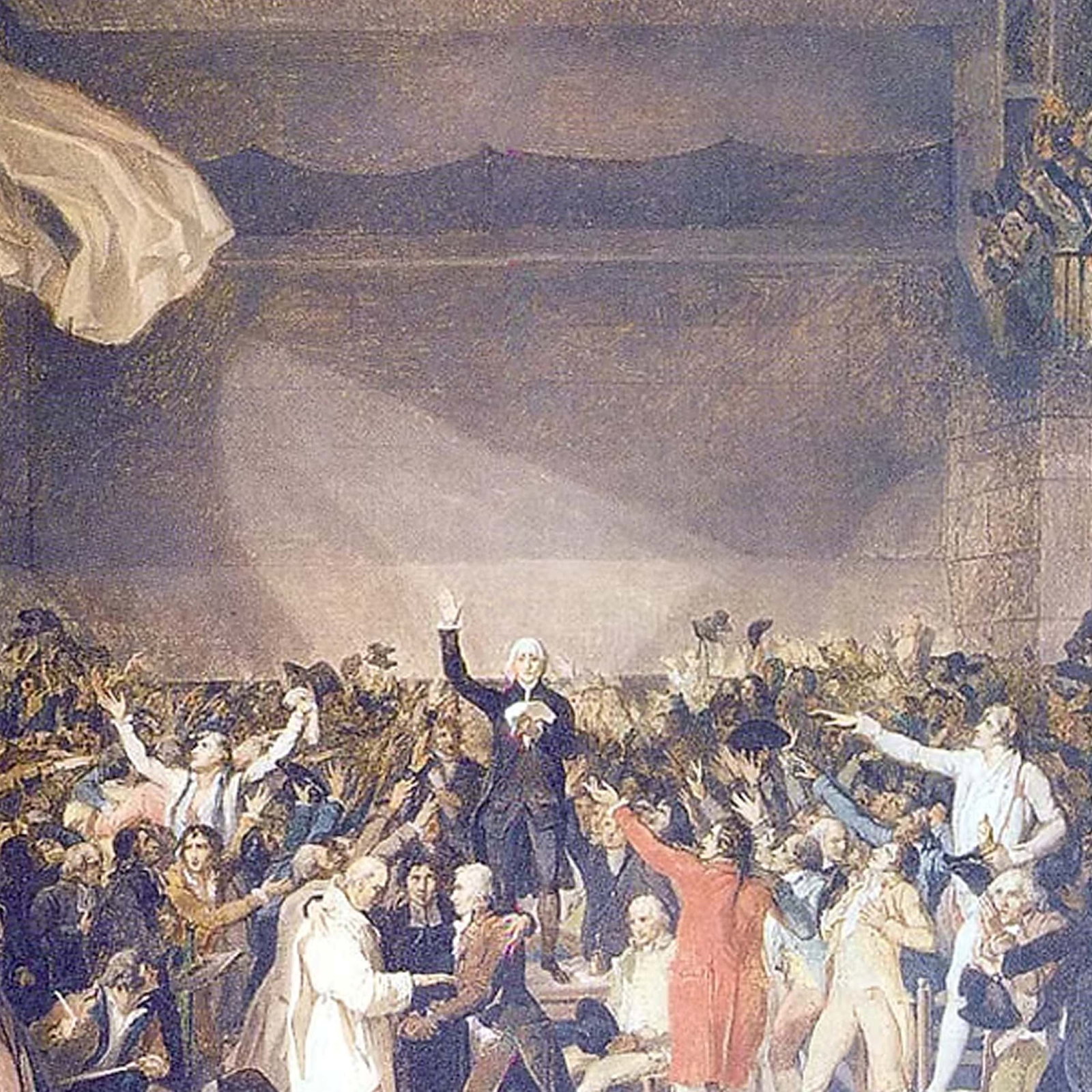
Secularism and the Modern World - Prof. Brad Gregory
Prof. Brad Gregory argues that the Protestant Reformation set off a chain of unintended consequences that helped produce the secular, fragmented modern world, ultimately showing why and how that history still shapes how we live, believe, and consume today.This lecture was given on February 27th, 2025, at West Virginia University.To make a gift this June, visit https://truth.thomisticinstitute

Are All Religions Different Paths Up the Same Mountain? – Prof. Christopher Kaczor
Prof. Christopher Kaczor argues that the common claim that all religions are just different paths to the same destination collapses under scrutiny, and that Christianity uniquely holds together truth, toleration, and a personal relationship with Jesus Christ.This lecture was given on February 9th, 2026, at University of Florida.To make a gift this June, visit https://truth.thomisticinstitute.
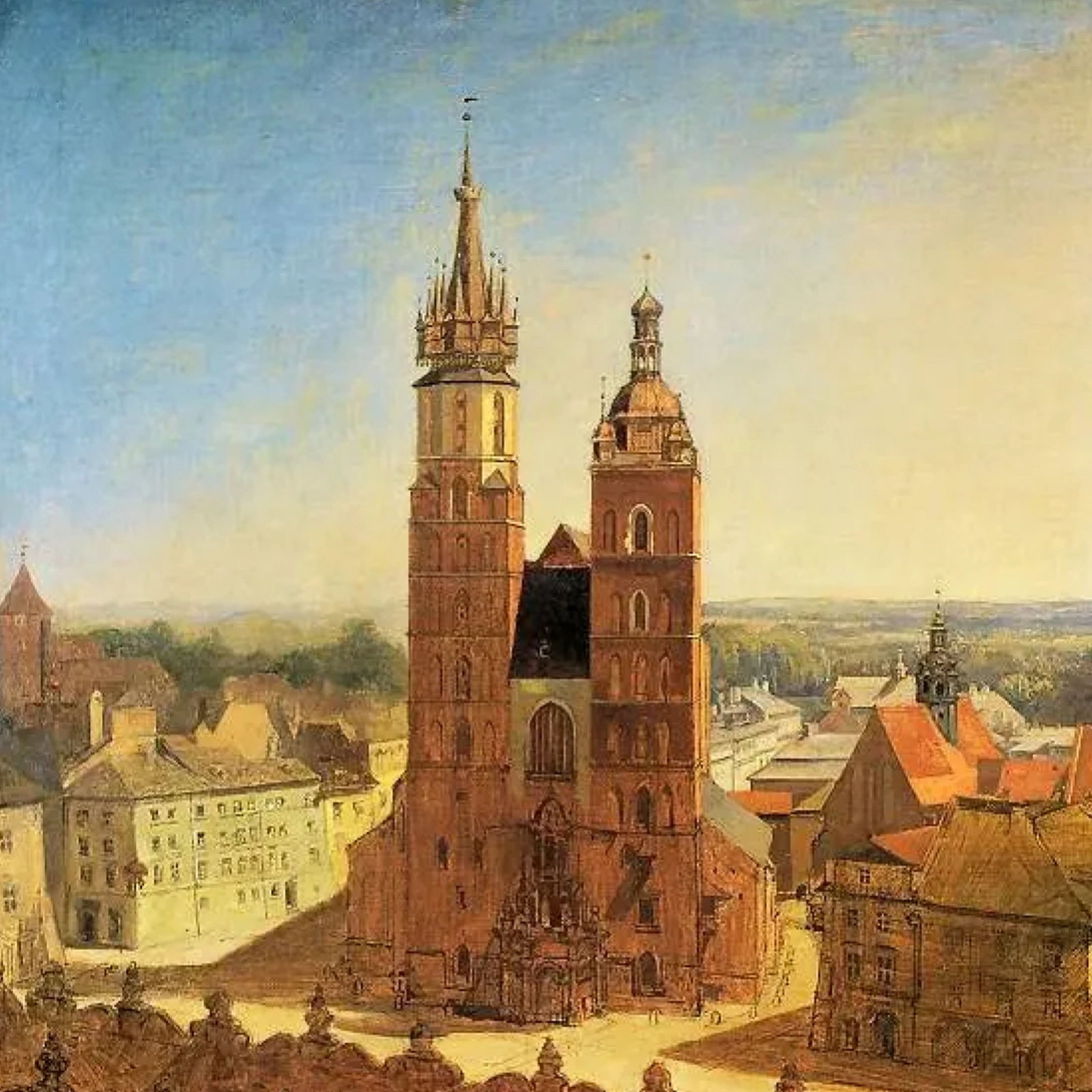
How John Paul II Used the Saints Against the Communists – Prof. James Felak
Prof. James Felak argues that John Paul II used Polish saints as powerful symbols of faith, moral courage, and national identity to inspire resistance against communism and affirm the Church’s role in Poland’s history.This lecture was given on October 31st, 2026, at St. Albert's Priory.To make a gift this June, visit https://truth.thomisticinstitute.org/pod.About the Speaker:James Felak is a

Flannery on Art and Truth – Prof. Jennifer Frey
Prof. Jennifer Frey explores Flannery O’Connor’s bold claim that art can reveal truth in a way philosophy cannot, and shows how her fiction turns beauty, form, and imagination into a distinctive kind of knowledge.This lecture was given on February 7th, 2026, at Dominican House of Studies.To make a gift this June, visit https://truth.thomisticinstitute.org/pod.About the Speaker:Jennifer A. Fre

The Family, the Polity, and the Church – Fr. Brad Elliott, O.P.
Fr. Brad Elliott argues that human beings are naturally social and are meant to flourish through the distinct but related societies of family, polity, and Church, with the Church uniquely ordering people to grace and the common good.This lecture was given on November 1st, 2025, at St. Albert's Priory.To make a gift this June, visit https://truth.thomisticinstitute.org/pod.About the Speaker:Fr
Flannery O'Connor: Hillbilly Thomist or Hillbilly Nihilist? – Prof. Jennifer Frey
Prof. Jennifer Frey asks whether Flannery O’Connor is really a “hillbilly Thomist” or a “hillbilly nihilist,” and uses her life and fiction to show how grace, reality, and shocking moral drama can expose the deepest truths about human nature.This lecture was given on February 7th, 2026, at Dominican House of Studies.To make a gift this June, visit https://truth.thomisticinstitute.org/pod.Abou
Is There a Right to Steal? – Prof. Michael Krom
Prof. Michael Krom uses Aquinas to argue that while stealing is always morally wrong, urgent need can change what counts as rightful use of superabundant goods, revealing how private property is meant to serve the common good.This lecture was given on February 12th, 2026, at Georgia Institute of Technology.To make a gift this June, visit https://truth.thomisticinstitute.org/pod.About the Spea












