Endocrine Deep Dives
Endocrine Deep Dives covers advanced topics in endocrinology using AI-driven synthetic audio discussions derived from the host's study notes. Each episode breaks down complex endocrine concepts for healthcare providers and medical students. The content represents the host's personal opinions and does not constitute medical advice.
Episodes
Calcipenic and Phosphopenic Osteomalacia
Calcipenic osteomalacia arises primarily from vitamin D deficiency or resistance, or severe calcium malabsorption, resulting in impaired mineralization due to defective intestinal calcium transport and secondary hyperparathyroidism that accelerates bone resorption and hypophosphatemia. Phosphopenic osteomalacia stems from renal phosphate wasting, frequently driven by excess fibroblast growth facto
Vitamin D Formulations
Clinical management of vitamin D deficiency requires distinguishing between native secosteroids and hydroxylated metabolites based on individual metabolic clearance and organ function. Cholecalciferol maintains superior pharmacokinetics over ergocalciferol due to higher hepatic CYP2R1 affinity, stronger vitamin D-binding protein avidity, and a longer half-life, resulting in more sustained serum 25
Teprotumumab
Teprotumumab is a fully human monoclonal antibody targeting the insulin-like growth factor 1 receptor, revolutionizing the medical management of active thyroid eye disease. By blocking receptor signaling on orbital fibroblasts, it reduces inflammation, halts tissue expansion, and drives significant proptosis reduction and soft tissue improvement. Infused every three weeks for eight infusions, it o
Fragile X Premutation
Fragile X premutation carriers harbor FMR1 allele expansions containing fifty-five to two hundred CGG repeats, predisposing them to distinct clinical syndromes driven by elevated toxic messenger ribonucleic acid levels. Adult carriers face risks of fragile X-associated tremor ataxia syndrome presenting with progressive cerebellar ataxia and intention tremor, alongside fragile X-associated primary
Bone Turnover Markers
PODCAST SUMMARY: Bone turnover markers provide dynamic, real-time biochemical assessment of skeletal metabolism by quantifying bone formation through serum osteocalcin and procollagen type 1 N-terminal propeptide alongside bone resorption via serum and urinary C-telopeptides. These analytes reflect rapid cellular activity months before dual-energy X-ray absorptiometry can detect significant minera
Hyperparathyroidism: Surgery vs Bisphosphonates Timing
Primary hyperparathyroidism management hinges on distinguishing symptomatic from asymptomatic disease and assessing surgical candidacy according to established biochemical and densitometric thresholds. Parathyroidectomy remains the only curative intervention, durably correcting hypercalcemia, halting bone mineral density loss, and reducing nephrolithiasis risk. Bisphosphonates offer a temporary me
Persistent Post Thyroidectomy Tingling Despite Normocalcemia
Post thyroidectomy hypocalcemia typically presents with perioral tingling and neuromuscular irritability driven by transient or permanent hypoparathyroidism. Early clinical identification relies on eliciting Chvostek and Trousseau signs alongside monitoring ionized calcium levels. Management strategies incorporate oral calcium supplementation and active vitamin D analogues to maintain safe serum t
Real world use of Palopegteriparatide
A long-acting parathyroid hormone prodrug engineered for continuous parathyroid hormone receptor type 1 activation via physiologic autocleavage. Once-daily administration maintains stable serum calcium and phosphate levels while lowering urinary calcium excretion. This physiologic replacement reduces hypercalciuria and nephrocalcinosis risks intrinsic to conventional therapy, enabling the eliminat
Everything About Palopegteriparatide
Palopegteriparatide is a long-acting prodrug of parathyroid hormone designed for once-weekly subcutaneous administration in hypoparathyroidism. By providing sustained physiological systemic exposure, it normalizes serum calcium and urinary calcium excretion while eliminating the erratic fluctuations associated with conventional twice-daily short-acting teriparatide injections. Clinical trials demo
Levothyroxine Interactions and More and More
Levothyroxine absorption is highly vulnerable to gastrointestinal disruptions and concurrent ingestions. Common culprits include calcium carbonate, ferrous sulfate, proton pump inhibitors, and fiber supplements, which bind the hormone or alter gastric pH. Co-administered agents or malabsorptive states necessitate strategic spacing of at least four hours or dosage recalibration based on free thyrox
Hunt for the Elusive Neuropeptides
The intense rivalry between Roger Guillemin and Andrew Schally revolutionized neuroendocrinology through the isolation of hypothalamic releasing hormones. Following their initial collaboration at Baylor University, the two researchers pursued bitter, independent competition at the Salk Institute and the New Orleans Veterans Administration. Overcoming immense biochemical barriers, their laboratorie
IPSS Case Studies
Inferior petrosal sinus sampling differentiates Cushing disease from ectopic adrenocorticotropic hormone secretion using simultaneous petrosal and peripheral venous hormone measurements. A normal pituitary magnetic resonance imaging does not exclude Cushing disease, necessitating sampling. Interpretation relies on central-to-peripheral adrenocorticotropic hormone gradients at baseline and followin
Inferior petrosal sinus sampling
Inferior petrosal sinus sampling is the diagnostic gold standard for localizing the source of adrenocorticotropic hormone dependent Cushing syndrome when pituitary imaging is non diagnostic or discordant. The procedure relies on comparing simultaneous central venous hormone concentrations from each petrosal sinus against peripheral levels, both at baseline and following administration of a secreta
Testing for 1-25 dihydroxy Vitamin D
Assessing nutritional vitamin D status requires measuring 25-hydroxyvitamin D, as serum 1,25-dihydroxyvitamin D is tightly regulated by parathyroid hormone, calcium, and phosphate, often remaining normal or paradoxically elevated in severe nutritional deficiency due to secondary hyperparathyroidism. Clinical ordering of 1,25-dihydroxyvitamin D must be strictly reserved for evaluating complex disor
Insulin Analogs
Modern insulin pharmacokinetics are determined by molecular engineering targeting hexamer dissociation and systemic absorption kinetics. Rapid-acting formulations incorporate amino acid substitutions and excipients to accelerate hexamer-to-monomer transition for postprandial glycemic coverage. In contrast, basal analogs utilize fatty-acid acylation to facilitate subcutaneous multi-hexamer depot fo
Insulin Icodec
Insulin icodec, marketed as Awiqli, is a groundbreaking once-weekly basal insulin designed to simplify diabetes management by drastically reducing the number of required injections. Through its unique ability to bind to albumin, the medication maintains a long half-life of approximately eight days, providing steady glucose control for an entire week.
Thyroid Nodules and Dysphagia
FHH vs Normo-hormonal PHPT
Familial hypocalciuric hypercalcemia and normohormonal primary hyperparathyroidism present significant diagnostic overlap, both manifesting with hypercalcemia alongside inappropriately non-suppressed or normal intact parathyroid hormone levels. Differentiating these entities hinges on accurate assessment of renal calcium handling. Calculating the 24-hour urinary calcium-to-creatinine clearance rat
Everything about Cinacalcet
Cinacalcet is a positive allosteric modulator of the parathyroid calcium-sensing receptor (CaSR) indicated for hypercalcemia in primary hyperparathyroidism (PHPT) when parathyroidectomy is unfeasible. By enhancing receptor sensitivity to ambient calcium, it suppresses parathyroid hormone (PTH) secretion, normalizing serum calcium in up to 76% of patients. Crucially, cinacalcet does not improve bon
Oncocytic Thyroid Carcinoma
Oncocytic thyroid carcinoma, historically classified as a Hürthle cell variant of follicular carcinoma, represents a distinct clinical entity driven by mitochondrial DNA mutations and widespread chromosomal loss of heterozygosity. Pathologically defined by over 75 percent eosinophilic, mitochondria-dense cells, it exhibits an aggressive phenotype with heightened rates of distant metastasis and str
Glucocorticoid Induced Osteoporosis Management
Glucocorticoid-induced osteoporosis represents the most prevalent form of secondary bone loss, driven by rapid osteoblast apoptosis, suppressed bone formation, and transiently elevated osteoclast-mediated resorption. Skeletal deterioration occurs rapidly within the first three months of therapy, independent of bone mineral density, necessitating early risk stratification with FRAX and Vertebral Fr
Osteoporosis treatment in CKD
PODCAST SUMMARY: Managing osteoporosis in chronic kidney disease requires navigating the overlap between osteopenia, osteoporosis, and CKD-metabolic bone disorder. DXA fails to differentiate osteoporosis from renal osteodystrophy sub-types like adynamic bone disease or osteomalacia, necessitating pre-treatment assessment of serum PTH, bone-specific alkaline phosphatase, and 25-hydroxyvitamin D, or
Molecular Testing in Indeterminate Thyroid Nodules
PODCAST SUMMARY: Fine-needle aspiration yields indeterminate cytopathology (Bethesda III/IV) in up to 30% of thyroid nodules, creating clinical management dilemmas between diagnostic hemithyroidectomy and conservative surveillance. Modern molecular testing panels utilize next-generation sequencing and gene expression classifiers to profile somatic mutations (BRAF, RAS), gene fusions (RET/PTC, PAX8
Preventing Rebound Fractures After Denosumab.
Denosumab withdrawal triggers a rapid rebound in bone remodeling, characterized by transient hyper-osteoclastogenesis, steep elevations in serum CTX/P1NP, and rapid loss of accumulated bone mineral density. This hyper-resorptive overshoot spikes the risk of multiple spontaneous rebound vertebral fractures within 3 to 12 months of a missed or delayed dose. Transitioning off denosumab requires a pre
Post Menopausal Osteoporosis Management
Postmenopausal osteoporosis management mandates a risk-stratified approach prioritizing bone-forming anabolic agents—teriparatide, abaloparatide, or romosozumab—in patients at very high fracture risk before transitioning to antiresorptive consolidation. Estrogen withdrawal accelerates trabecular bone loss via RANKL-mediated osteoclast activation, making early intervention critical. Anabolic therap
Securing the Medicare Therapeutic Shoe Benefit
Qualifying high-risk diabetic patients for the Medicare Therapeutic Shoe Benefit requires strict documentation of systemic diabetic status alongside severe localized foot pathology, including peripheral neuropathy, partial or complete amputation, foot deformity, history of pre-ulcerative calluses, prior ulceration, or poor circulation. The certifying physician managing the systemic diabetes must c
Stopping the Acute Hypercalcemia Cascade
Acute hypercalcemic crisis represents a medical emergency driven by severe parathyroid hormone or calcitriol excess, osteolytic metastases, or PTHrP secretion, leading to profound natriuresis, intravascular volume depletion, and worsening renal failure. Immediate management hinges on aggressive isotonic saline resuscitation to restore glomerular filtration and enhance urinary calcium excretion, fo
The Endocrine Hijacking of Pregnancy
Gestational endocrinology involves a precise hormonal interplay where the placenta overrides maternal homeostatic baselines to prioritize fetal development. Placentally derived human chorionic gonadotropin, human placental lactogen, and placental growth hormone alter maternal insulin sensitivity, thyroid axis dynamics, and intravascular volume expansion. Recognizing these pathophysiologic shifts i
Thyroid Follicular Spectrum Lesions
Thyroid follicular spectrum lesions span a diagnostic continuum from benign adenomas and non-invasive follicular thyroid neoplasms with papillary-like nuclear features to invasive follicular carcinomas. Because fine-needle aspiration cytopathology cannot identify capsular or vascular invasion, definitive differentiation between benign and malignant follicular neoplasms remains impossible prior to
Strategic Order of Osteoporosis Medications
Sequential therapy in osteoporosis requires precise mechanistic ordering because antiresorptives like bisphosphonates or denosumab blunt the bone-building efficacy of subsequent anabolic agents like teriparatide, abaloparatide, or romosozumab. Starting with an anabolic agent maximizes early bone mineral density gains and microarchitectural restoration by opening an uncoupling window. Conversely, t
OSA and Tirzepatide
Obstructive sleep apnea drives a vicious metabolic cycle where intermittent nocturnal hypoxia and sleep fragmentation exacerbate systemic inflammation, oxidative stress, and insulin resistance. Weight loss remains the cornerstone of disease modification, but lifestyle interventions frequently fail long-term. Tirzepatide, a dual GIP/GLP-1 receptor agonist, addresses this by achieving profound, sust
DXA Interpretation and Pitfalls
Dual-energy X-ray absorptiometry measures areal bone mineral density (g/cm²) via soft tissue attenuation subtraction, rendering it susceptible to artifact-driven overestimation from lumbar degenerative sclerosis, aortic calcifications, and structural deformities. The spine captures rapid trabecular remodeling during therapy or acute metabolic bone loss, whereas the proximal femur anchored in FRAX
AVS Case Walkthrough
Adrenal vein sampling remains the gold standard for lateralizing primary aldosteronism prior to adrenalectomy, particularly when cross-sectional imaging reveals bilateral normal glands or non-functioning incidentalomas. This case walkthrough evaluates procedural execution, verifying cannulation success via selectivity indices using cortisol ratios and establishing lateralization via aldosterone-to
Post-surgical hypoparathyroidism
Post-surgical hypoparathyroidism remains the most frequent permanent complication following total thyroidectomy and central neck dissection, resulting from devascularization or inadvertent excision of the parathyroid glands. Management centers on distinguishing transient insufficiency from chronic hypoparathyroidism via early postoperative intact PTH and ionized calcium kinetics. Long-term therapy
NETest
The NETest is a multigene liquid biopsy measuring 51 circulating transcript profiles via RT-PCR and machine-learning algorithms to quantify neuroendocrine tumor activity on a 0 to 100 scale. Capturing programs like proliferation, somatostatin receptor expression, and epigenomic signaling, it yields superior diagnostic sensitivity (89-99%) and progression accuracy compared to chromogranin A. Clinic
Osteoporosis: Treat to Target, Not Treat and Hope
The 2024 ASBMR and BHOF Task Force advocates a treat-to-target framework for osteoporosis management, using total hip bone mineral density T-score as the primary surrogate endpoint. For patients at imminent or very high fracture risk, initiating therapy with osteoanabolic agents prior to antiresorptive consolidation yields superior bone mineral density gains and fracture reduction compared to stan
Methimazole discontinuation in Graves
Long-term methimazole continuation beyond the standard 12 to 18-month regimen addresses persistent autoimmune activation in high-risk Graves disease, where relapse rates exceed 70%. Thyrotropin-receptor antibody trajectories—classified as smooth, fluctuating, or smoldering—dictate immunologic burnout. Extending therapy to 60 months or longer reduces relapse to under 20% by maintaining low-dose enz
PTH and CaSR Receptor Kinetics
Parathyroid hormone (PTH) is an 84-amino acid peptide that maintains serum ionized calcium within a tight physiological range through an inverse sigmoidal feedback loop governed by the calcium-sensing receptor (CaSR) on chief cells. Secretion operates across three temporal scales: immediate exocytosis of preformed granules, intermediate upregulation of PTH mRNA transcription, and chronic glandular
Hungry bone syndrome
Hungry bone syndrome presents as severe, prolonged hypocalcemia following parathyroidectomy for primary or secondary hyperparathyroidism, driven by the abrupt withdrawal of elevated PTH and accelerated skeletal remineralization. Definitive clinical management requires aggressive dual-route calcium repletion, combining continuous intravenous calcium gluconate for acute symptomatic crisis with high-
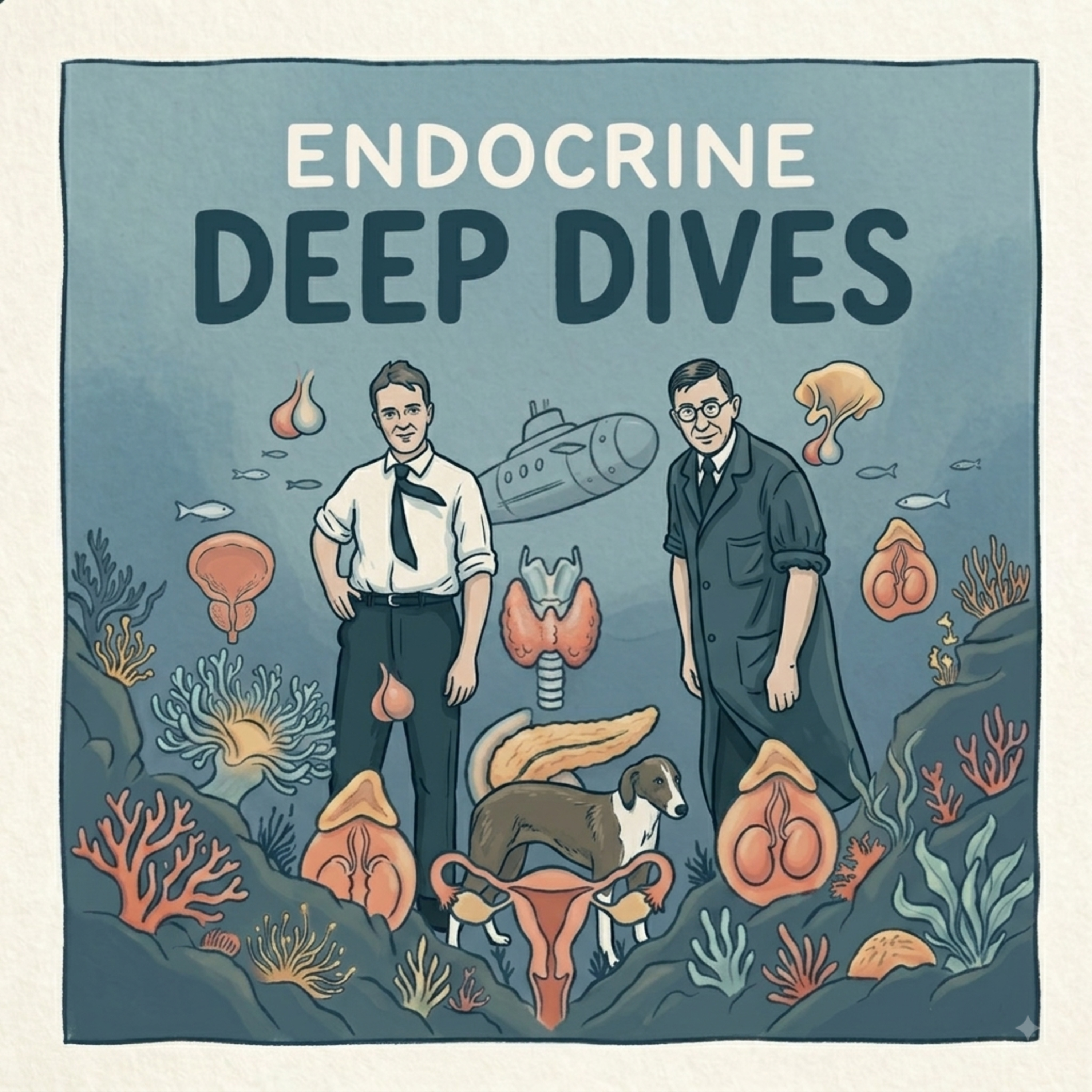
The Discovery of Insulin
This episode details the historic journey toward the discovery of insulin, transitioning from a period when a Type 1 diabetes diagnosis was an inevitable death sentence to a new era of medical management. It follows the collaborative yet often volatile efforts of Frederick Banting, Charles Best, J.J.R. Macleod, and James Collip, who successfully isolated the life-saving hormone at the University o
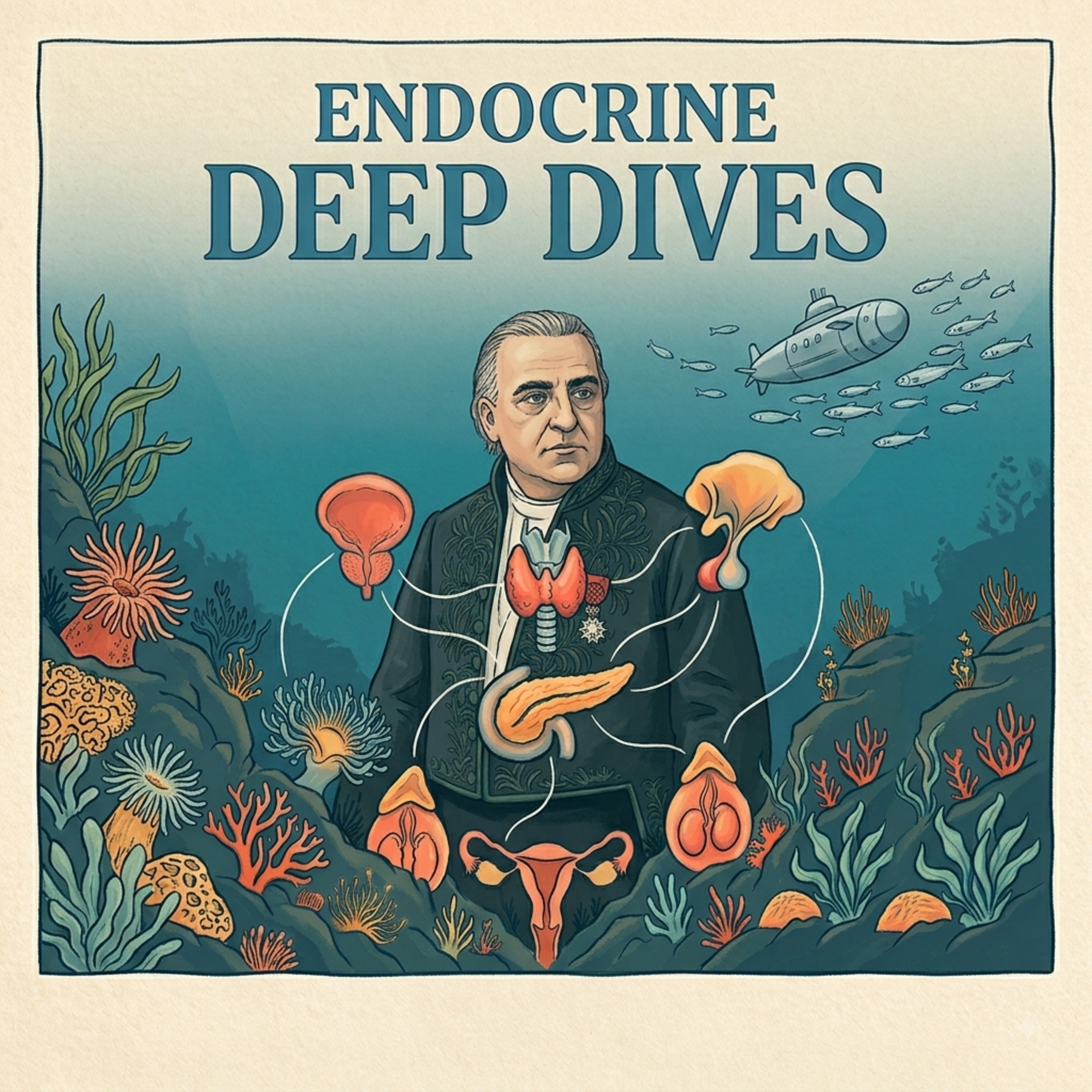
The Life and Work of Jean-Martin Charcot
This podcast covers the influential career of Jean-Martin Charcot, the nineteenth-century physician who founded modern clinical neurology at the Salpêtrière hospital in Paris. By applying a rigorous anatomoclinical method, Charcot successfully identified and mapped various conditions, including Multiple Sclerosis, ALS, and Parkinson’s disease. The narrative details his transition from a master of
Hyperparathyroidism vs Idiopathic Hypercalciurea
This episode compares normocalcemic and hyperparathyroidism and idiopathic hypercalciuria, two primary drivers of hypercalciuria and nephrolithiasis. We contrast primary hyperparathyroidism, an autonomous parathyroid oversecretion causing elevated parathyroid hormone and true hypercalcemia, with idiopathic hypercalciuria, where serum calcium remains strictly normal despite excessive urinary calciu
Parathyroid Localization
This episode reviews the diagnostic strategies for parathyroid localization in primary hyperparathyroidism, guiding the practicing endocrinologist through the selection of optimal imaging modalities. We compare the utility of standard ultrasound and technetium-99m sestamibi scintigraphy with the high sensitivity of modern four-dimensional computed tomography scans. Finally, we discuss how accurate
Diabetes ICD-10 Coding
This episode breaks down the intricacies of ICD-10 coding for type 2 diabetes mellitus, providing a practical framework for the practicing endocrinologist. We review the essential code structures under the E11 category, emphasizing the critical need to document specific manifestations, secondary complications, and long-term insulin use.
Vit D3 + K2?
This episode explores the physiological synergy of combining vitamin D3 and vitamin K2 for optimal bone and cardiovascular health. We examine how vitamin D3 enhances intestinal calcium absorption, while vitamin K2 acts as a traffic director by activating osteocalcin and matrix Gla protein. This ensures that the newly absorbed calcium is directed into the bone matrix rather than being pathologicall
Thyrotoxic Periodic Paralysis
This episode examines thyrotoxic periodic paralysis, a dangerous but reversible complication of hyperthyroidism characterized by acute muscle weakness and hypokalemia. We break down the underlying three-hit pathophysiology, where excess thyroid hormone upregulates the sodium-potassium pump, genetic mutations impair outward potassium channels, and an environmental trigger like insulin or epinephrin
Wolff-Chaikoff and Jod-Basedow
This episode explores the complex relationship between iodine and the thyroid gland, focusing on the Wolff-Chaikoff effect and the Jod-Basedow phenomenon. We break down the molecular mechanisms of iodine-induced thyroid suppression, the critical sodium-iodide symporter downregulation that allows normal tissue to escape prolonged hypothyroidism, and the triggers for iodine-induced thyrotoxicosis in
Marine-Lenhart Syndrome
This episode explores Marine-Lenhart syndrome, a rare variant of thyrotoxicosis where Graves disease and autonomous thyroid nodules coexist within the same gland. We examine the dual mechanism of thyrotropin receptor activation, contrasting extrinsic antibody stimulation with permanent, somatic mutations. The discussion covers the clinical challenges this creates, including the classic scintigraph
Spongiform Thyroid Nodules
This episode explores spongiform thyroid nodules, a distinct sonographic pattern characterized by microcystic spaces that occupy more than half of the nodule volume. We break down the pathology of these colloid-filled hyperplastic follicles, which carry an exceptionally low malignancy risk of less than two percent. The discussion reviews classification across major guideline systems, conservative
Drug Effects on Deiodinases
This episode examines how common medications alter thyroid hormone economy by targeting the iodothyronine deiodinase enzyme system. We contrast propylthiouracil, which selectively blocks type one deiodinase through a covalent mechanism, with amiodarone, which powerfully inhibits both type one and type two deiodinases to alter systemic feedback. Finally, we review the lipophilicity dependent effect
Consumptive Hypothyroidism
This episode examines consumptive hypothyroidism, a rare paraneoplastic syndrome driven by the accelerated degradation of thyroid hormones. We discuss how vascular and mesenchymal tumors, such as infantile hepatic hemangiomas and gastrointestinal stromal tumors, aberrantly overexpress the inactivating enzyme type three iodothyronine deiodinase. The discussion covers the classic biochemical profile
NTI Syndrome
This episode demystifies non-thyroidal illness syndrome, breaking down the dramatic shifts in thyroid hormone economy that occur during systemic illness. We discuss the acute phase, where suppressed type one deiodinase and upregulated type three deiodinase cause a rapid drop in triiodothyronine and a rise in reverse triiodothyronine. Finally, we examine how chronic illness triggers central hypotha
Graves vs Hashitoxicosis
This episode explores the autoimmune thyroid disease spectrum, detailing the clinical overlap and physiological distinctions between Graves disease and Hashimoto thyroiditis. We contrast the active thyroid hormone overproduction driven by stimulating thyrotropin receptor antibodies in true hyperthyroidism with the transient, destructive hormone release seen in hashitoxicosis. The discussion review
Nuclear Thyroid Imaging
This episode evaluates the clinical utility of technetium-99m, iodine-123, and iodine-131 in thyroid imaging and therapy. We compare technetium-99m, trapped but not organified by the sodium-iodide symporter, with iodine-123, the preferred isotope for diagnostic uptake and high-resolution scanning. Finally, we look at iodine-131, which is reserved primarily for targeted thyroid ablation due to its
A history of prolactin
This episode charts the century-long history of prolactin research, tracing how scientists mapped its complex neuroendocrine regulation. We begin with the discovery of its lactogenic properties in 1928 and the paradigm-shifting realization that the hypothalamus exerts tonic inhibition over its release via tuberoinfundibular dopamine neurons. The discussion covers the identification of stimulatory
Why do we have the hypothalamus
This episode examines why the body maintains two distinct neuroendocrine centers in the brain. The hypothalamus acts as a neural-to-endocrine transducer, converting complex electrical inputs from the brain into a chemical language. Using a private hypophyseal portal vascular system, it delivers releasing hormones directly to the nearby anterior pituitary. Rather than a redundant relay, the pituita
Thyroid Deiodinases
This episode explores how the body processes thyroxine to customize thyroid hormone action at the cellular level. We examine how the single circulating pool of prohormone follows one of two peripheral pathways to arrive at its final destination, diiodothyronine. By choosing whether outer-ring activation or inner-ring inactivation occurs first, type one, type two, and type three iodothyronine deiod
OSA
Obstructive sleep apnea represents a critical yet frequently underdiagnosed secondary driver of metabolic dysfunction and endocrine pathology. This episode explores the complex bidirectional relationship between nocturnal hypoxia and endocrine systems, detailing how sleep fragmentation disrupts the hypothalamic-pituitary-adrenal axis, elevates cortisol levels, and induces severe insulin resistance
Insulin tolerance test
The insulin tolerance test remains the gold standard for evaluating suspected growth hormone deficiency and secondary adrenal insufficiency. By administering intravenous insulin to deliberately induce hypoglycemia, clinicians can provoke and assess the hypothalamic-pituitary-adrenal axis response. This episode breaks down the physiological mechanisms behind the test, outlines strict patient safety
Estimating GFR
This episode examines the evolving landscape of kidney function assessment in endocrine care, focusing on the limitations of traditional creatinine and the clinical utility of cystatin C. We explore how modern estimating equations have eliminated race to improve diagnostic equity, and analyze how common therapies like SGLT2 inhibitors impact renal metrics without causing true injury. Listeners wil
Women's health initiative - 25 years later
In this episode, we dive into the Women's Health Initiative, the landmark clinical research effort that fundamentally reshaped postmenopausal healthcare. We break down the complex realities of hormone replacement therapy, contrasting the risks of combined therapy against the surprising benefits of estrogen-alone regimens. Listeners will explore the timing hypothesis, learning how starting horm
Struma ovarii
This episode of Endocrine Deep Dives reviews struma ovarii, a rare ovarian teratoma dominated by functional thyroid tissue. We examine how this ectopic tissue causes thyrotoxicosis with low cervical radioiodine uptake, mimicking thyroiditis or factitious ingestion. The discussion highlights diagnostic strategies using pelvic imaging and whole-body radioiodine scans. Finally, we explore risk-strati
ACTH stimulation test
This episode of Endocrine Deep Dives explores the diagnostic nuances of the adrenocorticotropic hormone stimulation test. We break down how this core dynamic assay differentiates primary adrenal insufficiency from secondary adrenal insufficiency by evaluating cortisol reserve. The discussion covers standard two hundred fifty microgram protocols, limitations in early pituitary disease, and the clin
A1C pitfalls
This episode delivers a rigorous evaluation of hemoglobin A1c pitfalls where the marker fails to accurately reflect true glycemia. We examine how altered erythrocyte turnover, hemoglobin variants, and specific clinical conditions distort glycation dynamics independently of plasma glucose levels. Listeners will learn to identify when to suspect inaccurate A1c readings, how conditions like advanced
Cystic Fibrosis Diabetes
This episode delivers a definitive analysis of cystic fibrosis-related diabetes, the most common extra-pulmonary complication of cystic fibrosis. We explore its unique mixed pathophysiology, combining primary insulin insufficiency from progressive pancreatic fibrosis with fluctuating insulin resistance driven by chronic pulmonary inflammation. Listeners will learn to identify the clinical impact o
HNF1B MODY
This episode delivers a clinical breakdown of HNF1B-MODY, also known as MODY5, which is characterized by heterozygous mutations in the hepatocyte nuclear factor-1-beta gene. We examine its systemic presentation, highlighting that renal cysts and diabetes syndrome frequently precede carbohydrate intolerance. Listeners will learn to identify structural renal anomalies, genital tract abnormalities, a
GCK MODY
This episode delivers a precise analysis of GCK-MODY, also known as MODY2, a genetic form of diabetes caused by heterozygous inactivating mutations in the glucokinase gene. We explore how this molecular defect alters the pancreatic glucose sensor, shifting the glycemic threshold upward. Listeners will learn why patients exhibit lifelong, stable, mild fasting hyperglycemia that rarely progresses, w
HNF4A MODY
This episode of Endocrine Deep Dives explores HNF4A MODY, also known as MODY 1, a rare form of monogenic diabetes caused by mutations in the hepatocyte nuclear factor 4 alpha gene. We break down its distinct clinical phenotype, including macrosomia and neonatal hypoglycemia at birth, followed by progressive beta cell dysfunction later in life. We also discuss diagnostic screening criteria and why
HNF1A MODY
This episode of Endocrine Deep Dives explores HNF1A MODY, or MODY 3, the most common form of monogenic diabetes. We examine its characteristic clinical presentation, marked by progressive beta cell dysfunction, a low renal threshold for glucose, and a lack of pancreatic autoantibodies. We discuss the importance of genetic testing to differentiate it from type 1 and type 2 diabetes and outline why
Postmenopausal ovarian hyperthecosis
This episode breaks down postmenopausal ovarian hyperthecosis, a benign but impactful condition where altered ovarian cells overproduce androgens. We explore how postmenopausal hormonal shifts and insulin resistance synergize to drive severe virilization, hirsutism, and heightened metabolic or endometrial risks. Learn to differentiate this slow-progressing disorder from aggressive ovarian tumors u
PCOS (PMOS) Infertility treatment
This episode explores the biological mechanisms and medical management of infertility in polycystic ovary syndrome, focusing on how hormonal imbalances and insulin resistance cause follicular arrest. We evaluate pharmacological interventions, highlighting why letrozole has surpassed clomiphene citrate as the premier first-line agent for ovulation induction. The discussion covers adjunctive therapi
Premature ovarian insufficiency
In this episode, we unpack premature ovarian insufficiency, exploring why normal ovarian function ceases before age forty. We break down the clinical diagnostic criteria, specifically tracking elevated follicle-stimulating hormone levels and menstrual irregularities. From genetic factors like Turner syndrome to autoimmune and iatrogenic causes, we map out the underlying etiologies. Finally, we dis
Diminished Ovarian Reserve
In this episode, we dive deep into diminished ovarian reserve, exploring why a premature drop in a woman's egg supply disrupts fertility. We break down the underlying shift in ovarian biology, including how falling anti-mullerian hormone and inhibin-B levels signal the brain to pump out more follicle-stimulating hormone. You will learn about the cellular changes affecting egg quality, the main
Menopausal vasomotor symptoms
In this episode we break down the pathophysiology and management of menopausal vasomotor symptoms, exploring the hypothalamic dysfunction driving hot flashes. We review primary hormone therapy guidelines, emphasizing individualized low-dose strategies. For patients seeking nonhormonal alternatives, we analyze the clinical roles of gabapentin, SSRIs, and novel neurokinin receptor antagonists like f
Ovarian steroidogenesis
In this episode we unpack the intricate biochemistry of ovarian steroidogenesis, focusing on the cooperative two-cell two-gonadotropin architecture between theca and granulosa cells. We trace cellular pathways from cholesterol transport via STAR to estrogen synthesis by aromatase. The discussion explores cyclic hormonal shifts during the follicular and luteal phases.
Ovarian folliculogenesis
This episode provides a deep clinical breakdown of human folliculogenesis, tracing the 375-day trajectory from primordial activation to dominant follicle selection. We explore the transition from gonadotropin-independent paracrine pathways to the endocrine-driven two-cell, two-gonadotropin model. The discussion connects these cellular mechanisms directly to clinical practice, analyzing the pathoph
Hyperprolactinemia
This episode breaks down the complex etiology and diagnostic pitfalls of hyperprolactinemia, shifting from normal physiologic responses like pregnancy to drug-induced elevations from antipsychotics and prokinetics. We analyze critical laboratory artifacts, detailing how the hook effect masks giant macroprolactinomas and how macroprolactinemia causes asymptomatic elevations. Finally, the discussion
Joy of osteoporosis coding (guide in description)
This episode goes into the intricacies of osteoporosis coding.https://share.jotbird.com/soft-steady-mesa-willow
Trabecular bone score
In this episode, we dive into the Trabecular Bone Score, a groundbreaking imaging tool redefining how we assess skeletal health. While traditional bone density scans only measure mineral quantity, this technology evaluates the internal microarchitecture of the lumbar spine. We explore why many patients suffer fractures despite normal density scores, and how this tool bridges diagnostic gaps for in
Basics of Medicare parts A-D
This episode is my take on understanding the basics or Medicare insurance. More episodes to come.
Recommended

The Healer Revolution

Becoming: HER with Nikki Spoelstra

Booked, Blonde & Busy w/ Olivia Ponton

McKinsey on Consumer and Retail

megahired.com

Hard Knocks Podcast

Effective Weight Loss for Moms | High protein, Strength Training, Lose Weight, Meal Planning, Fat Loss, Healthy Habits

The Human-Animal Connection - Pet Life Radio Original

Infinite Health with Dr. Arasi Maran

The Daily

World News Tonight with David Muir
The Joe Rogan Experience
