
Second Nature
Second Nature is a podcast by Commons that explores how sustainable choices impact our lives and the planet. Each week, listeners share their experiences with public transit, composting, plant-based eating, and deconsumption. The show calculates the carbon impact of collective actions and features expert answers to climate questions. It encourages listeners to join the Commons app to track emissions and earn rewards for sustainable living.
Episodes
The Art of Being a Villager
It seems that the modern world is in its isolation era, leaving us craving the easy comfort of irl camaraderie. Ideally, the kind that comes without the need to buy a ticket or split a bill. Because becoming a villager isn't just a salve for loneliness, it's a rebellion against consumerism.After a whole season of following the money, we're wrapping up our finale contemplating how we can c
The Data Center Next Door
When data centers come to town, power bills go up, the water supply gets squeezed, and emissions start to rise. It's no wonder seven in ten Americans don't want one in their backyard. In the midst of this AI gold rush, many tech companies are taking advantage of communities, health, wealth, and safety for promises of a better future. But communities aren't taking the bait. In this episode
How Cows and Congress are Raising Your Grocery Bill
You don't have to look much further than your grocery receipt to see how climate change can affect our food supply chain. But some of the key drivers of climate change are sitting right in our carts. It's a chicken-or-egg debacle that we're happy to explore on this episode if it means understanding how we can create a more adaptable, equitable food supply chain. Farms are dealing with hi
Can We Vote Our Way Out of the Climate Crisis?
Government seems to move slower than the pace of climate change, so do our votes for climate candidates and policies actually make a difference? In this episode, we're connecting the dots between climate and policy and hearing from people around the world about how their governments’ policies are affecting their lives and their regions. We're also catching up with HEATED editor-in-chief
Can We Shop Our Way to "Clean"?
The word "clean" on your shampoo bottle means exactly nothing — legally, anyway. The U.S. has taken so long to update regulations that it's created a huge gap between what consumers want — products without toxic chemicals — and what the government regulates. This means only a small portion of toxic chemicals used in manufacturing are actually regulated at a national level. Folks like advo
War Has Always Been a Climate Issue
Your workout leggings, your morning commute, and the fertilizer to grow your food — what do they have in common? They're all fossil fuel legacies of war. In this episode, we connect the dots between the military and the climate crisis, tracing how wartime decisions made decades ago still shape and pollute our everyday lives.We sit down with Neta C. Crawford, professor of international rel
Composting Is for Everyone
[This episode originally aired June 19, 2024] Composting is one of the easiest, most rewarding climate actions. You get to repurpose food waste, save money on fertilizer, and give back to the soil. Plus, there are so many ways to do it! On this episode, you'll get a straightforward explanation of how composting works and all the inspiration and guidance you need to start composting — no m
Slow Shopping in a Fast World
In a world that tries to get us to shop fast, slowing down our shopping is an act of resistance. In this community episode, our listeners share how slowing down their shopping habits saved them money, cut down on waste, and made them appreciate their stuff any more. Episode rundown: (00:00) - Why is slow shopping important?
(03:07) - Slow shopping tips from our community
(11:25) - Refle

Is There a Sustainable Future for Flying?
The aviation industry has gotten twice as fuel-efficient since 1990, and emissions have still quadrupled. In this episode, we reckon with the guilt of flying, tracing it from economy class all the way up to private jets, where a handful of ultra-wealthy passengers emit up to 500 times more carbon than the average person annually. Plus, we dig into sustainable aviation fuel with Alyssa Nor
It's Time to Kill Your Lawn
Lawns cover more American soil than any other irrigated crop — but who decided they should look this way, and at what cost? In this episode, we trace the centuries-old aristocratic tradition behind the modern lawn, expose the billion-dollar industry profiting from invasive grasses and toxic chemicals, and with the help of nature educator Jason Wise (aka Journeyman), we’ll explore how your
Next Season, We're Following the Money
Season 5 is coming very soon and this season, we're talking about the thing that's on everyone's mind (whether we like or not) — money. Maybe you've heard that Native American proverb, “Only when the last tree has been cut down, the last fish been caught, and the last stream poisoned, will we realize we cannot eat money.”But, the way we spend our money matters, and as a mindful consumer,
We Want to Hear from You! Season 5 Call for Submissions
Have you always wanted to be one of the worldwide community of voices you hear on Second Nature? Now's the time! We're accepting submissions for season 5 and we can't wait to hear from you. For the best shot at getting on season 5, please send in your submissions by April 3. But feel free to continue submitting through April as well. Submitting to the show is easy!Fill out this form to st
Reconnection Through Reciprocity: Learning From Nature
All season, we’ve rooted ourselves in community. Inspired by vast, underground webs of mycellium we’ve shared ways to create local networks of support, information, and resilience. We’ve talked about how we can use our collective power to prep for climate disasters, protect the water, and use our dollars to resist consumption and combat greenwashing. On this episode, we're ending the seas
Where Did All the Water Go?
Humans have a way of abstracting nature so far from its source that we take something as huge and powerful as water and isolate it, viewing it only as a resource for ourselves rather than an integral part of something much, much bigger than our sinks, showers, and dishwashers.On this episode, we’re going to try to shrink the distance between ourselves and the water that keeps us alive, w
Fertilizer's toxic journey from REAP/SOW
The chemical industry is a cornerstone of modern American farming. It helps grow the food billions of people eat. It’s also causing vast environmental damage. In this episode of REAP/SOW, produced in collaboration with WWNO’s Sea Change podcast, you’re going to hear the story of synthetic fertilizer, and how this powerful concoction of chemicals has radically reshaped how we farm and what
These Sustainable Tips Will Save You Money
With the price of everything on the rise, can you live sustainably without spending more money? In fact, frugal living has always been sustainable. Clothes drying on the line, a cookie tin reused as a sewing kit, a Cool Whip tub filled with leftovers. Choosing stuff that lasts over stuff that's designed to be trashed, choosing to reuse before buying new, and choosing to skip stuff that do
Can We Learn to Love Plant-Based Cheese?
[This episode originally aired October 16, 2024] Plant-based cheese is better than ever, but can we expand our expectations of cheese to ease our reliance on Big Dairy?Cheese is delicious. Even aspiring vegans find cheese hard to quit. But making dairy cheese is not only rough on the planet — the dairy cows’ lives aren’t great either. In this episode, we’re getting the full picture of the
What to Do Before the Next Climate Disaster
In the midst of the one-year anniversary of LA’s devastating, off-season wildfires, we’re reminded that to live in a time of drastic climate change is to prepare for the improbable. From bigger tornadoes and more severe floods to prolonged droughts and deadly heatwaves, no region is immune to the increasing intensity of natural disasters driven by climate change. The rest of the world is
A No-Buy Challenge Might Just Change Your Life
Do you feel like you’re drowning in advertisements, clutter, or debt? A no-buy year could help. In a capitalistic society, we're brainwashed to default to buying our way out of our problems. That's what makes a no-buy challenge so much more than a New Year's resolution or an extreme budget. A no-buy or low-buy challenge not only gives you permission to hop off the buy-buy-buy hamster whee
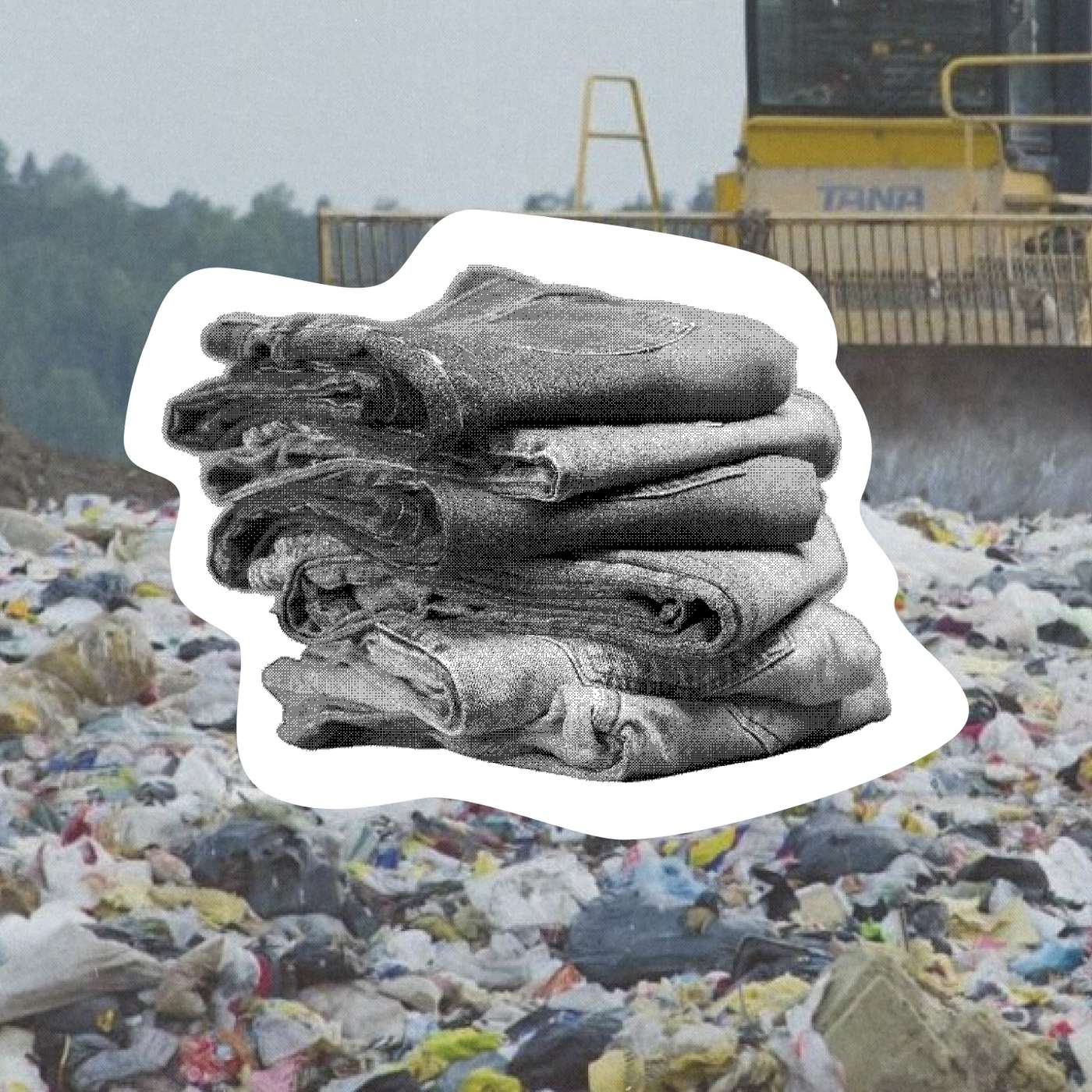
What Actually Happens to Your Clothing Donations?
[This episode originally aired April 2,2025] The secondhand clothing market isn't equipped for textile recycling. So when your donated clothes don't sell, where do they end up?With the rise of overconsumption and fast fashion, clothes have piled up in thrift stores, landfills, and incinerators around the world. Countries like Ghana and Chile are dealing with fashion waste from countries l
Can We Recycle Our Way Out of the Plastic Crisis?
From the halls of government to the depths of the ocean, how deep does the plastic crisis go, and can we recycle our way out of this mess?Plastic has completely permeated our existence, and its effects are far-reaching, from soil to glaciers. Recycling was supposed to take care of this mess — or was it? In this episode, we’ll figure out how the plastic industry is behind one of the bigg

Putting Planet Over Profits: How to Spot and Avoid Greenwashing
We see greenwashing everywhere — from product labels to fossil fuel ads. But it goes even deeper than that. Greenwashing gets in the way of climate policy changes too!On this episode of Second Nature, we’re hearing how our community dodges greenwashing, talking through 4 questions to ask yourself to see if a brand is greenwashing, and we’re talking to Dr. Mara Einstein about how greenwash
What Are We Going To Do Now?
For the past three seasons of the Second Nature, hundreds of you have shared climate actions you take in our own homes — composting, avoiding overconsumption, eating less meat. These practices give us a strong foundation for what comes next. This season, we’re focusing our energy outward and making our efforts bigger by proxy with the help of community. This first episode serves as a mis
Coming up in Season 4!
Season four is coming soon, and this season, we're thinking big. Like the ever-connected mycelium networks beneath the world's greatest forests, we're reaching out to one another and finding ways to sync up with community and make efforts bigger than ourselves. This season, we're coming together to focus our we're efforts where we have the most collective impact — from boycotting greenwas
Why Don't We Fix Things Anymore?
We're one week out from a new season of Second Nature! Before our season 4 launch, we wanted to bring it back to one of the community's favorite episodes from last season: Why Don't We Fix Things Anymore?Planned obsolescence and perceived obsolescence have us in a disposable consumption cycle. But it hasn't always been this way. When and why did we stop thinking things were worth fixing?I
Call for Submissions: Contribute to Season 4!
Season 4 is underway! We’re hard at work on the new season and we can’t wait to hear your contributions. For the best shot at getting on season 4, please send in your submissions before November. But feel free to continue submitting through November as well. Submitting to the show is easy!Fill out this form to start your submission to Second Nature.After you fill out the form, you'll rece
Are the Kids Alright? Raising a Sustainable Generation
-> Short Survey: Tell us what you think of Second NatureWhether you're a parent, an auntie, a coach, a godfather — there's a lot to think about when it comes to raising a more sustainable generation. How can we raise young people to take better care of the planet than the generations before them? For our last episode of season 3, we're looking into the future to see how younger gen

Your Local Library is Fighting Climate Change
-> 🚨 Tell your U.S. reps not to cut federal funding for public libraries.-> Short Survey: Tell us what you think of Second NatureLibraries are icons of the sharing economy. When we borrow books, media, and tools from the library, we save ourselves from needing to buy new stuff. But did you know that libraries are also community hubs for climate resilience? From heatwaves to hurrican
Microplastics: How Do They Get Into Our Bodies? And What We Can Do About It?
Microplastics seem to be everywhere, inside and outside our bodies. These micro and nano particles are shedding from our clothes, our tires, food packaging — basically anywhere there's plastic. People, animals, and plants are consuming these microplastics, thereby complicating the issue and contributing to health problems. But what health issues? And how do we avoid them? The science is s
How We’re Coping With Climate Anxiety
NOTE: An early version of this audio has an error around 4:50. If you hear that error, it's likely because your podcast player downloaded the first version. Please re-download the episode to hear the correct version! And forgive us, as we're merely human beans 🫘 . Is climate news stressing you out? Same. We're experiencing funding cuts to environmental agencies, while climate disasters li

We Need to Talk About AI
🔗 TAKE ACTION: Stop State AI Regulation Ban in the "One Big Beautiful Bill" ActWhen you ask ChatGPT to write a cover letter, make your grocery list, or edit an image, what's actually happening in the real world? As AI gets bigger by the day, it's requiring more and more energy, water, and land in communities around the world. Tech companies are investing billions of dollars in data center
Connection and Resilience Through Local Food
Farmers market season is upon us! As we've started seeing spring crops here at markets in the Northern Hemisphere, we're thinking about the power of locally grown food. As our food supply chains have gone global — we’ve gained more access to nutritious foods in areas where they may be hard to grow — but we’ve lost touch with seasonality and the source of our food. And we’ve lost touch wit
Conscious Chatter: A Scientific Lens on the Links Between Fast Fashion, Toxicity, & Microplastics
Microplastics are seemingly everywhere, even our clothes. From production through wash days, synthetic fabrics are shedding microplastics into the air and water. It's a big issue that's going to take shifts from manufacturing to our own homes, and we wanted to start tackling this big discussion with the help of our friends at the podcast, Conscious Chatter. Earlier this year, host Kestrel
Is the Patriarchy Fueling Climate Change?
The climate crisis has a way of making hard things even harder — and that includes gender disparities. From their professional lives to their personal lives, climate change has left many women vastly under-resourced and at risk, all while taking on the heavy toll of caring for their families and communities through climate mitigation and resilience. In this episode, we hear how the climat
Why Don't We Fix Things Anymore?
Planned obsolescence and perceived obsolescence have us in a disposable consumption cycle. But it hasn't always been this way. When and why did we stop thinking things were worth fixing?In this episode, we get a history lesson in planned obsolescence, visit Adrienne Ferre, who is helping run a Makers Hub in LA, complete with a tool library and repair cafes. And we catch up on Right to Rep

Can We Overcome Overconsumption?
This episode originally aired on June 12, 2024. Becoming more conscious consumers is a pivotal step in building a more sustainable economy, but how do we deconsume in a consumerist world? When we buy less, we save money, cut down on clutter, and lower our emissions. This collective shift has another big impact — helping us to steer the economy away from disposable products, unsustainable
Harvesting Hope in Community Gardens
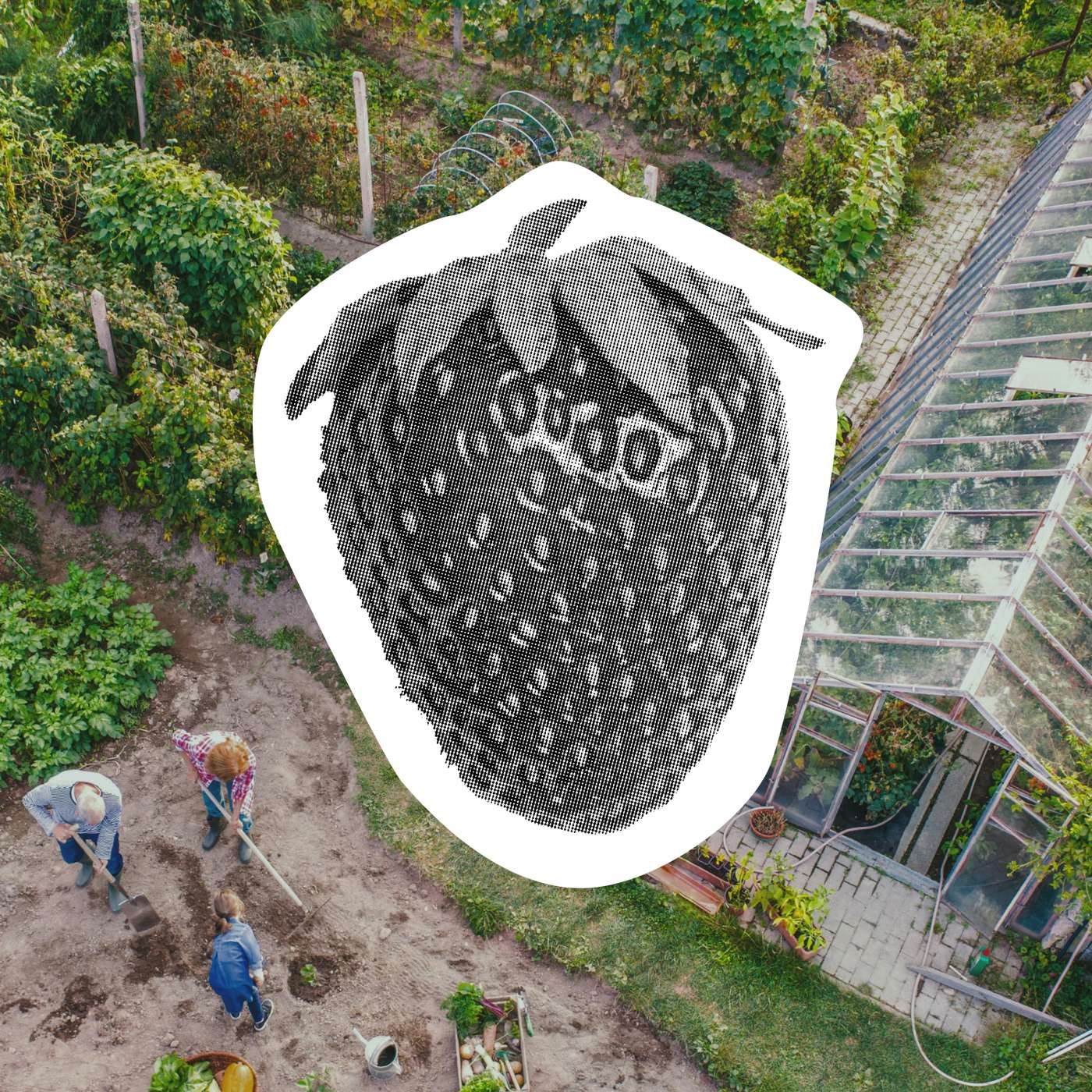
Help us win a Webby! It only takes a minute to vote. Vote here!Often on urban lots, behind chain link fences, adorned with hand-painted signs, plots burgeoning with fruits, vegetables, and flowers, flanked by compost piles — the humble community garden feels like a salve for so much that ails us. On this Community Voices episode, we're going from Los Angeles to Brazil to hear how communit
What Actually Happens to Your Clothing Donations?
The secondhand clothing market isn't equipped for textile recycling. So when your donated clothes don't sell, where do they end up?With the rise of overconsumption and fast fashion, clothes have piled up in thrift stores, landfills, and incinerators around the world. Countries like Ghana and Chile are dealing with fashion waste from countries like the U.S., UK, and China, and the impacts
Can We Have Ethical Consumption Under Capitalism?
In a capitalist society, value is measured in dollars and cents. But the resources we take from planet Earth can't be repaid in any kind of financial currency, and we're already paying the price for the debt we owe. So the question on many people's minds is "Can we even have ethical consumption under capitalism?" In this episode, we find out that despite having differing opinions on the
Here's What's Coming Up in Season 3!
Feeling bummed out by climate setbacks? Or maybe you're outright angry? We're here for you. With 40% of Americans starting to align their money with their views, it's clear that we're ready to push back on recent climate challenges.In season 3 of Second Nature, we're balancing hope and action — from company boycotts to community gardens. With the help of community voices from around the w

How to Grow a Little Food in the Big City
This episode originally aired on June 4, 2024. We're about to break ground on season three, the soil outside is warming up and we're ready to get our hands in the dirt. So we wanted to revisit this episode as we prep our gardens for spring.Stoops, balconies, and windowsills are ripe for growing food. Today, we're riding out the ripple effect that urban gardening can have on our lives and

The Prime Effect: How Amazon Has Us Hooked on Convenience
This episode originally aired on July 9, 2024. As more and more people are boycotting big brands like Amazon, we thought it was the perfect time to bring back this episode about how ditching convenience culture can actually make us more sustainable citizens.Since the start of the COVID-19 pandemic, our use of Amazon has skyrockted, making the company the second biggest U.S. parcel carrier
The Cure for Fast Fashion
This episode originally aired on May 29, 2024. As we're prepping for season 3, we're revisiting this episode in honor of our February Collective Challenge in the Commons app: Boycott Fast Fashion. Join us!Fast fashion is cheap, but the low cost to customers comes at a high cost to garment workers, communities, and the environment. So, how do we break free from the fast fashion cycle?Secon
Call for Submissions: Contribute to Season 3!
We're excited to hear from your for season 3! Fill out this form to start your submission to Second Nature: https://j09c5.app.link/e/KfZvWw9izPbAfter you fill out the form, you'll receive questions based on the topics you chose, with details about how to submit your audio.At the end of this call for submissions, you heard the voices of listeners Jordan Webb, Cindy, and Artie Sadahiro.
(0
Skip the Greenwashing: What to Look for in Sustainable Fashion
When you’re trying to live more sustainably, fashion can be hard to navigate. The industry is ripe with greenwashing that masks exploitative practices for people and planet. But sustainable fashion is an expansive, exciting world of circularity, repair, and trustworthy, responsible brands.On this episode (our season 2 finale!), we’re coming face-to-face with the cost conversation when it
Buy Less, Eat More: How to Reduce Food Waste
A third of the food we produce goes to waste, and a shocking amount of that waste happens in our own homes. The good news is that fighting food waste is easy with a few life hacks up your sleeve. And even better, it'll save you money too. In this episode, we hear what types of food our community struggles with and get their tips to curb the waste. We're asking plastic-free, low-waste che
The Beef with Beef: How It’s Affecting Our Bodies and the Planet
We’re eating way too much meat. An unsustainable, unhealthy amount of meat. If you’re looking for one way to drastically improve your health and carbon footprint — plant-based eating is it. But even if you’re not going fully plant-based, reducing your meat intake is a huge step in the right direction. In this episode, we hear how our community has noticed a difference in their health sin
Buy Nothing Groups Put Community Over Corporations
When we need or want something, our first thought is often, "Where can I buy it?" But what if our first thought was: "I wonder if my neighbors have it?" Buy Nothing groups and free groups are community-rooted solutions for overconsumption and how much overconsumption costs us and the planet. Whether you're looking for empty plastic containers for a craft or you want to give away an old Ki
Can We Vote Our Way Out of the Climate Crisis?
Government seems to move slower than the pace of climate change, so do our votes for climate candidates and policies actually make a difference? In this episode, we're connecting the dots between climate and policy and hearing from people around the world about how their governments’ policies are affecting their lives and their regions. We're also catching up with HEATED editor-in-chief
Can We Learn to Love Plant-Based Cheese
Plant-based cheese is better than ever, but can we expand our expectations of cheese to ease our reliance on Big Dairy?Cheese is delicious. Even aspiring vegans find cheese hard to quit. But making dairy cheese is not only rough on the planet — the dairy cows’ lives aren’t great either. In this episode, we’re getting the full picture of the impact of dairy cheese, including the United Sta
Sustainable Gifting is Easier (and Cheaper) Than You Think
Gifting isn't easy for everyone, and it certainly isn't cheap. On top of that, unwanted gifts can be wasteful and lead to piles of returns or trash. But becoming a more sustainable, low-waste gifter will make you a better gifter and save you money!In this episode, we give you dozens of great gift ideas from our community, and all of them are backed by the research of leading Dr. Julian Gi

Community Voices: How We’re Coping With Climate Anxiety
Whether it's from a catastrophic storm, a brutal heat wave, or dying coral reefs, we're all dealing with the effects of climate change. All that stress and sadness can lead to climate anxiety (aka eco-anxiety). If you've felt anxious about the state of our climate, you're not alone. In our first-ever Community Voices episode of Second Nature, we're focusing all on you, our listeners, to h
Ripple Effects: How to Convince Your People to Live More Sustainably
Can you convince others to take climate action without being a nag? When you do what you can live sustainably, there inevitably comes a time when you want to spread the gospel and share your practice with others. It's a fantastic way to expand your low-carbon impact, but how do you communicate with people in a way that they'll actually be receptive to?On this episode, you’ll hear: Unique
Should We Have Kids in a Climate Crisis?
There are a lot of factors that go into the decision to have kids. Creeping up on that list is climate change. In the first episode of season 2, we’re diving into this tough topic with the help of community stories, data, and professional research from Dr. Jade Sasser. On this episode, you’ll hear: How the climate crisis has impacted our community’s choice to have (or not have) kids. How
Season 2 of Second Nature is Coming Soon!
Trying to live more sustainably? Looking for motivation to keep at it? If you’re looking for personal stories, practical tips for sustainable living, a weekly dose of climate optimism, or you just want to feel in community with others, this is the show for you.Every Wednesday, hear how listeners around the world take action every to combat climate change and create the kind of world they
We Want to Hear From You for Season 2!
Thanks so much for being part of the Second Nature community. We can’t wait to hear from you! Fill out this form to start your submission to Second Nature: https://j09c5.app.link/kOYGSJD7XLbAfter you fill out the form, you'll receive questions based on the topics you chose, with details about how to submit your audio. At the end of this call for submissions, you heard the voices of listen
My biggest obstacle to plant-based eating? My family.
We heard from listeners that one of the top barriers to eating plant-based is who we eat with. So much of our food is rooted in culture and tradition, and breaking from the norms of our social circles may create some dinner table friction. But we’re here to help!On this episode, you’ll hear: Listeners share how they’re family reacted when they started eating plant-based. Tried and true ad
The Prime Effect: How Amazon Has Us Hooked on Convenience
Since the start of the COVID-19 pandemic, our use of Amazon has skyrockted, making the company the second biggest U.S. parcel carrier after the US Postal Service. Amazon has become the poster child for convenience culture, but the time we save for the sake of convenience is putting us in financial and carbon debt. In this episode, we're grappling with our fraught relationship with our Ama
Every Job Can Be a Green Job
Tired of working 9-5 at a job or a company that's not focused on sustainability? We've got good news. You don't need a sustainability degree to get a green job. There are green jobs out there for any skillset, and in this episode, we're going to help you find them. On this episode, you'll hear:How listeners are adapting their job into a green job, or starting fresh in a new industry. Kr
Composting Is for Everyone
Composting is one of the easiest climate actions and there are so many ways to do it! On this episode, you'll get a straightforward explanation of how composting works and all the inspiration and guidance you need to start composting — no matter where you live. Listen in to hear:Listeners' firsthand advice for composting in any living situationYour composting questions answered by Dr. She
Can We Overcome Overconsumption?
Becoming more conscious consumers is a pivotal step in building a more sustainable economy, but how do we deconsume in a consumerist world? When we buy less, we save money, cut down on clutter, and lower our emissions. This collective shift has another big impact — helping us to steer the economy away from disposable products, unsustainable resource use, and dangerous supply chains. On th
How to Grow a Little Food in the Big City
Stoops, balconies, and windowsills are ripe for growing food. Today, we're riding out the ripple effect that urban gardening can have on our lives and the planet.Second Nature is your community for practical, sustainable living. On this episode, we're getting inspiration and practical tips to start small, fruitful home gardens in urban spaces. We're also talking about the carbon footprint
The Cure for Fast Fashion
Fast fashion is cheap, but the low cost to customers comes at a high cost to garment workers, communities, and the environment. So, how do we break free from the fast fashion cycle?Second Nature is your community for practical, sustainable living. On this episode, we're commiserating with listeners over the allure of fast fashion and getting real tips to break free from it. Plus, we're do
Does it Really Matter If I Eat Less Meat?
Plant-based eating is one of the most impactful climate actions we can take, but changing our diets can be overwhelming. How can we get started and stick with it?Second Nature is your community for practical, sustainable living. On this episode, we're hearing from listeners about how they've started adding more plants to their plates, finding inspiration in delicious recipes, and getting

Welcome to Second Nature
Can we live sustainably in an unsustainable world? Second Nature is a new podcast from Commons exploring how sustainable choices impact our lives and the planet. Every week, hear how listeners around the world take action every to combat climate change and create the kind of world they want to live in. We'll get expert answers to your burning climate questions and calculate the potential
Recommended
紐約鳥|New York Aperture
The Swerve Podcast: Obscure Topics | Conspiracy Theories

The Bread and Banter Podcast

The Church of What's Happening Now: The New Testament
Busted Open

Deadline: White House
Crickets Corner

History of the Earthquake and Fire in San Francisco

Fox news

K-Drama Obsessed Mamas | Beyond “Just One More Episode!”

True Crime Classics
The Healer Revolution
