Making Gay History | LGBTQ Oral Histories from the Archive
Intimate, personal portraits of both known and long-forgotten champions, heroes, and witnesses to history brought to you from rare archival interviews.
Episodes

The Queens of Welfare Island: Preview
A century ago, at a notorious men’s penitentiary in New York City, gay inmates managed to find joy and community through their annual Christmas show, the “Fag Follies.” This season, join Eric Marcus as he delves into their lives and explores their world within and outside the prison walls.
———

Season 15: Episode 7: Lou Sullivan
When Lou Sullivan sought gender-affirming care in the 1970s, he was turned down. The reason? Lou identified as a gay man at a time when all trans people were assumed to be straight—a conflation of gender identity and sexual orientation that Lou made it his mission to dismantle.
Visit our episode webpage for background information, archival photos, and other resources, as well as a transcript of

Season 15: Episode 6: Barney Frank
“Are you gay?” a reporter asked U.S. Representative Barney Frank in 1987. “Yes, so what?” With that, Frank became the first member of Congress to voluntarily come out as gay. But the casualness of his reply hid decades of agonizing and a very real fear of torpedoing his political career.
Visit our episode webpage for background information, archival photos, and other resources, as well as a tra

Season 15: Episode 5: Nancy May
Nancy May’s allyship was as personal as it was political. After all, she was married to a gay man. In 1965, her involvement in San Francisco’s homophile movement placed her at the center of a headline-making face-off between the police and the city’s LGBTQ community.
Visit our episode webpage for background information, archival photos, and other resources, as well as a transc

Season 15: Episode 4: Jim Kepner
Raised in a religious home in 1920s and ’30s Texas, Jim Kepner pieced together a sense of his identity where he could—a homoerotic suggestion read between the lines here, a secretly acquired booklet there. His collection of gay-themed materials grew into the largest LGBTQ archive in the world.
Visit our episode webpage for background information, archival photos, and other resources, as well as
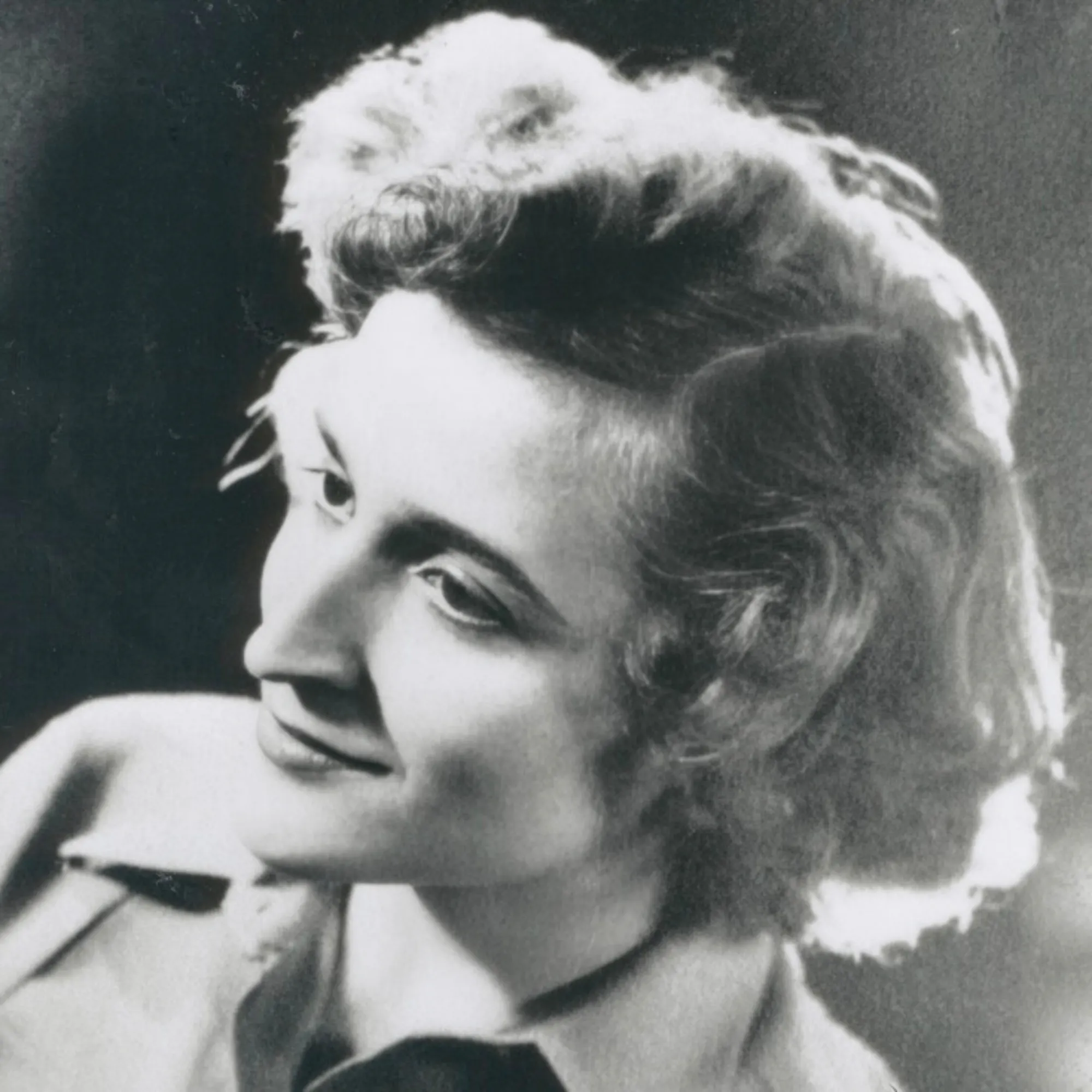
Season 15: Episode 3: Pat Bond
Pat Bond joined the Women’s Army Corps in 1945, driven by patriotism and a desire to be among lesbians. The war required bodies, so the U.S. military turned a blind eye to service members’ sexual orientation. But as Pat witnessed firsthand, once WWII was won, the anti-gay witch hunts began.
Visit our episode webpage for background information, archival photos, and other resources, as well as a t
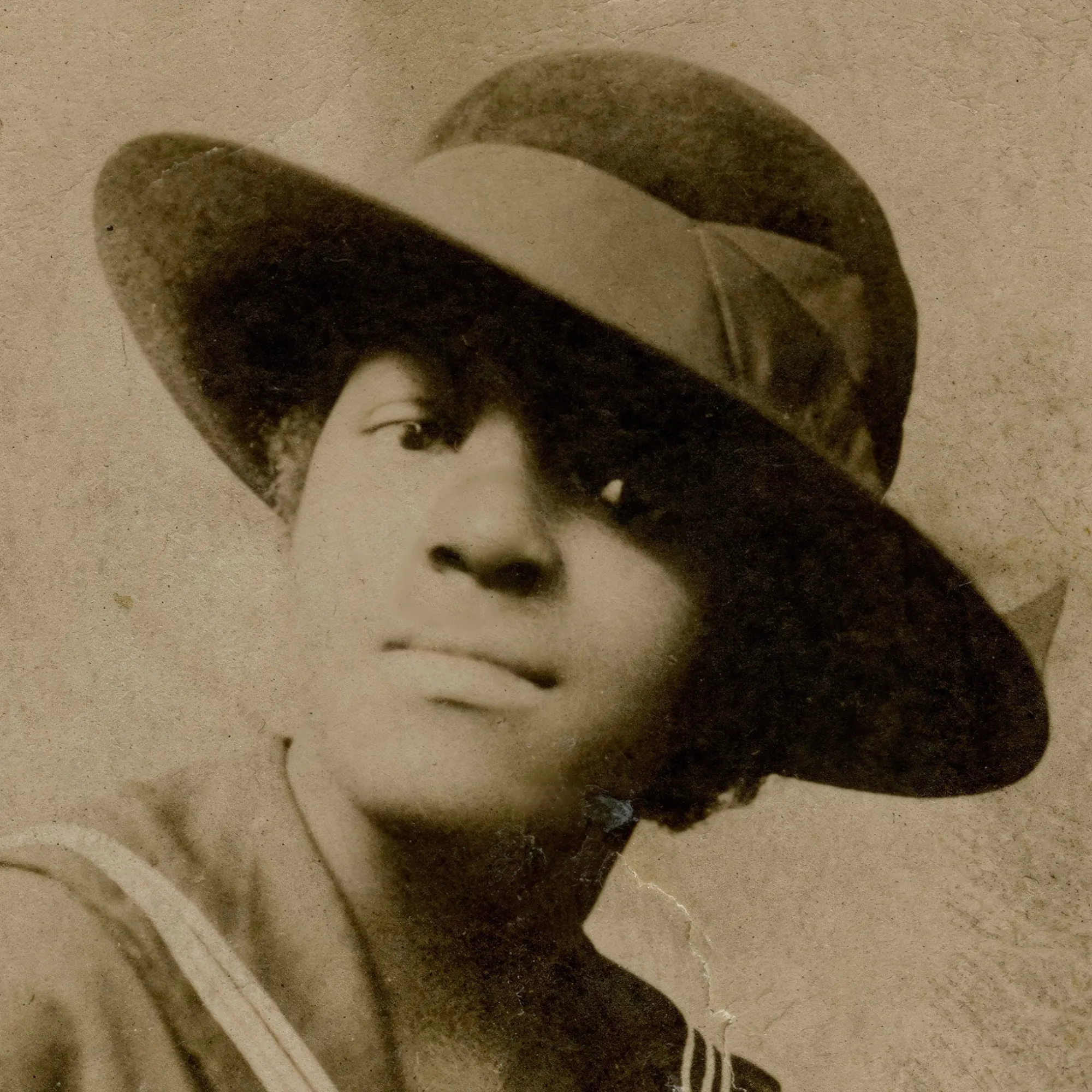
Season 15: Episode 2: Mabel Hampton
Mabel Hampton was a performer and domestic worker who lived as an out lesbian in New York City from 1920 until her death in 1989. Her recorded oral histories offer a rare firsthand account of Black lesbian life during the Harlem Renaissance.
Visit our episode webpage for background information, archival photos, and other resources, as well as a transcript of the episode.
———
Audio source: Mab
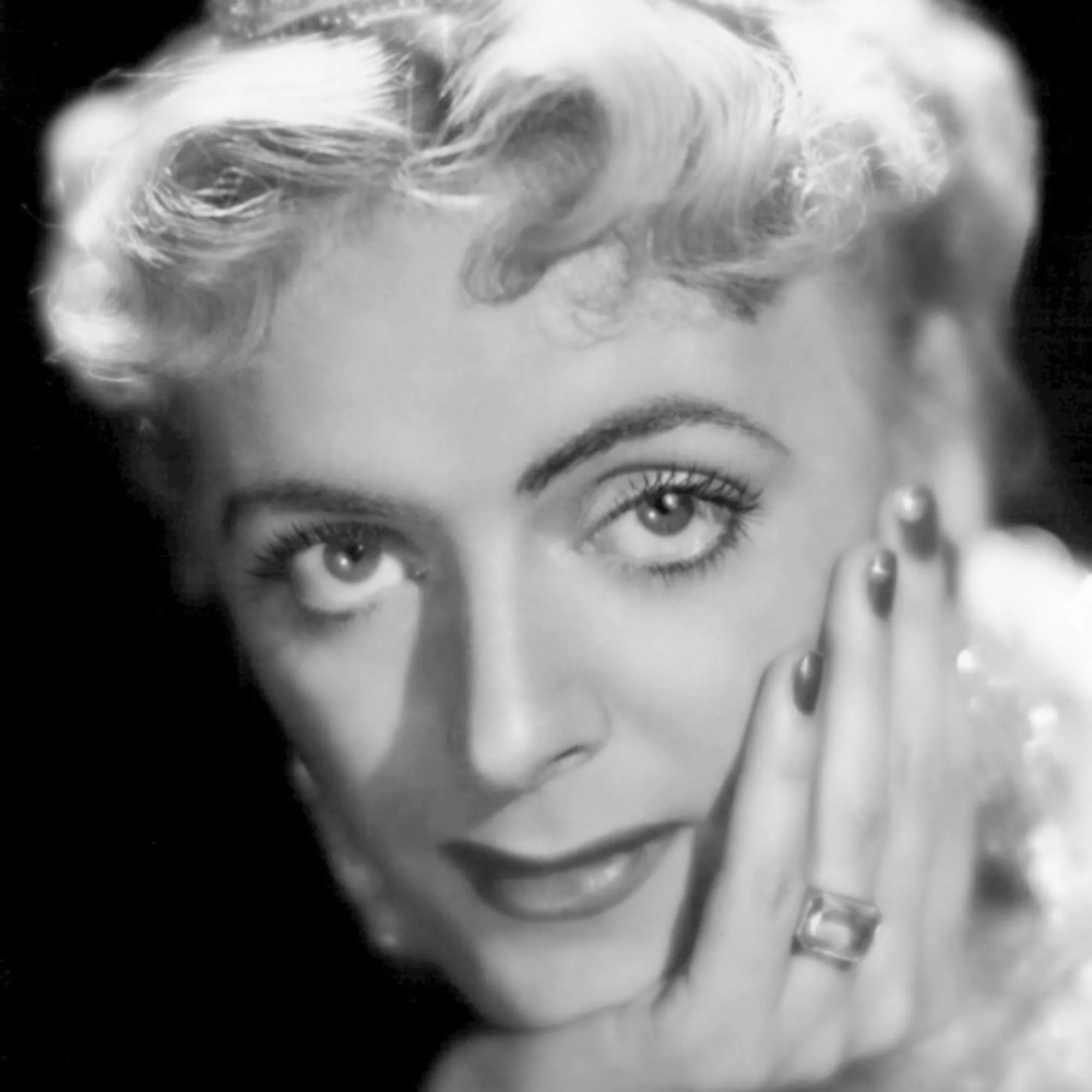
Season 15: Episode 1: Christine Jorgensen
When news broke in 1952 that Christine Jorgensen, an ex-GI from the Bronx, had undergone gender-affirming surgery, she became a global sensation. In this 1957 interview, meet the thoughtful woman behind the frenzied headlines as she took on the burden of educating the public about trans people.
Visit our episode webpage for background information, archival photos, and other resources, as well a

Season 15: Preview
MGH is back for another dive into the archives! Drawing from Eric’s own collection of rare interviews and other repositories of LGBTQ history, we’ll bring you the voices of seven LGBTQ change-makers and allies whose stories will take you from 1920s Harlem to the halls of power in 1980s D.C.
———
Audio sources:
- Christine Jorgensen Reveals, an LP recording of a 1957 interview between Christine

Stonewall National Monument on “Endangered” List
Today, the National Trust for Historic Preservation designated the Stonewall National Monument in NYC as one of America’s "11 Most Endangered Historic Places." As an antidote to the threat of erasure facing the country’s only national monument dedicated to LGBTQ+ history, MGH is re-releasing its season about the Stonewall uprising with the support of the National Trust for Historic Preservation an

The Nazi Era: Episode 12: Epilogue
In this final episode, we reflect on why there are so few testimonies from LGBTQ people who survived the Nazi era and on the responsibility we have to honor the testimonies we do have in the face of the unfolding dark times here at home.
Visit our episode webpage for additional resources, archival photos, and a transcript of the episode.
For exclusive Making Gay History bonus content, join our Pat

The Nazi Era: Episode 11: Fredy Hirsch
Charismatic German Jewish athlete Fredy Hirsch dedicated himself to inspiring and protecting children imprisoned by the Nazis. In this episode, survivors of Theresienstadt and Auschwitz whose lives were made tolerable, sometimes even joyful, thanks to his selfless efforts share their memories.
Visit our episode webpage for additional resources, archival photos, and a transcript of the episode.
Fo

The Nazi Era: Episode 10: Kenneth Roman
Kenneth Roman was 15 when the Nazis rolled into his Polish hometown. After they liquidated the Jewish ghetto to which he and his family had been confined, he was sent to a series of forced labor camps and finally a concentration camp, where a sadistic block elder made him his “batman.”
Visit our episode webpage for additional resources, archival photos, and a transcript of the episode.
For exclusi

The Nazi Era: Episode 9: Margot Heuman
German Jewish survivor Margot Heuman attributed her survival of the Nazi concentration camps to her friendship with another teenage girl. It wasn’t until the end of her life that she confided in lesbian historian Anna Hájková about the intimate nature of the friendship.
Visit our episode webpage for additional resources, archival photos, and a transcript of the episode.
For exclusive Making Gay Hi

The Nazi Era: Episode 8: Lucy Salani
Lucy Salani was assigned male at birth, so when she came of age she was conscripted into the Italian army. She soon deserted—the first of several daring escapes that eventually landed her in Dachau. She’s one of the only trans people to testify about their experiences in Nazi concentration camps.
Visit our episode webpage for additional resources, archival photos, and a transcript of the episode.

The Nazi Era: Episode 7: Gad Beck
After the 1942 deportation of his boyfriend, 19-year-old Jewish Berliner Gad Beck vowed to help others escape the same fate. He became a prominent resistance member and used his resourcefulness, sexual barter, and chutzpah to save fellow Jews from the Nazi murder machine.
Visit our episode webpage for additional resources, archival photos, and a transcript of the episode.
For exclusive Making Gay
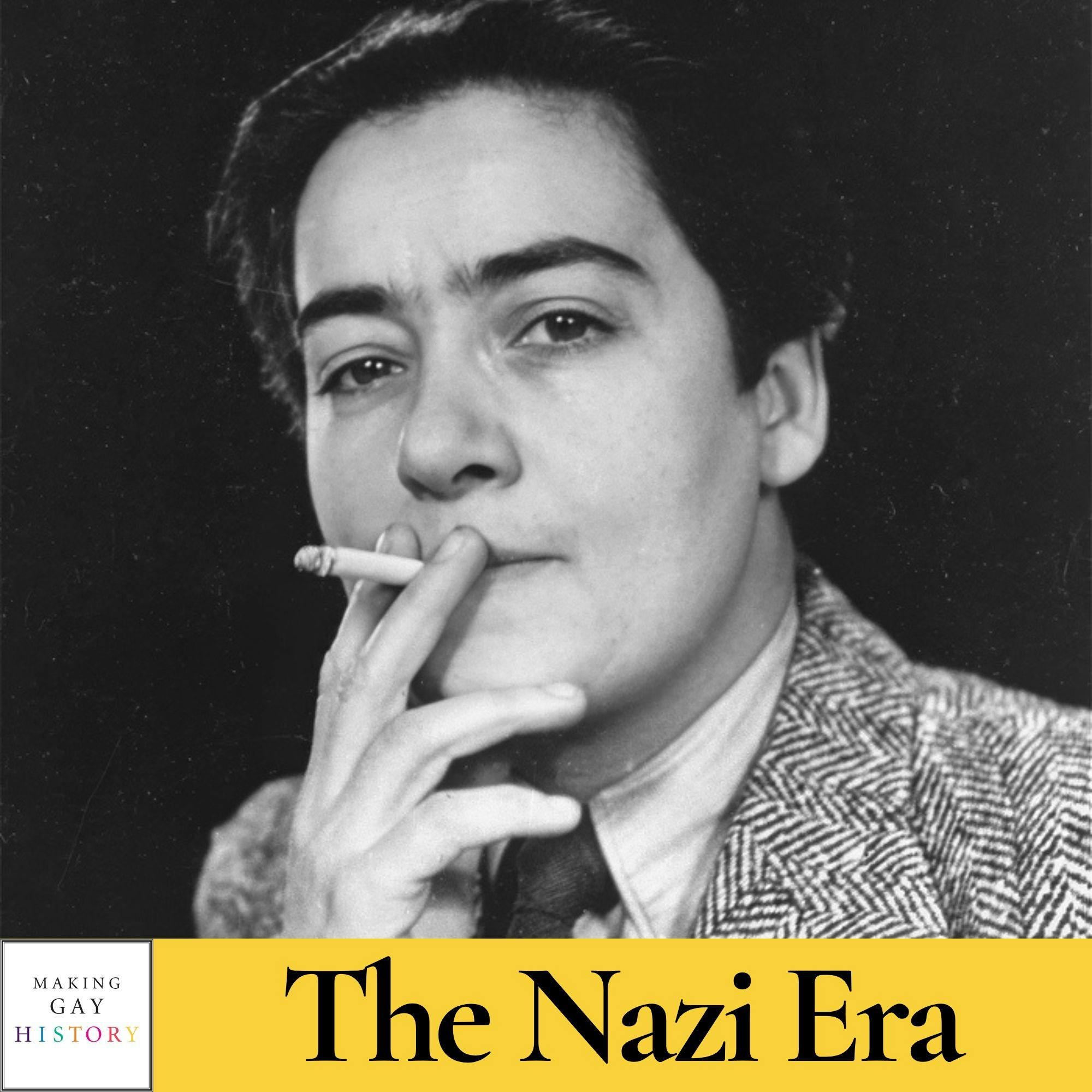
The Nazi Era: Episode 6: Frieda Belinfante
When the Nazis invaded the Netherlands in 1940, 36-year-old conductor Frieda Belinfante disbanded her orchestra and dedicated herself to helping others. She forged IDs to save Jews from deportation and joined a resistance group that carried out a daring act of sabotage.
Visit our episode webpage for additional resources, archival photos, and a transcript of the episode.
For exclusive Making Gay Hi
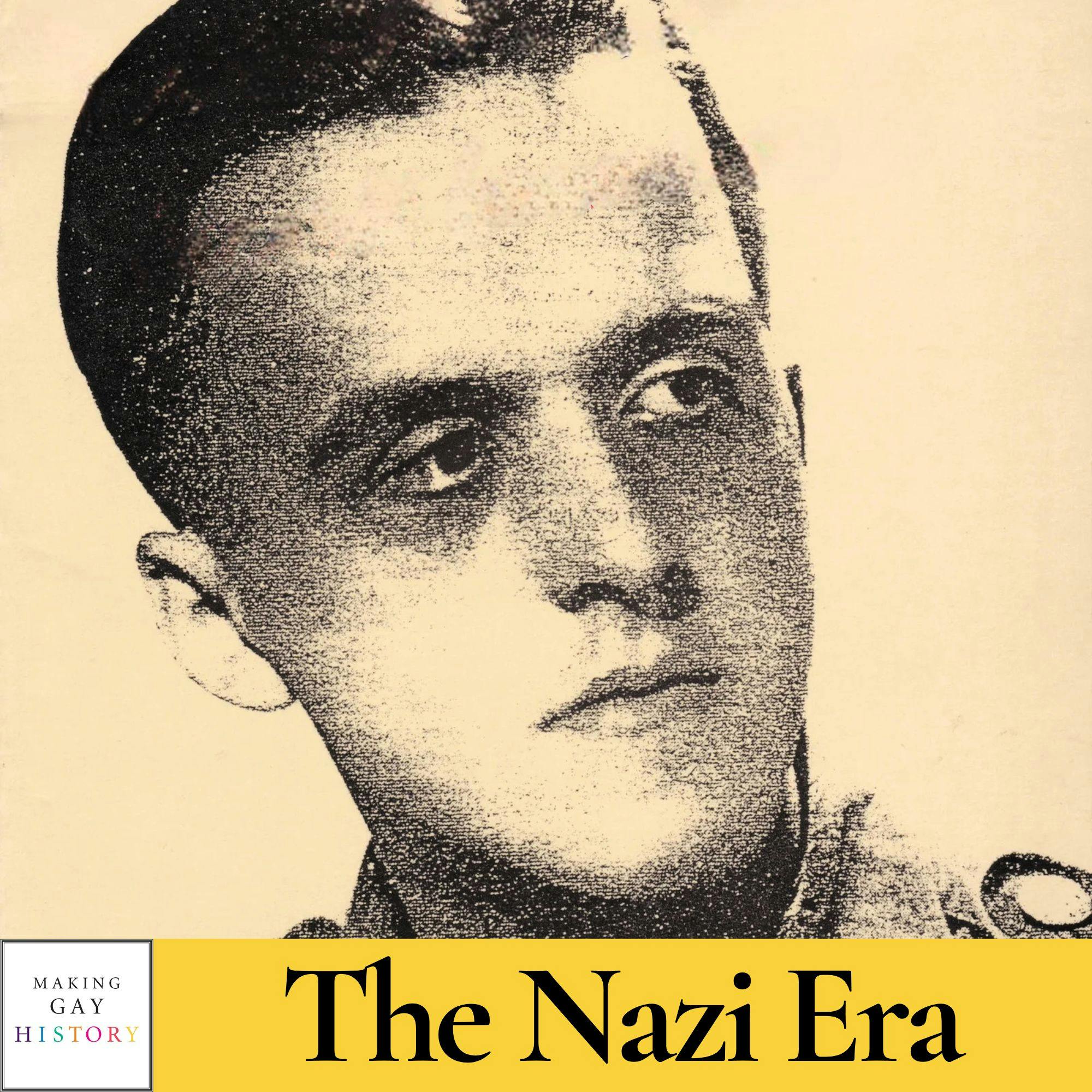
The Nazi Era: Episode 5: Pierre Seel
In 1939, French teenager Pierre Seel had his watch stolen at a cruising spot in his hometown. When he reported the crime to the police, he was placed on a list of suspected homosexuals. Two years later, with the city now under Nazi occupation, he was summoned by the Gestapo.
A note about language: the person featured in this episode refers to Roma people by the now offensive term gypsies. To stay

The Nazi Era: Episode 4: Stefan Kosinski
Polish teenager Stefan Kosinski was beaten, tortured, and sent to prison. His crime? He fell in love with a Viennese soldier serving in the German army. When the soldier was sent to the Eastern Front, Stefan sent him a love letter, which was intercepted by the Nazis.
Visit our episode webpage for additional resources, archival photos, and a transcript of the episode.
For exclusive Making Gay Histo

The Nazi Era: Episode 3: Overview Part II
In our second introductory episode, we focus on life in the Nazi concentration camps and offer a glimpse into the experiences of LGBTQ people in occupied countries during WWII as we continue to set the context for the eight profile episodes to follow.
Visit our episode webpage for additional resources, archival photos, and a transcript of the episode.
For exclusive Making Gay History bonus content

The Nazi Era: Episode 2: Overview Part I
In this first of two introductory episodes, hear how the walls closed in on LGBTQ people after Hitler came to power through the recorded and written memories of multiple queer people who witnessed or fell victim to the Nazis’ persecution.
Visit our episode webpage for additional resources, archival photos, and a transcript of the episode.
For exclusive Making Gay History bonus content, join our Pa
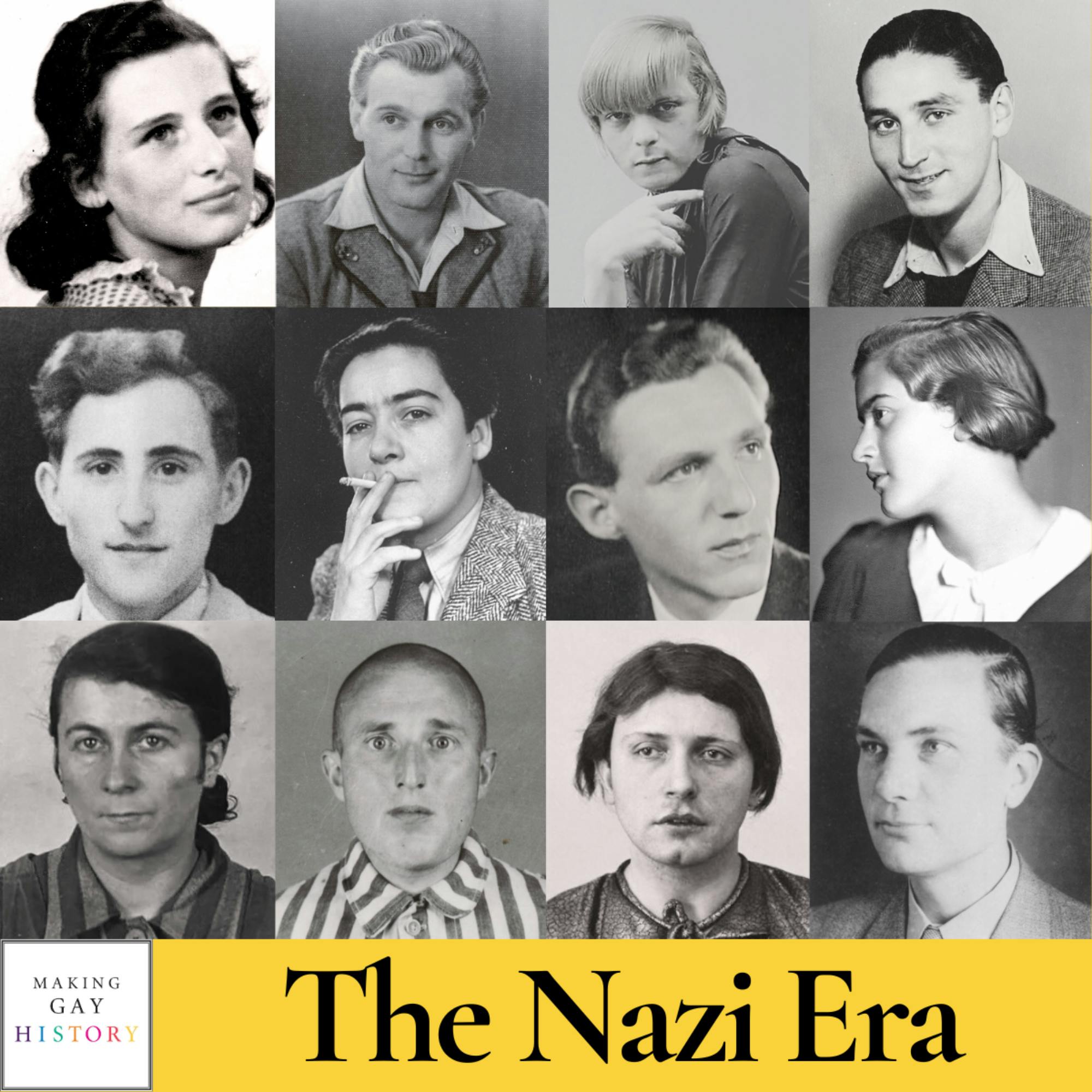
The Nazi Era: Episode 1: Prologue
Host Eric Marcus welcomes listeners to MGH’s “Nazi Era” series by going back in time to 1980 and a darkened Broadway theater where his interest in LGBTQ Holocaust history was kindled. Join Eric as we embark on a 12-episode journey and honor Holocaust Remembrance Day.
Visit our episode webpage for a transcript of the episode.
For exclusive Making Gay History bonus content, join our Patreon commun

Bonus: WWFKD — Drawing Strength from One of Our Movement’s Most Ferocious Crusaders
Frank Kameny lived by three rules: have absolute confidence in your beliefs; fight for what’s right; never, ever give up. Let them be a battle cry in these dark times.
Visit the webpage for the original 2016 episode featuring Frank Kameny for background information, archival photos, and other resources, as well as the episode’s transcript.
For exclusive Making Gay History bonus content, join ou

Guest Episode: But We Loved: Evan Wolfson, Godfather of the Marriage Equality Movement
In 1983 Evan Wolfson wrote a law school thesis that asserted that gay people had a constitutional right to marry. Thirty-two years later, the U.S. Supreme Court affirmed as much. In this guest episode from But We Loved, get to know the man behind one of the biggest victories in the history of the LGBTQ civil rights movement.
Learn more about Evan Wolfson and the Freedom to Marry campaign here.
Fi

Stonewall 55: Episode 3: “Say It Loud! Gay & Proud!”
Like so many other acts of LGBTQ resistance, the 1969 Stonewall riots could have become a footnote in history. But the protests and organizing that followed launched a new phase in the fight for LGBTQ rights. Hear how anger found its voice and how joy propelled the first Pride marches.
First aired June 20, 2019. Visit our episode webpage for background information, archival photos, and other resou

Stonewall 55: Episode 2: “Everything Clicked… And the Riot Was On”
The Stonewall uprising began in the early morning hours of June 28, 1969. Revisit that moment, and the hours and days that followed, with voices from the Making Gay History archive. Relive in vivid detail the dawning of a new chapter in the fight for LGBTQ rights.
First aired June 13, 2019. Visit our episode webpage for background information, archival photos, and other resources, as well the epi

Stonewall 55: Episode 1: Prelude to a Riot
Conflict has context. In this first episode of Making Gay History’s Stonewall season, we hear stories from the pre-Stonewall struggle for LGBTQ rights. We travel back in time to the turbulent 1960s and take you to the tinderbox that was Greenwich Village on the eve of an uprising.
First aired June 6, 2019. Visit our episode webpage for background information, archival photos, and other resources,

Stonewall 55: Episode 0: Myth & Meaning
Can historical and emotional truth coexist? For the 55th anniversary of the uprising, Eric and fellow LGBTQ history expert Ken Lustbader talk to Stonewall National Monument visitors and let a few myths slip by to uncover Stonewall’s moving resonance as a symbol of LGBTQ liberation and joy.
This episode is a co-production of Making Gay History and the NYC LGBT Historic Sites Project, in partnership

Bonus: Feminist Bookstores: A Love Story — with June Thomas
As a bookish lesbian growing up in working-class England, June Thomas developed an early love of bookstores. After moving to the U.S. in the 1980s, she found community in the feminist bookstores of the era, as she recounts in A Place of Our Own: Six Spaces That Shaped Queer Women's Culture.
Visit our episode webpage for a transcript of the episode. For exclusive Making Gay History bonus content, j
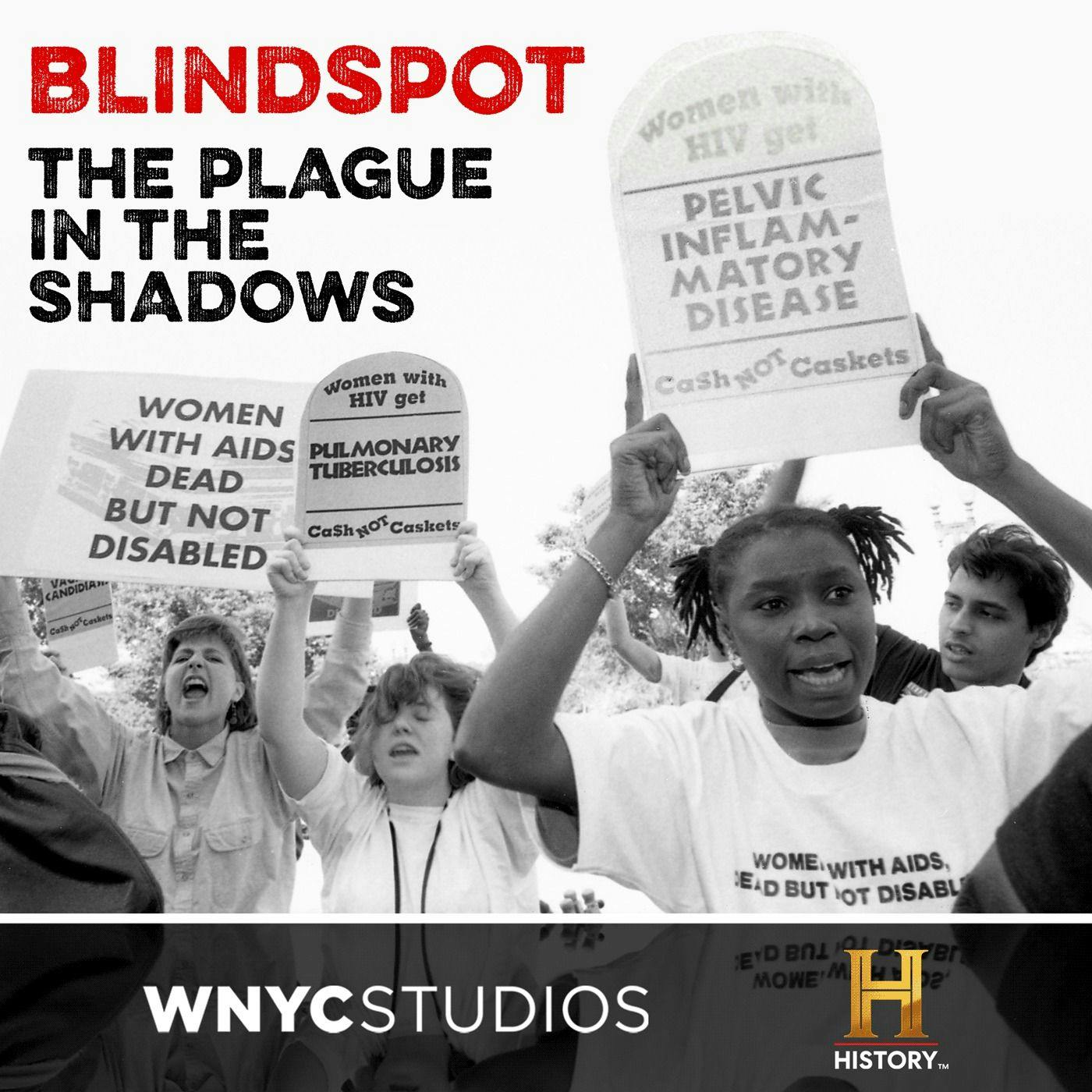
Guest Episode: Blindspot: The Plague in the Shadows: Mourning in America
Valerie Reyes-Jimenez called it “The Monster.” That’s how some people described HIV and AIDS in the 1980s. Valerie thinks as many as 75 people from her block on New York City’s Lower East Side died. They were succumbing to an illness that was not recognized as the same virus that was killing young, white, gay men just across town in the West Village.
At the same time, in Washington, D.C., Gil Gera

Dismantling a Diagnosis: Episode 3: Out of the DSM & into the Present — A Conversation about LGBTQ+ Mental Health
Eric is joined in conversation by Dr. Laura Erickson-Schroth and Dr. Ilan H. Meyer to delve into the past and present of mental health for LGBTQ people.
They discuss historical stigma, the ramifications of the American Psychiatric Association’s declassification of homosexuality as a mental disorder 50 years ago, and shifting psychiatric understandings of LGBTQ mental health in relation to so

Dismantling a Diagnosis: Episode 2: The Cure
A half-century ago, millions of homosexuals were cured with the stroke of a pen when the American Psychiatric Association decided to change its diagnostic manual and remove homosexuality from the list of mental disorders.
In this episode, we journey through several milestones in the battle for gay liberation and acceptance as we focus on how the field of psychiatry defined, and distorted, what it
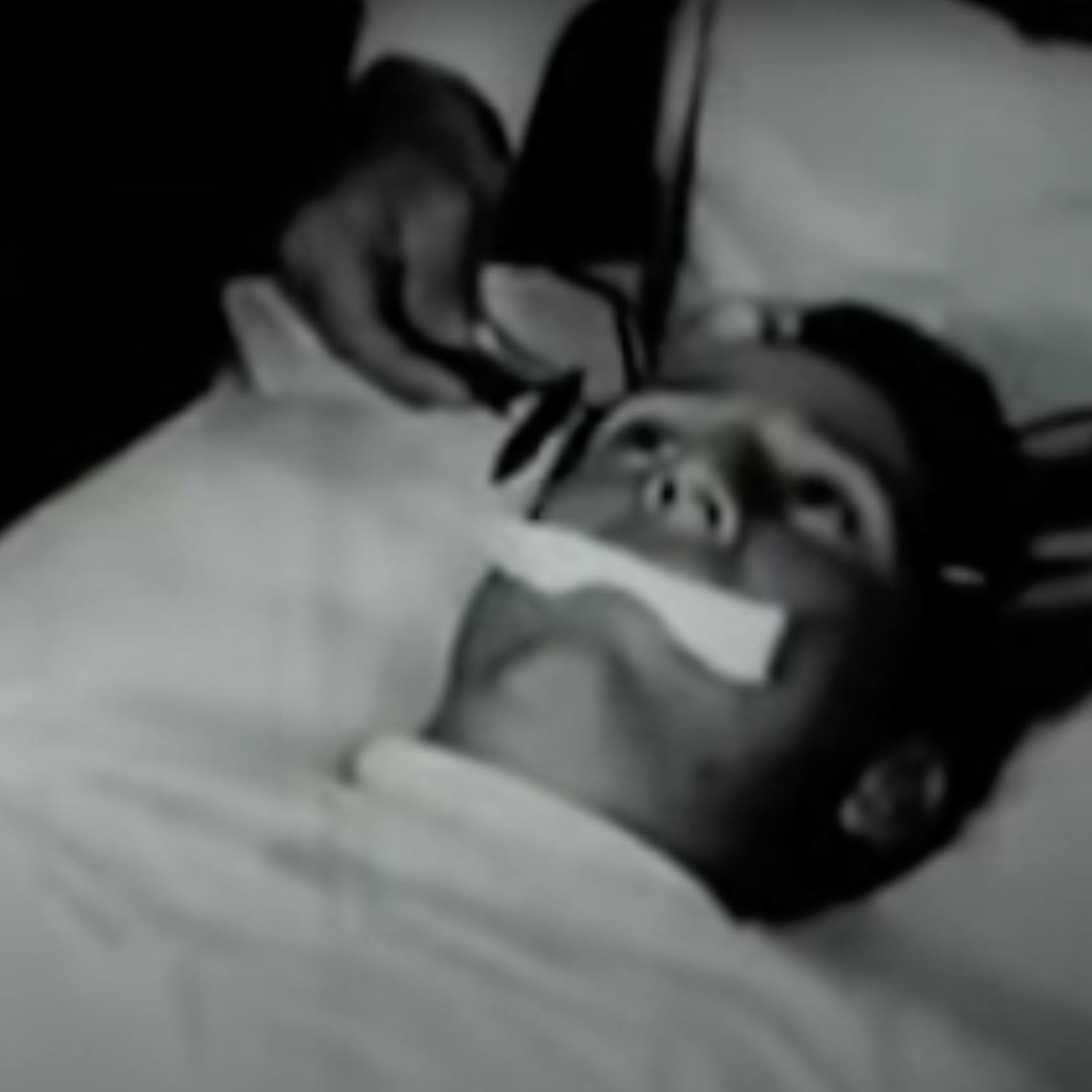
Dismantling a Diagnosis: Episode 1: A Kind of Madness
In the 1950s, psychiatrists diagnosed all homosexuals with a mental illness, and the sickness label created new forms of oppression for gay people in America.
The sickness label was pervasive and seemingly inescapable. Until 1973, according to the American Psychiatric Association’s Diagnostic and Statistical Manual (the DSM), homosexuality was a mental disorder. In this first episode of Making Gay
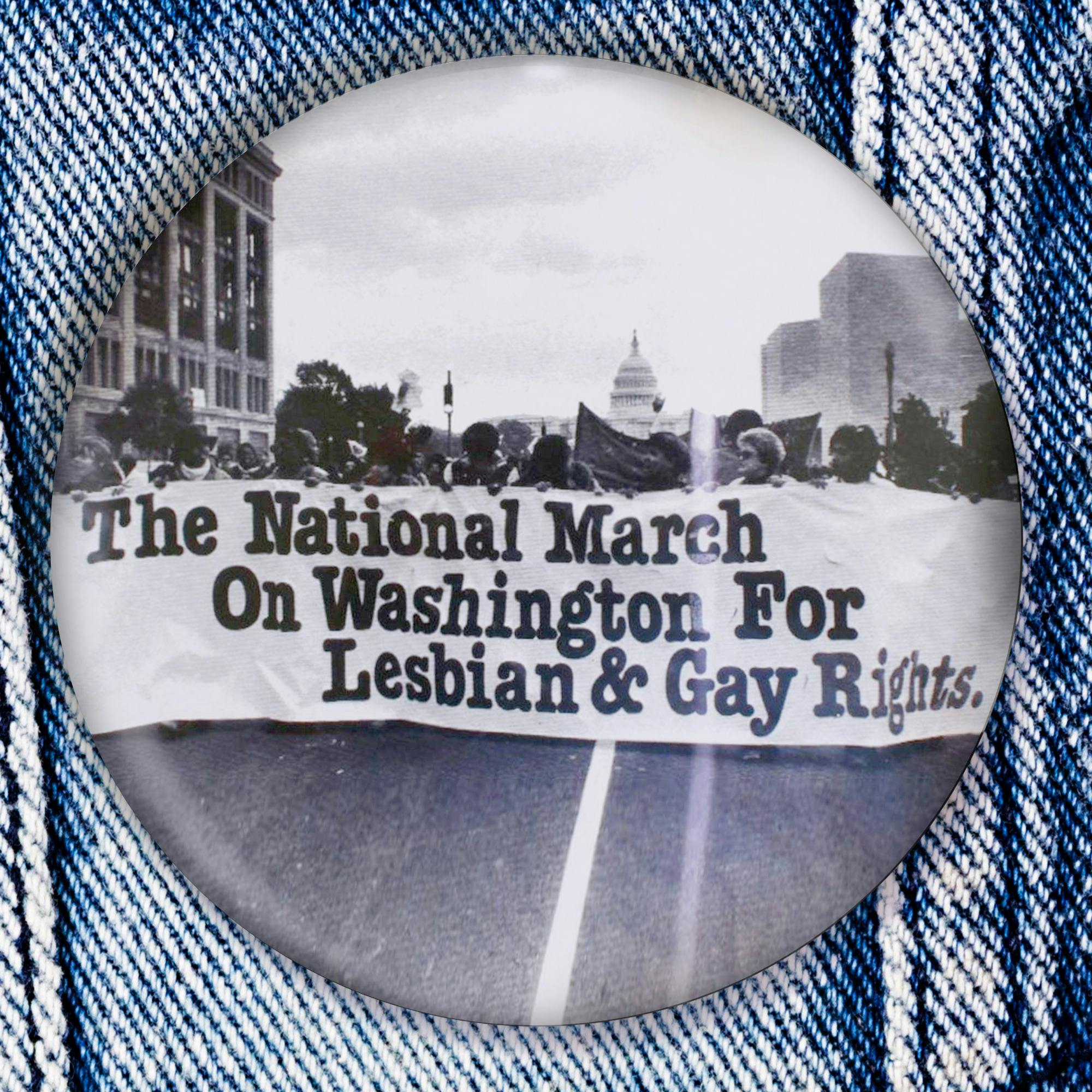
Coming of Age During the 1970s: Chapter 6: Marching On
In 1978 Harvey Milk calls on gay people to gather in D.C. the next year to protest the anti-gay campaigns of Anita Bryant and her ilk. Organizers are stymied by internal conflicts until Milk’s assassination galvanizes them and a date for a national march is set. But will anyone show up?
Visit our episode webpage for additional resources, archival photos, and a transcript of the episode.
For exclus
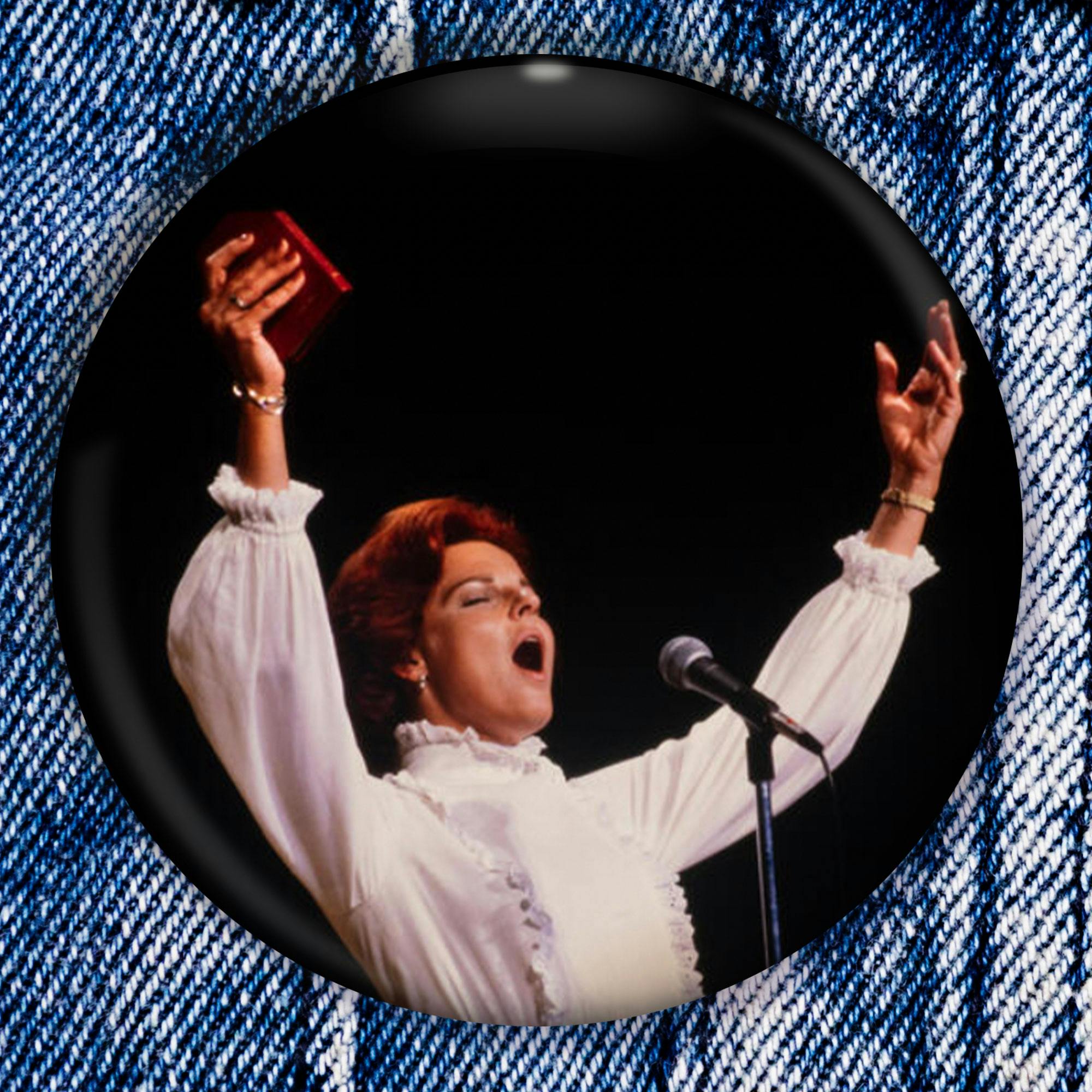
Coming of Age During the 1970s: Chapter 5: Thank You, Anita
Eric gets an A on his freshman sociology paper, “Marginal Man: The Alcoholic and the Homosexual.” But his sunny predictions for the future of the gay rights movement are met with skepticism from his professor. Mere weeks later, Anita Bryant launches her anti-gay “Save Our Children” campaign.
Visit our episode webpage for additional resources, archival photos, and a transcript of the episode.
For e
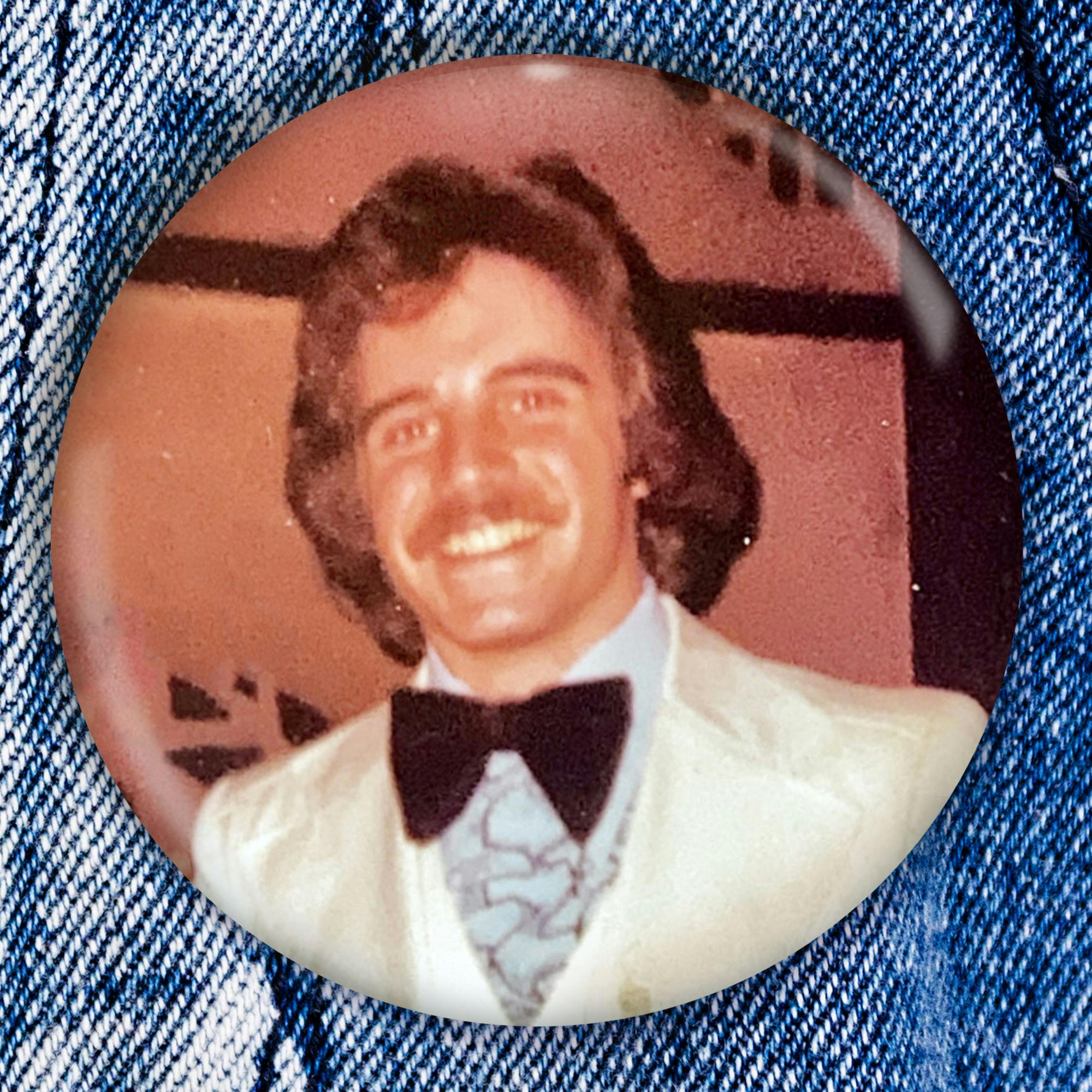
Coming of Age During the 1970s: Chapter 4: Respectable
Gay rights activists in NYC are first out of the gate to propose anti-discrimination legislation, confident it will sail through the City Council. Instead, they hit a wall of ignorance and bigotry. Meanwhile, 15-year-old Eric happens upon some revelatory literature in his dentist’s waiting room.
Visit our episode webpage for additional resources, archival photos, and a transcript of the episode.
F
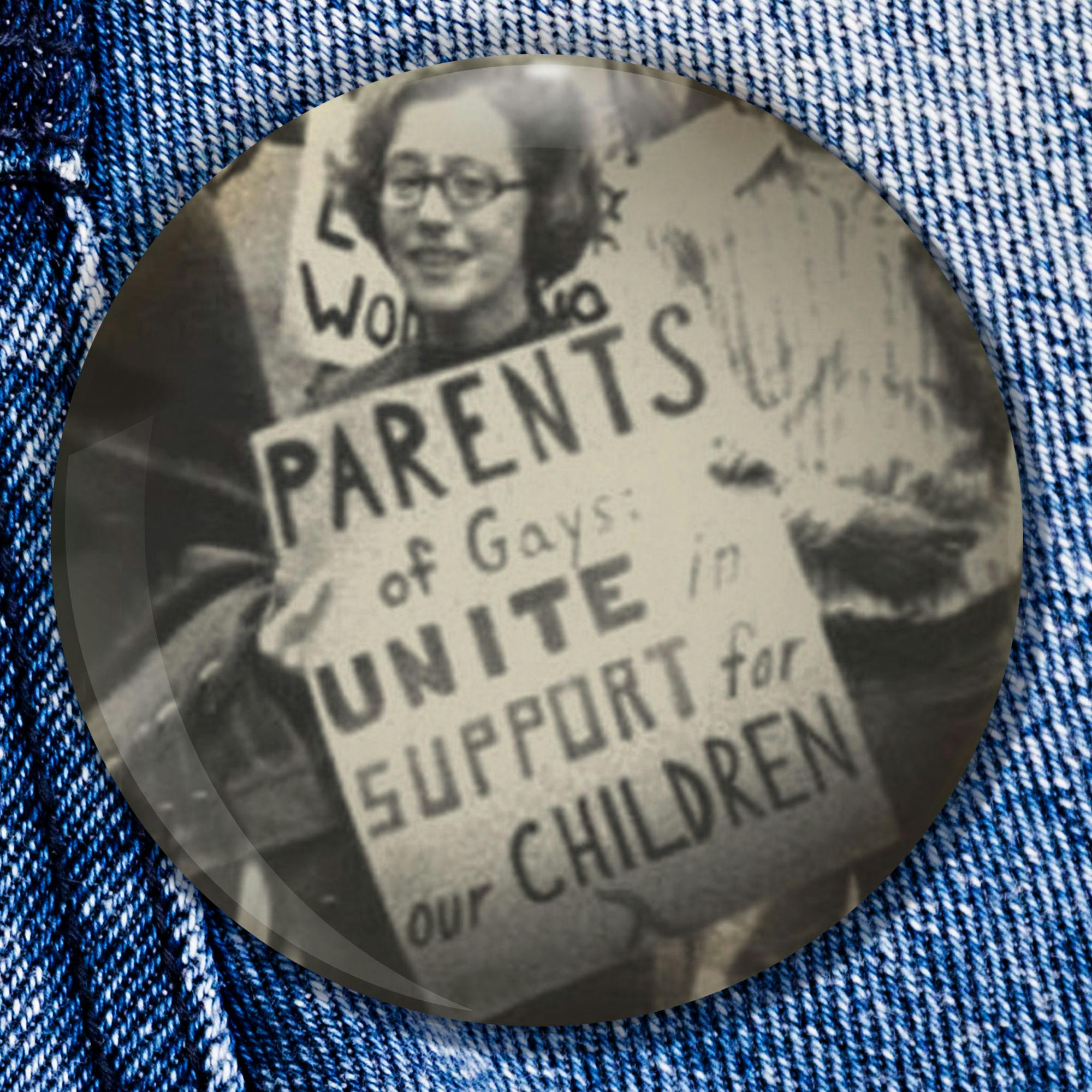
Coming of Age During the 1970s: Chapter 3: Family Ties
When Jeanne Manford’s gay son is badly beaten at a 1972 GAA protest, the shy elementary school teacher takes a stand. She cofounds the organization now known as PFLAG and launches a movement that harnesses the strength of our fiercest allies: parents and the other people who love us.
Visit our episode webpage for additional resources, archival photos, and a transcript of the episode.
For exclusive

Coming of Age During the 1970s: Chapter 2: Fire Island and Other Stories
While activists are demonstrating, filing lawsuits, and pushing for anti-discrimination laws, 16-year-old Eric is on a ferry to Fire Island, a legendary gay refuge off Long Island, with his neighbor Rev. Mullen—a trip that would introduce him to a vivid slice of mid-1970s gay life, ready or not.
Visit our episode webpage for additional resources, archival photos, and a transcript of the episode.
F
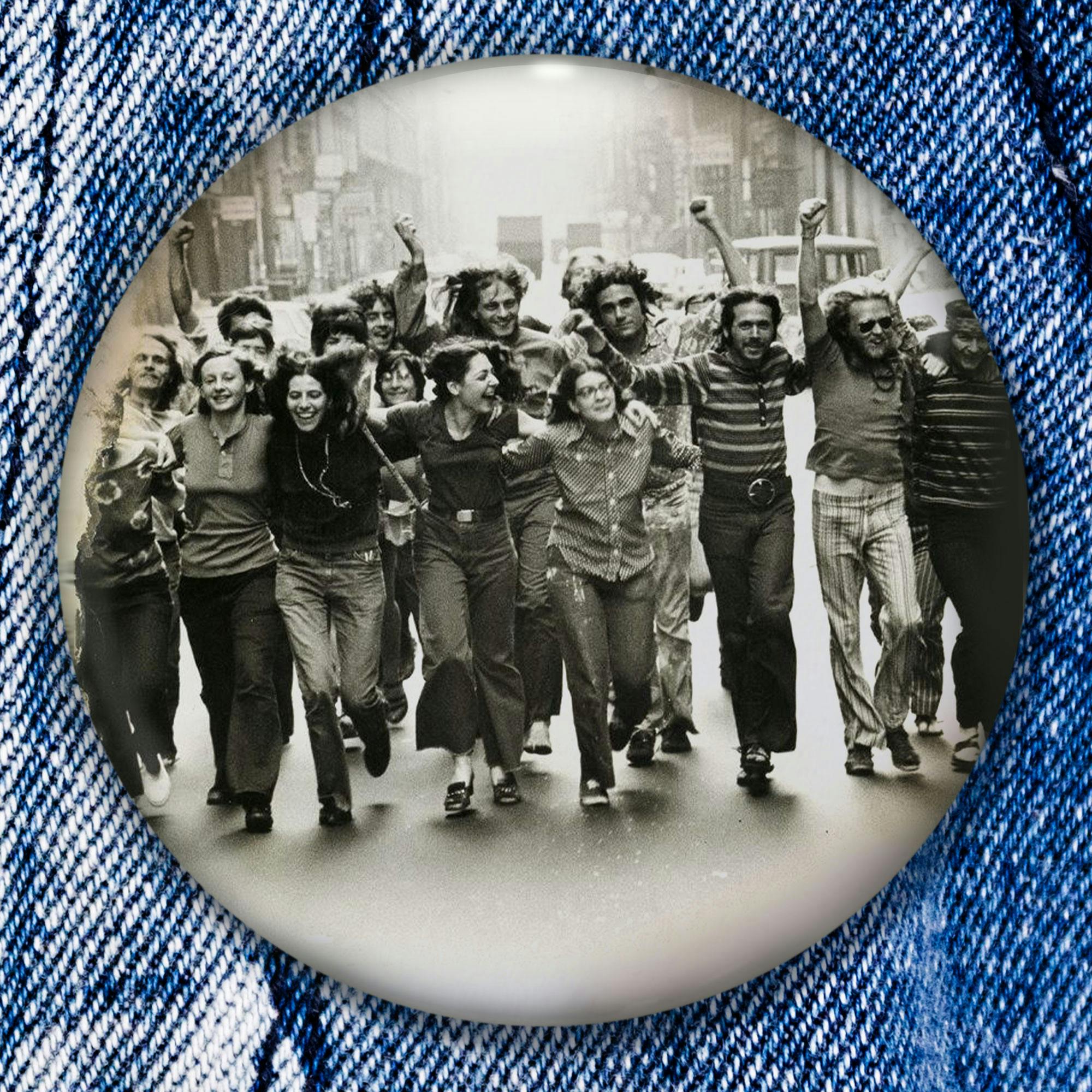
Coming of Age During the 1970s: Chapter 1: A Surge of Energy
The Stonewall uprising ignites an explosion of protests and organizing that transforms a small, often tentative homophile movement into a newly assertive national force that demands gay liberation and equality. In a Puerto Rico hotel pool, 12-year-old Eric experiences a transformation of his own.
Visit our episode webpage for additional resources, archival photos, and a transcript of the episode.

Coming of Age During the 1970s: Preview
The decade between Stonewall and the 1979 March on Washington lives in the shadow of the AIDS crisis and all that came after. In this six-part season, Eric Marcus explores the heady years of gay liberation and the backlash that followed against the backdrop of his own coming of age as a gay teen.
For exclusive Making Gay History bonus content, join our Patreon community.
———

Guest Episode: Sidedoor: Lucy Hicks Anderson
Known for her smashing parties, lighter-than-air soufflés, and comedic wit, Lucy Hicks Anderson never let anyone tell her how to live her life—not even the courts. When her gender was put on trial in the 1940s, the publicity around her case made her one the first documented Black transgender figures in American history.
Find more Sidedoor episodes at si.edu/sidedoor or wherever you get your podcas

Bonus: A Complicated Love Story
Wait, THAT Harvey? When activist Craig Rodwell told Eric in 1989 who his first serious boyfriend had been, Eric was stunned. In our special Valentine’s Day episode, hear how love unfolded—and unraveled—for two of our movement’s titans.
This episode discusses a suicide attempt. If you’re having thoughts of suicide, please contact your country’s suicide prevention hotline. In the U.S., that’s the Su

Season 11: Episode 6: Kathleen Boatwright
When Kathleen Boatwright fell in love with a woman at church, she fell hard. But this was no carefree romance. The church was staunchly anti-gay. Kathleen was married to a man and had four children. She’d never had a relationship with a woman. As she told Eric in 1989, it was “Pentecostal hysteria.”
Visit our episode webpage for background information, archival photos, and other resources, as well

Season 11: Episode 5: Robert Bauman
In 1980, conservative congressman Robert Bauman was caught soliciting sex from a 16-year-old boy. The scandal landed the married father of four on the front page of newspapers across the country. It spelled the end of his political career—and the start of a years-long journey toward self-acceptance.
Visit our episode webpage for background information, archival photos, and other resources, as well

Season 11: Episode 4: Urvashi Vaid
Indian-born activist and lawyer Urvashi Vaid was fiercely attuned to injustice from an early age. Adamant that the fight for LGBTQ equality cannot be separated from other progressive struggles, she became one of the most influential, outspoken, and inspiring movement leaders in recent history.
Visit our episode webpage for background information, archival photos, and other resources, as well as a
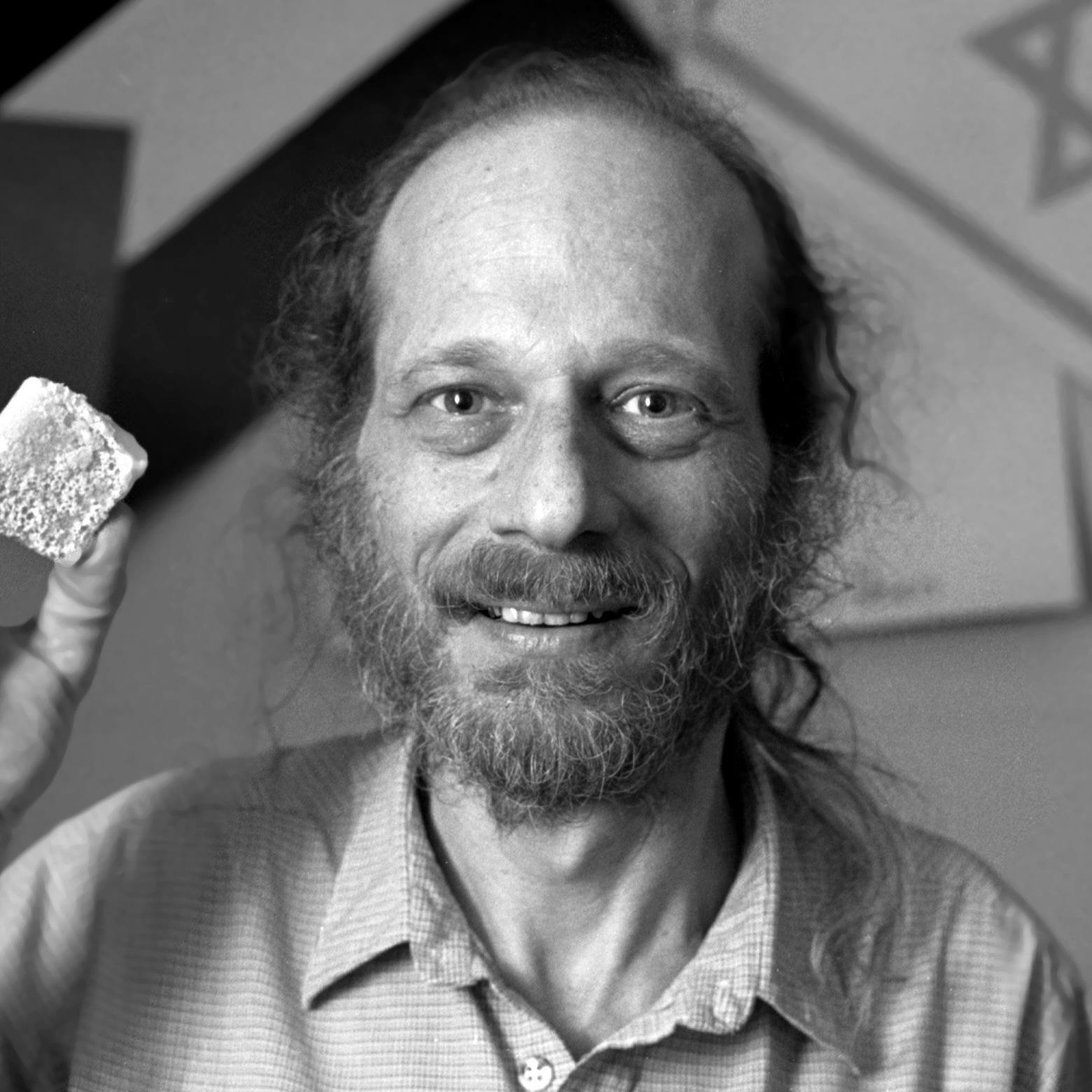
Season 11: Episode 3: Faygele Ben-Miriam
In 1972, Faygele Ben-Miriam’s penchant for wearing dresses to the office got him fired from his government job in Seattle. The fact that he had recently brought one of the very first same-sex marriage lawsuits was another strike against him. Undeterred, he went back to court and sued his employer.
Heads-up: The interview featured in this episode was conducted in 1989. You’ll hear Faygele Ben-Miria

Season 11: Episode 2: Rev. Carolyn Mobley-Bowie
Growing up in the segregated South, Rev. Carolyn Mobley-Bowie knew the challenge of finding an accepting place in the world—a challenge that only grew when her attraction to women came into conflict with her devotion to God. The predominantly gay Metropolitan Community Church offered refuge.
Visit our episode webpage for background information, archival photos, and other resources, as well as a tr
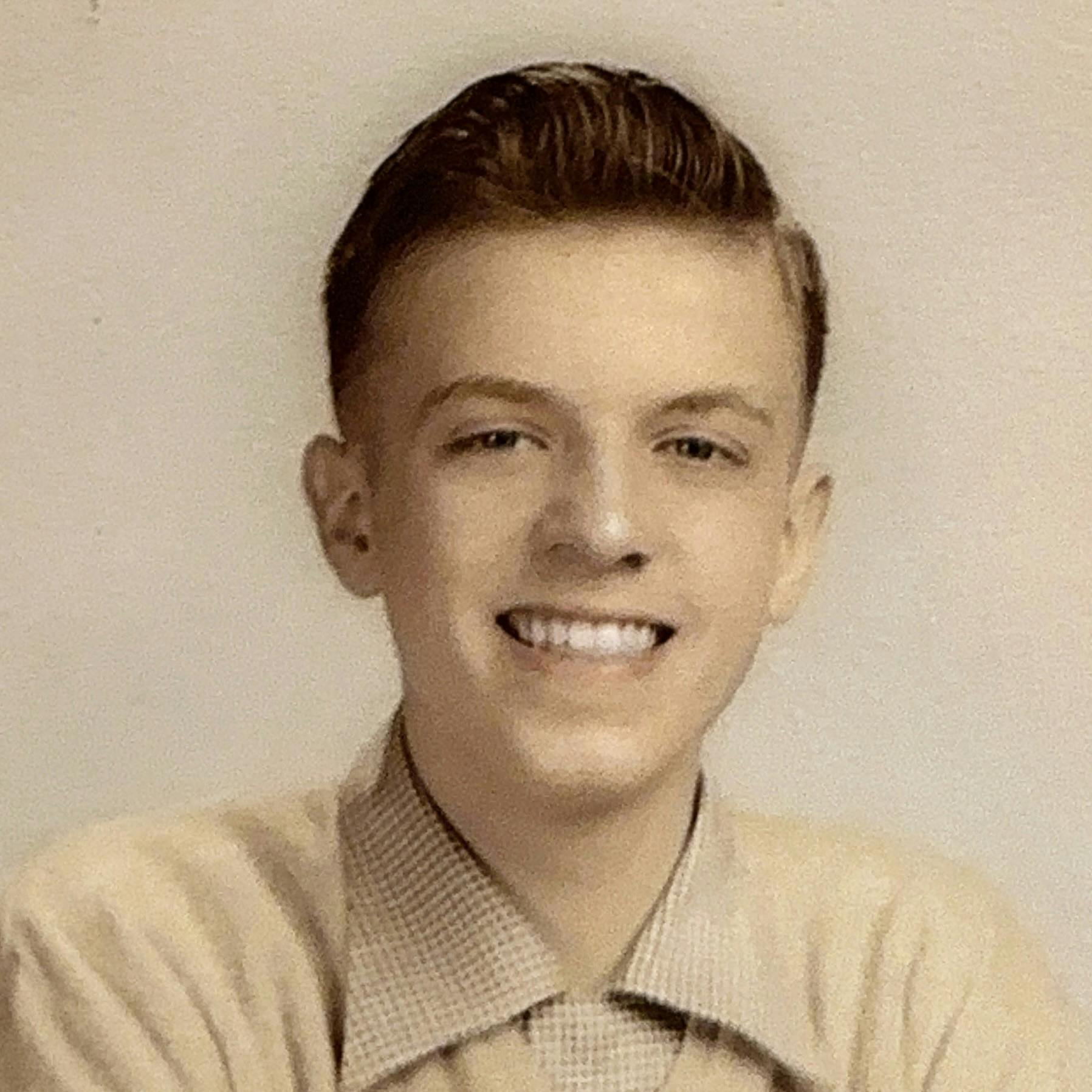
Season 11: Episode 1: Craig Rodwell
In 1954, Craig Rodwell was just 14 when he was arrested for having sex with a man. The experience set the young Chicagoan on the road to becoming a self-described “angry queer”— and one of the most consequential LGBTQ rights activists before and after Stonewall.
Visit our episode webpage for background information, archival photos, and other resources, as well as a transcript of the episode.
For e

Season 11: Preview
We’re back with more engaging voices from Eric Marcus’s MGH archive! Meet six history makers as they share stories of faith and redemption, of family, of scandal, and of radicalization and liberation.
For exclusive Making Gay History bonus content, join our Patreon community.
———

Guest Episode: Revisionist History: When Will Met Grace
This special guest episode is from Revisionist History, Malcolm Gladwell’s podcast about things misunderstood and overlooked. Gladwell does a deep dive into the ’90s sitcom Will and Grace, which was quietly revolutionary in changing our collective beliefs around gay people and marriage equality. The episode also looks at how television’s ability to change public opinion has faded with the rise of

Rewind: Stonewall 50: Episode 4: Live from Stonewall
What made Stonewall different? How can we carry the lessons of the uprising with us today? Eric is joined by one archivist and four activists to answer those questions in an intergenerational conversation recorded at the Stonewall Inn on May 23, 2019.
First aired June 27, 2019. Visit the episode webpage for background information, archival photos, and other resources, as well as the episode’s tra

Rewind: Stonewall 50: Episode 3: “Say It Loud! Gay & Proud!”
Like so many other acts of LGBTQ resistance, the 1969 Stonewall riots could have become a footnote in history. But the protests and organizing that followed launched a new phase in the fight for LGBTQ rights. Hear how anger found its voice and how joy propelled the first Pride marches.
First aired June 20, 2019. Visit the episode webpage for background information, archival photos, and other reso

Rewind: Stonewall 50: Episode 2: "Everything Clicked… And the Riot Was On"
The Stonewall uprising began in the early morning hours of June 28, 1969. Revisit that moment, and the hours and days that followed, with voices from the Making Gay History archive. Relive in vivid detail the dawning of a new chapter in the fight for LGBTQ rights.
First aired June 13, 2019. Visit the episode webpage for background information, archival photos, and other resources, as well the epi

Rewind: Stonewall 50: Episode 1: Prelude to a Riot
Conflict has context. In this first episode of Making Gay History’s Stonewall season, we hear stories from the pre-Stonewall struggle for LGBTQ rights. We travel back in time to the turbulent 1960s and take you to the tinderbox that was Greenwich Village on the eve of an uprising.
First aired June 6, 2019. Visit our episode webpage for background information, archival photos, and other resources,
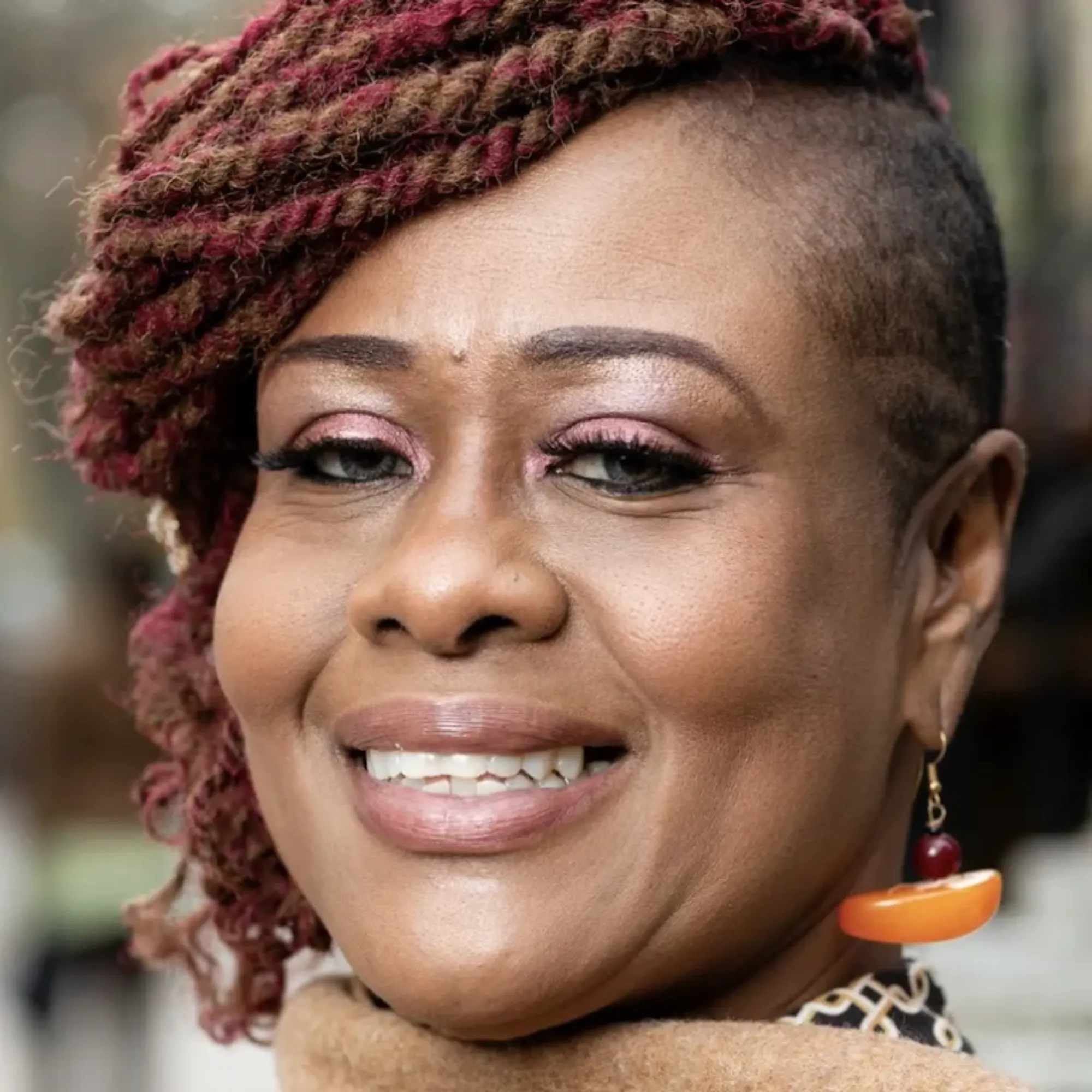
Season 10: Episode 6: Michelle Lopez
Women can’t get AIDS—or so Michelle Lopez thought until she tested positive for HIV in 1990. Viable treatments were years away, but the undocumented immigrant from Trinidad would not be defeated. She turned her diagnosis into an opportunity to help others while she fought for her life.
Visit our episode webpage for background information, archival photos, and other resources, as well as a transcr
Guest Episode: LGBTQ&A: Peter Staley: ACT UP Changed the World — Here’s How
As a complement to our episode featuring Ann Northrop, meet Peter Staley, another seminal member of ACT UP, in this 2021 interview courtesy of the LGBTQ&A podcast, hosted by Jeffrey Masters and produced by The Advocate in partnership with GLAAD.
Listen to the LGBTQ&A podcast here or wherever you get your podcasts.
———
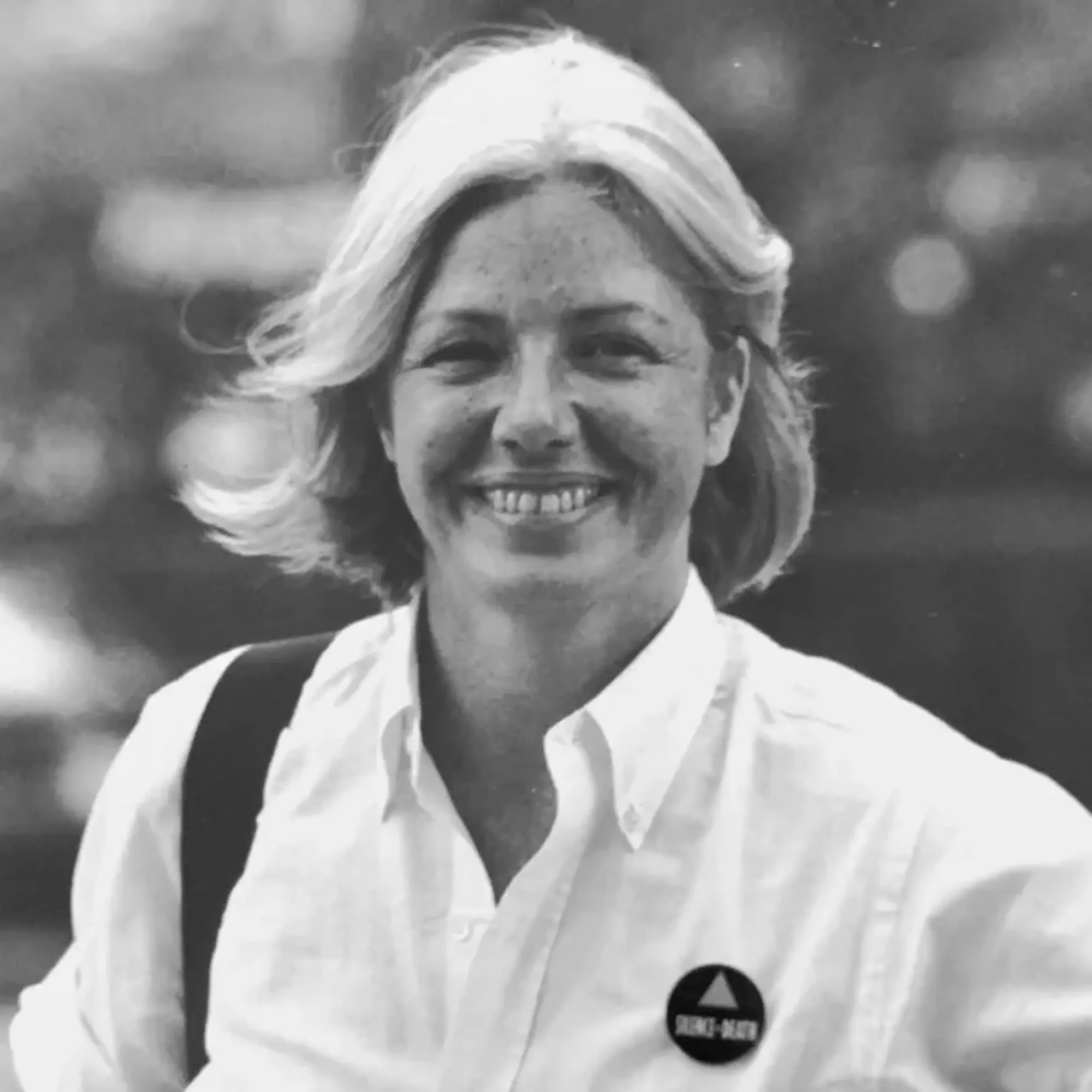
Season 10: Episode 5: Ann Northrop
Fierce and unflappable, veteran journalist Ann Northrop is a natural activist. In this episode, she discusses her most dramatic ACT UP arrest, her work as an AIDS education advocate, her blue-blooded upbringing, and the lure of Angie Dickinson.
Visit our episode webpage for background information, archival photos, and other resources, as well as a transcript of the episode.
For exclusive Making

Season 10: Episode 4: Randy Boyd
Randy Boyd’s “gay agenda” was to be radically open about who he was: a gay, HIV-positive writer—not the straight professional athlete he was always assumed to be. Determined to blow up stereotypes about Black people, gay people, and people living with HIV, he had his work cut out for him.
Visit our episode webpage for background information, archival photos, and other resources, as well as a tra
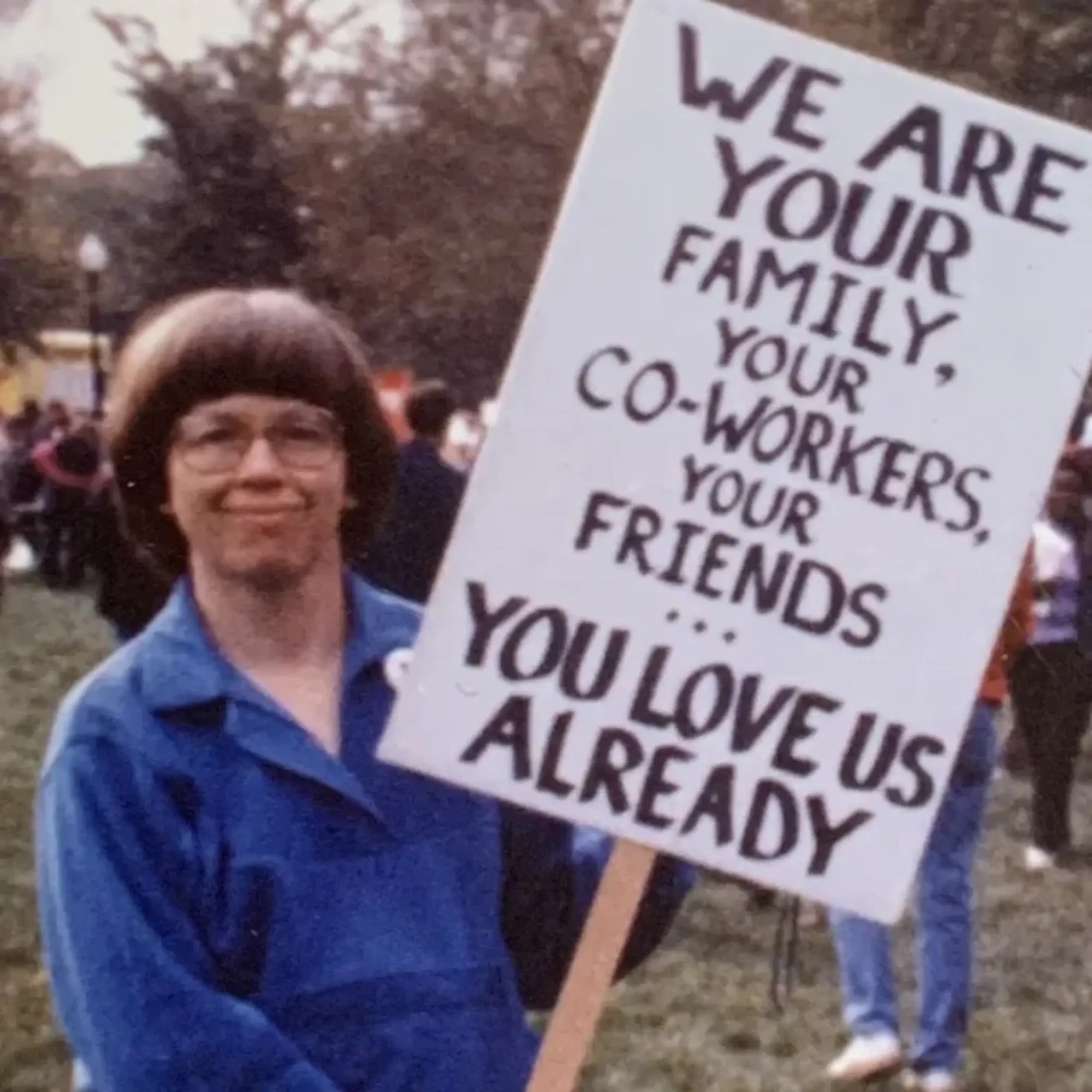
Season 10: Episode 3: Sara Boesser
From her home in Juneau, Alaska, Sara Boesser watched with alarm as the AIDS epidemic rolled across the lower 48 states, threatening lives and hard-won gay rights. The soft-spoken building inspector decided there was no time to waste. She became an activist and got to organizing.
Visit our episode webpage for background information, archival photos, and other resources, as well as a transcript of
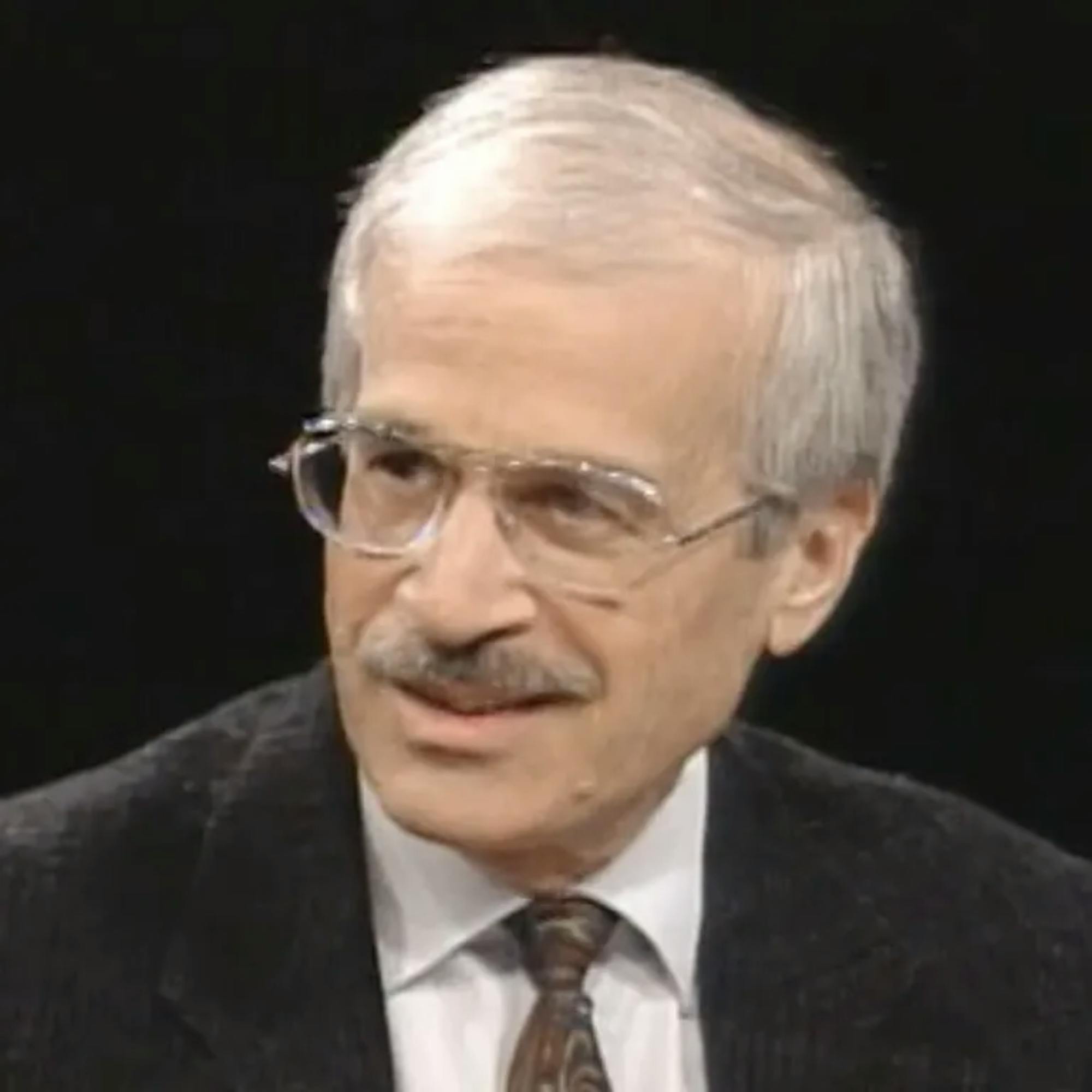
Season 10: Episode 2: Dr. Ronald Grossman
Dr. Ronald Grossman treated his first AIDS patient before the disease even had a name. But with a New York City practice serving predominantly gay men, he would soon become an expert on the disease. By the time life-saving treatments became available, hundreds of his patients had died.
Visit our episode webpage for background information, archival photos, and other resources, as well as a transcr
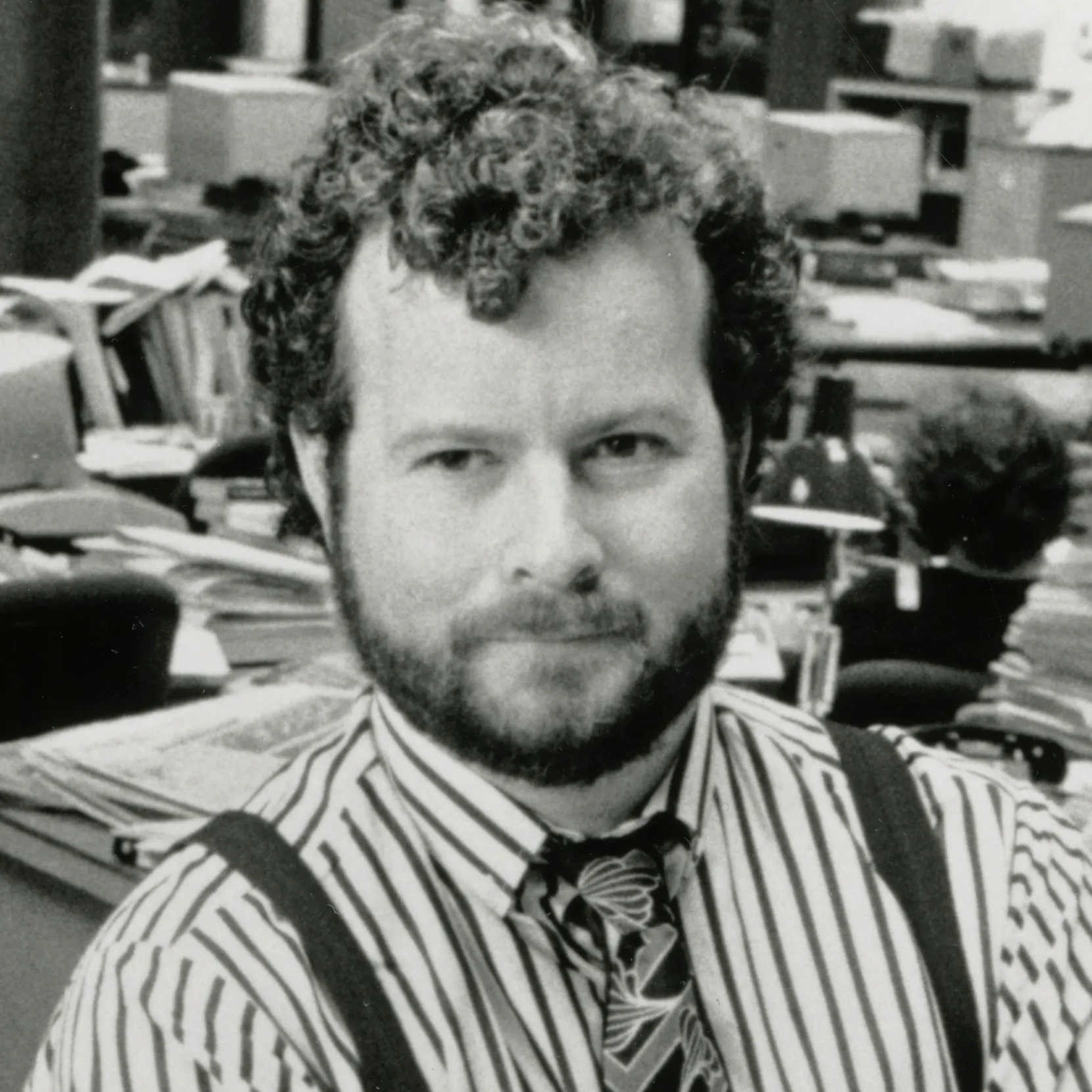
Season 10: Episode 1: Randy Shilts
Out gay journalist Randy Shilts desperately wanted to work for a big-city newspaper. No one wanted him. But reporting on the AIDS crisis brought him the success and fame he craved—and more than a little controversy.
Visit our episode webpage for background information, archival photos, and other resources, as well as a transcript of the episode.
For exclusive Making Gay History bonus content, jo

Season 10: Preview
We’re back with more stories from the AIDS crisis. Hear Eric Marcus in conversation with six people whose lives and activism were transformed by the AIDS epidemic in the 1980s and beyond.
For exclusive Making Gay History bonus content, join our Patreon community.
———
Introducing: We Were Always Here: They Weren't Us
Marc Thomson was just getting his footing as a young Black gay man in South East London when AIDS hit. Hear his story as he introduces us to people whose experiences have often been overlooked, including trans people, sex workers, and people of color.
Listen to the entire series here or wherever you get your podcasts.
———
Introducing: The Log Books: "Please Be Gentle"
In commemoration of World AIDS Day, MGH host Eric Marcus introduces a poignant episode about the early years of the AIDS crisis from The Log Books, an award-winning documentary podcast that tells untold stories from Britain’s LGBTQ history.
Subscribe to The Log Books wherever you get your podcasts, or visit www.thelogbooks.org.
———
Coming of Age During the AIDS Crisis: Chapter 6: Making History
Being HIV+ was a virtual death sentence. So why get tested? But by 1988 there is a promising, if toxic, drug shown to extend life. Eric and Barry schedule their first test just as Eric starts work on his oral history book about the gay and lesbian civil rights movement.
Visit our episode webpage for background information, archival photos, and other resources.
For exclusive Making Gay History bo
Coming of Age During the AIDS Crisis: Chapter 5: In or Out
“You’re doing too many stories on AIDS.” The word had come down from on high at CBS This Morning. Eric didn’t want anyone to think he was biased, but as the only out gay person on the production staff, he felt an obligation to cover the growing epidemic.
Visit our episode webpage for background information, archival photos, and other resources.
For exclusive Making Gay History bonus content, joi
Coming of Age During the AIDS Crisis: Chapter 4: Complications of AIDS
“I hope you both die of AIDS,” the young man in the pickup truck yells at Eric and Barry as they wait for the light to change while on a run in Central Park. By 1985, the AIDS crisis has arrived on their doorstep.
Visit our episode webpage for background information, archival photos, and other resources.
For exclusive Making Gay History bonus content, join our Patreon community.
———
Coming of Age During the AIDS Crisis: Chapter 3: 318 West 22nd Street
A straight drug addict. A gay waiter on a ventilator. Eric is confronted with the reality of AIDS when he volunteers for the Gay Men’s Health Crisis. Decades later, he speaks with his client’s widow, for whom AIDS is a daily reality.
Visit our episode webpage for background information, archival photos, and other resources.
For exclusive Making Gay History bonus content, join our Patreon commun
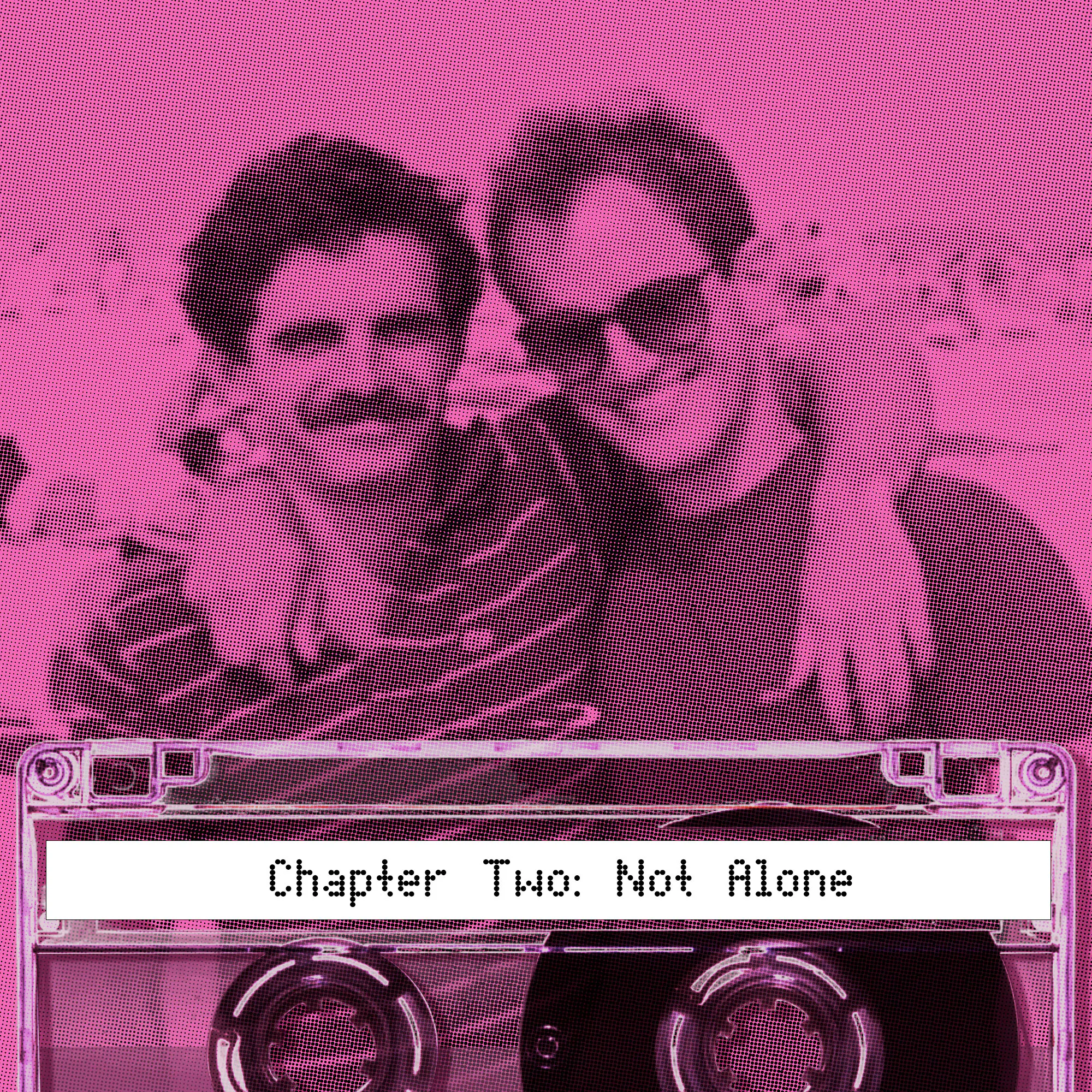
Coming of Age During the AIDS Crisis: Chapter 2: Not Alone
Even as the epidemic spreads, a rousing AIDS fundraiser at the circus, a new boyfriend, and journalism school combine to bring joy, a sense of community, and purpose into Eric’s life.
Visit our episode webpage for background information, archival photos, and other resources.
For exclusive Making Gay History bonus content, join our Patreon community.
———
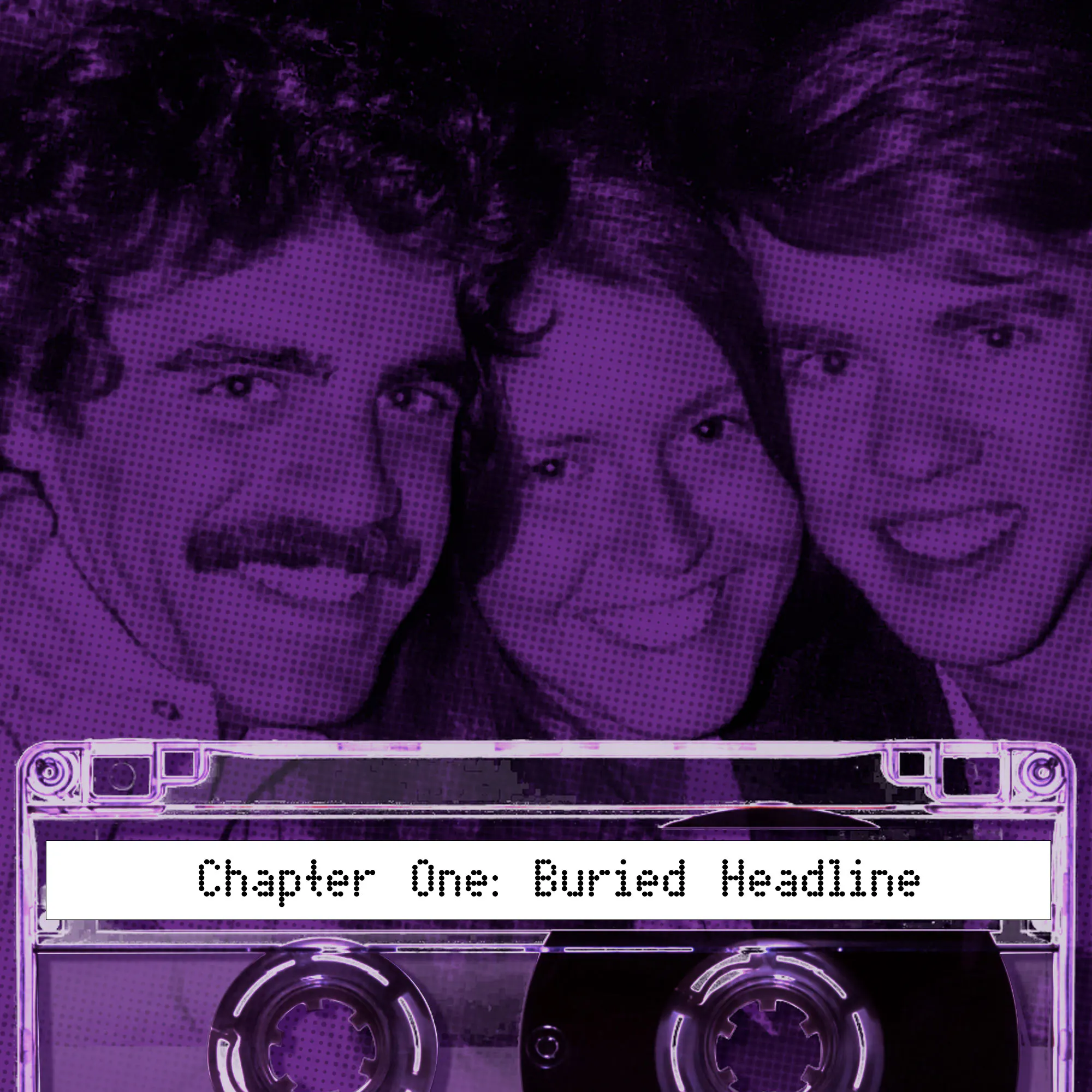
Coming of Age During the AIDS Crisis: Chapter 1: Buried Headline
“Rare Cancer Seen in 41 Homosexuals,” said the New York Times headline on July 3, 1981. It was the first time Eric Marcus read about what came to be known as AIDS. Nothing for me to worry about, he decided, and turned the page.
Visit our episode webpage for background information, archival photos, and other resources.
For exclusive Making Gay History bonus content, join our Patreon community.
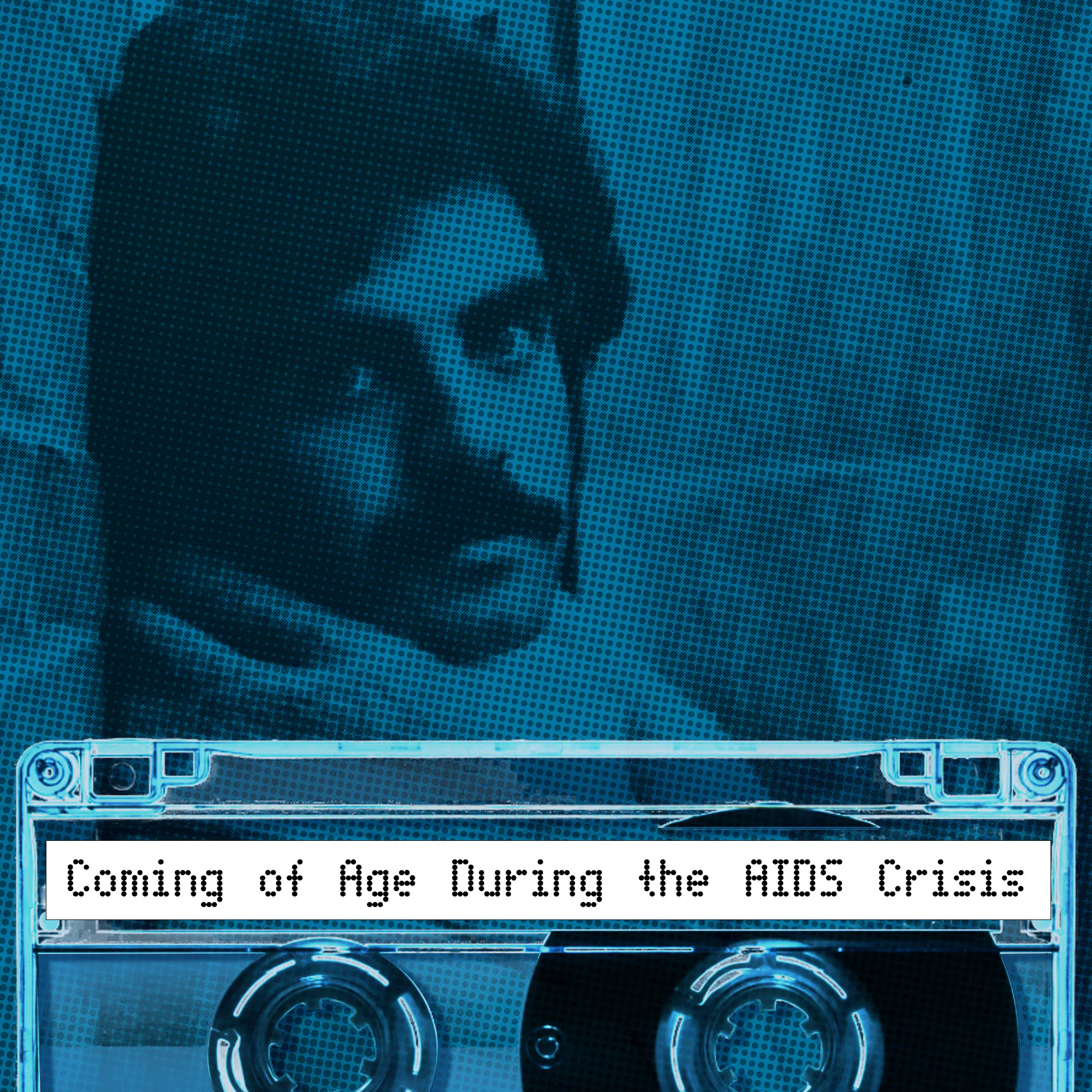
Coming of Age During the AIDS Crisis: Preview
AIDS first made national news 40 years ago. MGH host Eric Marcus was 22 at the time, a gay kid in search of love and a career in New York City. In this six-part audio memoir, Eric explores his memories of the early years of the epidemic and reconnects with people whose lives intersected with his.
For exclusive Making Gay History bonus content, join our Patreon community.
———
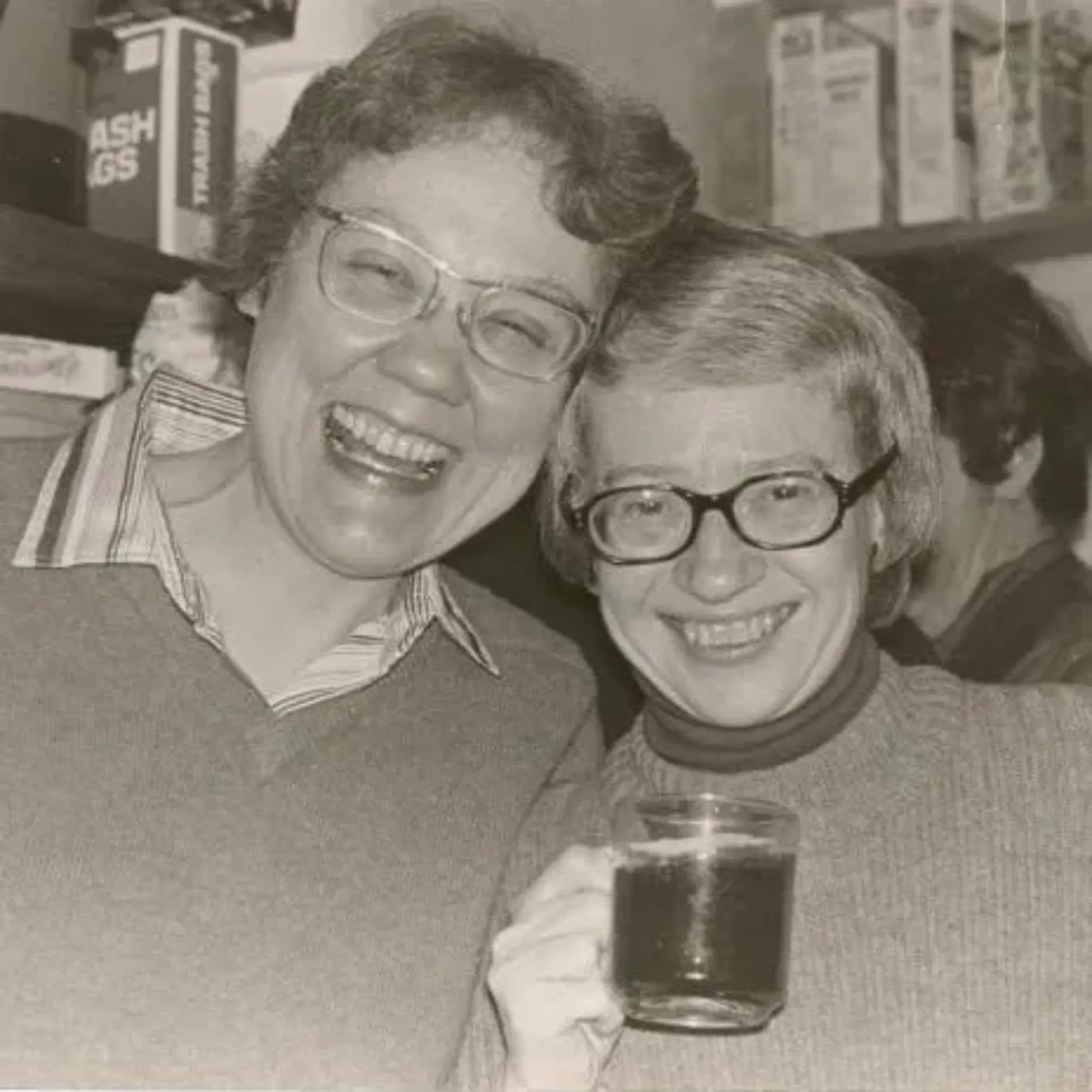
Bonus: Remembering Kay Lahusen
In memoriam: Kay Lahusen, January 5, 1930 - May 26, 2021. Kay was a monumental figure in the LGBTQ civil rights movement. From the earliest homophile protests to gay liberation and beyond, she never stopped fighting for equality—with Barbara Gittings, her partner in life and activism, by her side.
Visit our episode webpage for the episode transcript and for links to background information, archiv
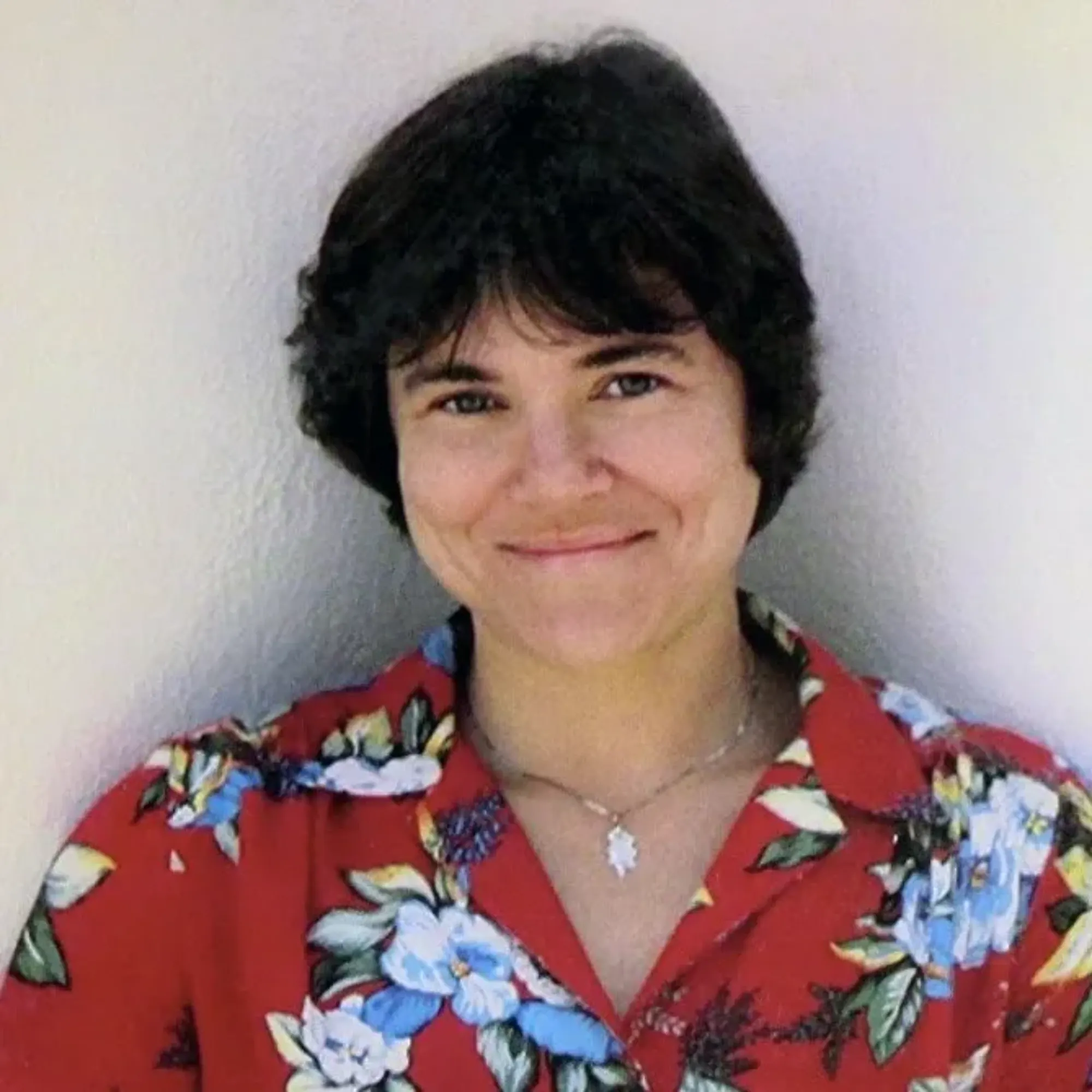
MGH & Studs Terkel: Episode 8: Meg Christian
Olivia Records cofounder Meg Christian helped ignite the women’s music movement of the 1970s with lesbian classics like “Ode to a Gym Teacher.” Meet Meg, in song and conversation, in our final episode drawn from the Studs Terkel Radio Archive.
Visit our episode webpage for background information, archival photos, and other resources.
For exclusive Making Gay History bonus content, join our Pat

MGH & Studs Terkel: Episode 7: Leonard Matlovich
When Leonard Matlovich was thrown out of the Air Force for being gay, he sued for reinstatement. It was 1975 and it was the first case of its kind. Hear the LGBTQ rights pioneer—and startlingly frank one-time racist—in conversation with Studs Terkel.
Visit our episode webpage for background information, archival photos, and other resources.
For exclusive Making Gay History bonus content, join ou

MGH & Studs Terkel: Episode 6: Jill Johnston
Sparks flew when radical lesbian feminist Jill Johnston sat down for an interview with Studs Terkel in 1973. Jill had just published a controversial manifesto called “Lesbian Nation,” which advocated that women break with men entirely. It was provocative stuff—even for the usually unflappable Studs.
Visit our episode webpage for background information, archival photos, and other resources.
For e

MGH & Studs Terkel: Episode 5: Mattachine Midwest
A half-century ago, Studs Terkel interviewed three members of the homophile group Mattachine Midwest: the organization’s president, a student activist, and lesbian pulp author Valerie Taylor. Join them for a wide-ranging and laugh-filled conversation about gay liberation both personal and political.
Visit our episode webpage for background information, archival photos, and other resources.
For e
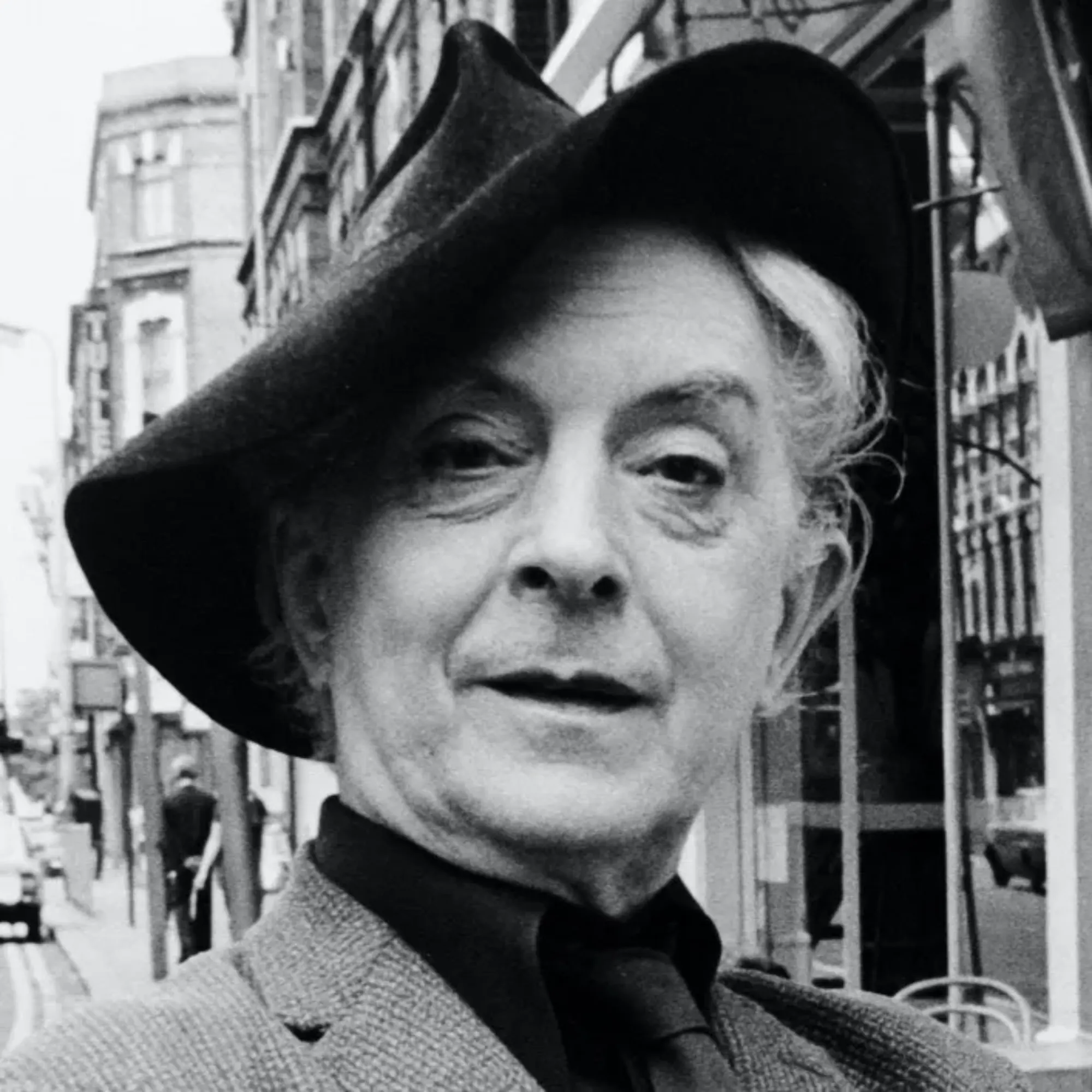
MGH & Studs Terkel: Episode 4: Quentin Crisp
From a young age, Quentin Crisp was determined to be himself—makeup, painted nails, dramatically dyed hair, and all—even if it consigned him to a life of poverty and isolation. Hear the author, raconteur, and provocateur in a 1970 conversation with Studs Terkel before he found late-in-life fame.
Visit our episode webpage for background information, archival photos, and other resources.
For exclu

MGH & Studs Terkel: Episode 3: "Les-Lee"
Canadian female impersonator John Falk Tomkinson appeared around the globe under the stage name Les-Lee for over three decades. In 1967 Studs Terkel interviewed the performer to talk about his art and upbringing, and his experiences of being “different.”
Visit our episode webpage for background information, archival photos, and other resources.
For exclusive Making Gay History bonus content, j
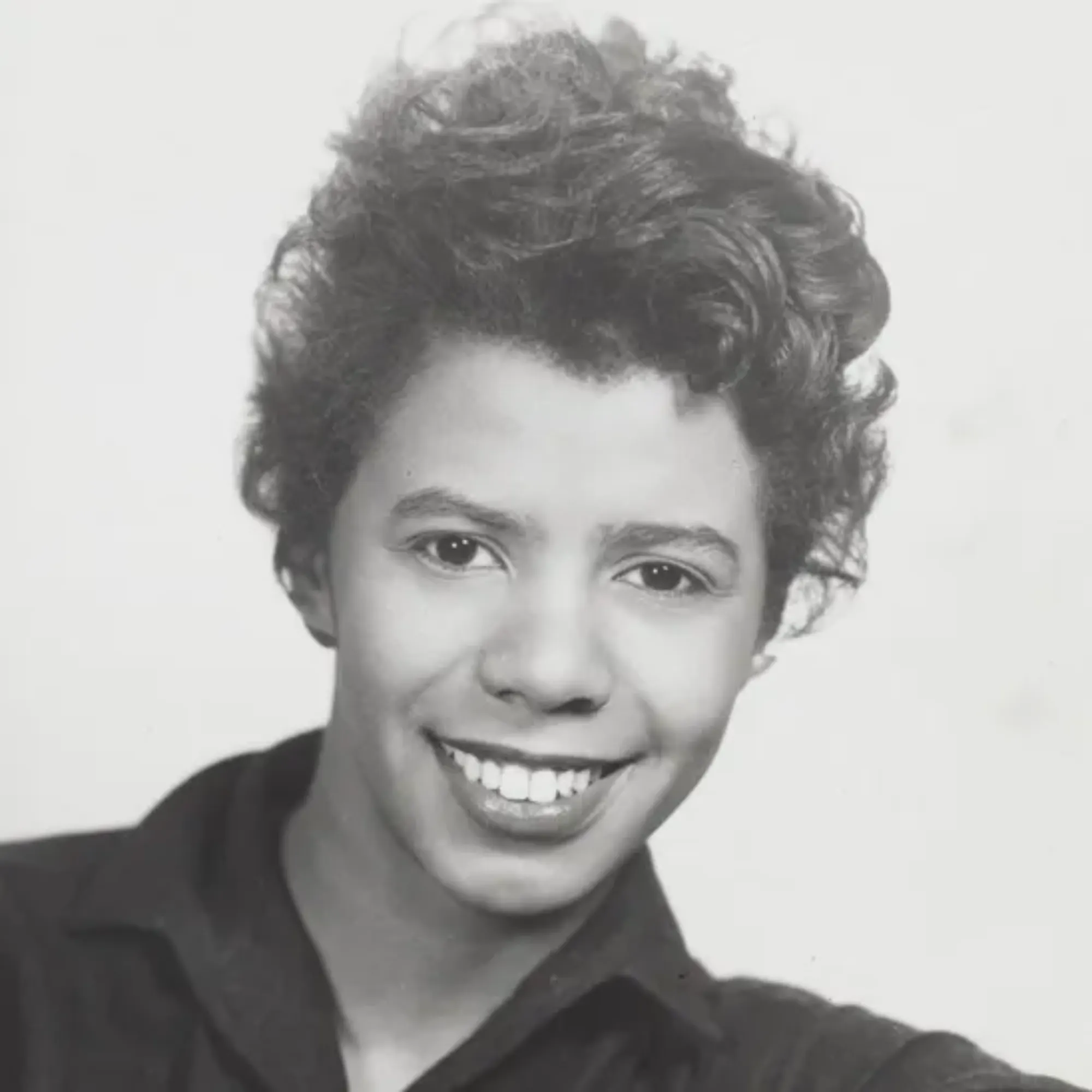
MGH & Studs Terkel: Episode 2: Lorraine Hansberry
In 1959 Lorraine Hansberry became the first Black woman to have a play produced on Broadway. Soon after "A Raisin in the Sun" made history, the 28-year-old writer and activist talked to Studs Terkel about racial and gender inequity and the role of art in confronting difficult truths about our world.
Visit our episode webpage for background information, archival photos, and other resources.
For e
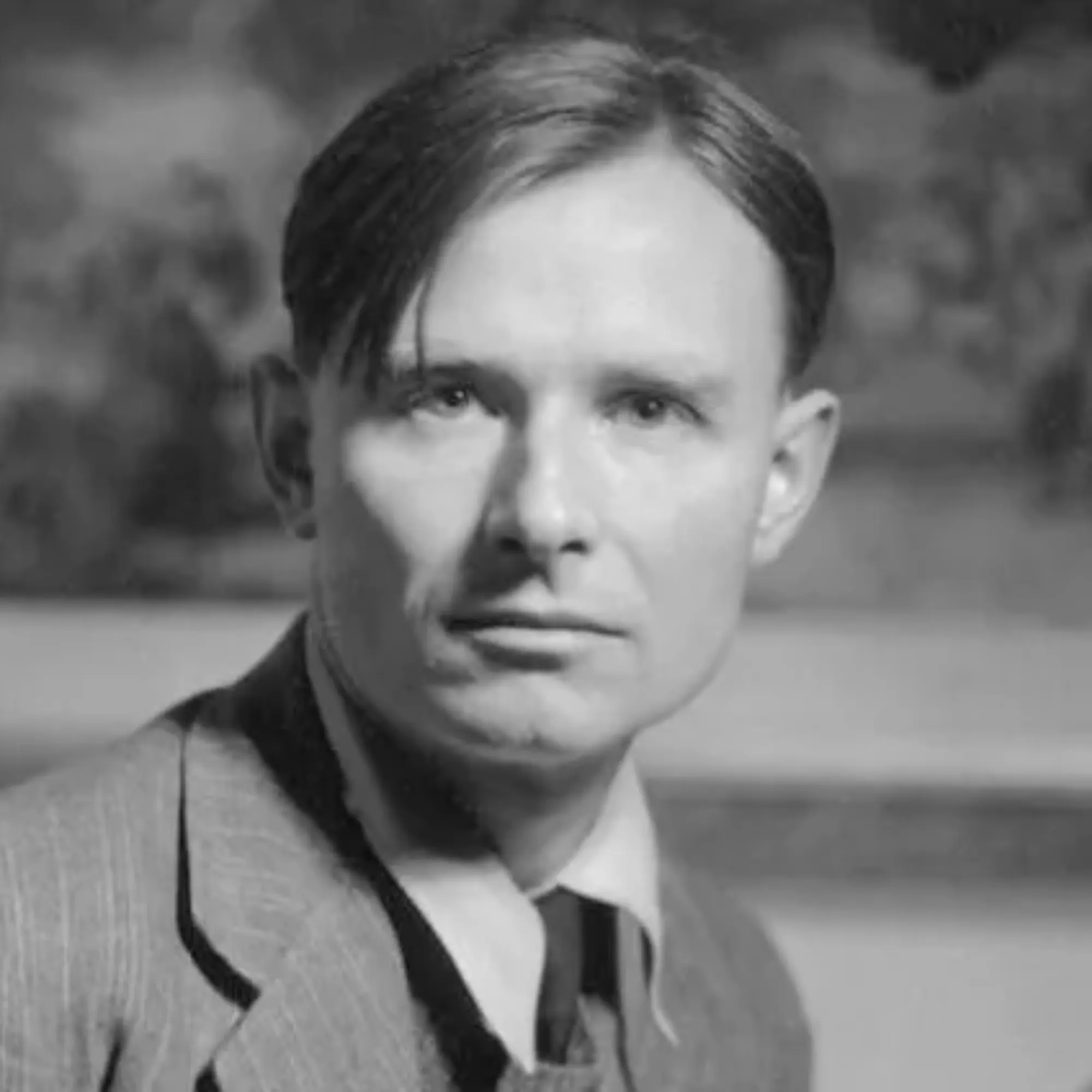
MGH & Studs Terkel: Episode 1: Christopher Isherwood
Author Christopher Isherwood left England for Germany in 1929. His stories about his years there inspired the musical "Cabaret," which shaped the image of decadent interwar Berlin in the popular imagination. But as he told Studs Terkel in this 1977 interview, to him, Berlin meant, above all, boys.
Visit our episode webpage for background information, archival photos, and other resources.
For exc
Recommended

Fox news

K-Drama Obsessed Mamas | Beyond “Just One More Episode!”

True Crime Classics
The Healer Revolution

Becoming: HER with Nikki Spoelstra
Booked, Blonde & Busy w/ Olivia Ponton

McKinsey on Consumer and Retail

megahired.com

Hard Knocks Podcast

Effective Weight Loss for Moms | High protein, Strength Training, Lose Weight, Meal Planning, Fat Loss, Healthy Habits

The Human-Animal Connection - Pet Life Radio Original

Infinite Health with Dr. Arasi Maran
