
Horns of a Dilemma
Brought to you by the Texas National Security Review, this podcast features lectures, interviews, and panel discussions at The University of Texas at Austin.
Episodes

Was George H. W. Bush Truly a Realist? Understanding His Approach to International Diplomacy
We welcome Dr. Samuel Helfont to examine the foreign policy legacy of President George H. W. Bush. Conventional wisdom often frames Bush 41 as the quintessential realist practitioner. However, in his recent TNSR article, "Liberal Internationalism Forgotten: Myth and Memory in the Legacy of George H. W. Bush," Dr. Helfont directly challenges this narrative. Drawing from archival records, National S

Taiwan and North Korea as Linked Flashpoints in US-China Relations
As high-level meetings between Donald Trump and Xi Jinping keep regional security front and center, how do Taiwan and North Korea connect within China's broader strategic calculus? In this episode, we sit down with Dr. Shuxian Luo to examine the concept of "issue linkage" connecting two of East Asia's most sensitive security flashpoints. Drawing from primary Chinese-language sources, authoritati

Sviatlana Tsikhanouskaya's Battle for Belarus
Recorded at the Aspen Security Forum, TNSR Executive Editor Dr. Ryan Vest and Kennan Institute Director Dr. Michael Kimmage sit down with Sviatlana Tsikhanouskaya, President-elect of Belarus and head of the United Transitional Cabinet. Tsikhanouskaya details her transformation from a political outsider into the leader of the country's democratic forces following the contested 2020 presidential ele

China's Bid for Space Supremacy in the Middle East
We examine China's space diplomacy across the Middle East and North Africa with the authors of their recent Texas National Security Review article, "Choosing Orbits: China's Space Diplomacy in the Middle East." The discussion analyzes how regional states—specifically Egypt, the United Arab Emirates, and Iran—utilize space partnerships with Beijing to serve distinct domestic, economic, and securit

Virtuous Violence and the Psychology of Nuclear Escalation
In this episode, we speak with Paul Slovic, Rose McDermott, and Cmdr. Daniel R. Post about their recent TNSR article "When Our Minds Go Nuclear," arguing that nuclear strategy too often assumes rational, stable decision-making despite decades of psychological research on bounded rationality and bias. Drawing on survey experiments based on the Sagan and Valentino Iran war scenario, they discuss how

How the Soviet Collapse Shaped North Korea
We are joined by Dr. Benjamin R. Young to discuss his TNSR article, "Saving Socialism: What North Korea Learned from the Collapse of the Soviet Union." Dr. Young argues that the fall of the USSR profoundly influenced Pyongyang's grand strategy. Rather than embracing reform, he explains that North Korea interpreted the Soviet collapse as a failure of ideological fervor and leadership. He contends t

Deep Ocean Danger: Unveiling the Threats to Global Connectivity
This episode, we are joined by Charles Mok, author of the TNSR article "Toward Undersea Cable Resilience: The Case for Global Collaboration." He speaks on the rising pace of attacks on undersea cable infrastructure and why these vulnerabilities remain under-discussed despite carrying about 99% of intercontinental data. Mok explains how growing geopolitical tension, choke points, and greater depend

25 Years of the US-China Commission: Taiwan, Tech Competition, and Over-the-Horizon Risks
Twenty-five years after its founding, how has the US-China Economic and Security Review Commission shaped American strategic policy? In this episode, we feature a panel discussion examining the evolution of major power competition. Dr. Sheena Chestnut Greitens sits down with Randall Schriver (Chairman of the Board, Institute for Indo-Pacific Security) and Mike Kuiken (Distinguished Visiting Fellow

Iran's Nuclear Tightrope: Between Power and Peril
As the United States and Iran negotiate an end to recent hostilities, the strategic implications of Tehran's nuclear latency are more urgent than ever. In this episode of our podcast, Eric Brewer unpacks the realities of Iran as a nuclear threshold state. He argues that maintaining a threshold capability forces Tehran to walk a dangerous tightrope, balancing the perceived deterrence of adversaries

New Tech, Old Traps: The Persistent Pitfalls in Military Innovation
National security scholar Herbert S. Lin joins us to discuss his latest TNSR article, "On Optimism About New Military Technologies." Lin argues that political incentives and cognitive traps like the "fallacy of the last move" often blind planners to the complex, systemic realities of new capabilities. He also maps out the crucial distinction between artifactual hardware and architectural technolo

The Balance of Control and Vulnerability: Cyber and Nuclear Risks
Dr. Jacquelyn Schneider joins us to discuss her article, "Cyber Operations and Nuclear Stability: Networked Instability." Moving beyond Hollywood analogies and pop-culture fears, Schneider argues that common understandings of how cyber operations impact nuclear stability are often misguided. Throughout the conversation, she unpacks three specific pathways to escalation—deliberate, inadvertent, and

Challenges and Opportunities for AI in Military Systems
Michael Horowitz discusses his recent TNSR article, "Artificial Intelligence and the Future of Strategic Stability." We tackle misconceptions about AI, how militaries have long used algorithms, and why use cases and data matter—especially when nuclear applications rely on simulated data. He examines human-machine teaming, automation bias and algorithm aversion, and risks from faster, "machine-spee

Beyond the Hype: The Reality of Precision-Strike Weapons in Ukraine
Cameron Tracy joins to discuss his TNSR article on "technological surprise" and "normalization through use" in the Russo-Ukrainian war. He explains how forecasting about warfare often overweights extreme scenarios and is reinforced by professional and organizational incentives, producing hype with little accountability. We discuss drones, Russia's failure to gain air superiority, and four case stu

Psychological Biases in the Era of Nuclear Weapons and AI
Political psychologist Rose McDermott discusses her article on how systematic judgment biases can undermine nuclear deterrence and strategic stability, especially under emerging technologies like AI. McDermott explains Kahneman's Type 1 (fast, intuitive) versus Type 2 (slow, analytical) thinking and how four biases—overconfidence, the planning fallacy, the illusion of validity, and the prominence

Understanding Schelling's Nuclear Paradigms with Francis J. Gavin
Francis J. Gavin, chair of the TNSR editorial board, joins us to discuss his article, "Strategic Stability and Its Limits: Reflections on Schelling." Gavin explains why Thomas Schelling remains foundational to nuclear strategy despite being an economist, and argues that "strategic stability" is often invoked without clear definition. He highlights tensions between mutual vulnerability and US exten

Strategic Stability in a Rapidly Changing World
Harold Trinkunas, the Deputy Director of the Center for International Security and Cooperation, and a senior research scholar at the Freeman Spogli Institute for International Studies at Stanford University, recently helped assemble our special issue on emerging technologies and strategic stability. In this episode, he previews the issue by explaining how Cold War deterrence assumptions rooted in

A Dystopian Take on Rising Authoritarianism and Resistance
Melissa Chan joins to discuss her career reporting across Asia and why she pivoted from journalism to co-creating the graphic novel "You Must Take Part In Revolution" with activist-artist Badiucao. We discuss the book's visual style (Chinese watercolor influences, Frank Miller's Sin City palette, and manga elements), the subversive Mao-derived title, and a near-future plot spanning Hong Kong to a

Navigating a World Adrift with Shivshankar Menon
We host Shivshankar Menon to discuss his recent article, "A New World Order? Be Careful What You Wish For." Menon, the former national security advisor to the Indian prime minister, examines the historical rarity of stable world orders and the dangers of contemporary nostalgia for a perceived "golden age" of stability. The conversation explores the tension between a globalized economy and fragmen

The Principle of Distinction in the Autonomous Age
Nathan Wood, author of "Bombs, Bots, and the Principle of Distinction: The Law of Armed Conflict and Contemporary Warfare," speaks on the principle of distinction in an age of autonomous warfare. He argues that while some concerns about these technologies are valid, we must move beyond general debates to address the specific legal and operational realities of concrete systems. Our conversation exp
Ensuring US Military Readiness in the Indo-Pacific
Eyck Freymann and Harry Halem, co-authors of "The Arsenal of Democracy: Keeping China Deterred in an Age of Hard Choices," join us to cover a range of topics, including US–China military balance, defense procurement, and the critical need for aligned industrial capacity, technological R&D, and military doctrine. Through historical models, potential reforms, and the importance of logistics and inn
US Military Primacy and Alliance Resilience
We speak with Bence Nemeth from King's College London about his article, "How a US 'Suez Moment' Could Hollow the US Alliance System." The discussion covers the historical context, theoretical framework, and potential scenarios that could unfold if US military primacy were to decline. Hosts: Sheena Chestnut Greitens and Ryan Vest Producer: Jordan Morning

Conventional Options Theory in the New Nuclear Era
Tyler Bowen from the US Naval War College joins us to discuss his recent TNSR article "Threading the Needle: The Logic of Conventional Coercion in Nuclear Crises." We discuss the renewed interest in nuclear deterrence given recent global security developments such as Russia's war in Ukraine and China's nuclear expansion. The conversation also explores the challenges and frameworks, particularly Bo
The Art and Science of Grand Strategy
Dr. Marina Henke, a professor at the Hertie School in Berlin and visiting professor at SAIS Johns Hopkins, discusses the motivations for writing her article "Best Practices in Grand Strategy Design," inspired by Germany's strategic reorientation post-Russia's invasion of Ukraine. She delves into the definition of grand strategy, its critical components, real-world applications, and the importance
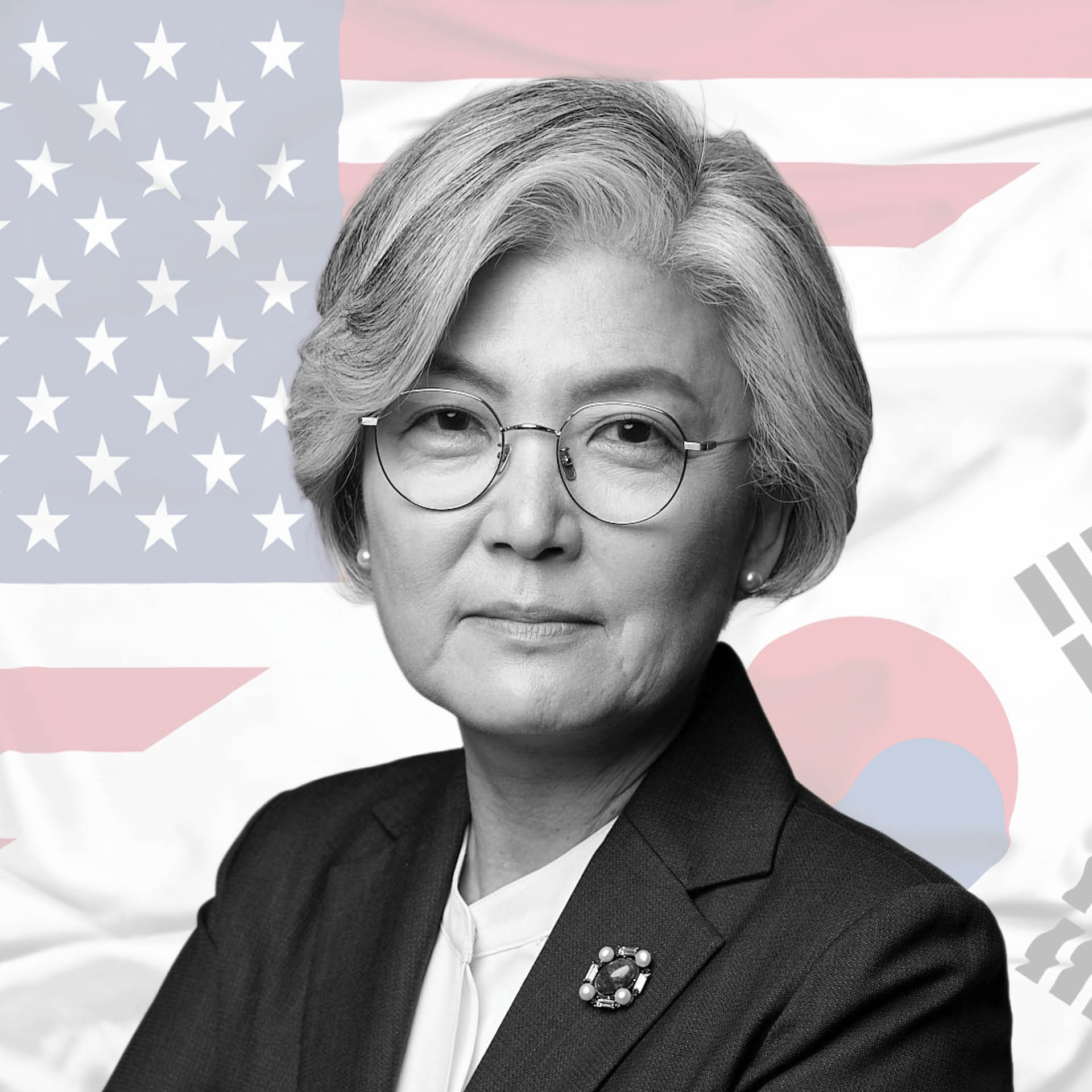
Trade, Technology, & the US–Korea Alliance: A Conversation with Ambassador Kang
Sheena Chestnut Greitens sat down with Ambassador Kang Kyung-wha, the Republic of Korea's ambassador to the United States. Recorded before a live audience at The University of Texas at Austin on December 3, the conversation explores the deepening alignment between Seoul and Washington. Ambassador Kang and Dr. Greitens discuss the implementation of the recent $350 billion Korean government-led inve

The Democratization of Violence in the Greater Middle East
Dr. Carter Malkasian joins us to explore how the "democratization of violence"—driven by the availability of assault rifles and explosives—empowered non-state actors and challenged state authority throughout the Cold War. The conversation also addresses the role of Islam in legitimizing non-state violence and how foreign intervention accelerated these trends. Malkasian's latest article, "Wars of t

AI Policy & Hostage Recovery with the Former Deputy Assistant to the President
Dr. Joshua Geltzer, former Deputy Assistant to the President and Legal Advisor to the National Security Council, shares his extensive experience on two crucial topics: artificial intelligence in national security and the evolving policies surrounding hostage recovery. He offers an in-depth look into both the potential and challenges of AI and the heart-wrenching yet vital efforts in recovering Ame

Cold War Lessons for Export Controls Against China
We sit down with Dartmouth national security scholars Jennifer Lind and Michael Mastanduno as they compare Cold War export control strategies with modern attempts to limit China's access to sensitive US technologies. They delve into three key lessons from the historical CoCom regime, discuss the evolving technological competition with China, and reflect on the feasibility of current US policies. T

Emerging Challenges in Global Nuclear Policy
Lauren Sukin (University of Oxford) and Nicola Leveringhaus (King's College London) join us to discuss the evolving global landscape of nuclear security. Together, we examine the roundtable essays featured in TNSR Volume 8, Issue 4, focusing on shifts in nuclear politics catalyzed by China's rise, changing domestic politics, and increased multipolar competition. The discussion delves into the inte

Addressing the North Korean Conundrum
Chris Walsh and Igor Khrestin from the George W. Bush Institute join Ryan Vest and Sheena Chestnut Greitens for this discussion dealing with the historical context and current challenges in U.S. policy toward North Korea. They touch on the role of human rights and democracy, the impact of China's and Russia's support for North Korea, and potential strategies for future administrations. Along with

Assessing and Combating Overconfidence Among 2,000 National Security Officials
Dr. Jeffrey Friedman, an associate professor at Dartmouth College, reveals striking findings that seasoned national security professionals often misjudge uncertainty. This overview of his latest TNSR article, "The World Is More Uncertain Than You Think: Assessing and Combating Overconfidence Among 2,000 National Security Officials," covers how minor training can improve decision-making accuracy a

Economic Cooperation Across Enemy Lines
Mariya Grinberg, assistant professor of political science at the Massachusetts Institute of Technology, speaks with us on the topic of her new book, "Trade in War: Economic Cooperation Across Enemy Lines." In our talk she challenges the conventional wisdom that states stop trading during wartime. We discuss her 'wartime trade theory,' exploring how states balance military benefits and economic co
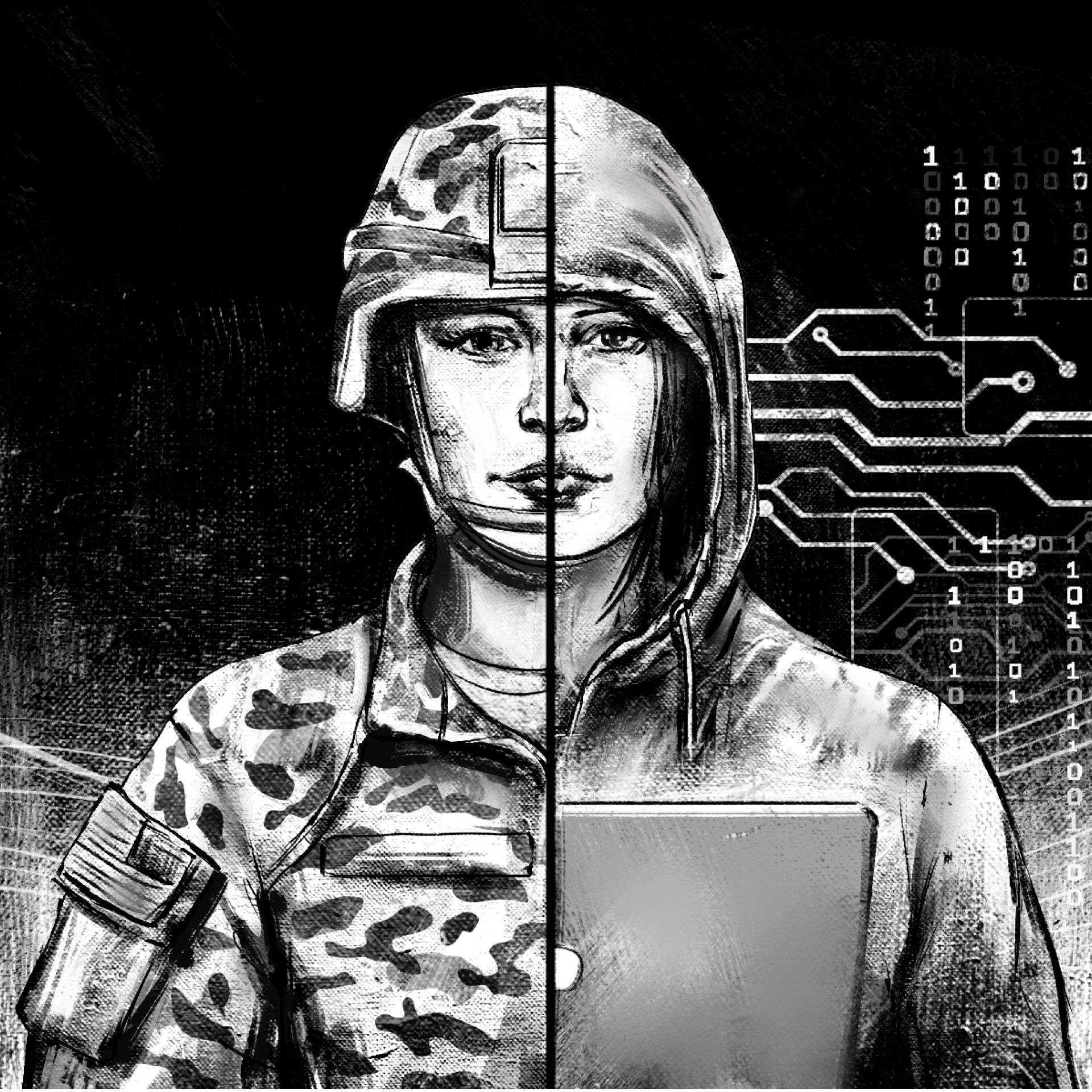
Hackers and Warriors in the US Army
We engage with Erica Lonergan and Jack Snyder, authors of "Cultural Change in Military Organizations: Hackers and Warriors in the US Army." The discussion delves into the fusion of cyber and traditional military cultures within the U.S. Army, focusing on the creation of the Cyber Corps and its implications for national security. The conversation highlights the backstory, challenges, and future of
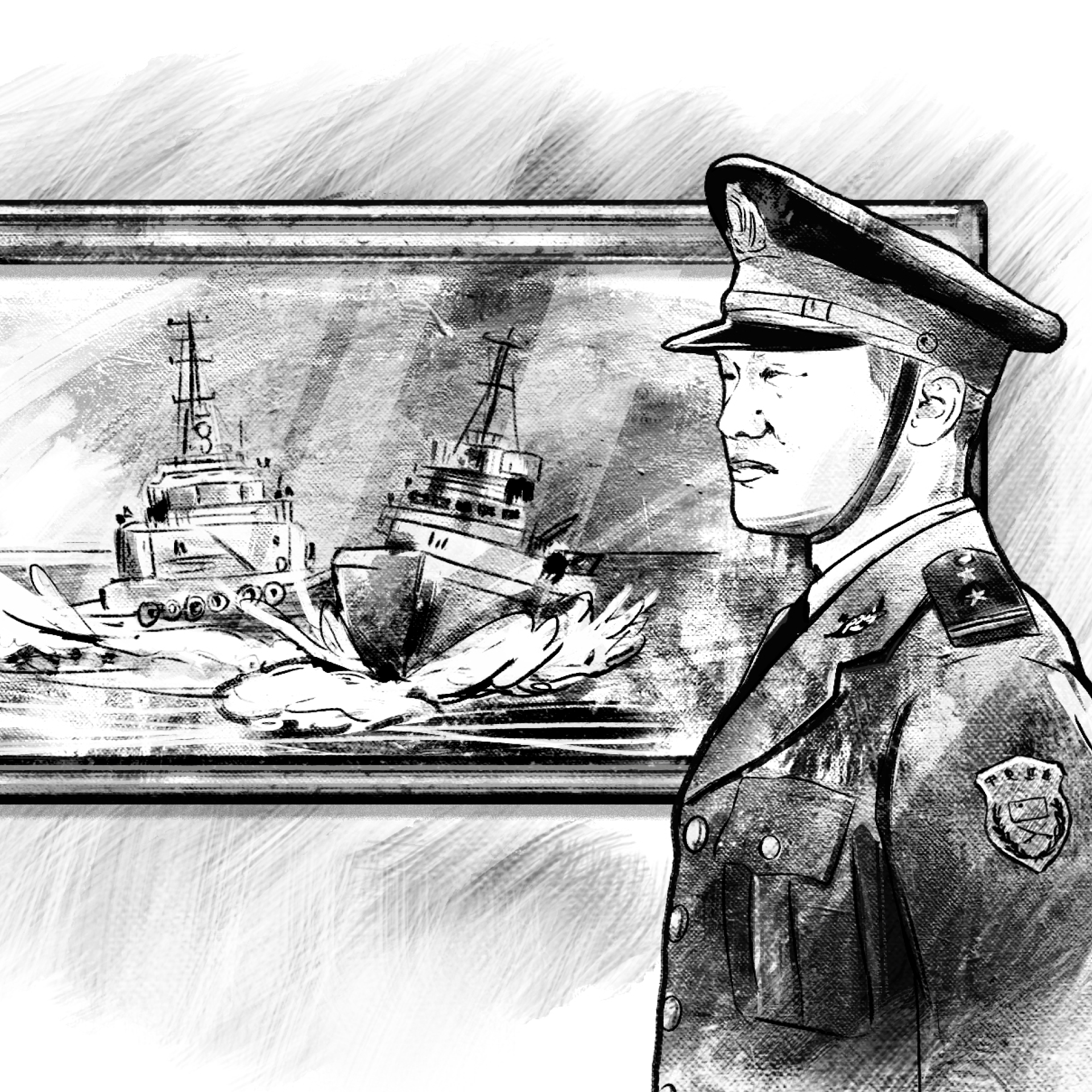
International Law in the Gray Zone
Sheena Chestnut Greitens and Ryan Vest chat with Richard Maass on the topics of his article, "Legal Deterrence by Denial: Strategic Initiative and International Law in the Gray Zone," featured in Volume 8, Issue 3 of TNSR. Their conversation spans topics such as the importance of defining gray zone aggression, criminalizing tactics, and improving enforcement and attribution to deter such activitie
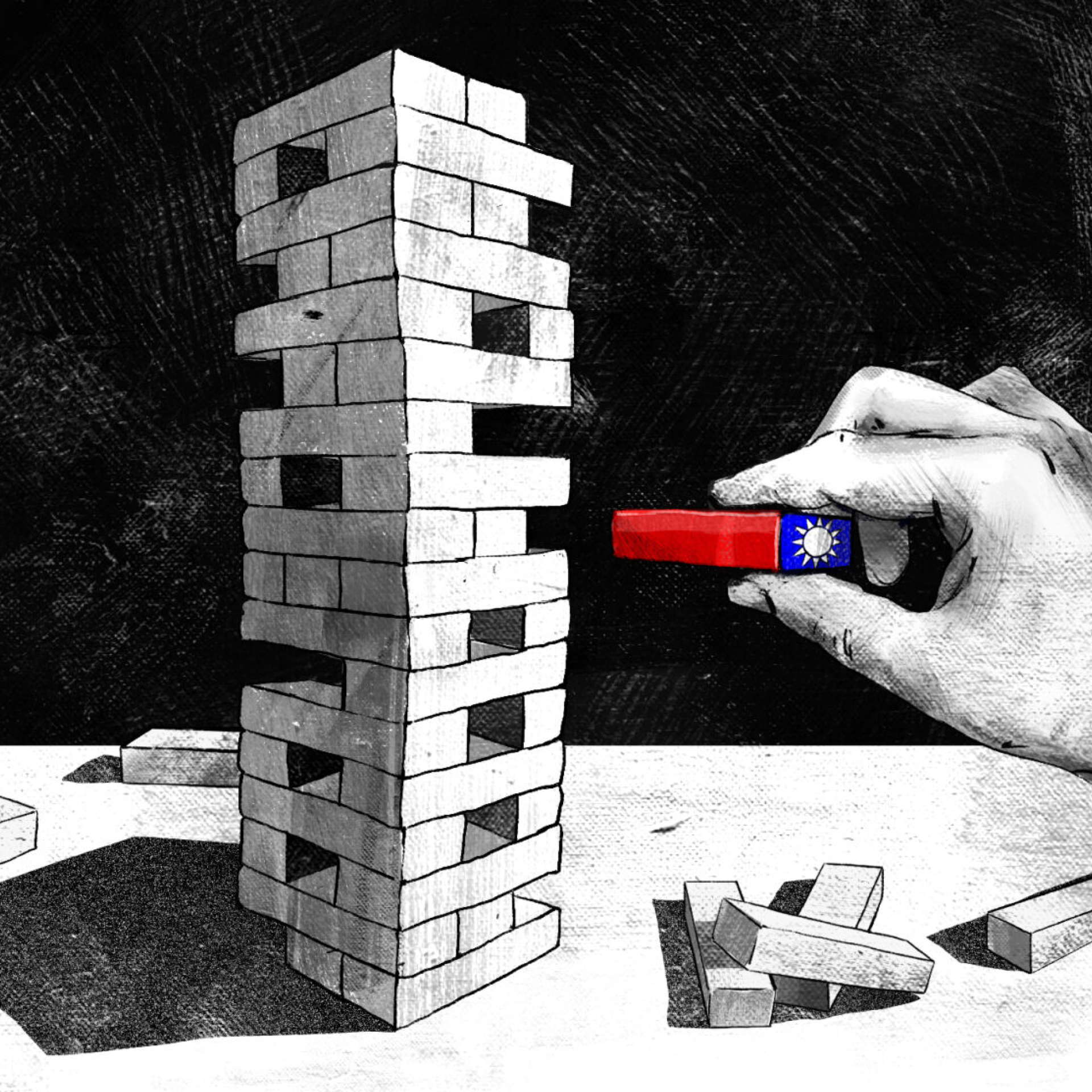
The Strategic Significance of Taiwan in US Defense Planning
In this episode, Ryan Vest and Sheena Chestnut Greitens are joined by Jon Caverley, an esteemed national security and China scholar, to discuss his article, "So What? Reassessing the Military Implications of Chinese Control of Taiwan," featured in Volume 8, Issue 3 of TNSR. Jon, a professor of strategic and operational research at the United States Naval War College, shares his insights on the mil

Balancing AI and Human Control in Nuclear Strategy
Sheena Chestnut Greitens and Ryan Vest interview Herb Lin, a national security expert from Stanford University. They discuss his article, "Artificial Intelligence and Nuclear Weapons: A Commonsense Approach to Understanding Costs and Benefits," and explore the complex interplay between AI, nuclear strategy, and human control. Read the article: https://tnsr.org/2025/06/artificial-intelligence-an

Rethinking North Korea's Artillery Threat
In this episode of Horns of a Dilemma, co-hosts Ryan Vest and Sheena Chestnut Greitens interview scholars Nicholas Anderson and Daryl Press about their article, "Lost Seoul? Assessing Pyongyang's Other Deterrent," featured in Volume 8, Issue 3 of the Texas National Security Review. Anderson and Press challenge the conventional wisdom that North Korean artillery could devastate Seoul during a confl
Remembering Joseph Nye
TNSR was saddened to hear of the passing of Dr. Joseph Nye on May 6. He was a titan in the field of national security, a gifted professor, a dedicated servant of the people, and a great friend. In honor of his life's work, we are re-airing an episode of Horns of a Dilemma from last year when Frank Gavin, Chair of the TNSR editorial board, sat down with Nye to discuss his memoir and a range of othe
Dual Use Deception: How Technology Shapes Cooperation in International Relations
In this special episode of Horns of a Dilemma, Rick Landgraf talks with Jane Vaynman and Tristan Volpe, co-authors of "Dual Use Deception: How Technology Shapes Cooperation in International Relations," published in the journal International Organization. The study won IO's 2023 Robert O. Keohane Award for best research article published by an untenured scholar.
Machine Failing: The Linkage Between Software Development Flaws and Military Accidents
Rick Landgraf talks with Jeffrey Ding, author of "Machine Failing: How Systems Acquisition and Software Development Flaws Contribute to Military Accidents," featured in Volume 8, Issue 1 of the Texas National Security Review. They discuss how flaws in the U.S. military's systems acquisitions process can lead to accidents.
Davy Crockett and the Boy Scouts: The Korean War and Mismanaging Protracted Conflict
Rick Landgraf talks with Andrew Forney, author of "Davy Crockett and the Boy Scouts: The Korean War and Mismanaging Protracted Conflict," featured in Volume 8, Issue 1 of the Texas National Security Review. They discuss how a series of strategic force management decisions undermined the ability of the United States to militarily coerce China and North Korea.
Soviet-India Relations: Cold War Contest and Cooperation
Kerry Anderson talks with Gokul Sahni, author of "The Main Drivers of Soviet Foreign Policy Towards India, 1955–1991," published in Volume 8, Issue 1 of the Texas National Security Review. They discuss the historical evolution of Soviet-India relations and what lessons it might provide for current geopolitics.
Australian and New Zealand Views on the U.S. Relationship
Marshall Kosloff talks with Charles Edel about reactions to Trump's election in Australia and New Zealand and the future of the Indo-Pacific region.
The War of Words Between FDR and Charles Lindbergh
Marshall Kosloff talks with Paul Sparrow about his book, "Awakening the Spirit of America: FDR's War of Words with Charles Lindbergh and the Battle to Save Democracy."
Hunting for Submarines in the Warming Ocean
TNSR Managing Editor Rick Landgraf sits down with Mauro Gilli to discuss the effect of climate change on the detection range of submarines.
Drones, AI, and the Changing Nature of Warfare
Marshall Kosloff talks with Stacie Pettyjohn about the roles of uncrewed systems and artificial intelligence in shaping the future of war.
How China Uses Economic Sanctions
Kerry Anderson, TNSR Production Editor, talks with Ketian Zhang about her article for TNSR, "Just Do It: Explaining the Characteristics and Rationale of Chinese Economic Sanctions." Zhang, an assistant professor of international security in the Schar School of Policy and Government at George Mason University, highlights that China imposes sanctions differently than Western states tend to do, inclu
Access Denied? Non-Aligned State Decisions to Grant Access During War
Access decisions play a crucial role in large-scale conflicts and yet the decision-making process of potential host nations has largely been unexplored. Rick talks with TNSR author Emily Ellinger about how leaders consider regime survival, economic repercussions, and potential retaliation when making access decisions.
The Political Thought of Xi Jinping
On Sept. 19, Dr. Olivia Cheung, Research Fellow at the China Institute at SOAS University of London, spoke about her book, The Political Thought of Xi Jinping, co-authored with Steve Tsang.
Combatant Command and the Intersection of Policy and Military Execution
On Sept. 17, at the University of Texas at Austin, General (Ret.) Kenneth F. "Frank" McKenzie Jr. spoke about his book, "The Melting Point: High Command and War in the 21st Century." This discussion, moderated by Joseph Maguire, covers Gen. McKenzie's military career, with a particular focus on his time as commander of U.S. Central Command – which included the withdrawal from Afghanistan and the a
Russia, Central Asia, and the U.S. Withdrawal from Afghanistan
TNSR Managing Editor Rick Landgraf talks with Charles Ziegler about his latest article, Filling the Void Left by Great-Power Retrenchment: Russia, Central Asia, and the U.S. Withdrawal from Afghanistan. Charles and Rick discuss how the Central Asian countries have reacted to the withdrawal, how Russia has tried to reassert itself in the region, and why China might eventually supplant Russia as th
Wisdom for a World in Turmoil
Robert D. Kaplan spoke at the University of Texas at Austin, where he discussed how our leaders can come to grips with a world seemingly in disarray.
Placing Iraq's Invasion of Kuwait in the Context of the End of the Cold War
TNSR Production Editor Kerry Anderson talks with historian Daniel Chardell about his article The Origins of the Iraqi Invasion of Kuwait Reconsidered, published in Volume 6, Issue 3 of TNSR. Daniel and Kerry discuss Saddam Hussein's understanding of the shifts in power that followed the Soviet Union's collapse, how U.S. and Iraqi leaders perceived each other, Saddam's concerns about Israel, and h
Sport and War: Martin Pengelly on his book "Brotherhood"
Marshall Kosloff talks with journalist Martin Pengelly about his book, "Brotherhood: When West Point Rugby Went to War." They discuss rugby and Pengelly's story about members of a West Point rugby team in the aftermath of 9/11.
The Debate Over Why the United States Invaded Iraq in 2003
In this episode, TNSR Production Editor Kerry Anderson sits down with Joseph Stieb to discuss his article from Volume 6, Issue 3 of TNSR: "Why Did the United States Invade Iraq? The Debate at 20 Years."
Great-Power Expectations in Europe
Jim Goldgeier and Marshall Kosloff discuss the post-Cold War era, NATO expansion, great-power expectations, and the future of the U.S. role in Europe.
Estimating China's Defense Spending: How to Get It Wrong (and Right)
China's defense spending is difficult to quantify because many assessments make methodological errors that result in inflated figures. Taylor Fravel, George Gilboy, and Eric Heginbotham explain these flaws and offer a novel method for a more accurate assessment. Their article was published in the summer 2024 issue of TNSR.
History and Perspective in Statecraft and War
At the Clements Center for National Security's Summer Seminar in History and Statecraft, Susan Colbourn and Simon Miles discussed how different concepts of history have shaped the war in Ukraine and how students of international affairs should challenge their assumptions and embrace uncertainty.
Introducing our new editor-in-chief, Sheena Chestnut Greitens
In this episode, TNSR publisher Ryan Evans spoke with the journal's new editor-in-chief, Prof. Sheena Chestnut Greitens, an award-winning scholar and associate professor at the University of Texas at Austin's LBJ School of Public Affairs. They spoke about why she became a scholar, her research, the intellectual challenges of the competition with China, and her vision for taking TNSR to the next le
Mitigating Risks in a Volatile World: A Conversation with Philip Zelikow
Ryan Evans talks with Philip Zelikow about his recent article for TNSR, "Confronting Another Axis? History, Humility, and Wishful Thinking." Their wide-ranging and insightful conversation covers everything from Zelikow's career as a high-level foreign policy practitioner and as an historian, his experience directing the 9/11 Commission, his argument that we are in an exceptionally volatile time in
Why the United States Failed to Retrench from Europe during the Early Cold War
Rick talks with TNSR author Joshua Byun about how American attempts to leave Europe during the first decade of the Cold War were thwarted by European concerns that German rearmament would trigger a Soviet attack.
Salami Tactics in the Shadow of Major War
Rick sits down with Richard Maass, the author of "Salami Tactics: Faits Accomplis and International Expansion in the Shadow of Major War," to discuss how powerful countries can use repetitive, limited acts of aggression to expand influence while avoiding potential escalation.
Joseph Nye on Scholarship and Practice in International Relations
Frank Gavin, chair of TNSR's editorial board, talks with Joseph Nye about his new memoir, "A Life in the American Century." This fascinating conversation covers a range of issues, including lessons from Nye's extensive experience as an influential analyst, policymaker, and scholar.
The Difficult Balance of Constitutional Statesmanship During Times of War
Marshall Kosloff talks with Luke Schumacher about his recent article in TNSR, "Franklin D. Roosevelt, World War II, and the Reality of Constitutional Statesmanship."
The Pivot to Asia Remains Incomplete
Marshall Kosloff talks with Ambassador Robert Blackwill and Richard Fontaine about their new book, "Lost Decade: The U.S. Pivot to Asia and the Rise of Chinese Power."
Sweden, Finland, and the Meaning of Alliance Membership
Ahead of the NATO Summit in Washington in July, Rick sits down with Katherine Elgin and Alexander Lanoszka to discuss what alliance membership means for Sweden and Finland.
From Panic to Policy: The Limits of Foreign Propaganda and the Foundations of an Effective Response
Gavin Wilde joined TNSR managing editor Rick Landgraf to discuss Gavin's recent article about the effects of foreign propaganda on U.S. domestic politics. They discuss how the fear that hostile foreign powers could subvert democracy by spreading misinformation may be exaggerated, as the relationship between people's beliefs and attitudes and their media consumption remains unclear. Policy interven
Why the Humanities Still Matter in Higher Education
Marshall Kosloff talks with Editorial Board Chair Frank Gavin about his essay in TNSR, "Cracks in the Ivory Tower?" They discuss why universities need to consider the purpose of higher education and the ongoing importance of the humanities, including when studying international security issues.
The Evolution of China's Navy
The Clements-Strauss Asia Policy Program hosted Xiaobing Li, professor of history and the Don Betz endowed chair in international studies at the University of Central Oklahoma, for a book talk on China's New Navy: The Evolution of PLAN from the People's Revolution to a 21st Century Cold War.
The Multiple Collisions Involved in the War in Ukraine
The Clements Center for National Security, the Center for European Studies and the Center for Russian, East European, and Eurasian Studies hosted Michael Kimmage, Professor of History at Catholic University, for a book talk on his upcoming release Collisions: The Origins of the War in Ukraine and the New Global Instability.
Leadership Lessons From Our Top Presidents
The Clements Center for National Security, the LBJ Presidential Library and the UT-Austin History Department hosted Talmage Boston, historian and partner at the Dallas law firm Shackelford, Bowen, McKinley & Norton, LLP, for a book talk on How the Best Did It: Leadership Lessons From Our Top Presidents.
South Korea's Grand Strategy
On Wednesday, April 10, the Clements-Strauss Asia Policy Program hosted Ramon Pacheco Pardo, Professor of International Relations at King's College London and the KF-VUB Korea Chair at the Brussels School of Governance of Vrije Universiteit Brussel. Pardo discussed his book, South Korea's Grand Strategy: Making Its Own Destiny.
Fighting in Iraq's Triangle of Death
On Tuesday, March 26, the Clements Center for National Security, the Army ROTC and the UT-Austin History Department hosted Kelly Eads and Dan Morgan for a book talk on their recent release: Black Hearts and Painted Guns: A Battalion's Journey into Iraq's Triangle of Death.
Understanding the Defense Department's Industrial Base Problems
Marshall Kosloff, the Clements Center National Security media and journalism fellow, moderated a discussion with Jeff Decker, the managing director of Tech Transfer for Defense at Stanford University's Doerr School of Sustainability, and Noah Sheinbaum, the founder of Frontdoor Defense, about their recent article, "Shining a Light on the Defense Department's Industrial Base Problems."
George Shultz and the End of the Cold War
Philip Taubman, a lecturer at Stanford University's Center for International Security and Cooperation, discussed his latest book, In the Nation's Service: The Life and Times of George P. Shultz. The conversation touched on the legacy of Secretary Shultz, his approach to the Soviet Union, and is filled with anecdotes from Philip's time in Moscow at the end of the Cold War.
AI and Making the Supply Chain More Robust
Dr. Meg Reiss, the founder and CEO of of SolidIntel Inc., sat down with Marshal Kosloff, the national security media and journalism fellow at the Clements Center for National Security, to discuss supply chain risks and how the risks could be mitigated with investments in new technology. The conversation explored the upstream challenges, how to manage China's role in supply chains, and how to minim
America's Effort to Shield Itself
Charles Kupchan, a senior fellow at the Council on Foreign Relations and professor of international affairs at Georgetown University in the Walsh School of Foreign Service and Department of Government, spoke about the history of isolationism in the United States, its role in the formulation of American foreign policy, and how the idea is now resurgent in U.S. domestic politics. The conversation is
The United States and Afghanistan Before the Soviet Invasion
In this episode of Horns of a Dilemma, Aaron O'Connell, associate professor of history at the University of Texas at Austin and director of research for the Clements Center for National Security, hosts a discussion with Rob Rakove, a lecturer in Stanford University's Program in International Relations. They discuss Rakove's new book, Days of Opportunity: The United States and Afghanistan Before t
European Security and the Russo-Ukrainian War
Paul Edgar, the associate director of the William P. Clements, Jr. Center for National Security, moderated a discussion with Amb. Kurt Volker, the U.S. ambassador to NATO from 2008-2009, and Gen. Tod Wolters, the former Supreme Allied Commander Europe, about the state of the Russo-Ukrainian war, the future of European security, and the impact of the conflict on global security. The conversation ex
Foreign Policy In the Johnson Years
Marc Selverstone, the director of presidential studies at the University of Virginia's Miller Center, co-chair of the Center's Presidential Recordings Program, and professor of presidential studies, moderated a discussion with Francis Gavin, the Giovanni Agnelli distinguised professor and director of the Henry A. Kissinger Center for Global Affairs at the School of Advanced International Studies a
China's Digital Data Trafficking
Aynne Kokas, the C.K. Yen Professor at the Miller Center and an associate professor of media studies at the University of Virginia, spoke about her book Trafficking Data: How China is Winning the Battle for Digital Sovereignty. Kokas explained how the asymmetry in digital regulations between the United States and China, along with practices of private industry, have helped empower Beijing's broade
Recommended

K-Drama Obsessed Mamas | Beyond “Just One More Episode!”

True Crime Classics

The Healer Revolution

Becoming: HER with Nikki Spoelstra

Booked, Blonde & Busy w/ Olivia Ponton

McKinsey on Consumer and Retail

megahired.com

Hard Knocks Podcast

Effective Weight Loss for Moms | High protein, Strength Training, Lose Weight, Meal Planning, Fat Loss, Healthy Habits

The Human-Animal Connection - Pet Life Radio Original

Infinite Health with Dr. Arasi Maran

The Daily
