
Economics & Beyond with Rob Johnson
Rob Johnson hosts a weekly podcast that explores economic and social issues through conversations with unconventional guests, including musicians, activists, and rebel economists. The show challenges traditional economic perspectives and is produced by the Institute for New Economic Thinking (INET).
Episodes

Fullerton’s journey from Wall Street to Regenerative Economics
In this episode of Economics and Beyond, Rob Johnson and John Fullerton discuss his new book, Regenerative Economics which explores flaws in traditional economic thinking, and the need for a new framework that views the economy as a living system. They discuss the contradictions in financial theory, the role of chaos and stability, and the importance of self-governance and the commons in creatin

Jocelyn Benson: On Becoming a Purposeful Warrior

Fred Block: Beyond Industrialism - Building Communities That Work for People
Fred Block, Research Professor of Sociology at UC Davis, joins Rob Johnson to discuss his latest book, The Habitation Society, which explores the need to move beyond industrial-era economic models to create an economy that prioritizes community well-being. Block critiques how economic policies have fueled inequality and stagnation while offering solutions—such as restructuring public finance—to
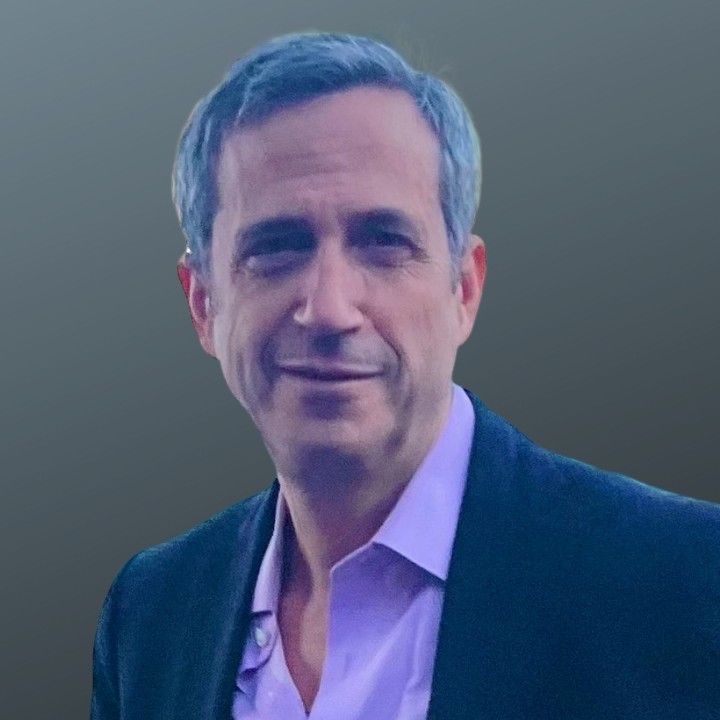
Lincoln Mitchell: Fear and Fascism: How America Reached a Political Breaking Point
Rob Johnson hosts Lincoln Mitchell, Political Science Professor at Columbia University, in a compelling conversation about the increasingly powerful fascist movement in the US. Mitchell outlines the elements of fascism present in the MAGA movement, including its dependence on a strongman leader, the scapegoating of minorities, threats of violence and curtailing of freedoms of speech and assembly.
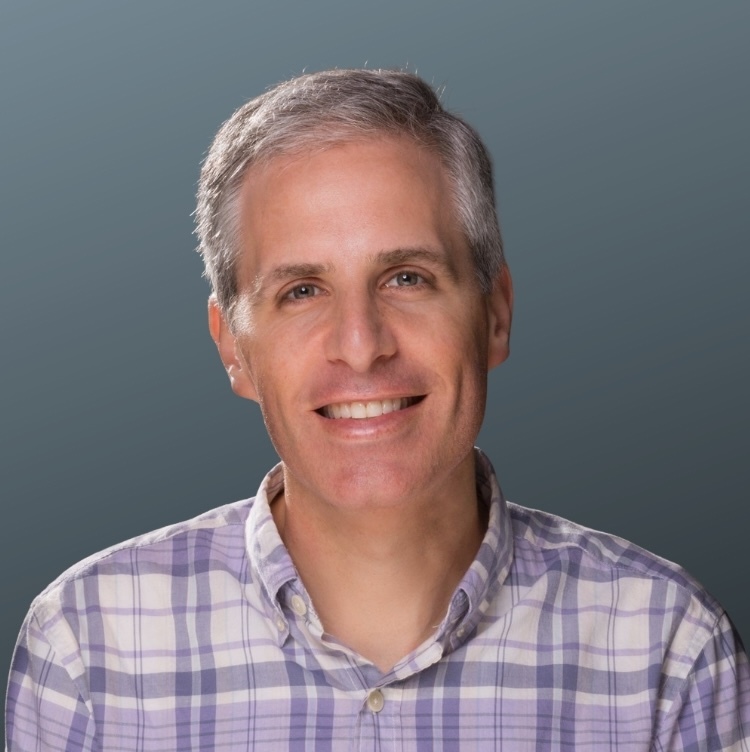
David Sirota: Money Talks - The Erosion of Democracy in the Age of Billionaire Influence
David Sirota joins Rob Johnson to examine the history and impact of money in U.S. politics, as explored in Sirota’s investigative podcast series, "Master Plan." Sirota discusses how a series of judicial rulings and policy changes since the 1970s enabled a system in which the voices of wealthy elites overshadow those of ordinary citizens.
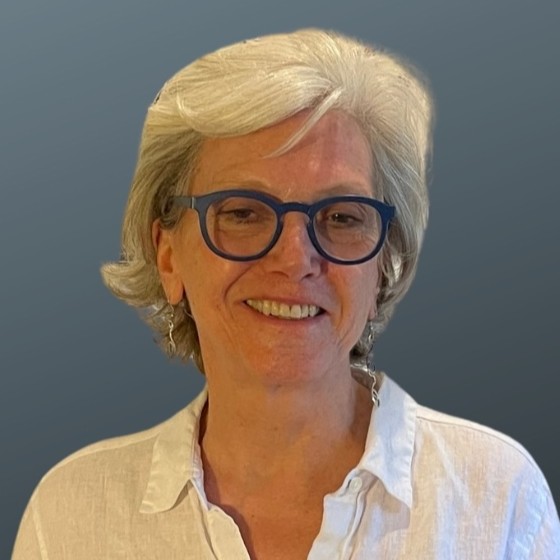
Marjorie Kelly: The Other Dangerous Supremacy - Wealth Supremacy
Author and Distinguished Senior Fellow of the Democracy Collaborative, Marjorie Kelly, talks about her recently released book, Wealth Supremacy: How the Extractive Economy and the Biased Rules of Capitalism Drive Today’s Crises (Berrett-Kohler, September 2023), which also outlines a vision for democratizing the economy so that it serves the broader public good.

Steven Herrmann: America’s Shaman-Poets’ Vision for a Better Future
Rob Johnson and Steven Herrmann, an author and Jungian analyst, discuss the concept of "spiritual democracy" as explored in Herrmann's work and the writings of American poets like Walt Whitman, Herman Melville, and Emily Dickinson and how their vision might inform a renewal of American democracy.
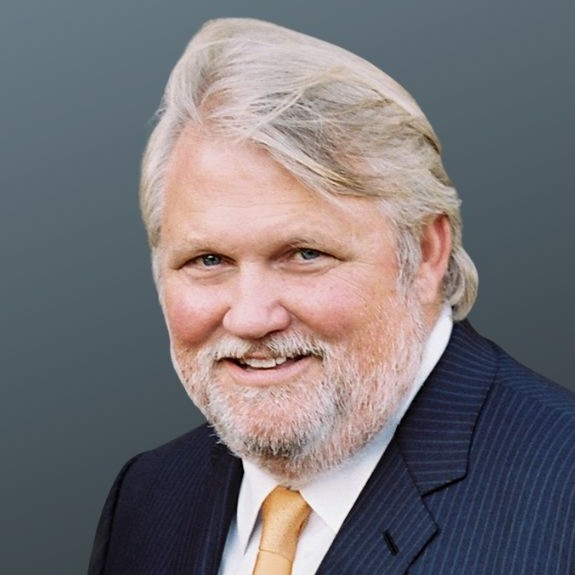
America’s Burning
What happened to the American dream? Rob talks with David Smick about his new film and the inspiration for the project.

Leah Hunt-Hendrix and Astra Taylor - Solidarity: A World-Changing Idea
Leah Hunt-Hendrix and Astra Taylor talk to Rob about their recently released book, Solidarity: The Past, Present, and Future of a World-Changing Idea. The wide-ranging conversation covers the importance of solidarity in addressing the current crises of economic inequality, climate change, and democracy, emphasizing the need for collective action and social movements to bring about change, as well
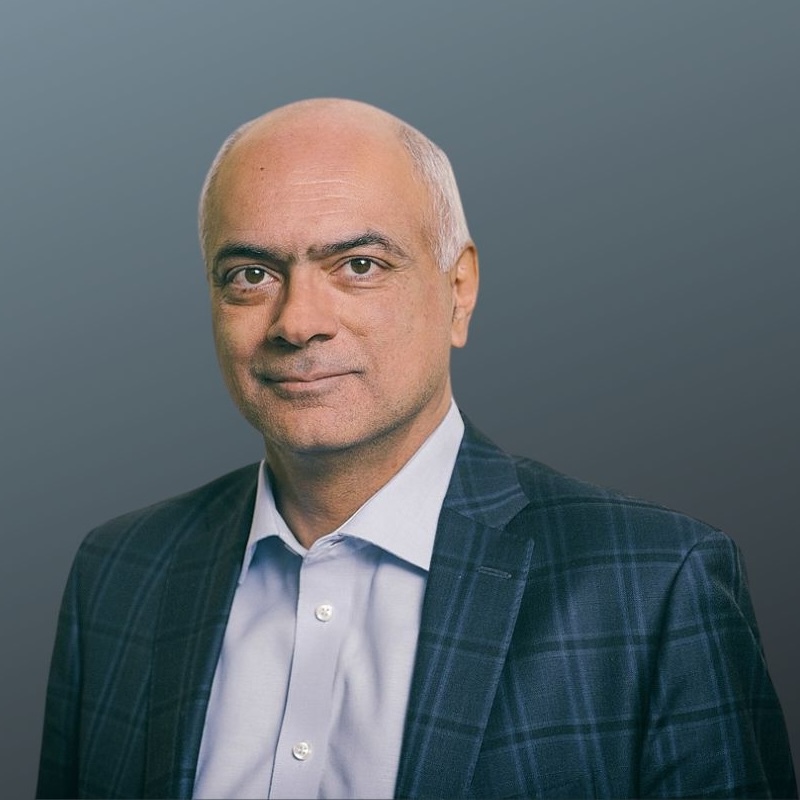
Rohinton Medhora: One Earth, One Family, One Future
Rohinton Medhora (INET's Board Chair, member of our Commission on Global Economic Transformation, and Distinguished Fellow at CIGI) discusses global social healing, India and the G20 with INET President Rob Johnson.
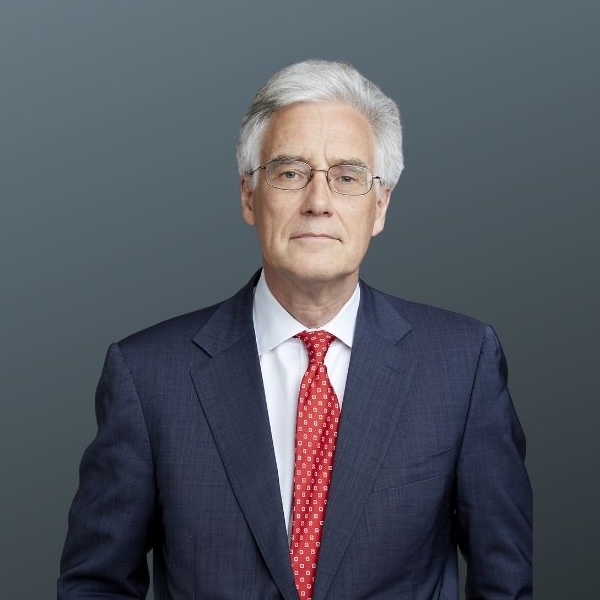
Adair Turner: India’s Leadership and Global Challenges of Climate and Finance
If we're going to address environmental catastrophe, we need to support each other on a global scale. Rob Johnson checks in with Adair Turner about his work, and practical solutions to address the climate crisis.
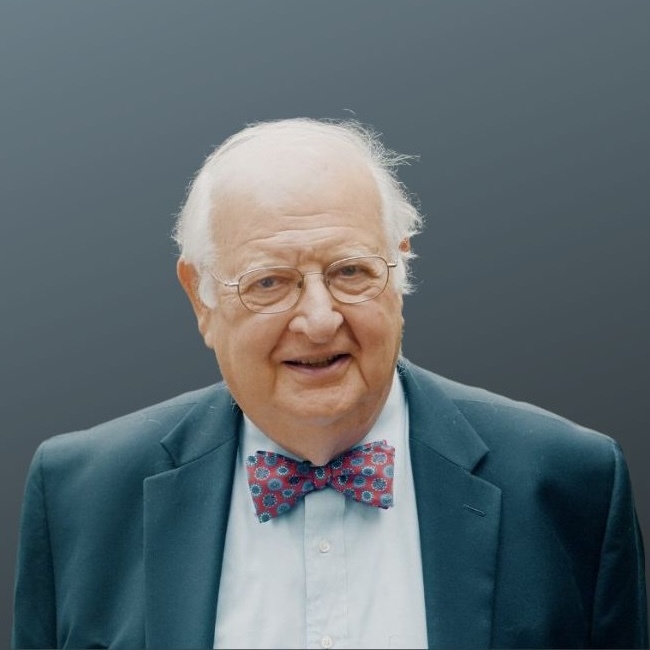
Angus Deaton: An Immigrant Economist Explores the Land of Inequality
Economics Nobel laureate Sir Angus Deaton discusses his latest book, Economics in America, which takes an autobiographical approach to how the field of economics addresses the most pressing issues of our time—from poverty, retirement, and the minimum wage to the ravages of the nation’s uniquely disastrous health care system.
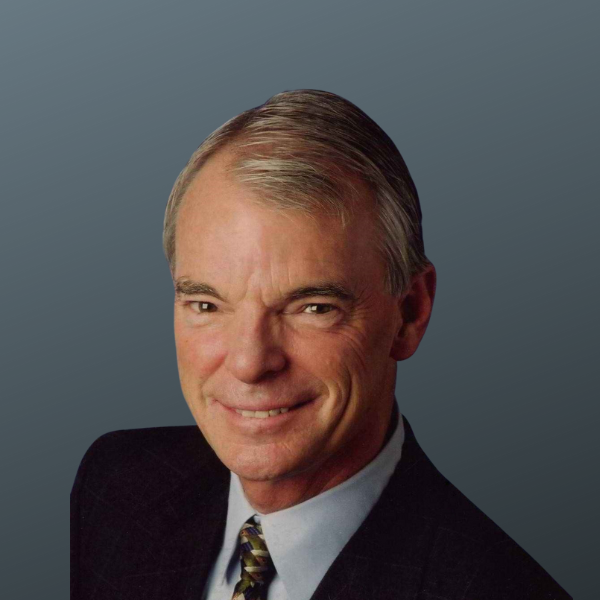
Michael Spence: A Plan to Fix a Fractured World
Mike Spence talks with Rob Johnson about his upcoming co-authored book "Permacrisis", India and the G20, and bringing the world together to address our shared challenges.
Book: "Permacrisis: A Plan to Fix a Fractured World" https://www.simonandschuster.co.uk/bo...
Do you feel like we’re in a permacrisis? Chances are you feel some anxiety about the state of the world. Gordon Brown, Mohamed A. El
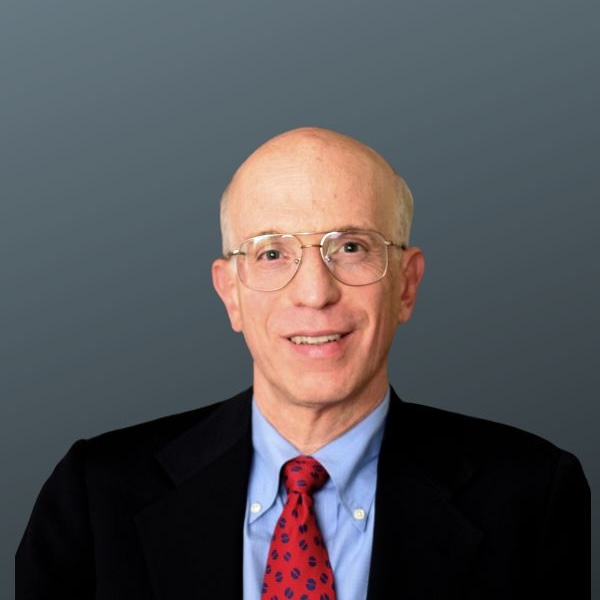
Alan Blinder: Looking Back and Looking Ahead: 15 Years After the Lehman Collapse
Former Fed vice chair and Princeton University economics professor Alan Blinder takes a close look at what lessons still remain to be learned in the aftermath of the Great Financial Crisis.
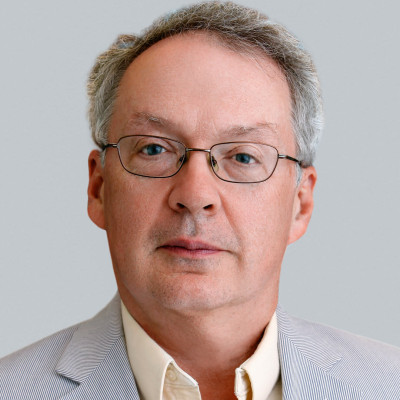
Thomas Ferguson: The Lehman Disaster and Why It Matters Today
On September 15, 2008, Lehman Brothers, a giant investment bank with a storied history, filed for bankruptcy. The shock was profound; world markets melted down.
Over the next few days, one financial behemoth after another, including American International Group (AIG), Washington Mutual, and Wachovia collapsed. The crown jewels of Wall Street – Morgan Stanley and Goldman Sachs – slid toward the a
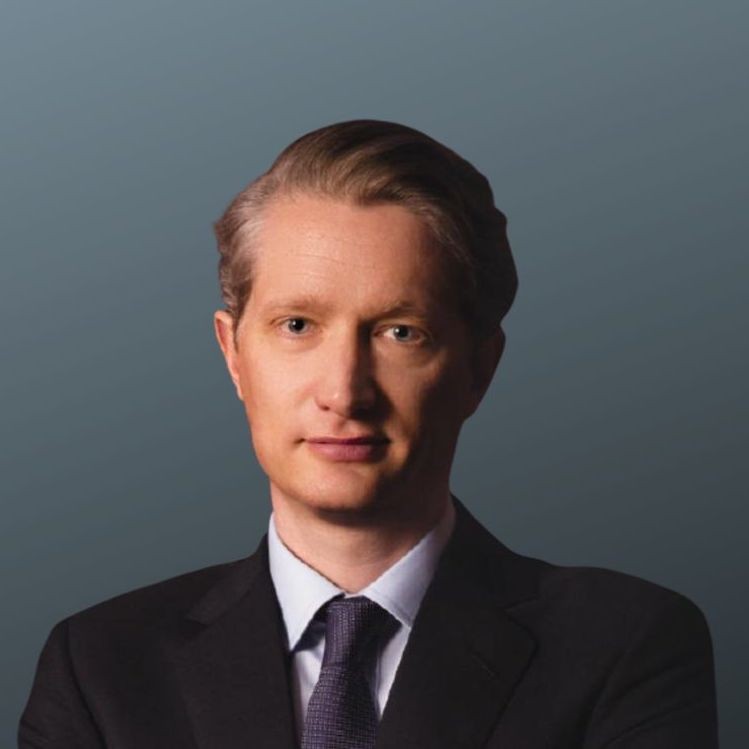
Christian Madsbjerg: How to Pay Attention in a Turbulent Distracted World
In a world that increasingly promotes distraction and isolation, the ability to pay attention to each other has become ever more important. Philosopher Christian Madsbjerg talks to Rob about his new book, Look, which outlines how we can recapture our ability to pay attention.
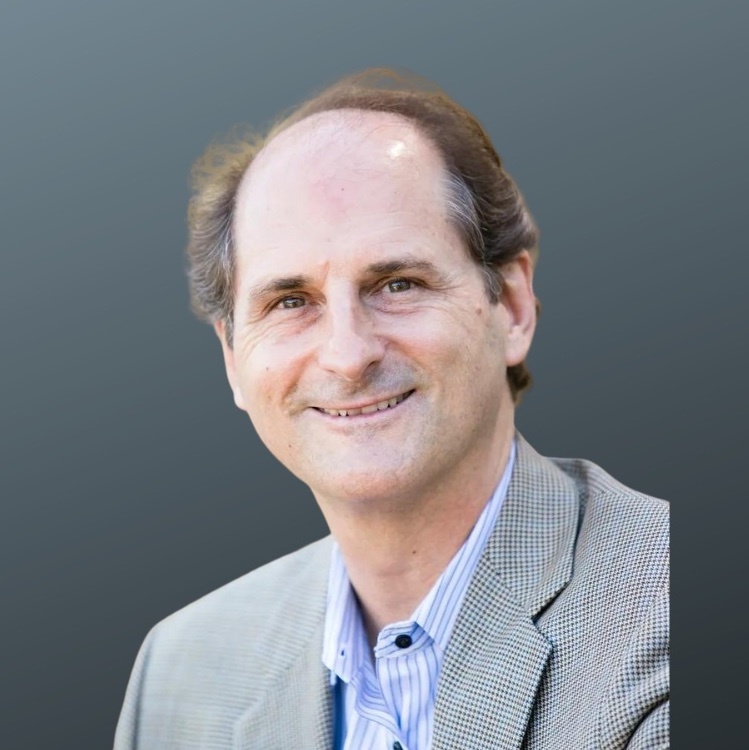
Steven Herrmann: The Shaman’s Call and Finding Your Inner Voice
Steven Herrmann, Jungian psychoanalyst and author of the books, William James and C. G. Jung and of William Everson: The Shaman’s Call, among others, engages in a wide-ranging conversation about finding one's calling, the poet William Everson, and the importance of dreams.
Referenced during the podcast: Robinson Jeffers on Moral Beauty, the Interconnectedness of the Universe, and the Key to Peace
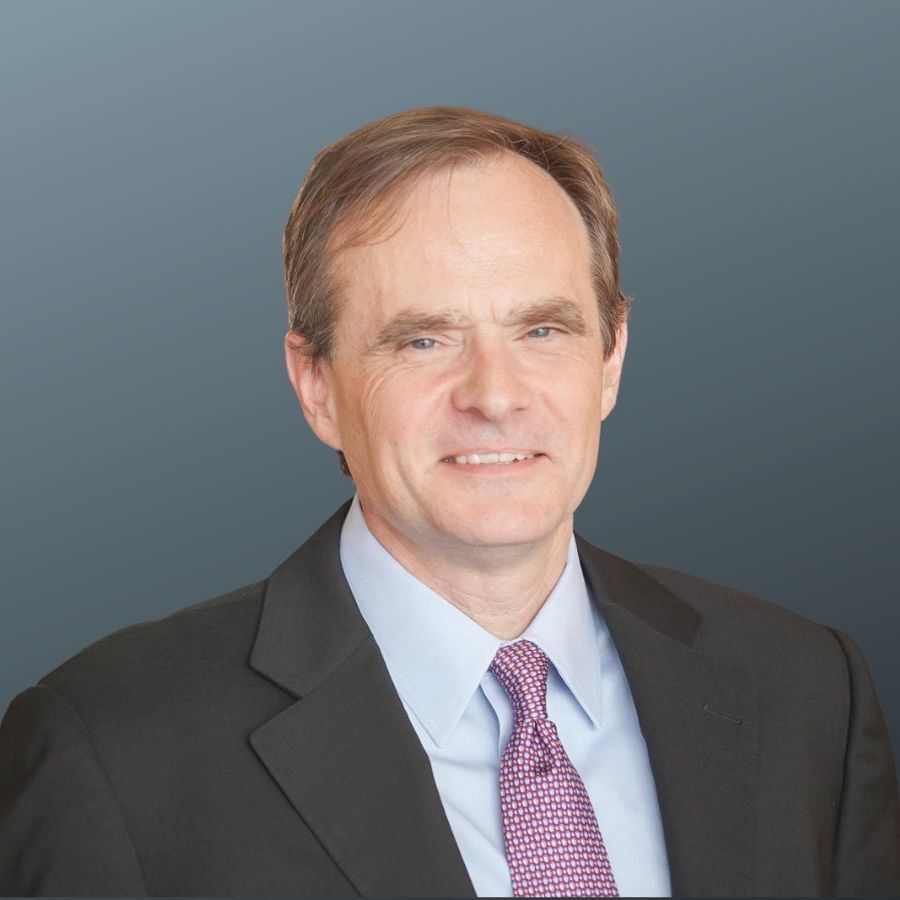
Simon Johnson: Our Thousand-Year Struggle over Technology and Prosperity
Simon Johnson, the co-author of the just-released book Power and Progress (co-authored with Daron Acemoglu), discusses the book, what new technologies hold in store for us, and how societies might better manage and govern them.

Brendan Ballou: Plunder - Private Equity’s Plan to Pillage America
Brendan Ballou, talks to Rob about his forthcoming book, Plunder, about the growing harmful role of private equity in the US. Ballou is a federal prosecutor and served as Special Counsel for Private Equity in the Justice Department's Antitrust Division.
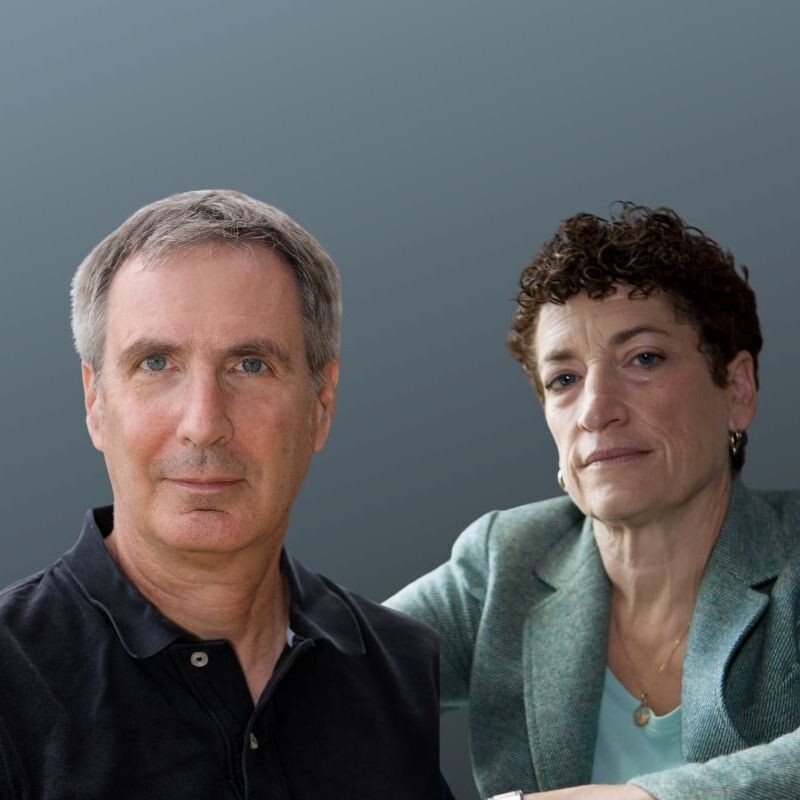
Naomi Oreskes and Erik Conway: The Big Myth of Market Fundamentalism
Historians Naomi Oreskes (Harvard University) and Erik Conway (Caltech) talk to Rob about their just-released book, The Big Myth: How American Business Taught Us to Loathe Government and Love the Free Market.
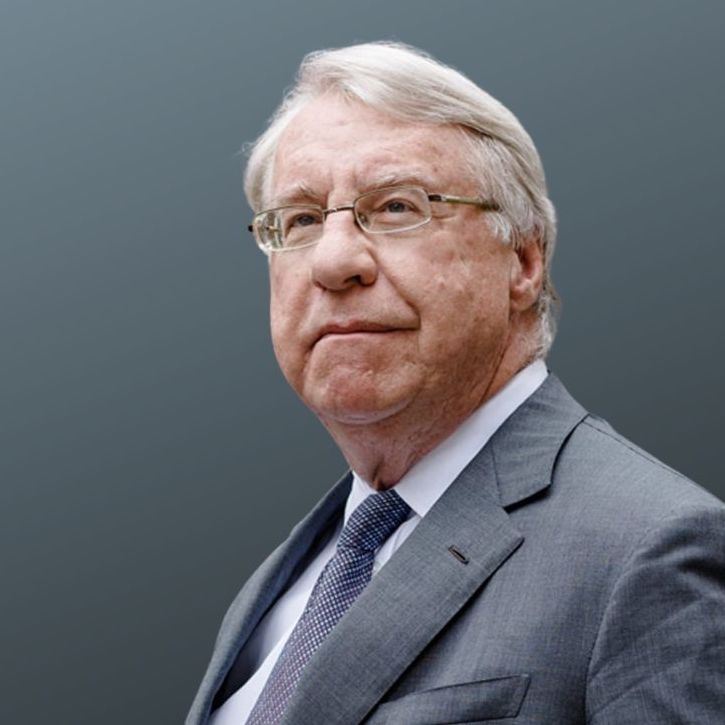
Jim Chanos: The Golden Age of Fraud in Finance
Jim Chanos, the president and founder of Kynikos Associates and well-known investment manager talks to Rob about the post-pandemic financial system, which has become more steeped in a casino culture than it has been in a very long time, and whether China's financial situation serves as an example or as a warning.

Survival of the Richest
Oxfam's Economic Justice Director, Nabil Ahmed, and Oxfam International's Inequality Policy & Advocacy Lead, Max Lawson, discuss their latest Global Inequality Report, which highlights the accelerating pace at which the world's billionaires have increased their wealth exponentially in recent years. They also discuss the ways in which governments can reverse this trend through taxation.
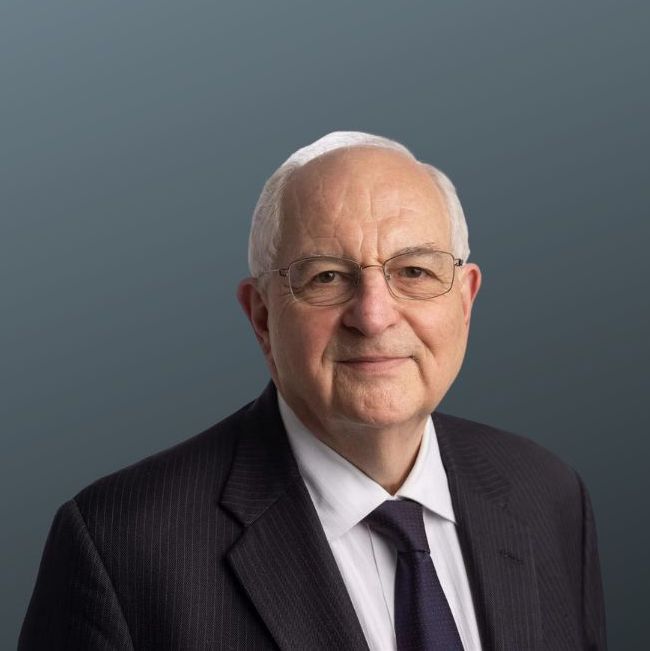
The Crisis of Democratic Capitalism
Financial Times columnist Martin Wolf discusses his just-released book, The Crisis of Democratic Capitalism, which explores the reasons why Liberal democracy is threatened by authoritarianism and what needs to be done to resurrect democratic capitalism.
Link to the book
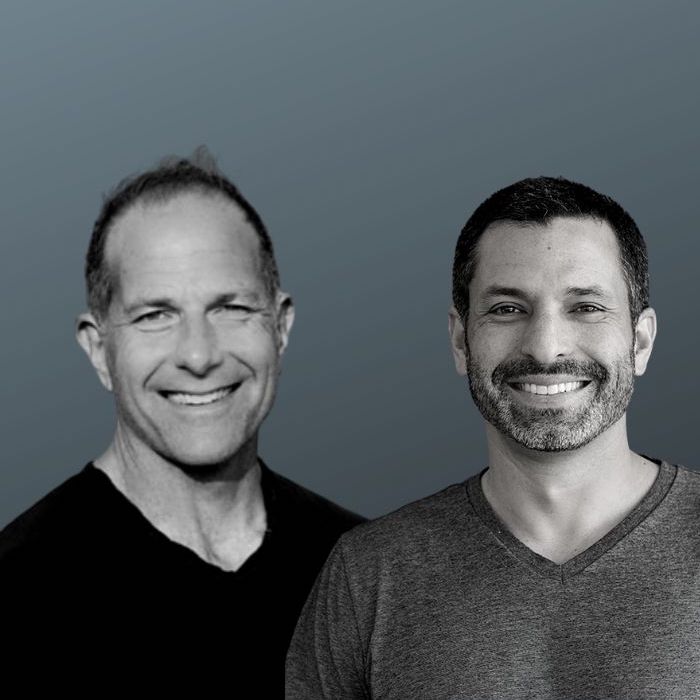
Iconik: Beyond ESG
Alex Thaler, the CEO of the software platform Iconik, and Iconik advisor Adam Cummings discuss how the platform helps shareholders create personalized voting profiles for shareholder meetings, allowing them to increase their influence over companies and give management a clearer awareness of investor goals without abrupt and embarrassing conflict.
Iconik website: https://www.iconikapp.com/
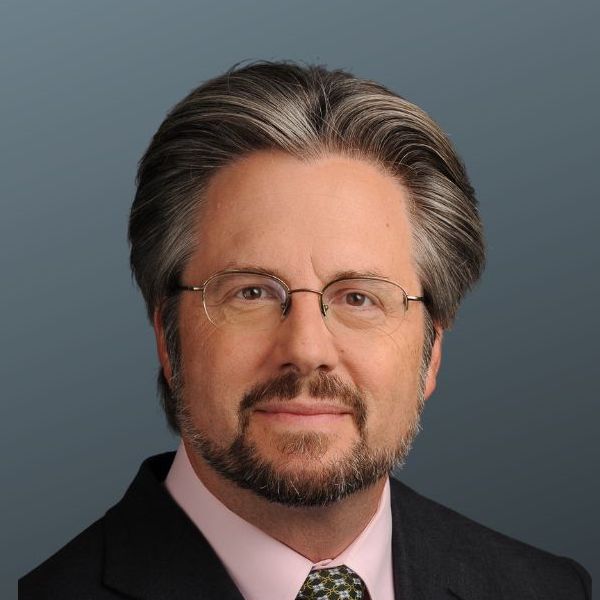
Perry Mehrling: Charles P. Kindleberger and the Dollar System
Boston University economic professor Perry Mehrling discusses his recently released INET book, in collaboration with Cambridge University Press, "Money and Empire," which chronicles the life of Charles P. Kindleberger and how he helped shape the emerging global dollar system.
INET Book page: Money and Empire
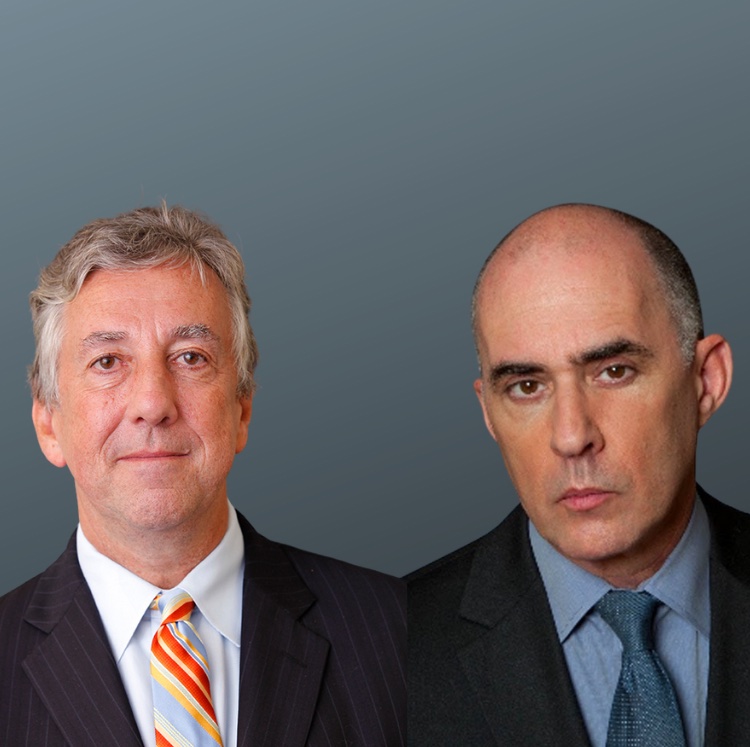
Time Bomb in Global Finance
A Bank for International Settlements study says 60+ trillion dollars of off-the-books currency swaps could be a profound, systematic risk. Rob Johnson joins Paul Jay on theAnalysis.news.

The Misguided Forces Driving Conflict Escalation Between the US and China
Yale Law School Fellow Stephen Roach, discusses his just-released book, Accidental Conflict. Roach explores how much of the adversarial nationalist rhetoric in both China and the USA is dangerously misguided and more a reflection of each nation’s fears and vulnerabilities than a credible assessment of the risks they face.

The New Economics of Debt and Financial Fragility
University of Bonn and Sciences Po economics professor Moritz Schularick talks to Rob about the soon-to-be-released book, Leveraged, which he edited based on papers from an INET-sponsored conference. The book takes a close look at what we have learned about the costs and causes of financial fragility since 2008.

Rana Foroohar: The Path to Prosperity in a Post-Global World
Financial Times columnist and author Rana Foroohar talks about her new book Homecoming: The Path to Prosperity in a Post-Global World

Albert Wenger: The World After Capital
We are in the midst of another global transformation, but this time we might have the tools to get it right.

Frank McCourt: Trading Fear for Hope
Frank McCourt discusses his work to reinspire hope in the American experiment, and to build the framework necessary for that better tomorrow.

Alan Murray: The Search for the Soul of Business
Corporate responsibility needs to evolve if businesses are going to rebuild trust and provide real value for society.
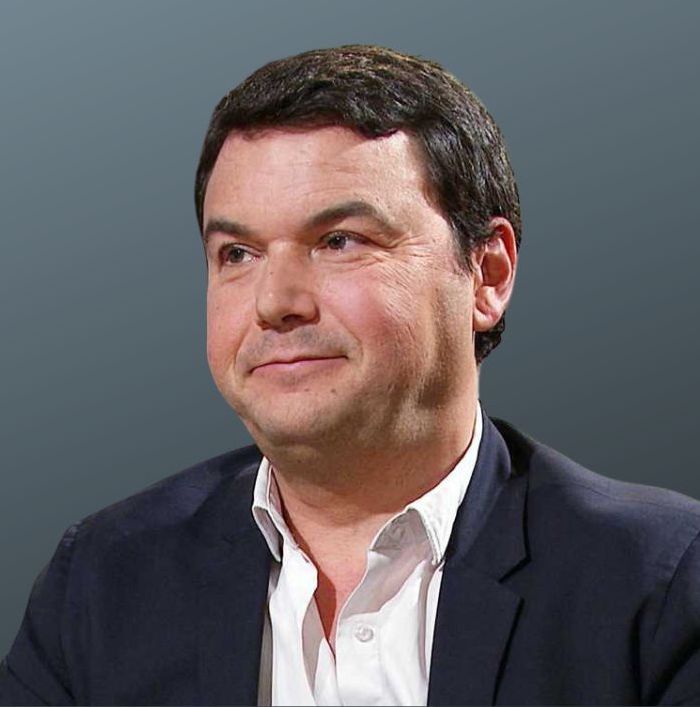
Thomas Piketty: Quality of Life for Billions of People is at Stake
World-renowned economist and inequality researcher Thomas Piketty in conversation with Rob Johnson, about Piketty’s just-released book, A Brief History of Equality.

Gary Gerstle: The Rise and Fall of the Neoliberal Order
Cambridge University's American History professor Gary Gerstle discusses his most recent book, about how the neoliberal order came about, why it is faltering, and the indeterminacy of what comes next.

Jeffrey Sachs: Peace is the Result of Diplomacy, Never of War
Columbia University's renowned economist Jeffrey Sachs talks about the lessons he has learned from consulting with governments around the world, about how global problems, such as the war in Ukraine, will only be solved via efforts to understand the other side, never through force.

Chen Long: Creating a Digital Circular Economy for Net Zero
Luohan Academy's Director Chen Long discusses the academy's latest report, on the benefits of creating a "digital circular economy," which would go a long way towards reaching net zero carbon emissions and addressing the climate crisis.
Report link: https://www.luohanacademy.com/insights/bc89734b94adf00c
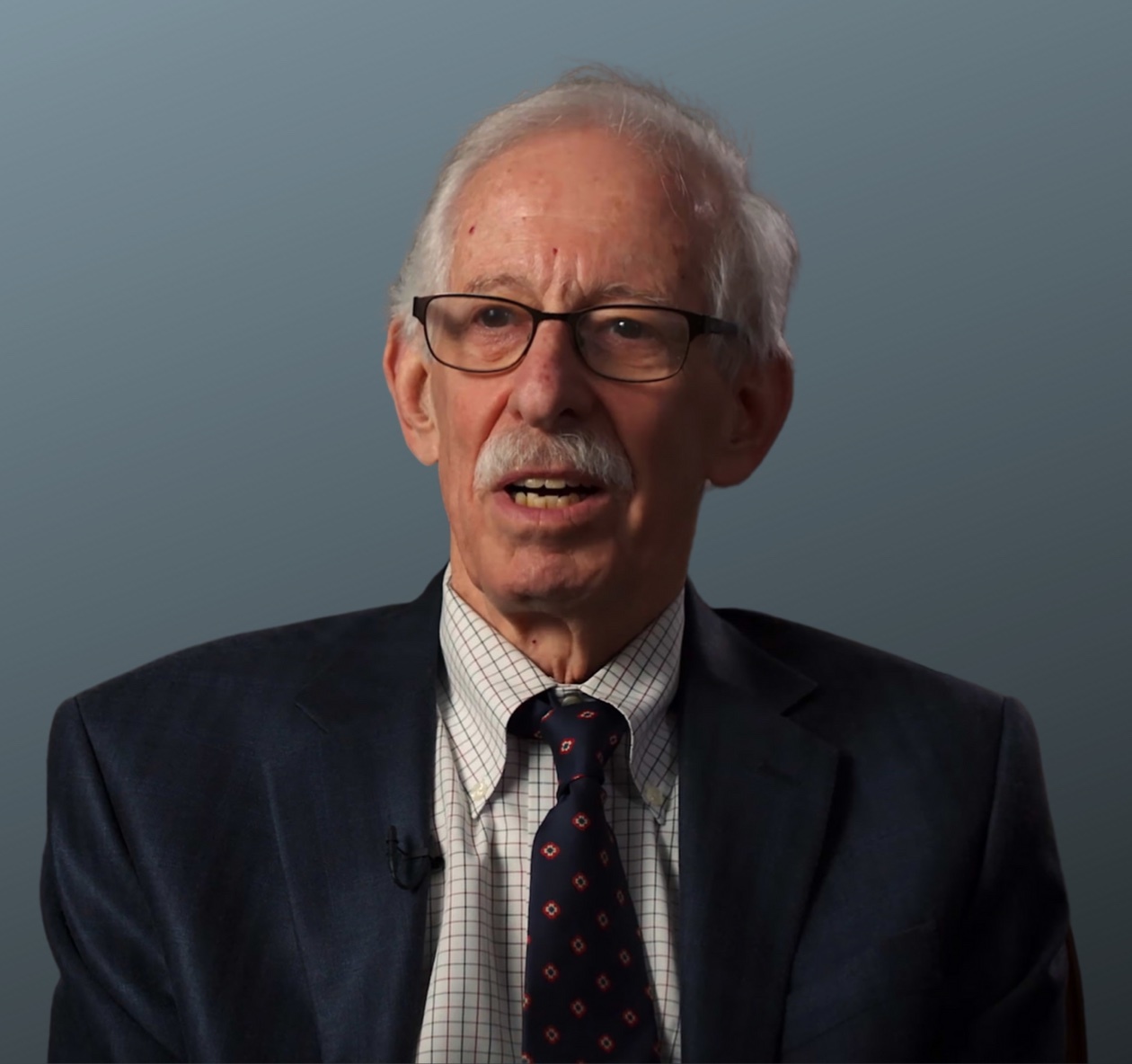
Peter Temin: Black and White America Always on Separate Trajectories
MIT economic historian Peter Temin discusses his new INET-CUP book, Never Together: The Economic History of a Segregated America, in which he shows how efforts to bridge the gap between races were always undermined, resulting in constant economic hardship for Black people.
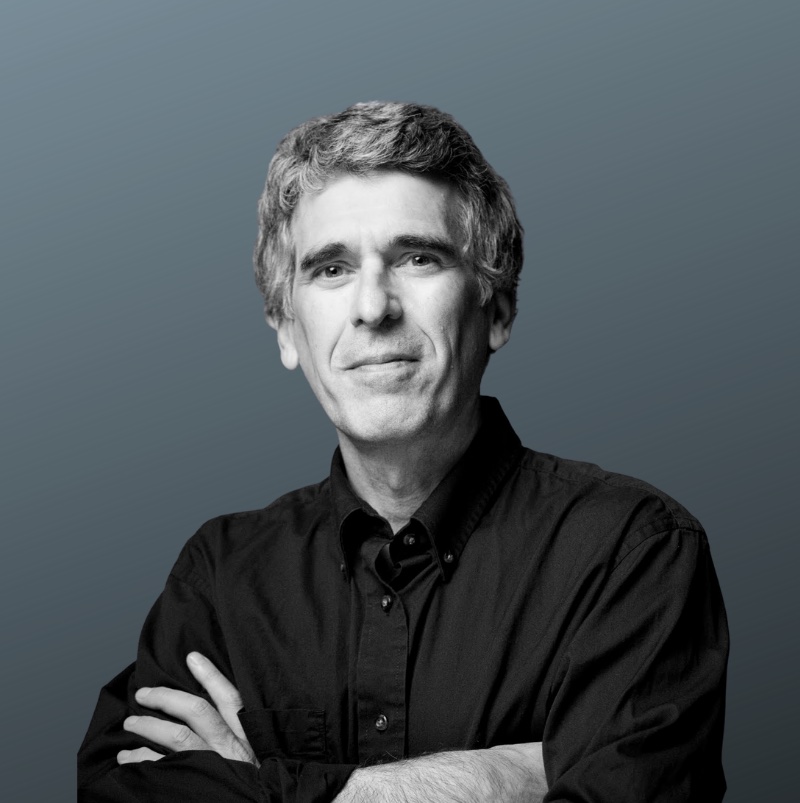
Norman Solomon: The Ukraine War and the Madness of Militarism
Author and peace activist Norman Solomon talks about the double standards in US foreign policy that have smoothed the path for Russia's inexcusable invasion of Ukraine. The role of the military-industrial-complex in the US is one of the main reasons we lack a single standard for the use of military force and human rights, says Solomon.

Joanna Chiu—China vs. West: New World Disorder
The Toronto Star journalist Joanna Chiu discusses her book, China Unbound: A New World Disorder, which argues that we need to go beyond the typical over-simplifications of democratic West versus autocratic China if we hope to engage China in a way that seriously addresses issues such as human rights, climate change, and economic development.
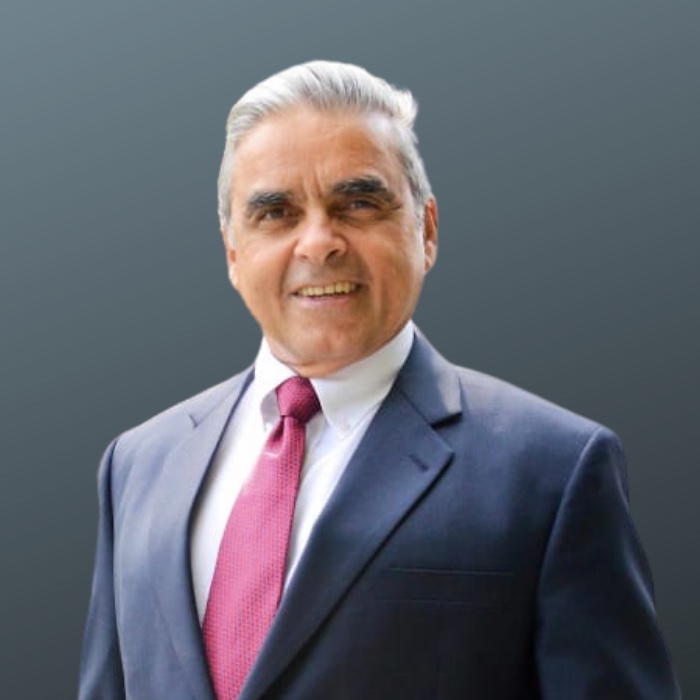
Kishore Mahbubani: The Return of Asia in the 21st Century
Distinguished Fellow at the Asia Research Institute, National University of Singapore, Kishore Mahbubani, discusses his latest book, The Asian 21st Century, in which he relates US decline to the rise of plutocracy and Asia's renewed rise - after having fallen behind in the last 200 years - to its growing sense of dynamism, optimism, and diversity.
This is the 200th episode of the podcast Economics

Richard Kozul-Wright & Kevin Gallagher: Re-orienting Global Finance Towards Ecological and Social Goals
UNCTAD Director Richard Kozul-Wright and Kevin Gallagher, Global Development Policy professor at Boston University, discuss their book, The Case for a New Bretton Woods. Ever since the post-war economic order was dismantled beginning in the 1980s, a re-design of the global economic order has become increasingly urgent in light of the social and ecological crises that we face.

Peter Barnes: The Problem of Ownership in Capitalism
Peter Barnes, the entrepreneur and author of the recently published book, Ours: The Case for Universal Property, talks about how new conceptions of property - a universal commons - could fundamentally transform capitalism to make it more ecologically and socially sustainable.
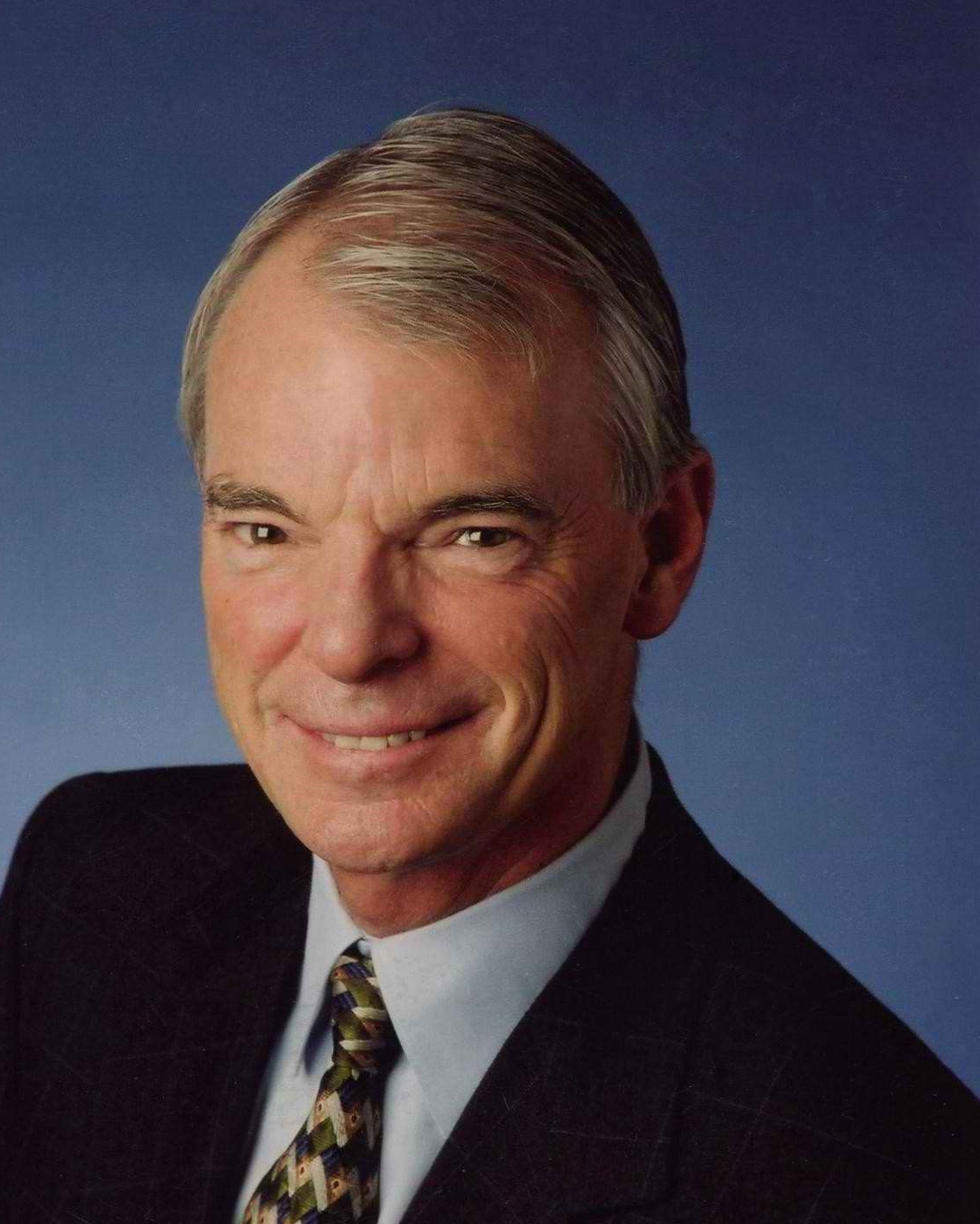
Michael Spence: We Are Entering a New Economic World
Economics Nobel Laureate Michael Spence discusses the profound changes that are rippling through the global economy as we emerge from the COVID recession, where economic growth will have to rely more on productivity gains instead of the incorporation of excess labor capacity and what this would mean for countries around the world.
Luohan Academy event referenced in the episode: Opportunities and C

Sarita Mohanty: Investing in Compassion
The tradition of abandoning our elderly populations needs to end. Sarita Mohanty talks with Rob Johnson about her work at the SCAN Foundation, and the critical importance of combating "ageism" to strengthening our society. Learn more: https://www.thescanfoundation.org/

Anand Giridharadas: How We Are Going to Live Together Is Up for Grabs
Anand Giridharadas, writer and author of the book, Winners Take All, discusses the multiple crises we are currently facing, how they could provide an impetus for real change, and how US and global elites are failing to live up to the challenge.

Patrick Lawrence: The US Doesn’t Pursue Foreign Policy, Only Security Policy
Patrick Lawrence, writer and executive editor of The Scrum, analyzes the roots of US foreign policy failures, how these are reflected in the current confrontation with Russia, which can be found the US establishment's weddedness to power and to an unwillingness to see the other's perspective.

Max Lawson: The Pandemic’s Billionaire Variant
Max Lawson, head of Oxfam International's Inequality Policy program, discusses Oxfam's latest inequality report, "Inequality Kills," which highlights the extreme growth in wealth of the billionaire class during the pandemic and how this has had a direct effect on the health and survival of the world's bottom 50%.

Ajay Chhibber: Unshackling India for Economic Revival
Ajay Chhibber, Distinguished Visiting Scholar at the Institute of International Economic Policy, George Washington University, and India's first Director General of Independent Evaluation with the status of Minister of State in 2013-14, discusses his co-authored book, Unshackling India, about what needs to happen for India's economy to take off.
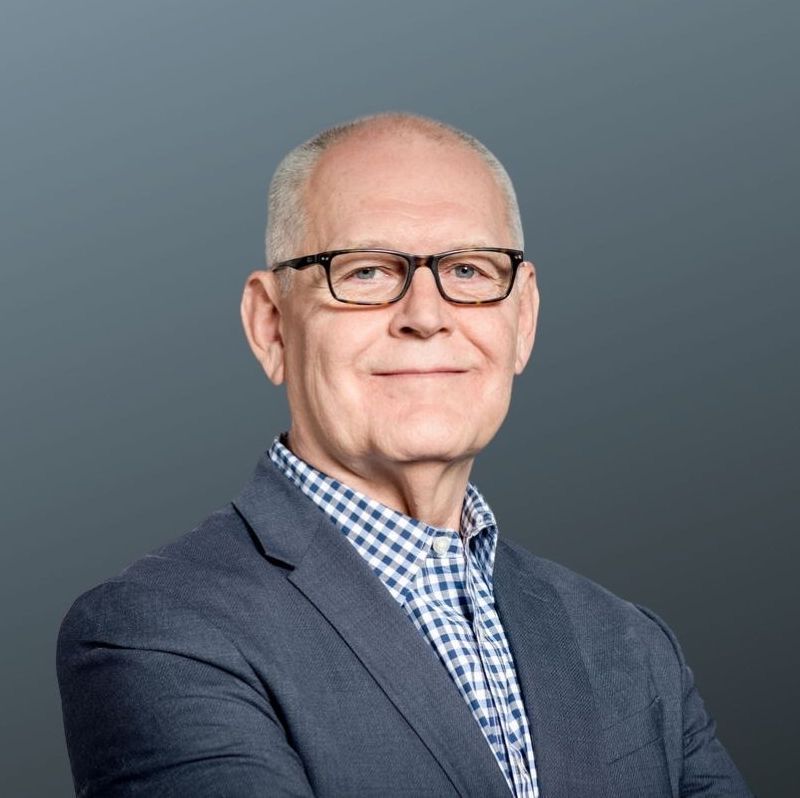
Wendell Potter: US Healthcare Strangled by Massive Insurance Profits and Money in Politics
Former health insurance executive turned whistleblower and investigative journalist Wendell Potter discusses the many ways in which the private health insurance system of the US is not serving anyone well except the insurance companies' owners

Adam Tooze: A Global Green New Deal
Rob Johnson interviewed Columbia University historian Adam Tooze in early 2020 about his work on financial history and how it relates to the Green New Deal.

Terrence McNally: On Finding Repair and Relief from the Commodification of Social Design
Terrence McNally, the host of the podcast Free Forum: A World that just Might Work, interviews Rob about the current state of the world and what needs to happen for us to get out of the mess in which we find ourselves.

John Fullerton: Regenerative Economics: A Necessary Paradigm Shift for a World in Crisis
John Fullerton, the Founder of the Capital Institute, discusses the urgent need for a new paradigm in economic thinking, modeled on living systems instead of Newtonian physics, which he calls regenerative economics.

Peter Goodman: How Davos Man Devours the World
Peter Goodman, New York Times correspondent and author of the just-published book, Davos Man: How the Billionaires Devoured the World, talks to Rob about how inequality is not inevitable, but has been engineered through the political process by selling us a false idea of what is possible.
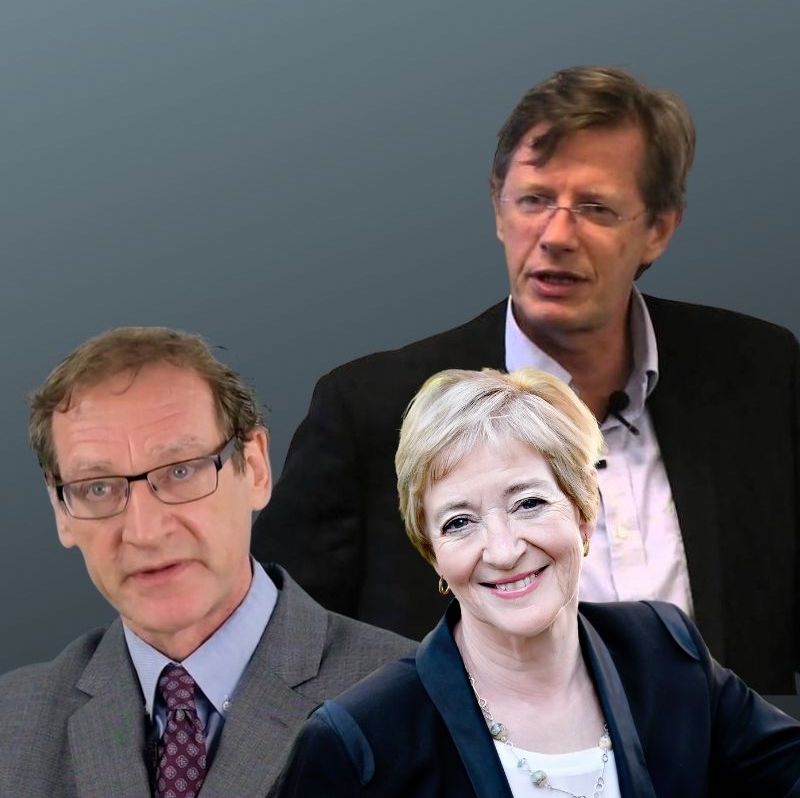
COP26: The Paralysis from Above
In a replay of INET Live's webinar, following the COP26 climate conference in Glasgow last December, Richard Kozul-Wright of UNCTAD, Patrick Bond of the University of Johannesburg, and author Maude Barlow discuss the disproportionate impact climate change has on the developing world and the ways to best address it.

Glenn Hubbard: The Antidote to the Wall is the Bridge
Professor Glenn Hubbard, professor of Finance and Economics at Columbia Business School, talks about his just-released book, The Wall and the Bridge: Fear and Opportunity in Disruption’s Wake, and how society and policymakers can help those who are left behind in the wake of today's competitive world.

The Pandemic‘s Opportunities and Challenges for Racial Justice
Prosperity Now CEO Gary Cunningham talks to Rob, in a wide-ranging discussion, about the many ways in which the pandemic has affected racial justice and injustice and how we might overcome the divisions and polarizations that we currently confront.
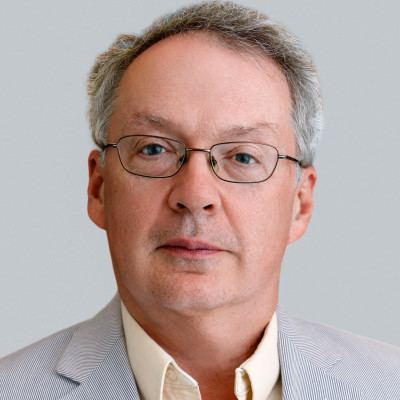
Thomas Ferguson: Making Sense of the 2020 Presidential Election
INET's Research Director Thomas Ferguson talks about the research he and his collaborators Paul Jorgensen and Jie Chen conducted of the 2020 election and some of overlooked factors that were at play in that election.

Yuen Yuen Ang: China & U.S. - A Clash of Two Gilded Ages
Yuen Yuen Ang, political science professor at the University of Michigan and author of the book, China's Gilded Age, argues that the US and China have more in common than we usually think and that it makes more sense to see the conflict as a clash of two gilded ages instead of a clash of civilizations.
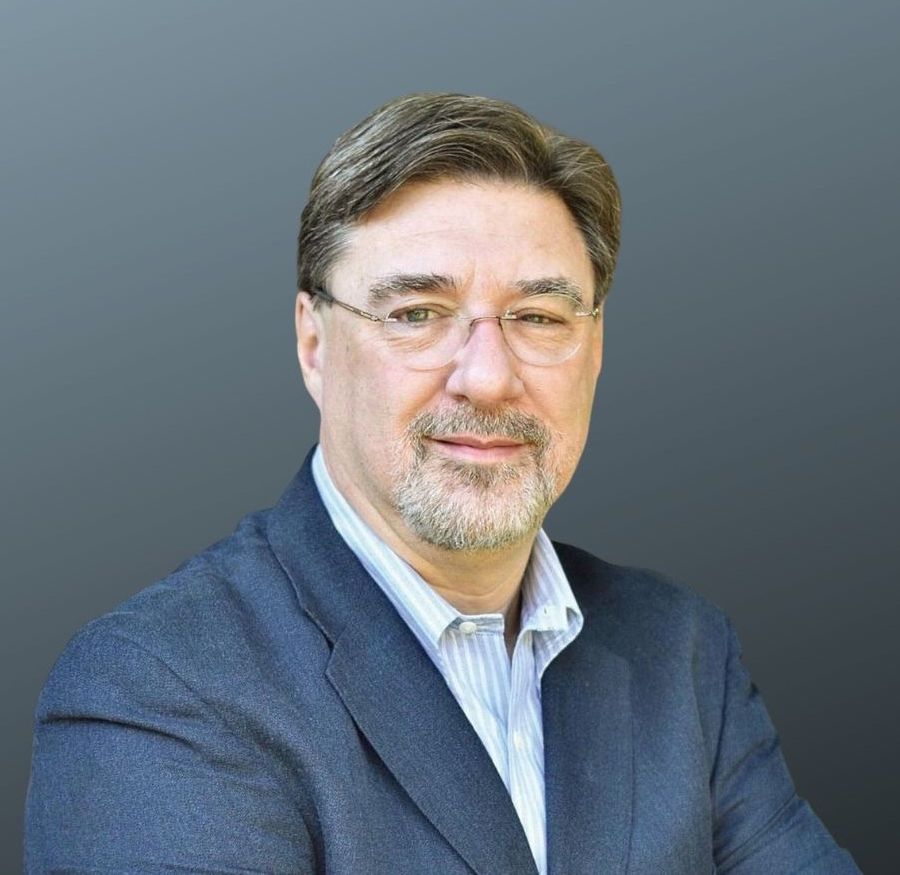
Tom Nichols: Our Own Worst Enemy
Tom Nichols, Professor of National Security Affairs, US Naval War College, columnist for USA Today, and contributing writer at The Atlantic, discusses his new book, Our Own Worst Enemy: The Assault from within on Modern Democracy, and how a decline in civic virtue has generated a dangerous illiberalism.

Dan Breznitz: Innovation in the Service of Society
Dan Breznitz, author of the book Innovation in Real Places, Strategies for Prosperity in an Unforgiving World, and professor of public policy at the University of Toronto, talks about how innovation ought to be guided if it is to be successful in addressing our most pressing problems.
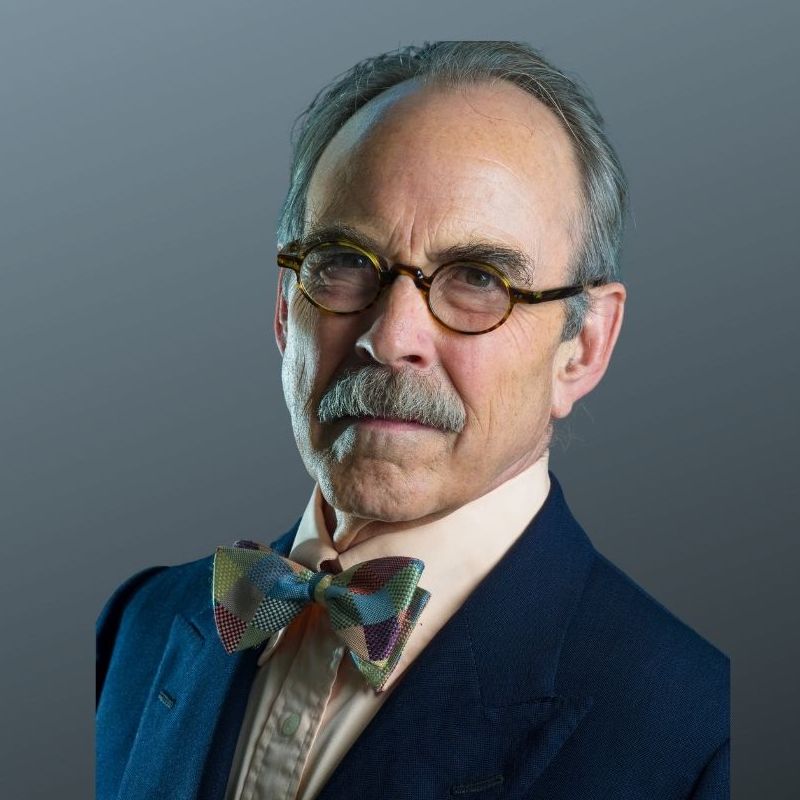
Bill Janeway: What Is the Janeway Institute?
"I was considering what I was going to do, [and] what I decided I could not do, was stay within the confines of mainstream academic economics." Rob Johnson talks with INET Co-Founder Bill Janeway about his exciting new project at Cambridge University.
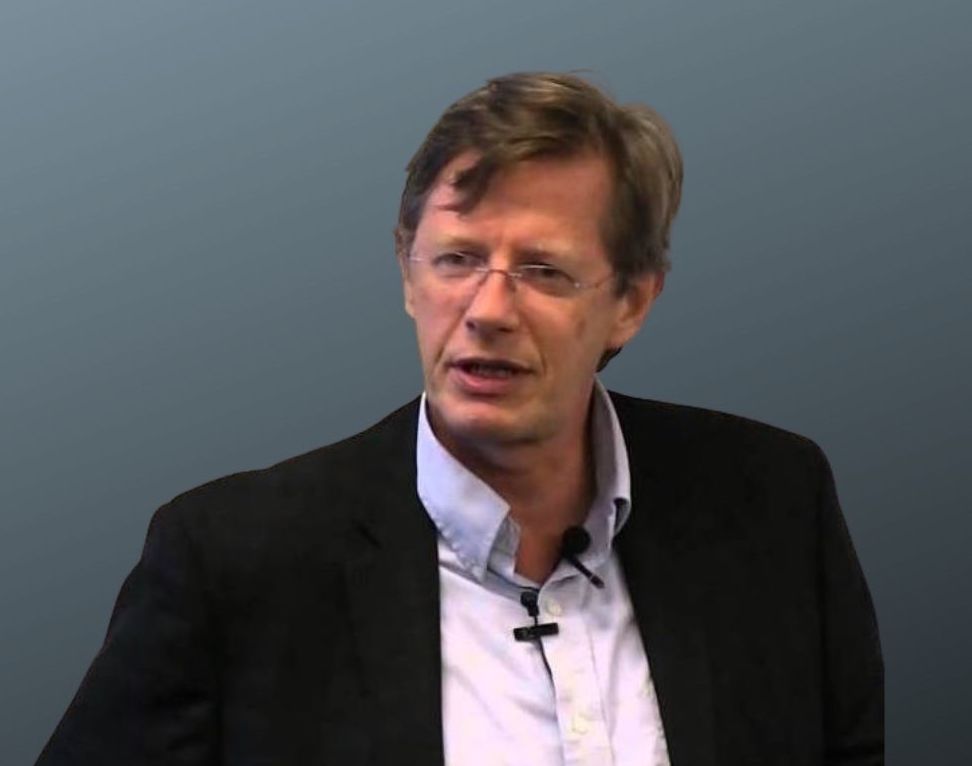
Patrick Bond: The Urgent Need for Climate Reparations
Patrick Bond, sociology professor at the University of Johannesburg, South Africa, discusses the urgent need for climate reparations for Africa, in light of the COP26 climate summit, and why market solutions will not work to address the problems Africa is currently facing. Part 2 of 2.
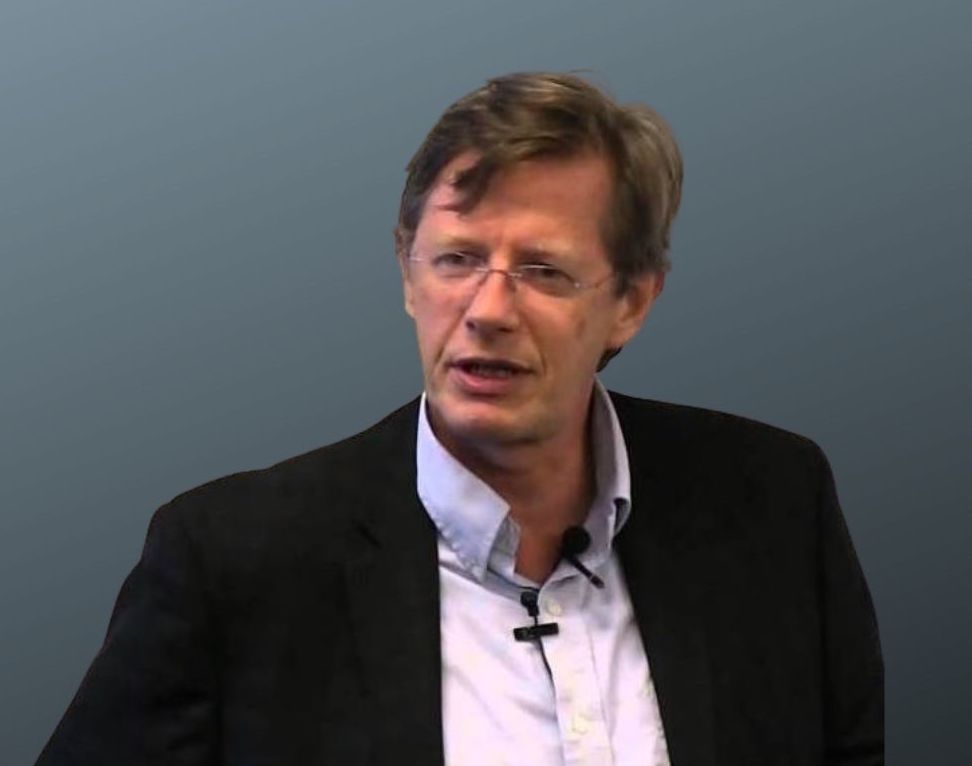
Patrick Bond pt 1: Naïve Market Solutions for Climate Change Will Intensify the Looting of Africa
Patrick Bond, sociology professor at the University of Johannesburg, South Africa, discusses the urgent need for climate reparations for Africa, in light of the COP26 climate summit, and why market solutions will not work to address the problems Africa is currently facing. Part 1 of 2.
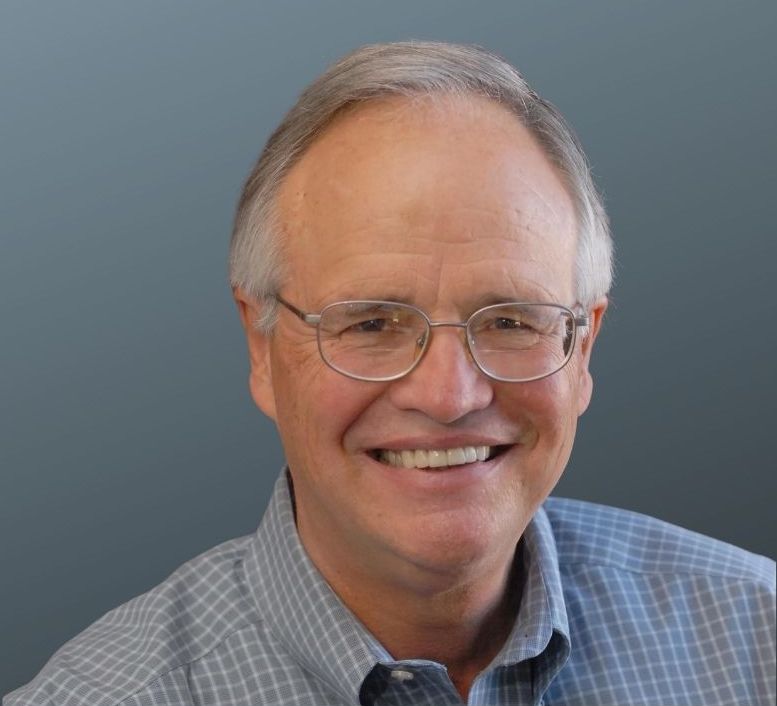
Gus Speth: The US Federal Government‘s Fifty-Year Role in Causing the Climate Crisis
From LBJ to the present, the federal government has knowingly continued to expand the US fossil economy, not passively but as a major active player, endangering the future of young people.
Ann Pettifor: How Do We Create the Financial Conditions for a Green New Deal?
Political economist, author, and public speaker Ann Pettifor talks about her latest book, The Case for a Green New Deal, which not only lays out the urgency for such a deal, but also proposes a roadmap for both national and global financial reform to make it possible.
Nancy MacLean: Milton Friedman‘s Collusion with Segregationists
Nancy MacLean, history professor at Duke University, talks about the ways in which neoliberal economic icon Milton Friedman collaborated with segregationists and with right-wing billionaires in the pursuit of his goal of privatizing public education.
We Need a Resilient Society
Princeton economics professor Markus Brunnermeier discusses his recently released book, The Resilient Society, which argues that in crisis-prone situations societal resilience is a crucial component for averting outright disaster and outlines how we might achieve that resilience.

Sam de Muijnck and Joris Tieleman: A New Vision for Economics Education
The education of the next generation of economists too often ignores the real crisis we face today: climate change, inequality, and financial instability. Sam de Muijnck and Joris Tieleman seek to address this problem in their book, Economy Studies, which outlines a practical road map for effectively connecting pluralism of core academic material to real world events, values, and the great questio
Adam Tooze: Shutdown: How Covid Shook the World‘s Economy
Adam Tooze, director of Columbia University's European Institute, discusses his new book with Rob Johnson.
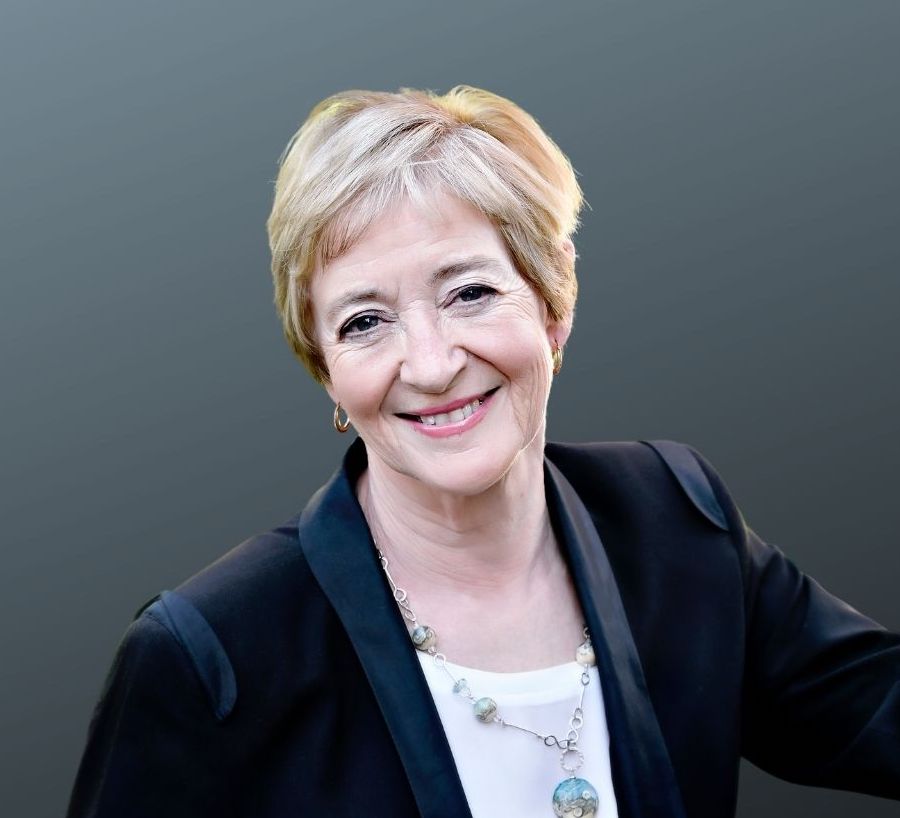
Maude Barlow: Water, The New Gold
The COVID pandemic highlighted the deepening water crisis. "Do we understand that over half the population of the world doesn't have a place to wash their hands with soap and warm water?" says water warrior Maude Barlow.
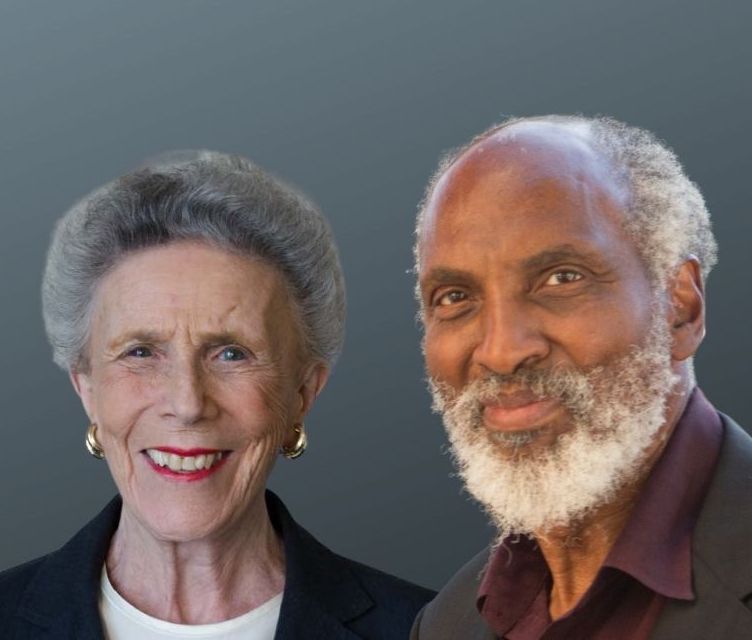
Gisele Huff and john a. powell: On Developing a Vision for a Better Society
Gisele Huff, education policy specialist and president of the Gerald Huff Fund for Humanity, along with john a. powell, director of UC Berkeley's Othering & Belonging Institute, talk about the motivations and process behind the soon-to-be-released report, "Convening on Automation, Opportunity, and Belonging: Vision and Foundations for a Better Society."
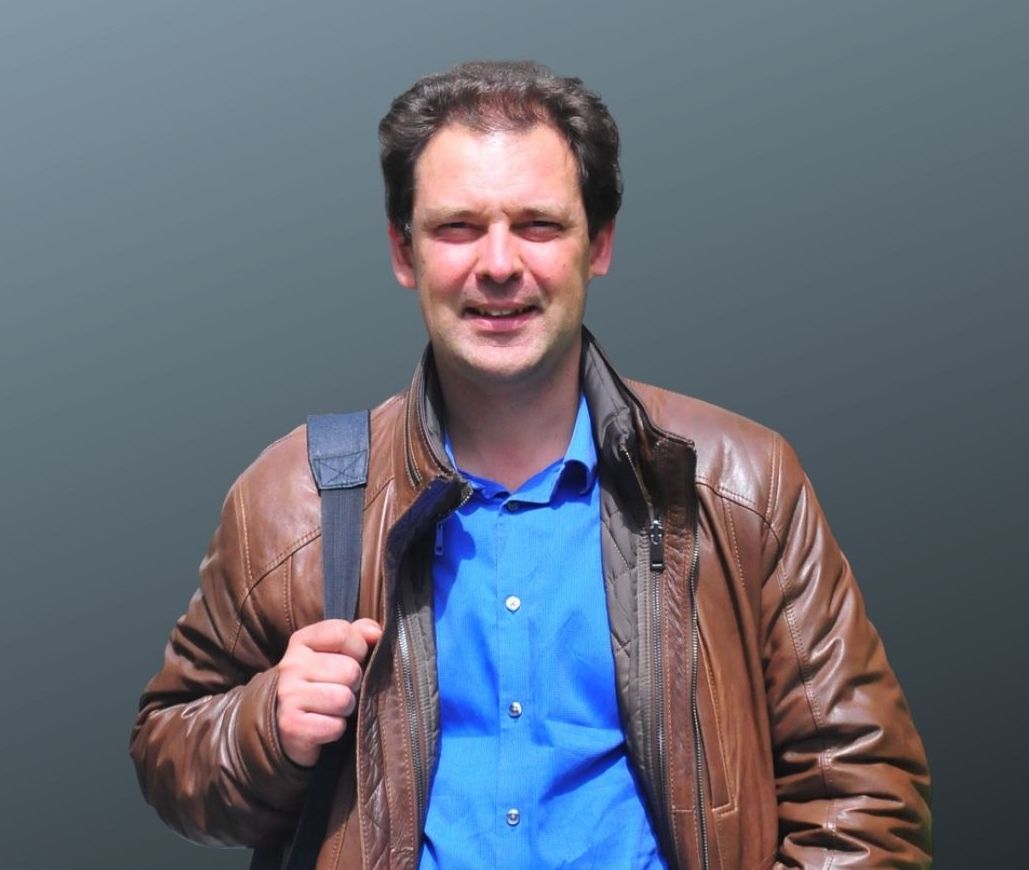
Stanislav Shmelev: The Economics of Ecological Sustainability
Stanislav Shmelev, the director of Environment Europe Foundation in Oxford, discusses the many dimensions we need to consider when preparing our cities, businesses, and economies to the demands of ecological sustainability.
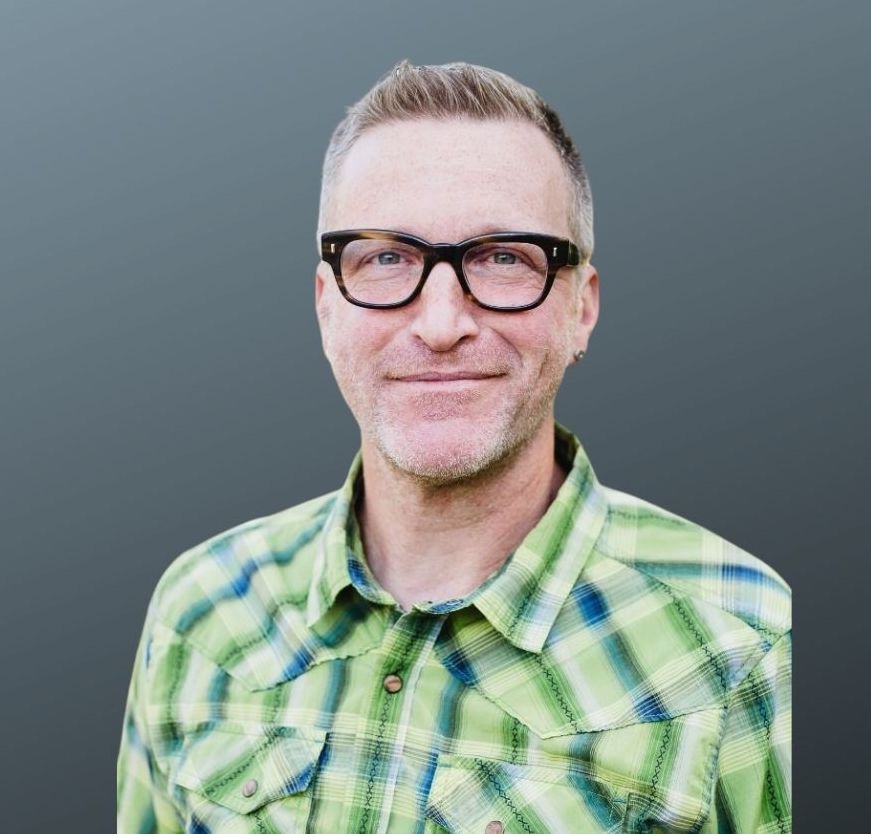
Geoff Mann: Transforming and Democratizing Institutions to Address Climate Change
Geoff Mann, professor of geography at Simon Fraser University and co-author of the book, Climate Leviathan, discusses the authoritarian dangers ahead, as the world tried to cope with climate change, and how all institutions, including central banking, need to evolve so they address the problem adequately.
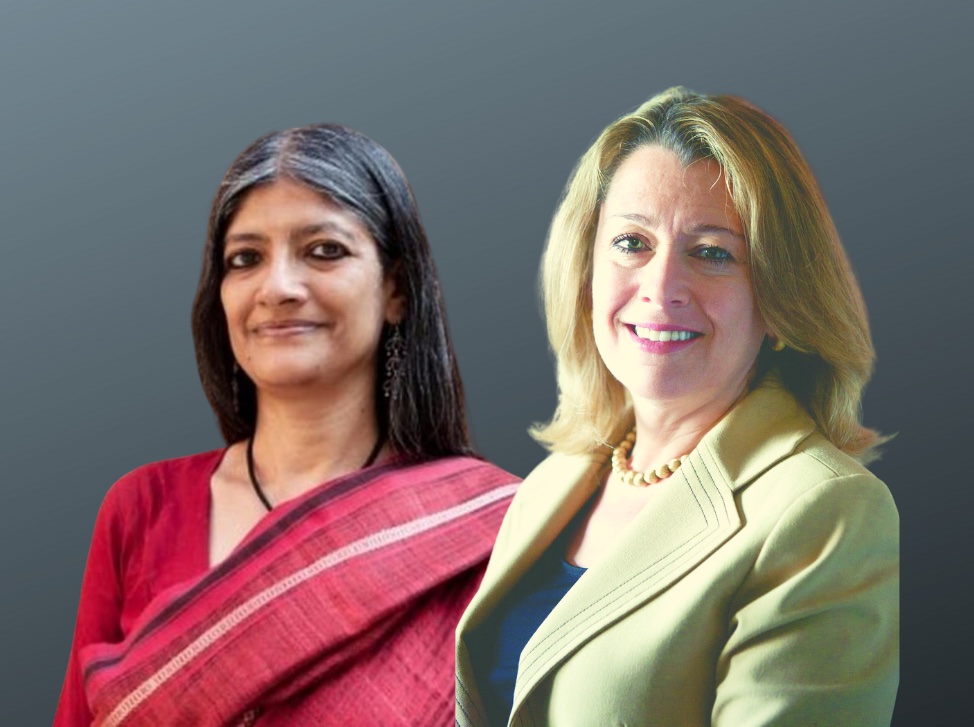
Wallach and Ghosh: The Obscene Obstacles to Global Vaccine Distribution
Lori Wallach, of Public Citizen's Global Trade Watch, and Jayati Ghosh, economics professor at UMass Amherst, discuss how first world countries are protecting pharma companies' exorbitant profits, at the expense of vaccinating people living in the Global South and thereby also endangering everyone in the world.
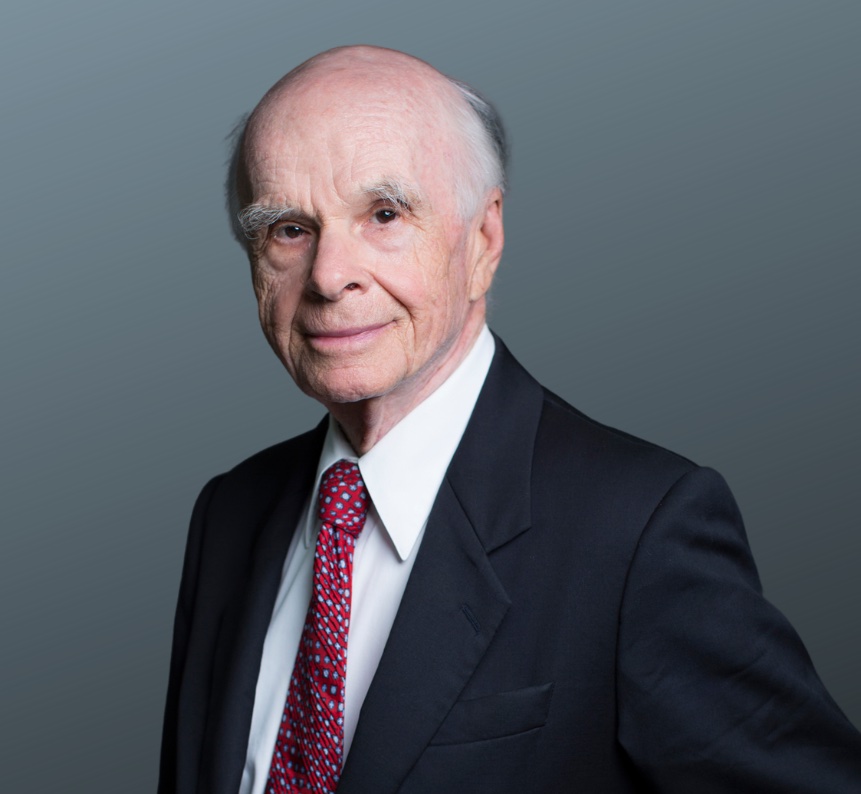
Ervin Laszlo: We Are in the Midst of a Global Transformation (pt. 2 of 2)
Prolific author and philosopher Ervin Laszlo discusses his most recent books, in which he outlines how the latest discoveries in science converge with spiritual insights and point to the ways in which society might evolve in ways that will help overcome contemporary crises.
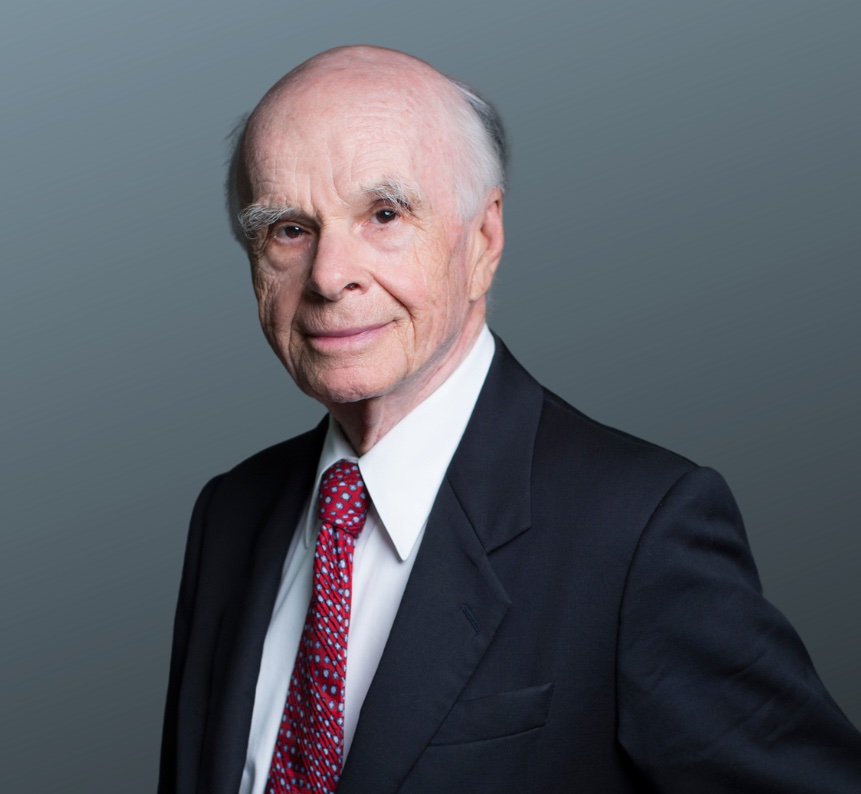
Ervin Laszlo: We Are in the Midst of a Global Transformation (pt. 1 of 2)
Prolific author and philosopher Ervin Laszlo discusses his most recent books, in which he outlines how the latest discoveries in science converge with spiritual insights and point to the ways in which society might evolve in ways that will help overcome contemporary crises.
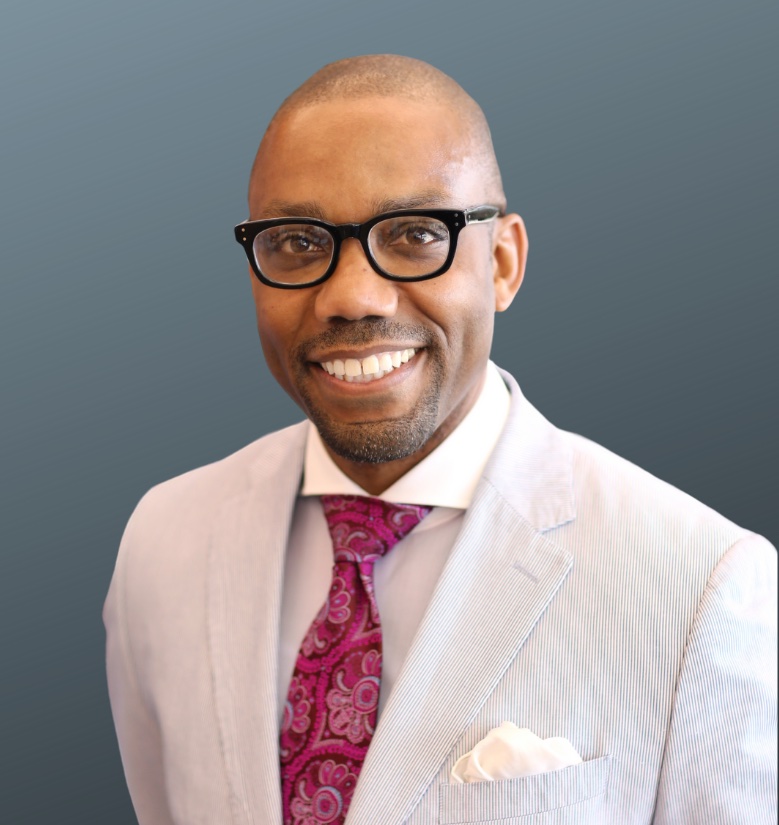
Andre Perry: We Need a Reparative Culture
Andre Perry, senior fellow at the Brookings Institution and author of the book, Know Your Price: Valuing Black Lives and Properties in America's Black Cities, discusses the on-going problem of how real estate dynamics continue to maintain racial injustice in cities across United States, and how we need a "reparative culture" to address the problem
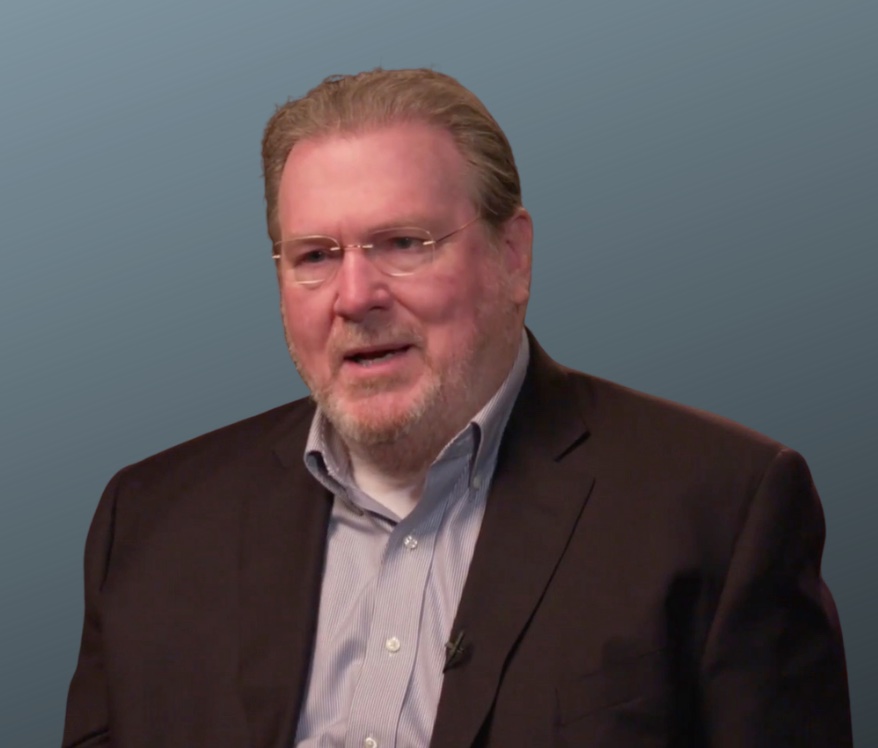
Richard Vague: Myths and Landmarks in US Economic History
Economic historian and INET board member Richard Vague, talks about his latest book, The Illustrated Business History of the United States, which reveals a number of misconceptions and myths about the development of the US economy
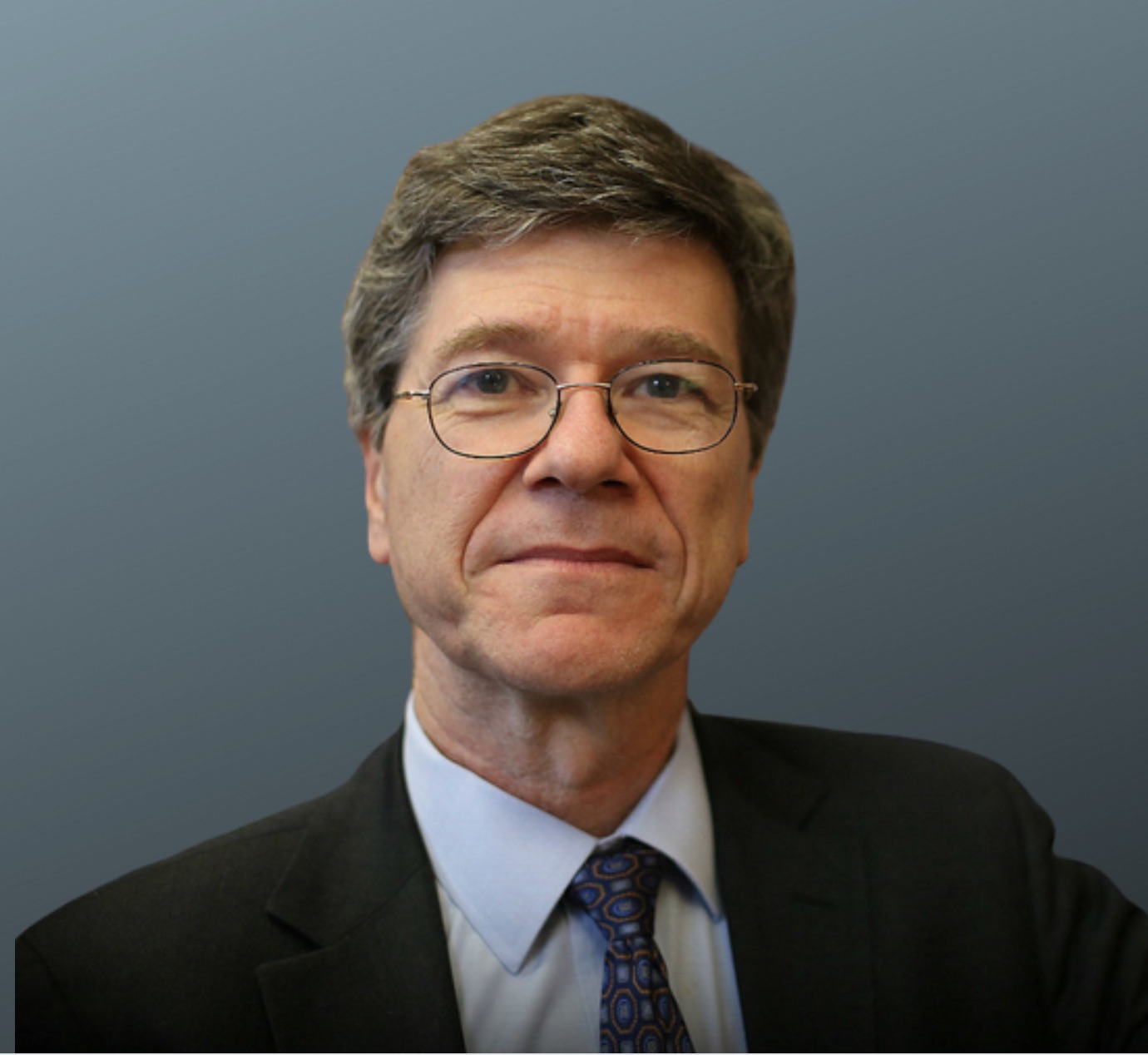
Jeffrey Sachs: America vs. Everyone
Jeff Sachs talks with Rob Johnson about US-China relations, the tragedy of modern geopolitics, and how our current race to the bottom could be reversed.
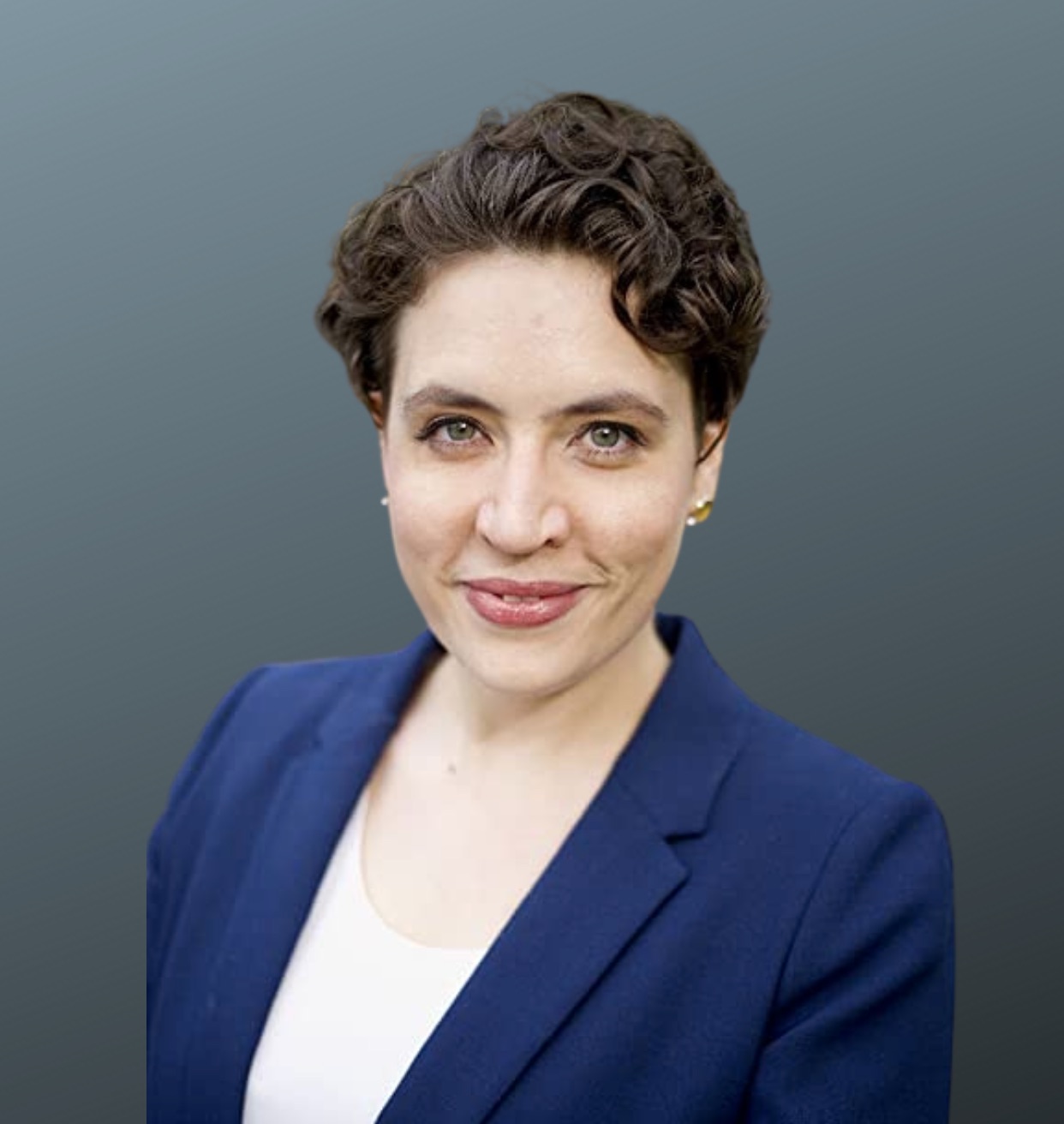
How China Escaped Shock Therapy
Isabella Weber, assistant professor of economics at UMass Amherst, discusses her new book on how China managed its transition from central planning to markets
Recommended

The Healer Revolution

Becoming: HER with Nikki Spoelstra

Booked, Blonde & Busy w/ Olivia Ponton
McKinsey on Consumer and Retail

megahired.com

Hard Knocks Podcast

Effective Weight Loss for Moms | High protein, Strength Training, Lose Weight, Meal Planning, Fat Loss, Healthy Habits

The Human-Animal Connection - Pet Life Radio Original
Infinite Health with Dr. Arasi Maran

The Daily
World News Tonight with David Muir
The Joe Rogan Experience
