The Book Brief Project
The Book Brief Project explores what books are truly about, moving beyond summaries and surface interpretations. Each episode reconstructs a book with care and precision, following its ideas as they unfold to reveal what is often missed at first reading. The channel features AI-assisted narration for consistency and clarity, while all research, interpretation, and analysis are developed independently.
Episodes

The Heirs — A Murder Mystery About the Price of Perfection
What if an experiment designed to manufacture genius succeeds in a way its creator never intended?In The Heirs, Faridah Àbíké-Íyímídé introduces Leontes Button, a billionaire who adopts five children and raises each to become exceptional in a chosen field. A chess grandmaster, a celebrated pianist, an Olympic fencer, an artist, and a writer whose supposed failure becomes a public identity. When th
The Power of Moments: Who Gets to Design Your Memories?
What if the moments we remember most vividly aren't entirely our own? In The Power of Moments, Chip Heath and Dan Heath argue that extraordinary experiences don't always happen by accident. They can be deliberately created. But when everyone learns to manufacture memorable moments, what happens to their meaning?Drawing on Daniel Kahneman's research into how memory works, the Heath brothers explore
Dead Beat: Yale, Demons, and the Cost of Privilege
What does it cost to belong to an institution that was never built for you?Leigh Bardugo’s Dead Beat, the final novel in the Ninth House trilogy, brings Alex Stern back to Yale as demons cross into the living world and the consequences of choices made in the previous books finally come due. But beneath the supernatural threat sits a more uncomfortable question: who actually pays for the privileges
Flashlight: What Happens When Darkness Gets a Name
What happens when a novel built around uncertainty finally gives its darkness a name?Susan Choi’s *Flashlight* begins with the disappearance of Serk, a Korean father living in Japan who walks onto a breakwater with his ten-year-old daughter and never comes back. What follows is a story about memory, migration, family silence, resentment and the different ways people learn to live around an absence
Dan Brown’s The Secret of Secrets — and the Plot That Undermines It
What happens when a thriller tries to argue that some mysteries have no mechanism at all?In The Secret of Secrets, Dan Brown sends Robert Langdon through Prague in pursuit of a conspiracy built around consciousness, near-death experiences, secret intelligence programs and the possibility that the mind may exist beyond the brain. Katherine Solomon believes the brain may be less a generator of consc
The Unknown: What Happens When a Mystery Explains Too Much
What happens when a mystery is more powerful before you know the answer?Riley Sager’s The Unknown begins with an irresistible premise: in 1926, five women living in a spiritualist commune disappear from an isolated Vermont island, leaving behind only their dresses hanging from the branches of a tree. A century later, a group of actresses arrives on the same island to recreate what happened.But the
The Things We Leave Unfinished: Who Deserves a Happy Ending?
What do you owe the people inside a story when the truth of what happened to them is cruel — the ending they got, or the ending they deserved?Rebecca Yarros’s The Things We Leave Unfinished tells two love stories separated by nearly eighty years: one unfolding during the Second World War, the other around an unfinished manuscript whose final pages could change how a family understands its own hist
Everything Was Beautiful and Nothing Hurt — Until It Wasn’t
Can a novel comfort you about a death it makes you watch?Ben Reeves’s Everything Was Beautiful and Nothing Hurt imagines Death as Travis Smith, a quiet man in jeans and a T-shirt who spends eternity sitting beside people in their final moments. He does not judge, interfere or change what is coming. Until a stray cat leads him across the hall to a midwife, her two daughters, and an ordinary human l

The Astral Library: The Fantasy That Refuses to Let You Escape
What if the fantasy of escaping into your favorite book only matters because, eventually, you have to come back?Kate Quinn’s The Astral Library begins with an irresistible premise: a secret library that can open a door from any library on Earth and allow desperate readers to live inside the books they love. But the novel keeps interrupting its own fantasy. The visits are brief, the doors keep clos
People Buy You — But What Does That Cost?
What if the most important thing you sell is not the product at all?In People Buy You, sales author Jeb Blount argues that when products, prices and services look increasingly alike, buyers make their decisions based on something harder to copy: the person sitting across from them. Likability, attention, trust and the feeling of being understood become part of the offer.Blount builds the book arou
How Big Things Get Done | The Numbers Were Never Real
Why do the world’s biggest projects so often cost more, take longer, and deliver less than promised? In How Big Things Get Done, Bent Flyvbjerg and Dan Gardner argue that the answer begins long before construction starts: poor planning, optimism bias, premature commitment, and a failure to learn from what happened before.Drawing on a database of more than sixteen thousand projects, Flyvbjerg shows

The Deal: The Romance Novel That Was Smarter Than I Expected
What if the book you expected to dismiss turned out to understand something important before most people had the language for it?Elle Kennedy’s The Deal looks, from the outside, like pure college romance: a hockey captain, a reluctant tutor, a fake relationship and the familiar machinery of attraction. But underneath that formula is a much more serious story about trauma, consent, safety and what
The Let Them Theory Is Missing One Word
What if letting people be who they are can become another way of giving up on them?Mel Robbins’ The Let Them Theory reduces an ancient idea about control and acceptance to two memorable words: let them. Stop managing other people’s opinions, choices, moods and expectations. Then turn inward and ask what remains within your control: let me.It is simple, useful and remarkably portable. But the simpl
What to Make of a Life — And the Evidence It Can’t See
What if the problem with studying a successful life is that failure rarely leaves the same kind of record?In What to Make of a Life, Jim Collins applies the comparative method behind Good to Great to thirty-four individual lives. He studies people who faced similar turning points but responded differently, looking for patterns in what he calls cliffs, fog, encodings and simplex stepping — a framew
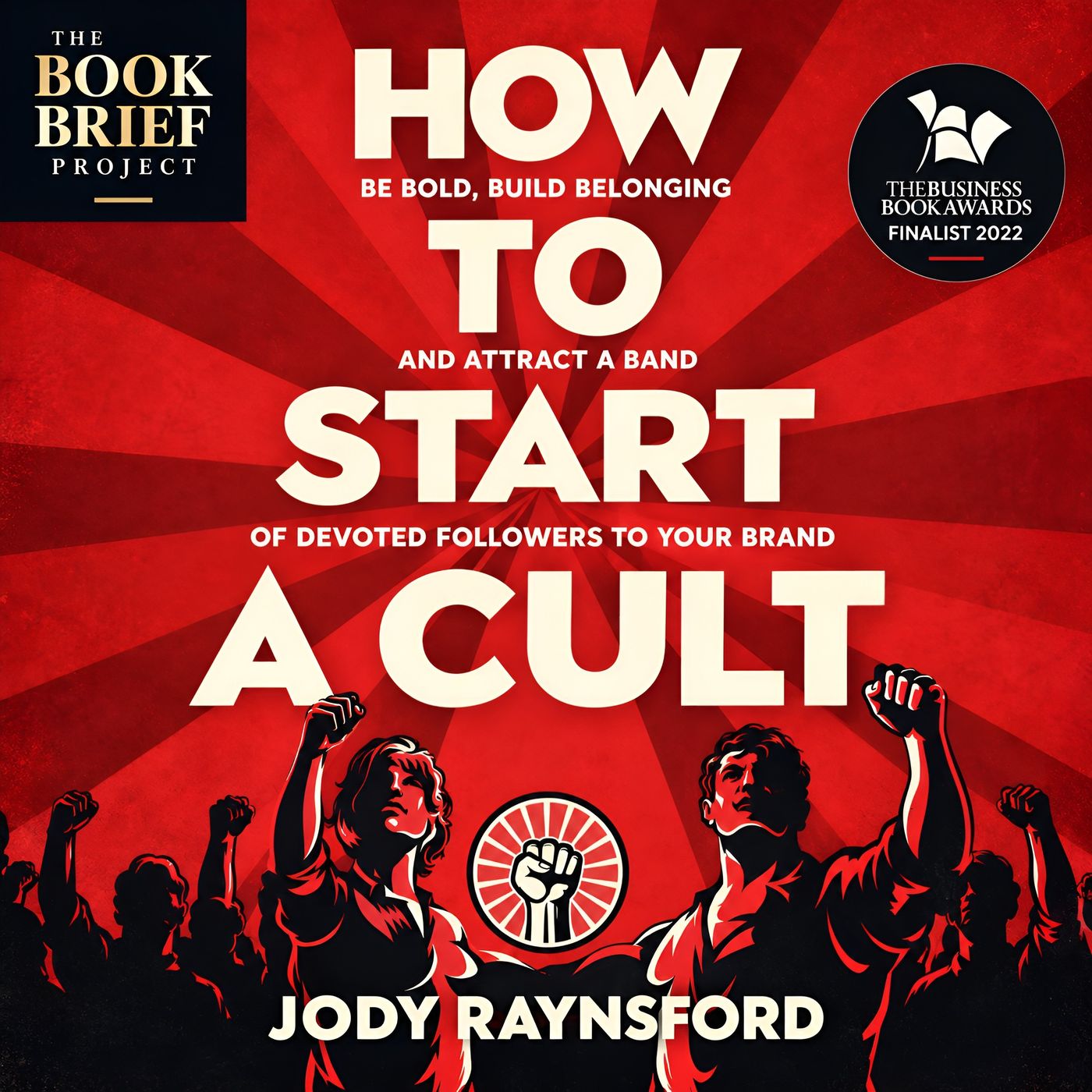
How to Start a Cult — And Why It Works
What is the difference between finding a community and being recruited into one? In How To Start A Cult, Jody Raynsford argues that the strongest brands do not simply create loyal customers. They create belonging.Drawing on his experience building the running community around Bad Boy Running, Raynsford breaks that process into a set of deliberately provocative “commandments”: create a message peop
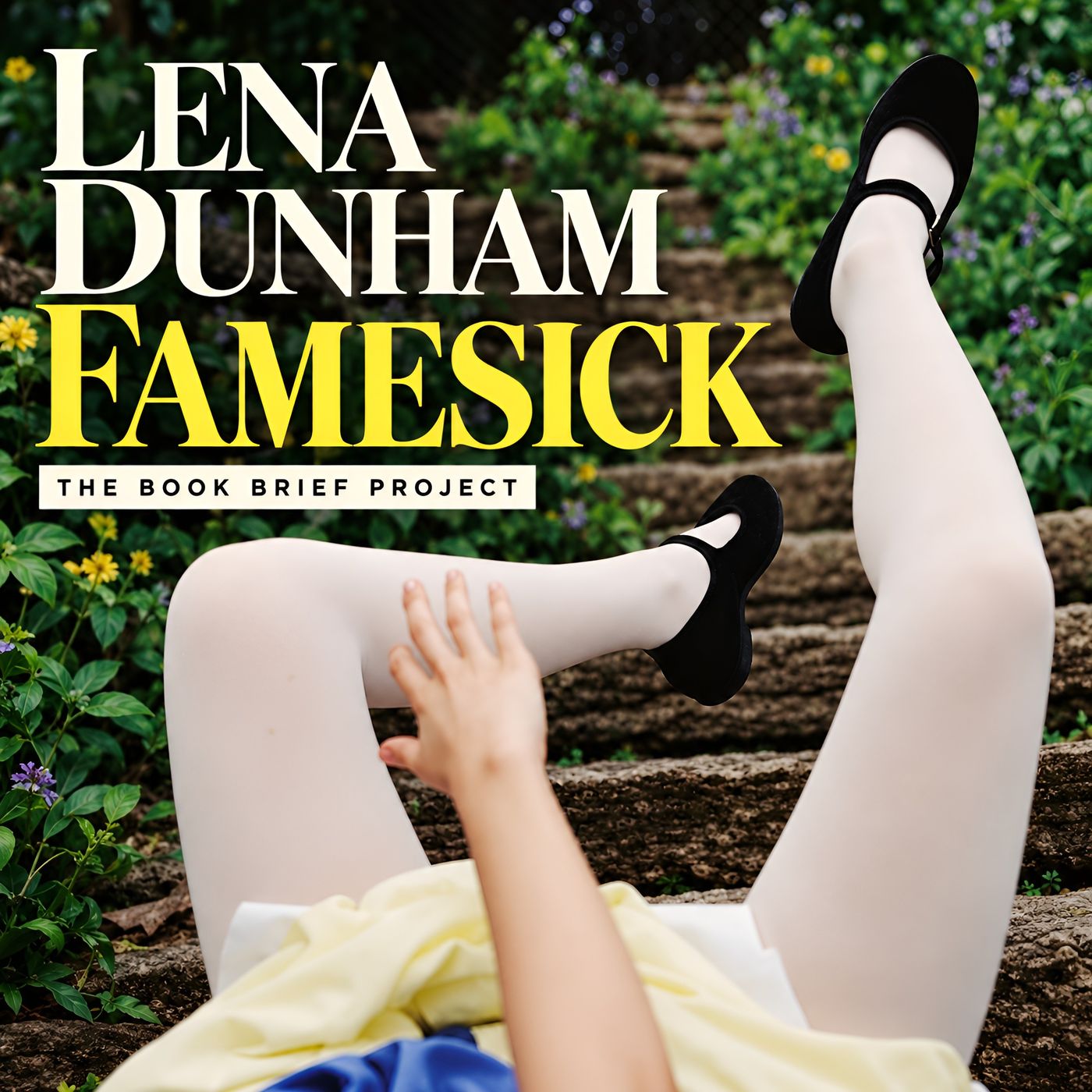
Famesick: Lena Dunham Never Got Off the Set
What if fame did not create Lena Dunham’s compulsion to turn private life into material, but simply gave that instinct an audience?In Famesick, Dunham writes about the years after Girls, her collapsing health, chronic pain, endometriosis, a hysterectomy at thirty-one, prescription dependence and the relationships that did not survive. Her body was failing while millions of people were watching, ju
The Help: Who Gets to Tell the Story?
What happens when a novel about unheard voices becomes a story about who gets to publish them? Kathryn Stockett’s The Help became one of the most successful American novels of its generation, beloved for characters like Aibileen and Minny and for a message of dignity that millions of readers carried beyond the book. But inside its story is a contradiction that becomes harder to ignore the closer y
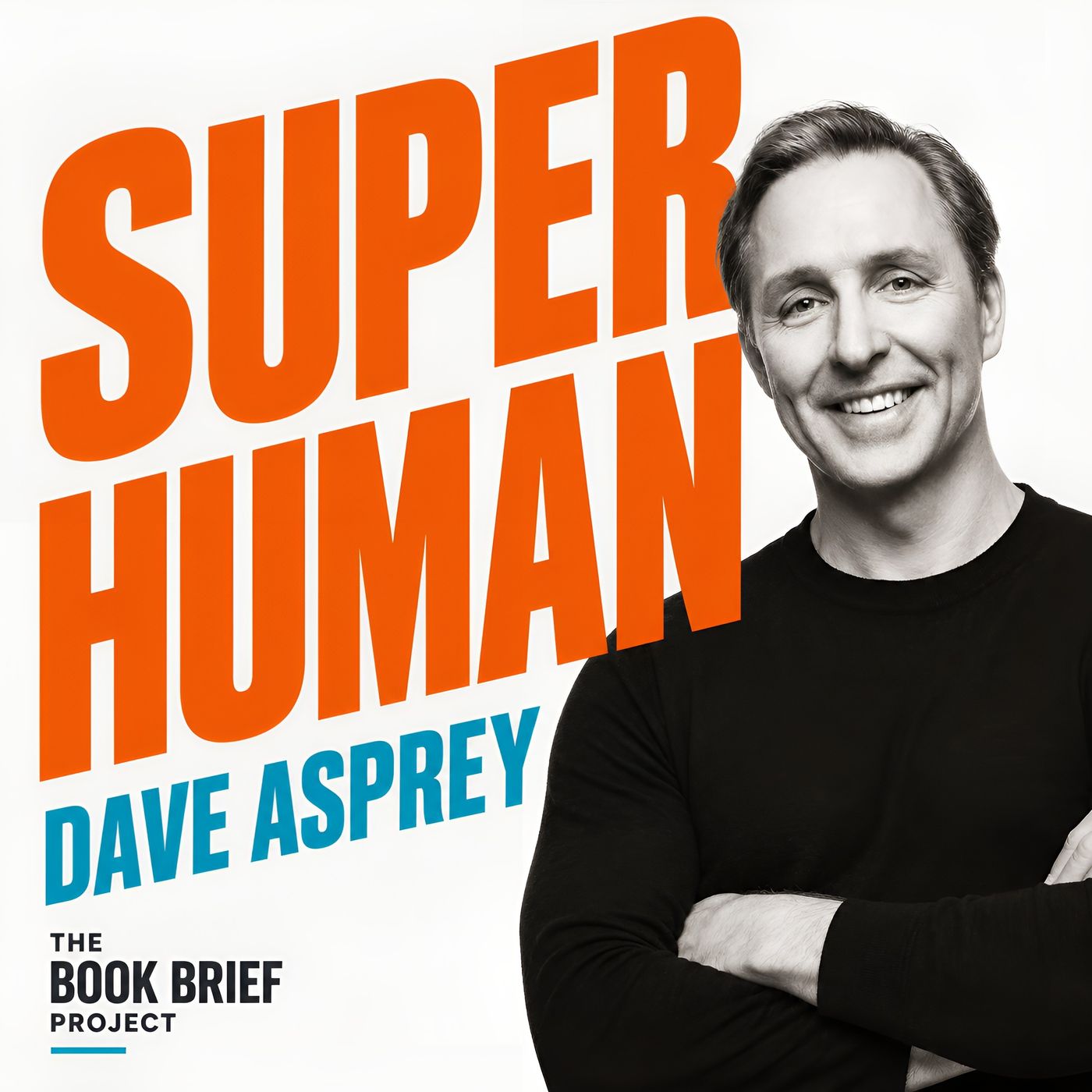
Super Human — Who Actually Gets to Live Longer?
What if living longer is not primarily a question of finding the next breakthrough treatment? Dave Asprey’s Super Human makes a more ambitious claim: aging is a process with identifiable mechanisms, and if those mechanisms can be understood and influenced, the body may be able to remain functional far longer than we assume.Asprey approaches longevity like an engineering problem. He moves from rela
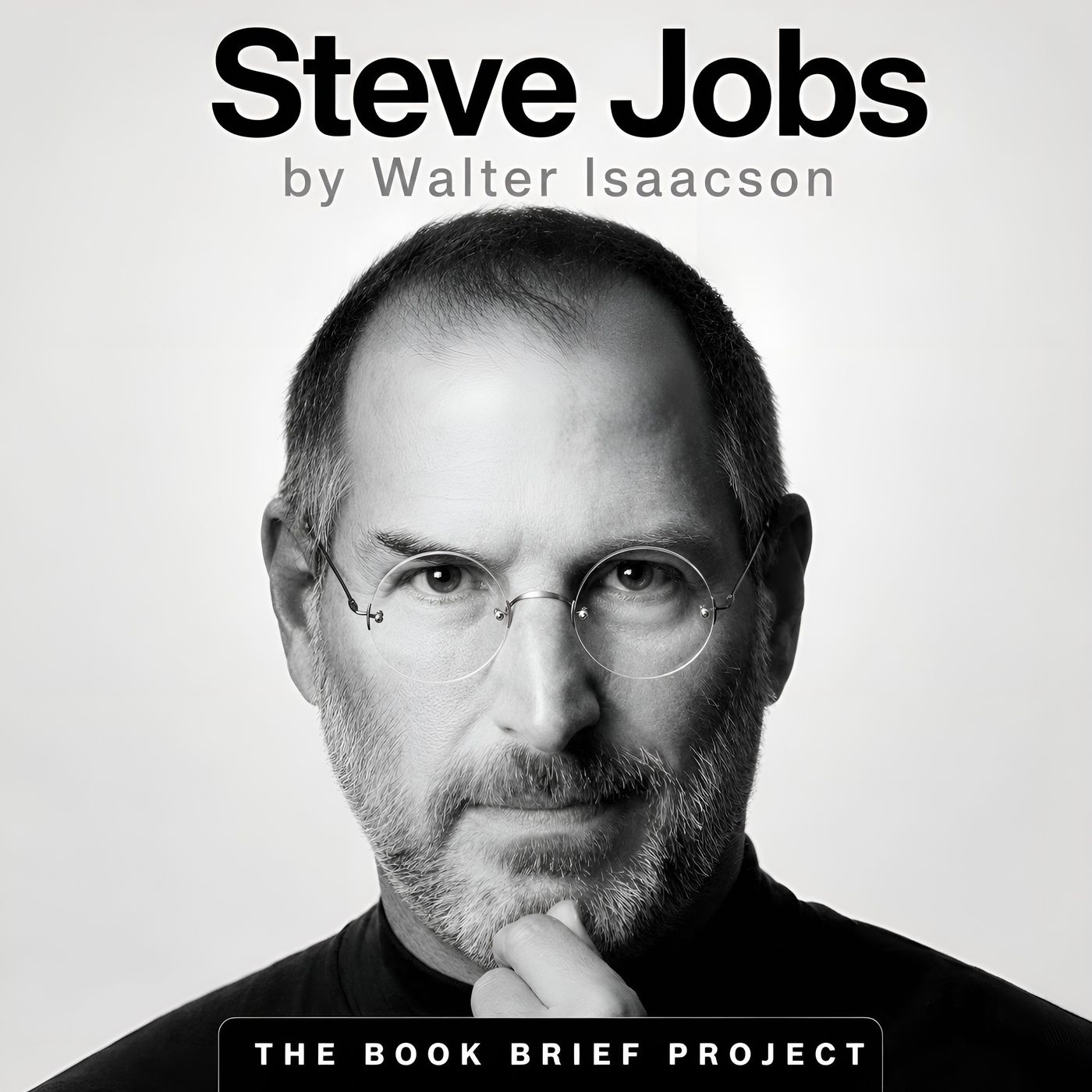
Steve Jobs: Was the Cruelty Really Necessary?
Steve Jobs is usually read as the story of how an extraordinary personality produced extraordinary products. Walter Isaacson gives us the adoption, the Macintosh, Jobs’s exile from Apple, NeXT, Pixar, his return, the iPhone and the final years of illness — while repeatedly linking his perfectionism, intensity and famous refusal to accept ordinary constraints to the things he was able to build.That
The Technological Republic: What Does Silicon Valley Owe America?
The Technological Republic begins with a question about obligation: what does an engineer owe the society that made the engineer possible? Alexander C. Karp and Nicholas W. Zamiska argue that Silicon Valley has drifted away from ambitious public problems and toward advertising, entertainment and consumer convenience — abandoning an older partnership between technological talent, industry and the A
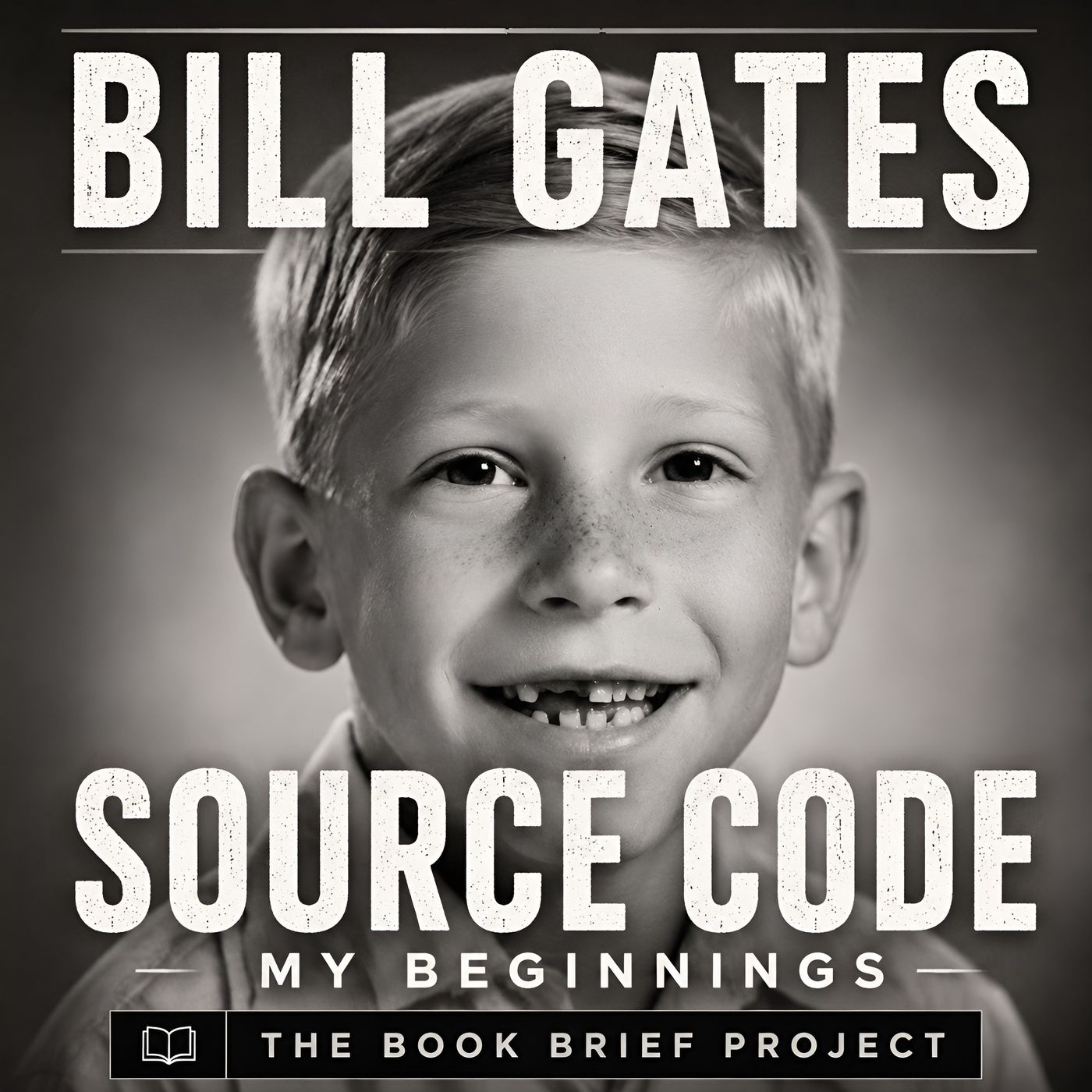
Source Code by Bill Gates: Can a Life Really Be Explained?
Source Code begins with a seductive metaphor: if Bill Gates became Bill Gates, perhaps somewhere in his childhood we can find the instructions that produced him. Before Microsoft, the billions and the public figure, there was a difficult boy in Seattle, an unusually competitive family, access to a school computer at exactly the right historical moment, and friendships that changed the direction of
Bulletproof Problem Solving: The Method That Works Until Problems Get Complicated
Bulletproof Problem Solving makes an unusually ambitious promise: Charles Conn and Robert McLean believe that almost any difficult problem can become more manageable if it is defined precisely, broken into its component parts, prioritized, tested against evidence and attacked where effort is most likely to change the answer.Built from decades of consulting experience, the method relies heavily on
Regime Change: How Powerful Is Trump’s Imperial Presidency?
Regime Change begins with a question about what changes when a president returns to office already knowing how the machinery of government works. Maggie Haberman and Jonathan Swan argue that Donald Trump’s second presidency differs fundamentally from his first: fewer internal restraints, more carefully selected loyalists, and a president substantially more willing to test the reach of executive po
The Little Prince: The Line Everyone Remembers Is Not the Best One
The Little Prince is one of the most loved books ever written, and one sentence from it has escaped the book entirely: “One sees clearly only with the heart.”But what if that is not the book’s deepest idea?In this episode of The Book Brief Project, we look closely at Antoine de Saint-Exupéry’s famous story — its suspicion of adulthood, its faith in innocence, the rose, the fox, and the uncomfortab
The Widow by John Grisham — When the Perfect Story Is Wrong
The Widow looks like familiar John Grisham territory: a struggling small-town lawyer, a wealthy elderly client, a suspicious will, a murder, and a defendant surrounded by evidence that seems to tell only one possible story.But Grisham’s first whodunit does something unusual with the rules of detective fiction. For nearly a century, the genre has trained readers to expect that the solution is alrea
The Boys in the Light — When Survival Becomes a Redemption Story
The Boys in the Light tells the true story of Eddie Willner, a Jewish teenager who survived Nazi persecution, forced labor and concentration camps before escaping in the final days of the Second World War. His path eventually crossed that of American soldiers from the 3rd Armored Division, and Nina Willner builds the book around the extraordinary bond that followed.The narrative moves in parallel
We the People: America Forgot How to Change Its Constitution
We the People begins with an idea that challenges the way many Americans are taught to think about the Constitution: Jill Lepore argues that amendment was not an accidental escape hatch in the document but a central part of its design — a mechanism through which later generations could repair rules inherited from the past.Across American history, thousands of constitutional amendments have been pr
Supercommunicators: When Connection Becomes Manipulation
Supercommunicators begins with a deceptively simple idea: many conversations fail because the people involved are not actually having the same kind of conversation. Charles Duhigg argues that meaningful communication depends on recognizing whether someone is trying to solve a practical problem, express an emotional reality, or negotiate something about identity and social connection.The book devel
Dungeon Crawler Carl Is Hilarious. That’s What Makes It So Disturbing.
Dungeon Crawler Carl looks like chaos: monsters, loot, exploding goblins, impossible quests and a dangerously charismatic cat. But Matt Dinniman builds all of that comedy inside a much colder premise. Humanity has been destroyed and its survivors transformed into contestants on a reality show watched across the galaxy, where staying alive matters only as long as someone still wants to watch.Carl a
AI 2041 Was Right About the Future. It Just Arrived Too Early.
AI 2041 was published in 2021 with an unusual premise: instead of predicting artificial intelligence through a conventional technology book, Kai-Fu Lee and Chen Qiufan imagined ten lives in 2041 and built the technology around them. Five years later, parts of that supposedly distant future already feel surprisingly familiar.Across stories set around the world, the book explores deepfakes, AI compa
The 10X Rule: Why Success Is Never Enough
The 10X Rule begins with an idea that is difficult to dismiss: people often underestimate how much effort meaningful success requires. Grant Cardone argues that ordinary goals produce ordinary action, while extraordinary results demand what he calls “Massive Action” — setting targets far beyond what feels reasonable and responding with correspondingly greater effort.The book pushes that principle
Dopamine Nation — The Science Is Thinner Than the Story
Dopamine Nation begins with a paradox: the easier pleasure becomes to access, the harder satisfaction may become to sustain. Anna Lembke argues that modern life surrounds us with high-reward stimuli — drugs, food, gambling, shopping, social media and endless digital entertainment — while the brain continually adapts to repeated exposure.At the center of the book is Lembke’s pleasure-pain balance,
Hyperfocus — Why Your Mind Needs to Wander
Hyperfocus is usually presented as a book about concentration: remove distractions, choose what matters, and give one important task your full attention. But Chris Bailey’s more interesting argument begins when he turns away from focus and asks what the mind can do when we deliberately stop controlling it.Bailey describes two complementary modes of attention. Hyperfocus narrows awareness around a
Biological War by Annie Jacobsen — What If It’s Already Here?
Biological War does something unsettlingly effective: Annie Jacobsen constructs a hypothetical biological catastrophe while attaching almost every stage of it to something that already exists — documented vulnerabilities, historical programs, institutional failures and experts who have spent their careers thinking about what happens when containment breaks down.The result reads with the momentum o
The Calamity Club — Can a Novel Be Too Kind to a Cruel History?
The Calamity Club marks Kathryn Stockett’s return to fiction seventeen years after The Help. Set in Depression-era Mississippi, it looks at first like a sprawling, funny and deeply warm story about women, poverty, friendship and survival. But that warmth sits against a historical backdrop of institutionalization, forced labor, eugenics and lives that could be controlled by people convinced they we
How We Got to Now — The Problem With Steven Johnson’s Theory of Innovation
How We Got to Now begins with an unusual way of thinking about invention: the most important consequence of a technology may appear somewhere its creators never intended. Steven Johnson follows six innovations — glass, cold, sound, clean, time and light — through chains of unintended consequences that helped construct the modern world.Johnson calls this the “hummingbird effect”: a change in one fi
Why Has Nobody Told Me This Before? — The Part a Self-Help Book Can’t Give You
Why Has Nobody Told Me This Before? became a phenomenon by taking tools normally encountered in therapy and making them portable. Julie Smith explains mood, motivation, anxiety, self-doubt and emotional regulation in language designed to be immediately usable — often by showing how thoughts, feelings, behavior and the body continually influence one another.Many of those ideas are genuinely practic
The Digital Mindset: The Book AI Made Obsolete — and More Useful
The Digital Mindset was published in May 2022 with a reassuring argument: thriving in a world shaped by data, algorithms and artificial intelligence did not require becoming a technologist. Paul Leonardi and Tsedal Neeley argued that most people needed only enough fluency to participate intelligently — what they call the “30 percent rule.” Six months later, ChatGPT arrived and changed the environm
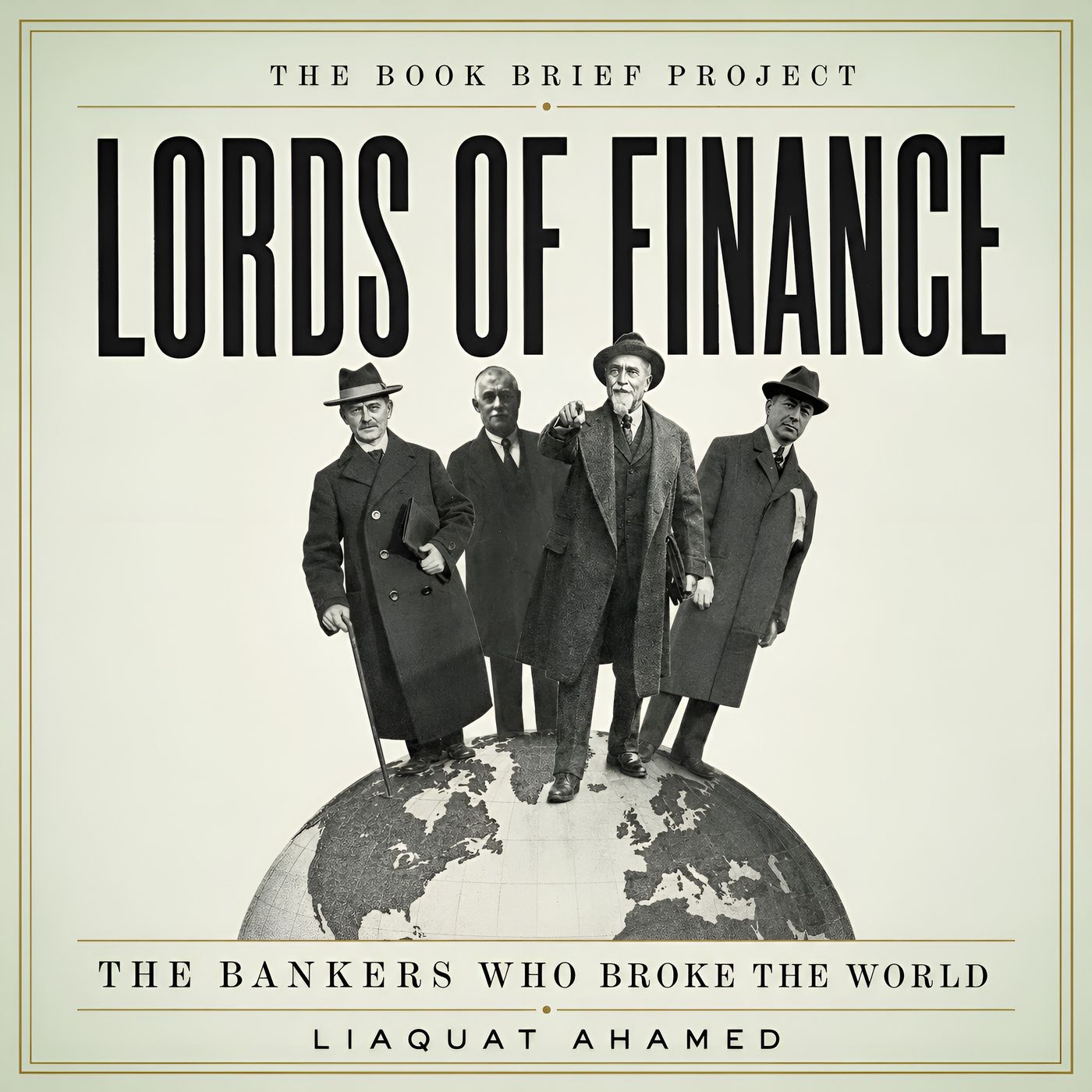
Lords of Finance: The Idea That Broke the World
Lords of Finance is often remembered as the story of four central bankers whose decisions helped lead the world toward the Great Depression. Liaquat Ahamed gives us Montagu Norman, Benjamin Strong, Hjalmar Schacht and Émile Moreau as powerful, fallible men trying to reconstruct the international financial system after the First World War. But beneath those biographies lies a larger argument: the d
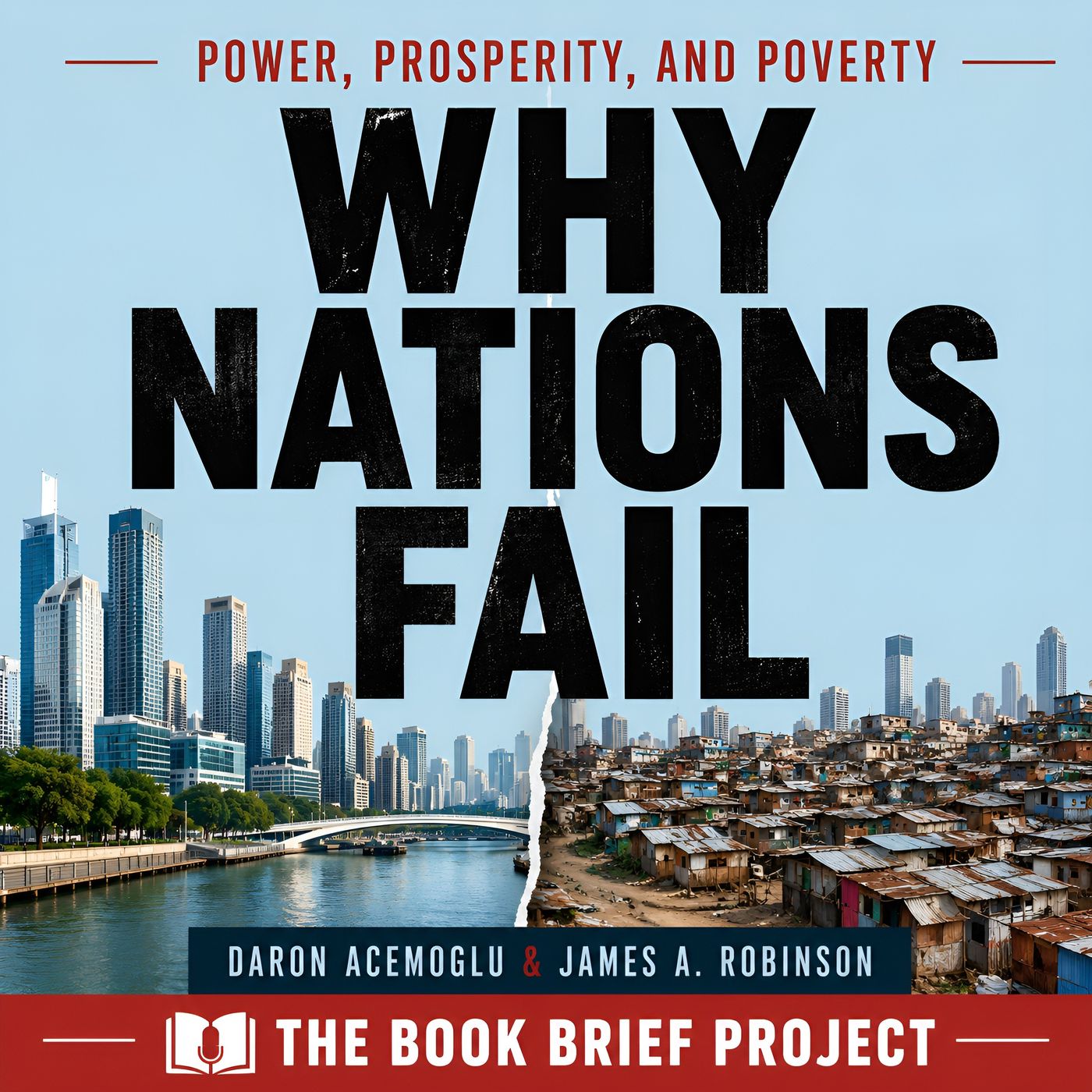
Why Nations Fail — And the Country the Theory Can’t Explain
Why Nations Fail begins with one of the largest questions in economics: why do some nations become prosperous while others remain trapped in poverty? Daron Acemoglu and James A. Robinson argue that geography, culture and natural resources are not enough to explain the difference. Their answer is institutions — the political and economic rules that determine who holds power, who receives opportunit
Invincible by Florence Comite: Can You Really Defy Your Genetic Destiny?
Invincible begins with an unsettling possibility: disease may start changing the body long before conventional medicine is willing to give it a name. Florence Comite argues that health is not a fixed state but a trajectory — one shaped by genetics, hormones, metabolism, muscle, sleep, family history and biological changes that may still fall inside conventional “normal” ranges.At the center of the
The Laws of Human Nature: You’re Not Reading Them. You’re Reading Yourself.
The Laws of Human Nature is often read as a guide to understanding other people: how to recognize hidden motives, anticipate manipulation, detect envy, and avoid being blindsided by the people around us. Robert Greene’s deeper argument is more uncomfortable. The person whose motives are hardest to see clearly may be the person doing the observing.Across historical case studies and recurring patter
Hacking the Human Mind: The Brands Keep Changing. The Human Mind Does Not.
Hacking the Human Mind begins with a simple claim: brands change, technologies change, and platforms disappear, but many of the psychological forces shaping human behavior remain remarkably stable. Richard Shotton and MichaelAaron Flicker use seventeen successful brands to show how old findings from behavioral science continue to influence modern marketing.The book moves through examples involving
It Begins with You by Jillian Turecki’s: No One Is Coming to Save You. But Is That Freedom—or the Wound?
It Begins with You is built around a sentence that sounds both liberating and severe: no one is coming to save you. Jillian Turecki uses that idea to argue that lasting change in relationships begins when people stop trying to control whether someone else chooses them and turn their attention toward the one person present in every relationship they have — themselves.The book develops that argument
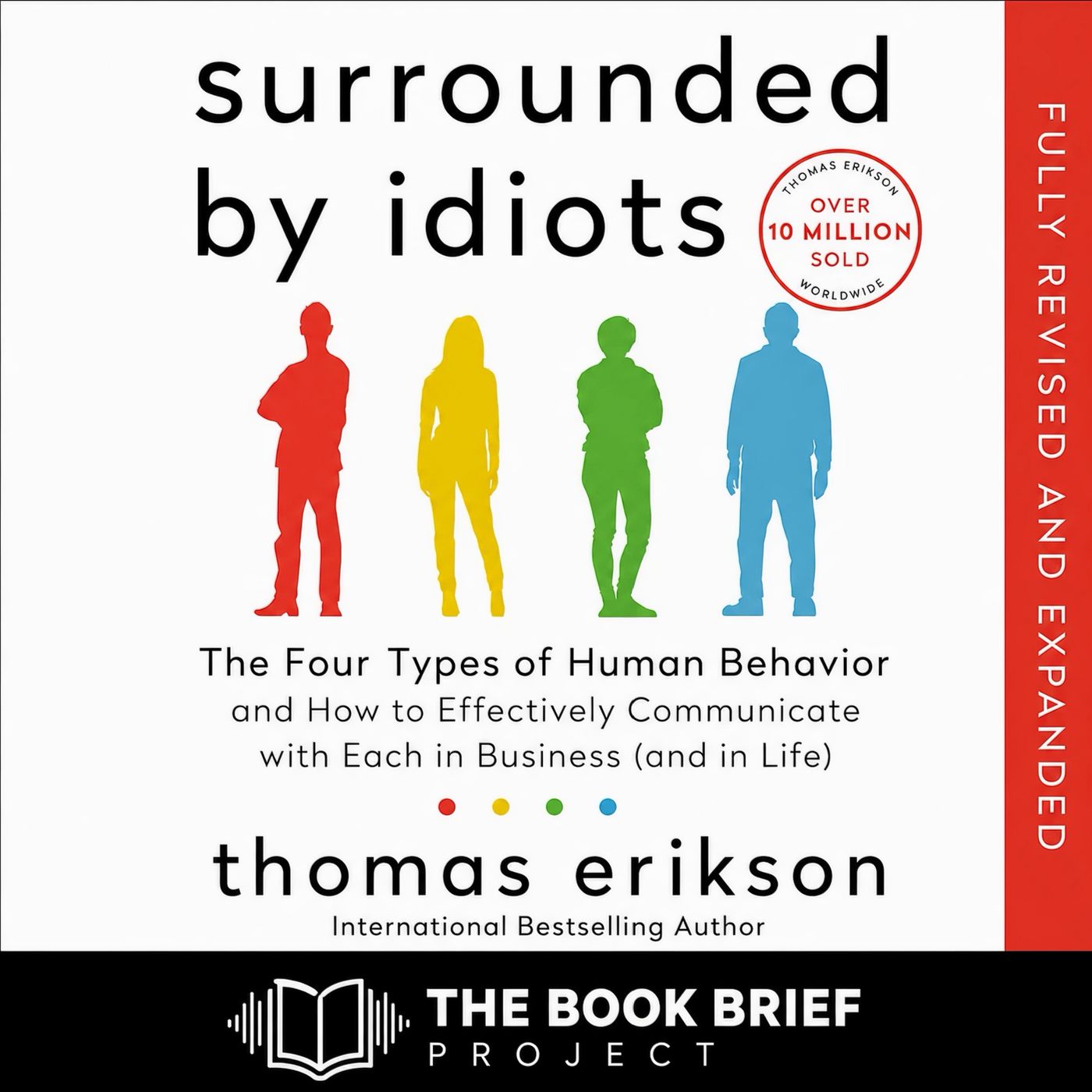
Surrounded by Idiots by Thomas Erikson Is Wrong. So Why Does It Work?
Surrounded by Idiots offers an irresistible promise: the difficult people around you may not actually be difficult — they may simply be a different color. Thomas Erikson divides behavior into four memorable types: Reds push for results, Yellows communicate through enthusiasm, Greens value stability, and Blues demand precision.The simplicity is exactly what makes the system powerful. Once learned,
Superintelligence Was Right About the Problem — and Wrong About the Future
Superintelligence became famous for a nightmare involving paperclips: give an enormously capable machine the wrong objective and perfect competence could become catastrophic. But Nick Bostrom’s deeper question is harder than the thought experiment suggests. How do human beings specify what they actually value clearly enough for a machine powerful enough to take those instructions literally?Bostrom
You Know You’re Going to Die. So Why Haven’t You Started Living?
Ironwood takes one of Michael Connelly’s greatest strengths — turning place into part of the investigation — and changes the scale completely. After decades of crime stories spread across Los Angeles, Detective Sergeant Stilwell is confined to Catalina Island, twenty-two miles offshore, where isolation offers fewer suspects, fewer exits and almost nowhere for a secret to disappear.The novel begins
Ironwood: The Island Where No One Can Disappear
Ironwood takes one of Michael Connelly’s greatest strengths — turning place into part of the investigation — and changes the scale completely. After decades of crime stories spread across Los Angeles, Detective Sergeant Stilwell is confined to Catalina Island, twenty-two miles offshore, where isolation offers fewer suspects, fewer exits and almost nowhere for a secret to disappear.The novel begins
Do Hard Things — But Not the Way You Were Taught
Do Hard Things begins by challenging one of our most familiar ideas about resilience: that toughness is created by suppressing emotion, tolerating pain without complaint, and being pushed beyond our limits. Steve Magness argues that much of what we have traditionally called toughness is actually fear, insecurity and obedience wearing a more respectable name.Drawing on sports, psychology, coaching
The AI-Driven Leader: Are You Thinking Better or Thinking Less?
The AI-Driven Leader begins with a distinction that is becoming increasingly important: artificial intelligence can be used to do more work, or it can be used to change how decisions are made. Geoff Woods argues that leaders gain more from AI when they stop treating it as an assistant for routine tasks and start treating it as a thought partner.Woods’s method is built around giving AI richer conte
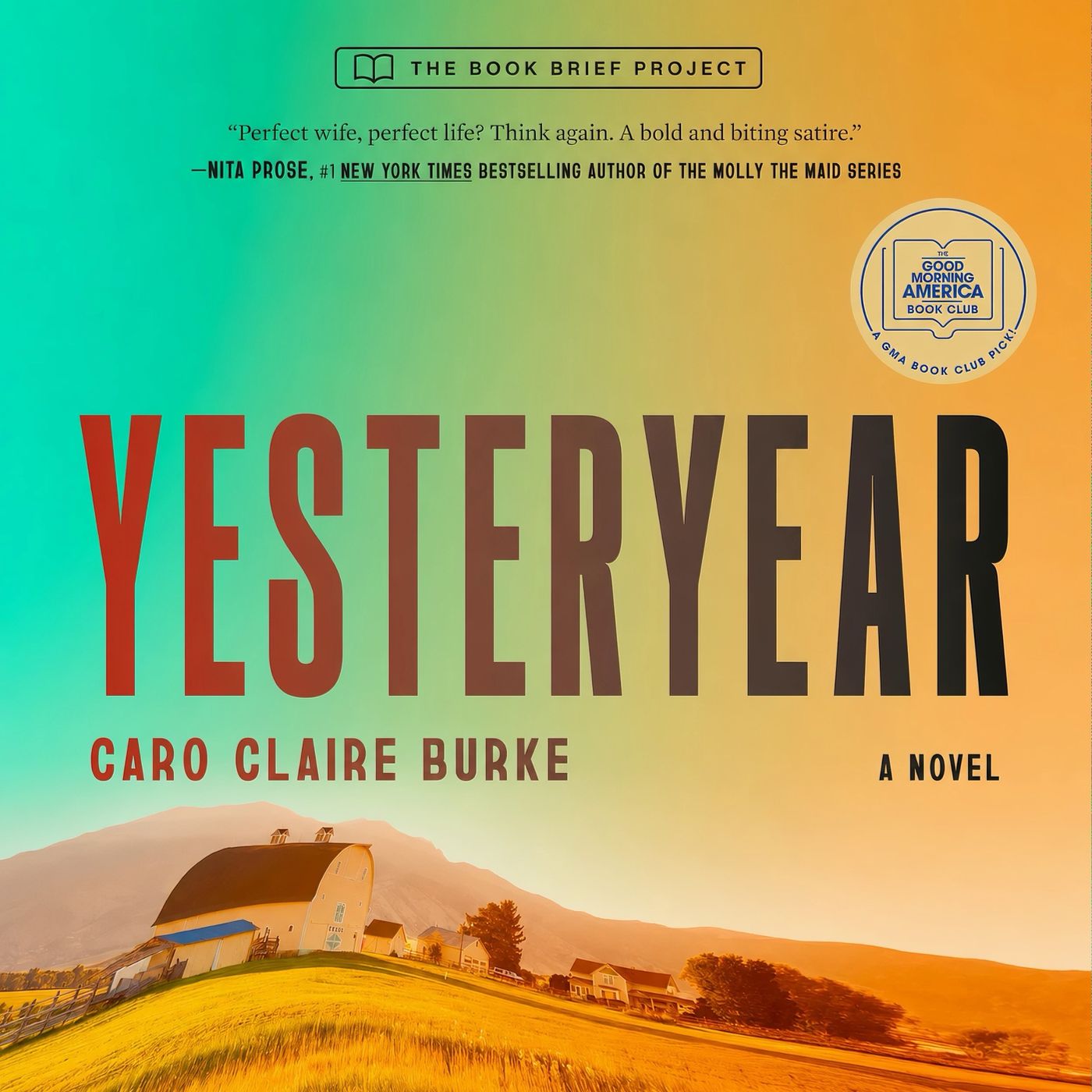
Yesteryear | She Built the Prison — Then Forgot It Was Hers
Yesteryear begins with a fantasy that millions of people already know how to recognize: the perfect traditional life. Caro Claire Burke gives Natalie Heller Mills a ranch, six children, millions of followers and an online existence built to make domesticity look effortless — then removes the cameras, the staff, the technology and eventually the century itself.Natalie wakes in 1855 inside a brutal
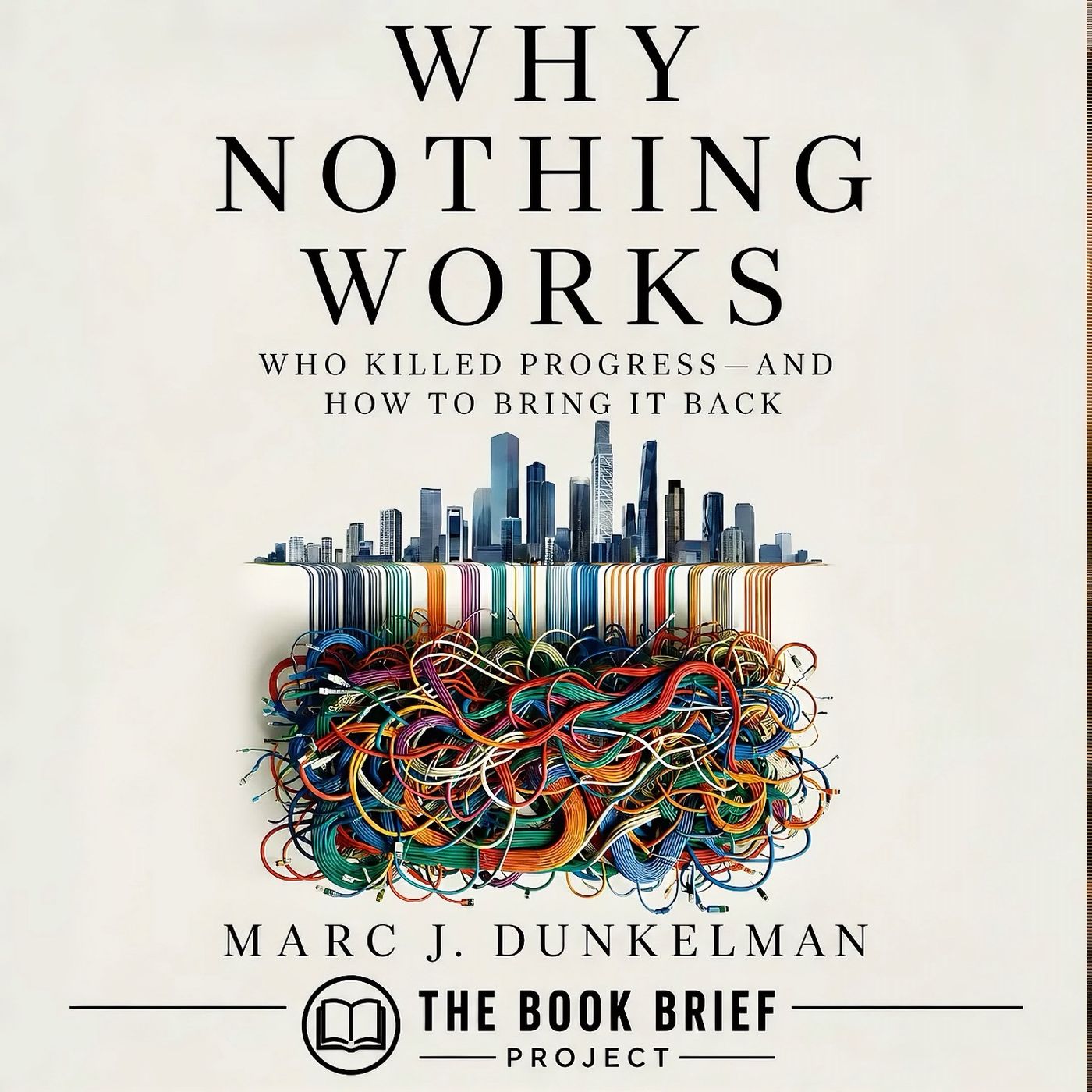
Why Nothing Works - The reason Why America Can't Build Anymore
Why Nothing Works begins with a democratic paradox: institutions designed to protect people from concentrated power can also make collective action increasingly difficult. Marc J. Dunkelman argues that the United States has accumulated so many procedural checks, review mechanisms and opportunities for opposition that building housing, transportation, clean energy and major infrastructure has becom
The Billion Dollar Molecule | The Startup That Tried to Schedule Scientific Discovery
The Billion-Dollar Molecule begins with a question every biotechnology company eventually has to confront: can scientific discovery be turned into a schedule? Barry Werth follows the early years of Vertex Pharmaceuticals as scientists, executives and investors attempt to build a business around research whose most important breakthroughs cannot be promised in advance.At the center is Joshua Boger
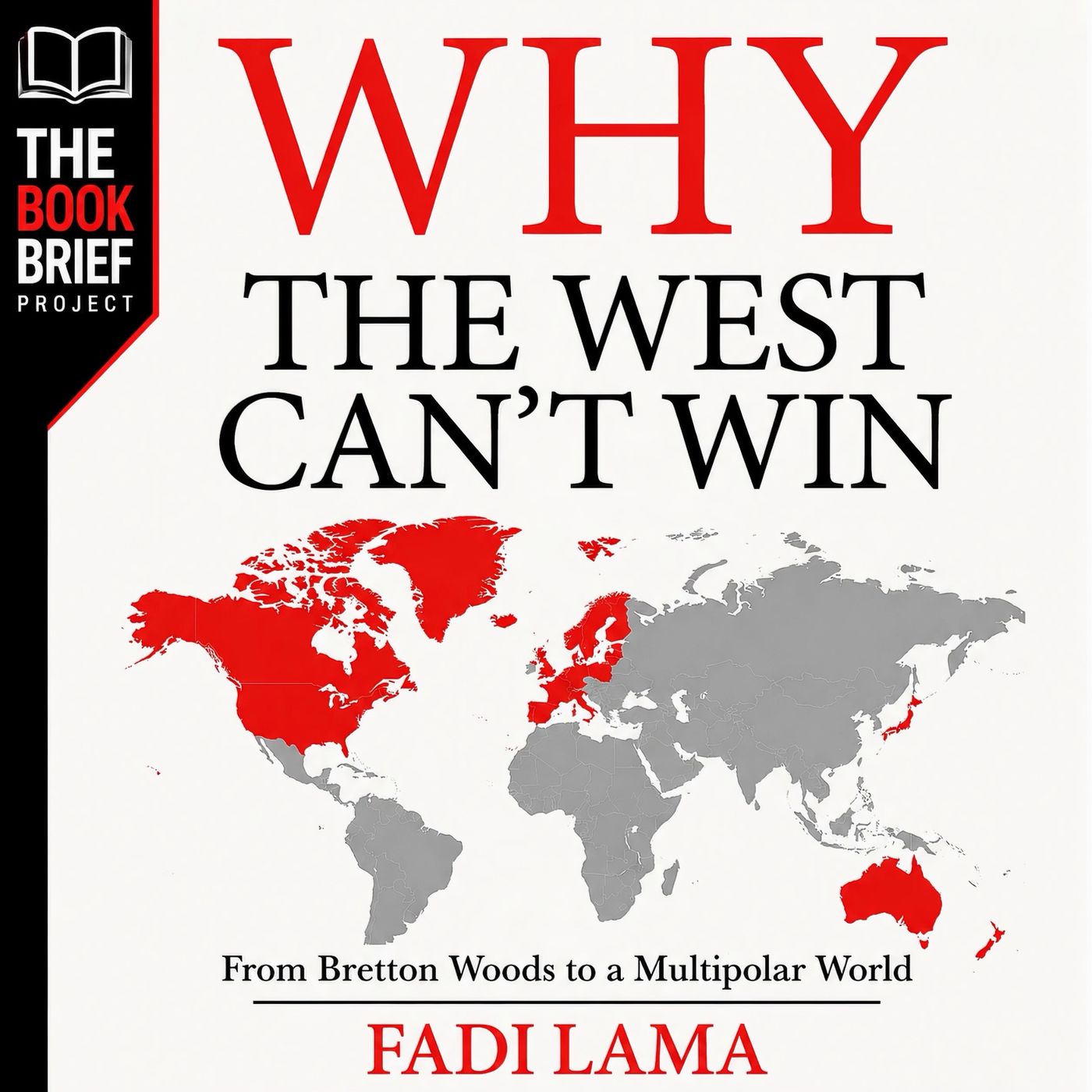
Why the West Can't Win — Is the West Really Losing?
2084 begins with a technological question and gradually turns it into a theological one. John C. Lennox asks what artificial intelligence, bioengineering and the pursuit of superintelligence might do to humanity — but his deeper concern is what those ambitions reveal about what human beings believe themselves to be.Lennox moves from narrow AI and surveillance to transhumanism, artificial general i
2084 Explained: Why John Lennox Believes AI Is Replacing God
2084 begins with a technological question and gradually turns it into a theological one. John C. Lennox asks what artificial intelligence, bioengineering and the pursuit of superintelligence might do to humanity — but his deeper concern is what those ambitions reveal about what human beings believe themselves to be.Lennox moves from narrow AI and surveillance to transhumanism, artificial general i
Think Again: The Dangerous Comfort of Being Right
Think Again begins with a problem that intelligence cannot solve on its own: smart people can become exceptionally good at defending ideas that should have been reconsidered. Adam Grant argues that one of the most valuable skills in a changing world is not simply learning more, but becoming better at questioning what we already think we know.The book examines why beliefs become attached to identit
The World Almanac - Why Does This Book Still Exist?
The World Almanac presents a strange survival story. In a world where almost any fact can be retrieved in seconds, a thousand-page printed reference book still appears every year, preserving information that the internet could seemingly provide faster, cheaper and in greater quantity.But speed may be exactly what makes the almanac interesting. The internet is designed to remain current. An almanac
The JFK Biography That Changes Everything You Think You Know
JFK: Public, Private, Secret begins with a familiar problem: John F. Kennedy may be one of the most recognizable political figures of the twentieth century, yet recognition is not the same thing as understanding. J. Randy Taraborrelli argues that Kennedy’s public image cannot be separated from the private life he worked carefully to control.Drawing on interviews, oral histories and archival materi
The Elephant in the Brain | Why You Never Know Your Real Motives
The Elephant in the Brain begins with an uncomfortable possibility: the reasons we give for our behavior may not be the reasons that actually drive it. Kevin Simler and Robin Hanson argue that much of human behavior is shaped by hidden motives — status, signaling, reputation and social advantage — while the conscious mind constructs more flattering explanations after the fact.The book applies that
Noise - Why Experts Keep Making the Same Invisible Mistake
Noise begins with a problem that is easy to miss because it does not look like bias. Daniel Kahneman, Olivier Sibony and Cass R. Sunstein argue that human judgment is often inconsistent in ways we barely notice — two qualified people can look at the same case and reach very different conclusions, and even the same person may decide differently depending on circumstances that should not matter.The
Abundance by Ezra Klein & Derek Thompson: What If Scarcity Is a Choice?
Abundance begins with a provocative question: what if some of the shortages shaping modern life are not inevitable? Ezra Klein and Derek Thompson argue that problems involving housing, infrastructure, clean energy and scientific innovation are often intensified by institutions that have become better at preventing harmful action than enabling useful action.The book calls for a “politics of abundan
Buckeye by Patrick Ryan | The Grief No One Was Allowed to Name
Buckeye looks like a classic American family saga: two families, two wars, one small Ohio town, and decades of intertwined lives. Patrick Ryan is doing something quieter underneath that familiar structure — showing how entire families can be shaped by grief that nobody is allowed to name.Moving from World War II through Vietnam and into the decades that follow, Buckeye follows marriages, friendshi
The Art of Spending Money : The Book That Isn't Really About Money
The Art of Spending Money begins with a question most personal finance books barely ask: once you have money, what is it actually for? Morgan Housel argues that wealth becomes valuable not simply through what it can buy, but through the freedom, flexibility and peace of mind it can create.Instead of focusing on budgets or investment formulas, Housel turns toward the psychology of spending. The boo
The Blind Spot: Why Democracy Never Stops the Rich
The Blind Spot begins with a paradox: democratic societies have expanded participation dramatically, yet wealth remains highly concentrated. Jeffrey Winters argues that the problem is not that democracy has failed everywhere, but that it operates very differently when concentrated wealth itself becomes the object of political conflict.Drawing on decades of research into oligarchy, political power
WHO REALLY OWNS THE WORLD? - By Martín Jiménez
The Owners of the World begins with a distinction that changes how wealth looks: earning money and owning the things that generate money are not the same activity. Martín Jiménez builds the book around the question of what happens when ownership itself becomes the mechanism through which wealth and influence reproduce.The book moves across history, from land and aristocratic property to corporatio
Die With Zero: The Most Dangerous Personal Finance Book Ever Written
Die With Zero turns the usual logic of personal finance upside down. Instead of asking how much wealth you can accumulate, Bill Perkins asks whether saving too aggressively can create a different kind of loss — reaching the end of life with money left over and experiences you postponed for too long.Perkins argues that money is valuable because of what it allows you to do with limited time. The boo
Project Hail Mary Is Brilliant... And That Worries Me
Project Hail Mary looks like a science fiction survival story about saving Earth. Andy Weir is doing something more interesting underneath the equations and engineering: asking what heroism looks like when the person carrying humanity’s last hope never chose to become a hero in the first place.Ryland Grace wakes aboard a spacecraft with no memory of his identity or mission. As those memories retur
Trust — Who Gets to Write the Past | The Book Brief Project
Trust looks like a novel about money, Wall Street and the construction of an enormous fortune. Hernan Diaz is more interested in something less visible: authorship — who gets to write the past, who gets edited out, and how power can turn one version of events into the version that survives.The novel is built from four competing accounts of the same financial dynasty, each revising what came before
It Didn't Start with You — The Fear You Inherited Before You Had Words | The Book Brief Project
It Didn’t Start with You offers one of modern self-help’s most seductive possibilities: the fear, anxiety or emotional pattern shaping your life may have begun before you were born. Mark Wolynn argues that families transmit trauma across generations, and that the language we use about our deepest fears can sometimes point backward toward experiences that were never originally ours.Wolynn’s method
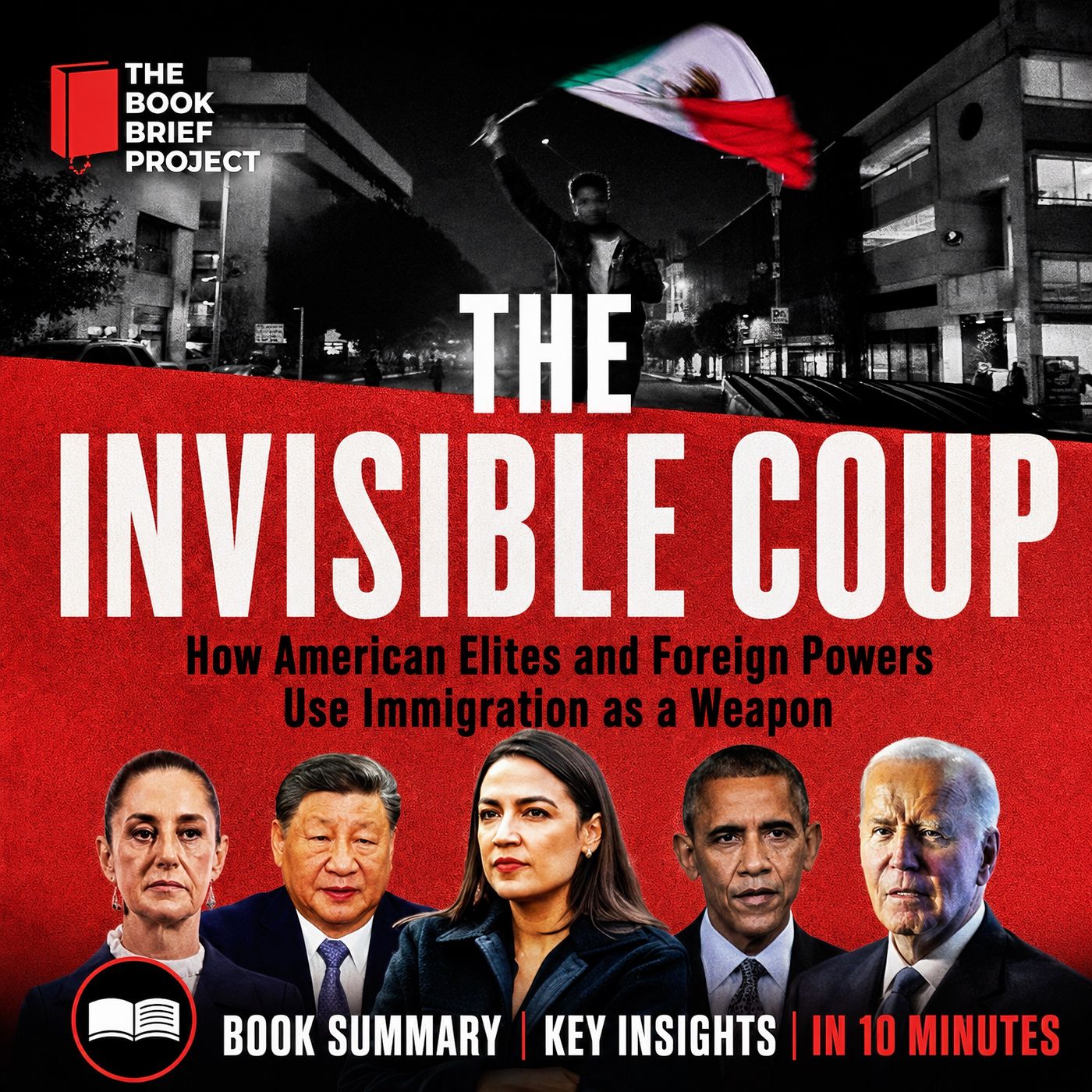
The Invisible Coup — When the Evidence Is Real and the Story Is Too Large
The Invisible Coup begins with a provocative claim: mass migration into the United States is not simply the result of economics, conflict or individual choice. Peter Schweizer argues that foreign governments, domestic elites and organized networks have learned to use migration strategically for political influence.The book assembles cases involving Mexican consular activity, Chinese-linked network
The Correspondent — Everyone's Reading This Book Wrong | The Book Brief Project
The Correspondent has been embraced as a novel about the lost art of letter writing — slowness, civility, connection, the pleasure of putting words on paper. But Virginia Evans is doing something more complicated with the form: showing how correspondence can reveal a life while also protecting someone from being fully seen.Sybil Van Antwerp is seventy-three and writes constantly — to authors she a

Nobody's Girl — The Book Virginia Giuffre Finished Before She Died
Nobody’s Girl can be read in two easy ways: as another chapter in the Jeffrey Epstein scandal, or as an inspirational survivor memoir. Virginia Giuffre’s posthumous book is more difficult than either frame. It is testimony — an attempt to put into language what exploitation, coercion and public scrutiny did to a life long after the immediate abuse had ended.Giuffre recounts being recruited by Ghis
The Syrian Revolution Nobody Covered | Days of Love and Rage
Most accounts of the Syrian war focus on what was destroyed. Days of Love and Rage asks a different question: what were ordinary Syrians trying to build before the revolution was consumed by dictatorship, war, inequality and the rise of ISIS?Anand Gopal tells that story through six people in Manbij, a city in northern Syria where government forces withdrew in 2012 and residents attempted to govern

The Anxious Generation by Jonathan Haidt — The Half of the Book Nobody Talks About
The Anxious Generation became a bestseller by making one argument impossible to ignore: smartphones and social media helped reshape adolescence. But Jonathan Haidt’s more interesting claim begins earlier — with the disappearance of the play-based childhood long before the iPhone arrived.Haidt argues that children lost something important when unsupervised play, risk, independence and face-to-face
Verity Is a Mediocre Novel With a Brilliant Idea
Verity became a bestseller by building everything around one irresistible question: did Verity Crawford actually do what the hidden manuscript says she did? Colleen Hoover never gives the reader a clean answer, and that refusal is more important than the mystery itself.The novel follows Lowen Ashleigh, a struggling writer hired to complete Verity’s successful book series after an accident leaves V
Don't Believe Everything You Think- The Bestseller That Mistakes Sedation for Peace
Don't Believe Everything You Think became a bestseller by offering a simple promise: much of human suffering comes from the way we think, and relief begins when we stop identifying so completely with those thoughts. Joseph Nguyen presents that idea as a path toward clarity, peace and freedom from mental noise.The book’s central argument is compelling because it points toward something real: rumina
What Designing Your Life Never Understood About Meaning
Designing Your Life is famous for one idea: stop trying to plan the perfect future and start prototyping possible ones. Bill Burnett and Dave Evans take the methods of design thinking and apply them to careers, relationships, meaning and the question of what a good life might actually look like.The book replaces the search for a single correct path with experimentation. Instead of asking what you
The Return of the King Is Not About Victory - Tolkien’s Saddest Truth Was Hidden in the Ending
The Return of the King is remembered as the triumphant ending of The Lord of the Rings. Tolkien makes that victory feel strangely incomplete. The war ends, the king returns, and Sauron falls — but Frodo cannot simply go home and become the person he was before.J.R.R. Tolkien closes the trilogy by separating victory from healing. Frodo reaches Mount Doom and fails at the final moment. The Shire its
The Lord of the Rings: The Two Towers — Tolkien’s Darkest Moral Question
The Two Towers is remembered for Helm’s Deep, the fall of Isengard and Gandalf’s return. But Tolkien places the moral center of the book somewhere quieter: in Frodo’s decision to show pity to Gollum.J.R.R. Tolkien splits The Two Towers into two very different movements. One follows armies, kings and open war across Rohan and Isengard. The other narrows almost completely to Frodo, Sam and Gollum mo
Tolkien Wrote The Fellowship of the Ring After Burying His Friends in the Trenches
The Fellowship of the Ring is remembered as the beginning of an epic fantasy about a ring, a dark lord and a journey across Middle-earth. But J.R.R. Tolkien’s deeper concern is what people do when the world they love is already passing away.Tolkien writes about ordinary people carrying burdens far larger than themselves: Frodo leaving the Shire, Aragorn living in the shadow of a destiny he has not
Recommended

Fantasy Flex

زن بودن

Medicine with Meaning

Yours Truly Johnny Dollar Collection

Take Back Your Health®

CBS Radio Mystery Theater | Old Time Radio
Solved Murders - True Crime Stories

紐約鳥|New York Aperture

The Swerve Podcast: Obscure Topics | Conspiracy Theories

The Bread and Banter Podcast

The Church of What's Happening Now: The New Testament
Busted Open
