Let's Talk Micro
Clinical microbiology explained in simple terms, suitable for students and microbiologists alike. We discuss organisms, reactions, infectious diseases, and more. Hosted by Luis Plaza, a Medical Laboratory Scientist and microbiologist, who also shares his experiences in the field.
Episodes

247: Digital Biology: Data Quality in the Age of AI
As artificial intelligence (AI) becomes increasingly integrated into biological research, the quality of the data used to develop these technologies is more important than ever. But what exactly is digital biology, and why does data quality matter? In this episode of Let's Talk Micro, Luis is joined by Jonathan Jacobs, PhD, Senior Director of Bioinformatics at ATCC, to explore digital biology and

246: Inside ATCC: From Biological Materials to the Bench
Many microbiology professionals are familiar with ATCC strains used for quality control, validation, and verification—but what happens before those biological materials reach the laboratory? ATCC, the American Type Culture Collection, maintains biological materials used by scientists and laboratories around the world. In this episode of Let's Talk Micro, Luis is joined by Dr. Shahin Ali, Senior Sc

World Rabies Day: Revisiting Rabies with Dr. Rodney Rohde
Originally published on September 28, 2022, this episode returns to the Let's Talk Micro feed in recognition of World Rabies Day. Dr. Rodney Rohde joins the podcast to discuss rabies and his extensive experience working with the virus in public health. We start with the basics: What is rabies? How is it transmitted? What are the signs and symptoms? From there, we discuss potential exposures, post-

245: Antimicrobials Conference: The Next Chapter for MAD-ID and SIDP
MAD-ID (Making a Difference in Infectious Diseases) and the Society of Infectious Diseases Pharmacists (SIDP) have joined forces to create a new annual meeting focused on antimicrobial therapeutics, stewardship, infectious diseases, and more. In this episode of Let's Talk Micro, Luis is joined by Dr. Erin McCreary and Dr. Mike Rybak to discuss the history of MAD-ID and SIDP, what brought the two o

244: Group A Strep: Breaking Down the New IDSA Guidelines
Group A Streptococcus (GAS) is a common cause of pharyngitis, but deciding who should be tested and which testing method to use isn't always straightforward. In 2025, the Infectious Diseases Society of America (IDSA) released updated guidelines on Group A streptococcal pharyngitis, bringing renewed attention to diagnostic stewardship and the use of clinical scoring systems to help guide testing de

243: When AI Meets Medicine
Artificial intelligence is changing how healthcare professionals access and use clinical information. But what does that look like at the point of care? In this episode of Let's Talk Micro, Luis is joined by Dr. Declan Kelly, physician, software engineer, and founder of Eolas Medical, to discuss the role of AI in clinical decision support. Dr. Kelly shares how challenges accessing institutional gu

242: Microbiology & Infection Prevention: Partners in Crime
Let's Talk Micro is back for a new season! In this season premiere, Luis is joined by Dr. Megan Amerson-Brown to discuss the important connection between clinical microbiology and infection prevention. Dr. Amerson-Brown shares her career journey from the microbiology bench to infection prevention and ultimately laboratory leadership. She discusses how microbiologists contribute to infection preven

241: What Can Whole Genome Sequencing Realistically Tell Us About Resistance?
Recorded live at ASM Microbe 2026 in Washington, DC, this special episode marks the first live recording of Let's Talk Micro. Joining me are co-host Dr. Andrea Prinzi and guest Dr. Nathan Ledeboer for a discussion on the evolving role of whole genome sequencing (WGS) in clinical microbiology and antimicrobial resistance. Can whole genome sequencing predict antimicrobial susceptibility? What are it

240: CLSI M100 2026: Actualizaciones
En este episodio en español de Let's Talk Micro, Luis conversa nuevamente con el Dr. Germán Esparza sobre los cambios más relevantes incluidos en la edición 2026 del documento CLSI M100. Durante la conversación, revisan nuevas opciones terapéuticas como aztreonam-avibactam, actualizaciones en los puntos de corte para Acinetobacter y Neisseria gonorrhoeae, cambios en aminoglucósidos, consideracione

239: Inside ASM Microbe 2026
ASM Microbe is the largest microbiology meeting in the United States, bringing together thousands of scientists, laboratorians, clinicians, and industry partners to discuss the latest advances in microbiology. In this episode, Luis shares highlights from ASM Microbe 2026, including sessions on diagnostic challenges, antimicrobial resistance, rapid susceptibility testing, emerging therapeutics, lab

238: From the Bench to CPEP: An MLS Journey
What does it take to go from working at the bench to becoming a future clinical microbiology laboratory director? In this episode, Luis is joined by Dr. Mackenzie Collins, a CPEP fellow at UCLA, to discuss her journey from Medical Laboratory Scientist (MLS) to PhD scientist and CPEP fellow. Mackenzie shares how she discovered laboratory medicine, her experience working as an MLS in molecular micro

237: Micro Minutes: A Case of Mistaken Identity
Have you ever received an identification result that just didn't make sense? In this episode, Luis shares three cases of mistaken identity from the microbiology laboratory: a Gram-positive rod identified as Kocuria, another reported as Sphingomonas, and a yeast that somehow became Brucella. While automated identification systems are powerful tools, they can only work with the information we provid

236: Let's Talk Andes Virus
In Part 2 of this hantavirus series, Luis continues the conversation with Dr. Ryan Relich and Dr. Stephanie Seifert by focusing on the recent Andes virus cruise ship outbreak and what makes this hantavirus different from others. The discussion explores the outbreak investigation, the evidence for person-to-person transmission, and why the Andes virus has received so much attention from the public

235: Let's Talk Hantavirus
Hantaviruses have recently been in the headlines, but what exactly are they and how do they spread? In Part 1 of this hantavirus series, Luis is joined by Dr. Ryan Relich and Dr. Stephanie Seifert for a deep dive into the world of hantaviruses. The conversation explores the basics of hantaviruses, including their ecology, rodent reservoirs, transmission, and the diseases they cause in humans. The

234: High School, the Laboratory, and Workforce Development
Workforce shortages continue to impact clinical laboratories across the country, especially in rural healthcare settings. In this episode of Let's Talk Micro, Luis is joined by Kenzi Haigler to discuss an innovative high school laboratory program designed to introduce students to laboratory medicine early and help strengthen the future workforce pipeline. Kenzi shares her journey into the laborato

233: The Background Singers of Gram-Negative Cocci
In this episode of Let's Talk Micro, we close out our gram-negative cocci series by talking about the "background singers" of the group—the organisms that quietly show up on respiratory cultures and oral flora plates every day. We explore the world of non-pathogenic Neisseria species, along with rod-shaped and coccobacillary Neisseria and Moraxella that break the classic gram-negative diplococci r

232: What's New at ASM Microbe 2026?
This week, Let's Talk Micro is pausing the Gram-negative cocci series to talk about one of the biggest microbiology meetings of the year: ASM Microbe 2026. Luis is joined by Dr. Bobbi Pritt and Dr. Robert Tibbetts to discuss what attendees can expect from this year's meeting in Washington, DC. The conversation covers the new meeting structure, important trends in clinical microbiology, sessions an

231: The Hockey Puck Bug: Moraxella catarrhalis
In this episode of Let's Talk Micro, we continue our gram-negative cocci series with a closer look at Moraxella catarrhalis—better known at the bench as the hockey puck bug. We break down what makes this organism unique, from its classic sliding colony morphology to how it behaves in different patient populations. Is it a colonizer or a pathogen? The answer depends on the clinical context. We walk

230: Same Gram Stain, Different Story: Neisseria meningitidis vs gonorrhoeae
In this week's episode, we continue our series on gram-negative cocci and take a closer look at two of the most important organisms: Neisseria meningitidis and Neisseria gonorrhoeae. On the Gram stain, they may look the same—but clinically, they represent very different scenarios. We walk through colonization, transmission, and key virulence factors, and connect them to the infections they cause—f

229: Gram-Negative Cocci: Beyond the Plate
In this episode we continue our gram-negative cocci series by moving beyond the plate and into modern identification methods. From traditional systems like VITEK and RapID NH to MALDI-TOF and molecular testing, we explore how these organisms are identified in today's clinical microbiology lab. We also break down the role of NAATs and syndromic panels in detecting organisms like Neisseria meningiti

228: Gram-Negative Cocci: What to Do After the Gram Stain
In this episode of Let's Talk Micro, we continue our gram-negative cocci series by focusing on what to do after the Gram stain. You've identified gram-negative cocci—now what? We take a practical, bench-focused approach to working these organisms up, covering key culture media like blood agar, chocolate agar, and selective media such as Modified Thayer-Martin and Martin-Lewis. We also review colle

227: When Gram-Negative Cocci Show Up: How to Think at the Bench
In this episode of Let's Talk Micro, we kick off a new series on gram-negative cocci by starting where it all begins—the Gram stain. Seeing gram-negative diplococci on a smear can feel intimidating, especially when you're on the bench and need to make the right call. In this episode, we focus on how to approach that moment with confidence. We walk through the key organisms you'll encounter, includ

226: CLSI M100 2026 Updates
The CLSI M100 gets updated every year—but what do those changes actually mean for the microbiology lab? In this episode of Let's Talk Micro, Luis is joined by Dr. April Bobenchik to break down the latest updates in the CLSI M100 2026 (36th edition) and how they translate into real-world lab practice. They walk through important breakpoint changes, including aztreonam–avibactam and updates for Acin
Quick Update from Let's Talk Micro
Luis here with a quick update! We're taking a short break and will return the week of March 23rd. During this time, it's a great opportunity to explore the archive—Let's Talk Micro has over 200 episodes covering many topics in clinical microbiology. New episodes will be back soon. Thanks for listening and for being part of the Let's Talk Micro community. Stay connected with Let's Talk Micro: Web

225: Too Many Bugs, One Culture: A CMPH Guide to Wound Cultures
Wound cultures are some of the most complex specimens encountered in the clinical microbiology laboratory. Unlike more straightforward cultures, wound specimens often contain multiple organisms, making it challenging to determine which microbes are clinically significant and which represent colonization. In this episode of Let's Talk Micro, Luis is joined by Dr. Christopher Doern and Dr. Alexandra

224: Micro Minutes: Sometimes Gram Stains Lie
The Gram stain is one of the most trusted tools in clinical microbiology—but it doesn't always tell the full story. In this Micro Minutes episode, we break down why Gram stains can sometimes be misleading and how factors like culture age, antibiotic exposure, decolorization, morphology, and arrangement can change what you see under the microscope. We also touch on classic troublemakers like Acinet

223: SuperStat to Storytime: Building the Future of Laboratory Medicine
In this episode of Let's Talk Micro, we step beyond the microbiology bench to talk laboratory medicine, advocacy, and storytelling with fellow medical laboratory scientists and podcasters Stephanie Whitehead and Aaron Odegard. We explore how their work on the SuperStat Podcast is helping amplify the voice of the laboratory through conversations on leadership, access, and visibility. The discussion

222: Parasites, Pediatrics, and the Lab: A Study from Guinea, West Africa
In this episode of Let's Talk Micro, Luis is joined by Dr. Joel Mortensen to discuss a study examining intestinal parasites in pediatric patients in Guinea, West Africa. They dive into the real-world challenges of diagnosing parasitic infections in resource-limited settings, including reliance on stool microscopy, the use of rapid antigen tests, and how seasonal changes influence infection rates.
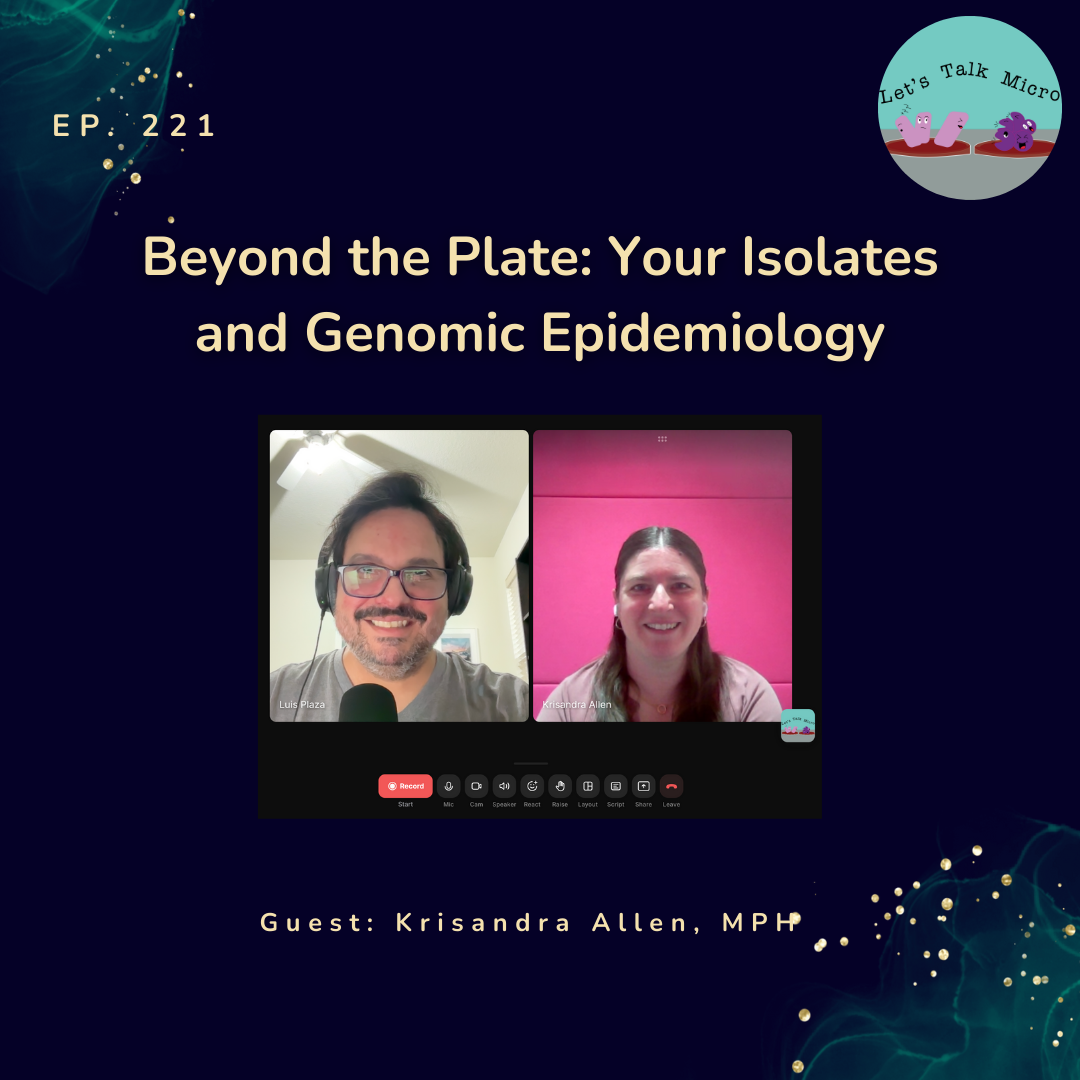
221: Beyond the Plate: Your Isolates and Genomic Epidemiology
Genomic epidemiology is reshaping how we detect, investigate, and control infectious disease outbreaks—but what does that actually look like from the bench to public health? In this episode of Let's Talk Micro, Luis is joined by genomic epidemiologist Krisandra Allen for a practical, case-based conversation on how pathogen sequencing data is generated, analyzed, and paired with epidemiologic infor
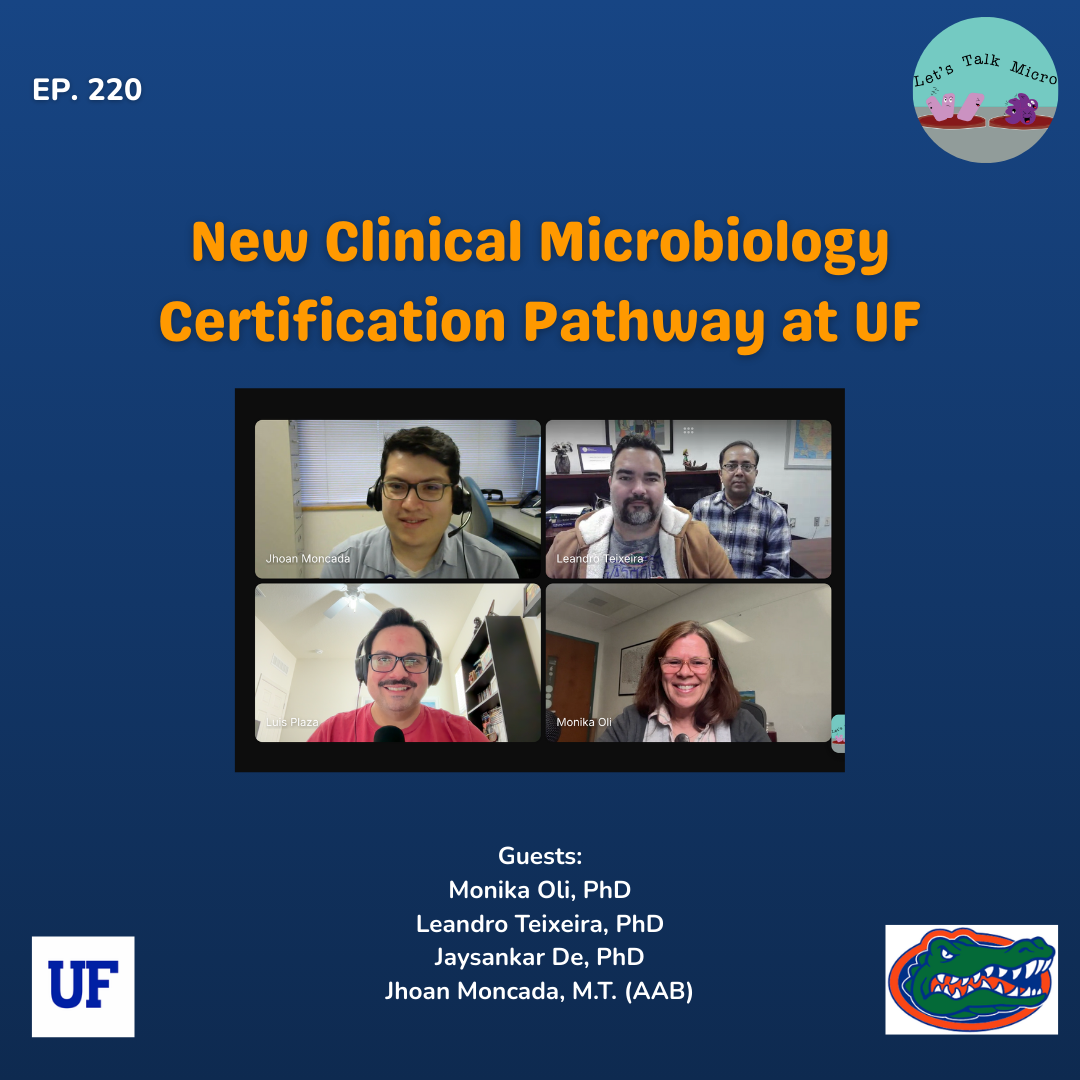
220: New Clinical Microbiology Certification Pathway at UF
In this episode of Let's Talk Micro, Luis is joined by faculty and collaborators from the University of Florida to discuss their new Clinical Laboratory Microbiologist (CLM) program — the first NAACLS-approved, microbiology-only certification pathway in the United States. They share how the program was created to address the growing shortage of clinical microbiologists and provide a direct pathway
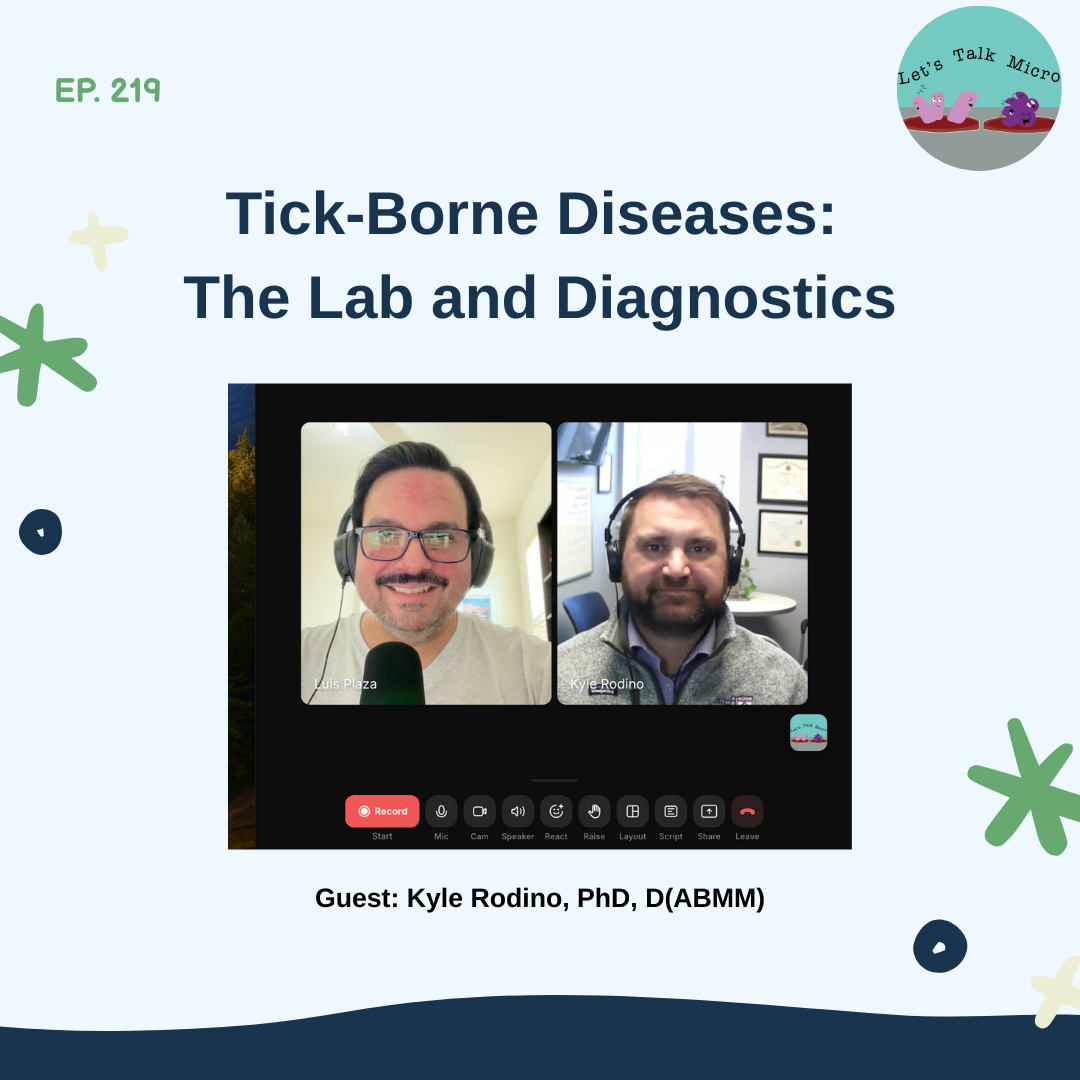
219: Tick-Borne Diseases: The Lab and Diagnostics
Tick-borne diseases continue to expand across North America, but diagnosing them in the clinical laboratory remains complex—especially when timing between symptom onset and testing isn't considered. In this episode of Let's Talk Micro, Luis is joined by Kyle Rodino, Assistant Professor of Pathology and Laboratory Medicine at the University of Pennsylvania and Assistant Director of Microbiology, fo

218: Metagenomics in Clinical Microbiology
In this episode of Let's Talk Micro, we break down metagenomic next-generation sequencing (mNGS) and how it's changing the way we diagnose complex infectious diseases. I'm joined by Steve Miller, MD, PhD—Chief Medical Officer at Delve Bio—to discuss how unbiased metagenomics moved from research labs into real-world clinical practice. We cover what metagenomics is, how it differs from targeted PCR
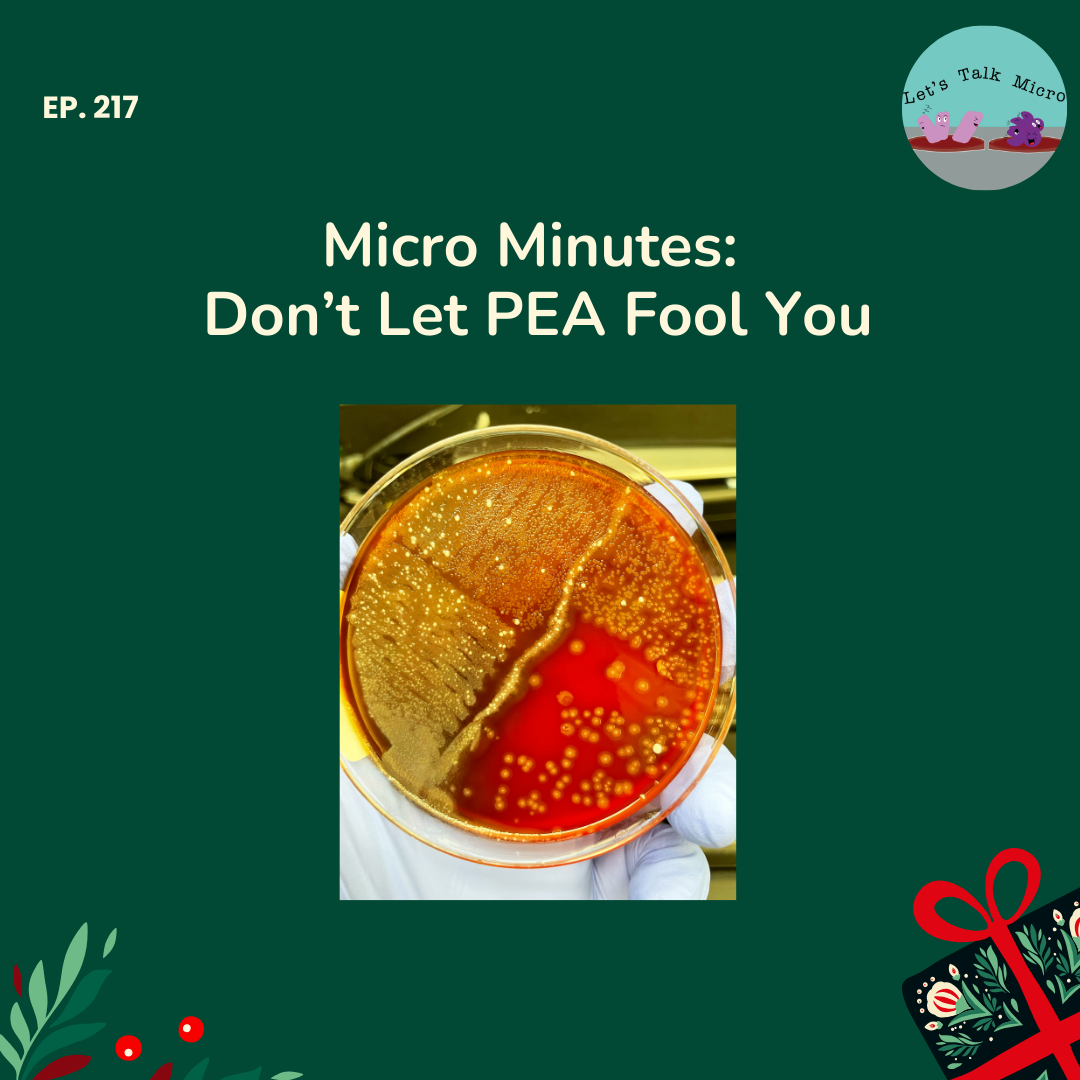
217: Micro Minutes: Don't Let PEA Fool You
PEA agar is often treated as "the gram-positive plate," but that shortcut can lead to real bench-level mistakes. In this MicroMinutes episode, we break down what phenylethyl alcohol agar actually does, why growth on PEA does not automatically mean an organism is gram-positive, and how selective media can change colony appearance and behavior. You'll hear about: What PEA inhibits — and what it do
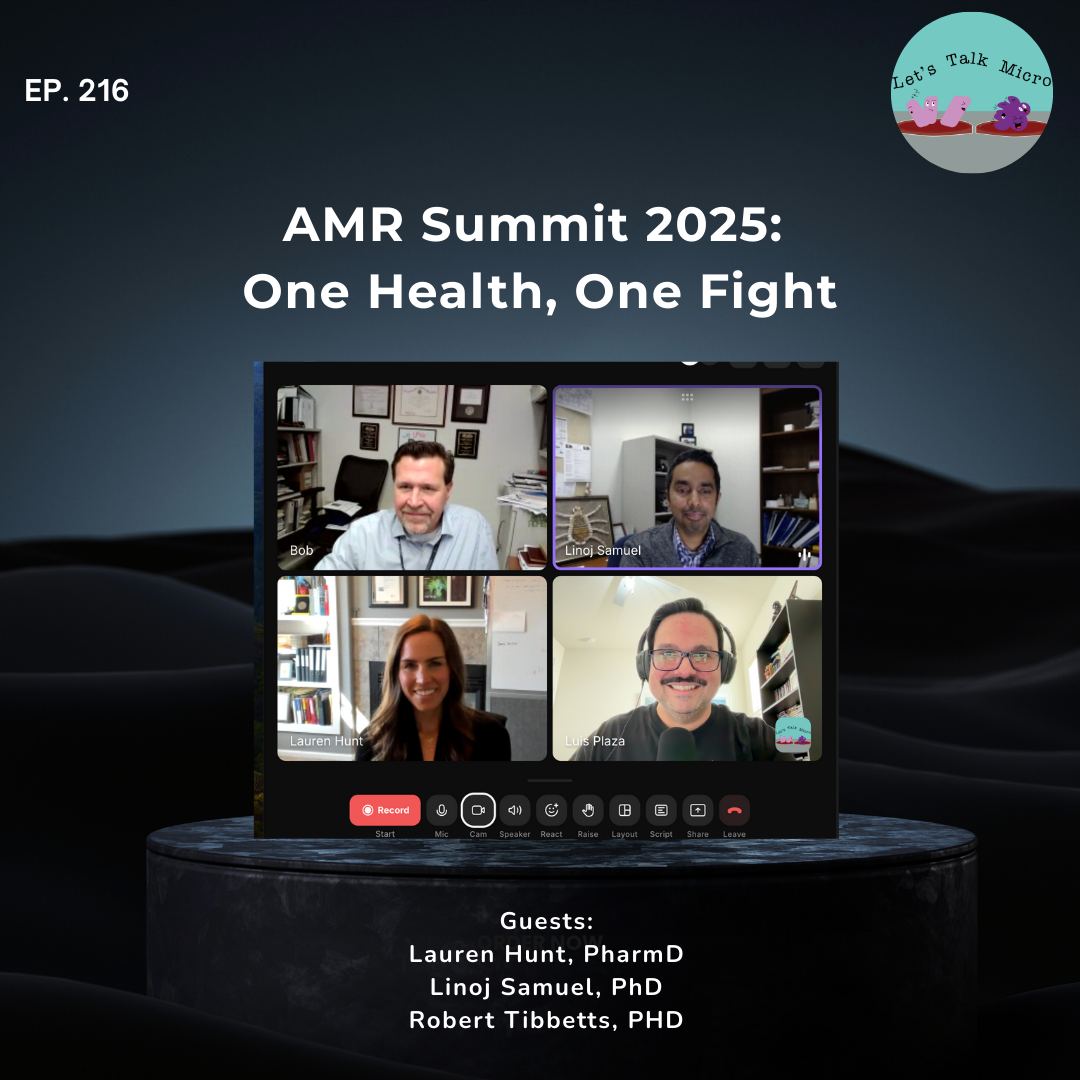
216: AMR Summit 2025: One Health, One Fight
In this special episode, I'm joined by three leaders who helped shape the conversation at the 2025 Antimicrobial Resistance (AMR) Summit in Detroit: Dr. Lauren Hunt, Dr. Linoj Samuel, and Dr. Robert Tibbetts. Together, we explore how this intimate, multidisciplinary summit brought together clinical microbiology, infectious diseases, stewardship, public health, policy, and veterinary medicine to ta

215: One Health, Many Species: AMR Through a Veterinary Lens
What does antimicrobial resistance look like when your patients range from dogs and cats to cattle, wildlife, and everything in between? And how do we make sense of AST, breakpoints, contamination, and genotypic tools across such a diverse microbiological world? In this episode, Luis is joined by Dr. Kelli Maddock, DrPH (North Dakota State University Veterinary Diagnostic Laboratory) and Dr. Steph
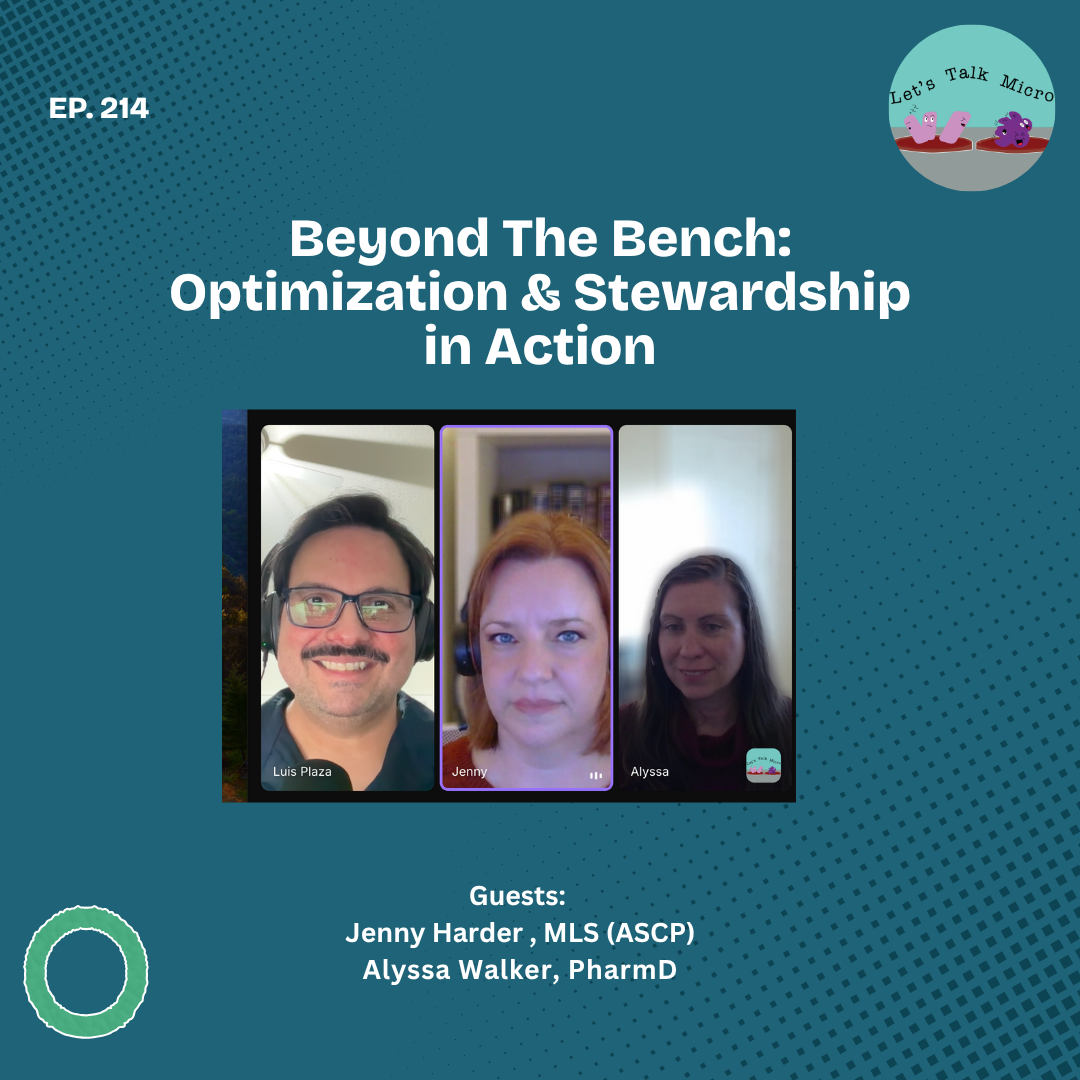
214: Beyond the Bench: Optimization & Stewardship in Action
In this final episode of our special four-part series in partnership with bioMérieux, we bring all the pieces together. Throughout the series, we explored the diagnostic pathway from multiple angles: Episode 1: The evolution of antimicrobial susceptibility testing (AST) Episode 2: Molecular diagnostics for bloodstream infections Episode 3: FAST AST and the impact of getting susceptibility da
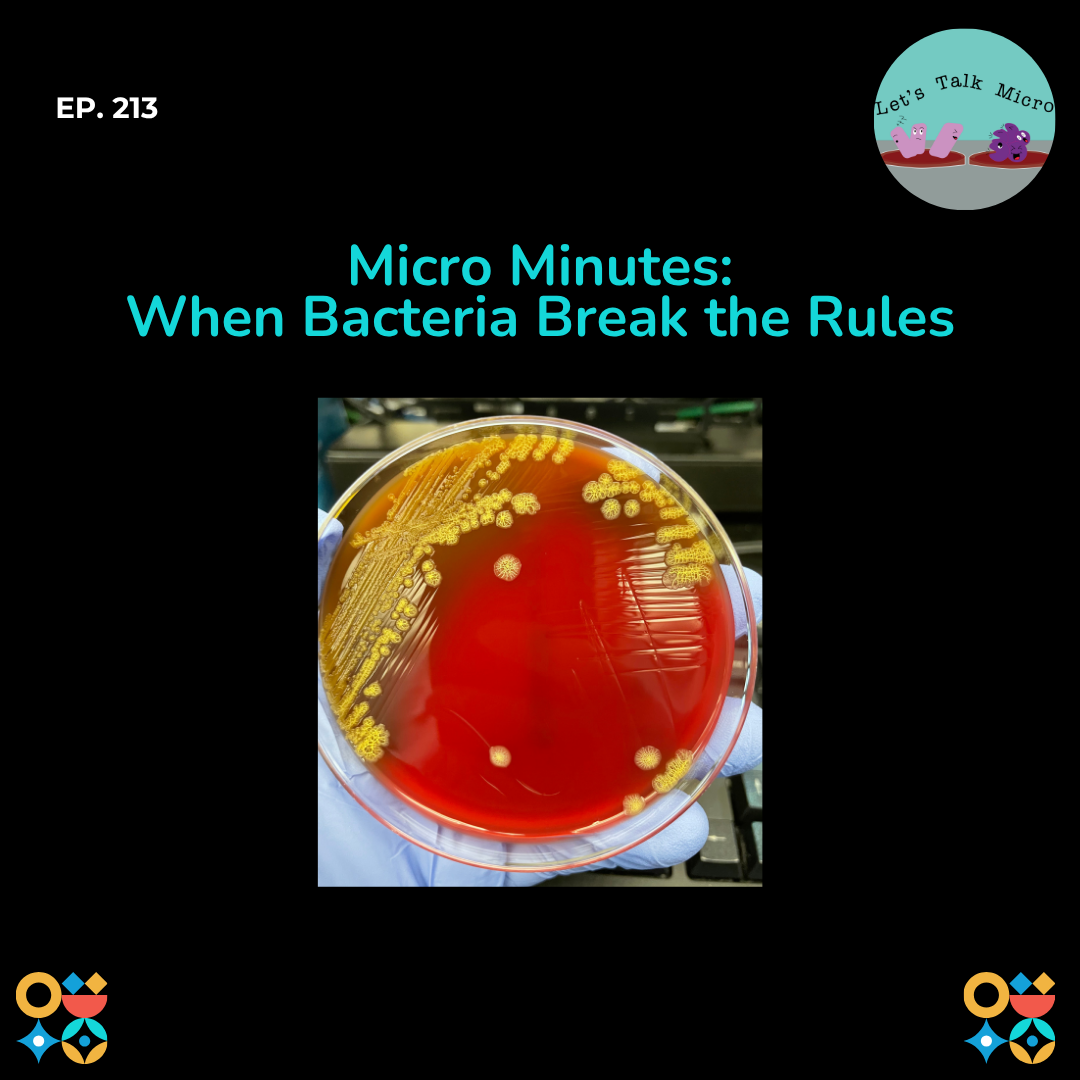
213: Micro Minutes: When Bacteria Break the Rules
In this Micro Minutes episode, Luis breaks down classic microbiology traits that usually hold true, but not always. From indole-negative E. coli to non-swarming Proteus and oxidase-negative Pseudomonas, this quick episode highlights real-world exceptions that can catch techs and students off guard. Learn how to spot: Indole-negative E. coli (98% rule + inactive biotypes) Lactose-fermenting lo
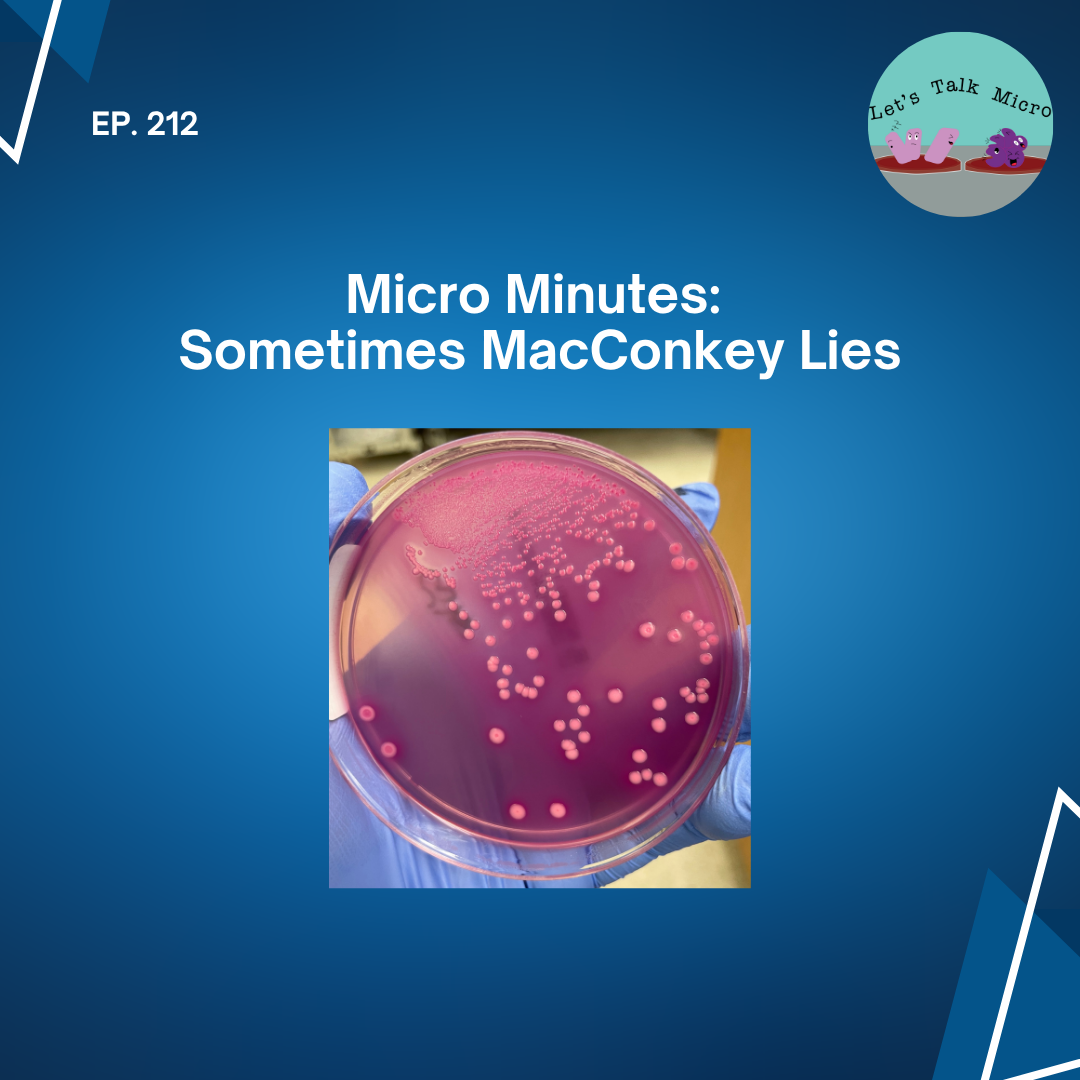
212: Micro Minutes: Sometimes MacConkey Lies
Welcome to the very first Micro Minutes, a new quick-hit series from Let's Talk Micro designed for students, techs, and anyone who wants fast, practical microbiology insights in under 10 minutes. In this episode, we tackle a common misconception that microbiologists can make at the bench when interpreting a single plate: MacConkey agar. Many assume: "If it doesn't grow on MacConkey, it's not a gra
211: At the Speed of AST: Diagnosing Resistance Faster
In the third installment of our special series in partnership with bioMérieux, Luis welcomes back Dr. Sonali Kalathiya, infectious diseases pharmacist and medical advisor at bioMérieux, to explore how innovation is accelerating antimicrobial susceptibility testing (AST). Together they dive into FAST AST—a phenotypic susceptibility test that delivers actionable results directly from positive blood

210: IDWeek 2025 Highlights: From Bench to Bedside
Just back from IDWeek 2025 in Atlanta, Luis shares the sessions and posters that defined this year's meeting — from next-generation sequencing and diagnostic stewardship to AI in the microbiology lab and new antimicrobials on the horizon. Tune in for insights on: NGS test utilization and stewardship New β-lactamase inhibitors like nacubactam AI's growing role in clinical microbiology Tedi

209: CLSI y resistencia antimicrobiana (In Spanish)
En este episodio en español de Let 's Talk Micro, el Dr. Germán Esparza Sánchez , microbiólogo clínico, miembro del CLSI y consultor de la OPS/OMS, comparte las actualizaciones más recientes del documento M100 y cómo impactan la práctica microbiológica. Desde la eliminación de puntos de corte para Burkholderia cepacia hasta los nuevos antibióticos como aztreonam-avibactam, durlobactam-sulbactam y
208: The Microbiome Center of Puerto Rico
Puerto Rico is entering a new era in microbiome research. In this episode, Luis speaks with Dr. Filipa Godoy-Vitorino about the newly established Microbiome Center of Puerto Rico — a hub designed to strengthen research, collaboration, and training across the Caribbean. Dr. Godoy-Vitorino shares how the center is helping scientists access expertise in bioinformatics and data analysis, offering bil
207: Micro Lab and Stewardship: Collaboration in Action (Pt.2)
In this second half of our discussion with Dr. Erin McCreary and Dr. Hannah Creager, we dive deeper into how microbiology and antimicrobial stewardship teams collaborate to improve patient outcomes. They unpack how to prioritize breakpoint updates, the pros and cons of cascade reporting, and what nudges can do to guide better prescribing. Then we explore a powerful example of collaboration—the tra
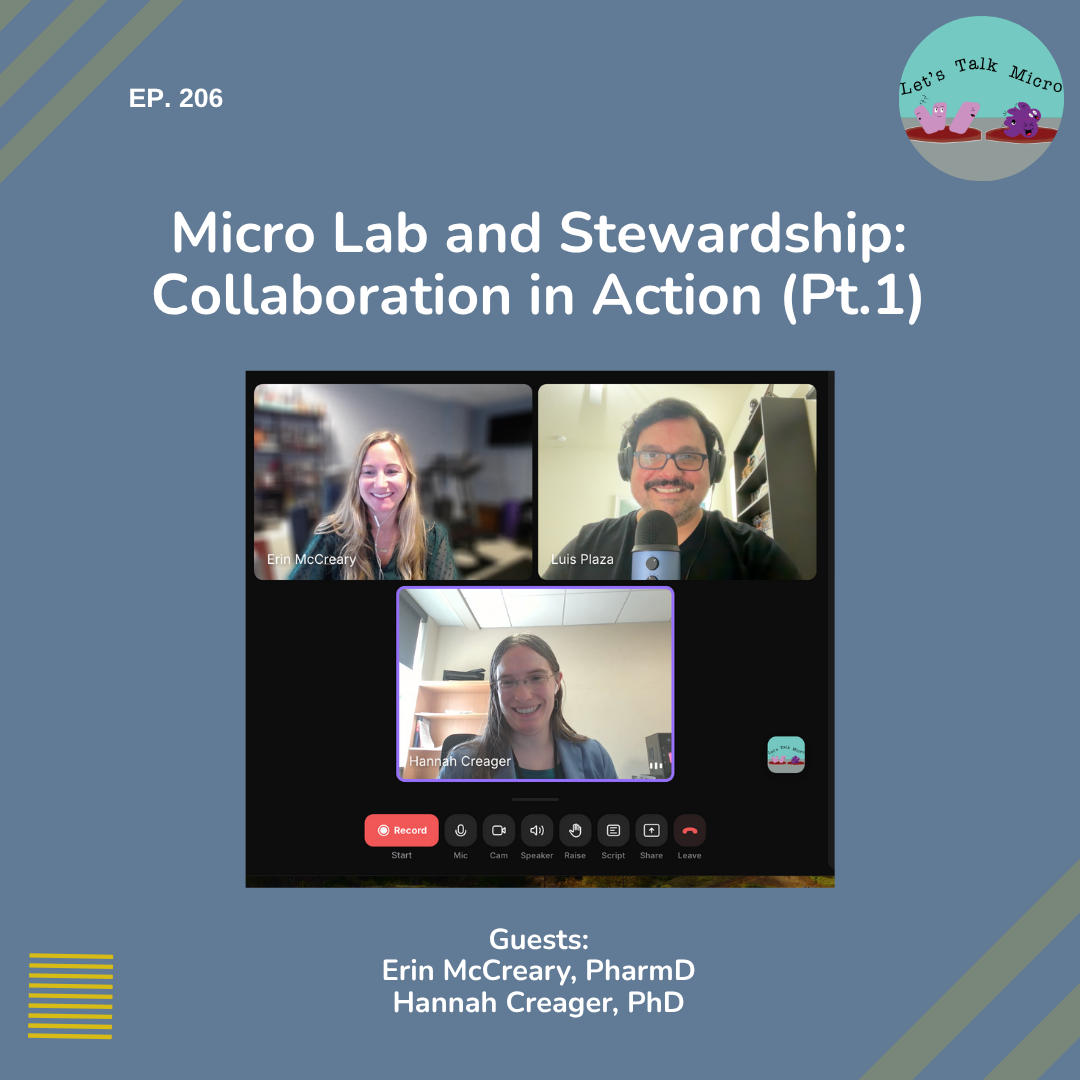
206: Micro Lab and Stewardship: Collaboration in Action (Pt.1)
Good communication isn't optional—it's essential for patient care. In Part 1 of this two-part series, Dr. Erin McCreary and Dr. Hannah Creager join Luis to talk about how microbiology labs and antimicrobial stewardship teams can collaborate more effectively. They share real-world examples from their system-wide work—aligning AST panels and breakpoints across multiple platforms, navigating reportin
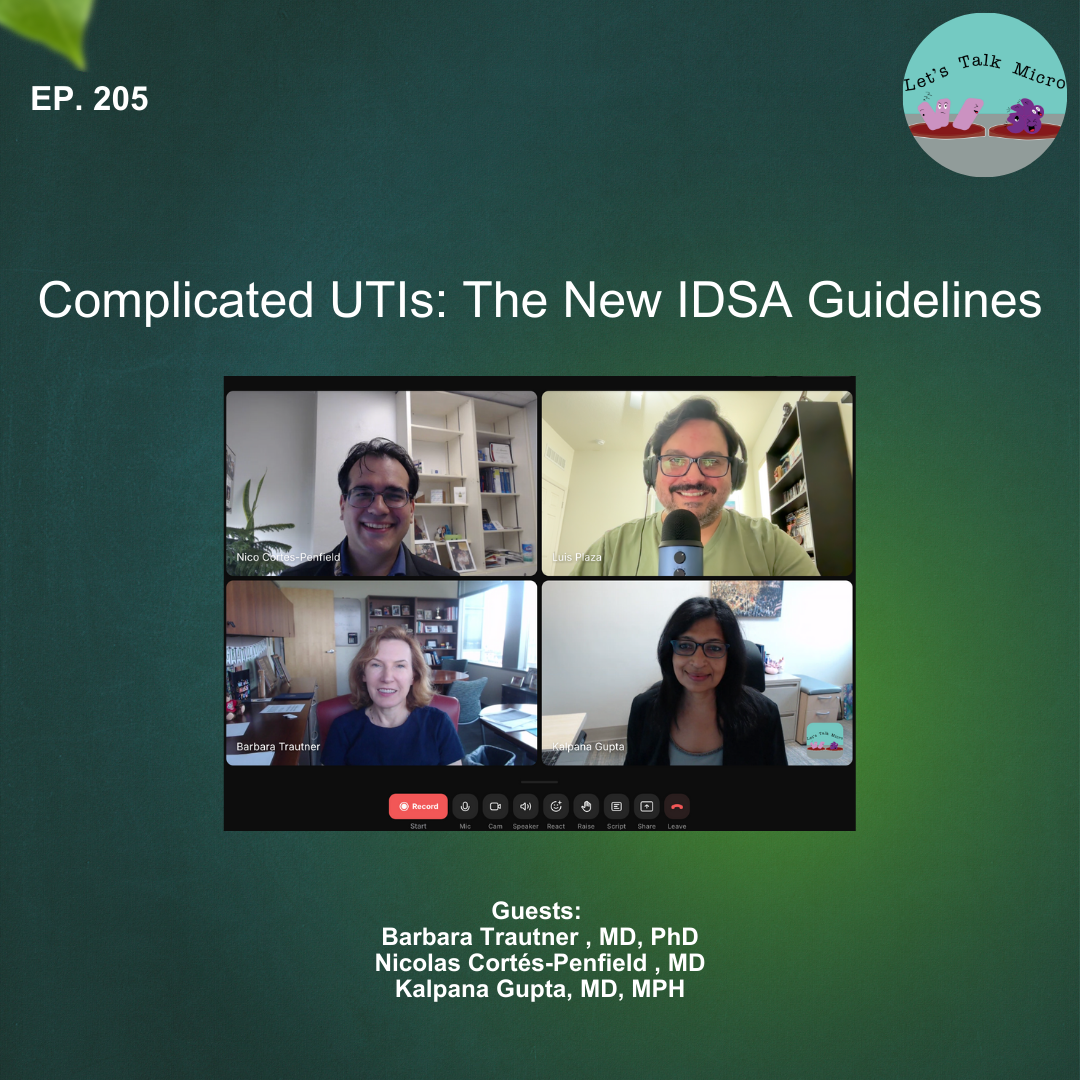
205: Complicated UTIs: The New IDSA Guidelines
The Infectious Diseases Society of America (IDSA) has released new guidelines for the treatment of complicated urinary tract infections. In this episode, we break down the key updates: Changes to the definition of complicated UTIs The role of newer antibiotic agents How and when to use antibiograms A four-step framework for guiding therapy When carbapenems are necessary—and when other op
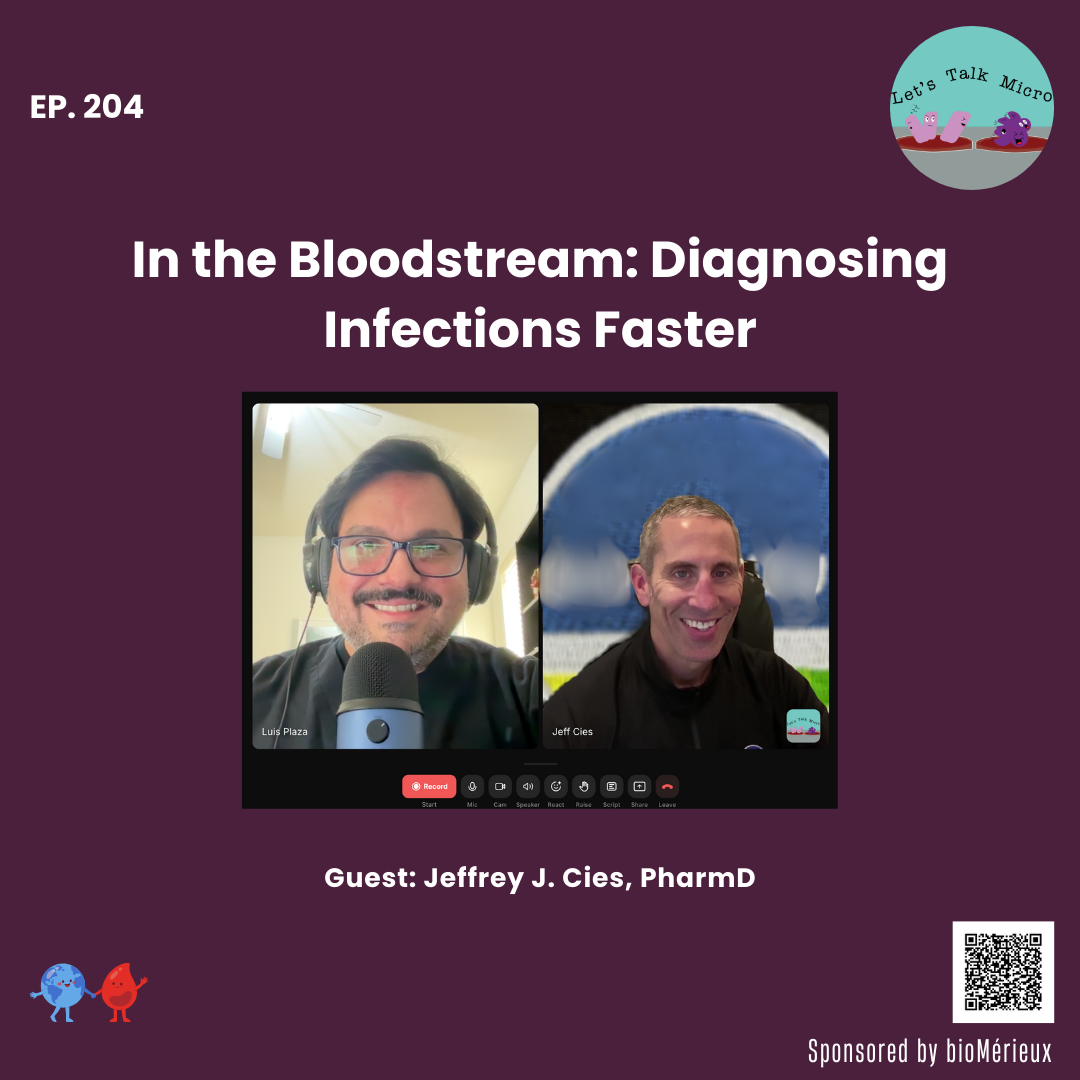
204: In the Bloodstream: Diagnosing Infections Faster
Bloodstream infections can progress rapidly to sepsis—bringing high costs, high mortality, and lasting effects. In the second episode of this series in collaboration with bioMérieux, Luis speaks with Dr. Jeff Cies, Senior Medical Advisor at bioMérieux, about how molecular diagnostics are reshaping bloodstream infection diagnosis. They discuss: Limitations of traditional blood cultures How rapi
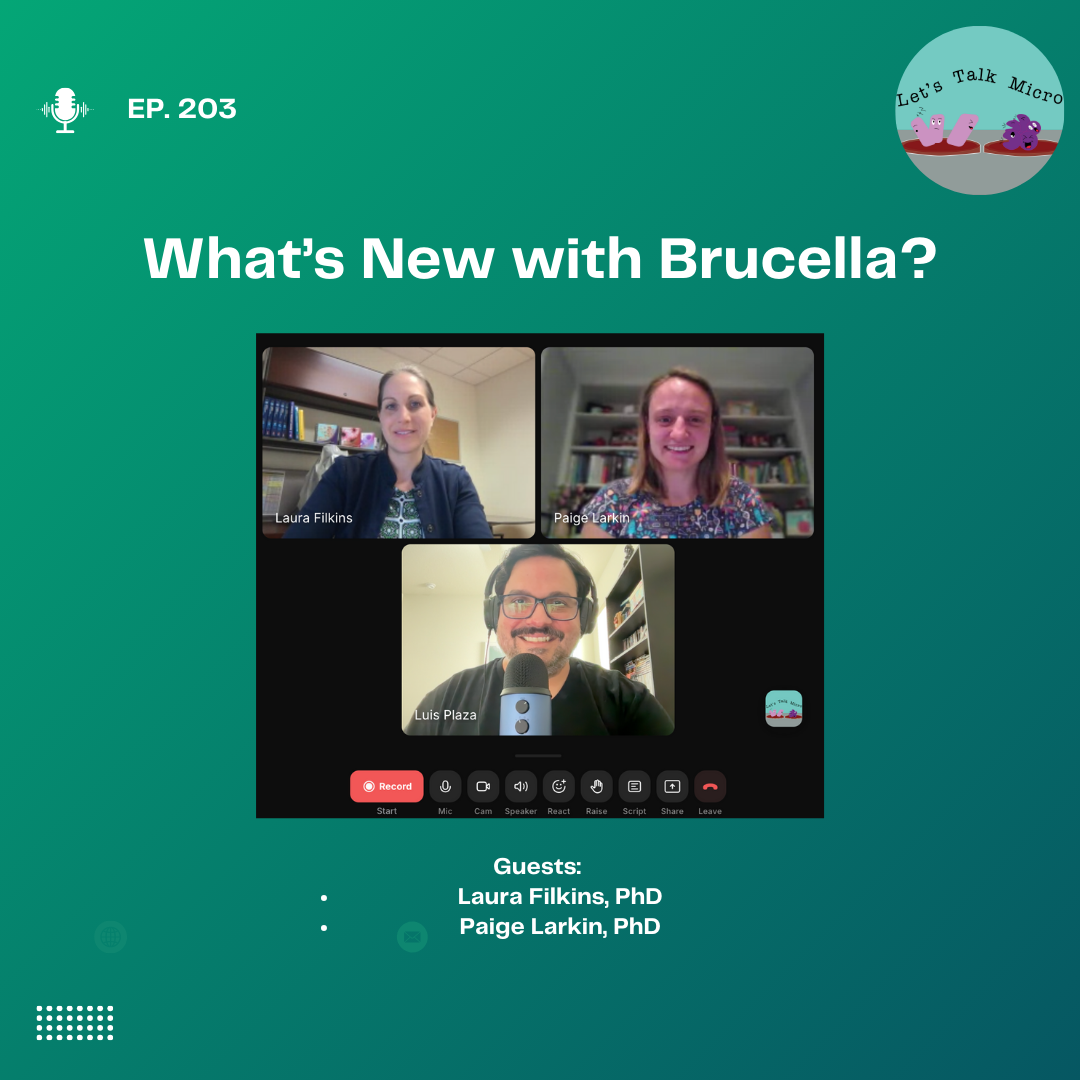
203: What's New with Brucella?
Brucella is a familiar name in the lab—but recent updates to the sentinel guidelines are reshaping how we approach this pathogen. In this episode, I'm joined by Dr. Laura Filkins and Dr. Paige Larkin to discuss the latest changes: updates in nomenclature, the removal of certain Brucella species from the select agent list, and the renewed emphasis on safety in the lab. We dive into taxonomy controv
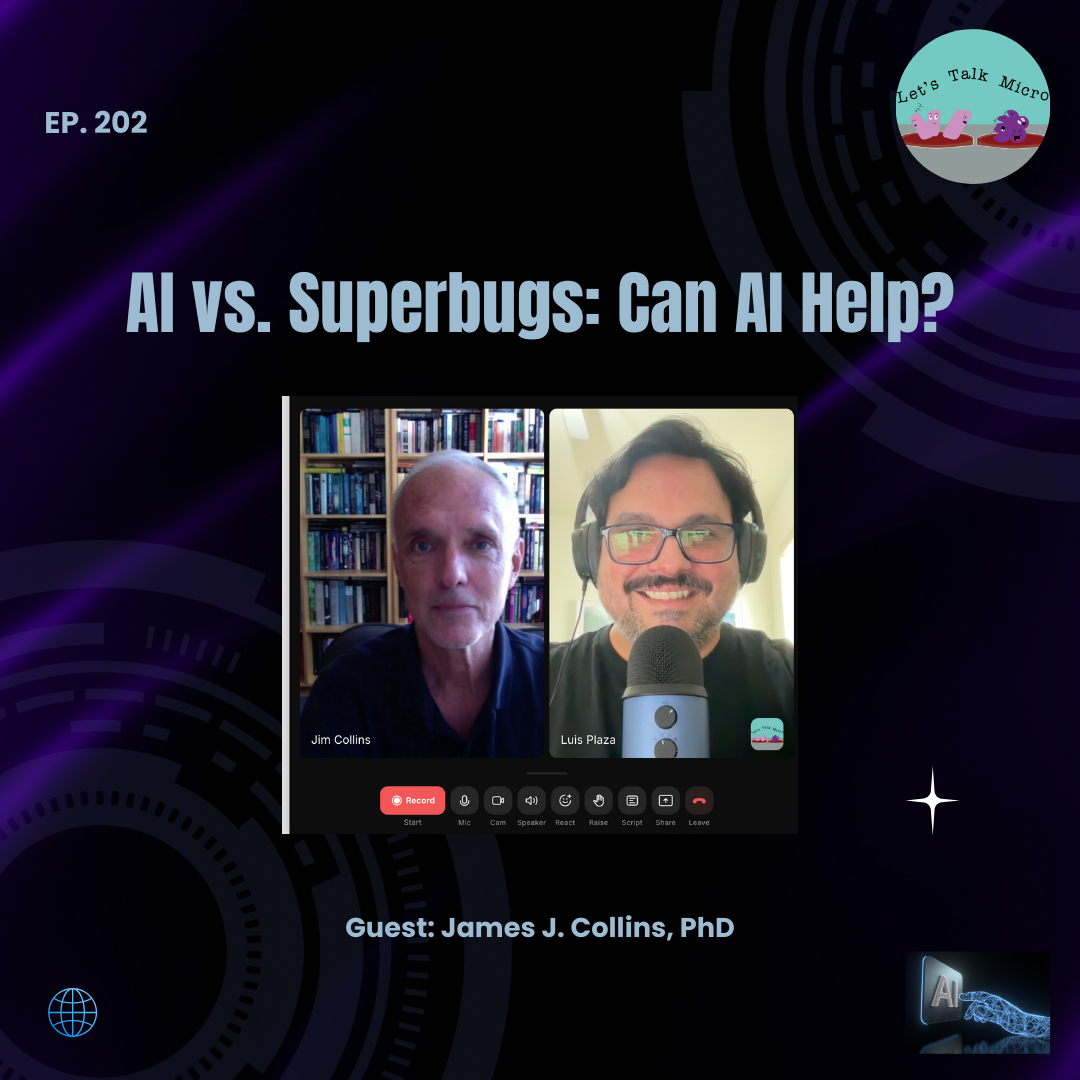
202: AI vs. Superbugs: Can AI Help?
Antimicrobial resistance (AMR) continues to grow as a global health threat, making infections harder to treat and leaving fewer options for patients. The need for new antibiotics is an urgent matter — but traditional discovery methods are slow and limited. In this episode of Let's Talk Micro, Luis is joined by Dr. James Collins, professor at MIT and researcher at the Broad Institute, who is leadin
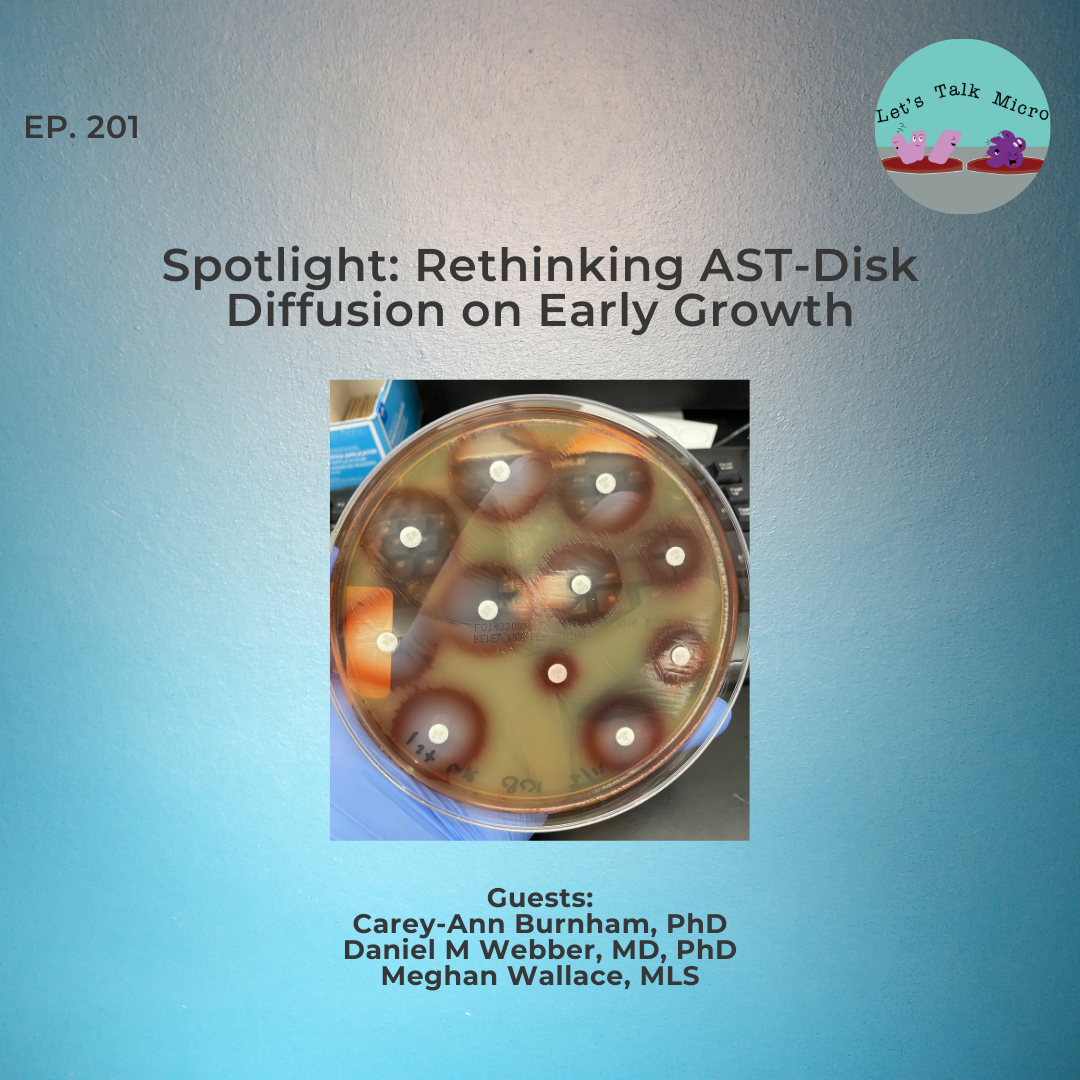
201: Spotlight: Rethinking AST-Disk Diffusion on Early Growth
Last week, we discussed early growth isolates for antimicrobial susceptibility testing (AST) and the importance of obtaining results sooner. This week, we revisit an earlier study that looked at early growth but using disk diffusion. In this episode, I was joined by Dr. Carey-Ann Burnham, Dr. Daniel Webber, and Meghan Wallace to discuss their work. Tune in to hear how this approach could help deli
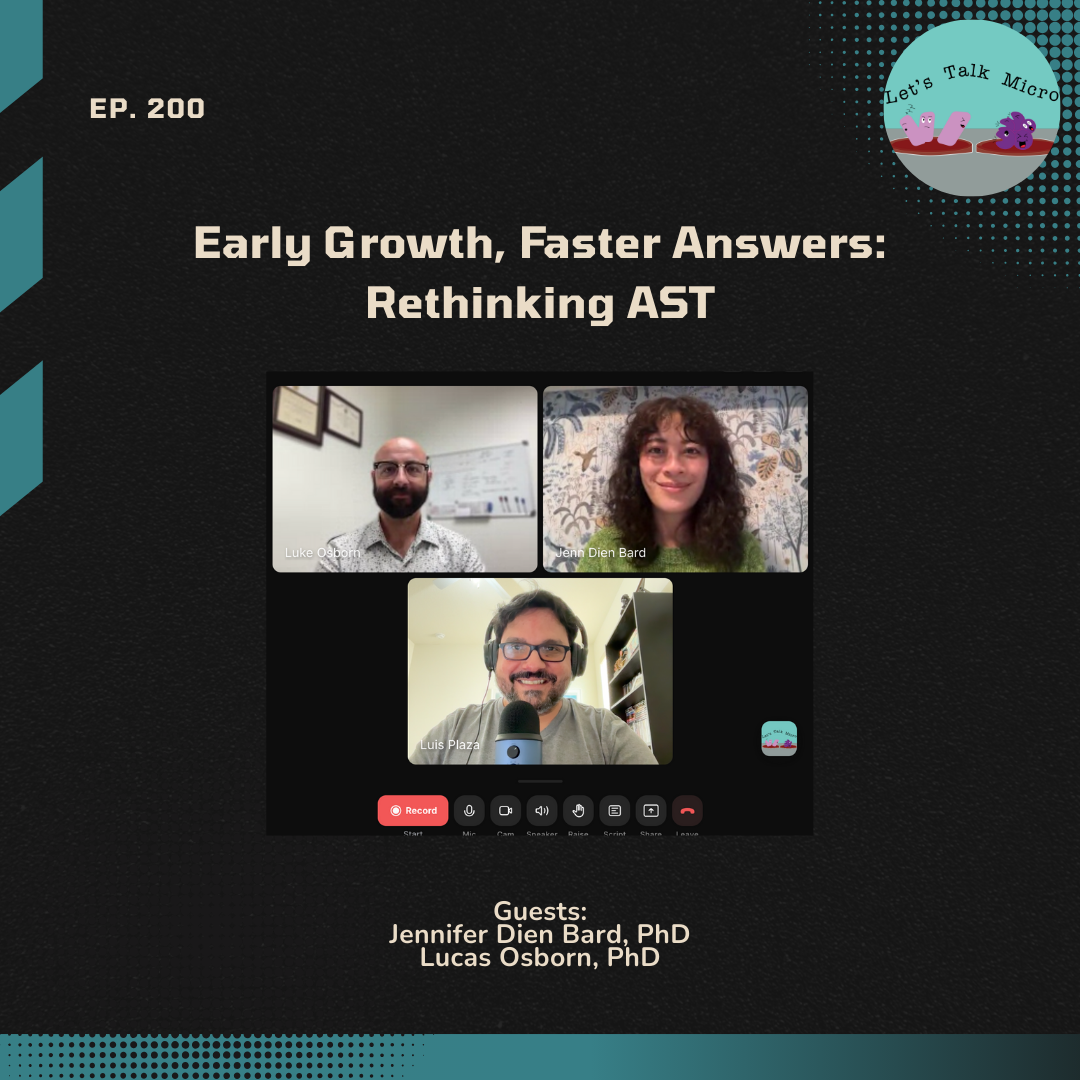
200: Early Growth, Faster Answers: Rethinking AST
In this episode of Let's Talk Micro, Dr. Jennifer Dien Bard and Dr. Lucas Osborn discuss their recent study on early growth antimicrobial susceptibility testing (AST). Traditional AST often requires 18–24 hours of incubation of isolates, delaying targeted treatment. Their research shows that using 6-hour early growth isolates with both automated and manual methods delivers accurate results up to 1
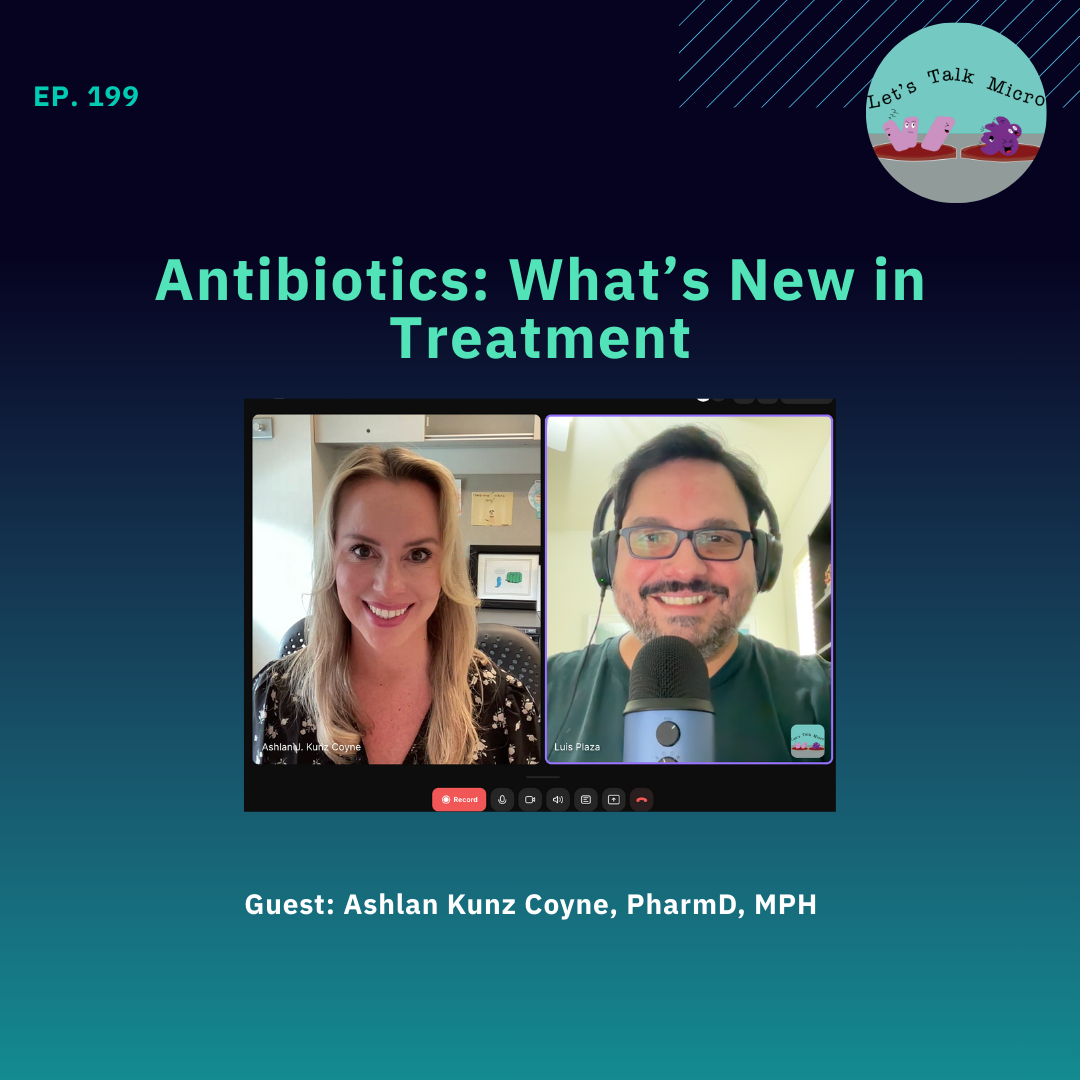
199: Antibiotics: What's New in Treatment
This week, Luis is joined by Dr. Ashlan Kunz-Coyne to discuss some of the newest antibiotics for urinary tract infections (UTIs). They explore why extended-spectrum beta-lactamases (ESBLs) are a growing concern, the impact of E. coli sequence type 131, and where new agents like cefepime–enmetazobactam, sulopenem, and tebipenem fit into treatment. The conversation also highlights clinical data, ste
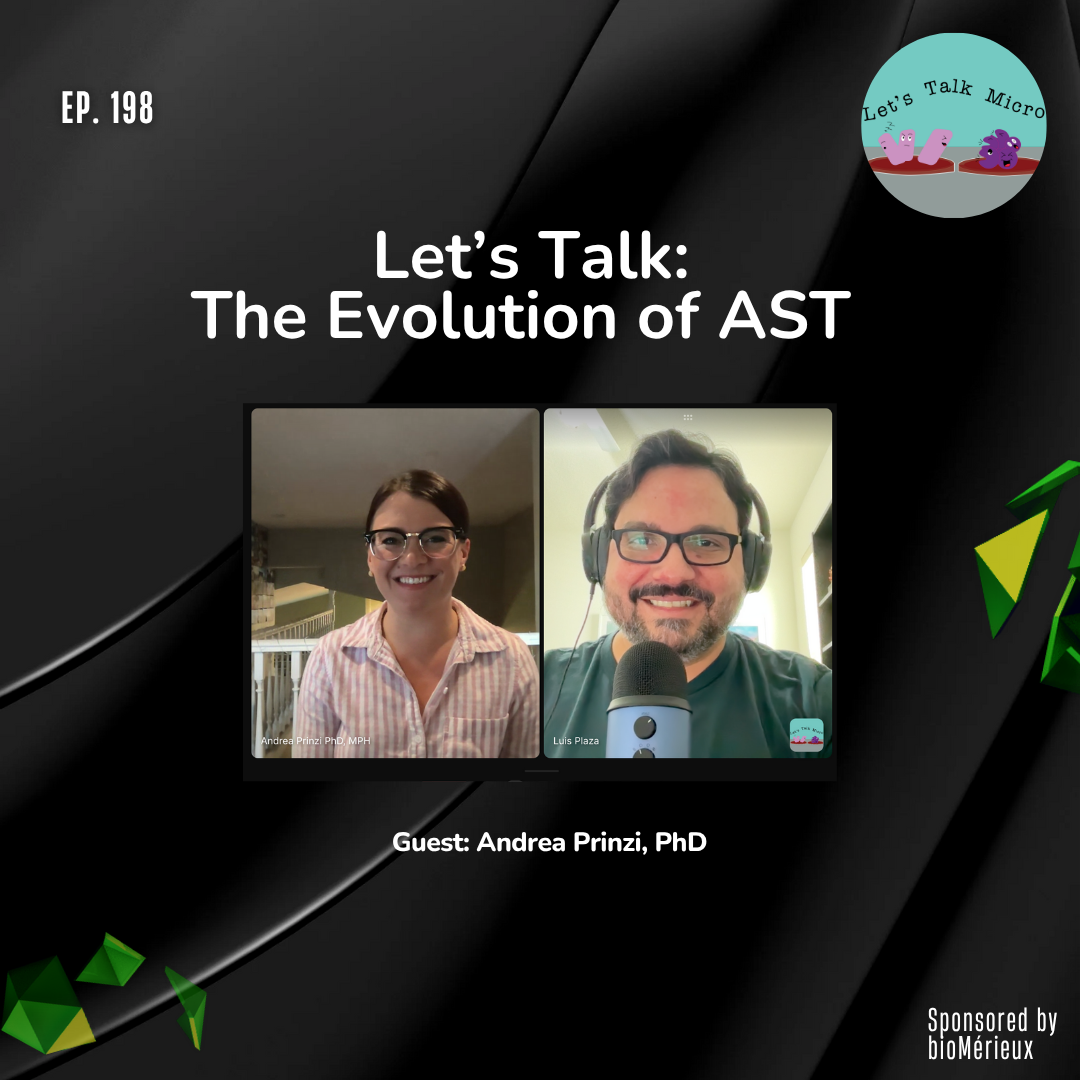
198: Let's Talk: The Evolution of AST
Season 5 premieres today! Antimicrobial susceptibility testing (AST) is essential for guiding effective treatment—but how has it evolved, and what challenges are we still facing? In the first episode of this series in collaboration with bioMérieux, Dr. Andrea Prinzi joins Let's Talk Micro to explore the evolution of AST—from early methods to modern platforms like VITEK 2. We discuss the known iss
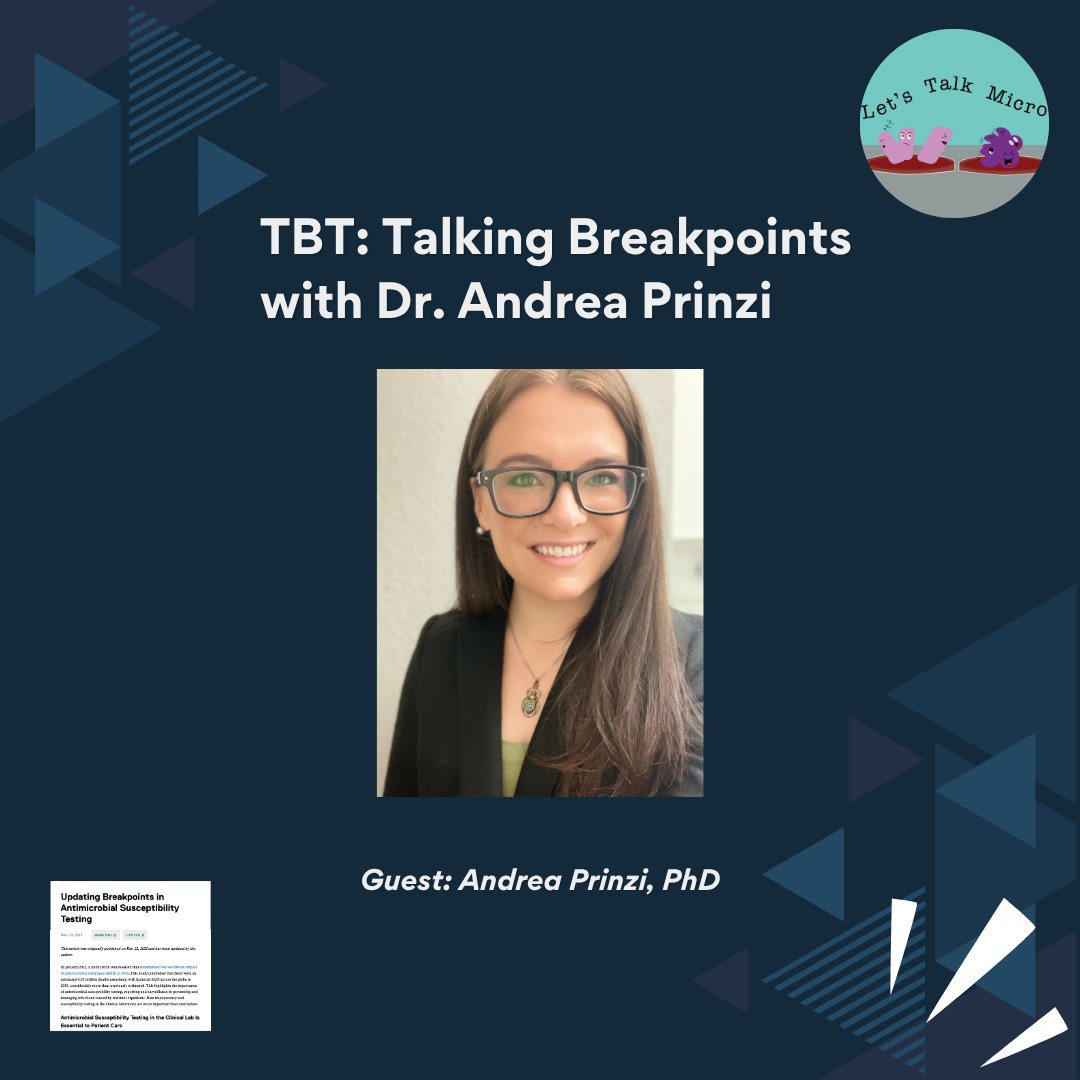
TBT: Talking Breakpoints with Dr. Andrea Prinzi
This episode of Let's Talk Micro features Dr. Andrea Prinzi, a clinical microbiologist and frequent contributor to the American Society for Microbiology. Andrea joins the podcast to discuss a critical topic in clinical microbiology: antimicrobial susceptibility testing and breakpoints. Are labs using outdated breakpoints—and what does that mean for patient care? How are breakpoints determined and
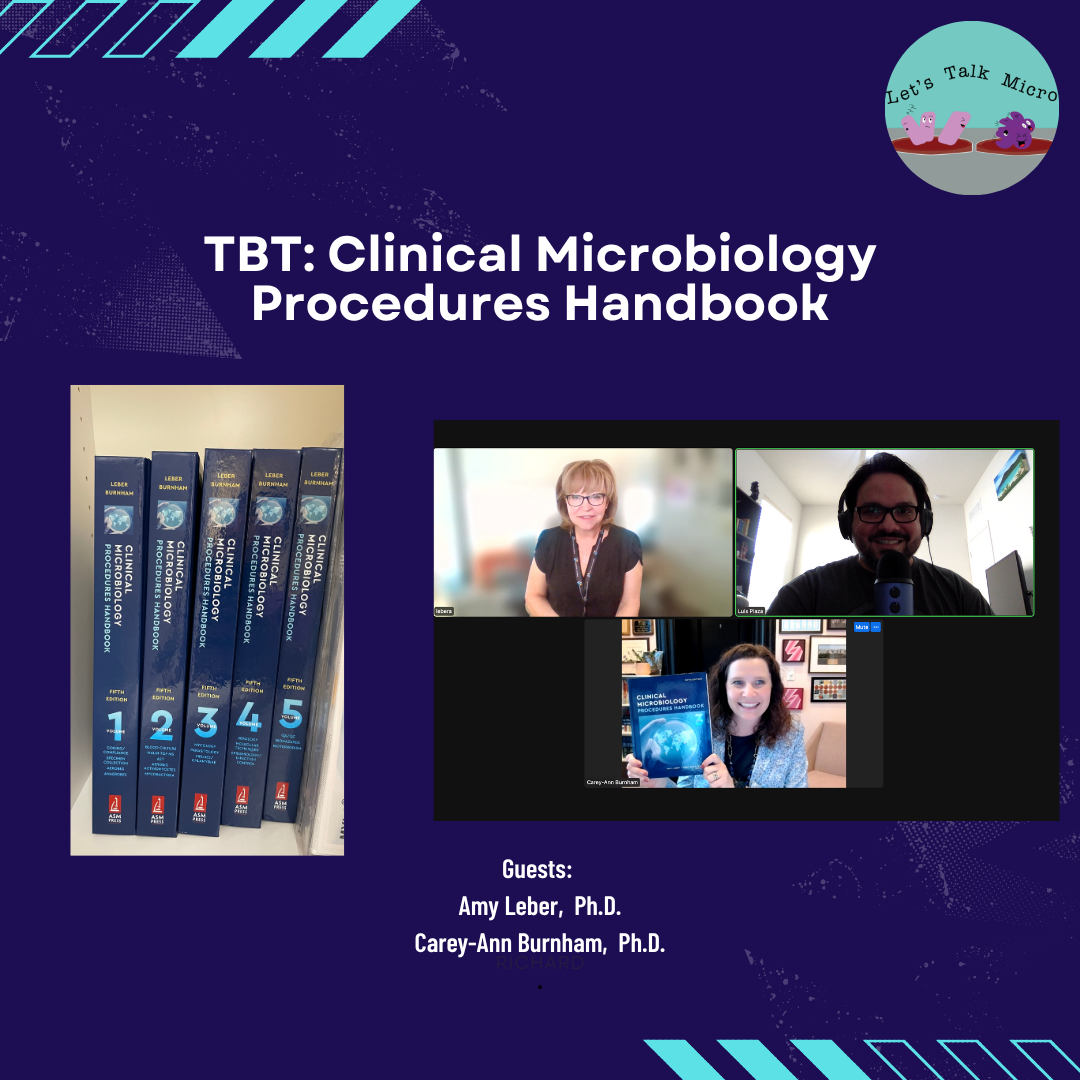
TBT: Clinical Microbiology Procedures Handbook
The Clinical Microbiology Procedures Handbook (CMPH) has long been a trusted resource for laboratories. With the release of its 5th edition, this essential reference continues to guide clinical microbiologists through evolving standards, methods, and best practices. In this episode, Luis is joined by the editors‑in‑chief, Dr. Amy Leber and Dr. Carey‑Ann Burnham, to explore what's new in the lates
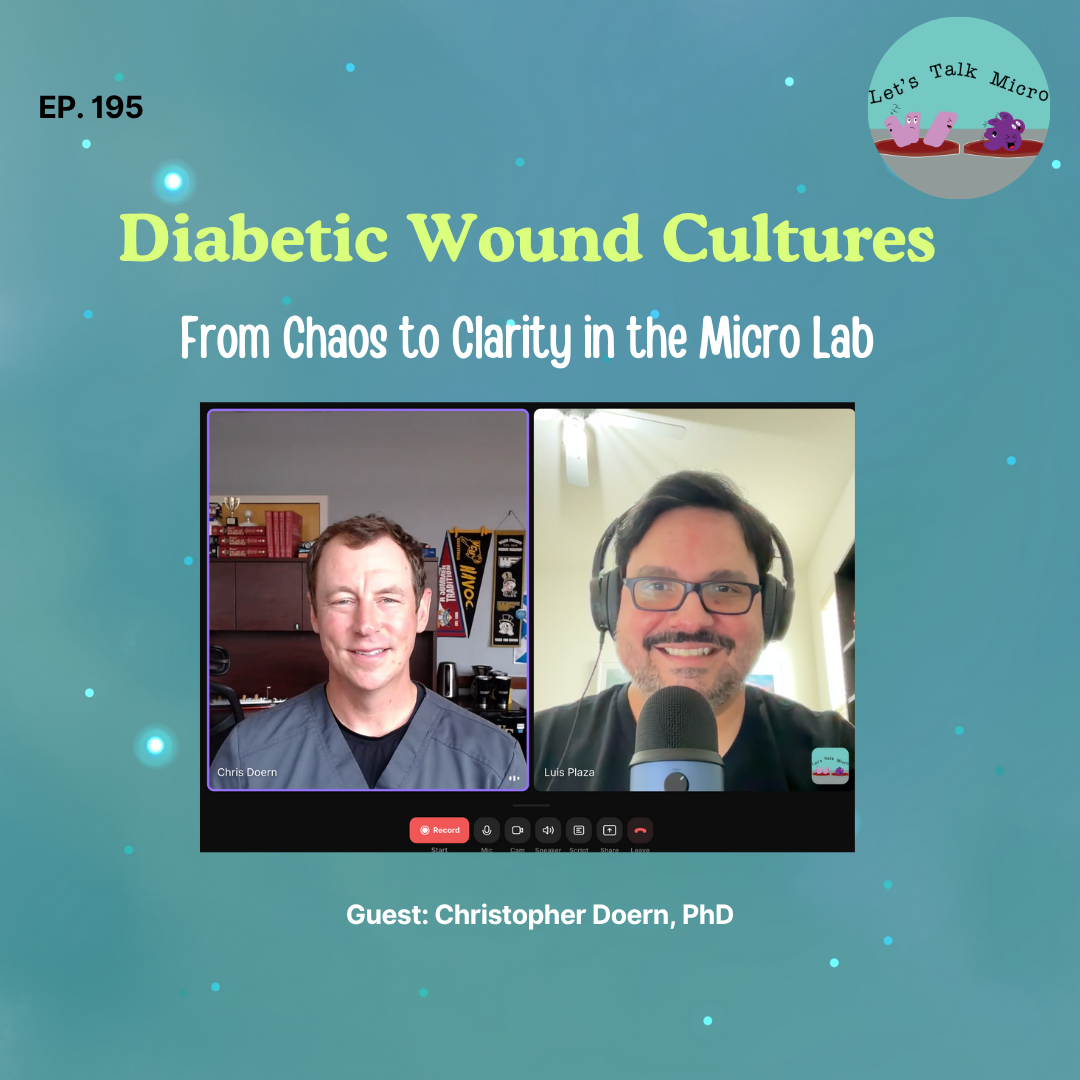
195: Diabetic Wound Cultures: From Chaos to Clarity in the Micro Lab
This week, Luis is joined by Dr. Christopher Doern from VCU Health to explore the complex world of diabetic wound cultures. How does diabetes impair wound healing—and what makes these infections so difficult to diagnose and treat? Dr. Doern dives into the microbiology behind diabetic foot wounds, highlighting the impact of bacterial diversity, specimen quality, and the limitations of traditional c

194: Live from ASM Microbe 2025: Poster Highlights, Trends & Takeaways
Recorded live at ASM Microbe 2025, this episode captures the energy of the American Society for Microbiology's annual event. Luis shares his top takeaways from the conference floor—including standout poster presentations, emerging technologies, and trending topics in microbiology. One clear theme dominated this year: rapid diagnostics for identification and susceptibility testing. Tune in for a fr

193: ASM 2025: Fast Science. Big Cases
In this episode of Let's Talk Micro, we dive into the fast-paced world of rapid antimicrobial susceptibility testing (AST). Recorded live from ASM Microbe 2025, Luis is joined by Dr. Carey-Ann Burnham, CEO of Pattern Bioscience and Editor-in-Chief of the ASM Case Reports journal. Together, they explore how innovative technologies—like single-cell microbiology—are transforming clinical microbiology

192: Stronger Together: Partnerships in Diagnostics
How familiar are you with partnerships and collaborations between the laboratory and the diagnostics industry? In this episode Luis is joined by Dr. Andrea Prinzi and Dr. Kristen Smith to explore how partnerships between clinical labs, public health institutions, and the diagnostics industry drive innovation in in-vitro diagnostics (IVDs). What is the IVD pipeline? From discovery to product lau
191: TBT- Talking HIV with Dr. Hsu
TBT- This week Let's Talk Micro is talking about virology, specifically about the Human Immunodeficiency Virus (HIV). This episode features an interview with Dr. Hsu, a stem cell specialist from the Weill Medical College at Cornell University in New York. She discusses an article about a patient that has been possibly cured from HIV after a stem cell transplant with cord blood cells. What is the C

190: Aztreonam-avibactam
This week Luis is joined by Dr. Callan Bleick and Dr. Mohammed Al Musawa to talk about an antibiotic that was recently approved by the Food and Drug Administration (FDA): aztreonam-avibactam. Our guests wrote a review about this drug and they joined the podcast to talk about it. What is aztreonam? What is avibactam? Why combine them? What type of activity has it demonstrated against beta-lactamas
189: Outbreak Detection System
There are many challenges when it comes to outbreak detection. It involves surveillance, time, and effort among other factors. Some of these challenges are linking multiple patients to an outbreak, or investigating a potential outbreak that turns out to be separate occurrences of an infection. In this episode Luis is joined by Dr. Alex Sundermann to talk about an outbreak detection system develope

188: Haemophilus: ALA, susceptibilities, and more
This week Luis continues going over Haemophilus. This time he goes over biochemicals, testing systems, and susceptibility testing. What is the ALA test? What commercial systems are able to identify Haemophilus? What about for Haemophilus influenzae? What is HTM agar? Are there any vaccines for H. influenzae? Tune in to find out more. More information on H. influenzae vaccines: https://www.cdc.
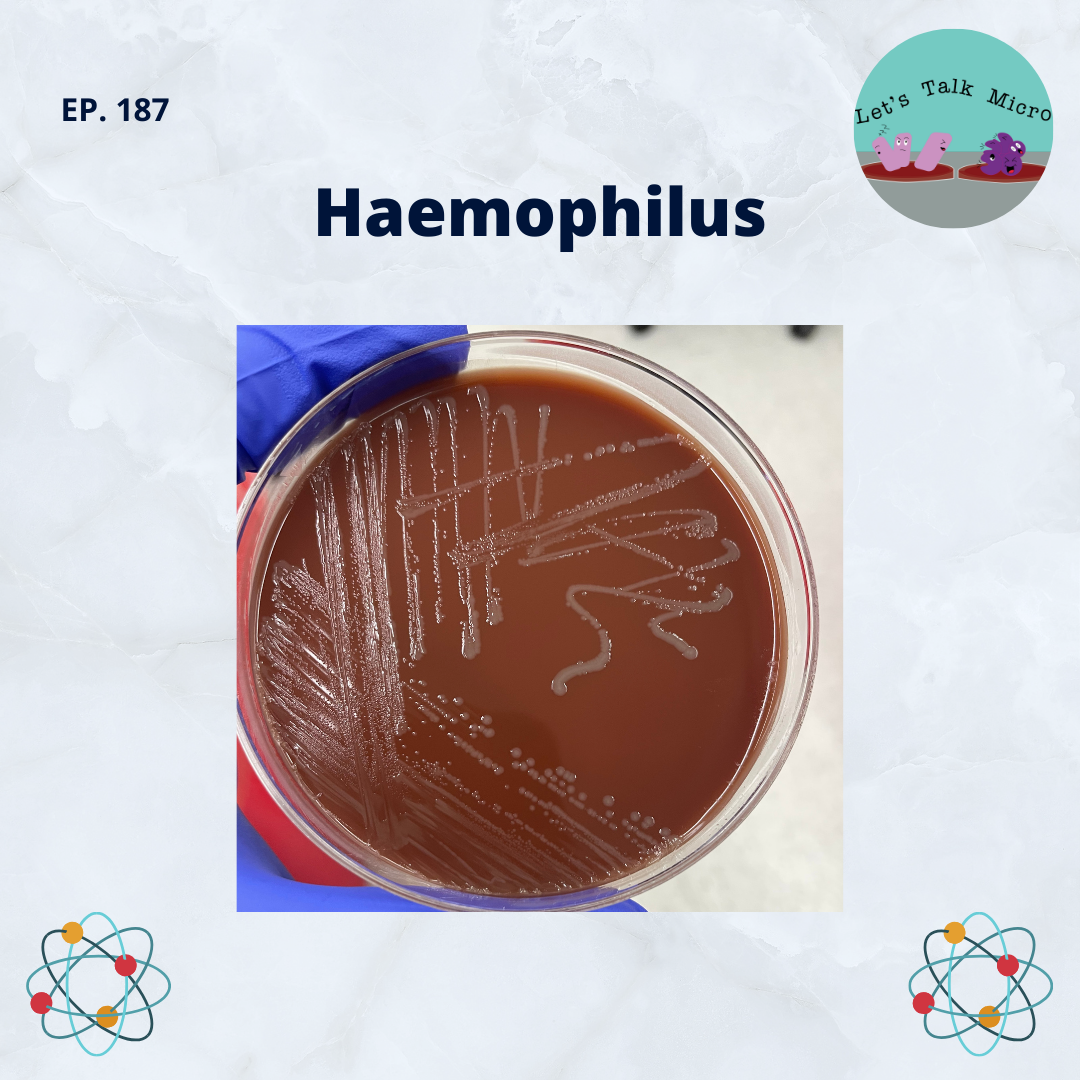
187: Haemophilus
In this episode Luis continues going over organisms. This time he goes over the genus Haemophilus. We start with an overview of the different species of Haemophilus. Why can't Haemophilus grow on blood agar? What are the X and V factors? Satellite phenomenon? What is the gram stain? What about media? Tune in for the first part of a series about Haemophilus. Questions? Feedback? Send those to let
186: Talking CPEP Fellowship
If you are part of the clinical microbiology community, you might have heard of a CPEP Fellowship, or might have met someone pursuing one. In this episode Luis is joined by Dr. Samuel Goodfellow to talk about the Subcommittee on Postgraduate Educational Programs (CPEP) Fellowship. Dr. Goodfellow is currently participating in one and he joins us to go over the different components of it. What is a

185: The Path to Microbiology: their journey pt. 3
What led or inspired you to choose the field of microbiology or laboratory medicine? Has your profession changed within the field? In this series where microbiologists and people from laboratory medicine talk about their careers, Luis is joined by Dr. Andrea Prinzi and Lisa Parlich. Andrea is a microbiologist that works in the industry and the co-host of the AMR series in this podcast. Lisa is a m
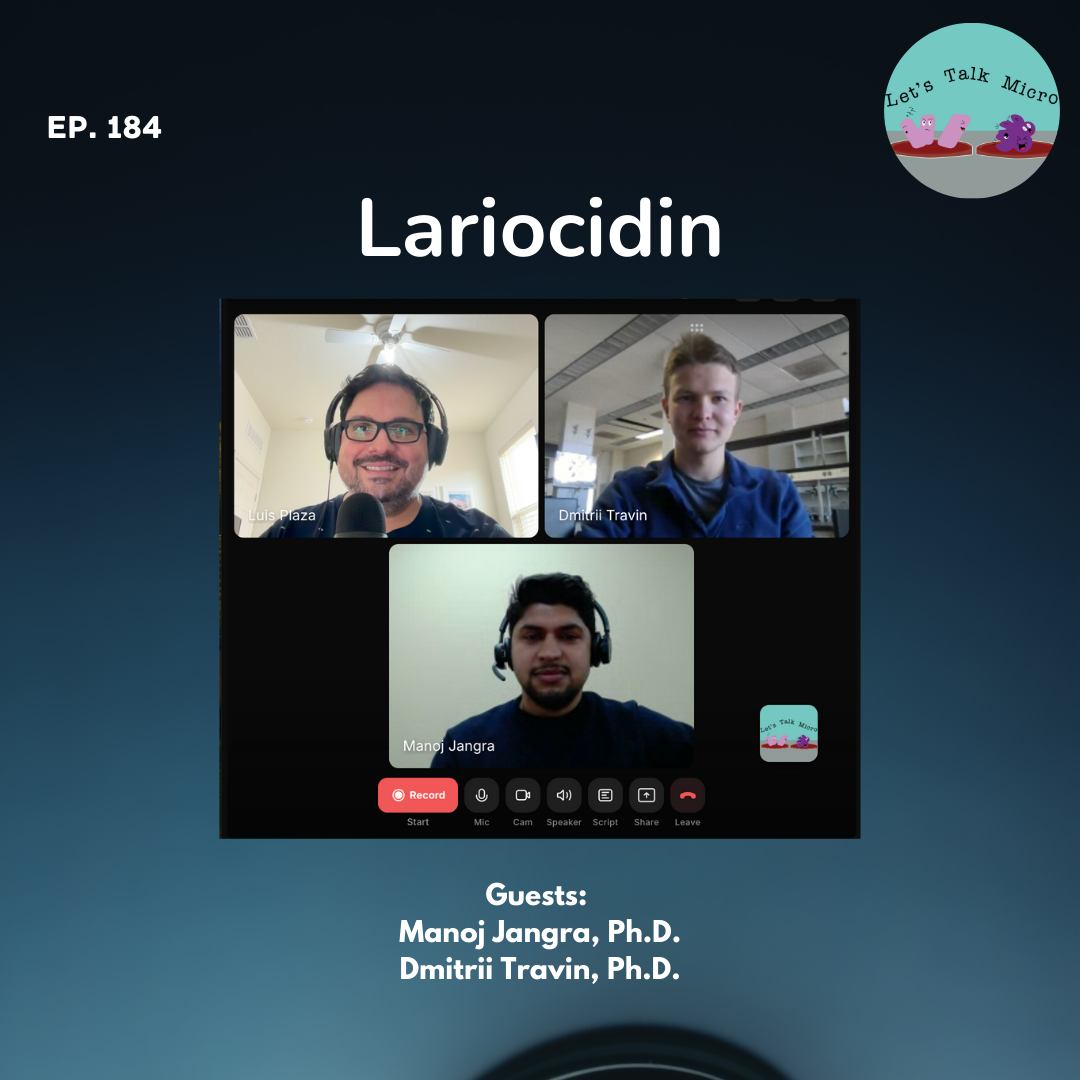
184: Lariocidin
Discovery of new potential antimicrobial compounds is important as we take many measures to combat antimicrobial resistance (AMR). In this episode Luis is joined by Dr. Manoj Jangra and Dr. Dmitrii Travin to discuss lariocidin: a potential antibiotic. What is the mechanism of action? What are lasso peptides? Tune in to listen about the discovery of this potential antibiotic, organisms it has shown
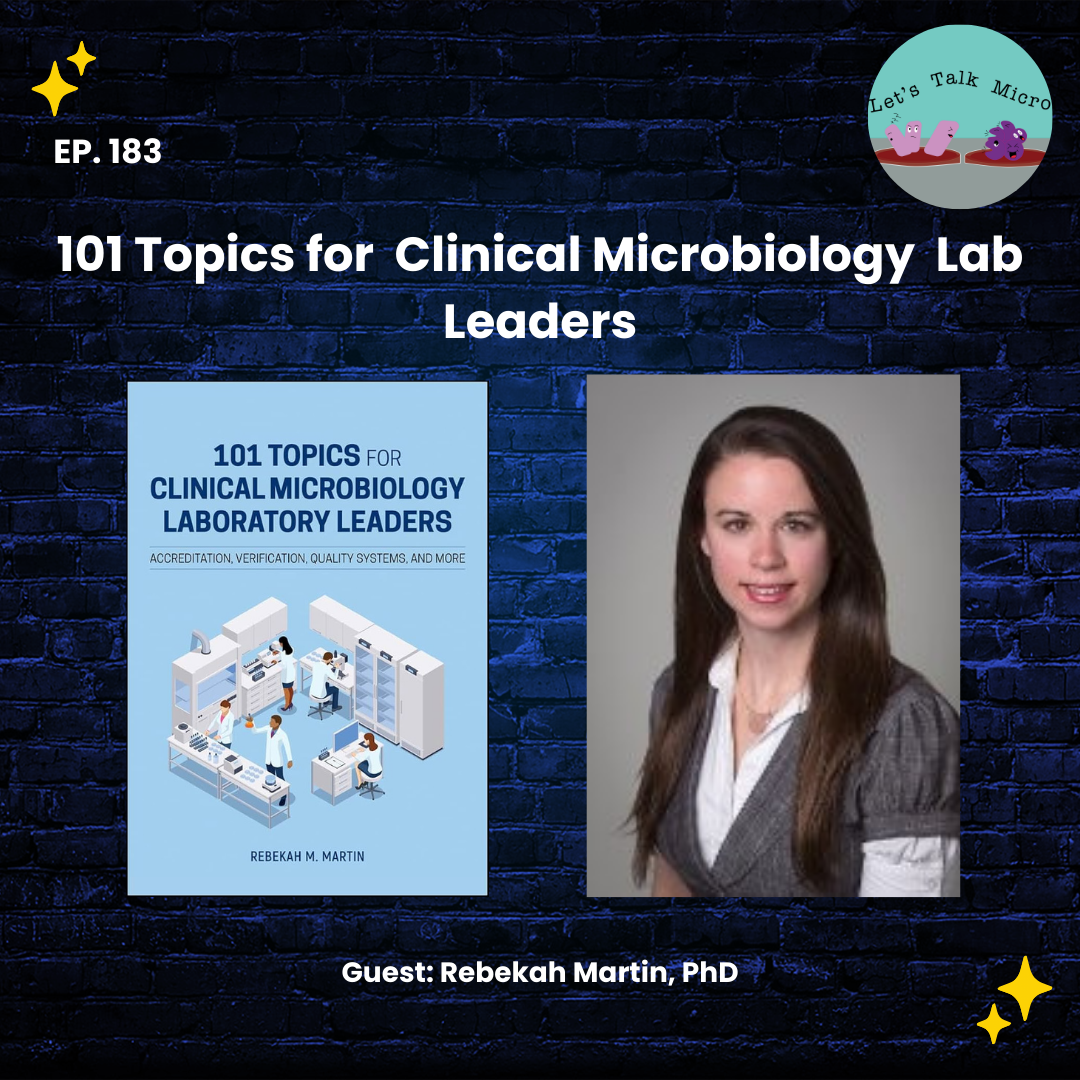
183: 101 Topics for Clinical Microbiology Lab Leaders
There are many challenges in the microbiology laboratory. As a leader, you have to deal with things like validations, verifications, and knowledge of regulations among other things. As a microbiologist in a non-leadership position you need to be familiar with some of these as well. With so much information out there, where do we go? In this episode Luis is joined by Dr. Rebekah Martin, author of t

182: TBT- Next Generation Sequencing
The field of Microbiology continues to change. Organisms were primarily identified in the clinical laboratory by biochemical testing. Then MALDI-TOF came to the lab and was incorporated into the workflow. Now labs are bringing next-generation sequencing (NGS). What is NGS? How does it work? Have you heard of Nanopore technologies? In this episode Dr. Jose Alexander and Daniel Navas from Advent Hea

181: Microbiology CAP Checklists: Latest Updates
Is your laboratory accredited by the College of American Pathologists (CAP) ? Are you familiar with their checklists? What are the latest updates to the microbiology checklist? In this episode Luis is joined by Dr. Christi Wojewoda to discuss the latest updates to the microbiology checklist: media quality control and nomenclature. Why are some media exempt and some non-exempt? Regarding nomencl

180: CLSI M100-Ed35: updates and more
The latest edition of the CLSI M100 has been published. What are the latest updates? One of them is the deletion of breakpoints for Burkholderia cepacia complex. What are the recommendations for susceptibility testing? Dr. April Bobenchik returns to the podcast to talk to Luis about the latest updates. She also talks about the M45. Will there be an update to the M45? Tune in to find out. Link to C

179: Eikenella
This week Luis continues going over organisms. This time he goes over Eikenella. Are there any other Eikenella species other than Eikenella corrodens? What is the morphology of E. corrodens? How about biochemicals? What are the members of the HACEK group? What is the HACEK group known for? Tune in to learn about this organism, which is seen in infections such as bite wounds, periodontitis, endocar

178: Talking Micro with Janet Hindler
Talk about a great career! In this episode Luis is joined by Janet Hindler. Janet is a microbiologist with a career that has spanned over many decades. Just like most Medical Laboratory Scientists, she started working in the lab and early on she had a passion for microbiology. Then she got involved in work that took her beyond the bench such as the Clinical Laboratory Standards Institute (CLSI) an

177: MLS Clinical Certificates : Loyola University Chicago
In this episode Luis is joined by Dr. Kristen Pesavento from Loyola University in Chicago. She was a guest in 2023 when she came to talk about the MS in MLS degree that her institution was offering. This time she joins the podcast to talk about clinical certificates. They are offered on three subjects of the clinical laboratory. These certificates allow you to sit for the categorical certification

176: Microbiology kits: Carolina Distance Learning
Does your institution teach distance microbiology courses? What do you use to teach students those critical skills required in microbiology? In this episode Luis is joined by Brittany Jackson, a specialist from the Carolina Distance Learning section of the Carolina Biological Supply company. Brittany talks about the kits for microbiology students. Which materials are in those kits? Gram stains? Me

175: The Path to Microbiology: their journey pt. 2
A great conversation between three microbiologists! In this episode Luis is joined by Kelli Maddock and Jessica D'Angelo to talk about their careers. Kelli is a previous guest and is currently a section head in microbiology. Jessica is a microbiology supervisor. What inspired them to pursue a career in the laboratory and microbiology? What challenges have they encountered? What is their favorite b

174: The Path to Microbiology: their journey
If you work in laboratory medicine or microbiology, what led or inspired you to choose that career? What have you learned? Do you have a different occupation within the field than the one you started with? This episode is part of a series that features members of the laboratory and microbiology community, who come in and share their journey. They talk about their positions, what they have enjoyed,

173: Acid- fast bacilli (AFB) : An Introduction
It's time to talk about AFB! What is acid fastness? What are some stains used for acid-fast bacilli? In this episode Luis is joined by Dr. Filipe Cerqueira to talk about AFB. He goes over stains, media, processing of AFB cultures, Runyon groups, and more. He also talks about Nontuberculous mycobacteria (NTM) and provides examples of organisms. Tune in for another great episode . Questions? Feedbac

172: Talking AMR: Macrolides and Lincosamides
The next episode of the AMR series is here! This time Luis and Andrea are joined by Sonali Kalathiya, a pharmacist and Medical Science Liaison. Sonali joins the podcast to talk about two classes of antibiotics: macrolides and lincosamides. Have you performed a D-test in the lab? What is the purpose of the test? If you have performed it and perform susceptibilities for erythromycin and clindamycin,

171: Microbiology and Blood Bank Simulation Lab
A simulation laboratory? In this episode Luis is joined by Emily Matthys, an Assistant Professor at Northern Michigan University. Emily teaches at a Medical Laboratory Sciences program and she joins the podcast to talk about a simulation laboratory that was implemented for blood bank and microbiology for medical laboratory technician students. As some labs become more centralized, and end result m

170: Sulopenem
Let's Talk Micro kicks off 2025 with a great new episode. This time Luis is Joined by Dr. Sam Aitken to talk about sulopenem. Have you heard about this oral antibiotic? It was approved by the Food and Drug Administration (FDA) for the use of uncomplicated urinary tract infections (uUTIs). This is an oral penem, and the news of its release has caused different reactions in social media by members o
Recommended

Fantasy Flex

زن بودن

Medicine with Meaning

Yours Truly Johnny Dollar Collection
Take Back Your Health®
CBS Radio Mystery Theater | Old Time Radio
Solved Murders - True Crime Stories
紐約鳥|New York Aperture
The Swerve Podcast: Obscure Topics | Conspiracy Theories

The Bread and Banter Podcast

The Church of What's Happening Now: The New Testament
Busted Open
