
Gradient Dissent: Conversations on AI
Join Lukas Biewald on Gradient Dissent, an AI-focused podcast brought to you by Weights & Biases. Dive into fascinating conversations with industry giants from NVIDIA, Meta, Google, Lyft, OpenAI, and more. Explore the cutting-edge of AI and learn the intricacies of bringing models into production.
Episodes
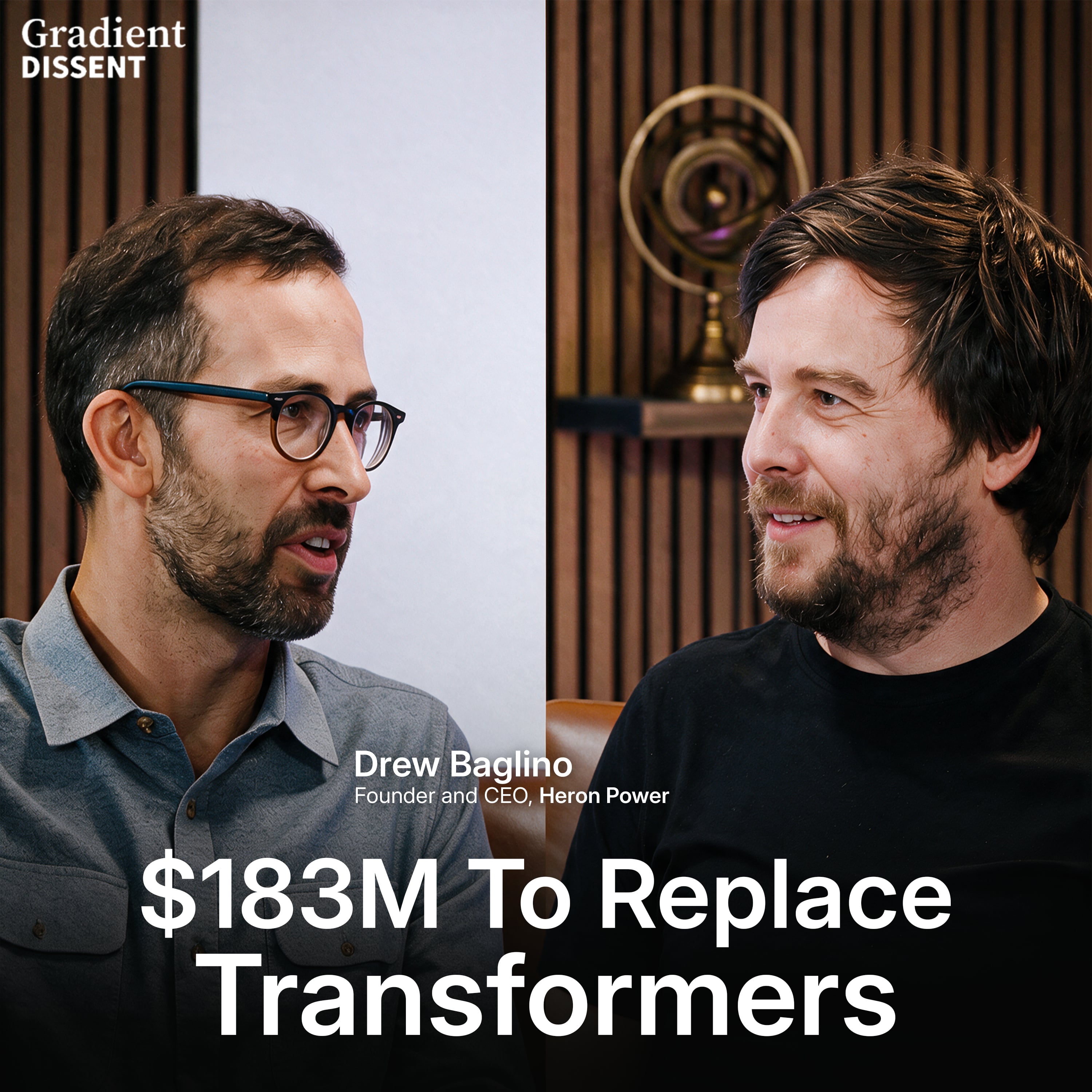
Elon's Former Battery Chief: AI Data Centers Will Make Electricity Cheaper
Can today's power grid handle the explosive growth of AI data centers? Tesla Alum Drew Baglino, now founder & CEO of Heron Power, doesn't think so.In this episode, he joins Lukas Biewald to talk about why scaling compute requires a fundamental overhaul of grid-to-chip infrastructure, not just bigger power plants.They cover how Heron Power raised $140M to cut power losses in half, shrink massiv
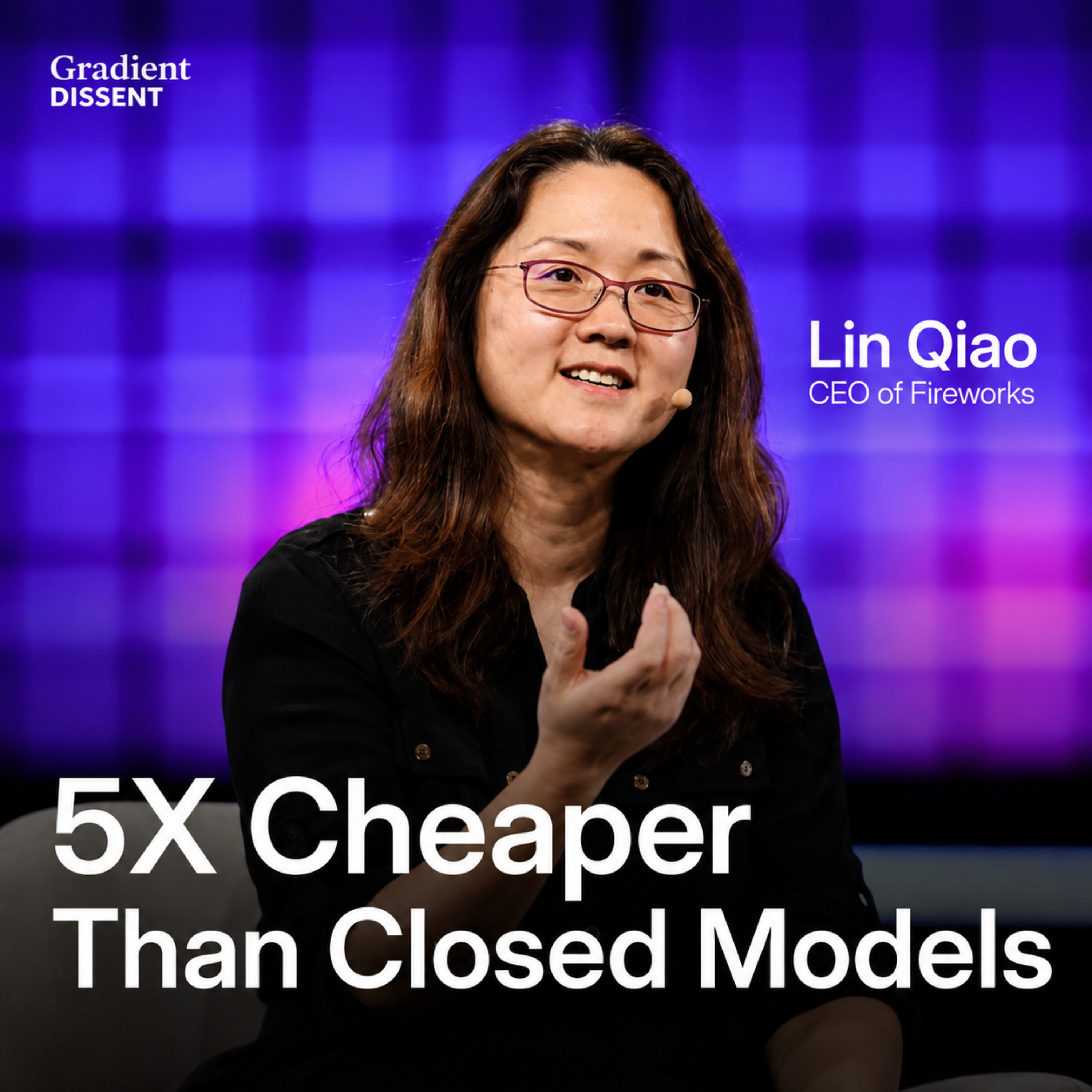
40 Trillion Tokens a Day (Yes, More Than OpenAI) | Lin Qiao, CEO of Fireworks
Should American companies be worried about Chinese open-source AI models?Lin Qiao, CEO of Fireworks, doesn't think so.In this episode, she joins Lukas Biewald to talk about why she believes the industry is at a turning point, one that calls for more open intelligence, not less.They cover how Fireworks now processes more tokens a day than OpenAI's API, why she thinks the future belongs to specializ
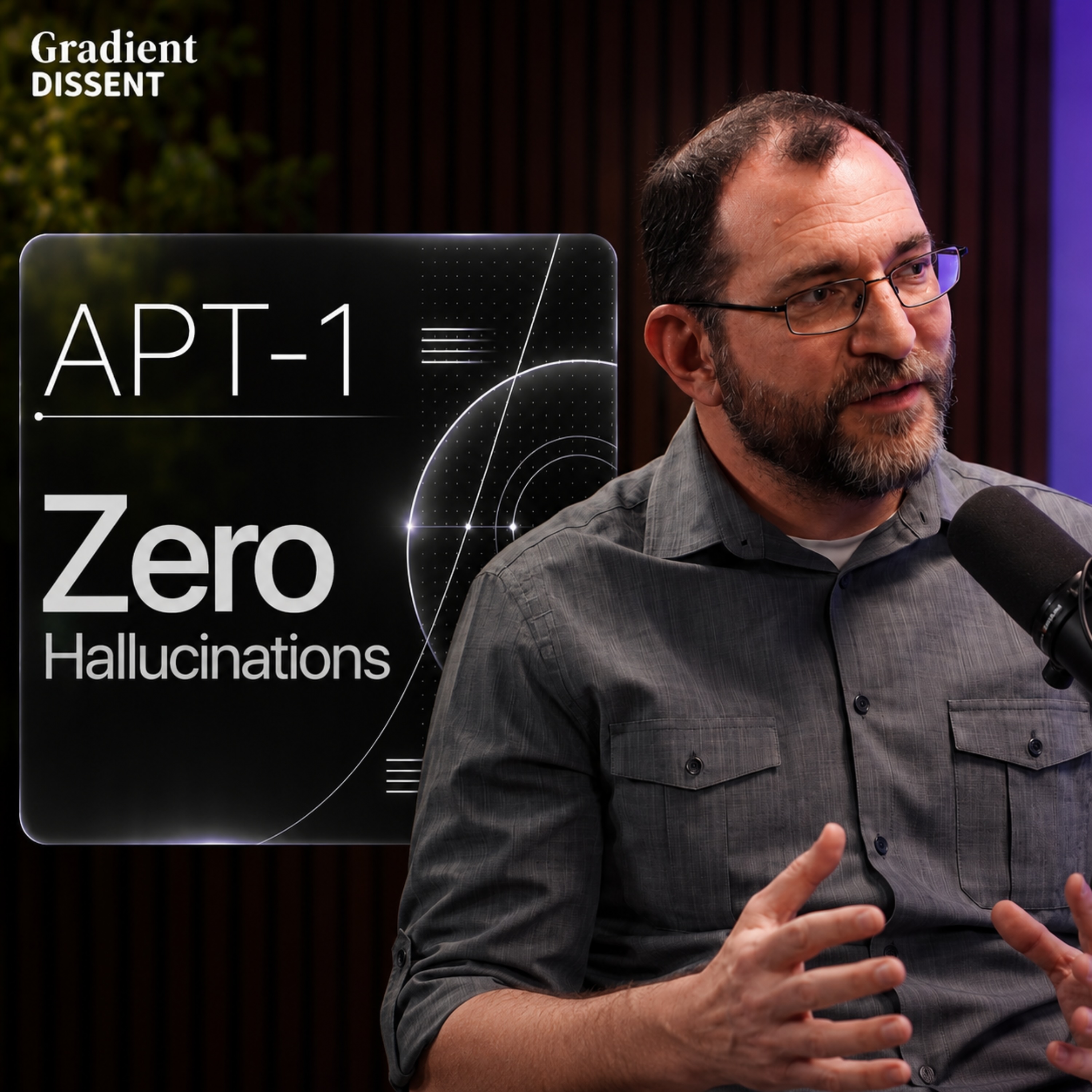
He's Building an AI That Can't Lie | Dan Klein
"We are going to switch from the problem in AI being that nothing works to the problem being that everything works."Dan Klein has been studying language models for over two decades and is now a professor of computer science at Berkeley. His new company, Scaled Cognition, is built around one question: how do you build a system that will not lie to you?In this episode, Dan joins Lukas Biewald to tal
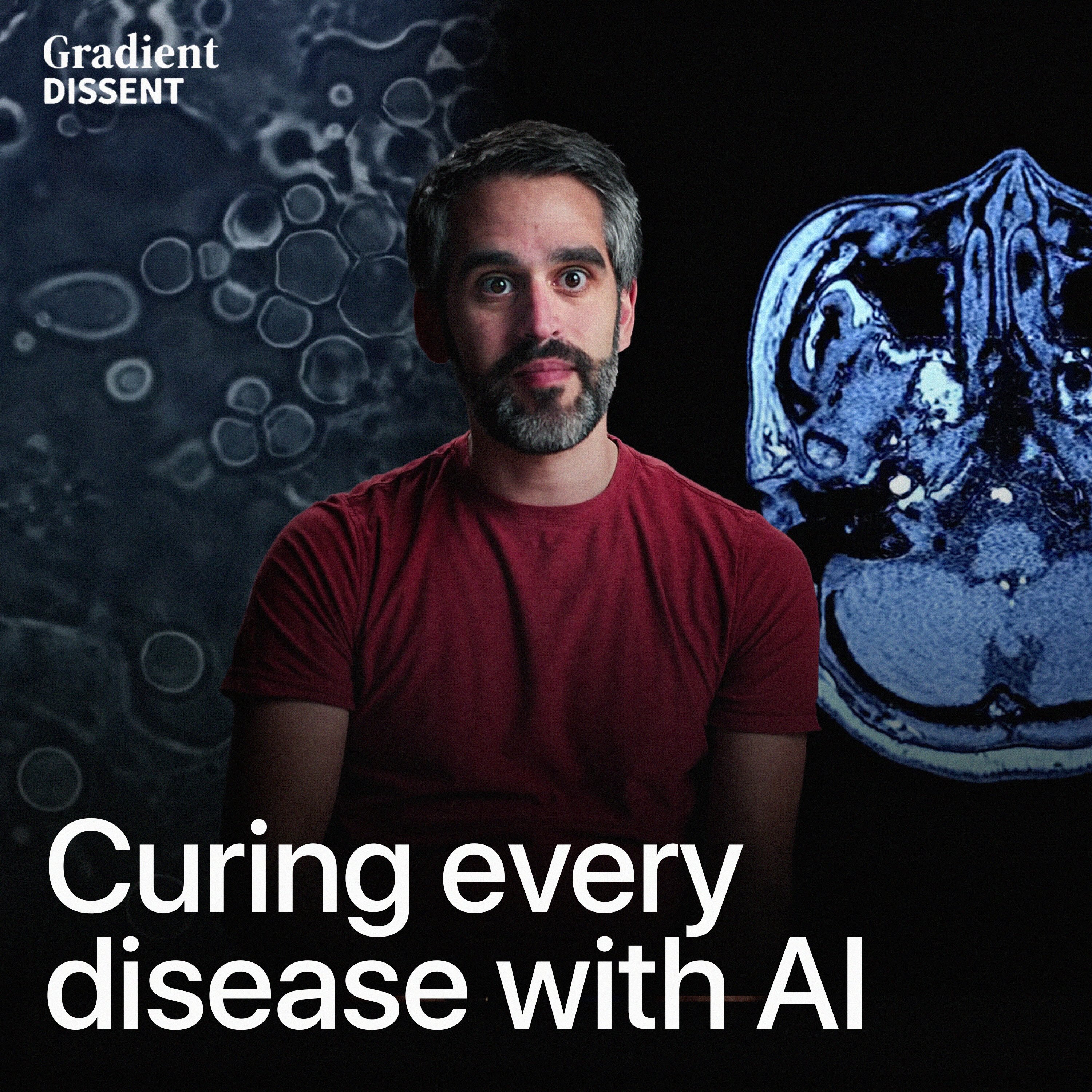
He Raised $70M to Cure Every Disease With AI | Samuel G. Rodriques, Edison Scientific
Samuel Rodriques left physics because there were no unsolved problems left.Instead, he built an AI scientist named Kosmos to cure every disease, solve aging, and map the human brain.In this episode:The cure his AI proposed for blindnessWhy he would never touch a peptideWhether we'll need human scientists in 20 yearsWhat's stopping America in drug discoveryConnect with us here:Samuel RodriquesEdiso
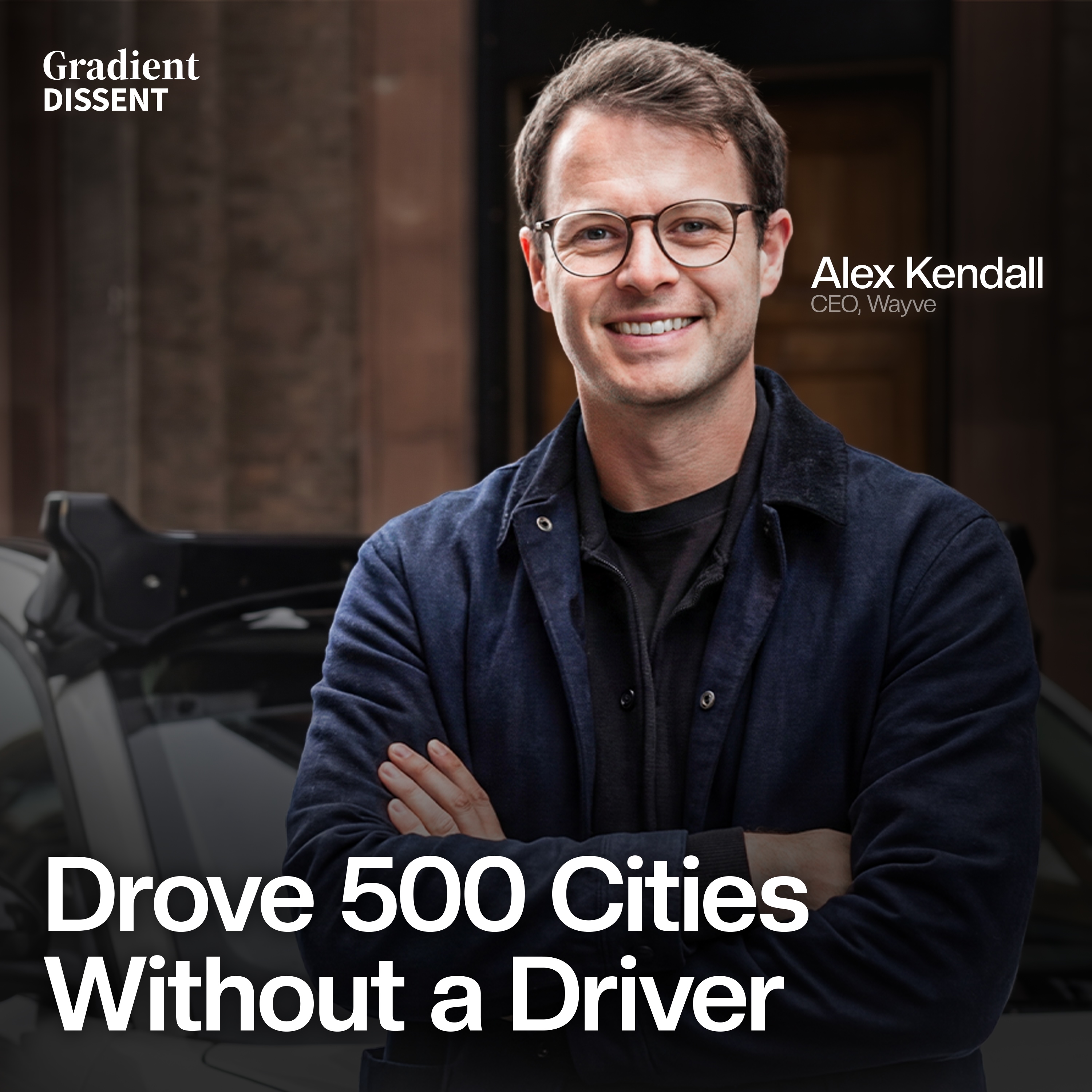
Uber, Nissan, and Mercedes Chose This Self-Driving Startup | Alex Kendall, Wayve
"Every vehicle is capable of driverless operation. That's clearly the steady state of where we're going."Wayve started in a rented house in Cambridge with $1.5M, a car in the garage, and an aim to integrate end-to-end AI into driving. A decade later it's driven across 506 cities without a single HD map and is worth over $8.6 billion.In this episode, CEO Alex Kendall joins Lukas Biewald to talk abo
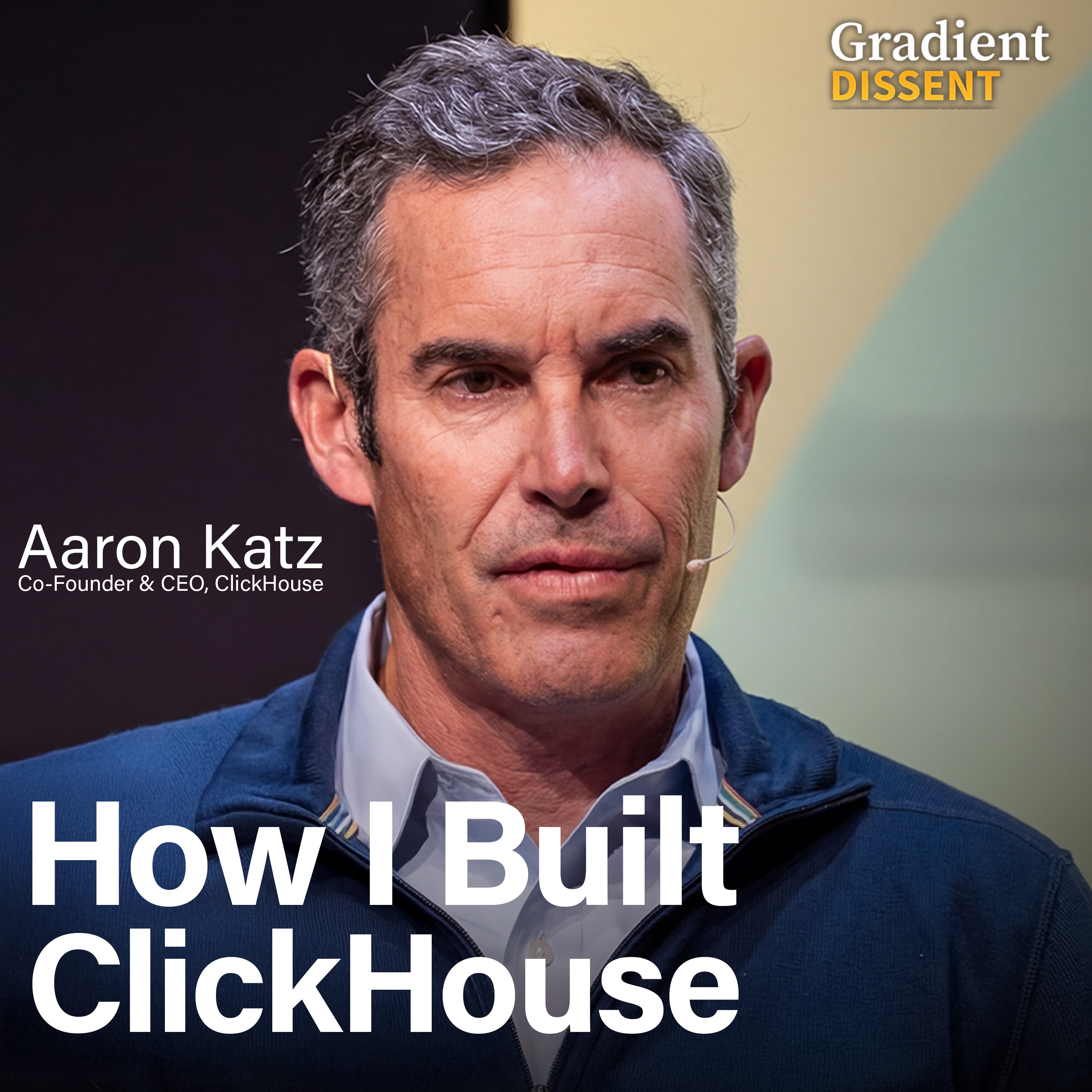
Why Netflix, Uber, and Spotify Never Lag: The Database Nobody Talks About | Aaron Katz
"Companies designing for agents, not humans, are going to get a lot of lift."ClickHouse started as an internal tool at Yandex. Today it's the database Anthropic, OpenAI, Meta and Tesla all run on.In this episode, CEO Aaron Katz joins Lukas Biewald to talk about how he turned an open source project into a $15B company, why he acquired LangFuse knowing it could cost him customers, and what he's actu
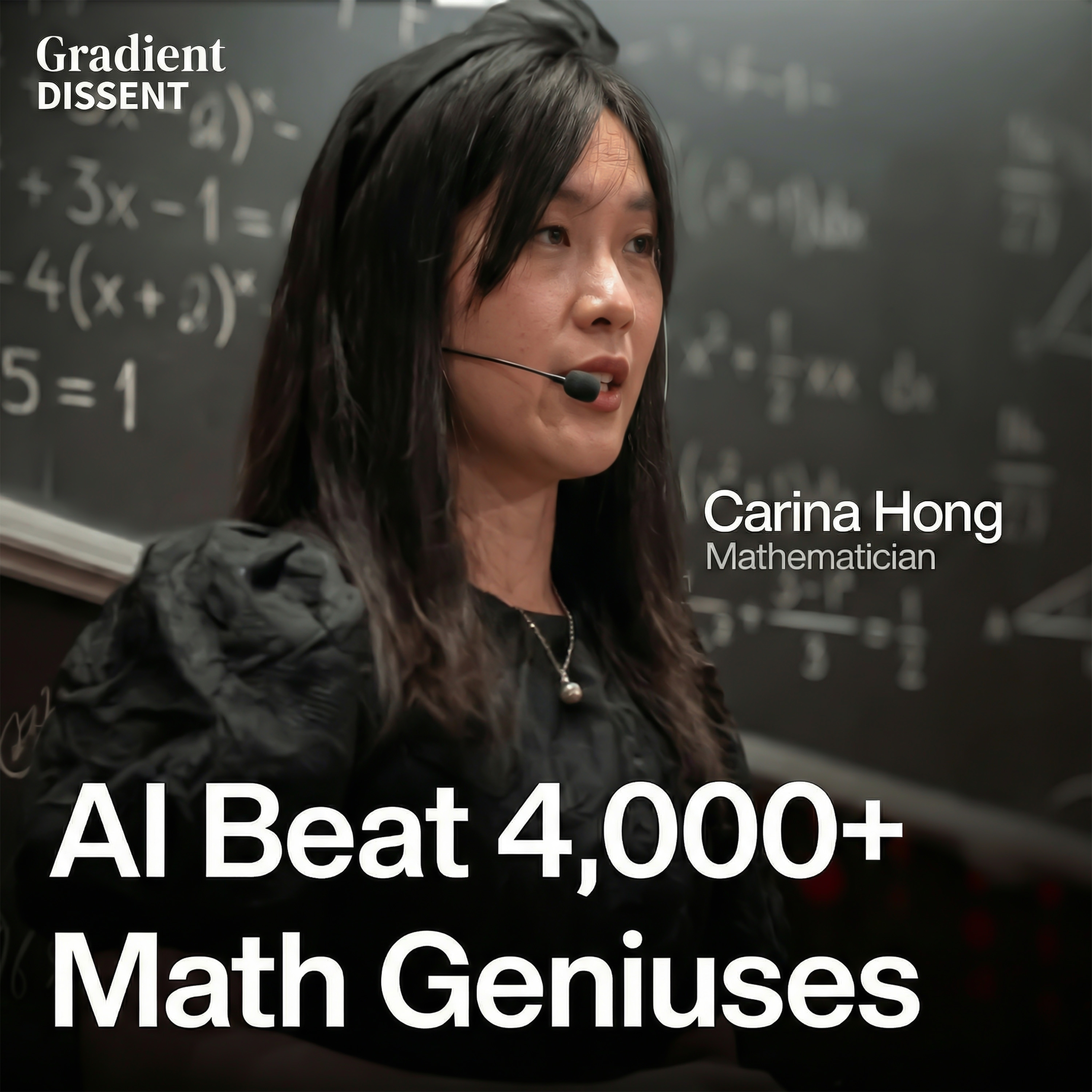
The $64M Bet on an AI That Has to Be Right | Carina Hong, CEO of Axiom
Formal verification already consumes years of human effort.In this episode, Lukas Biewald talks with Carina Hong, Founder & CEO of Axiom, about why verification is becoming the real bottleneck in high stakes AI systems.They discuss how Axiom uses AI to take on the tedious checking that stretches verification cycles across years, starting with formal mathematics and extending to hardware and so
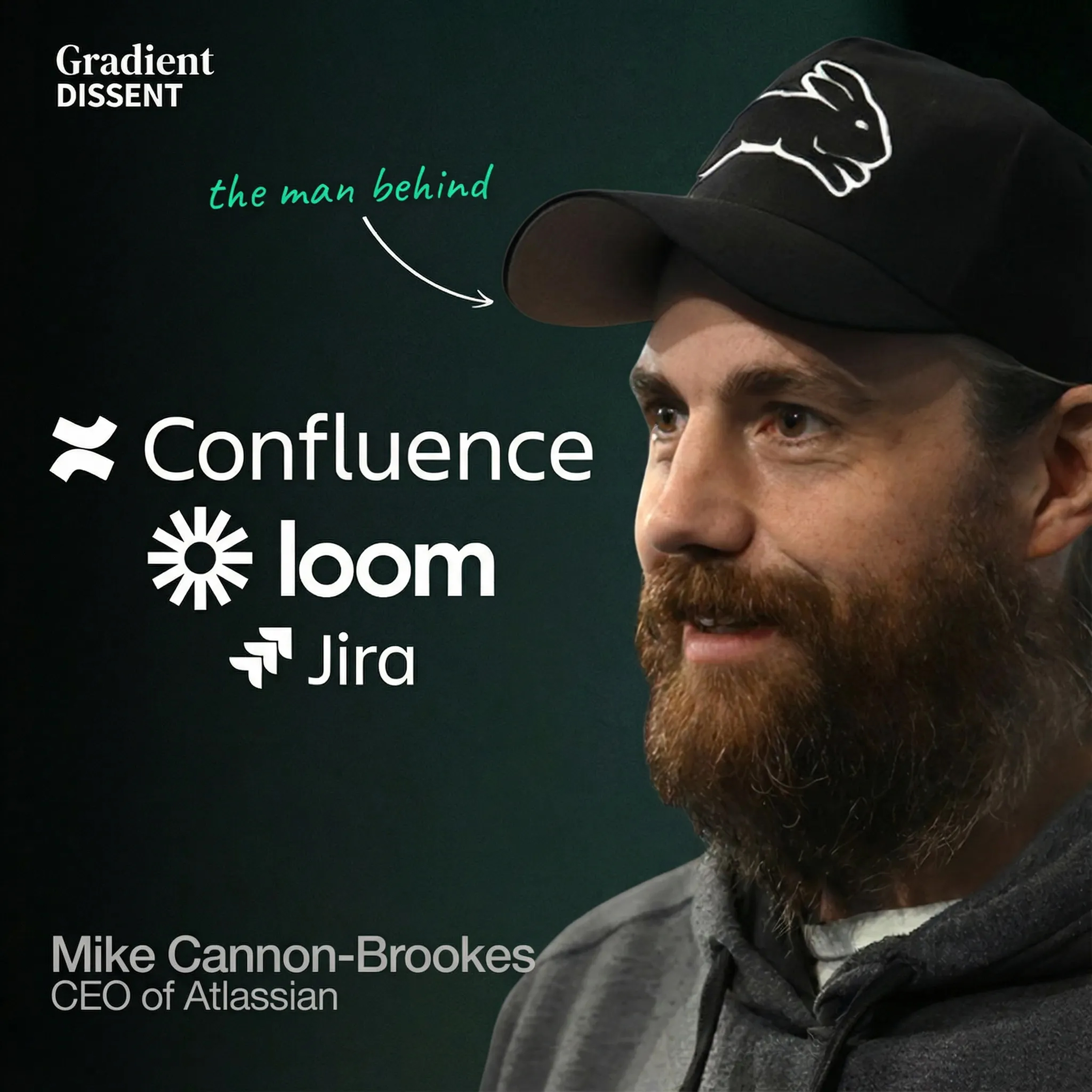
What a $42B Software Co. Really Spends on AI Tools
“I don't worry about being replaced by AI. I worry about being replaced by someone who's really good at using AI.”Atlassian has 10,000+ engineers currently split-testing the world’s top AI coding tools, from GitHub Copilot and Cursor to Claude Code.In this episode, Co-Founder & CEO Mike Cannon-Brookes joins Lukas Biewald to share what their data reveals about the world's best AI tools today.He

Inside the $41B AI Cloud Challenging Big Tech | CoreWeave SVP
The future of AI training is shaped by one constraint: keeping GPUs fed.In this episode, Lukas Biewald talks with CoreWeave SVP Corey Sanders about why general-purpose clouds start to break down under large-scale AI workloads.According to Corey, the industry is shifting toward a "Neo Cloud" model to handle the unique demands of modern models.They dive into the hardware and software stack required
Why Physical AI Needed a Completely New Data Stack
The future of AI is physical. In this episode, Lukas Biewald talks to Nikolaus West, CEO of Rerun, about why the breakthrough required to get AI out of the lab and into the messy real world is blocked by poor data tooling. Nikolaus explains how Rerun solved this by adopting an Entity Component System (ECS), a data model built for games, to handle complex, multimodal, time-aware sensor data. This i
The Engineering Behind the World’s Most Advanced Video AI
Is video AI a viable path toward AGI? Runway ML founder Cristóbal Valenzuela joins Lukas Biewald just after Gen 4.5 reached the #1 position on the Video Arena Leaderboard, according to community voting on Artificial Analysis. Lukas examines how a focused research team at Runway outpaced much larger organizations like Google and Meta in one of the most compute-intensive areas of machine learning.Cr

The CEO Behind the Fastest-Growing AI Inference Company | Tuhin Srivastava
In this episode of Gradient Dissent, Lukas Biewald talks with Tuhin Srivastava, CEO and founder of Baseten, one of the fastest-growing companies in the AI inference ecosystem. Tuhin shares the real story behind Baseten’s rise and how the market finally aligned with the infrastructure they’d spent years building.They get into the core challenges of modern inference, including why dedicated deployme
The Startup Powering The Data Behind AGI
In this episode of Gradient Dissent, Lukas Biewald talks with the CEO & founder of Surge AI, the billion-dollar company quietly powering the next generation of frontier LLMs. They discuss Surge's origin story, why traditional data labeling is broken, and how their research-focused approach is reshaping how models are trained.You’ll hear why inter-annotator agreement fails in high-complexity ta
Arvind Jain on Building Glean and the Future of Enterprise AI
In this episode of Gradient Dissent, Lukas Biewald sits down with Arvind Jain, CEO and founder of Glean. They discuss Glean's evolution from solving enterprise search to building agentic AI tools that understand internal knowledge and workflows. Arvind shares how his early use of transformer models in 2019 laid the foundation for Glean’s success, well before the term "generative AI" was mainstream
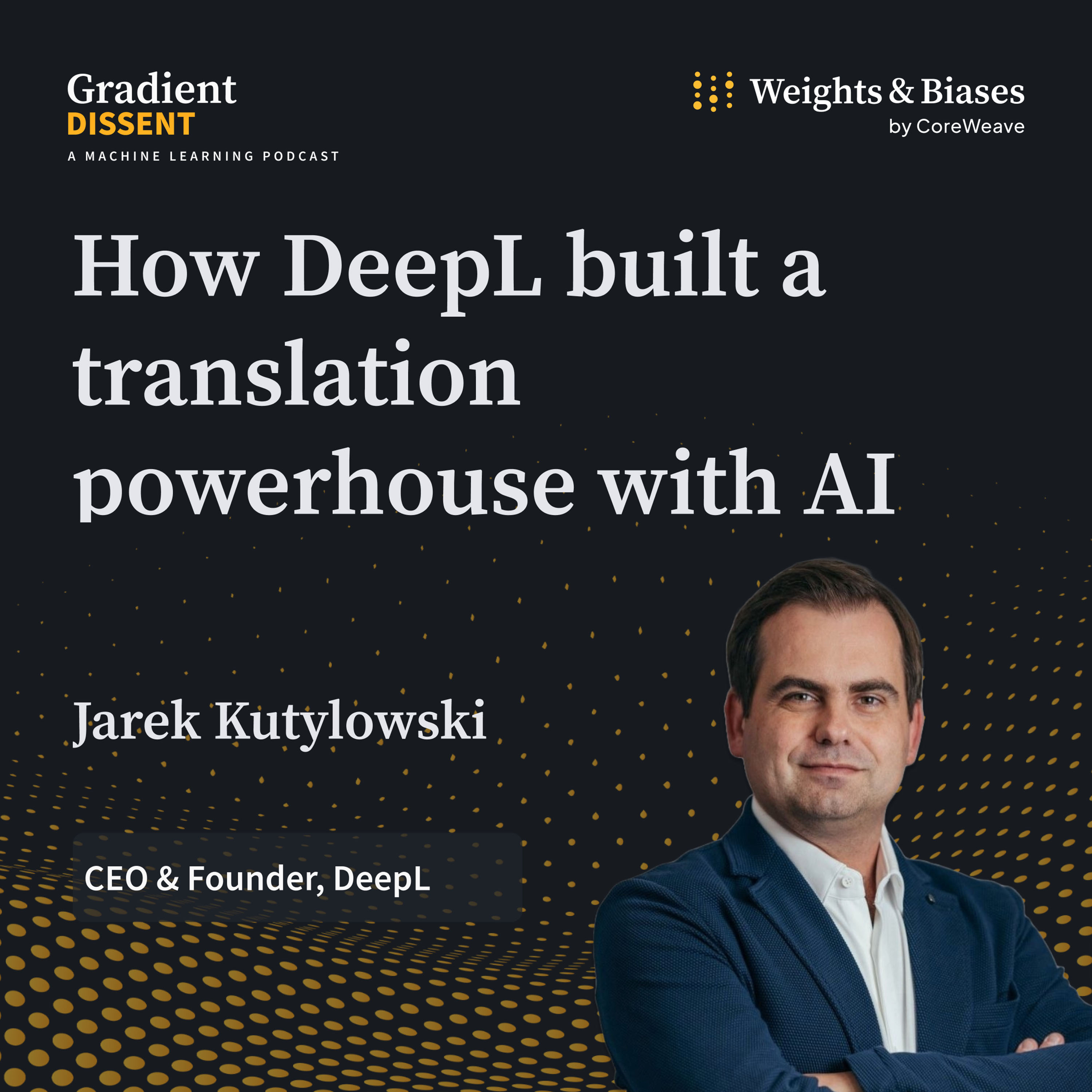
How DeepL Built a Translation Powerhouse with AI with CEO Jarek Kutylowski
In this episode of Gradient Dissent, Lukas Biewald talks with Jarek Kutylowski, CEO and founder of DeepL, an AI-powered translation company. Jarek shares DeepL’s journey from launching neural machine translation in 2017 to building custom data centers and how small teams can not only take on big players like Google Translate but win.They dive into what makes translation so difficult for AI, why hi

GitHub CEO Thomas Dohmke on Copilot and the Future of Software Development
In this episode of Gradient Dissent, Lukas Biewald sits down with Thomas Dohmke, CEO of GitHub, to talk about the future of software engineering in the age of AI. They discuss how GitHub Copilot was built, why agents are reshaping developer workflows, and what it takes to make tools that are not only powerful but also fun.Thomas shares his experience leading GitHub through its $7.5B acquisition by

From Pharma to AGI Hype, and Developing AI in Finance: Martin Shkreli’s Journey
In this episode of Gradient Dissent, Lukas Biewald talks with Martin Shkreli — the infamous "pharma bro" turned founder — about his path from hedge fund manager and pharma CEO to convicted felon and now software entrepreneur. Shkreli shares his side of the drug pricing controversy, reflects on his prison experience, and explains how he rebuilt his life and business after being "canceled."They dive

Inside Cursor: The future of AI coding with Co-founder Sualeh Asif
In this episode of Gradient Dissent, host Lukas Biewald talks with Sualeh Asif, the CPO and co-founder of Cursor, one of the fastest-growing and most loved AI-powered coding platforms. Sualeh shares the story behind Cursor’s creation, the technical and design decisions that set it apart, and how AI models are changing the way we build software. They dive deep into infrastructure challenges, the im

Inside the Dark Web, AI and Cybersecurity with Christopher Ahlberg CEO of Recorded Future
In this episode of Gradient Dissent, host Lukas Biewald talks with Christopher Ahlberg, CEO of Recorded Future, a pioneering cybersecurity company leveraging AI to provide intelligence insights. Christopher shares his fascinating journey from founding data visualization startup Spotfire to building Recorded Future into an industry leader, eventually leading to its acquisition by Mastercard.They di

AI, autonomy, and the future of naval warfare with Captain Jon Haase, United States Navy
In this episode of Gradient Dissent, host Lukas Biewald speaks with Captain Jon Haase, United States Navy about real-world applications of AI and autonomy in defense. From underwater mine detection with autonomous vehicles to the ethics of lethal AI systems, this conversation dives into how the U.S. military is integrating AI into mission-critical operations — and why humans will always be at the

The rise of AI agents
In this episode of Gradient Dissent, host Lukas Biewald sits down with João Moura, CEO & Founder of CrewAI, one of the leading platforms enabling AI agents for enterprise applications. Joe shares insights into how AI agents are being successfully deployed in over 40% of Fortune 500 companies, what tools these agents rely on, and how software companies are adapting to an agentic world.They also

R1, OpenAI’s o3, and the ARC-AGI Benchmark: Insights from Mike Knoop
In this episode of Gradient Dissent, host Lukas Biewald sits down with Mike Knoop, Co-founder and CEO of Ndea, a cutting-edge AI research lab. Mike shares his journey from building Zapier into a major automation platform to diving into the frontiers of AI research. They discuss DeepSeek’s R1, OpenAI’s O-series models, and the ARC Prize, a competition aimed at advancing AI’s reasoning capabilities.

DeepSeek, Stargate and AI's $600 Billion Question with Sequoia's David Cahn
In this episode of Gradient Dissent, host Lukas Biewald sits down with David Cahn, partner at Sequoia Capital, for a compelling discussion on the dynamic world of AI investments. They dive into recent developments, including DeepSeek and Stargate, exploring their implications for the AI industry. Drawing from his articles, "AI's $200 Billion Question" and "AI's $600 Billion Question," David unpack

Building the future of collaborative AI development with Akshay Agrawal
In this episode of Gradient Dissent, Akshay Agrawal, Co-Founder of Marimo, joins host Lukas Biewald to discuss the future of collaborative AI development. They dive into how Marimo is enabling developers and researchers to collaborate seamlessly on AI projects, the challenges of scaling AI tools, and the importance of fostering open ecosystems for innovation. Akshay shares insights into building a

Evaluating LLMs with Chatbot Arena and Joseph E. Gonzalez
In this episode of Gradient Dissent, Joseph E. Gonzalez, EECS Professor at UC Berkeley and Co-Founder at RunLLM, joins host Lukas Biewald to explore innovative approaches to evaluating LLMs.They discuss the concept of vibes-based evaluation, which examines not just accuracy but also the style and tone of model responses, and how Chatbot Arena has become a community-driven benchmark for open-source

AI’s breakthrough in weather forecasting with Brightband’s Julian Green
In this episode of Gradient Dissent, Julian Green, Co-founder & CEO of Brightband, joins host Lukas Biewald to discuss how AI is transforming weather forecasting and climate solutions.They explore Brightband's innovative approach to using AI for extreme weather prediction, the shift from physics-based models to AI-driven forecasting, and the potential for democratizing weather data. Julian sha

What’s the path to AGI? A conversation with Turing Co-founder and CEO Jonathan Siddharth
In this episode of Gradient Dissent, Jonathan Siddharth, CEO & Co-Founder of Turing, joins host Lukas Biewald to discuss the path to AGI.They explore how Turing built a "developer cloud" of 3.7 million engineers to power AGI training, providing high-quality code and reasoning data to leading AI labs. Jonathan shares insights on Turing’s journey, from building coding datasets to solving enterpr

Vercel’s CEO & Founder Guillermo Rauch on the impact of AI on Web Development and Front End Engineering
In this episode of Gradient Dissent, Guillermo Rauch, CEO & Founder of Vercel, joins host Lukas Biewald for a wide ranging discussion on how AI is changing web development and front end engineering. They discuss how Vercel’s v0 expert AI agent is generating code and UI based on simple ChatGPT-like prompts, the importance of releasing daily for AI applications, and the changing landscape of fro

Snowflake’s CEO Sridhar Ramaswamy on 700+ LLM enterprise use cases
In this episode of Gradient Dissent, Snowflake CEO Sridhar Ramaswamy joins host Lukas Biewald to explore how AI is transforming enterprise data strategies.They discuss Sridhar's journey from Google to Snowflake, diving into the evolving role of foundation models, Snowflake’s AI strategy, and the challenges of scaling AI in business. Sridhar also shares his thoughts on leadership, rapid iteration,

Elevating ML Infrastructure with Modal Labs CEO Erik Bernhardsson
In this episode of Gradient Dissent, Erik Bernhardsson, CEO & Founder of Modal Labs, joins host Lukas Biewald to discuss the future of machine learning infrastructure. They explore how Modal is enhancing the developer experience, handling large-scale GPU workloads, and simplifying cloud execution for data teams. If you’re into AI, data pipelines, or building robust ML systems, this episode is

From No-Code to AI-Powered Apps with Airtable’s Howie Liu
In this episode of Gradient Dissent, Howie Lou, CEO of Airtable, joins host Lukas Biewald to dive into Airtable's transformation from a no-code app builder to a platform capable of supporting complex AI-driven workflows. They discuss the strategic decisions that propelled Airtable's growth, the challenges of scaling AI in enterprise settings, and the future of AI in business operations. Discover h

Launching the Fastest AI Inference Solution with Cerebras Systems CEO Andrew Feldman
In this episode of Gradient Dissent, Andrew Feldman, CEO of Cerebras Systems, joins host Lukas Biewald to discuss the latest advancements in AI inference technology. They explore Cerebras Systems' groundbreaking new AI inference product, examining how their wafer-scale chips are setting new benchmarks in speed, accuracy, and cost efficiency. Andrew shares insights on the architectural innovations

Reinventing AI Agents with Imbue CEO Kanjun Qiu
In this episode of Gradient Dissent, Kanjun Qiu, CEO and Co-founder of Imbue, joins host Lukas Biewald to discuss how AI agents are transforming code generation and software development. Discover the potential impact and challenges of creating autonomous AI systems that can write and verify code and and learn about the practical research involved.✅ *Subscribe to Weights & Biases* → https://bi

From startup to $1.2B with Lambda’s Stephen Balaban
In this episode of Gradient Dissent, Stephen Balaban, CEO of Lambda Labs, joins host Lukas Biewald to discuss the journey of scaling Lambda Labs to an impressive $400M in revenue. They explore the pivotal moments that shaped the company, the future of GPU technology, and the impact of AI data centers on the energy grid. Discover the challenges and triumphs of running a successful hardware and clou

Harnessing AI for legal practice with CoCounsel’s Jake Heller
In this episode of Gradient Dissent, Jake Heller, Head of Product, CoCounsel, joins host Lukas Biewald to discuss how AI is innovating legal practices and reshaping educational approaches for aspiring lawyers. From automating document review to enhancing legal research capabilities, explore the potential impact and challenges AI presents in the legal field. Whether you're a legal professional, a s

Transforming Search with Perplexity AI’s CTO Denis Yarats
In this episode of Gradient Dissent, Denis Yarats, CTO of Perplexity, joins host Lukas Biewald to discuss the innovative use of AI in creating high-quality, fast search engine answers.Discover how Perplexity combines advancements in search engines and LLMs to deliver precise answers. Yarats shares insights on the technical challenges, the importance of speed, and the future of AI in search.✅ *Subs

AI in electronics: Quilter’s journey in PCB design
In this episode of Gradient Dissent, Sergiy Nesterenko, CEO of Quilter, joins host Lukas Biewald to discuss the groundbreaking use of reinforcement learning in PCB design. Learn how Quilter automates the complex, manual process of creating PCBs, making it faster and more efficient. Nesterenko shares insights on the challenges and successes of integrating AI with real-world applications and discuss

The Future of AI in Coding with Codeium CEO Varun Mohan
In this episode of Gradient Dissent, Varun Mohan, Co-Founder & CEO of Codeium, joins host Lukas Biewald to discuss the transformative power of AI in coding. They explore how Codeium evolved from GPU virtualization to a widely used AI coding tool and tackled the technical challenges and future prospects of AI-assisted software development. Varun shares insights on overcoming performance and lat

Shaping AI Benchmarks with Together AI Co-Founder Percy Liang
In this episode of Gradient Dissent, Together AI co-founder and Stanford Associate Professor Percy Liang joins host, Lukas Biewald, to discuss advancements in AI benchmarking and the pivotal role that open-source plays in AI development.He shares his development of HELM—a robust framework for evaluating language models. The discussion highlights how this framework improves transparency and effecti

Accelerating drug discovery with AI: Insights from Isomorphic Labs
In this episode of Gradient Dissent, Isomorphic Labs Chief AI Officer Max Jaderberg, and Chief Technology Officer Sergei Yakneen join our host Lukas Biewald to discuss the advancements in biotech and drug discovery being unlocked with machine learning.With backgrounds in advanced AI research at DeepMind, Max and Sergei offer their unique insights into the challenges and successes of applying AI in

Redefining AI Hardware for Enterprise with SambaNova’s Rodrigo Liang
🚀 Discover the cutting-edge AI hardware development for enterprises in this episode of Gradient Dissent, featuring Rodrigo Liang, CEO of SambaNova Systems. Rodrigo Liang’s journey from Oracle to founding SambaNova is a tale of innovation and determination. In this episode, Rodrigo discusses the importance of specialized hardware in unlocking AI's potential for Enterprise businesses and SambaNova's

Navigating the Vector Database Landscape with Pinecone's Edo Liberty
🚀 This episode of Gradient Dissent welcomes Edo Liberty, the mind behind Pinecone's revolutionary vector database technology.As a former leader at Amazon AI Labs and Yahoo's New York lab, Edo Liberty's extensive background in AI research and development showcases the complexities behind vector databases and their essential role in enhancing AI's capabilities.Discover the pivotal moments and key de

Transforming Data into Business Solutions with Salesforce AI CEO, Clara Shih
🚀 In this episode of Gradient Dissent, we explore the revolutionary impact of AI across industries with Clara Shih, CEO of Salesforce AI and Founder of Hearsay Systems. Dive into Salesforce AI's cutting-edge approach to customer service through AI, the importance of a trust-first strategy, and the future of AI policies and education. Learn how Salesforce empowers businesses and shapes the future w
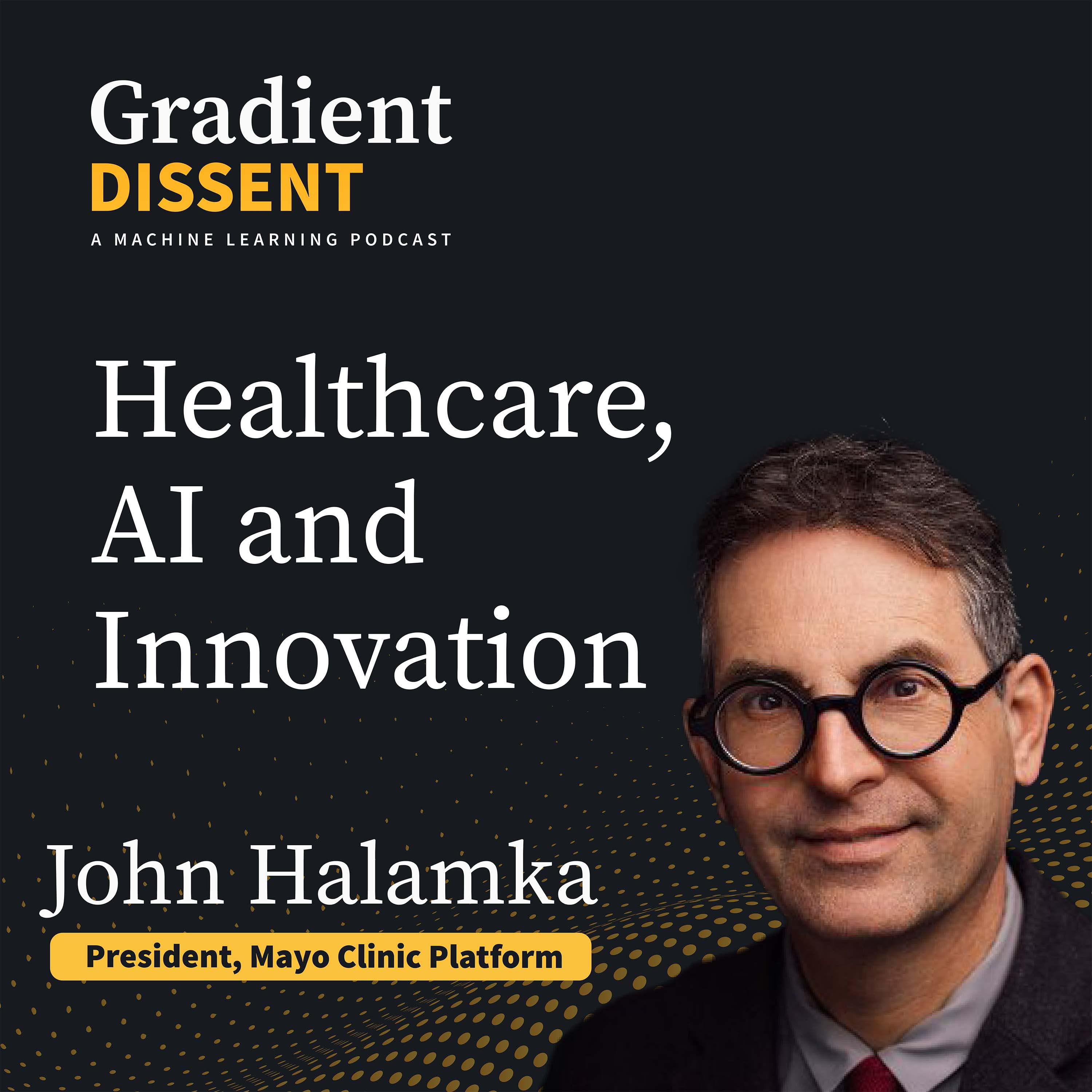
Upgrading Your Health: Navigating AI's Future In Healthcare with John Halamka of Mayo Clinic Platform
In the newest episode of Gradient Dissent, we explore the intersecting worlds of AI and Healthcare with John Halamka, President of the Mayo Clinic Platform.Journey with us down John Halamka's remarkable path from his early tech startup days to leading innovations as the President of the Mayo Clinic Platform, one of the world's most esteemed healthcare institutions. This deep dive into AI's role in

Shaping the World of Robotics with Chelsea Finn
In the newest episode of Gradient Dissent, Chelsea Finn, Assistant Professor at Stanford's Computer Science Department, discusses the forefront of robotics and machine learning.Discover her groundbreaking work, where two-armed robots learn to cook shrimp (messes included!), and discuss how robotic learning could transform student feedback in education.We'll dive into the challenges of developing h

The Power of AI in Search with You.com's Richard Socher
In the latest episode of Gradient Dissent, Richard Socher, CEO of You.com, shares his insights on the power of AI in search. The episode focuses on how advanced language models like GPT-4 are transforming search engines and changing the way we interact with digital platforms. The discussion covers the practical applications and challenges of integrating AI into search functionality, as well as the

AI’s Future: Investment & Impact with Sarah Guo and Elad Gil
Explore the Future of Investment & Impact in AI with Host Lukas Biewald and Guests Elad Gill and Sarah Guo of the No Priors podcast.Sarah is the founder of Conviction VC, an AI-centric $100 million venture fund. Elad, a seasoned entrepreneur and startup investor, boasts an impressive portfolio in over 40 companies, each valued at $1 billion or more, and wrote the influential "High Growth Handb
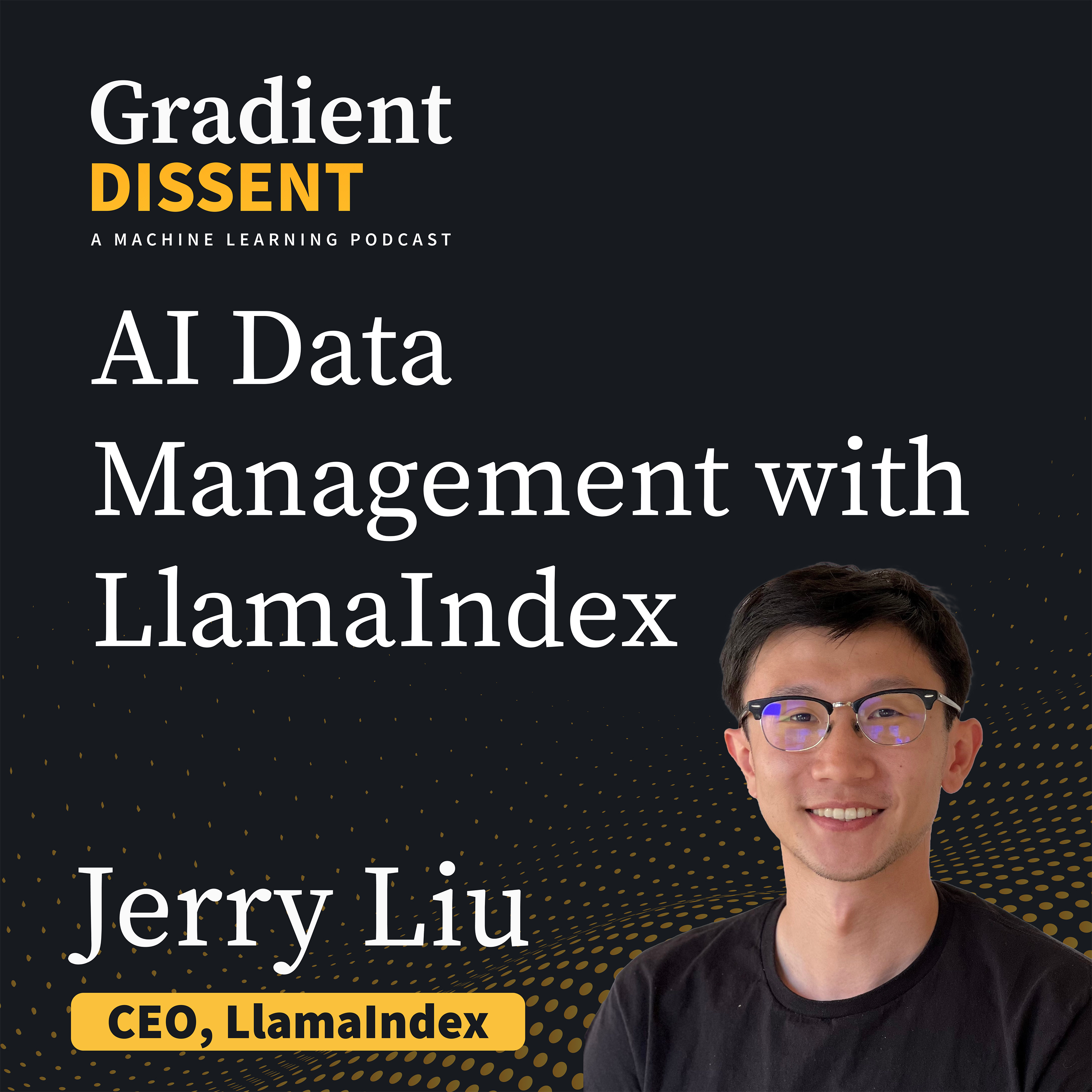
Revolutionizing AI Data Management with Jerry Liu, CEO of LlamaIndex
In the latest episode of Gradient Dissent, we explore the innovative features and impact of LlamaIndex in AI data management with Jerry Liu, CEO of LlamaIndex. Jerry shares insights on how LlamaIndex integrates diverse data formats with advanced AI technologies, addressing challenges in data retrieval, analysis, and conversational memory. We also delve into the future of AI-driven systems and Llam
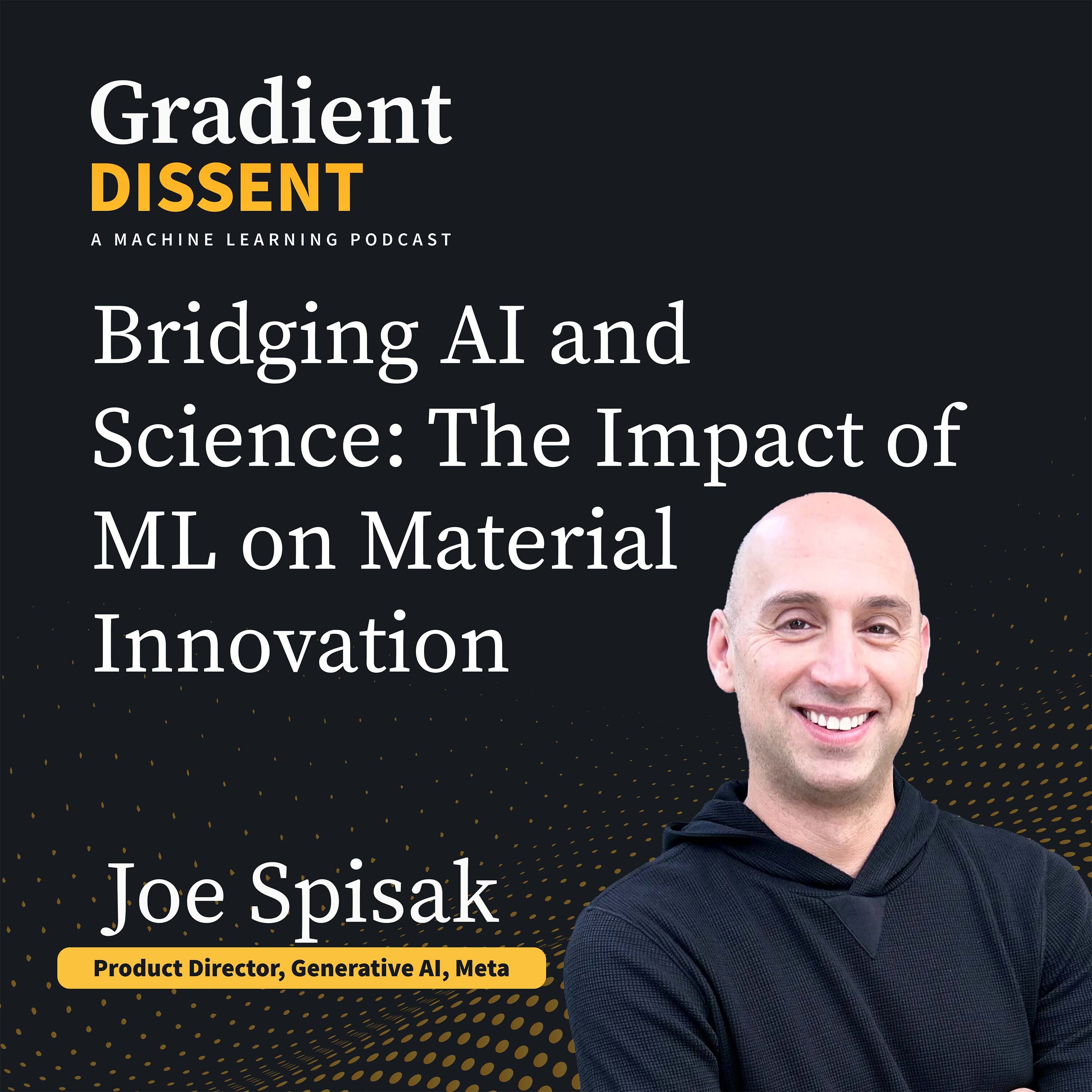
Bridging AI and Science: The Impact of Machine Learning on Material Innovation with Joe Spisak of Meta
In the latest episode of Gradient Dissent, we hear from Joseph Spisak, Product Director, Generative AI @Meta, to explore the boundless impacts of AI and its expansive role in reshaping various sectors. We delve into the intricacies of models like GPT and Llama2, their influence on user experiences, and AI's groundbreaking contributions to fields like biology, material science, and green hydrogen p

Unlocking the Power of Language Models in Enterprise: A Deep Dive with Chris Van Pelt
In the premiere episode of Gradient Dissent Business, we're joined by Weights & Biases co-founder Chris Van Pelt for a deep dive into the world of large language models like GPT-3.5 and GPT-4. Chris bridges his expertise as both a tech founder and AI expert, offering key strategies for startups seeking to connect with early users, and for enterprises experimenting with AI. He highlights the me

Providing Greater Access to LLMs with Brandon Duderstadt, Co-Founder and CEO of Nomic AI
On this episode, we’re joined by Brandon Duderstadt, Co-Founder and CEO of Nomic AI. Both of Nomic AI’s products, Atlas and GPT4All, aim to improve the explainability and accessibility of AI.We discuss:- (0:55) What GPT4All is and its value proposition.- (6:56) The advantages of using smaller LLMs for specific tasks. - (9:42) Brandon’s thoughts on the cost of training LLMs. - (10:50) Details about

Exploring PyTorch and Open-Source Communities with Soumith Chintala, VP/Fellow of Meta, Co-Creator of PyTorch
On this episode, we’re joined by Soumith Chintala, VP/Fellow of Meta and Co-Creator of PyTorch. Soumith and his colleagues’ open-source framework impacted both the development process and the end-user experience of what would become PyTorch.We discuss:- The history of PyTorch’s development and TensorFlow’s impact on development decisions.- How a symbolic execution model affects the implementation

Advanced AI Accelerators and Processors with Andrew Feldman of Cerebras Systems
On this episode, we’re joined by Andrew Feldman, Founder and CEO of Cerebras Systems. Andrew and the Cerebras team are responsible for building the largest-ever computer chip and the fastest AI-specific processor in the industry.We discuss:- The advantages of using large chips for AI work.- Cerebras Systems’ process for building chips optimized for AI.- Why traditional GPUs aren’t the optimal mach
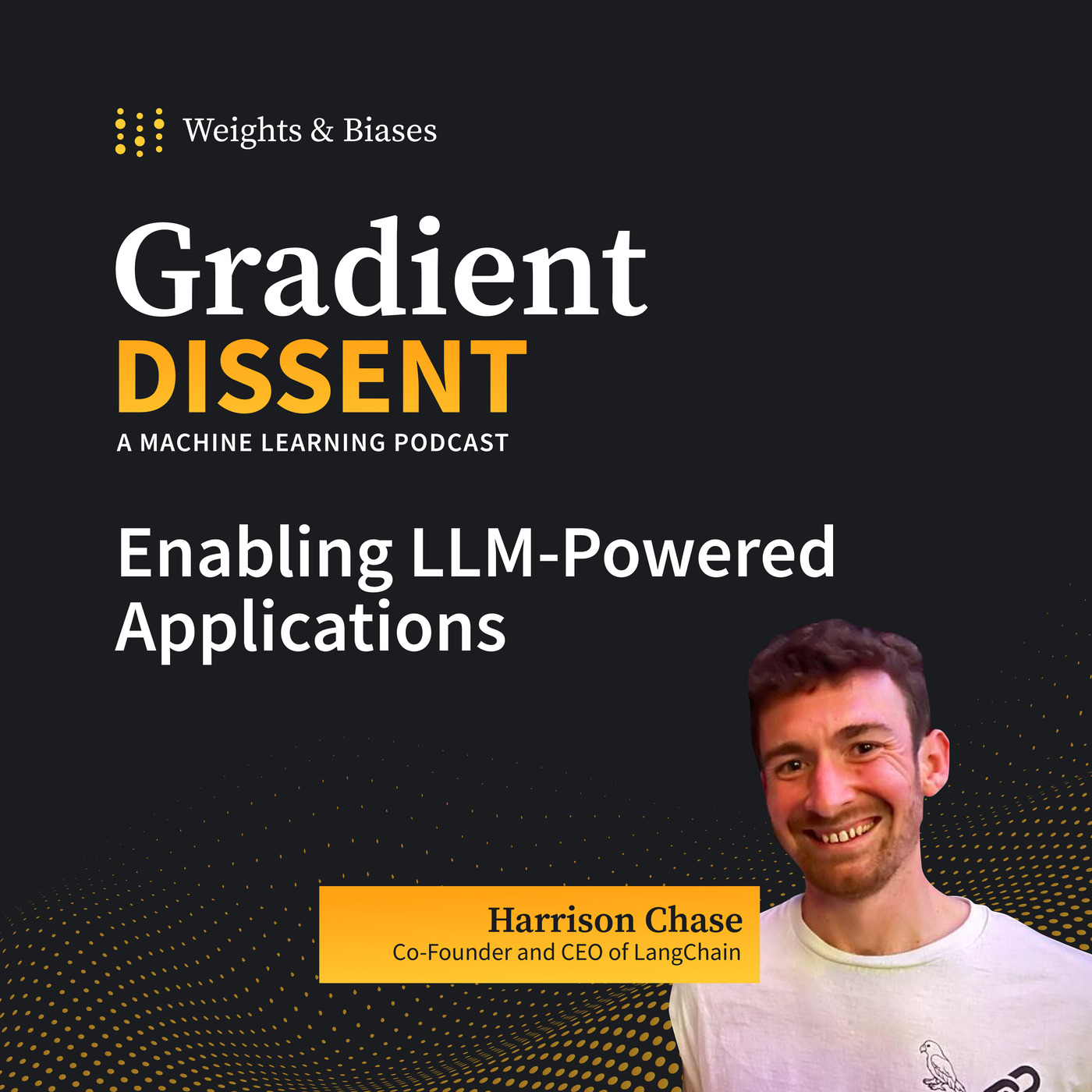
Enabling LLM-Powered Applications with Harrison Chase of LangChain
On this episode, we’re joined by Harrison Chase, Co-Founder and CEO of LangChain. Harrison and his team at LangChain are on a mission to make the process of creating applications powered by LLMs as easy as possible.We discuss:- What LangChain is and examples of how it works. - Why LangChain has gained so much attention. - When LangChain started and what sparked its growth. - Harrison’s approach to

Deploying Autonomous Mobile Robots with Jean Marc Alkazzi at idealworks
On this episode, we’re joined by Jean Marc Alkazzi, Applied AI at idealworks. Jean focuses his attention on applied AI, leveraging the use of autonomous mobile robots (AMRs) to improve efficiency within factories and more.We discuss:- Use cases for autonomous mobile robots (AMRs) and how to manage a fleet of them. - How AMRs interact with humans working in warehouses.- The challenges of building a

How EleutherAI Trains and Releases LLMs: Interview with Stella Biderman
On this episode, we’re joined by Stella Biderman, Executive Director at EleutherAI and Lead Scientist - Mathematician at Booz Allen Hamilton.EleutherAI is a grassroots collective that enables open-source AI research and focuses on the development and interpretability of large language models (LLMs).We discuss:- How EleutherAI got its start and where it's headed.- The similarities and differences b
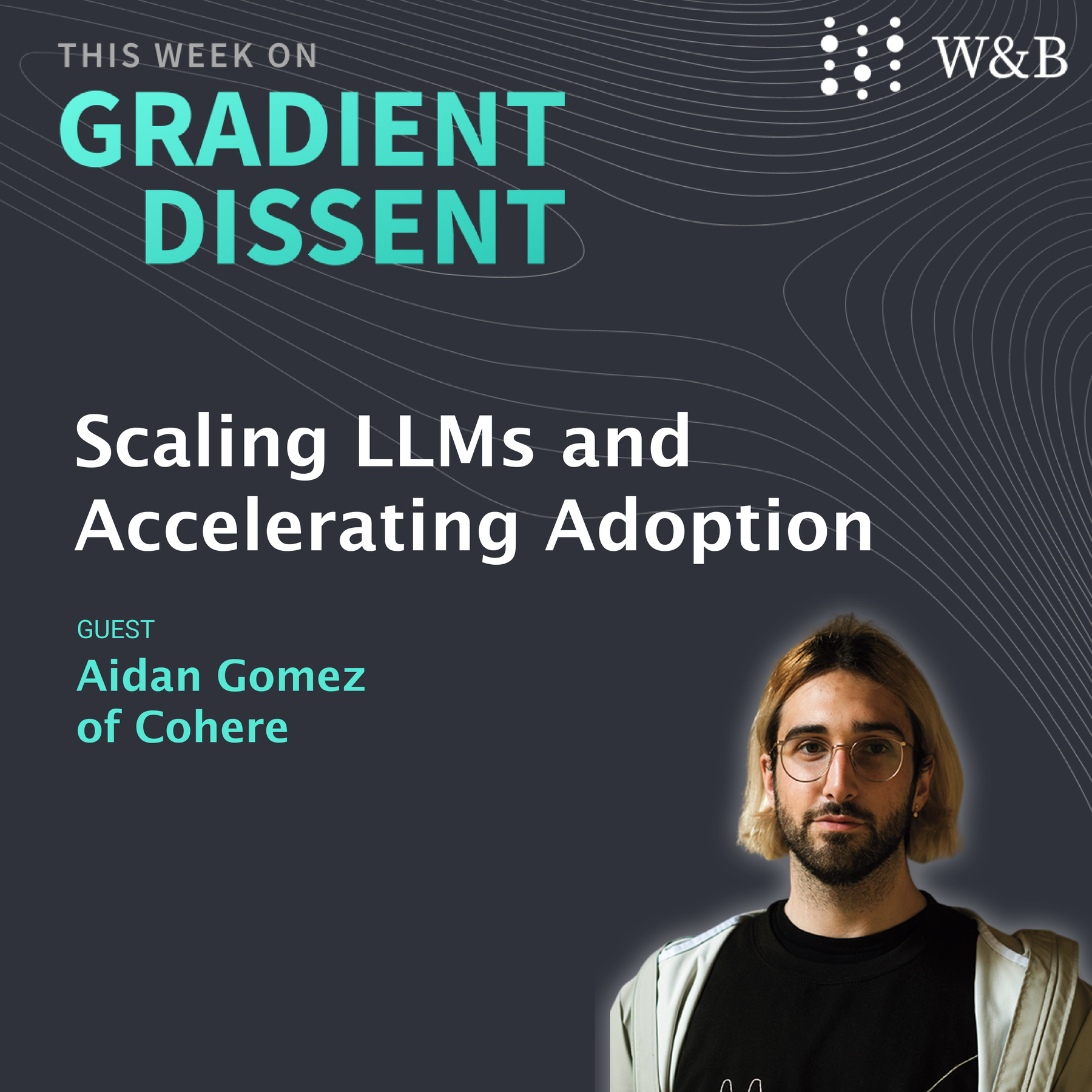
Scaling LLMs and Accelerating Adoption with Aidan Gomez at Cohere
On this episode, we’re joined by Aidan Gomez, Co-Founder and CEO at Cohere. Cohere develops and releases a range of innovative AI-powered tools and solutions for a variety of NLP use cases.We discuss:- What “attention” means in the context of ML.- Aidan’s role in the “Attention Is All You Need” paper.- What state-space models (SSMs) are, and how they could be an alternative to transformers. - What

Neural Network Pruning and Training with Jonathan Frankle at MosaicML
Jonathan Frankle, Chief Scientist at MosaicML and Assistant Professor of Computer Science at Harvard University, joins us on this episode. With comprehensive infrastructure and software tools, MosaicML aims to help businesses train complex machine-learning models using their own proprietary data.We discuss:- Details of Jonathan’s Ph.D. dissertation which explores his “Lottery Ticket Hypothesis.”-
Jasper AI's Dave Rogenmoser & Saad Ansari on Growing & Maintaining an LLM-Based Company
About this episodeIn this episode of Gradient Dissent, Lukas interviews Dave Rogenmoser (CEO & Co-Founder) and Saad Ansari (Director of AI) of Jasper AI, a generative AI company with a focus on text generation for content like blog posts, articles, and more. The company has seen impressive growth since it's launch at the start of 2021.Lukas talks with Dave and Saad about how Jasper AI was able
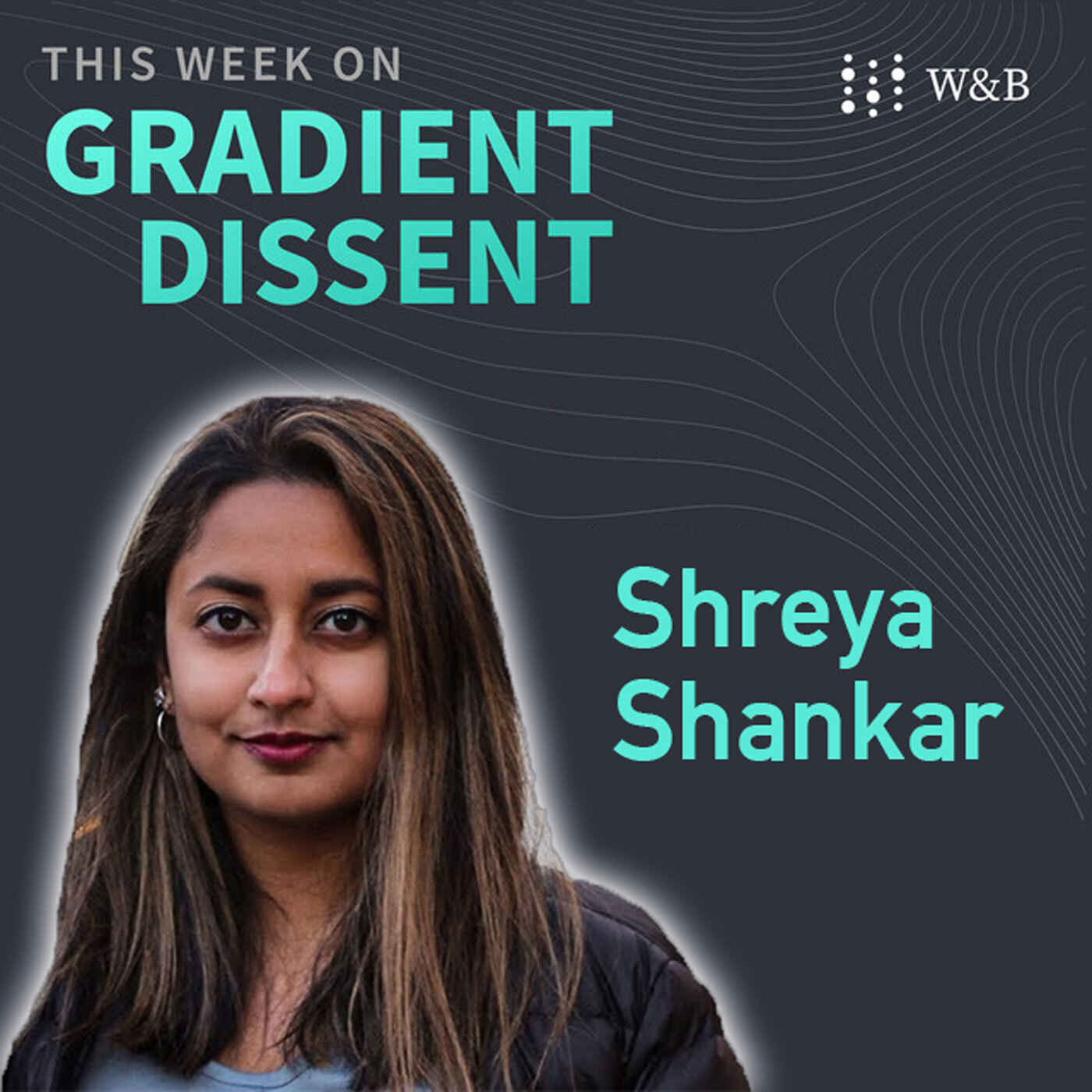
Shreya Shankar — Operationalizing Machine Learning
About This EpisodeShreya Shankar is a computer scientist, PhD student in databases at UC Berkeley, and co-author of "Operationalizing Machine Learning: An Interview Study", an ethnographic interview study with 18 machine learning engineers across a variety of industries on their experience deploying and maintaining ML pipelines in production.Shreya explains the high-level findings of "Operationali

Sarah Catanzaro — Remembering the Lessons of the Last AI Renaissance
Sarah Catanzaro is a General Partner at Amplify Partners, and one of the leading investors in AI and ML. Her investments include RunwayML, OctoML, and Gantry.Sarah and Lukas discuss lessons learned from the "AI renaissance" of the mid 2010s and compare the general perception of ML back then to now. Sarah also provides insights from her perspective as an investor, from selling into tech-forward com

Cristóbal Valenzuela — The Next Generation of Content Creation and AI
Cristóbal Valenzuela is co-founder and CEO of Runway ML, a startup that's building the future of AI-powered content creation tools. Runway's research areas include diffusion systems for image generation.Cris gives a demo of Runway's video editing platform. Then, he shares how his interest in combining technology with creativity led to Runway, and where he thinks the world of computation and conten

Jeremy Howard — The Simple but Profound Insight Behind Diffusion
Jeremy Howard is a co-founder of fast.ai, the non-profit research group behind the popular massive open online course "Practical Deep Learning for Coders", and the open source deep learning library "fastai".Jeremy is also a co-founder of #Masks4All, a global volunteer organization founded in March 2020 that advocated for the public adoption of homemade face masks in order to help slow the spread o

Jerome Pesenti — Large Language Models, PyTorch, and Meta
Jerome Pesenti is the former VP of AI at Meta, a tech conglomerate that includes Facebook, WhatsApp, and Instagram, and one of the most exciting places where AI research is happening today.Jerome shares his thoughts on Transformers-based large language models, and why he's excited by the progress but skeptical of the term "AGI". Then, he discusses some of the practical applications of ML at Meta (

D. Sculley — Technical Debt, Trade-offs, and Kaggle
D. Sculley is CEO of Kaggle, the beloved and well-known data science and machine learning community.D. discusses his influential 2015 paper "Machine Learning: The High Interest Credit Card of Technical Debt" and what the current challenges of deploying models in the real world are now, in 2022. Then, D. and Lukas chat about why Kaggle is like a rain forest, and about Kaggle's historic, current, an
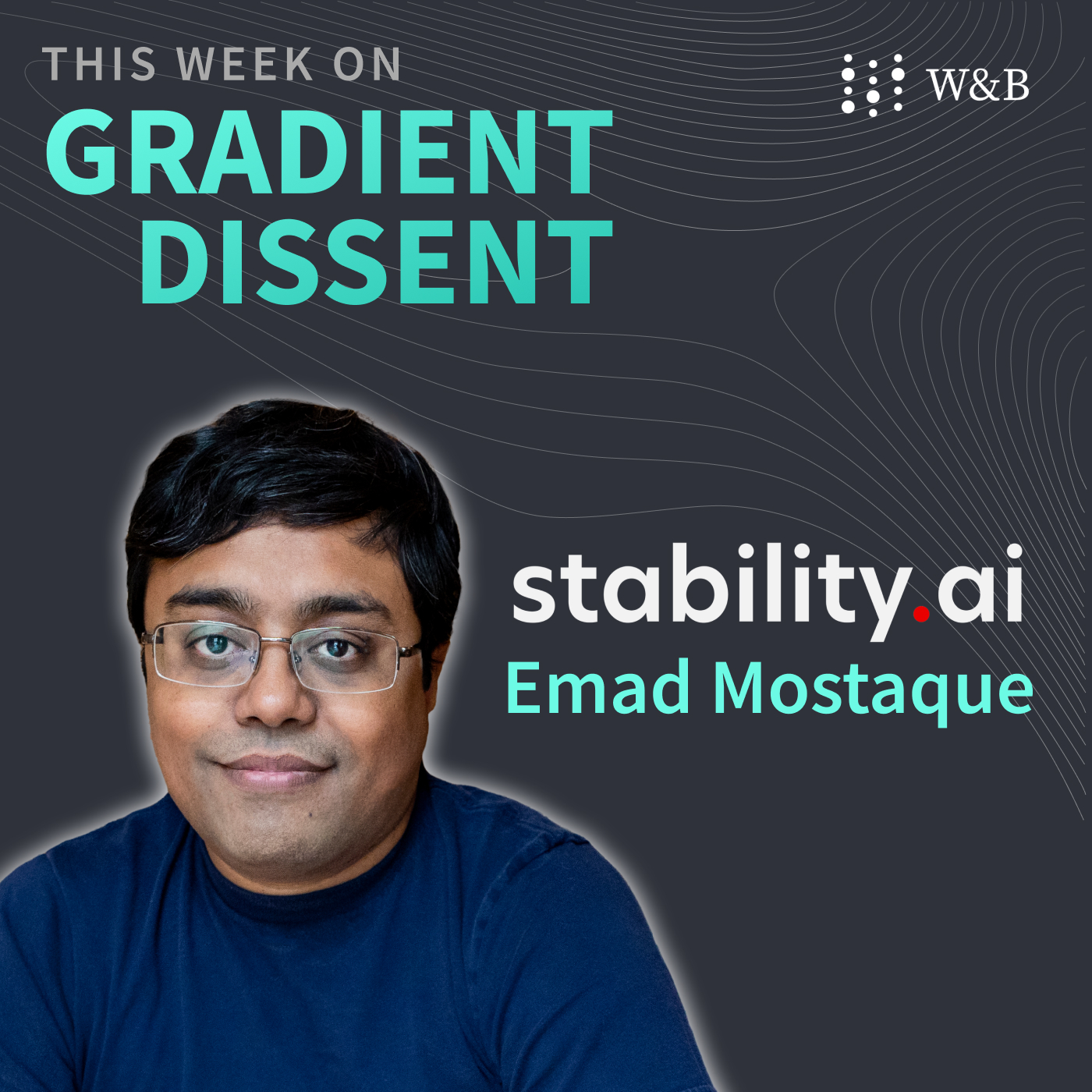
Emad Mostaque — Stable Diffusion, Stability AI, and What’s Next
Emad Mostaque is CEO and co-founder of Stability AI, a startup and network of decentralized developer communities building open AI tools. Stability AI is the company behind Stable Diffusion, the well-known, open source, text-to-image generation model.Emad shares the story and mission behind Stability AI (unlocking humanity's potential with open AI technology), and explains how Stability's role as

Jehan Wickramasuriya — AI in High-Stress Scenarios
Jehan Wickramasuriya is the Vice President of AI, Platform & Data Services at Motorola Solutions, a global leader in public safety and enterprise security.In this episode, Jehan discusses how Motorola Solutions uses AI to simplify data streams to help maximize human potential in high-stress situations. He also shares his thoughts on augmenting synthetic data with real data and the challenges p

Will Falcon — Making Lightning the Apple of ML
Will Falcon is the CEO and co-founder of Lightning AI, a platform that enables users to quickly build and publish ML models.In this episode, Will explains how Lightning addresses the challenges of a fragmented AI ecosystem and reveals which framework PyTorch Lightning was originally built upon (hint: not PyTorch!) He also shares lessons he took from his experience serving in the military and offer

Aaron Colak — ML and NLP in Experience Management
Aaron Colak is the Leader of Core Machine Learning at Qualtrics, an experiment management company that takes large language models and applies them to real-world, B2B use cases.In this episode, Aaron describes mixing classical linguistic analysis with deep learning models and how Qualtrics organized their machine learning organizations and model to leverage the best of these techniques. He also ex

Jordan Fisher — Skipping the Line with Autonomous Checkout
Jordan Fisher is the CEO and co-founder of Standard AI, an autonomous checkout company that’s pushing the boundaries of computer vision.In this episode, Jordan discusses “the Wild West” of the MLOps stack and tells Lukas why Rust beats Python. He also explains why AutoML shouldn't be overlooked and uses a bag of chips to help explain the Manifold Hypothesis.Show notes (transcript and links): http:

Drago Anguelov — Robustness, Safety, and Scalability at Waymo
Drago Anguelov is a Distinguished Scientist and Head of Research at Waymo, an autonomous driving technology company and subsidiary of Alphabet Inc.We begin by discussing Drago's work on the original Inception architecture, winner of the 2014 ImageNet challenge and introduction of the inception module. Then, we explore milestones and current trends in autonomous driving, from Waymo's release of the

James Cham — Investing in the Intersection of Business and Technology
James Cham is a co-founder and partner at Bloomberg Beta, an early-stage venture firm that invests in machine learning and the future of work, the intersection between business and technology.James explains how his approach to investing in AI has developed over the last decade, which signals of success he looks for in the ever-adapting world of venture startups (tip: look for the "gradient of admi

Boris Dayma — The Story Behind DALL·E mini, the Viral Phenomenon
Check out this report by Boris about DALL-E mini:https://wandb.ai/dalle-mini/dalle-mini/reports/DALL-E-mini-Generate-images-from-any-text-prompt--VmlldzoyMDE4NDAyhttps://wandb.ai/_scott/wandb_example/reports/Collaboration-in-ML-made-easy-with-W-B-Teams--VmlldzoxMjcwMDU5https://twitter.com/weirddalleConnect with Boris:📍 Twitter: https://twitter.com/borisdayma---💬 Host: Lukas Biewald📹 Producers: Cay

Tristan Handy — The Work Behind the Data Work
Tristan Handy is CEO and founder of dbt Labs. dbt (data build tool) simplifies the data transformation workflow and helps organizations make better decisions.Lukas and Tristan dive into the history of the modern data stack and the subsequent challenges that dbt was created to address; communities of identity and product-led growth; and thoughts on why SQL has survived and thrived for so long. Tris

Johannes Otterbach — Unlocking ML for Traditional Companies
Johannes Otterbach is VP of Machine Learning Research at Merantix Momentum, an ML consulting studio that helps their clients build AI solutions.Johannes and Lukas talk about Johannes' background in physics and applications of ML to quantum computing, why Merantix is investing in creating a cloud-agnostic tech stack, and the unique challenges of developing and deploying models for different custome

Mircea Neagovici — Robotic Process Automation (RPA) and ML
Mircea Neagovici is VP, AI and Research at UiPath, where his team works on task mining and other ways of combining robotic process automation (RPA) with machine learning for their B2B products.Mircea and Lukas talk about the challenges of allowing customers to fine-tune their models, the trade-offs between traditional ML and more complex deep learning models, and how Mircea transitioned from a mor

Jensen Huang — NVIDIA’s CEO on the Next Generation of AI and MLOps
Jensen Huang is founder and CEO of NVIDIA, whose GPUs sit at the heart of the majority of machine learning models today.Jensen shares the story behind NVIDIA's expansion from gaming to deep learning acceleration, leadership lessons that he's learned over the last few decades, and why we need a virtual world that obeys the laws of physics (aka the Omniverse) in order to take AI to the next era. Jen

Peter & Boris — Fine-tuning OpenAI's GPT-3
Peter Welinder is VP of Product & Partnerships at OpenAI, where he runs product and commercialization efforts of GPT-3, Codex, GitHub Copilot, and more. Boris Dayma is Machine Learning Engineer at Weights & Biases, and works on integrations and large model training.Peter, Boris, and Lukas dive into the world of GPT-3:- How people are applying GPT-3 to translation, copywriting, and other co

Ion Stoica — Spark, Ray, and Enterprise Open Source
Ion Stoica is co-creator of the distributed computing frameworks Spark and Ray, and co-founder and Executive Chairman of Databricks and Anyscale. He is also a Professor of computer science at UC Berkeley and Principal Investigator of RISELab, a five-year research lab that develops technology for low-latency, intelligent decisions.Ion and Lukas chat about the challenges of making a simple (but good

Stephan Fabel — Efficient Supercomputing with NVIDIA's Base Command Platform
Stephan Fabel is Senior Director of Infrastructure Systems & Software at NVIDIA, where he works on Base Command, a software platform to coordinate access to NVIDIA's DGX SuperPOD infrastructure.Lukas and Stephan talk about why having a supercomputer is one thing but using it effectively is another, why a deeper understanding of hardware on the practitioner level is becoming more advantageous,
Recommended

K-Drama Obsessed Mamas | Beyond “Just One More Episode!”

True Crime Classics

The Healer Revolution

Becoming: HER with Nikki Spoelstra

Booked, Blonde & Busy w/ Olivia Ponton

McKinsey on Consumer and Retail

megahired.com

Hard Knocks Podcast

Effective Weight Loss for Moms | High protein, Strength Training, Lose Weight, Meal Planning, Fat Loss, Healthy Habits

The Human-Animal Connection - Pet Life Radio Original

Infinite Health with Dr. Arasi Maran

The Daily
