Boring History for Sleep
Boring History for Sleep is a narrative podcast designed to help you drift into sleep through slow, calming, and immersive stories from the past. Each story unfolds across multiple episodes, creating a gradual journey through ancient civilizations, forgotten worlds, and fascinating eras of history. From Ancient Egypt to Rome, from Greece to the Middle Ages, from the Vikings to the world of the samurai, each series gently explores distant places, everyday lives, quiet details, and the atmosphere of another time. This is not a fast-paced history lesson or a dramatic documentary, but a soft, atmospheric listening experience created to relax your mind and turn history into a peaceful nighttime ritual.
Episodes
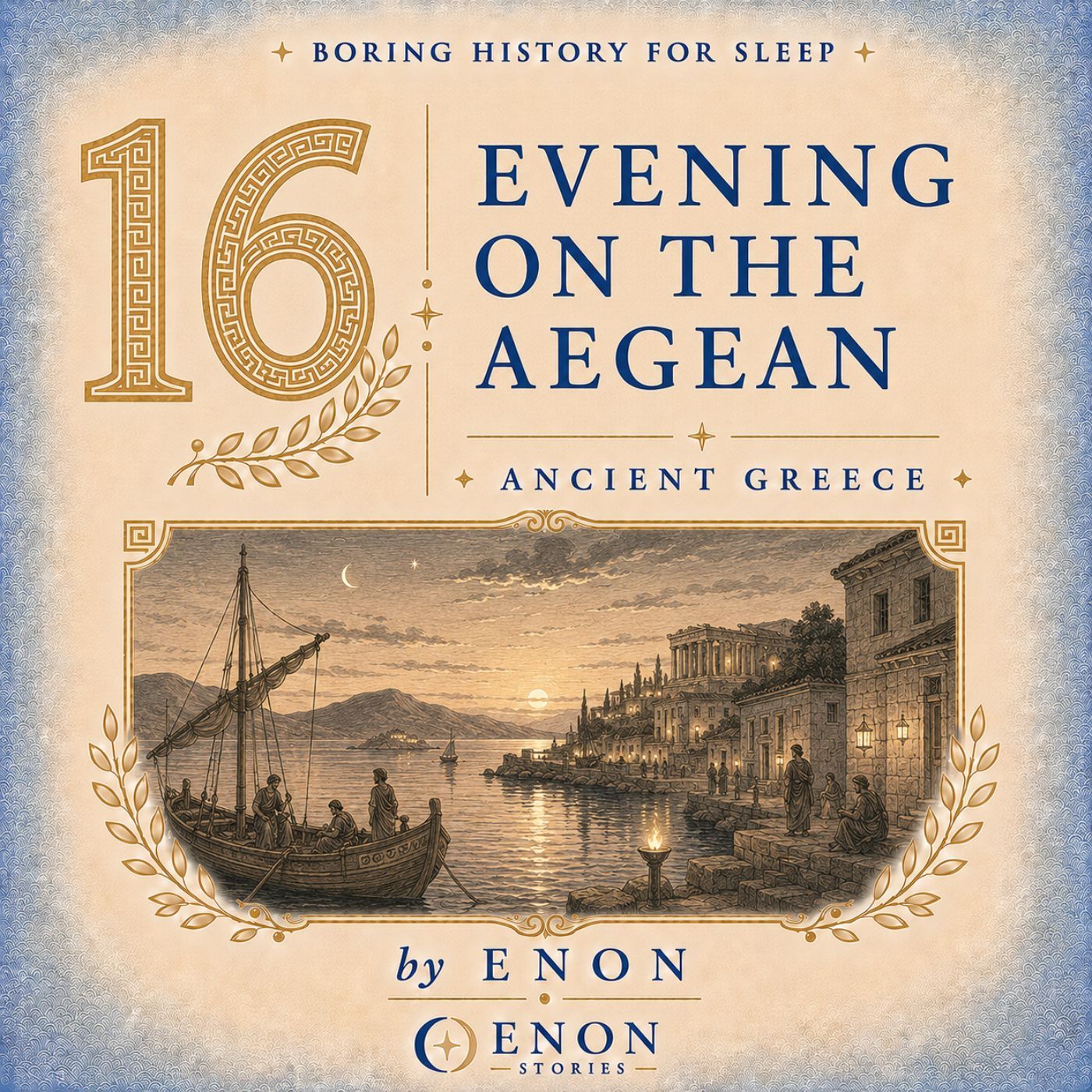
Ancient Greece - EVENING ON THE AEGEAN
Return to the Aegean harbor at evening for a final, peaceful reflection on the ancient Greek world. The departing ship has passed beyond the headland, workshops are closing, lamps are being lit, animals are checked, altars cool, and guards continue their watch. This closing episode gathers the farmers, potters, sailors, merchants, teachers, physicians, athletes, actors, soldiers, women, children,
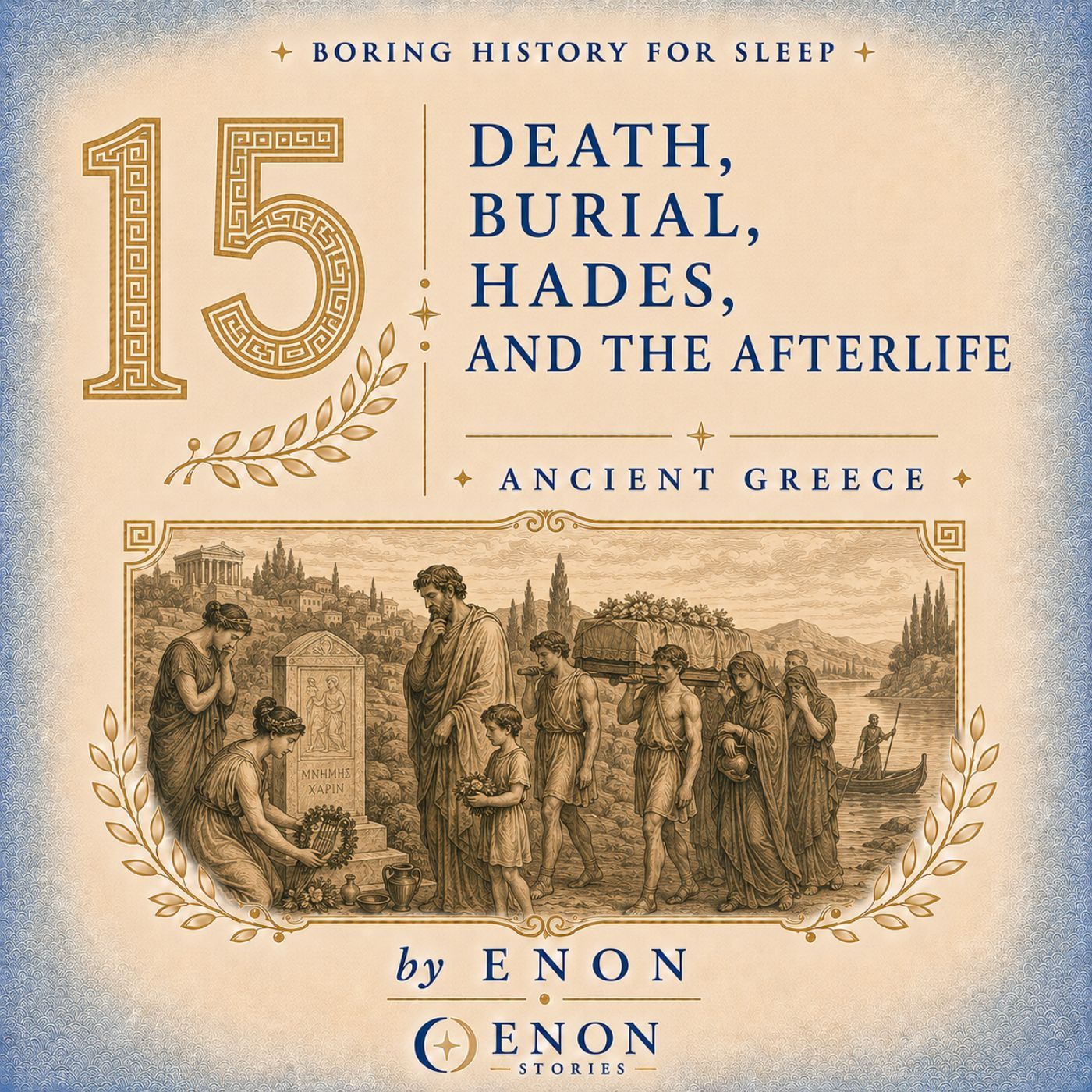
Ancient Greece - DEATH, BURIAL, HADES, AND THE AFTERLIFE
Follow a Greek funeral from the household preparation of the body to procession, burial or cremation, mourning, grave offerings, and the long work of remembrance. Women often washed, dressed, watched over, and lamented the dead, while relatives, craftspeople, laborers, and religious specialists supplied everything a funeral required. Cemeteries outside city walls, grave markers, pottery, jewelry,
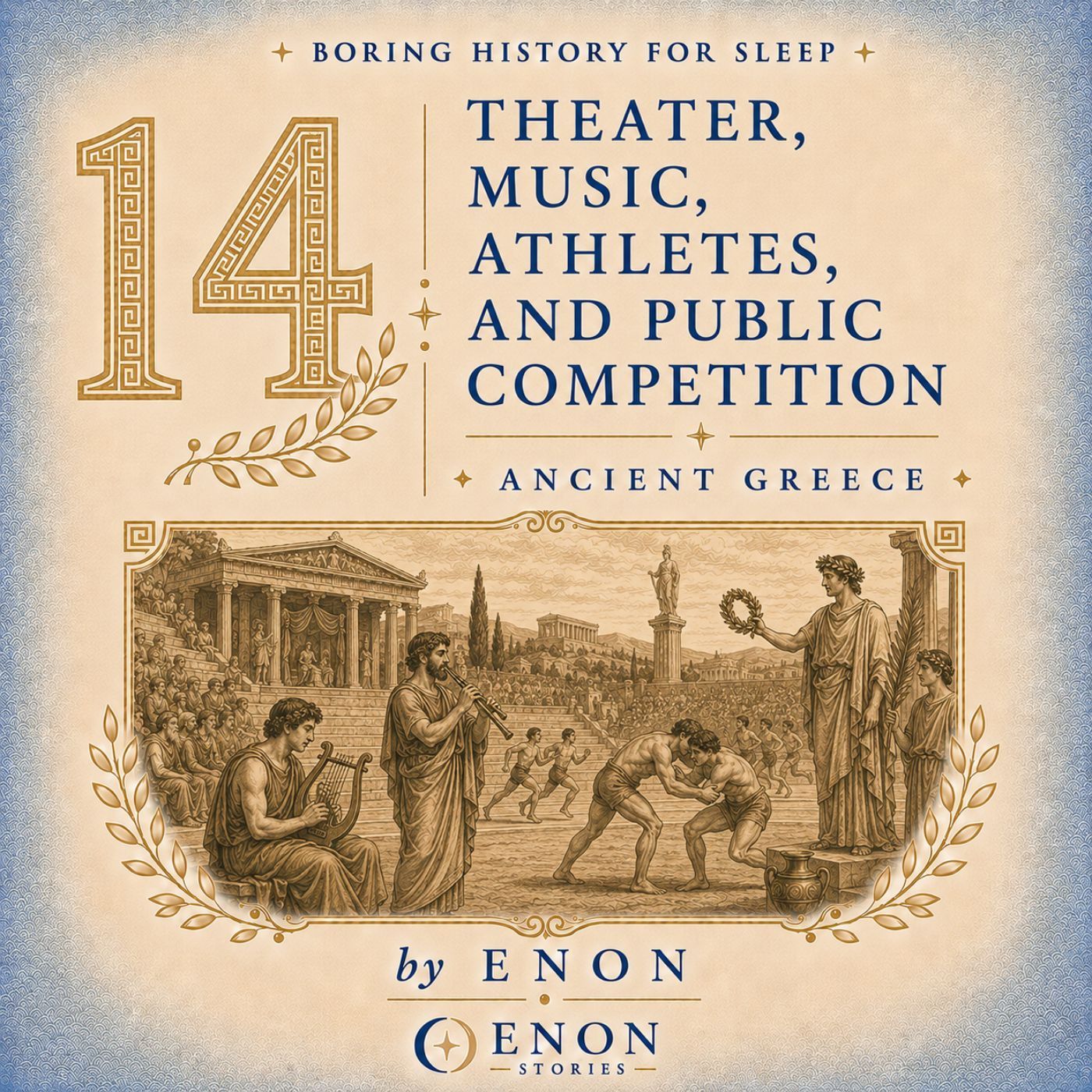
Ancient Greece - THEATER, MUSIC, ATHLETES, AND PUBLIC COMPETITION
Join the Greek public at theaters, musical performances, gymnasia, athletic grounds, and festival competitions. Tragedy and comedy combined speech, song, dance, masks, costumes, choruses, actors, musicians, sponsors, stage workers, and large audiences within religious and civic celebrations. Familiar myths were reshaped, politicians mocked, and traveling performers carried plays across the Mediter
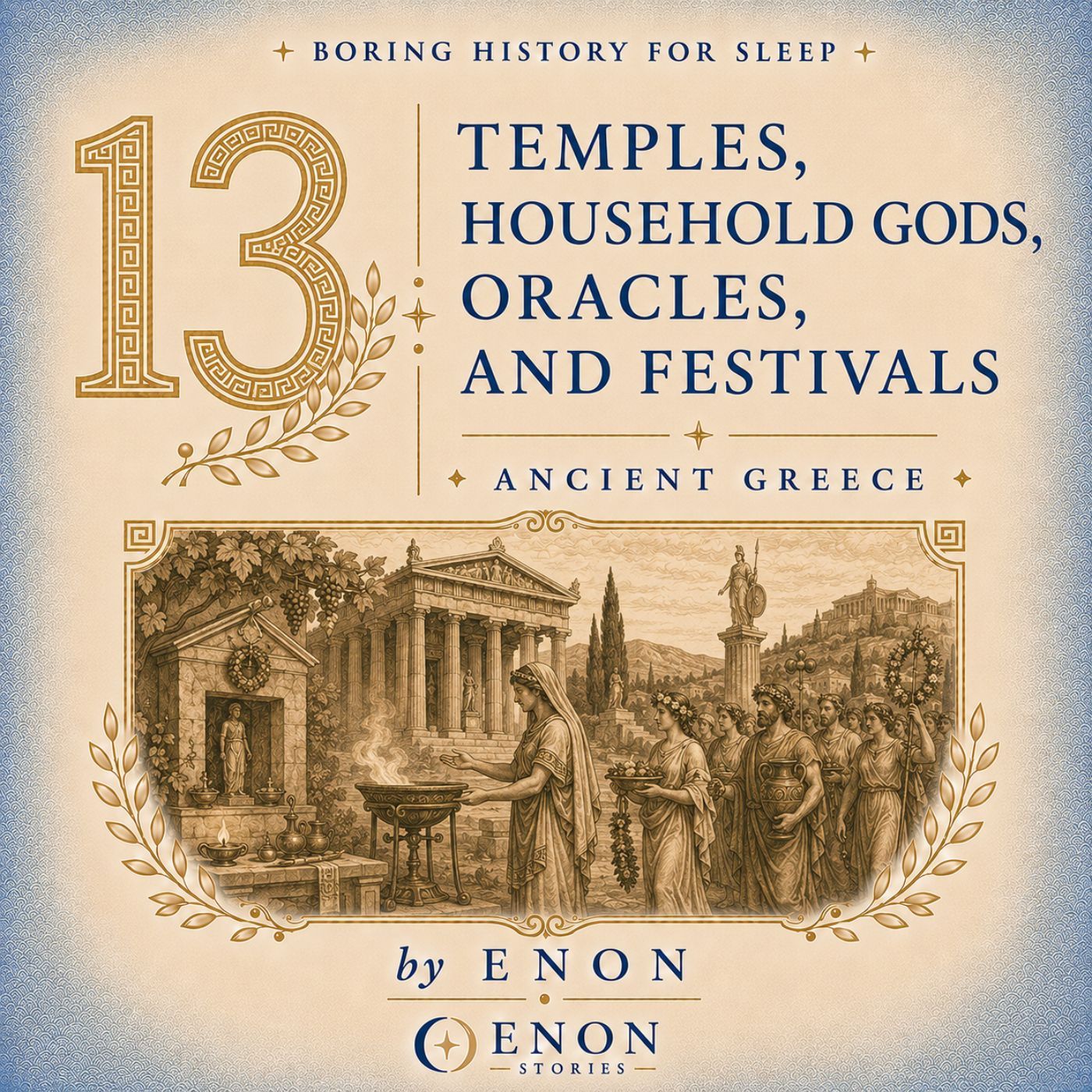
Ancient Greece - TEMPLES, HOUSEHOLD GODS, ORACLES, AND FESTIVALS
Explore Greek religion from a household hearth and doorway to monumental temples, mountain sanctuaries, oracles, processions, and festival crowds. The gods belonged to a shared mythology but were worshipped through local names, epithets, calendars, priesthoods, and customs. Small offerings of wine, oil, grain, incense, cakes, or flowers could be as meaningful as a public animal sacrifice. The epis
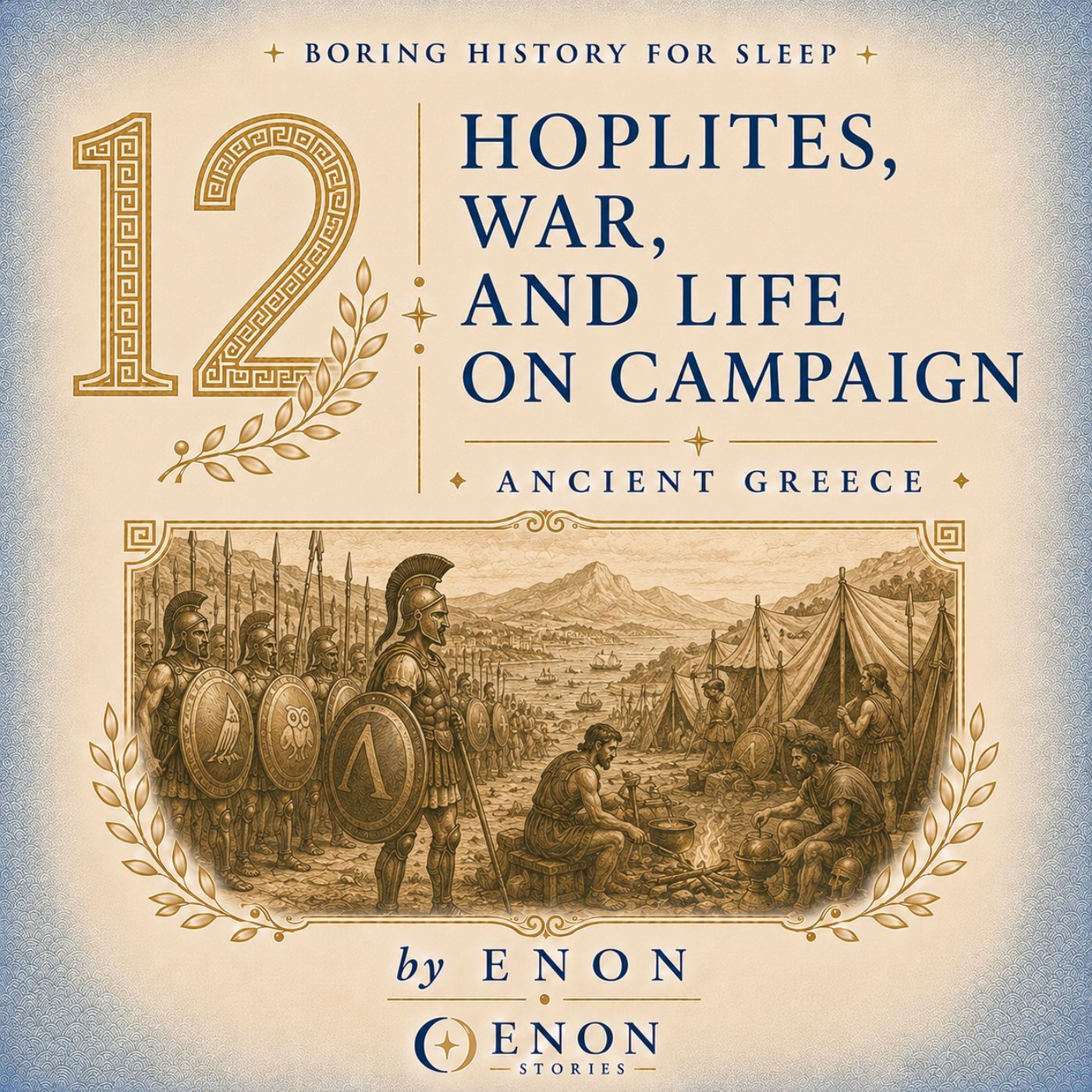
Ancient Greece - HOPLITES, WAR, AND LIFE ON CAMPAIGN
Lift the heavy shield of a Greek hoplite and follow military life beyond the clean diagrams of a phalanx. Armor, spears, helmets, sandals, bedding, water, food, tools, and constant repair all mattered before an army reached battle. The episode explores hoplites, light troops, cavalry, archers, rowers, mercenaries, servants, enslaved attendants, and the support workers who kept campaigns moving. Sp
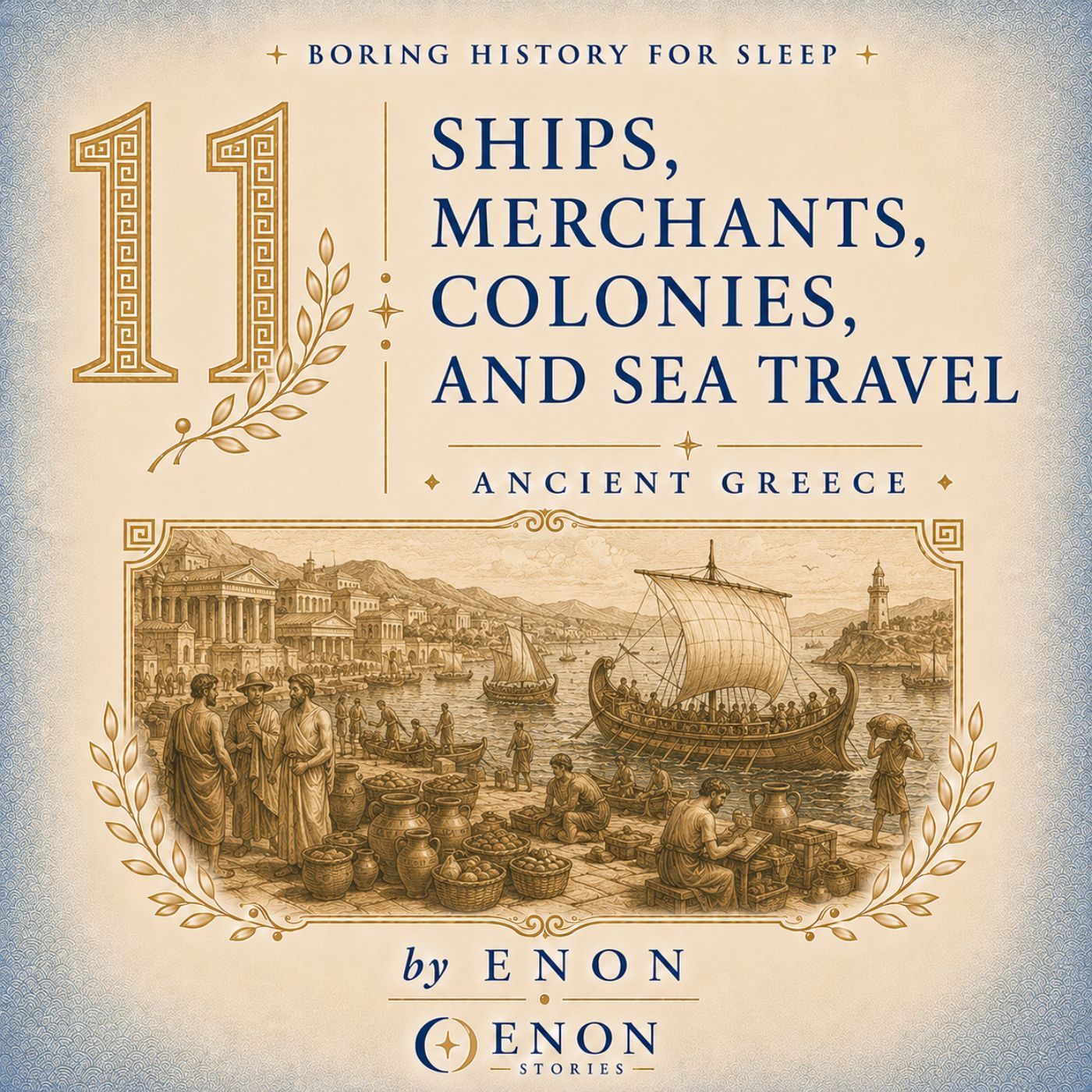
Ancient Greece - SHIPS, MERCHANTS, COLONIES, AND SEA TRAVEL
Set out from a Greek harbor where every voyage depends on wind, season, cargo, crew, finance, and local knowledge. Merchant vessels carried amphorae, grain, wine, oil, timber, metals, animals, passengers, and enslaved people, while triremes sacrificed storage for speed and coordinated rowing. The episode explores shipbuilding, repairs, anchors, harbors, warehouses, customs, maritime loans, contrac
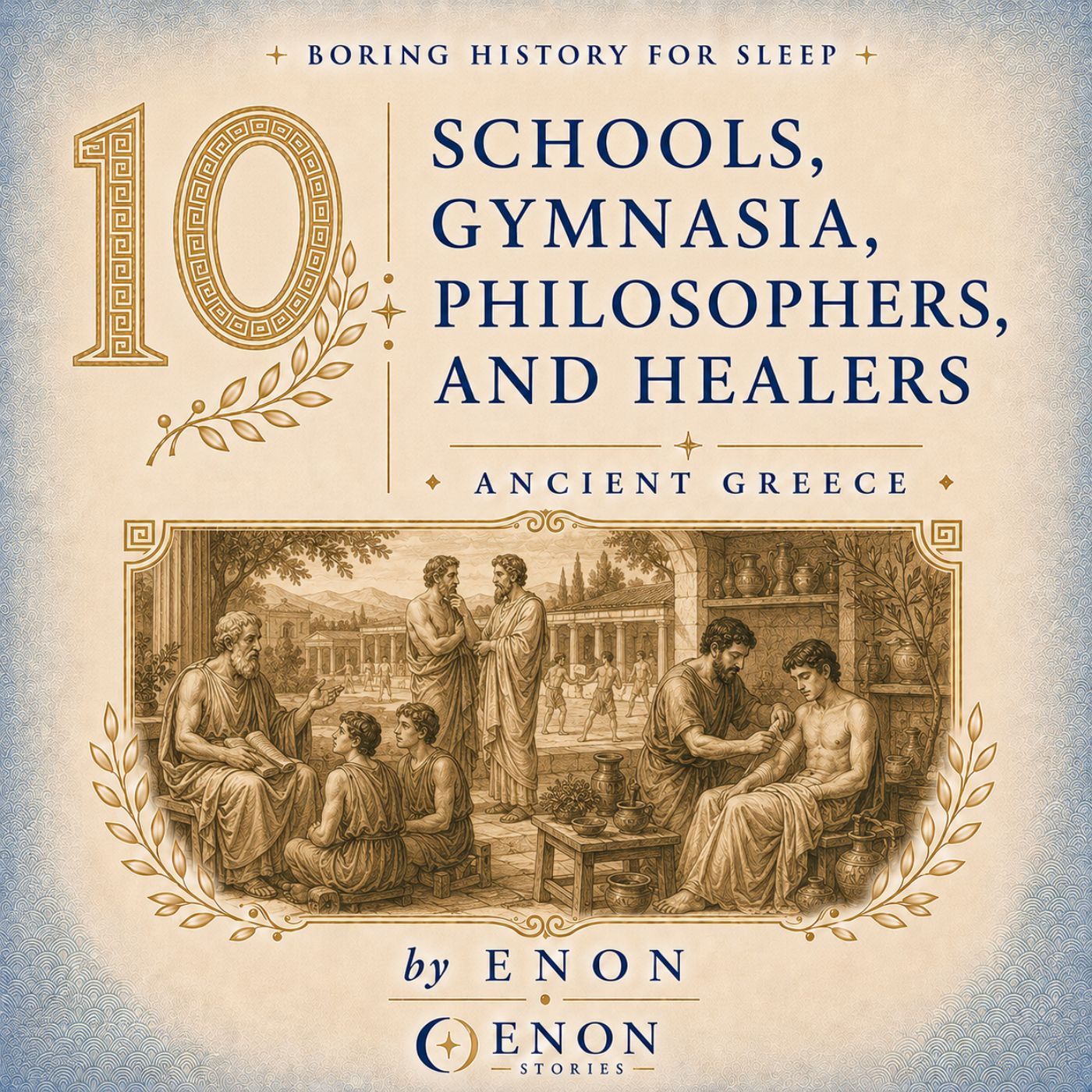
Ancient Greece - SCHOOLS, GYMNASIA, PHILOSOPHERS, AND HEALERS
Begin with a child practicing letters on wax, wood, or a broken potsherd, then move through the schools, gymnasia, libraries, philosophical circles, and healing traditions of the Greek world. Education depended on wealth, gender, status, and local custom. Boys might study letters, Homer, music, rhetoric, and physical training while an enslaved paidagogos accompanied them. Girls learned through hou
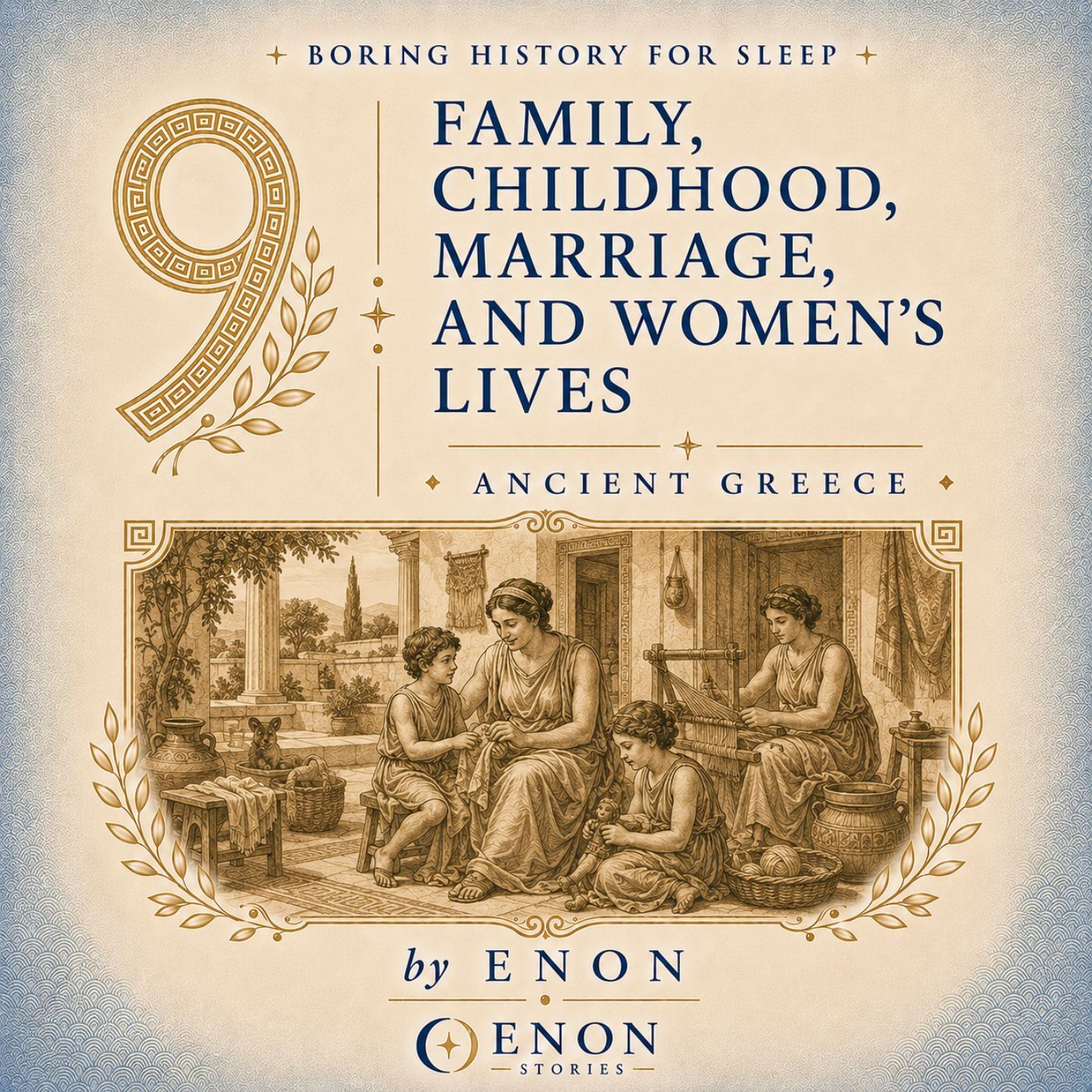
Ancient Greece - FAMILY, CHILDHOOD, MARRIAGE, AND WOMEN'S LIVES
Step inside Greek family life through birth, childhood, marriage, property, work, religion, aging, and remembrance. The household, or oikos, joined relatives with land, inheritance, dependents, and the labor needed to continue across generations. The episode considers dangerous births, midwives, infant care, childhood play, education, work, arranged marriage, dowries, divorce, adoption, guardiansh
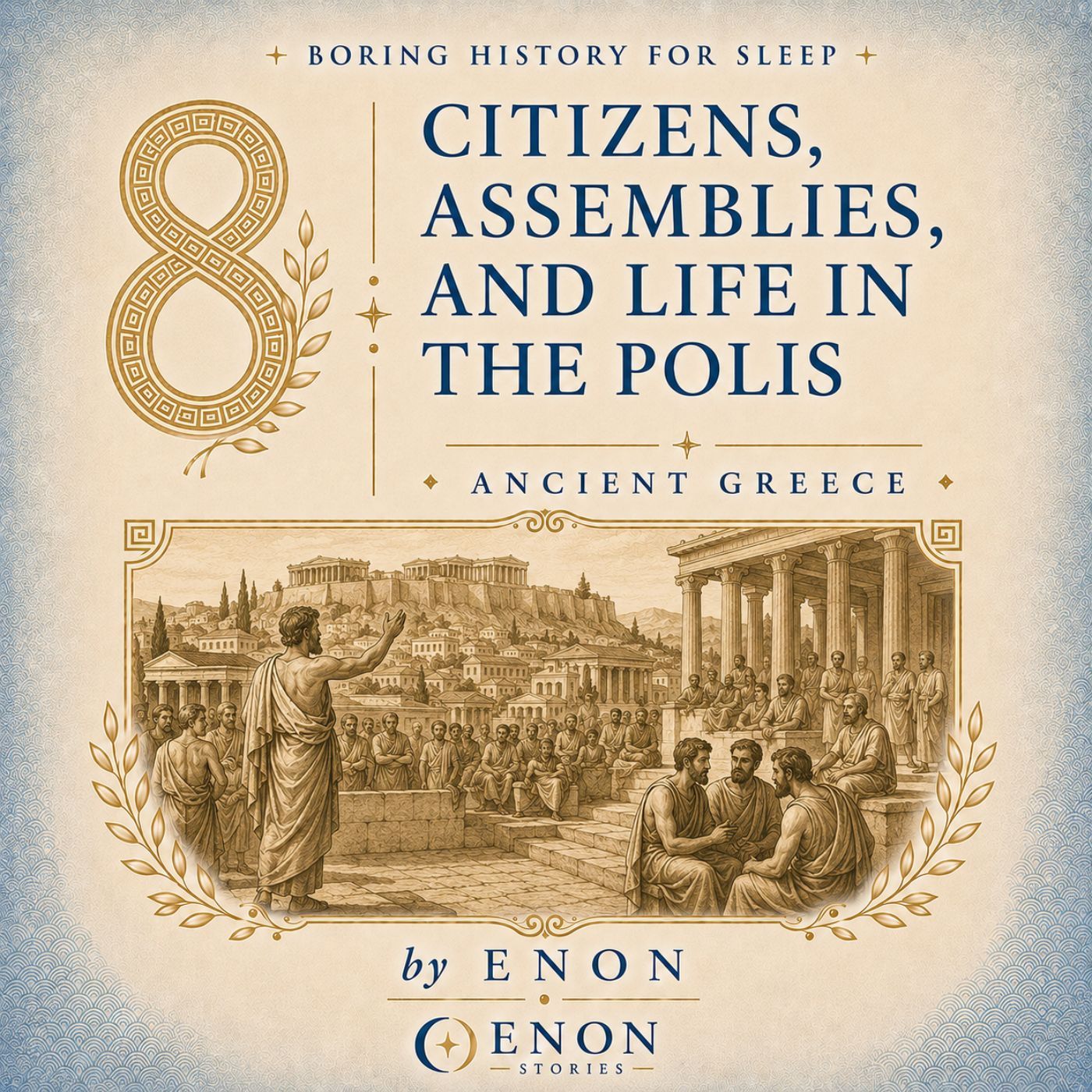
Ancient Greece - CITIZENS, ASSEMBLIES, AND LIFE IN THE POLIS
Enter the polis as a political community made from citizens, territory, laws, sanctuaries, farmland, offices, and shared memory. The episode explains why citizenship was valuable and selective, normally giving adult male citizens rights denied to women, resident foreigners, freed people, and enslaved people. In democratic Athens, the assembly on the Pnyx, the council, magistrates, large juries, se
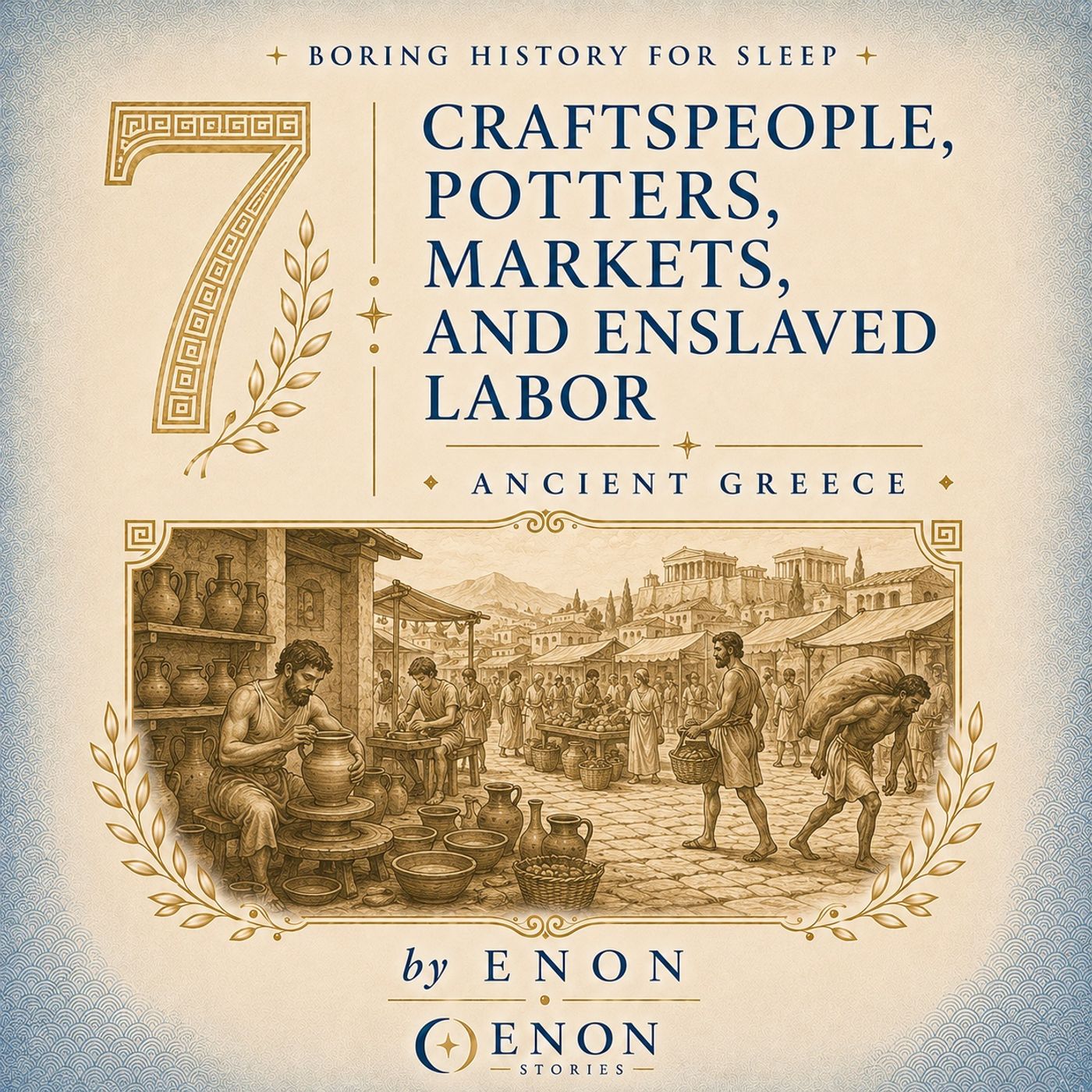
Ancient Greece - CRAFTSPEOPLE, POTTERS, MARKETS, AND ENSLAVED LABOR
Walk along a Greek street where workshops open directly onto the road. Potters prepare clay, shape vessels, paint surfaces, and manage kilns that can destroy an entire load in one failed firing. Smiths, stonecutters, carpenters, textile workers, dyers, leatherworkers, bakers, shipwrights, jewelers, and repairers turn raw materials into the goods used by homes, farms, temples, ships, and armies. Th
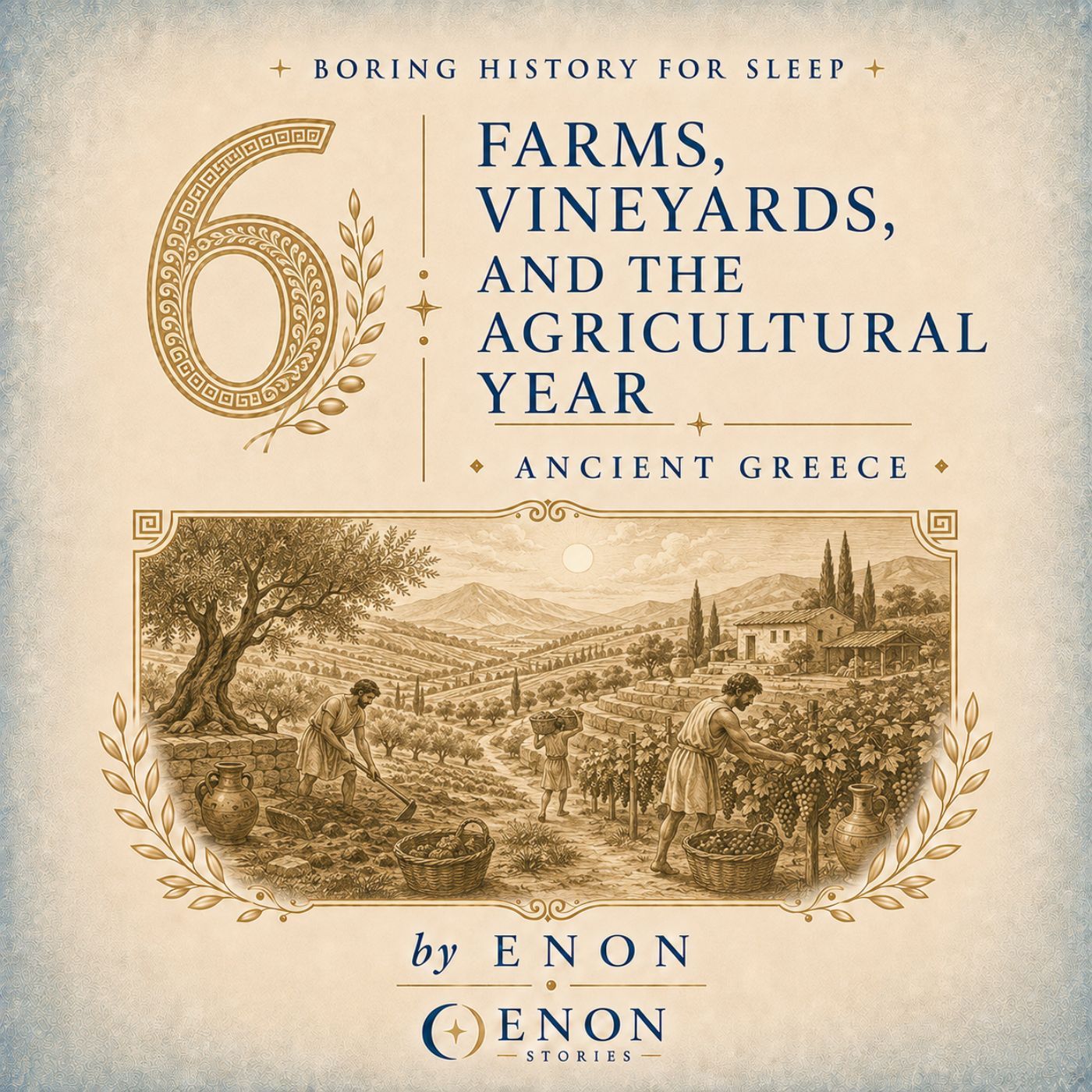
Ancient Greece - FARMS, VINEYARDS, AND THE AGRICULTURAL YEAR
Leave the towns for the uneven countryside that sustained the Greek world. This episode moves through an agricultural year shaped by autumn rain, winter growth, spring harvests, summer dryness, and the later work of grape and olive gathering. Farmers plowed, sowed, pruned, repaired terraces, watched livestock, managed water, protected seed, and judged weather without ever controlling it. Barley, w
Ancient Greece - BREAD, OLIVES, WINE, AND THE GREEK TABLE
Sit beside the Greek table and follow the many hours of work hidden inside an ordinary meal. Barley and wheat had to be harvested, cleaned, stored, ground, mixed, and baked before becoming bread, porridge, or maza. Olive oil connected cooking with lamps, medicine, body care, and religious offerings, while wine ranged from rough household drink to carefully traded regional products. The episode exp
Ancient Greece - INSIDE A GREEK HOUSE
Step through a plain doorway and into the adaptable world of an ancient Greek house. Courtyards, mud-brick walls, tiled roofs, cisterns, wells, hearths, lamps, storage jars, movable furniture, and street-facing workshops reveal homes shaped by climate, wealth, work, and local building traditions. The episode considers the andron used for formal drinking parties while questioning the idea that ever
Ancient Greece - FROM PALACES TO POLEIS AND HELLENISTIC KINGDOMS
Travel gently across the long history of the Greek world, from Bronze Age palaces to independent poleis, Hellenistic kingdoms, and Roman rule. The episode begins with Minoan Crete, Mycenaean citadels, Linear B tablets, and the collapse of palace administration around the end of the Bronze Age. It then follows the return of alphabetic writing, the growth of the polis, settlement around the Mediterr
Ancient Greece - THE AEGEAN SEA AND THE GREEK DAY
Begin the Greek day among mountains, islands, harbors, fields, and the changing light of the Aegean. This episode explores the varied landscapes of mainland Greece, the Peloponnese, Crete, Anatolia, and the islands, showing how roads and sea routes connected communities without making travel easy. It follows sailors, farmers, market sellers, craftspeople, household workers, and citizens through da
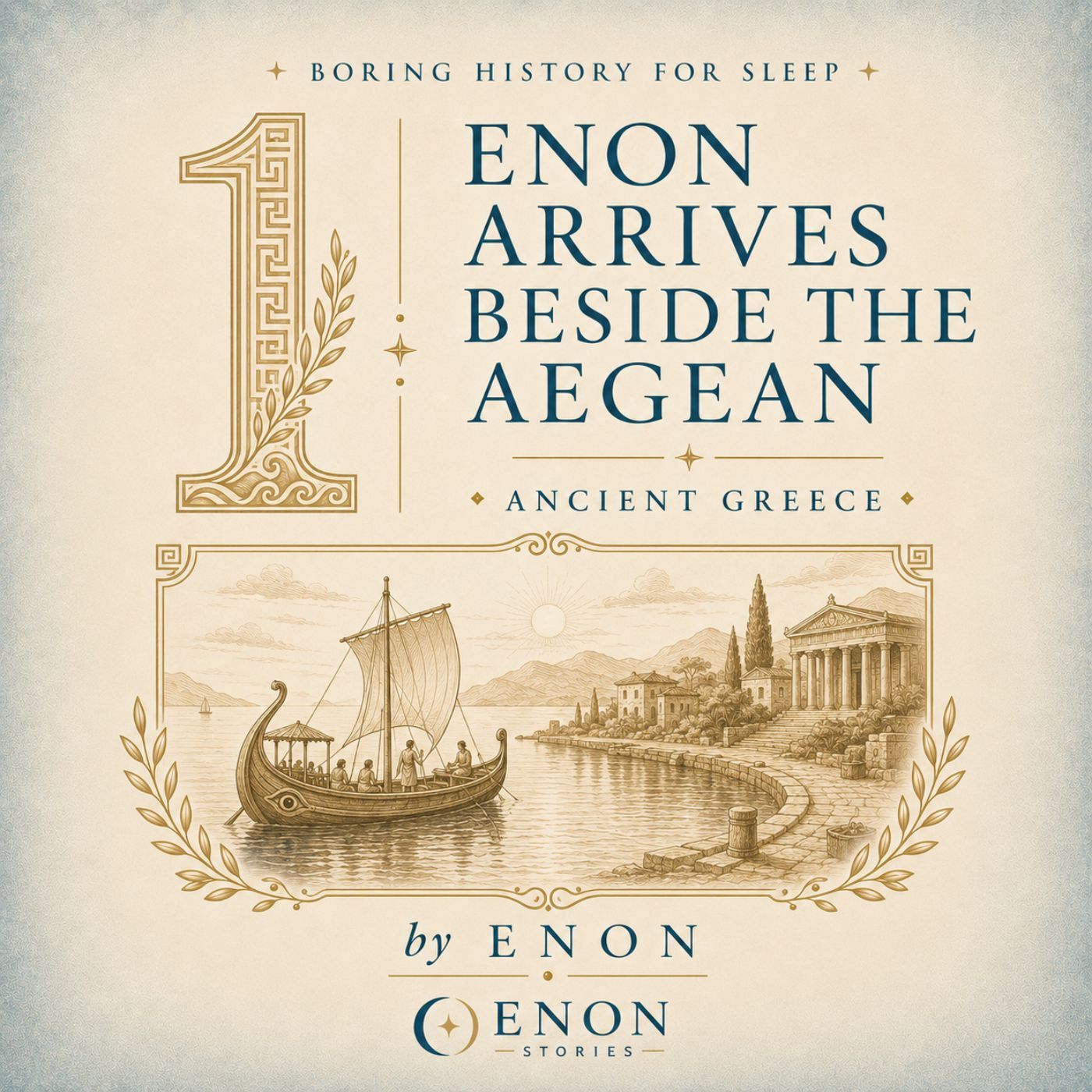
Ancient Greece - ENON ARRIVES BESIDE THE AEGEAN
Enon arrives beside a small Aegean harbor for a calm introduction to Ancient Greece. Rather than beginning with a famous battle, temple, or philosopher, this opening episode follows the ordinary movement of ropes, jars, fishing nets, ships, workers, travelers, and island routes. It explains why the Greek world was never one country or one unchanging civilization, but a wide network of independent
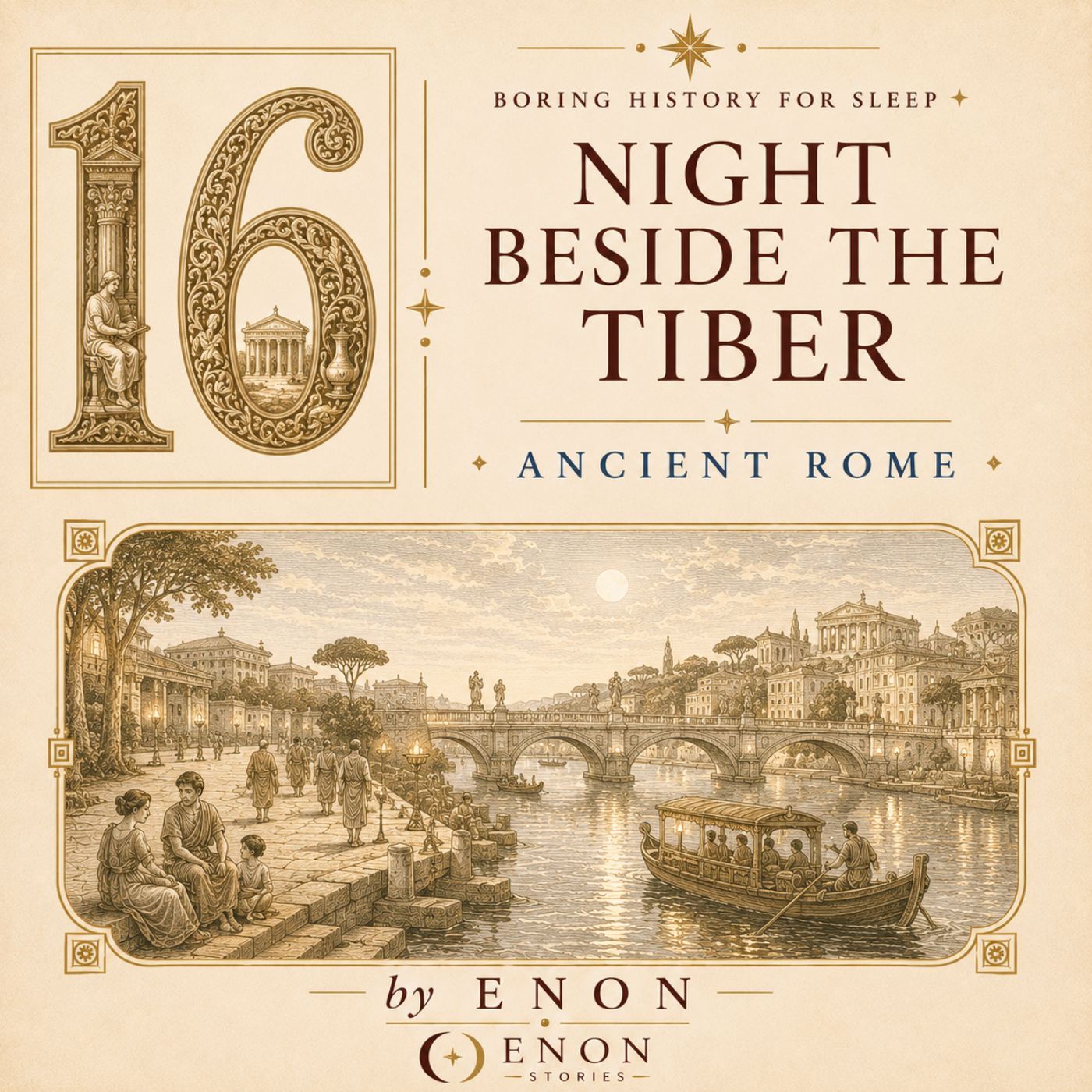
Ancient Rome - NIGHT BESIDE THE TIBER
Return to the Tiber at night for a final, peaceful reflection on the Roman world. The streets are quieter, warehouses close, ropes are secured, lamps remain in a few rooms, and guards continue their work. This closing episode gathers the ordinary lives encountered throughout the journey: tenants, farmers, bakers, sailors, craftspeople, teachers, children, soldiers, enslaved people, freed people, w
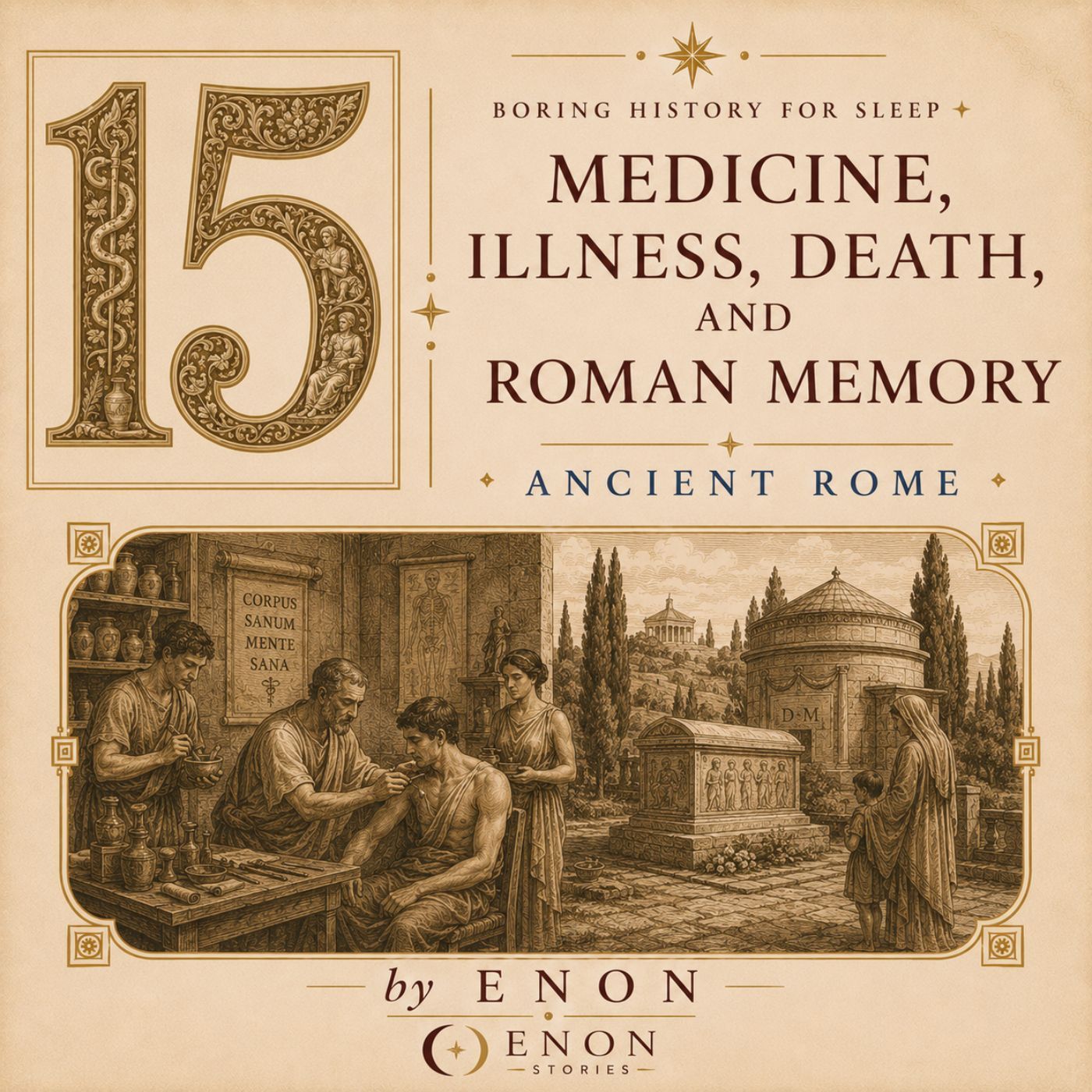
Ancient Rome - MEDICINE, ILLNESS, DEATH, AND ROMAN MEMORY
Consider the Roman body through medical writing, household care, surgical tools, bones, teeth, parasites, drains, prescriptions, prayers, and tombs. Greek medical traditions and physicians such as Galen shaped learned treatment, but most illness was first managed at home through diet, rest, bathing, herbs, wine, oil, compresses, and family knowledge. The episode looks at surgery, pain, infection,
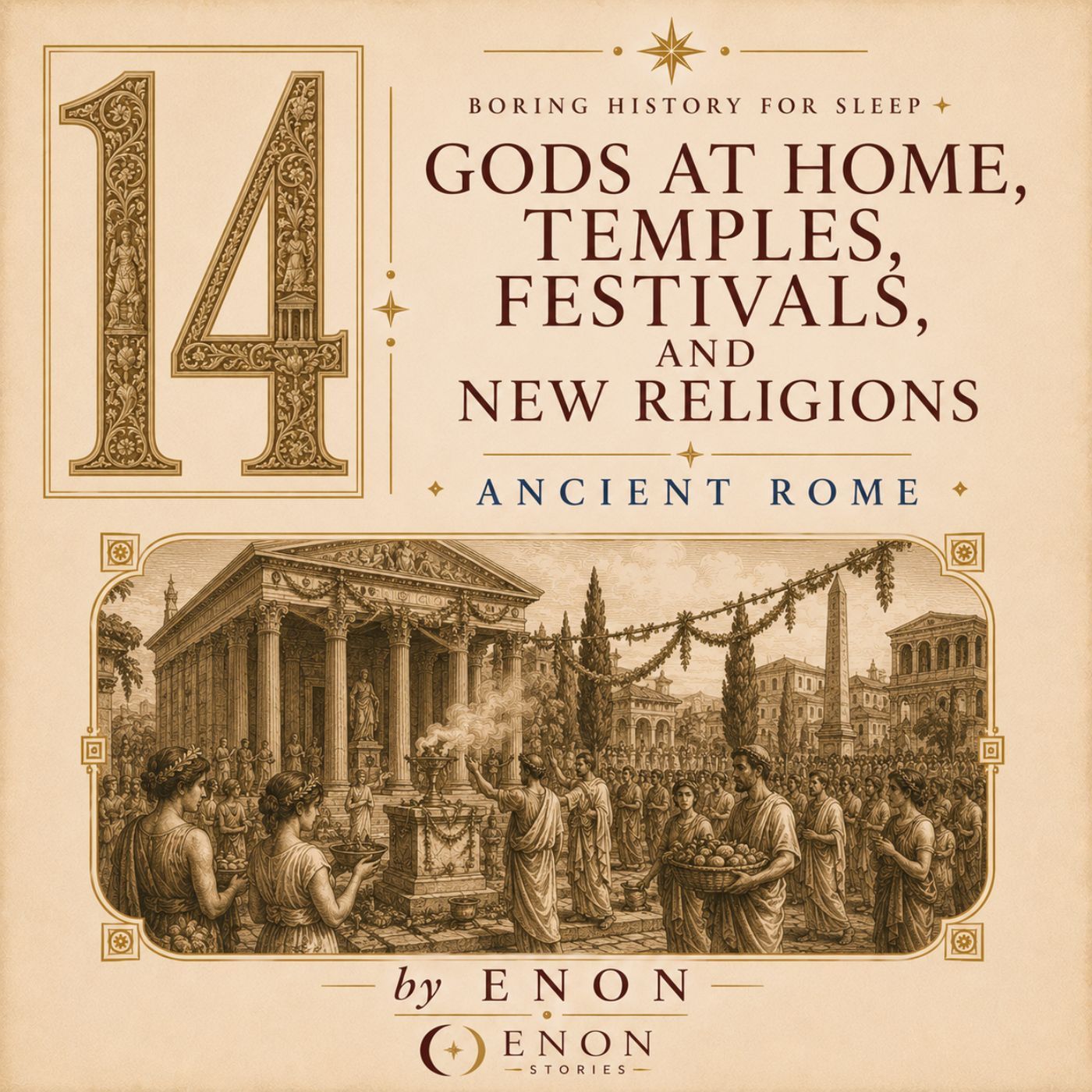
Ancient Rome - GODS AT HOME, TEMPLES, FESTIVALS, AND NEW RELIGIONS
Explore Roman religion from a small household shrine to great temples, public festivals, military cults, healing sanctuaries, crossroads, tombs, and newly adopted gods. Offerings of wine, incense, food, flowers, lamps, and vows linked daily needs with divine relationships, while public sacrifice joined religion to civic order. The episode introduces the Lares, Penates, household genius, Vestal Vir
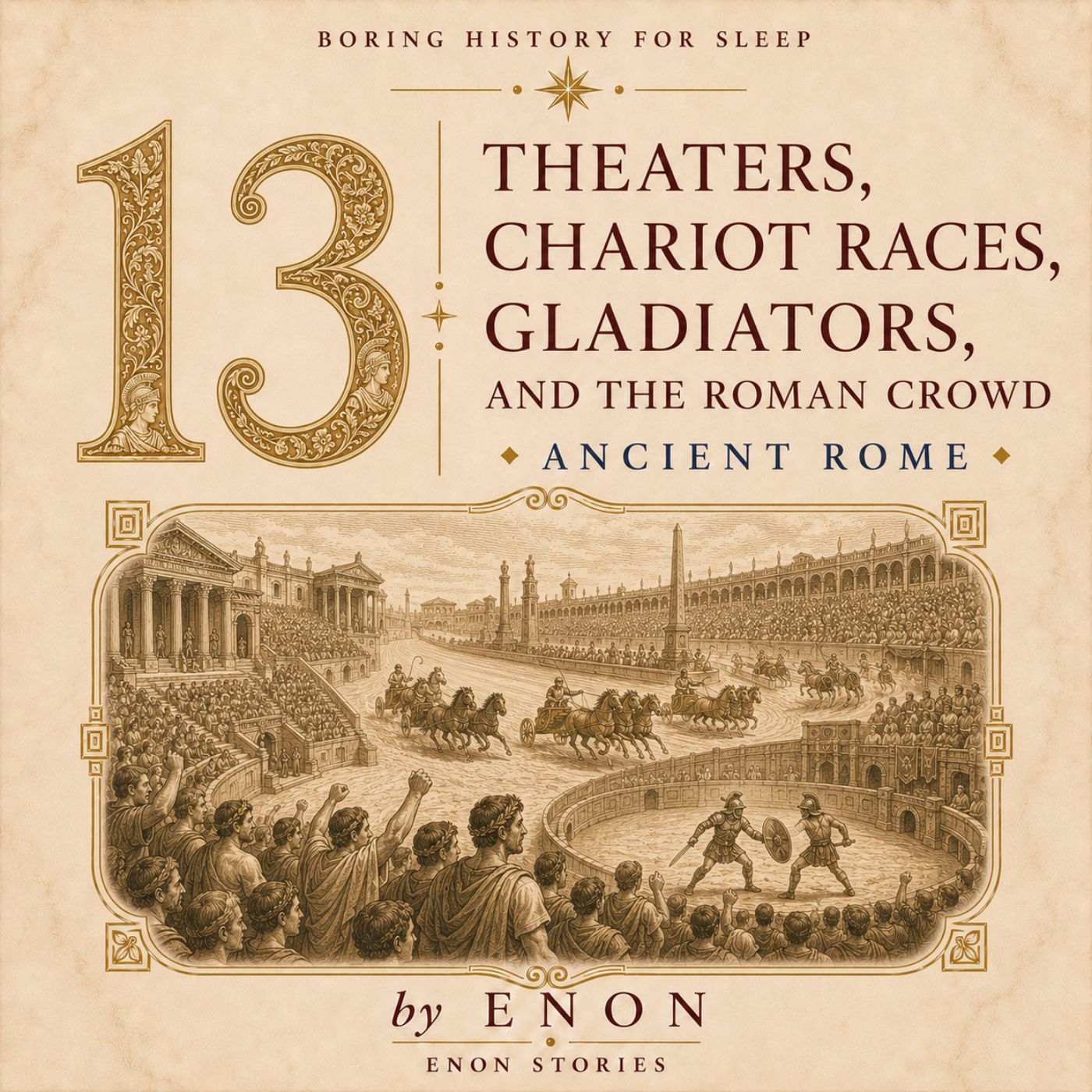
Ancient Rome - THEATERS, CHARIOT RACES, GLADIATORS, AND THE ROMAN CROWD
Join the Roman crowd at theaters, circuses, amphitheaters, festivals, races, and arena spectacles. The episode follows actors, musicians, pantomime dancers, charioteers, horses, racing factions, gladiators, animal handlers, stage workers, guards, vendors, and the vast hidden workforce behind public entertainment. The Circus Maximus, provincial venues, and the Colosseum made social hierarchy visibl
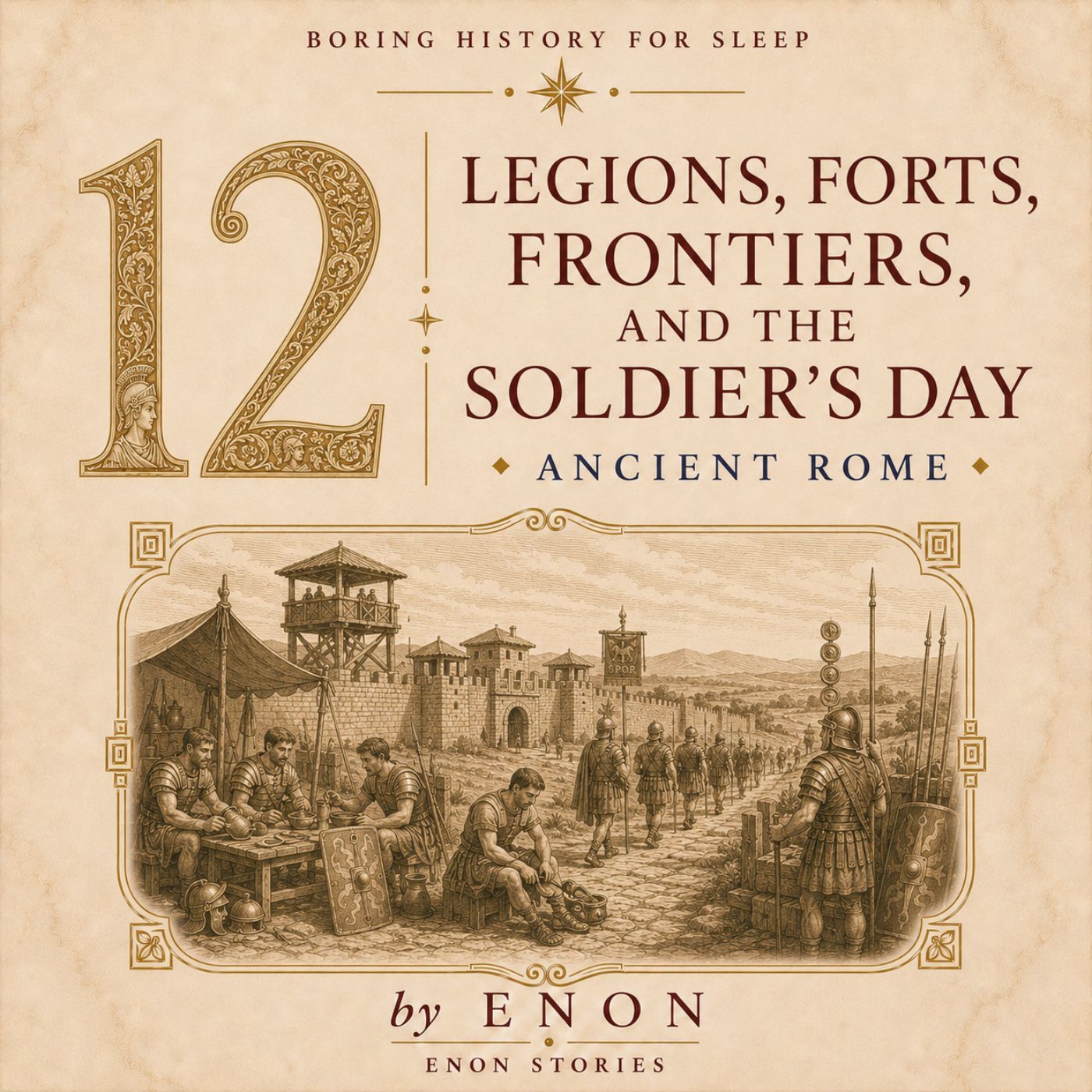
Ancient Rome - LEGIONS, FORTS, FRONTIERS, AND THE SOLDIER'S DAY
Spend a day with the Roman army beyond the famous battlefield. Soldiers marched, drilled, kept watch, repaired equipment, built roads and walls, moved supplies, completed paperwork, cooked, carried, waited, and maintained forts for far more hours than they fought. The episode traces the changing army from Republican citizen levies to imperial legions, auxiliaries, fleets, guards, and late Roman fo
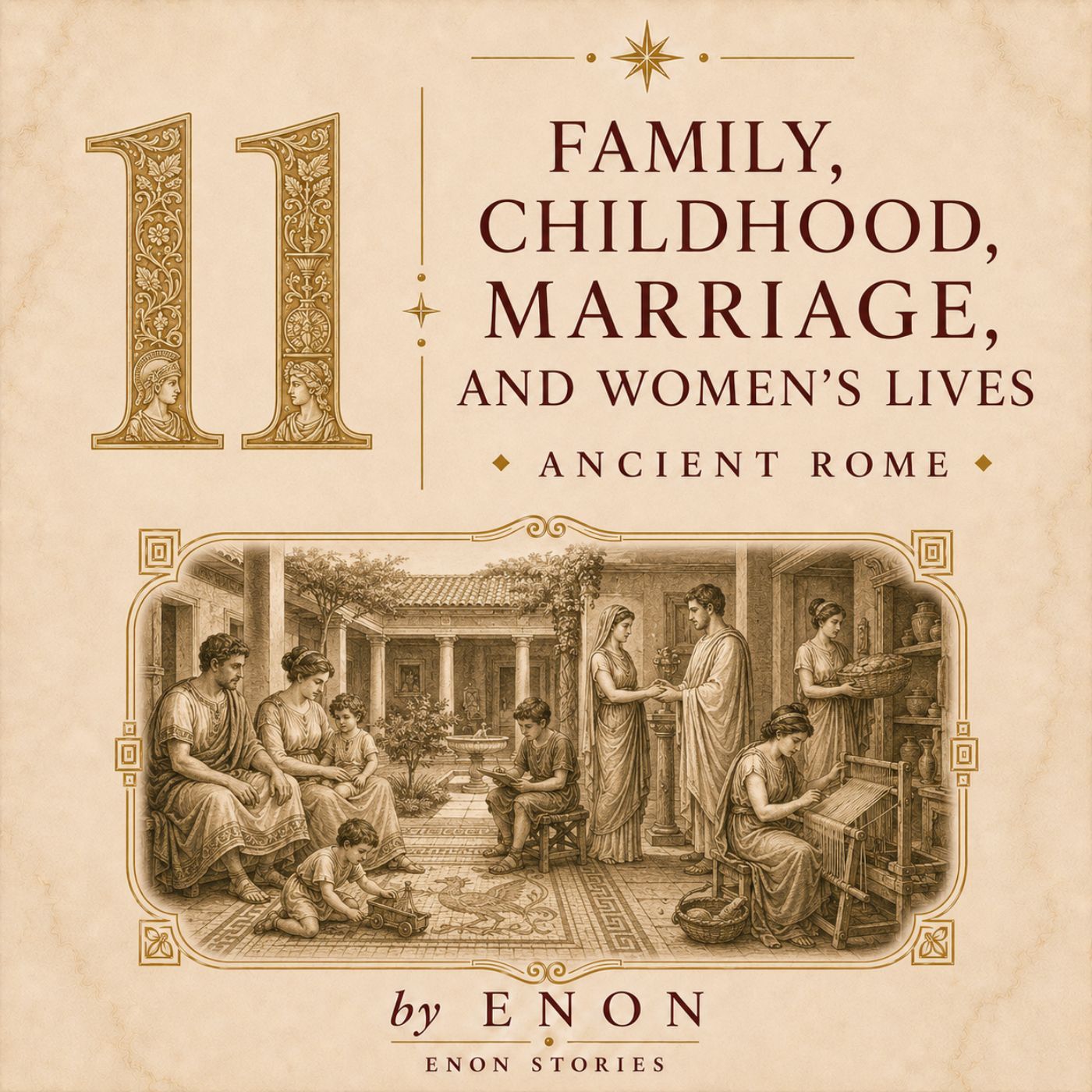
Ancient Rome - FAMILY, CHILDHOOD, MARRIAGE, AND WOMEN'S LIVES
Step inside the Roman familia, a household that could include relatives, enslaved workers, freed dependents, apprentices, and property under one legal authority. The episode looks at birth, infant care, childhood, toys, education, names, mourning, and the risks faced by mothers and babies. Marriage linked affection with inheritance, dowry, citizenship, alliance, and household strategy. Divorce, re
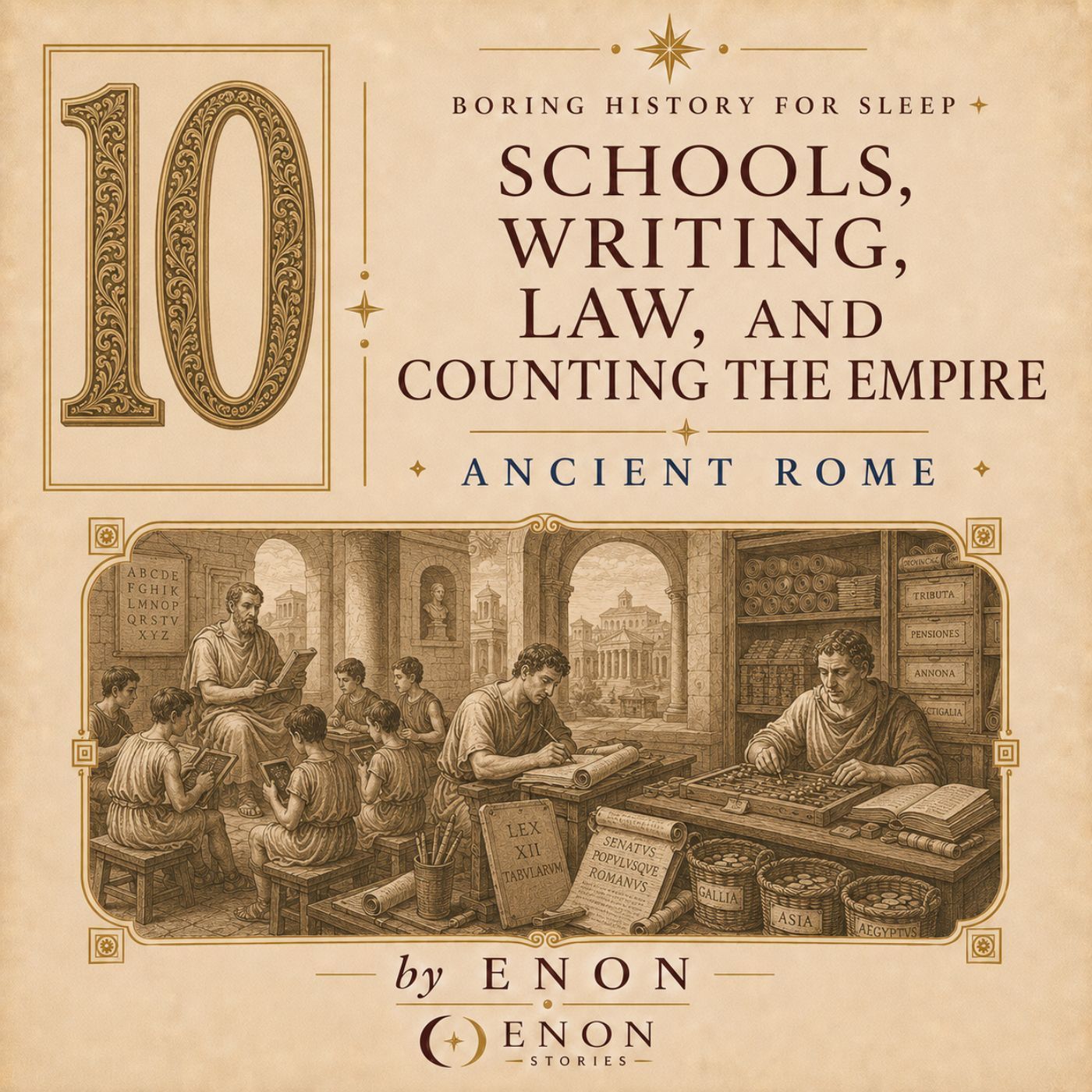
Ancient Rome - SCHOOLS, WRITING, LAW, AND COUNTING THE EMPIRE
Enter Roman schools, offices, courts, shops, and archives through the marks left on wax, papyrus, wood, pottery, metal, and stone. This episode begins with children learning letters and numbers, while showing how education depended on wealth, gender, status, language, and family expectations. Latin, Greek, local languages, graffiti, Vindolanda tablets, scrolls, codices, abbreviations, counting boa
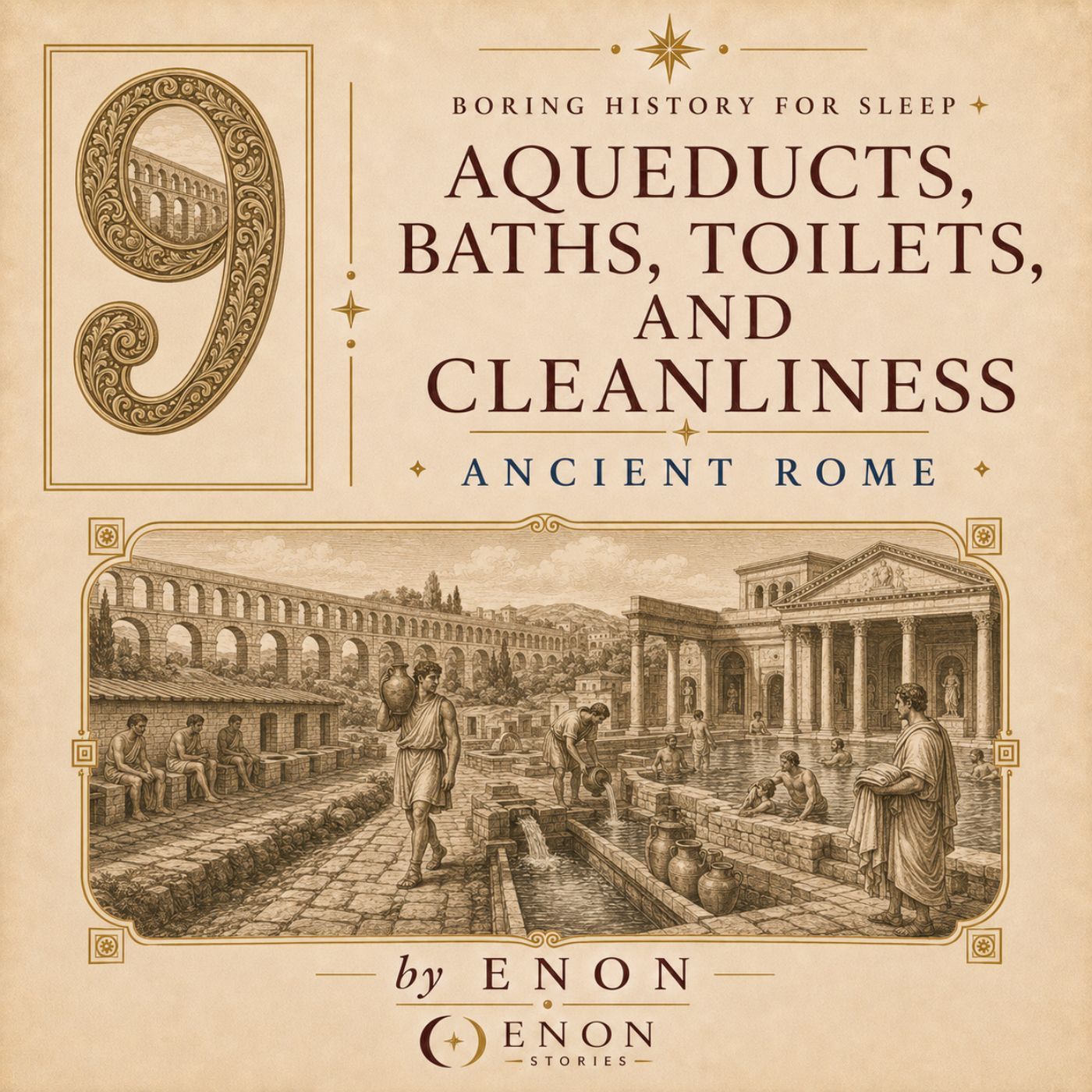
Ancient Rome - AQUEDUCTS, BATHS, TOILETS, AND CLEANLINESS
Follow Roman water from distant springs through channels, tunnels, arcades, settling tanks, pipes, fountains, baths, drains, and sewers. The episode explains how aqueducts relied on careful gradients and constant maintenance, how public fountains transformed neighborhoods, and why private connections remained privileges rather than universal household taps. Inside the baths, furnaces and hypocaust
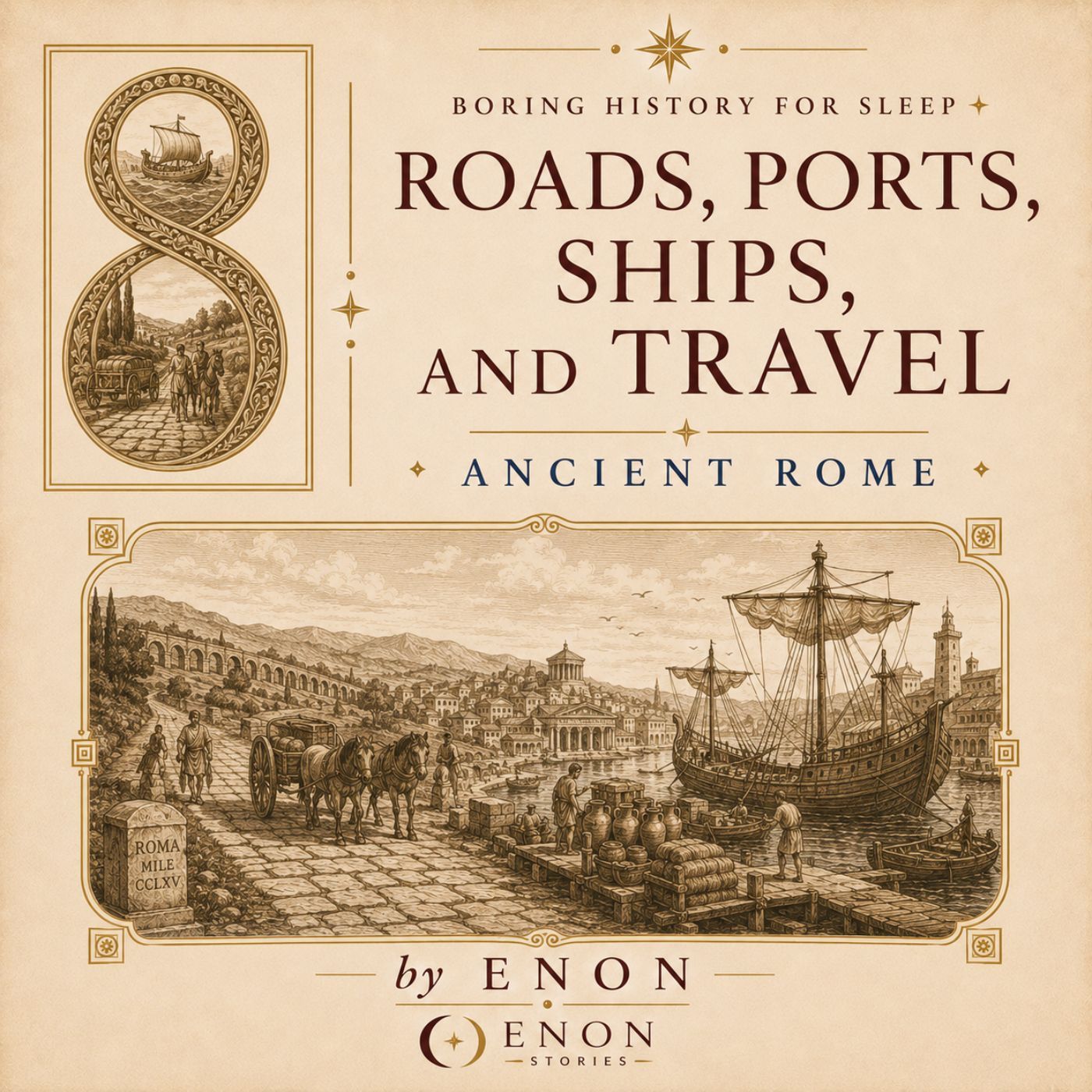
Ancient Rome - ROADS, PORTS, SHIPS, AND TRAVEL
Set out along Roman roads, rivers, and sea lanes, where every journey depended on weather, money, cargo, animals, documents, and local knowledge. This episode explains how roads were surveyed, drained, paved, repaired, and marked, while most travelers still moved on foot or with donkeys, mules, horses, carts, and wagons. Inns, hospitality networks, messengers, the official cursus publicus, private
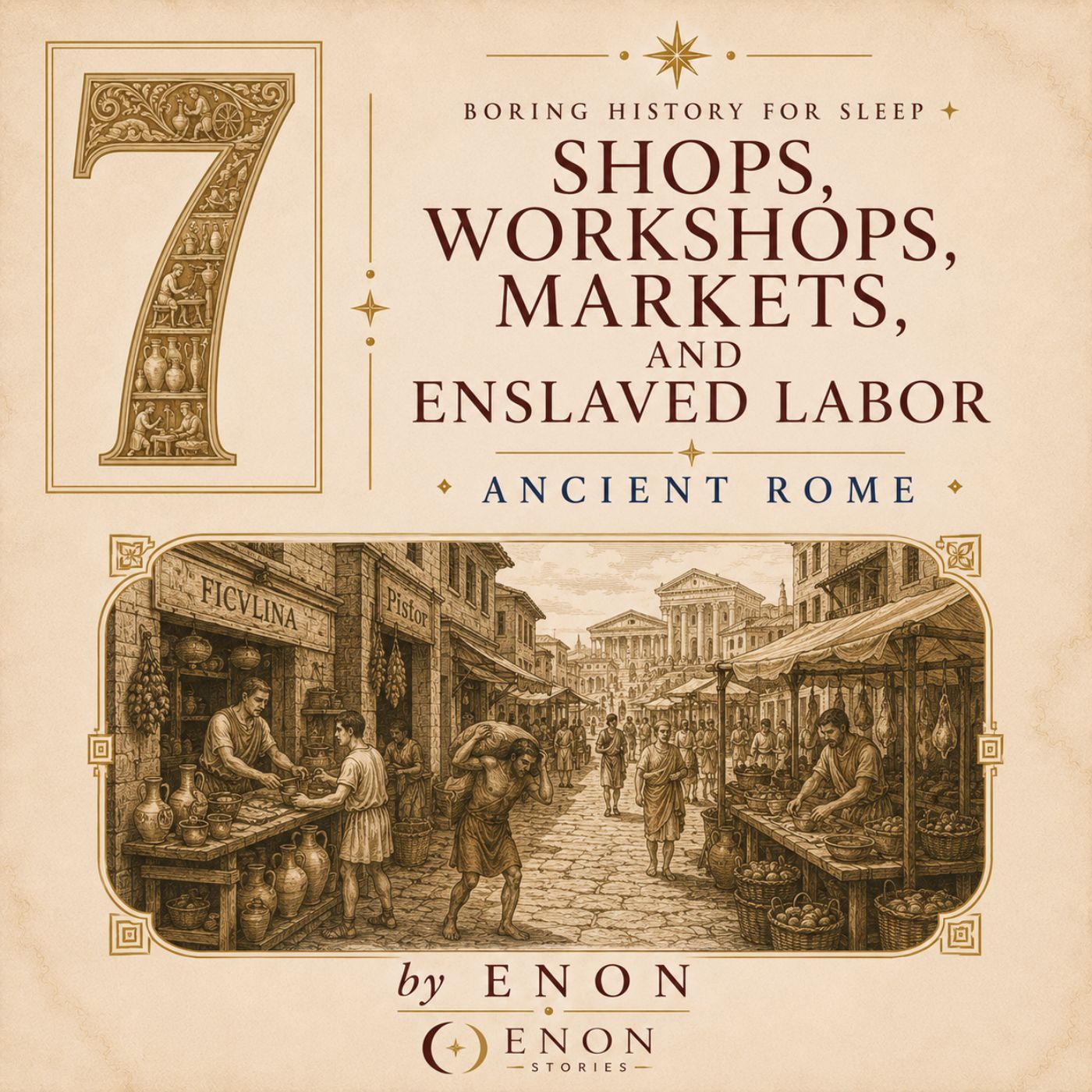
Ancient Rome - SHOPS, WORKSHOPS, MARKETS, AND ENSLAVED LABOR
Walk along a Roman street where shutters open onto shops, workshops, food counters, storerooms, and homes. Potters, smiths, carpenters, fullers, dyers, bakers, builders, textile workers, merchants, and repairers produced the objects and services that kept towns functioning. The episode follows clay, metal, wood, cloth, coins, measures, contracts, credit, collegia, construction sites, and the risks
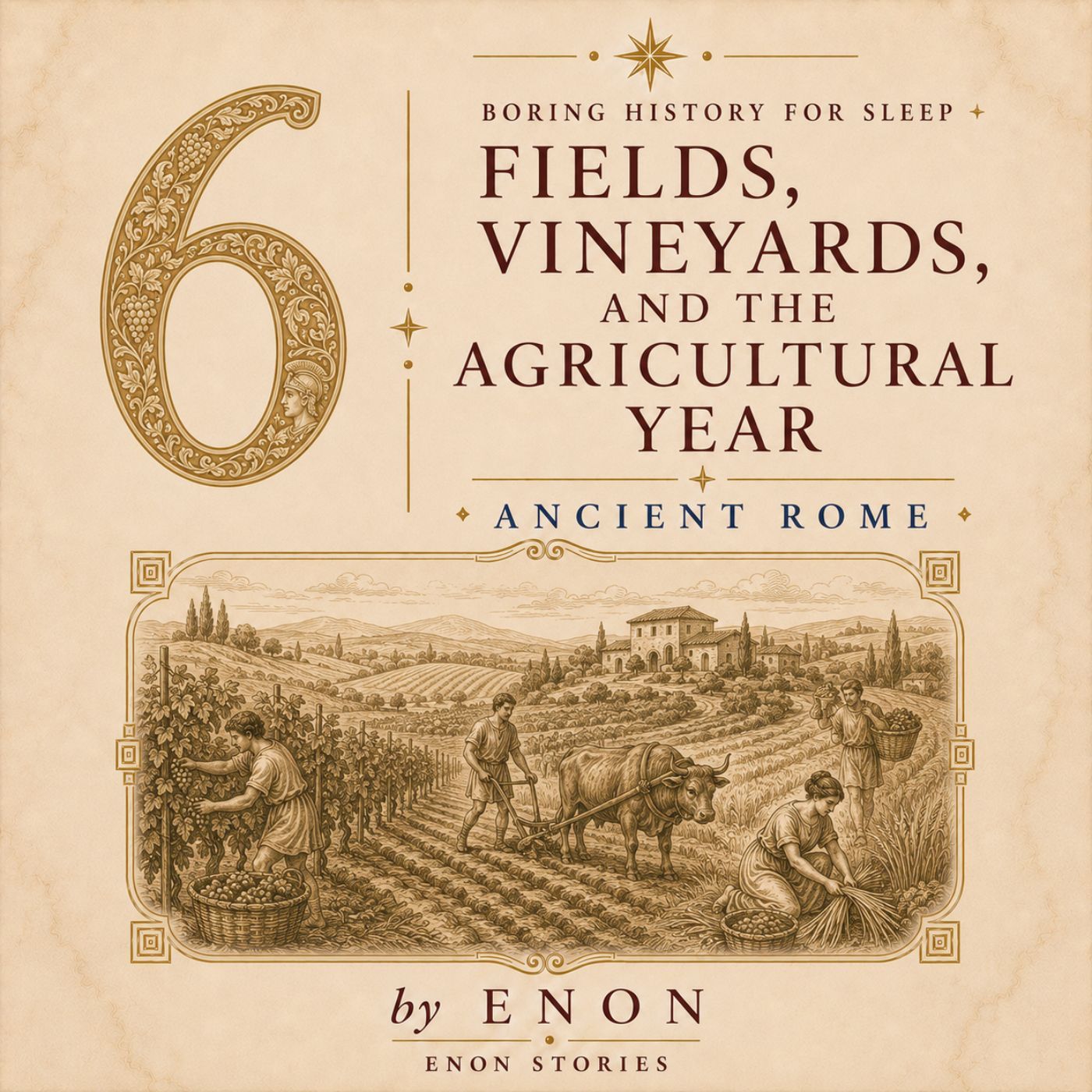
Ancient Rome - FIELDS, VINEYARDS, AND THE AGRICULTURAL YEAR
Leave the marble city for the fields that sustained it. This episode moves through the agricultural year, following plowing, sowing, pruning, harvesting, threshing, grape pressing, olive pressing, storage, and the difficult judgments imposed by weather and season. Roman farming varied across Italy, Egypt, Britain, Syria, Spain, North Africa, and other regions. Smallholders, tenants, hired laborers
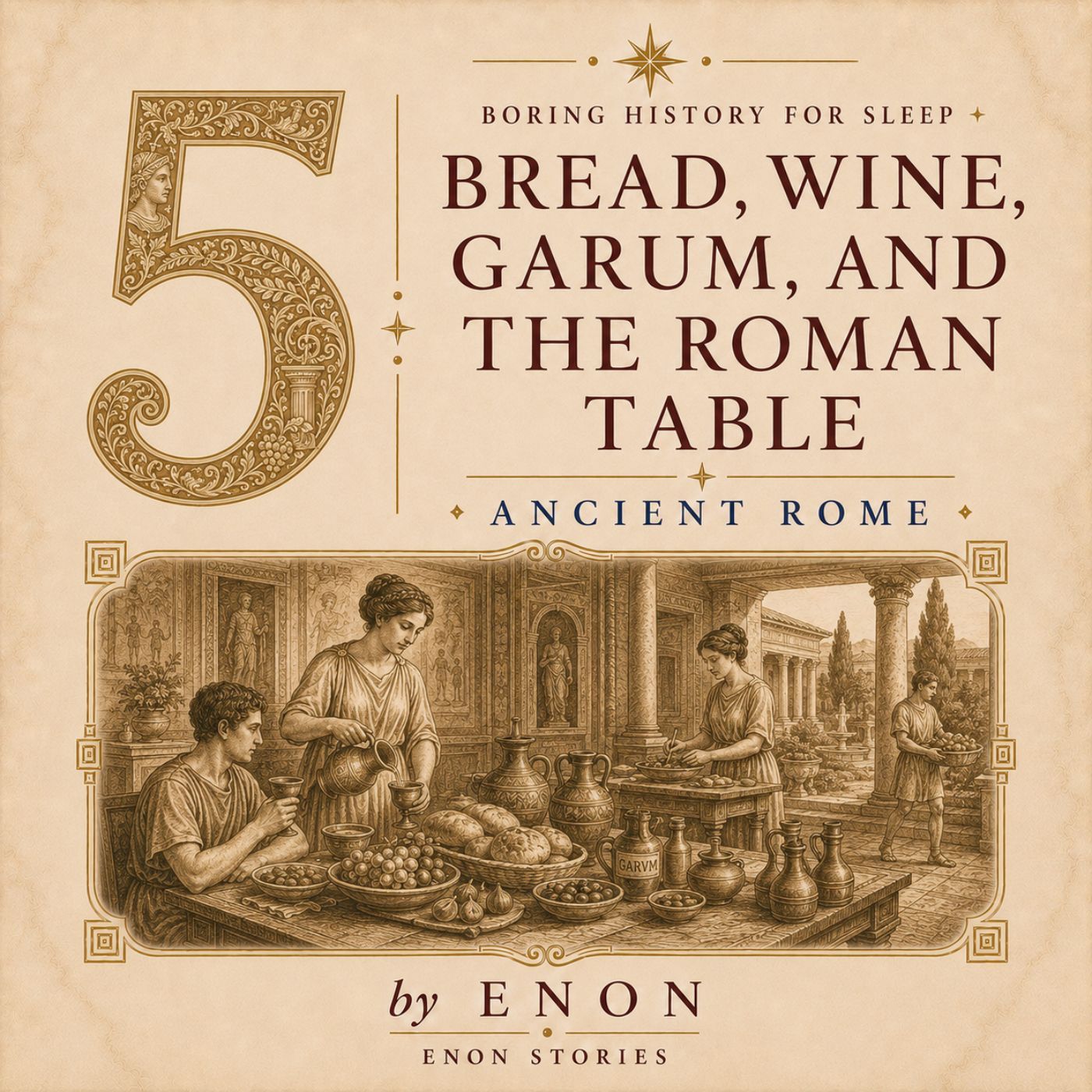
Ancient Rome - BREAD, WINE, GARUM, AND THE ROMAN TABLE
Sit down at the Roman table and follow the long chain of work behind an ordinary meal. Grain becomes porridge or bread through harvesting, storage, milling, kneading, and baking, while Rome's food supply depends on ships, warehouses, officials, and the annona. The episode explores olive oil, watered wine, garum and other fish sauces, legumes, vegetables, fruit, cheese, meat, spices, taverns, stree
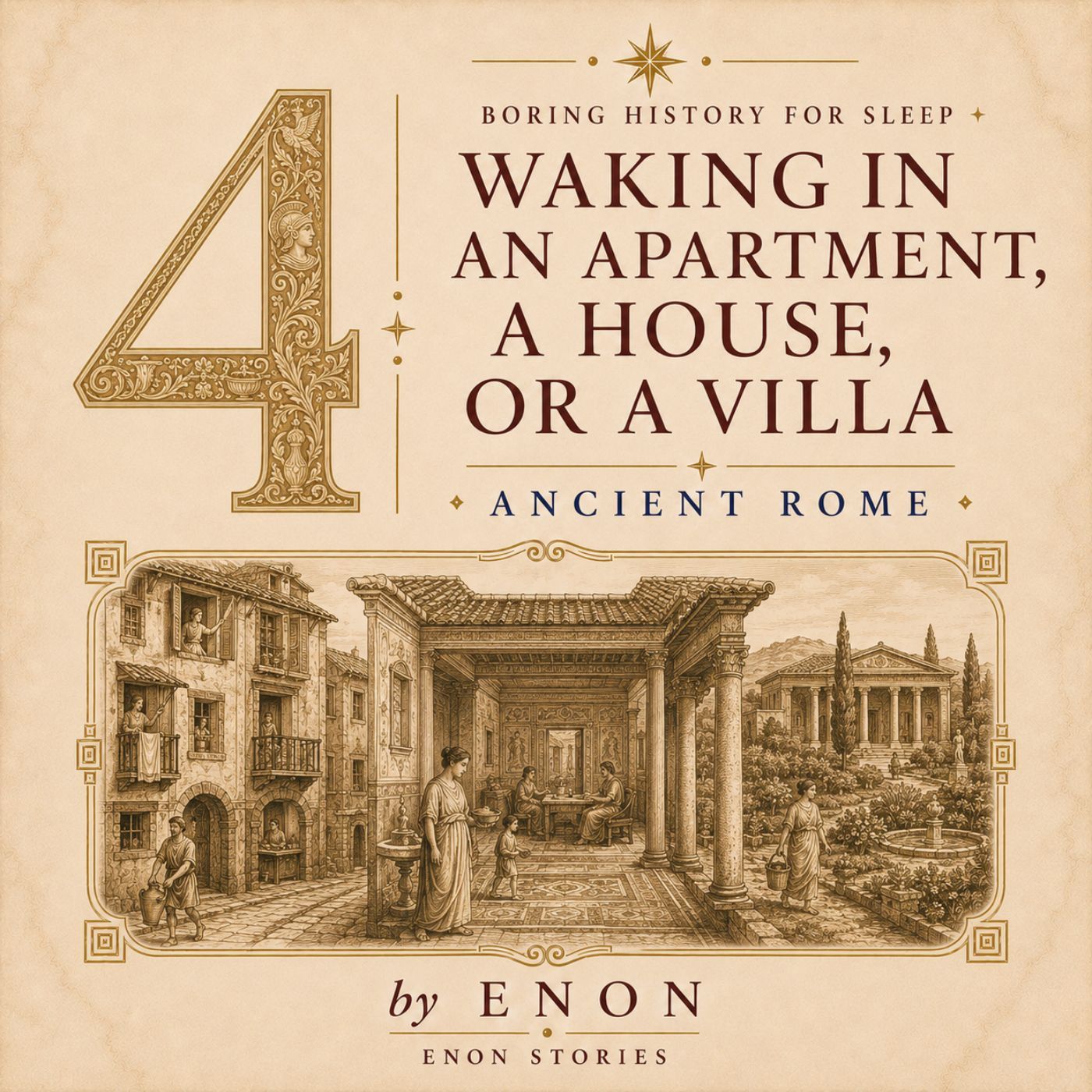
Ancient Rome - WAKING IN AN APARTMENT, A HOUSE, OR A VILLA
Wake inside the many forms of a Roman home, from a rented upper room in a crowded insula to a decorated domus or a working rural villa. This episode explores stairs, shutters, lamps, braziers, beds, water jars, cooking spaces, courtyards, gardens, workshops, and the constant danger of fire or collapse. Pompeii, Herculaneum, Ostia, and provincial settlements reveal homes shaped by wealth, climate,
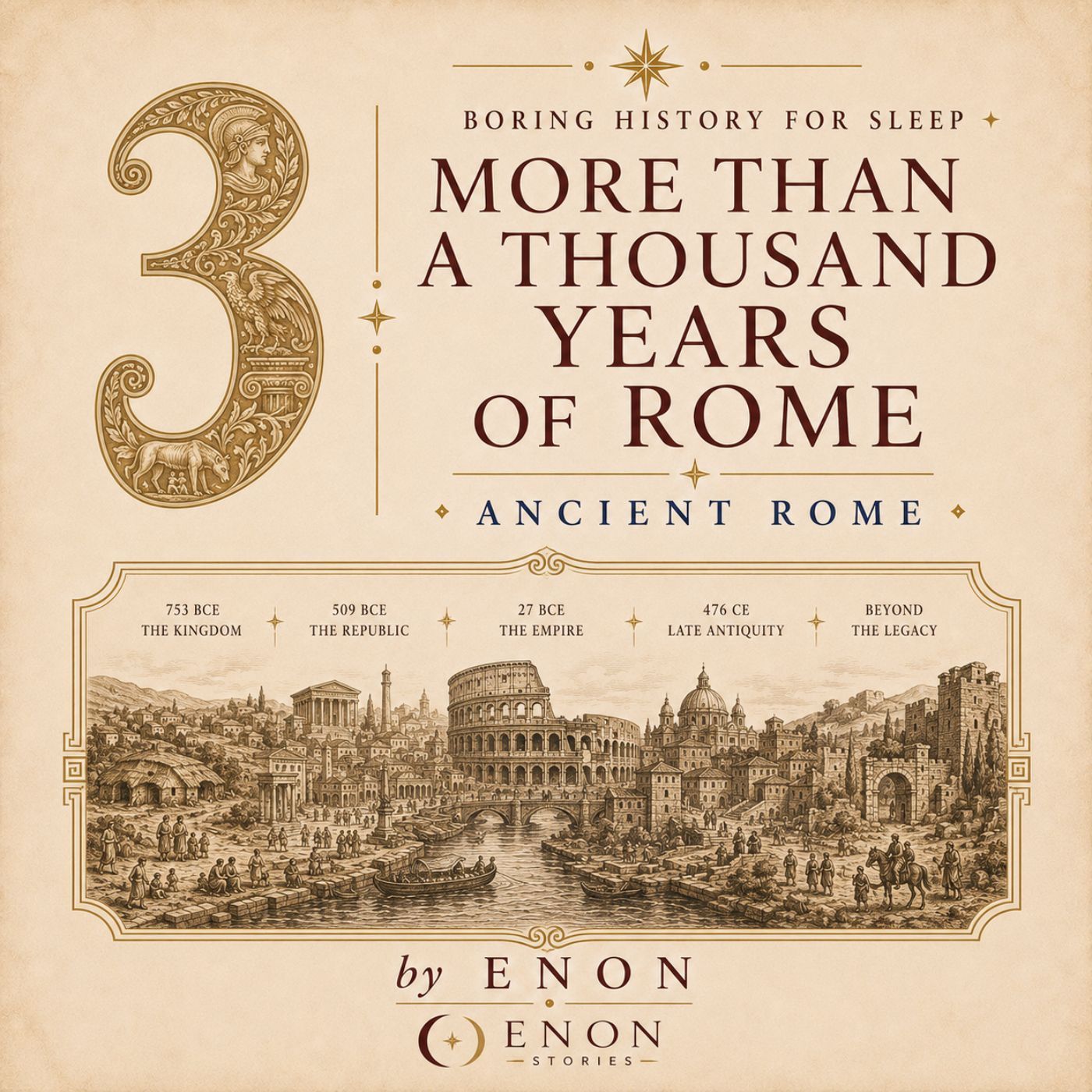
Ancient Rome - MORE THAN A THOUSAND YEARS OF ROME
Travel gently across more than a thousand years of Roman history, from early settlements among the hills to the late antique empire. The episode separates foundation legend from archaeology, then follows the remembered kings, the unequal Republic, Rome's conquest of Italy, the Punic Wars, civil conflict, and the rise of Augustus. It continues through the Principate, the expansion of citizenship, t
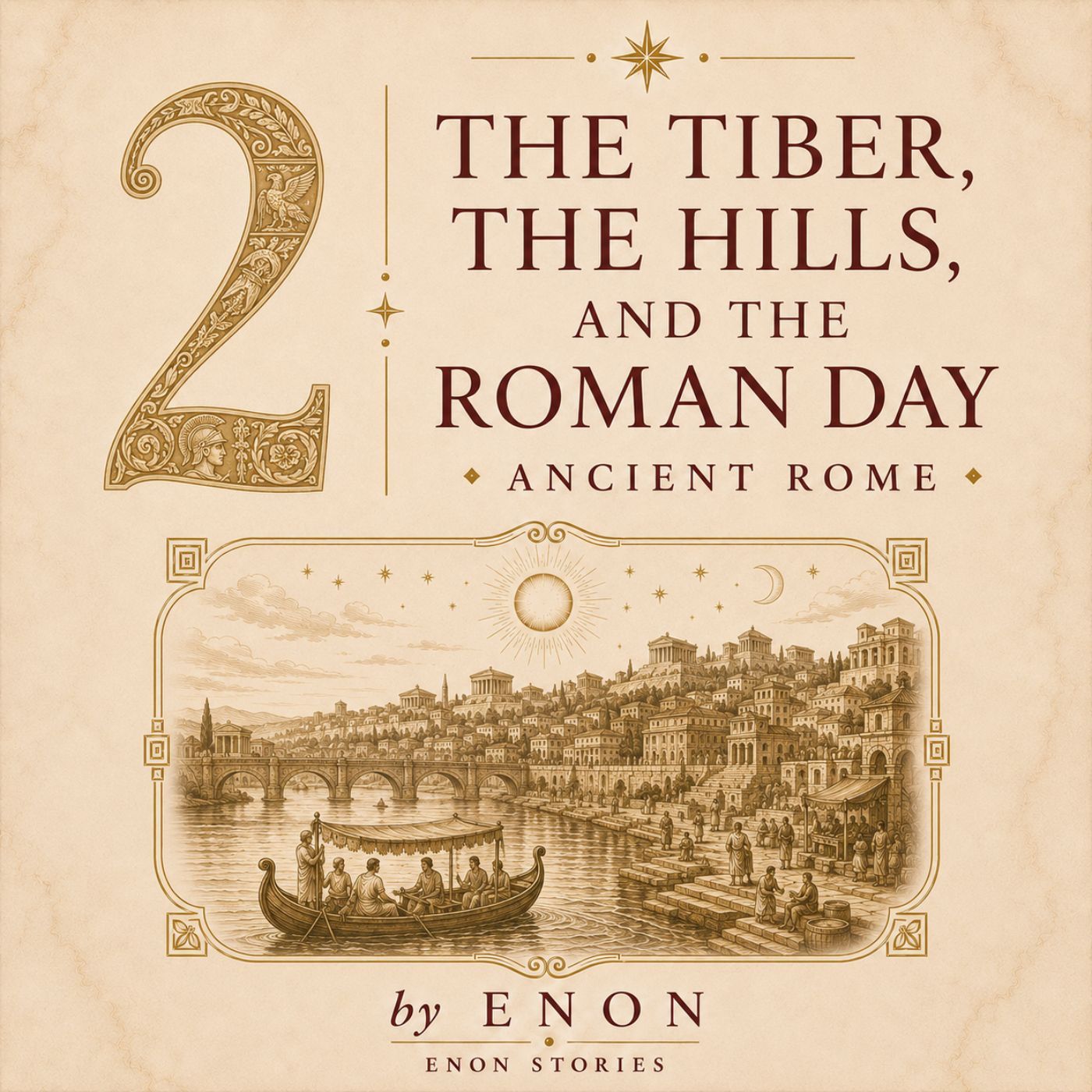
Ancient Rome - THE TIBER, THE HILLS, AND THE ROMAN DAY
Begin the Roman day with the river, the hills, and the changing length of daylight. This episode follows Rome's landscape from the flood-prone valleys around the Tiber to the remembered seven hills, then looks at how streets, drains, fountains, shops, courts, and neighborhoods shaped daily routines. You will hear how Romans divided daylight and darkness into flexible seasonal hours, used sundials
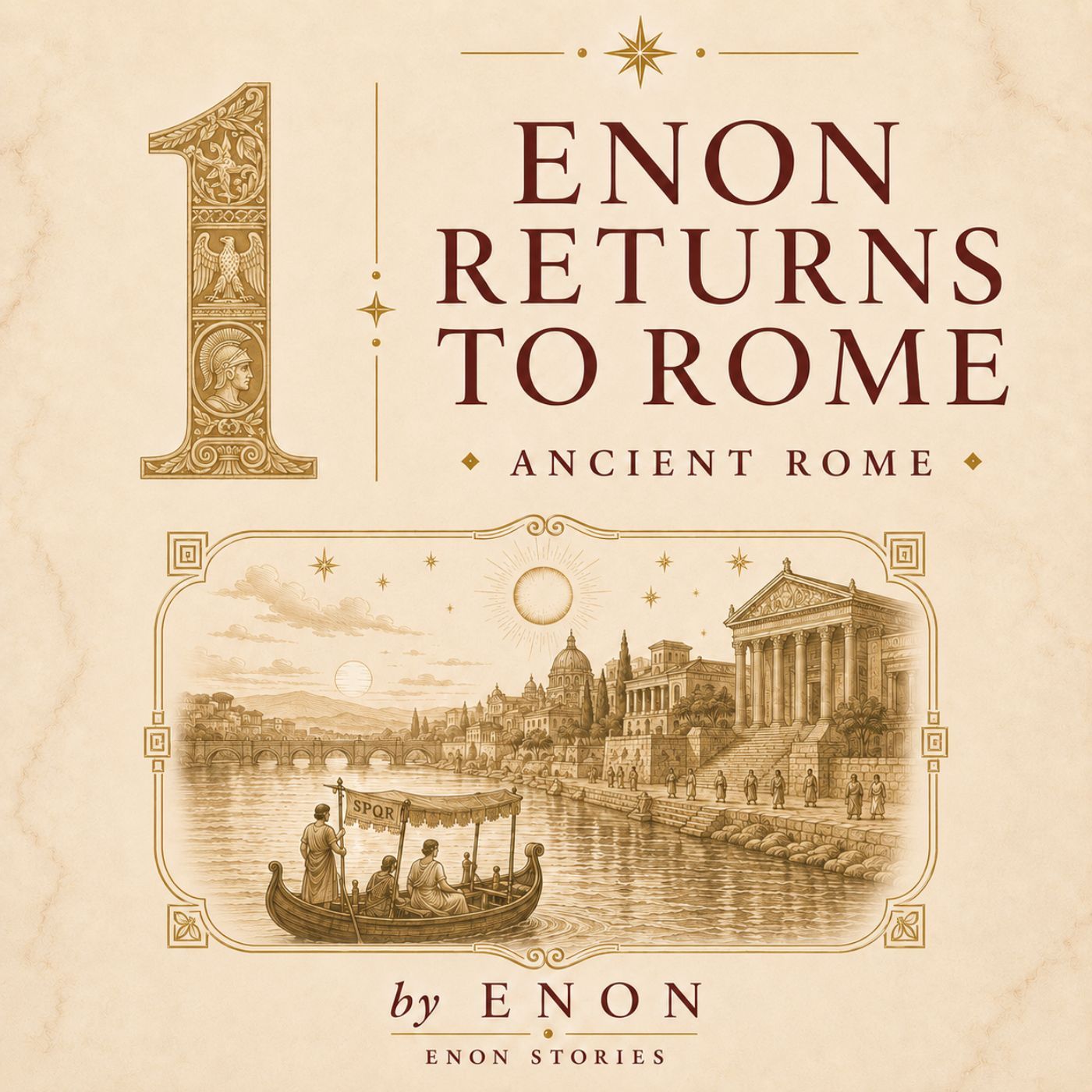
Ancient Rome - ENON RETURNS TO ROME
Enon returns for a calm introduction to Ancient Rome, beginning beside the Tiber before the streets fully wake. Rather than rushing toward emperors, triumphs, and battles, this opening episode sets out to explore the ordinary world that kept Rome alive: barges, bakeries, fountains, workshops, rented rooms, farms, ports, and provincial towns. It also explains why Roman life cannot be reduced to one
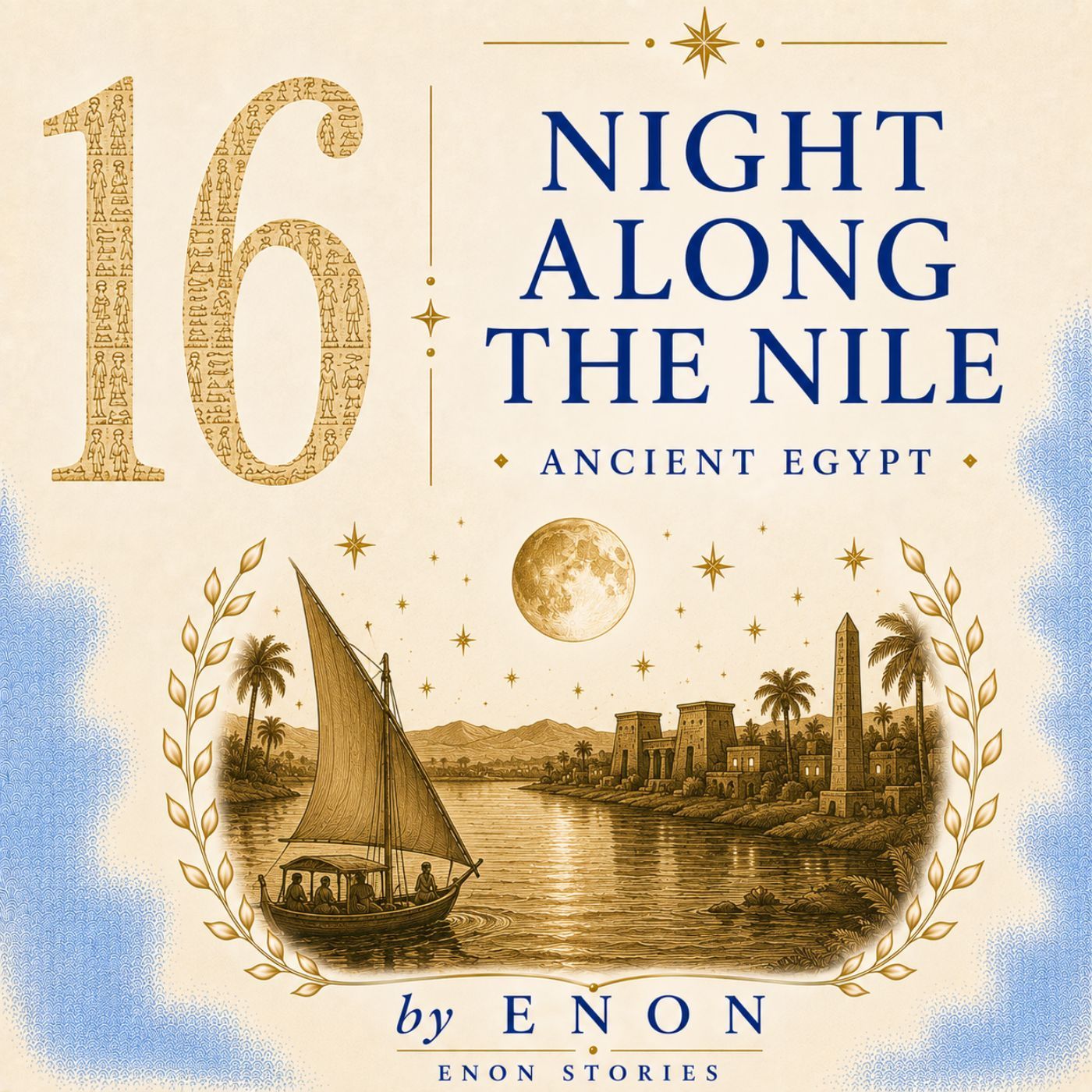
Ancient Egypt - NIGHT ALONG THE NILE
The Ancient Egypt journey closes at night beside the Nile. This final episode gathers the quiet threads of the series: fields, houses, bread, linen, writing, workshops, gods, tombs, and the ordinary routines that supported a civilization remembered for its monuments. As the river moves on in darkness, the story turns toward memory, repetition, rest, and the small acts that outlasted their own mome
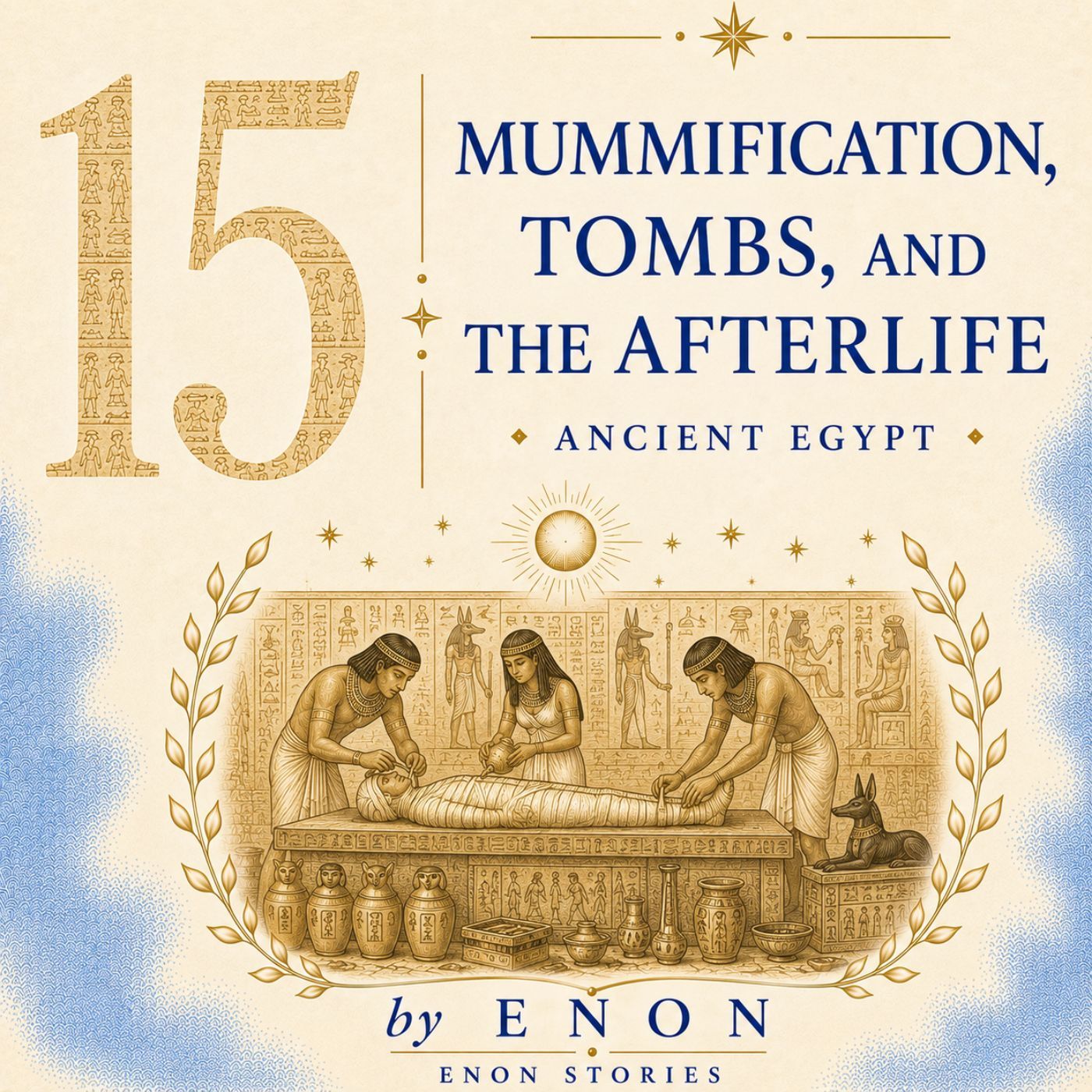
Ancient Egypt - MUMMIFICATION, TOMBS, AND THE AFTERLIFE
This episode enters the quiet world of mummification, tombs, coffins, funerary texts, offerings, shabtis, canopic jars, and hopes for the afterlife. Egyptian burial was not a fascination with death, but a desire for life, identity, memory, and protection to continue. From natron and linen wrapping to the weighing of the heart and the Field of Reeds, the episode follows the careful work built aroun
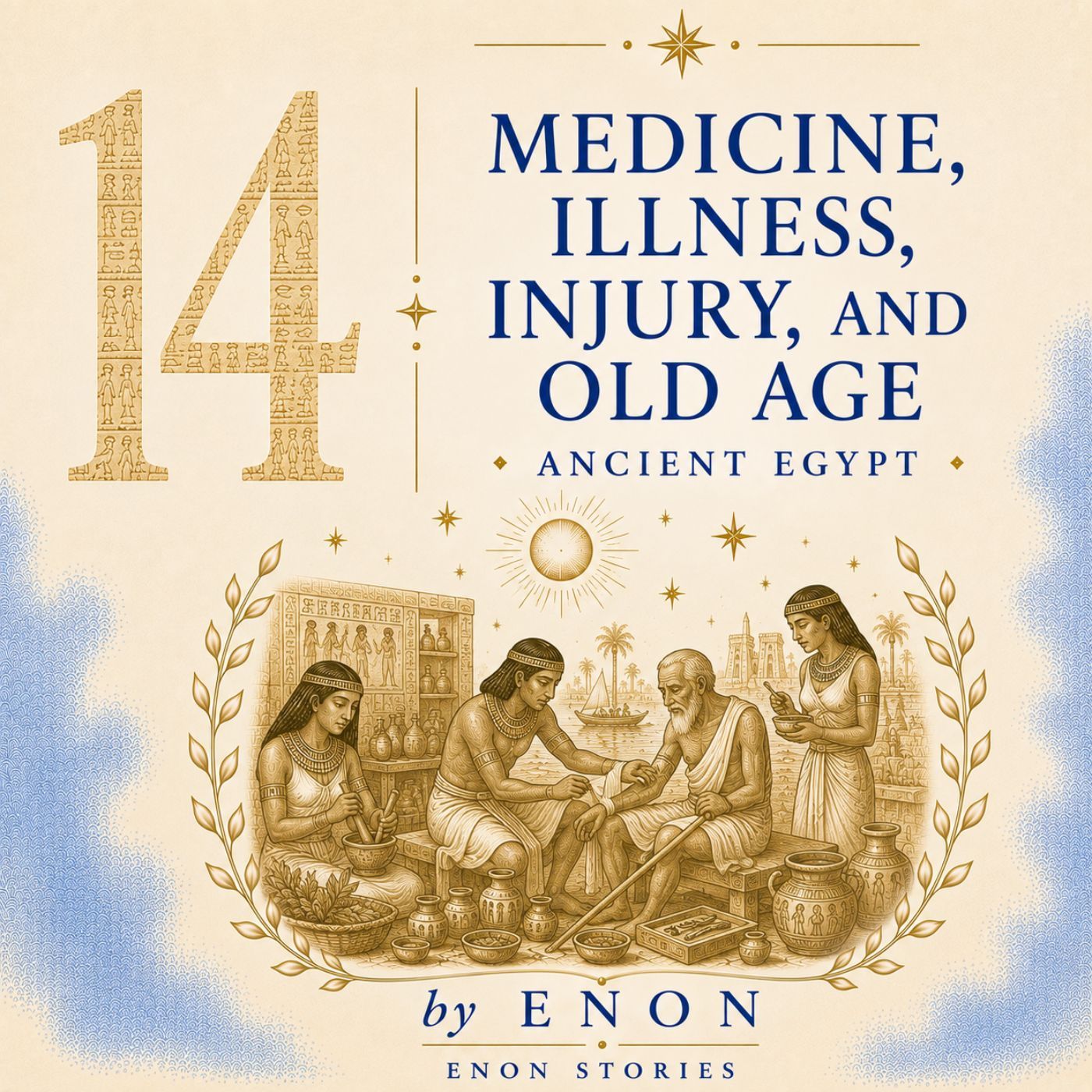
Ancient Egypt - MEDICINE, ILLNESS, INJURY, AND OLD AGE
Ancient Egyptian medicine combined observation, remedies, household care, ritual words, and divine protection. This episode explores medical papyri, injuries, bandages, childbirth, parasites, dental wear, work strain, healing, sickness absence, old age, and the limits of treatment. It avoids both mockery and myth, showing a world where practical care and sacred protection worked side by side. A qu
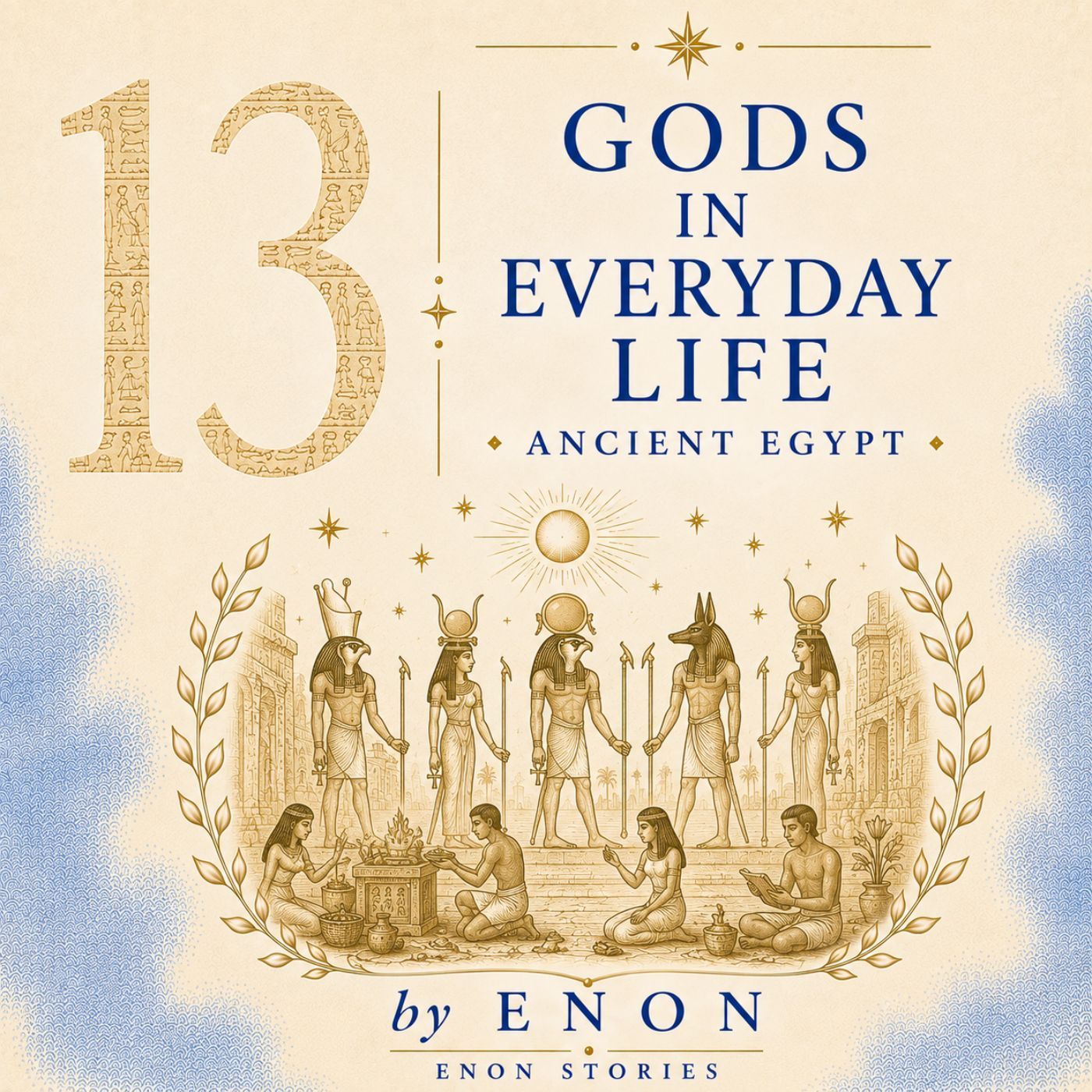
Ancient Egypt - GODS IN EVERYDAY LIFE
Religion in Ancient Egypt lived not only inside temples, but also in names, homes, festivals, healing, childbirth, work, dreams, offerings, and the memory of the dead. This episode explores gods, temples, household protection, amulets, processions, oracles, votive offerings, ancestors, priests, and the everyday acts that maintained a relationship with divine powers. A serene, atmospheric episode a
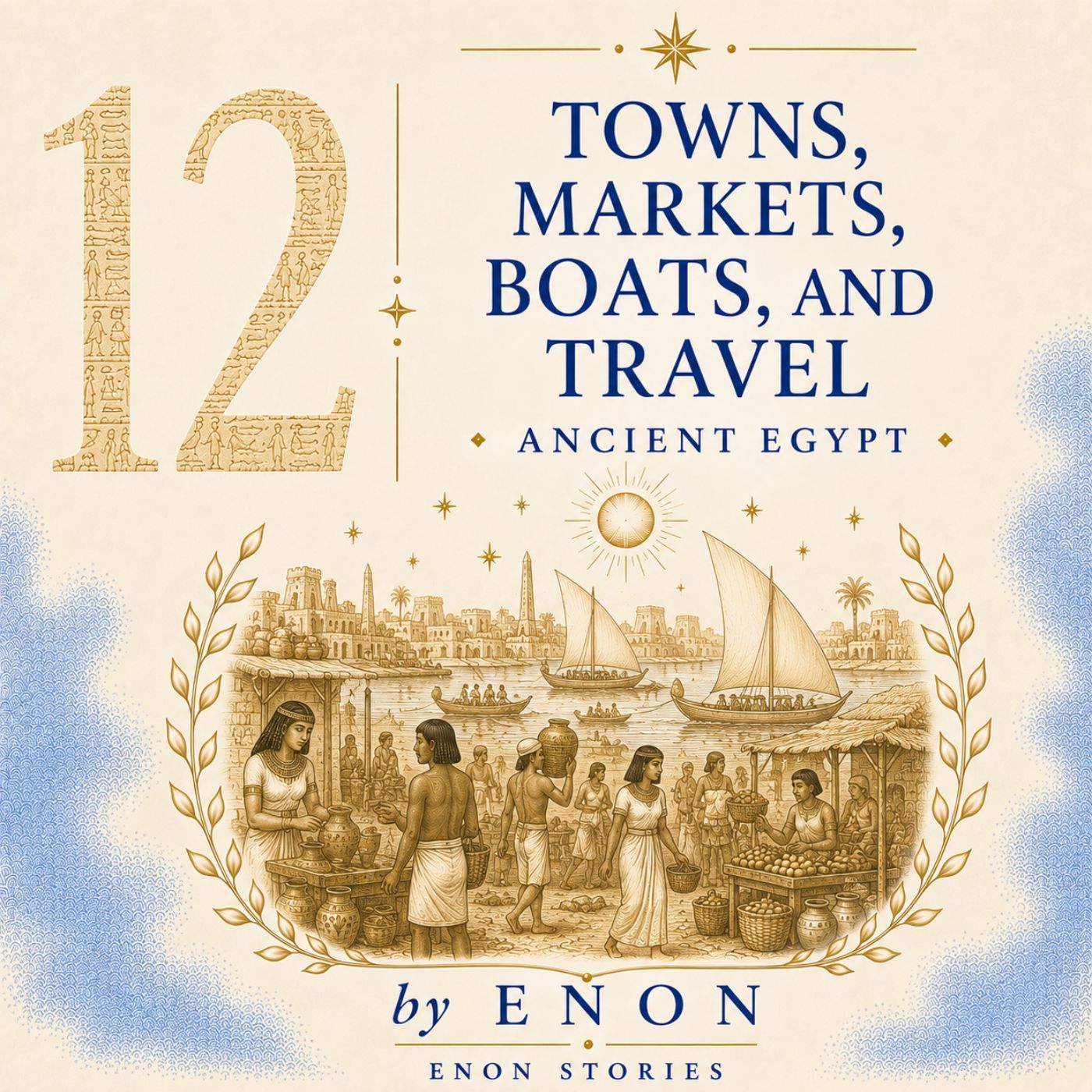
Ancient Egypt - TOWNS, MARKETS, BOATS, AND TRAVEL
Move through Egyptian towns, markets, harbors, streets, river landings, desert roads, boats, ferries, and long-distance routes. This episode explores how people, goods, letters, soldiers, traders, pilgrims, and officials moved through a country shaped by water and distance. The Nile connected communities, but travel still required planning, knowledge, provisions, and trust. A calm journey through
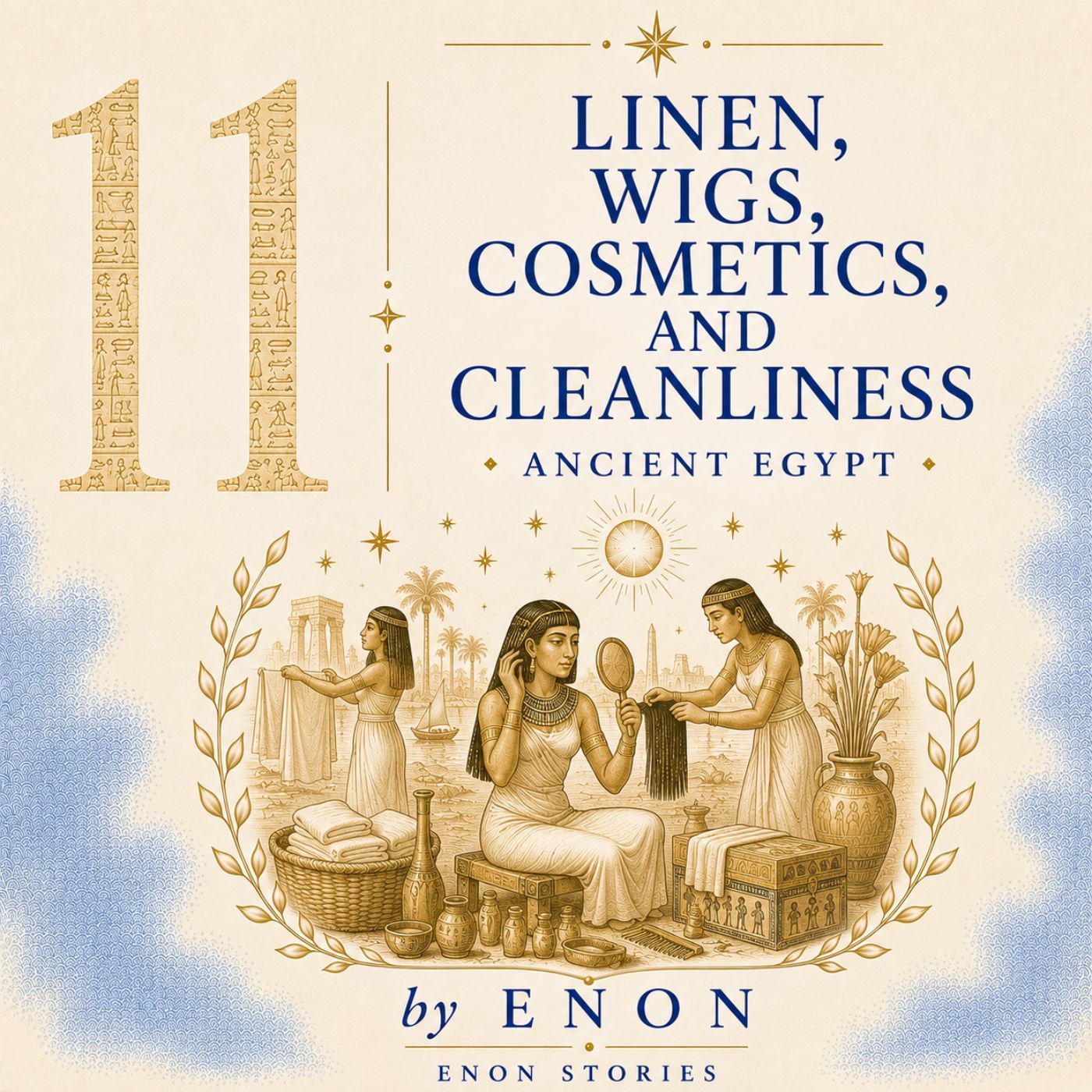
Ancient Egypt - LINEN, WIGS, COSMETICS, AND CLEANLINESS
Clothing and appearance in Ancient Egypt were acts of work, identity, comfort, status, and protection. This episode follows flax into linen, laundry, sandals, wigs, hair care, eye paint, oils, scent, jewelry, amulets, mirrors, and the daily effort of cleanliness in a hot and dusty world. It looks beyond the polished image of tomb art to the maintenance of real bodies, garments, and personal object
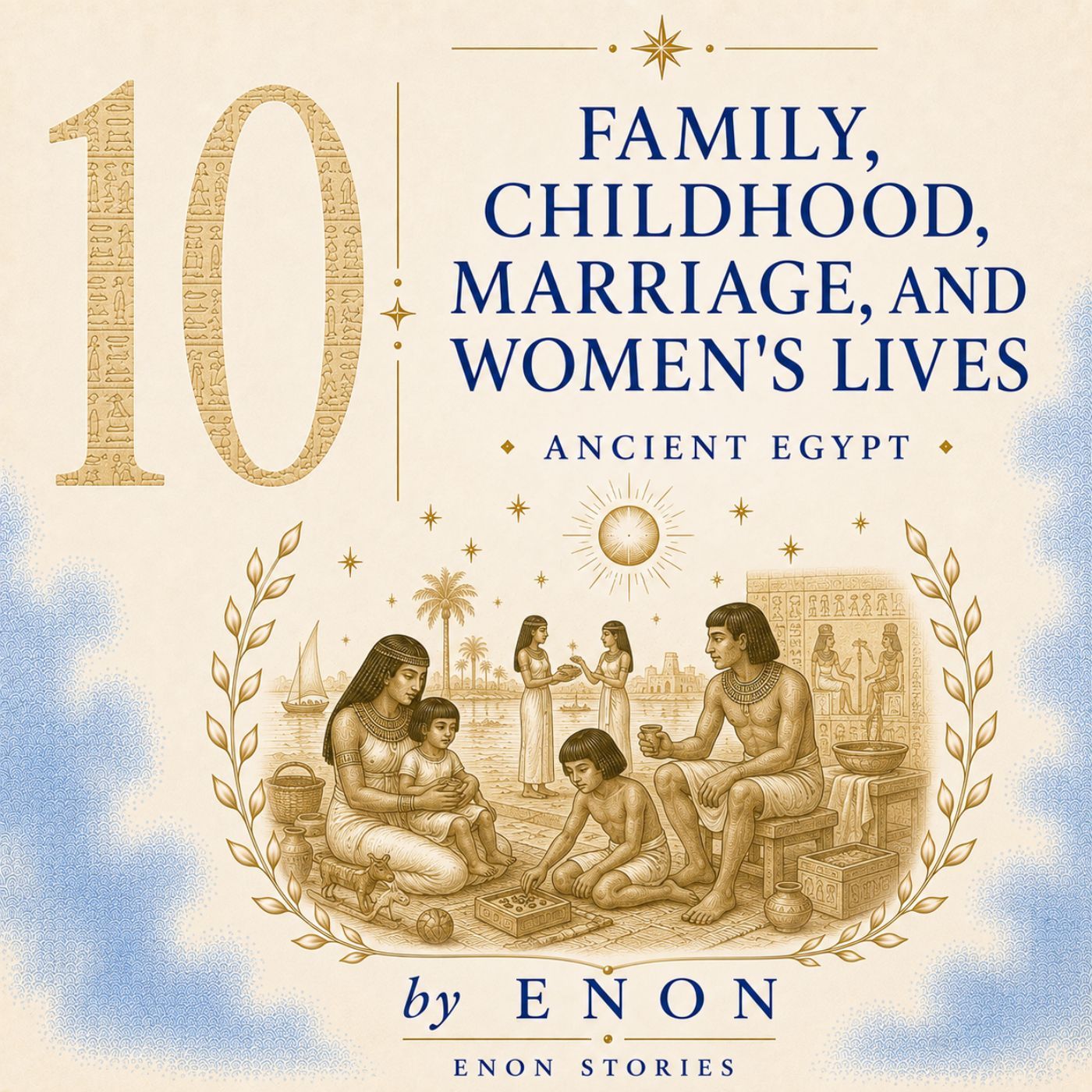
Ancient Egypt - FAMILY, CHILDHOOD, MARRIAGE, AND WOMEN'S LIVES
This episode turns from monuments to households, family networks, children, marriage, inheritance, care, divorce, women’s property rights, servants, old age, and the living memory of the dead. The ancient Egyptian family was not only affection or law, but a web of work, obligation, protection, status, and survival. With calm narration, the episode follows the evidence left by letters, legal docume
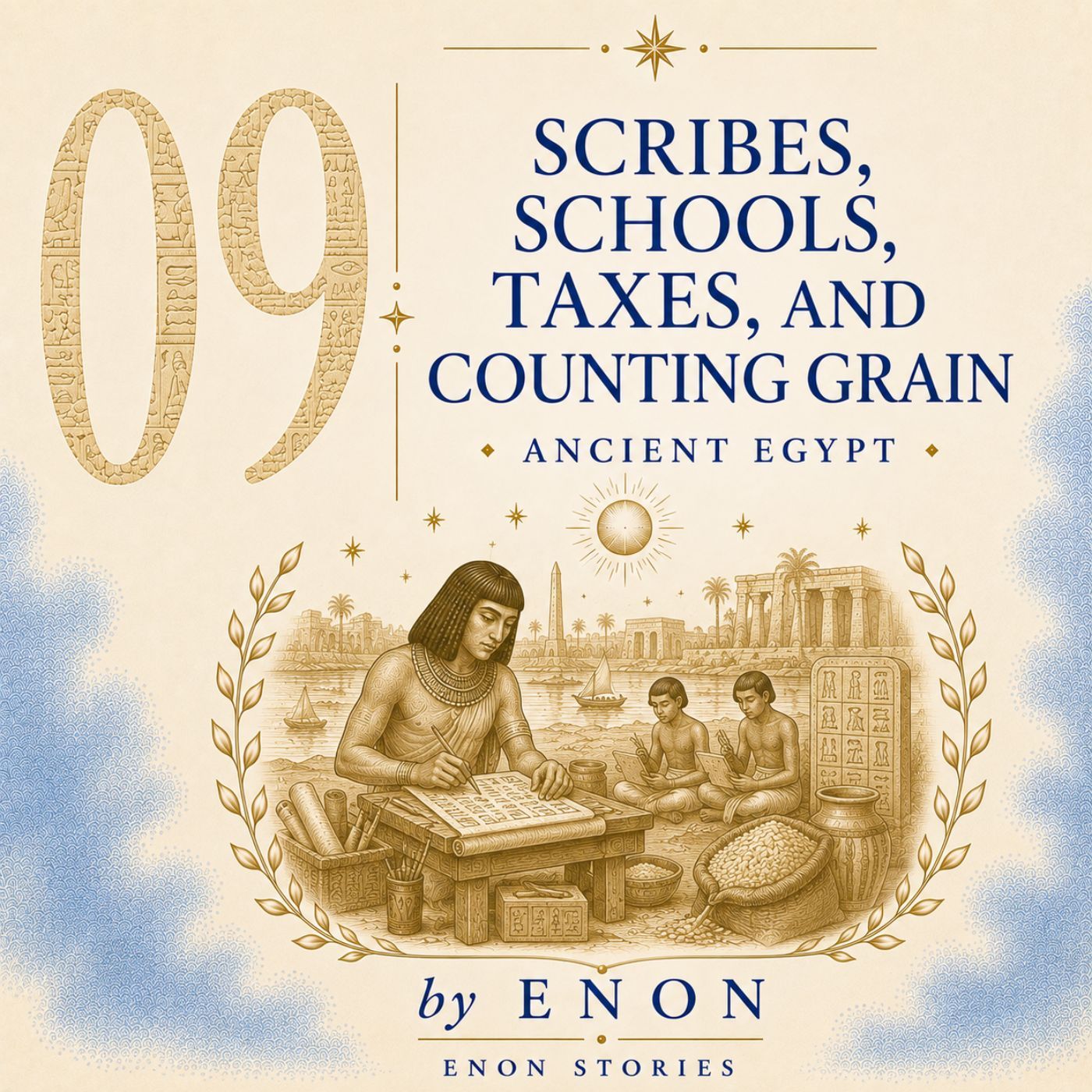
Ancient Egypt - SCRIBES, SCHOOLS, TAXES, AND COUNTING GRAIN
A scribe’s tools were small, but the world they served was enormous. This episode explores writing, schools, papyrus, ostraca, hieratic, numbers, measures, taxes, grain accounts, letters, archives, and the power of written records. From classroom exercises to ration lists and legal documents, it shows how Egyptian administration touched people who could not read as well as those who could. A quiet
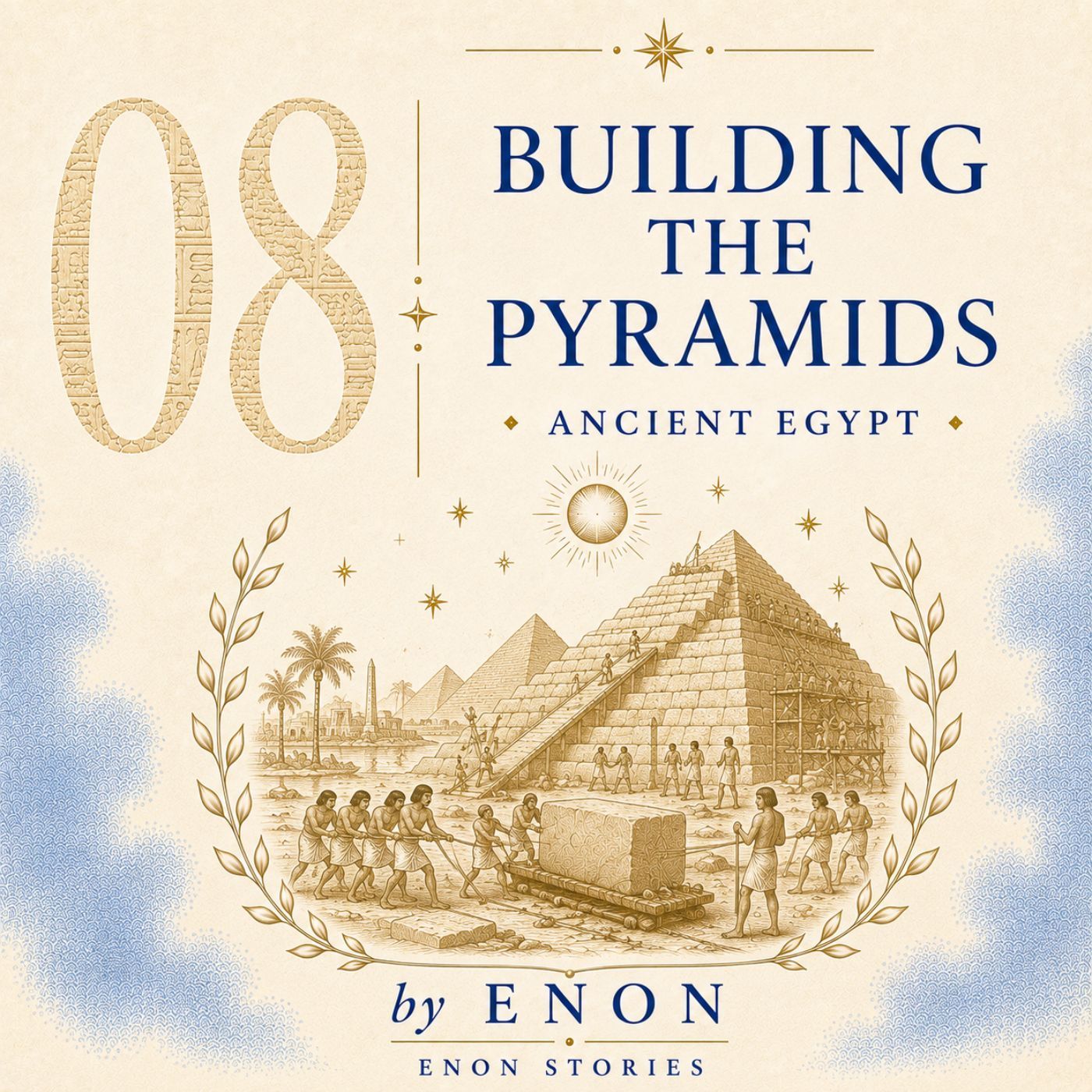
Ancient Egypt - BUILDING THE PYRAMIDS
The pyramids were not mysteries beyond human explanation. They were immense works of planning, labor, transport, food, tools, stone, water, and organization. This episode focuses on Giza, Khufu, quarrying, sledges, ramps, workers’ settlements, rations, injuries, crews, and the human systems that made monumental building possible. A calm and detailed account of the pyramids that keeps the wonder, w
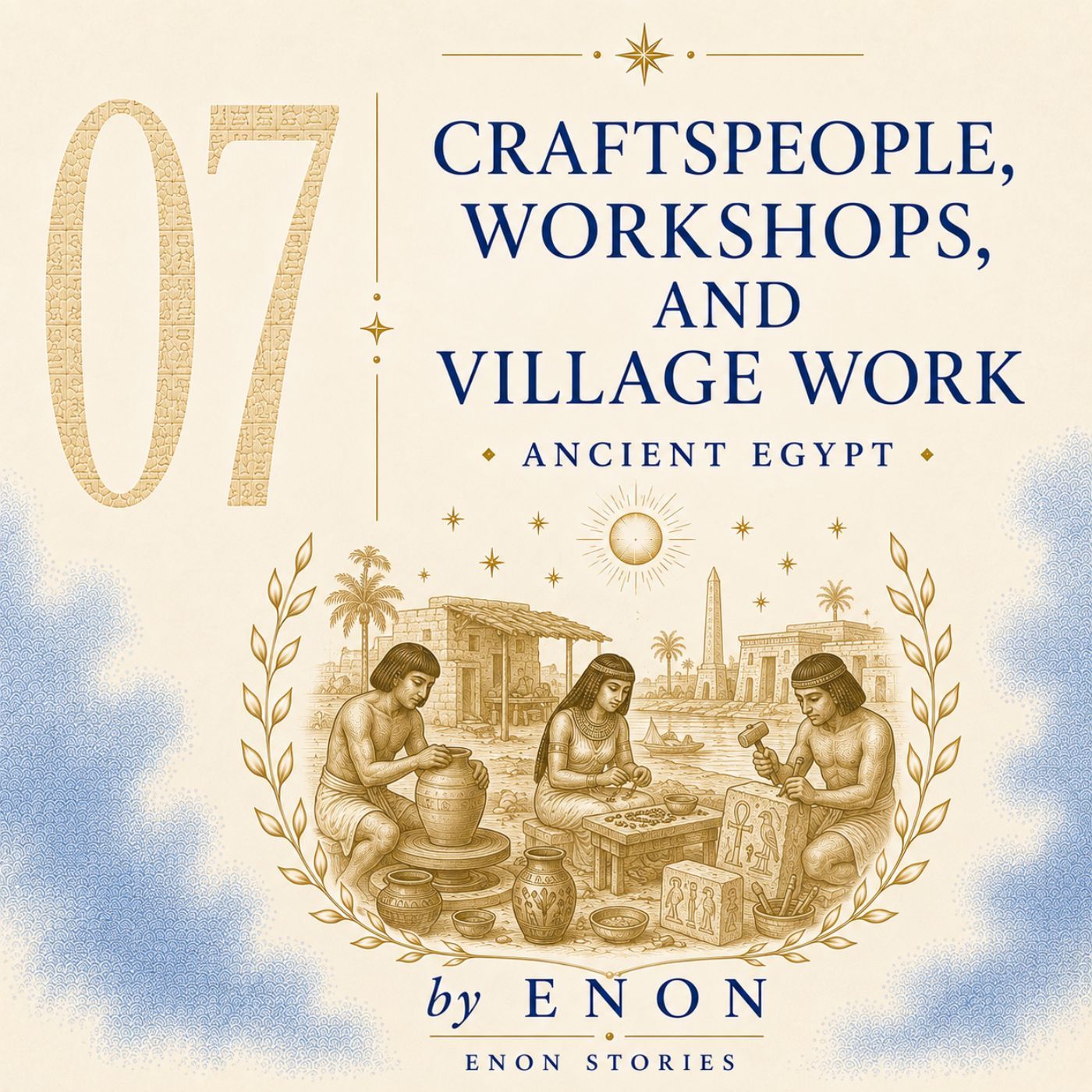
Ancient Egypt - CRAFTSPEOPLE, WORKSHOPS, AND VILLAGE WORK
Enter the workshops behind the beautiful objects of Ancient Egypt. This episode follows potters, basket makers, weavers, carpenters, stoneworkers, metalworkers, painters, and the skilled crews of Deir el-Medina. Instead of focusing only on finished treasures, it lingers with tools, dust, waste, practice pieces, repairs, mistakes, and the patient knowledge held in hands. A relaxing history episode
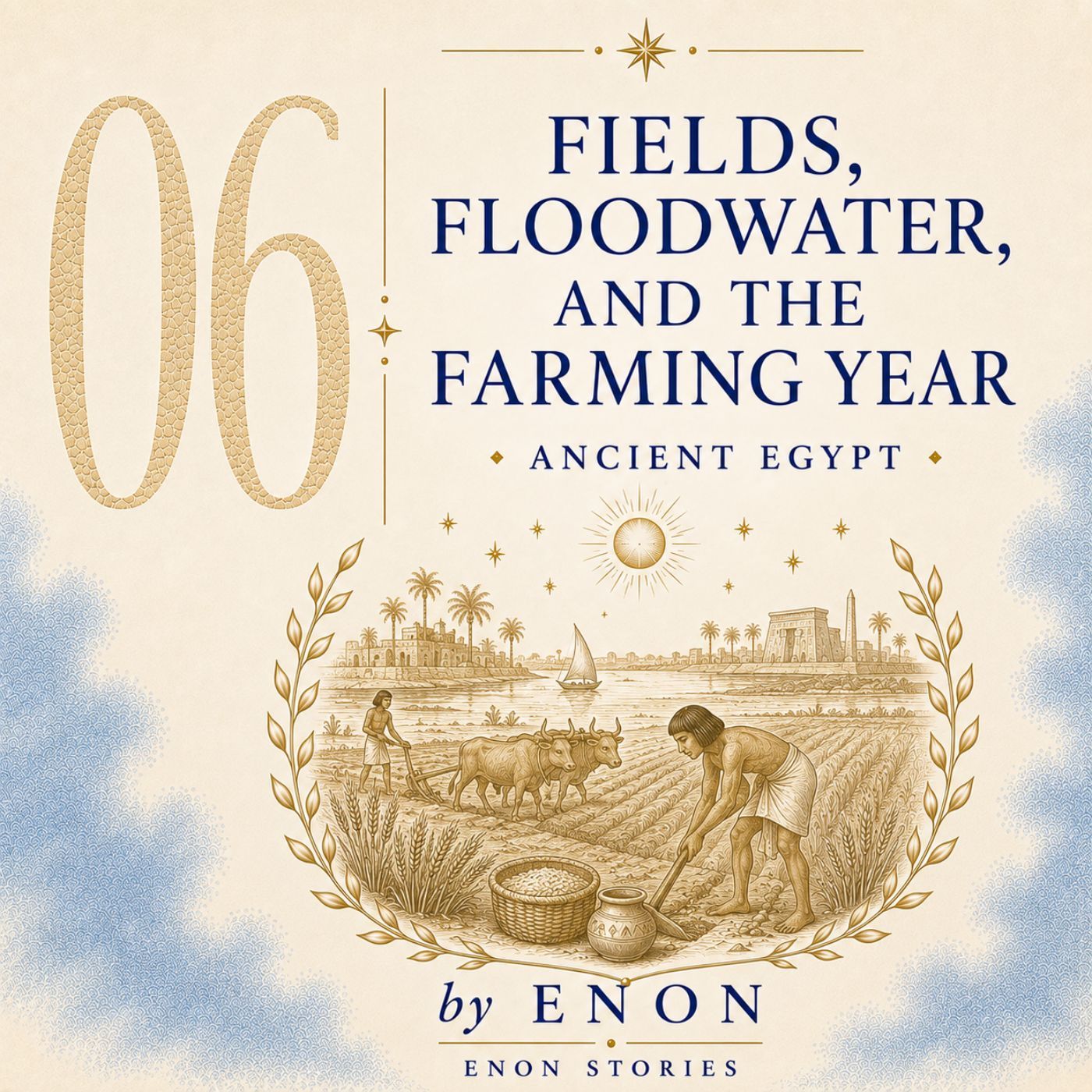
Ancient Egypt - FIELDS, FLOODWATER, AND THE FARMING YEAR
This episode follows the farming year from floodwater to harvest, showing how Egyptian agriculture depended on both the Nile and human labor. Fields had to be prepared, banks repaired, seeds sown, grain cut, animals managed, and harvests measured. Behind the famous phrase “the gift of the Nile” were farmers, scribes, local systems, tools, obligations, and uncertainty. A slow, grounding episode abo
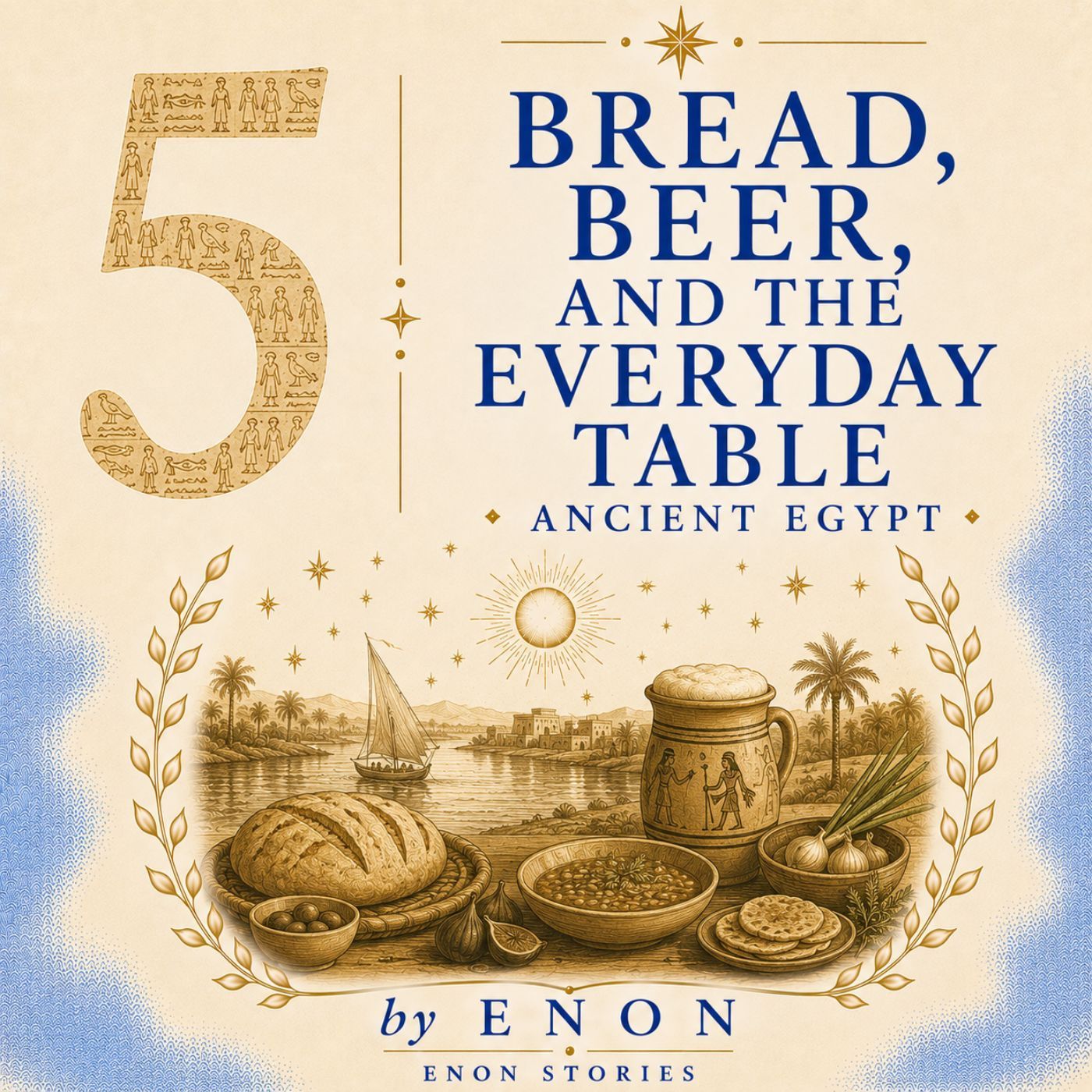
Ancient Egypt - BREAD, BEER, AND THE EVERYDAY TABLE
The everyday table of Ancient Egypt begins with grain, work, heat, and patience. This episode follows bread and beer from fields and granaries to grinding stones, ovens, jars, kitchens, meals, rations, and offerings. It also explores vegetables, fish, fruit, meat, pottery, storage, inequality, and the quiet labor hidden inside ordinary food. A calm, sensory journey through ancient eating, drinking
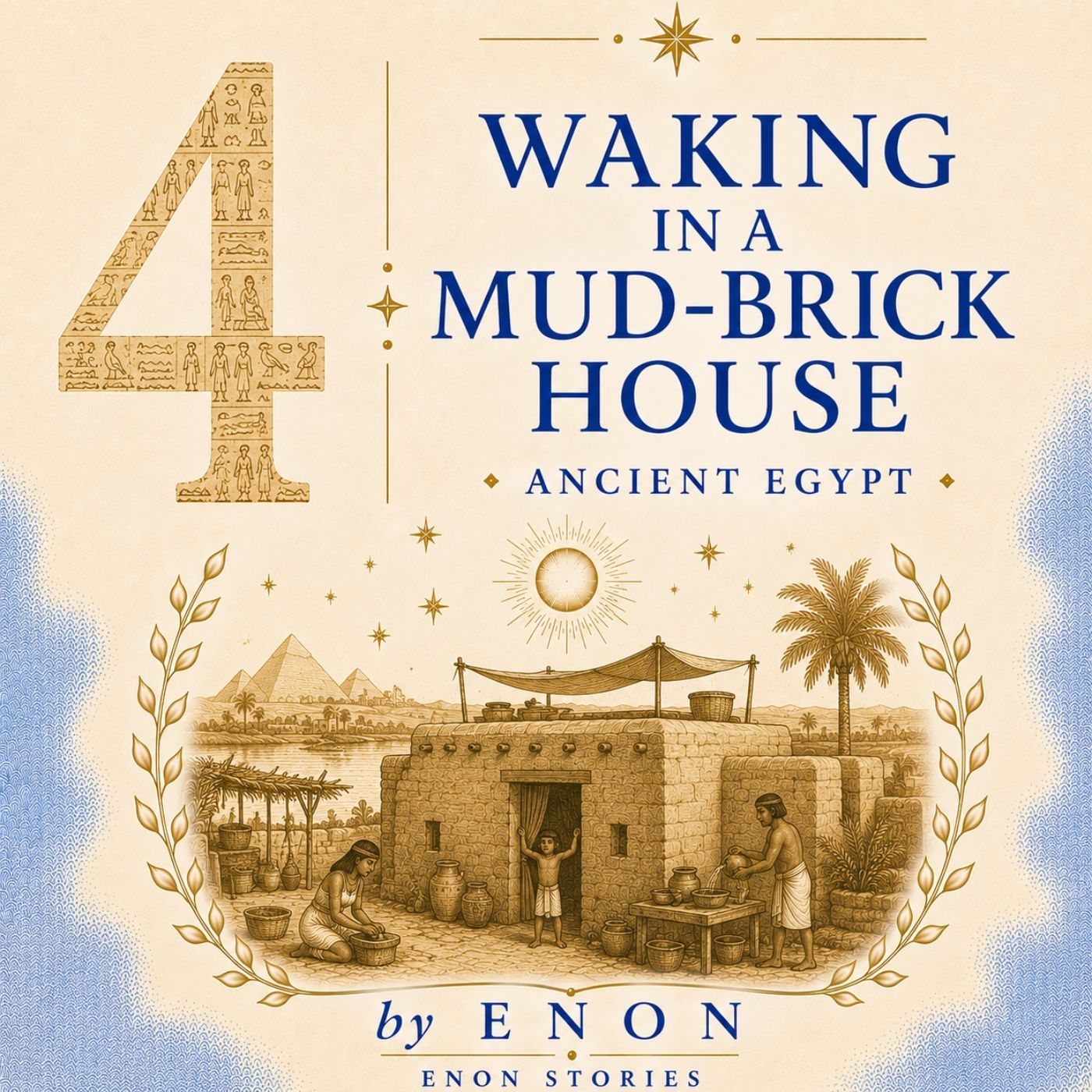
Ancient Egypt - WAKING IN A MUD-BRICK HOUSE
Step quietly inside an ancient Egyptian home made of mud brick. This episode explores rooms, roofs, courtyards, storage jars, sleeping mats, cooking smoke, household work, and the small routines that began each day. From Deir el-Medina to Amarna and Lahun, the story follows the traces of ordinary domestic life without turning every house into a palace. A soothing episode for listeners who enjoy da
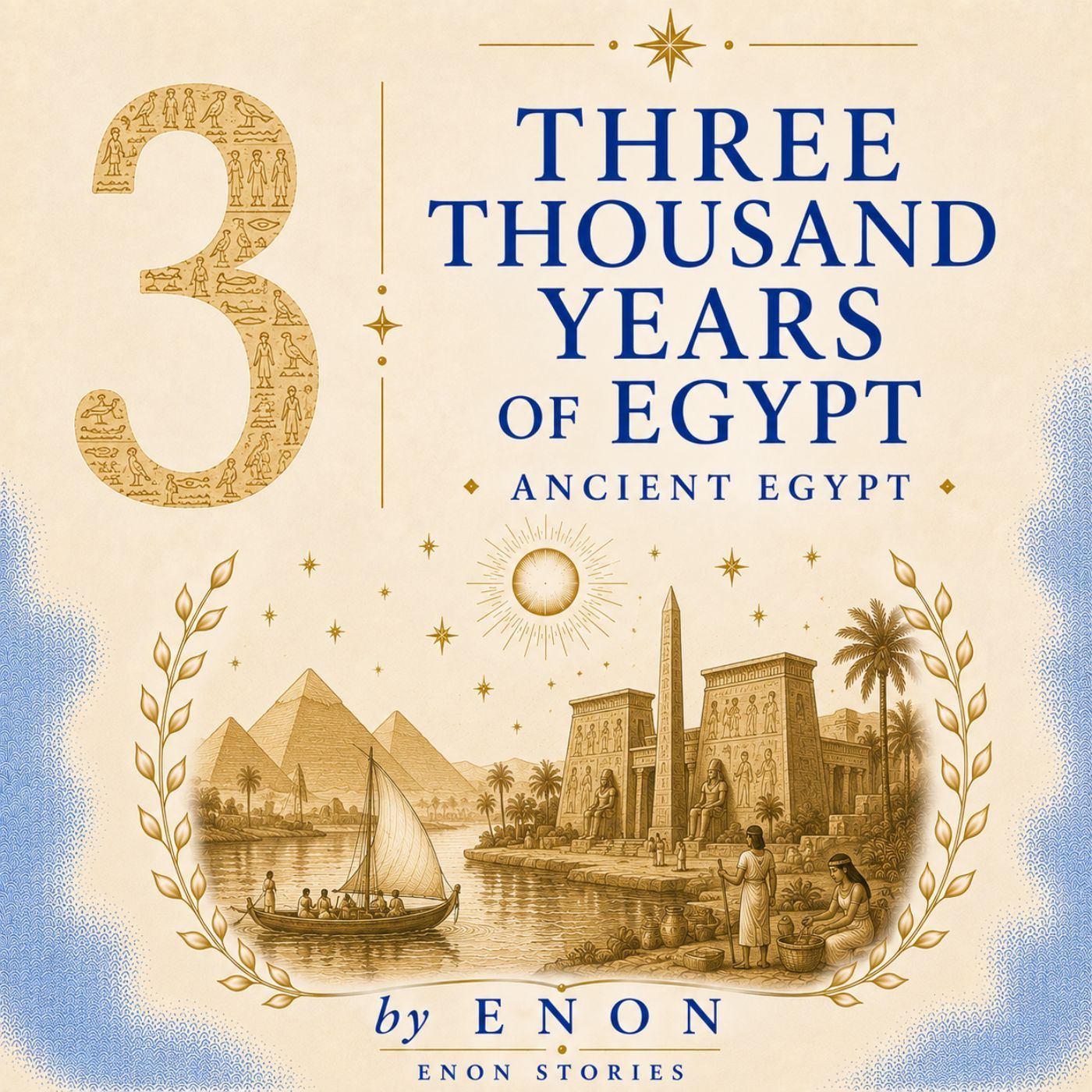
Ancient Egypt - THREE THOUSAND YEARS OF EGYPT
Ancient Egypt was never one still picture. This episode moves gently across more than three thousand years, from early unification and the Old Kingdom to the Middle Kingdom, New Kingdom, Late Period, Ptolemies, and Rome. Rather than rushing through a timeline, it shows how dynasties, rulers, temples, languages, foreign contacts, and daily life changed while certain rhythms endured. A calm overview
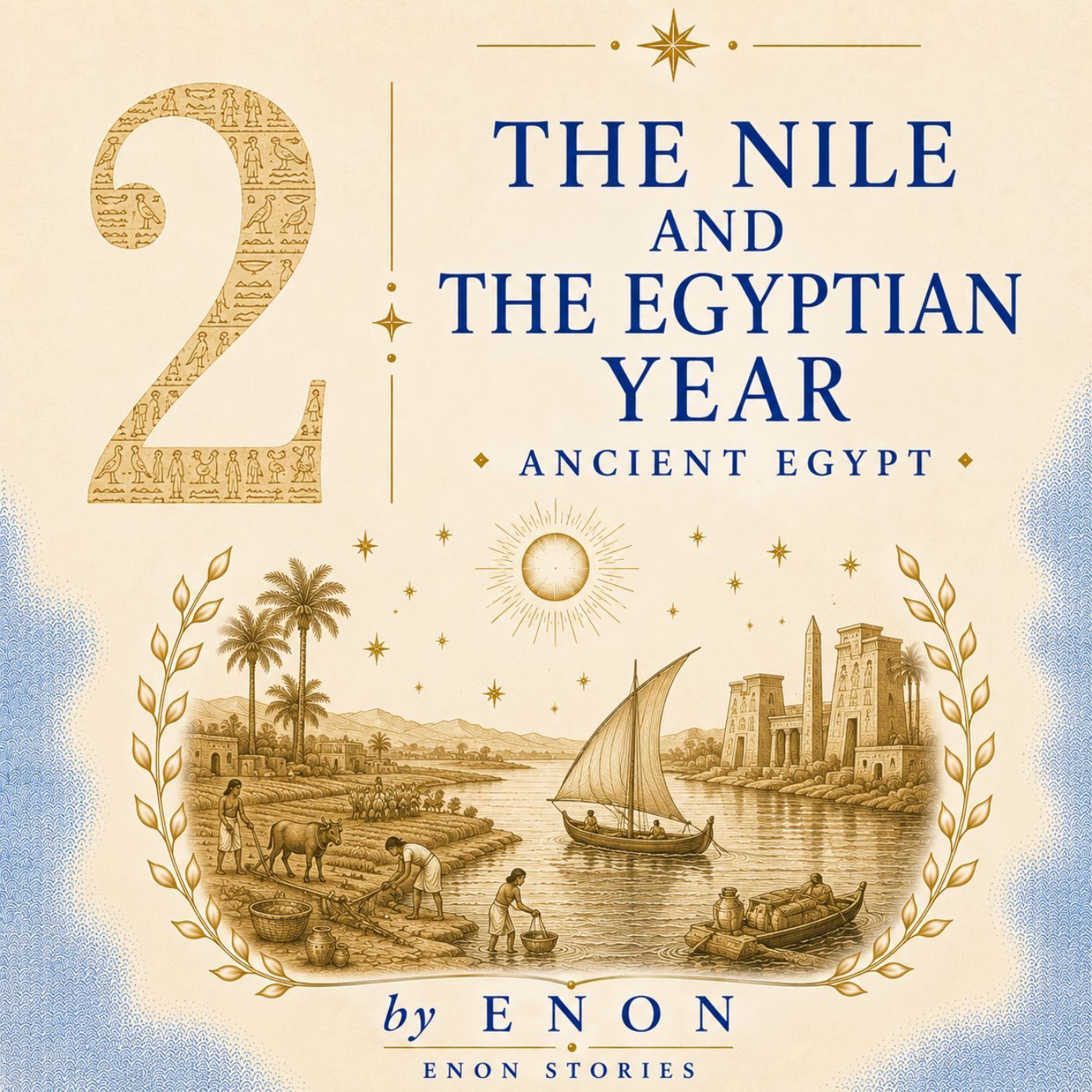
Ancient Egypt -THE NILE AND THE EGYPTIAN YEAR
Follow the Nile as it shapes the first measure of Egyptian life: water, fields, seasons, travel, and time itself. This episode explores how the river flowed north, how the inundation influenced agriculture, and how Egyptians understood the year through Akhet, Peret, and Shemu. With soft narration and slow historical detail, it turns the calendar, the flood, the wind, and the changing banks of the
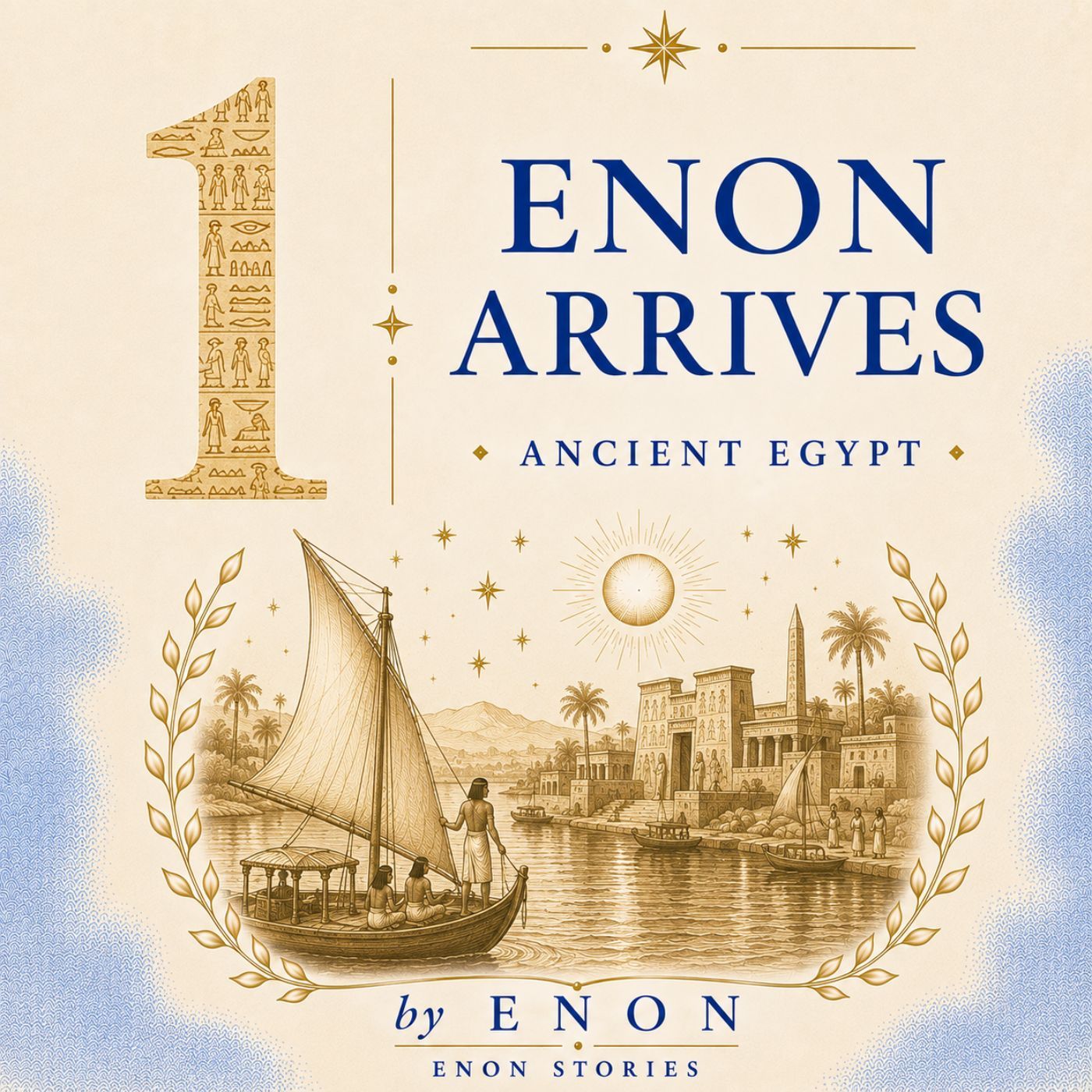
Ancient Egypt - ENON ARRIVES
Begin the first journey of Boring History for Sleep beside the Nile, where Ancient Egypt slowly comes into view. This opening episode sets the tone for a calm historical series built around ordinary lives, quiet places, and the long rhythm of a civilization shaped by water, fields, work, monuments, and memory. Instead of starting with kings or battles, the story begins with the river, the desert e
Recommended

Fox news

K-Drama Obsessed Mamas | Beyond “Just One More Episode!”

True Crime Classics

The Healer Revolution

Becoming: HER with Nikki Spoelstra

Booked, Blonde & Busy w/ Olivia Ponton

McKinsey on Consumer and Retail

megahired.com

Hard Knocks Podcast

Effective Weight Loss for Moms | High protein, Strength Training, Lose Weight, Meal Planning, Fat Loss, Healthy Habits

The Human-Animal Connection - Pet Life Radio Original

Infinite Health with Dr. Arasi Maran
