How I AI
How I AI, hosted by Claire Vo, is a podcast for anyone wondering how to actually use AI tools to improve the quality and efficiency of their work. Each episode features a guest sharing a specific, practical, and impactful way they've learned to use AI in their work or life. Episodes are 30 minutes long, include live screen sharing, and provide tips, tricks, and workflows that listeners can copy immediately. The podcast aims to demystify AI and help listeners learn the skills needed to thrive in this new world.
Episodes
Meta’s new ‘Muse Wonder’ model: good for AI agents, bad for design
I put Meta’s new Muse Wonder (and Wonderful) frontier models through the How I AI bench, which covers nearly 20 tasks across prototyping, agentic workflows, coding, writing, and creative work. I scored everything with an LLM-as-a-judge pass and my own voice notes, then pulled together the first-look results you see here.What you’ll learn:Why Meta’s “personal and professional agent” framing mostly

How Meta designed Muse: an AI agent people actually want to talk to | Alex Cornell (Design Director)
Alex Cornell is a design director at Meta, where he leads design on Muse, Meta’s consumer AI agent. He came to the role with a long background in software product design, including time as a founder, and has spent the past year building one of the most thoughtful agent interfaces in the consumer AI space. Muse ships with a custom avatar, a three-layer status display, a personalized ideas surface,

How OpenAI uses ChatGPT Sites (live at DevDay!) | Kath Korevec (Product Lead)
Kath Korevec is a member of the Product staff at OpenAI working on Codex, and she spent over a year building and using ChatGPT Sites internally before its public launch. She’s been on the front lines of shipping Plugin Insights, MCP plugin hosting, and the connector ecosystem, which now includes around 60 integrations.What you’ll learn:What Plugin Insights actually does, and why it changes who can

Jev: 8 real use cases for the fastest, cheapest model I’ve ever used | John Lindquist
John Lindquist created egghead.io, a developer education platform used by hundreds of thousands of working engineers. These days he’s building mega.dev, a hands-on program specifically for developers who want to do real work with AI agents, not just prototype them.What you’ll learn:Why Jev is a decision engine, not a chatbot, and what that distinction actually changes about how you buildHow John b
OpenAI Dev Day 2026: The releases that actually matter
I spent the day at OpenAI’s DevDay in San Francisco, and I have good news and bad news: OpenAI released a lot of stuff.In this episode, I break down the announcements worth paying attention to - and show you what happened when I tested some of them early. We’ll meet my Dot, explore why Spaces and Sites could matter for how teams work, and get into the model and API updates I’m most excited about a
Jev for beginners: how to use it and what to build
Jev is TypeSafe AI’s new decision model. It returns type-safe structured values (a choice, a score, a probability) instead of generated text, at 4 cents per million input tokens with no output charge. This week I ran it on five real projects: PR categorization, a meta-analysis of my own Claude and Codex sessions, Gmail triage, the ChatPRD product insights graph, and a live audience dashboard built
Opus 5.5 vs. GPT-6 Sol: which model won my blind taste test?
I got up early to record an Opus 5.5 review. Then Anthropic and OpenAI dropped new models on the same morning, and I decided to do something I’d never done before: take the How I AI bench live. I put GPT-6 Astra, GPT-6 Sol, Claude Opus 5.5, and more through the work I actually care about: emails, PRDs, frontend prototypes, backend work, long-running agents, SVGs, and video editing. I scored the ou
I left Claude for months. Opus 5.5 is why I'm back
I’ve been off Claude for months. Not because it got dumb, but because it got annoying. The rambling, the hedging, the preachy little disclaimers on tasks that didn’t need them. I moved most of my daily work to Codex and I didn’t miss it. Then Anthropic shipped Opus 5.5: 40% cheaper than Opus 5, faster, and with what they’re calling a fundamentally different alignment approach. I ran it for a week
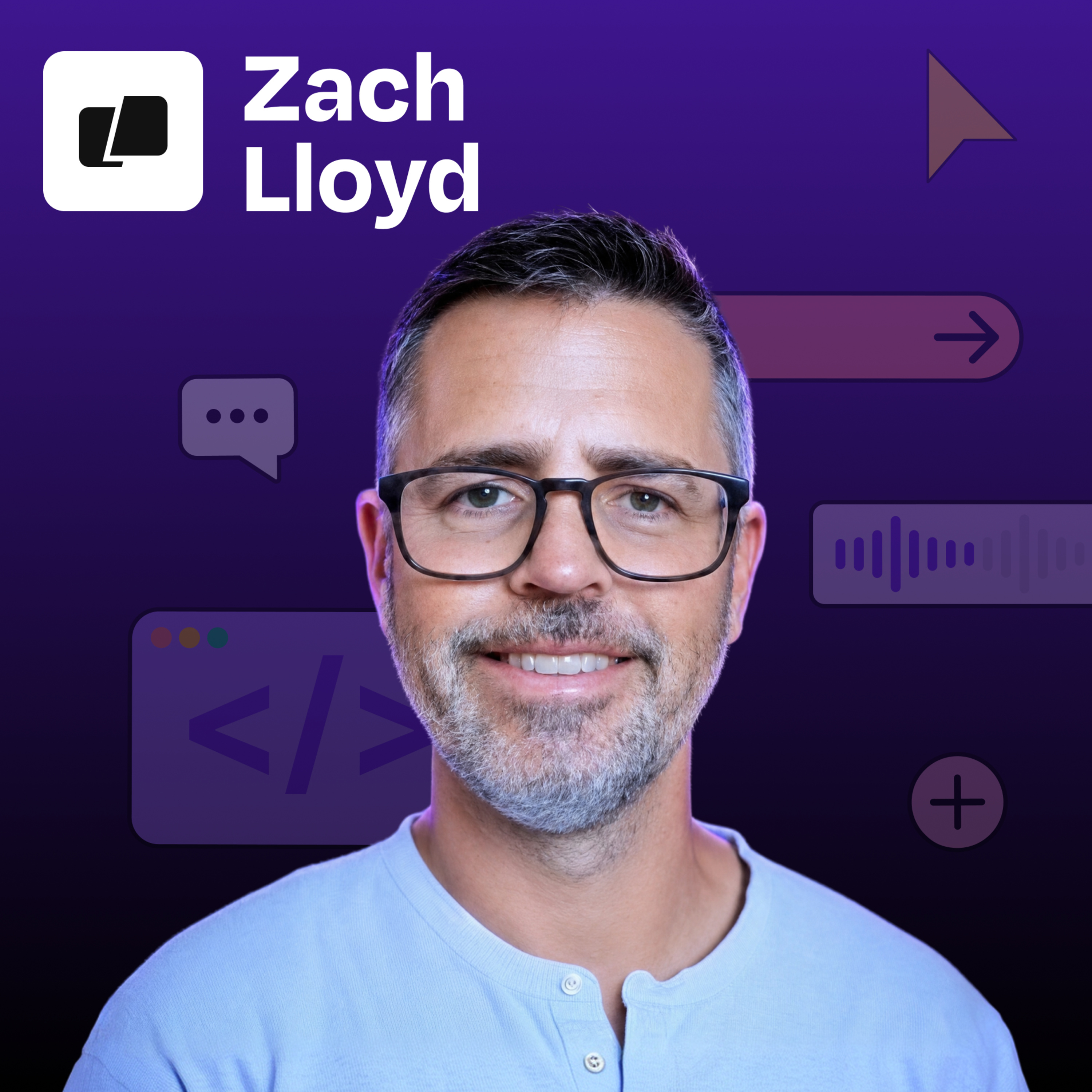
How Warp ships 2,000 PRs a month with AI factories | Zach Lloyd (CEO, Warp)
Zach Lloyd is the co-founder and CEO of Warp, an AI-powered terminal and software factory platform used by tens of thousands of engineers. Before Warp, he spent nearly a decade at Google, including time as a principal engineer on Google Sheets. He built Warp from the ground up as a modern, AI-native alternative to legacy terminals, and the team has since expanded into software factories: a full cl
Muse review: The personal AI agent that gets consumer UX right
I spent a few hours putting Meta’s Muse, its new personal AI agent, through a real first-pass test: onboarding, calendar management, goal setting, a one-shot family morning newsletter, browser-based shopping, and the animated avatar that honestly surprised me.What you’ll learn:Why Muse is the best-designed personal agent I’ve tested, and what specifically made it feel that wayThe one-shot family P

How Grok Bot designers use AI agents to build personal sites and product prototypes | John Bai & Peng Zheng
John Bai and Peng Zheng are designers on the Grok Bot team at SpaceXAI, where they’re building one of the most talked-about AI products right now. John writes publicly about his design process (his piece “Designing Grok Bot with Grok Bot” has already made the rounds) and shares bot templates with the design community. Peng brings a product-design sensibility to personal tools, and his website doub

Build your own company brain: the enterprise AI playbook from Stripe’s engineering team | Sharadh Krishnamurthy
Sharadh Krishnamurthy is an engineering manager at Stripe, where he helped build Kai, the company’s internal AI agent used by more than 10,000 employees every week. He’s worked across several of Stripe’s core infrastructure teams, including data and developer experience, which gives him a grounded, systems-level perspective on what it actually takes to make AI work at enterprise scale. He’s curren
GPT-6 Astra is a banger - here’s everything I’ve built
I got early access to GPT-6 Astra: when I say this model broke through tasks I couldn’t crack with 5.6 Sol or Fable, I mean it specifically: the ChatPRD product intelligence feature, building 3D games, the hardware hack, and a handful of one-shot coding projects I’d tried and failed on repeatedly.What you’ll learn:Why Astra’s computer use feels different, and which production tools I’m trusting it
Grok Bot vs. OpenClaw: How I replaced my entire agent stack
I’m running about 30 active agents at any given moment, and in this episode I break down my full Grok Bot setup: what it is, how it compares to OpenClaw, and the nine bots I’ve built for work and my personal life. We go deep on Chief (my chief-of-staff bot sweeping six inboxes and multiple Slack workspaces), TradBot (the family agent that prints a kitchen-table newspaper for my kids), two engineer

How I turned Claude into a self-improving PM assistant | Daniel Blum (PM, Melio)
Daniel Blum is a product manager at Melio, a B2B payments company, and one of the most systematic thinkers I’ve had on the show when it comes to personal AI infrastructure. He’s spent the past year building a Claude- and Cowork-based productivity system that manages his Notion board, processes his Slack and email, and runs self-improvement loops every week without needing to be prompted. Beyond hi

I spent $20,000 on Devin in a month. Here’s what I learned | Ryan Carson (solo founder)
Ryan Carson is a five-time founder and the current solo founder of Untangle, a B2B SaaS platform for family law firms. Before Untangle, he co-founded Treehouse, an online coding education platform, and has spent the better part of two decades building and leading tech companies. He’s active on X, where he shares his solo founder journey in real time, including what he actually spends on AI tools e
I tested Grok Bot, Grok 4.6, and Cursor Origin - here’s my honest take
This week I’m doing a solo breakdown of everything xAI and Cursor have shipped recently, including Grok Bot, Cursor Origin, and the Grok 4.6 model. I set up five Grok Bots, ran Grok 4.6 through my Claire Weighted Index against GPT-5.6 Sol, Claude Sonnet 5, and Opus 5, and spent time actually using Origin as a GitHub replacement. Here’s what’s worth your attention, what’s overhyped, and where I’m p
How a solo founder used Codex and ChatGPT to launch a fashion brand without engineers | Yana Welinder
Yana Welinder is the solo founder of Yana Bana, an AI-native fashion brand built with AI as her technical co-founder, starting from hand-drawn sketches and ending with runway photos, CAD files for 3D printing, and a live Stripe-connected pre-order site—no engineers required. A former product leader, she brings an operator’s rigor to her creative process: her “fashion prompt” is a detailed spec cov

Claude Code for normal people: skills, voice mode, and how to collaborate with AI
Grace Clarke is an AI educator and former marketing consultant who taught herself Claude Code earlier this year and built a curriculum out of the process. She now runs her entire service business on tools she’s built with Claude, including a pipeline operator, a proposal maker, and a Gmail replacement she created in under 30 minutes, and teaches individuals and teams to do the same.What you’ll lea
Build an AI code review bot in 30 minutes with Vercel Eve
AI writes most of my code now, and that created a new problem: a PR queue I couldn’t keep up with. In this episode, I walk through how I built Merge Mommy, a Vercel Eve agent that reads every PR after checks pass, scores it across six risk dimensions, auto-approves the low-risk ones, and pings me in Slack for anything that needs a human. I built the whole thing in one Codex session, it’s SOC 2 com
ChatGPT Codex Voice + browser + Sites: an expert’s AI workflow | Nick Baumann (OpenAI)
Nick Baumann is on the Developer Experience team at OpenAI, where he spends his days building with, testing, and communicating the capabilities of ChatGPT Codex and ChatGPT Work. In this episode, Nick walks me through several features that have launched or evolved recently: the new voice interface with its screen-reading orb, the Heartbeats automation system in ChatGPT Work on mobile, the live Cha

From zero coding background to hardware hacker: How Cursor + a Raspberry Pi makes AI fun
Maddie Reese is a vibe coder, hardware tinkerer, and builder. She builds things at the intersection of software and hardware, including a thermal receipt printer that people around the world can message directly, a fully functional Twitter pager running on a Raspberry Pi, and a personal API that tells you her coffee order so you don’t have to ask. Maddie approaches hardware the same way she approa
Claude Opus 5 review: this model is brilliant (but annoying)
I’m tired of new models. Every week there’s a new benchmark, a new frontier intelligence claim, a new thing to test. But here we are, because Opus 5 just dropped and I’ve had real hands-on time with it, so you’re getting the honest version.This is my full Opus 5 review: personality analysis, live benchmark results from my 7-model How I AI eval, and an actual verdict on whether I’m swapping it in.
Computer & browser use in Codex (5 real examples)
Today I’m walking you through one of my absolute favorite AI features right now: browser and computer use via Codex (the ChatGPT desktop app). I use this every single day, personally and professionally, and I wanted to share the specific workflows I’ve built, the moments that surprised me, and the mental model that makes it actually click.What you’ll learn:How browser use and computer use work, an
How the founder of Morning Brew built a Claude content machine that never runs out of ideas and never sounds like slop | Alex Lieberman
Alex Lieberman co-founded Morning Brew in college and grew it into one of the most-read business newsletters in the world before selling it to Business Insider. Now he’s the co-founder and co-managing partner of Tenex. In this episode, Alex explains why distribution is becoming a durable moat, why founders and teams need to “climb Cringe Mountain,” and how he rebuilt his content process around AI
This solo builder runs 24/7 local AI on his own hardware | Alex Finn
Alex Finn is an AI builder, YouTuber, and the creator of Vibe Code Academy, a community for people learning to build with AI tools. He runs one of the most ambitious local AI setups I’ve come across: three Mac Studio 512 GB machines, a DGX Spark, and a custom RTX 5090 build, all coordinated through a fleet dashboard he built himself. He’s spent five months figuring out which local models belong on
GPT-5.6 Sol vs. Claude Fable: Why OpenAI’s new model crushes my benchmark
GPT-5.6 Sol is back, and I ran it through my full How I AI vibe benchmark against GPT-5.6 Terra, Luna, Claude Fable 5, and Sonnet 5 across five categories: PRDs, prototypes, wireframes, debugging, and agentic voice. Sol won by a meaningful margin on my Claire Weighted Index (70% my taste, 30% Terminal Bench 2.1), and I also tested two use cases I can't stop thinking about: building a gamified
What a harness is and how to build one with Claude Agent SDK
Everybody is saying, “It’s not the model, it’s the harness,” but almost nobody stops to explain what a harness actually is. So I did. I built one live on the show: a Sentry bug-debugging harness for my company ChatPRD, using the Claude Agent SDK, a custom terminal UI built with the Ink library, and opinionated adapters for Sentry, Linear, GitHub, and Vercel. The harness handles evidence gathering,
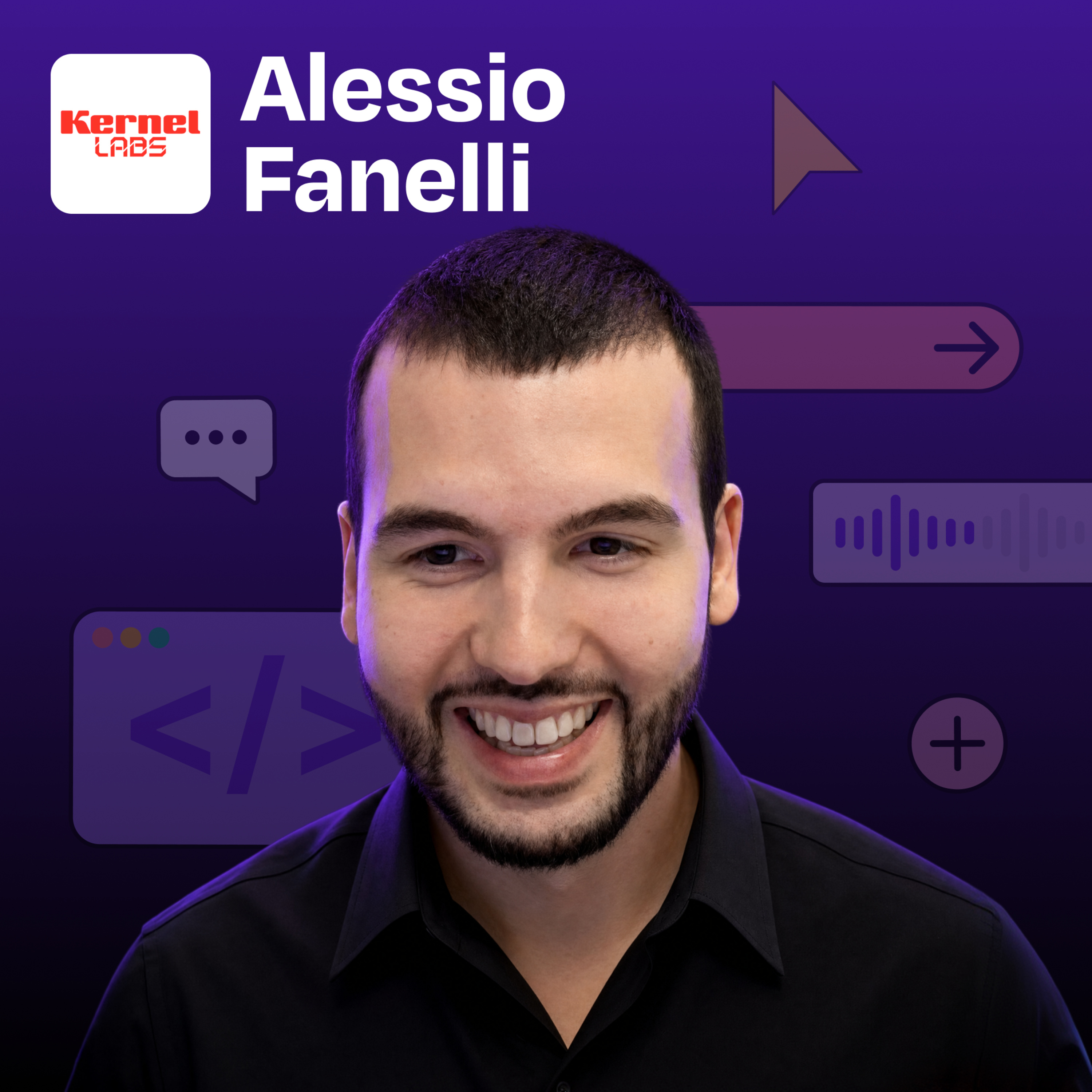
How I run autonomous coding agents from my phone with OpenAI Symphony + Linear | Alessio Fanelli (Kernel Labs)
Alessio Fanelli, founder of Kernel Labs and co-host of Latent Space podcast, walks us through two very different AI workflows: (1) a fully autonomous coding setup using OpenAI Symphony + Linear, where Linear acts as a state machine and Symphony manages agents through the whole dev lifecycle with zero babysitting; (2) Codex with browser access searching eBay for underpriced Pokémon cards—autonomous
Sonnet 5 review: I ran 64 generations to find out if it's worth it
I’ve been testing every major frontier model release since the start of the year, and when Anthropic dropped Sonnet 5, I wanted more than a vibe check. I got tired of one-off tests I couldn’t repeat or compare over time, so I built something better: the How I AI Bench, a repeatable eval harness I constructed live using Claude Code while recording this episode. I ran Sonnet 5 blind against four oth

No Figma. No Jira. No docs. How Gusto built a new product line with Claude Code | Eddie Kim (CTO)
Eddie Kim is the co-founder and CTO of the payroll and HR platform Gusto, which just crossed $1 billion in revenue and serves more than 500,000 small businesses. Recently he did something most CTOs don’t: he went back to writing code. With three other engineers and one designer, Eddie built Gusto Cofounder, a net-new AI product, from zero code to a tier-one launch in 10 weeks. He walks through how
GLM 5.2: why I’m replacing Opus in Claude Code with this new model
I put GLM 5.2, the open-weight coding model from Z.AI, through four real tasks inside my actual codebase: a codebase architecture audit, a UI redesign, and a 45-minute autonomous bug-hunting session pulling from Sentry and Vercel logs. Total cost: $3.36 for roughly 6 million tokens, a prioritized bug-fix dashboard I’m actually shipping from, and a landing page redesign that matched Chat PRD’s desi

How Claude Mythos found a 15-year-old bug in Mozilla Firefox | Brian Grinstead
Brian Grinstead is a distinguished engineer at Mozilla, where he’s worked on Firefox and the web platform since 2013 (he joined to help launch Firefox DevTools). Recently he and his team pointed an agentic bug-finding pipeline at Firefox—a codebase with tens of thousands of files and tens of millions of lines of code—and shipped a record month of security fixes. The viral chart everyone saw gave t
How to design AI agent loops: schedules, goals, and subagents in Claude Code and Codex
I break down every loop type from scratch—what a heartbeat, cron, hook, and goal loop actually are, when each one fits, and the five things any effective loop needs before it touches production. Then I build two live loops: a daily aging-PR reviewer in Claude Code that schedules itself at 10:15 a.m. and spins off its own subagents, and a weekly skills-identification loop in Codex that spawns goal-

How Braintrust uses AI agents, evals, and CI to ship better software | Ankur Goyal
In this episode, I sit down with Ankur Goyal, founder and CEO of Braintrust, the AI evals and observability platform used by teams like Notion, Stripe, Vercel, and Zapier. This one is for the senior engineers, staff engineers, VPs of engineering, and CTOs in my audience. We get into how coding agents can take on deeply technical architecture and infrastructure work that no single human engineer co

Claude Fable 5 review: what the new Mythos model gets right (and very wrong)
Claude Fable 5 is the first Mythos-class intelligence model to be generally available, and I got early access to test it before launch. In this episode, I walk through what Anthropic is promising, what actually stood out when I used it on real work, and where I think it fits in your AI stack.—In this episode, we cover:(00:00) Introduction: Fable 5 is finally here(00:31) What Anthropic says about t
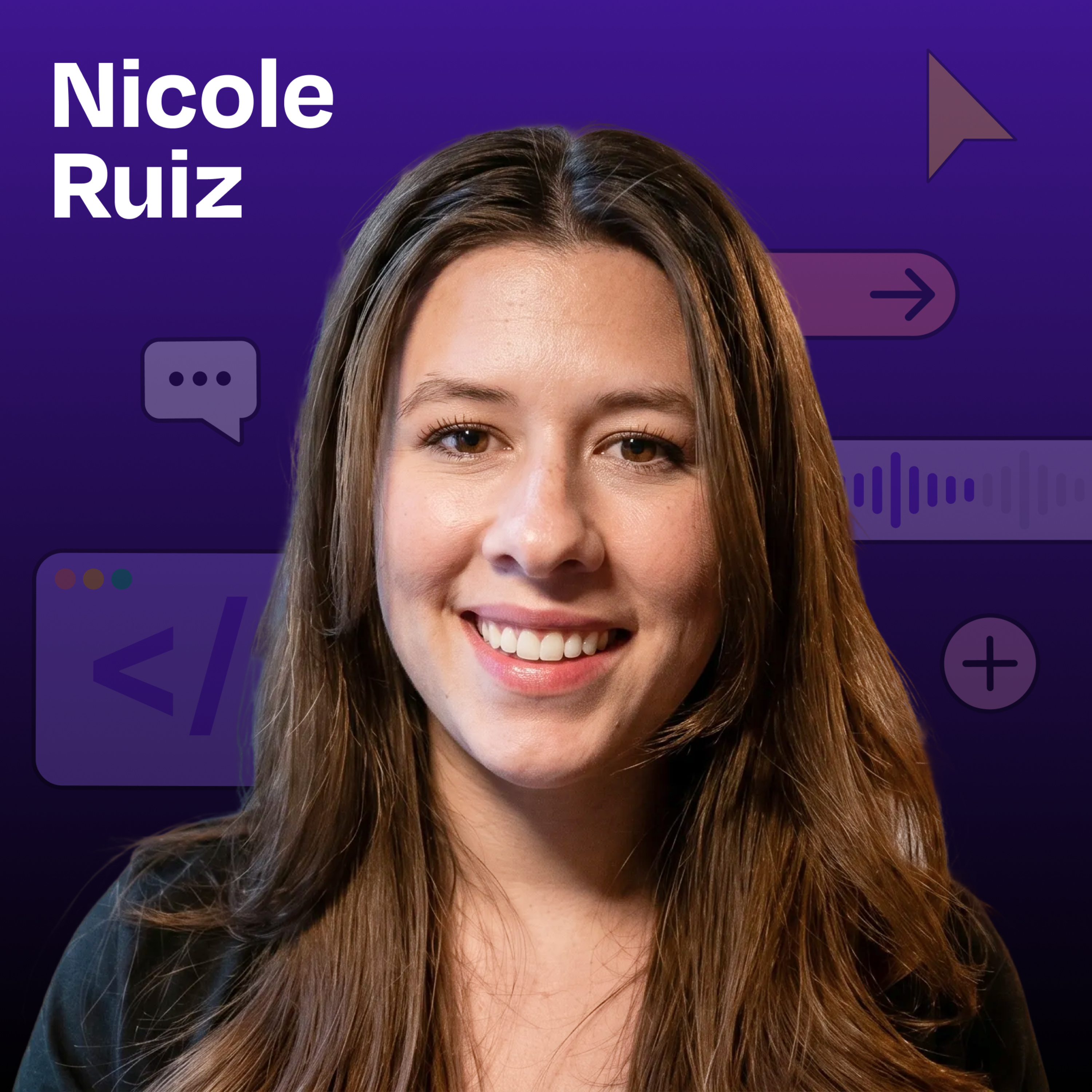
Shopping with Claude: How to find quality brands, automate returns, and buy things that last 100 years | Nicole Ruiz
Nicole Ruiz is a writer and parent who has built a comprehensive AI-powered shopping system to help her family buy high-quality, long-lasting items while avoiding the noise of drop-shipping brands, paid ads, and poorly made products. She writes an interview series on Substack about how technology is changing the household.What you’ll learn:How to build a Claude Project with custom instructions for
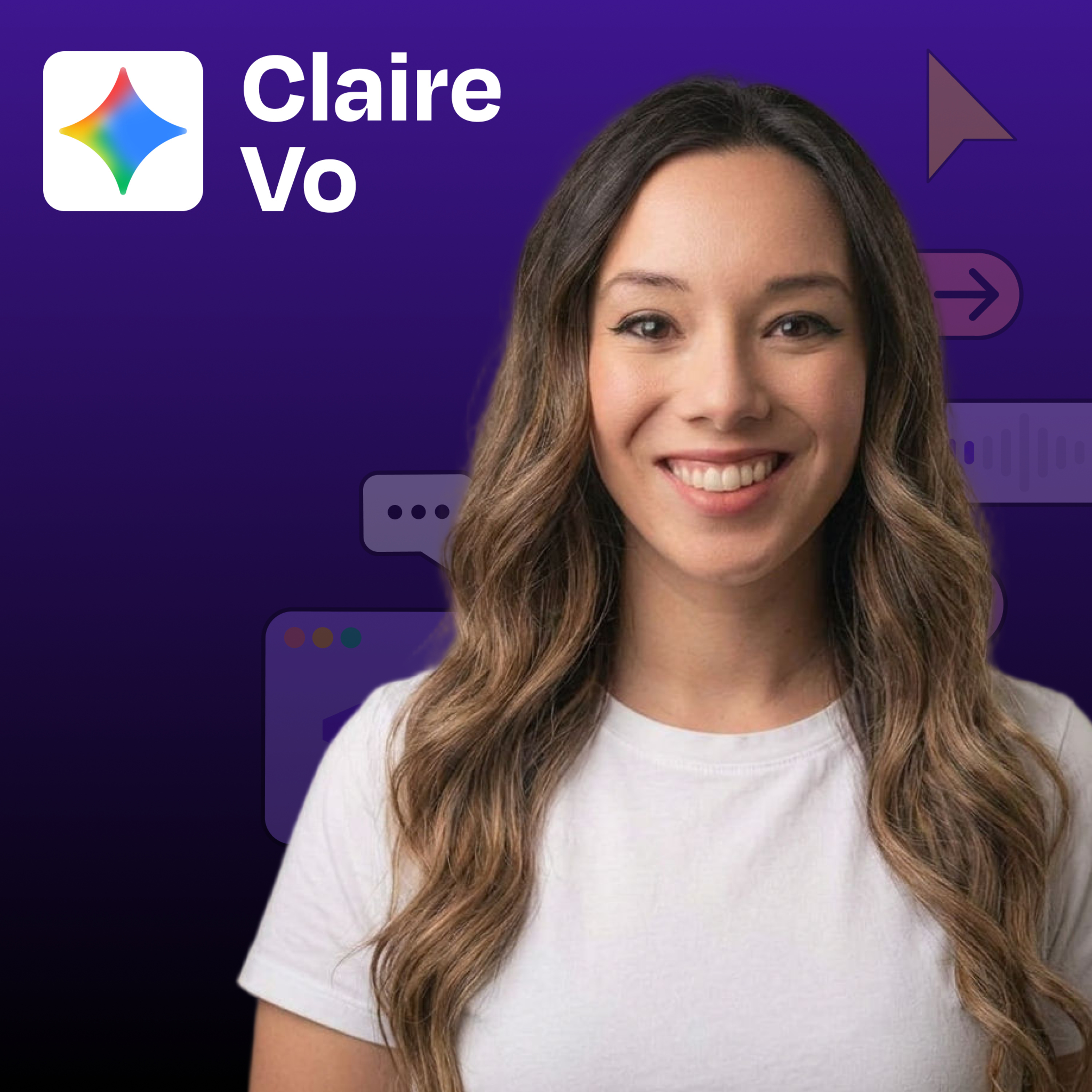
Gemini Omni: Clone yourself with AI in under 15 minutes
In this experimental episode, I document my real-time attempt to create an AI avatar of myself using Google Flow and the new Gemini Omni video generation model. I walk through the entire process—from scanning my face with my phone to generating a complete one-minute hype video for the podcast, all in about 15 minutes.What you’ll learn:How to create an AI avatar using Google Flow in under five minu
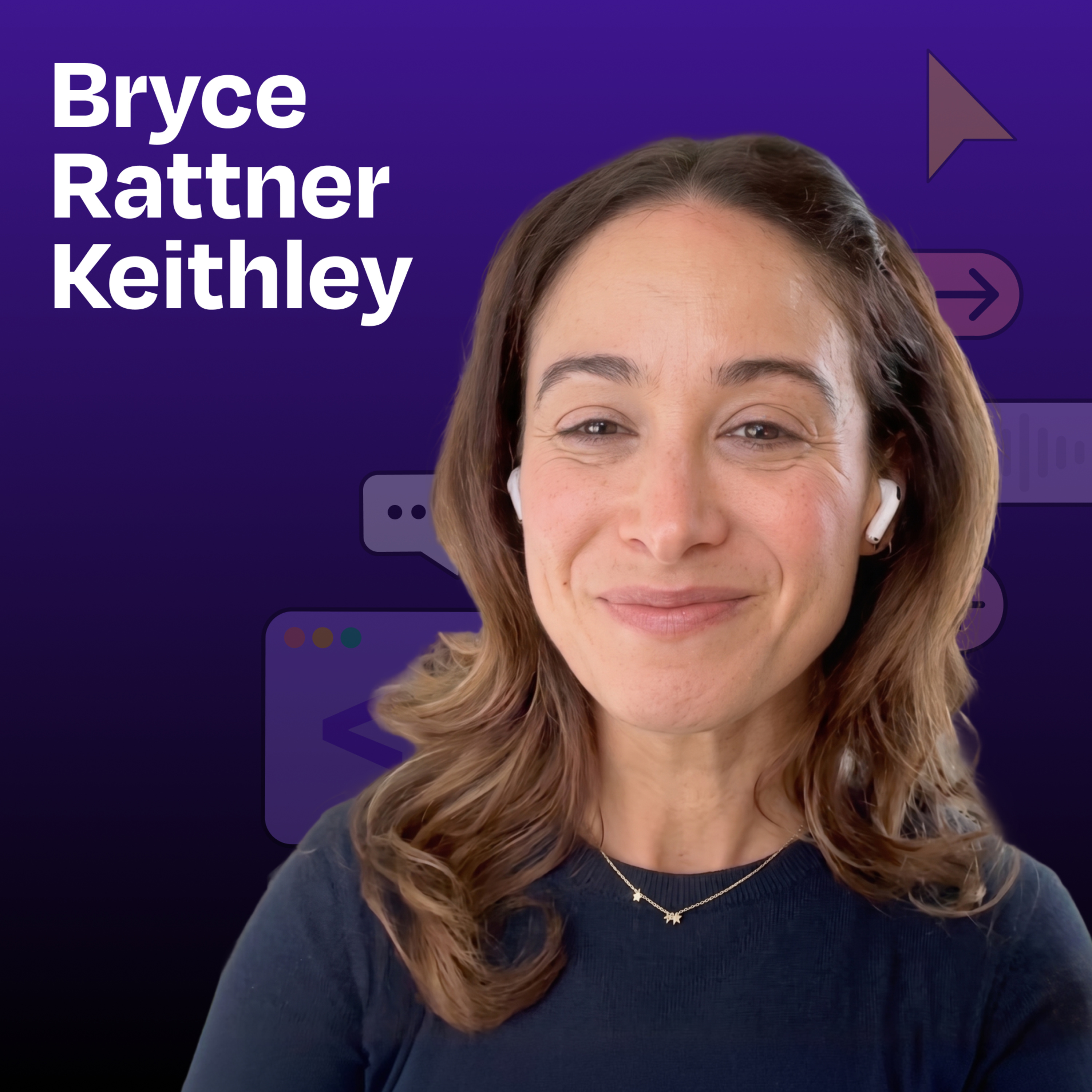
Building an iPhone app with zero technical skills | Bryce Rattner Keithley
Bryce Rattner Keithley has spent her career in talent and recruiting, working with technical leaders but never writing a line of code herself. Yet she managed to build Daily Hundred—a fitness app featuring custom AI-generated videos of anthropomorphic animals demonstrating exercises—and ship it to the App Store before her software engineer friends. Using Replit, Claude, Gemini, and a relentless be

Claude Opus 4.8 is here. Is it as good as they say?
I got a few hours of early-access testing with Anthropic’s newly released model Opus 4.8. I walk through real coding, design, and strategy tasks across Claude Code and Claude Cowork, and give you my unfiltered view on what impressed me and what didn’t.—What you’ll learn:Where Opus 4.8 excels: greenfield prototypes, one-shot features, and fast executionWhere it struggles: the last 10%, edge cases i
The Codex feature that works while you sleep
In this 30-minute episode, I walk through my favorite feature in Codex: the /goal command. I show how Goals transform AI from a turn-based assistant that needs constant ‘what’s next?’ prompting into an autonomous agent that can work for hours on complex, multi-step tasks. I share three real examples: eliminating thousands of Sentry errors, cleaning 3,900 emails down to 68, and organizing hundreds

How the engineer behind Claude Cowork actually uses Claude | Felix Rieseberg (Anthropic)
Felix Rieseberg is the engineering lead for Claude Cowork and Claude Code Desktop at Anthropic. He previously spent five years at Slack building developer tools. In this episode, Felix demonstrates how he uses Claude to solve real-life problems: analyzing floor plans to build interactive 3D house walkthroughs, automatically tracking promises he makes on Twitter, and building a $20 hardware device
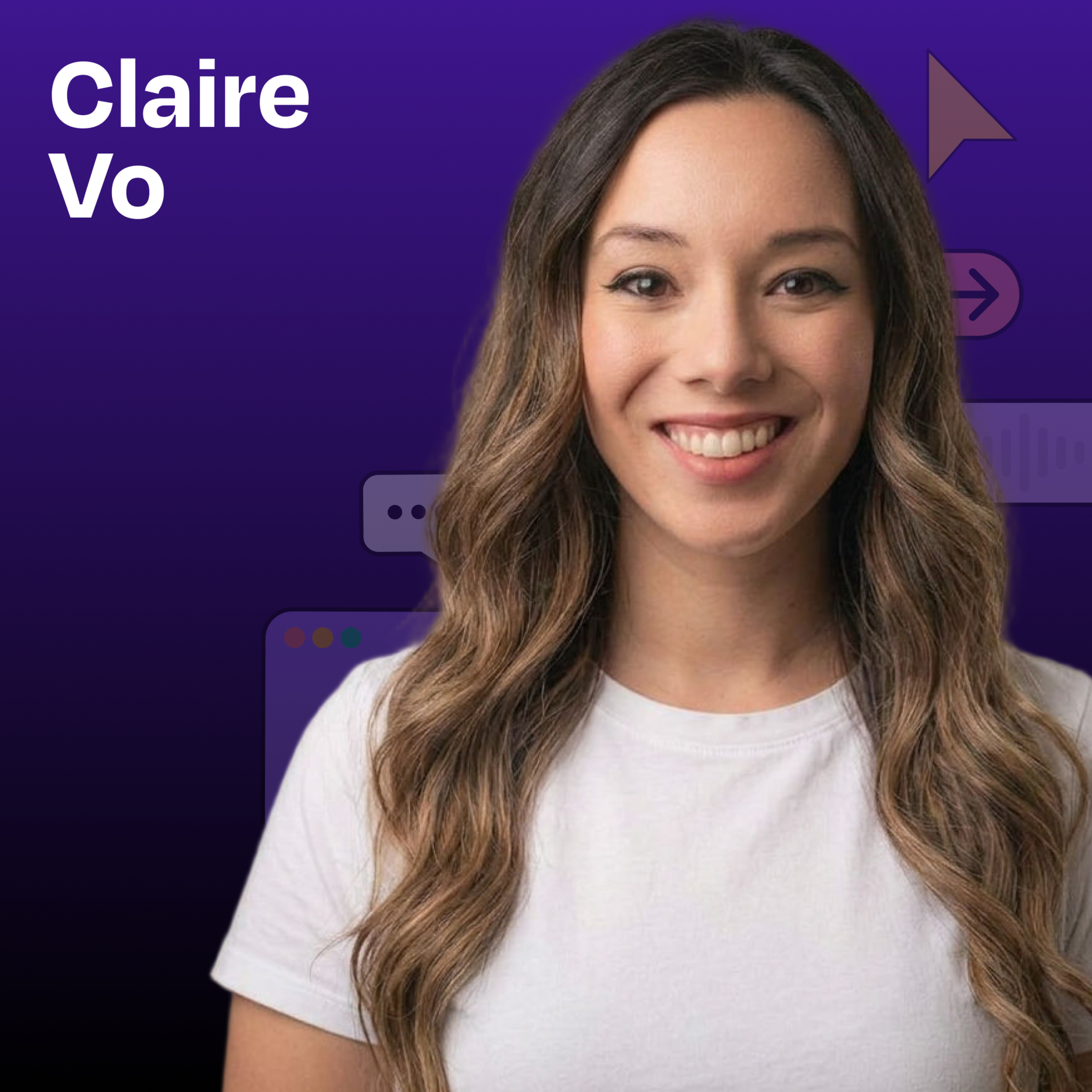
What launched at Google I/O 2026 (30-minute day 1 recap)
Today is day one of Google I/O 2026, and I walk through every major announcement live—from the new Gemini 3.5 model family to Anti-Gravity 2.0, Google AI Studio, Gemini’s consumer redesign, the Omni video model, Flow, Stitch, and Pomelli. I test them in real time and tell you exactly which ones delivered.What you’ll learn:How Gemini 3.5 Flash benchmarks against Claude and GPT models on speed and a

HTML is the new Markdown: How Anthropic engineers are building with Claude Code | Thariq Shihipar
Thariq Shihipar is an engineer at Anthropic working on the Claude Code team. He’s spent the past several months experimenting with HTML as a replacement for Markdown in planning and implementation workflows, discovering that richer visual formats lead to better human engagement—and, ultimately, better products. In this episode, filmed at Anthropic’s Code with Claude event in San Francisco, Thariq

Spec-driven development: The AI engineering workflow at Notion | Ryan Nystrom
Ryan Nystrom is a software engineer at Notion. He joined in December 2024 after Notion acquired Campsite, the team communication platform he co-founded with Brian Lovin. At Notion, he’s been a core builder of Notion AI and the Custom Agents feature launched in February 2026. He manages a team of six to seven engineers while still writing code himself, currently running Project Afterburner, a push
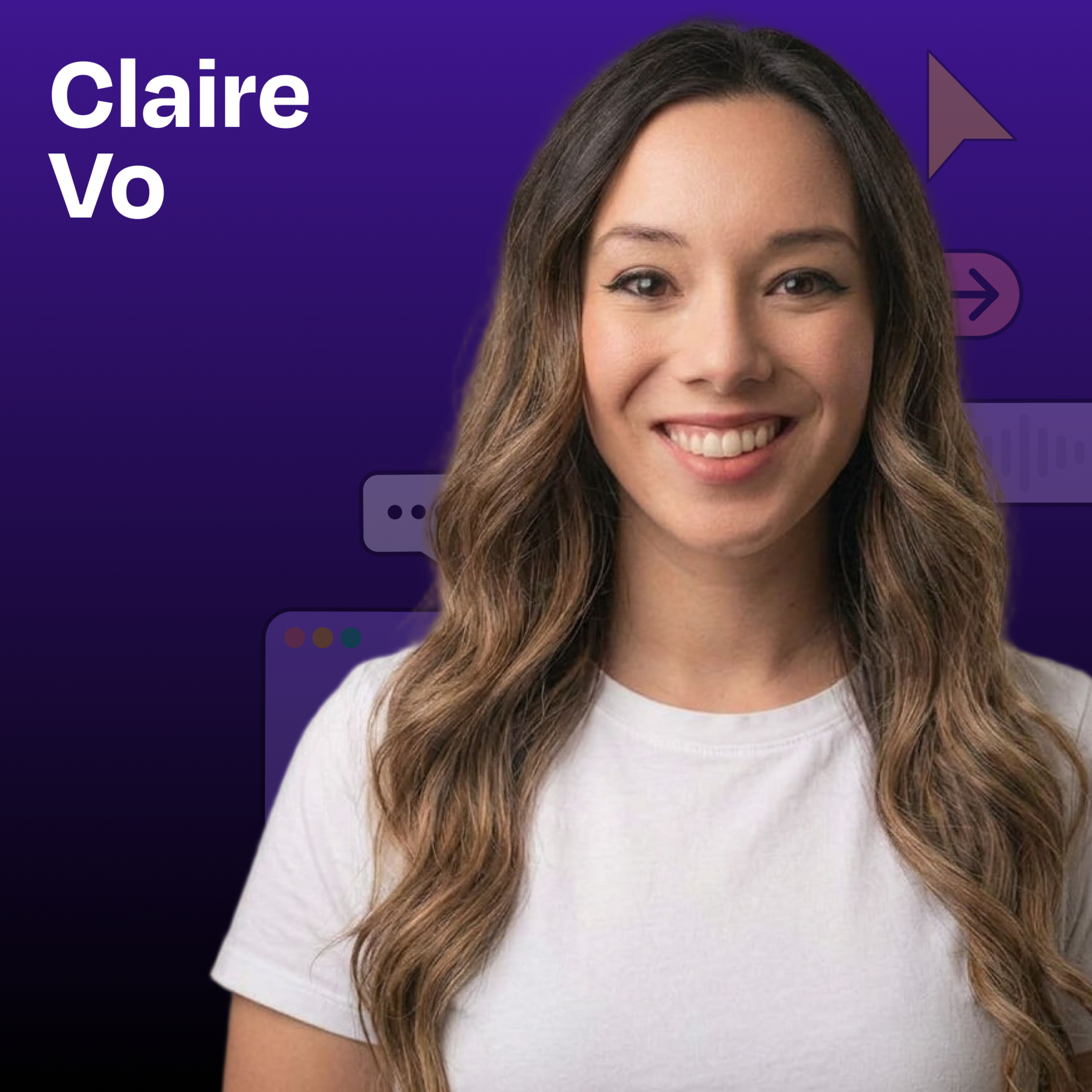
Code with Claude: The 5 biggest updates explained
Claire breaks down the biggest announcements from Anthropic’s “Code with Claude” event and what they actually mean for builders shipping AI products today. From scheduled AI routines to outcome-based agents, multi-agent orchestration, and new memory systems, Claire walks through the features she’s most excited to use immediately—and how they could reshape the future of agentic software.What you’ll

Quests, token leaderboards, and a skills marketplace: The elite AI adoption playbook | John Kim (Sendbird)
John Kim is the co-founder and CEO of Delight.ai, a customer experience platform that’s transforming how companies deploy AI. But what makes John’s story fascinating isn’t just his product; it’s how he’s turned his entire company into an AI-native organization. His marketing team built a fully functional e-commerce swag store with Stripe integration in days. His sales team built their own CRM tool
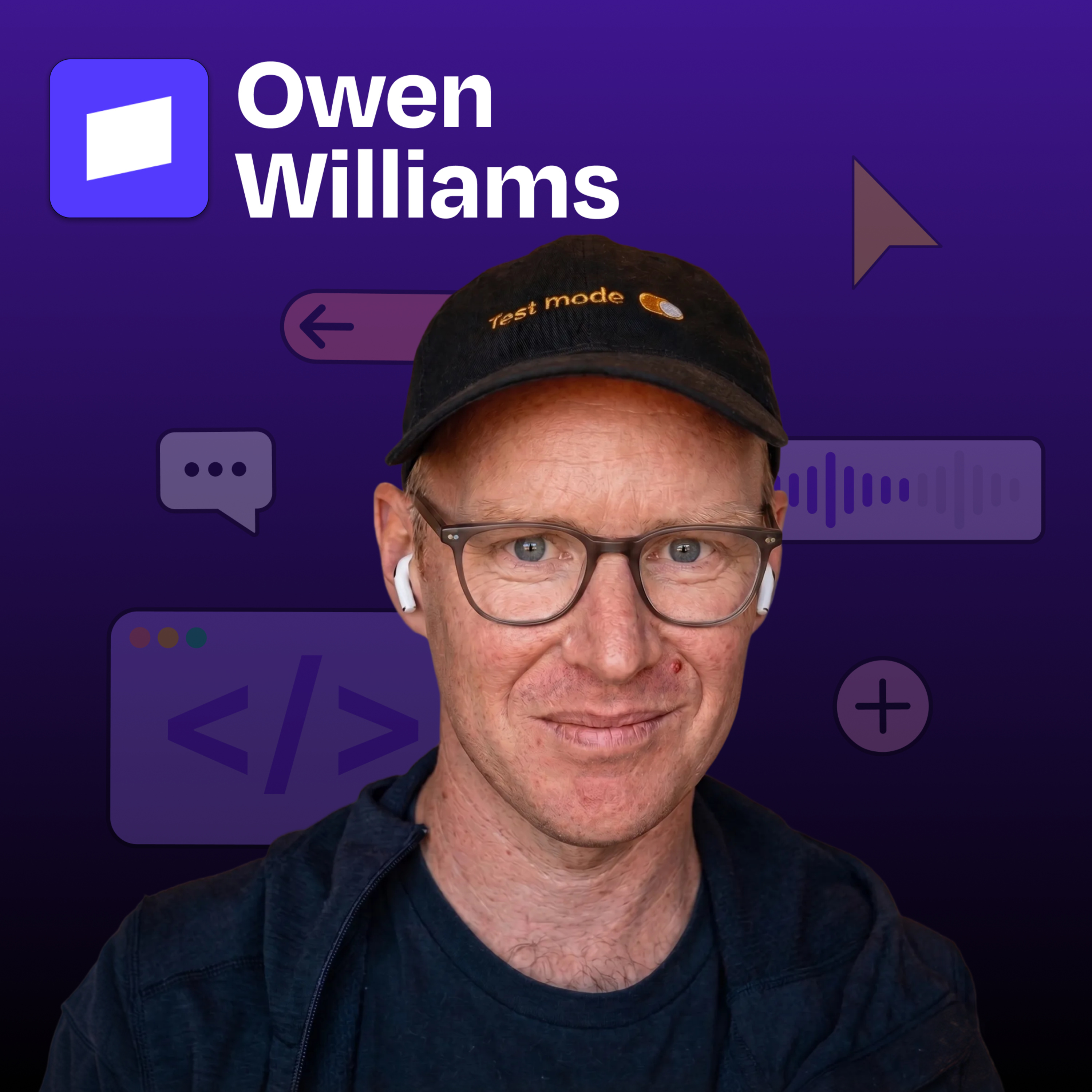
The internal AI tool that’s transforming how Stripe designs products | Owen Williams
Owen Williams is a design manager at Stripe who built Protodash, an internal AI-powered prototyping platform that lets designers and PMs create high-quality Stripe dashboard prototypes without writing code. What started as a bundle of Cursor rules and React components evolved into a full web-based prototyping studio that runs in dev boxes, complete with design review modes, variant testing, and AI

From a $6.90 newsletter to $3M API: How a non-coder built Memelord | Jason Levin
Jason Levin is the CEO and founder of Memelord, an AI-powered meme creation platform that helps brands and individuals create contextual, trending memes. He started Memelord as a $6.90-per-month newsletter sending subscribers to a Google Slides deck, grew it to $100K ARR on Bubble without hiring engineers, then raised $3M to build it into an API-first product.What you’ll learn:How Jason grew Memel
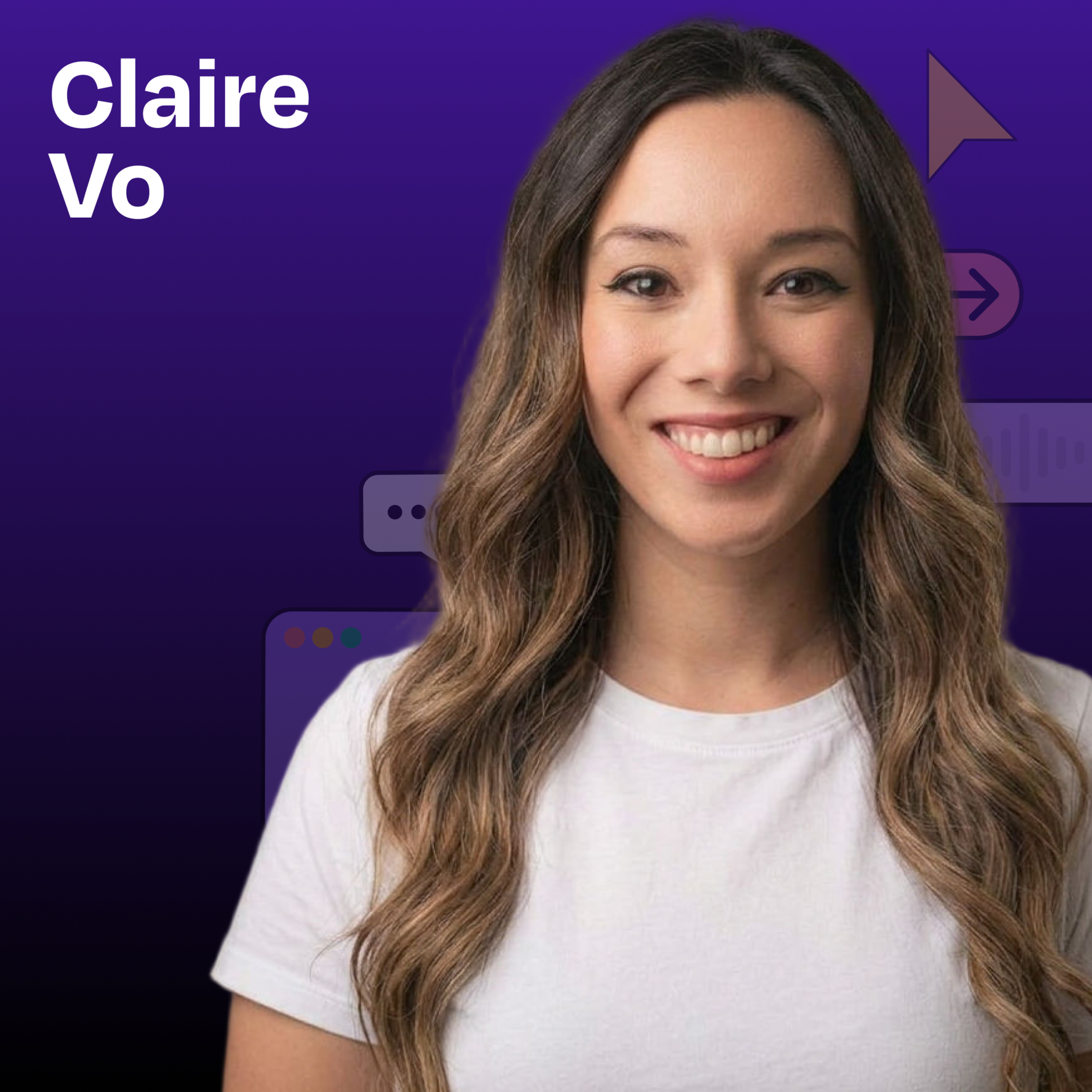
GPT 5.5 just did what no other model could
In this mini episode, I break down OpenAI’s new GPT 5.5 and GPT 5.5 Pro after weeks of early testing. I walk through three real jobs I threw at the model: building an app for me to teach my second grader more advanced subtraction concepts, tackling a tech debt problem in the ChatPRD codebase, and hacking into a proprietary Bluetooth pixel display that every other model had failed me on. My verdic
What Claude Design is actually good for (and why Figma isn’t dead, yet)
In this mini episode, I do a full walkthrough of the AI design tools that dropped in April 2026: Anthropic’s new Claude Design, OpenAI’s GPT Images 2.0, and Google Labs’ open-source DESIGN.md format. I import a full design system from Lenny’s Newsletter, build a landing page, turn my own article into a polished deck, generate a brand kit for ChatPRD, and run a personal color analysis from a photo.
How Intercom 2x’d their engineering velocity in 9 months with Claude Code | Brian Scanlan
Brian Scanlan is a senior principal engineer at Intercom, where he’s led the company’s transformation to AI-first engineering. In just nine months, Intercom doubled their R&D throughput while maintaining code quality, with 100% of engineers—plus designers, PMs, and TPMs—now shipping code via Claude Code.What you’ll learn:How Intercom doubled their merged PRs per R&D employee in just nine m

Claude Cowork 101: How to automate your workday without touching code | JJ Englert (Tenex)
JJ Englert leads community enablement at Tenex. In this episode, JJ provides a complete zero-to-one tutorial on Claude Cowork, Anthropic’s desktop tool that sits between simple chat and full terminal-based coding.What you’ll learn:How to create your first Claude Cowork project by connecting a folder on your computer and building context over timeThe “brain” file strategy: how to create a preferenc

I built a custom Slack inbox. It was easier than you’d think. | Yash Tekriwal (Clay)
Yash Tekriwal is the head of education at Clay. A self-described hyper-optimizer, Yash has built multiple custom productivity applications using Perplexity Computer and OpenClaw to manage his overwhelming daily workflow—including a Slack digest system that categorizes over 150 daily notifications into actionable priorities, and a consolidated news/email/Slack dashboard that serves as his personal

I gave Claude Code our entire codebase. Our customers noticed. | Al Chen (Galileo)
Al Chen is a field engineer at Galileo, an observability platform for AI applications, where he works on the front lines with enterprise customers asking highly technical questions. Despite never having held an engineering role, Al has built a system using Claude Code to query Galileo’s 15 separate repositories, combine that with Confluence documentation and customer-specific quirks, and deliver h

How to turn Claude Code into your personal life operating system | Hilary Gridley
Hilary Gridley is an entrepreneur, former product leader, and new mom who previously appeared on the podcast discussing AI for managers. She returns to share how she's transformed her approach to personal productivity using Claude Code as her primary tool for managing both professional work and life admin. Hilary demonstrates her "anti-system system"—a philosophy that prioritizes sim
How Stripe built “minions”—AI coding agents that ship 1,300 PRs weekly from Slack reactions | Steve Kaliski (Stripe engineer)
Steve Kaliski is a software engineer at Stripe who has spent the past six and a half years building developer tools and payment infrastructure. He’s part of the team that created “minions”—Stripe’s internal AI coding agents, which now ship approximately 1,300 pull requests per week with minimal human intervention beyond code review. In this episode, Steve demonstrates how Stripe engineers activate
How Microsoft's AI VP automates everything with Warp | Marco Casalaina
Marco Casalaina, VP of Core AI Products and AI Futurist at Microsoft, demonstrates how he uses AI tools to automate administrative tasks that typically consume valuable time. Rather than using Warp as a coding assistant (its primary marketed purpose), Marco leverages it to manage Azure resources, scan documents, compress videos, and more. He shows how these “micro-agents” can reduce friction in ev

From journalist to iOS developer: How LinkedIn’s editor builds with Claude Code | Daniel Roth
Daniel Roth, editor in chief at LinkedIn, went from business writer to iOS app developer, without ever learning how to code. Using Claude Code, Daniel built and shipped multiple production-ready iOS apps to the App Store, including Commutely, a personalized train-tracking app for New York commuters.What you’ll learn:How to set up a dual-agent Claude Code system (builder + reviewer)Why being a “pic

From Figma to Claude Code and back | Gui Seiz & Alex Kern (Figma)
Most teams are still passing static design files back and forth, and most Figma files are already out of date by the time they reach engineering. Gui Seiz (designer) and Alex Kern (engineer) from Figma walk through the exact workflow their team uses to bridge that gap with AI, live onscreen. They demo how to pull a running web app directly into Figma using the Figma MCP, edit it collaboratively, a

Mastering Midjourney: How to create consistent, beautiful brand imagery without complex prompts | Jamey Gannon
Jamey Gannon is an AI creative director who specializes in creating consistent, beautiful brand imagery using AI tools. In this episode, Jamey demonstrates her streamlined workflow for generating cohesive brand assets using Midjourney, Nano Banana, and other AI image tools. She walks through her process of creating mood boards, using style references, developing personalization codes, and strategi
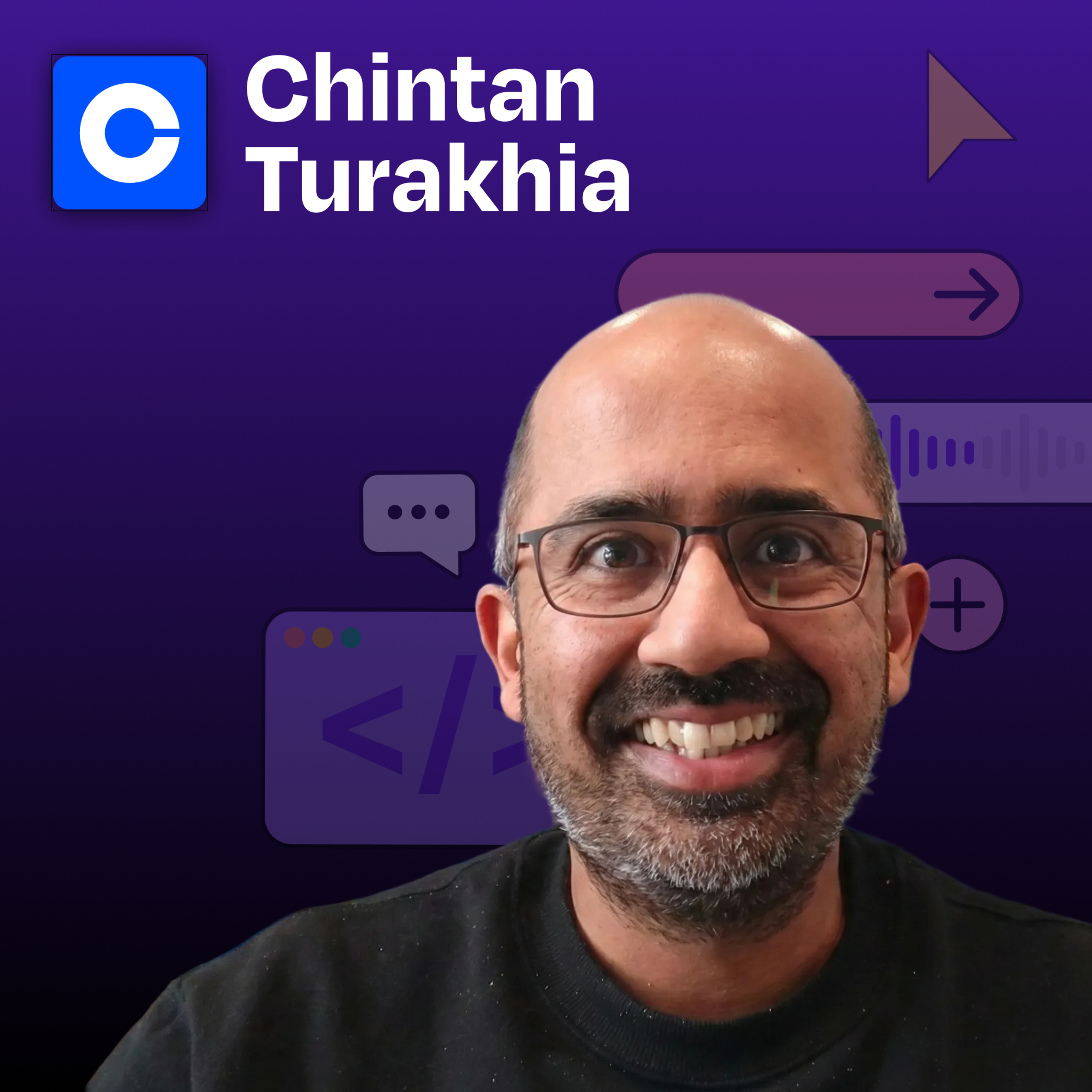
How Coinbase scaled AI to 1,000+ engineers | Chintan Turakhia
Chintan Turakhia is Senior Director of Engineering at Coinbase, where he’s led the transformation of a 1,000-plus-engineer organization to embrace AI tools at scale. When tasked with rewriting Coinbase’s self-custody wallet into a consumer social app in just six to nine months, Chintan turned to AI as a force multiplier. His team has achieved remarkable efficiency gains, including reducing PR revi
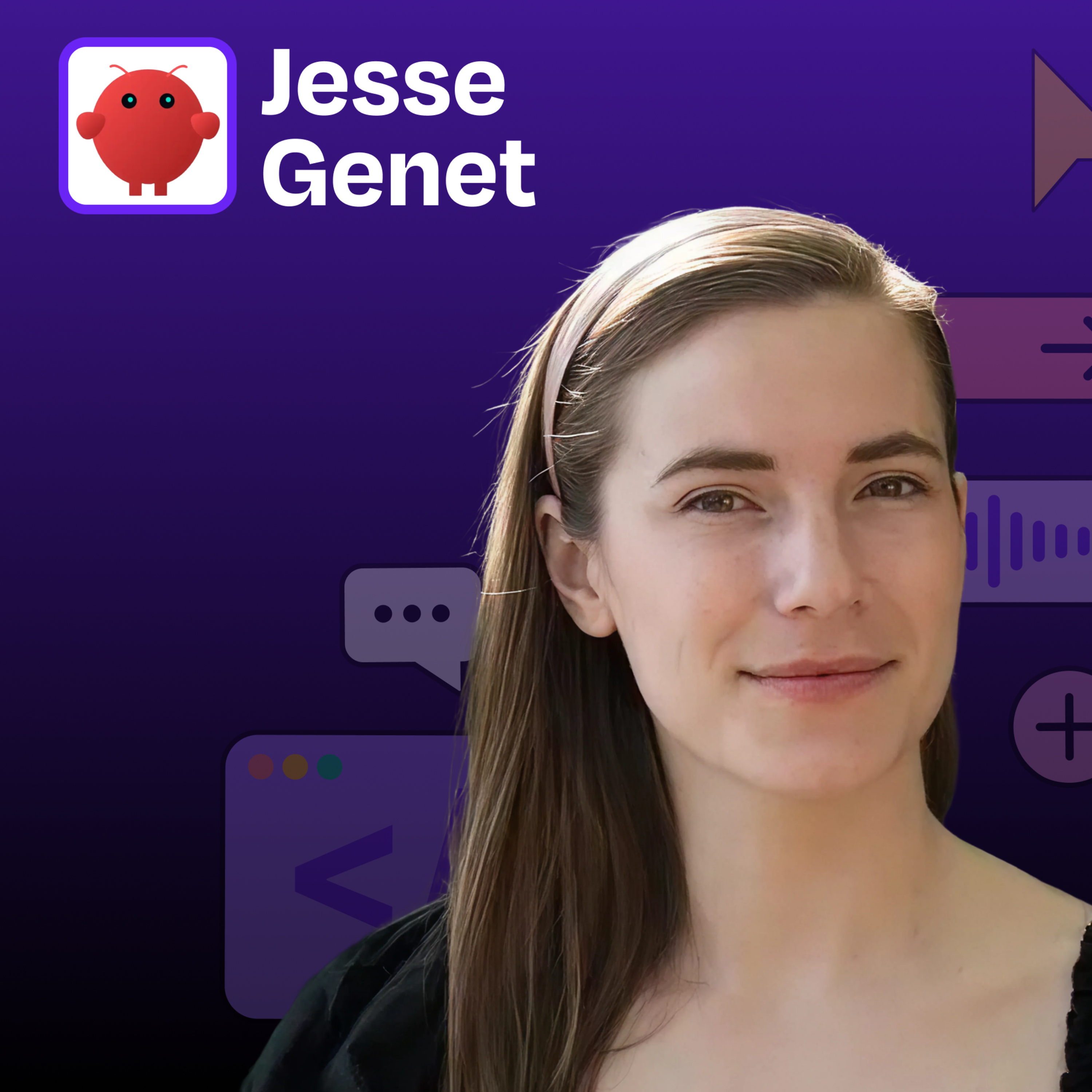
5 OpenClaw agents run my home, finances, and code | Jesse Genet
Jesse Genet is a homeschooling parent and entrepreneur who runs her household with five specialized OpenClaw agents. She layers them on top of her Obsidian “second brain,” deploys each on its own Mac Mini, and assigns every agent a distinct role—homeschool, finance, scheduling, development, and operations—so each one operates with clear scope and responsibility.What you’ll learn:How Jesse set up f
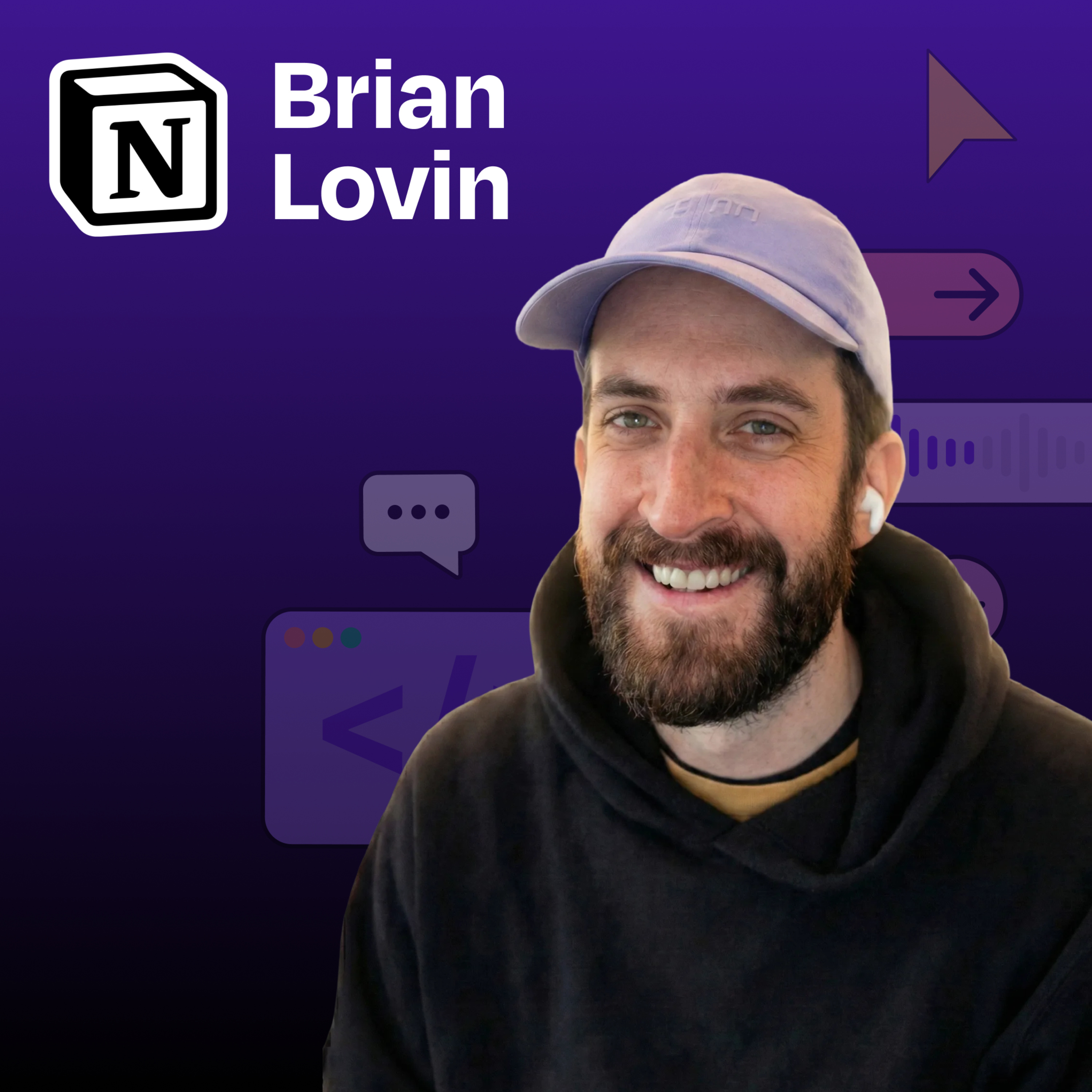
“I haven’t written a single line of front-end code in 3 months”: How Notion’s design team uses Claude Code to prototype
Brian Lovin is a designer at Notion AI who has transformed how the design team builds prototypes, by creating a shared code environment powered by Claude Code. Instead of designers working in isolated repositories or limited to static Figma designs, Brian built a collaborative “prototype playground” where the entire team can create, share, and iterate on functional prototypes. In this episode, Bri
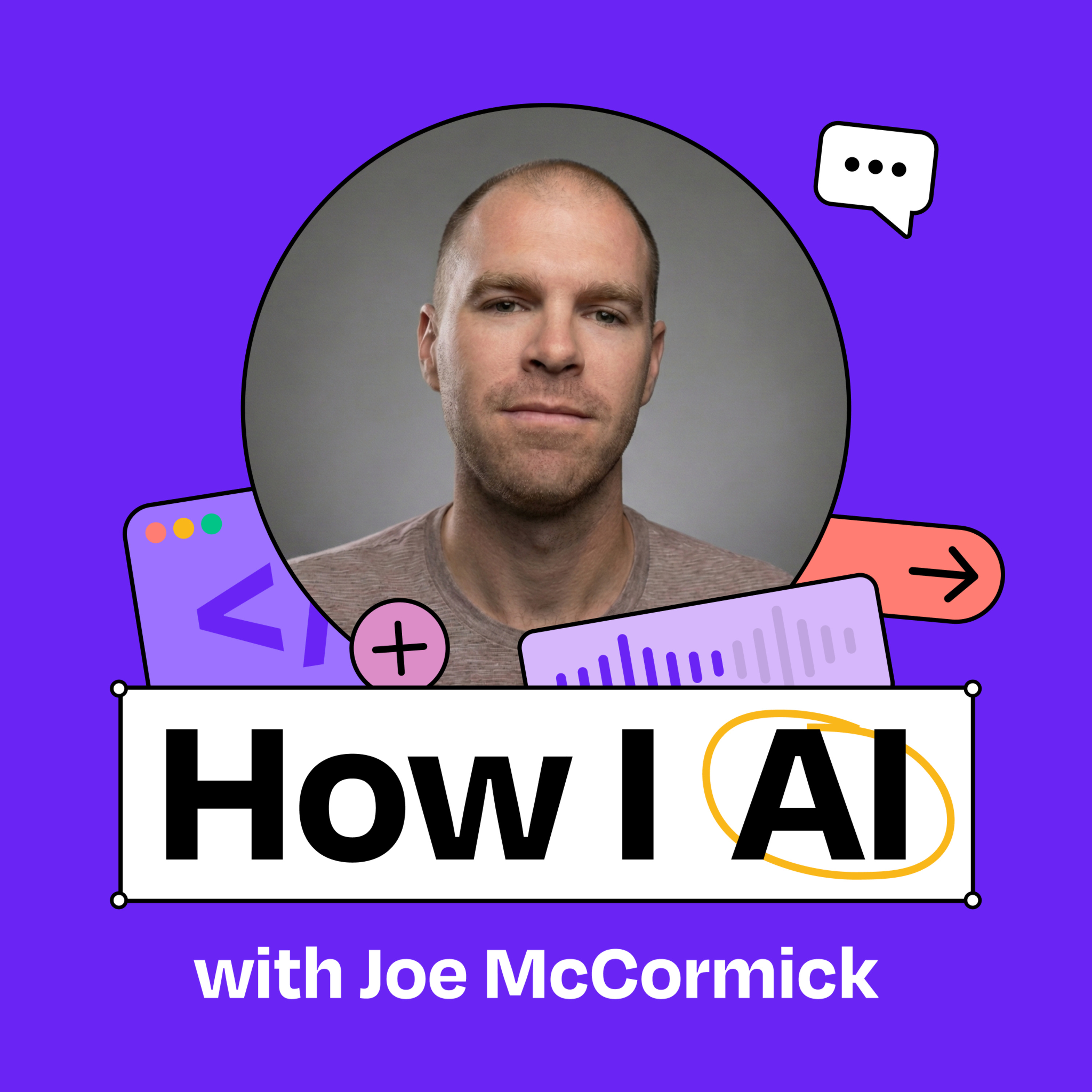
How this visually impaired engineer uses Claude Code to make his life more accessible | Joe McCormick
Joe McCormick is a principal software engineer at Babylist who lost most of his central vision due to a rare genetic disorder right before starting college. He pivoted from mechanical engineering to computer science and now leads AI enablement at Babylist. Joe demonstrates how he uses AI to build micro Chrome extensions that make his everyday work and life more accessible, showing how personal sof

Claude Opus 4.6 vs. GPT-5.3 Codex: How I shipped 93,000 lines of code in 5 days
I put the newest AI coding models from OpenAI and Anthropic head-to-head, testing them on real engineering work I’m actually doing. I compare GPT-5.3 Codex with Opus 4.6 (and Opus 4.6 Fast) by asking them to redesign my marketing website and refactor some genuinely gnarly components. Through side-by-side experiments, I break down where each model shines—creative development versus code review—and
How to build your own AI developer tools with Claude Code | CJ Hess (Tenex)
CJ Hess is a software engineer at Tenex who has built some of the most useful tools and workflows for being a “real AI engineer.” In this episode, CJ demonstrates his custom-built tool, Flowy, that transforms Claude’s ASCII diagrams into interactive visual mockups and flowcharts. He also shares his process for using model-to-model comparison to ensure that his AI-generated code is high-quality, an

Guillermo Rauch: Vercel CEO on how v0 hit 3,200 PRs merged per day (and lets anyone ship)
Guillermo Rauch, the CEO of Vercel, demonstrates how v0 has evolved from a simple prototyping tool to a complete development environment that supports the entire Git workflow. Guillermo shows how Vercel built skills.sh—a viral marketplace with over 34,000 community-submitted skills—using v0, and how the tool enables non-technical team members to contribute production-ready code changes. He walks t
How this PM uses MCPs to automate his meeting prep, CRM updates, and customer feedback synthesis | Reid Robinson (Zapier)
Reid Robinson, Principal AI Product Strategist at Zapier, shares how he uses Model Context Protocols (MCPs) to automate tedious tasks and create powerful workflows. He demonstrates practical workflows that combine Zapier’s more than 8,000 app connections with AI tools like Claude to create systems that work while he sleeps.What you’ll learn:How to use Zapier’s MCP server to create custom collectio

I gave Clawdbot (aka Moltbot) access to my computer, calendar, and emails: Here’s what happened
In this episode, I take you through my unfiltered experience with Clawdbot, the viral open-source AI agent that’s been taking over tech Twitter. (In the time since this was recorded, the tool was renamed Moltbot, but we’re calling it Clawdbot here to match the episode.) It’s an autonomous AI that can run code, spin up sub-agents, join video calls, and take real actions on your machine. I invite it

Advanced Claude Code techniques: context loading, mermaid diagrams, stop hooks, and more | John Lindquist
John Lindquist is the co-founder of egghead.io and an expert in leveraging AI tools for professional software development. In this episode, John shares advanced techniques for using AI coding tools like Claude Code and Cursor that go far beyond basic prompting. He demonstrates how senior engineers can use mermaid diagrams for context loading, create custom hooks for automated code quality checks,
Claude Code for product managers: research, writing, context libraries, custom to-do system, and more | Teresa Torres
Teresa Torres is the author of Continuous Discovery Habits and an internationally acclaimed speaker and coach. In this episode, Teresa demonstrates how she’s built a personalized productivity system using Claude Code to manage her tasks, automate research collection, and improve her writing. She shows how non-developers can leverage AI tools to create personalized workflows that match their unique
The power user’s guide to Codex: parallelizing workflows, planning techniques, advanced context engineering tips, automating code reviews, and more | Alexander Embiricos
Alexander Embiricos, the product lead for Codex at OpenAI, shares practical workflows for getting the most out of this AI coding agent. In this episode, he demonstrates how both non-technical users and experienced engineers can leverage Codex to accelerate development, from making simple code changes to building production-ready applications. Alex walks through real examples of using Codex in VS C
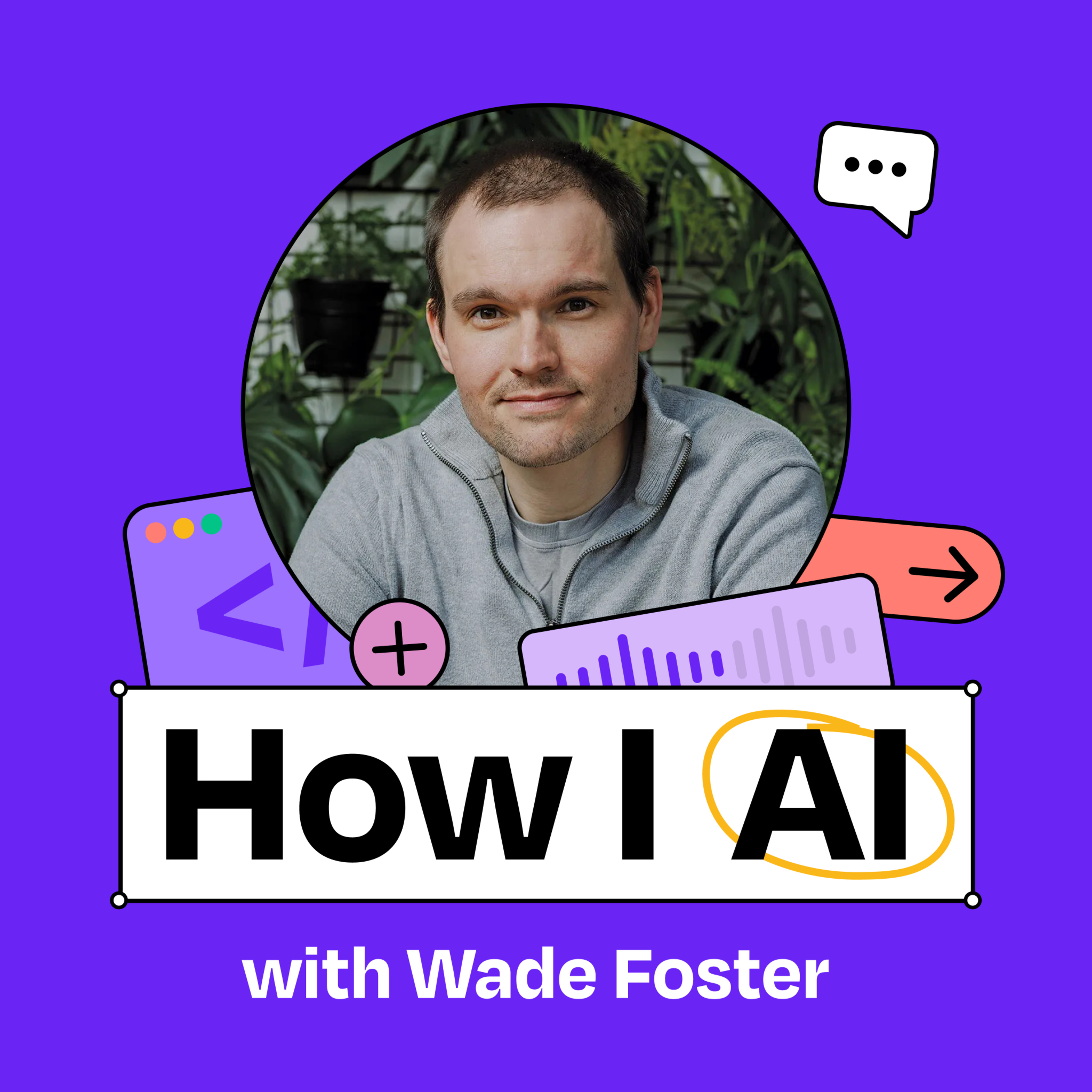
Zapier’s CEO shares his personal AI stack | Wade Foster
Wade Foster is the co-founder and CEO of Zapier. In this episode, Wade shows how he uses meeting transcripts, Zapier agents, and even Grok to analyze company culture, evaluate interview candidates, and source talent from unexpected places. He explains why CEOs need to lead by example when it comes to AI adoption and shares practical workflows that any executive can implement to make hiring more ef

How Webflow’s CPO built an AI chief of staff to manage her calendar, prep for meetings, and drive AI adoption | Rachel Wolan
Rachel Wolan, the chief product officer at Webflow, has embraced AI not just as a product leader but as a hands-on builder. A coder since age 16, Rachel has returned to her technical roots by creating a custom AI chief-of-staff application that helps manage her executive workload. In this episode, she demonstrates how she uses personal AI software to prep for meetings, triage her calendar, manage
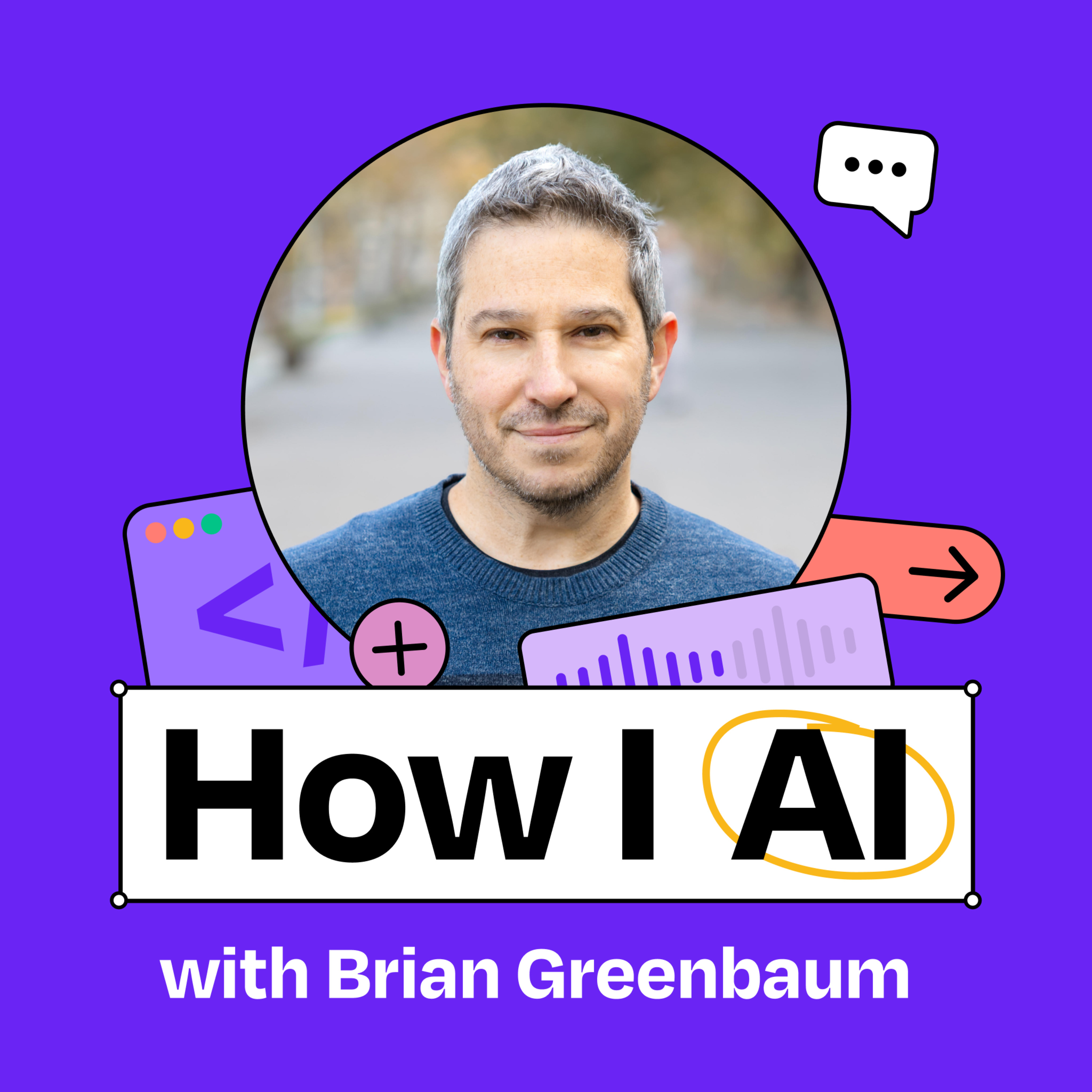
How to get your whole team excited about AI (and actually using it) | Brian Greenbaum (product designer at Pendo)
Brian Greenbaum is a Senior Staff Product Designer at Pendo who led a company-wide AI transformation after a personal epiphany while on paternity leave. After experiencing the power of AI coding tools firsthand, he created a structured approach to help his entire product organization adopt AI. In this episode, Brian shares his complete playbook for driving AI adoption across teams, measuring succe
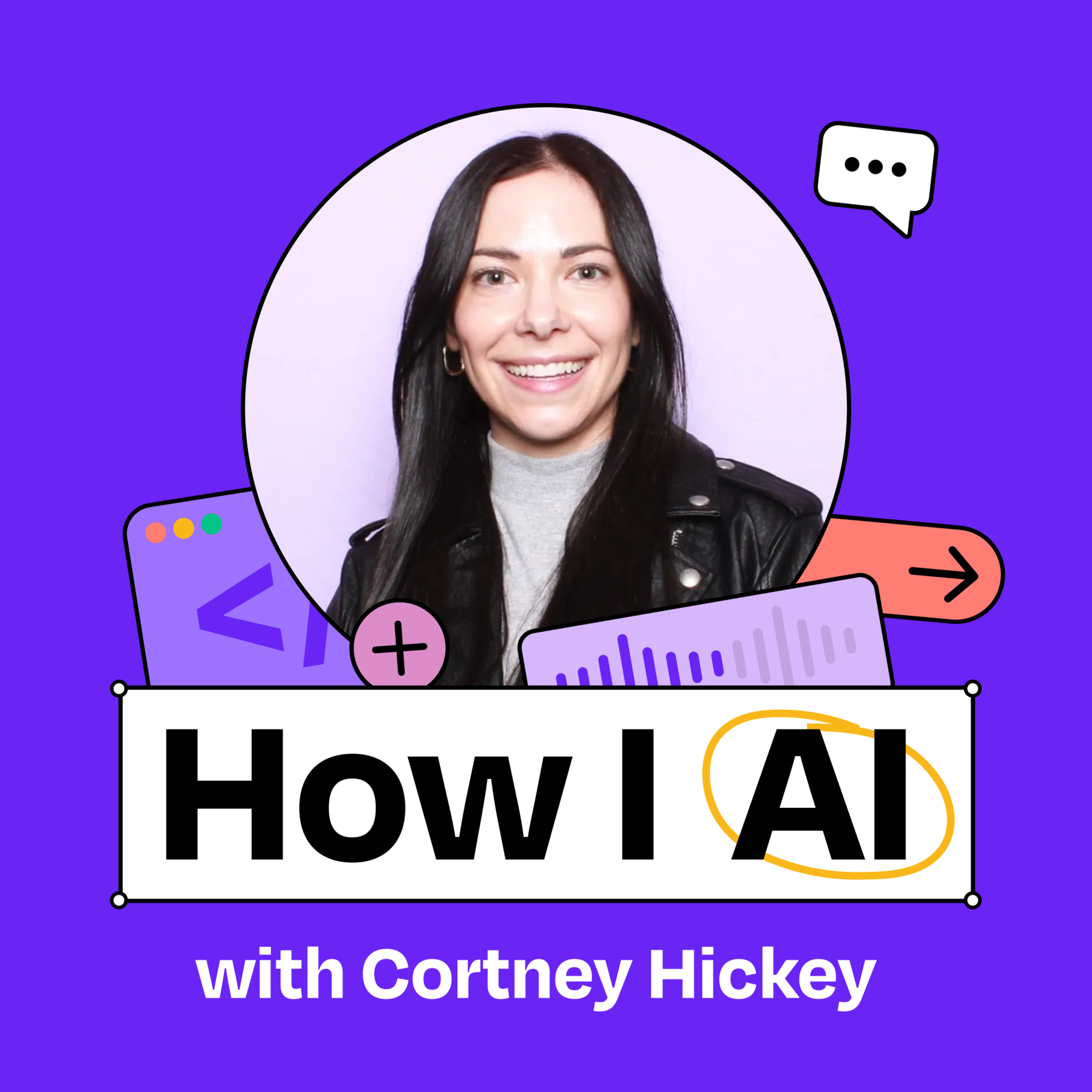
How Zapier’s EA built an army of AI interns to automate meeting prep, strengthen team culture, and scale internal alignment | Cortney Hickey
Cortney Hickey is the executive assistant to the CEO at Zapier, where she’s leveraging AI to transform traditional EA responsibilities into scalable, organization-wide systems. In this episode, she demonstrates how she’s built AI workflows that automate meeting preparation, reinforce company culture through automated feedback, and democratize strategic knowledge across the organization. Her approa
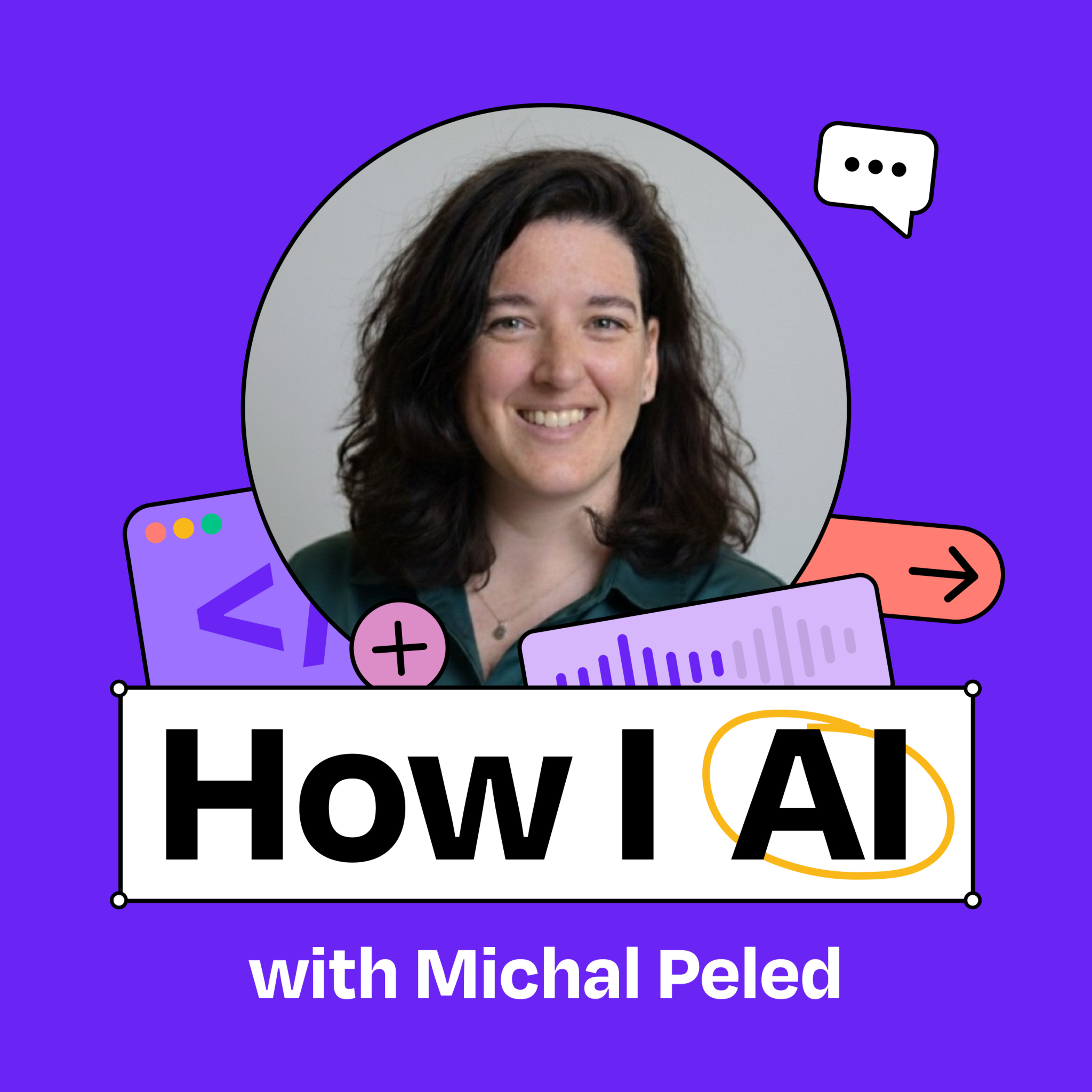
ChatGPT agent mode: The “little helper” that transformed recruiting, crafted user personas, and solved parking nightmares | Michal Peled (Honeybook)
Michal Peled is a Technical Operations Engineer at HoneyBook who specializes in building internal tools and automations that eliminate friction for teams. In this episode, Michal demonstrates three practical AI use cases: using ChatGPT’s agent mode to automate LinkedIn recruiting, transforming customer research into interactive AI personas, and creating a custom calendar solution for a very San Fr

Gemini 3 vs. Claude Opus 4.5 vs. GPT-5.1 Codex: Which AI model is the best designer?
I put three cutting-edge AI models to the test in a head-to-head design competition. Using the exact same prompt, I challenged Google’s Gemini 3, Anthropic’s Opus 4.5, and OpenAI’s Codex 5.1 to redesign my blog page, evaluating them on visual design quality, user experience improvements, and SEO optimization capabilities. One model produced a beautiful, polished, production-ready redesign. One was
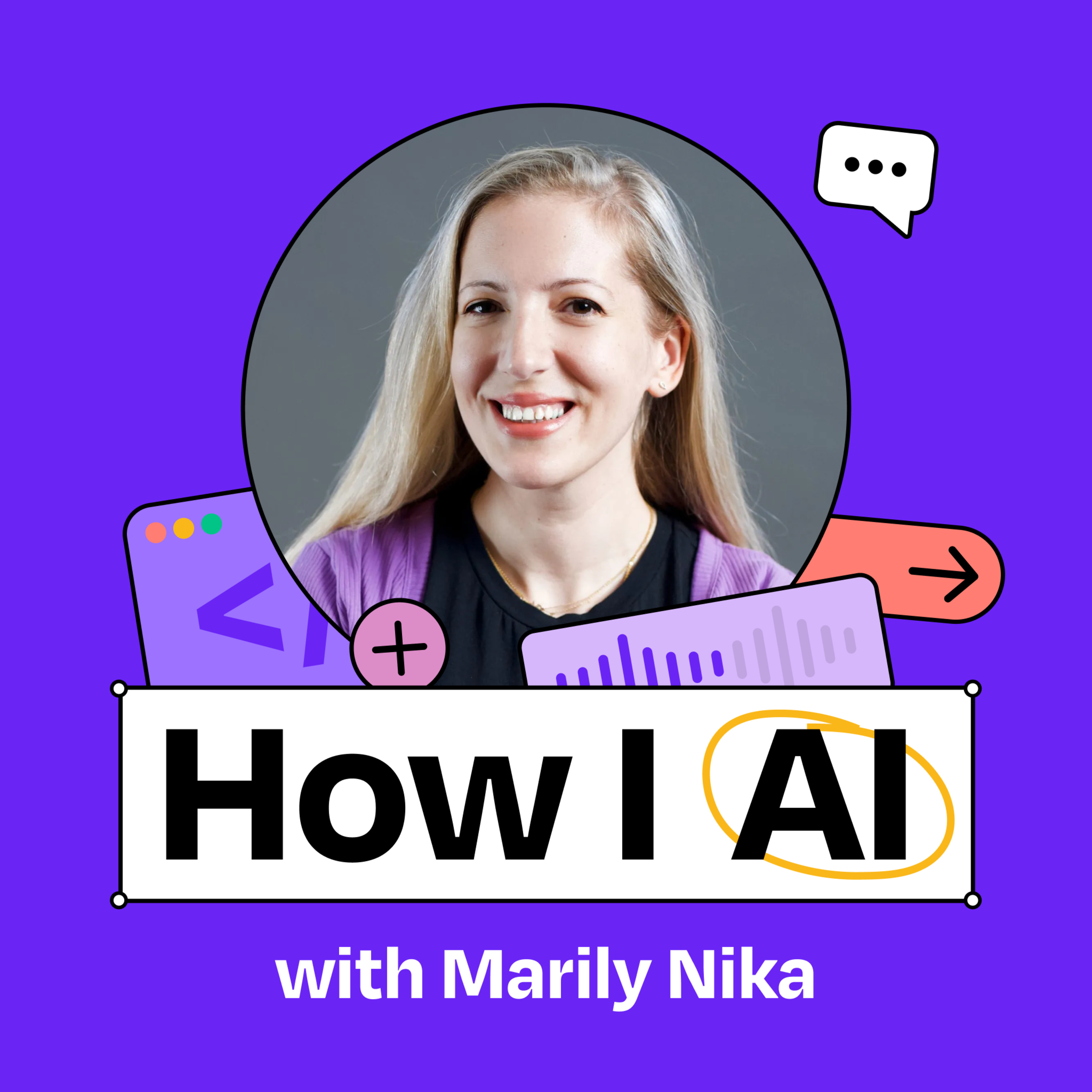
“PMs who use AI will replace those who don’t”: Google’s AI product lead on the new PM toolkit | Marily Nika
Marily Nika, AI Product Lead at Google and founder of the AI Product Academy, demonstrates how product managers can leverage AI tools to dramatically accelerate their workflow. Using a smart-fridge concept as an example, Marily walks us through the exact workflow she uses to build products faster: doing user research with Reddit debates, generating PRDs with custom GPTs, prototyping with v0, and e
Recommended

Talk About Talk - Executive & Leadership Communication Skills
English with Olivia | Slow Conversations & Vocabulary

Stand In The Circle

SLOW ENGLISH PODCAST (A1-A2) With Subtitles | Daily Videos | English With Us Podcast

Learn English A2 with Daily News | Simple English Listening Practice

پلی لیست | PlayList

Conspiracy Files with Paige Carter

Bad Friends

Learn 50 English Phrases While You Sleep | Everyday English Phrases & Vocabulary

This Past Weekend w/ Theo Von

Dateline NBC

Back to the 80s Radio
