Empirical Cycling Podcast
Do you want to know how training makes you faster? Listen in. Kolie is a leading expert in endurance, sprint, and strength training for cyclists. Kyle is a NASA scientist and national champion sprinter on the track. Empirical Cycling is a coaching company specializing in individualized training plans for all cycling disciplines.
Episodes
Ten Minute Tips #83: Making Unstructured Training Effective
This episode details our approach in coaching high quality training that isn't based on traditional intervals and power targets. We go over advantages and disadvantages of both approaches, and discuss how cyclists who don't enjoy intervals can still make progress. We advocate for a middle ground of "semi-structured" training, and different ways to take this approach in workouts as well as periodiz
Ten Minute Tips #82: What Your Power Profile Can And Can't Tell You
After discussing testing and getting descriptive with power profiling, we weigh the merits of several things power profiles are typically used for like training needs, fractional utilization and underestimated FTPs, race selection and scenarios, potential for training response. We also answer your listener questions on nature vs nurture, normalized power, and much more.
Watts Doc #66: We Need To Talk About Lactate (Again)
We take a very deep dive into the world of lactate. Starting out with "metabolic logic" to illustrate how and why lactate gets formed during exercise, we then get into the idea of "glycolytic strength" as well as the lactate shuttle hypothesis. Then we tackle lactate testing, with a critical eye on first threshold (LT1), lactate concentrations and various threshold definitions, as well as sources
Ten Minute Tips #81: Planning Around Interruptions and Inconveniences
This episode goes into our approach to periodization and training around holidays with and without bike access, injury and illness, extreme heat and cold, including how to adjust mid training block. Plus your listener questions on exam stress, weight loss, and more.
Ten Minute Tips #80: Learning From Your Season
We discuss our process for learning from a season and applying it to the next one. Goals, roadblocks, recovery, availability, progressive overload, health, and more. We also answer your listener questions about what we're looking for in all that data, spotting limiters, race specificity, planning around holidays, and more.
Ten Minute Tips #79: When Fitness Gets Hard To Track
Today we discuss navigating training and racing when it gets difficult to assess and find confidence in your fitness, including how this is common during and following hard training blocks, mid race season, amidst off bike stressors and poor recovery environments, and more. Included are ways we do and don't track fitness during these times, the reliability of fitness in season, the impact of remov
Ten Minute Tips #78: The Upsides And Downsides Of Training Plans
We examine the the ins and outs of training plans and the ways they can help or hurt our short and long term goals. We discuss plans in general and our approach, and tackle items like adaptability and rigidity, goal setting and expectations, time in zone distributions and more. We also answer your listener questions.
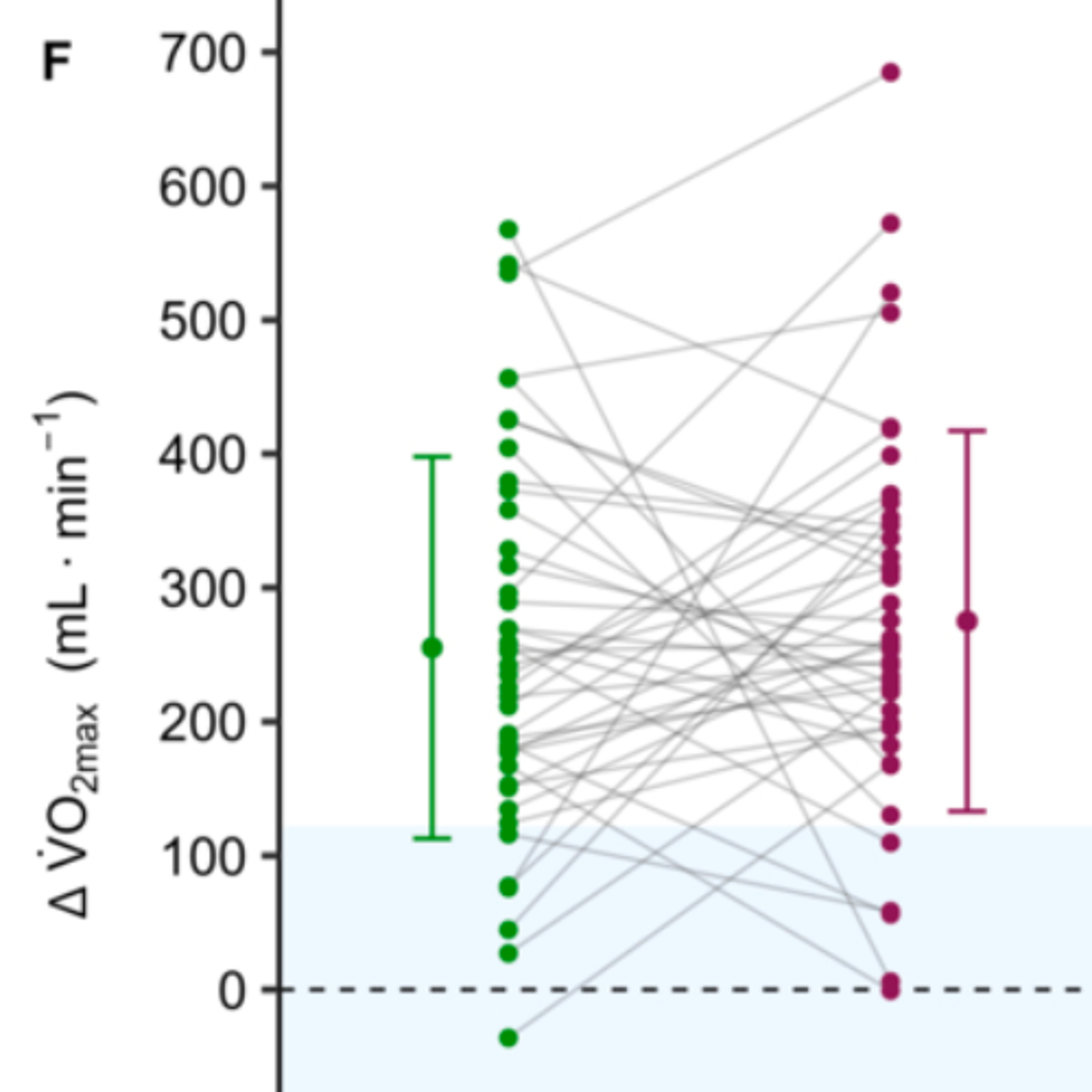
Watts Doc #65: Measuring Training Responsiveness
This episode deconstructs a recent study showing unexpectedly low reliability of individual training responses in people undertaking the exact same training program twice. We go down several avenues of reasoning for why this might be the case, apply these lessons to trained cyclists, and answer your listener questions.
Ten Minute Tips #77: How Not To Break Up With Your Bike This Season
We talk about the summer slump that many cyclists experience, where it can originate from, how to think about maintenance to balance event demands with training and more fun, unstructured riding, and how goals and expectations can come into play. We also answer your listener questions.
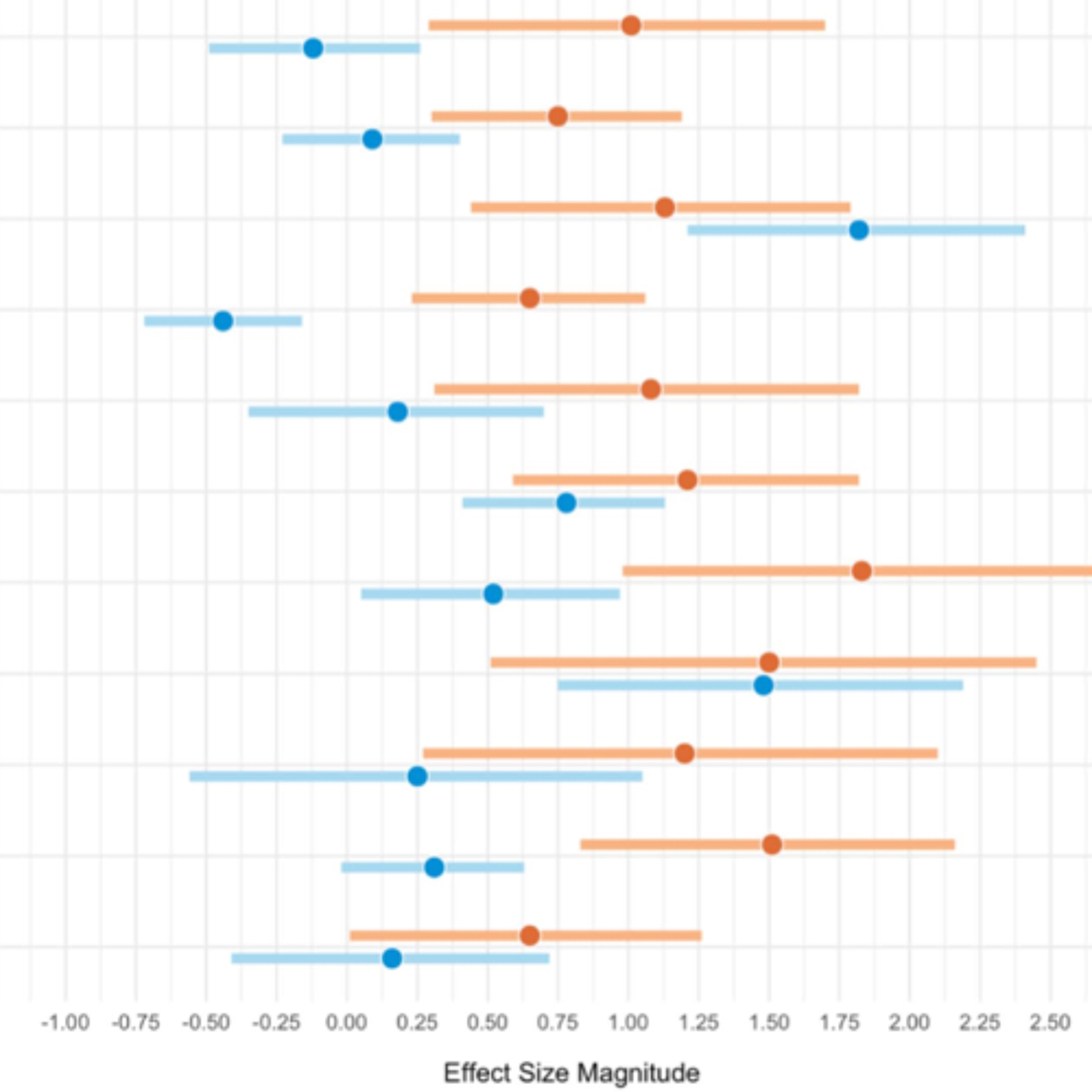
Watts Doc #64: A Replication Crisis Is A Crisis Of Confidence
We delve into the recent large scale replication project in sport and exercise studies, their methods and findings. Then we try to understand why it found the results that it did in light of known statistical phenomena, similar findings from other research fields, and why an apparent replication crisis depends on how you already view and interpret published literature. Plus your listener questions
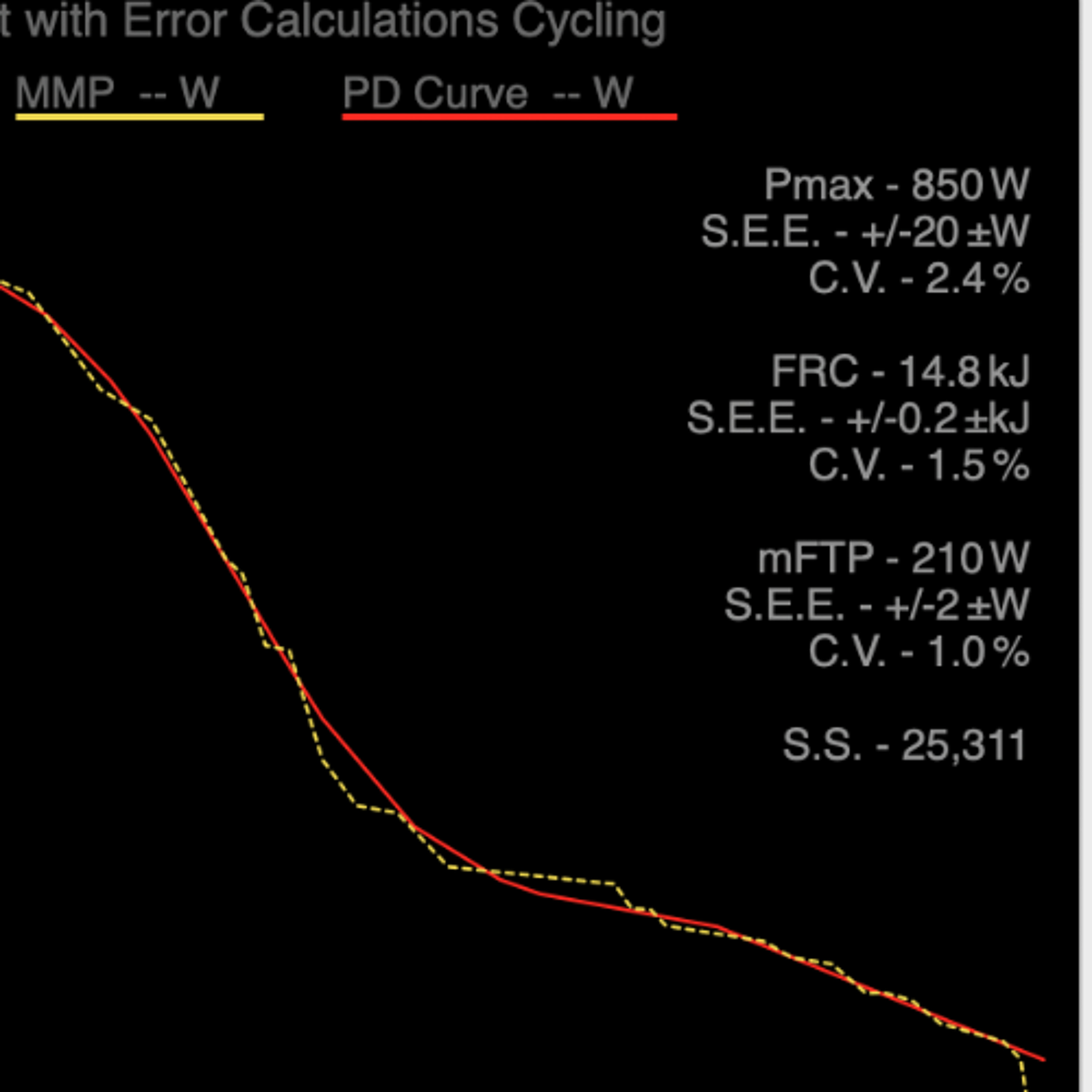
Watts Doc #63: Confronting Uncertainty In Training And Data
We reveal our process for dealing with the uncertainty inherent in training and racing by keeping the FO in the scientific method of FAFO. After addressing whether or not probabilities are even real and the role of subjective experience, we look at some examples of uncertainty and predictions in testing, training, and racing, how reliable and accurate that data and performance models may be, and t
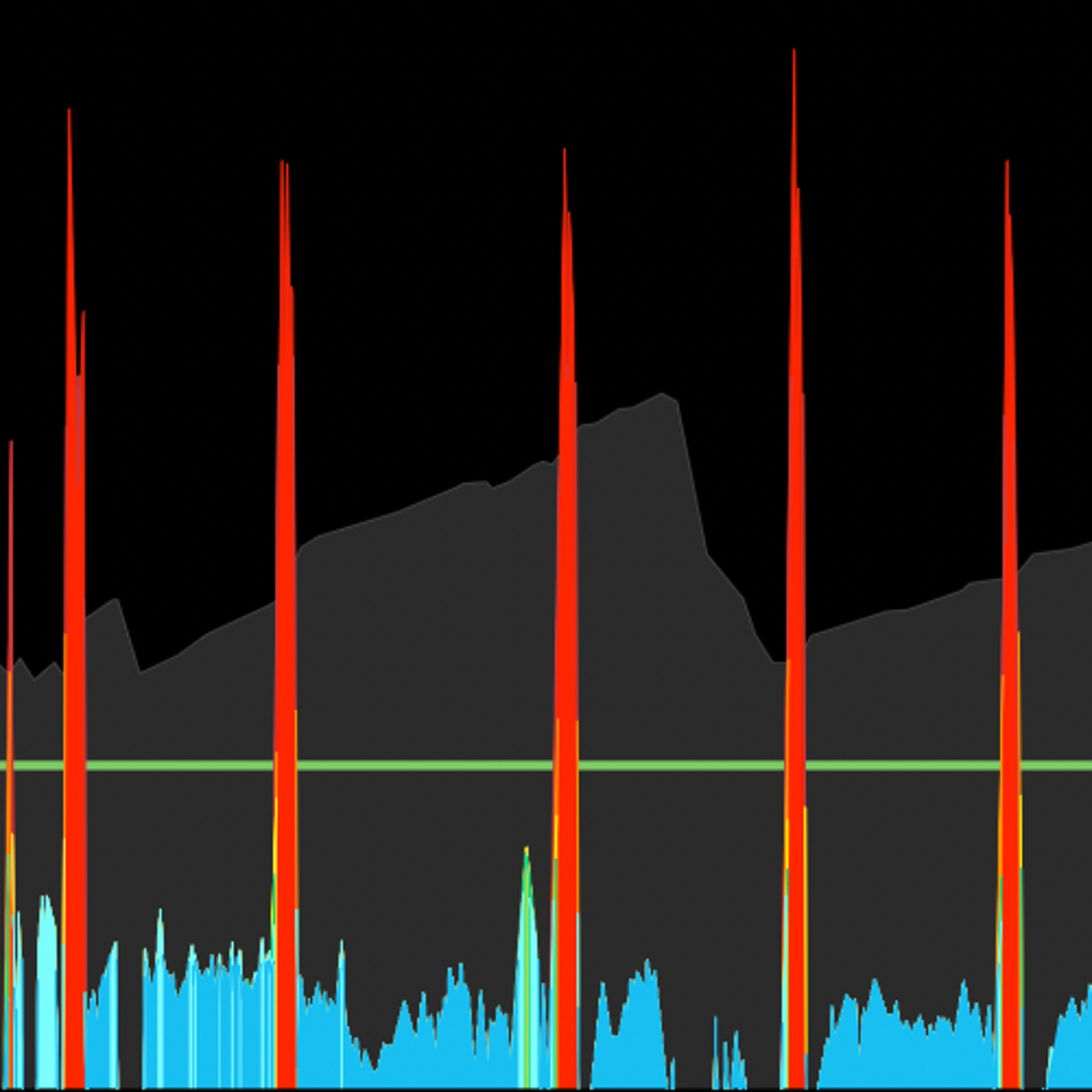
Ten Minute Tips #76: Building Race Fitness
We discuss planning race preparation and how it differs from a general aerobic build, periodization considerations, B vs A priority races, adjusting approach based on feedback, differences with low and high training age, and reorienting goals along the way. We also answer your listener questions.

Ten Minute Tips #75: The Art Of Autoregulation (Training To Vibes)
We talk about coaching athletes to autoregulate (vibes training), meaning making choices between structured and unstructured training, hard work and fun, intensity and rest. This considers the angles of athlete experience level, life stress, people who don't like rigid training structure, workout selection, and more. Plus answering your listener questions.

Perspectives #41: Macros, Determining Energy Needs, Nutrient Timing, with Tim Podlogar
Exercise physiologist and performance nutritionist Tim Podlogar joins the podcast to talk about determining endurance athletes' energy needs, macro targets like protein, fats, and carbs both relative to bodyweight and total energy needs, nutrient timing strategies, glycogen loading, bodyweight regulation, and much more. We also ask listener questions on fad nutrients, hydration, and determining su
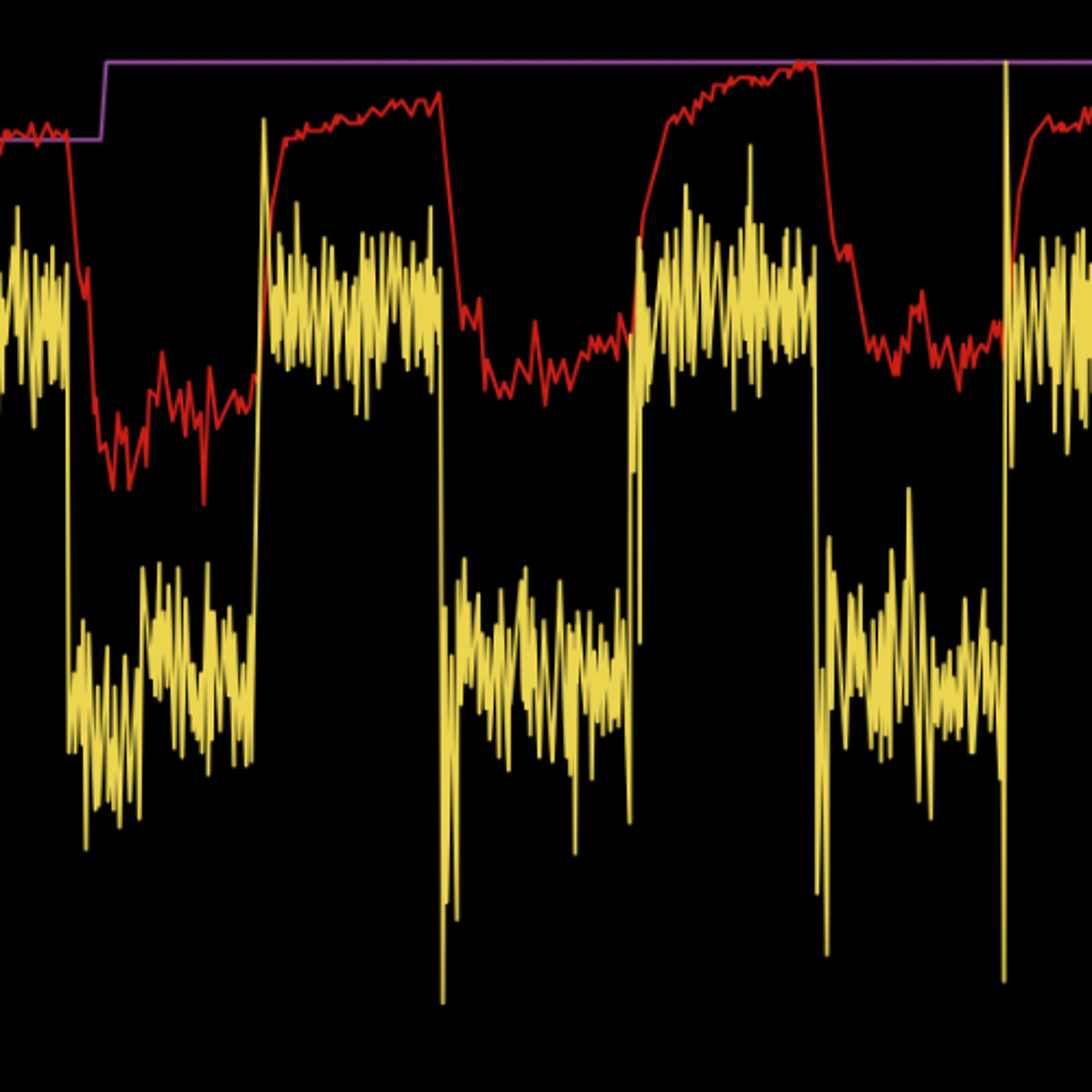
Ten Minute Tips #74: FTP Training Mistakes (And Solutions)
Our three most experienced coaches discuss common mistakes when training and building FTP. We look at testing, interval execution and progression, adaptation timelines, periodization, fatigue management, lactate testing, and much more. We also answer your listener questions on FTP training.
Watts Doc #62: Setting Up Your n=1 Training Experiment
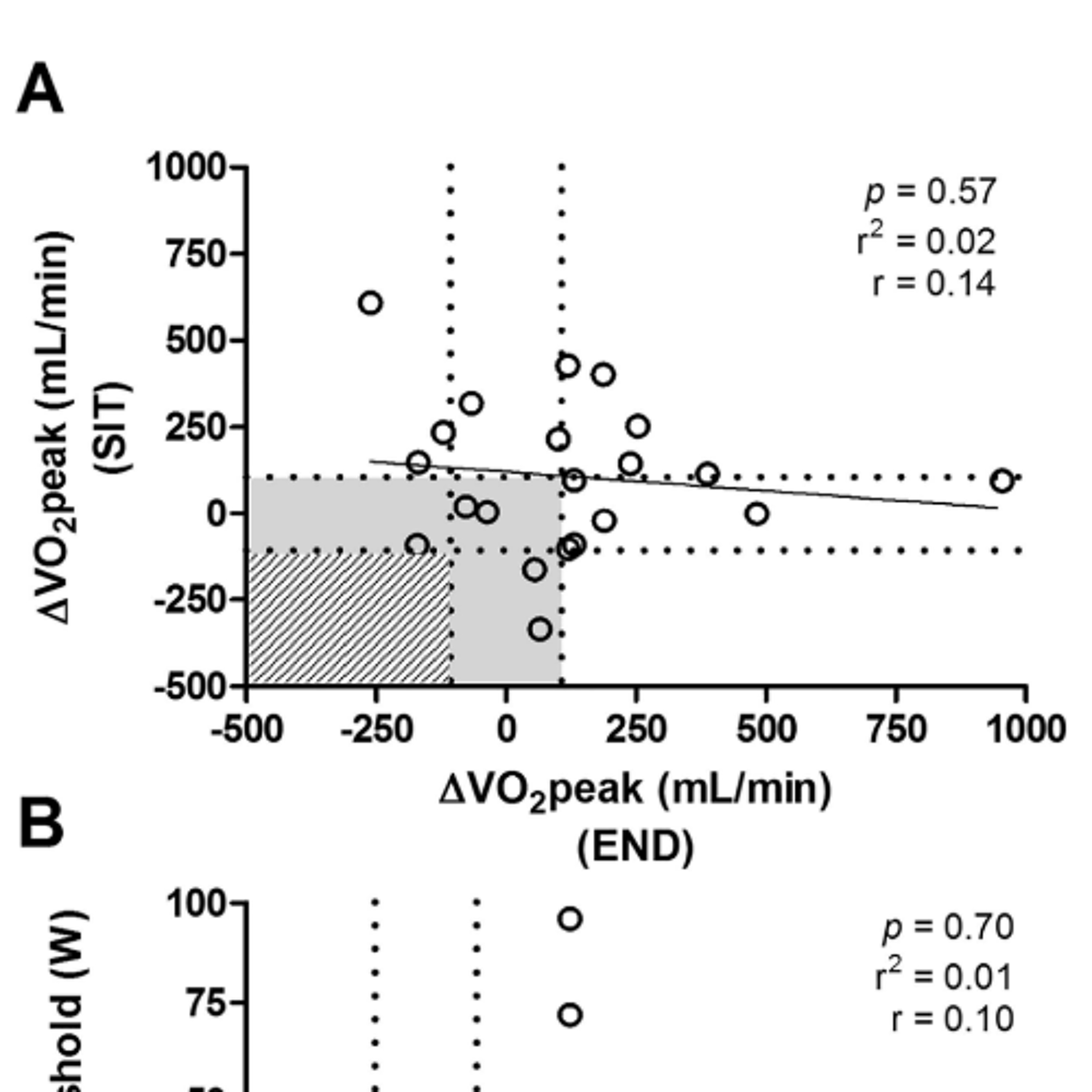
We tackle the ideas of unique responders, the role of performance variability in differentiating training response between individuals, pitfalls in interpreting typical individual response data, and the experimental setup required to actually tease these things apart. Then we walk through a couple easy principles to apply the takeaways in your own training.
Ten Minute Tips #73: Things We Wish We Knew About Training, Racing, and Coaching
We talk about things we wish we knew earlier about training, racing, and coaching. Nutrition, skipping workouts, setting process goals, finding your strengths, athlete feedback, and more. We also find out what our listeners wish they had known sooner.
Ten Minute Tips #72: The Roles Of Stimulus And Recovery In Plateaus
Following up from the last episode, our coaches dig into the balance between training stimulus and recovery capacity, with practical ways to diagnose which is a potential performance limiter. We also touch on low volume athletes, very well trained ones, overlapping stimuli, periodization, short and long term tradeoffs, and more.
Watts Doc #61: Quantifying Diminishing Returns
We walk through an analysis done on almost 15,000 people with data up to nearly 7 years in length and after finding similar trends in Kolie's client and personal data, we apply what we can learn about diminishing returns to our training expectations, season planning, stimulus and recovery needs, our ultimate potential, and what it means for interpreting scientific literature.
Ten Minute Tips #71: Avoiding Panic Training (Starts Now)
Our coaches discuss what panic training is and how it manifests, common reasons for it to occur, ways to plan now to avoid falling into the trap, and ways to pivot before and even during panic training mode. We touch on all sorts of related topics like nutrition and panic dieting, setting milestones and assessing realistic goals, the impact of social media, and a couple ways to rethink training or
Ten Minute Tips #70: Fitness Beyond FTP
Our coaches dig into non-FTP related aspects of training and physiology that that lead to better race results, and workouts that can be done for each. We specifically consider road racing, criteriums, mountain bike and cyclocross, plus gravel and ultra racing, and a couple things to train that can easily apply to everything.
Ten Minute Tips #69: The Case For Riding Easier
This episode we make our case for why endurance and recovery rides can and probably should be paced easier than expected, even for time crunched athletes. We look into the issues that can occur from riding too hard, then delve into physiology, power and heart rate zones, RPE calibration, fatigue and energy management, and more. Plus we answer your listener questions.
Watts Doc #60: Durability's Limitations
We take a deep dive into the published literature on durability. First a critical look at the paper coining the term, the next establishing a widely used measurement, and another on the definition and differentiation of several aspects of endurance performance. Then discussing aspects of measurement and trainability, plus the relative statistical strength in the literature vs typical interpretatio
Ten Minute Tips #68: Using Data In Coaching
This is a critical look at how our coaches use data, like its use in creating a logical framework, the challenging parts of analytics and data in decision making, and how much "the science" can really inform our decision making. Plus we discuss the seeming need for heuristics over nuanced takes, the role of the scientific process in coaching, our favorite metrics, and answer your listener question
Watts Doc #59: A Muscle Glycogen Paradox
We dig into a recent study showing a disconnect between equal muscle glycogen recovery and unequal high intensity interval performance due to delayed recovery fueling, despite equal total calories. We start with some background on glycogen's structure and the importance of fueling before discussing the outcomes and conclusions of this double blind, placebo-controlled crossover study before specula
1M: AMA
To celebrate over a million podcast listens we let you ask us anything, and we answered. You asked training questions about how we would refocus the US's cycling governing body, improving climbing, book suggestions, how long it takes to return to peak form, indoors vs outdoor duration equivalents, partial ROM lifts, if you need to be in a caloric surplus when training, tempo workouts, and more. We
Ten Minute Tips #67: Making The Most Of Winter Training
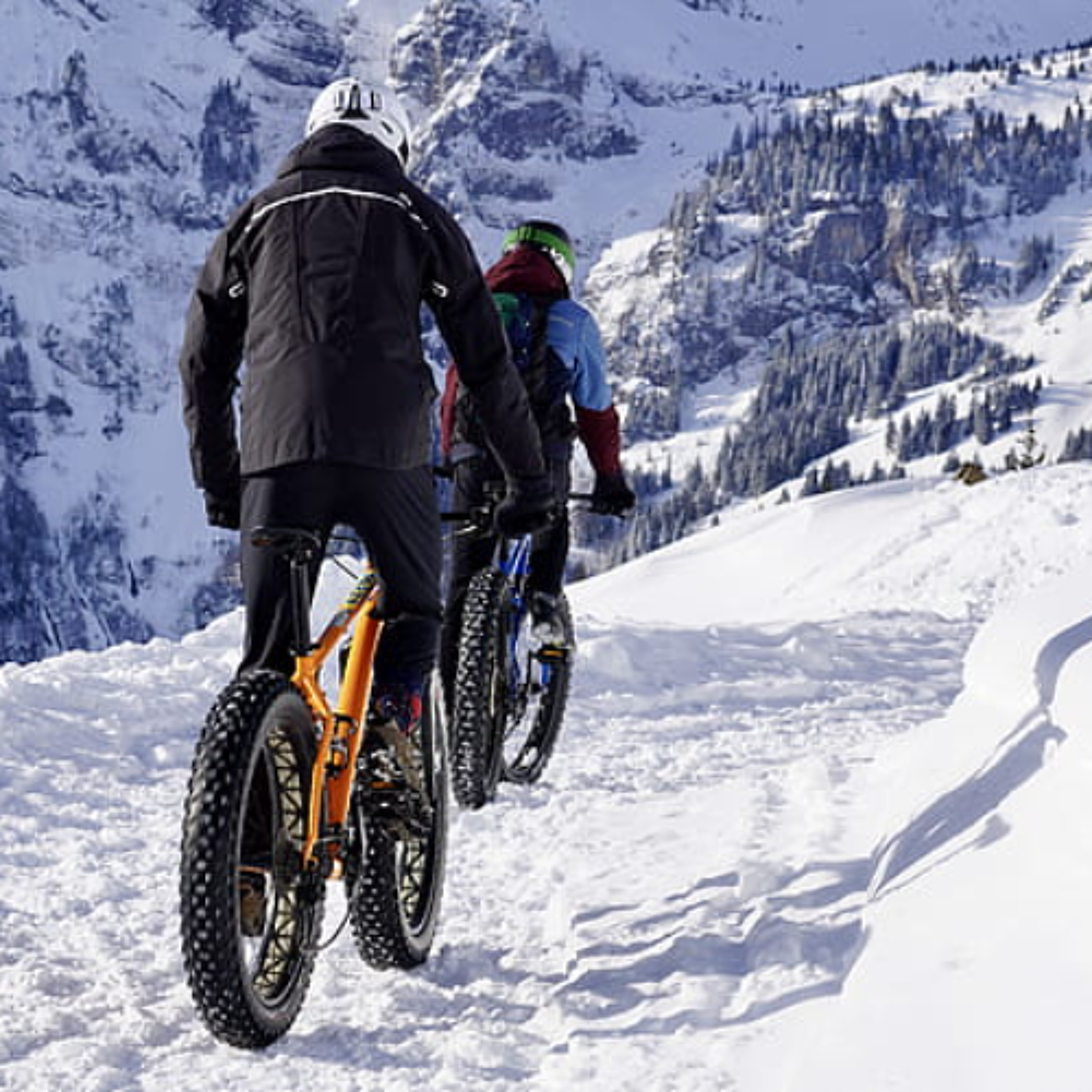
This episode addresses common questions about winter/off-season training, and goes into how we plan and individualize effective winter training. We answer questions like whether it be all "zone two", when and how to include strength training, if you should do intervals and how hard they can be, sweetspot vs polarized, incorporating fun rides or Zwift and other virtual racing, and more. We share ou
Ten Minute Tips #66: The Best (And Worst) Training Habits
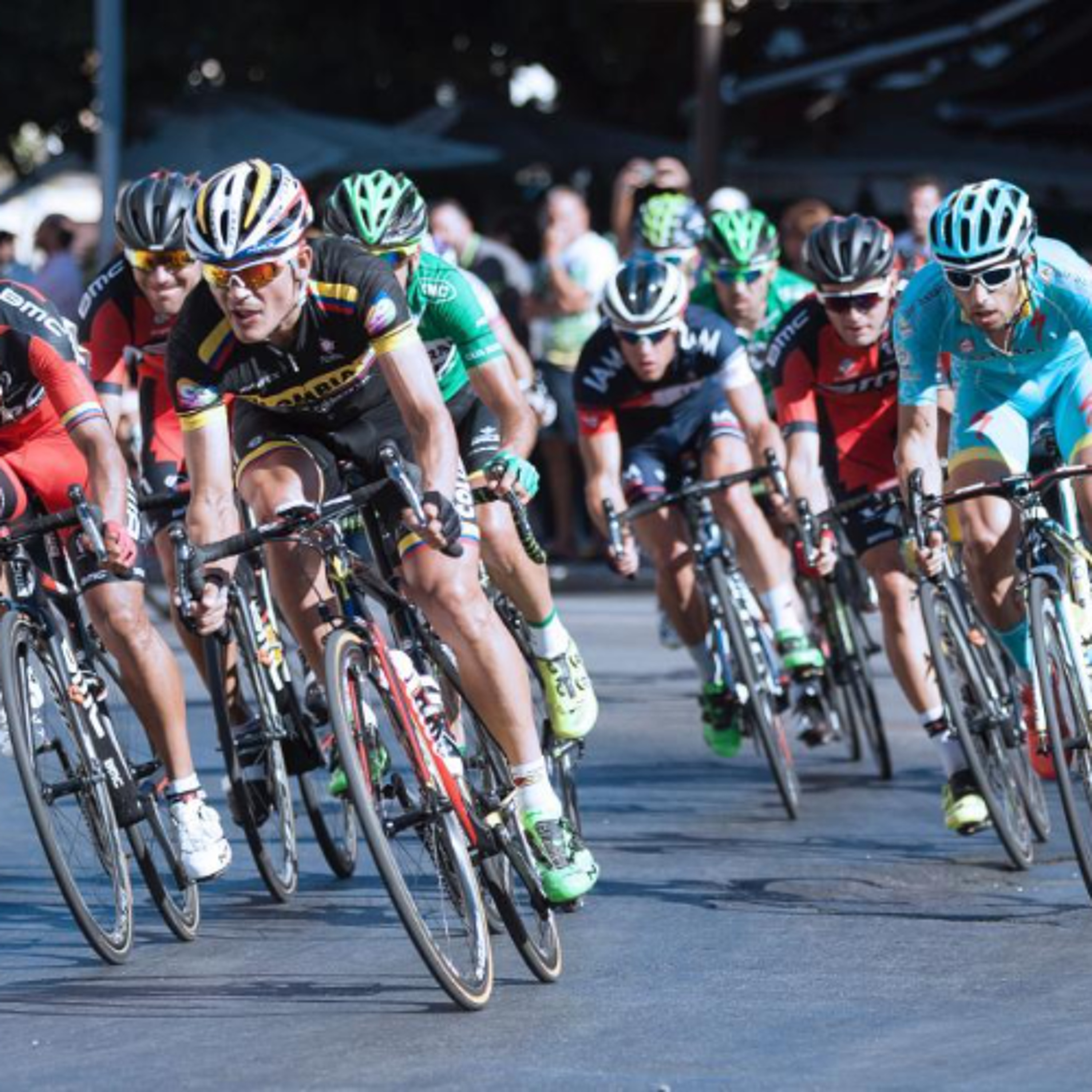
Coaches Kolie, Erica, and Gediminas talk about the most impactful training habits that cyclists can incorporate into their routines, and the ways that these habits can be overdone that end up working against us. We dig into consistency, nutrition quality, health consciousness, coaching relationships, focus, sleep, and more.
Ten Minute Tips #65: Why Training Or Racing Experience Shouldn't Determine Training Volume
Our coaches address the common question of why your friend may be faster when doing less training than you, as well as why your experience level or race category probably doesn't indicate how much you should train. We look at the different returns on investment with training volume vs intensity, selection and survivor bias in cycling, a survey of power and training volume with racing cyclists in t
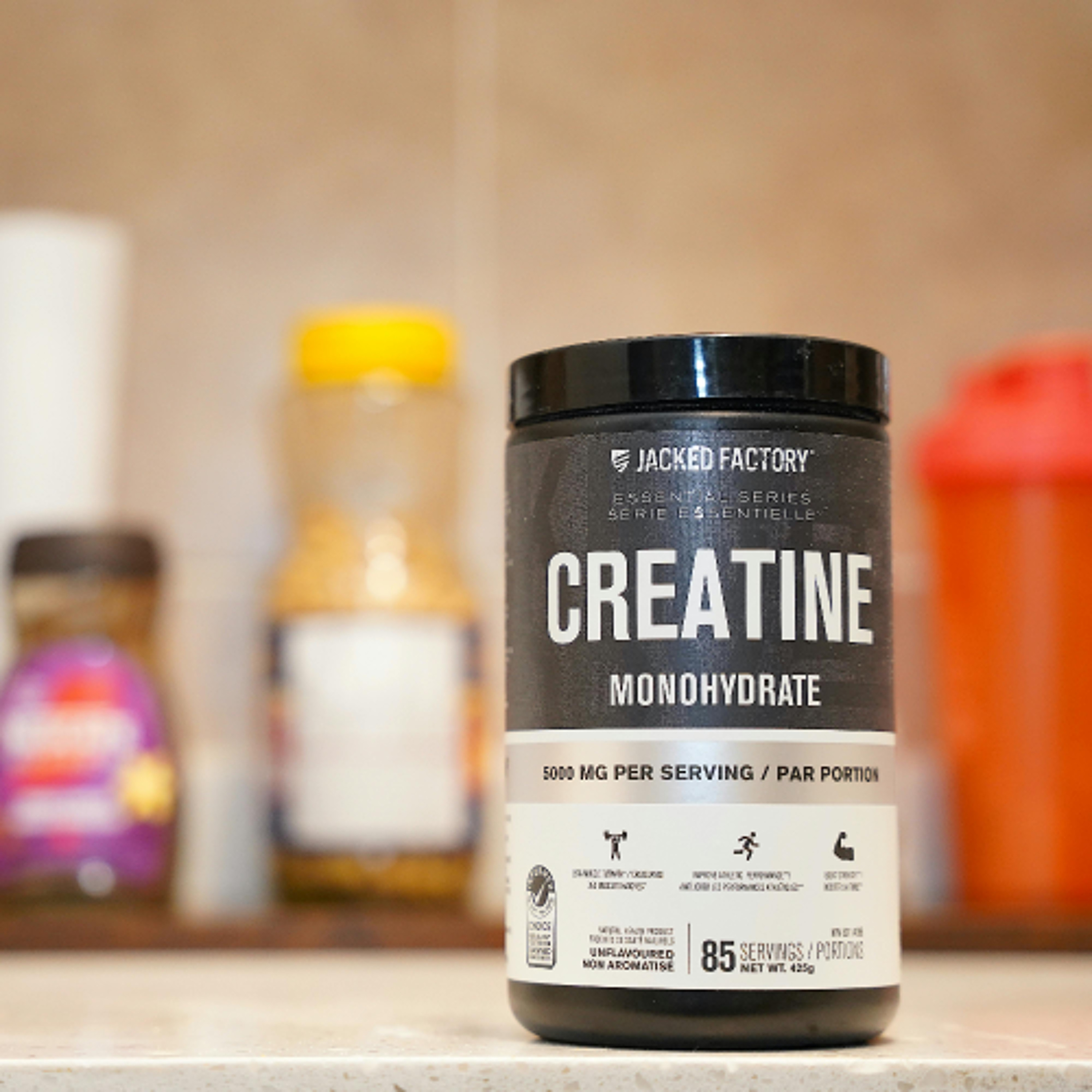
Watts Doc #58: Creatine's Actual Effects On Cycling Performance
This episode is one of our deepest dives ever, into the literature on creatine's effects and tradeoffs with cycling performance, and how the results fare against Kolie's standard for being meaningful, noticeable, or measurable. Because individual studies report such varied results, we instead look at a meta analysis on creatine supplementation in aerobic performance, another on repeated sprints, p
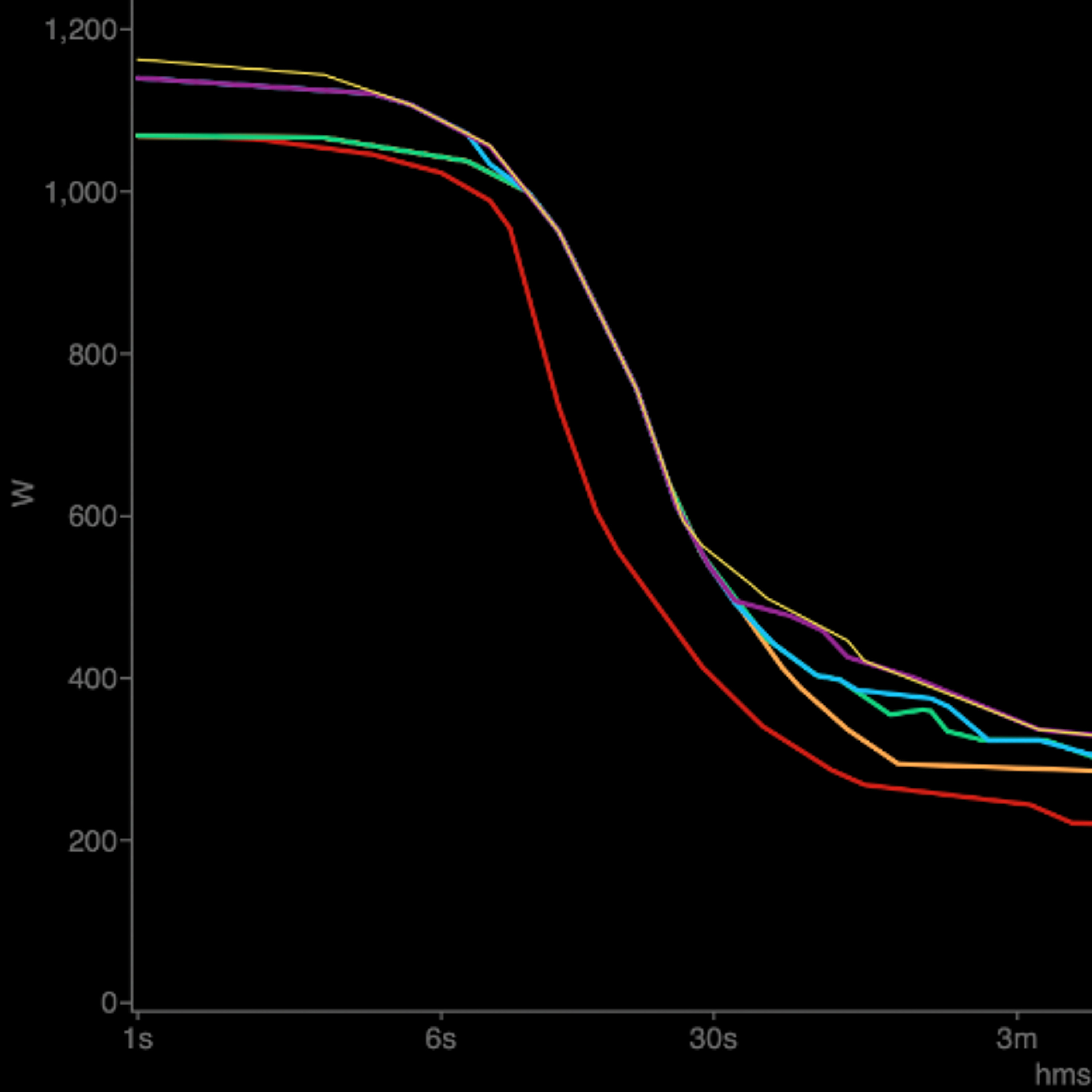
Ten Minute Tips #64: Diagnosing And Training Weaknesses In The Off-Season
This episode we start with the old cycling adage "train your weaknesses, race your strengths" as the jumping off point to discuss strategies for diagnosing and training weaknesses in the off season. We decide for whom this would make sense as a strategy, the opportunity cost of training a weakness, low opportunity cost things to train, how race selection factors in, and much more.
Watts Doc #57: Finding FTP By Feel Is Easier Than You Think
This episode we look into the published literature on the surprisingly tight agreement between FTP and RPE and a couple different lab-derived measures of threshold like MLSS and critical power, along with the concept of anchoring. But first we get philosophical about how measurements often become definitions that can lose sight of our valid observations and experience. We wrap up by discussing FTP
Watts Doc #56: Strength Training Strategies To Avoid Weight Gain
This is a deep dive into four papers on hypertrophy and strength training, and use them to find guidelines around how cyclists can improve strength without gaining weight. We evaluate the stimulus and overall impact of eccentric vs concentric contractions, sets and reps, minimum dose for strength improvements, progressive overload, and nutrition.
Ten Minute Tips #63: The Best And Worst Ways To Test FTP
We take a deep look at ten commonly used ways to test or estimate FTP, and dissect how and why each method does (or is supposed to) work, how often we might expect accurate result and who it'd be accurate for, and the Empirical Cycling standards for test accuracy. We also dig into some data on ramp test accuracy and bias, plus how anaerobic capacity, RPE, and daily fluctuations in performance can
Ten Minute Tips #62: Why FTP Isn't For Setting Training Zones (And Alternative Approaches)
Our coaches sit down to discuss the downsides of using FTP as an anchor for many types of intervals, how your individual physiology can make those targets suboptimal for the best stimulus, and the many alternative approaches that we use instead. We dig into VO2max, anaerobic and sprint efforts, plus first threshold and endurance riding. Then we answer your questions on minimum effective dose, brea

Perspectives #40: Energy Expenditure And Compensation, with Eric Trexler
Dr. Eric Trexler joins the podcast for a nuanced discussion on energy expenditure and endurance sports. He explains measurement methods, the constrained energy expenditure model and its interpretations, the difficulty of calculating your total energy expenditure and needs and practical solutions, some curious results from papers on energy expenditure in cycling grand tours, and much more.
Ten Minute Tips #61: Coach Q&A on Limiters, Low Volume Rest Weeks, Resuming Training, Under-Optimized Training, & More
Our coaches answer your questions on identifying limiters, how to take a rest week on a low volume plan, resuming training after a break, training for fitness vs racing, total time in zone vs structured intervals, the things that cyclists under-optimize, making the most of unusually large training weeks, the benefits of ice cream, and much more.
Watts Doc #55: The "Right" VO2max Training, and 30/15s Epilogue
This is a critical look at our previous podcast episodes on VO2max training, and with hindsight provide new and additional context on those training recommendations, plus other effective ways to do VO2max training, with their coaching and contextual aspects. We investigate some instances of "VO2max blocks" in the scientific literature, reexamine the 30/15s paper, and discuss additional factors tha
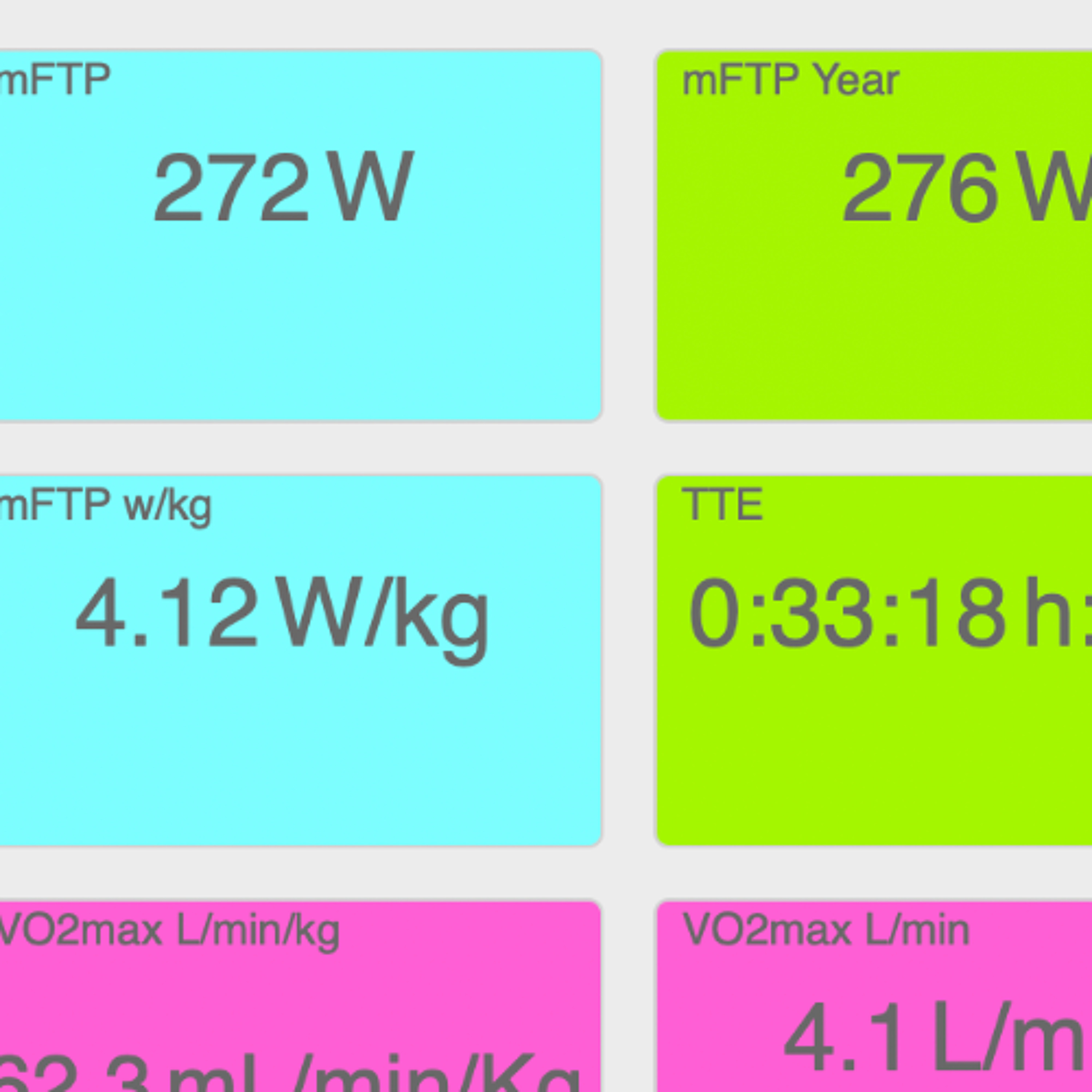
Ten Minute Tips #60: The FTP Training Decision Tree
This is a practical guide to FTP training, through three lenses: where you are in your season, where you are in your training journey, and opportunity cost. In each instance we think about reasonable expectations for improvement, if you should add more power or interval time, when to switch to VO2max training, periodization strategies, and how to prioritize your training. We also answer listener q
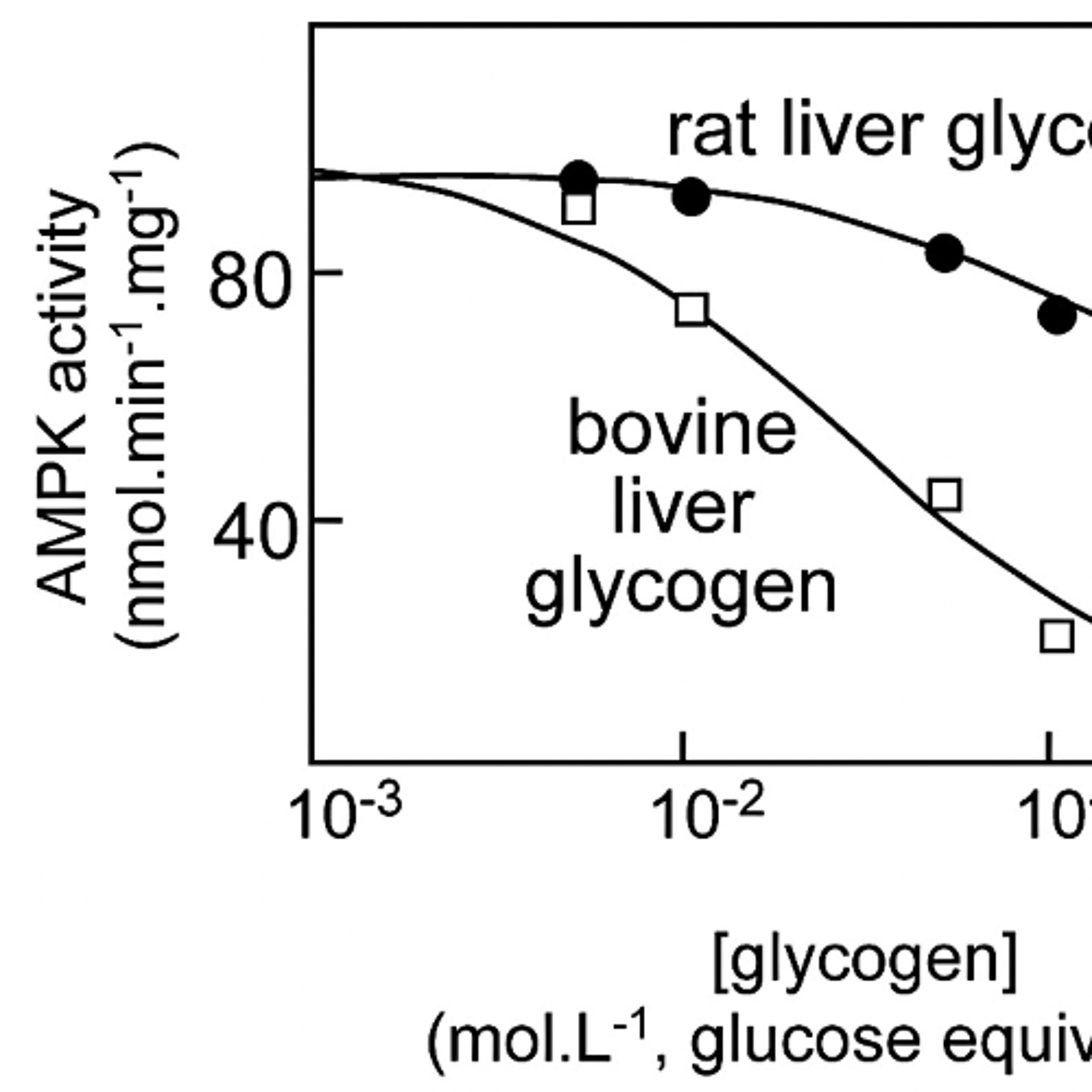
Watts Doc #54: Glycogen's Effects On AMPK
This is a dive into research showing increased AMPK activation with low glycogen stores. We break down a paper discerning how AMPK does this, subsequent changes to AMPK's activity levels, and then come to some logical training conclusions. Along the way are some takeaways on interpreting and applying mechanistic research.
Ten Minute Tips #59: Considerations For Cramps
Our coaches Will and Giancarlo join the podcast to talk through their experience with cramps, and what's been done to attenuate them. We briefly discuss predictors of exercise associated muscle cramps as well as current theories about why they do occur, while most of the episode is spent on practical considerations, and the long list of potential solutions.
Ten Minute Tips #58: Why Rest Can Be So Scary
Taking enough rest can be intimidating if it's unfamiliar territory. Our resident philosophers of rest Rory and Maeghan join to take a deep dive into the most common reasons we see people being scared of sufficient recovery. We include plenty of practical takeaways for what to expect when resting, how much is too much, building new habits, knowing when you can get back into training, what not to d
Ten Minute Tips #57: Our Coaches Answer Your Training Questions
Six of our Empirical Cycling coaches put their heads together to answer your questions on whether mid season breaks will set your fitness back to the dark ages, managing burnout and disappointment, if younger athletes can still overtrain, balancing intensity and volume, work and family stress, being a "good student" as a coached athlete, training habits, and things cyclists put an emphasis on that

Ten Minute Tips #56: Resetting Goals And Motivation
Today we use Rory's recent post event slump to discuss strategies for refocusing and finding motivation again. This is mostly through the lens of goal setting and how to incorporate season planning, fun and unstructured riding, new disciplines, time with friends and family, being flexible, as well as listener questions on realistic goal setting, coping with not meeting goals, training vs racing m
Perspectives #39: An Unexpected Balance, with James McKay
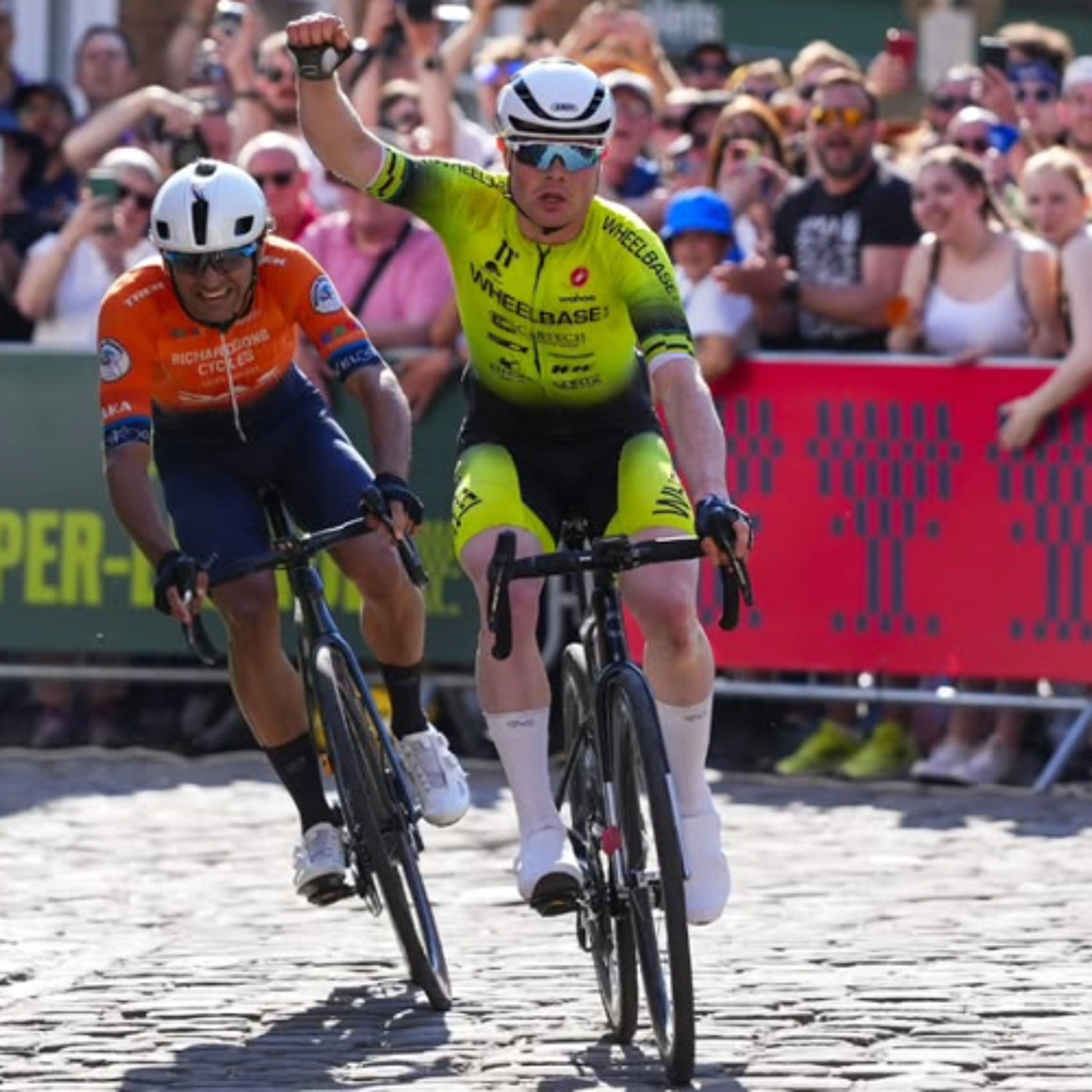
Our very own coach James Mckay sits down to talk about the road to achieving his cycling career goal, a victory at the Lincoln Grand Prix. As this was his last race being coached by Kolie, they take a retrospective look at all the challenges and hard work that went into the last four years of training that made this such an incredible moment: volume, race specific intensity, cramps, heat training,

Ten Minute Tips #55: When To Take A Rest Week, Trusting Subjective Metrics
After walking through the general structure and purpose of rest weeks, we break down the decision trees we use to plan rest weeks ahead of time, or what we look for to add them reactively. We also discuss using subjective metrics in rest week planning, plus if and when we wouldn't trust those metrics. Then we answer your listener questions, including mental fatigue, HRV and RHR, skipping rest week
Watts Doc #53: The Origins Of Newbie Gains
We go deep into a couple papers that measure the relative contributions to early VO2max improvements, and the evidence about whether they're more are muscular or cardiac in nature, and what physiological differences there are with more well trained people. Moderate and high intensity training are contrasted, as well as the obvious shortcuts, plus a first-principles approach to alternative mechanis

Ten Minute Tips #54: The Truth About Junk Miles
While the definition of a junk mile is still debated, we do our best to come up with a definition, analyze it in relation to training adaptations, and what should be done. We touch on volume, intensity, group rides, mental health, fatigue and security blankets, training camps, recovery, hyper-optimization, and lots more.
Ten Minute Tips #53: Leveling Up Parenting And Training
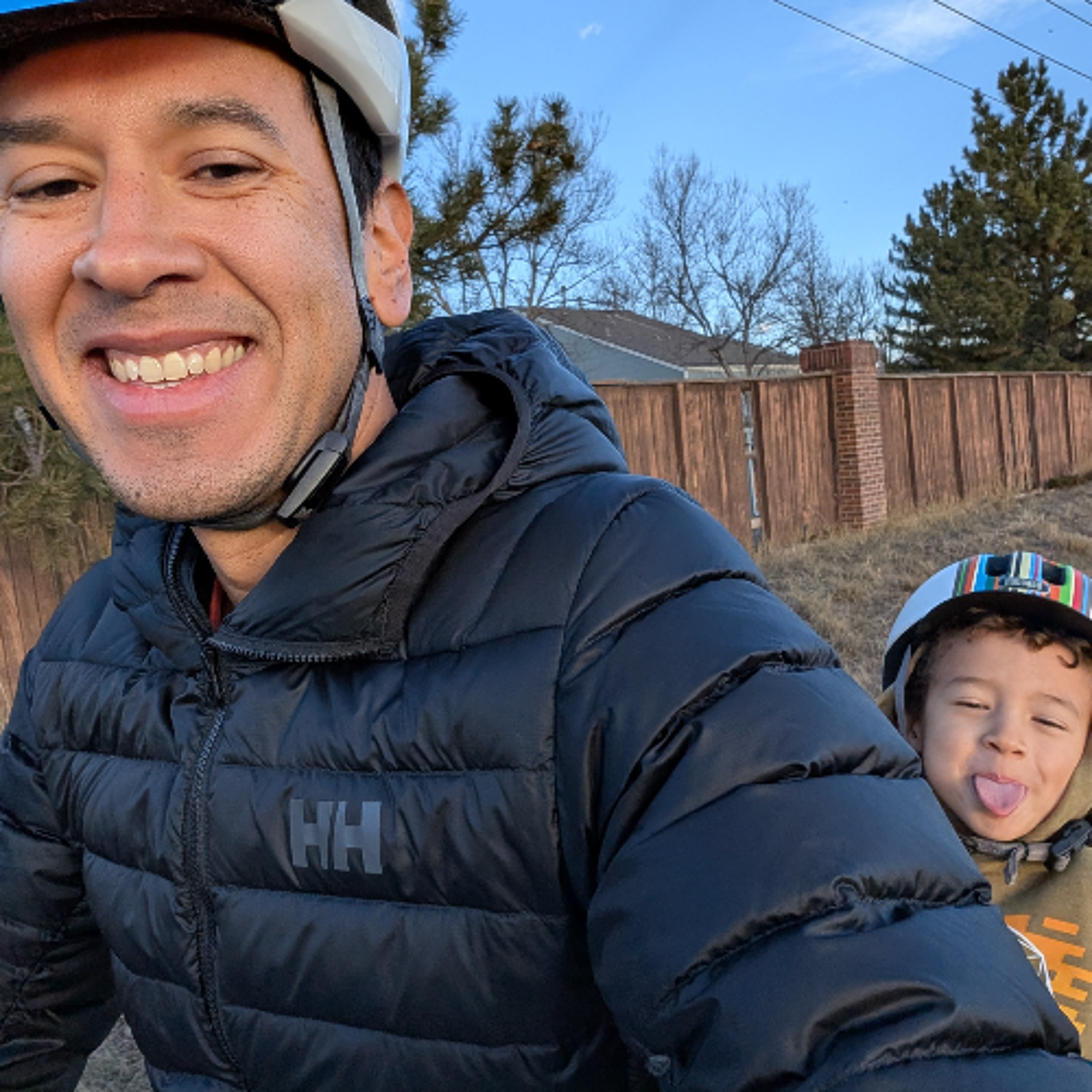
Our coaches Fabiano and Giancarlo join to discuss the balance between parenting and training, both from a coaching perspective and as parents themselves. We talk about finding vs making time, getting sick, guilt, managing expectations, partner and family support, challenges changing as kids get older, and much more.
Ten Minute Tips #52: Intermediate Training Mistakes (And Solutions)
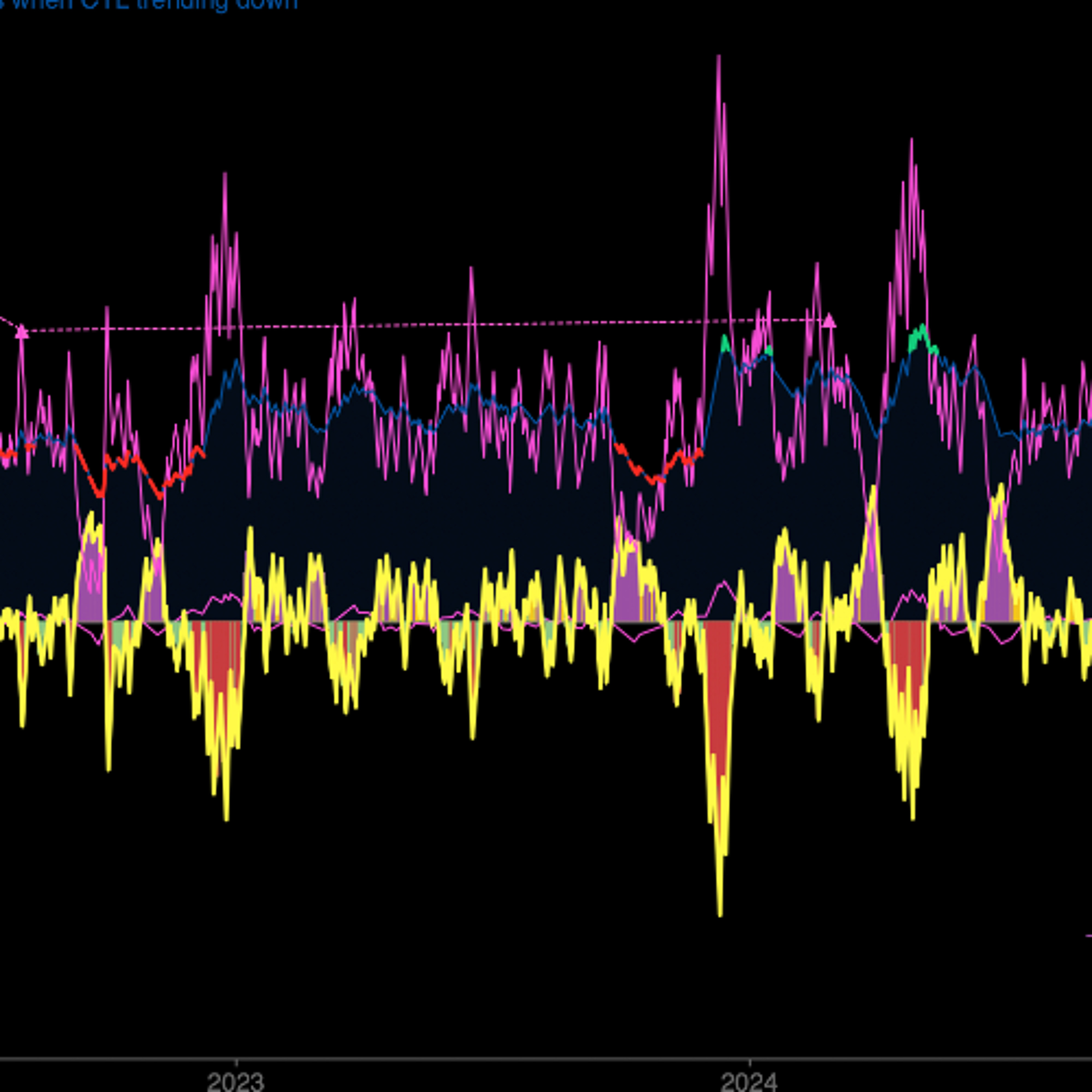
We discuss lists of the most common training mistakes that we see made by cyclists who have done about 2-5 years of structured training. Training focus, rehashing old plans, trying new things, monitoring fitness changes, incorporating fun rides, developing training skills, personalizing your plan, power vs weight, and more, including your listener questions.
Watts Doc #52: Hypoxia Inducible Factor's Diminishing Returns
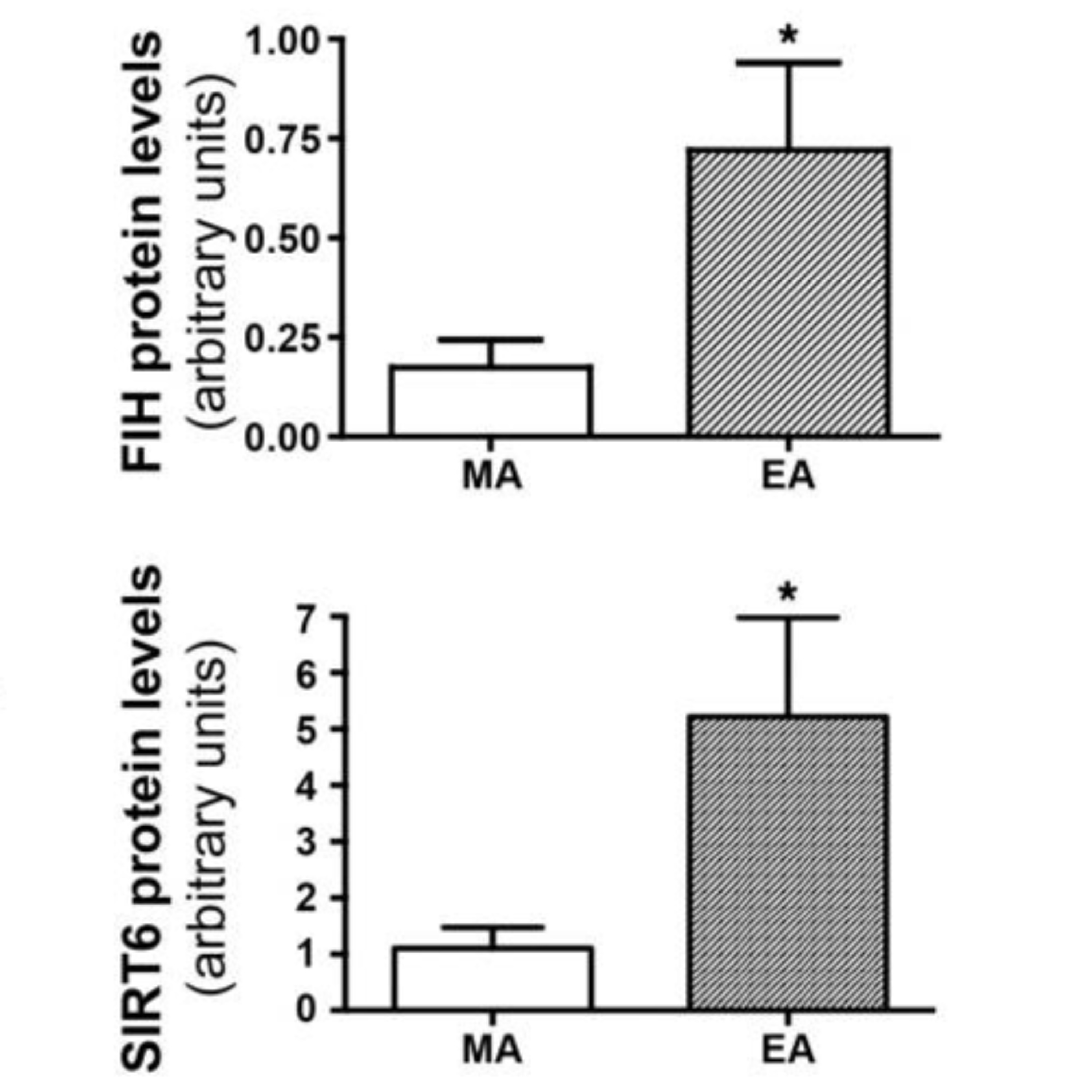
Concluding the series on hypoxia inducible factor in skeletal muscle, we go in depth with a paper investigating regulation pathways that blunt HIF's effects in well trained athletes, plus speculate as to whether the Pasteur effect is something worth worrying about while considering other evidence and parallel adaptive pathways. We also ponder some practical takeaways for very well trained enduranc
Ten Minute Tips #51: RPE, Workout Feedback, Adaptation, and Health Outcomes
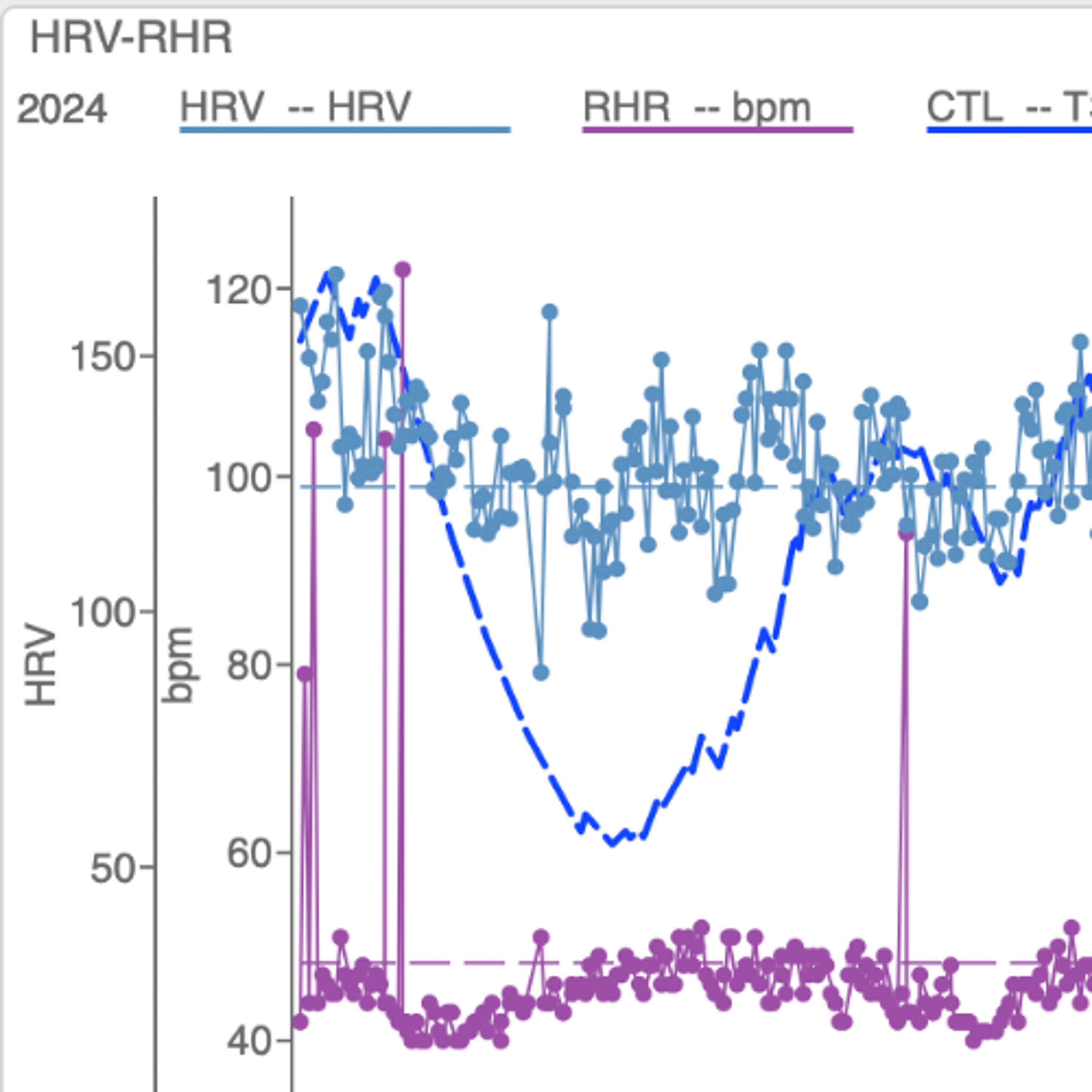
Our very own Coach Fabiano joins for an deep dive into his most recent articles on RPE and its origins in exercise physiology, workout feedback and what athletes should keep notes on, adaptation and the implications from another meta review as it pertains to well trained athletes and other groups. We then venture into health to discuss VO2max, HRV, the J-shaped curve of training volume, plus your
Perspectives #38: Training Intensity Distributions, NIRS, and Iliac Arteries, with Jem Arnold
Jem Arnold takes a break from his PhD studies to discuss the implications of a recent meta review and systematic analysis on how training intensity distributions impact VO2max and time trial performance, on which he is a coauthor. We also dig into the methods behind a paper like this, and the statistical distributions of performance itself and how that affects interpretation. We also discuss his d
Ten Minute Tips #50: Fat And Carb Burning Myths
As structure for a larger discussion on performance, adaptation, and energy needs, we tackle three myths about burning carbs and fats: that you only need to replace the carbs you burn on a ride, that burning fat on a ride helps you lose weight, and that total energy needs are as simple as converting bike kJ to calories and adding a calculated BMR. We also answer listener questions on efficiency, t
Ten Minute Tips #49: Practical Proxies For Stimulus
This episode covers practical cues that we use to be reasonably certain that workouts will have their desired effect, and tease apart the difference relationship between stimulus and adaptation. We give suggestions for the major training modalities including threshold and VO2max, plus strength and hypertrophy. We also discuss ways that these cues could be easily misused, plus the pros and cons of
Ten Minute Tips #48: Avoiding Over-Optimization
Our Empirical Cycling coaches have a roundtable discussion on the most under appreciated and impactful big-picture training habits you can make. We discuss progress expectations, goal setting, all or nothing mentality, vicious and virtuous cycles, balancing personal priorities, and many other factors that are within our control to improve. Then we tackle listener questions including improving clim
Ten Minute Tips #47: Strength Training With Limited Equipment
Finally tackling one of our most requested topics, we discuss the options available for cyclists doing strength training at home with limited or no equipment, and suggestions for cost effective equipment. We go through exercise selection, loading strategies, biomechanical considerations, sets reps and rest schemes, hypertrophy vs strength, sprint power transfer, isometrics, and more. The pros and
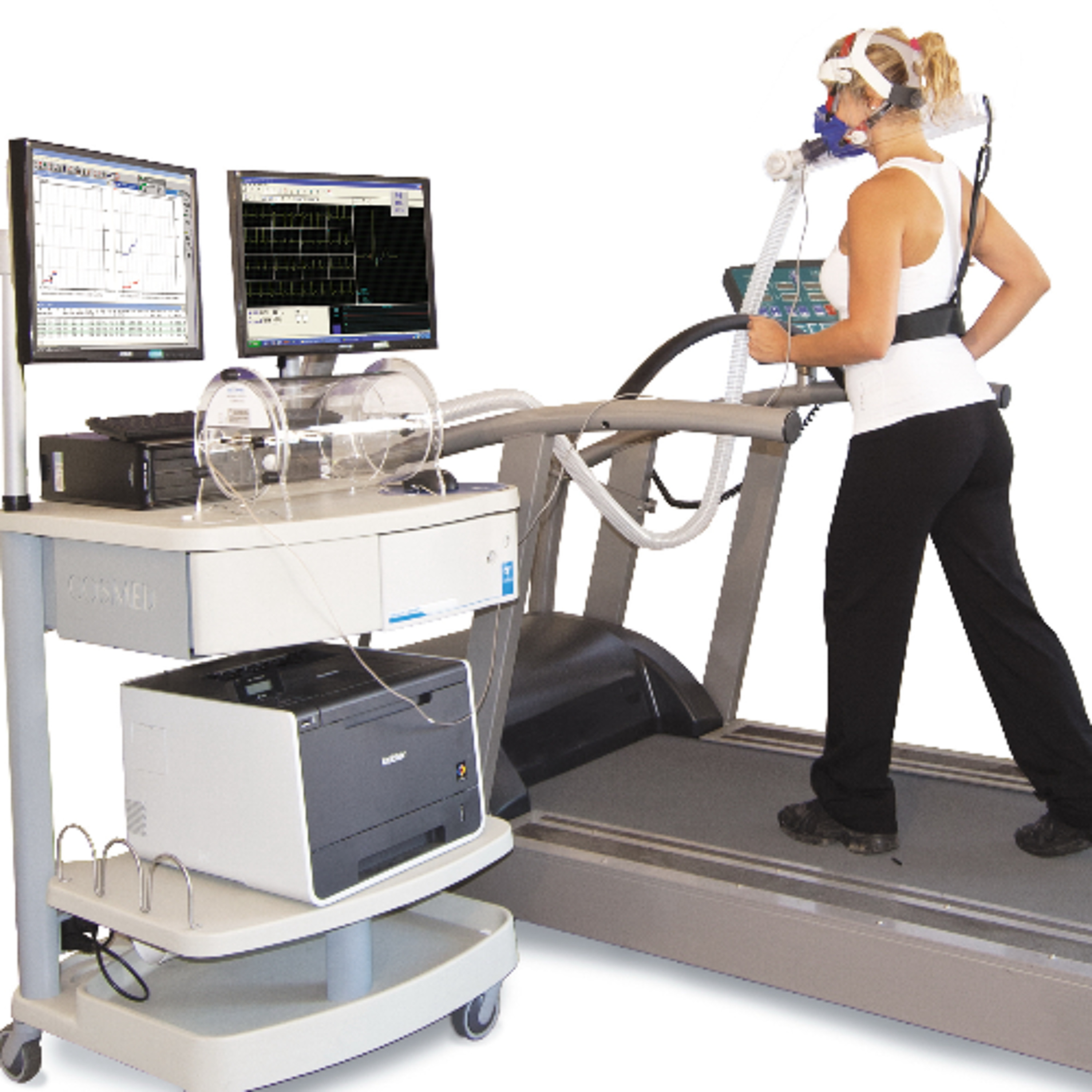
Ten Minute Tips #46: Pitfalls Of Science Interpretation And Communication
Kolie, Kyle, and Rory go deep into why "the science says" may not be what the science actually says. We discuss the difficulty of the task, the statistical and group-average nature of most results, the fallacy of division, what counts as evidence-based practice, motivations behind clickbait titles and more bullish stances, and where we'd like to see the field of exercise science go in the future.
Perspectives #37: Practical Performance Psychology, with Billy Ryan
Billy Ryan of Aware Performance joins to discuss performance psychology. He gives practical guidelines and skills for training and racing, while uncovering their underlying methodology. We cover negative thoughts and feelings around performance, being rigidly flexible, mental focus, confidence vs competence, shaken confidence, and much more. Then we go deep on listener questions.
This upload fixe

Perspectives #36: The Consequences Of Chronic Underfueling, with Traci Carson
Dr. Traci Carson joints to discuss low energy availability and relative energy deficiency in sport, or LEA and RED-S. We consider their origin in the female athlete triad, some differences in female and male physiology and symptoms, the fuzziness of energy intake, symptom overlap with fat loss diets, the need for carbohydrates, the relationship to similar conditions like overtraining syndrome, soc

Ten Minute Tips #45: The Simplest Training Plan Thought Experiment
This episode plays out one of Kolie's coaching thought experiments: what's the simplest training plan possible that would probably be effective for the largest number of people? We each present our plan and then critique them, once again realizing how difficult it is to create a plan without our usual tool of athlete feedback. This starts a discussion about the best potential audience for each pla
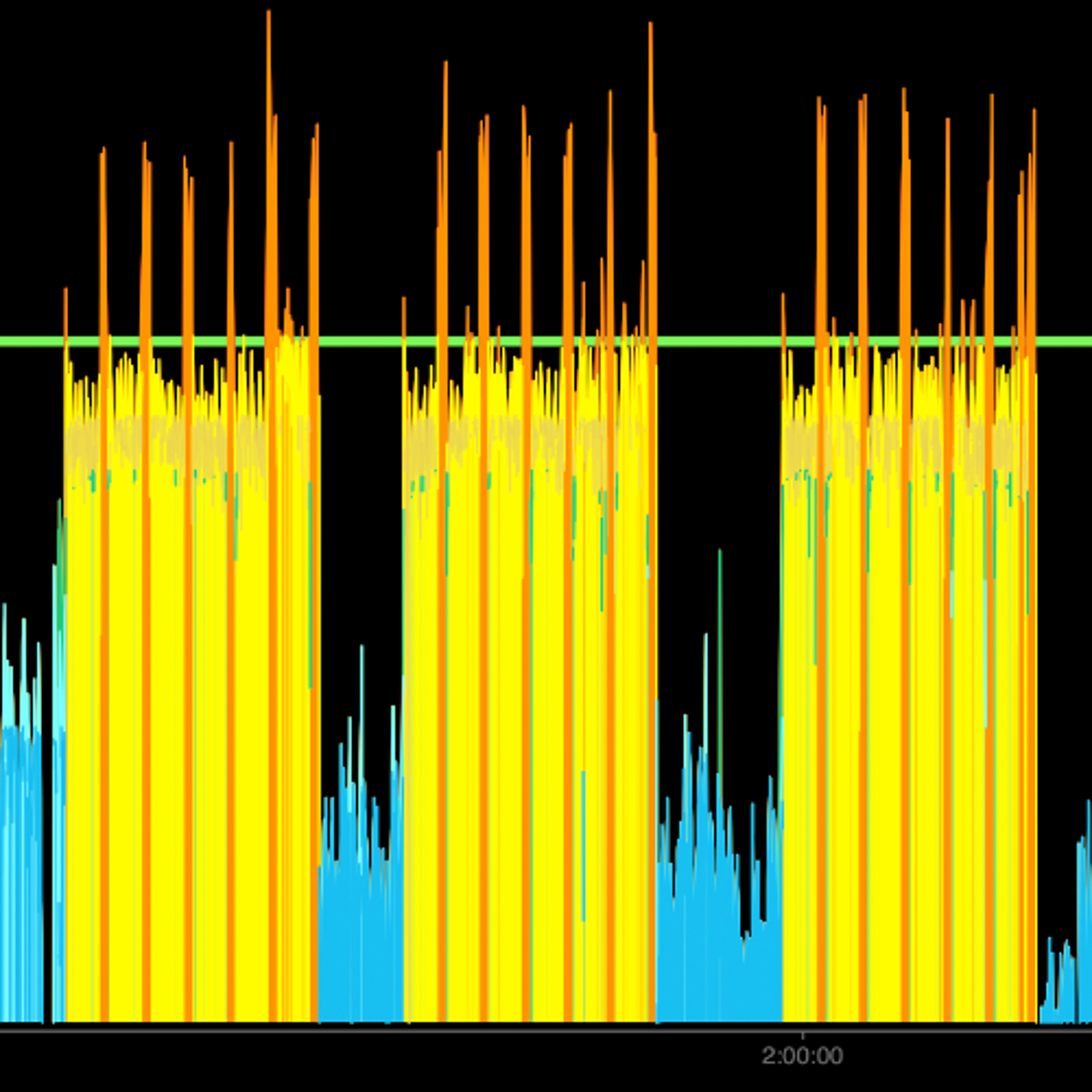
Ten Minute Tips #44: What's So Sweet About Sweetspot
We discuss everything sweetspot. How do we define it, what kind of training is it, what's the nature of progression, how much is too much, upsides and downsides including time efficiency, fueling, over/unders, and more. We also answer tons of listener questions, like if it can raise FTP, if it's overrated or underrated, sweetspot for sprinters, how long you can hold it relative to your FTP, and mu
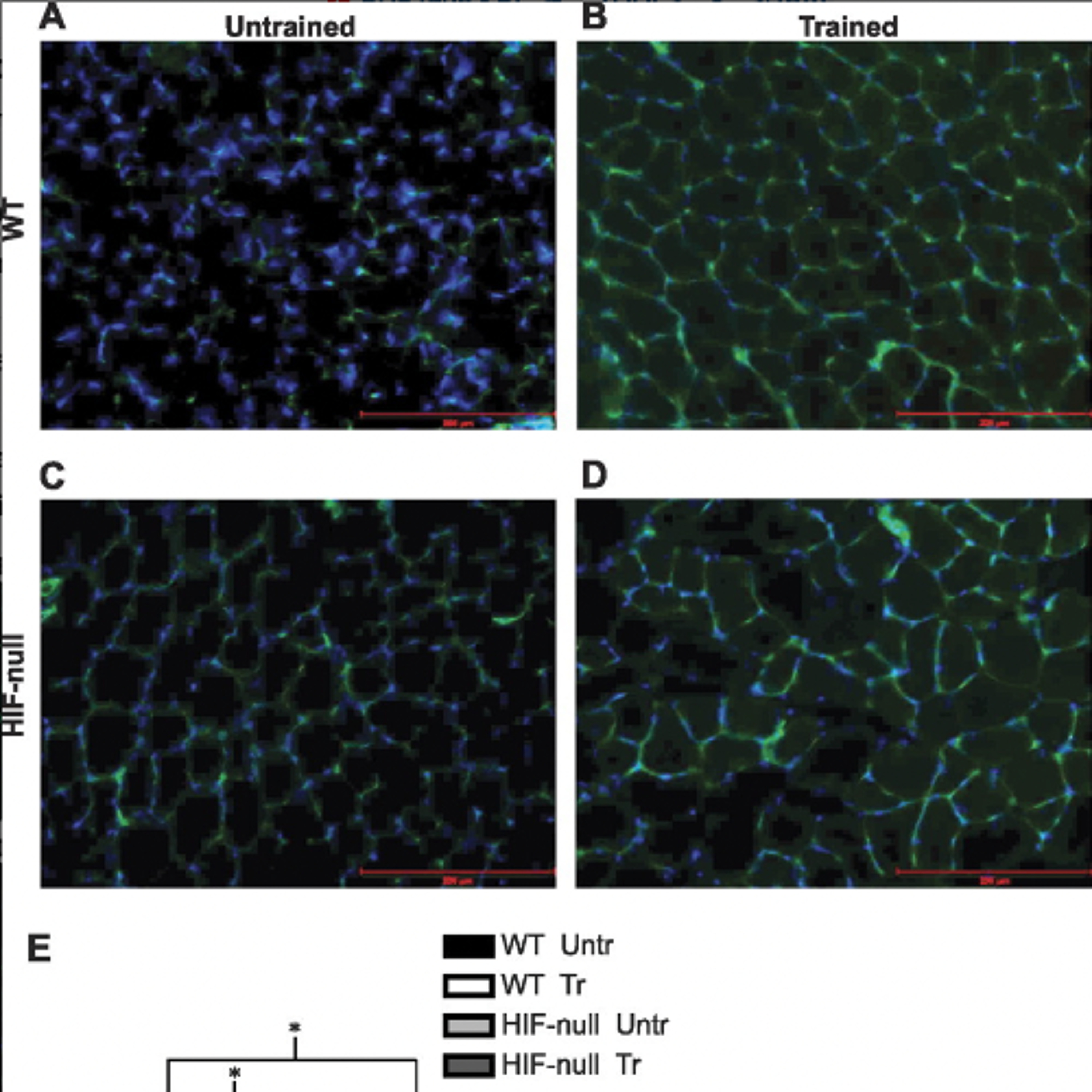
Watts Doc #51: The Complicated Relationship Between Performance and Phenotype
A study knocking out HIF1alpha in mice reveals a counterintuitive relationship between markers of phenotype like fat oxidation, mitochondria markers, capillary density, and fiber type, and not having improved baseline performance. This uncovers an interesting relationship between the HIF pathway and oxidative metabolism, and how seemingly opposing adaptations are complementary.
Ten Minute Tips #43: Off Season Breaks and Massive Listener Q&A
This episode, seven Empirical Cycling coaches discuss their professional and personal experience with off season breaks. Balancing downtime and rest with fun and unstructured riding, plus some rules of thumb to make the most out of these potentially daunting times of the season. Then we answer a huge list of listener questions on whether sprinters can be good TTers, favorite workouts, coaching pri
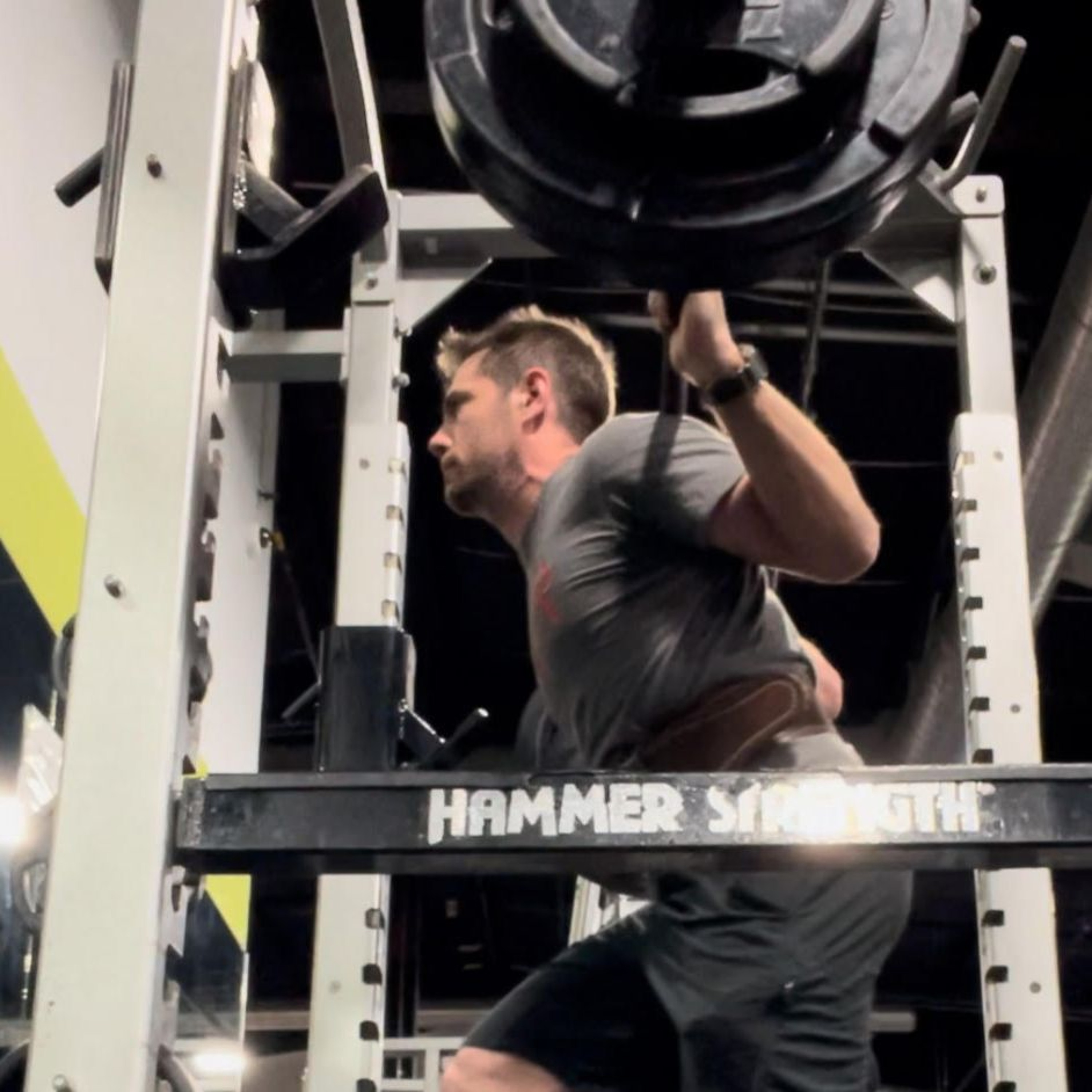
Ten Minute Tips #42: The Training Implications Of Strength As A Skill
Kyle returns to the podcast with balloon stories, but skip to 28:00 for the main topic of strength being a skill, and the training implications that this has. We discuss defining strength, goal settings, minimum effective dose for strength improvements, strength maintenance, tradeoffs with aerobic goals, individualizing strength programming, cycling specific programming and exercise choice, and ma
Perspectives #35: Continuously Realizing Potential, with Cole Tamburri
This episode we discuss Cole's evolution as a cyclist and our relationship between coach and athlete. From making lifelong friends in collegiate cycling, gaining over 100w of FTP, winning a national championship, realizing and encouraging agency as a coached athlete, balancing life priorities and the value of low stress environments, relationships with bodyweight and food, lifting weights, and muc
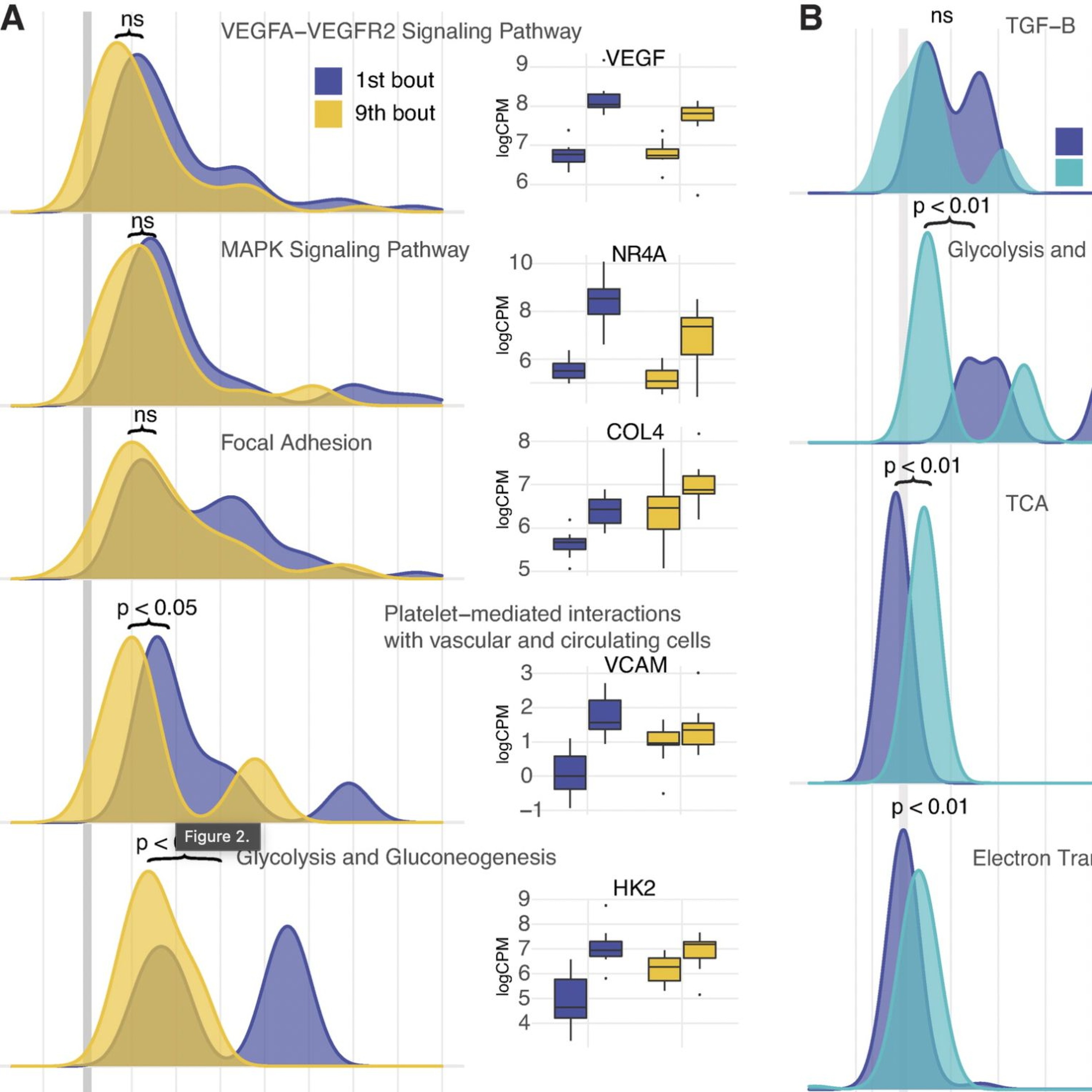
Watts Doc #50: Hypoxia And Muscular Adaptation
We consider hypoxia inducible factor's muscular response to high intensity exercise before going more in depth in its effects with the next episodes. We break down high intensity training, defining hypoxia vs anaerobic, then dive into a study that investigates its main effects in high intensity execise, as well as individual variation in training response. Plus a couple practical tips for consider
Ten Minute Tips #41: How To Try New Training Methods
We discuss the dos and don'ts of trying new training methods. Whether or not you should try something new, setting a baseline, going all in on one thing, variables to adjust, finding a minimum dose, incorporating rest and fun, diets, vo2max and TTE blocks, and more, including your listener questions.
Ten Minute Tips #40: Training Mistakes Every Beginner Makes (And Solutions)
This episode we discuss the ten most common mistakes we see beginners make in their training plans, and their solutions. Goals and outcomes, learning the process, metrics and performance, specialization and individualization, training fads, balancing structure with fun, and more.
Ten Minute Tips #39: Individualizing Training For Crits, CX, And MTB
Retired professional road and cyclocross racer and newest Empirical Cycling coach Erica Zaveta joins to share wisdom from twenty years of competition and a decade of coaching. We discuss individualizing training for the high intensity disciplines of criteriums, cyclocross, and mountain biking, along with how and when to take mid season breaks, incorporating skills work, and adding practice crits a
Ten Minute Tips #38: Balancing Training And Rest During Race Season
Kolie and Rory discuss their lists of the best things to do or avoid to maintain fitness in race season, and balance with appropriate rest. Also touched on are race prioritization, training and progression expectations, methods to estimate and manage fatigue, openers, volume vs intensity, and much more including your listener questions.
Perspectives #34: Quantifying Training Volume, with Marinus Petersen
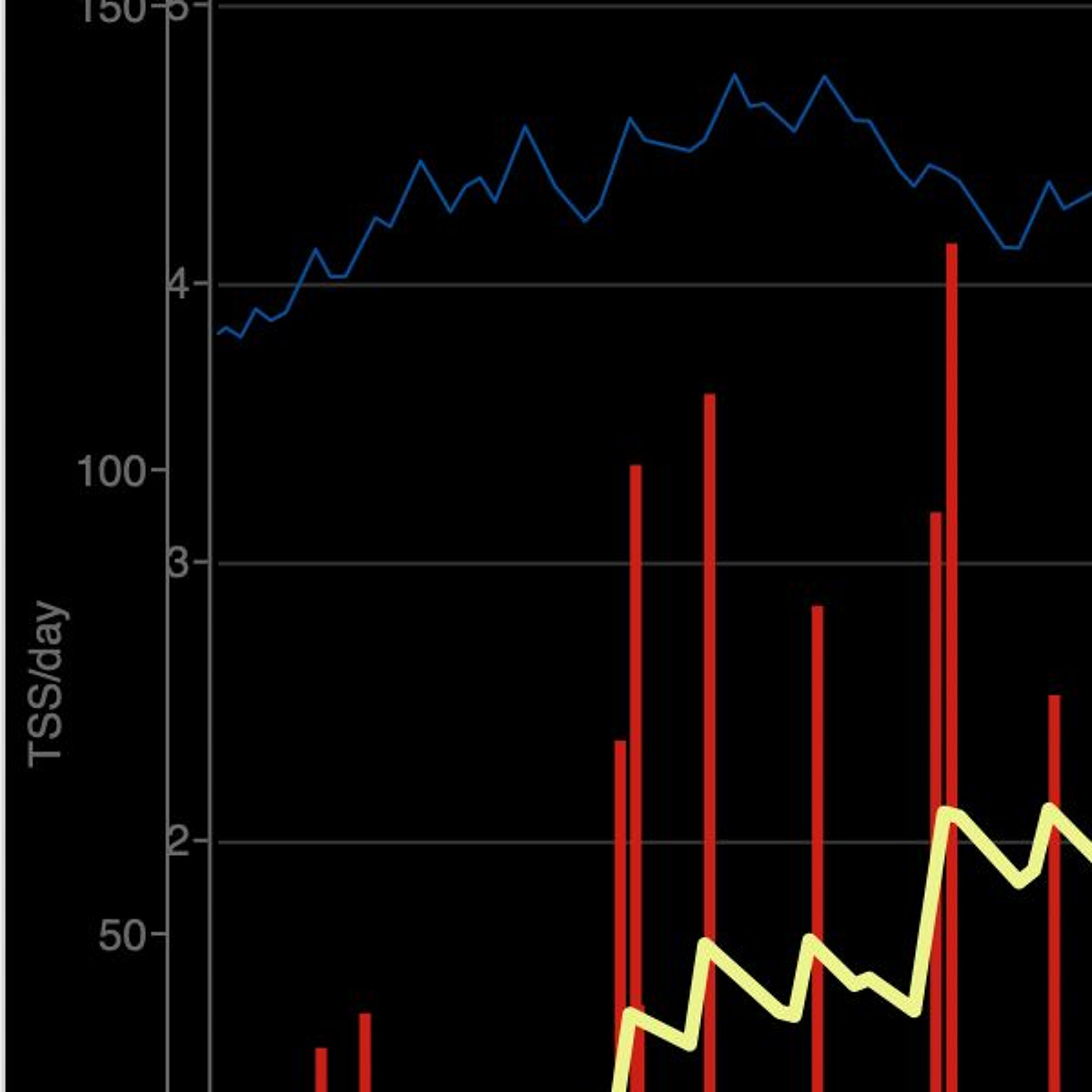
Coach and returning guest Marinus Petersen rejoins to discuss the pros and cons of different ways to quantify endurance and total training volume and adaptation. We consider TSS, total hours, and work measured in kilojoules, as well as coaching and programming aspects of endurance rides and balancing with interval sessions or races. We also answer your listener questions.

Perspectives #33: The Psychology Of Excellence
Professor Patrick Smith joins to discuss performance psychology, its role in cycling performance and everyday life, and some of the underlying themes and tools he uses in practice. We also discuss race nerves, negative spirals, some of the stigma around psychology in sports and overcoming it, defining the metrics of success, and more.
Perspectives #32: Coaching Mistakes, And What Makes A Good Coach
For this episode, Kolie and CTS coach Adam Pulford made lists of their most impactful coaching mistakes, how they recognized them, and their fixes. Lists include high intensity, training zones, communication, and more, plus things still ongoing. Also discussed is what makes a good coach, as well as your listener questions on the best coaching mistakes, fatigue management, trusting your coaching cl
Ten Minute Tips #37: Pacing And Programming Endurance Rides
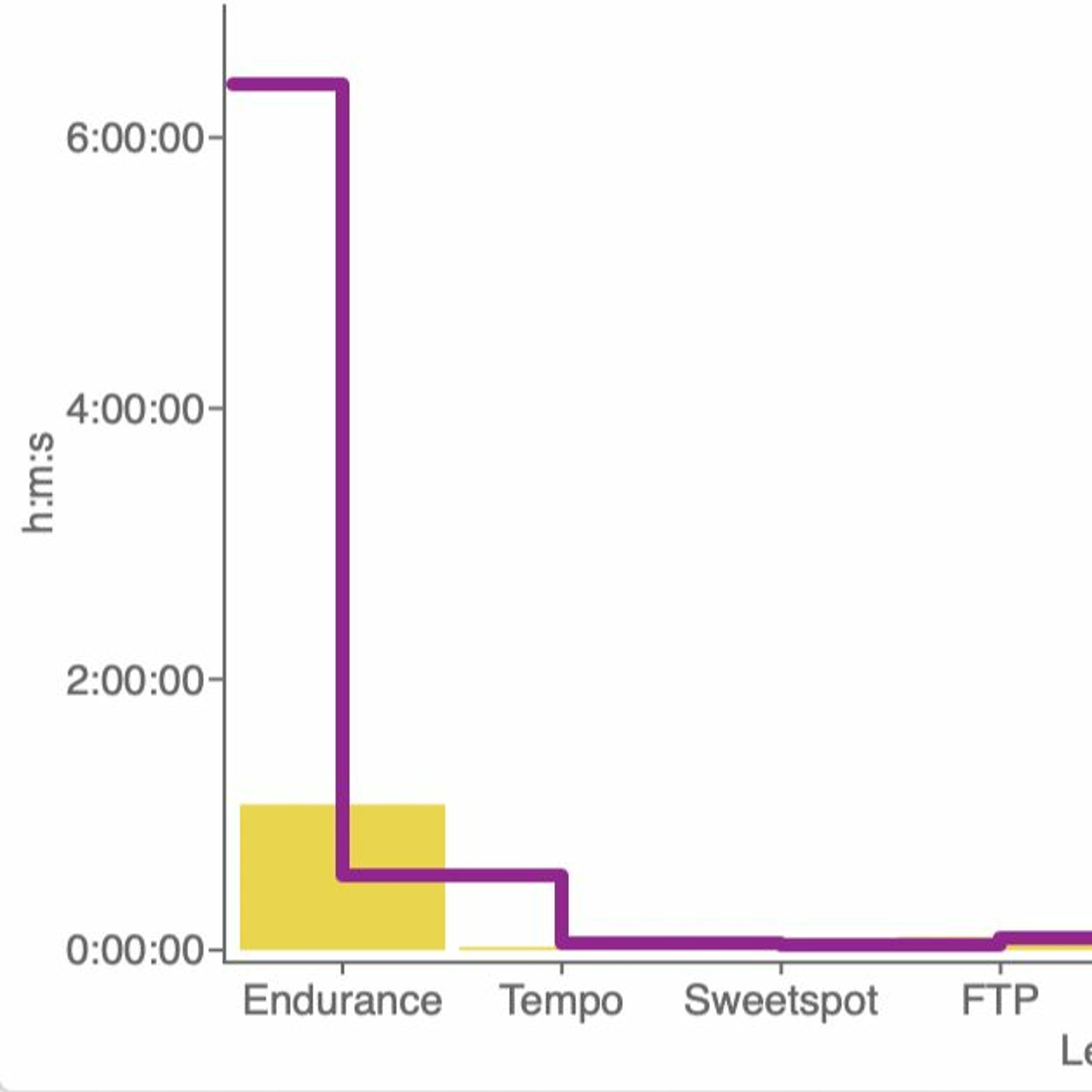
In this episode we recap the big lessons from the last Watts Doc episode and revisit pacing endurance rides in terms of RPE, power, and heart rate, and finding that first threshold. Then we spend a long while considering how to program endurance rides into low, medium, and high volume weeks which we roughly block into 20h and the considerations we have for each scenario. Then we answer your listen

Watts Doc #49: Endurance Intensity and Volume
We dig deep into a meta analysis' findings on the difference in muscular adaptations between training intensity and volume, especially what we can differentiate between continuous moderate intensity, HIIT, and sprint interval training. We also discuss the paper's findings on one aspect of "mitochondrial function", bullet point some practical takeaways, and answer your listener questions.
Ten Minute Tips #36: How To Leave Your Coach (or Yourself) Workout Feedback
Whether you have a coach or are self-coached, leaving workout feedback helps to ensure you're getting the most out of your training plan and coaching. In this episode we discuss what kind of feedback to leave on what topics (like RPE, nutrition, sickness, sleep, etc), appropriate level of detail, and how we as coaches find it useful plus what we do with the information. We also answer your listene
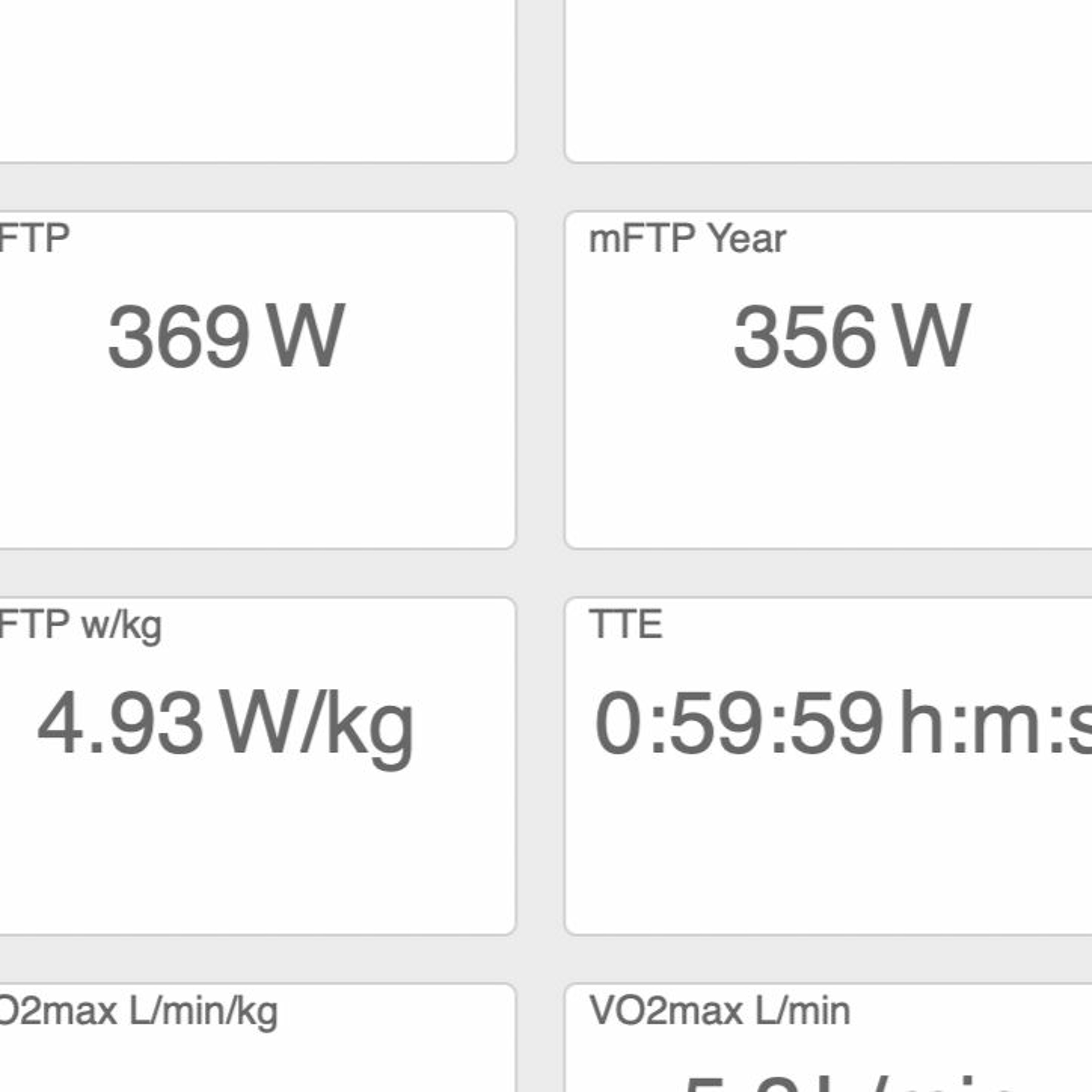
Ten Minute Tips #35: Higher FTP vs Longer TTE
This is an in depth discussion on the upsides and downsides of always training to raise FTP vs holding it longer. After defining terms, we discuss the training required, adaptation timelines, fatigue, long term development, plus coaching and event specific considerations. We also consider a few counterpoints for each kind of training, individual response and needs, whether or not this is an actual
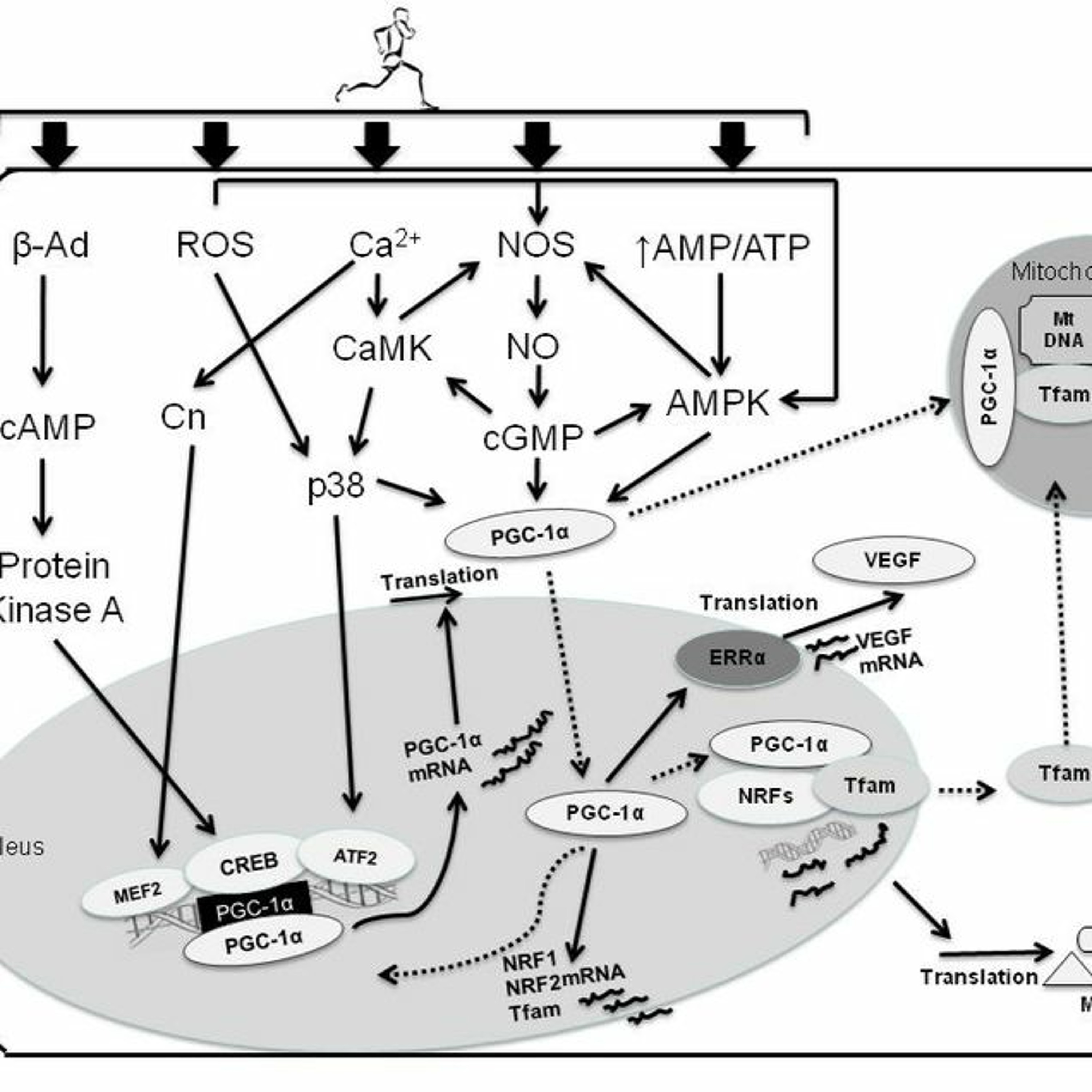
Watts Doc #48: How PGC-1ɑ Does and Doesn't Live Up To The Hype
This episode goes deep into the integral role that PGC-1ɑ plays in turning exercise signals into aerobic adaptation and improved endurance performance. We then dig into the very surprising results of studies that selectively knock out the PGC-1ɑ gene. Finally, we discuss potential uses of this knowledge for training applications and interpreting the literature, the actual best ways to know if your
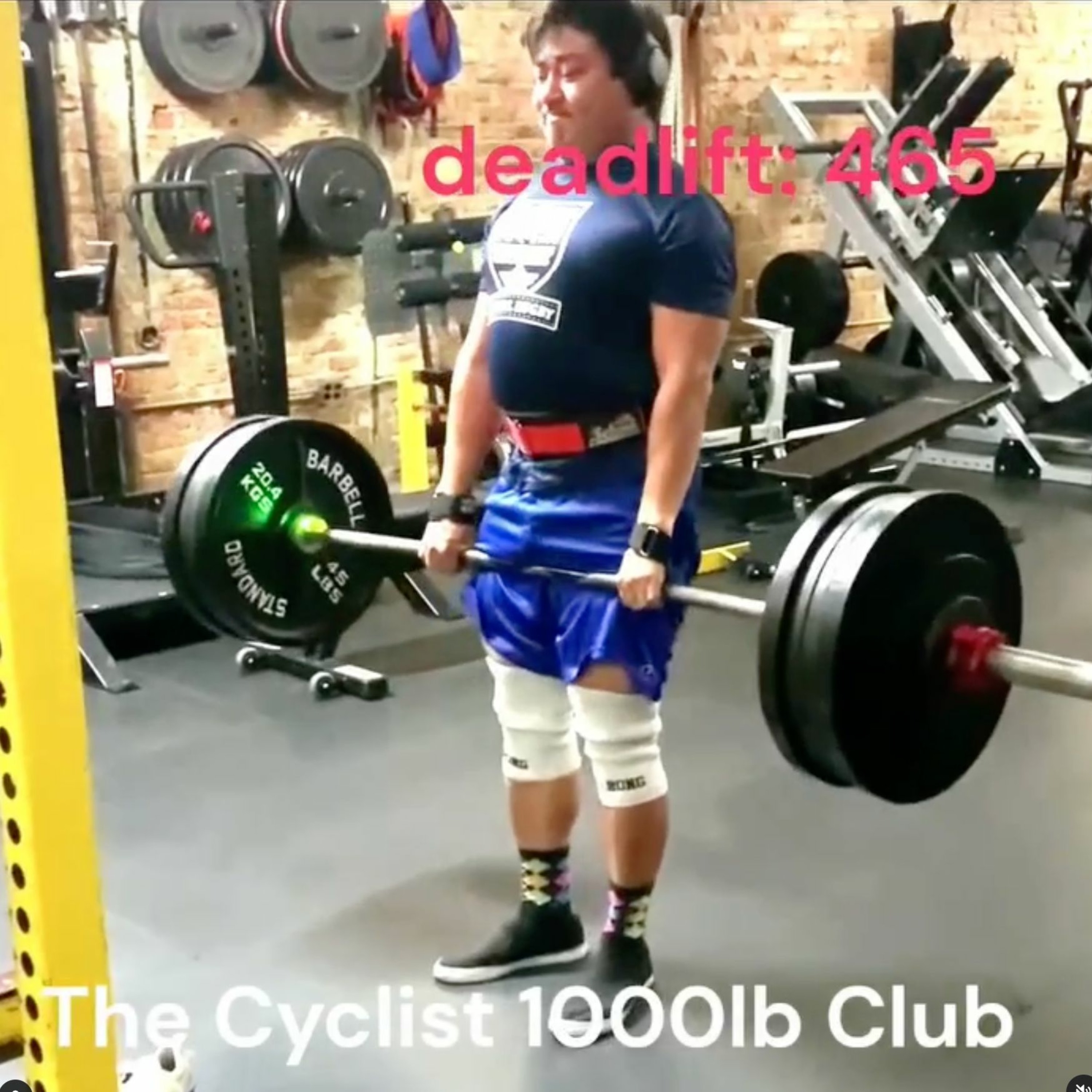
Ten Minute Tips #34: Intermediate and Advanced Strength Training Mistakes (and Solutions)
If you're a cyclist who's intermediate or advanced in strength training, listen in. In our last strength training mistakes episode, we considered more general topics like nutrition, recovery, and periodization. Today we get into issues (and their solutions) concerning how you know you're working the right muscles, using lifting equipment like belts and shoes, range of motion and partial depth, HIT
Recommended

The Healer Revolution

Becoming: HER with Nikki Spoelstra

Booked, Blonde & Busy w/ Olivia Ponton

McKinsey on Consumer and Retail

megahired.com

Hard Knocks Podcast
Effective Weight Loss for Moms | High protein, Strength Training, Lose Weight, Meal Planning, Fat Loss, Healthy Habits

The Human-Animal Connection - Pet Life Radio Original

Infinite Health with Dr. Arasi Maran

The Daily

World News Tonight with David Muir

English Vocabulary Help
