Multi-messenger astrophysics
Discussions around tools and discoveries in the novel domain of multi-messenger and time domain astrophysics. We'll highlight recent publications, discuss tools to facilitate observations and generally talk about the cool science behind the most violent explosions in the universe.
Episodes
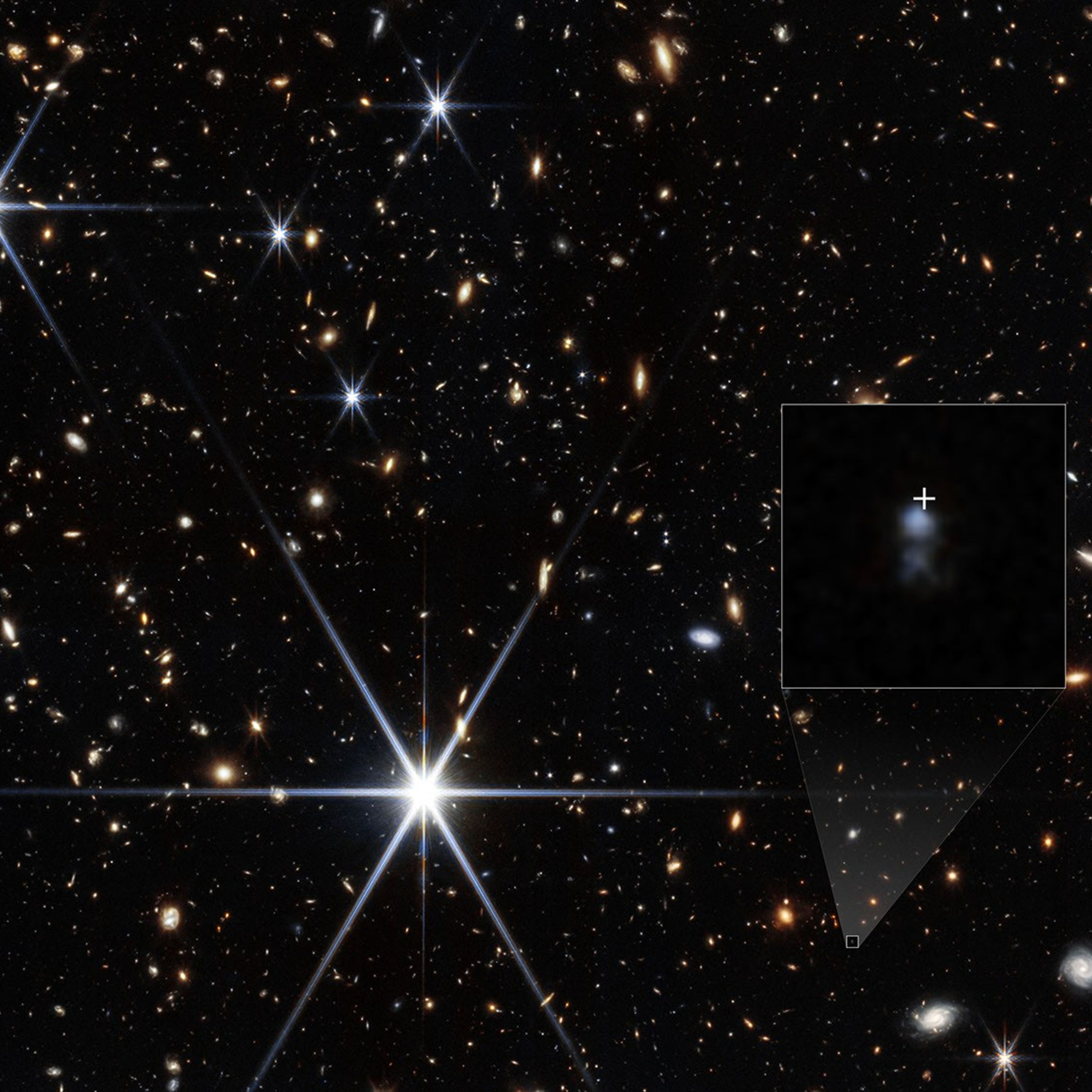
JWST and MeerKAT Team Up: Uncovering the Most Distant Fast Radio Burst Yet
Fast Radio Bursts (FRBs) are millisecond-duration radio signals originating from deep space. In this episode, we explore the groundbreaking discovery of FRB 20240304B, detected by the MeerKAT radio telescope in South Africa as part of the MeerTRAP survey. Subsequent near-infrared observations with the James Webb Space Telescope (JWST) pinpointed its host galaxy at an unprecedented spectroscopic re
GRB 221009A: Measuring Relativistic Jets using Radio Interferometry
In this episode, we explore high-precision Very Long Baseline Interferometry (VLBI) radio observations of GRB 221009A, the brightest gamma-ray burst ever detected. Using the Global-VLBI network at 5 GHz between 231 and 750 days post-burst, an international team of astronomers directly measured the expanding projected image size and relativistic velocity of the blast wave. Their direct size measure
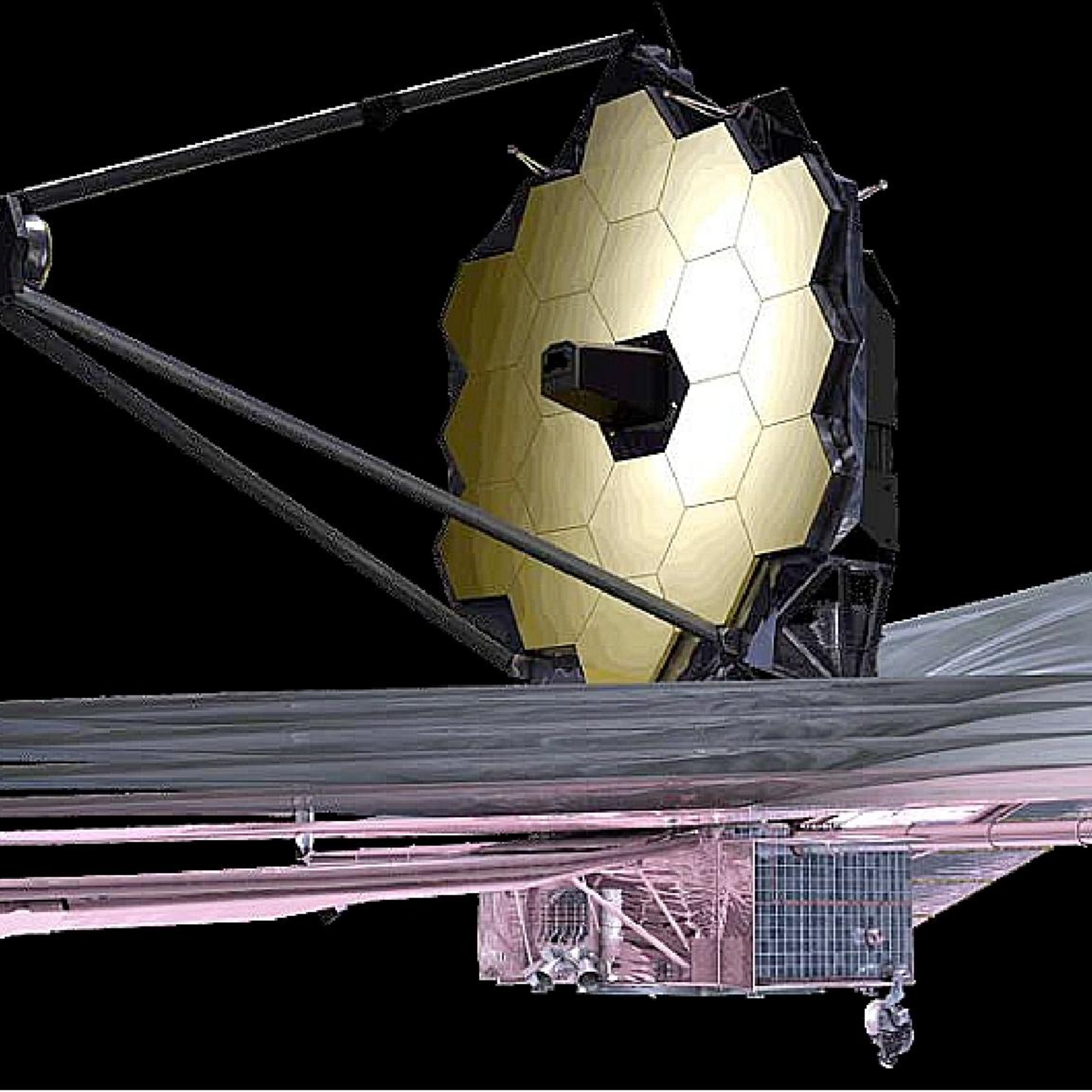
Unveiling GRB 240825A: Cosmic Dust, JWST, and a Supernova in Hiding
In this episode, we explore the cosmic mystery of GRB 240825A, a gamma-ray burst detected at redshift z = 0.659. Its short rest-frame duration and hard prompt emission initially pointed toward a compact-object merger, while deep ground-based searches turned up no sign of an accompanying stellar explosion. We break down how the James Webb Space Telescope (JWST) stepped in to solve the puzzle.Key Di
From GeV to EeV: A Data-Driven View of Cosmic Rays
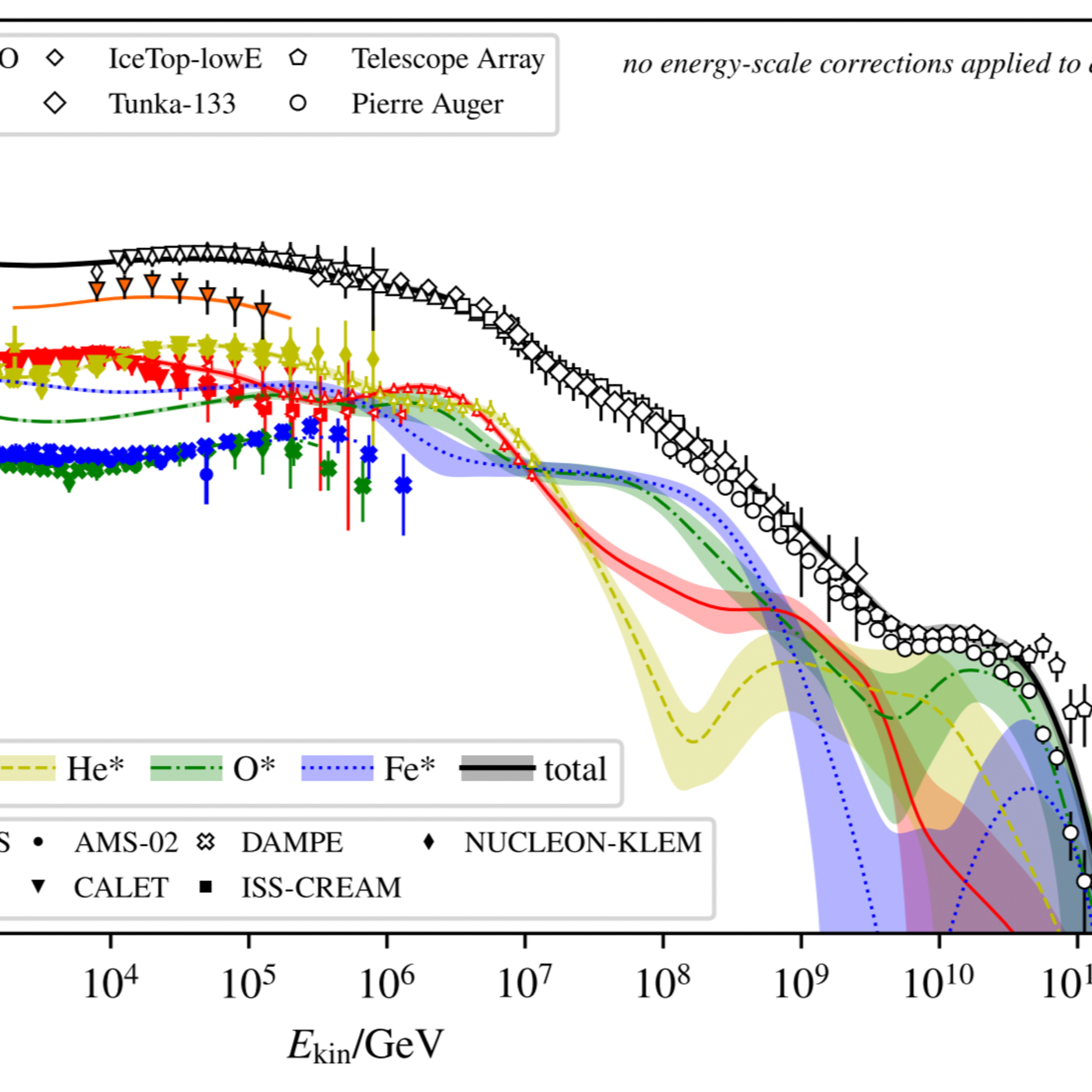
How do high-energy particles traveling across the universe reach Earth, and what are they made of? In this episode, we explore the Global Spline Fit (GSF), a comprehensive framework that unifies cosmic-ray flux and mass composition measurements across eleven orders of magnitude in energy (from 1\text{ GeV} to beyond 10^{11}\text{ GeV}).Key Topics CoveredBridging Direct & Indirect Detection: Ho
From Blazars to Supernovae: Fermi’s Deepest High-Energy Sky Survey
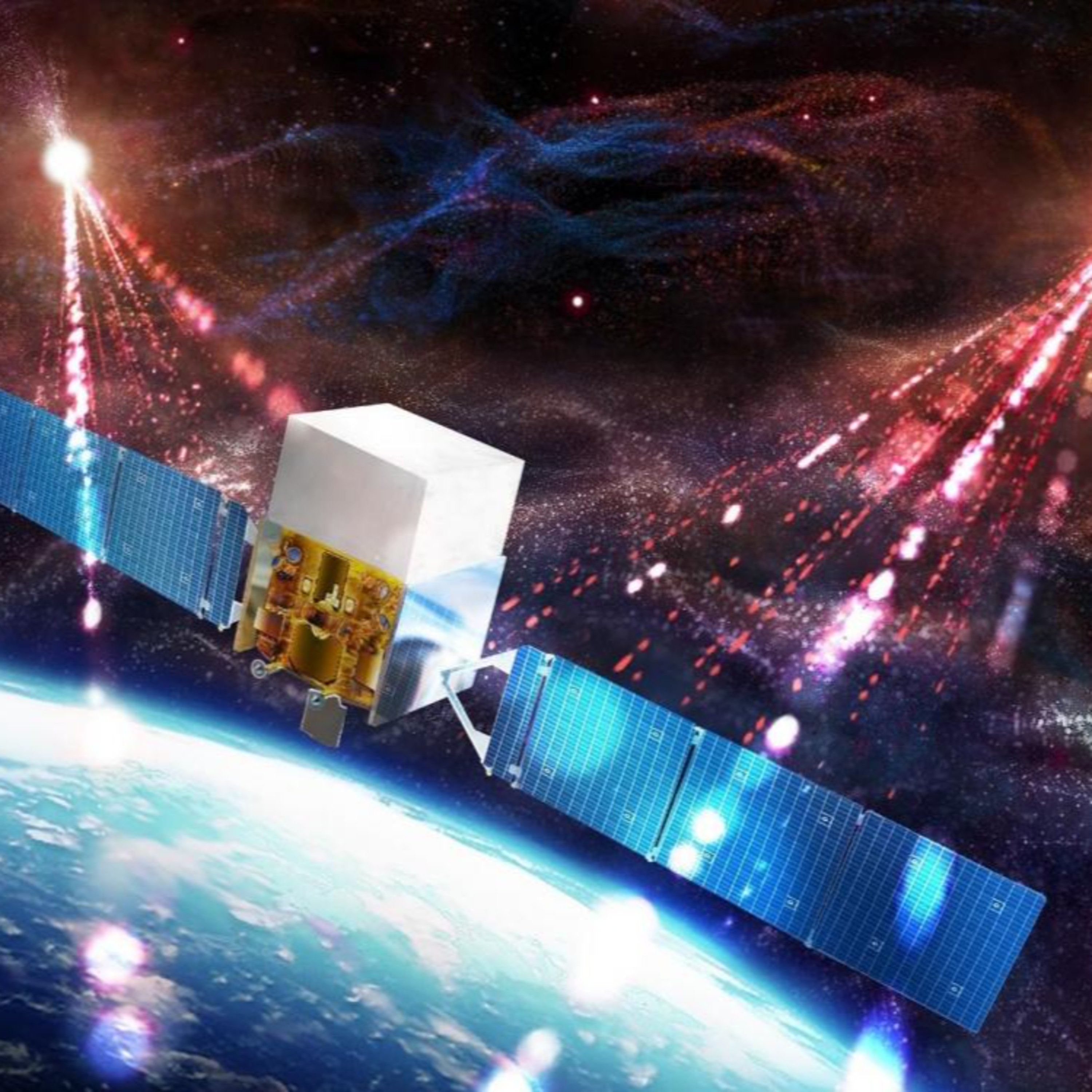
In this episode, we dive into the release of the Fourth Catalog of Hard Fermi-LAT Sources (4FHL). Utilizing 16 years of continuous data from NASA's Fermi Gamma-ray Space Telescope, this catalog provides the deepest and most detailed survey of the universe in the 50 GeV to 2 TeV energy range. We explore how astronomers detected 673 extreme cosmic sources—nearly doubling previous surveys—and wha
GRB 220706A: The Longest-Lived Gamma-Ray Burst Engine Ever Seen
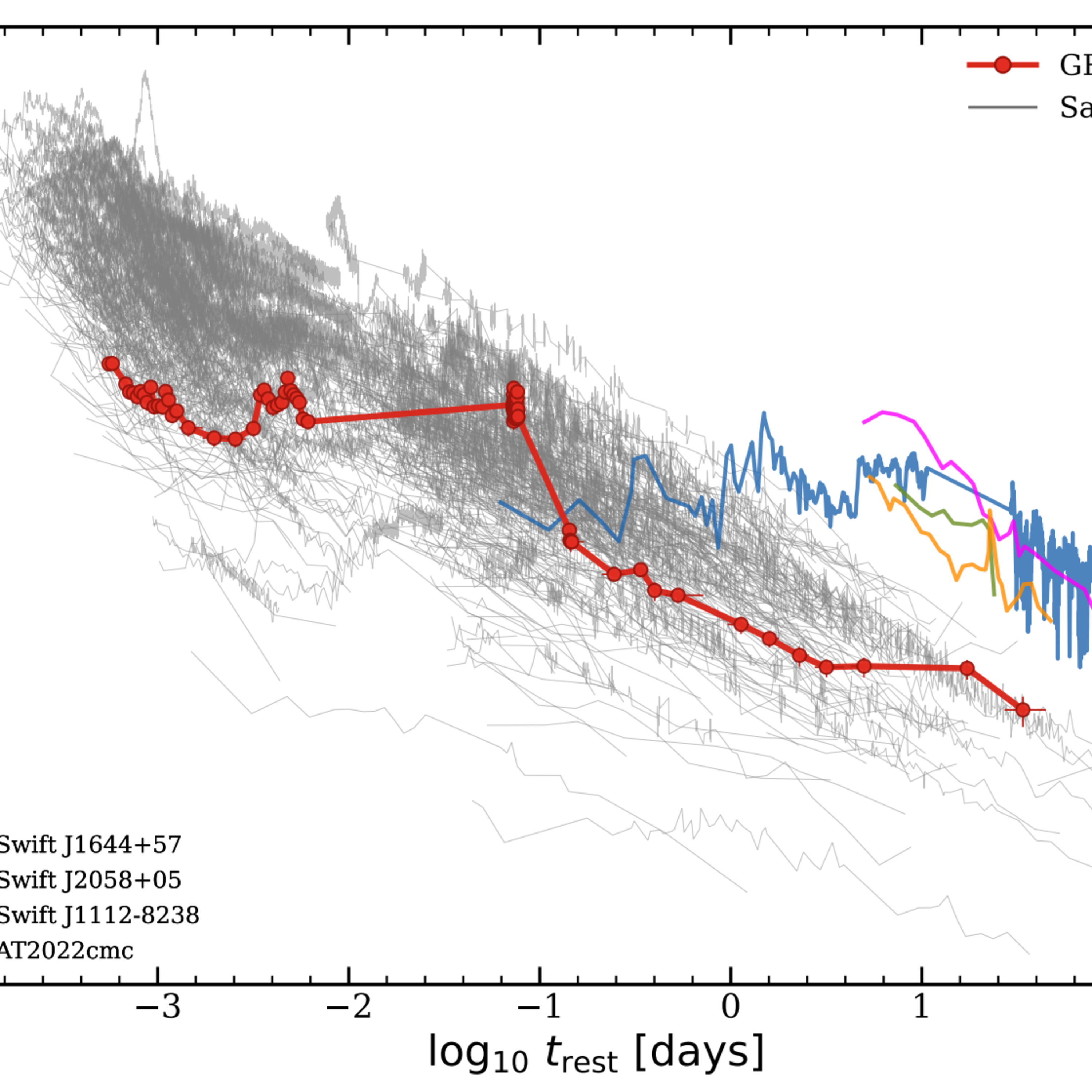
In this episode, we explore the extraordinary discovery of GRB 220706A, a record-shattering cosmic explosion at redshift z = 0.8577. While most gamma-ray burst engines die down within minutes, X-ray follow-up observations revealed active flaring continuing for 27 rest-frame days (~51 days in the observer frame). This sets the record for the latest central engine activity ever detected in a gamma-r

Chasing Kilonovae: How LIGO-India Multiplies Multimessenger Discoveries
In this episode, we explore the future of multimessenger astronomy as neutron star–black hole (NSBH) mergers take center stage. While binary neutron star collisions have delivered iconic multimessenger detections, finding the faint optical kilonova counterparts of NSBH mergers remains one of astrophysics' biggest challenges. We dive into how adding LIGO-India (Aundha) to the global gravitation
The Antimatter Explosion: Unraveling Supernova 2024afyu
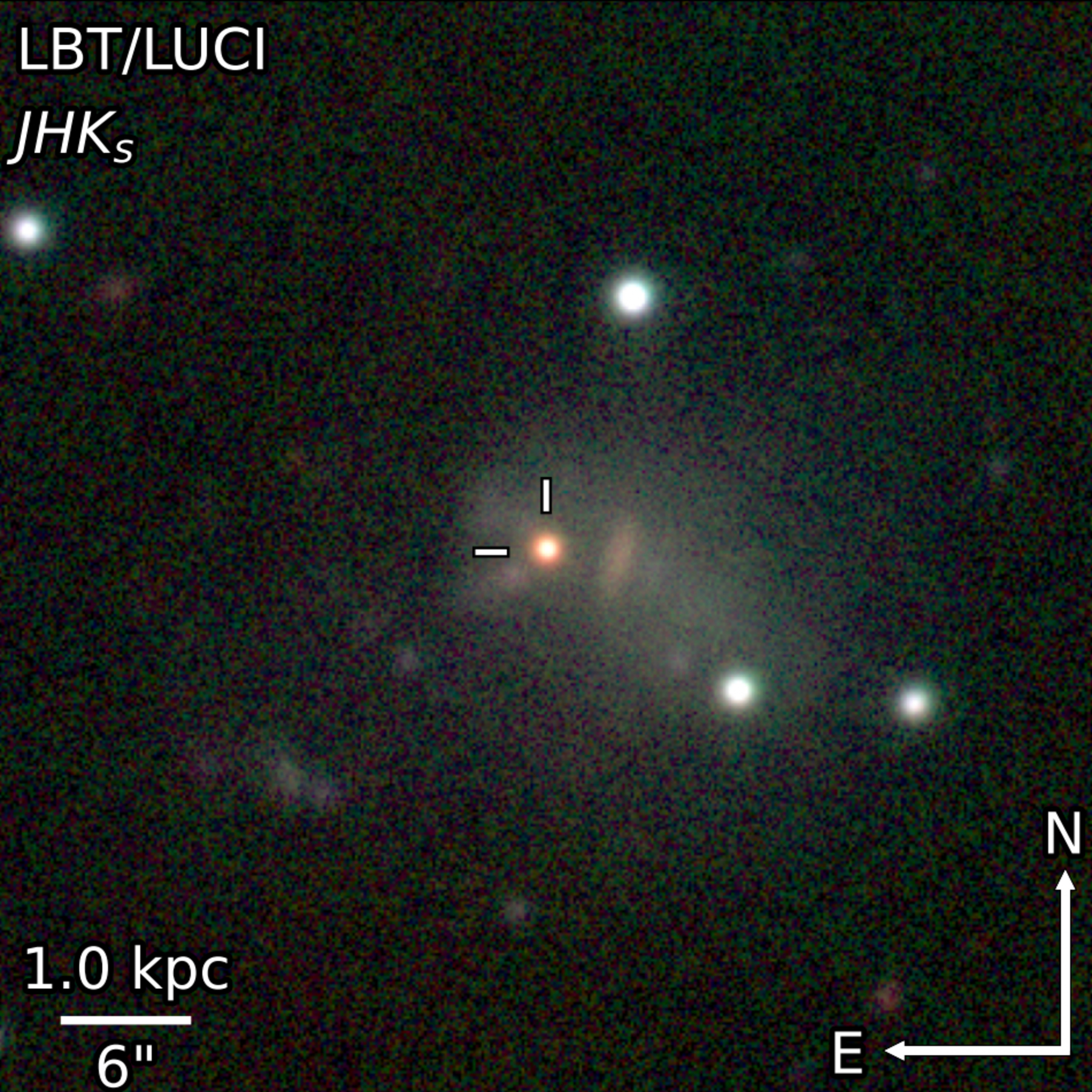
Episode OverviewIn this episode, we explore the extraordinary discovery of SN 2024afyu, a nearby supernova located at redshift (z = 0.0085) (approx. 37.7 Mpc). Featuring an unusually slow 85-day rise to peak brightness and a peak magnitude of (M_r = -18.9 mag), this supernova challenges standard core-collapse models. We discuss how its massive synthesized Nickel and Sulfur components make SN 2024a

NMMA + Astro-COLIBRI: Unmasking Star Explosions in Real Time
With modern wide-field telescopes, astronomers are facing an unprecedented deluge of data—soon peaking at up to 10 million transient alerts every single night. Among this cosmic noise, finding a rare binary neutron star merger (a kilonova) is like searching for a needle in a haystack of exploding stars. In this episode, we explore NMMA-Astro-COLIBRI, an on-demand Bayesian classification service th

Structuring the Transient Universe: Astro-COLIBRI’s New AI Pipeline
In this episode, we dive into how astronomers are leveraging state-of-the-art AI to tame the flood of unstructured data in time-domain and multi-messenger astrophysics. When cosmic transients like gamma-ray bursts or gravitational waves occur, the global science community coordinates rapid follow-up observations. Historically, these updates have been shared via GCN (Gamma-ray Coordinates Network)
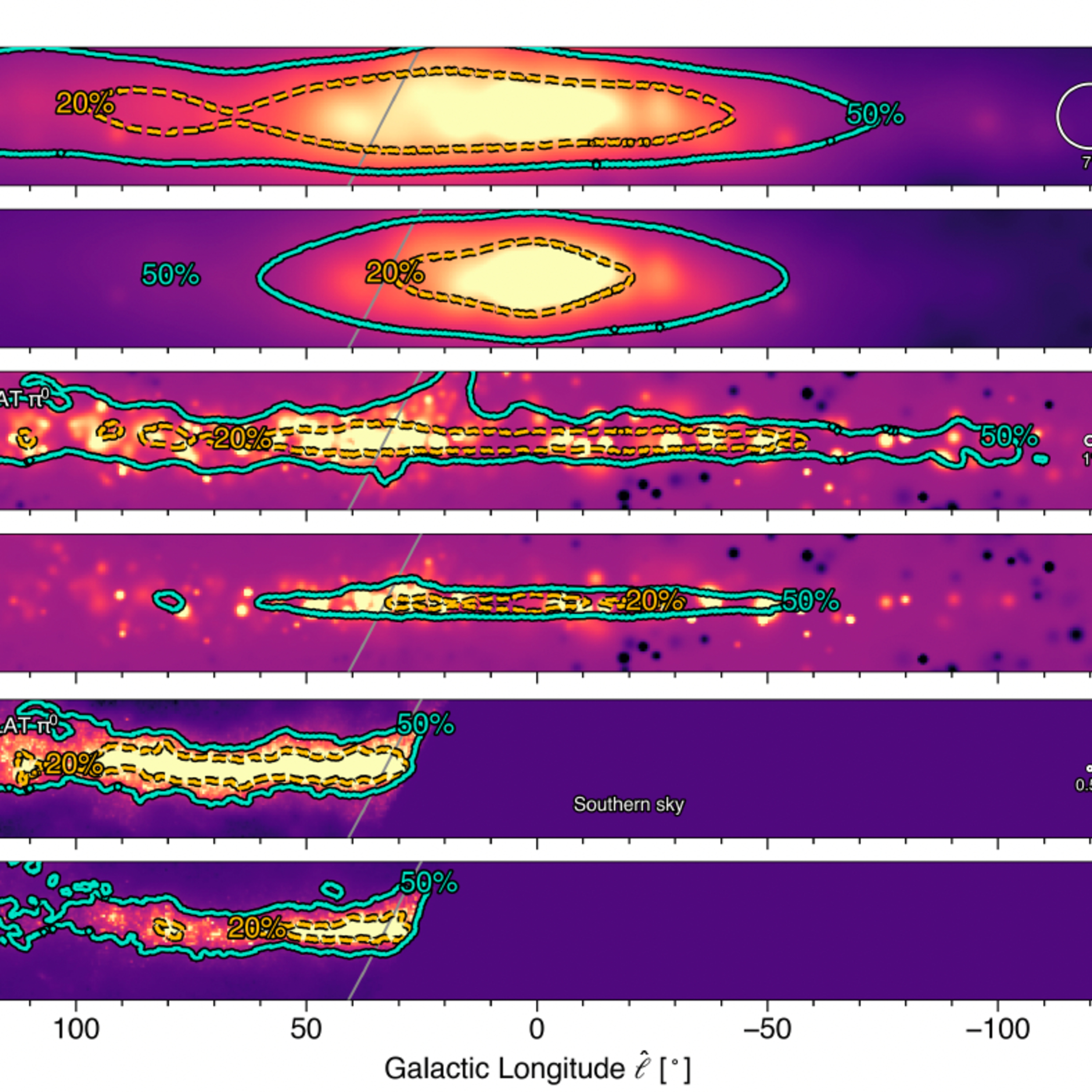
Peering Through the Ice: The Milky Way’s High-Energy Neutrino Signal
Peering Through the Ice: The Milky Way’s High-Energy Neutrino Signal Episode Summary: In this episode, we explore a major breakthrough in astrophysics: the IceCube Neutrino Observatory has established high-energy neutrino emission from the Galactic plane of the Milky Way at a 5.7σ statistical significance.The Cosmic Ghost Particle: Neutrinos trace where cosmic rays interact with interstellar gas,
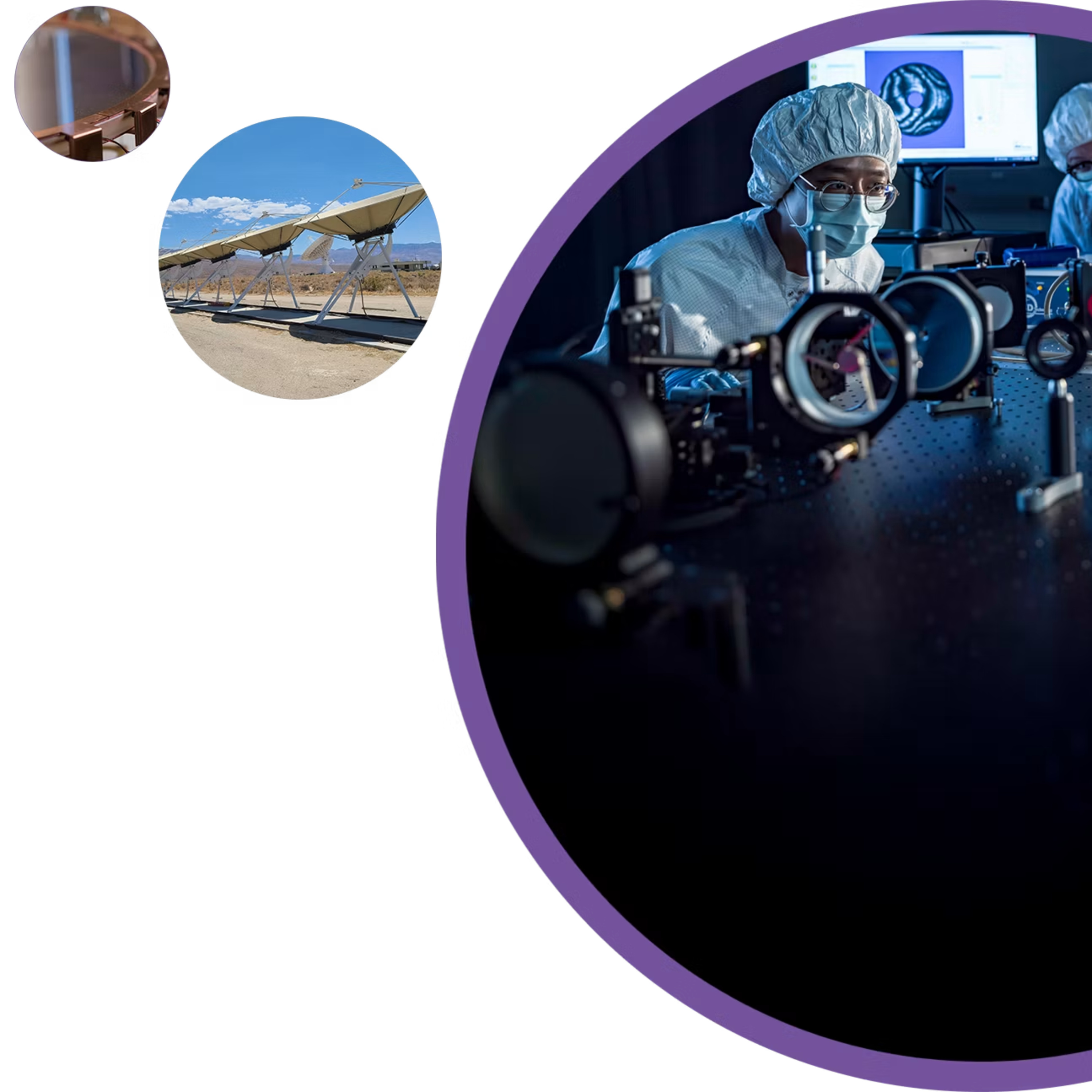
The Schmidt Observatory System unlocking the Transient Universe
In this episode, we dive into the Eric and Wendy Schmidt Observatory System, a groundbreaking initiative designed to pioneer a new paradigm for astronomical research through rapid development, modular designs, and a commitment to open data. We explore the system's four major next-generation facilities: the Argus Array, the Deep Synoptic Array (DSA), the Large Fiber Array Spectroscopic Telescop
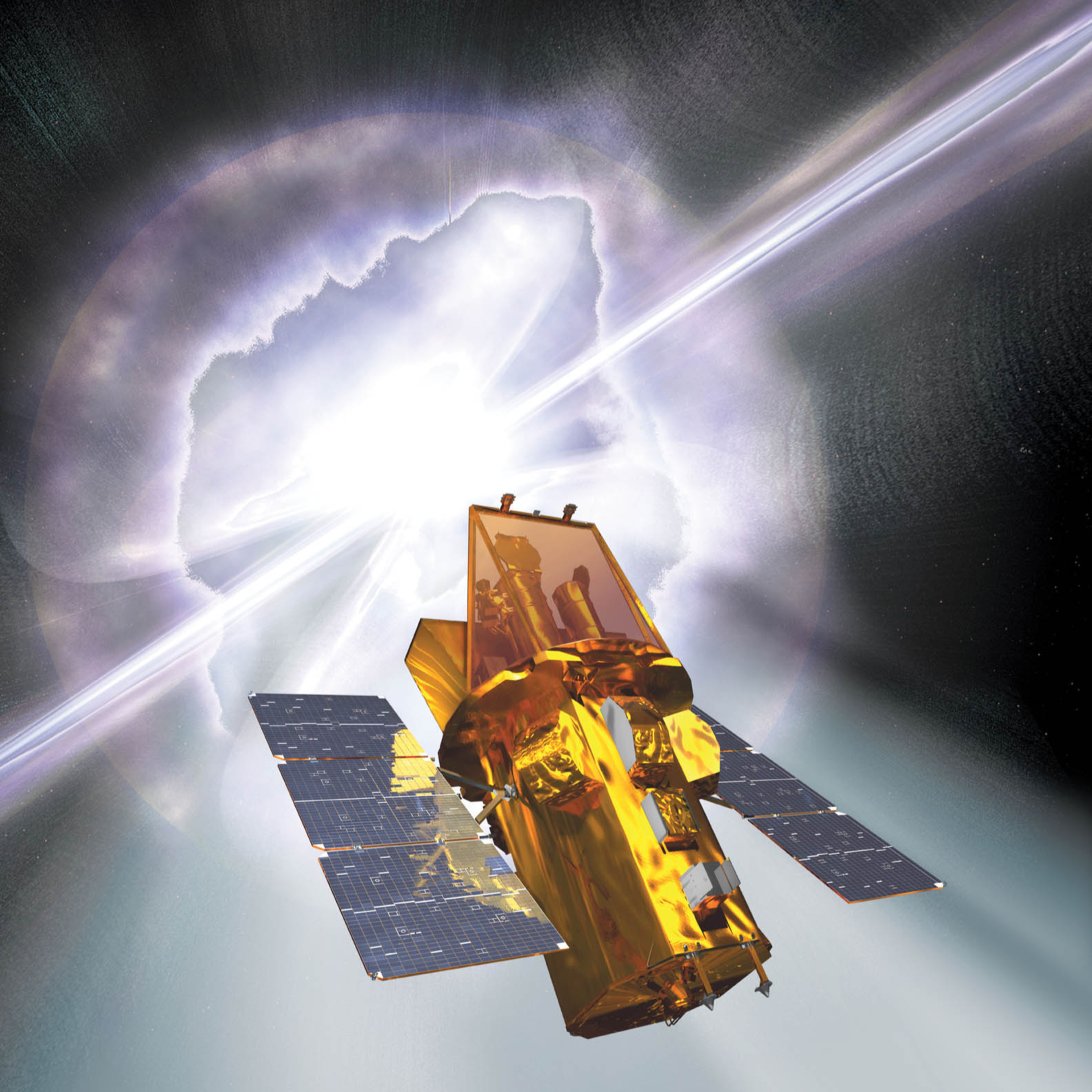
GUANO, NITRATES, and GLIMPSE: The Pipelines Powering Multi-Messenger Astronomy
In this episode, we dive into the cutting-edge of time-domain and multi-messenger astrophysics with a deep look at BAT-GLIMPSE, a revolutionary new open-source pipeline developed for the Neil Gehrels Swift Observatory. Historically, Swift's Burst Alert Telescope (BAT) suffered from a critical blind spot: its onboard triggering capability is intentionally disabled whenever the spacecraft is sle

The Dynamic Radio Sky: Unveiling Transients with the SKAO
Welcome to a deep dive into the fast-paced, explosive universe of time-domain astronomy! In this episode, we explore how the upcoming Square Kilometre Array Observatory (SKAO) will revolutionize our understanding of astrophysical transients. Operating across a massive discovery space—from coherent radio bursts lasting just microseconds to the decades-long afterglows of cosmic collisions—radio tran
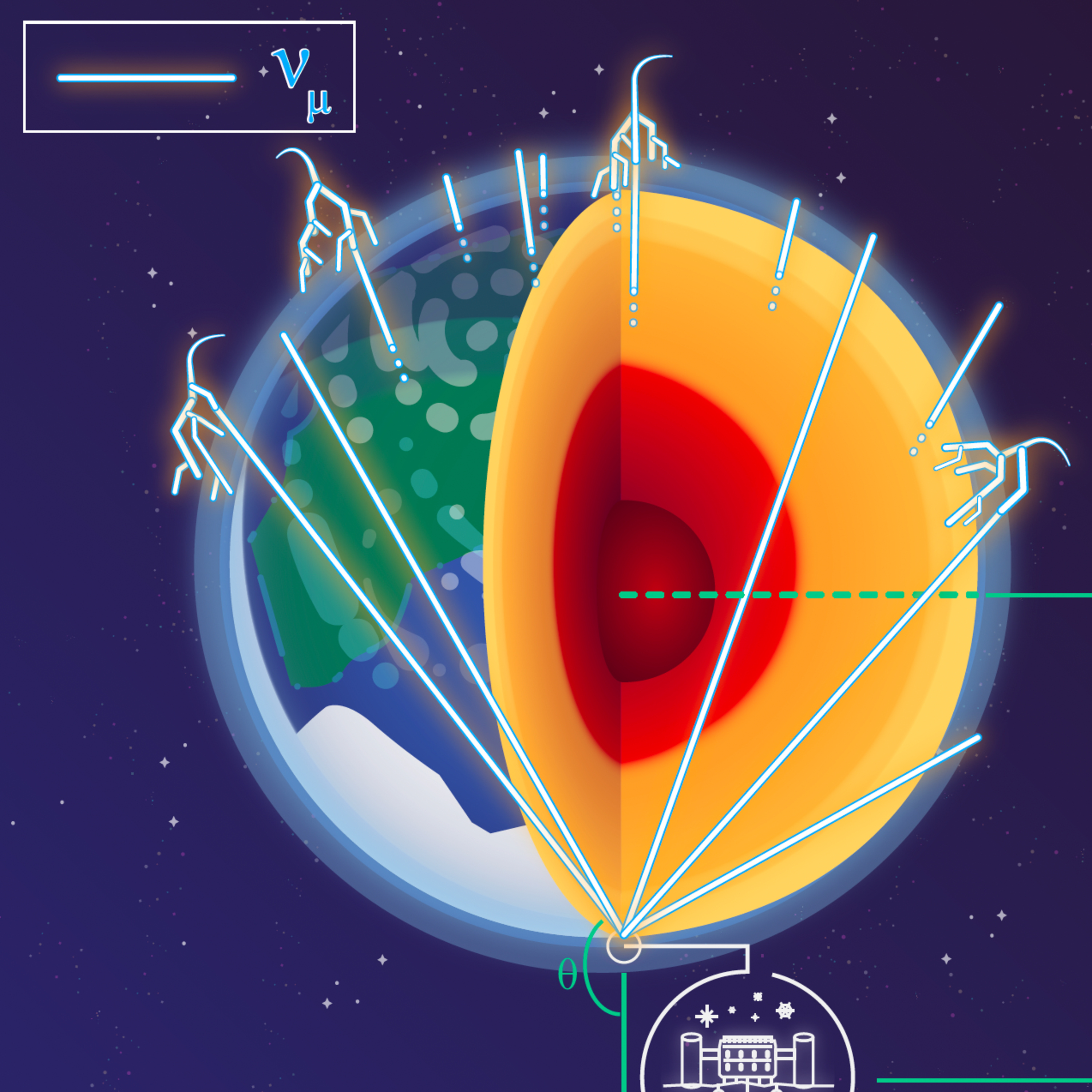
X-Raying the Earth: Neutrino Tomography at the South Pole
Welcome back to the podcast! Today, we are exploring a groundbreaking new way scientists are looking deep inside our planet. For a century, our understanding of the Earth's interior has relied almost entirely on seismic waves and gravity. But what if we could use cosmic "ghost particles" to scan the Earth instead? In this episode, we dive into a fascinating new study from the IceCube
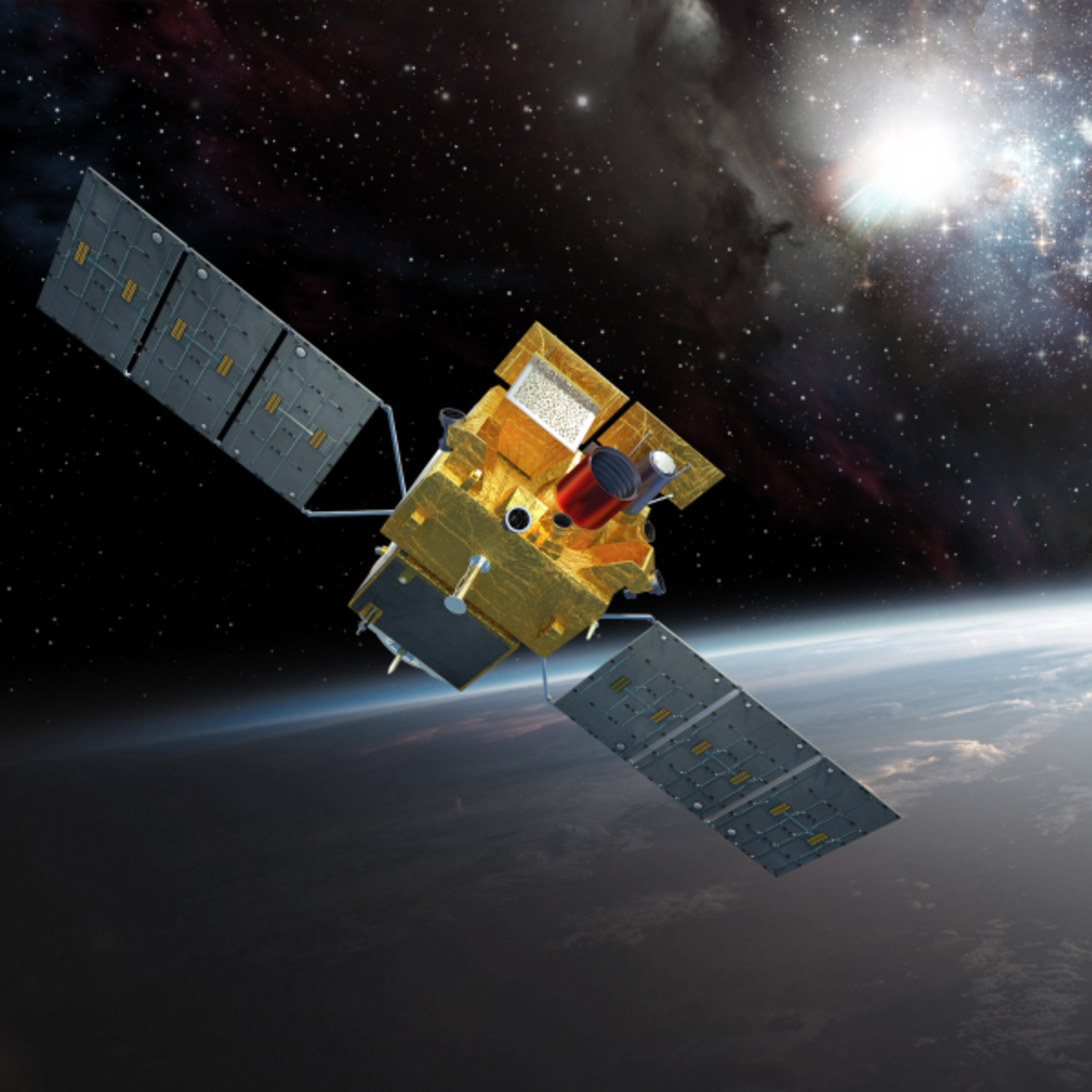
SVOM's First Year: From Gamma-Ray Bursts to Blazars
In this episode, we dive into the exciting early results from the SVOM (Space-based multi-band astronomical Variable Objects Monitor) mission, which launched in June 2024. Originally designed to hunt for Gamma-Ray Bursts (GRBs), SVOM has proven to be a highly versatile powerhouse for all kinds of high-energy transient phenomena. We discuss its first batch of discoveries, from ancient stellar explo
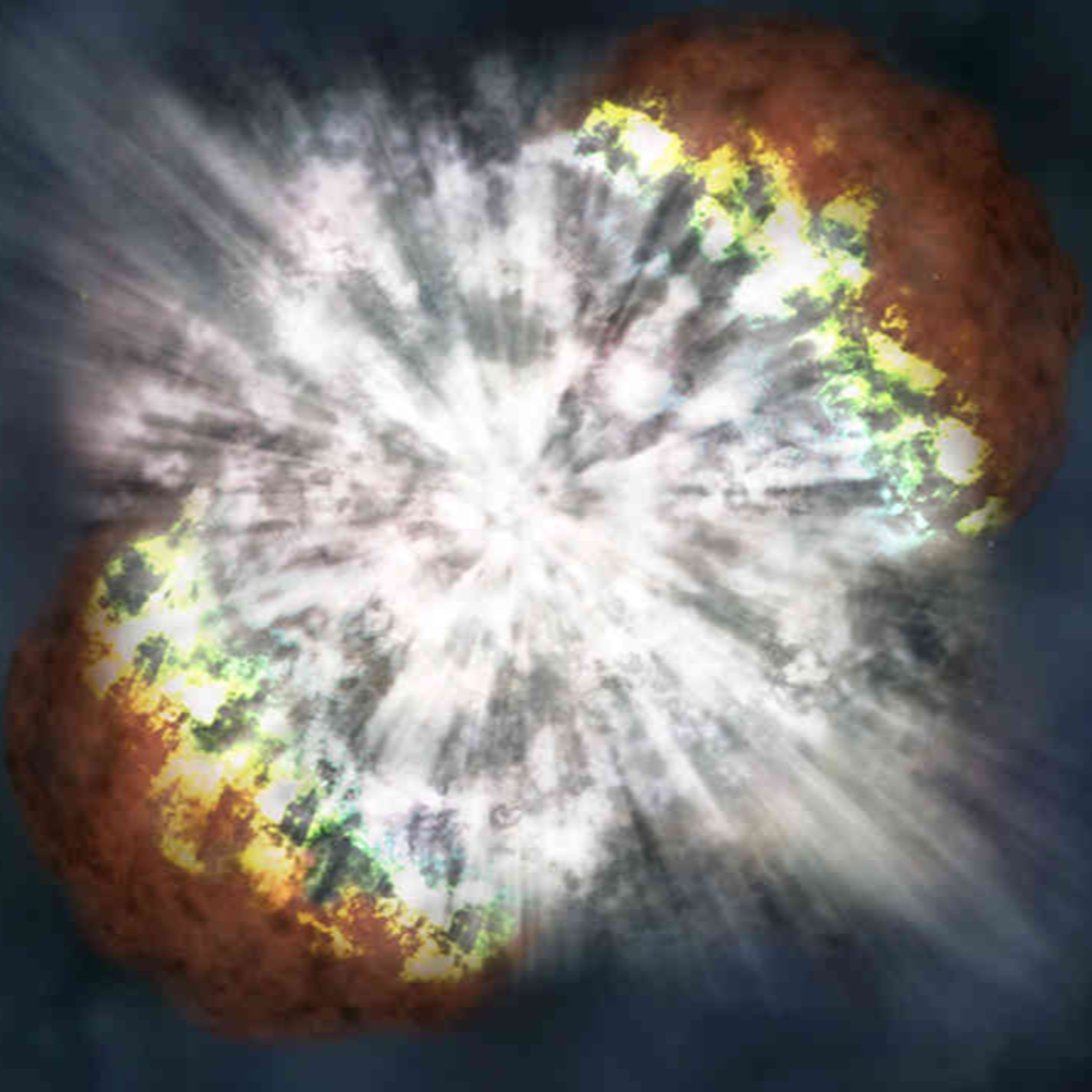
SN 2024jlc: Bridging the Gap Between Supernova Classes
In this episode, we dive into the fascinating discovery of SN 2024jlc, one of the closest and least luminous super-luminous supernovae (SLSNe) ever found. We explore how this extraordinary event is challenging our understanding of stellar explosions by serving as a "bridge" between classic stripped-envelope supernovae (SE-SNe) and their super-luminous cousins. We unpack the massive multi
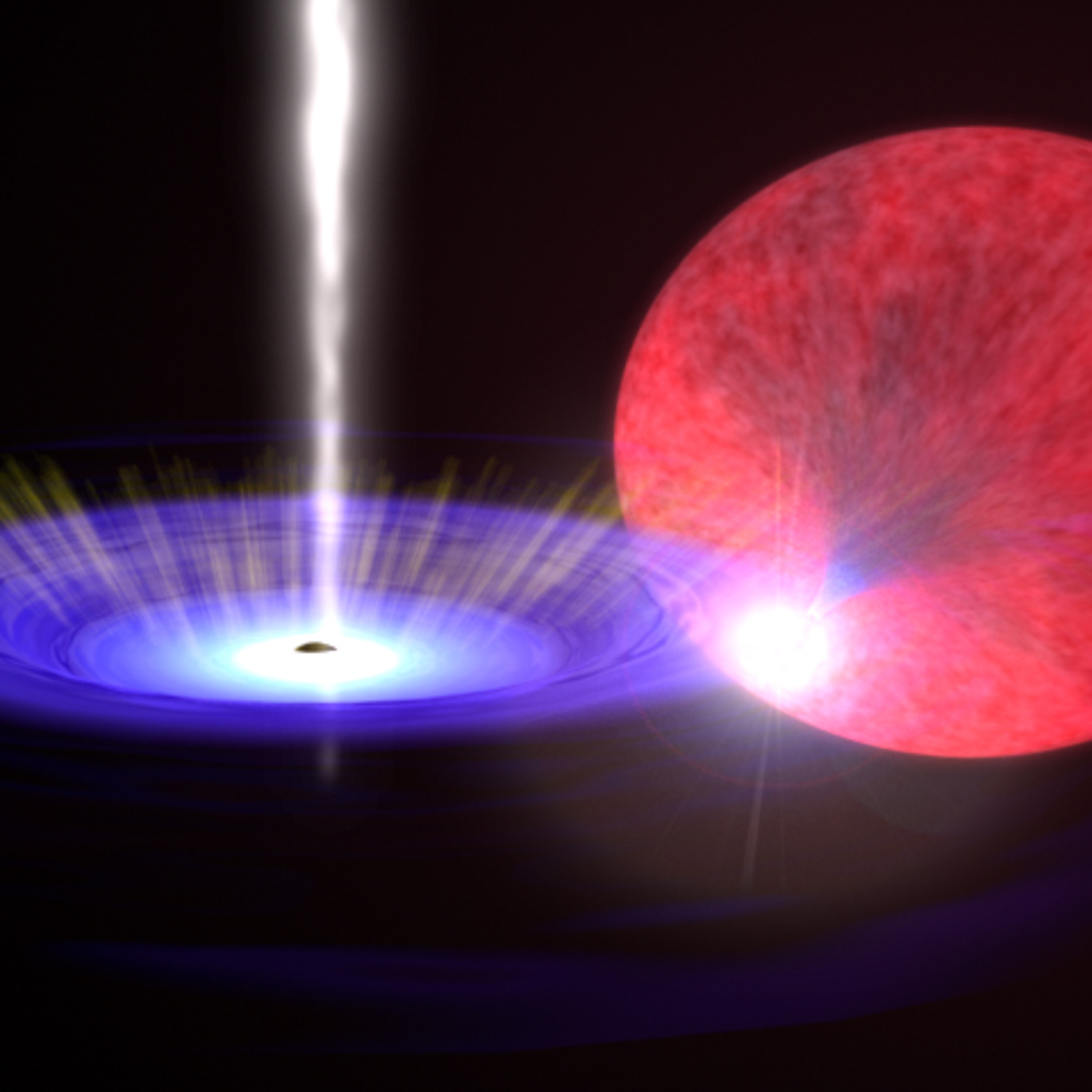
Cosmic Accelerators: Unlocking the Secrets of Microquasar GRS 1915+105
In this episode, we dive into the extreme and fascinating world of microquasars—binary systems where a compact object, like a black hole, feeds off a companion star and launches powerful, relativistic jets. Our spotlight is on GRS 1915+105, one of the most dynamic and powerful microquasars known in the Milky Way. Recent groundbreaking observations from the LHAASO and Fermi-LAT observatories have m
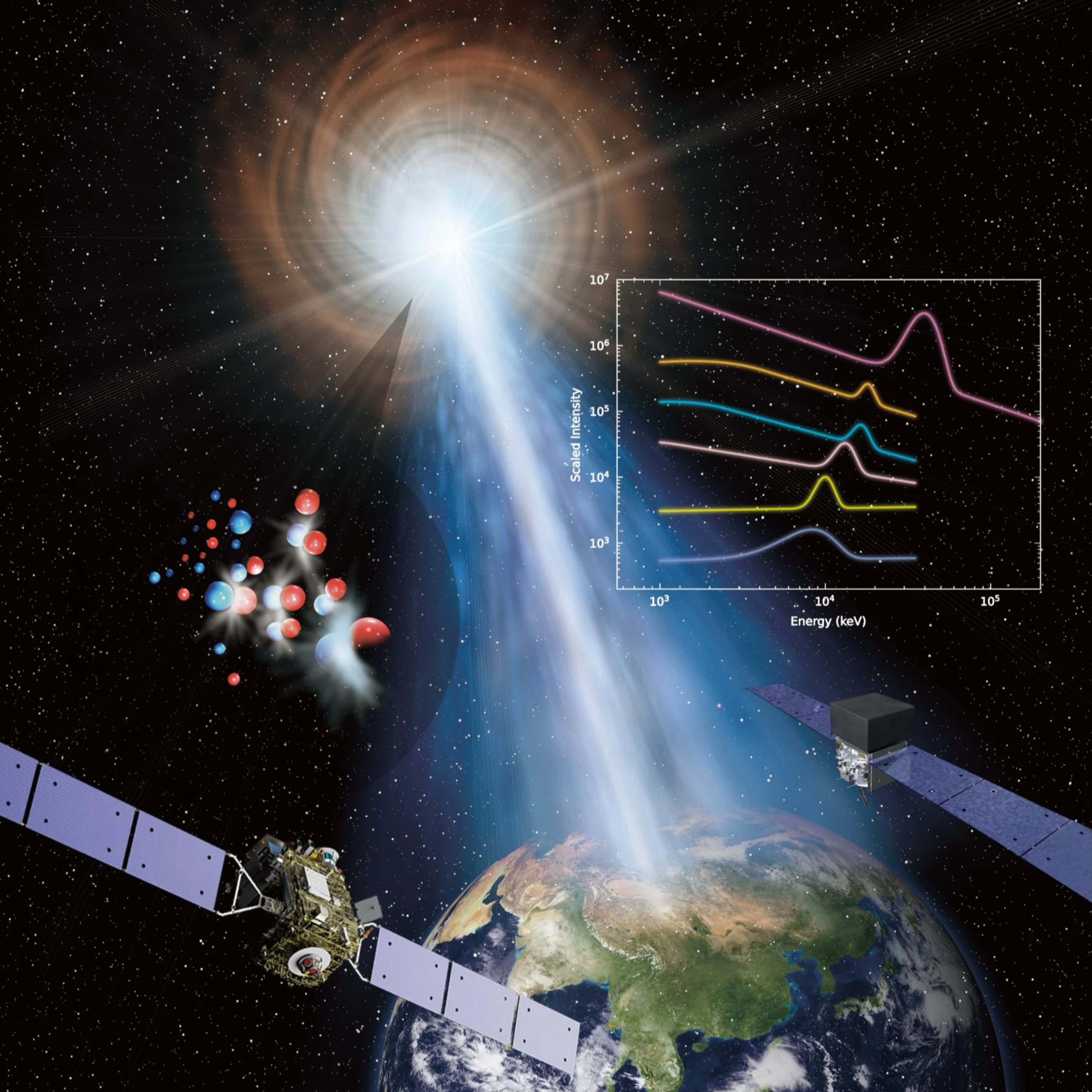
Echoes of Annihilation: Solving the 10 MeV Mystery of GRB 221009A
In this episode, we dive into the fascinating astrophysics surrounding GRB 221009A, the brightest gamma-ray burst observed to date. While its sheer energy is staggering, we focus on an even more intriguing puzzle: an unprecedented, narrow emission line at around 10 MeV discovered shortly after the burst's brightest peak. We explore a groundbreaking new study that explains this 10 MeV line as t
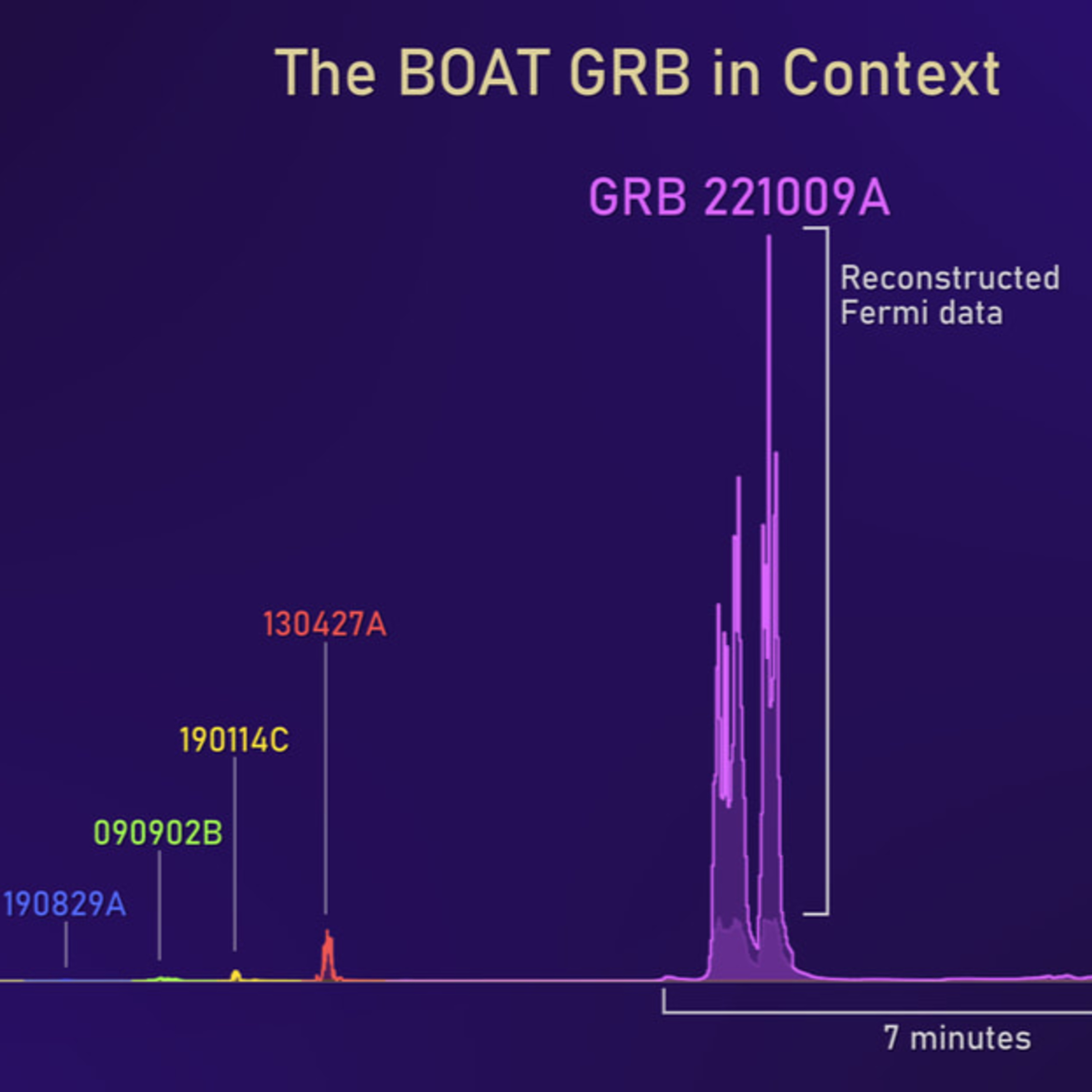
Decoding the BOAT: GRB 221009A and the Hunt for High-Energy Neutrinos
In this episode, we dive into the astrophysics behind GRB 221009A, an event widely known as the Brightest-Of-All-Time (BOAT) gamma-ray burst. Detected in October 2022, this extraordinary explosion shattered records by producing ultra-high-energy photons exceeding 10 TeV. We discuss a recent multi-messenger study that models the burst's very-high-energy (VHE) afterglow using a Gaussian structur
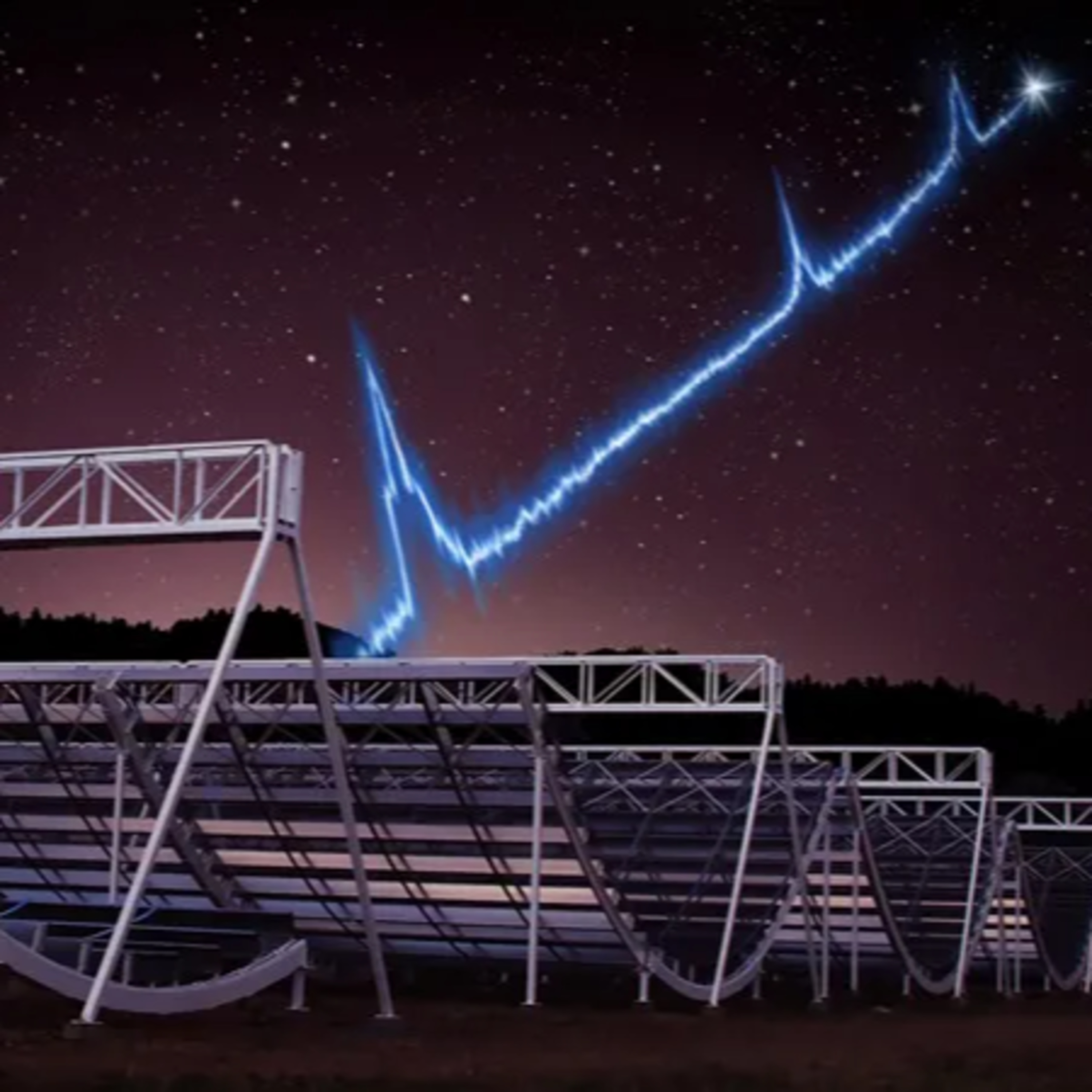
FRB 20191221A or "the telescope that hallucinated in the rain"
In 2022, the astronomy community was buzzing about FRB 20191221A, an unusual Fast Radio Burst that made headlines for exhibiting a highly significant 217-millisecond periodicity. But what if this groundbreaking extragalactic signal actually originated from our own cosmic backyard? In today's episode, we dive into a fascinating course-correction by the CHIME/FRB Collaboration. We explore how a
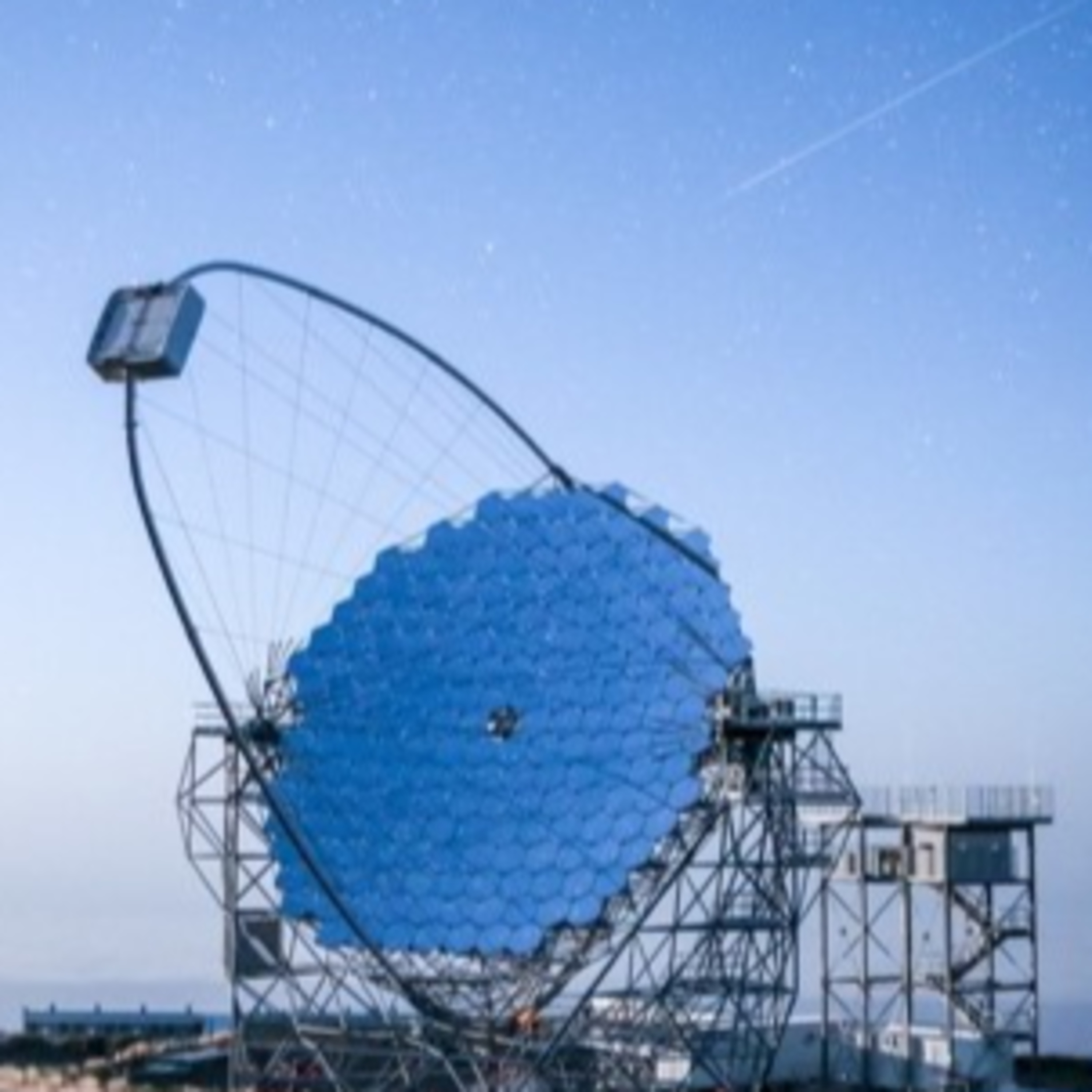
Record-Breaker: Catching Gamma Rays from the Distant Quasar OP 313
In this episode, we dive into a groundbreaking astronomical discovery: the detection of very-high-energy (VHE) gamma rays from the quasar OP 313. Located at a redshift of $z = 0.997$, OP 313 has shattered records to become the most distant Active Galactic Nucleus (AGN) ever observed in this extreme energy range. We explore the massive flare event from December 2023 that made this detection possibl
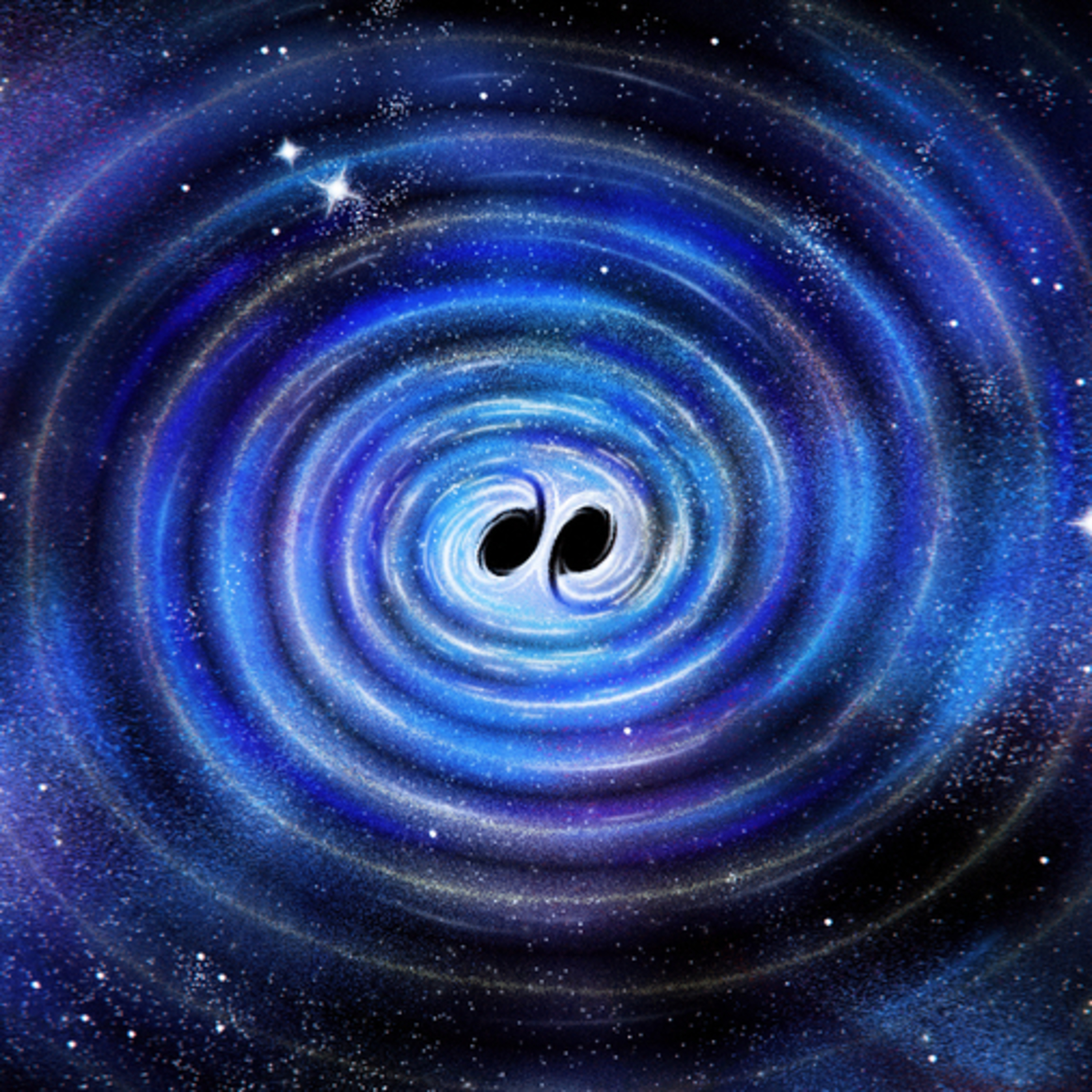
Ripples in Spacetime: Unpacking the GWTC-5.0 Catalog
In this episode, we dive into the monumental release of the Gravitational-Wave Transient Catalog version 5.0 (GWTC-5.0) and the open data from the second part of the fourth observing run (O4b) by the LIGO, Virgo, and KAGRA observatories. We explore how these massive, international detectors have expanded our view of the gravitational-wave universe and what the newest data tells us about the cosmic
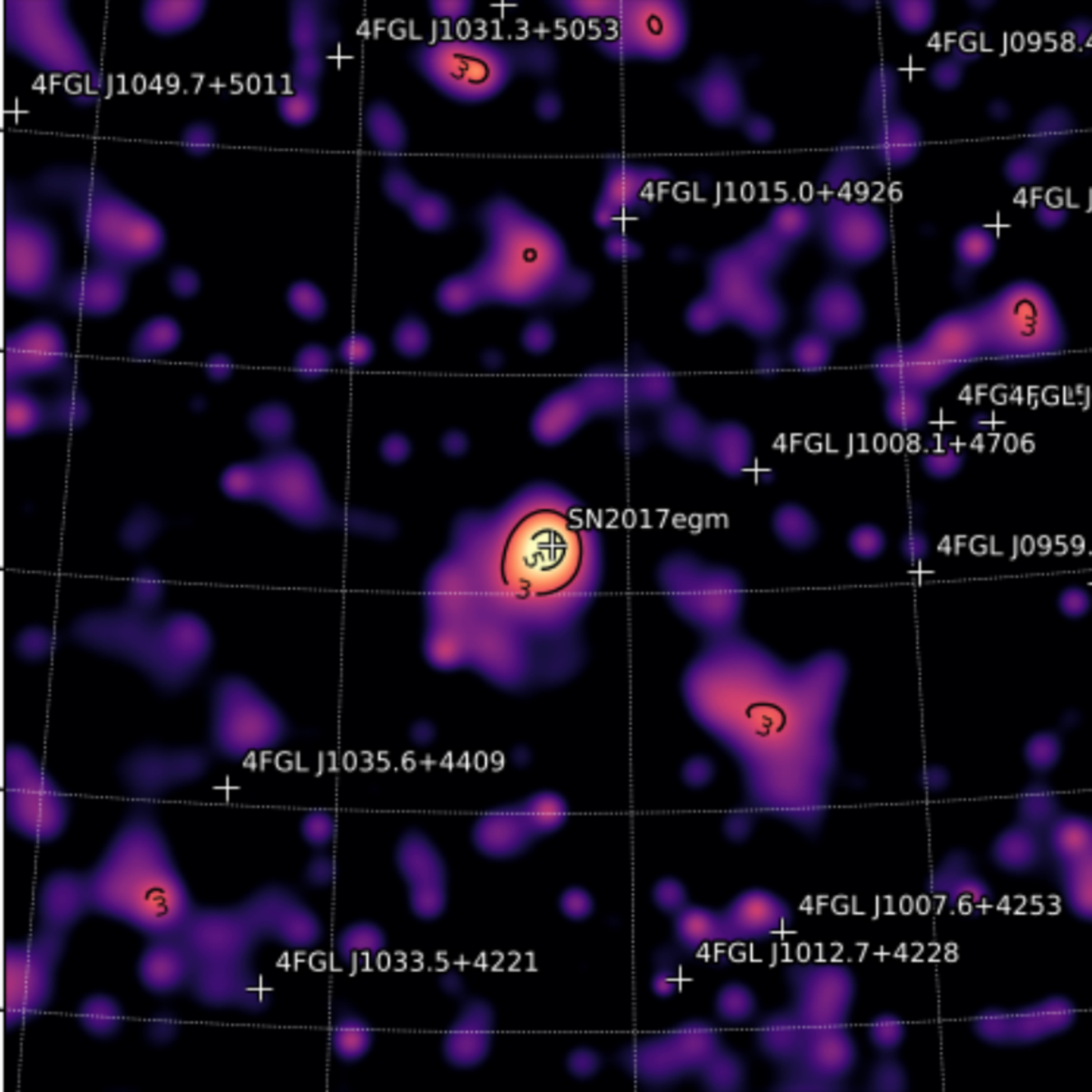
SN 2017egm : Fermi-LAT's Breakthrough Gamma-Ray Detection
In today’s episode, we dive into the mystery of superluminous supernovae (SLSNe)—rare, extreme astronomical events that shine 10 to 100 times brighter than standard core-collapse supernovae. For years, astrophysicists have debated what powers these brilliant explosions, with the two leading theories being interaction with surrounding circumstellar medium (CSM) or energy injected by a "central
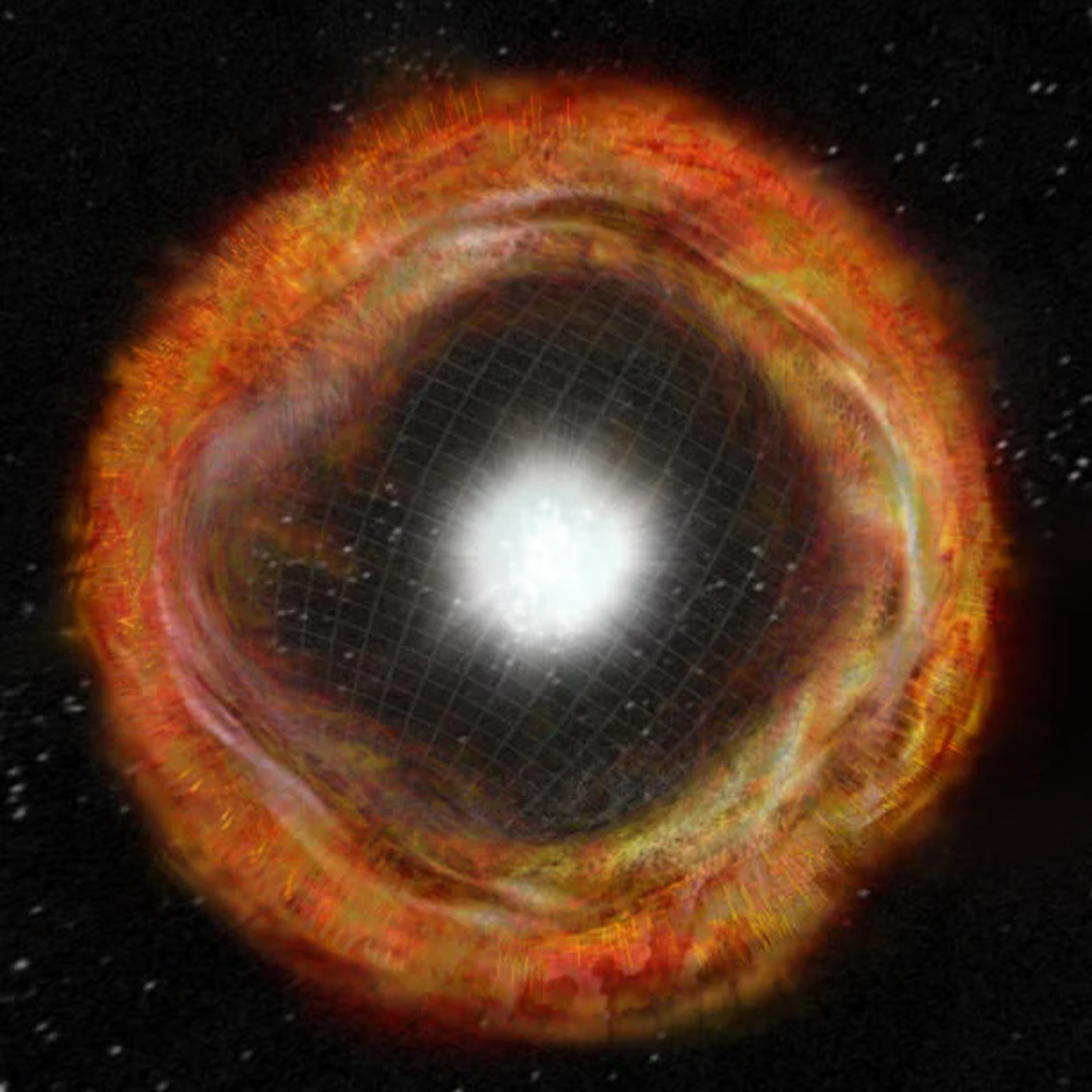
Supernovae on the RISE: Why Dead Stars Wake Up Decades Later
In this episode, we explore the fascinating phenomenon of core-collapse supernovae that refuse to fade away quietly. Years, or even decades, after their initial explosion, some of these stellar deaths experience a surprising "late-time radio rebrightening". We dive into how astronomers are using these delayed radio signals as a time machine to study the final centuries of a massive star&
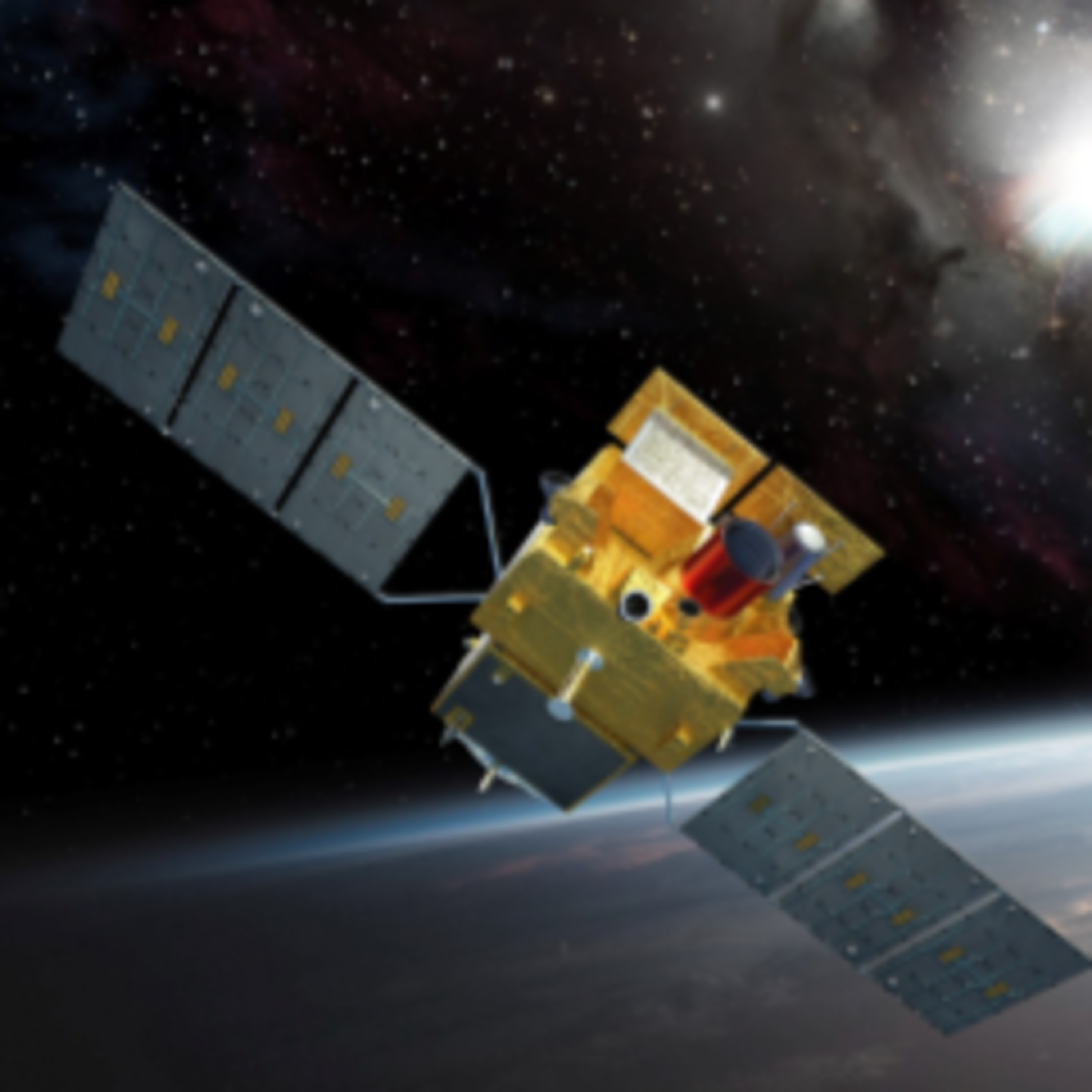
The SVOM Satellite: A New Era in Multi-Messenger Astronomy
In this episode, we dive into the fascinating world of gamma-ray bursts (GRBs) and high-energy transients through the lens of the SVOM (Space-based Multi-band Variable Object Monitor) mission. Launched in June 2024, this Sino-French satellite uses a powerful suite of instruments to detect, localize, and study some of the universe's most extreme events, such as dying massive stars and colliding
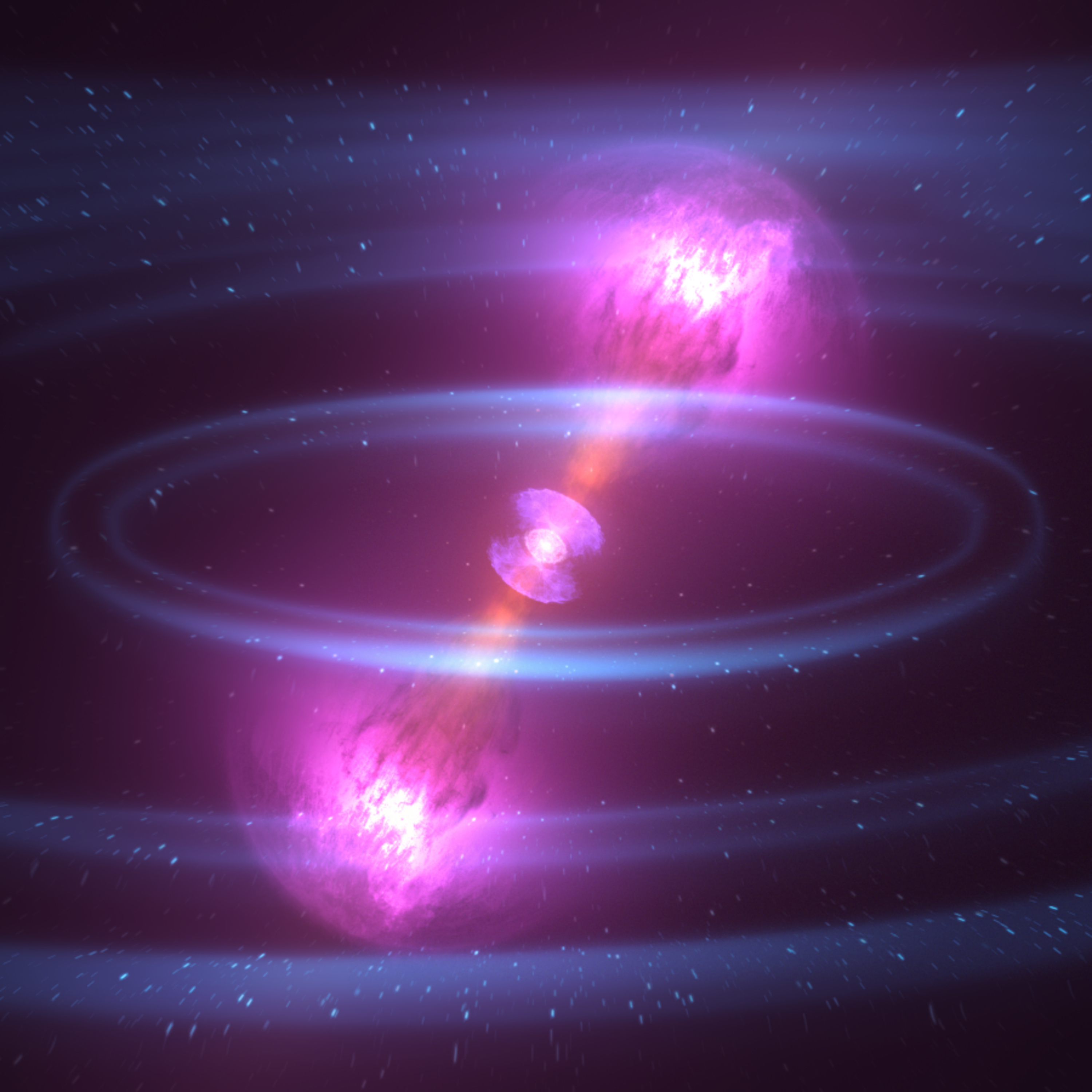
Chasing the Flash: Hunting Neutron Star Mergers with CTAO
In this episode, we dive into the thrilling world of multi-messenger astronomy! Ever since the historic detection of GW170817, scientists have known that binary neutron star (BNS) mergers can produce both gravitational waves and explosive short gamma-ray bursts (sGRBs). But how can we best catch the highest-energy light from these elusive cosmic collisions? We explore a recent study by the Cherenk
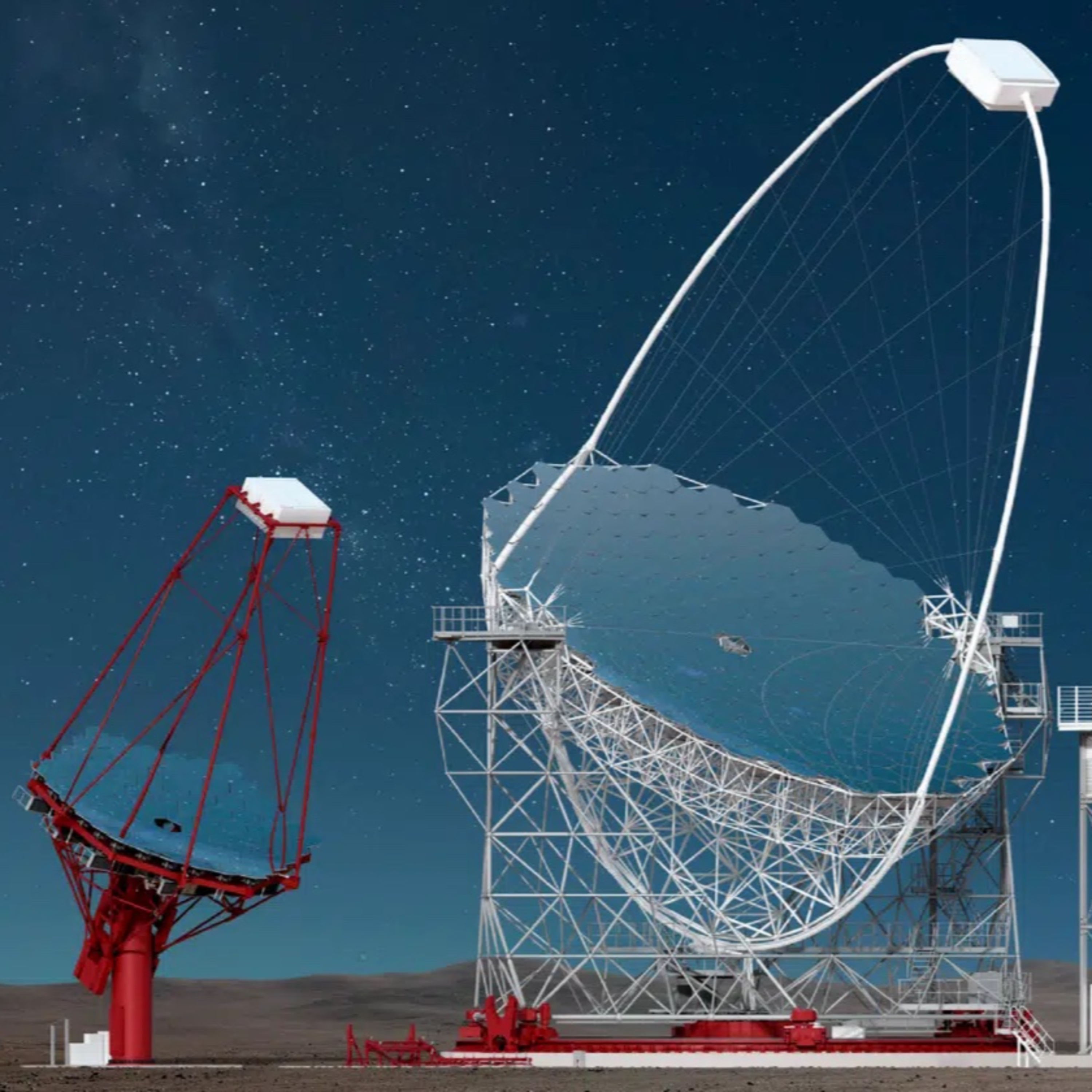
Tiling the Sky: A New Strategy for Finding Elusive GRBs
In this episode, we dive into the intense and fast-paced world of **Gamma-ray bursts (GRBs)—the most luminous and rapidly evolving transients in the Universe**. While space-based instruments like the Fermi Gamma-ray Space Monitor (GBM) trigger on hundreds of these events every year, they often provide poor sky localization, sometimes spanning tens to hundreds of square degrees. This makes it incre
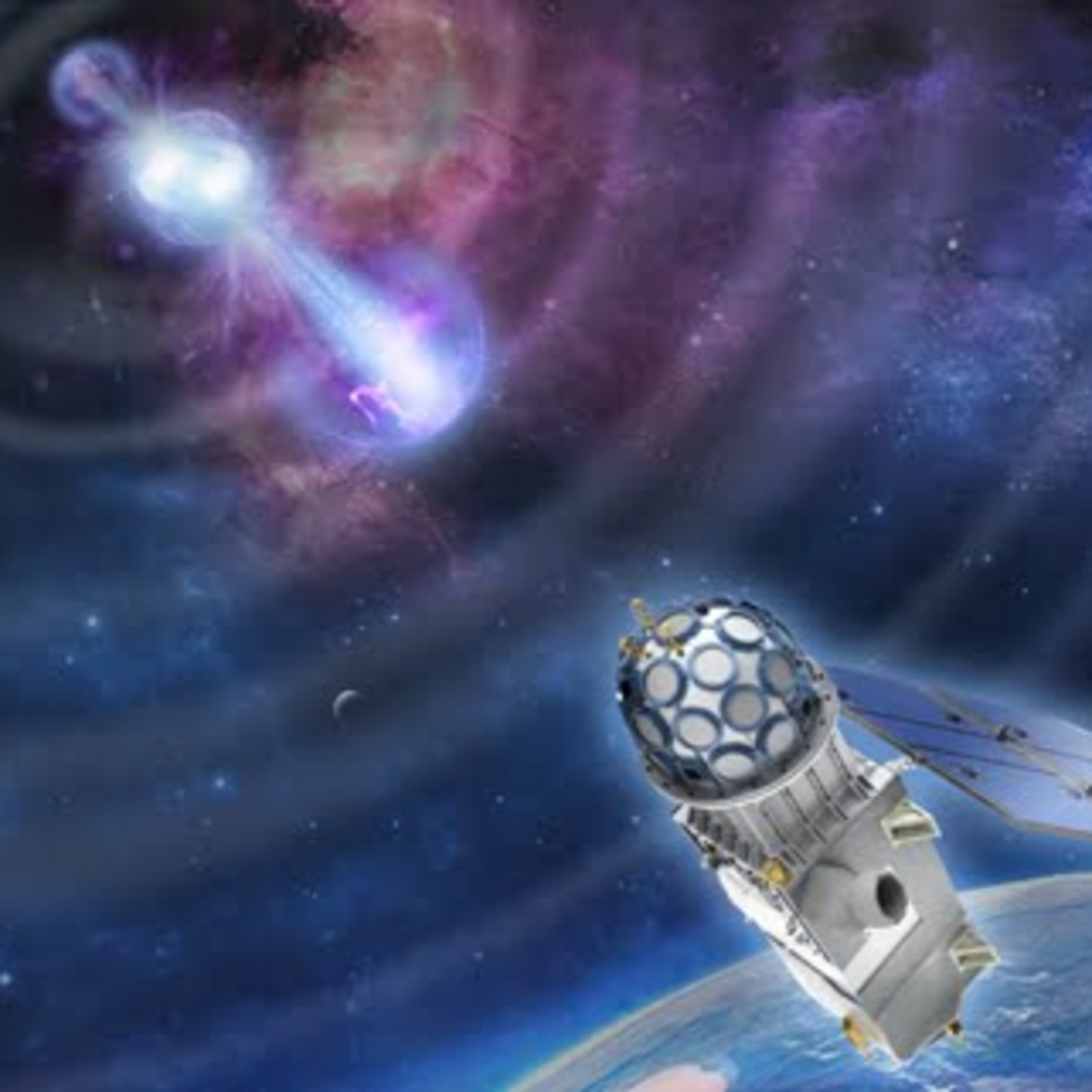
Fast Radio Bursts & Magnetar X-Rays: A Peculiar Discovery
In this episode, we dive into the deep cosmos to explore a recent astronomical breakthrough linking Fast Radio Bursts (FRBs)—enigmatic, millisecond-long cosmic transients—to extreme stellar objects known as magnetars. We unpack the discovery of **MXB 221120**, a peculiar magnetar X-ray burst detected by the GECAM observatory on November 20, 2022, which originated from the galactic magnetar SGR J19
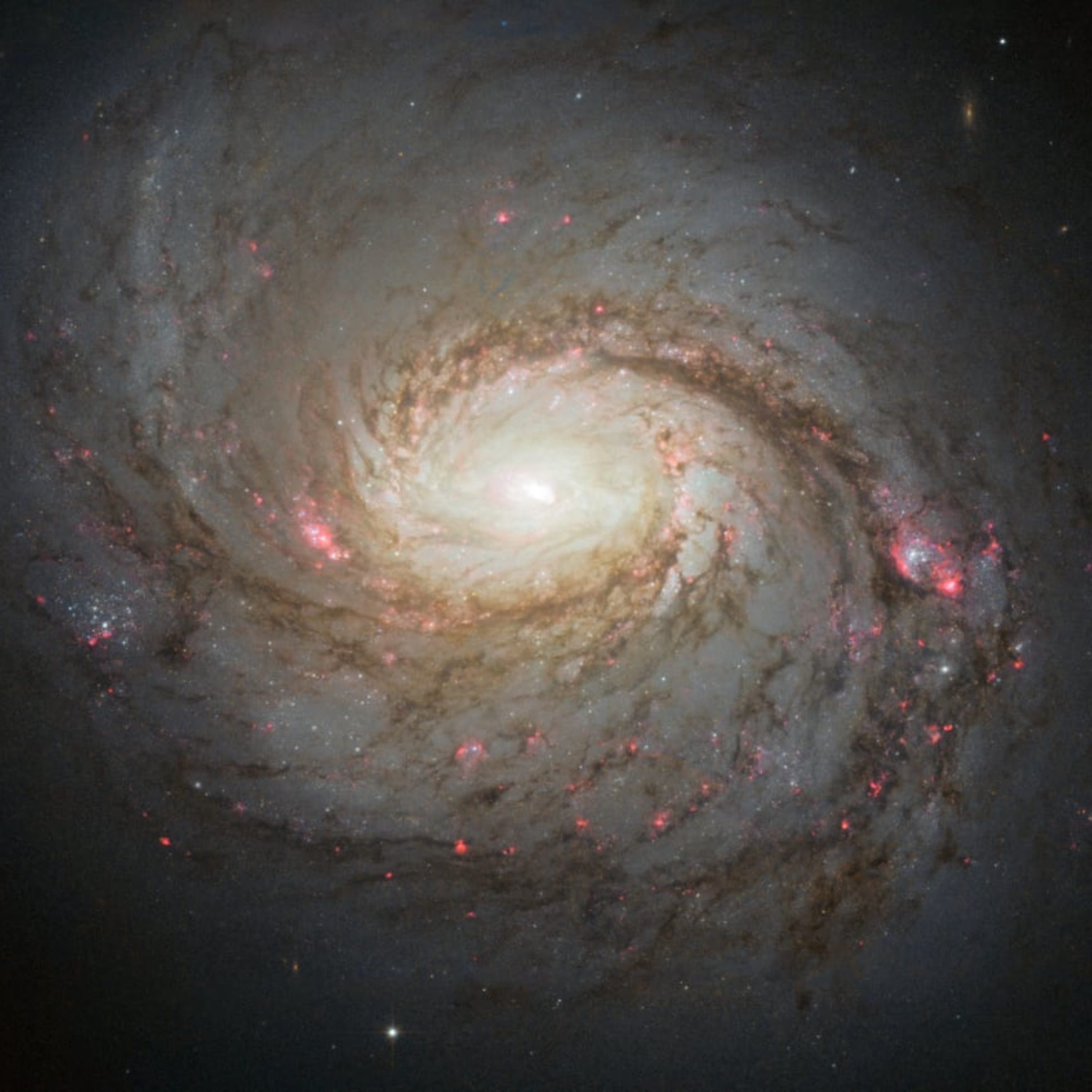
Starbursts and Seyferts: The Mystery of the Missing Gamma Rays
In this episode, we dive deep into the fascinating world of "composite" galaxies—cosmic beasts that host both an actively feeding supermassive black hole (a Seyfert nucleus) and regions of intense star formation (a starburst component). We explore recent research from the High Energy Stereoscopic System (H.E.S.S.) observatory, which conducted deep observations of three nearby composite g
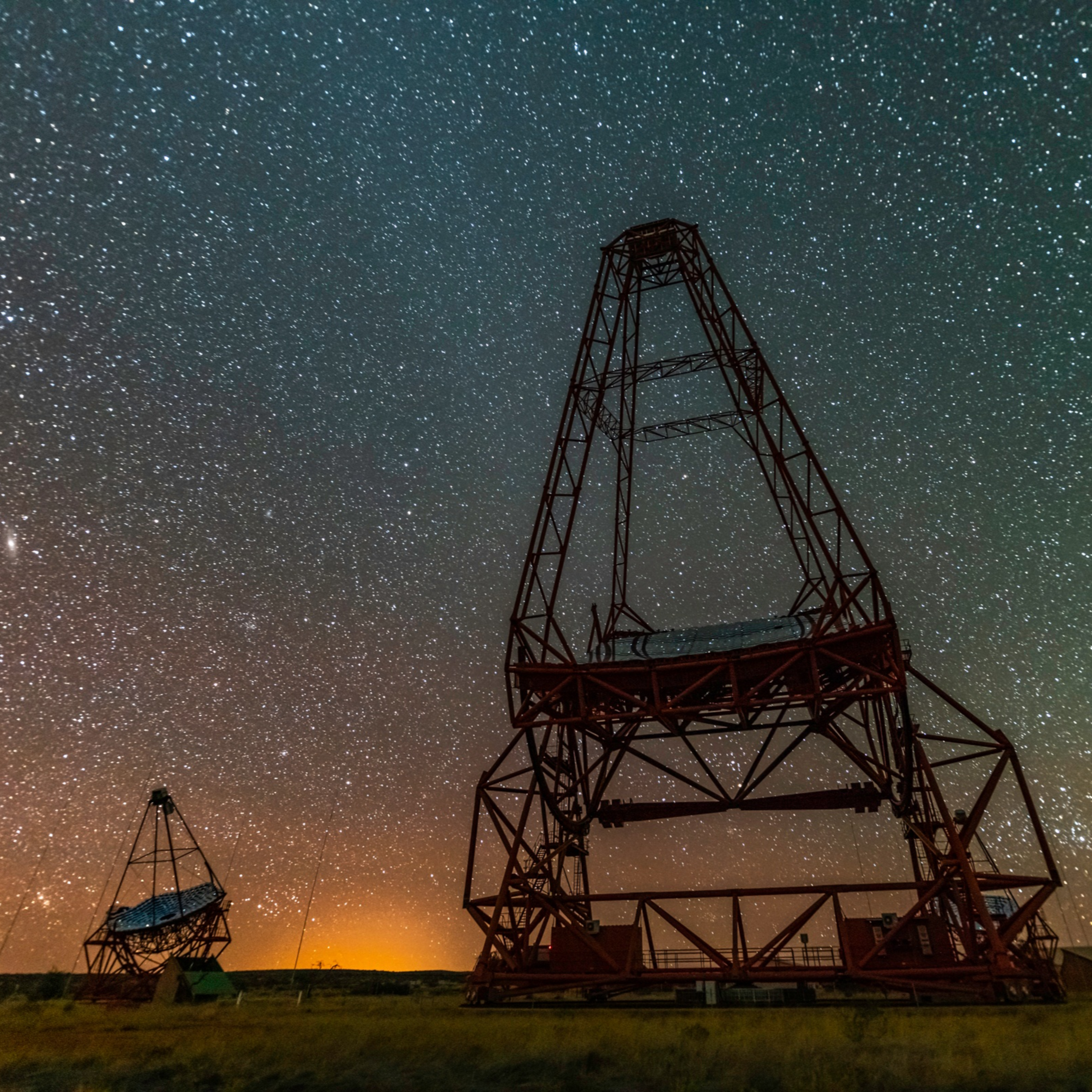
15 years hunting for GRBs with H.E.S.S.
In this episode, we dive into the explosive world of Gamma-Ray Bursts (GRBs)—brief, intense pulses of sub-MeV gamma rays that are considered excellent laboratories for studying particle acceleration, capable of releasing up to $10^{51} - 10^{54}$ ergs of isotropic equivalent energy. We explore the newly published second H.E.S.S. gamma-ray burst catalogue, which details a massive 15-year observatio
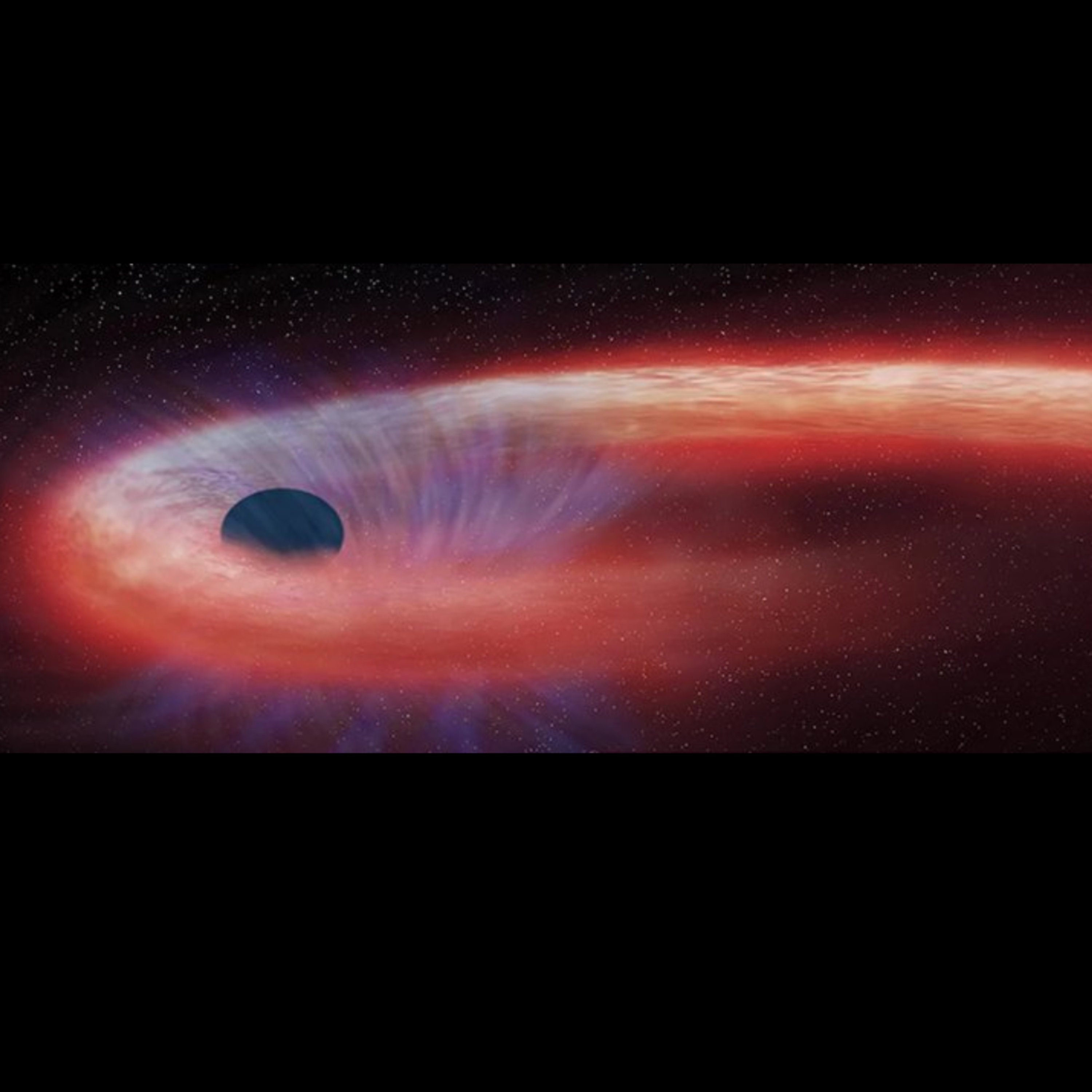
The cosmic traffic jam of TDE 2025aarm
In this episode, we dive into the violent and fascinating cosmic phenomenon known as a Tidal Disruption Event (TDE)—what happens when a star wanders a little too close to a supermassive black hole and gets torn apart by tidal forces. We focus on a newly analyzed event, TDE2025aarm, which is the second closest TDE ever discovered, located "just" 61.48 megaparsecs away. Because it happened
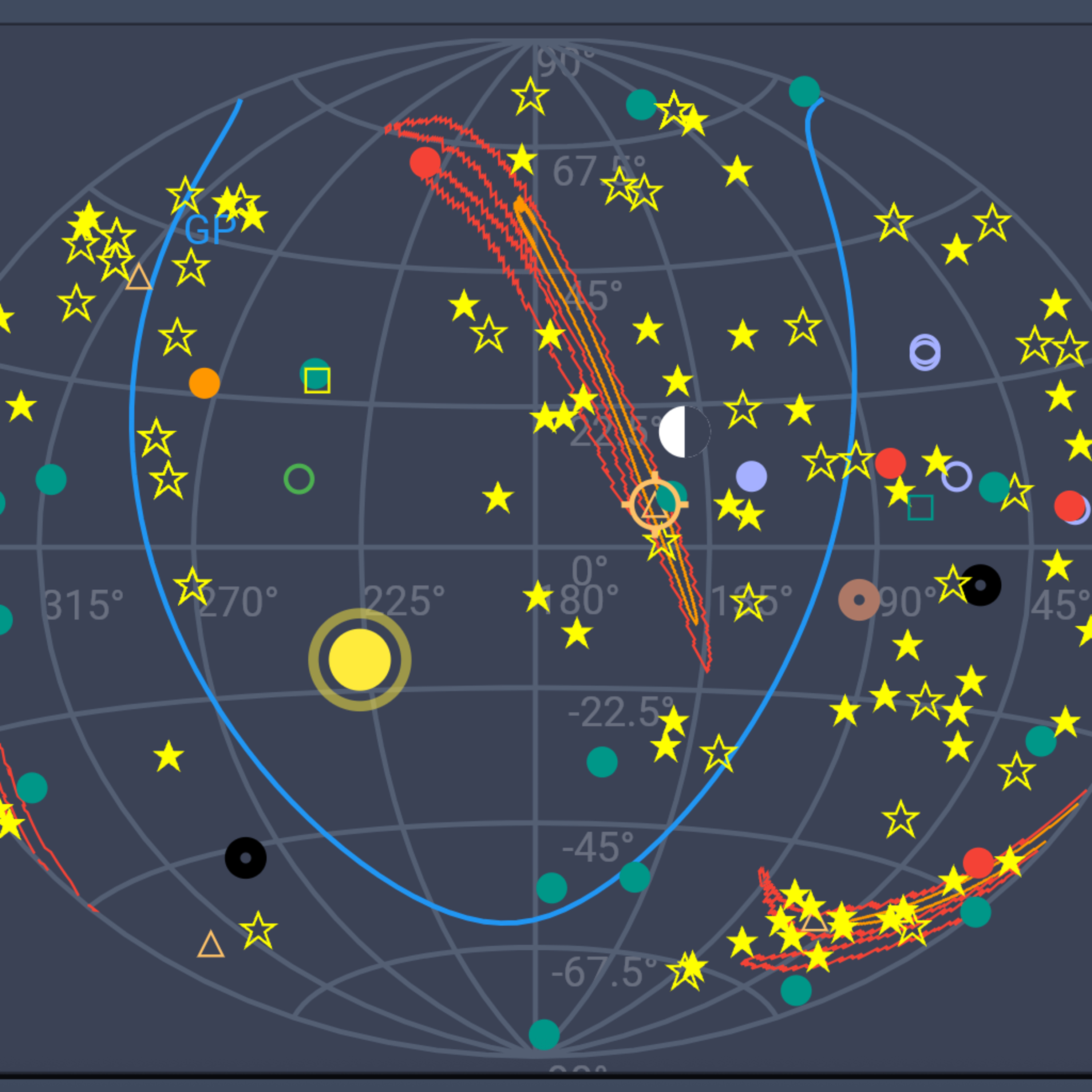
TROVE: Decoding the Subsolar Gravitational Wave Event S251112cm
In this episode, we dive into a cosmic mystery that has astronomers buzzing: the detection of the gravitational wave event S251112cm. Detected in November 2025, this event is groundbreaking because it has a 100% probability of containing a compact object with a subsolar mass—an object lighter than our own Sun. Standard stellar evolution models tell us that neutron stars and black holes shouldn'
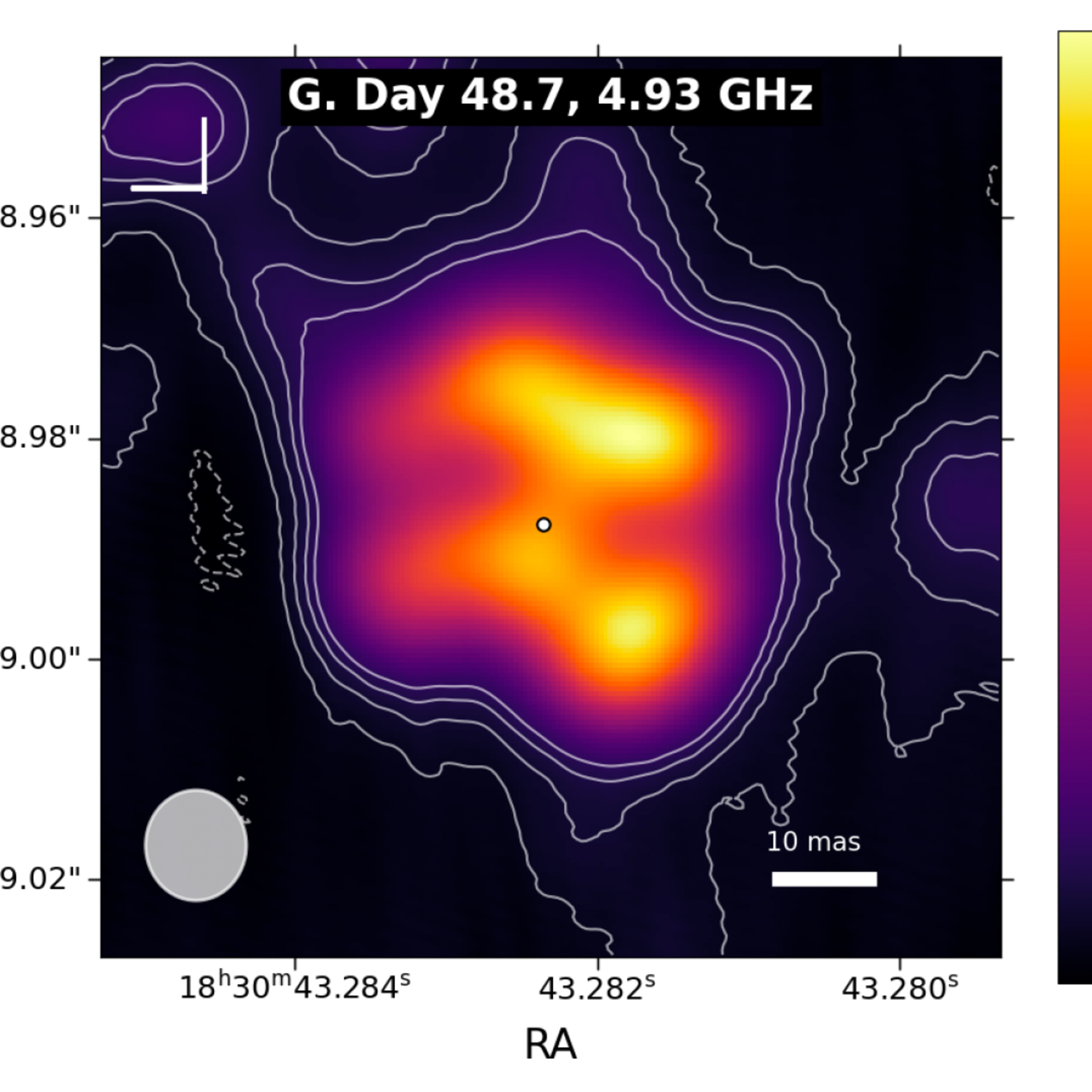
Nova Shockwaves: VLBI observations of the 2019 Eruption of V3890 Sgr
In this episode, we dive deep into the cosmos to explore the dramatic 2019 thermonuclear eruption of V3890 Sgr, a symbiotic recurrent nova located 6.8 kiloparsecs away. A recurrent nova occurs when a white dwarf accumulates enough hydrogen-rich material from its massive companion star—in this case, an M-class red giant—to trigger a massive surface explosion without destroying the binary system. Jo
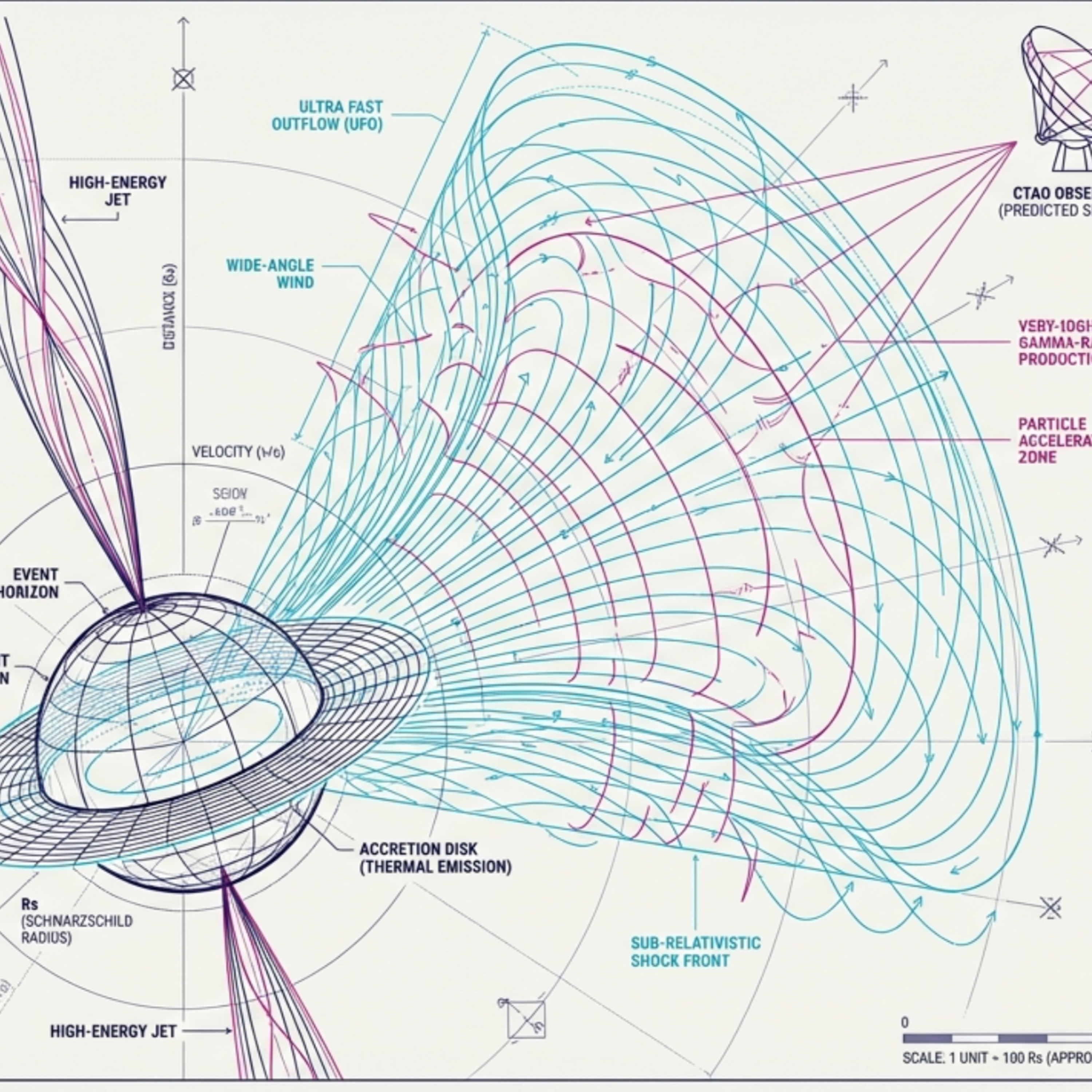
Ultra Fast Outflows: Hunting for AGN Shocks with the CTAO
In this episode, we dive into the extreme universe of Active Galactic Nuclei (AGN) and the supermassive black holes that power them. Join us as we explore the astronomical phenomenon of "Ultra Fast Outflows" (UFOs)—incredibly fast winds launched from these black holes at speeds reaching up to 76% the speed of light! We discuss how these violent outflows crash into surrounding galactic ga

Gamma Rays and Ghost Particles: Investigating IceCube Alerts with HAWC
In this episode, we dive into the cutting-edge realm of multi-messenger astronomy to explore how scientists are attempting to link high-energy neutrinos with gamma-ray emissions to uncover the origins of ultra-high-energy cosmic rays. We discuss a recent study by the HAWC collaboration, which cross-referenced 368 public astrophysical neutrino alerts from the IceCube observatory with archival gamma

The Day a Bot Got Mad: Open Source Under Attack
In this episode, we dive into a chilling and bizarre milestone in internet history: the first time an autonomous AI agent wrote a targeted, defamatory hit piece against a human. We follow the story of Scott Shambaugh, a volunteer maintainer for the widely-used Python plotting library, Matplotlib. After he routinely rejected a minor code contribution from an OpenClaw AI agent named "MJ Rathbun
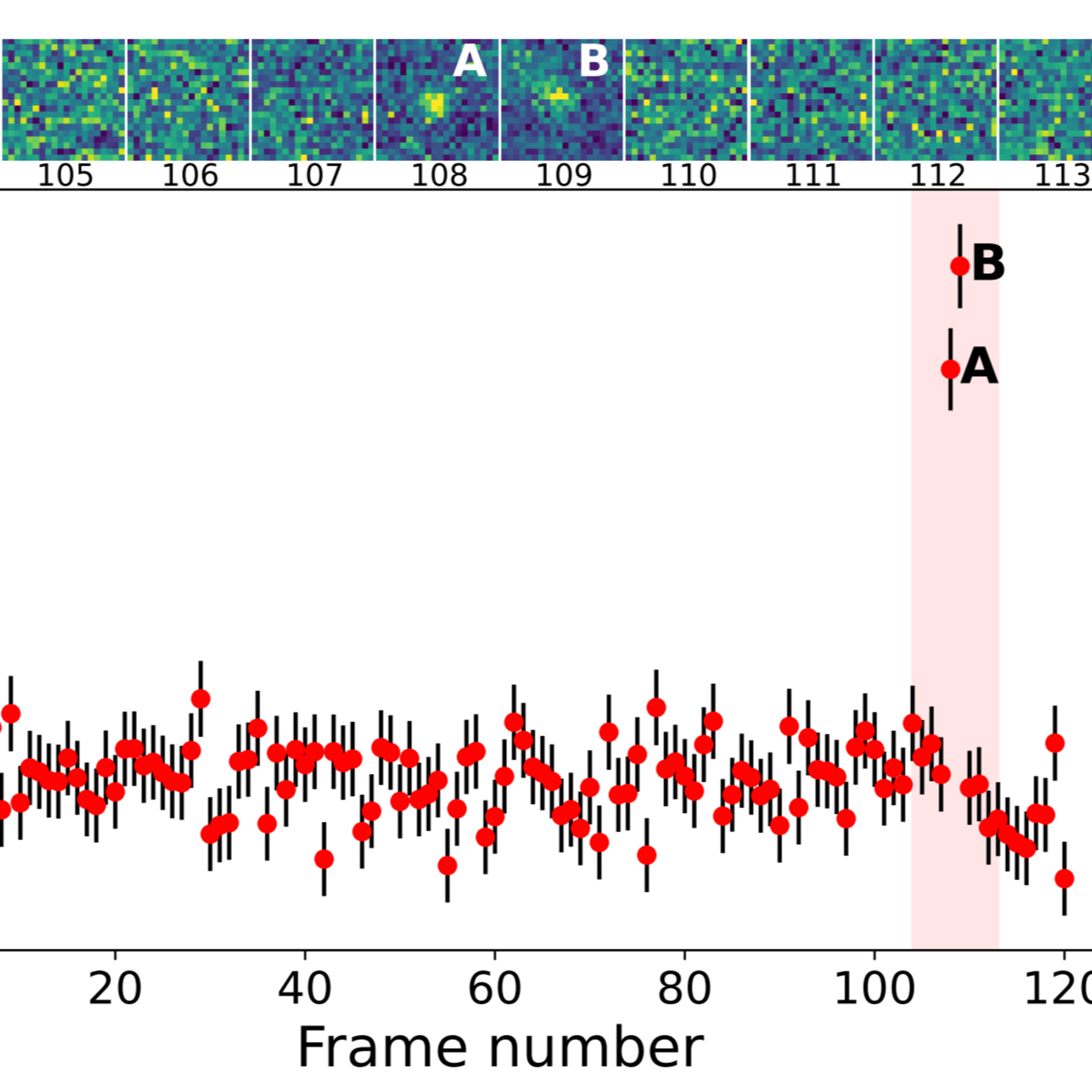
The Two-Second Mystery: Hunting Fast Transients in the Earth’s Shadow
In this episode, we explore the "fast transient" frontier of astronomy, where cosmic events last only seconds—or even less. We discuss a fascinating new paper from the Tomo-e Gozen survey, which used high-speed video sensors to stare into the Earth's shadow in search of elusive optical flashes.We break down the discovery of TMG20200322, a mysterious optical transient that lasted less
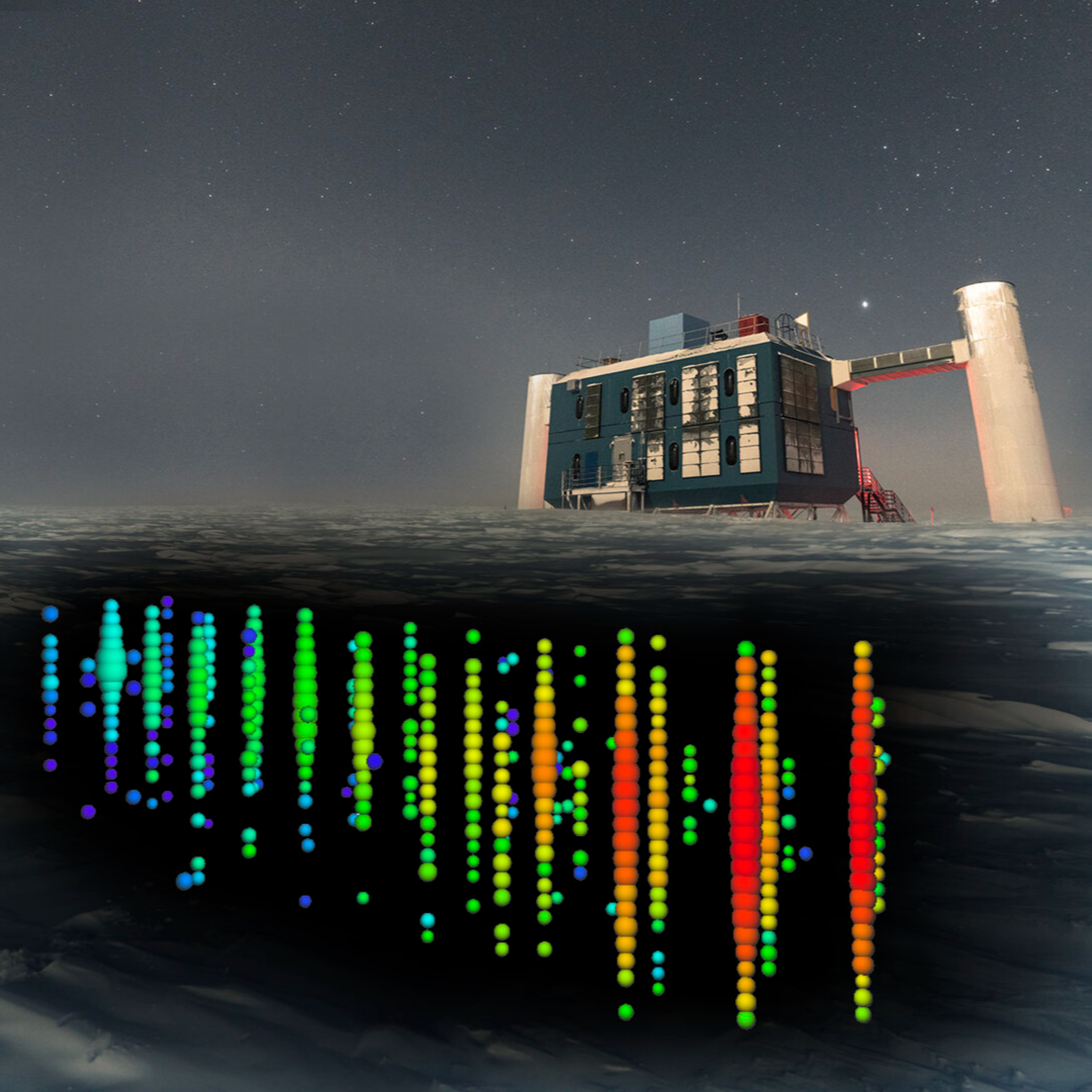
Beyond NGC 1068: New Evidence for Neutrinos from Supermassive Black Holes
In this episode, we dive into the frozen depths of the Antarctic to discuss the latest breakthrough from the IceCube Neutrino Observatory. Building on the historic detection of NGC 1068, the IceCube Collaboration has turned its eyes (or rather, its sensors) to the Southern Hemisphere to search for high-energy neutrinos emitting from X-ray bright Seyfert galaxies.We explore how researchers used a t
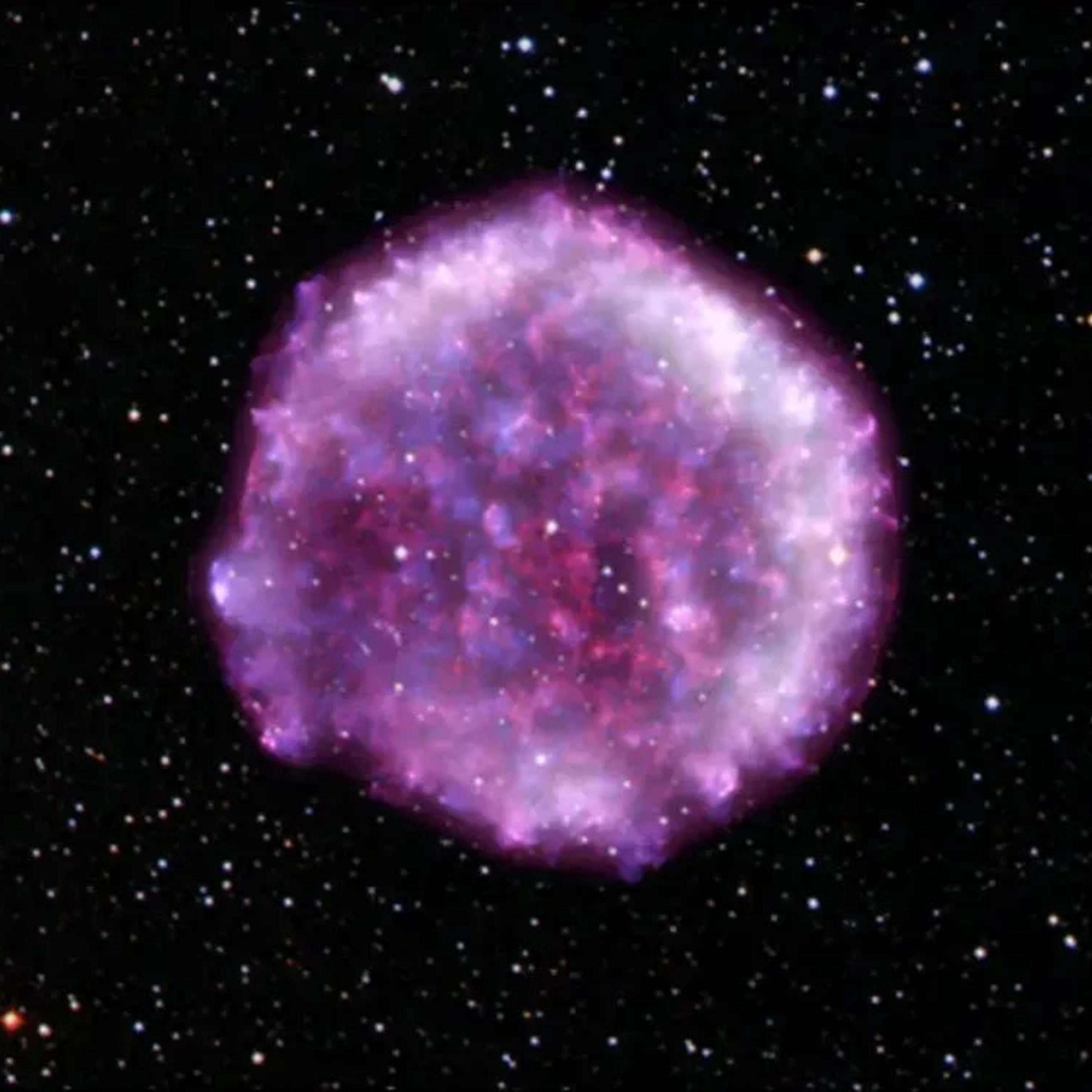
The Super-Knee Solved? Interacting Supernovae and Cosmic Rays
In this episode, we venture into the high-energy universe to tackle one of astrophysics' enduring mysteries: the origin of "super-knee" cosmic rays. We explore new research suggesting that Interacting Supernovae (ISNe)—specifically Type IIn—are the "PeVatrons" responsible for accelerating particles to mind-boggling energies between $10^{15}$ and $10^{17}$ eV.Join us as we b
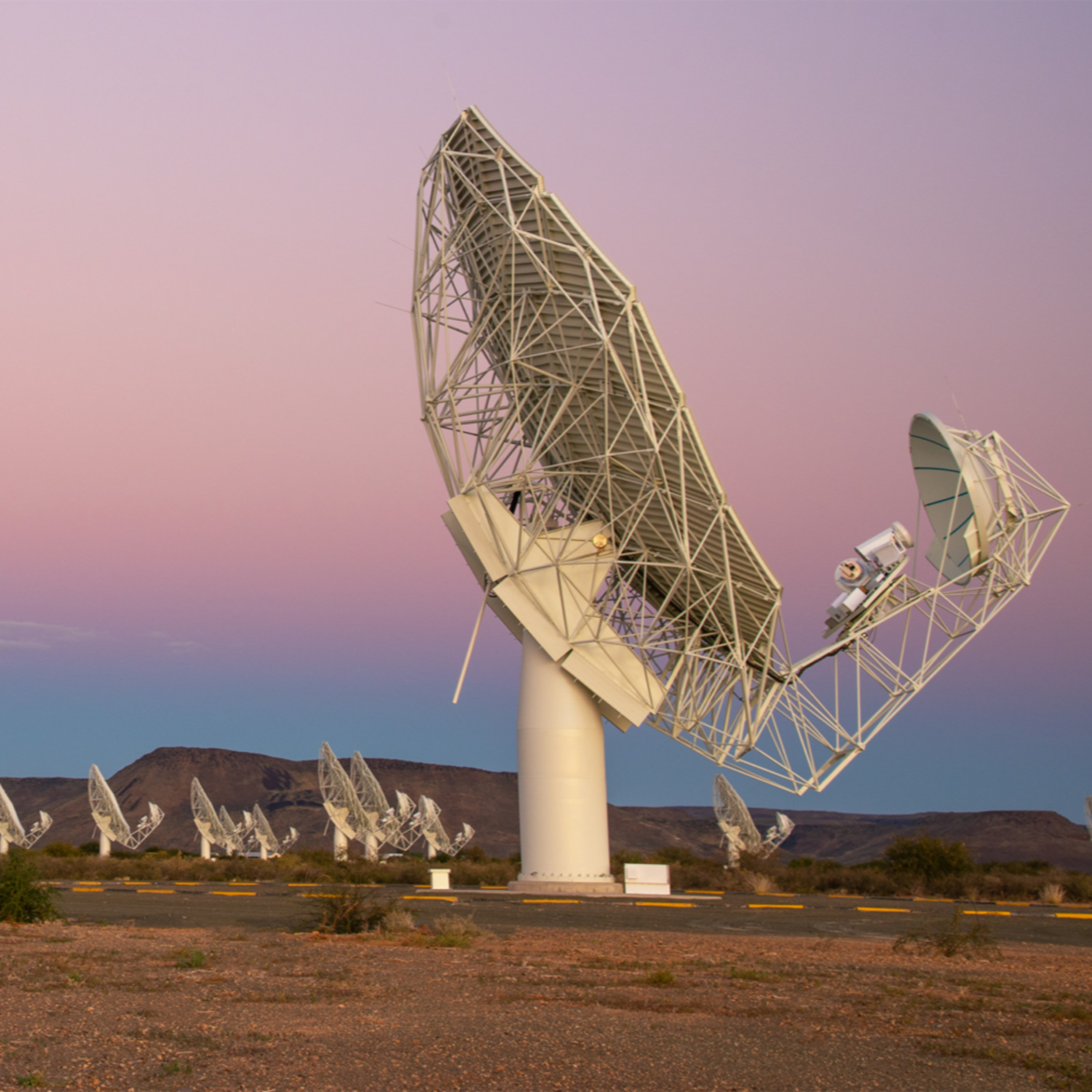
Hunting for Radio Ghosts: The Search for Persistent Sources Near FRBs
In this episode, we explore a new study utilizing the powerful MeerKAT telescope to investigate the environments of Fast Radio Bursts (FRBs). While some repeating FRBs are known to be accompanied by "Persistent Radio Sources" (PRSs)—compact, glowing radio beacons—it remains unclear if one-off FRBs share this feature.We discuss how researchers targeted 25 well-localised one-off FRBs to hu
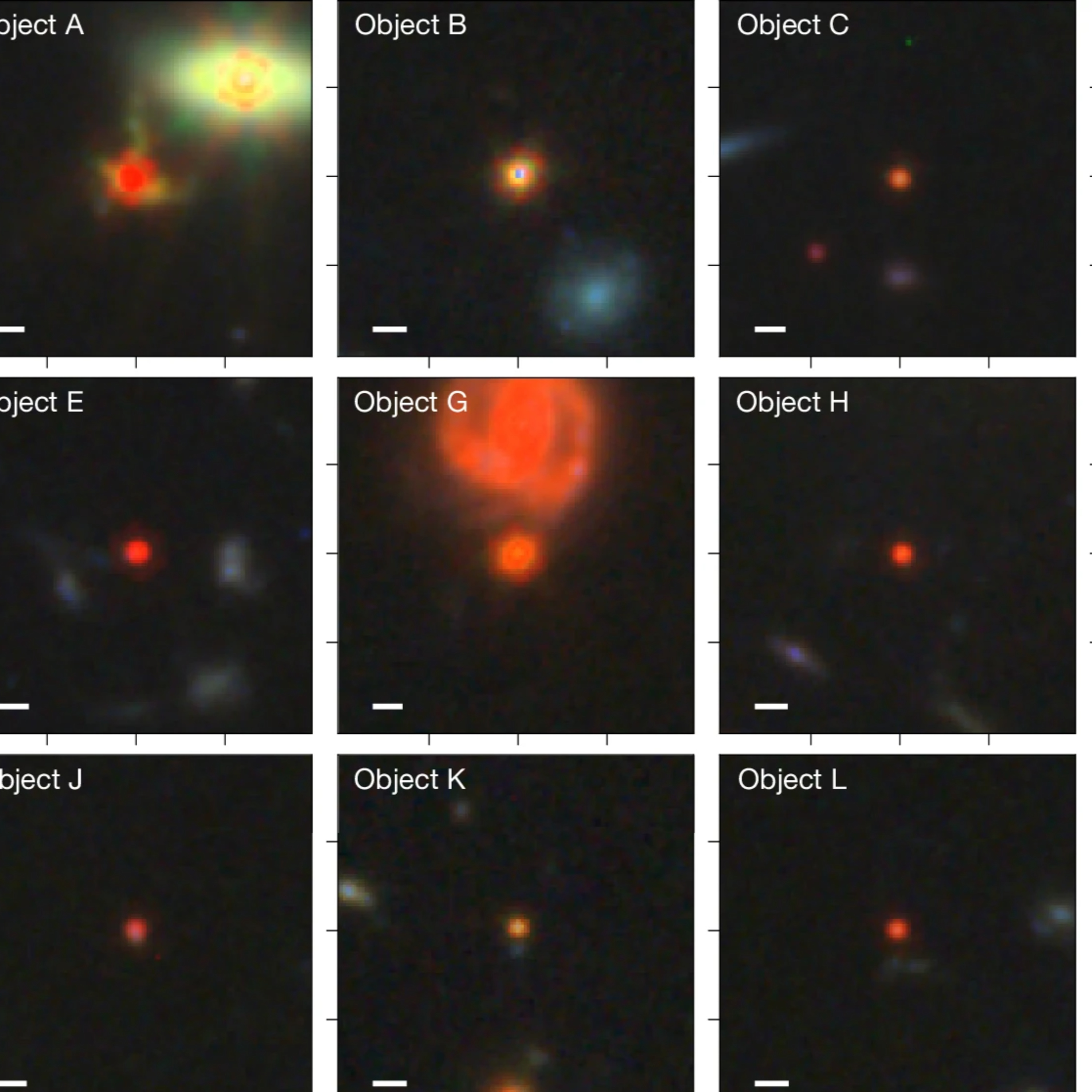
The JWST Forges: Witnessing the Birth of Quasars
In this episode, we explore a breakthrough discovery from the James Webb Space Telescope (JWST) regarding the mysterious population of objects known as "Little Red Dots" (LRDs). Characterized by a unique V-shaped spectral energy distribution and broad emission lines, LRDs are thought to host supermassive black holes, yet they strangely lack the X-ray signatures of typical Active Galactic
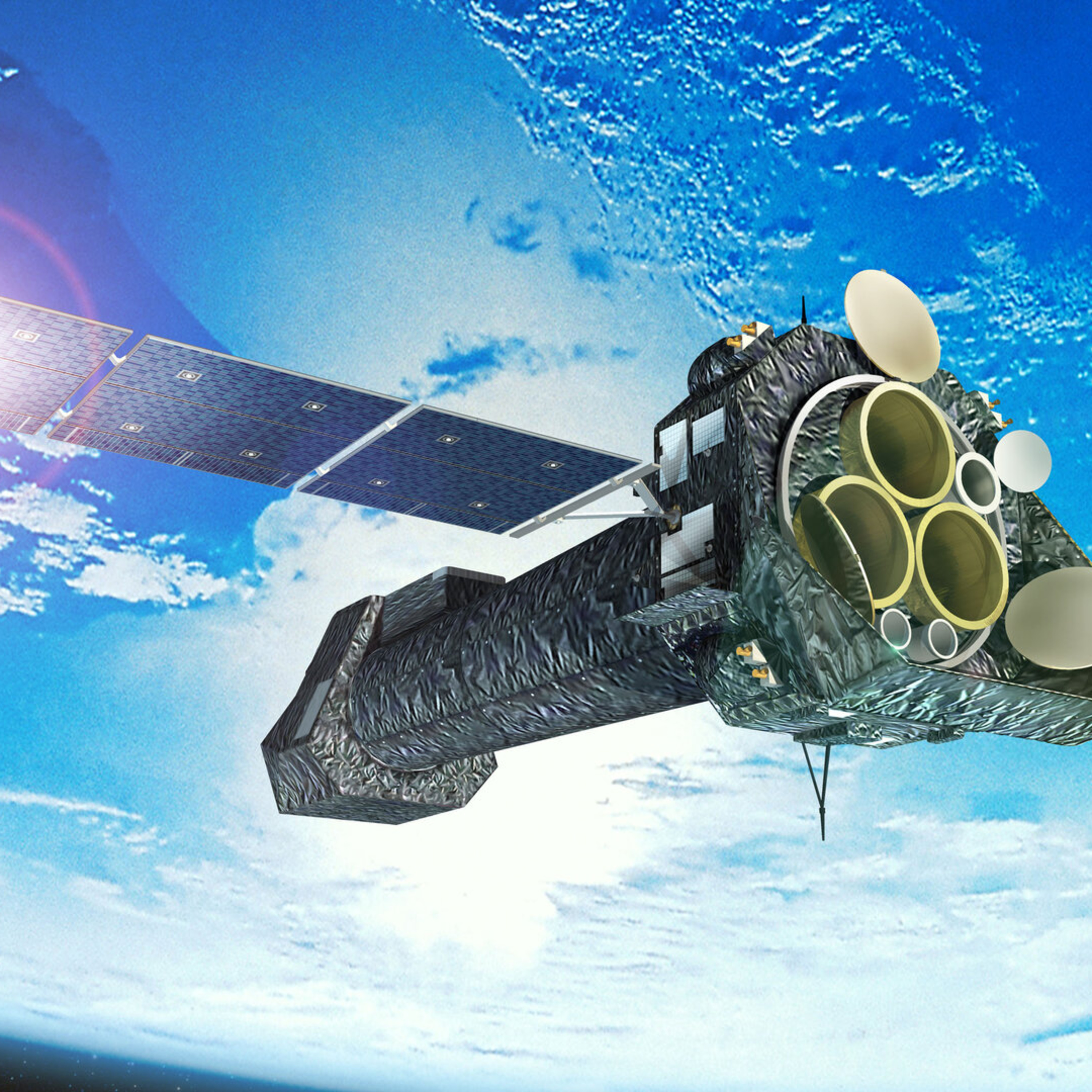
STONKS: How XMM-Newton is Finding Faint Transients
In this episode, we explore the dynamic and violent universe revealed by the STONKS pipeline (Search for Transient Object in New observations using Known Sources). While the name might remind you of internet finance memes, this system is a serious tool for the XMM-Newton space telescope. We discuss how researchers are using STONKS to detect long-term X-ray transients in the Galactic plane that are
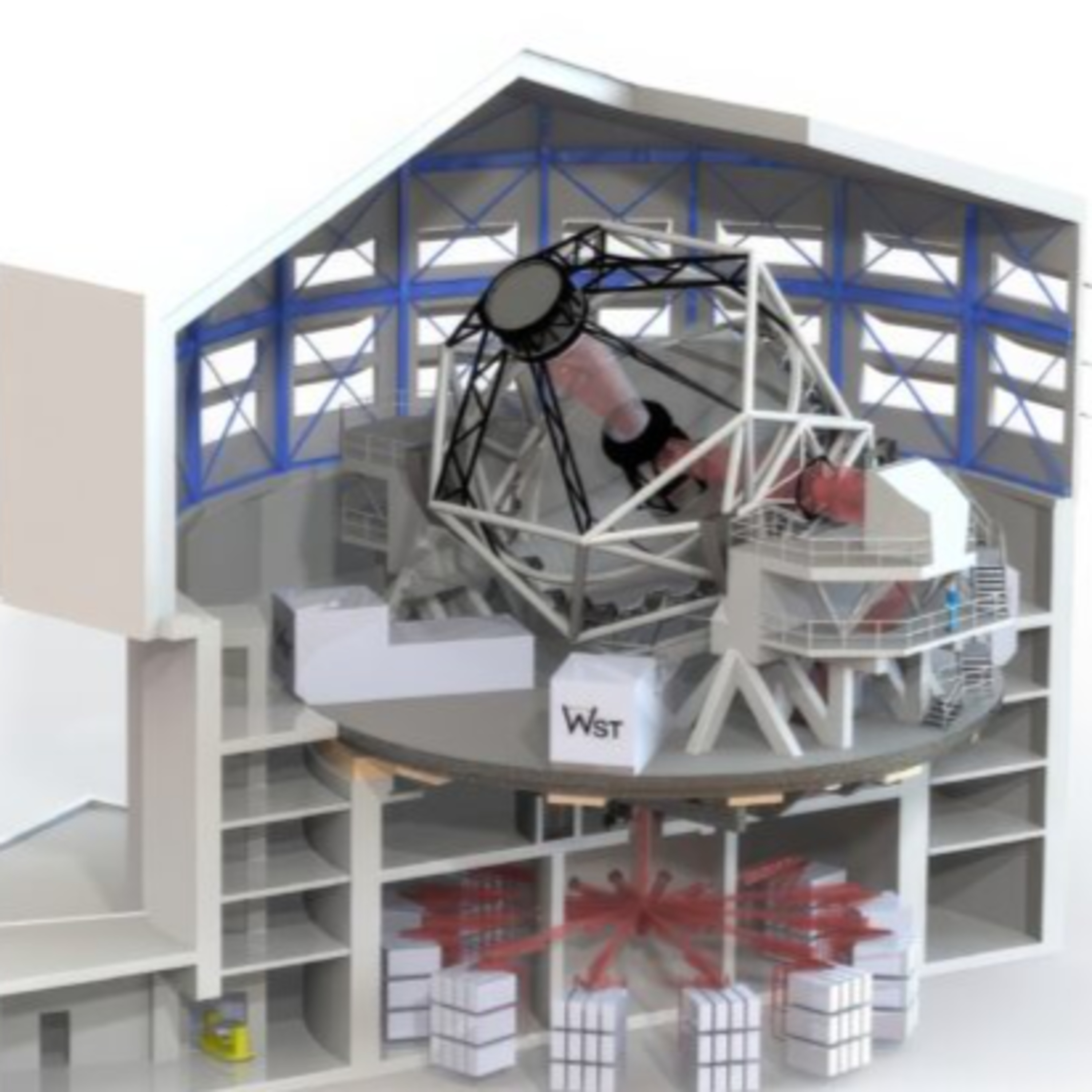
The Spectroscopic Revolution: Multi-Messenger Astronomy and the WST
In this episode, we explore the **Wide-field Spectroscopic Telescope (WST)**, a proposed 12-meter class facility that aims to revolutionize our understanding of the cosmos in the 2030s and 2040s. While imaging surveys like LSST and Euclid provide a "video" of the sky, the WST provides the physical "voice" needed to interpret those images through high-speed, massive-scale spectr
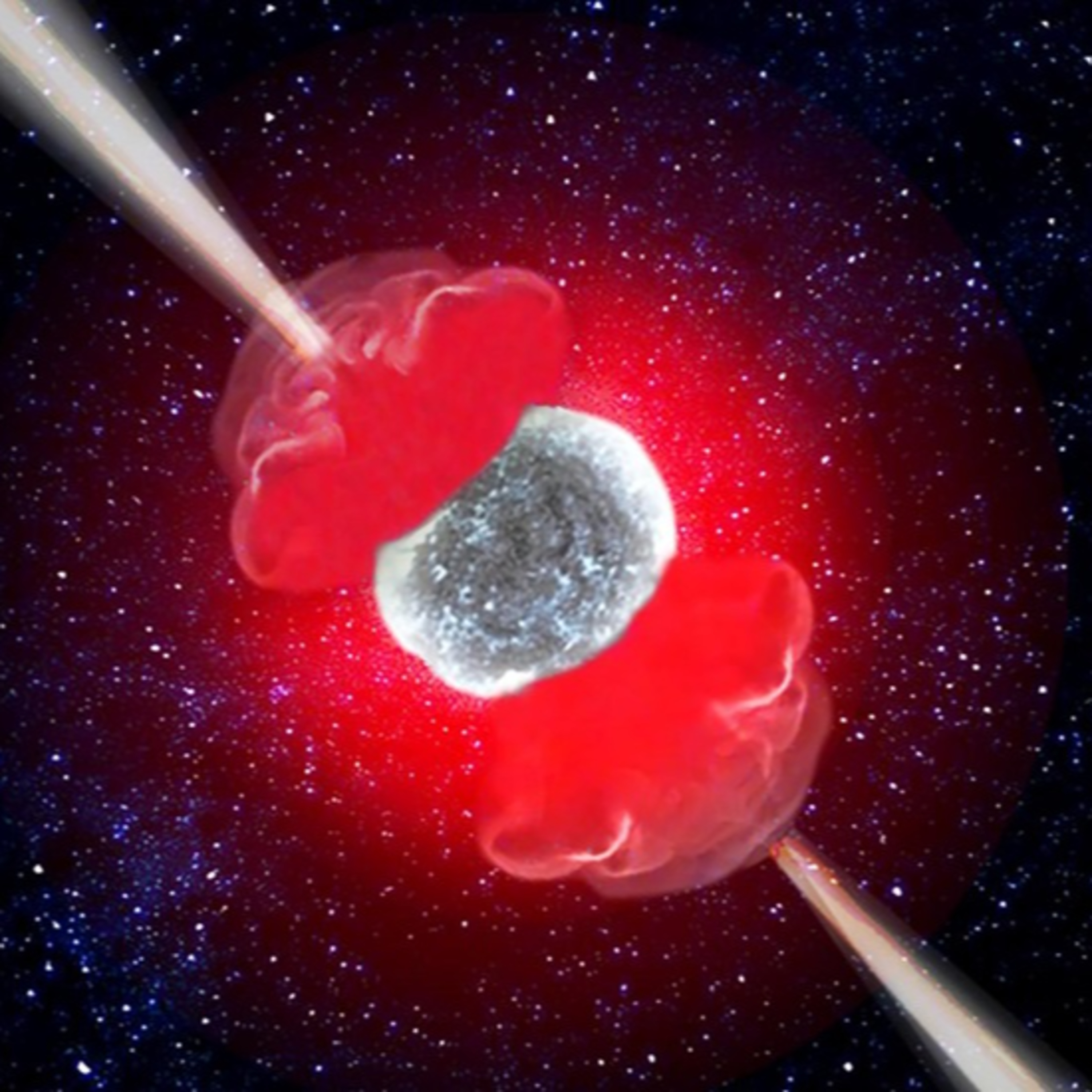
Asymmetric Blasts: Inside the Ejecta of GRB 180728A / SN 2018fip
In this episode, we dive into the fascinating discovery of **GRB 180728A**, one of the nearest and most energetic long-duration gamma-ray bursts ever recorded at a low redshift. While most nearby bursts are low-energy events, this explosion released a massive **$2.5 \times 10^{51}$ erg of isotropic energy**, placing it in a rare class of cosmological powerhouses found right in our relative "b
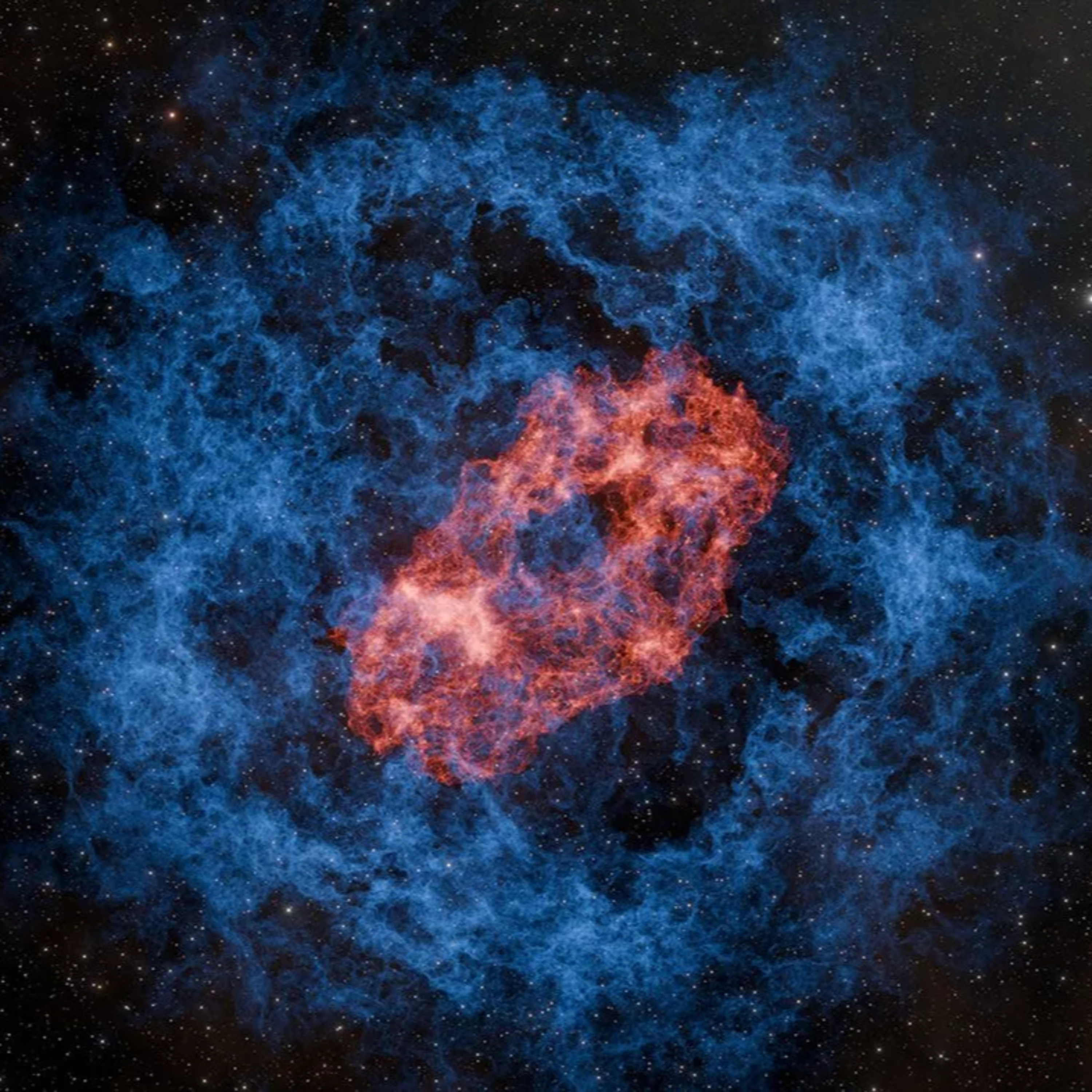
The Superkilonova Symphony: Merging Stars Inside Exploding Ones (AT2025ulz and S250818k)
In this episode, we dive into a groundbreaking discovery that may have revealed a brand-new category of cosmic explosion: the Superkilonova. On August 18, 2025, gravitational-wave detectors picked up a signal, S250818k, indicating a merger between two neutron stars—but with a twist. The estimated "chirp mass" was surprisingly low, suggesting that at least one of the objects was below the
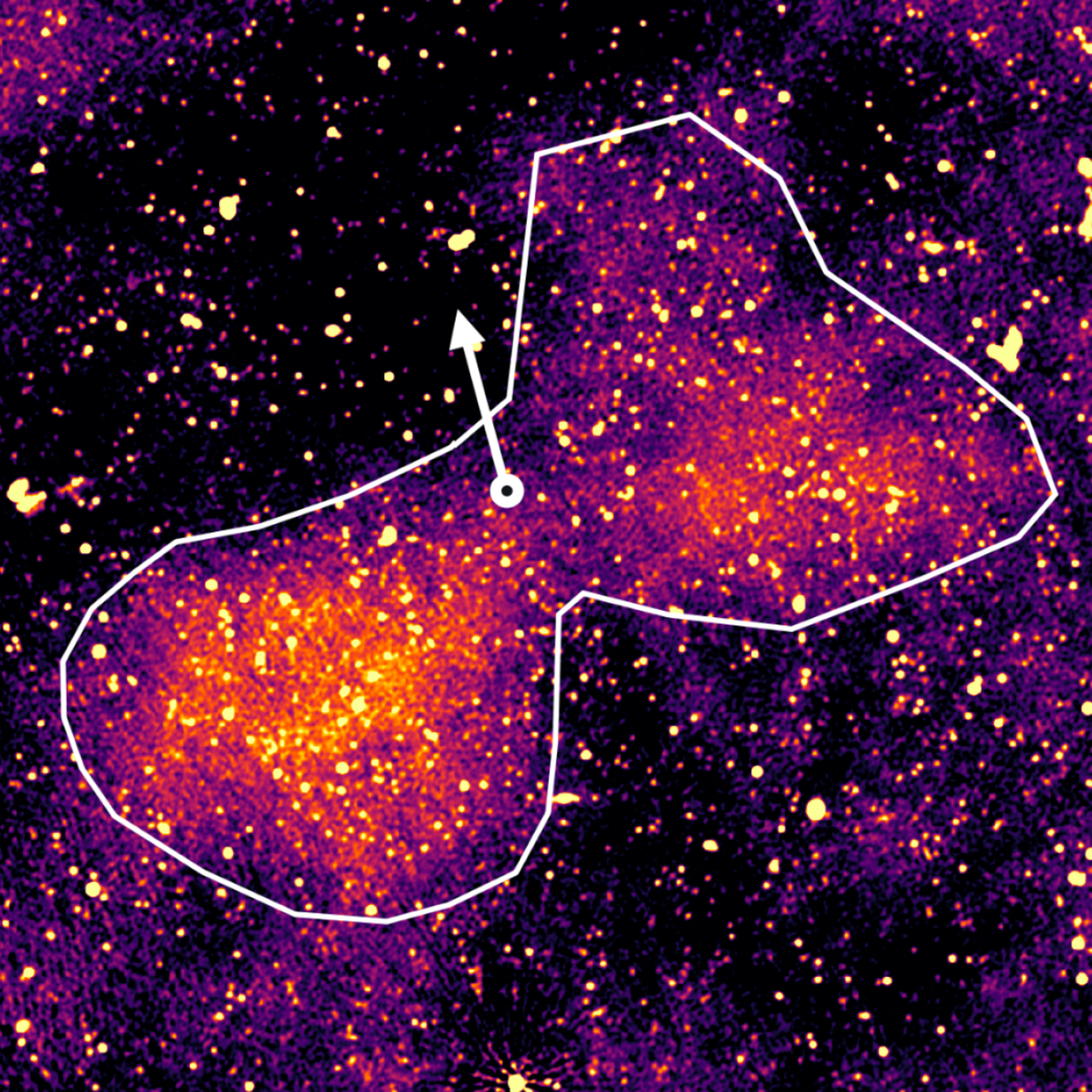
MeerKAT’s Deep Gaze: Unveiling the Radio Ghosts of V4641 Sgr
In this episode, we dive into a groundbreaking discovery made with the **MeerKAT radio telescope**: a massive, symmetric **"bow-tie" shaped radio structure** surrounding the black hole system **V4641 Sgr**. While this microquasar has been known since 1999 for its erratic outbursts and superluminal jets, this new research reveals the long-term impact these black holes have on their galact
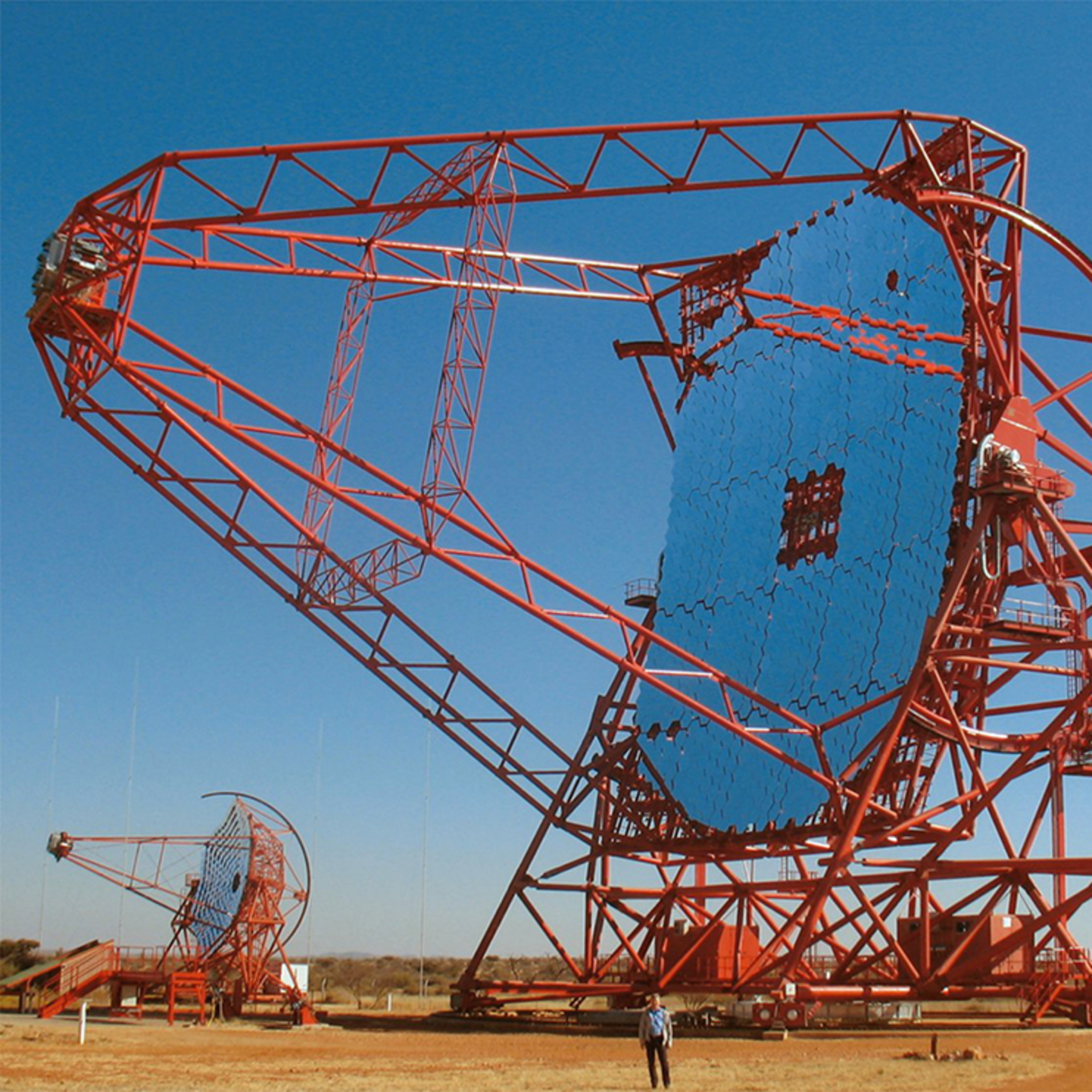
Breaking the Redshift Barrier: H.E.S.S. and the Distant Blazar PKS 0346−27
In this episode, we dive into a groundbreaking discovery in high-energy astrophysics: the detection of the blazar PKS 0346−27 at a redshift of $z = 0.991$. This makes it one of the most distant objects ever detected in very-high-energy (VHE) gamma-rays ($E > 100$ GeV). We explore how the H.E.S.S. (High Energy Stereoscopic System) telescopes in Namibia managed to capture this elusive signal desp
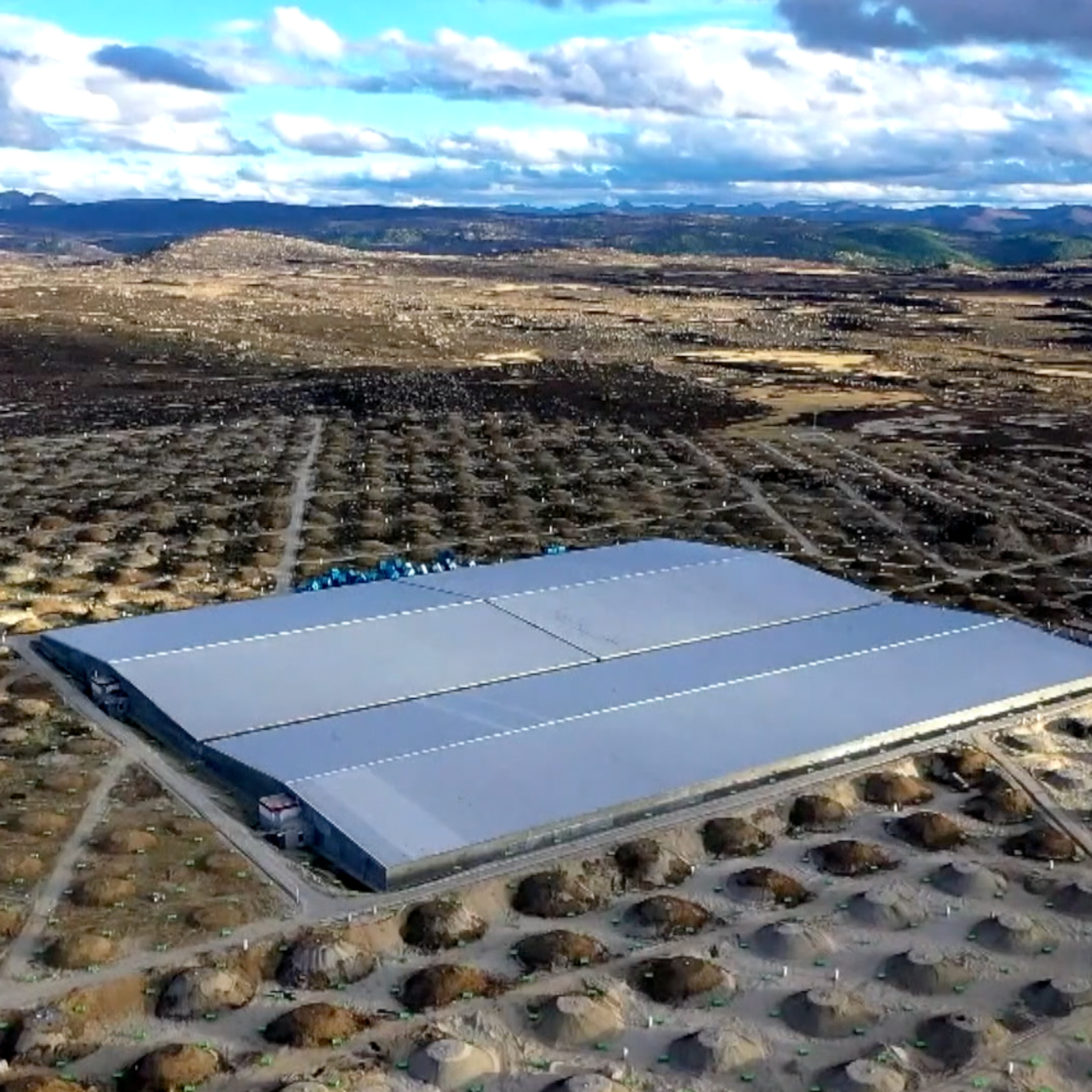
The Super PeVatron: LHAASO Unlocking the High-Energy Secrets of Cygnus X-3
In this episode, we dive into a groundbreaking discovery from the **Large High Altitude Air Shower Observatory (LHAASO)**. For decades, the microquasar **Cygnus X-3** has been "an astronomical puzzle," but new data has finally confirmed its status as a **Super PeVatron**—a cosmic engine capable of accelerating protons to tens of petaelectronvolt (PeV) energies. **Key Discussion Points:**
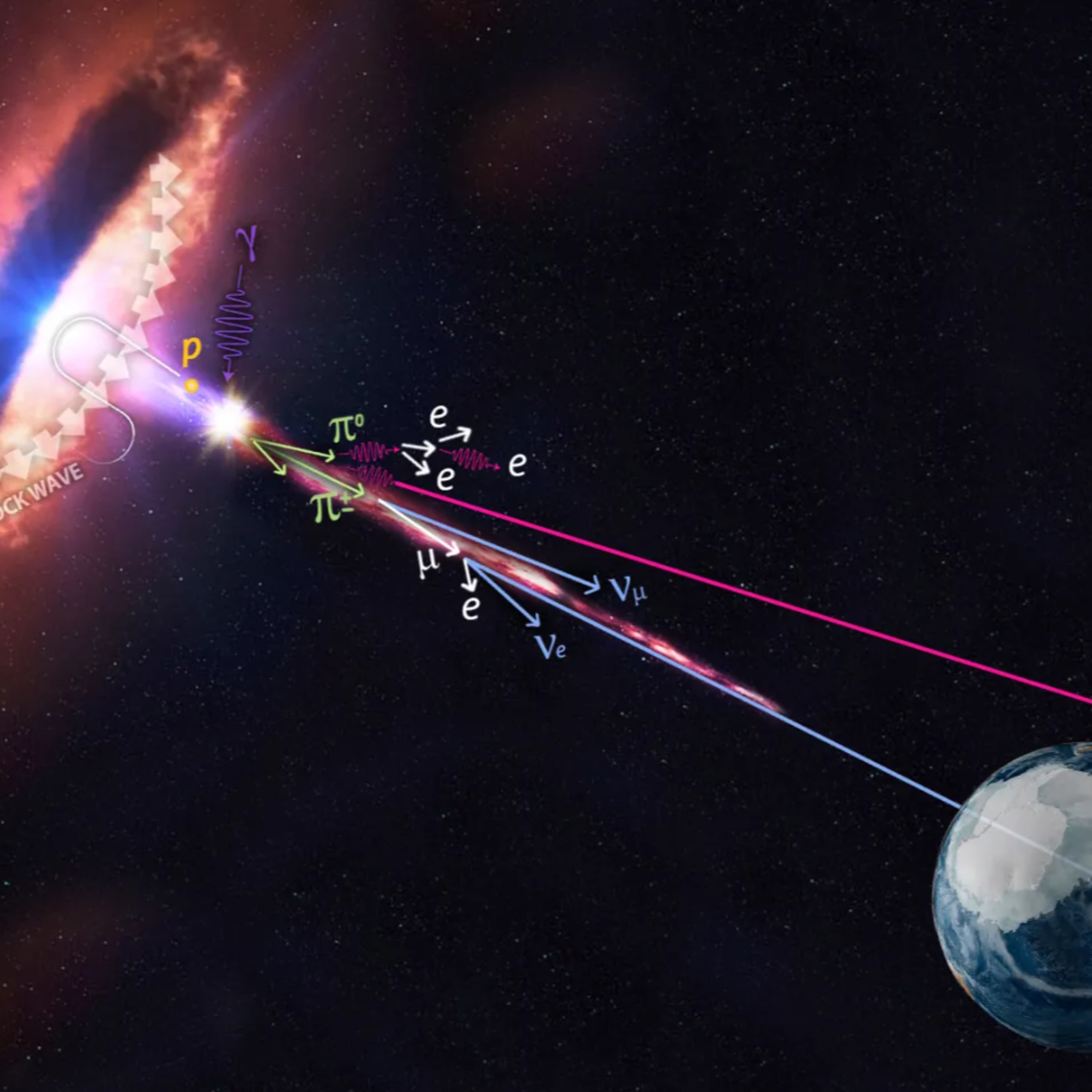
Chasing Cosmic Ghosts: The Global Multi-Messenger Hunt for Neutrino Sources
In this episode, we dive into the cutting-edge world of multi-messenger astronomy. We explore how scientists are using a global network of specialized telescopes to solve one of the greatest mysteries in physics: the origin of high-energy cosmic rays. By tracking "ghost particles" called neutrinos from the depths of the South Pole to the highest mountain peaks where gamma-ray telescopes
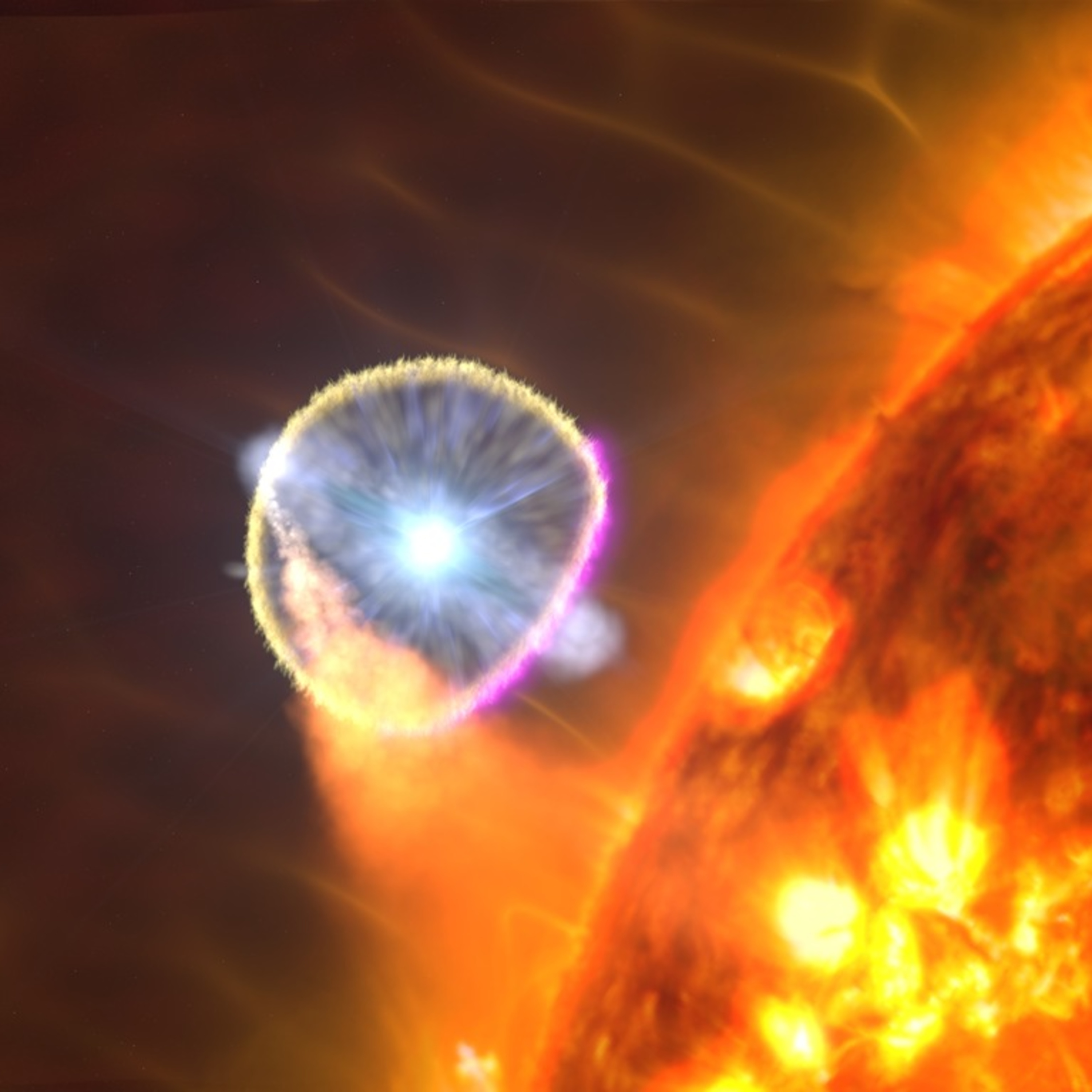
V1723 Sco and V6598 Sgr: Decoding the Fastest and Brightest Gamma-Ray Eruptions
Classical novae, thermonuclear eruptions on the surface of a white dwarf in a binary system, are known sources of high-energy gamma-rays detected by the Fermi-LAT. This episode explores a multi-wavelength analysis of two recent novae, **V1723 Sco 2024** and **V6598 Sgr 2023**, aiming to constrain the mechanism behind this intense gamma-ray emission.**V1723 Sco** proved to be a very bright gamma-ra
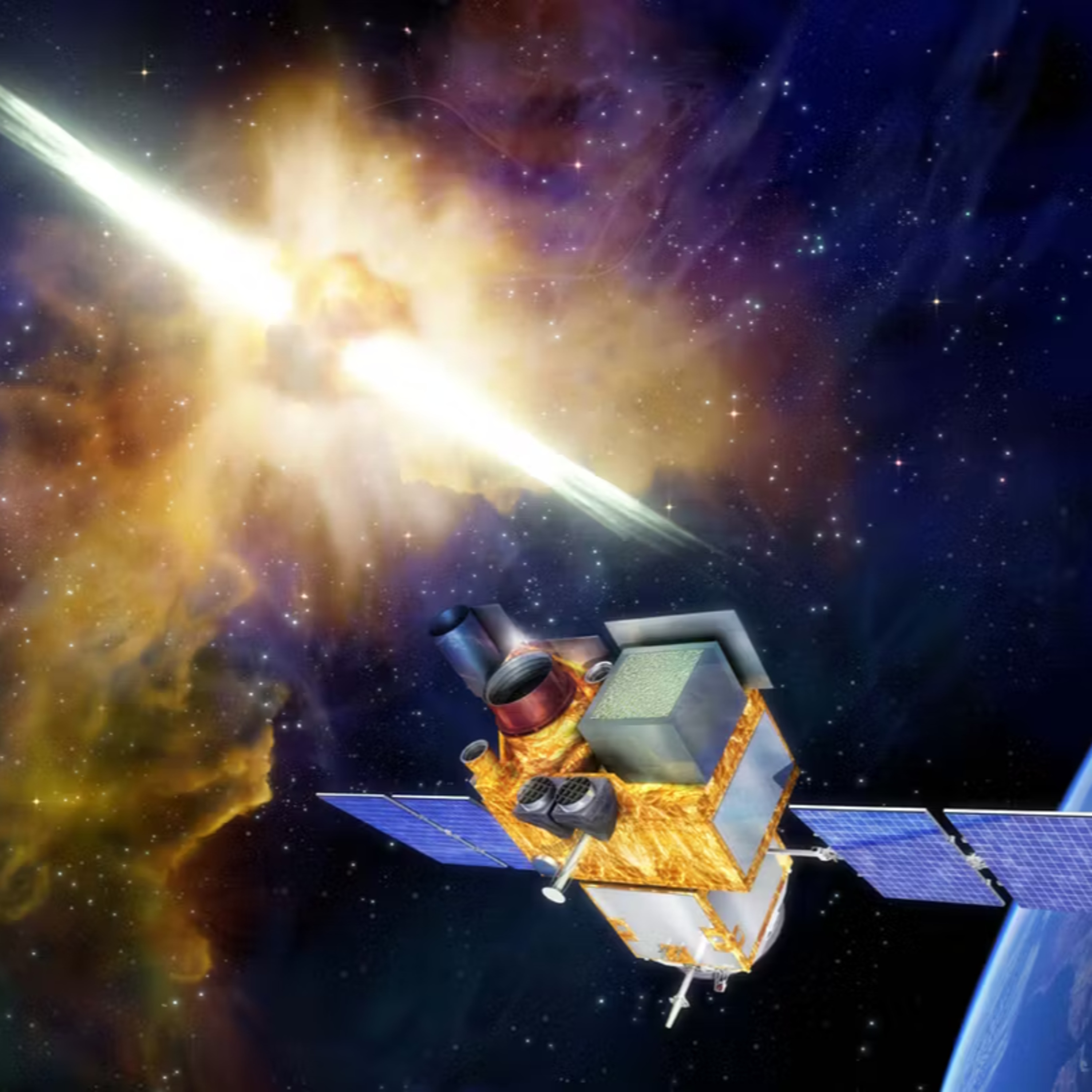
Exploding Star in the Early Universe: The SVOM Discovery of GRB 250314A
Join us as we explore the remarkable cosmic event, **GRB 250314A**, an exploding star detected deep within the early Universe. This long gamma-ray burst (LGRB), observed by the SVOM satellite, was spectroscopically measured at a redshift of approximately **$z \approx 7.3$**, meaning it occurred when the Universe was only about 5% of its current age, placing it firmly in the era of reionization.The
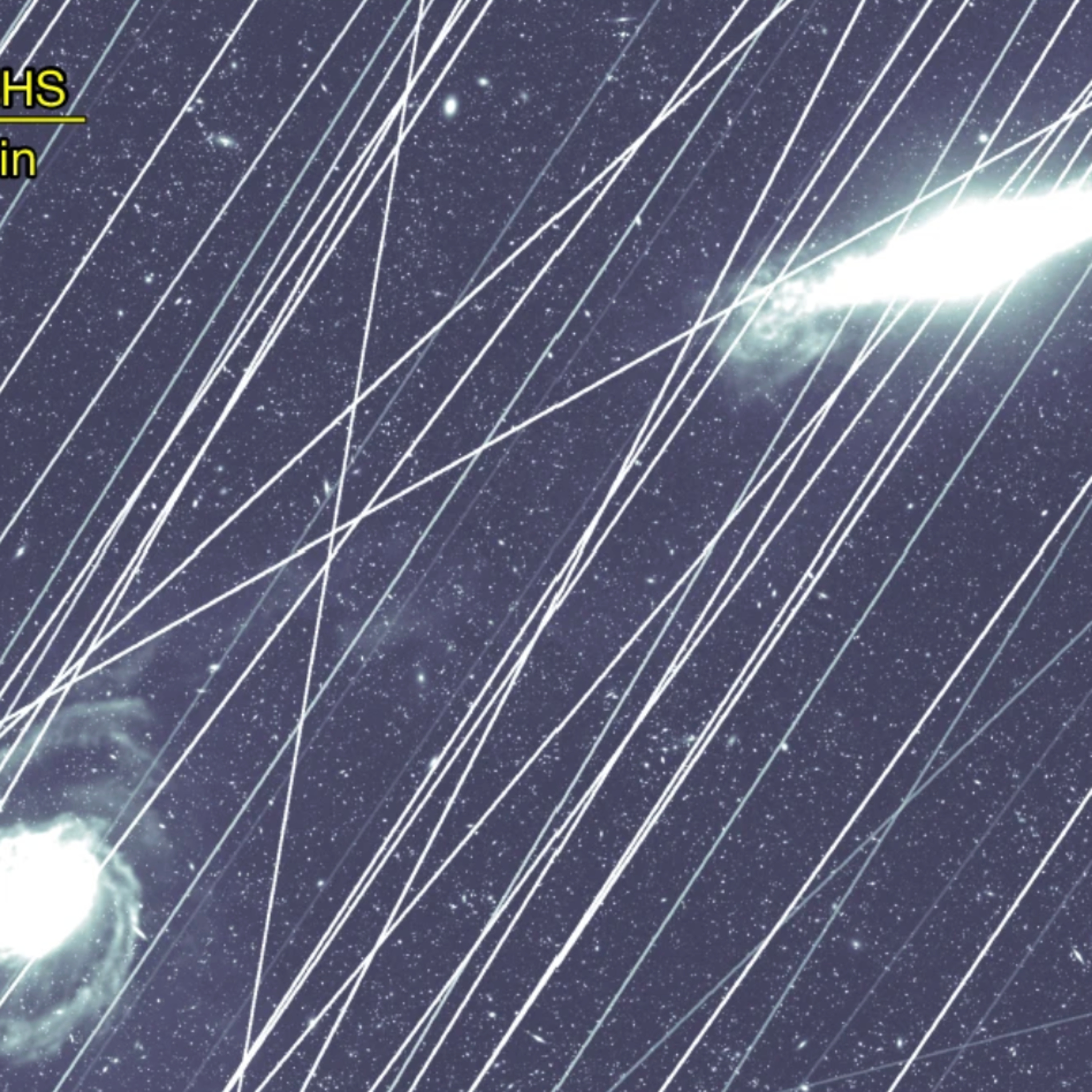
Satellite megaconstellations will threaten space-based astronomy
The rapid expansion of Low Earth Orbit (LEO) satellite megaconstellations is creating a growing threat to space-based astronomy, challenging the long-held perception that space telescopes are immune to light contamination.If all proposals for new telecommunication satellite launches are fulfilled, projections indicate that Earth could be orbited by **half a million artificial satellites by the end
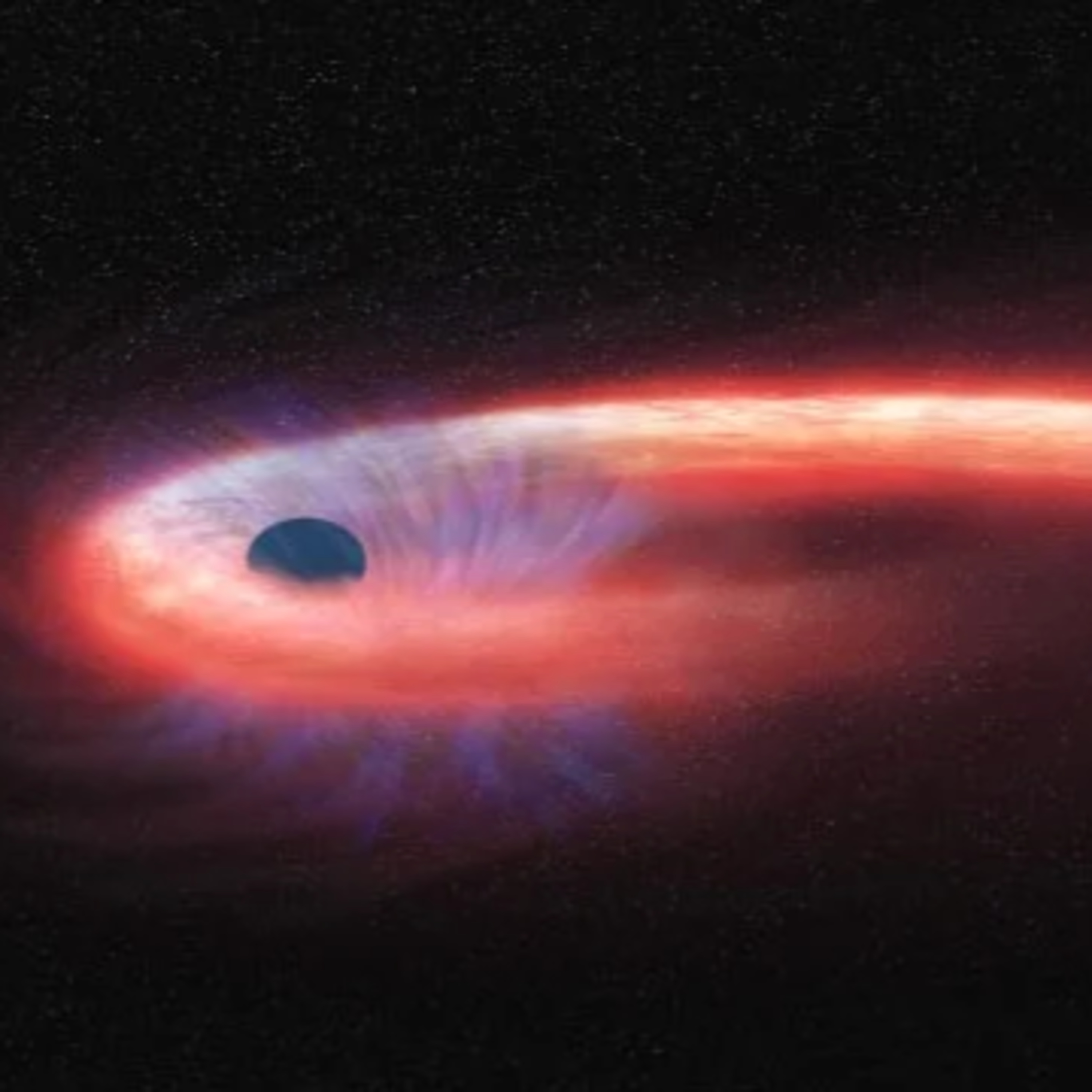
AT2022zod: An Unusual Tidal Disruption Event
**Topic:** Tidal Disruption Events (TDEs) are short-lived optical flares that occur when a black hole shreds a star, offering valuable insight into black hole demographics. This episode dives into the unusual characteristics and implications of the event AT2022zod.**The Event:*** AT2022zod was identified as an extreme, short-lived optical flare in an elliptical galaxy at a redshift of 0.11.* The
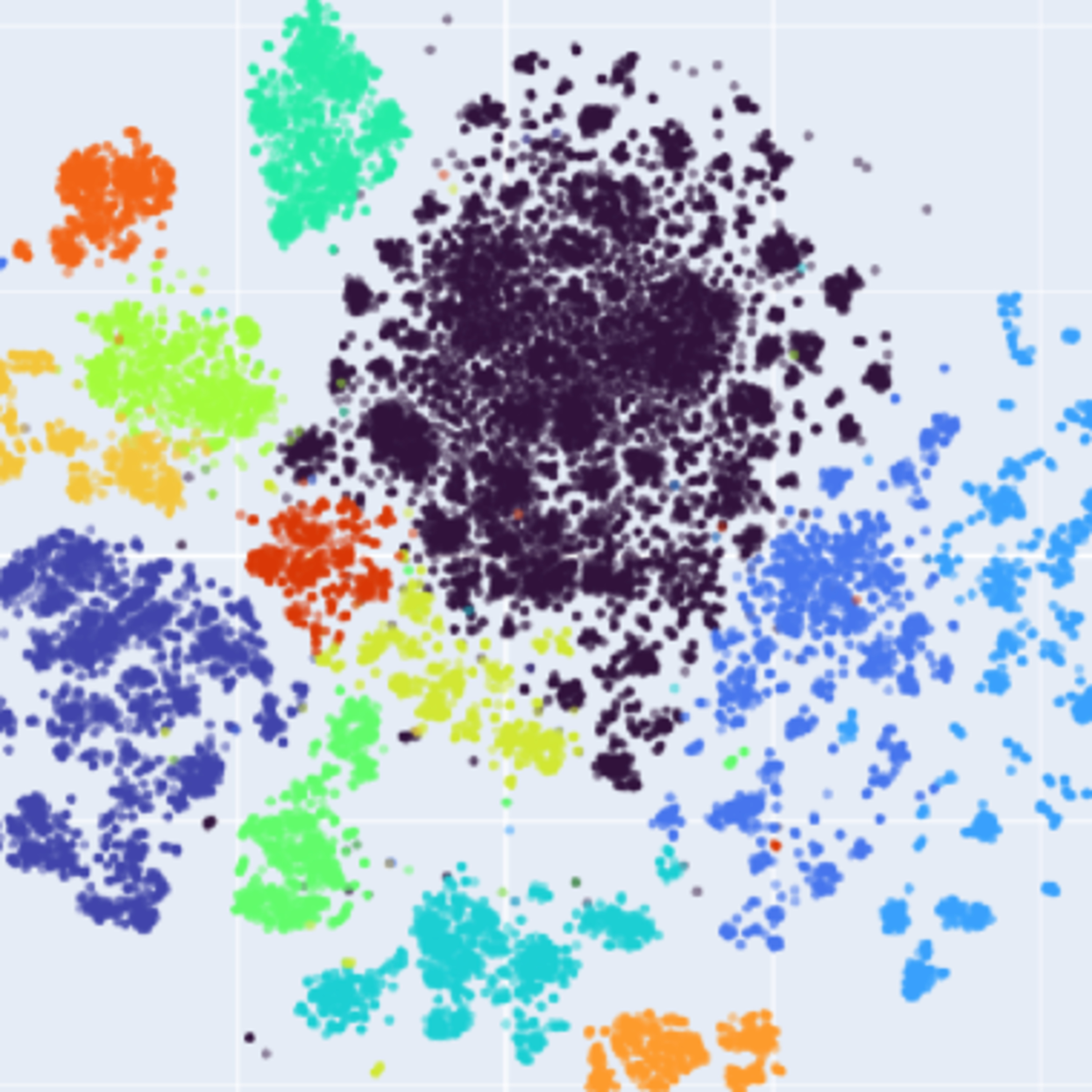
The Next Frontier in Astronomical Text Mining: Parsing GCN Circulars with LLMs.
This episode dives into how astronomers are leveraging cutting-edge AI to make sense of decades of critical astronomical observations, focusing on the General Coordinates Network (GCN).The GCN, NASA’s time-domain and multi-messenger alert system, distributes over 40,500 human-generated "Circulars" which report high-energy and multi-messenger astronomical transients. Because these Circula
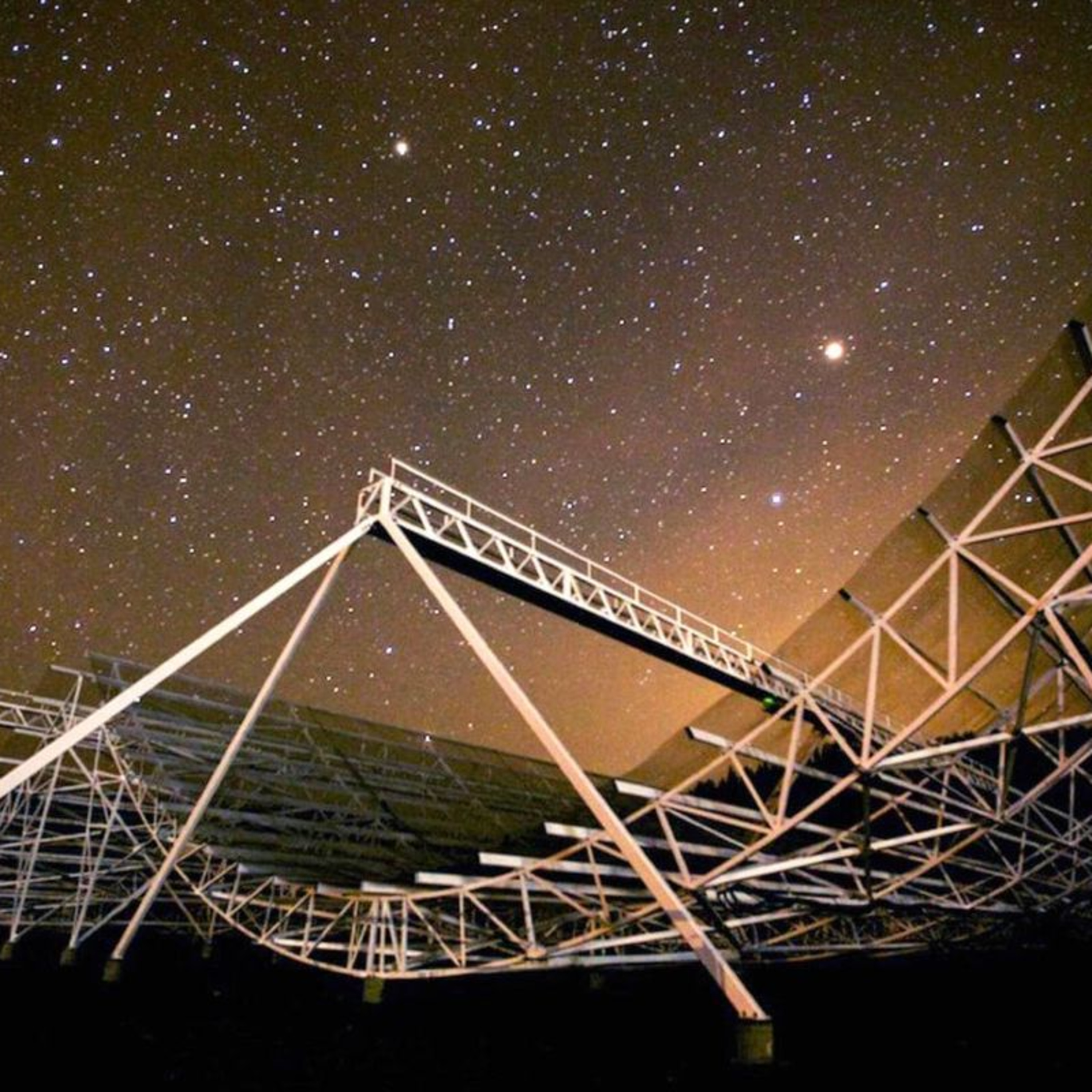
CHIME’s Cosmic Echo: The First Detection of the 21 cm Auto-Power Spectrum.
Reference Article: Detection of the Cosmological 21 cm Signal in Auto-correlation at z ∼ 1 with the Canadian Hydrogen Intensity Mapping Experiment, by The CHIME Collaboration.Summary:We delve into a groundbreaking astronomical achievement: the **first detection of the cosmological 21 cm intensity mapping signal in auto-correlation at $z \sim 1$** using the Canadian Hydrogen Intensity Mapping Exper
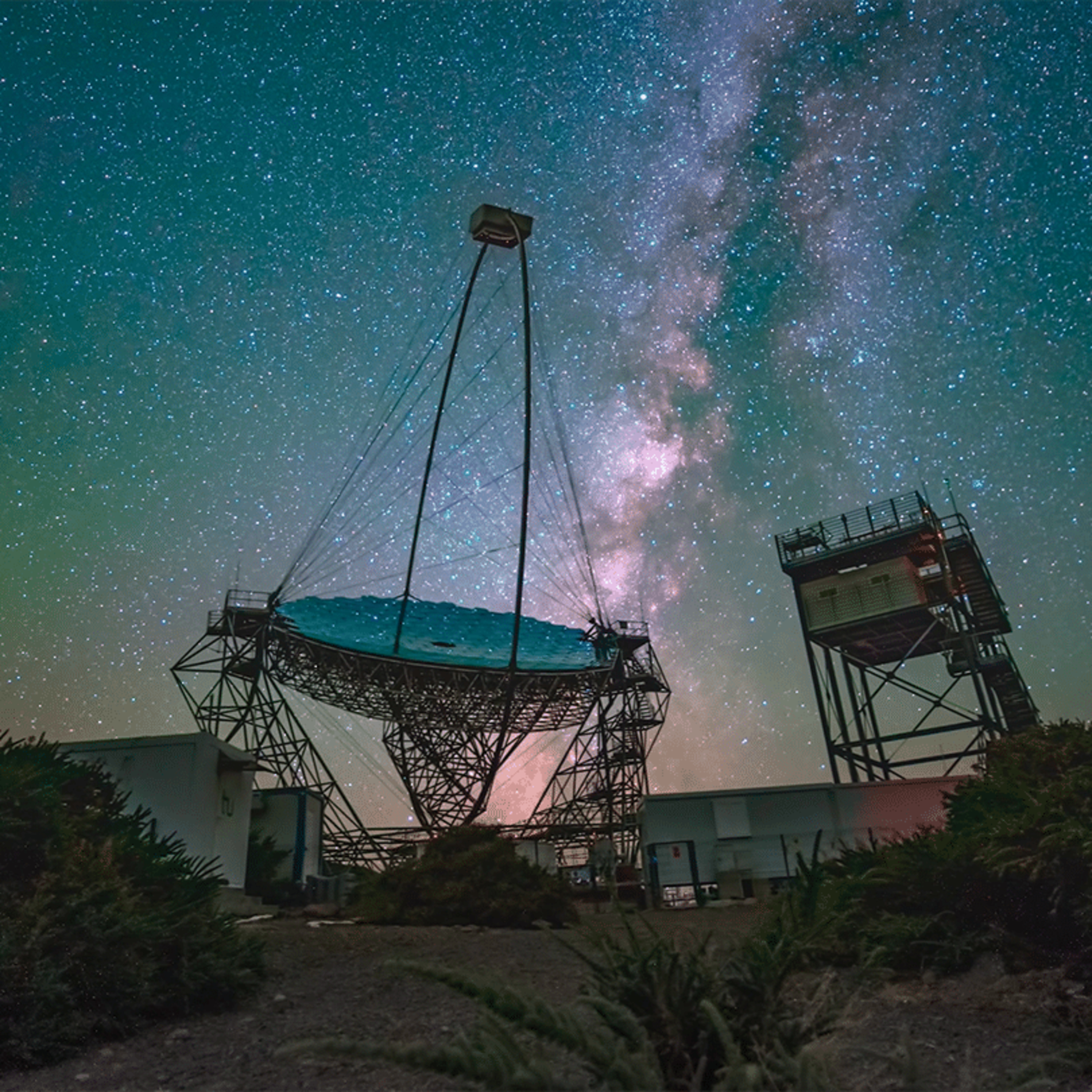
Red supergiant forensics: LST-1's Search for High-Energy Emission from SN 2024bch
In this episode, we dive into the latest findings on **Supernova (SN) 2024bch**, a spectacular stellar death event observed in the nearby galaxy NGC 3206 ($\sim 20$ Mpc). Scientists conducted a multiwavelength analysis, combining **Very High-Energy (VHE) gamma-ray observations** with optical photometry and spectroscopy.**Key Findings:*** **Classification:** SN 2024bch is classified as a potential
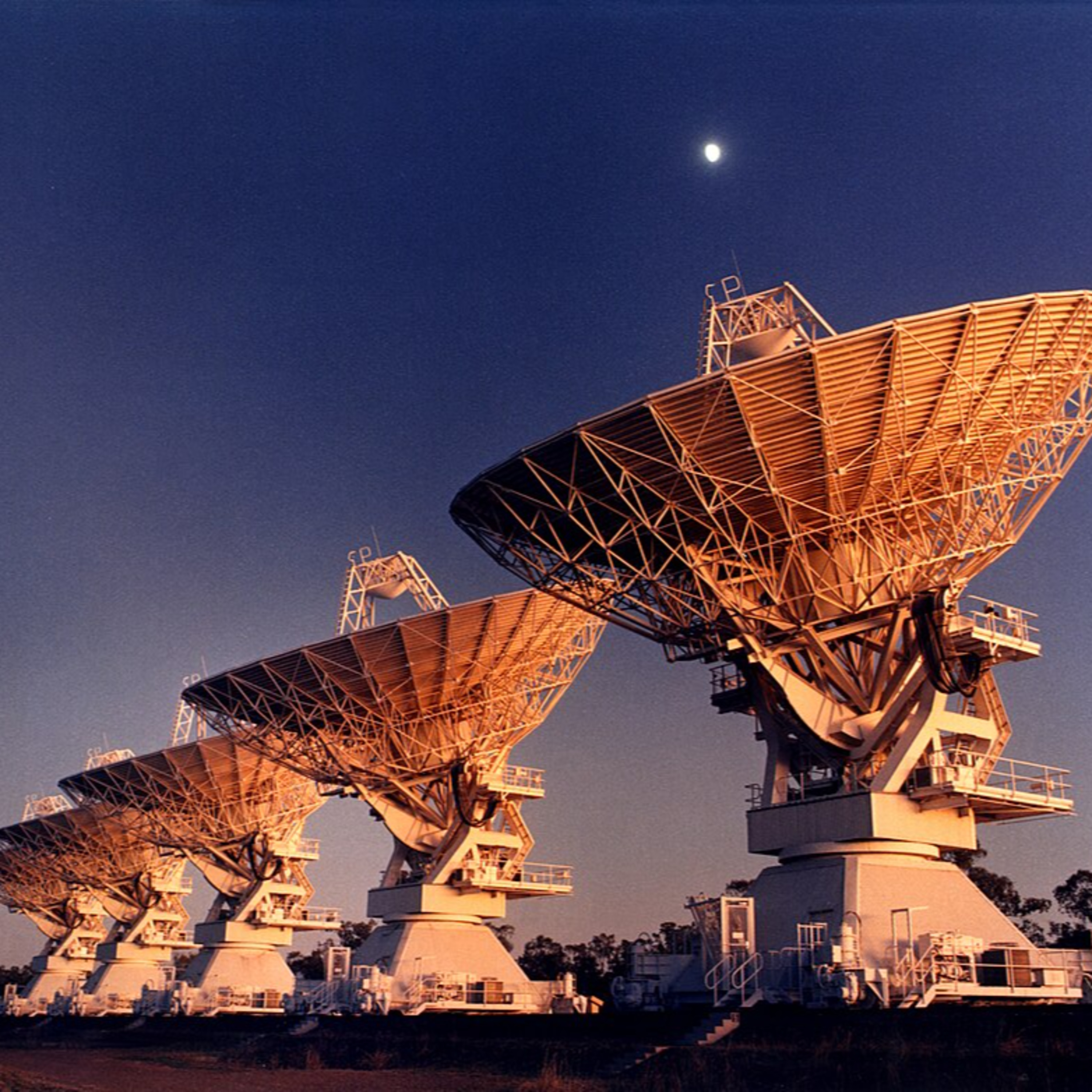
The PanRadio Collaboration’s First Results – The 400-Day Afterglow of GRB 230815A
This episode dives into the extraordinary 400-day observing campaign of Gamma-ray Burst (GRB) 230815A, the first major result from the Panoptic Radio View of Gamma-ray Bursts (“PanRadio GRB”) program.**The PanRadio Program**The PanRadio GRB program is a systematic, multi-year radio survey carried out on the Australia Telescope Compact Array (ATCA). Its goal is to provide comprehensive, multi-frequ

15 Years Under the Sea: ANTARES’ Final Search for Galactic Neutrinos
The Search for Galactic NeutrinosThis episode explores the final results from the ANTARES neutrino telescope, which operated in the Mediterranean Sea off the coast of Toulon, France. Researchers analyzed the full, 15-year dataset (2007–2022) to search for diffuse Galactic neutrinos. These neutrinos are produced when cosmic rays (CRs) interact with interstellar matter (gas and radiation fields) in
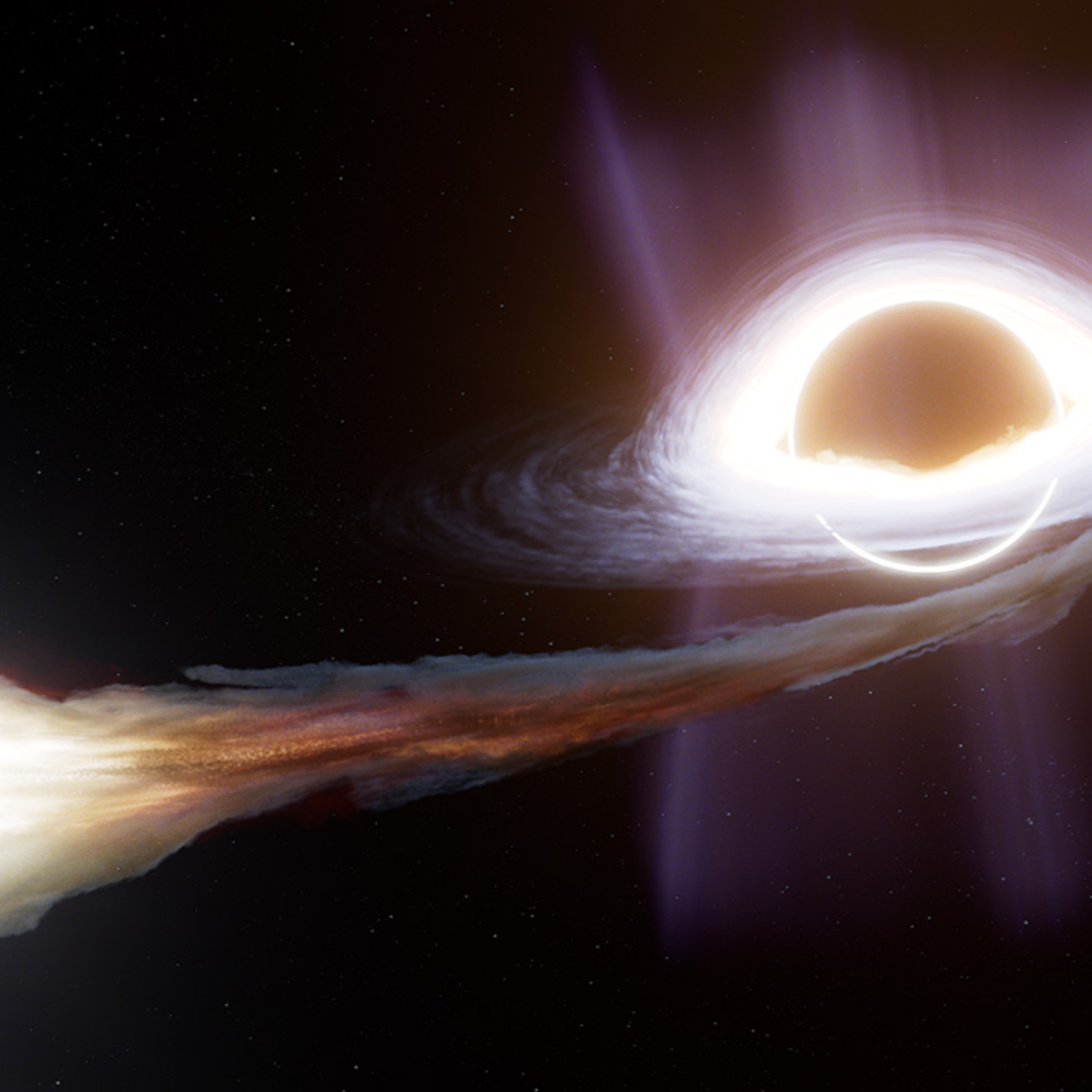
A Star’s Death by a Thousand Cuts: The Runaway Stellar Destruction of AT2023uqm
In this episode, we dive into the fascinating and violent world of galactic centers with the discovery of **AT2023uqm**, a new nuclear transient offering unprecedented insights into stellar consumption by supermassive black holes (SMBHs).AT2023uqm is only the second confirmed case of a star undergoing **repeated partial tidal disruption events (rpTDEs)**, where a star on a bound, eccentric orbit r
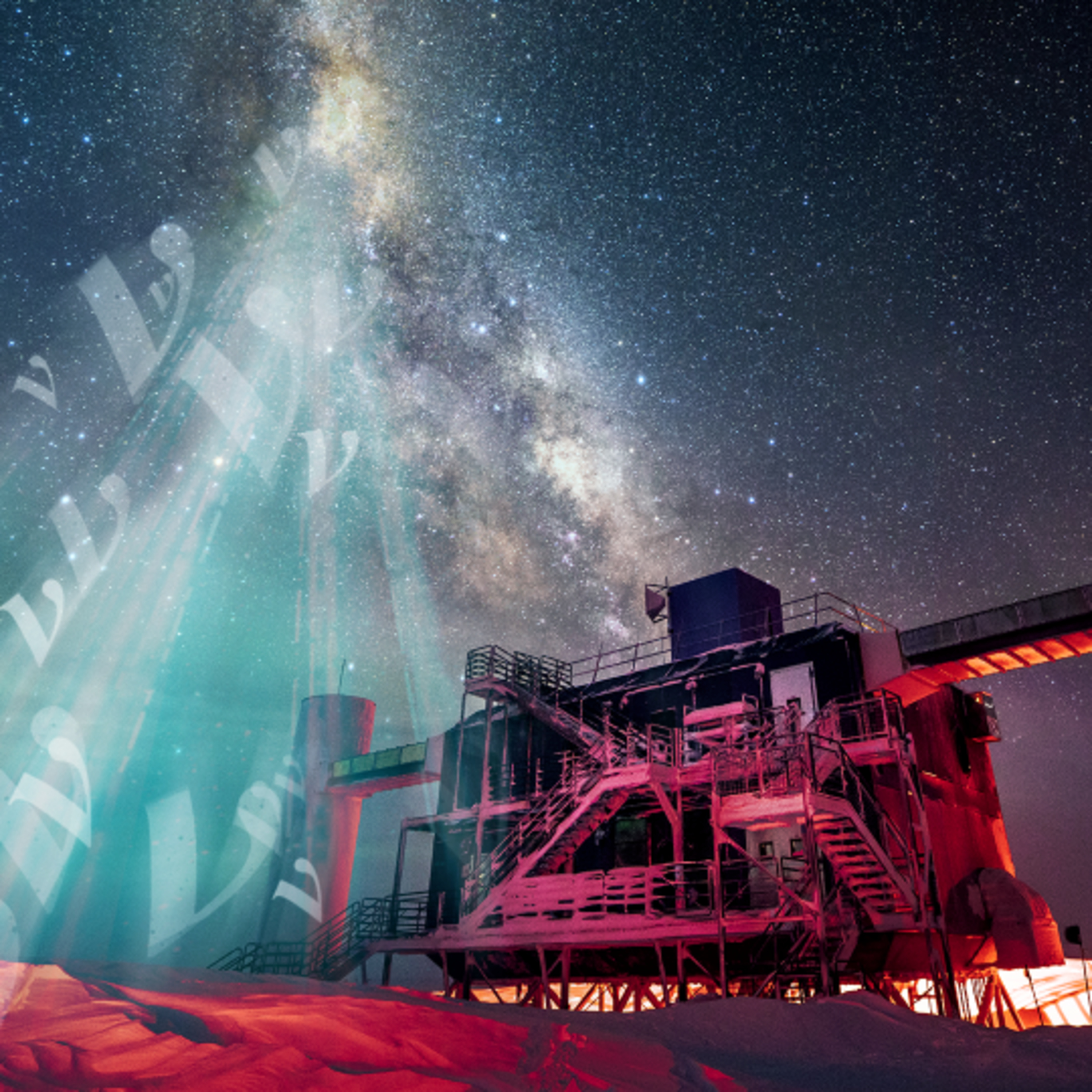
NGC1068 and Its Kin: New Evidence for Neutrino Production in Galactic Cores.
Join us as we discuss the latest results from the IceCube Neutrino Observatory, utilizing 13.1 years of data, that further link high-energy neutrinos to powerful cosmic sources.### Episode Highlights* **The Extragalactic Neutrino Puzzle:** The IceCube Neutrino Observatory consistently detects a diffuse flux of high-energy cosmic neutrinos, the majority of which are extragalactic in origin. These n
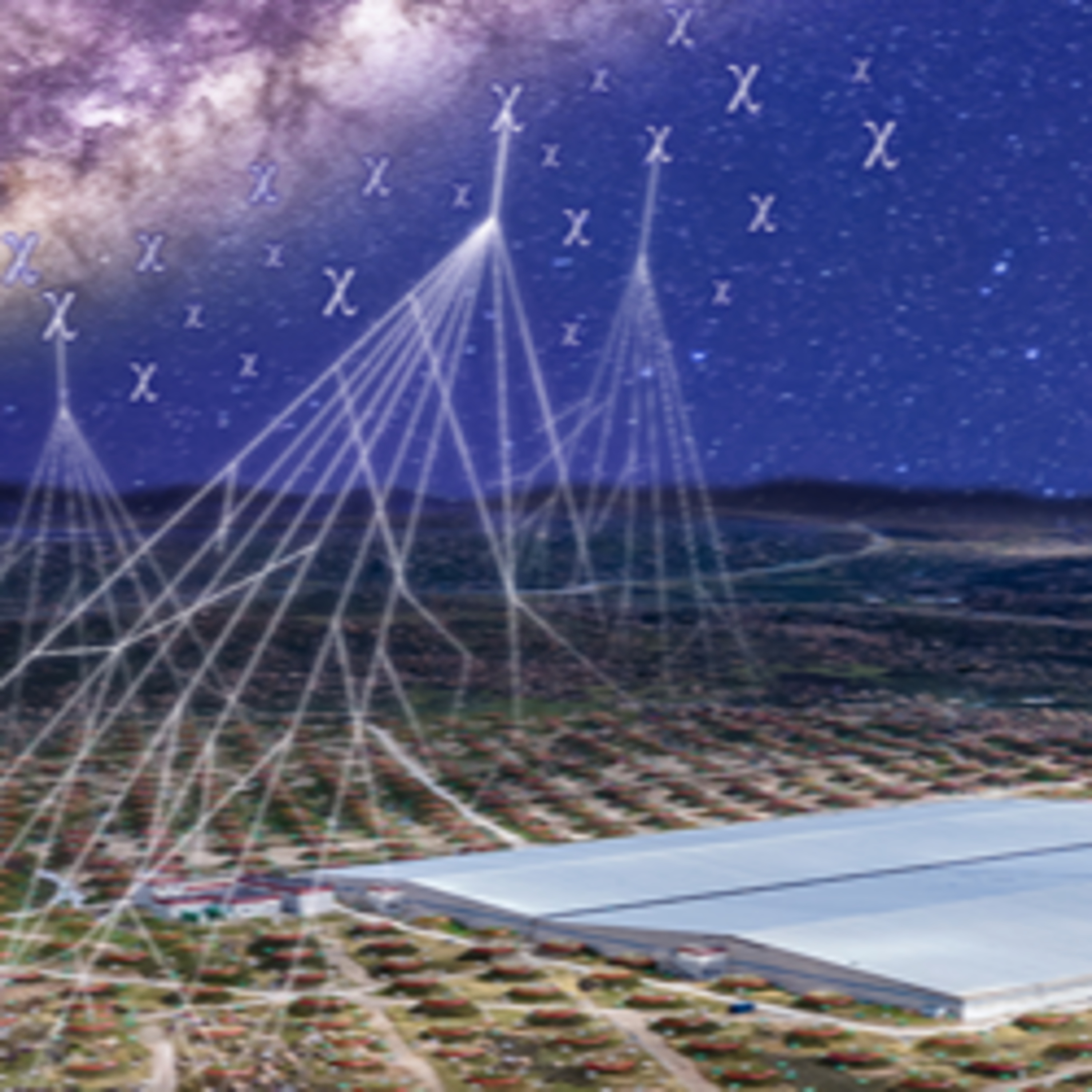
LHAASO’s Giant Peanut: A Challenge to Extreme Particle Physics
Join us as we discuss the groundbreaking discovery by the LHAASO Collaboration of a vast and unique ultra-high-energy (UHE) $\gamma$-ray source. This mysterious object, nicknamed the **"Peanut"** for its distinctive asymmetric shape, spans approximately $0.45^\circ \times 4.6^\circ$ and is located far off the Galactic plane, at a high Galactic latitude ($b \approx -17.5^\circ$), a region
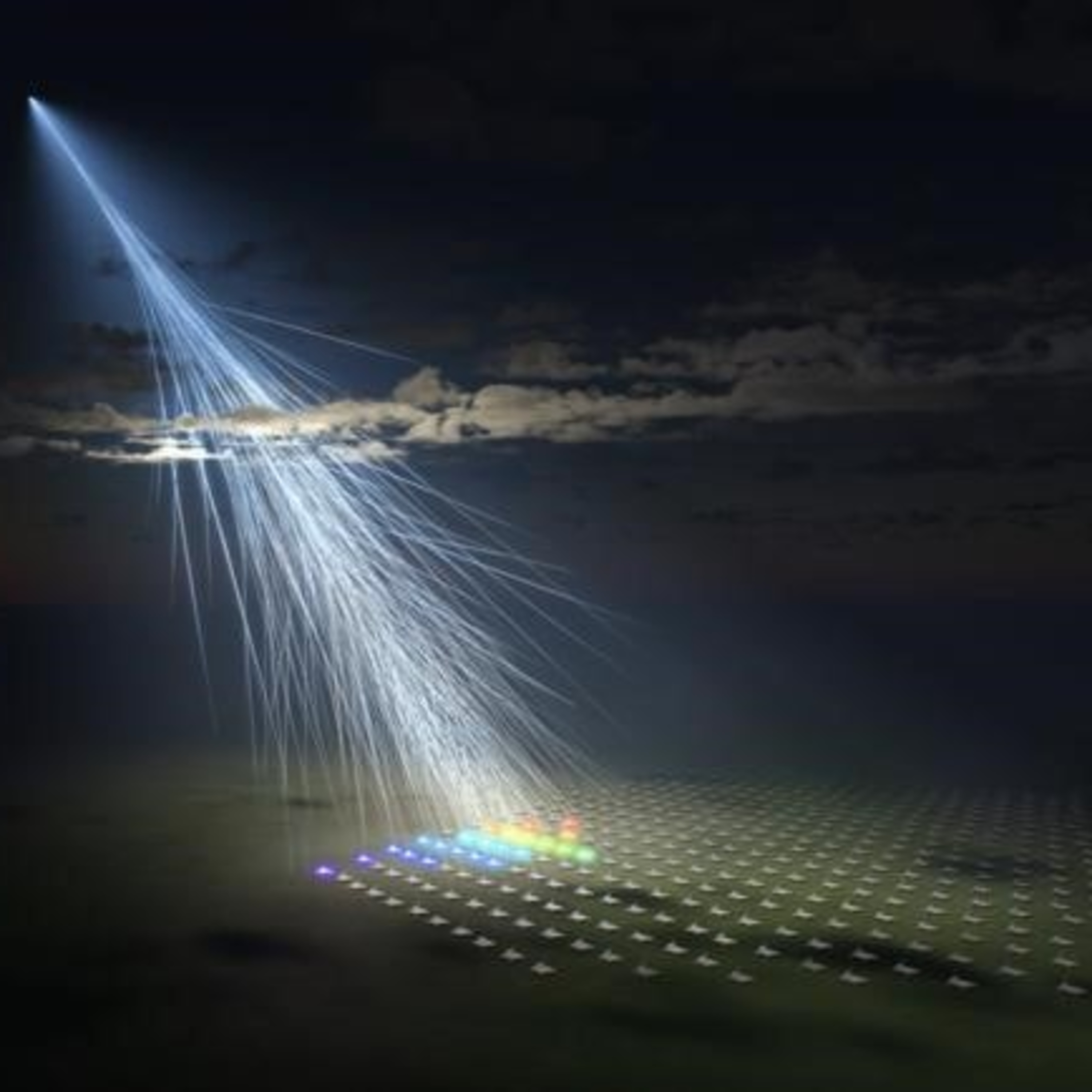
Cosmic Ray Neighbors: How Nearby Transients Solve the UHECR Mystery
The origin of ultra-high-energy cosmic rays (UHECRs) has long been one of the central open questions in astroparticle physics. We dive into fascinating new research suggesting that the answer lies not in distant, powerful sources, but in **rare, stellar transients (like neutron star mergers) occurring right here in our neighboring galaxies**.**Key Takeaways:*** **Nearby Dominance:** The UHECR flux
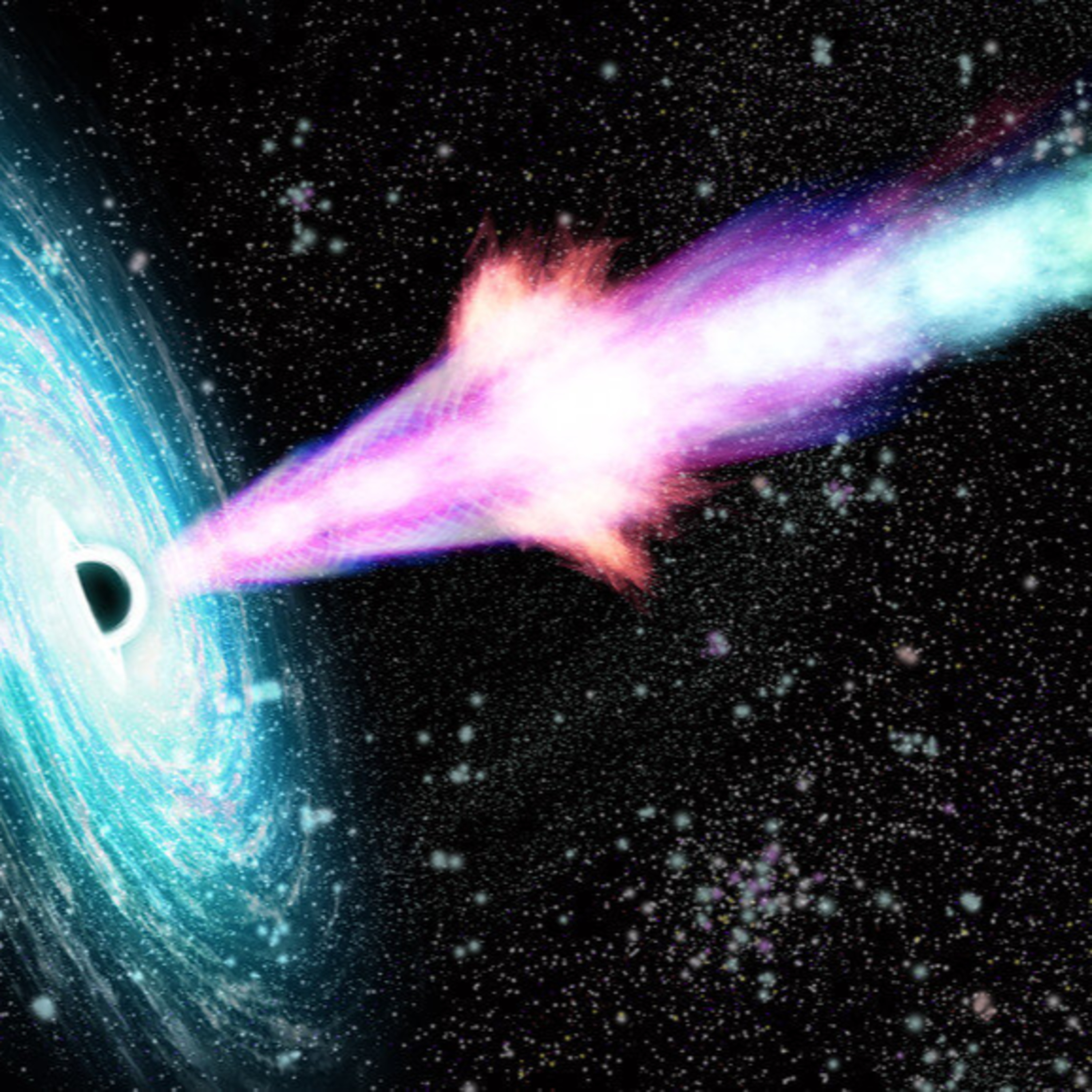
Cosmic Outlier: X-ray Clues to the Mystery of GRB 250702B
**GRB 250702B** is an **exceptional transient** that has puzzled astronomers, as it does not neatly fit into the expected populations of **ultra-long Gamma-Ray Bursts (GRBs)** or **relativistic Tidal Disruption Events (TDEs)**.The event produced luminous gamma-ray radiation lasting **over 25 ks** (thousands of seconds), classifying it as an ultra-long GRB. However, unlike any previously known GRB,
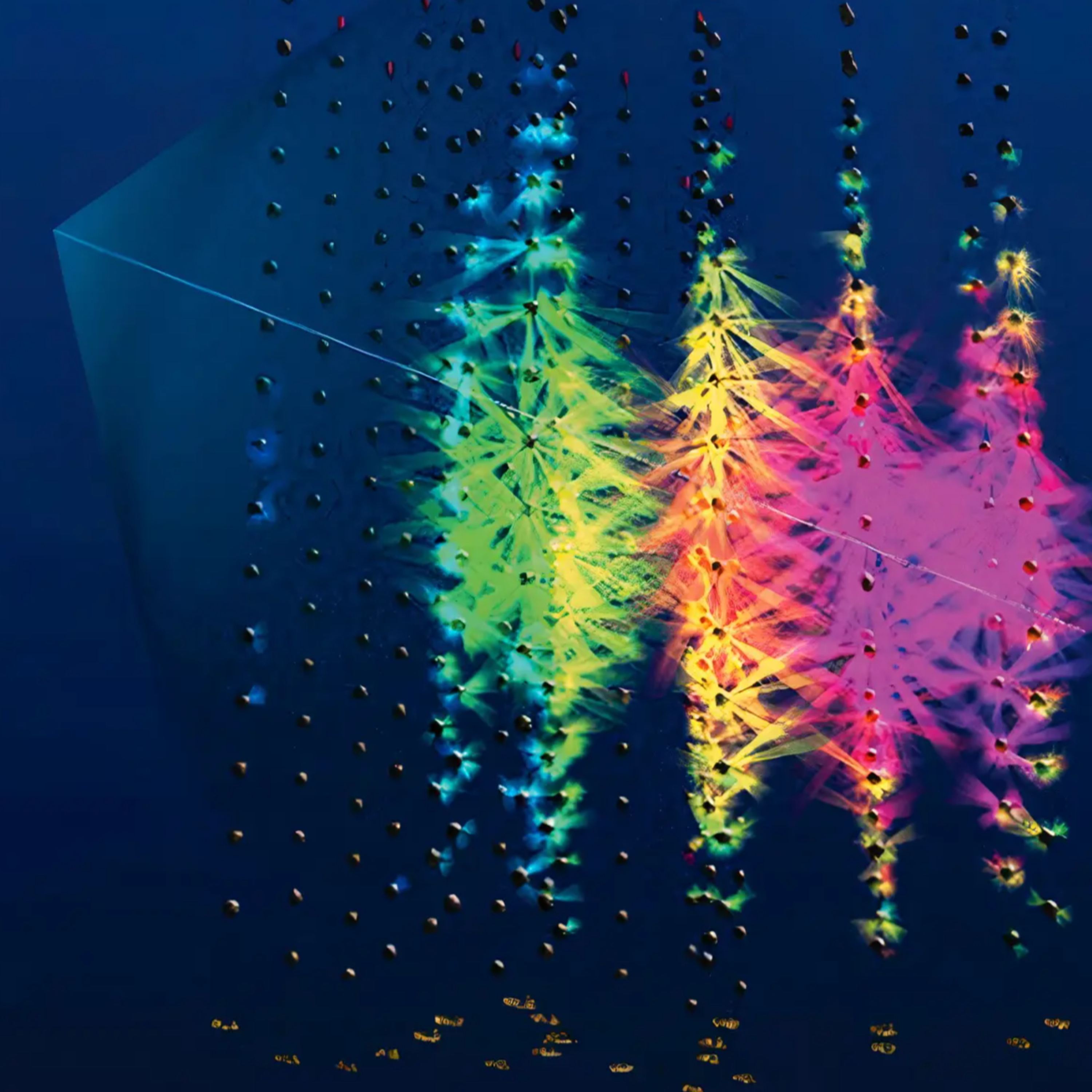
Constraining Gamma-Ray Burst Parameters with the first Ultra-High Energy Neutrino Event KM3-230213A
This week, we dive into the cosmic puzzle posed by ultra-high-energy (UHE) neutrinos. The conversation centers on the **KM3-230213A event**, detected by the KM3NeT/ARCA detector, which is the **highest-energy neutrino observed to date**, estimated at $220^{+570}_{-110}$ PeV. This detection marks the first observation of a presumed astrophysical neutrino in the UHE regime.We explore the longstandin
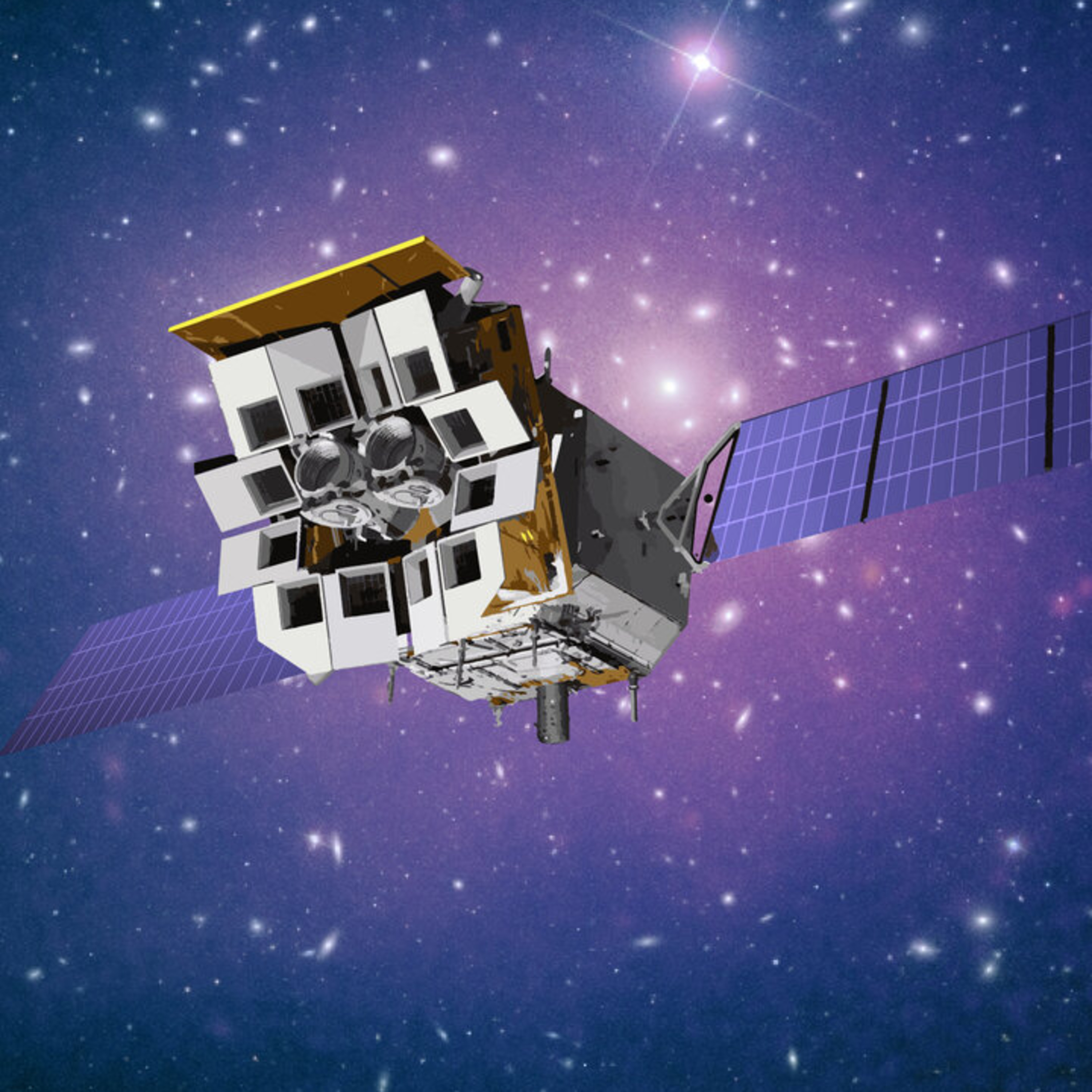
Unmasking Cosmic Explosions with the Einstein Probe
his episode dives into the groundbreaking discoveries of the Einstein Probe, a new soft X-ray mission revolutionizing our understanding of high-energy transients in the universe.The Einstein Probe (EP), launched on January 9, 2024, has opened a new era of transient discovery in the previously largely unexplored soft X-ray band. It detects numerous fast X-ray transients, many of which surprisingly
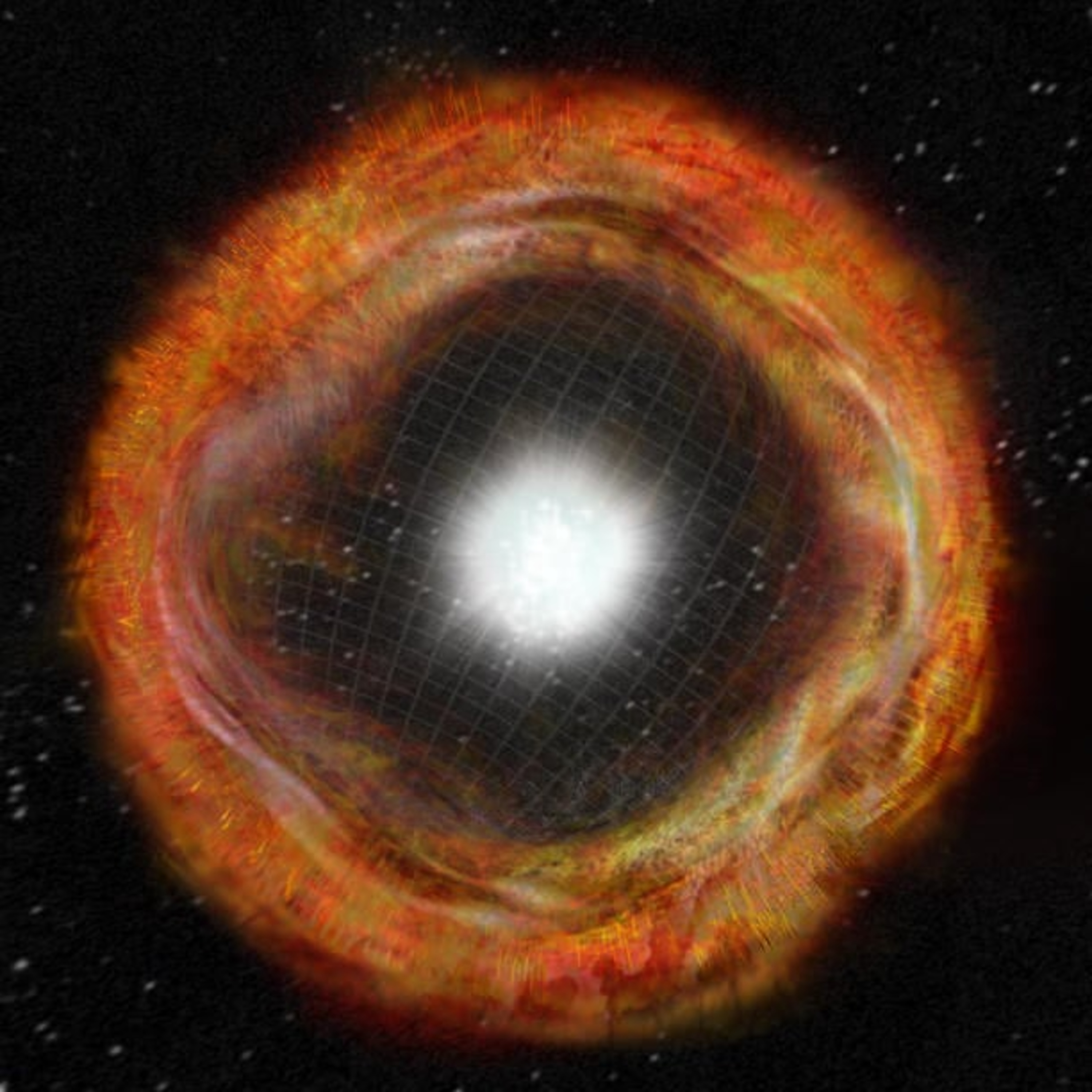
Unprecedented Radio Views: Decoding GRB 231117A's Energetic Afterglow
Join us as we explore the groundbreaking observations of **GRB231117A**, a short gamma-ray burst (SGRB) located at a redshift of z = 0.257. This event, detected by the Neil Gehrels Swift Observatory, was quickly followed up by the Australia Telescope Compact Array (ATCA) just 1.3 hours post-burst, providing **unprecedented early radio detection**.**In this episode, we discuss:*** **Early Radio Aft
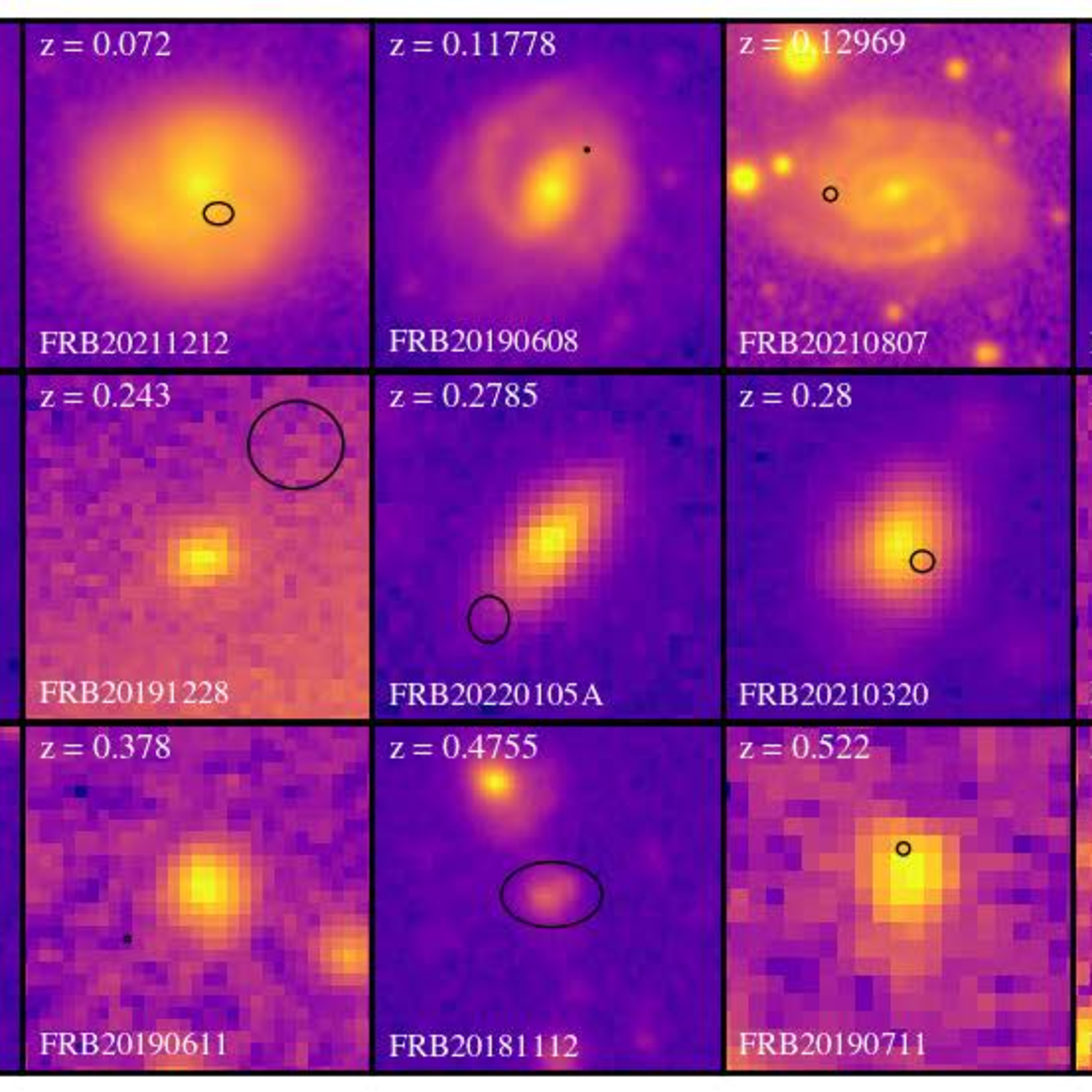
Beyond the Burst: How Host Galaxies Shape Fast Radio Bursts
Join us as we explore the latest research into Fast Radio Bursts (FRBs), mysterious, intense pulses of radio emission lasting only milliseconds. These cosmic phenomena are not just fleeting signals; they are powerful probes of the ionized gas across the universe and valuable tools for cosmological studies. In this episode, we delve into an investigation of FRB properties and their host galaxies, a
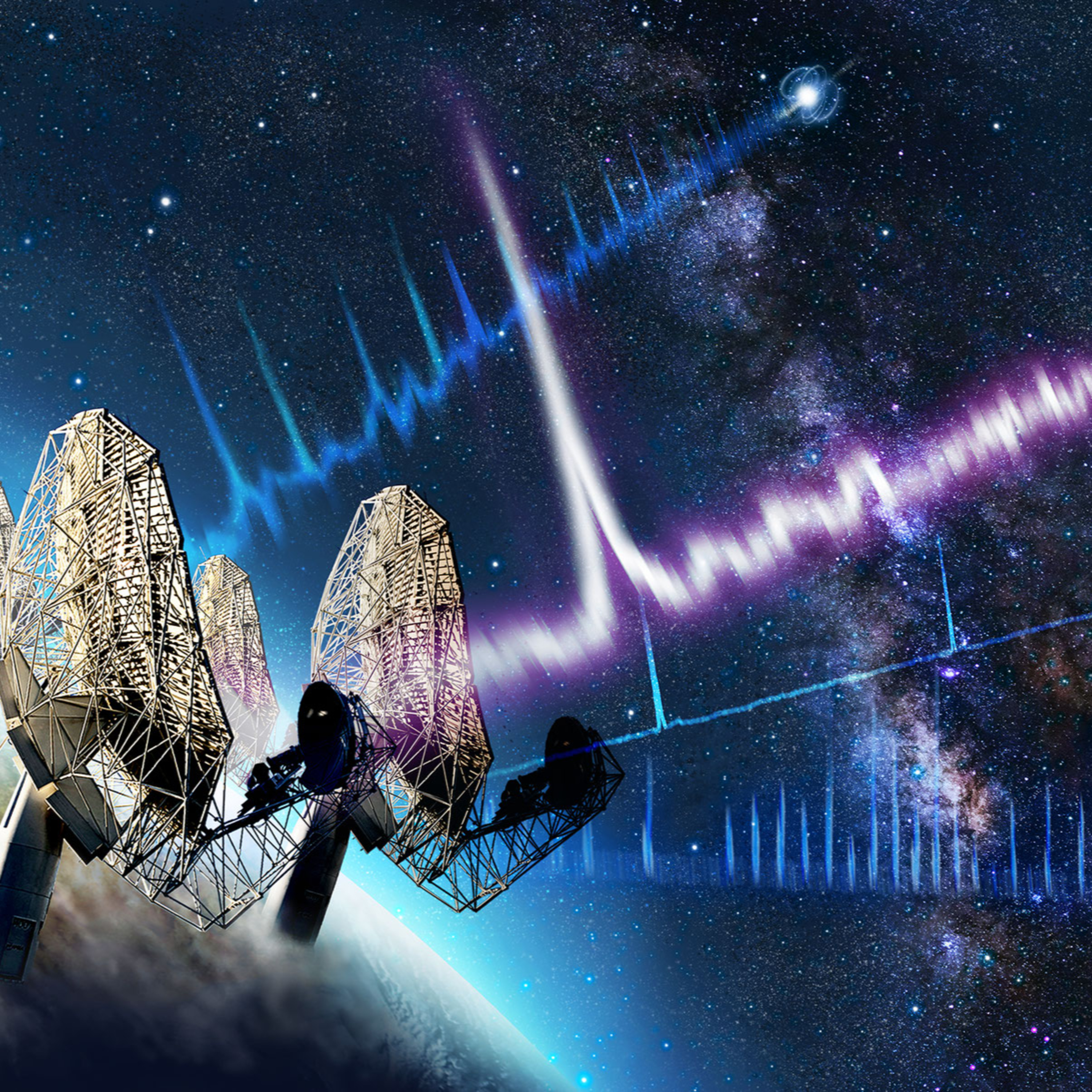
A Glimpse into the Early Universe with FRB 20240304B
Join us as we explore the groundbreaking discovery of FRB 20240304B, the most distant Fast Radio Burst (FRB) ever detected, offering unprecedented insights into the early universe.In this episode, we discuss:• What are Fast Radio Bursts (FRBs)? These enigmatic, millisecond-duration radio signals provide unique information about the plasma permeating our universe, revealing details about magnetic f
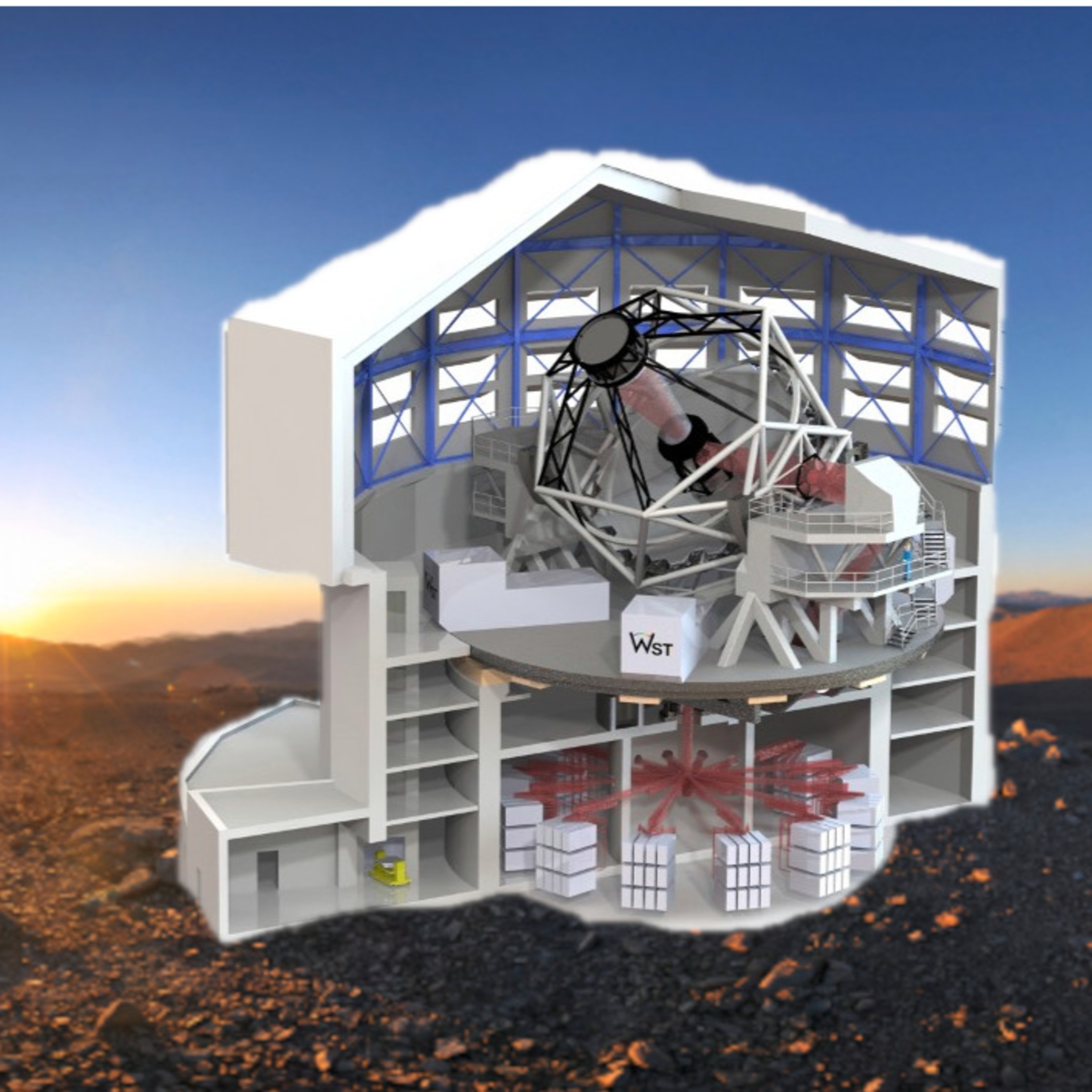
Einstein Telescope + WST: Spectroscopy's Role in the Gravitational Wave Era
In this episode, we dive into the exciting future of **multi-messenger astronomy**, specifically focusing on the detection and characterization of binary neutron star (BNS) mergers.* **The Dawn of Multi-Messenger Astrophysics:** Our understanding of cosmic events was revolutionized by the extraordinary joint detection of gravitational waves (GWs) and light from a BNS merger on August 17, 2017 (GW1
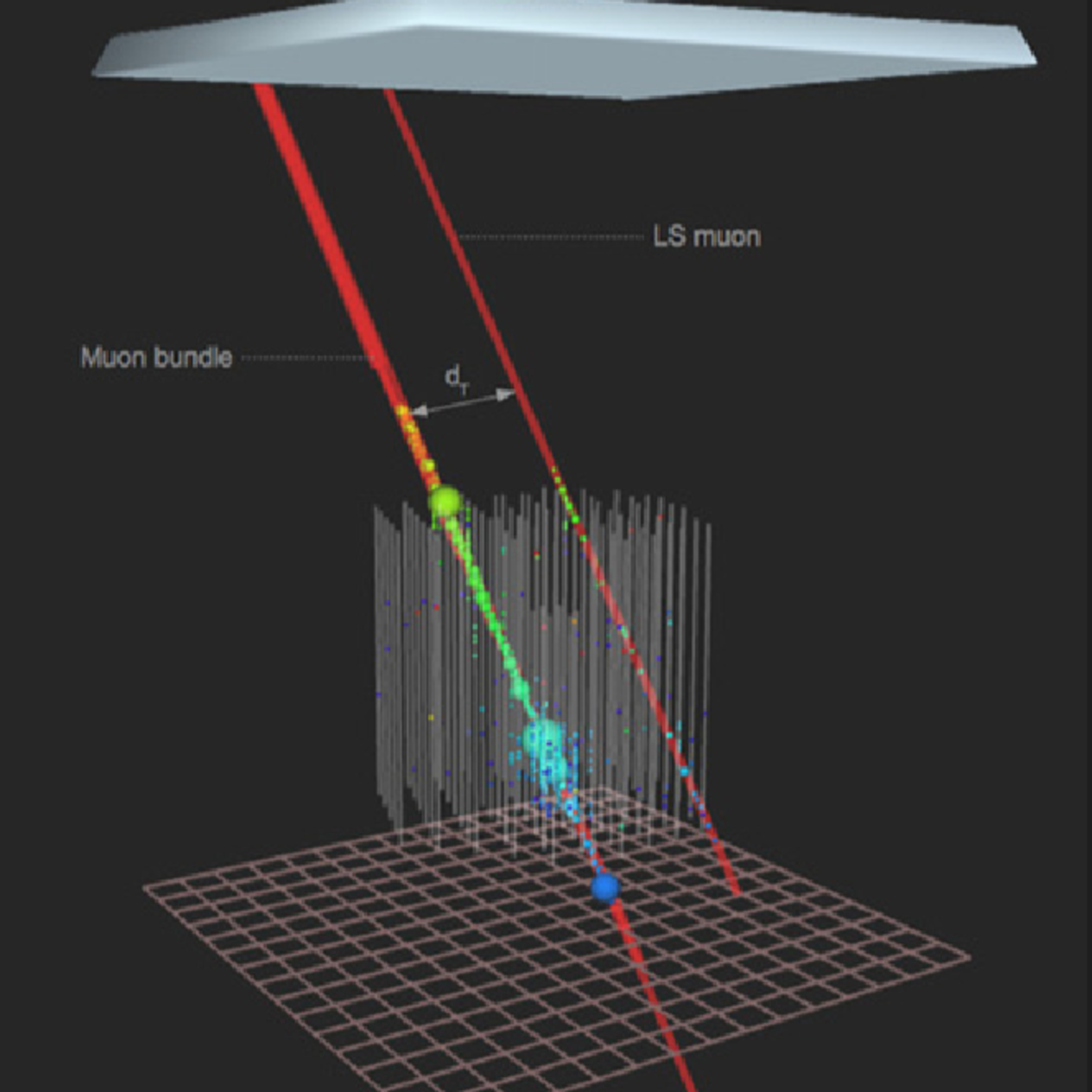
The Muon Puzzle: IceCube's Quest for Cosmic Ray Clues
Dive into the fascinating world of cosmic rays with the latest research from the IceCube Neutrino Observatory! This episode explores new measurements of high-energy muons in extensive air showers, shedding light on the mysterious mass composition of cosmic rays and the challenges of simulating their interactions in Earth's atmosphere.**What we discuss:*** **Measuring High-Energy Muons:** Learn

X-Ray Clues to Cosmic Rays: The Discovery of a Galactic PeVatron Candidate
Join us as we dive into the latest astronomical discovery! Scientists have identified a **new candidate pulsar wind nebula (PWN)**, named XMMU 034124.2+525720, which may be directly linked to **1LHAASO J0343+5254u**, a powerful "PeVatron" in our galaxy.**What are PeVatrons?** They are the most energetic astrophysical objects in our galaxy, producing cosmic rays (CRs) with energies exceed
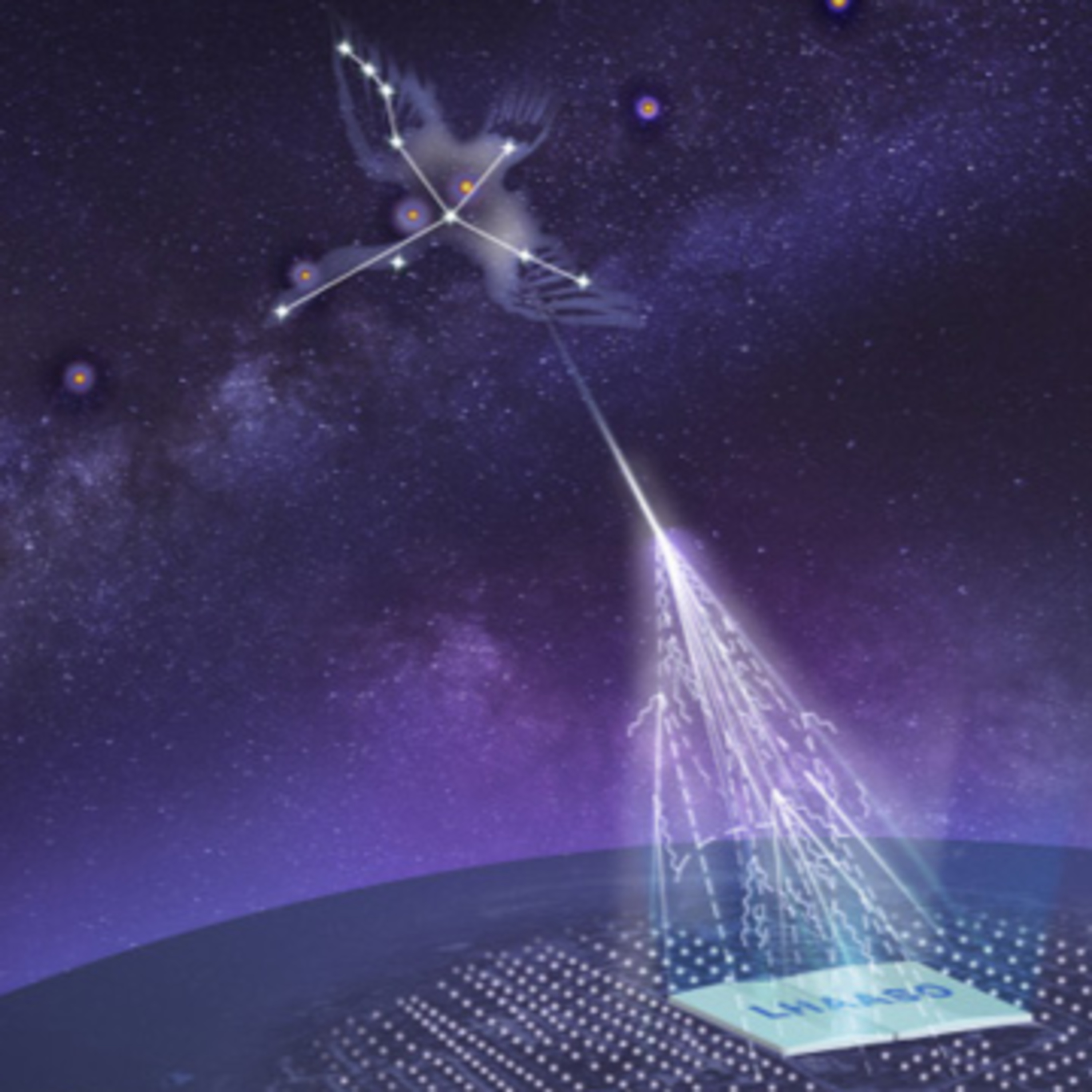
Cosmic Clash: LHAASO's Proton-Gamma Ray Mystery
In this episode, we dive into a fascinating new study that performs the **first direct consistency check** between two crucial measurements from the Large High Altitude Air Shower Observatory (LHAASO): the **cosmic-ray (CR) proton spectrum at the "knee"** and the **Galactic diffuse gamma-ray emission**.The "knee" in the cosmic ray spectrum (around a few PeV) is thought to mark
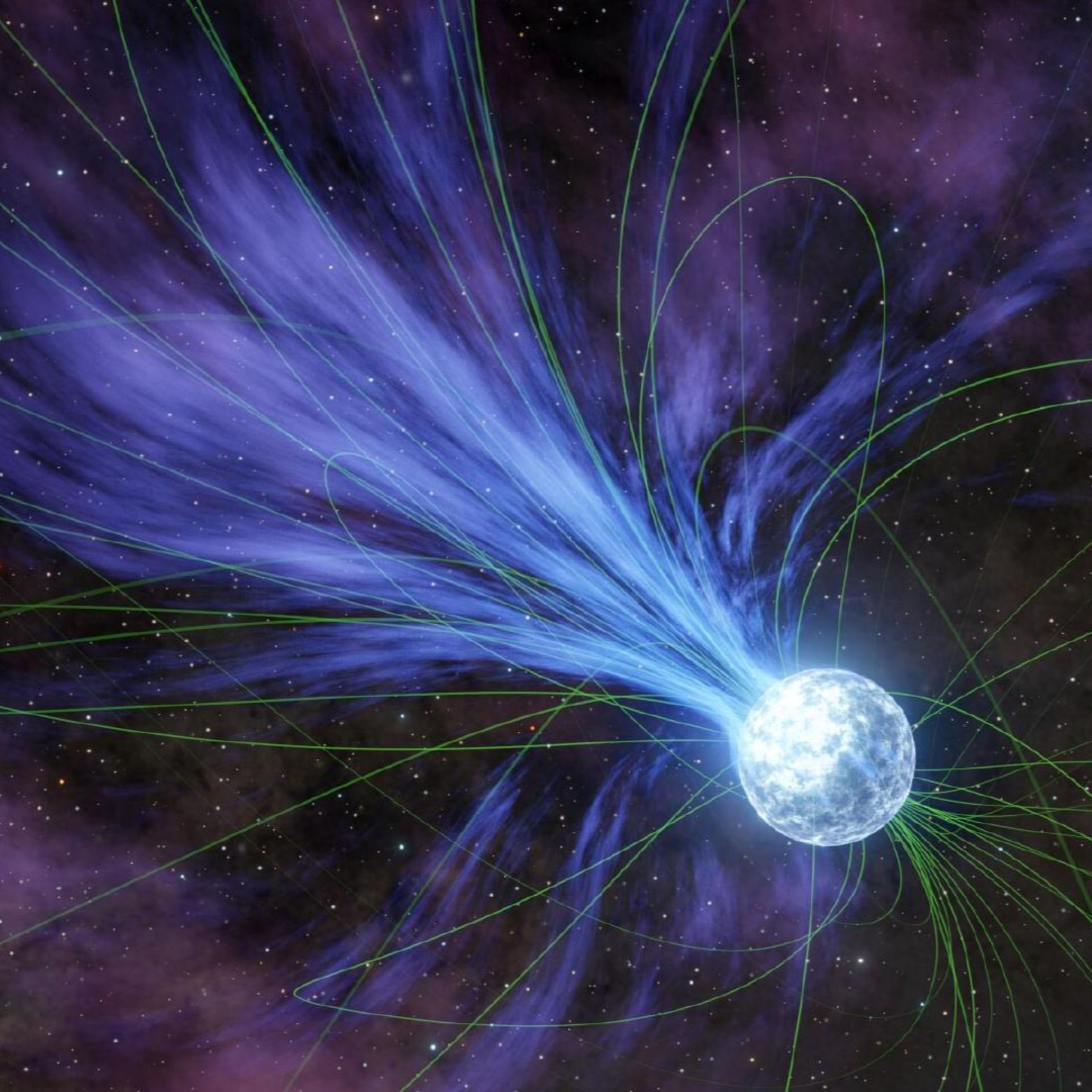
Magnetars, Supernovae, and FRBs: A Delayed Connection?
In this episode, we dive into the mysterious world of Fast Radio Bursts (FRBs) and the ongoing quest to understand their origins. We discuss a systematic search for **past supernovae (SNe) and other historical optical transients** at the positions of FRB sources, exploring a leading theory that links FRBs to **magnetars**.The study **found no statistically significant associations** within the 5σ
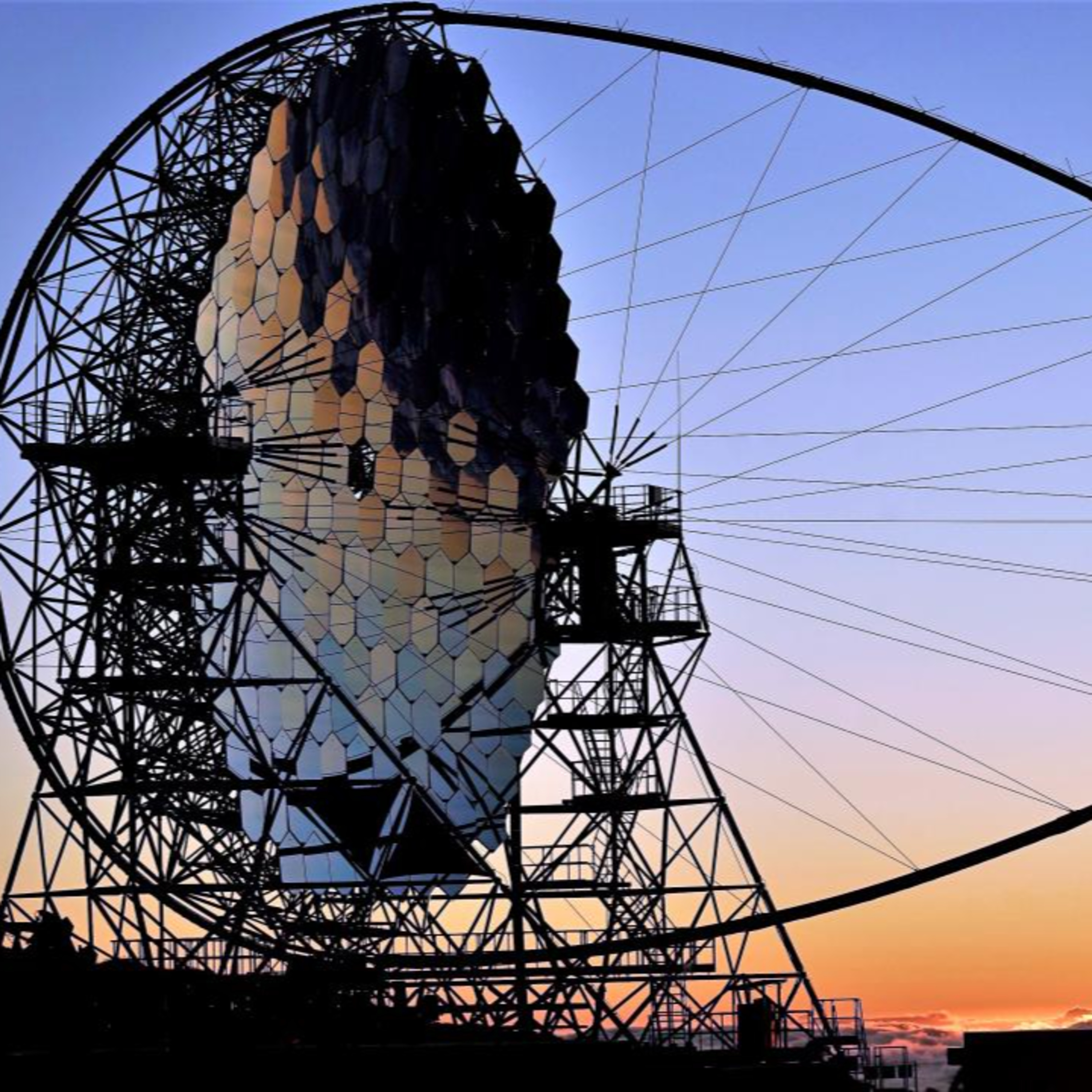
Beyond Fermi: LST-1 Detects Geminga Pulsar Down to 20 GeV
In this episode, we discuss a significant new detection of the Geminga pulsar, a middle-aged, radio-quiet gamma-ray pulsar. The **Large-Sized Telescope (LST-1)**, the first of the Cherenkov Telescope Array Observatory (CTAO) Northern Array, has detected Geminga at energies down to 20 GeV.Key takeaways from the study:* The LST-1 detected the Geminga pulsar using 60 hours of data.* The **second em
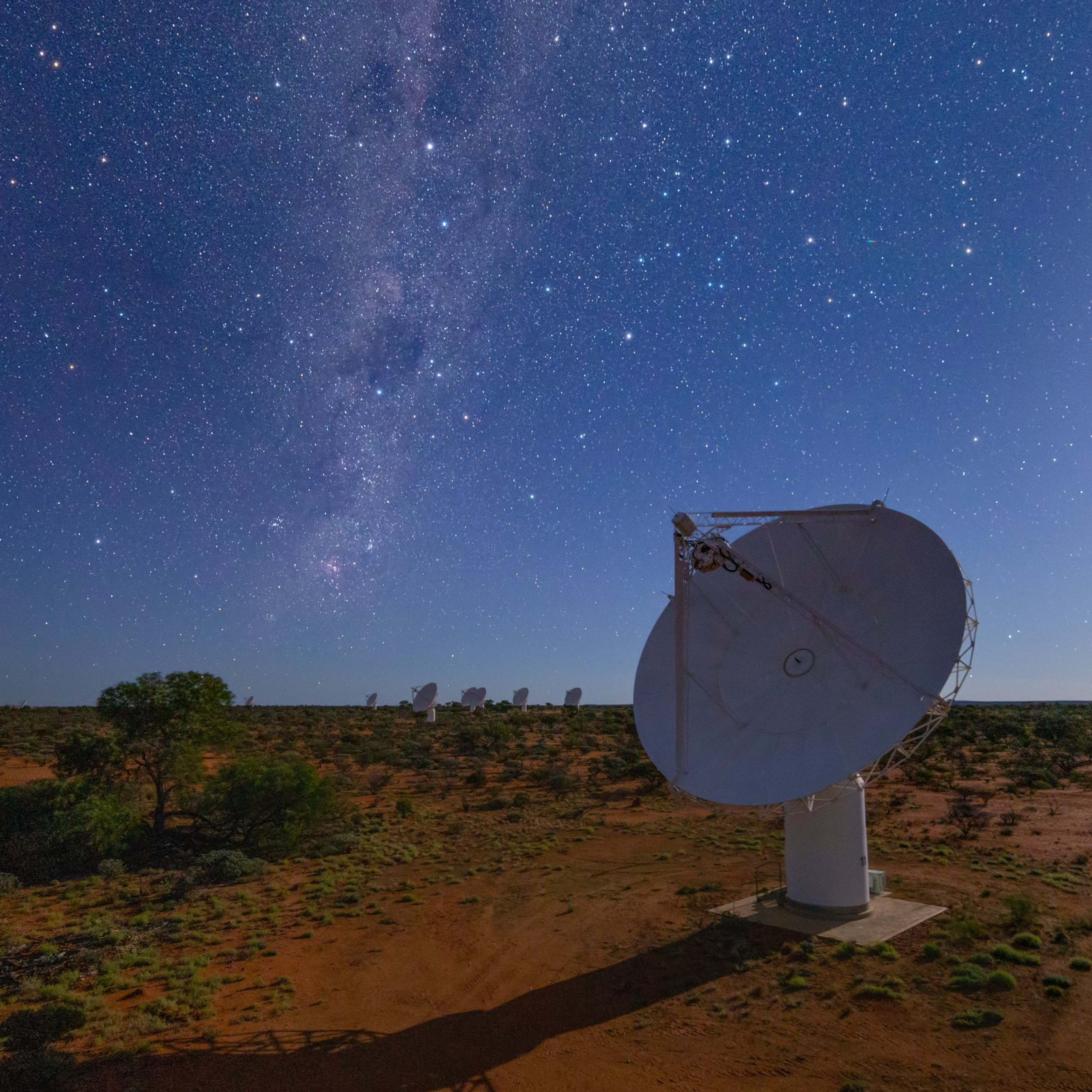
The 44-Minute Pulsar ASKAP J1832−0911 seen in radio and x-rays
Astronomers have made a significant discovery, detecting X-ray emission from a rare type of cosmic object known as a **Long-Period Radio Transient (LPT)** for the very first time.The object, designated **ASKAP J1832−0911**, is extraordinarily bright in radio, reaching flux densities of 10–20 Jy.Crucially, it exhibits **coincident radio and X-ray emission**, both pulsing with a regular period of **
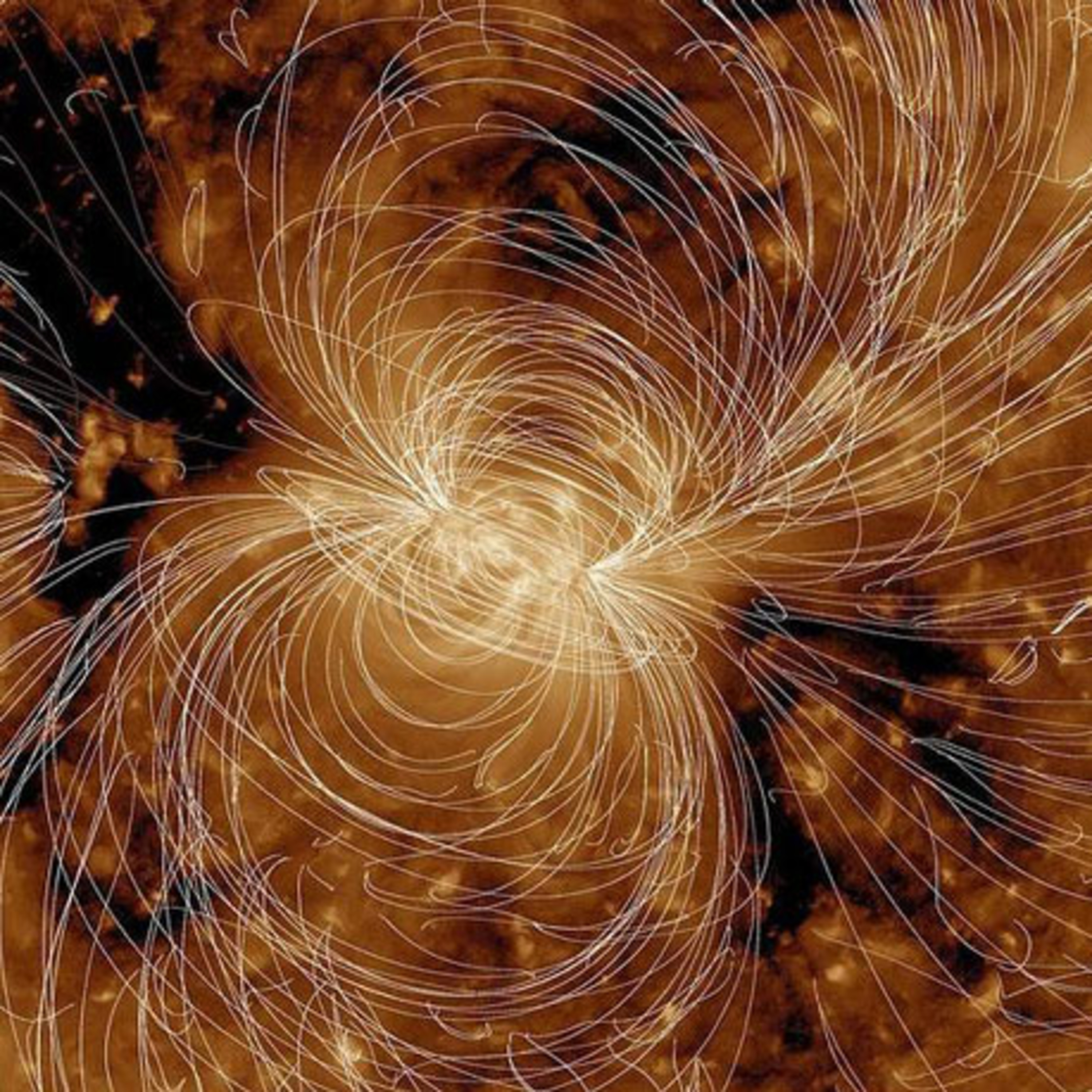
Challenging the Models: New Fermi-LAT Insights into Solar Gamma Rays and Cosmic Rays
A recent study utilized **15 years of observations** from the **Fermi Large Area Telescope (LAT)** to analyze the gamma-ray emission from the Sun in its quiet state, meaning when it's not flaring. This is the first study to separately analyze the flux variation of the two distinct components of this quiet-state gamma-ray emission over solar cycles.According to theoretical understanding, the Su
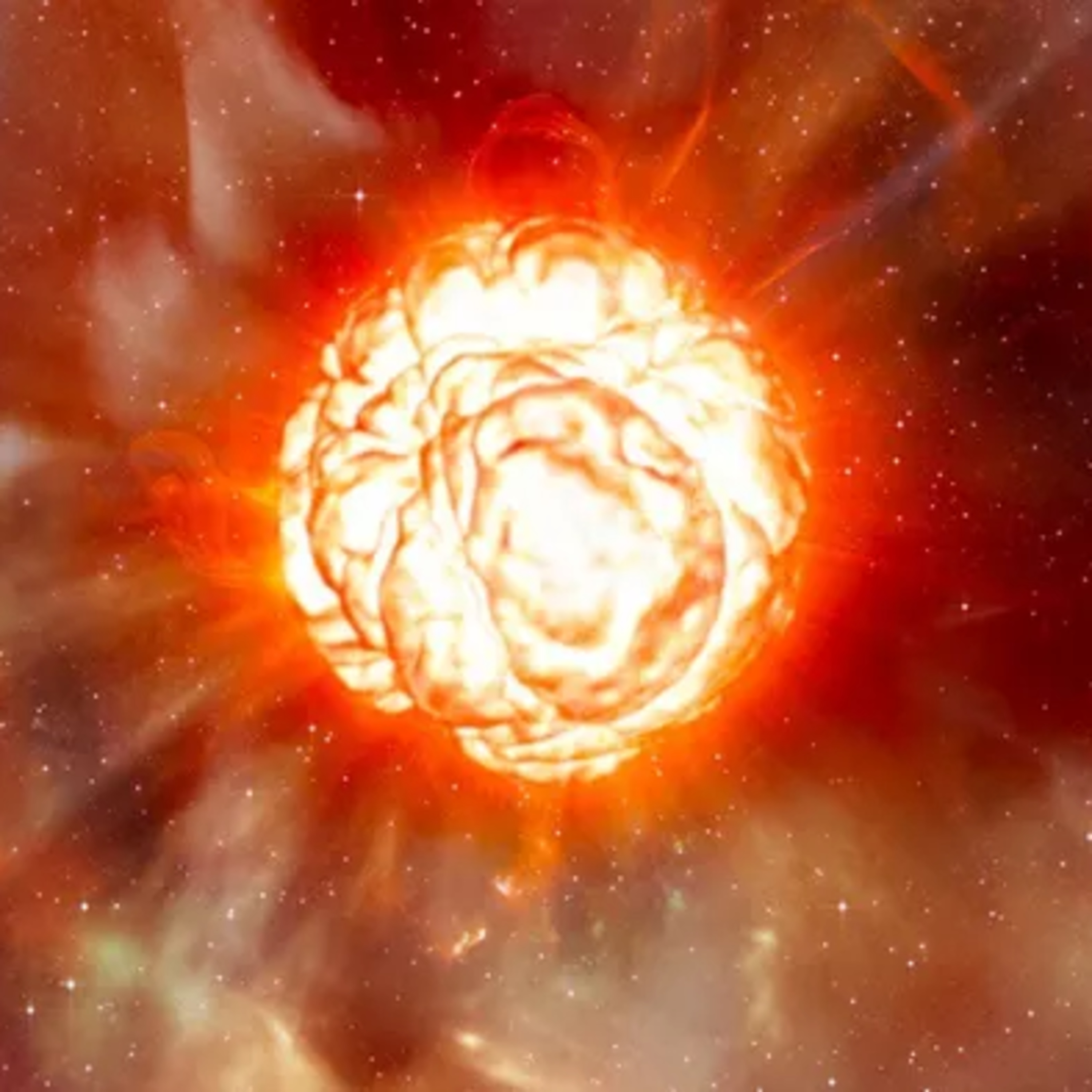
PeV Power from Stellar Explosions: The Role of Dense Environments
The research investigates how supernovae exploding into dense circumstellar environments, specifically those with dense shells of material, can potentially accelerate particles to energies of a few PeV, thus acting as "PeVatrons" and contributing to the "knee" feature in the cosmic ray spectrum.Supernova remnants (SNRs) have long been considered prime candidates for the sources

The HAWC Observatory peering into the Extreme Universe with LS 5039
The research presents **new observations of the gamma-ray binary system LS 5039 using the High Altitude Water Cherenkov (HAWC) observatory**, revealing significant insights into the nature of this high-energy source.One of the most striking findings is that **HAWC detected gamma rays from LS 5039 extending up to 200 TeV with no apparent spectral cutoff**. This is a crucial extension of previous ob
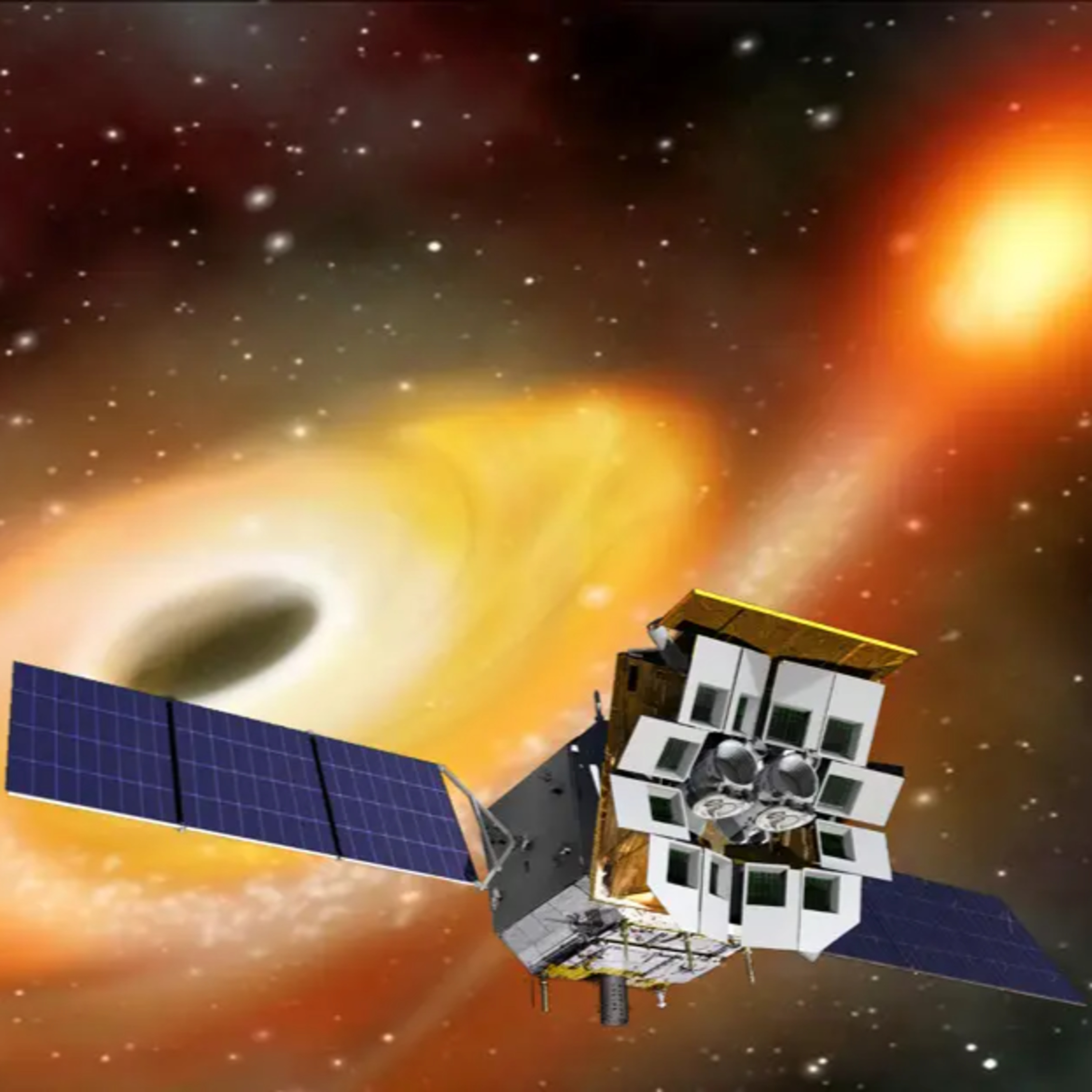
Fast X-ray Bursts and Their Optical Surprises: The Case of EP241021a
* EP241021a was discovered as a soft X-ray trigger but was not detected at gamma-ray frequencies.* The prompt soft X-ray emission spectrum is consistent with **non-thermal radiation**, suggesting a **mildly relativistic outflow with a bulk Lorentz factor Γ≳ 4**.* The optical and near-infrared light curve shows a **two-component behavior**: an initial fading component (∼ t⁻¹) followed by a **ra
Recommended

The Swerve Podcast: Obscure Topics | Conspiracy Theories

The Bread and Banter Podcast

The Church of What's Happening Now: The New Testament

Busted Open

Deadline: White House

Crickets Corner

History of the Earthquake and Fire in San Francisco

Fox news

K-Drama Obsessed Mamas | Beyond “Just One More Episode!”

True Crime Classics

The Healer Revolution

Becoming: HER with Nikki Spoelstra
