
Deeper Look At The Parsha
Rabbi Pini Dunner, senior rabbi at Beverly Hills Synagogue, presents a weekly shiur that delves deeper into the Parsha of the week. The podcast originated from his daily radio show on London's Spectrum Radio in the late 1990s, where he discussed current events. Now based in the US, he continues to offer insightful Torah teachings.
Episodes
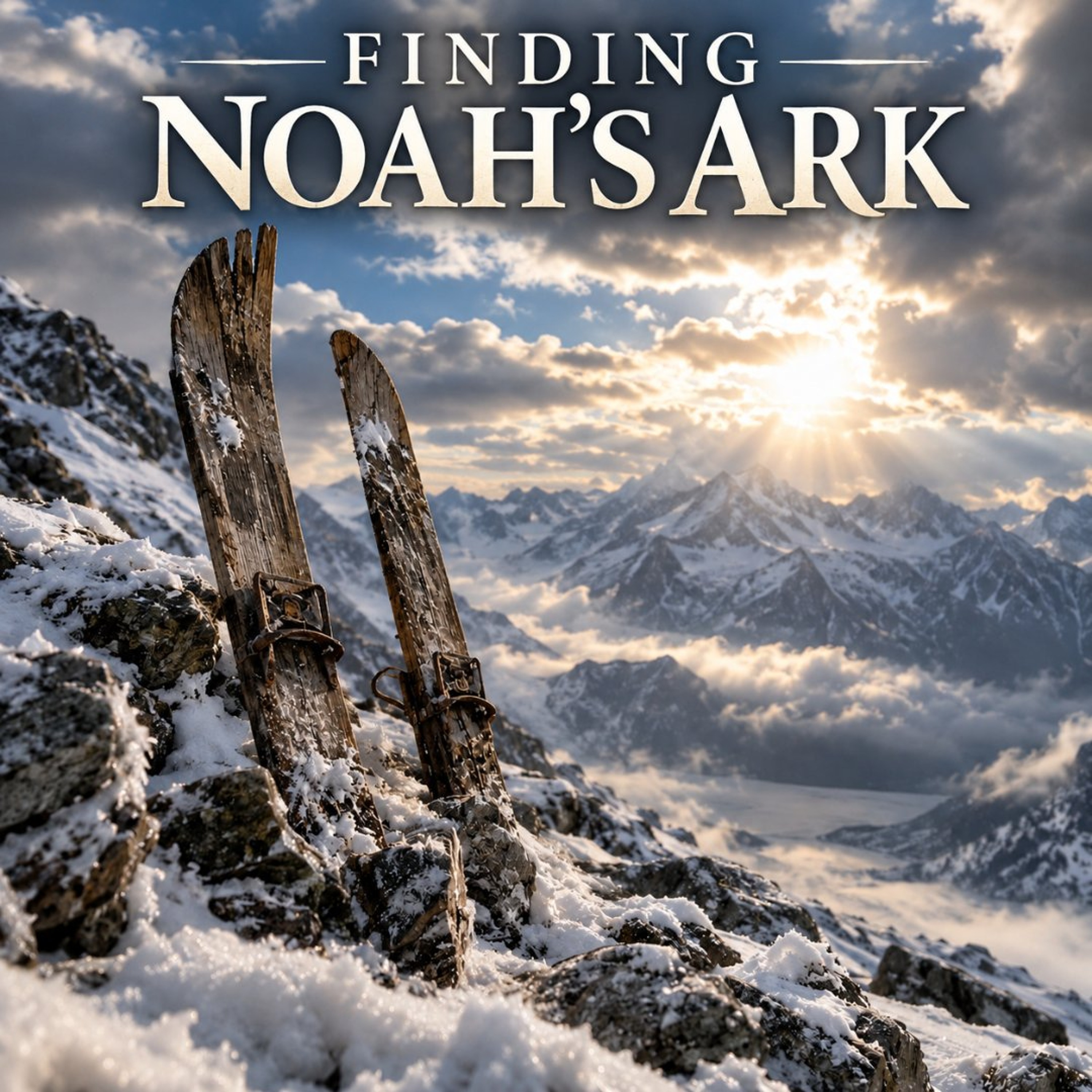
FINDING NOAH'S ARK
In 1982, astronaut James Irwin climbed Mount Ararat searching for Noah’s Ark and found something far less impressive: a pair of abandoned skis. Yet the ancient flood stories uncovered in Mesopotamia reveal a more important discovery. Rabbi Dunner compares them with the Torah’s account of Noach and asks what the real legacy of the Ark was meant to be for humanity after the waters receded.
TWO QUESTIONS
Parshat Bereishit begins with creation, but its deepest questions are strikingly personal. God asks Adam, “Where are you?” and Cain, “Where is your brother?” Rabbi Dunner traces these questions through creation, responsibility, failure, repentance, loneliness, Shabbat, and the value of every human life, showing how the entire Torah can be understood as an answer to those two questions.

THE KEEPERS
For twenty-six years, Brazil’s “Man of the Hole” lived alone in the Amazon, the last survivor of a destroyed people, while strangers quietly protected him from afar. His story makes Cain’s question — “Am I my brother’s keeper?” — painfully literal. Rabbi Dunner explores responsibility, isolation, lost worlds, and what it means to guard another human being, even without gratitude or recognition.
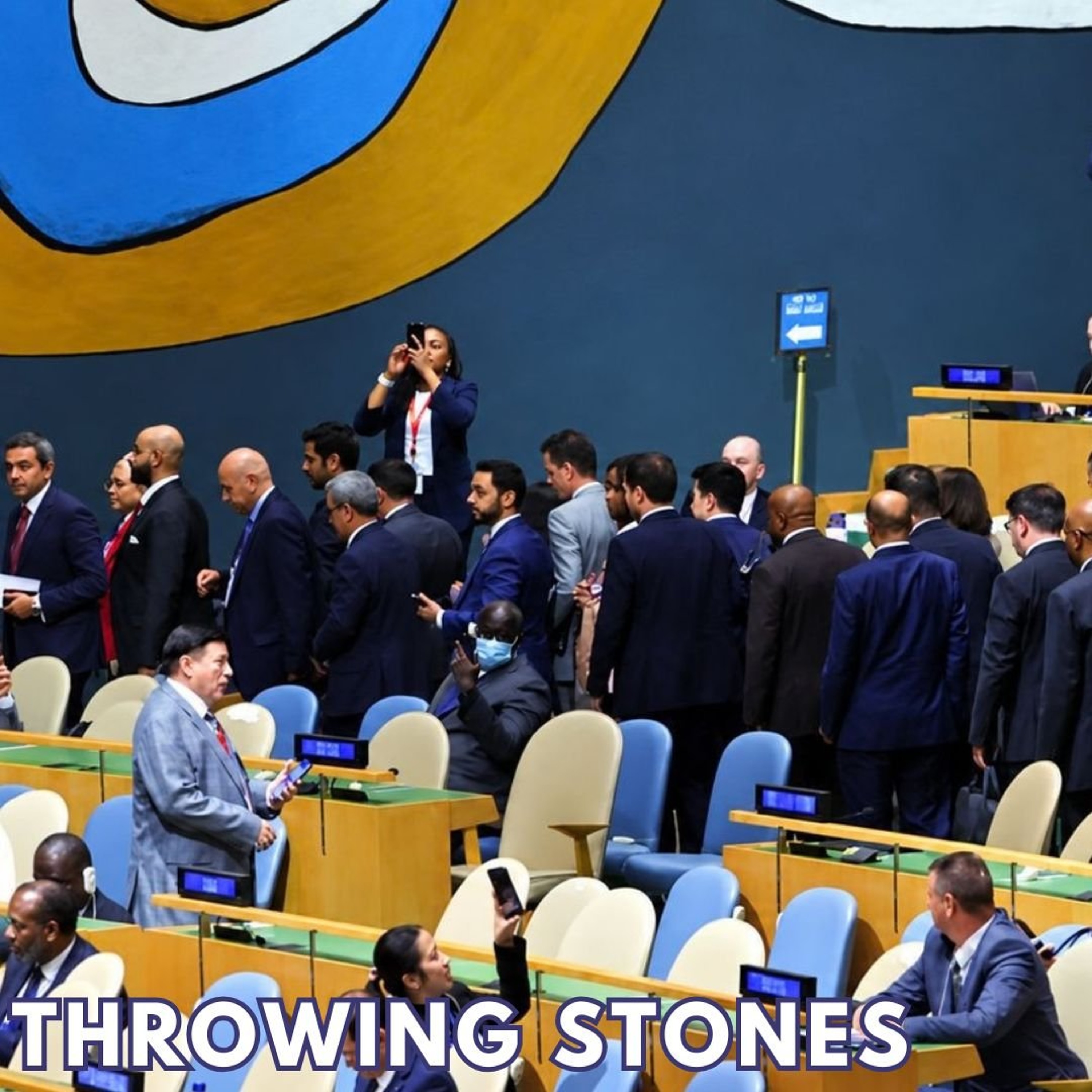
THROWING STONES
Ancient idol worship sometimes turned desecration itself into ritual: stones were thrown, and degradation became devotion. Watching the latest UN General Assembly, Rabbi Dunner sees an unsettling parallel. From Javier Milei’s blistering attack to António Guterres’s rhetoric and the walkout during Netanyahu’s speech, the institution’s sacred status seem increasingly at odds with how it is treated.
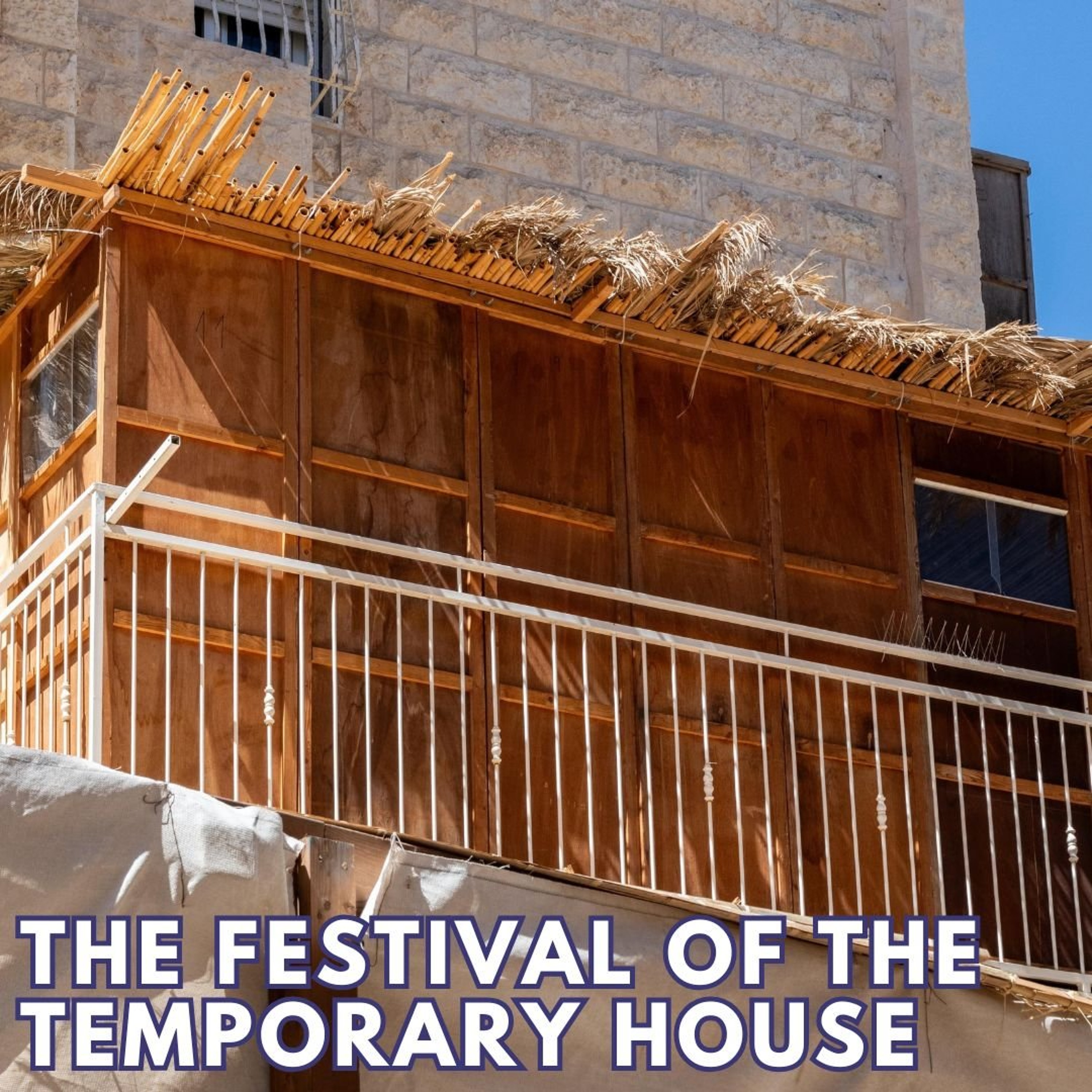
THE FESTIVAL OF THE TEMPORARY HOUSE
Sukkot begins with a flimsy hut and ends with dancing around a Torah scroll. In between come the four species, Kohelet, Hoshana Rabba, Shemini Atzeret, and a series of rituals that seem oddly disconnected. Rabbi Dunner shows how they form one argument: life is temporary, joy is deliberate, belonging requires participation, and every apparent ending is really another fresh beginning.
THE MAN WITH THE UMBRELLA
Jonas Hanway became famous in eighteenth-century London for carrying an umbrella when respectable Englishmen considered them ridiculous. Sukkot asks us to do something almost opposite: leave our solid homes and sit beneath a deliberately incomplete roof. Rabbi Dunner explores security, vulnerability, happiness, and the crucial difference between protecting ourselves wisely and imagining that we ar
WRITTEN IN BLOOD
Can a Jew ever be too far gone? In 1917, more than four centuries after Portugal forced its Jews into hiding, Polish Jew Samuel Schwarz found a community still guarding fragments of Judaism in secret. From the anusim and Dona Gracia Nasi to Menashe ben Israel and modern genetics, Rabbi Dunner explores an astonishing truth at the heart of Shabbat Shuva: Jewish identity can be buried, but it refuses
DON'T GO OVERBOARD
Barney Barnato rose from London’s East End to become one of the richest men in the British Empire, only to die at forty-six after going overboard in the Atlantic. His extraordinary life reads almost like all of the contrasts in Unetaneh Tokef. Rabbi Dunner explores uncertainty, reversal, despair, hope, and why Yom Kippur refuses to let any of us believe the story is over yet.
A DAY OF JUDGEMENT AND JOY
Yom Kippur can feel like a day to endure: fasting, confession, white garments, and hours in shul. But beneath the solemnity lies one of Judaism’s most radical promises — that people can truly change. From the shattered second tablets to Kol Nidrei, forgiveness, apology, and Neilah, Rabbi Dunner explores why the holiest day of the year is ultimately a day of joy.

LEARNING SOMETHING NEW
The Rosh Hashana machzor has 100’s of pages and the davening is really long. You already know about the shofar, the apple, the honey, and about Unesaneh Tokef. But you don’t know everything. In this shiur, Rabbi Dunner helps you notice the messages behind what you know, because what Rosh Hashana really demands is that you get yourself off autopilot.
OUT OF PROPORTION
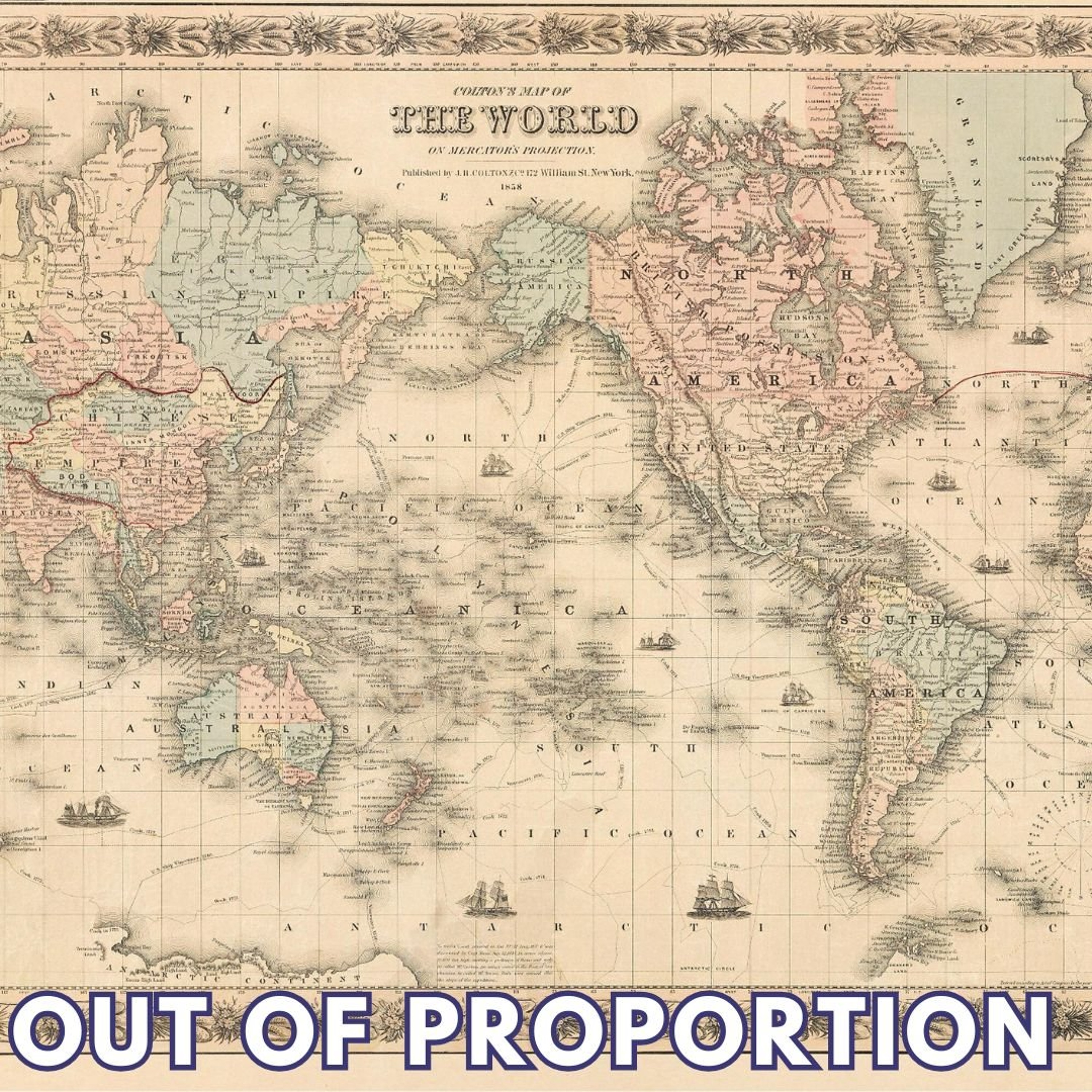
In 1544, a Flemish mapmaker sat in a castle dungeon on a charge of heresy. Twenty-five years later he published the map that still hangs in every classroom, and still makes Greenland look the size of Africa. Like him, we are all guilty of distorting proportion - but Rosh Hashana forces us to redraw our map.

THE MAN WHO SOLD THE EIFFEL TOWER
In 1925, master conman Victor Lustig managed to “sell” the Eiffel Tower to a respectable Paris scrap dealer. The scam was outrageous, but its success exposed something deeply human: we are often easiest to fool when we desperately want a story to be true. Rabbi Dunner finds an unsettling echo of this exact weakness in Parshat Nitzavim.
WHEN EVERYTHING ISN'T ENOUGH
Why can a person have everything and still feel empty? Parshat Ki Tavo offers a startling answer: fulfillment depends not on what we possess, but on how we receive it. From John Stuart Mill to Bikkurim, Holocaust survivors, and modern psychology, Rabbi Dunner explores how gratitude transforms abundance into gladness — and why that may be the essential spiritual work of Elul.
WHO DO YOU THINK YOU ARE?
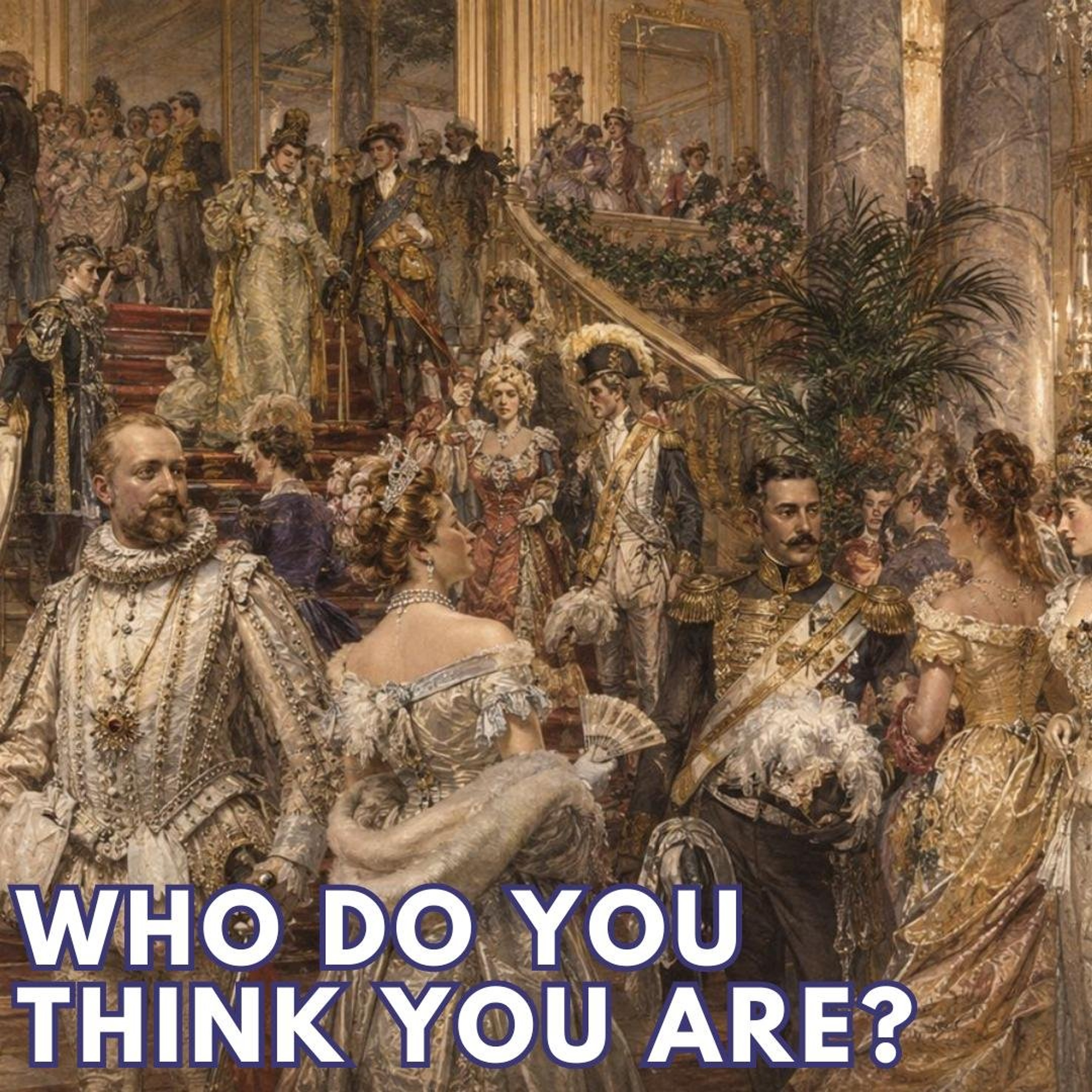
In 1897, New York’s wealthiest families spent a fortune dressing as European royalty at the spectacular Bradley-Martin Ball. Parshat Ki Tavo opens with another elaborate ceremony of success—but with a very different script. Rabbi Dunner explores ancestry, ambition, memory, and the strange temptation to improve the past once the present has turned out rather well.
IT IS MY PROBLEM
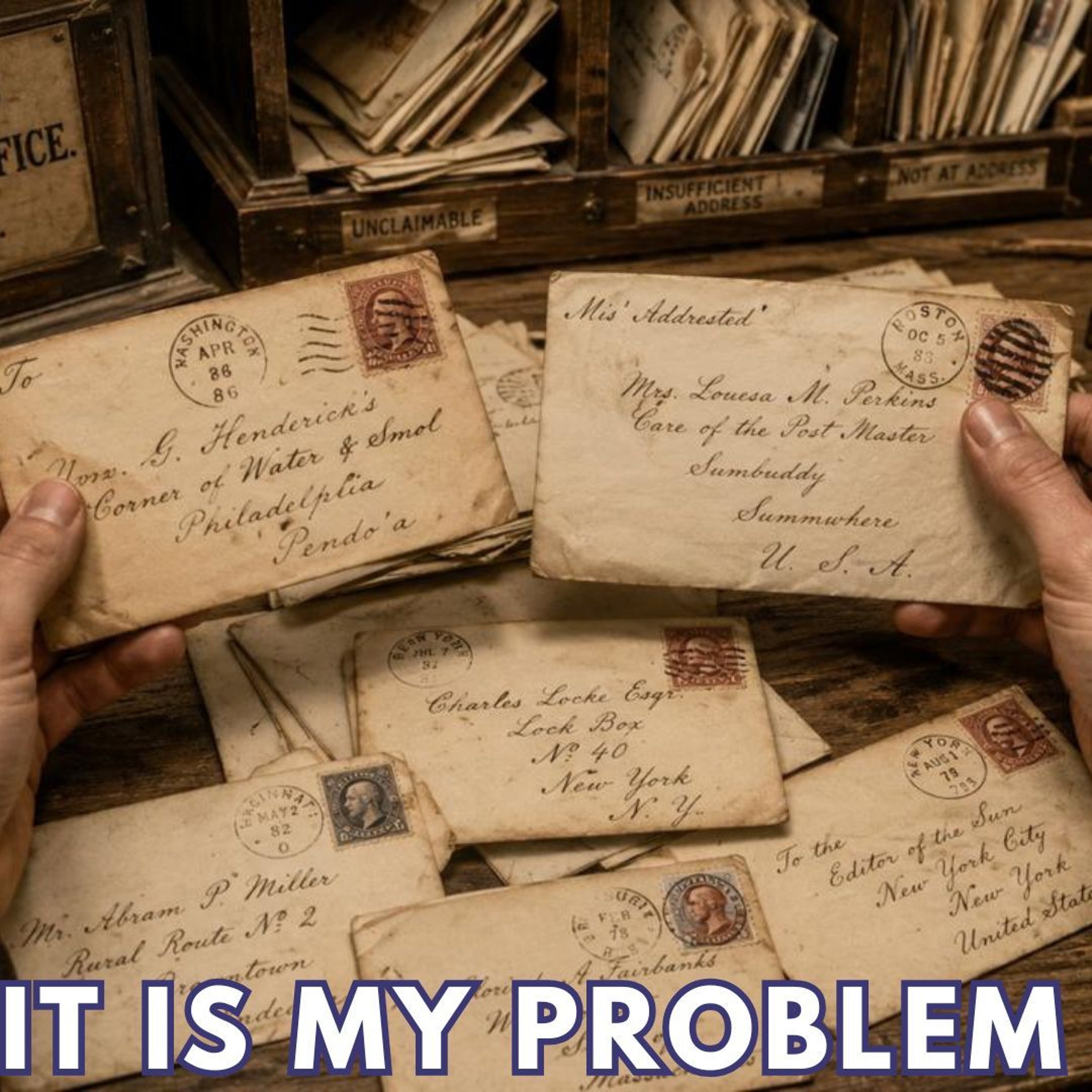
Patti Lyle Collins could decipher addresses everyone else considered hopeless, rescuing thousands of letters from Washington’s Dead Letter Office. Her remarkable gift offers a striking lens on Parshat Ki Teitzei’s command not to ignore what others have lost. The Torah asks more than helpfulness: it asks us to resist indifference, and never to look away from those in need.
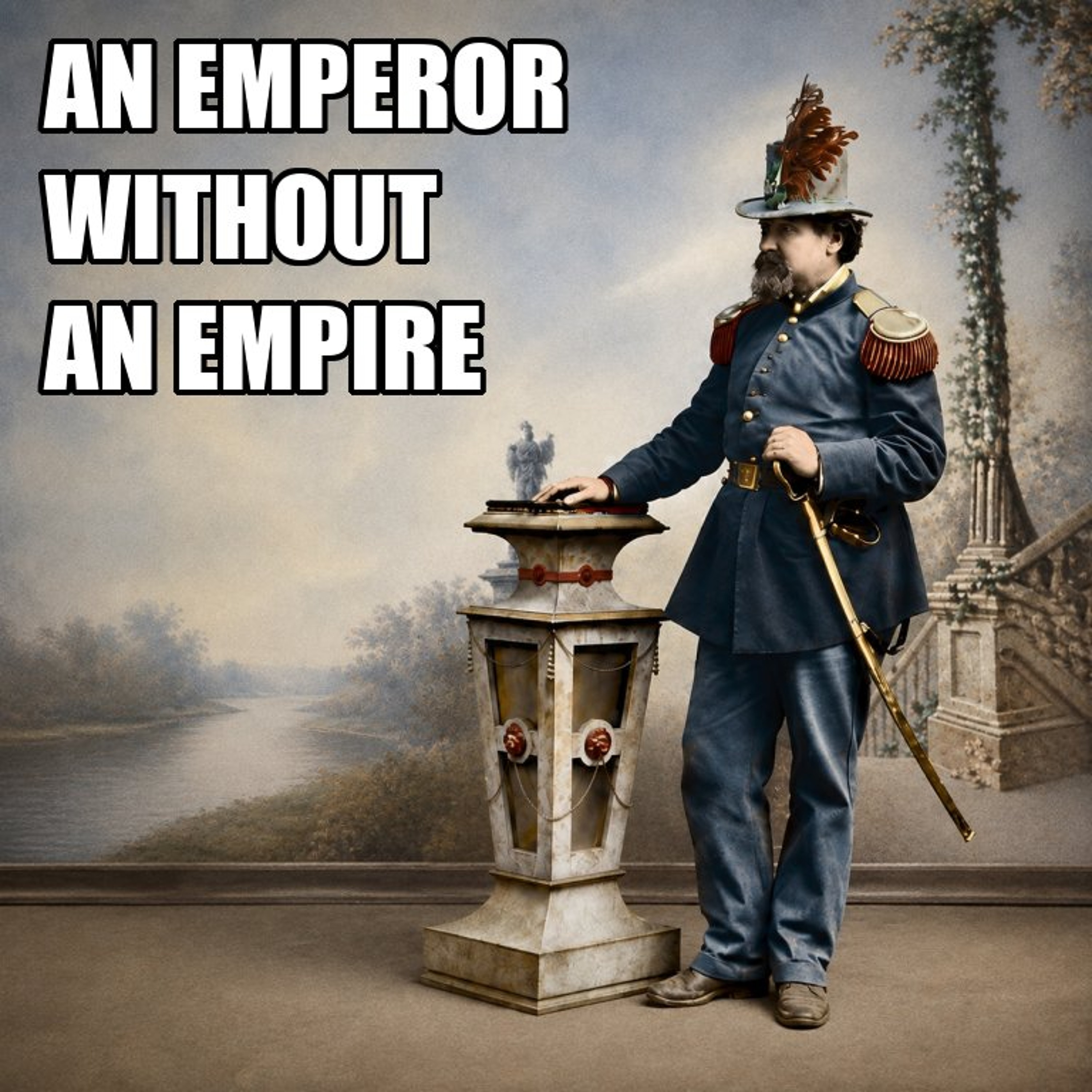
AN EMPEROR WITHOUT AN EMPIRE
Joshua Norton lost his fortune, declared himself Emperor of the United States, and somehow became one of San Francisco’s most beloved characters. His strange story offers a surprisingly sharp lens on Parshat Shoftim’s vision of royal leadership: titles may confer authority, but they never make one human being inherently greater than another.

WHAT TIME IS IT NOW?
The railway revolution transformed Britain, but it also exposed an unexpected problem: every town kept its own time. What followed offers a striking lesson for Parshat Re’eh. Diversity is a blessing, but only when it rests on a common foundation. Without a shared center, even strength, talent and sincerity can leave people fragmented, confused, and unable to move together.
WHAT ARE YOU LOOKING AT?
We imagine that seeing is automatic, but Parshat Re’eh insists otherwise. From Harvard’s invisible gorilla to the Torah’s blessing and curse, this shiur explores how easily we miss what matters most. True vision means recognizing where a road leads, seeing the people beside us, and discovering that blessing begins when we learn to look at life through Torah-trained eyes each and every day.
THE LONG WAY HOME
Christopher Nolan’s new Odyssey has revived the world’s fascination with the oldest homecoming story in Western literature. But why does the journey of Odysseus still resonate so deeply—and what can it teach us about Parshat Eikev, Jewish history, and the meaning of coming home? The answer lies not in the voyage itself, but in what begins after we arrive home.
THEY ARE CHAPTERS. WE ARE THE BOOK.
Tisha B’Av asks us to sit with the darkest moments in Jewish history: destruction, exile, massacre and loss. But what are we meant to carry with us when the fast ends and we rise from the floor? Is the lesson that Jews have suffered? The Shabbat that follows, Shabbat Nachamu, offers an answer—and perhaps it is the most important lesson of all.
THESE ARE THE WORDS
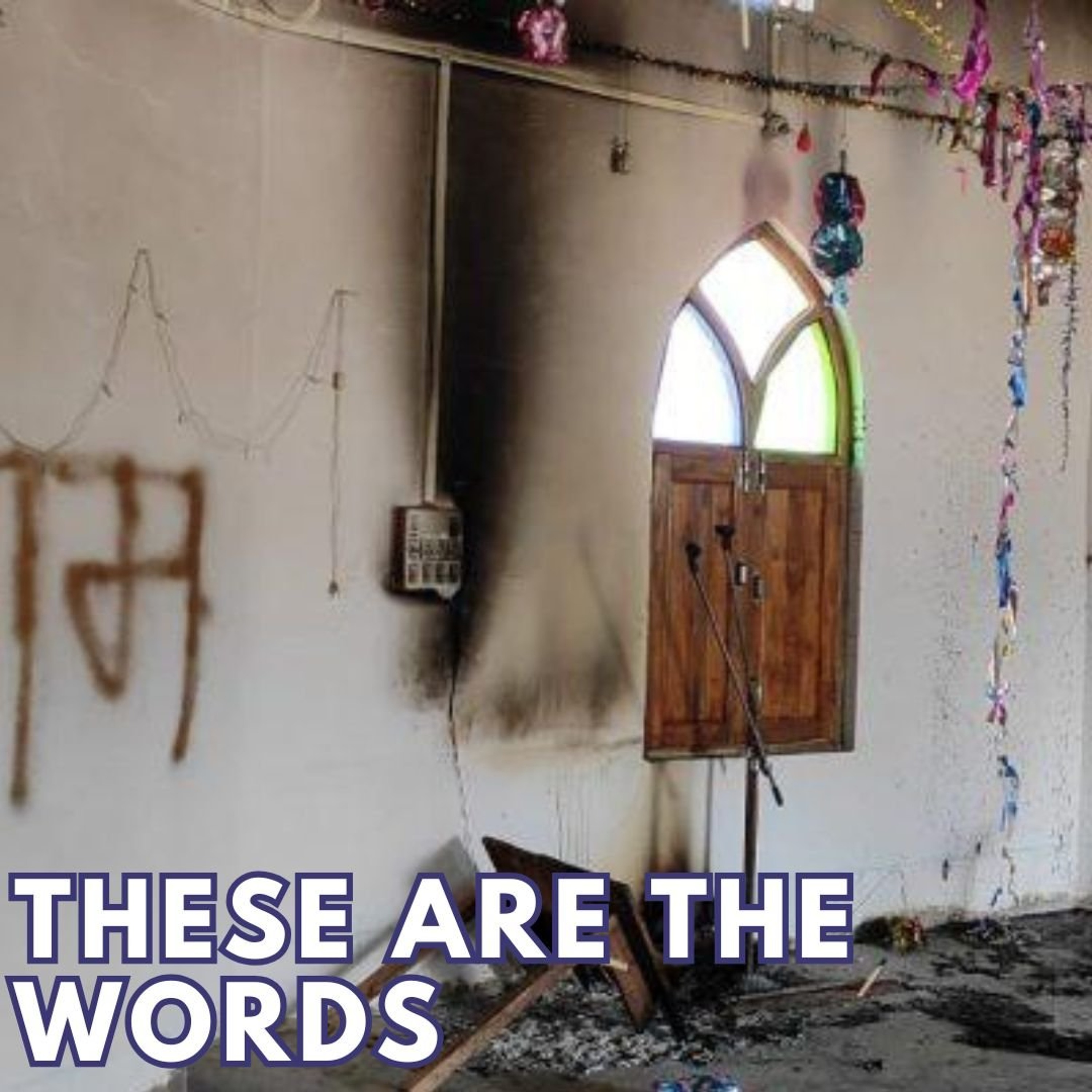
The Church of England just voted to "hear" a document accusing Israel of genocide thirty times over. Meanwhile, as Rabbi Dunner learns from Archbishop Joseph D'Souza of Hyderabad, his Anglican flock in India is persecuted, and the Church of England couldn't care less. Why do they platform a libel against Israel while ignoring their persecuted brethren? For an answer, Rabbi Dunner turns to Parshat
THE STORY WE CHOOSE TO TELL
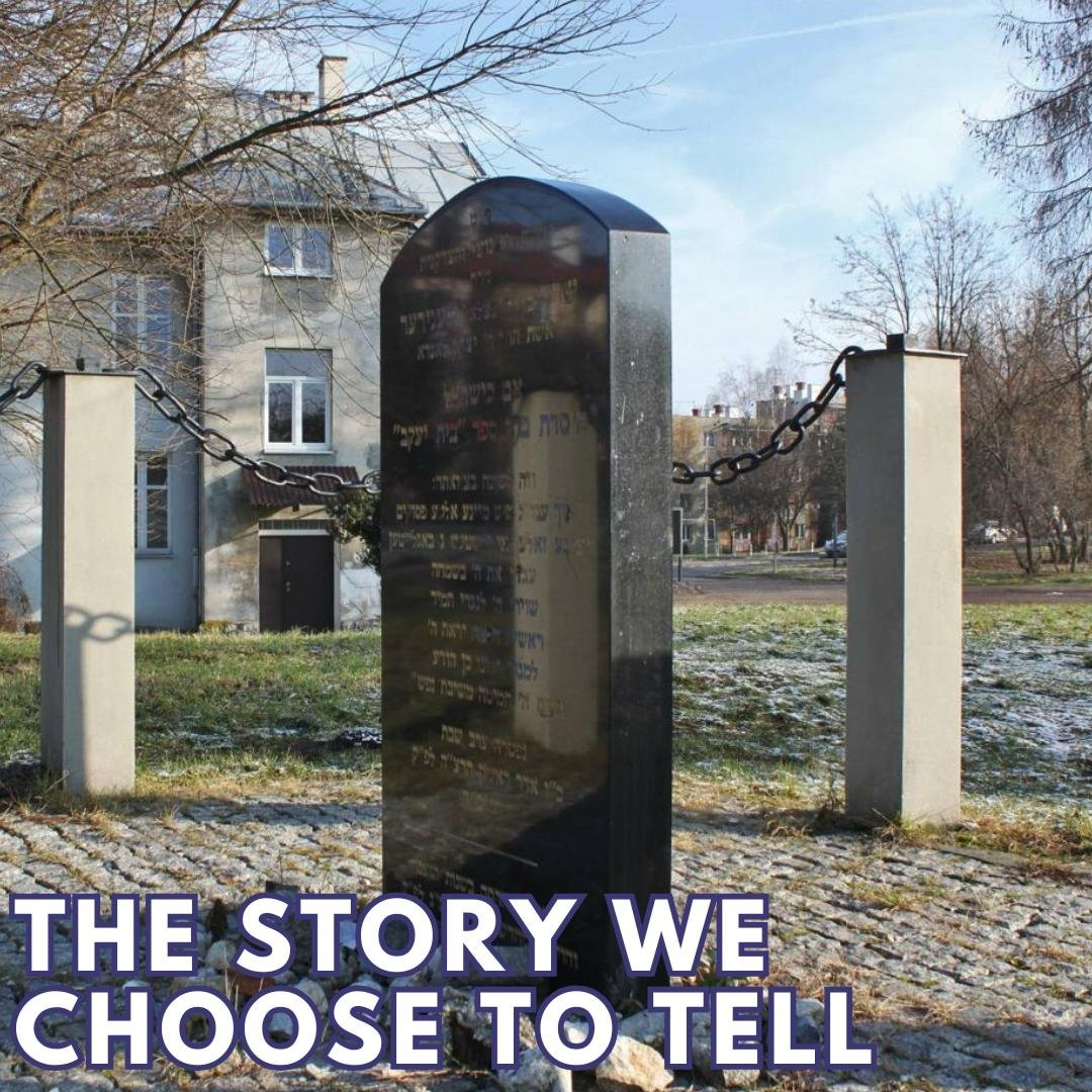
During a recent journey through Poland, one unexpected stop transformed Rabbi Dunner's understanding of Parshat Devarim. Standing in a place where the past had seemingly been erased, he discovered why Moshe's final words are not a history lesson at all, but a timeless guide to Jewish fortitude, renewal, and - most importantly - hope.
AN EARLY WARNING FROM BELGIUM
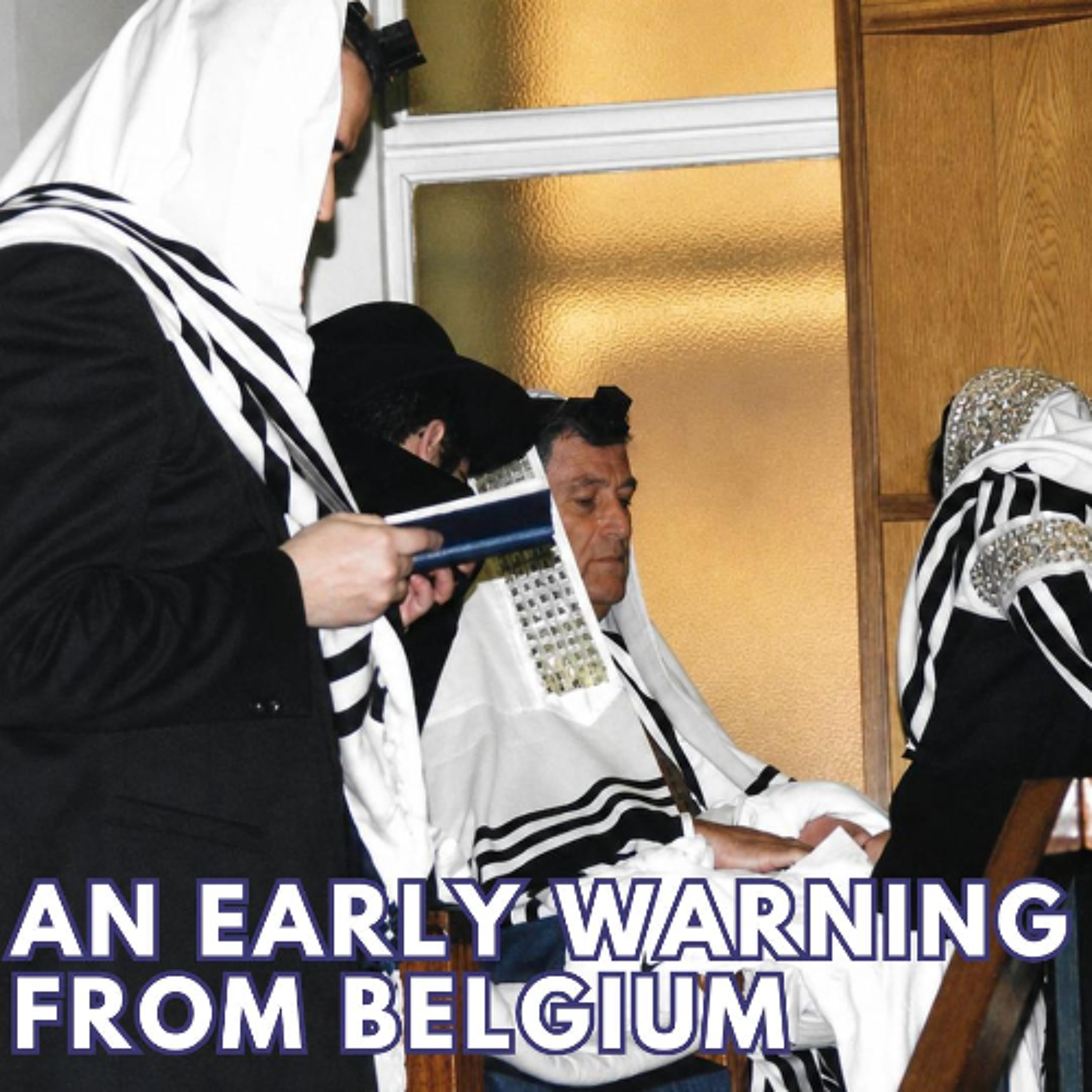
Belgium’s prosecution of Antwerp mohalim is more than a local legal dispute. As the Three Weeks approach, it offers an early warning about how Jewish life is eroded: not always through violence, but through regulations that redefine sacred practice as criminal conduct. History shows where such pressure can lead when Jews are welcome only after Judaism has been stripped away.
WHEN OLD ANSWERS STOP WORKING
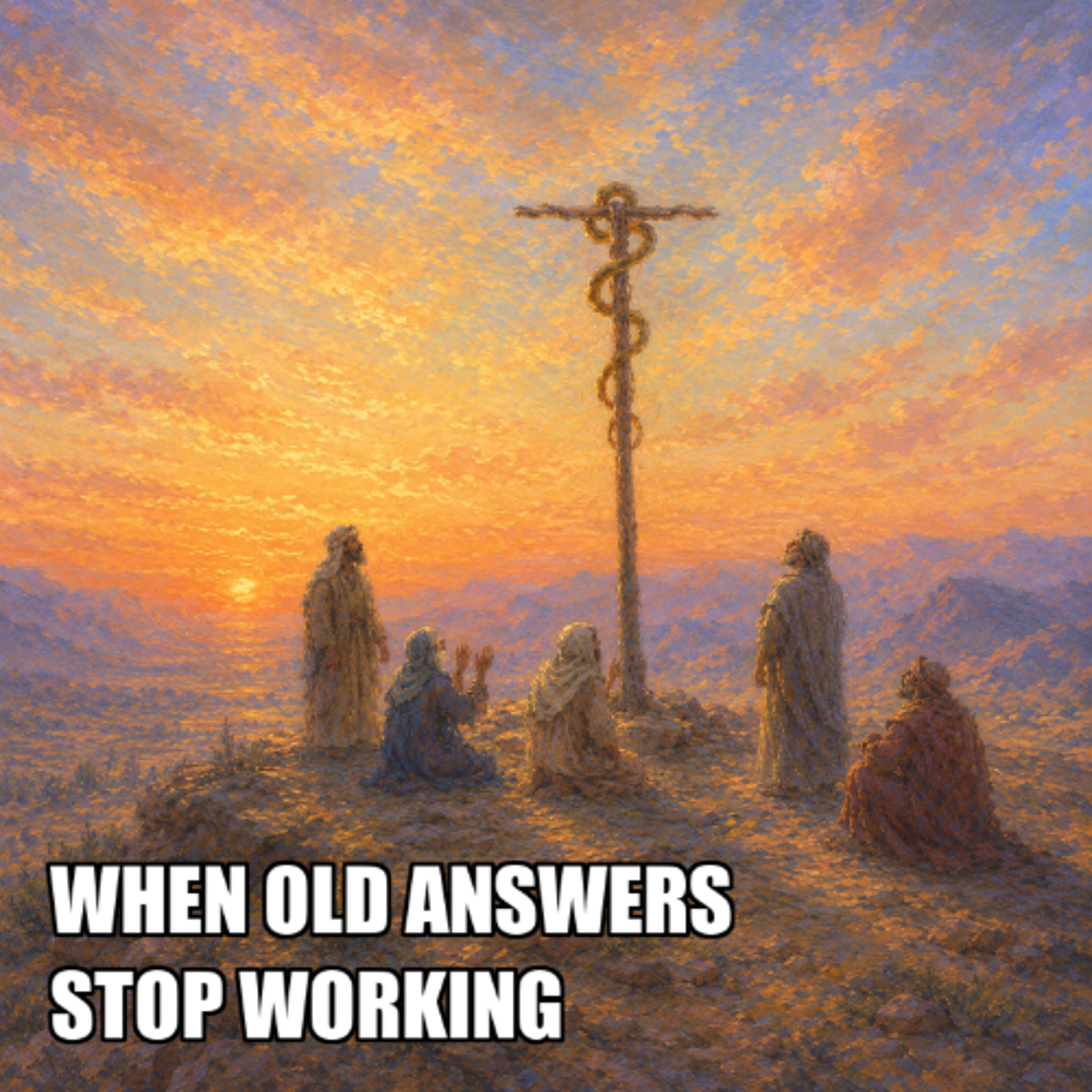
Parshat Chukkat unfolds amid death, transition, failed leadership, poisonous speech, and unanswered questions. Rabbi Dunner explores why Moshe’s old methods no longer worked, how grief disguises itself as anger, why blessings become invisible, and how sacred symbols can become idols. The message is bracing: faith is not certainty, but rather it is the courage to keep moving forward through mystery
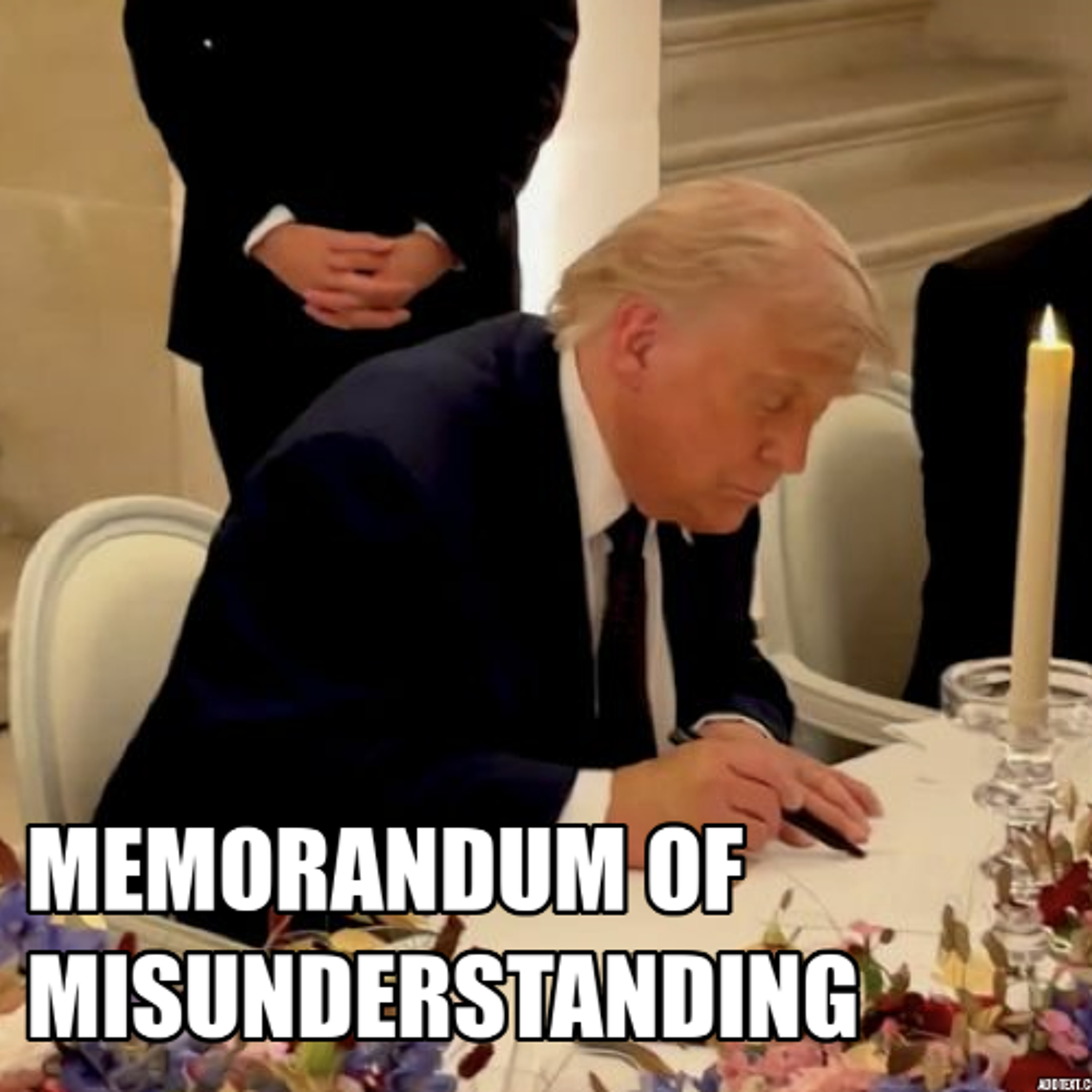
MEMORANDUM OF MISUNDERSTANDING
The U.S.–Iran MoU arrived wrapped in the soothing language of peace, restraint, and understanding. But Parshat Korach is a warning that beautiful words can conceal ugly intentions. Korach spoke of holiness while seeking power; hostile regimes speak of diplomacy while buying time. The Torah’s lesson is clear: noble language must always be tested against truth before it is allowed to shape policy de
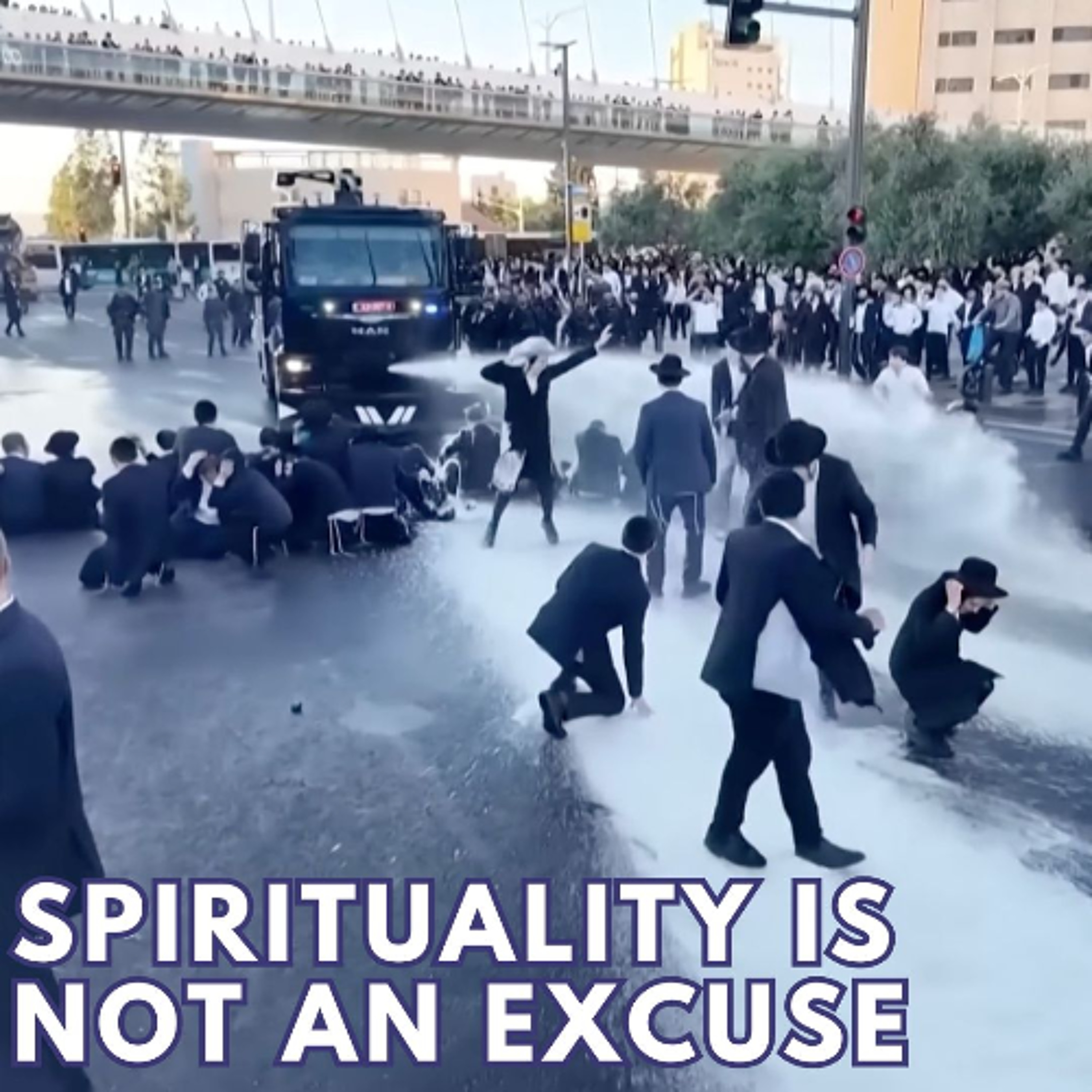
SPIRITUALITY IS NOT AN EXCUSE
Haredi opponents of military service argue that army life threatens the spiritual refinement of Torah students. But the spies in Parshat Shlach made the same mistake: treating withdrawal from the world as the only way forward. Their story teaches that when Jewish survival requires responsibility and sacrifice, spirituality cannot become an excuse for leaving the danger to other Jews who must fight
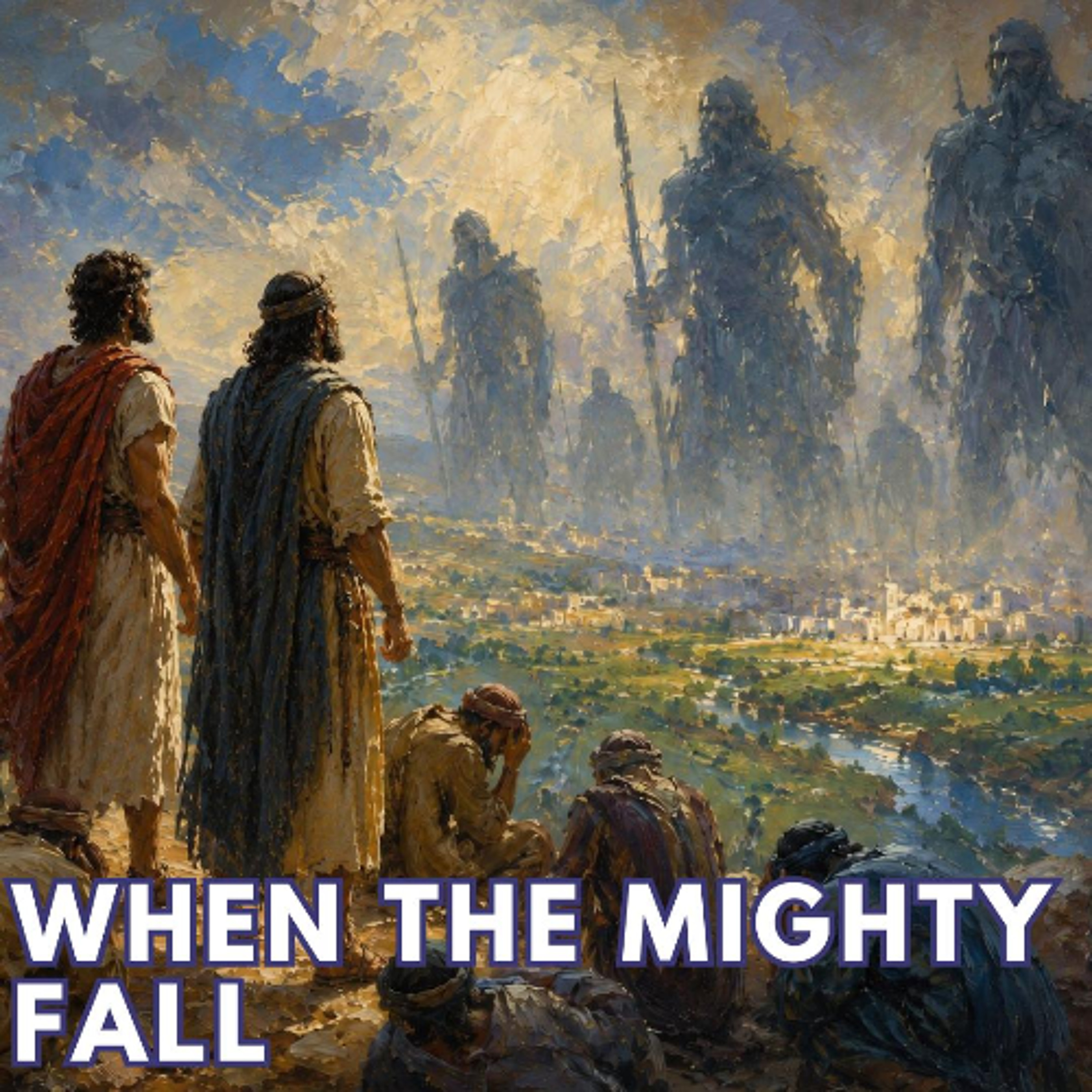
WHEN THE MIGHTY FALL
The spies were righteous leaders, yet greatness offered no immunity from failure. Rabbi Dunner explores why Yehoshua needed Moshe’s prayer, why Kalev prayed at Chevron, and why humility is not weakness but spiritual protection. From leadership and groupthink to tzitzis and prayer, this shiur reveals how honest vulnerability gives us the courage to face giants without losing faith in God.
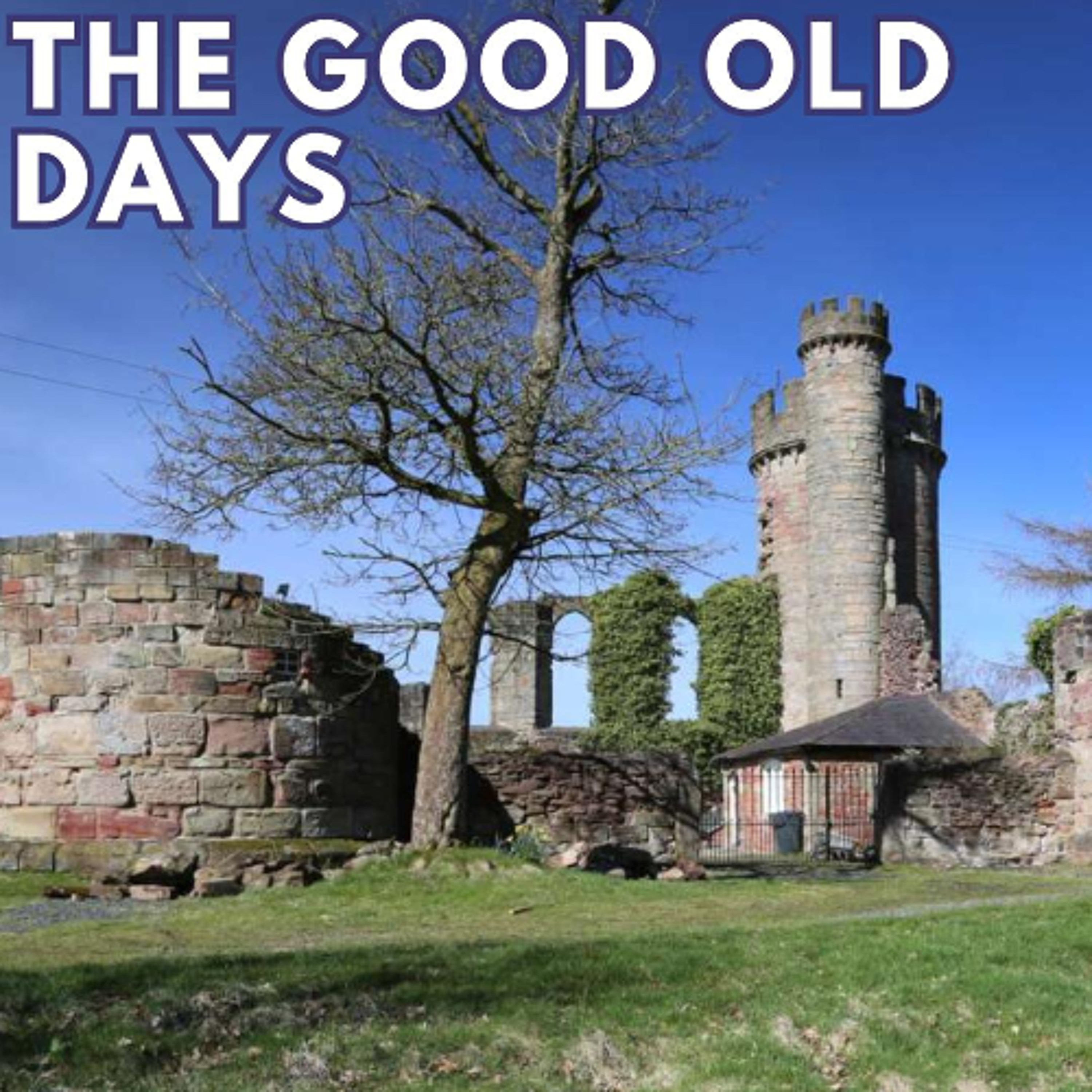
THE GOOD OLD DAYS
A ruined castle that was never a castle. Memories that improve with age. Longing for places that never existed. In Parshat Beha'alotecha, the Israelites look back at Egypt and remember only the fish, forgetting the slavery. Rabbi Dunner explores nostalgia, memory, and why the greatest danger of idealizing the past is losing sight of the future.

THE DETOX DELUSION
Modern society swings endlessly between indulgence and denial. One day we binge, the next we detox. But in Parshat Nasso, the Torah’s mysterious Nazir presents a far more nuanced vision of spirituality. While Judaism values discipline and restraint, it remains deeply suspicious of extremism, performative piety, and the fantasy that holiness can be achieved by escaping ordinary life.
DEFINING YOUR PURPOSE
In an age that worships freedom and personal autonomy, Rabbi Dunner argues that liberty without moral purpose eventually collapses into chaos. Drawing on psychology, history, and the deeper meaning of Shavuot, he explores why Sinai transformed the Jewish people from liberated slaves into a nation bound together by responsibility, purpose, and shared values.
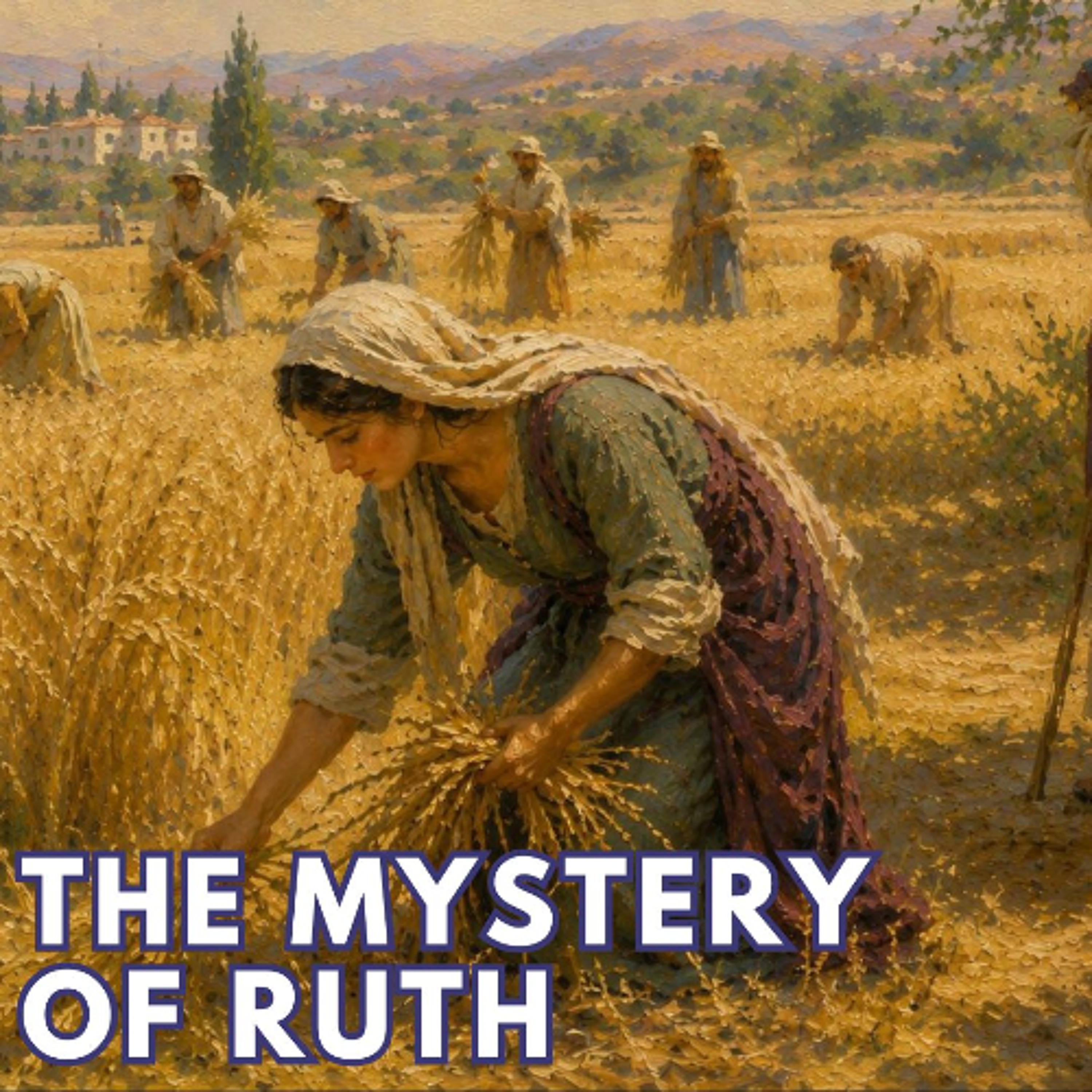
THE MYSTERY OF RUTH
In this richly layered shiur on Megillat Ruth, Rabbi Dunner explores Ruth’s journey from Moabite outsider to matriarch of the Davidic dynasty. Through Chazal, Midrash, Gemara, and modern scholarship, he reveals how the the themes of chesed, gerut, legitimacy, and personal redemption quietly shape the foundations of Jewish kingship, national destiny, and the ultimate vision of Messianic geulah.
BEYOND THE CHAOS
In the chaotic aftermath of World War II, military planners discovered that displaced people needed more than food and shelter — they needed structure and belonging. Rabbi Dunner shows how this insight lies at the heart of Parshat Bamidbar, where the Israelites are carefully counted, arranged, and organized before entering the wilderness, teaching a timeless lesson about identity, community, and s
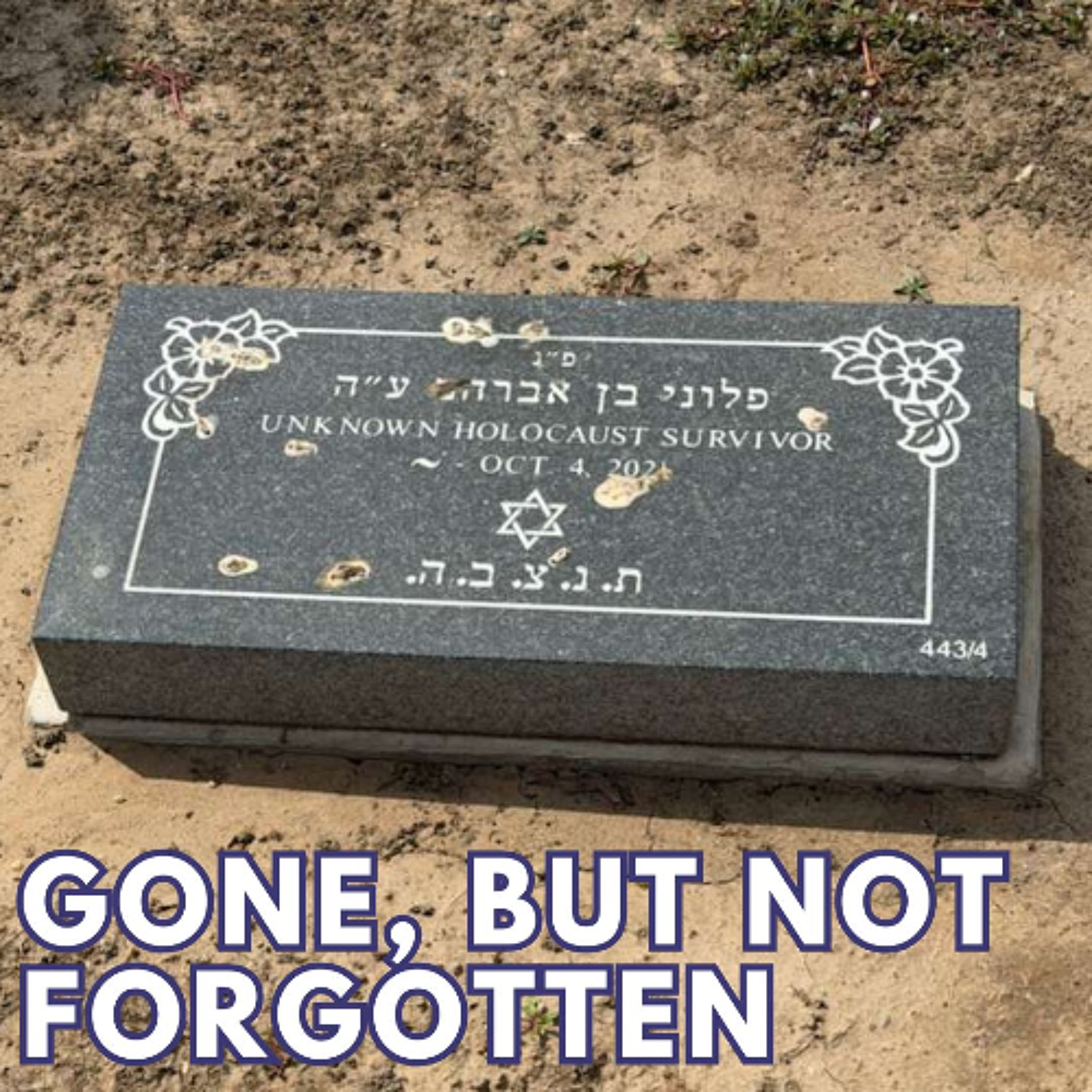
GONE, BUT NOT FORGOTTEN
At a sparsely attended funeral for a once-prominent philanthropist, an unexpected tenth man completed the minyan — and led the gathered mourners to another grave. There lay an unnamed Holocaust survivor, nearly erased from memory. Two funerals on one day revealed a haunting truth: in Jewish tradition, death is not the end — being forgotten is. And remembering is an act of redemption.

WHAT REALLY COUNTS?
In a world driven by metrics—steps counted, sleep tracked, productivity measured—have we mistaken numbers for meaning? Drawing on a powerful personal ICU experience and the mitzvah of Sefirat HaOmer in Parshat Emor, Rabbi Dunner explores a deeper truth: life isn’t about accumulating totals, but about sanctifying each individual day and recognizing what truly counts in the moments themselves.
BEYOND BEING NICE
“Love your neighbor as yourself” sounds simple—until you try to live it. In this thought-provoking shiur, Rabbi Dunner explores why real love isn’t a feeling but a discipline, built through honesty, restraint, and responsibility. Moving beyond superficial niceness, he uncovers a demanding Torah vision of relationships that challenges instinct, reshapes character, and offers a deeper path to genuin

WHEN PROCESS ISN'T ENOUGH
Following the rules should be enough—or is it? In this sharp and timely reflection on Parshat Kedoshim, Rabbi Dunner explores how a modern political scandal exposes a timeless Torah truth: process alone cannot guarantee integrity. Drawing on Ramban’s powerful insight, he shows why real holiness demands judgment, responsibility, and the courage to go beyond what is merely allowed.
DON'T MISS THE BIRTH
What is tumah—and why does the Torah connect it to the moment of new birth? In this thought-provoking shiur, Rabbi Dunner challenges the common understanding of impurity, revealing a deeper perspective rooted in absence, potential, and transformation. Drawing on classic and Chassidic sources, he shows how even life’s messiest moments may signal something sacred beginning to emerge.
DID YOU HEAR WHAT HAPPENED?
In an age of viral rumors, conspiracy chatter, and endless scrolling, gossip has become a powerful force shaping how we see the world—and each other. Drawing on Parshat Tazria–Metzora, Rabbi Dunner explores how harmful speech fractures trust, fuels polarization, and why the Torah’s ancient response offers a surprisingly modern blueprint for responsibility, and rebuilding a healthier public discour
THE ROAD TO HELL
Good intentions can inspire greatness—but they can also lead to disaster. In a gripping look at Parshat Shemini and the story of Rabbi Joseph Shapotshnick, Rabbi Dunner explores how ego can quietly corrupt even the noblest causes. When conviction overrides humility, the line between leadership and overreach disappears—with consequences that are as timeless as they are sobering.
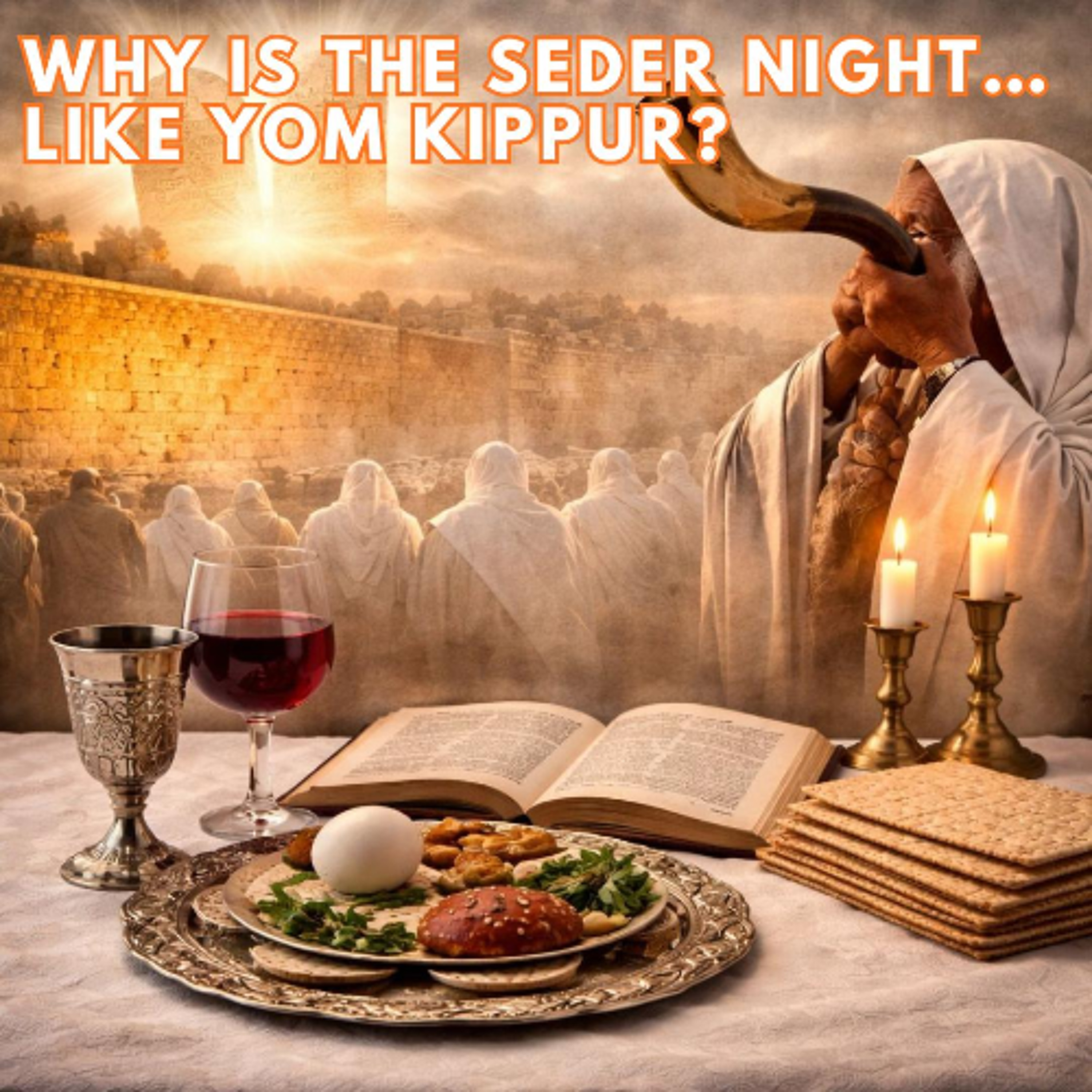
WHY IS SEDER NIGHT... LIKE YOM KIPPUR?
Pesach feels nothing like Yom Kippur—one is festive, the other solemn. Yet beneath the surface, they share the same transformative power. Rabbi Dunner reveals how the Seder night can achieve what Yom Kippur does—if we are truly present. The question is not whether the door is open, but whether we are willing to walk through it.
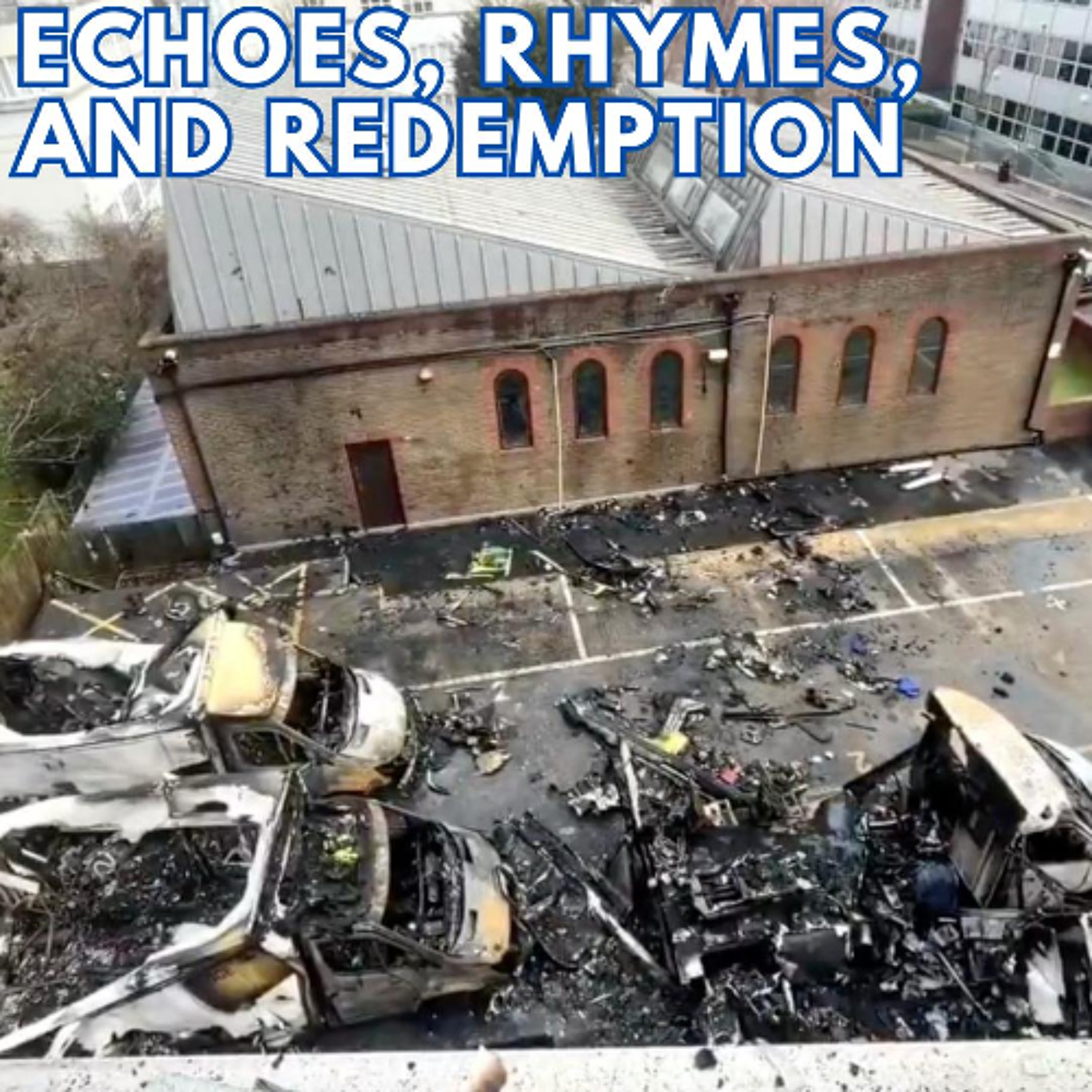
ECHOES, RHYMES, AND REDEMPTION
As tensions rise in Israel and antisemitism surges across the globe, familiar patterns begin to emerge. As Rabbi Dunner notes, the Haggadah’s call to see ourselves as if we left Egypt is not abstract. Just as in the original Exodus, when things worsened before redemption, today’s chaos may be the prelude to transformation, reminding us that history’s echoes often signal what comes next.
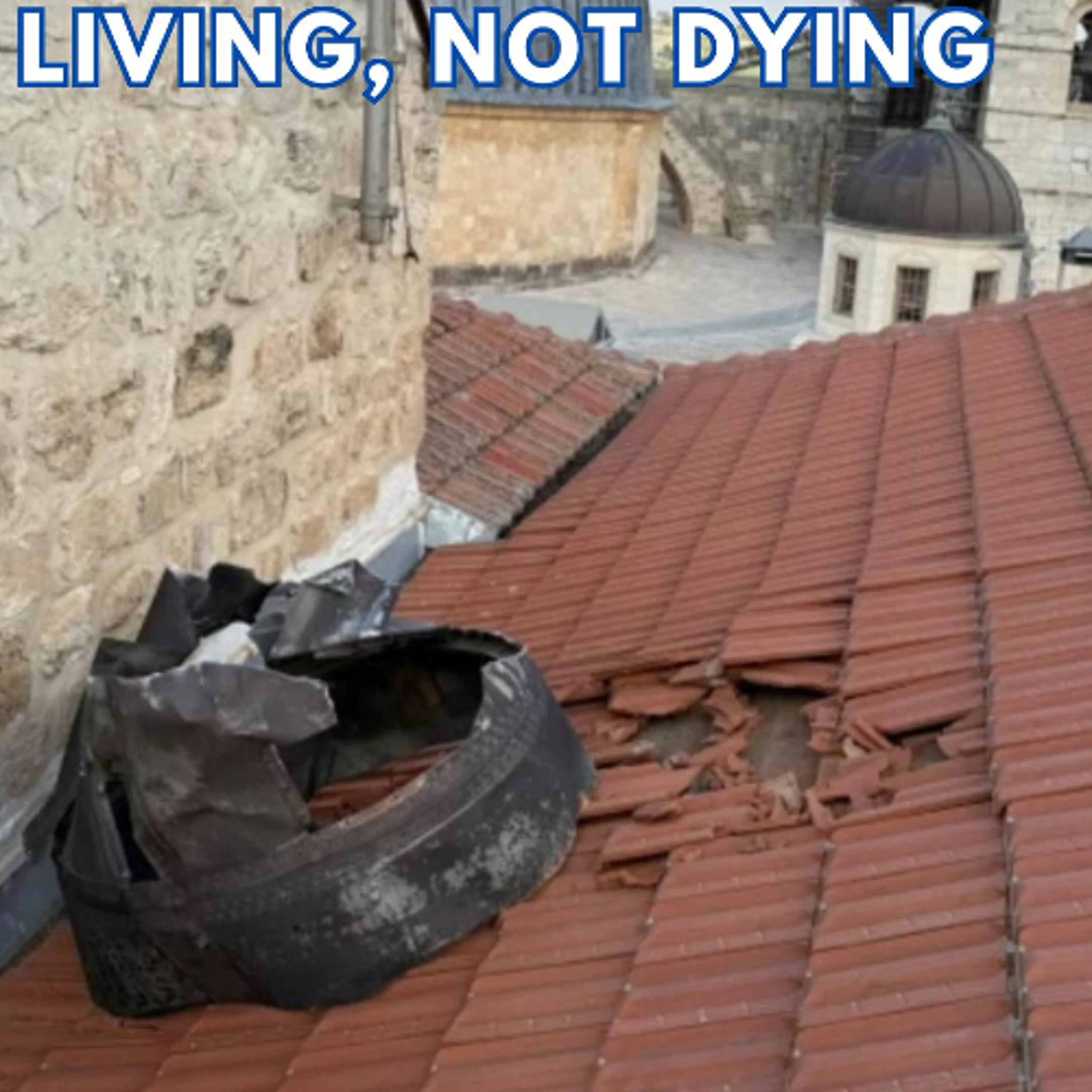
LIVING, NOT DYING
As Iran escalates its attacks across the Middle East, a troubling pattern emerges—one that blurs the line between strategy and sacrifice. But while some ideologies romanticize destruction in God’s name, Sefer Vayikra offers a radically different vision: true devotion is not found in dying for God, but in the far more demanding task of living for Him.
GONE, BUT NOT FORGOTTEN
Rabbi Dunner draws on a beautiful essay from the Rav Daniel Alter Haggadah to find the deeper meaning of freedom on Pesach. Moving beyond the physical Exodus, he explores a powerful message about the lingering mindset of slavery, challenging us to shed internal limitations and embrace a renewed sense of identity, dignity, and spiritual independence long after leaving Egypt.
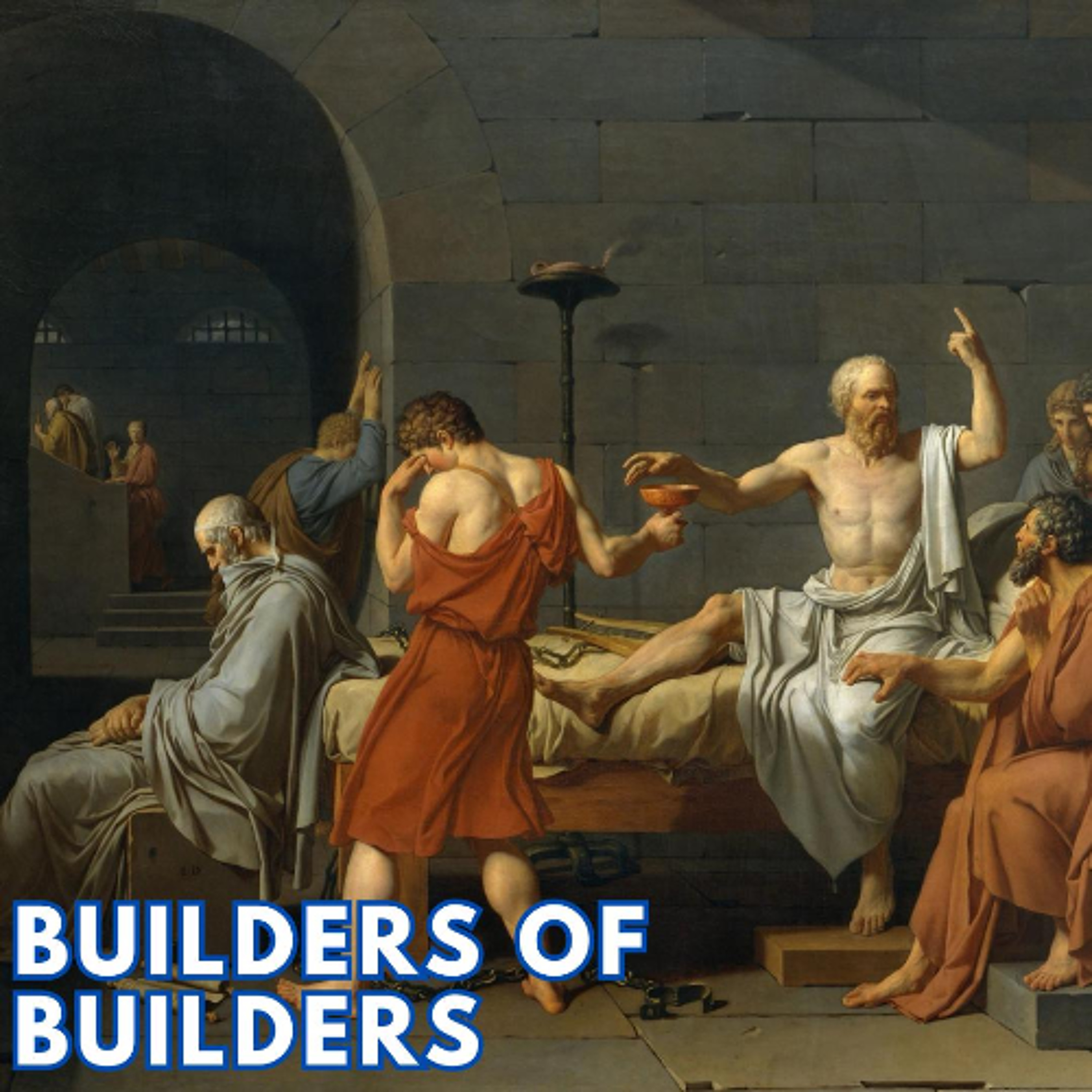
BUILDERS OF BUILDERS
From Socrates in ancient Athens to Moshe Rabbeinu in the wilderness, history’s greatest leaders share a common trait: they create other leaders. Vayakhel reveals how Moshe built more than a sanctuary; he built a generation of builders whose influence would shape the future of the Jewish people.

NO MORE MOWING THE LAWN
For decades Israel “mowed the lawn,” responding to attacks without eradicating the source of the threat. October 7 changed everything. As Iran and its terror proxies face unprecedented blows, the story of the Golden Calf in Parshat Ki Tisa offers a striking parallel. Some crises cannot be managed—they must be confronted decisively before chaos spreads beyond control.

IN YOUR MIND'S EYE
A church that took 144 years to complete. A yeshiva built for students who had not yet arrived. A prophet describing a Temple that did not yet exist. In the Haftarah for Parshat Tetzaveh, we discover that redemption does not begin with miracles — it begins with vision, drawn carefully in the mind’s eye.
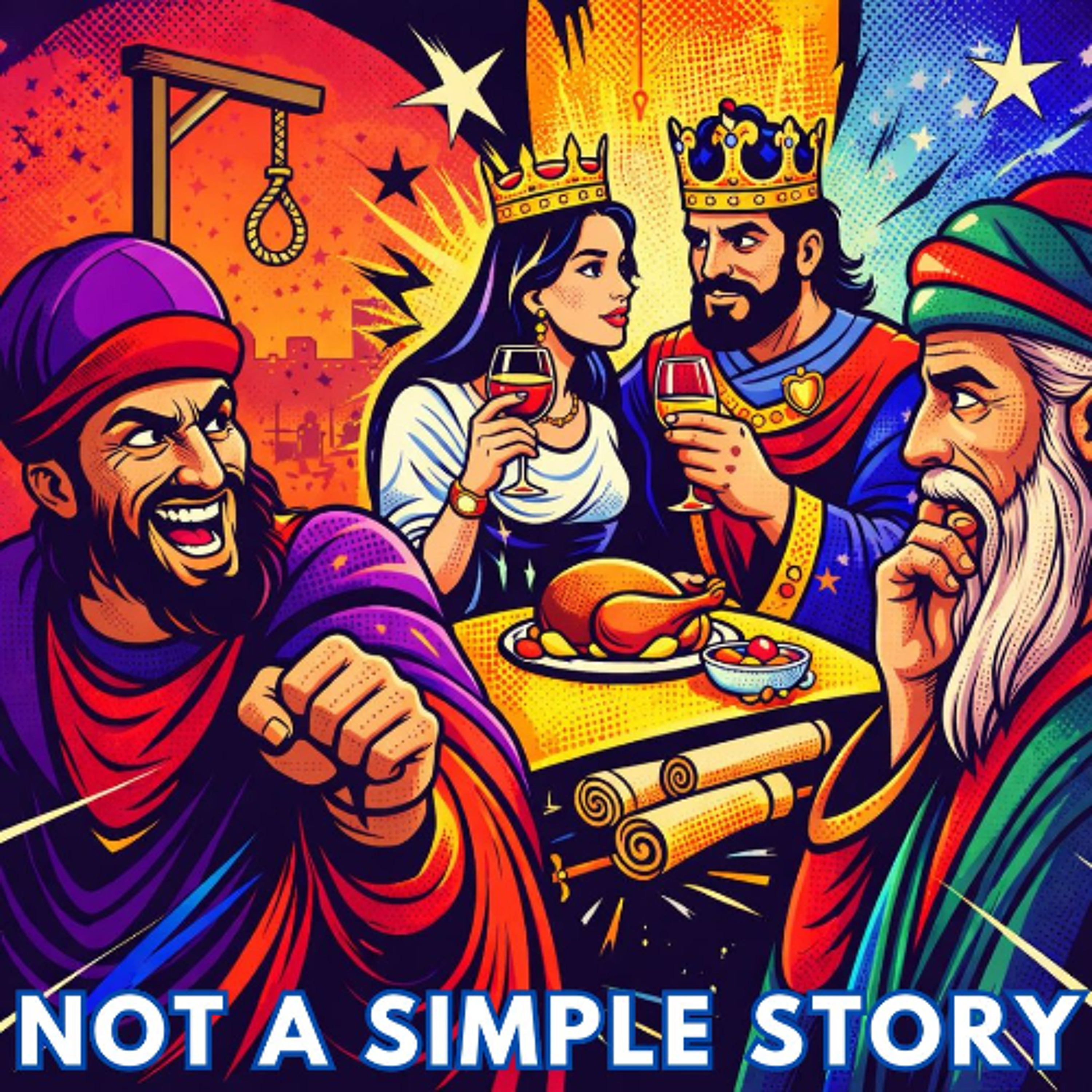
NOT A SIMPLE STORY
At Sinai, the mountain hovered overhead and faith felt inevitable. In Shushan, God’s name disappeared and everything could be dismissed as coincidence. So when was Torah truly accepted — in the blaze of revelation or in the darkness of exile? In Rabbi Dunner’s dazzling Purim shiur, he uncovers why Judaism’s deepest commitment was forged not in thunder, but in hiddenness.
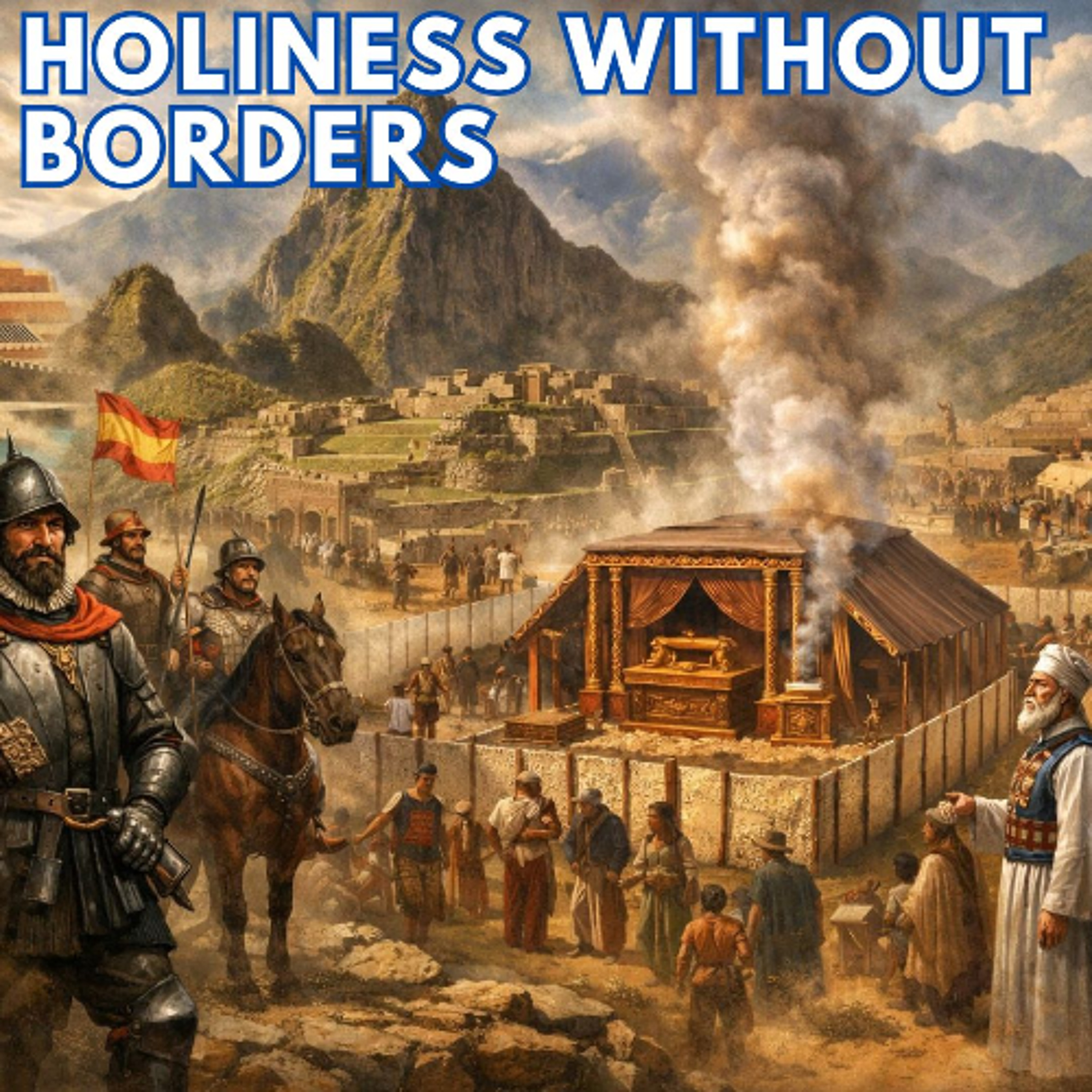
HOLINESS WITHOUT BORDERS
Empires self-identify by anchoring themselves to monuments and locations. The Aztecs had Tenochtitlan. The Incas had Cusco. Rome had its “eternal city.” When those centers fell, their worlds unraveled. The Jewish people lost Jerusalem twice — and endured. The secret was planted earlier, in the wilderness: a sanctuary built to move, and a holiness that refused to stay put.
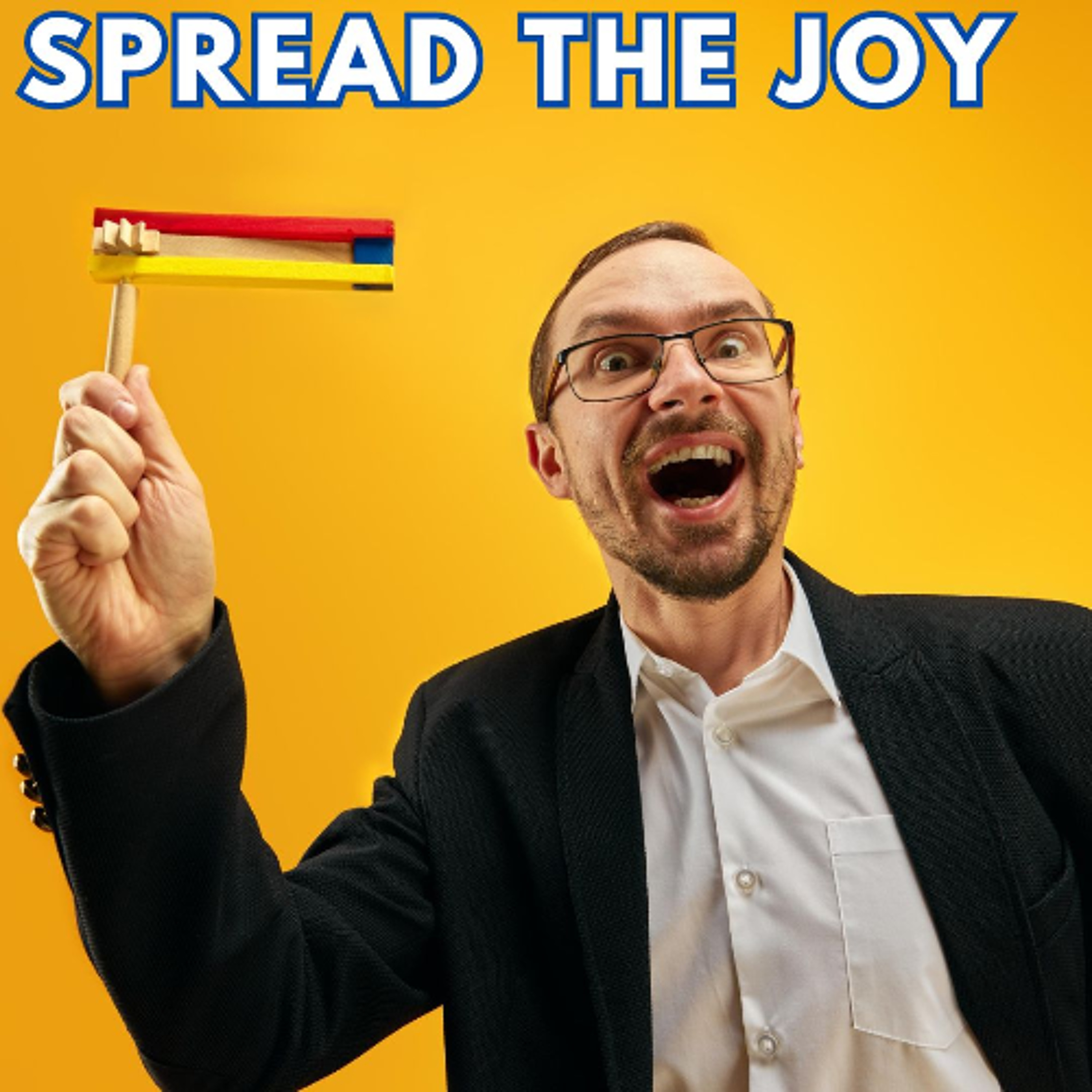
SPREAD THE JOY
What does it mean to “increase joy” when life isn’t perfect? Rabbi Dunner’s uplifting Adar shiur explores the deeper meaning of Mishenichnas Adar Marbim b’Simcha, showing how the Megillah teaches us to find hidden goodness, laugh at life’s absurdities, and trust that our stories are still unfolding. Through humor, insight, and real-life stories, we learn how to truly spread the joy.
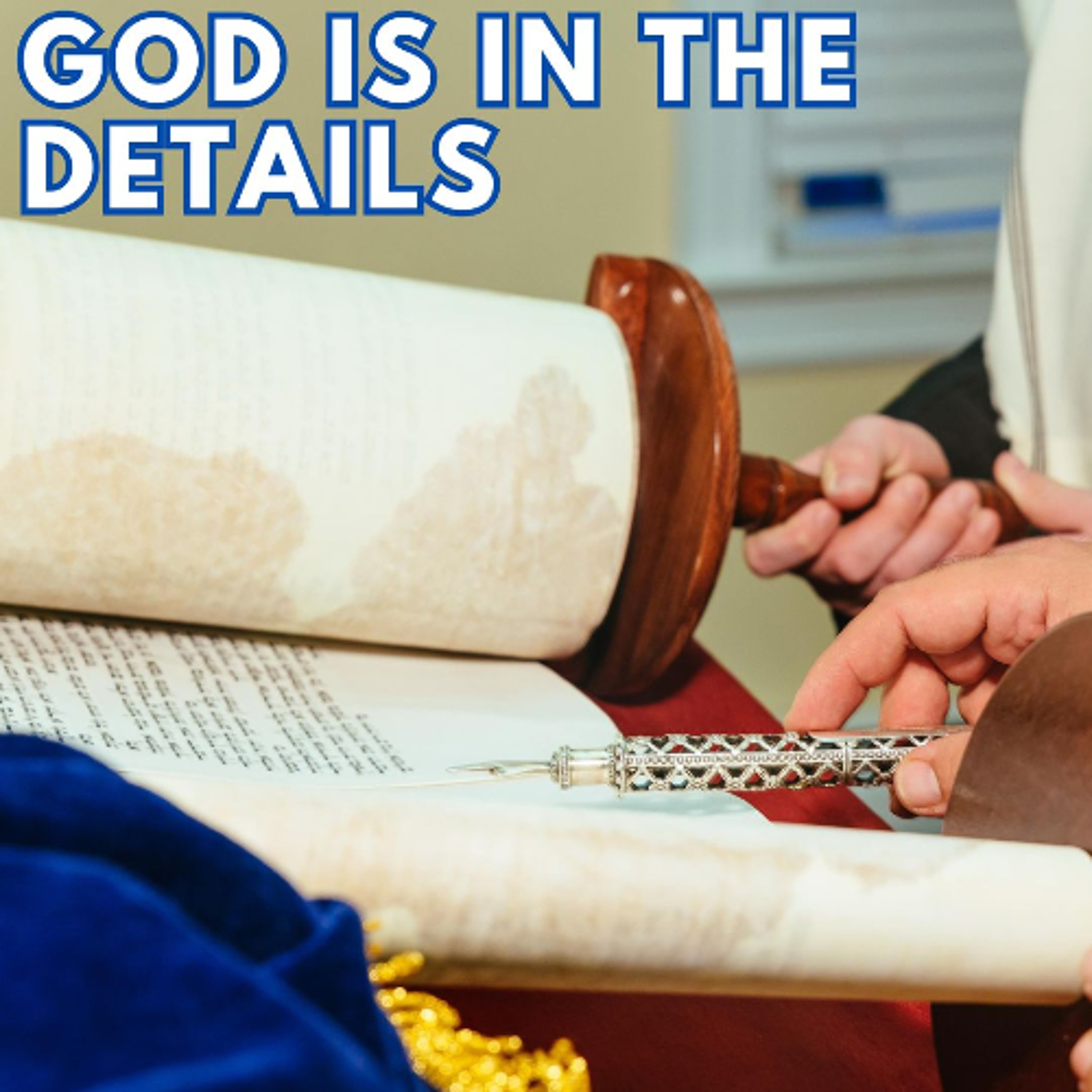
GOD IS IN THE DETAILS
After the thunder of Sinai comes a surprising shift: damages, loans, workers’ rights, and legal liability. Why does the Torah move from revelation to regulation? Rabbi Dunner explores how lofty ideals collapse without structure, and how Judaism insists that holiness is sustained not by inspiration alone, but by disciplined attention to the smallest details of daily life.
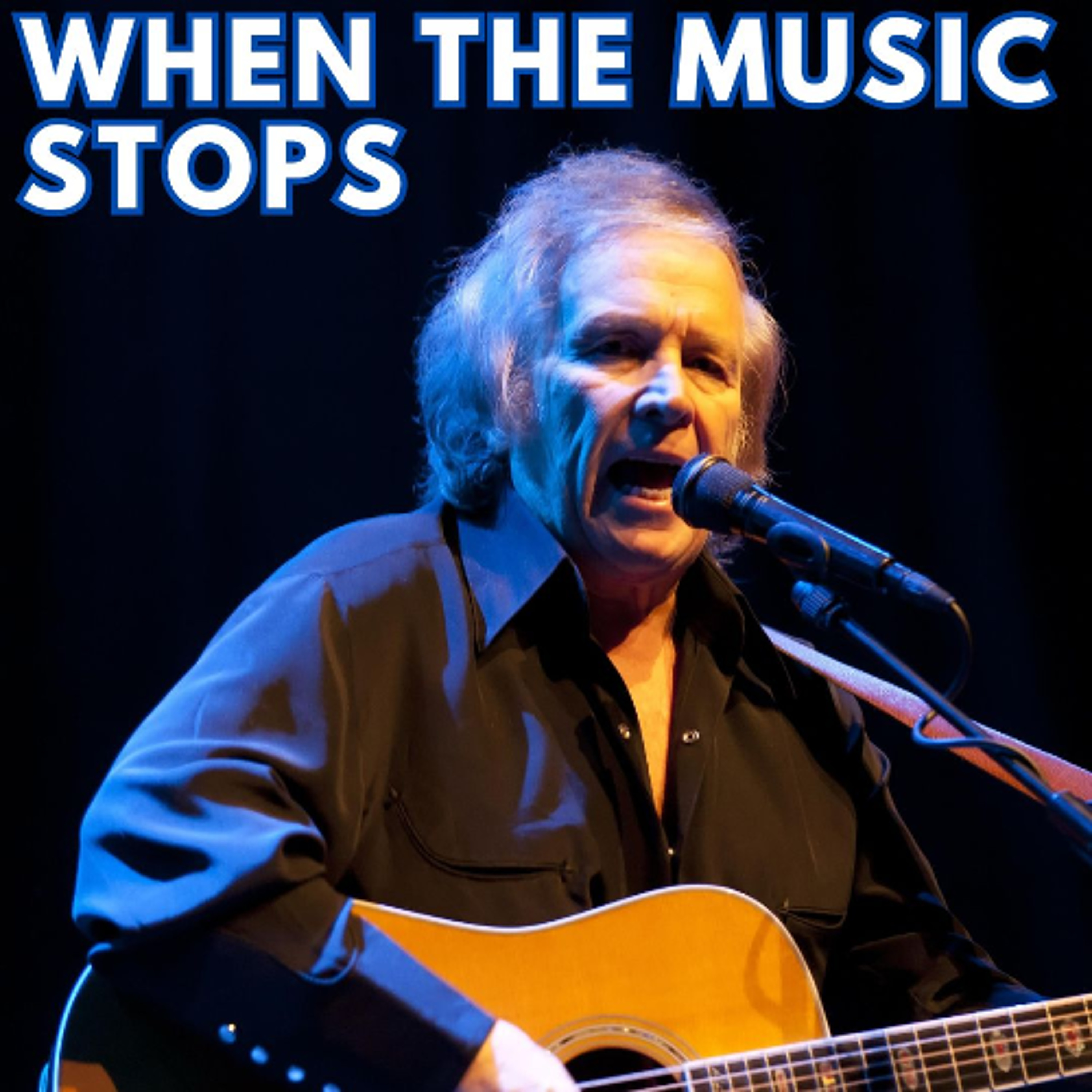
WHEN THE MUSIC STOPS
A Don McLean concert becomes a meditation on nostalgia, inspiration, and disappointment. Rabbi Dunner reflects on what it means to watch a cultural hero age — and offers a novel insight into why the Torah follows the drama of Sinai with the unglamorous laws of Parshat Mishpatim, where faith is tested not in moments of awe, but in the demands of ordinary life.
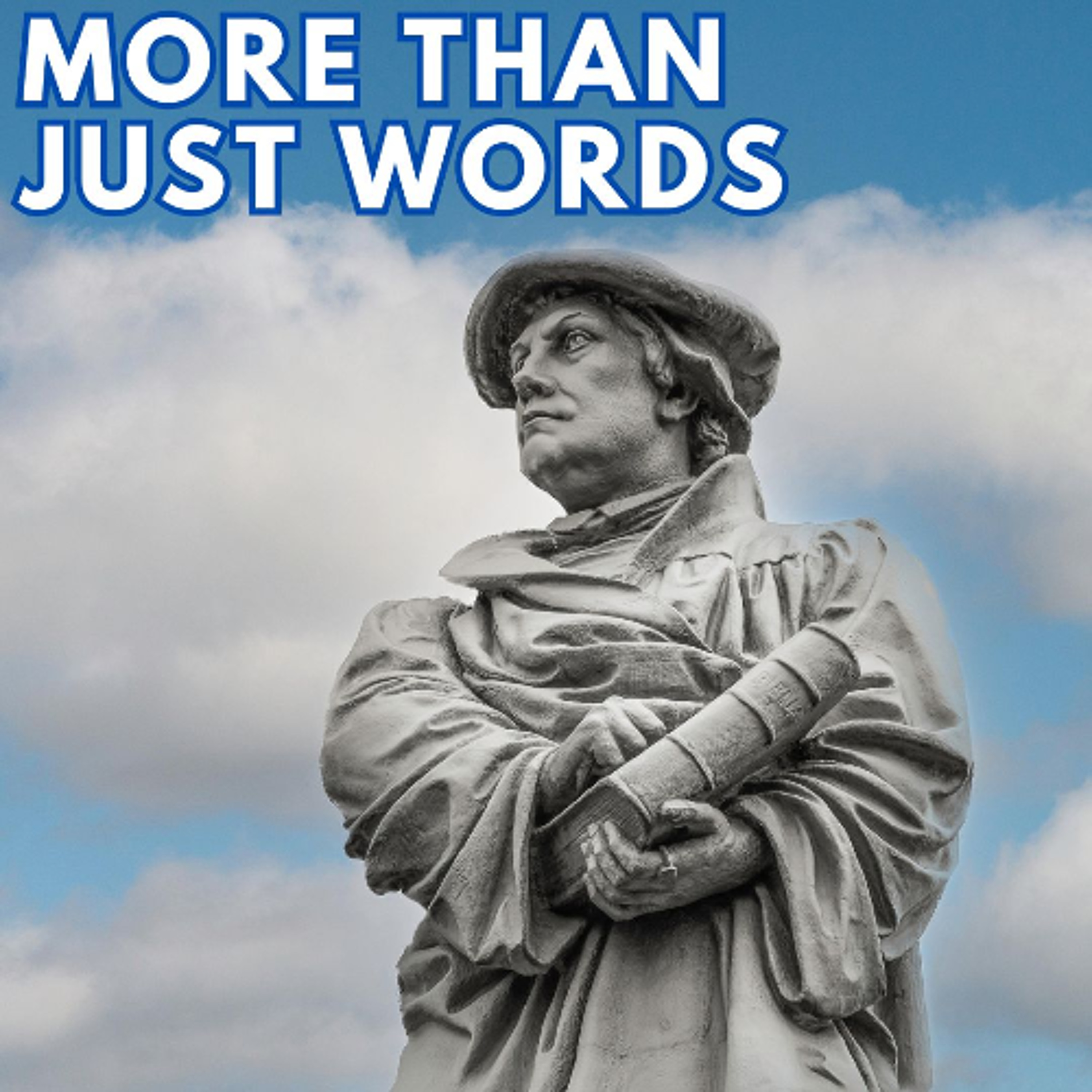
MORE THAN JUST WORDS
The Ten Commandments are among the most famous words in history—and among the least detailed. As Rabbi Dunner explains, this is no accident. By exploring Martin Luther’s literalism, Jewish history’s rejection of text-only faith, and the role of Torah Shebaal Peh, he shows why Judaism insists that sacred words come alive only through interpretation, debate, responsibility, and lived commitment.
AN UNLIKELY HERO
Before thunder and lightning, before Anochi Hashem Elokecha, the Torah pauses for a quiet but crucial conversation. Why does a Midianite outsider notice what no one else does? And why does Sinai have to wait? Rabbi Dunner explores Yitro’s unlikely role in shaping leadership, responsibility, and the conditions that make Torah possible.
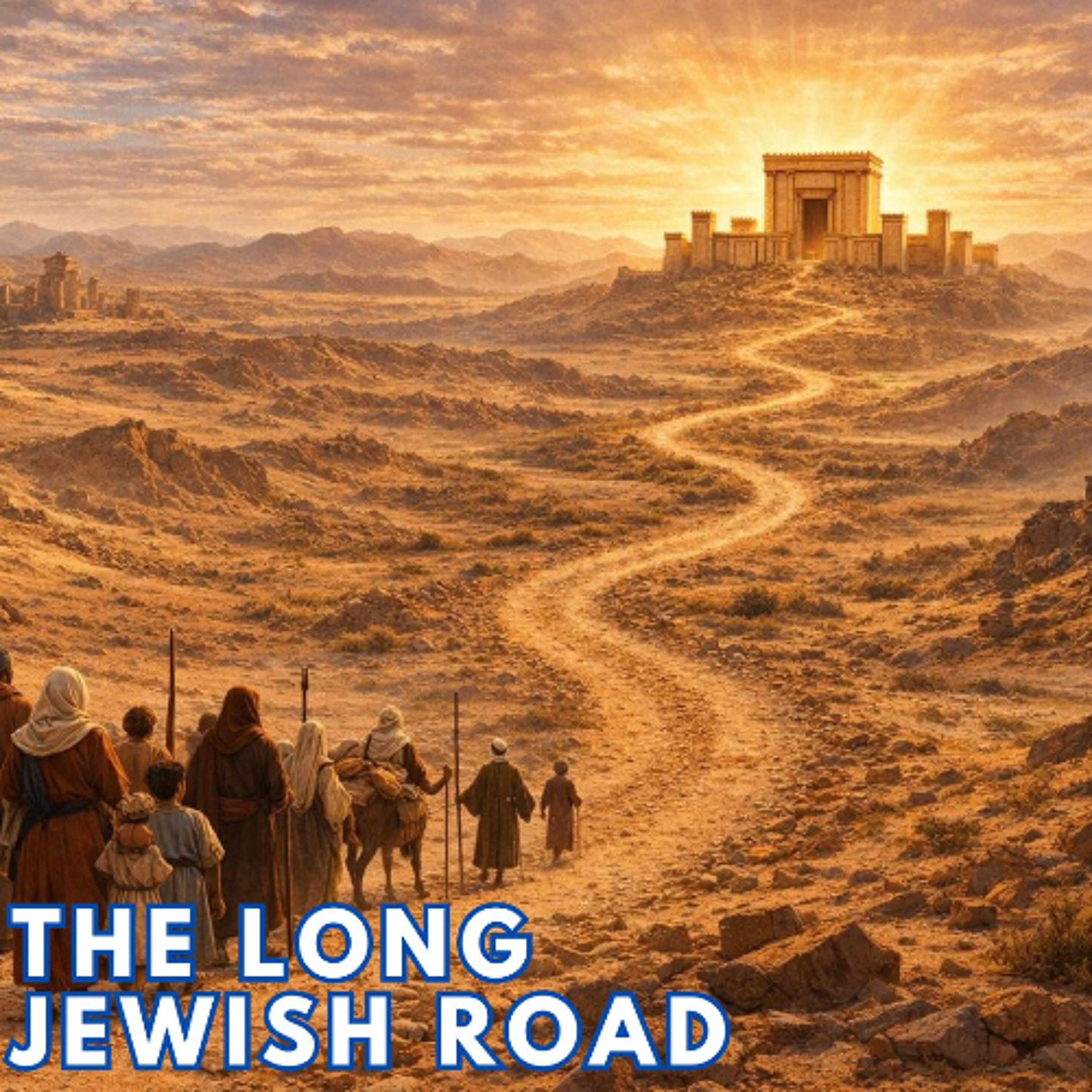
THE LONG JEWISH ROAD
Why didn’t God take the Jewish people the shortest route out of Egypt? Rabbi Dunner focuses on the opening verse of Beshalach, exploring why detours matter, how the long road shapes resilience, and why growth often comes not from speed or even results, but from taking the longer route we didn’t plan to travel.
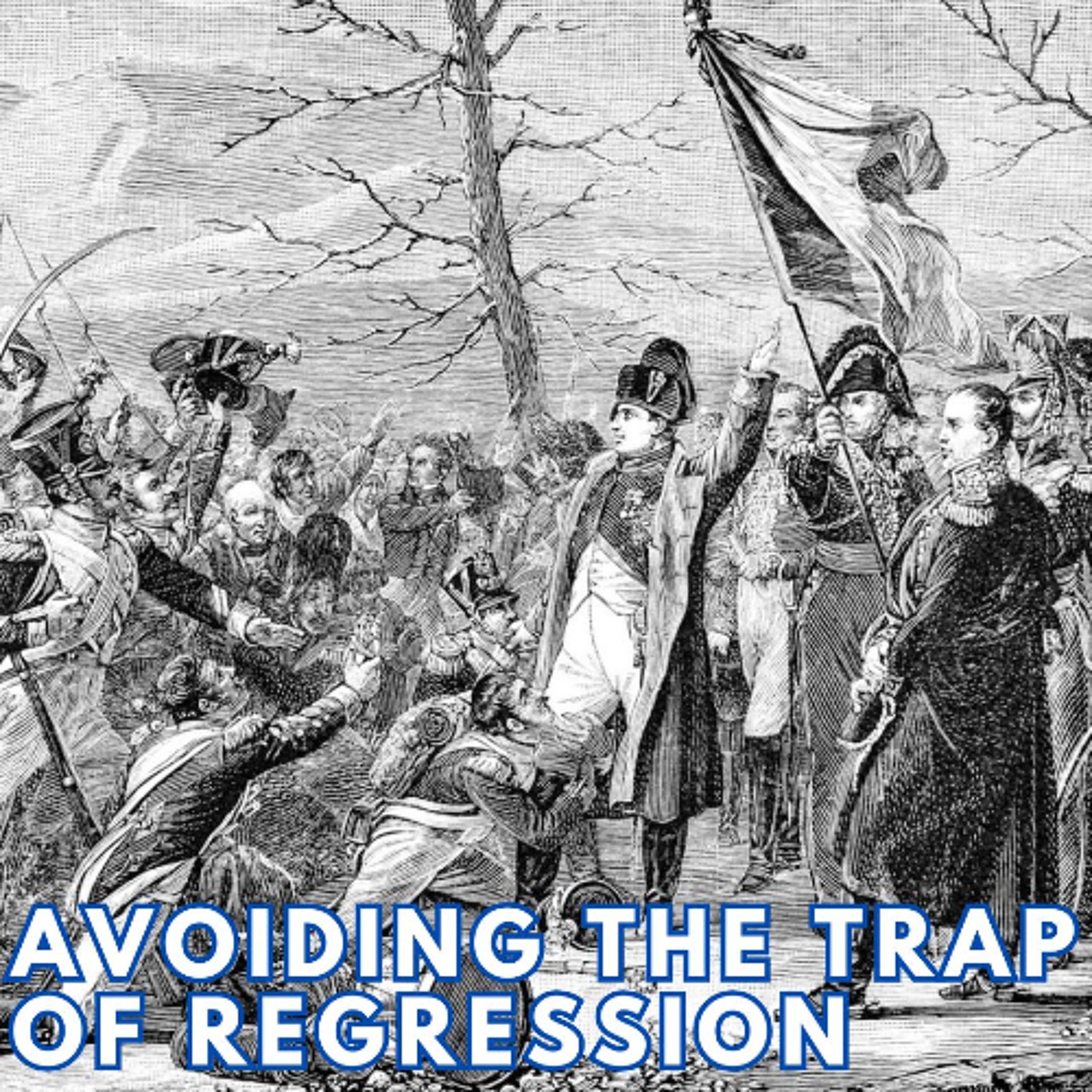
AVOIDING THE TRAP OF REGRESSION
Freedom doesn’t always make people braver. Sometimes it makes them afraid. From ancient Egypt to modern politics, moments of success often trigger a dangerous instinct to retreat into familiar but destructive ideas. Drawing on history and the Torah’s account of the Red Sea, Rabbi Dunner explores why even when regression feels good, resisting it is the real test of moral maturity.

LESSONS FROM HIROSHIMA
A visit to Hiroshima’s Peace Memorial Museum prompts a painful moral reckoning. Using Parshat Bo as his anchor, Rabbi Dunner examines whether decisive, devastating force is sometimes necessary to end evil. Drawing on Ramban, the Maharal, and Hiroshima itself, he challenges modern discomfort with the horrors of war—and the unsettling truth that ending evil can require unbearable, irreversible decis
OUT OF THE DARKNESS
Why did the Exodus begin at midnight, not dawn? Drawing on Talmud, Maharal, Chassidut, Rav Kook, and the Izhbitzer, Rabbi Dunner explores how Judaism understands transformation: that the deepest changes occur in darkness, before clarity, certainty, or visible redemption — and what this teaches us about faith, growth, and living through uncertain times today.
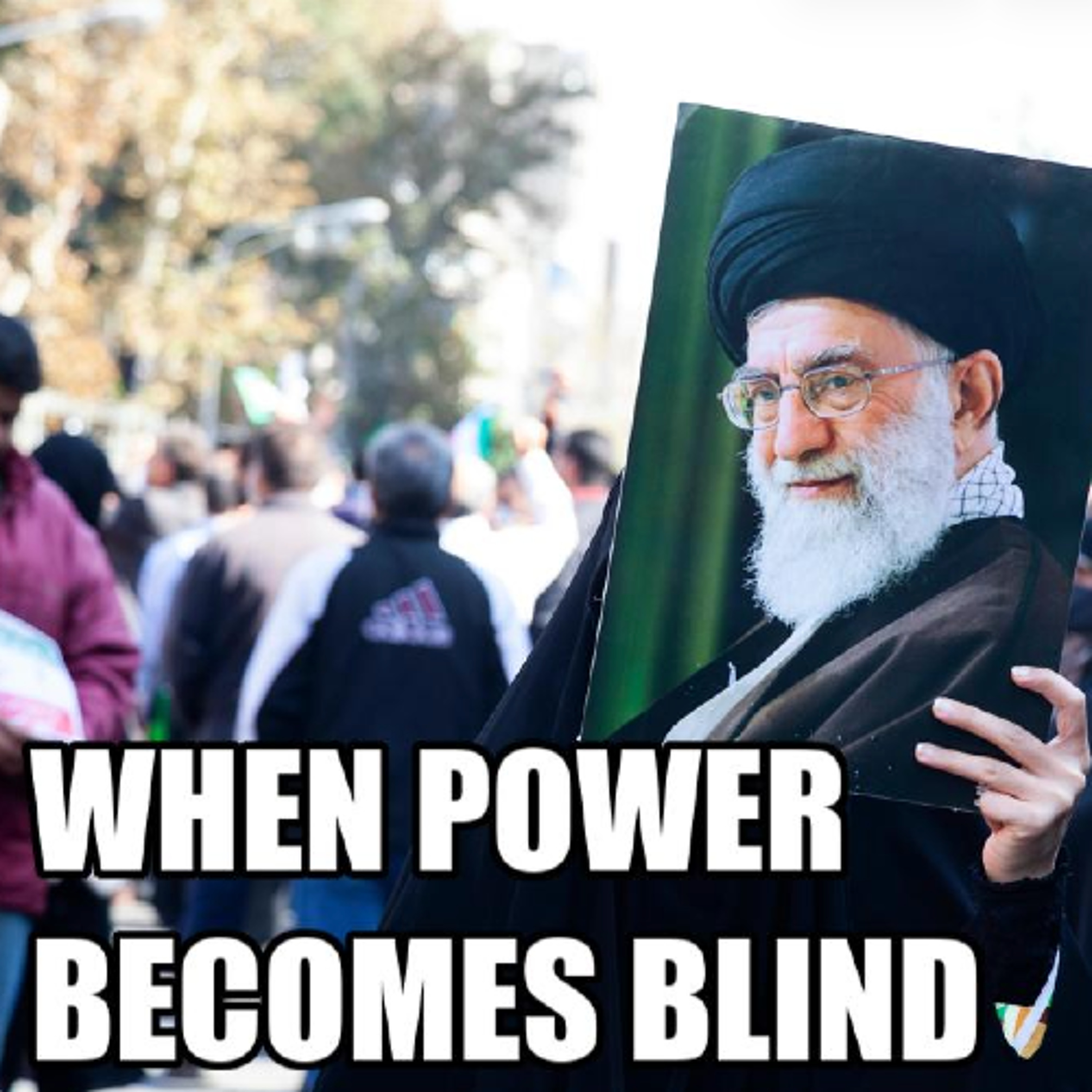
WHEN POWER BECOMES BLIND
As Iran’s leaders double down on repression, the echoes from history are chilling. From Napoleon to Hitler, and Pharaoh at the beginning of Sefer Shemot, dictators consistently overestimate their power even as it erodes—until reality inevitably breaks through. Rabbi Dunner examines why tyranny so often escalates just before collapse, and how the Torah anticipated this dynamic thousands of years ag
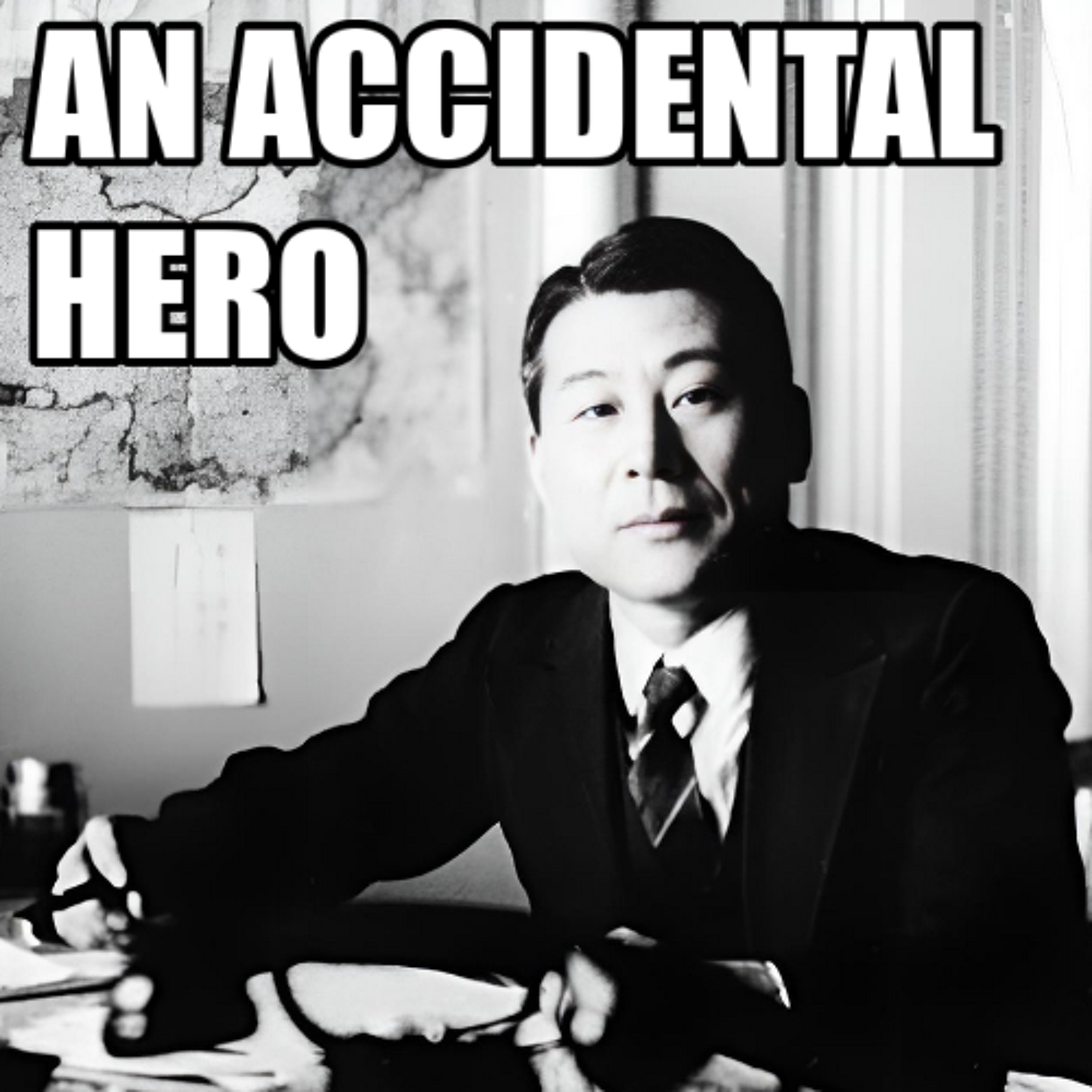
AN ACCIDENTAL HERO
In 1940, a Japanese diplomat in Lithuania quietly chose conscience over career, saving lives he would never know. From Chiune Sugihara to the midwives of Egypt, Rabbi Dunner explores how small acts of courage by ordinary people set redemption in motion — long before heroes emerge, miracles unfold, or history reveals what those choices ultimately become.
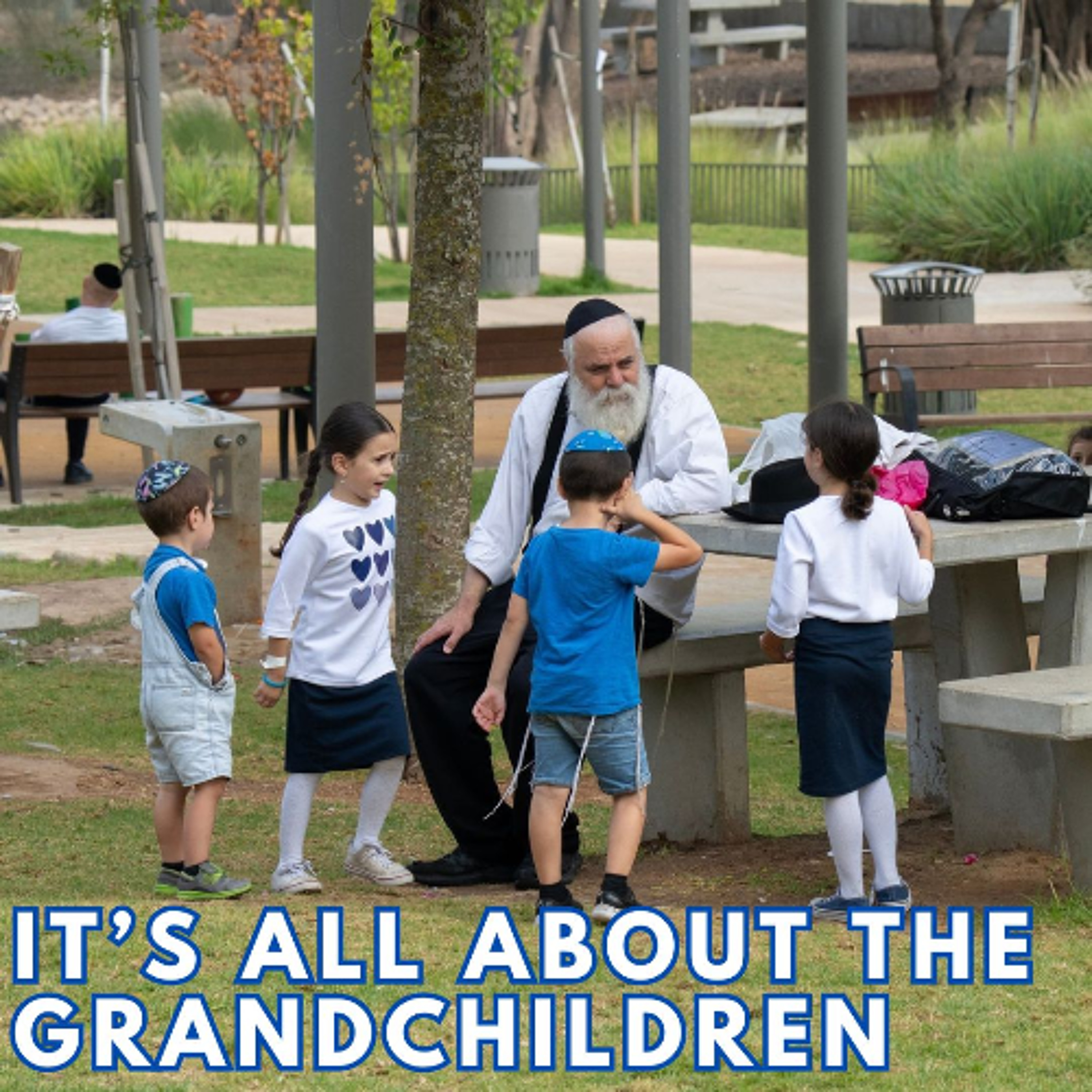
IT'S ALL ABOUT THE GRANDCHILDREN
Why do grandparents relate so differently to their grandchildren? Modern neuroscience, Chassidic thought, and Rabbi Jonathan Sacks converge on an ancient insight. In Parshat Vayechi, Yaakov blesses his grandchildren before his sons, teaching that Jewish continuity is not secured by survival alone, but by transmitting meaning, identity, and purpose across generations.
CONNECTING THE DOTS
As life nears its end, clarity replaces illusion. From Beethoven and Jefferson to Steve Jobs and Isaac Newton, history shows how perspective sharpens with mortality. Parshat Vayechi captures this truth in Jacob’s final words to his sons, reminding us that legacy is not curated in real time, but revealed only when the dots of a life finally connect.
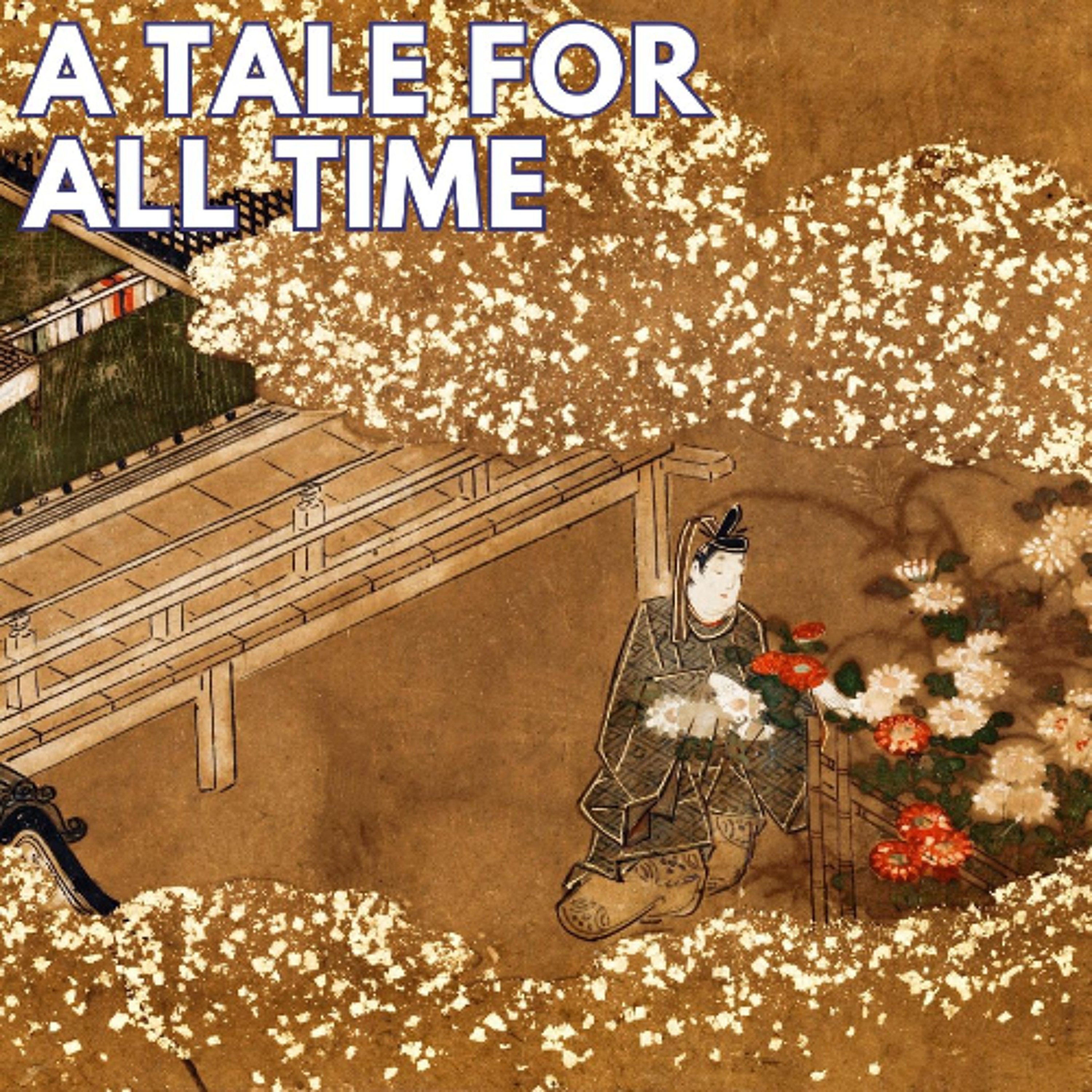
A TALE FOR ALL TIME
Written over two thousand years apart, the first-ever novel - written by a Japanese courtier - and the Torah’s story of Joseph converge on the same unsettling question: how should power be used? Drawing on The Tale of Genji and Parshat Vayigash, Rabbi Dunner explores influence beneath the throne, the danger of unchecked authority, and why true leadership is revealed not by domination, but by restr

WHAT THE EXPERTS SAY
When experts fail, it is rarely for lack of information. From the Great Storm of 1987 in England, to the 2008 financial crash, and recently Israel’s intelligence failure before October 7th, warning signs were present but misread. What makes Joseph succeed where others fail? Rabbi Dunner unravels the mystery of Joseph’s interpretation of Pharaoh’s dreams—and his uncanny ability to see the wood for
SOME THOUGHTS ON POWER
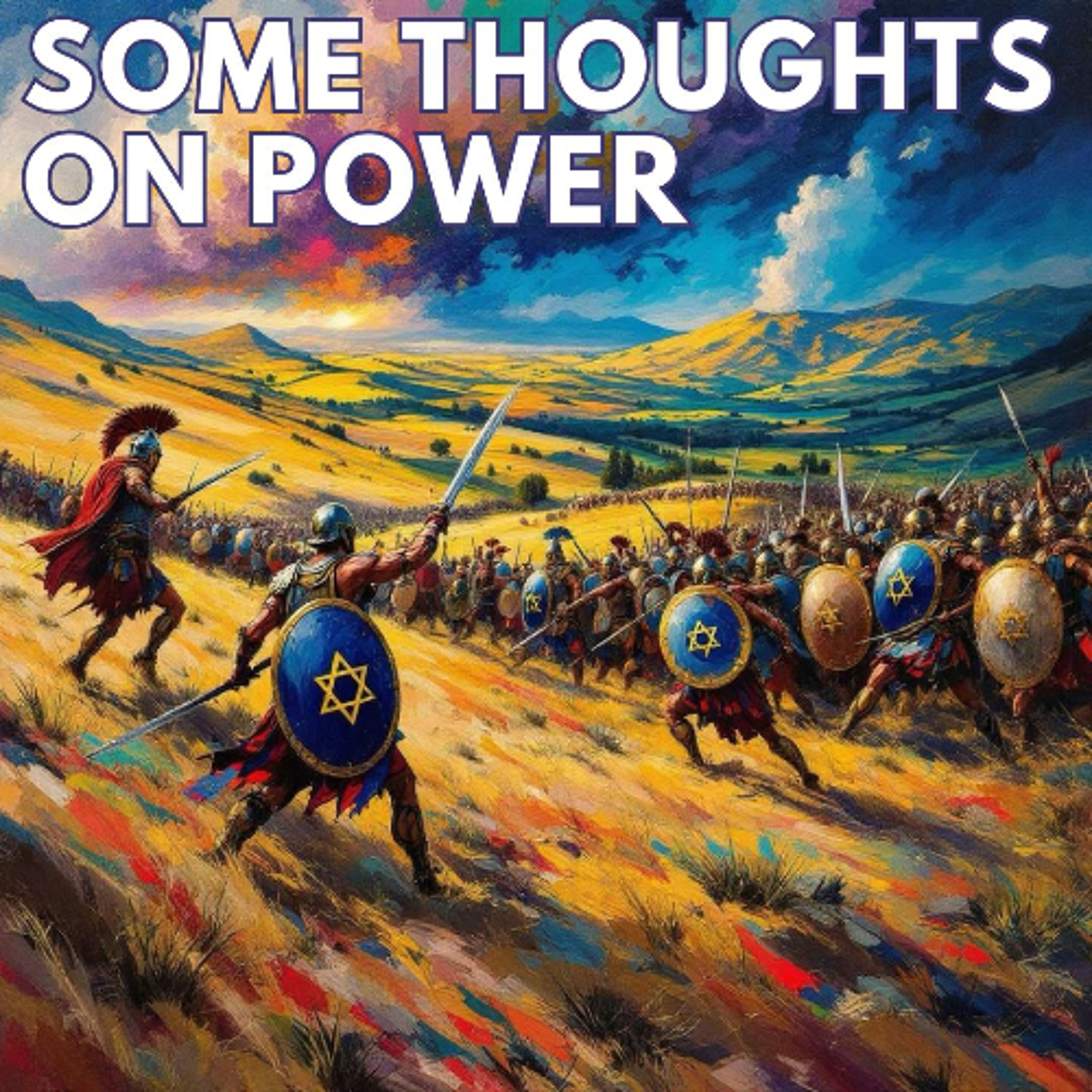
Power reveals character. From Joseph’s restraint at the height of global authority to the Chashmonaim’s uneasy legacy, Rabbi Dunner explores how Judaism measures leadership once power is achieved. Why did Chazal let the Hasmonean victories fade, but still preserve Chanukah? And what does Parshat Miketz teach us about responsibility, restraint, and the moral test of power in Jewish history today?

THE DREAMERS WE DISMISS
History is filled with great people dismissed as useless dreamers, only for their brilliance to be recognized later. From Lincoln to Semmelweis, John Snow to Ada Lovelace, and even Joseph in Parshat Vayeishev, we repeatedly misjudge visionaries because of our own biases. Rabbi Dunner explores how and why genius is so often hidden in plain sight — and so easily ignored.
MAKING PEACE VS. WAGING WAR
In Parshat Vayishlach, Yaakov embraces diplomacy eith Esav while Shimon and Levi choose confrontation with Shechem. What determines the difference? Rabbi Dunner explores the Torah’s two models for responding to danger, and how these ancient principles illuminate Israel’s dilemmas today — from the Abraham Accords to October 7th. When do we make peace, and when must we wage war?

WRESTLING WITH THE FUTURE
AI panic is everywhere—politicians, philosophers, and tech theorists warn that machines may soon outthink or even replace us. But a strange nighttime encounter in Parshat Vayishlach offers a radically different lens. From Jacob’s mysterious struggle emerges a timeless truth about confronting overwhelming forces, giving us a powerful lesson about the challenges of confronting AI.
THE MOST IMPORTANT PARSHA IN THE TORAH (MY FATHER WAS RIGHT)
The latest Ukrainian corruption scandal shows how moral collapse hides in the smallest details — a theme Rabbi Dunner sees echoed in Parshat Vayeitzei. Jacob’s true greatness appears not on a ladder to heaven but in the messy arena of daily life. Rabbi Dunner’s late father always insisted that Vayeitzei was “the most important parsha.” He may have been right.
BEFORE THEY WERE BORN
A mysterious prophecy, a violent struggle in the womb, and two utterly different sons set the stage for one of the Torah’s most profound lessons in Toldot. Rivkah must interpret God’s words, confront human complexity, and choose courage amid uncertainty. Rabbi Dunner explores destiny, free will, and the lifelong battle between the “twins” within each of us.
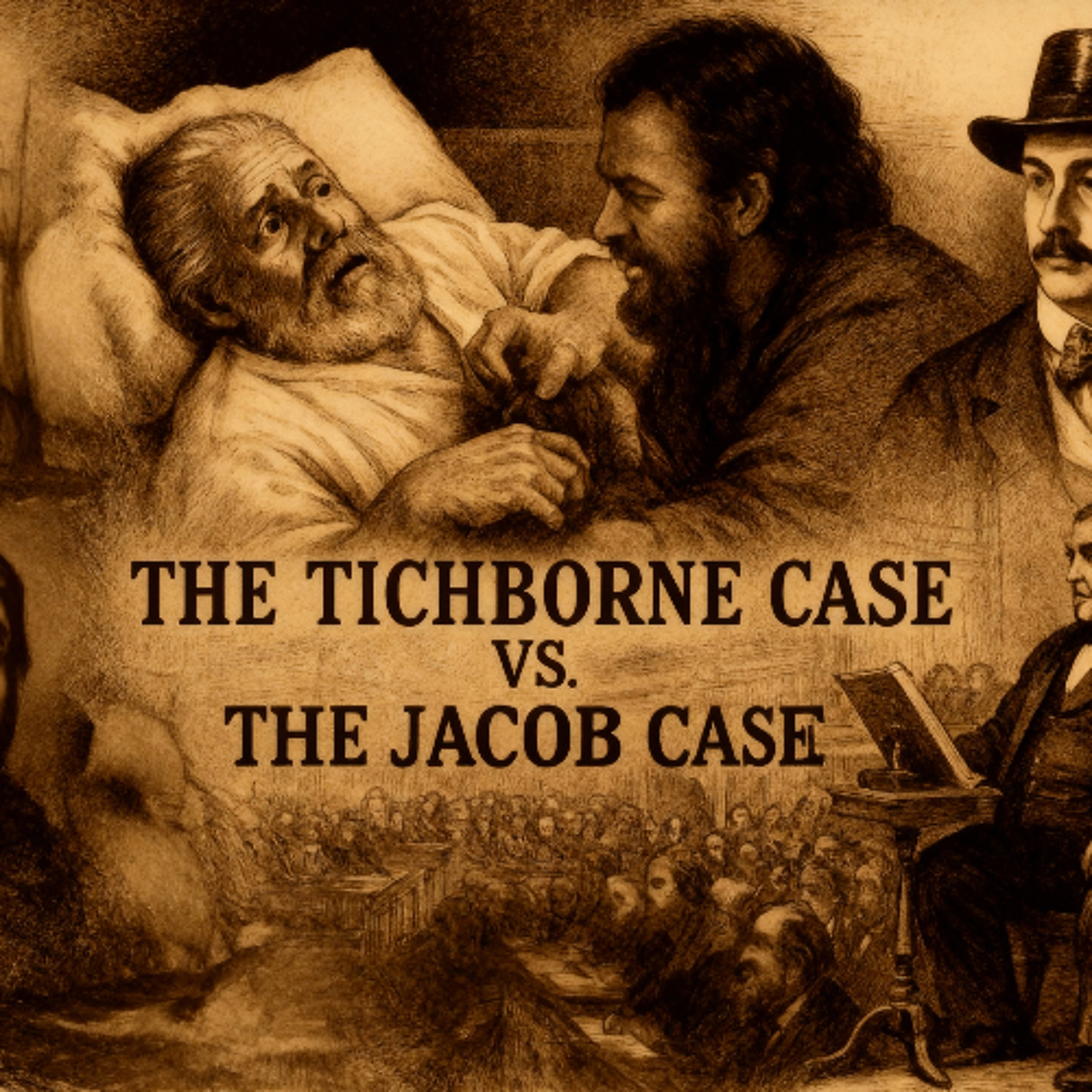
THE TICHBORNE CASE VS. THE JACOB CASE
Rabbi Dunner cites the bizarre Victorian saga known as the Tichborne Case — when a mother’s devotion blinded her to an obvious imposter posing as her son — to draw a striking parallel to Parshat Toldot. Why does Isaac fall for Jacob’s disguise, and what makes this deception fundamentally different? Rabbi Dunner explores how love can obscure truth, yet divine purpose can emerge from confusion, reve
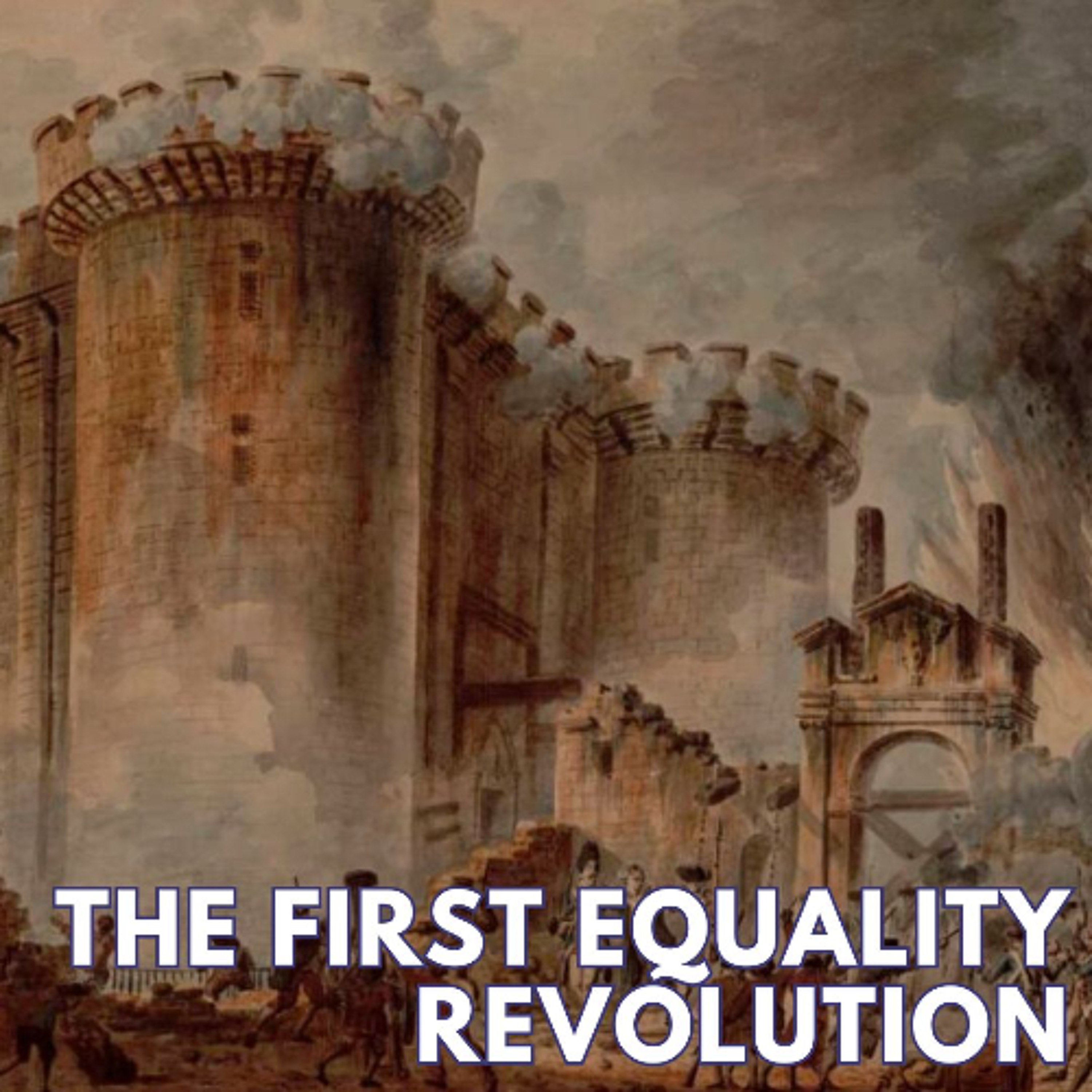
THE FIRST EQUALITY REVOLUTION
Few revolutions shouted louder about equality, or practiced it more selectively, than the French Revolution. Rabbi Dunner explores the hypocrisy behind Robespierre’s so-called “equality” and contrasts it with the genuine partnership of Abraham and Sarah, who modeled true moral equality millennia before France began shouting about liberté, égalité, and fraternité.
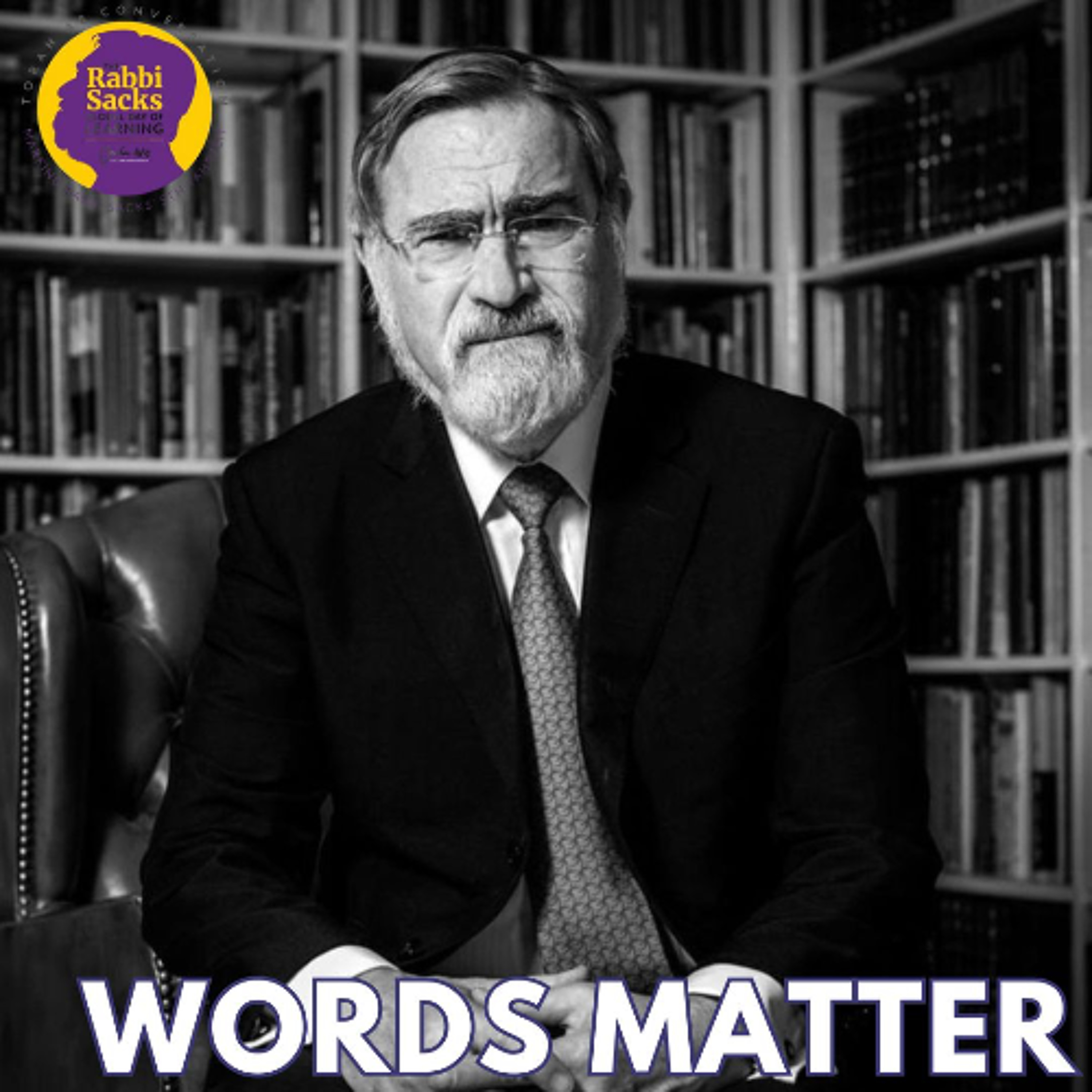
WORDS MATTER
Rabbi Dunner marks the fifth yahrzeit of Rabbi Lord Jonathan Sacks by reflecting on one of Rabbi Sacks’ most moving teachings — that creation, covenant, and love all depend on words. Through the story of Isaac and Rebecca in Chayei Sarah and Toldot, he explores how even holy silence can wound, and why communication — honest, vulnerable speech — is sacred.
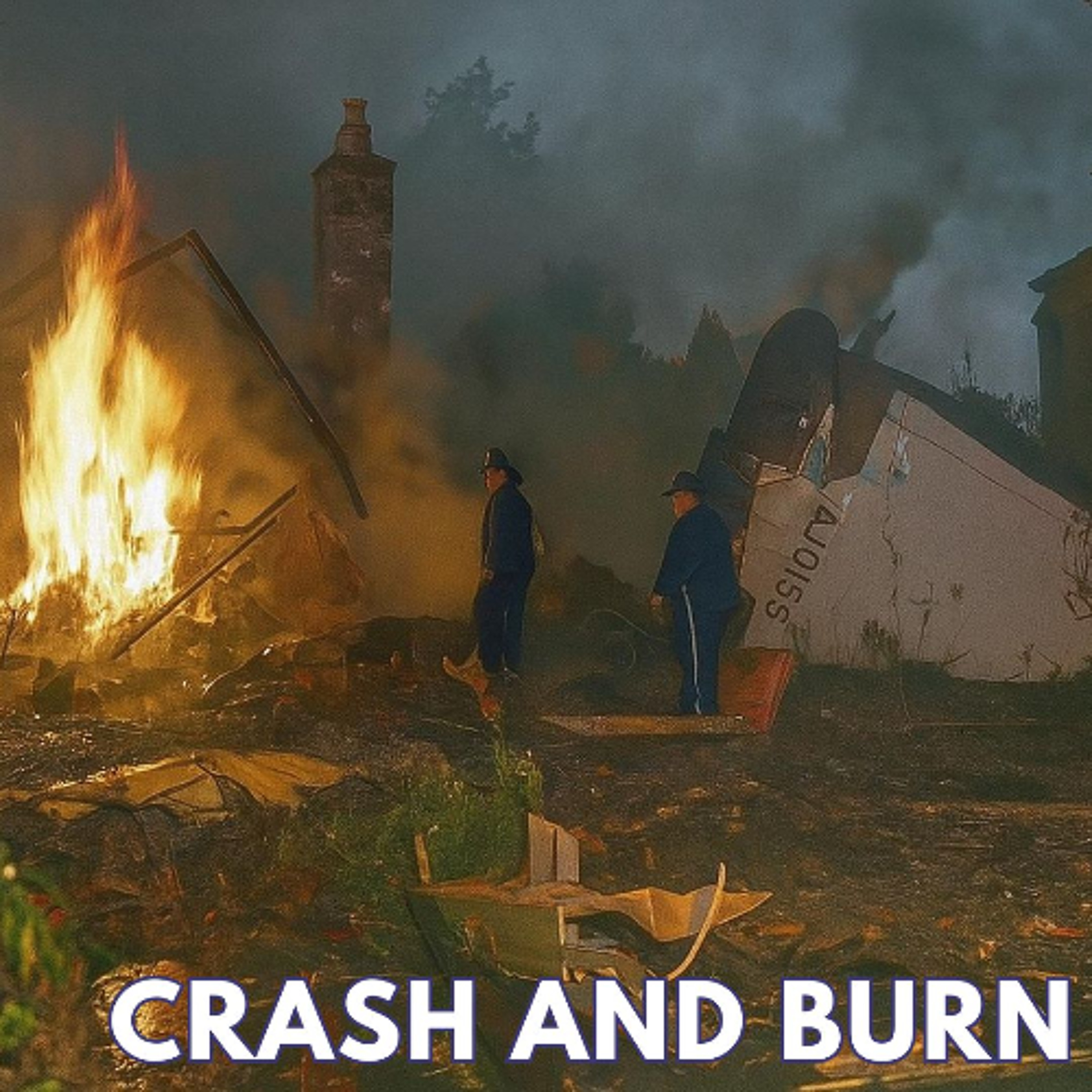
CRASH AND BURN
In 1946, Howard Hughes’s experimental plane crashed with a fiery explosion into a Beverly Hills home — a modern parable of hubris. Rabbi Dunner compares Hughes’s refusal to yield to limits with the moral failure of Sodom in Parshat Vayera — and contrasts both with Abraham’s enduring humility and greatness.
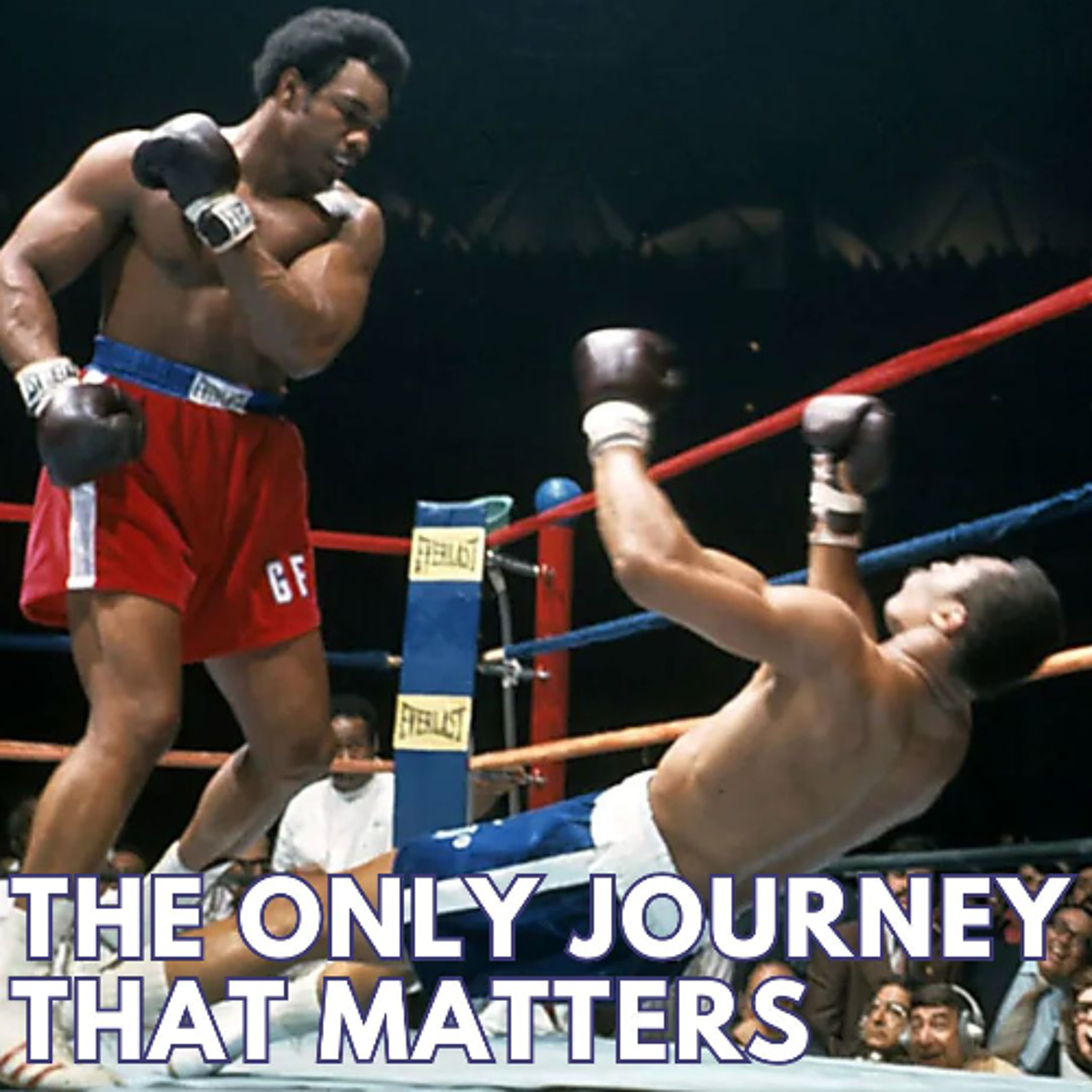
THE ONLY JOURNEY THAT MATTERS
We live in an age obsessed with movement — new jobs, new cities, constant reinvention. But Lech Lecha teaches that the greatest journey isn’t across continents but into ourselves. Avraham traveled far, but his true destination was his own soul. Before chasing fulfillment elsewhere, pause — the treasure you’re searching for may already be much closer than you think.
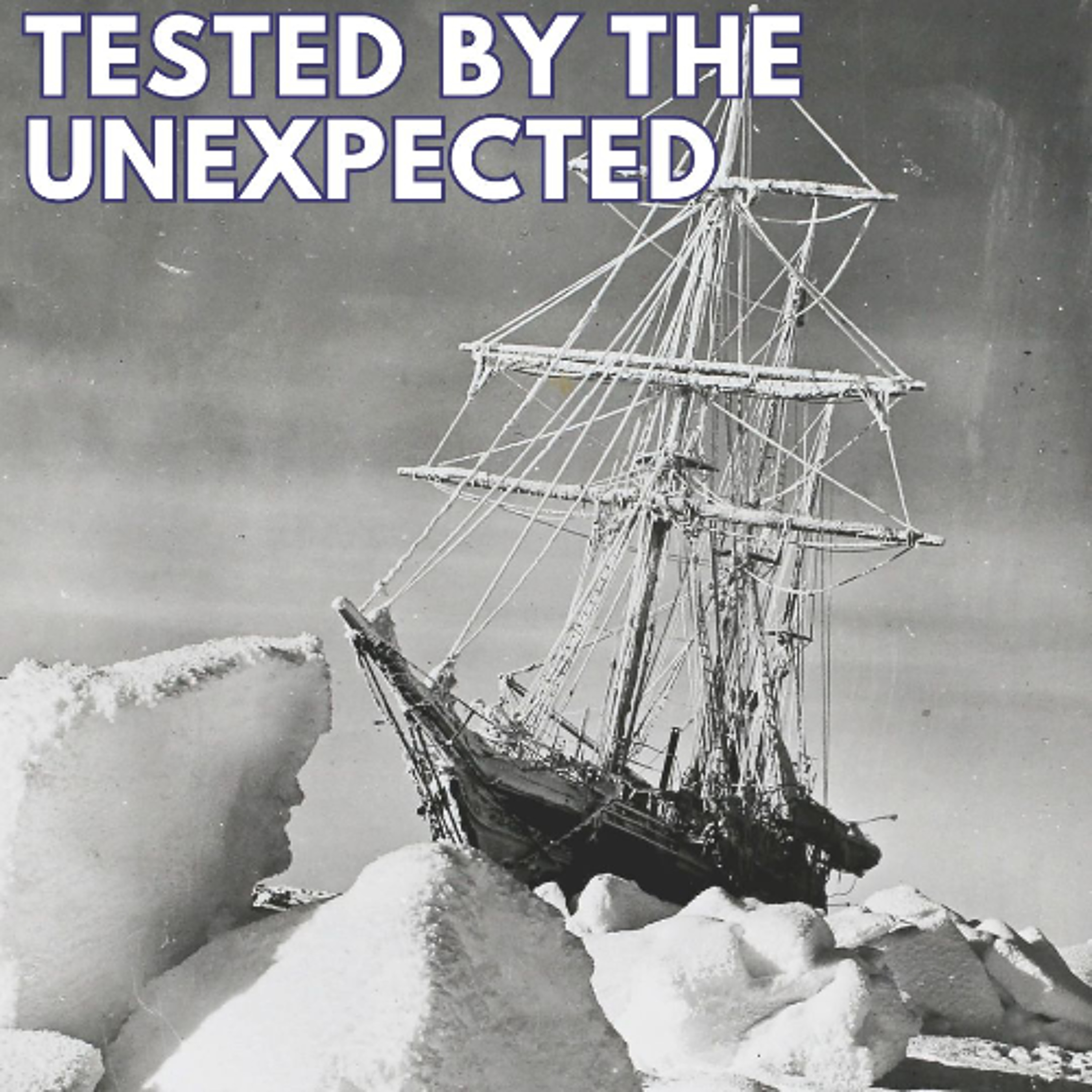
TESTED BY THE UNEXPECTED
When Sir Ernest Shackleton’s Antarctic expedition turned to disaster, his courage and leadership became legend. But 4,000 years earlier, another man faced the same kind of test — not on the ice, but in a land struck by famine. Abraham’s response in Parshat Lech Lecha revealed that true faith isn’t built in comfort. It’s forged when the unexpected shatters our plans.
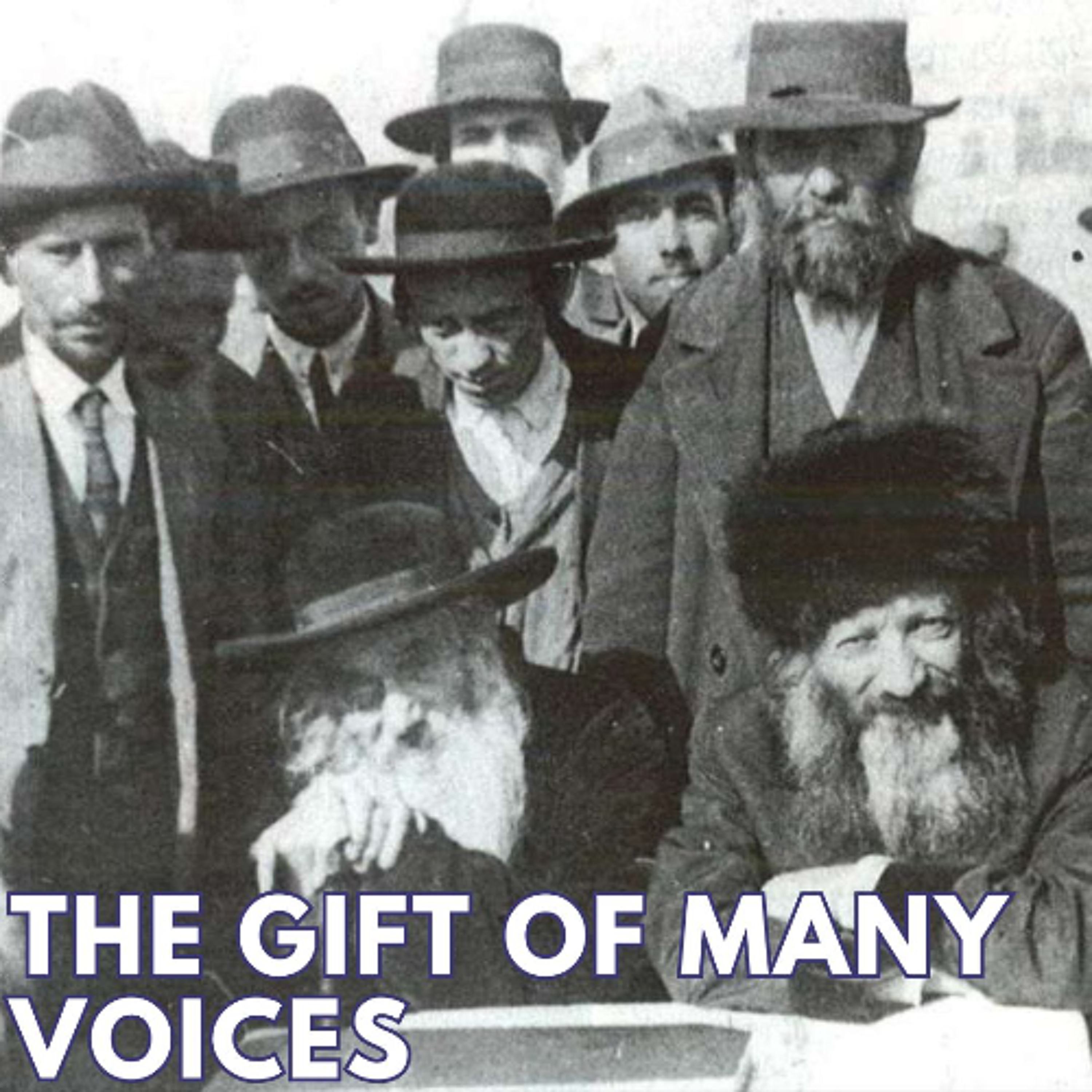
THE GIFT OF MANY VOICES
Rabbi Dunner unpacks the Tower of Babel: Why did God scatter nations and diversify language? Not to punish—but to protect. Unity is holy, yet enforced unanimity is perilous. Discover how Babel warns against groupthink, how Torah sanctifies principled disagreement, and why many voices, under one God, make a symphony rather than a siren.
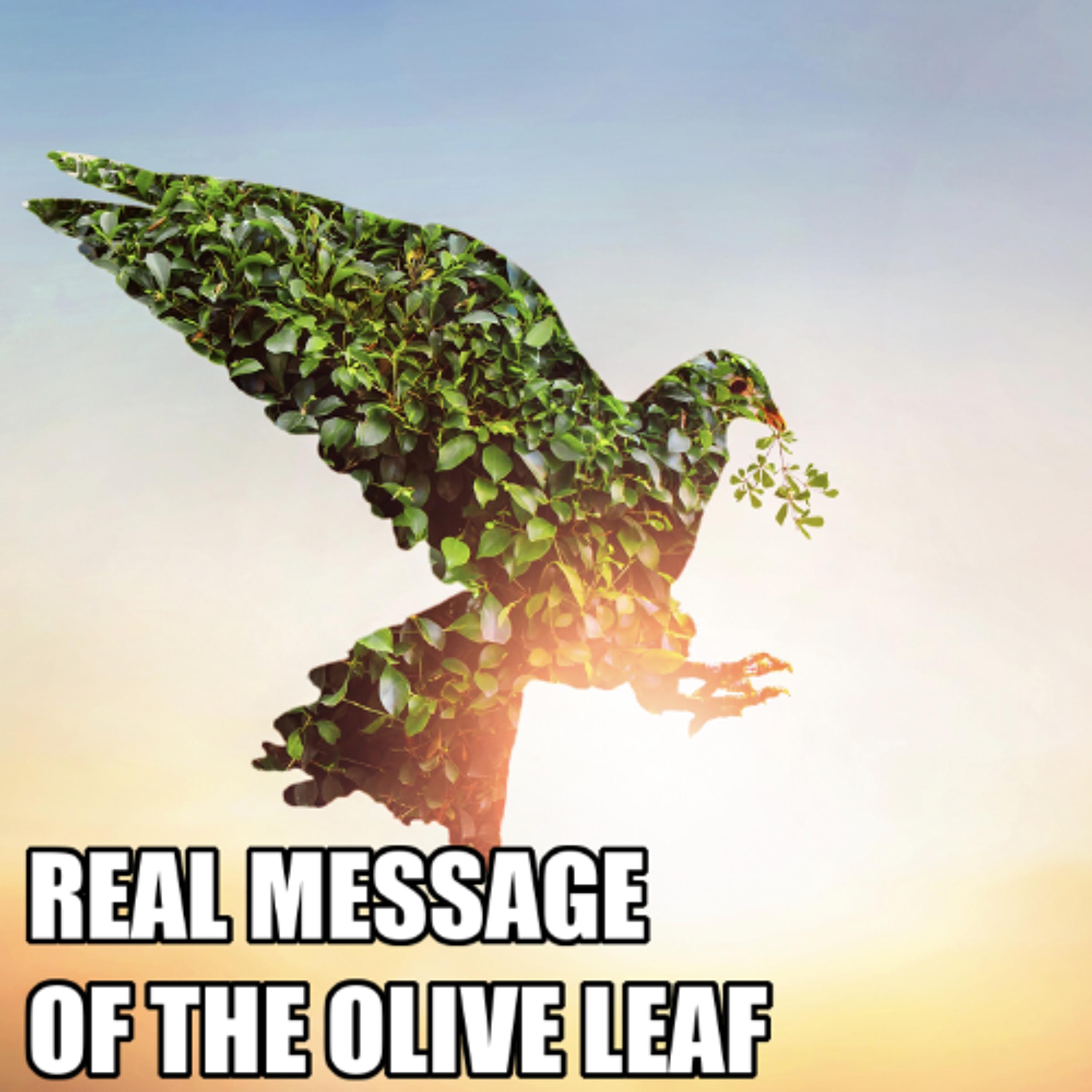
REAL MESSAGE OF THE OLIVE LEAF
In this moving reflection, Rabbi Dunner explores the true meaning of the olive leaf brought to Noah by the dove after the Flood. Far from being a symbol of closure, it marked the beginning of humanity’s long journey toward renewal. Drawing parallels to post-Holocaust recovery and Israel’s resilience after October 7th, he reveals how divine light emerges through brokenness.
WHEN EVIL SPEAKS OF JUSTICE
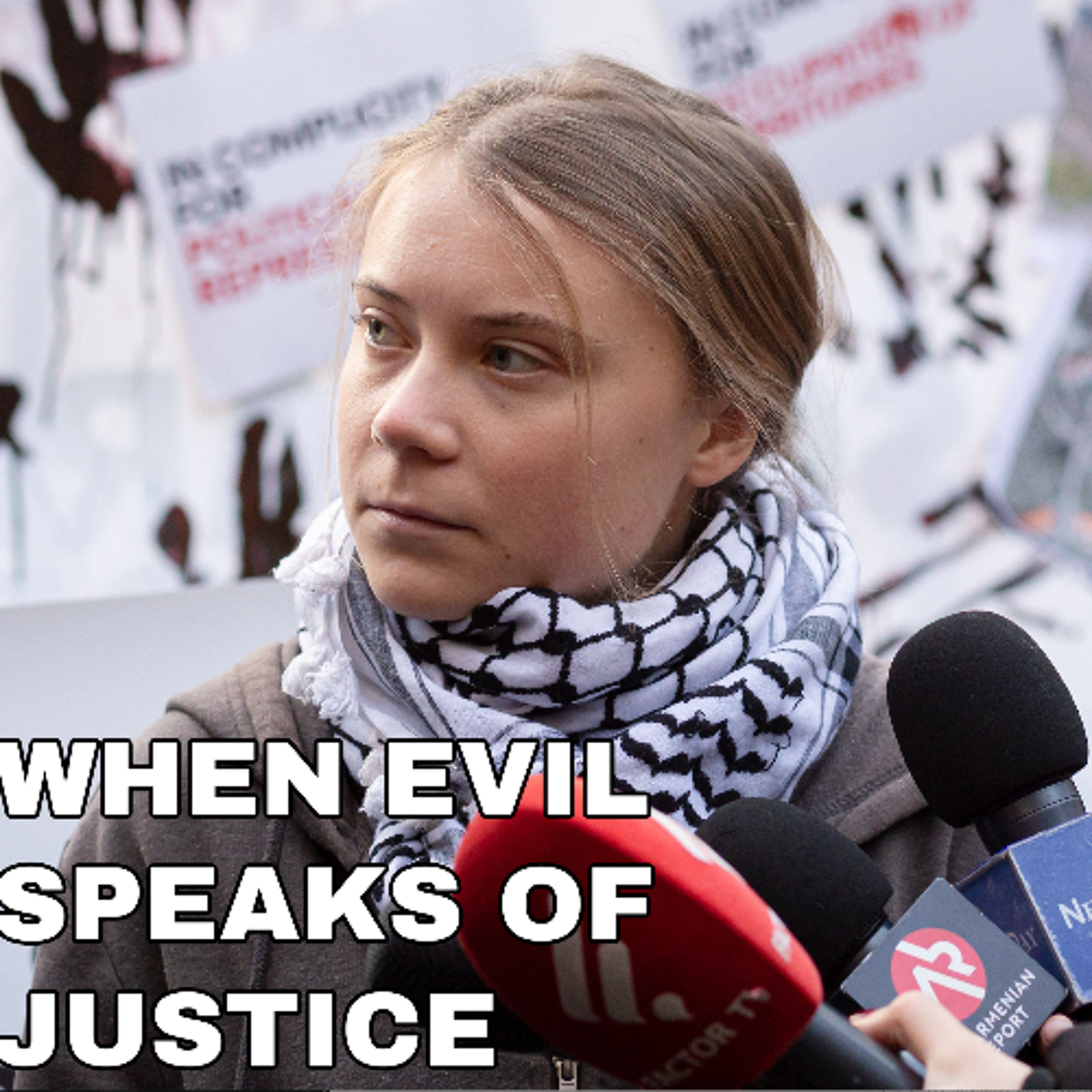
Throughout history, evil has cloaked itself in virtue — from the serpent in Eden to today’s moral crusaders like Greta Thunberg. Drawing on Niebuhr, Midrash, and classic Torah commentaries, Rabbi Dunner reveals how the language of compassion and justice can become a weapon of destruction when it is stripped of truth, humility, and moral clarity.
THE NEVER-ENDING BEGINNING
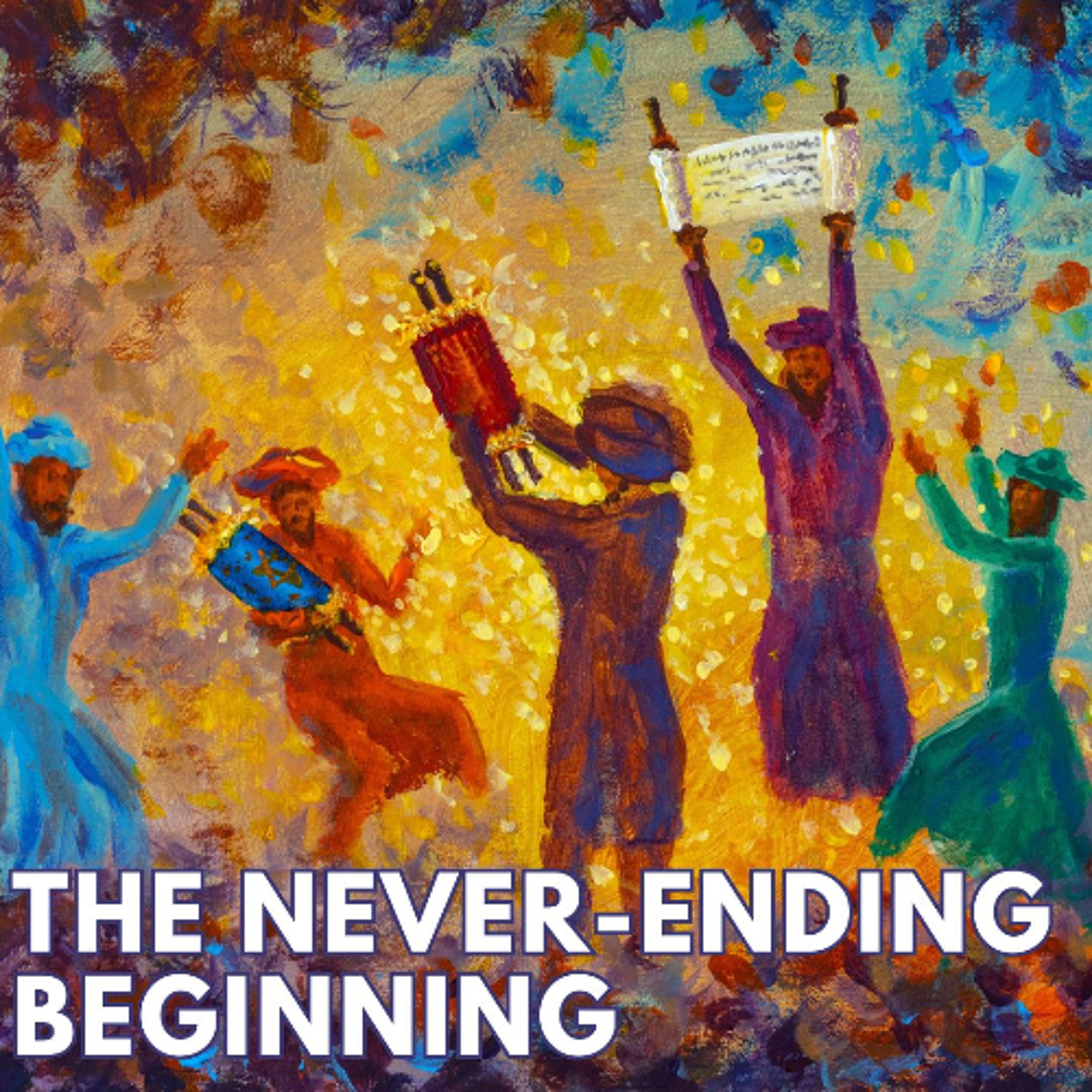
Exactly two years after October 7, Israel stands at a turning point: a sweeping hostage deal agreed, Hamas broken, and the horrors since that day nearing an end. From vulnerability and isolation to resolve and renewal, Rabbi Dunner connects this moment to Vezot Habracha—Moshe’s final blessing. How does it all connect, and what are the lessons of Simchat Torah?
"I FORGIVE YOU!"
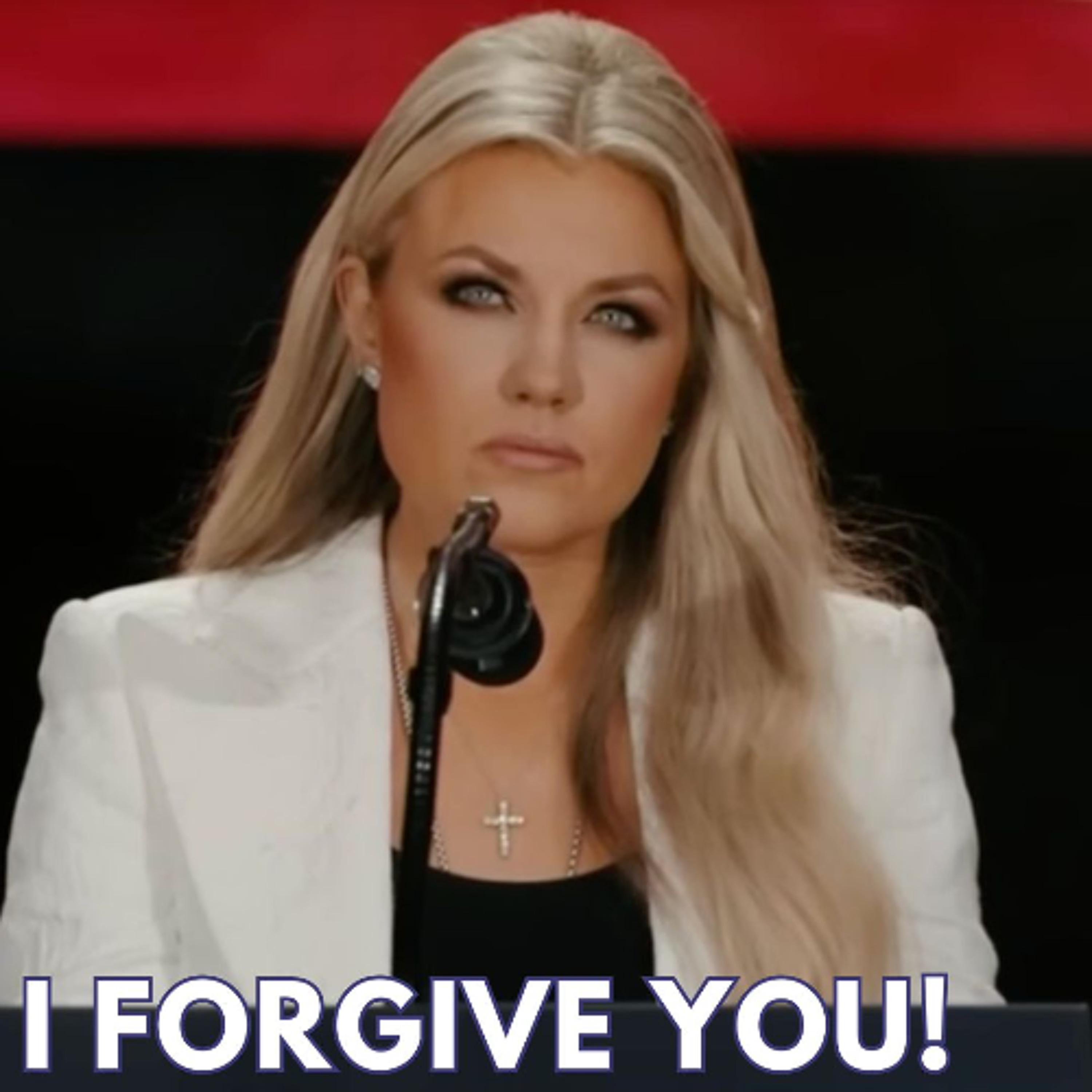
When forgiveness is offered without truth or accountability, it may feel noble but it can also ring hollow. From Erika Kirk’s public absolution of her husband’s murderer to the Nuremberg Trials and South Africa’s Truth and Reconciliation Commission, history and Judaism teach a harder truth: real reconciliation demands confession, justice, and a reckoning with God. Rabbi Dunner shares the eternal m
Recommended

Yours Truly Johnny Dollar Collection

Take Back Your Health®
CBS Radio Mystery Theater | Old Time Radio
Solved Murders - True Crime Stories
紐約鳥|New York Aperture
The Swerve Podcast: Obscure Topics | Conspiracy Theories

The Bread and Banter Podcast
The Church of What's Happening Now: The New Testament
Busted Open

Deadline: White House

Panda Show - Picante

Crickets Corner
