American Catholic History
American Catholic History tells the stories of the amazing, inspiring, and edifying history of Catholics in America since 1513. Hosts Noelle and Tom Crowe explore the contributions and experiences of Catholics on American shores. The podcast covers a wide range of historical events and figures, highlighting the Catholic heritage in the United States.
Episodes

Knute Rockne: All-American Catholic
Knute Rockne did more than anyone to put Notre Dame football in the map. He and his buddy Gus Dorais made the forward pass a major part of offensive schemes in 1913. He went on to be the head football coach at Notre Dame from 1918 through his tragic death in 1931. During that stretch he compiled a record of 105-12-5, with five perfect seasons and three national championships. He still holds the hi

Dorothy Day
Dorothy Day co-founded the Catholic Worker Movement and spent her life advocating for the poor and downtrodden. But her path didn't start in the Catholic Faith. Raised with no particular religion, she developed a deep sense that she needed to help the poor, workers, and the downtrodden early in life and took part in activism beginning in her late teens. She became a socialist and lived a bohemian

Holy Hill: Site of Miracles
Pilgrims have come to Holy Hill for centuries, seeking peace, solace, and miraculous cures. They have found all three. Nowadays the Basilica of Our Lady, Help of Christians rises above the trees high atop Holy Hill, offering the sacraments, but long before the Carmelites began their ministry on this site in the late 19th century, Jesuits sanctified the site and dedicated it to Our Lady. But the st

Babe Ruth
George Herman "Babe" Ruth was born in Baltimore in 1895. He was one of eight children, but only he and one sister survived childhood. His parents both had to work, and his father kept a saloon. He had little supervision and grew up skipping school, hanging out in his dad's saloon, and generally getting into trouble. This was all before he was seven. At seven his parents accepted they could not rei

LtCol John Fitzgerald, Loyal Friend of Washington
George Washington relied on multiple Catholics during the Revolutionary War. One of the most important was his dear friend Lt. Col. John Fitzgerald , who served as an aide de camp in some of the most crucial moments of the war. During the winter in Valley Forge he helped to root out the Conway Cabal, which was an effort among some to discredit Washington and get him replaced as commander-in-chief.

Fr. Stephen Badin, Proto-Priest of the USA
Father Stephen Badin was the first priest ordained in the United States. Born in France, he was a deacon completing his seminary studies when the French Revolution compelled him to flee France. He arrived in the United States in 1792 and was ordained by Baltimore's first bishop, John Carroll, in 1793. While he would have preferred to stay in Baltimore, Carroll sent him to be a missionary priest in

St. Elizabeth Ann Seton: Mother, Widow, Educator, Foundress
Elizabeth Ann Seton was an Episcopalian and a wealthy socialite in New York. She married the scion of a wealthy shipping family, and they started a family. Life was wonderful. But tragedy struck: her father in law and her husband died, and the family shipping business failed. At 29 she was a widow with five children and no means of support. While seeking solace she became Catholic after being stru

Mother Spalding and the Sisters of Charity of Nazareth
Mother Catherine Spalding spent 45 years leading and building the Sisters of Charity of Nazareth in Louisville and central Kentucky. Born in Maryland in 1793, her family moved to the Bardstown, Kentucky area when she was very young. She became an orphan at an early age, and lived with relatives until joining the fledgling order in 1813. She was elected the first Mother Superior that year, when she

The Carmelites of Port Tobacco: First Women's Religious in the USA
In 1790 four Carmelite nuns — three native Marylanders and a woman originally from England — came from Hoogstraeten in what is not Belgium to establish a Carmelite monastery in Port Tobacco, Maryland. The native Marylanders were members of the Matthews family, one of the earliest and most prominent Catholic families in Maryland. This was the first women’s religious community established within the

Margaret Haughery: The Bread Woman of New Orleans
Margaret Haughery came to America as a child in 1818 and promptly lost her entire family to disease and desertion. She married and had a child, but before her 24th birthday she lost her husband and daughter to disease. Through the help of her parish priest she turned this tragedy and pain into energy to work hard and help others. For the next 40-plus years she became one of the most prominent phil

America's First Cathedral, The Baltimore Basilica of the Assumption of Mary
The Basilica of the National Shrine of the Assumption of the Blessed Virgin Mary, more commonly known as “The Baltimore Basilica,” was the first cathedral built in the United States. Archbishop John Carroll conceived of the idea of building a grand cathedral in Baltimore in 1792, but his plans didn’t come to fruition until the early 1800s. And in spite of being a poor diocese, Carroll believed thi

Blessed Carlos Rodriguez: ¡Vivimos Para Esa Noche!
Carlos Manuel Rodriguez came from a humble but devout family in Puerto Rico. He suffered from a terrible illness for most of his life. He barely graduated high school and couldn't complete college. But he had a deep love of Christ and of the Liturgy, particularly the Easter Vigil. He would say of that liturgy, "¡Vivimos para esa noche!", "We live for that night!" He engaged in great catechetical w

Ben Franklin Taps John Carroll as First Bishop of Baltimore
Benjamin Franklin and Father John Carroll, SJ became friends on an ill-fated mission to Canada in 1776 during the opening stages of the Revolutionary War. The Continental Congress sent Franklin, Charles Carroll of Carrollton, Samuel Chase, and Father John Carroll on a mission to try to persuade the Canadians to join in the rebellion. Franklin was already ill when the trip began, and his condition

History of St. Patrick's Day Festivities
The first St. Patrick's Day Festivities were held, oddly enough, in St. Augustine, Florida in 1600. More than 130 years later the first permanent St. Patrick's Day celebrations as we know them began in Boston, and then 25 years later in New York City, both in the 18th century. The first St. Patrick's Day Parade was held by Irish soldiers in the British army stationed in New York City, who got up o

The Josephites: Dedicated to Serving Black Americans
The Josephites, formally the Society of St. Joseph of the Sacred Heart, were founded in 1892 when priests of the “Mill Hill” priests from England separated from the mother order. The Mill Hill priests had been founded in England in 1866 by Father Herbert Vaughn — later the Cardinal Archbishop of Westminster — who desired to establish a missionary society. In 1871 Pope Pius IX gave the Mill Hill pr

Mother Mathilda Beasley: Fearless Black Educator and Foundress
Episode 36
Mother Mathilda Beasley was born Mathilda Taylor in New Orleans, Louisiana in either 1832 or 1834. Her mother was enslaved, and her father was not known, though he may have been James Taylor, her mother's slave owner. She may have been baptized in the Cathedral of St. Louis in New Orleans, and she was educated as she grew. By 20 years old she was a free woman of color and had moved to S

Daniel Rudd, Journalist, Publisher, Civil Rights Pioneer
Daniel Rudd was born a slave in Bardstown. His family was Catholic, as was the family who enslaved them. They all worshiped God together at St. Joseph Proto-Cathedral, the first cathedral of the Diocese of Bardstown which had become the Diocese of Louisville by the time he was born. St. Joseph was right across the street from the house where he grew up. He reflected later in life about how at St.

Annie Moore, the First Immigrant Through Ellis Island
Ellis Island opened on January 1, 1892, and the first immigrant to be welcomed was Annie Moore, who was either a 15 or 17 year-old Catholic girl from Ireland. She and her younger brothers traveled over from Cobh, County Cork to join their parents who were already in American. Moore went on to marry a German and have a bunch of kids in New York City, contrary to some popular myths. Twelve million i

The Founding of Regina Laudis Abbey: A Story Made for Hollywood
Mother Benedict Duss hid from the Nazis in her French Benedictine monastery during World War II. After General Patton's Third Army liberated her abbey she pledged to return to the United States to establish a Benedictine monastery to pray for and bless her homeland. Through the assistance of two future popes — both of whom would eventually be canonized — and a number of other providential happenst

Fr. Aloysius Schmitt, Hero of Pearl Harbor
Father Aloysius Schmitt was a Navy Chaplain assigned to the USS Oklahoma at the outset of World War II. He had just finished the 7 a.m. Mass on the Second Sunday of Advent when the first torpedoes from the surprise Japanese attack struck the ship. He aided men to escape, at the cost of his own life during the attack on Pearl Harbor. He was the first chaplain to die in World War II.

Ven. Henriette Delille
Venerable Henriette Delille overcame great opposition to establish the second religious community for black women in the United States. She was an octroon born in New Orleans in 1813. Her mother was a kept woman within the plaçage system. After Henriette learned the truth about marriage she became implacably opposed to the plaçage system, and she rejected the trajectory of her life. In her 20s she

Pope Night in the American Colonies
"Pope Night" was the American version of the British "Guy Fawkes Night," the annual commemoration of the Gunpowder Plot. The night of mischief and mayhem and anti-Catholic demonstrations came over with sailors and grew to include demonstrations up and down the New England coast. It was ended by George Washington, who had an affinity for Catholics — and who needed Catholic support in the war agains

The Haunting at Wizard Clip
In the late 1700s, Adam Livingston, who was Lutheran, moved with his family to a farm near Smithfield, Virginia. After a stranger, who turned out to be Catholic, died in his home, manifestations of a demonic infestation of their home began to disturb his family. The sound of invisible horses galloping loudly, crockery flying off shelves, a clipping sound accompanied by articles of clothing being d

Commodore John Barry, Father of the U.S. Navy
John Barry was born in Ireland in the late 1740s to Catholic peasant farmers. Being Catholic they had no rights, and by the time John was ten they had been evicted from their land and moved to a coastal town. John became a sailor on his uncle's fishing vessel and by 15 had risen well. That year he moved to Philadelphia, the most important port city in the British colonies in America. By 21 he was

The Cathedral of the Plains — The Basilica of St. Fidelis of Sigmaringen
Dubbed "The Cathedral of the Plains" by William Jennings Bryan, the Basilica of St. Fidelis of Sigmaringen was completed in 1911. It was the largest and tallest church west of the Mississippi River at the time. It was built by the community of Volga Germans who had moved en masse to Victoria, Kansas in the last few decades of the 19th century and in the first decade of the 20th. The community grew

Sr. Blandina Segale Pt 2: The Sisters Segale of Cincinnati and the Santa Maria Institute
Sister Blandina Segale had a second chapter to her life. After spending 20 years bringing civility and the light of Christ to the Wild West, Sister Blandina and her biological sister, Sister Justina, worked hard for immigrants and those in need in Cincinnati, Ohio. They began their work in 1896 and organized the Santa Maria Institute in 1897 to provide catechesis, social services, and homes for th

Vince Lombardi
Vince Lombardi, legendary coach of the NFL's Green Bay Packers, was arguably the greatest football coach of all time. What made him a great coach was his ability to motivate his players, and get their best out of them. His coaching philosophy came largely from his Catholic education, and sounded a lot like how Catholics talk about virtue. As a coach he never had a losing season, and took the Green

Sr. Blandina Segale, Part 1: The Fastest Nun in the West
Sister Blandina Segale was a spitfire of a pint-sized Italian nun who faced down lynch mobs, tamed outlaws, outwitted juvenile troublemakers, and built or rebuilt schools, orphanages, hospitals and convents, often with her own hands and the those of anyone she could cajole or convince to help. Whew! She was originally from Italy, but after her family immigrated when she was 5, she became a Sister

Charlene Richard, The Little Cajun Saint
Charlene Richard was an ordinary girl in south central Louisiana. She was a typical cajun Catholic girl, good at sports, good at her studies, a devout Catholic, and known to get into a little trouble here and there, just like every other kid her age. But when she was twelve everything changed when she was diagnosed with leukemia, and died just 13 days later. How she suffered for others, and how sh

"Stagecoach" Mary Fields
"Stagecoach" Mary Fields was a hard-drinking, gun-toting, street-brawling black woman in the Montana frontier. She also was a kind-hearted guardian to the children of the Montana frontier, including native children, and she was a dear friend to the Ursuline nuns who had set up a mission near Cascade, Montana. In spite of her hard work, dedication to those in need, and generosity, she was treated p

Shrines of St. Anne, Grandmother of Jesus
Shrines dedicated in honor of St. Anne are among the oldest Catholic establishments in the U.S. St Anne de Detroit, for instance, is the second-oldest parish in the United States, while the shrine on Isle la Motte, Vermont, was part of a French fort protecting the southern approaches to Montreal. Some shrines have dramatic stories, like the National Shrine of St. Anne in Scranton, Pennsylvania whi

Blessed Stanley Rother, Missionary, Martyr
Stanley Rother was born in Okarchee, Oklahoma the oldest of four children to a family of Catholic German farmers. He grew up learning the ways of farming, playing sports, and serving Mass. He entered seminary but struggled with some theology classes and Latin. The seminary eventually sent him home saying he wasn't priest material. Fortunately his bishop and Mount St. Mary's Seminary in Emmitsburg,

Cora Evans: Mystic, Visionary, Convert from Mormonism
Cora Evans grew up a good Mormon, but had a crisis of faith during her wedding at the Mormon Temple in Salt Lake City. She and her husband left the Mormon faith, and eventually became Catholic. This led to hardships as they were shunned for their apostasy. They had to flee Utah for California where they lived the rest of their lives. Cora's conversion came about in part because she had been having

America's First Martyr: Fr. Juan de Padilla
Franciscan Fr. Juan de Padilla accompanied Coronado on his 1541 mission into New Mexico to search for the legendary Seven Cities of Gold. Father Padilla was looking for souls to evangelize and save. After Coronado’s search was frustrated, Fr. de Padilla remained behind to evangelize natives among the Ouichita — or Wichita — in modern day Kansas. Details aren't clear as to how or precisely where, b

Orestes Brownson Part 2: Catholics as the Best Citizens
Orestes Brownson was the first major American Catholic intellectual to gain an international reputation. His thinking on the significance of America, and the place of Catholics within American political life was new and unexpected. He believed, contra what many anti-Catholics in his day believed, that not only could Catholics be good Americans, but that Catholics could be the best Americans. He al

Orestes Brownson, Part 1: Surprising Intellectual Convert
Orestes Brownson was a major intellectual of the 19th century, and a Catholic convert in his 41st year. Born in 1803 in Vermont, he was raised Christian, but in no particular Christian denomination or sect. He was largely self-taught, and had a strong sense that one must follow reason to arrive at truth, no matter where it was found. In his teens he began a struggle for religious truth that would

Noel Dube: WWII Hero, Devoted Son of Mary
Noel Dubé, Noëlle’s grandfather, was a hero of World War II, landing on D-Day and playing a key role in the breakout from the beaches and the race through the hedgerows of Normandy. He also raised ten children with his wife Toni and started a local shrine to Our Lady which drew thousands of visitors annually from across the country. His devotion to Mary began at a young age when his mother died an

John Wayne, Cardiac Catholic
John Wayne, the icon of American manliness and one of the most important film stars of all time, once called himself a "cardiac Catholic." He meant that he intended to become Catholic on his deathbed. Born Marion Morrison he was raised a Presbyterian, but all three of his wives were Catholic. We're not sure how that worked out, since none of them predeceased him, but we leave that to God's grace a

George Washington's Deathbed Conversion?
Since shortly after he died in 1799, questions have circulated about whether George Washington converted to Catholicism on his deathbed. The evidence isn't conclusive in either direction, but a number of factors point to this possibility. Chief among them is that Washington requested that a Catholic priest come to his bedside as he lay dying. One of the Neale brothers who was a Jesuit priest in Pi

Julia Greeley: Denver's Apostle of the Sacred Heart
Julia Greeley was born a slave in Missouri. After Missouri abolished slavery she moved to Denver, Colorado where she worked for the family of the first governor of Colorado. She became Catholic in 1880 and developed a deep devotion to the Sacred Heart of Jesus. She devoted her life to helping anyone who needed assistance. She would give to others from her own meager earnings, any anything she coul
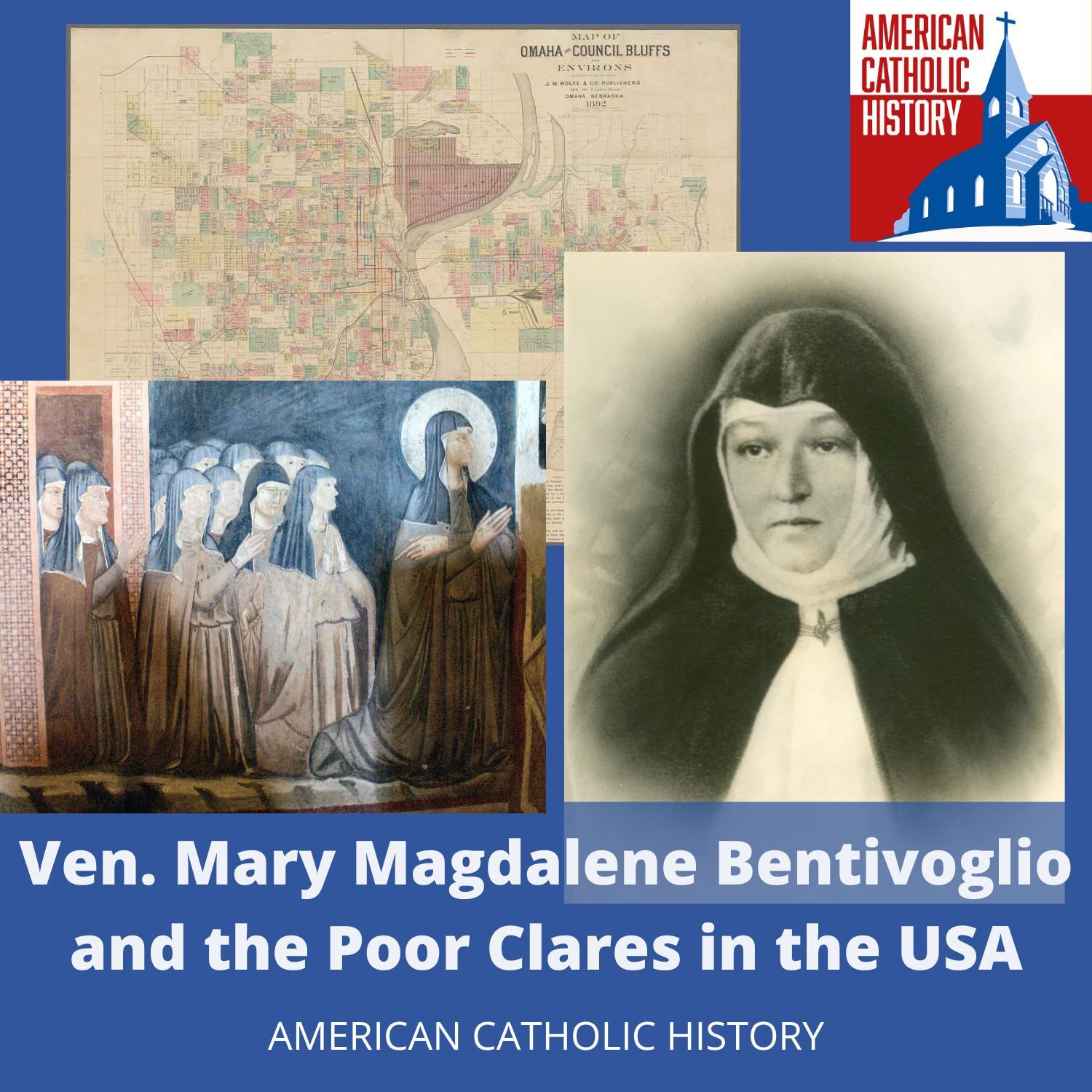
Ven. Mary Magdalene Bentivoglio and the Poor Clares in the USA
Mother Mary Magdalene Bentivoglio was born Anna Bentivoglio into Italian and French nobility in the mid 1800s. But both of her parents died before her 27th birthday. Since she and two of her sisters were still single, Pope Pius IX took responsibility for them and they were placed in a Benedictine abbey. This experienced compelled all three to desire religious life, but a more austere experience of

St. Kateri Tekakwitha, The Lily of the Mohawks
St. Kateri Tekakwitha lived a life marked by tragedy and upheaval, but also a lot of grace and love. She was born to Mohawk Indian parents (though her mother was originally Algonquin), who both died from smallpox when she was four. She survived smallpox, but the disease left her face scarred and her eyesight damaged. Because of this handicap she was called, "She who bumps into things," or in Mohaw

Charles Carroll of Carrollton, Signer of the Declaration of Independence
Charles Carroll of Carrollton was the wealthiest man in the American colonies at the time of the Revolution. He was the only Catholic to sign the Declaration of Independence, and after a long and distinguished career in public service, he was the last of the signers to die. Despite laws outlawing Catholics from holding public office in the Maryland colony he was elected as a delegate to the Contin
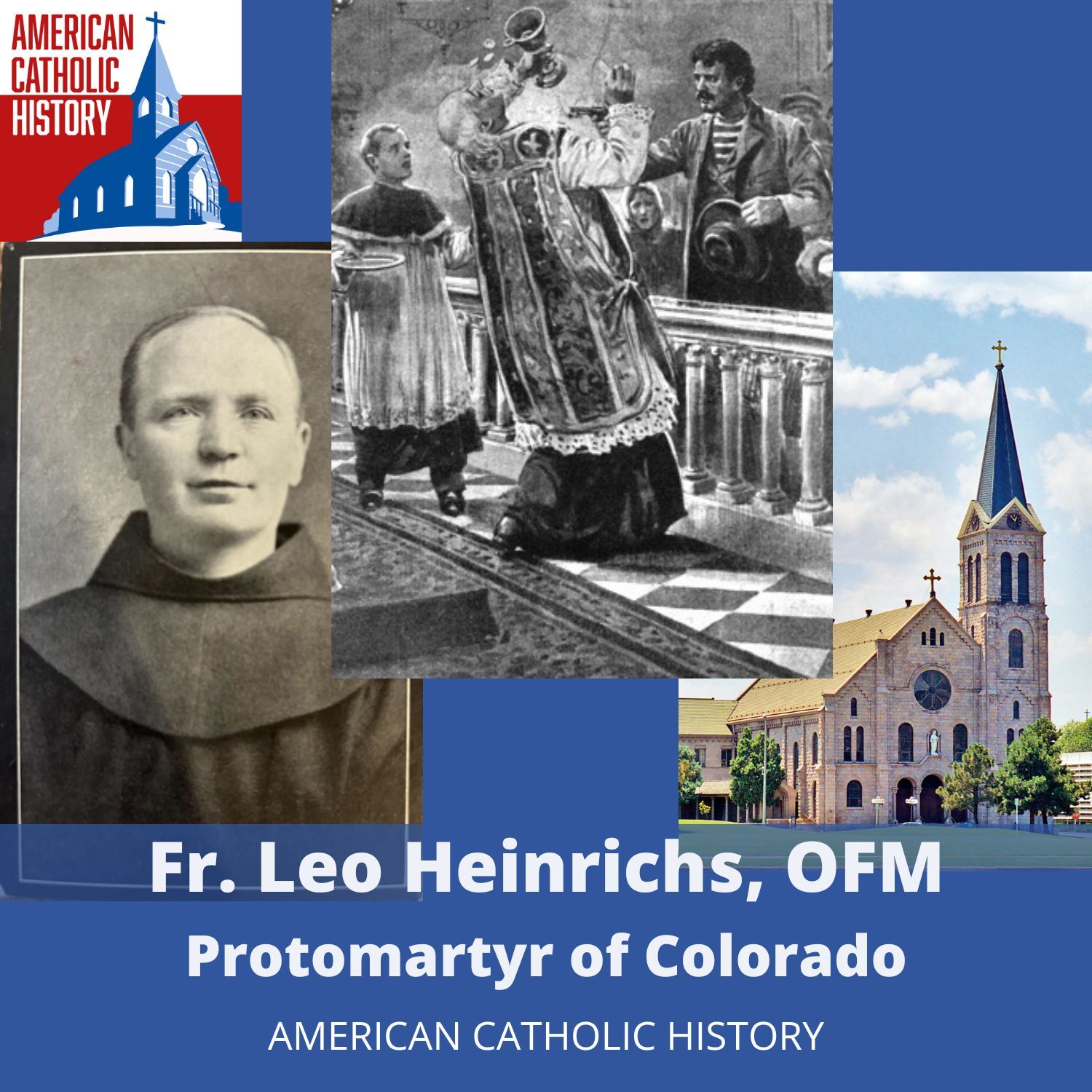
Fr. Leo Heinrichs, OFM, Proto-Martyr of Colorado
Father Leo Heinrichs was a Franciscan who fled persecution in Germany only to be shot dead by an Italian anarchist in Denver in 1908. He first came to New York and New Jersey where he ministered for 16 years. He was much loved by the homeless and those in need, as he did great work providing for their needs, and giving them spiritual comfort. But in 1907 he was transferred to St. Elizabeth of Hung

The Pilgrimage Sanctuary of Chimayo
In 1810 a wooden cross was miraculously discovered in the hillside of the village of Chimayo in northern New Mexico. The area had been known by Pueblo Indians as a place where miraculous healings took place, and after the cross was found a chapel was built because pilgrims started coming to pray before the miraculous cross and seek healing from the "holy dirt." So many miraculous healings have bee
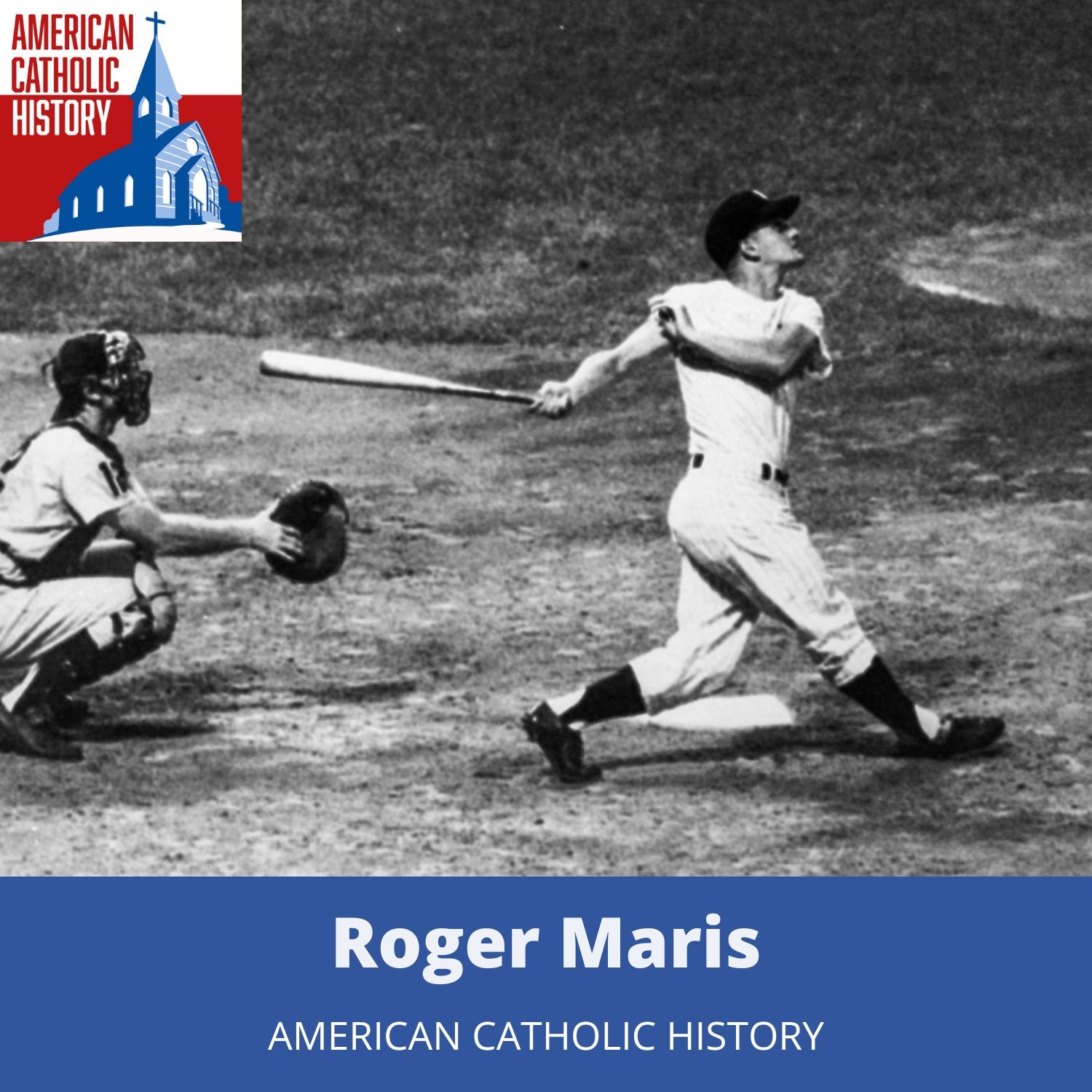
Roger Maris
Roger Maris was a lifelong Catholic. He was born in Minnesota and grew up in North Dakota. He was an excellent athlete, and after breaking into the majors with the Cleveland Indians in 1957, he eventually made it to the New York Yankees, where he broke Babe Ruth’s single-season home run record in 1961. Ruth’s record was one of the most hallowed in baseball, so anyone breaking it was a big deal. Bu

Margaret Brent, Savior of Maryland
King Charles I of England established the colony of Maryland in 1634 as a haven for Catholics. The colony was created at the request of, George Calvert, the first Baron Baltimore. But he died before his dream could be realized. So his son Cecil Calvert, the second Baron Baltimore, took on the task of settling the colony. He sent his brother, Leonard, over as governor. Four years after the colony w

The Miraculous Loretto Staircase
In the 1870s the Sisters of Loretto built a chapel for the school they ran in Santa Fe, New Mexico. But the architect failed to include a staircase to the choir loft 20 feet above the floor. And then he died before he could rectify the situation. The sisters prayed a novena to St. Joseph to find a solution, and on the ninth day of the novena a mysterious carpenter showed up and offered to build th

Brother Joseph Dutton, Friend of the Lepers of Molokai
Joseph Dutton, born Ira Dutton in 1843, was a good kid, born to protestant parents. He fought in the Civil War as a quartermaster, advancing from sergeant to captain because of his efficiency and ability. The decade after the Civil War he later called his "wild years" due to a bad marriage and a life of dissipation, under the influence of "John Barleycorn." In the late 1870s he changed his ways an

Bishop Waters and the Integration of Catholic North Carolina
More than a decade before the Civil Rights Act became national law Bishop Vincent Waters was actively desegregating the parishes, schools, hospitals, and other institutions of the Diocese of Raleigh in North Carolina. Bishop Waters had studied at the North American College in Rome where his friendship with the black cook — who was American, and who wanted to be a priest but was barred due to the c

Fr. Francis Duffy: Hero Chaplain of World War I
Father Francis Duffy was a priest of New York who started as an educator at St. Joseph seminary at Dunwoodie, in Yonkers, New York, before he was made founding pastor of Our Savior Parish in the Bronx. He also volunteered to be an Army chaplain, and was assigned to the New York 69th regiment, known as the Fighting 69th and the "Fighting Irish." With the 69th he was deployed to fight in World War I

Betty Hutton
Betty Hutton was "The Incendiary Blonde" of Hollywood in the 1940s and 50s. She was known for her high energy and her big singing voice. But her biggest roles, in "Annie Get Your Gun" and "The Greatest Show On Earth," also proved to be her undoing professionally. Her personal life, filled with trauma and rejection from her earliest days, deteriorated to drugs and poverty, until a Catholic priest c

Lawrence Welk
Lawrence Welk was raised in a sod house on the plains of North Dakota, but after his appendix burst when he was 11 he was smitten by music. He made a deal with his dad for a brand new, very nice accordion that kept him on the family farm until his 21st birthday. After that date he was on the road, making his way in life with his accordion and his ability to craft arrangements of popular tunes that
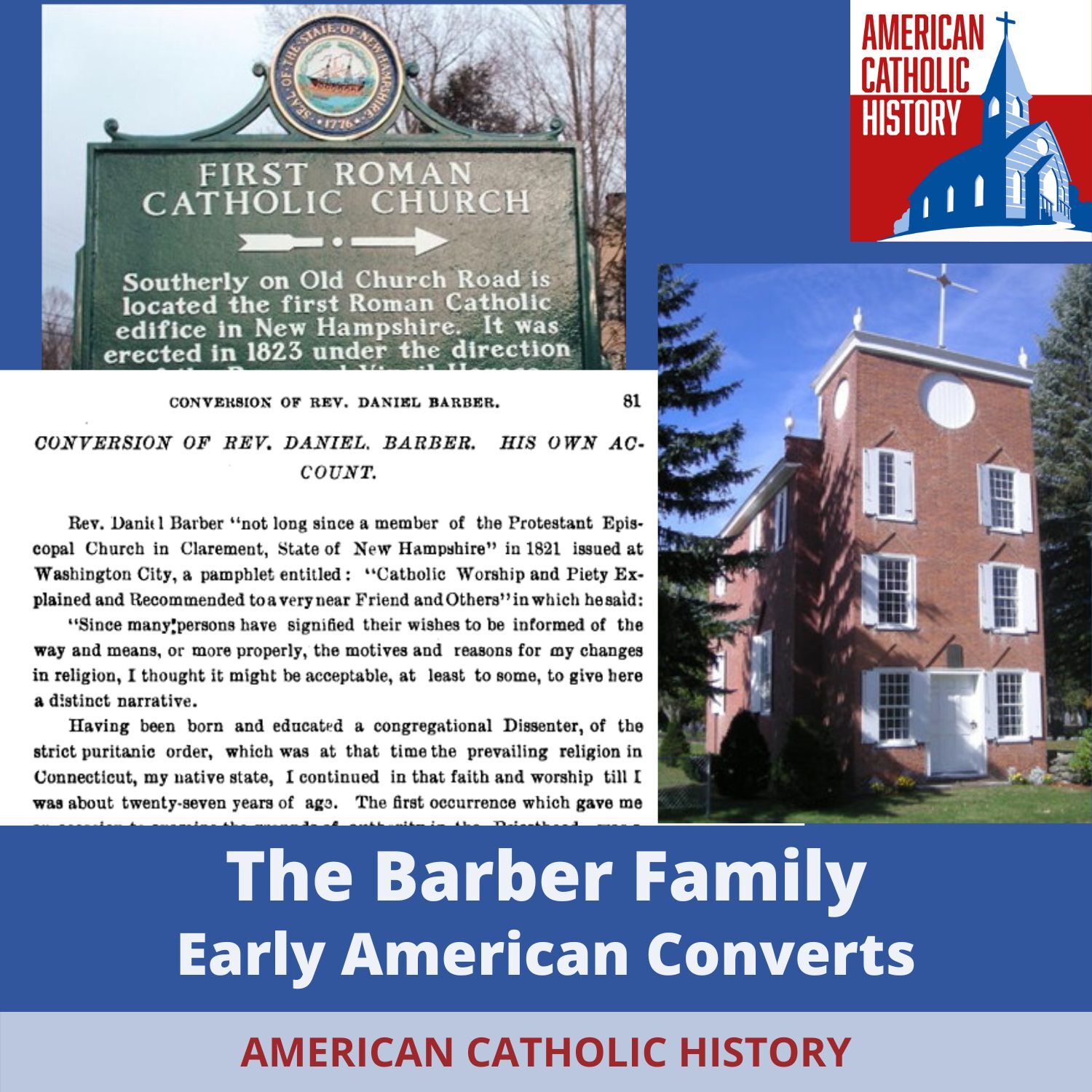
The Barber Family: Early American Converts
Daniel Barber came from good Puritan stock and was a fine upstanding Congregationalist minister. Until some Episcopalians convinced him that Apostolic Succession matters when it comes to ministerial Orders. So he became an Episcopalian priest. He was a fine, upstanding Episcopalian priest for many years. He and his wife, Chloe, raised three children as good Episcopalians. But eventually the questi

Lilies of the Field: The Story Behind the Film
Before Lilies of the Field was a beloved movie it was a charming short book. The author, William Barrett, was Catholic, and based the book in part on the story of the Sisters of St. Walburga in Colorado. When director Ralph Nelson and his screenwriter, James Poe, got the story they made some additional adjustments to it, but kept the essential message and thrust of the story. The result was movie
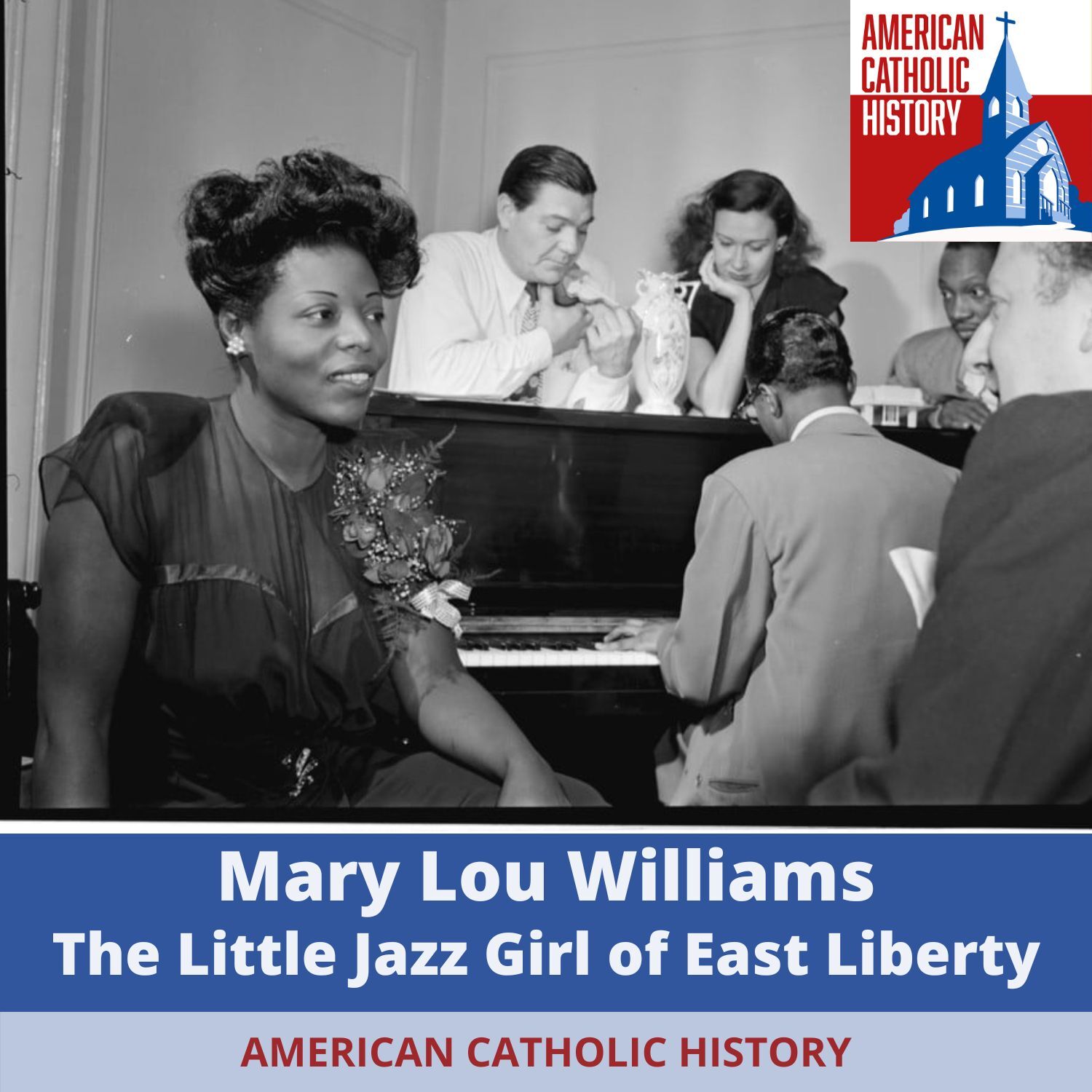
Mary Lou Williams: The Little Piano Girl of East Liberty
Born in 1910, Mary Lou Williams was a child prodigy. She played piano concerts in the homes of her neighbors in the East Liberty neighborhood of Pittsburgh as early as five years old, and was touring by her teens. After a meteoric rise as an arranger for the biggest names in jazz she became a mentor and mother-figure to many of the great jazz musicians of the 20th century. She was a remarkable pia
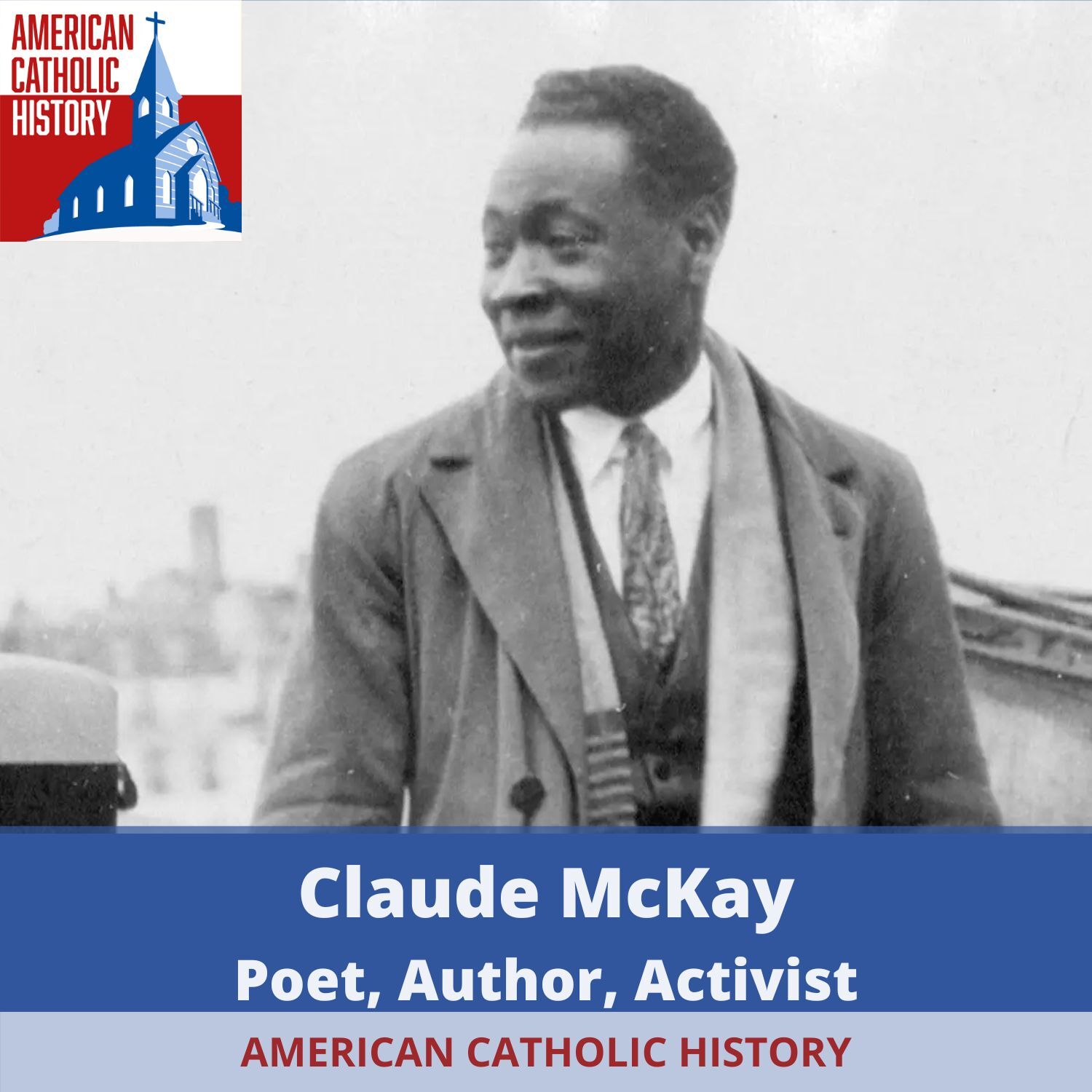
Claude McKay: Poet, Author, Activist
A leading figure in the Harlem Renaissance, poet and author Claude McKay had an idyllic childhood in Jamaica until his first experience of racism when he was 21. After emigrating to the United States in 1912 he became convinced that socialism held the answer to what ailed society, especially what kept black people down. His poetry and novels explored the themes of racial tension, the plight of poo
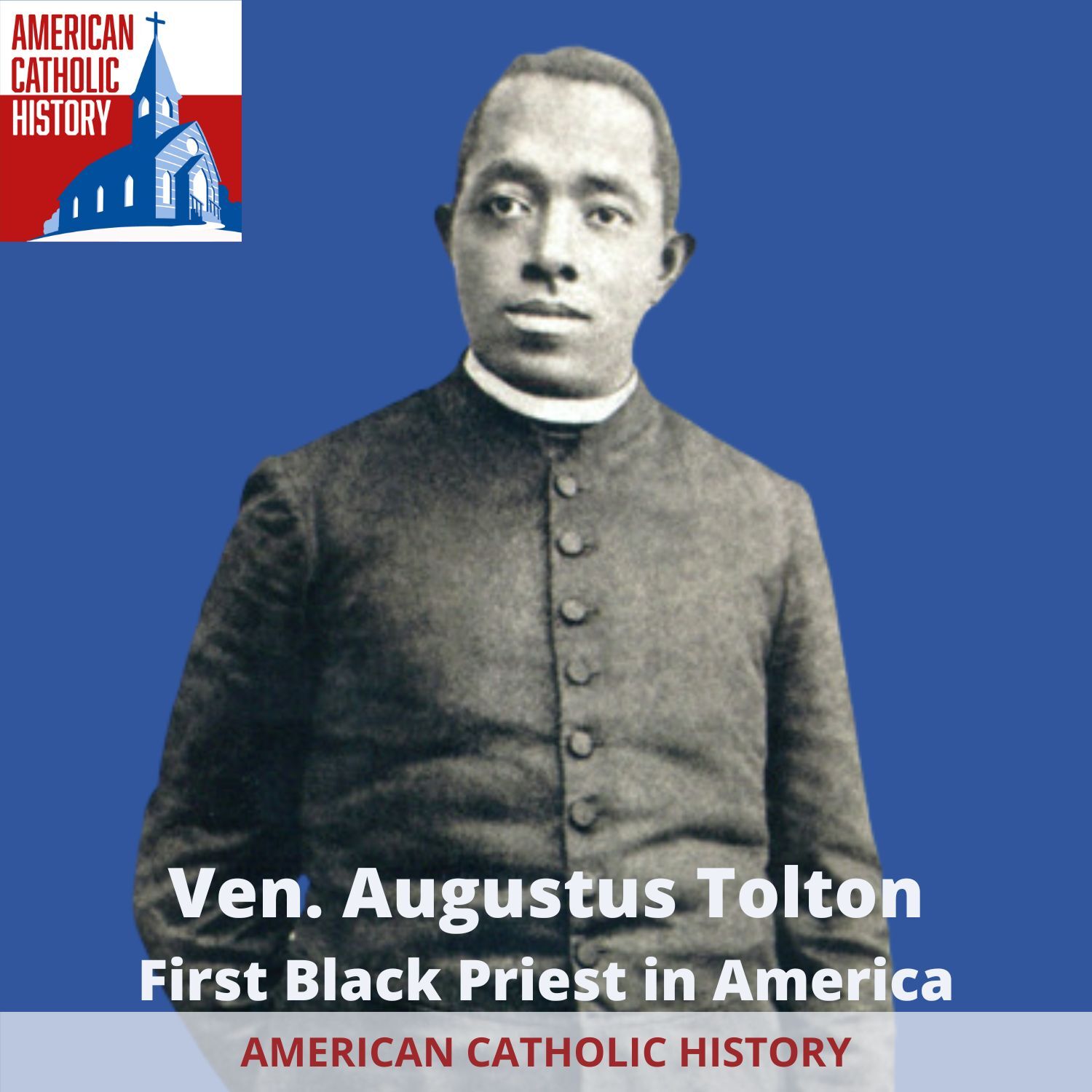
Ven. Father Augustus Tolton, First Black Priest in America
Father Augustus Tolton was the first black priest in America who identified as black. He was born a slave in Missouri in 1854, but his mother escaped with him and his two siblings to freedom in Illinois after the Civil War began. He endured racism among the children and parents at two schools, but also experienced great acceptance and love from the priests of his parishes and the nuns at the schoo

The History of Mardi Gras and Carnival
Mardi Gras, French for Fat Tuesday, is the day before Ash Wednesday. Fat Tuesday is the final day of the season known as Carnival in many French-based cities and lands all around the world. Carnival comes from the French from "goodbye, meat!" Carnival season begins on Epiphany, January 6, and goes to Lent. The celebration of Carnival, while not a formal and official liturgical season, is a time wh

St. John Neumann
St. John Neumann was born in 1811 in Prachatice, Bohemia (in present-day Czech Republic). He was a good student, and while in seminary determined to become a missionary in the United States. But after completing his seminary studies he found difficulty in getting ordained or gaining passage to the U.S. But once in the U.S. he proved to be a tireless pastor. He was ordained in 1836 by Bishop John D
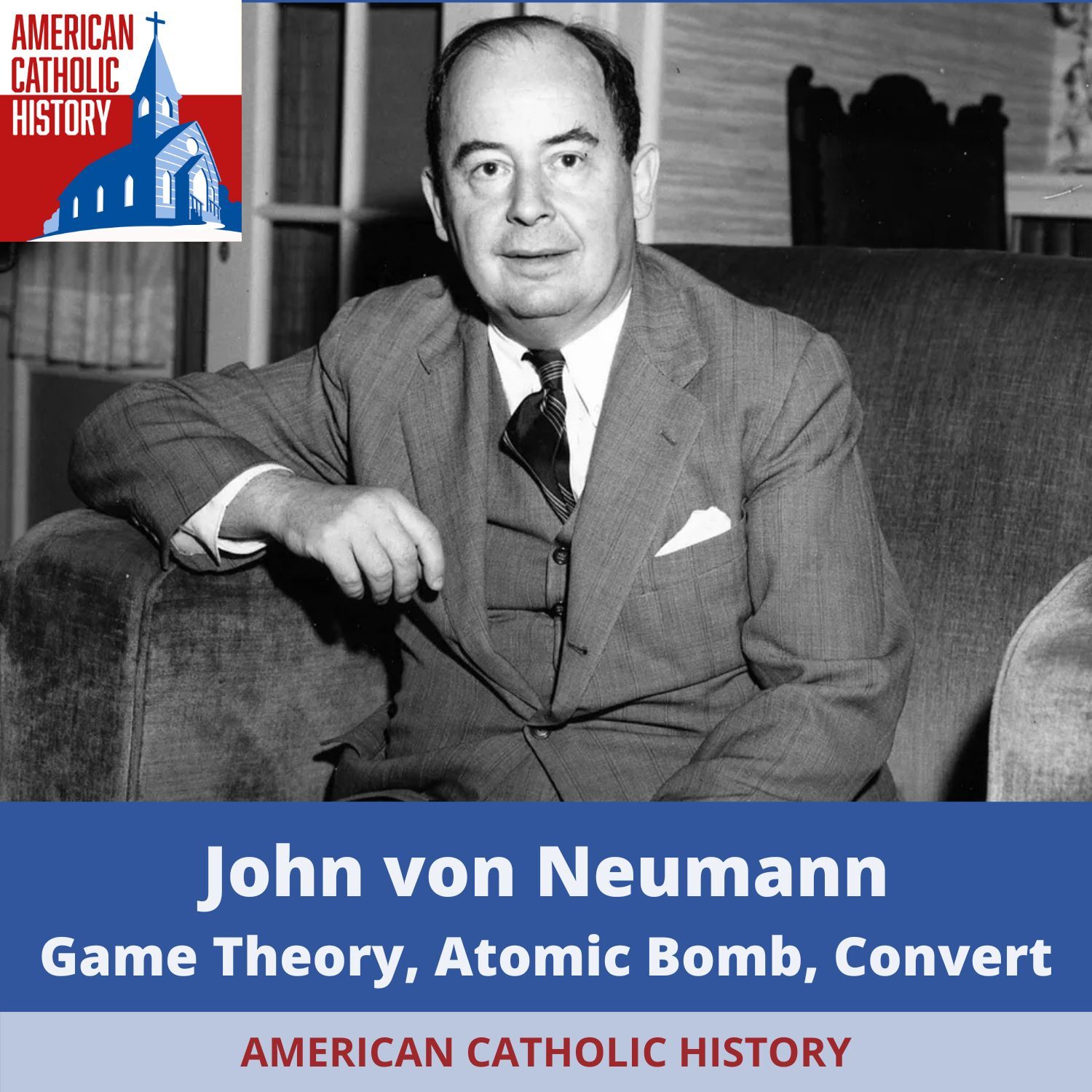
John von Neumann: Game Theory, Atomic Bomb, MAD, and Catholic Convert
John von Neumann invented Game Theory, redefined ordinal numbers, contributed mightily to quantum mechanics, and developed the architecture which enables modern computing. He also designed the trigger mechanism which detonated the atomic bomb dropped on Hiroshima, and he was key in developing "Mutually Assured Destruction" as a means of balancing the world order as the nuclear age dawned. He posse
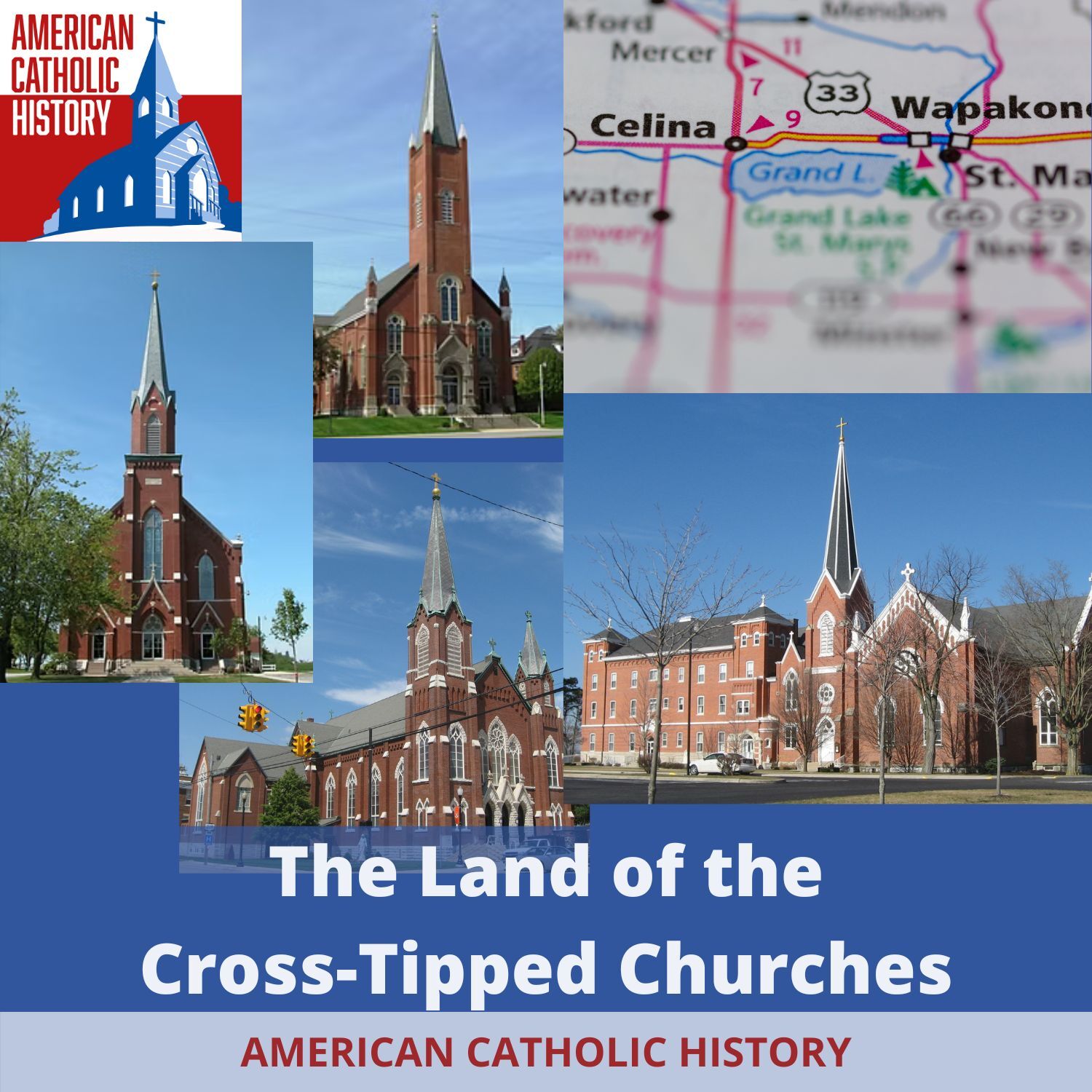
The Land of the Cross-Tipped Churches
The Land of the Cross Tipped Churches is a region in west-central Ohio. German Catholics fled the wars and upheaval of their homeland in the early- and mid-19th century, and many settled in the United States. A number of these groups settled in a region of western Ohio, and in the 1840s Archbishop Purcell invited the Fathers of the Most Precious Blood to come and minister to these German-speaking
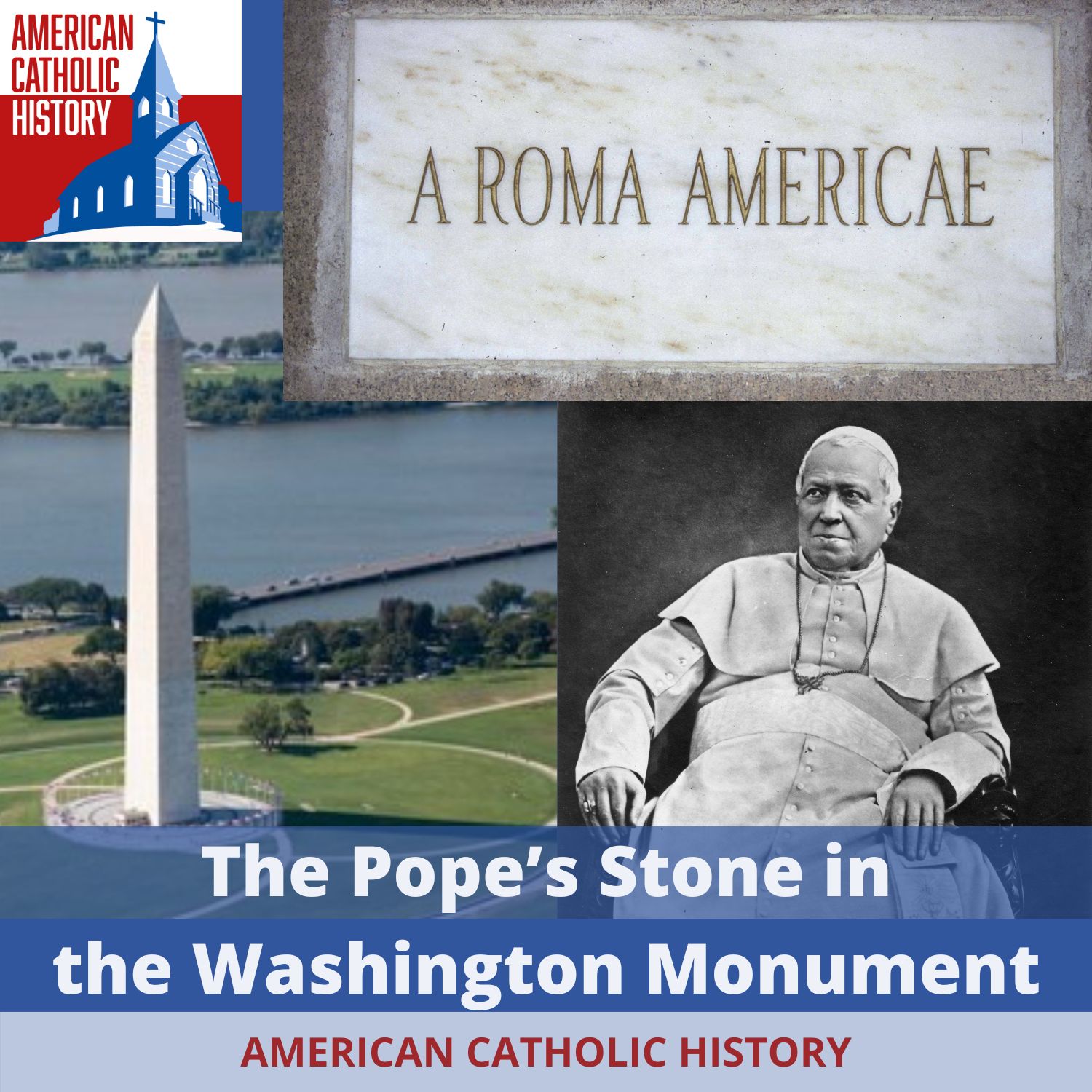
The Pope's Stone in the Washington Monument
In 1854 a slab of marble donated by Pope Pius IX arrived in Washington, D.C. He had it engraved “A Roma Americae,” or “From Rome to America,” as a sign of goodwill. He had sent it over to be included in the Washington Monument, which was then under construction. Many foreign governments had sent similar contributions to honor America’s first president. The Know Nothings, however, had no intention

Ven. Frederic Baraga, the Snowshoe Priest
Frederic Baraga was the first bishop of the Diocese of Marquette, in Michigan’s upper peninsula. He had come to northern Michigan as a missionary in 1831, after immigrating from the Austrian Empire — an area of it that is in modern day Slovenia. Baraga proved a tireless missionary, traveling hundreds of miles by foot, including in snowshoes during the long, harsh winters, as well as by boat. He co

Dom Virgil Michel, OSB: Liturgy and Social Justice
Dom Virgil Michel, OSB was a visionary leader who recognized some problems affecting the Church of his day and believed that the way to fix those problems was through the liturgy. He recognized that by improving knowledge of and participation in the liturgy, and making the liturgy central to both catechesis and social justice, more people would come to know Christ more deeply, and would thereby be

Mary Virginia Merrick and the Christ Child Society
Mary Virginia Merrick was a child of wealth, and of deep prayer and a special love for Christ. From an early age she understood that the way to do things was to do every thing — every small thing — with great love. Eventually one is doing great things, even if unintentionally. The day she received her First Holy Communion whe vowed to become a religious sister and to help Christ by helping the poo
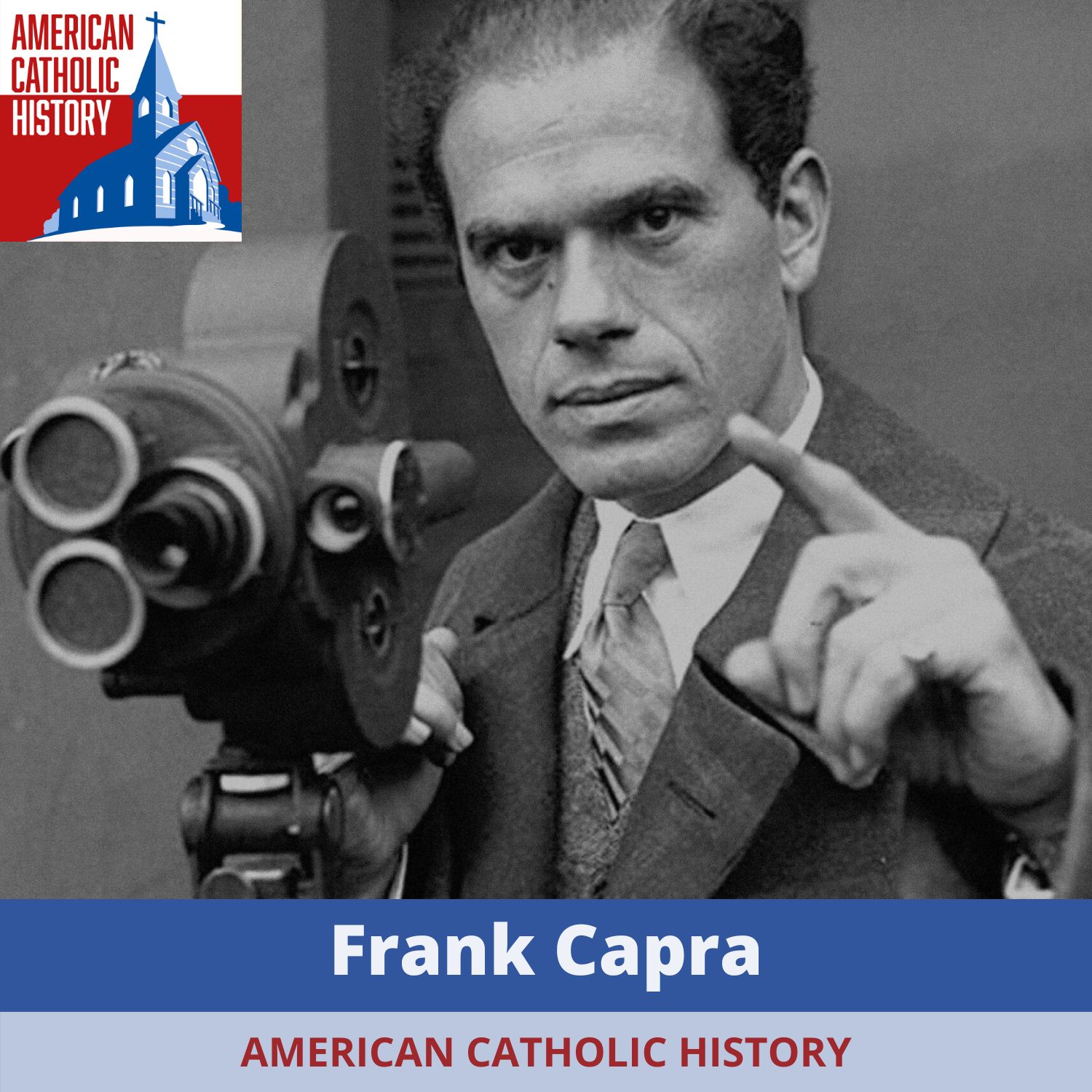
Frank Capra
Frank Capra has a strong case for being the GOAT among directors, and it’s not just because of his name. He won three Oscars for best director out of seven nominations, while making films that were deeply Catholic in their message. His film making message was clear: good wins out, no matter what the cruel, cynical world might prefer. His incredible success petered out in the 1950s, when critics an

The Immaculate Conception: Patroness of the United States of America
In 1846, eight years before the dogma of the Immaculate Conception was solemnly defined by Pope Pius IX, the bishops of the United States declared Mary under the title of the Immaculate Conception to be the Patroness of the United States of America. Since the earliest days of the Church, Catholics have believed that Mary was preserved by God from Original Sin from the moment of her conception. Thi

Maria von Trapp and the Trapp Family Singers
Maria von Trapp wrote the family autobiography that became the <i>The Sound of Music</i> on Broadway in 1959 and in Hollywood in 1965. She was the stepmother to Captian Georg von Trapp's seven original children, while she and the Captain also had three of their own. But before she was ready to be a wife and a mother, she had to overcome a difficult childhood. Born in 1905, she was an o

Squanto, and the Catholic Founders of Thanksgiving
In 1621, the Calvinist Puritan Pilgrims shared a harvest meal with the largely pagan Native Americans whom they befriended on the coast of New England. This first Thanksgiving meal was only possible because of the actions of Franciscan friars in Spain, and the Patuxet brave Squanto whom they had saved from slavery, educated in the Catholic faith, baptized, and set on his way to return to the New W

The Apparition of Our Lady of Champion
Adele Brise, an immigrant from Belgium, had a deep devotion to prayer. As a child she and friends made a vow to enter religious life and devote their lives to the service of the Lord. But when she was in her 20s her family emigrated from Belgium to Wisconsin, near present-day Green Bay. In 1859 she received a series of apparitions of the Blessed Mother who charged her to teach the faith to the chi

The Ark and the Dove, and the Foundation of Maryland
In January 1634 two ships, The Ark and The Dove landed on St. Clement Island in the Potomac River, within the new colony of Maryland. The two ships were built by George Calvert, the first Baron Baltimore, to help him establish a colony of his own in the Americas. And with his conversion to Catholicism, his new colony would be a haven for Catholics in the New World. But by the time King Charles I g
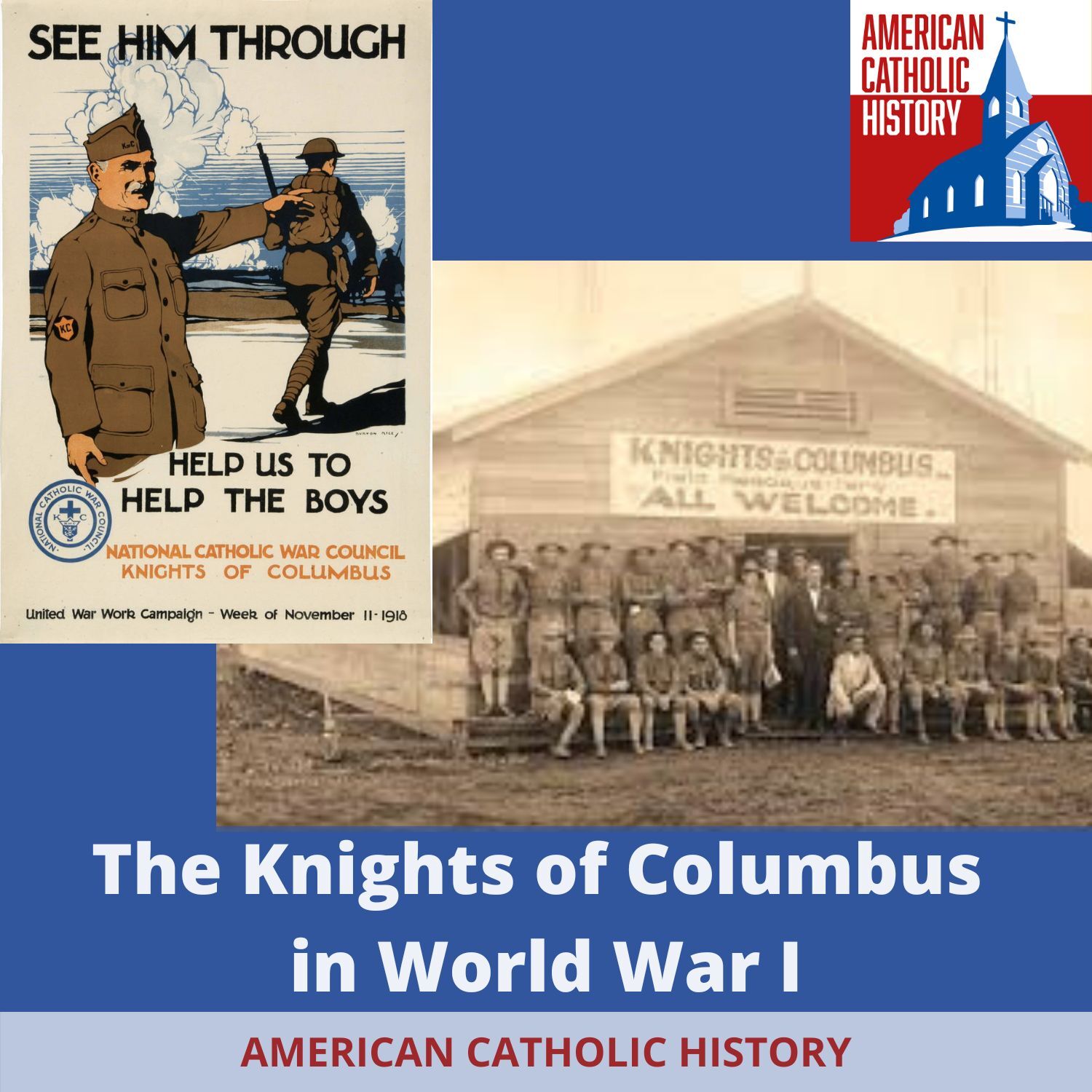
The Knights of Columbus in World War I
During World War I, the Knights of Columbus did more than anyone else — including the U.S. government — to help soldiers serving overseas, or even in remote parts of the U.S. Through their huts the “Caseys” distributed stationery, gum, playing cards, cigarettes, and so much more. Catholic soldiers could find the sacraments. "Everybody Welcome, Everything Free" was the motto, and they meant it. Eve

Fr. Francis Sampson, the Paratrooper Padre of D-Day
Fr. Francis Sampson was the “paratrooper padre.” He parachuted into Normandy, behind enemy lines, on D-Day, June 6, 1944, along with more than 13,000 other Allied paratroopers. He also was directly involved in the episode that inspired Steven Spielberg’s epic war drama Saving Private Ryan. He hadn’t planned on being a paratrooper when he joined the Army chaplain corps and the Archdiocese for Milit

St. Francis Xavier Cabrini
St. Frances Xavier Cabrini, born two months premature and the youngest of 13 in northern Italy, overcame the odds time and again. She and her sisters of the Missionaries of the Sacred Heart of Jesus made a huge difference for Italian immigrants in the U.S. and elsewhere. She personally founded 67 schools, hospitals, and orphanages in New York, Chicago, Denver, New Orleans, Seattle, and other citie

Edgar Allan Poe and the Blessed Virgin Mary
Edgar Allan Poe is one of the most important early American wrters. He is known for horror, the macabre, suspense, and other dark themes. Poe was important in the development of science fiction and he invented the detective novel. But what is less well-known is his interesting knowledge of and interest in Catholicism. In an age where typical Protestants either wouldn’t have an idea of what Catholi

Bloody Monday Election Riots
Election Day, August 6, 1855, is known as Bloody Monday in Louisville, Kentucky. The Know Nothings used violence to try to keep Catholics from voting, and the violence turned into riots. By the end of the day 22 were confirmed dead, though the number of dead was likely over 100. Learn more about this awful day in Louisville, which played a role in Louisville falling behind other cities along the O

Jack Kerouac
Jack Kerouac was born in 1922 in Lowell, Massachusetts to Catholic parents. When he was four his saintly elder brother, Gerard, died tragically. His mother became more devout, but his father abandoned the faith and drank heavily. This childhood trauma affected the rest of his life, and he stopped going to Mass in his teens. After dropping out of college he began to write while in the military. In

John Boyle O'Reilly
Born just before the potato famine ravaged Ireland, John Boyle O’Reilly grew up in an Ireland still dominated by England. His father was a schoolmaster, so John and his siblings received an excellent education. He was very outgoing, made friends easily, and was a natural leader. He became a journalist, and then a soldier. He also joined the Irish Republican Brotherhood — the Fenians — who were ben

The North American Martyrs
Sts. Isaac Jogues, Rene Goupil, and John de Lalande were three of the eighte North American Martyrs. In Canada this group is known as the Canadian Martyrs. Rene Goupil was the first to be martyred, earning that crown in 1642 after teaching some Mohawk children how to make the Sign of the Cross in the village of Ossernenon, west of present day Albany, New York. Isaac Jogues, who had been tortured a
Recommended
Yours Truly Johnny Dollar Collection

Take Back Your Health®
CBS Radio Mystery Theater | Old Time Radio
Solved Murders - True Crime Stories
紐約鳥|New York Aperture
The Swerve Podcast: Obscure Topics | Conspiracy Theories

The Bread and Banter Podcast
The Church of What's Happening Now: The New Testament
Busted Open

Deadline: White House

Crickets Corner
History of the Earthquake and Fire in San Francisco
