
Learning English with Human Beans
Learning English with Human Beans blends language learning with social sciences, exploring topics from psychology, sociology, and anthropology. Each episode unpacks key vocabulary and expressions while discussing fascinating human behavior research. The podcast aims to help listeners grow their English skills and communicate confidently about complex human topics.
Episodes
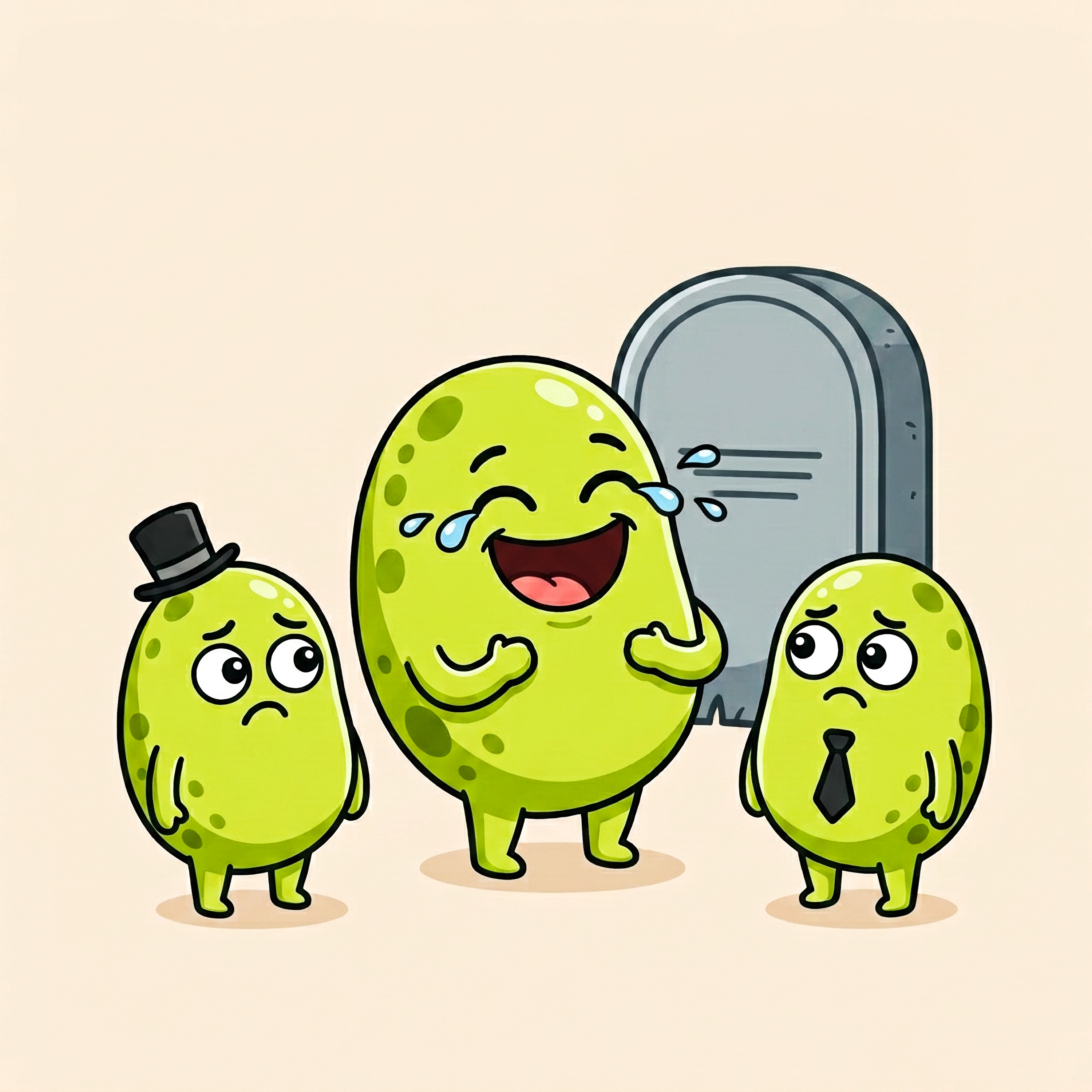
#80 - Why do we feel like laughing when we absolutely shouldn’t?
In this intimate and uninhibited episode of Learning English with Human Beans, Alice and Marc confess their most embarrassing moments: the infamous nervous giggle (or “church giggle” in English). From a spilled cup of coffee to a disastrous job interview, find out why our brains decide to betray us in public.Spoiler: you’re not a bad person—it’s science! On the agenda: the relief theory, the mirro

#79 — Wait… You Hear Music in Colors?
When music turns into colors, what else is your brain hiding?In this episode of Learning English with Human Beans, Alice discovers that the way she experiences music may be a real neurological phenomenon: synesthesia. Together with Marc, they explore the science, the creativity, and the strange beauty of hearing sound as color.
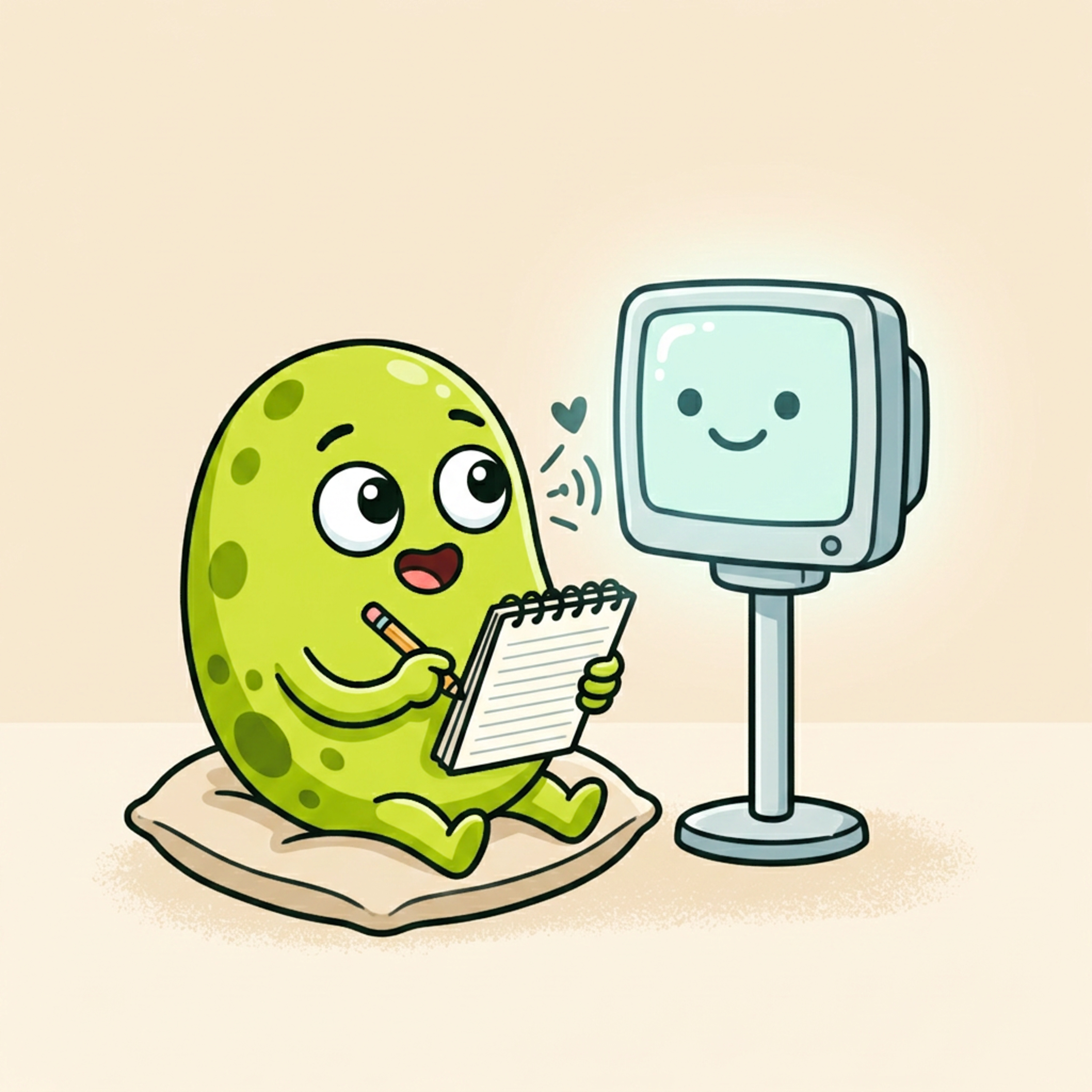
#78 - Dear AI, I’m Cheating on My Therapist?
Have you ever poured your heart out to an algorithm at midnight?In this episode of Learning English with Human Beans, Alice confesses her new, slightly embarrassing habit: using AI as a digital diary and emotional sounding board. Together with Marc, they dive into the fascinating psychology behind this silent trend.AI is always awake, perfectly objective, and completely judgment-free—making it a s
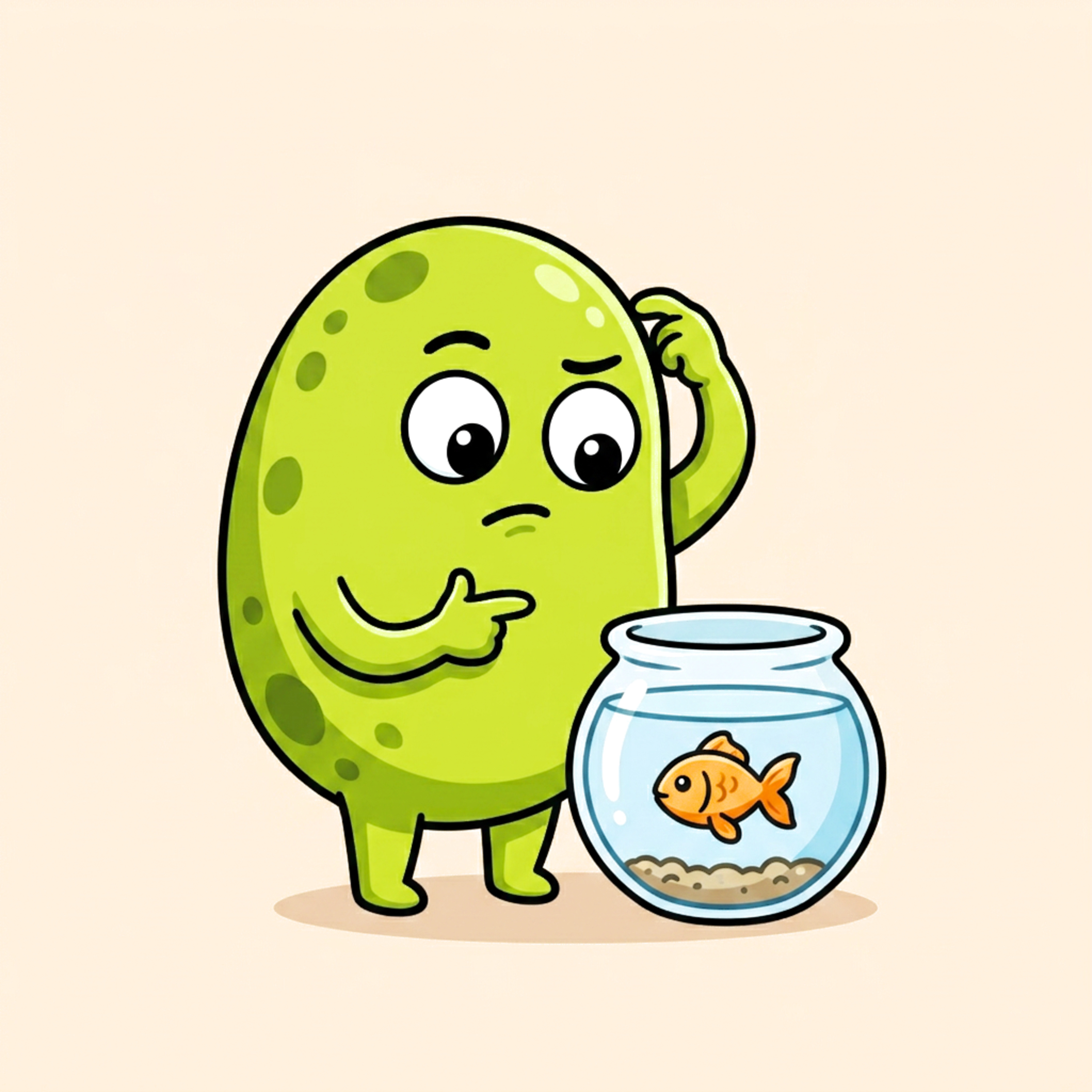
#77 - The "Attention Span Crisis" Is a Lie!
You’ve heard it a million times: “Our generation has a shorter attention span than a goldfish.”Spoiler alert: it’s entirely fake. In this provocative episode of Learning English with Human Beans, Alice and Marc scientifically destroy the myths about digital distraction, expose the apps hijacking your dopamine, and explain why adults have been complaining about "kids these days" for over 2,000 year
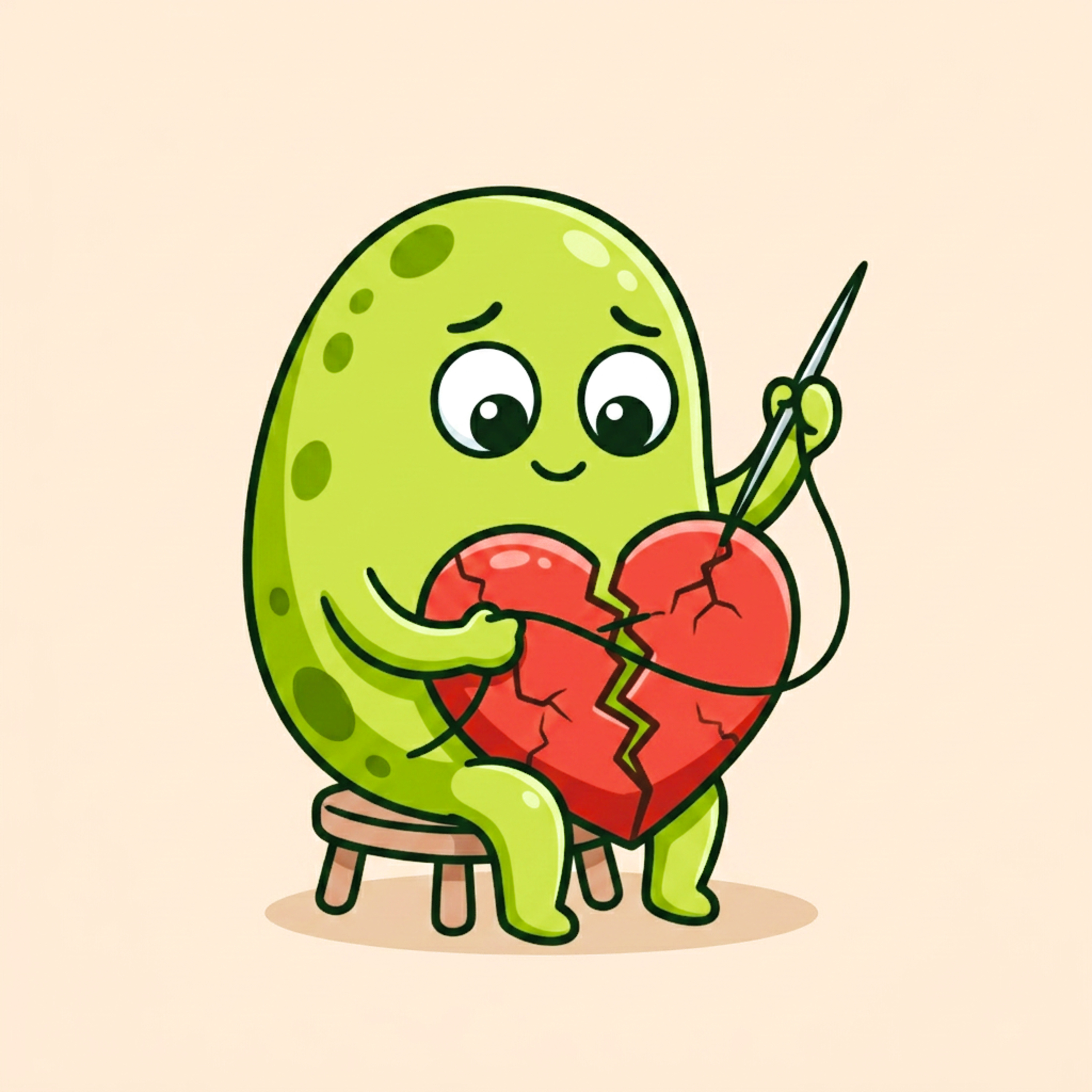
#76 - Who Are You After a Breakup?
After a breakup, who do you become?In this intimate episode of Learning English with Human Beans, Alice shares a personal story about healing after a long relationship, inspired by Eat, Pray, Love. Together with Marc, she explores identity, grief, and the quiet process of rebuilding yourself.

#75 - Why do myths, TV series, and films fill the same social role religion once did?
In this episode of Learning English With Human Beans, Alice and Marc dive deep into one of the most fascinating questions of our time. From Durkheim's three functions of religion to Joseph Campbell's Hero's Journey, from the sacred rituals of fan communities to Baudrillard's hyperreality — they explore why your favourite show might be doing a lot more than just entertaining you.Along the way: Star
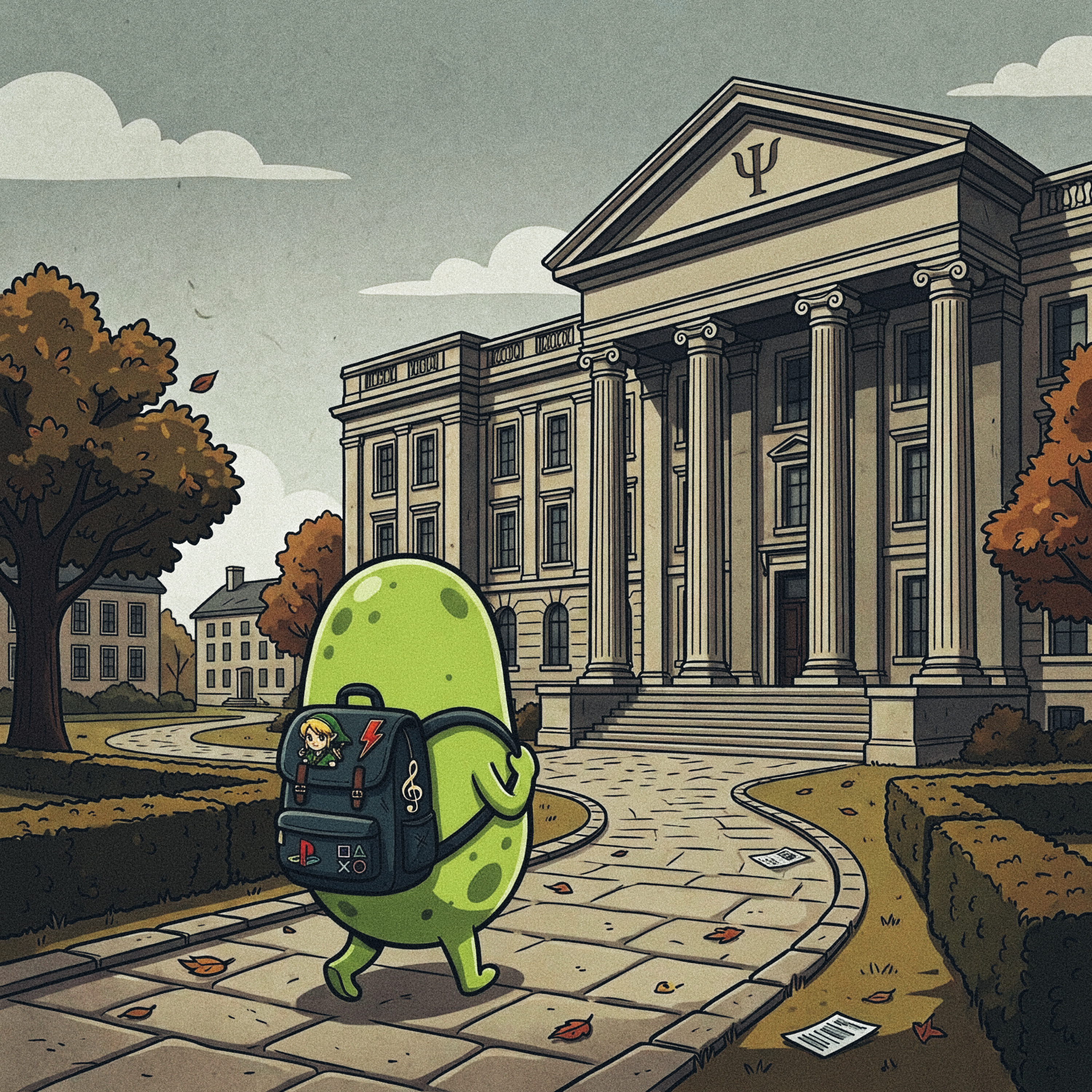
#74 – The Psychology Years
Marc's story ...
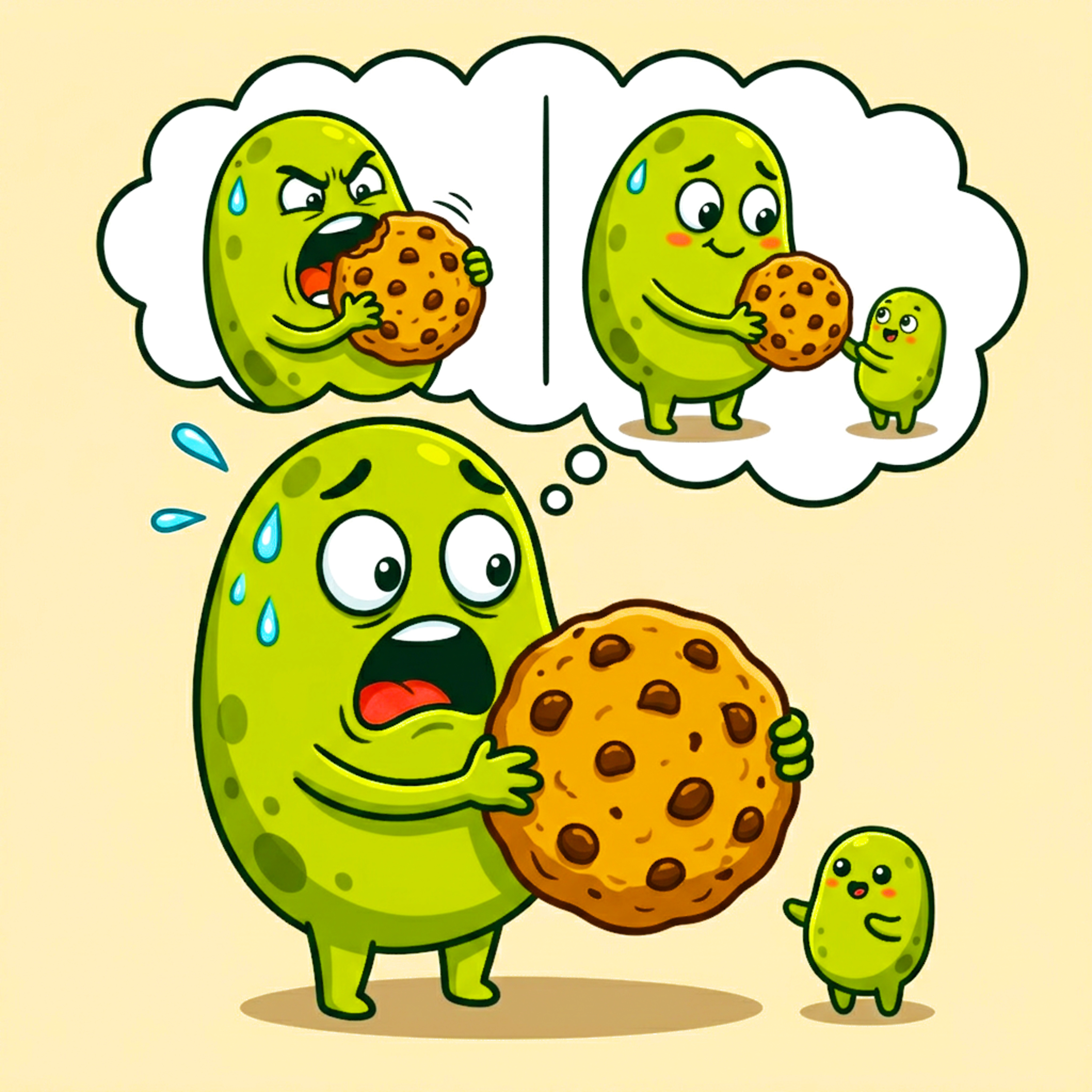
#73 — Selfish or Altruistic. What is our true nature?
Are we secretly wired to think only of ourselves, or is the drive to help others hardwired into our DNA?In this episode of Learning English with Human Beans, Alice and Marc debate one of the greatest questions about human nature. Marc, with his scientific and analytical mind, confronts us with Hobbes' cynicism, the laws of evolution, and the brain's dopamine circuits. Alice grounds the con
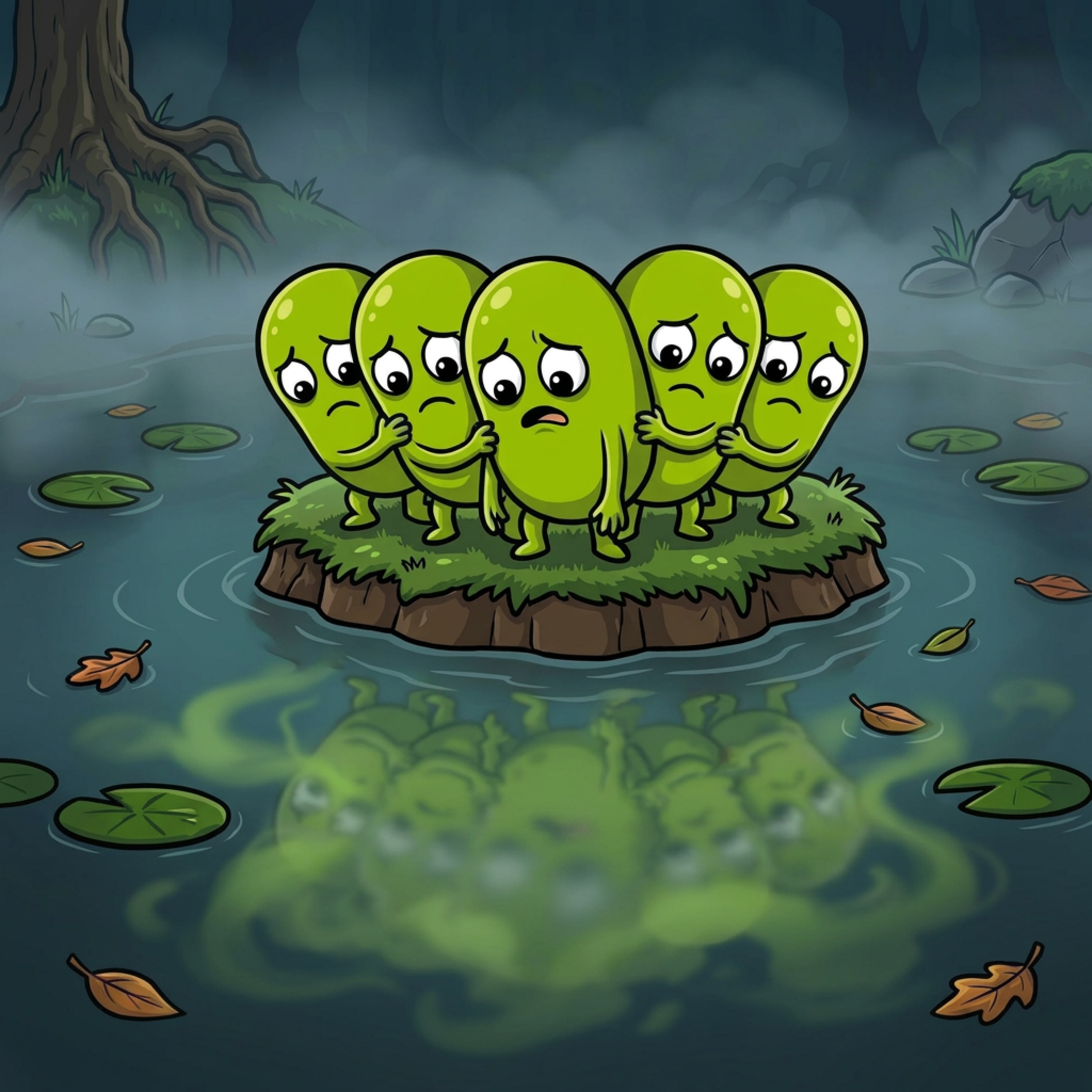
#72 – Is Utopia the Narcissus of politics?
In this new episode of Learning English with Human Beans, Marc and Alice shift into high gear! After deconstructing the illusion of the “perfect self,” we tackle its collective equivalent: the perfect society.Delving into André Comte-Sponville's Treatise on Despair and Bliss, we explore why our political utopias are often just a reflection of Narcissus on a societal scale. From “Make America G
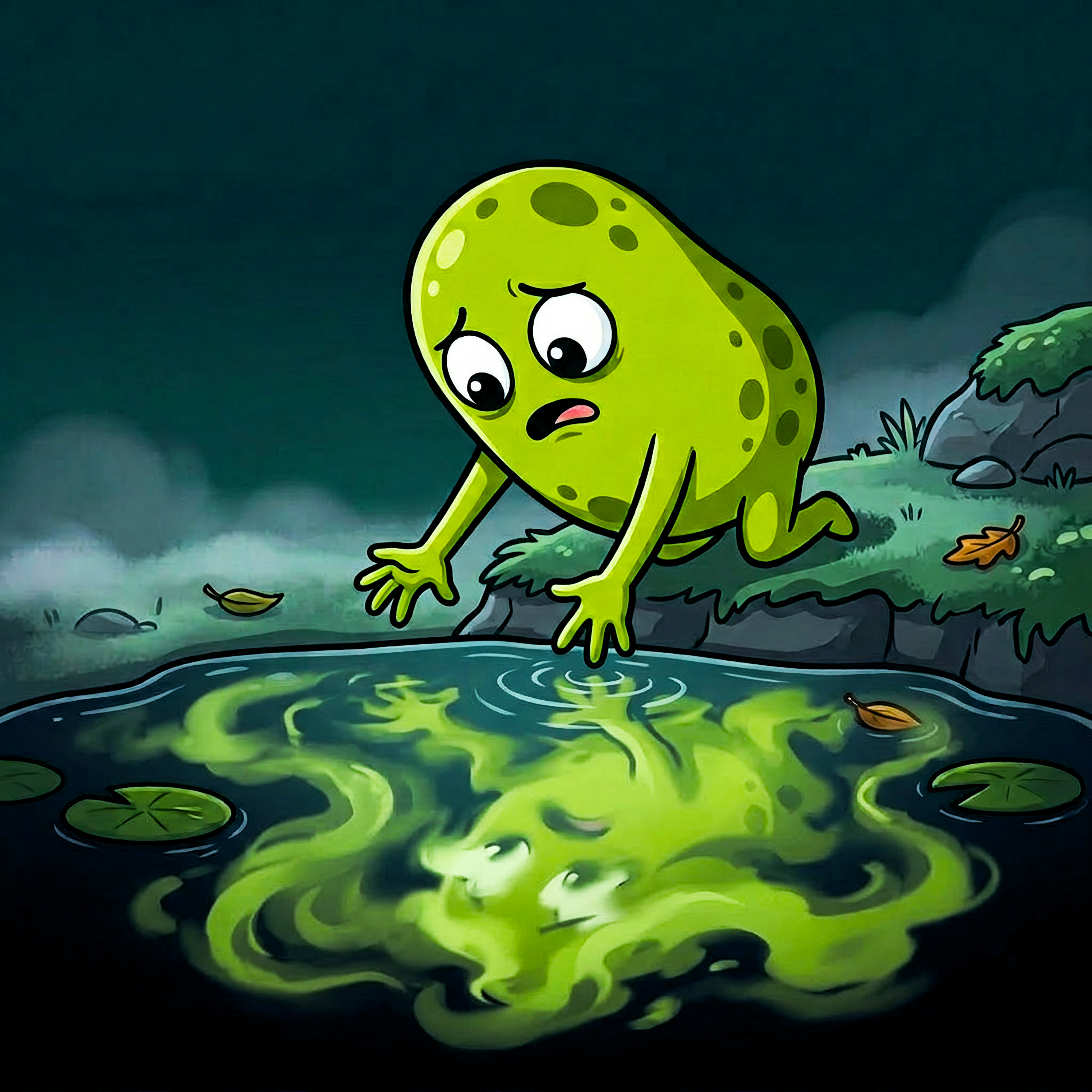
#71 – What Does It Mean to Live in De-Hope?
Explore why the "self" is a dream and how "de-hope" leads to radical freedom. This episode dives into André Comte-Sponville’s philosophy to challenge the self-help industry and reclaim the present moment.De-hope is the neutral state of being free from expectations and the "trap of time". It is not a form of sadness, but a way to stop fighting reality and find happiness in the now. This "zero degre
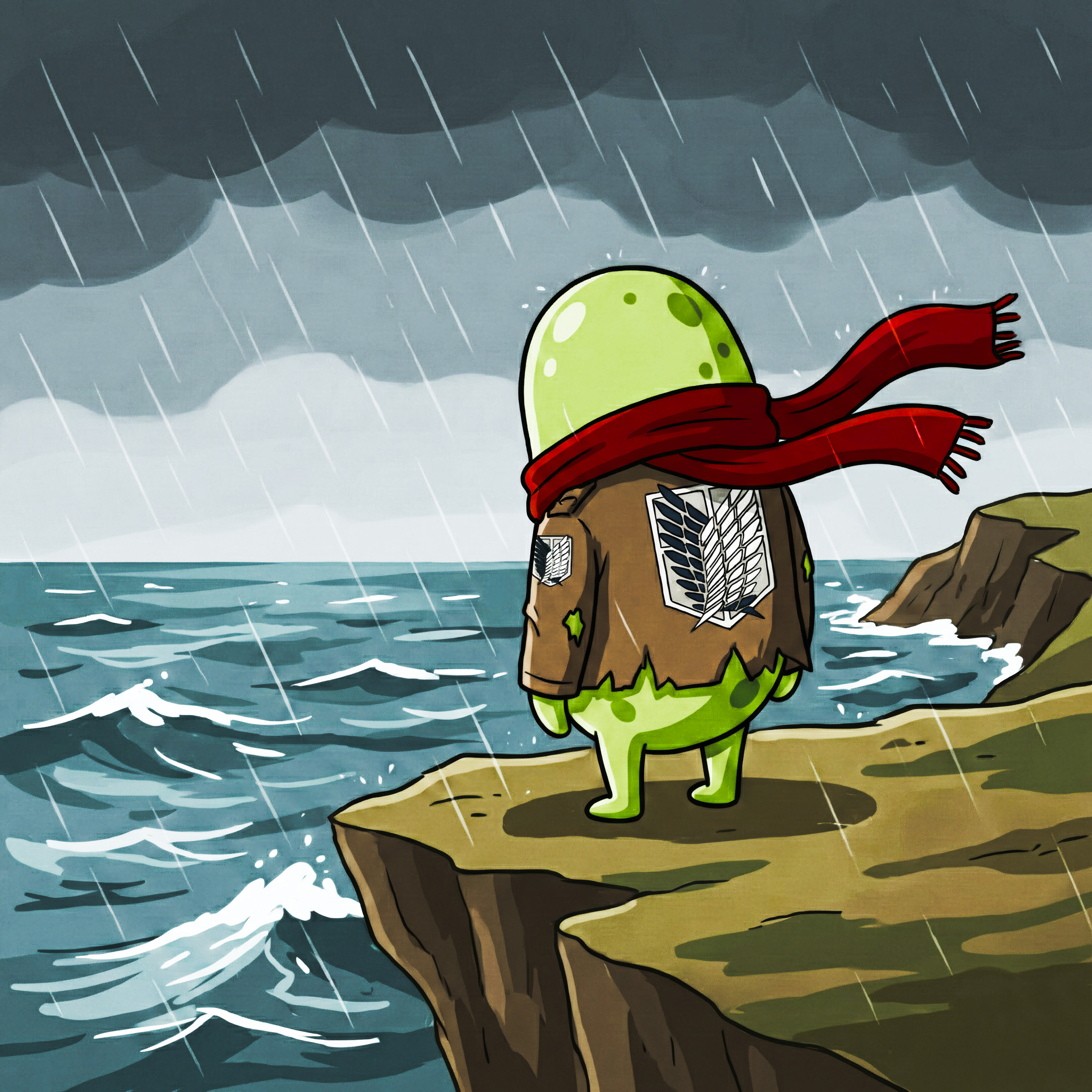
#70 – Mikasa Ackerman's Psychological Journey
Mikasa Ackerman is Attack on Titan's most lethal warrior—rated 10/10 in combat, capable of decimating titans and humans alike with surgical precision. Yet beneath her unmatched strength lies a devastating psychological fragility. In this deep-dive analysis, we explore Mikasa through the lens of clinical psychology, examining how Dependent Personality Disorder (DPD) shapes every aspect of her c
#69 – Music! Music!! Music!!!
Have you ever felt a shiver run down your spine while listening to a violin tune, or a knot in your stomach when faced with a melancholic melody? Why can simple vibrations in the air, pure physics, trigger such deep and visceral emotions?In this fascinating episode of “Learning English with Human Beans,” Alice and Marc explore one of the greatest mysteries of the human experience: the emotional po
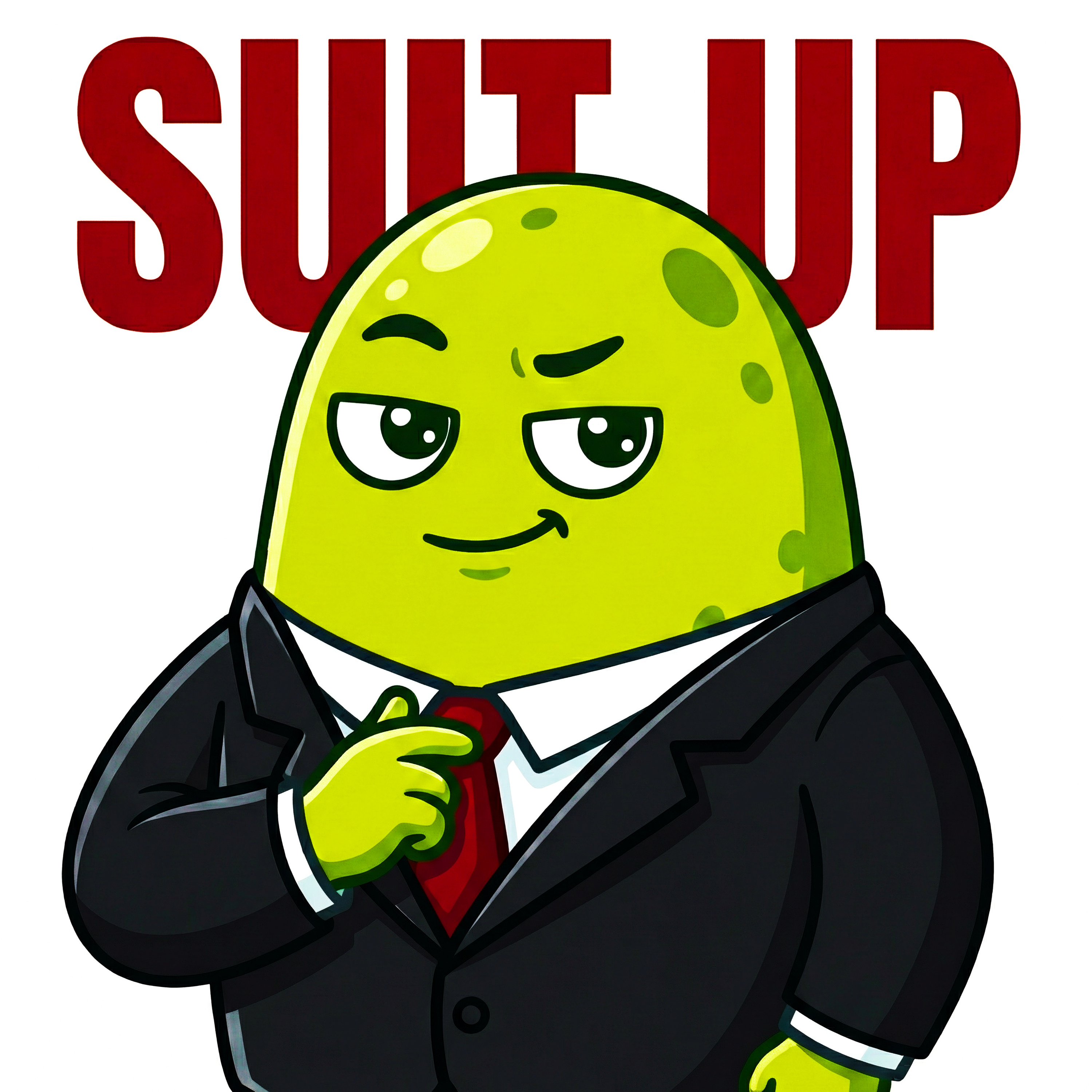
#68 – Understanding Narcissism Through Barney Stinson.
"Suit up!" Everyone knows Barney Stinson—the legendary, high-fiving, magic-trick-performing playboy of How I Met Your Mother. But what if the suit isn't an armor of confidence? What if it’s actually a cage?In this episode, Alice and Marc move past the sitcom laughs to perform a deep-dive psychological autopsy on the "Legendary" Barney Stinson. Using his character as a lens,
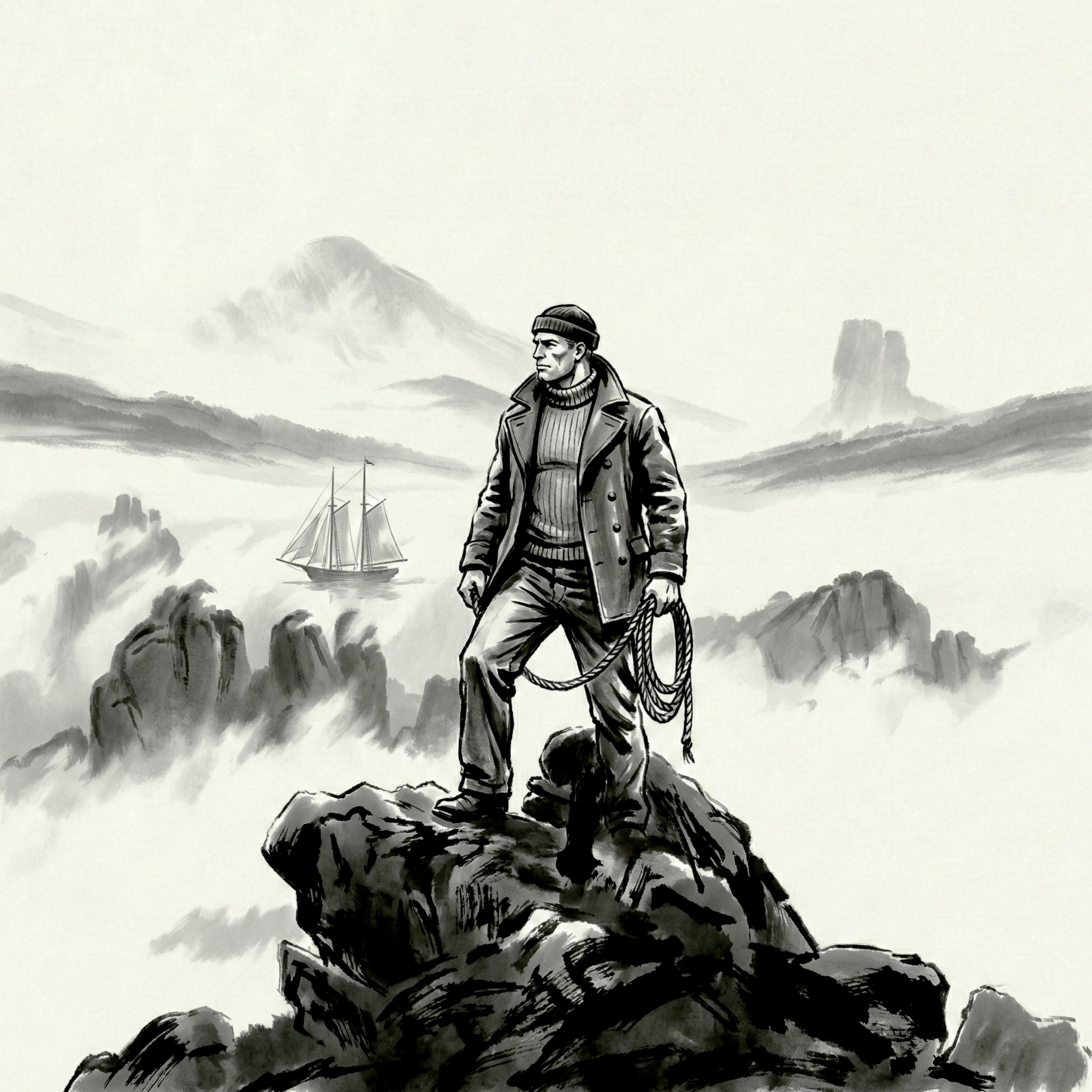
#67 – Do We Really Want What We Desire?
Have you ever worked yourself to the bone to achieve a goal, only to feel completely empty when you finally reached it?In this deep dive into Jack London’s masterpiece (with SPOILERS), Martin Eden, Alice and Marc explore the dark side of the "American Dream." We analyze the tragic journey of a rough, uneducated sailor who transforms himself into a literary genius—not for art, but to be w
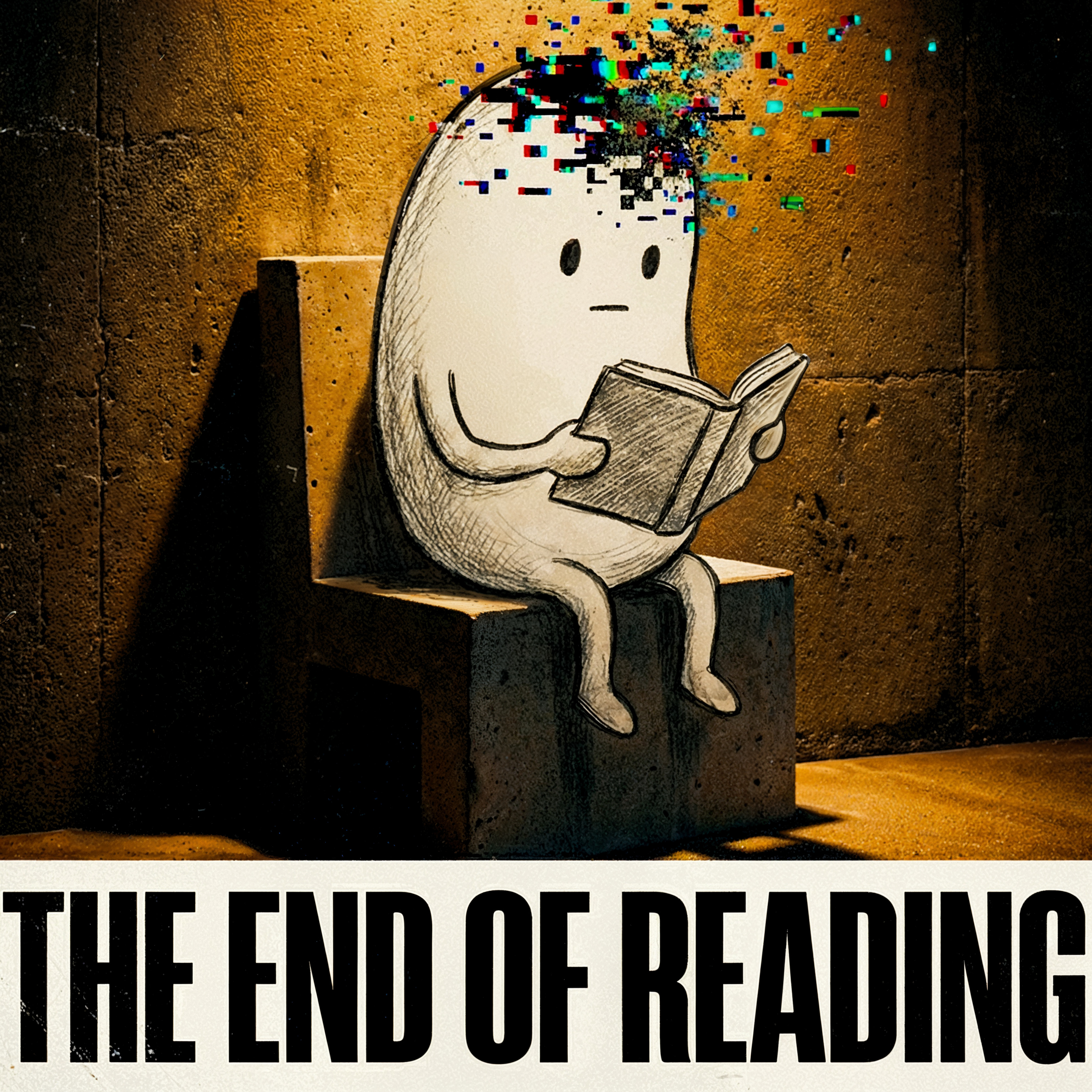
#66 – The End of Reading? (Pt. 3 – Reader, Come Home)
We diagnosed the illness (Episode 64) and we saw the terrifying prognosis for democracy (Episode 65). Now, it is time for the cure.In this explosive finale of our trilogy based on Reader, Come Home, Alice and Marc refuse the path of the Luddite. We cannot throw away our screens, but we can stop them from rewiring our children.In this episode, we build the "Reader of the Future":The Criti
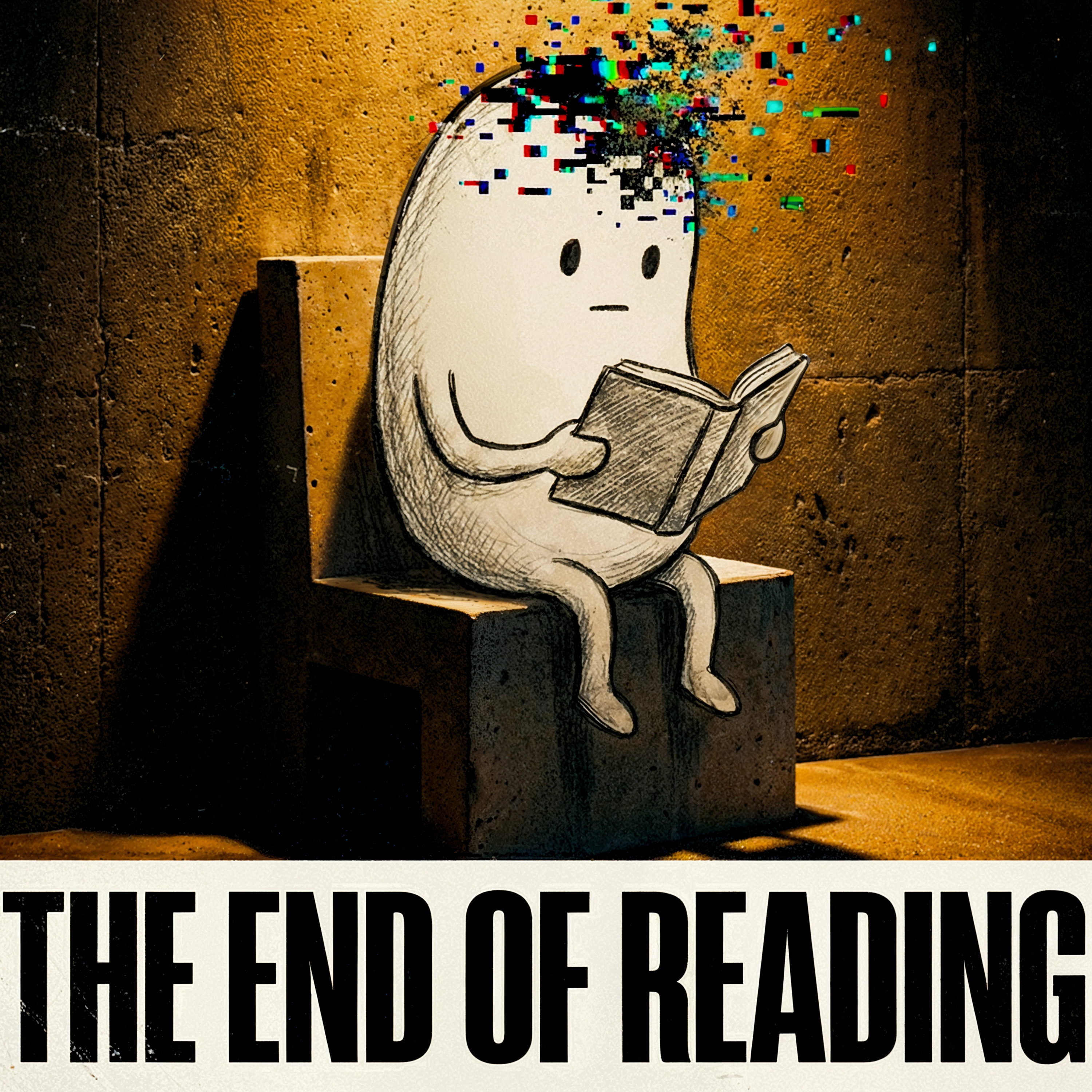
#65 – The End of Reading (Pt. 2 – Why Deep Reading Saves Democracy?)
In the previous episode, we discovered that we have lost our “cognitive patience.” But is it really that bad if we can no longer read complex novels?In this intense second installment of our trilogy based on Maryanne Wolf's Reader, Come Home, Alice and Marc answer with a resounding “YES.” We dive into the heart of the Deep Brain to understand what we really lose when we “skim” a text.On the ag
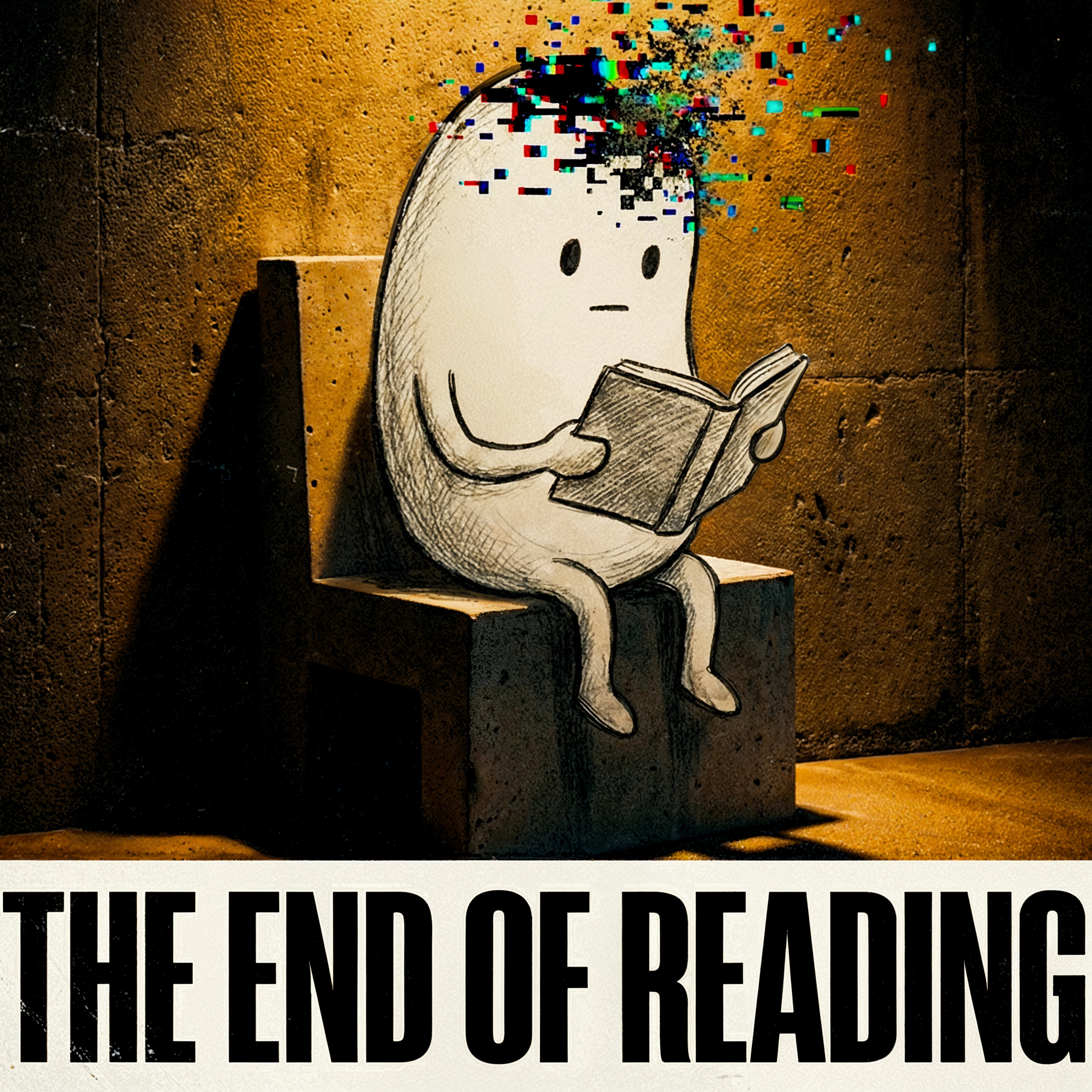
#64 – The End of Reading? (Pt. 1 – The Hemorrhage of Patience)
Have you ever opened a book you used to love, only to find that you can no longer focus on the page? Do you feel an urgent, twitchy need to check your phone after just two paragraphs of "dense" text?In this first installment of our special trilogy based on Maryanne Wolf’s Reader, Come Home, Alice and Marc explore the fragile miracle of the Reading Brain. We discuss why humans were never
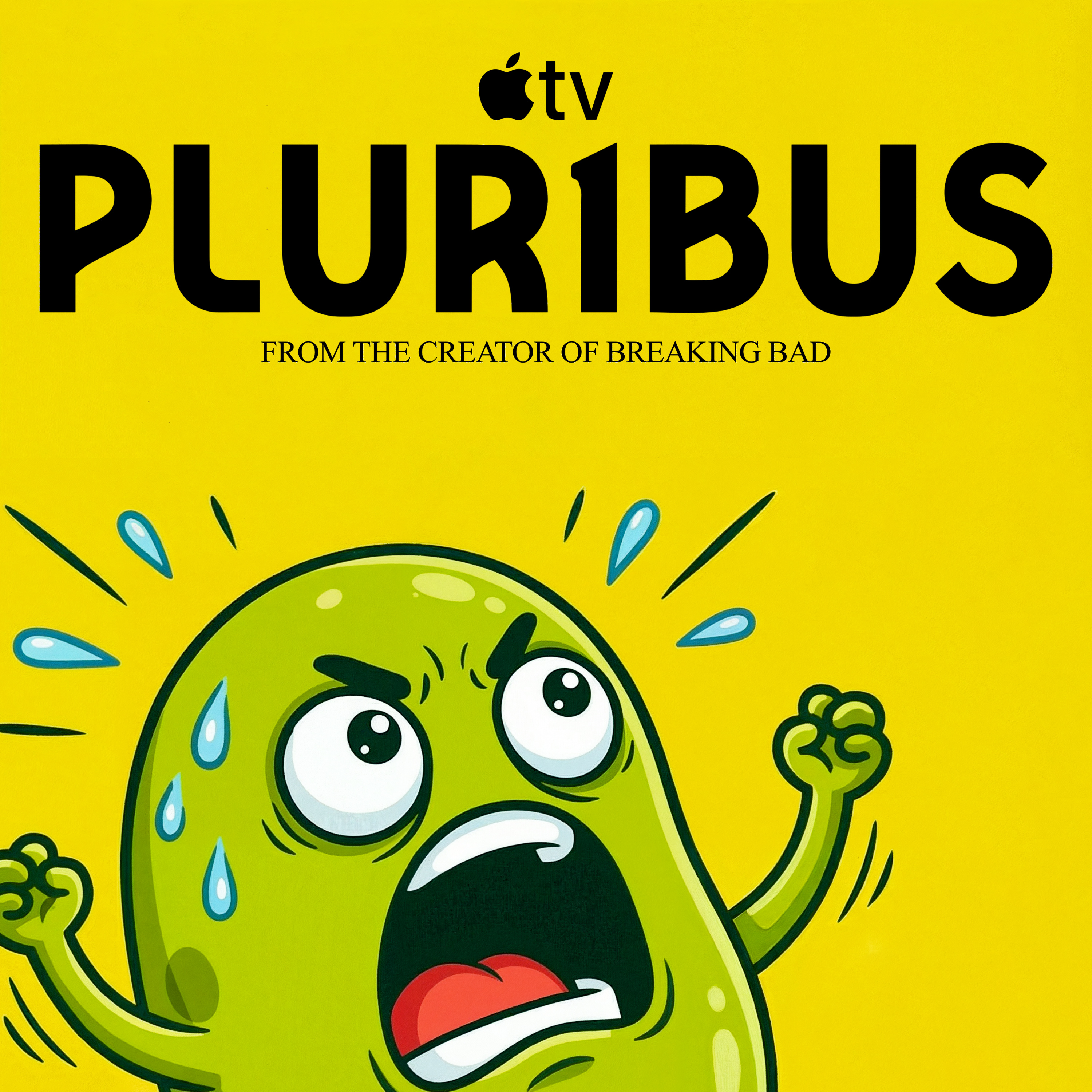
#63 - When Paradise Becomes Prison (Pluribus - Review)
What if the end of the world wasn't a hell of dust and violence, but a paradise of comfort and harmony?In this episode, Alice and Marc dissect the narrative universe of the Pluribus series. Forget brutal invasions like Star Trek; here, humanity is not undergoing a war, but an “update.” We explore how this collective consciousness (the Hive Mind) uses abundance and empathy as weapons of mass de
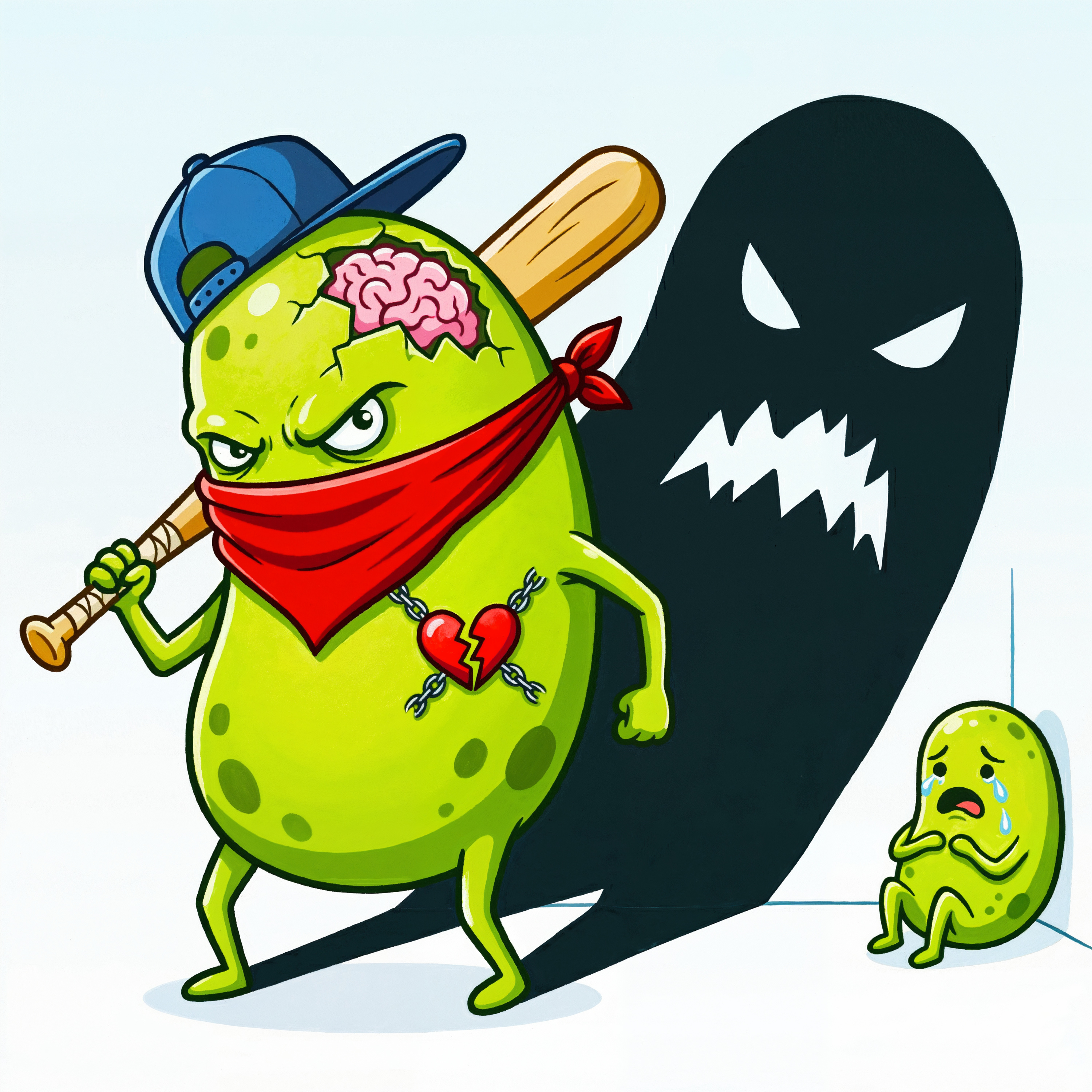
#62 – Born to Kill? (The Science of Evil)
Are "monsters" made, or are they born?In this chilling episode, Alice and Marc venture into the dark side of the brain to explore the biological roots of violence. We debunk the myth of pure evil by looking at the Biopsychosocial Etiology of Antisocial Personality Disorder.Discover why a low resting heart rate might be a predictor of criminality (the Stimulation Seeking Theory) and how the "Warrio
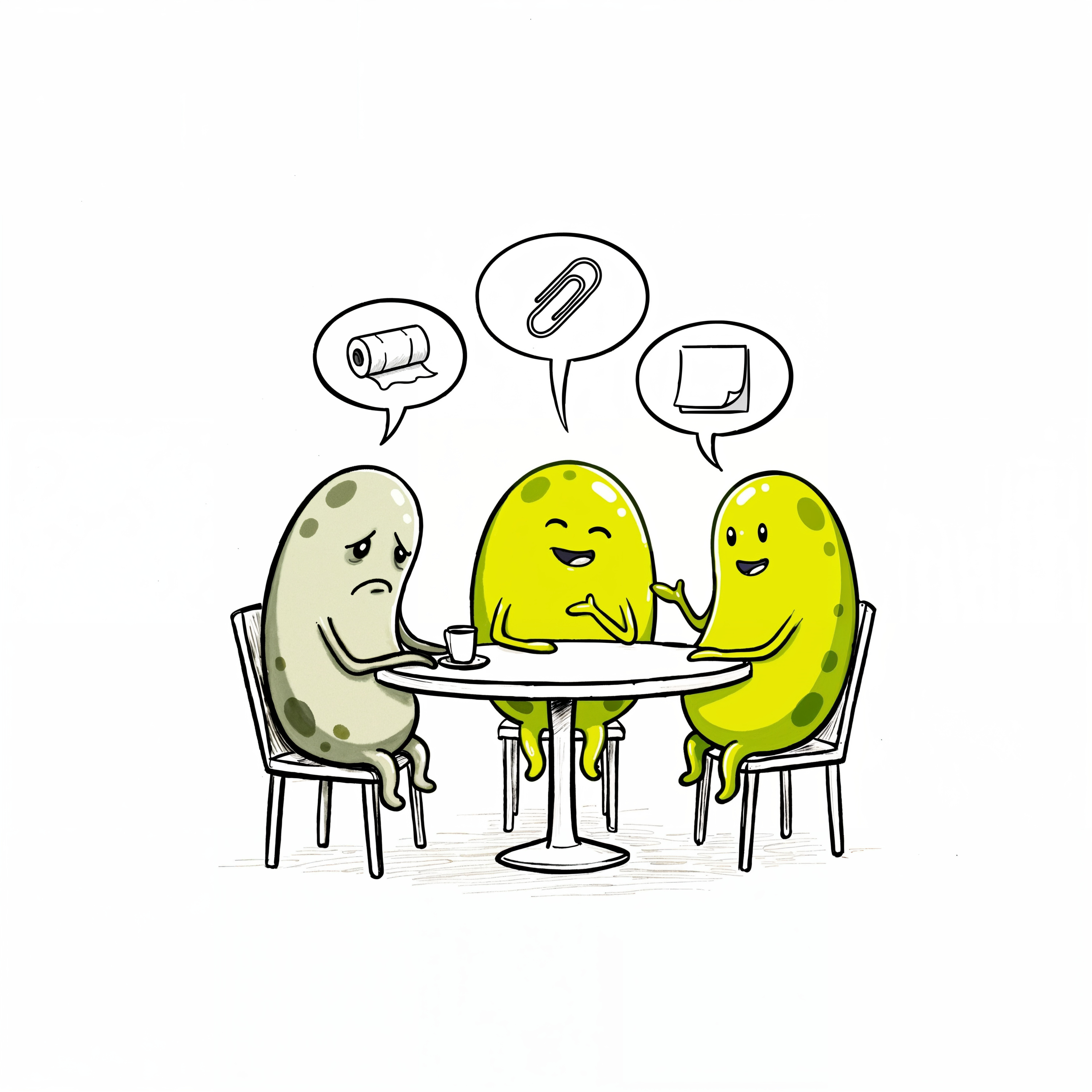
#61 – Why Do Smart People Hate Small Talk? (Need for Cognition and Intellectual Stimulation)
Why does a polite conversation about the weather sometimes feel like a physical assault on your energy? Why do you feel like a wilting plant when stuck at a dinner party with no "real" topics?In this episode, Alice and Marc reveal that your impatience isn't arrogance—it's a biological hunger. We explore Cognitive Intolerance to Under-stimulation and why a High Need for Cognition
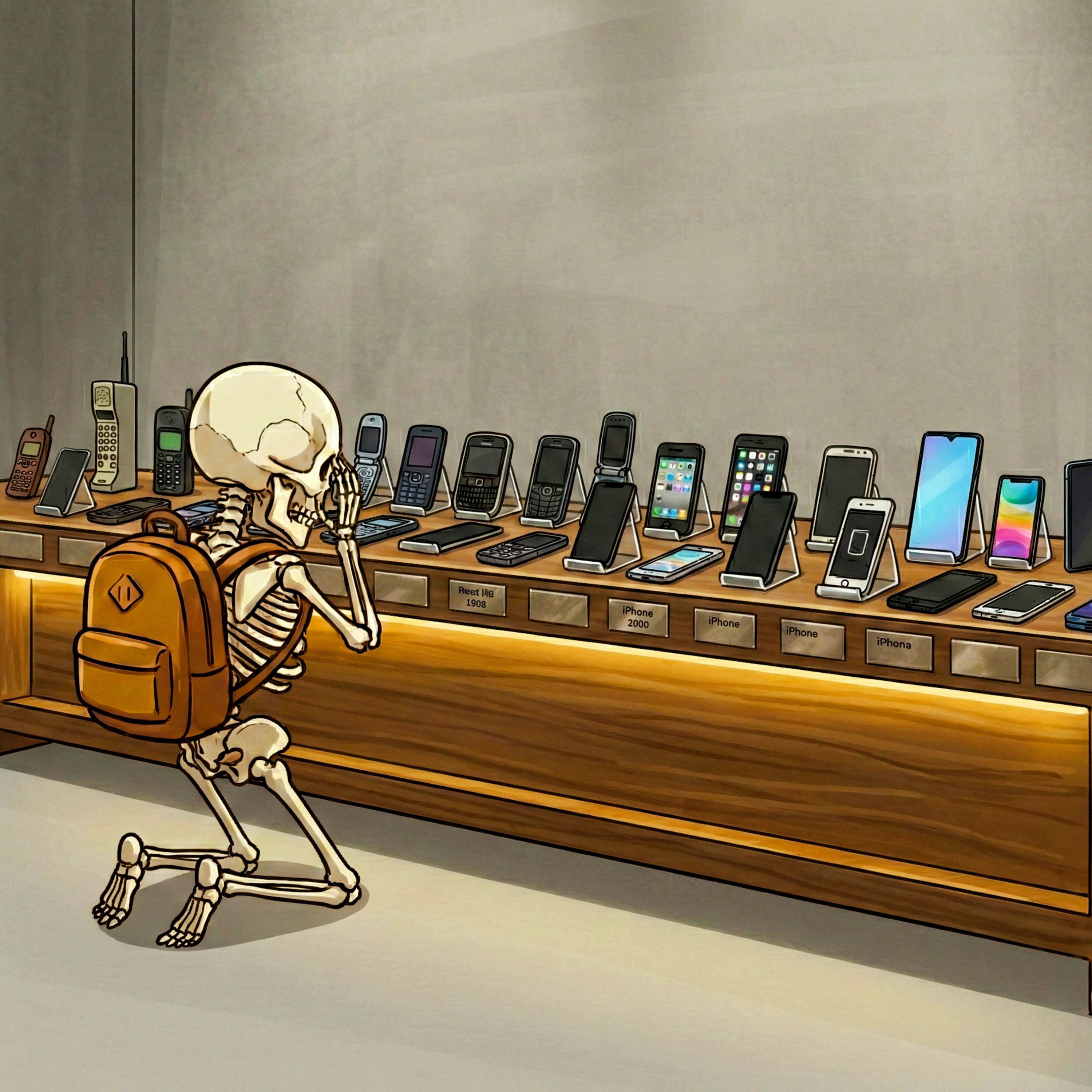
#60 – Why Your Intelligent Brain Exhausts You Chasing the "Best" ?
Have you ever spent three hours comparing toasters at midnight, paralyzed by the fear of making the "wrong" choice?In this episode, Alice and Marc diagnose the curse of bright minds: Pathological Optimization. Discover why having a High Need for Cognition (loving to think) paired with a Maximizer mindset (wanting the best) turns every mundane decision into a neurological ordeal.We explai
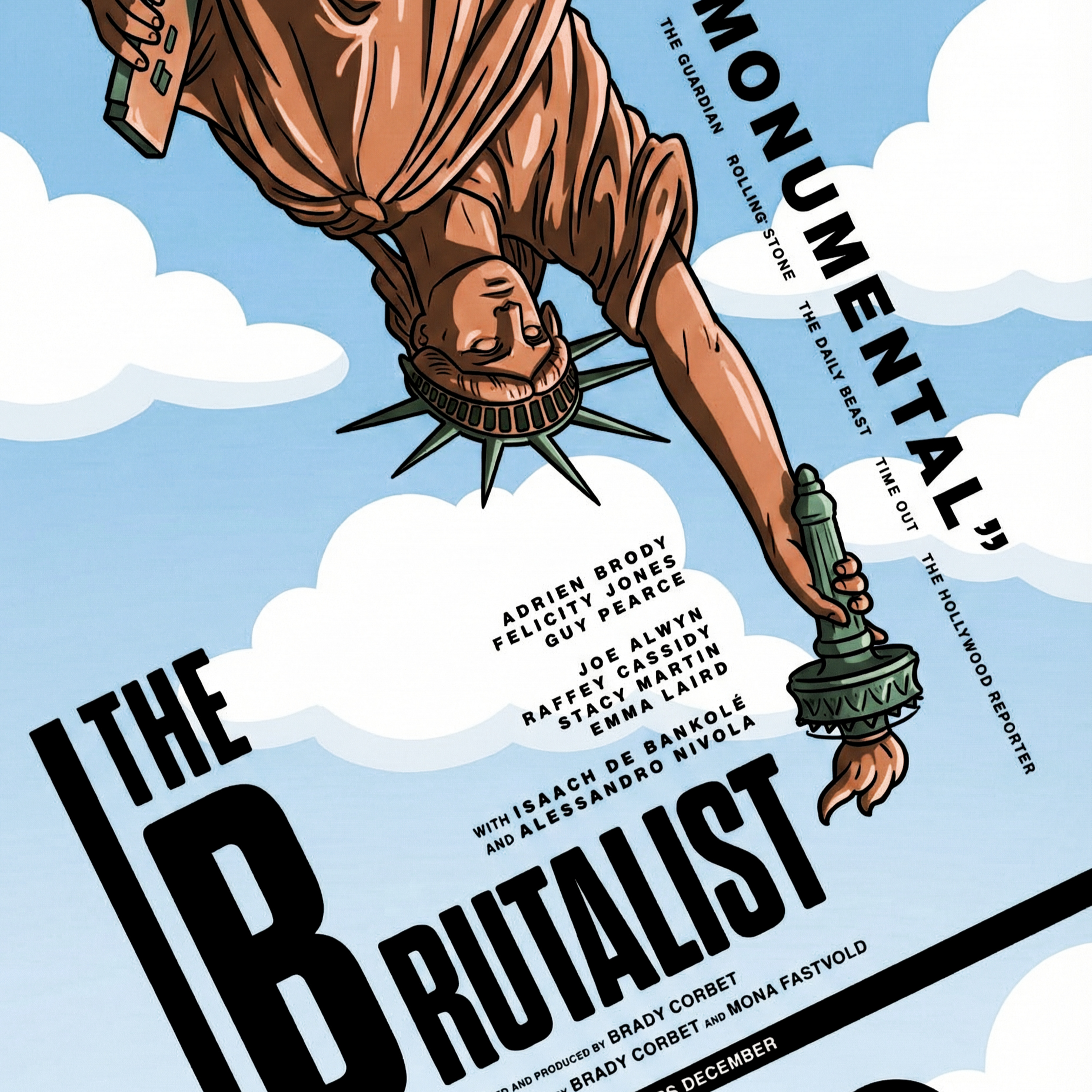
#59 – Does Concrete Have a Soul? (The Brutalist - Review).
Is "Brutalism" just about ugly grey buildings, or is it a philosophy of truth?In this episode, Alice and Marc decode Brady Corbet’s monumental film, The Brutalist. Follow the journey of László Tóth (Adrien Brody), a Holocaust survivor trying to rebuild his life in a predatory post-war America.Discover why concrete becomes an armor against trauma and how the clash between the architect an
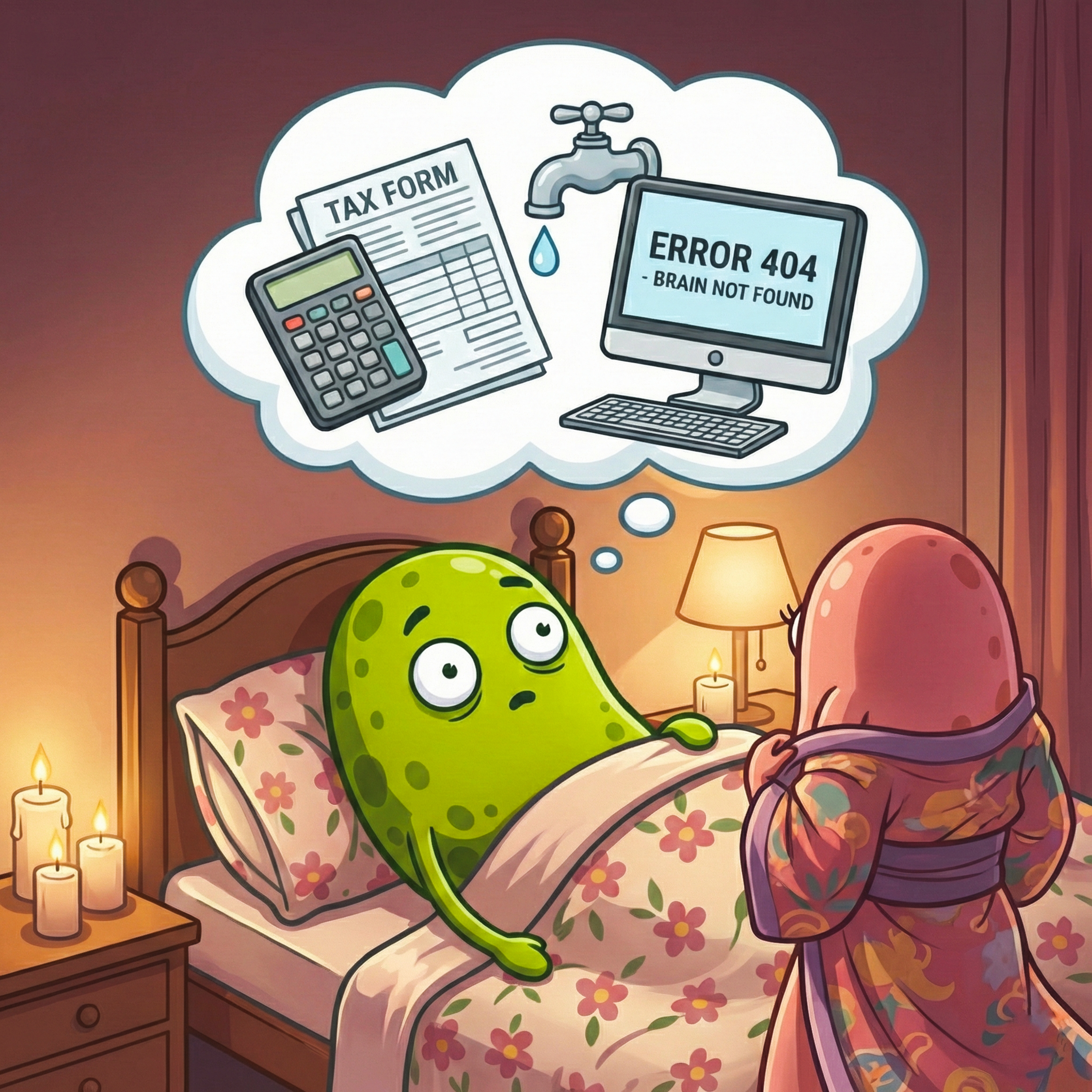
#58 – Why Does Your Libido Ghost You When You’re Naked?
You've got everything planned: the hotel, the champagne, the mood... but when the moment arrives, your body displays an “Error 404: Desire not found” message?In this episode, Alice and Marc tackle the complex mechanics of sexual desire. Discover the Dual Control Model: why your brain sometimes hits the brakes when you want to accelerate.From the anatomical truth about the CUV Complex (goodbye
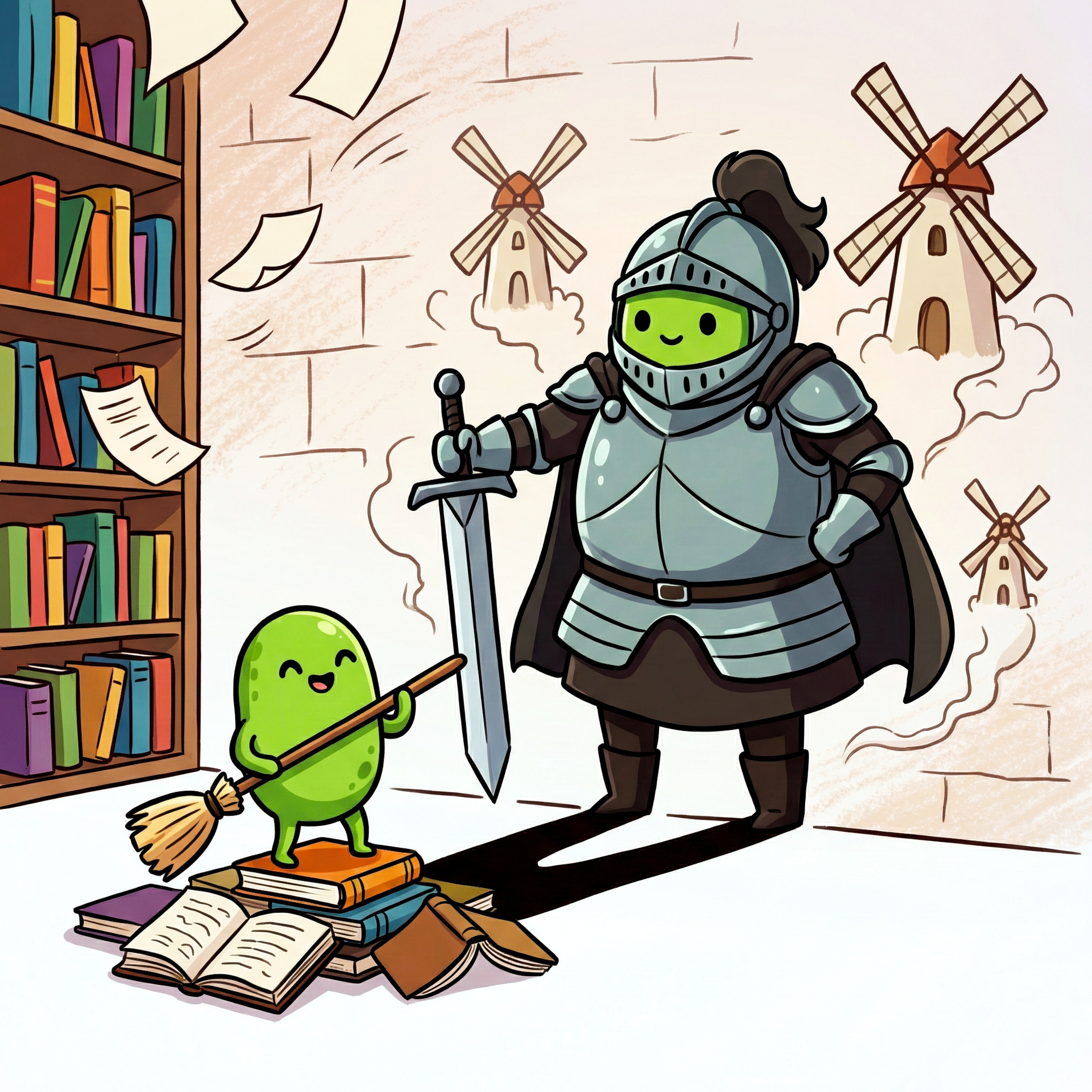
#57 – Is Your Identity Just Another Fiction? (The Don Quixote Syndrome)
What if the "Real You" didn't actually exist? In this grand finale of our trilogy "The Self is a Fiction," Alice and Marc tackle a dizzying question: is your identity merely a narrative construction constantly manufactured by your brain? From the gentle madness of Don Quixote to the trap of "Bovarism," discover how our minds superimpose stories onto the real world
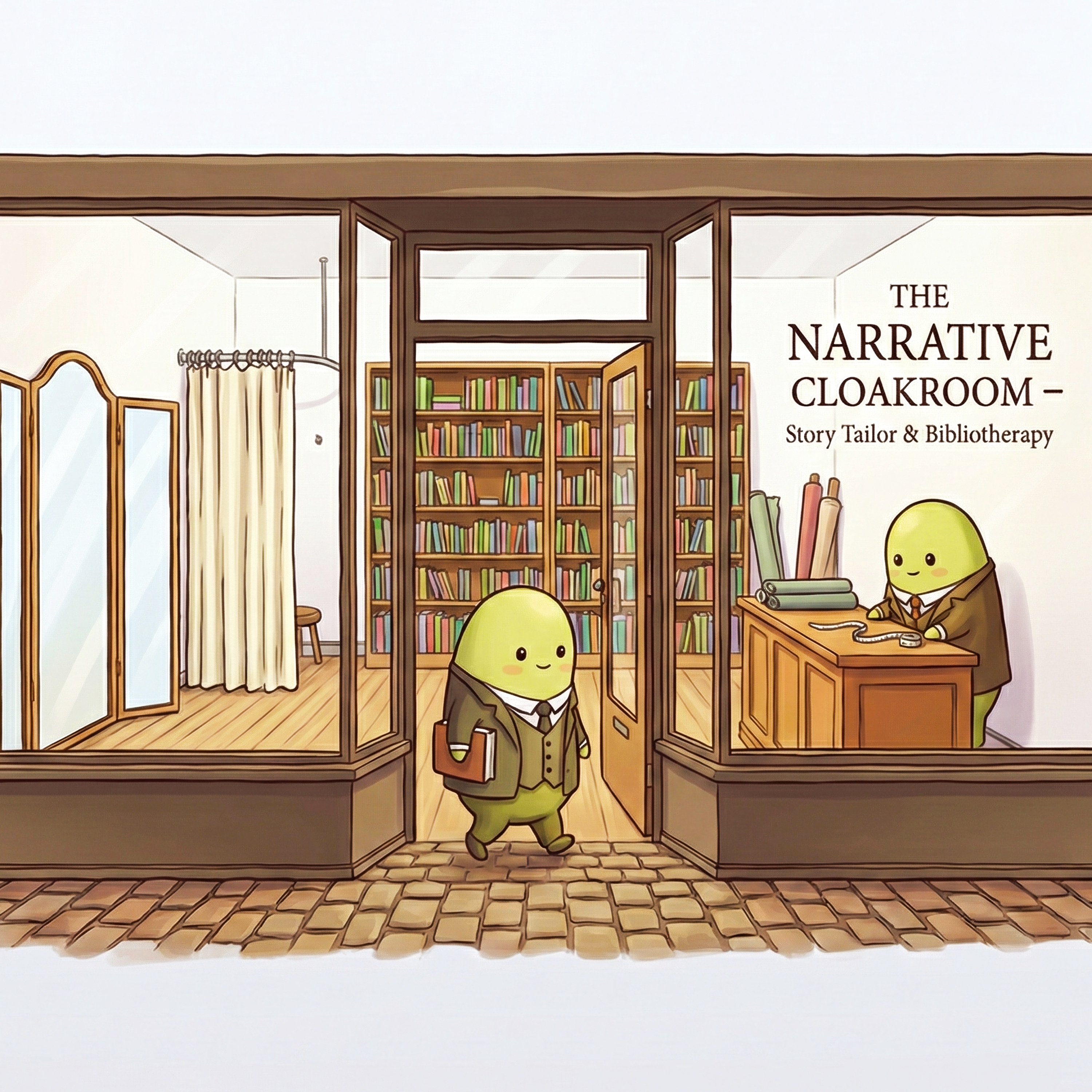
#56 – Can You Heal Your Brain With Stories? (Bibliotherapy & The Proteus Effect)
If reading can change us for 20 minutes, can it transform us forever?In this episode, Alice and Marc move from simulation to therapy. Discover the science of Bibliotherapy and why the NHS prescribes novels instead of pills.We dive into the Proteus Effect: how adopting a mental avatar can physically alter your confidence. Learn why your "Self" is actually a Narrative Identity and how to u
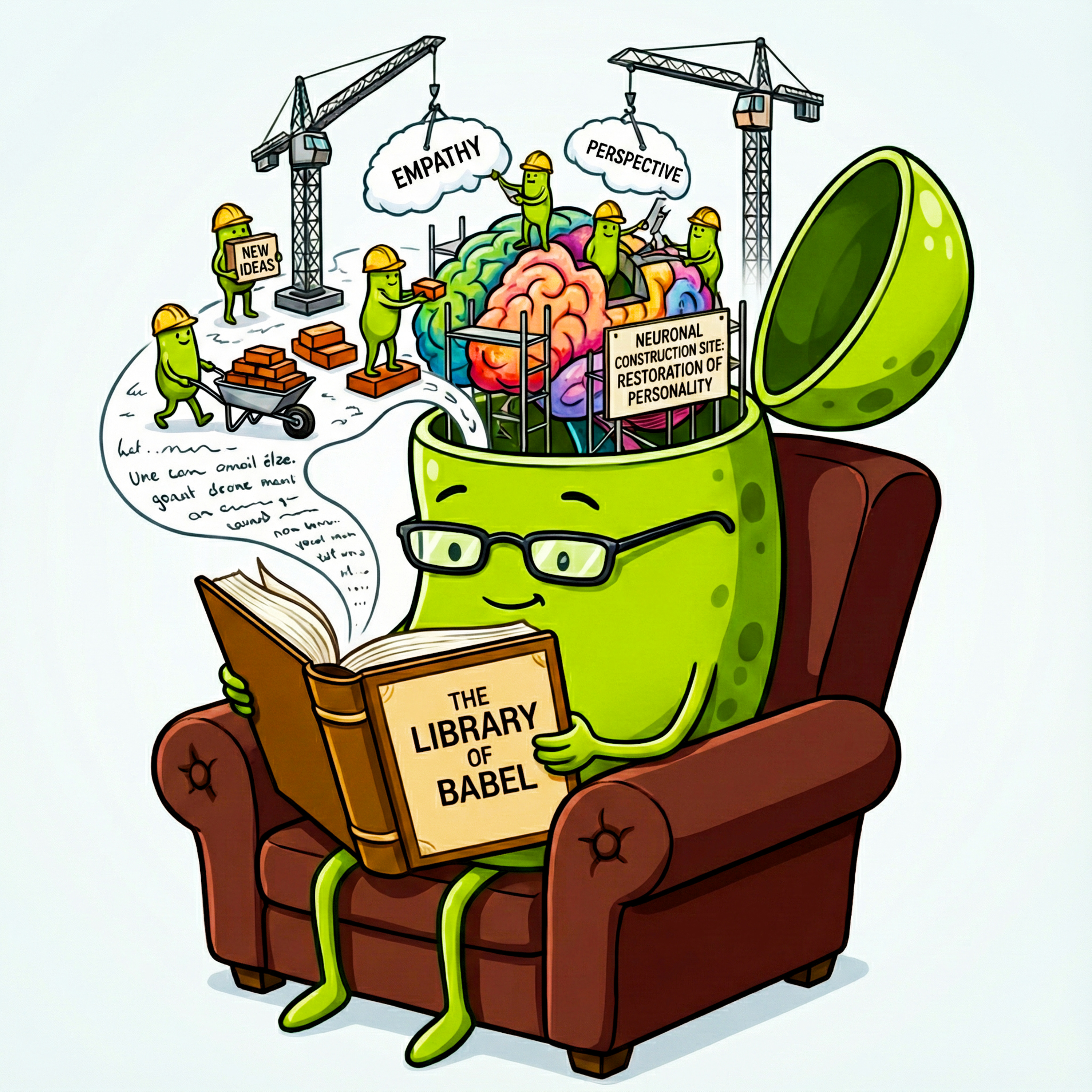
#55 – Do you become someone else when you read? (The Experience Taking)
Have you ever wanted to run a marathon right after finishing a novel... even though you hate sports?In this first installment of the “The Self is a Fiction” saga, Alice and Marc explore the fascinating phenomenon of Experience Taking. Discover why immersive reading is not mere observation, but a true dissolution of identity.Unlike simple “Perspective Taking” (conscious empathy), learn how your bra
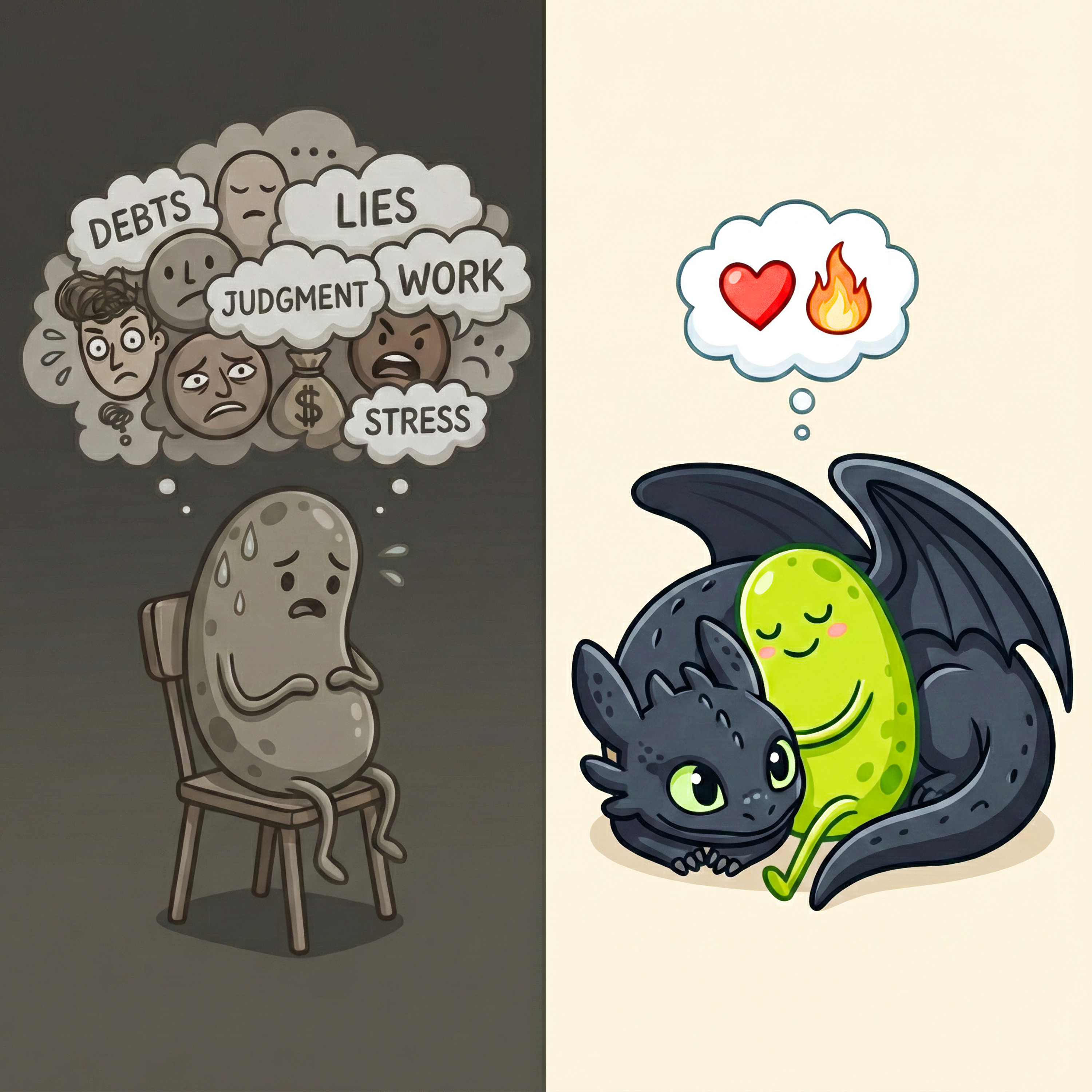
#54 – Why Are Dragons More Reassuring Than Humans?
Why do some people feel more "at home" in Middle-earth or aboard a starship than in their own neighborhood? Why is a dragon’s fire sometimes less frightening than a simple social conversation?In this final installment of our trilogy, Alice and Marc explore the vital role of fiction for neurodivergent minds (Autism, ADHD). Discover how stories act as a "social manual" with expli
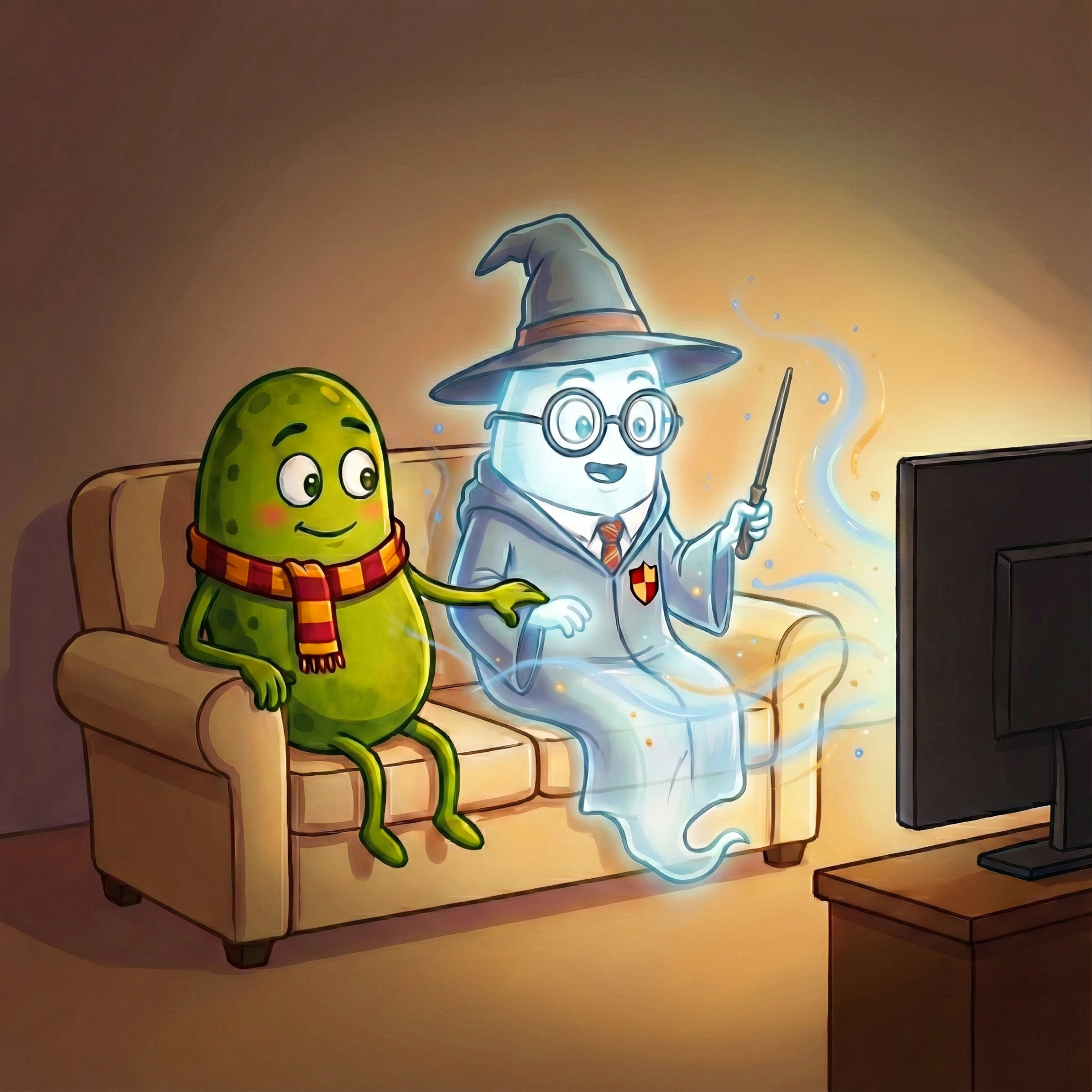
#53 – Is Your Best Friend Imaginary?
Why does the finale of Friends feel like a real-life breakup? Why do we feel a deep void when characters who don't know we exist disappear from our screens?In this episode, Alice and Marc decode the mechanics of Parasocial Relationships. Far from the cliché of the lonely geek, discover why your brain is evolutionarily wired to bond with fictional people through concepts like Social Snacking an
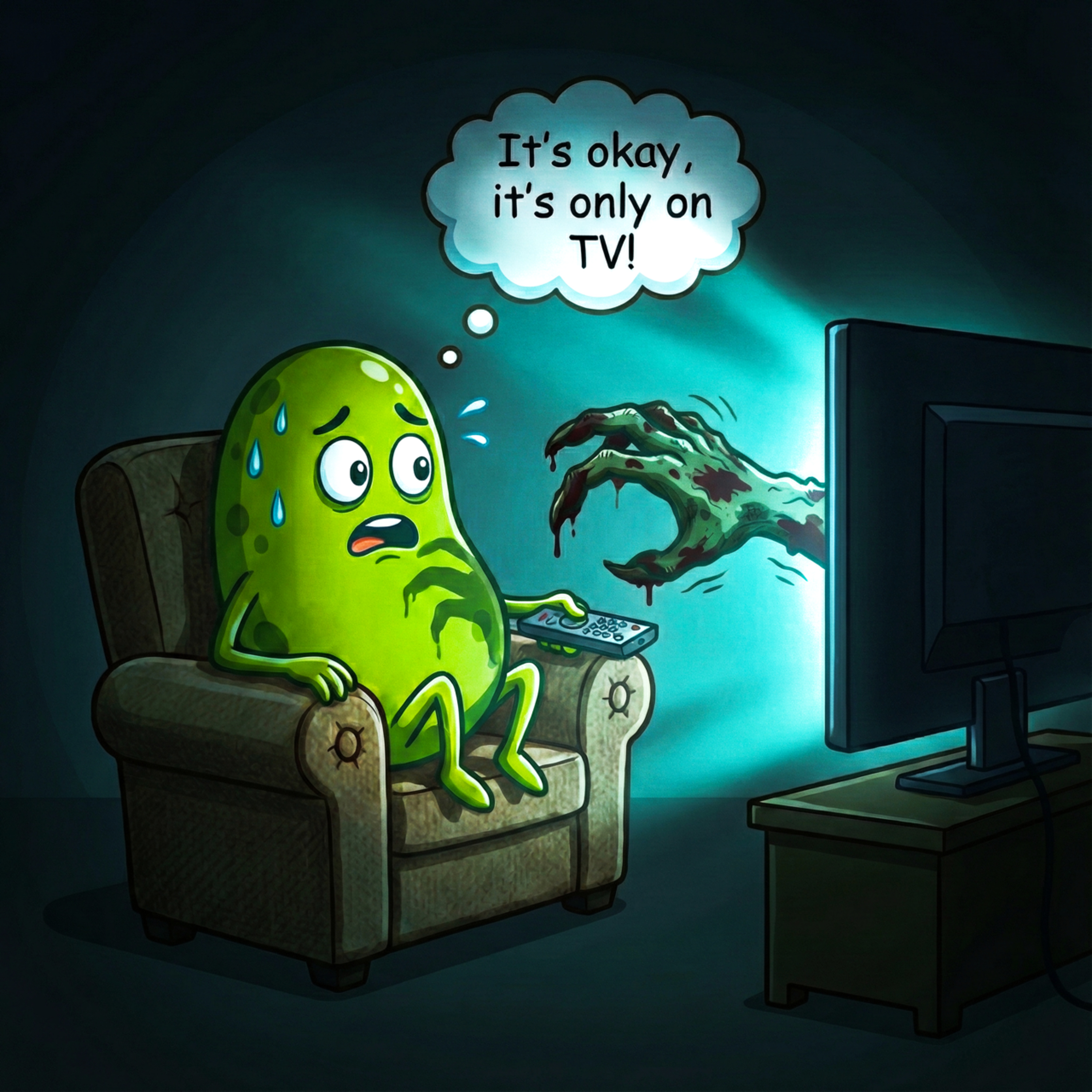
#52 – Why Do You Pay to Have Nightmares?
You know it’s just a movie. You know the characters are just pixels. So why are you sobbing on your couch like you’ve lost a best friend?In this episode, Alice and Marc decode the Paradox of Fiction. Discover why your "Rational Brain" (Belief) knows it's fake, while your "Primal Brain" (Alief) reacts as if it were life-or-death.From the "Low Road" of the amygdala to the theory of Make-Believe, lea
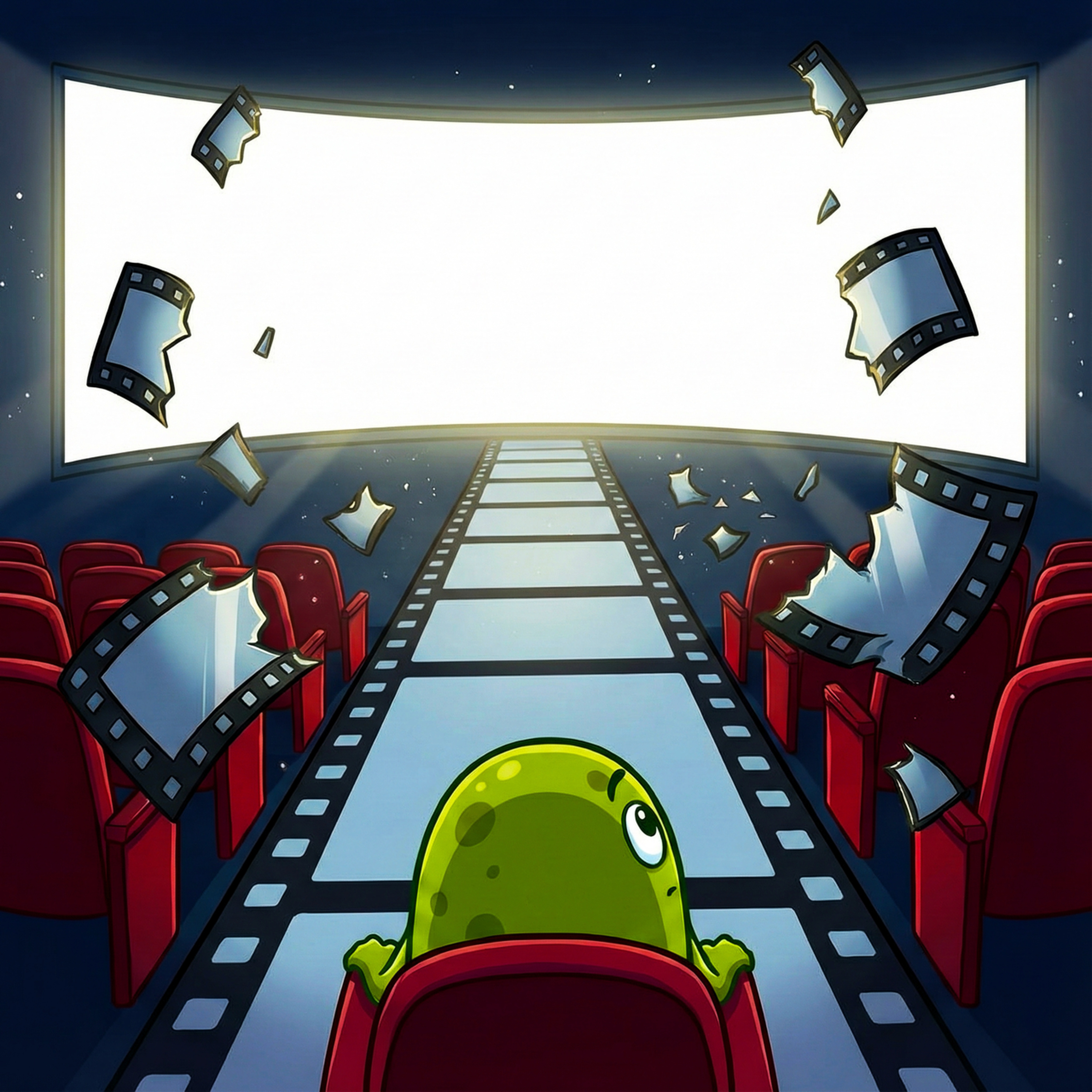
#51 – Does Culture Control Your Emotions? (The Engineering of Surprise – Part 3/3)
Is the "Three-Act Structure" universal, or just a Western obsession?For the grand finale of the trilogy, we travel East to explore the Kishōtenketsu—the narrative structure that powers everything from Totoro to Parasite.While the Western brain demands Conflict and linear causality (the "Chekhov’s Gun"), the Eastern brain embraces Contrast and harmony. Marc and Alice decode why
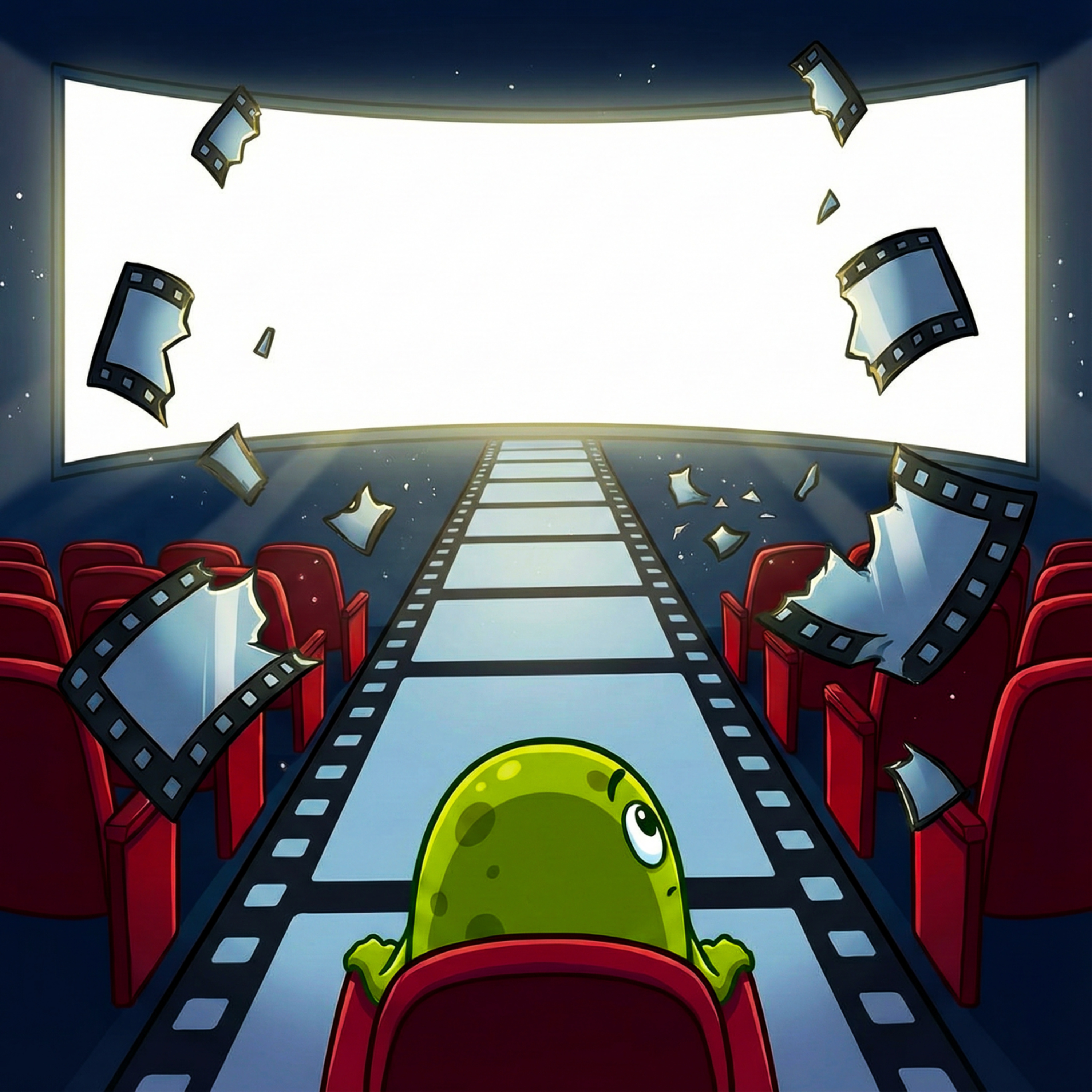
#50 – Why Do You Love Spoilers? (The Engineering of Surprise – Part 2/3)
Are you the type of person who reads the last page of a book first?In this second installment, we investigate the Paradox of Suspense. If the brain loves surprise, why do we rewatch movies we know by heart? Alice and Marc explore how Processing Fluency and Dramatic Irony turn a known story into a comforting "safety belt" for the brain.We also dive into Neurodiversity: discover why the In
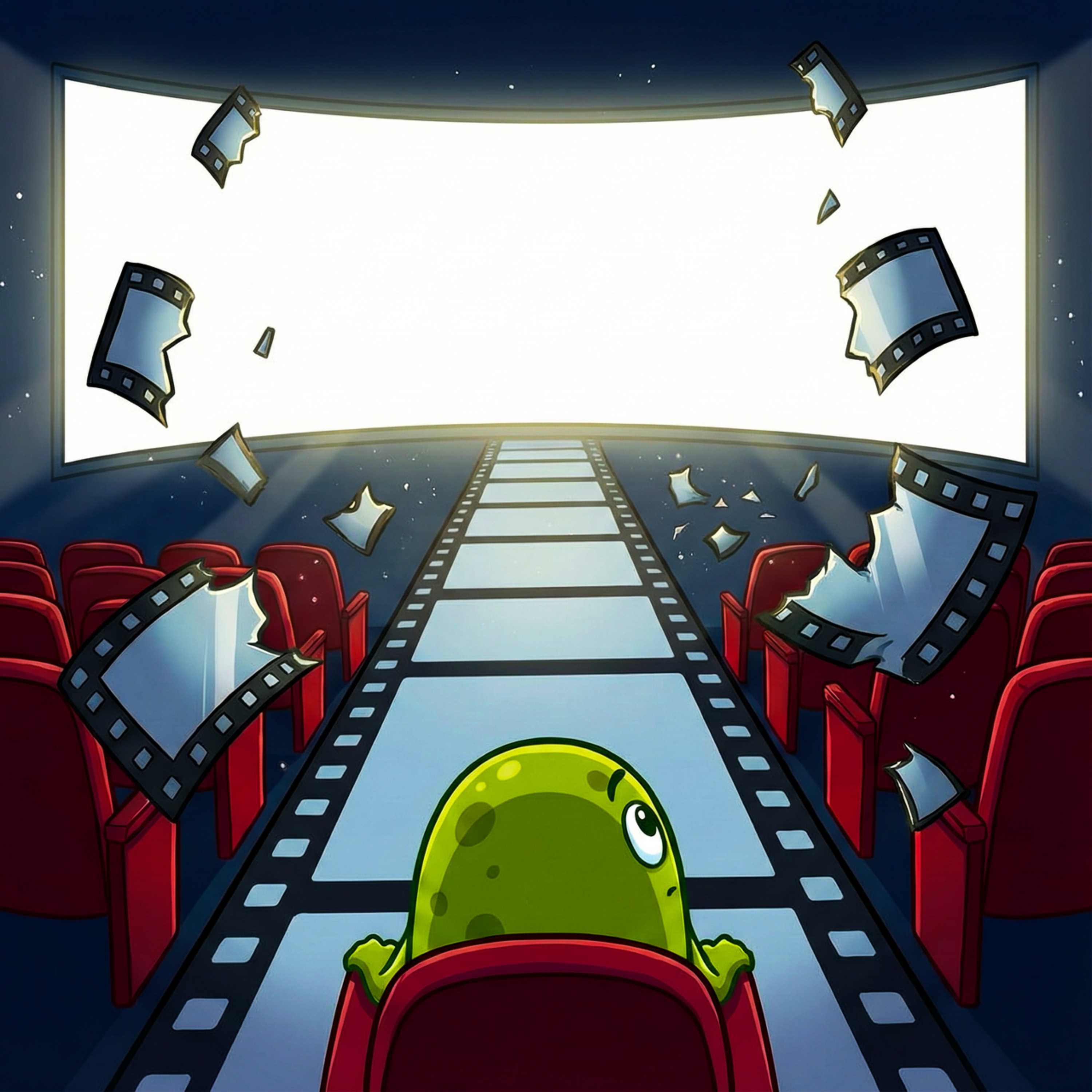
#49 – Why Does Your Brain Love Being Tricked? (The Engineering of Surprise - Part 1/3)
Why do we pay to be lied to?In this first episode of our trilogy on the neuroscience of storytelling, Alice and Marc crack open the black box of the Bayesian Brain. Discover how your mind is actually a "prediction machine" that hallucinates your reality, and why a good plot twist triggers a massive dopamine hit by generating a Prediction Error.From The Sixth Sense to Fight Club, learn ho
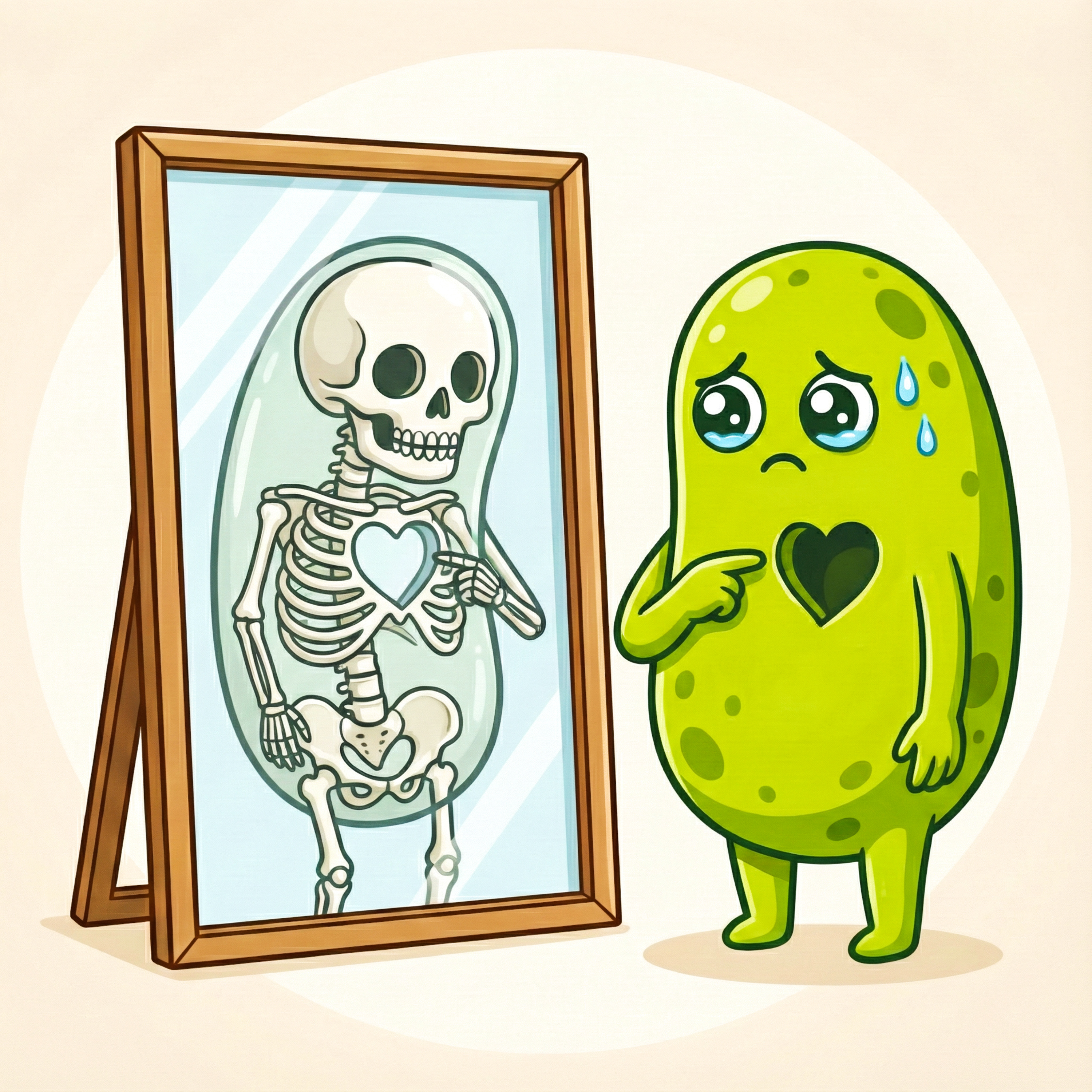
#48 – What If You Were Already Dead and No One Told You?
Imagine looking in the mirror and knowing—with absolute mathematical certainty—that you no longer exist.In this episode, Alice and Marc explore the chilling world of Cotard’s Delusion (Walking Corpse Syndrome). Far from being "crazy," discover why these patients are actually too rational: when the brain loses its emotional connection to the body (Emotional Anosognosia), the only logical
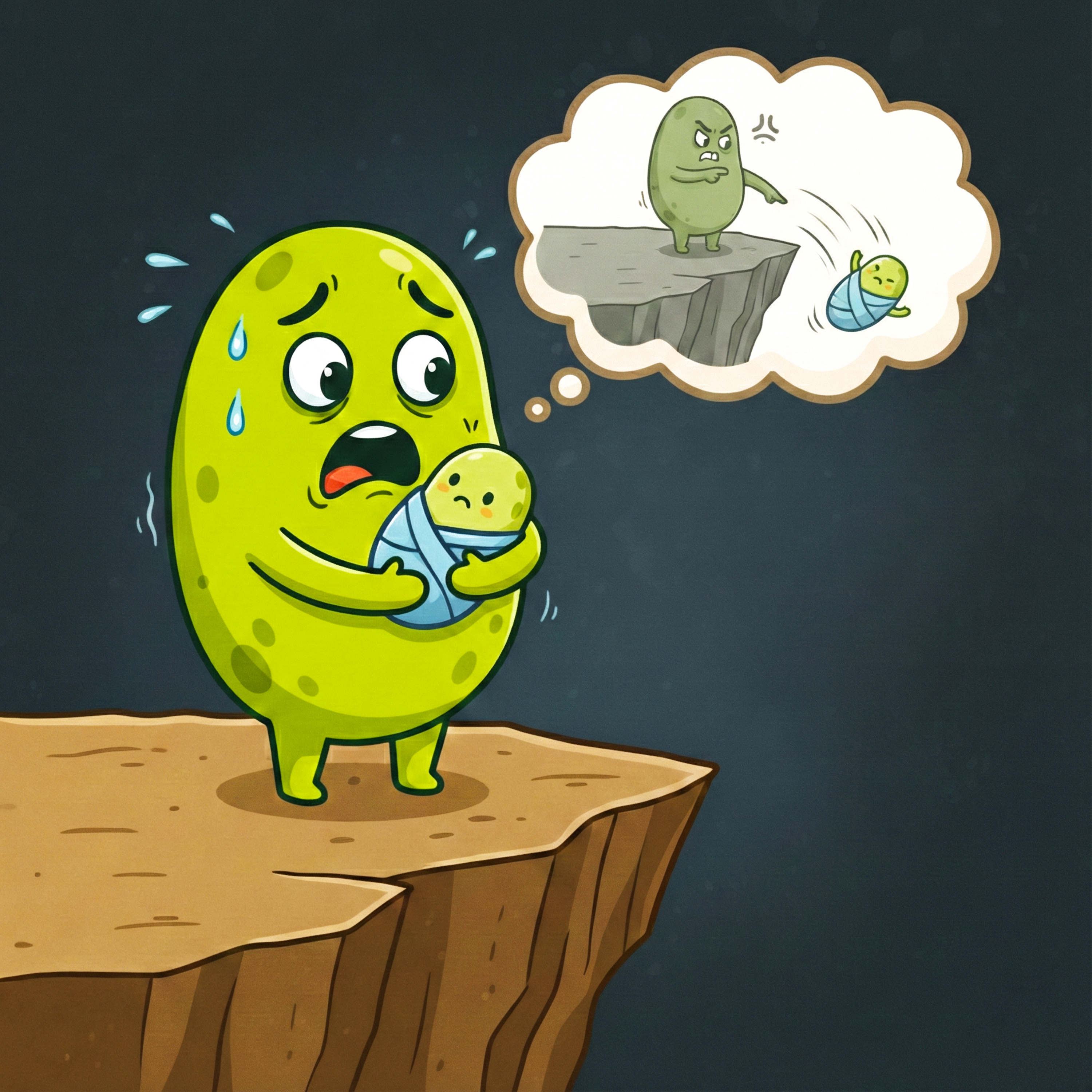
#47 – Why Do You Suddenly Want to Throw Your Baby Out the Window?
Have you ever stood on a cliff edge and felt a sudden urge to jump? Or held a newborn and visualized dropping them?In this episode, Alice and Marc tackle the terrifying phenomenon of Intrusive Thoughts and the Call of the Void. Far from being a sign of madness, discover why these dark flashes are actually "Misinterpreted Safety Signals" generated by a hyper-vigilant brain.From the High P
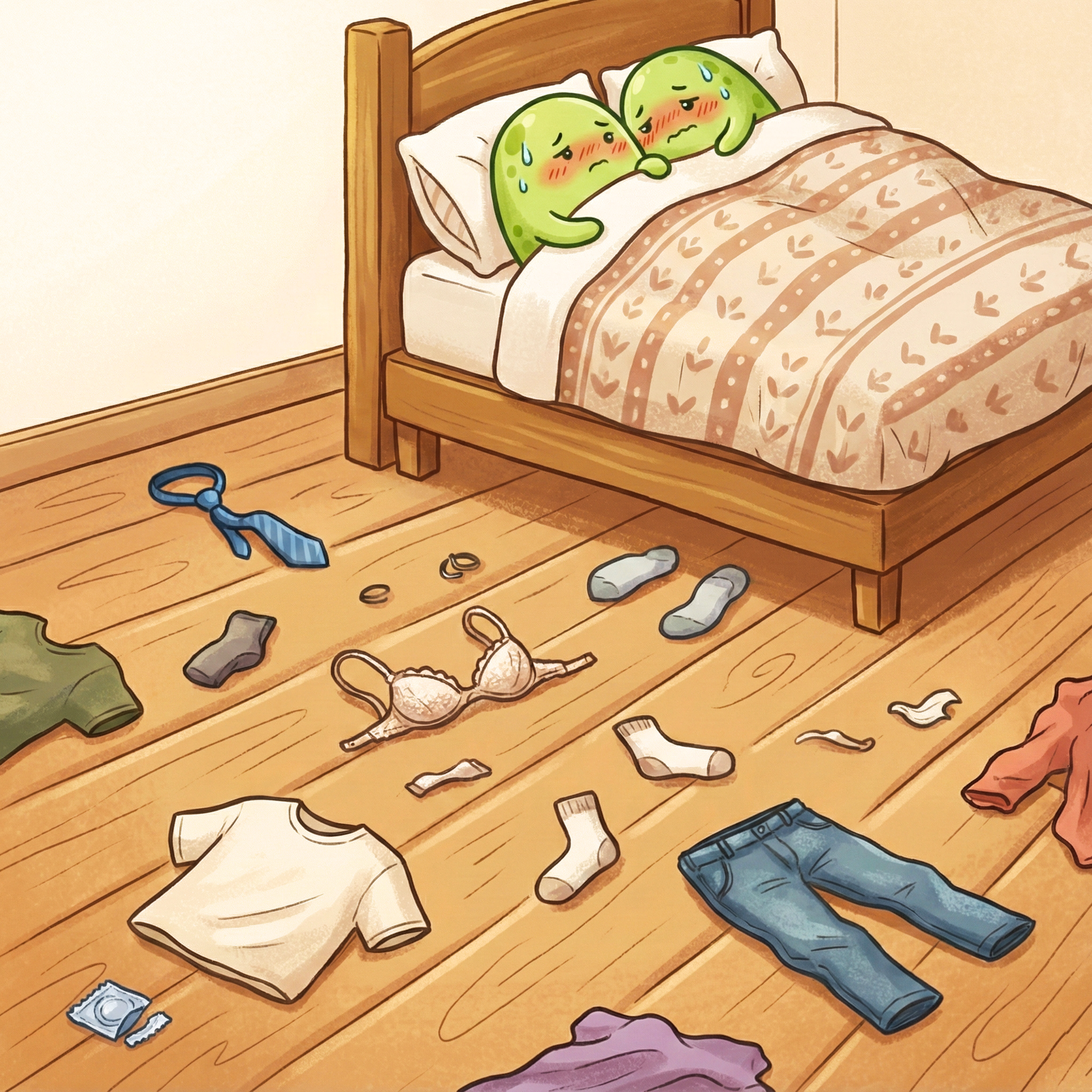
#46 – Post-Orgasmic Shame: Why Do You Become a Puritan Philosopher in 3 Seconds?
Why do you suddenly want to delete your browser history and join a monastery the second the "fun" is over?In this episode, Alice and Marc decode the neurochemistry behind Post-Nut Clarity. Discover why the sudden crash of Dopamine and the rise of Prolactin turn your brain from a risk-taker into a risk-averse judge.From the Japanese concept of Kenjataimu ("Sage Time") to the evo
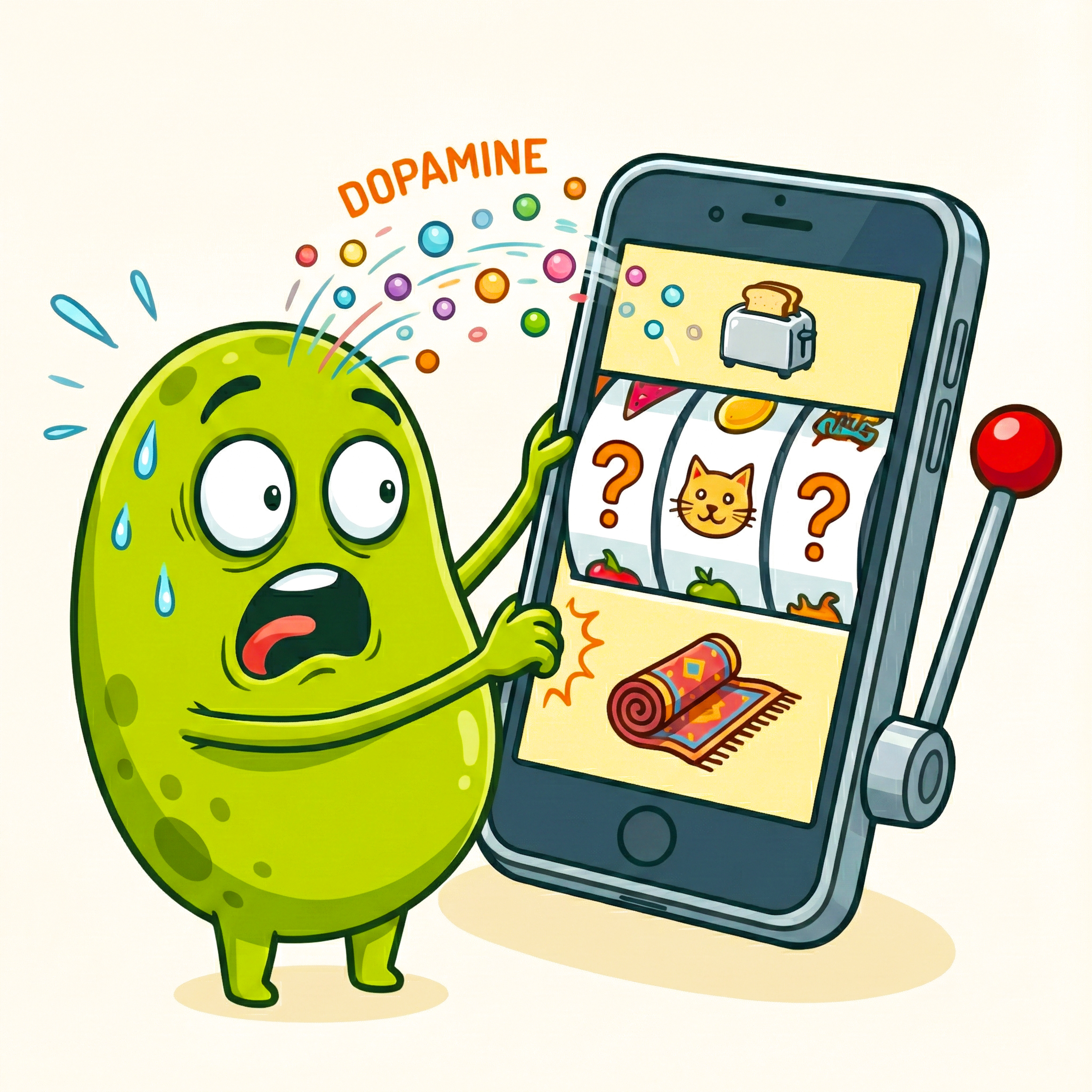
#45 – Who Is Driving the Bus When You Scroll?
Do you control your thumb, or is an algorithm holding the steering wheel?In this episode, Alice and Marc dive into the terrifying mechanics of the Attention Economy. From the "slot machine" effect of Intermittent Reinforcement to the zombie-like state of Dark Flow, discover how Silicon Valley hacks your dopamine to keep you scrolling.Learn why you can’t stop watching useless videos at 2
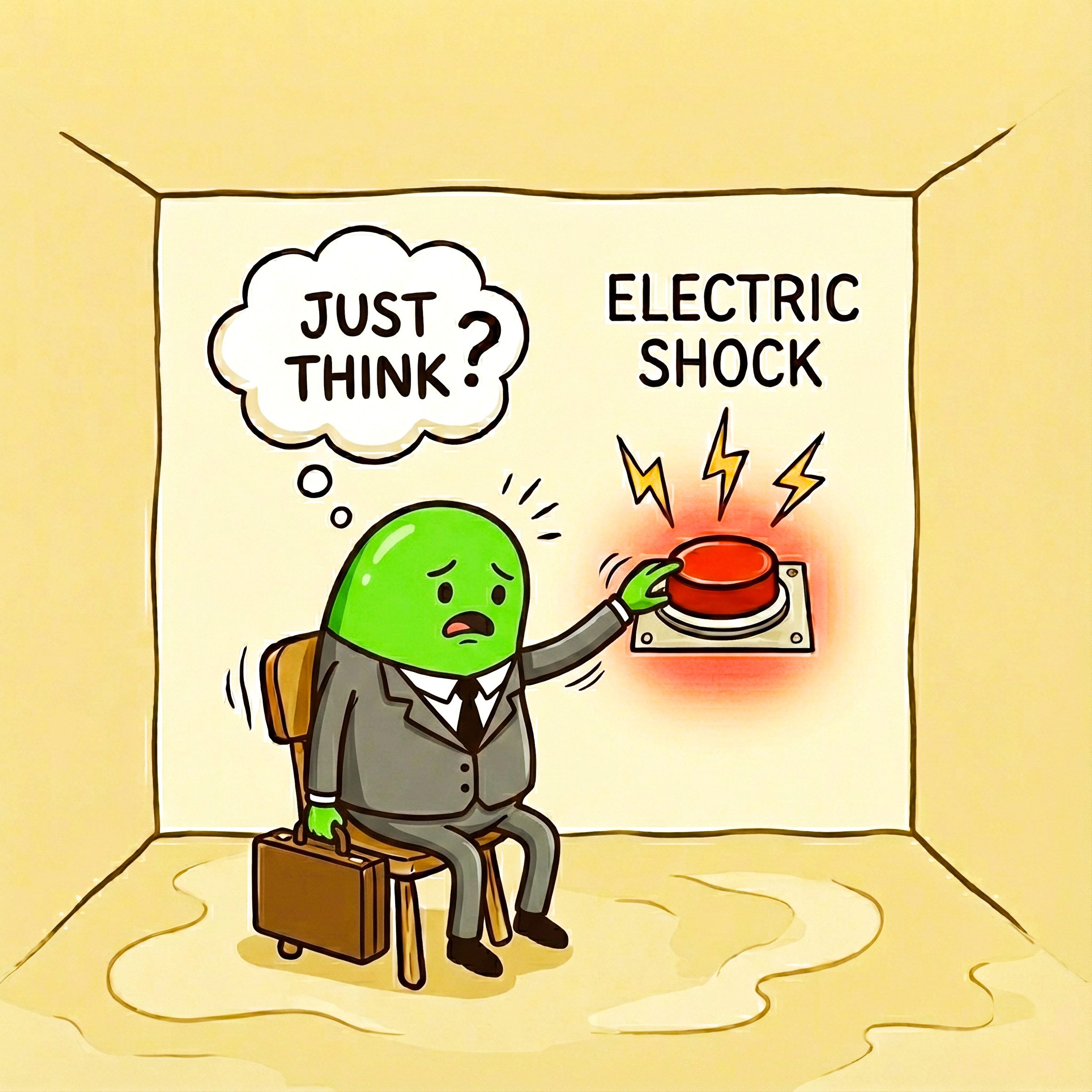
#44 – What Happens When You Do Nothing?
Why does a simple 6-minute wait at a bus stop feel like torture without your phone?In this episode, Alice and Marc explore the "Crisis of Emptiness." From Blaise Pascal’s philosophy to the neuroscience of the Default Mode Network, discover why your brain desperately needs you to be bored to function properly.Find out why reading a phone book can actually boost your creativity and how to
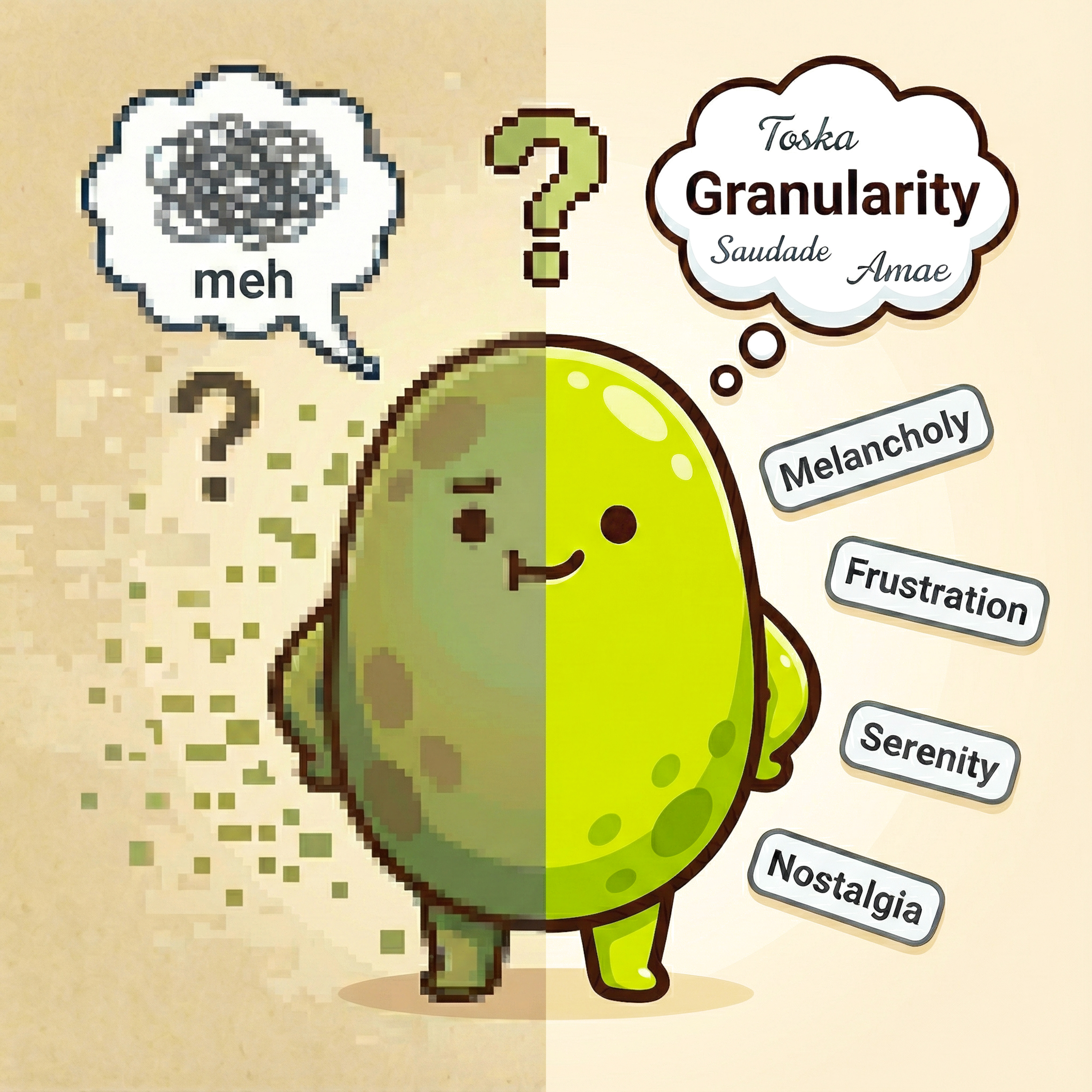
#42 – Do the words you use change how you feel?
Does your morning “meh” hide a much more specific emotion?In this episode, Alice and Marc explore Emotional Granularity and discover why the precision of your vocabulary acts as a real biological brake on your amygdala (the center of fear).From Wittgenstein's philosophy (“The limits of my language are the limits of my world”) to untranslatable emotions such as the Russian Toska or the Portugue
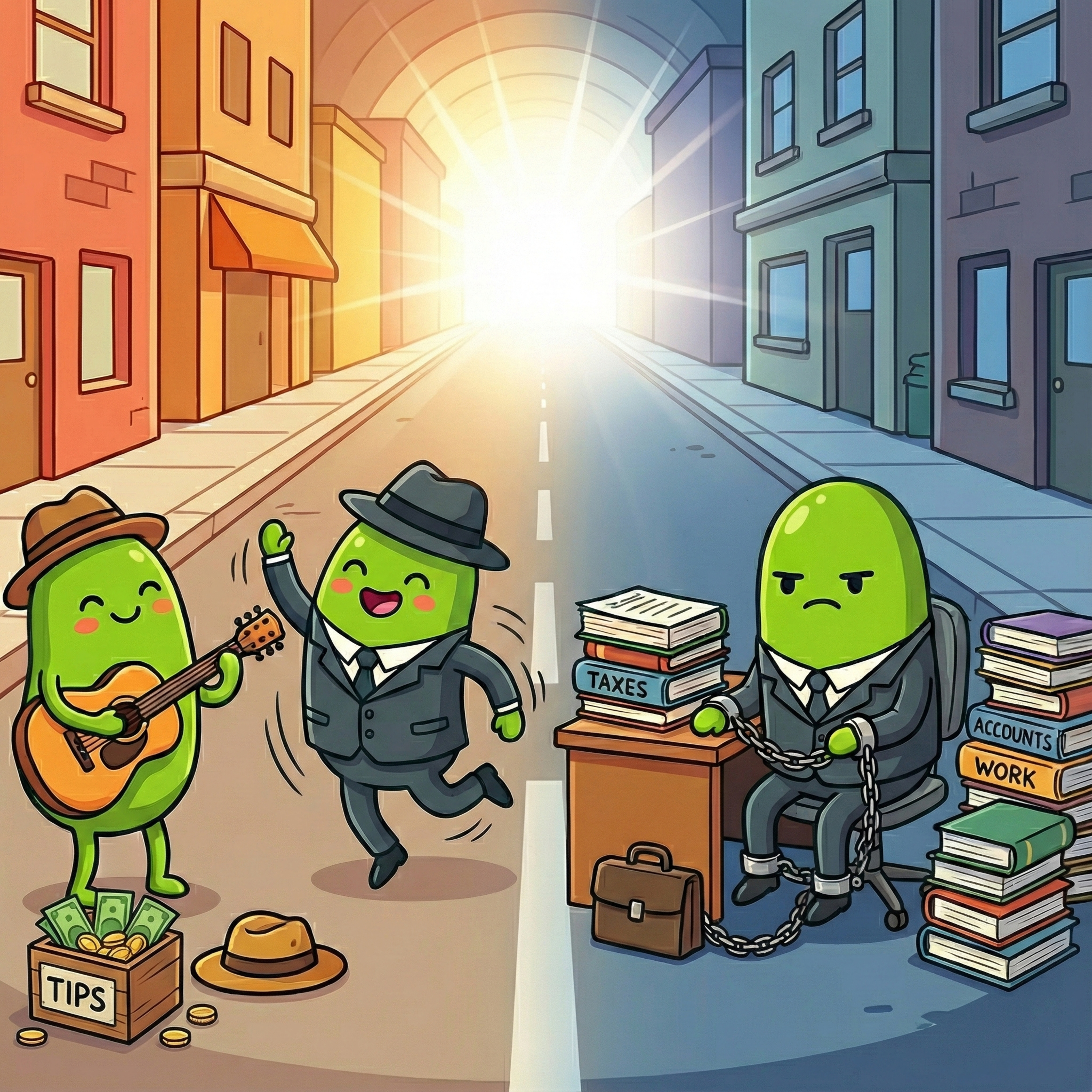
#41 – Why you are an entire universe that is dying out, and why that's okay.
What if the apocalypse wasn't the end of the Earth, but simply the end of your world?Alice and Marc revisit the film The Life of Chuck from a new angle: the neuroscience of consciousness. Drawing on the theory of Controlled Hallucination, they decipher why the death of a single man is comparable to “a burning library” and how your brain populates your reality with the “ghosts” of the people yo
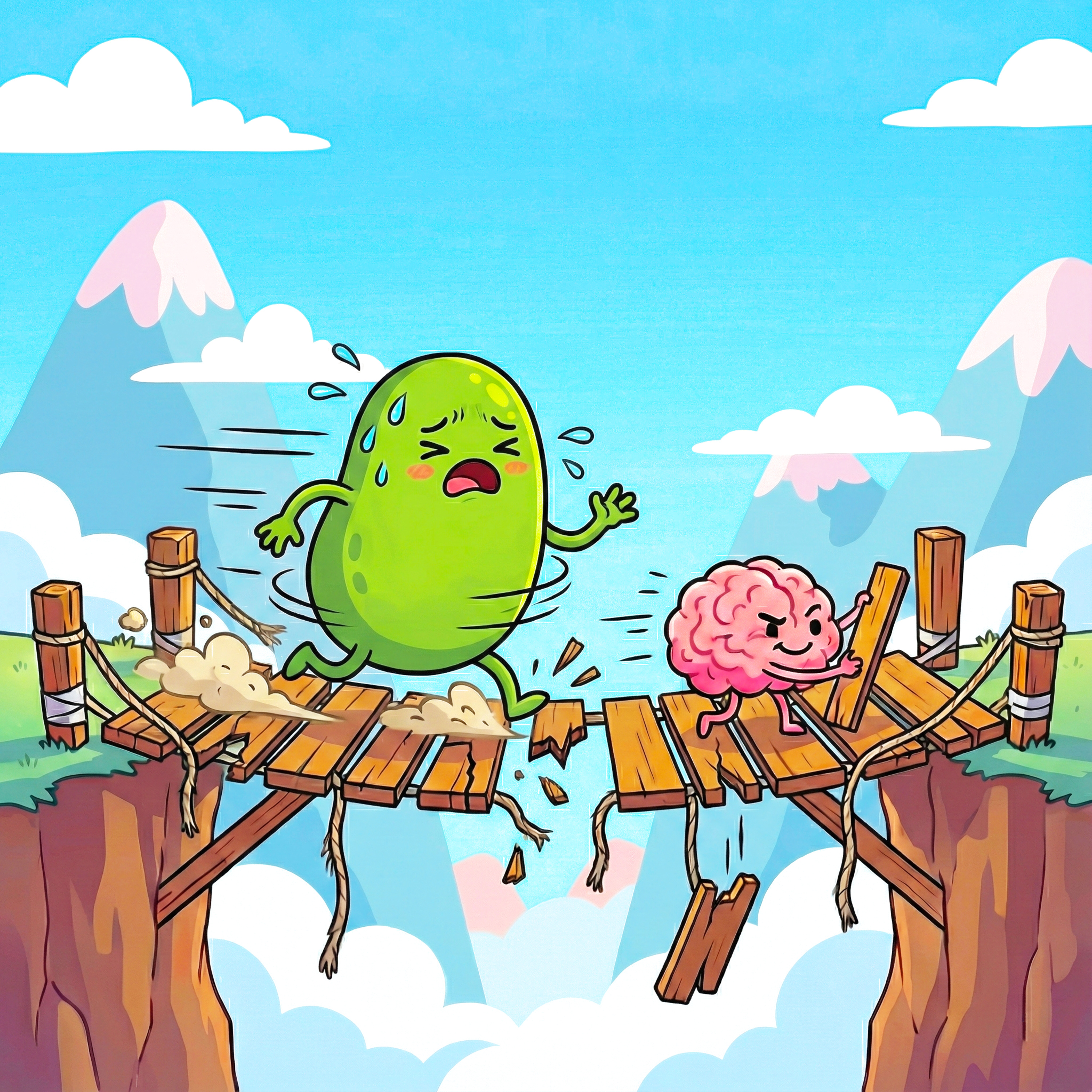
#40 – Why is it physically impossible to admit that you're wrong?
Why can a simple political debate trigger real physical pain in your stomach?In this episode, Alice and Marc dive into the neuroscience of bad faith. Discover why your rational brain is often just a “shady lawyer” serving your emotions (the Elephant) and how the fear of being wrong activates the same neural areas as an actual physical injury.Understand the trap of Error Blindness (why being wrong

#39 – Does it hurt, or do you think it hurts?
Can you feel excruciating pain without having a single scratch?In this episode, Alice (and her sore little toe) and Marc delve into the mechanics of suffering. From the Buddhist parable of the “Two Arrows” to the incredible true story of the worker pierced by a nail, discover why pain is a construct of the brain.
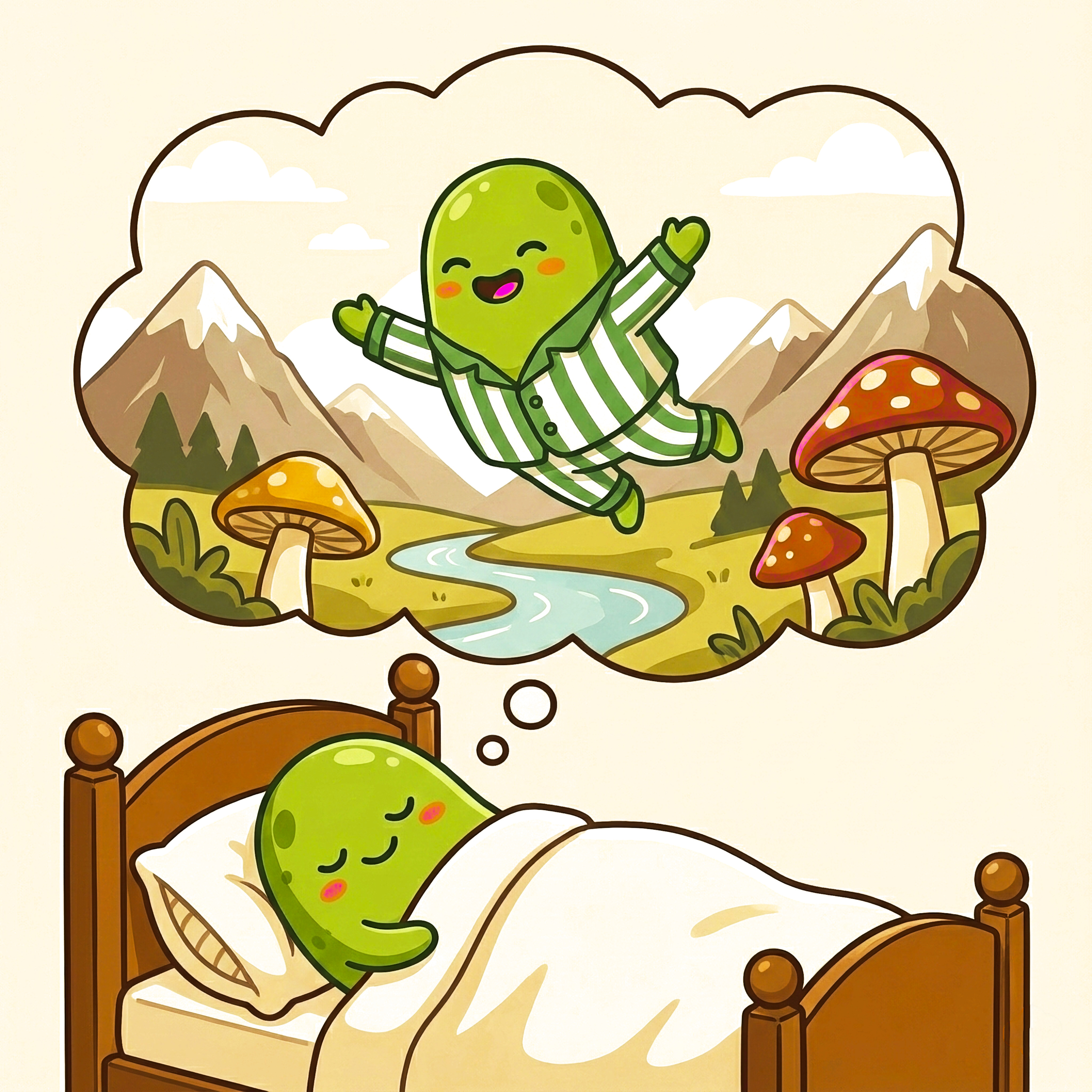
#38 - Are you sure you're awake?
Look at your hands. Are you absolutely sure you're not dreaming?In this episode, Alice and Marc explore the most fascinating flaw in our brains: lucid dreaming. Find out why it's physically impossible to run fast in a dream and how scientists have achieved the unthinkable: communicating in real time with people who are asleep.Between neuroscience and philosophical vertigo, get ready to que
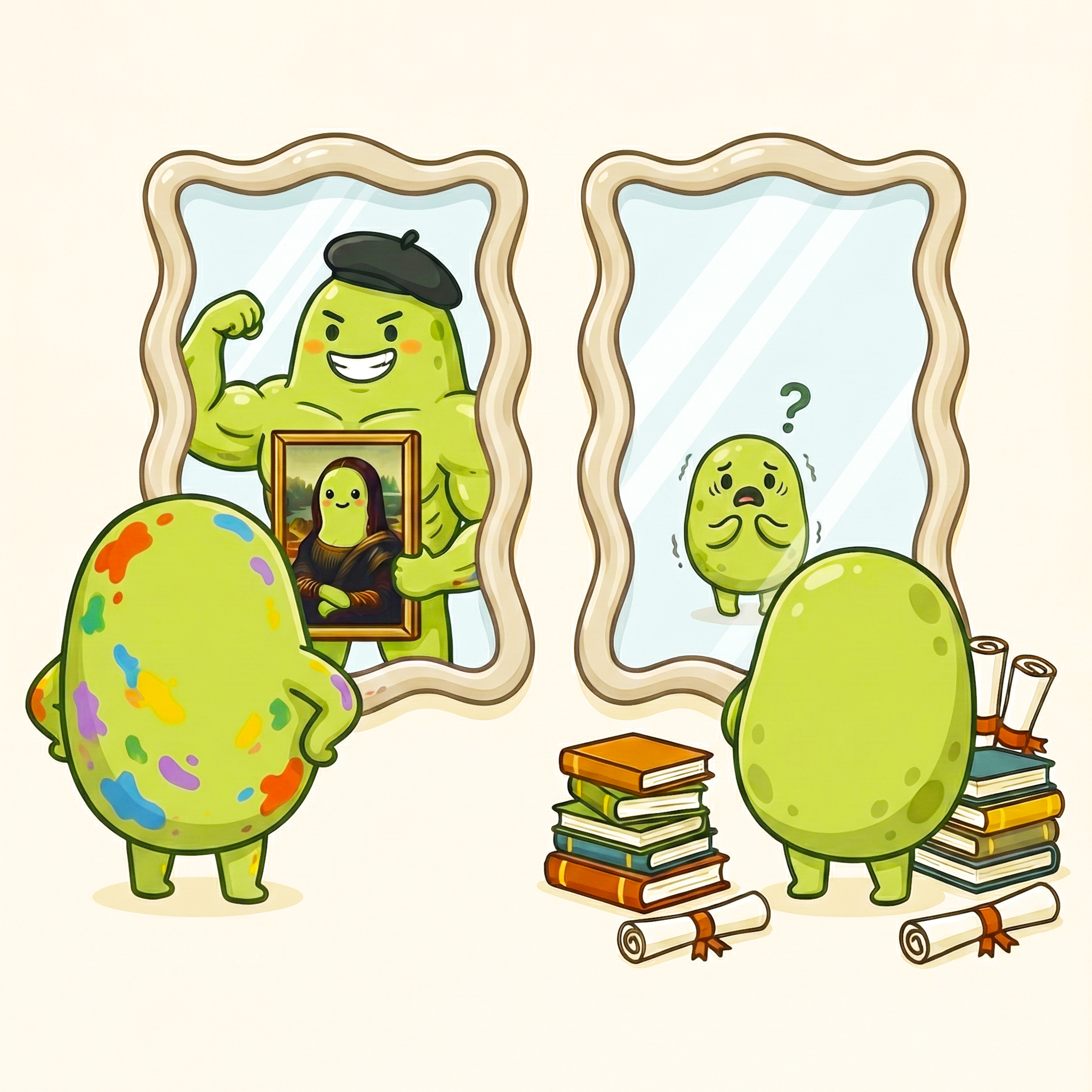
#37 - Why are incompetent people so confident? (And why you doubt yourself)
Why does Uncle Gerard, who has only read one article, think he understands geopolitics better than an expert? And why do the most brilliant people live in constant fear of being “exposed”?In this episode, Alice and Marc explore the two sides of the same metacognitive coin: the arrogance of ignorance (the Dunning-Kruger effect) and the paralysis of expertise (impostor syndrome). Find out why 80% of
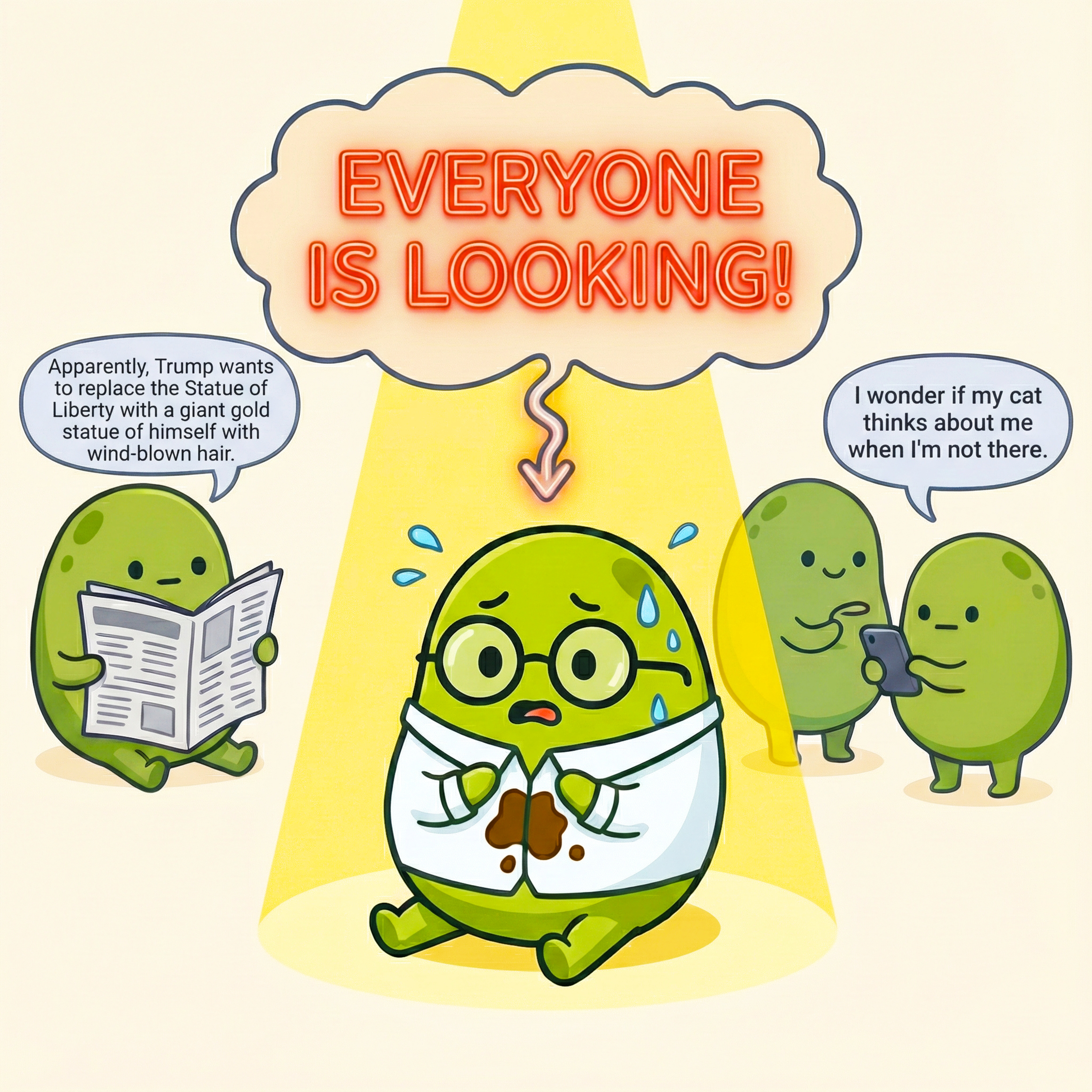
#36 - Why do you think everyone is looking at you? (Escaping Social Paranoia)
Ever felt like a tiny coffee stain on your shirt was a neon sign screaming for attention?In this episode, Alice and Marc dive into the Spotlight Effect to explain why our brains trick us into believing we are the center of the universe. From the famous "Barry Manilow T-shirt" experiment to the Illusion of Transparency, discover why you are statistically "invisible" to the peopl
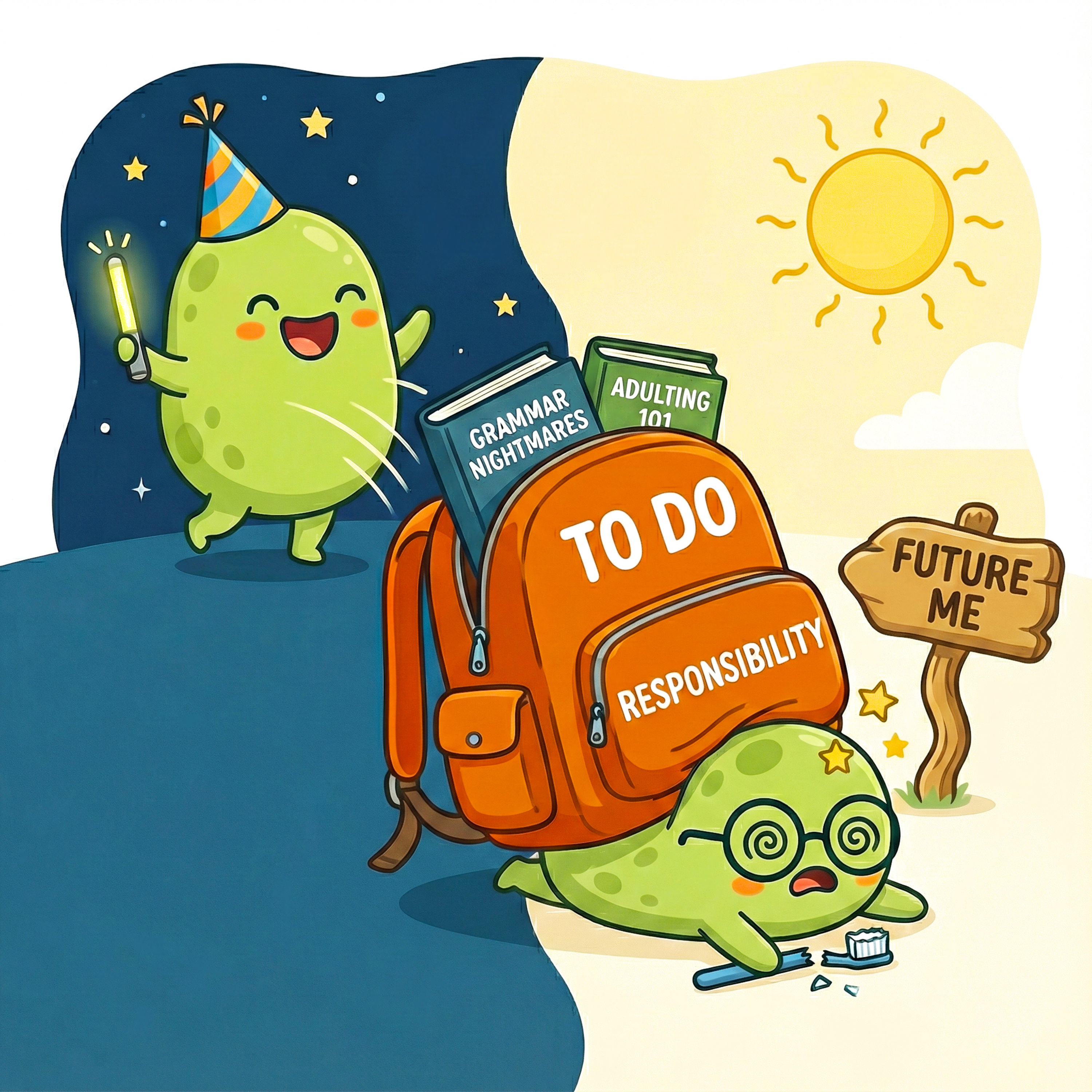
#35 - Why do you treat your future self like a stranger? (The science of procrastination)
Why is it so difficult to go to bed early, even when we know full well that we'll regret it the next morning?In this episode, Alice and Marc debunk the myth of laziness. Find out why your brain neurologically treats your “future self” as a complete stranger (literally as if it were Matt Damon) and how “Revenge Procrastination” becomes an act of emotional rebellion.Forget iron discipline: learn why
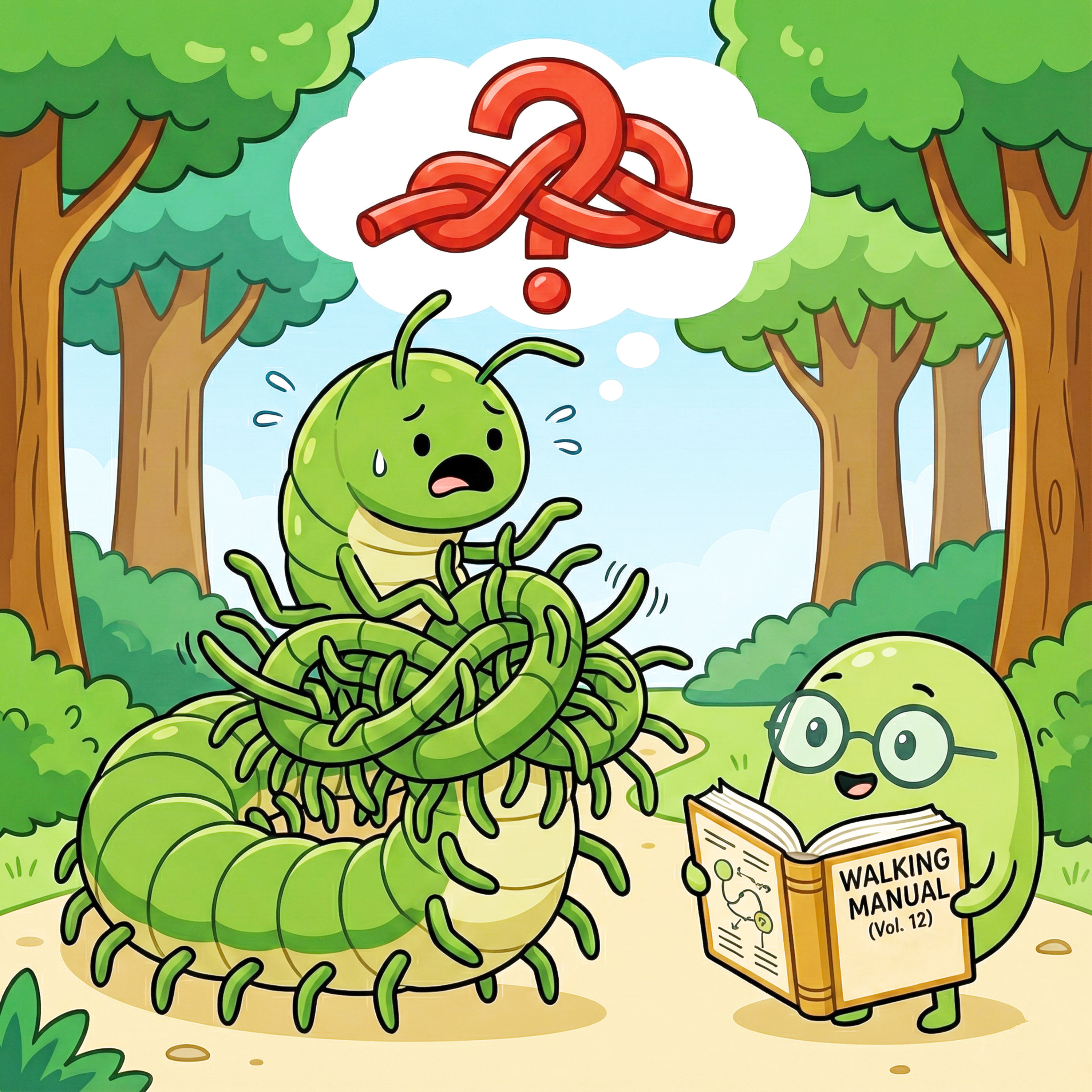
#34 - Does analysis paralyze genius? (Or why overthinking kills art)
Why does a champion miss an easy shot under pressure? Why does a centipede stumble when asked how it walks? In this episode, Alice and Marc delve into the paradox of expertise: that critical moment when conscious analysis, an essential tool for learning, suddenly becomes the enemy of performance. From the neuroscience of jazz improvisation to the tragedy of focal dystonia, discover the biological
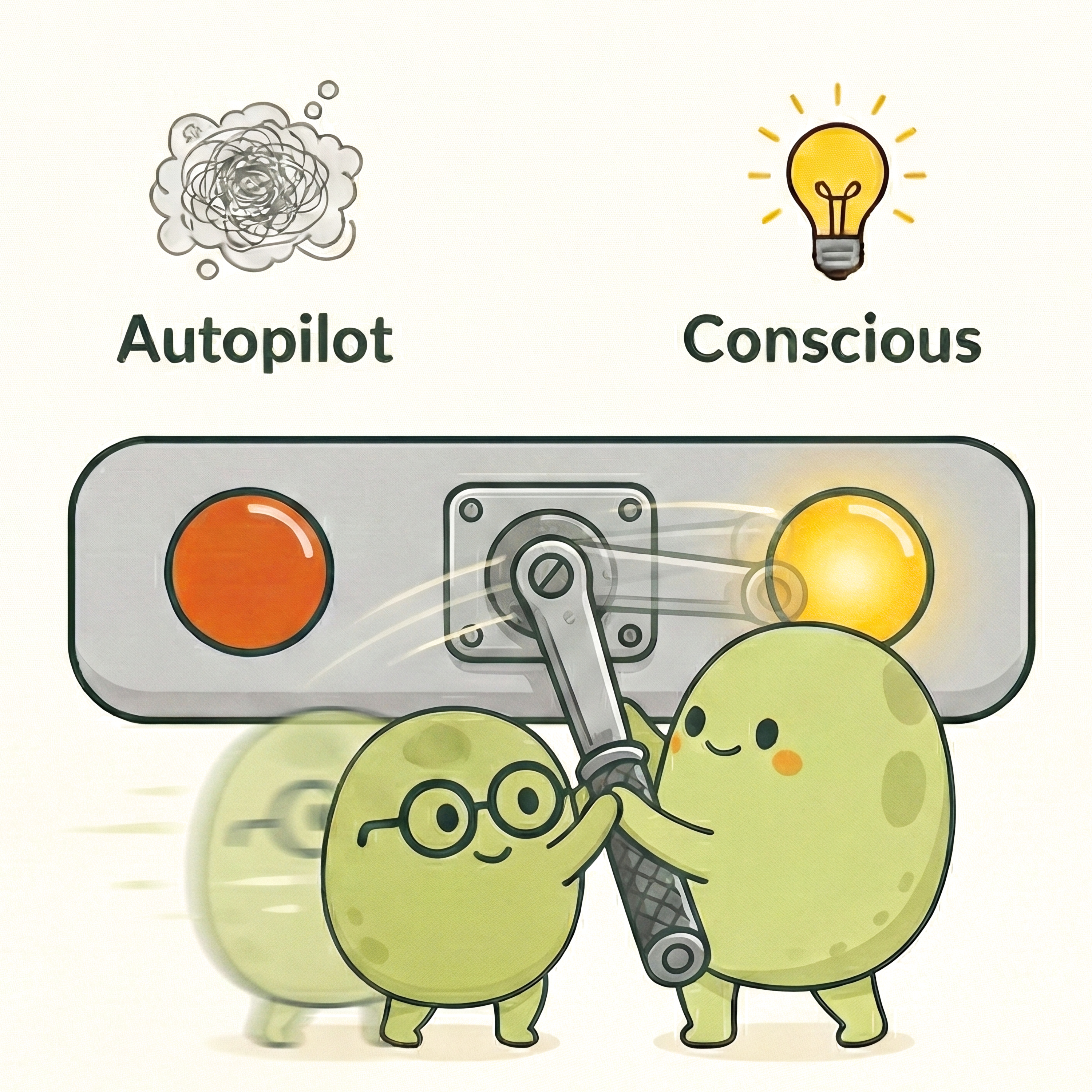
#33 - Understanding Metacognition Through Mindfulness
What if meditation wasn’t what you think it is? Forget the cliché of the monk sitting in silence trying to think about "nothing."In this episode of Learning English with Human Beans, Alice and Marc (a cognitive psychology researcher) lift the hood of the human mind to watch the engine running.Discover metacognition, a mental "superpower" that allows you to switch from being an actor trapped in you
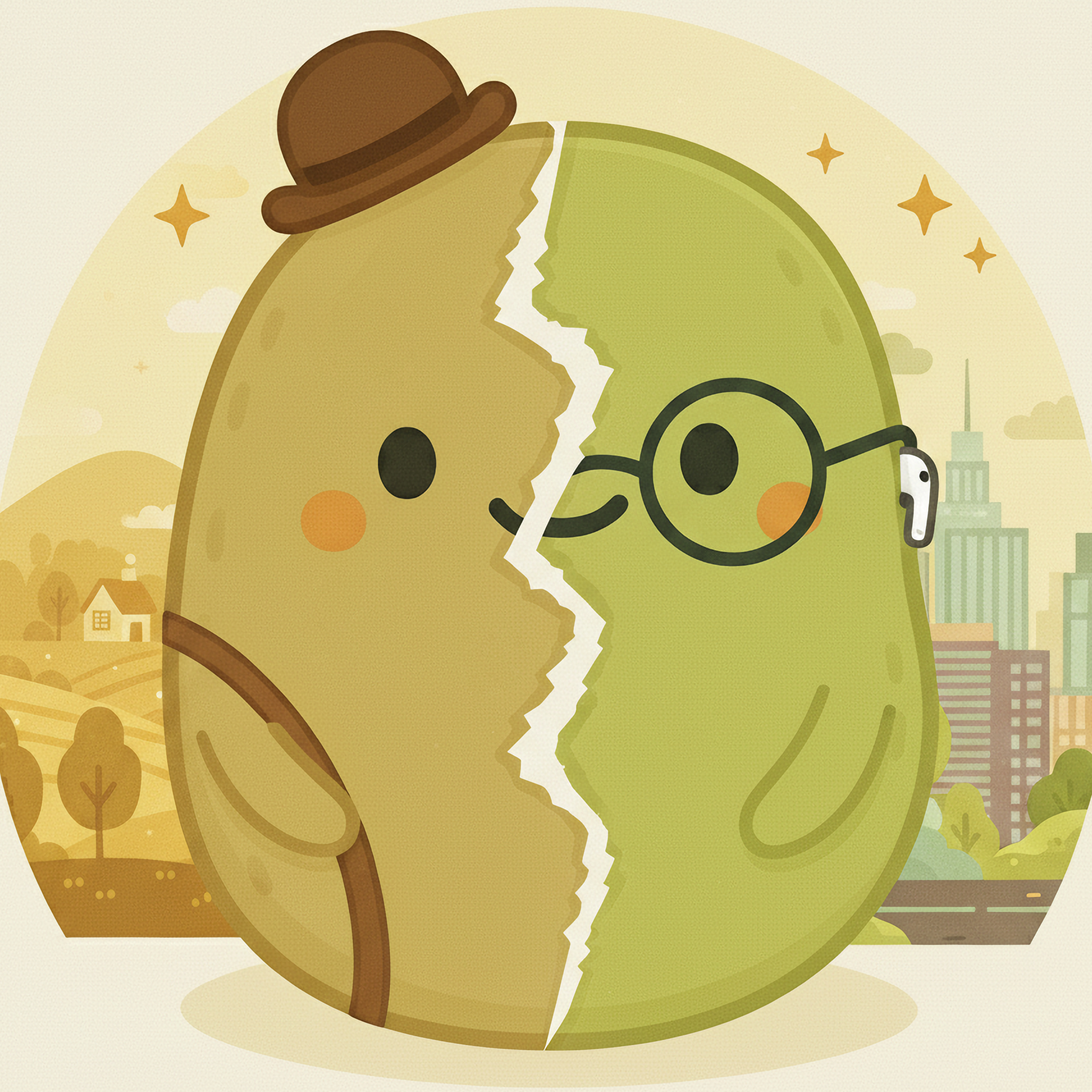
#32 - Deconstructing "It Was Better Before" - Pt. 4
After three episodes dismantling the "good old days" myth, Alice and Marc ask a crucial question: In our justified rejection of golden age nostalgia, are we throwing out the baby with the bathwater? This nuanced finale explores what traditional life might have genuinely done better for human flourishing—without falling back into romantic mythology.Through four compelling themes, they examine valua
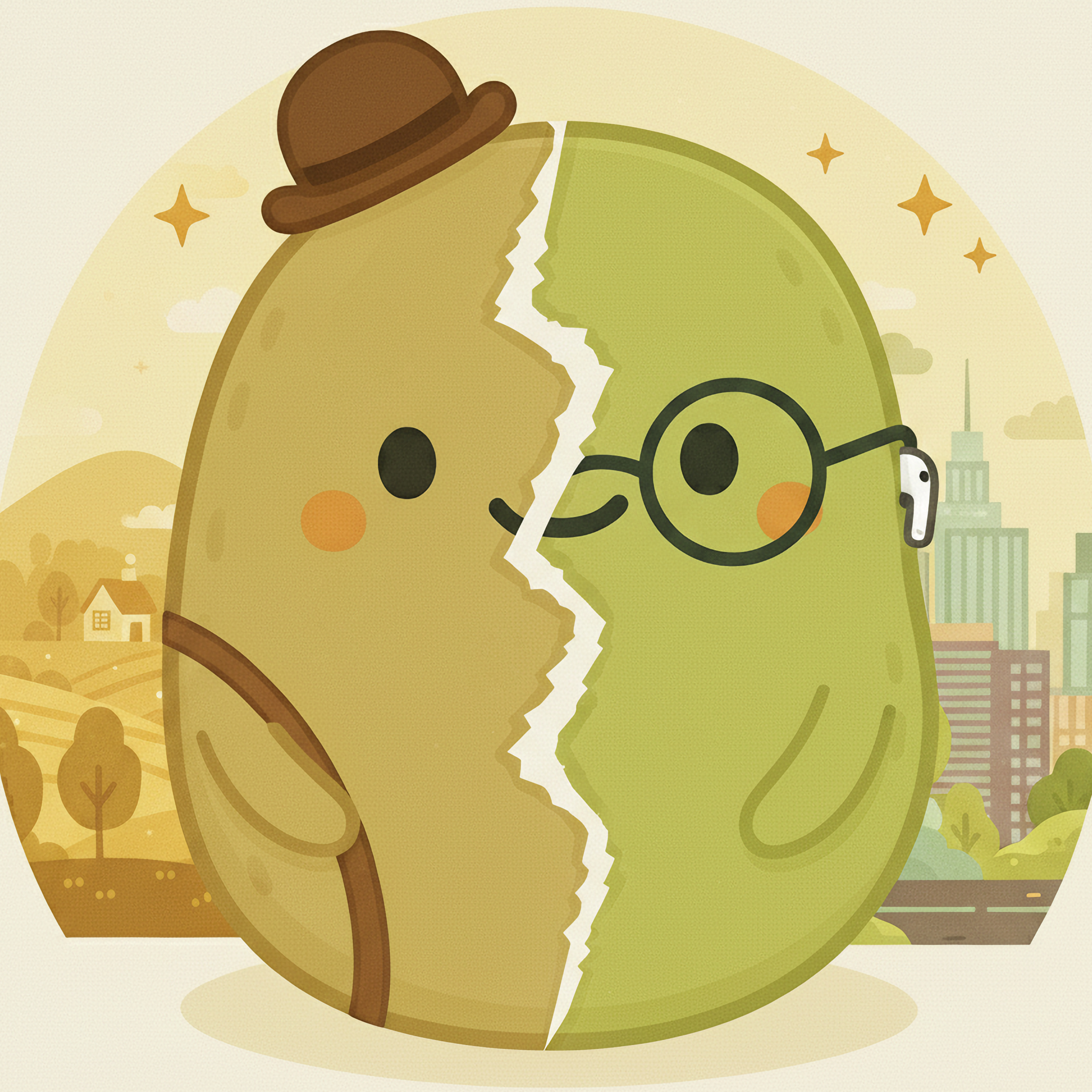
#31 - Deconstructing "It Was Better Before" - Pt. 3
Why does nostalgia seem to be everywhere? In this eye-opening episode, Alice and Marc pull back the curtain on the multi-billion-dollar nostalgia economy that surrounds us daily—from the Nintendo game that made Alice spend £60 on childhood memories to the political slogans that promise to restore imaginary golden ages.Discover how companies have turned our emotional vulnerabilities into sophistica
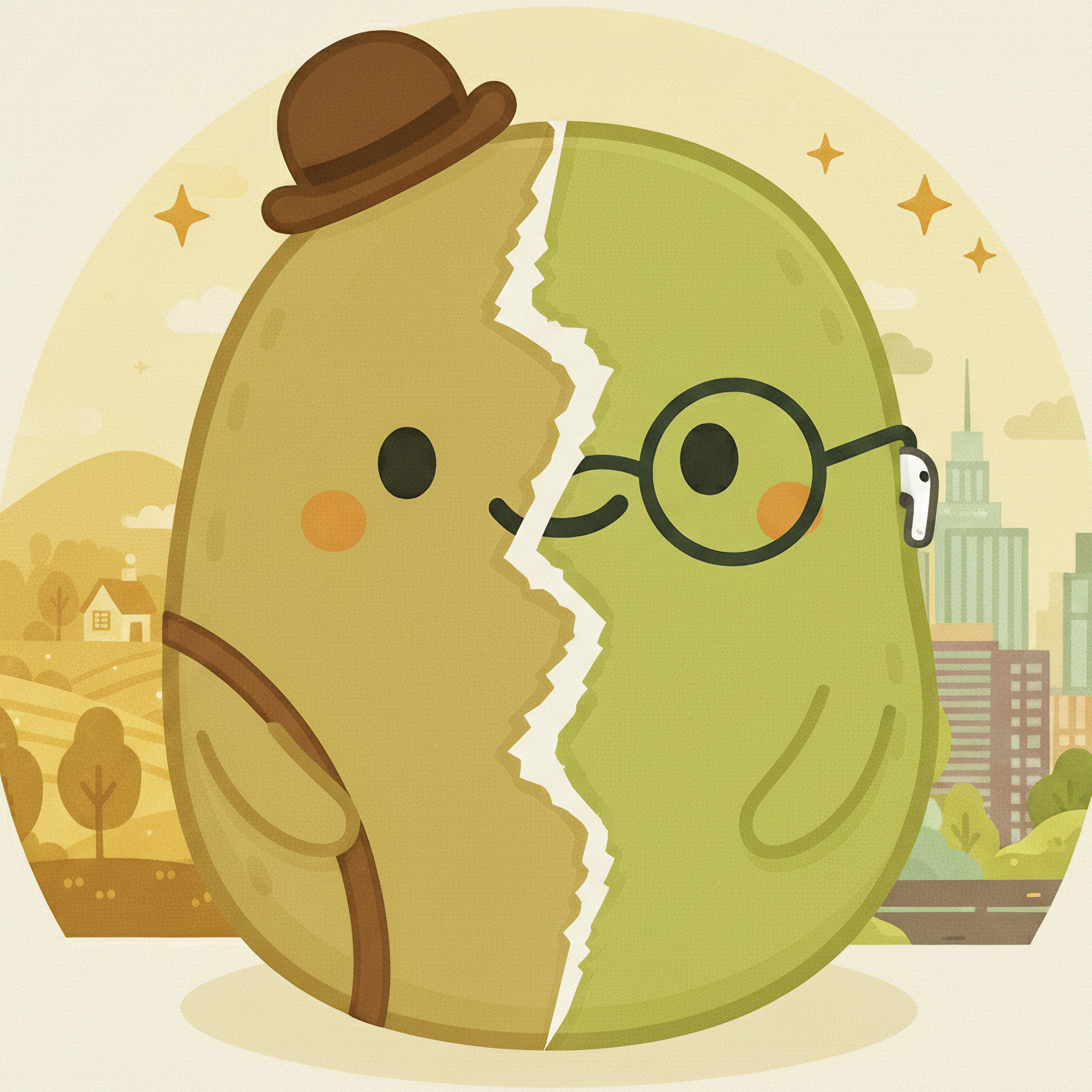
#30 - Deconstructing "It Was Better Before" - Pt. 2
"Memories lie, but statistics don't." In this data-driven episode, Alice and Marc set aside emotions and personal anecdotes to examine the cold, hard facts about how life has actually changed over the past century.From life expectancy and workplace safety to education access and women's rights, every measurable aspect of human existence tells the same story: we're living thro
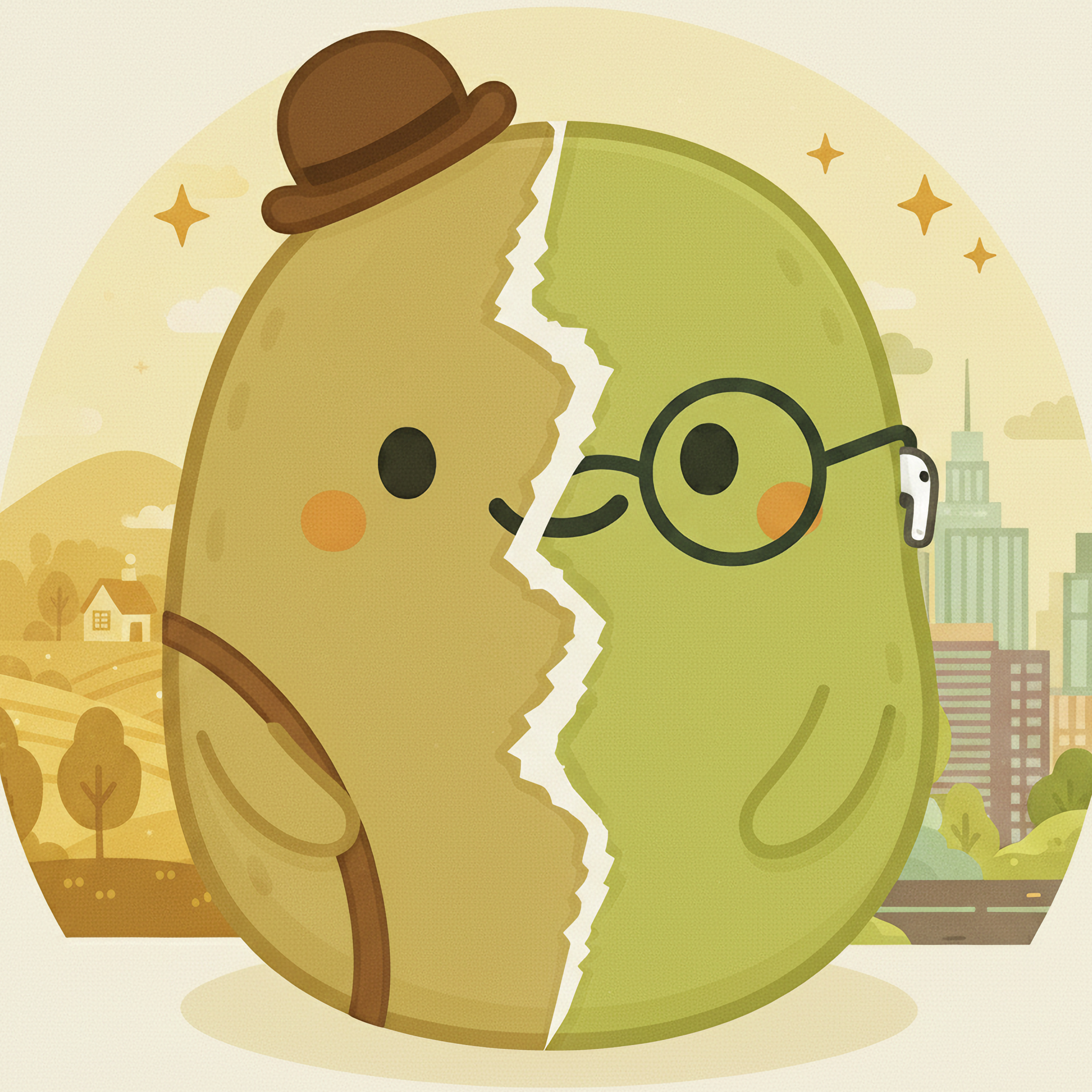
#29 - Deconstructing "It Was Better Before" - Pt. 1
Do you ever think music was better in the past, or that people were more polite when you were younger? You're not alone. Today, we're exploring "The Architecture of Nostalgia"—why our brains are wired to believe things were better before, even when they probably weren't.I'm Alice, and joining me is Marc, a sociologist who studies how we construct meaning from our experien
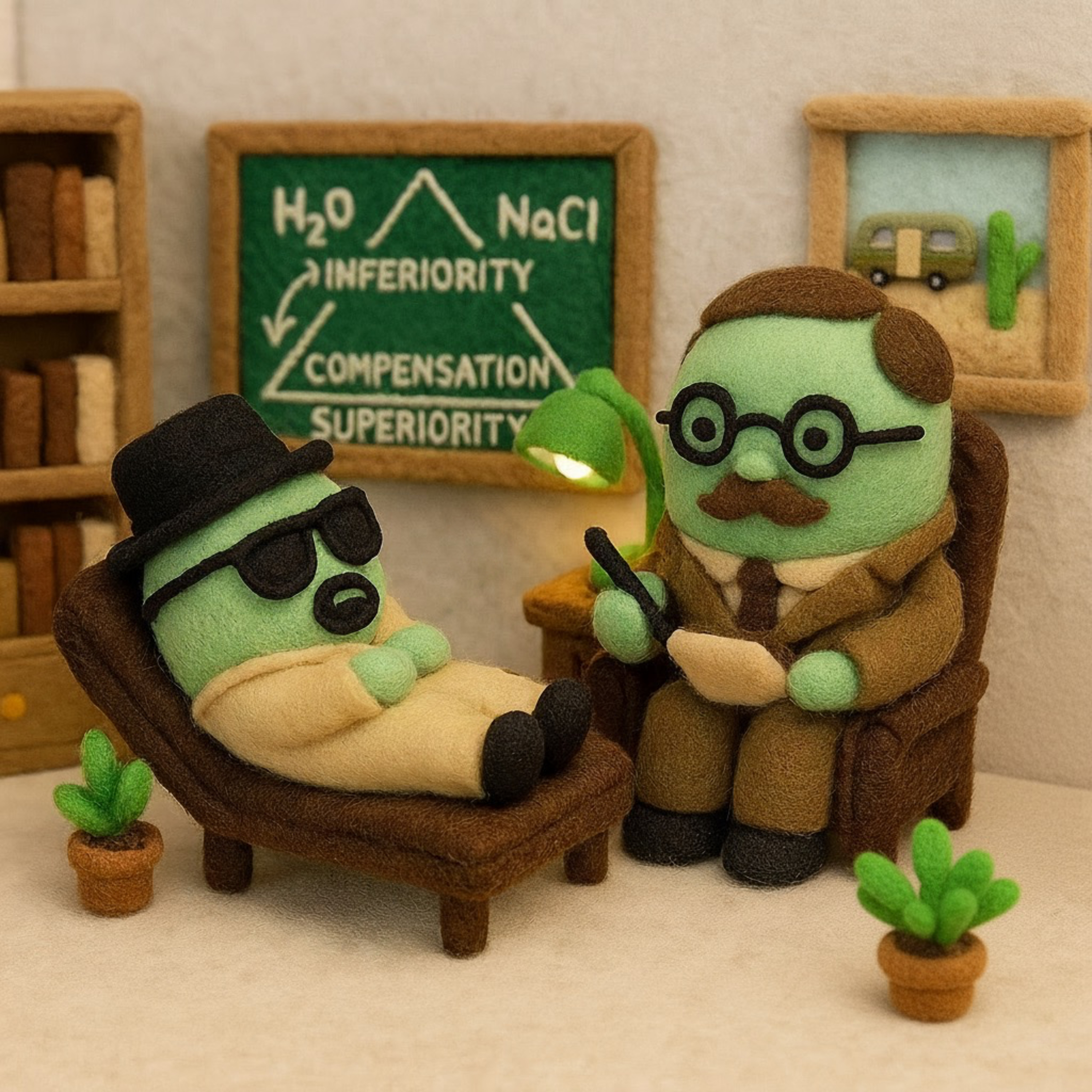
#28 - Walter White - Anatomy of a Tragic Overcompensation
What do a mild-mannered chemistry teacher turned drug kingpin and a pioneering psychologist from Vienna have in common? In this episode, we dive into the psychological transformation of Walter White—Breaking Bad’s iconic antihero—through the lens of Alfred Adler’s individual psychology.Alice and George explore how Walter’s descent from overlooked teacher to ruthless Heisenberg perfectly embodies A
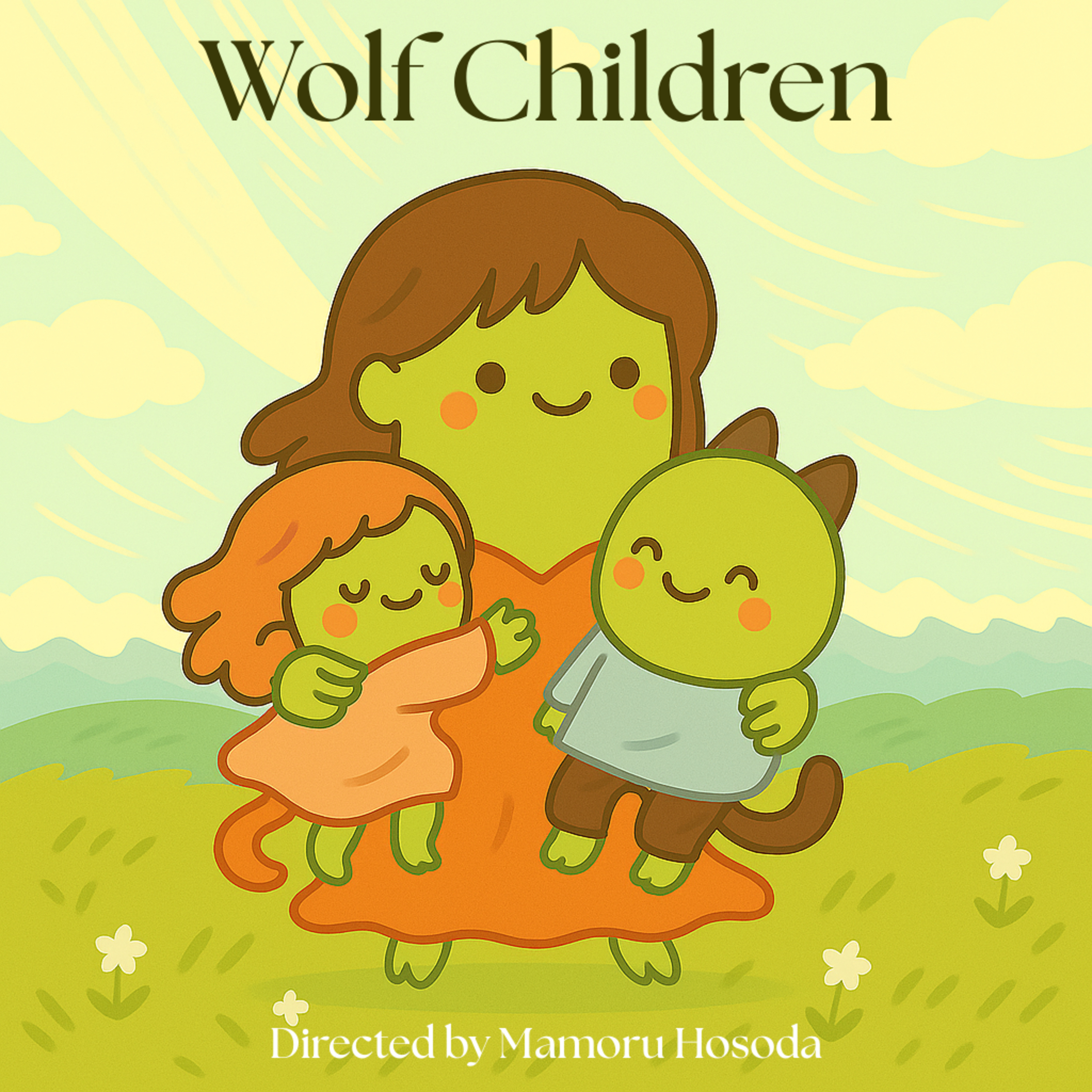
#27 - Wolf Children
Dive into the poetic world of Mamoru Hosoda's Wolf Children. George and Alice explore how this modern fable questions our identity choices: should we adapt to belong or stay authentic at the risk of isolation?Through Hana's journey as a heroic single mother and the surprising evolution of her children Yuki and Ame, discover a profound reflection on motherhood, difference, and the courage t
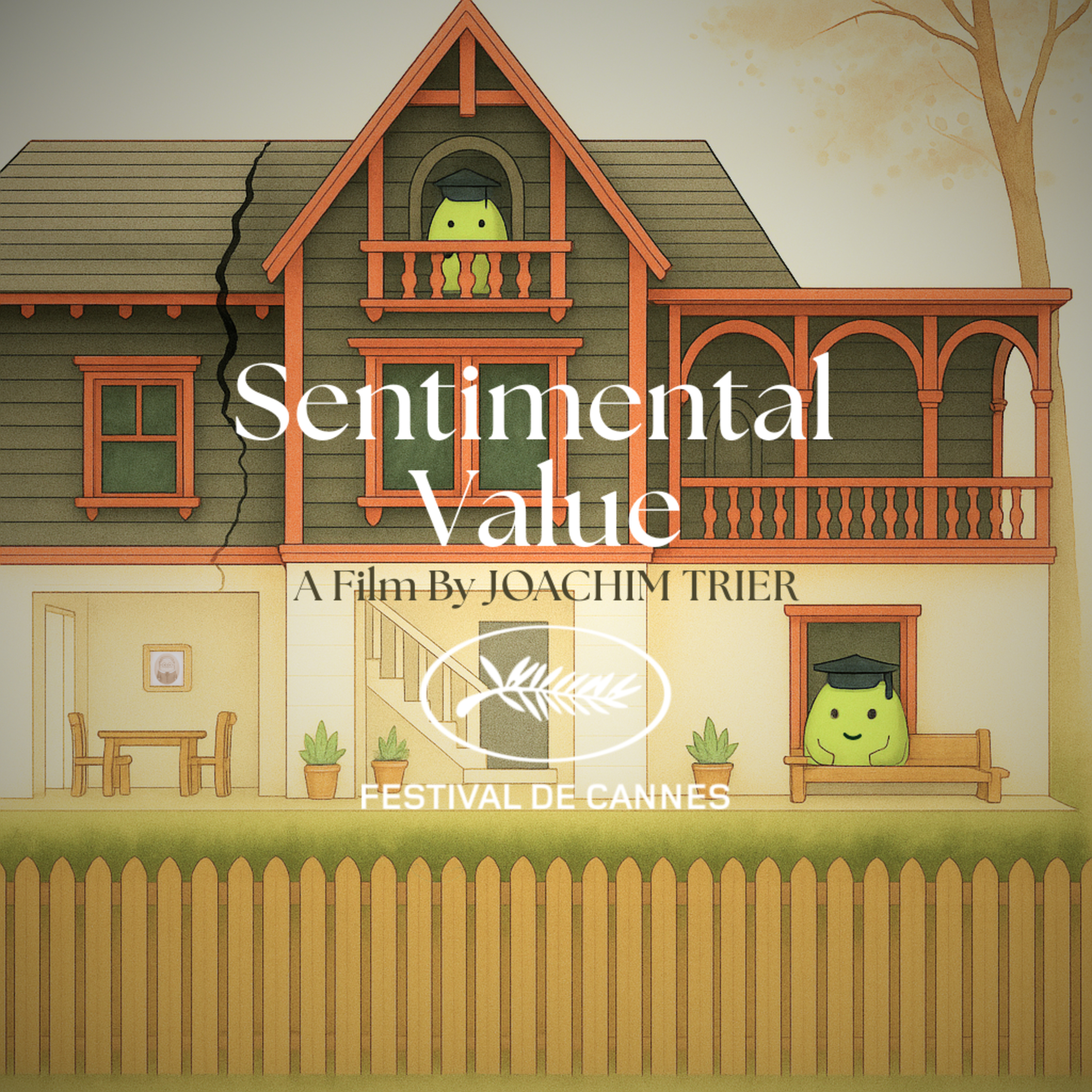
#26 - Sentimental Value
Can art truly heal family wounds, or does it sometimes make them worse? In this deep dive into Joachim Trier's acclaimed film Sentimental Value, George and Alice explore a story that challenges everything we believe about creativity and healing.When filmmaker Gustav Borg returns to his family after years of absence, he brings not apologies, but a movie script about their shared trauma. As thre
#25 - The Genius Illusion - Pt. 3
What if the biggest obstacle to recognizing genius today... is our own brain?In the final installment of our "The Genius Illusion" trilogy, George and Alice explore the psychological and structural reasons for our nostalgia for a past filled with giants. Discover how cognitive biases, like "survivorship bias," systematically polish history to make it seem brighter than it truly
#24 - The Genius Illusion - Pt. 2
Is a genius born... or made? In this second installment of our "The Genius Illusion" trilogy, the debate intensifies.After questioning the very definition of genius, George and Alice tackle its origins. George argues that even a talent like Newton's or Beethoven's is a product of its time, needing the validation of institutions to enter the history books. Alice, on the other hand
#23 - The Genius Illusion - Pt. 1
Before we can ask where all the geniuses have gone, we must first ask: what is a genius?In the first of a three-part series on "The Genius Illusion," George and Alice embark on a historical investigation to deconstruct the very idea of greatness. They trace the surprising evolution of the concept, from the divine guiding spirits of ancient Rome to the modern cult of the solitary, suffering hero.Th
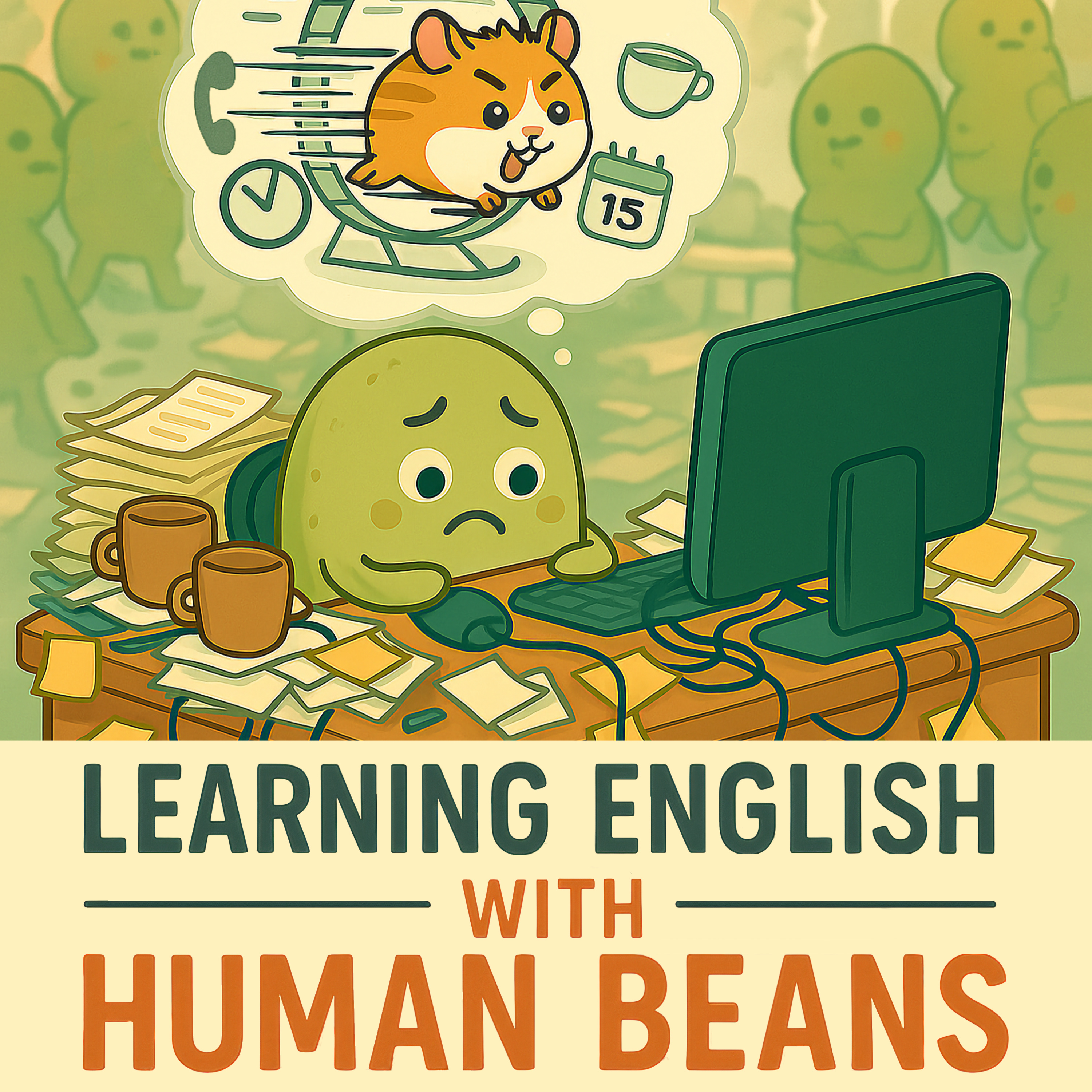
#22 - ADHD: A Journey into the Distracted Mind
What if the biggest symptom of ADHD wasn't just distraction, but a silent, relentless internal monologue?In this episode, George and Alice move beyond the stereotypes to explore the internal world of ADHD. They dive into the science behind the brain's "frantic hamster wheel" and discuss the real human cost of this common but misunderstood neurodevelopmental disorder. Join them fo
#21 - The Universe Inside - "The Life of Chuck"
What if a Stephen King story wasn't designed to scare you, but to make you cry with joy? That's the bold premise of The Life of Chuck, a film that tells a life story... by starting at the end. Join George and Alice for an in-depth discussion of this poignant Mike Flanagan adaptation. Discover how its inverted narrative structure reveals the hidden beauty in an ordinary life , and dive int
#20 - The Age of Possibilities - Young Adulthood
What if your twenties aren't just a prolonged adolescence, but a distinct and crucial new stage of life? Join George and Alice as they explore "Emerging Adulthood"—a time of neurological transformation, delayed milestones, and unique psychological challenges.Sources:Arnett, J. J. (2000). Emerging adulthood: A theory of development from the late teens through the twenties. American Psychologist, 55
#19 - Understanding Grief
Join George and Alice for an intimate and intellectual exploration of the phenomenon of grief. In this episode, discover why grieving is a true form of psychic "work," how our bodies experience the pain of a "broken heart" on a neurological level, and why the model of a "dance" between loss and restoration is so insightful.From Freud to neuroscience, from the history of rituals to modern cultural
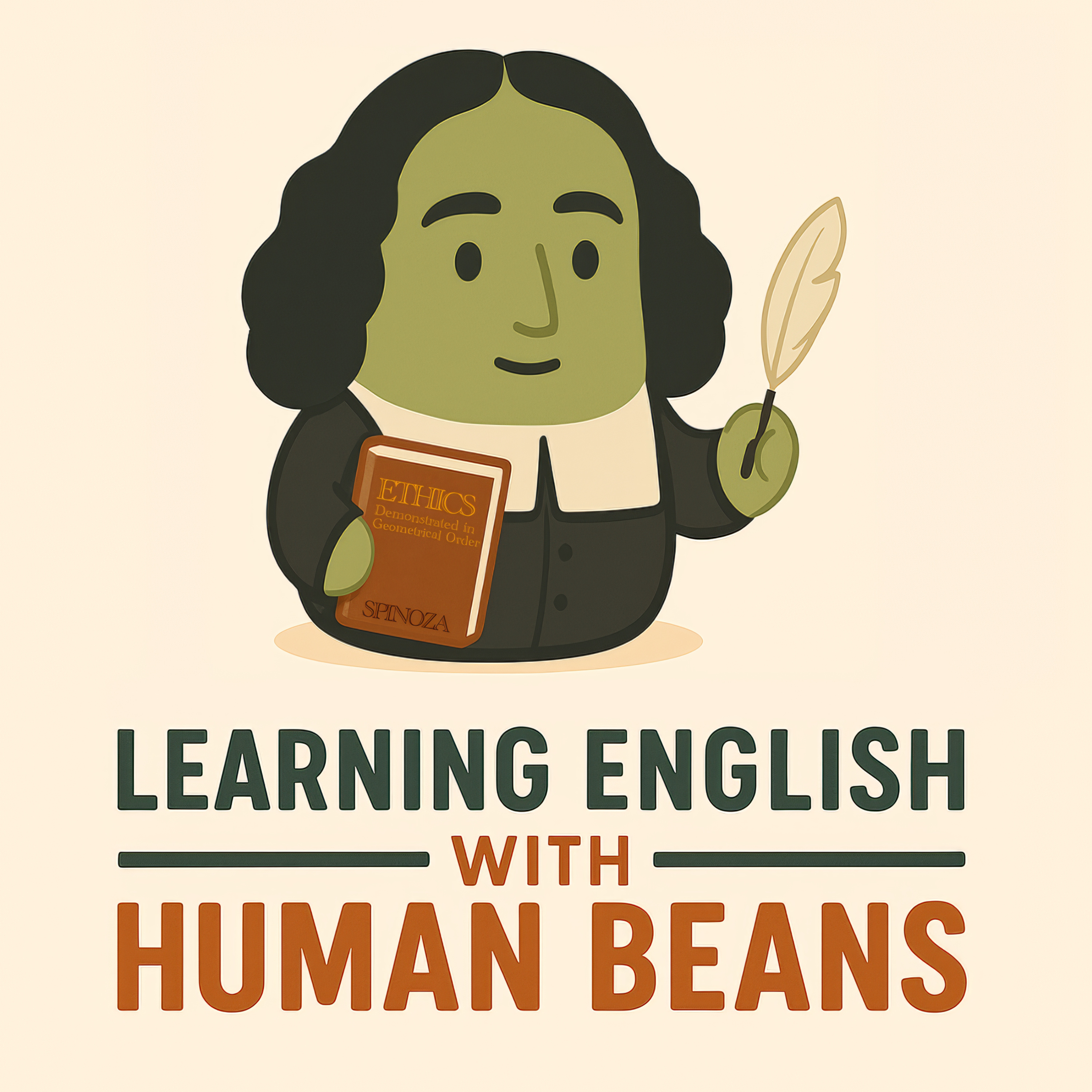
#18 - Spinoza's Philosophy
What if a 400-year-old philosophy held the key to modern wellbeing? Join George and Alice as they explore the revolutionary ideas of Baruch Spinoza. Discover how his vision of mind-body unity, emotions as guides, and joy as a compass offers a practical blueprint for a better life—a blueprint now being validated by modern neuroscience.
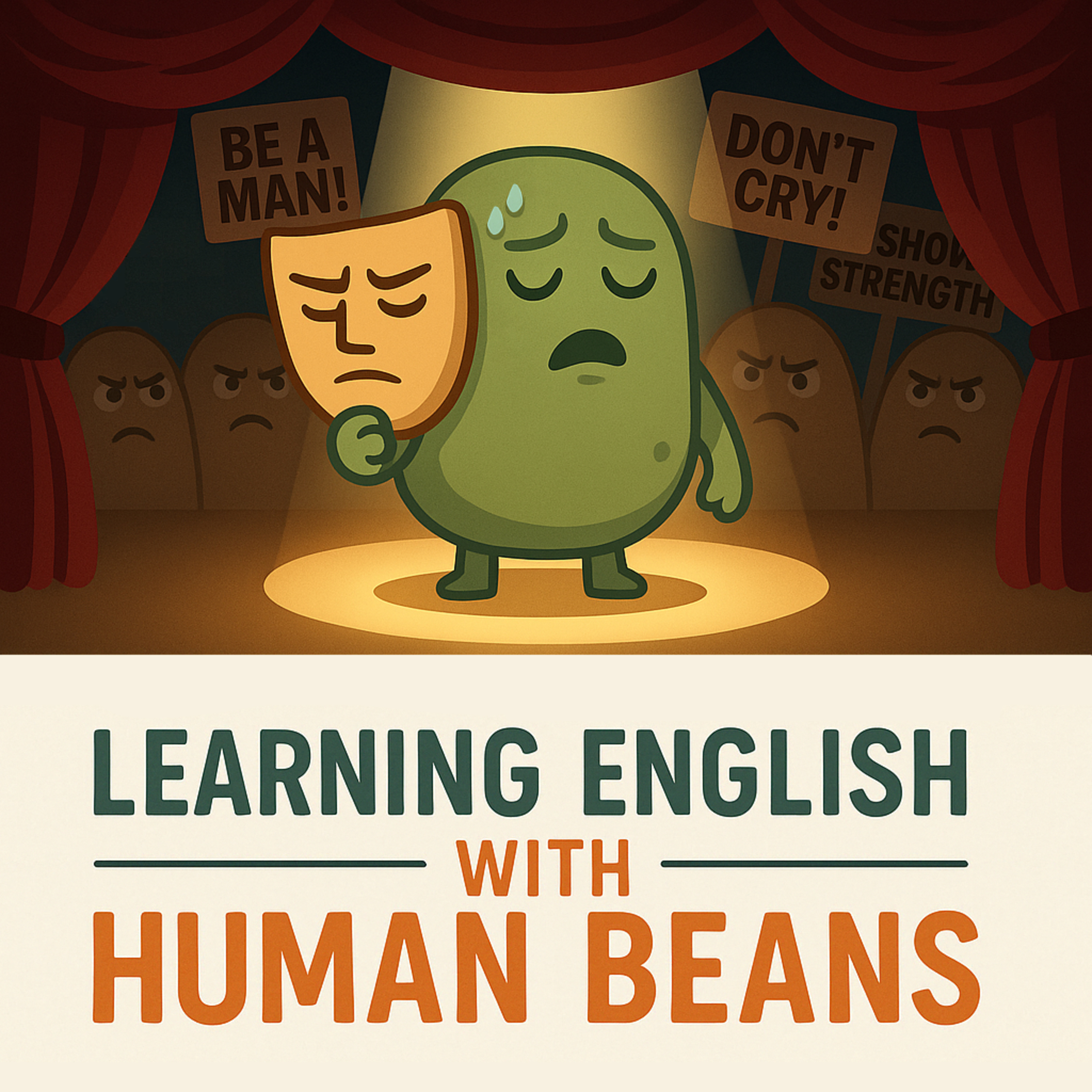
#17 - The Male Identity Crisis in the 21st Century
Join us for another thought-provoking episode of "Learning English with Human Beans" as we examine the modern masculinity crisis and the myths surrounding traditional manhood. Discover how cultural expectations of what it means to "be a man" impact mental health, relationships, and society while expanding your English vocabulary around gender studies and social psychology. Perf
#16 - Minds in Motion: Recovery, Creativity, and Growth
Explore how we tell stories about our minds in this episode of "Learning English with Human Beans." George and Alice unpack the evolving classifications of mental health, the crucial difference between medical recovery and personal healing, and the fascinating link between creativity and psychological conditions. Discover how our understanding of mental health reflects cultural narrative
#15 - The Quest for Meaning
Explore the fundamental human search for meaning in this episode of "Learning English with Human Beans." Join George and Alice as they unpack how we create significance in our lives, understand "closure" as a vital psychological need, and learn how our personal stories shape our sense of purpose. Through everyday examples and psychological insights, discover why meaning-making
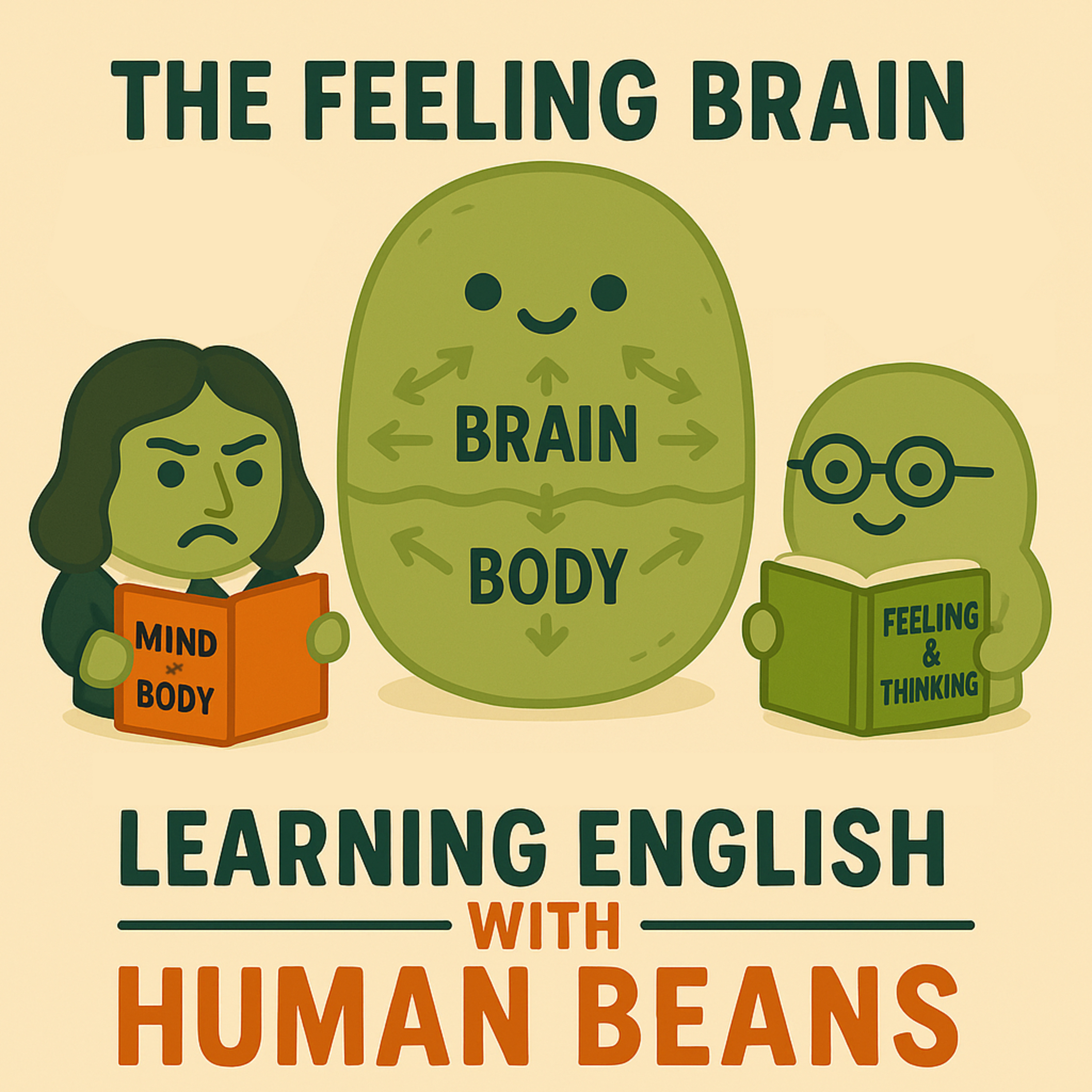
#14 - The Feeling Brain: How Emotions Drive Our Decisions
Discover why emotions aren’t obstacles to clear thinking but essential guides in this episode of “Learning English with Human Beans.” George explains neuroscientist Antonio Damasio’s revolutionary work challenging mind-body separation, while Alice adds relatable examples and key vocabulary. Learn the crucial difference between emotions and feelings, explore the fascinating Somatic Marker Hypothesi
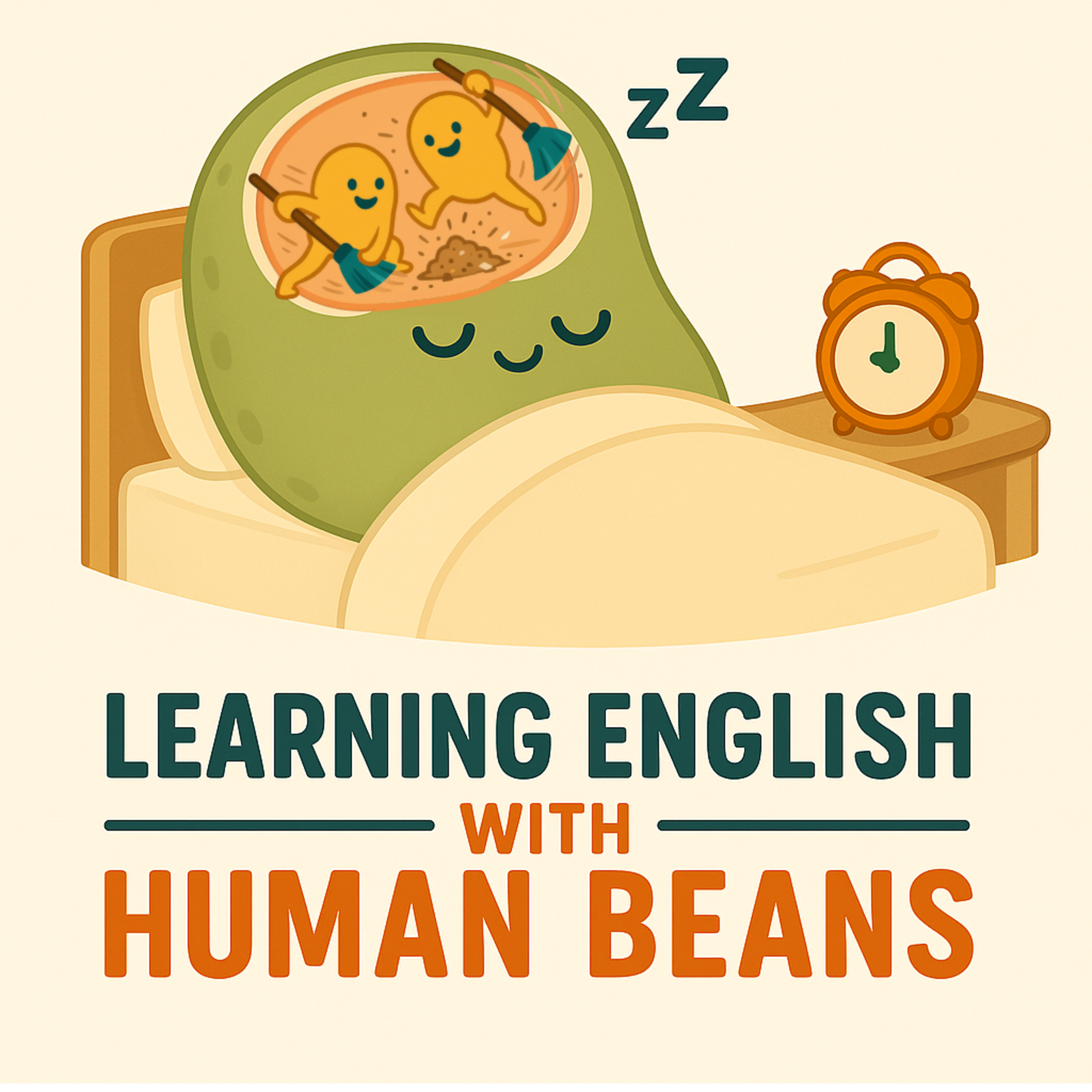
#13 - The Science of Sleep
Discover the vital science behind your nightly rest in this episode of “Learning English with Human Beans: The Science of Sleep.” Explore how sleep cycles work, why your brain’s glymphatic system cleanses itself at night, the hidden costs of sleep debt, and practical strategies to optimize your slumber—all while building key English vocabulary.Sources:Archer, S.N., Robilliard, D.L., Skene, D.J., S
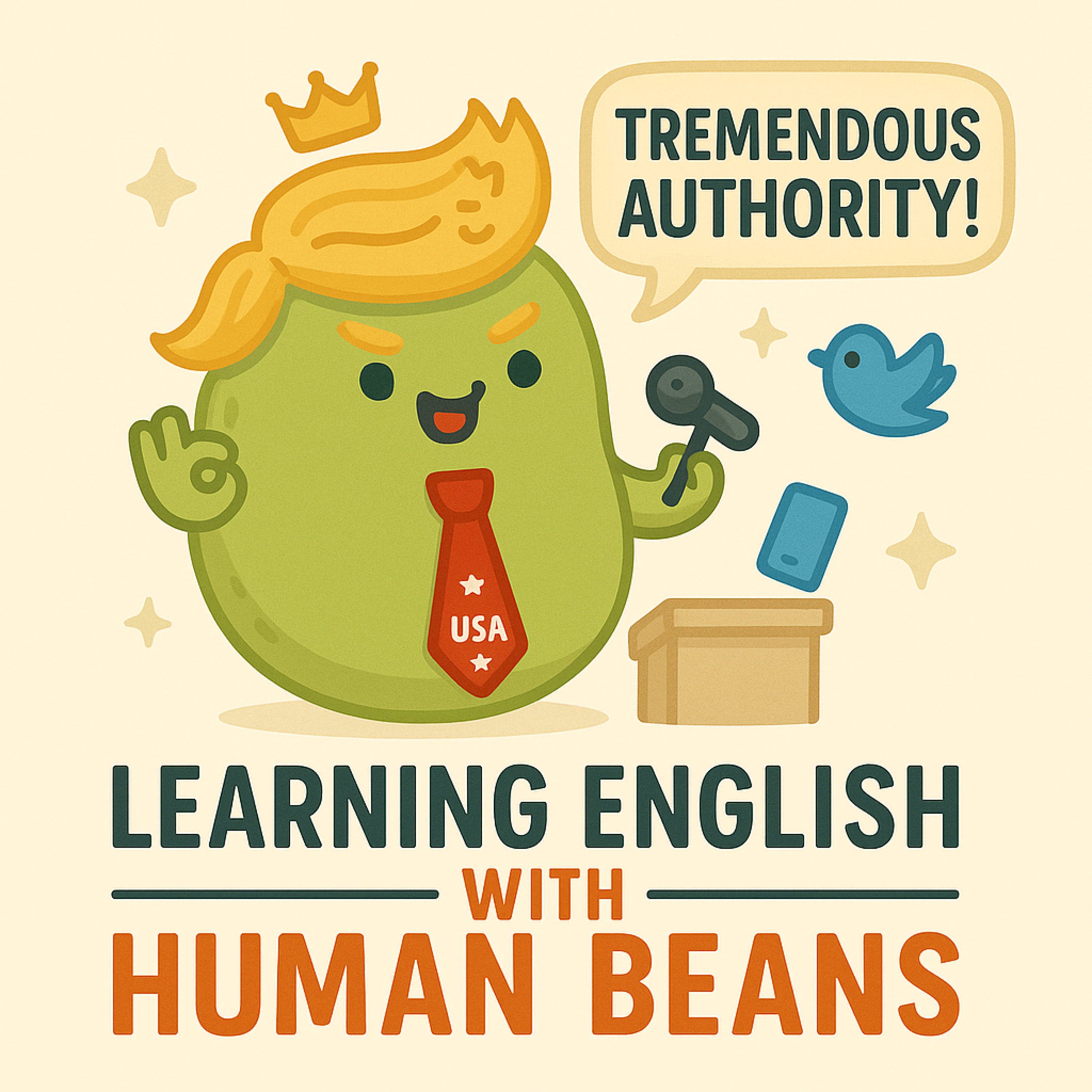
#12 - The Authority Paradox
Why do humans both seek out authority figures and resist them? Discover the fascinating psychology behind our complex relationship with authority in this episode of "Learning English with Human Beans." From classroom dynamics to political paradoxes, we explore how the desire for leadership shapes American society while building essential vocabulary to discuss power, governance, and socia
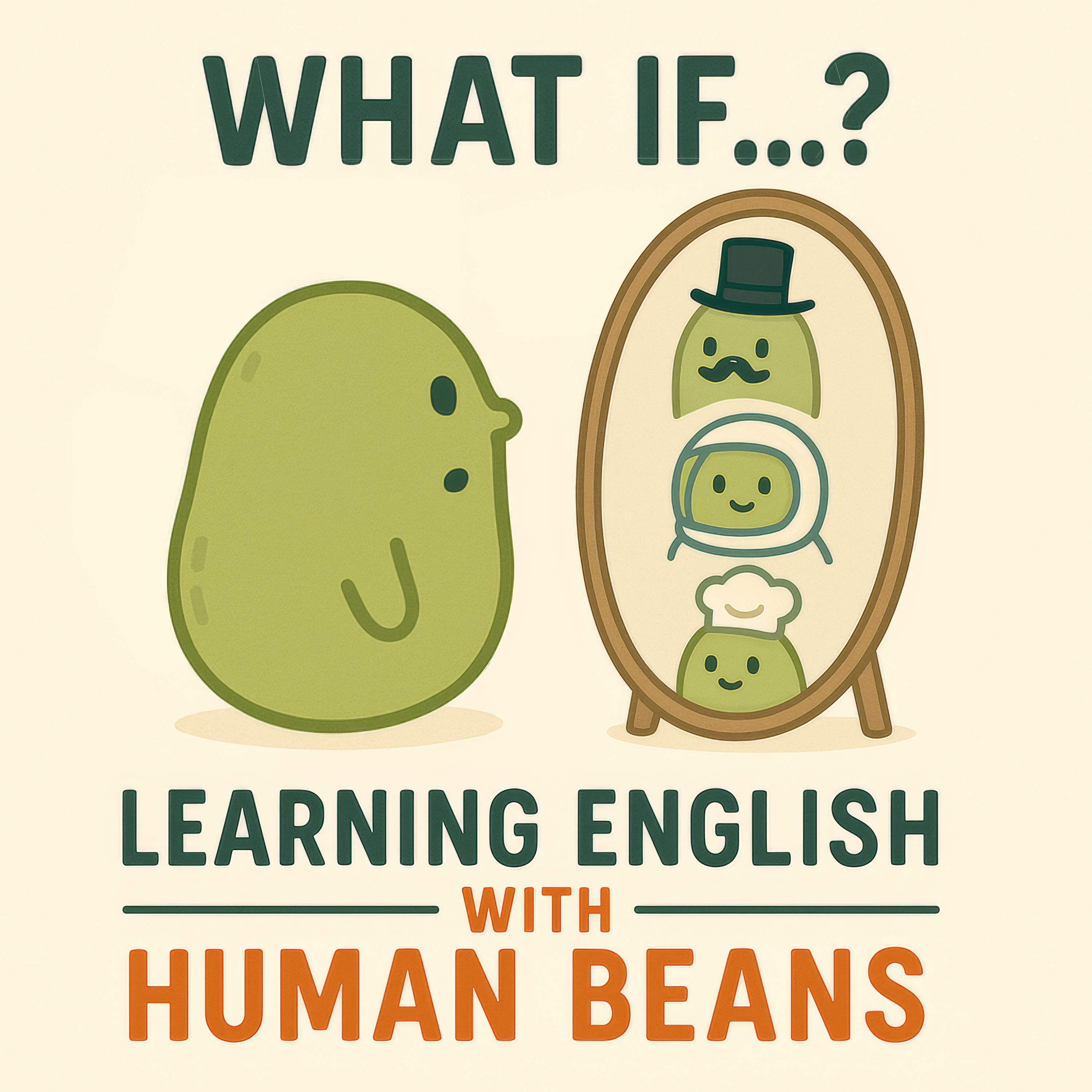
#11 - What If...? - Exploring Counterfactual Thinking
Discover how our minds play “what if” games to learn from the past and manage emotions in this episode of Learning English with Human Beans: “What If...? – Exploring Counterfactual Thinking.” We unpack the psychology behind imagining alternative outcomes, show how these thoughts help-or sometimes hinder-us, and illustrate the concept with everyday examples and popular fiction.References: Roese, N.
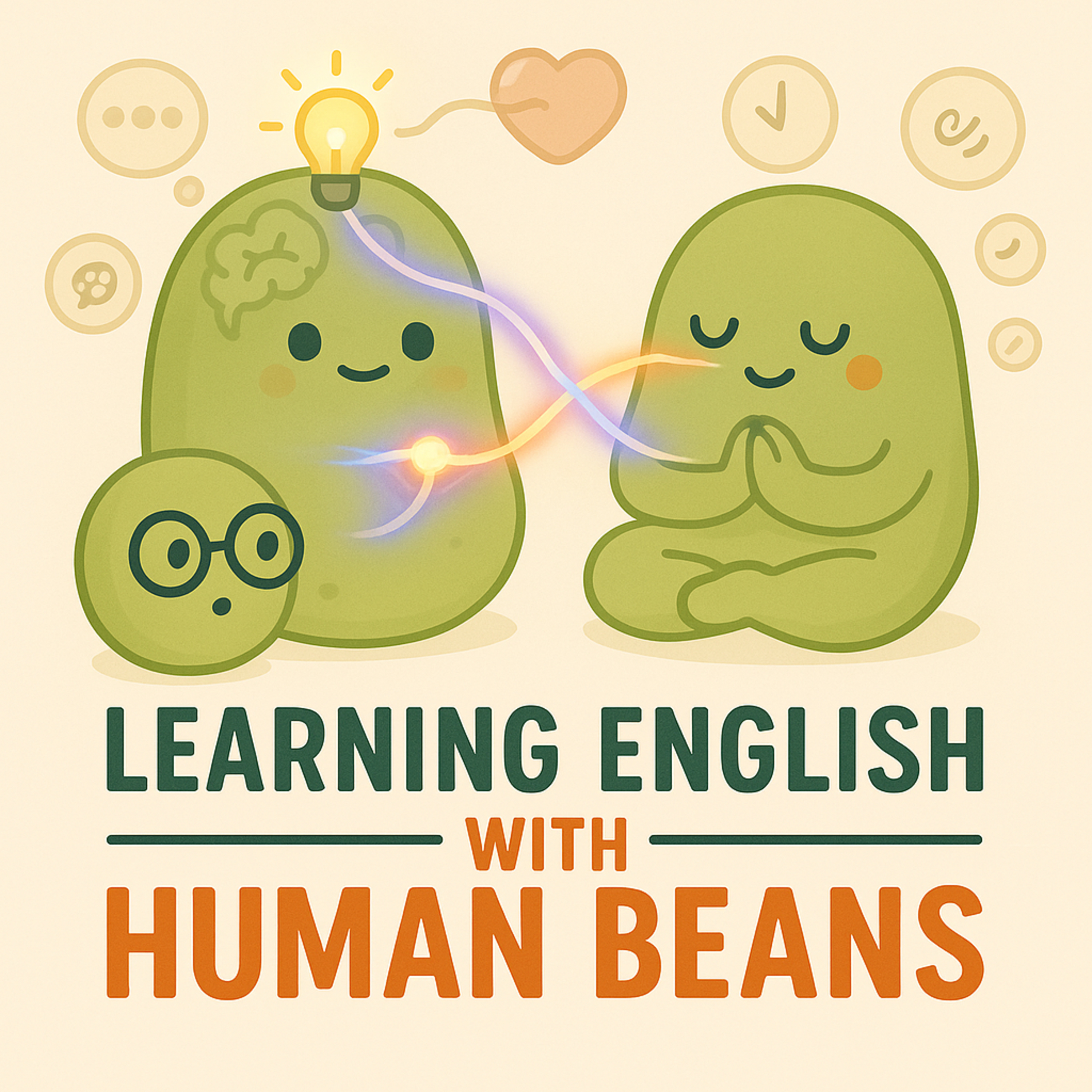
#10 - The Mind-Body Connection
In our latest “Learning English with Human Beans” episode, discover the fascinating science of mind-body connections. Learn how thoughts and emotions directly impact physical health, explore innovative therapies like neurofeedback and hypnosis, and gain practical vocabulary to discuss stress, meditation, and holistic wellness in English. Your mind and body are constant conversation partners-join u
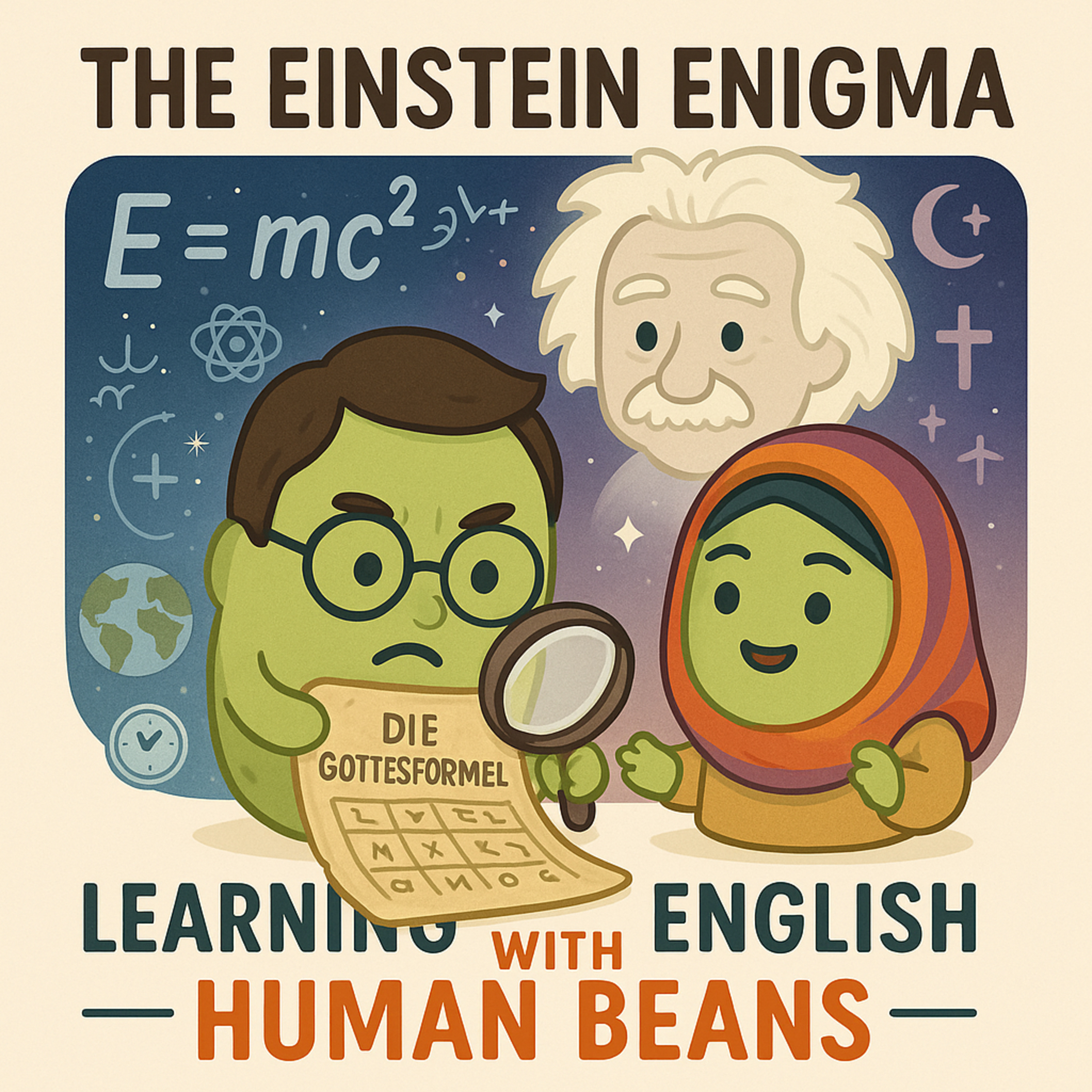
#9 - The Einstein Enigma - Review
Join us as we explore José Rodrigues dos Santos' international bestseller "The God Formula" (or "The Einstein Enigma"). This thrilling novel blends quantum physics, global espionage, and profound spiritual questions as a cryptologist races to decode Einstein's secret manuscript supposedly proving God's existence. Perfect for expanding your English vocabulary while c
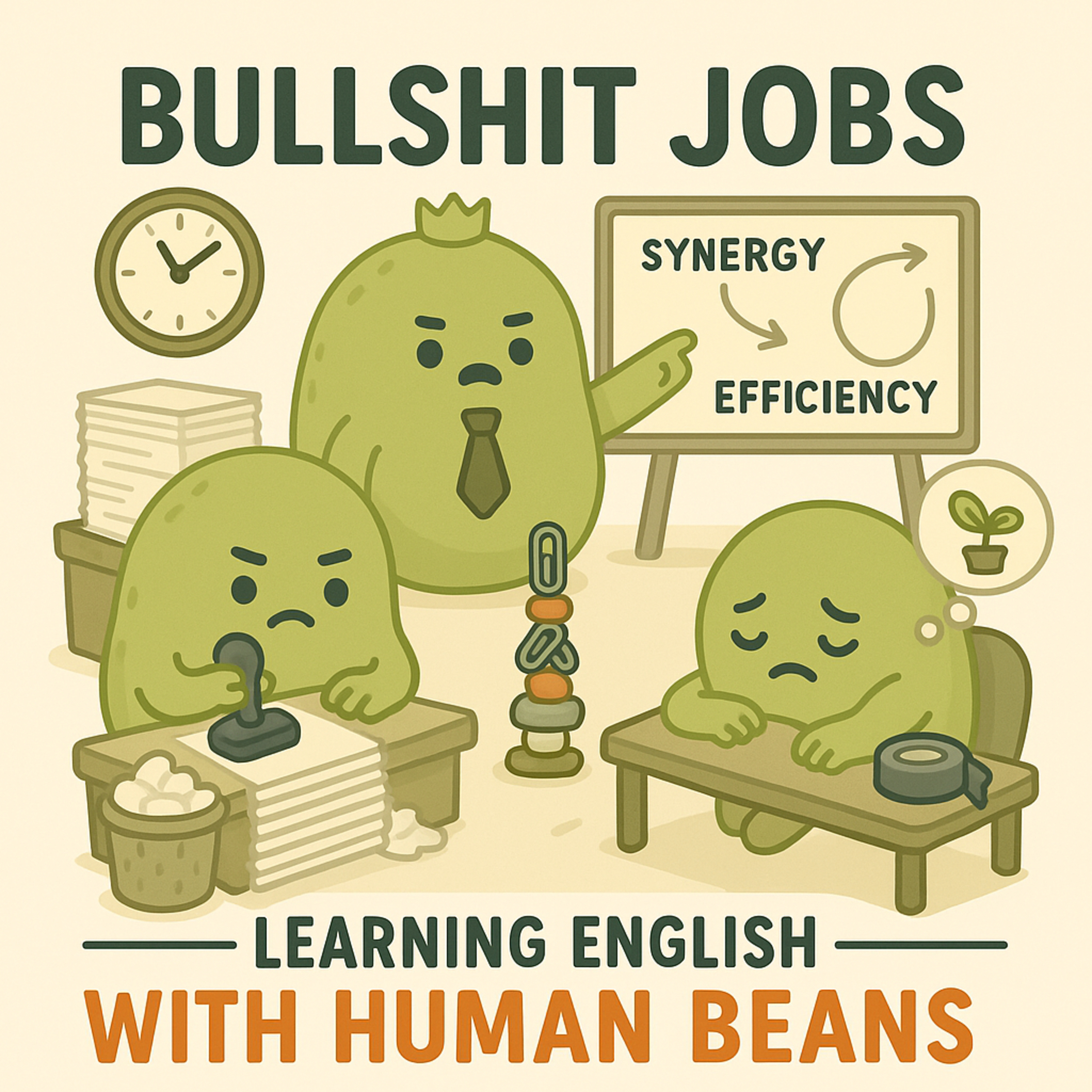
#8 - Meaningless on the Clock: The Bullshit Jobs Theory
Discover the hidden epidemic of pointless work in this episode of “Learning English with Human Beans.” We unpack David Graeber’s theory of “bullshit jobs,” examine five key categories-from flunkies to taskmasters-and explore the surprising mental-health costs of meaningless tasks. Improve your English vocabulary as you rethink what makes work truly valuable.References:- Graeber, D. (2013). “On the
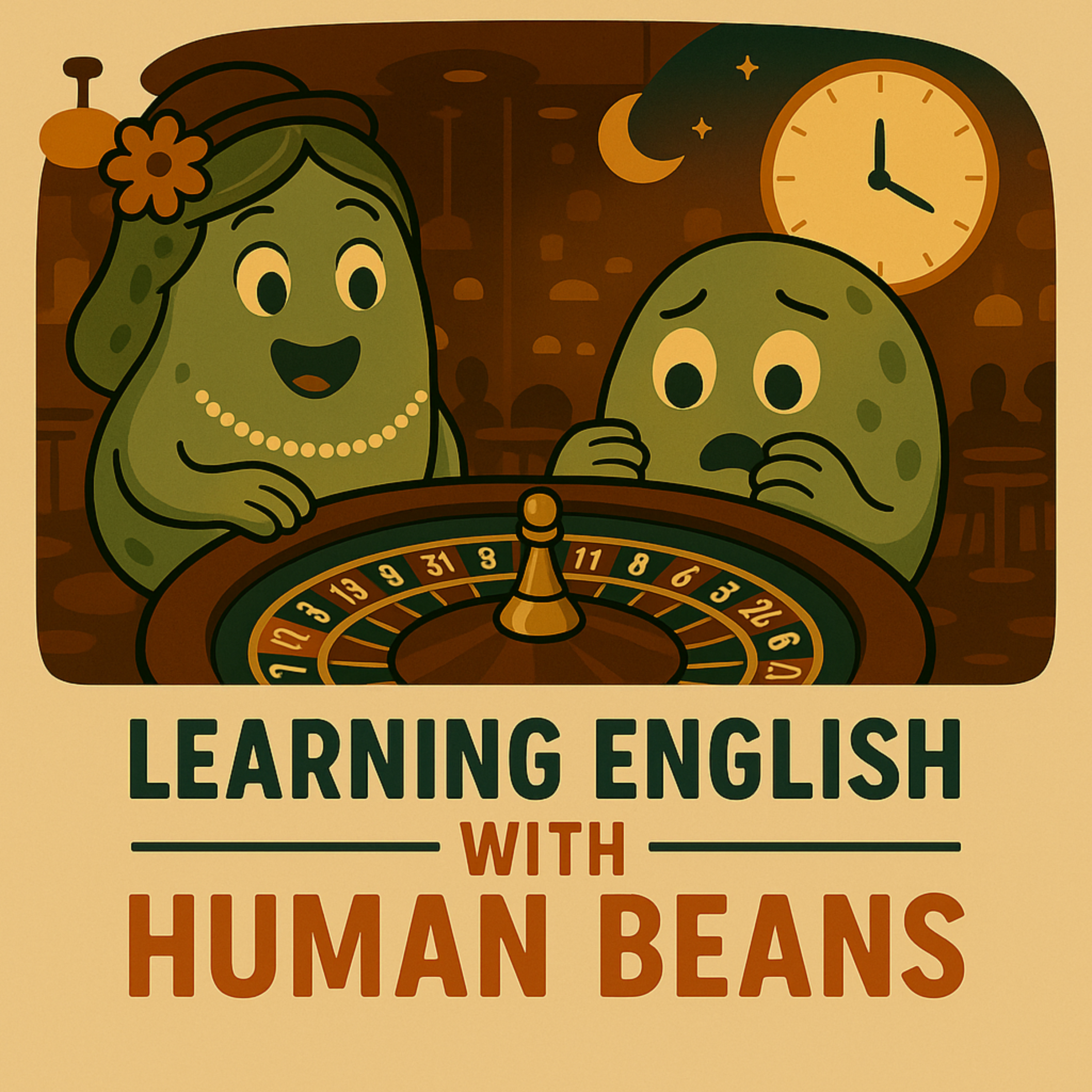
#7 - 24 Hours in the Life of a Woman - Review
Join us today for "Learning English with Human Beans" as we analyze Stefan Zweig's powerful novella "24 Hours in the Life of a Woman" with special guest Alice. Discover how a brief encounter can transform a lifetime while expanding your English vocabulary. A perfect blend of literary insight and language learning!
Recommended

Medicine with Meaning

Yours Truly Johnny Dollar Collection

Take Back Your Health®

CBS Radio Mystery Theater | Old Time Radio
Solved Murders - True Crime Stories
紐約鳥|New York Aperture
The Swerve Podcast: Obscure Topics | Conspiracy Theories

The Bread and Banter Podcast

The Church of What's Happening Now: The New Testament
Busted Open

Deadline: White House
Crickets Corner
