Home
Podcasts
Epicenter - Learn about Crypto, Blockchain, Ethereum, Bitcoin and Distributed Technologies
Epicenter - Learn about Crypto, Blockchain, Ethereum, Bitcoin and Distributed Technologies
Epicenter is a podcast featuring in-depth conversations about cryptocurrencies and blockchain technology. Each week, the hosts interview industry leaders, engineers, academics, and entrepreneurs to explore the technical, economic, and social implications of these technologies. Since 2014, the show has accumulated over 8 million downloads.
Episodes
The DAO Security Fund: Turning a Historic Hack into Ethereum's Future | Griff Green
Ten years after The DAO hack changed Ethereum forever, Griff Green returns to Epicenter to discuss the next chapter: the DAO Security Fund.As a co-initiator of The DAO, Griff shares the untold story of recovering funds after the hack, why over 75,000 ETH remained untouched for years, and how its staking yield is now funding public goods for Ethereum security. The conversation also explores a provo
Why Crypto Finally Makes Sense to Wall Street | Jason Yanowitz
Jason Yanowitz, Co-Founder of Blockworks, joins Sebastien Couture on Epicenter to discuss why crypto is entering its biggest transformation yet. From institutional adoption and the Clarity Act to token transparency, AI, on-chain capital markets and the acquisition of Messari, this conversation explores where crypto is actually heading.Jason explains why Wall Street is preparing for crypto, why tok
Vitalik Buterin on The Economic Zone (EEZ) Ep. 642
In this special episode, we revisit a fireside conversation between Vitalik Buterin and Friederike Ernst at DappCon 2026 in Berlin. They explore the Ethereum Economic Zone (EEZ), a new vision for Ethereum built around synchronous composability, app chains, and real-time proving.Following the fireside, Sebastien and Friederike break down the ideas behind the EEZ and discuss what this new paradigm c
Why Only 3 Builders Control All of Ethereum
In this episode, host Friederike Ernst is joined by Kubi Mensah, CEO and co-founder of Gattaca, the company behind Titan Builder. Kubi sheds light on the highly competitive and often opaque world of Ethereum block building, explaining how Gattaca evolved from a centralized exchange proprietary trading firm to one of the three dominant builders responsible for constructing the vast majority of Ethe
Institutional-grade yield on USD, BTC, and Gold?
In this episode, host Sebastian Couture is joined by Torab, CEO of Move Industries, to discuss the tension of radical transparency and the decision to scrap Movement's complex L2 architecture in favor of a sovereign L1 powered by the Move VM. He explains how this transition drastically reduced latency and AWS infrastructure costs while improving the builder experience.The conversation explores Mov
Inside Nansen's AI Trading Agent Platform
In this episode, host Friederike Ernst is joined by Alex Svanevik, CEO of Nansen, to explore the platform's radical pivot from passive on-chain analytics to active, AI-driven agentic trading. Alex unpacks the technical hurdles of labeling over 500 million addresses, the transition from raw data into harmonized insights, and why true alpha now lies in attribution rather than raw data . He expla
Agentic AI Takes Crypto to the Next Level?
In this episode, host Friederike Ernst is joined by John Paller, founder of ETH Denver, to reflect on nine seasons of North America's largest Ethereum gathering and where the ecosystem goes next. John shares his "red pill" moment in 2016 and the subsequent realization that Ethereum was not just a corporate efficiency tool, but a way to rewire the global economic system. He discusses
Should All Your Financial Assets be on Blockchain?
In this episode, host Sebastian Couture is joined by Chris Yin, CEO of Plume Network, to deconstruct the current state of Real World Assets (RWAs) and why the sector is at a pivotal inflection point. Chris argues that most RWA projects today are functionally "worse on-chain" because they lack liquidity, composability, and the "crypto-native" user experience that made stablecoins successful. He det
Something better than USDC for your Ethereum?
In this episode, host Friederike Ernst is joined by Michael Svoboda, CEO of Liquid AG, to discuss Liquity V2 and the launch of the BOLD stablecoin. Michael explains how Liquity maintains a governance-free, immutable architecture to provide "sovereign dollars" that are not dependent on human committees or centralized backstops. He introduces user-set interest rates, a novel DeFi primitive where bor
Is The Future of Ethereum Centralised and Censored?
In this episode, host Friederike Ernst is joined by Thomas Thiery, a researcher at the Ethereum Foundation, to discuss EIP-7805 and the implementation of FOCIL (Fork-Choice Enforced Inclusion Lists). Thomas explains how the rise of MEV (Maximal Extractable Value) has created a centralized builder market where a few actors now control over 85% of Ethereum's block production, creating a dangerou
How Will Stablecoins Replace Traditional Banking
In this episode, we are joined by Zach Abrams, CEO of Bridge, to unpack the infrastructure behind the next generation of global payments. Zach discusses Bridge’s mission to move stablecoins beyond mere trading use cases and into core financial services, a vision that recently led to its landmark acquisition by Stripe . He explains how stablecoins function as an innovation at every layer of the mon
Buidl Europe 2026: The State of Decentralization
In this episode, recorded live at Buidl Europe 2026, host Sebastian Couture leads a panel with Ben Lakoff (Bankless Ventures), Richard Muirhead (Fabric Ventures), Aurora Orellana (G20 Strategies), and Matthew Arrow (Dark Forest). Together, they tackle the existential question facing the industry: can Cypherpunk values like self-custody and permissionless survive as multi-billion dollar institution
The Death of Altcoins & Bitget’s New "Universal Exchange"
In this episode, host Brian Crain is joined by Gracy Chen, CEO of Bitget, to discuss the exchange's rapid ascent and its ambitious roadmap for 2026. Gracy shares her journey from a mathematics background and journalism into the C-suite of a top-tier exchange, detailing Bitget's growth from a team of 150 to over 2,200 employees. She outlines the concept of the "Universal Exchange"
2025 Rewind: End of the Infinite Money Glitch and Looking Ahead to 2026
In this episode, hosts Sebastien Couture, Brian Crain, and Friederike Ernst gather for their annual wrap-up to discuss the end of the "infinite money glitch": the era where tokens traded at billions without proven product-market fit. They explore the 2025 "spring cleaning" that devastated the altcoin market and the quiet, efficient entry of web2 incumbents like Revolut and Stri
Solving The AI Black Box: ZK-Proofs in Defence Tech
In this episode, host Sebastian Couture is joined by Ismael Hishon-Rezaizadeh, CEO of Lagrange, to explore the intersection of frontier cryptography and national security. Ismael discusses the transition of zero-knowledge (ZK) technology from a "token-centric" crypto tool to a vital component of defense, specifically focusing on its role in securing autonomous drone swarms and closing the hyperson
Aztec's Rebirth, The $61M Token Sale & Programmable Privacy on Ethereum
Fresh off the launch of the Ignition Chain and a successful community-led $61M token sale, Aztec Network co-founder Zac Williamson joins Friederike Ernst to unpack the "existential" journey of building programmable privacy. Zac opens up about the "sacrificial altar" moment where the team decided to kill their live product, Aztec Connect which had 60k users because they realized
Will stablecoins end the US debt Crisis?
Ethereum co-founder Joe Lubin joins Friederike Ernst to discuss why we are at the "end of a supercycle," a chaotic transition period where legacy institutions are finally adopting blockchain rails not just for efficiency, but for survival. They explore the "inevitable convergence" where the US government may actively rely on stablecoins to absorb debt, effectively using crypto
What will Quantum Computing Change?
Quantum computing is often dismissed as a distant sci-fi future, but Ethereum OG John Lilic and Oxford physicist Stefano Gogioso argue the timeline is shrinking fast with roadmaps converging around 2030. In this episode, they break down the "woeful" state of quantum readiness in crypto, explaining how Shor's algorithm could eventually shatter the elliptic curve cryptography protectin
DevConnect 2025: Inside The Biggest Ethereum Event in History
“DevConnect 2025 was about touching and feeling Ethereum IRL”Nathan Sexer, lead of the DevConnect 2025 and Events team at the Ethereum Foundation, gives a peek into the largest iteration of Devconnect ever, with 20,000 attendees, and why the team pivoted to a "World's Fair" format, creating tangible districts for DeFi and Privacy to let attendees truly "touch and feel" the
Why is the SEC Concerned about Privacy now?
At DevConnect 2025, Sebastian and Friederike speak with Peter Van Valkenburgh about the rapidly evolving battle for digital rights. Peter challenges the industry's comfort with transparency, arguing that "transparency will destroy neutrality." He uses the history of SWIFT to illustrate how a once-neutral messaging system was captured by geopolitical interests because it wasn't "technically blind"
Cosmos: The Linux of Blockchains?
Captured live at Cosmoverse 2025, this episode brings host Sebastian in conversation with Michael (better known as Cryptocito, Cosmos investor via Cito Ventures) and Magnus (@0xMagmar, Co-CEO Cosmos Labs). Against a backdrop of institutional gravitas, central banks mingling alongside Revolut executives, the conversation traces Cosmos' arc across five Cosmoverses, from Medellín's raw developer ferv
Yield Basis: Disrupting Defi & Bitcoin Yield
Brian Fabian Crain and Michael Egorov, Curve Finance founder, discuss Curve's origins: solving inefficient DAI/USDC swaps after MakerDAO borrows by creating a DeFi AMM for stablecoins and LSTs. It hit 1M TVL with a bonding curve concentrating liquidity at 1:1, more effective for pegged assets than Uniswap. Features grew to include BTC wrappers, stETH pairs, and crvUSD (a CDP stablecoin with revers
Lamina1: Building The Future of The Creator Economy
Sci-fi titan Neal Stephenson, whose Snow Crash coined the term 'metaverse' and Cryptonomicon, which foreshadowed crypto in 1999, joins Friederike to discuss his "hard sci-fi" method: building immersive, consistent worlds, not prophecy. He's now co-founder of Lamina1, aiming to restore Web1's ethos and give creators IP sovereignty with direct micropayments, breaking free f
Is Blockchain Still a Revolution or Becoming Another Upgrade? Ep.621
As blockchain tech gets co-opted by legacy players for efficiency gains, has the revolution lost its edge? Crypto philosopher Paul Dylan-Ennis and Jito's Head of Governance, Dr. Nick Almond, join Friederike to probe this shift from 2017's visionary DAOs to today's Telegram-negotiated votes and whale capture. Rooted in philosophy and complex systems, they unpack mind-hacking risks via d
Brave: Building the Private User-Friendly Internet - Kyle Den Hartog
Brave has spent a decade building a privacy-first browser that empowers users with tools like ad-blocking and fingerprinting protection, now serving 100 million monthly active users. Security engineer Kyle Den Hartog joins Friederike to unpack the centralization traps in digital identity from email's spam-driven dominance to one-size-fits-all DeFi lending rates and how Brave counters them with BAT
Noble: Solving Crypto's Liquidity Problem, One Chain at a Time - Jelena Djuric
In this episode, Sebastien is joined by Jelena Djuric, co-founder of Noble, a generic asset issuance chain built for the Cosmos ecosystem. Jelena shares her journey into crypto, which began with an interest in political science, leading her to discover Bitcoin's potential. She describes the origins of Noble, created to solve a critical need within Cosmos: a native, fungible source of liquidity lik
Benjamin Sarquis Peillard: Cap Labs – Insured Yield & the Future of Stablecoins
In this episode, Sebastien Couture is joined by Benjamin, the founder of CAP, a stablecoin protocol designed to provide insured yield. The protocol features two main products: CUSD, a digital dollar, and stCUSD, its staked, yield-bearing version. Yield is generated through an "allocation engine" where third-party operators borrow from the protocol's reserve to execute yield strategie
Mento: Onchain FX Markets - Decentralising World Currencies - Markus Franke
TradFi FX markets are slow, expensive and often lack liquidity for direct swaps between different world currencies, having to route through USD pairs. While crypto could technically solve pairing through AMM pools, those needed to be arbitraged in order to reflect TradFi rates. With 15 fully-backed stablecoins, Mento is building the largest FX infrastructure, bringing world currencies onchain thro

f(x) Protocol: Decentralized Yield-Bearing Stablecoin & 0-Liquidation Perp - Cyrille Brière
Without a doubt, the introduction of stablecoins has vastly increased overall crypto liquidity, adoption and real-world use cases as they offered a safe haven against the industry’s volatility, especially during bearmarkets. However, despite being extremely efficient, the main stablecoin actors (i.e. Circle & Tether) are centralised entities. Many attempts have been made to create a reliable d

Euler: The DeFi Super App - Michael Bentley
Euler is a DeFi lending protocol built around the idea of permissionless modularity, enabling users to lend and borrow almost any crypto asset with flexible, permissionless pools, tailored to individual risk profiles. Moreover, Euler Vault Kit (EVK) and Ethereum Vault Connector (EVC) enable the creation of custom lending vaults which, in turn, can be used as collateral for other vaults. Earlier th

Zama: FHE and The Holy Grail of Blockchain Privacy
Blockchains operate as a public ledger, ‘disclosing’ the entire transaction history and associated data to everyone. While verifiability and traceability are key traits, as blockchains gain global adoption, those very features hinder the process. Self custody, on-chain identities, corporate strategies, transaction history, private deals, all represent highly sensitive information that call for pro

Pareto: Customizable On-Chain Private Credit Marketplace - Matteo Pandolfi
Built primarily for institutional-grade clients, Pareto delivers customizable on-chain credit markets designed to expand DeFi liquidity and TradFi tokenization through structured yield strategies tailored to diverse risk profiles. Pareto allows its users to construct individualized credit lines in specific risk-ajusted tranches, with custom: interest rates, lockup periods, withdrawal cycles, rese

Lagrange: ZK-Proving AI Alignment - Ismael Hishon-Rezaizadeh
In an age when AI models are becoming exponentially more sophisticated and powerful, how does one ensure that proper results are being generated and that the AI model functions in desired parameters? This pressing concern of AI alignment could be solved through cryptographic verification, using zero knowledge proofs. ZKPs not only allow for verifying computation at scale, but they also confer data

Zorp: Nockchain's ZK Proof-of-Useful-Work Consensus - Logan Allen
Inspired by Urbit’s minimal assembly language, Nockchain fuses Urbit’s vision of sovereign computing with a novel proof-of-useful-work consensus mechanism, creating a blockchain where every computation fuels progress and scaling. The crypto-economics behind Nockchain’s zkVM incentivise competition between zero knowledge provers, ultimately bootstrapping ZKPs as a new computational commodity.Topics

UMA & Across: Optimistic Oracles & Intent-Based Bridges for Unifying Ethereum - Hart Lambur
Universal Market Access (UMA) was founded by 2 ex Goldman Sachs traders that wanted to make global markets universally accessible through financial smart contracts that used synthetic assets on Ethereum. However, this was taking place long before the massive boom of DeFi summer of 2020. As a result, UMA shifted to building an optimistic oracle to power prediction markets as a decentralised ‘truth

Dragonfly: The Secrets of a Top-Tier Crypto VC - Haseeb Qureshi
Founded in 2018, Dragonfly has quickly become one of the most prestigious crypto VCs. Dragonfly was one of the first to adopt a global approach to backing founders and disruptive tech, all while building a strong brand that allowed them to secure top-tier deals. Join us for a fascinating discussion with Haseeb Qureshi, managing partner at Dragonfly, to learn the secrets behind running a top-tier c
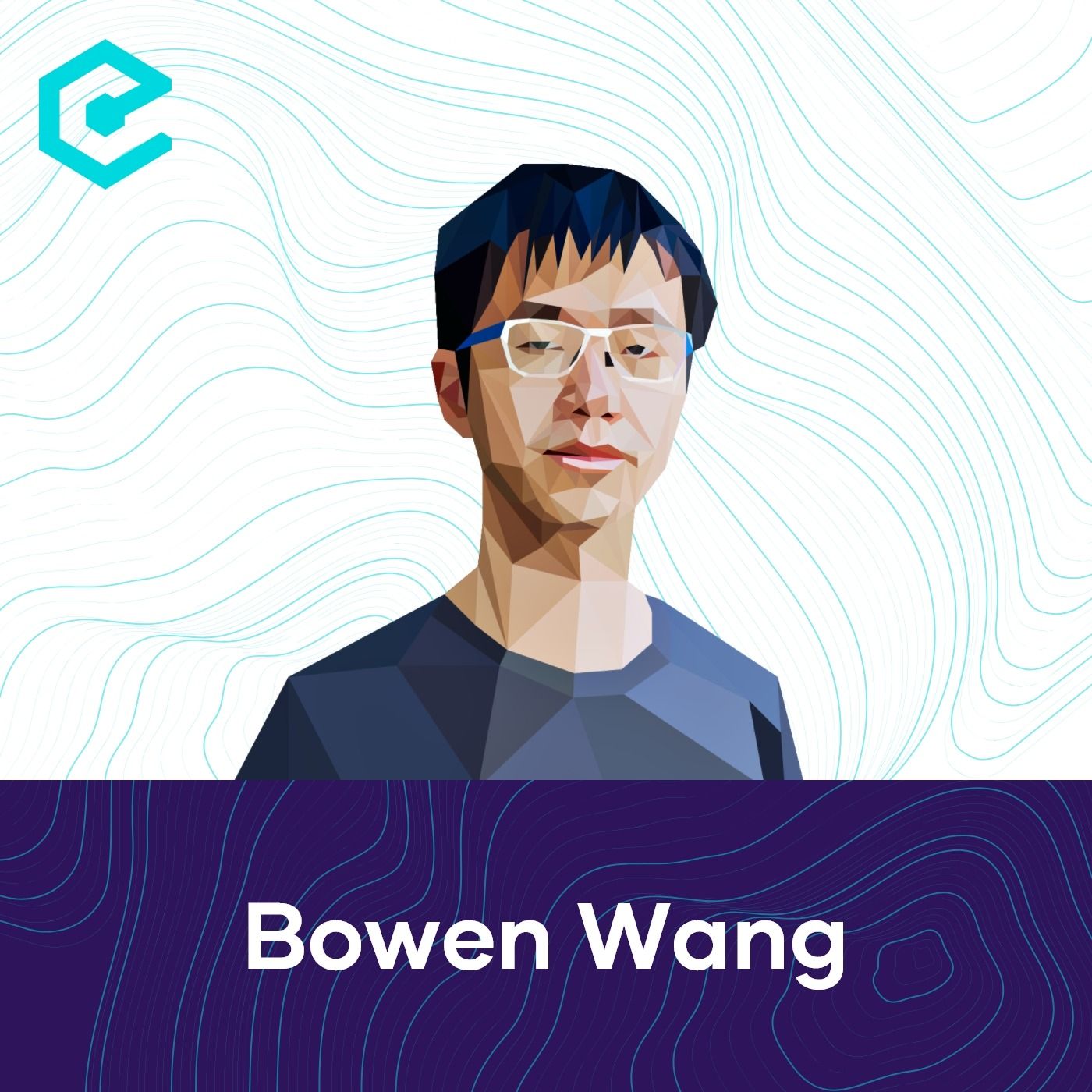
Near One: Scaling the Agentic Internet. AI X Crypto - Bowen Wang
‘Attention Is All You Need’, co-wrote by Illia Polosukhin in 2017, laid the foundation for arguably one of the most consequential tech breakthroughs in our recent history. 1 year later, Illia founded Near AI, which later became Near Protocol. They were visionaries ahead of their time and, although AI took several more years before becoming a viable product, the experience of scaling databases woul
![Vitalik Buterin: Ethereum, The [LAST] Steward of Decentralisation](https://d3t3ozftmdmh3i.cloudfront.net/staging/podcast_uploaded_episode/44360864/3f5fdad87c28d819.jpg)
Vitalik Buterin: Ethereum, The [LAST] Steward of Decentralisation
The tradition of Epicenter x Vitalik Buterin continued this year as well at EthCC[8], where we got the chance of picking his brain about recent research, interests and Ethereum Foundation’s direction going forward. Join us for a fascinating discussion on biotech and how Vitalik’s Shiba ended up funding it, the utility of blockchains in nowadays society and Vitalik’s view on the Ethereum ecosystem

Stripe: The Stablecoin (R)Evolution - John Egan
Stripe has established itself as a leading payment solution for both enterprises as well as startups and individual sellers. By abstracting away all the complexities of traditional payment rails through simple plug-and-play APIs, Stripe created a facile route for cross-border payments, simplifying e-commerce. Similarly, Stripe’s recent integration of stablecoins could further bolster the adoption

t1 Protocol: Unifying Ethereum's L2 Liquidity Through Real-Time Proving - Can Kisagun
While L2 rollups did help scale Ethereum, they also created siloed ecosystems, all fighting over the same liquidity, users and devs. t1 Protocol is building layer-2 infrastructure to achieve seamless cross-rollup interoperability through real-time proving, powered by TEEs. t1's low-latency with 1-second block times provides faster preconfirmations, significantly improving UX, all while maintaining
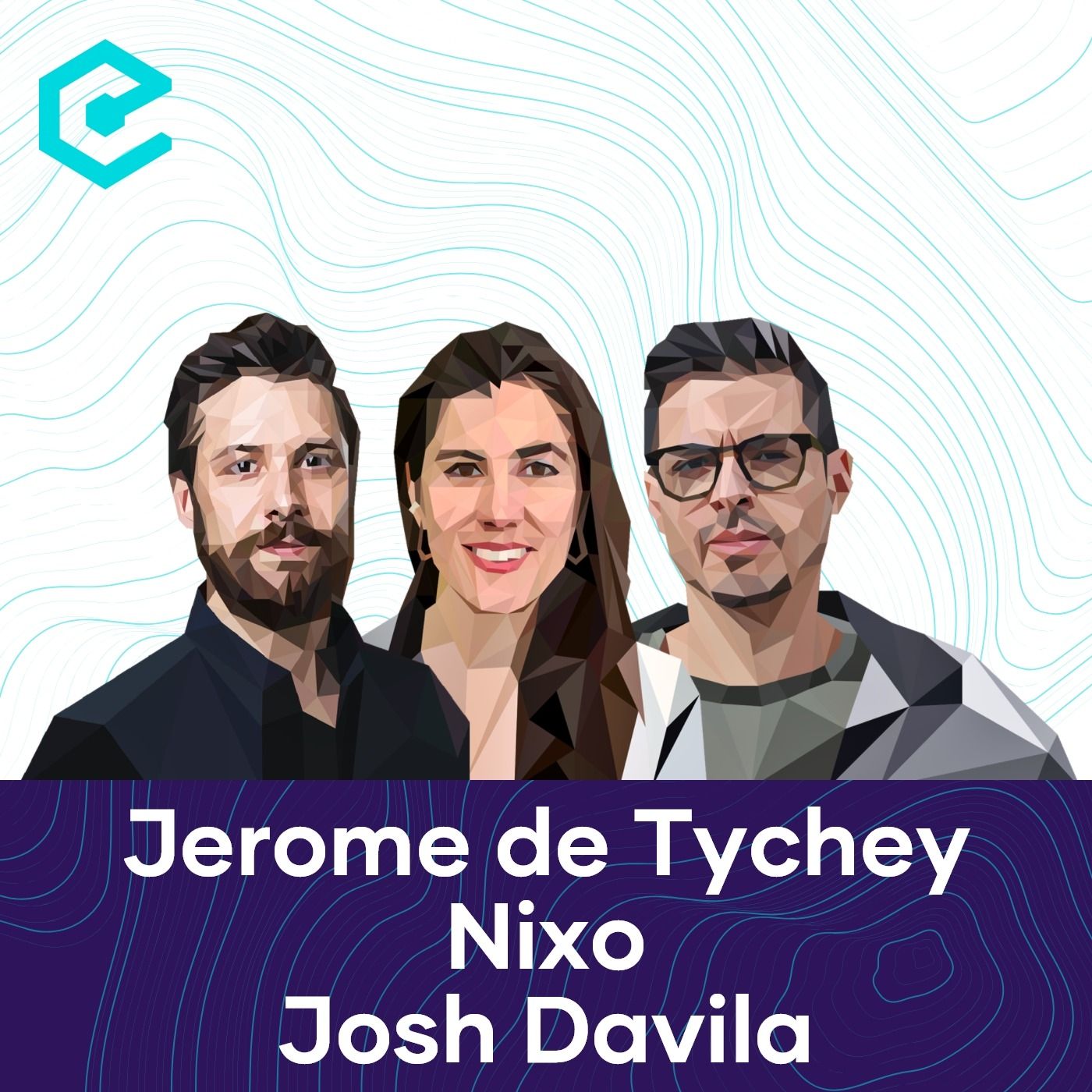
DappCon 25: The Ticker Is $ETH - Jerome de Tychey, Joshua Dávila & Nixorokish
As the summer tour of European crypto conferences landed in Berlin, one of crypto’s cradles, we couldn’t miss DappCon 25, where we got to sit with Jerome de Tychey, Nixorokish & Joshua Dávila to discuss Ethereum’s restructure and whether its culture is still relevant to the wider crypto community. Join us for a fascinating discussion on the impact of crypto politicization and how Ethereum’s ec

Lombard: Unlocking Bitcoin DeFi Through Liquid, Yield-Bearing LBTC - Jacob Phillips
Bitcoin remains an untapped source of net-new liquidity that could be injected into DeFi. This would completely reshape Bitcoin’s utilization from a mere store of value to a liquid asset that can be ported cross-chain and traded like a liquid staking derivative. Lombard’s LBTC builds upon Babylon’s Bitcoin staking primitive and aims to unlock new yield sources for the industry’s leading asset by i

Staking Rewards: Is Crypto Staking Killing Decentralisation? - Mirko Schmiedl & Tobias Jung
Apart from incentivising market participants to secure the network through inflationary rewards, many consider staking as an equivalent of stock dividend yield. As a result, although Bitcoin is regarded as digital gold, protocols are looking for ways to increase its utilisation in DeFi and, ultimately, generate yield. Nowadays, while newer networks are struggling to attract investors and sustain a

ETHPrague: ETH Renaissance - Austin Griffith, Brenda Loya, Joseph Schweitzer, Marek Olszewski
After a decade of existence, Ethereum has gone a long way from its initial whitepaper, yet many efforts in scaling and finding product-market-fit have been severely criticized for falling short of their promise. However, despite numerous other ‘Ethereum killers’ being launched over the years, none has managed to attract so many developers and liquidity while sticking true to ethos that (once) powe

The Multi-Chain Avalanche - Emin Gün Sirer
We couldn’t miss the Avalanche Summit where we sat down with Emin Gün Sirer, co-founder & CEO of Ava Labs, to discuss the evolution of Avalanche’s ecosystem and how HyperSDK ushers in a scalable, interoperable, multi-chain future. Join us for a fascinating discussion on Avalanche’s approach to decentralisation, scalability & interoperability, and learn why real-world applicability relies h
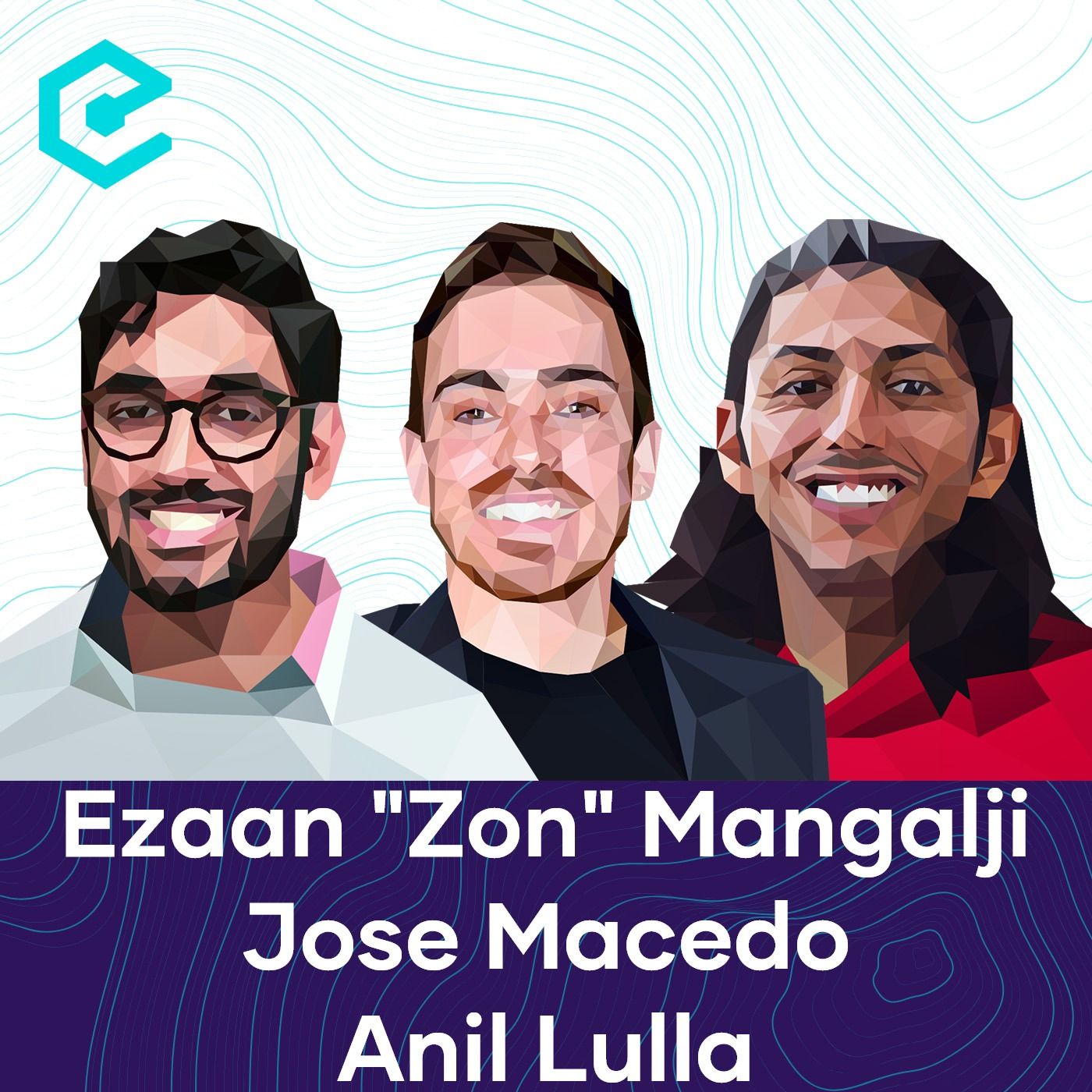
Initia: Incentively Aligned Appchains - Ezaan Mangalji, Anil Lulla & Jose Maria Macedo
Blockchain architecture is constantly being forced to adapt to new technologies, as well as to meet new demands from users and builders. While the idea of apps building their own chains was first explored by Cosmos, it lacked the support and tooling to see it succeed. Later on, rollups also took the centerstage of Ethereum’s scaling roadmap, but due to their general purpose design, it led to a can
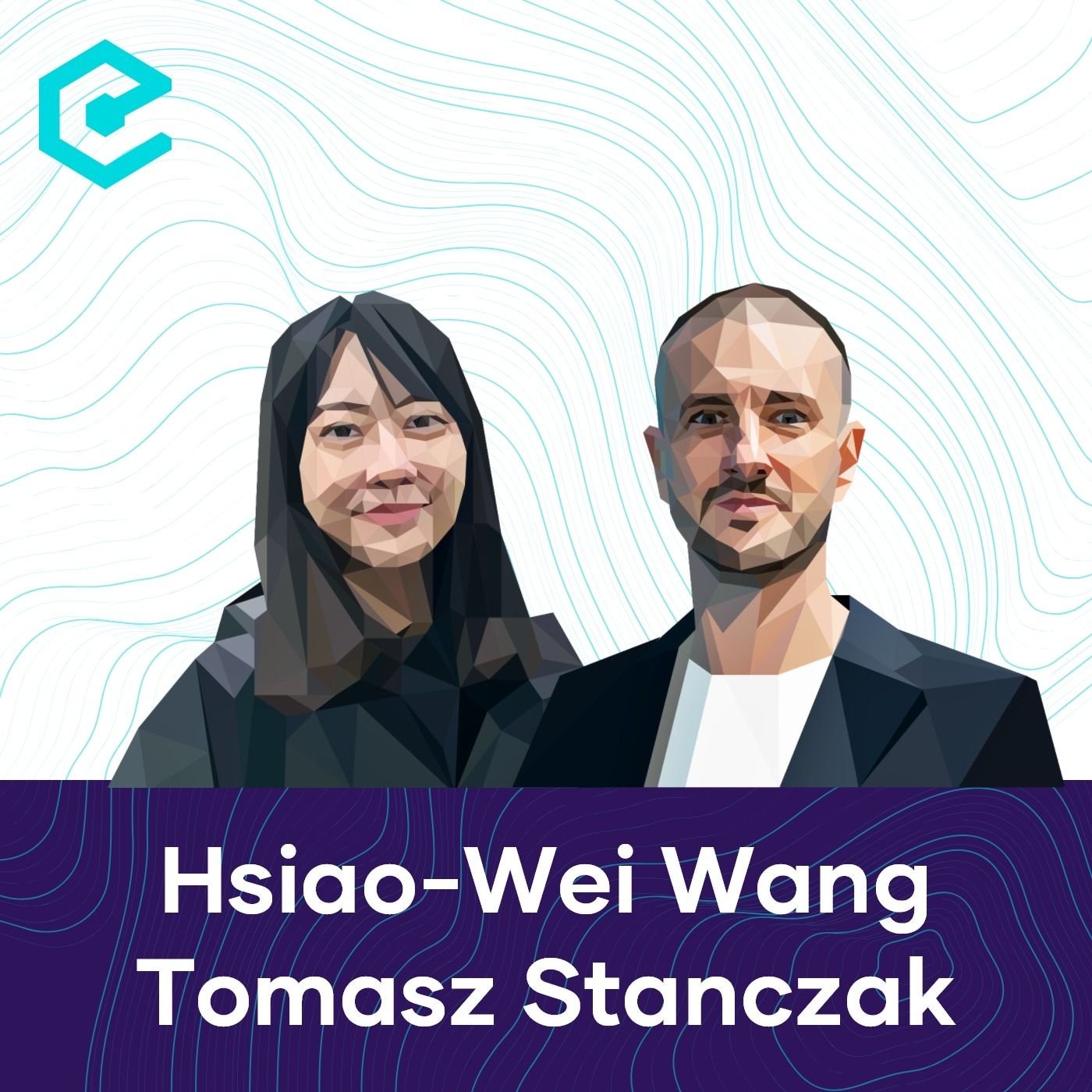
Ethereum Foundation: Humanity’s Shared World Computer - Hsiao-Wei Wang & Tomasz Stańczak
As society evolves, so do its values and principles, but is that desirable for technology that seeks to build the most reliable, trustless and censorship resistant global settlement layer? Ever since the rise in popularity of Solana with its inflow of retail capital in a memecoin gold rush, Ethereum became even more criticized for sticking true to its core values despite the completely divergent d

Taiko: Scaling Ethereum in a Decentralised Manner - Joaquin Mendes
Taiko is a decentralized, Ethereum-equivalent (type I) rollup scaling solution which uses ZK technology. Taiko's goal is to scale Ethereum efficiently while maintaining security and decentralization. Being a type I zkEVM, Taiko retains full Ethereum equivalence, which creates a seamless DevEx, although this comes at the expense of UX as slower proof generation is the main trade-off. Moreover, in o

Mysten Labs: How Sui Leverages Move to Build the Composable Web3nternet - Adeniyi Abiodun
Founded by former Meta Diem team members, Sui is a high-performance, layer-1 blockchain designed for horizontal scaling and low-latency transactions. It uses an object-centric data model and the Move programming language to enable transaction parallelization which can handle >200,000 txs/s. Sui’s goal is to combine the benefits of blockchains with Web2’s security & frictionless UX. From acc

Maple Finance: On-Chain Institutional Yield & Lending Markets - Sidney Powell
With an extensive experience in traditional money markets, Maple Finance was envisioned as an institutional capital marketplace which combines the transparency & capital efficiency of blockchains with the regulatory framework of TradFi. Unlike many DeFi protocols that require over-collateralized loans (e.g. Aave), Maple also specializes in under-collateralized lending, enabling greater capital
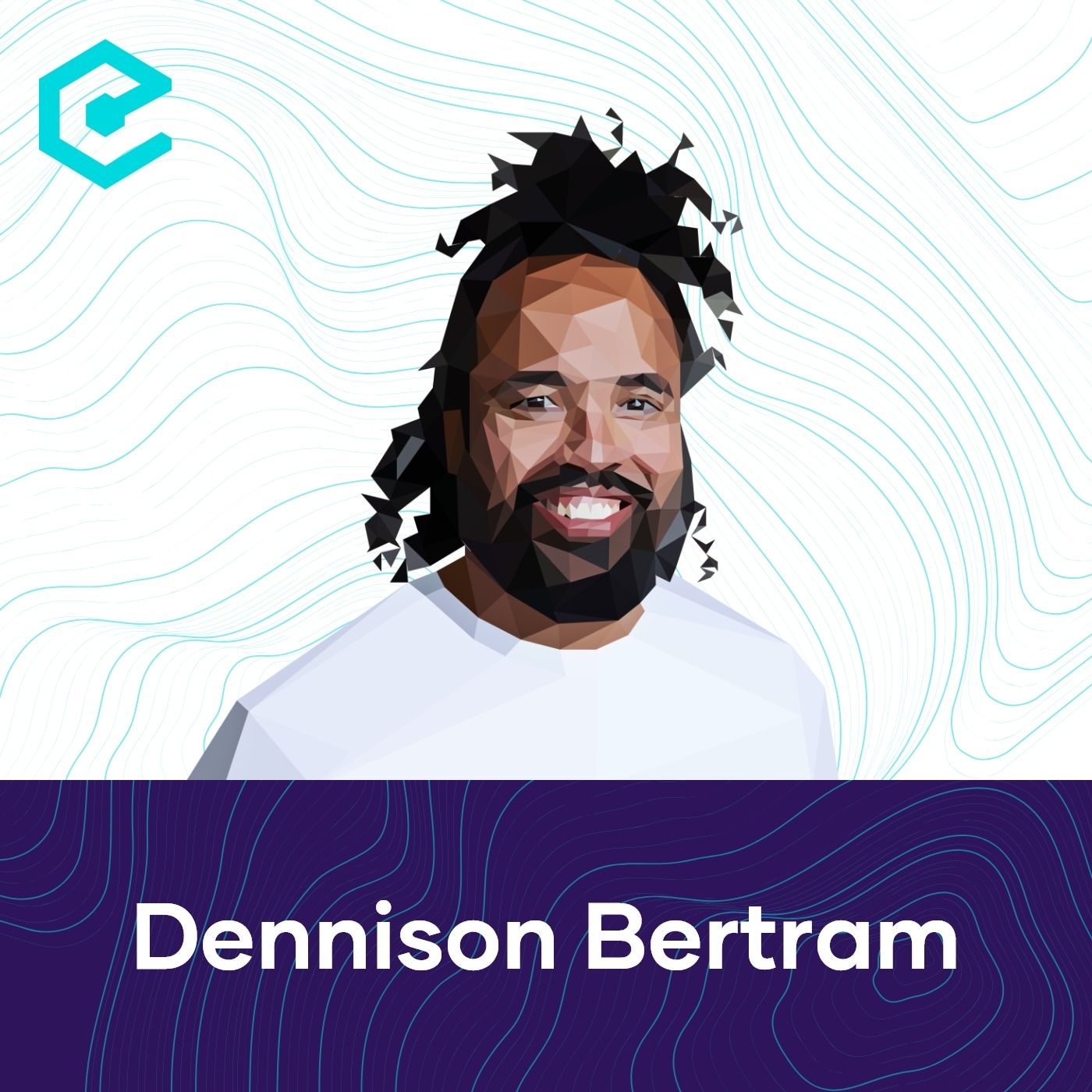
Tally: The Software Layer for Tokenized Organizations - Dennison Bertram
Tally is a software platform designed to support tokenized organizations, particularly Decentralized Autonomous Organizations (DAOs) and crypto communities. It provides tools for launching tokens, governing protocols, and enabling staking to foster community participation and growth. Tally facilitates onchain governance, allowing transparent and decentralized decision-making for managing funds, gr

ENS V2 Cross-Chain Domains & Namechain - Nick Johnson
Namechain is an L2 developed by ENS Labs, to enhance the scalability and efficiency of managing decentralized identities on Ethereum. It is designed to work in tandem with ENS V2, which introduced a hierarchical registry system for more efficient subdomain management and custom resolvers. A key vision for Namechain is to unify multi-chain user identities, creating a "digital identity chain" that s

Lido V3: Ushering in Institutional Staking Through stVaults - Hasu
Ethereum’s transition from proof-of-work to proof-of-stake created a unique set of conditions (i.e. lack of protocol-level delegation, 32 ETH requirement, long exit queues, etc.) that led to Lido’s liquid staking model to gain huge traction, significantly eclipsing other LSD providers on native PoS chains. stETH added on-demand liquidity, bypassing withdrawal windows, while also increasing DeFi ut

Ronin: How Axie Infinity Kickstarted the Blockchain Gaming Revolution - Jeff Zirlin
While DeFi’s ultimate goal is to provide an alternative for TradFi, blockchain gaming caters to retail masses, onboarding millions of users to crypto through incentives and fun gameplay. The greatest success story in Web3 gaming thus far has been, without a doubt, Axie Infinity. Apart from creating an engaged community whose early adopters also experienced rags-to-riches stories, it kickstarted an
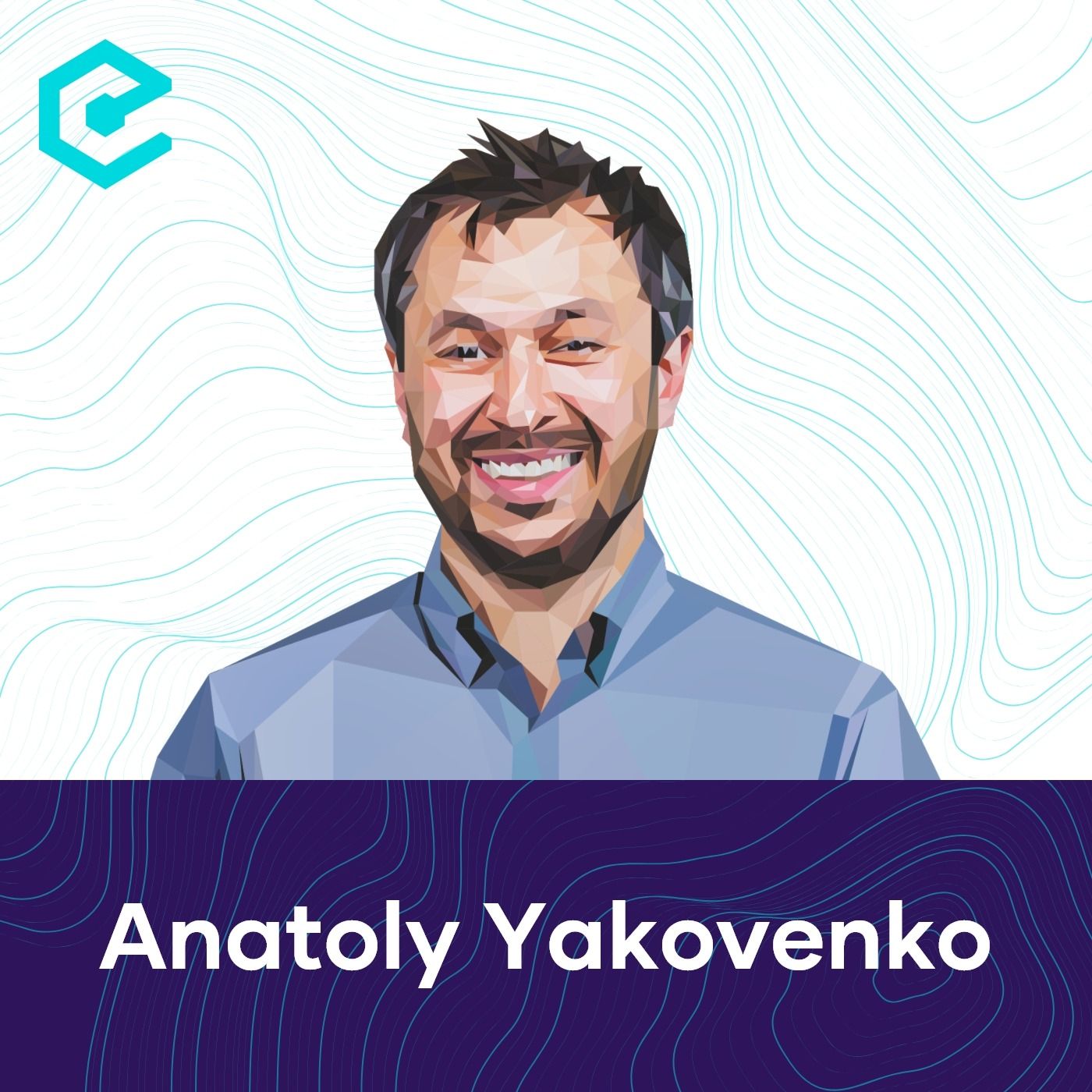
Solana: From On-Chain Nasdaq to the Pump Fun Craze - Anatoly Yakovenko
Solana needs no introduction. Ever since its inception, it pushed throughput scaling on a single chain, without the need of sharding or rollups. Despite its ups and downs that culminated at the bottom of the bear market after the FTX crash, it managed to not only survive, but build a vibrant community around crypto's (arguably) most prominent PMF (thus far).Join us for a fascinating discussion and
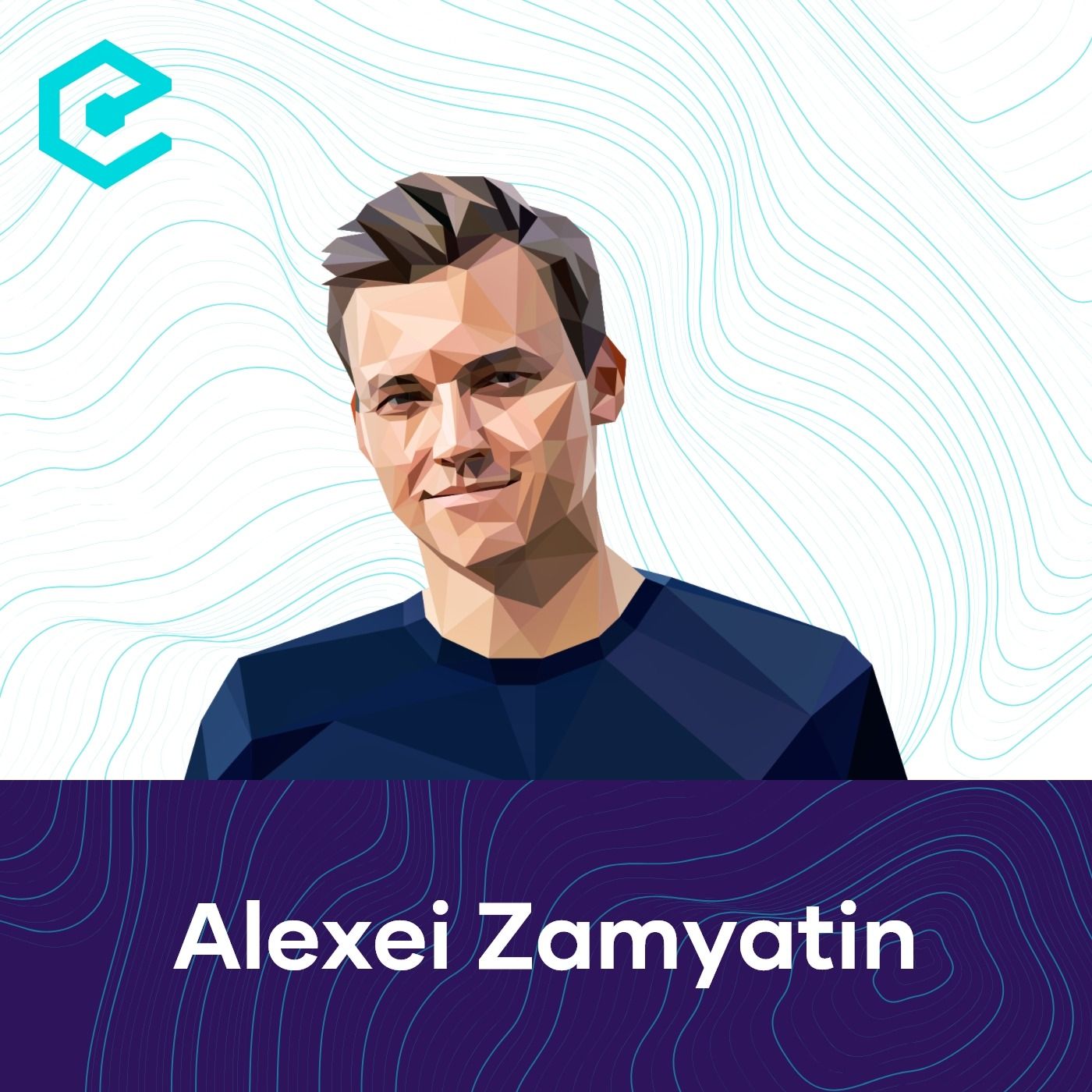
Build on Bitcoin: Combining Bitcoin's Security With Ethereum's Versatility - Alexei Zamyatin
Bitcoin’s security and reliability as a store of value are undeniable. However, its liquidity remained untapped for too long due to a lack of trustless bridges and native smart contract capabilities. As BTC is only native to Bitcoin’s L1, any attempt to include it in DeFi relies on the trust assumptions of third party custodians that wrap it. Build On Bitcoin (BOB) aims to expand Bitcoin’s functio

Puja Ohlhaver: Why Community Currencies Are Crucial for Governance in DeSoc
In the digital networked age, people’s attention often overlooks local problems in favour of global ones, which don’t necessarily impact them in their daily lives, or over which they don’t have a say due to the skewed Pareto distribution of power in modern day societies. Puja Ohlhaver, in her recent research paper ‘Community currencies’, proposes a dual-currency model that prices attention and inf

Nevermined: Payment System for the AI Agentic Economy - Don Gossen
Even though current LLM providers usually charge flat rates regardless if the subscriber is a ‘power user’ or not, as AI agents become the workhorses of the online economy, a dynamic AI-to-AI payments infrastructure would prove crucial for proper remuneration. Nevermined proposes a blockchain-agnostic, AI-agnostic credit system, that each builder can use to implement custom pricing strategies for

Turtle Club: Helping Web3 Users Monetize Their On-Chain Activity - Esfandiar Lagevardi
As more and more protocols compete for marketshare, user acquisition represents one of the most important elements of the GTM strategy. Web3 projects, through their governance tokens, can incentivise users directly to participate in meaningful activities for each protocol, subsidising their revenue generation through vested upside in the project. Turtle Club built the first distribution protocol o

Story Protocol: Tokenizing Intelligence Into Programmable IP Assets - Jason Zhao
As online content becomes predominantly AI-driven, intellectual property (IP) rights should not be neglected as (human) creators will heavily rely on them. While the main use cases for blockchains revolve around financial applications, one could argue that our everyday lives constantly intersect IPs in different forms. Although the legal framework is abundant, proper recording, monetization and di
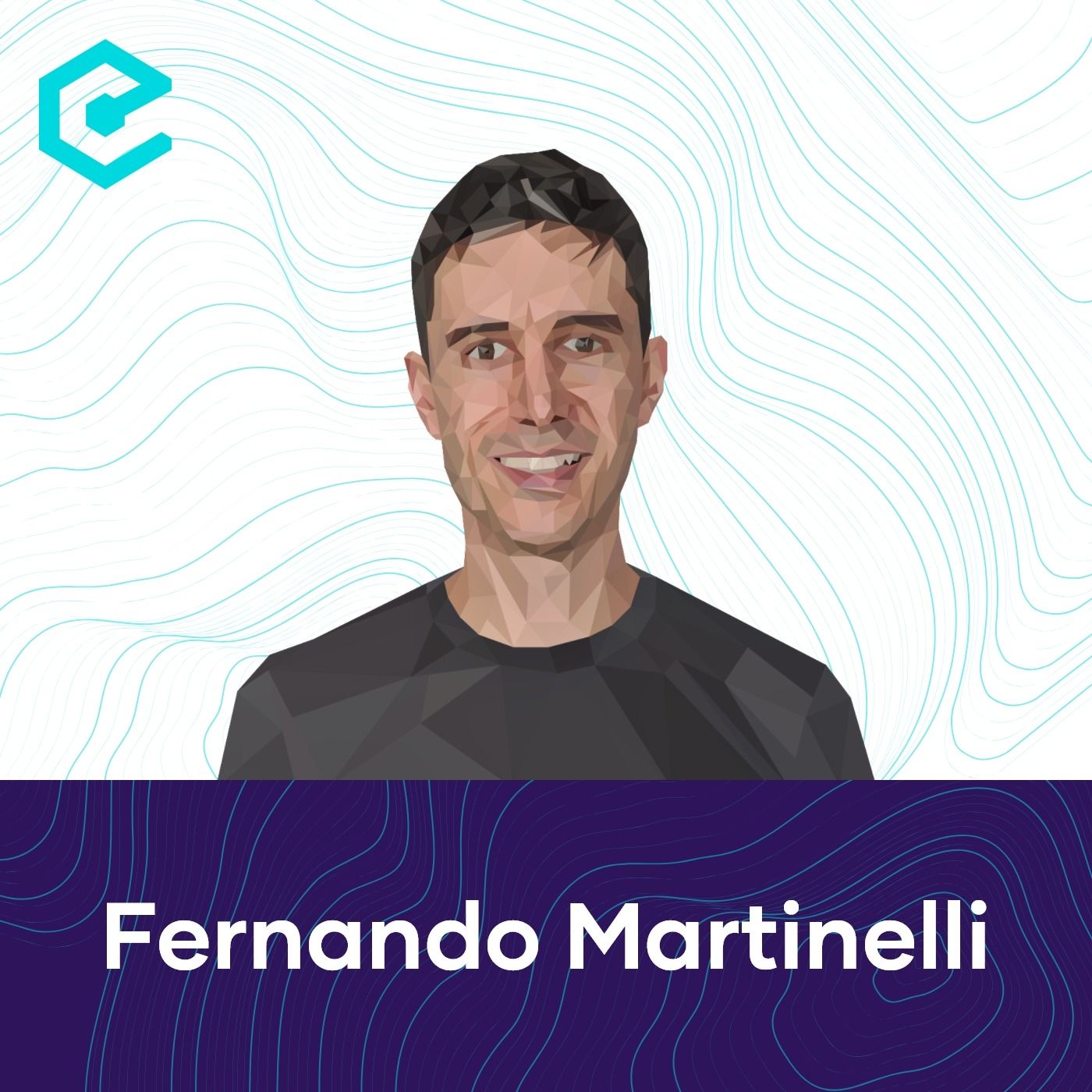
Balancer: Custom AMMs and Liquidity Solutions - Fernando Martinelli
While AMMs (automated market makers) represent a DeFi innovation in themselves, research and experimentation have pushed the possibilities well beyond the limitations of the classic x*y=k constant product formula originally used by LPs. One of the main innovators in this field remains Balancer - from multi-token pools with different weights replicating TradFi indices, to dynamic ratios that can be

Kiln: Democratising Value Creation in Digital Assets - Laszlo Szabo
Kiln operates as a staking-as-a-service platform, primarily focused on Ethereum, enabling users to stake assets programmatically, managing validators, rewards, and commissions through an API-first approach. In addition, it offers white-label solutions that allow institutional clients to integrate staking functionalities into their own offerings, with unified API for all assets and rewards, making

Babylon: Self-Custodial Bitcoin Native Staking & Bitcoin-Secured Networks - David Tse
Throughout the years, there were many attempts of tapping into Bitcoin’s liquidity and security, but almost all of them came with different caveats. Most notably, wrapped BTC (wBTC) depended on the wrapper contract security. However, the recent surge in research and development for native solutions has led to breakthroughs previously thought impossible. Babylon launched native BTC staking and plan

RedStone: The Oracle Pioneering the Future of DeFi - Marcin Kaźmierczak
The DeFi landscape has significantly evolved since 2018 when Chainlink was launched. Recent developments such as L2 rollups, liquid staking, restaking and the rise of BTC DeFi have created huge demand for more customizable, modular oracles that would be able to provide accurate data for countless use cases, crosschain. RedStone set out to do exactly that and are now securing over $6.6 bn worth of

Privado ID & Quark ID: On-Chain ZK-Powered Unified ID - Diego Fernandez & Evin McMullen
Traditional KYC and AML regulations have often forced companies to comply, without having the right tools to do so. Simply storing users’ personal information led to the creation of security honeypots which haven’t gone unnoticed by hackers. Web3 solutions like Privado ID aim to cryptographically prove certain traits from a user’s personal data, without disclosing it to the enquirer. This is usual

Abundance: The First 1 Gigagas/second Stack for Sovereign Rollups - Hilmar Orth
One of the most limited blockchain resources is blockspace. From Bitcoin’s Blocksize Wars to Ethereum’s scaling roadmap, a common denominator seems to have emerged in the form of rollups. Advancements in zero knowledge proofs have enabled trustless bridges, which are a cornerstone to onboarding liquidity to any blockchain. Furthermore, Celestia’s modular approach to blockchain architecture and the

Monad: The EVM-Compatible 10,000 TPS L1 Blockchain - Keone Hon
The status quo for developers choosing an ecosystem for their blockchain usually revolves around trade-offs: do they go for Ethereum’s network effect, liquidity and decentralisation, or sacrifice some features in favour of a higher throughput. Monad aims to combine the best of both worlds, while not being limited by excessive hardware requirements. Monad built an EVM-compatible L1 from the ground

Succinct: Every Rollup Will Be a ZK Rollup! - Uma Roy
Polynomials are quintessential in machine learning for establishing relationships between outputs and inputs. However, there is also a field in cryptography which could not be made possible without polynomials - zero-knowledge technology. In zero-knowledge proof systems, computations are often represented as arithmetic circuits, and these circuits are translated into polynomials. This process is c

Bitcoin OS: Bitcoin Block 853626 Changed Everything For BTC Smart Contracts - Edan Yago
Bitcoin’s Taproot update paved the way for a new & exciting era for Bitcoin, as it expanded its use case far beyond that of an immutable ledger. However, Ordinals, BRC-20 tokens and, more recently, Runes, have limited functionality compared to what DeFi is capable of, on other smart contract blockchains. BitcoinOS envisions a revolutionary Bitcoin economy that stems from truly programmable tokens,

Symbiotic: Scaling Shared Security Through Restaking - Misha Putiatin
Bootstrapping and maintaining a validator set can be a challenging endeavour, especially for projects that are in search of a product market fit. However, this does not mean one should abandon the ethos of decentralisation in favour of a more streamlined centralised approach. The notion of shared security had been previously explored in the Cosmos ecosystem, but Symbiotic takes it a step further,

Ari Juels: Can AI Weaponize Blockchain Smart Contracts? - Chainlink
A smart contract’s rigid rule system represents a double-edged sword. ‘The Code is Law’, but what happens when rogue large language models or AI agents bend the Law? Can smart contracts be weaponised to serve a criminal agenda? In his ‘Oracle’ novel, Ari Juels explores this thesis and issues an eery warning regarding the blockchain x AI intersection. In this imminent future, oracles play a crucial

Citrea: Modular Rollup Framework on Bitcoin - Orkun Mahir Kilic
Bitcoin’s lack of native programmability, coupled with advancements in zero knowledge cryptography, has led to rollups being explored as a substitute for an execution layer. Citrea’s approach involves using Bitcoin as a data availability & settlement layer for their zero knowledge rollup. These rollups not only lower transaction costs, but they also enable smart contracts to use Bitcoin’s L1 secur

Anoma: Solving Cross-Chain Interoperability Through Intents - Adrian Brink
Inspired by Cosmos’ IBC ethos, Anoma takes interoperability a step further, from VM (virtual machine) to IM (intent machine). While traditional dApps that run on virtual machines require step-by-step instructions to achieve a desired outcome, Anoma’s universal intent machine design allows users to simply define their end-results which are then aggregated and an optimal combination of intents is se

Dappnode: Plug-n-Play Decentralization - Eduardo Antuña, Pol Lanski
In a world where everyone chases every basis point of marginal return, core values are often overlooked. The emergence of liquid staking protocols made stake delegation a norm rather than an exception. The hassles of running their own node and dealing with slashing risks were often too much of a burden for regular users. Dappnode offers both hardware and open-source software solutions for home sta

Dan Held: Bitcoin DeFi Will Change Everything! - Asymmetric
One of the best known educators in the space and OG Bitcoin maxi, Dan Held joined us to discuss his crypto journey from entrepreneur to marketing & growth specialist and why he decided to start the Asymmetric Bitcoin DeFi Fund. Although initially a contentious topic, the emergence of Ordinals revealed Bitcoin’s untapped potential, sparking tremendous interest for Bitcoin L2s and DeFi on the ‘mothe

Blockworks: The Future of Crypto = AI, Memecoins and DePIN - Jason Yanowitz Live @Permissionless
From a cross-platform media company, to launching their own conference and, more recently, an advisory branch, Blockworks has seen and done it all. We couldn’t miss Permissionless III, one of the largest crypto conferences in the US, where we sat down with Jason Yanowitz to discuss emerging trends in the industry and where the attention might shift over the coming months.Topics covered in this epi
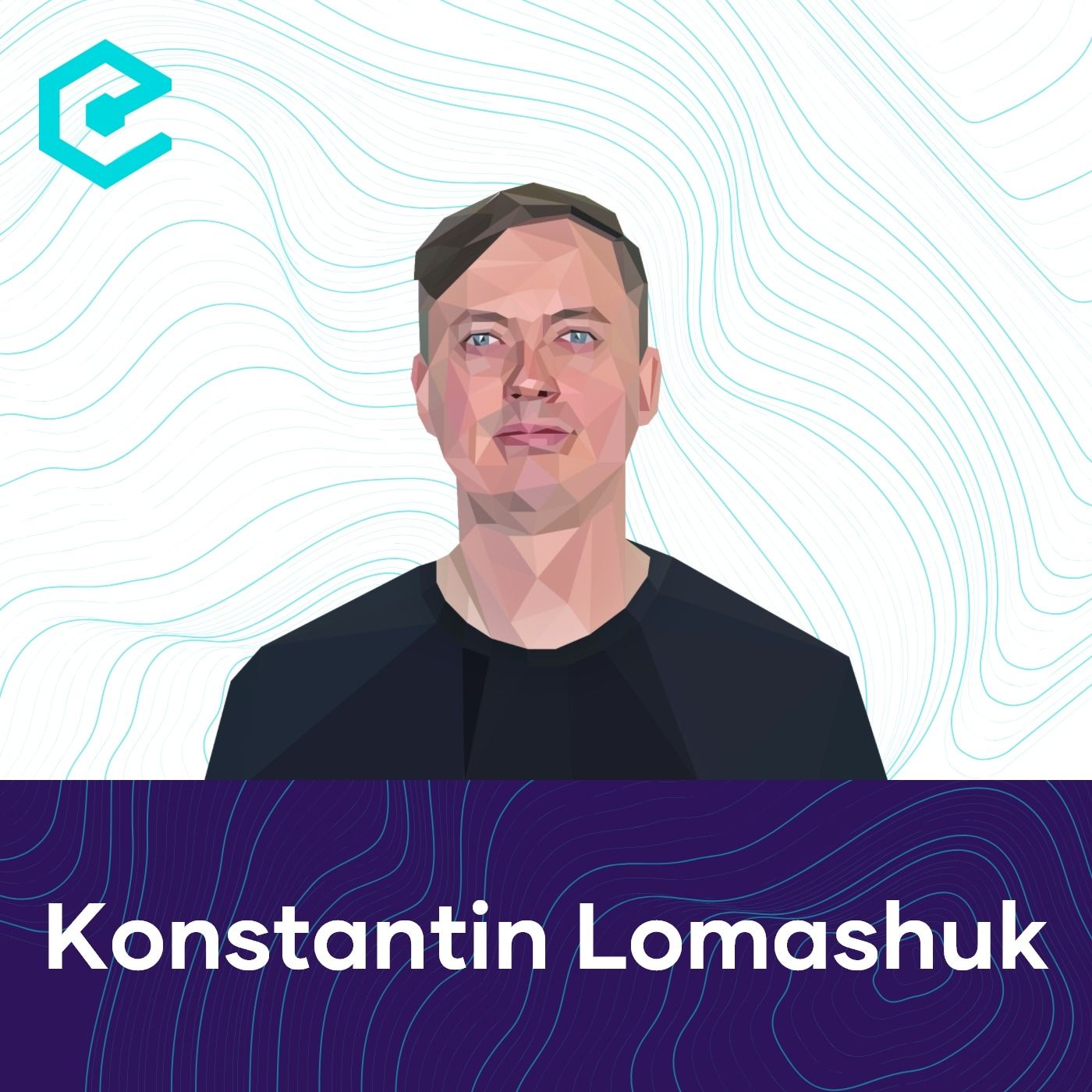
Konstantin Lomashuk: '#bitcoin is like a #memecoin' - cyber·Fund
Outside of BTC’s cypherpunk movement, the early days of crypto were more or less barren in terms of innovation. However, this presented a huge opportunity for visionaries and angel investors to either launch or back bold projects, recognizing the potential of crypto stretching far beyond than just payments. One of them was Konstantin Lomashuk, co-founder of cyber•Fund which was a key actor in boot

Celestia: 1Gb Blocks, Rollup Interoperability & Lazy Bridging. Ismail Khoffi & Mustafa Al-Bassam
As Ethereum’s roadmap shifted to a rollup-centric approach, a plethora of rollups have been launched, to the point where L3s have been conceptualized. Celestia sits at the forefront of modularity as it aims to replace the monolithic blockchain architecture with specialized layers that are more suited for scalability and customization. As a result, Celestia strictly focuses on data availability to
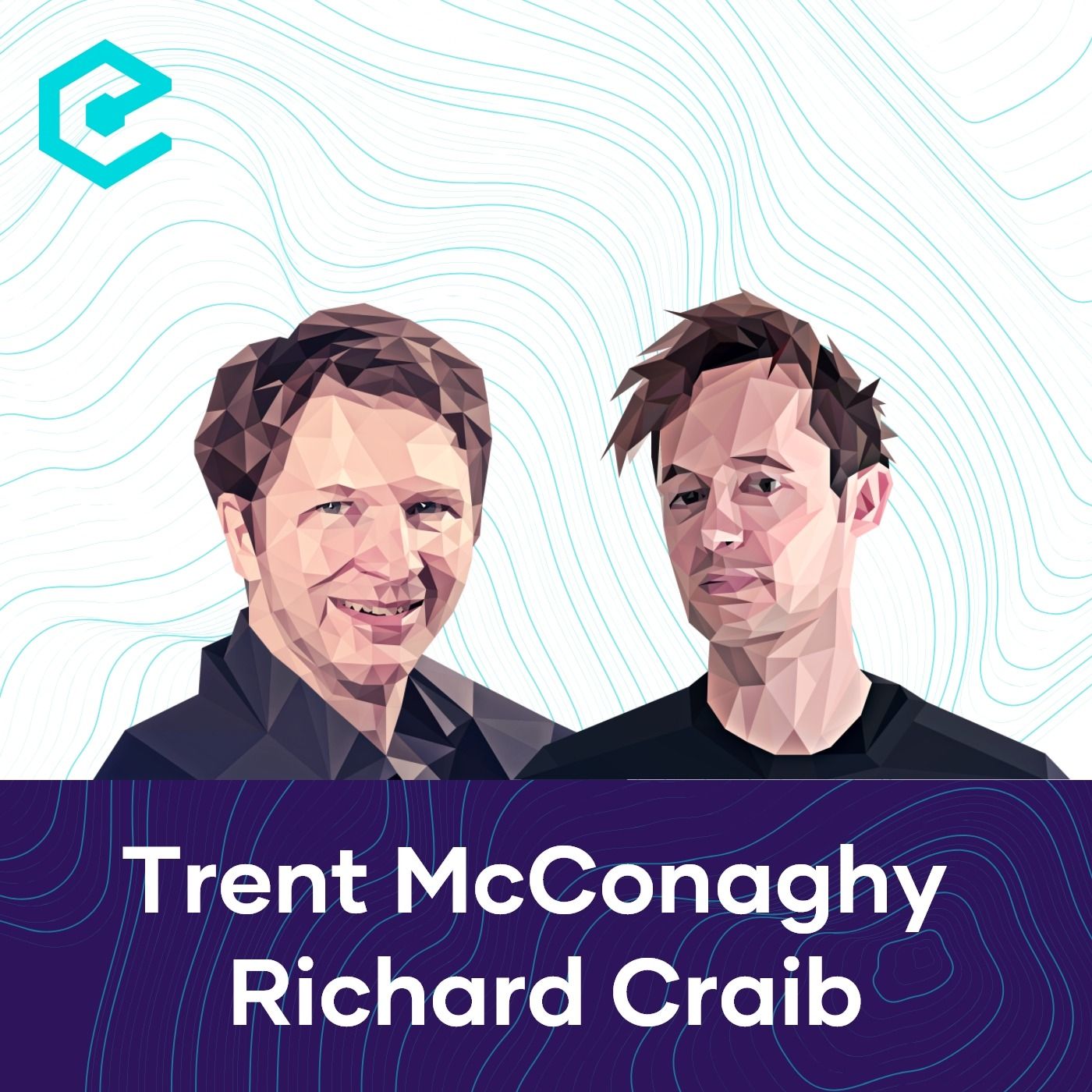
Numerai & Predictoor: How AI Changed Crypto Prediction Markets - Trent McConaghy & Richard Craib
Prediction markets were one of the first use cases of smart contracts, yet their popularity only recently spiked, following Polymarket’s social media spread. However, while prediction markets are generally zero-sum games, the rise of AI models trained on large datasets led to AI-powered prediction feeds and hedge funds. Crypto offers a unique array of use cases as it allows data scientists to not

Skip Protocol: The API for Seamless Cross-Chain Experiences on Cosmos & Beyond - Sam Hart
Interoperability is the holy grail for a multi-chain future or the ‘internet of blockchains’. However, while IBC (inter-blockchain communication protocol) revolutionised permissionless cross-chain transfers, it was Skip Protocol’s Go API that took advantage of Cosmos’ infrastructure (and its numerous messaging protocols), to create an end-to-end interoperability platform, allowing developers to de
Recommended

Take Back Your Health®

CBS Radio Mystery Theater | Old Time Radio

Solved Murders - True Crime Stories

紐約鳥|New York Aperture

The Swerve Podcast: Obscure Topics | Conspiracy Theories

The Bread and Banter Podcast

The Church of What's Happening Now: The New Testament

Busted Open

Deadline: White House

Crickets Corner

History of the Earthquake and Fire in San Francisco

Fox news
