The Science, Microbes & Health Podcast
This podcast discusses emerging topics and challenges in the science of probiotics, prebiotics, synbiotics, postbiotics, and fermented foods. It is produced by the International Scientific Association for Probiotics and Prebiotics (ISAPP), a nonprofit scientific organization dedicated to advancing research and understanding in these fields. Listeners can expect expert insights into the latest scientific developments and ongoing debates in microbiome-related health.
Episodes
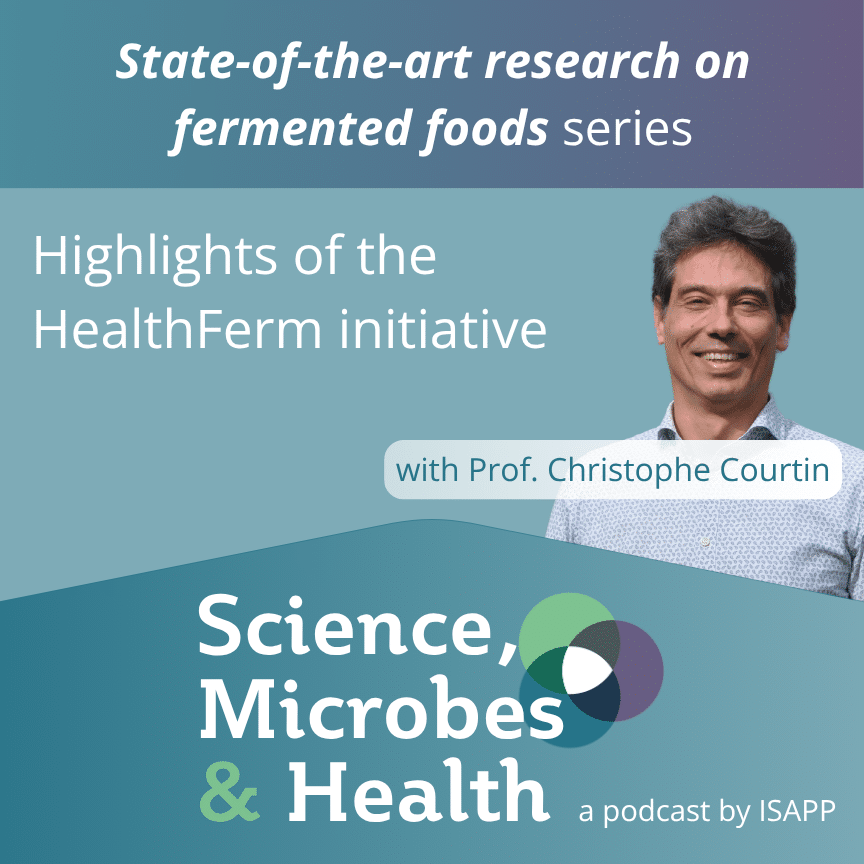
Highlights of the HealthFerm initiative, with Prof. Christophe Courtin
This episode features Prof. Christophe Courtin from KU Leuven (Belgium), speaking about the European HealthFerm initiative. HealthFerm began in September 2022 and brought together multiple institutions and companies to advance the project with a grant of 30 million Euros. The main aim of the project was to improve public acceptance of plant-based foods through fermentation. A citizen science comp
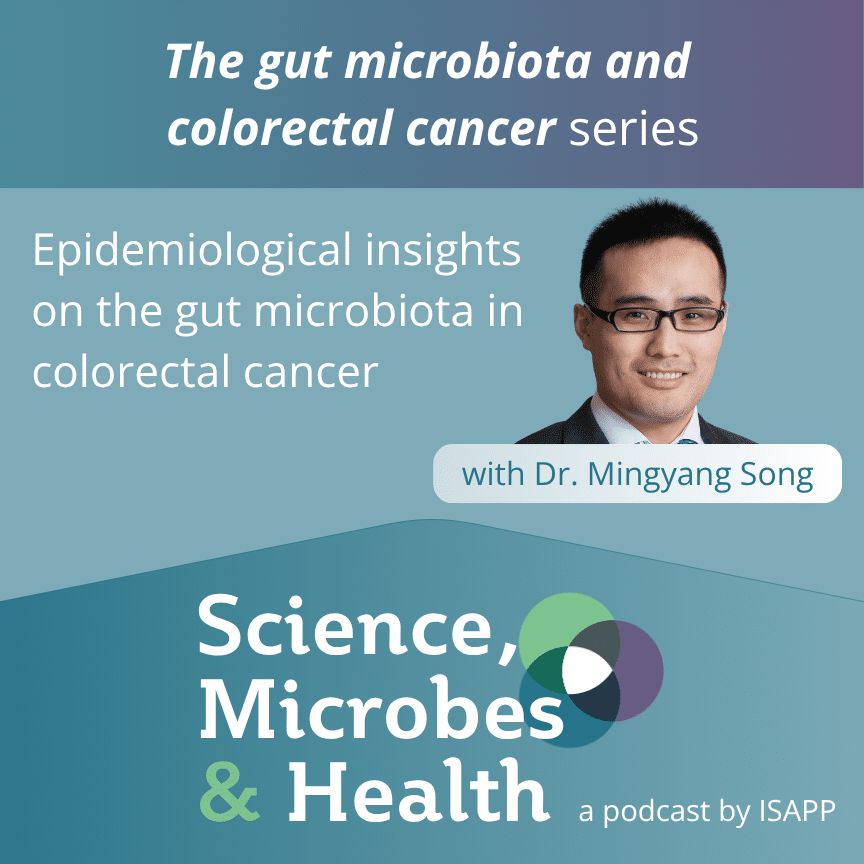
Epidemiological insights on the gut microbiota in colorectal cancer, with Dr. Mingyang Song ScD
This episode features Dr. Mingyang Song ScD from Harvard University (USA), speaking about epidemiological evidence connecting the gut microbiota to colorectal cancer (CRC) and whether the evidence supports the gut microbiota as a ‘driver’ or a ‘passenger. Dr. Song explains how he and colleagues studied the gut microbiome in a subset of people from the Nurses’ Health Study. It’s known that adenoma
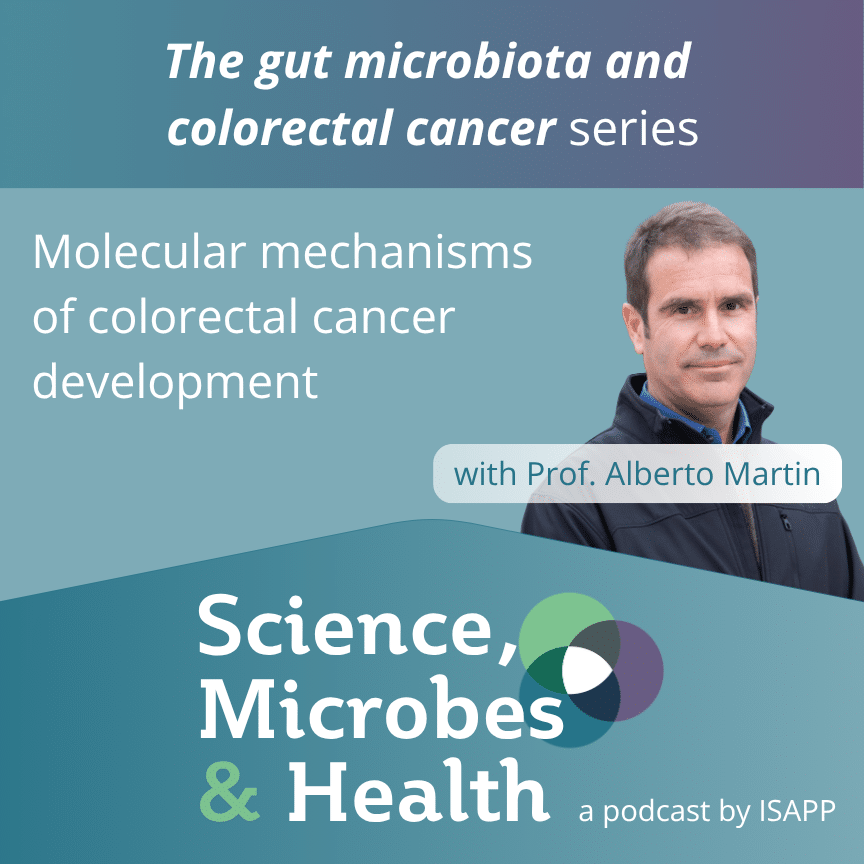
Molecular mechanisms of colorectal cancer development, with Prof. Alberto Martin PhD
This episode features Prof. Alberto Martin from University of Toronto (Canada), speaking about the molecular mechanisms by which certain bacteria – namely, pks+ E. coli – influence colorectal cancer development. pks+ E. coli secretes a toxin that causes DNA damage; likely its purpose is to keep other microorganisms in check, but it appears to have the effect of promoting colorectal cancer. A low-
Gut microbiome signatures of colorectal cancer, with Dr. Georg Zeller PhD
This episode features Dr. Georg Zeller PhD from Leiden University Medical Center (the Netherlands), speaking about gut microbiome signatures of colorectal cancer across global populations. An early study Dr. Zeller completed in Peer Bork’s lab suggested that the gut microbiomes of people with colorectal cancer are distinct from controls. This signature, as well as work on the tumor microbiome, al
Biofilms and specific bacteria in colorectal cancer development, with Prof. Cynthia L. Sears, MD
This episode features Prof. Cynthia L. Sears, MD from the Johns Hopkins University School of Medicine and the Bloomberg School of Public Health (USA), speaking about both biofilms and specific gut microorganisms that may contribute to colorectal cancer development. Initially, Prof. Sears became interested in enterotoxigenic Bacteroides fragilis in connection with colon cancer. Further investigati
The early life gut microbiota in the developmental origins of health & disease, with Dr. Anne Salonen PhD
This episode features Dr. Anne Salonen PhD from University of Helsinki (Finland) speaking about her studies on the gut microbiota in early life and how it relates to health and disease. She noted that while mode of delivery (C-section or vaginal birth) is the largest factor affecting microbiota composition for the first weeks and months of life, the immunological and functional microbiota consequ
Factors affecting infant gut microbiota development, with Prof. Christopher Stewart PhD
This episode features Prof. Christopher Stewart PhD from Newcastle University (UK), speaking about the factors affecting gut microbiota development in both non-preterm and preterm infants. Prof. Stewart started in the field of environmental microbial ecology and then came to work in human microbiome research. He was involved in the landmark TEDDY study, which aimed to find gut microbial markers o
A mechanism linking the newborn skin microbiota to neurodevelopment, with Prof. Rihua Xie and Dr. Yuhang Zhang
This episode features Prof. Rihua Xie from Guangdong Medical University (China) and Dr. Yuhang Zhang from Peking University First Hospital (China), speaking about vaginal microbiota transfer (VMT) and how it may affect neurodevelopment in newborn infants born by Cesarean section. Compared with vaginally delivered infants, C-section delivered infants have altered microbial exposures. VMT has been
Gut microbiota development in preterm and non-preterm infants, with Dr. Marie-Claire Arrieta PhD
This episode features Dr. Marie-Claire Arrieta PhD from the University of Calgary (Canada), speaking about development of the early life gut microbiome, both in preterm and non-preterm infants. Across the field, it has been established that the early days and months of an infant’s life are very determinant of immune system development as well as chronic disease later in life. In this period, envi
Toward skin microbiome interventions for anti-aging and wound healing, with Prof. Hariom Yadav PhD
This episode features Prof. Hariom Yadav PhD, from the University of South Florida (USA), speaking about the skin microbiome and potential interventions for anti-aging and wound healing. Prof. Yadav noted that humans have a stable (core) microbiome on the surface of skin cells, plus a transient microbiome that depends on recent exposures. The skin microbiome constantly changes through the lifespa
Inflammatory microbes on the skin, with Dr. Nathan Archer PhD
This episode features Dr. Nathan Archer PhD from Johns Hopkins Medicine (USA), speaking about the skin microbiome and particular microorganisms that cause inflammation. The skin is a dynamic organ with the main functions of keeping moisture in and keeping the environment out. Overall, the skin environment is not very welcoming to microorganisms but some have adapted to thrive in the low pH enviro
The skin microbiome’s role in atopic dermatitis, with Dr. Maria Teresa García-Romero, MD MPH
This episode features Dr. Maria Teresa García-Romero, MD MPH from the National Institute of Pediatrics in Mexico City, talking about the skin microbiome and how it relates to atopic dermatitis. The skin microbiome varies widely at different sites on the body, but in general, increased diversity is associated with healthy skin. In atopic dermatitis, Staphylococcus aureus becomes abundant and skin
An introduction to skin microbiome research, with Dr. Aayushi Uberoi PhD
This episode features Dr. Aayushi Uberoi PhD from Washington University in St. Louis (USA), speaking about the skin microbiome and various techniques for studying it. The skin is a reactive interface that protects the body, with the skin on various parts of the body looking very different because of stratifications in the epithelial layers and the local nutritional landscape. The skin microbiome
ISAPP’s scientific consensus definition of gut health
This episode features two guests from the ISAPP board of directors who led the recently published consensus definition of gut health: Prof. Maria Marco PhD from UC Davis (USA), and Prof. Eamonn Quigley MD from Houston Methodist Hospital (USA). In the paper, the group defines gut health as: “a state of normal gastrointestinal function without active gastrointestinal disease and gut-related symptom
2025 highlights in biotic science
This special year-end episode, which covers 2025’s highlights in biotic science, features three of the academic scientists who serve on the ISAPP board of directors: Prof. Maria Marco PhD from University of California, Davis (USA), Prof. Sarah Lebeer PhD from University of Antwerp (Belgium), and Dr. Gabriel Vinderola PhD from National University of Litoral (Argentina). After a brief review of ISA

Trials on probiotics and prebiotics in infant formula, with Prof. Yvan Vandenplas MD PhD
This episode features Prof. Yvan Vandenplas MD PhD from the University Hospital Brussels and Vrije Universiteit Brussel (Belgium), speaking about the science on probiotics and prebiotics in infant formula. Over the past 20 years in this field, awareness of the importance of the gastrointestinal microbiota has grown, and biotics have been employed to try to shape the gut microbiota of infants form
Dietary management of chronic constipation, with Dr. Eirini Dimidi PhD RD
This episode features Dr. Eirini Dimidi PhD RD from King’s College London (UK), speaking about the recently published British Dietetic Association’s guidelines for dietary management of chronic constipation. Constipation can be a major concern for patients, but evidence around some of the most common dietary recommendations for addressing it has remained unclear. After a thorough review of eviden
How ecological dynamics affect pathogens in the gut, with Prof. Kevin Foster PhD
This episode features Prof. Kevin Foster PhD from University of Oxford (UK), speaking about his lab’s ecological approach to the gut microbiome and efforts to understand and predict dynamics of different species in the microbiome. They also focus on how these ecological dynamics map onto health outcomes, and how they inform interventions. In a 2023 paper, they explored the concept of colonization
Applying the tools of ecology to manage microbiomes in people with cancer, with Dr. Joao Xavier PhD
This episode features Dr. Joao Xavier PhD, a systems biologist from Memorial Sloan Kettering Cancer Center, speaking about the application of ecological principles and tools to individuals being treated for cancer. His lab combines multi-omics profiling with ecological models to generate insights on how microbes interact with each other, for application to clinical risk prediction and microbiota-
Insights from evolutionary ecology on microbiome assembly and modulation, with Prof. Jens Walter PhD
This episode features Prof. Jens Walter PhD, a microbial ecologist from University College Cork / APC Microbiome Ireland, explaining how he applies ecological and evolutionary frameworks for the purposes of understanding and modulating microbiomes. Although there appears to be a high amount of stochasticity (or randomness) in microbiomes, stochastic and deterministic elements work together to det
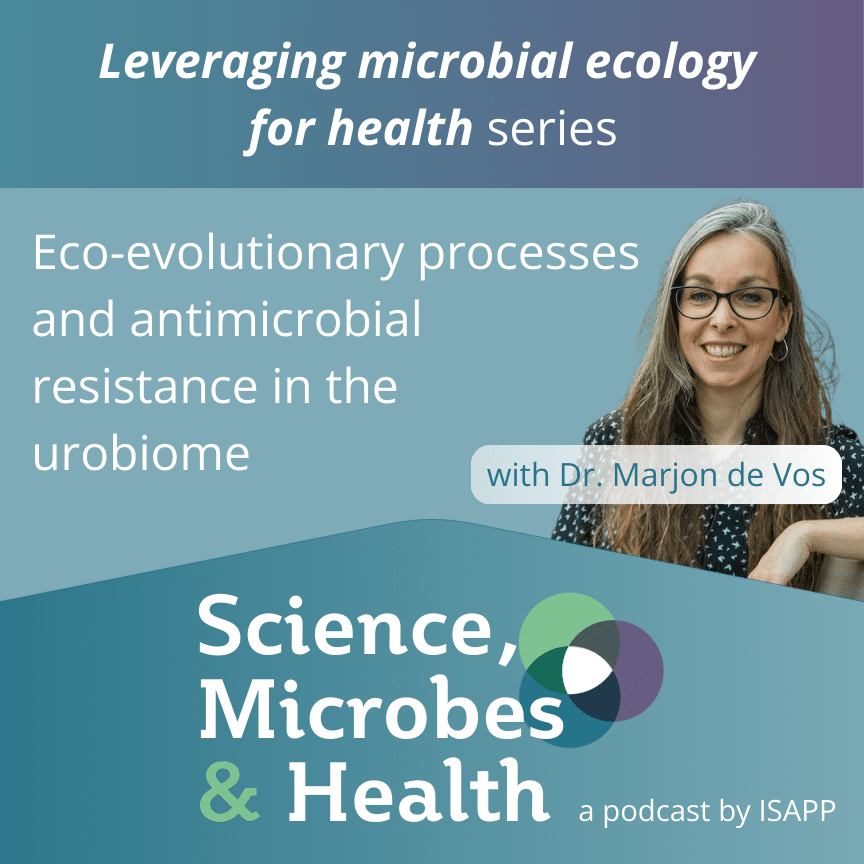
Eco-evolutionary processes and antimicrobial resistance in the urobiome, with Dr. Marjon de Vos PhD
This episode features Dr. Marjon de Vos PhD from the University of Groningen (the Netherlands) speaking about microbial ecology and evolution, and in particular how these affect antimicrobial resistance. She studies the urobiome as well as the factors that contribute to urinary tract infections and successful treatment of these infections with antibiotics. Her lab combines molecular biology techn
Highlighted Posters from the 2025 ISAPP Annual Meeting
In this second special episode about ISAPP’s annual meeting, held in Banff (Canada) in July 2025, Executive Director Marla Cunningham introduces the four highest-scoring posters from the poster session. Four speakers, all members of the ISAPP Students and Fellows association (SFA), join the podcast to describe the work they presented via poster at the meeting:
Benjamin Levine (University of I
Highlighted Talks from the 2025 ISAPP Annual Meeting
In this special episode, ISAPP’s Executive Director Marla Cunningham highlights ISAPP’s annual meeting, held in Banff, Canada in July 2025. Four speakers join the podcast to describe their talks from the meeting:
Dr. Carolina Tropini PhD (University of British Columbia): Leveraging the gut environment for functional biosensor microbes
Prof. André Marette PhD (Université Laval): Next genera
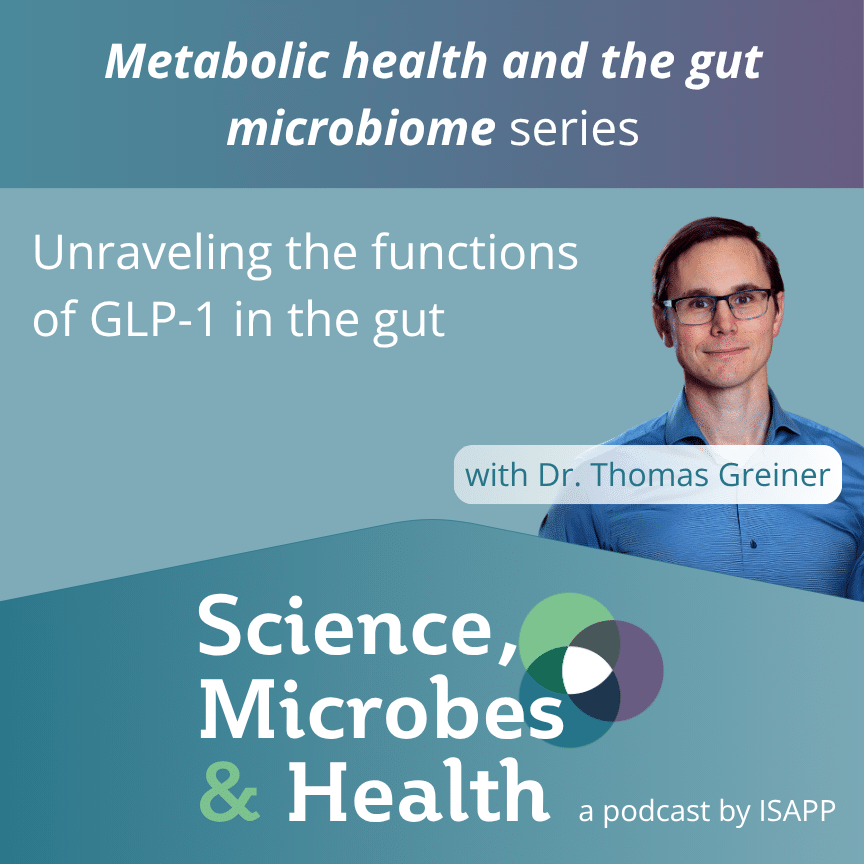
Unraveling the functions of GLP-1 in the gut, with Dr. Thomas Greiner PhD
This episode features Dr. Thomas Greiner PhD from the University of Gothenburg (Sweden), speaking about the various functions of GLP-1 in the gut, and the role of gut microbes in GLP-1 production, with ultimate effects on host health. He noted that GLP-1 is produced by enteroendocrine cells called L-cells, both in the small intestine and the colon. These cells respond to nutrients and microbially
Archive Highlight: Microbes that break down mucus and milk to benefit the host, with Dr. Clara Belzer PhD
We discuss microbes, mucus, and milk with Dr. Clara Belzer PhD from Wageningen University in the Netherlands in this episode. Dr. Belzer, a molecular geneticist, specializes in studying the microorganisms that are equipped to break down the glycans in mucus and human milk within the host environment.
Key topics from this episode:
Dr. Belzer’s research focuses on the microbes livi
Investigating the microbial mechanisms contributing to host metabolism, with Dr. Amir Zarrinpar, MD PhD
This episode features Dr. Amir Zarrinpar, MD PhD, from UC San Diego (USA) speaking about his work on circadian biology and host metabolism, and what’s currently known about microbial mechanisms. Dr. Zarrinpar explains that in mouse models, restricting feeding to the nocturnal (awake) period is important for their metabolic and overall health. When mice eat during the nocturnal period, the microbi
Interactions between immunity, gut microbiota, and metabolism, with Prof. Dirk Haller PhD
This episode features Prof. Dirk Haller from Technical University of Munich (Germany) speaking about his work in the field of nutritional immunology, trying to unravel how immunity and gut microbiota interact with metabolism, ultimately impacting the emergence of chronic diseases. He focuses on how microbe-host interactions in the gut impact inflammatory or tumorigenic responses – essentially, th
Examining fermented foods for potential cardiometabolic health benefits, with Prof. Ben Willing PhD
This episode features Prof. Ben Willing PhD from the University of Alberta, Canada, speaking about his work investigating fermented foods such as kefir for potential cardiometabolic health benefits. The microorganisms associated with fermented foods are not standardized – for example, traditional kefirs have some microorganisms in common, but other microorganisms that are present sporadicall
Diet and gut microbiome contributions to host energy balance, with Dr. Karen Corbin PhD RD
This episode features Dr. Karen Corbin PhD RD from AdventHealth Translational Research Institute (USA), speaking about how the triad of diet, gut microbiome, and host characteristics contribute to energy balance as well as metabolic diseases. From the perspective of host physiology, she explores how to use diet to remodel the gut microbiome to impact energy balance in healthy individuals and thos
Progress in understanding the gut microbiome’s role in health and disease states, with Prof. Emad El-Omar MD FRCP
This episode features Prof. Emad El-Omar MD FRCP from the University of New South Wales in Sydney, Australia, speaking about a recent paper exploring the healthy microbiome concept, as well as the latest research on how the gut microbiome contributes to the pathophysiology of several diseases. Prof. El-Omar talked about research on H. pylori-induced disease in the stomach; it’s known that th
The HACK index for measuring a health-associated gut microbiome, with Dr. Tarini Ghosh PhD
This episode features computational microbiologist Dr. Tarini Ghosh PhD from Indraprastha Institute of Information Technology (Delhi, India) speaking about his recently published paper that proposes a novel Health-Associated Core Keystone (HACK) index for measuring a healthy microbiome. To create the index, the group used a huge volume of sequence data – over 201 terabytes – from more than
Regulatory science and the development of microbiome biomarkers, with Dr. Céline Druart PhD
This episode features Dr. Céline Druart PhD of Pharmabiotic Research Institute (PRI) speaking about the role of regulatory science in the development of microbiome biomarkers. First, PRI’s Communication and Membership Manager Camille Bello briefly describes the work of the PRI in supporting the development of therapeutic and diagnostic products derived from microbiome science. Regulation is impor
Identifying features of a healthy microbiome, with Raphaela Joos
This episode features Raphaela Joos from University College Cork in Ireland, speaking about efforts by the Human Microbiome Action Consortium to create an expert-led consensus around the concept of a healthy human microbiome. Ms. Joos, a PhD student who was first author of the resulting paper, notes that a healthy human microbiome can be defined at many different levels. Some parameters such as d
Advancing gut microbiome testing for use in clinical practice, with Dr. Gianluca Ianiro MD PhD
This episode features Dr. Gianluca Ianiro MD PhD, a gastroenterologist from the Fondazione A. Gemelli IRCCS and Università Cattolica del Sacro Cuore in Rome (Italy), speaking about how to advance gut microbiome testing for use in medicine. His interest in the gut microbiome began with the clinical observation that fecal microbiota transplantation (FMT) was remarkably successful at curing recurrent
Archive Highlight: Human milk oligosaccharides in the infant gut, with Dr. Simone Renwick PhD
In this episode, the ISAPP hosts discuss human milk and the infant gut with Dr. Simone Renwick PhD from Mother-Milk-Infant Center of Research Excellence (MOMI CORE) at UC San Diego, USA. Dr. Renwick talks about her work investigating how communities of microbes versus individual microbes in the infant gut metabolize human milk oligosaccharide (HMO) structures, and what we know about the origin and
How a non-industrialized diet affects gut microbes and health, with Dr. Anissa Armet PhD RD
This episode features Dr. Anissa Armet PhD RD from the University of Alberta in Canada, speaking about the impact of diet on both the gut microbiota and overall health. Dr. Armet, a registered dietitian and researcher, says the Western diet along with the associated gut microbiome changes have played a role (amongst other things) in the rise of autoimmune diseases in industrialized societies. Dr.
Interactions of polyphenols in the gut, with Prof. Yves Desjardins PhD
This episode features Prof. Yves Desjardins PhD from Laval University in Canada. Prof. Desjardins, an agrologist by training, explains that polyphenols are metabolites synthesized by plants and present in the plant foods we consume. When humans consume polyphenols, we absorb a small fraction (around 5%) of them in the upper gastrointestinal tract, but most of them reach the colon and interact in v
The interplay between gut microbiota, diet, and circadian rhythms, with Dr. Vanessa Leone PhD
This episode features Dr. Vanessa Leone PhD from the University of Wisconsin – Madison on how gut microbes and eating patterns impact the host circadian system and overall health. In mouse models, Dr. Leone has found that in a 24-hour period, minor changes occur in the composition of the gut microbiota, while more important changes occur in gut microbiota function (that is, metabolite produc
An overview of precision fermentation, with Prof. William Chen PhD
This episode features Prof. William Chen from Nanyang Technological University in Singapore, speaking with the ISAPP hosts about precision fermentation. In Singapore, enhancing national food security is of interest and one of the technologies used to achieve this is precision fermentation. Prof. Chen describes the differences between traditional fermentation, biomass fermentation, and precision fe
Precision fermentation for animal-free milk, with Dr. Abigail Thiel PhD
This episode features Dr. Abigail (Abbey) Thiel PhD, who works remotely (from the US) with Wageningen University to manage a project focused on developing animal-free milk proteins using precision fermentation. Dr. Thiel explains that the motivation for the project is to find alternatives to animal-produced foods using microorganisms to produce key components of dairy products. Her project focuses
Archive Highlight: An evolutionary perspective on fermented foods, with Assoc. Prof. Katie Amato
Continuing in the series on the latest fermented food science, we are highlighting Episode 9 from our archives. In this episode, the ISAPP hosts talk about fermented foods and non-human primates with Katie Amato of Northwestern University, USA. Amato describes what she has learned from studying the gut microbiota of non-human primates and how it relates to our understanding of human and gut microb
Fermented foods and their health benefits, with Dr. Paul Cotter PhD
This episode features Dr. Paul Cotter PhD of TEAGASC in Ireland, talking about the creation of fermented foods and how they can lead to health benefits. A huge array of foods can be fermented, and historically fermentation was used to extend the shelf life of a food that people had an abundance of. Dr. Cotter’s work in the field originally started with a bacteria-killing bacteriocin that had been

How fermented foods can support health and sustainability, with Prof. Christophe Courtin PhD
In this episode, Prof. Christophe Courtin PhD from KU Leuven in Belgium discusses the potential of fermented foods to provide health benefits and create more sustainable food systems. His work focuses in particular on fermenting cereal grains as a way to create products with better properties or enhanced health impact. Fermentation is a form of food processing that can introduce benefits beyond th
Archive Highlight: The science of fermented foods, part 2, with Prof. Bob Hutkins
Continuing in the series on the latest fermented food science, we are highlighting Episode 3 from our archives. The hosts continue their discussion of fermented foods with Prof. Bob Hutkins, University of Nebraska – Lincoln. Prof. Hutkins elaborates on how the microbes associated with fermented foods may confer health benefits, as well as how food scientists choose strains for fermentation.

Archive Highlight: The science of fermented foods, part 1, with Prof. Bob Hutkins
Welcome to the first episode of our new series on the latest fermented food science. We are highlighting Episode 1 from our archives with guest Prof. Bob Hutkins, University of Nebraska – Lincoln. Prof. Hutkins wrote a popular textbook on fermented foods and has had a 40-year career in fermentation science. He shares why he ended up in fermentation science, as well as how fermented foods are
2024 highlights in biotic science, with ISAPP’s current and past Presidents
In this episode, ISAPP’s current President Prof. Maria Marco PhD and past President Prof. Dan Merenstein join the podcast hosts for a conversation about highlights in biotic science from the past year. Prof. Marco points out a paper published in Nature Microbiology, the result of an ISAPP discussion group exploring whether diet may be a confounder of biotic effects in clinical studies. The group c
Gut microbes and other drivers of inflammation in Parkinson’s disease, with Prof. Malú Tansey PhD and Dr. Andrea Merchak PhD
This episode features Prof. Malú Tansey PhD and colleague Dr. Andrea Merchak PhD from the University of Florida, USA, discussing neuroinflammation and the role of gut microbes in Parkinson’s disease (PD) and other neurodegenerative diseases. “Inflammaging” tends to occur as aging progresses, but the links that have been made between the gut and the brain in PD have led their group to the hypothesi
Using a microbiota-gut-brain axis on a microfluidic chip to gain insights into neurodegenerative diseases, with Prof. Kerensa Broersen PhD
This episode features Prof. Kerensa Broersen PhD from University of Twente in the Netherlands, speaking about using an innovative model of the microbiota-gut-brain axis to learn about neurodegenerative diseases such as Parkinson’s disease. Prof. Broersen says that while clinical studies are applicable to human health and animal models have great physiological complexity, her lab focuses on a model
Developing probiotics for neurodegenerative disease, with Dr. Alex Parker PhD
This episode features Dr. Alex Parker PhD from Université de Montréal talking about models for studying neurodegenerative diseases. His lab makes use of the worm C. elegans, a common model organism for studying disease and aging as it has many genes in common with humans. Focusing on amyotrophic lateral sclerosis (ALS), Dr. Parker makes models that reflect some aspect of the disease – in this case
Archive Highlight: New evidence on the virome in gut-brain communication and stress, with Nathaniel Ritz and Thomaz Bastiaanssen
Continuing our series on the microbiota-gut-brain axis, we are highlighting Episode 34 from our archives. In this episode, the ISAPP hosts discuss a new study on how the gut virome affects the host during stress, with Nathaniel (Nate) Ritz from the Institute for Systems Biology in Seattle, USA and Thomaz Bastiaanssen from APC Microbiome Ireland. The guests give an overview of the microbiota-gut-br
Archive Highlight: The role of microbes in gut-brain communication, with Prof. Emeran Mayer MD
Continuing our series on the microbiota-gut-brain axis, we are highlighting Episode 26 from our archives. In this episode, ISAPP podcast host Prof. Dan Tancredi PhD welcomes guest Prof. Emeran Mayer MD, a gastroenterologist and researcher at University of California Los Angeles. They talk about the microbiota-gut-brain axis, covering its evolutionary origins and how this complex system works in th
How the maternal microbiome influences offspring neurodevelopment, with Dr. Eldin Jašarević PhD
This episode features Dr. Eldin Jašarević PhD from University of Pittsburgh discussing research that investigates how maternal signals influence the general development and neurodevelopment of the offspring. Dr. Jašarević’s particular interest in this field stems from his family’s journey as refugees from Bosnia who found their way to the US. His lab studies how maternal stress or diet signals th
Fiber and short-chain fatty acids for cognitive health, with Dr. Boushra Dalile PhD
This episode features Dr. Boushra Dalile PhD from KU Leuven in Belgium – ISAPP’s 2024 Glenn Gibson Early Career Researcher Award winner – discussing the protective role of fiber and prebiotics on cognitive health. Dr. Dalile is trained in psychology, and in her current work she undertakes human intervention studies to examine the effects of interventions using fibers, prebiotic fibers, and / or s
Archive Highlight: Biotics in animal and human nutrition, with Prof. Kelly Swanson PhD
Completing our series on the role of biotics in animal health, we are highlighting Episode 22 from our archives. In this episode, Prof. Kelly Swanson PhD from University of Illinois at Urbana-Champaign discusses the role of biotics in animal and human nutrition. He reviews the criteria for prebiotics and synbiotics, then discusses how we gain knowledge about nutrition and the role of biotics in an
Developing probiotics to prevent white nose syndrome in bats, with Prof. Ann Cheeptham PhD
This episode features Prof. Naowarat (Ann) Cheeptham, a cave microbiologist from Thompson Rivers University (Canada), speaking about a fungal infection in bats that causes white nose syndrome. She and her collaborators are looking at the microbiomes of the bats and their environments for possible ways to prevent this serious infection. White nose syndrome is caused by Pseudogymnoascus destructans
Targeting the rumen microbiota for reduced methane production, with Prof. Alex Hristov PhD
This episode features Prof. Alex Hristov PhD from Penn State University (USA) talking about the microbiota of ruminants and how it can be targeted for reduced methane production. The rumen (pre-stomach area) of cows and other animals contains microorganisms that digest the feed before it enters the rest of the gastrointestinal tract. Hydrogen is produced to inhibit further fermentation of the feed
Archive Highlight: Prebiotics for animal health, with Prof. George Fahey
Continuing our series on the role of biotics in animal health, we are highlighting Episode 5 from our archives. This episode features a former ISAPP board member, Prof. George Fahey, giving an overview of animal prebiotic research and describing future opportunities for prebiotics in animal nutrition. Prof. George Fahey is a prominent animal nutrition scientist who is currently Professor Emeritus
Understanding the gut microbiome in dogs and other pets, with Prof. Jan Suchodolski DACVM PhD
This episode features Prof. Jan Suchodolski DACVM PhD from Texas A&M University, discussing the gut microbiome in dogs and other companion animals as part of our series on the role of biotics in animal health. Prof. Suchodolski’s lab focuses on understanding gastrointestinal (GI) diseases in pets and developing diagnostic tests for research and clinical practice. His lab works on building a mo
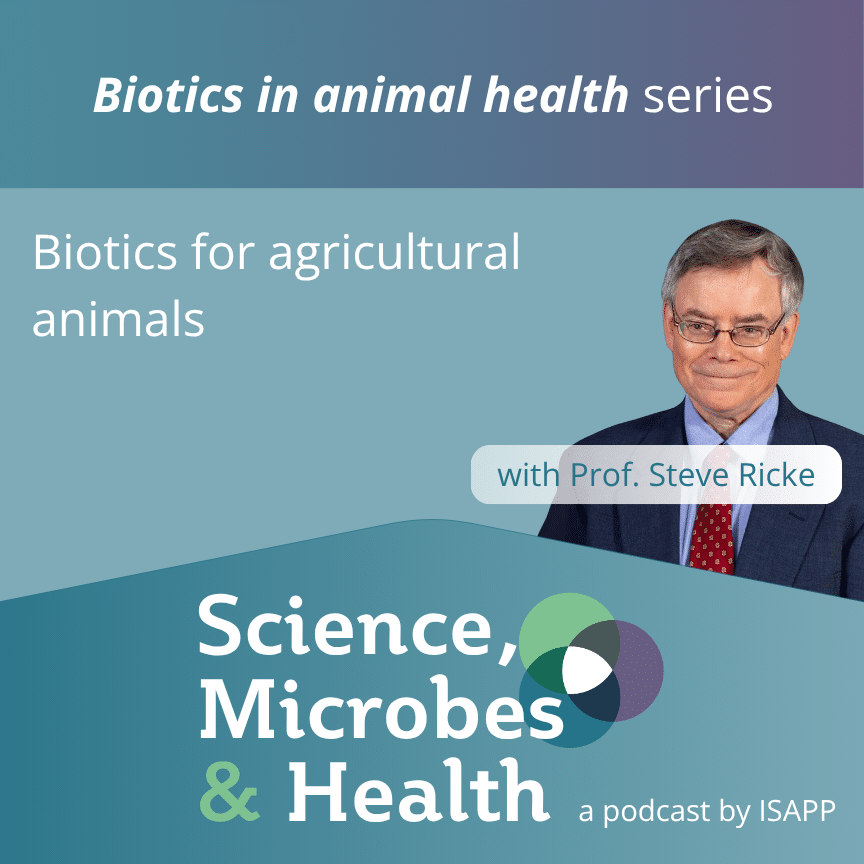
Biotics for agricultural animals, with Prof. Steve Ricke PhD
This episode, part of a series on the role of biotics in animal health, is a broad-ranging conversation on biotics for agricultural animals, with Prof. Steve Ricke PhD from University of Wisconsin-Madison. Prof. Ricke explains some of the different applications of biotics for poultry as well as swine and ruminants: rapid growth, efficient use of feed, and reducing inflammation. Biotics may also ha
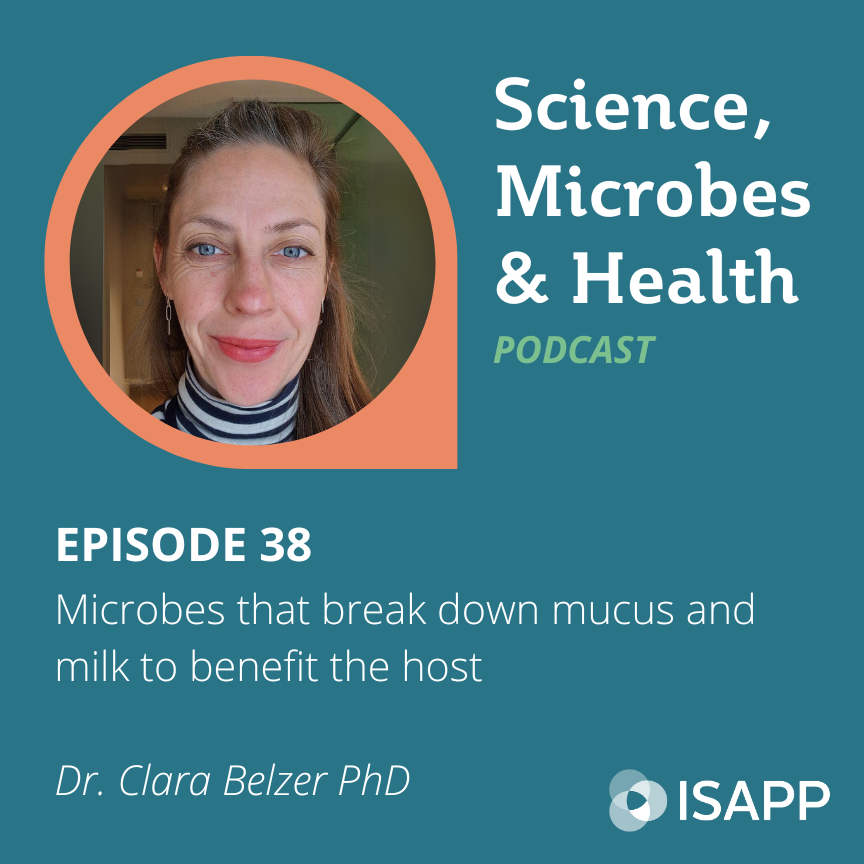
Episode 38: Microbes that break down mucus and milk to benefit the host, with Dr. Clara Belzer PhD
The ISAPP hosts discuss microbes, mucus, and milk with Dr. Clara Belzer PhD from Wageningen University in the Netherlands in this episode. Dr. Belzer, a molecular geneticist, specializes in studying the microorganisms that are equipped to break down the glycans in mucus and human milk within the host environment.
Key topics from this episode:
Dr. Belzer’s research focuses on the microbes living i
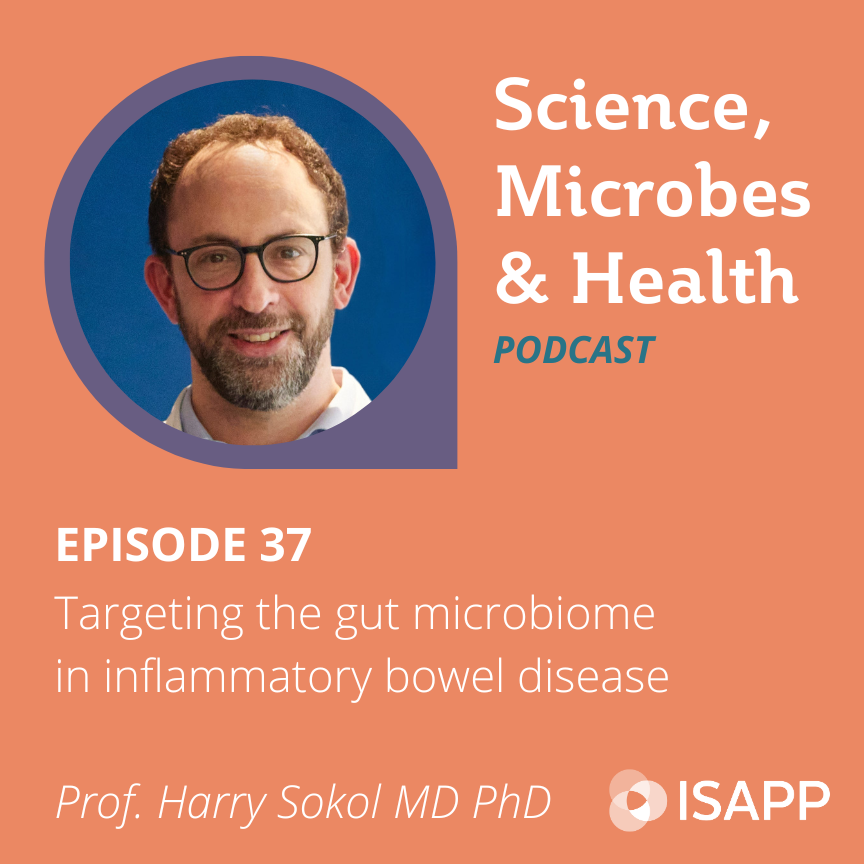
Episode 37: Targeting the gut microbiome in inflammatory bowel disease, with Prof. Harry Sokol MD PhD
The ISAPP hosts discuss the microbiome in inflammatory bowel disease (IBD) with leading expert Prof. Harry Sokol MD PhD, who is Professor of Gastroenterology at Saint Antoine Hospital and has positions with Sorbonne University and the Micalis Institute, INRAE in Paris, France. Sokol talks about the specific gut bacteria that seem to be important in IBD, as well as the challenge of targeting the gu
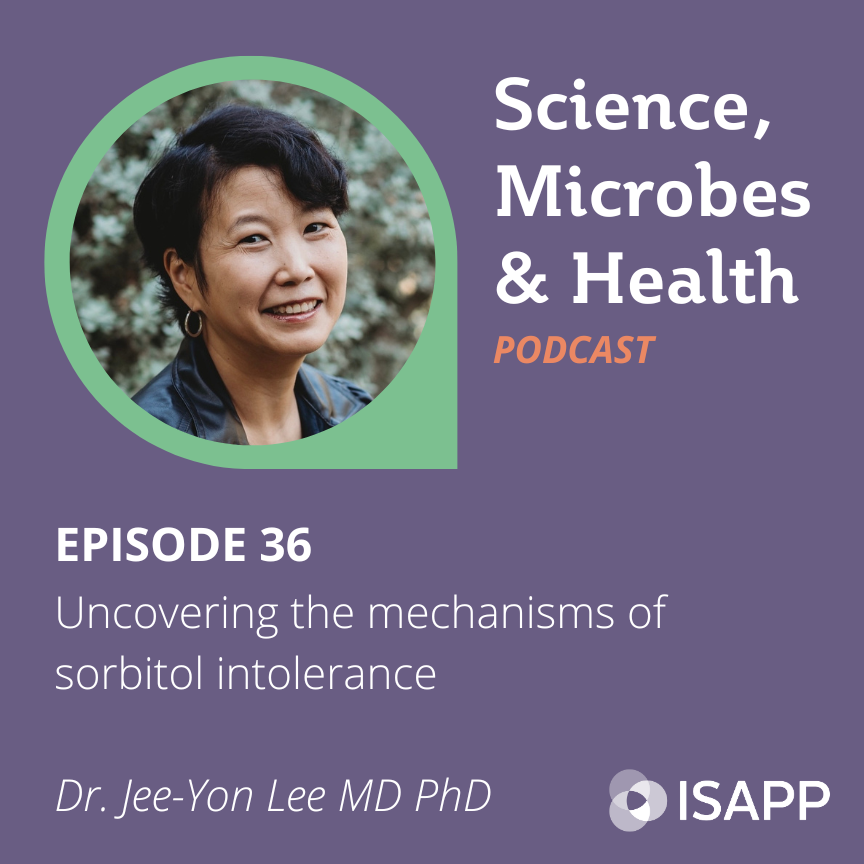
Episode 36: Uncovering the mechanisms of sorbitol intolerance, with Dr. Jee-Yon Lee MD PhD
This episode features Dr. Jee-Yon Lee MD PhD, assistant project scientist at the University of California Davis, USA, speaking about a recent paper on the mechanisms of sorbitol intolerance and the contributions of the gut microbiota. Dr. Lee explains how gut microbes in the large intestine can drive sorbitol intolerance, and how their research group designed a probiotic intervention to ameliorate
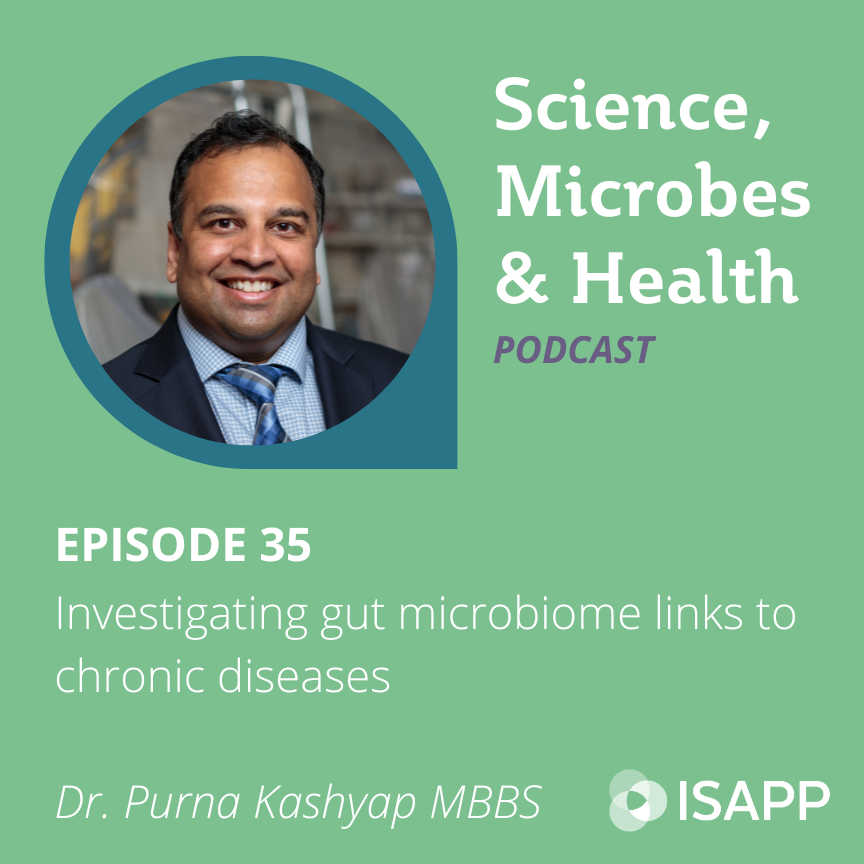
Episode 35: Investigating gut microbiome links to chronic diseases, with Dr. Purna Kashyap MBBS
In this episode, the ISAPP hosts discuss the gut microbiome’s role in chronic diseases with Dr. Purna Kashyap MBBS, from Mayo Clinic in Rochester, Minnesota, USA. Dr. Kashyap talks about how to discover the complex factors that trigger and perpetuate chronic diseases such as inflammatory bowel disease, zeroing in on the gut microbiome as a contributor to different aspects of gastrointestinal (GI)
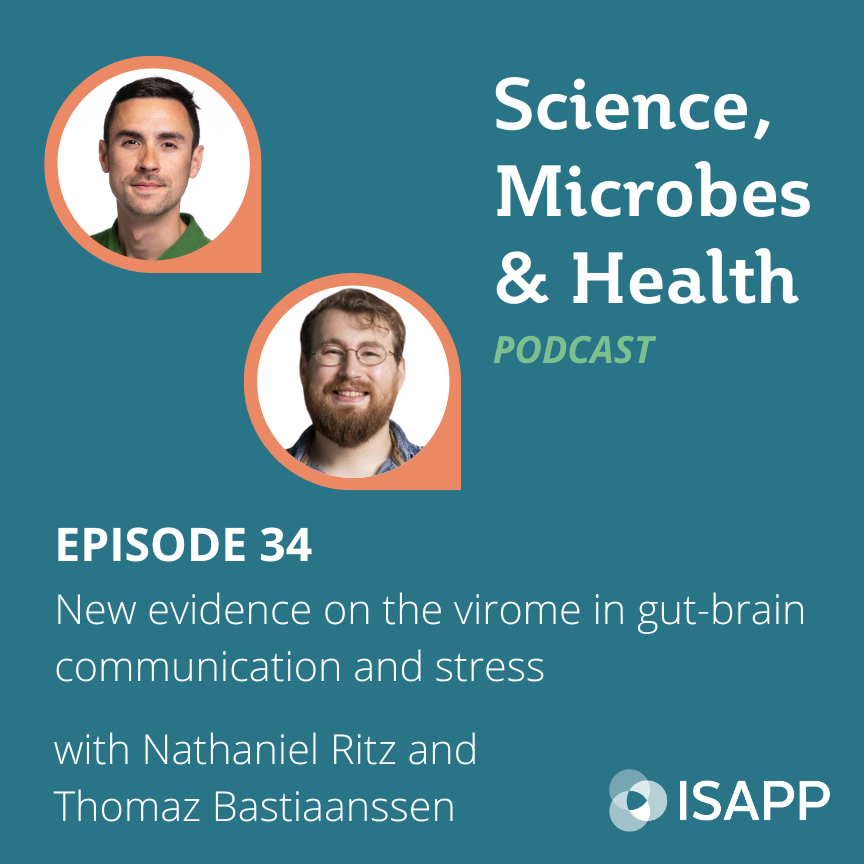
Episode 34: New evidence on the virome in gut-brain communication and stress, with Nathaniel Ritz and Thomaz Bastiaanssen
In this episode, the ISAPP hosts discuss a new study on how the gut virome affects the host during stress, with Nathaniel (Nate) Ritz from the Institute for Systems Biology in Seattle, USA and Thomaz Bastiaanssen from APC Microbiome Ireland. The guests give an overview of the microbiota-gut-brain axis, then delve into a new study they led on the virome and its effects on stress responses in mice.

Episode 33: From probiotic mechanisms to applications, with Prof. Graciela Lorca PhD
This episode, we discuss how to advance from probiotic mechanisms to human applications, with Prof. Graciela Lorca PhD at the University of Florida in Gainesville, USA. Prof. Lorca talks about her experiences seeking out the mechanisms of action of a probiotic – including which molecules from bacteria may have beneficial effects – and bringing a probiotic through drug trials for use in Type 1 diab
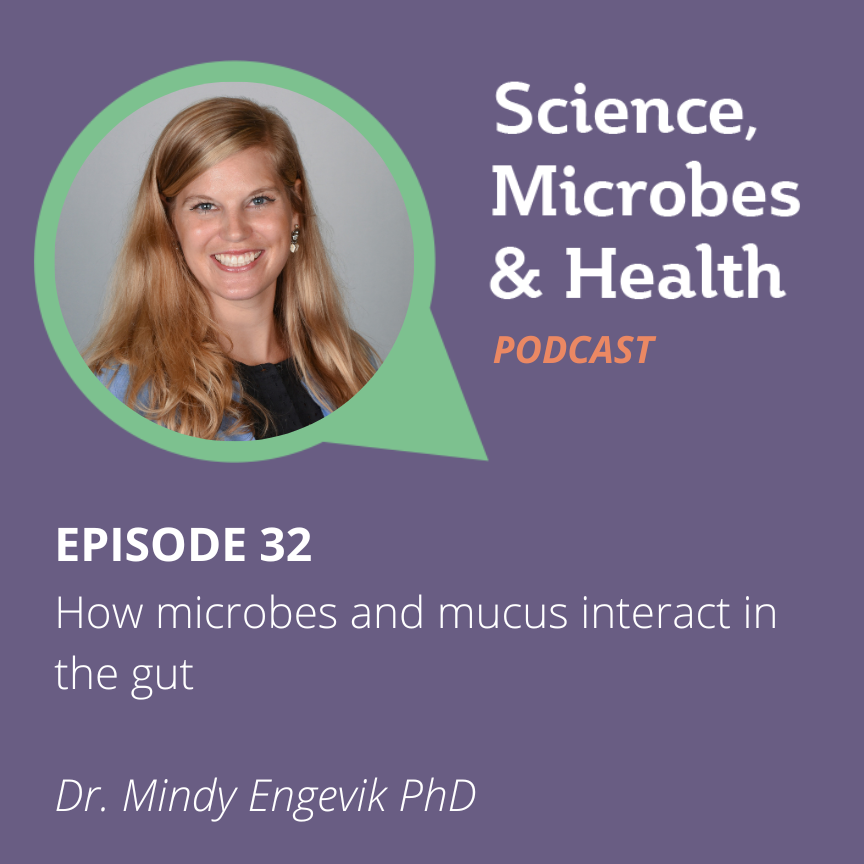
Episode 32: How microbes and mucus interact in the gut
How microbes and mucus interact in the gut, With Dr. Mindy Engevik PhD
Episode summary:
In this episode, the ISAPP hosts discuss mucus-microbe interactions in the digestive tract with Dr. Mindy Engevik PhD from the Medical University of South Carolina, USA. They discuss how mucus in the gut is produced and degraded, and different ways that pathogens and commensal microbes interact with the mucus l
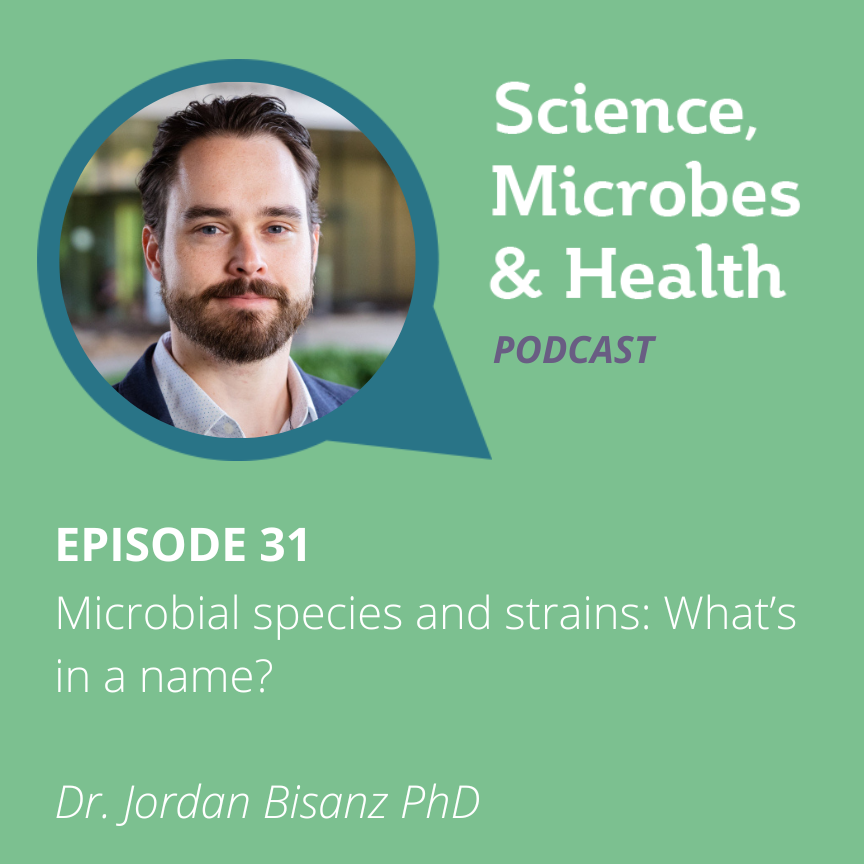
Episode 31: Microbial species and strains: What’s in a name?
Microbial species and strains: What’s in a name? with Dr. Jordan Bisanz PhD
Episode summary:
In this episode, the ISAPP podcast hosts speak with Dr. Jordan Bisanz PhD, Assistant Professor of Biochemistry and Molecular Biology at Penn State University in State College, USA. They discuss how to define a bacterial strain, the diversity of strains within a species, and how genetic differences correspo
Episode 30: A systems biology perspective on the gut microbiome
A systems biology perspective on the gut microbiome, with Dr. Sean Gibbons PhD
Episode summary:
In this episode, the ISAPP hosts discuss the microbiome and systems biology with Dr. Sean Gibbons PhD, Associate Professor at the Institute for Systems Biology in Seattle, USA. Prof. Gibbons talks about exploring and manipulating the complex ecology of the microbiome with the aim of engineering outputs
Episode 29: Human milk oligosaccharides in the infant gut
Human milk oligosaccharides in the infant gut, with Dr. Simone Renwick PhD
Episode summary:
In this episode, the ISAPP hosts discuss human milk and the infant gut with Dr. Simone Renwick PhD from Mother-Milk-Infant Center of Research Excellence (MOMI CORE) at UC San Diego, USA. Dr. Renwick talks about her work investigating how communities of microbes versus individual microbes in the infant gut m
Episode 28: Lactobacilli in the microbiomes of the gut, skin, reproductive tract and more
Lactobacilli in the microbiomes of the gut, skin, reproductive tract and more, with Prof. Kingsley Anukam PhD
Episode summary:
In this episode, the ISAPP podcast hosts cover a range of topics related to lactobacilli and health with Prof. Kingsley Anukam PhD from Nnamdi Azikiwe University in Nigeria. Prof. Anukam has a special interest in lactobacilli, and studies lactobacilli in microbiomes across
Episode 27: Investigating the benefits of live dietary microbes
In this episode, the ISAPP podcast hosts themselves are the experts: Prof. Colin Hill PhD from APC Microbiome Ireland / University College Cork and Prof. Dan Tancredi PhD from University of California – Davis talk about their recent work investigating the health benefits from consuming higher quantities of live dietary microbes – and not just microbes that meet the probiotic criteria.
Key topi
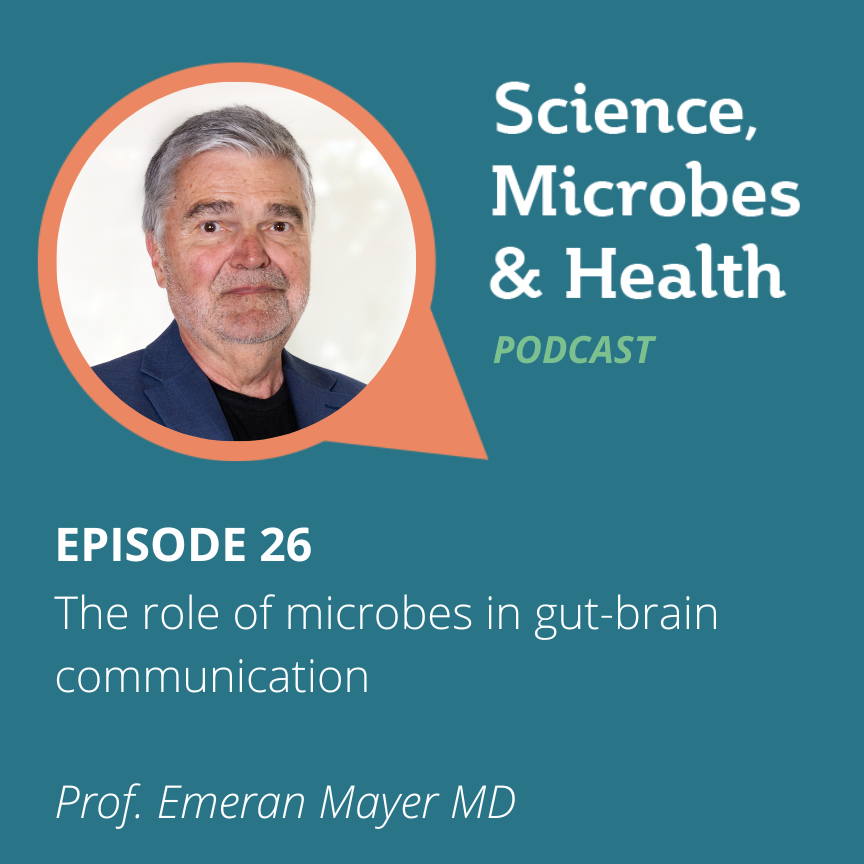
Episode 26: The role of microbes in gut-brain communication
The role of microbes in gut-brain communication, with Prof. Emeran Mayer MD
Episode summary:
In this episode, ISAPP podcast host Prof. Dan Tancredi PhD welcomes guest Prof. Emeran Mayer MD, a gastroenterologist and researcher at University of California Los Angeles. They talk about the microbiota-gut-brain axis, covering its evolutionary origins and how this complex system works in the human body
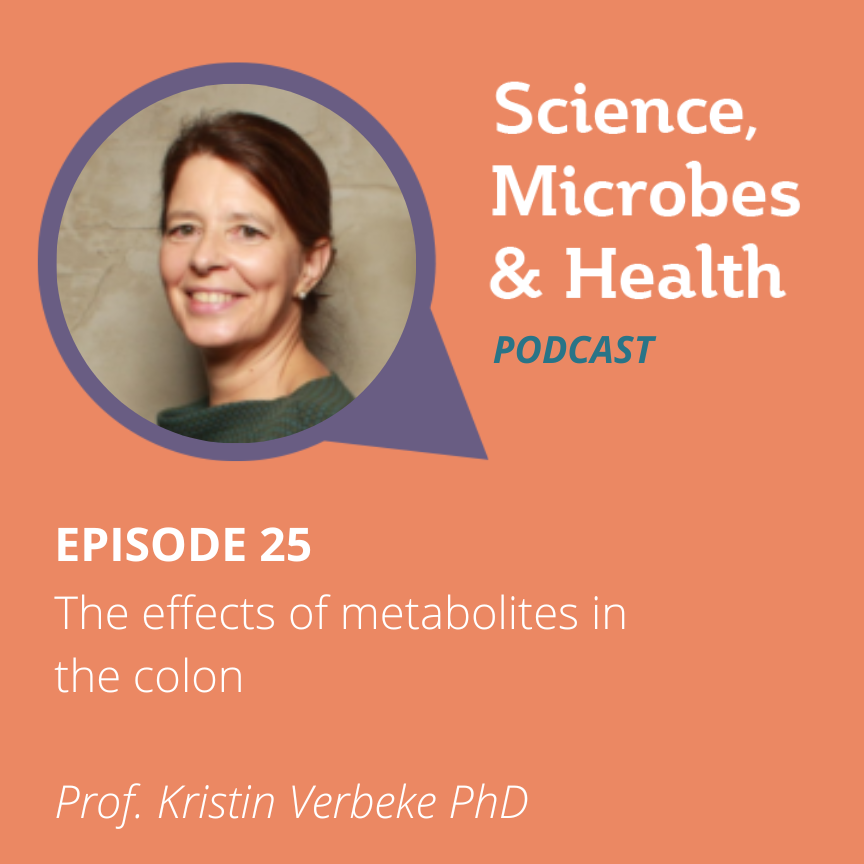
Episode 25: The effects of metabolites in the colon
The effects of metabolites in the colon, with Prof. Kristin Verbeke PhD
Episode summary:
In this episode, the ISAPP podcast hosts talk about colonic metabolites with Prof. Kristin Verbeke PhD, from KU Leuven, Belgium. She talks about characterizing microbial metabolism in the colon and the consequences of producing various metabolites, both beneficial ones (such as short-chain fatty acids) and pot
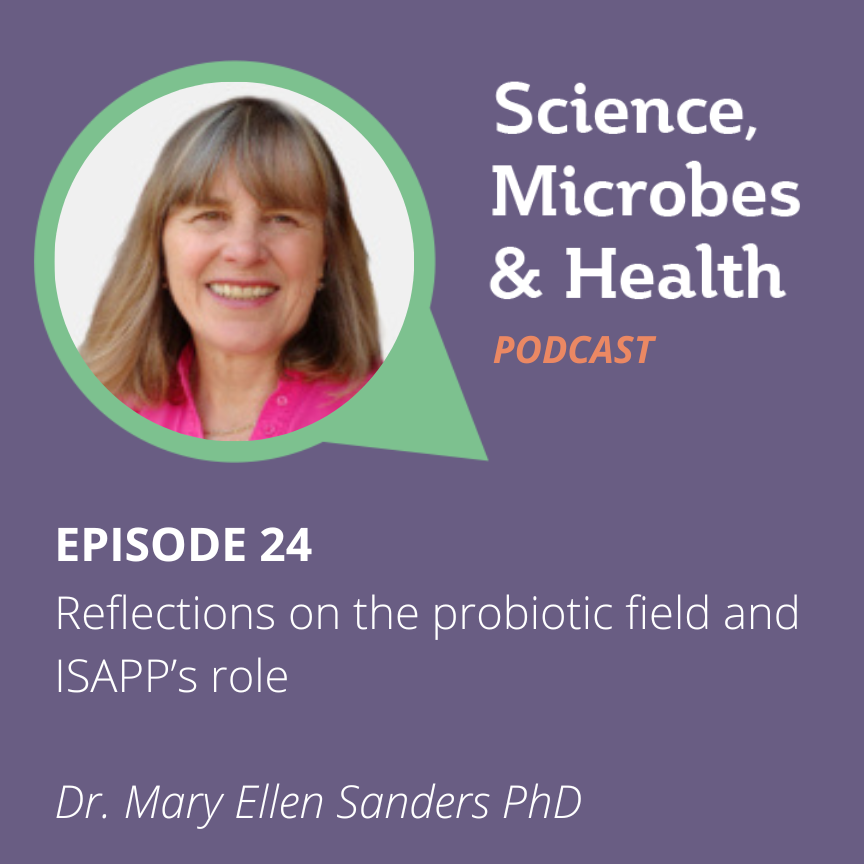
Episode 24: Reflections on the probiotic field and ISAPP’s role
In this episode, the ISAPP podcast hosts talk about how the probiotic field has evolved over the past 20 years with Dr. Mary Ellen Sanders PhD, ISAPP’s outgoing executive director. She describes how ISAPP is a unique organization advancing the science in the field, highlights what she has enjoyed about being a part of the ISAPP community, and looks ahead to the future of the field.
Key topics from
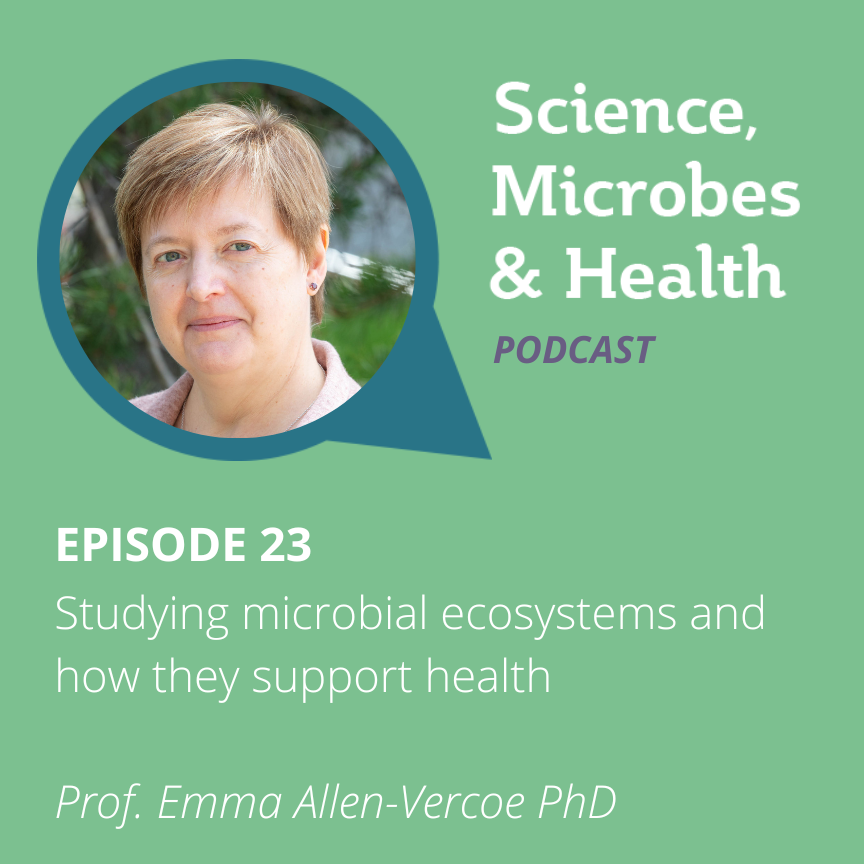
Episode 23: Studying microbial ecosystems and how they support health
Studying microbial ecosystems and how they support health, with Prof. Emma Allen-Vercoe PhD
Episode summary:
In this episode, the ISAPP podcast hosts talk about microbial ecosystems with Prof. Emma Allen-Vercoe PhD from the University of Guelph in Canada. Prof. Allen-Vercoe describes how her lab brings together information from microbial sequencing and culturing to learn about the human gut
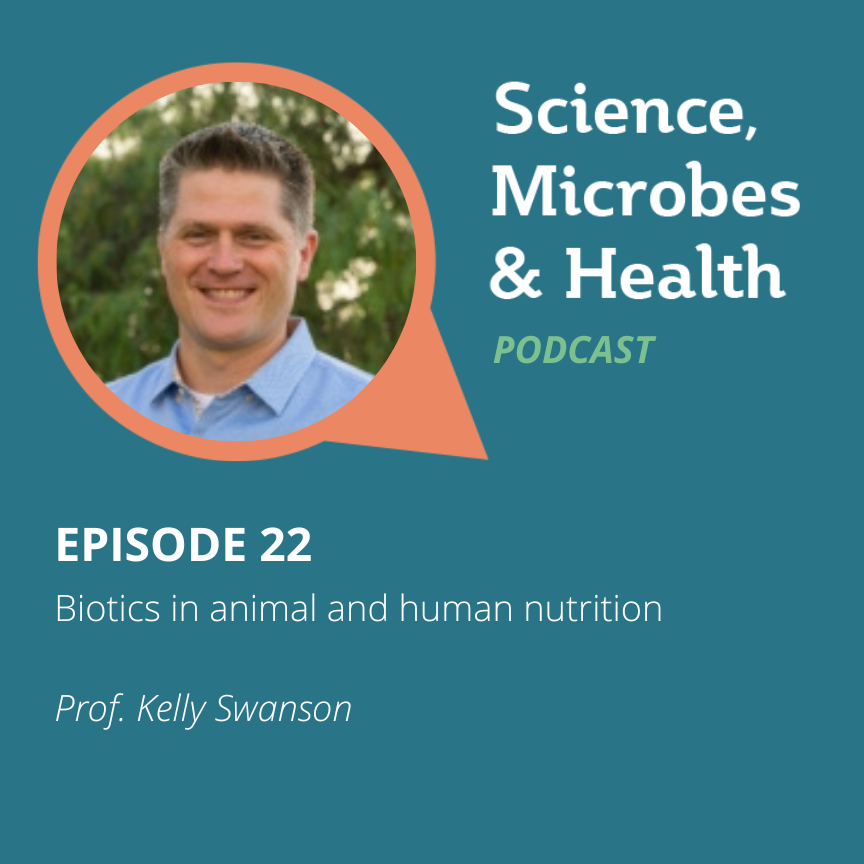
Episode 22: Biotics in animal and human nutrition
Biotics in animal and human nutrition, with Prof. Kelly Swanson PhD
Episode summary:
In this episode, the ISAPP podcast hosts join guest Prof. Kelly Swanson PhD from University of Illinois at Urbana-Champaign, to discuss the role of biotics in animal and human nutrition. They review the criteria for prebiotics and synbiotics, then discuss how we gain knowledge about nutrition and the role of bioti
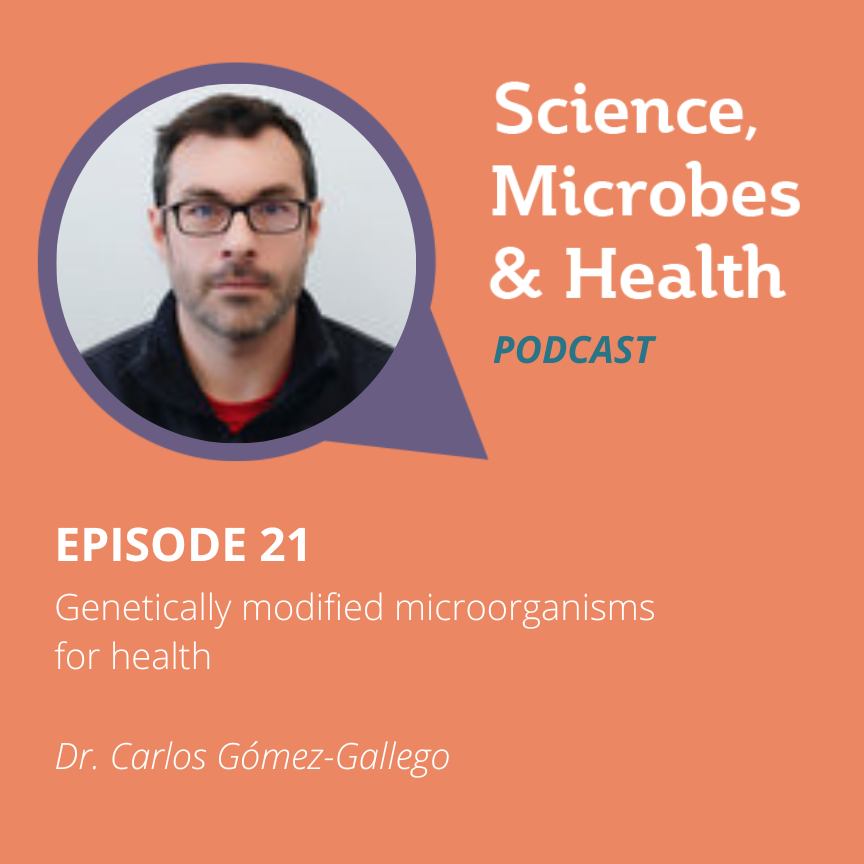
Episode 21: Genetically modified microorganisms for health
Genetically modified microorganisms for health, with Dr. Carlos Gómez-Gallego
Episode summary:
In this episode, ISAPP podcast host Dan Tancredi joins guest Carlos Gómez-Gallego PhD, from University of Eastern Finland, to discuss genetically modified microorganisms. They go over what genetically modified microorganisms are, their potential benefits over non-modified microorganisms, and how they mig
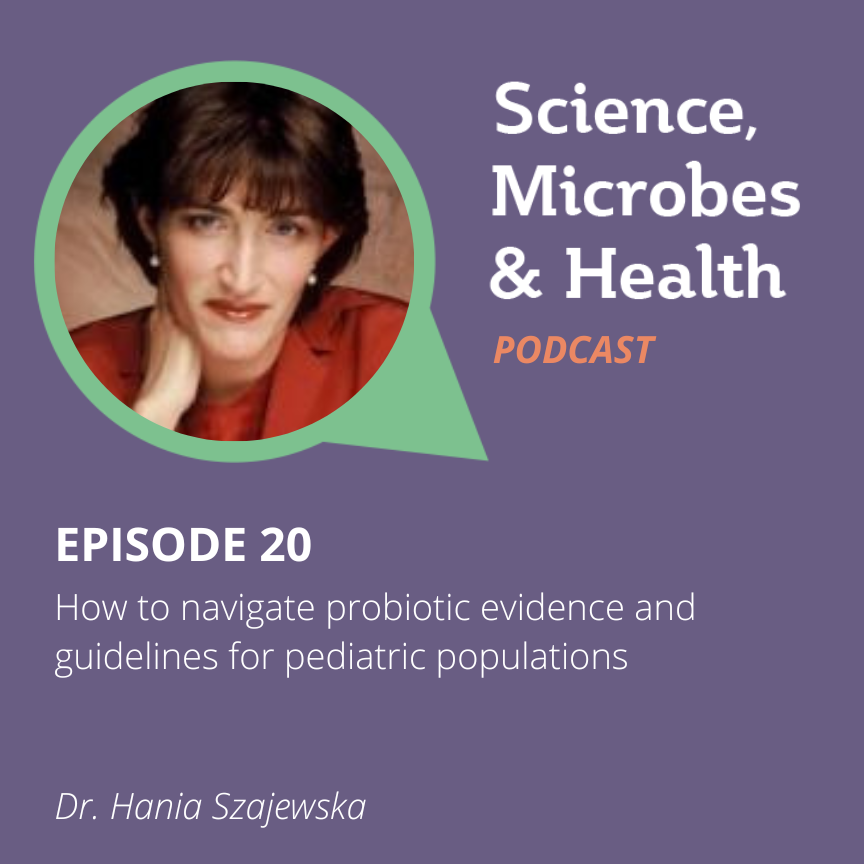
Episode 20: How to navigate probiotic evidence and guidelines for pediatric populations
How to navigate probiotic evidence and guidelines for pediatric populations, with Prof. Hania Szajewska MD PhD
Episode summary:
In this episode, the ISAPP podcast hosts talk about evidence and guidelines for probiotics in pediatric populations, with Prof. Hania Szajewska MD PhD, of the Department of Paediatrics at the Medical University of Warsaw, Poland. They talk about some of the inconsistencie
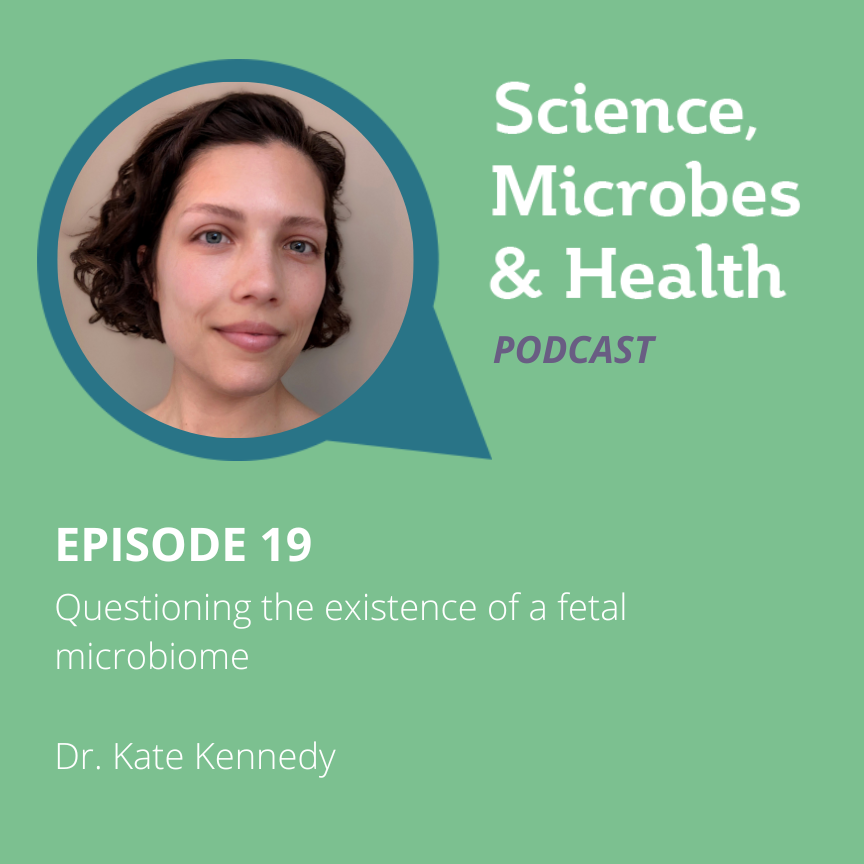
Episode 19: Questioning the existence of a fetal microbiome
Questioning the existence of a fetal microbiome, with Dr. Kate Kennedy PhD
Episode summary:
In this episode, the ISAPP podcast hosts tackle the debate on the existence of a fetal microbiome, with guest Kate Kennedy PhD of McMaster University in Canada. They talk about Kennedy’s co-first-authored paper in Nature, which concludes that it is not biologically plausible that the fetus harbors live micr
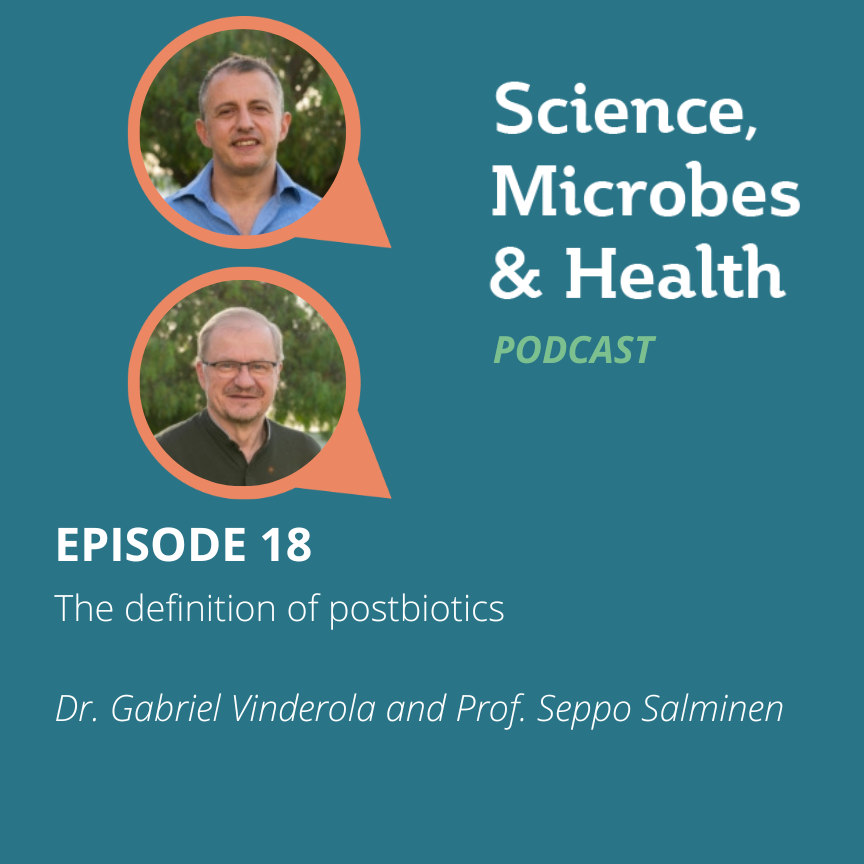
Episode 18: The definition of postbiotics
The definition of postbiotics, with Dr. Gabriel Vinderola PhD and Prof. Seppo Salminen PhD
Episode summary:
In this episode, the ISAPP podcast hosts join guests Gabriel Vinderola PhD, Principal Researcher at the
National Scientific and Technical Research Council (CONICET) and Associate Professor at University of Litoral in Argentina, and Seppo Salminen PhD, Professor at University of Turku in Finl
Recommended
The Healer Revolution

Becoming: HER with Nikki Spoelstra

Booked, Blonde & Busy w/ Olivia Ponton

McKinsey on Consumer and Retail

megahired.com

Hard Knocks Podcast
Effective Weight Loss for Moms | High protein, Strength Training, Lose Weight, Meal Planning, Fat Loss, Healthy Habits

The Human-Animal Connection - Pet Life Radio Original
Infinite Health with Dr. Arasi Maran

The Daily

World News Tonight with David Muir
The Joe Rogan Experience
