
Base by Base
Base by Base explores advances in genetics and genomics, focusing on gene-disease associations, variant interpretation, protein structure, and exome and genome sequencing. Each episode breaks down key studies and their clinical relevance one base at a time. The show is AI-powered, offering a new way to learn on the go, and thanks authors who publish under CC BY 4.0 for open-access science.
Episodes
465: When a lysosomal storage gene shows up only in the retina
Lin et al., The American Journal of Human Genetics - Bi-allelic variants in IDUA classically cause mucopolysaccharidosis type I, a lysosomal storage disorder that affects many organs from childhood. This study describes 14 adults and young adults from 12 families who first came to eye clinics with retinitis pigmentosa and were later found to carry bi-al
464: Burning fat while sparing muscle on GLP-1 drugs, in mice
Thorne et al., Proceedings of the National Academy of Sciences - GLP-1 receptor agonists such as semaglutide produce large weight loss, but part of what is lost is lean mass, energy expenditure falls, and weight tends to return when treatment stops. This study tests a complementary idea in mice: switching on heat-producing fat by silencing ZFP423, a rep

463: Why brain traits leave faint, common genetic signals
Zhu et al., Proceedings of the National Academy of Sciences - Genome-wide studies of schizophrenia and other psychiatric disorders find hundreds of hits, yet those hits barely clear the significance threshold and tend to be common variants, unlike traits such as LDL cholesterol. This study shows that other traits whose heritability is enriched in the ce

462: A vessel gene tied to AMD dims low-light vision in mice
Cheng et al., Proceedings of the National Academy of Sciences - Genome-wide studies have found dozens of risk loci for age-related macular degeneration, but for many of them the gene doing the work is unknown. This study combines AMD genetics with blood and retinal gene-expression data to prioritize nine candidate genes, screens them in zebrafish, and f

461: Adult Ank3 loss quiets neurons and lowers a myelin protein
Yoon et al., Proceedings of the National Academy of Sciences - ANK3, which encodes the scaffolding protein ankyrin-G, is a major risk gene for bipolar disorder and schizophrenia, yet what it does in adult neurons has been unclear. This study deletes Ank3 from mouse forebrain excitatory neurons either before birth or from adolescence and finds a converge

460: The lupus variant that also sharpens antiviral defense
Virolainen et al., The American Journal of Human Genetics - A lupus signal on chromosome 11p15 narrows to a coding haplotype in IRF7 that most people in the world carry. This study shows the risk form moves into the nucleus more readily, binds DNA more tightly and shifts its sequence preference, raising interferon-alpha output, and that mice engineered

459: Cerebral palsy genetics: 515 candidate genes, evidence for 89
Arterbery et al., The American Journal of Human Genetics - Hundreds of genes have been reported as causes of cerebral palsy, yet there is no agreed model of what a pathogenic variant in a child with CP actually means. This study treats CP as a phenotypic feature that some genetic disorders make more likely, tests the reported genes against the populatio

458: Somatic or inherited? Reading TP53 risk from shared DNA
MacGregor et al., The American Journal of Human Genetics - Pathogenic TP53 variants found in blood have long been read as inherited Li-Fraumeni alleles, but many turn out to be somatic clones that grew with age. Using whole-exome data from 469,391 UK Biobank participants, this study combines variant allele fraction with haplotype sharing to tell the two

457: A deletion that raises Alzheimer risk, a duplication that lowers it
Quenez O et al., The American Journal of Human Genetics - Rare copy-number variants were called from 22,319 exomes covering early-onset Alzheimer disease, late-onset disease and unaffected controls, then tested gene by gene for a dosage effect. One locus came back with the cleanest signal in the field: at the central 22q11.21 region, deletions appeared

456: Beyond exons: where heritability hides as traits get more polygenic
Fuhrer J et al., The American Journal of Human Genetics - Across 34 complex traits and disorders, a MiXeR-based framework partitions SNP heritability over 74 functional annotations and finds that exons carry only a minority of it, and steadily less as a trait becomes more polygenic. Exonic heritability falls from about 22 percent in less-polygenic somat

455: Agentic genomics: the bottleneck moves from code to judgment
Corpas M et al., Cell Genomics - A Perspective arguing that autonomous AI agents which discover, configure and chain bioinformatics operations from natural-language instructions have shifted the bottleneck in computational biology from building pipelines to validating their output. The authors define four necessary conditions for a system to count as ag
![454: Efavirenz retarda a doença priônica mexendo no colesterol do cérebro [PT]](https://episodes.castos.com/6857d0f4a3b5e4-25951952/images/2594804/c1a-p6xp7-5zrwq11jt74-ycoh4l.png)
454: Efavirenz retarda a doença priônica mexendo no colesterol do cérebro [PT]
Ali T et al., JCI Insight - Um antirretroviral aprovado para HIV, dado por via oral em microdose, prolongou a sobrevida de camundongos que carregam a proteína priônica humana e foram infectados com príons de doença de Creutzfeldt-Jakob esporádica humana. O efavirenz age ativando a CYP46A1, a enzima cerebral que converte colesterol numa forma capaz de sa

453: Efavirenz slows sCJD progression by reshaping brain cholesterol
Ali T et al., JCI Insight - Repurposed low-dose efavirenz slowed disease progression and extended survival in tg650 mice inoculated with MM1 sCJD prions by activating CYP46A1, raising 24S‑hydroxycholesterol and reducing PrPSc, brain cholesterol and lipid droplets at the early clinical stage. Key terms: efavirenz, CYP46A1, Creutzfeldt-Jakob disease, chol
![452: Reduzir a PrP funciona em todas as linhagens [PT]](https://episodes.castos.com/6857d0f4a3b5e4-25951952/images/2589418/c1a-p6xp7-0v4qmj3gtj91-y4dy4n.png)
452: Reduzir a PrP funciona em todas as linhagens [PT]
Minikel EV et al., Nucleic Acids Research - Este estudo testa a redução da proteína priônica (PrP) por oligonucleotídeos antisense (ASOs) em camundongos, variando doses, esquemas de aplicação, linhagens de príon e estágios da doença. O tratamento reduziu o RNA do Prnp, prolongou a sobrevida, atrasou os sintomas e reverteu biomarcadores de lesão neuronal

451: Prion protein lowering is disease-modifying across stages and strains
Minikel EV et al., Nucleic Acids Research - This study uses antisense oligonucleotides (ASOs) to lower prion protein (PrP) RNA in mice and shows dose-dependent extension of survival, efficacy across multiple prion strains, reversal of molecular biomarkers, and benefit even when treatment is delayed into symptomatic stages. Key terms: prion protein, anti
![450: ASOs que reduzem PrP prolongam a sobrevida [PT]](https://episodes.castos.com/6857d0f4a3b5e4-25951952/images/2584855/c1a-p6xp7-wwn9k4vmu3dw-mfnf5a.png)
450: ASOs que reduzem PrP prolongam a sobrevida [PT]
Raymond GJ et al., JCI Insight - This episode covers a 2019 study showing that sequence-specific antisense oligonucleotides (ASOs) targeting the prion protein (PrP) mRNA, delivered by bolus intracerebroventricular injection, lower PrP levels in the CNS, slow neuropathology, and markedly extend survival in prion-infected wild-type mice when given prophyl
![449: siRNA divalente para doença priônica [PT]](https://episodes.castos.com/6857d0f4a3b5e4-25951952/images/2584848/c1a-p6xp7-xxmrdkd3tvg1-sjl07x.png)
449: siRNA divalente para doença priônica [PT]
Gentile JE et al., Nucleic Acids Research - Discovery and preclinical development of divalent siRNA candidates targeting PRNP, identifying 2439-s4 as a potent, durable human PRNP-lowering drug candidate with IND clearance. Key terms: prion disease, PrP lowering, divalent siRNA, 2439-s4, RNAi therapeutics.
Study Highlights:Authors screened divalent siRN

448: PrP‑lowering ASOs prolong survival in prion‑infected mice
Raymond GJ et al., JCI Insight - This study tests antisense oligonucleotides (ASOs) targeting Prnp in wild‑type mice infected with RML prions and shows that sequence‑specific PrP lowering by bolus i.c.v. ASO dosing delays disease and extends survival, even when given near clinical onset. Key terms: prion disease, antisense oligonucleotide, PrP lowering,

447: Divalent siRNA for prion disease
Gentile JE et al., Nucleic Acids Research - This study develops and tests divalent siRNA molecules that lower prion protein (PrP) in the brain, identifies a potent human-targeting candidate (2439-s4), demonstrates survival benefit in prion-infected mice with a mouse-targeting tool compound, and reports IND-enabling toxicology supporting clinical testing

446: Cilia, Synuclein, and Survival: G51D Mice Reveal a Shared Parkinson’s Pathway
Lin Y‑E et al., PNAS - Knock‑in SncaG51D/G51D mice show selective loss of primary cilia in specific striatal interneurons, astrocytes, piriform cortex PV cells and olfactory basal stem cells, with concomitant reduction in Hedgehog‑dependent neurotrophic signaling linked to Parkinson’s disease vulnerabilities. Key terms: alpha-synuclein, primary cilia, n

445: Why Thymine Survived the UV: Photodamage Pathways Explained
Khosh Abady K et al., PNAS - Spectroscopic comparison of thymine and uracil under 265 nm UVC shows thymine is more photoreactive and absorbs more primordial UVC, yet channels damage into reversible CPDs rather than irreversible (6-4) lesions, supporting an evolutionary 'molecular sunscreen' role. Key terms: UV photodamage, thymine, uracil, cyclobutane p

444: Many-eyes or Sentinels? How Cost Curvature Shapes Collective Vigilance
Pilgrim C et al., PNAS - A minimal analytical model shows that whether animal groups adopt distributed low-level vigilance (many-eyes) or concentrated high-vigilance roles (sentinels) depends on how individual vigilance costs scale with effort. The same dichotomy appears in selfish and cooperative groups and explains switching, edge effects, and turn-ta

443: 5D‑ASO boosts exon 51 skipping and restores dystrophin in DMD models
Feng P et al., PNAS - This paper describes a bipartite antisense oligonucleotide (5D‑ASO) design that appends a short 5′ splice site decoy tail to improve exon skipping, demonstrating robust efficacy for DMD exon 51 in cells, mice, and cynomolgus monkeys with a favorable safety profile. Key terms: antisense oligonucleotide, exon skipping, Duchenne muscu
442: When pumps go missing: Ca2+ control of PMCA2 in Tmc1 deafness mutants
Rolseth AB et al., Proceedings of the National Academy of Sciences (PNAS) - This study links reduced Ca2+ entry through mutant TMC1 mechanotransducer channels to decreased PMCA2 pump density in outer hair cell stereocilia. PMCA2 turnover is rapid in the early postnatal period and is regulated by stereociliary Ca2+ via insertion from an apical vesicular
441: Evolutionary mapping of Cav1.3 functional sites
Tang X et al., PNAS - The authors apply an evolutionary sequence-covariation model to the Cav1.3 (CACNA1D) α1-subunit, map predicted pathogenicity onto structural models, and validate five predicted sites by patch-clamp electrophysiology and structural analysis. Predictions recapitulate known functional regions, reveal previously unrecognized clusters,

440: DENV-4: Suppressing DNA Repair and Causing Genome Damage
Lamkina EN et al., PNAS - This episode reviews a PNAS brief report showing that DENV-4 infection induces marked DNA damage in infected cells while broadly suppressing transcription of DNA repair pathways, with selective upregulation of a mutagenic translesion polymerase and suppressed ATR expression. The findings raise concerns about long-term molecular

439: Coembedding Sequence and Structure: CLSS Maps the Protein Universe
Longo LM et al., PNAS - This episode summarizes a PNAS study introducing CLSS, a contrastive two-tower protein language model that coembeds domain sequences, structures, and subsequences into a shared 32-dimensional latent space. Trained self-supervised on one million ECOD domains, CLSS aligns sequence and structure modalities, yields compact embeddings
438: Mapping AIRE: a proactive atlas of 9,790 missense variants
Axakova A et al., The American Journal of Human Genetics - Axakova et al. generated a variant effect map for AIRE using an insulin‑promoter GFP reporter in HEK293 cells to measure the functional impact of 9,790 missense substitutions and provide calibrated evidence for clinical variant interpretation. Key terms: AIRE, missense variants, variant effect m
437: Cell villages and Dirichlet modeling map human cell fitness genetics
Hanson C et al., The American Journal of Human Genetics - Hanson et al. combine pooled multi-donor human neural progenitor cell "villages" with Townlet, a hierarchical Dirichlet regression model, to estimate donor-specific proliferation and treatment responses from Census-seq. They identify 16p11.2 deletion–associated NPC hyperproliferation and nominate
436: KIAP4 and the ARND family: building the Leishmania adhesion plaque
Owino BO et al., PNAS - Using TurboID proximity proteomics and microscopy, researchers identify KIAP4 as the canonical member of a conserved Adhesion Related NTPase-like Domain (ARND) family that localizes to the Leishmania adhesion plaque. Deleting KIAP4 disrupts haptomonad adhesion in vitro and prevents colonization of the sand fly stomodeal valve wit
435: E. coli TGT binds two tRNAs — cryo-EM reveals dual engagement
Ember M et al., PNAS - This episode examines a cryo-EM study of Escherichia coli tRNA-guanine transglycosylase (TGT) that solves the enzyme structure and its covalent intermediate with tRNATyr. Unexpectedly, the TGT homodimer can form covalent intermediates with two tRNAs simultaneously. The work maps peripheral RNA-binding residues required for activit

434: High‑coverage genomes recast Japan's prehistoric demography
Ishiya K et al., PNAS - This episode examines a PNAS study that reports two high-coverage ancient human genomes from mainland Japan (an Initial Jomon >67× and a Middle Yayoi >46×). The genomes enable diploid genotyping, demographic reconstructions, ancestry modeling, and AMY1 copy-number analysis that reshape understanding of Jomon and Yayoi histo

433: Lactate, HSP90α and the Mitochondrial Switch
Wu G et al., Proceedings of the National Academy of Sciences - This episode examines a PNAS study that identifies site-specific lactylation of HSP90α as a metabolic signal linking glycolysis to mitochondrial biogenesis in ovarian cells. Lactylation at K58 and K616 modulates HSP90α phosphorylation, enabling nuclear import of PGC1α and LRPGC1, boosting mi
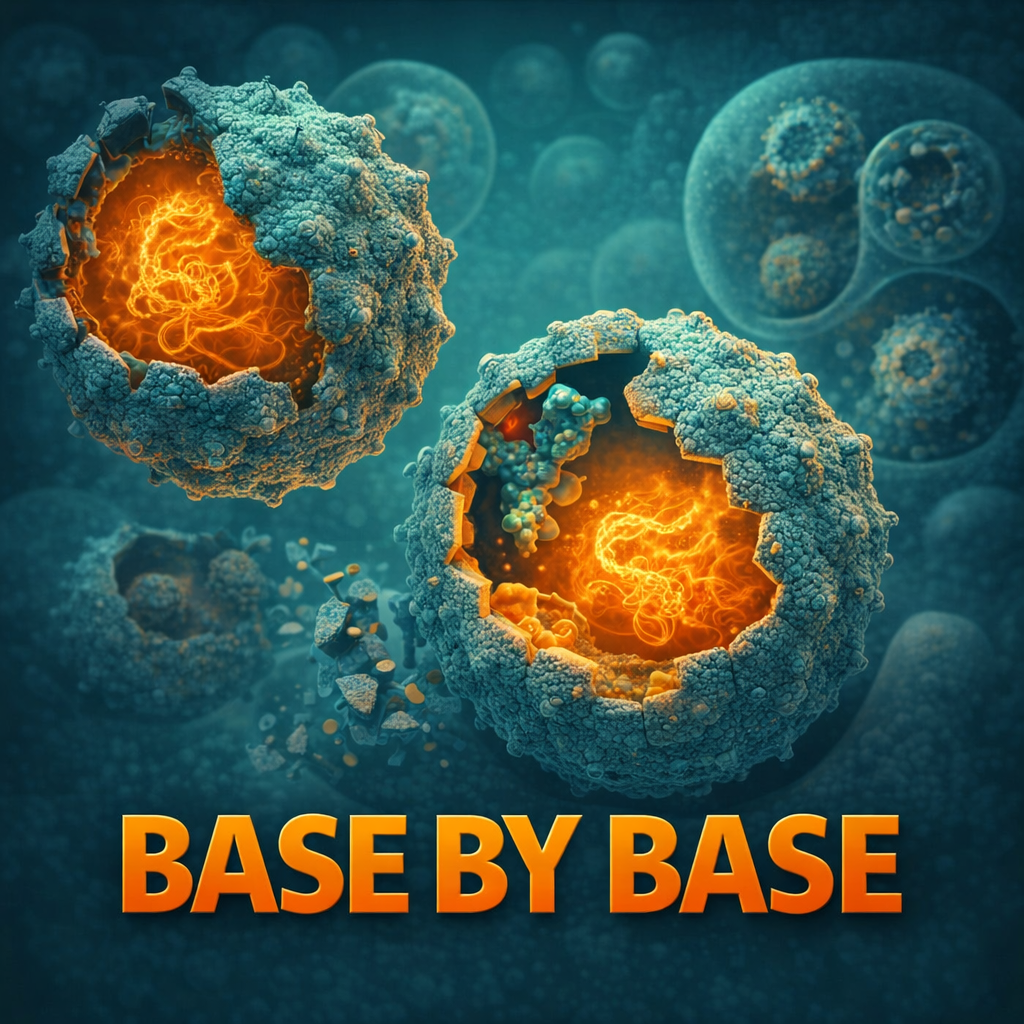
432: Echovirus 18: Capsid opening releases the genome
Mukhamedova L et al., Proceedings of the National Academy of Sciences - Using cryo-electron tomography and single-particle cryo-EM of infected Cos-7 cells, the authors show that echovirus 18 (E18) releases its RNA in vivo by capsid opening with loss of one to three pentamers. Binding to the neonatal Fc receptor (FcRn) expels VP1 pocket factors and prime

431: KIAP4 and the ARND family: essential proteins for Leishmania–sand fly adhesion
Owino BO et al., Proceedings of the National Academy of Sciences - TurboID proximity labeling and proteomics identify KIAP4 as the canonical member of a conserved Adhesion Related NTPase-like Domain (ARND) family that localizes to the Leishmania adhesion plaque. KIAP4 deletion disrupts haptomonad adhesion and prevents stomodeal valve colonization in san

430: Proterozoic Rise: Steady Diversification of Crown Eukaryotes
Sandin MM et al., Proceedings of the National Academy of Sciences - Molecular clocks and diversification models applied to a 75,975-OTU rDNA dataset, including long-read environmental sequences and 77 fossil calibrations, indicate crown-group eukaryotes diversified steadily from the mid‑Proterozoic with Archaeplastida dominating early diversity. Key ter

429: Validating the EAGL genetic literacy measure
Barna LS et al., Human Genetics and Genomics Advances - We summarize a psychometric validation of the EAGL measure using US adult online samples. The study produced a validated 17-item EAGL-short that captures three core genetic literacy constructs and can be used to assess and target genetic communication and education. Key terms: genetic literacy, EAG

428: Genetic regulation of plasma metabolites in people with HIV
Ait Oumelloul M et al., Human Genetics and Genomics Advances - Untargeted plasma metabolomics (1,930 features) in 1,244 participants of the Swiss HIV Cohort Study were paired with genome-wide genotypes to map genetic influences on metabolite levels, test colocalization with eQTLs, and apply Mendelian randomization to probe causal links with aging-relate
427: When Genes Talk to Gut: Microbiome as Mediator of Metabolic Risk
Simpson RC et al., Trends in Genetics - This forum reviews evidence that host genetic variants associated with metabolic disease often overlap with loci that shape gut microbiome composition and function. Examples include LCT/MCM6 linking Bifidobacterium to reduced T2D risk, defensin locus variants affecting DEFA26 and Akkermansia abundance, and rs71332

426: ProtoCloud — Prototypical self-explaining model for single-cell analysis
Guo K et al., Cell Genomics - ProtoCloud is a self-explaining deep generative model that embeds single cells around cell-type-specific prototypes to deliver accurate, uncertainty-aware cell type annotation and gene-level explanations from raw UMI counts. Key terms: single-cell, explainable AI, prototypical models, cell type annotation, uncertainty estim

425: BEAM: Bayesian reconstruction of metastatic migration histories
Staklinski SJ et al., Cell Genomics 6, 101193 (2026) - This episode explores BEAM, a Bayesian framework built on BEAST 2 that jointly infers cell-lineage phylogenies and tissue-migration graphs from CRISPR-based lineage-tracing data. The method quantifies uncertainty, improves reconstruction versus parsimony-based approaches, and supports Bayes-factor h

424: LECA's Ancient Interactome and Modern Disease
Cox RM et al., Cell Genomics 6, 101254 - Cox et al. reconstruct a conserved protein interaction network for the last eukaryotic common ancestor using >26,000 mass spectrometry experiments across 31 species and demonstrate how the ancient interactome predicts and explains modern human disease mechanisms. Key terms: LECA, protein interactome, co-fracti

423: How GRN Topology Shapes the Genetic Architecture of Expression
Aguirre M et al., Cell Genomics - Aguirre et al. use simulated gene regulatory networks and a linear structural equation model to show how sparsity, modularity, and hub regulators shape the genome-wide distribution of cis- and trans-heritability of gene expression. Their results indicate gene expression is less polygenic but more pleiotropic than previo

422: Germline rDNA Variants and Human Complex Traits
Rodriguez-Algarra F et al., Cell Genomics - This episode examines a large-scale analysis of germline ribosomal DNA (rDNA) variation in ~500,000 UK Biobank genomes that identifies high-confidence rDNA SNVs and indels associating with human complex traits, notably a cluster in the 28S expansion segment ES15L linked to body-size measures. Key terms: riboso

421: Pre-existing Cell States Predict Multi-Treatment Resistance
Schaff DL et al., Cell Genomics - Schaff et al. use multi-treatment clonal tracing combined with single-cell RNA-seq to show that rare, pre-existing transcriptional states in melanoma predict resistance to diverse therapies and that high CD44 marks cells with multi-treatment tolerance. Key terms: melanoma, CD44, clonal tracing, scRNA-seq, drug resistanc

420: NOTCH2NL duplications: diversity, regulation, and human-specific changes
Real TD et al., Cell Genomics - This episode examines a long-read sequencing study that resolves the complex NOTCH2NL segmental duplications on human chromosome 1, traces independent duplications in apes, documents gene conversion and structural variation across human haplotypes, and maps paralog-specific regulatory elements using Fiber-seq and long-rea

419: The Single-Cell Pediatric Cancer Atlas
Hawkins AG et al., Cell Genomics - This episode summarizes Hawkins et al.'s presentation of the Single-Cell Pediatric Cancer Atlas (ScPCA) Portal, a publicly available resource that provides uniformly processed sc/snRNA-seq data and standardized metadata for pediatric tumors. The Portal hosts summarized expression data for over 700 samples across 55 ped

418: Translating GWAS Across Scales
Felici B et al., Cell Genomics - A concise review of how post-GWAS methods are being used to move from statistical associations to translational insights by integrating drug-target prioritization, single-cell resolution of regulatory mechanisms, and imaging-derived organ phenotypes. Key terms: GWAS, drug discovery, single-cell, imaging genetics, polygen

417: Hidden Mosaic: Parental Postzygotic Mutations in 12,015 Trios
Garcia-Salinas OI et al., The American Journal of Human Genetics - Garcia-Salinas et al. develop a bioinformatic pipeline to recover early parental postzygotic mutations (PZMs) from standard-depth (~30×) trio WGS and apply it to 12,015 rare-disease trios, producing a catalog of 1,015 high-confidence autosomal parental PZMs and assessing their genomic fe

416: HGT-chimeras: fusion across the tree of life
Kapoor RR et al., PNAS - A systematic screen of 319 arthropod genomes reveals genes formed by in‑frame fusion of horizontally transferred nonmetazoan sequences with endogenous metazoan regions. Many of these HGT-chimeras are transcribed, conserved, and show coherent domain architectures, implicating them in diverse biological processes. Key terms: horiz
415: ERG Unlocked: Targeting the PNT Domain with PBITE-1
PNAS - This episode breaks down a PNAS study that identifies a druggable pocket in the ERG transcription factor PNT domain and describes PBITE-1, a small-molecule probe that binds this pocket to inhibit ERG-driven prostate cancer models. Key terms: ERG, PNT domain, PBITE-1, prostate cancer, small-molecule inhibitor.
Study Highlights:The authors show th

414: Durability of Cas9 Gene Drives in Anopheles: A 2‑Year Cage Study
Carballar-Lejarazúa R et al., PNAS (2026) - This episode summarizes a 2-year, 35-generation multireplicate cage trial evaluating three autonomous Cas9/gRNA gene-drive strains (AcTP13, AcTP43 in Anopheles coluzzii; AgTP13 in Anopheles gambiae). The study tracked drive inheritance, cassette integrity, resistance allele emergence, off-target activity, and
413: Rpc34 WH2 dynamics in RNA polymerase III
Wu J-S et al., PNAS - A PNAS study using smFRET and nano-positioning triangulation maps dynamic positioning of the Rpc34 WH2 domain in yeast Pol III elongation complexes and presents a thiol-capping SPAAC labeling strategy to enable selective site-specific fluorophore attachment. Key terms: RNA polymerase III, Rpc34, winged helix, smFRET, bio-orthogonal

412: Fault Lines in Forensic Proficiency Testing
Scurich N et al., PNAS - A concise breakdown of a PNAS perspective that analyzes forensic proficiency testing practices using the 2023 CTS firearms test as a case study. The authors identify test design and administration flaws—easy items, consensus scoring, handling of inconclusives, nonblind verification, shot‑to‑shot variability, and contextual bias—
411: EKV cells and the Human Prion Assay: a scalable platform for sCJD infectivity
Nihata A et al., PNAS - This PNAS study describes the development of EKV, a humanized dividing cell line that propagates bona fide sporadic CJD (sCJD) prions, and the Human Prion Assay (HPA), a cell-based method that quantifies infectivity with sensitivity comparable to transgenic mouse bioassay while enabling rapid therapeutic screening. Key terms: sCJ

410: Nucleotide diversity is a poor predictor of short-term adaptive potential
Abson KL et al., PNAS - A cross-species synthesis and theory paper showing that simple molecular diversity metrics poorly predict short-term adaptive potential. The authors compiled >2,100 quantitative genetics estimates (evolvability and heritability) across ~193 eukaryotic species and compared them to nucleotide diversity (π) and microsatellite het

409: A systems-level atlas of carbon-response transcriptional states in Escherichia coli
Shin J et al., PNAS - This episode examines a large transcriptome compendium (PRECISE-NP881) that profiles E. coli K-12 MG1655 across 43 carbon substrates. Independent component analysis resolved 137 iModulons, including 25 carbon-catabolism modules that organize substrates into four activity-defined groups tied to growth rate, substrate chemistry, meta
408: Tau, mitochondria, and the fusion switch
Tsakiria E et al., Proceedings of the National Academy of Sciences (PNAS) - Using Tau knockout mice and the C. elegans PTL-1 deletion, this study shows that loss of wild-type Tau promotes a conserved shift toward mitochondrial fusion, increases respiratory activity, membrane potential and mitophagy, raises ROS, and enhances stress resilience. The adapti
407: SLC11A2 withholds metals from Salmonella in the gut epithelium
Norberg ES et al., Proceedings of the National Academy of Sciences - Using metal‑responsive fluorescent Salmonella reporters, calf intestinal loops, and CRISPR edited epithelial cells, this study shows that the divalent metal transporter SLC11A2 is recruited to Salmonella‑containing vacuoles and restricts Fe2+ and Mn2+, limiting intracellular bacterial

406: Temperature & Age Shape Gut Susceptibility to HCoV-229E
Synowiec A et al., Proceedings of the National Academy of Sciences (PNAS) - This episode examines a PNAS study using fetal, pediatric, and adult human intestinal enteroids to show that physiological temperature and developmental stage jointly determine susceptibility to HCoV-229E, with implications for extrapulmonary coronavirus infection and therapeuti

405: PRDM9 and the Hotspot Trade-off
Úbeda F et al., Proceedings of the National Academy of Sciences (PNAS) - A population-genetic model explains why sequence-specific PRDM9-guided recombination hotspots can evolve and persist alongside non-PRDM9 hotspots by trading off reduced overall binding for increased symmetric binding that more often yields crossovers. Key terms: PRDM9, recombinatio
404: RUNA Reveals Surface DNA on Exosomes
Bošković F et al., Proceedings of the National Academy of Sciences - This study introduces RUNA, a reversible chemistry that selectively labels uridine/thymidine to map nucleic acids across membranes, and uses it to show that most exosomal DNA is surface-exposed, increases after PARP inhibitor treatment, and alters macrophage uptake and activation. Key

403: HRD-GIS Evidence for BRCA1/2 Variant Classification
Schnaiter et al et al., The American Journal of Human Genetics - Schnaiter et al. pooled Myriad MyChoice HRD+ CDx results from four cohorts (4,943 HGOC tumors) to test whether tumor HRD-related genomic instability scores (HRD-GIS) provide evidence for BRCA1 and BRCA2 variant classification under ACMG/AMP criteria. Key terms: homologous recombination def

402: When Polygenic Scores Miss: Rare Variants in Misaligned Individuals
Baya N et al., The American Journal of Human Genetics 113, 1–19 (2026) - Baya et al. applied a misalignment framework to UK Biobank polygenic scores and exomes and found that individuals whose observed phenotypes deviate from polygenic expectation are enriched for rare damaging variants across multiple traits and diseases. Key terms: polygenic scores, r

401: LDB1 variants split neurodevelopmental outcomes by location and mechanism
Fluri R et al., The American Journal of Human Genetics - This episode examines a cohort study of 16 individuals with de novo LDB1 variants that reveals two overlapping but distinct neurodevelopmental phenotypes tied to variant location. Functional assays and Drosophila models demonstrate loss-of-function effects for N-terminal variants and dominant-nega

400: Complete chromosome 21 centromere sequencing and Down syndrome
Mastrorosa F et al., The American Journal of Human Genetics - Long-read assemblies and epigenetic mapping of chromosome 21 centromeres in families with trisomy 21 reveal centromere size diversity, two cases of extreme maternal centromere size asymmetry, and no global enrichment of small centromeres in affected individuals. Key terms: trisomy 21, centrom

399: Ménière disease: inner ear development and retinoic acid pathways
Shi Z et al., The American Journal of Human Genetics - A large GWAS meta-analysis across five biobanks (8,969 cases, 1,962,542 controls) identifies five genome-wide significant loci for Ménière disease, implicating developmental regulators EYA1/EYA4 and retinoic acid metabolism genes including CYP26A1. Integrative fine-mapping, eQTL, and single-cell exp

398: Modeling JAK2V617F Clonal Expansion in the General Population
Snyder J et al., Proceedings of the National Academy of Sciences (PNAS) - Longitudinal VAF measurements from 67 JAK2V617F-positive participants in the Danish GESUS study were analyzed with a Moran-process stem cell model and ABC-SMC to infer per-individual self-renewal advantages and assess prognostic value for MPN progression. Key terms: JAK2V617F, clo

397: SciPhy: Bayesian phylogenetics for sequential genetic lineage tracing
Seidel et al., Nature Communications - SciPhy is a BEAST2-integrated Bayesian framework that models sequential CRISPR‑based insertion edits to jointly infer time-scaled single-cell lineage trees, editing dynamics, and population growth. The authors validate SciPhy on simulations and apply it to HEK293T monoclonal expansion and murine gastruloid datasets
396: Physical homology recognition between DNA duplexes
Stannard A et al., Proceedings of the National Academy of Sciences (PNAS) - This episode summarizes a PNAS study that uses a FRET-responsive DNA tweezers nanosensor to detect and quantify sequence-dependent interactions between intact double-stranded DNA duplexes in ionic solutions. Key terms: homologous recognition, double-stranded DNA, electrostatic i

395: Extended sequence context shapes mutational bias in Escherichia coli
Green R et al., PNAS - Collating >100,000 base-pair substitutions from 32 mutation-accumulation experiments, this study shows that sequence context well beyond adjacent bases — up to ±6 bp and even hundreds of bp — shapes mutational biases in E. coli and interacts with DNA repair. Key terms: mutational bias, sequence context, Escherichia coli, mismat

394: Benchmarking LLMs for cfRNA biomarker discovery
Gaudio HA et al., Nature Communications - This episode examines a systematic benchmark of six commercial large language models applied to plasma cell-free RNA across three clinical cohorts, assessing LLM-driven gene-panel nomination and autonomous classifier construction versus conventional statistical workflows. Key terms: large language models, cell-f

393: Hidden Resistance: tNGS Reveals Rifampicin and Bedaquiline Resistance in Eswatini
Vambe D et al., Nature Communications - This study reports the programmatic introduction of targeted next-generation sequencing (tNGS) in Eswatini and shows that tNGS detected large amounts of rifampicin and bedaquiline resistance missed by routine diagnostics. Among 234 patient samples, tNGS reclassified many infections, revealed frequent co-occurrence

392: GWAS of Cocaine Self-Administration in Heterogeneous Stock Rats
Lara MK et al et al., Nature Communications - Large GWAS in 836 outbred HS rats identifies six loci linked to cocaine self-administration traits, highlighting Ces1 carboxylesterase genes and other loci overlapping human substance-use genetics. Key terms: cocaine use disorder, GWAS, Heterogeneous Stock rats, Ces1, addiction-like behavior.
Study Highligh

391: The Kaufmann Protocol — Why We Age and How to Stop It
Dr. Sandra Kaufmann, The Kaufmann Anti-Aging Institute - Dr. Sandra Kaufmann — physician, scientist and athlete — set out to understand aging and fight it with science. This episode is a guided overview of her book, featured with the author's permission: why our cells age (mitochondria, genetic information systems, quality control and maintenance, immun

390: Daunorubicin, Mutual Destruction, and Layered Antiphage Defense
Gätgens C et al., PNAS - This episode examines how DNA-intercalating molecules like daunorubicin block bacteriophage infection at an early stage, causing an abortive-infection-like outcome via toxic phage products and showing synergy with nucleic-acid targeting defenses. Key terms: daunorubicin, abortive infection, bacterial immunity, phage-host interac
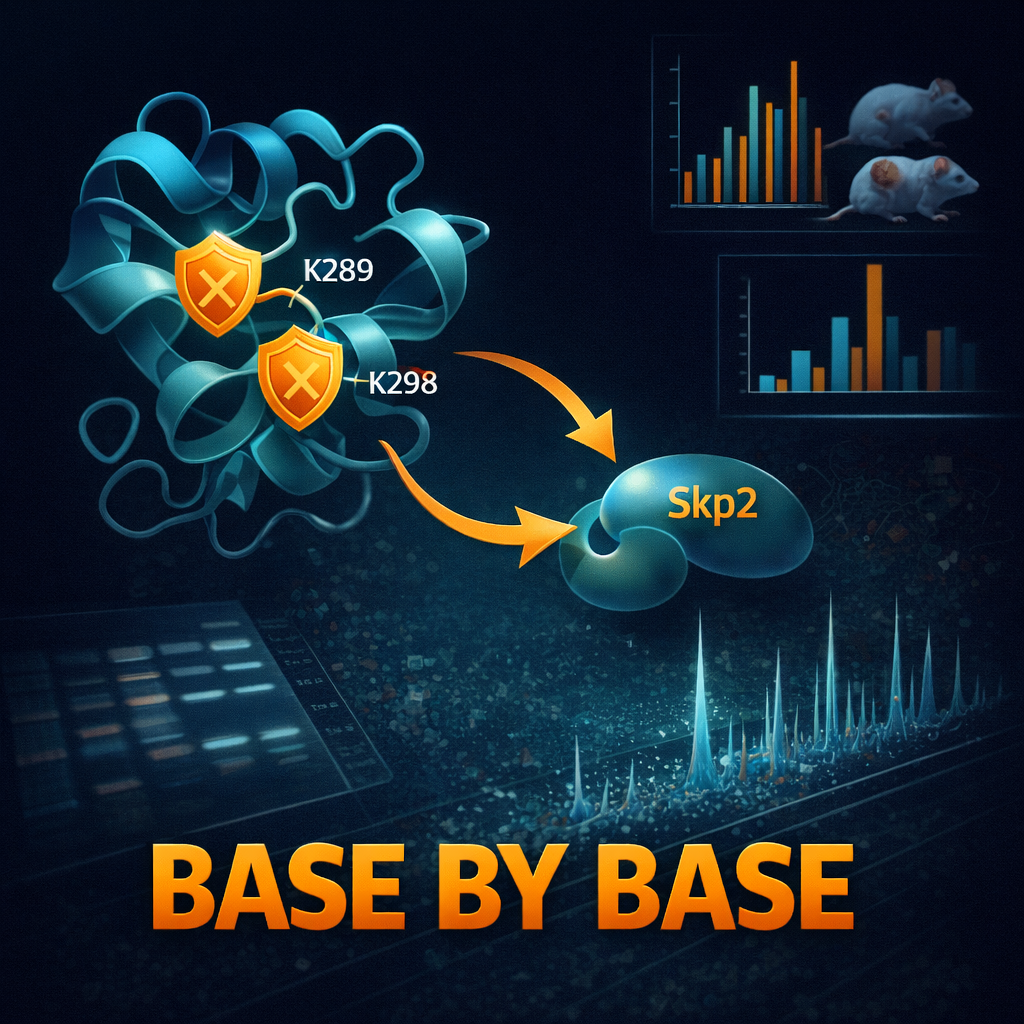
389: Crotonylation impedes c-Myc oncogenic activity
PNAS - This study identifies crotonylation as a posttranslational modification of c-Myc that reduces its transcriptional and oncogenic activity. Key lysines K289 and K298 are crotonylated; loss of crotonylation (including a cancer-derived K298N mutant) enhances Skp2 binding and tumorigenesis. Key terms: c-Myc, crotonylation, Skp2, posttranslational modi
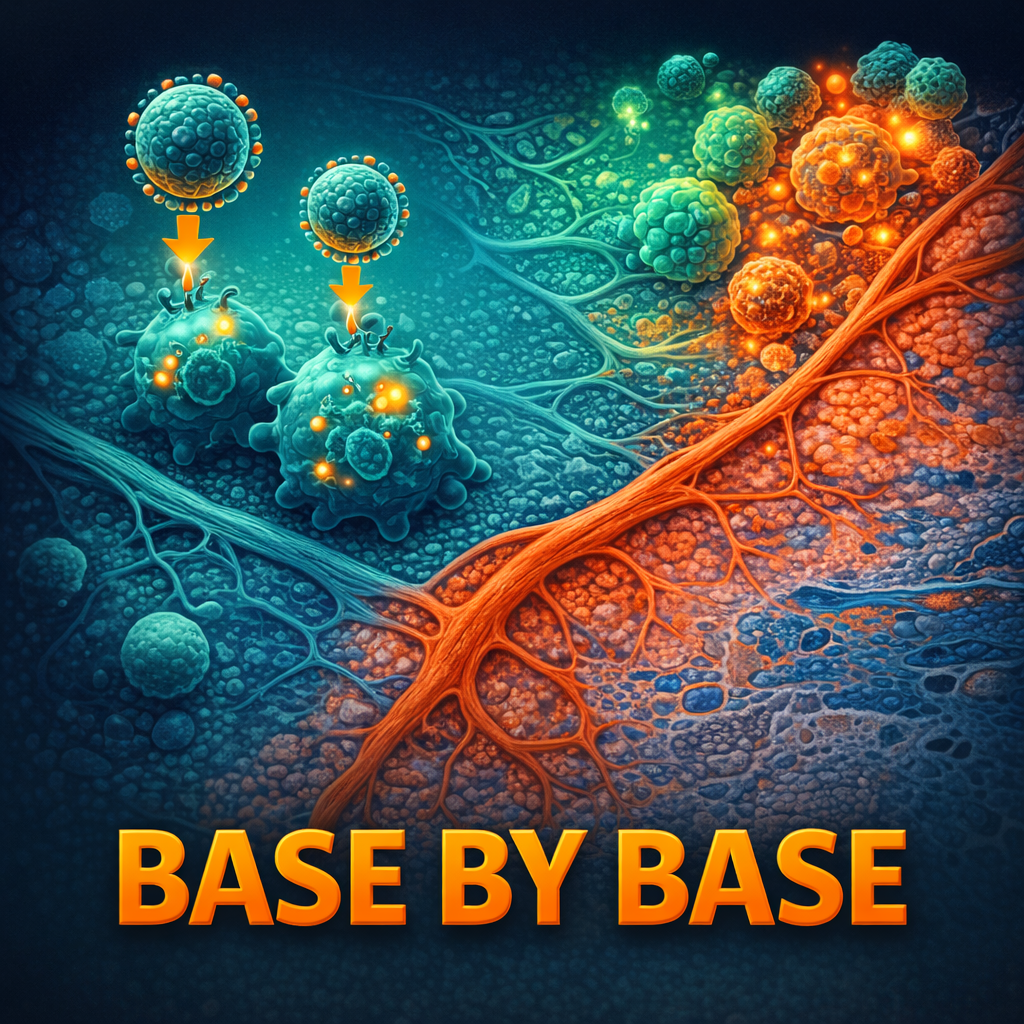
388: Base by Base | Episode 388 — In situ CAR‑macrophage alleviates liver fibrosis
Huang X et al., Proceedings of the National Academy of Sciences (PNAS) - This episode summarizes a PNAS study reporting CD163‑targeted lipid nanoparticles that deliver FAP‑specific CAR mRNA to liver macrophages in situ, producing CAR‑macrophages that clear activated hepatic stellate cells and promote fibrosis resolution in mouse models. Key terms: FAP‑C

387: Homotypic Dengue Reinfections and Long-Term Antibody Decay
Andrade J et al., PNAS - Analysis of three long-term cohorts in the Philippines and Thailand shows antibody titers wane over years and that homotypic dengue reinfections are common and required to explain population-level age–titer patterns. Key terms: dengue, homotypic reinfection, antibody kinetics, cohort study, mathematical modelling.
Study Highlig

386: Genome Doubling and the Bioeconomy
Peeters MKR et al., Proceedings of the National Academy of Sciences (PNAS) - A perspective outlining how genome doubling (polyploidy) reshapes genomes, phenotypes, and ecological interactions and how its immediate effects can be harnessed across agriculture, aquaculture, industrial biotechnology, and medicine to advance a sustainable bioeconomy. Key ter
Recommended

True Crime Classics

The Healer Revolution

Becoming: HER with Nikki Spoelstra

Booked, Blonde & Busy w/ Olivia Ponton

McKinsey on Consumer and Retail

megahired.com

Hard Knocks Podcast

Effective Weight Loss for Moms | High protein, Strength Training, Lose Weight, Meal Planning, Fat Loss, Healthy Habits

The Human-Animal Connection - Pet Life Radio Original

Infinite Health with Dr. Arasi Maran

The Daily

World News Tonight with David Muir
