
Watt It Takes
Watt It Takes is a monthly podcast that tells the stories of founders building a clean energy abundant future. Each episode explores the founders' upbringings, risks, failures, and breakthroughs that are transforming the world. The show highlights the personal journeys and innovative work of entrepreneurs in the clean energy sector. It aims to inspire listeners with stories of resilience and vision.
Episodes

Deep Fission Co-Founder & CEO Liz Muller
All the nuclear fuel it would take to power your entire life would fit inside a soda can.So why does a nuclear power plant cost billions of dollars and take a decade or more to build?It isn’t the reactor core. The core is small, compact, and relatively simple to build. It’s everything built around it: the containment dome, the pressurizer, the thick reactor vessel, and the safety systems designed
Crux Co-Founder & CEO Alfred Johnson
For more than a decade, the federal government's biggest tool for accelerating clean energy hasn't been a grant or a loan. It's been the tax code.
Tax credits have driven the buildout of wind, solar, and now a much wider range of technologies, like storage, nuclear, and advanced manufacturing.
But there's a catch: most of the companies earning those credits don't have enough tax liability to actua
Fervo Energy Co-Founder & CEO Tim Latimer (Re-Release)
Electricity demand in the U.S. is climbing faster than the grid can comfortably absorb, driven largely by AI data centers that need power 24 hours a day, seven days a week.
The U.S. power system needs all the reliable clean energy it can get, and once-forgotten geothermal energy is one such resource.
In the 1960s, the United States was a world leader in building large-scale geothermal power plants

Zūm Founder and CEO Ritu Narayan
Every morning, 26 million children in the US get on a school bus. It is the largest mass transit system in America, and it has barely changed in 80 years. There is no real-time tracking, no route optimization, and no visibility for parents. Bus drivers still rely on walkie-talkies and dispatchers still use fax machines.
Nearly half a million diesel buses are moving those 26 million children, produ

ThinkLabs AI Founder and CEO Josh Wong
Over the years, we’ve spent a lot of time on this show talking about the grid, why it needs to expand, where it’s falling short, and what it will take to meet growing demand.
We’ve talked about improving how the grid gets planned and built, and the bottlenecks that slow projects down. But even if those bottlenecks are resolved, the system itself is becoming harder to manage. Demand is rising fast,
Alex Honnold, Rock Climber & Founder, Honnold Foundation
At a moment when the energy conversation is increasingly focused on markets, infrastructure, and scale, it can be easy to lose sight of something more fundamental: access.
Roughly 750 million people around the world still live without electricity. And while the industry debates timelines, technologies, and capital flows, that reality remains unchanged for a huge portion of the global population.
T
3Degrees Co-Founder and Chairman Dan Kalafatas
Here’s a question: how many corporations do you know that have made a public commitment to cut their carbon emissions?
Probably a lot. About 40% of the world’s largest companies have set full net-zero targets across Scopes 1, 2, and 3, according to Accenture’s Destination Net Zero 2025 report, with target-setting rising for the fourth consecutive year.
But how many actually know how to achieve tho
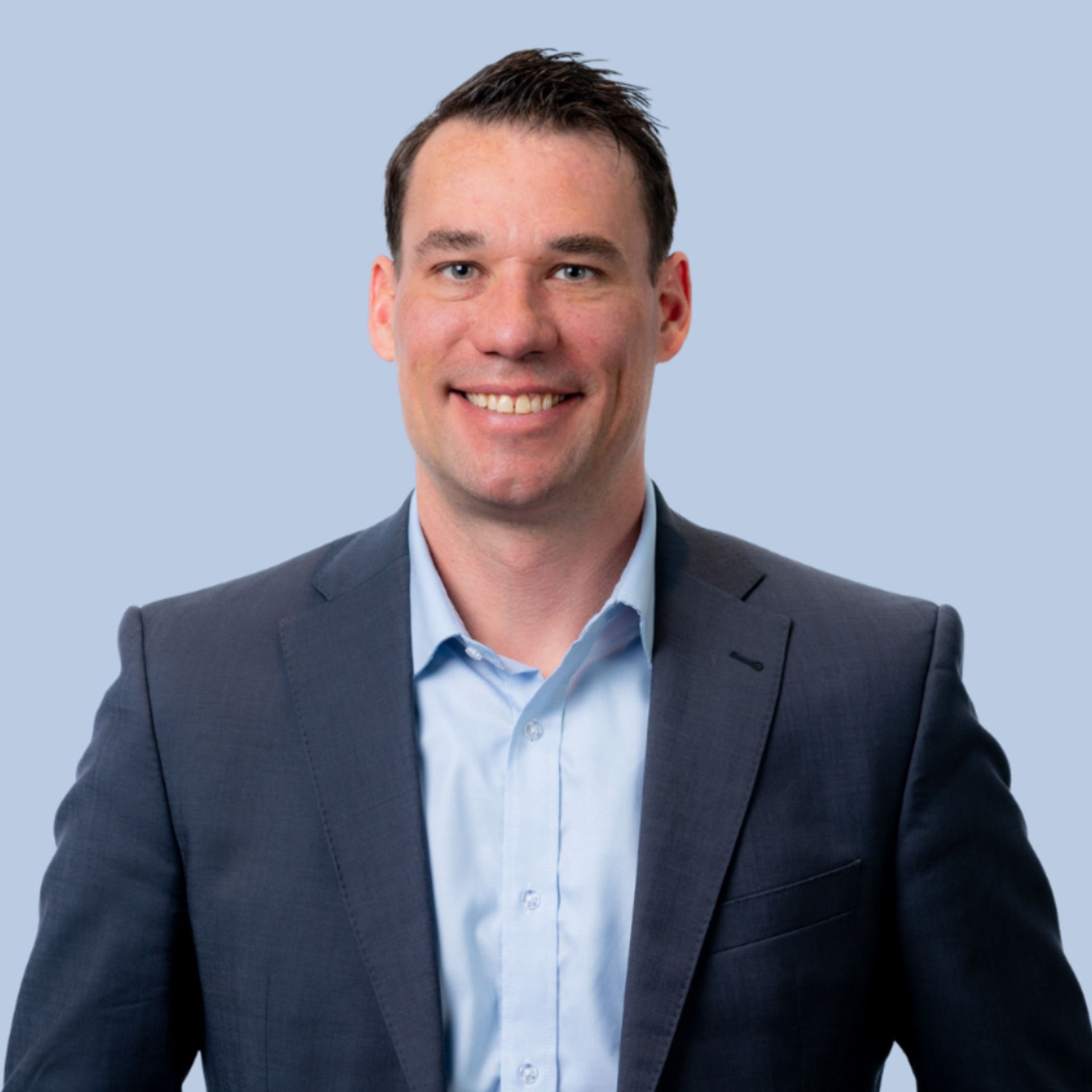
Hydrostor Co-Founder and CEO Curtis VanWalleghem
On this episode of Watt It Takes, we explore another approach to long-duration energy storage: compressed air.
Curtis VanWalleghem, Co-Founder and CEO of Hydrostor, started the company in 2010 after confronting surplus power challenges at Bruce Power. Without a traditional founder background, he set out to build storage systems that use compressed air and underground hard rock caverns to deliver t

Arc Co-Founder and CEO Mitch Lee
If you spend any time on the water, you’ve probably heard the joke that the two best days of a boat owner’s life are the day they buy the boat… and the day they sell it.For today’s guest, that line isn’t just a joke. It’s a problem statement.Mitch Lee grew up around boats. He loved being on the water, but he also experienced firsthand how loud, smelly, maintenance-heavy, and frustrating boat owner
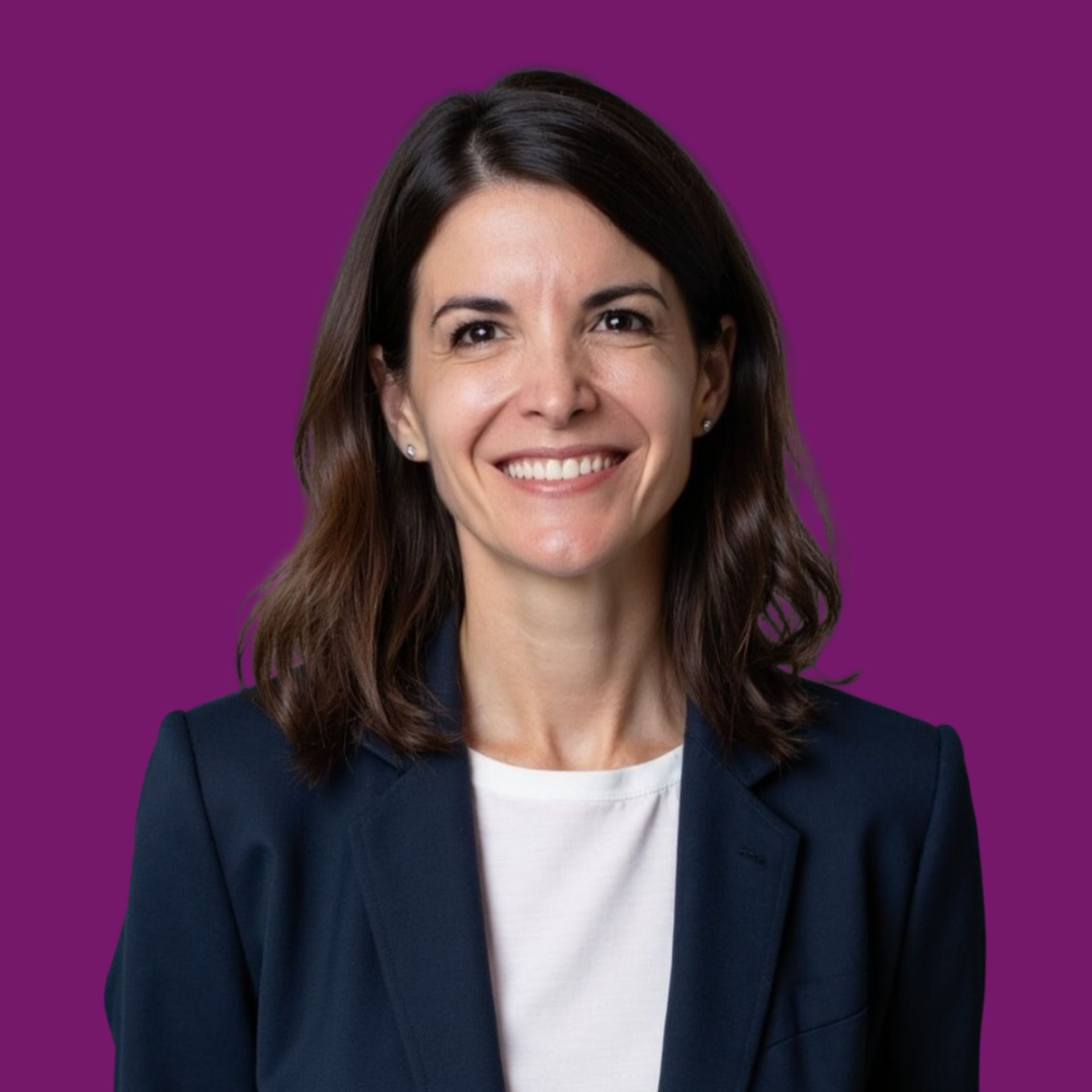
Voltus Co-Founder and CEO Dana Guernsey
As an aging grid faces rising demand, increasing complexity, and more frequent stress events, one thing has become clear: we don’t just need more power, we need power that can show up at the right time, in the right place, and at the right price. What’s far less settled is how we get there. Should large energy users build their own power? Should they treat the grid as something to work around rath

Tyba Co-Founder and CEO Michael Baker
As load growth pushes the grid to its limits, the energy transition increasingly depends on one technology: storage. Batteries are becoming the backbone of reliable, clean power, and according to a recent UBS analysis, AI-driven data centers are set to trigger a “boom cycle” for energy storage in the next five years.As more clean energy comes online and global energy demand surges, batteries are
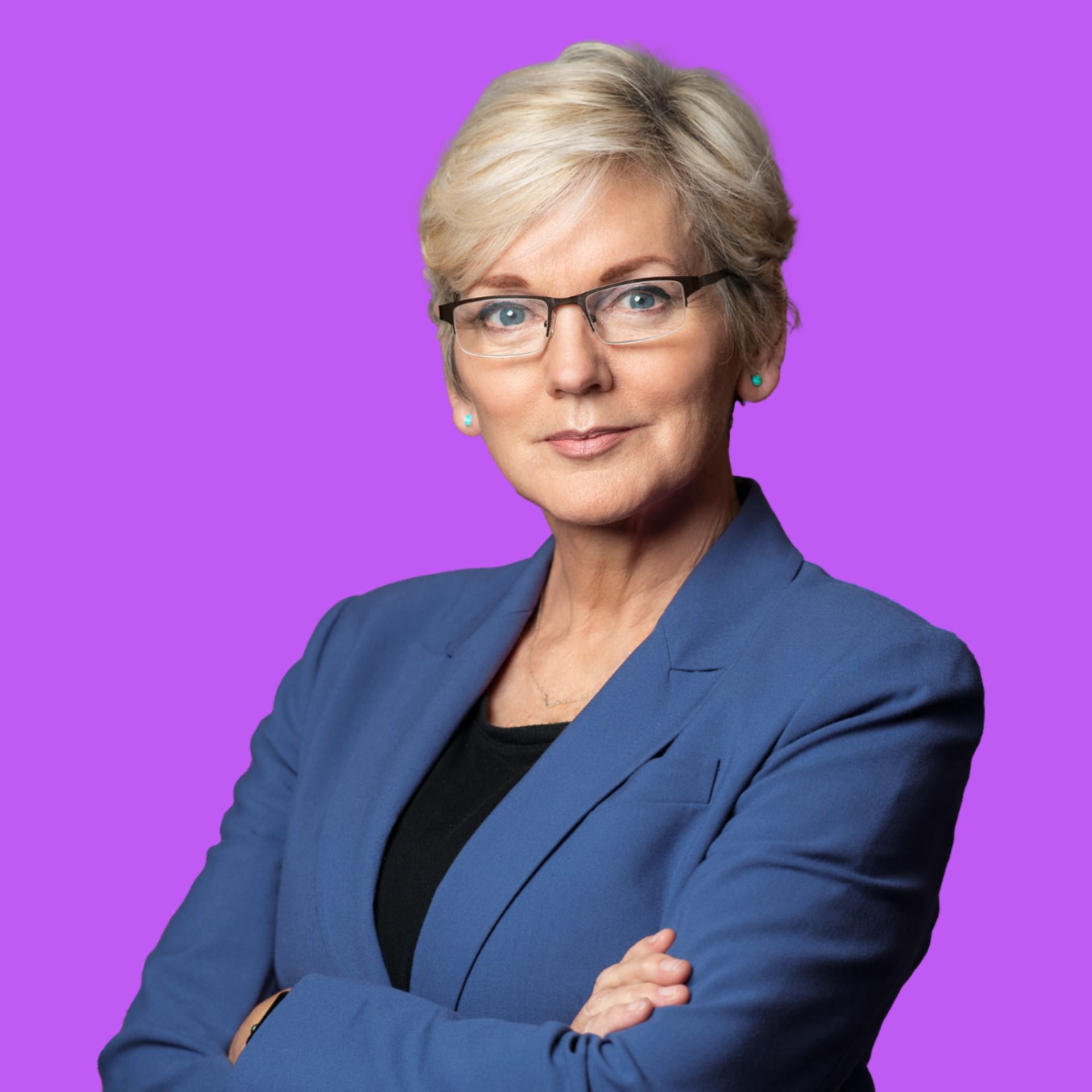
Jennifer Granholm, Former Director, Department of Energy
At a moment when our country can feel deeply divided, and when progress on clean energy can feel uncertain, this month's guest — former U.S. Secretary of Energy and two-term Governor of Michigan, Jennifer Granholm — couldn’t be timelier.It was the perfect moment to take stock of where we are as an industry. After years of historic progress, we’re now facing growing uncertainty about what comes nex

Cloverleaf Infrastructure Co-Founder and CCO Brian Janous
As we’ve covered in other recent episodes, the growth of data centers and the massive amount of power they require is reshaping the energy landscape. Today, I want to zero in on a specific challenge at the heart of it all: the watt bit spread, a phrase coined by this month’s guest. The Watt Bit Spread is the gap between the cost of electricity and the value of computing—computing meaning, the proc

Intersect Power Co-Founder and CEO Sheldon Kimber
The U.S. power sector serves more than 160 million electricity customers—across homes, businesses, and factories in all 50 states. But the grid that supplies that electricity wasn’t designed for the world we live in now, let alone the one that’s coming.Electrification is accelerating. Data centers—driven by the explosive growth of AI—are demanding more power than ever, often in places where the gr

Brimstone Co-Founder and CEO Cody Finke
If cement were a country, it would be the third-largest emitter of carbon dioxide in the world, behind only China and the United States. That’s because cement production alone accounts for about five and a half percent of total global greenhouse gas emissions. And while that might seem really high, it actually makes sense. Just look around you: from roads to bridges, sidewalks to buildings, cement
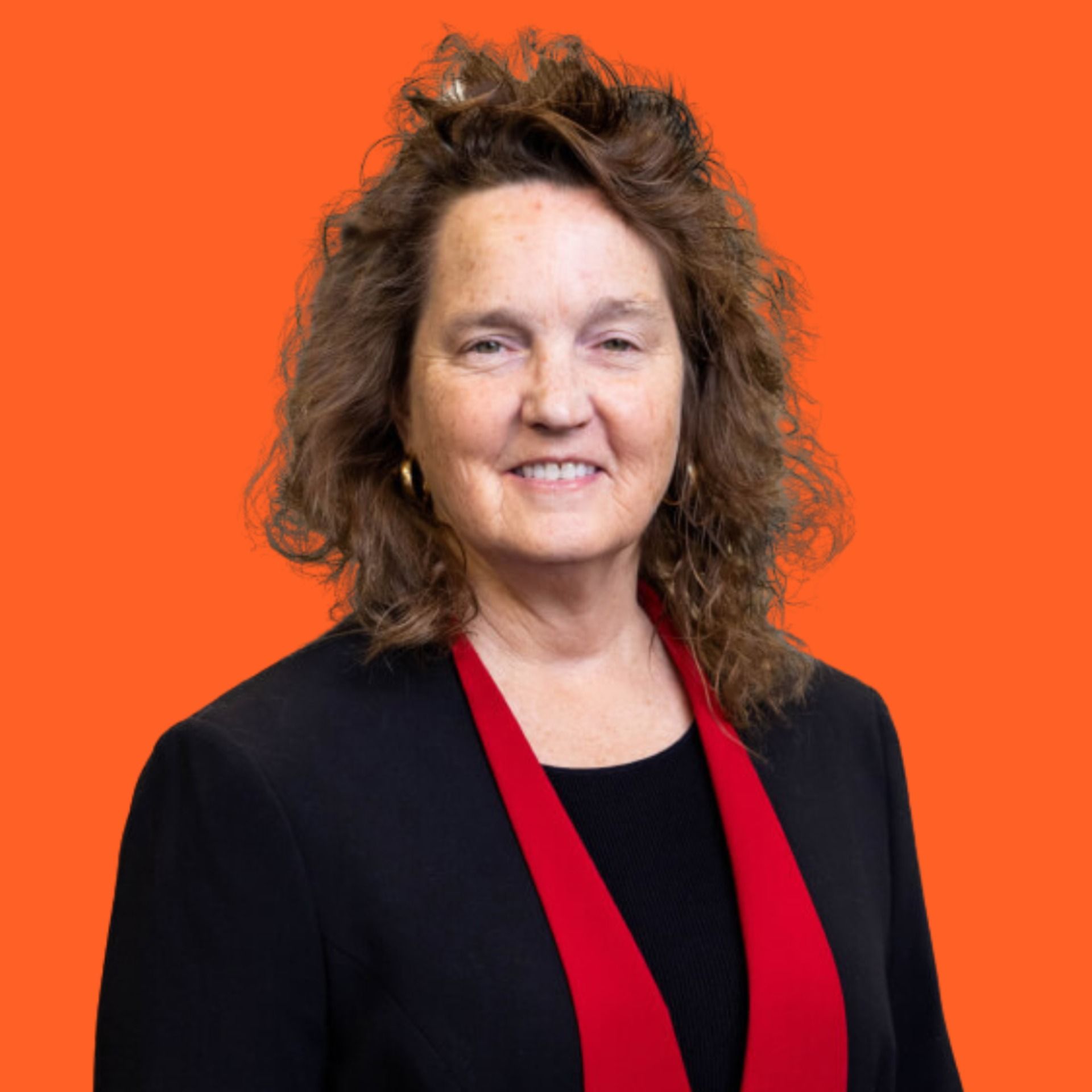
Sage Geosystems CEO Cindy Taff
It’s been a few years since we last covered geothermal on Watt It Takes. Our 2021 episode with Tim Latimer, Founder and CEO of Fervo Energy, explored how next-generation geothermal was just beginning to emerge. Since then, the sector’s momentum has only grown.Meanwhile, electricity demand is rising fast, driven by data centers, AI, and the broader push to electrify everything. That’s putting press

Jigar Shah, Former Director, Loan Programs Office (LPO)
You don’t meet many people like Jigar Shah.He’s one of the rare leaders who has shaped the clean energy transition from every angle — as a founder, as an investor, and most recently, as a government leader. If you know Jigar, you already know the headlines: He founded SunEdison, led Richard Branson’s Carbon War Room, co-hosted the Energy Gang podcast, co-founded Generate Capital, and most recently

Shayle Kann, Managing Partner, Energy Impact Partners
There are a handful of people in the clean energy and infrastructure world whose knowledge and voices serve as guiding lights. Shayle Kann is one of those people. Known for his deep expertise, unique perspective, and distinct voice, Shayle has covered and shaped the energy transition for years.While regular listeners will know, we typically feature startup founders. But Shayle’s long-standing infl

Pearl Street Technologies Co-Founder and CEO David Bromberg
Here’s a thought experiment. You’re a seasoned clean energy developer. You’ve got a pipeline of projects. You’ve navigated permitting, secured financing, refined your technology stack. Everything’s lined up, and you’re ready to build. There’s just one problem: interconnection.To connect your projects, you have to go through a complex study process run by your utility, or your Regional Transmission

Overstory CEO Fiona Spruill
As a new year unfolds, 2025 has already brought devastating natural disasters. From blizzards to wildfires, climate chaos is impacting our neighbors and communities in real time. My heart goes out to the people of Los Angeles for the profound losses they suffered last month, and for the difficult path of rebuilding that lies ahead. This devastation brings to mind a tragedy that struck even closer
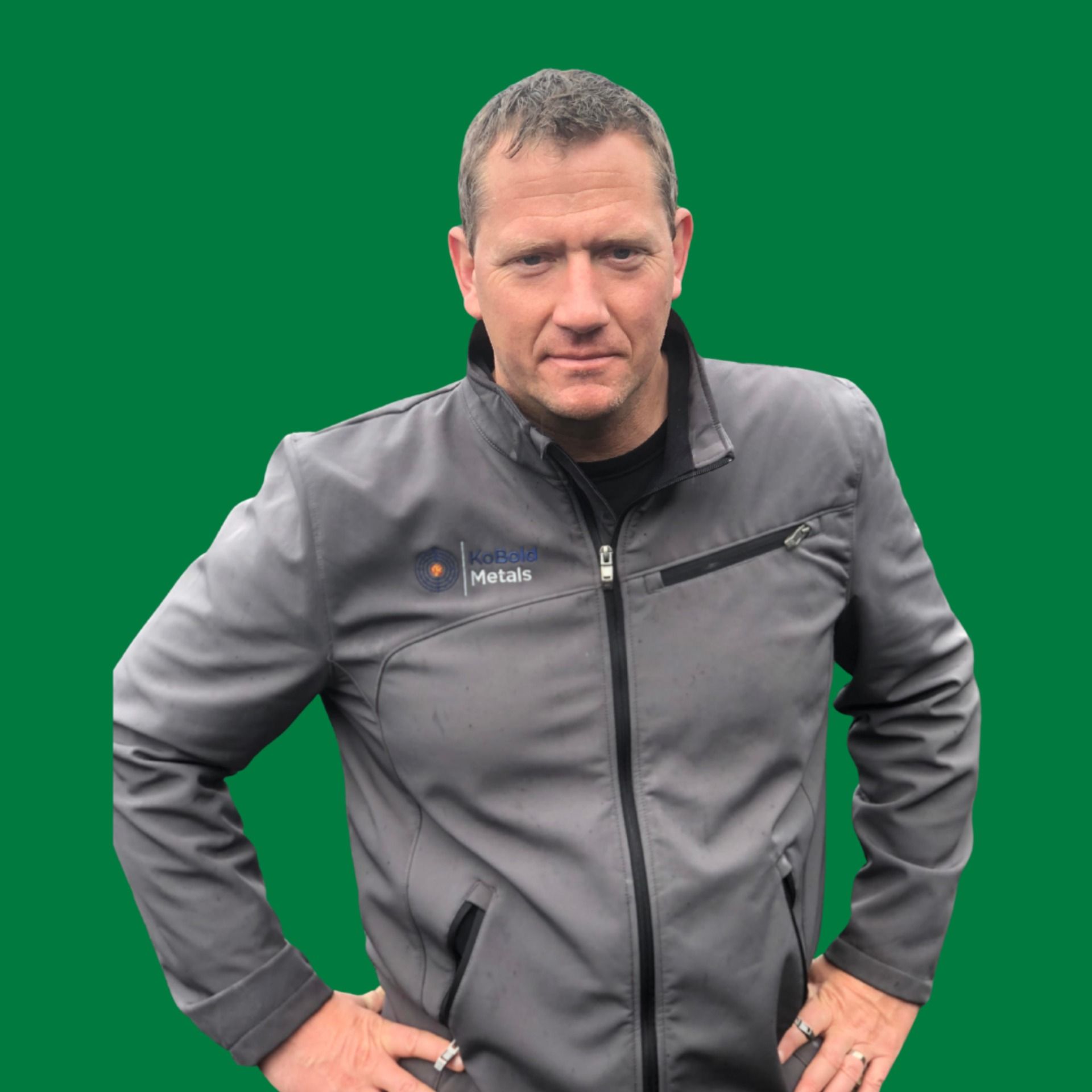
KoBold Metals Co-Founder and CEO Kurt House
2024 was a landmark year for the energy transition. With record-setting investments in climate infrastructure, we saw the price of renewables out-compete just about every electricity source worldwide, we saw advancements in industrial decarbonization (which we’ve featured prominently on this show), and we saw a breakout year for next generation energy storage just to name a few. While momentum is

Stegra CEO Henrik Henriksson
As we touched on in our last episode with John O’Donnell of Rondo Energy, industry is a major contributor to global CO2 emissions, and it is only forecasted to get worse. According to a recent report from Rhodium Group, by 2050, the industrial sector could emit as much CO2 as the power, transportation, and building sectors combined. A term worth highlighting in this month’s episode is “Hard-to-aba
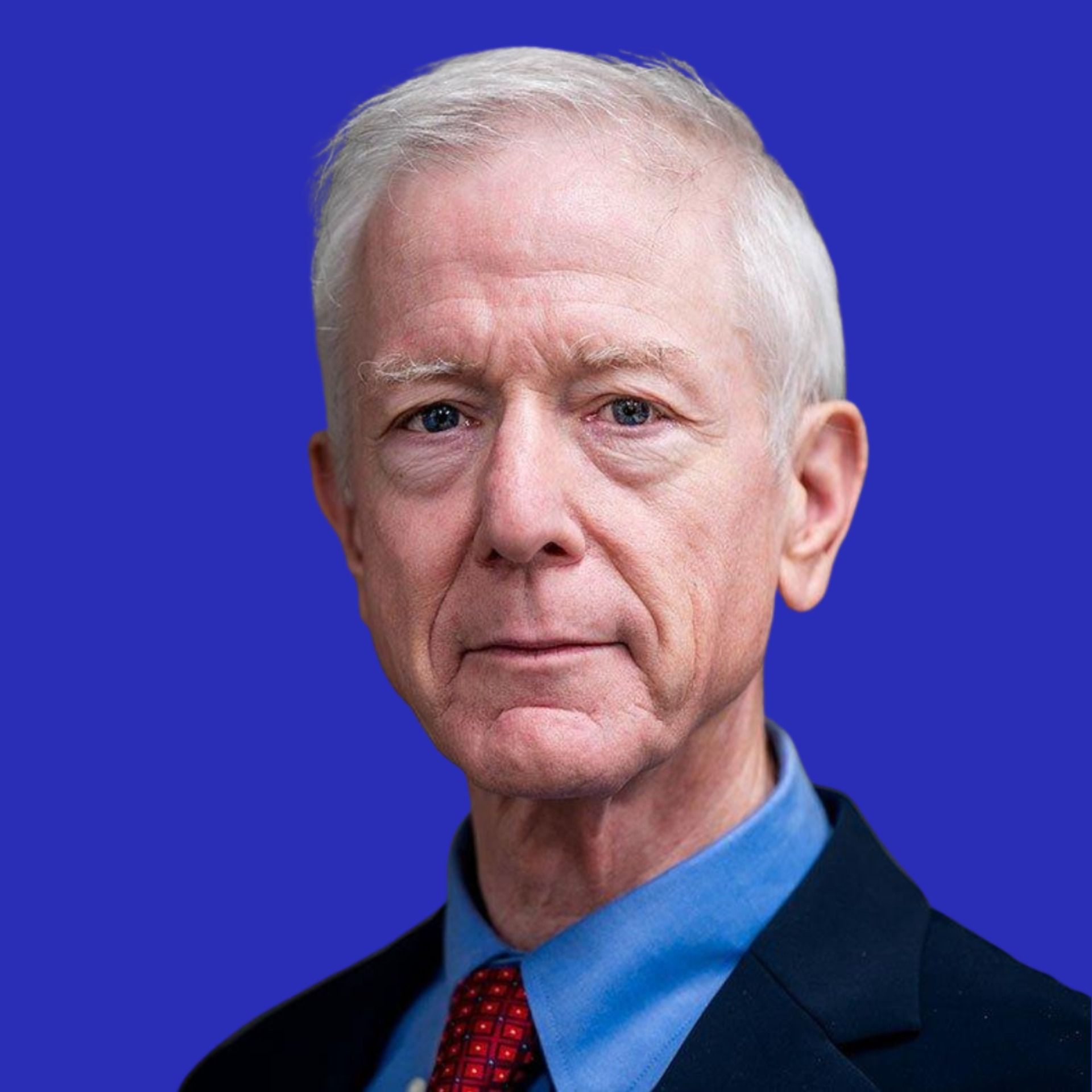
Rondo Energy Founder and Chief Innovation Officer John O'Donnell
In the same way that “Climate Change” and “Global Warming” went from scientific terms to colloquial ones, “Decarbonization” is slowly permeating modern discourse. Decarbonization is the process of significantly reducing or eliminating CO2 and other GHG emissions that result from human activity. “Human activity” encompasses a lot of different sectors. From agriculture and forestry, to transport and

AMP Founder and CEO Matanya Horowitz
Humans produce a lot of trash. How much trash you ask? We produce 2.3 billion tons of trash per year. That’s enough to fill about 800,000 Olympic pools every year. So, what do we do with it all and how does it get managed? Some of it, depending on your municipality, can be composted, some of it gets recycled, but despite our best intentions, most of it ends up in our landfills. In an ideal world,
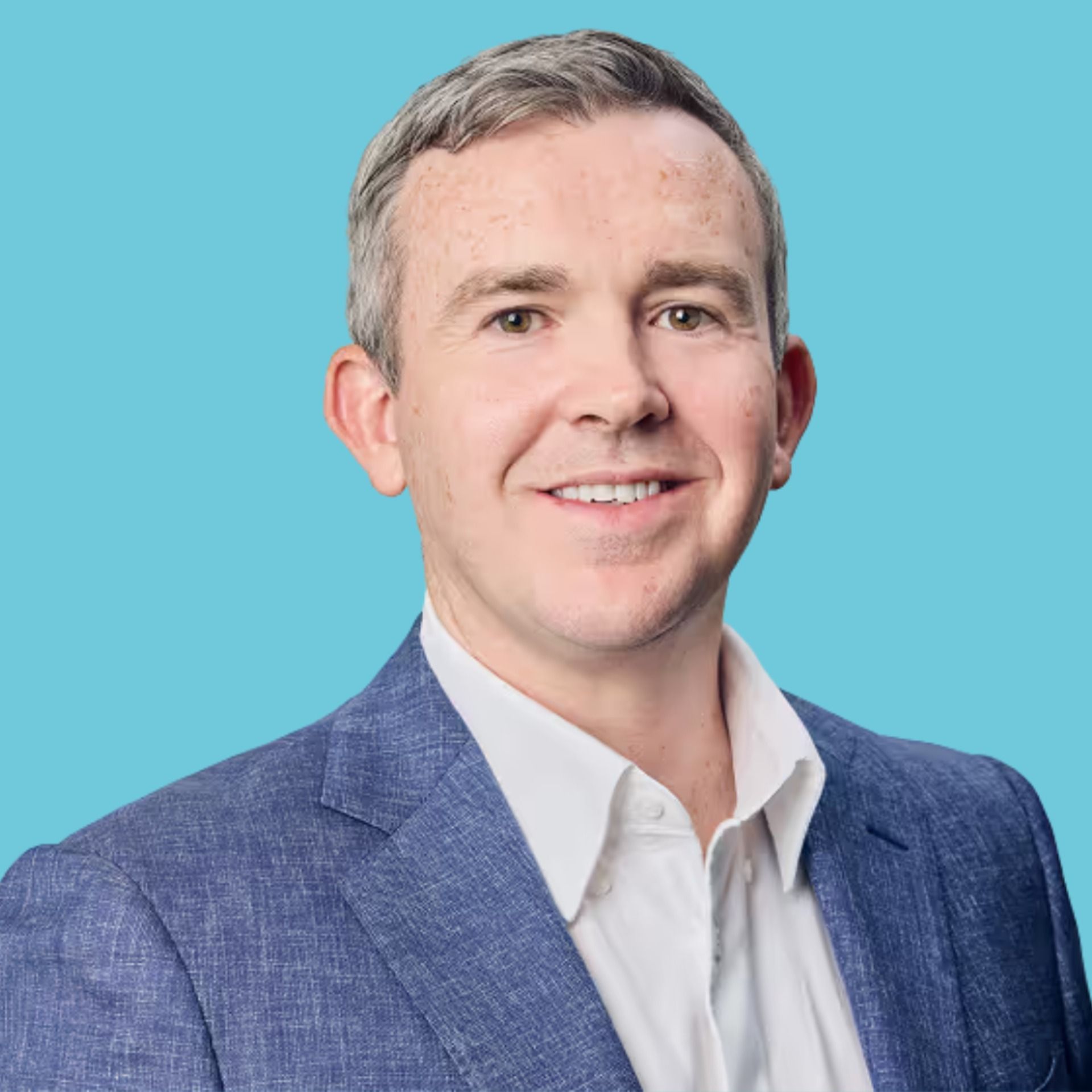
Amperon Co-Founder and CEO Sean Kelly
Extreme weather events are becoming more and more common. In July, Hurricane Beryl wreaked havoc on the Gulf Coast, causing 3 million Texans to lose power in the midst of a soaring heat wave, which killed 23 people. Critics have raised questions about Houston’s power providers preparedness for a disaster like Beryl, and have raised concerns about the long delay in restoring power at a time where a

LanzaTech CEO Jennifer Holmgren
Carbon is everywhere, not just in the air around us, but also in the materials we use everyday.We talk a lot about reducing the overall amount of carbon in the atmosphere through approaches like avoided emissions or removal. But, what do we do in a world where GHG avoidance and removals are not at the scale required to tackle all of the emissions that come from heavy industry like agriculture and
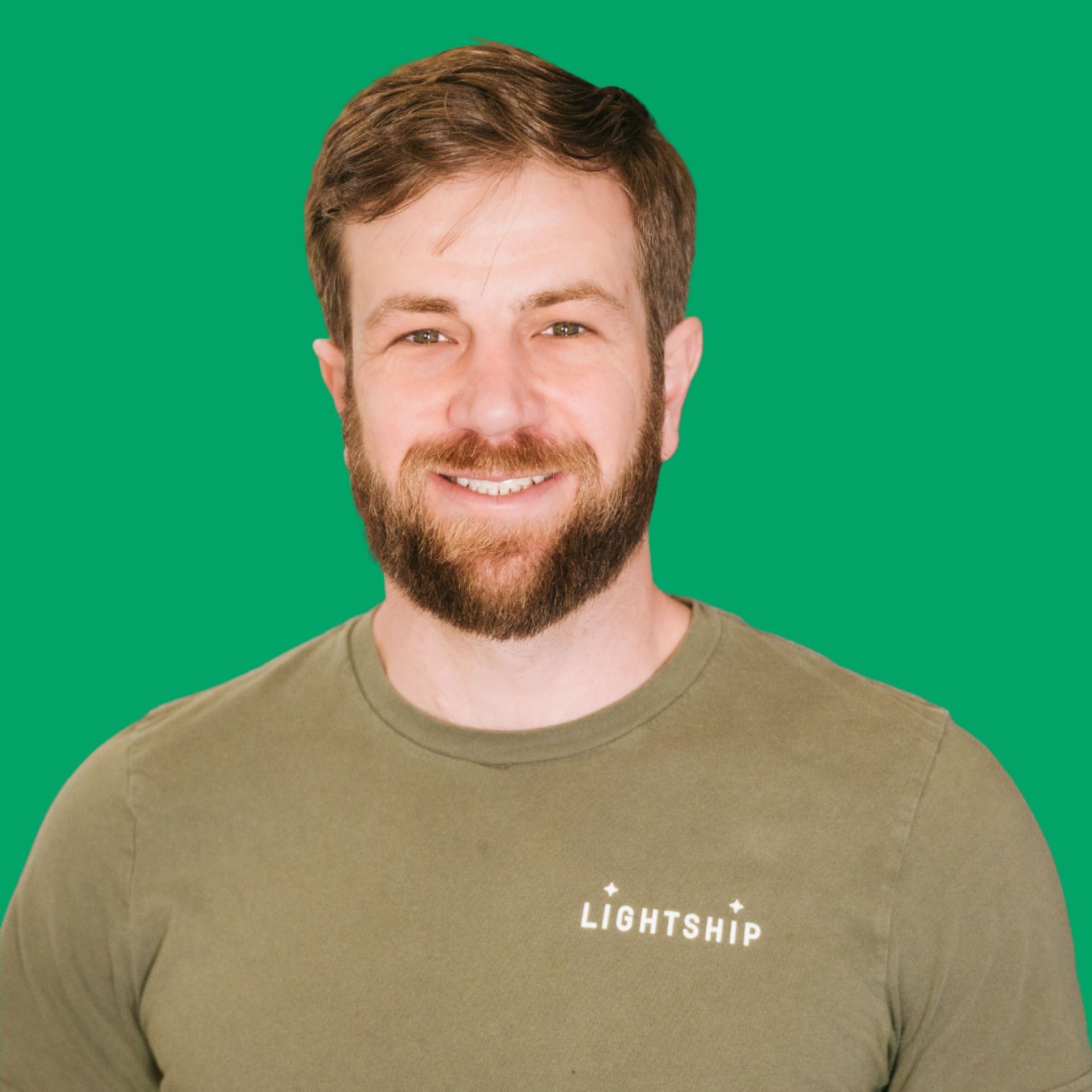
Lightship Co-Founder and CEO Toby Kraus
One in ten American families own a Recreational Vehicle, and yet, the RV industry hasn’t seen meaningful innovation in decades, due in part to extreme consolidation and lack of competition. Despite this, 300-500,000 RVs are sold in the US every year, 90% of which are towable. Towing an RV can seriously affect the fuel economy of your car. Drivers can expect their gas mileage to decrease about 1-2%

Heirloom Co-Founder and CEO Shashank Samala
Even if all emissions stopped tomorrow, the excess carbon currently in the atmosphere would take thousands of years to naturally dissipate through processes like photosynthesis, oceanic absorption, or mineralization. In addition to forests, soils, and the ocean, naturally occurring minerals are one of our planet’s most important carbon sinks. Over the span of hundreds or thousands of years, carbon
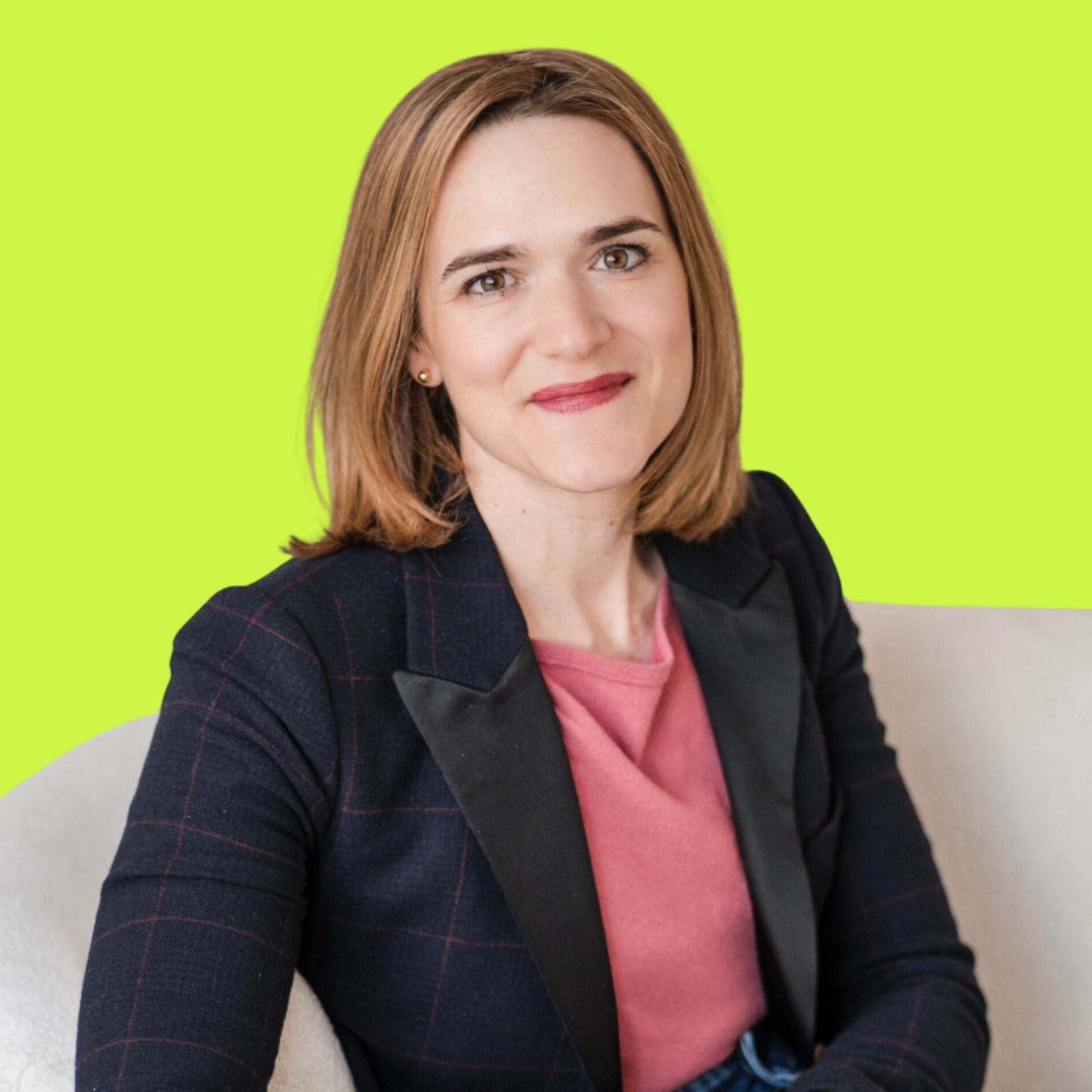
Odyssey Energy Solutions Co-Founder and CEO Emily McAteer
According to the World Economic Forum, if we want to reach a carbon-neutral future, the world will depend on emerging markets to build energy systems that rely on clean energy instead of fossil fuels. However, only one fifth of global clean energy investments are being channeled into emerging markets. Financing the development of distributed renewable energy projects has been slow and challenging

WattBuy Co-Founder and CEO Naman Trivedi
Residential energy use accounts for about 20% of greenhouse emissions in the U.S., making it one of the most important sectors to decarbonize. As the world electrifies and consumers become more climate-conscious, energy will become one of the next consumer engagement frontiers. The WattBuy platform connects clean energy providers with residential customers, helps consumers save money on their ener

SustainCERT Co-Founder and CEO Marion Verles
Some experts are calling 2024 the “make or break year” for the voluntary and compliance carbon markets, which were rocked by a shaky 2023. To usher in a new era of effective and impactful carbon markets, the verification process needs a major tech update, and a serious credibility boost.Marion Verles founded SustainCERT to be the first fully digital carbon project verification platform and Scope 3
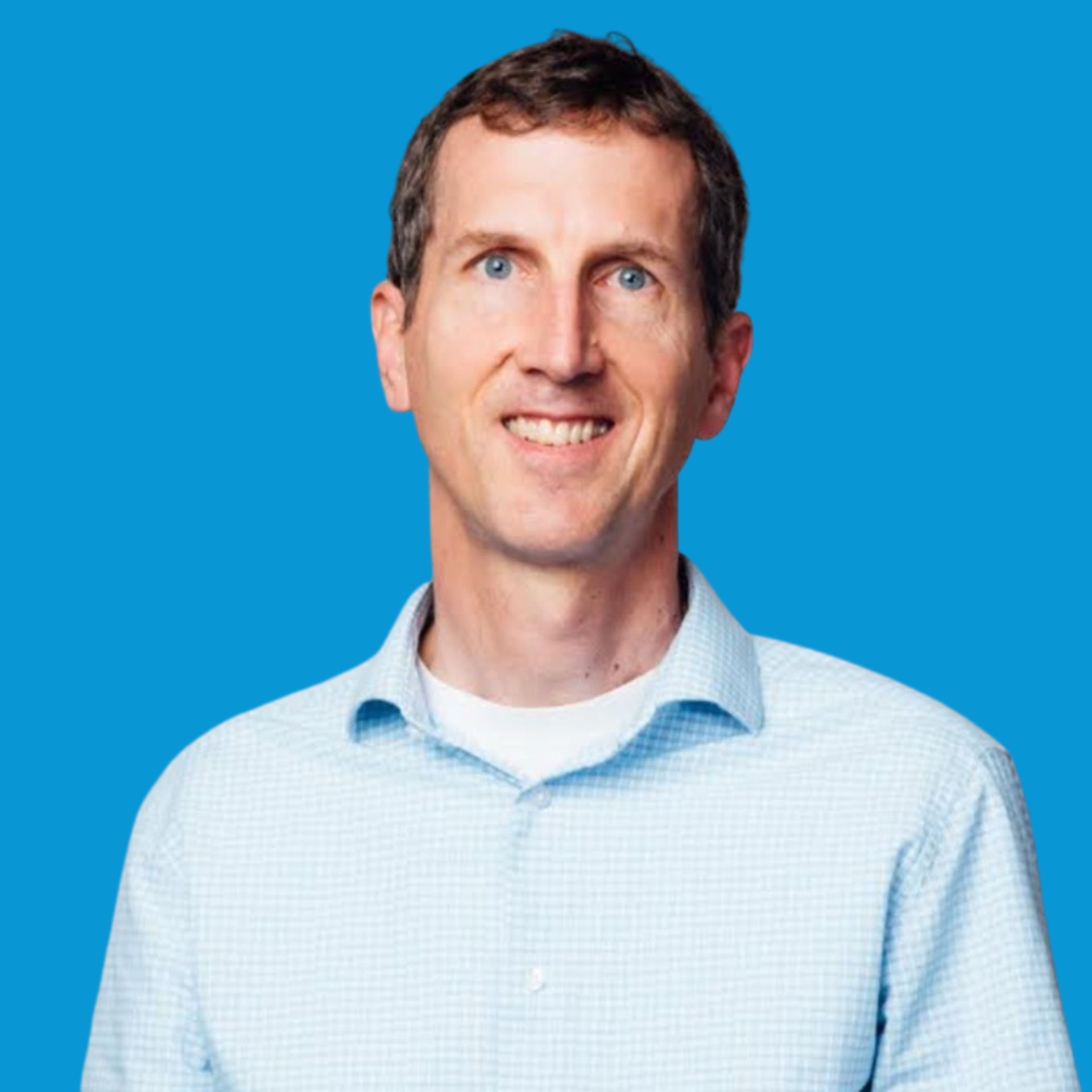
Ebb Carbon Co-Founder and CEO Ben Tarbell
On November 17th, 2023 the average global temperature was temporarily 2 degrees Celsius warmer than pre-industrialization, an event with ominous climate implications. To slow global climate change, we need to find ways to supercharge natural carbon removal processes like ocean alkalization, and do it in a way that is good for the planet. That’s exactly what this month’s Watt It Takes Guest, Ben Ta

Charm Industrial Co-Founder and CEO Peter Reinhardt
According to the Intergovernmental Panel on Climate Change, we need to return Earth’s atmosphere to 280 parts per million of CO2 for the health of human existence and that of the planet. To achieve that goal, industry experts believe we’ll need to be removing 10-20 billion tons of carbon per year by 2050. Removing carbon is exactly what this month’s Watt It Takes guest, Peter Reinhardt, Co-Founder

Commonwealth Fusion Systems Co-Founder and CEO Bob Mumgaard
According to researchers around the world, fusion could be a nearly waste-free, carbon-free, and all-geography answer to creating enough dispatchable power to get us through the energy transition. To achieve this, all components of a fusion power plant need to be built so that when fusion energy becomes a reality, we have the industry, infrastructure, and processes in place to distribute the power
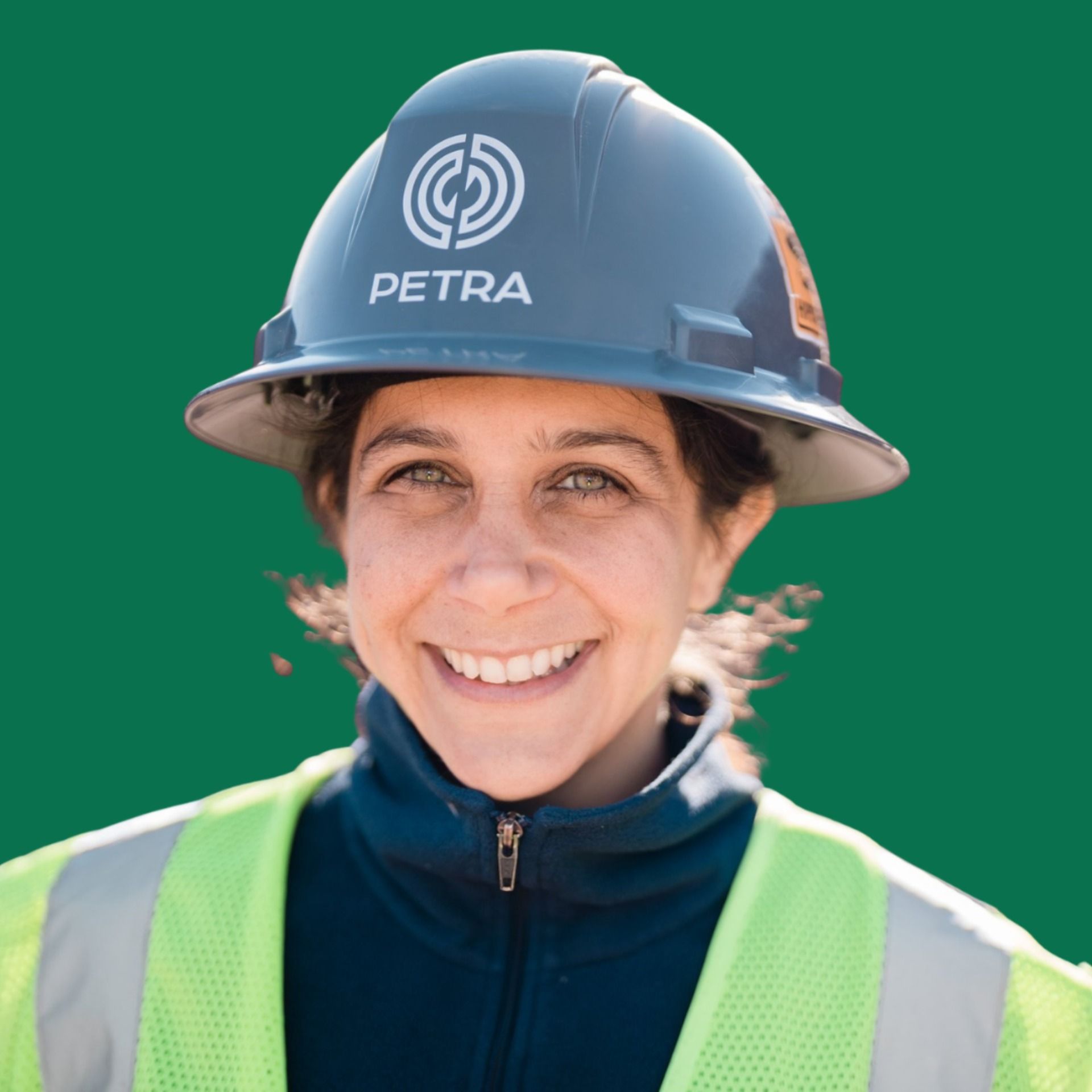
Petra Co-Founder and CEO Kim Abrams
Climate change-fuelled natural disasters and vulnerable transmission infrastructure have defined some of the worst natural disasters of the past decade, including the 2020 wildfires in California. It’s clearer than ever that in high-risk areas, above-ground transmission lines need to be dug underground to protect communities from fires and to ensure their access to electricity in the face of incre
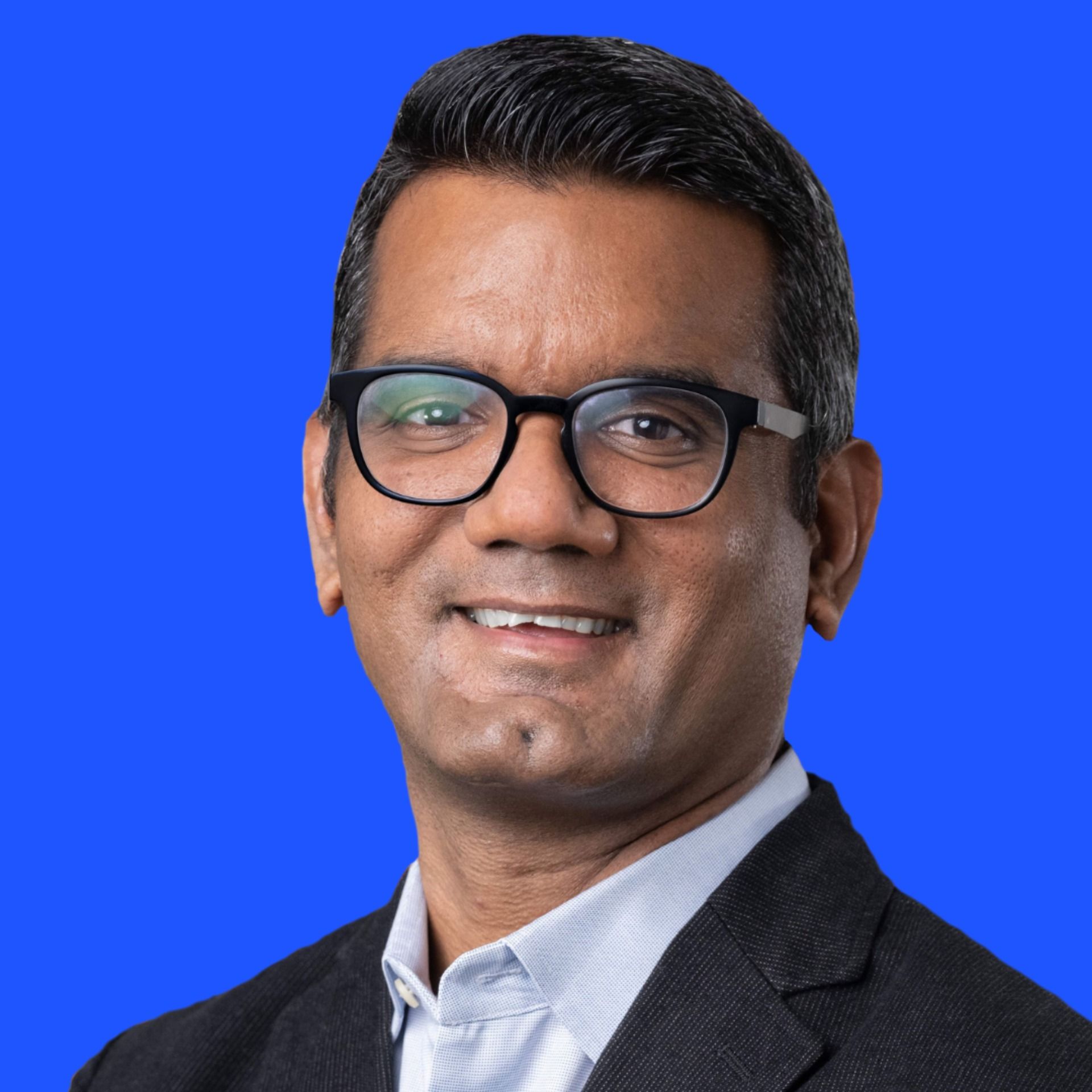
Lunar Energy Founder and CEO Kunal Girotra
From induction cooktops and heat pumps to the rooftop solar needed to power it all and the batteries to store excess energy for use during blackouts, we’ve had incredible success building the tools we need to decarbonize our homes. But to the regular consumer, the universe of electrified solutions can be overwhelming. What we need is a home battery system and an integrated ecosystem of all electri

Lilac Solutions Founder and CEO Dave Snydacker
If the world is going to make the switch from fossil fuels to clean energy, we’re going to need lots of energy storage, and a lot of lithium. The global transition to clean energy is expected to trigger a 40-fold increase in the demand for lithium by 2040. Lithium is in high demand, but current methods for lithium extraction make it difficult and expensive to source. Conventional extraction method

Nithio Co-Founder and CEO Kate Steel
As we speak, there are 600 million people in Africa who lack access to even basic electricity. That’s driven in part by low levels of domestic and foreign investment into electricity infrastructure across the continent: over the last decade, just 3% of capital invested into energy infrastructure worldwide went to Africa. To enable universal energy access in Africa, we’ll need innovative climate fi

Sublime Systems CEO and Co-Founder Leah Ellis
Concrete is the second most-used material in the world, right behind water. It’s everywhere – in our bridges, our buildings, our homes, our roads. It’s the literal foundation for much of our lives.And cement is a key ingredient in that foundation. It acts as the glue that binds together the water and aggregate to make concrete. Globally, we produced more than four billion tons of cement in 2021, a

Leap CEO and Co-Founder Thomas Folker
The U.S. is on track to deploy 550 gigawatts of new renewables on the grid by 2030. That's a massive amount of solar, wind, and other renewables powering buildings, EVs, appliances, and industrial processes in our increasingly electrified world.Last year electric vehicles (EVs) hit a massive milestone by making up 5% of all new car sales in the U.S. And Bloomberg estimated that more than half of n
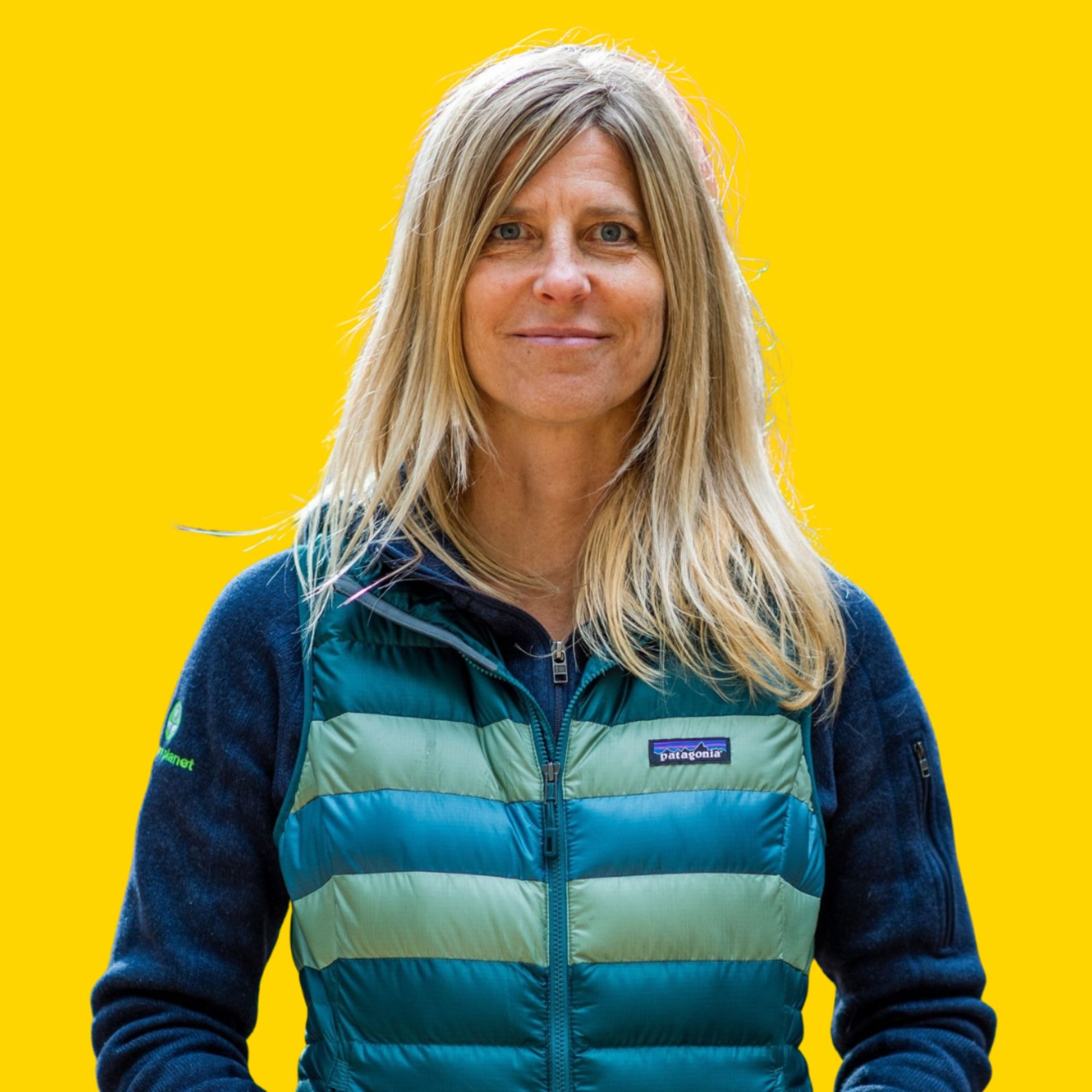
Vibrant Planet CEO and Co-Founder Allison Wolff
Forests make up a third of all land on Earth, and they're one of our major defenses against a warming world. 45% of the carbon stored in land exists in forests.Today, our forests are struggling to adapt to human activity and a rapidly changing climate. Deforestation and wildfires continue to ravage habitats like the Amazon. In the U.S.destructive wildfires have increasingly ravaged the West. To p

Via Separations CEO and Co-Founder Shreya Dave
Industrial processes are one of the hardest sectors of the economy to decarbonize. Fossil fuels have been the go-to way of powering the facilities that make paper, plastics, food, beverages, and chemicals. Slashing greenhouse gas emissions from industry means changing the way companies produce their raw materials.The problem: sometimes the hardest sectors to decarbonize are the ones that may not b
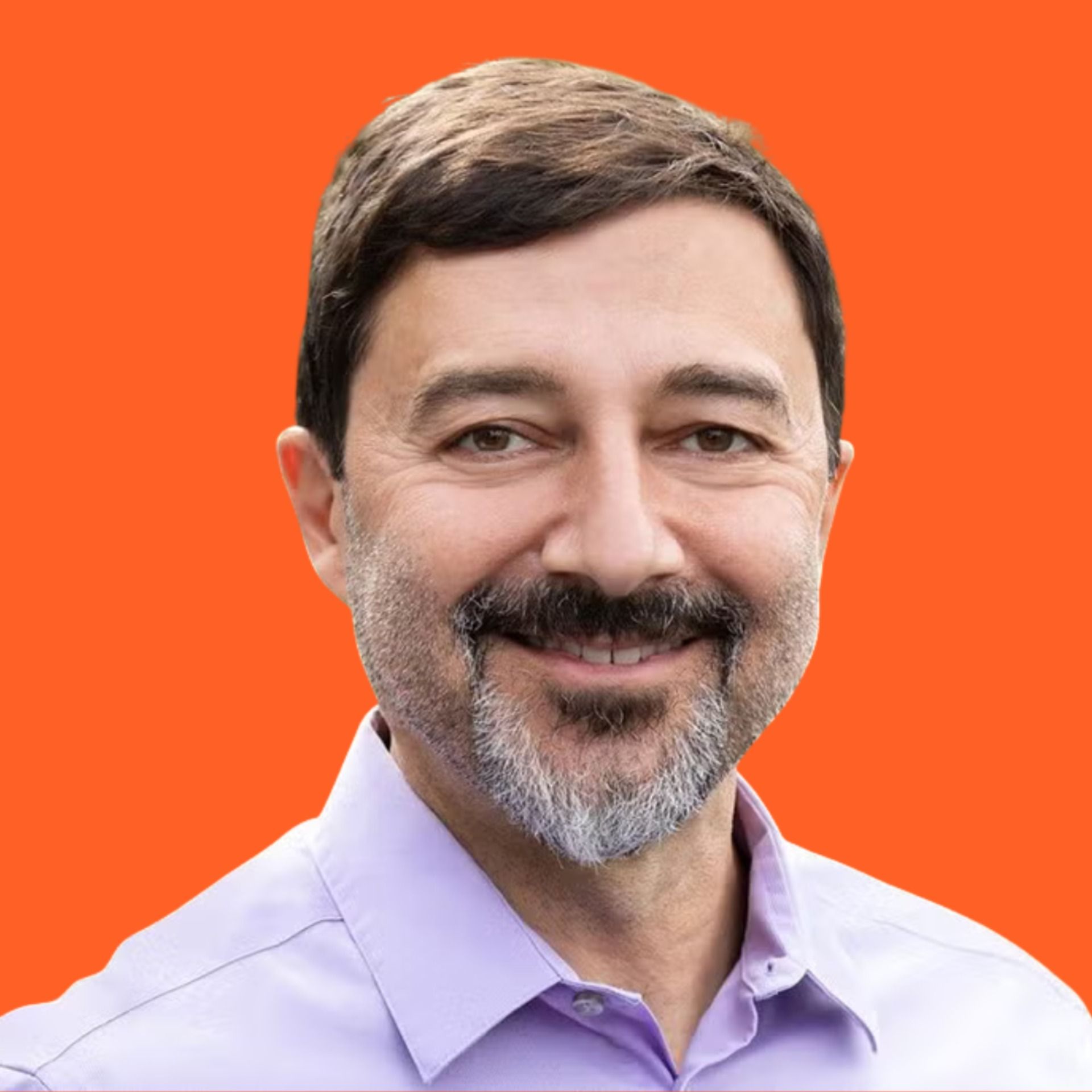
Electric Hydrogen CEO Raffi Garabedian
Large swaths of the global economy are very hard to decarbonize with renewables and batteries alone. Steel, cement, aviation – these industries are run on the high heat and explosive force of burning fossil fuels. Together, these activities make up the industrial basement of society; the often overlooked and essential sectors of the economy that can only be made possible, in part, by burning liqui

Raptor Maps CEO and Co-Founder Nikhil Vadhavkar
Over the last decade, solar growth has exploded. Just last year, the U.S. added a record 13 gigawatts of utility-scale solar to the grid. And despite supply chain disruptions and inflation, the average solar panel cost still dropped by 11%. New solar plants are now cheaper to build than new gas or coal-fired power plants. But according to the Department of Energy, for the country to achieve a zero

Nth Cycle CEO and Co-Founder Megan O'Connor
To deploy enough solar panels, wind turbines, electric vehicles, and lithium-ion batteries needed to decarbonize the grid, we'll need more of the critical minerals that make these technologies possible.Growing demand for clean technology means an even bigger need for lithium, nickel, cobalt, copper, manganese, and other minerals. Right now the world is on track to double its overall mineral requir

Sealed CEO and Co-Founder Lauren Salz
The energy we use in our homes remains one of the largest sources of emissions in the country. About 20 percent of our energy-related GHG emissions comes from the fossil fuels used to power gas furnaces, stoves, water heaters, and AC units. With the U.S. predicted to add more than 62 million new homes by 2050, getting fossil fuels out of our houses, apartments and condos is crucial. And we have th

Terabase Energy CEO and Co-Founder Matt Campbell
Earlier this year, solar reached a historic milestone: 1 terawatt of capacity around the world. One trillion watts is a huge achievement. But solar still only makes up 3 percent of the world's electricity. To deploy dozens of terrawatts in the coming years, we'll need to do something about the bottlenecks holding back the planning, design, and construction of the massive solar farms that will make

SPAN CEO Arch Rao
Our homes account for 20 percent of America’s greenhouse gas emissions. The fastest way to cut those emissions is to electrify the systems that heat, cool, and power our homes with heat pumps, solar, batteries, and EVs.These technologies are the pillars of residential electrification. But, as more and more homeowners seek to electrify, they’re discovering that a key piece of antiquated technology

Antora Energy CEO Andrew Ponec
Heavy industries like manufacturing, food processing, mining, and construction require a staggering amount of energy, often in the form of heat. But until recently, there hasn’t been a good way to generate that amount of heat using electricity. As a result, we burn fossil fuels to make these essential materials and products. About a quarter of greenhouse gas emissions in the U.S. come from these i

TeraWatt Infrastructure CEO Neha Palmer
Tens of millions of delivery vans and semi trucks move around the clock to keep supply chains humming. These medium- and heavy-duty vehicles make up more than 25 percent of transportation emissions in the US — even though they only make up 10 percent of all vehicles on the road. We need to electrify medium and heavy-duty vehicles to meet our climate goals. But, how do we build and operate the char

Our Friends from The Big Switch
Normally, we’d be bringing you an episode featuring an entrepreneur who’s making our climate-positive future a reality. But behind every founder with a big idea are scientists, engineers and policymakers working hard to turn those big ideas into reality. And right now, a lot of them are tackling one of the biggest contributors to the climate crisis – carbonSo today, we have something new for you.

Watershed Co-Founder Taylor Francis
With 93 Fortune 500 companies committing to net-zero targets, and with the SEC preparing to require public companies to disclose climate risks, corporations are beginning to think deeply about how to track and manage their emissions. That’s why Watershed Co-Founder and CEO Taylor Francis and his team built a platform to simplify the process — and help companies to decarbonize faster.From his co-fo

Mainspring Energy CEO & Co-Founder Shannon Miller
We’re running a contest! Through April 19, each review on Apple podcasts or share on social media (using #WattItTakes) will enter you to win a limited-edition Watt It Takes crewneck — and enable more people to hear inspiring stories about entrepreneurs making our climate-positive future a reality.To reduce greenhouse gas emissions quickly, we need to electrify large swaths of the economy. But that

Monolith Co-Founder & CEO Rob Hanson
We’re running a contest! Through March 15th, each review on Apple podcasts or share on social media (using #WattItTakes) will enter you to win a limited-edition Watt It Takes crewneck — and enable more people to hear inspiring stories about entrepreneurs making our climate-positive future a reality.Heavy industry is one of the hardest parts of the economy to decarbonize. Making steel, cement, and
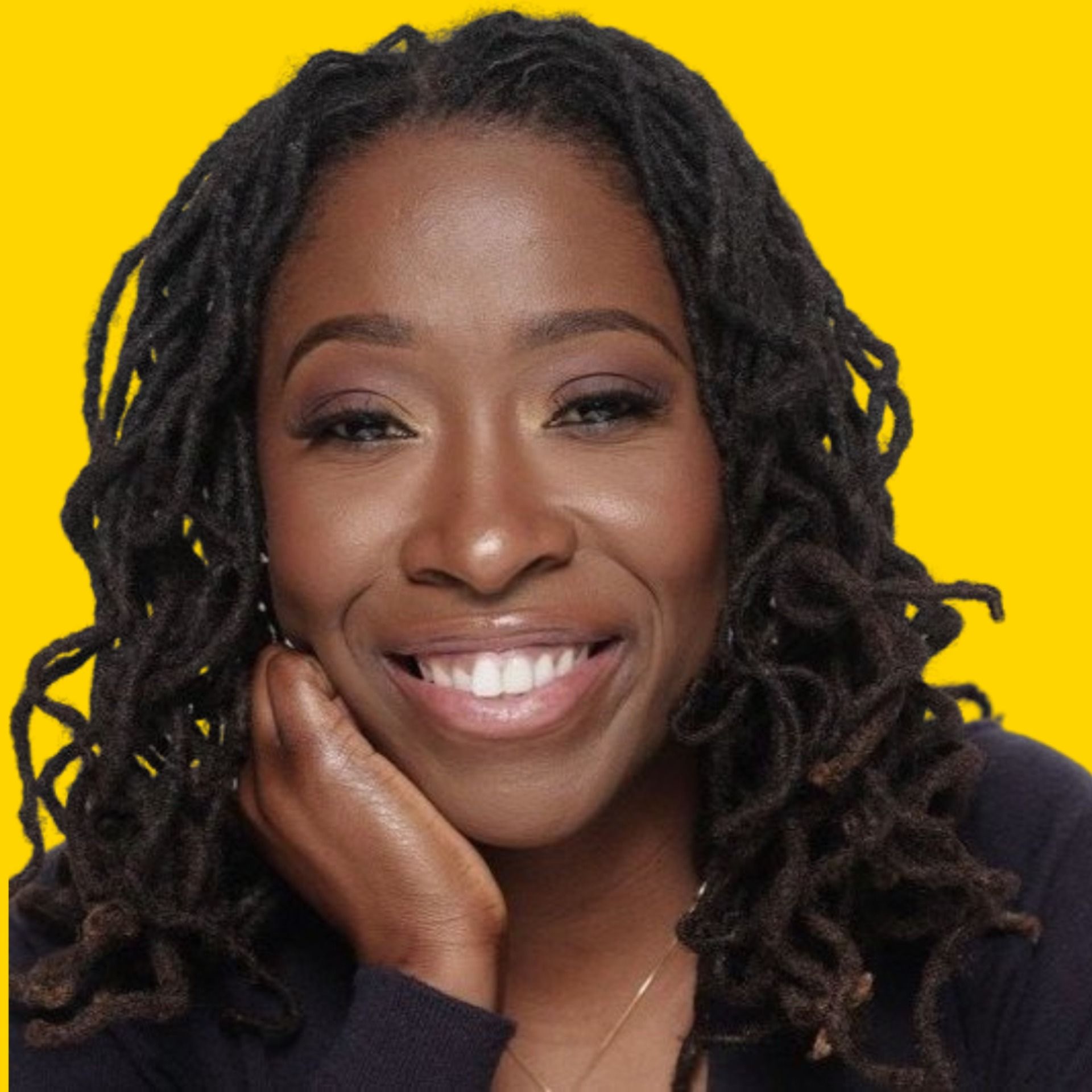
ChargerHelp! Co-Founder Kameale Terry
There are 46,000 public EV charging stations across the United States. But with 32% of charging stations down at any given time, maintaining them is a big challenge for the industry.Minimizing charger downtime isn’t easy – differences in manufacturers, network providers, and utilities can mean wide variation in hardware or software between stations. That complexity can make fixing technical proble

Remix Co-Founder Tiffany Chu
Electrifying cars and trucks is an essential part of decarbonizing mobility. But there's another vital piece in the race to zero-emissions transportation: public transit. Transit tech is emerging as one of the most exciting areas in the climate space. It's made up of companies using technology to get people out of their cars and onto shared vehicles like vans, buses, and trains. And the need has n
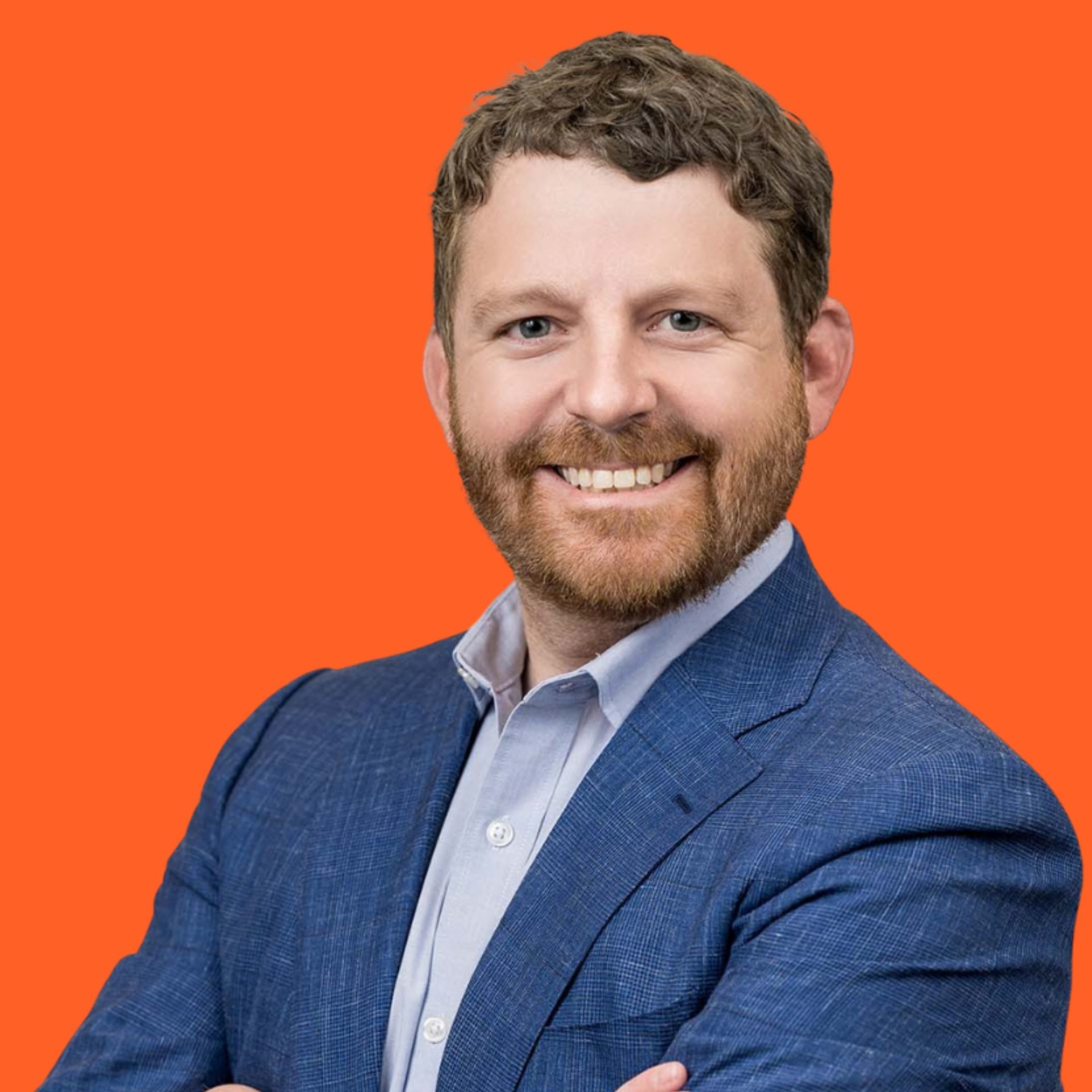
Fervo Energy Co-Founder & CEO Tim Latimer
Starting in the 1960s, the United States became a world leader in building large-scale geothermal power plants.That changed in the mid-2000s with the fracking boom. Drillers turned their attention to oil and gas. And as wind, solar and batteries got cheaper, bankers and developers put their money into those resources.Today, geothermal development around the world has flatlined.But a small legion o

Alex Blumberg, Host of ‘How to Save a Planet’
There are a lot of nuances to the way people perceive our warming planet. But media coverage of the issue is often catastrophic, scientifically dense, or framed exclusively around politics.So how do we talk about climate in a way that resonates across diverse groups of people?That's what our guest, Alex Blumberg, kept asking himself.Alex is an acclaimed audio journalist. He’s the co-founder of Gim

Aurora Solar Co-Founder Samuel Adeyemo
The United States recently surpassed 100 gigawatts of installed solar capacity, enough to power nearly 20 million homes. But to decarbonize the power grid by 2035 and meet growing demand, the Department of Energy estimates that we'll need 1,000 gigawatts of solar capacity, providing 40% of the nation's electricity in just 15 years. That means, on average, we'll need to install solar at quadruple t

Arcadia Founder & CEO Kiran Bhatraju
Ninety percent of Americans want to see more renewable energy on the grid. But two-thirds of them can't directly access wind and solar — because they don't own their rooftop, can't afford the upfront cost, or can't get it from their monopoly utility.That’s where our guest, Arcadia Founder & CEO Kiran Bhatraju, comes in.“We started Arcadia to give everyone access to clean energy. It was as simple a
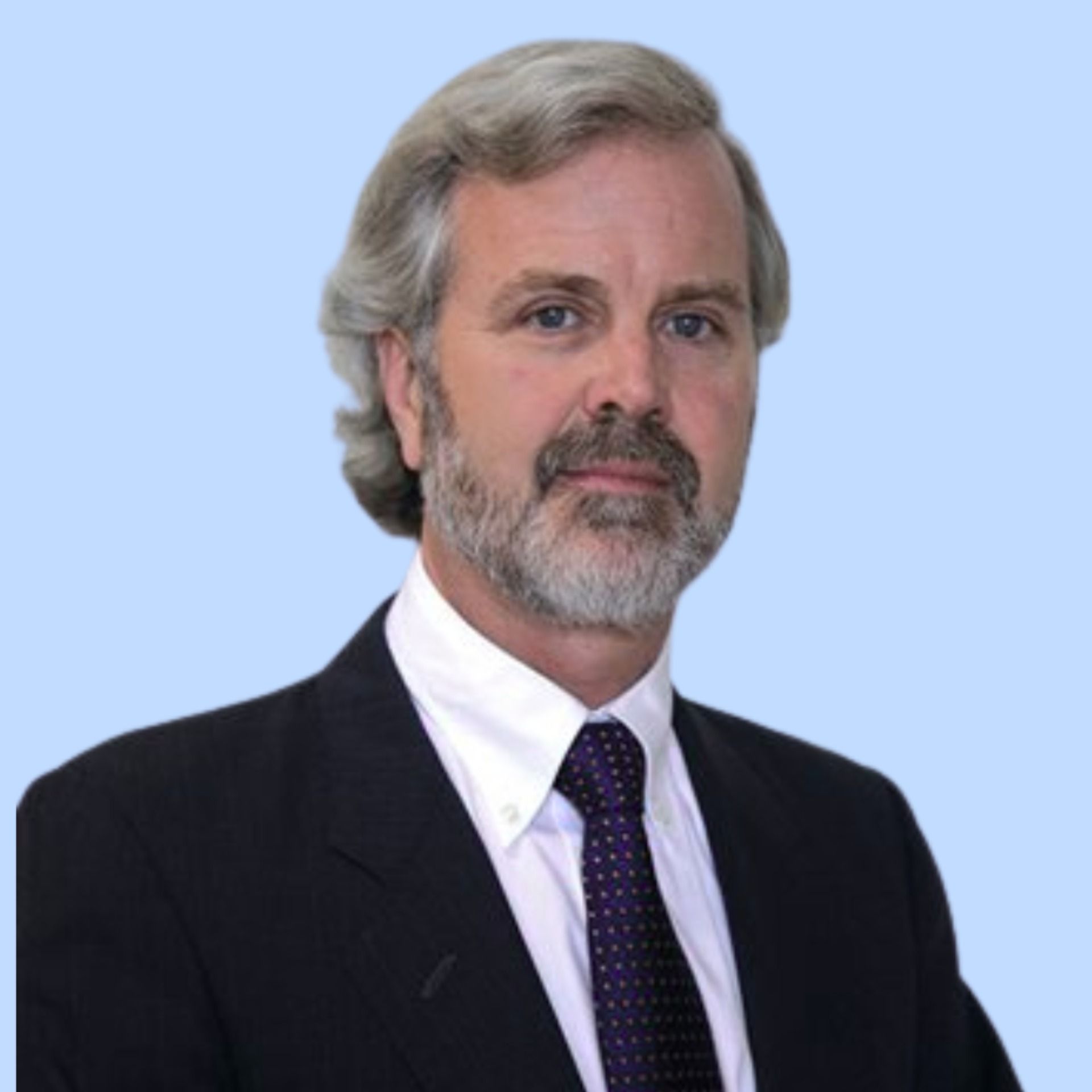
Tesla Co-Founder & Founding CEO Martin Eberhard
When it comes to climate tech companies, there's only one name that's known around the world: Tesla.Tesla has arguably been the defining climate tech success story of the 21st century, driving demand for electric vehicles and becoming one of the world's most valuable companies.When people think of the person behind Tesla, they think of Elon Musk. But Musk wasn't there from the very beginning — he

Malta CEO Ramya Swaminathan
There's a race going on to build the next generation of energy storage technologies using gravity, chemicals, or heat to store clean electricity for long periods of time.And that's where our guest, Ramya Swaminathan, comes in.Ramya is the CEO of a company called Malta. Malta is building an electro-chemical battery that converts renewable electricity into heat. It's like a giant version of the heat

Powerhouse Founder & CEO Emily Kirsch
Over the past four years, we’ve interviewed 40 incredible founders and CEOs on Watt It Takes.Our guests have inspired emerging and established leaders across the industry. And each one of these conversations has helped Emily on her own founder journey.With that in mind, in this episode of Watt It Takes, we’re turning the mic around to tell Emily’s story and the story of Powerhouse.Today, Powerhous

‘Clean Energy Yoda’ Andy Karsner
Andy Karsner is a highly influential entrepreneur, investor, diplomat, and strategist working to transform the world’s energy systems.In June, he was voted onto ExxonMobil’s board by activist shareholders as a way to hold the oil giant accountable on climate change.Back in the 90s, Andy was developing large gas and diesel power plants. But then he found the wind business. Andy started a company ca

SHYFT Co-Founder Ugwem Eneyo
Africa is becoming a dynamic market for clean, distributed energy. All across the continent, solar, batteries, generators, and microgrids are giving people energy cheaply — and providing greater reliability in a region where many central grids remain unreliable.But that dynamism can come at a cost. Systems are often complex. They lack standards. And it’s often difficult for buildings and businesse
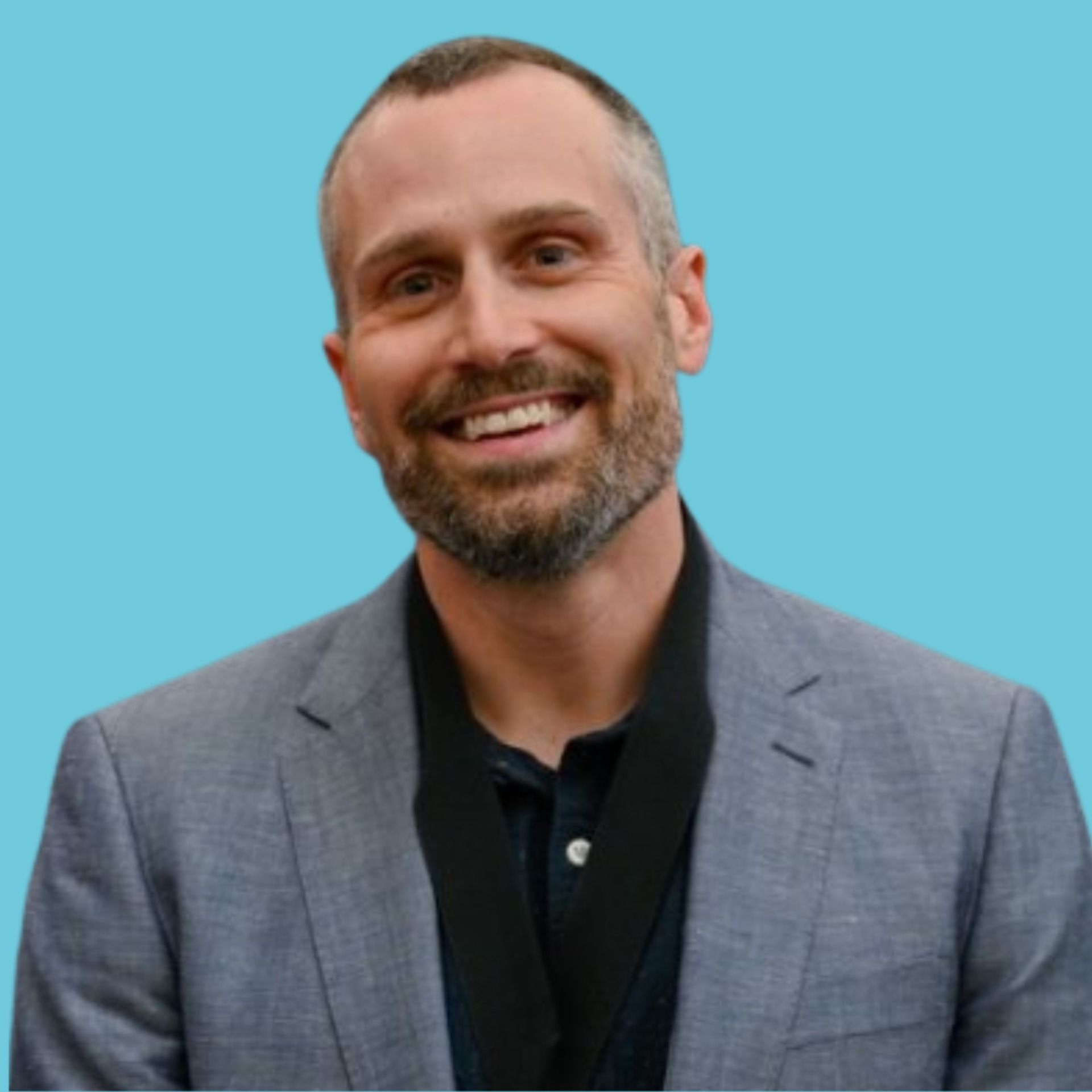
Executive Producer Stephen Lacey
This episode was first aired on February 25, 2021. In this episode: Emily’s conversation with Stephen Lacey, the founder of Post Script Audio.Stephen has been the creative force behind many of the top podcasts about climate change and clean energy. And, he also happens to be our executive producer. He’s been making podcasts about the energy transition since 2006. This was the dawn of on-demand aud

OhmConnect Co-Founder Matt Duesterberg
Power plants are massive, complicated pieces of machinery. Gears. Pipes. Boilers. Generators. Instruments. But a new kind of model is taking shape: one that combines smartphones, software, and smart devices in homes. It’s called a virtual power plant. And it’s what our guest, Matt Duesterberg, is working to build every day.Matt is the co-founder of a company called Ohmconnect. It was founded in 20
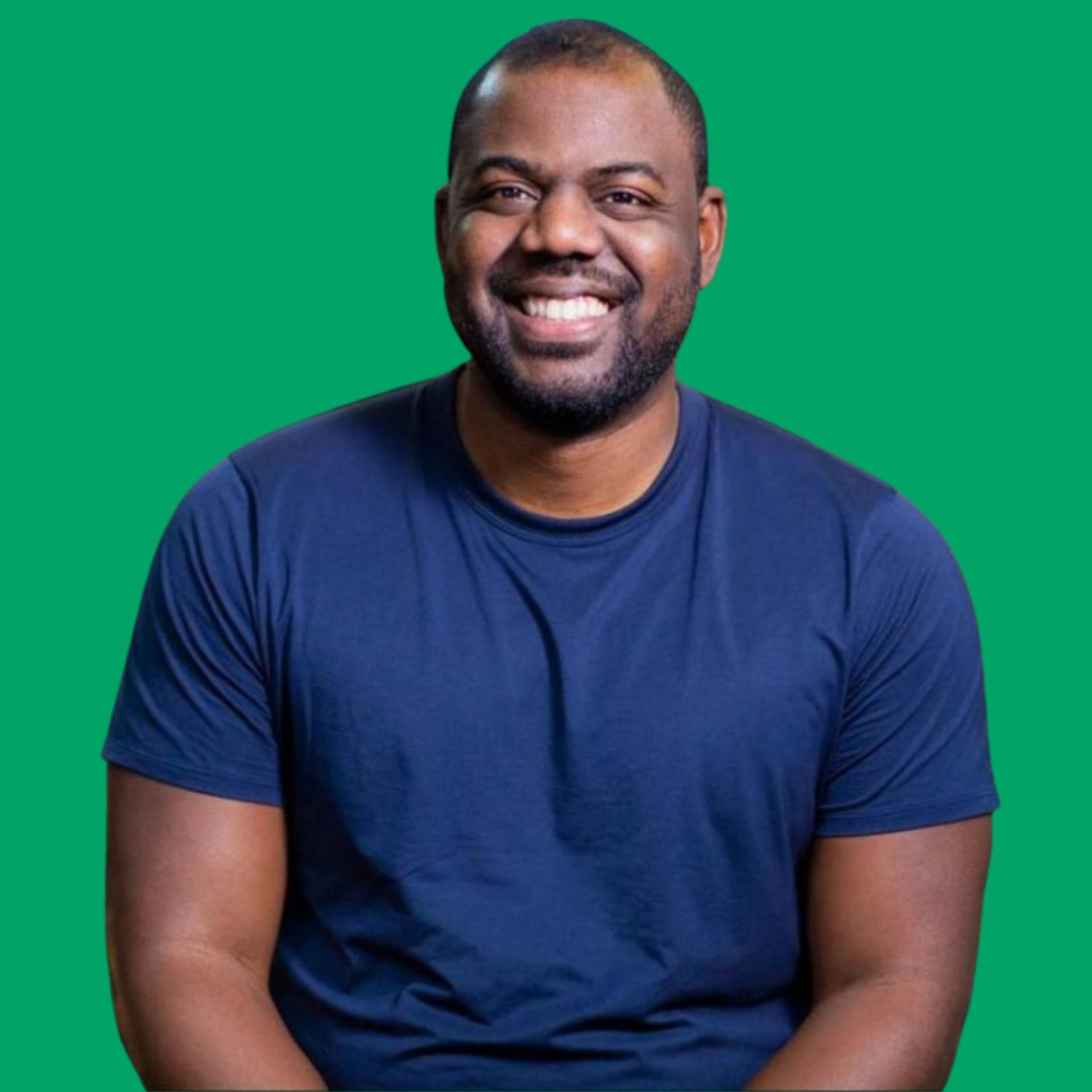
BlocPower Founder Donnel Baird
This episode was originally released on January 15, 2021.In this episode: Emily’s conversation with Donnel Baird, the founder and CEO of BlocPower.BlocPower is a Brooklyn, New York startup electrifying and weatherizing buildings in underserved communities — slashing pollution and saving money. This includes housing units, churches, community centers. BlocPower was founded in 2012. It has raised ve

EVgo CEO Cathy Zoi
This episode was originally published on December 2, 2020. In this episode: Emily’s conversation with Cathy Zoi, the CEO of EVgo — one of the country’s largest electric vehicle charging networks.Cathy has seen it all. She’s studied and worked in oil, gas and clean energy since the Reagan Era. Now at the helm of EVgo, she’s convinced the future of mobility is coming fast. Cathy was on the team that

Solstice CEO Steph Speirs
This episode was originally released on October 23, 2020. In this episode: Emily’s conversation with Steph Speirs, the CEO of Solstice.Solstice is a community-solar company with a mission to bring clean electricity to underserved communities.Steph Speirs grew up as one of three kids, a first generation immigrant, in Hawaii. She knows what poverty can feel like, or how a poor credit score can sink
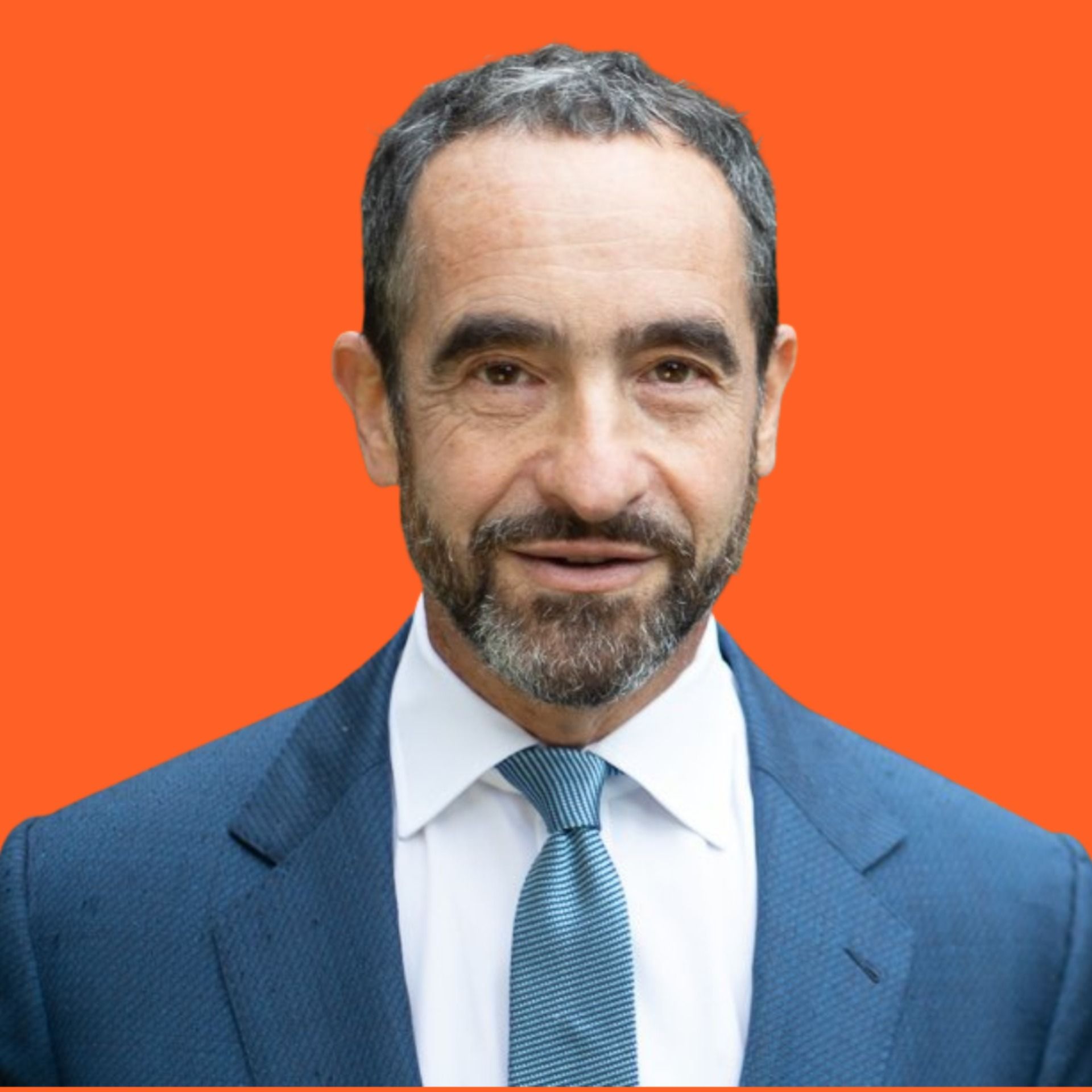
Bloomberg New Energy Finance Founder Michael Liebreich
This episode was first released on September 22, 2020. In this episode: Emily’s conversation with Michael Liebreich, the founder of Bloomberg New Energy Finance.Michael had been many things, from entry-level analyst to Olympic skier to a crestfallen dot-com entrepreneur. And then in the mid-2000s, he found his home in the clean energy economy.Unemployed, he used a team of interns to begin compilin
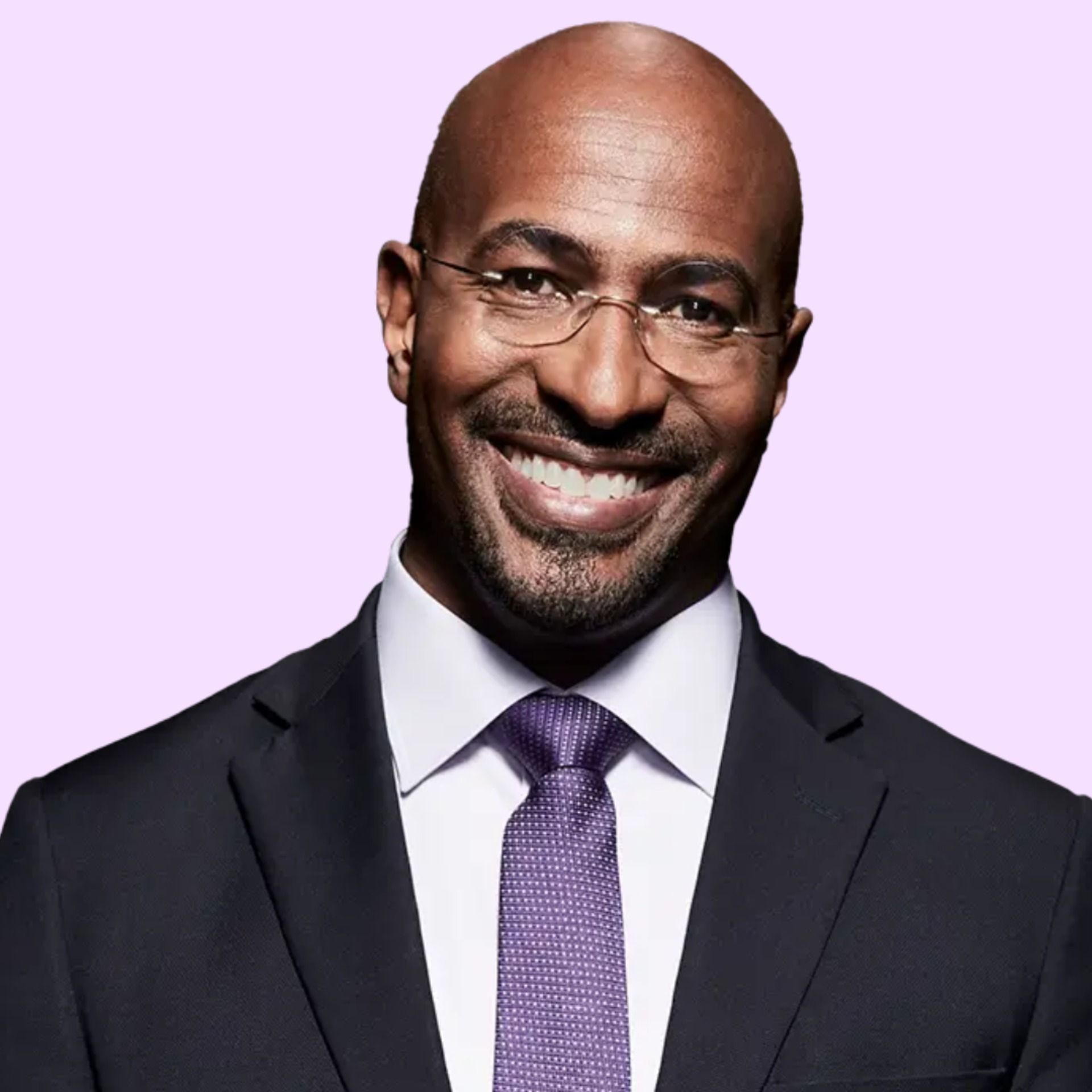
Green Jobs Pioneer Van Jones
This episode was originally published on September 4, 2020In this episode: Emily’s conversation with CNN host and green-jobs pioneer Van Jones.Van may be best known for “The Van Jones Show” and “The Redemption Project,” which both air on CNN. He is also the author of three best-selling books, including “The Green Collar Economy.”But long before his high-profile career, Van was a powerful voice for
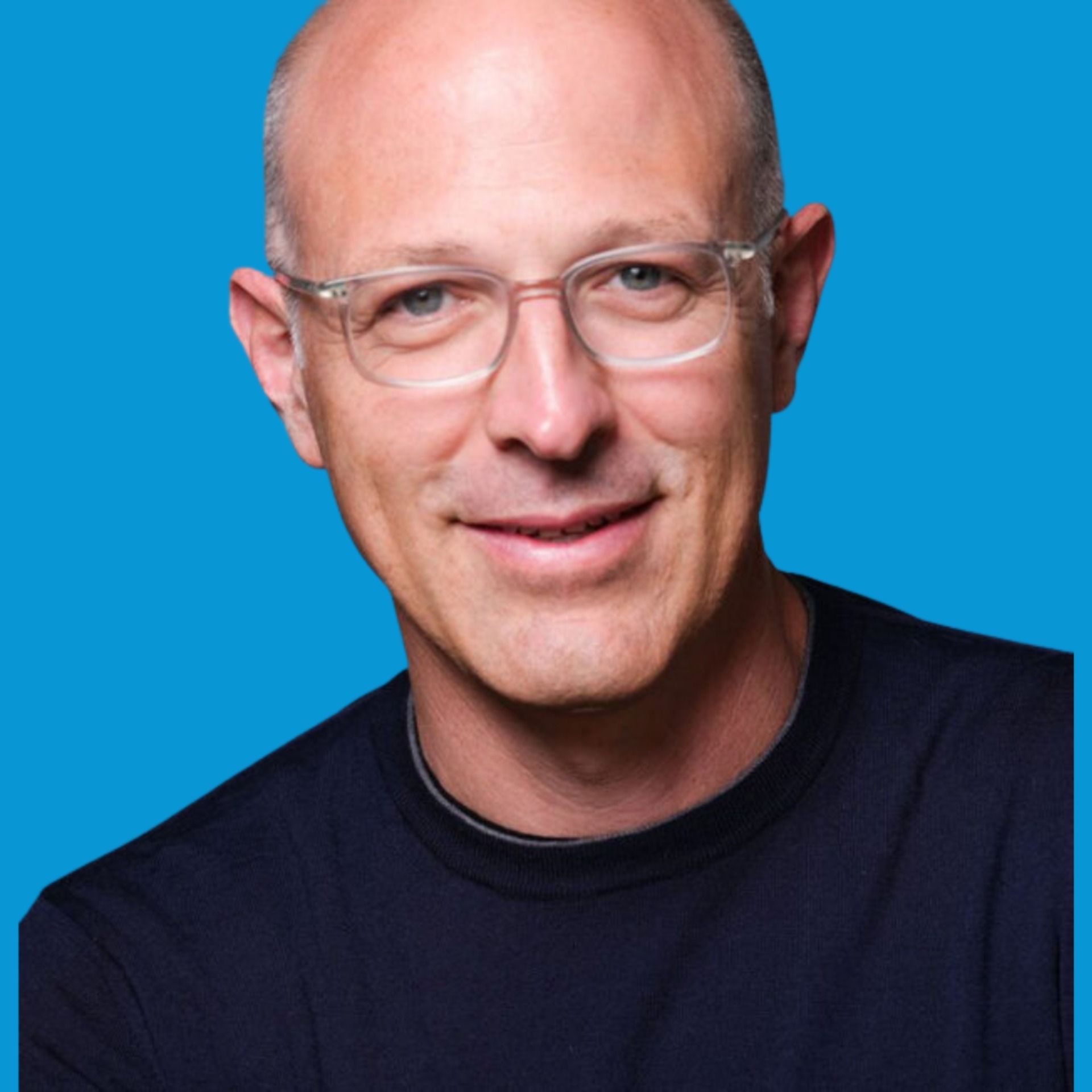
Opower Co-Founder Dan Yates
This episode originally aired August 16, 2021.In this episode: Emily’s conversation with Dan Yates, the co-founder and former CEO of Opower. Opower was based on a simple premise: send paper mailers to utility customers comparing their electricity use to their neighbors. And if people saw they were doing poorly, they’d make changes. It worked.Over time, Opower inked deals with the world’s biggest p

Natel Energy Co-Founder Gia Schneider
This episode was originally published on May 28, 2020.In this episode: Emily’s conversation with Gia Schneider, the co-founder and CEO of Natel Energy.Natel is commercializing a turbine for low-head hydro applications—at locations like old dams, irrigation canals and run-of-river projects. And it’s designed to protect wildlife and drastically cut the ecological impact of hydropower. Gia has a long
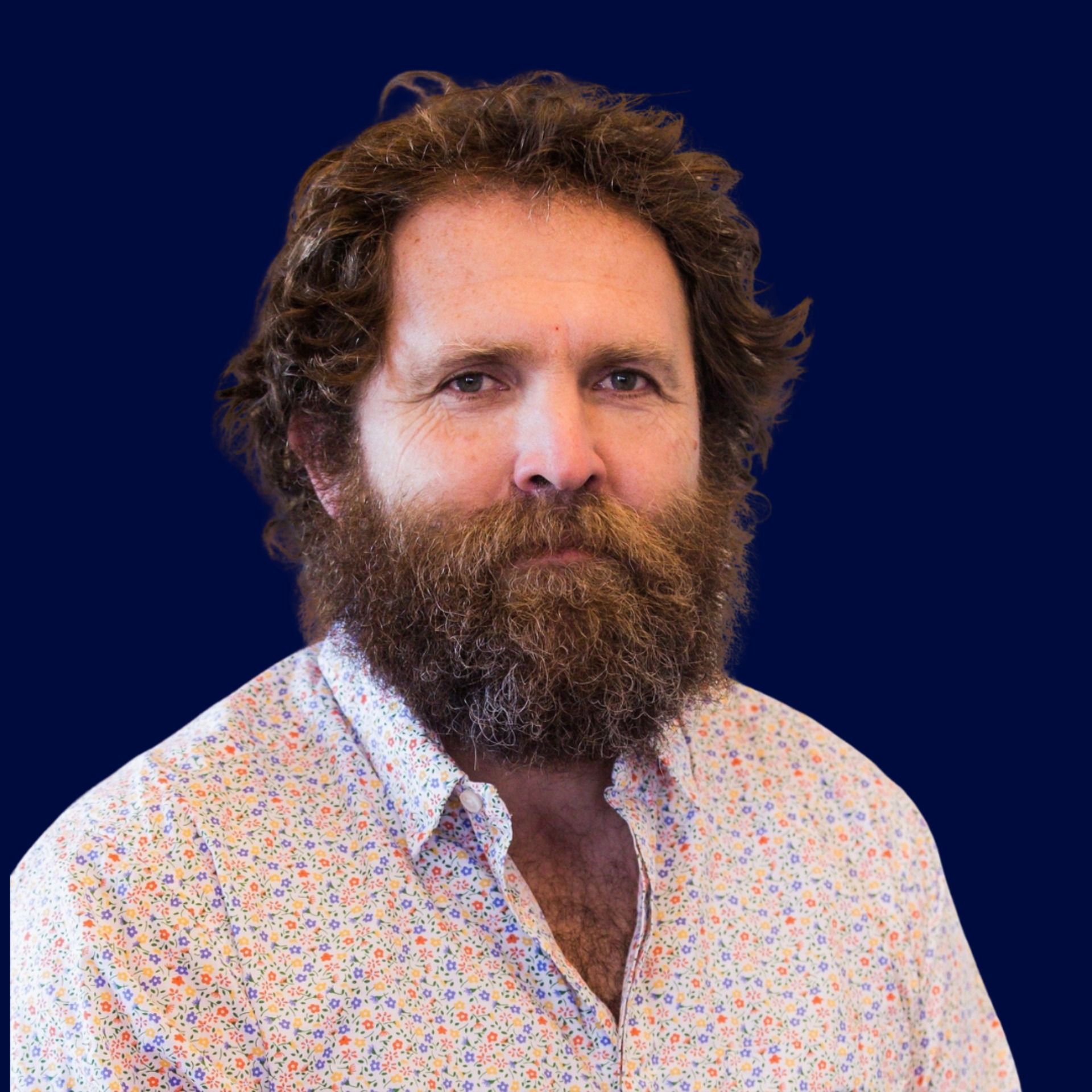
Otherlab Founder Saul Griffith
This episode was originally published on April 30, 2020. In this episode: Emily’s conversation with Saul Griffith, the founder and chief scientist at Otherlab. Otherlab is an R&D incubator and accelerator that helps pair startups in robotics and renewable energy with government labs and corporate investors. It has partnered with NASA, the Navy, the Department of Energy, Google, Facebook, GE and F

Blueprint Power Co-Founder Robyn Beavers
In this episode: Emily’s conversation with Robyn Beavers, the co-founder and CEO of Blueprint Power.Blueprint works with real estate companies to turn their buildings into power plants. It has a piece of software that helps building owners optimize their use of co-generation, fuel cells, solar or batteries.Robin has a long history in the tech, real estate, and the energy world. This conversation w

Imprint Energy Co-Founder Dr. Christine Ho
In this episode: Emily’s conversation with Dr. Christine Ho, the co-founder and CEO of Imprint Energy.Imprint is the company created to commercialize Christine’s invention: a tiny, zinc-based solid-state battery that can be screen printed. It’s being integrated into sensors and other tiny devices, helping power the internet-of-things.Today, Imprint is licensing its technology to multiple manufactu

Opus 12 Co-Founder Dr. Etosha Cave
In this episode: Emily’s conversation with Dr. Etosha Cave, the co-founder and Chief Scientific Officer of Opus 12.Opus 12 is a team of engineers, electrochemists and materials scientists working on a technology that converts carbon dioxide into usable products. If the tech works at commercial scale, it would be a vital solution for slashing CO2 from industrial sources. The company has brought in

Sunrun Co-Founder Lynn Jurich
This episode was originally released on November 15, 2018In this episode: Emily’s conversation with Lynn Jurich, the co-founder and CEO of Sunrun.Sunrun was a pioneer in the early days of residential solar. Today, it’s the biggest installer of home solar systems in America -- and one of the industry’s biggest success stories.Sunrun also partners with utilities on using batteries and rooftop system

Form Energy Co-Founder Mateo Jaramillo
In this episode: Emily’s conversation with Mateo Jaramillo, the co-founder and CEO of Form Energy.Form is working on a new kind of long-duration battery that could change the power sector. In the early 2000s, Mateo deployed some of the first battery systems in New York for demand response — seeing the grid services potential well before anyone else did. He went on to start the storage unit at Tesl
Recommended

TED Business

Dark Night Tales with Brian King

Fantasy Flex

زن بودن

Medicine with Meaning

Yours Truly Johnny Dollar Collection

Take Back Your Health®

CBS Radio Mystery Theater | Old Time Radio

Solved Murders - True Crime Stories

紐約鳥|New York Aperture

The Swerve Podcast: Obscure Topics | Conspiracy Theories

The Bread and Banter Podcast
