Books of Titans Podcast
Erik Rostad hosts the Books of Titans Podcast, where he seeks truth and beauty in what he calls the Immortal Books. His goal is to read the Great Books written by 200 authors over the next 15 years and share what he is learning along the way. Each episode covers a bit about a specific book, connects ideas across genres, and highlights one key takeaway he hopes to remember. The podcast is designed for listeners interested in classic literature, philosophy, and lifelong learning.
Episodes
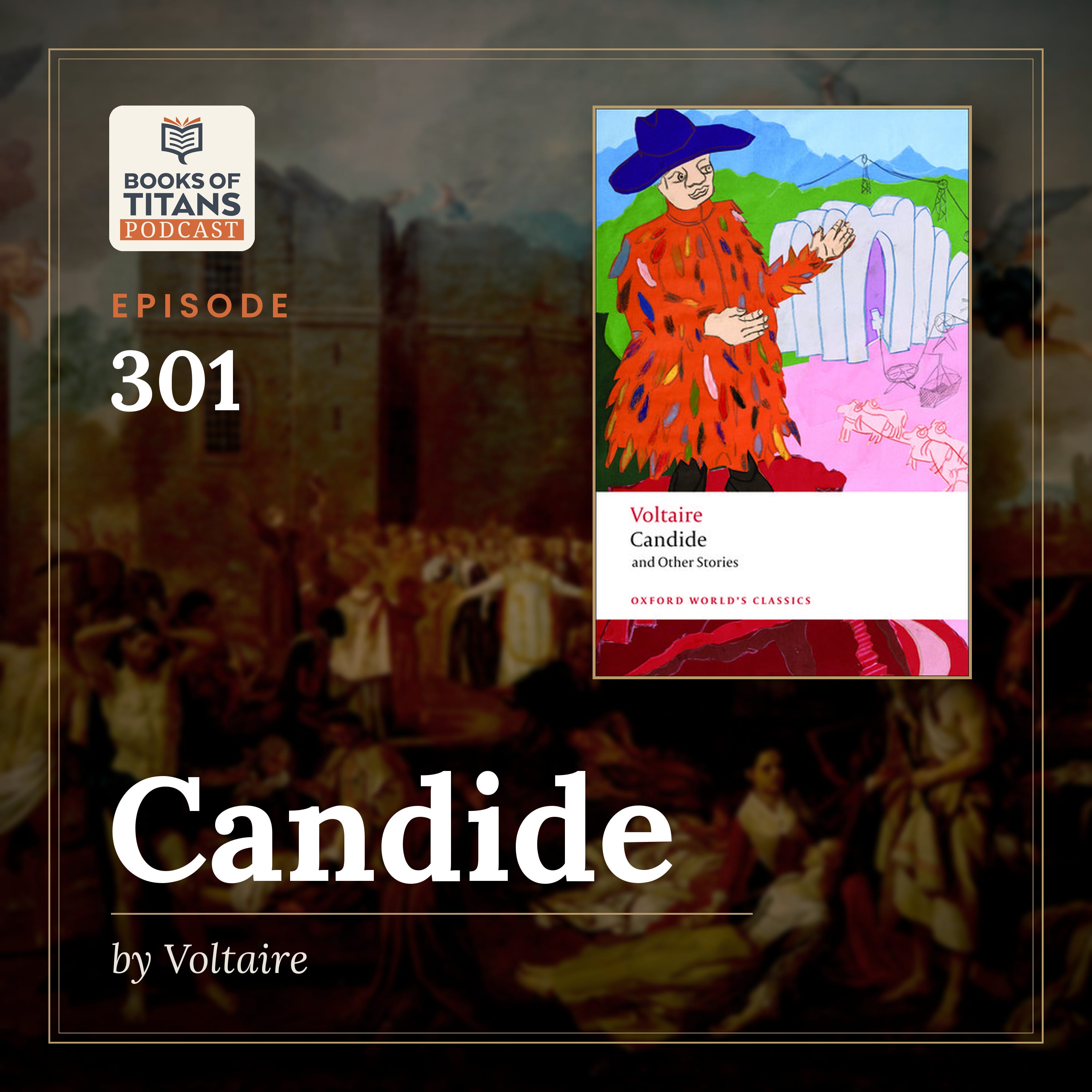
#301 - Candide by Voltaire
In my recent article, I walked through the Path of Candide by Voltaire. This hilarious satire was written as a response to a particular idea about optimism put forward by Leibniz early in the 1700s. That idea met the 1755 Lisbon earthquake that shook Voltaire’s acceptance of the idea that this was the best of all possible worlds.Voltaire’s response was to explore optimism through the use of satire
Fall 2026 Reading Plan
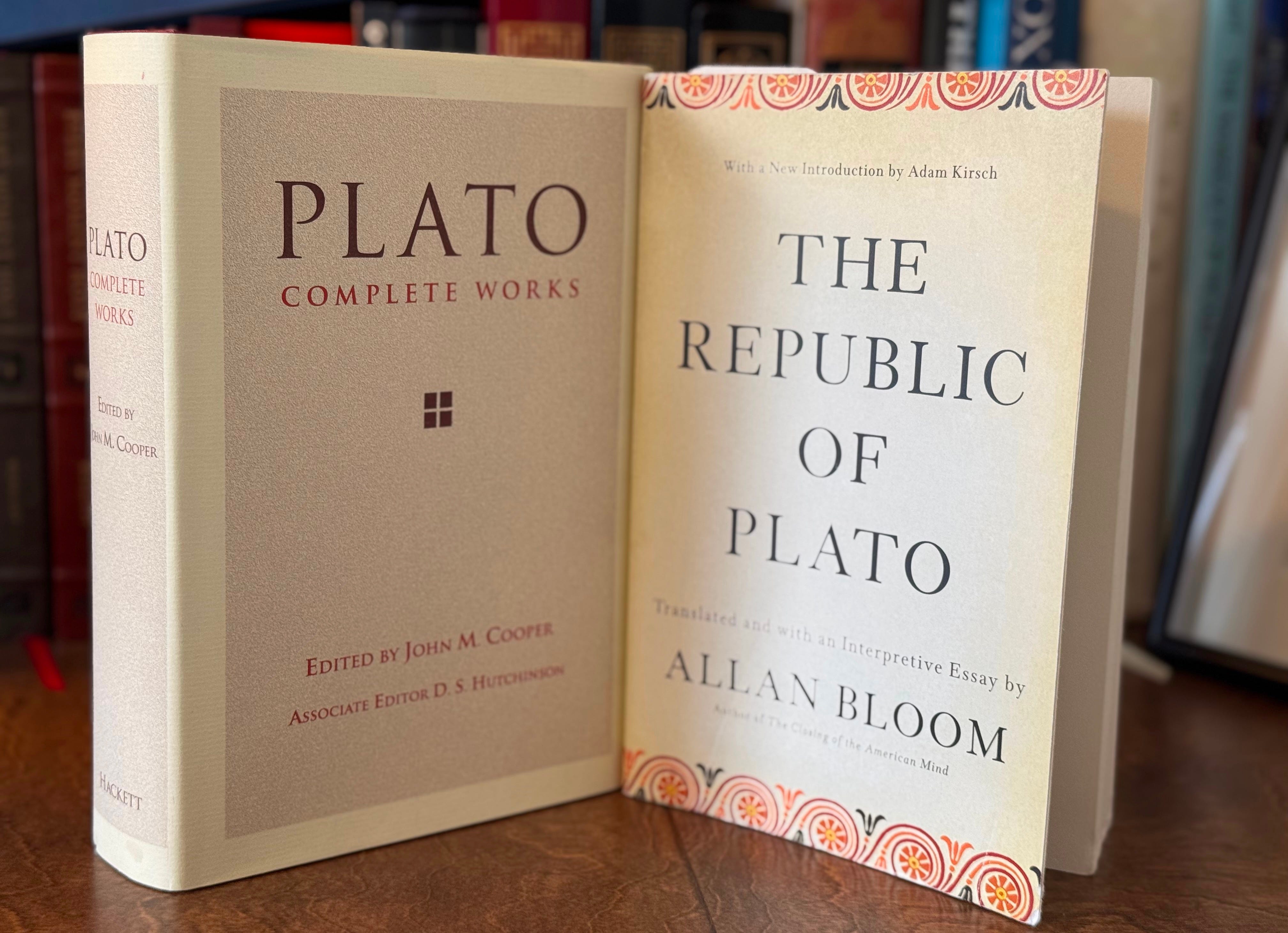
I set aside one post per month to highlight my reading life. This month I’m tying a podcast episode to my regular post. Books of Titans is a reading project aimed at seeking the ancient paths by reading The Great Books by 200 Authors chronologically over the next 40 years. Thank you for following my journey.September 2026 ReadingPlato’s RepublicI spent the month of September reading Plato’s Republ
Can the Unjust Accomplish through Injustice?
A quick episode where I look at a question posed in Book 1 of Plato’s Republic - can those moving towards injustice accomplish their goal while being unjust to one another? This is a public episode. If you'd like to discuss this with other subscribers or get access to bonus episodes, visit www.booksoftitans.com/subscribe
Seven Books from My Library
Ever go to someone’s house and wonder at how their library came about? What were the first books they purchased? How did that lead to other books? What are their favorites? Which ones would they grab in the event of a fire?In this episode, I pull 7 books from my shelves and talk about what they meant to me, how I got them, and what I found inside (I use fun items for bookmarks). It’s a representat
#300 - The Republic-Ion
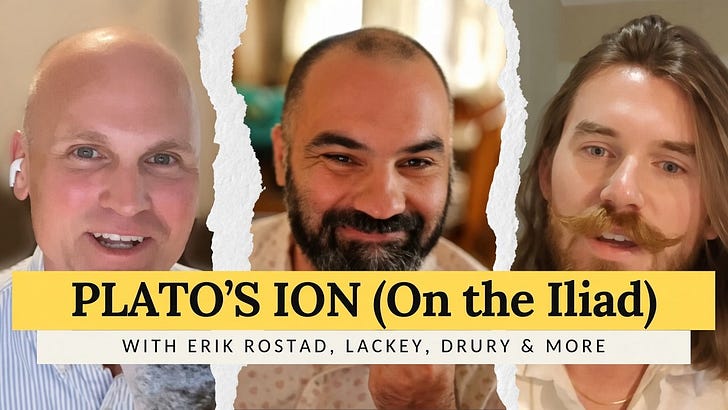
I’m in the midst of my Plato Project, which is my attempt to read the complete works of Plato. I’m near the mid-way point, and while the reading is quite difficult, it’s been extremely rewarding. I’m dedicating the month of September to Plato’s Republic. One thing that has been interesting so far is to see references to topics from Plato’s other dialogues. It’s making me very glad that I did not s
#299 - Laches by Plato
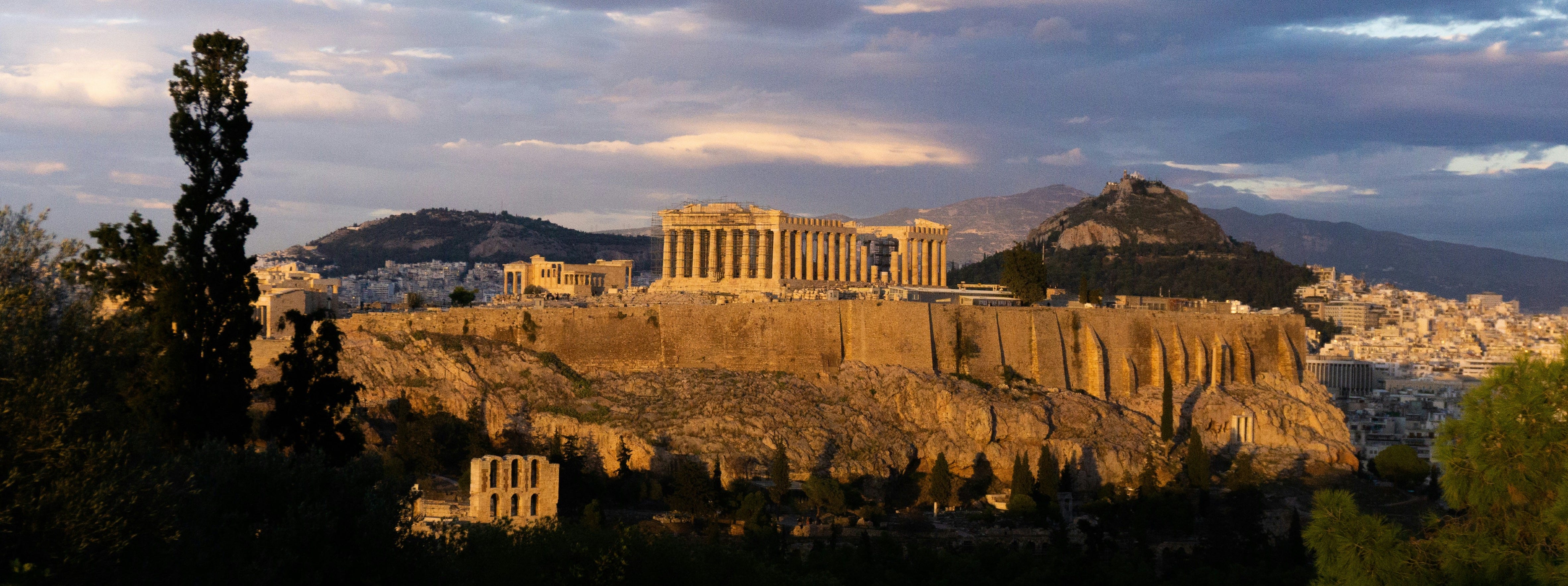
Laches is another one of Plato’s Dialogues of Search. In this one, Plato is seeking a definition for the Greek word andreia (ἀνδρεία), which is typically translated as courage, fortitude, or manliness (manly virtue). Two seasoned Athenian generals (Nicias and Laches) discuss with Socrates in an attempt to arrive at a definition that covers all instances of this term.In this episode, a provide a qu
#298 - Charmides by Plato
Charmides* is a dialogue of search and the search is for a definition of the Greek word sophrosyne. It’s a word that encompasses the spirit behind the famous sayings at Delphi of “Know Yourself” and “Nothing in Excess.” Translators have rendered it self-control, moderation, prudence, temperance, and discretion.In this episode, I walk through the attempts by Socrates, Charmides, and Critias to defi
My Loeb Top 5
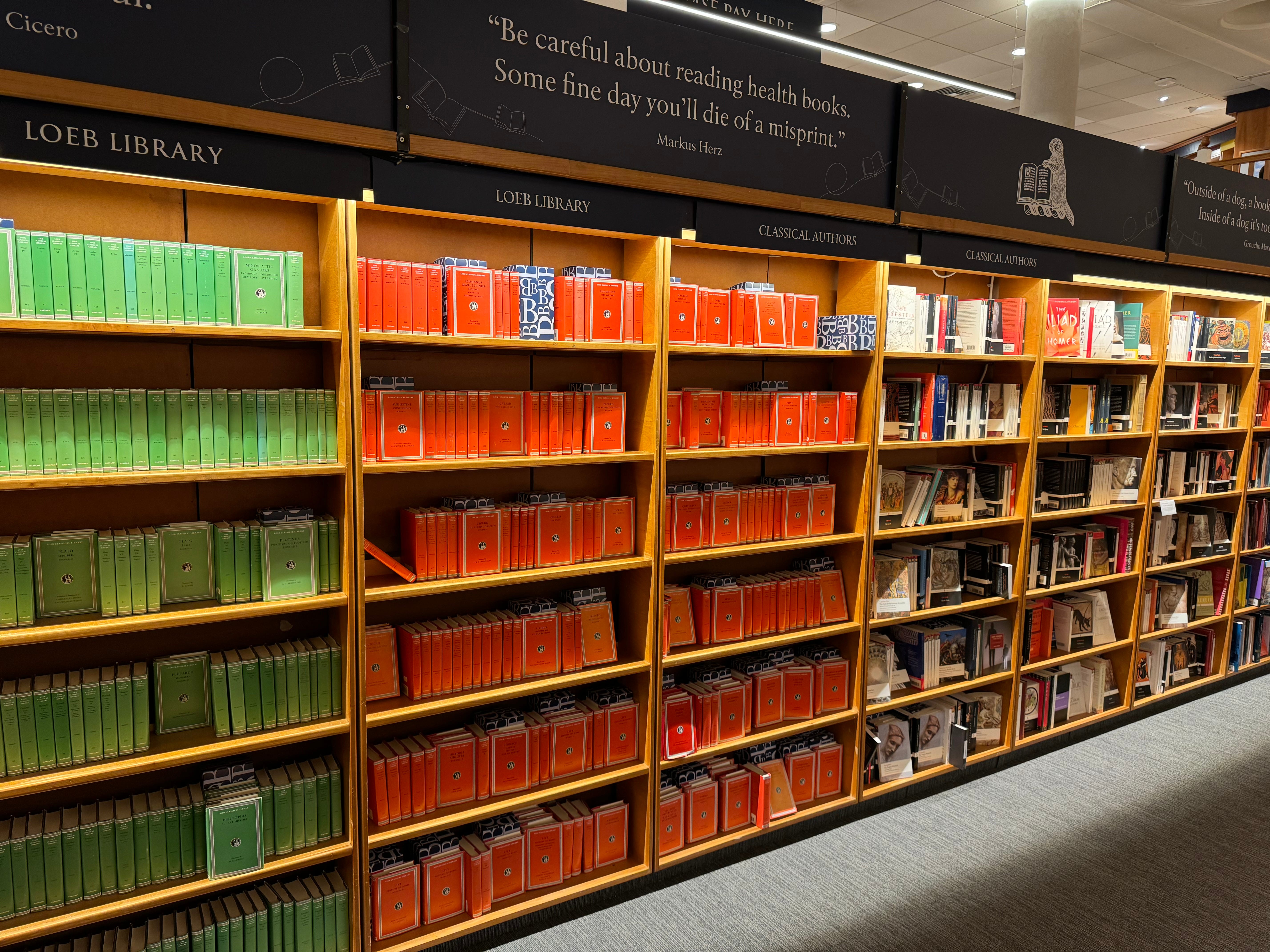
I’m closing out my biweekly summer podcast schedule with an episode about my top 5 favorite Loeb Classical Library books. Do you need these if you don’t read Greek or Latin? Why collect these when there are plenty of alternatives? I address these questions and show you my top 5 (with 2 bonus books at the end) in this video podcast recorded in the Books of Titans Library. This is a public episode.
#297 - Alcibiades by Plato
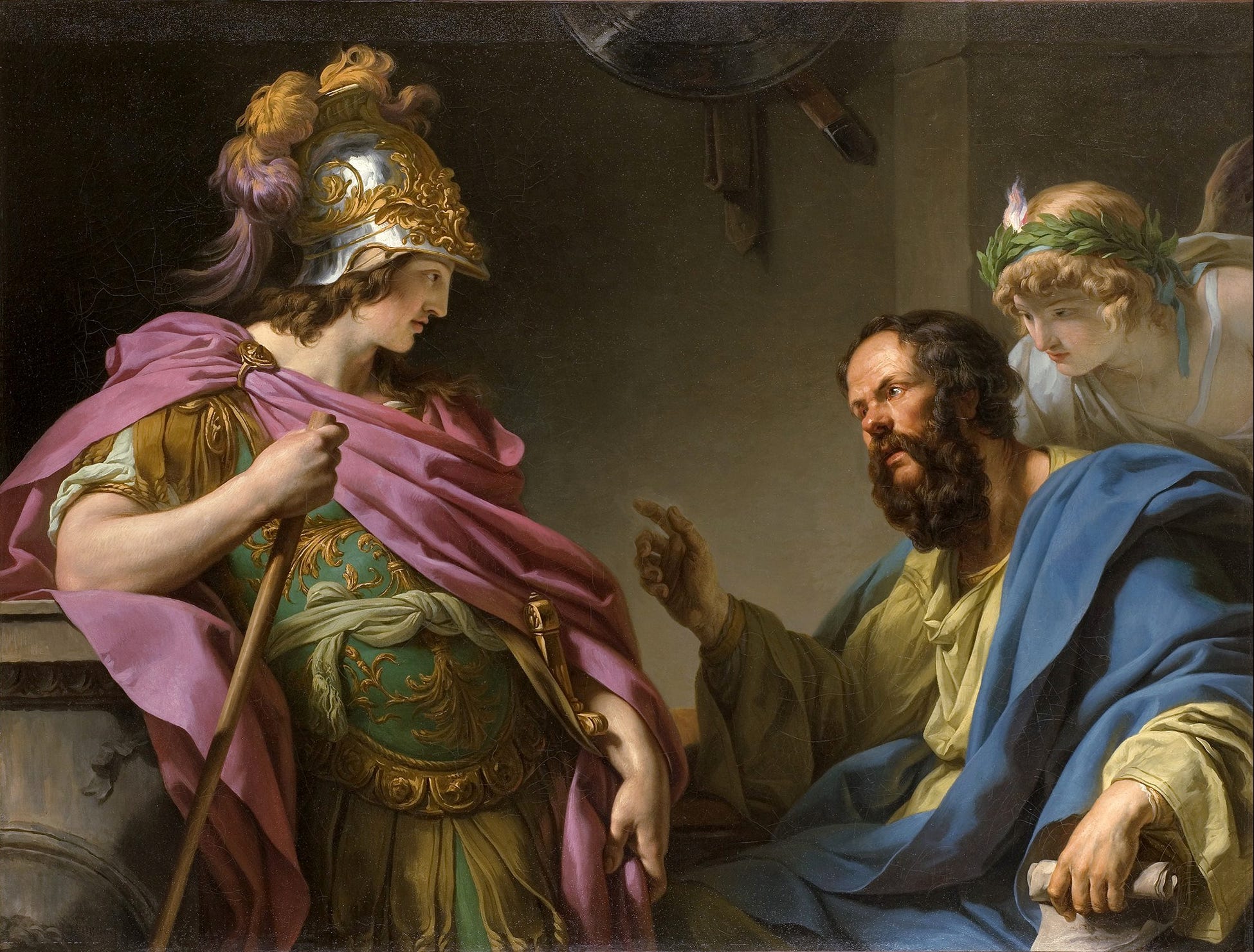
The famous inscription a the Temple of Apollo at Delphi encourages the visitor to “Know Thyself.” Plato’s dialogue Alcibiades is an exploration of that inscription. What does it mean to know oneself? And how does Socrates lead the powerful Alcibiades in this dialogue?In this episode, I cover Alcibiades and Second Alcibiades by Plato, two relatively short dialogues with wonderful thoughts about vir
#296 - The Winged Soul
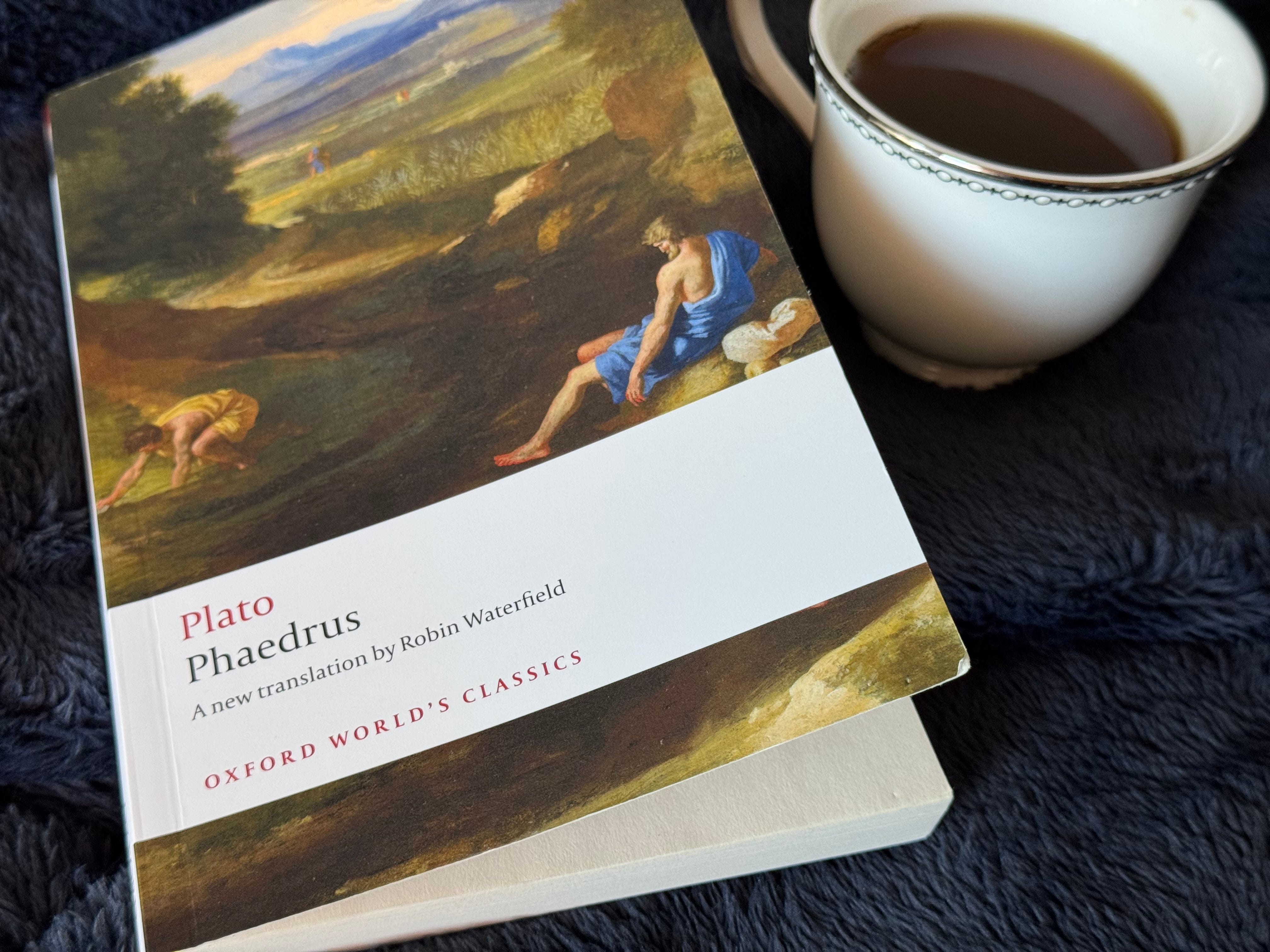
What is love and what does it have to do with the immortal soul? These are some of the questions addressed in the wide-ranging Phaedrus dialogue by Plato. Similar to other Plato dialogues, this one contains a myth. Perhaps you have heard of the Tripartite Soul. This is one of the dialogues that introduces that idea and it is found within the Myth of the Winged Soul.In this episode, I talk about ho
2026 Mid-Year Reading Review
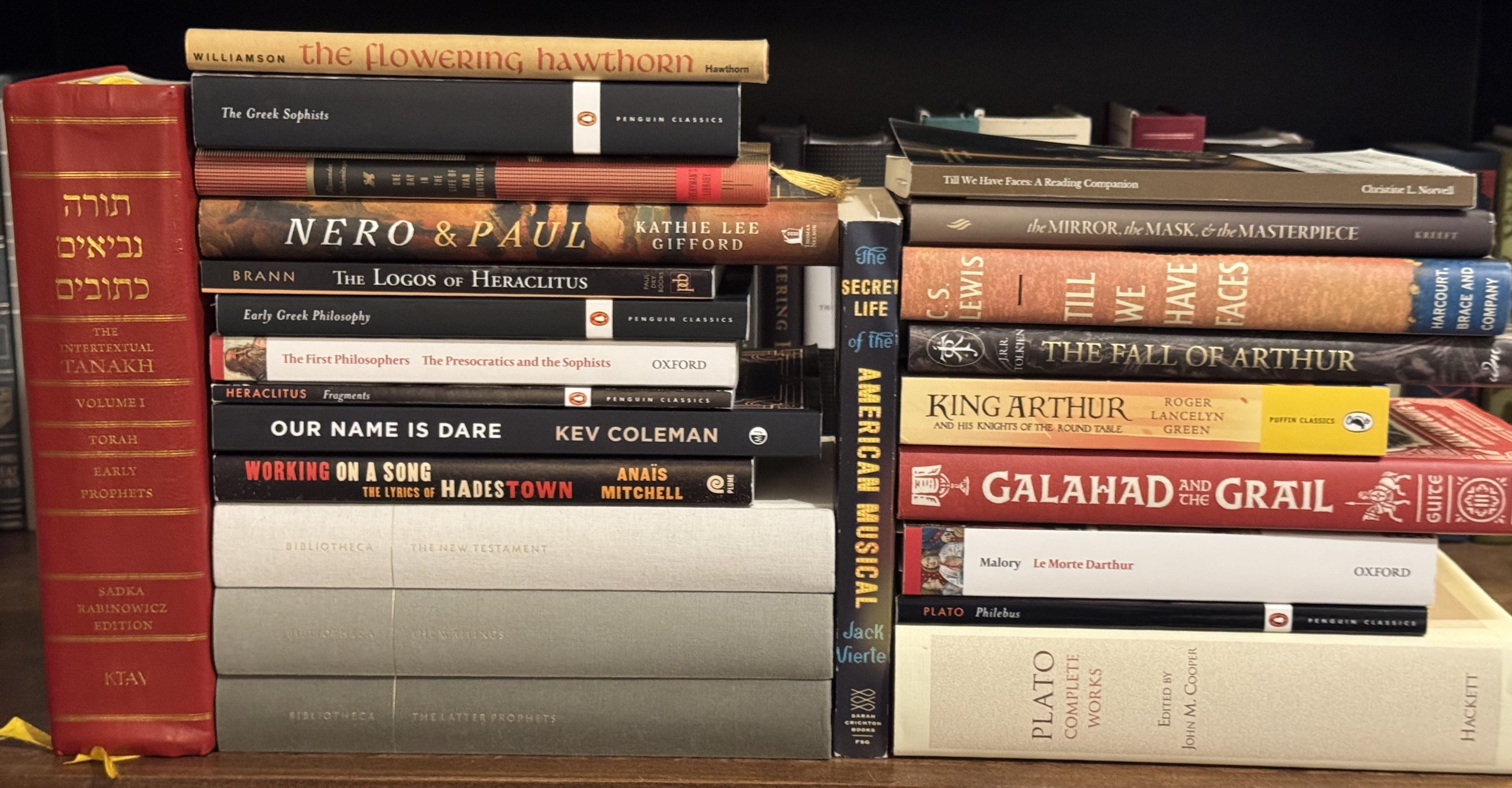
2026 has been a fun year of reading so far. I’ve read the Bible, a few Plato dialogues, legends of King Arthur, and others. Here’s my mid-year reading review. It’s a great way to learn about books you may want to add to your own reading list. I go through the 20+ books I’re read so far for this year and a little about each one of them. Enjoy!Reading List (Jan - June 2026)* The Intertextual Tanakh*
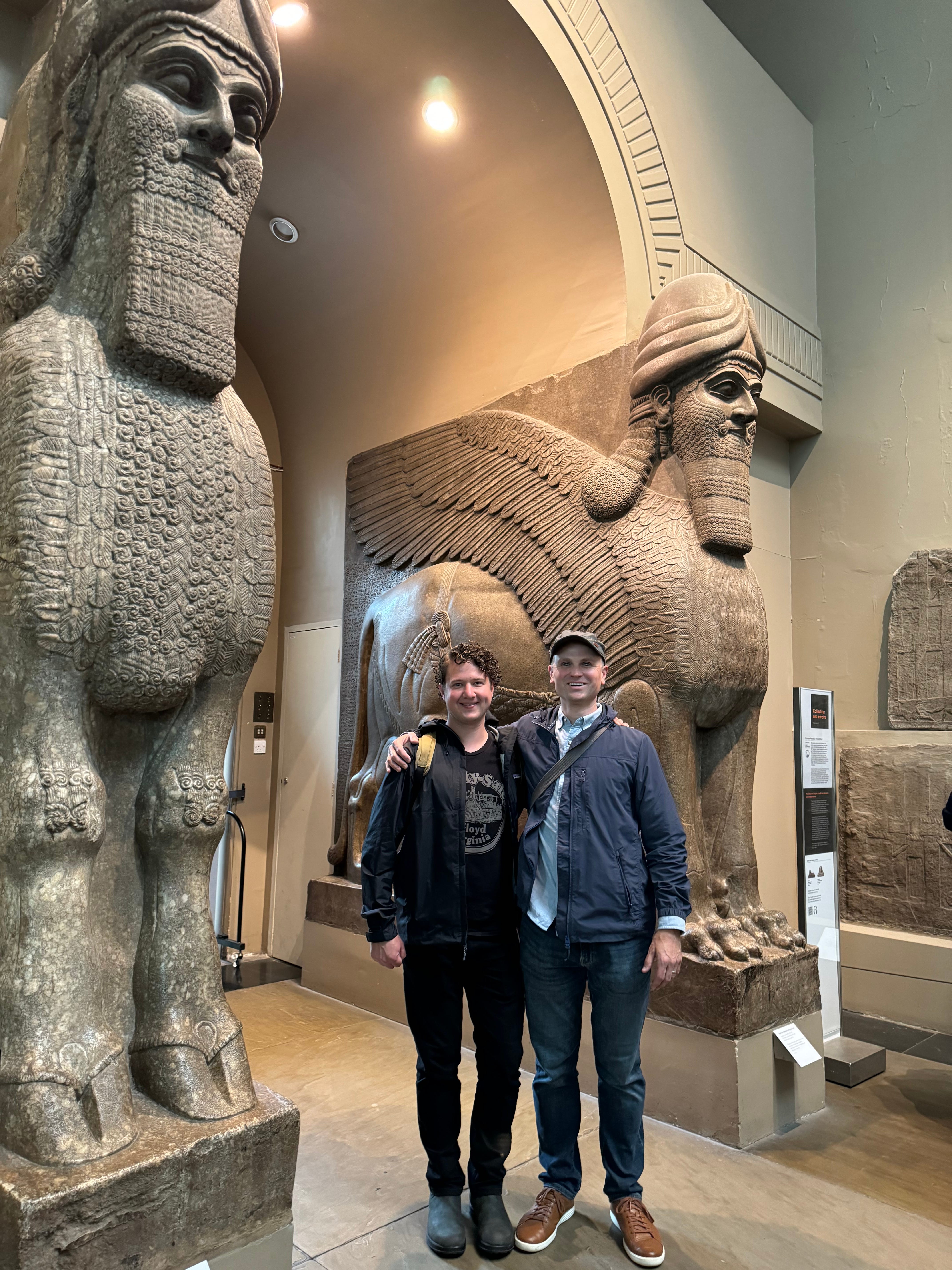
#295 - A Conversation with Stephen Crotts
Last episode, I spoke to poet Malcolm Guite about his epic poem, Galahad and the Grail. In this episode, I interview Galahad’s illustrator, Stephen Crotts.This is my Arthurian Month where I’ve been getting to know the Legends of King Arthur through the works of Sir Thomas Malory, Roger Lancelyn Green, and Malcolm Guite.In this episode, recorded at Landmark Booksellers in Franklin, TN, I ask Stephe
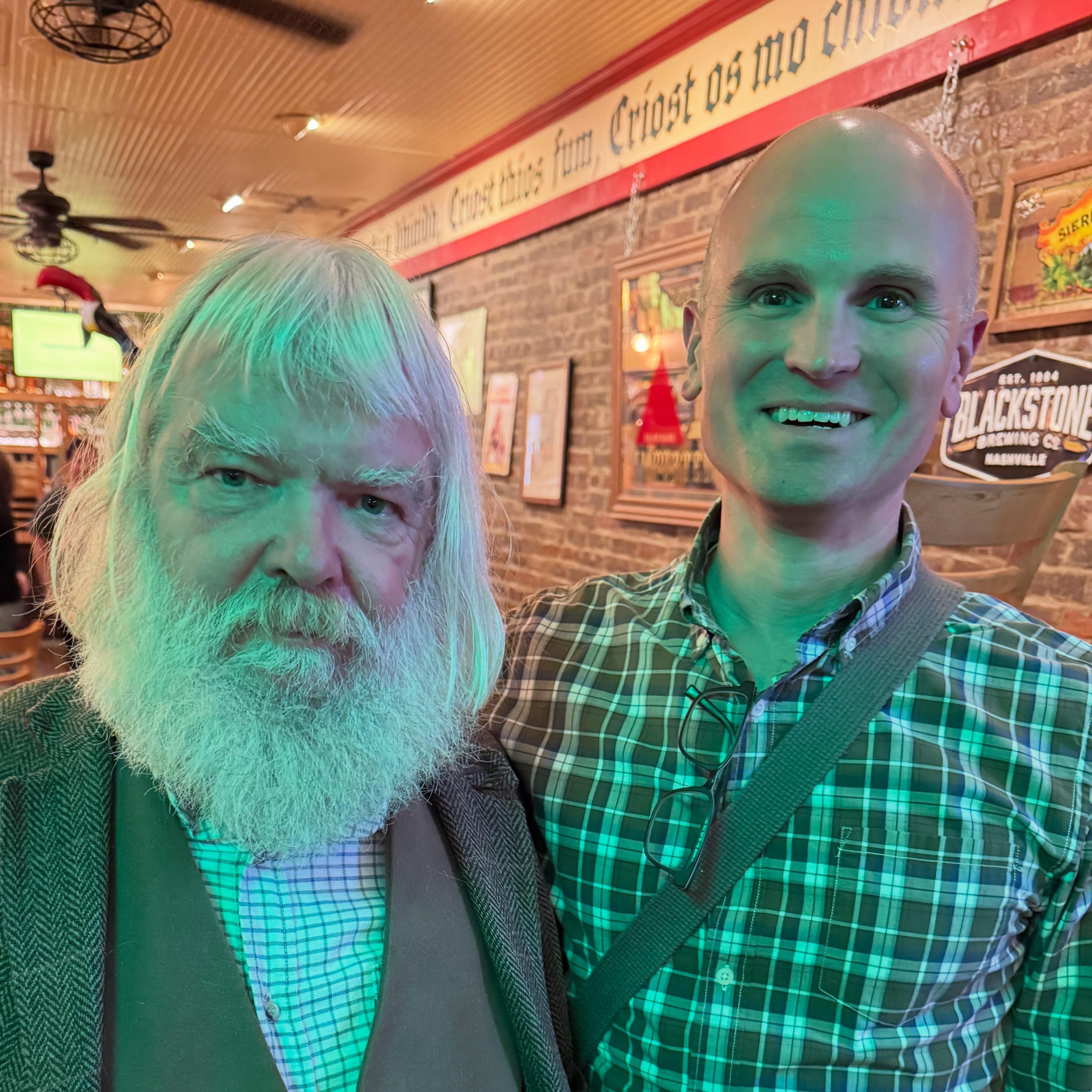
#294 - A Conversation with Malcolm Guite
June is my Arthurian Month, a quick dive into the legends of King Arthur. In this episode, I interview author and epic poet Malcolm Guite, whose work here is something special. We trace the Arthurian threads back to Ancient Greece, talk about his collaboration with illustrator Stephen Crotts, and explore the theme of unveiling.Show Notes:* Galahad and the Grail by Malcolm Guite* Purchase a copy fr
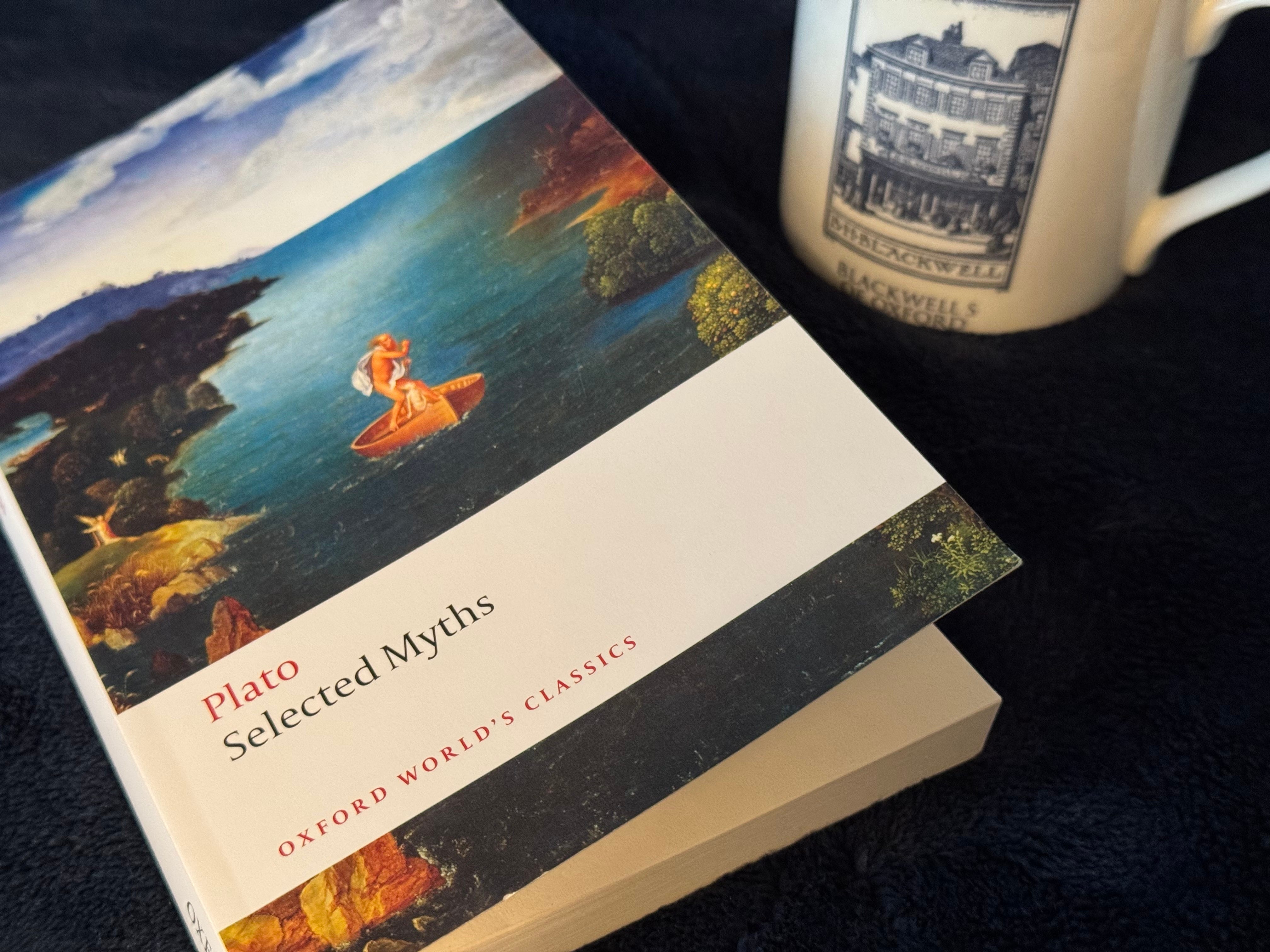
#293 - The Birth of Love
In this episode, I cover The Birth of Love myth in Plato’s Symposium dialogue. I don’t usually think of Plato as a myth maker, but here he is offering a different spin on the birth of Eros to show how love’s parentage shows our need for Beauty. The ladder of love leads to Plato’s heavenly form of Beauty in a wonderful way. I talk about this myth, Plato’s use of myth, and myth in general in the art
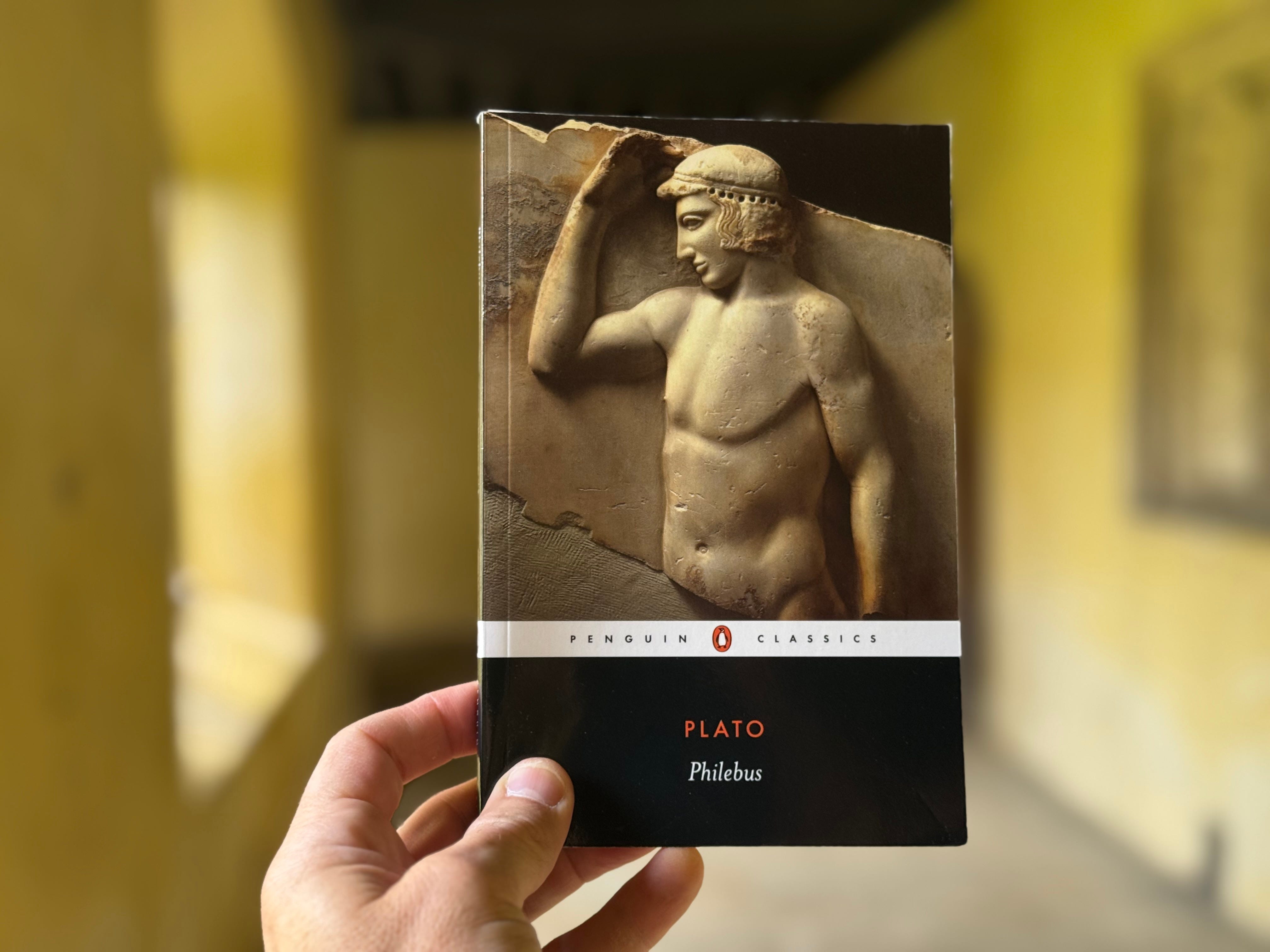
#292 - Philebus by Plato
What is the good life? This is the question addressed in Philebus, one of Plato’s later dialogues, written in the late 350s BC. Philebus and his counterpart Protarchus (a pupil of Gorgias) argue for pleasure as the highest pursuit and good. Plato (through Socrates) argues for wisdom and knowledge. Can either of these be the sole pursuit of the life well-lived? The goal of the dialogue is to rank p
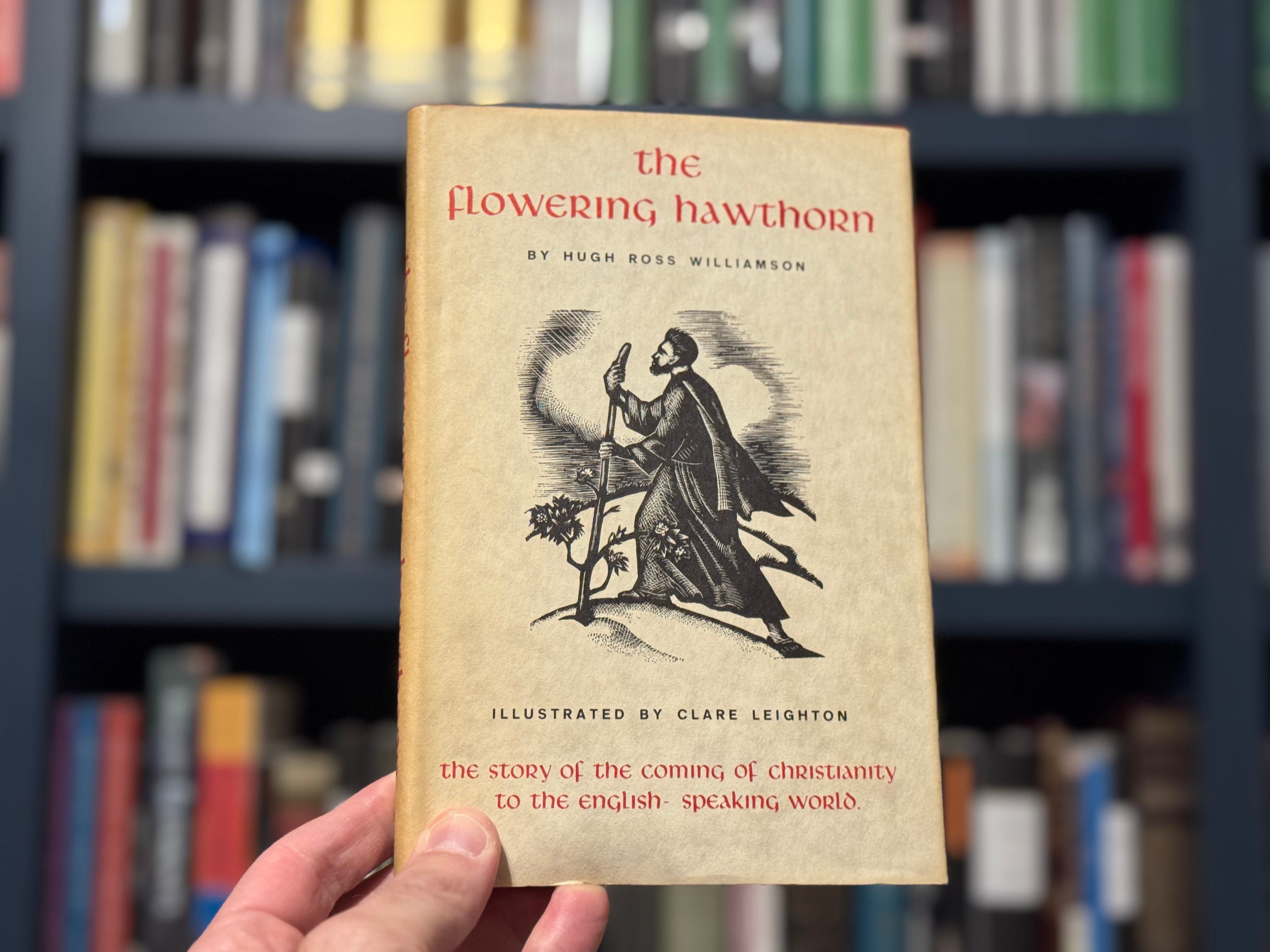
#291 - The Flowering Hawthorn by Hugh Ross Williamson
In today’s podcast episode, I cover the legend of The Flowering Hawthorn and its connection to the King Arthur legend. It’s a tale that begins with Joseph of Arimathea. He’s the rich man who buried Jesus in his tomb. Tradition holds that Joseph traveled to England many years after the resurrection carrying with him the blood of Jesus, a staff, and possibly, the holy grail. Joseph’s staff began to
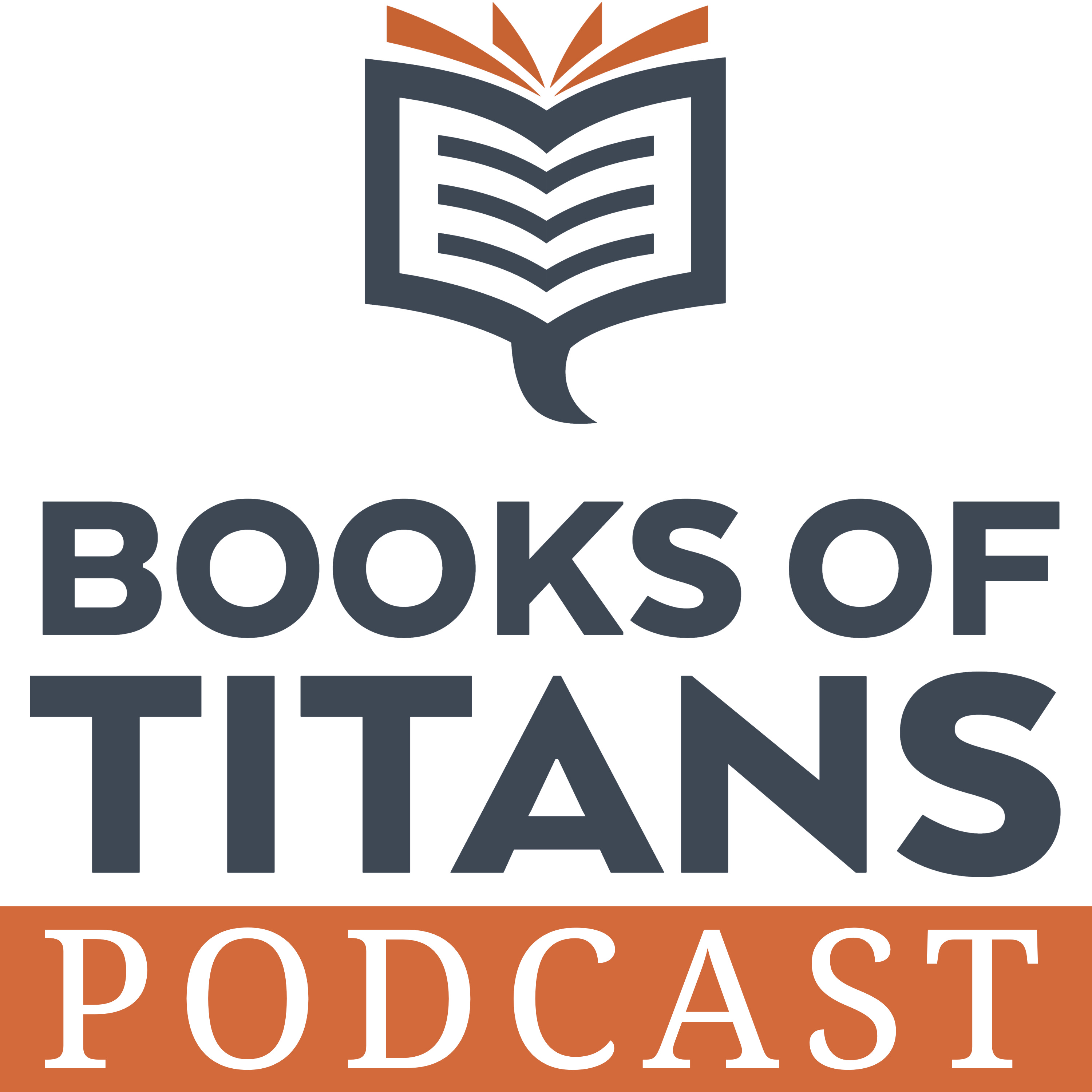
#290 - Anaximander & Anaximenes
In this podcast episode, I cover the life and ideas of two of the earliest Greek Philosophers, Anaximander & Anaximenes of Miletus. Anaximander is credited with introducing the idea of the First Principle, of which his was the infinite, and Anaximenes, Air.Books Referenced:* Early Greek Philosophy - Translation by Jonathan Barnes - Penguin Classics* The First Philosophers - Translation by Robin Wa
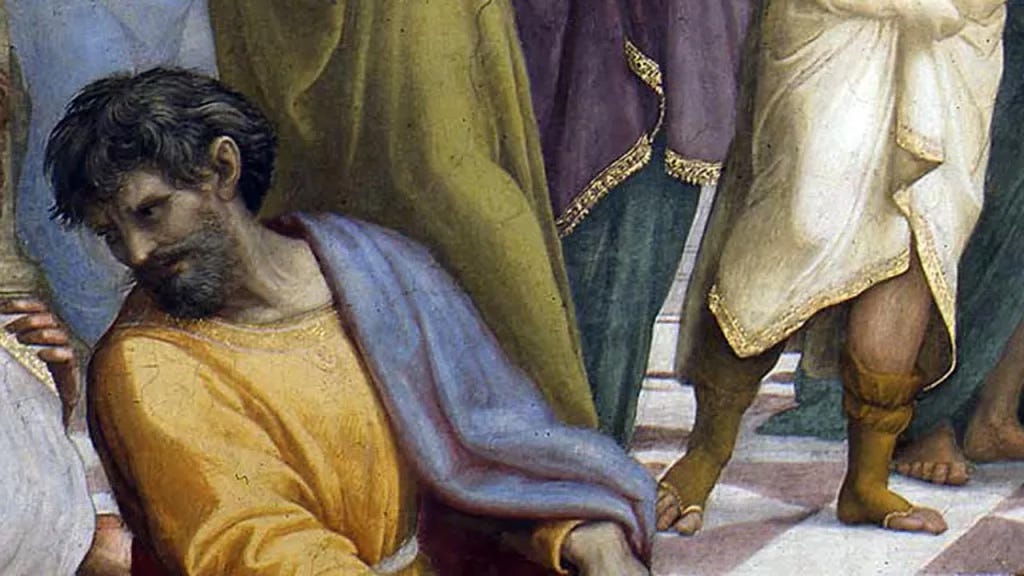
#289 - Parmenides
In this podcast episode, I cover the life and ideas of Parmenides of Elea. Robin Waterfield calls him “the single most important Pre-socratic thinker.” He introduced a puzzle about Being that required a response by philosophers who followed him. From that puzzle, we have the Atom / Void idea from Democritus and the Forms / Shadows idea from Plato. Plato even has a dialogue named after this influen
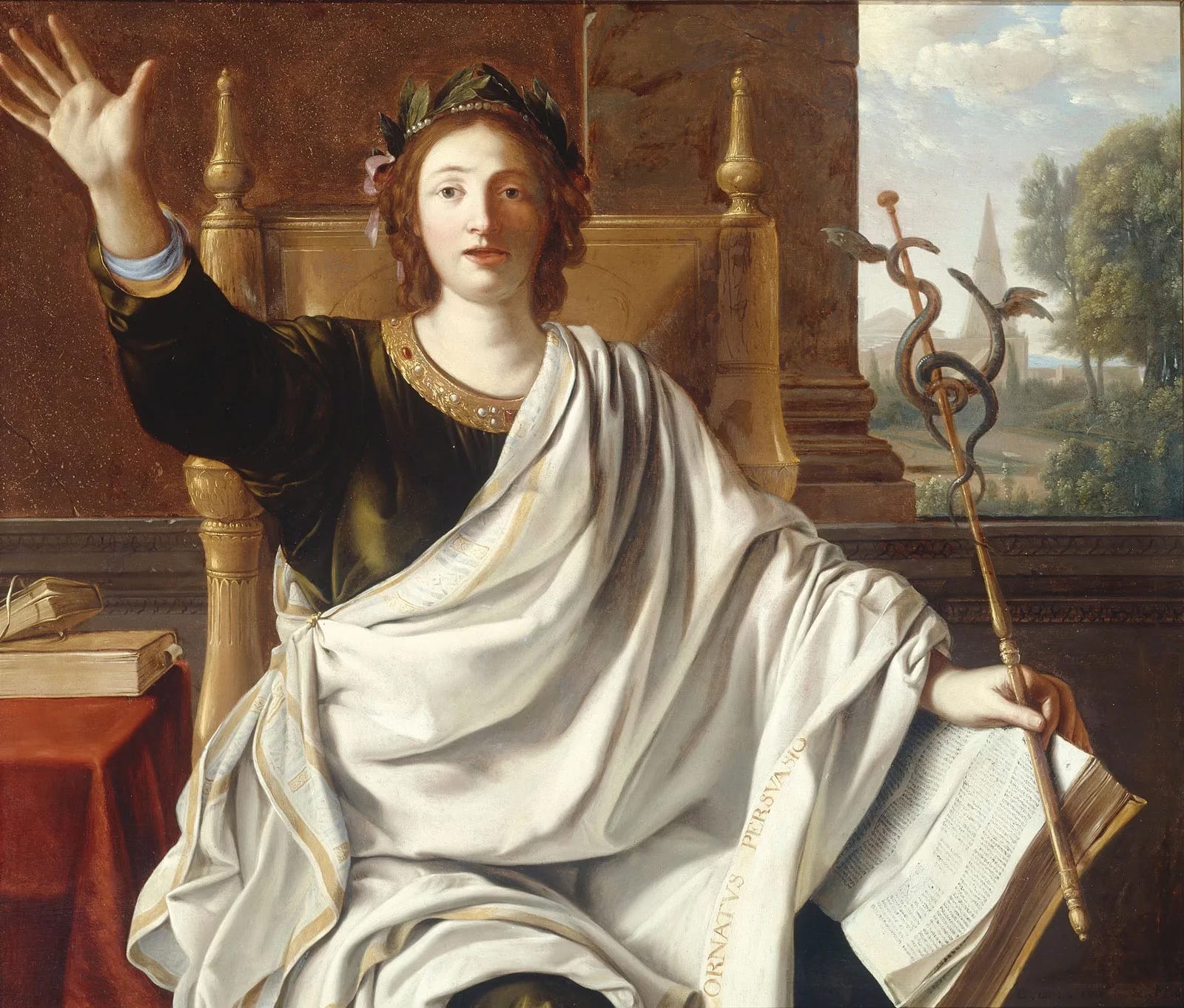
#288 - Gorgias
In this podcast episode, I cover the life and ideas of Gorgias, the father of the Sophistic Movement. We can pinpoint a shift from philosophy to sophism in the life of Gorgias. Each of the early Greek philosophers had a First Principle, an arche they considered to be the foundation of everything else. That stops with the Sophists. Instead of a love of wisdom using speech to seek after truth, the S
#287 - Democritus
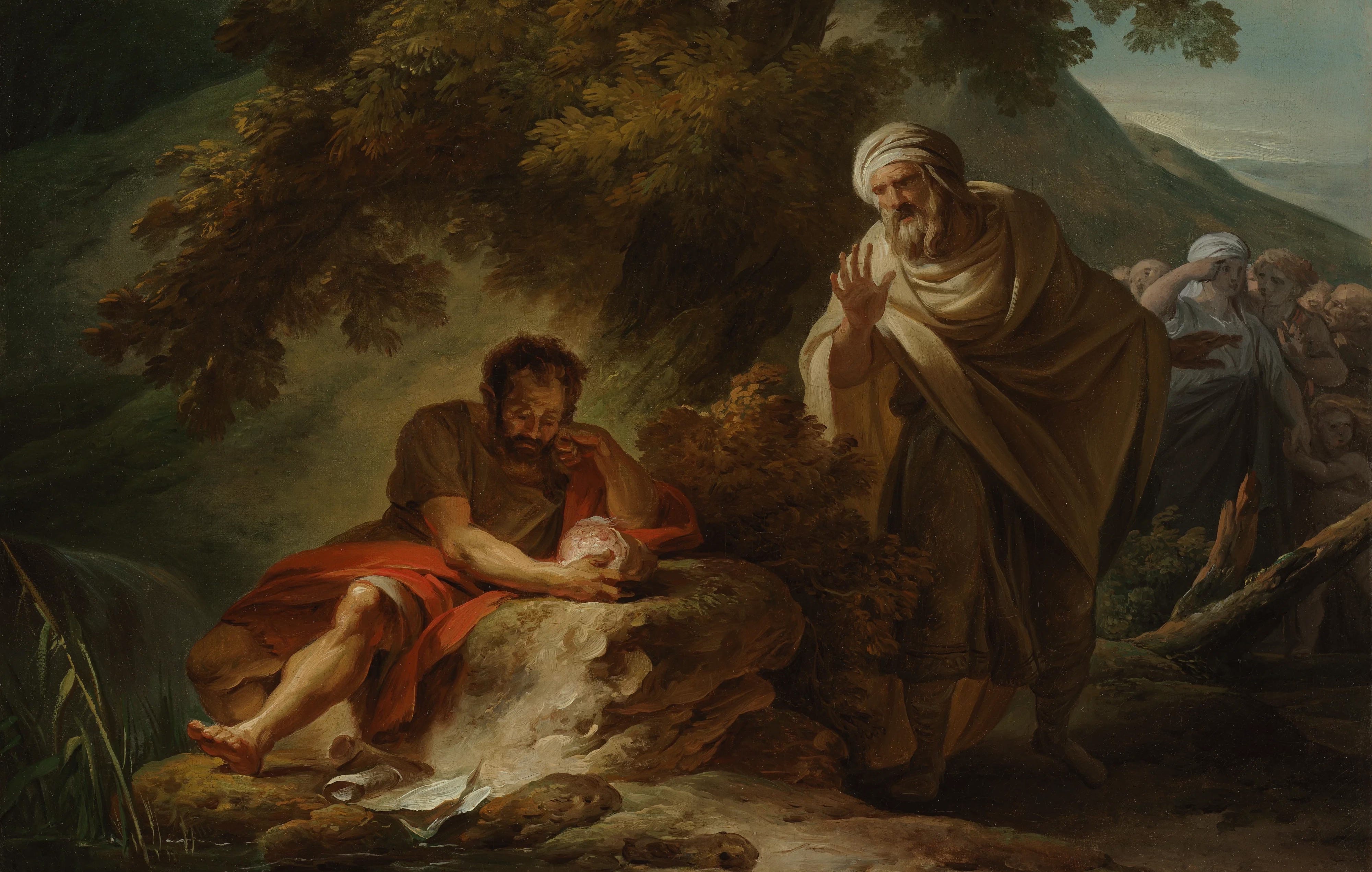
In this podcast episode, I cover the life and ideas of Democritus of Abdera. He is one of my favorite early Greek philosophers, mainly because of his wisdom/ethical sayings. He barely made the Presocratic cut, being just 1 - 10 years before Socrates. However, his ideas, way ahead of their time, were picked up by Aristotle and Epicurus and have influenced humankind to our time. A true Renaissance M
#286 - Anaxagoras
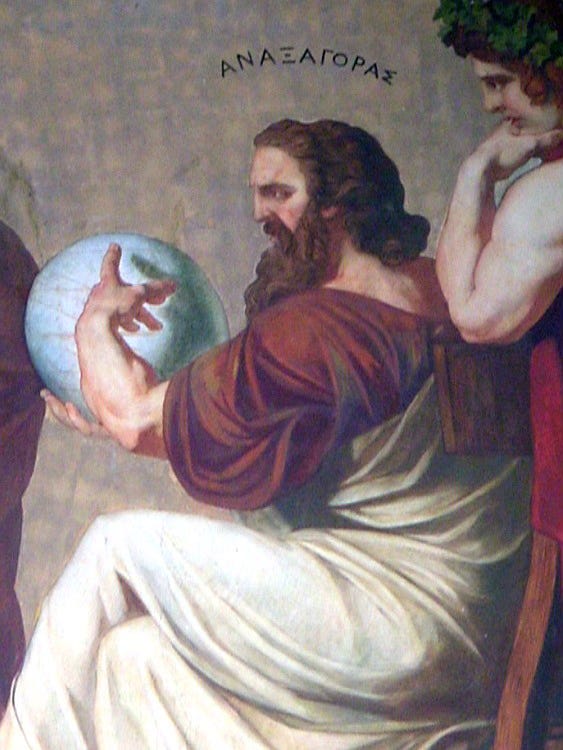
In this podcast episode, I cover the life and ideas of Anaxagoras of Clazomenae. His first principle, the thing that organized everything else, was the nous or the mind. He thought that in the beginning, there was an original mixture of unchanging seeds that a mind set in motion and began to organize. Anaxagoras was born in Asia Minor and moved to Athens, becoming one of the first philosophers to
#285 - Empedocles
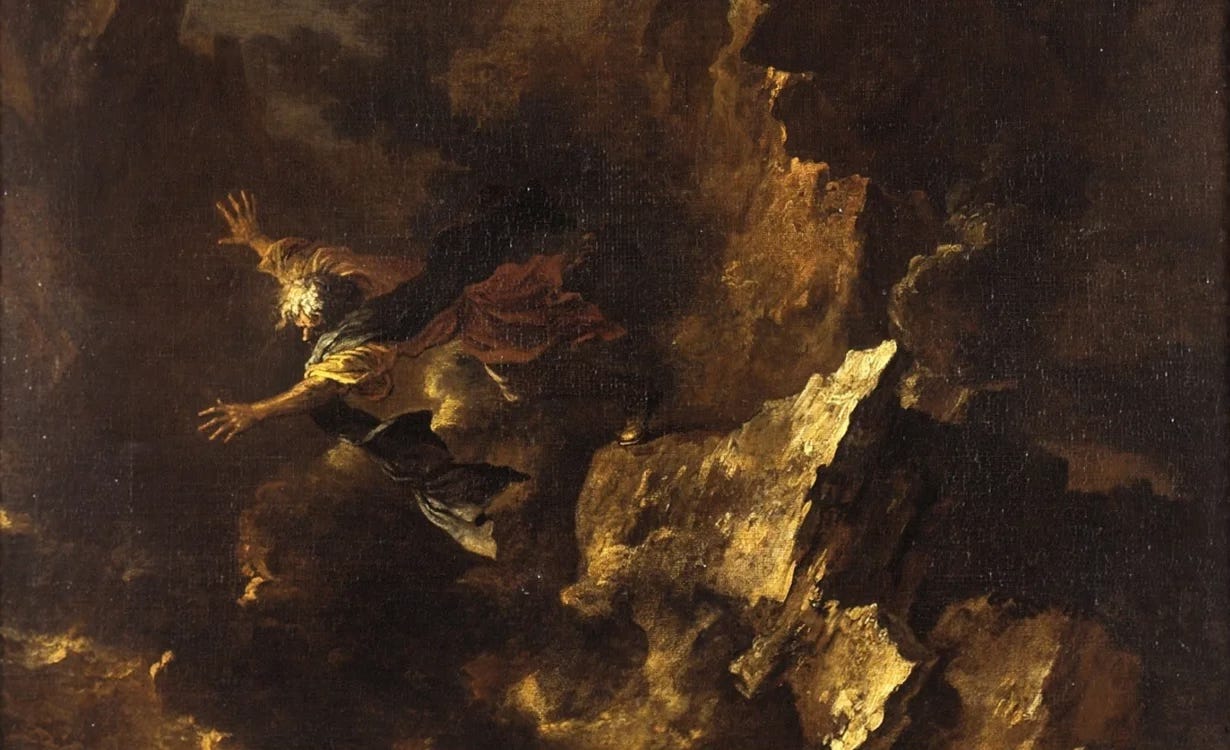
In this podcast episode, I cover the life and ideas of Empedocles of Acragas. He lived from 495 - 435 BC before dramatically diving into the volcano at Mt. Etna to prove he was immortal. As we find out in this episode, the accounts of the life and death of Empedocles are varied and contradictory and contain an element of myth, which is appropriate given his use of epic poetry to present his ideas.
#284 - Thales of Miletus
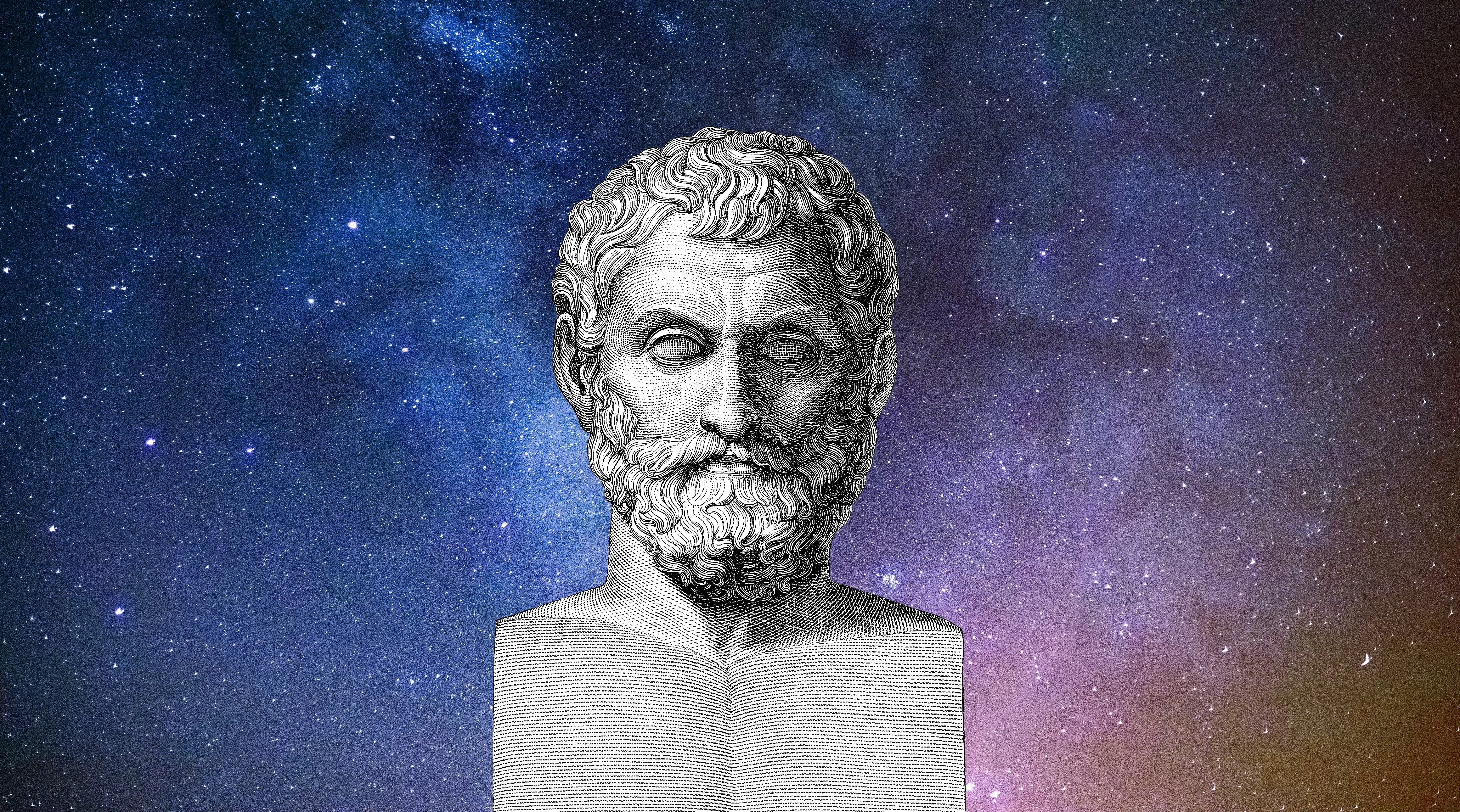
Aristotle called Thales the Father of Natural Philosophy. At a very high level, he’s credited with shifting from mythos to logos, from a mythological explanation of the world to one based upon natural observation. Thales believed that water was the underlying principle of everything, that an immortal soul existed, and that earthquakes were caused by waves underneath a flat earth instead of by the
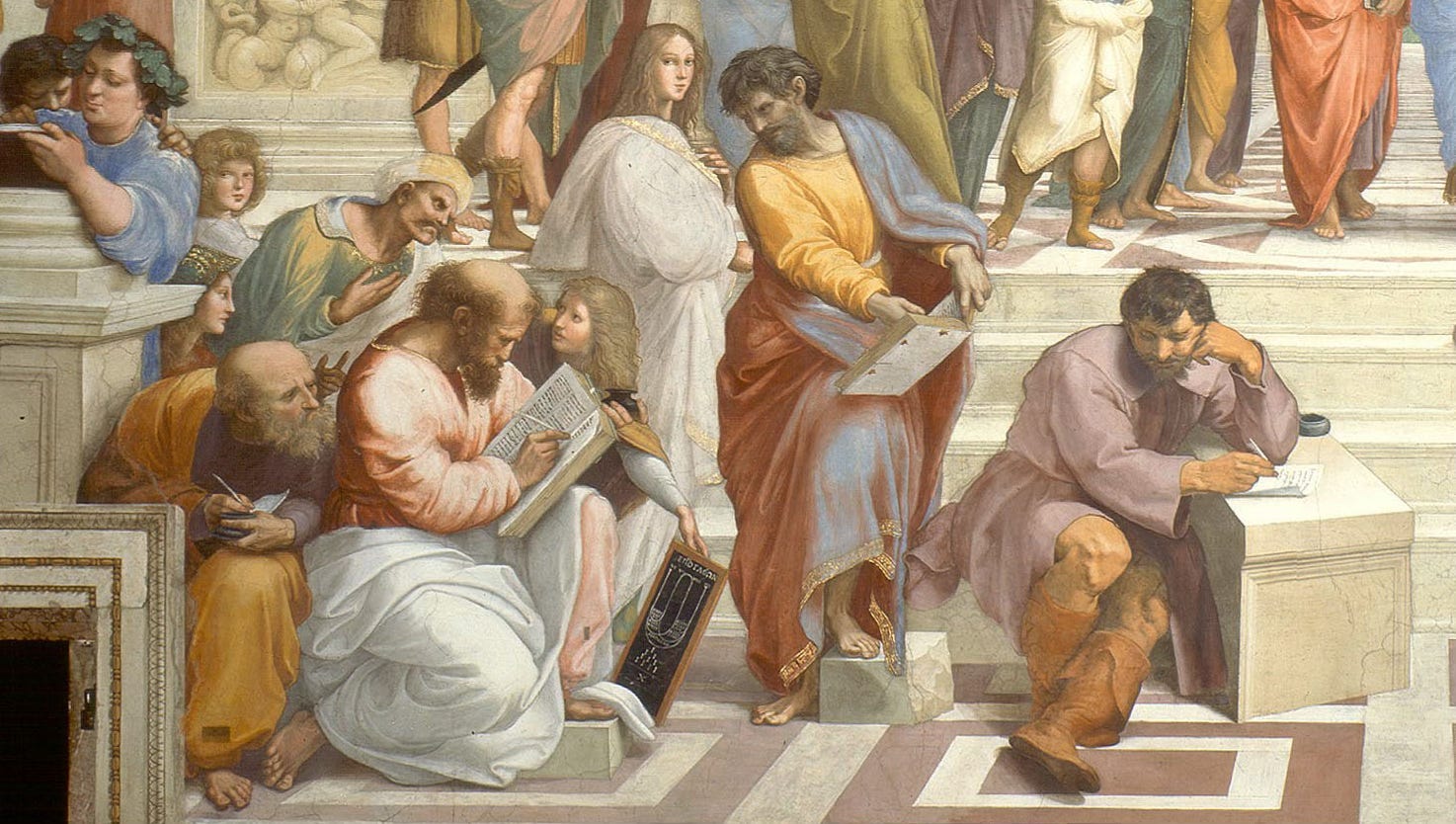
#283 - The Logos of Heraclitus by Eva Brann
Last week, I talked about the life and philosophy of Heraclitus of Ephesus. A number of his surviving fragments deal with the concept of Logos, what Eva Brann calls “the order that is the cosmos.” This week, I’m taking a deeper look into what Heraclitus meant by Logos and how that might help us better understand John’s use of it in the New Testament Gospel, where he writes, “In the beginning was t
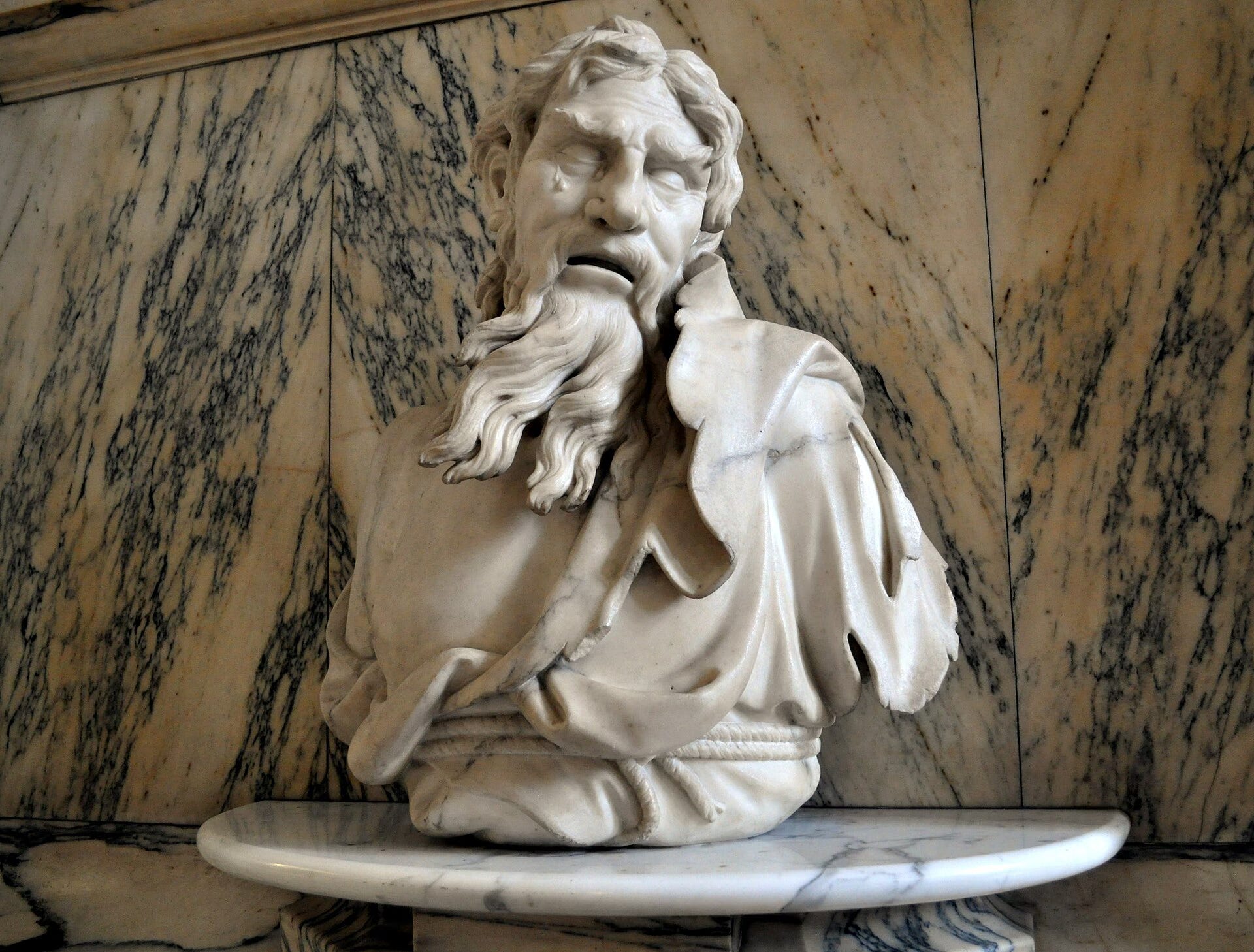
#282 - Heraclitus
For the next month or so, I’m going to highlight different early Greek Philosophers on the podcast and in my Substack articles. Last year, I started reading Plato’s dialogues and realized that I didn’t know the philosophers or their ideas that he was referencing. I stopped reading the dialogues in order to get to know these Greek Philosophers.In this episode, I cover Heraclitus, a philosopher famo
#281 - The Bible | A Straight Read-Through
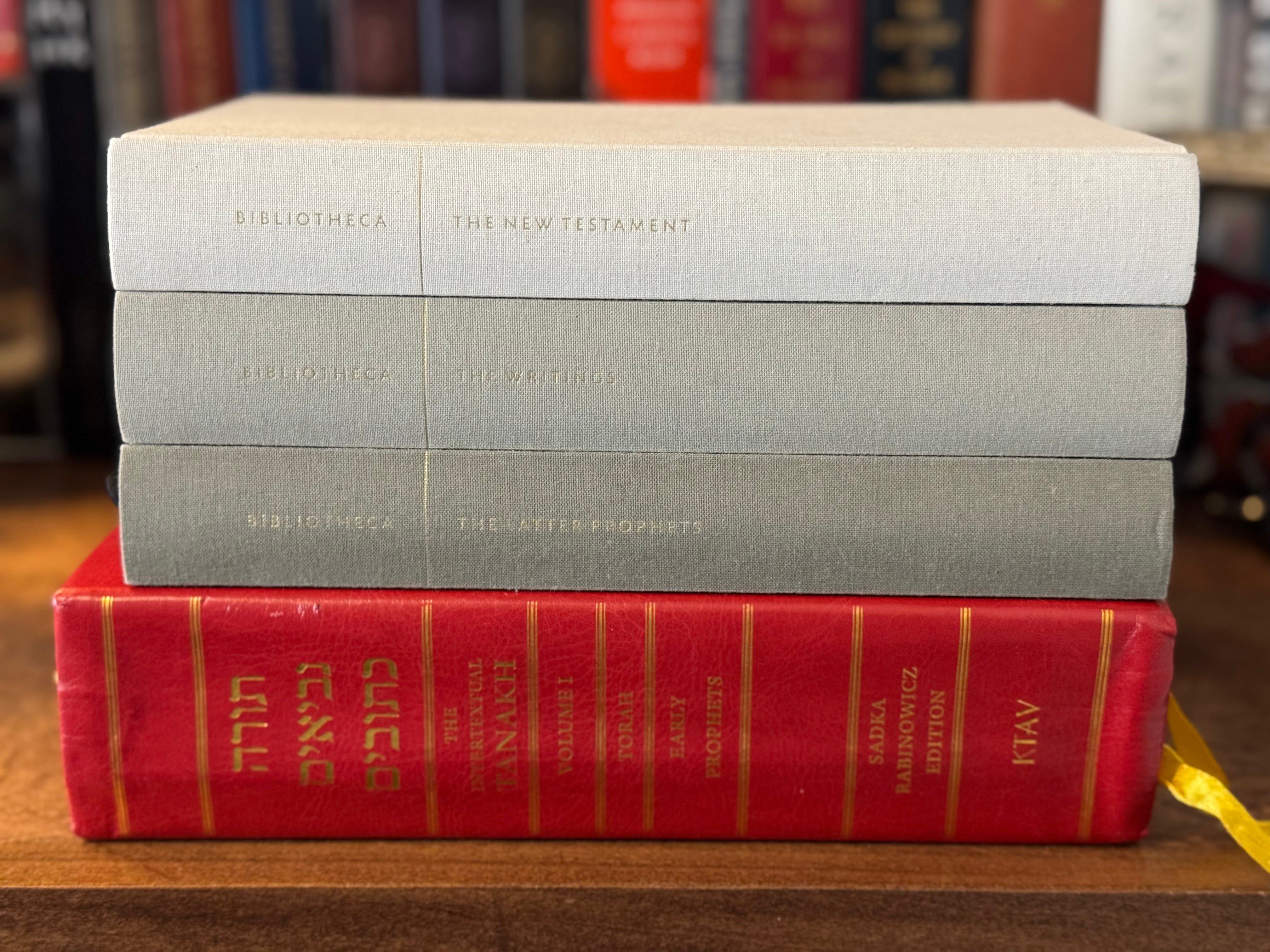
I start each year reading straight through a different version of the Bible during January & February. This year, I selected the Intertextual Tanakh for the Five Books of Moses and the Early Prophets and used the Bibliotheca version for The Latter Prophets, The Writings, and The New Testament. In this episode, I share what stuck out this year over the 80 hours of reading through the Bible. This is
#280 - 2026 Bible Reading Progress Update #7
Here’s episode 7 covering my 2026 read-through of the Bible. I talk about the ideas that have stuck out to me while reading the New Testament books of the Gospels, Acts, Romans, Corinthians, Galatians, Ephesians, Philippians, and Colossians.Show Notes:Dr. Jason Staples’ Suggested Bible Reading Order (start at the 1hr 16 minute mark): This is a public episode. If you'd like to discuss this with oth
#279 - 2026 Bible Reading Progress Update #6
Here’s episode 6 covering my 2026 read-through of the Bible. I talk about the ideas that have stuck out to me while reading the books of Daniel, Ezra, Nehemiah, and Chronicles.Show Notes:Purchase The Intertextual Tanakh from Landmark Booksellers.Dr. Jason Staples’ Suggested Bible Reading Order (start at the 1hr 16 minute mark): This is a public episode. If you'd like to discuss this with other sub
#278 - Hadestown - Myth, Music, and Meaning
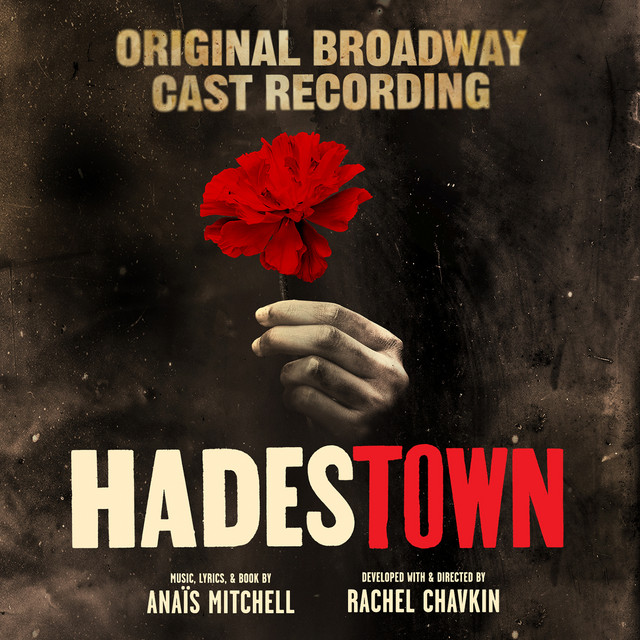
This special mid-week episode is a deep dive into the musical Hadestown, Anaïs Mitchell’s folk opera that reimagines the myth of Orpheus and Eurydice in a haunting, jazz-inflected underworld. Last week, I had the joy of playing violin in the on-stage band for a series of local youth-theater performances of Hadestown, and sharing the stage with my daughter made the entire experience unforgettable.D
#277 - 2026 Bible Reading Progress Update #5
Here’s episode 5 covering my 2026 read-through of the Bible. I talk about the ideas that have stuck out to me while reading the books of Psalms, Proverbs, Job, Song of Songs, Ruth, Lamentations, Ecclesiastes, Esther, and Daniel. I also highlight some overarching themes so far from this reading.Show Notes:Purchase The Intertextual Tanakh from Landmark Booksellers.Dr. Jason Staples’ Suggested Bible
#276 - 2026 Bible Reading Progress Update #4
Here’s episode 4 covering my 2026 read-through of the Bible. I talk about the ideas that have stuck out to me while reading the books of Ezekiel, the 12 Minor Prophets (Hosea, Joel, Amos, Obadiah, Jonah, Micah, Nahum, Habakkuk, Zephaniah, Haggai, Zechariah, and Malachi), and the Psalms. I also highlight some overarching themes so far from this reading.Show Notes:Purchase The Intertextual Tanakh fr
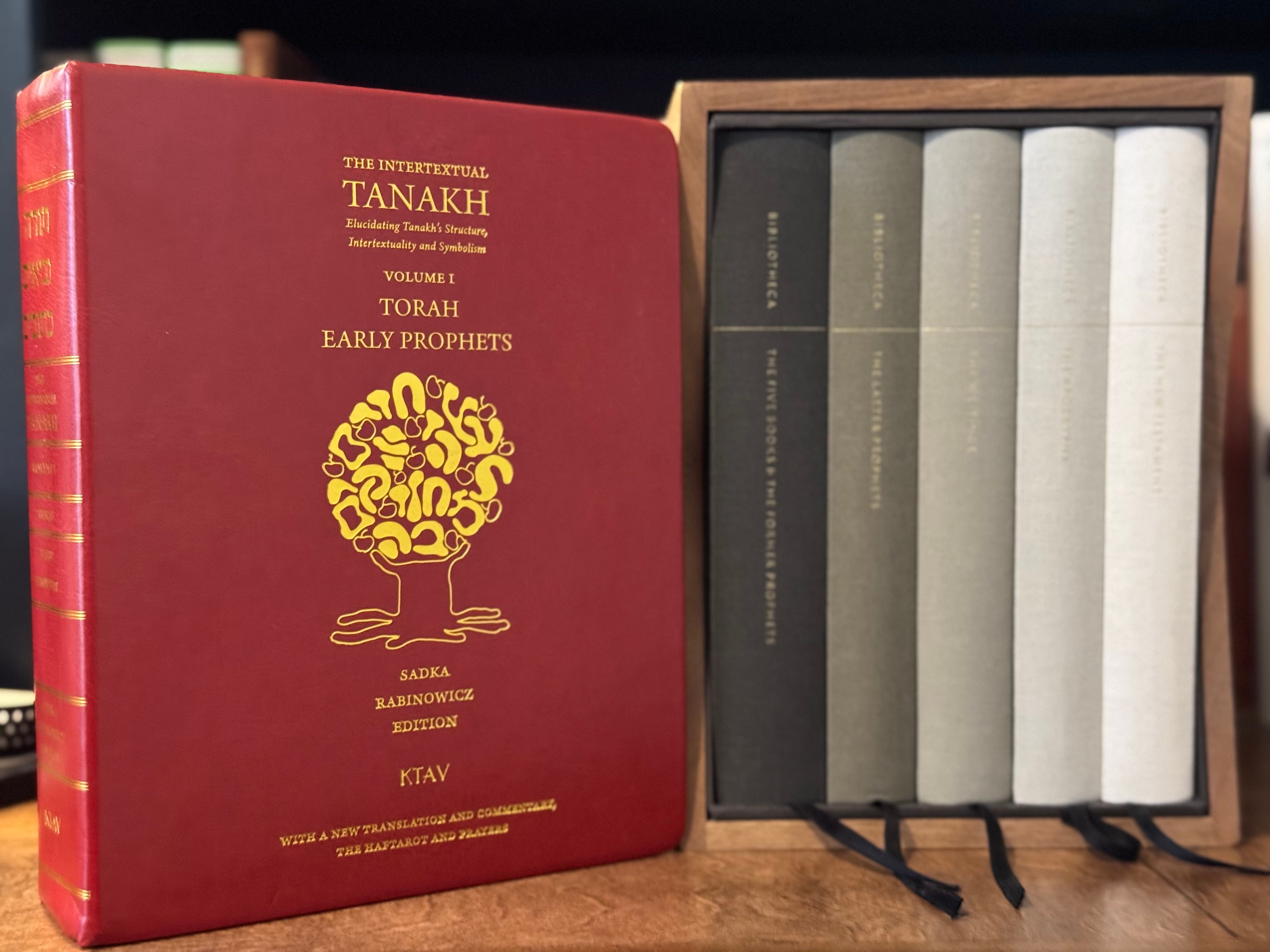
#275 - 2026 Bible Reading Progress Update #3
Here’s episode 3 covering my 2026 read-through of the Bible. I talk about the ideas that have stuck out to me while reading the books of Samuel, Kings, Isaiah, and Jeremiah. I also highlight some overarching themes so far from this reading.Show Notes:Purchase The Intertextual Tanakh from Landmark Booksellers.Dr. Jason Staples’ Suggested Bible Reading Order (start at the 1hr 16 minute mark) This is
#274 - 2026 Bible Reading Progress Update #2
Here’s episode 2 covering my 2026 read-through of the Bible. I talk about the ideas that have stuck out to me while reading the books of Deuteronomy, Joshua, Judges, and Samuel. I also highlight some overarching themes so far from this reading.Show Notes:Purchase The Intertextual Tanakh from Landmark BooksellersDr. Jason Staples’ Suggested Bible Reading Order (start at the 1hr 16 minute mark) This
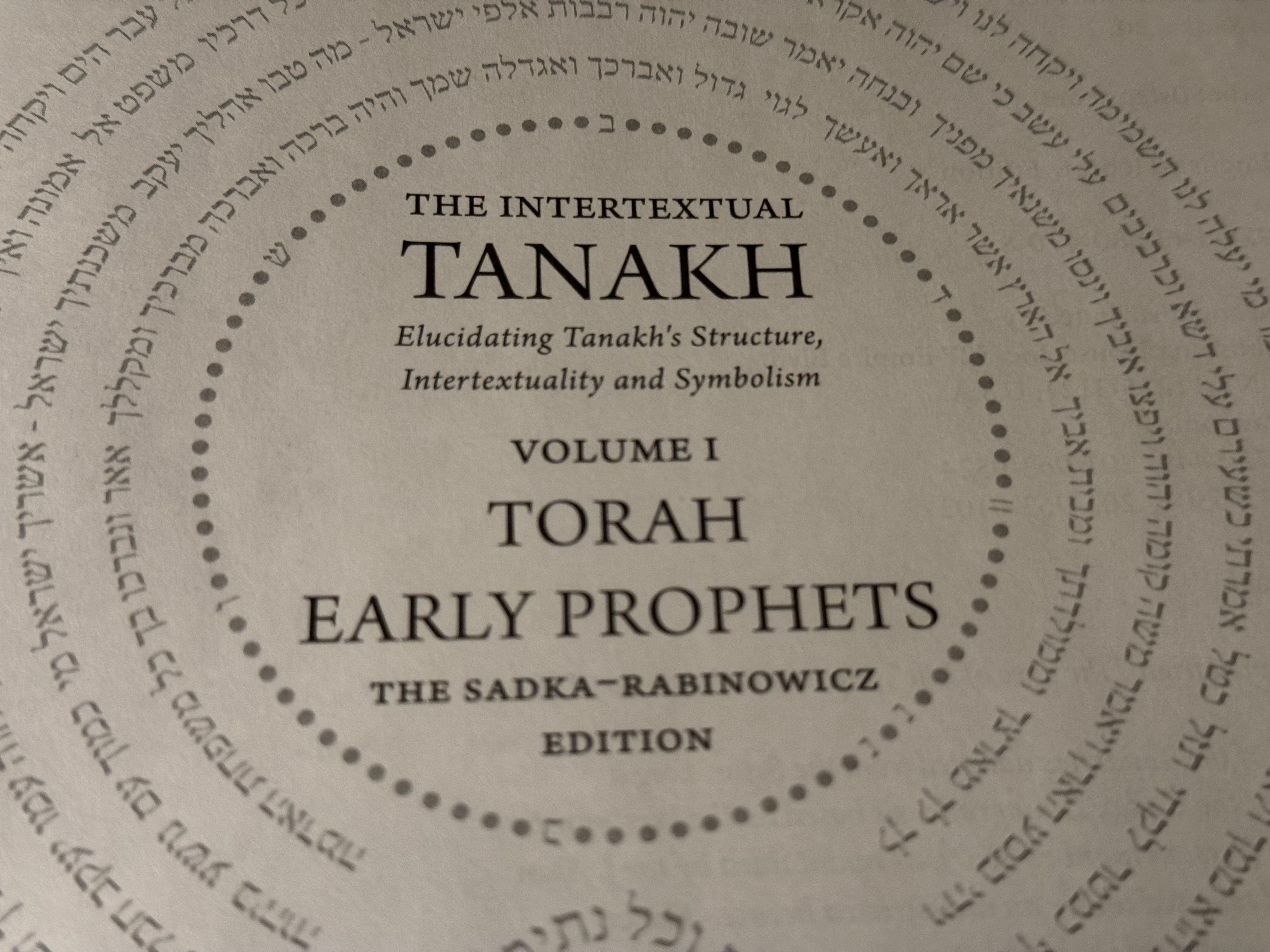
#273 - 2026 Bible Reading Progress Update #1
Over the next two months, I’m going to present quick podcast check-ins as I make my way through the Bible. I start each year reading a different translation of the Bible during the months of January and February. This year, I’m starting off with the Intertextual Tanakh, which covers The Five Books of Moses and The Former Prophets (Joshua, Judges, Samuel, Kings).In this episode, I share a few ideas
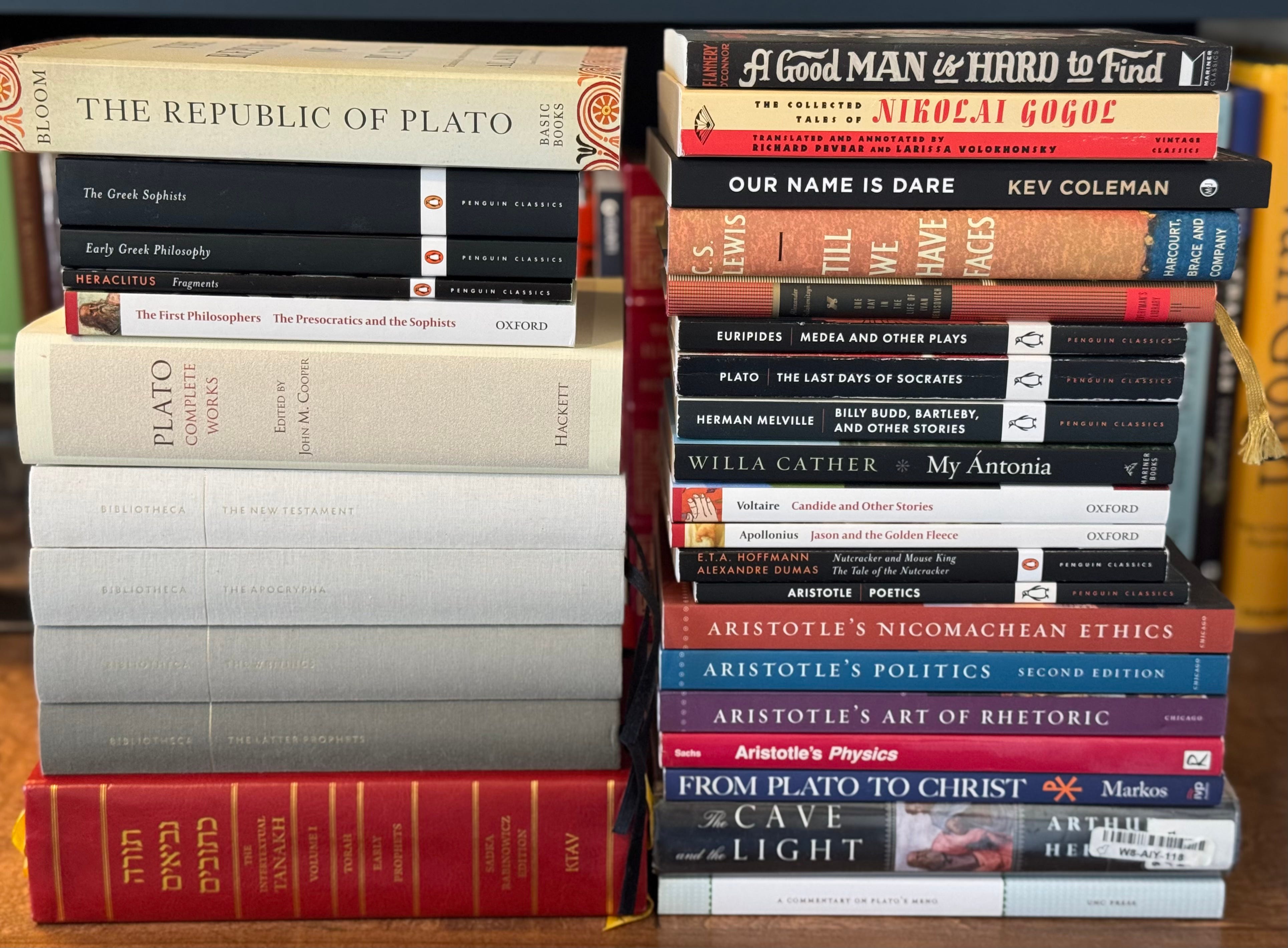
2026: The Reading Year Ahead
READING YEAR THEME: GREEK PHILOSOPHYI’ll be spending most of 2026 ploughing the depths of Plato and Aristotle. I divide eating reading year into semesters:* Spring Semester - March - June* Summer Break - July* Fall Semester - August - November* Winter Break - DecemberI start each year reading straight through the Bible during January & February. The versions I’m using this year are The Intertextua
2025 Reading Year Recap
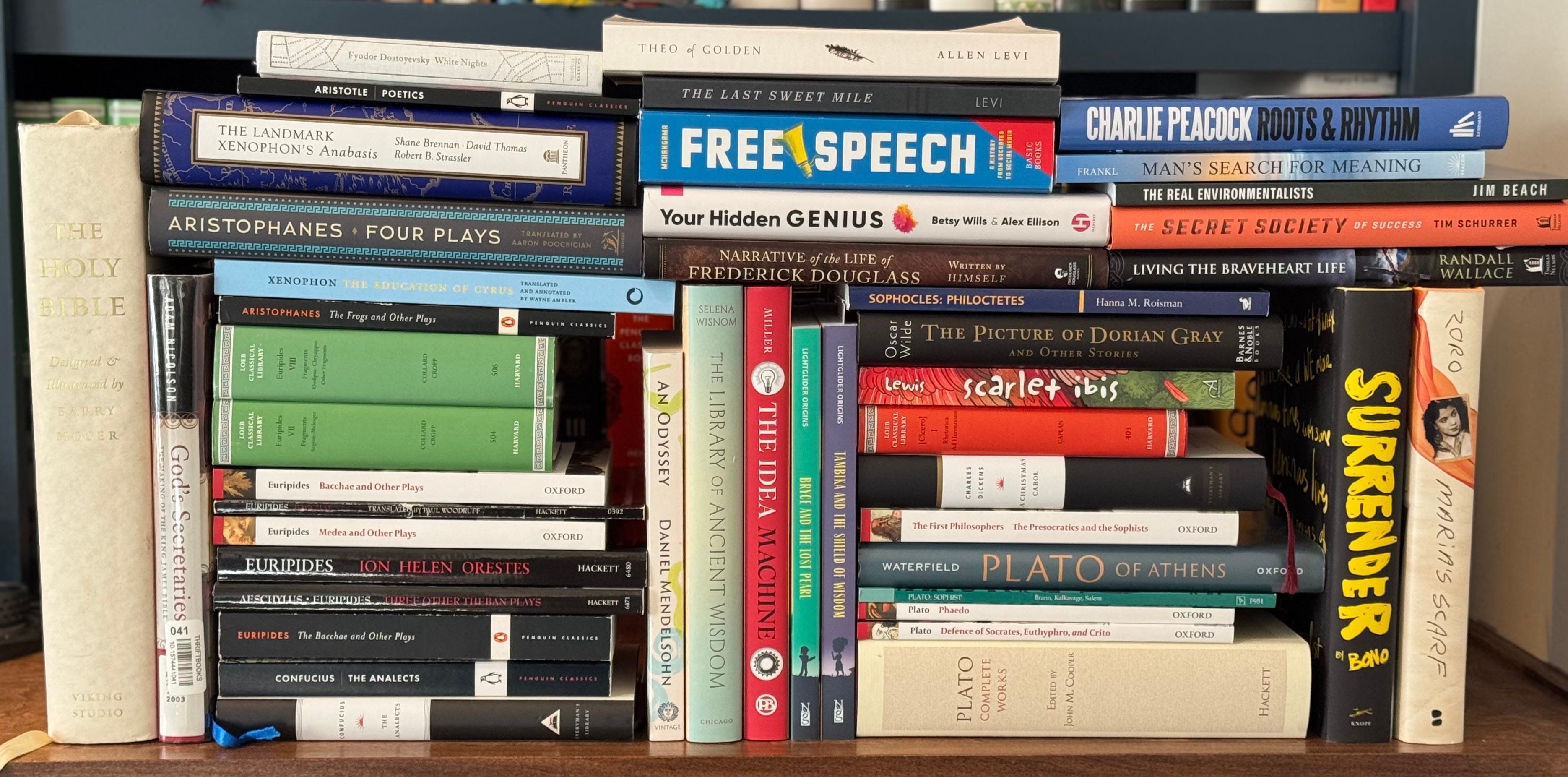
Each year, I stack all of the books from the previous year’s reading list next to me and reminisce over the reading year. It’s one of my favorite yearly podcast episodes and it’s a great way for you to hear about some books to add to your reading list.2025 was an incredible year of reading. I continued on in the third year of my Immortal Books project. The main focus was on Greek Tragedies, Comedi
#272 - Living the Braveheart Life by Randall Wallace
The Braveheart film has had an outsized impact on my life. It first sparked a deep interest in the country of Scotland, that try as I might, I cannot shake. It inspired me to purchase a set of bagpipes and then learn how to play them. But it also had deeper implications in the areas of faith and living.In this book, the author of both the novel Braveheart as well as the screenplay that became the
![#271 - Rhetorica Ad Herennium by [Cicero]](https://substackcdn.com/feed/podcast/2607925/post/181359806/7c0ee748c1ef28514bf3b6753188476b.jpg)
#271 - Rhetorica Ad Herennium by [Cicero]
The two pillars of this reading project are to read more books and to remember what I read. To that end, I’ve experimented with a variety of practices to attempt to assist with memory. I’m always on the hunt for new ideas.That’s how I came across Rhetorica Ad Herennium by [Cicero]. Cicero is in brackets because it’s not certain that he is the author. So, author unknown, but content exceptional. Th
#270 - The Presocratics
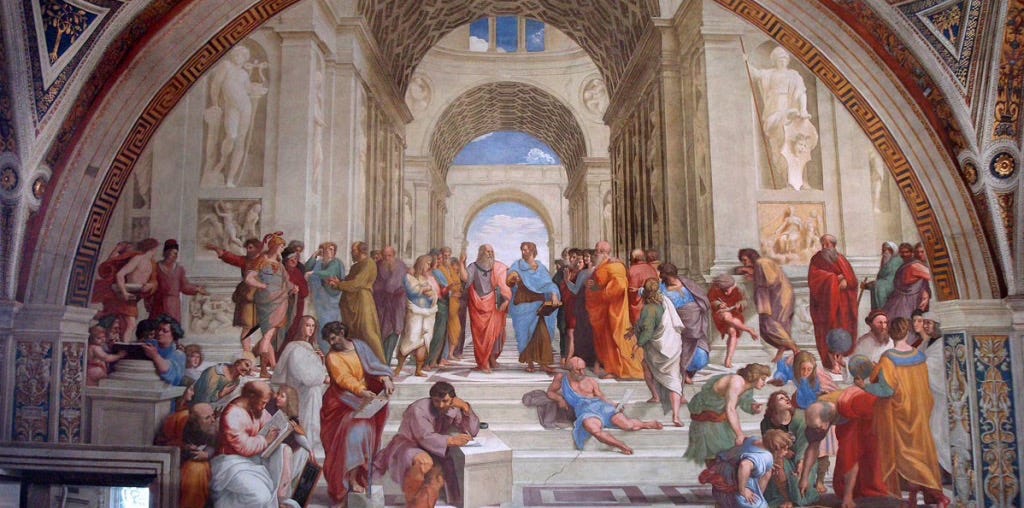
I started reading through the complete dialogues of Plato this year. I came to a point where I realized that Plato was referencing philosophers who came before him and I didn’t know anything about them or their ideas. I took a break from Plato to consider these philosophers who gave the seeds to Plato’s philosophy.These philosophers are called the Presocratics and the Sophists. They are Pre-Socrat
Allow Me To Reintroduce Myself
An introduction to this reading project for anyone new to Books of Titans. I started this in 2017 as an attempt to read more books and experiment with ways to help me remember what I read. It’s morphed into a lifelong reading project that I now expect to last until I die as I slowly make my way through The Immortal Books. Give this episode a listen to learn more and then give my wife Stephanie’s m
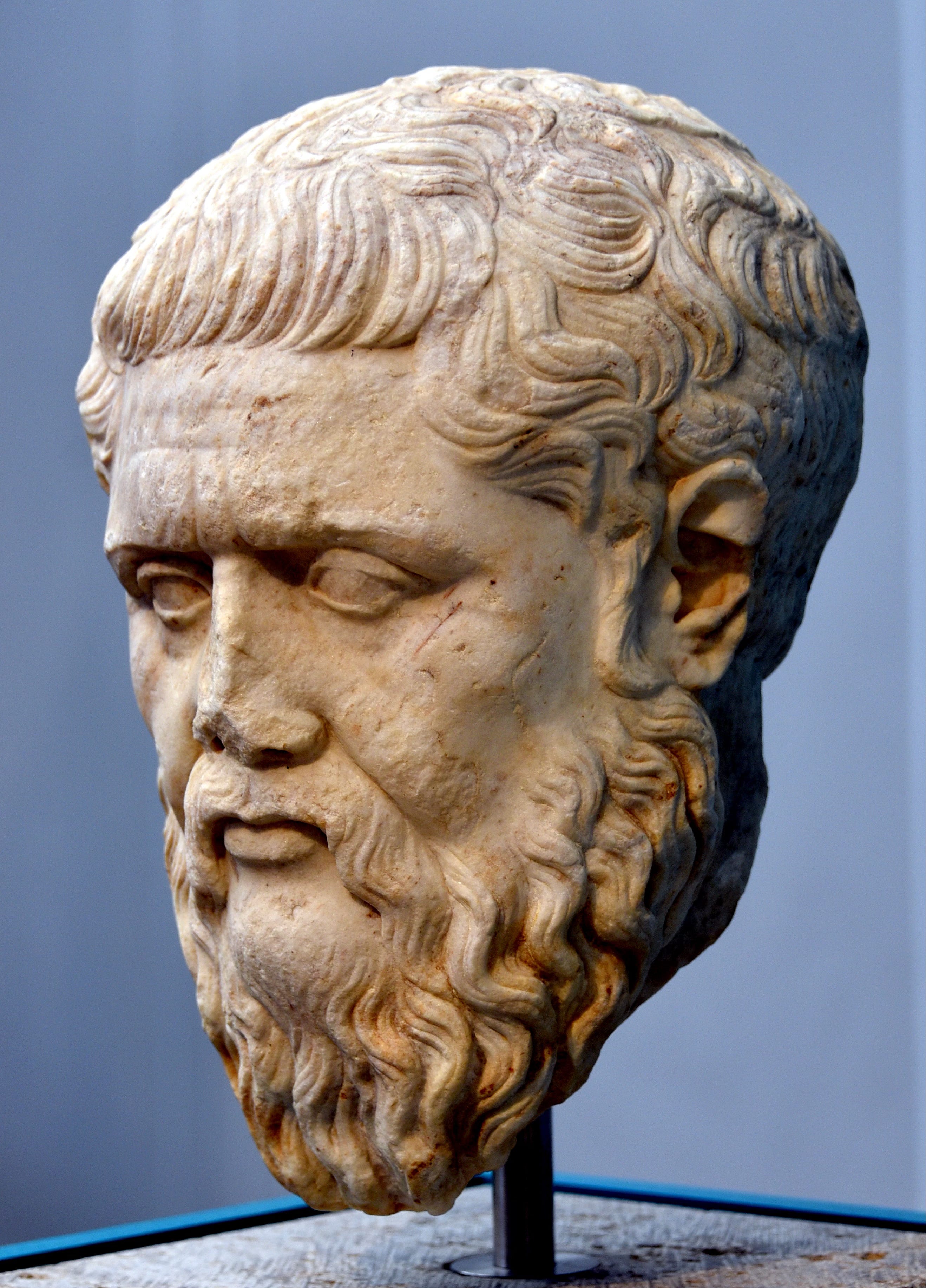
#269 - Plato of Athens by Robin Waterfield
“The safest general characterization of the European philosophical tradition is that it consists of a series of footnotes to Plato.”~ Alfred North WhiteheadI’ve been enjoying my Plato Project where I’ve decided to read through the Complete Works of Plato. I’ve read 9 dialogues so far and realized I needed to take a step back and learn more about the philosopher himself. This was the perfect book f

#268 - The Idea Machine by Joel J. Miller
I’m making the wild assumption that you like books. Perhaps that’s because you like what’s inside of books - the stories, ideas, information, history. But do you ever just stop and think about the book itself? The physical book that you hold in your hand?Joel J Miller has a book coming out this Tuesday, November 18th, 2025 called The Idea Machine: How Books Built Our World and Shape Our Future. It
#267 - Sophist by Plato
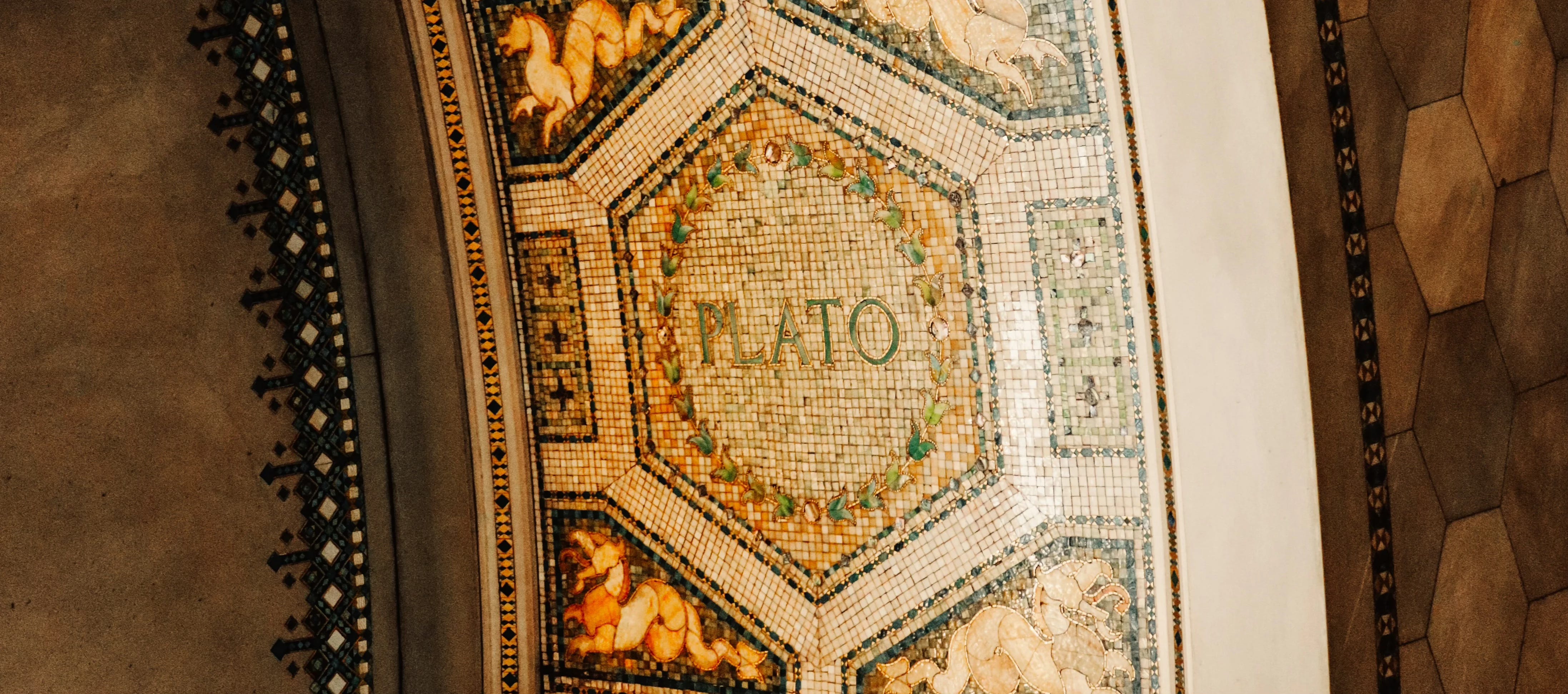
The goal of this dialogue is to define the Sophist. We’ve seen the Sophist pop up in Greek Tragedy and Comedy and it’s never a pretty picture. They are often contrasted with the Philosopher, the true lover of wisdom, and are denigrated as those who have the appearance of wisdom. They are known for charging money to teach their students how to argue a point, irrespective of its truth.In attempting
#266 - Statesman by Plato
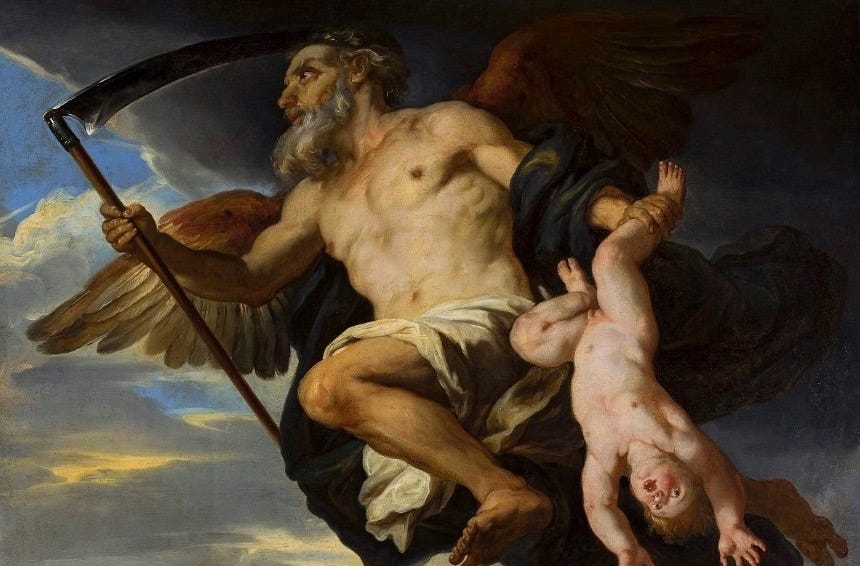
The goal of this dialogue is the definition of a statesman. Can Plato show us the essence or nature of the statesman? This dialogue is a sequel to Sophist. In each dialogue, an attempt at a definition is sought through the method of division. For example, Statesman begins with Knowledge, which is divided into practical and theoretical knowledge. The statesman would be on the theoretical side.This
#265 - Man's Search for Meaning (Revisited)
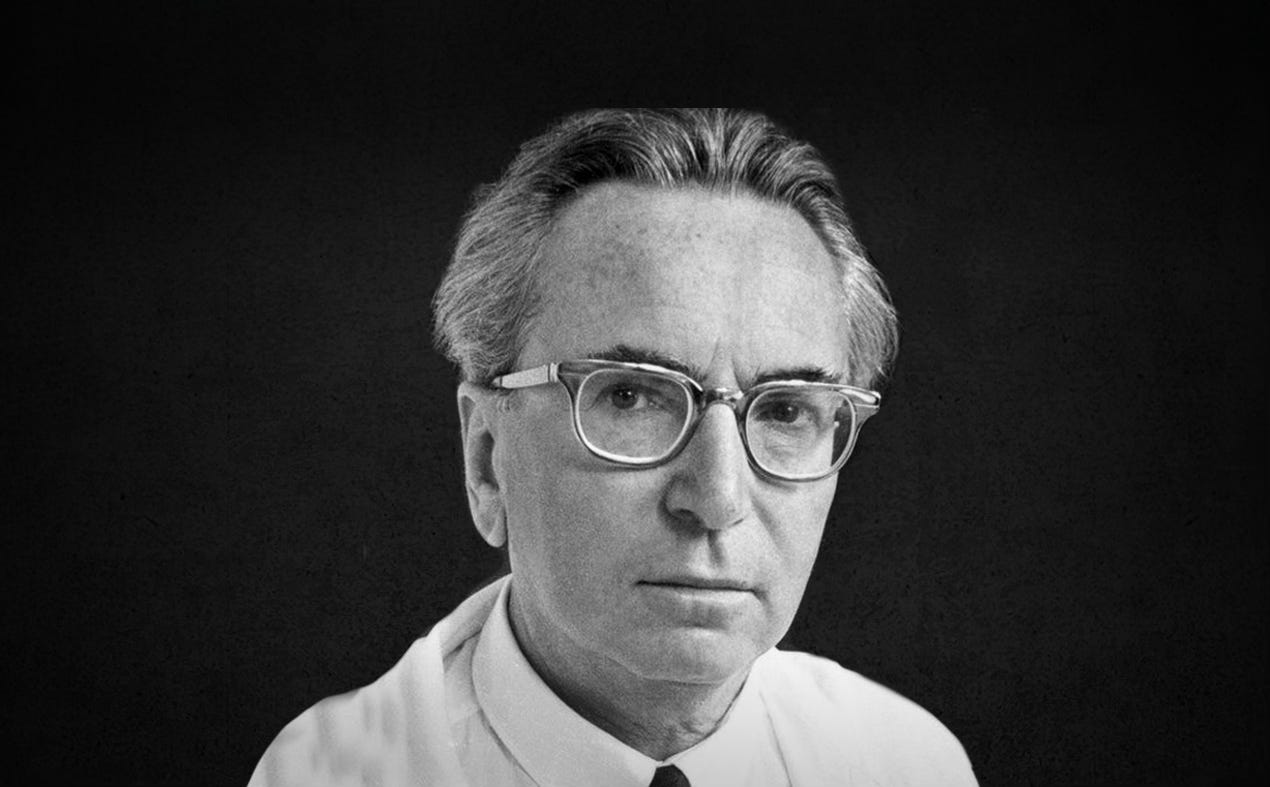
I finished reading Man’s Search for Meaning as the fireworks announced the start of 2018. I was closing out my first year of this reading project with my final book of the year and was trying to finish it before the clock struck 12. I didn’t make it, but I was close.That book ended up being my favorite for many years. Here was a man claiming that it was possible to develop a spiritual life amidst

#264 - Theaetetus by Plato
How do we know what we know? That’s the question Socrates presents to Theaetetus in this dialogue by Plato. I was actually intrigued with the some of the side discussions about learning and memory and how that connects to knowledge. In this podcast episode, I share the general outline of the arguments and highlight the parts about memory that might help us in our reading lives. This is a public ep
#263 - Cratylus by Plato
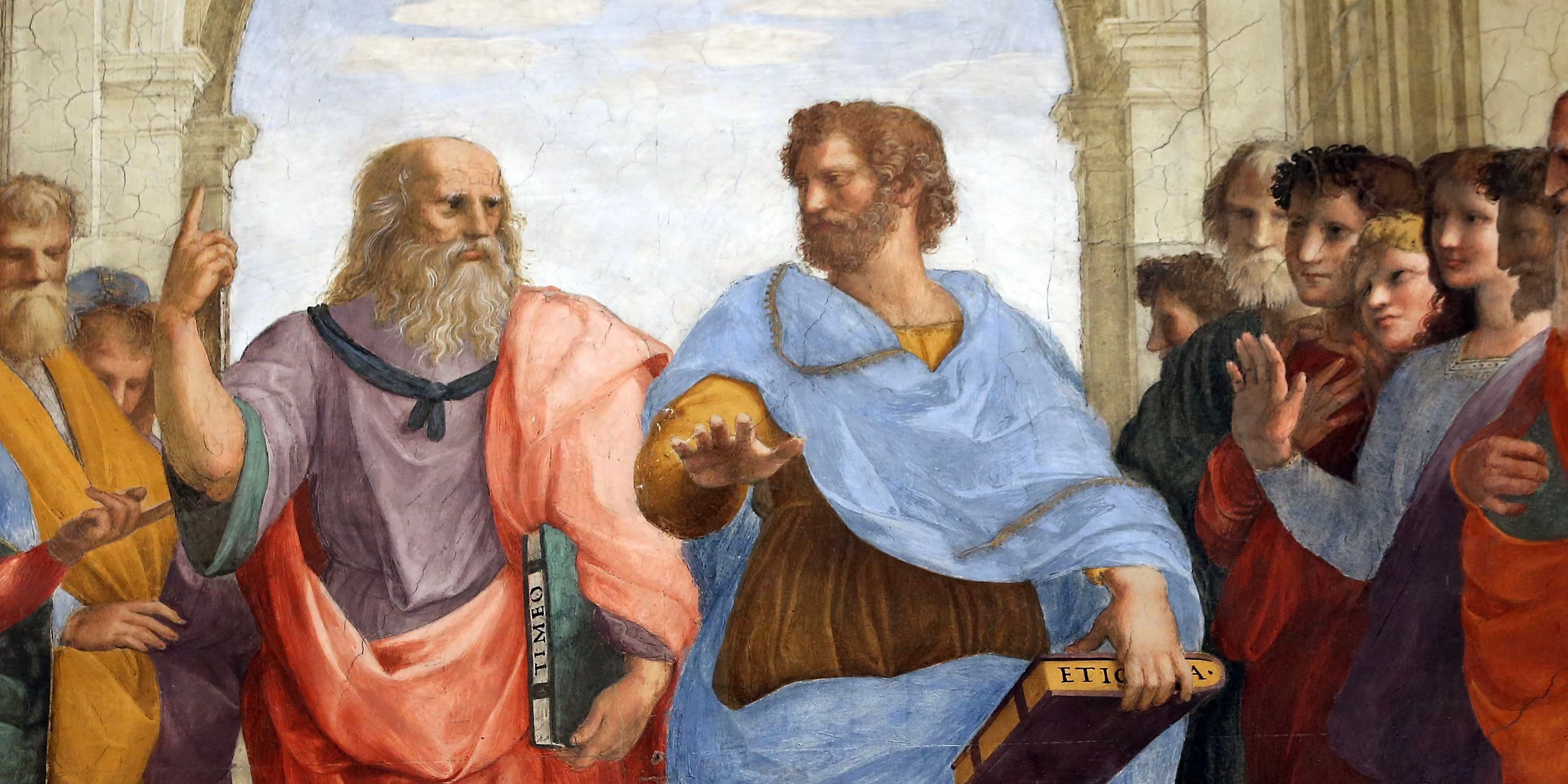
So far, this is my favorite dialogue by Plato. I’ve only read 5 of them, so I have a ways to go, but this one covers the origin of language and the correctness of names. It answers this question - is there a reason behind the name of a thing or is it just by chance?Cratylus believes there is a correct name for each thing, one that belongs to it by nature. Hermogenes believes that names are agreed
#262 - Phaedo by Plato
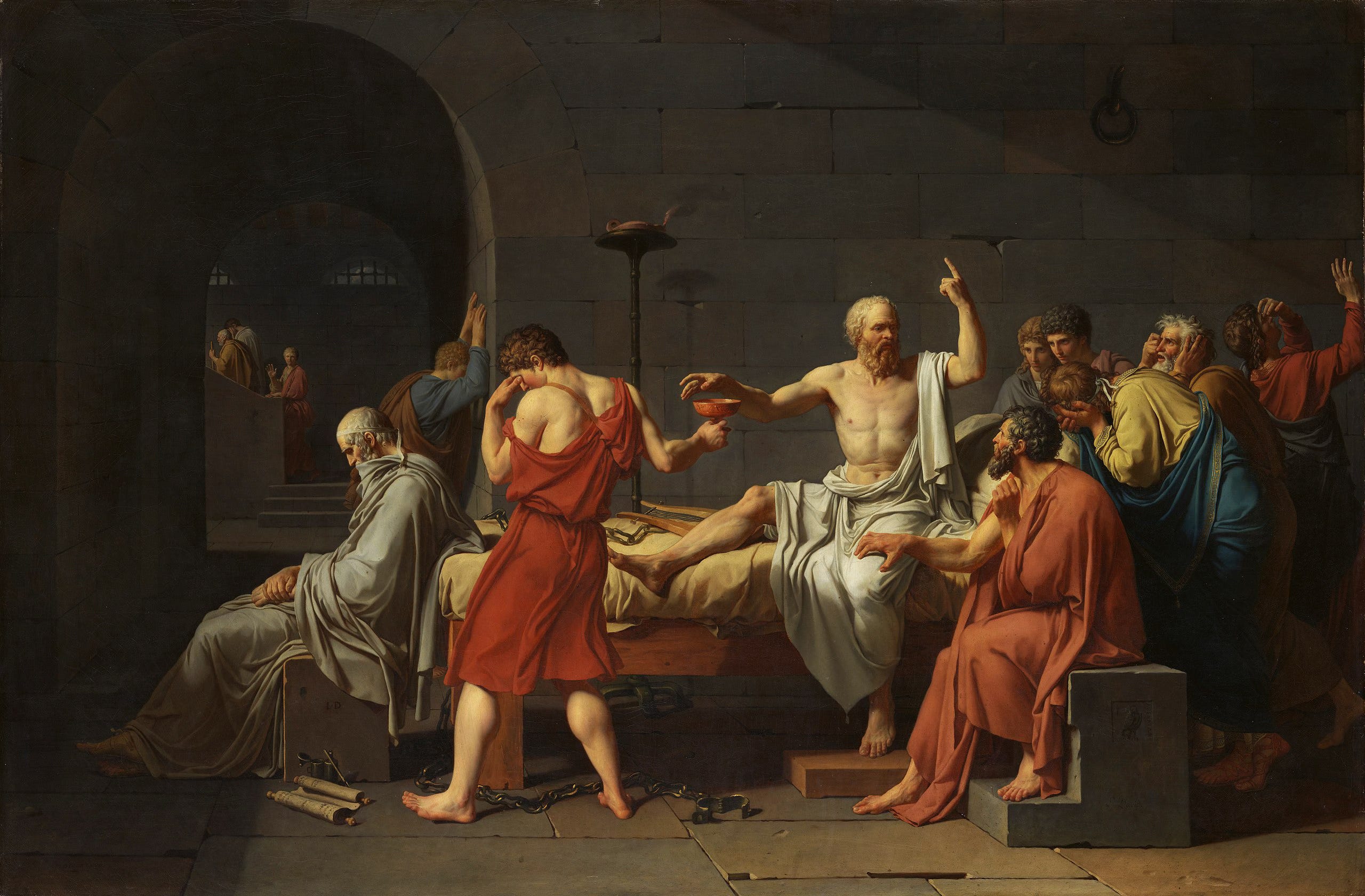
Were you there?It’s the opening question of this dialogue. Echecrates is asking Phaedo if he was there when Socrates drank the hemlock and died in prison. He was there. This is Phaedo’s account of the final day of Socrates.I wonder what I would do knowing I had a few hours to live. Would I be frantic? Would I conduct a dialogue about the soul as Socrates does here? Would I calmly drink my death se
#261 - Crito by Plato
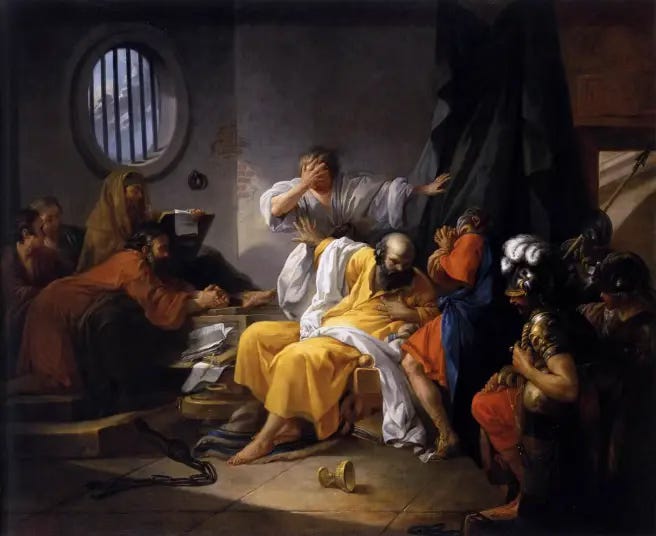
Socrates is nearing the end. He’s been sentenced to death and the time has come where he will be forced to drink hemlock. Crito, his old friend, comes to persuade him to escape this death. He tries to convince Socrates that in this grave injustice, the just thing would be to escape.But Socrates says “we must examine whether we should act in this way or not, as not only now but at all times.” Would
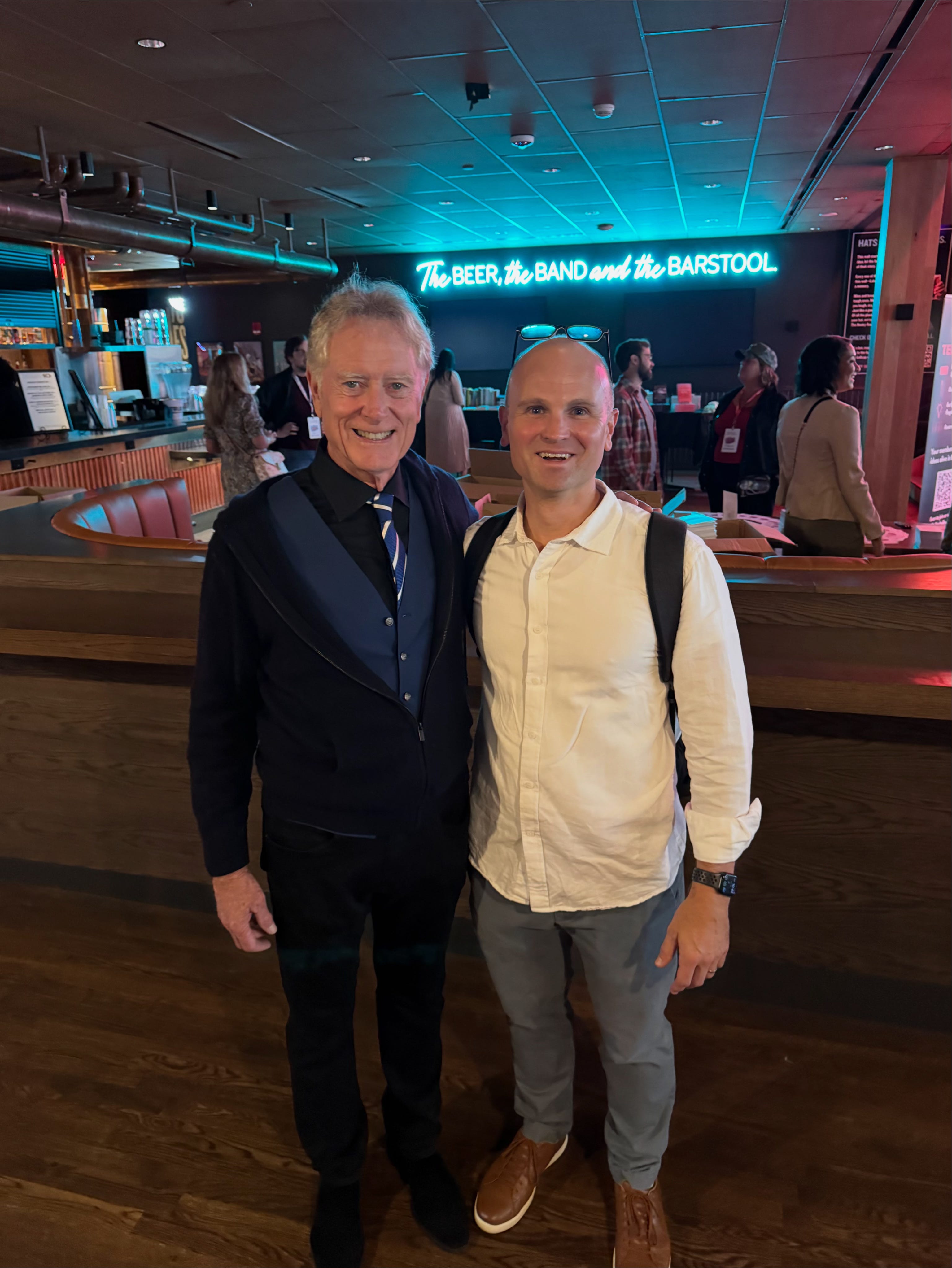
Allen Levi In Conversation: Part II
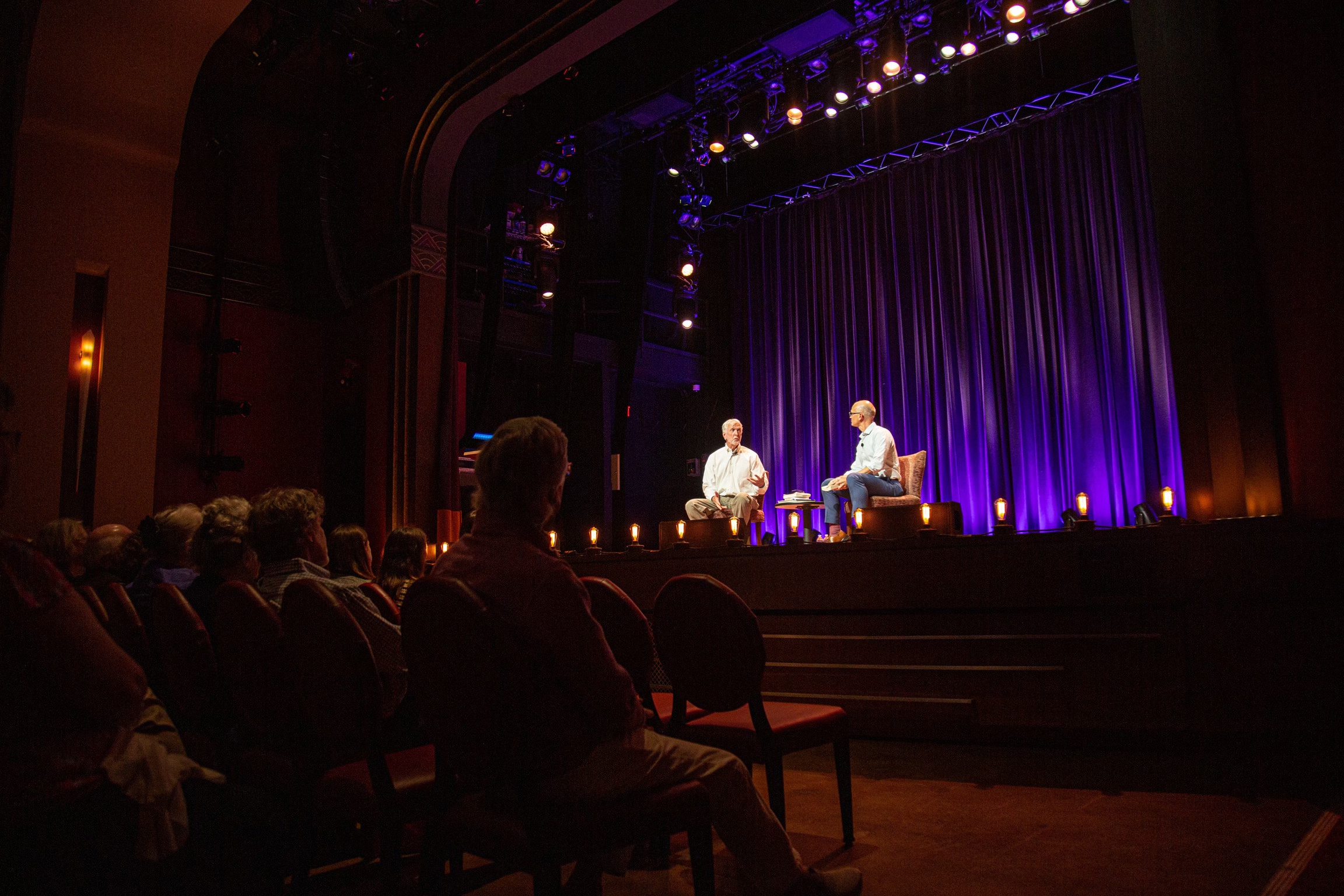
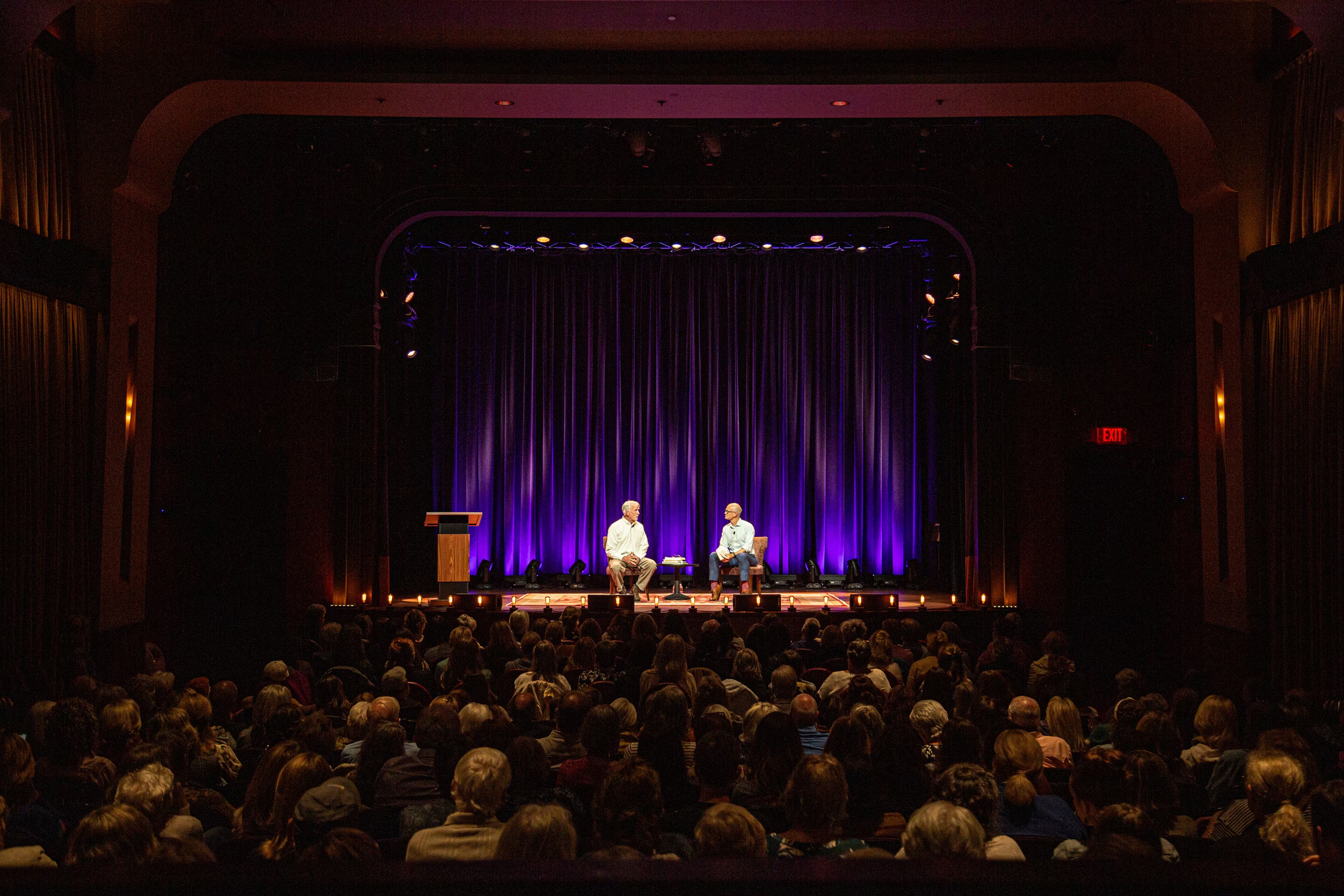
Here’s Part II of a conversation with author Allen Levi that took place on Saturday, September 6th in Franklin, Tennessee, at the historic Franklin Theatre. Part I released last week and is the discussion from the 3pm event. Part II releases this week and is the discussion from the 7pm event. Each event was sold out and questions were different for each event.Allen Levi is the author of Theo of Go
Allen Levi In Conversation: Part I
SPOILER ALERT: This conversation contains book spoilers. Listener beware.Here’s Part I of a conversation with author Allen Levi that took place on Saturday, September 6th in Franklin, Tennessee, at the historic Franklin Theatre. Part I releases this week and is the discussion from the 3pm event. Part II releases next week and will be the discussion from the 7pm event. Each event was sold out and q
#260 - Apology by Plato
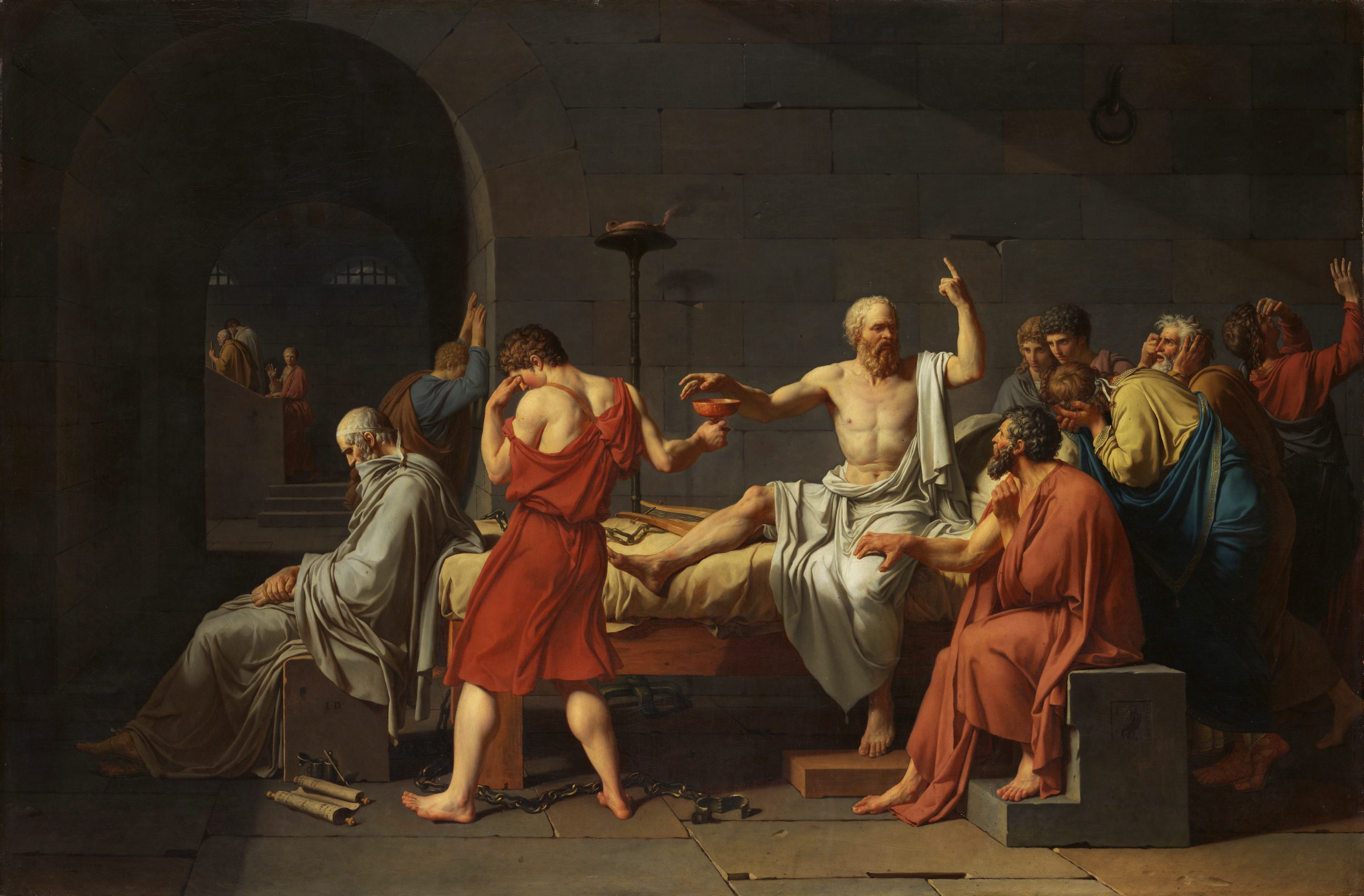
Last week, Socrates was on his way to his trial in the Euthyphro dialogue. In Apology, Socrates is giving his defense against three charges:* Not recognizing the gods recognized by the State* Manufacturing new gods* Corrupting the youthIf you are expecting any contrition on the part of Socrates, you’ve come to the wrong place. Here, apology means a defense speech in a legal proceeding, and Socrate
#259 - Euthyphro by Plato
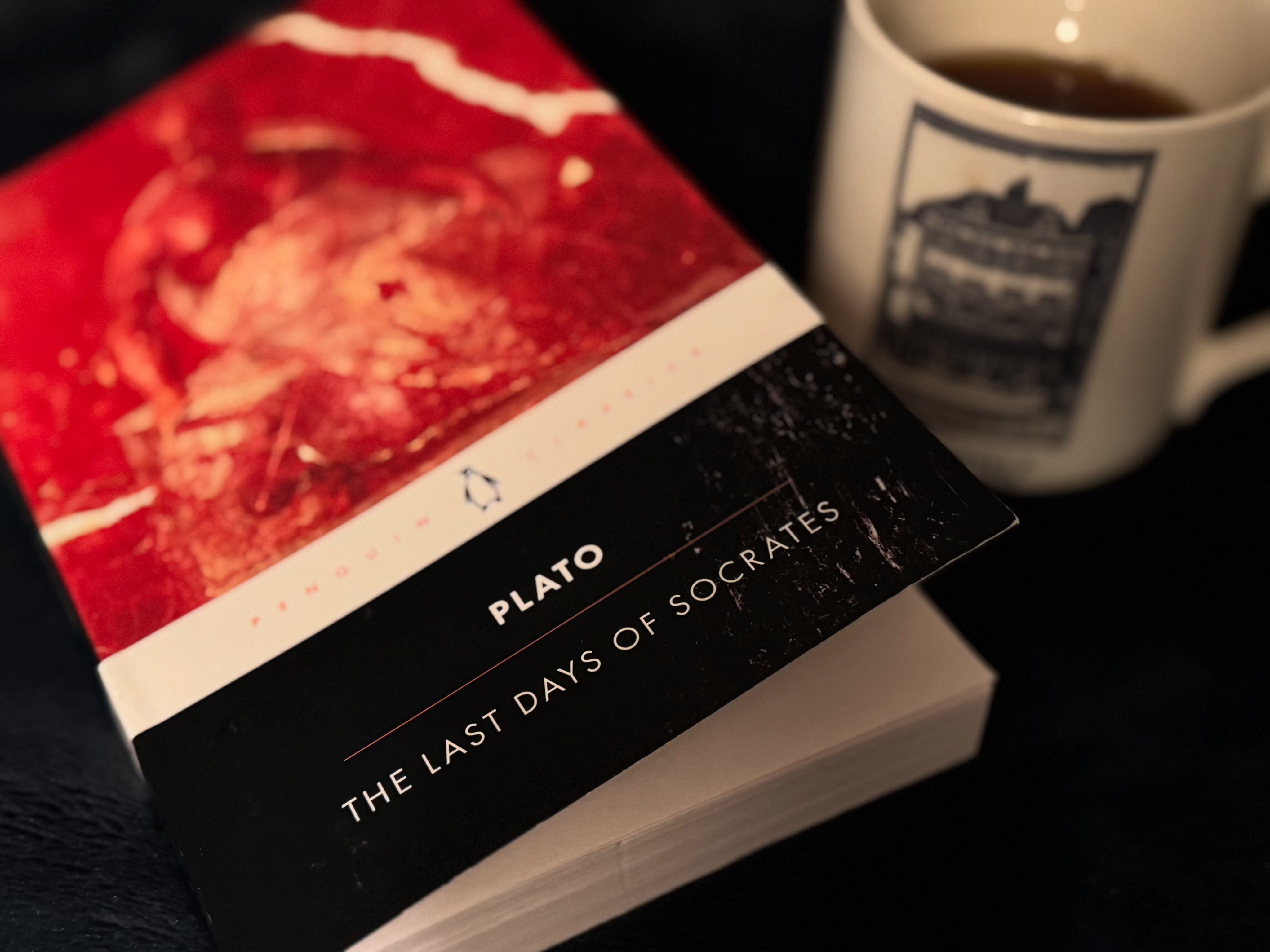
I have decided to read through the complete works of Plato. Euthyphro is my first dialogue in this Plato Project. I ended up reading it 4 times within 4 different translations. In this episode, I give a brief overview of the dialogue, talk about piety and if/when this word shows up in Homer, the Greek Tragedies, and elsewhere, and cover each of the answers and responses between Euthyphro and Socra

Frameworks for Reading
Do you find yourself struggling to remember what you read? This has been a continual difficulty for me and is a main reason that I started this reading project. I wanted to read more books, but more importantly, I wanted to experiment with different ways to help me remember what I read.One of the most powerful ways I’ve found to remember what I read is to apply basic summary frameworks during and
The Plato Project
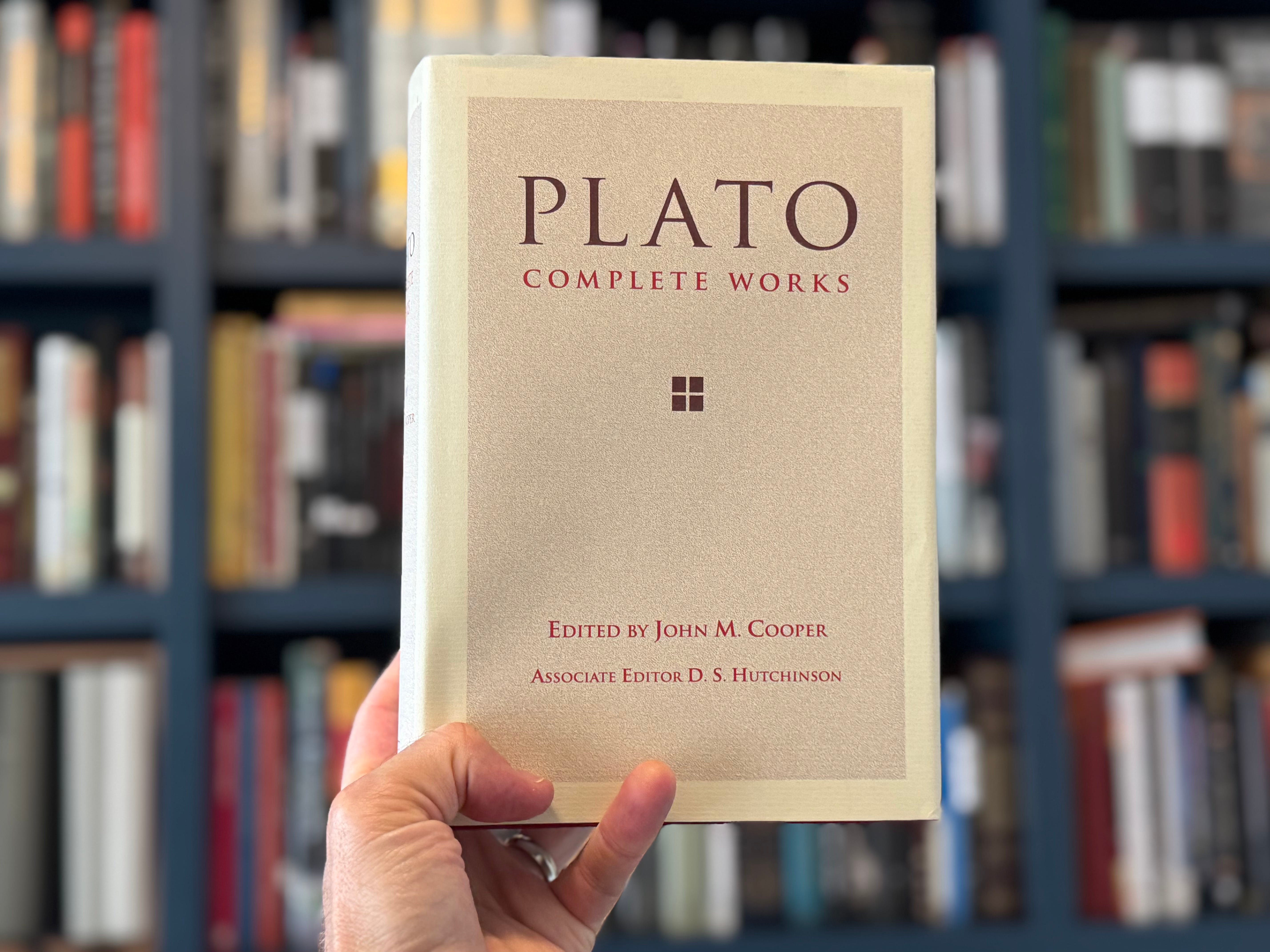
I’m currently making my way through The Immortal Books by 200 different authors. I expect the project to take 15 years. I’m currently in year 3 and Plato is author 18 out of 200. I had initially planned to read 9 of his works (Apology, The Republic, Laches, Symposium, Philebus, Crito, Phaedo, Theatetus, Meno), but when people on Twitter suggested I pick up this version of his complete works, I beg
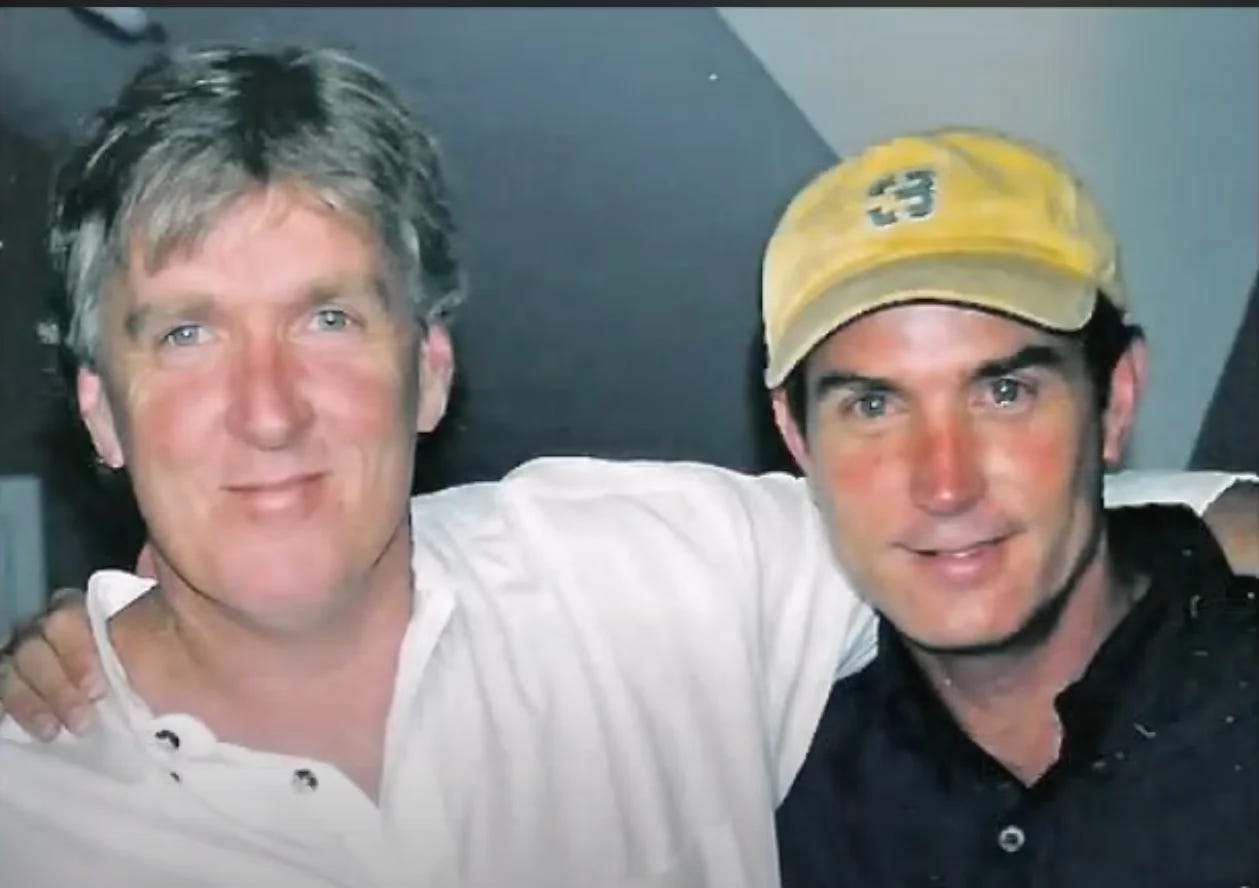
#258 - The Last Sweet Mile by Allen Levi
A life well-lived. Looking back, what would make you say that about your own life? What would constitute that well-lived life? Would it contain grand gestures seen by many or small, sacred acts seen by few?The Last Sweet Mile is a long letter written by Allen Levi to his family that covers the last year of his brother Gary’s life. They had a special relationship. A relationship we all long for. Th
The DIY Great Books Approach
This episode is for anyone who wants to tackle the Great Books independently—whether you’re years out of college or just looking for a self-guided approach. Not sure where to begin? In this episode, I share ideas on how to prepare, start, and continue on your very own Great Books journey. This is a public episode. If you'd like to discuss this with other subscribers or get access to bonus episodes
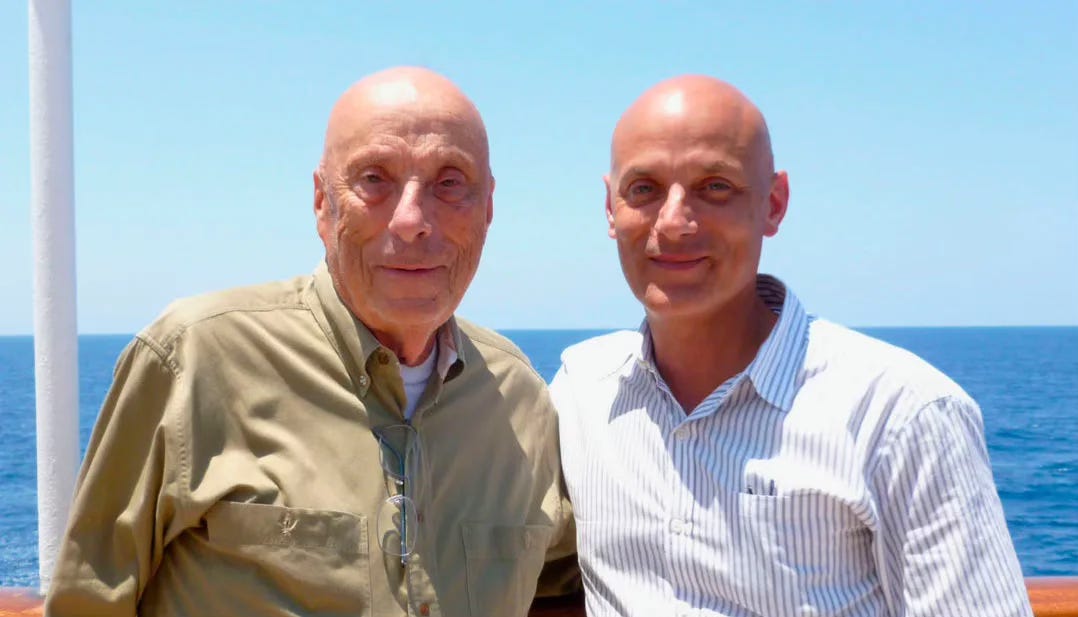
#257 - An Odyssey by Daniel Mendelsohn
I book the author events at Landmark Booksellers in Franklin, TN, and earlier this year, I saw that Dr. Mendelsohn was coming out with a brand new translation of The Odyssey for the University of Chicago Press. I reached out to Dr. Mendelsohn to see if he would be near Franklin any time soon, and to my delight, he was able to do an author event.It was fascinating. I learned so much about The Odyss
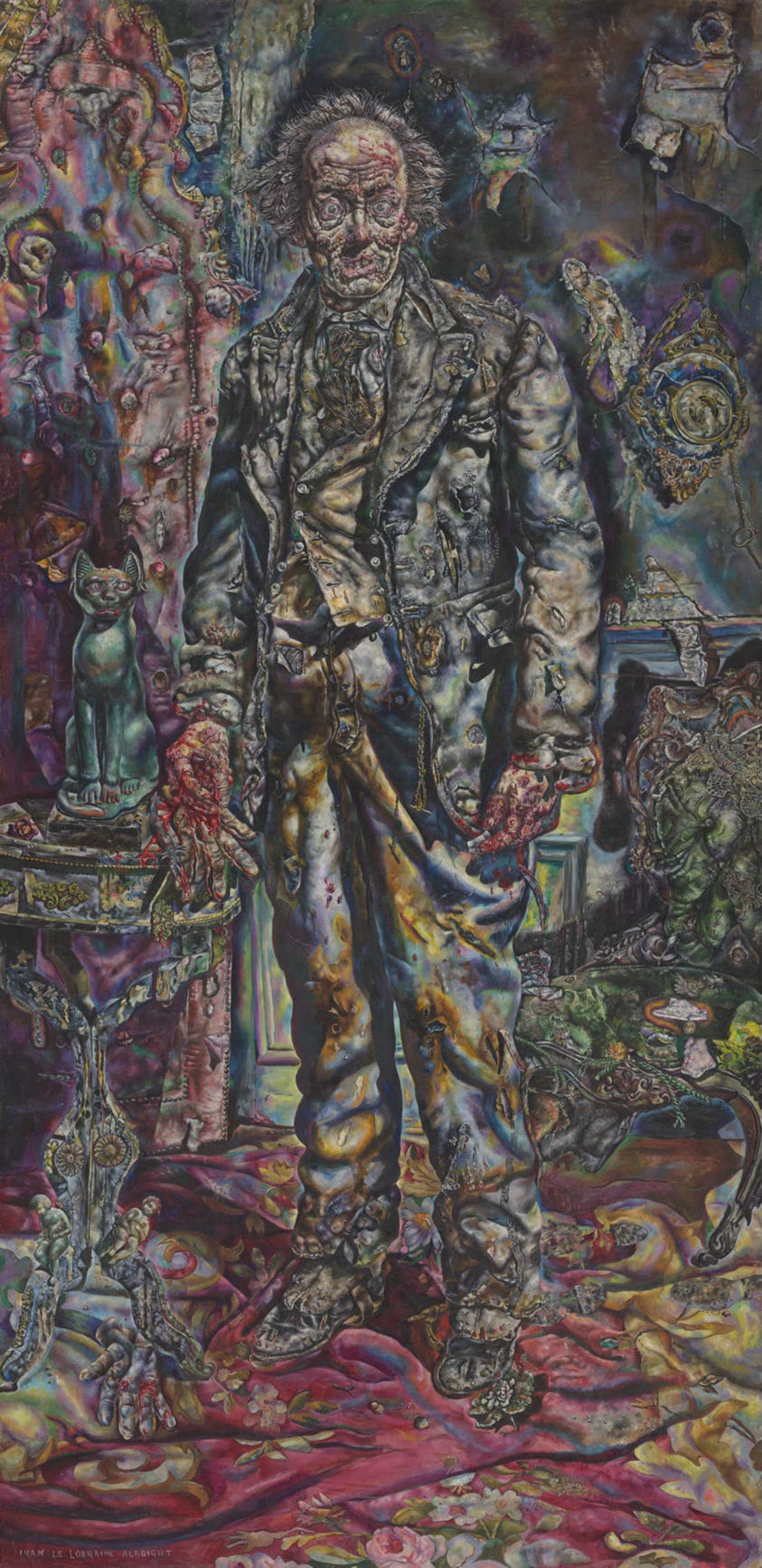
#256 - The Picture of Dorian Gray by Oscar Wilde
This book is seared into my memory. I first read it in August of 2002 and just re-read it for the second time in my life. My memory of the work from my first reading was near exact, something that almost never happens to me. It struck such a cord in my 20s that I thought about it often over the subsequent 20+ years. It is one of the most important novels I have ever read.Dorian Gray makes a Fausti
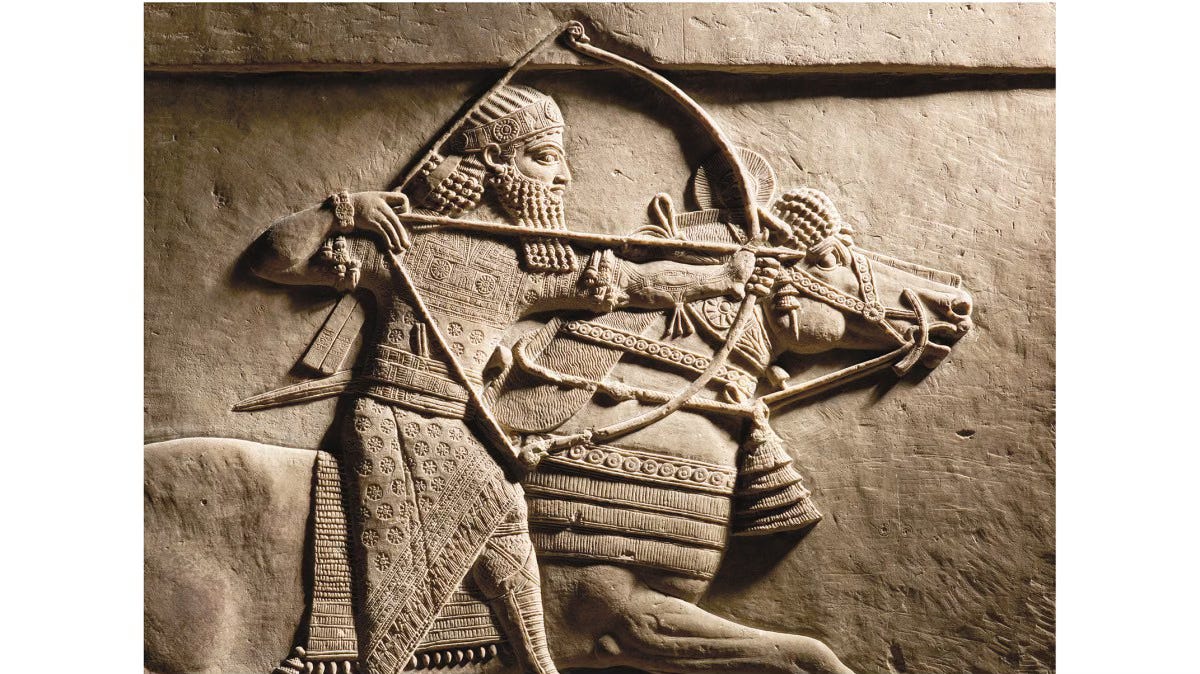
#255 - The Library of Ancient Wisdom by Selena Wisnom
Ashurbanipal was king of Assyria from 669 to 631BC. He was a warrior poet, a scholar who carried a pen in his belt while decimating foes with cruel and unusual punishments. In a miraculous twist of history, the fire that destroyed his famous library is the very thing that ensured its survival. The fire solidified his 30,000+ clay tablets.Those clay tablets, lost to history for 2,400+ years, now mo
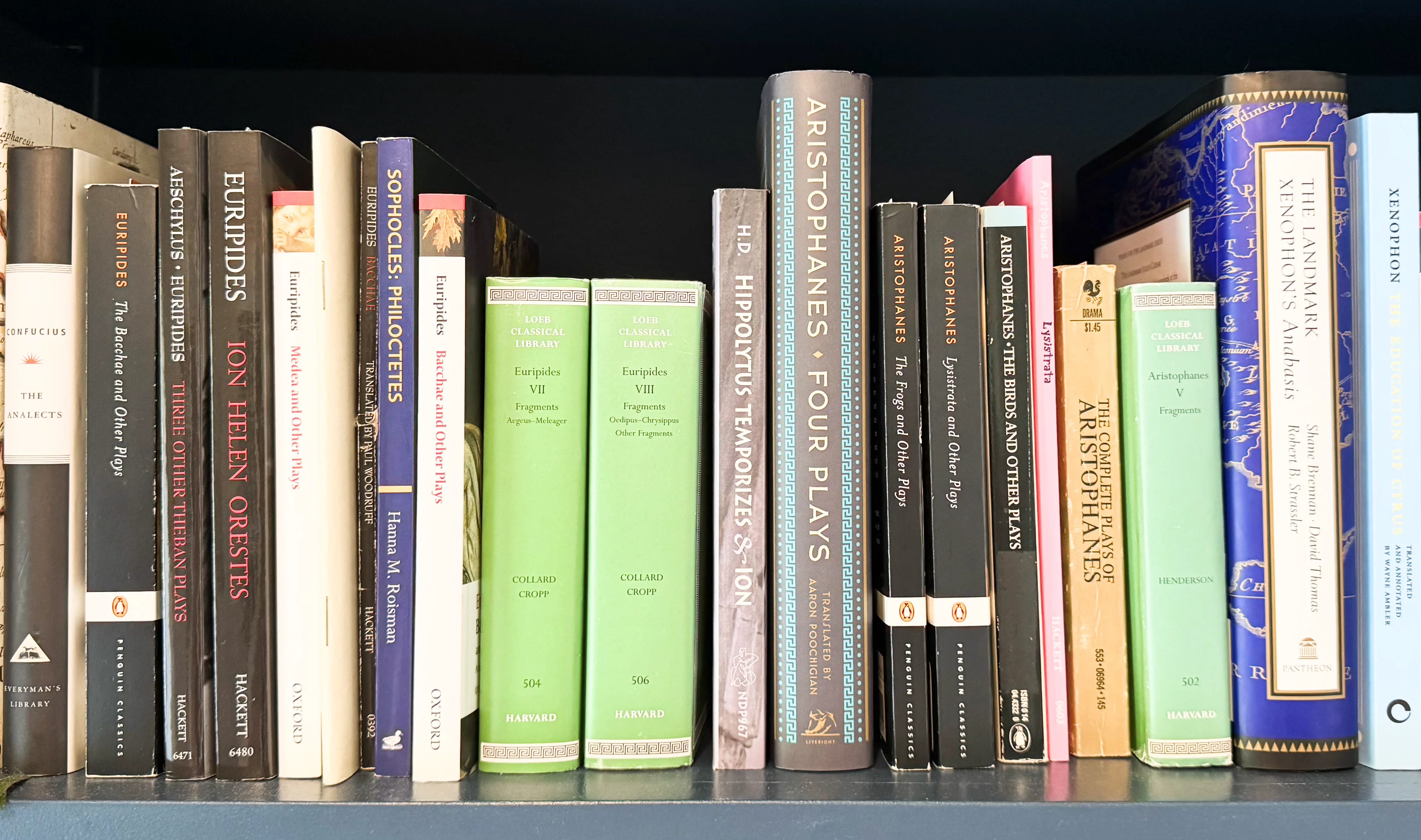
2025 Mid-Year Reading Review
I find it helpful to take a step back from day to day reading to consider overall themes that show up over spans of reading time. That’s what I do in this episode. I look at the first half of reading for 2025 and talk about the 19 books I’ve read so far. I then talk about my favorite books, things I enjoy about Greek Literature, and share the one idea so far this year that has had the biggest impa
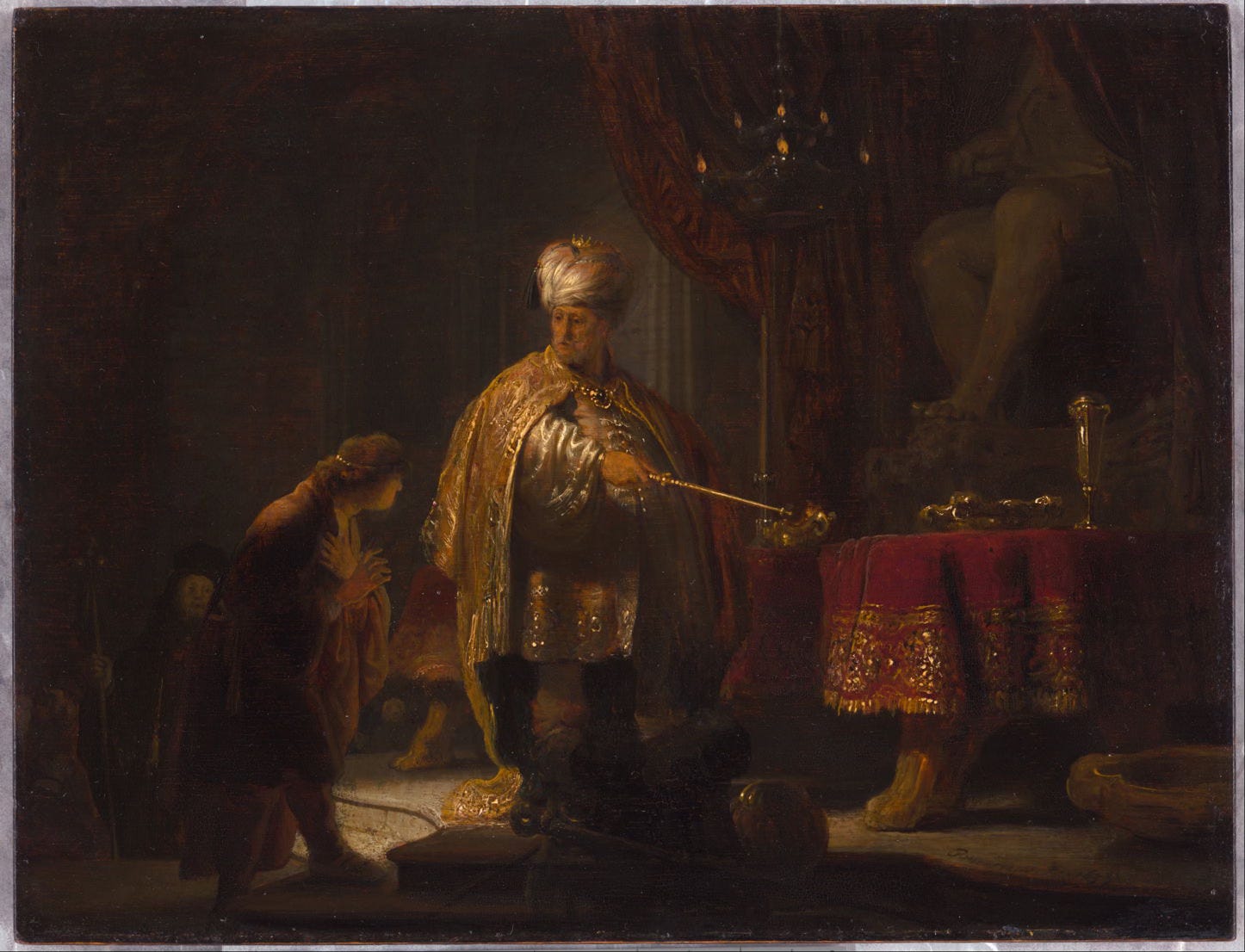
#254 - The Education of Cyrus by Xenophon
Last week, I discussed Anabasis by Xenophon, which covers the failed attempt of Cyrus the Younger to rule the Persian Empire with the help of 10,000+ Greek Mercenaries. The Education of Cyrus covers a different Cyrus, Cyrus the Great (600 - 530BC). This is the Cyrus in the Bible. The Cyrus of the British Museum’s Cyrus Cylinder. The Cyrus who conquered the Babylonians.The Education of Cyrus differ
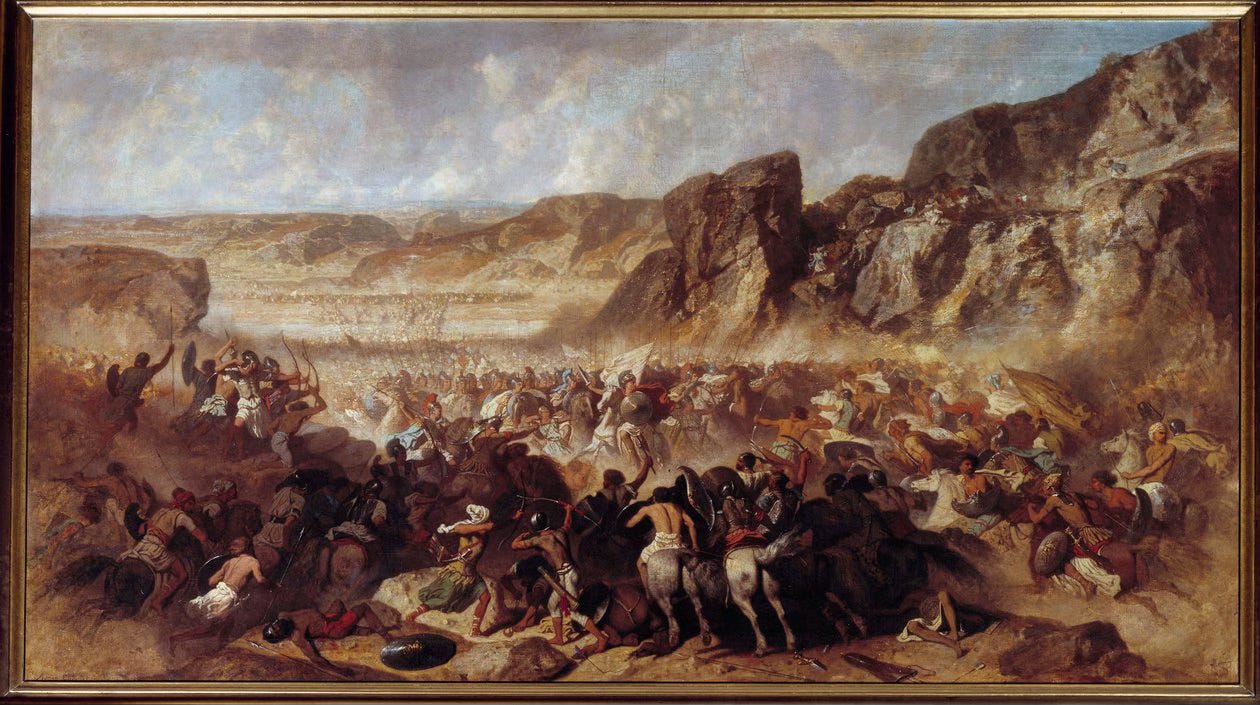
#253 - Anabasis by Xenophon
The Persian Cyrus the Younger recruits Greek mercenaries (12,900 to be exact, although Ten Thousand has a nicer ring to it) to help him try to claim the throne of Persia. The battle doesn’t go well, Cyrus loses a hand and a head, and the Greeks are forced to retreat to their country of origin. These events, take place between 401 - 399BC.Anabasis means a movement upwards, but can also refer both t
Should You Re-Read Books From Your Past or Focus on New Books?
I love experiencing a book for the first time. There’s the rush of discovering a new story, an intoxicating idea, or a memorable character. By the time I’ve finished the book, I’m ready to get that hit again with a new book. I actually fear the high won’t be as good if I go back and read a book for a second time, even if it’s a book I really enjoyed.But that’s not how books work. Re-reading a book
#252 - The Frogs by Aristophanes
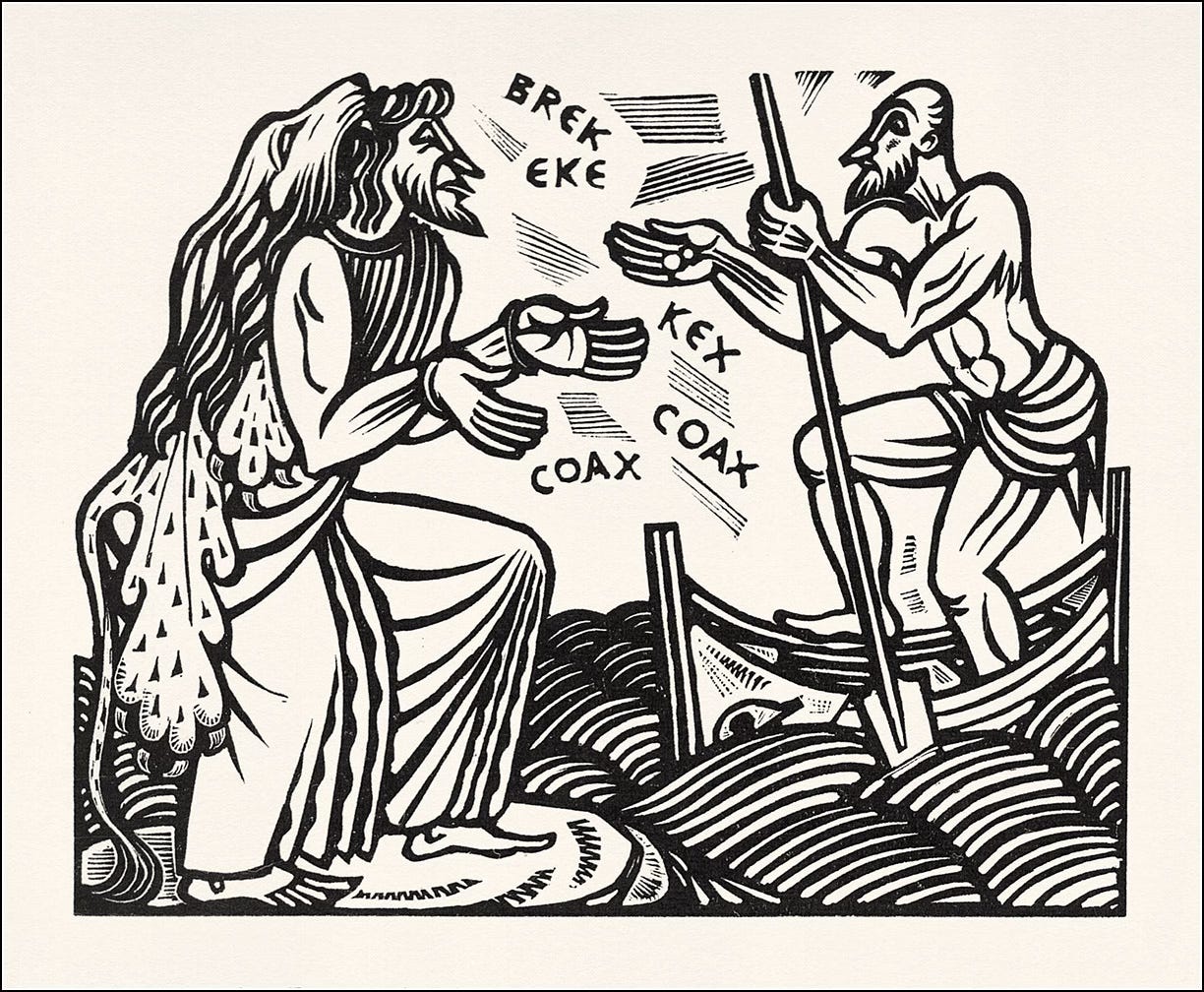
It took me 5 comedy plays by Aristophanes to begin to enjoy them. This was the 5th. It wasn’t as crude or banal as the first four I read (Clouds, Birds, Lysistrata, Women of the Assembly). I really enjoyed this one. Dionysus journeys to Hades to meet Euripides. A verbal contest ensues between the great tragedians Aeschylus and Euripides to determine who is the Best Tragic Poet. On the way to Hades
#251 - The Clouds by Aristophanes
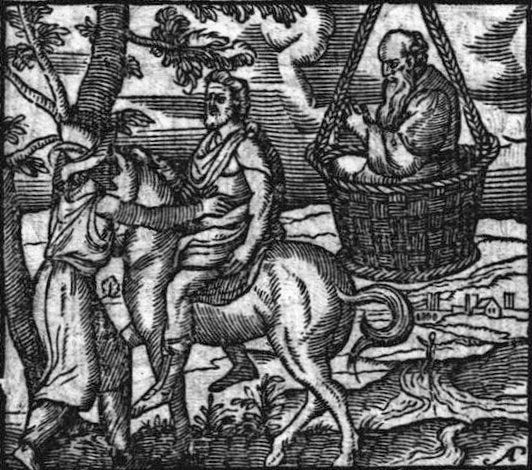
A father seeks to get out of debt, not in the traditional way of paying it off, but in the new way of winning an argument over his creditors. It doesn’t matter whether the argument is true or not, only if it gets him out of debt.This quest drives the father, Strepsiades, into the school of Socrates (likely in attendance at the play in 423BC) to learn the “wrong argument.” What ensues is a hilariou

#250 - Reading the Greek Tragedies
I just finished reading all of the Greek Tragedies that survive from Aeschylus, Sophocles, and Euripides. That was not the plan, I only expected to read 2 or 3 by each playwright, but I got hooked.In this episode, I share about my experience, cover the major themes throughout those plays, and talk about my favorites. These stories will be with me for the rest of my life. They cover ideas we hear d
#249 - Bacchae by Euripides
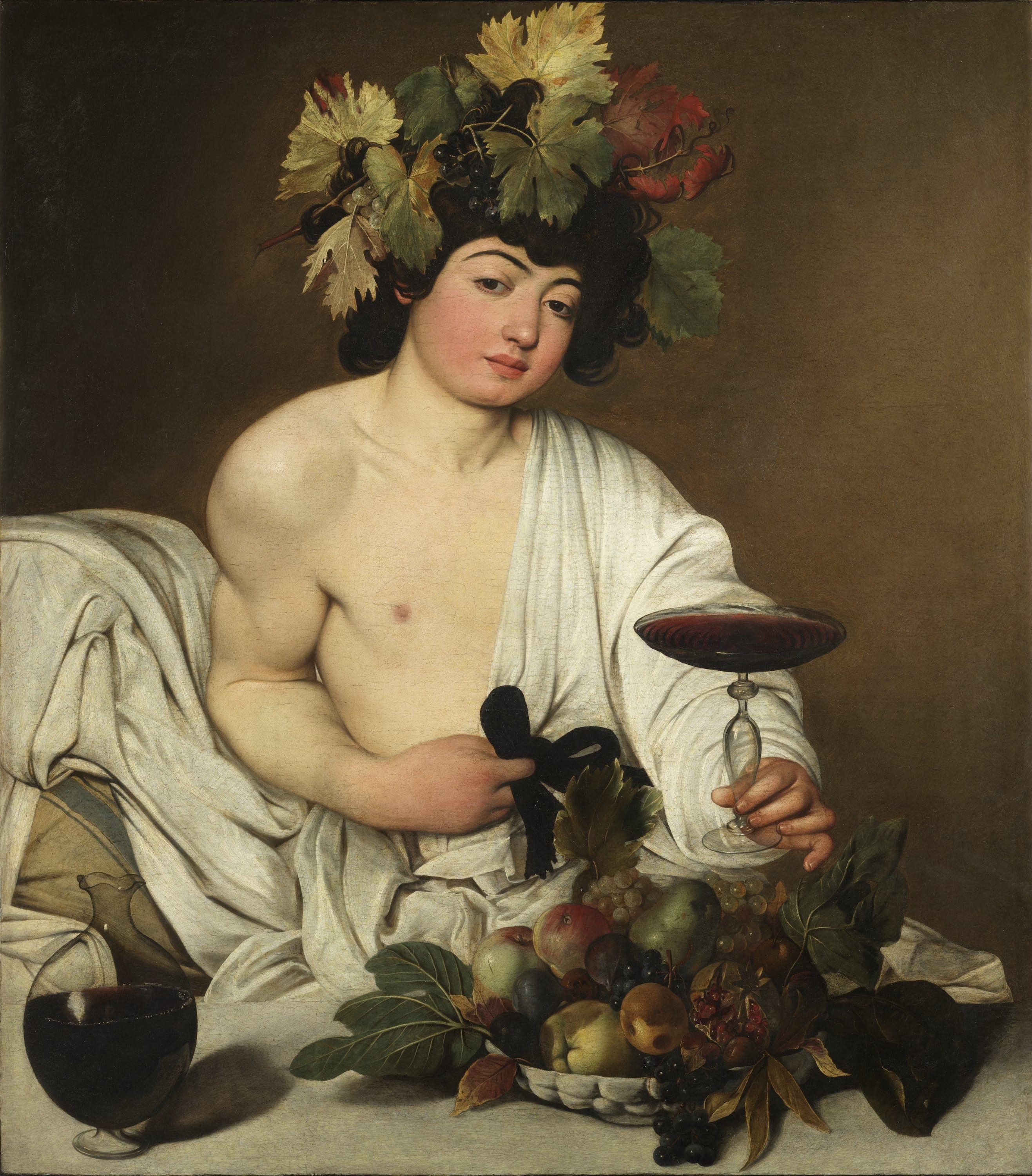
Homer (Simpson, not the epic poet) once said that alcohol is the “cause of... and solution to... all of life's problems.” I think of that quote when I think of the god Dionysus (also known as Bacchus). Dionysus is the god of joy and celebration, but also madness and violence. The god of inspiration and intoxication. He’s the god the indwells through wine, which can both bring happiness and cause d
#248 - Helen by Euripides
What if everything you knew of Helen of Troy wasn’t true? That she didn’t go with Paris to Troy. That instead, she was whisked away to Egypt while the Greeks and Trojans battled it out over her phantom.That’s the storyline of Helen by Euripides. It brings into question perception vs reality. It provides Helen a way to redeem her name. And it makes for an absolutely brilliant and entertaining trage
#247 - Iphigenia at Aulis by Euripides
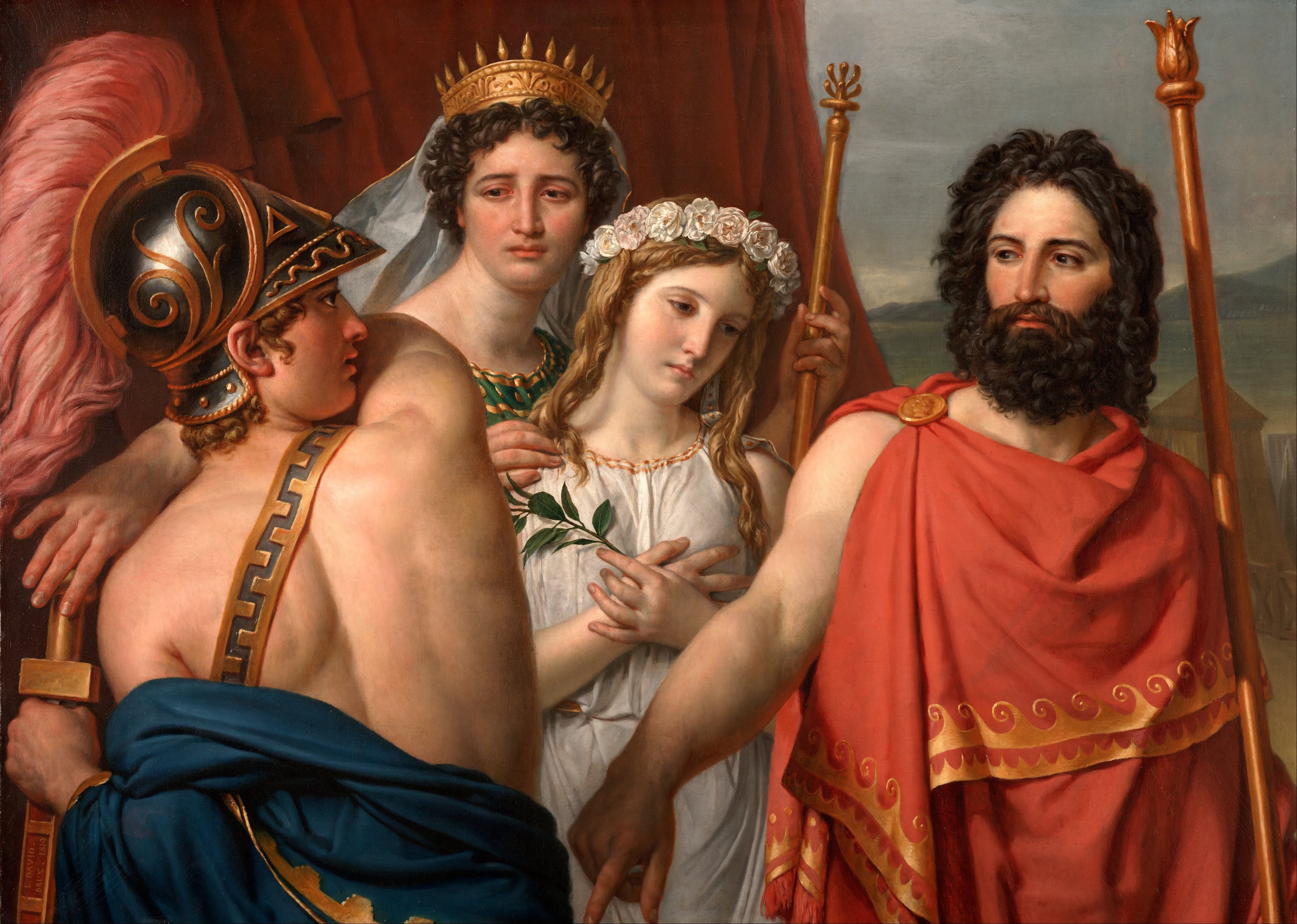
Homer doesn’t mention her but she permeates the Iliad. Without her, Aeschylus’ Oresteia doesn’t pack the same punch. Her story is so tragic that Euripides doesn’t let this play end as it should. He has her whisked away so she is not sacrificed.Her name is Iphigenia. She’s the daughter of Agamemnon, the King of the Greeks. This play takes place before the Iliad, before the Trojan War. The Greeks wi
#246 - Orestes by Euripides
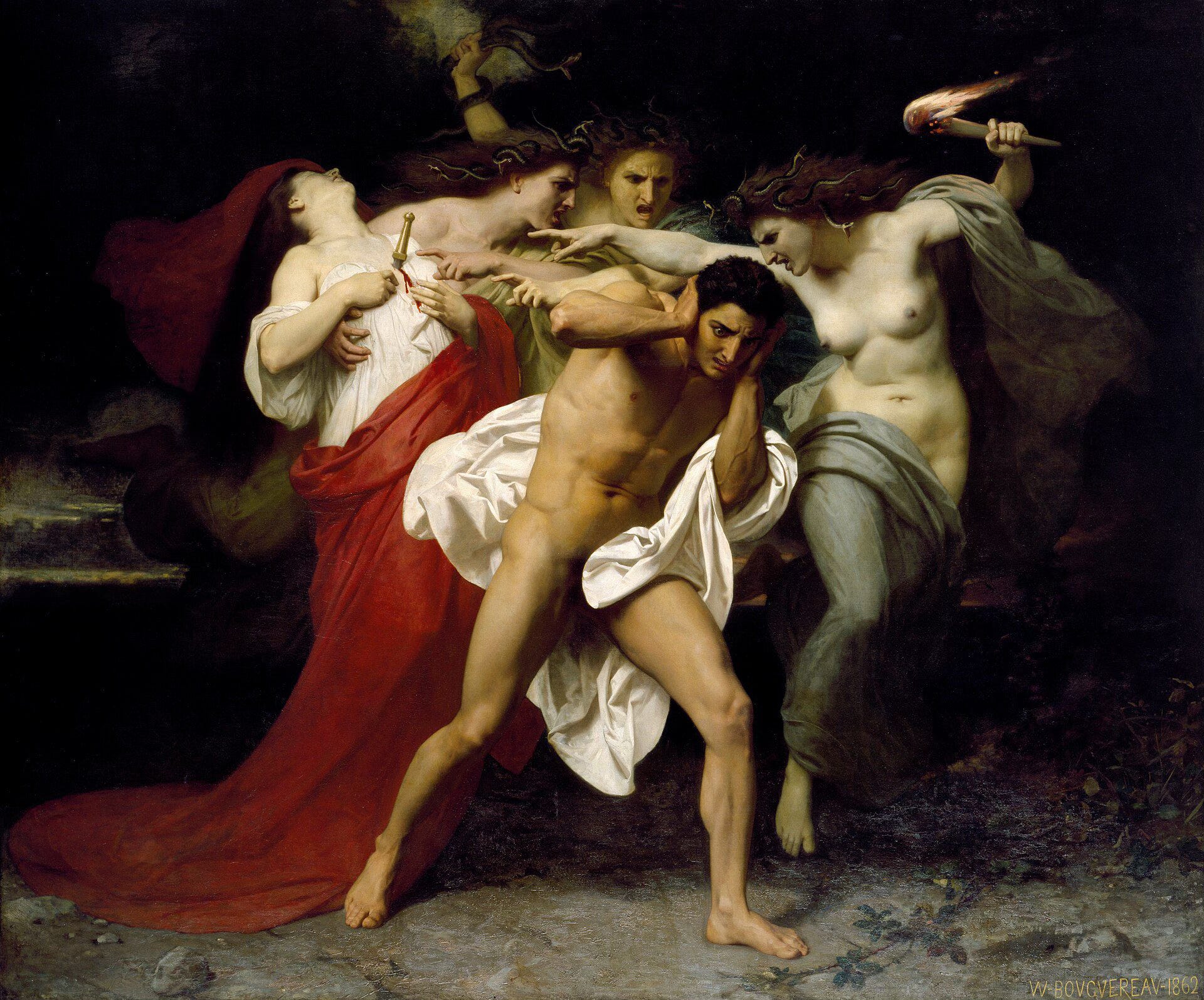
That’s such a brutal painting. Orestes has stabbed his own mother and the furies are immediately there to torment him. The story of Orestes was explored by each of the three main Greek tragedy playwrights, Aeschylus, Sophocles, and Euripides. Aeschylus set the standard with The Oresteia, Sophocles approached it through Electra, and Euripides through both Orestes & Electra.Orestes if a fascinating

#245 - Free Speech by Jacob Mchangama
“In fact, free speech may well be the most powerful engine of equality ever devised by human kind.”Free Speech by Jacob Mchangama presents a thorough and fascinating look at the history of free speech through the ages. What’s amazing is that free speech is a rather recent phenomenon, is quite fragile, and most of the people I consider to be the bulwarks of free speech were not as principled as I t
How Can I Teach Myself to Read Better as an Adult?
A few years ago, I read a book about a coffee entrepreneur. It was really good. I immediately thought about a new friend of mine who worked at a coffee shop. I bought the book for him and met up a few weeks later to hear what he thought. His comments shocked me.He thanked me for the book and said it was the first full book he had read since college. This was a man in his early 30s, which means he
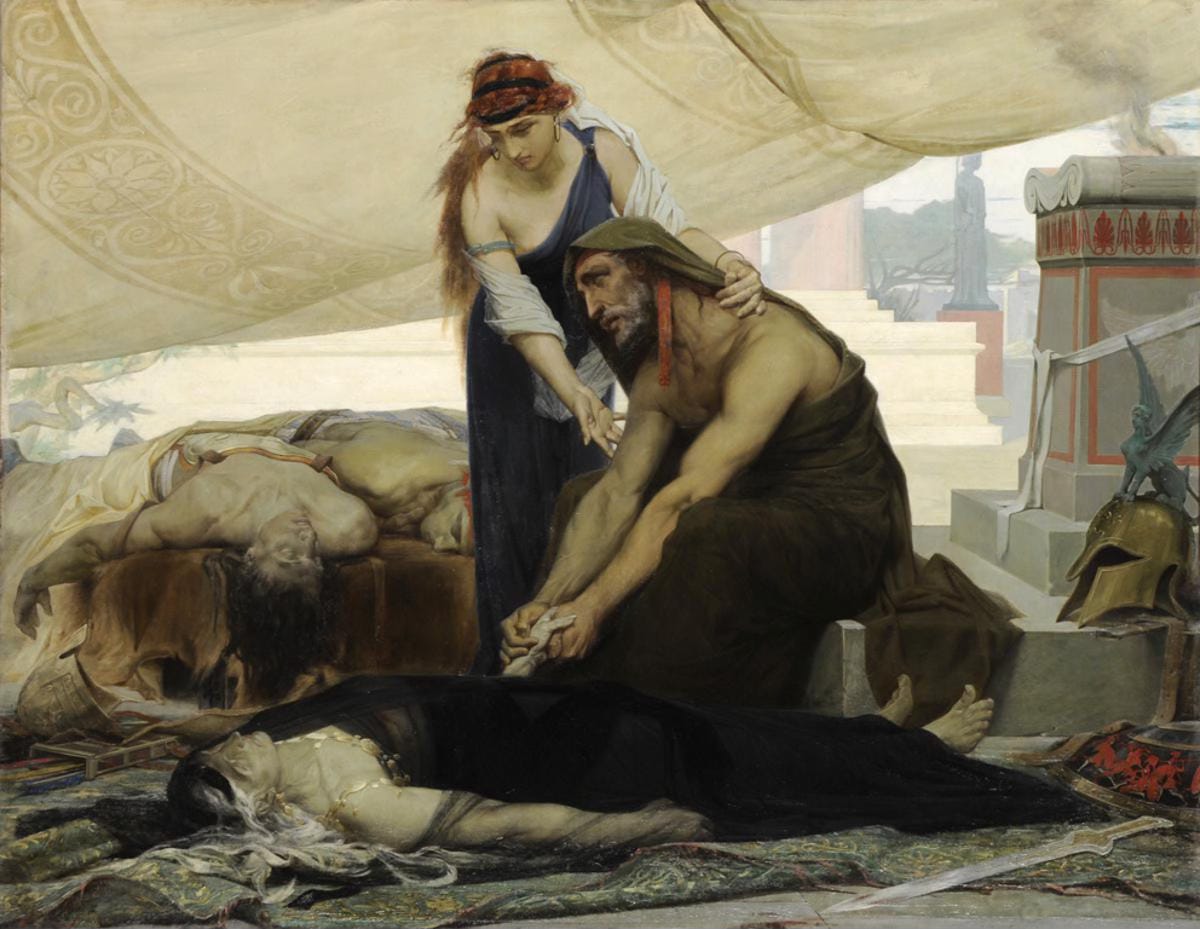
#244 - Phoenician Women by Euripides
Euripides’ Phoenician Women mimics the Aeschylus tragedy Seven Against Thebes with some key differences. One of those is the composition of the members of the chorus. Aeschylus chose Theban women as the members of his chorus but Euripides selected foreign slave women from Tyre en route to Delphi. They don’t have skin in the game like the Theban women do as they watch their royal line destroy thems
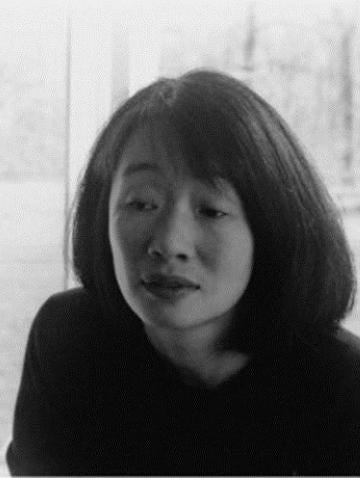
#243 - The Authentic Confucius by Annping Chin
Most of the sayings of Confucius consist of three parts:* The Saying* The Person* The Time/LocationIf you just read The Analects, you get all of the sayings and if you’re very diligent (or use a commentary), you can get to know the people Confucius addresses in his responses. What’s difficult to gather from The Analects is the historical context (time/location) in which each statement was made.Tha

#242 - The Analects by Confucius
The life of Confucius (551 - 479 BC) overlaps the life of Greek playwright Aeschylus (525 - 455 BC). Confucius makes it clear that he is a transmitter, not an originator. He’s transmitting wisdom from the past, specifically from an ancient era of perfect rulers. The Analects is a set of collected sayings of Confucius compiled by his disciples.I was expecting a religious text but this read more lik
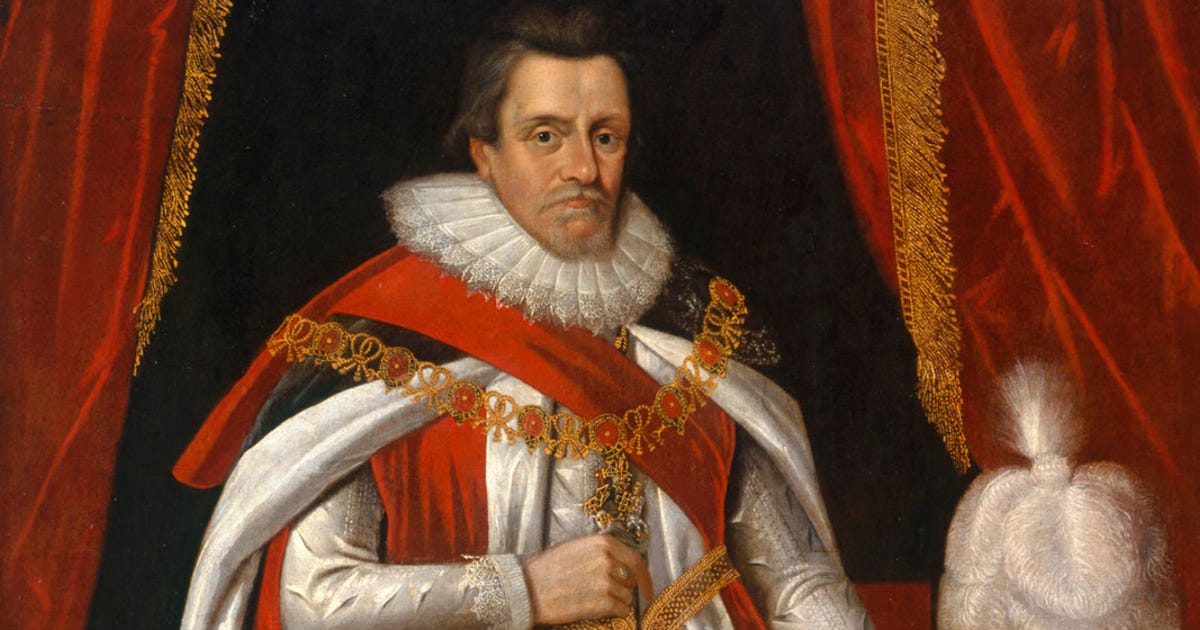
#241 - God's Secretaries by Adam Nicolson
I started off 2025 reading straight through the King James Version of the Bible. As I was doing so, I kept wondering how that translation came about. It’s now over 400 years old. What English translation will people be reading 400 years from now? And I had other questions. Did people really speak like this? Is this the first English translation? Why is it called the King James Bible? Who translate

#240 - The Bible | King James Version
I start each year reading straight through a different version of the Bible during January & February. This year, I selected the King James Version designed & illustrated by Barry Moser. This version contains 232 beautiful illustrations. This was my first time reading the full King James Version. I liked it very much.I divide this podcast episode up into three sections:* The things that stuck out

Comparing LBJ & Robert Moses
In 2021, I dedicated my reading year to series of books. I read through Harry Potter, The Lord of the Rings, all books by Russ Roberts, and the Narnia series. I also read every single book written by Robert Caro. His The Years of Lyndon B. Johnson four-book set are some of the best books I’ve ever read and I think about them often. I also read The Power Broker about Robert Moses of New York City.I

The Gulag Archipelago
I’m digging into the podcast vault and taking us back to December 2019 when I first released this episode. In the past 5 years, I’ve thought about The Gulag Archipelago often. I’ve seen it referenced in other books and think its ideas can heal our current divides. This is a public episode. If you'd like to discuss this with other subscribers or get access to bonus episodes, visit www.booksoftitans
Recommended

K-Drama Obsessed Mamas | Beyond “Just One More Episode!”

True Crime Classics

The Healer Revolution

Becoming: HER with Nikki Spoelstra

Booked, Blonde & Busy w/ Olivia Ponton

McKinsey on Consumer and Retail

megahired.com

Hard Knocks Podcast
Effective Weight Loss for Moms | High protein, Strength Training, Lose Weight, Meal Planning, Fat Loss, Healthy Habits

The Human-Animal Connection - Pet Life Radio Original

Infinite Health with Dr. Arasi Maran

The Daily
