
Golf 247.eu: The Global Platform for Innovative Technologies and Teaching Concepts.
Golf247.eu is a technology company with a global platform for innovative golf teaching concepts and digital tools. It connects golf instructors, academies, clubs, schools, national PGAs, and golf associations, aiming to improve instruction, streamline business management, and offer time-saving solutions. The platform continuously seeks new global features to enhance the capabilities of PGAs, golf clubs, academies, and instructors.
Episodes

#739 The Straight Left Arm Myth: 5 Insights From 3D Golf Data
For generations, golfers have been told: "Keep your left arm straight!" But modern 3D biomechanics reveals a different reality. Elite golfers don't lock their lead elbow. They allow natural flexion and re-extension to maintain width, improve sequencing, and deliver speed.1. The Lead Arm Is Never Fully LockedPGA Tour reference data shows how the lead elbow changes throughout the swing
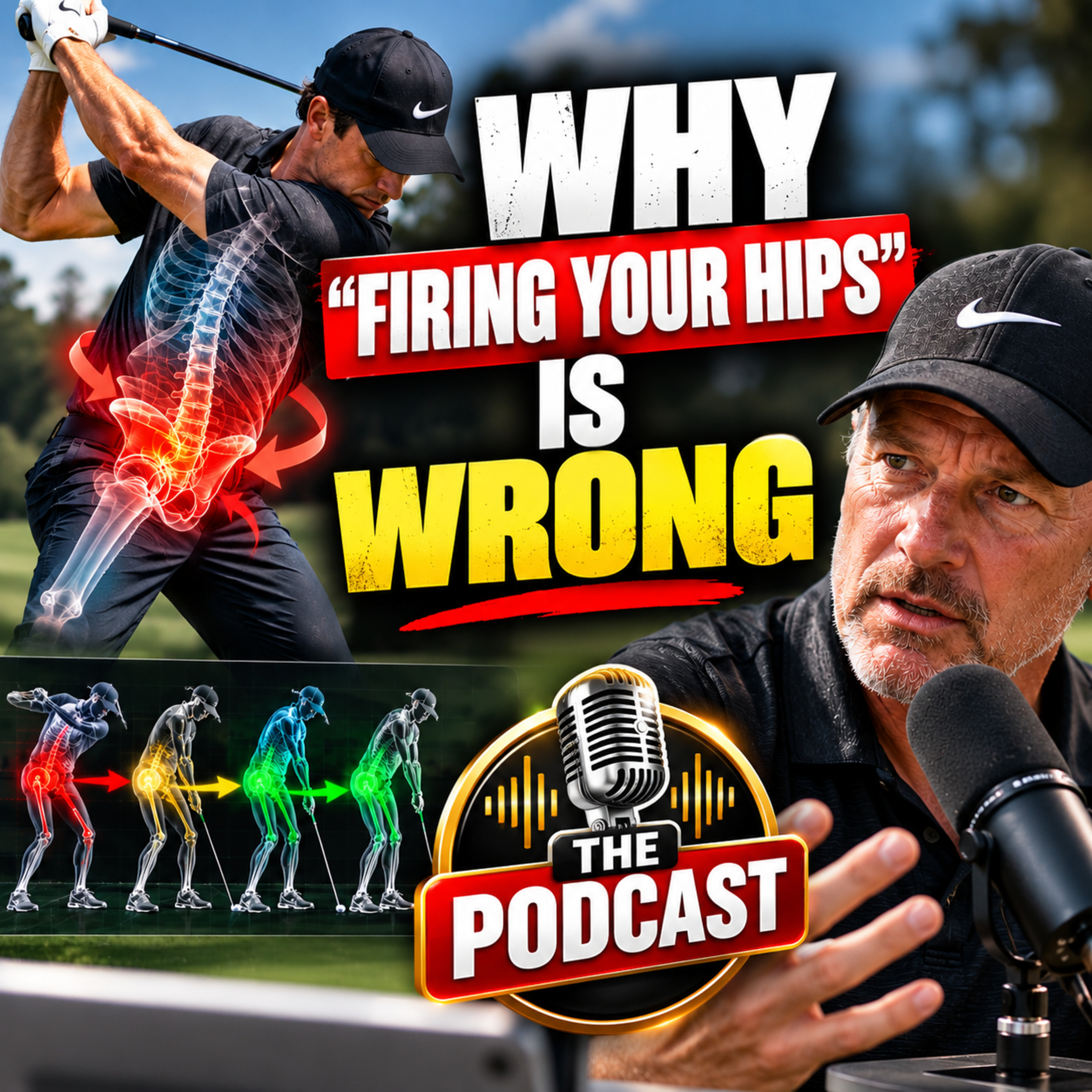
#738 Why “Firing Your Hips” Is Ruining Your Golf Swing
“Fire your hips and let your arms drop!” This popular golf instruction sounds powerful, but 3D biomechanics reveals why it often creates trapped arms, steep club delivery, inconsistent contact, and lost clubhead speed.1. The Pelvis Leads — But Must Not Run AwayThe pelvis initiates the downswing before the chest, arms, and club. However, excessive hip rotation can leave the trail elbow trapped behi

#737 Stop Squeezing Your Elbows: The Biomechanics of a Better Golf Transition
Many golfers struggle with an over-the-top swing or a steep shaft during transition. One common mistake is trying to copy professional golfers by squeezing the elbows together.But the elbow gap is a symptom, not the cause. Efficient movement begins with proper biomechanics and sequencing.1. The Elbow Gap Is Not the ProblemWhen the elbows separate during transition, the cause may be premature chest

#736 5 Ground Force Secrets That Unlock Clubhead Speed
Most golfers believe more clubhead speed comes from swinging harder or shifting their weight aggressively. But biomechanics and force-plate data reveal something different: speed depends on how effectively you use the ground.Ground Reaction Force (GRF) is not simply about pushing harder. It is about force direction, timing, and sequencing.1. Move Pressure, Not Body MassElite golfers distinguish be

#735 The Counter-Intuitive Motion That Separates Elite Golfers From Amateurs
For many golfers, the transition from backswing to downswing is where everything breaks down. The instinct is to pull the hands down, rotate harder, or shift toward the target after reaching the top. Elite golfers do almost the opposite.3D motion capture and pressure-plate data show that the downswing begins before the backswing is finished. While the chest and arms are still completing the backsw

#734 Why Everything You’ve Been Told About “Shoulders Back” Might Be Wrong
Many golfers are taught to “pull the shoulders back” at address. It may look athletic, but biomechanically it can create unnecessary tension and reduce movement freedom.The shoulder complex is not a single joint. It includes the scapulae, clavicles, ribcage and glenohumeral joints, forming the mechanical bridge between the torso and arms. If this system is restricted at setup, the body must compen

#733 Stop Trying to "Fix" Your Lead Wrist: The Reality of Clubface Control
Many golfers spend hours trying to create a flat or bowed lead wrist. But the wrist is rarely the real problem. It acts more like a regulator, responding to movements higher up the chain—pelvis, torso, shoulders and arms.Lead-wrist extension, or “cupping,” can open the clubface relative to the path and create a timing-dependent delivery. But forcing the wrist flat without understanding why it exte

#732 Why Your “Arms” Are Lying to You: The Three Rotational Systems of Elite Ball Striking
Traditional golf instruction often treats the arms as one unit. Biomechanically, this is misleading. Two golfers can place their hands in almost identical positions on 2D video yet produce completely different club deliveries.The key is orientation, not just position. The arm consists of three rotational systems that can move independently: the shoulder complex, forearm and wrist.1. Shoulder: The

#731 The Club Path Fallacy: Why Your “Out-to-In” Swing is Still Hooking
Golfers are often taught a simple rule: swing out-to-in for a fade and in-to-out for a draw. But this is incomplete. Ball flight is not determined by club path alone—it depends on the relationship between Club Path and Face Angle at impact.This relationship is part of the D-Plane, the three-dimensional collision geometry that determines launch direction and spin axis.Face Angle describes where the

#730 Why Your Downswing Should Start Before Your Backswing Ends
Traditional golf instruction often presents the swing as separate positions: backswing, top, then downswing. Elite biomechanics show something different: the transition is an overlap. The lower body begins reorganizing toward the target while the club is still completing the backswing.This is the foundation of Dynamic Stability and the purpose of the Step Drill.The Step DrillA wide stance creates

#729 Why Everything You’ve Been Taught About Golf “Lag” is Likely Wrong
For generations, golfers have tried to “hold lag”—pulling the handle down, increasing grip pressure, and deliberately preserving the wrist angle. Modern biomechanics shows why this approach can actually reduce speed.Lag is not something you create. It is something that happens.The sharp angle between the lead arm and club shaft seen in elite players is primarily a result of movement, sequencing, a

#728 Mastering the Short Wedge: Stability Through Rotation and Radius
Why “Arms Only” Is Ruining Your Wedge PlayMany golfers believe 30–50-yard wedge shots should be played mainly with the arms while keeping the body quiet. Biomechanically, this often creates the opposite of control. When body rotation disappears, the arms must independently manage speed, radius and timing—making contact less predictable.Compact Doesn’t Mean NarrowA good wedge swing is compact, but

#727 Why Your Right Arm Is Killing Your Contact: The Biomechanics of the “Pure Strike”
Many golfers believe a straight trail arm at impact creates maximum power. Biomechanically, the opposite is often true. Pure contact is not created by forcing the arm straight—it is the result of an efficient whole-body sequence.3D data shows an important difference between elite players and many amateurs. Elite golfers typically retain around 21–22° of trail-elbow flexion at impact, while amateur

#726 Watchit Golf: Optimizing X-Factor Stretch and Sequencing
Beyond the Turn: Why Your “X-Factor” Isn’t the Real Secret to SpeedFor decades, golfers were told to “restrict the hips” while turning the shoulders to create maximum X-Factor. But modern biomechanics shows that this static separation at the top is only part of the story. Speed depends far more on what happens dynamically during transition.X-Factor vs. X-Factor StretchX-Factor is the rotational di

#725 The Trail Foot Trap: Why Your Draw Setup Might Be Causing a Slice
For golfers fighting a slice, one of the most common fixes is dropping the trail foot back. For a right-handed player, this creates a closed stance that appears to provide more room to swing from the inside. The logic sounds simple: close the stance, move the path right, and create a draw.But biomechanics is rarely that simple.Alignment is not just the foot line. It is a 3D system involving the fe

#724 The Trail Foot Trap: Why Your Draw Setup Might Be Causing a Slice
The Ground-Up Revolution: Why Pelvic Power Starts at Your Shins“Turn your hips harder” is one of golf’s most common instructions. But efficient pelvic rotation does not happen in isolation. It starts from the ground through the interaction of the feet, ankles, shins and knees.The Shin RollDuring transition, elite players often demonstrate a “slide and sink” pattern rather than immediately rotating

#723 The Future of Golf Coaching: SFT Golf Online Academy
For years, golfers have faced the same challenge: high-quality coaching is often limited by location, time, and access. After the pandemic, PGA Professional Henrik Jentsch began developing a different approach—a complete online golf academy combining personal coaching with modern technology.Today, that vision is becoming reality with the SFT Golf Online Academy, powered by WatchItGolf.Beyond Simpl
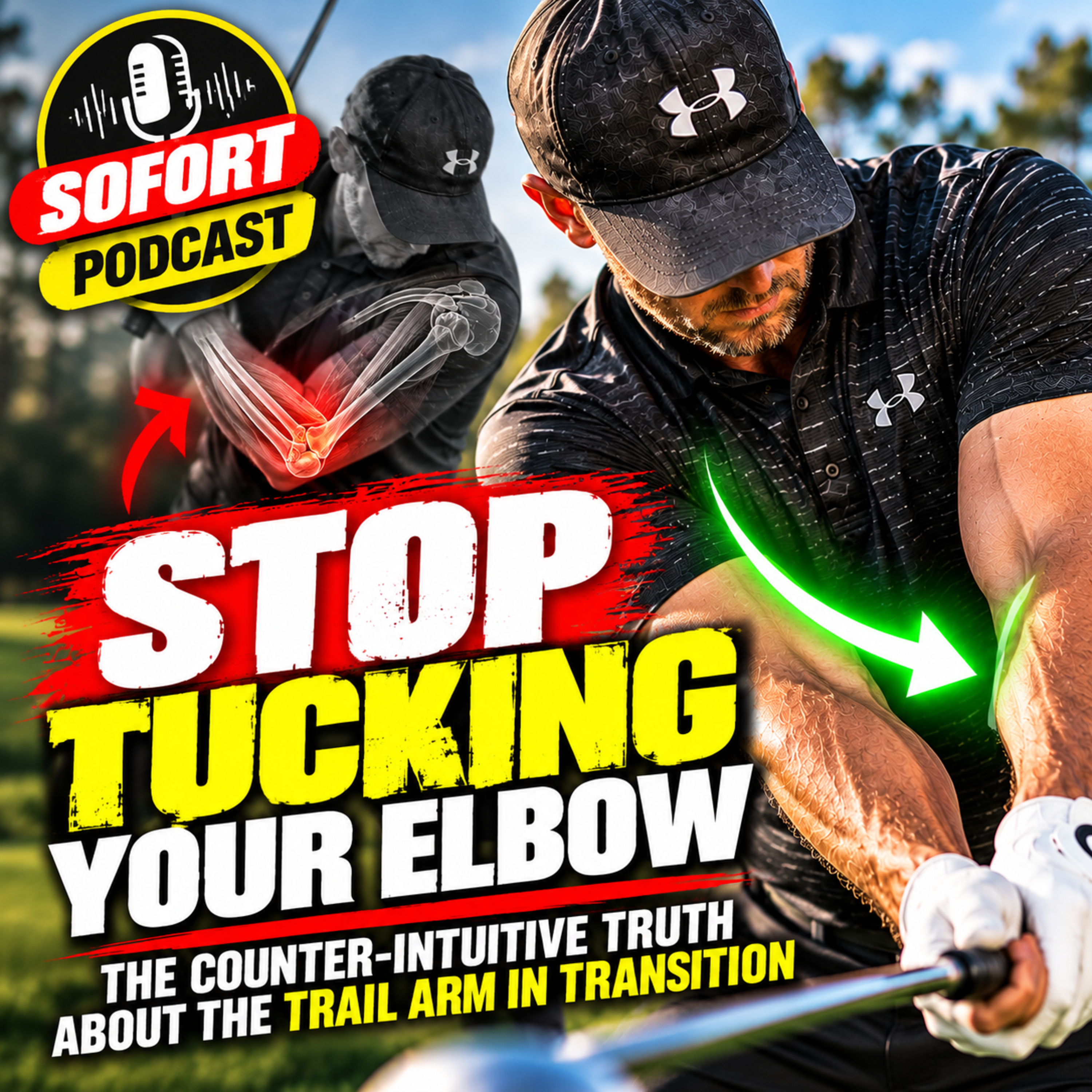
#722 The Biomechanics of Trail Arm Reorganization in Transition
Stop "Tucking" Your Elbow: The Truth About the Trail ArmGolfers are often told to “drop the right elbow” during the downswing to prevent an over-the-top move. But aggressively tucking the trail elbow can trap the arm behind the torso, restrict rotation, and create compensations.Transition Is 3D ReorganizationTransition is not a single move. The pelvis, thorax, shoulders, arms, and club c

#721 Mastering Distance Wedges: Geometry, Impact, and Precision Control
The Distance Wedge Trap: Why Moving the Ball Back is Ruining Your Scoring GameDistance wedges demand precise control of strike, trajectory, spin and carry. Yet when golfers struggle with contact, one of the most common fixes is moving the ball farther back to create more shaft lean and “compression.”Biomechanically, this can create more problems than it solves.Ball Position Changes the Entire Syst

#720 Ground-Up Mechanics: From Foot Stability to Pelvic Rotation
Why Your Downswing Doesn’t Start at the Hips“Turn your hips harder” is one of golf’s most common instructions. But pelvic rotation is not an isolated action. An efficient downswing is a ground-up chain reaction beginning with the feet, ankles and shins.Elite players often show a small “sink” during transition before aggressively rotating and extending. A key mechanism behind this is ankle dorsifle

#719 Lag Is Earned: The Biomechanics of Dynamic Golf Sequencing
The Lag Myth: Why Holding Your Wrist Angle is Killing Your Swing SpeedFew concepts in golf instruction are as misunderstood as “lag.” Many golfers believe lag is an angle between the lead arm and club shaft that must be held as long as possible. But biomechanically, lag is not a position to maintain—it is a dynamic result of efficient sequencing.Lag Is a Result, Not a PositionTrue lag is the tempo

#718 Stop Chasing the Club: Why the Hands Are the True Window to Your Golf Swing
Golf instruction often focuses on the clubhead—path, face angle and shaft position. But the club is only the final link in a complex biomechanical chain. Trying to fix a steep shaft or open face directly often treats the symptom rather than the cause.A better diagnostic hierarchy is:Club problem → Analyze the handsHand problem → Analyze the bodyBody problem → Analyze setup and structureThe golf sw

#717 The "Secret" Downswing: Why Your Pelvis Starts Moving Before You Reach the TopThe Myth of the Top
Traditional golf instruction often describes the swing as a simple sequence: finish the backswing, reach the top, then start the downswing. Elite 3D biomechanics shows something different.The backswing and downswing actually overlap. Different body segments change direction at different times—a process called Temporal Separation. One of the clearest examples is the pelvis: it begins moving toward

#716 The Invisible Geometry of Shot Shaping
A common misconception in golf instruction is that hitting a fade and a draw requires two fundamentally different swings. High-level 3D biomechanics shows something very different: elite players can produce contrasting ball flights while their overall movement patterns remain remarkably similar.A player might demonstrate approximately 91° of backswing rotation for a fade and 89° for a draw. The en

#715 Grounded Power: Why a Pro-Level Swing Starts in Your Ankles
Golf instruction often focuses on the hands, arms and club. But an efficient golf swing is a ground-up kinematic chain, and one of its most overlooked links is the ankle.The ankle influences how the knees, hips and pelvis move, how ground reaction forces are managed and ultimately how efficiently speed can travel through the body into the club.Dorsiflexion: Creating the DropDorsiflexion is the abi
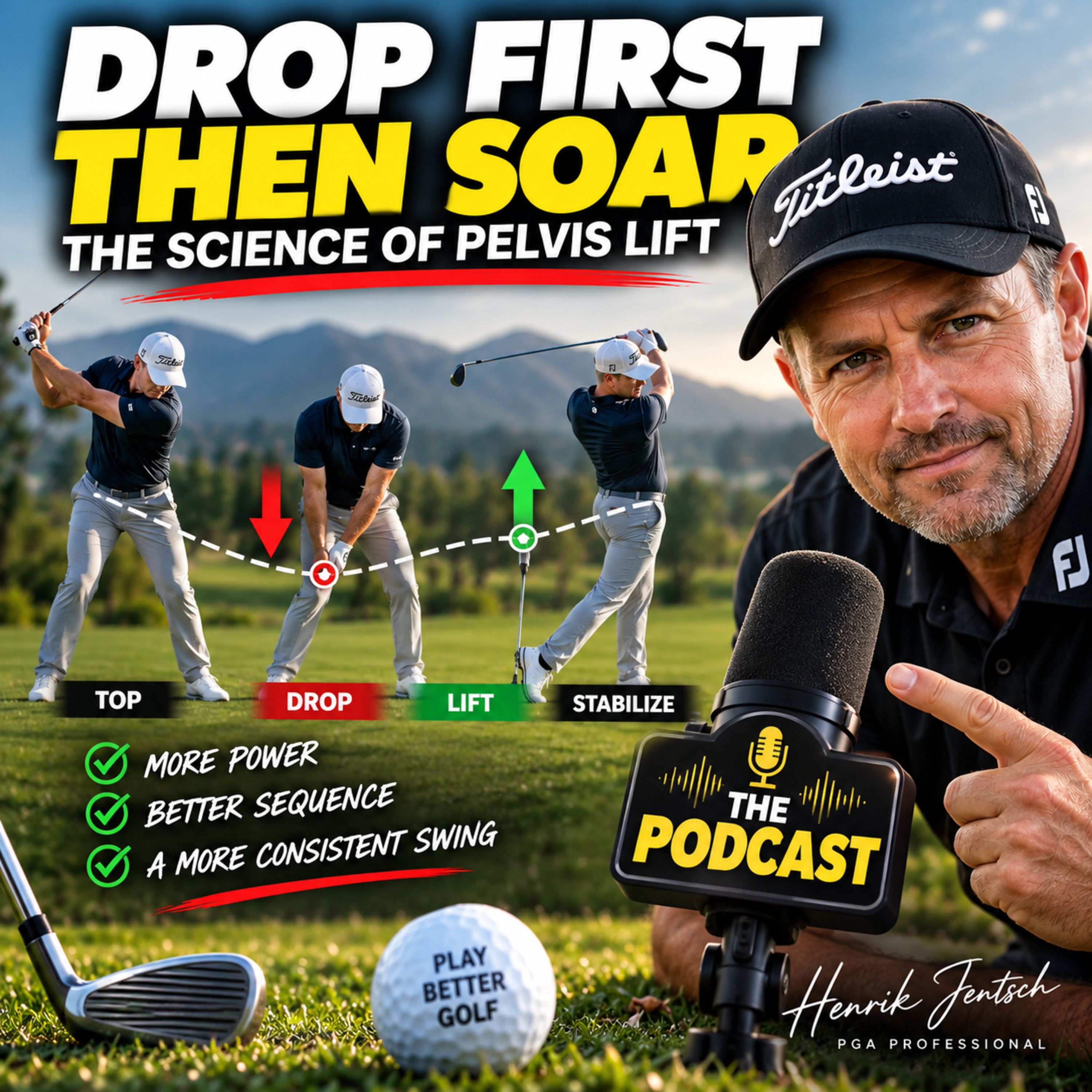
#714 Why Your Golf Swing Needs to "Drop" Before It Can Soar: The Science of Pelvis Lift
A common myth in golf instruction is that staying level creates consistency. In reality, elite golfers use the ground dynamically. One of the key movements behind this is Pelvis Lift—a vertical pattern that helps transform ground reaction forces into rotation and clubhead speed.The pelvis does not remain at a constant height during the swing. High-level players typically follow a clear sequence:Dr

#713 Why “Level Shoulders” Are Ruining Your Swing: The 3D Secret to Better Impact
Many golfers struggle with “standing up” or losing posture during the downswing. The common advice to keep your shoulders level can actually contribute to the problem. To rotate effectively while maintaining posture, the body needs Chest Side Bend.The golf swing is not simply horizontal rotation. Because golfers start in forward bend, the chest must rotate and side bend simultaneously. Chest Side
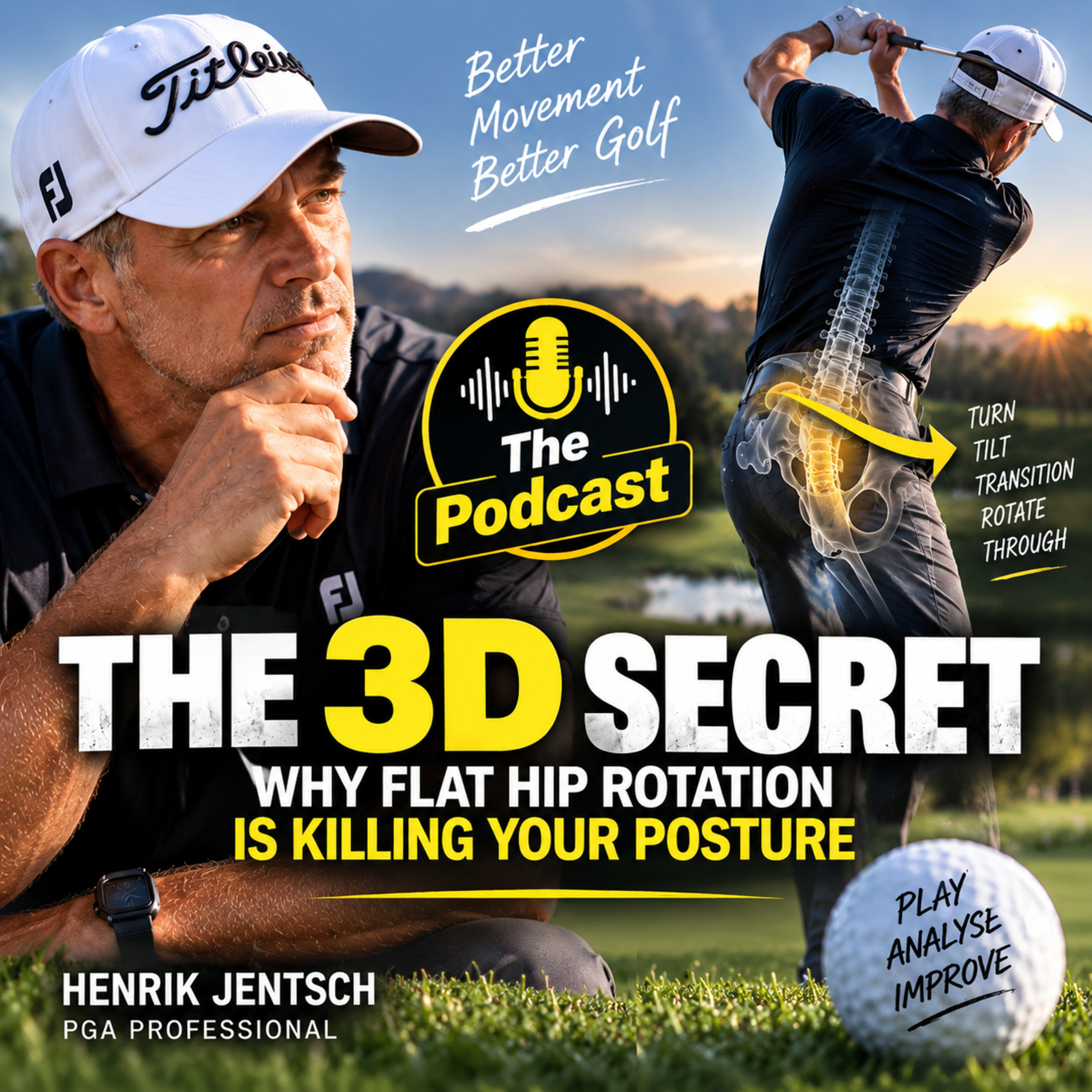
#712 The Secret Timing of the Pros: Why Your Hips Should Move Before Your Hands
For decades, golfers have been told to “stay centered” and keep the lower body quiet. But elite 3D biomechanics shows something very different: professional golfers use dynamic pelvis movement to create speed, sequencing and efficient ball striking.Pelvis Sway: A Tool, Not an ErrorPelvis sway describes the lateral movement of the midpoint between the hip joints. Movement away from the target creat

#711 The 3D Secret: Why Your "Flat" Hip Rotation Is Killing Your Posture
Many golfers are told to “clear the hips,” so they try to rotate as fast as possible. But when the pelvis simply spins horizontally, posture is often lost. The hips move toward the ball, the spine extends, and Early Extension appears.The problem is that the golf swing is not 2D. A functional pelvis moves in three dimensions through Pelvis Turn, Forward Bend and Side Bend. Side Bend allows the pelv

#710 The Secret Rhythm of the Swing: Why a “Steady” Chest is Holding You Back
One of golf’s most persistent myths is “keep your head still.” Many golfers interpret this by freezing the upper body, creating a rigid pivot that limits power and disrupts sequencing.3D biomechanics shows something different: the chest is not a fixed anchor. It moves laterally and rotationally throughout the swing. The key is not whether it moves, but when and in which direction.During the backsw
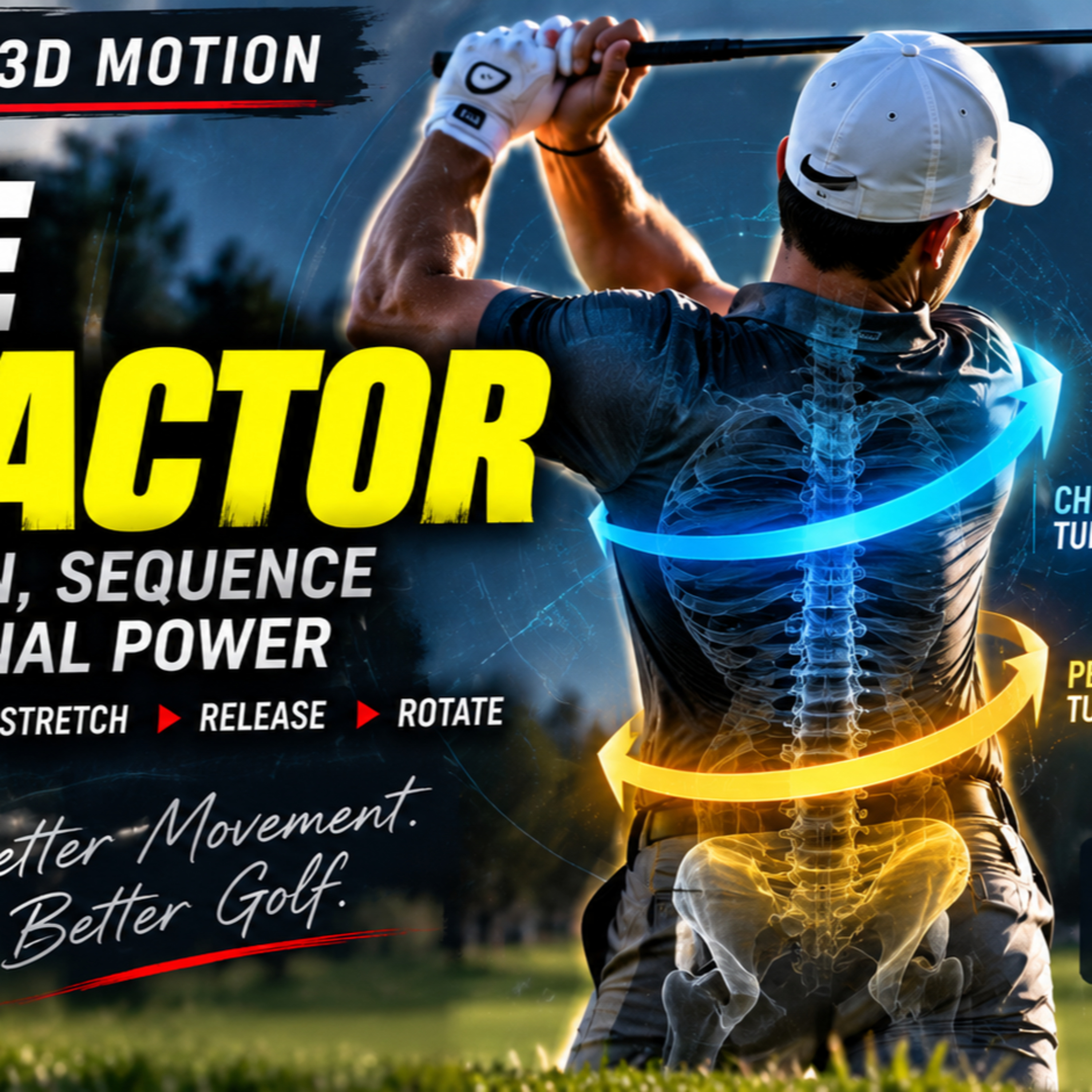
#709 THE X-FACTOR: SEPARATION, SEQUENCE & FUNCTIONAL POWER
Many golfers try to create distance by turning harder, using more arm strength or increasing muscular effort. Efficient golf swings work differently. Speed is created through the coordinated interaction of the pelvis, chest, arms and club. A key part of this is the X-Factor.The X-Factor describes the rotational separation between the pelvis and upper body. The pelvis should not be artificially loc

#708 Stop Trying to "Turn Harder": 6 Surprising Truths About the Golf Shoulder Turn
Many golfers chase more distance by forcing a bigger shoulder turn. But more rotation is not always better. In biomechanics, the key is not simply “shoulder turn” but thorax rotation and sequence:TURN → TRANSITION → OPEN → ROTATE THROUGH.1. You Aren’t Square at SetupYour shoulders do not need to be perfectly parallel to the target line. Because the trail hand sits lower on the grip, the thorax nat

The 20-Year Trap: Your Golf Coaching Business Is on a 7-Year Countdown
Your diary is full. Your club is busy. Your students are loyal. So why change?Because current success may be hiding the biggest threat to your future.For decades, golf coaching followed one model: a student arrives, takes a 30-, 45- or 60-minute lesson, pays and leaves. Repeat.But assuming a model that worked for the last 20 years will automatically work for the next 20 is dangerous.The final coun

#707 The Pelvis Paradox: Why Your Hips Are the Secret to Golf Power
Many golfers believe restricting the hips creates more “X-Factor” and power. In reality, excessive restriction can limit rotation and force the upper body to work against the lower body.The pelvis is not a passenger—it is a dynamic engine.Let the Pelvis TurnRestricting the pelvis limits torso rotation and prevents the trail hip from moving back to create depth. Instead, allow an organized rotation

#706 The Secret to Effortless Consistency: 5 Pre-Shot Routine Lessons
Every golfer knows the “range swing”: a fluid motion in practice that disappears on the first tee. The problem is often not the swing, but the preparation. A repeatable routine connects decision-making with execution.1. Thinking Box and 1:2 BreathingBegin 3–4 metres behind the ball in the “Thinking Box.” Assess the lie, wind, target and shot. Once decided, leave analysis behind. Inhale through the

#705 WHAT IS WATCHITGOLF HYPER COACH?
Golf coaching is changing. A Golf Professional’s relationship with a student no longer has to end when the 60-minute lesson is over.WatchItGolf Hyper Coach is designed to connect traditional face-to-face golf instruction with modern digital coaching technology — creating one connected coaching environment for Golf Professionals, academies and teaching facilities.The principle behind it is simple:T

#704 What is a WatchItGolf Marketplace Coach?Redefining
Take Your Coaching Beyond the Driving RangeGolf coaching is changing. Traditional face-to-face instruction remains essential, but digital technology now gives Golf Professionals the opportunity to stay connected with players and potentially reach golfers far beyond their local teaching facility.WatchItGolf combines smartphone swing recording, supported launch data, remote coaching, student managem

#703 WHAT IS A WATCHITGOLF STANDALONE COACH?
Modern Golf Coaching Beyond the 60-Minute LessonWatchItGolf Standalone Coach is designed for Golf Professionals, academies and teaching facilities that already have their own students and want to bring their coaching into a modern digital environment.WatchItGolf technology supports the Golf Professional — it does not replace the coach.Your Students. Your Coaching. Your Business.Standalone Coach al

#702 WatchItGolf: Revolutionizing the Professional Coaching EcosystemThe Future of Professional Golf Coaching
Traditional golf coaching is often limited by time, location and the number of hours a Golf Professional can spend on the lesson tee. WatchItGolf helps coaches move beyond this model by combining professional instruction with modern digital coaching technology.Using smartphone swing recording, supported launch data, remote coaching, student management, training plans and ongoing communication, coa

#701 The $100 Trap: Why the Cheapest Flight Might Cost You More
Imagine arriving at the airport for your flight home only to hear: “Your ticket is no longer valid.”Many travelers don’t realize that missing one flight segment can cause the remaining flights on the same itinerary to be canceled. That’s why PGA Golf Professional Henrik Jentsch applies a Smart Booking Mindset to travel. Like golf, smart travel is about Course Management: identify the hazards befor

#700 The $10.4 Billion Void: Why Missing One Flight Could Instantly Liquidate Your Entire Trip
Missing one flight can cost far more than the price of a replacement ticket. Imagine you paid $800 for a return journey. You arrive at the gate only a few minutes too late, boarding is closed, and you are forced to buy a $600 replacement flight. You continue your trip believing your original return flight is still valid. Then, days later, you reach the airport to fly home and hear: “Your return ti

#699 The Science of Elite Putting Performance
Stop searching for a putting secret. Elite distance control is not created by one grip, putter, or technical tip—it emerges from an integrated system combining physics, biomechanics, neuroscience, perception, and trust.A golf ball responds only to physical forces. Slope and gravity determine break, friction and green speed control energy loss, and launch speed determines the initial energy of the

#698 Stop Fixing Your Stroke: The Neuro-Scientific Way to Better Putting
Every missed putt tells you something. Instead of immediately changing your stroke, treat the result as data about perception, decision-making, movement planning, execution, and emotion.Puttalyze Principle: Never correct the movement before understanding the cause.The putting stroke is the final expression of a neurological process that begins before the putter moves. During the Pre-Stroke Process
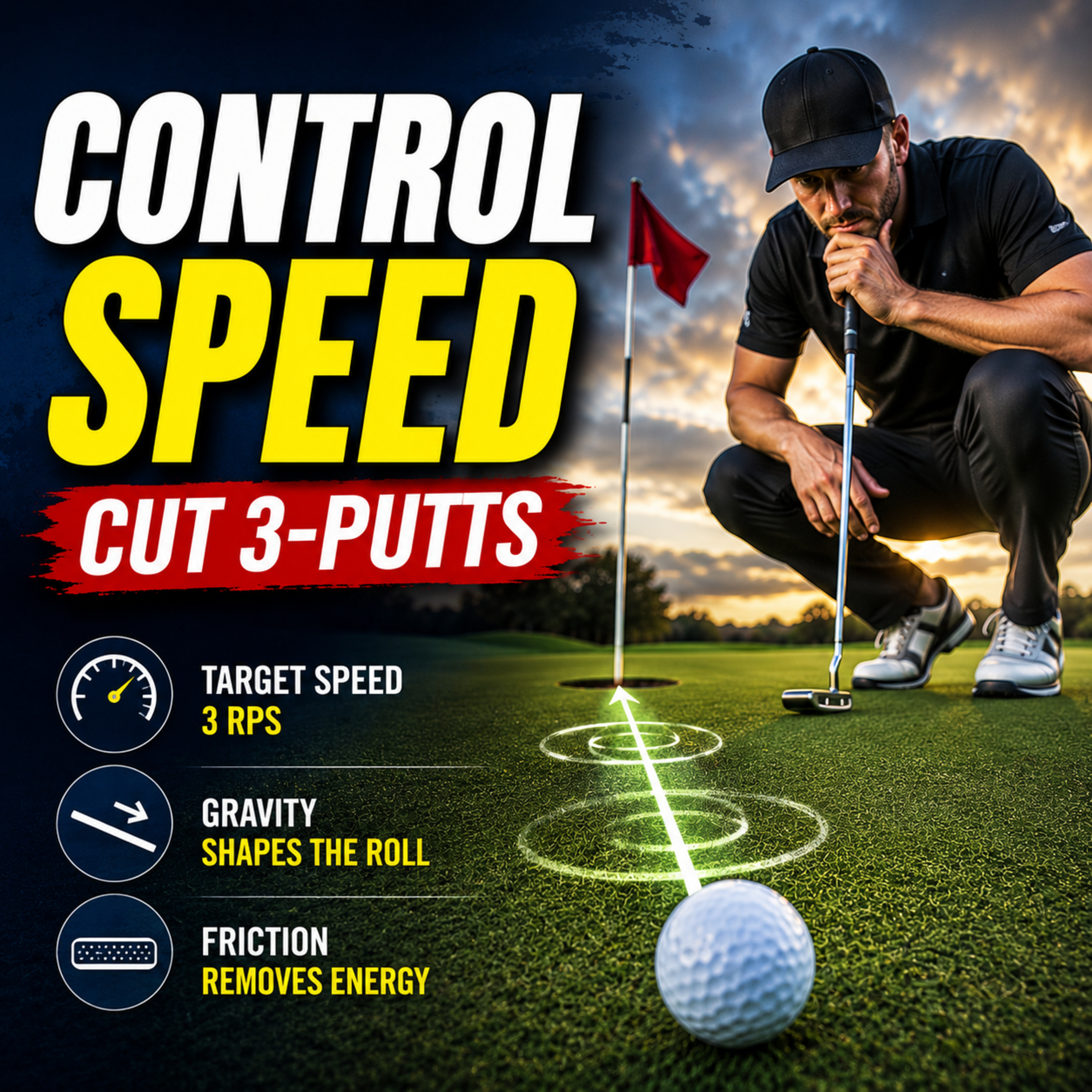
#697 Mastering Lag Putting: The Science of Target Speed, Distance Control and Eliminating Three-Putts
Great lag putting is not about holing 15-meter putts. It is about making the second putt easy through exceptional Target Speed, energy management, and distance control.Elite putters understand that every long putt is governed by three key factors: gravity, friction, and travel time. Gravity influences uphill, downhill, and breaking putts. Friction removes energy as the ball rolls, while travel tim
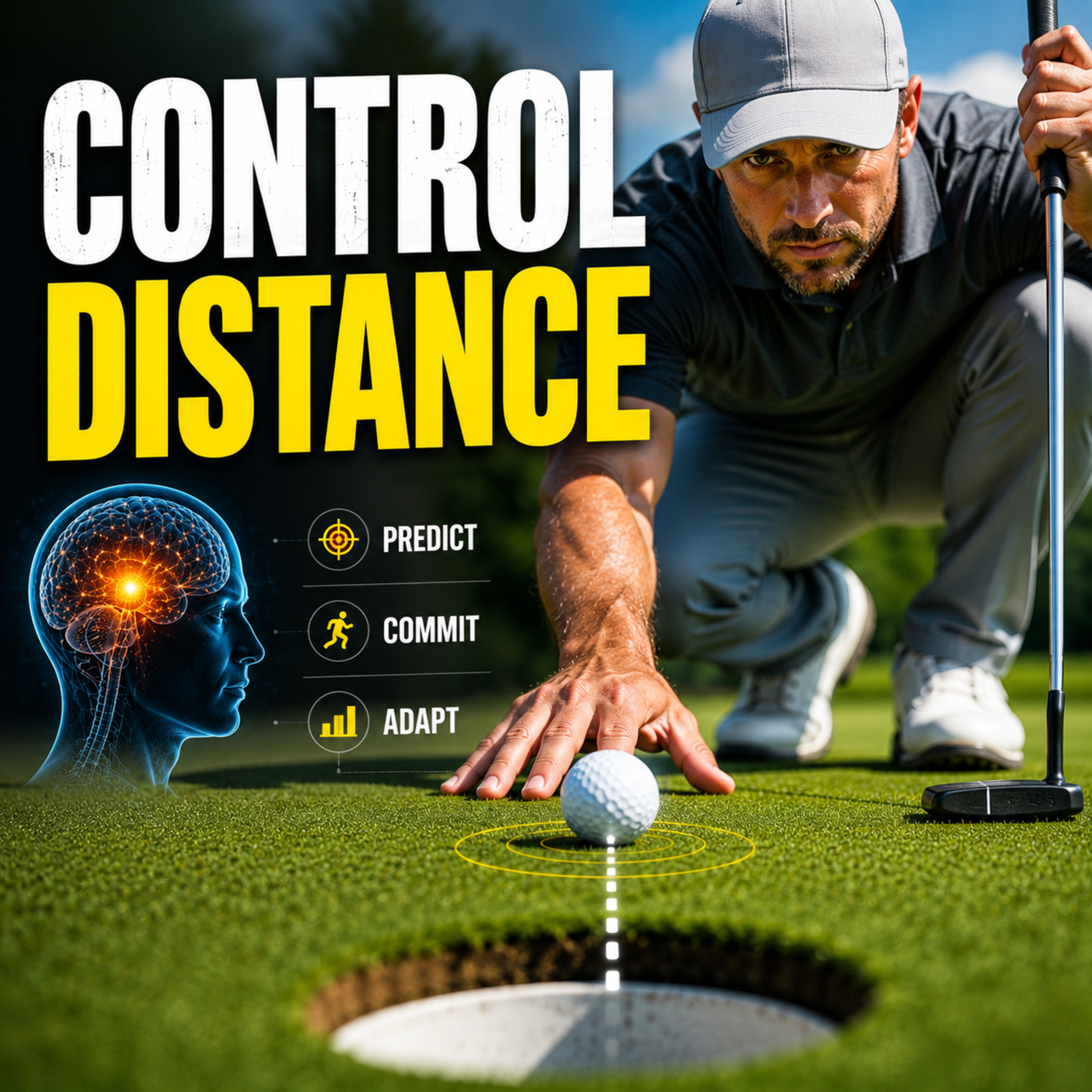
#696 Why You Keep Leaving Putts Short: The Neuroscience of Distance Control
Leaving putts short is rarely just “poor touch.” Your brain does not directly control distance—it controls movement. Ball distance is the physical result of that movement interacting with the green.The cerebellum acts as a prediction machine. Before impact, it estimates green speed, slope, and required energy, then selects the stroke needed to achieve the intended Target Speed of 3 rotations per s

#695 Why Your Brain Holds You Back: The Protective Instinct in Putting
You read the green correctly, make what feels like a committed stroke—and the ball stops a meter short. The problem may not be your technique. It may be your brain.In the Puttalyze System, we call this the Protective Instinct: the nervous system’s natural tendency to choose a movement that feels safer and requires less energy. Even when your conscious mind knows the required distance, subconscious

#694 The Core Putt: The Science of Putting Consistency
Great putting is not built through complexity. It is built by mastering one repeatable movement until it becomes automatic. In the Puttalyze System, that foundation is the Core Putt.Elite performers repeatedly return to fundamentals because consistency depends on a stable Movement Blueprint. The cerebellum constantly compares intended movement with actual performance and makes unconscious correcti

#693 The Physics of Flow: Why Rhythm Dictates Distance Control
Great putting is not defined by perfect mechanics—it is defined by repeatable rhythm. A golfer can have an ideal grip, square face, and textbook stroke path yet still struggle with distance control. Elite putters look effortless because their movement flows as one coordinated system.Rhythm and tempo are not the same. Tempo describes how fast the stroke occurs. Rhythm describes how the backswing, t
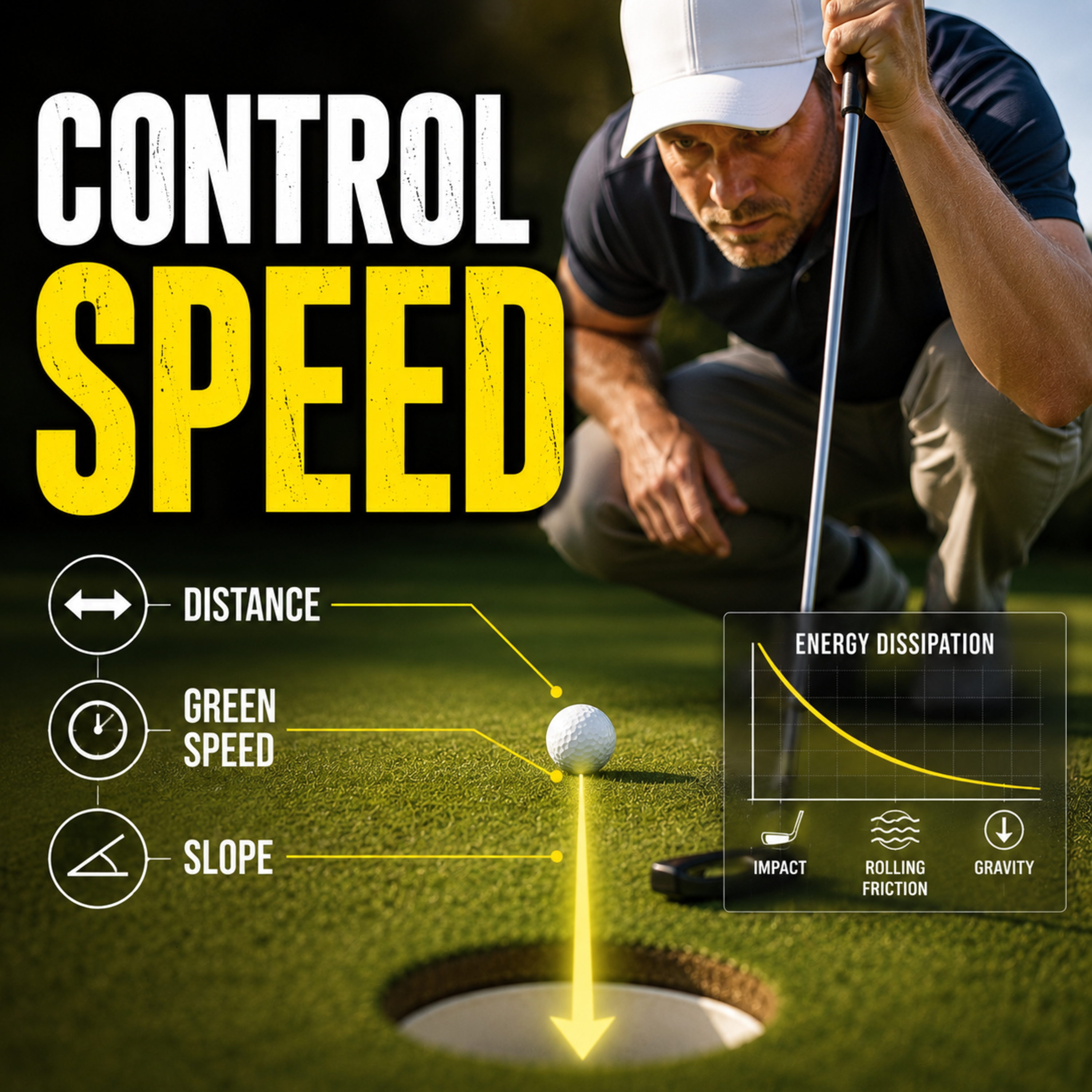
#692 Master Distance in 3 Steps
Distance control in putting is not about hitting the ball “harder” or “softer.” It is about energy management—delivering exactly the right amount of kinetic energy so the ball reaches the hole at the intended Target Speed.At impact, the moving putter transfers energy to the ball, creating its initial velocity. From there, energy is continuously dissipated by rolling friction and influenced by grav

#691 The Putting Speed Secret Pros Know
Elite putting is not about hoping the ball goes in—it is about controlling how the ball arrives at the hole.In the Puttalyze System, this is called Target Speed: the speed of the ball as it reaches the cup, not the speed immediately after impact. Elite putters adapt the energy delivered at impact while keeping the desired finishing speed constant.The Puttalyze standard is 3 revolutions per second

#690 The Science of Distance Control: Why Physics Determines Putting Success
Distance control is the foundation of elite putting. A perfect read with the wrong speed will rarely go in, while an imperfect read with excellent pace can still finish close—or even find the hole. Speed controls scoring, and speed determines how much a putt will break.Putting is not governed by “feel” alone. The golf ball responds to four measurable factors: energy, friction, gravity, and time.At

#689 The Science of the Miss: Fix the Cause, Not the Symptom
A missed putt is rarely caused by the stroke alone. Most golfers immediately change their grip, stance, or stroke path after a miss. This treats the symptom rather than the real cause. The Puttalyze System follows a scientific, evidence-based approach to identify the earliest error in the performance process instead of relying on guesswork.Putting follows a sequence: Perceive → Analyse → Decide →

#688 The Science of Better Practice: How the Puttalyze System Transforms Putting Performance
Elite golfers understand that simply hitting hundreds of putts does not create better performance. Improvement comes from structured, measurable practice—not random repetition. The Puttalyze System replaces guesswork with objective data, helping golfers build repeatable skills that transfer to the golf course.Every practice session begins with the Core-Putt Drill, designed to stabilize the key imp

#687 The Science of the "Quiet Mind": The Missing Link in Elite Putting
Elite putting is not limited by technique alone. Many golfers correctly read the green, choose the right line, and make a technically sound stroke—yet still miss. The reason is often neurological, not mechanical. Fear, doubt, or conscious steering interfere with automatic movement just before impact. Mental performance connects scientific preparation with successful execution.Confidence is not pos
#686 The Science of Consistency: Why Objective Putter Fitting Matters
Choosing a putter is one of the most important equipment decisions in golf, yet many golfers rely on appearance, feel, or Tour trends instead of objective data. Professional fitting recognizes that every golfer has unique biomechanics, including posture, eye position, body proportions, and stroke pattern. The goal is not to change the golfer, but to match the putter to natural movement and create

#685 The Science of the Perfect Read: Why Calculation Beats Estimation
Reading a green is not guesswork—it is physics. Every putt is influenced by distance, slope, green speed, fall line, friction, and gravity. Understanding how these variables interact creates more consistent green reading.As the ball rolls, friction reduces its speed while gravity increasingly influences its direction. The longer the ball rolls, the more time gravity has to create break.The Puttaly

#684 The Science of the Roll: Why Physics-Based Green Reading Lowers Scores
Professional green reading is not based on feel—it is based on physics. Every breaking putt follows predictable laws governed by gravity, friction, slope, speed, and time. Rather than guessing the break, elite golfers calculate how these variables influence the ball's path.The Puttalyze System identifies eight key variables: gravity, rolling friction, green speed (Stimp), slope percentage, put

#683 The Physics of the Putter: Why Consistency Starts Before the Stroke
Elite putting is not a game of feel—it is a science of repeatable mechanics. The Puttalyze philosophy is based on one principle: consistency comes from a functional setup, not last-second compensations. Every element at address determines how the putter moves and ultimately how the ball behaves.Putting follows a simple chain:Setup → Movement → Impact → Ball BehaviorYour posture, balance, ball posi
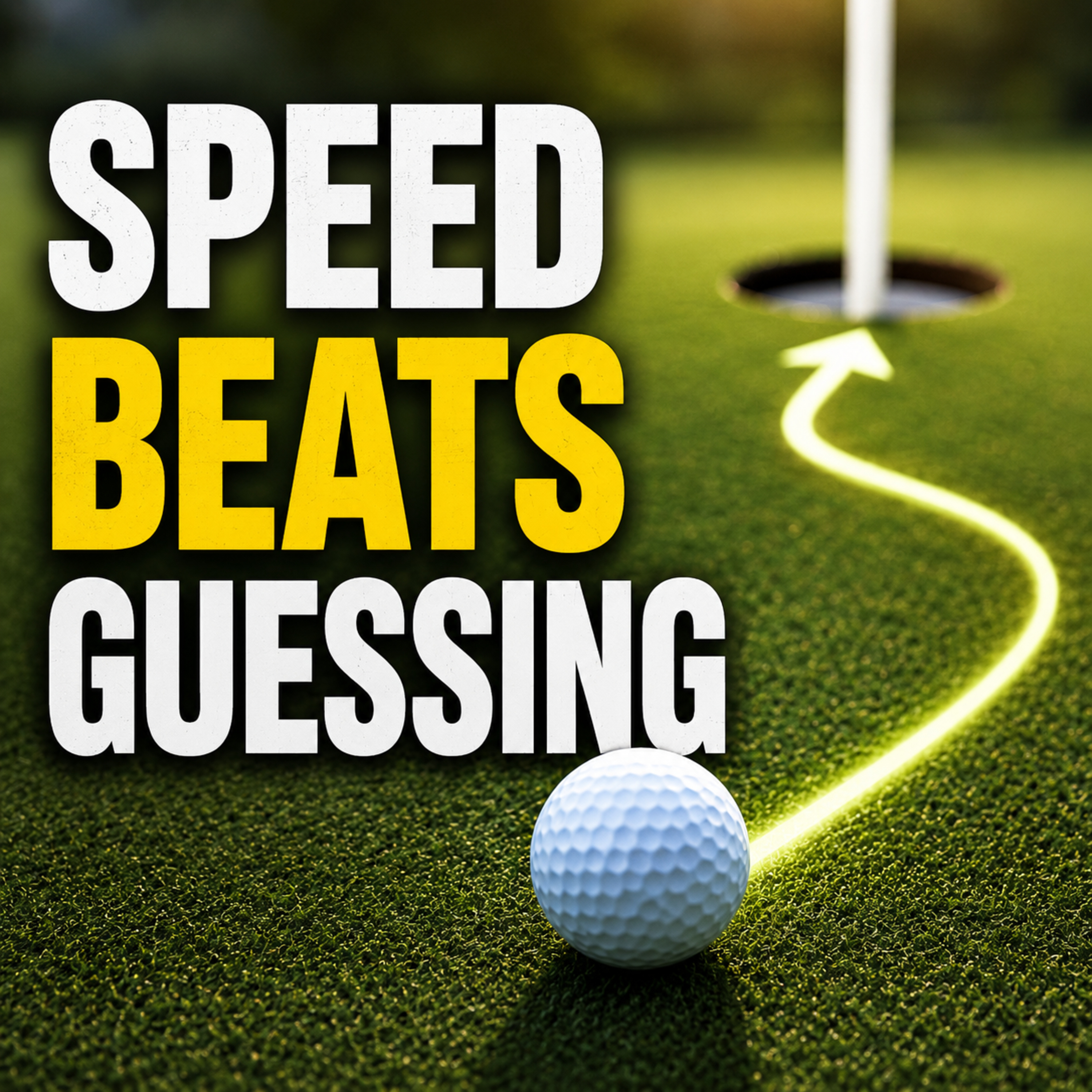
#682 The Physics of Breaking Putts: Why Your Aim Point Is Failing You
Most golfers are taught to read greens by choosing an Aim Point on the high side of the hole. The problem is that an Aim Point has no meaning without a defined speed. If speed changes, the correct line changes as well.The Puttalyze System is built on three connected variables:Aim Point – the ball's starting direction.Distance Point – the energy delivered at impact, defined by where the ball wo

#681 The Physics of the Flatstick: Why Distance Control Lowers Scores
Most golfers believe putting is about aiming at the hole. In reality, elite putting is built on one principle: distance control. Alignment matters, but speed determines everything that happens after impact.At impact, the putter transfers kinetic energy to the ball. Golfers do not directly control distance—they control the energy delivered. The final roll depends on how that energy is reduced by ro

#680 The Science of the Hole: Why Your Putting Stroke Is Only 11% of the Equation
Most golfers believe better putting starts with a better stroke. They change grips, buy new putters, or repeat endless drills, yet the results rarely last. The reason is simple: technique is only one part of the putting equation.The Puttalyze System views putting as an integrated performance system built on nine connected pillars. Your stroke represents only about 11% of overall performance. Consi
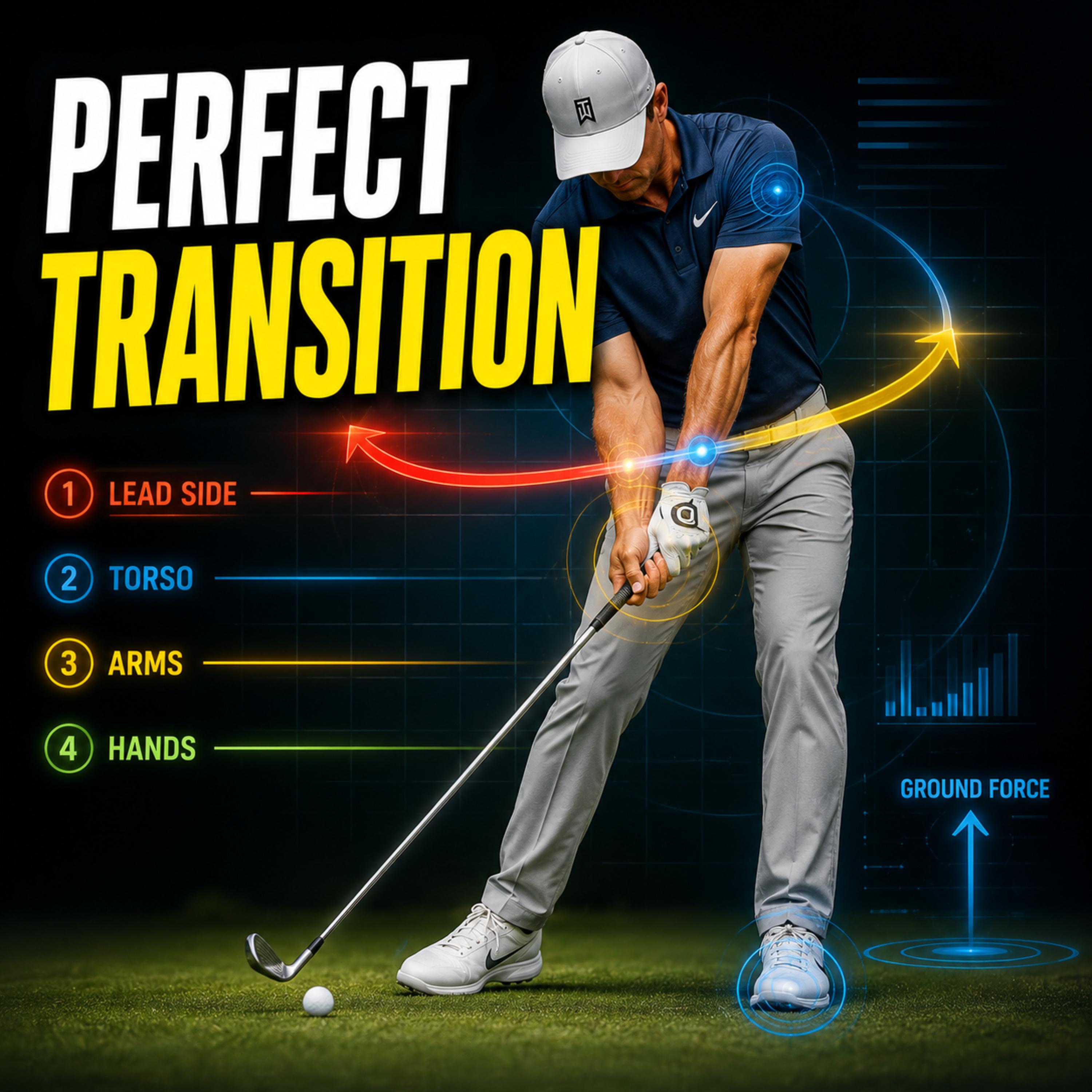
#679 The Biomechanics of the Slot: Synchronizing the 4-Speed Gearbox and the Centred Transition (Part 10)
The transition is the defining moment between amateur and elite golfers. Professionals generate speed through precise sequencing, not brute force. This final article combines biomechanics, kinematics, and Ground Reaction Forces (GRF) to explain how an efficient transition creates maximum speed, consistency, and control.The 4-Speed GearboxThink of the downswing as a four-speed gearbox. Skipping gea

#678 Controlling the Low Point: The Biomechanics of Elite Iron Play (Part 9)
Series Note: Part 9 of our 10-part series on golf biomechanics.Elite iron play is defined by one critical factor: low-point control. Unlike the driver, irons require a descending strike where the club reaches the bottom of its arc after impact. This ball-then-turf contact creates forward shaft lean, better compression, higher spin, and consistent distance. If the low point stays behind the ball, f

#677 The Engine of Elite Performance: Decoding the Kinematic Sequence and Transition (Part 8)
The downswing transition is the most important 0.3 seconds of the golf swing. During this brief moment, stored energy is converted into clubhead speed through an efficient Open Kinetic Chain, where the feet provide a stable foundation and the clubhead becomes the final link.Elite golfers generate speed through a proximal-to-distal kinematic sequence: Pelvis → Thorax → Lead Arm → Club. Each segment

#676 The Foundation of Power: The Science of Stance Flare, Knee Stability, and Ground Pressure (Part 7)
A powerful golf swing starts before the club moves. In Part 7 of our Golf Biomechanics series, we examine how stance, foot flare, knee stability, and ground pressure create the foundation for speed, consistency, and efficient movement.Foot flare is not simply a setup preference—it determines how freely the hips can rotate. Current research suggests 10–20° of trail-foot flare and 20–45° of lead-foo

#675 The "Stay in Posture" Myth: Why Pelvic Extension and Side Tilt are the Real Keys to Power and Back Health (Part 6)
Welcome to Part 6 of our 10-part Golf Biomechanics series. One of the biggest myths in golf is the advice to "stay in your posture." Modern 3D motion analysis from GEARS and AMM3D shows that elite golfers do the opposite. To generate maximum speed and protect the lower back, the pelvis must transition from flexion into extension during the downswing.At address, golfers typically have 20–

#674 The Science of the Transition: Mastering Shallowing Through Biomechanics and the 0.088-Second Pelvic Reset (Part 5)
Elite golf is often decided within 0.088 seconds—a time interval shorter than the blink of an eye. This phase, known as the Pelvic Reset, determines club path, face control, consistency, and speed. Functional shallowing is not a conscious arm movement but the natural result of correct biomechanics, kinematics, and ground reaction forces.One of the biggest mistakes is confusing weight shift with pr

#673 The Engine Room: Lower-Limb Biomechanics & Pelvic Kinematics (Part 4)
Elite golf swings begin from the ground up. In Part 4 of our 10-part biomechanics series, we explore how the lower body creates power through efficient ground reaction forces (GRFs), pelvic rotation, and proximal-to-distal sequencing. Rather than relying on timing with the hands, elite golfers generate speed by transferring energy from the ground through the pelvis, torso, arms, and finally the cl

#672 The Engine of Speed: Mastering the Kinematic Sequence & Transition Phase (Part 3)
The transition is where speed is created—or lost. Elite golfers generate effortless clubhead speed through a precise kinematic sequence, where energy flows from the pelvis → thorax → lead arm → club. This proximal-to-distal sequence allows each body segment to accelerate, then decelerate, transferring energy like a cracking whip.A powerful downswing always starts with the pelvis, not the club. Dur

#671 Cracking the Whip: The Science of Kinematic Sequencing & Peak Power (Part 2)
Why do golfers with unconventional swings often outperform players with "perfect" technique? The answer lies not in swing style, but in kinematics—the science of how the body moves. Research from TPI and leading biomechanists shows that elite golfers may swing differently, yet they all share one essential characteristic: an efficient Kinematic Sequence.Power is created through a proximal-to-distal

#670 The Foundation of Power: Deciphering the Kinematic Sequence & Ground Reaction Forces (Part 1)
The golf swing is an open kinetic chain, where the feet interact with the ground to create energy that is ultimately transferred to the clubhead. Maximum clubhead speed is not produced by muscular strength alone but by the efficient transfer of energy through the kinetic chain.The Kinematic Sequence describes how the pelvis, thorax, arms, and club accelerate and decelerate in a precise order. Elit

#669 The Science of Alignment: Is the Line on Your Golf Ball Helping or Hurting?
Many golfers believe the alignment line on the ball is essential for better putting. Research, however, shows only small performance differences between golfers who use a line and those who do not. The line is a personal preference—not a requirement for great putting.Putting success depends on biomechanics, kinematics, and visual perception. Every golfer sees "straight" differently becau

#668 The Science of the Lead Ankle: Dorsiflexion and Braking for Maximum Ground Force
The lead ankle is one of the most overlooked performance factors in golf. It doesn't create speed directly—it creates the stable platform that allows the body to generate, redirect, and transfer force efficiently. The key sequence is simple: Load. Stabilize. Push.During the transition, pressure shifts rapidly onto the lead foot. The lead shin moves forward over the foot, creating dorsiflexion.

#667 The Science of the Shallower Path: How Ribcage Sequencing Creates an Elite Downswing
Many golfers struggle with a steep downswing because they focus on the wrong solution. Trying to manually drop the trail shoulder or tuck the trail elbow only treats the symptom. A shallow delivery is created by proper body sequencing.The downswing begins with the ribcage, not the shoulders. During the backswing, the ribcage rotates away from the target while the trail scapula retracts, creating d

#666 The Science of the Release: Mastering Grip Pressure and Handle Direction
The release is not a flick of the wrists but the result of efficient body motion. For a releaser-style golfer—with a steeper downswing and more vertical shaft—the key is combining dynamic grip pressure with correct handle movement to transfer energy into the ball.Dynamic Grip PressureGrip pressure changes throughout the swing:Backswing: Light for freedom of motion.Transition: Pressure increases as

#665 The Engine of Delivery: Why Your Hand Path—Not Your Clubhead—Is the Key to Golf Performance
Most golfers focus on the clubhead, but the club is only the final result of how the body moves. The real engine of delivery is the hands. They are the final link in the kinetic chain, transferring energy from the body to the club. If you want to improve club delivery, change the movement of the hands—not the clubhead.An efficient golf swing follows a proximal-to-distal sequence:Ground → Pelvis →
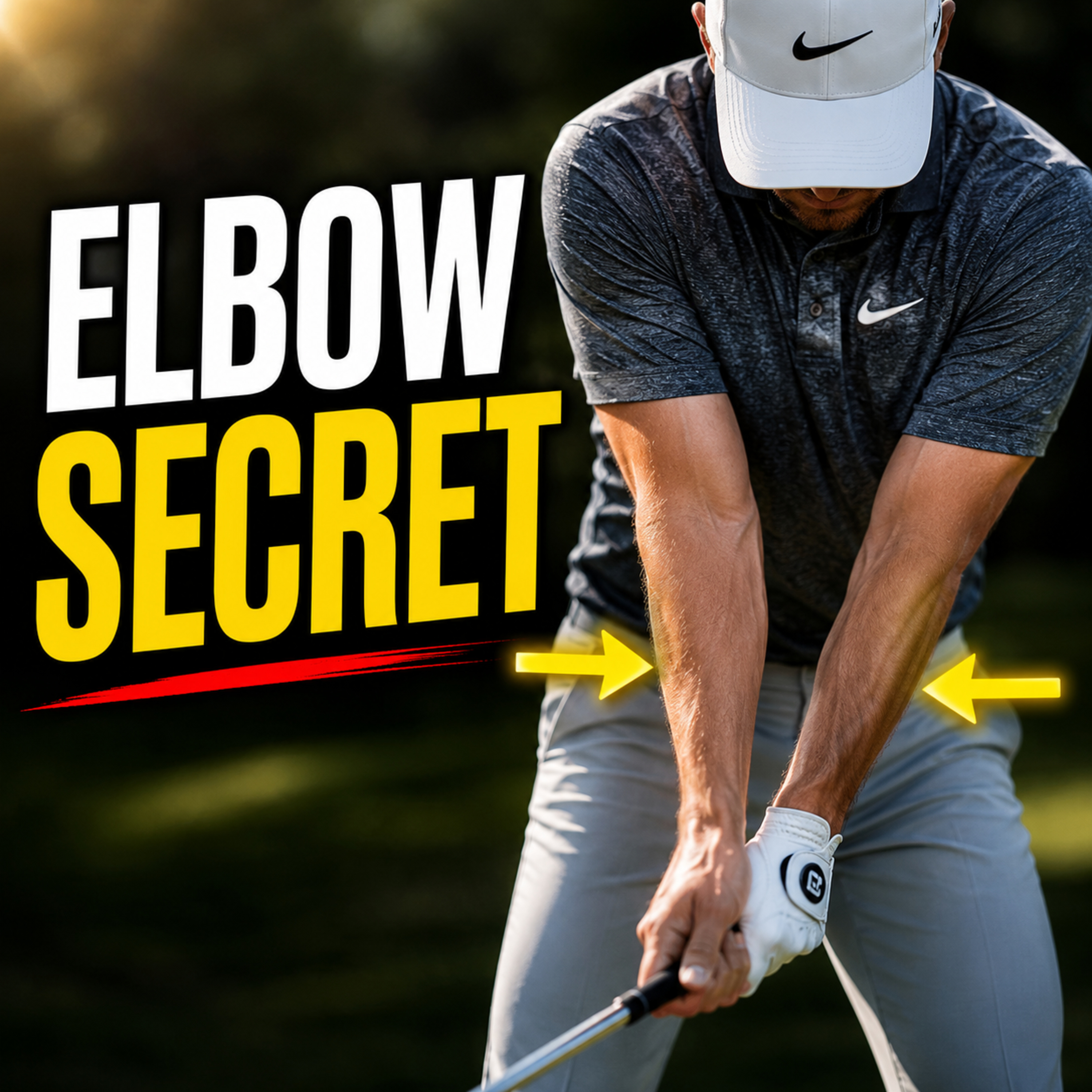
#664 Mastering the Transition: The Science of Elbow Separation and Shoulder Rotation
Der Übergang vom Rück- zum Abschwung entscheidet über die Qualität des gesamten Golfschwungs. Ein wichtiger Indikator ist dabei der Abstand zwischen den Ellenbogen – der sogenannte Elbow Gap. Er zeigt, wie gut Arme, Schultern und Oberkörper zusammenarbeiten.Am höchsten Punkt des Rückschwungs ist ein gewisser Abstand normal. Im Abschwung sollte dieser jedoch natürlich kleiner werden. Das geschieht

#663 Science of the Sole: Mastering Clubface Control for Elite Wedge Performance
Many golfers have solid full swings but struggle with fat or thin wedge shots. The real issue is rarely swing path—it is inconsistent low-point control caused by poor interaction between the club's sole and the turf.The key to elite wedge play is Effective Bounce. Bounce isn't just the number stamped on the club; it's created dynamically by how the club is delivered at impact. A stable
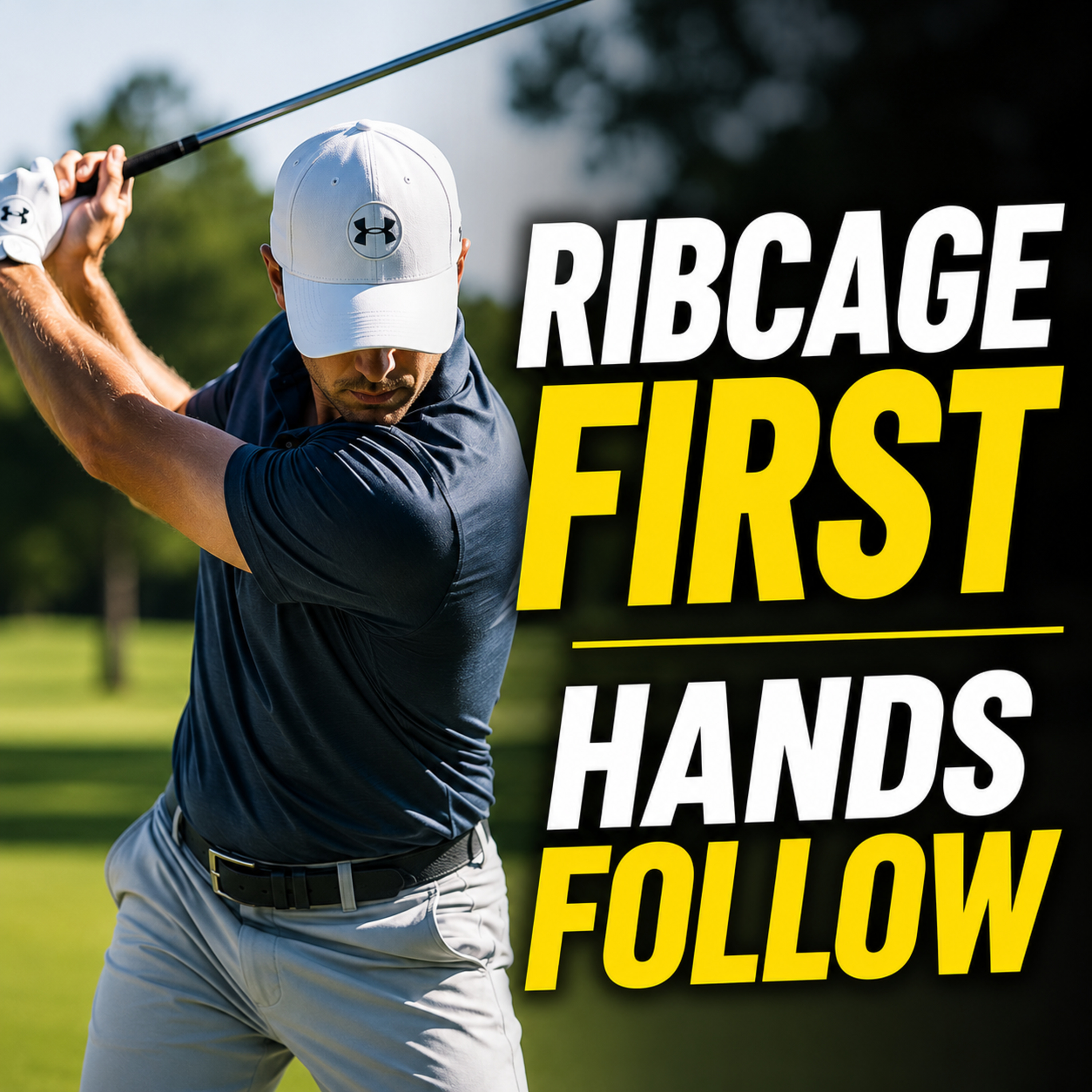
#662 The Science of the Connected Takeaway: Why Your Ribcage, Not Your Hands, Should Lead the Swing
The takeaway is the foundation of the entire golf swing. It determines club position, arm plane, body organization, and sets up the kinematic sequence that leads to impact. Elite golfers don't start the swing with their hands—they start with the rotation of the ribcage and shoulders.A connected takeaway begins with the thoracic ribcage rotating away from the target. The shoulder complex moves

#661 The Science of the Connected Takeaway: Why Your Ribcage, Not Your Hands, Should Lead the Swing
A reliable golf swing starts with a connected takeaway. Rather than moving the club with the hands and arms, elite golfers initiate the swing through the coordinated rotation of the ribcage and shoulder complex. This creates a stable foundation for the entire kinematic sequence and reduces the need for compensations later in the swing.The ribcage is the primary rotational engine, while the shoulde
Recommended

SLOW ENGLISH PODCAST (A1-A2) With Subtitles | Daily Videos | English With Us Podcast

Learn English A2 with Daily News | Simple English Listening Practice

پلی لیست | PlayList

Conspiracy Files with Paige Carter

Bad Friends

Learn 50 English Phrases While You Sleep | Everyday English Phrases & Vocabulary

This Past Weekend w/ Theo Von

Dateline NBC

Back to the 80s Radio

Crime Stories with Nancy Grace

Bible Tea

این نقطه
