Western Moral Philosophy For Beginners
A guided series tracing the history of Western moral philosophy, from Heraclitus and the early Greek thinkers to Hannah Arendt and modern debates. Each episode introduces a philosopher's life, context, and core ideas, exploring questions of right and wrong, freedom and duty, justice and power. It is designed for newcomers while offering enough depth for curious listeners. The show connects these historical arguments to the moral questions that still shape our world.
Episodes
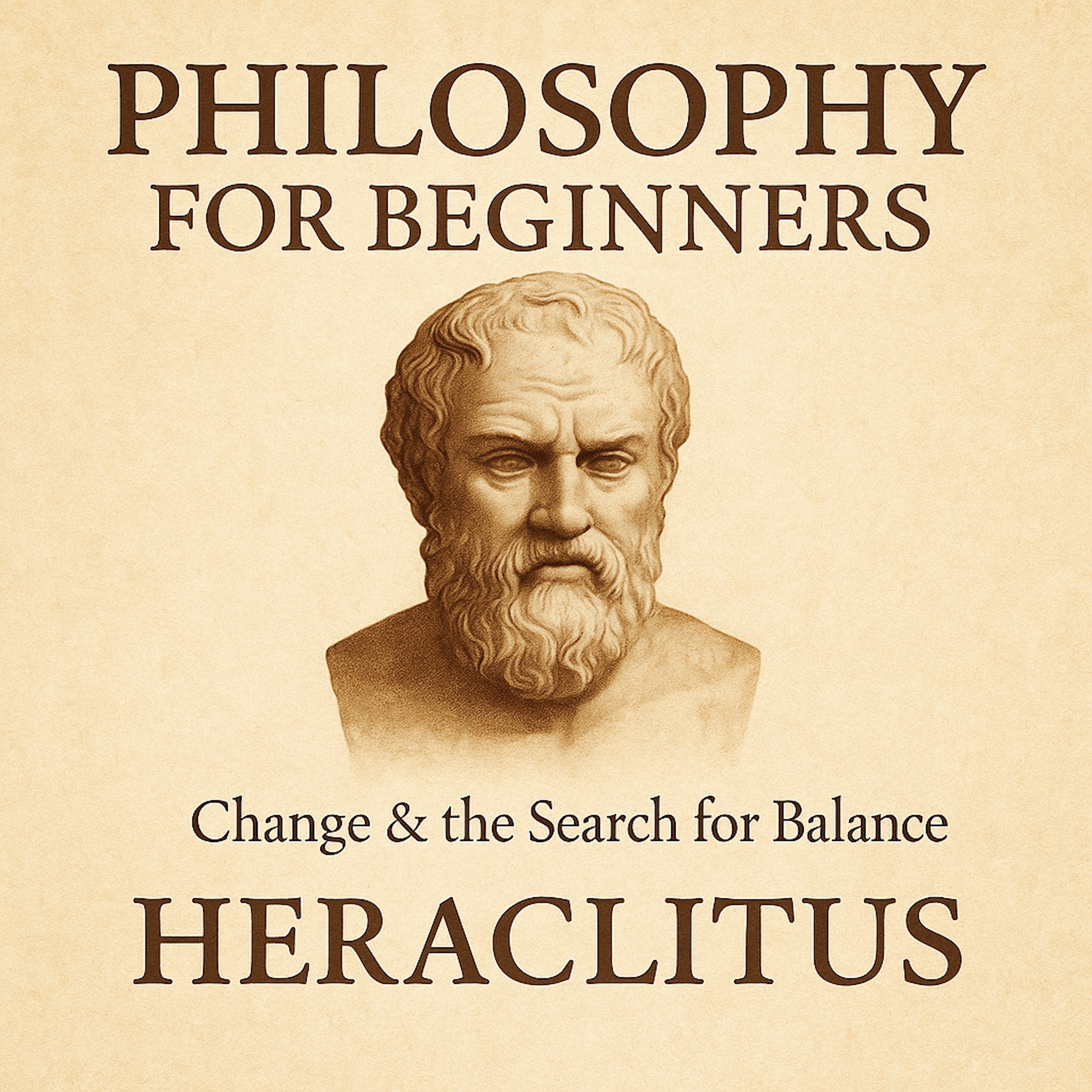
Heraclitus - Panta Rei
eraclitus on Change and the Search for BalanceWhat if the very thing that unsettles you—change—is also the key to inner steadiness? In our debut episode on Philosophy Now! we trek back to Ephesus (circa 500 BCE) to meet Heraclitus, the loner philosopher who claimed that “all things flow” and that “character is fate.” His surviving fragments—fewer than a hundred cryptic lines hit harder than ever i
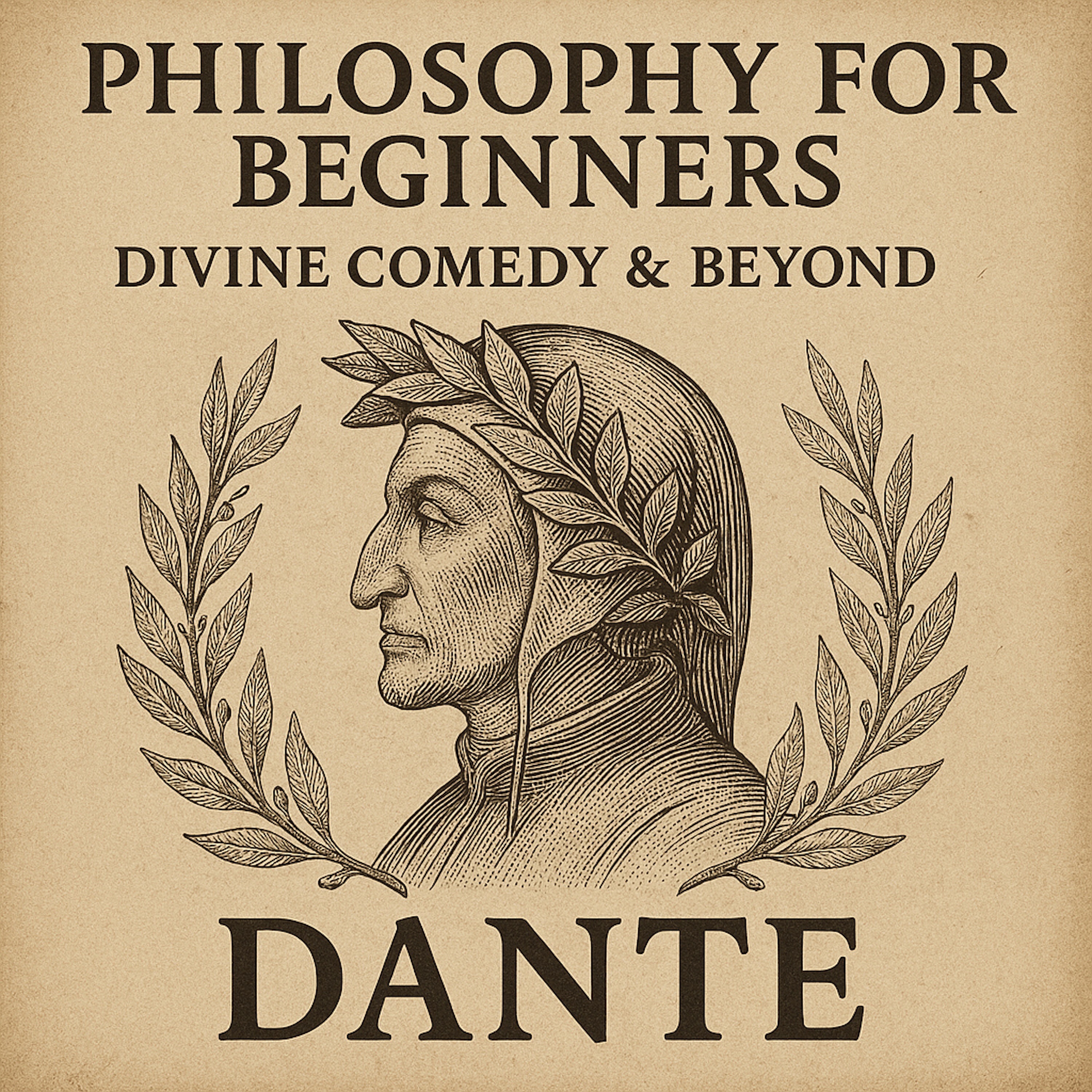
Dante: Divine Comedy & Beyond
Dante: Divine Comedy & BeyondWhat can poetry teach us about philosophy? In this episode of Philosophy for Beginners, we turn to Dante Alighieri, the Florentine poet whose Divine Comedy is both a masterpiece of literature and a map of the human soul.Guided by reason and faith, Dante journeys through Hell, Purgatory, and Paradise, weaving together classical philosophy and Christian theology into
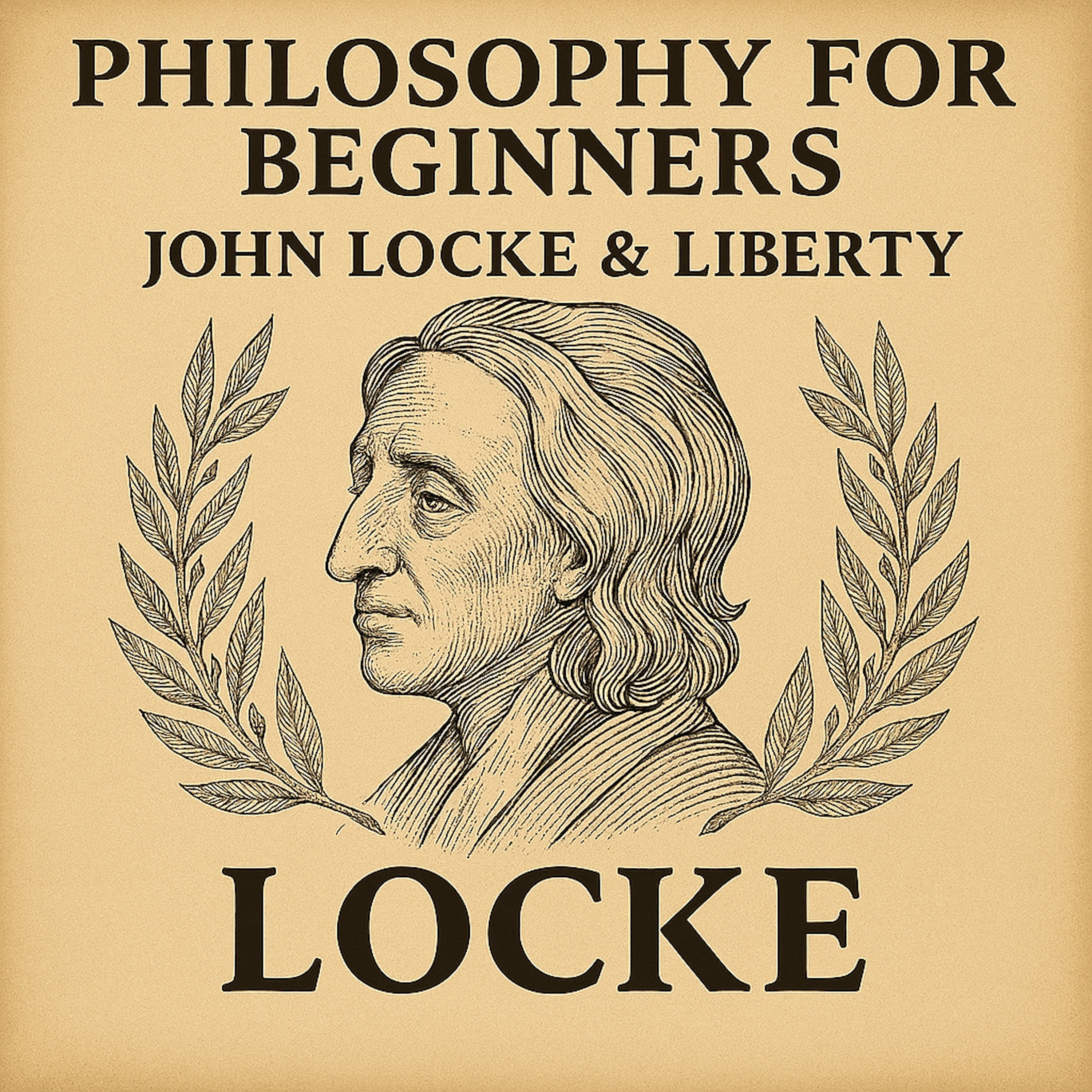
John Locke
In this episode of Philosophy for Beginners, we turn to John Locke (1632–1704), the philosopher of liberty and natural rights. In his Two Treatises of Government, Locke argued that all people are born with rights to life, liberty, and property, and that governments exist only to protect those rights. If rulers become tyrants, the people have the right to resist. His Essay Concerning Human Understa
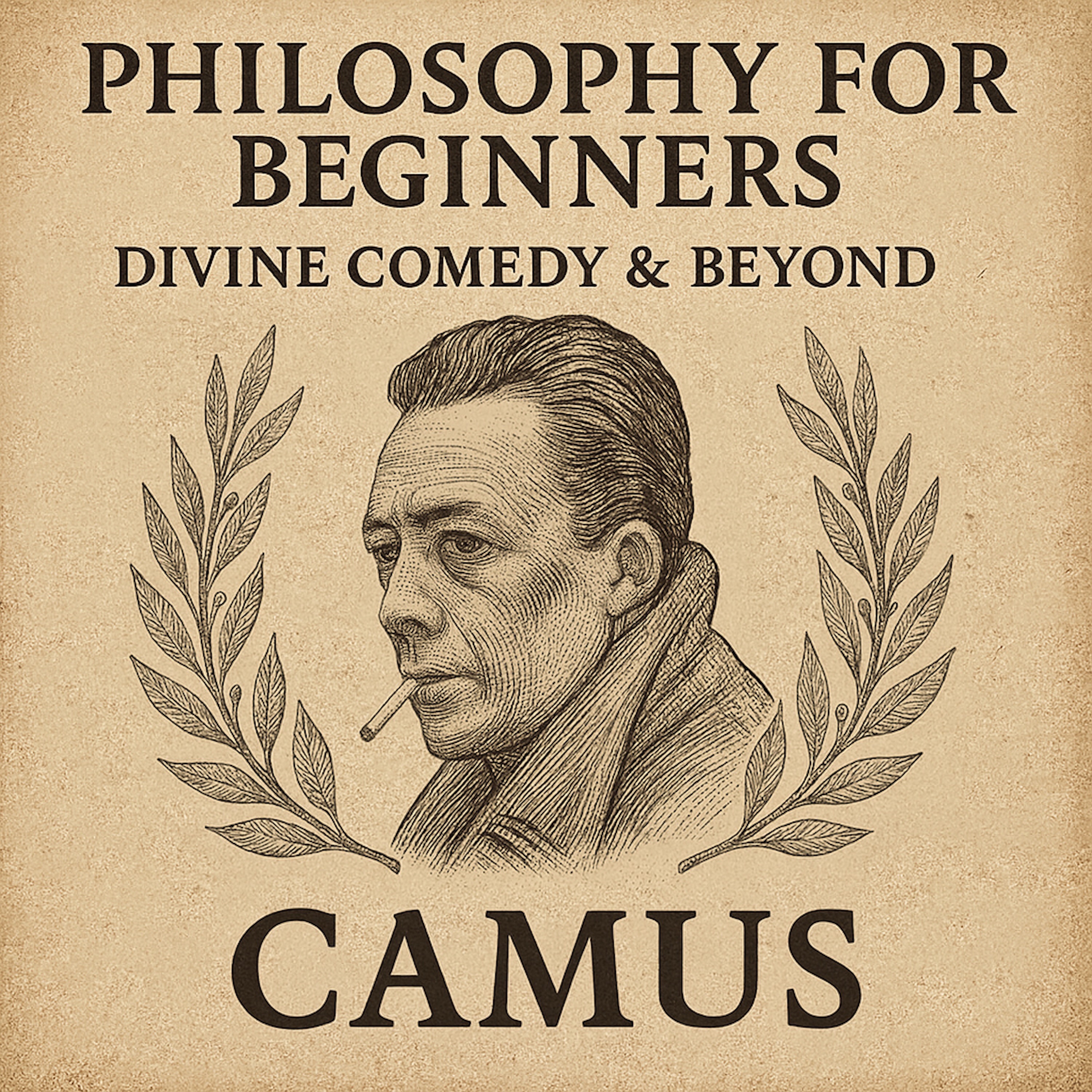
Albert Camus
Albert Camus was born in 1913 in Mondovi, French Algeria. His background was humble: his father was an agricultural worker who died in World War I when Camus was a baby, and his illiterate mother of Spanish origin raised him in a poor neighborhood of Algiers. Despite hardship (they lived in a two-room apartment; Camus later said he never forgot the silent suffering of his mother, which informed hi
Western Moral Philosophy for Beginners Trailer
Western Moral Philosophy for Beginners TrailerIn every age, people have asked the same questions:What is the good life?How should we treat one another?What does it mean to be free, or virtuous, or just?Western Moral Philosophy for Beginners takes you on a guided journey through the minds that shaped the moral backbone of the West — from the earliest Greek thinkers to the modern age.These aren’t d
The Philosophy of AI Systems Deep Dive
How does legitimacy get manufactured? By narratives. Safety. Convenience. Productivity. Health. Fraud prevention. National security. Child protection. AI safety itself. Crises will be used as accelerants because crises create permission structures. Convenience is the slow pull; crisis is the fast push. The two will alternate in waves, each justifying deeper integration. And each wave will be ratio
John Stuart Mill Collectivism vs Individualism Deep Dive
John Stuart Mill is one of those philosophers who never really becomes “historical,” because the world keeps reproducing the dilemmas he cared about in new forms. How should we balance individual freedom against collective well-being? When does a majority become a moral danger to minorities? What do we do with ideas we find offensive or frightening? How do we protect truth in a society that loves
Jeremy Bentham Utilitarianism Deep Dive
Jeremy Bentham is one of those figures whose name can feel like a label—“utilitarian,” “reformer,” “the greatest happiness principle”—until you pause and remember that a label is never the person. Bentham lived a whole life inside an age that was remaking itself with startling speed. He was born in London in 1748, in the long afterglow of the Scientific Revolution and right in the middle of the En
Plato on democracy and gender roles
Today we’re going to walk into Plato’s world—his hopes, his fears, and his blueprint for what he thought a good society might look like—and we’re going to do it through three hot wires that still shock people now: gender, democracy, and what happens to a culture when it confuses freedom with appetite. Plato is not a modern liberal, and he’s not a simple misogynist either. He’s a moral engineer. He
Søren Kierkegaard: The Three Stages of Being Human
Søren Kierkegaard didn’t write philosophy to explain the world. He wrote to explain what it feels like to live inside a human life. In this episode, we explore his three stages of existence: the aesthetic life of pleasure and distraction, the ethical life of responsibility and commitment, and the religious life—not as belief or doctrine, but as the acceptance of reality as it is. This is not a lad
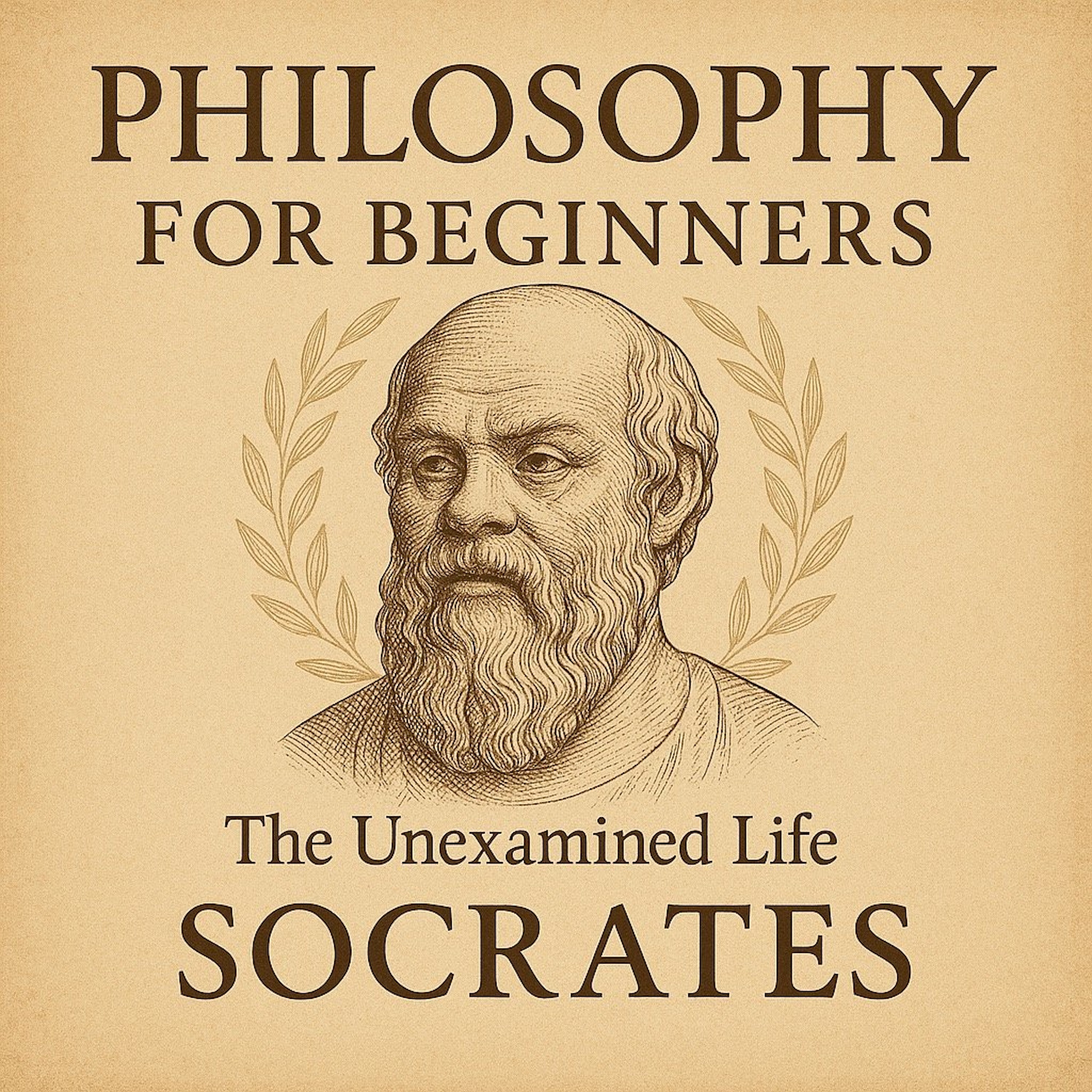
Socrates
In this episode, we dive into the life and legacy of Socrates, the enigmatic figure who changed the course of Western philosophy without writing a single word. Join us as we explore his relentless questioning, his infamous trial, and his profound ideas on ethics, virtue, and the examined life. From the streets of ancient Athens to his final moments with hemlock, we uncover why Socrates remains a s
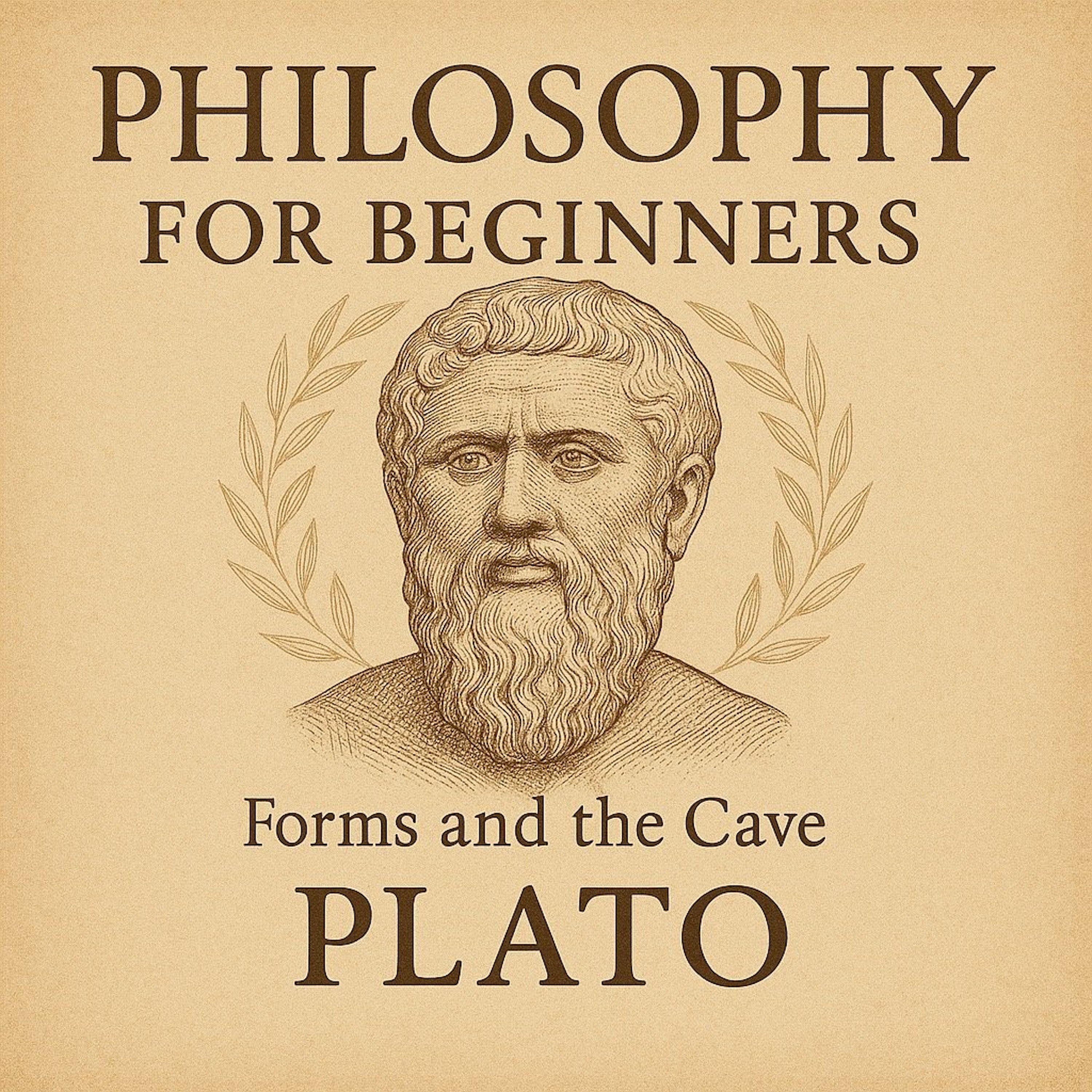
Plato
Step beyond the cave and into the mind of Western philosophy’s most enduring voice. Plato is the 3rd episode in the podcast Philosophy for beginners that unpacks one a western philosopher at a time in bite size 15 minute episodes. Whether you’re a newcomer to philosophy or a seasoned thinker revisiting old friends, Plato offers a fresh, cinematic gateway to the conversations that shaped our intell
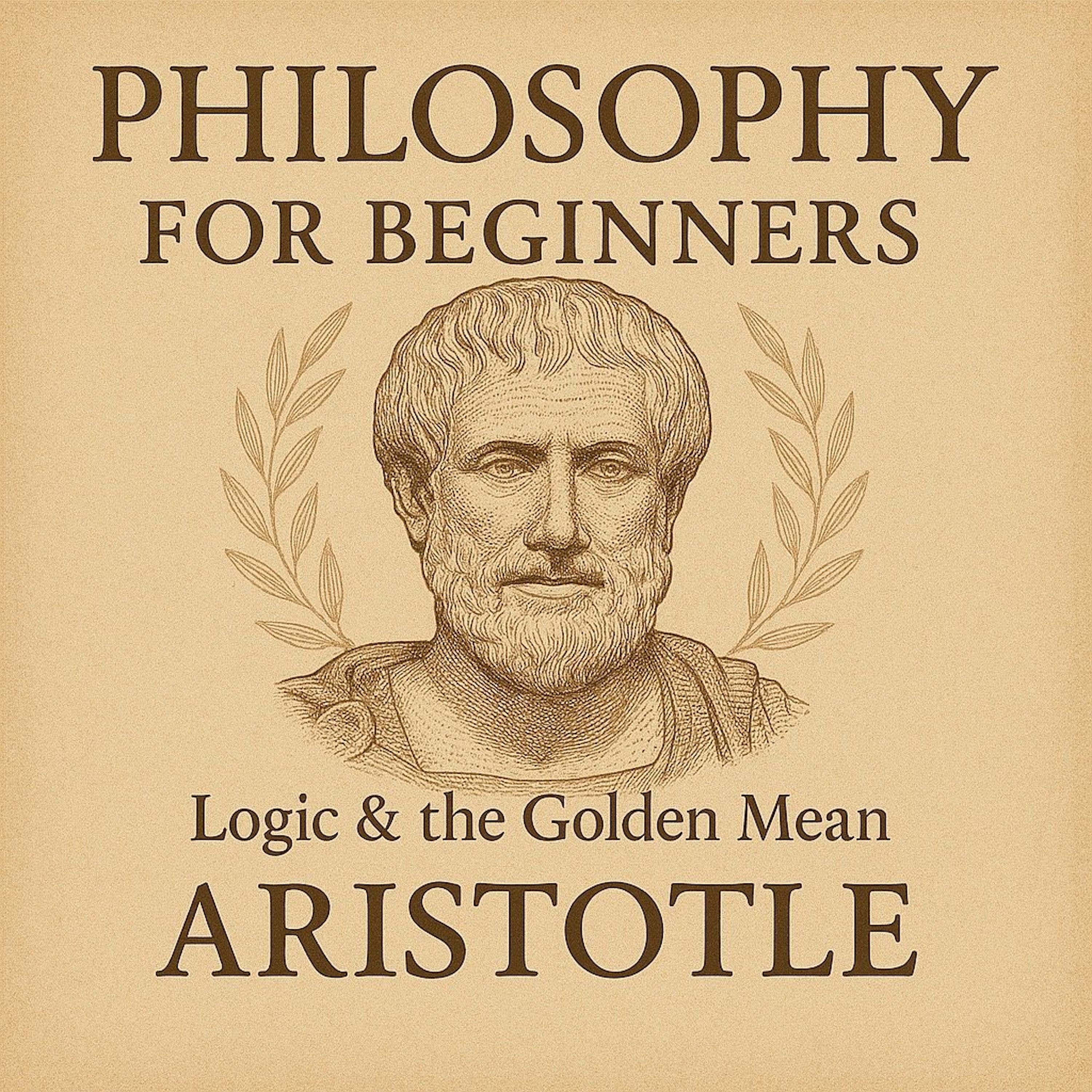
Aristotle
In this episode of Philosophy Now, we guide you through the essential philosophy of Aristotle, exploring his groundbreaking ideas on matter, form, and the purpose of life. Discover how Aristotle’s teachings on potentiality and actuality shape our understanding of the natural world and our place within it. Featuring dramatized insights and practical reflections, this journey into Aristotelian thoug
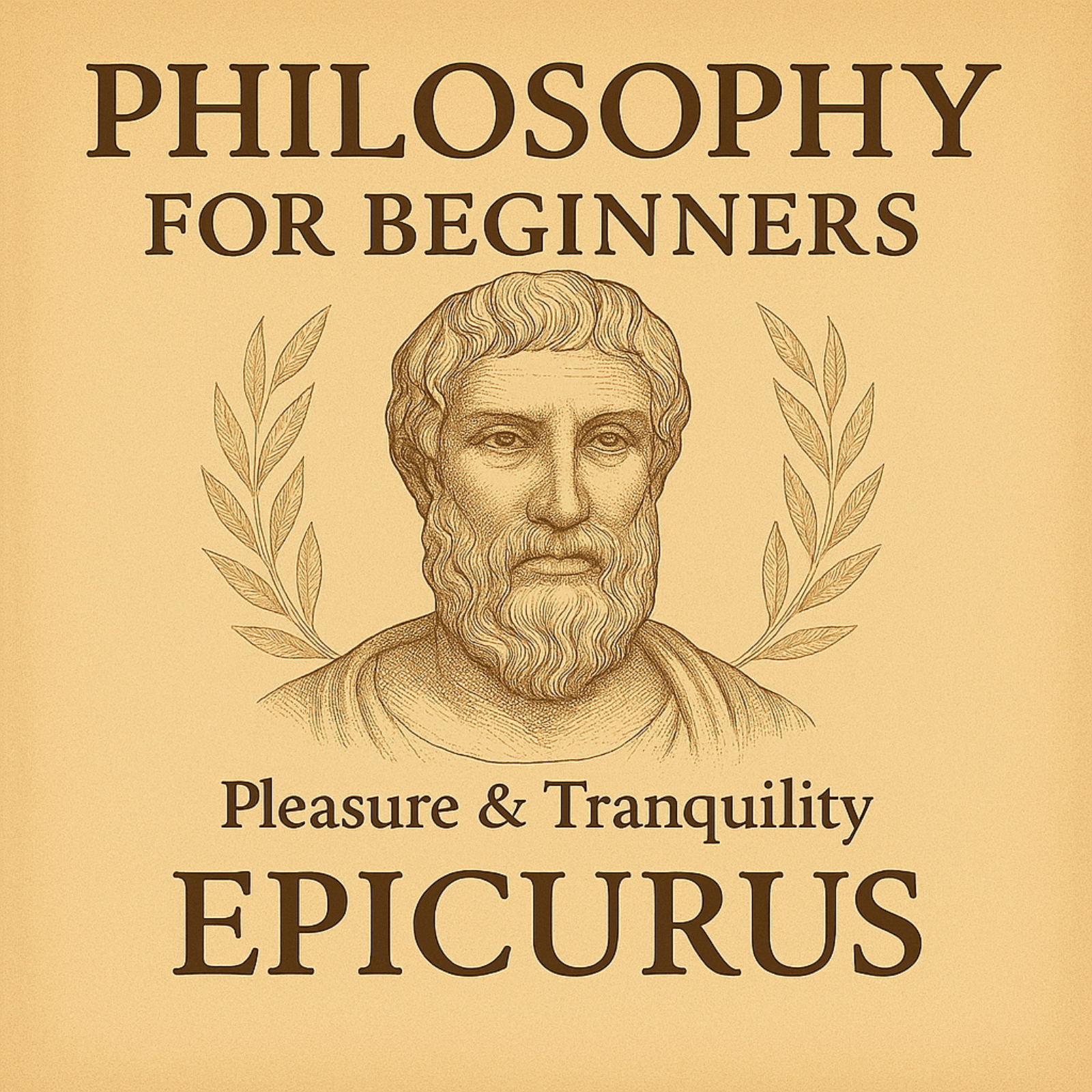
Epicurus
In this episode of Philosophy Now, we explore the essential philosophy of Epicurus, uncovering his radical yet simple vision of happiness through tranquility, friendship, and freedom from fear. Learn how his teachings on desire, pleasure, and the nature of death invite us to live with balance and serenity. Featuring dramatized insights and practical reflections, this journey into Epicurean thought
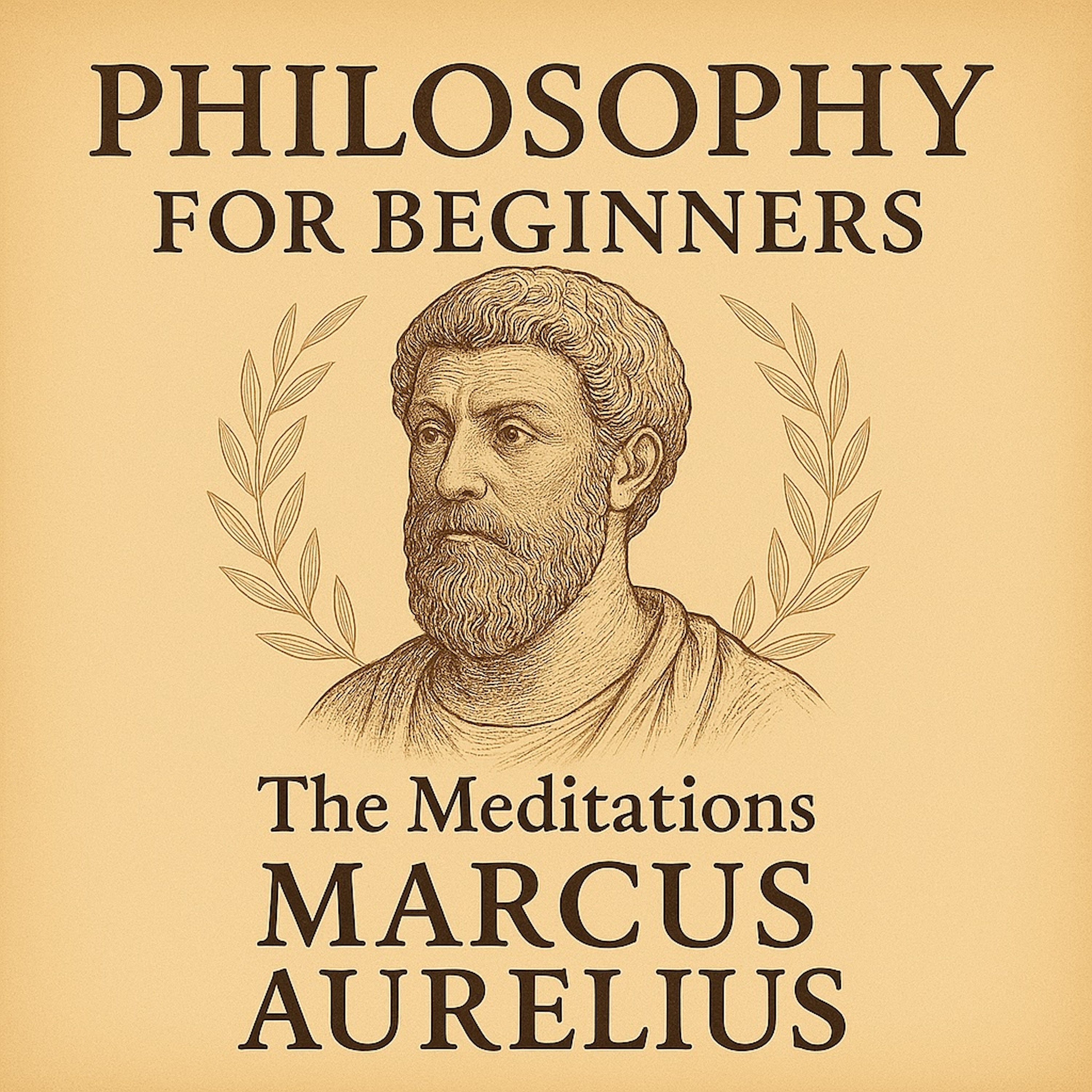
Marcus Aurelius - Emperor & Philosopher
Marcus Aurelius was both emperor and philosopher, a man who ruled the most powerful empire of his time while quietly recording his private reflections on life, duty, and mortality. In this episode, we explore The Meditations—a work never meant for publication, yet which has become one of the most influential texts in Stoic philosophy. We’ll see how Marcus wrestled with power, loss, and the fleetin
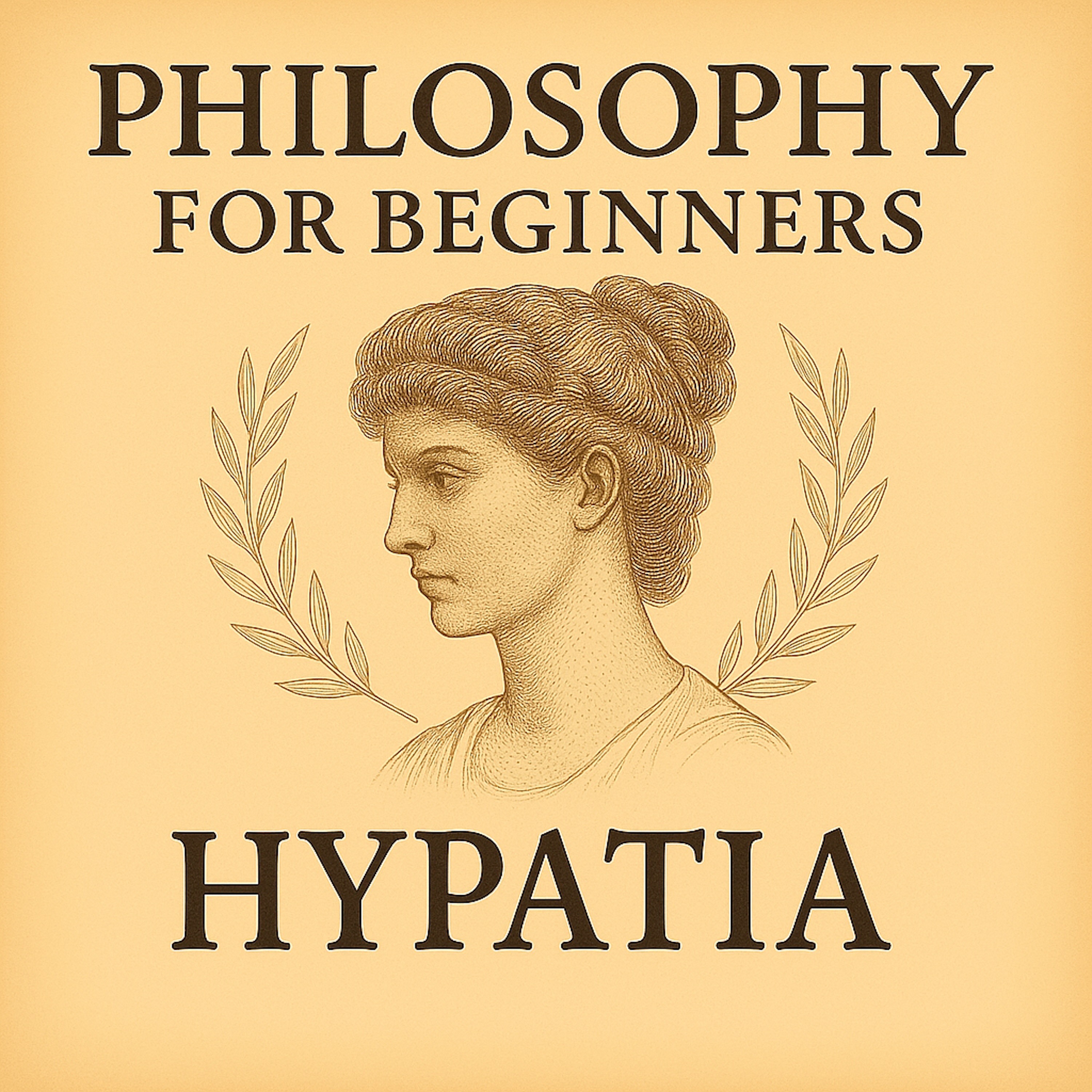
Hypatia: The Philosopher of Alexandria
Hypatia: The Philosopher of AlexandriaWelcome to Philosophy for Beginners. Today, we turn to Hypatia of Alexandria (c. 360–415 CE), one of the most remarkable figures of late antiquity. A mathematician, astronomer, and philosopher, Hypatia became a symbol of intellectual courage in a world of political and religious upheaval.In this episode, we’ll explore her life as a teacher at the great Library
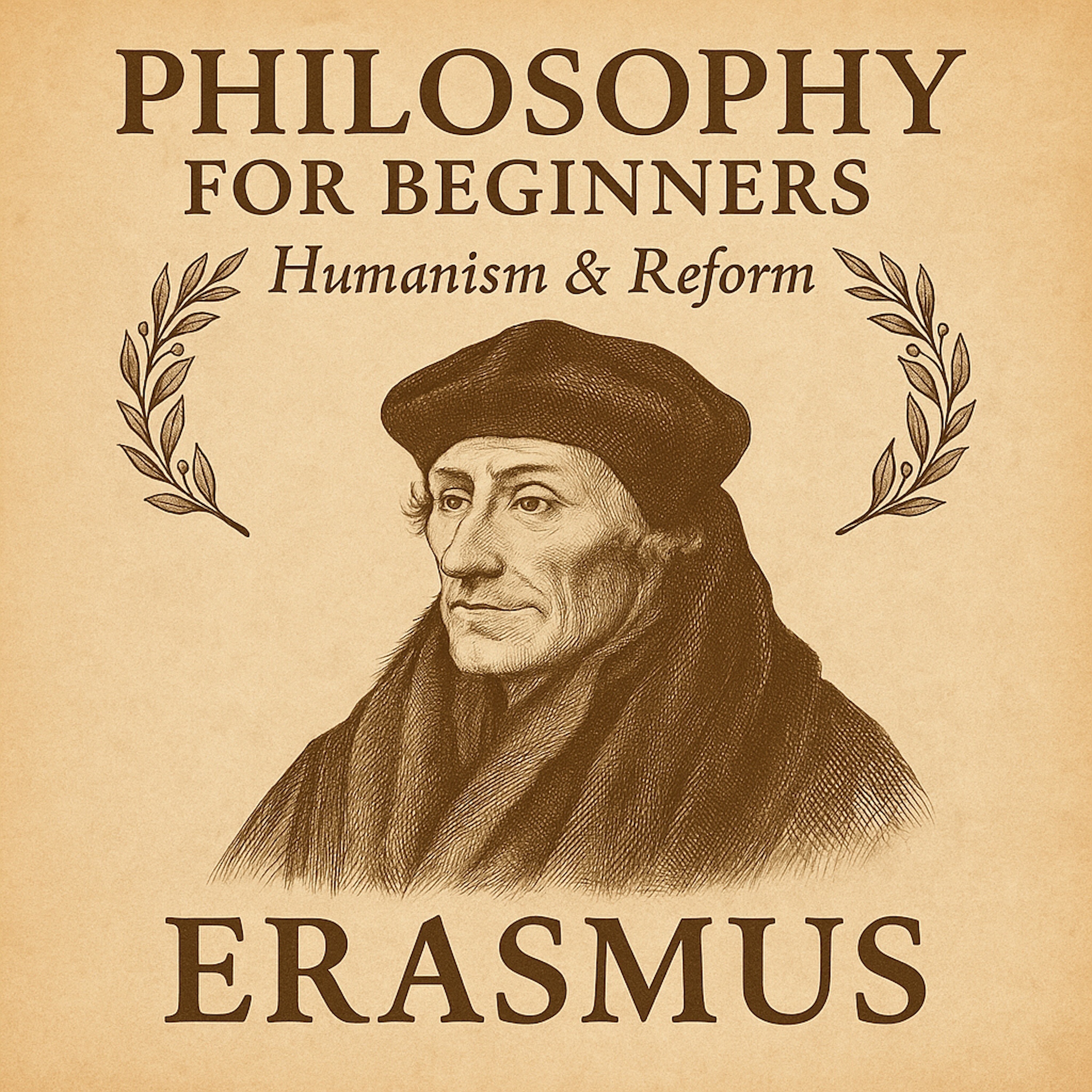
Erasmus: Humanism & Reform
Erasmus: Humanism & ReformWhat role can scholarship play in renewing society? In this episode of Philosophy for Beginners, we explore the life and thought of Desiderius Erasmus of Rotterdam, the Renaissance humanist who sought to unite learning, faith, and reform.Erasmus believed that truth should be sought in the original sources of wisdom — in scripture, in classical texts, in the honest wor
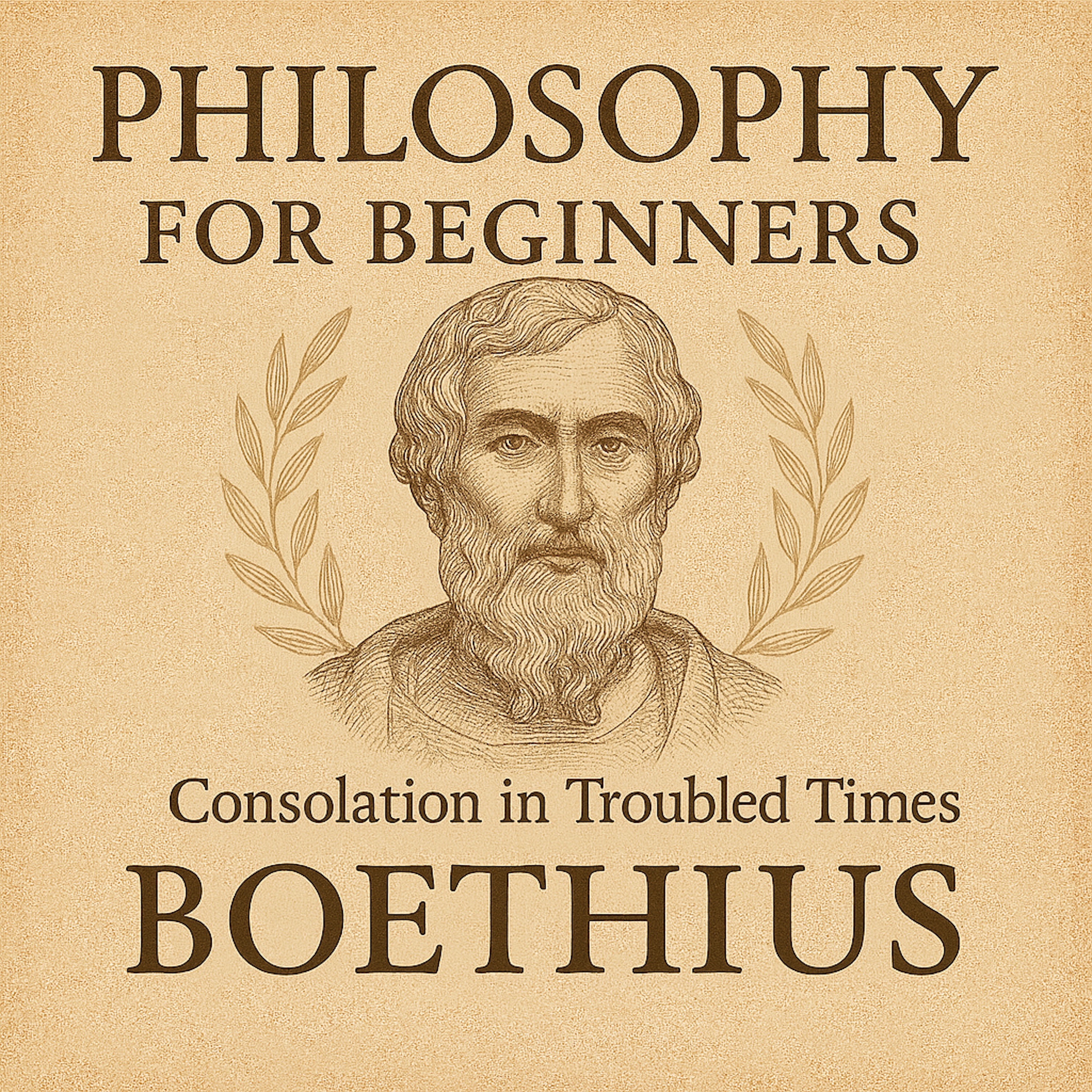
Boethius
What does it mean to find hope when fortune turns against you? In this episode of Philosophy for Beginners, we explore the life and thought of Boethius, a Roman statesman whose fall from power gave rise to one of the most influential works of medieval philosophy, The Consolation of Philosophy.Guided by the figure of Lady Philosophy, Boethius wrestled with questions of fate, free will, and the natu
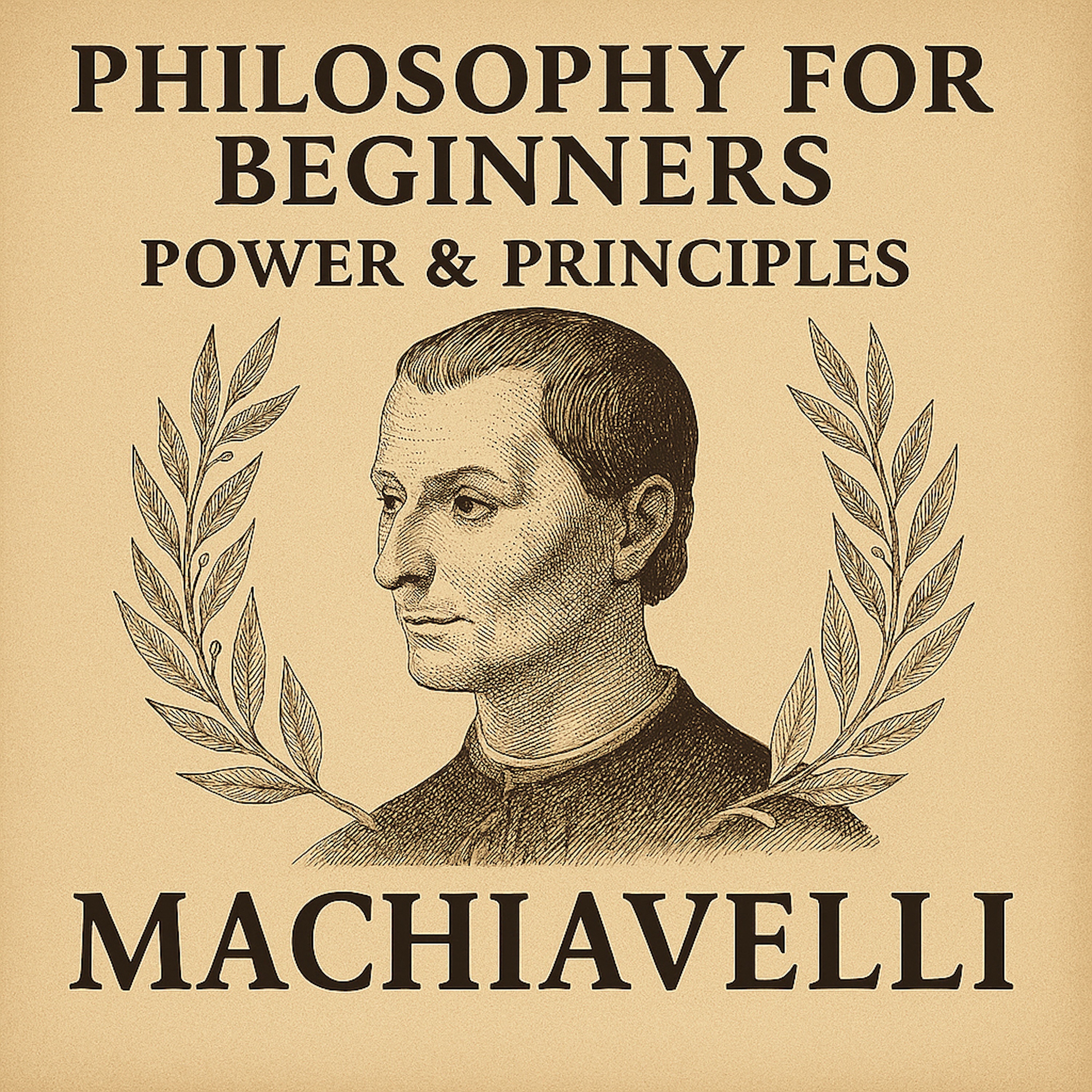
Title: Niccolò Machiavelli – The Morality of Power
Title: Niccolò Machiavelli – The Morality of PowerIn this episode of Philosophy for Beginners, we leave the humanist gentleness of Erasmus and step into the sharp world of Florentine politics with Niccolò Machiavelli. Civil servant, diplomat, dramatist, and author of The Prince and Discourses on Livy, Machiavelli has been remembered as ruthless and cunning — but his deepest concern was the surviva
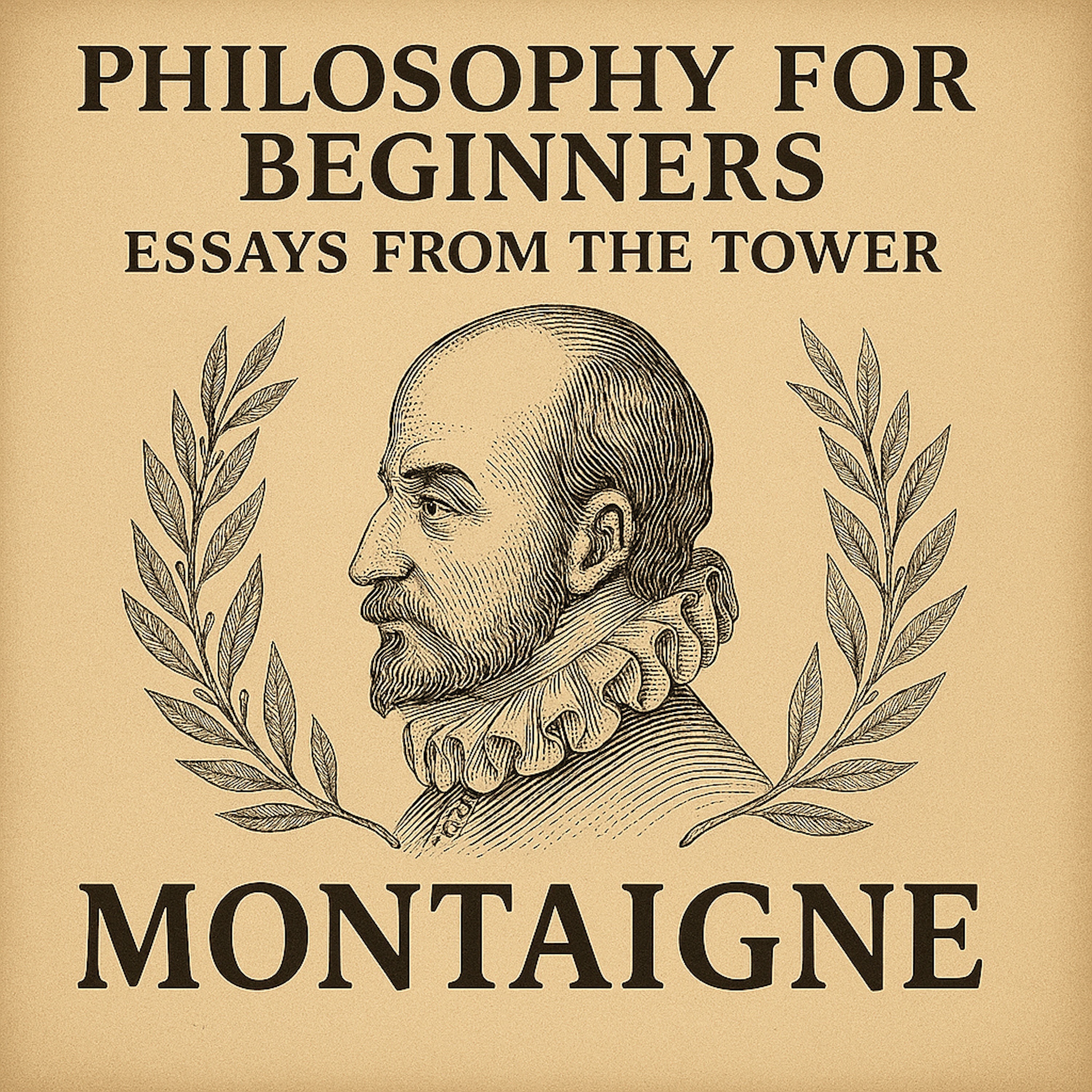
Michel de Montaigne
In this episode of Philosophy for Beginners, we turn to Michel de Montaigne (1533–1592), the French nobleman who withdrew from public life to a tower filled with books and invented a new form of philosophy: the essay. Montaigne believed that wisdom comes not from building grand systems but from examining ordinary experience with honesty and doubt. He wrote about friendship, death, custom, and the
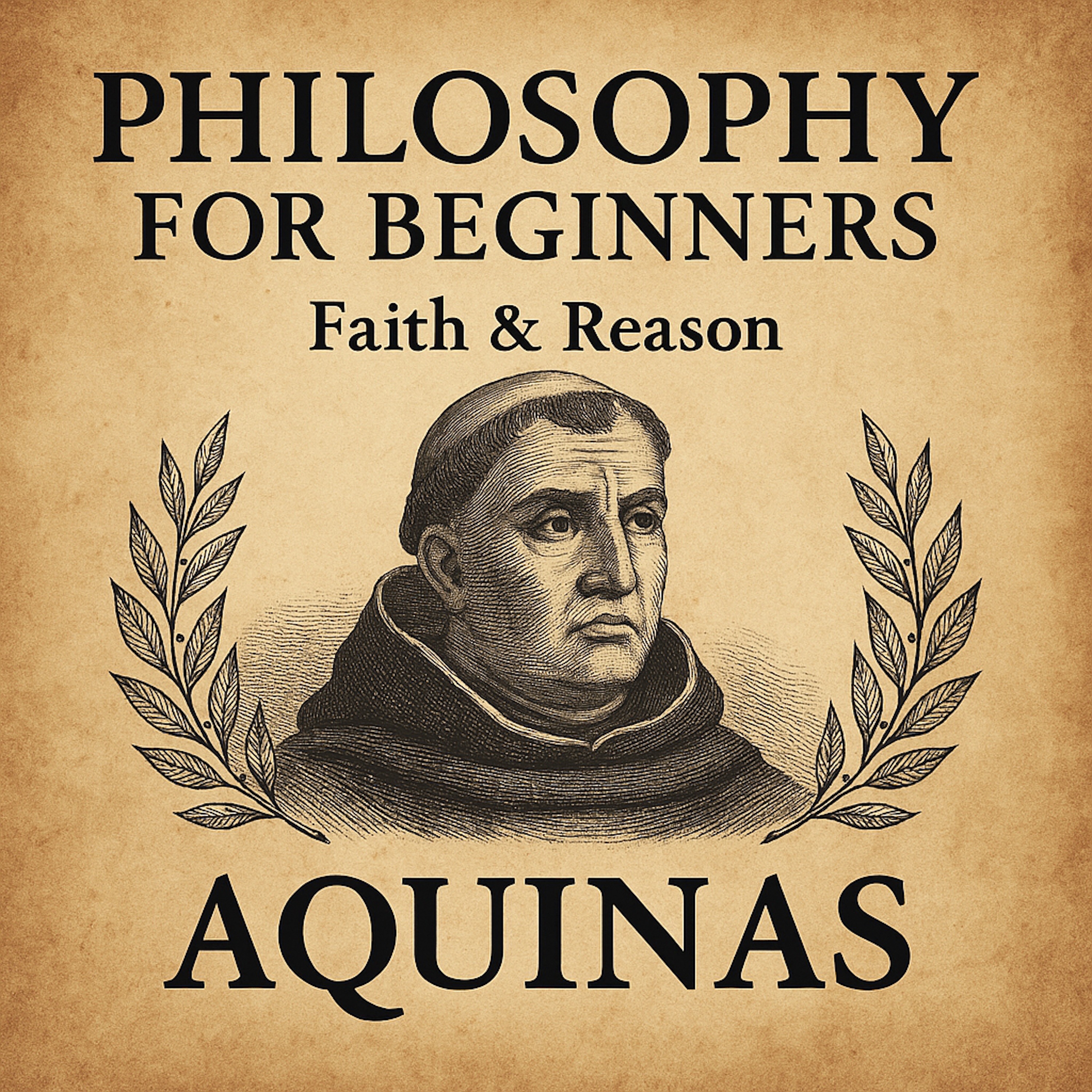
Aquinas: Faith and Reason
Aquinas: Faith and ReasonCan faith and reason truly work together? In this episode of Philosophy for Beginners, we explore the thought of Thomas Aquinas, the medieval scholar who sought harmony between Aristotle’s philosophy and Christian theology.Aquinas argued that reason could uncover truths about the natural world, while faith revealed mysteries beyond reason’s reach. His Summa Theologica beca
Philosopher Aristotle on Ethics
Philosopher Aristotle on EthicsAristotle begins his ethical inquiry with a broad, almost biological map of human action. Every art, every investigation, every choice and pursuit, he says, aims at some good. Even when people act badly, they act toward something that appears good to them in the moment. Ethics therefore is not first about rules descending from the sky; it is about orientation. What a
William of Ockham
William of Ockham In the early fourteenth century, when Europe’s universities were packed with monks and clerics arguing about God, logic, and the structure of reality, a quiet Franciscan friar from a small English village began to do something dangerous: he started cutting away at the grand systems of his time. It was not a physical blade he wielded, but a habit of mind, a principle that later ge
Deep Dive Philosopher Aristotle On Ethics
Deep Dive Philosopher Aristotle On EthicsAristotle, the ancient Greek philosopher who lived from 384 to 322 BCE, is a towering figure in Western philosophy, particularly known for his explorations of ethics. His work lays the groundwork for how we think about morality, virtue, and the good life. Aristotle's ethical philosophy is primarily encapsulated in his seminal texts, such as "Nicomachean Eth
Jean-Paul Sartre
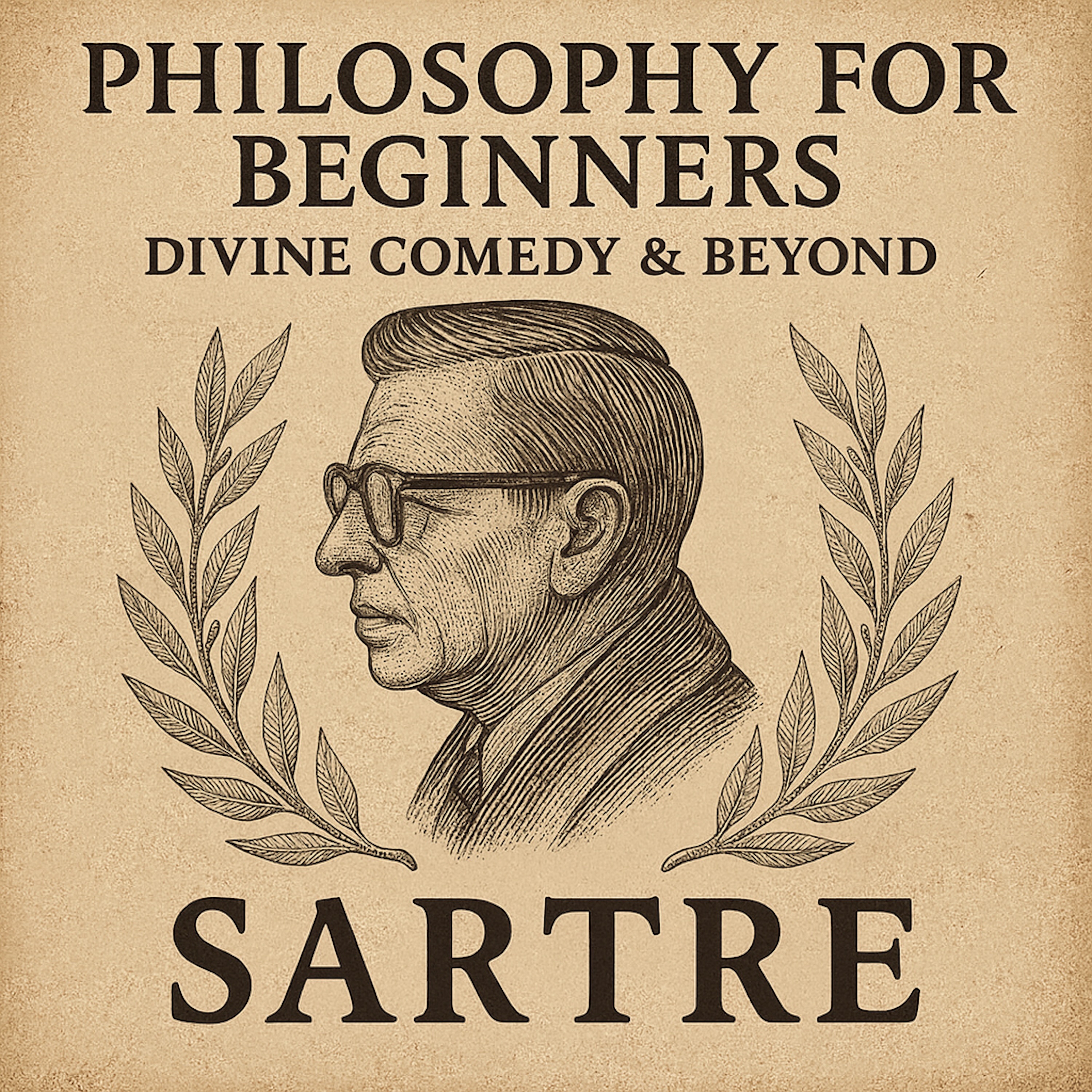
Jean-Paul Sartre was born in 1905 in Paris. His father, a naval officer, died when Sartre was an infant, so he was raised by his mother in his maternal grandfather’s home. As a child, he was small, sickly, and partially blind in one eye (which gave him his signature walleyed look). But he was precocious and developed an early love of literature. Sartre studied philosophy at the elite École Normale
Simone de Beauvoir
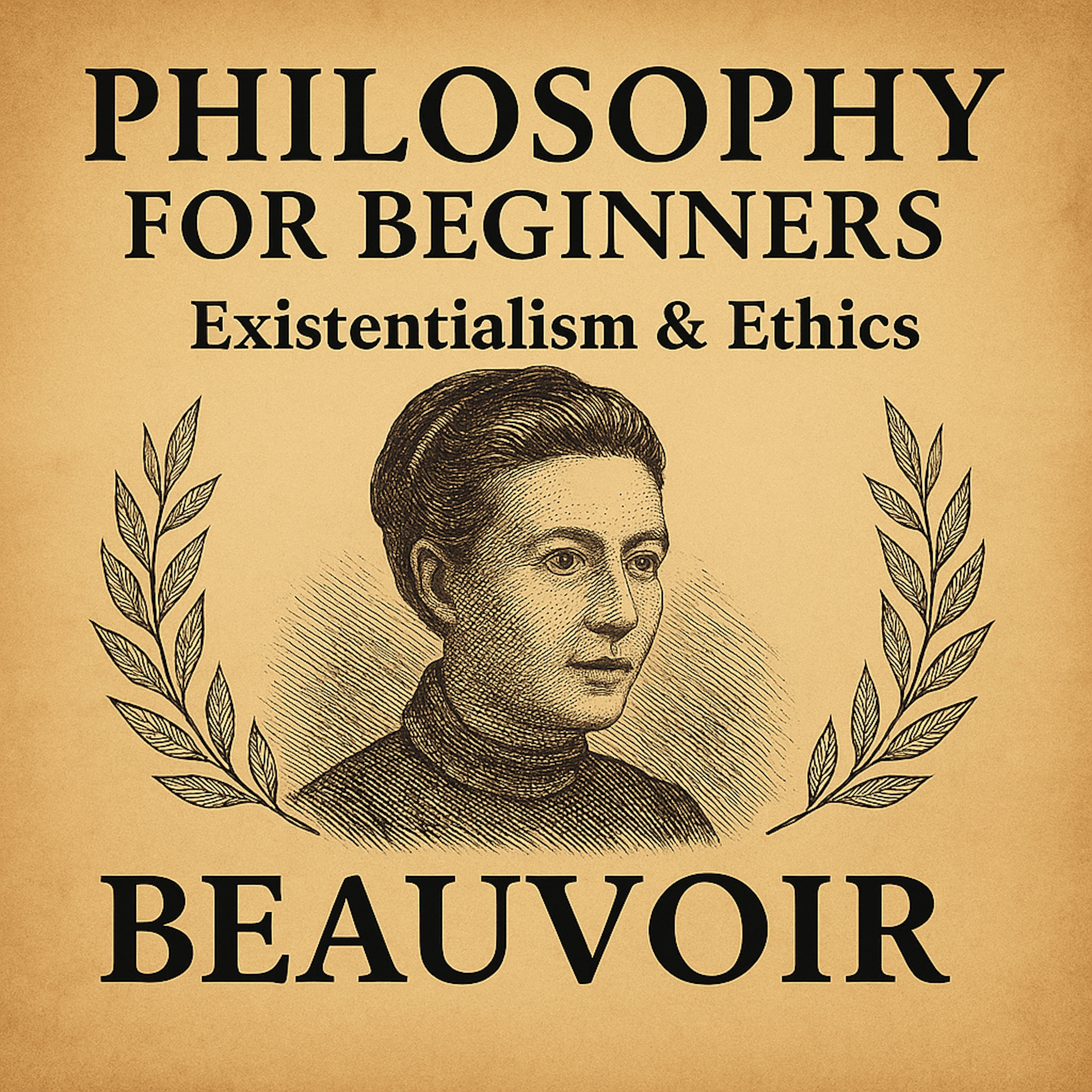
Simone de Beauvoir was born in 1908 into a bourgeois Parisian family. Her father was a traditionalist who once ruefully said, “Simone thinks like a man!” – noticing her fierce intellect. Beauvoir was indeed precocious and very independent-minded. After World War I, her family lost much of its wealth, but they still prioritized a good education for Simone. Deeply religious as a child, Beauvoir expe
Thomas Hobbes
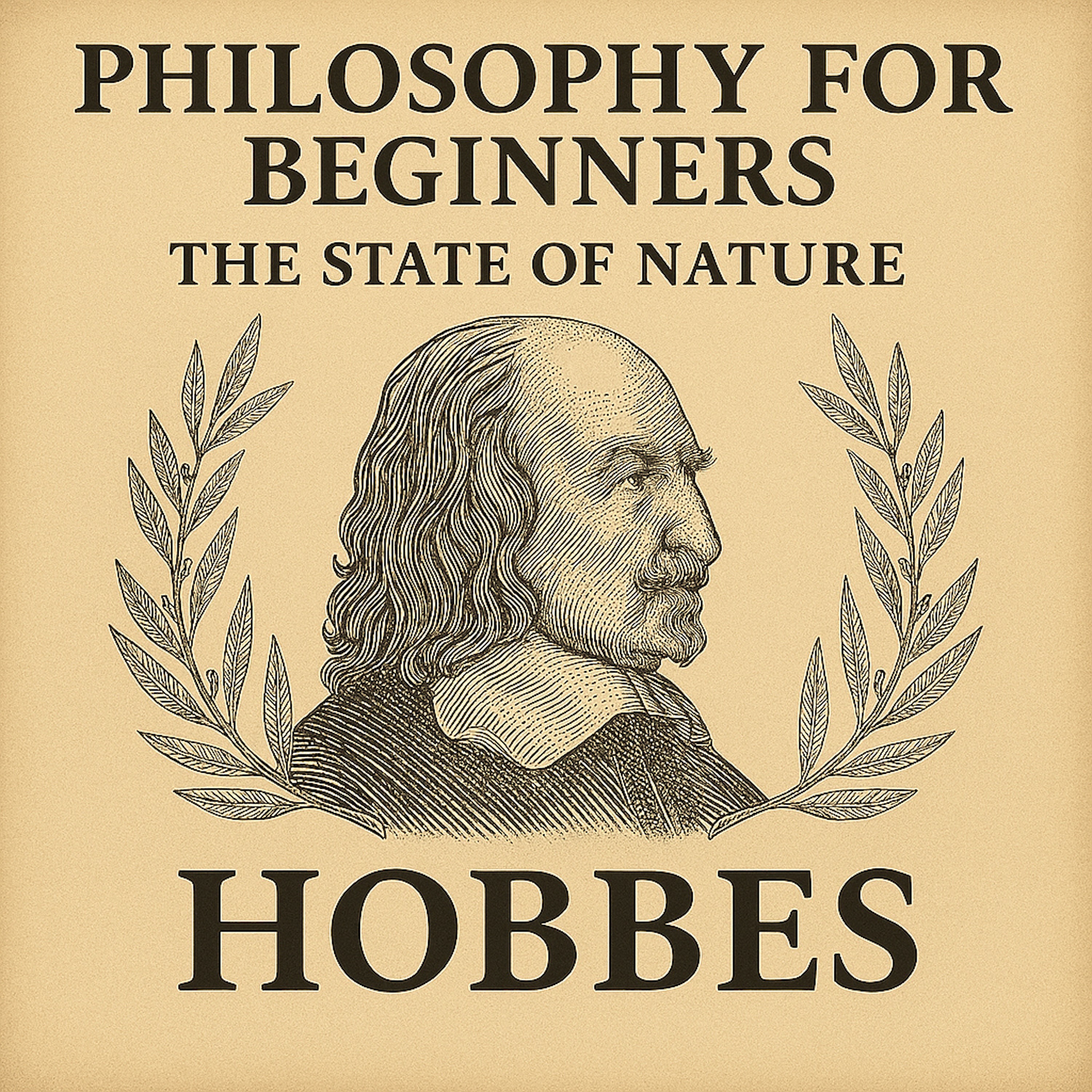
Thomas Hobbes was born in 1588, the year of the Spanish Armada. Later he would say that fear and he were born twins, because his mother went into labor prematurely after hearing rumors of invasion. Whether or not this anecdote is literally true, it captures something about Hobbes’s temperament: a man haunted by the fragility of peace, attentive to the ways fear shapes politics. Hobbes’s father was
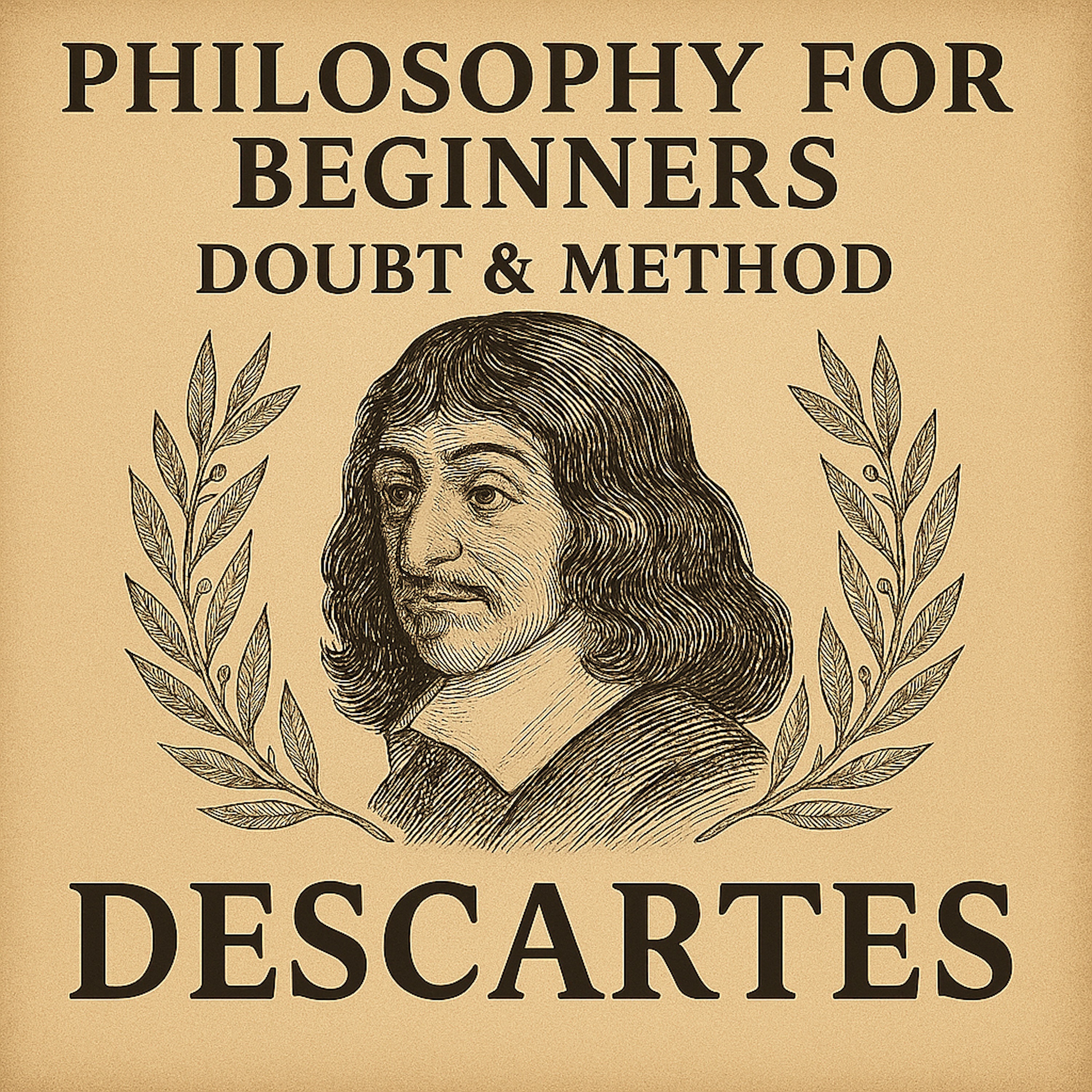
René Descartes
Today we enter the seventeenth century, a moment when philosophy took a decisive turn into what we now call modernity. Our guide is René Descartes, born in 1596 in La Haye in France, a man whose restless mind and relentless pursuit of certainty reshaped the intellectual map of Europe. He is remembered for his famous declaration, cogito ergo sum – I think, therefore I am – a phrase that became the
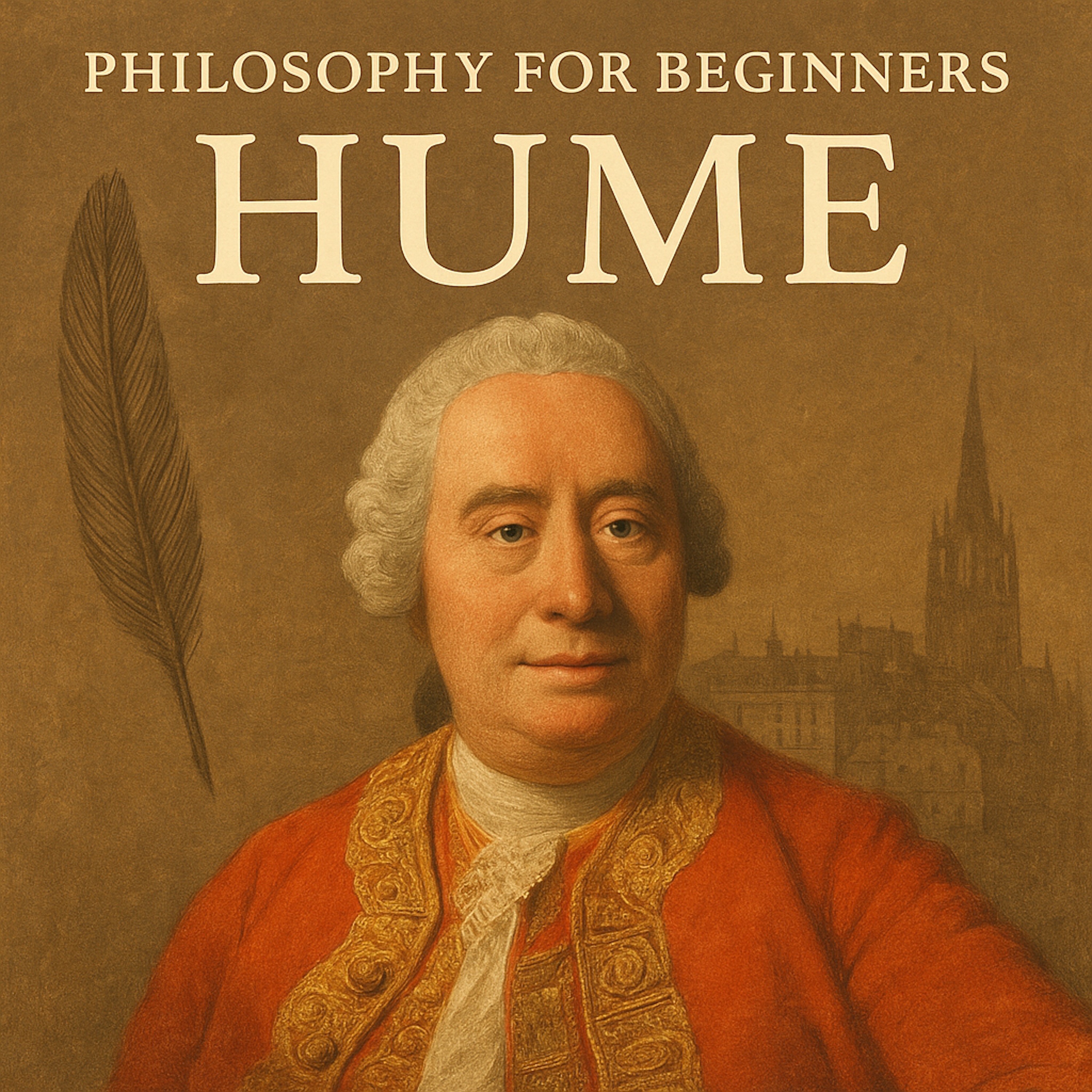
David Hume
A stout, rosy-cheeked old man lies propped up in bed, greeting his visitor with a gentle smile. It is the summer of 1776 in Edinburgh, and David Hume knows he is dying. Yet there is no fear in his clear grey eyes—only mild amusement at the anxious expression on young James Boswell’s face. Boswell has come to see whether the great skeptic is frightened to meet his Maker at last. But Hume, ever comp
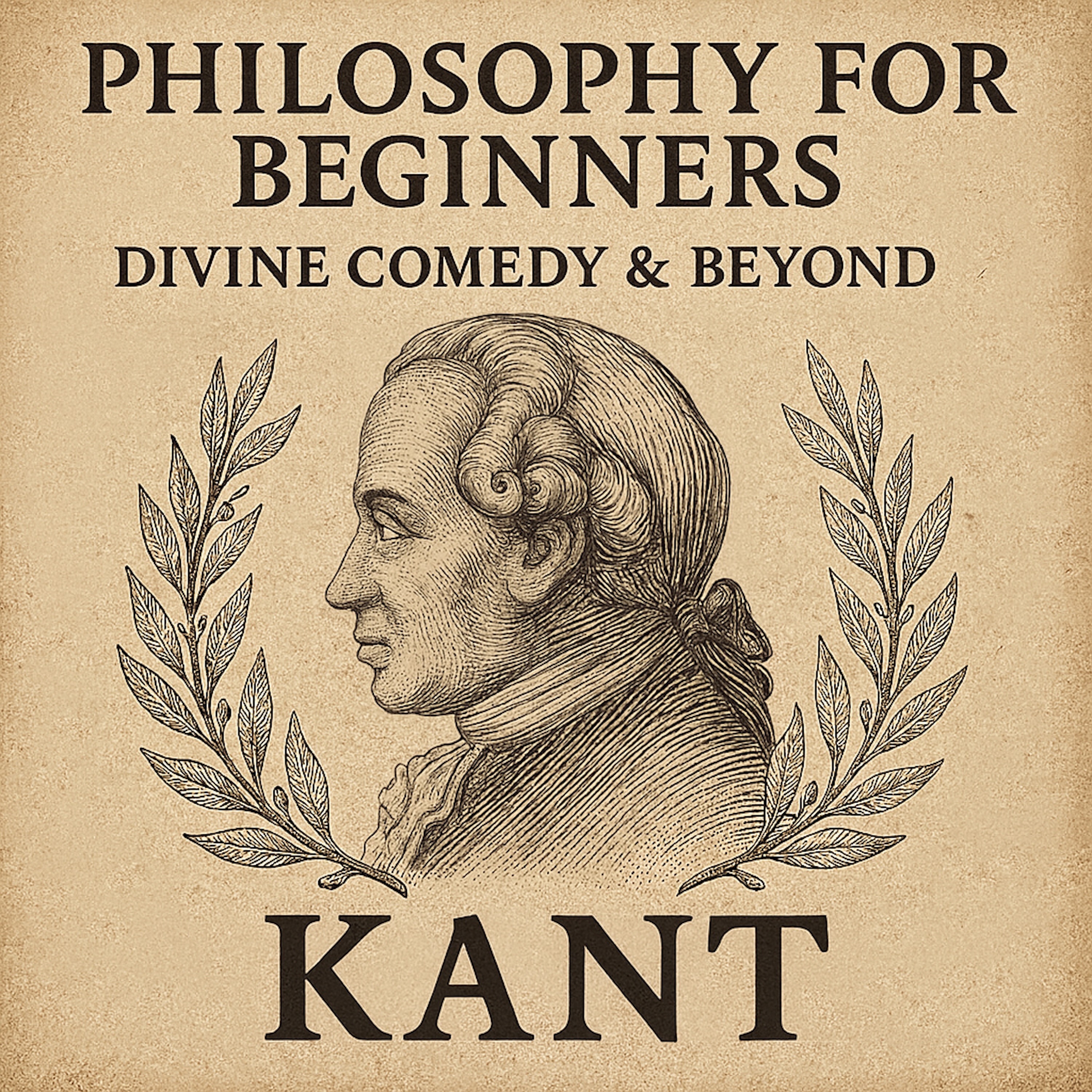
Immanuel Kant
Immanuel Kant was born in 1724 in Königsberg, a provincial capital on the Baltic Sea (today Kaliningrad). He was raised in a modest artisanal family and educated in a pietistic Lutheran tradition that stressed duty and virtue. Young Kant was intellectually precocious. He studied at the University of Königsberg (never venturing more than a hundred miles from his birthplace his entire life). After s
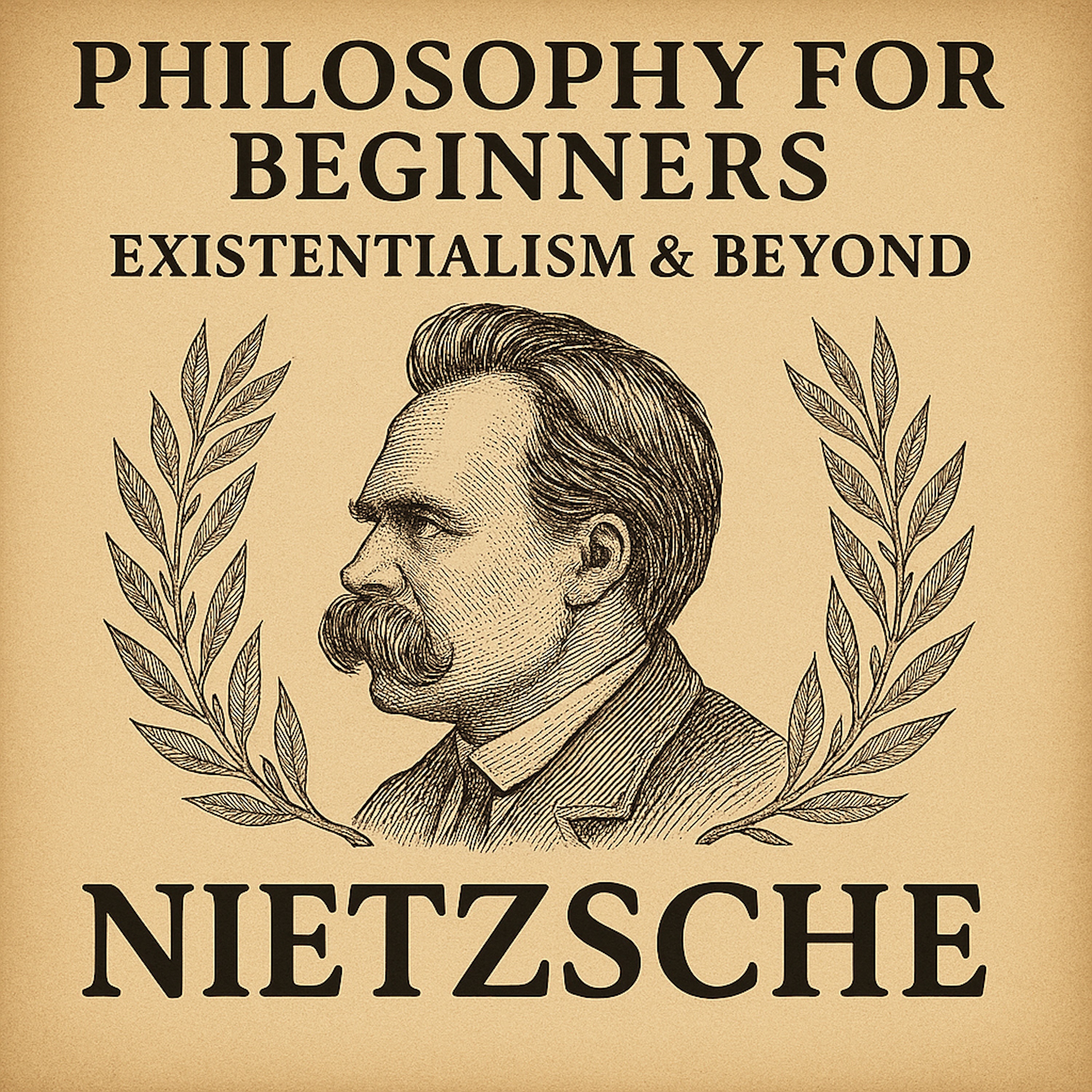
Friedrich Nietzsche
Friedrich Nietzsche was born in 1844 in Röcken, a village in Saxony (now Germany). His father was a Lutheran pastor who died young; Nietzsche was raised in a pious household of women (mother, sister, grandmother). A precocious student, he excelled in classical philology (the study of Greek and Roman texts). At 24, he became a professor at Basel, Switzerland – extraordinarily young. But academic li
Søren Kierkegaard
Søren Kierkegaard was born in 1813 in Copenhagen, Denmark, the youngest of seven children of a wealthy wool merchant. His father was stern, deeply pious, and prone to guilt and melancholy – traits he passed to Søren. Kierkegaard grew up in a house haunted by a sense of sin and religious intensity (his father believed he’d cursed their family by an impious act as a boy, and indeed many of Søren’s s
Martin Heidegger
Martin Heidegger was born in 1889 in Messkirch, a rural Catholic town in southwestern Germany. His upbringing was humble; his father was a sexton. Young Heidegger was initially headed for the priesthood – he even started seminary – but he developed an intense interest in philosophy (spurred by reading Brentano) and switched to studying that at the University of Freiburg. He earned his doctorate an
Hannah Arendt
Hannah Arendt was born in 1906 in Hanover, Germany, to a secular Jewish family. She grew up in Königsberg (Immanuel Kant’s city), raised largely by her mother after her father died when she was seven. Brilliant and strong-willed, Arendt studied philosophy at university under some of Germany’s greatest thinkers – including Martin Heidegger at Marburg (with whom she had a youthful love affair) and K
Michel Foucault
Michel Foucault is the philosopher who taught us to question how knowledge itself can be a form of power. He was a French thinker who didn’t look like a typical academic sage studying timeless truths from an armchair. Instead, he prowled through archives of asylums, prisons, and clinics to uncover how modern society quietly defines what is normal and what is deviant. Born Paul-Michel Foucault in n

John Rawls 1921 - 2002
John Rawls 1921 - 2002In the late 1930s, an anxious teenager sits in a boarding school in Connecticut, surrounded by the trappings of privilege he doesn’t quite know what to do with. The school is Kent, Episcopalian and elite, a feeder into the American establishment. The boy’s days are filled with chapel services, Latin, math, sports, and the casual assumption that people like him will one day he
Thales of Miletus 624–546 BCE The first philosopher
Thales of Miletus 624–546 BCEOn a hot Ionian afternoon sometime in the sixth century BCE, an aging man stands on the harbor wall of Miletus watching the sea. Ships creak at their moorings, merchants shout in several languages, and the air smells of tar, wool, and salt. For most people here, the sea is simply a way to earn a living. For him, it is something more: a clue. The waves, the changing ti
Anaximander c. 610–546 BCE
In the bustling, sun-baked streets of Miletus, where merchants argued over grain prices and sailors cursed the shifting winds, there lived a man who tried to think past the edge of the visible world. To most people in that Ionian city, the horizon at sea was a simple line: beyond it lay other ports, other gods, other dangers. For Anaximander of Miletus, that hazy band between water and sky was som
Anaximenes 586–526 BCE
On a clear morning in Miletus, the air feels almost weightless. A faint breeze moves between the houses, stirring dust in the streets, filling sails in the harbor, rising as a shimmer over the tiled roofs as the day warms. Most people barely notice it unless it fails; only when the wind drops and the city lies still in heavy heat do they realize how much their comfort depends on something they can
Pythagoras 570–495 BCE
In the Greek imagination, there are few figures who sit more uneasily between history and legend than Pythagoras. Say his name today and most people think of a schoolroom diagram: a right triangle, some letters along its sides, and the neat little relation a² + b² = c². But if you were to step into a meeting of his followers in southern Italy in the late sixth century BCE, the man at the center of
Xenophanes 570–475 BCE
On a dusty road somewhere in archaic Greece, a man in late middle age walks with a staff, a cloak, and a voice that can still fill a hall. The road runs between little poleis and scattered farms, past shrines with their painted images of the gods: Athena with her spear, Apollo with his bow, Zeus hurling thunder from a human hand. At each stop, this man recites verses for his supper, like any rhaps
Pherecydes of Syros 580–520 BCE
Pherecydes of Syros c. 580–520 BCEIn the early sixth century BCE, on the rocky island of Syros in the Cyclades, far from the philosophical ferment of Ionia and even further from the great Greek cities of Italy and Sicily, there lived a strange, quiet, solitary thinker whose influence would ripple outward in ways neither he nor his contemporaries could have fully imagined. Pherecydes—sometimes writ
Parmenides of Elea
On a dusty road in southern Italy, sometime in the early fifth century BCE, a small procession of young men walks behind an older figure. They are heading toward the city of Elea, a Greek colony on the Tyrrhenian coast. Trade ships move in the harbor; farmers bring goods into the market; priests tend to local shrines. The older man is not a politician, not a general, not a seer. He is a poet and a
Zeno of Elea
Zeno of EleaIn the hot light of a fifth-century afternoon, the road leading into Elea is dusty and rutted. A small crowd has gathered at the edge of the agora, men in worn tunics, boys who should be running errands, a few visiting merchants resting their packs. At the center stands a tall, lean man with sharp features and an intensity that makes even idle listeners a little uneasy. He is not offer
Empedocles
EmpedoclesOn a bright Sicilian morning in the fifth century BCE, the city of Acragas rises from the sea in terraces of stone and dust. Temples crown the ridge above, their columns catching the sun. Below, olive groves and vineyards climb the slopes. In the streets, merchants call out prices, children weave through the crowds, and somewhere, perhaps in a house near the city wall or walking among co
Anaxagoras
In the middle of the fifth century BCE, a ship from Asia Minor cuts across the Aegean, its hull packed with grain, oil, and pottery. Among the passengers stands a man in his early forties, with the face of someone used to thinking more than talking. He is leaving his home city, Clazomenae, in Ionia, heading toward Athens, which is not yet the cultural capital it will become, but already a restless

Democritus - The Laughing Philosopher
In the northern city of Abdera, on the Thracian coast of the Aegean, the wind from the sea carried more than the smell of fish and tar. It carried laughter. At least, that is how later generations imagined it when they thought of Democritus, the philosopher who became known as “the laughing thinker.” While others frowned over the miseries of human life, Democritus was said to laugh at the vanity o
Cleanthes of Assos 330–230 BCE
Cleanthes of AssosIn the early third century BCE, when the sun rose over Athens and spilled light across the Agora, the Painted Stoa was already beginning to hum with small clusters of conversation. Merchants setting up stalls, potters checking their wares, youths gathering in groups to trade jabs or practice wrestling moves in the dust. Amid the bustle, a tall, weather-beaten man walked with slow
Zeno of Citium
In the early third century BCE, on a dusty Athenian afternoon, a tall, thin man with a dark Cypriot complexion stood under the painted colonnades of the Stoa Poikile, listening. Around him, the everyday noise of the city swelled and receded: sellers shouting prices in the Agora, boys chasing one another between stalls, the distant clang of a blacksmith’s hammer. But under the shade of the stoa, th

Plotinus 204—270 C.E.
In a quiet Roman house in the middle of the third century of our era, a man who did not want his birthday known and did not like to be painted sat surrounded by students, talking about how the soul could return to its true home. Outside, the empire was groaning under pressure: political instability, plagues, frontier wars, a sense that the old gods and old institutions were losing their grip. Insi
Cleanthes of Assos 330–230 BCE
Cleanthes of AssosIn the early third century BCE, when the sun rose over Athens and spilled light across the Agora, the Painted Stoa was already beginning to hum with small clusters of conversation. Merchants setting up stalls, potters checking their wares, youths gathering in groups to trade jabs or practice wrestling moves in the dust. Amid the bustle, a tall, weather-beaten man walked with slow
Diogenes of Sinope
Diogenes of SinopeIn a crowded Athenian marketplace, under the hard light of noon, a man stands barefoot in the dust beside a shattered clay jar. He is lean, sun-darkened, wrapped in a simple cloak that has seen too many winters, his beard untrimmed, his hair wild. Around him move the usual actors of the city’s daily play: merchants balancing their ledgers, matrons haggling over olives, young men
Gorgias the Nihilist
On a clear Athenian afternoon in the the late fifth century BCE, when the heat on the white stone steps of the law courts shimmered like water, a stranger from the West walked into the city and changed the sound of public speech. He came not in armor but in a richly woven cloak, with a small entourage and a reputation that had travelled ahead of him: a man whose words could dazzle crowds, unmake r
Chrysippus 279 BCE
On an Athenian night long after the crowds had left the Agora, when the torches along the colonnades burned low and the city’s noise sank into a tired murmur, there was often one figure still awake in the Stoa. A man in his fifties or sixties, short, wiry, with a runner’s build and eyes that seemed always slightly narrowed in concentration. Before him, on a low table, lay a disorderly sea of papyr
Anselm of Canterbury
In the late eleventh century, in a small monastery on the rocky coast of Normandy, a monk sits awake before dawn. The stone walls hold the night’s cold; a single candle throws a small, trembling circle of light across his desk. On the table in front of him is a piece of parchment covered in neat Latin script, and near the top, one line that has begun to haunt him. It’s a definition, really, a simp
Augustine of Hippo 354–430 AD
A young man sits in a garden in North Africa in the late fourth century of our era, sobbing. He is not poor, not powerless, not stupid. He has a respectable job teaching rhetoric in Milan, he has friends, he has read widely in philosophy. By the standards of his time, he is a success. And yet he cannot stop crying because he feels divided against himself. He wants one kind of life and lives anothe
Averroes - Ibn Rushd
In the twelfth century, in the city of Córdoba in al-Andalus, a man sits in a library that many Europeans of his time would have found unimaginable. Shelves groan under texts in Arabic, Latin, and Greek. Astrolabes and globes hang from the ceiling; mathematical tables, legal manuals, works of poetry and theology, and volumes of Aristotle line the walls. Outside, the city is a crossroads of culture
Ibn Sina - Avicenna
In the late tenth century, in a village near Bukhara on the edge of the Persian world, a boy sits at a low table, copying lines of Arabic in a quick, steady hand. Outside, caravans creak along the Silk Road, carrying silk, spices, paper, and stories between China, Central Asia, and the cities of the Islamic world. Inside, this boy’s father is entertaining visitors from a new, esoteric movement—the

Gottfried Wilhelm Leibniz's
Imagine a boy in seventeenth-century Leipzig, wandering alone through a university library that is much too large for him. The year is somewhere in the 1650s. Outside, Europe is still reeling from the Thirty Years’ War: cities scarred, farms burned, families scattered. Inside the library, shelves sag under Latin tomes of logic, law, theology, and natural philosophy. The boy’s father has died, but
Titus Lucretius Carus 99—c. 55 B.C.E.
On a warm afternoon in the late Roman Republic, in a modest house somewhere near Rome, a man sits at a wooden table, writing verse about atoms. Outside, the streets are noisy with politics: senators scheming in marble halls, generals chasing glory, crowds in the Forum roaring for bread and spectacle. Inside, this man is engaged in something quieter but, in his view, much more urgent. He is trying
Maimonides - Jewish Theology
Picture Córdoba again, the same city where Averroes walked, but in an earlier, more fragile moment. It is the middle of the twelfth century. Once, this city had been the shining capital of an Umayyad caliphate, famous for its libraries and its mixture of cultures. Now power has shifted. A stricter movement, the Almohads, has crossed from North Africa and taken control. Their theology is uncompromi
Sextus Empiricus
In a quiet corner of the Roman Empire sometime in the late second or early third century of our era, a physician sits at a wooden table, scratching notes onto a wax tablet by lamplight. Around him the house is dark; outside, the city is sleeping. On the shelves behind him are scrolls by Plato, Aristotle, Epicurus, Chrysippus, Hippocrates. He has read them all, argued with them in his mind, and fou

Karl Marx
In the middle of the nineteenth century, when factory chimneys were blackening the skies of Europe and trains were stitching cities together with steel, a bearded émigré in a London reading room was trying to understand why so much new wealth seemed to bring so much new misery. Outside, the streets were full of contrasts: fine houses a carriage ride away from slums where whole families crowded int
01 Deep Dive Thales of Miletus 624-546 BCE The first philosopher
01 Deepdive Thales ofMiletus 624_546_BCE The first philosopherThales of Miletus, often referred to as the first philosopher, is a figure who emerged in the early 6th century BCE, during a transformative era in human thought. Known for his pioneering inquiries into the nature of the cosmos and the principles governing existence, Thales stands at the cradle of Western philosophy. He is celebrated no
02 Deep Dive Anaximander 610-546 BCE
02 Deep Dive Anaximander 610-546 BCEAnaximander, who lived around 610 to 546 BCE, was a pre-Socratic philosopher from the ancient city of Miletus in what is now Turkey. He holds a significant place in early Western philosophy not only for his contributions to metaphysics and cosmology but also for the foundations he laid for moral philosophy. As we delve into Anaximander’s ideas, we’ll explore hi
03 Deep Dive Anaximenes 586-526 BCE
Deep Dive 03 Anaximenes 586-526 BCEAnaximenes, living between 586 and 526 BCE, was a pre-Socratic philosopher from Ancient Greece, hailing from the city of Miletus. He is often grouped with his mentor, Anaximander, and his predecessor, Thales, as one of the early figures who sought to understand the nature of the cosmos through rational inquiry rather than mythology. Anaximenes is particularly kno
04 Deep Dives Pherecydes of Syros 580-520 BCE
Deep Dives 04 Pherecydes of Syros 580-520 BCEPherecydes of Syros, who lived between 580 and 520 BCE, holds a distinctive place in the fabric of early Greek philosophy. Not only is he credited as one of the first to explore the intersection of mythology and philosophy, but also as a precursor to subsequent thinkers, including Pythagoras. His contributions are pivotal as they introduced ideas about
05 Deep Dive Pythagoras 570-495 BCE
Deep Dive Pythagoras 570-495 BCEPythagoras, the ancient Greek philosopher who lived from 570 to 495 BCE, is perhaps best known for his eponymous theorem in mathematics involving the relationship between the sides of a right triangle. However, his influence goes far beyond mathematics, extending deeply into moral philosophy and the idea of living a good life in alignment with higher realities. Pyth
06 Deep Dive Xenophanes 570-475 BCE
Deep Dive Xenophanes 570-475 BCEXenophanes, the pre-Socratic philosopher from the ancient city of Colophon, invites us into a world of intellectual inquiry that bridges the gap between mythological understanding and rational explanation. Living during the 6th century BCE, a time when certain philosophical ideas began questioning traditional religious views, Xenophanes stands out for his critical a
07 Deep Dives Heraclitus Panta Rei
07 Deep Dives Heraclitus Panta ReiHeraclitus was a pre-Socratic philosopher active in ancient Greece around the 6th century BCE, known primarily for his assertion that "everything flows," captured by the phrase "Panta Rei." This idea has profound implications not only for metaphysics but also for moral philosophy, illuminating how we might interpret change and permanence in our lives.Heraclitus’s
08 Deep Dive Parmenides of Elea
08 Deep Dive Parmenides of EleaParmenides of Elea was a quintessential figure in early Greek philosophy, famed not only for his metaphysical ideas but also for laying foundational concepts that would ripple through the history of Western thought. He lived in the fifth century BCE and is primarily known for his poem, "On Nature," which presents a radical challenge to the common perceptions of reali
09 Deep Dive Zeno of Elea
09 Deep Dive Zeno of EleaZeno of Elea, a pre-Socratic philosopher from the 5th century BCE, is best known for his paradoxes, which challenge our understanding of space, time, and motion. He was a student of the philosopher Parmenides, who proposed that reality is unchanging and that all perception of change is an illusion. Zeno's work serves as a bridge between abstract philosophical inquiry and t
10 Deep Dive Empedocles
10 Deep Dive EmpedoclesEmpedocles, a pre-Socratic philosopher from the 5th century BCE, is often remembered for his dualistic cosmology and unique view of the nature of reality. His ideas laid foundational stones for later philosophical inquiries, intertwining natural philosophy with ethics in ways that would echo through the ages. While he is widely recognized for his contributions to metaphysics
11 Deep Dive Anaxagoras
11 Deep Dive AnaxagorasAnaxagoras is a pre-Socratic philosopher who lived in the 5th century BCE, known for introducing the notion of Nous, or Mind, as a cosmic principle governing the universe. He hailed from Clazomenae in present-day Turkey and spent significant time in Athens, where his ideas greatly influenced not only contemporary thinkers like Socrates and Plato, but also the development of
12 Deep Dive Democritus The Laughing Philosopher
12 Deep Dive Democritus The Laughing PhilosopherDemocritus, often dubbed the "Laughing Philosopher," hails from ancient Greece, specifically from Abdera, where he flourished around the 5th century BCE. This title points to both his philosophical approach and his wide-reaching influence in various domains of thought, particularly regarding natural philosophy and ethics. The juxtaposition of laughte
13 Deep Dive Gorgias the Nihilist
13 Deep Dive Gorgias the NihilistGorgias of Leontini is a figure entrenched in the history of Western philosophical thought, particularly known for his early exploration of nihilism and skepticism during the 5th century BCE. As a sophist and rhetorician, Gorgias's ideas challenged the very nature of reality, knowledge, and truth. In this deep dive, we'll explore the nuances of his philosophical co
14 Deep Dive Socrates
14 Deep Dive SocratesSocrates, a foundational figure in Western philosophy, lived in ancient Athens in the fifth century BCE. Known primarily through the writings of his students, particularly Plato, Socrates is often celebrated for his contributions to ethics and epistemology. His method of inquiry, the Socratic method, involved asking probing questions to stimulate critical thinking and to illum
15 Deep Dive Plato
15 Deep Dive PlatoPlato, an Athenian philosopher from the classical era, is a foundational figure in Western moral philosophy. He was a student of Socrates and later became the teacher of Aristotle, and his work laid the groundwork for many philosophical inquiries that followed. While his life spanned a turbulent period of Athenian democracy and imperialism, the ideas he articulated about ethics,
16 Deep Dive Aristotle
16 Deep Dive AristotleAristotle, a towering figure in ancient Greek philosophy, lived from 384 to 322 BCE and is renowned for his profound influence on various fields, including ethics, politics, and metaphysics. His work laid foundational ideas that continue to shape moral philosophy today. While we previously explored his life and aspirations, this episode delves deeper into Aristotle's moral ph
17 Deep Dive Diogenes of Sinope Deep Dive
Diogenes of Sinope, a central figure in the philosophical school of Cynicism, emerged in the 4th century BCE and is remembered for his unconventional lifestyle and astute critiques of societal norms. While we explored the outlines of his life and context in the previous episode, this deep dive will focus on the heart of his moral philosophy, the provocative ideas he introduced, and their relevance
Recommended

Yours Truly Johnny Dollar Collection

Take Back Your Health®

CBS Radio Mystery Theater | Old Time Radio

Solved Murders - True Crime Stories
紐約鳥|New York Aperture
The Swerve Podcast: Obscure Topics | Conspiracy Theories

The Bread and Banter Podcast
The Church of What's Happening Now: The New Testament
Busted Open

Deadline: White House

Crickets Corner

History of the Earthquake and Fire in San Francisco
