
Wildlife Health Talks
Wildlife Health Talks is the official podcast of the Wildlife Disease Association (WDA). Host Dr. Catharina Vendl interviews wildlife health professionals, including researchers, veterinarians and pathologists, about the joys and challenges of their work. Episodes explore emerging wildlife health issues both locally and worldwide, often through a One Health perspective. All guests share a long-standing connection to the WDA and a genuine passion for wildlife.
Episodes

#93 Amelie and the Taming of a Lyssavirus Panic (Germany)
When a Daubenton's bat tested positive for a rabies-related virus at a kindergarten in central Germany, the story moved faster than the facts. Headlines screamed "rabies panic," and Dr. Amelie Lisa Arnecke stepped in to stop good science from being drowned out by panic.In this episode, the veterinary pathologist and Leipzig University postdoc walks us through how one grounded bat tr

#92 Jacopo and the art of wild bear anaesthesia (Norway/UK)
Every GPS collar, every blood sample, every dataset built on a wild mammal begins the same way: a dart, and a vet standing over an unconscious animal hoping nothing goes wrong. Dr. Jacopo Morelli has been that vet more than 300 times with brown bears alone, and he thinks our field has been far too relaxed about those few minutes.Jacopo takes us inside wildlife anaesthesia, where the same handful o

#91 Randy and the blast from WDA's past (USA)
For most of this week at the WDA conference in Chicago, Dr. Randy Zarnke has been the one holding the microphone. He is the reason the WDA History Project exists, having had the idea of recording the association's long-timers before their stories are lost. So in this episode we turn it around, and Randy answers the questions.Randy spent 24 years as the wildlife disease guy at the Alaska Depar

#90 Billy Karesh and how the One Health term was born (USA)
The term One Health didn't come out of a strategy meeting or a peer-reviewed paper. It came out of an interview with a journalist who wouldn't drop a question. Dr. Billy Karesh was explaining why Ebola killing gorillas mattered, and the reporter kept pushing: is this a human disease or an animal one? Eventually Billy said there's just one health, the pathogens don't care about

#89 'Waking Up the Snake' with Anne Poelina (Australia)
Who could believe a blue-tongued lizard can teach you how to be a good human being? Professor Anne Poelina can, and by the end of this episode you might too.For International Day of the World's Indigenous Peoples, we're re-playing Anne's Carlton Herman Memorial Lecture from the 2024 WDA conference in Canberra. A Nyikina Warrwa woman, scientist, filmmaker and poet, Anne is the inaugu

#88 Maria Teresa and a single drop of finch blood (Mexico & USA)
What if the birds you walked past this morning were quietly fighting off bacteria that have been devastating poultry farms for decades, and you'd never know, because they show absolutely no signs of being sick?That's what Dr. Maria Teresa Reinoso Perez discovered when she started looking inside seemingly healthy house finches in Mexico. More than 70% of the birds she sampled were carryin

#87 Arman and the wild birds of Iran
In Iran, there is no established path for a veterinary student who wants to work with wildlife. So Arman Nourishirazi and his teammates built one.Based in Ahvaz, in the province of Khuzestan, Arman is a final year vet student in one of the richest bird regions in the Middle East, where the Persian Gulf coast, vast wetlands and the Eurasian African Flyway all converge. Working with his university&a

#86 Cody and Trichinella in Canada's Arctic North
What happens when a parasite learns to survive the deep freeze? In this episode, host Cat Vendl talks with parasitologist Cody Malone about Trichinella, the tiny worm behind your grandmother's warnings to cook pork through, and a real hazard for Canada's northern communities who rely on wild game. Cody shares how this strange nematode completes its entire life cycle in a single host, why

#85 Elizabeth and the Blood Feeding Network (Mexico)
How do you find out which animals a mosquito has been biting? You start by thinking like one. In this episode, biologist Elizabeth Linares Alcántara takes us to a public park in Mérida, Mexico, where she hunts blood-fed mosquitoes in their hiding spots and reads the DNA in their tiny abdomens to reveal who they have been feeding on, from humans and iguanas to feral cats and a neighbour's graz

#84 Genevieve and the Wider Lens of Queer Ecology (USA)
Genevieve Barnett spends their nights caring for one of the world's most misunderstood animals. From Night Flight Rehabilitation, the bat rehab NGO they founded in Colorado, they nurse little brown bats through white-nose syndrome and gently untangle myotis caught in fishing line, one patient at a time.But Genevieve is also asking bigger questions. Through the lens of queer ecology, they expl

#83 Sabrina and the Turtles of the Holy Shrine (Bangladesh)
This episode takes us to Bangladesh, a first for the podcast, where Dr. Sabrina Ferdous is doing wildlife health research in one of the most unusual field sites you'll ever hear about: a centuries-old religious shrine, home to a critically endangered turtle found almost nowhere else on earth.The shrine pond is visited by thousands of devotees who consider both the turtles and their water sacr

#82 Briana and the Social Media Epidemic (USA)
Every day at Project Wildlife in San Diego, Briana Eisan sees the consequences of a scroll: baby raccoons scooped up by well-meaning strangers, people reaching bare-handed toward bats, wildlife encounters going viral for all the wrong reasons. As a veterinary assistant at one of the largest wildlife rehabilitation programs in the US, she's on the front lines of both disease surveillance and a

#81 Sharon and Wildlife on the Edge (Kenya)
Northern Kenya is one of Africa's most biodiverse landscapes, and one of its most demanding places to be a wildlife vet. Dr. Sharon Mulindi, senior veterinary officer at Kenya Wildlife Service, covers a vast stretch of this arid, wildlife-rich region where a 24/7 on-call schedule is less a job requirement and more a way of life. From darting wounded lions before breakfast to treating elephant

#80 Wendi, Slow Lorises and lived One Health in Indonesia
What happens when a wildlife vet who spent years nursing slow lorises back to health walks into a live animal market, not to rescue animals, but to sit down with the vendors selling them?That's exactly what Dr. Wendi Prameswari does. Based in Indonesia with conservation NGO YIARI, Wendi works across two of the country's most pressing wildlife-human interfaces: the live animal markets of
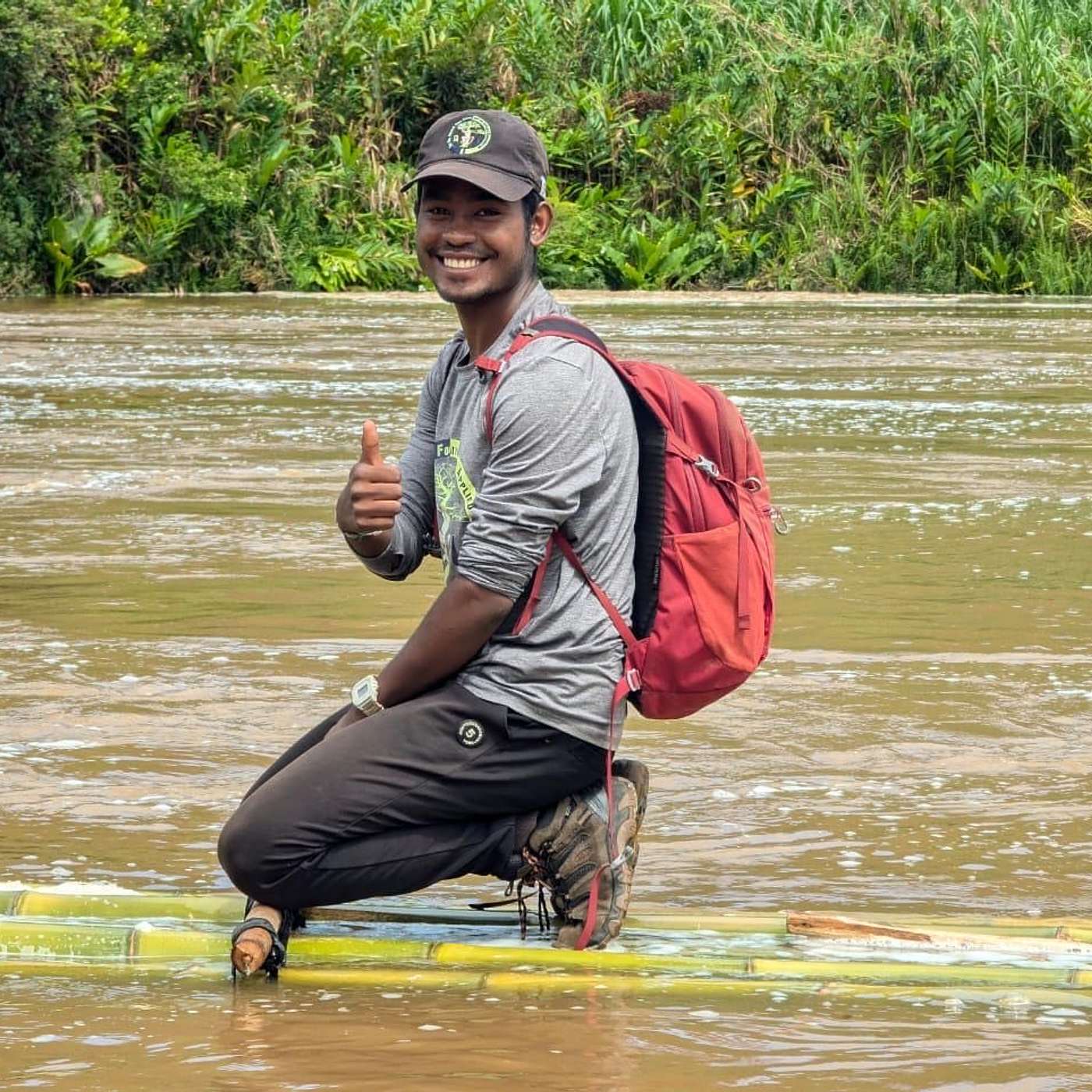
#79 Justorien and the Fight for Madagascar's Lemurs
Dr. Justorien Rambeloniaina grew up in northeastern Madagascar watching lemurs captured and killed, not yet knowing they were among the world's most endangered primates. Today he's fighting for them on every front, reconnecting fragmented forests with a five-kilometre wildlife corridor, combating the illegal pet trade, and sharing a quietly powerful encounter with a family keeping two mo

#78 Conversations with Women of Wildlife (A Panel Discussion on the occasion of International Women's Day)
Six women. Five continents. Decades of experience spanning wildlife veterinary practice, disease research, government policy, and international conservation. Recorded for 2026 International Women's Day, this episode brings together an extraordinary panel to celebrate women in wildlife health, their journeys, their achievements, and their honest reflections on working in a field that hasn&apos

#77 Steve and Some Good Gnus in Southern Africa
What if the very fences built to protect livestock have been quietly driving one of Africa's greatest wildlife crises? Professor Steve Osofsky, one of the architects of the One Health movement, has spent over 30 years trying to solve exactly that problem in the vast five-nation Kavango-Zambezi Conservation Area, home to the majority of Africa's elephants. Steve shares how WOAH’s breakthr

#76 Andrew and the Future of Wildlife Hospitals (Australia)
What if the key to saving more wildlife isn't treating more animals, but preventing them from ending up in hospitals in the first place? In this episode, host Dr. Cat Vendl speaks with Dr. Andrew Hill, a senior veterinarian at Currumbin Wildlife Hospital, one of the world's busiest wildlife facilities treating over 16,000 animals annually. Through his Churchill Fellowship, Andrew travele
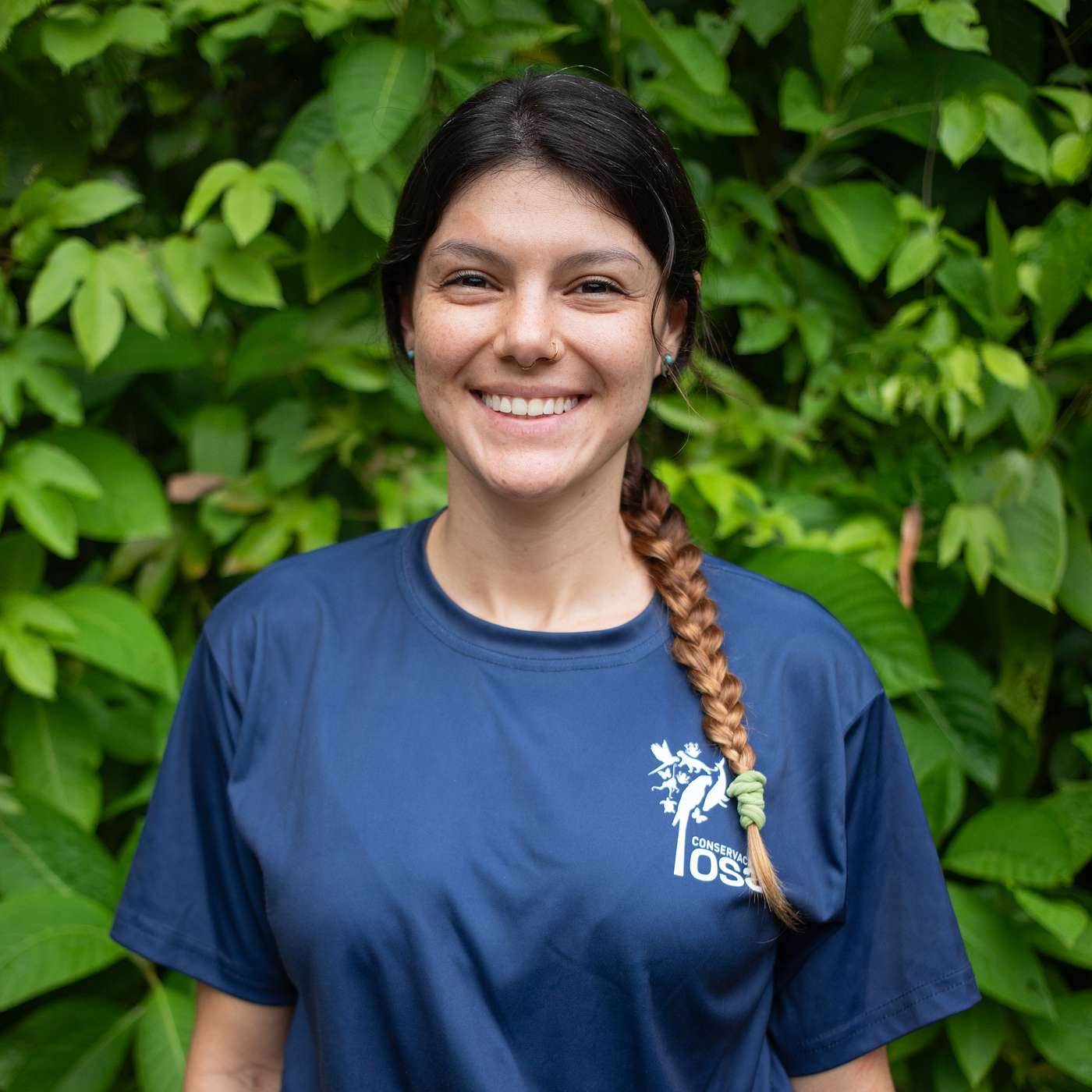
#75 Dennise and the Wild Cats of Costa Rica
Journey to Costa Rica's Osa Peninsula with wildlife veterinarian Dennise Ortiz, who tracks pumas and ocelots to answer a critical question: do biological corridors connecting fragmented forests actually work?From midnight captures to analyzing GPS data, Dennise reveals how these cats navigate between national parks, farmlands, and dangerous roads. Meet Jerry the ocelot, who survived a car str

#74 Ny Aina and the Women Leading Madagascar's Conservation
From Madagascar's forests to the heart of conservation: meet Dr. Ny Aina Tiana Rakotoarisoa, a veterinarian on a mission to save critically endangered radiated tortoises while transforming how women lead in wildlife conservation.Ny Aina reveals the hidden crisis driving thousands of tortoises into illegal trade. It's not just about their striking beauty. She explores the local beliefs, e

#73 Niraj and The Carcass Café: How Carrion Shapes Wildlife Disease Risk (Australia)
What if the biggest threat to Australia's wildlife during a disease outbreak might be lying dead in the bush? Join host Dr. Cat Vendl with Niraj Meisuria, a PhD student investigating one of disease ecology's most overlooked frontiers: scavenging and carcasses.From wedge-tailed eagles brawling over kangaroo kills to brushtail possums turning carnivorous, Niraj reveals how carcasses act as

#72 Ana Maria and the sloths (Costa Rica)
Dr Ana Maria Villada has spent years unraveling the mysteries of sloths—creatures so physiologically unique that they're closer to chimpanzees than they are to each other. But her work treating electrocution injuries, creating rope highways through fragmented forests, and tracking hand-raised orphans released into the wild reveals something surprising: sloths are far more adaptable than scien
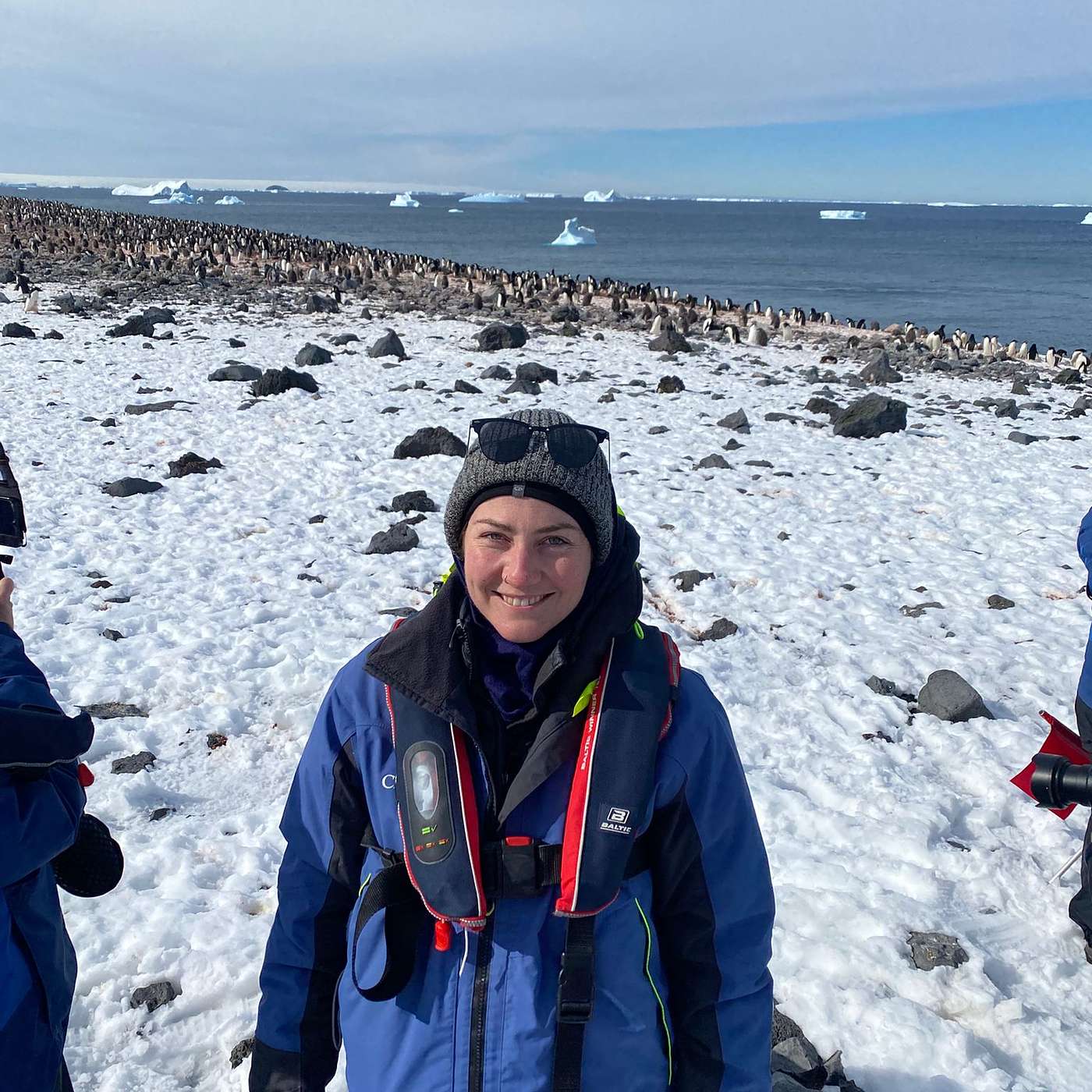
#71 Alex and the Bandicoots: Redefining the Wildlife Veterinarian (Australia)
By day, Dr. Alexandria Bullen treats cattle and cats at a veterinary clinic on Tasmania's rugged northwest coast. By night, she's out tracking platypuses and bandicoots in the wilderness. In this episode, host Dr. Cat Vendl meets Alex at the Australasian WDA conference to explore how she bridges clinical practice with wildlife research.Discover why golf courses and urban dog parks are un
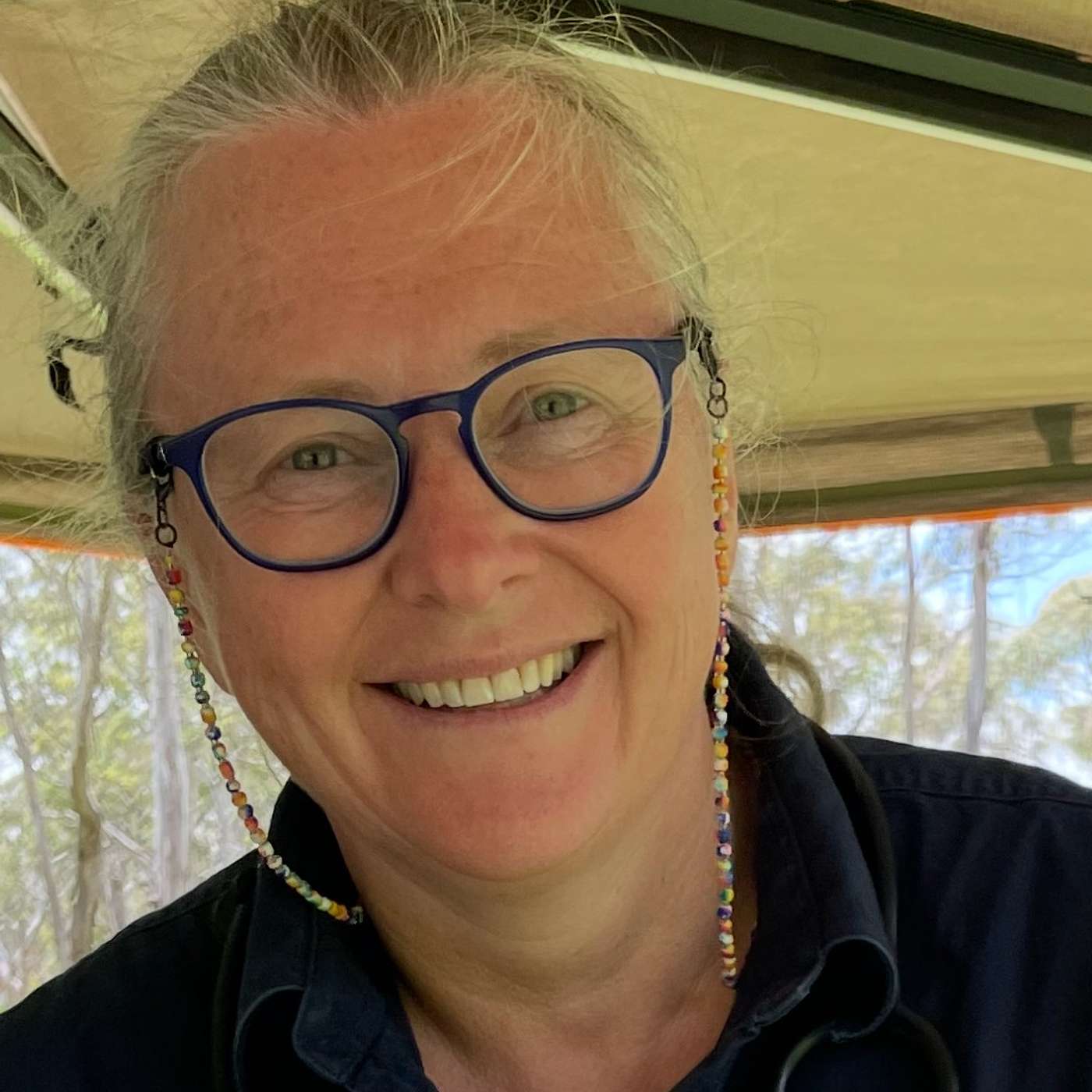
#70 Leanne and the Swift Parrot's Future: Reimagining Wildlife Health Before Crisis (Australia & Vietnam)
What if we could prevent wildlife health crises instead of always racing to respond to them? Dr. Leanne Wicker has spent decades asking this question – from anesthetizing seals in Tasmanian car parks during lunch breaks to tracking ocean temperatures through Antarctic seal movements, from nearly a decade managing confiscated wildlife during Vietnam's bird flu outbreaks to pioneering the field
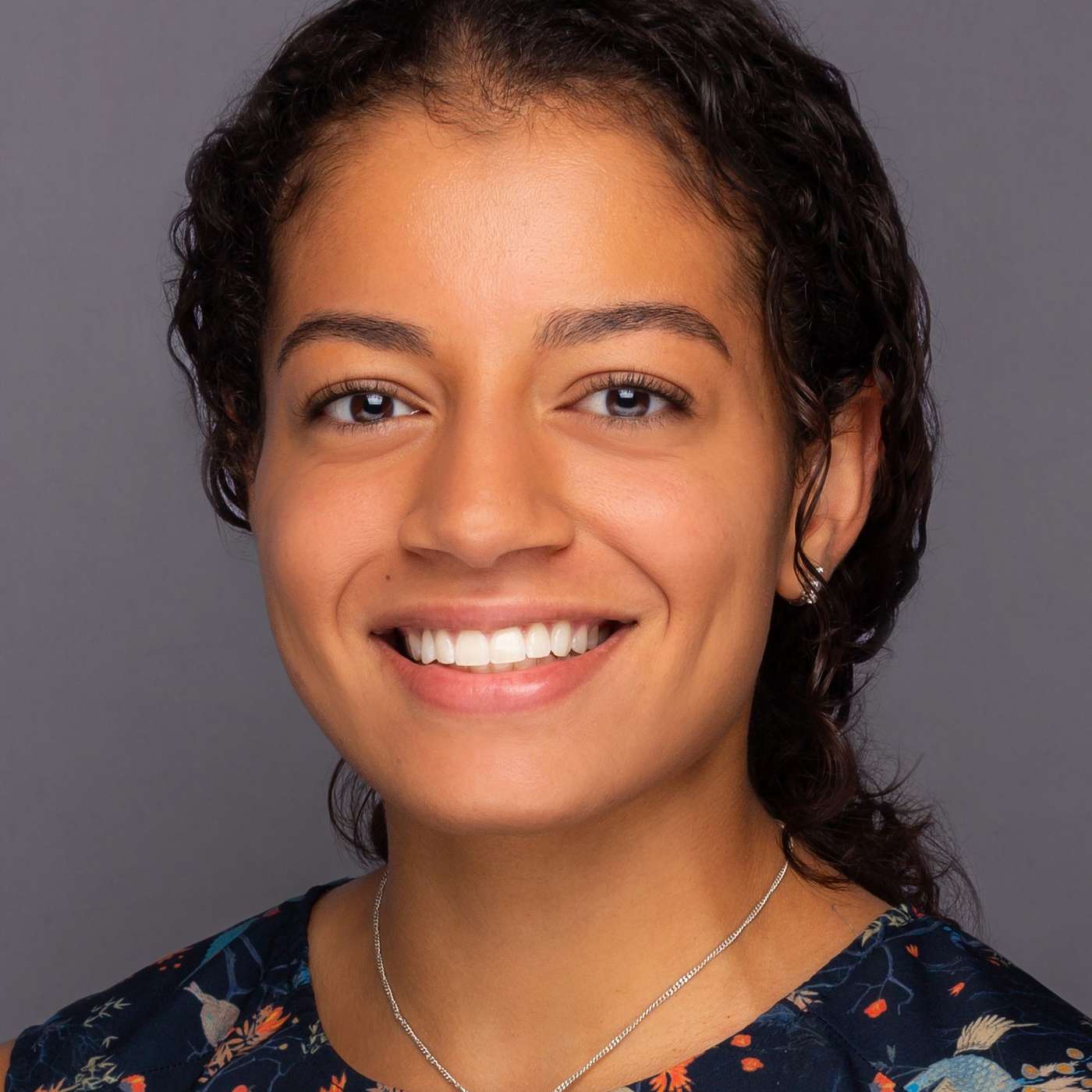
#69 Mya and the penguins (USA & Peru)
From Peru's copper mines to penguin colonies, PhD candidate Mya Daniels-Abdulahad tracks a toxic trail that threatens an entire species. Winner of the 2025 BioOne Ambassador Award, Mya reveals how mining waste travels through ocean food chains – with iron accumulating at four times normal levels in Humboldt penguin eggs and cadmium weakening their shells.Working between Peruvian field sites a
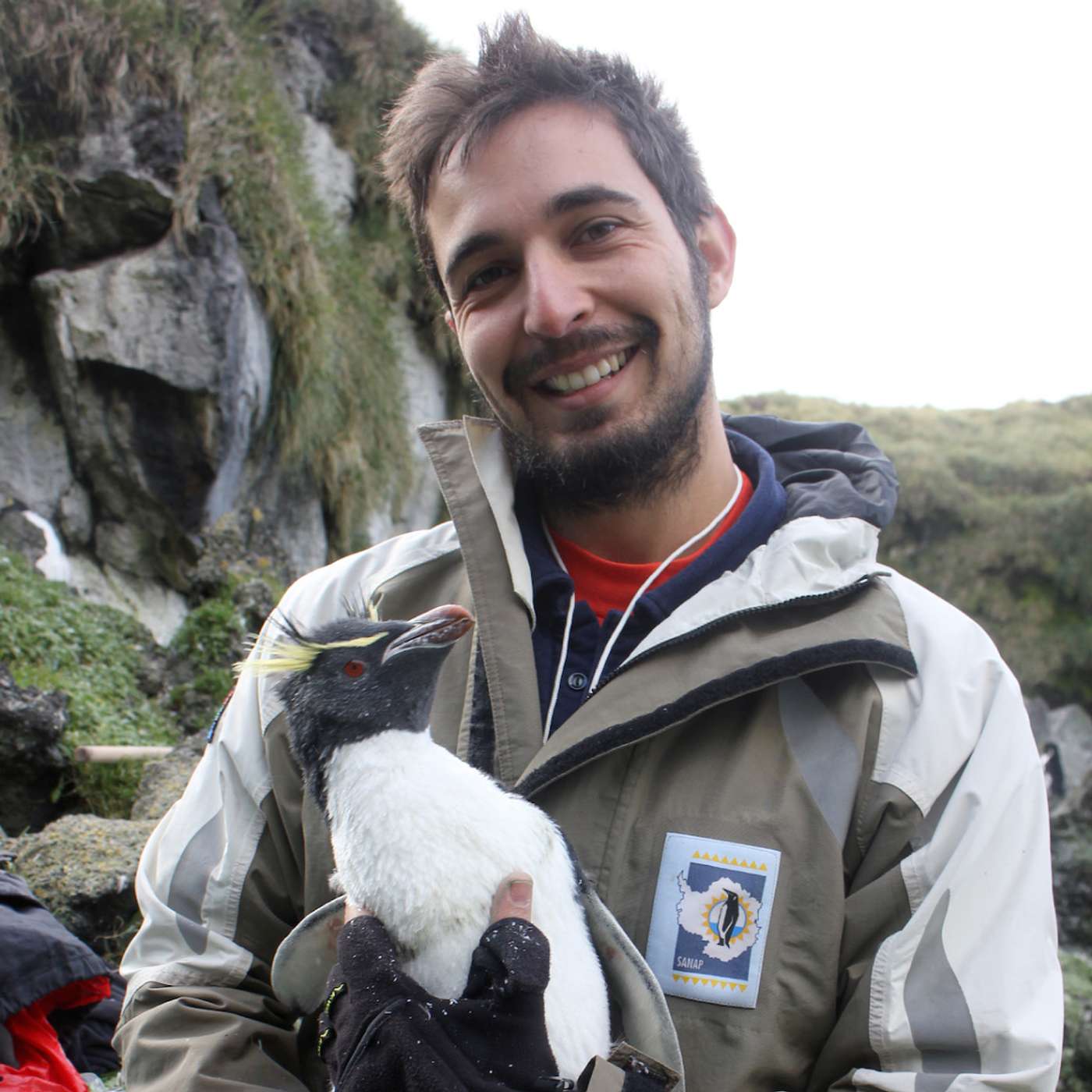
#68 Ralph and HPAI in the Southern hemisphere (Argentina)
Join host Dr. Cat Vendl as she follows Dr. Ralph Vanstreels tracking high pathogenicity avian influenza from South America to Antarctica. Ralph shares insights from surveying remote coastlines and documenting the virus's impact – over 600,000 wild birds and 55,000 marine mammals affected, with elephant seal populations experiencing 95% pup mortality in some colonies. Learn how viral mutations
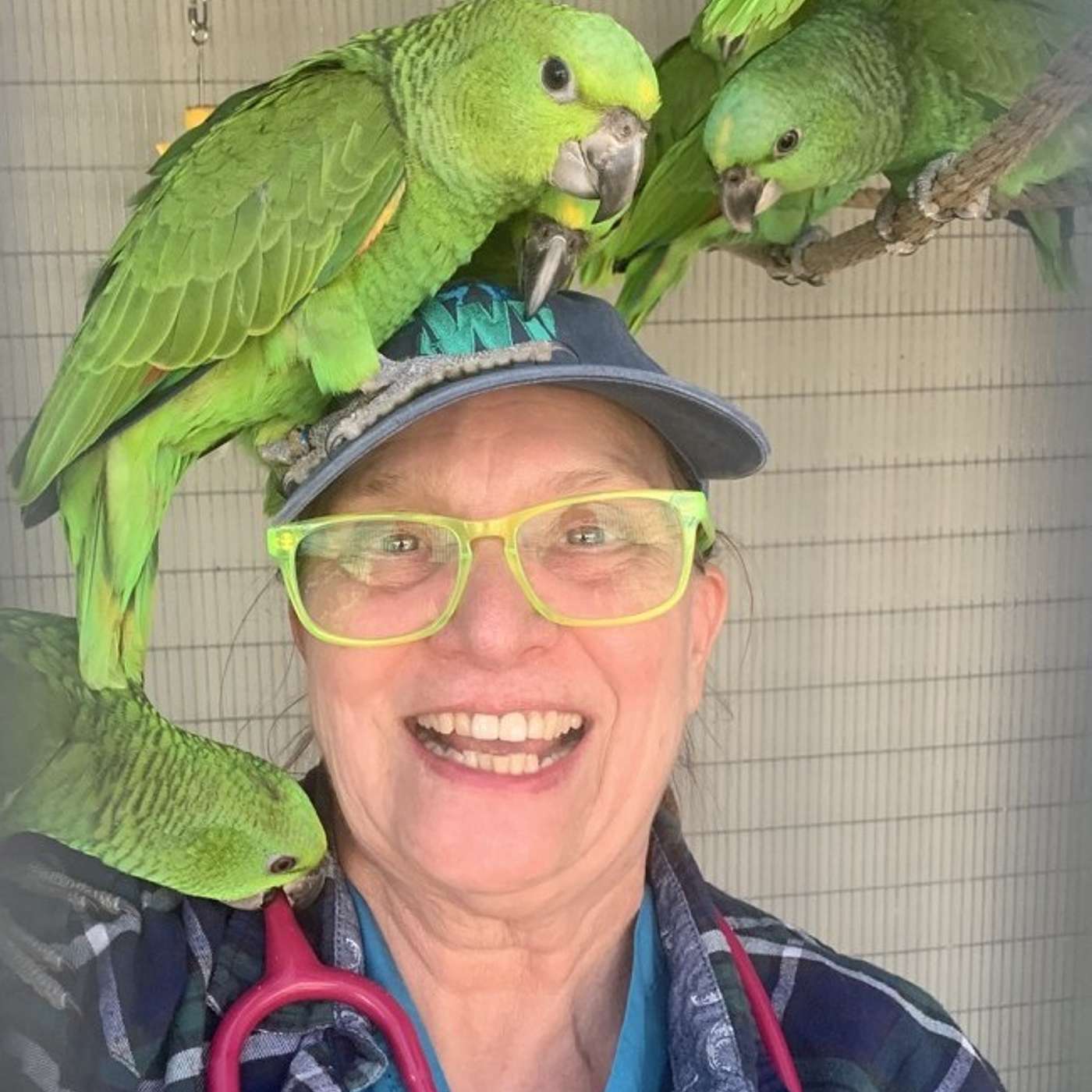
# 67 Pat and the parrots (USA)
Nearly one-third of all parrot species are threatened with extinction, yet most people picture these charismatic birds as noisy pets in cages rather than the complex, emotionally intelligent wild creatures they truly are. In this captivating episode, host Dr. Cat Vendl speaks with Dr. Pat Latas, a founding member of the newly founded IUCN Wild Parrot Specialist Group, whose four-decade journey spa

#66 Kate and the albatrosses (USA)
A snowstorm that closed highways led English literature student Kate Huyvaert to an unexpected path—becoming one of North America's leading experts on wild sheep disease. From discovering that 25% of albatross chicks aren't raised by their biological fathers to unraveling the devastating cycle of respiratory disease threatening bighorn sheep across the American West, Kate's journey

#65 Nick and the Lord Howe Island stick insects (Australia)
Join host Dr. Cat Vendl as she meets Dr. Nick Doidge, zoo veterinarian and researcher, working to save the world's rarest insect – the Lord Howe Island Stick Insect, nicknamed the "tree lobster."Thought extinct for 80 years, these living fossils were dramatically rediscovered on a volcanic rock stack in the Pacific Ocean. But after bringing them back from just two individuals, a new

#64 Melting the Ice in People's Hearts: Indigenous Voices on Planetary Health (Canada)
In honor of International Day of the World's Indigenous Peoples on Aug 9, join host Dr. Cat Vendl for a special episode featuring two powerful Indigenous voices in health and healing. Meet Dr. Nicole Redvers, a member of the Deninu K'ue First Nation and Western Research Chair in Indigenous Planetary Health, who reveals how Indigenous healers have always treated humans and animals as inte

#63 Nelson and the gorillas (Uganda)
Join host Dr. Cat Vendl as she ventures into Uganda's misty mountains to meet Dr. Nelson Bukamba, one of the world's few gorilla doctors providing life-saving veterinary care to our planet's most endangered relatives. Nelson's journey from a heartbroken 10-year-old making a promise to his dying dog Simba to treating wild mountain gorillas is nothing short of extraordinary.From

#62 Sam and the swift fox (USA)
Join host Dr. Cat Vendl as she ventures into Wyoming's vast wilderness to meet Dr. Samantha Allen, the state's wildlife veterinarian who juggles budget spreadsheets and helicopter captures of bighorn sheep. From her unforgettable first WDA conference moment wielding a Stryker autopsy saw on a porpoise, Sam shares her journey from small-town kid told she'd only work with "cows a

#61 Damien and Canadian wildlife diseases
Join host Dr. Cat Vendl as she heads to Vancouver Island to meet Dr. Damien Joly, CEO of the Canadian Wildlife Health Cooperative – though he insists he's just a "boring old disease ecologist!" But this couldn’t be further from the truth. Discover how Canada's unique cooperative approach tackles wildlife diseases across the world's second-largest country, from bird flu tha

#60 Alexandra and wildlife conservation in times of war (Lebanon)
Meet Alexandra Youssef, Lebanon's first and only certified wildlife rehabilitator and co-founder and vice-president of the NGO Lebanese Wildlife, based in Beirut. Alexandra fights to save wildlife amid economic collapse, war, and ancient cultural myths that drive species toward extinction. From the striped hyena (Lebanon's national animal, yet its most killed) believed to hypnotize victi

#59 Steve and the tale of the Storytelling Ape (Australia)
Self-described "systems thinker" Dr. Steve Unwin has spent decades working at the human-wildlife interface across four continents and believes we've got our scientific name all wrong. According to Steve, we're not Homo sapiens but Pan narrans: the storytelling ape. Host Dr. Cat Vendl explores Steve's journey from "pretending to be a zoo vet" to creating vital con

#58 Brett and rabies in Cape fur seals (South Africa & Australia)
In this captivating episode, host Dr. Cat Vendl speaks with zoo veterinarian and researcher Dr. Brett Gardner about the unprecedented rabies outbreak in Cape fur seals along South Africa's coast. Brett reveals how this once-impossible disease jumped from black-backed jackals to marine mammals, creating a new wildlife health crisis.Discover the detective work behind tracing the virus's or

#57 Helen, bighorn sheep, mountain caribou and WDA2025 (Canada)
Join host Dr. Cat Vendl with Dr. Helen Schwantje, British Columbia's pioneering wildlife veterinarian of nearly three decades. Journey from her unexpected career beginnings to her groundbreaking work with bighorn sheep and the complex fight to save mountain caribou through a variety of conservation strategies. Helen shares insights about Indigenous partnerships and previews the upcoming WDA c

#56 Janelle and the kiwi (NZ)
Join host Dr. Cat Vendl as she travels to New Zealand's Sanctuary Mountain Maungatautari, where Dr. Janelle Ward leads native species restoration behind the country's largest predator-proof fence. Discover how four kiwis introduced in 2005 grew into hundreds, leading to the largest kiwi translocation in history. Janelle reveals the challenges of managing this booming population, from spe

#55 Sonia and the science of pushing boundaries (USA)
Join host Dr. Cat Vendl as she speaks with Dr. Sonia Hernandez, Wildlife Disease Association president and professor whose research spans continents and species. From studying prehistoric-looking tapirs adapting to human landscapes in Costa Rica to tracking white ibises navigating between Florida's wetlands and city parks, Sonia shares insights from her remarkable career.Discover how her jour

#54 Will and the raccoons (USA)
Join our host Dr. Cat Vendl as she takes you to Oklahoma, where Will Funk directs wildlife rehabilitation at WildCare Oklahoma, caring for over 8,000 native patients annually – from hummingbirds to bald eagles, and even tarantulas! Will shares his fascinating journey from studying red kites in London to investigating mysterious neurological outbreaks in raccoons that challenge conventional wisdom

#53 Tim and conservation chemistry (USA)
In this episode, our host Cat Vendl sits down with Dr. Tim Cernak, who is revolutionizing wildlife conservation through an unexpected lens: Conservation chemistry. From developing human medicines at Merck to fighting wildlife extinction with artificial intelligence, Tim shares how he's creating a "One Health Pharmacy" – where cutting-edge drug development meets conservation. Discove

#52 K9 and queer ecology (Australia)
Join us for an eye-opening conversation with K9 Jenns, a PhD candidate at the University of Sydney's Bat One Health Research Team, who brings a transformative perspective to the study of flying foxes and their viruses. Through the lens of queer ecology, K9 reveals how their personal journey has enriched their understanding of the complex relationships between bats and viruses, challenging tr

#51 Anna and the microbats (Australia)
In this episode, our host Cat Vendl takes you to Berlin to meet Anna Langguth, a PhD candidate studying one of the most devastating wildlife diseases recorded in mammals: white nose syndrome. From childhood bat enthusiast to innovative researcher, Anna shares her fascinating work on understanding how Australian microbats might respond to this deadly fungal disease before it reaches their shores. L

#50 Dianna and the wombats (Australia)
Join us for an extraordinary conversation with Dianna Bisset, an Australian wildlife carer whose journey spans from creating equipment for James Cameron's deep-sea expeditions to rehabilitating wombats and kangaroos at Rocklily wildlife refuge. Diana shares her firsthand experience of the devastating 2019-2020 Black Summer bushfires and their profound impact on wildlife, challenging long-held

#49 Michele and wildlife tuberculosis (South Africa)
In this episode, we are taking you on a dive into the world of wildlife tuberculosis with Professor Michele Miller. Michele is the NRF South African Research Chair in Animal TB at Stellenbosch University in South Africa. Her career has spanned from clinical work in major U.S. zoos to groundbreaking research in South Africa's Kruger National Park. Her multidisciplinary approach has combined ve

#48 Laura and the muskoxen (Canada)
In the 1960s, the Canadian government decided to relocate 14 muskoxen to the Eastern Arctic, a region where these large bovines had never been native. The intention was to support the local Inuit community by providing a new source of food and other resources. However, it appears the government did not consult the community about its needs or preferences. Farming the muskoxen was suggested, but th

#47 Rita and the cottontail rabbits (Portugal & Angola)
In this episode, you will meet Dr. Rita Santos, a veterinarian whose passion for wildlife has taken her across continents. From rehabilitating cottontail rabbits and hummingbirds in Minnesota to treating wildlife in the UK, Rita shares insights from her diverse experience in wildlife medicine. We discuss the fascinating differences between European and American rabbits, explore the challenges of w

#46 Anastasiia and the brown bears (Japan & Ukraine)
Our host Cat Vendl chats with Anastasiia Kovba about all things viral diseases of wildlife in Japan, to be more precise on the island of Hokkaido. Anastasiia is a PhD student, based at the University of Hokkaido in Sapporo. Anastasiia grew up in the Ukraine and did her vet degree there. For her Master’s, she moved to Japan to study HIV. But since her passion has always been wildlife, she is now in

#45 The making of WDA2024 off-country (online) conference
Have you heard of the upcoming WDA2024 off-country conference from Dec 1-6? In less than 2 months the annual international WDA conference is coming up. It will take place in Australia’s capital, Canberra, from Dec 1-6.Australia! Sounds great, you might think. But that may not be in the budget right now. Fear not! We have you covered. This year’s conference will come in two ways: an on-country vers

#44 Jane and all things Australian wildlife health (Australia)
Our host Cat Vendl is talking all things Australian wildlife health with wildlife biologist Jane Hall. Jane is the project officer at the Australian Registry of Wildlife Health at Taronga Zoo and a PhD candidate at Griffith University. In her many years with the Registry, she has worked with all creatures big and small, from the tiniest marsupials to the giants of the sea, the humpback whales. H

#43 Helena and Project 'Whale Exhale' (Norway)
This week on WDA's Wildlife Health Talks podcast, host Dr Cat Vendl immerses herself and our listeners in an interview with Dr Helena Costa on her project 'Whale Exhale'. Helena studies the viruses in the blow of humpback whales that visit the coastline of Norway for the annual herring run.A PhD student at Nord University in Bodø, Norway, it's a far cry from Helena's homel

#42 Richard Kock and how colonialism threatened species survival (UK)
Our host Cat Vendl chats with WDA's own vice president Richard Kock. Richard has lived almost a life time of promoting wildlife health in Africa, Central Asia and the UK. Born in Rhodesia (today's Zimbabwe), Richard worked in Kenya for many years. He has seen the devastating consequences of colonialism to wildlife conservation first hand and has worked hard to counteract them.Listen in t

#41 Martin and the Amur tigers (all over the place)
Tigers, leopards and now one-horned rhinos. Dr Martin Gilbert studies them all. He is a wildlife veterinarian, epidemiologist and Associate Professor of Practice at Cornell University, US. Originally from Scotland, he has investigated infectious diseases and mysterious mass die-offs all over Asia. It was him and his colleagues who discovered that it was the administration of Diclofenac to livestoc

#40 Sarah and the endeavour of scholarly publishing (USA)
Our host, Dr Cat Vendl chats with yet another winner of the 2024 BioOne Ambassador awards, Dr Sarah Wright. Sarah studied an aspect of the immune system of South American sea lions. She is based in Illinois in the US and is the Associate Editor for two veterinary journals and the co-host of the podcast Veterinary Vertex.Listen in to Sarah’s story!LinksWatch Sarah’s BioOne Ambassador award videoSar

#39 Elis and the bighorn sheep (USA)
Our host Dr Cat Vendl and her guest Dr Elis Fisk dive into the mystery of the bighorn sheep. Elis is a PhD candidate and anatomical pathology resident at Washington State University in the US and one of the winners of the 2024 BioOne Ambassador Award. In his video for the award, he showcases his impressive drawing skills and explains how he and his colleagues solved the mystery around the dying bi

#38 Andrew and the upcoming international 72nd WDA conference (Australia)
Our host Dr Cat Vendl chats with Dr Andrew Peters, past WDA president and Associate Professor in Wildlife Health and Pathology at Charles Sturt University in Australia. A small revolution is about to take place within the WDA and hopefully the world of conference-ing as we know it. Andrew is the main organizer and creative head of the upcoming international WDA conference taking place in Canberra

#37 Nigel and the art of story telling (Special edition!)
This year’s international WDA conference in Canberra, Australia, is preceded by a series of webinars to familiarize the WDA community with the concept behind the conference. This conference will differ quite a bit from the conventional. One of the new concepts introduced will be the special presentation style applied through-out the conference. There will be no complicated figures, equations, or

#36 Jess, bats and all that jazz (USA)
In this episode, we are diving into the fascinating world of the Egyptian rousette bat and its rich variety of pathogens. Our host Dr Cat Vendl chats with Dr. Jessica Elbert, a board-certified pathologist and PhD candidate at the University of Georgia. Marburg virus is just one of many viruses that the Egyptian rousette bat carries. Jessica has been intrigued by the bats’ immune system and their s

#35 Ruth, Marja and Katie, and the Review of Migration and Wildlife Disease Dynamics (UK)
In the aftermath of the Covid19 pandemic, the Convention on Migratory Species of the United Nations renewed their focus on One Health and migratory species. In the wake of this renewal, researchers from the University of Edinburgh in the UK wrote a review titled "Migratory Species and Health: A Review of Migration and Wildlife Disease Dynamics, and the Health of Migratory Species, Our host Ca

#34 Flo and the seal lice (Argentina & Antarctica)
Seals have lice. This might not sound like a revolutionary fact. Many mammal species carry lice. However, as it happens, seal lice are the only marine insects that exist on this planet. In this episode, our host, Cat Vendl interviews Dr Florencia Soto about her work on the host-parasite-relationship between seals and lice and her recent trip to Antarctica. On this expedition, an international team

#33 Ai-Mei and the sika deer (Taiwan/Australia)
We all love to see a conservation project on a previously endangered wildlife species succeed. But what happens if a formerly small population grows to a point where its size becomes unsustainable? Performing a cull? Definitely not the most pleasant option. Our guest, Dr Ai-Mei Chang, works on a way more ethical solution: She develops and tests immuno-castration vaccines for the population control

#32 Simon and the otters (Germany)
They are small, agile, and incredibly cute and their numbers are steadily increasing in Germany. However, the Eurasian otter still faces many challenges in German waterways. Our guest, Dr Simon Rohner, studied their causes of death, their pollutant burdens, and the human-otter-conflict. Him and his colleagues have been working on solutions of how to make Germany a safer otter habitat. After his Ph

#31 Tania and the pigs of Papua New Guinea
Our guest this week is Papua New Guinea’s (PNG) first female vet. Dr Tania Areori is one of only three vets at the National Agriculture and Quarantine Inspection Authority (NAQIA) in PNG. One of the first challenges in her new position was managing the African swine fever outbreak.Tania had to work hard to get where she is now. Since she was kid, she wanted to become a vet. Not an easy task consid

#30 Fernado and the secrets of the Peruvian rainforest
Deep in the rainforest between Peru, Colombia and Brazil there is a lot going on. Wildlife trafficking is likely to blame for the occurrence of reverse zoonoses transmitted from humans to owl monkeys caught for biomedical research. In addition to studying the occurrence of reverse zoonoses, our guest, Dr Fernando Vilchez Delgado, investigates the potential evolution of Flaviruses in the making i

#29 Debra and all sea creatures great and small (USA)
Deaf dolphins, hooked turtles and manatees hit by boats, Dr Debra Moore has seen it all in her career as aquatic mammal vet. She is the former head vet of the Institute of Marine Mammal Studies, IMMS, in Southern Mississippi, US. In addition to her clinical work, she is an assistant clinical professor at Mississippi State University and gives vet students the opportunity to get hands-on training o

#28 Alice and the tick microbiome (Japan)
Ticks have a microbiome, too. They carry essential symbionts and sometimes less essential members like Borrelia. Our host Dr Cat Vendl and her guest Dr Alice Lau explore the secrets of tick microbiome, but also chat about what it’s like to move to different countries to follow one’s academic career. Alice is an expert in this. She speaks at least four languages fluently and loves to get to know ne

#27 How it all began: Carlton Herman and the birth of the WDA (USA)
In this first Wildlife Health Talks episode of 2024, we are taking you back to the very beginning, back to the year of 1951, when 28 US and Canadian wildlife biologists at the 16th North American Wildlife Conference in Milwaukee, Wisconsin, founded the Wildlife Disease Committee.Only one year later, in 1952 the Committee was renamed to, you might have guessed it, the Wildlife Disease Association.

#26 Hezy and Malawi's sleeping sickness
Our guest, Dr Hezy Anholt, is a true world citizen. She has lived and worked in about 10 different countries. Originally from Canada, Hezy has found a second home in Malawi where she initially worked as a research veterinarian for the Lilongwe Wildlife Trust for two years. In addition to running her own wildlife vet business, she has been a PhD candidate since 2021. Through the University of Briti

#25 Julien and the koalas (Australia)
Koalas face a multitude of threats in their natural habitat on the east coast of Australia. These include habitat loss, infection with Chlamydia, dog attacks and car accidents. Our guest, Dr Julien Grosmaire, works as an environmental consultant and oversees the assessment of those threats. And as a side effect, he gets to hang out with incredibly cute koala joeys. In addition, Julien is the curre

#24 Sarange and her adventures of becoming a Kenyan wildlife vet
Dr Sarange Angwenyi knew that she wanted to become a wildlife vet at an early age. Experiences like acting as bait for an aggressive leopard to dart and relocate the animal, certainly wasn’t part of her initial plan. And yet, Sarange loves every minute of her journey that started with her 10 year-old self, shadowing her local vet. Today, Sarange serves as the Wildlife Health and Disease Surveillan

#23 Enkee and the Saigas (Mongolia)
Join us on a trip to the Mongolian steppe!You don’t need to be a mammal lover to find these creatures fascinating. Saiga antelopes have been around and unchanged since the last ice age when they roamed the Mongolian plains with woolly mammoths. But the saigas haven’t had an easy run for the past years. In 2016/2017 a massive disease outbreak that had spilled over from domestic livestock caused the

#22 Heather and the Australian Registry of Wildlife Health
‘Pathologists know everything, they just know it too late’ For our guest Dr Heather Fenton, wildlife pathology is like being a detective solving a murder mystery case. Only that her victims are not human, but dolphins, penguins, sea snakes or turtles. For her that makes it even more exciting. Heather works for the Australian Registry of Wildlife Health and is based at Taronga Zoo in Sydney. The lo

#21 Diego and Galapagos 2.0 (Chile)
Did we just find Galapagos 2.0? We are pretty sure we did. Guafo island is a pristine island in the south of Chila and just like the Galapagos Islands it is teaming of marine life, being a safe haven for South American fur seals, humpback whales, sea otters, and orcas. This is where marine biologist Dr Diego Perez-Venegas truly feels at home. He is part of the research group Guafo Island Science

#20 Henry and the ibises (USA)
Chicago is a great city with lots of opportunities for people and wildlife species alike. Our guest, Henry Adams, loves this city and its wildlife. They work as Wildlife Management Coordinator at Lincoln Park Zoo in Chicago and study the feathered, furry and scaly inhabitants and investigate how they deal with busy city life. Henry is also a self-taught illustrator and passionate science educator

#19 Mac and the turtles (USA & Thailand)
Mac loves pathology and marine mammals. So he turned it into his career. On this week’s episode, our host Cat Vendl chats with Weerapong Laovechprasit, called Mac, about his journey from clinical work with stranded marine mammals in Thailand to his PhD in sea turtle health at the University of Georgia, US. Learn more about dugongs and why they make difficult patients, dive into the diversity of se

#18 Jorge and the tapirs (USA & Costa Rica)
Tapirs are Costa Rica’s megafauna. They are special in more than just one way. Visually, they are highly elusive, but they have a rich vocal life. Due to their immense appetite for fresh greens, they regularly get into conflict with the local farmers. That’s where the work of our guest, Dr Jorge Rojas Jimenez starts. Jorge is a PhD student at the University of Georgia in the US and the Conservatio

#17 Joy, Ebola and CANUSA (USA)
In this episode, our host Cat Vendl chats with PhD student Joy Flowers. Joy is the co-founding mother and current president of the very first North America-wide WDA student chapter, called CANUSA. Joy is in the first year of her PhD at Pennsylvania State University, US. In her PhD, she studies the impact of deforestation on Ebola virus spillover. Get ready for our chat on WDA student activities an

#16 Siska and the orangutans (Indonesia)
Our guest Dr Fransiska Sulistyo never planned to work with these amazing creatures. It happened just by chance and now, Siska can’t imagine her life without the gentle orangutans. She spent five years in the jungle of Borneo as animal welfare coordinator of BOSF (Borneo Orangutan Survival Foundation). She got to know the hairy primates inside and out and in passing she also learned a lot about hum

#15 Gianmarco and everything wildlife everywhere all at once
Let us take you on a trip from the mountains of the Pyrenees, over the lush rainforests of Costa Rica to the remote Pacific paradise of Cocos Island. this episode's guest Dr Gianmarco Bettoni is still an early wildlife researcher and veterinarian, but he has participated in multiple, amazing projects. What they all have in common is the aim of promoting wildlife conservation and One Health.

#14 Kaylee and the rats (Canada)
They are wildlife, too, but they are mostly overlooked in wildlife research. They are the rats that roam our cities! Our guest and rat detective, Dr Kaylee Byers, is part of the Vancouver Rat Project, and studies the pathogens urban rats carry. And as importantly, she studies the rats’ ecology that drives infection patterns. Let’s be honest, humans have tried to control rats since the beginning of
Recommended

Yours Truly Johnny Dollar Collection

Take Back Your Health®

CBS Radio Mystery Theater | Old Time Radio

Solved Murders - True Crime Stories
紐約鳥|New York Aperture
The Swerve Podcast: Obscure Topics | Conspiracy Theories

The Bread and Banter Podcast

The Church of What's Happening Now: The New Testament

Busted Open

Deadline: White House
Crickets Corner

History of the Earthquake and Fire in San Francisco
