Wonders of Relativity
This podcast explains Einstein's theory of relativity in an accessible, step-by-step way. It covers special and general relativity, time dilation, mass-energy equivalence (E=mc²), and gravitational waves. Listeners learn how time slows down, why moving objects shrink, and how gravity warps spacetime. The show is designed for beginners and anyone curious about physics.
Episodes

Quantum Mechanics vs General Relativity: The Biggest Divide in Physics Right Now
Imagine the universe as a grand puzzle, but two of its most fundamental pieces refuse to fit. Quantum mechanics, the realm of the infinitesimally small, and General Relativity, the theory of gravity and the cosmos, offer wildly different, and often conflicting, pictures of reality. In this episode, we delve into the shocking contradictions that arise when these two pillars of modern physics collid
Could Quantum Gravity Save Physics?
We examine the current state of Lambda Cold Dark Matter (Lambda CDM), our best model of cosmology. While it remains the reigning champion of cosmology, it is facing an unprecedented onslaught of data from the James Webb Space Telescope (JWST) and advanced underground detectors that are stirring up revolutionary questions.Lambda CDM has brilliantly predicted the Cosmic Microwave Background (CMB), t
The Information Paradox: Can Black Holes Disappear?
Imagine a black hole, that devours everything in its path, including information—the fundamental building block of reality. But what if that information isn't truly lost? In this episode, we dive into the mind-bending information paradox, a clash between Einstein's relativity and quantum mechanics that challenges our very understanding of the universe. We'll explore the bizarre concept of Hawking
Amplitude of primordial ripples: Numbers That Make Universe Possible
This episode investigates Q, the fifth of the fundamental constants, which represents the amplitude of primordial ripples in the newborn universe. Measuring approximately 1 in 100,000, this number represents the faint "tremor" at the dawn of time that determined whether the cosmos would become a fertile ground for life or a sterile void.Is this "exquisite calibration" a cosmic coincidence, or are
Einstein Called this his "Biggest Blunder". Here's Why?
We're talking about the cosmological constant, a mysterious term that once seemed like a mathematical fudge factor, but now appears to be driving the accelerating expansion of the cosmos. In this episode, we journey through the turbulent history of this enigmatic constant, tracing its roots from Einstein's attempts to create a static universe to its modern-day resurgence as a key player in the dar
Gravastars: Black Holes' Evil Twin - Part 2
In this second installment, we move past the theory of the Gravastar to look at its engineering—and the massive structural flaws that might break the whole idea. On paper, a static gravastar works perfectly. But the real universe is a messy, spinning place, and calculations show that the moment a gravastar begins to rotate, it faces catastrophic structural instability. We pull apart the gravastar’
Gravastars: Black Holes' Evil Twin - Part 1
In this episode, we pull back the curtain on the most terrifying objects in the cosmos to ask a fundamental question: Do black holes actually exist, or are we looking at something else entirely? We trace the incredible journey of how these dark stars went from a dismissed 18th-century theory to an accepted reality, cemented by Karl Schwarzschild's wartime mathematics, Oppenheimer's theorie
Can Time Flow in Multiple Directions?
In this episode, we dive into one of the most profound mysteries in modern physics: the arrow of time. While our daily lives march relentlessly from past to future, the fundamental equations of the universe don’t actually care which way time flows; they work perfectly fine in reverse. We start by exploring the traditional explanation for this one-way street: entropy and the thermodynamic journey f
Dark Matter vs Modified Gravity: Biggest Battle in Astrophysics - Part 2
In this second installment, we push past the outer edges of individual galaxies to the largest, most violent events since the Big Bang: colliding galaxy clusters. For years, mainstream astronomers thought they had a "smoking gun" that completely buried modified gravity. This was the famous Bullet Cluster, where an invisible mass seemed to sail right through a cosmic smash-up, leaving nor
Dark Matter vs Modified Gravity: Biggest Battle in Astrophysics - Part 1
In this episode, we tackle one of the greatest mysteries in modern astronomy: the universe's missing pull. When scientists realized that the visible matter in galaxies wasn't enough to generate the gravity keeping them intact, it sparked a massive cosmic debate. We look back at the pioneering work of Vera Rubin and Kent Ford in the desert night, whose unexpected discoveries brought this &q
How Relativity Makes Mercury the Weirdest Metal in the Universe
In this episode, we dive into the strange, quantum-mechanical world of heavy metals to uncover how physics alters the elements right before our eyes. We explore the "why" behind gold’s iconic hue and contrast it with its chemical sibling, silver, to see how massive atomic nuclei change the behavior of electrons.But this isn't just a physics lesson. The very same relativistic properti
Are White Holes Real: Where Matter Only Comes Out
In this episode, we dive into one of the most provocative and debated predictions of General Relativity: White Holes. While their dark cousins have been photographed and proven to exist, white holes remain a tantalizing mathematical "shadow"—an object that defies the laws of cause and effect by allowing matter to only ever exit, never to enter. Are they real cosmic features, or just a beautiful qu
Relativity vs Black Holes
In this episode, we venture into the most extreme environment imaginable: the Singularity. While General Relativity successfully predicts the existence of black holes, it also leads us to a mathematical "brick wall." We explore why these gravitational prisons are the ultimate laboratory for the next great revolution in physics—the quest to unify the very big with the very small.Are black holes tru
Gravitational Lenses: Nature’s Magnifying Glass
In this episode, we explore Gravitational Lensing, a phenomenon so precise and powerful that it acts as a "cosmic magnifying glass." By using the gravity of entire galaxy clusters to bend and amplify light, astronomers can peer at objects billions of light-years away that would otherwise remain invisible. It is our most effective tool for weighing the unweighable and seeing the unseeable.With upco
Timescape: Model That Could Solve Dark Energy
What if "dark energy" doesn't exist at all, and our clocks are simply ticking at different rates depending on where we are in space?In 2025, a revolutionary proposal called the Timescape model is challenging the standard consensus that an invisible force is driving the universe's acceleration. Instead of tinkering with the properties of dark energy, this audacious theory throws i
Adaptive Optics: How Astronomers Watch Universe
Light from a distant galaxy can travel for a billion years through the vacuum of space, only to be blurred in a fraction of a millisecond by Earth’s turbulent atmosphere. For decades, this "shimmer" limited even the world's largest telescopes, making them no sharper than much smaller instruments. This episode explores Adaptive Optics (AO)—the revolutionary technology that allows ground-based obser
What is the Shape of the Universe
For most of history, we viewed our world as a flat plane until observation triumphed over intuition. Today, we face a similar crossroads: space appears flat to our instruments, but could it possess a curvature so immense that it is imperceptible from our single vantage point? This episode explores the geometry and global structure of the cosmos, moving from Einstein's vision of a finite univer
What is Standard Model of Cosmology
In this episode, we pull back the curtain on Lambda CDM, the "guiding star" of modern cosmology. For over two decades, this framework has served as our most reliable map for understanding the universe’s 14-billion-year history, from the first fraction of a second to the accelerating expansion of today.Despite its triumphs, Lambda CDM isn't perfect. We still don't know what dark matter is, why dark
Why Neutrinos Are Weirdest Particles in the Universe
In this episode, we dive into the world of neutrinos—particles so elusive they could travel through a light-year of solid lead without being stopped. These "little neutral ones" are the ultimate cosmic messengers, carrying secrets from the Big Bang, the core of the Sun, and violent stellar explosions directly to us. We also look beneath our feet at geoneutrinos—ghost particles produced by radioact
Can We Ever Test Quantum Gravity
Our two best descriptions of reality, General Relativity and Quantum Mechanics, are fundamentally incompatible. For nearly a century, this disconnect has been the most serious enigma in physics. In this episode, we explore the quest for the "holy grail" of science: Quantum Gravity. While Einstein’s vision of smooth, curved spacetime governs the dance of galaxies, the jittery, probabilist
Why Black Holes are Surrounded by a Firewall
In this episode, we explore The Burning Horizon. For decades, the classical view of black holes—informed by Albert Einstein—suggested that crossing the event horizon would be a smooth, uneventful journey into darkness. But a modern realization in physics suggests that this boundary might actually be a "firewall" of high-energy particles that would instantly erase anything attempting to enter.We de
How To Kill A Black Hole
At the heart of our galaxy lies a beast four million times heavier than the Sun—a place where the laws of physics sign a non-disclosure agreement. In this episode,we travel 26,000 light-years away to the edge of Sagittarius A. We aren't just here to sightsee; we’re here to ask the ultimate provocation: Can anything kill a black hole? While these titans seem eternal, we explore the theoretical
Mystery of Early Massive Black Holes
This episode investigates a profound "impossible timeline" in our cosmic history. While the first stars only began to shine roughly 200 million years after the Big Bang, astronomers have discovered massive quasars—engines of unimaginable brightness powered by supermassive black holes—existing just 670 million years after the dawn of time.We examine the unique prediction of the heavy seed model—ear
What Really Happened at The Big Bang
Welcome back to Wonders of Relativity, where we take us on a cinematic odyssey back to the dawn of everything. We explore the universe’s first 1 second of existence, a fleeting moment that forever defined the laws of physics and the fabric of reality. From the "mind-melting" heat of the Planck Epoch to the explosive stretching of Cosmic Inflation, discover how the universe grew from the
Are time-travel Warp Drives possible under General Relativity?
Imagine traversing the vast cosmic distances not by exceeding the speed of light, but by bending the very fabric of space-time itself. The concept of a warp drive, popularized in science fiction, finds a theoretical, albeit controversial, foothold in Einstein's General Relativity. But is it truly possible? In this episode, we delve into the mind-bending physics of the Alcubierre drive, a theor
How Relativity Predicts White Holes: Where Matter Can Only Exit but never Enter
"What if everything you thought you knew about black holes was only half the story? Imagine a cosmic entity that doesn't consume, but violently expels—a theoretical phenomenon known as a white hole. In this episode, we plunge into the baffling realm of these hypothetical objects, where time and space might reverse. Are they the explosive counterparts to black holes, or something far stranger? We'l
Quasiparticles that are both Light and Matter: Mystery of Polaritons
Ever wondered how light and matter can merge? Dive into the fascinating world of polaritons! In this episode, we break down these hybrid quasiparticles into simple physics terms. Imagine light, as photons, dancing with excitons, the excited states in materials. When they strongly couple, they become polaritons – neither fully light nor matter, but something uniquely in between. We'll explore h
Do Faster-Than-Light Particles Exist? The Mystery of Tachyons
What if particles could travel faster than light? In this episode, we dive into the fascinating world of tachyons—hypothetical particles predicted by some extensions of relativity. We’ll explore where the idea of tachyons comes from, how they challenge our understanding of causality and time, and whether they could ever be detected. Could tachyons allow for faster-than-light communication or even
Do Wormholes Exist? Shortcuts Through Spacetime Explained
What if we could take a shortcut through spacetime? In this episode, we explore the fascinating concept of wormholes—hypothetical tunnels that could connect distant parts of the universe instantly. We’ll break down the physics behind wormholes, how they emerge from Einstein’s equations, and whether they could ever be stable enough for travel. Are they purely theoretical, or could they be real cosm
Can We Time Travel? What General Relativity Says About Bending Time
Is time travel just science fiction, or does general relativity allow it? In this episode, we dive into the mind-bending physics of warped spacetime, exploring whether time loops, wormholes, and faster-than-light travel could make journeys to the past or future possible. We’ll discuss concepts like closed timelike curves, the twin paradox, and real-world experiments that hint at the strange nature
How Fast is the Universe Expanding? The Physics of Spacetime Growth
The universe is not static—it’s expanding! But what does that really mean? In this episode, we explore how general relativity predicts the expansion of spacetime and how this discovery reshaped our understanding of the cosmos. From Edwin Hubble’s groundbreaking observations to the role of dark energy, we’ll break down how space itself stretches and why galaxies are moving apart. Could this expansi
Gravitational Waves: Can We Hear the Universe?
What if the universe had a soundtrack? In this episode, we explore gravitational waves—the ripples in spacetime predicted by Einstein’s general relativity. We’ll break down what they are, how they form from cataclysmic cosmic events like black hole mergers, and why their discovery was one of the biggest breakthroughs in modern physics. You’ll also learn how LIGO and VIRGO detected these waves for
What’s Inside a Black Hole? The Ultimate Cosmic Mystery
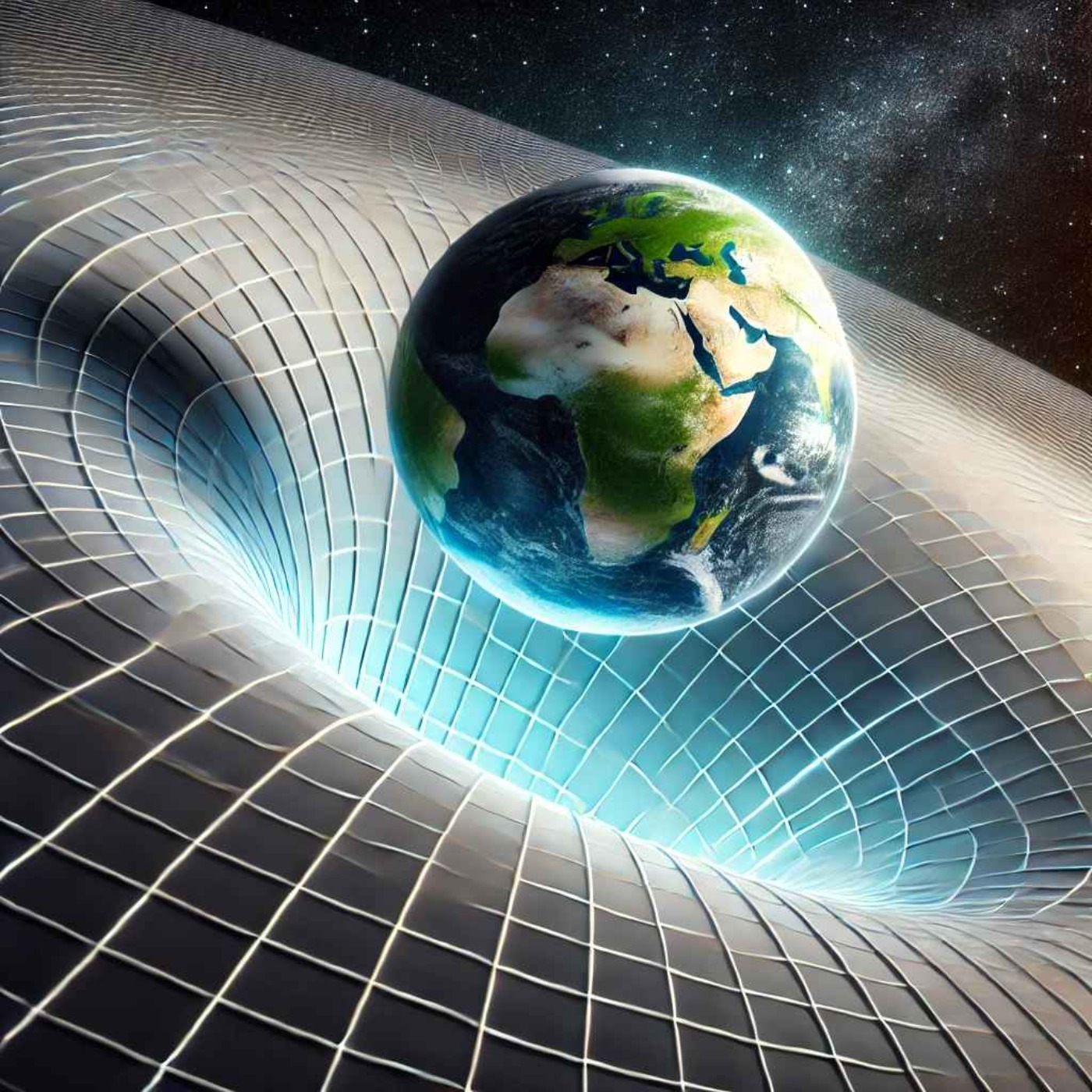
What really happens inside a black hole? Once something crosses the event horizon, it’s lost to the universe—but does that mean it ceases to exist? In this episode, we venture into the unknown to explore what might lie beyond this cosmic boundary. From the crushing singularity at the center to wild theories like wormholes and alternate universes, we break down what general relativity predicts—and
What Happens at the Edge of a Black Hole? The Mystery of Event Horizons
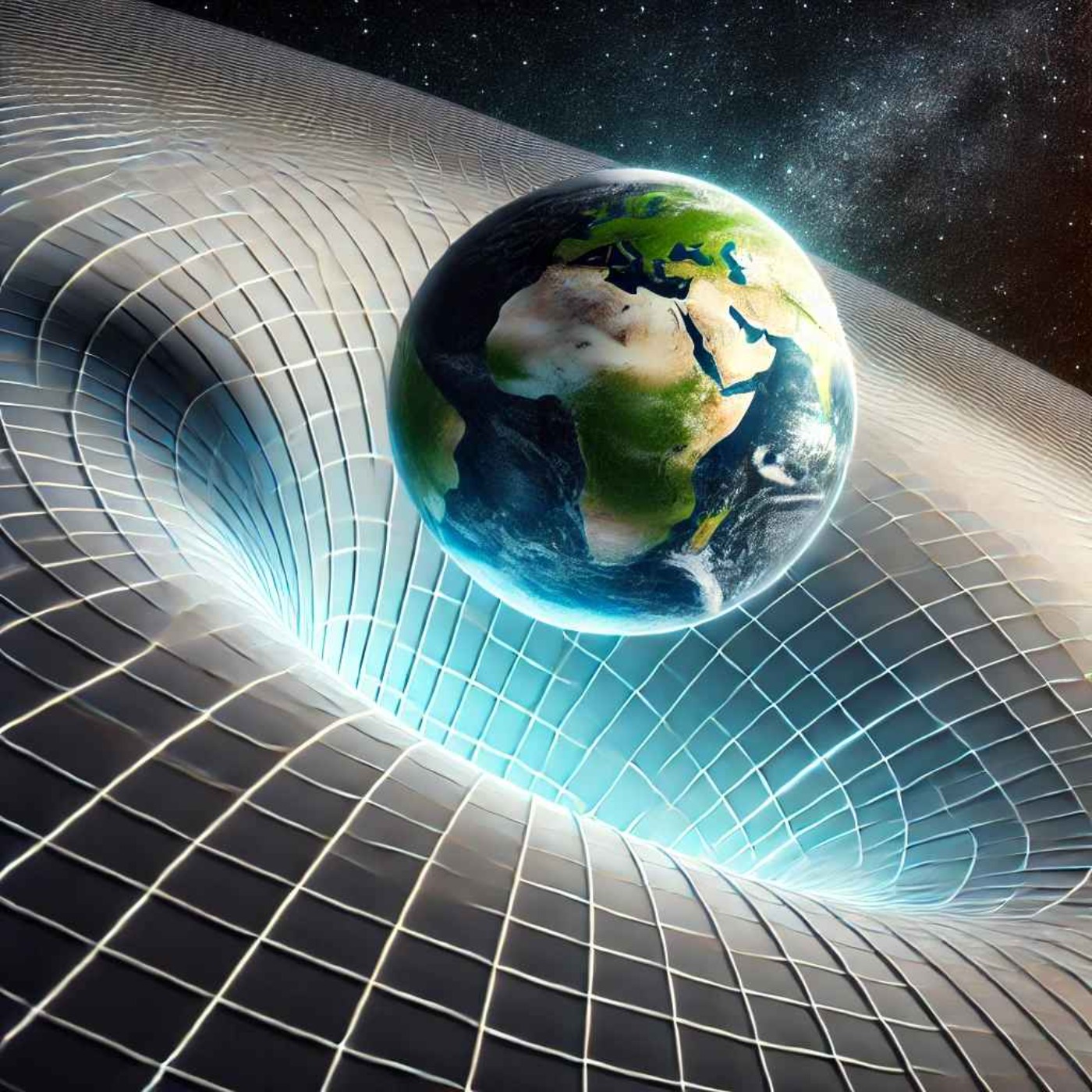
What lies at the very edge of a black hole? In this episode, we unravel the mystery of the event horizon, the invisible boundary beyond which nothing—not even light—can escape. We’ll explore what makes the event horizon so special, why it marks the ultimate point of no return, and how it plays a crucial role in general relativity. From real-world black hole images to the mind-bending physics of sp
What Are Black Holes? The Universe’s Most Mysterious Objects
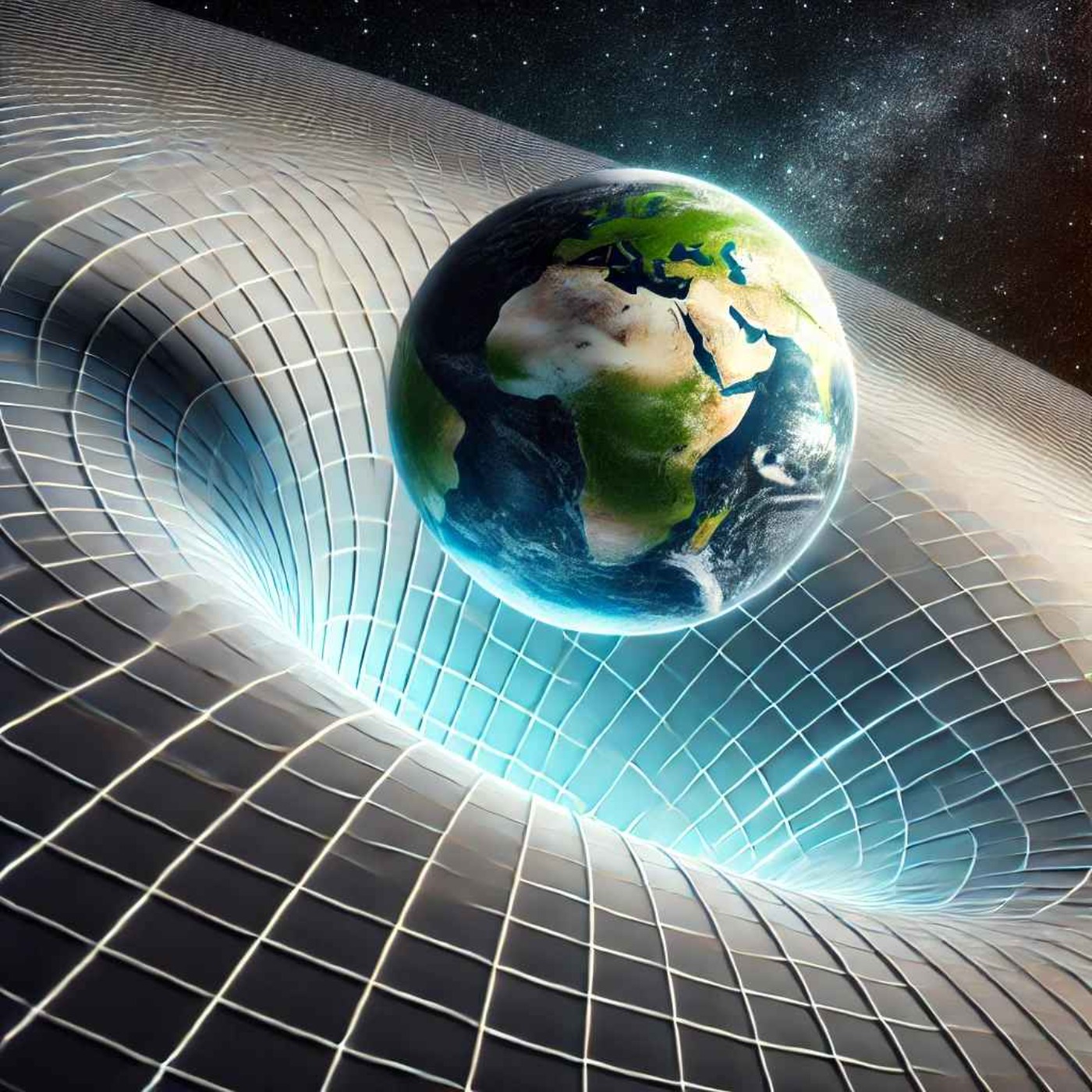
Black holes are some of the most mysterious and extreme objects in the universe—but what exactly are they? In this episode, we introduce black holes through the lens of general relativity, exploring how these cosmic giants form, how they warp spacetime, and what happens beyond their event horizons. We’ll break down why nothing—not even light—can escape their gravitational pull and what scientists
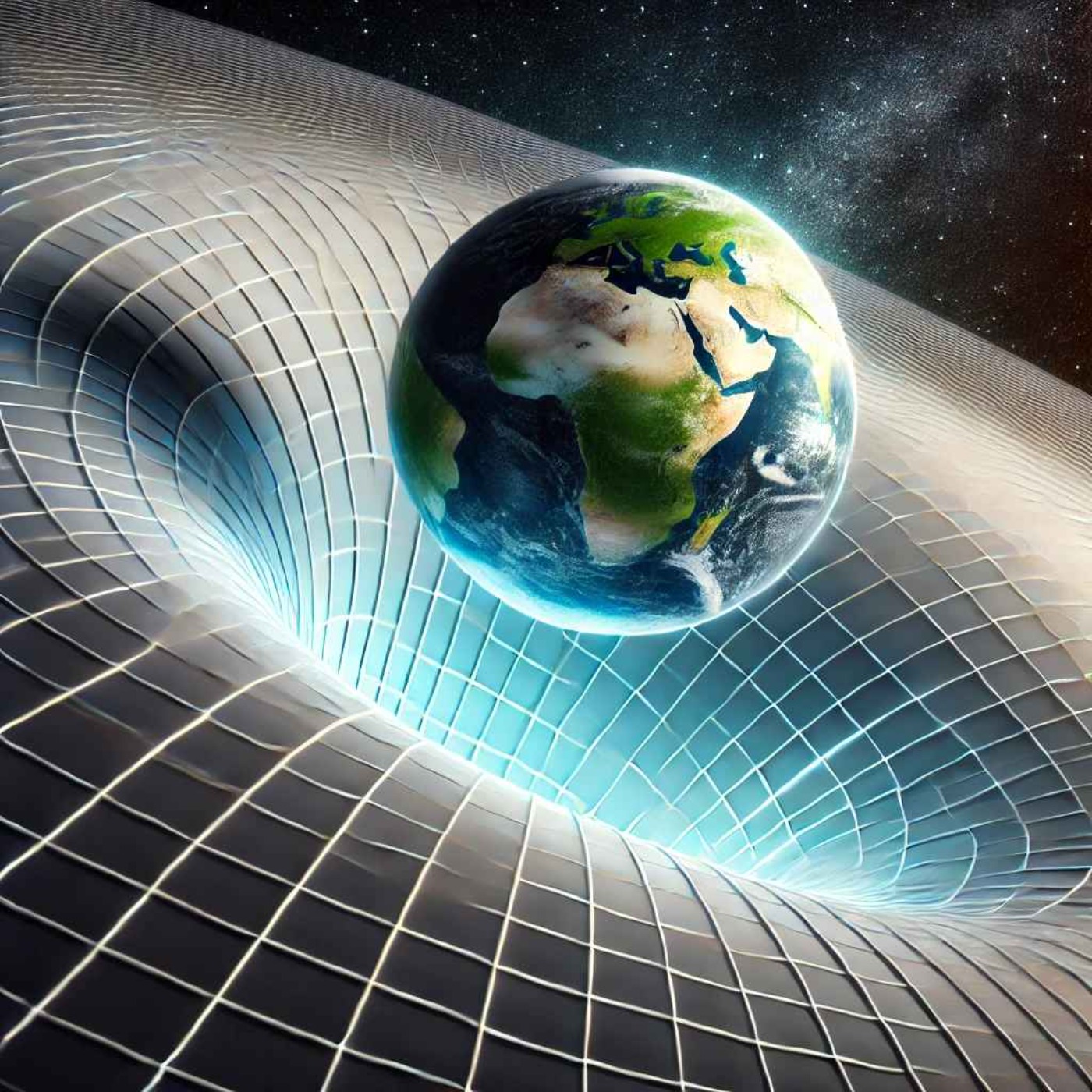
Gravitational Time Dilation: How does Gravity Slow Time?
What if time didn’t flow at the same rate everywhere in the universe? In this episode, we explore gravitational time dilation, the mind-bending effect where time runs slower in stronger gravitational fields. We’ll break down how Einstein’s general relativity predicts this phenomenon, why clocks on Earth’s surface tick slower than those in orbit, and how this effect is crucial for technologies like
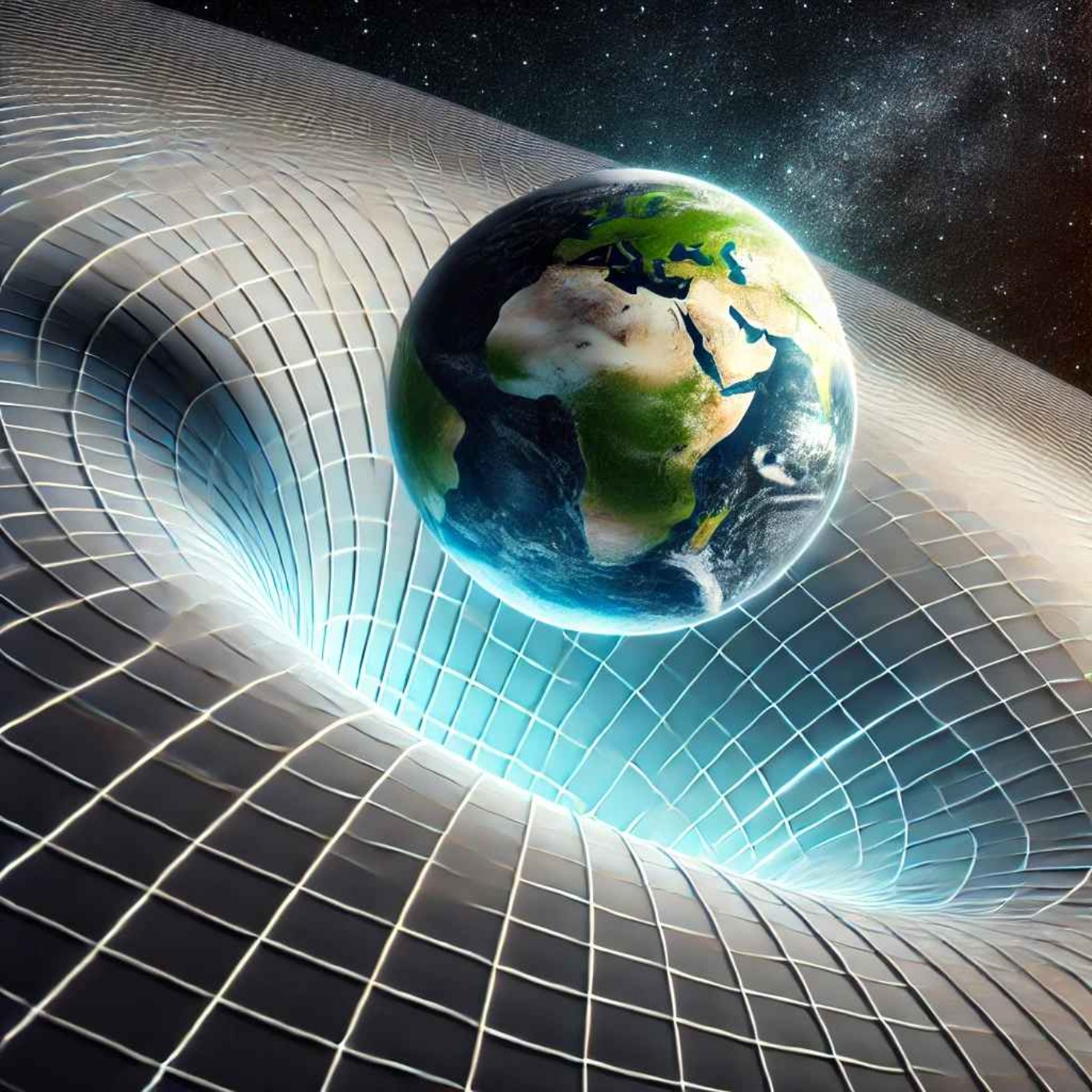
General Relativity: Gravitational Lenses, the Cosmic Trick to See Distant Galaxies
In this episode, we uncover the incredible phenomenon of gravitational lensing, where light bends around massive objects like stars or black holes due to the warping of spacetime. But how does gravity manage to bend something as intangible as light? We’ll break down the physics behind this mind-bending effect, explore stunning real-world examples like Einstein’s Cross, and explain how gravitationa
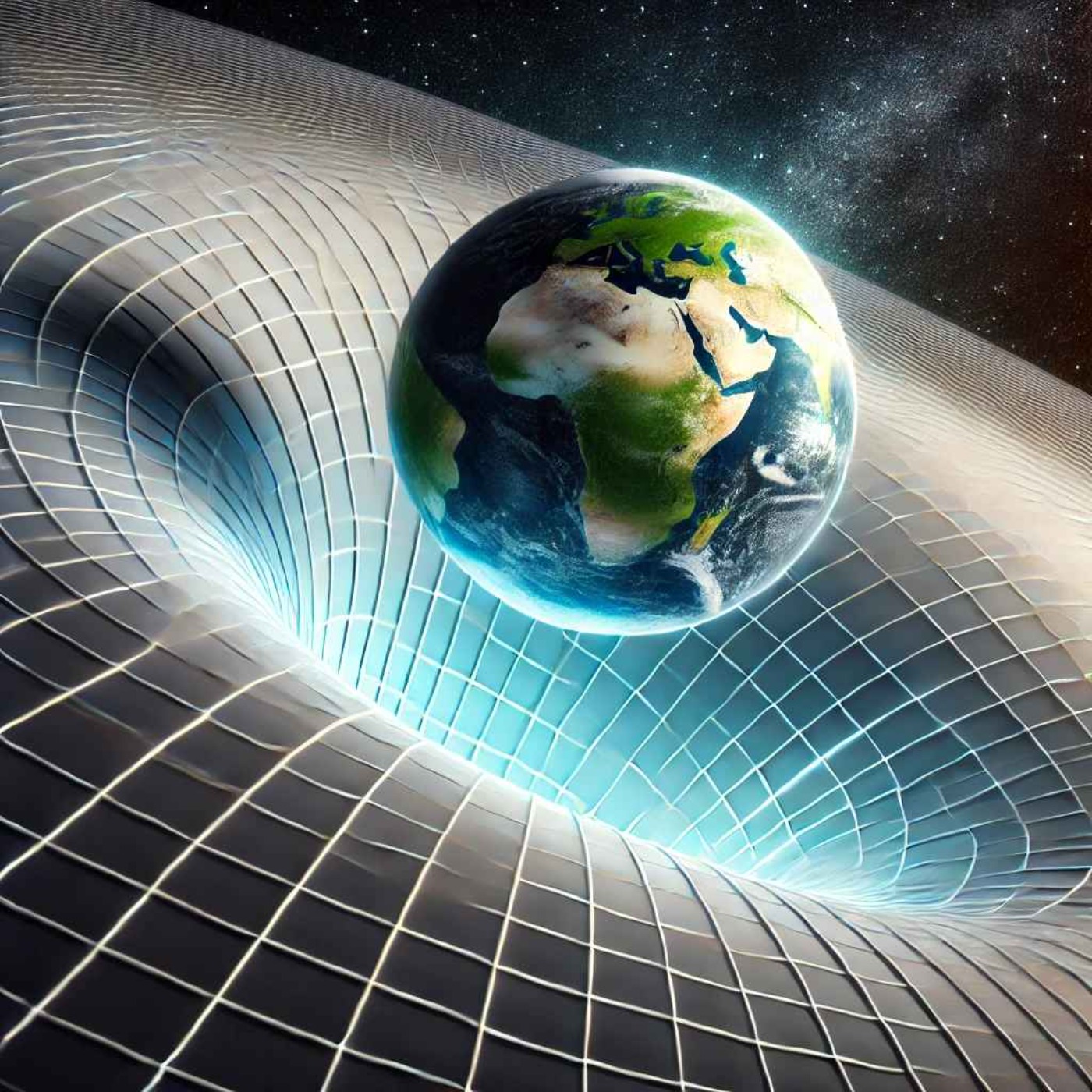
General Relativity: What Does It Mean to “Bend” Spacetime?
In this episode, we dive into one of the most iconic ideas in general relativity: the bending of spacetime. But what does it really mean to “bend” spacetime? We’ll explore how mass and energy distort the fabric of the universe, creating what we experience as gravity. Using simple examples, we’ll explain how this concept replaces Newton’s idea of gravity as a force and how it shapes everything from
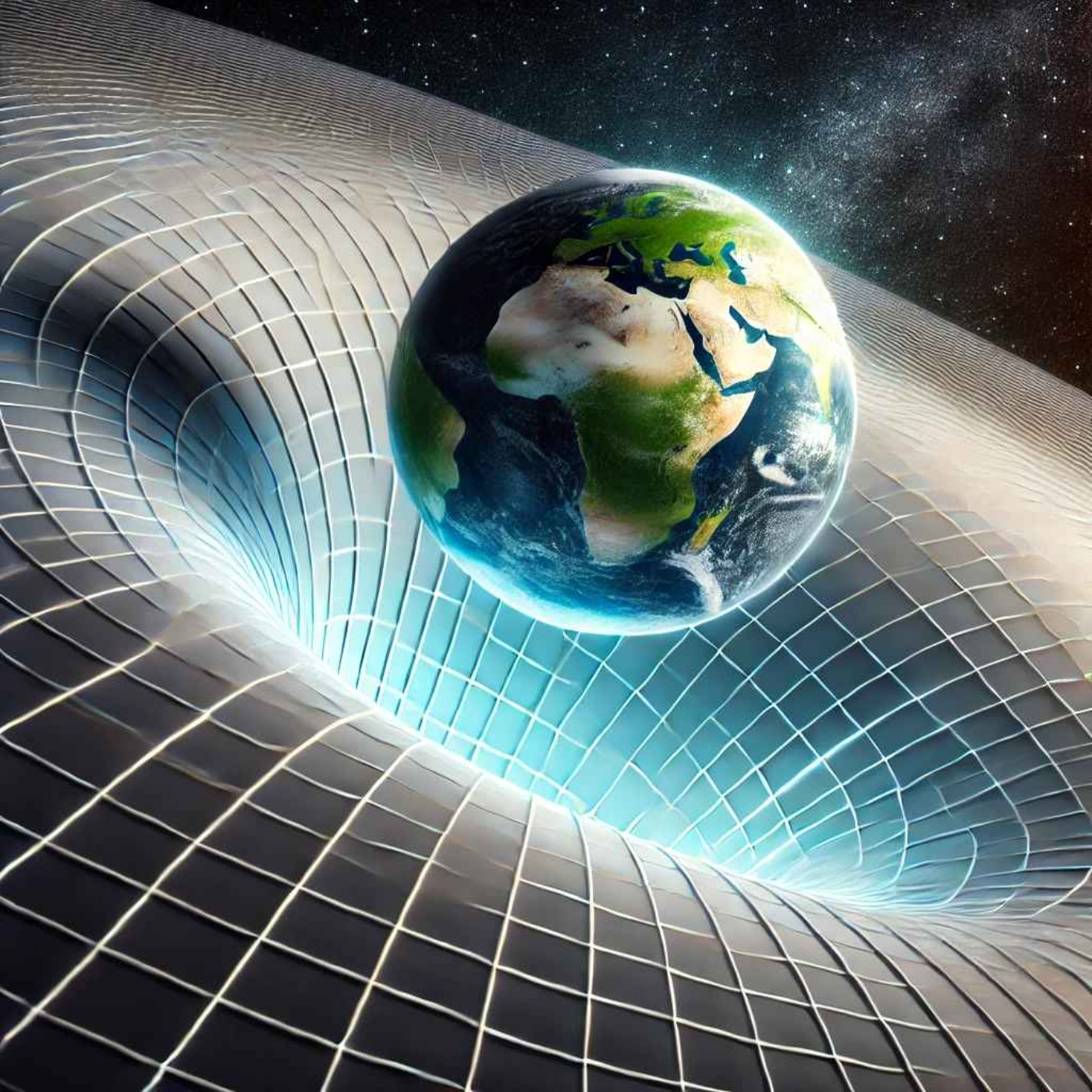
General Relativity: Geodesics, the hidden paths that govern motion in curved spacetime
Geodesics are nature’s way of showing us the “straightest” routes through curved spacetime. In this episode, we’ll break down what geodesics are, why they matter, and how they dictate the movements of objects under gravity. From bending starlight to planetary orbits, geodesics explain the elegant dance of the cosmos in Einstein’s general relativity.#WhatAreGeodesics #CurvedSpacetime #GeneralRelati
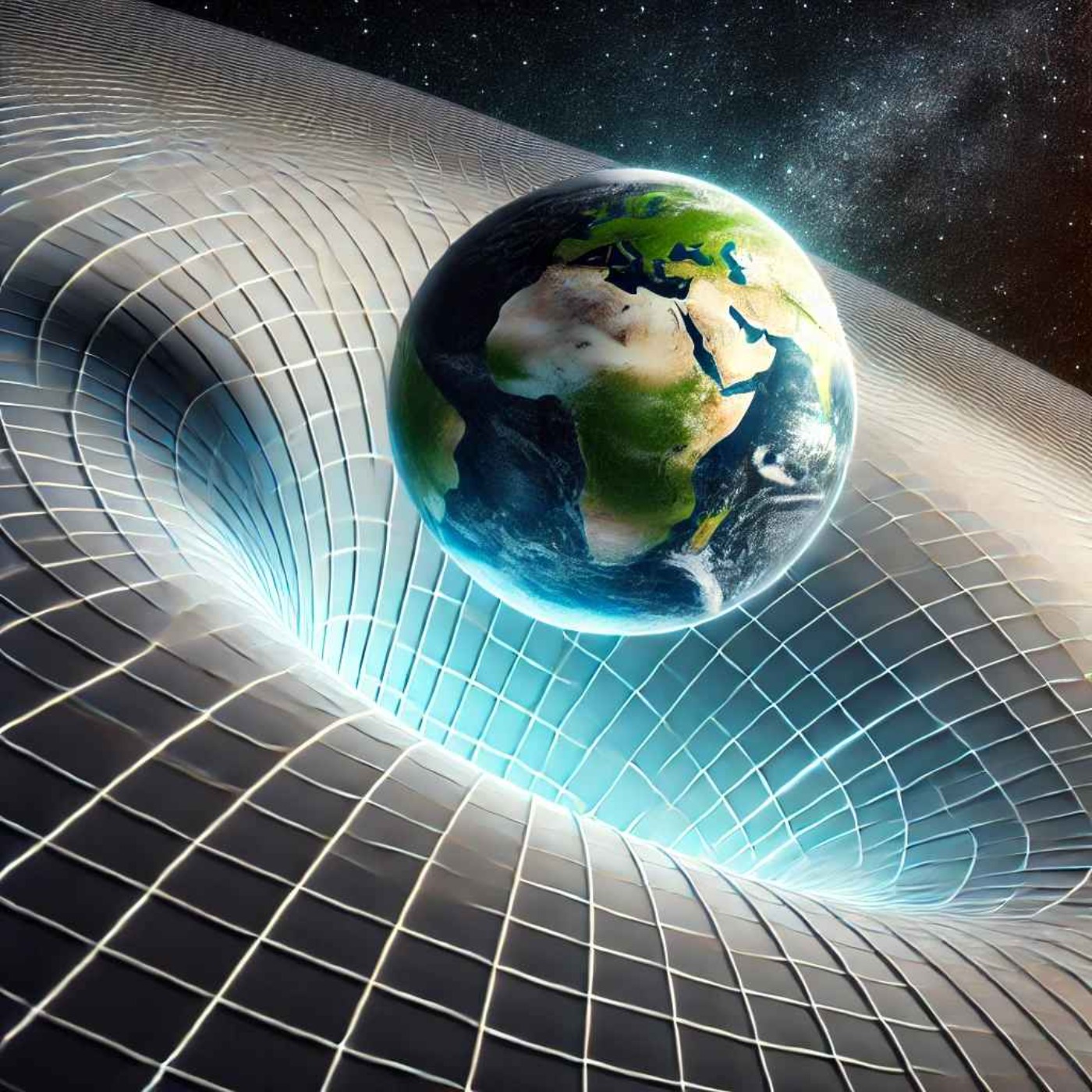
General Relativity: Einstein’s Field Equations Made Simple
Einstein’s field equations are the heart of general relativity, describing how matter and energy shape the curvature of spacetime. But don’t worry—we’re keeping it simple and skipping the heavy math! In this episode, we’ll break down what these equations mean in everyday terms, explore how they connect mass, energy, and gravity, and explain why they’re essential for understanding everything from b
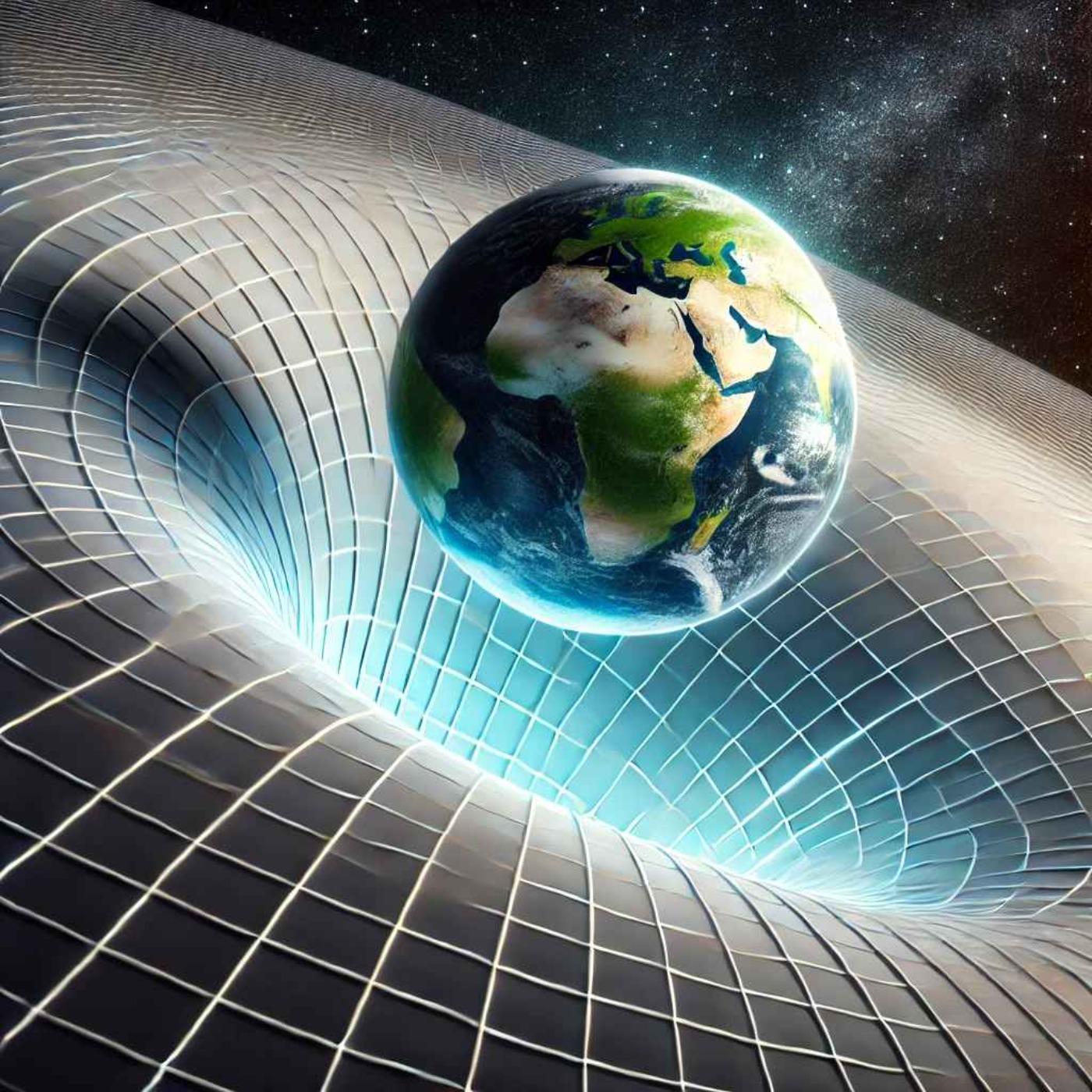
General Relativity: Is Gravity Just Acceleration in Disguise?
What if gravity isn’t a force but something much simpler—and stranger? In this episode, we dive into Einstein’s Equivalence Principle, the revolutionary idea that gravity and acceleration are indistinguishable. We’ll explore how this insight led to the development of general relativity and why it reshaped our understanding of the universe. From free-falling elevators to astronauts floating in spac
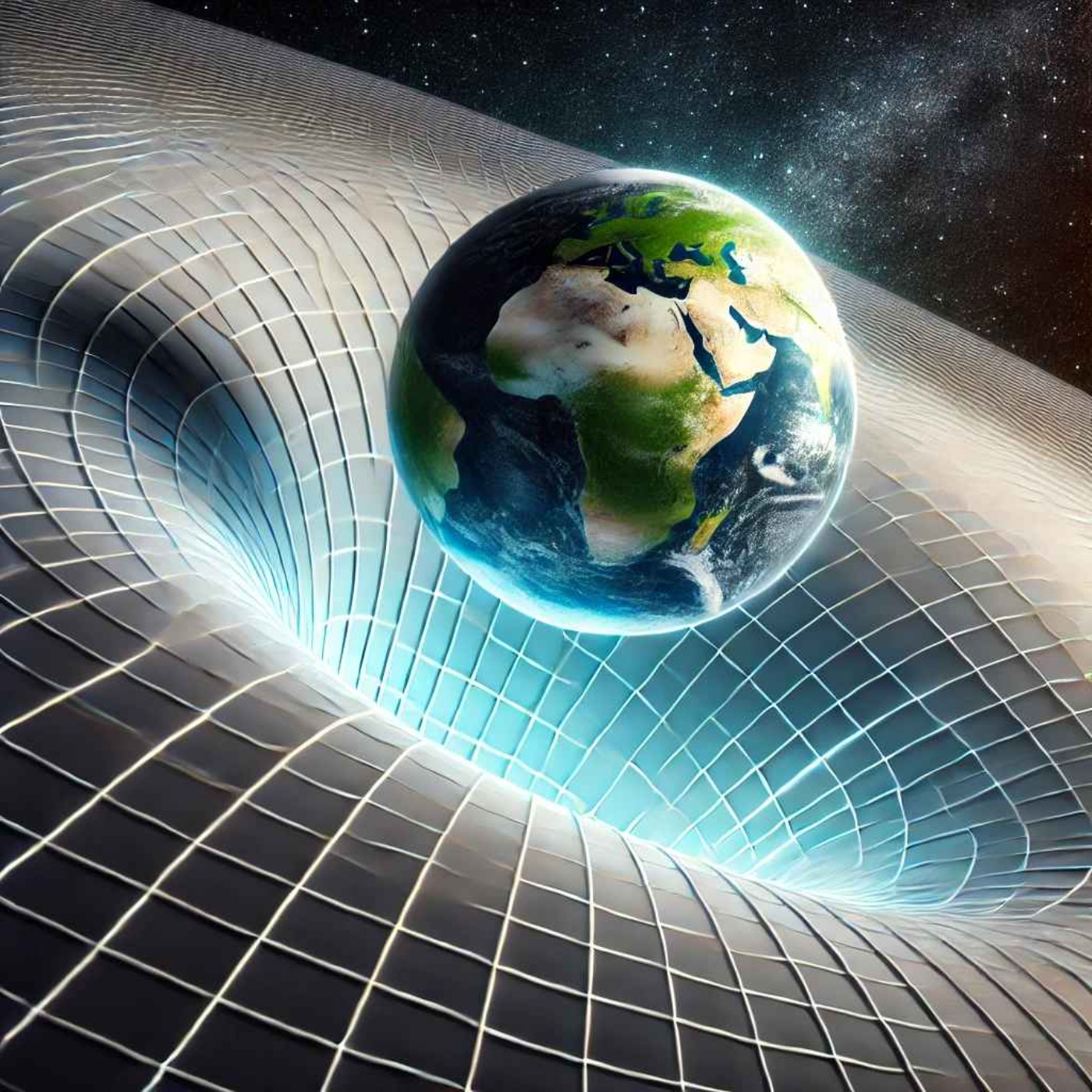
Introducing General Relativity
In this episode, we take the leap from special relativity to general relativity, Einstein’s groundbreaking theory that redefined our understanding of gravity. While special relativity focuses on constant motion and the speed of light, general relativity expands the picture to include accelerating objects and massive celestial bodies. By the end, you’ll see how general relativity expands Einstein’s
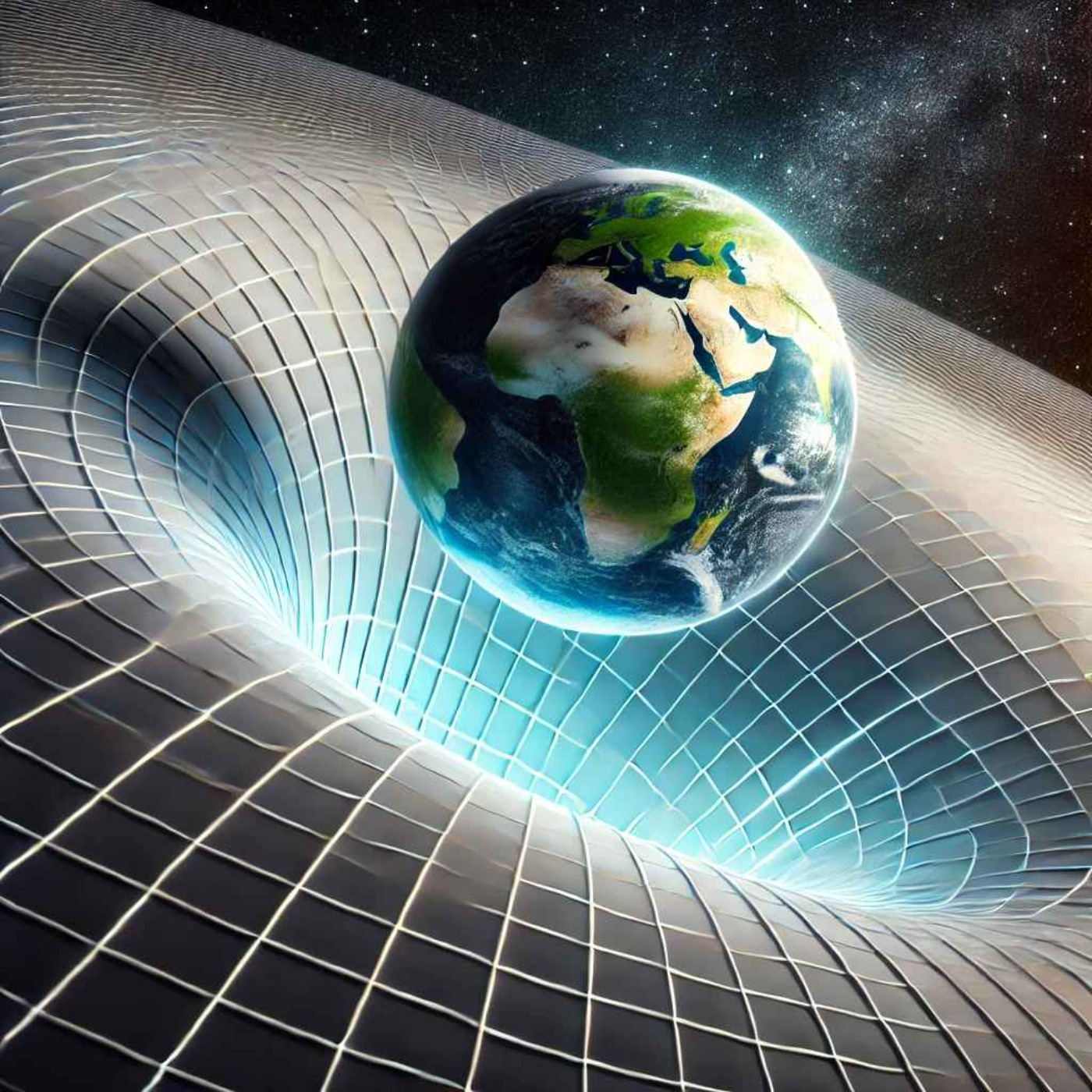
Special Relativity: The Doppler Effect in Motion
In this episode, we explore the Doppler Effect and how it behaves in the framework of special relativity. Most of us know the Doppler Effect from everyday examples, like the changing pitch of a siren as it passes by. But what happens when we consider it for light waves instead of sound? We’ll break down the relativistic Doppler Effect, explain how it’s different, and show its real-world applicatio
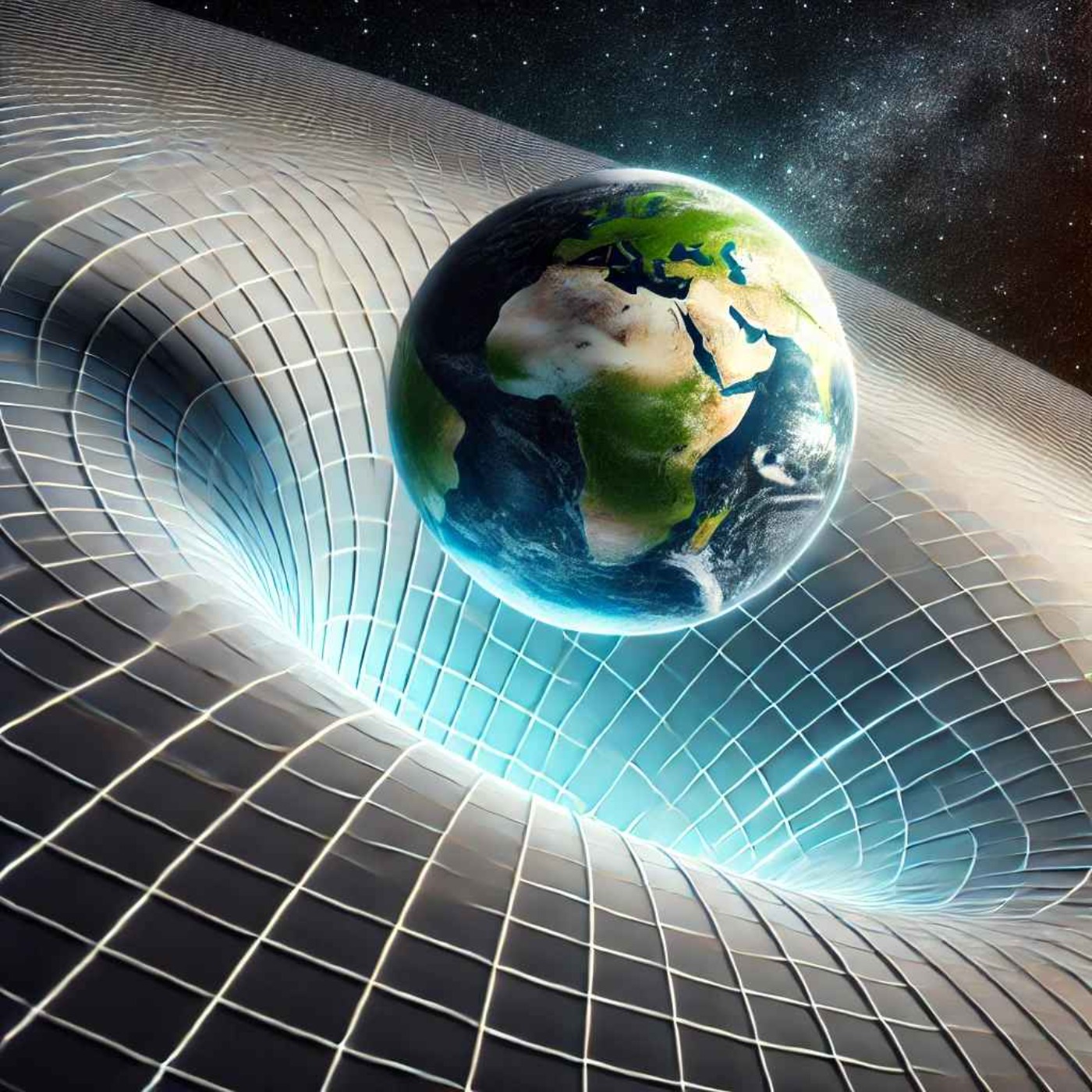
Relativity and Santa: How Reindeer Fly and Santa Travels at Light Speed
Ever wondered how Santa delivers gifts to billions of homes in just one night? In this special holiday episode, we use physics to decode the magic of Santa Claus. We’ll explore how reindeer might fly, the energy Santa would need to travel at near-light speed, and the role of time dilation in giving him more hours than we experience. From relativistic effects to sleigh aerodynamics, we’ll blend hum
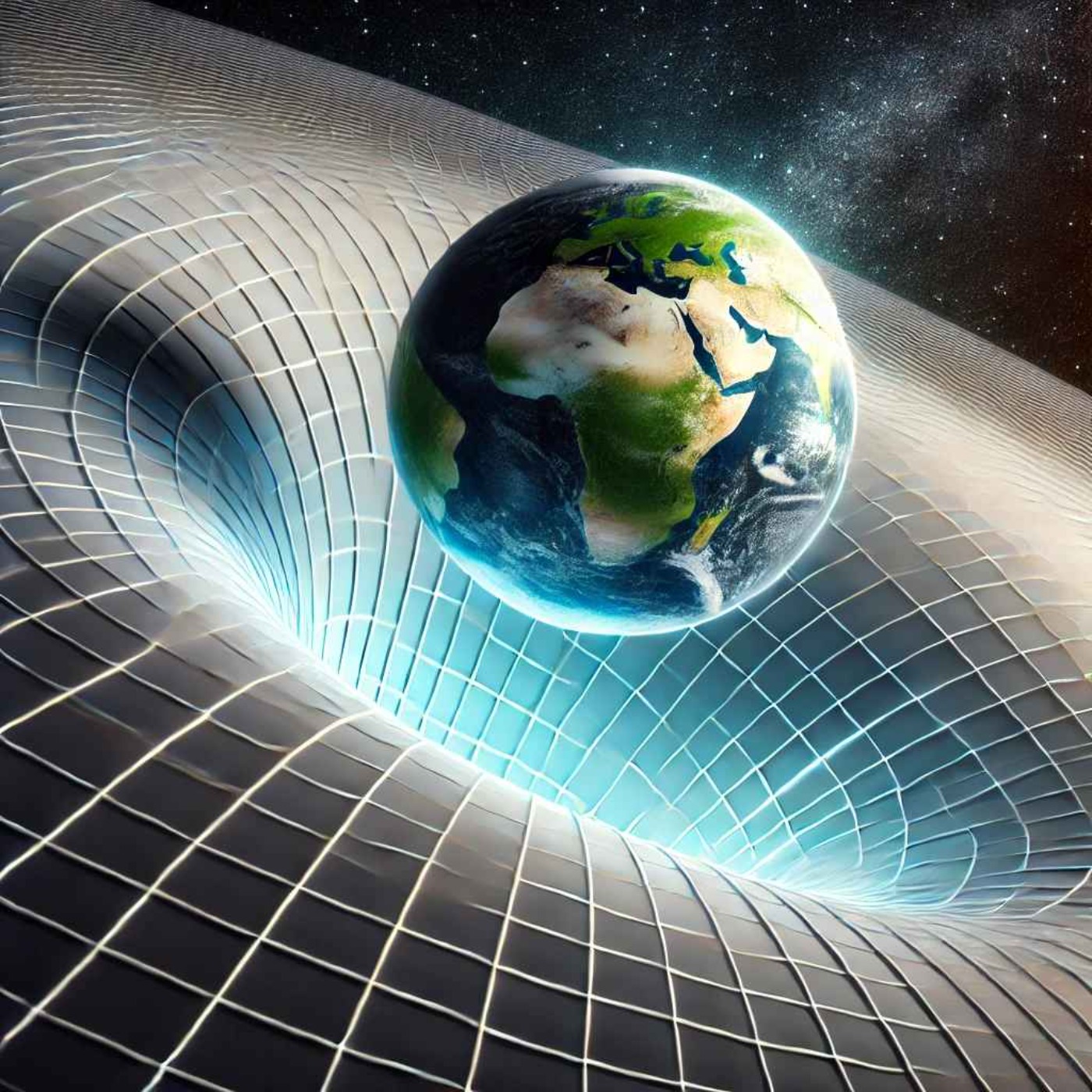
Special Relativity: The Mystery of Relativistic Momentum
In this episode, we explore relativistic momentum, a concept that extends the idea of momentum to objects moving at speeds close to the speed of light. Unlike classical momentum, which depends only on mass and velocity, relativistic momentum grows dramatically as an object’s speed approaches light speed. We’ll break down why this happens, how it links to E=mc², and why understanding relativistic m
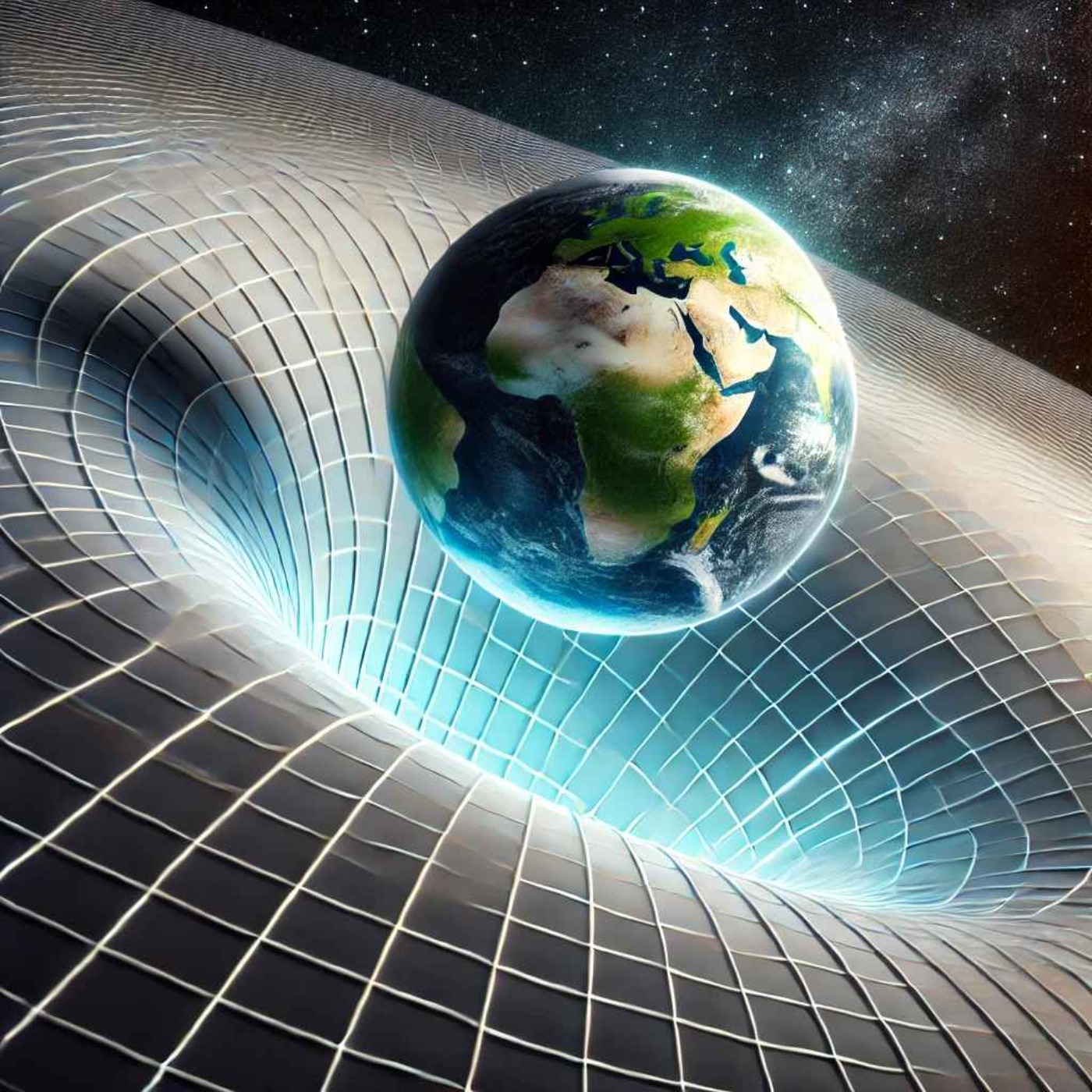
Special Relativity: Understanding E=mc²
In this episode, we explore E=mc², Einstein’s famous equation that connects energy and mass. This concept of mass-energy equivalence is at the heart of special relativity, showing that mass can be converted into energy and vice versa. But what does this really mean? We’ll break down how E=mc² explains everything from the energy of nuclear reactions to the massive power released in cosmic events. B
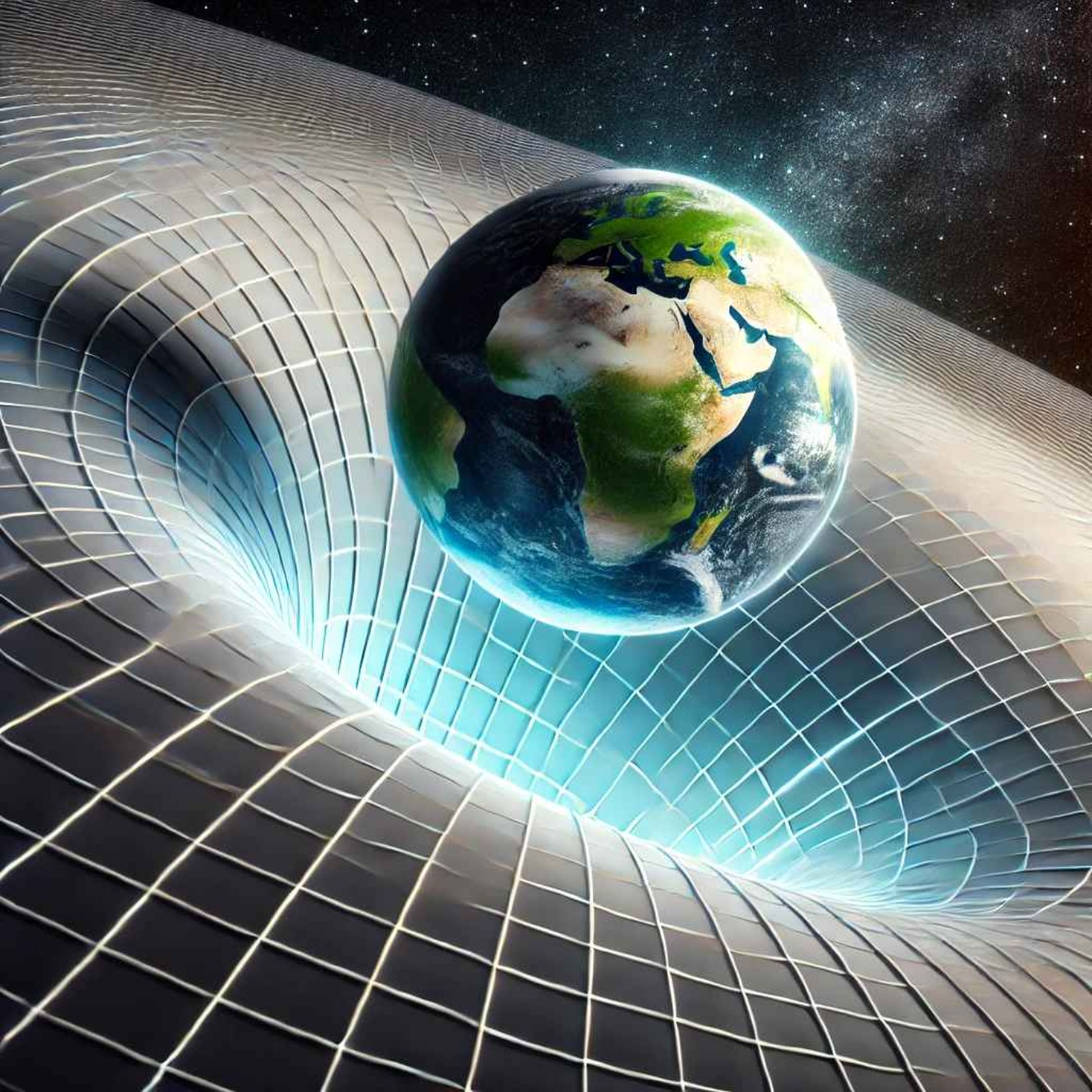
Special Relativity: The Twin Paradox Explained
In this episode, we dive into one of the most famous thought experiments in special relativity: the Twin Paradox. Imagine two twins—one stays on Earth, while the other takes a journey at near-light speed into space. When the traveling twin returns, they’re younger than their sibling. But why? We’ll break down how the Twin Paradox illustrates the effects of time dilation and why this surprising out
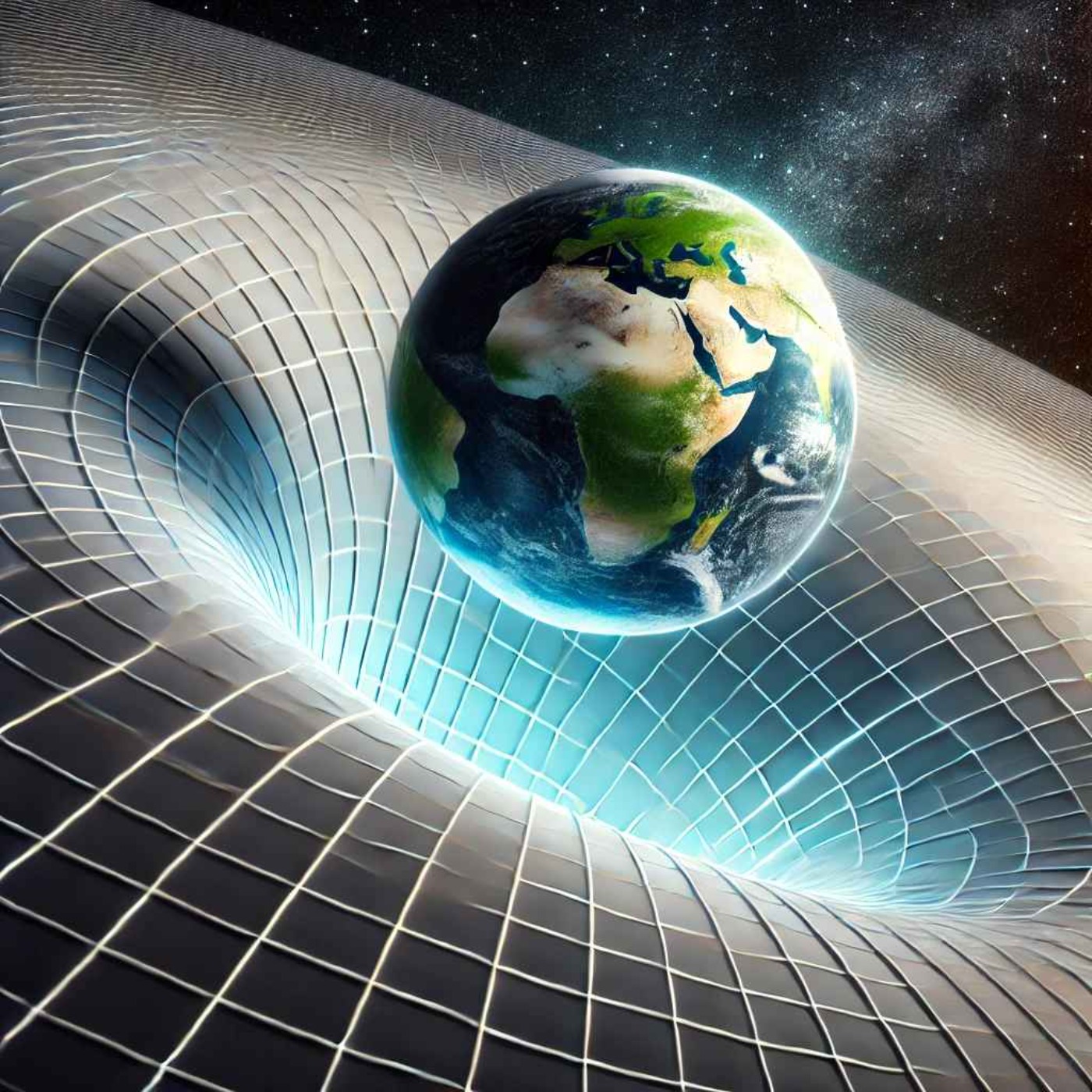
Special Relativity: Understanding Lorentz Transformations
In this episode, we explore Lorentz transformations, the mathematical framework that makes special relativity possible. These transformations describe how time and space measurements change for observers moving at different speeds, especially near the speed of light. We’ll explain why the Lorentz transformations are essential for understanding concepts like time dilation and length contraction and
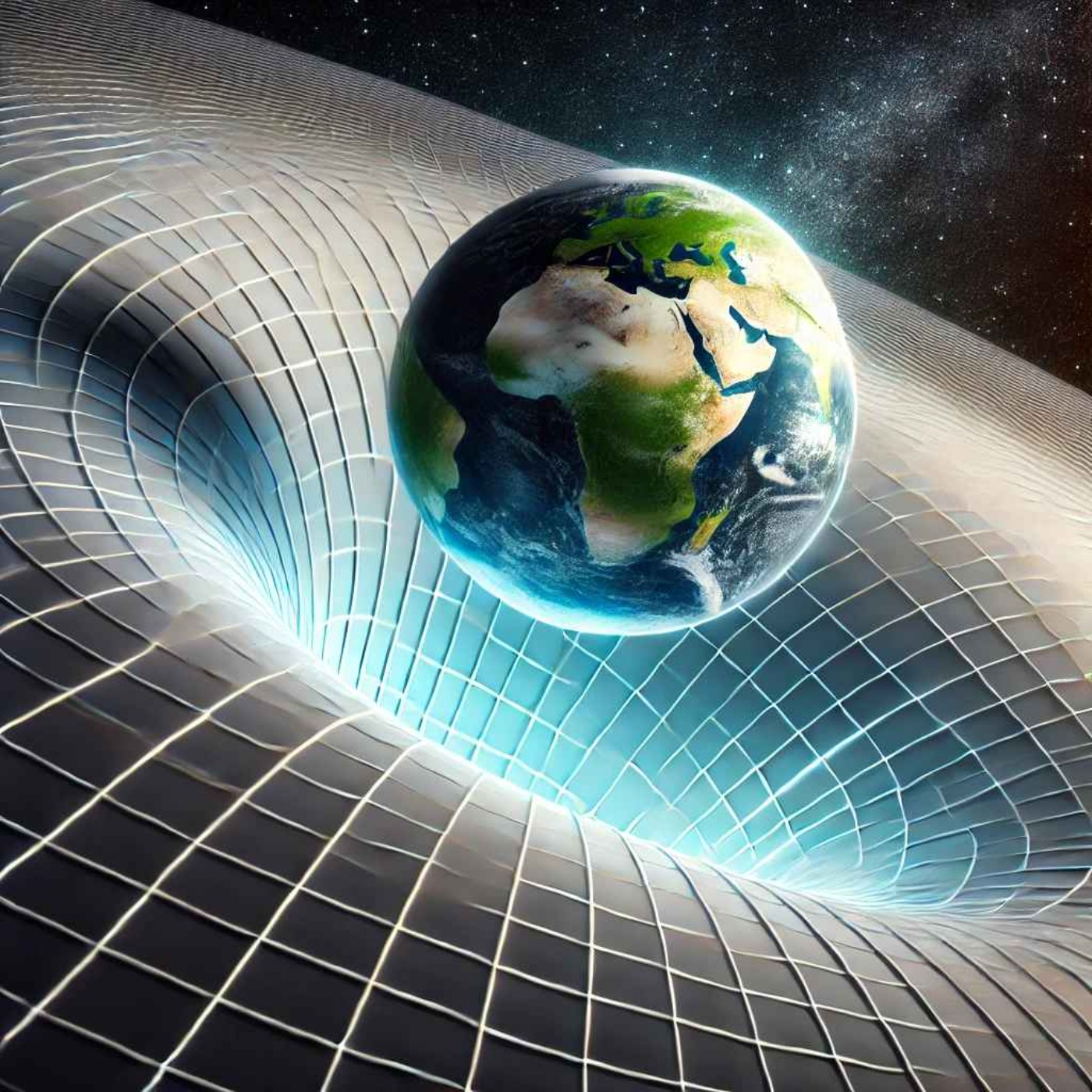
Special Relativity: Length Contraction, When Moving Objects Shrink
In this episode, we dive into length contraction—the strange phenomenon where objects appear to shrink in length as they approach the speed of light. According to Einstein’s theory of relativity, space itself is altered by motion, and objects become shorter along the direction they’re traveling. We’ll explore how length contraction works, why it only becomes noticeable at extreme speeds, and what
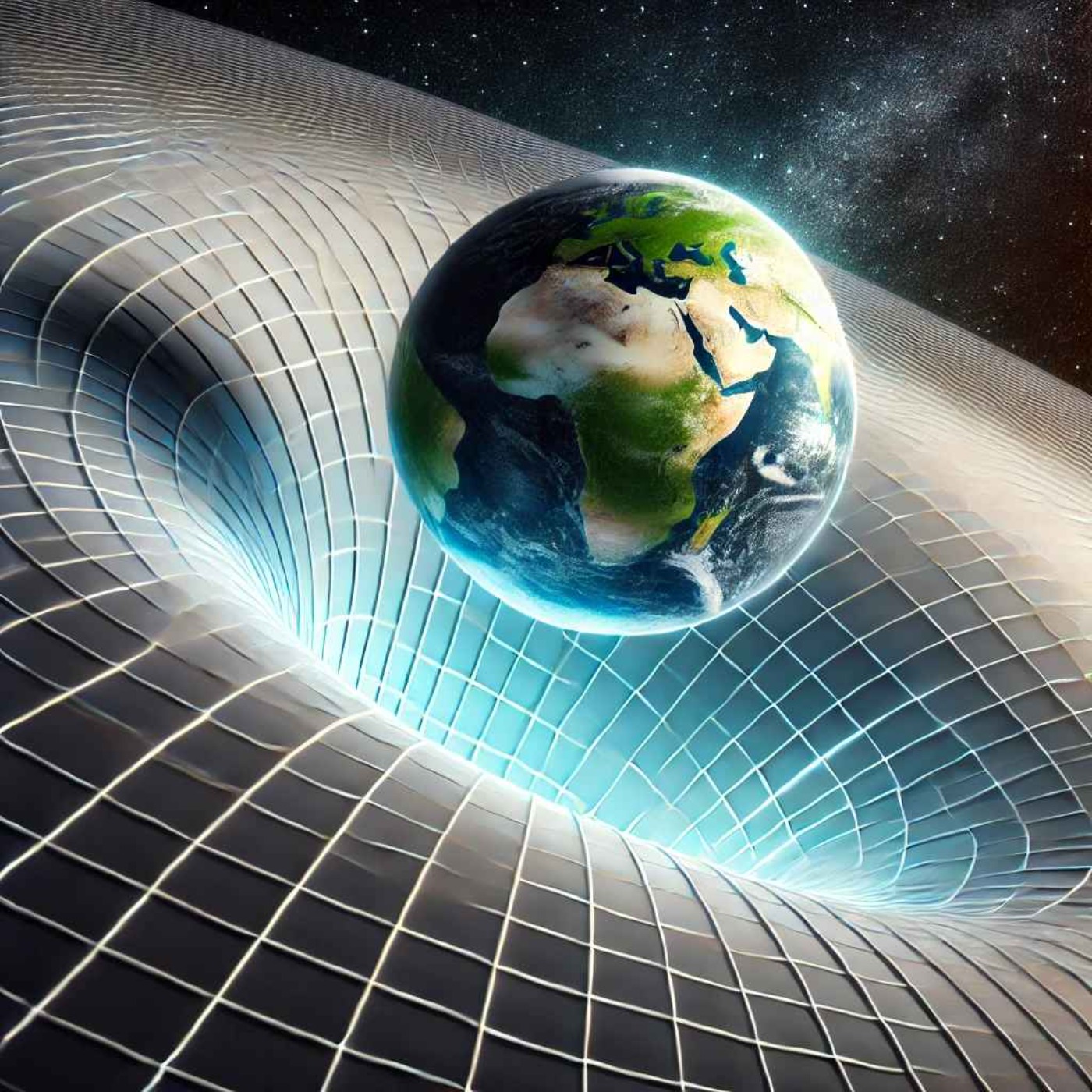
Special Relativity: Time Dilation
What if time didn’t move at the same pace everywhere? In this episode, we explore time dilation, one of the most fascinating concepts in Einstein’s relativity. We’ll break down why time passes differently depending on your speed and proximity to massive objects, and what this means for objects moving near the speed of light. Imagine astronauts aging slower in space or clocks ticking differently on
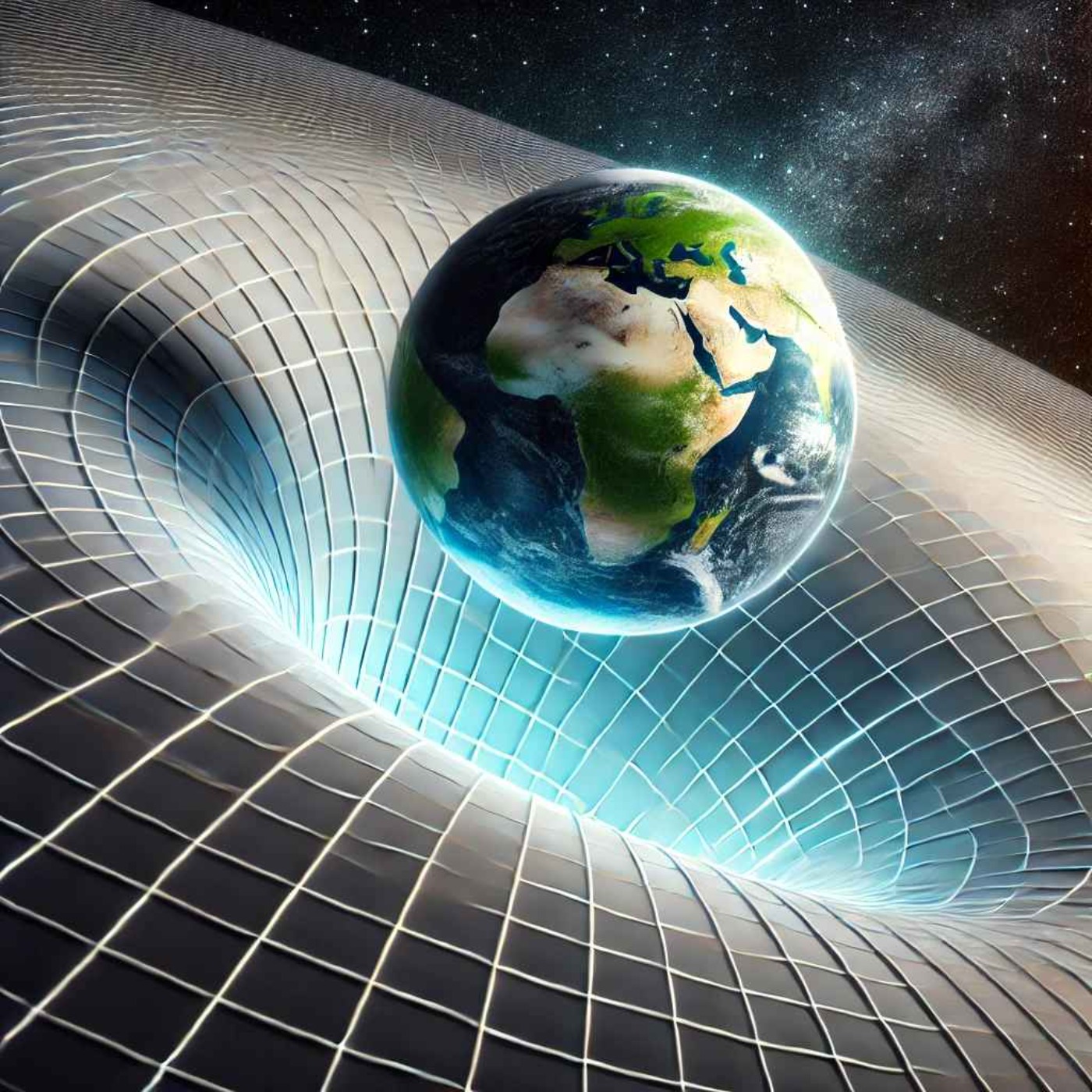
What is Spacetime? Exploring the Fabric of the Universe
In this episode, we dive into the concept of spacetime—the fundamental fabric of our universe where space and time are intertwined. But what does that mean, and why are these two dimensions connected? We’ll explore how Einstein’s theory combined space and time into a single, four-dimensional framework and why this shift changed everything we thought we knew about reality. Along the way, we’ll disc
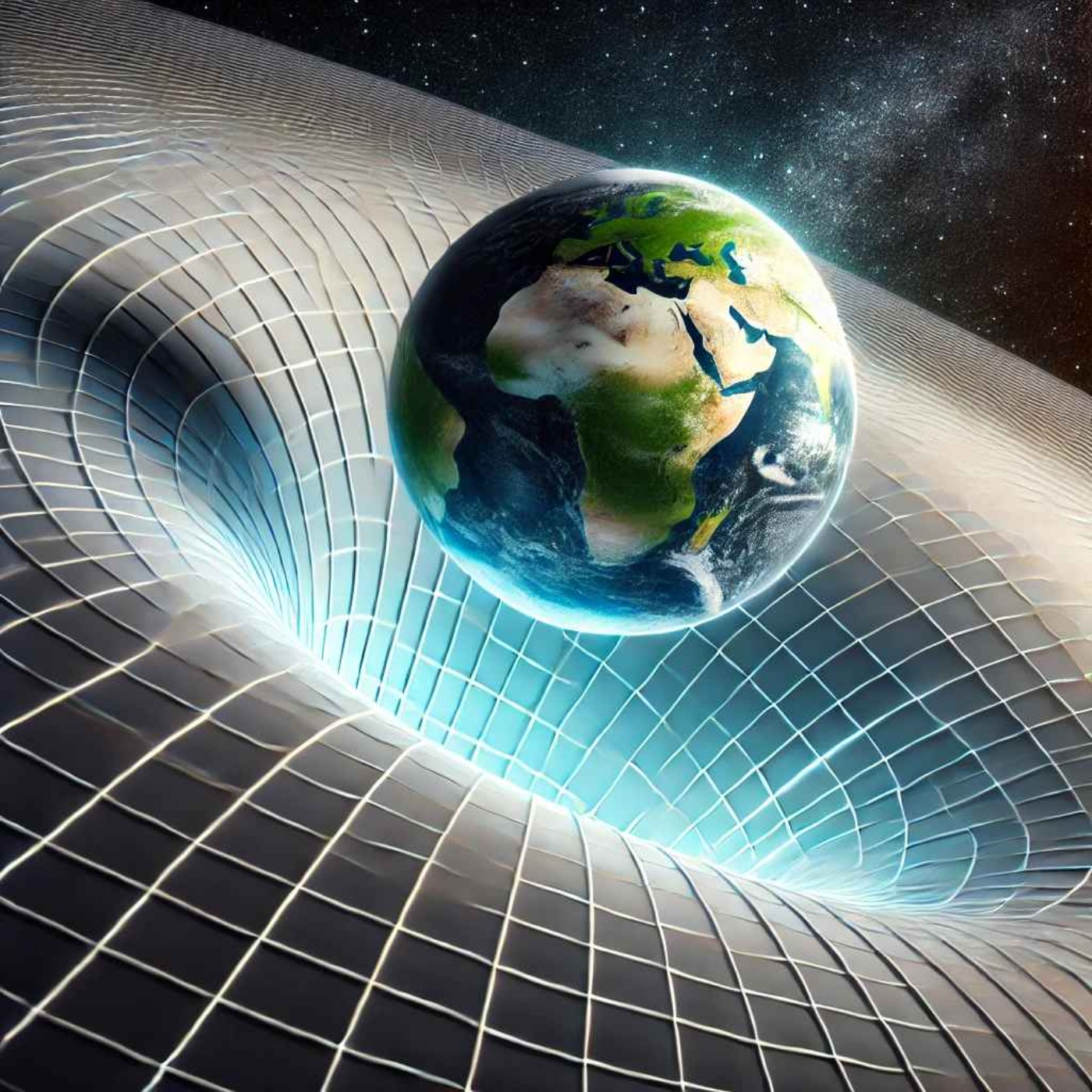
Why the speed of light never changes
In this episode, we tackle one of the most mind-bending principles of relativity: the constant speed of light. But why does light always travel at the same speed for every observer, regardless of their own motion? We’ll explore how Einstein’s insight into light’s unchanging speed shattered traditional physics, leading to revolutionary ideas like time dilation and length contraction. By understandi
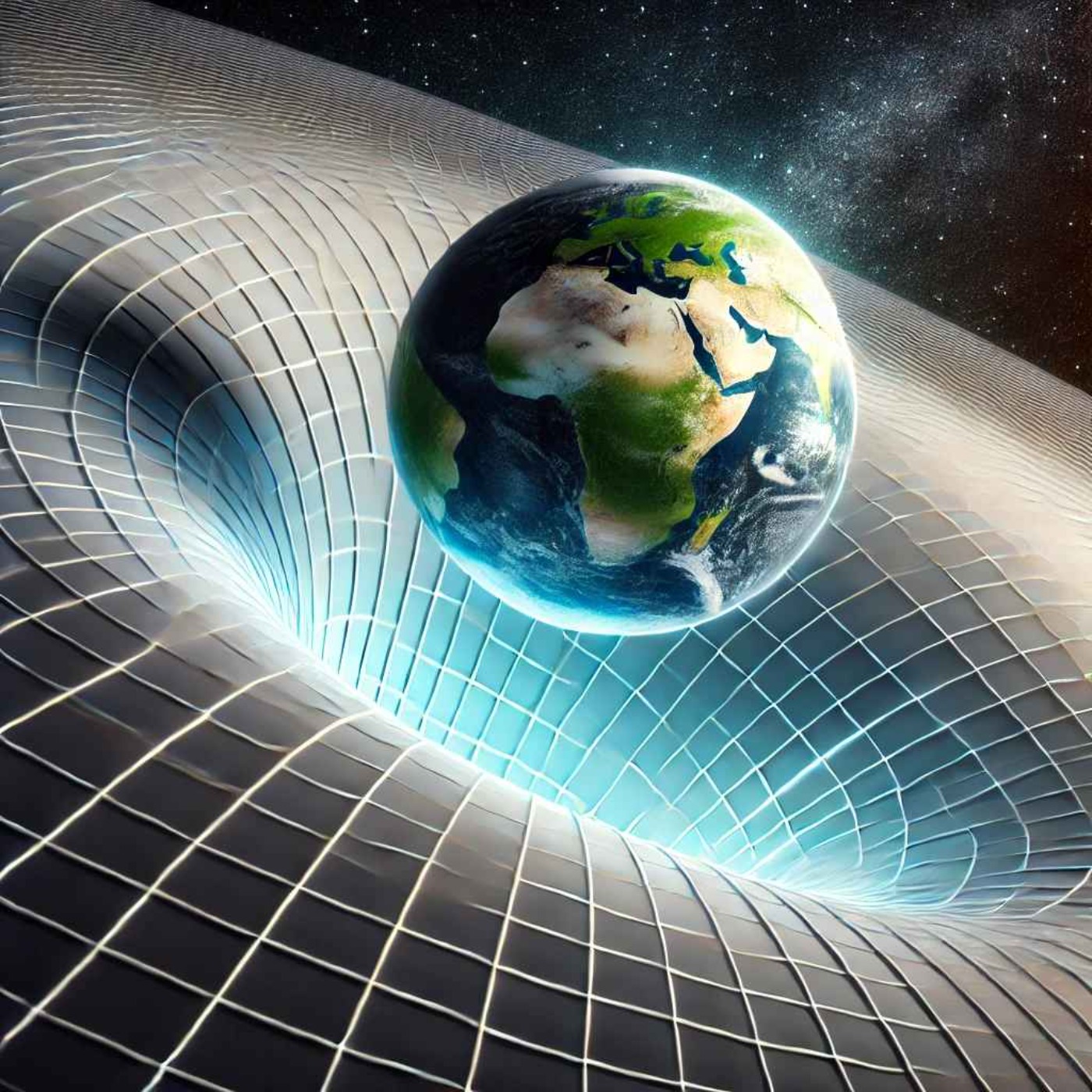
The Principle of Invariance: The Unchanging Laws of Physics
In this episode, we explore the crucial concept of invariance, a cornerstone of both classical and modern physics. The idea behind invariance is that the laws of physics do not change, no matter the speed or position of the observer. We’ll break down how this principle applies to special relativity and why Einstein relied on this idea to show that the speed of light remains constant for all observ
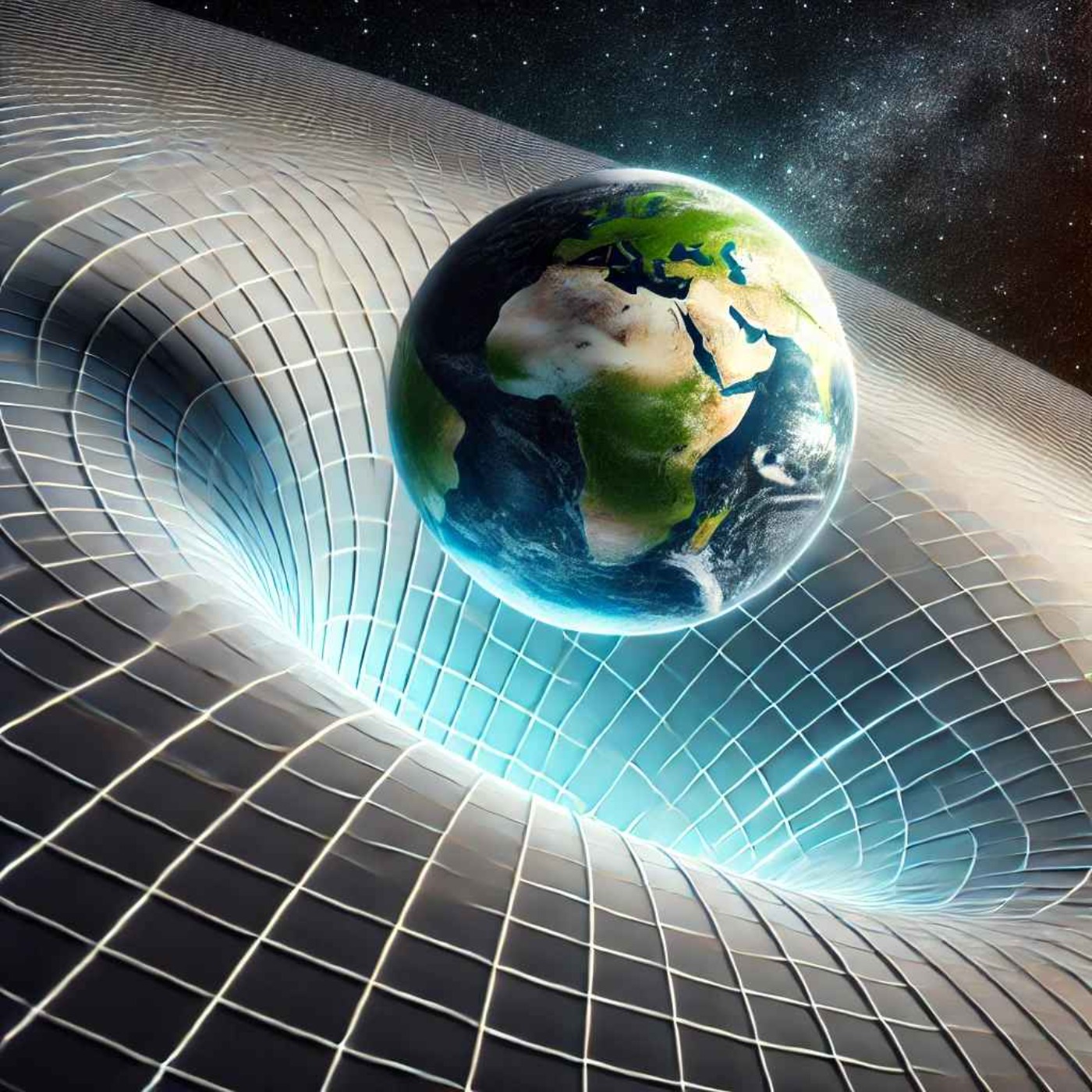
Galilean Relativity: Laying the Groundwork for Einstein’s Revolution
Before Einstein revolutionized our understanding of the universe, Galileo Galilei introduced the concept of relativity through his studies of motion. In this episode, we’ll dive into Galilean relativity, which explains that the laws of motion are the same in any constant motion frame, whether you’re on a moving ship or standing on solid ground. We’ll explore how Galileo’s principle of relative mot
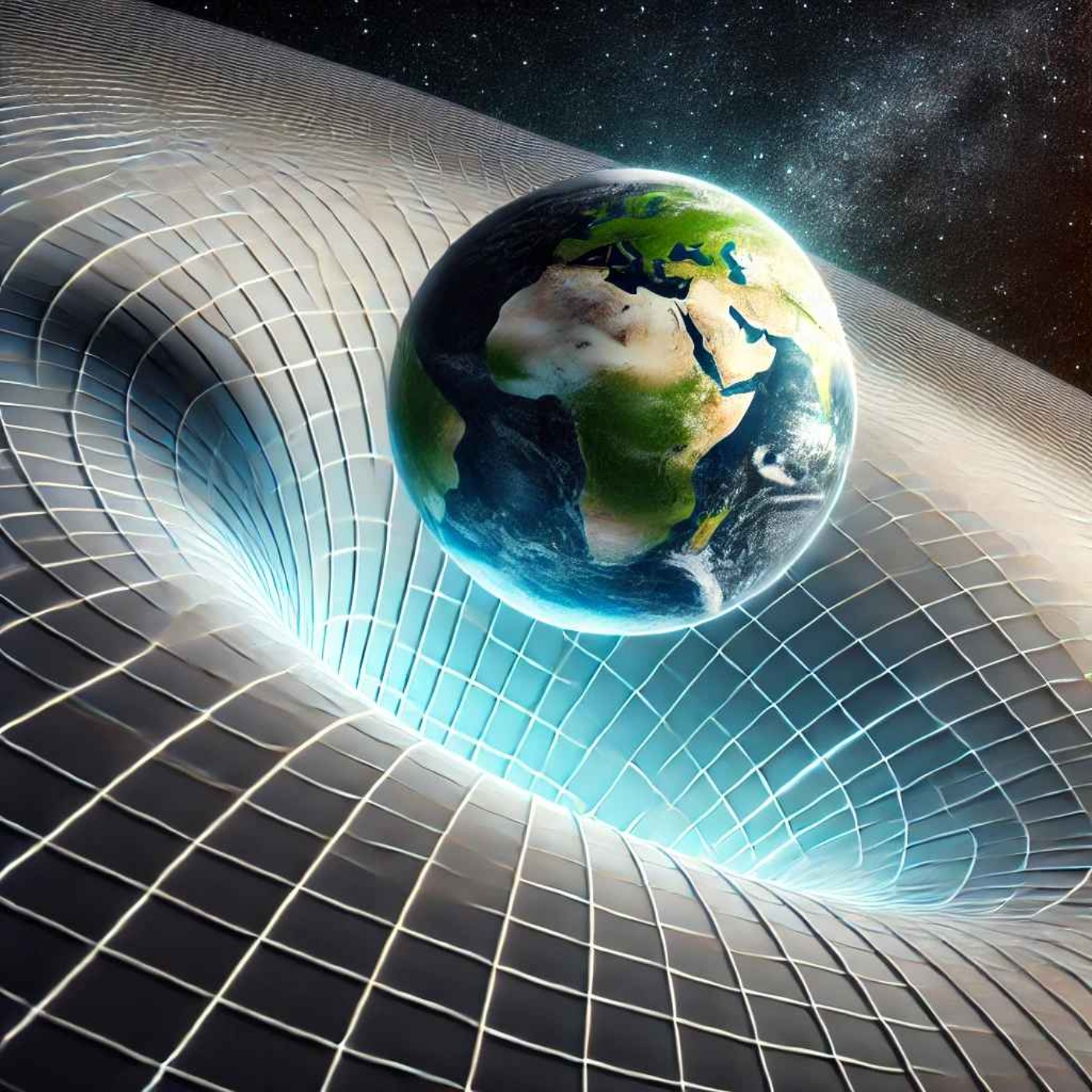
The Relativity of Time and Space: Breaking Classical Mechanics
In this episode, we explore the fundamental shift that Einstein’s theory of relativity brought to our understanding of time and space. In classical mechanics, time and space were seen as absolute—unchanging, fixed frameworks through which objects moved. But Einstein shattered that view, showing that both time and space are relative and can stretch, bend, and warp depending on the observer’s motion
The Speed of Light: The Ultimate Cosmic Speed Limit
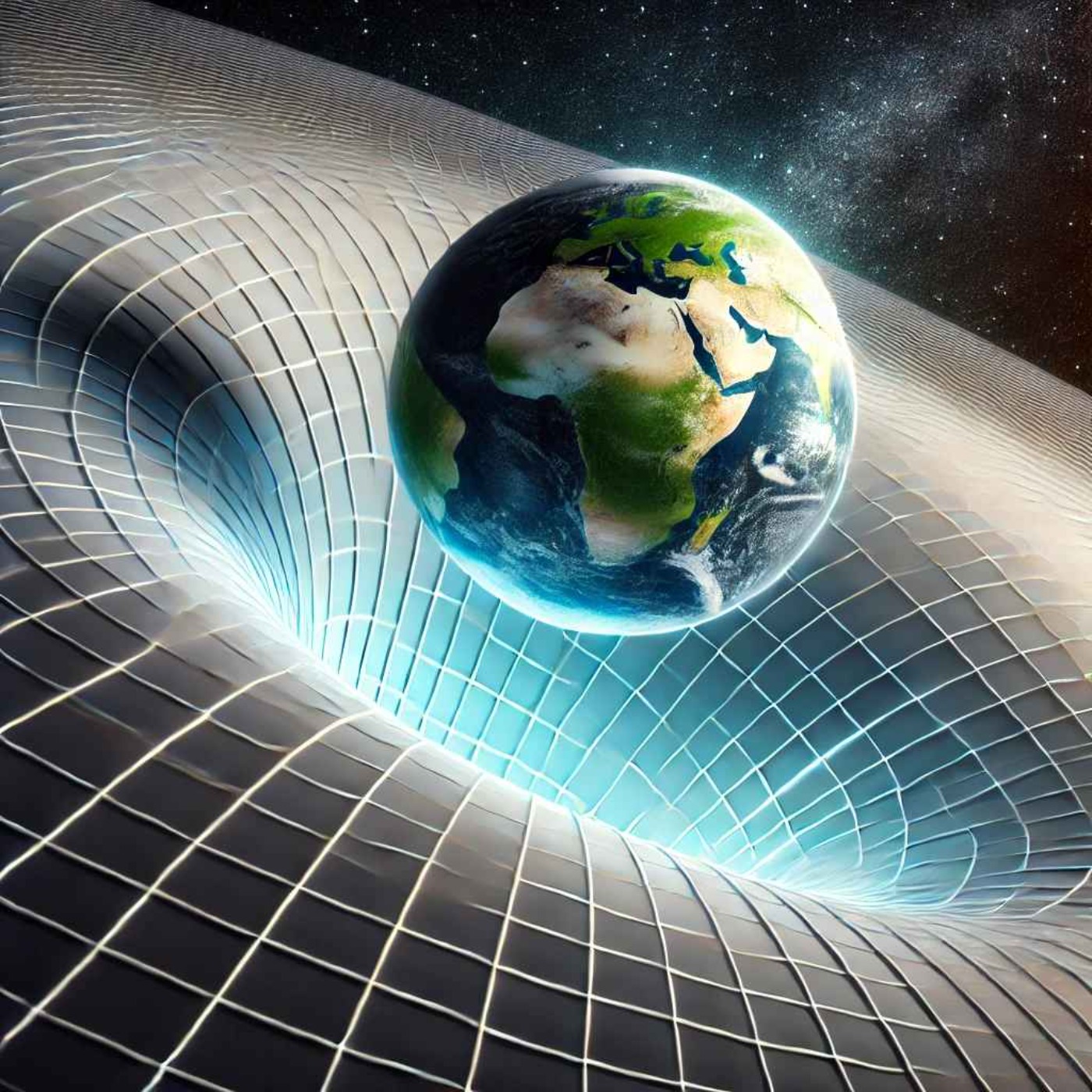
In this episode, we explore one of the most mind-bending aspects of Einstein’s theory: the speed of light and its role as the ultimate speed limit of the universe. Why is the speed of light so important in both special and general relativity? We’ll break down the idea that light always travels at the same speed—regardless of how fast you’re moving—and what this means for time, space, and reality i
Introduction to the Theory of Relativity: Why It Changed Everything
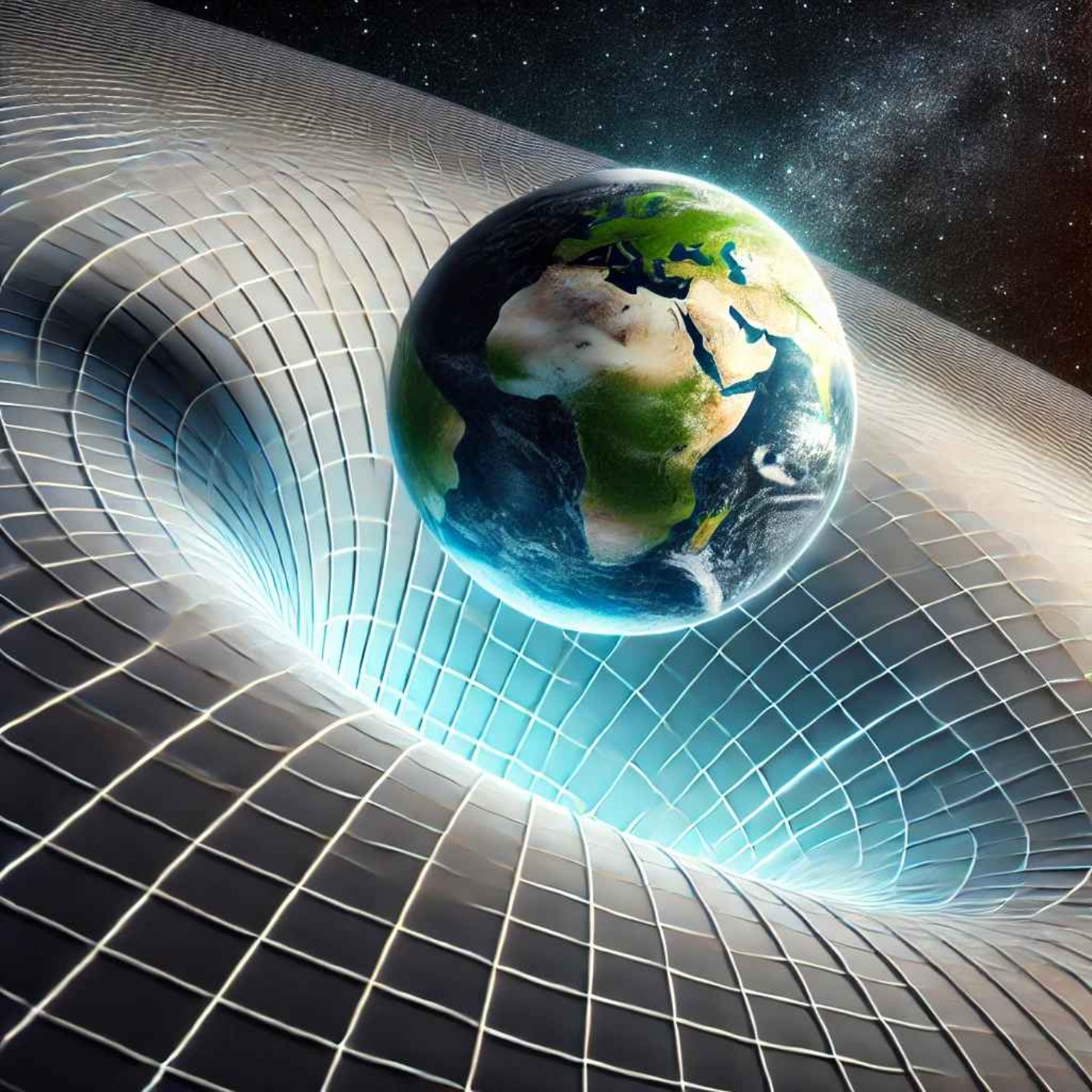
In this episode, we kick off our journey through Einstein’s Theory of Relativity, starting with an accessible overview of its two parts: special relativity and general relativity. You’ll learn how Einstein’s ideas redefined our understanding of the universe by showing that time and space are not separate, but deeply connected. We'll discuss key concepts like time dilation, the famous equation E=mc
Recommended

Effective Weight Loss for Moms | High protein, Strength Training, Lose Weight, Meal Planning, Fat Loss, Healthy Habits

The Human-Animal Connection - Pet Life Radio Original

Infinite Health with Dr. Arasi Maran

The Daily

World News Tonight with David Muir

The Joe Rogan Experience

English Vocabulary Help

TED Talks Daily

Learn English B1 with Daily News | English Listening Practice

Talk About Talk - Executive & Leadership Communication Skills

English with Olivia | Slow Conversations & Vocabulary

Stand In The Circle
