Mobility Innovators Podcast
Mobility Innovators Podcast is a show from Mobility Innovation Lab focused on innovation in transportation and logistics. It explores transit technology, cleantech, smart cities and the wider mobility tech space. Host Jaspal Singh talks with innovation managers, industry leaders, startup founders, technology experts, investors, consultants and thought leaders. The aim is to connect city authorities and transport operators with new technology firms and fresh ideas.
Episodes
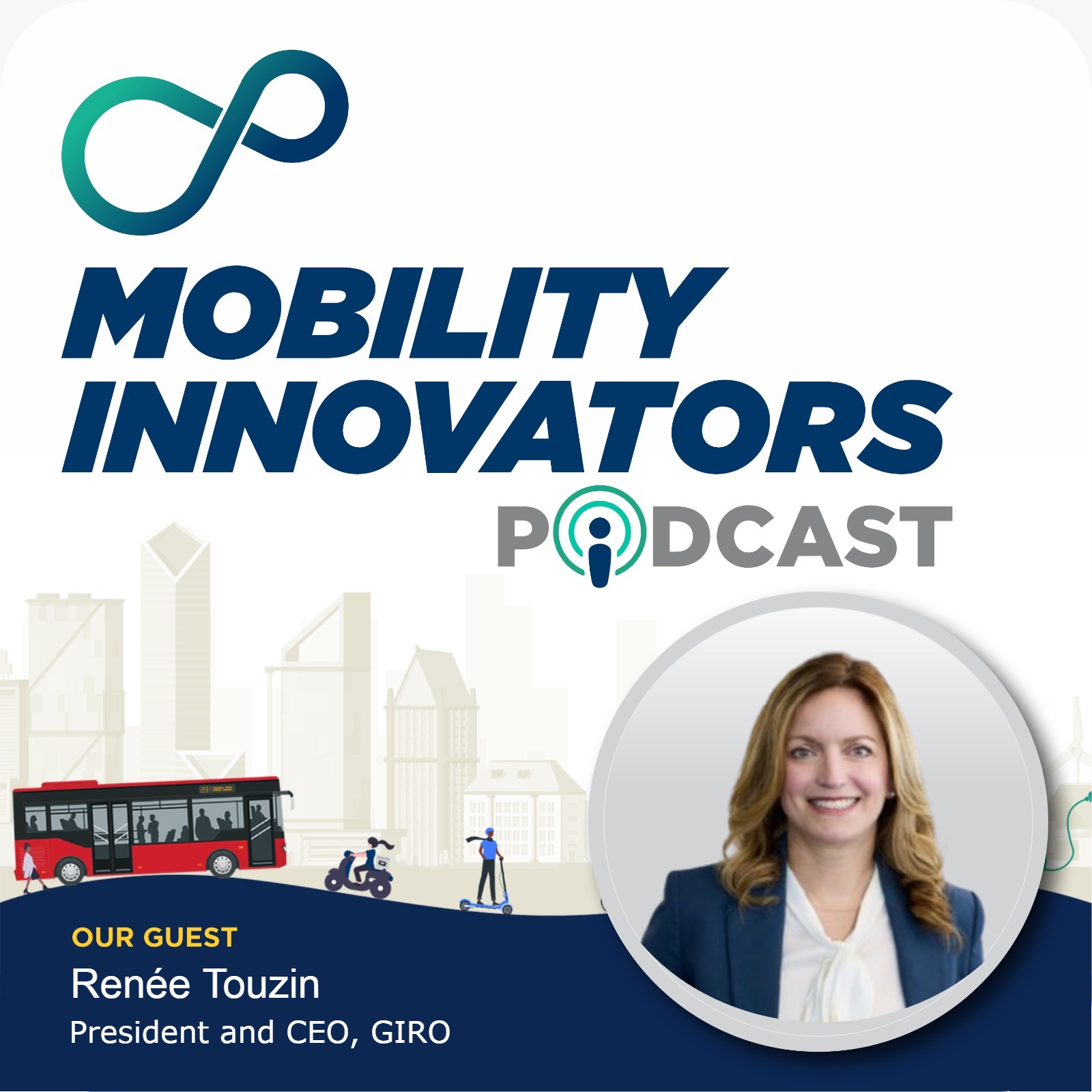
How to Do AI Right in Public Transport | Renée Touzin
Can artificial intelligence help public transport agencies deliver better service while balancing tight budgets, driver shortages, and the transition to electric buses? In this episode of the Mobility Innovators Podcast, Jaspal Singh speaks with Renée Touzin, President and CEO of GIRO, about the operational decisions shaping public transport—and where artificial intelligence can make a practical d
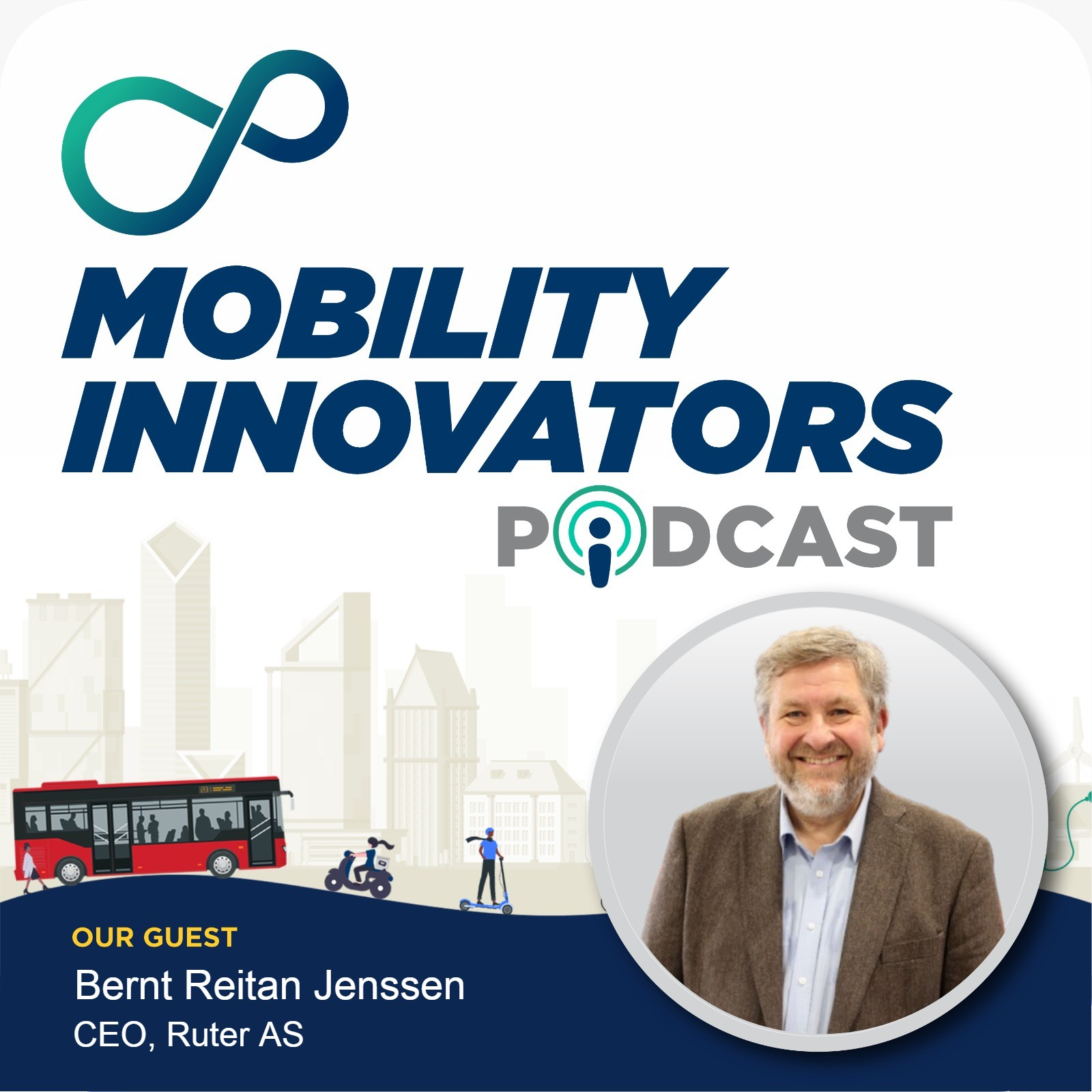
How Oslo Is Redefining Urban Mobility for the AI Era? | Bernt Reitan Jenssen
Public transport is entering a new era where success is no longer measured simply by how many buses or trains are operating, but by how seamlessly people can move throughout a city. Ruter is reimagining urban mobility through digital innovation, autonomous vehicles, artificial intelligence, integrated mobility services, and ambitious sustainability goals. The conversation explores leadership, orga
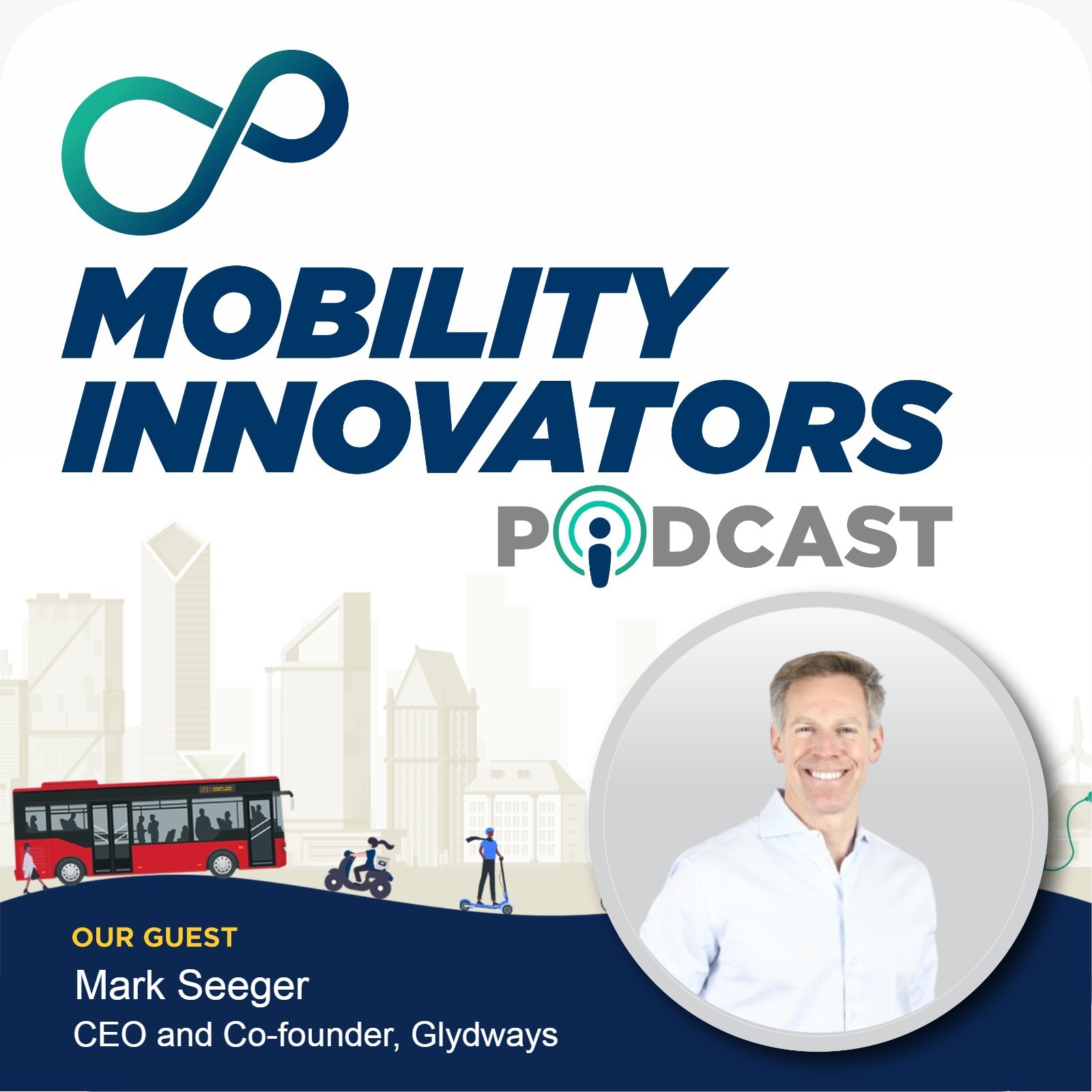
Why Public Transit Must Reinvent Itself for the AI Era | Mark Seeger
Cities are growing faster than ever, but our transportation systems are struggling to keep up. Advances in AI, autonomy, and digital infrastructure are creating new opportunities to rethink how people move through cities, reduce congestion, and expand access to jobs, education, and social opportunities. The conversation highlights how innovation happens when technology, infrastructure, and human n
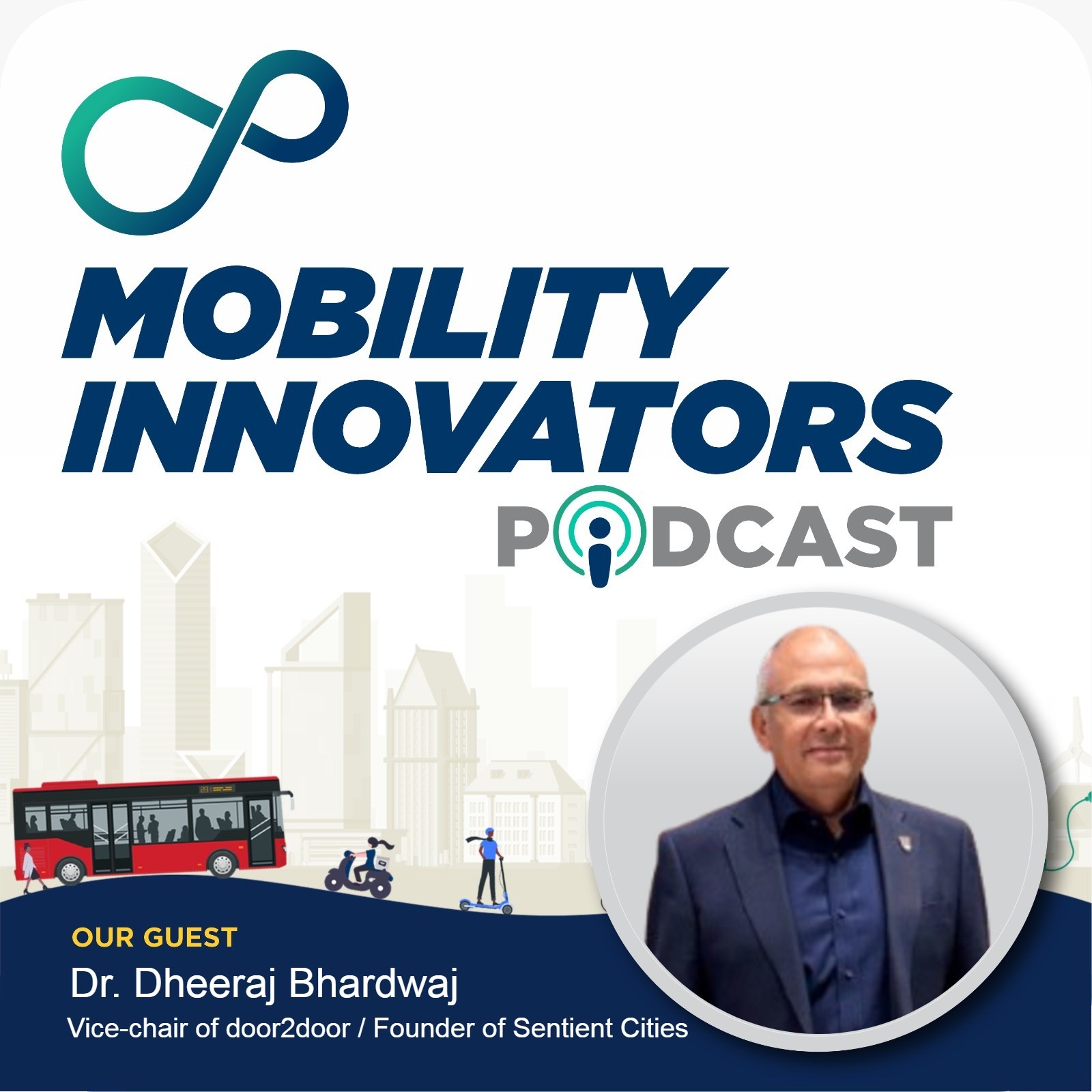
Sentient Ticketing Explained: The AI Revolution in Public Transit | Dheeraj Bhardwaj
What if public transport systems could think, learn, and respond in real time? Artificial intelligence and real-time data are transforming the future of mobility and public transportation. Ticketing is one of the important component of public transport system. Many cities are moving from paper ticket to digital ticket. ticketing is no longer just about payments but is becoming the intelligence lay
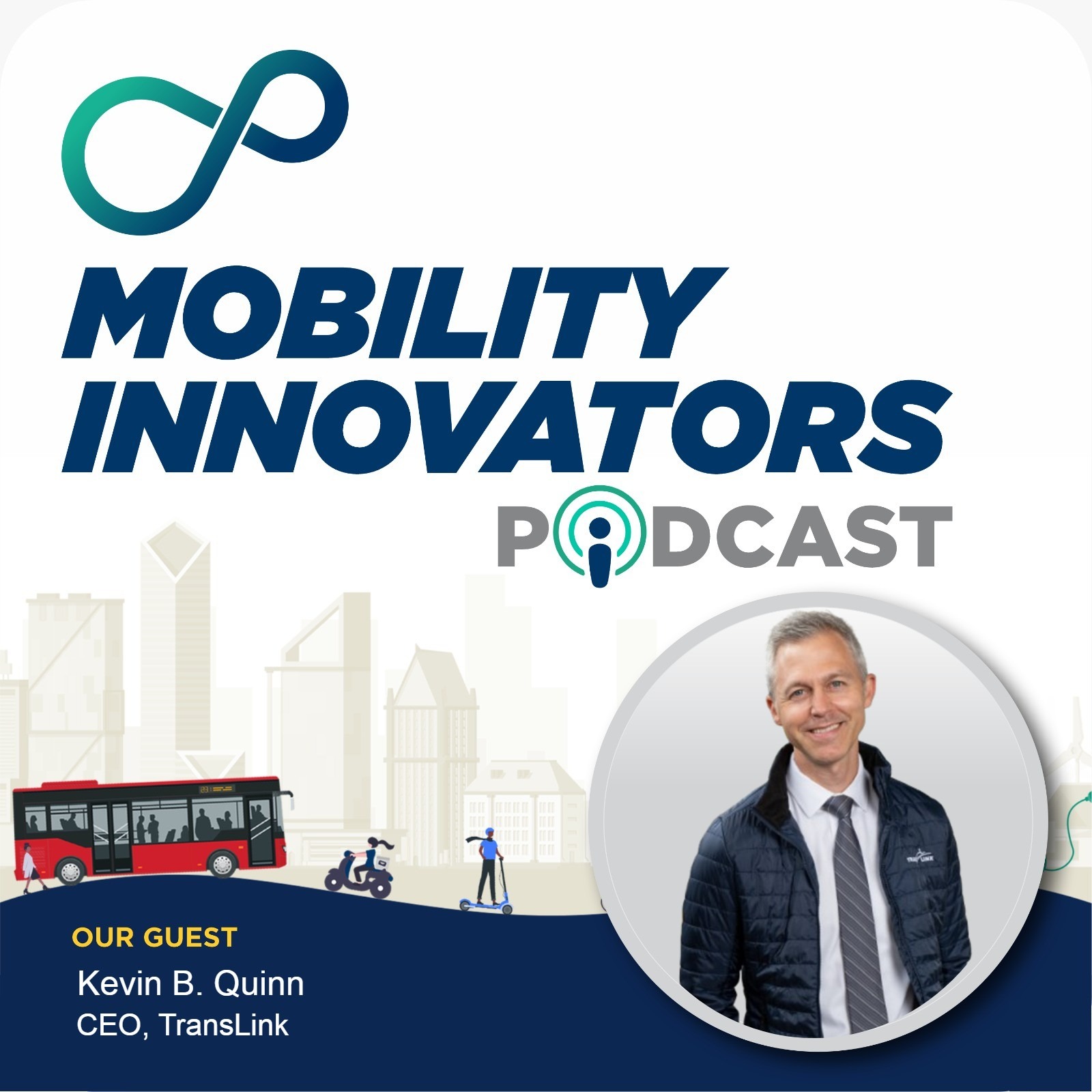
How Vancouver is Transforming Public Transportation for the Future of Mobility | Kevin Quinn
Metro Vancouver is a city that has quietly built one of the most advanced and integrated public transport systems in North America—from automated SkyTrain to strong transit-oriented development. TransLink operates this regional transportation network, serving over 400 million passengers annually across buses, SkyTrain, SeaBus, and commuter rail.The region is now looking ahead to the future—rethink
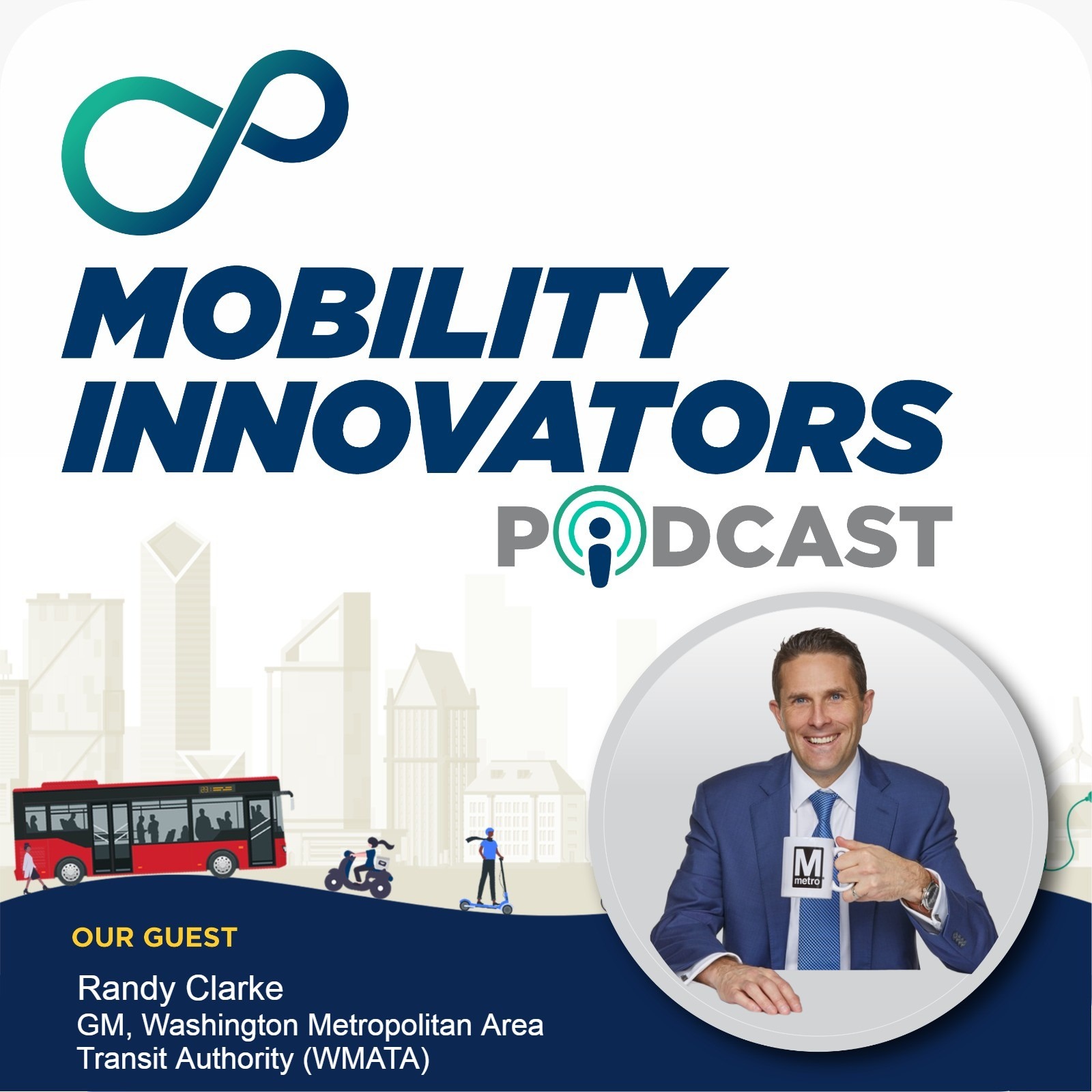
The Future of Transit: Automation, Open Payments & Culture Change | Randy Clarke
Public transport systems are the lifeline of any city, connecting people, supporting economic growth, and shaping urban life. WMATA operates service in Washington DC Metropolitan area. Metrorail operates 128 miles of track and manage 98 stations. The agency also running a fleet of 1,500 buses. In this episode of the Mobility Innovators Podcast, we explore the remarkable turnaround of one of North
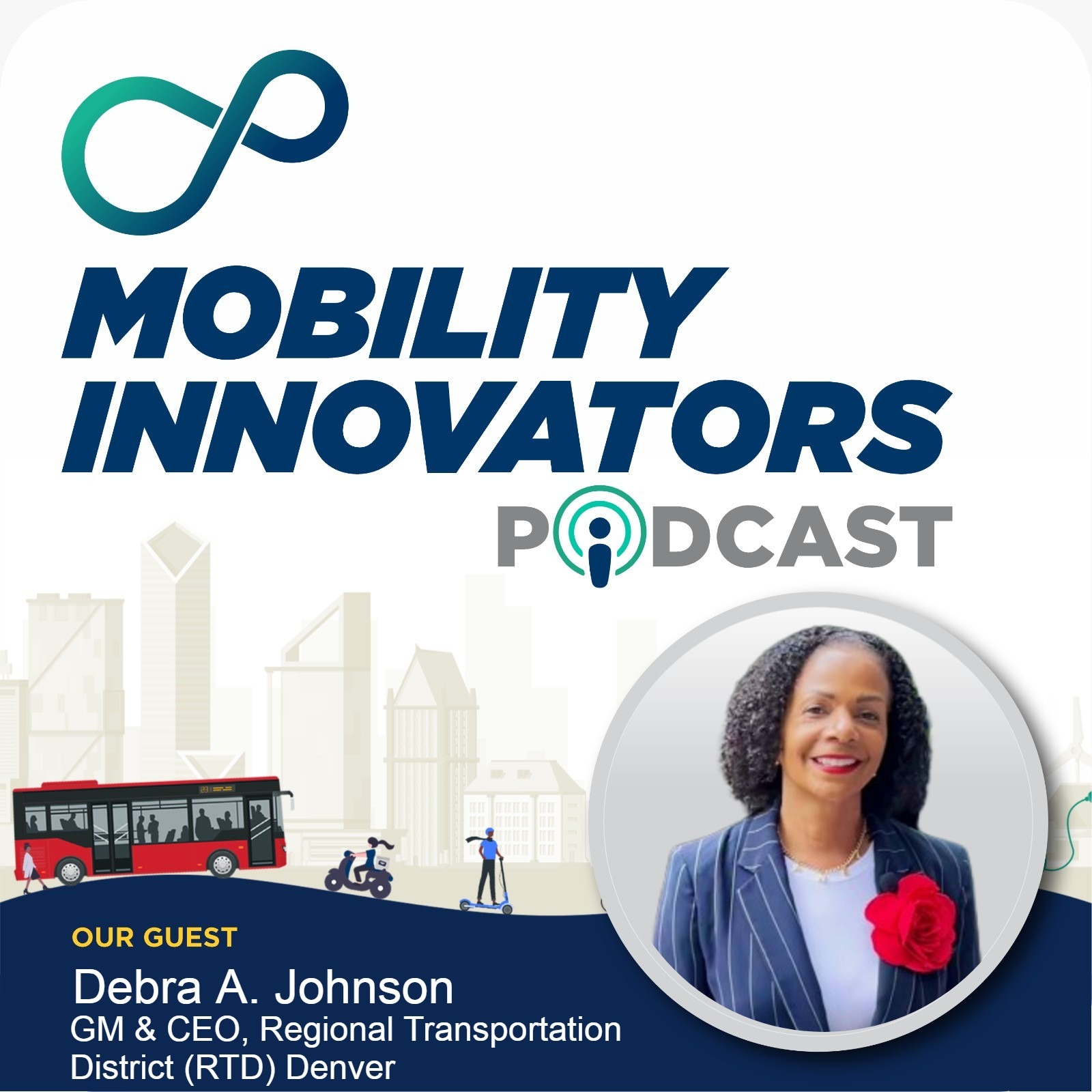
Autonomous mobility will complement Public Transport | Debra A. Johnson
Public transport is the business of people moving people and is really the great societal equalizer. Mobility ensures that people can access to job and other opportunities. If the customer get a better service, they will come back and bring more people on the job. Thus, customer service plays an important role. Public Transport needs to transform to improve customer experience including adoption o
Autonomous Mobility is Here and Accelerating | Sascha Meyer
Autonomous mobility is set to transform how we move in the coming years. With rapid advancements in artificial intelligence, autonomous vehicle (AV) technology is accelerating faster than ever. Leading innovators such as Waymo, MOIA, WeRide, Tesla, and Pony.ai are already operating commercial services in cities around the world. Each country is charting its own path — in the United States, private
Transform Public Transit Through Better Service | Nadine Lee
Public Transit is facing modal competition and it is important to leverage all modes to their highest and best use. It is important for public transit agencies to evolve and reinvest the service to compete with other modes of transport. Consumer behaviors are changing, especially post pandemic in the US. It is important to offer point to point service. Dallas Area Rapid Transit (DART) is the publi

Public Transport agencies must adopt to evolving riders' behaviour | Adam Giambrone
Transformation is always challenging, and the public transport sector is no exception. Around the world, this industry is undergoing significant change as travel patterns evolve and expectations grow. The rise of autonomous mobility will further reshape travel habits and the broader mobility landscape. However, it is crucial that the core principles of public transport remain intact. To stay relev
Redefining Transit: Cultivating a Culture of Innovation at NYCT | Richard Davey
New York City Transit (NYCT) is the largest public transit agency in North America, carrying more than 2.5 billion passengers every year. NYCT is going through transformation and implanting new initiatives including predictive maintenance. The agency is implementing many new initiatives including new ticketing solution. The agency is planning to introduce electric buses and using AI to improve the
Driving Energy Transition: Role of Data Transparency in Reaching Net Zero | Danielle Walsh
Many cities and countries globally are setting ambitious targets to achieve net-zero emissions, with mobility and logistics playing a pivotal role in reaching these goals. Fleet operators are confronted with the significant challenge of planning for energy transition, necessitating substantial capital investments in the coming years. However, they must prioritize between various projects and adopt
Unleashing AI in Fleet Electrification for Net-Zero Goals | Daniel Hilson
The global momentum towards electrification is accelerating, driven by numerous cities setting ambitious net-zero goals. Leveraging advanced technologies can expedite and streamline this process. Digital Twins emerge as a powerful tool for fleet operators, offering the capability to construct real-world scenarios and simulations that precisely reflect the impact of electrification on operations. T
How ACES will transform the Automobile industry? | Mark Norman
The automobile industry is going through a big transformation. Mckinsey coined the term ACES to define that how Automation, Connectivity, Energy transition, and shared mobility will redefine the sector. Technology will change the traditional method of how we purchase and use vehicles. New business models are emerging and new entrants especially technology companies are looking to reshare the indus
The future of School Bus Transportation: Challenges and Innovations | Keith Corso
School Bus Transportation is the largest transit system in North America. In the US alone, there are 50 million K-12 students in public schools and there are 5.8 million in private schools. So it's in total it's like 57 million students or kids who need to be transported every day. However, School Bus transportation is facing many challenges including a shortage of bus drivers, funding constraints
How HAMBURG HOCHBAHN is using Technology and Innovation in Mobility? | Natalie Rodriguez
Hamburg is the second largest city in Germany and is well-known for its busy port, which is among the largest in the world. Hamburg Hochbahn is the public transport operator in the city, operating 111 bus routes and 4 underground lines. The city has launched an ambitious project - Hamburg Takt, which to increase the market share from 22% in 2017 to 30% by 2030. The city is now investing in many in
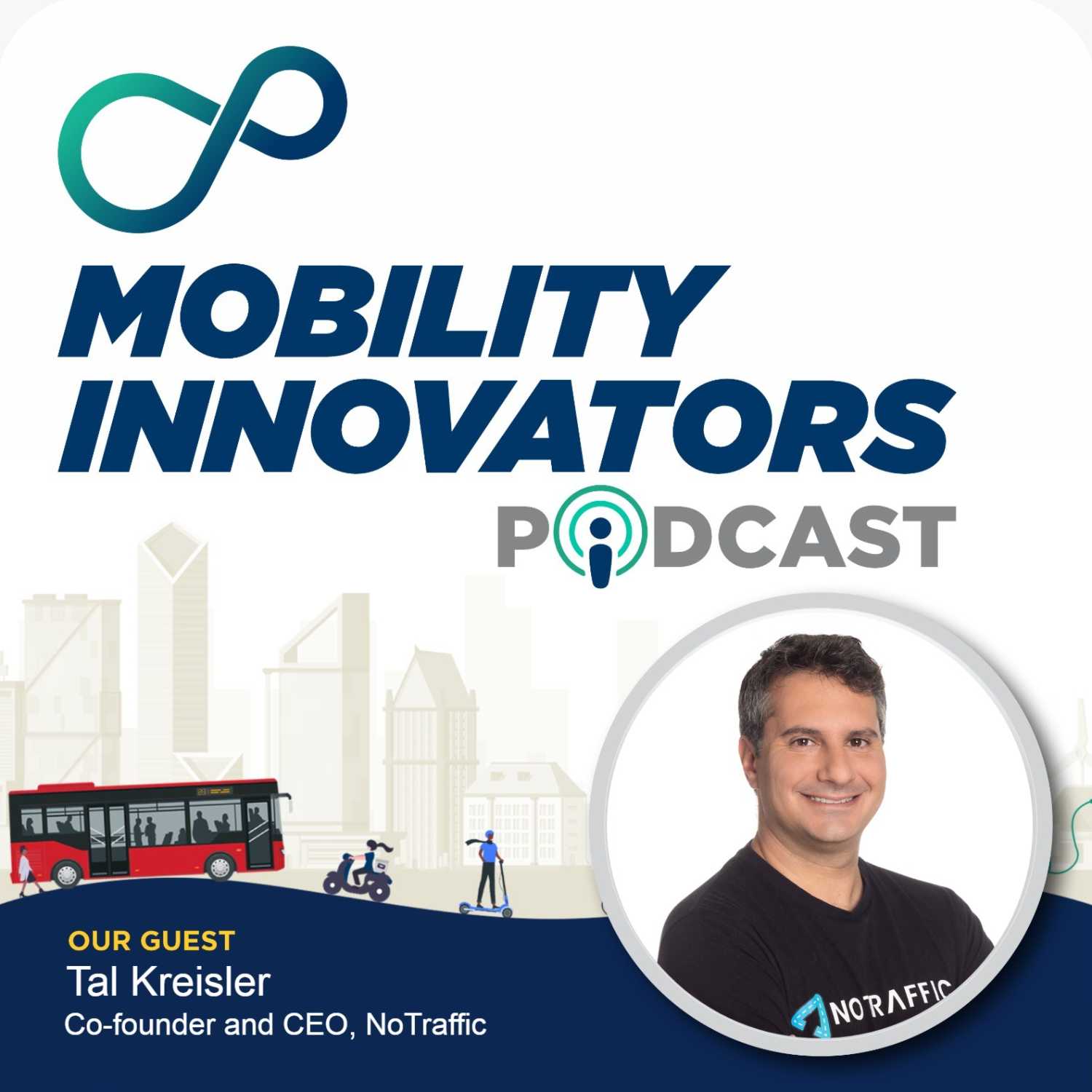
AI in Traffic Management - How NoTraffic is solving Traffic Congestion? | Tal Kresier
Traffic Congestion is emerging as a major challenge for the cities. More than 1.35 million people die in road accidents every year people are losing 51 hours in traffic jams every year. Traffic management systems use traditional methods to regulate the traffic flow. However, many cities are using artificial intelligence and machine learning to solve traffic congestion issues and follow a network a

Mega Infrastructure Rapid Rail Project (RapidX) of NCRTC | Vinay Kumar Singh
India is investing lots of funds in rail infrastructure projects including urban rail systems in cities, rapid rail transit system for regional cities, and High-Speed rail project to connect cities. Regional Rapid Transit System (RRTS) projects in the National Capital Region of India is connecting 3 major satellite cities with the capital city – Meerut (82 km), Alwar (198 km) and Panipat (103 km).
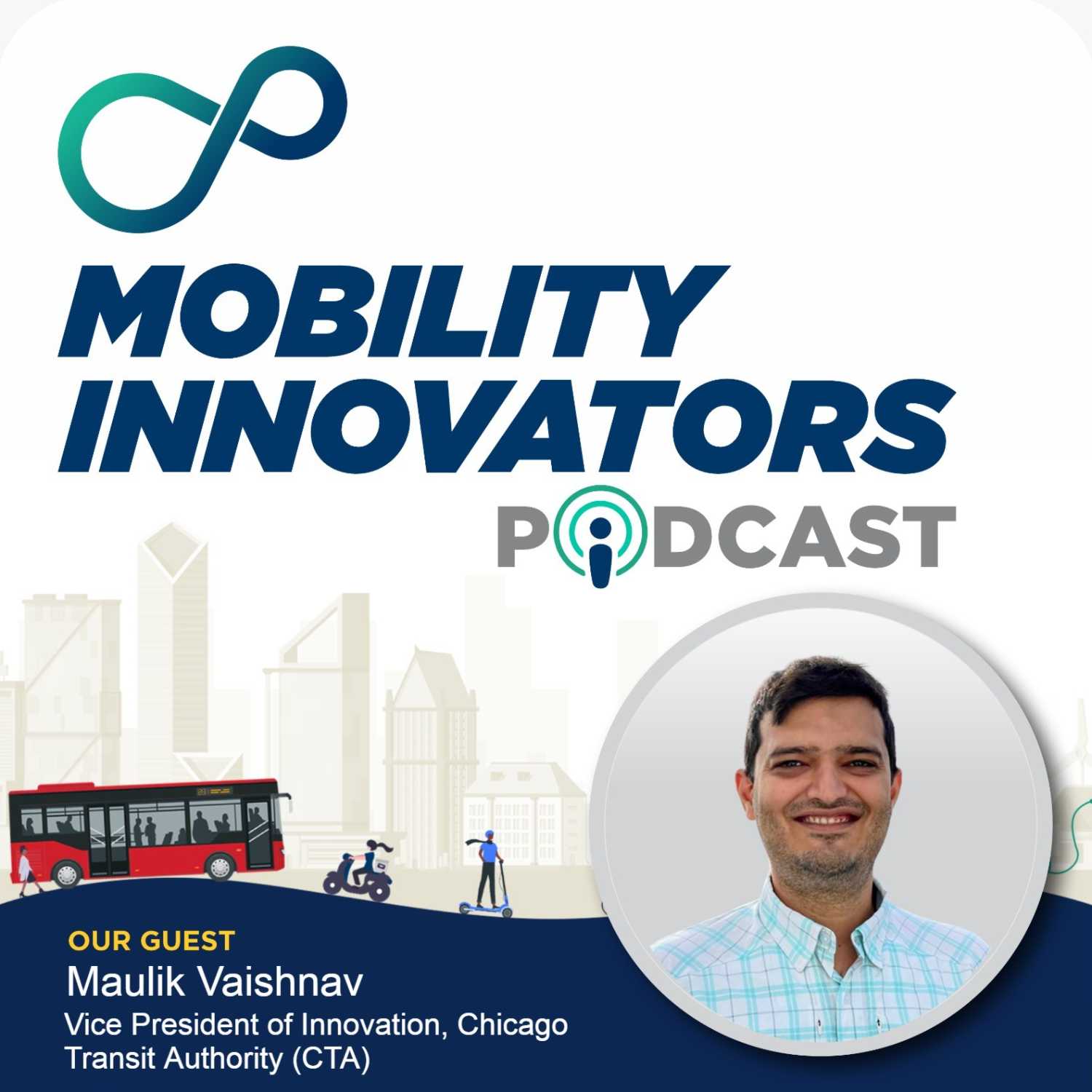
Innovation and customer experience in public transit | Maulik Vaishnav
Transit recovery in North America remains sluggish, with ridership hovering around the 60-70% mark compared to pre-pandemic levels. However, many transit agencies are experiencing that riders are back in the system, but ridership is not back as travel behavior has changed. The riders are not traveling in the same way. At the same time, public transport operators require to plan the transition to z
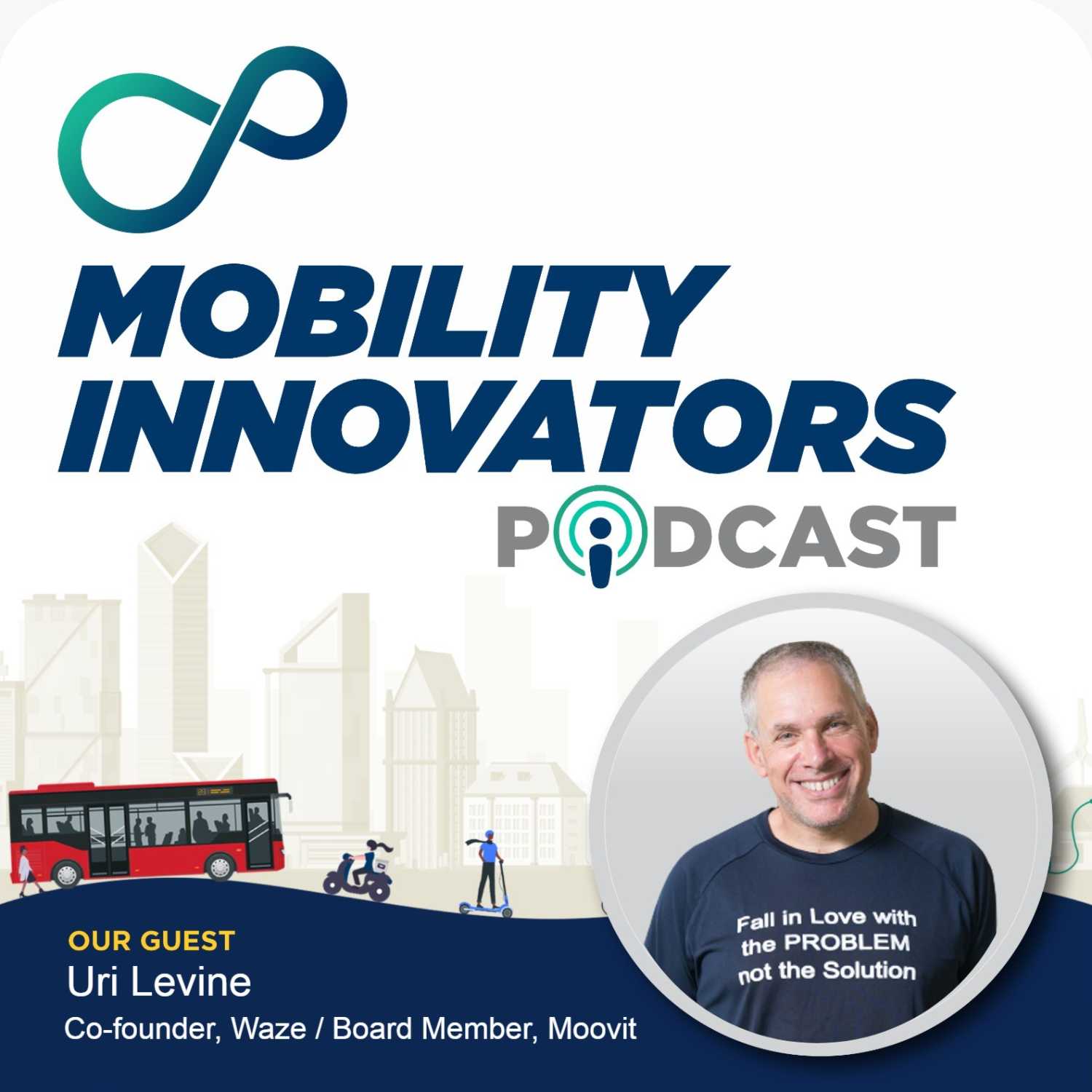
Reimagining Mobility: Fall in Love with the Problems, Not the Solutions | Uri Levine
Entrepreneurship is a journey of failures. The founders need to stay focused on the execution and achieve product-market fit. Most of the founders start their journey with the problem but they very soon forget about it. The same principle applies to all startups, including mobility and logistics. It is very important to understand your users and focus on solving their problems. Most people think o
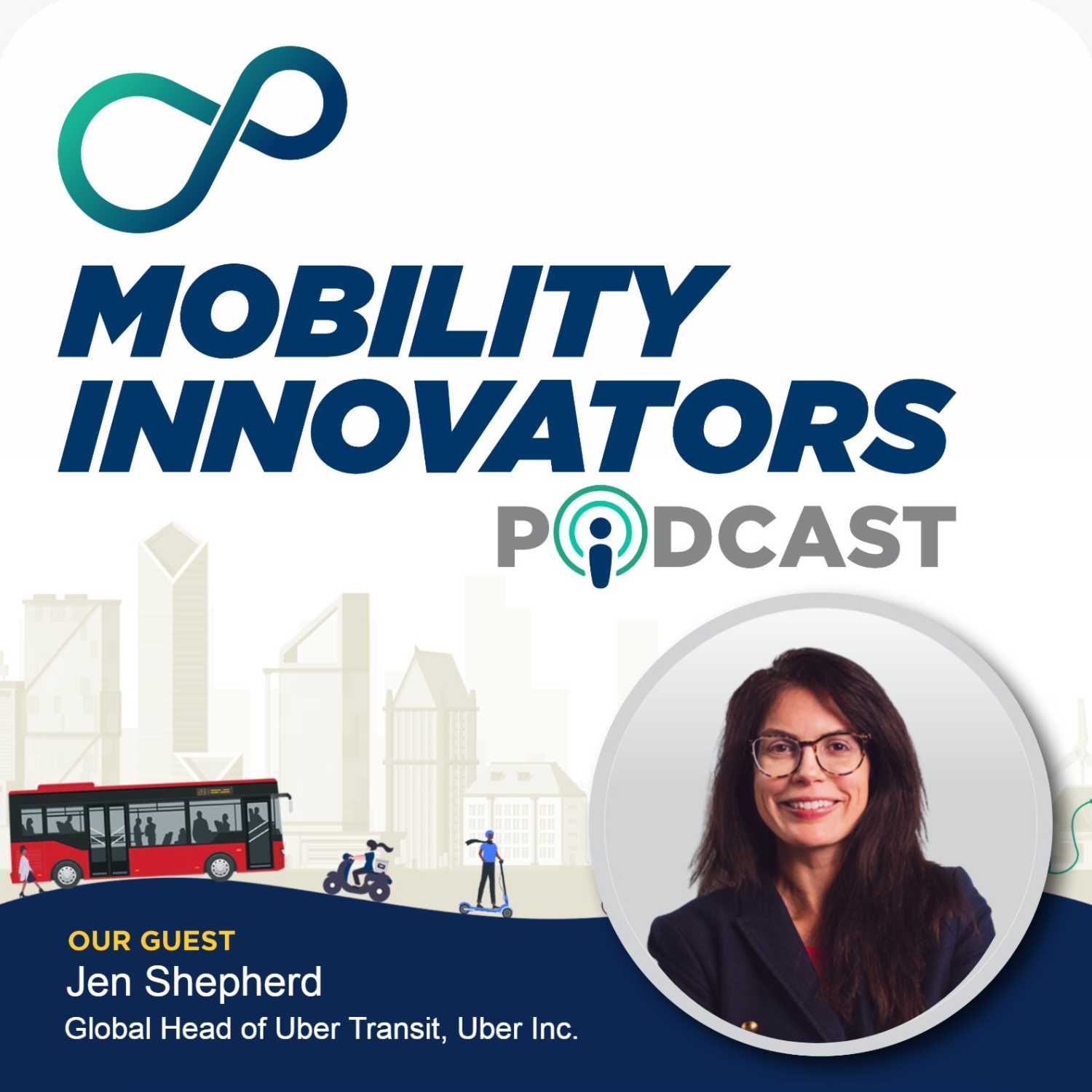
Partnerships Driving Innovation: How Ride-Hailing is Changing Transportation | Jen Shepherd
Public transit agencies are grappling with various challenges, from managing increasing ridership to enhancing the customer experience and ensuring improved accessibility. In response to the post-pandemic world, Uber has adjusted its strategy, focusing on solving these problems by offering services such as micro-transits, paratransit, first and last-mile connectivity, and late-night outage assista
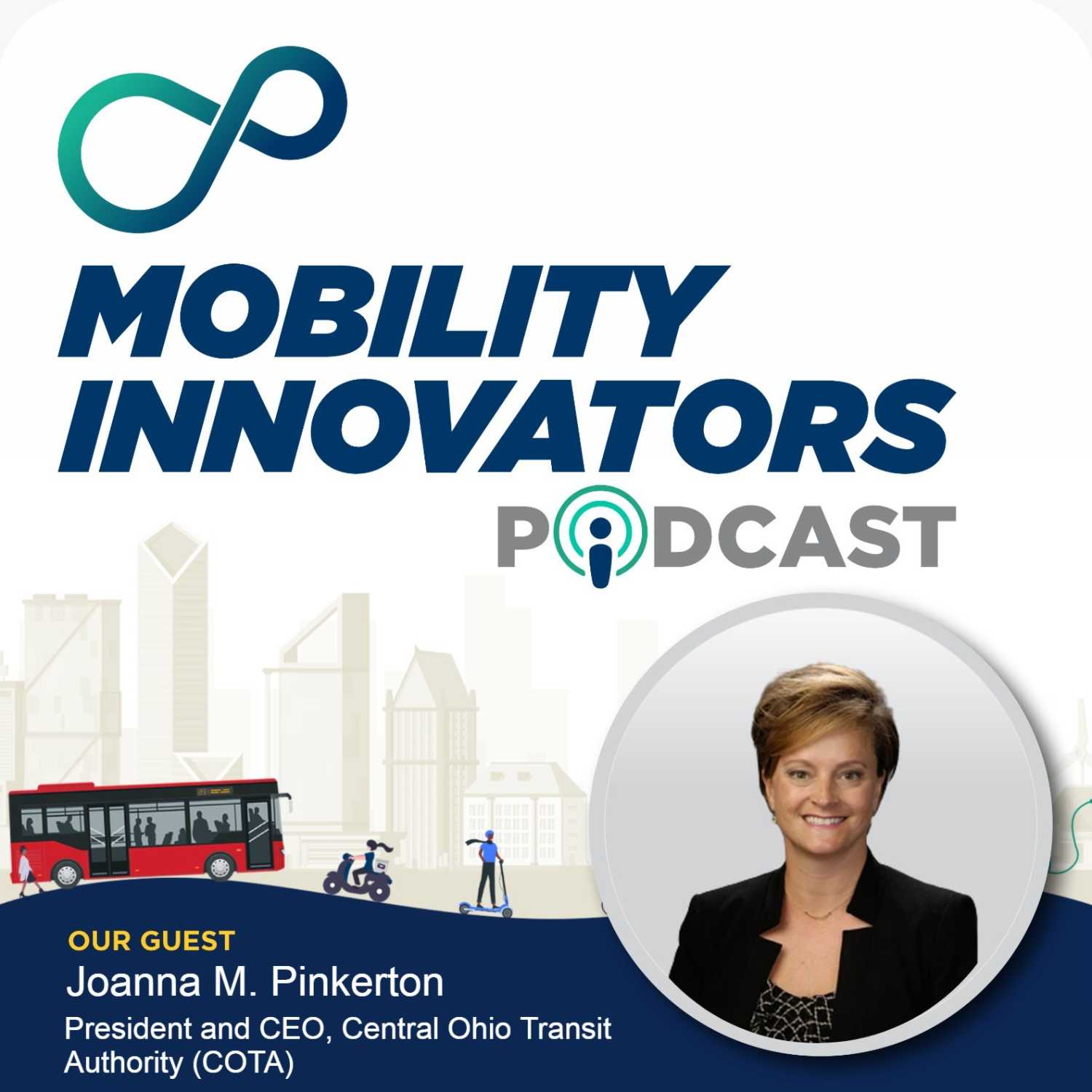
Moving Every Life Forward: How COTA is enhancing Transit with Innovation | Joanna Pinkerton
Mid-size transit agencies play a crucial role in providing accessible and affordable transportation options to communities worldwide, especially in areas with lower population densities and limited resources. In the United States, the Central Ohio Transit Authority (COTA) is one such agency that operates around 350 buses on 42 routes, serving over 20 million riders annually. COTA faces a unique se
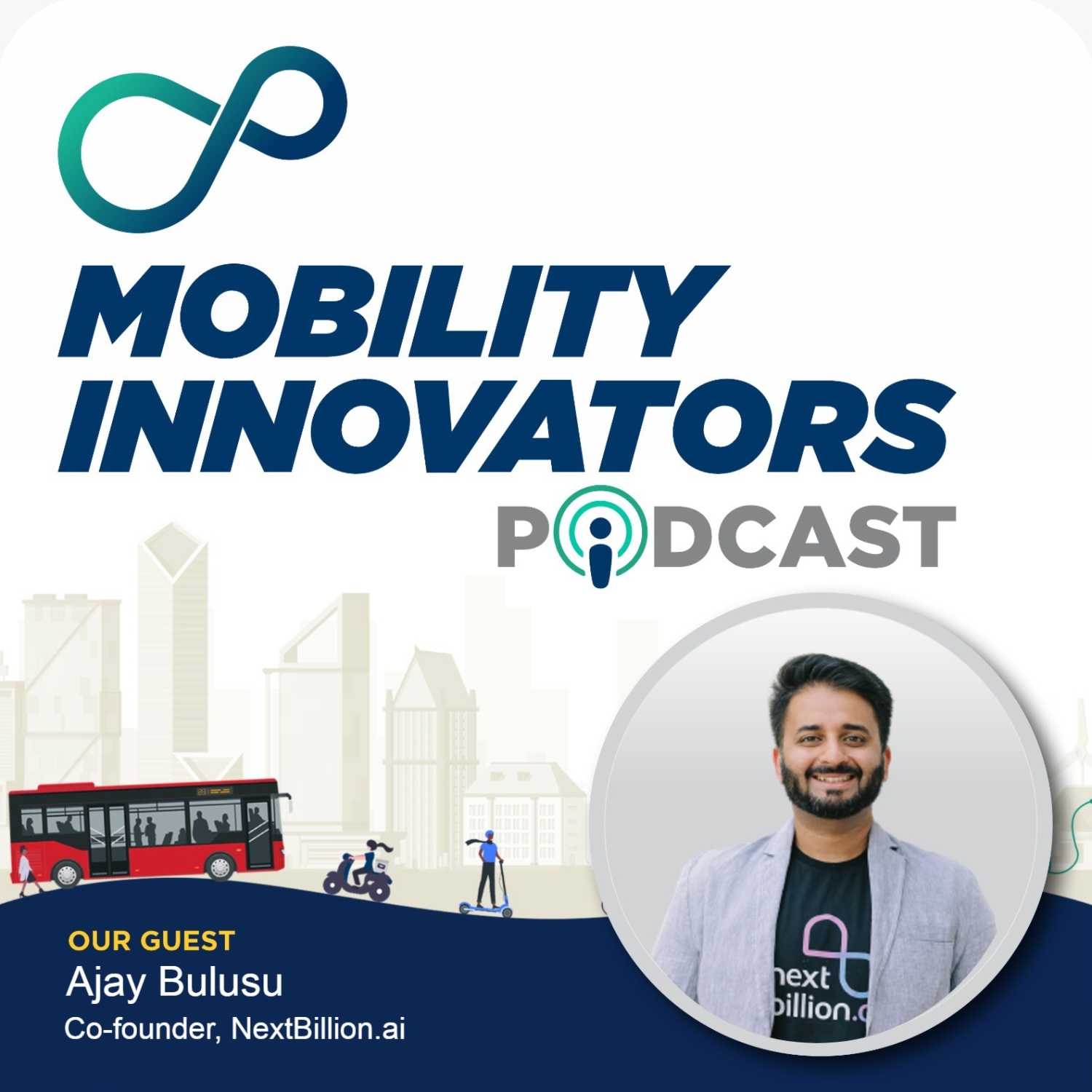
Resource planning will play a key role in the profitability of mobility players | Ajay Bulusu
The digital mapping industry is currently experiencing a significant revolution marked by the emergence of location technology companies. These companies are harnessing inputs such as GPS, geolocation, mapping, and navigation to develop innovative solutions for various industries, including transportation, logistics, and retail. With a shift in focus from "route optimization" to "resource optimiza
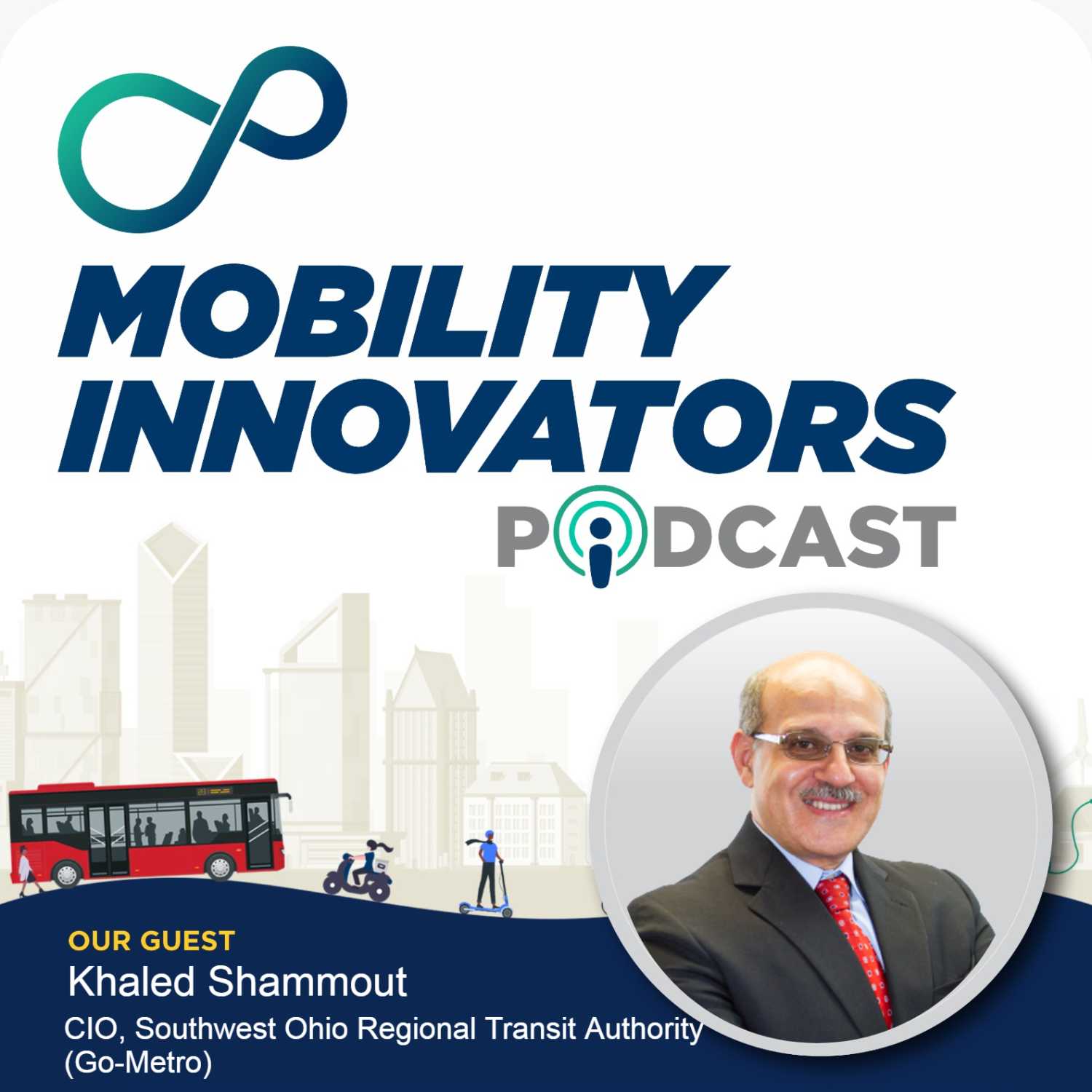
Public transit agencies will need to follow innovative approaches | Khaled Shammout
Public transit agencies are facing an increasingly complex and rapidly changing environment. Factors such as changing demographics, evolving customer needs, and technological advancements are driving the need for public transit agencies to be more agile and innovative in their approach. In order to stay relevant and competitive, transit agencies need to be able to quickly adapt to new trends and e
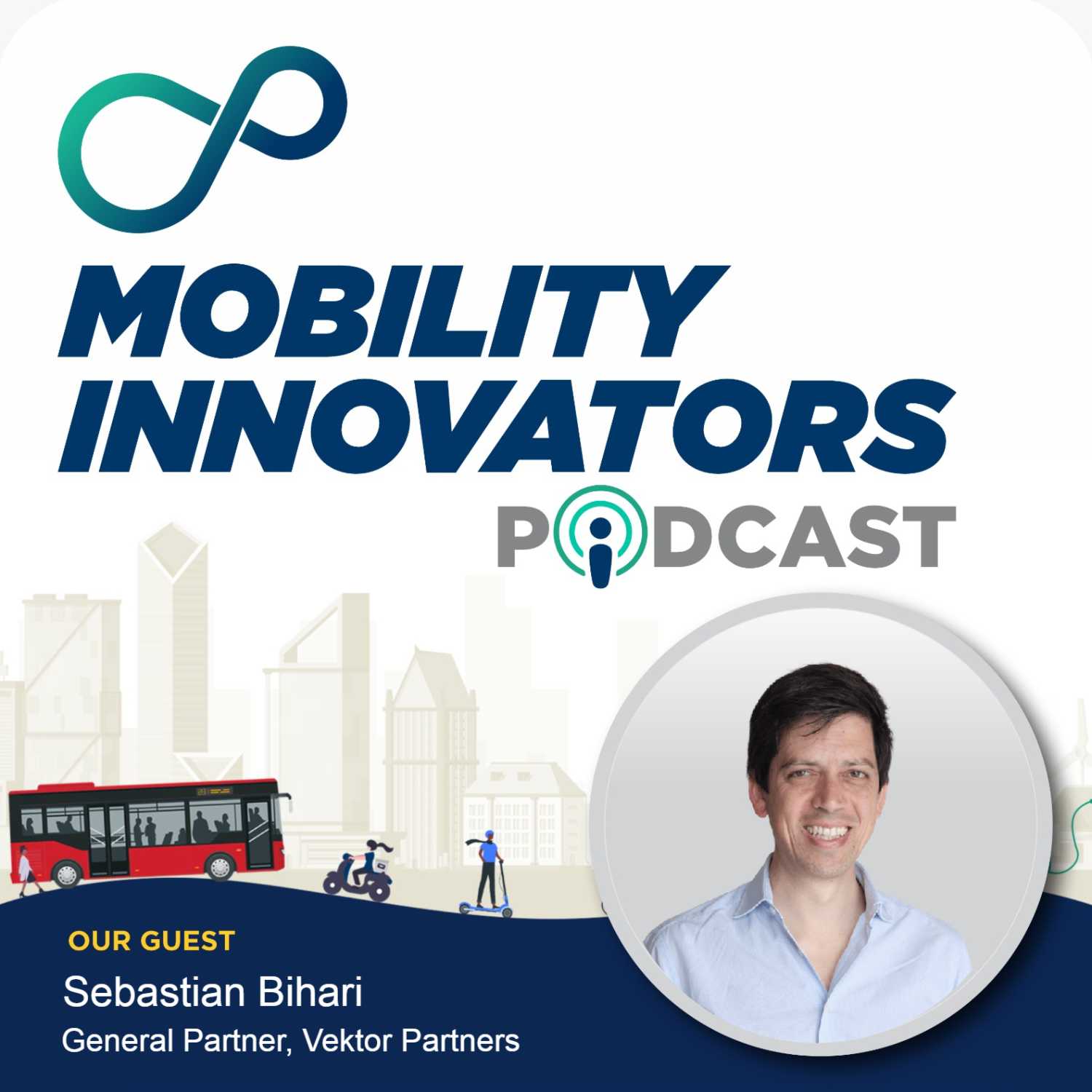
Micromobility is Changing the way We move for the better | Sebastien Bihari
The automotive industry is currently experiencing a once-in-a-century transformation. With the advent of digitalization and connectivity, there is a massive opportunity for growth in the industry, which will be further fueled by artificial intelligence (AI) as it works with the data created by digitalization. The ability to upgrade vehicles' software will be a significant opportunity for manufactu
AI-Powered Planning and Scheduling can help to address drivers shortage | Amos Haggiag
Public transit ridership is recovering slowly and has reached an average 80% of the pre-pandemic level. However, it is important to highlight that different countries are in different recovery phases. Secondly, the riders traveling patterns have changed and there are more riders on weekends, and peak hours are flattened. Public transit agencies need to adjust to this changing behavior. On the othe
MaaS 2.0 has potential to disrupt mobility ecosystem | Guillermo Campoamor
The mobility and transportation sector has gone through a major transformation in the last decade, with the emergence of many new mobility options like shared mobility and e-scooters for passengers. We will see the emergence of many new modes including autonomous shuttles and urban air mobility. Mobility as a Service (MaaS) was the buzzword but failed to fulfill the promise. However, MaaS 2.0 is e
Emerging Technologies will impact the Future of Public Transportation | Paul Comfort
The role of the public transit sector will evolve in the future as people are looking for better customer experience and real-time updates. The pandemic has negative impact on the public transit sector across the globe. However, the North American region is still lagging behind in the recovery. Bipartisan Infrastructure Law allocated $108 billion to support public transportation programs, includin
User acceptance and perception of autonomous vehicles | Guido di Pasquale
Autonomous mobility will play a major role in reshaping cities. Industry predicted that autonomous vehicles would be providing services and were available on our streets by 2021. However, the industry is still not closer to market deployment. Autonomous vehicles are already in the phase of disillusionment under Gartner Hype Cycle for connected and smart mobility. The industry will see upper moveme
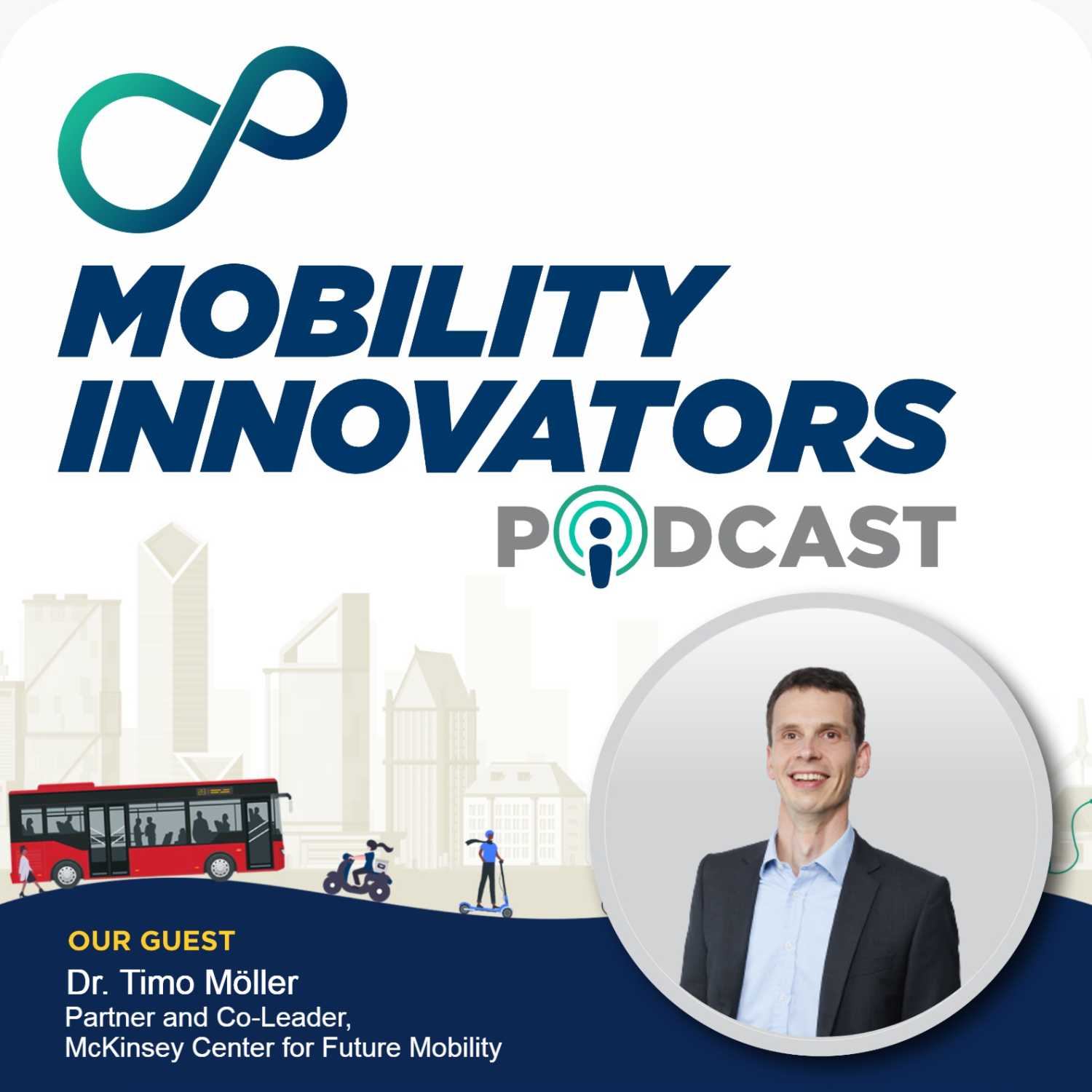
Mobility - The Future is Scaling | Timo Möller
The mobility sector is undergoing a major transformation. The automotive industry is investing more in digital transformation, electric vehicles, and autonomy. There are many attempts done in the past too. However, these changes will really happen, and we will see that scaling which we are talking about is it's mostly that we think three things are coming together - Technology, Consumer Needs, and
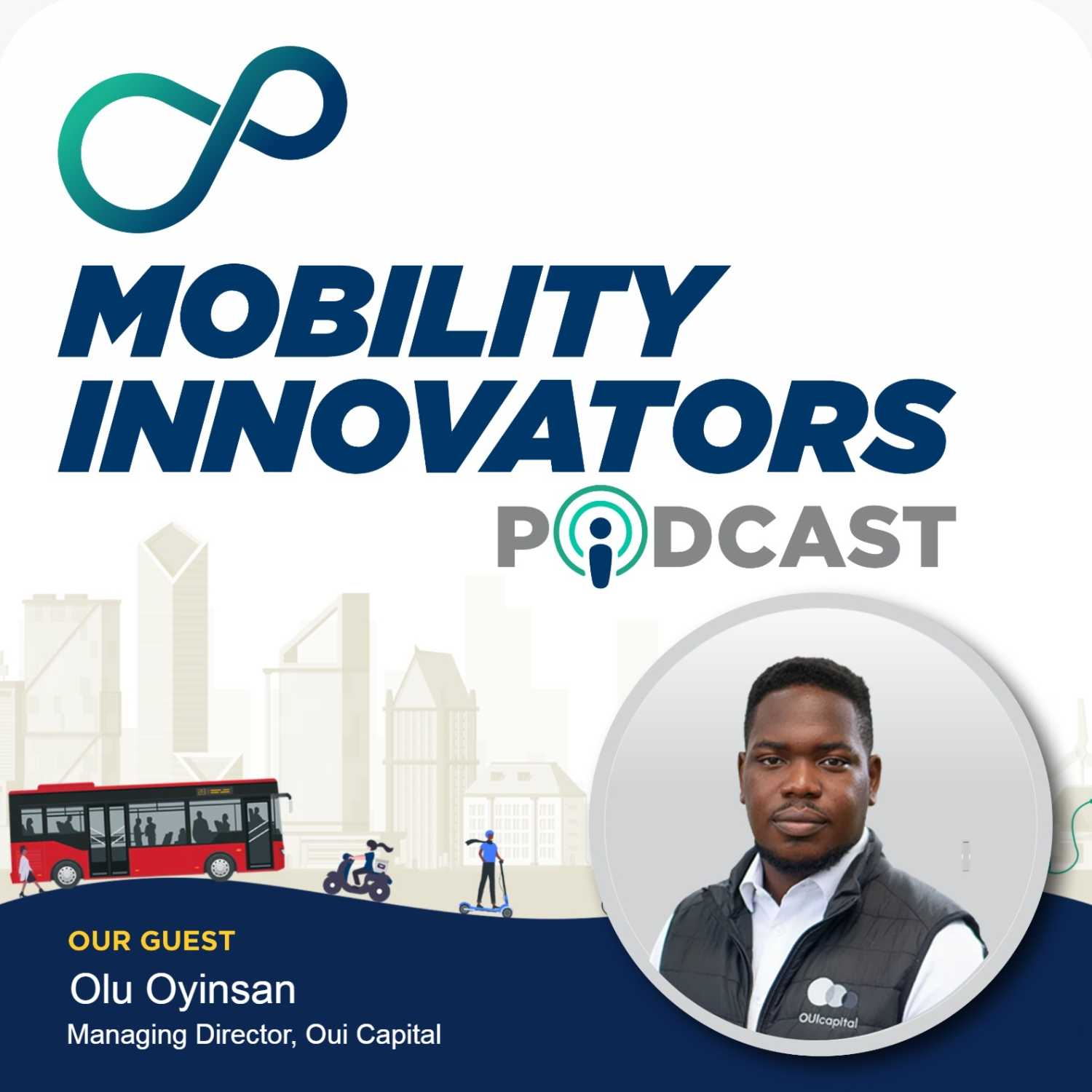
Africa needs more investment in mobility and logistics infrastructure | Olu Oyinsan
Africa is the second most populous continent in the world with 1.4 billion population and will reach 1.6 billion inhabitants by 2030. It is more than 16% of the world’s population. The startup ecosystem is evolving in Africa and venture capital firms are investing in the region, but it is only 2% of the total VC investment globally. Technology will play an important role in shaping the African eco
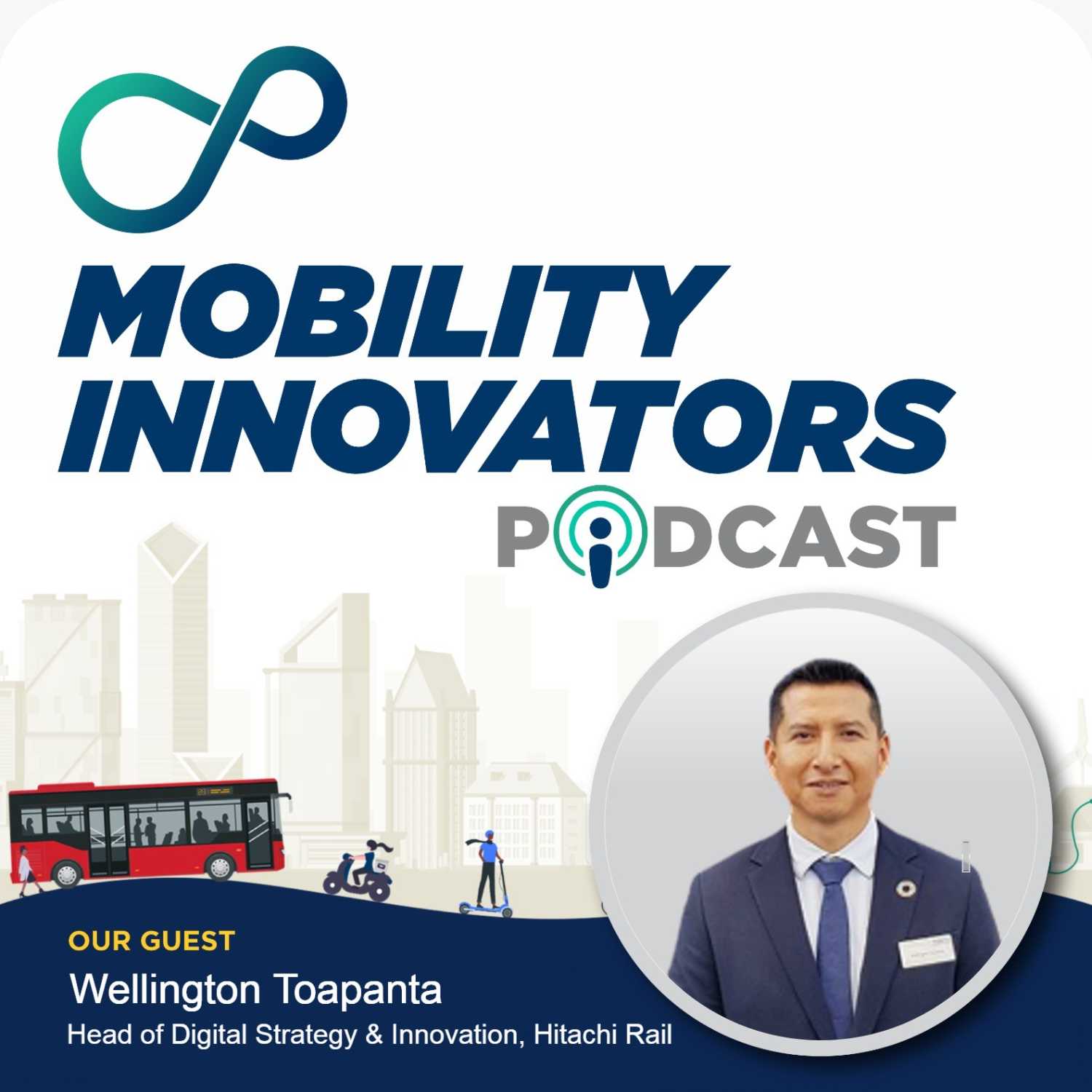
How companies are leveraging Innovation to enhance public transport? | Wellington Toapanta
Generally, the rail industry has a reputation for being slow to adopt new technologies. However, in reality, rail technologies are evolving a lot in the last few years. The key difference is that the adoption, the adoption is just slow, but the technology is evolving. Public transit companies around the world are implementing new technologies to make passengers’ journeys more comfortable. Metro an
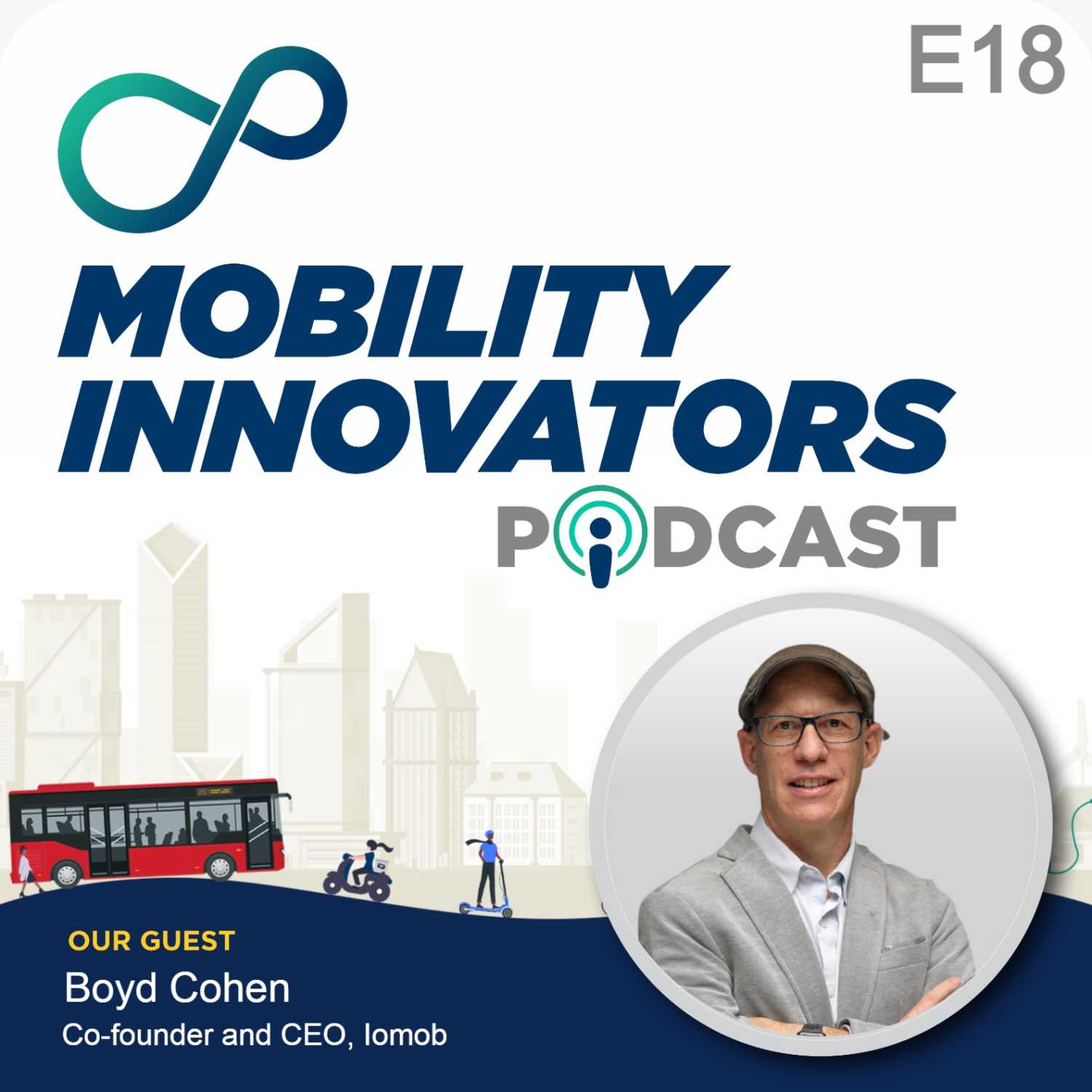
Move2Earn App: Gamification, Technology, and Rewarding Transit Riders | Boyd Cohen
Public transit agencies are trying to bring back lost ridership by launching various marketing campaigns and loyalty programs. The potential to combine games and rewards with public transport travel is significant. It could provide additional behavior change rewards for off-peak travel, encourage walking instead of vehicle access to public transport, or reward the use of alternative public transpo
Public Transit Agencies should adapt to changing customer behaviors I Renée Amilcar
The pandemic had a significant impact on public transportation ridership in North America. Currently, the ridership is ranging between 50-70% depending on the city and transit mode. Before the pandemic, ridership on Ottawa's transit system was among the highest per capita of any North American city, with 475,000 daily journeys in the city of 1 million habitants. OC Transpo (aka Ottawa-Carleton Reg
How RATP is using innovation to improve urban mobility in Cities? | Côme Berbain
Innovation will play a key role in the transformation of the public transport network. Cities around the world are seeking out innovative solutions to reduce emissions and adapt to changing travel behaviours. The RATP Group is the world's third largest public transport company, carrying 16 million people every day in 14 countries through 107 subsidiaries around the world. RATP is implementing vari
On-demand buses will complement fixed line service to attract passengers | Dheeraj Bhardwaj
The Middle East is generally known as a car-dependent region owing to its harsh climate and cheap energy cost. However, things have changed dramatically in the last decade as cities have put digitalization and improvement of public transport on their agendas. There is a competitive spirit among countries in the Middle East region as countries are investing heavily in public transport infrastructur
Micromobility and public transport integration: How to build 15-minute cities? | Scott Shepard
Public transport is the backbone of the cities. However, there is a need to shift focus on customer experience owing to the emergence of multiple mobility options. Using AI and machine learning through leveraging a variety of data sources, public transport operators can understand the real historical and current passenger demand of urban transportation systems. The city authorities should try to a
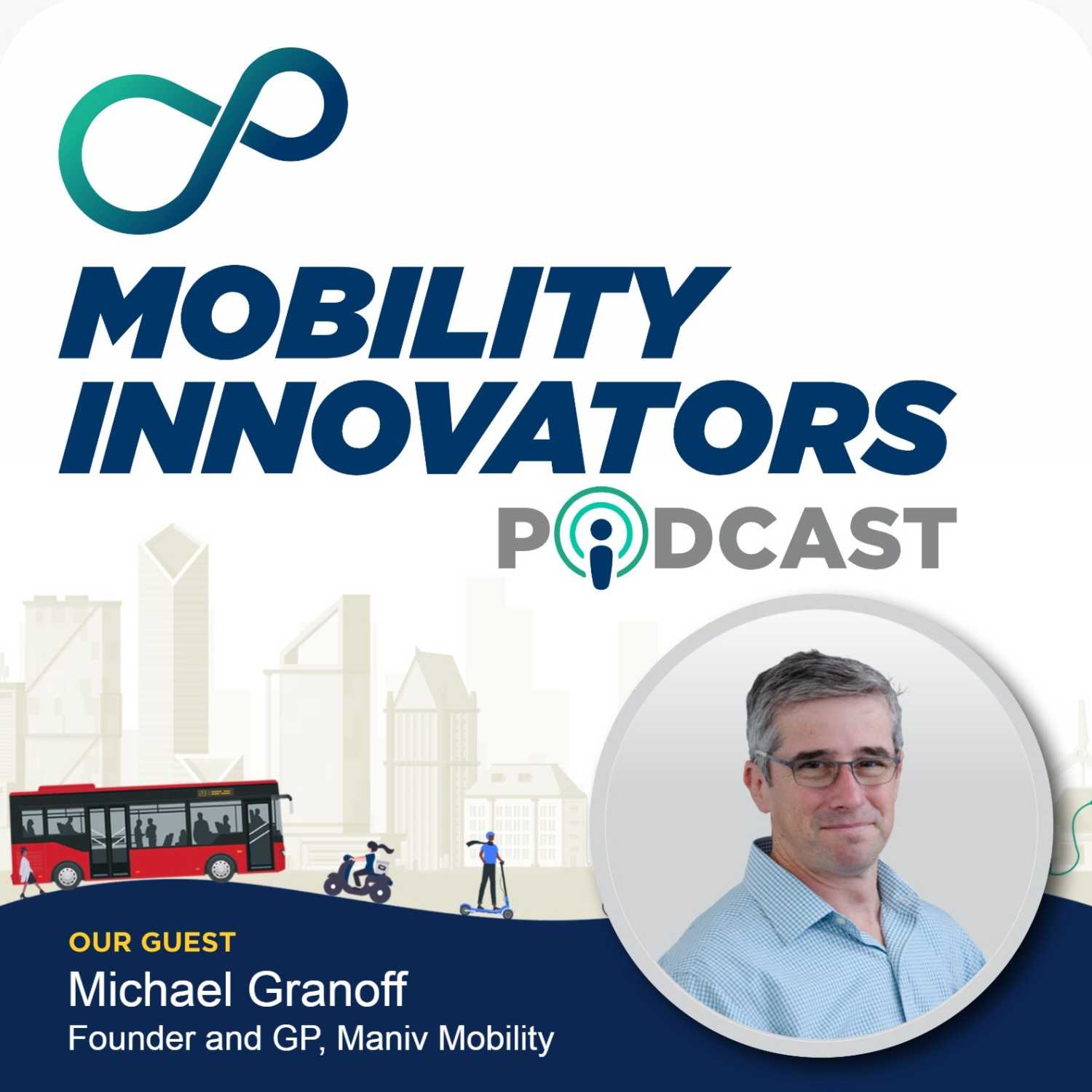
Electric vehicles and shared mobility for Smarter cities | Michael Granoff
Venture capitalists are pouring money into the mobility sector. In 2021, mobility startups have raised $97.7 billion. It is important to note that venture capital firms are investing in a variety of mobility technologies such as autonomous vehicles, on-demand, e-scooters, electric vehicles, battery technologies, cybersecurity, data management, fleet subscription, urban logistics, urban air mobilit
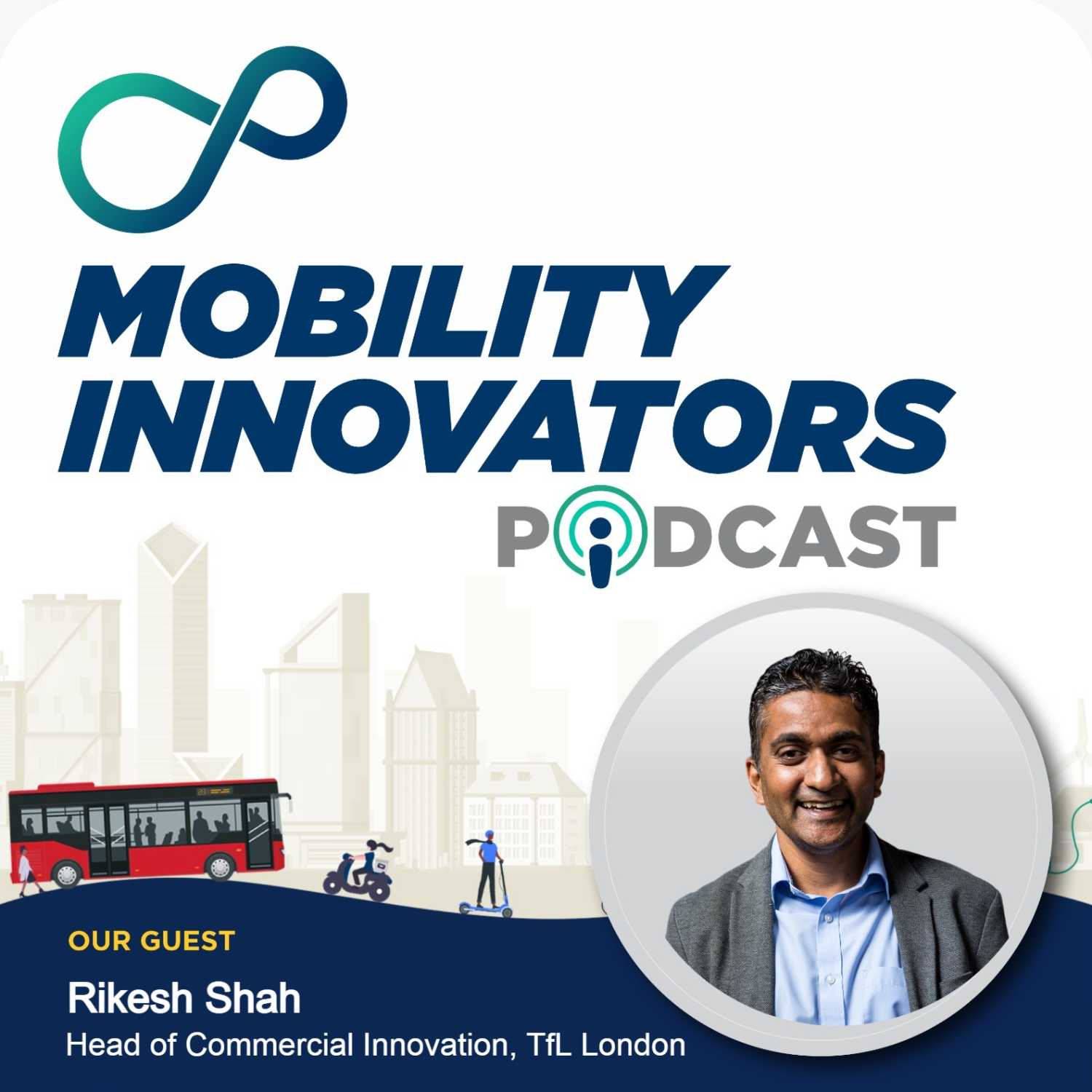
TfL is using an Open Innovation model to collaborate with Mobility Startups | Rikesh Shah
Public Transport is going through a transformation phase. There is increasing competition from other modes of transport. On the other hand, the ridership has not fully recovered. Public transport operators should provide safe and reliable. The role of transport is much more than just moving people from A to B. There is a need to adopt innovation culture and cooperation and co-innovation with exter
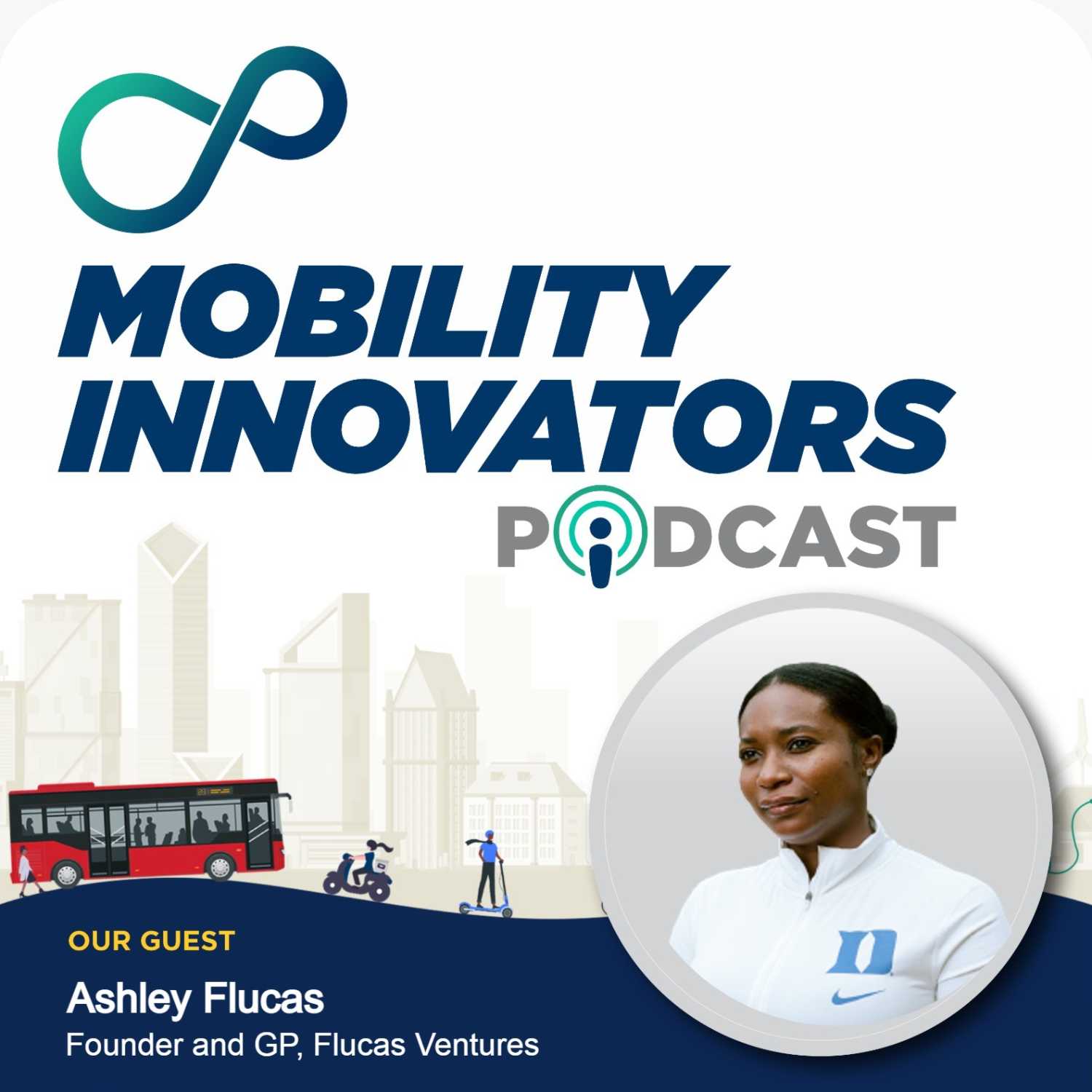
What do angel investors look for in mobility startups? | Ashley Flucas
Angel investment is important to the achievement of startups. Angel investors are early backers who not only provide funding to small startups or entrepreneurs, but also support product development and discovering early customers. As the private funding market is facing slow down, it will be important for the entrepreneurs to build their ventures strategically. Startups in mobility spaces are no e
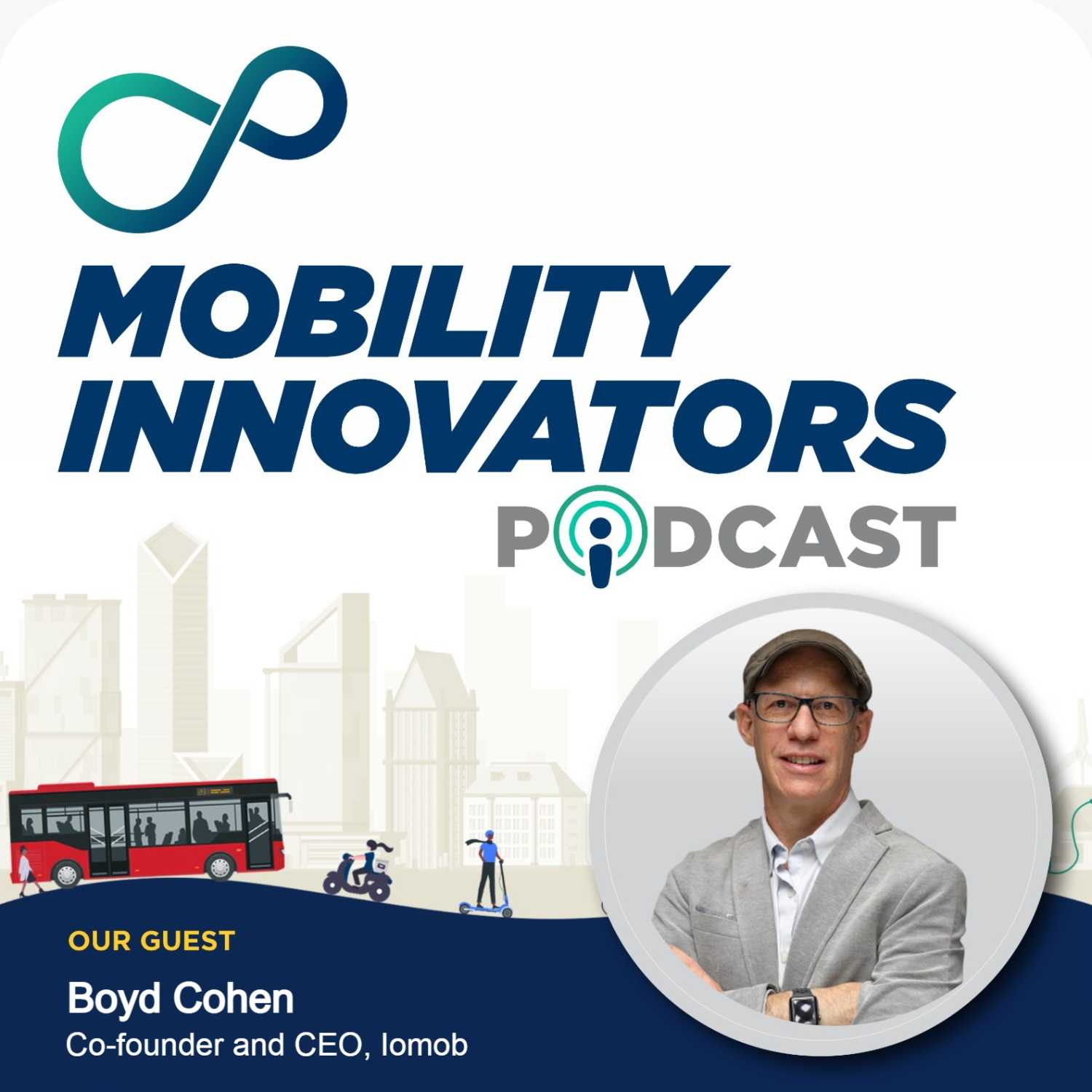
How Blockchain, NFTs and Metaverse will drive new opportunities in Mobility | Boyd Cohen
Digital technologies are currently remodeling the public transport ecosystem. Blockchain is emerging as new technology to facilitate seamless urban mobility through delivering future-oriented Mobility as a Service (MaaS) solutions. Other new emerging technologies like Web3 and Metaverse have the potential to offer door-to-door journey experiences to users. Iomob is building the Internet of Mobilit
Cybersecurity is a big issue for the public transportation sector | Tina Mörch-Pierre
Innovation is playing an important role in improving the customer experience for public transportation users. Transit agencies should create a strong innovation culture within their organization to define what innovation means to them, generate new ideas by involving front-line staff, learn best practices from other agencies, and conduct pilots to test new ideas. On-demand buses, Mobility as a Ser
Transport data should be free and fully open to all mobility stakeholders | Devin de Vries
Technology will be crucial in improving public transportation networks in emerging markets. Deep tech can assist in rationalizing a large volume of data in order to build inference. However, many emerging markets lack data because it is fragmented and non-standardized. The public transit agencies in emerging markets should follow open data and open-source principles. This will help the entrepreneu
Technology is enabling informal public transport to move emerging megacities? | Devin de Vries
Public Transport is the backbone of cities and provides access to people for both economic and leisure activities. It plays a more essential role in emerging markets. According to the UN and other sources, around 3 billion people rely on Public Transport in the emerging markets. The people in emerging markets are reliant on public transport mainly for commuting to and from work. These markets are
'Governance by Design' is important for Innovation and Digital Transportation | Juan Corro
The city of Madrid is committed to achieving climate neutrality by 2050 and has launched A new sustainable strategy for Madrid: Madrid 360 in September 2019. Sustainable Mobility is a key component of the strategy, focusing on the creation of low-emission zones, the construction of infrastructure, the promotion of public transportation, electromobility, and personal mobility. EMT Madrid is in char
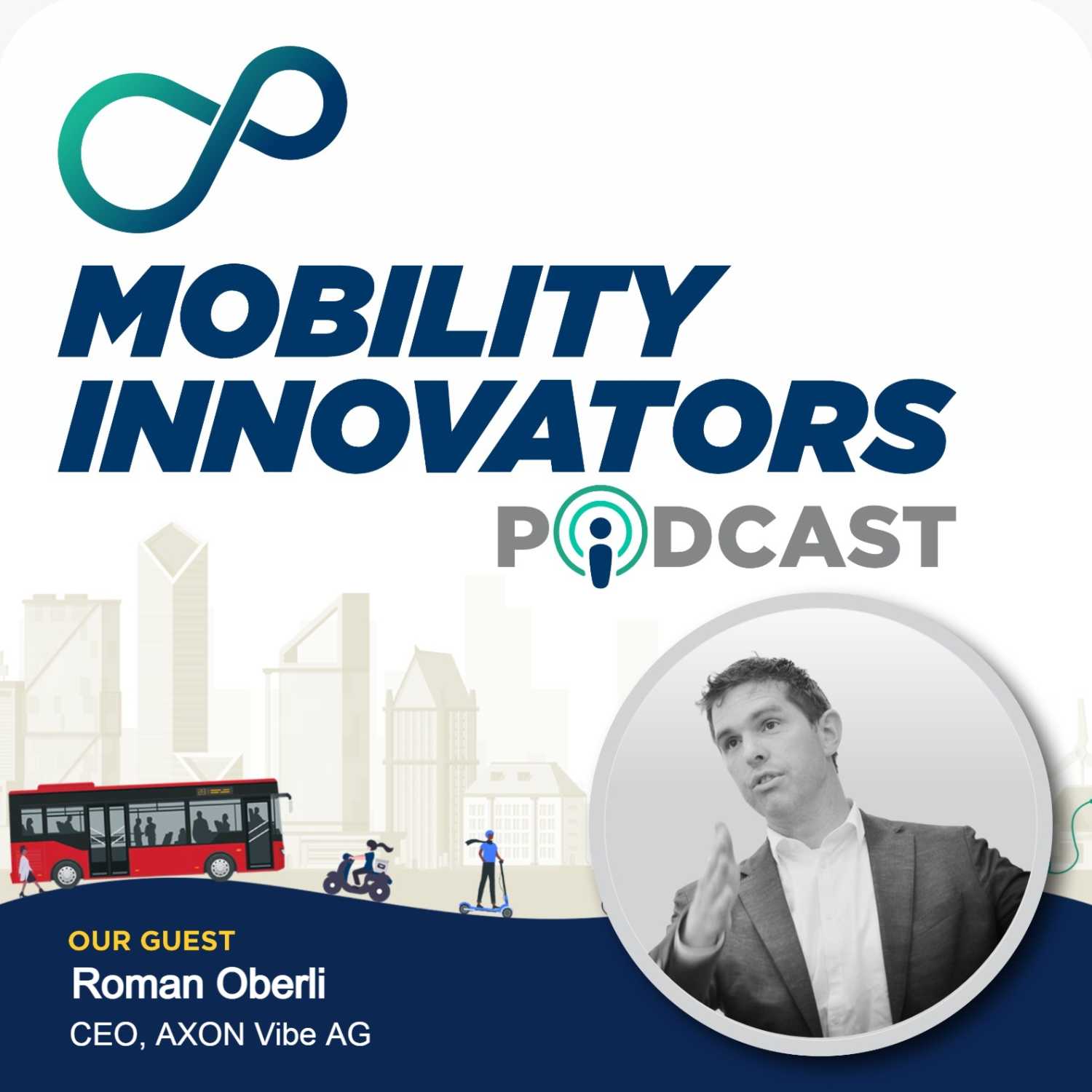
Understanding riders' behavior is critical for transit sector recovery | Roman Oberli
Public transport sector is undergoing major transformation owing to the availability of various mobility options in the cities, as well as, changing riders' behavior. Public transit operators need to adapt to these new technology and market trends. The riders are looking for more personalized information in real-time, including any change or disruption of service. Further, there is an expectation
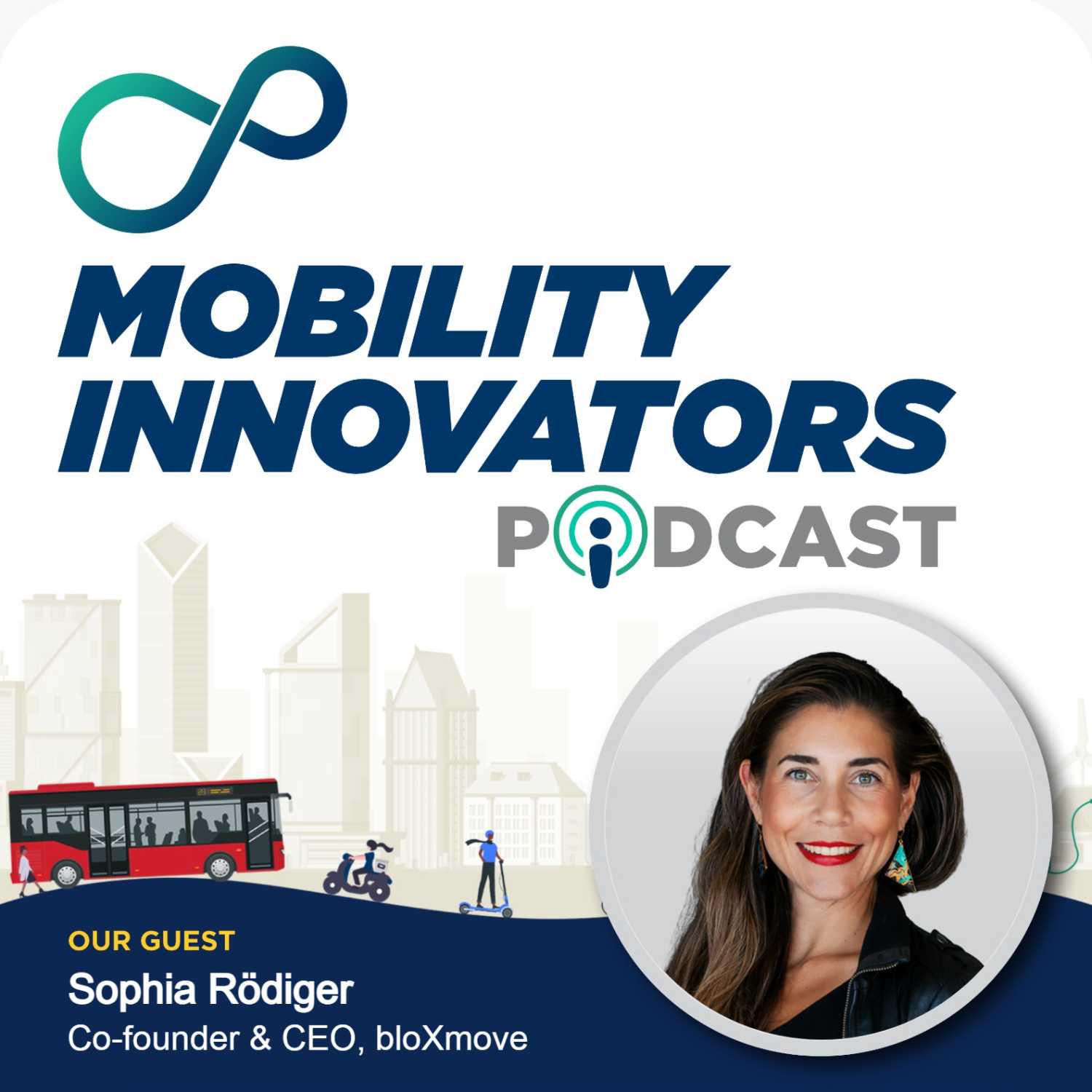
Future of Mobility is Connected, Automated and Decentralized | Sophia Rödiger
Digital technologies are currently remodeling the public transit ecosystem. Blockchain technologies are changing the world and becoming more mainstream. The opportunity of an increasing number of decentralized applications running in peer-to-peer networks needs to be understood by the various stakeholders involved in the process. Being a new technology, it is difficult to find dedicated use cases
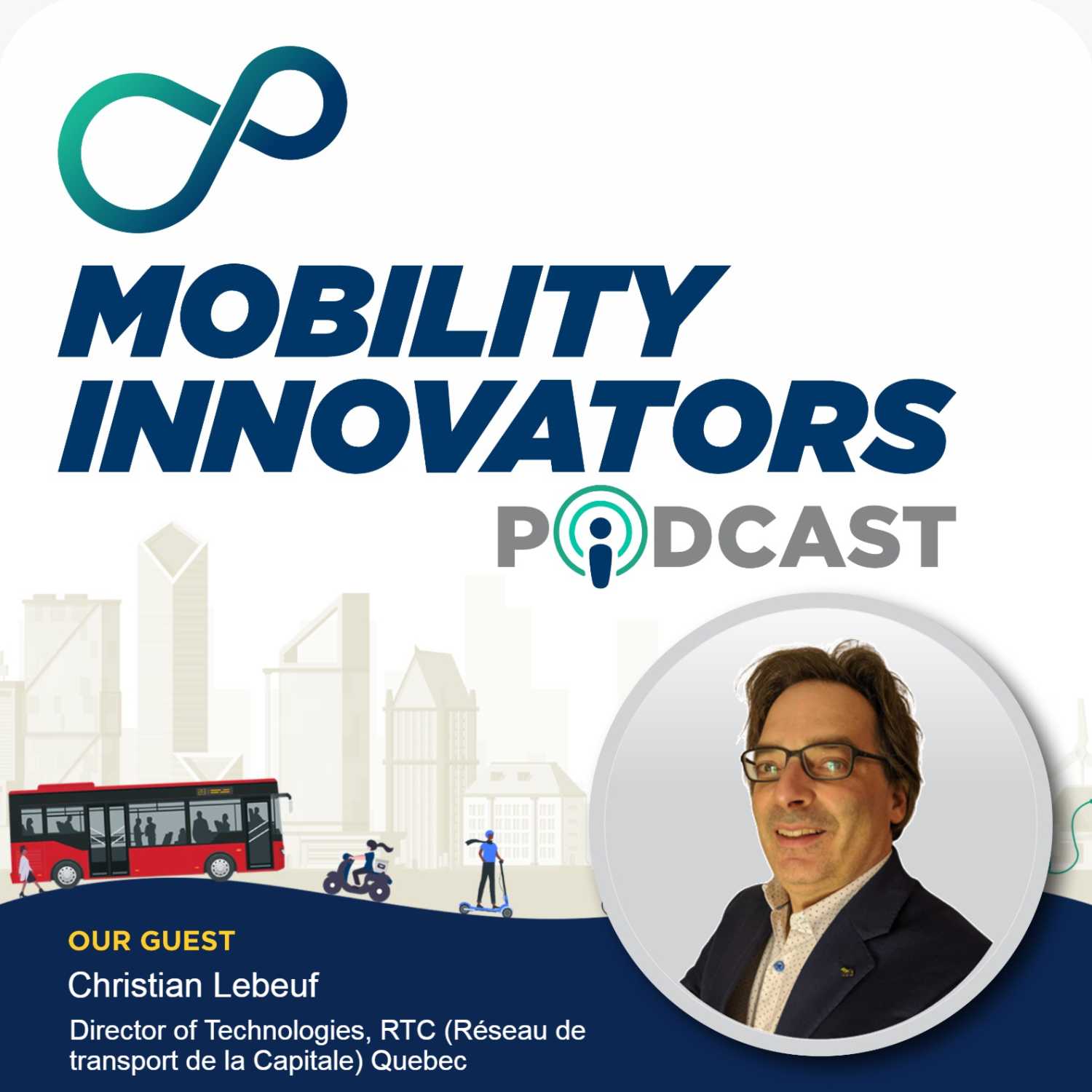
Digital Technology, the Solution to the Future Mobility Challenges | Christian Lebeuf
Transit agencies around the world are faced with the challenge of digitizing their operations in a short period of time due to pandemics. The challenge is further complicated for the small and medium-sized transit agencies as they lack the expertise and resources. RTC (Reseau de Transport de la Capitale) made it through and became a champion of digital transformation, launching many technical inno
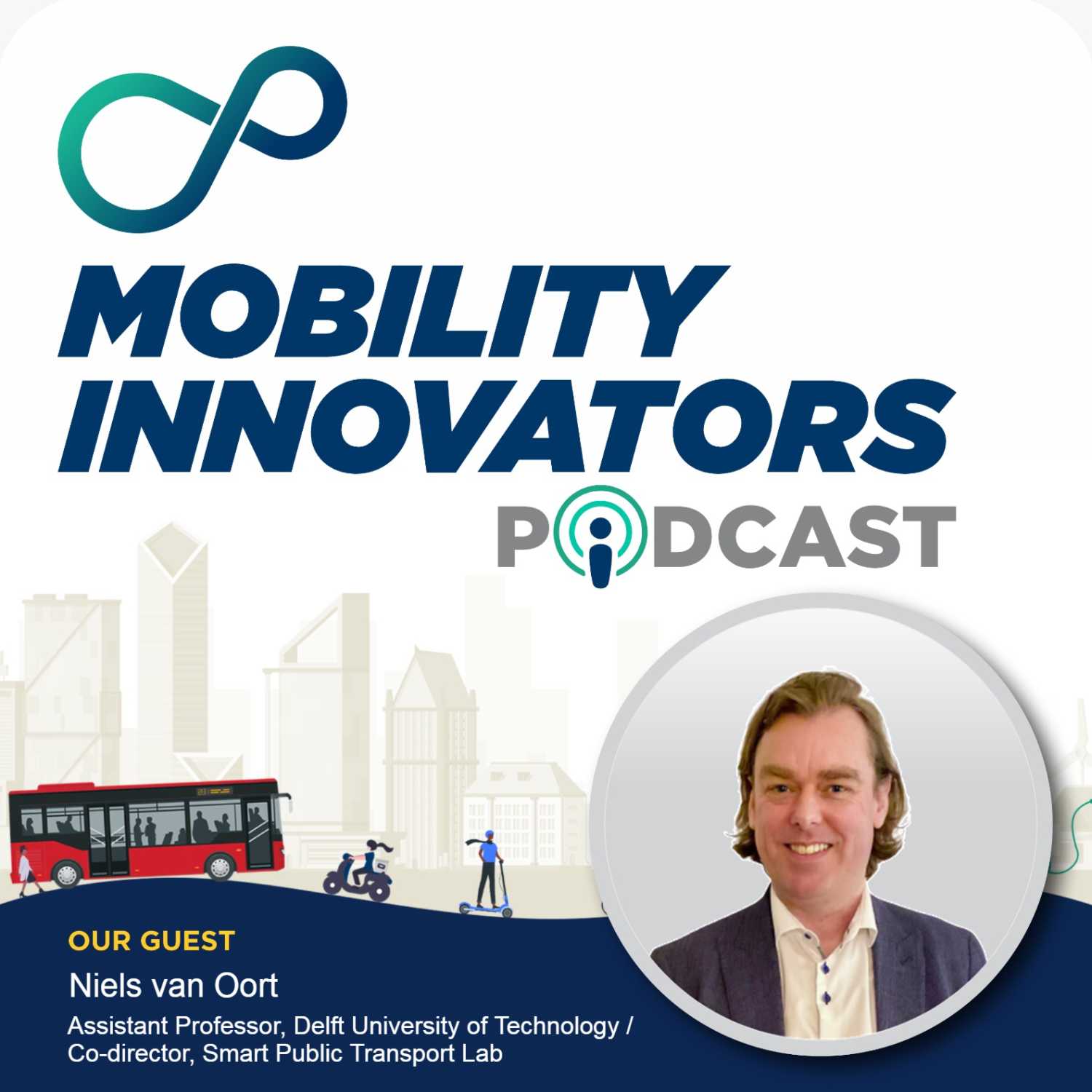
Human-centered design for Smart Public Transport | Dr. Niels van Oort
Technology and New mobility are reshaping urban transportation in cities. However, transit agencies should focus on solving real customer problems rather than introducing new innovations such as autonomous mobility, mobility as a service, ride- sharing, electric scooters, etc., Human-centric design is key to the quality of life in cities, putting people at the heart of urban transport planning. Th
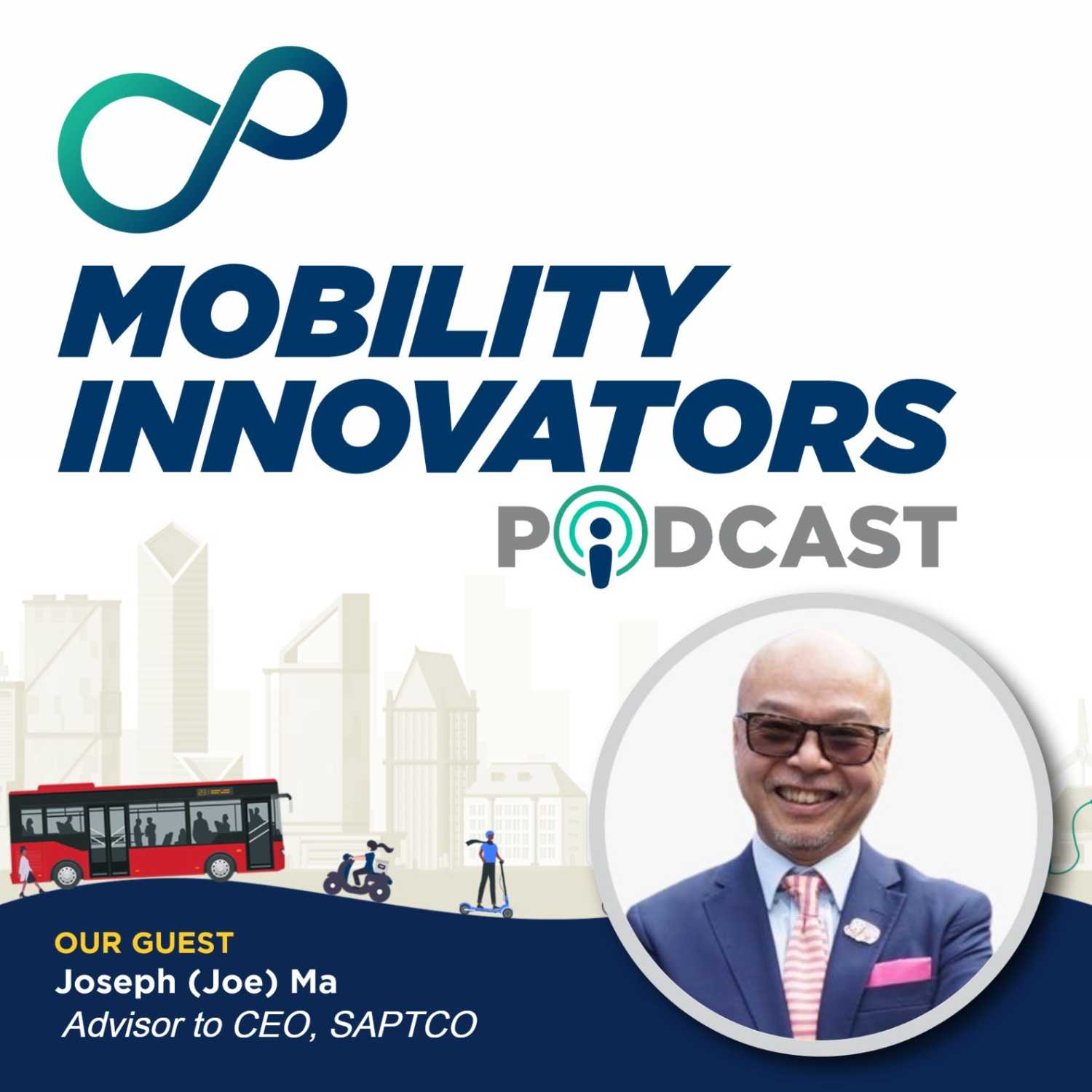
Lessons from Electrification of Public Transport in Shenzhen, China | Joe Ma
Cities around the world are investing in electric buses and planning to induct electric buses to achieve their climate goals. The city of Shenzhen, a 20-million-strong metropolis, is known as the global capital of electric buses. The first 100 electric buses were introduced in 2010, and the entire fleet was converted to electric in 2017, totaling 16,000 electric buses and 22,000 electric taxis. Th
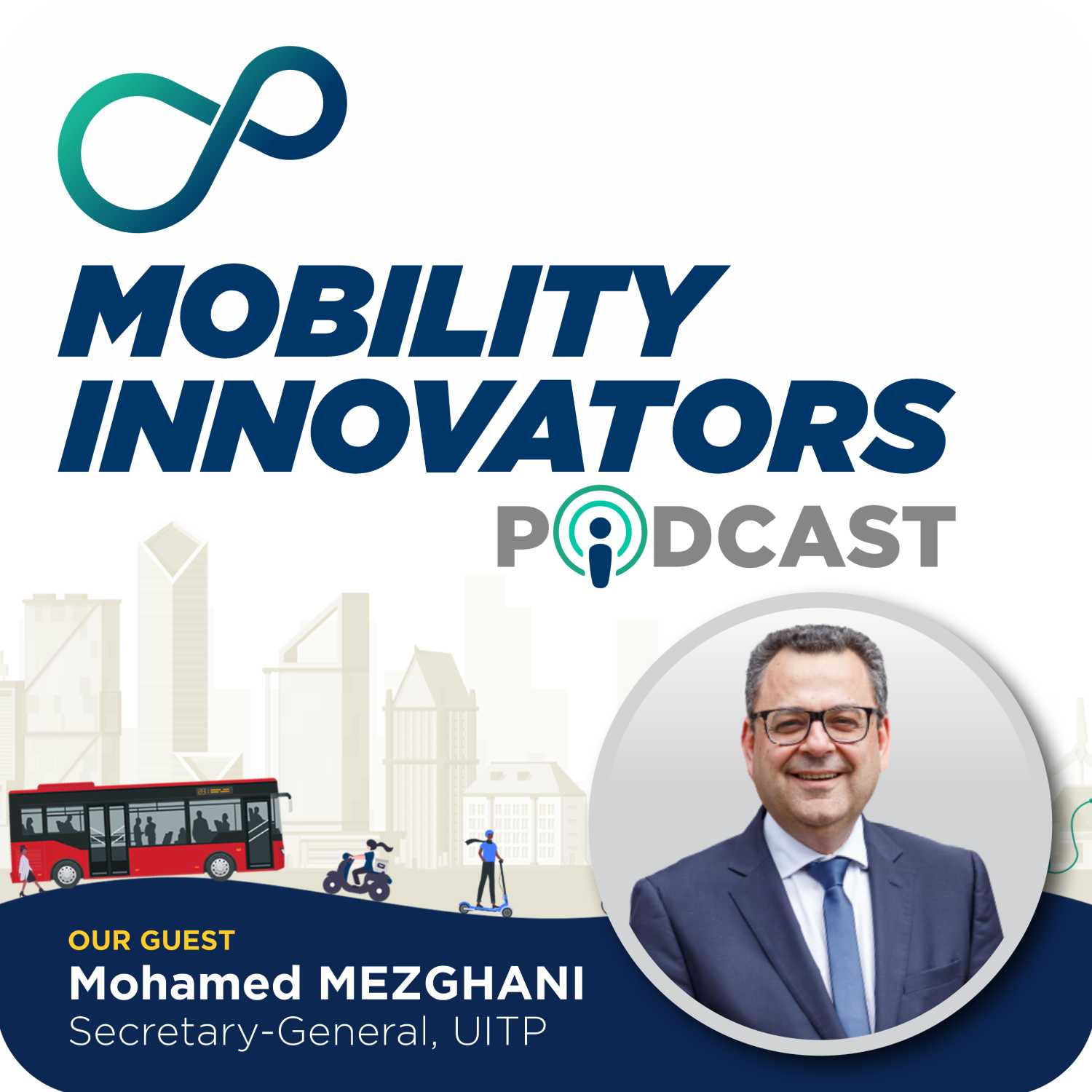
Technology, an accelerator of change in mobility sector | Mohamed Mezghani
Guest: Mohamed Mezghani, Secretary General, International Association of Public Transport (UITP)The International Association of Public Transport (UITP) was founded in 1885 as the European tram operators' association. Fast forward today, UITP has more than 1,800 members in 100 countries around the world. New mobility and digitalization will play an important role in the recovery plan of transit pl
Mobility Innovators Podcast Introduction
Digitalization and innovation have been behind many of the exciting changes to the ways in which we live and move. Mobility, including passenger transport, personal vehicles, supply chain, delivery, and logistics, all are undergoing a huge transformation.Digitalization brings a host of opportunities for the mobility sector, including opportunities to increase efficiency and enhance quality, lower
Recommended

Fantasy Flex

زن بودن

Medicine with Meaning

Yours Truly Johnny Dollar Collection

Take Back Your Health®

CBS Radio Mystery Theater | Old Time Radio

Solved Murders - True Crime Stories

紐約鳥|New York Aperture

The Swerve Podcast: Obscure Topics | Conspiracy Theories

The Bread and Banter Podcast

The Church of What's Happening Now: The New Testament

Busted Open
