The Leading Voices in Food
The Leading Voices in Food is a podcast series from the Duke World Food Policy Center that explores the people and policies shaping how we eat. Episodes feature scientists, farmers, policy experts and world leaders discussing topics such as food insecurity, obesity, agriculture, food access and equity, food safety and food defense. Through interviews and expert commentary, the show examines practical solutions for improving the food system. It is produced by the Duke World Food Policy Center at Duke University's Sanford School of Public Policy.
Episodes

Captain and Cat's Explorasaurus on Healthy Food
Today we're talking with Kevin Hoban and Jordie Simkovic, the creators and starring characters of Captain & Cat, a popular YouTube kids show with 200,000 subscribers and over 200 million views. The educational show for preschoolers tells stories using entertaining songs and narratives. They've just launched a new series called Explorasaurus: Healthy Food and You, aimed at teaching kids about healt

E303: Amy Beros on centering community in food banking
North Carolina is one of the nation's top agricultural producing states. And it is also a state where one in seven residents don't have the resources to provide food on their table every day. Today, I'm talking with Amy Beros, president and CEO of the Food Bank of Central and Eastern North Carolina - the state's largest food bank. Each year, this organization provides 95 million meals distributed

E302: Do GLP-1 drugs reduce overall healthcare spending?
For many people, the FDA-approved drug class called GLP-1s has been a game changer for managing type 2 diabetes and weight loss. An estimated one in eight US adults is using this type of drug, which mimics a natural gut hormone to regulate blood sugar, slow stomach emptying, and suppress appetite. Researchers and the public have been scrutinizing the pros and cons of taking these drugs for many ye

E301: Greg Jaffe on Food and Ag Policy Trends
Interview Transcript Kate - Welcome to the Leading Voices in Food podcast. I'm Kate Stanley, a researcher at the World Food Policy Center at Duke University. I'm joined today by my co-host, Katariina Koivusaari, a researcher at North Carolina State University. Together, we collaborate on policy research for the Bezos Center for Sustainable Proteins at NC State. Katariina - Great to have you. Greg,

E300: Tackling Food and Nutrition Systems Change at the Kellogg Foundation
Kelly Brownell interviews Jon-Paul Bianchi, Director of Systems Change at the W.K. Kellogg Foundation, about the foundation's systems-change approach linking food, health, early childhood, and family economic security to address inequities affecting children and families. Bianchi describes his path from PhD research to policy work and then to Kellogg, and explains how integrated grantmaking focus

E299: Culinary Medicine and connecting med students with patients
I'm delighted today to be joined by Dr. Joseph Skelton, professor of Pediatrics, founder and director of Brenner Fit, a program at Wake Forest University School of Medicine. FIT stands for Families in Training, which is a family-based pediatric obesity program. He's the author of a new book on children and their weight, a topic we discussed in a separate podcast. But in this podcast, we're talking

E298: Your child is not their weight - a parent's guide
So going back more than 30 years, I was involved in work on childhood obesity. It was a prevalent problem at the time, but little attention was being devoted to children and weight issues. And it was fair to say that the field, as it were, was an academic backwater. Little was known about short and long-term effects of childhood obesity. The social and emotional lives experienced by the children h

E297: Behind the Scenes of Diners, Drive-ins and Dives
It's the story of a guy on a road trip across the country, checking out America's classic greasy spoons. And the adventure is all about finding the restaurant owners and creative cooks serving up the very best of down-home style food. That's the premise of the hit series Diners, Drive-Ins, and Dives starring everyman chef Guy Fieri. Today we're going to talk with the show's creator, two-time Emmy

E296: The Story of Food Americana
If someone asked you about French, Korean, or Thai food, you could probably name some signature flavors and dishes. I certainly can. Well, what about American food? What stands out for you there and what IS it, really? Today we're going to dig into the roots of American cuisine with food journalist David Page, who initially was an investigative journalist but turned his attention to food. And he's

E295: Food engineering is fueling preventable disease
Transcript Paper: Gearhardt AN, Brownell KD, Brandt AM. From Tobacco to Ultraprocessed Food: How Industry Engineering Fuels the Epidemic of Preventable Disease. Milbank Q. 2026;104(1):0202.https://doi.org/10.1111/1468-0009.70066 https://www.milbank.org/quarterly/articles/from-tobacco-to-ultraprocessed-food-how-industry-engineering-fuels-the-epidemic-of-preventable-disease/ Ashley, let's talk a lit

E294: Liberatory Agriculture in Afterlives of the Plantation
In 1881, African American educator and political leader Booker T. Washington founded Tuskegee Institute in Tuskegee, Alabama. The school's mission was to provide practical education and vocational training in fields such as agriculture and mechanics to African Americans in the post-Reconstruction South. Tuskegee ultimately became a world-renowned agricultural and industrial school for African Amer

E293: From Truffles to Trash - Lessons on Food Waste Prevention
Over the last several years, I have been thinking about food waste and food loss a lot. It's been a topic that we've seen in many spaces in the US and around the world. And it's interesting to compare how the US handles food waste with other countries. To that end, we will learn more about how Belgium addresses food waste in a conversation with an anthropologist and journalist, Dr. Kelly Alexande

The downstream effects of disasters on food supply chains
It seems like the frequency of weather-related disasters is increasing. Across the US we're seeing wildfires, tropical storms and hurricanes, extreme heat, extreme cold with snow or ice. And torrential rain leading to a loss of property, life, and livelihoods. What's more, similar extreme events are happening across the globe. These disasters all can have an impact on our food supply and the abili

Pathway to Market is Complicated for Cell-Cultivated Protein
As global demand for meat grows, this episode of Duke University's Leading Voices in Food podcast examines cell-cultivated protein—real meat grown from animal cells—and the evolving U.S. policy landscape shaping its future. Host Norbert Wilson (Duke World Food Policy Center) speaks with postdoctoral researchers Kate Consavage Stanley (Duke/Bezos Center for Sustainable Proteins) and Katariina Koiv
E290: Grading the Biggest US Grocery Stores on Healthy Offerings
Do you ever wonder whether your grocery store cares about whether you have a healthy diet? Every time we shop or read advertisement flyers, food retailers influence our diets through product offerings, pricings, promotions, and of course store design. Think of the candy at the checkout counters. When I walk into my Costco, over on the right there's this wall of all these things they would like me

E289: Posting calorie counts on menus should be just one strategy of many
In this episode of the Leading Voices in Food podcast, Norbert Wilson of Duke University's Sanford School of Public Policy speaks with researchers Jean Adams from the University of Cambridge and Mike Essman from Duke's World Food Policy Center. They discuss the mandatory calorie labeling policy introduced in England in April 2022 for large food-away-from-home outlets. The conversation covers the

E288: Farmlink's responsive, logistical success preventing food waste
Today we're speaking with Aidan Reilly, co-founder and chief of External Affairs at the Farmlink Project, a national nonprofit connecting farmers with surplus produce to communities facing insecurity. What's especially interesting about Farmlink (https://www.farmlinkproject.org/) is that it was started by college students in 2020 as a response to the food supply challenges our nation experienced d

E287: Food policy insights from government agency insider Jerold Mande
In this episode, Kelly Brownell speaks with Jerold Mande, CEO of Nourish Science, adjunct professor at the Harvard School of Public Health, and former Deputy Undersecretary for Food Safety at the USDA. They discuss the alarming state of children's health in America, the challenges of combating poor nutrition, and the influence of the food industry on public policy. The conversation explores the p

E286: How 'least cost diet' models fuel food security policy
In this episode of the Leading Voices in Food podcast, host Norbert Wilson is joined by food and nutrition policy economists Will Masters and Parke Wilde from Tufts University's Friedman School of Nutrition, Science and Policy. The discussion centers around the concept of the least cost diet, a tool used to determine the minimum cost required to maintain a nutritionally adequate diet. The convers
E285: Gut instincts, food, and decision making
The gut is in the news. It's really in the news. Catapulted there from exciting developments coming from laboratories all around the world. Links of gut health with overall health are now quite clear and surprising connections are being discovered between gut health and things like dementia and Alzheimer's. But how does the gut communicate with other parts of the body in ways that make it this imp

E284: The Science of How Food Both Nourishes and Harms Us
An avalanche of information besets us on what to eat. It comes from the news, from influencers of every ilk, from scientists, from government, and of course from the food companies. Super foods? Ultra-processed foods? How does one find a source of trust and make intelligent choices for both us as individuals and for the society as a whole. A new book helps in this quest, a book entitled Food Intel

E283: Taylor Hanson's Food On The Move
Interview Summary You know I really like the innovative nature of Food On The Move, and I'm eager for you to tell us more about what it involves. But before we do that, how does a young, highly successful musician turn to battling food insecurity? What led you to create Food On The Move? It took me years to say I even created it. I didn't even use the term founder because I really had this sense o
E282: Are healthy, environmentally sustainable diets economically achievable for everyone?
In today's episode, we're discussing the complex and urgent topic of global food demand. The United Nations Sustainable Development Goals, or SDGs, ask countries to make measurable progress in reducing poverty, achieving zero hunger, and supporting every individual in realizing good health. While also mitigating climate change, sustaining the environment and responsible consumption and production
E281: Is ultra-processed food still food?
Lots of talk these days about ultra-processed foods (UPFs). Along with confusion about what in the heck they are or what they're not, how bad they are for us, and what ought to be done about them. A landmark in the discussion of ultra-processed foods has been the publication of a book entitled Ultra-processed People, Why We Can't Stop Eating Food That Isn't Food. The author of that book, Dr. Chris
E280: Industry user fees could fix a food safety loophole for FDA
The Food and Drug Administration or FDA regulates roughly 78% of the US food supply. This includes packaged products, food additives, infant formula, ultra-processed foods, and lots more. However, an analysis by the Environmental Working Group found that 99% of new food ingredients enter our food supply through a legal loophole that skirts FDA oversight and seems, to me at least, to be incredibly
E279: Feed Us With Trees - the surprising importance of nuts
Every day, with few exceptions, I eat a handful of nuts. Usually a combination of almonds, walnuts, pecans, cashews, and pistachios. And they taste good for sure. But I'm responding mainly to research showing that consumption of nuts is related to less chronic disease. In particular, eating nuts lowers levels of inflammation related to heart disease and diabetes, and may improve cholesterol levels

E278: Here's how screen time affects our kids' eating, activity, and mental health
Interview Summary So, you two, along with a number of other people in the field, wrote a chapter for a recently published book called The Handbook of Children and Screens. We discussed that book in an earlier podcast with its editors, Dmitri Christakis and Kris Perry, the executive director of the Children and Screens organization. And I'd like to emphasize to our listeners that the book can be do

E277: Food Fight - from plunder and profit to people and planet
Today we're talking with health and nutrition expert Dr. Stuart Gillespie, author of a new book entitled Food Fight: from Plunder and Profit to People and Planet. Using decades of research and insight gathered from around the world, Dr. Gillespie wants to reimagine our global food system and plot a way forward to a sustainable, equitable, and healthy food future - one where our food system isn't m

E276: Climate Change - A little less beef is part of the solution
Interest and grave concern have been mounting over the impact of agriculture and the food choices we all make on the environment, particularly on climate change. With natural weather disasters occurring much more frequently and serious threats from warming of the atmosphere in general, it's natural to look for places to make change. One person who has thought a lot about this is our guest today, D

E275: Against the Grain - A Plea for Regenerative Ag
I was at a professional meeting recently and I heard an inspiring and insightful and forward-looking talk by journalist and author Roger Thurow. Roger was a reporter for the Wall Street Journal for 30 years, 20 of them as a foreign correspondent based in Europe and Africa. Roger has written a number of books including one on world hunger and another what I thought was a particularly important book
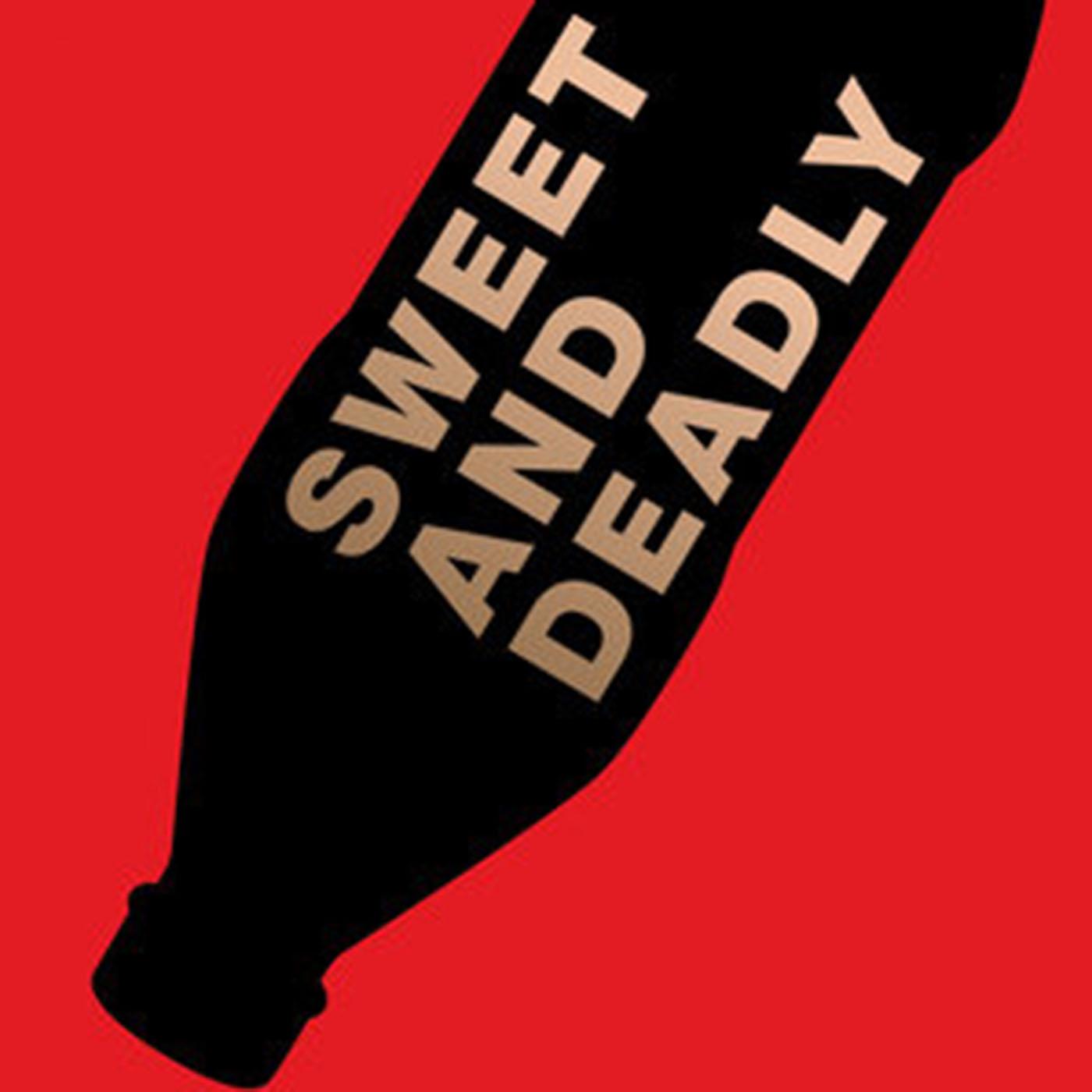
E274: Sweet and Deadly - Coca-Cola in the spotlight
Recently I was asked to review a forthcoming book for American Scientist magazine. The book was entitled, Sweet and Deadly: How Coca-Cola Spreads Disinformation and Makes us Sick. I did the review, and now that the book has been published, I'm delighted that its author, Murray Carpenter, has agreed to join us. Mr. Carpenter is a journalist and author whose work has appeared in publications such a

E273: Feeding innovation by taste testing alternative proteins
As someone who's been mostly vegetarian for a number of years, I have tried a lot of plant-based foods and there's a variety of them. And so how do they really taste, not just from my perspective? Well, it's really important to do really careful analysis, and this is going to be the subject of our conversation today. Plant-based foods are becoming increasingly healthier and cheaper. But one large

E272: Why getting food date labeling right is so darn tough
Do you pay attention to information printed on food labels? From eye-catching designs companies use to entice you to buy a product to nutrition facts panels to the tiny dates printed on packages. There's a lot going on to be sure. For policymakers, they hope that refining date labels on food packaging will help reduce the amount of uneaten food ending up in landfills. Food Waste is a major contrib

E271: Grappling with digital food and beverage marketing to youth
So even the people that follow the topic closely are stunned by the digital landscape that engulfs our children, how quickly it evolves, and the potential social cost. Two people in a unique position to explain all this are our guest today, Jeffrey Chester and Kathryn Montgomery, both from the Center for Digital Democracy. Jeff is executive director of the Center, and Kathryn is its research direc
E270: Do food labels influence kids' snack shopping choices?
As any parent knows, it is really important to help our children to make healthy food choices. I know as a father who cooks for my child, it is really critical that I introduce her to fruits and vegetables and encourage whole grains and try to manage the amount of additional sugars, but it's hard. We do this with the goal of trying to make sure that our child is able to eat healthy once she leaves
E269: Children, screen time and wellbeing - many reasons for concern
The amount of time children and adolescents spend with a screen is absolutely stunning. Lots of people, including parents, health leaders, educators, elected leaders from both parties I might mention, and even children themselves, are highly concerned and are discussing what might be done about all this. I'm delighted to begin this series of podcasts on children and screen time. Today we're welcom

E268: Why Corporate Control of Agriculture is Cause for Concern
How big is too big? When it comes to corporate concentration many observers raise concerns about the tech industry. However, in the new book, Titans of Industrial Agriculture: how a few giant corporations came to dominate the farm sector and why it matters, political economist Jennifer Clapp draws attention to the overwhelming shadow a small handful of transnational corporations cast over the glob

E267: Nzatu uses bees and ancient grains to uplift African farmers
The climate crisis is devastating the ability of African farmers to support themselves and their communities. Farmers struggle with a lack of running water, electricity, communications, and public transportation. Entire communities are often cut off from the larger world, exacerbating and extending the poverty crisis that grips large parts of the continent. To overcome these issues, our guest, Gwe

E266: What's next for school meal quality?
The food and nutrition landscape in our schools is really important. School meals affect the health, wellbeing, energy, vitality, and ability to learn for millions and millions of children. And for those whose family struggled to buy food, the importance of school meals cannot be overstated. This makes decisions about what foods are served in schools and where they come from. Highly consequential

E265: Exercise vital to quality of health - especially during weight loss
Everyone knows that it's a good idea to be physically active, but behind that basic knowledge lies a fascinating field of research on the role that physical activity plays in health and in weight control, along with answers to questions such as how much exercise I should get, is there a best time of day to do it, is one type of exercise better than others, etc. Few people can rival Dr. John Jakici

E264: Citizen engagement in post-Brexit UK food and farming policy
Today we're exploring civil society's efforts to shape the food system and land use in the United Kingdom. Our guest today is Sue Pritchard, Chief Executive of the Food, Farming, and Countryside Commission (FFCC). The deeply grassroots work of the commission brings people together to find practical solutions to climate, nature, and health challenges. The goal is to shape fairer and more sustainabl
E263: Explore the Daily Table non profit grocery store model
Today, we're going to explore Daily Table, an innovative non profit grocery chain dedicated to providing fresh, convenient, and nutritious food affordable to everyone, even those on the Supplemental Nutrition Assistance Program, or SNAP. In today's economic climate, where rising food prices are impacting households across the country, the concept of a non profit grocery store seems to fill a real
E262: Impact of skimming and shimming fraud on SNAP recipients
On our podcast, we have often talked about the Supplemental Nutrition Assistance Program, or SNAP. In many of those conversations, we've talked about the benefits and eligibility, and ways to improve the work that SNAP does to help low-income families meet their food needs. In today's podcast, we're going to turn our attention to a particular challenge, and it's the SNAP skimming fraud. To help us
E261: Here's what you don't know about food safety
For many years in talks that I gave, I showed a slide with an ingredient list from a food most people know. Just to see if the audience could guess what the food was. based on what it was made of. It was very hard for people to guess. A few people might come close, but very few people would guess. And it was pretty hard because the food contained 56 ingredients. This is in one food. And the ingred

E260: Food Recovery Network Urges Food Date Labeling Reform
I don't know about you and your household, but in my home, we have a long history of opening the refrigerator and discovering pasta sauce or mayonnaise that we don't remember when it was put in the refrigerator, when we last opened it, and we're confused. We open the container; we smell it; we check out the date label. And if we're confused, we have a mantra: when in doubt, throw it out. But aren'

E259: Your state of the science on weight loss drugs
About two years ago, we released a podcast with Dr. Thomas Wadden of the University of Pennsylvania describing work on a new generation of medications to treat diabetes and obesity. They were really taking the field by storm. Since then, much more is known since many additional studies have been published and so many people have been using the drugs. So many, in fact, the market value of the Danis

E258: Do 'market driven epidemics' drive your food choices?
For much of history, the word 'epidemic' applied to infectious diseases. Large numbers of cases of disease caused by organisms such as bacteria and viruses that spread through water, air, or other means, sometimes transmitted from person to person, or back and forth between people and animals. Then came epidemics of chronic diseases such as obesity, diabetes, heart disease - diseases occurring in

E257: Embracing convergence in the RECIPES Network
In 2021, American University and 15 partner institutions across the U. S. launched the Multiscale RECIPES Research Network with the goal of transforming our wasted food system into a sustainable and resilient one. Food loss and waste is a complex problem spanning societal issues such as food insecurity and food recovery, sustainable farming, food packaging and transportation, food marketing, sales

E256: ATNI - driving market change towards nutrition
Now more than ever, it's important to challenge the world's food and beverage manufacturers to address nutrition issues like obesity and undernutrition. Today, we're going to discuss the 2024 Global Access to Nutrition Index, a very important ranking system that evaluates companies on their nutrition related policies, product portfolios, marketing practices, and engagement with stakeholders. The i

E255: Reducing food waste - less seafood wasted than thought in US
The U. S. is the largest importer of aquatic foods, which includes fresh and saltwater fish, crustaceans, mollusks, and aquatic plants served in restaurants and homes. A critical piece of this global market is the cold chain, keeping these foods chilled or frozen during storage and transport to market. With 44 percent of aquatic foods sold live or fresh globally, the percentage of fresh over froze

E254: Why is food so expensive?
If you feel like your grocery budget just doesn't buy you as much as it once did, you're not alone. According to U. S. Bureau of Labor Statistics, food prices rose 11. 4 percent last year alone - the highest annual increase in 23 years. The ongoing pinch at the grocery store has been in the news of a lot of media outlets, such as The Wall Street Journal, The New York Times, Times Magazine, Forbes,
E253: Learnings from No Kid Hungry in New York
When we talk about problems with food insecurity and the food system, we tend to reference challenges at the national or international level. And of course, work at that level really needs to be done. But increasingly, there is a unique focus on regional food system strategies and right sizing solutions to best fit those unique characteristics of a particular locale. In today's podcast, we will ta

E252: Is farm-level environmental impact reporting needed or even possible?
In today's podcast, we're discussing Fast and Furious. But it's not the movie series starring Vin Diesel. Instead, the catchphrase describes rapidly increasing and somewhat confusing food system environmental impact reporting. Food firms, farmers, and governments all have a clear need for more quantitative environmental impact data in order to measure and understand factors such as carbon footprin

E251: The thoughtful transformation of Southern cooking
Today's podcast is a gastronomic treat. I'm talking with Chef William Dissen, James Beard Award-winning chef and owner of the restaurant, The Marketplace, located in Asheville, North Carolina. William is the founder of four award winning restaurants and draws inspiration from traveling the world, creating dishes that tell a story, surprising guests with inventive food preservation techniques, and

E250: Roots of Change: Successful, incentive-based food and farm policy advocacy
Join Kelly Brownell in a conversation with Michael Dimock, Executive Director of Roots of Change, about transforming food systems through innovative policies. Discover how Roots of Change collaborates with various stakeholders to create nutrition incentive programs and support sustainable agriculture, focusing on community-first approaches. Learn about pioneering projects, insights into policy in
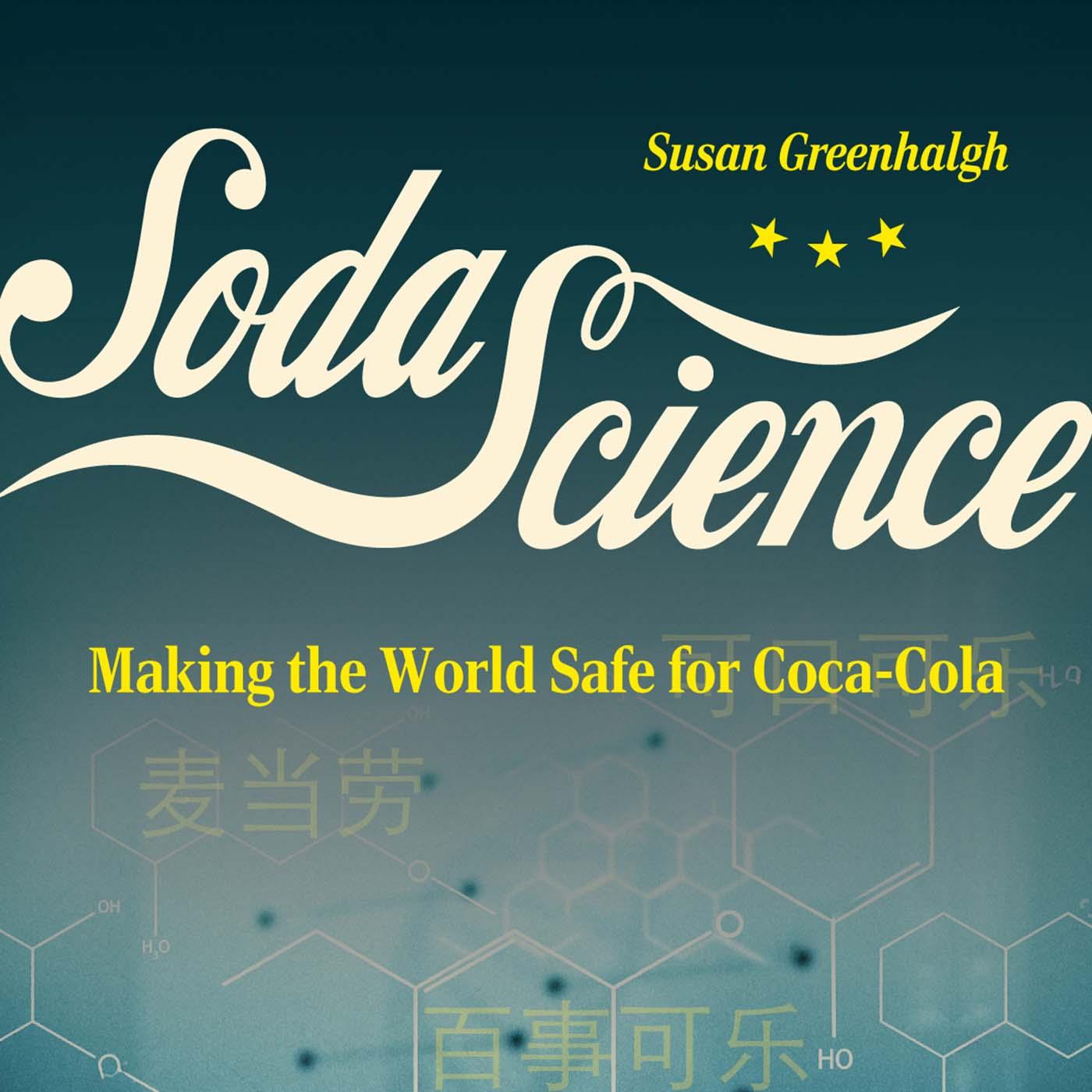
E249: History fact check - Impact of Corporate Influence on Research
Study after study has shown that consumption of sugar sweetened beverages poses clear health risk. So how have the big soda companies, Coke and Pepsi in particular, reacted to this news and to public health policies that have aimed to restrict their business dealings like marketing, labeling, and even taxes? A fascinating and important part of this history has been told in a new book by Dr. Susan

E248: Climate-smart strategies to sustain small-scale fishing communities
Join host Norbert Wilson and co-host Kerilyn Schewel in the latest episode of the Leading Voices in Food podcast as they dive deep into the world of small-scale fisheries with two distinguished guests: Nicole Franz from the Food and Agriculture Organization of the United Nations (FAO) and John Virdin from Duke University's Nicholas Institute for Energy, Environment, and Sustainability. Discover t

E247: Cultivating food security and community stability in the Dry Corridor
With food insecurity rising the world over, we cannot escape the reality that climate change is changing our food supply. This means people's livelihoods and lifestyles are changing too, particularly in developing countries. Join us on the Leading Voices in Food podcast as we discuss the rising impact of climate change on food security and livelihoods in Central America, specifically Honduras. Hos
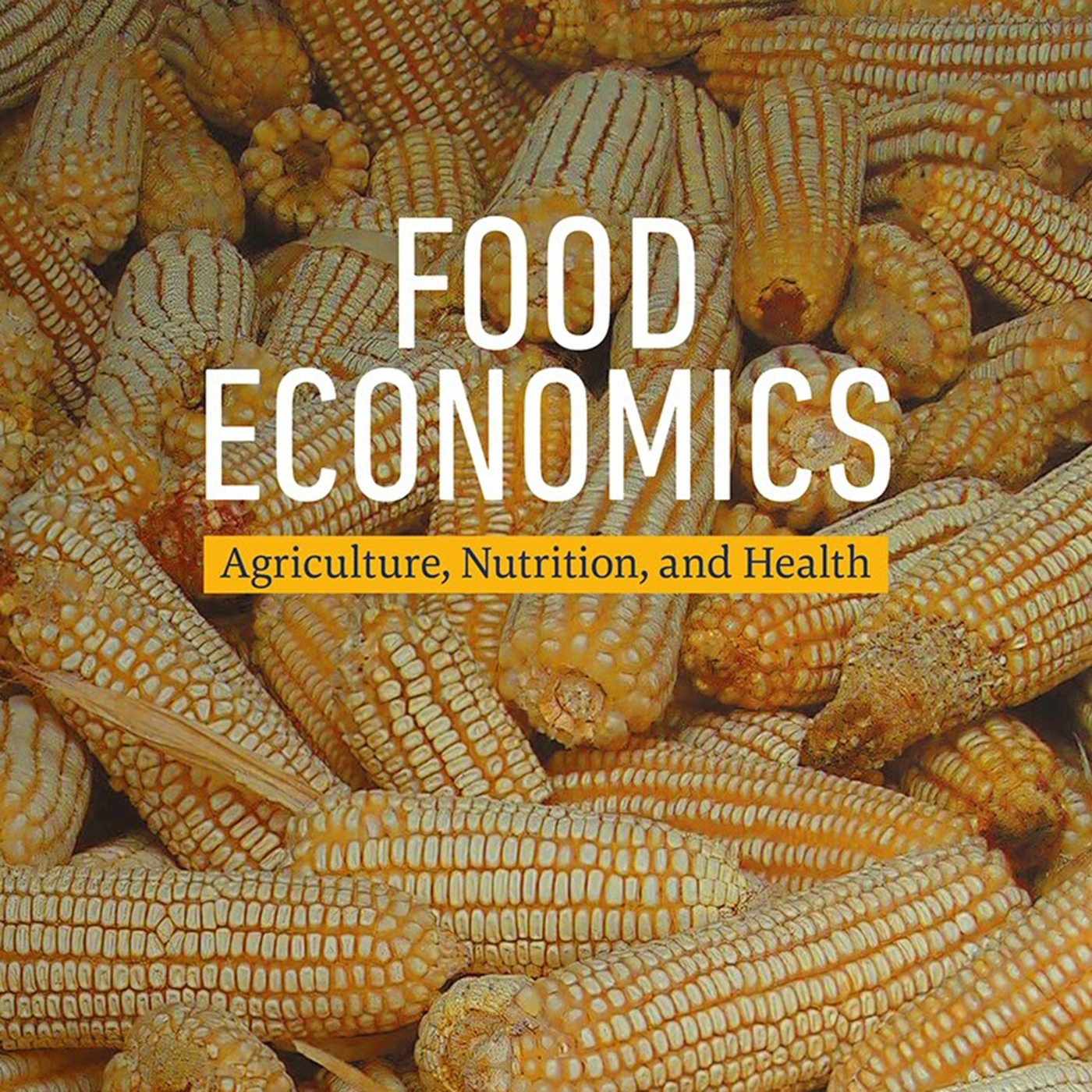
E246: New Book: Learning food economics makes ALL economics easier
I'm Norbert Wilson, a professor of public policy at Duke university and director of the world food policy center. Now, I am an agricultural economist by training and today's podcast, we will explore a creative and down-to-earth book titled Food Economics. Now stay with me, gentle listener. I already can sense the wave of anxiety, math anxiety, and discomfort with economics. but hear me out. To

E245: Menus of Change Collaborative - shaping college student eating habits for life
When you hear university dining, you likely have images in your mind of college students with trays and hand waiting in a line for a meal in a dining hall. You may even think of a food court or a trendy food hall in the cool part of town. But there is so much more happening behind the scenes. Today we will learn about Menus of Change University Research Collaborative, MCURC for short, which is a n

E244: US Food History - food as a tool for oppression
Today we discuss a new and provocatively titled book written by Southwestern Law School professor Andrea Freeman, an expert on issues of race, food policy, and health from both legal and policy perspectives. The book's title, Ruin Their Crops on the Ground, the Politics of Food in the United States from the Trail of Tears to School Lunch, has been called the first and definitive history of the use

E243: Uplifting women in agriculture: a pathway to agritech innovation
Empowering Women in AgriFood Tech: A Conversation with Amy Wu of From Farms to Incubators - In this episode of the Leading Voices in Food podcast, host Norbert Wilson speaks with Amy Wu, the creator and content director of From Farms to Incubators. Amy shares her inspiring journey in highlighting and supporting women, particularly women of color, in the agri-food tech industry. Learn about the ori

E242: Revamping debt for nature swaps could support resilient food systems
In today's discussion, we will explore the application of debt relief to large investments in environmental sustainability, which can also support local development, including more resilient food systems. This is particularly timely, given the juxtaposition of enormous debt burdens with increasing environmental commitments by developing countries. Debt for relief swaps, such as financial forgivene

E241: What is the connection between the gut and our brain?
We've recorded a series of podcasts on the microbiome and its wide ranging impacts. But boy is this a field that moves rapidly. As soon as you think you've covered much of the territory, along comes some new and exciting findings, and this is the case today. We're going to describe research done by our guest, Dr. Ibrahim Javed. He has done innovative work on links between the gut microbiome and th

E240: Do food companies manipulate us with sports sponsorships?
Food companies market their products in a great many ways. Connecting their brands and products to sports and major sporting events is one such way and is drawing a lot of attention now. The reason is that the Summer Olympics are underway, which trains attention on the relationship between the International Olympic Committee and its longest running sponsor. Coca Cola has been a sponsor of every Ol
E239: National report on where the grocery stores are missing
Today we're talking about who has access to full-service supermarkets in America's cities, suburbs, small towns and rural communities. According to The Reinvestment Fund's "2023 Limited Supermarket Access Analysis Report," 8.5% of people in the US live in areas with limited access to full-service supermarkets. This means that families must travel further to get fresh foods, and it creates a barrie

E238: Celebrating the Successes of the Alliance for a Health Generation
Nonprofit organizations can play a very important role in building healthy communities by providing services that contribute to community stability, social mobility, public policy, and decision-making. Today we're speaking with Kathy Higgins, CEO of the Alliance for Healthier Generation. The Alliance is a nonprofit organization, a well-known one at that, that promotes healthy environments so that

E237: Agriculture impacts climate change more than you think
Is it possible to decarbonize agriculture and make the food system more resilient to climate change? Today, I'm speaking with agricultural policy expert Peter Lehner about his climate neutral agriculture ideas and the science, law and policy needed to achieve these ambitious goals. Lehner is an environmental lawyer at Earthjustice and directs the organization's Sustainable Food and Farming Program
E236: Why we need a new food labeling system
The first nutrition labels mandated by the Food and Drug Administration appeared on food packages in 1994. A key update occurred in 2016, informed by new science on the link between diet and chronic disease. Along the way, things like trans fats and added sugars were required, but all along, the labels have been laden with numbers and appear on the back or side of packages. There has long been in

E235: A Successful Interactive Obesity Treatment Approach
Traditional clinical weight loss interventions can be costly, time consuming, and inaccessible to low-income populations and people without adequate health insurance. Today's guest, Dr. Gary Bennett, has developed an Interactive Obesity Treatment Approach, or iOTA for short, that represents a real advance in this area. Dr. Bennett is Professor of Psychology and Neuroscience, Medicine and Global He

E234: White Burgers, Black Cash - a history of fast food discrimination
Fast food is part of American life. As much a part of our background as the sky and the clouds. But it wasn't always that way, and over the decades, the fast food landscape has changed in quite profound ways. Race is a key part of that picture. A landmark exploration of this has been published by today's guest, Dr. Naa Oyo Kwate. She is an Associate Professor in the Department of Africana Studies
E233: Grocery and meal insight from the Baby's First Year Study
A growing number of research studies show that the cognitive and brain development of low-income children differs from that of children in higher income families. For any family, that is a concerning statement. Today's podcast features a project called Baby's First Years, a multi-year effort to test the connections between poverty reduction and brain development among very young children. Here to

E232: Carolina Farm Trust - creating healthy food system disruption
Today's podcast is a story of one man's personal journey to making a difference by building communities. Zach Wyatt grew up caretaking an old 300-acre farm in Virginia. He went to college and ended up working in mortgage lending. And then something changed for Zack, and that's where the story gets interesting. He now leads the Carolina Farm Trust, working to strengthen local food systems in the C

E231: Insight from a national household food waste study
If people knew how much food they threw away each week, would they change their food-wasting ways? That's a question scientists explore in the 2023 State of Food Waste in America report. The research goal was to understand why and how households waste food, and what would motivate them to prevent food waste. In today's podcast, we'll talk with MITRE scientists Laura Leets and Grace Mika, members

E230: Results of a national consumer attitudes survey on Dollar Stores
Dollar stores are the fastest growing food retailer in the United States, both by sheer number of stores and consumer food purchases. Just two corporations, Dollar General and Dollar Tree, which also owns Family Dollar, operate more than 35,000 stores across the country. However, a growing body of research reveals that dollar stores offer limited healthy food options. Dollar stores shape the food

E229: From label to table: Regulating Food in America
How did the Nutrition Facts label come to appear on millions of food products in the U.S.? As Auburn University historian, Xaq Frohlich, reveals in his new book, "From Label to Table: Regulating Food in America in the Information Age," these seemingly innocuous strips of information reveal the high stakes politics that can help determine what we eat and why. In today's podcast, Frohlich will expl

E228: Code for America's Summer EBT Playbook for State Implementation
In 2022, Congress established Summer EBT, the first new permanent federal food assistance program in almost 50 years. The authorization of Summer EBT represents a historic investment in the nutrition and wellbeing of almost 30 million children who will qualify for the program. But states that piloted Summer EBT, or operated Pandemic EBT programs in the early years of the COVID-19 pandemic know th

E227: Big wins through the North Carolina Farmers Market Network
In 2022, more than 6 million people visited farmers markets across North Carolina. Today, we're talking with a team of people who are the driving force behind the North Carolina Farmers Market Network: Maggie Funkhouser, Catherine Elkins, and Nora Rodli. The goal of the North Carolina Farmers Market is to create and support a thriving network of marketplaces for the state's local food and farm pr

E226: Hope for regeneration - photographic documentary of rangeland conservation
It has been said many times that a picture is worth a thousand words. Our guest today is documentary photographer Sally Thomson, the creative genius behind the book "Homeground." She hopes her photos of 24 ranchers and land managers can broaden people's understanding of the impact conservation ranching has on the health of the land, the animals, and the people who live, work, and recreate in South

E225: Efficient Food Rescue and Waste Prevention - a Business Strategy
Our guest today is Jasmine Crowe-Houston, social entrepreneur, and founder of Goodr.co. Jasmine started her journey cooking soul food for hungry unhoused people in her kitchen in her one-bedroom apartment in Atlanta. She fed upwards of 500 people a week for years with pop-up kitchens and parks and parking lots. Then in 2017, she founded Goodr, a technology-based food waste management company that
Recommended

Deadline: White House

Crickets Corner

History of the Earthquake and Fire in San Francisco

Fox news

K-Drama Obsessed Mamas | Beyond “Just One More Episode!”

True Crime Classics

The Healer Revolution

Becoming: HER with Nikki Spoelstra

Booked, Blonde & Busy w/ Olivia Ponton

McKinsey on Consumer and Retail

megahired.com

Hard Knocks Podcast
